
Compound Monograph
Terpinen-4-ol
Terpinen-4-ol is the principal antimicrobial active of tea tree oil — an oxygenated monoterpene alcohol whose antibacterial, antifungal and anti-acne evidence largely belongs to the whole oil rather than the purified molecule; it is also juniper's aquaretic, urinary-antiseptic principle.

Sources · 9
Where Does It Come From?
Terpinen-4-ol is a naturally occurring monoterpenoid (monoterpene alcohol), found in Tea tree, Juniper, Lavender and 6 other sources. It is well tolerated orally (low toxicity).
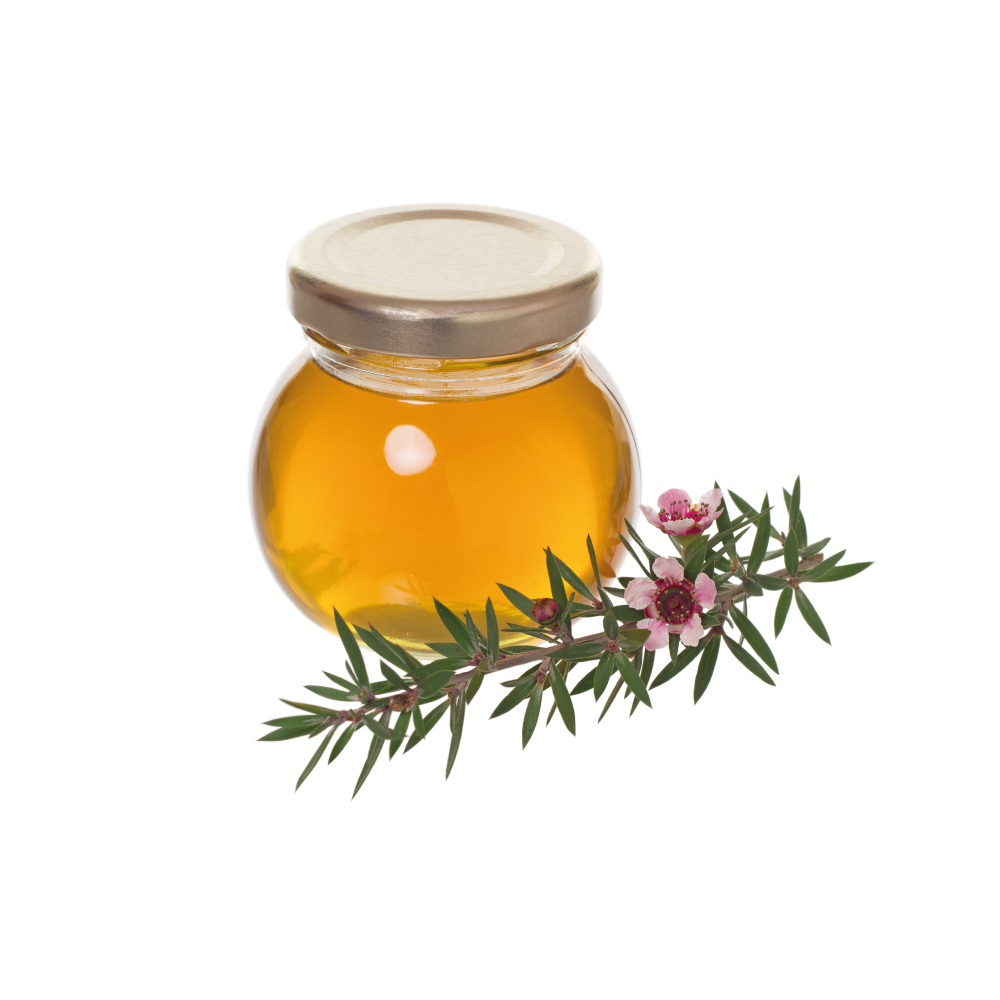 Principal source Manuka Leptospermum scoparium Herb monograph →
 Source Cannabis Cannabis sativa Herb monograph →
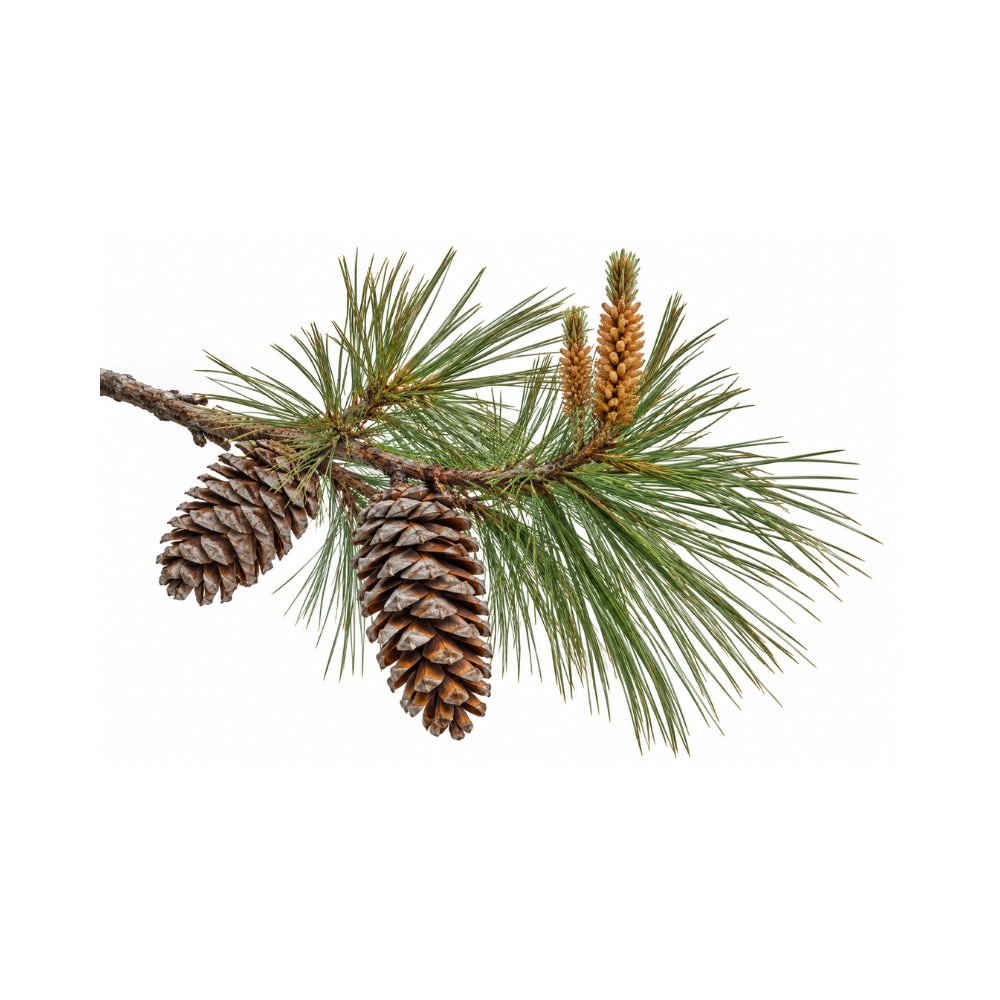 Source Chir Pine Pinus roxburghii Herb monograph →
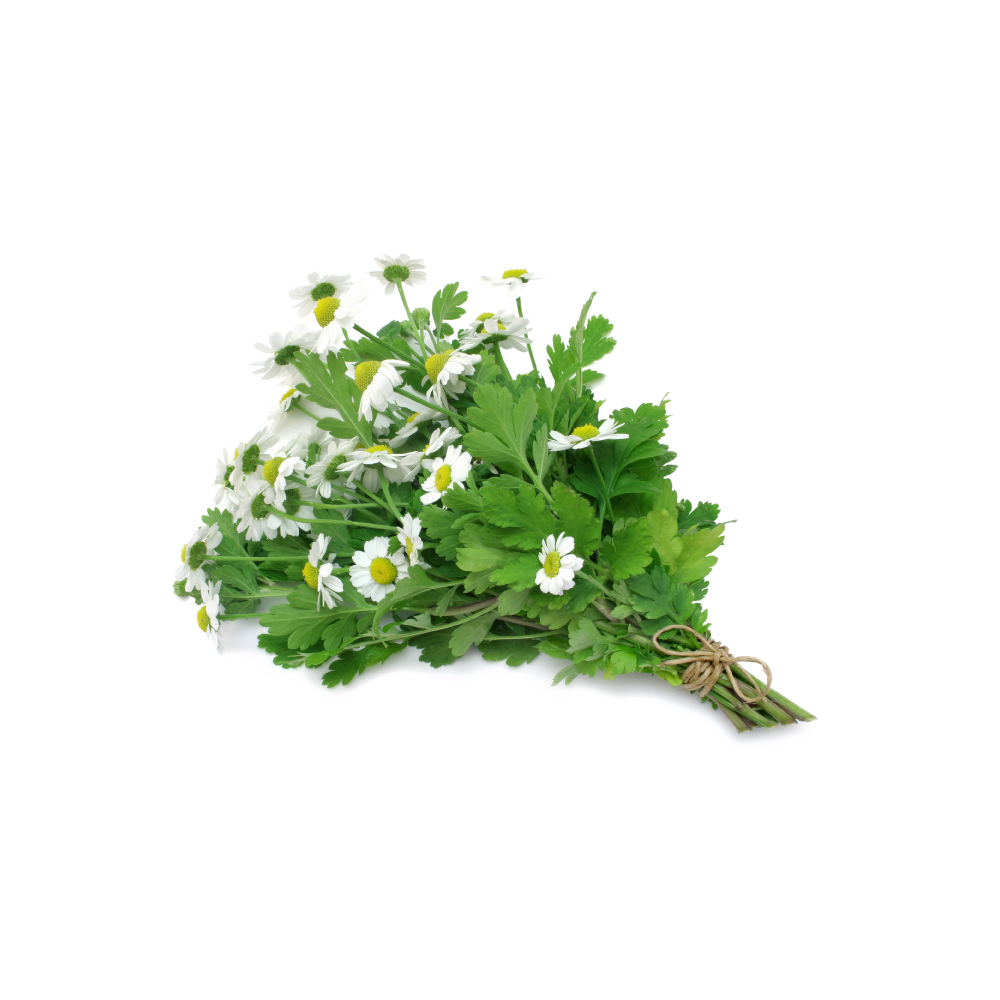 Source Feverfew Tanacetum parthenium Herb monograph →
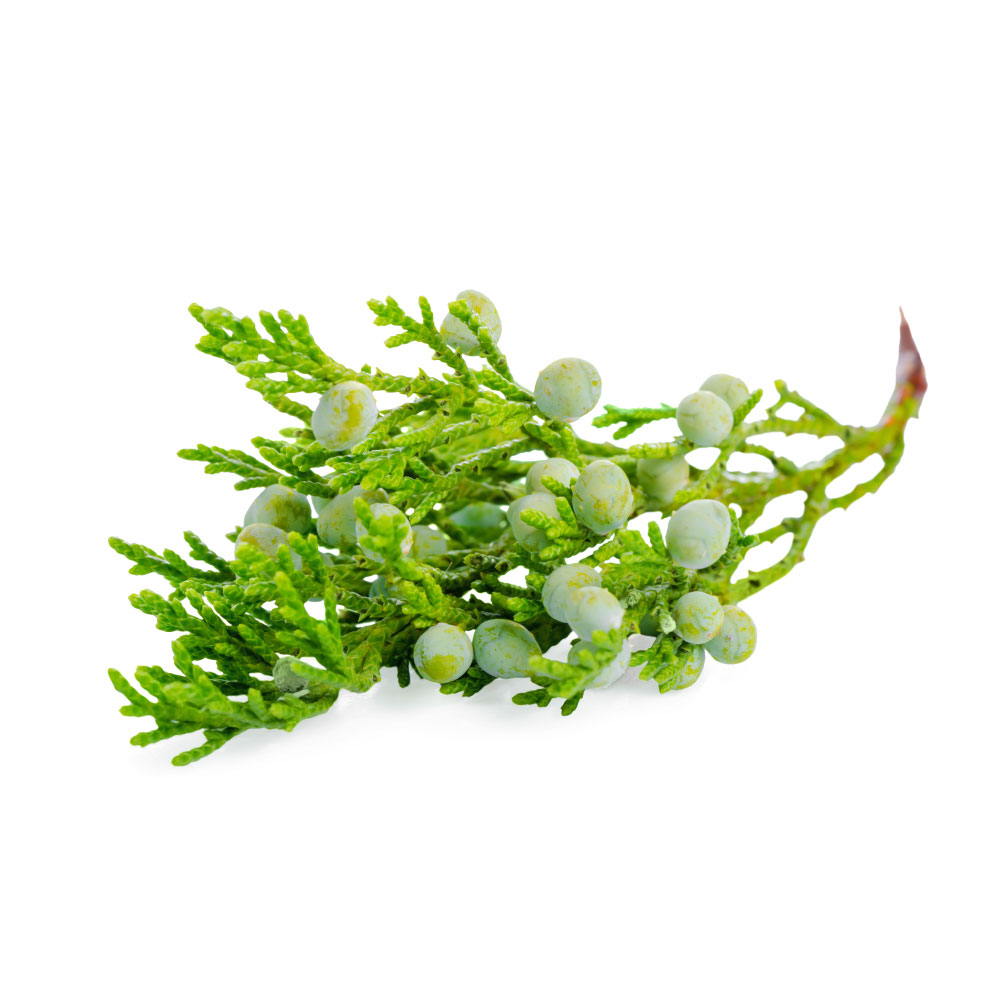 Source Juniper Juniperus communis Herb monograph →
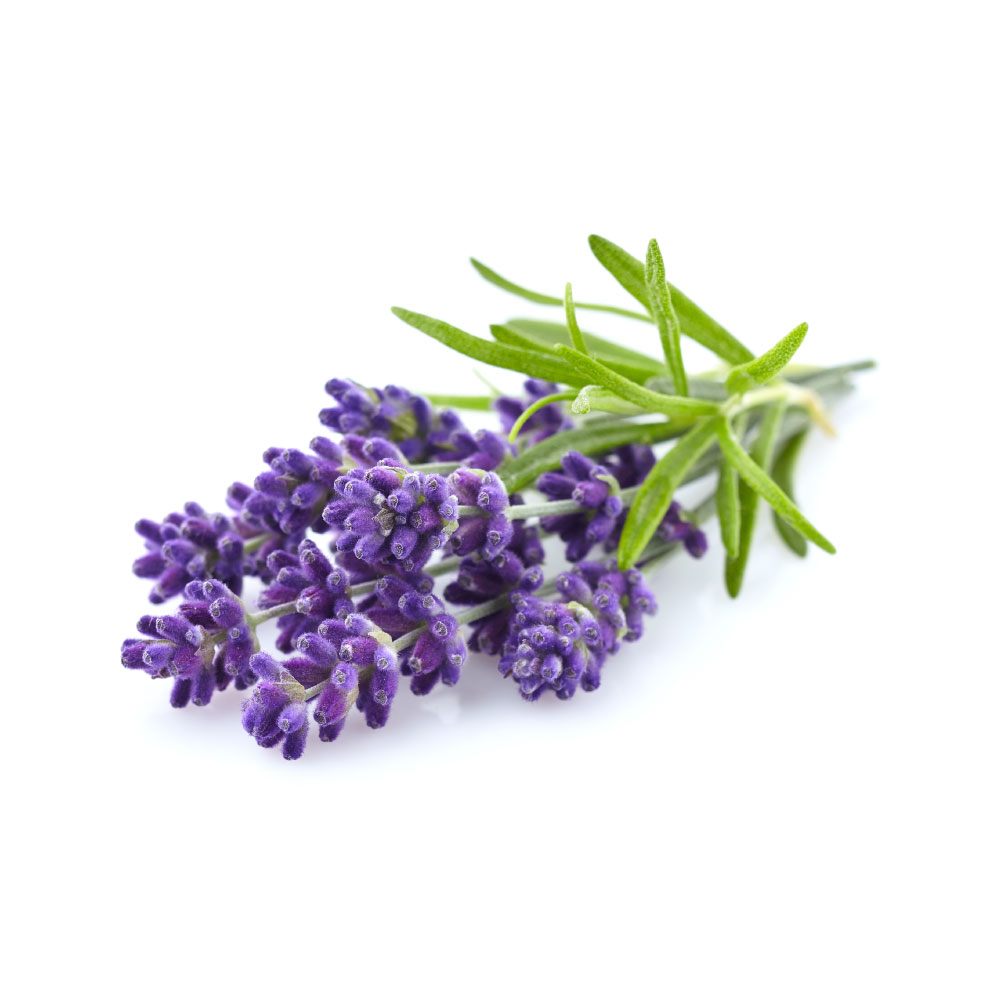 Source Lavender Lavandula angustifolia Herb monograph →
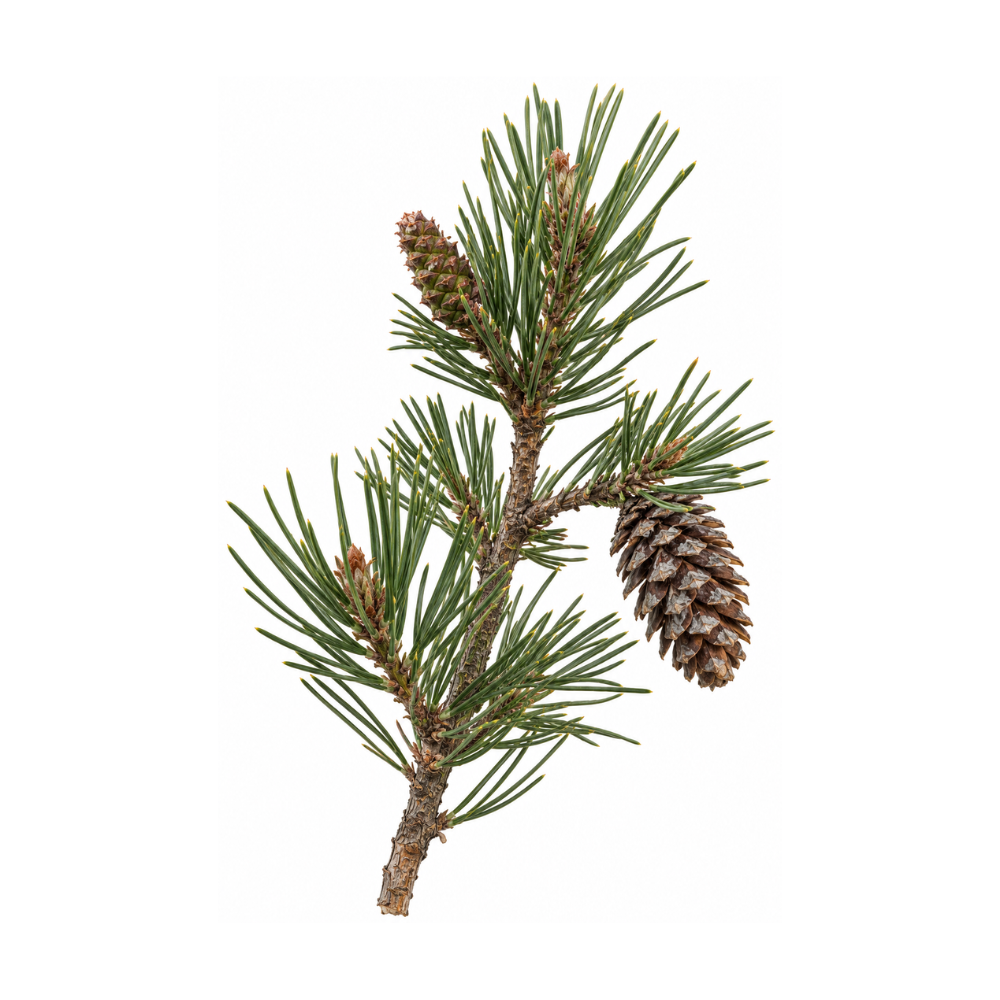 Source Lodgepole Pine Pinus contorta Herb monograph →
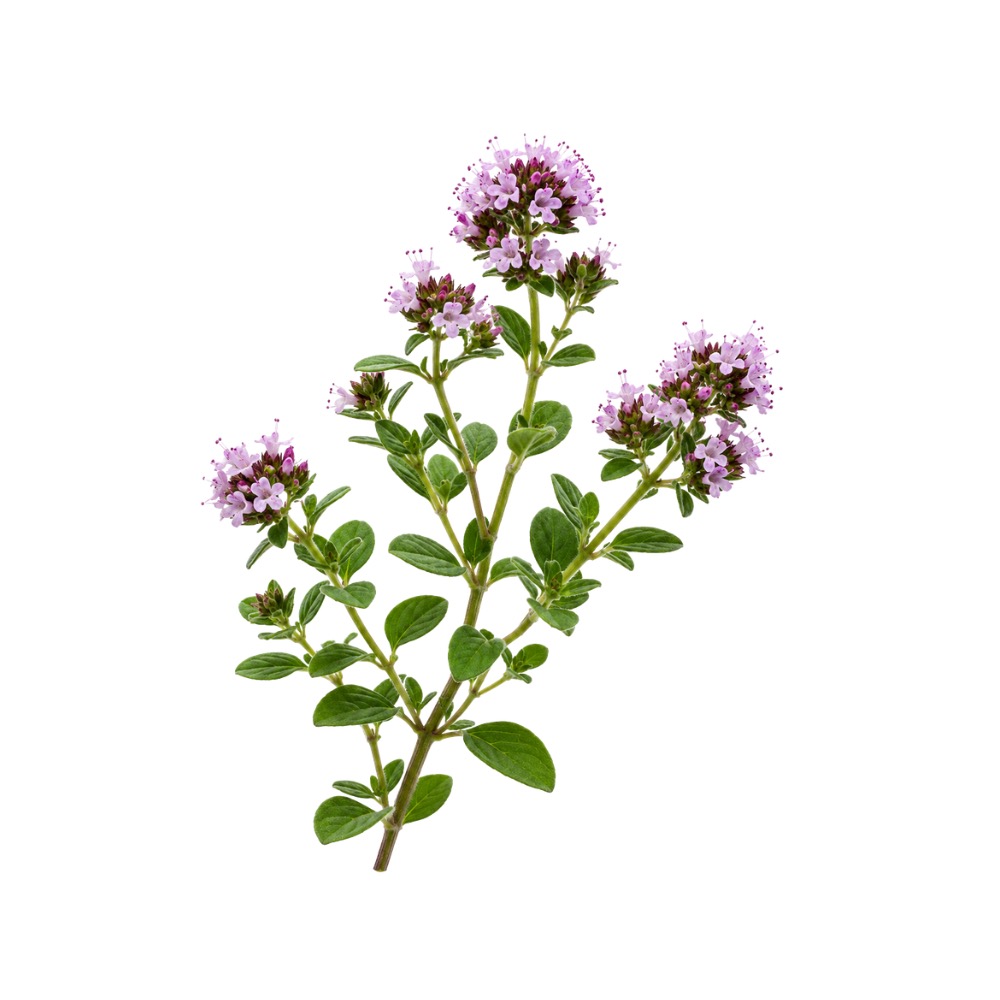 Source Marjoram Origanum majorana Herb monograph →
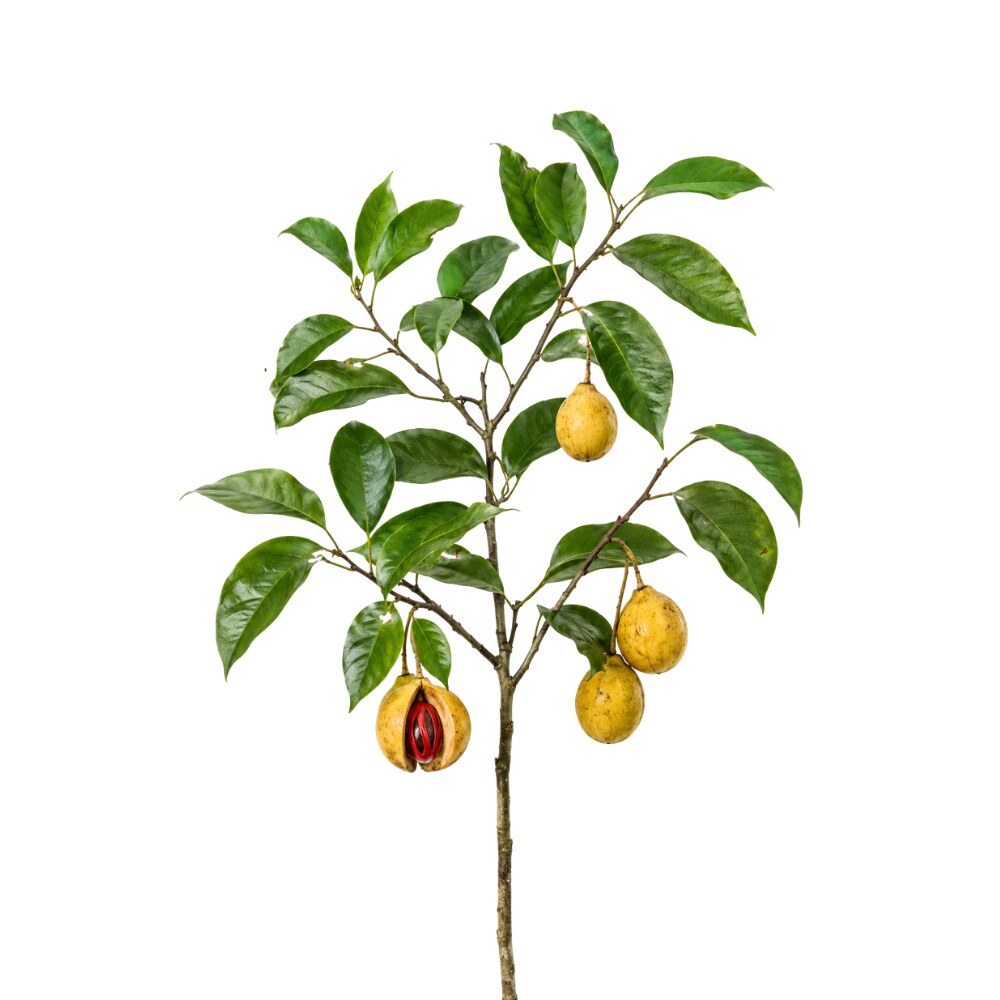 Source Nutmeg Myristica fragrans Herb monograph →
Concentration
Content by Source
Reported concentrations across the plants that contain terpinen-4-ol — the bar marks the typical level, the line shows the reported range.
Literature figures for varying plant parts and preparations. Read them as a comparative guide, not exact assays.
Terpinen-4-ol at a Glance
Terpinen-4-ol is an oxygenated monoterpene alcohol and the single most important component of tea tree oil (the essential oil of Melaleuca alternifolia). It is the compound the international tea tree oil standard, ISO 4730, is built around: a genuine oil must be at least 30% terpinen-4-ol — commonly around 35–48% — and low in the irritant 1,8-cineole 1Reference 1ReviewMelaleuca alternifolia (tea tree) oil: a review of antimicrobial and other medicinal propertiesView study →. Because of this, terpinen-4-ol is routinely described as the oil’s “main active.”
That description is true but easily over-read. Most of the antibacterial, antifungal and anti-acne evidence people cite for terpinen-4-ol was actually generated with the whole oil, not the purified molecule 1Reference 1ReviewMelaleuca alternifolia (tea tree) oil: a review of antimicrobial and other medicinal propertiesView study →. The isolate has been tested directly in a smaller set of studies — anti-inflammatory action on human monocytes 10Reference 10Terpinen-4-ol, the main component of the essential oil of Melaleuca alternifolia (tea tree oil), suppresses inflammatory mediator production by activated human monocytesView study →, an in-vivo Candida model 5Reference 5AnimalIn vivo activity of terpinen-4-ol, the main bioactive component of Melaleuca alternifolia Cheel (tea tree) oil against azole-susceptible and -resistant human pathogenic Candida speciesView study →, killing of Demodex mites 9Reference 9Terpinen-4-ol is the most active ingredient of tea tree oil to kill Demodex mitesView study → and melanoma cells in culture 11Reference 11In vitroTerpinen-4-ol, the main component of Melaleuca alternifolia (tea tree) oil inhibits the in vitro growth of human melanoma cellsView study → — and those are where the strongest single-molecule claims live. Beyond tea tree, terpinen-4-ol is also the aquaretic, urinary-antiseptic principle of juniper berry oil: an oxygenated monoterpene credited with juniper’s diuretic reputation 16Reference 16Janků I, Hava M, Motl O (1957). [Diuretic substance from juniper (Juniperus communis L.)]. Experientia. https://pubmed.ncbi.nlm.nih.gov/13447954/View study →.
The honest posture: terpinen-4-ol is a real antiseptic and anti-inflammatory molecule with a well-defined topical role through tea tree oil, but the marker is not the same thing as the isolate, the human data are topical, and the oil it comes from is toxic if swallowed.
Terpinen-4-ol & Tea Tree Oil
This is the section the page exists for. Terpinen-4-ol’s identity is bound up with tea tree oil more tightly than almost any other constituent–oil pair, and three distinctions do the load-bearing work.
It is the ISO-standardised marker. Tea tree oil is a mixture of ~100 monoterpenes. The trade and the pharmacopoeias grade it on terpinen-4-ol: ISO 4730 requires terpinen-4-ol ≥30% and 1,8-cineole ≤15%, because the terpinen-4-ol-rich, cineole-poor chemotype is both the most antimicrobial and the least irritating 1Reference 1ReviewMelaleuca alternifolia (tea tree) oil: a review of antimicrobial and other medicinal propertiesView study →. So “quality tea tree oil” essentially means “high-terpinen-4-ol oil.”
Marker ≠ isolate. Being the marker does not mean terpinen-4-ol alone reproduces the oil. In the antiviral work, whole tea tree oil showed a ten-fold higher selectivity index and lower toxicity than its isolated monoterpenes 12Reference 12Comparative study on the antiviral activity of selected monoterpenes derived from essential oilsView study →, and in Candida biofilm and antibacterial studies the components interact — the oil is more than the sum of terpinen-4-ol 1,
The evidence is largely the oil, and it is topical. The human trials with real signal — acne 7,
What It's Used For
The evidence base is a mix of whole-oil clinical work and isolated-molecule mechanism studies. The takeaways and per-application rows below flag which is which — the isolate-vs-oil line is the whole point.
Support is an experimental score — weighted by study type (human > animal > in vitro) and volume. A beta, not a validated metric. Most rows mix genuine whole-oil clinical data with isolate mechanism work, so read the per-row basis.
The best-evidenced use. In a randomised, placebo-controlled trial, 25% and 50% tea tree oil solutions produced marked clinical improvement in interdigital tinea pedis (~68–72% vs 39% placebo) 6Reference 6RCTTreatment of interdigital tinea pedis with 25% and 50% tea tree oil solution: a randomized, placebo-controlled, blinded studyView study →, and in-vitro work ranks terpinen-4-ol among the most active tea tree components against Candida and dermatophytes, acting by disrupting fungal membranes 4Reference 4Antifungal activity of the components of Melaleuca alternifolia (tea tree) oilView study →.
Critically, this is one application where the isolate itself was tested in vivo: terpinen-4-ol cleared experimental vaginal candidiasis in rats, including azole-resistant strains 5Reference 5AnimalIn vivo activity of terpinen-4-ol, the main bioactive component of Melaleuca alternifolia Cheel (tea tree) oil against azole-susceptible and -resistant human pathogenic Candida speciesView study →.
Gap: the human tinea trial used the oil, not purified terpinen-4-ol; the isolate in-vivo evidence is a rodent Candida model, and mycological (not just clinical) cure rates for the oil remain modest 6Reference 6RCTTreatment of interdigital tinea pedis with 25% and 50% tea tree oil solution: a randomized, placebo-controlled, blinded studyView study →.
Tea tree oil is broadly bactericidal in vitro, and terpinen-4-ol is a principal driver. All 66 Staphylococcus aureus isolates in one study — 64 of them methicillin-resistant (MRSA) — were susceptible to the oil 3Reference 3Susceptibility of methicillin-resistant Staphylococcus aureus to the essential oil of Melaleuca alternifoliaView study →, and the mechanism is membrane damage: the oil inhibits respiration and permeabilises bacterial cytoplasmic membranes, causing potassium leakage 2Reference 2The mode of antimicrobial action of the essential oil of Melaleuca alternifolia (tea tree oil)View study →.
Terpinen-4-ol is the marker for this activity, and the oil has been trialled as a topical MRSA decolonisation agent 1Reference 1ReviewMelaleuca alternifolia (tea tree) oil: a review of antimicrobial and other medicinal propertiesView study →.
Gap: almost all of this is whole-oil data (in vitro or topical decolonisation); purified terpinen-4-ol is rarely the tested agent, and there is no systemic antibacterial use — the concentrations are topical-only 1,
Two randomised human trials support tea tree oil for mild-to-moderate acne. A single-blind study found 5% tea tree oil gel comparably effective to 5% benzoyl peroxide, with slower onset but fewer side effects 7Reference 7A comparative study of tea-tree oil versus benzoylperoxide in the treatment of acneView study →, and a double-blind, placebo-controlled trial found 5% TTO gel several times more effective than placebo on lesion count and severity 8Reference 8RCTThe efficacy of 5% topical tea tree oil gel in mild to moderate acne vulgaris: a randomized, double-blind placebo-controlled studyView study →.
The plausible mechanism combines antibacterial action against Cutibacterium acnes with anti-inflammatory activity. Gap: both trials used the oil, not the isolate; they are small, and the anti-acne signal is a whole-TTO result that terpinen-4-ol standardises rather than one demonstrated for the pure molecule 7,
The clearest isolate-specific claim on the page. Screening the individual tea tree components against Demodex mites, terpinen-4-ol was the single most active ingredient — more potent than whole tea tree oil at equivalent concentration 9Reference 9Terpinen-4-ol is the most active ingredient of tea tree oil to kill Demodex mitesView study →.
This underpins the use of terpinen-4-ol-standardised lid scrubs and cleansers for Demodex blepharitis, an application reflected in ophthalmology trials of tea tree preparations 20Reference 20Systematic reviewEfficacy and safety of Melaleuca alternifolia (tea tree) oil for human health — a systematic review of randomized controlled trialsView study →.
Gap: the decisive in-vitro comparison is not an efficacy trial; the clinical evidence is mostly small ophthalmology studies of tea tree / terpinen-4-ol products, and ocular-surface irritation is a real tolerability limit 9,
Here the isolated molecule was tested directly. Terpinen-4-ol — the main component of tea tree oil — suppressed the production of inflammatory mediators (TNF-α, IL-1β, IL-8, prostaglandin E2) by lipopolysaccharide-activated human monocytes in vitro 10Reference 10Terpinen-4-ol, the main component of the essential oil of Melaleuca alternifolia (tea tree oil), suppresses inflammatory mediator production by activated human monocytesView study →.
This anti-inflammatory action is part of why tea tree oil calms inflamed skin, and it is a genuine single-molecule result rather than a whole-oil one. Gap: it is in-vitro human-cell work at defined concentrations; there is no controlled clinical trial isolating an anti-inflammatory benefit of terpinen-4-ol in people 10Reference 10Terpinen-4-ol, the main component of the essential oil of Melaleuca alternifolia (tea tree oil), suppresses inflammatory mediator production by activated human monocytesView study →.
A modest, mechanism-level signal. Among monoterpenes derived from tea tree, eucalyptus and thyme oils, terpinen-4-ol and its relatives inhibited herpes simplex virus type 1 (HSV-1) in vitro — chiefly by direct inactivation of free virus particles before they entered cells, rather than blocking intracellular replication 12Reference 12Comparative study on the antiviral activity of selected monoterpenes derived from essential oilsView study →.
Notably, whole tea tree oil was more selective and less toxic than the isolated monoterpenes. Gap: in-vitro virucidal activity against free virus only; the oil outperformed the isolate on selectivity, and there is no human antiviral evidence for terpinen-4-ol 12Reference 12Comparative study on the antiviral activity of selected monoterpenes derived from essential oilsView study →.
The juniper thread, separate from the tea tree story. Terpinen-4-ol is the oxygenated monoterpene credited with juniper berry’s diuretic and “urinary antiseptic” reputation — described in the mid-twentieth-century literature as a diuretic principle that acts as an aquaretic, increasing glomerular filtration and water loss rather than irritating the renal tubules 16Reference 16Janků I, Hava M, Motl O (1957). [Diuretic substance from juniper (Juniperus communis L.)]. Experientia. https://pubmed.ncbi.nlm.nih.gov/13447954/View study →.
The modern reading is that pure Juniperus communis oil drives this effect through terpinen-4-ol without the nephrotoxicity historically blamed on adulterated whole oils. Gap: this rests on old, isolate/animal-level pharmacology with no modern human data; juniper’s terpinen-4-ol content is low (trace–~6%) and best recovered by supercritical-CO2 extraction 16,
An in-vitro-only line. Terpinen-4-ol, the main component of tea tree oil, inhibited the growth of human melanoma cells in culture, inducing caspase-dependent apoptosis — and did so even in drug-resistant, P-glycoprotein-expressing variants that resist conventional chemotherapy 11Reference 11In vitroTerpinen-4-ol, the main component of Melaleuca alternifolia (tea tree) oil inhibits the in vitro growth of human melanoma cellsView study →. Gap: cell-culture data at high concentrations; no animal or human anticancer evidence, and no route by which topical or dietary exposure reaches such levels systemically 11Reference 11In vitroTerpinen-4-ol, the main component of Melaleuca alternifolia (tea tree) oil inhibits the in vitro growth of human melanoma cellsView study →.
Mechanisms
| Target / pathway | Effect | Relevant to |
|---|---|---|
| Bacterial cytoplasmic / yeast plasma membrane | inhibits respiration, permeabilises the membrane, causes K⁺ leakage (mostly whole-oil data) | antibacterial / antifungal |
| Candida membrane function & germ-tube formation | fungicidal; impairs hyphal transition | antifungal |
| LPS-activated human monocytes | suppresses TNF-α, IL-1β, IL-8, PGE2 output | anti-inflammatory |
| Demodex mite | direct acaricidal — the most potent TTO component | Demodex / blepharitis |
| HSV-1 free virus particle | direct virucidal inactivation before cell entry | antiviral |
| Renal glomerular filtration | aquaretic — ↑ filtration/water excretion without tubular irritation | urinary antiseptic (juniper) |
| Melanoma cell membrane → caspase cascade | caspase-dependent apoptosis; overcomes P-gp resistance | anticancerin vitro |
The unifying theme is a lipophilic, membrane-active monoterpene alcohol: it partitions into and disrupts microbial, mite and tumour-cell membranes, and dampens monocyte signalling. The juniper aquaretic action is a distinct renal effect on a different axis.
Pharmacokinetics
The value-add for a topical antiseptic is dermal, not oral, kinetics. In human skin in vitro, terpinen-4-ol is the largest tea tree oil component to penetrate the epidermis — but only a small fraction of an applied dose gets through: roughly 1–4% of the applied amount penetrated into or across human epidermis (more from neat oil than from a 20% solution), rising to about 7% under partial occlusion, with the dermis acting as a reservoir 13Reference 13In vitroHuman skin penetration of the major components of Australian tea tree oil applied in its pure form and as a 20% solution in vitroView study →. That limited, depot-like percutaneous absorption is consistent with a locally acting topical antiseptic rather than a systemically distributed drug. Robust human oral pharmacokinetics — bioavailability, half-life, metabolism of the isolate — are not established, because the oil is not taken internally.
Clinical Trials
Human evidence is topical and belongs to tea tree oil preparations, not purified terpinen-4-ol. A 2023 systematic review of randomised controlled trials found tea tree oil studied across dentistry, dermatology, infectious disease, ophthalmology and podiatry, with the most consistent signals in acne, tinea and oral/ocular applications 20Reference 20Systematic reviewEfficacy and safety of Melaleuca alternifolia (tea tree) oil for human health — a systematic review of randomized controlled trialsView study →. The isolate’s own record is mechanistic (in-vitro / animal), not clinical.
| Completed | Planned | Terminated | Preclinical |
|---|---|---|---|
| Topical TTO: acne, tinea pedis, MRSA decolonisation, Demodex blepharitis 6, | — | — | Isolate: anti-inflammatory, in-vivo Candida, antiviral, anticancer 5, |
Last checked: July 2026.
Isolate vs. Plant Studies
Terpinen-4-ol sits at an unusual midpoint. It is the standardised marker of a whole oil, so most of its “evidence” is really tea tree oil evidence — the acne trials 7,
Where the isolate itself carries the claim, the studies are preclinical: anti-inflammatory suppression of human monocytes 10Reference 10Terpinen-4-ol, the main component of the essential oil of Melaleuca alternifolia (tea tree oil), suppresses inflammatory mediator production by activated human monocytesView study →, in-vivo Candida clearance in rats 5Reference 5AnimalIn vivo activity of terpinen-4-ol, the main bioactive component of Melaleuca alternifolia Cheel (tea tree) oil against azole-susceptible and -resistant human pathogenic Candida speciesView study →, the Demodex screen 9Reference 9Terpinen-4-ol is the most active ingredient of tea tree oil to kill Demodex mitesView study → and melanoma apoptosis in culture 11Reference 11In vitroTerpinen-4-ol, the main component of Melaleuca alternifolia (tea tree) oil inhibits the in vitro growth of human melanoma cellsView study →. The juniper aquaretic attribution is likewise an old single-molecule/animal result, not a whole-plant human trial 16Reference 16Janků I, Hava M, Motl O (1957). [Diuretic substance from juniper (Juniperus communis L.)]. Experientia. https://pubmed.ncbi.nlm.nih.gov/13447954/View study →. The correct framing: strong whole-oil topical evidence + a handful of solid isolate mechanism studies + no human trial of the pure molecule.
Its Role in Plants
In Melaleuca alternifolia, terpinen-4-ol is a product of the leaf’s monoterpene machinery, but with a twist: it is not the direct product of a single terpene synthase. All the major tea tree monoterpenes derive from the universal precursor geranyl diphosphate, and the terpinen-4-ol chemotype is generated largely through the non-enzymatic rearrangement of sabinene hydrate, the product of a sabinene-hydrate synthase 18,
Ecologically, this volatile fraction is part of the plant’s antimicrobial and herbivore-defence chemistry — the same membrane-disrupting activity that makes the oil useful to people plausibly deters microbes and insects on the leaf.
Prevalence in Nature
Terpinen-4-ol is a widespread but usually minor oxygenated monoterpene, and its one commanding source is tea tree. In tea tree oil it is the dominant component — the ISO 4730 standard requires ≥30%, and terpinen-4-ol-chemotype oils commonly run ~35–48% 1Reference 1ReviewMelaleuca alternifolia (tea tree) oil: a review of antimicrobial and other medicinal propertiesView study →. Elsewhere it is a supporting note: it is the pharmacologically important trace-to-minor component of juniper berry oil (trace–~6%, enriched by supercritical-CO2 extraction) 17Reference 17A comparison between the oil, hexane extract and supercritical carbon dioxide extract of Juniperus communis LView study →, a minor constituent of lavender (~2–6%), and a more substantial constituent of marjoram (Origanum majorana) and nutmeg, among many other Lamiaceae and Myrtaceae oils. Across sources it co-occurs with its biosynthetic siblings γ-terpinene, α-terpinene and 1,8-cineole and the related alcohol α-terpineol 1,
Major Natural Sources
| Source | Plant part | Reported terpinen-4-ol content |
|---|---|---|
| Tea tree (Melaleuca alternifolia) | leaf/branch oil | ~30–48% (ISO 4730 ≥30%) |
| Marjoram (Origanum majorana) | herb oil | major constituent (terpinen-4-ol type) |
| Juniper (Juniperus communis) | berry oil | trace–~6% |
| Lavender (Lavandula angustifolia) | flower oil | ~2–6% |
Figures are the percentage of the essential oil, not of the whole plant, and shift with chemotype, provenance and extraction method.
Discovery & Synthesis
Terpinen-4-ol was first characterised as a constituent of Melaleuca and Eucalyptus oils in the era of Australian essential-oil chemistry that established tea tree oil’s composition; its recognition as the oil’s principal active and quality marker is what eventually produced the ISO 4730 standard built around it 1Reference 1ReviewMelaleuca alternifolia (tea tree) oil: a review of antimicrobial and other medicinal propertiesView study →. A defined biosynthetic origin — the non-enzymatic conversion of sabinene hydrate, itself the product of a characterised synthase — was worked out only decades later, through the terpene-synthase and chemotype-genetics studies of tea tree 18,
Manufacture today is overwhelmingly by extraction: terpinen-4-ol reaches the market as (and within) steam-distilled tea tree oil, standardised to the ISO 4730 profile, rather than as a synthetic isolate. Purified terpinen-4-ol is available as a research and specialty chemical, but the commercial product that matters is the oil.
Patents: not yet researched.
Toxicity & Safety
The important safety facts here are about the oil, not the fresh isolated molecule. Terpinen-4-ol itself is the low-irritancy, oxygenated fraction that the ISO standard actually selects for over the harsher 1,8-cineole — which is why the isolate carries a low flag. The hazards below come from the whole oil and from what it becomes on air.
- The fresh isolate is low-toxicity and well tolerated on skin. Terpinen-4-ol is the low-irritant component that quality standards favour; properly diluted tea tree oil is generally well tolerated topically 1Reference 1ReviewMelaleuca alternifolia (tea tree) oil: a review of antimicrobial and other medicinal propertiesView study →.
- Tea tree oil must never be swallowed. Ingestion of even small amounts of the oil causes ataxia, drowsiness, confusion and CNS depression — documented in young children after <10 mL 14Reference 14Ingestion of tea tree oil (Melaleuca oil) by a 4-year-old boyView study →.
- Oxidised oil is the real allergen — not fresh terpinen-4-ol. On air exposure tea tree oil forms degradation products (ascaridole, peroxides, epoxides) that are far stronger skin sensitisers than the fresh oil; use fresh, well-sealed oil 15Reference 15Degradation products of monoterpenes are the sensitizing agents in tea tree oilView study →.
- Undiluted oil irritates skin, eyes and mucosa. Neat application and ocular-surface use (e.g. Demodex products) can irritate; dilute and patch-test 20Reference 20Systematic reviewEfficacy and safety of Melaleuca alternifolia (tea tree) oil for human health — a systematic review of randomized controlled trialsView study →.
Full Safety & Interactions Detail
Oral toxicity of the oil (not the isolate as a dietary molecule). The headline hazard is ingestion of tea tree oil. Case reports describe children becoming ataxic and progressing to unresponsiveness after swallowing less than 10 mL of the oil, with recovery over hours to a day; adults have lapsed into transient coma after larger ingestions 14Reference 14Ingestion of tea tree oil (Melaleuca oil) by a 4-year-old boyView study →. This CNS toxicity is a whole-oil phenomenon, driven substantially by its hydrocarbon terpenes, and is the reason tea tree oil is a topical-only agent kept away from children and pets.
Contact allergy is an oxidation story. Fresh tea tree oil is a weak sensitiser; oxidised oil is roughly three times stronger. The sensitising agents are degradation products formed as the oil ages in air and light — ascaridole, peroxides, epoxides and endoperoxides — rather than fresh terpinen-4-ol itself 15Reference 15Degradation products of monoterpenes are the sensitizing agents in tea tree oilView study →. Practically, this means the allergen load rises with age, heat, light and repeated opening, and mitigation is to use fresh, well-sealed, antioxidant-protected oil.
Irritation. Undiluted oil can irritate skin and, particularly, the ocular surface; terpinen-4-ol-based Demodex/blepharitis products are formulated and titrated precisely because neat tea tree oil is too irritating for the eyelid margin 20Reference 20Systematic reviewEfficacy and safety of Melaleuca alternifolia (tea tree) oil for human health — a systematic review of randomized controlled trialsView study →.
Interactions. No specific human cytochrome-P450 or transporter interaction is characterised for isolated terpinen-4-ol; systemic exposure from correct topical use is low 13Reference 13In vitroHuman skin penetration of the major components of Australian tea tree oil applied in its pure form and as a 20% solution in vitroView study →. Interaction risk is therefore uncharacterised rather than established as absent.
Reproductive note (prose only). No dedicated reproductive-toxicity dataset exists for isolated terpinen-4-ol. Pregnancy and lactation decisions belong to the herb or product page where intake is decided, not to this molecule page.
Dosage
There is no established systemic oral dose for isolated terpinen-4-ol, and the oil that carries it is not for internal use. Its real-world dosing is topical and expressed as tea tree oil, standardised to its terpinen-4-ol content:
| Application | Typical preparation |
|---|---|
| Acne (mild–moderate) | ~5% tea tree oil gel 7, |
| Tinea pedis (athlete’s foot) | 25–50% tea tree oil solution, twice daily 6Reference 6RCTTreatment of interdigital tinea pedis with 25% and 50% tea tree oil solution: a randomized, placebo-controlled, blinded studyView study → |
| Demodex blepharitis | terpinen-4-ol-standardised lid scrubs / cleansers 9, |
| General topical antiseptic | diluted oil (typically ≤5–10% on skin) |
Juniper exposure is indirect — terpinen-4-ol is a trace-to-minor (trace–~6%) component of juniper berry oil, best recovered by supercritical-CO2 extraction, with no standardised human dose 17Reference 17A comparison between the oil, hexane extract and supercritical carbon dioxide extract of Juniperus communis LView study →. These are preparations and concentrations studied in research and traditional use, not a personal recommendation.
References
- Carson CF, Hammer KA, Riley TV (2006). Melaleuca alternifolia (tea tree) oil: a review of antimicrobial and other medicinal properties. Clinical Microbiology Reviews. https://pubmed.ncbi.nlm.nih.gov/16418522/
- Cox SD, et al. (2000). The mode of antimicrobial action of the essential oil of Melaleuca alternifolia (tea tree oil). Journal of Applied Microbiology. https://pubmed.ncbi.nlm.nih.gov/10735256/
- Carson CF, Cookson BD, Farrelly HD, Riley TV (1995). Susceptibility of methicillin-resistant Staphylococcus aureus to the essential oil of Melaleuca alternifolia. Journal of Antimicrobial Chemotherapy. https://pubmed.ncbi.nlm.nih.gov/7782258/
- Hammer KA, Carson CF, Riley TV (2003). Antifungal activity of the components of Melaleuca alternifolia (tea tree) oil. Journal of Applied Microbiology. https://pubmed.ncbi.nlm.nih.gov/12969301/
- Mondello F, et al. (2006). In vivo activity of terpinen-4-ol, the main bioactive component of Melaleuca alternifolia Cheel (tea tree) oil against azole-susceptible and -resistant human pathogenic Candida species. BMC Infectious Diseases. https://pubmed.ncbi.nlm.nih.gov/17083732/
- Satchell AC, Saurajen A, Bell C, Barnetson RS (2002). Treatment of interdigital tinea pedis with 25% and 50% tea tree oil solution: a randomized, placebo-controlled, blinded study. Australasian Journal of Dermatology. https://pubmed.ncbi.nlm.nih.gov/12121393/
- Bassett IB, Pannowitz DL, Barnetson RS (1990). A comparative study of tea-tree oil versus benzoylperoxide in the treatment of acne. Medical Journal of Australia. https://pubmed.ncbi.nlm.nih.gov/2145499/
- Enshaieh S, Jooya A, Siadat AH, Iraji F (2007). The efficacy of 5% topical tea tree oil gel in mild to moderate acne vulgaris: a randomized, double-blind placebo-controlled study. Indian Journal of Dermatology, Venereology and Leprology. https://pubmed.ncbi.nlm.nih.gov/17314442/
- Tighe S, Gao YY, Tseng SCG (2013). Terpinen-4-ol is the most active ingredient of tea tree oil to kill Demodex mites. Translational Vision Science & Technology. https://pubmed.ncbi.nlm.nih.gov/24349880/
- Hart PH, et al. (2000). Terpinen-4-ol, the main component of the essential oil of Melaleuca alternifolia (tea tree oil), suppresses inflammatory mediator production by activated human monocytes. Inflammation Research. https://pubmed.ncbi.nlm.nih.gov/11131302/
- Calcabrini A, et al. (2004). Terpinen-4-ol, the main component of Melaleuca alternifolia (tea tree) oil inhibits the in vitro growth of human melanoma cells. Journal of Investigative Dermatology. https://pubmed.ncbi.nlm.nih.gov/15009716/
- Astani A, Reichling J, Schnitzler P (2010). Comparative study on the antiviral activity of selected monoterpenes derived from essential oils. Phytotherapy Research. https://pubmed.ncbi.nlm.nih.gov/19653195/
- Cross SE, Russell M, Southwell I, Roberts MS (2008). Human skin penetration of the major components of Australian tea tree oil applied in its pure form and as a 20% solution in vitro. European Journal of Pharmaceutics and Biopharmaceutics. https://pubmed.ncbi.nlm.nih.gov/17983738/
- Morris MC, Donoghue A, Markowitz JA, Osterhoudt KC (2003). Ingestion of tea tree oil (Melaleuca oil) by a 4-year-old boy. Pediatric Emergency Care. https://pubmed.ncbi.nlm.nih.gov/12813303/
- Hausen BM, Reichling J, Harkenthal M (1999). Degradation products of monoterpenes are the sensitizing agents in tea tree oil. American Journal of Contact Dermatitis. https://pubmed.ncbi.nlm.nih.gov/10357714/
- Janků I, Hava M, Motl O (1957). [Diuretic substance from juniper (Juniperus communis L.)]. Experientia. https://pubmed.ncbi.nlm.nih.gov/13447954/
- Damjanović B, et al. (2003). A comparison between the oil, hexane extract and supercritical carbon dioxide extract of Juniperus communis L. Journal of Essential Oil Research. https://doi.org/10.1080/10412905.2003.9712076
- Voelker J, Mauleon R, Shepherd M (2023). A terpene synthase supergene locus determines chemotype in Melaleuca alternifolia (tea tree). New Phytologist. https://pubmed.ncbi.nlm.nih.gov/37737003/
- Padovan A, et al. (2017). Four terpene synthases contribute to the generation of chemotypes in tea tree (Melaleuca alternifolia). BMC Plant Biology. https://pubmed.ncbi.nlm.nih.gov/28978322/
- Kairey L, et al. (2023). Efficacy and safety of Melaleuca alternifolia (tea tree) oil for human health — a systematic review of randomized controlled trials. Frontiers in Pharmacology. https://pubmed.ncbi.nlm.nih.gov/37033604/



