
Materia Medica
Clavo Huasca
Tynanthus panurensis
Clavo huasca is a clove-scented Amazonian vine whose bark and wood are steeped in spirit as an aphrodisiac and a remedy for rheumatic pain. Its bark carries eugenol, bound mainly as a glycoside, along with verbascoside.
What Is Clavo Huasca?
Clavo huasca is a clove-scented Amazonian vine, used above all as an aphrodisiac and for rheumatic and muscle pain. Its bark and wood are steeped in cane spirit to make a warming tonic drink 7Reference 7The healing power of rainforest herbs: A guide to understanding and using herbal medicinals.
Tynanthus panurensis climbs by tendrils through moist forest in Bolivia, northern Brazil, Peru, Ecuador and Colombia, and is harvested from the wild for local use as a spice and a medicine 11Reference 11Tynanthus panurensis — range, habitat and uses — species databaseView study →. In Peru it goes into the herbal liquors sold in markets as aphrodisiacs 7Reference 7The healing power of rainforest herbs: A guide to understanding and using herbal medicinals.
The clove scent comes from eugenol, the main compound in clove oil. In the bark it occurs mostly bound to sugars, as a eugenol glycoside, alongside verbascoside 6Reference 6Phenylpropanoid glycosides from Tynanthus panurensis: characterization and LC-MS quantitative analysis — phytochemical characterizationView study →. One study has tested the bark directly, and found anti-inflammatory activity in rats 5Reference 5In vitroBioactive properties of Tynanthus panurensis (Bureau) Sanwith bark extract, the Amazonian “clavo huasca” — in vitro and in vivo (rat carrageenan oedema) studyView study →.
A vine of the genus Mandevilla, from a different family, is also sold as clavo huasca 7Reference 7The healing power of rainforest herbs: A guide to understanding and using herbal medicinals.
How Is Clavo Huasca Used?
Clavo huasca is used mainly as the vine’s bark and wood, and less often the root and leaves 7Reference 7The healing power of rainforest herbs: A guide to understanding and using herbal medicinals.
- Spirit maceration — bark and wood steeped in aguardiente, the local cane spirit, taken as an aphrodisiac and for rheumatism and fever 7Reference 7The healing power of rainforest herbs: A guide to understanding and using herbal medicinals.
- Tincture — 3–4 mL twice daily as a libido aid 7Reference 7The healing power of rainforest herbs: A guide to understanding and using herbal medicinals.
- Infusion or decoction — a cup of vine wood or leaf infusion as a digestive aid and appetite stimulant; in Brazil a water decoction is taken for indigestion and gas 7Reference 7The healing power of rainforest herbs: A guide to understanding and using herbal medicinals.
- Root resin — the fresh sap squeezed onto an aching tooth 7Reference 7The healing power of rainforest herbs: A guide to understanding and using herbal medicinals.
- Spice — used locally as a clove-scented spice or tea 11Reference 11Tynanthus panurensis — range, habitat and uses — species databaseView study →.
Traditional Uses
Amazonian Indigenous Medicine
The Shipibo-Conibo, Kayapó and Assurini peoples of the Amazon value clavo huasca as a remedy for impotence and weak erections, and as an aphrodisiac for both men and women 7Reference 7The healing power of rainforest herbs: A guide to understanding and using herbal medicinals.
It is added to some ayahuasca brews, or taken shortly after, to settle the stomach. Ayahuasca is strongly purgative, and clavo huasca is used to lessen the vomiting and diarrhoea 7Reference 7The healing power of rainforest herbs: A guide to understanding and using herbal medicinals.
Peruvian Folk Medicine
In Peruvian herbal medicine clavo huasca is an aphrodisiac for both men and women. It is an ingredient of two well-known market formulas for impotence and low libido, siete raíces (“seven roots”) and rompe calzón 7Reference 7The healing power of rainforest herbs: A guide to understanding and using herbal medicinals.
The vine tincture is taken for fever, aching muscles and arthritis pain. The fresh sap or resin from the root is used for toothache 7Reference 7The healing power of rainforest herbs: A guide to understanding and using herbal medicinals.
In the Peruvian Amazon it is also used as an energising tonic and pain reliever, and for rheumatism and diabetes 12Reference 12ReviewChemical review and studies related to species from the genus Tynanthus (Bignoniaceae) — reviewView study →.
Brazilian Folk Medicine
In Brazil the plant is called cipó cravo. A water decoction is taken for indigestion, sluggish digestion and intestinal gas, and a spirit tincture as an aphrodisiac 7Reference 7The healing power of rainforest herbs: A guide to understanding and using herbal medicinals.
It is also used for poor appetite, arthritis, rheumatism and worms 11Reference 11Tynanthus panurensis — range, habitat and uses — species databaseView study →.
Ecuadorian Folk Medicine
In Ecuador clavo huasca is used as an aphrodisiac and for arthritis, fever, muscle aches, pain and rheumatism 11Reference 11Tynanthus panurensis — range, habitat and uses — species databaseView study →.
Indications
- Low libido and impotence [bark and wood in spirit; Amazonian and Peruvian use]
- Rheumatism and arthritis pain [bark and wood in spirit; Peruvian use]
- Muscle aches [tincture; Peruvian use]
- Fever [tincture; Peruvian and Ecuadorian use]
- Indigestion and intestinal gas [water decoction; Brazilian use]
- Poor appetite [infusion; Brazilian use]
- Nausea from ayahuasca [vine; Amazonian use]
- Toothache [fresh root resin; Peruvian use]
Botany
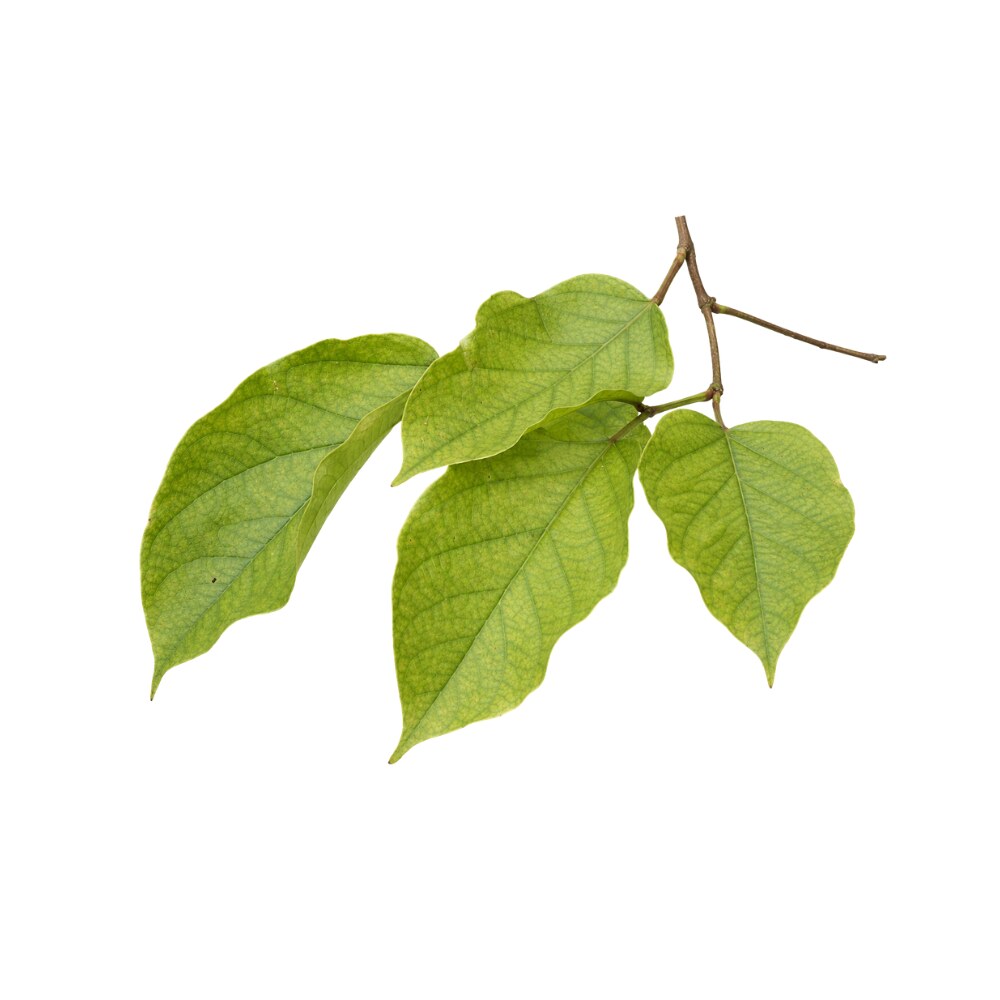
Clavo huasca is a woody climber in the trumpet-vine family (Bignoniaceae), the family that also includes pau d’arco. It attaches itself to other plants by tendrils 11Reference 11Tynanthus panurensis — range, habitat and uses — species databaseView study →.
The wood and leaves smell strongly of clove 11Reference 11Tynanthus panurensis — range, habitat and uses — species databaseView study →. That scent runs through the whole genus. Tynanthus species also share small two-lipped flowers, whose two upper lobes are almost fused, and fruits with raised margins 9Reference 9ReviewPhylogeny and biogeography of Tynanthus Miers (Bignonieae, Bignoniaceae) — phylogenetic reviewView study →.
Tynanthus has 14 species of Neotropical lianas, ranging from southern Mexico to southern Brazil 10Reference 10Taxonomic revision of Tynanthus (Bignonieae, Bignoniaceae) — taxonomic revisionView study →. Two of them were described as new in 2014 4Reference 4Two new species of Tynanthus Miers (Bignonieae, Bignoniaceae) from Brazil — taxonomyView study →.
Several species are used medicinally, and T. panurensis is the one most often meant by the name. The related T. micranthus, of southern and south-eastern Brazil, is also used as an aphrodisiac 1,
Distribution
Clavo huasca grows in moist broadleaf forest in Bolivia, northern Brazil, Peru, Ecuador and Colombia 11Reference 11Tynanthus panurensis — range, habitat and uses — species databaseView study →. In Brazil it is found in the states of Amazonas and Pará 12Reference 12ReviewChemical review and studies related to species from the genus Tynanthus (Bignoniaceae) — reviewView study →.
It is a wild plant, harvested from the forest rather than cultivated 11Reference 11Tynanthus panurensis — range, habitat and uses — species databaseView study →.
Growing Conditions
Cultivation snapshot for Clavo Huasca
- Frost-tender tropical woody vine (roughly USDA zones 10–12); full sun to part shade; a wet-forest species.
Grow it yourself
Farm Wiki is our cultivation-focused sister site, also run by Justin Cooke.
Pharmacology & Research
One study has tested Tynanthus panurensis bark for biological activity, and one has analysed its chemistry 5,
The bark extract showed antioxidant and anti-inflammatory activity in the lab and reduced paw swelling in rats 5Reference 5In vitroBioactive properties of Tynanthus panurensis (Bureau) Sanwith bark extract, the Amazonian “clavo huasca” — in vitro and in vivo (rat carrageenan oedema) studyView study →. This matches the plant’s traditional use for rheumatism.
The aphrodisiac data come from the related vine T. micranthus 1Reference 1AnimalAphrodisiac properties of Tynanthus micranthus Corr. & Mello exView study →. The analgesic and antibacterial data come from studies of eugenol itself 2,
- Best-supported: anti-inflammatory activity, shown in vitro and in a rat oedema model for the bark of this species 5Reference 5In vitroBioactive properties of Tynanthus panurensis (Bureau) Sanwith bark extract, the Amazonian “clavo huasca” — in vitro and in vivo (rat carrageenan oedema) studyView study →; antioxidant activity in the same study 5Reference 5In vitroBioactive properties of Tynanthus panurensis (Bureau) Sanwith bark extract, the Amazonian “clavo huasca” — in vitro and in vivo (rat carrageenan oedema) studyView study →.
- Emerging, worth watching: aphrodisiac effect, dose-related in male mice, but on the related species T. micranthus 1Reference 1AnimalAphrodisiac properties of Tynanthus micranthus Corr. & Mello exView study →.
-
Mechanistically thin: analgesic and antibacterial claims rest on studies of eugenol alone 2,
8Reference 2In vitroSynergistic interaction of eugenol with antibiotics against Gram-negative bacteria — in vitroView study →Reference 8In vitroEugenol inhibits the GABA-A current in trigeminal ganglion neurons — in vitro (rat neurons)View study → . In the bark, eugenol occurs mostly as a glycoside 6Reference 6Phenylpropanoid glycosides from Tynanthus panurensis: characterization and LC-MS quantitative analysis — phytochemical characterizationView study →. - The caveat: at most one preclinical study per indication, no standardised preparation and no human data.
Only the anti-inflammatory and antioxidant findings come from T. panurensis itself. The aphrodisiac study used the aerial parts of a related species, and the pain and antibacterial findings come from eugenol studied on its own 1,
1. Anti-Inflammatory
Morales and colleagues (2011) tested a T. panurensis bark extract high in phenols and flavonoids. In the lab, it reduced microsomal lipid peroxidation, uric acid synthesis and production of tumour necrosis factor-α (TNF-α) 5Reference 5In vitroBioactive properties of Tynanthus panurensis (Bureau) Sanwith bark extract, the Amazonian “clavo huasca” — in vitro and in vivo (rat carrageenan oedema) studyView study →.
In rats, the extract showed potent activity against carrageenan-induced paw oedema 5Reference 5In vitroBioactive properties of Tynanthus panurensis (Bureau) Sanwith bark extract, the Amazonian “clavo huasca” — in vitro and in vivo (rat carrageenan oedema) studyView study →.
Gap: a single study, with no dose-ranging for human use and no clinical follow-up, and the active compound was not identified.
2. Antioxidant
In the same study, the bark extract scavenged free radicals and reduced lipid peroxidation in vitro 5Reference 5In vitroBioactive properties of Tynanthus panurensis (Bureau) Sanwith bark extract, the Amazonian “clavo huasca” — in vitro and in vivo (rat carrageenan oedema) studyView study →.
In the chemistry study, the traditional spirit extract of the bark showed moderate radical-scavenging activity 6Reference 6Phenylpropanoid glycosides from Tynanthus panurensis: characterization and LC-MS quantitative analysis — phytochemical characterizationView study →.
A hydroalcoholic fraction of the related vine T. micranthus protected red blood cells against oxidative damage in the lab 12Reference 12ReviewChemical review and studies related to species from the genus Tynanthus (Bignoniaceae) — reviewView study →.
Gap: all of it is in vitro, with no marker measured in a living animal or person.
3. Aphrodisiac
Cansian and colleagues (2014) gave male Swiss mice a crude extract of the leaves and stems of Tynanthus micranthus by mouth, at 5 and 10 mg/kg. Compared with water, the extract shortened the time to first mount and increased mount frequency, most clearly three hours after dosing and in a dose-related way. Sildenafil was the comparison drug 1Reference 1AnimalAphrodisiac properties of Tynanthus micranthus Corr. & Mello exView study →.
Clavo huasca as used is T. panurensis bark and wood, a different species and a different plant part.
Gap: no efficacy study exists for T. panurensis itself.
4. Analgesic
Lee and colleagues (2015) showed that eugenol reversibly inhibits GABA-A receptor currents in rat trigeminal ganglion neurons and in cells expressing the α1β2γ2 receptor subtype. They suggest the GABA-A receptor as a target for eugenol in modulating pain signals 8Reference 8In vitroEugenol inhibits the GABA-A current in trigeminal ganglion neurons — in vitro (rat neurons)View study →.
Eugenol is long established in dentistry as a topical pain reliever, and the root resin of clavo huasca is used for toothache 7Reference 7The healing power of rainforest herbs: A guide to understanding and using herbal medicinals.
In the bark, eugenol has been measured as a glycoside at 19.5 mg/g; free eugenol has not been measured 6Reference 6Phenylpropanoid glycosides from Tynanthus panurensis: characterization and LC-MS quantitative analysis — phytochemical characterizationView study →.
Gap: no analgesia test has been run on clavo huasca or its extracts.
5. Antibacterial
Eugenol damages the bacterial cell membrane. In the lab it lowered the minimum inhibitory concentration of ten antibiotics against five Gram-negative bacteria by a factor of 5 to 1,000, and made vancomycin and beta-lactam antibiotics more active against them 2Reference 2In vitroSynergistic interaction of eugenol with antibiotics against Gram-negative bacteria — in vitroView study →.
Crude root, stem and leaf extracts of the related T. micranthus inhibited E. coli, S. aureus and P. aeruginosa, but only at a minimum inhibitory concentration of 1,000 µg/mL 12Reference 12ReviewChemical review and studies related to species from the genus Tynanthus (Bignoniaceae) — reviewView study →.
Gap: no antibacterial assay has been published on T. panurensis itself.
Mechanisms
The bark extract’s anti-inflammatory and antioxidant activity has been linked to its high content of phenols and flavonoids, with no single compound identified 5Reference 5In vitroBioactive properties of Tynanthus panurensis (Bureau) Sanwith bark extract, the Amazonian “clavo huasca” — in vitro and in vivo (rat carrageenan oedema) studyView study →. The bark’s main phenylpropanoid glycosides are a eugenol glycoside and verbascoside 6Reference 6Phenylpropanoid glycosides from Tynanthus panurensis: characterization and LC-MS quantitative analysis — phytochemical characterizationView study →.
Eugenol has been studied on its own for its effects on GABA-A receptors in pain-sensing neurons and on bacterial membranes 2,
| Mechanism | Drives | Key compounds |
|---|---|---|
| TNF-α ↓, lipid peroxidation ↓, uric-acid synthesis ↓ | anti-inflammatoryantioxidant | phenolics and flavonoids of the bark extract |
| Free-radical scavenging | antioxidant | eugenol glycoside, verbascoside, apigenin glycoside |
| GABA-A current inhibition | analgesic | eugenol |
| Cytoplasmic-membrane damage; antibiotic synergy | antibacterial | eugenol |
Clinical Trials
No registered clinical trials were identified on ClinicalTrials.gov for Tynanthus panurensis or clavo huasca.
| Completed | Planned | Terminated | Preclinical |
|---|---|---|---|
| 0 | 0 | 0 | ~5 |
Last checked: August 2026.
Phytochemistry
The bark’s main phenylpropanoid glycoside is a eugenol glycoside, eugenol bound to a chain of three sugars. Plaza and colleagues (2005) measured it at 19.5 mg/g of dried bark and 0.24 mg/mL in the traditional spirit extract 6Reference 6Phenylpropanoid glycosides from Tynanthus panurensis: characterization and LC-MS quantitative analysis — phytochemical characterizationView study →.
The same analysis isolated verbascoside (acteoside), isoverbascoside and leucosceptoside, and the flavonoid katchimoside, a C-glycoside of apigenin 6Reference 6Phenylpropanoid glycosides from Tynanthus panurensis: characterization and LC-MS quantitative analysis — phytochemical characterizationView study →.
Brazilian researchers have also reported an alkaloid they named tinantina 7Reference 7The healing power of rainforest herbs: A guide to understanding and using herbal medicinals. Coumarins, anthraquinones, saponins and tannins are reported qualitatively 7Reference 7The healing power of rainforest herbs: A guide to understanding and using herbal medicinals.
Eugenol also occurs in the essential oil of the related T. micranthus, whose leaves and stems contain β-sitosterol, apigenin and anthraquinone glycosides 12Reference 12ReviewChemical review and studies related to species from the genus Tynanthus (Bignoniaceae) — reviewView study →. These findings belong to that species rather than to clavo huasca.
Constituent Summary
Reported from the bark and root.
Phenylpropanoid3 compounds2 with data
Flavonoid1 compound1 with data
Alkaloid1 compoundno data
Coumarin1 compoundno data
Anthraquinone1 compoundno data
Tannin1 compoundno data
Saponin1 compoundno data
Dosage
Doses follow traditional Amazonian practice. Clavo huasca is mostly taken as bark and wood steeped in spirit.
Traditional Dosage
| System | Preparation | Dose |
|---|---|---|
| Amazonian folk use | Bark and wood macerated in aguardiente or rum | Taken as a small glass |
| Amazonian folk use (libido) | 4:1 tincture | 3–4 mL twice daily 7Reference 7The healing power of rainforest herbs: A guide to understanding and using herbal medicinals |
| Amazonian folk use (digestion, appetite) | Vine wood or leaf infusion | 1 cup 7Reference 7The healing power of rainforest herbs: A guide to understanding and using herbal medicinals |
Safety & Pregnancy
Clavo huasca has a long record of traditional use with no reported harm. No toxicity, drug-interaction or human safety study has been published for it.
- Not formally tested. No toxicity or safety study exists for T. panurensis.
- Concentrated preparations. Eugenol is active at concentration, and strong extracts have not been assessed.
- Interactions unknown. No human drug-interaction data exist.
- Pregnancy and breastfeeding. Not studied; best avoided as a medicine.
Full Safety Detail
Toxicity. No toxicity, drug-interaction or human safety testing has been published for Tynanthus panurensis. The one biological study of the bark did not assess safety 5Reference 5In vitroBioactive properties of Tynanthus panurensis (Bureau) Sanwith bark extract, the Amazonian “clavo huasca” — in vitro and in vivo (rat carrageenan oedema) studyView study →.
Eugenol. The bark contains eugenol, mostly bound as a glycoside 6Reference 6Phenylpropanoid glycosides from Tynanthus panurensis: characterization and LC-MS quantitative analysis — phytochemical characterizationView study →. Eugenol inhibits GABA-A currents in pain-sensing neurons 8Reference 8In vitroEugenol inhibits the GABA-A current in trigeminal ganglion neurons — in vitro (rat neurons)View study →, and concentrated or high-dose preparations of the vine have not been assessed.
A related species. Some fractions of the related T. micranthus were toxic to brine shrimp in the lab, and the authors advised care with its extracts 12Reference 12ReviewChemical review and studies related to species from the genus Tynanthus (Bignoniaceae) — reviewView study →.
Avoid. Clavo huasca has not been studied in pregnancy or breastfeeding, and it is used traditionally for its effects on sexual function. It is best avoided as a medicine in both.
References
- Cansian, F. C., Merino, F. J. Z., Amaral, V. L. L., Salvador, R. A., Campos, P. M., Montrucchio, D. P., Miguel, O. G., & Miguel, M. D. (2014). Aphrodisiac properties of Tynanthus micranthus Corr. & Mello ex. Schum in male mice — animal model (related species). African Journal of Pharmacy and Pharmacology, 8(47), 1200–1204. https://academicjournals.org/journal/AJPP/article-abstract/8D7123B49229
- Hemaiswarya, S., & Doble, M. (2009). Synergistic interaction of eugenol with antibiotics against Gram-negative bacteria — in vitro. Phytomedicine, 16(11), 997–1005. https://pubmed.ncbi.nlm.nih.gov/19540744/
- Lee SH, Moon JY, Jung SJ, Kang JG, Choi SP, Jang JH (2015) Eugenol Inhibits the GABAA Current in Trigeminal Ganglion Neurons. PLoS ONE 10(1): e0117316. doi:10.1371/journal.pone.0117316
- Medeiros, M. C. M. P., & Lohmann, L. G. (2014). Two new species of Tynanthus Miers (Bignonieae, Bignoniaceae) from Brazil — taxonomy. PhytoKeys, 42, 77–85. https://pubmed.ncbi.nlm.nih.gov/25383013/
- Morales, L., Acero, N., Galán, A., Perez-García, C., Alguacil, L. F., & Muñoz-Mingarro, D. (2011). Bioactive properties of Tynanthus panurensis (Bureau) Sanwith bark extract, the Amazonian “clavo huasca” — in vitro and in vivo (rat carrageenan oedema) study. Journal of Medicinal Food, 14(9), 939–943. https://pubmed.ncbi.nlm.nih.gov/21488753/
- Plaza, A., Montoro, P., Benavides, A., Pizza, C., & Piacente, S. (2005). Phenylpropanoid glycosides from Tynanthus panurensis: characterization and LC-MS quantitative analysis — phytochemical characterization. Journal of Agricultural and Food Chemistry, 53(8), 2853–2858. https://pubmed.ncbi.nlm.nih.gov/15826030/
- Taylor, L. (2005). The healing power of rainforest herbs: A guide to understanding and using herbal medicinals. Garden City Park, NY: Square One Publishers.
- Lee, S. H., Moon, J. Y., Jung, S. J., Kang, J. G., Choi, S. P., & Jang, J. H. (2015). Eugenol inhibits the GABA-A current in trigeminal ganglion neurons — in vitro (rat neurons). PLoS ONE, 10(1), e0117316. https://pubmed.ncbi.nlm.nih.gov/25635877/
- de Medeiros, M. C. M. P., & Lohmann, L. G. (2015). Phylogeny and biogeography of Tynanthus Miers (Bignonieae, Bignoniaceae) — phylogenetic review. Molecular Phylogenetics and Evolution, 85, 32–40. https://pubmed.ncbi.nlm.nih.gov/25659336/
- Medeiros, M. C. M. P. de, & Lohmann, L. G. (2015). Taxonomic revision of Tynanthus (Bignonieae, Bignoniaceae) — taxonomic revision. Phytotaxa, 216(1), 1–60. https://doi.org/10.11646/phytotaxa.216.1.1
- Fern, K. (2024). Tynanthus panurensis — range, habitat and uses — species database. Useful Tropical Plants Database. https://tropical.theferns.info/viewtropical.php?id=Tynanthus+panurensis
- Cansian, F. C., Merino, F. J. Z., Dias, J. F. G., Zanin, S. M. W., Miguel, O. G., & Miguel, M. D. (2015). Chemical review and studies related to species from the genus Tynanthus (Bignoniaceae) — review. Brazilian Journal of Pharmaceutical Sciences, 51(3), 515–523. https://doi.org/10.1590/S1984-82502015000300003



