Condition
Sinusitis
Inflammation of the paranasal sinuses producing nasal congestion facial pain and pressure often following infection or allergy.

Sinusitis
Sinusitis is inflammation of the mucosal lining of the paranasal sinuses, usually following a viral upper respiratory infection, bacterial infection, or an allergic process. It produces nasal congestion, thick nasal discharge, facial pain or pressure over the affected sinuses, and a reduced sense of smell. It is described as acute when it resolves within a few weeks, or chronic when symptoms persist over months.
Overview
Overview
The paranasal sinuses are air-filled cavities within the bones of the face that drain into the nasal passages. When the mucosa becomes inflamed and swollen, these drainage openings narrow or close, trapping mucus and creating an environment that favors infection. Sinusitis is frequently associated with allergic rhinitis, the common cold, nasal polyps, and structural problems such as a deviated septum.
Context
Considerations
Sinusitis often presents as a cold, stagnant, and congested condition in which mucus accumulates and fails to drain freely. Treatment is directed at relieving congestion and inflammation, restoring drainage, and addressing underlying contributors such as allergies, food intolerances, and impaired digestion. Supporting the lymphatic system and the body’s channels of elimination assists resolution.
Treatment
Therapeutic Aims
- Limit exposure to airborne allergens or irritants
- Remove any food intolerances from the diet
- Reduce pain by relieving congestion and inflammation
- Anticatarrhals
- Mucolytics
- Essential oils
- Tone the mucus membrane to reduce local inflammation
- Mucus membrane tonics
- Anti-inflammatories
- Neti-pots
- Inhalants
- Treat conditions that may aggravate the situation (allergic rhinitis, common cold, etc)
- Often this condition is a cold and stagnant condition which requires heat
- Mucolytics
- Circulatory stimulants
- Support the lymphatic system and support all channels of elimination as required
- Lymphatic herbs
- Depurative herbs if needed
- Reduce increased intestinal permeability
- Mucus membrane tonics
- Astringent herbs
- Vulnerary
- Anti-inflammatories
- Improve digestion
- Bitters
- Aromatics
- Digestives
- Support liver functioning, in particular, the detoxification pathways
- Hepatics
The Herbs
Materia Medica (3)
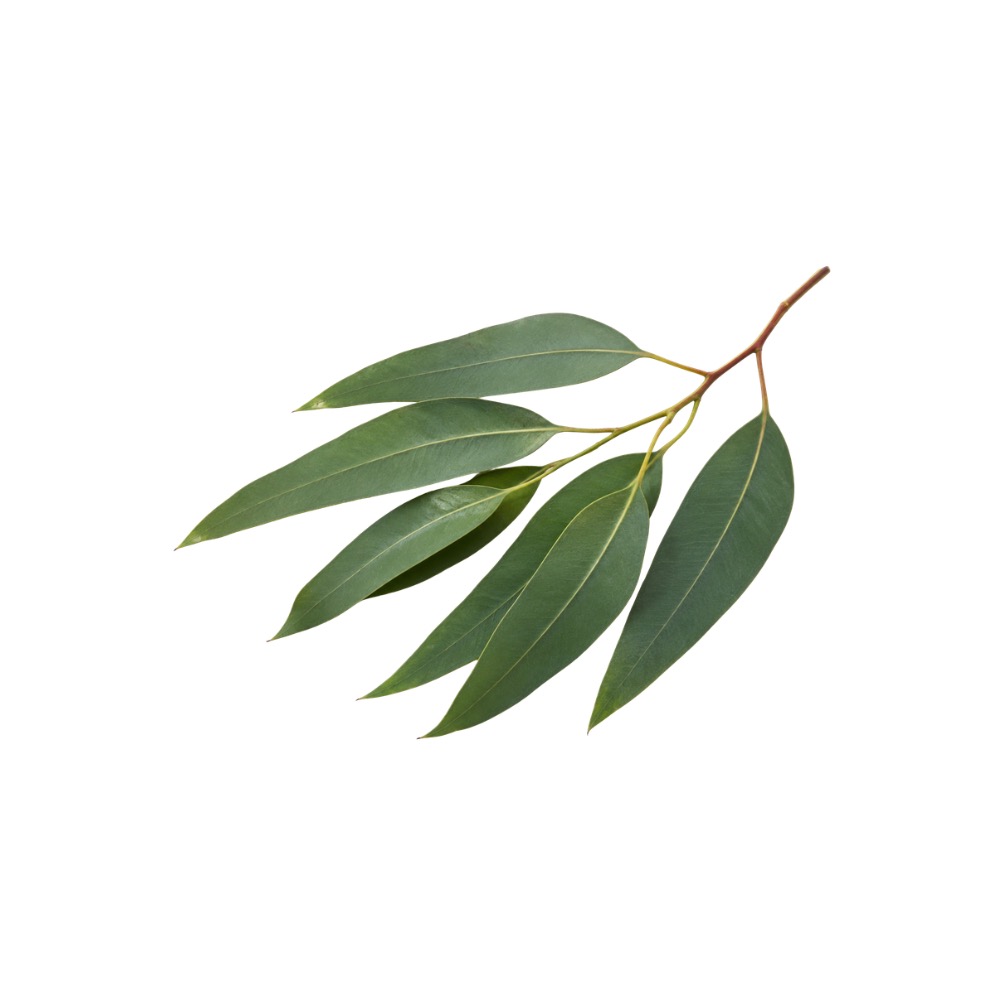
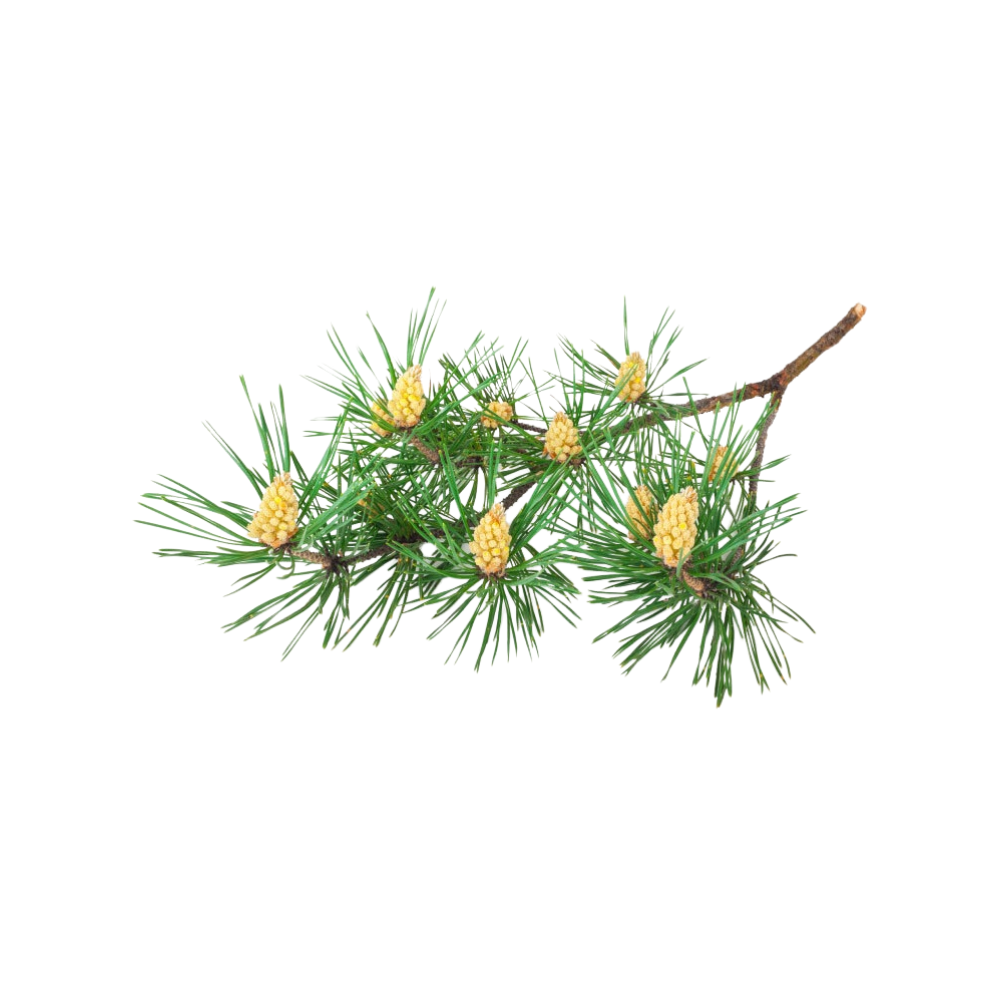
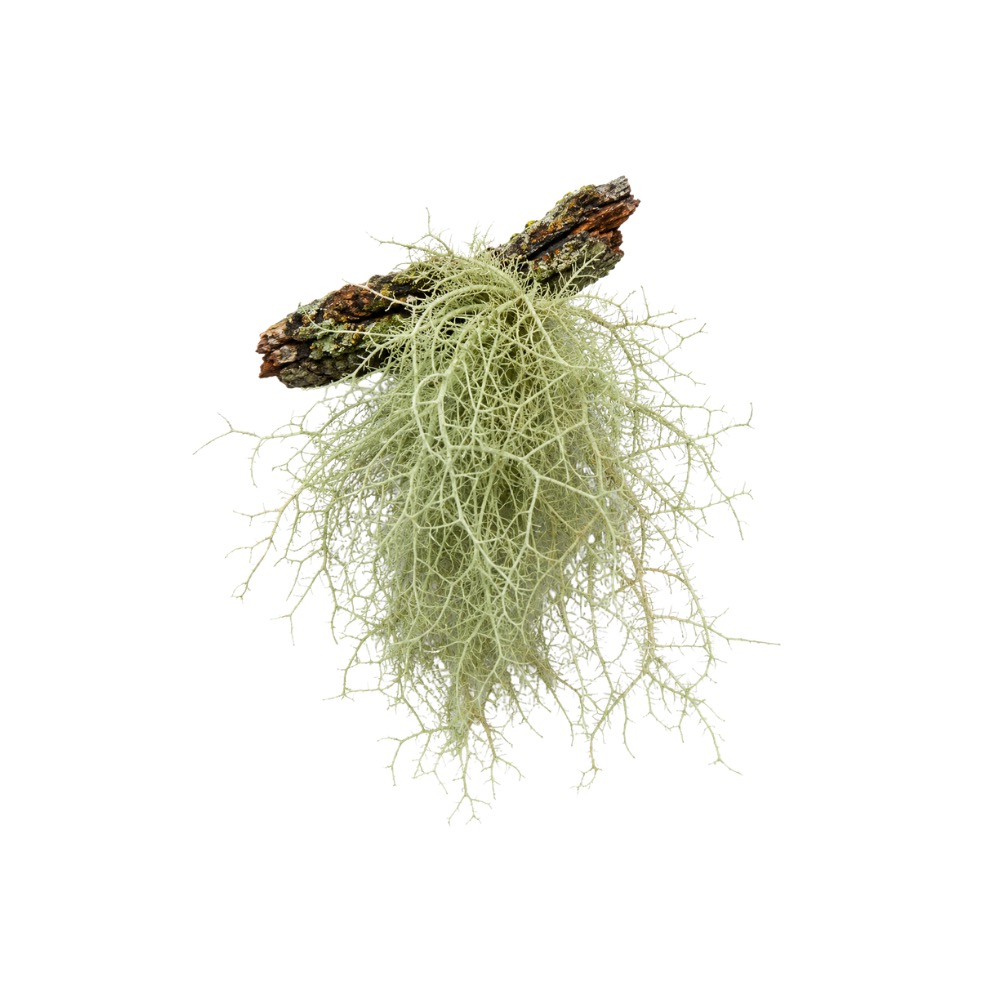
Herbs traditionally or clinically used for sinusitis.