
Condition
Small Intestine Bacterial Overgrowth (SIBO)
SIBO — why the breath test is a soft diagnosis, what rifaximin and diet actually do, and the single open-label study the entire herbal protocol industry rests on.

Small intestine bacterial overgrowth (SIBO) is an excessive growth of bacteria in the small intestine — where relatively few normally live — producing bloating, gas, abdominal discomfort and, when severe, impaired nutrient absorption. It is usually less a disease in itself than the downstream consequence of impaired gut motility or altered gut chemistry, which is why identifying and addressing the underlying cause matters more than any single course of treatment.
SIBO is also contested. Its definition, its diagnostic test and its prevalence are all disputed among gastroenterologists, and it has become a large commercial category in alternative practice.
Presentation
Types & Variants
SIBO is commonly subtyped by the dominant gas produced by the overgrowing microbes, which tends to track with symptoms and guides treatment:
- Hydrogen-dominant — often associated with diarrhea.
- Methane-dominant — now more properly termed intestinal methanogen overgrowth (IMO), because the responsible organisms are archaea rather than bacteria and they are not confined to the small intestine. More often associated with constipation, and it responds differently to treatment.
- Hydrogen sulfide-dominant — a more recently recognized subtype, associated with diarrhea and requiring a test that measures it directly, which older breath tests do not.
The renaming of methane-dominant SIBO to IMO changes the organism, the site and the drug regimen.
Overview
General Pathology
SIBO develops when bacteria that normally reside in the colon proliferate within the small intestine. Several defences normally prevent this — gastric acid, the sweeping contractions of the migrating motor complex between meals, the ileocaecal valve, bile and pancreatic secretions, and mucosal immunity. Overgrowth follows when one or more of them fails.
The two broad enablers are stasis — anything that impairs forward movement of gut contents — and reduced gastric acid. Impaired motility, structural abnormalities, blind loops and adhesions from prior surgery, and acid-suppressing medication all predispose to it. Once established, the displaced bacteria ferment carbohydrates in the small intestine, producing gas and short-chain fatty acids, deconjugating bile acids and, in severe cases, damaging the mucosa — which impairs fat absorption and can produce deficiency of the fat-soluble vitamins and of B12.
Typical symptoms are bloating, excessive flatulence, abdominal discomfort, altered bowel habit and post-meal fullness; frank malabsorption adds weight loss, steatorrhea and nutrient deficiencies. Its picture overlaps heavily with several conditions that must be distinguished — irritable bowel syndrome, celiac disease, inflammatory bowel disease, pancreatic insufficiency and carbohydrate intolerance — and it frequently coexists with conditions that impair gut motility or structure, such as hypothyroidism, diabetes and scleroderma.
The Diagnosis Problem
A great deal of SIBO treatment is aimed at a diagnosis that was never secure.
The reference standard is impractical. Culturing a small-bowel aspirate requires endoscopy, is prone to contamination, and samples only one point in a long organ. It is rarely done outside research.
So diagnosis rests on breath testing, which measures hydrogen and methane in exhaled breath after a dose of glucose or lactulose, on the logic that small-intestinal bacteria will ferment the substrate and produce a gas rise earlier than colonic bacteria would. The problems are well documented: lactulose accelerates transit, so an “early rise” may simply be substrate reaching the colon faster; glucose is absorbed proximally and misses distal overgrowth; thresholds and timings have been revised repeatedly; and the test performs poorly against aspirate culture. The ACG clinical guideline sets out the criteria and the optimal methodology precisely because practice has been so inconsistent 5Reference 5ACG clinical guideline: small intestinal bacterial overgrowth — clinical practice guidelineView study →, and the AGA expert review states that the definition of SIBO itself remains controversial and its true prevalence therefore undefined, with a major impediment being how little is known about normal small-intestinal microbial populations 6Reference 6ReviewAGA clinical practice update on small intestinal bacterial overgrowth — expert reviewView study →.
The practical consequence is that a positive breath test is a soft result. It supports a clinical picture; it does not establish a diagnosis on its own, and it should not be the sole basis for repeated courses of antimicrobials — herbal or pharmaceutical.
Treatment
Conventional Treatment
Rifaximin is the best-evidenced drug: a non-absorbed antibiotic that acts locally in the gut with minimal systemic exposure. For methane-dominant IMO it is typically combined with neomycin, since rifaximin alone is less effective against methanogens.
Elemental diet — a formula of pre-digested nutrients absorbed proximally, starving bacteria further down — has reasonable evidence but is expensive, unpalatable and hard to sustain.
Prokinetics are used after eradication to support the migrating motor complex and reduce recurrence, which is the real clinical problem: SIBO recurs frequently when the underlying motility or structural cause is untreated.
Dietary approaches, chiefly low-FODMAP, reduce fermentable substrate and are effective for symptom control. They do not eradicate overgrowth, and prolonged restriction narrows the diet and reduces microbial diversity — they are a management tool, not a cure, and are best used time-limited and with guidance.
Addressing the cause determines whether any treatment holds: reviewing acid-suppressing medication where appropriate, treating the motility disorder, managing the structural problem.
The Herbal Evidence
The herbal SIBO protocol is a well-established commercial category, and it rests almost entirely on one study.
Chedid and colleagues at Johns Hopkins compared two commercial herbal antimicrobial formulas against rifaximin in 104 patients with breath-test-confirmed SIBO. Among those on herbal therapy, 46% had a negative follow-up breath test, against 34% on rifaximin, with an adjusted odds ratio of 1.85 7Reference 7RCTHerbal therapy is equivalent to rifaximin for the treatment of small intestinal bacterial overgrowth — open-label, non-randomised comparative study (n=104; 46% vs 34%, P=.24)View study →. The study was:
- open-label and non-randomized — patients were not allocated by chance, and nobody was blinded;
- statistically non-significant — P = .24 for the primary comparison and P = .17 for the adjusted odds ratio, meaning the study did not demonstrate a difference in either direction;
- a test of proprietary multi-herb formulas, not of any single herb, so no individual botanical can claim the result;
- measured on breath-test normalization, a soft endpoint, rather than on symptoms or recurrence.
The paper is titled “Herbal therapy is equivalent to rifaximin for the treatment of small intestinal bacterial overgrowth.” A non-significant difference in an open-label, non-randomized comparison does not establish equivalence. Herbal antimicrobials in SIBO are plausible and under-tested, not demonstrated.
Goldenseal’s antibacterial data are laboratory MICs, with no clinical trial and no oral-bioavailability data supporting a systemic gut effect. Oregano and melissa are mechanistically reasonable but have never been tested in SIBO itself. Berberine is a constituent of several of the formulas Chedid tested, the closest thing to direct support any single agent has.
Two cautions apply to SIBO:
- Garlic is a common recommendation and a poor one. It is high in fructans — precisely the fermentable substrate that aggravates SIBO symptoms.
- Repeated antimicrobial courses, herbal included, are not benign. “Herbal” does not mean “without effect on the microbiome,” and the pattern of successive multi-week antimicrobial protocols aimed at normalizing a breath test is a common failure mode. If overgrowth keeps returning, the question is what is causing the stasis — not which antimicrobial to try next.
Materia Medica
Materia Medica
None of these herbs has been tested in SIBO itself, and none is a substitute for professional care.
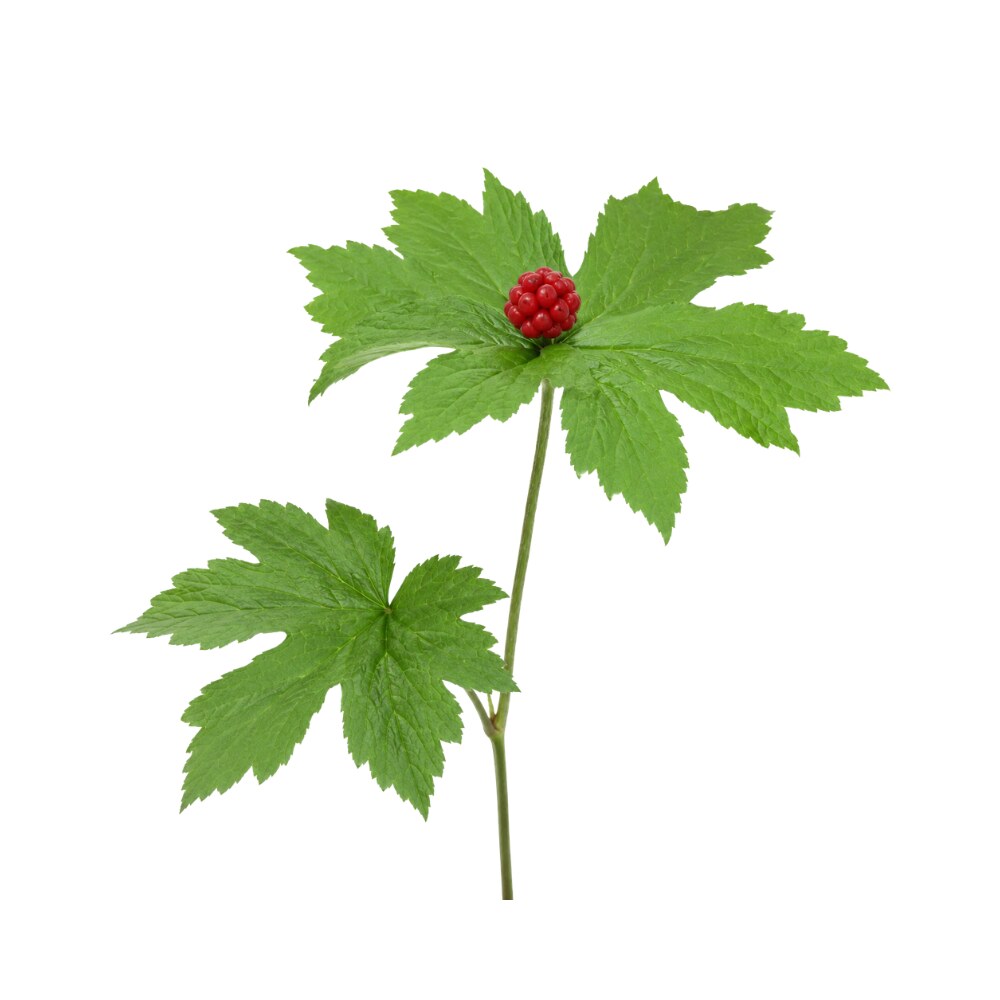 GoldensealHydrastis canadensisPreclinical
Goldenseal’s best-evidenced activity is broad-spectrum antibacterial action in vitro: isolated alkaloids are directly bactericidal against S. aureus, Streptococcus, E. coli and Pseudomonas 1Reference 1In vitroAntibacterial activity of Hydrastis canadensis extract and its major isolated alkaloids — in vitroView study →, and whole extract out-performs pure berberine because C-methyl flavonoids inhibit bacterial efflux pumps 2,
This is the rational basis for the traditional gut-infection / overgrowth use, but every study is a laboratory MIC — there is no clinical trial, no oral-bioavailability data supporting systemic gut antibacterial use, and no SIBO-specific endpoint.
Full monograph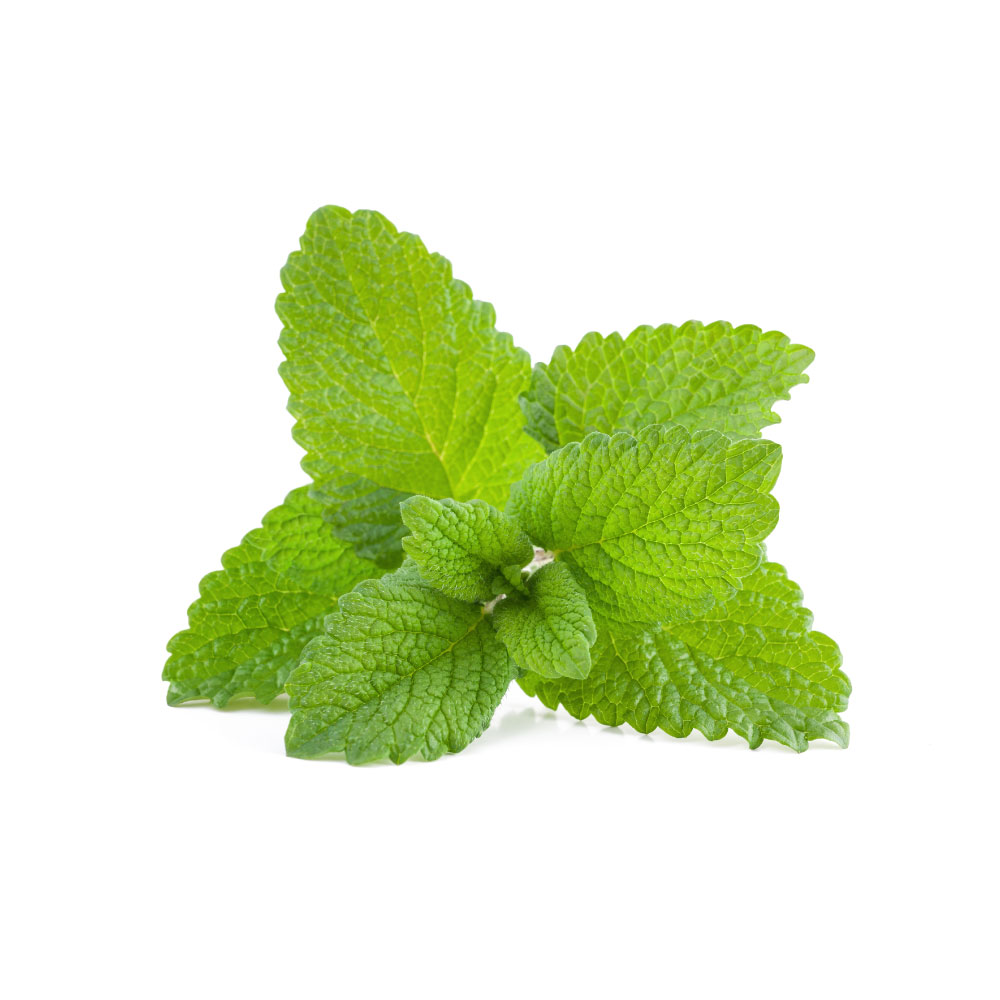 MelissaMelissa officinalisTraditional only
Lemon balm appears in SIBO protocols for its traditional antispasmodic/carminative role in functional gut complaints; support is thin and mostly multi-herb, with no SIBO-specific trial.
Full monograph OreganoOriganum vulgareTraditional only
Oregano oil is a mainstay of herbal SIBO protocols on the strength of carvacrol’s potent in-vitro, membrane-disrupting antibacterial activity; no study has tested it in SIBO itself, so the use is mechanistic/traditional.
Full monographSupplementation
Supplementation
Supplements, nutrients and compounds used for small intestine bacterial overgrowth sibo.
References
- Scazzocchio, F., Cometa, M. F., Tomassini, L., & Palmery, M. (2001). Antibacterial activity of Hydrastis canadensis extract and its major isolated alkaloids — in vitro. Planta Medica. https://pubmed.ncbi.nlm.nih.gov/11509983/
- Ettefagh, K. A., Burns, J. T., Junio, H. A., et al. (2011). Goldenseal (Hydrastis canadensis L.) extracts synergistically enhance the antibacterial activity of berberine via efflux pump inhibition — in vitro. Planta Medica. https://pubmed.ncbi.nlm.nih.gov/21157683/
- Cech, N. B., Junio, H. A., Ackermann, L. W., et al. (2012). Quorum quenching and antimicrobial activity of goldenseal (Hydrastis canadensis) against methicillin-resistant Staphylococcus aureus (MRSA) — in vitro. Planta Medica. https://pubmed.ncbi.nlm.nih.gov/22814821/
- Hwang, B. Y., Roberts, S. K., Chadwick, L. R., et al. (2003). Antimicrobial constituents from goldenseal (rhizomes of Hydrastis canadensis) against selected oral pathogens — in vitro. Planta Medica. https://pubmed.ncbi.nlm.nih.gov/12898417/
- Pimentel, M., Saad, R. J., Long, M. D., & Rao, S. S. C. (2020). ACG clinical guideline: small intestinal bacterial overgrowth — clinical practice guideline. American Journal of Gastroenterology, 115(2), 165–178. https://pubmed.ncbi.nlm.nih.gov/32023228/
- Quigley, E. M. M., Murray, J. A., & Pimentel, M. (2020). AGA clinical practice update on small intestinal bacterial overgrowth — expert review. Gastroenterology, 159(4), 1526–1532. https://pubmed.ncbi.nlm.nih.gov/32679220/
- Chedid, V., Dhalla, S., Clarke, J. O., et al. (2014). Herbal therapy is equivalent to rifaximin for the treatment of small intestinal bacterial overgrowth — open-label, non-randomised comparative study (n=104; 46% vs 34%, P=.24). Global Advances in Health and Medicine, 3(3), 16–24. https://pubmed.ncbi.nlm.nih.gov/24891990/