
Materia Medica
Guayusa
Ilex guayusa
Guayusa is a caffeinated holly tree of the upper Amazon whose leaves are brewed as a stimulant tea. Drunk before dawn in Kichwa and Achuar households in Ecuador, it is rich in caffeine and chlorogenic acid, and is now sold as a tea and energy drink.
What Is Guayusa?
Guayusa is a caffeinated holly tree of the upper Amazon, valued for its leaves, which are dried and brewed as a stimulant tea. In Ecuador, Kichwa families drink it together before dawn while they talk and interpret the night’s dreams 27Reference 27ReviewGuayusa (Ilex guayusa Loes.): ethnobotany, metabolites and research — reviewView study →.
Ilex guayusa grows mainly in the Amazon region of Ecuador, with smaller numbers in neighbouring Colombia and Peru 27Reference 27ReviewGuayusa (Ilex guayusa Loes.): ethnobotany, metabolites and research — reviewView study →. It has been kept and propagated by Amazonian peoples for a very long time, and is now grown in home gardens and agroforestry plots 27Reference 27ReviewGuayusa (Ilex guayusa Loes.): ethnobotany, metabolites and research — reviewView study →. Since 2010 it has been exported as a tea and as an ingredient in energy drinks 27Reference 27ReviewGuayusa (Ilex guayusa Loes.): ethnobotany, metabolites and research — reviewView study →.
Its leaves carry caffeine, with smaller amounts of theobromine, and a large load of chlorogenic acid 10,
Guayusa is one of several caffeinated hollies, alongside yerba mate (Ilex paraguariensis) and yaupon (Ilex vomitoria). They are closely related but distinct species 20Reference 20LC-MS Metabolomics and Chemotaxonomy of Caffeine-Containing Holly (Ilex) Species — analyticalView study →.
How Is Guayusa Used?
- Leaf tea — the dried leaves, brewed hot. It is the traditional morning drink of Amazonian Ecuador, and the main form sold abroad 27Reference 27ReviewGuayusa (Ilex guayusa Loes.): ethnobotany, metabolites and research — reviewView study →.
- Ceremonial decoction — among the Achuar, a large volume of strong leaf decoction drunk before dawn in the wayus ritual 26,
27Reference 26Ritualistic use of the holly Ilex guayusa by Amazonian Jívaro Indians — ethnobotanicalView study →Reference 27ReviewGuayusa (Ilex guayusa Loes.): ethnobotany, metabolites and research — reviewView study → . - Leaf wash and steam — the decoction is applied to the skin as an insect repellent, and the leaves are used in steam baths 27Reference 27ReviewGuayusa (Ilex guayusa Loes.): ethnobotany, metabolites and research — reviewView study →.
- Extracts and drinks — standardised leaf extracts, canned energy drinks, snacks and cereal bars 1,
2, .27Reference 1RCTAcute, dose-response effects of guayusa leaf extract on mood, cognitive and motor-cognitive performance, and blood pressure, heart rate, and ventricular repolarization — randomized, double-blind, placebo-controlled crossover RCTView study →Reference 2RCTAcute Effects of Naturally Occurring Guayusa Tea and Nordic Lion’s Mane Extracts on Cognitive Performance — randomized, double-blind, placebo-controlled RCTView study →Reference 27ReviewGuayusa (Ilex guayusa Loes.): ethnobotany, metabolites and research — reviewView study →
Traditional Uses
Kichwa Tradition
For the Amazonian Kichwa, guayusa is a sacred plant associated with strength, vitality, fertility and success 27Reference 27ReviewGuayusa (Ilex guayusa Loes.): ethnobotany, metabolites and research — reviewView study →.
Early each morning the daughters-in-law of each family prepare the infusion. While it is drunk, the household tells stories, interprets dreams, dances, prays and weaves, and elders guide the younger members 27Reference 27ReviewGuayusa (Ilex guayusa Loes.): ethnobotany, metabolites and research — reviewView study →.
The infusion is also taken as a stomach tonic, to soothe body aches and to clean the mouth. Mixed with ginger, lime juice, chuchuwasi and cane liquor, it is taken for colds 27Reference 27ReviewGuayusa (Ilex guayusa Loes.): ethnobotany, metabolites and research — reviewView study →. On the skin it is used as an insect repellent and against snakebite 27Reference 27ReviewGuayusa (Ilex guayusa Loes.): ethnobotany, metabolites and research — reviewView study →.
Kichwa hunters wash the heads of their hunting dogs with the infusion, or give them small doses through the nose, to sharpen them for the hunt 27Reference 27ReviewGuayusa (Ilex guayusa Loes.): ethnobotany, metabolites and research — reviewView study →.
The Andean Kichwa of the Ecuadorian highlands adopted guayusa as a medicine, mainly for pain 27Reference 27ReviewGuayusa (Ilex guayusa Loes.): ethnobotany, metabolites and research — reviewView study →.
Achuar (Jívaro) Wayus Ritual
The Achuar of Amazonian Ecuador and Peru drink guayusa in a pre-dawn ritual called wayus, which strengthens community ties and purifies the body 26,
Men drink copious amounts of a strong leaf decoction and then vomit. The vomiting is learned rather than caused by the plant, and it limits how much caffeine is absorbed 26Reference 26Ritualistic use of the holly Ilex guayusa by Amazonian Jívaro Indians — ethnobotanicalView study →. Women drink less and do not vomit 27Reference 27ReviewGuayusa (Ilex guayusa Loes.): ethnobotany, metabolites and research — reviewView study →.
Other Amazonian Peoples
The Shuar drink guayusa as a stimulant and for pain, though not as a daily ritual. The Secoya use it for physical ailments, and the Cofán in many drinks 27Reference 27ReviewGuayusa (Ilex guayusa Loes.): ethnobotany, metabolites and research — reviewView study →.
The Tsa’chi drink it and use the leaves in steam baths for menstrual complaints 27Reference 27ReviewGuayusa (Ilex guayusa Loes.): ethnobotany, metabolites and research — reviewView study →. Among the Shuar, Awajún and Achuar it is used for spiritual cleansing in ceremonies such as the Festival of Victory 27Reference 27ReviewGuayusa (Ilex guayusa Loes.): ethnobotany, metabolites and research — reviewView study →.
In mestizo towns of eastern Ecuador the infusion is drunk for pleasure with lemon juice and sugar, and added to liqueurs 27Reference 27ReviewGuayusa (Ilex guayusa Loes.): ethnobotany, metabolites and research — reviewView study →.
Colonial and Historical Records
Bags of prepared guayusa leaves were found in a healer’s tomb in Bolivia, far from where the tree grows, dated to around 500 CE 27Reference 27ReviewGuayusa (Ilex guayusa Loes.): ethnobotany, metabolites and research — reviewView study →.
Eighteenth-century mission records describe guayusa for venereal disease and, taken with honey, for infertility. Jesuits in Ecuador sold the leaves in Quito as a cure for sexually transmitted disease 27Reference 27ReviewGuayusa (Ilex guayusa Loes.): ethnobotany, metabolites and research — reviewView study →.
In 1857 the British explorer Richard Spruce recorded guayusa plantations near Baños, Ecuador, and described the morning purging ritual 27Reference 27ReviewGuayusa (Ilex guayusa Loes.): ethnobotany, metabolites and research — reviewView study →.
Indications
- Fatigue and low alertness [leaf tea; Amazonian use]
- Mental focus and mood [standardised leaf extract]
- Weak digestion [leaf infusion; Kichwa use]
- Colds [leaf infusion with ginger and lime; Kichwa use]
- Body aches and pain [leaf infusion; Kichwa and Shuar use]
- Mouth cleaning and gum health [leaf infusion; Kichwa use]
- Menstrual complaints and infertility [leaf infusion and steam; Tsa’chi use, colonial records]
- Elevated blood sugar [leaf tea]
Botany
Guayusa is an evergreen tree in the holly family (Aquifoliaceae), shrubby when young 27Reference 27ReviewGuayusa (Ilex guayusa Loes.): ethnobotany, metabolites and research — reviewView study →. Cultivated trees usually grow 10–15 m tall with trunks up to 50 cm across, and wild trees have been recorded at up to 25 m with trunks of 80 cm 27Reference 27ReviewGuayusa (Ilex guayusa Loes.): ethnobotany, metabolites and research — reviewView study →.
The trunk usually forks at chest height. Its bark is smooth and whitish, and its spreading branches are flexible 27Reference 27ReviewGuayusa (Ilex guayusa Loes.): ethnobotany, metabolites and research — reviewView study →.
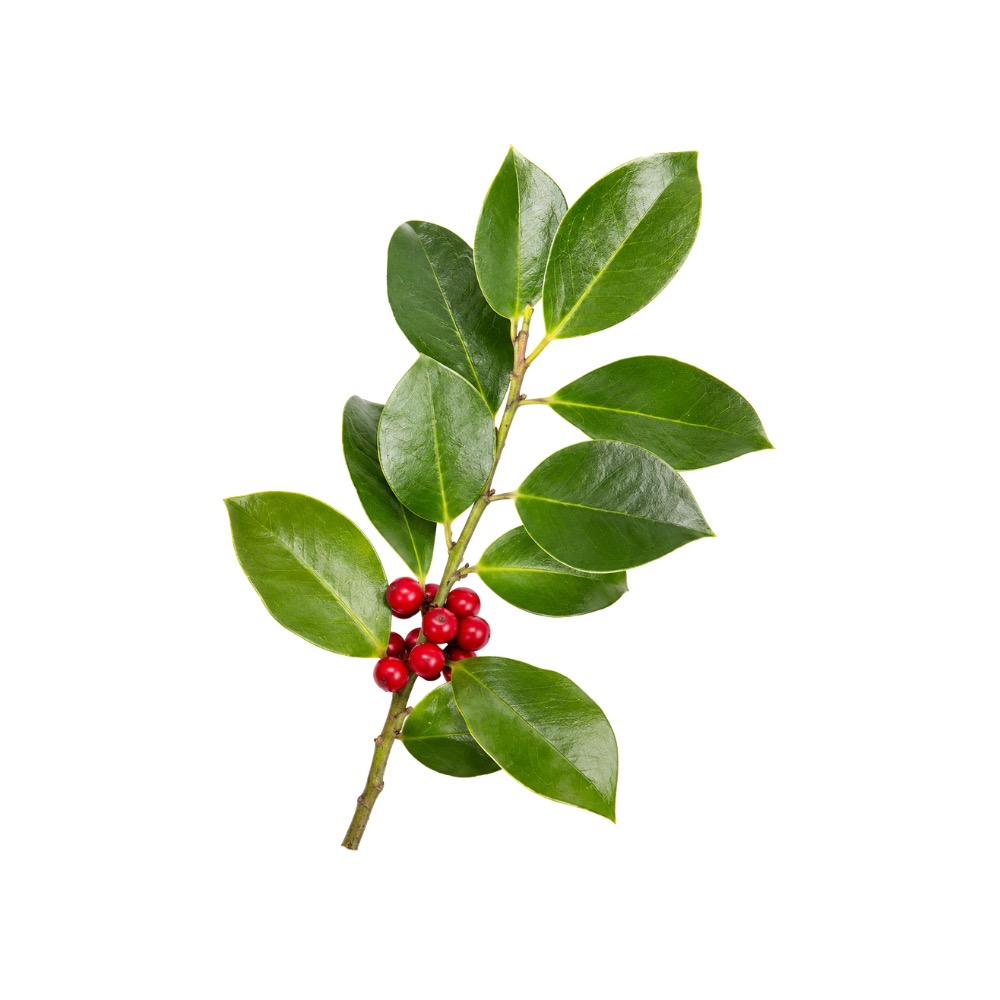
The leaves are alternate, simple, leathery and toothed, oblong to elliptical and olive green. They grow 15–21 cm long and 5–7.5 cm wide on a stalk about 1 cm long 27Reference 27ReviewGuayusa (Ilex guayusa Loes.): ethnobotany, metabolites and research — reviewView study →.
Guayusa is dioecious, with male and female flowers on separate trees 27,
Trees can set seed in cultivation, but guayusa is propagated mainly from woody cuttings of selected plants 27Reference 27ReviewGuayusa (Ilex guayusa Loes.): ethnobotany, metabolites and research — reviewView study →. It tolerates low light, and shade encourages branching in young plants 27Reference 27ReviewGuayusa (Ilex guayusa Loes.): ethnobotany, metabolites and research — reviewView study →.
Distribution
Guayusa grows mainly in the Amazon region of Ecuador, and also in neighbouring parts of Colombia and Peru. Collections from Venezuela and Bolivia are probably of introduced plants 27Reference 27ReviewGuayusa (Ilex guayusa Loes.): ethnobotany, metabolites and research — reviewView study →.
It grows in tropical rainforest from lowland to about 1,500 m, with rare records up to 2,600 m 27Reference 27ReviewGuayusa (Ilex guayusa Loes.): ethnobotany, metabolites and research — reviewView study →. It favours humid places with an average temperature of about 24 °C and 2,000–5,000 mm of rain a year, on acidic, nutrient-poor soils 27Reference 27ReviewGuayusa (Ilex guayusa Loes.): ethnobotany, metabolites and research — reviewView study →. In the wild it grows with the palm Mauritia flexuosa and the tree Tabebuia insignis 27Reference 27ReviewGuayusa (Ilex guayusa Loes.): ethnobotany, metabolites and research — reviewView study →.
Guayusa is assessed as Least Concern on the IUCN Red List 29Reference 29Fern, K. (n.d.). Ilex guayusa — description, range, habitat, conservation status and uses — reference database. Useful Tropical Plants. https://tropical.theferns.info/viewtropical.php?id=Ilex+guayusaView study →. Most of the leaf in trade is cultivated in Ecuador, which supplies about 98% of the market, much of it from small agroforestry gardens (chakras) kept by Amazonian communities 27Reference 27ReviewGuayusa (Ilex guayusa Loes.): ethnobotany, metabolites and research — reviewView study →.
Growing Conditions
Cultivation snapshot for Guayusa
Suntolerates shade; low light encourages branching 27Reference 27ReviewGuayusa (Ilex guayusa Loes.): ethnobotany, metabolites and research — reviewView study →.
Zonehumid tropical, averaging about 24 °C, with 2,000–5,000 mm of rain a year 27Reference 27ReviewGuayusa (Ilex guayusa Loes.): ethnobotany, metabolites and research — reviewView study →.
Soilacidic, nutrient-poor soils with good moisture retention 27Reference 27ReviewGuayusa (Ilex guayusa Loes.): ethnobotany, metabolites and research — reviewView study →.
Propagationmainly from woody cuttings 27Reference 27ReviewGuayusa (Ilex guayusa Loes.): ethnobotany, metabolites and research — reviewView study →.
Grow it yourself
Farm Wiki is our cultivation-focused sister site, also run by Justin Cooke.
Pharmacology & Research
Four completed trials have tested guayusa leaf extracts in healthy adults, for alertness, mood, mental performance and exercise training. The published ones are randomised, placebo-controlled crossover studies of single doses 1,
Most of the other research is laboratory work from Ecuador and elsewhere on the leaf’s phenolic compounds, caffeine and antioxidant capacity 5,
-
Best-supported: acute gains in alertness, mood and mental and motor speed from standardised leaf extracts, largely from their caffeine 1,
2, ; a well-characterised phenolic antioxidant profile in vitro 5,3Reference 1RCTAcute, dose-response effects of guayusa leaf extract on mood, cognitive and motor-cognitive performance, and blood pressure, heart rate, and ventricular repolarization — randomized, double-blind, placebo-controlled crossover RCTView study →Reference 2RCTAcute Effects of Naturally Occurring Guayusa Tea and Nordic Lion’s Mane Extracts on Cognitive Performance — randomized, double-blind, placebo-controlled RCTView study →Reference 3RCTThe Safety, Pharmacokinetics, and Nervous System Effects of Two Natural Sources of Caffeine in Healthy Adult Males — double-blind crossover clinical trialView study → 6Reference 5In vitroAntioxidant and anti-inflammatory properties of Ilex guayusa tea preparations: a comparison to Camellia sinensis teas — in vitro comparative studyView study →Reference 6In vitroGuayusa (Ilex guayusa L.) new tea: phenolic and carotenoid composition and antioxidant capacity — in vitroView study → . -
Emerging, worth watching: blood-sugar effects, through ursolic-acid activation of the TGR5 receptor and α-glucosidase inhibition, so far only in rodents and cell assays 12,
13, .15Reference 12In vitroUnlocking the biochemical profile of Ilex guayusa: geographical and ontogenetic factors, antioxidant and α-glucosidase inhibition — in vitroView study →Reference 13AnimalGlycaemic effects of traditional European plant treatments for diabetes — streptozotocin diabetic mouse modelView study →Reference 15In vitroBioactive triterpenoids from the caffeine-rich plants guayusa and maté (ursolic acid, TGR5 activation) — in vitroView study → - Mechanistically thin: anti-inflammatory and antimicrobial activity (in vitro only); dental remineralisation (two in-vitro studies).
- The caveat: no long-term human trials, no standardised dose, and every trial used a proprietary extract rather than the brewed tea.
Every human trial gave a single dose of a proprietary leaf extract. None has tested the brewed tea or daily use over weeks or months, and the leaf’s composition varies with its age, light and growing site 11,
1. Stimulant & Cognitive Performance
In a randomised, double-blind, placebo-controlled crossover trial, 25 adults took 600 mg or 1,200 mg of a guayusa leaf extract 1Reference 1RCTAcute, dose-response effects of guayusa leaf extract on mood, cognitive and motor-cognitive performance, and blood pressure, heart rate, and ventricular repolarization — randomized, double-blind, placebo-controlled crossover RCTView study →. The 600 mg dose improved total mood disturbance, fatigue, perceived energy, and motor and psychomotor speed. The 1,200 mg dose improved psychomotor speed and shortened reaction time in a hop test 1Reference 1RCTAcute, dose-response effects of guayusa leaf extract on mood, cognitive and motor-cognitive performance, and blood pressure, heart rate, and ventricular repolarization — randomized, double-blind, placebo-controlled crossover RCTView study →.
Jitteriness rose with dose in women only, so the authors judged 600 mg the better dose for mood and cognition 1Reference 1RCTAcute, dose-response effects of guayusa leaf extract on mood, cognitive and motor-cognitive performance, and blood pressure, heart rate, and ventricular repolarization — randomized, double-blind, placebo-controlled crossover RCTView study →. Both doses raised systolic and diastolic blood pressure by 4–5 mmHg 1Reference 1RCTAcute, dose-response effects of guayusa leaf extract on mood, cognitive and motor-cognitive performance, and blood pressure, heart rate, and ventricular repolarization — randomized, double-blind, placebo-controlled crossover RCTView study →.
A second crossover trial gave a single 650 mg dose of a standardised extract (AmaTea Max). Over two hours it improved working-memory scores and reaction times, and self-rated clarity, focus and mood 2Reference 2RCTAcute Effects of Naturally Occurring Guayusa Tea and Nordic Lion’s Mane Extracts on Cognitive Performance — randomized, double-blind, placebo-controlled RCTView study →. It also reduced accuracy on one attention task and raised blood pressure from baseline 2Reference 2RCTAcute Effects of Naturally Occurring Guayusa Tea and Nordic Lion’s Mane Extracts on Cognitive Performance — randomized, double-blind, placebo-controlled RCTView study →.
An earlier double-blind crossover trial in 12 men gave 200 mg of caffeine from guayusa leaf extract, green coffee extract or synthetic caffeine. The guayusa caffeine was absorbed the same as synthetic caffeine, but raised epinephrine less 3Reference 3RCTThe Safety, Pharmacokinetics, and Nervous System Effects of Two Natural Sources of Caffeine in Healthy Adult Males — double-blind crossover clinical trialView study →.
Polyphenols and theobromine may shape the effects of caffeine in drinks like this, according to a review of caffeinated plants 4Reference 4ReviewMore than just caffeine: psychopharmacology of methylxanthine interactions with plant-derived phytochemicals — reviewView study →.
Four completed interventional trials of guayusa extracts are registered on ClinicalTrials.gov.
Gap: every trial is acute and uses a proprietary extract; there is no data on daily use and nothing testing the brewed tea as traditionally drunk.
2. Antioxidant
Guayusa tea preparations carry 54–67 mg gallic-acid equivalents of polyphenols per gram. Their peroxyl-radical scavenging capacity was about half that of green and black teas, and they gave 60–80% protection against oxidative stress in Caco-2 cells, comparable to Camellia sinensis teas 5Reference 5In vitroAntioxidant and anti-inflammatory properties of Ilex guayusa tea preparations: a comparison to Camellia sinensis teas — in vitro comparative studyView study →.
The main phenolics are chlorogenic acid and other caffeoylquinic acids, along with quercetin glycosides. Lutein is the main carotenoid 6Reference 6In vitroGuayusa (Ilex guayusa L.) new tea: phenolic and carotenoid composition and antioxidant capacity — in vitroView study →.
High antioxidant activity has been reproduced across independent extraction and infusion studies 6,
Young leaves and some growing sites carry more phenolics 11,
Gap: no human study has measured an antioxidant marker after drinking guayusa.
3. Anti-Inflammatory
In lipopolysaccharide-stimulated RAW 264.7 macrophages, guayusa tea preparations reduced nitric-oxide production by 10–30%, comparable to green tea 5Reference 5In vitroAntioxidant and anti-inflammatory properties of Ilex guayusa tea preparations: a comparison to Camellia sinensis teas — in vitro comparative studyView study →.
Aqueous and hydroalcoholic extracts of young leaves also showed high anti-inflammatory activity, above 65%, in a laboratory assay 11Reference 11In vitroChanges in phytochemical composition, bioactivity and in vitro digestibility of guayusa leaves in different ripening stages — in vitroView study →.
Gap: no animal or human inflammation study has been published.
4. Glycaemic & Metabolic
In streptozotocin-diabetic mice, guayusa slowed the development of high blood sugar and reduced glycated haemoglobin, excessive eating and drinking, and weight loss. It did not affect blood sugar control in healthy mice 13Reference 13AnimalGlycaemic effects of traditional European plant treatments for diabetes — streptozotocin diabetic mouse modelView study →.
In a 2025 study of female diabetic rats, guayusa tea (3.0 g/L for 21 days) preserved vascular sympathetic modulation, a marker of outcome in this model, and this correlated with blood sugar. Blood pressure, heart rate and oxidative-stress measures did not change 14Reference 14AnimalIlex Guayusa Tea Improves Glycaemia and Autonomic Modulation in Female Streptozotocin-Induced Diabetic Rats — animal modelView study →.
Guayusa leaves contain ursolic acid (0.7–1%) and amyrin esters. Ursolic acid was identified as the compound in guayusa extract that activates TGR5, a receptor involved in energy expenditure and insulin sensitivity 15,
Hydroethanolic leaf extracts inhibited α-glucosidase in vitro, with no effect on α-amylase 12Reference 12In vitroUnlocking the biochemical profile of Ilex guayusa: geographical and ontogenetic factors, antioxidant and α-glucosidase inhibition — in vitroView study →.
Gap: all the data are from rodents or cell assays; there is no human blood-sugar trial.
5. Antimicrobial
Ethanolic leaf extracts inhibited Porphyromonas gingivalis and Prevotella intermedia, two bacteria involved in chronic periodontitis, and the extract fractions were also active against Fusobacterium nucleatum 17Reference 17In vitroAntimicrobial Activity of Ilex guayusa against periodontal bacteria — in vitroView study →.
⚠ Extracts of young leaves showed no activity against Escherichia coli or Staphylococcus aureus 11Reference 11In vitroChanges in phytochemical composition, bioactivity and in vitro digestibility of guayusa leaves in different ripening stages — in vitroView study →.
Gap: the activity has been tested only in vitro, against a narrow panel of oral bacteria.
6. Dental Remineralisation
Two in-vitro studies from one Colombian group found that guayusa leaf extract deposited phosphate and orthophosphate minerals on slices of teeth affected by amelogenesis imperfecta 18Reference 18In vitroIn vitro mineral apposition analysis of two Colombian plant extracts on Amelogenesis imperfecta teeth — in vitroView study →. The extract showed low toxicity to dental pulp stem cells 19Reference 19In vitroEvaluation of Colombian plant extracts on dental pulp stem cells — in vitro cytotoxicityView study →.
A Piper marginatum extract tested alongside it gave better results 18Reference 18In vitroIn vitro mineral apposition analysis of two Colombian plant extracts on Amelogenesis imperfecta teeth — in vitroView study →.
Gap: the work is confined to tooth slices and cells in one laboratory, with no clinical data.
Mechanisms
Guayusa’s stimulant effect comes from caffeine, which blocks adenosine receptors, with a smaller contribution from theobromine 3,
The leaf also carries pentacyclic triterpenes. Ursolic acid has been studied for activating the bile-acid receptor TGR5, a separate line of research from caffeine 15Reference 15In vitroBioactive triterpenoids from the caffeine-rich plants guayusa and maté (ursolic acid, TGR5 activation) — in vitroView study →.
| Mechanism | Drives | Key compounds |
|---|---|---|
| Adenosine-receptor antagonism | stimulantalertnesscognitive performance | caffeine, theobromine |
| Radical scavenging / phenolic redox | antioxidant | chlorogenic acid, quercetin, lutein |
| Nitric-oxide suppression in macrophages | anti-inflammatory | caffeoylquinic acids |
| TGR5 activation; α-glucosidase inhibition | glycaemicmetabolic | ursolic acid |
Clinical Trials
Four completed interventional trials on ClinicalTrials.gov test guayusa extracts for alertness, cognition and exercise training. No terminated or disease-endpoint trials were found.
| Completed | Planned | Terminated | Preclinical |
|---|---|---|---|
| 4 | 0 | 0 | ~20 |
Last checked: September 2026.
Phytochemistry
Raw guayusa leaves contain about 2.27% caffeine, with theobromine and small amounts of theophylline 10,
The main phenolics are the caffeoylquinic acids, led by chlorogenic acid (5-caffeoylquinic acid), along with caffeic acid and quercetin glycosides 6,
Guayusa and yerba mate both contain unusually large amounts of pentacyclic triterpenes for caffeinated plants. Guayusa leaves carry 0.7–1% ursolic acid and up to 0.5% amyrin esters, mainly α-amyrin palmitate 15Reference 15In vitroBioactive triterpenoids from the caffeine-rich plants guayusa and maté (ursolic acid, TGR5 activation) — in vitroView study →. Sixteen triterpenes, including oleanolic acid, have been isolated from the dried leaves 16Reference 16Triterpenoids from leaves of Ilex guayusa — phytochemical isolationView study →.
Leaf composition changes with the age of the leaf, the age of the plant, sunlight and growing site 11,
Constituent Summary
Amounts vary with leaf age, growing site and sunlight.
Purine Alkaloid2 compounds1 with data
Phenolic Acid2 compounds1 with data
Flavonoid1 compound1 with data
Carotenoid1 compound1 with data
Triterpene4 compounds4 with data
Dosage
The human trials gave single doses of standardised leaf extracts. The traditional preparation is a leaf decoction or infusion.
| Indication | Preparation | Dose | Est. dried-herb equivalent | Source |
|---|---|---|---|---|
| Cognition, mood, motor performance | Standardised leaf extract (GLE) | 600 mg to 1,200 mg, single dose | Not derivable (undisclosed extract ratio) | 1Reference 1RCTAcute, dose-response effects of guayusa leaf extract on mood, cognitive and motor-cognitive performance, and blood pressure, heart rate, and ventricular repolarization — randomized, double-blind, placebo-controlled crossover RCTView study → |
| Cognition, working memory | Standardised extract (AmaTea Max) | 650 mg, single dose | Not derivable (proprietary ratio) | 2Reference 2RCTAcute Effects of Naturally Occurring Guayusa Tea and Nordic Lion’s Mane Extracts on Cognitive Performance — randomized, double-blind, placebo-controlled RCTView study → |
| Stimulant / caffeine absorption | Guayusa leaf extract | 200 mg caffeine equivalent | ~8–9 g dried leaf (at ~2.3% leaf caffeine) | 3, |
| Glycaemic (animal only) | Aqueous tea, drunk freely | 3.0 g/L for 21 days (rat) | Not applicable to humans | 14Reference 14AnimalIlex Guayusa Tea Improves Glycaemia and Autonomic Modulation in Female Streptozotocin-Induced Diabetic Rats — animal modelView study → |
The extracts in 1Reference 1RCTAcute, dose-response effects of guayusa leaf extract on mood, cognitive and motor-cognitive performance, and blood pressure, heart rate, and ventricular repolarization — randomized, double-blind, placebo-controlled crossover RCTView study → and 2Reference 2RCTAcute Effects of Naturally Occurring Guayusa Tea and Nordic Lion’s Mane Extracts on Cognitive Performance — randomized, double-blind, placebo-controlled RCTView study → do not disclose their leaf-to-extract ratios. For 3Reference 3RCTThe Safety, Pharmacokinetics, and Nervous System Effects of Two Natural Sources of Caffeine in Healthy Adult Males — double-blind crossover clinical trialView study →, 200 mg of caffeine corresponds roughly to 8–9 g of dried leaf, assuming about 2.3% caffeine 10Reference 10In vitroGreen-based methods to obtain bioactive compounds from guayusa (caffeine 2.27% of raw leaf) — in vitroView study →.
Traditional Dosage
| System | Preparation | Dose |
|---|---|---|
| Kichwa household use | Leaf infusion, drunk hot before dawn | Not quantified |
| Achuar wayus ritual | Decoction of about 150 g dried leaf in 20 L of water | About 2 L per man per ceremony 27Reference 27ReviewGuayusa (Ilex guayusa Loes.): ethnobotany, metabolites and research — reviewView study → |
Safety & Pregnancy
Guayusa is a caffeine source, and its cautions are those of caffeine.
- No harm beyond caffeine’s in animal studies. A standardised concentrate was not genotoxic, its oral LD50 in rats was above 5,000 mg/kg, and its effects over 90 days matched a caffeine-only control 23Reference 23General and Genetic Toxicology of Guayusa Concentrate (Ilex guayusa) — animal and genotoxicity studyView study →.
- It is a real caffeine source. Single extract doses raised blood pressure by 4–5 mmHg 1Reference 1RCTAcute, dose-response effects of guayusa leaf extract on mood, cognitive and motor-cognitive performance, and blood pressure, heart rate, and ventricular repolarization — randomized, double-blind, placebo-controlled crossover RCTView study →. Take care with heart-rhythm problems, uncontrolled high blood pressure, anxiety or caffeine sensitivity.
- Drugs that slow caffeine clearance. CYP1A2 inhibitors such as fluvoxamine make caffeine much stronger and longer-lasting 31Reference 31A fluvoxamine-caffeine interaction study — healthy-volunteer crossover studyView study →. Guayusa itself has not been tested with any drug.
- Pregnancy and breastfeeding: count it toward the 200 mg a day of caffeine that EFSA considers safe 30Reference 30ReviewScientific opinion on the safety of caffeine — regulatory reviewView study →.
Full Safety & Interactions Detail
Toxicology. A standardised guayusa concentrate was negative in the Ames test and in a chromosome-aberration test in human lymphocytes. Its oral LD50 in female rats was above 5,000 mg/kg 23Reference 23General and Genetic Toxicology of Guayusa Concentrate (Ilex guayusa) — animal and genotoxicity studyView study →.
In a 90-day rat study, its effects matched those of a caffeine-only control: lower body weight and fat, higher liver enzymes (AST and ALT) and cholesterol, and adaptive enlargement of the salivary glands. Nothing pointed to harm from any other component 23Reference 23General and Genetic Toxicology of Guayusa Concentrate (Ilex guayusa) — animal and genotoxicity studyView study →. A guayusa-based drink showed no toxicity in mice at a single dose of 2,000 mg/kg 24Reference 24AnimalAcute oral toxicity of a novel functional drink based on guayusa — animal modelView study →.
Record of use. A review for EU novel-food authorisation found no history of adverse effects or safety notifications, and judged its known chemistry no greater a risk than green tea or yerba mate 25Reference 25ReviewA critical review of the composition and history of safe use of guayusa: a stimulant and antioxidant novel food — reviewView study →.
Caffeine. Single extract doses raised systolic and diastolic blood pressure by 4–5 mmHg 1Reference 1RCTAcute, dose-response effects of guayusa leaf extract on mood, cognitive and motor-cognitive performance, and blood pressure, heart rate, and ventricular repolarization — randomized, double-blind, placebo-controlled crossover RCTView study →, and one extract raised blood pressure from baseline 2Reference 2RCTAcute Effects of Naturally Occurring Guayusa Tea and Nordic Lion’s Mane Extracts on Cognitive Performance — randomized, double-blind, placebo-controlled RCTView study →. People sensitive to caffeine, and those with heart-rhythm problems, uncontrolled high blood pressure or anxiety, should keep intake moderate or avoid it. EFSA considers up to 400 mg of caffeine a day safe for healthy adults, and notes that 100 mg close to bedtime can disturb sleep in some people 30Reference 30ReviewScientific opinion on the safety of caffeine — regulatory reviewView study →.
Interactions. No drug-interaction study exists for guayusa, so the interactions known for caffeine apply: added stimulation with other stimulants, and competition with drugs cleared by the same liver enzyme.
Caffeine is cleared mainly by the liver enzyme CYP1A2, and in volunteers the CYP1A2 inhibitor fluvoxamine cut its clearance about fivefold and stretched its half-life from 5 to 31 hours 31Reference 31A fluvoxamine-caffeine interaction study — healthy-volunteer crossover studyView study →. Anyone taking fluvoxamine or another CYP1A2 inhibitor will feel a cup of guayusa much more strongly and for much longer.
Not studied in pregnancy or breastfeeding, and no toxicity studies have been done in pregnant women or young children 27Reference 27ReviewGuayusa (Ilex guayusa Loes.): ethnobotany, metabolites and research — reviewView study →.
Guayusa is a caffeine-rich drink, so it counts toward total caffeine rather than being treated as a caffeine-free herbal tea. EFSA considers up to 200 mg of caffeine a day from all sources safe for the fetus and for the breastfed infant 30Reference 30ReviewScientific opinion on the safety of caffeine — regulatory reviewView study →.
References
- Helwig, N. J., et al. (2024). Acute, dose-response effects of guayusa leaf extract on mood, cognitive and motor-cognitive performance, and blood pressure, heart rate, and ventricular repolarization — randomized, double-blind, placebo-controlled crossover RCT. Journal of the International Society of Sports Nutrition. https://pubmed.ncbi.nlm.nih.gov/39014963/
- La Monica, M. B., et al. (2023). Acute Effects of Naturally Occurring Guayusa Tea and Nordic Lion’s Mane Extracts on Cognitive Performance — randomized, double-blind, placebo-controlled RCT. Nutrients. https://pubmed.ncbi.nlm.nih.gov/38140277/
- Krieger, D. R., et al. (2016). The Safety, Pharmacokinetics, and Nervous System Effects of Two Natural Sources of Caffeine in Healthy Adult Males — double-blind crossover clinical trial. Clinical and Translational Science. https://pubmed.ncbi.nlm.nih.gov/27320048/
- Schuster, J., et al. (2019). More than just caffeine: psychopharmacology of methylxanthine interactions with plant-derived phytochemicals — review. Progress in Neuro-Psychopharmacology & Biological Psychiatry. https://pubmed.ncbi.nlm.nih.gov/30213684/
- Pardau, M. D., et al. (2017). Antioxidant and anti-inflammatory properties of Ilex guayusa tea preparations: a comparison to Camellia sinensis teas — in vitro comparative study. Food & Function. https://pubmed.ncbi.nlm.nih.gov/29134218/
- García-Ruiz, A., et al. (2017). Guayusa (Ilex guayusa L.) new tea: phenolic and carotenoid composition and antioxidant capacity — in vitro. Journal of the Science of Food and Agriculture. https://pubmed.ncbi.nlm.nih.gov/28188617/
- Kelebek, H., et al. (2024). Exploring the Impact of Infusion Parameters and In Vitro Digestion on the Phenolic Profile and Antioxidant Capacity of Guayusa — in vitro. Foods. https://pubmed.ncbi.nlm.nih.gov/38472807/
- Chóez-Guaranda, I., et al. (2022). Effect of solvent-solvent partition on antioxidant activity and GC-MS profile of guayusa — in vitro. Natural Product Research. https://pubmed.ncbi.nlm.nih.gov/33538193/
- Arteaga-Crespo, Y., et al. (2020). Optimisation of ultrasound-assisted extraction of phenolic antioxidants from Ilex guayusa — in vitro. Heliyon. https://pubmed.ncbi.nlm.nih.gov/31909247/
- Cadena-Carrera, S., et al. (2023). Green-based methods to obtain bioactive compounds from guayusa (caffeine 2.27% of raw leaf) — in vitro. Natural Product Research. https://pubmed.ncbi.nlm.nih.gov/36370059/
- Villacís-Chiriboga, J., et al. (2018). Changes in phytochemical composition, bioactivity and in vitro digestibility of guayusa leaves in different ripening stages — in vitro. Journal of the Science of Food and Agriculture. https://pubmed.ncbi.nlm.nih.gov/28906554/
- de Los Monteros-Silva, N. E., et al. (2025). Unlocking the biochemical profile of Ilex guayusa: geographical and ontogenetic factors, antioxidant and α-glucosidase inhibition — in vitro. Molecules. https://pubmed.ncbi.nlm.nih.gov/41097306/
- Swanston-Flatt, S. K., et al. (1989). Glycaemic effects of traditional European plant treatments for diabetes — streptozotocin diabetic mouse model. Diabetes Research. https://pubmed.ncbi.nlm.nih.gov/2743711/
- Mello, T. C., et al. (2025). Ilex Guayusa Tea Improves Glycaemia and Autonomic Modulation in Female Streptozotocin-Induced Diabetic Rats — animal model. Pharmaceuticals. https://pubmed.ncbi.nlm.nih.gov/40143095/
- Chianese, G., et al. (2019). Bioactive triterpenoids from the caffeine-rich plants guayusa and maté (ursolic acid, TGR5 activation) — in vitro. Food Research International. https://pubmed.ncbi.nlm.nih.gov/30599971/
- Huang, H., et al. (2021). Triterpenoids from leaves of Ilex guayusa — phytochemical isolation. China Journal of Chinese Materia Medica. https://pubmed.ncbi.nlm.nih.gov/34467704/
- Gamboa, F., et al. (2018). Antimicrobial Activity of Ilex guayusa against periodontal bacteria — in vitro. International Journal of Microbiology. https://pubmed.ncbi.nlm.nih.gov/30356383/
- Gutiérrez-Prieto, S. J., et al. (2022). In vitro mineral apposition analysis of two Colombian plant extracts on Amelogenesis imperfecta teeth — in vitro. Clinical and Experimental Dental Research. https://pubmed.ncbi.nlm.nih.gov/34498426/
- Sequeda-Castañeda, L. G., et al. (2024). Evaluation of Colombian plant extracts on dental pulp stem cells — in vitro cytotoxicity. Dentistry Journal. https://pubmed.ncbi.nlm.nih.gov/38920890/
- Negrin, A., et al. (2019). LC-MS Metabolomics and Chemotaxonomy of Caffeine-Containing Holly (Ilex) Species — analytical. Journal of Agricultural and Food Chemistry. https://pubmed.ncbi.nlm.nih.gov/31042034/
- Garzón, T., et al. (2026). Integrated HPLC-UV validation and LC-MS/MS optimization for characterization of chlorogenic acids in Ilex guayusa — analytical. Journal of Chromatography A. https://pubmed.ncbi.nlm.nih.gov/41604851/
- Pastuña-Fasso, J. V., et al. (2026). Influence of plant age and sunlight exposure on the volatile profile and metabolomic pathways of Ilex guayusa leaves — analytical. Food Chemistry. https://pubmed.ncbi.nlm.nih.gov/41643380/
- Kapp, R. W., et al. (2016). General and Genetic Toxicology of Guayusa Concentrate (Ilex guayusa) — animal and genotoxicity study. International Journal of Toxicology. https://pubmed.ncbi.nlm.nih.gov/26811391/
- Paladines-Santacruz, G., et al. (2021). Acute oral toxicity of a novel functional drink based on guayusa — animal model. Toxicology Reports. https://pubmed.ncbi.nlm.nih.gov/33854951/
- Wise, G., et al. (2020). A critical review of the composition and history of safe use of guayusa: a stimulant and antioxidant novel food — review. Critical Reviews in Food Science and Nutrition. https://pubmed.ncbi.nlm.nih.gov/31366209/
- Lewis, W. H., et al. (1991). Ritualistic use of the holly Ilex guayusa by Amazonian Jívaro Indians — ethnobotanical. Journal of Ethnopharmacology. https://pubmed.ncbi.nlm.nih.gov/1682531/
- Noriega, P., et al. (2025). Guayusa (Ilex guayusa Loes.): ethnobotany, metabolites and research — review. Molecules. https://pubmed.ncbi.nlm.nih.gov/40649351/
- Gan, R. Y., et al. (2018). Health Benefits of Bioactive Compounds from the Genus Ilex — review. Nutrients. https://pubmed.ncbi.nlm.nih.gov/30400635/
- Fern, K. (n.d.). Ilex guayusa — description, range, habitat, conservation status and uses — reference database. Useful Tropical Plants. https://tropical.theferns.info/viewtropical.php?id=Ilex+guayusa
- EFSA Panel on Dietetic Products, Nutrition and Allergies (2015). Scientific opinion on the safety of caffeine — regulatory review. EFSA Journal, 13(5), 4102. https://www.efsa.europa.eu/en/topics/topic/caffeine
- Jeppesen, U., Loft, S., Poulsen, H. E., et al. (1996). A fluvoxamine-caffeine interaction study — healthy-volunteer crossover study. Pharmacogenetics. https://pubmed.ncbi.nlm.nih.gov/8807660/



