Overview
Nootropic at a Glance
Nootropics are herbs and compounds used to improve memory, attention, learning, or mental stamina.
That can happen in very different ways.
Some act directly on the systems involved in memory and attention. Bacopa, sage, and Chinese clubmoss influence acetylcholine, while other herbs affect pathways involved in synaptic plasticity and long-term memory.
Others work more indirectly.
Coffee, guarana, and guayusa mainly reduce the effects of fatigue and sleep pressure.
Rhodiola and holy basil may improve cognition by reducing stress or mental fatigue.
Ginkgo and lesser periwinkle act more through cerebral circulation.
So a nootropic is not necessarily a stimulant, adaptogen, or neuroprotective — although there is plenty of overlap between these categories.
The strongest examples also tend to work best in different situations.
Bacopa is better suited to longer-term memory and learning, with effects building over weeks.
Sage and American ginseng have shown more immediate effects on attention or working memory.
Chinese clubmoss supplies huperzine A, a potent cholinesterase inhibitor, while saffron has been studied more specifically in age-related cognitive decline and Alzheimer’s disease.
This distinction matters because cognitive enhancement is often state-dependent.
Caffeine does more for someone tired than someone well rested. Cholinergic herbs may be more useful where acetylcholine signalling is impaired. Other herbs need repeated use before any effect on learning or memory becomes apparent.
More is not always better, either. Some nootropics show a clear dose ceiling, where increasing the dose adds side effects without improving cognition.
The nootropic dosage guide sets out the studied dose for each of these herbs beside the isolated compounds sold for the same purpose.
Caution
Adds to dementia drugs — cholinesterase-inhibiting herbs add to donepezil, rivastigmine and galantamine, and cholinergic excess brings nausea, sweating, dizziness and a slow pulse.
Caffeine herbs stack up — caffeine-bearing herbs add to each other and to other stimulants, and several nootropics stacked together is a large caffeine dose.
Perfusion herbs lower blood pressure — herbs that act on cerebral perfusion add to antihypertensives and anticoagulants, and are stopped before surgery.
Mechanisms
How It Works
01
Cholinesterase Inhibition
Acetylcholine is the transmitter of attention and memory encoding, and inhibiting acetylcholinesterase, the enzyme that clears it from the synapse, leaves more transmitter in place.
Huperzine A from Chinese clubmoss is a reversible, selective inhibitor comparable in potency to the pharmaceuticals.
Sage’s terpenoid fraction inhibits both acetylcholinesterase and butyrylcholinesterase, bacosides inhibit the enzyme comparably to donepezil in some assays, and muira puama, fennel, juniper oil, wormwood and the Vinca alkaloid fraction inhibit it in animals or in vitro.
American ginseng’s ginsenoside Rb1 raises choline acetyltransferase instead, increasing synthesis rather than slowing breakdown.
This is the mechanism of donepezil, rivastigmine and galantamine, and galantamine is itself a plant alkaloid.
Raising acetylcholine reliably improves performance where cholinergic signalling is impaired. In healthy young adults the evidence is far weaker.
Cholinergic excess produces nausea, sweating, bradycardia and, at the extreme, cholinergic crisis, and the effects are additive with prescribed cholinesterase inhibitors. The dose-limiting gut effects reported for bacopa and huperzine are the mechanism, not impurities.
Herbs: American GinsengAshwagandhaAsian GinsengBacopaChinese ClubmossFennelJuniperKannaLesser PeriwinkleMuira PuamaPeriwinkleSageWormwood
Key compounds: Huperzine ABacosides
02
Adenosine Antagonism
Adenosine accumulates through the waking day and produces the weight of sleep pressure. Caffeine occupies its A1 and A2A receptors without activating them, so the signal is blocked rather than the brain stimulated.
Coffee, guarana, guayusa and tea act this way. The effect is restorative rather than enhancing: it removes an accumulating deficit and works best in the sleep-deprived or habituated.
Tolerance develops at the receptor within days, and withdrawal reproduces the fatigue the drug was taken to fix.
Tea adds L-theanine, which raises alpha-band activity and improves attention-switching beyond caffeine alone.
A demonstrated advantage of guarana or guayusa over an equivalent dose of plain caffeine has not been shown.
Herbs: CoffeeGuaranaGuayusaTea
Key compounds: CaffeineL-Theanine
03
The cAMP-CREB-BDNF Pathway
cAMP activates protein kinase A, which phosphorylates the transcription factor CREB, which drives BDNF, the growth factor behind synaptic consolidation and long-term memory.
Forskolin from coleus stimulates adenylate cyclase to make more cAMP, and kanna’s mesembrenone inhibits PDE4, the enzyme that degrades it.
Bacopa raises BDNF and synaptic-protein signalling in rodents, black ant’s active fraction raises PKA, CREB and BDNF, and ginsenosides and juniper oil reach the same cascade.
These effects work through gene transcription and accumulate over weeks rather than arriving in an hour. Bacopa is the only herb in the group with repeated human trials at that duration.
Most of the evidence is rodent, and oral CNS bioavailability is often unproven; a compound that raises cAMP in a cell culture has still to reach the brain.
PDE4 inhibition carries its own dose limit, since nausea and vomiting are the class-defining adverse effect.
04
Cerebral Perfusion
Some agents increase cerebral blood flow or oxygen extraction rather than acting on neurotransmission, and they cluster around age-related and vascular cognitive complaints.
Vincamine from lesser periwinkle improves perfusion and oxygen and glucose delivery to ageing or ischaemic tissue, ginkgo improves cerebral microcirculation, and rosemary water raised oxygen extraction during a cognitive task.
Vincamine and its semi-synthetic derivative vinpocetine are prescription drugs in parts of Europe and unregulated supplement ingredients elsewhere, and vinpocetine carries an FDA warning against use by anyone who is or could become pregnant.
A perfusion mechanism is also a cardiovascular one. Blood-pressure effects, bleeding risk and interaction with antihypertensives follow it.
Herbs: GinkgoLesser PeriwinkleRosemary
Key compounds: VincamineVinpocetine
05
Amyloid and Oxidative Targets
This group slows damage rather than enhancing performance.
The targets are the ones the Alzheimer’s field works on: amyloid-β aggregation, the BACE1 secretase that generates it, tau phosphorylation and the oxidative stress that accompanies them.
Saffron’s crocin and crocetin inhibit amyloid-β aggregation, black ant’s active fraction suppresses amyloid deposition through the EGR1/BACE1/APP axis, codonopsis polysaccharides reduce neuronal apoptosis in Alzheimer’s-model mice, and American ginseng’s Rb1 protects neurons against amyloid-β toxicity.
Nearly all of it is preclinical, and it is examined in full among the anti-amyloid and neuroprotective herbs.
A compound that reduces plaque burden in a transgenic mouse over months makes a claim about disease trajectory, not about how sharp someone feels this afternoon.
Coleus’s forskolin increased tau phosphorylation at some doses in rats, so the same pathway can cut both ways.
Herbs: American GinsengBlack AntCodonopsisJuniperPeriwinkleRosemarySaffron
06
Stress, Fatigue and the Gut-Brain Axis
These herbs have no demonstrated direct action on cognition. They act on something that was degrading it, cortisol, fatigue, poor sleep or gut-derived inflammatory signalling, and better thinking follows.
Rhodiola’s evidence is for fatigue and HPA-axis cortisol, holy basil’s for stress-axis buffering, and hops reaches the brain through vagal gut-brain signalling from oxidised β-acids.
Gotu kola’s controlled data show acute alertness rather than memory gains.
The benefit is largest where the deficit is largest, and absent in someone rested and unstressed. For a stressed, tired, badly slept person this may be the most useful group.
The Molecules
Pharmacology
What produces a nootropic effect at the molecular level. The herbs carry these molecules in different combinations and amounts, which is most of why their potency differs. Roles describe how central a molecule is to the action across plants generally, not how strong any one herb is.
Chiefly Indole Alkaloids2Other Alkaloids1Sterols & Steroids1
Carries the action largely on its own — the effect is attributed to the molecule, not just the extract it came from.
Adds to a plant's effect and is often present in quantity, but rarely accounts for it alone.
Real but narrow — one pathway, one tissue, or evidence too thin to lean on.
Mesembrenone Other Alkaloids Primary mover Targets PDE4B; cAMP; CREB
Mesembrenone is the PDE4 inhibitor of the mesembrine alkaloids and the reason a cAMP/CREB cognition mechanism can be attributed to kanna.
Against PDE4B its IC₅₀ is 470 nM, against 7,800 nM for mesembrine and 10,000 nM for mesembrenol, roughly 17 and 34 times more potent 7Reference 7RCTProof-of-concept randomized controlled study of cognition effects of the proprietary extract Sceletium tortuosum (Zembrin) targeting phosphodiesterase-4 in cognitively healthy subjects: implications for Alzheimer’s dementiaView study →.
The parent extract inhibits PDE4 selectively over other phosphodiesterase families, and mesembrenone is active at PDE4 below 1 µM on a full receptor and enzyme panel 8Reference 8Pharmacological actions of the South African medicinal and functional food plant Sceletium tortuosum and its principal alkaloidsView study →.
The proposed downstream route is PDE4 to cAMP to phosphorylated CREB, the transcriptional arm of memory consolidation 7Reference 7RCTProof-of-concept randomized controlled study of cognition effects of the proprietary extract Sceletium tortuosum (Zembrin) targeting phosphodiesterase-4 in cognitively healthy subjects: implications for Alzheimer’s dementiaView study →.
Exposure is the limit: the only human cognition result is a 21-subject crossover RCT of a standardised whole extract at 25 mg/day, which delivers mesembrenone at tens of micrograms, and no plasma concentration of the molecule has been measured in a person 7,
The isolate has never been given to a human or to a non-fish mammal.
Kanna and ice plant carry it.
Sarsasapogenin Sterols & Steroids Primary mover Targets Muscarinic M1 receptor density; m1 mRNA stability; ChAT
In aged rats and two cholinergic-lesion models, oral sarsasapogenin improved learning and memory by raising the reduced density of total muscarinic and M1 receptors in cortex, hippocampus and striatum, while being neither a cholinesterase inhibitor nor an M-receptor agonist or antagonist, and never pushing receptor density above young-control levels 10Reference 10AnimalA new approach to the pharmacological regulation of memory: sarsasapogenin improves memory by elevating the low muscarinic acetylcholine receptor density in brains of memory-deficit rat modelsView study →.
The companion study on its 25R epimer smilagenin traced the effect to stabilisation of m1 receptor mRNA, roughly doubling its half-life, with a parallel rise in cortical ChAT activity 11Reference 11AnimalRegulation of M1-receptor mRNA stability by smilagenin and its significance in improving memory of aged ratsView study →.
No marketed cognitive drug works this way.
A later in-vitro screen reports AChE IC₅₀ 9.9 µM and BuChE IC₅₀ 5.4 µM 12Reference 12Sarsasapogenin: a steroidal saponin from Asparagus racemosus as multi target directed ligand in Alzheimer’s diseaseView study →, contradicting the founding negative in 10Reference 10AnimalA new approach to the pharmacological regulation of memory: sarsasapogenin improves memory by elevating the low muscarinic acetylcholine receptor density in brains of memory-deficit rat modelsView study →, and the two results have not been reconciled.
Sarsaparilla and shatavari carry it.
Vincamine Indole Alkaloids Primary mover Targets Cerebral perfusion; O₂/glucose availability; hypoxia tolerance
Vincamine’s nootropic claim was tested in controlled human trials of the isolate.
A 12-week double-blind placebo-controlled RCT in 142 patients with degenerative or vascular dementia found 30 mg twice daily superior to placebo on all four pre-specified endpoints 13Reference 13RCTTherapeutic efficacy of vincamine in dementia — randomised, double-blind, placebo-controlled trialView study →, with supporting double-blind data for the cromesilate and teprosilate salts 14,
The mechanism is haemodynamic and metabolic rather than receptor-level: better perfusion and oxygen and glucose delivery to ageing or ischaemic tissue, plus improved hypoxia tolerance 17,
Perfusion is a surrogate, the trials date from 1978 to 1996 and are small, and the closely related vinpocetine, examined more rigorously, drew an inconclusive Cochrane verdict 19Reference 19Meta-analysisVinpocetine for cognitive impairment and dementia — Cochrane systematic review / meta-analysisView study →.
PDE1 inhibition and sodium-channel blockade belong to the derivative vinpocetine, not to the parent alkaloid 17Reference 17ReviewEburnamine derivatives and the brain — reviewView study →.
Lesser periwinkle is the principal source, and periwinkle a minor and variable one.
Eburnamonine Indole Alkaloids Contributor Targets Muscarinic M1–M4 allosteric site (positive cooperativity); acetylcholine neurotransmission
(−)-Eburnamonine is a positive allosteric modulator of cardiac muscarinic acetylcholine receptors (cooperativity α = 0.35), while the structurally near-identical vincamine is a negative modulator, so small structural features within the eburnamine-vincamine series determine the direction of allosteric action 1Reference 1Positive allosteric action of eburnamonine on cardiac muscarinic acetylcholine receptorsView study →.
At recombinant human receptors, vinburnine decelerated [³H]NMS dissociation with EC50 values of 29.5, 4.1, 9.5 and 15.0 µM at M1, M2, M3 and M4, most potent at M2 and fitting a ternary allosteric model 2Reference 2Vinburnine decelerates [3H]N-methylscopolamine binding to recombinant human muscarinic M1-M4 acetylcholine receptorsView study →.
Vinburnine reduced scopolamine-induced amnesia in mice dose-dependently, outperforming both vincamine and nicergoline, which the authors attributed to stimulation of acetylcholine neurotransmission 3Reference 3Effects of vinburnine on experimental models of learning and memory impairmentsView study →.
Potencies are micromolar and no study measures target-site occupancy after an oral dose.
Two small double-blind trials from 1978 and 1986 reported symptom improvement in chronic brain ischaemia and cerebrovascular disorder 4,
Vinpocetine’s Cochrane verdict does not transfer to it, and its muscarinic pharmacology does not transfer to vinpocetine.
Lesser periwinkle carries it.
What It's For
Indications
- Poor concentration and mental fatigue
- Memory lapses and slow recall
- Mentally demanding work or study
- Age-related cognitive decline
Materia Medica
Nootropic Herbs by Potency
The nootropic herbs, ordered by the relative strength of the effect rather than by how well studied it is. Each herb is described by the mechanism behind its effect and the evidence for it.
None of this is a substitute for professional care.
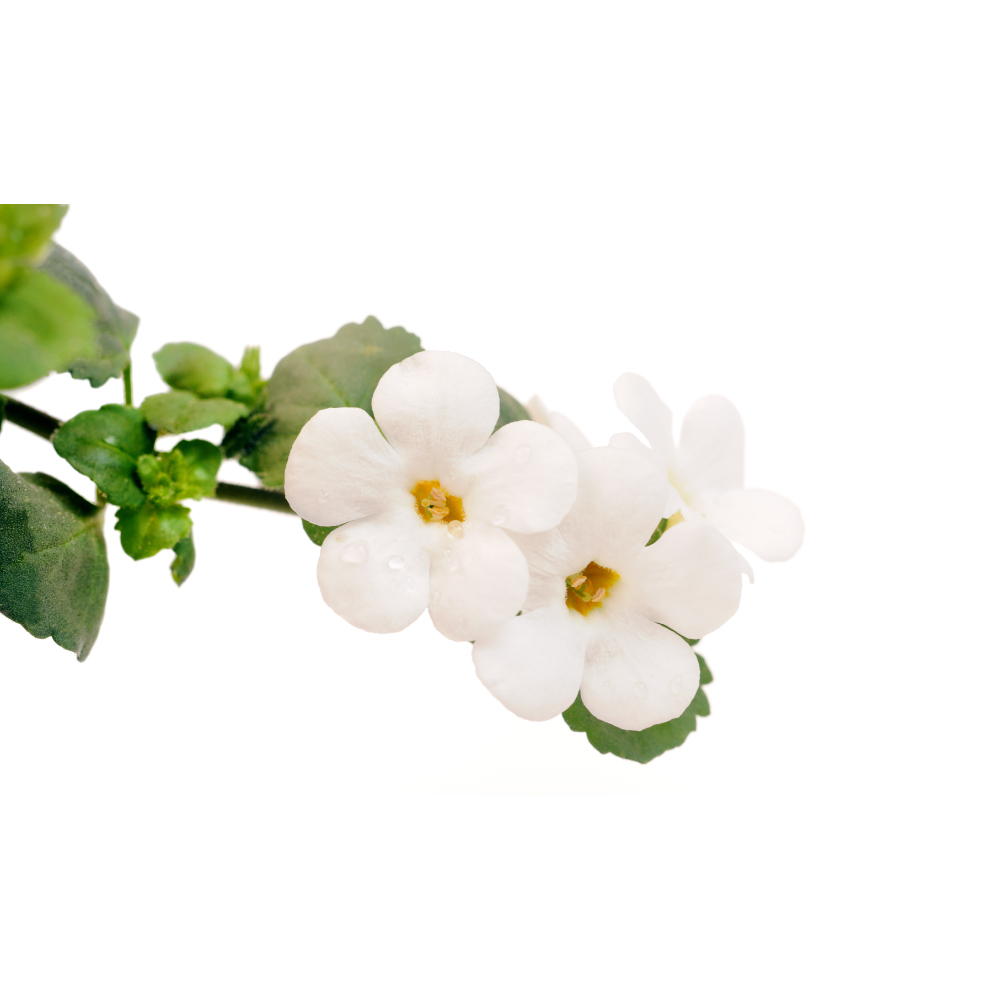 PotentPotentBacopaBacopa monnieriImproves retention and speed of attention in pooled placebo-controlled trials of 12 weeks or longer, and ranked first for working memory in a 2026 network meta-analysis.Mechanismacetylcholinesterase inhibition; BDNF ↑ / synaptic-protein signaling; cholinergic-neuron protectionRead the evidenceShow lessMonograph →
A 2014 meta-analysis of nine randomised placebo-controlled trials (518 subjects, standardised extracts, 12 weeks or longer) found improved Trail-Making B performance and shortened choice reaction time, concluding that bacopa improves speed of attention 22Reference 22Meta-analysisMeta-analysis of randomized controlled trials on cognitive effects of Bacopa monnieri extract — systematic review and meta-analysisView study →. A 2026 network meta-analysis of 29 RCTs (n=2107) ranked high-dose Brahmi (600 mg/day or more) first for working memory, above ginkgo and placebo 23Reference 23Meta-analysisComparative effects of Bacopa monnieri and Ginkgo biloba on cognitive functions — systematic review and network meta-analysisView study →.
Bacosides inhibit acetylcholinesterase, comparably to donepezil in some assays, and protect cholinergic neurons 24Reference 24ReviewNeurocognitive effect of nootropic drug Brahmi (Bacopa monnieri) in Alzheimer’s disease — reviewView study →, with BDNF and synaptic-protein signalling underneath 25Reference 25AnimalStandardized Bacopa monnieri extract ameliorates learning and memory impairments through synaptic protein, neurogranin, BDNF signaling, and HPA axis in prenatally stressed rat offspring — animal modelView study →.
The effect is delayed and chronic rather than acute. Roodenrys’s trial showed bacopa slowed the forgetting of newly learned material rather than speeding acquisition 26Reference 26RCTChronic effects of Brahmi (Bacopa monnieri) on human memory — randomised placebo-controlled trialView study →, and the trial protocol is 12 weeks.
The endpoint is narrow, retention and attention speed rather than global cognition, and the 2026 network meta-analysis found no advantage for attention or processing speed 23Reference 23Meta-analysisComparative effects of Bacopa monnieri and Ginkgo biloba on cognitive functions — systematic review and network meta-analysisView study →. Effect sizes are small, a mean d of about 0.4 27Reference 27Systematic reviewA systematic review of the Ayurvedic medicinal herb Bacopa monnieri in child and adolescent populations — systematic reviewView study →.
Nearly all of the evidence uses CDRI 08 or BacoMind standardised to a set bacoside content 22,
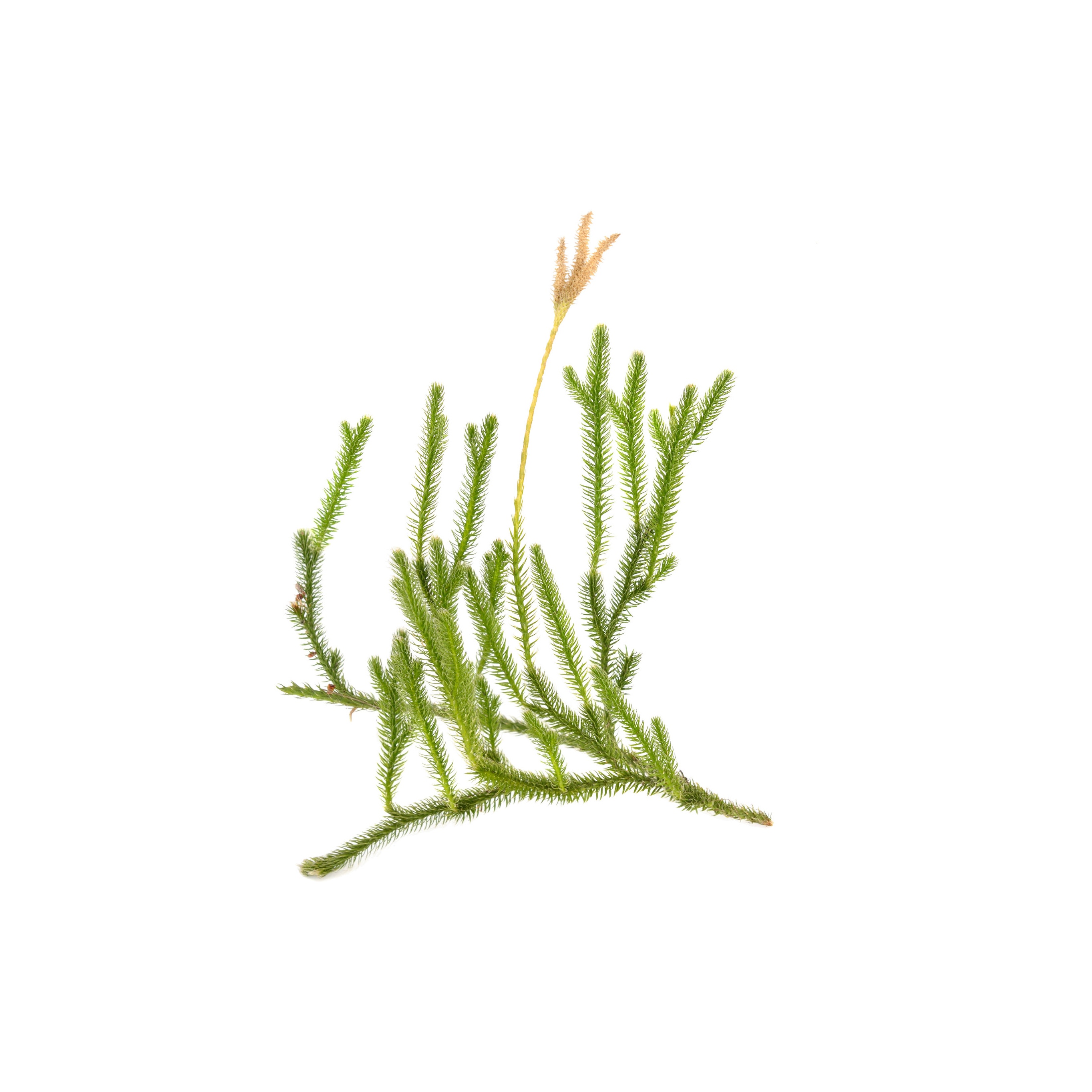 PotentPotentChinese ClubmossHuperzia serrataHuperzine A, its marker alkaloid, is a reversible, brain-penetrant acetylcholinesterase inhibitor licensed as an Alzheimer's drug in China, with a 20-trial meta-analysis behind it.Mechanismacetylcholinesterase-inhibitor; cholinergic-enhancementRead the evidenceShow lessMonograph →
Huperzine A is a reversible, blood-brain-barrier-penetrant acetylcholinesterase inhibitor selective for AChE over BChE, working on the same cholinergic principle as donepezil or galantamine and roughly 88 times more potent than galantamine as a centrally active reversible inhibitor in primates 42,
It is a licensed anti-Alzheimer’s drug in China. A 20-RCT meta-analysis (n=1,823) showed cognition and daily-living gains, and a schizophrenia meta-analysis showed adjunctive memory benefit 44,
The benefit concentrates in populations with a cholinergic deficit. Healthy-adult enhancement rests on one small 1999 adolescent trial 46Reference 46RCTHuperzine-A capsules enhance memory and learning performance in 34 pairs of matched adolescent students — randomised controlled trialView study →, the best-designed Western RCT (the US ADCS trial) missed its primary cognitive endpoint at 200 µg twice daily 47Reference 47RCTA phase II trial of huperzine A in mild to moderate Alzheimer disease — randomised controlled trialView study →, and the positive data skew Chinese with a high risk of bias 44Reference 44Meta-analysisHuperzine A for Alzheimer’s disease: a systematic review and meta-analysis of randomised clinical trials — meta-analysisView study →.
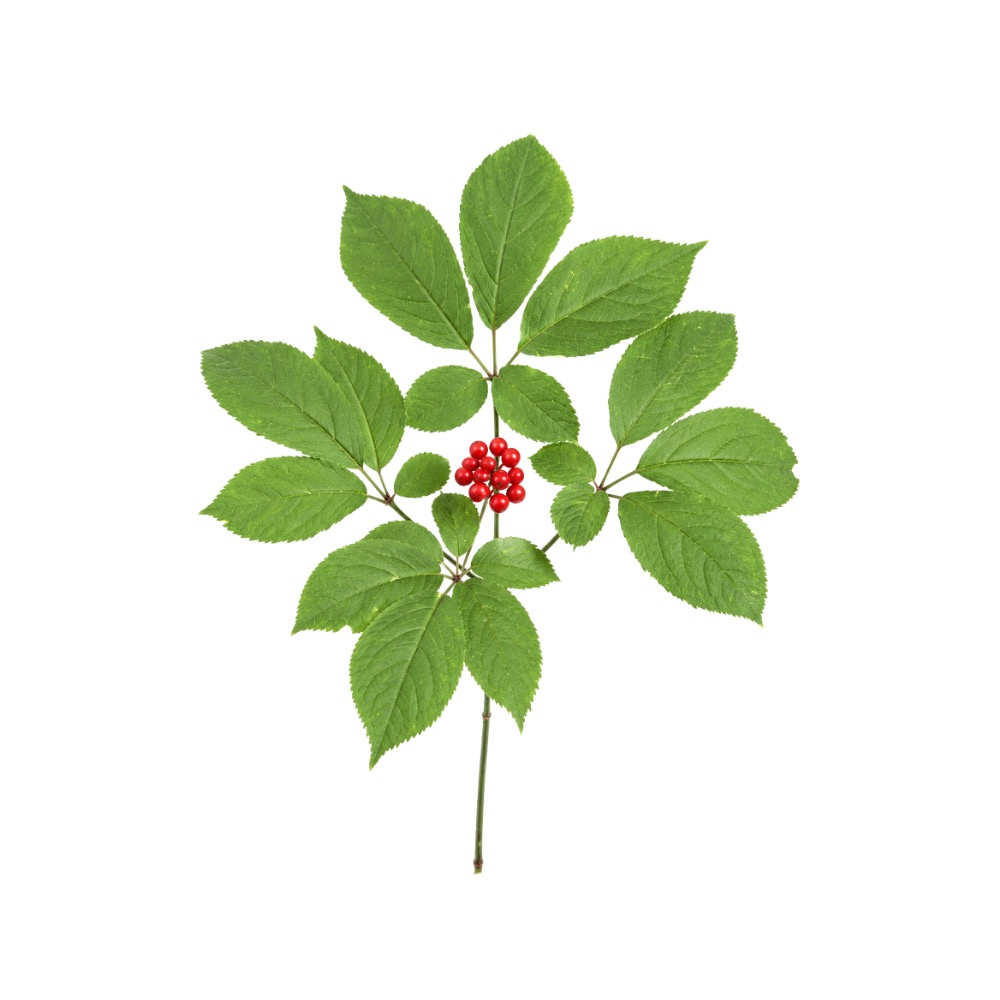 StrongStrongAmerican GinsengPanax quinquefoliusSingle doses of the standardised extract Cereboost improve working memory in healthy adults within hours, with no change in blood glucose; ginsenoside Rb1 raises choline acetyltransferase.Mechanismcholine acetyltransferase ↑; cholinergic neuroprotection (ginsenoside Rb1)Read the evidenceShow lessMonograph →
Single doses of the standardised extract Cereboost (about 10.65% ginsenosides) improved working memory in healthy young adults across 100 to 400 mg with no change in blood glucose 54Reference 54RCTEffects of American ginseng (Panax quinquefolius) on neurocognitive function: an acute, randomised, double-blind, placebo-controlled, crossover study — randomised controlled trialView study →, which rules out the glycaemic effect as the explanation. The result was partially replicated in middle-aged adults at 200 mg, with the gain visible at 3 hours 55Reference 55RCTImproved working memory performance following administration of a single dose of American ginseng to healthy middle-age adults — randomised controlled trialView study →, and an EEG study showed reduced prefrontal SSVEP latency during memory retrieval at the same dose 56Reference 56RCTEffects of Panax quinquefolius on the steady state visually evoked potential during cognitive performance — randomised controlled trialView study →.
Cereboost’s high ginsenoside Rb1 content up-regulates choline acetyltransferase and protects neurons, including against amyloid-β toxicity 57Reference 57In vitroCereboost, an American ginseng extract, improves cognitive function via up-regulation of choline acetyltransferase expression and neuroprotection — animal model / in vitroView study →, with supporting preclinical mitophagy and learning and memory work 58,
Every positive trial is a single acute dose of one proprietary extract, largely from one research group. There is no evidence for sustained daily dosing, for whole root, decoction or tincture, or for any clinical cognitive outcome, and a combination trial with bacopa and coffee fruit 60Reference 60RCTAcute effects of combined Bacopa, American ginseng and whole coffee fruit on working memory and cerebral haemodynamic response — randomised controlled trialView study → cannot be attributed to the ginseng alone.
 StrongStrongSaffronCrocus sativusImproves cognitive scores in mild-to-moderate Alzheimer's disease against placebo and matches donepezil and memantine in trials of up to a year; crocin and crocetin inhibit amyloid-β aggregation.Mechanismamyloid-β aggregation inhibition (crocin/crocetin); NF-κB ↓; free-radical scavengingRead the evidenceShow lessMonograph →
A 16-week RCT in mild-to-moderate Alzheimer’s found 30 mg/day improved ADAS-cog scores against placebo 108Reference 108RCTSaffron in the treatment of patients with mild to moderate Alzheimer’s disease: a 16-week, randomised and placebo-controlled trialView study →, a 12-month trial in moderate-to-severe disease found it equivalent to memantine on cognitive decline 109Reference 109RCTComparing the efficacy and safety of Crocus sativus L. with memantine in patients with moderate to severe Alzheimer’s disease: a double-blind randomised clinical trialView study →, and a 2020 meta-analysis of four RCTs concluded saffron significantly improves cognitive scores against placebo and does not differ significantly from donepezil or memantine 110,
The proposed mechanism is amyloid-β aggregation inhibition by crocin and crocetin, supported by the antioxidant and NF-κB arms 112Reference 112ReviewAnti-inflammatory, antioxidant, and immunomodulatory effects of Crocus sativus L. and its main constituents — reviewView study →.
The samples are small, the trials are short relative to the course of dementia, provenance is single-region, and an improvement in score is not the same as slowing progression. No trial supports cognitive enhancement in healthy adults.
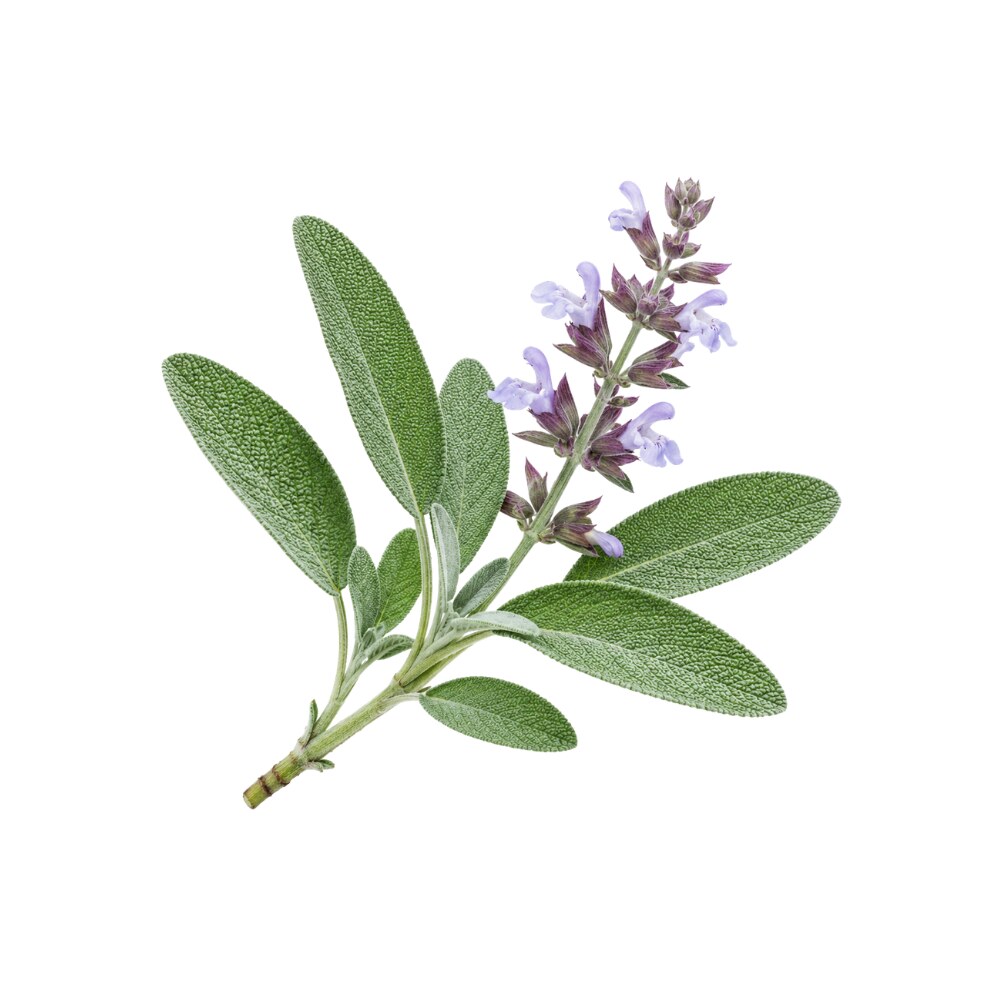 StrongStrongSageSalvia officinalisSingle doses of standardised leaf extract improve memory and attention in healthy adults and in over-65s through cholinesterase inhibition, with a 29-day trial showing working-memory gains.Mechanismacetylcholinesterase inhibition; butyrylcholinesterase inhibitionRead the evidenceShow lessMonograph →
A run of small double-blind placebo-controlled crossover trials from one UK group found single doses of standardised leaf extract improved secondary (episodic) memory and attention in healthy young adults, and a 333 mg dose sustained memory across a full test day in over-65s 113,
In mild-to-moderate Alzheimer’s, a 4-month Iranian RCT (n=42) reported better cognitive scores than placebo 116Reference 116RCTSalvia officinalis extract in the treatment of patients with mild to moderate Alzheimer’s disease: a double-blind, randomised and placebo-controlled trialView study →, and two systematic reviews conclude the herb reliably enhances cognition in healthy and impaired subjects while noting small samples and inconsistent preparations 117Reference 117Systematic reviewSystematic review of clinical trials assessing pharmacological properties of Salvia species on memory, cognitive impairment and Alzheimer’s diseaseView study →.
The mechanism is inhibition of both acetylcholinesterase and butyrylcholinesterase by the terpenoid fraction, confirmed in vitro alongside the human trials 114,
A substantial share of the cognitive evidence is Salvia lavandulaefolia, the thujone-free Spanish sage 118Reference 118RCTMonoterpenoid extract of sage (Salvia lavandulifolia) with cholinesterase-inhibiting properties improves cognitive performance and mood in healthy adults — randomised controlled trialView study →, or a combined S. officinalis and S. lavandulaefolia product 115Reference 115RCTThe acute and chronic cognitive effects of a sage extract: a randomised, placebo-controlled study in healthy humansView study →, rather than common sage. Every trial used a proprietary standardised extract or essential oil, none of which corresponds to sage tea 117Reference 117Systematic reviewSystematic review of clinical trials assessing pharmacological properties of Salvia species on memory, cognitive impairment and Alzheimer’s diseaseView study →, and one route is inhaled aroma rather than ingestion 120Reference 120RCTDifferential effects of the aromas of Salvia species on memory and mood — randomised controlled trialView study →.
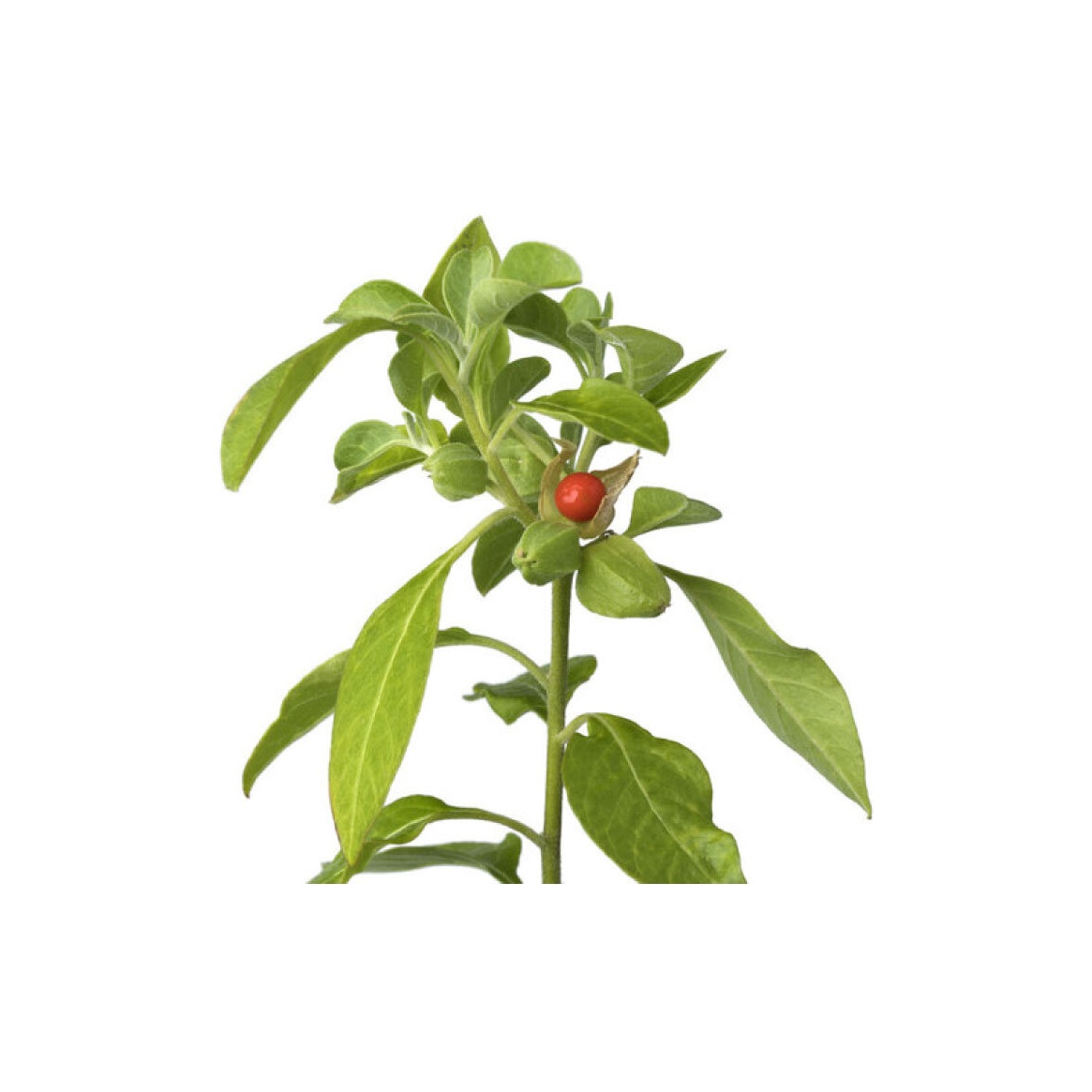 ModerateModerateAshwagandhaWithania somniferaImproved memory and executive function over eight weeks in mild cognitive impairment, and reaction time in healthy adults over two weeks, in two small trials.Mechanismnot measured in the human trials — cholinergic support and antioxidant neuronal protection are proposed from animal work onlyRead the evidenceShow lessMonograph →
An 8-week trial in adults with mild cognitive impairment (300 mg root extract twice daily) improved immediate and general memory on Wechsler Memory Scale subtests plus executive function and attention 20Reference 20RCTEfficacy and safety of ashwagandha root extract in improving memory and cognitive functions — RCT in mild cognitive impairmentView study →, and a 14-day crossover-style RCT of a standardised aqueous extract improved reaction time and psychomotor performance in healthy adults 21Reference 21RCTEffect of standardised aqueous extract of Withania somnifera on cognitive and psychomotor performance in healthy participants — randomised trialView study →. A clinical population and a healthy one, a memory endpoint and a speed endpoint, point the same way.
Both trials are pilot-scale and short, and they use different extracts and different outcome batteries, so they do not replicate each other. The proposed cholinergic and antioxidant mechanism is drawn from animal work and was not measured in either trial.
There is no data in established dementia.
Ashwagandha’s stronger evidence is as an adaptogen and anxiolytic, with cortisol measured directly, and the cognitive gains may follow from reduced stress and better sleep rather than a distinct pro-cognitive action.
 ModerateModerateAsian GinsengPanax ginsengImproves memory by a small, dose-responsive margin in a 2024 meta-analysis of 15 trials, with no effect on global cognition, attention or executive function.Mechanismcholinergic support; neurotrophic/antioxidant CNS effects (ginsenoside Rg1, Rg3)Read the evidenceShow lessMonograph →
A 2024 meta-analysis of 15 RCTs (671 participants) found ginseng significantly improved memory (SMD 0.19, larger at high doses) with no significant effect on global cognition, attention or executive function 61Reference 61Meta-analysisEffects of ginseng on cognitive function — systematic review and meta-analysis of RCTsView study →.
The 2010 Cochrane review found no convincing benefit in healthy or impaired adults, citing poor study quality 62Reference 62Systematic reviewGinseng for cognition — Cochrane systematic reviewView study →, a 2025 meta-analysis limited to MMSE and ADAS-cog in memory-impaired populations found limited effects 63Reference 63Meta-analysisCognitive benefits of ginseng — systematic review and meta-analysis of MMSE and ADAS-cog changesView study →, and the Alzheimer’s meta-analysis was inconsistent 64Reference 64Meta-analysisGinseng for Alzheimer’s disease — systematic review and meta-analysis of RCTsView study →. A 12-week open-label RCT of 4.5 g/day whole root powder improved ADAS-cog and MMSE, with the gain waning after discontinuation 65Reference 65RCTPanax ginseng enhances cognitive performance in Alzheimer disease — randomised open-label trialView study →.
Several of the sharpest acute cognitive findings are American ginseng (Cereboost-type) in healthy young adults 66Reference 66RCTAcute and chronic effects of American ginseng (Cereboost) on mood and cognition in healthy young adults — randomised placebo-controlled trialView study →, not P. ginseng. The record is a real, dose-responsive memory effect of small magnitude sitting next to a null Cochrane review.
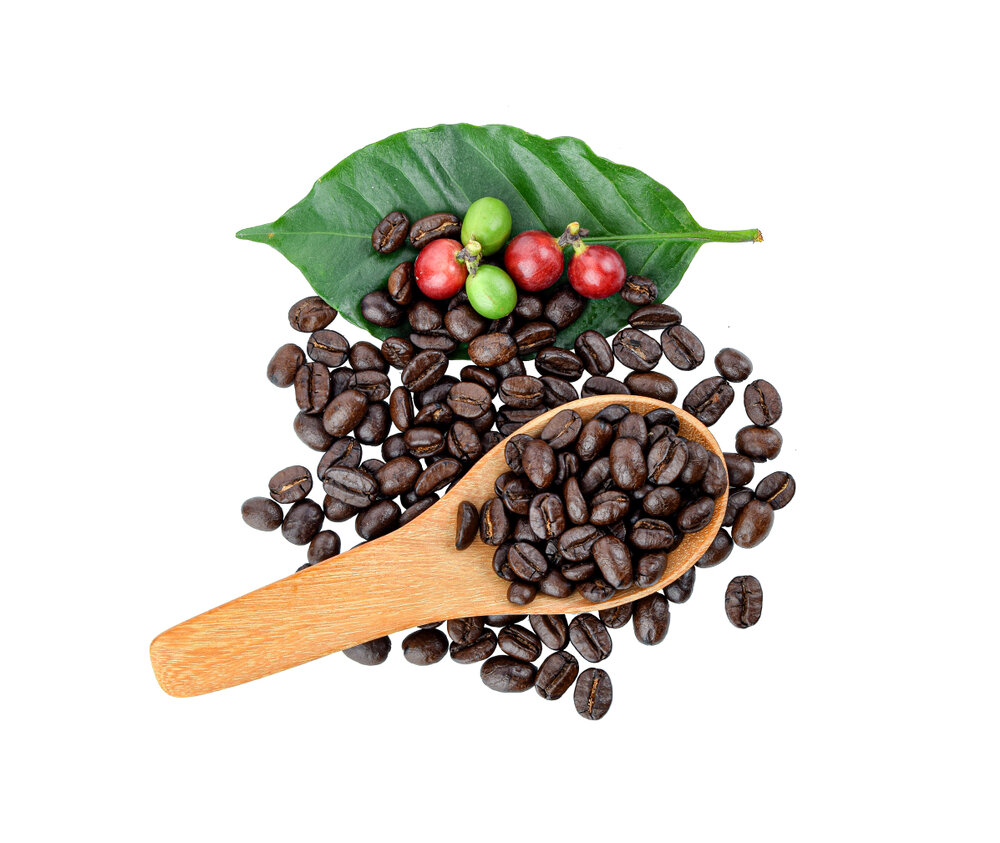 ModerateModerateCoffeeCoffea arabicaCaffeine blocks adenosine A1 and A2A receptors and restores alertness in the tired; long-term coffee drinking is linked to a lower risk of cognitive disorders in a 33-study meta-analysis.Mechanismadenosine A1/A2A antagonismRead the evidenceShow lessMonograph →
Caffeine occupies adenosine A1 and A2A receptors without activating them, removing the sleep-pressure signal rather than stimulating the brain directly. Coffee bean contains roughly 1 to 2% caffeine by dry weight, arabica at the lower end, and a cup delivers a full stimulant dose.
In habitual drinkers much of the acute effect is reversal of withdrawal, and tolerance develops within days.
An updated dose-response meta-analysis (33 studies, 389,505 participants) found coffee linked to a lower risk of cognitive disorders overall (RR 0.73), non-linear and peaking near 2.5 cups/day for Alzheimer’s (RR 0.74) 37Reference 37Meta-analysisModerate coffee or tea consumption decreased the risk of cognitive disorders: an updated dose-response meta-analysisView study →.
The durable cognitive story is epidemiological risk reduction rather than day-to-day enhancement.
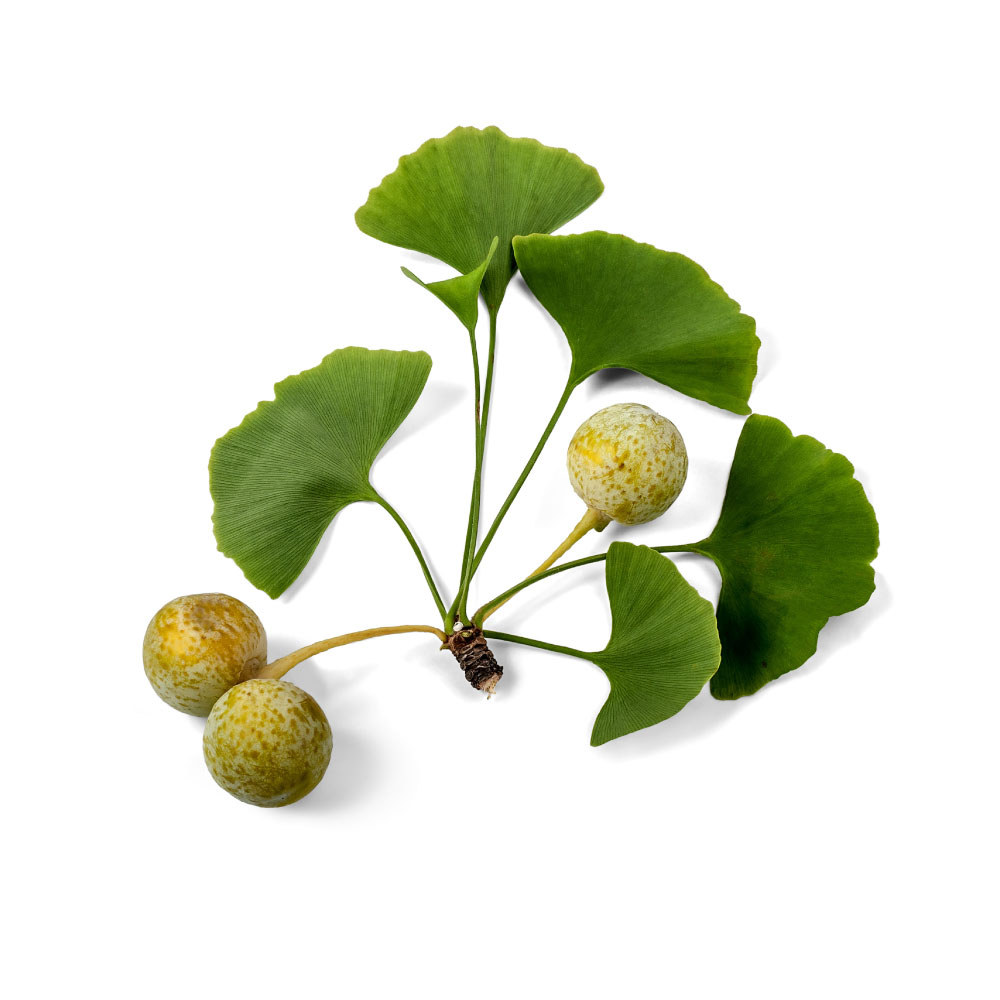 ModerateModerateGinkgoGinkgo bilobaImproves cognition in diagnosed dementia and mild cognitive impairment in Cochrane and later meta-analyses; in healthy adults the large trials are null apart from transient acute effects.Mechanismcerebral microcirculationRead the evidenceShow lessMonograph →
In people with diagnosed dementia or mild cognitive impairment, the Cochrane review and two later meta-analyses find cognitive improvement 51,
In healthy adults, systematic reviews and the large JAMA trial are consistently null for memory and attention 48,
The mechanism offered is improved cerebral microcirculation.
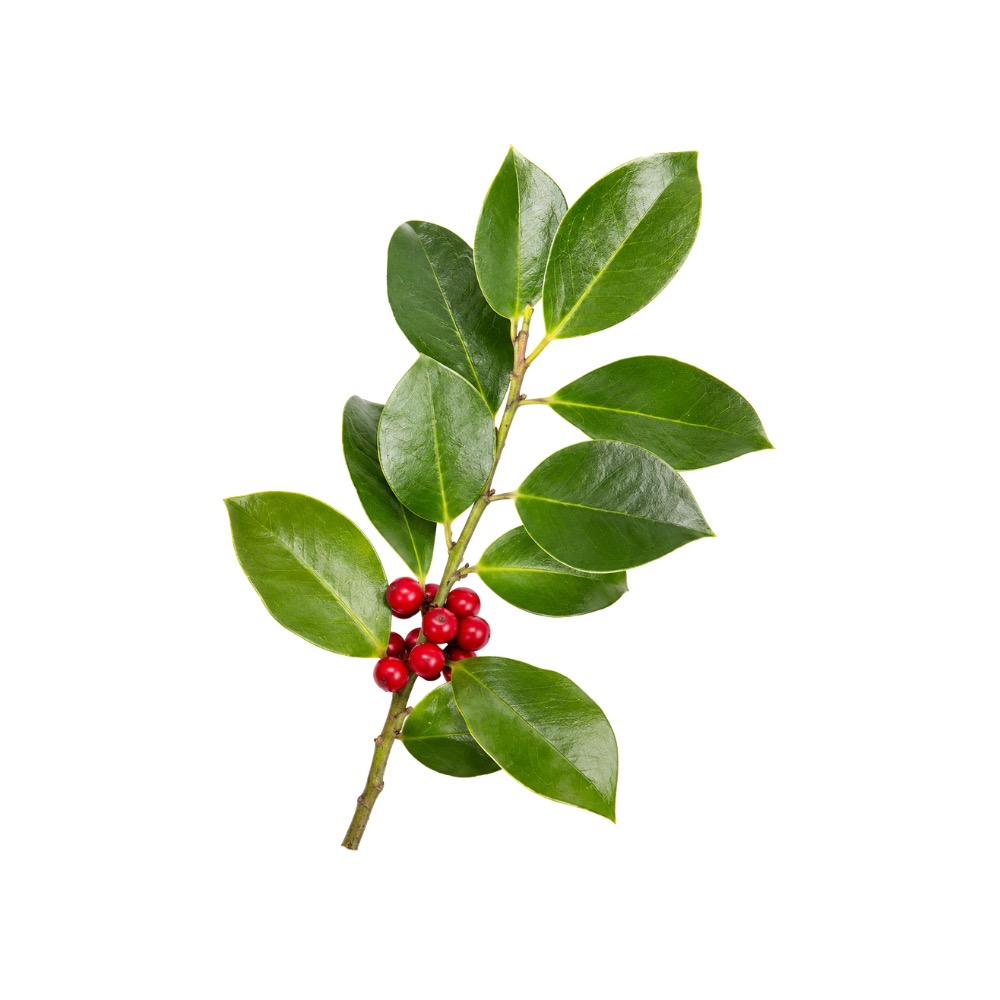 ModerateModerateGuayusaIlex guayusaIts caffeine improves motor and psychomotor speed, working-memory accuracy and reaction time for about two hours in two crossover trials, with 600 mg the optimum dose.Mechanismadenosine-receptor antagonism (caffeine); polyphenol/theobromine co-modulation (proposed, not demonstrated)Read the evidenceShow lessMonograph →
A randomised double-blind placebo-controlled crossover (n=25, 600 against 1200 mg guayusa leaf extract) improved motor and psychomotor speed alongside mood and fatigue, with 600 mg the optimum. The higher dose added jitteriness rather than performance, and the dose-response rose in women only 73Reference 73RCTAcute, dose-response effects of guayusa leaf extract on mood, cognitive and motor-cognitive performance, and blood pressure, heart rate, and ventricular repolarization — randomized, double-blind, placebo-controlled crossover RCTView study →.
A second crossover RCT (650 mg AmaTea Max) reported better working-memory accuracy and reaction time plus self-rated clarity and focus over two hours 74Reference 74RCTAcute Effects of Naturally Occurring Guayusa Tea and Nordic Lion’s Mane Extracts on Cognitive Performance — randomized, double-blind, placebo-controlled RCTView study →.
The effect is caffeine’s. The co-occurring polyphenols and theobromine are framed as plausible modulators of the methylxanthine response rather than as independent nootropics 75Reference 75ReviewMore than just caffeine: psychopharmacology of methylxanthine interactions with plant-derived phytochemicals — reviewView study →, and no trial isolates a non-caffeine contribution to cognition.
There is no chronic dosing data and no brewed-tea trial, and the extracts are proprietary with undisclosed leaf ratios.
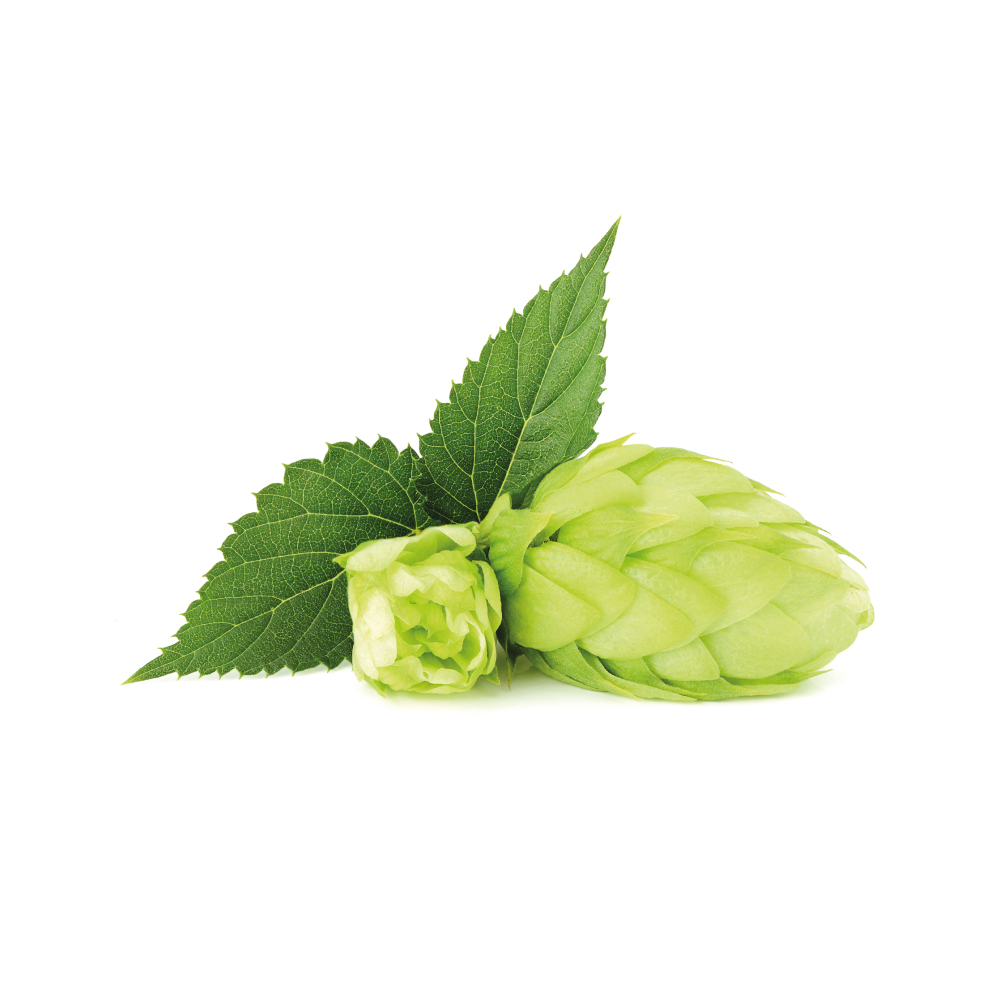 ModerateModerateHopsHumulus lupulusMatured hop bitter acids, oxidised β-acids from aged hops, improved verbal fluency and divided attention in two 12-week trials in older adults through a vagal gut-brain route.Mechanismvagal gut–brain signaling (oxidized β-acids / MHBAs); β-endorphin ↓Read the evidenceShow lessMonograph →
Two randomised double-blind trials used matured hop bitter acids (MHBAs), oxidised β-acids from aged hops, at 35 mg/day, proposing a gut-to-brain vagal mechanism. In 60 adults aged 45 to 64 with self-perceived cognitive decline, 12 weeks significantly improved verbal fluency at 6 weeks against placebo 77Reference 77RCTEffects of Hop Bitter Acids, Bitter Components in Beer, on Cognition in Healthy Adults: A Randomized Controlled Trial — [randomized]View study →.
In 100 older adults, divided attention on the Symbol Digit Modalities Test improved significantly at 12 weeks, with lower β-endorphin and movement in a putative cognitive-impairment marker 78Reference 78RCTSupplementation with Matured Hop Bitter Acids Improves Cognitive Performance and Mood State in Healthy Older Adults with Subjective Cognitive Decline — [randomized]View study →.
Effects are modest and partly subgroup-driven, and both trials use a specific manufactured preparation rather than the whole flower or its sedative fraction, so the claim belongs to a hops derivative rather than to hops tea. Replication beyond the single research group is limited.
 ModerateModerateLesser PeriwinkleVinca minorIts alkaloid vincamine, a prescription cerebroactive drug in Europe, improved all four endpoints in a 12-week placebo-controlled dementia trial by raising cerebral perfusion; the whole plant has no trial.Mechanismcerebral vasodilation → cortical perfusion ↑; no direct neurotransmitter or cholinergic mechanism establishedRead the evidenceShow lessMonograph →
A 12-week double-blind RCT in 142 patients aged 50 to 85 with degenerative or vascular dementia found vincamine 30 mg twice daily superior to placebo across all four pre-specified outcomes, including the SCAG geriatric scale 13Reference 13RCTTherapeutic efficacy of vincamine in dementia — randomised, double-blind, placebo-controlled trialView study →. An older double-blind crossover trial reported improved verbal memory alongside raised cerebral blood flow in multi-infarct dementia 81Reference 81RCTThe effects of bromvincamine and vincamine on regional cerebral blood flow and mental functions in patients with multi-infarct dementia — double-blind crossover clinical trialView study →, and the vincamine teprosilate salt improved behavioural and mnemonic performance in chronic cerebrovascular disease 14,
Effect sizes are described as modest, the trials are small and date from the 1980s and 1990s, and the mechanism is downstream of vasodilation rather than any receptor or enzyme target.
The form on the shelf, vinpocetine, is semi-synthesised from apovincamine and occurs in no plant, and a Cochrane review judged the evidence too weak to support its use in dementia 19,
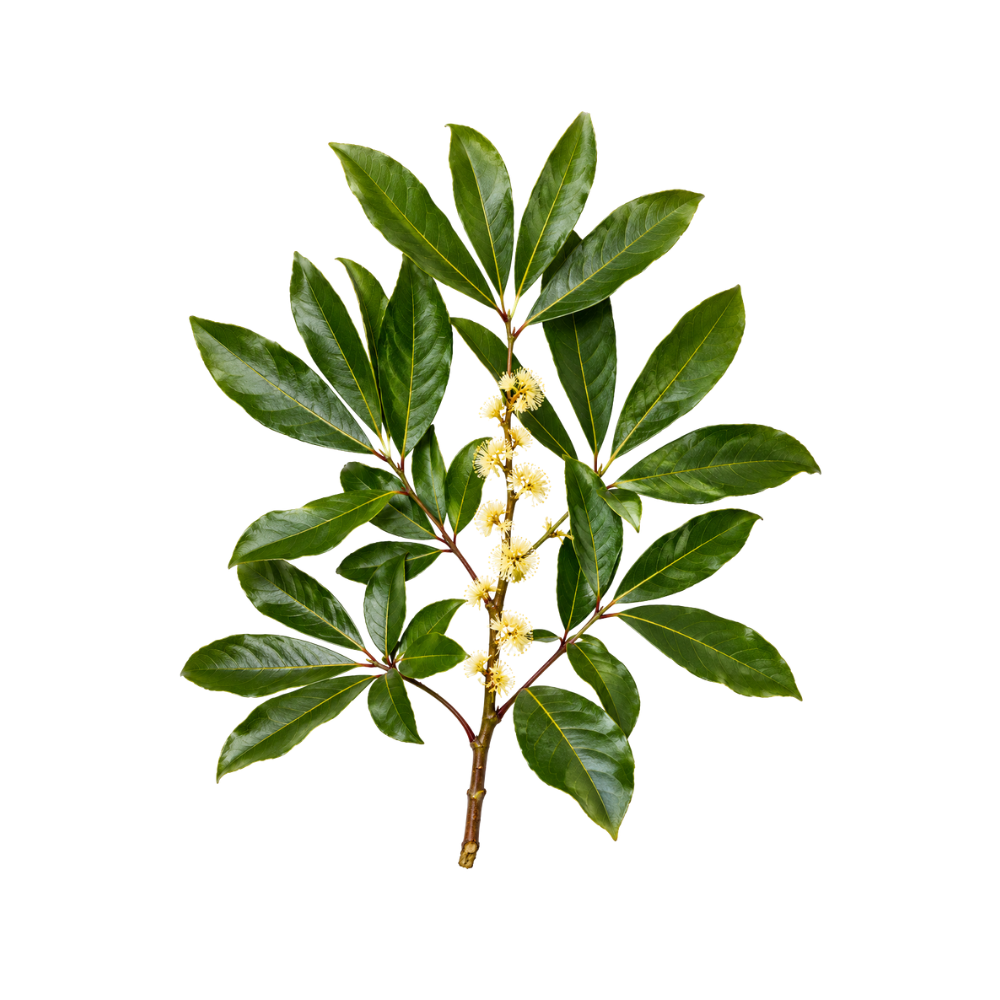 ModerateModerateMuira PuamaPtychopetalum olacoidesThe Amazonian nerve tonic; a standardised extract improves memory retrieval in young and aged mice, and inhibits acetylcholinesterase in cognition-relevant brain regions after oral dosing.Mechanismacetylcholinesterase-inhibitor; serotonergic (5-HT2A); memory-retrievalRead the evidenceShow lessMonograph →
The standardised ethanol extract (POEE) improved memory retrieval, not acquisition or consolidation, in step-down avoidance and object-recognition tasks in both young and aged mice 83,
The mechanism is anticholinesterase. POEE inhibited acetylcholinesterase in rat frontal cortex, hippocampus and striatum in vitro 85Reference 85In vitroPtychopetalum olacoides, a traditional Amazonian “nerve tonic”, possesses anticholinesterase activity — in vitro / animal studyView study →, and orally dosed mice showed meaningful AChE inhibition in the hippocampus (CA1 about 33%) and striatum, confirming that the actives are orally bioavailable and reach cognition-relevant tissue 86Reference 86AnimalAcetylcholinesterase inhibition in cognition-relevant brain areas of mice treated with a nootropic Amazonian herbal (Marapuama) — animal studyView study →.
A serotonergic (5-HT2A) contribution was also mapped 87Reference 87Serotonin receptors contribute to the promnesic effects of P. olacoides (Marapuama) — animal studyView study →.
No human cognition study exists, and the AChE-active molecule has never been isolated, so the effect belongs to the whole extract rather than a defined constituent.
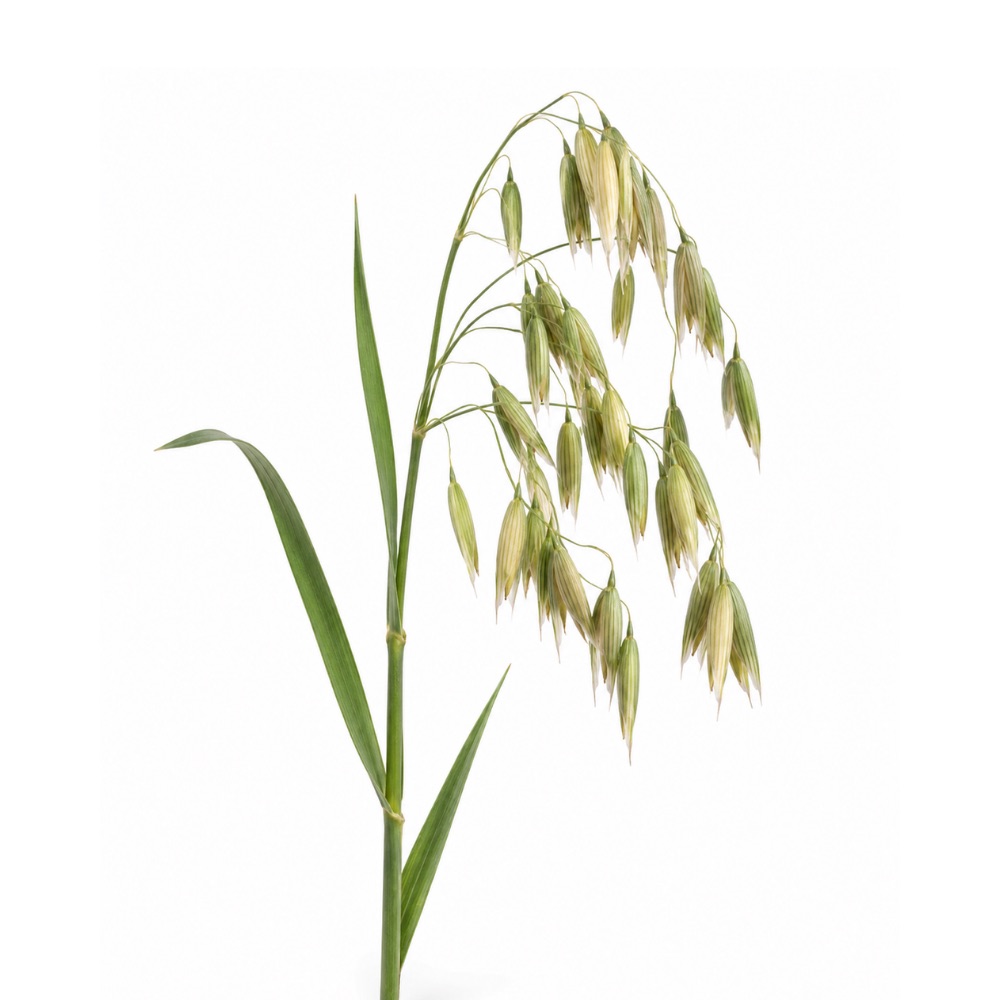 ModerateModerateOatsAvena sativaA standardised wild green-oat extract improves executive function and attention within hours of an 800 mg dose, with an EEG correlate; the chronic trials contradict each other.Mechanismnot established — EEG spectral change and ERP amplitude reduction with faster responses, interpreted as more efficient neural recruitmentRead the evidenceShow less
The evidence belongs to Neuravena EFLA 955, a standardised wild green-oat extract. A single 800 mg dose improved executive-function and attention tasks in middle-aged adults with age-related memory complaints, with 1600 mg performing no better 88Reference 88RCTAcute effects of a wild green-oat (Avena sativa) extract on cognitive function in middle-aged adults — double-blind placebo-controlled within-subjects trialView study →.
A separate trial found acute improvement on the Stroop Color-Word test 89Reference 89RCTAcute effects of an Avena sativa herb extract on responses to the Stroop Color-Word test — randomised controlled trialView study →, EEG work found altered spectral frequencies consistent with a central effect 90Reference 90Ingested oat herb extract (Avena sativa) changes EEG spectral frequencies in healthy subjects — human EEG studyView study →, and an ERP study found 800 mg reduced N2, ERN and P3 amplitudes while speeding responses without loss of accuracy 91Reference 91RCTEffects of a Green Oat Herb Extract on Cognitive Performance and Neurophysiological Activity: A Randomized Double-Blind Placebo-Controlled Study — randomised controlled trialView study →, read as more efficient recruitment of neural resources rather than simple stimulation.
Chronic dosing points both ways. A 29-day study in 132 adults found four weeks at 430 or 1290 mg improved working memory and multitasking against placebo, with the highest dose blunting the electrodermal stress response and no effect on mood 92Reference 92RCTAcute and Chronic Effects of Green Oat (Avena sativa) Extract on Cognitive Function and Mood during a Laboratory Stressor in Healthy Adults — randomised double-blind placebo-controlled trialView study →.
A 12-week crossover at 1500 mg/day in healthy adults around 67 found no effect on any cognitive measure 93Reference 93RCTChronic effects of a wild green oat extract supplementation on cognitive performance in older adults — randomised double-blind placebo-controlled crossover trialView study →.
The acute effects are replicated with an objective neurophysiological correlate. Against them sit one proprietary extract, industry funding and small samples, and none of it validates green oat tincture or oatstraw tea.
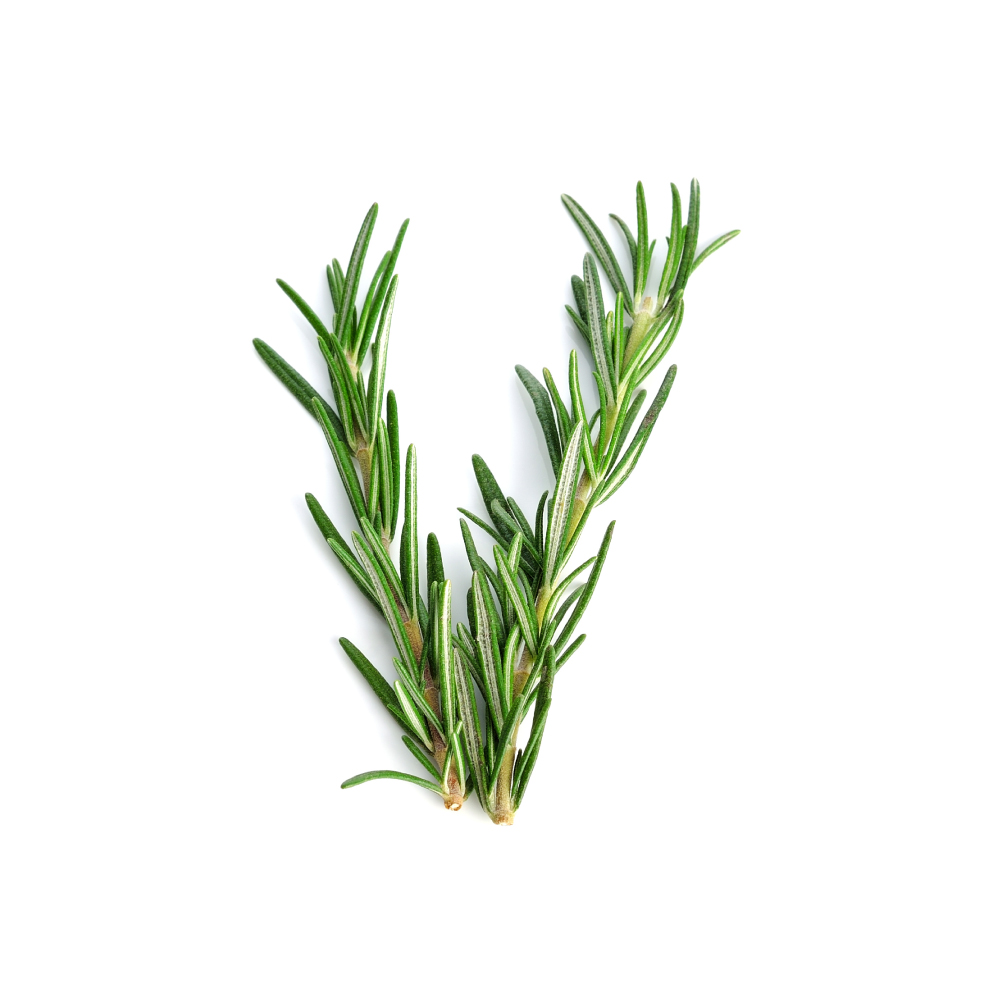 ModerateModerateRosemaryRosmarinus officinalisThe herb of remembrance; inhaled aroma improved memory quality in 144 adults, and rosemary water produced small acute gains alongside a measured rise in cerebral oxygen extraction.Mechanismcerebrovascular O₂ extraction ↑ (essential oil); mitochondrial protection / anti-apoptotic, BBB-permeant (carnosic acid)Read the evidenceShow lessMonograph →
Inhaled essential-oil aroma significantly improved quality-of-memory scores against a no-odour control in a controlled study of 144 healthy adults 103Reference 103RCTAromas of rosemary and lavender essential oils differentially affect cognition and mood in healthy adults — randomisedView study →. Acute ingestion of rosemary water produced small cognitive benefits alongside a measured cerebrovascular change, raised deoxygenated haemoglobin during the task and so increased oxygen extraction, in an 80-participant RCT 104Reference 104RCTAcute ingestion of rosemary water: Evidence of cognitive and cerebrovascular effects in healthy adults — randomised controlled trialView study →, and a rodent meta-analysis found a consistent pro-cognitive effect across animal studies 105Reference 105Meta-analysisCognition enhancing effect of rosemary (Rosmarinus officinalis L.) in lab animal studies: a systematic review and meta-analysisView study →.
The effect sizes are small, nearly all of it is single-dose, and the preparations are chemically unrelated to each other. A combined sage, rosemary and melissa extract found no overall memory effect, with only an under-63s subgroup signal 106Reference 106RCTA randomised double-blind placebo-controlled pilot trial of a combined extract of sage, rosemary and melissa on memory in healthy subjects — RCTView study →.
Dried leaf powder is biphasic: 750 mg improved speed of memory while 6,000 mg impaired it in older adults 107Reference 107RCTShort-term study on the effects of rosemary on cognitive function in an elderly population — randomised controlled trialView study →. No adequately powered trial of a defined oral dose over months exists, and none of the data supports an Alzheimer’s claim.
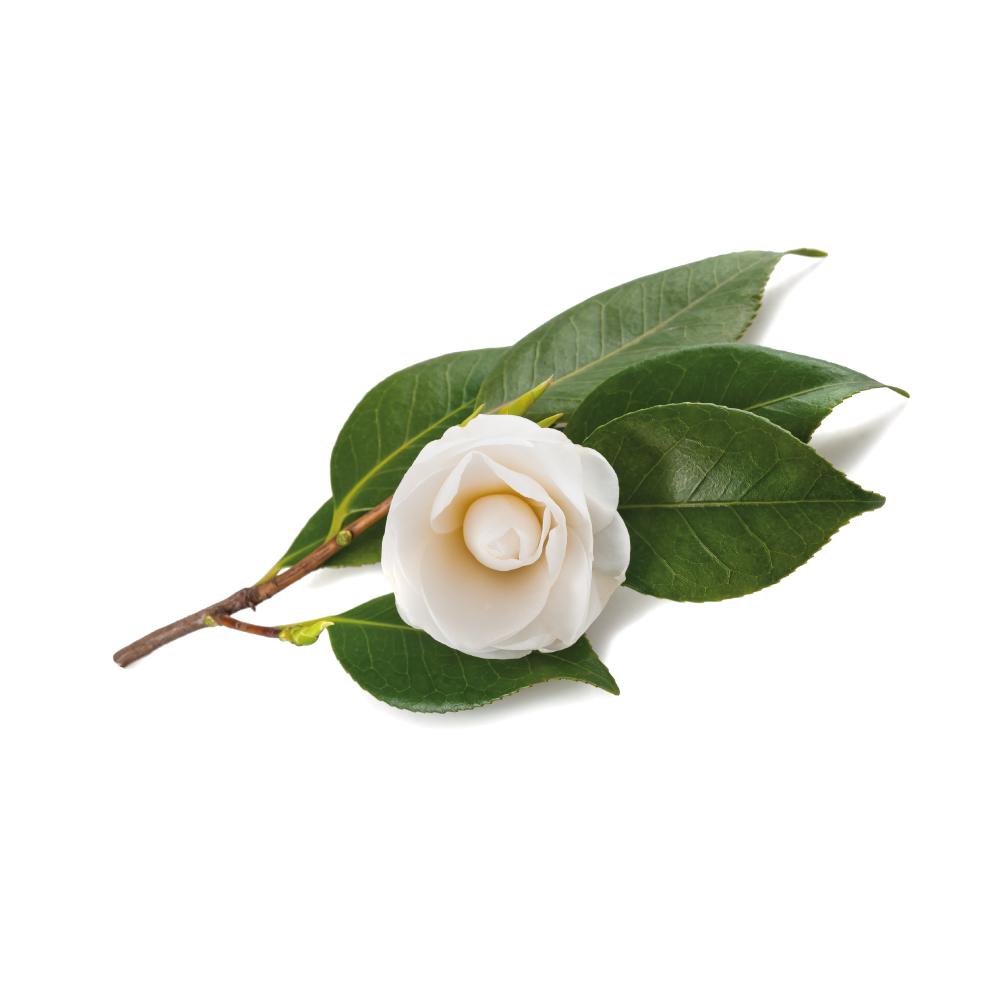 ModerateModerateTeaCamellia sinensisL-theanine and caffeine together improve attention-switching and reduce distractibility beyond caffeine alone, for about two hours and at doses above a single cup.MechanismL-theanine + caffeine synergy; alpha-band activity ↑ (relaxed alertness); attention-switching and distractibilityRead the evidenceShow lessMonograph →
Tea’s cognitive profile differs from coffee’s because of L-theanine: with caffeine it improves attention-switching speed and accuracy and reduces distractibility beyond caffeine alone 121Reference 121RCTThe combined effects of L-theanine and caffeine on cognitive performance and mood — randomised controlled trialView study →. Theanine crosses the blood-brain barrier and increases alpha-band activity while caffeine antagonises adenosine.
A 2025 systematic review and meta-analysis of RCTs found small-to-moderate benefits of theanine plus caffeine on cognition and mood in the first two hours after intake 122Reference 122Meta-analysisEffects of tea (Camellia sinensis) or its bioactive compounds L-theanine or L-theanine plus caffeine on cognition, sleep, and mood in healthy participants: a systematic review and meta-analysis of randomised controlled trialsView study →, and a green-tea brain-function review reached similar modest conclusions 123Reference 123Systematic reviewGreen tea effects on cognition, mood and human brain function: a systematic reviewView study →.
The benefits are acute and short-lived, and they are measured almost entirely in healthy adults, so nothing speaks to long-term cognition or dementia risk. The doses often exceed what a cup delivers.
Show 13 more herbs with a mild nootropic action
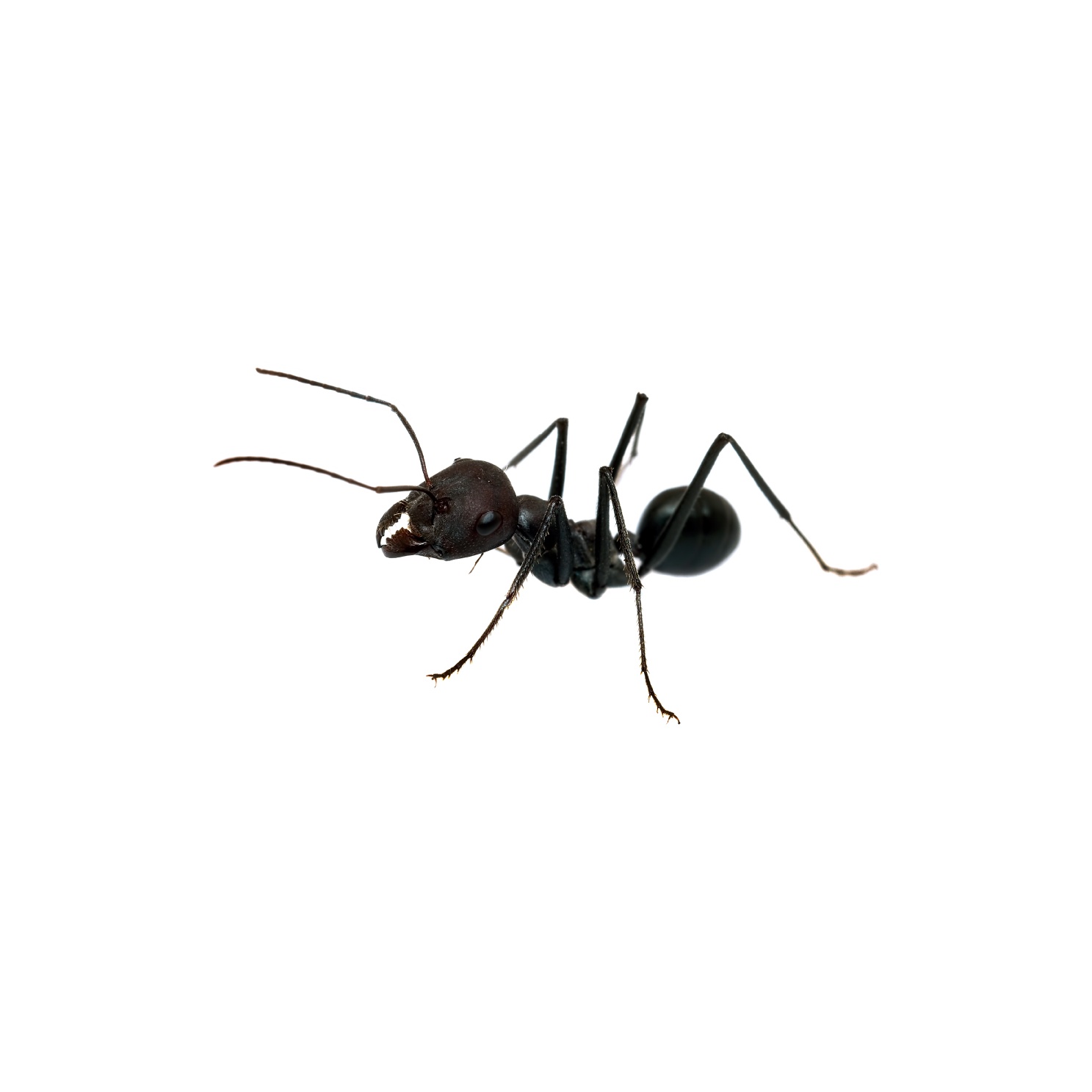 MildMildBlack AntPolyrhachis spp.The student's tonic of Chinese practice; its active fraction improves maze memory dose-dependently in Alzheimer's-model rats and raises the CREB-BDNF plasticity signal.MechanismcAMP–PKA–CREB–BDNF ↑; EGR1/BACE1/APP ↓; SIRT3-mediated mitophagy ↑Read the evidenceShow lessMonograph →
In an amyloid-β Alzheimer’s rat model the active fraction (AFPR) improved Morris water-maze memory dose-dependently and suppressed β-amyloid deposition by down-regulating the EGR1/BACE1/APP axis 30Reference 30AnimalPolyrhachis vicina Roger alleviates memory impairment in a rat model of Alzheimer’s disease through the EGR1/BACE1/APP axis — animal in vivoView study →. In middle-cerebral-artery-occlusion rats, oral AFPR improved neurological scores, reduced infarct area and promoted mitophagy and angiogenesis through SIRT3 31Reference 31AnimalActive fraction of Polyrhachis vicina (Roger) alleviated cerebral ischemia/reperfusion injury by targeting SIRT3-mediated mitophagy and angiogenesis — rat modelView study →.
Network-pharmacology work with in vitro and in vivo validation found AFPR raised PRKACA, CREB and BDNF 32Reference 32In vitroIntegrating network pharmacology, molecular docking and pharmacological evaluation for exploring Polyrhachis vicina Rogers in ameliorating depression — in vitro and in vivoView study →, the plasticity half of the mechanism.
Every result uses the concentrated solvent fraction in rodents rather than the whole-ant powder or tincture people take, each condition rests on a single unreplicated study, and there is no human cognitive data.
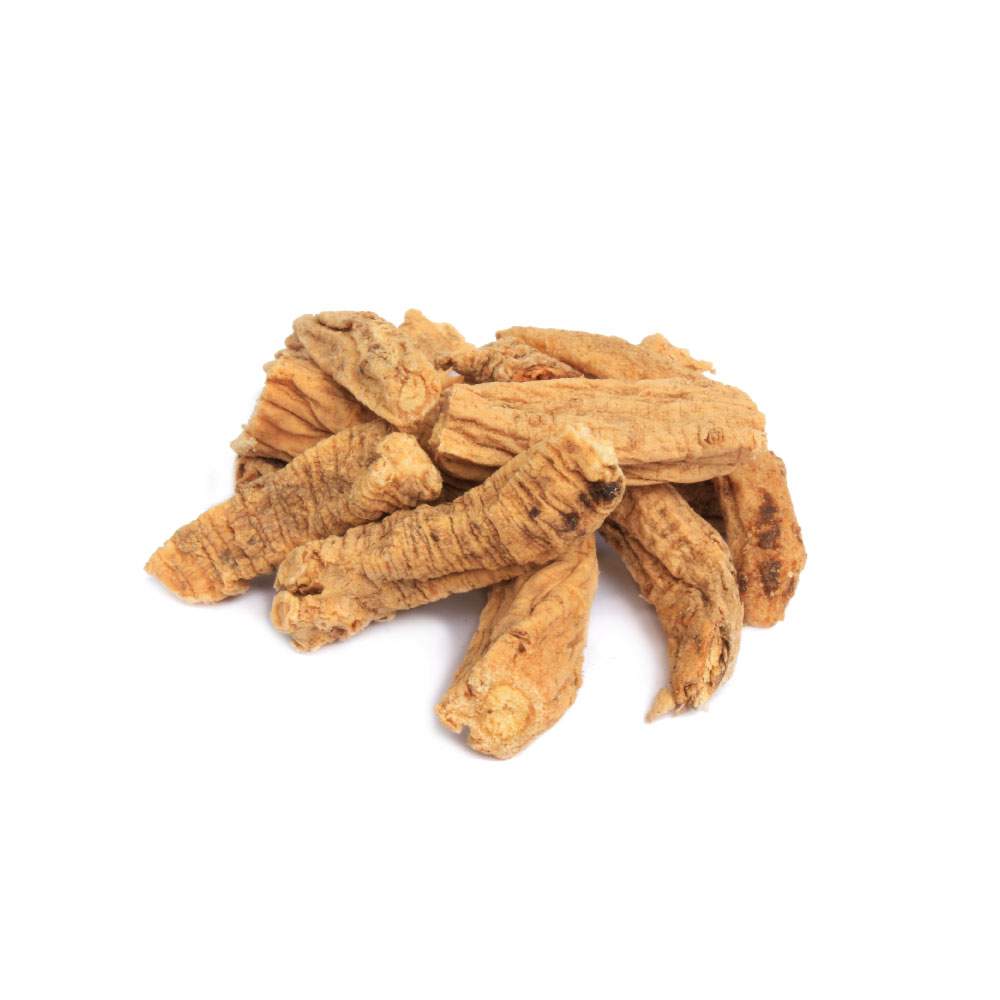 MildMildCodonopsisCodonopsis pilosulaThe dangshen of Chinese tonic formulas; its polysaccharides protect neurons and improve maze performance in Alzheimer's-model mice, and the one human trial combined it with ginkgo.MechanismPERK-ATF4-CHOP ER-stress ↓; p38 MAPK modulation; autophagy activationRead the evidenceShow lessMonograph →
In APP/PS1 Alzheimer’s-model mice, C. pilosula polysaccharides reduced neuronal apoptosis through the PERK-ATF4-CHOP endoplasmic-reticulum-stress pathway and improved Morris water-maze performance 33Reference 33AnimalCodonopsis pilosula polysaccharides alleviate neuronal apoptosis induced by endoplasmic-reticulum-stress-activated PERK-ATF4-CHOP signaling in APP/PS1 miceView study →. The water extract delayed brain ageing by activating autophagy 34Reference 34AnimalCodonopsis pilosula water extract delays D-galactose-induced aging of the brain in mice by activating autophagy and regulating metabolismView study →, and in PC12 cells the polysaccharide protected against amyloid-β(25-35) toxicity through p38 MAPK 35Reference 35Neuroprotective effect of Codonopsis pilosula polysaccharide on Aβ(25-35)-induced damage in PC12 cells via the p38 MAPK signaling pathwaysView study →.
The 60-participant double-blind RCT that reported improved memory acquisition and retention tested C. pilosula total glycosides combined with Ginkgo biloba (75 mg glycosides plus 40 mg ginkgo, twice daily) 36Reference 36Dangshen (Codonopsis pilosula) and Bai guo (Ginkgo biloba) enhance learning and memoryView study →, so the result cannot be assigned to codonopsis alone.
The trial used total glycosides, the animal work used isolated polysaccharide, and neither is the decocted root.
 MildMildColeusColeus forskohliiForskolin activates adenylate cyclase, the switch for the cAMP-CREB memory pathway; rodent results are mixed and dose-dependent, and there is no human cognition trial.MechanismcAMP → PKA → CREB phosphorylation (preclinical); oral CNS bioavailability unprovenRead the evidenceShow lessMonograph →
Forskolin is the standard laboratory tool for activating adenylate cyclase, and cAMP, protein kinase A and CREB form a central long-term-memory pathway.
Animal results are mixed. One rat study found biphasic effects, improving spatial memory at some doses while increasing tau phosphorylation, a neurodegeneration marker, at others 38Reference 38AnimalBiphasic effects of forskolin on tau phosphorylation and spatial memory in rats — [animal model]View study →, and forskolin rescued hypoxia-induced cognitive deficits in zebrafish 39Reference 39AnimalForskolin rescues hypoxia-induced cognitive dysfunction in zebrafish — [animal model]View study →.
There is no human cognition trial, and poor oral bioavailability with uncertain blood-brain-barrier penetration leaves it unclear whether an oral dose reaches the brain at active concentrations.
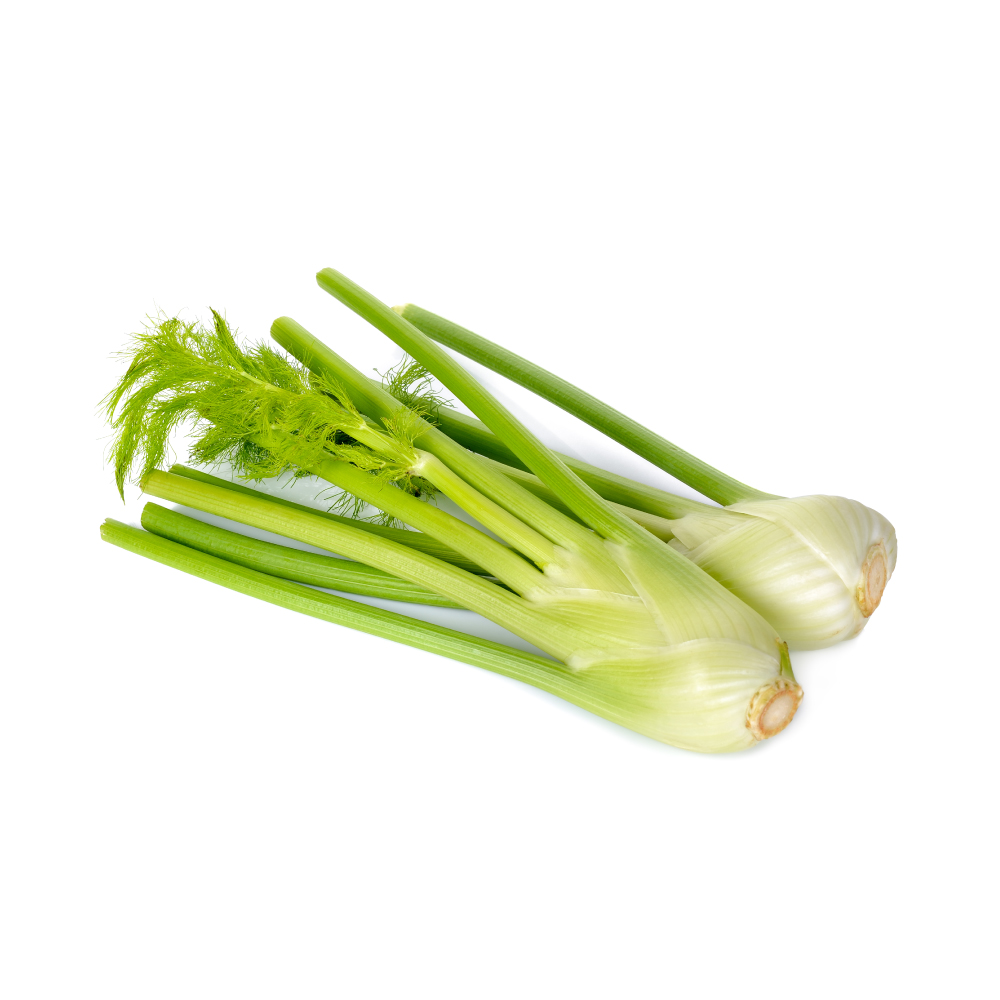 MildMildFennelFoeniculum vulgareWhole-plant extract inhibits acetylcholinesterase in mouse brain and reverses scopolamine-induced and age-related memory deficits; the evidence is entirely animal.Mechanismacetylcholinesterase inhibition; radical scavenging in brain tissueRead the evidenceShow lessMonograph →
Whole-plant fennel extract inhibited acetylcholinesterase in mouse brain and reversed both scopolamine-induced and age-related memory deficits, the same cholinergic route as conventional cognitive-enhancing drugs 40Reference 40AnimalCholinergic basis of the memory-strengthening effect of Foeniculum vulgare — mouse in vivoView study →. A 2025 zebrafish study found fennel mitigated scopolamine-induced cognitive deficits through combined antioxidant and neuroprotective actions 41Reference 41AnimalFoeniculum vulgare mitigates scopolamine-induced cognitive deficits in zebrafish — animal modelView study →.
There is no human cognition trial, and the step from anticholinesterase activity in a mouse to a dementia treatment, which older sources take, is unsupported.
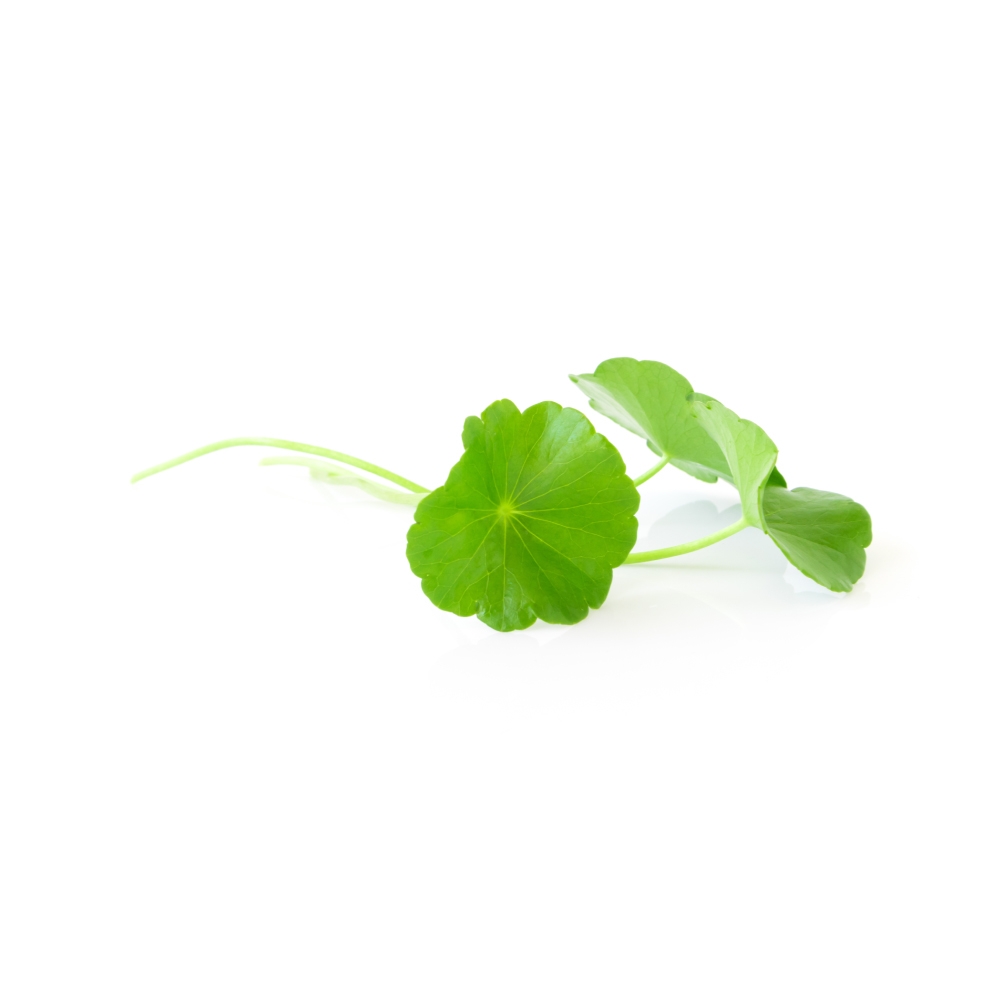 MildMildGotu KolaCentella asiaticaThe Brahmi of Ayurvedic tradition, taken as a brain tonic; controlled human data show acute alertness rather than memory gains, with one positive trial at the highest dose.Mechanismacute alertness onlyRead the evidenceShow lessMonograph →
The 2017 systematic review and meta-analysis found no significant difference from placebo in any cognitive domain, with the only positive effects being acute alertness and reduced anger 67Reference 67Meta-analysisEffects of Centella asiatica on cognitive function and mood — systematic review and meta-analysisView study →.
The most-cited positive trial (n=28 healthy elderly) found working-memory gains only at the highest dose, 750 mg/day, and not at lower ones 68Reference 68RCTPositive modulation of cognition and mood in the healthy elderly following Centella asiatica — randomised, placebo-controlled trialView study →.
The gap between strong animal data and null human data is the central tension in the herb’s modern profile.
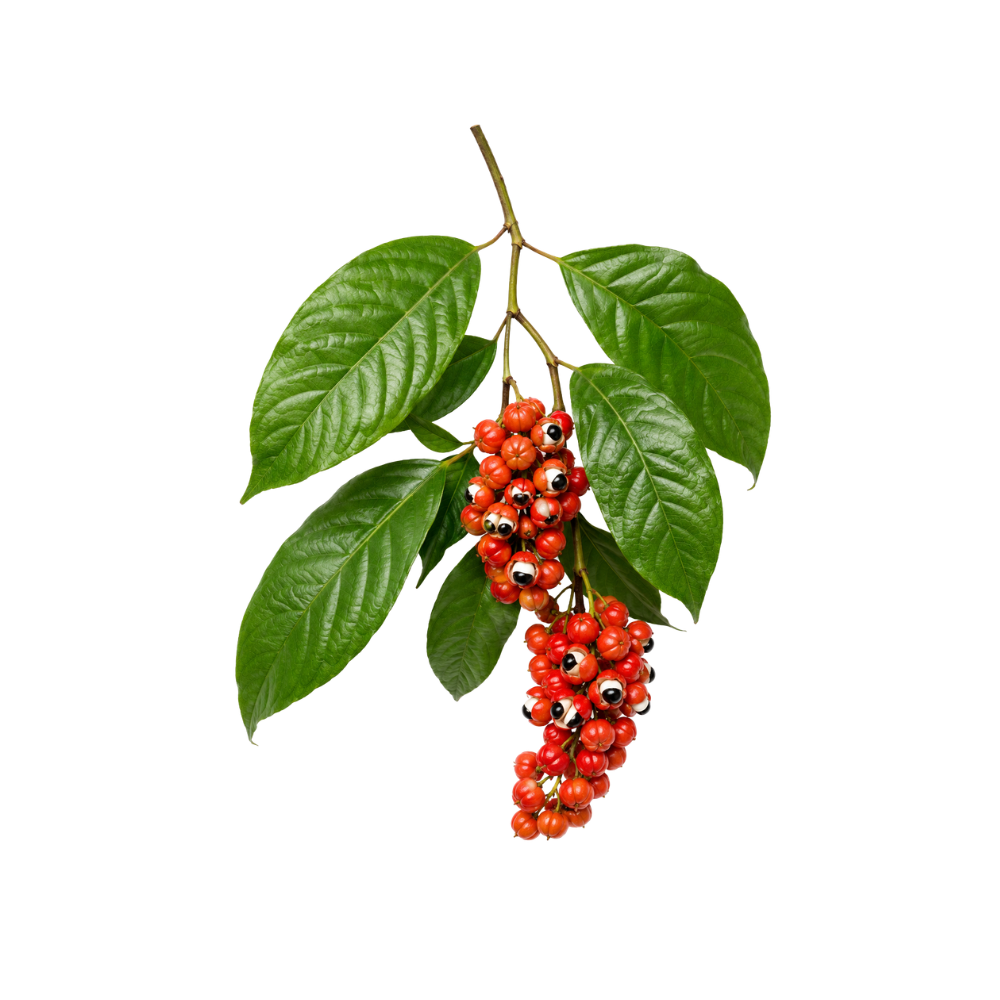 MildMildGuaranaPaullinia cupanaIts caffeine speeds response time by a small pooled margin (Hedge's g 0.20) with no gain in accuracy and no dose-response, and no demonstrated advantage over plain caffeine.Mechanismadenosine A1/A2A receptor antagonism (caffeine)Read the evidenceShow lessMonograph →
The pooled human effect is a faster response time (Hedge’s g = 0.20) with no benefit on accuracy and no dose-response relationship across 328 participants 69Reference 69Meta-analysisEffect of guarana (Paullinia cupana) on cognitive performance — systematic review and meta-analysisView study →. The classic single-dose trial (75 mg dried extract, n=28) improved attention-task speed with some evidence of reduced accuracy 70Reference 70RCTImproved cognitive performance following guarana extract — randomised, placebo-controlled trialView study →, and a double-blind crossover comparing 500 mg guarana against low-dose caffeine found reaction time unaffected 71Reference 71RCTAcute guarana ingestion on mental performance and vagal modulation — randomised controlled trialView study →.
A 2025 controlled study assessed guarana alongside green tea on students’ intellectual performance 72Reference 72Effects of guarana and green tea consumption on students’ intellectual performance — controlled studyView study →.
Guarana seed contains roughly 2.5 to 8% caffeine by weight, several times the coffee bean, and the effect is acute arousal rather than consolidation, learning or neuroprotection.
Several of the strongest guarana cognition trials use vitamin and mineral complexes rather than the herb alone, so guarana’s independent contribution is unresolved, and there is no evidence it outperforms an equivalent dose of plain caffeine.
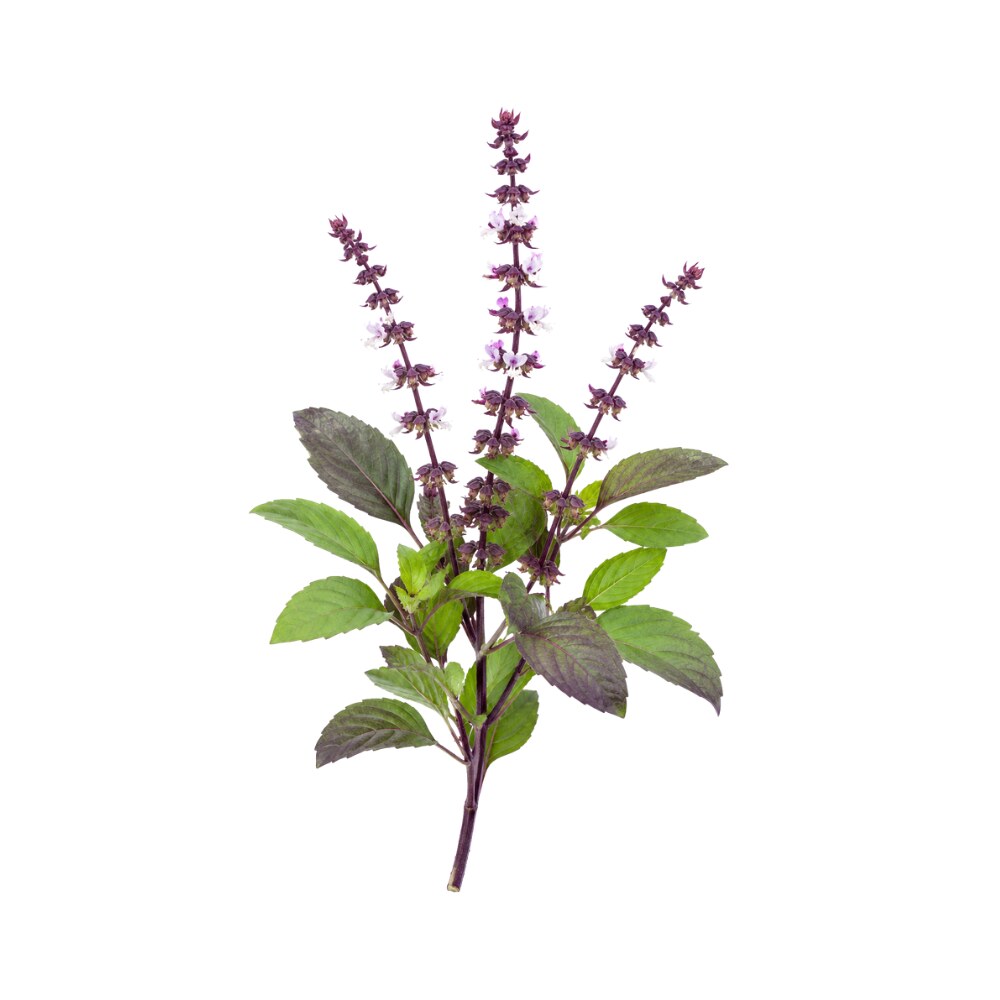 MildMildHoly BasilOcimum tenuiflorumTulsi improved reaction time and error rate on Sternberg and Stroop tasks over 30 days in healthy adults in one placebo-controlled trial, most likely through reduced stress.Mechanismnot established — stress-axis buffering proposedRead the evidenceShow lessMonograph →
A placebo-controlled trial of 300 mg/day ethanolic leaf extract over 30 days in healthy adults improved reaction time and error rate on Sternberg and Stroop tasks against placebo 76Reference 76RCTHoly basil (Ocimum sanctum) leaf extract enhances specific cognitive parameters in healthy adult volunteers: a placebo-controlled study — randomised controlled trialView study →.
That is a single small trial on computerised surrogates in healthy volunteers, with no data in cognitive impairment or ageing populations and no cholinergic, neurotrophic or circulatory mechanism identified. The effect most likely overlaps the anxiolytic one, less stress interference rather than enhanced cognition.
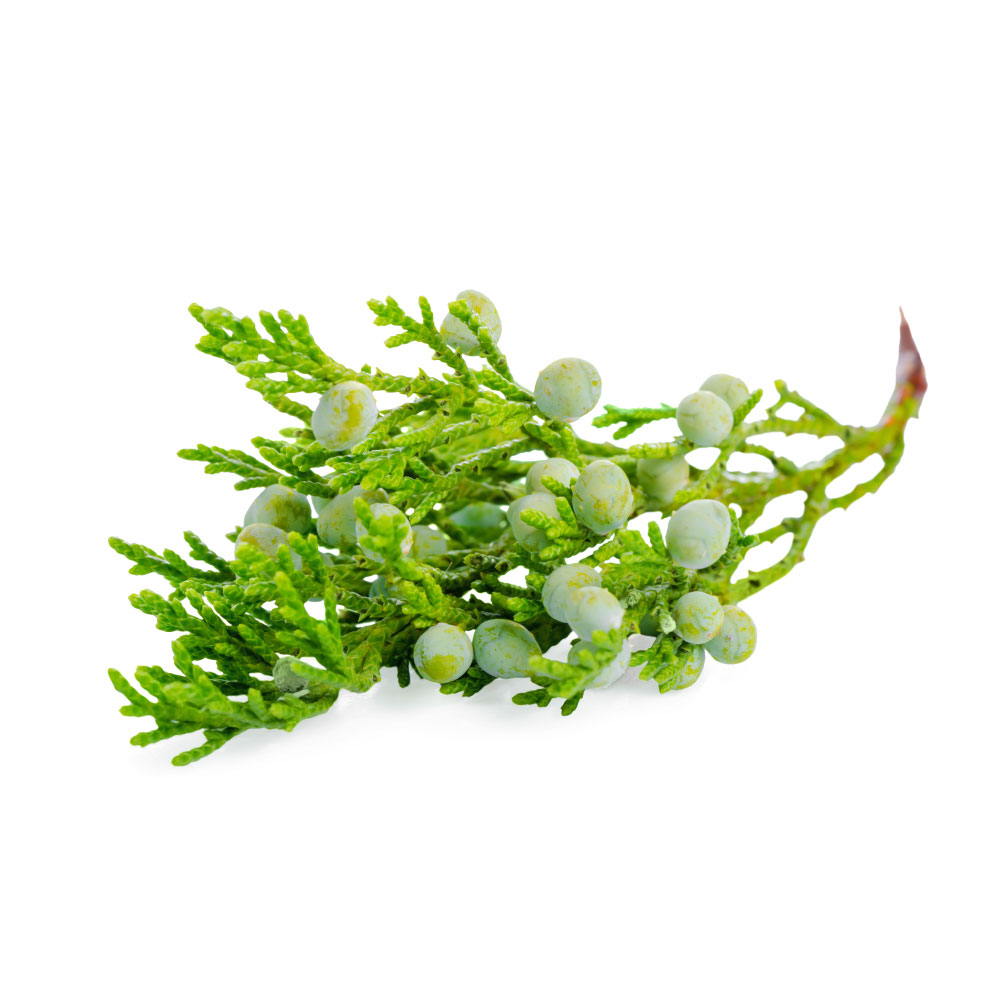 MildMildJuniperJuniperus communisInhaled juniper oil reduces hippocampal acetylcholinesterase activity and oxidative damage and improves memory in an amyloid-β rat model; the berry has not been tested.Mechanismacetylcholinesterase inhibition; hippocampal oxidative-damage ↓Read the evidenceShow lessMonograph →
Inhaled J. communis volatile oil (1 to 3%, 60 minutes daily for 21 days) reduced acetylcholinesterase activity and oxidative damage in the hippocampus of rats given intracerebroventricular amyloid-beta (1-42), improving memory measures dose-dependently 79Reference 79AnimalAnti-acetylcholinesterase and antioxidant activities of inhaled juniper oil on amyloid beta (1-42)-induced oxidative stress in the rat hippocampus — animal modelView study →. Fruit extracts of Turkish Juniperus species including J. communis show anticholinesterase activity in vitro 80Reference 80In vitroEvaluation of fruit extracts of six Turkish Juniperus species for their antioxidant, anticholinesterase and antimicrobial activities — in vitroView study →.
The in vivo work is a single research group, and the active preparation is inhaled essential oil rather than the ingested berry.
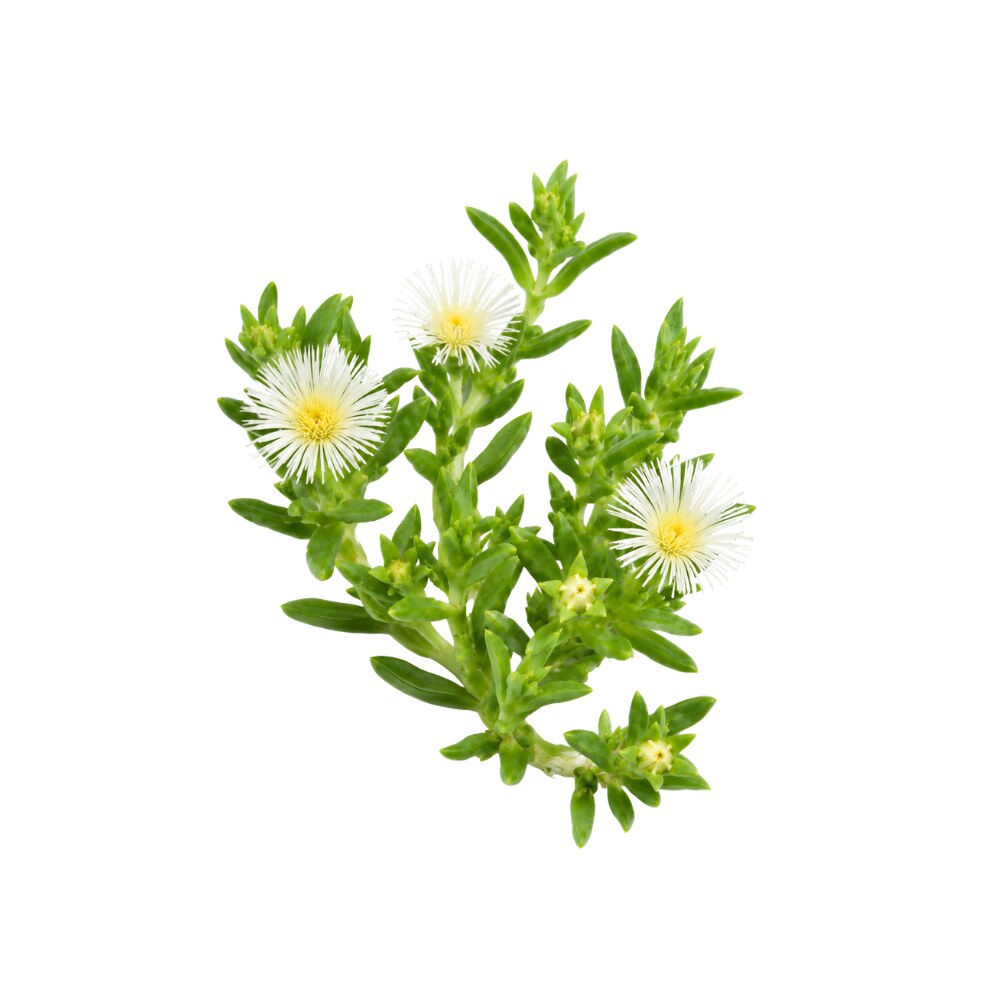 MildMildKannaSceletium tortuosumZembrin, a standardised extract, improved cognitive flexibility and executive function in one proof-of-concept trial in healthy adults through PDE4 inhibition by mesembrenone.MechanismPDE4 inhibition (cAMP ↑); acetylcholinesterase inhibition (asserted in vitro, uncited)Read the evidenceShow lessMonograph →
A single proof-of-concept randomised controlled trial of Zembrin in cognitively healthy adults improved cognitive flexibility and executive function, attributed by the authors to PDE4 inhibition, a target of independent interest in Alzheimer’s research 7Reference 7RCTProof-of-concept randomized controlled study of cognition effects of the proprietary extract Sceletium tortuosum (Zembrin) targeting phosphodiesterase-4 in cognitively healthy subjects: implications for Alzheimer’s dementiaView study →.
Kanna is also said to inhibit acetylcholinesterase, but the claim carries no citation and was never tested; the trial attributes the effect to PDE4 rather than to acetylcholine.
The evidence is one small trial, and nothing goes further until a second exists.
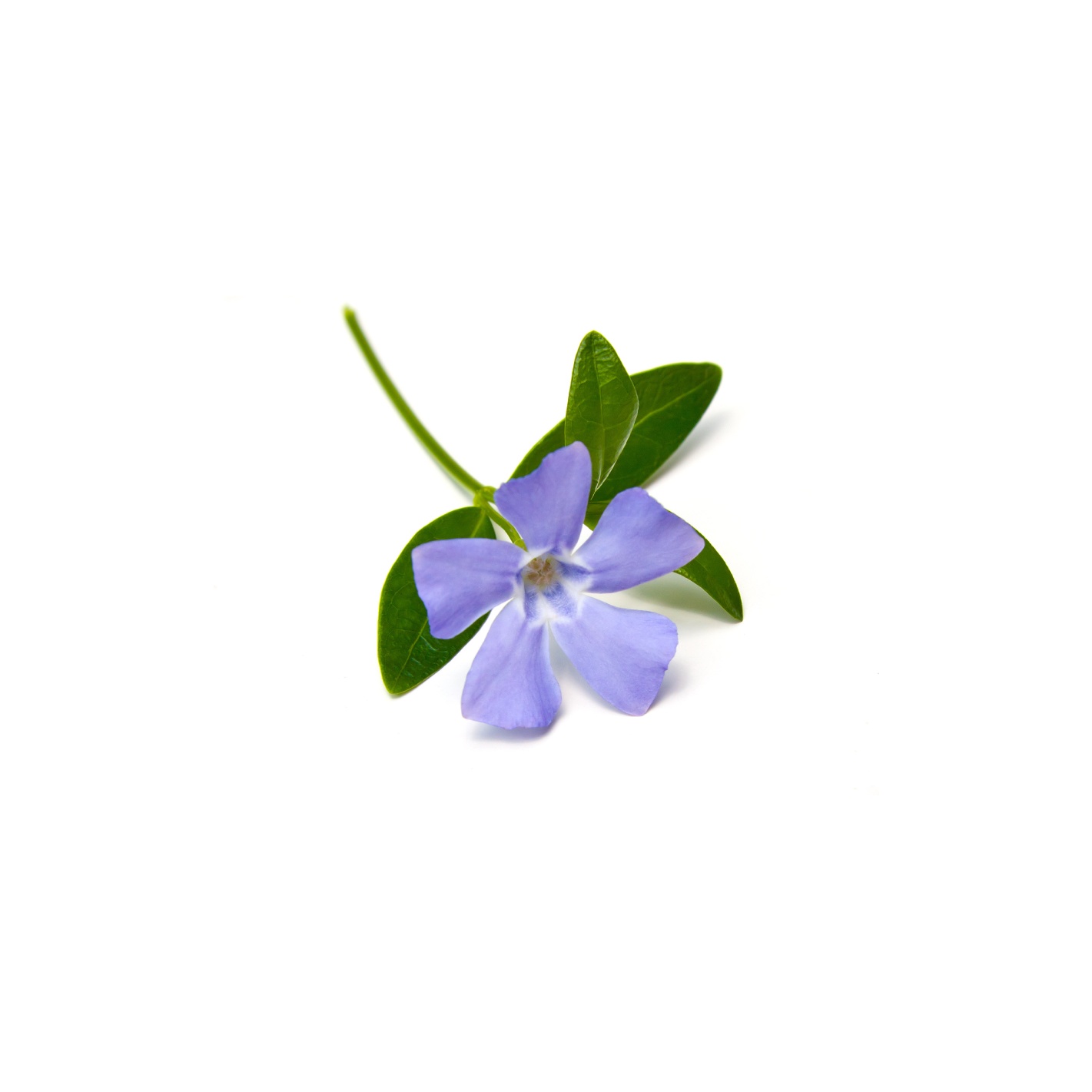 MildMildPeriwinkleVinca majorAlkaloid extracts of Vinca major inhibit cholinesterase strongly in vitro and scavenge radicals; the herb is a minor and variable source of vincamine, and no cellular or animal work follows.Mechanismacetylcholinesterase inhibition (in-vitro, crude alkaloid fraction); free-radical / lipid-peroxidation scavengingRead the evidenceShow lessMonograph →
A Turkish study of alkaloid extracts from both Vinca species reported very strong anticholinesterase activity 94Reference 94Indole alkaloids from Vinca major and V. minor growing in Turkey — antioxidant and anticholinesterase activityView study →, coherent with cholinesterase inhibition being the mechanism of the approved dementia drugs and with the herb’s traditional cognitive reputation. The same extracts showed high DPPH radical-scavenging and lipid-peroxidation inhibition 94Reference 94Indole alkaloids from Vinca major and V. minor growing in Turkey — antioxidant and anticholinesterase activityView study →, and a new iridoid glycoside from the leaves and stems added moderate DPPH activity (IC50 about 33 to 71 µmol/L) 95Reference 95Non-alkaloid constituents of Vinca major — a new iridoid glycoside with DPPH antioxidant activityView study →.
That is the whole species-specific record: one in-vitro report with no isolated active molecule, no potency benchmark in usable form, and no cellular or animal follow-up.
The positive 12-week double-blind RCT in 142 dementia patients used isolated vincamine at 30 mg twice daily 13Reference 13RCTTherapeutic efficacy of vincamine in dementia — randomised, double-blind, placebo-controlled trialView study →, concentrated chiefly from V. minor, and the widely sold vinpocetine is semi-synthetic; Cochrane judged its three eligible pre-1990s trials inconclusive 19Reference 19Meta-analysisVinpocetine for cognitive impairment and dementia — Cochrane systematic review / meta-analysisView study →, a verdict a later umbrella review has not overturned 96Reference 96Meta-analysisEfficacy and safety of herbal medicine on dementia and cognitive function — umbrella review of systematic reviews and meta-analysesView study →. Vincamine is itself a minor and variable component of V. major, so the crude herb is a poor natural source of the molecule its reputation rests on 97Reference 97Studies on Vinca major (Apocynaceae)View study →.
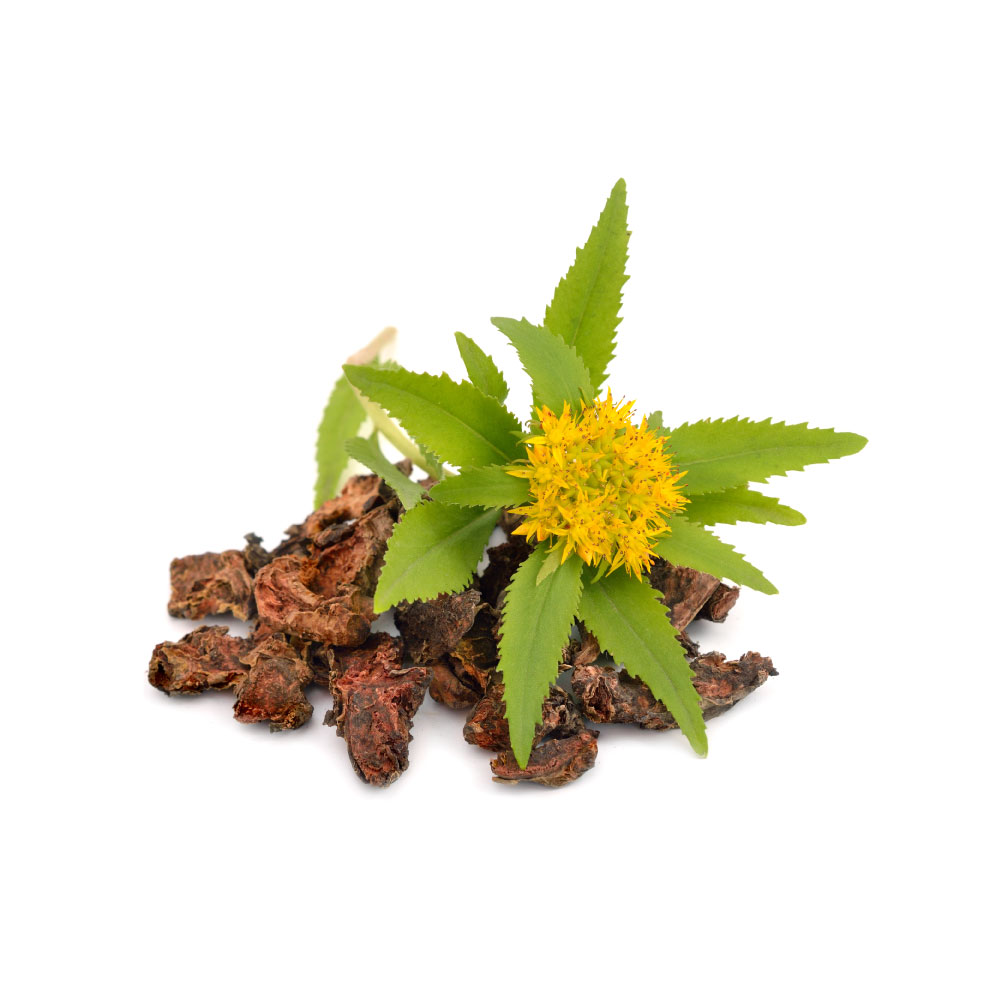 MildMildRhodiolaRhodiola roseaPreserves attention, speed and accuracy in tired or stressed people by reducing fatigue and cortisol; a mono-extract trial found no direct cognitive change in the rested.MechanismHPA-axis cortisol ↓ (fatigue-mediated); direct pro-cognitive mechanism not establishedRead the evidenceShow lessMonograph →
The night-duty physician and cadet RCTs picked cognition up through fatigue indices during treatment 98,
The cleanest cognitive result, improved attention, speed and accuracy two hours after a single dose in stressed women, is a trial of ADAPT-232, a fixed combination of rhodiola, schisandra and eleutherococcus, which cannot isolate rhodiola’s contribution 101Reference 101RCTDouble-blind, placebo-controlled, randomised study of single dose effects of ADAPT-232 on cognitive functions — randomised controlled trialView study →. The mono-extract trial that looked directly for cognitive change found none, though mood improved 102Reference 102The effects of Rhodiola rosea L. extract on anxiety, stress, cognition and other mood symptoms — controlled trialView study →.
The cognitive benefit is conditional on fatigue or stress and is not enhancement in the rested.
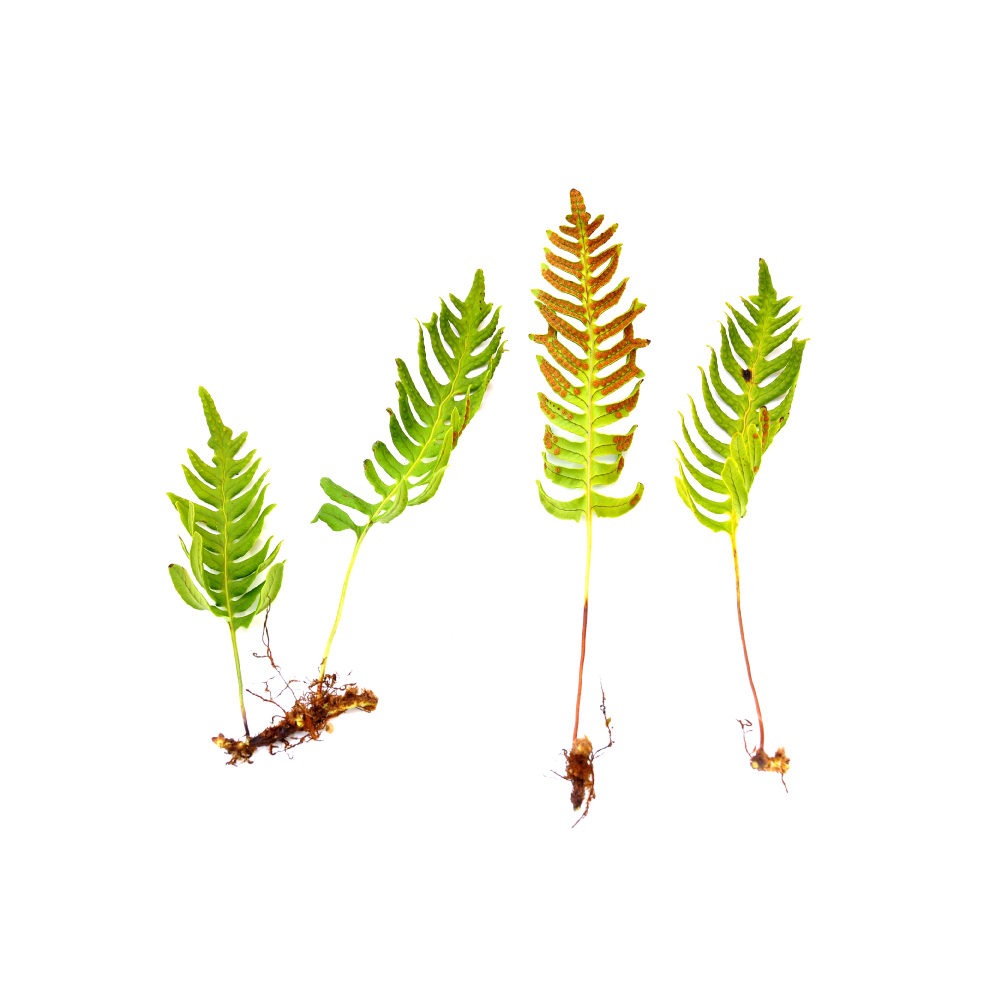 MildMildSamambaiaPolypodium leucotomosAn older reputation for dementia, resting on one small pilot trial of the Spanish rhizome extract Anapsos and never replicated.Mechanismnot established \u2014 no cognitive-enhancement mechanism proposed; animal SOD activity onlyRead the evidenceShow lessMonograph →
The rhizome is the source of the older Spanish pharmaceutical Anapsos, and the fern’s reputation for dementia belongs to that preparation rather than to the plant generally.
It rests on a single small pilot trial, with supporting animal work on superoxide dismutase. Nothing has replicated it, and there is no data in healthy or non-demented people.
The preparation caveat runs through this whole literature: nearly all human evidence uses proprietary standardised extracts — Anapsos, and the modern frond extract Fernblock — so results do not transfer to raw fern powder or tea. The fern’s substantiated work is photoprotective and dermatological.
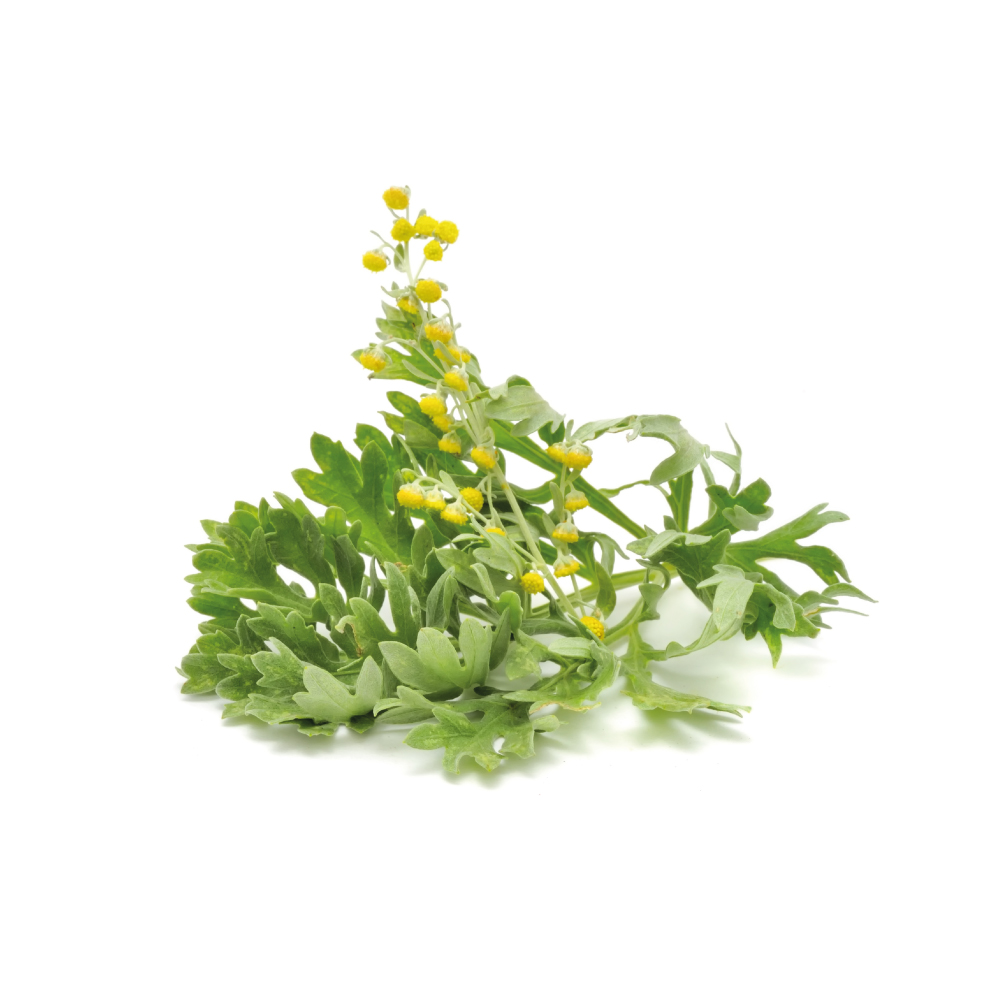 MildMildWormwoodArtemisia absinthiumHydroalcoholic extract restores scopolamine-impaired learning and memory in rats while raising brain antioxidant enzymes; thujone limits the dose.Mechanismcholinergic/antioxidant (scopolamine model)Read the evidenceShow lessMonograph →
Hydroalcoholic extract improved scopolamine-impaired learning and memory in rats (Morris water maze, passive avoidance) while reducing brain oxidative damage and raising SOD and catalase 124Reference 124AnimalThe effects of Artemisia absinthium L. on scopolamine-induced learning and memory impairment and brain tissue oxidative damage in adult rats — animal modelView study →, and extract protected OLN-93 glial cells against quinolinic-acid neurotoxicity in vitro 125Reference 125In vitroArtemisia absinthium extract attenuates quinolinic acid-induced cell injury in OLN-93 cells — in vitroView study →.
Thujone is neurotoxic at higher doses, and the induced-deficit rodent model does not establish enhancement.
No herbs match these filters.
Safety
- Cholinesterase-inhibiting herbs add to donepezil, rivastigmine and galantamine, and cholinergic excess brings nausea, sweating, dizziness and a slow pulse.
- Caffeine-bearing herbs add to each other and to other stimulants, and several nootropics stacked together is a large caffeine dose.
- Dose does not scale, and a higher dose of a nootropic herb is as likely to impair cognition as to improve it.
- Herbs that act on cerebral perfusion lower blood pressure and add to antihypertensives and anticoagulants, and are stopped before surgery.
- The Vinca alkaloid preparations are prescription drugs in some countries and are contraindicated in pregnancy.
- Most nootropic evidence is a single acute dose in a small trial, so a long course rests on data that never tested one.
References
- Proska J, et al. (1996). Positive allosteric action of eburnamonine on cardiac muscarinic acetylcholine receptors. European Journal of Pharmacology. https://pubmed.ncbi.nlm.nih.gov/8813554/
- Maksay G, et al. (2004). Vinburnine decelerates [3H]N-methylscopolamine binding to recombinant human muscarinic M1-M4 acetylcholine receptors. European Journal of Pharmacology. https://pubmed.ncbi.nlm.nih.gov/14729111/
- Drago F, et al. (1990). Effects of vinburnine on experimental models of learning and memory impairments. Pharmacology, Biochemistry and Behavior. https://pubmed.ncbi.nlm.nih.gov/2263666/
- Marolda M, et al. (1978). Clinical evaluation of (-)eburnamonine in comparison with nicergoline in patients suffering from chronic brain ischemia — clinical trial. European Neurology. https://pubmed.ncbi.nlm.nih.gov/381006/
- Jansen W, et al. (1986). Experimental clinical studies on the effect of eburnamonine in cerebrovascular disorders — clinical trial. Pharmacopsychiatry. https://pubmed.ncbi.nlm.nih.gov/3534902/
- Spagnoli A, et al. (1983). ‘Cerebroactive’ drugs. Clinical pharmacology and therapeutic role in cerebrovascular disorders — review. Drugs. https://pubmed.ncbi.nlm.nih.gov/6349963/
- Chiu S, Gericke N, Farina-Woodbury M, et al. (2014). Proof-of-concept randomized controlled study of cognition effects of the proprietary extract Sceletium tortuosum (Zembrin) targeting phosphodiesterase-4 in cognitively healthy subjects: implications for Alzheimer’s dementia. Clinical trial. Evidence-Based Complementary and Alternative Medicine. https://pubmed.ncbi.nlm.nih.gov/25389443/
- Harvey AL, Young LC, Viljoen AM, Gericke NP (2011). Pharmacological actions of the South African medicinal and functional food plant Sceletium tortuosum and its principal alkaloids. Journal of Ethnopharmacology. https://pubmed.ncbi.nlm.nih.gov/21798331/
- de Jong M, van Niekerk S, Hamman J, van der Kooy F (2026). Mesembryanthemum tortuosum and Zembrin: mixed evidence from in vivo animal and clinical studies on their antidepressant and anxiolytic effects. Review. Planta Medica. https://pubmed.ncbi.nlm.nih.gov/41771298/
- Hu Y, Xia Z, Sun Q, Orsi A, Rees D (2005). A new approach to the pharmacological regulation of memory: sarsasapogenin improves memory by elevating the low muscarinic acetylcholine receptor density in brains of memory-deficit rat models. Brain Research. https://pubmed.ncbi.nlm.nih.gov/16226729/
- Hu Y, Wang Z, Zhang R, et al. (2010). Regulation of M1-receptor mRNA stability by smilagenin and its significance in improving memory of aged rats. Neurobiology of Aging. https://pubmed.ncbi.nlm.nih.gov/18676061/
- Kashyap P, Muthusamy K, Niranjan M, Trikha S, Kumar S (2020). Sarsasapogenin: a steroidal saponin from Asparagus racemosus as multi target directed ligand in Alzheimer’s disease. Steroids. https://pubmed.ncbi.nlm.nih.gov/31672628/
- Fischhof, P. K., et al. (1996). Therapeutic efficacy of vincamine in dementia — randomised, double-blind, placebo-controlled trial. Neuropsychobiology. https://pubmed.ncbi.nlm.nih.gov/8884757/
- Casale, R., et al. (1984). Evaluation of the effect of vincamine teprosilate on behavioural performances of patients affected with chronic cerebrovascular disease — randomised controlled trial. International Journal of Clinical Pharmacology Research. https://pubmed.ncbi.nlm.nih.gov/6500778/
- Lanfranchi, M., et al. (1984). Effects induced by vincamine teprosilate on chronic cerebrovascular disease: preliminary results — clinical trial. International Journal of Clinical Pharmacology Research. https://pubmed.ncbi.nlm.nih.gov/6389380/
- Mikus, P., et al. (1978). [Clinical, psychological and neurophysiological results of a double-blind study on vincamine-cromesilate in patients with cerebrovascular insufficiency] — double-blind clinical trial. Arzneimittel-Forschung. https://pubmed.ncbi.nlm.nih.gov/582924/
- Vas, A., & Gulyás, B. (2005). Eburnamine derivatives and the brain — review. Medicinal Research Reviews. https://pubmed.ncbi.nlm.nih.gov/16158388/
- Ren, Y., DeRose, K., Li, L., et al. (2023). Vincamine, from an antioxidant and a cerebral vasodilator to its anticancer potential — review. Bioorganic & Medicinal Chemistry. https://pubmed.ncbi.nlm.nih.gov/37579526/
- Szatmári, S. Z., & Whitehouse, P. J. (2003). Vinpocetine for cognitive impairment and dementia — Cochrane systematic review / meta-analysis. Cochrane Database of Systematic Reviews. https://pubmed.ncbi.nlm.nih.gov/12535455/
- Choudhary D, et al. (2017). Efficacy and safety of ashwagandha root extract in improving memory and cognitive functions — RCT in mild cognitive impairment. Journal of Dietary Supplements. https://pubmed.ncbi.nlm.nih.gov/28471731/
- Pingali U, et al. (2014). Effect of standardised aqueous extract of Withania somnifera on cognitive and psychomotor performance in healthy participants — randomised trial. Pharmacognosy Research. https://pubmed.ncbi.nlm.nih.gov/24497737/
- Kongkeaw, C., Dilokthornsakul, P., Thanarangsarit, P., Limpeanchob, N., & Norman Scholfield, C. (2014). Meta-analysis of randomized controlled trials on cognitive effects of Bacopa monnieri extract — systematic review and meta-analysis. Journal of Ethnopharmacology, 151(1), 528–535. https://pubmed.ncbi.nlm.nih.gov/24252493/
- Tiemtad, P., Ingkaninan, K., Temkitthawon, P., et al. (2026). Comparative effects of Bacopa monnieri and Ginkgo biloba on cognitive functions — systematic review and network meta-analysis. Phytomedicine, 153, 157915. https://pubmed.ncbi.nlm.nih.gov/41678913/
- Chaudhari, K. S., Tiwari, N. R., Tiwari, R. R., & Sharma, R. S. (2017). Neurocognitive effect of nootropic drug Brahmi (Bacopa monnieri) in Alzheimer’s disease — review. Annals of Neurosciences, 24(2), 111–122. https://pubmed.ncbi.nlm.nih.gov/28588366/
- Sivasangari, K., & Rajan, K. E. (2020). Standardized Bacopa monnieri extract ameliorates learning and memory impairments through synaptic protein, neurogranin, BDNF signaling, and HPA axis in prenatally stressed rat offspring — animal model. Antioxidants, 9(12), 1229. https://pubmed.ncbi.nlm.nih.gov/33291595/
- Roodenrys, S., Booth, D., Bulzomi, S., Phipps, A., Micallef, C., & Smoker, J. (2002). Chronic effects of Brahmi (Bacopa monnieri) on human memory — randomised placebo-controlled trial. Neuropsychopharmacology, 27(2), 279–281. https://pubmed.ncbi.nlm.nih.gov/12093601/
- Kean, J. D., Downey, L. A., & Stough, C. (2016). A systematic review of the Ayurvedic medicinal herb Bacopa monnieri in child and adolescent populations — systematic review. Complementary Therapies in Medicine, 29, 56–62. https://pubmed.ncbi.nlm.nih.gov/27912958/
- Calabrese, C., Gregory, W. L., Leo, M., Kraemer, D., Bone, K., & Oken, B. (2008). Effects of a standardized Bacopa monnieri extract on cognitive performance, anxiety, and depression in the elderly — randomised, double-blind, placebo-controlled trial. Journal of Alternative and Complementary Medicine, 14(6), 707–713. https://pubmed.ncbi.nlm.nih.gov/18611150/
- Morgan, A., & Stevens, J. (2010). Does Bacopa monnieri improve memory performance in older persons? — randomised, placebo-controlled, double-blind trial. Journal of Alternative and Complementary Medicine, 16(7), 753–759. https://pubmed.ncbi.nlm.nih.gov/20590480/
- He, L. et al. (2022). Polyrhachis vicina Roger alleviates memory impairment in a rat model of Alzheimer’s disease through the EGR1/BACE1/APP axis — animal in vivo. ACS Chemical Neuroscience. https://pubmed.ncbi.nlm.nih.gov/35675207/
- Wei, J. et al. (2023). Active fraction of Polyrhachis vicina (Roger) alleviated cerebral ischemia/reperfusion injury by targeting SIRT3-mediated mitophagy and angiogenesis — rat model. Phytomedicine. https://pubmed.ncbi.nlm.nih.gov/37797433/
- He, J. et al. (2023). Integrating network pharmacology, molecular docking and pharmacological evaluation for exploring Polyrhachis vicina Rogers in ameliorating depression — in vitro and in vivo. Drug Design, Development and Therapy. https://pubmed.ncbi.nlm.nih.gov/36923105/
- Cai Y, Wang X, Xiang Y, et al. Codonopsis pilosula polysaccharides alleviate neuronal apoptosis induced by endoplasmic-reticulum-stress-activated PERK-ATF4-CHOP signaling in APP/PS1 mice. Journal of Alzheimer’s Disease. 2025. https://pubmed.ncbi.nlm.nih.gov/40325880/
- Wang X, Kang J, Li X, et al. Codonopsis pilosula water extract delays D-galactose-induced aging of the brain in mice by activating autophagy and regulating metabolism. Journal of Ethnopharmacology. 2024. https://pubmed.ncbi.nlm.nih.gov/38462027/
- Yang L, Song S, Li X, et al. Neuroprotective effect of Codonopsis pilosula polysaccharide on Aβ(25-35)-induced damage in PC12 cells via the p38 MAPK signaling pathways. Pharmaceuticals. 2024. https://pubmed.ncbi.nlm.nih.gov/39338393/
- Singh B, Song H, Liu XD, et al. Dangshen (Codonopsis pilosula) and Bai guo (Ginkgo biloba) enhance learning and memory. Alternative Therapies in Health and Medicine. 2004;10(4):52–56. https://pubmed.ncbi.nlm.nih.gov/15285274/
- Zhu, Y., et al. (2024). Moderate coffee or tea consumption decreased the risk of cognitive disorders: an updated dose-response meta-analysis. Nutr Rev. https://pubmed.ncbi.nlm.nih.gov/37523229/
- Tian Q, Zhang JX, Zhang Y, et al. (2009). Biphasic effects of forskolin on tau phosphorylation and spatial memory in rats — [animal model]. J Alzheimers Dis. https://pubmed.ncbi.nlm.nih.gov/19433899/
- Nguyen QTN, Park J, Kim DY, et al. (2024). Forskolin rescues hypoxia-induced cognitive dysfunction in zebrafish — [animal model]. Biochem Pharmacol. https://pubmed.ncbi.nlm.nih.gov/38281601/
- Joshi, H., & Parle, M. (2006). Cholinergic basis of the memory-strengthening effect of Foeniculum vulgare — mouse in vivo. Journal of Medicinal Food. https://pubmed.ncbi.nlm.nih.gov/17004908/
- Brinza, I., et al. (2025). Foeniculum vulgare mitigates scopolamine-induced cognitive deficits in zebrafish — animal model. Molecules. https://pubmed.ncbi.nlm.nih.gov/40649373/
- Qian ZM, Ke Y. (2014). Huperzine A: is it an effective disease-modifying drug for Alzheimer’s disease? — review. Front Aging Neurosci. https://pubmed.ncbi.nlm.nih.gov/25191267/
- Hamilton LR, Schachter SC, Myers TM (2017). Time course, behavioral safety, and protective efficacy of centrally active reversible acetylcholinesterase inhibitors in cynomolgus macaques — animal in vivo. Neurochem Res. https://pubmed.ncbi.nlm.nih.gov/27900576/
- Yang G, Wang Y, Tian J, Liu JP. (2013). Huperzine A for Alzheimer’s disease: a systematic review and meta-analysis of randomised clinical trials — meta-analysis. PLoS One. https://pubmed.ncbi.nlm.nih.gov/24086396/
- Zheng W, Xiang YQ, Ungvari GS, et al. (2016). Adjunctive huperzine A for cognitive deficits in schizophrenia: a systematic review and meta-analysis — meta-analysis. Hum Psychopharmacol. https://pubmed.ncbi.nlm.nih.gov/27302211/
- Sun QQ, Xu SS, Pan JL, Guo HM, Cao WQ. (1999). Huperzine-A capsules enhance memory and learning performance in 34 pairs of matched adolescent students — randomised controlled trial. Zhongguo Yao Li Xue Bao. https://pubmed.ncbi.nlm.nih.gov/10678121/
- Rafii MS, Walsh S, Little JT, et al. (2011). A phase II trial of huperzine A in mild to moderate Alzheimer disease — randomised controlled trial. Neurology. https://pubmed.ncbi.nlm.nih.gov/21502597/
- Solomon PR, et al. (2002). Ginkgo for memory enhancement: a randomized controlled trial — randomised controlled trial. JAMA. https://pubmed.ncbi.nlm.nih.gov/12186600/
- Canter PH, & Ernst E (2007). Ginkgo biloba is not a smart drug: an updated systematic review of randomised clinical trials testing the nootropic effects of G. biloba extracts in healthy people — systematic review. Human psychopharmacology. https://pubmed.ncbi.nlm.nih.gov/17480002/
- Kennedy DO, Scholey AB, & Wesnes KA (2000). The dose-dependent cognitive effects of acute administration of Ginkgo biloba to healthy young volunteers — randomised controlled trial. Psychopharmacology. https://pubmed.ncbi.nlm.nih.gov/11026748/
- Birks J, & Grimley Evans J (2009). Ginkgo biloba for cognitive impairment and dementia — systematic review and meta-analysis. The Cochrane database of systematic reviews. https://pubmed.ncbi.nlm.nih.gov/19160216/
- Tan MS, et al. (2015). Efficacy and adverse effects of ginkgo biloba for cognitive impairment and dementia: a systematic review and meta-analysis — systematic review and meta-analysis. Journal of Alzheimer’s disease : JAD. https://pubmed.ncbi.nlm.nih.gov/25114079/
- Yang G, et al. (2016). Ginkgo Biloba for Mild Cognitive Impairment and Alzheimer’s Disease: A Systematic Review and Meta-Analysis of Randomized Controlled Trials — systematic review and meta-analysis. Current topics in medicinal chemistry. https://pubmed.ncbi.nlm.nih.gov/26268332/
- Scholey, A., et al. (2010). Effects of American ginseng (Panax quinquefolius) on neurocognitive function: an acute, randomised, double-blind, placebo-controlled, crossover study — randomised controlled trial. Psychopharmacology. https://pubmed.ncbi.nlm.nih.gov/20676609/
- Ossoukhova, A., et al. (2015). Improved working memory performance following administration of a single dose of American ginseng to healthy middle-age adults — randomised controlled trial. Human Psychopharmacology. https://pubmed.ncbi.nlm.nih.gov/25778987/
- White, D. J., et al. (2020). Effects of Panax quinquefolius on the steady state visually evoked potential during cognitive performance — randomised controlled trial. Human Psychopharmacology. https://pubmed.ncbi.nlm.nih.gov/32896022/
- Shin, K., et al. (2016). Cereboost, an American ginseng extract, improves cognitive function via up-regulation of choline acetyltransferase expression and neuroprotection — animal model / in vitro. Regulatory Toxicology and Pharmacology. https://pubmed.ncbi.nlm.nih.gov/27112419/
- Yang, Y., et al. (2025). Neuroprotection and Enhanced Learning and Memory Abilities of Steamed American Ginseng — animal model. Food Science & Nutrition. https://pubmed.ncbi.nlm.nih.gov/40458084/
- Zhao, W., et al. (2025). Panax quinquefolium saponins protect neuronal activity by promoting mitophagy in in-vitro and in-vivo Alzheimer’s models — animal model / in vitro. Journal of Ethnopharmacology. https://pubmed.ncbi.nlm.nih.gov/39681202/
- Best, T., et al. (2021). Acute effects of combined Bacopa, American ginseng and whole coffee fruit on working memory and cerebral haemodynamic response — randomised controlled trial. Nutritional Neuroscience. https://pubmed.ncbi.nlm.nih.gov/31736428/
- Zeng, M., Zhang, K., Yang, J., et al. (2024). Effects of ginseng on cognitive function — systematic review and meta-analysis of RCTs. Phytother Res. https://pubmed.ncbi.nlm.nih.gov/39474788/
- Geng, J., Dong, J., Ni, H., et al. (2010). Ginseng for cognition — Cochrane systematic review. Cochrane Database Syst Rev. https://pubmed.ncbi.nlm.nih.gov/21154383/
- Kim, S., et al. (2025). Cognitive benefits of ginseng — systematic review and meta-analysis of MMSE and ADAS-cog changes. Complement Med Res. https://pubmed.ncbi.nlm.nih.gov/40774237/
- Wang, Y., et al. (2016). Ginseng for Alzheimer’s disease — systematic review and meta-analysis of RCTs. Curr Top Med Chem. https://pubmed.ncbi.nlm.nih.gov/26268331/
- Lee, S. T., Chu, K., Sim, J. Y., et al. (2008). Panax ginseng enhances cognitive performance in Alzheimer disease — randomised open-label trial. Alzheimer Dis Assoc Disord. https://pubmed.ncbi.nlm.nih.gov/18580589/
- Bell, L., et al. (2022). Acute and chronic effects of American ginseng (Cereboost) on mood and cognition in healthy young adults — randomised placebo-controlled trial. Eur J Nutr. https://pubmed.ncbi.nlm.nih.gov/34396468/
- Puttarak, P., et al. (2017). Effects of Centella asiatica on cognitive function and mood — systematic review and meta-analysis. Scientific Reports. https://pubmed.ncbi.nlm.nih.gov/28878245/
- Wattanathorn, J., et al. (2008). Positive modulation of cognition and mood in the healthy elderly following Centella asiatica — randomised, placebo-controlled trial. Journal of Ethnopharmacology. https://pubmed.ncbi.nlm.nih.gov/18191355/
- Hack, B., et al. (2023). Effect of guarana (Paullinia cupana) on cognitive performance — systematic review and meta-analysis. Nutrients. https://pubmed.ncbi.nlm.nih.gov/36678305/
- Kennedy, D. O., et al. (2004). Improved cognitive performance following guarana extract — randomised, placebo-controlled trial. Pharmacology Biochemistry and Behavior. https://pubmed.ncbi.nlm.nih.gov/15582012/
- Talik, T. N., et al. (2024). Acute guarana ingestion on mental performance and vagal modulation — randomised controlled trial. Nutrients. https://pubmed.ncbi.nlm.nih.gov/38931247/
- Amaritei, V., et al. (2025). Effects of guarana and green tea consumption on students’ intellectual performance — controlled study. Nutrients. https://pubmed.ncbi.nlm.nih.gov/40290036/
- Helwig, N. J., et al. (2024). Acute, dose-response effects of guayusa leaf extract on mood, cognitive and motor-cognitive performance, and blood pressure, heart rate, and ventricular repolarization — randomized, double-blind, placebo-controlled crossover RCT. Journal of the International Society of Sports Nutrition. https://pubmed.ncbi.nlm.nih.gov/39014963/
- La Monica, M. B., et al. (2023). Acute Effects of Naturally Occurring Guayusa Tea and Nordic Lion’s Mane Extracts on Cognitive Performance — randomized, double-blind, placebo-controlled RCT. Nutrients. https://pubmed.ncbi.nlm.nih.gov/38140277/
- Schuster, J., et al. (2019). More than just caffeine: psychopharmacology of methylxanthine interactions with plant-derived phytochemicals — review. Progress in Neuro-Psychopharmacology & Biological Psychiatry. https://pubmed.ncbi.nlm.nih.gov/30213684/
- Sampath, S., et al. (2015). Holy basil (Ocimum sanctum) leaf extract enhances specific cognitive parameters in healthy adult volunteers: a placebo-controlled study — randomised controlled trial. Indian J Physiol Pharmacol, 59(1), 69–77. https://pubmed.ncbi.nlm.nih.gov/26571987/
- Fukuda T, Obara K, Saito J, Umeda S, & Ano Y (2020). Effects of Hop Bitter Acids, Bitter Components in Beer, on Cognition in Healthy Adults: A Randomized Controlled Trial — [randomized]. J Agric Food Chem, 68(1), 206-212. https://pubmed.ncbi.nlm.nih.gov/31808686/
- Fukuda T, Ohnuma T, Obara K, Kondo S, Arai H, & Ano Y (2020). Supplementation with Matured Hop Bitter Acids Improves Cognitive Performance and Mood State in Healthy Older Adults with Subjective Cognitive Decline — [randomized]. J Alzheimers Dis, 76(1), 387-398. https://pubmed.ncbi.nlm.nih.gov/32474473/
- Cioancă, O., Hancianu, M., Mihasan, M., Hritcu, L. (2016). Anti-acetylcholinesterase and antioxidant activities of inhaled juniper oil on amyloid beta (1-42)-induced oxidative stress in the rat hippocampus — animal model. Neurochem Res. https://pubmed.ncbi.nlm.nih.gov/25743585/
- Öztürk, M., Tümen, İ., Uğur, A., et al. (2011). Evaluation of fruit extracts of six Turkish Juniperus species for their antioxidant, anticholinesterase and antimicrobial activities — in vitro. J Sci Food Agric. https://pubmed.ncbi.nlm.nih.gov/21384354/
- Hagstadius, S., et al. (1984). The effects of bromvincamine and vincamine on regional cerebral blood flow and mental functions in patients with multi-infarct dementia — double-blind crossover clinical trial. Psychopharmacology. https://pubmed.ncbi.nlm.nih.gov/6436861/
- Zhang, Y. S., et al. (2018). An update on vinpocetine: new discoveries and clinical implications — review. European Journal of Pharmacology. https://pubmed.ncbi.nlm.nih.gov/29183836/
- da Silva, A. L., Piato, A. L., Ferreira, J. G., et al. (2007). Promnesic effects of Ptychopetalum olacoides in aversive and non-aversive learning paradigms — animal study. Journal of Ethnopharmacology. https://pubmed.ncbi.nlm.nih.gov/17023132/
- da Silva, A. L., Piato, A. L., Bardini, S., et al. (2004). Memory retrieval improvement by Ptychopetalum olacoides in young and aging mice — animal study. Journal of Ethnopharmacology. https://pubmed.ncbi.nlm.nih.gov/15507336/
- Siqueira, I. R., Fochesatto, C., da Silva, A. L., et al. (2003). Ptychopetalum olacoides, a traditional Amazonian “nerve tonic”, possesses anticholinesterase activity — in vitro / animal study. Pharmacology, Biochemistry, and Behavior. https://pubmed.ncbi.nlm.nih.gov/12895682/
- Figueiró, M., Ilha, J., Pochmann, D., et al. (2010). Acetylcholinesterase inhibition in cognition-relevant brain areas of mice treated with a nootropic Amazonian herbal (Marapuama) — animal study. Phytomedicine. https://pubmed.ncbi.nlm.nih.gov/20833520/
- da Silva, A. L., Ferreira, J. G., da Silva Martins, B., et al. (2008). Serotonin receptors contribute to the promnesic effects of P. olacoides (Marapuama) — animal study. Physiology & Behavior. https://pubmed.ncbi.nlm.nih.gov/18561960/
- Kennedy, DO. (2017). Acute effects of a wild green-oat (Avena sativa) extract on cognitive function in middle-aged adults — double-blind placebo-controlled within-subjects trial. Nutr Neurosci, 20(2), 135–151. https://pubmed.ncbi.nlm.nih.gov/26618715/
- Berry, NM. (2011). Acute effects of an Avena sativa herb extract on responses to the Stroop Color-Word test — randomised controlled trial. J Altern Complement Med, 17(7), 635–637. https://pubmed.ncbi.nlm.nih.gov/21711204/
- Dimpfel, W. (2011). Ingested oat herb extract (Avena sativa) changes EEG spectral frequencies in healthy subjects — human EEG study. J Altern Complement Med, 17(5), 427–434. https://pubmed.ncbi.nlm.nih.gov/21563962/
- Martinez-Horta, S. (2021). Effects of a Green Oat Herb Extract on Cognitive Performance and Neurophysiological Activity: A Randomized Double-Blind Placebo-Controlled Study — randomised controlled trial. Front Neurosci, 15, 748188. https://pubmed.ncbi.nlm.nih.gov/34658781/
- Kennedy, DO. (2020). Acute and Chronic Effects of Green Oat (Avena sativa) Extract on Cognitive Function and Mood during a Laboratory Stressor in Healthy Adults — randomised double-blind placebo-controlled trial. Nutrients, 12(6), 1598. https://pubmed.ncbi.nlm.nih.gov/32485993/
- Wong, RH. (2012). Chronic effects of a wild green oat extract supplementation on cognitive performance in older adults — randomised double-blind placebo-controlled crossover trial. Nutrients, 4(5), 331–342. https://pubmed.ncbi.nlm.nih.gov/22690320/
- Bahadori, F., et al. (2012). Indole alkaloids from Vinca major and V. minor growing in Turkey — antioxidant and anticholinesterase activity. Natural Product Communications, 7(6), 731–734. https://pubmed.ncbi.nlm.nih.gov/22816294/
- Cheng GG, Li W, Hu ZY, et al. (2016). Non-alkaloid constituents of Vinca major — a new iridoid glycoside with DPPH antioxidant activity. Chinese Journal of Natural Medicines, 14(1), 56–60. https://pubmed.ncbi.nlm.nih.gov/26850347/
- Sawangjit, Chuenchom, Sanverm, et al. (2023). Efficacy and safety of herbal medicine on dementia and cognitive function — umbrella review of systematic reviews and meta-analyses. Phytotherapy Research, 37(4). https://doi.org/10.1002/ptr.7759
- Farnsworth, N. R., Fong, H. H., Blomster, R. N., et al. (1962). Studies on Vinca major (Apocynaceae). II. Phytochemical investigation. Journal of Pharmaceutical Sciences, 51, 217–224. https://doi.org/10.1002/jps.2600510307
- Darbinyan, V., Kteyan, A., Panossian, A., Gabrielian, E., Wikman, G., & Wagner, H. (2000). Rhodiola rosea in stress induced fatigue — a double blind cross-over study of a standardized extract SHR-5 — randomised controlled trial. Phytomedicine. https://pubmed.ncbi.nlm.nih.gov/11081987/
- Shevtsov, V. A., et al. (2003). A randomized trial of two different doses of a SHR-5 Rhodiola rosea extract versus placebo and control of capacity for mental work — randomised controlled trial. Phytomedicine. https://pubmed.ncbi.nlm.nih.gov/12725561/
- Amsterdam, J. D., & Panossian, A. G. (2016). Rhodiola rosea L. as a putative botanical antidepressant — review. Phytomedicine. https://pubmed.ncbi.nlm.nih.gov/27013349/
- Aslanyan, G., et al. (2010). Double-blind, placebo-controlled, randomised study of single dose effects of ADAPT-232 on cognitive functions — randomised controlled trial. Phytomedicine. https://pubmed.ncbi.nlm.nih.gov/20374974/
- Cropley, M., Banks, A. P., & Boyle, J. (2015). The effects of Rhodiola rosea L. extract on anxiety, stress, cognition and other mood symptoms — controlled trial. Phytotherapy Research. https://pubmed.ncbi.nlm.nih.gov/26502953/
- Moss, M., Cook, J., Wesnes, K., Duckett, P. (2003). Aromas of rosemary and lavender essential oils differentially affect cognition and mood in healthy adults — randomised. International Journal of Neuroscience. https://pubmed.ncbi.nlm.nih.gov/12690999/
- Moss, M., Smith, E., Milner, M., McCready, J. (2018). Acute ingestion of rosemary water: Evidence of cognitive and cerebrovascular effects in healthy adults — randomised controlled trial. Journal of Psychopharmacology. https://pubmed.ncbi.nlm.nih.gov/30318972/
- Hussain, S. M., et al. (2022). Cognition enhancing effect of rosemary (Rosmarinus officinalis L.) in lab animal studies: a systematic review and meta-analysis. Brazilian Journal of Medical and Biological Research. https://pubmed.ncbi.nlm.nih.gov/35170682/
- Perry, N. S. L., Menzies, R., Hodgson, F., et al. (2018). A randomised double-blind placebo-controlled pilot trial of a combined extract of sage, rosemary and melissa on memory in healthy subjects — RCT. Phytomedicine. https://pubmed.ncbi.nlm.nih.gov/29433682/
- Pengelly, A., Snow, J., Mills, S. Y., et al. (2012). Short-term study on the effects of rosemary on cognitive function in an elderly population — randomised controlled trial. Journal of Medicinal Food. https://pubmed.ncbi.nlm.nih.gov/21877951/
- Akhondzadeh, S., et al. (2010). Saffron in the treatment of patients with mild to moderate Alzheimer’s disease: a 16-week, randomised and placebo-controlled trial. Journal of Clinical Pharmacy and Therapeutics. https://pubmed.ncbi.nlm.nih.gov/20831681/
- Farokhnia, M., et al. (2014). Comparing the efficacy and safety of Crocus sativus L. with memantine in patients with moderate to severe Alzheimer’s disease: a double-blind randomised clinical trial. Human Psychopharmacology. https://pubmed.ncbi.nlm.nih.gov/25163440/
- Ayati Z, Yang G, Ayati MH, et al. (2020). Saffron for mild cognitive impairment and dementia: a systematic review and meta-analysis of randomised clinical trials. BMC Complementary Medicine and Therapies. https://pubmed.ncbi.nlm.nih.gov/33167948/
- Avgerinos, K. I., et al. (2020). Effects of saffron (Crocus sativus L.) on cognitive function: a systematic review of RCTs. Neurological Sciences. https://pubmed.ncbi.nlm.nih.gov/32445136/
- Boskabady, M. H., Farkhondeh, T., et al. (2016). Anti-inflammatory, antioxidant, and immunomodulatory effects of Crocus sativus L. and its main constituents — review. Phytotherapy Research. https://pubmed.ncbi.nlm.nih.gov/27098287/
- Scholey, A. B., et al. (2008). An extract of Salvia (sage) with anticholinesterase properties improves memory and attention in healthy older volunteers — randomised controlled trial. Psychopharmacology (Berl), 198(1), 127–139. https://pubmed.ncbi.nlm.nih.gov/18350281/
- Kennedy, D. O., et al. (2006). Effects of cholinesterase-inhibiting sage (Salvia officinalis) on mood, anxiety and performance on a psychological stressor battery — randomised controlled trial. Neuropsychopharmacology, 31(4), 845–852. https://pubmed.ncbi.nlm.nih.gov/16205785/
- Wightman, E. L., et al. (2021). The acute and chronic cognitive effects of a sage extract: a randomised, placebo-controlled study in healthy humans. Nutrients, 13(1), 218. https://pubmed.ncbi.nlm.nih.gov/33466627/
- Akhondzadeh, S., et al. (2003). Salvia officinalis extract in the treatment of patients with mild to moderate Alzheimer’s disease: a double-blind, randomised and placebo-controlled trial. J Clin Pharm Ther, 28(1), 53–59. https://pubmed.ncbi.nlm.nih.gov/12605619/
- Miroddi, M., et al. (2014). Systematic review of clinical trials assessing pharmacological properties of Salvia species on memory, cognitive impairment and Alzheimer’s disease. CNS Neurosci Ther, 20(6), 485–495. https://pubmed.ncbi.nlm.nih.gov/24836739/
- Kennedy, D. O., et al. (2011). Monoterpenoid extract of sage (Salvia lavandulifolia) with cholinesterase-inhibiting properties improves cognitive performance and mood in healthy adults — randomised controlled trial. J Psychopharmacol, 25(8), 1088–1100. https://pubmed.ncbi.nlm.nih.gov/20937617/
- Mervić, M., et al. (2022). Comparative antioxidant, anti-acetylcholinesterase and anti-α-glucosidase activities of Mediterranean Salvia species — in vitro. Plants (Basel), 11(5), 625. https://pubmed.ncbi.nlm.nih.gov/35270095/
- Moss, L., et al. (2010). Differential effects of the aromas of Salvia species on memory and mood — randomised controlled trial. Hum Psychopharmacol, 25(5), 388–396. https://pubmed.ncbi.nlm.nih.gov/20589925/
- Owen, G. N., Parnell, H., De Bruin, E. A., & Rycroft, J. A. (2008). The combined effects of L-theanine and caffeine on cognitive performance and mood — randomised controlled trial. Nutr Neurosci, 11(4), 193-198. https://pubmed.ncbi.nlm.nih.gov/18681988/
- Payne, E. R., Aceves-Martins, M., Dubost, J., et al. (2025). Effects of tea (Camellia sinensis) or its bioactive compounds L-theanine or L-theanine plus caffeine on cognition, sleep, and mood in healthy participants: a systematic review and meta-analysis of randomised controlled trials. Nutr Rev. https://pubmed.ncbi.nlm.nih.gov/40314930/
- Mancini, E., Beglinger, C., Drewe, J., et al. (2017). Green tea effects on cognition, mood and human brain function: a systematic review. Phytomedicine, 34, 26-37. https://pubmed.ncbi.nlm.nih.gov/28899506/
- Rahimi, M., et al. (2023). The effects of Artemisia absinthium L. on scopolamine-induced learning and memory impairment and brain tissue oxidative damage in adult rats — animal model. Avicenna Journal of Phytomedicine. https://pubmed.ncbi.nlm.nih.gov/36698740/
- Rashidi, R., et al. (2023). Artemisia absinthium extract attenuates quinolinic acid-induced cell injury in OLN-93 cells — in vitro. Current Drug Discovery Technologies. https://pubmed.ncbi.nlm.nih.gov/36998142/
Keep Exploring