Overview
Stimulant at a Glance
Stimulants increase alertness, wakefulness, and general nervous-system activity.
The most familiar are the caffeine-containing plants.
Coffee, tea, guarana, yerba maté, guayusa, and cacao work mainly by blocking adenosine receptors. Adenosine builds up during the day and contributes to sleep pressure, so blocking its signal makes fatigue feel less prominent.
Stronger stimulants work differently.
Ephedra increases noradrenergic activity, while coca interferes with monoamine reuptake. These produce a more pronounced sympathetic effect, with increases in alertness accompanied by changes in heart rate, blood pressure, and vascular tone.
Kratom and rhodiola also have stimulant effects, although their pharmacology is less cleanly confined to a single pathway.
Pungent herbs such as cayenne and black pepper can feel stimulating as well, but this comes more from sensory heat and thermogenesis than from central nervous-system stimulation.
Stimulants are used mainly for fatigue, drowsiness, reduced alertness, and temporary increases in physical or mental performance.
Tolerance is common, especially with caffeine, and withdrawal can temporarily produce the same fatigue, headache, and reduced alertness the stimulant was being used to relieve.
Caution
Stimulant effects stack — combining several stimulant herbs, or using them alongside prescribed stimulants, can increase anxiety, insomnia, palpitations and blood pressure.
Not with uncontrolled hypertension — strong stimulants are unsuitable in uncontrolled hypertension, significant arrhythmias and some anxiety disorders.
Caffeine plants are one dose — coffee, tea, guarana, maté, guayusa and cacao all carry caffeine, and their doses add together.
Mechanisms
How It Works
01
Adenosine Antagonism
Adenosine accumulates through the waking day and signals sleep pressure. Caffeine and its xanthine relatives occupy the A1 and A2A receptors without activating them.
Coffee, tea, guarana, yerba maté, guayusa, cacao and cha de bugre all work this way.
Blocking the receptor removes an accumulating deficit rather than adding capacity, which is why the effect is largest in the sleep-deprived, why tolerance develops within days, and why withdrawal reproduces the fatigue.
Prescription stimulants act on dopamine and noradrenaline instead, which is why they add something caffeine cannot.
The differences between these plants are real but small. Theobromine dominates in cacao and is weaker and longer-acting than caffeine, and accompanying polyphenols or L-theanine change the texture.
Individual clearance varies severalfold by CYP1A2 genotype.
Herbs: CacaoCha De BugreCoffeeGuaranaGuayusaTeaYerba Maté
Key compounds: CaffeineTheobromineTheophylline
02
Monoamine and Adrenergic Stimulation
Releasing noradrenaline or blocking its reuptake produces arousal through the sympathetic nervous system rather than by lifting a brake.
Ephedrine is a substrate at the noradrenaline transporter and a releaser.
Cocaine, at about 0.5 to 1% of coca leaf, inhibits monoamine reuptake.
Kratom’s alkaloids act at adrenergic receptors, and rhodiola’s effect appears to run through the HPA axis and monoamine oxidase.
This is the mechanism of the amphetamine and sympathomimetic drug classes, and two of these plants are the origin of those classes rather than analogues of them.
Raised heart rate and blood pressure are not side effects of sympathetic stimulation, they are sympathetic stimulation.
Tachyphylaxis follows as the releasable transmitter pool depletes, and combining a releaser with a monoamine-oxidase inhibitor risks hypertensive crisis.
Herbs: CocaEphedraGuayusaKratomRhodiolaYerba Maté
Key compounds: EphedrineCocainePseudoephedrine
03
Thermogenesis Through the Pungency Receptors
TRPV1, the capsaicin receptor, senses heat and pungency, and activating it triggers a sympathetic reflex that raises thermogenesis and produces the flush traditional systems read as warming.
Cayenne’s capsaicin and black pepper’s piperine work this way. Capsaicin produces small reductions in energy intake and small rises in energy expenditure in human trials.
This is peripheral sensory activation driving a central autonomic response, which is a different route from caffeine’s.
The effect is modest and self-limiting: the receptor defunctionalises with repeated activation, which is the same process behind capsaicin’s use as an analgesic. Tolerance to the thermogenic effect develops with habitual use.
Herbs: Black PepperCayenne
04
Chemoreceptor Reflex
The carotid and aortic bodies sense blood oxygen and carbon dioxide, and stimulating them reflexively increases the drive to breathe.
Lobeline excites these chemoreceptors through nicotinic receptors, augmenting phrenic-nerve output. Nicotine from tobacco and mapacho acts at the same receptor family.
This is respiratory stimulation rather than general arousal, and it was used clinically as a chemoreflex probe.
The mechanism is biphasic and the margin is narrow. The same receptors pushed further produce nausea, vomiting and, at higher doses, respiratory depression rather than stimulation.
More Specific Actions
Sub-Actions
Stimulant has several narrower actions beneath it, and most stimulant herbs are really doing one of them.
Circulatory Stimulant
4 herbsDrives warmth and blood flow out to the hands, feet and skin, for cold extremities and sluggish circulation.
The warmth comes from the pungency receptors in the skin, and where flow itself has been measured the herbs turned out to thin the blood rather than drive it.
Dopaminergic
2 herbs · Catuaba, Velvet BeanInfluences dopamine, the neurotransmitter behind motivation, reward, movement and prolactin control.
It covers precursor supply, receptor activity and reuptake, which are different routes to the same transmitter.
Respiratory Stimulant
1 herb · LobeliaQuickens and deepens the breath by exciting the respiratory centre and the airways.
It works through the chemoreceptor reflex, is sharp in effect, and is used only briefly.
Sympathomimetic
4 herbsMimics adrenaline, raising heart rate, blood pressure and alertness by acting on adrenergic receptors.
These are the pharmacologically heaviest herbs in the family, and the cardiovascular effects are the mechanism rather than a side effect of it.
Thermogenic
7 herbsRaises metabolic heat and energy expenditure.
Most of these herbs work through the capsaicin receptor, and the effect is small, measured over hours to weeks, and subject to tolerance.
The Molecules
Pharmacology
What actually produces a stimulant effect at the molecular level. The herbs below carry these molecules in different combinations and amounts — which is most of why their potency differs. Roles describe how central a molecule is to the action across plants generally, not how strong any one herb is.
Chiefly Amines & Protoalkaloids3
Carries the action largely on its own — the effect is attributed to the molecule, not just the extract it came from.
Adds to a plant's effect and is often present in quantity, but rarely accounts for it alone.
Real but narrow — one pathway, one tissue, or evidence too thin to lean on.
Ephedrine Amines & Protoalkaloids Primary mover Targets Noradrenaline transporter (substrate-type releaser); presynaptic α₂A/α₂C
Ephedrine’s CNS and sympathetic stimulation runs mainly through the indirect arm.
In a broad receptorome screen, ephedrine-related stereoisomers were selective substrates at the noradrenaline transporter — the most potent activity found anywhere in the screen — with the authors concluding the effects are likely mediated by noradrenaline release 1Reference 1In vitroIn vitro characterization of ephedrine-related stereoisomers at biogenic amine transporters and the receptorome reveals selective actions as norepinephrine transporter substrates — in vitroView study →.
A complementary finding: in cultured human α₁/α₂ systems the ephedrine alkaloids did not activate the receptors at all but antagonized them, suggesting presynaptic α₂A/α₂C blockade (which disinhibits noradrenaline release) contributes to what is usually described as α-agonism 2Reference 2In vitroPharmacological effects of ephedrine alkaloids on human alpha(1)- and alpha(2)-adrenergic receptor subtypes — in vitroView study →.
Two consequences fall straight out of the mechanism and are the practical signature of this action: tachyphylaxis as the releasable transmitter pool depletes, and hypertensive crisis with MAOIs, where released noradrenaline is not degraded 3Reference 3ReviewEphedrine — clinical pharmacology reviewView study →.
Ergogenic benefit, despite the reputation, was judged insufficiently evidenced by the RAND/AHRQ review 4,
Reported from ephedra.
Found in Ephedra
Full Ephedrine profile →Phenethylamine Amines & Protoalkaloids Minor role Targets TAAR1; catecholamine efflux
Structurally the parent of the phenethylamine stimulant class and pharmacologically amphetamine-like at high concentrations 6,
The pathway is shared with amphetamine, but the kinetics are not: PEA is unsubstituted at the α-carbon and therefore an ideal MAO-B substrate, where α-methylation is precisely what makes amphetamine MAO-resistant and orally active for hours 6,
It stays minor on bioavailability grounds, not because the mechanism is in doubt.
Reported from cacao.
Found in Cacao
Full Phenethylamine profile →Pseudoephedrine Amines & Protoalkaloids Minor role Targets NET substrate (noradrenaline release)
Present but marginal, and consistently over-claimed.
A meta-analysis of exercise-performance parameters found the effects trivial across the board except heart rate (ES = 0.43), with small time-trial improvements appearing only above ~170 mg and concentrated in well-trained, younger participants over short bouts; the authors’ conclusion is that the benefit is smaller than that of permitted stimulants such as caffeine 10Reference 10Meta-analysisEffects of pseudoephedrine on parameters affecting exercise performance: a meta-analysisView study →.
The regulatory position tracks the pharmacology: WADA lists it as a specified stimulant prohibited In-Competition only above a urinary threshold of 150 µg/mL, a cut-off set conservatively above ordinary therapeutic exposure using controlled excretion studies 11,
Note the exposure caveat that applies to every claim here: renal clearance is urine-pH dependent, so the same dose does not produce the same plasma or urinary concentration in everyone 13,
Reported from ephedra.
Found in Ephedra
Full Pseudoephedrine profile →What It's For
Indications
- Fatigue and low drive
- Cold hands, feet and poor peripheral circulation
- Sluggish digestion and metabolism
- Mental dullness and low alertness
Materia Medica
Stimulant Herbs by Potency
The stimulant herbs, ordered by the relative strength of the effect rather than by how well studied it is. Each herb is described by the mechanism behind its effect and the evidence for it.
None of this is a substitute for professional care.
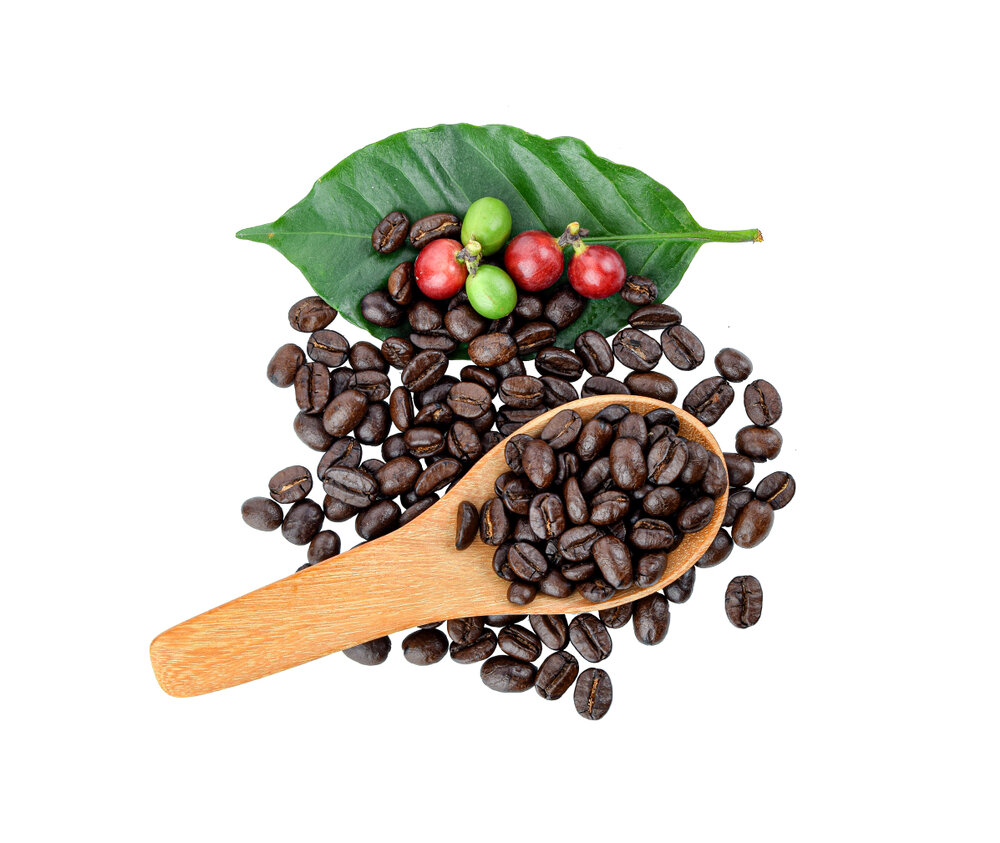 PotentPotentCoffeeCoffea arabicaCaffeine is a competitive antagonist at adenosine A1 and A2A receptors, the best-characterised stimulant mechanism in the materia medica, with an ergogenic effect among the firmest findings in sports science.Mechanismadenosine A1/A2A receptor antagonismRead the evidenceShow lessMonograph →
Caffeine occupies adenosine A1 and A2A receptors without activating them, which lifts the brake that accumulating adenosine applies through the waking day.
The acute ergogenic effect is among the best-established findings in sports science, mediated by adenosine blockade, improved skeletal-muscle calcium handling and lowered perceived exertion 30Reference 30Systematic reviewCoffee, caffeine, and health outcomes: an umbrella review — systematic reviewView study →.
Much of the alertness benefit in habitual drinkers is reversal of overnight withdrawal rather than net enhancement, so the everyday experience of the effect is partly restorative.
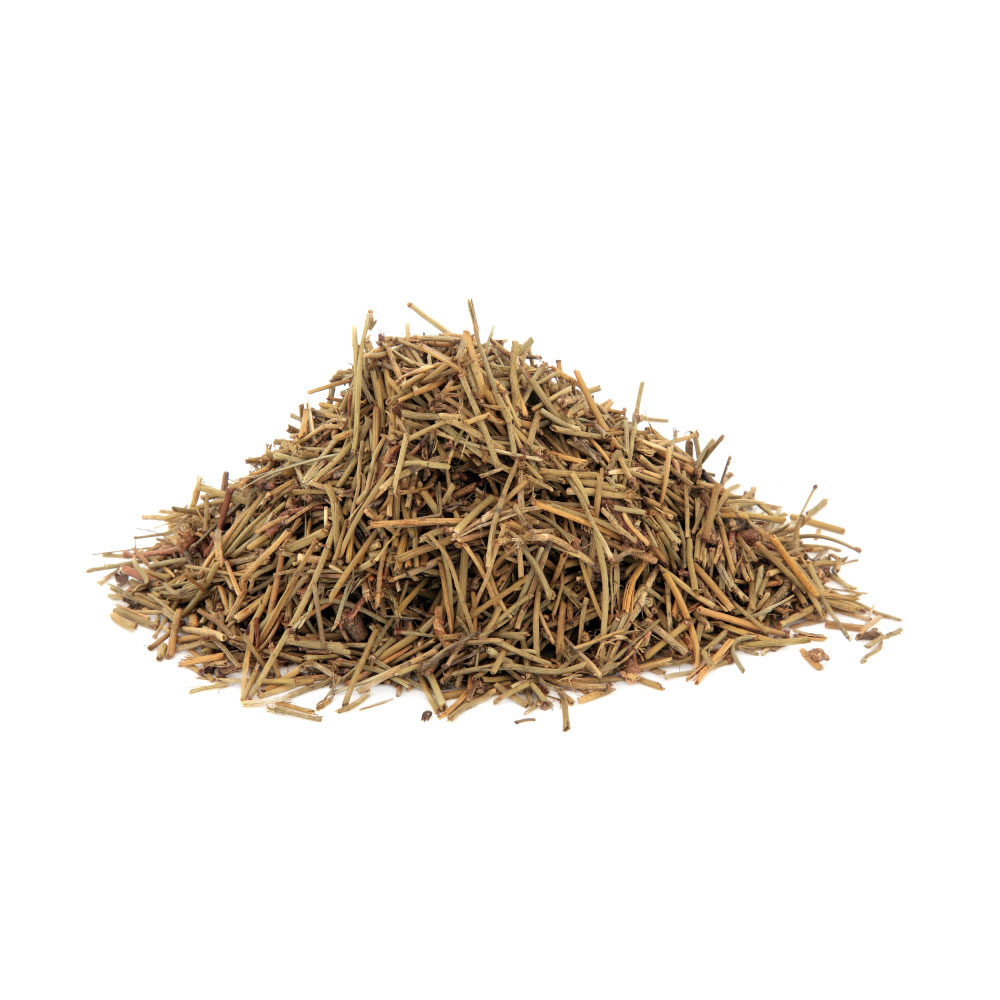 PotentPotentEphedraEphedra sinicaEphedrine releases noradrenaline and activates adrenergic receptors centrally and peripherally, raising alertness, heart rate and energy expenditure; the herb was banned in the United States after deaths.Mechanismα/β-adrenergic agonism (ephedrine); sympathetic/CNS adrenergic receptor activationRead the evidenceShow lessMonograph →
Ephedrine activates adrenergic receptors centrally and peripherally, raising alertness, heart rate and energy expenditure. That is the basis of ephedra’s pre-workout, study-aid and recreational use, and of its abuse potential 36,
The stimulant effect is unmistakable and dose-linear. The ergogenic claim layered on top of it is not: the 2003 JAMA meta-analysis found only a handful of small short trials and concluded there were insufficient data to support an athletic-performance benefit, with most positive signals confounded by co-administered caffeine 4,
The stimulant action and the cardiovascular hazard are the same receptor activation. The same pharmacology produced a two to threefold excess of psychiatric, autonomic and cardiac events and the case reports of infarction, arrhythmia, stroke and death that ended the United States supplement market 4,
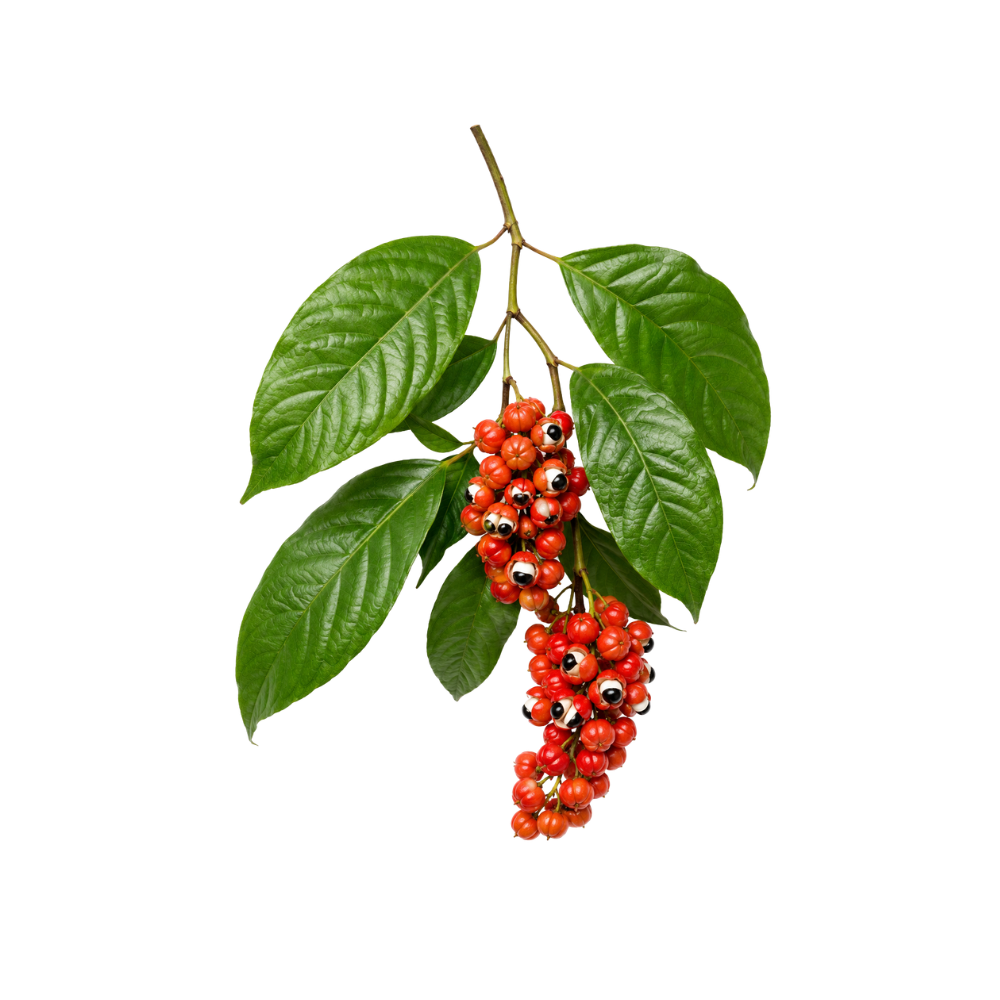 PotentPotentGuaranaPaullinia cupanaThe seed is the richest natural source of caffeine known, roughly 2.5 to 8% by weight against coffee's 1 to 2%, with theobromine and theophylline alongside it.Mechanismadenosine A1/A2A receptor antagonism (caffeine, theobromine, theophylline)Read the evidenceShow lessMonograph →
Guarana seed runs roughly 2.5 to 8% caffeine by weight against coffee’s 1 to 2% 43Reference 43ReviewGuarana: revisiting a highly caffeinated plant from the Amazon — reviewView study →, with smaller amounts of theobromine and theophylline.
The delivered arousal is genuine. A 2023 meta-analysis of eight placebo-controlled studies in 328 participants at 37.5 to 500 mg extract found faster response times against placebo 44Reference 44Meta-analysisEffect of guarana (Paullinia cupana) on cognitive performance — systematic review and meta-analysisView study →, 3 g of seed powder improved intermittent-exercise capacity in young footballers 45Reference 45RCTAcute ingestion of guarana on soccer player performance — randomised controlled trialView study →, and 500 mg of extract delivering 130 mg caffeine increased 15-minute cycling time-trial work by lowering perceived exertion 46Reference 46RCTGuarana but not low-dose caffeine improves cycling time-trial performance — randomised controlled trialView study →.
Against caffeine-matched controls the advantage disappears. Cognitive effects around maximal cycling matched an equivalent caffeine dose 47Reference 47RCTCognitive effects of guarana supplementation with maximal intensity cycling — randomised controlled trialView study →, one crossover found 500 mg left reaction time and heart-rate variability unchanged against low-dose caffeine 48Reference 48RCTAcute guarana ingestion on mental performance and vagal modulation — randomised controlled trialView study →, and the cycling gain was graded trivial to small 46Reference 46RCTGuarana but not low-dose caffeine improves cycling time-trial performance — randomised controlled trialView study →.
Its most-studied clinical use, cancer-related fatigue, is contested. An early breast-cancer crossover trial was positive 49Reference 49RCTGuarana improves fatigue in breast cancer patients undergoing systemic chemotherapy — randomised controlled trialView study →, while a post-radiation pilot 50Reference 50RCTGuaraná for postradiation fatigue and depression — randomised, double-blind pilot trial (null)View study →, two double-blind trials of the purified PC-18 extract 51Reference 51RCTPurified dry Paullinia cupana (PC-18) extract for chemotherapy-induced fatigue — two double-blind randomised trials (null)View study → and a head-and-neck phase II study 52Reference 52RCTDry guarana extract in head-and-neck tumour patients undergoing chemoradiotherapy — placebo-controlled, double-blind, randomised studyView study → were not, and the meta-analyses split accordingly, null in 2021 53Reference 53Meta-analysisGuarana as a dietary supplement for fatigue in cancer patients — systematic review with meta-analysisView study → and significant in 2024 54Reference 54Meta-analysisNatural supplementation to treat cancer-induced fatigue: meta-analysis on guaraná — systematic review and meta-analysisView study →.
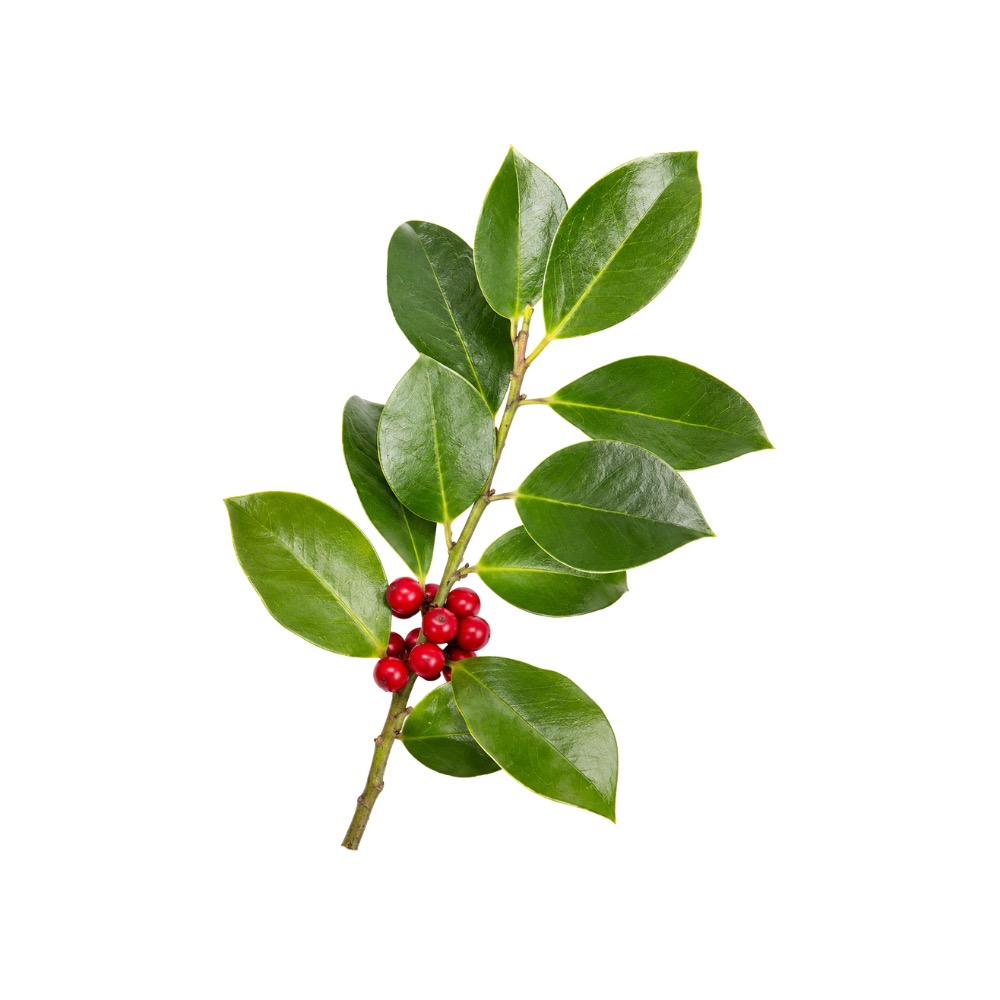 PotentPotentGuayusaIlex guayusaCaffeine at about 2.27% of the raw dried leaf, roughly double yerba maté, and the one caffeine plant whose head-to-head trial found a smaller adrenaline rise than synthetic caffeine.Mechanismadenosine-receptor antagonism (caffeine, theobromine); blunted catecholamine (epinephrine) responseRead the evidenceShow lessMonograph →
Caffeine runs about 2.27% of the raw dried leaf 55Reference 55In vitroGreen-based methods to obtain bioactive compounds from guayusa (caffeine 2.27% of raw leaf) — in vitroView study →, roughly double yerba maté’s 1% average, with secondary theobromine.
The caffeine-matched comparison exists here and is mildly positive. A double-blind crossover delivering 200 mg caffeine from guayusa leaf extract found it bioequivalent to synthetic caffeine on pharmacokinetics but provoking a smaller rise in adrenaline 56Reference 56RCTThe Safety, Pharmacokinetics, and Nervous System Effects of Two Natural Sources of Caffeine in Healthy Adult Males — double-blind crossover clinical trialView study →, which is a plausible basis for the smoother reputation.
Acute trials confirm the expected profile: improved perceived energy and reduced fatigue and total mood disturbance at 600 mg leaf extract, varying with dose and sex 57Reference 57RCTAcute, dose-response effects of guayusa leaf extract on mood, cognitive and motor-cognitive performance, and blood pressure, heart rate, and ventricular repolarization — randomized, double-blind, placebo-controlled crossover RCTView study →.
The trials are all acute and extract-based, and the 90-day toxicology matched a caffeine-only control 58Reference 58General and Genetic Toxicology of Guayusa Concentrate (Ilex guayusa) — animal and genotoxicity studyView study →, so the plant’s systemic signature is the methylxanthine’s.
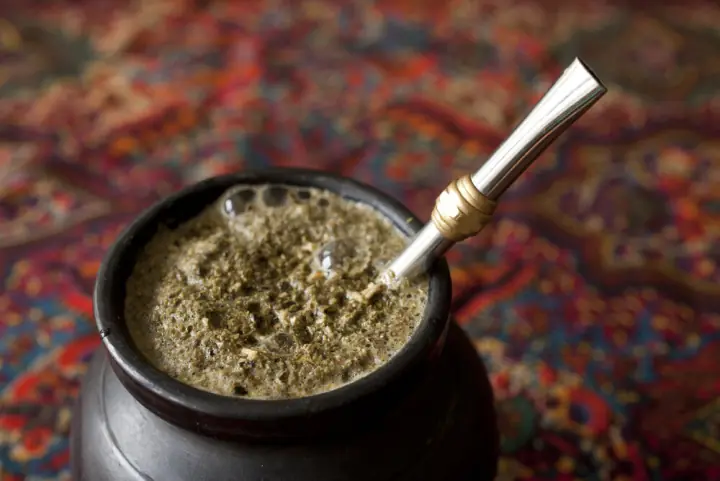
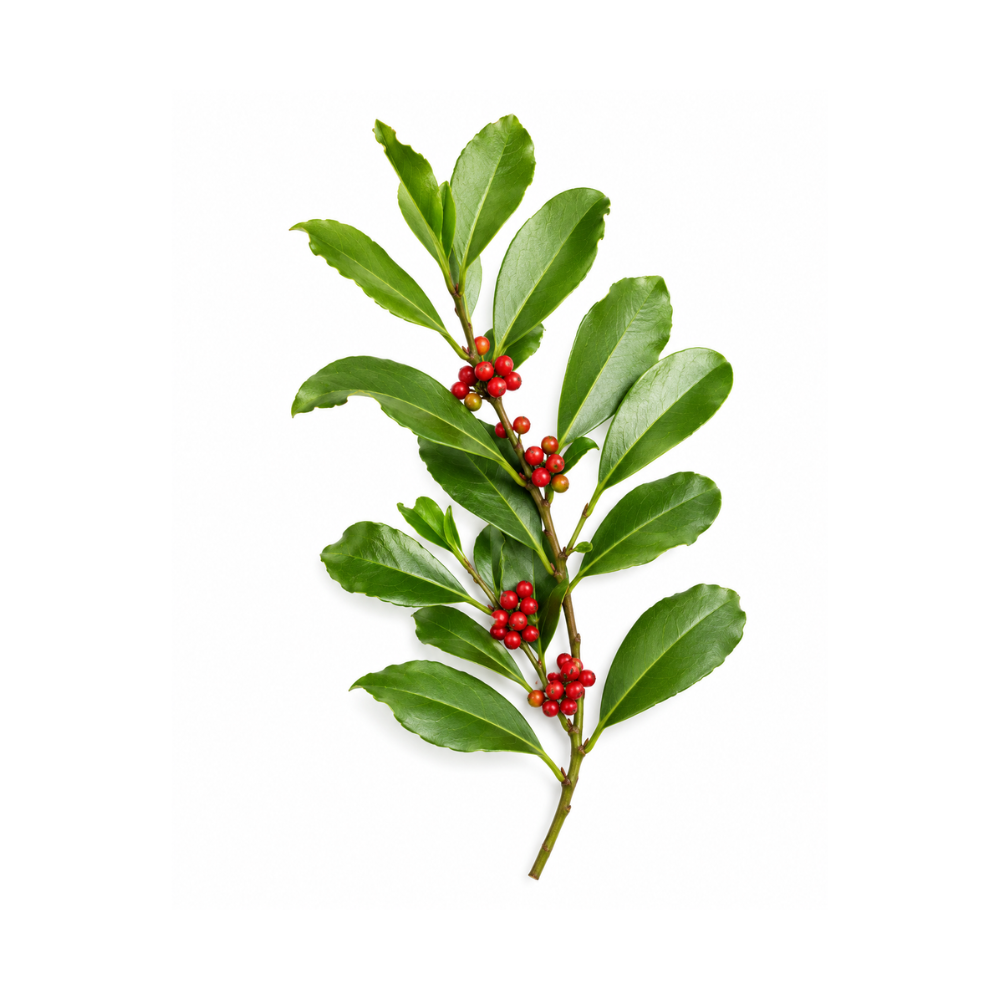 PotentPotentYerba MatéIlex paraguariensisOne of the world's four great caffeine plants, carrying 0.7 to 2% caffeine and an unusually high theobromine load of 0.3 to 0.9%, an order of magnitude above coffee.Mechanismadenosine antagonism (caffeine, theobromine); adrenergic stimulation; xanthine CNS activationRead the evidenceShow lessMonograph →
The chemistry is well quantified: caffeine at 0.7 to 2% of dried leaf, averaging about 1% and so in coffee’s range, and theobromine at 0.3 to 0.9%, against coffee’s under 0.1% 78,
That theobromine load is the herb’s one non-generic feature, a gentler and longer-acting xanthine that plausibly softens caffeine’s edge. It is asserted from the chemistry rather than from a head-to-head trial.
There is no stimulant or central-nervous-system indication study of maté at all. The only human data touching subjective arousal is the mood-state arm of an exercise crossover 80Reference 80RCTYerba Maté (Ilex paraguariensis) metabolic, satiety, and mood state effects at rest and during prolonged exercise — randomized trialView study →.
The “mateine” story is a myth. The molecule is caffeine.
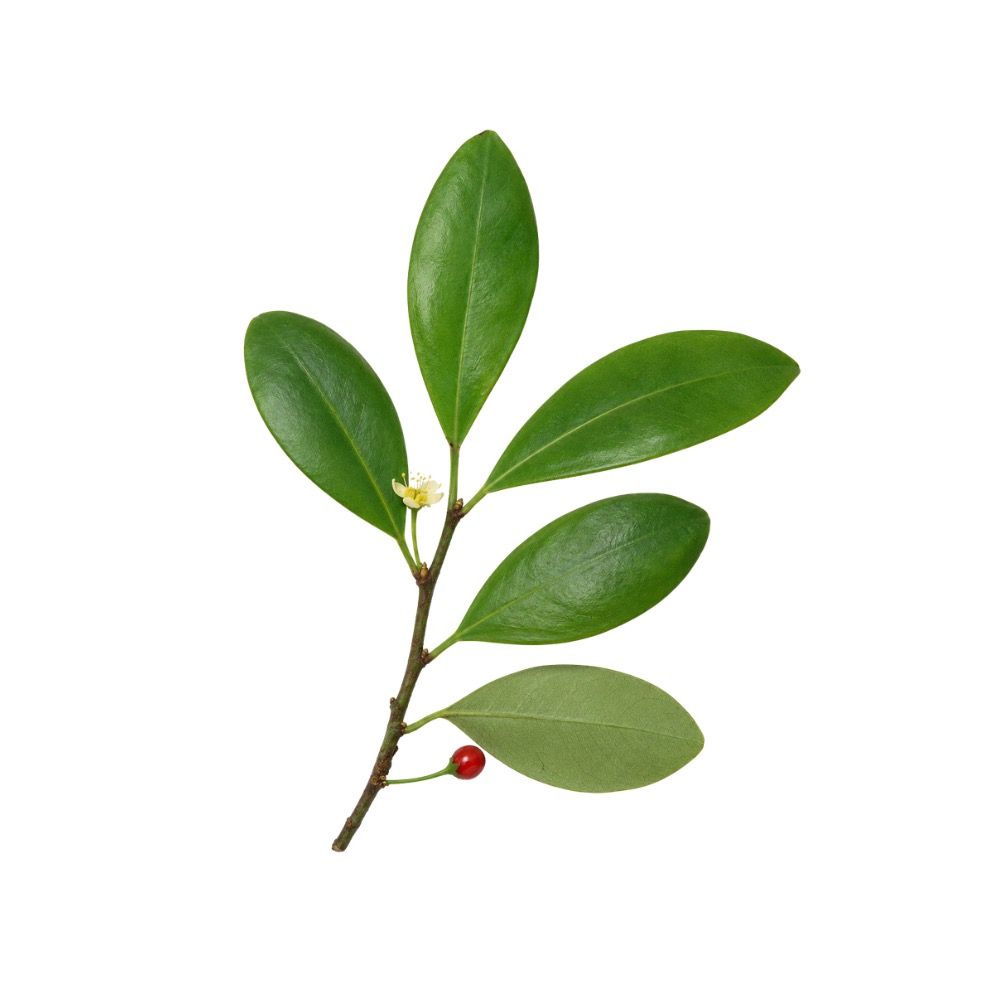 StrongStrongCocaErythroxylum cocaCocaine at 0.5 to 1% of leaf dry weight inhibits monoamine reuptake, and chewing 12 g with lime produces measurable blood cocaine with rising noradrenaline.Mechanismdopamine/noradrenaline reuptake inhibition; sympathoadrenergic activation (↑free fatty acids, ↓insulin)Read the evidenceShow lessMonograph →
Cocaine at about 0.5 to 1% of leaf dry weight inhibits monoamine reuptake. Chewing 12 g of leaf with lime produces blood cocaine around 72 ng/mL, with rising plasma noradrenaline and free fatty acids 23Reference 23Clinical trialEffects of coca chewing on metabolic and hormonal changes during graded incremental exercise to maximum — controlled clinical trialView study →.
Controlled testing does not support the ergogenic half of the traditional claim. In 23 non-habitual chewers on a cycle ergometer, coca gave no gain in VO₂max, maximal work output or efficiency, only a higher heart rate and a lower oxygen pulse 24Reference 24Clinical trialCoca chewing among high altitude natives: work and muscular efficiencies of nonhabitual chewers — clinical studyView study →.
Companion crossover studies found the anti-fatigue effect expressed as a metabolic shift, with greater adrenergic activation and higher fat oxidation, rather than as extra work capacity 25,
The alkaloid is a field-leading stimulant, but the leaf as chewed is a low-dose, slow-onset buccal delivery of it.
Alkaloid content varies widely with species, variety, region and post-harvest handling, so coca leaf is not a uniform material 27,
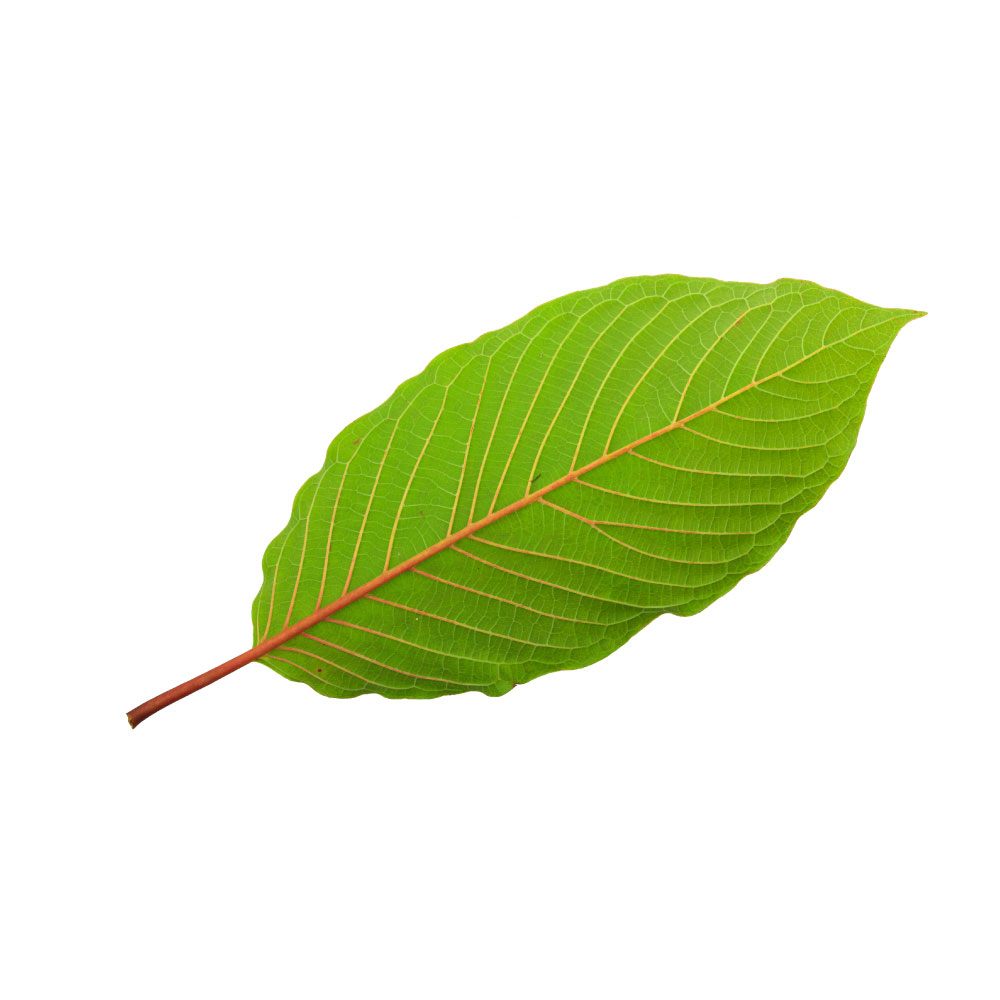 StrongStrongKratomMitragyna speciosaAt low doses of roughly 2.5 to 7 g the leaf is a stimulant, acting through adrenergic and 5-HT2A activity; the effect reverses to sedation as the dose rises.Mechanismadrenergic (catecholamine-like) receptor activity; 5-HT2A serotonergic activity (mitragynine)Read the evidenceShow lessMonograph →
The low-dose arm of the dose-gate is the herb’s oldest use. Southeast Asian labourers chewed leaf to work longer in heat, and the effect is explicitly dose-dependent, becoming sedative as the dose rises 59Reference 59In vitroEvaluation of antioxidant and antibacterial activities of aqueous, methanolic and alkaloid extracts from Mitragyna speciosa leaves — in vitroView study →.
Several alkaloids act at adrenergic receptors, giving a catecholamine-like route to alertness, with 5-HT2A activity alongside 60Reference 60In vitroIn vitro and in vivo pharmacology of kratom — reviewView study →.
Human support is real but uncontrolled. Energy and mood enhancement rank among the top self-reported effects in large surveys 61Reference 61ObservationalPatterns of Kratom use and health impact in the US — Results from an online survey — observationalView study →, and a placebo-controlled abuse-potential study in 116 healthy adults at 0.5 to 4 g of dried leaf recorded modest dose-related subjective effects that decreased on repeated daily dosing 62Reference 62RCTAssessment of Abuse Potential-Related Effects of Oral Dried Kratom Leaf Powder in Healthy Normal Participants Following Single and Multiple Daily Doses — randomised placebo-controlled trialView study →.
No trial has isolated an objective alertness, vigilance or ergogenic endpoint, and the effect described is coffee-scale rather than amphetamine-scale.
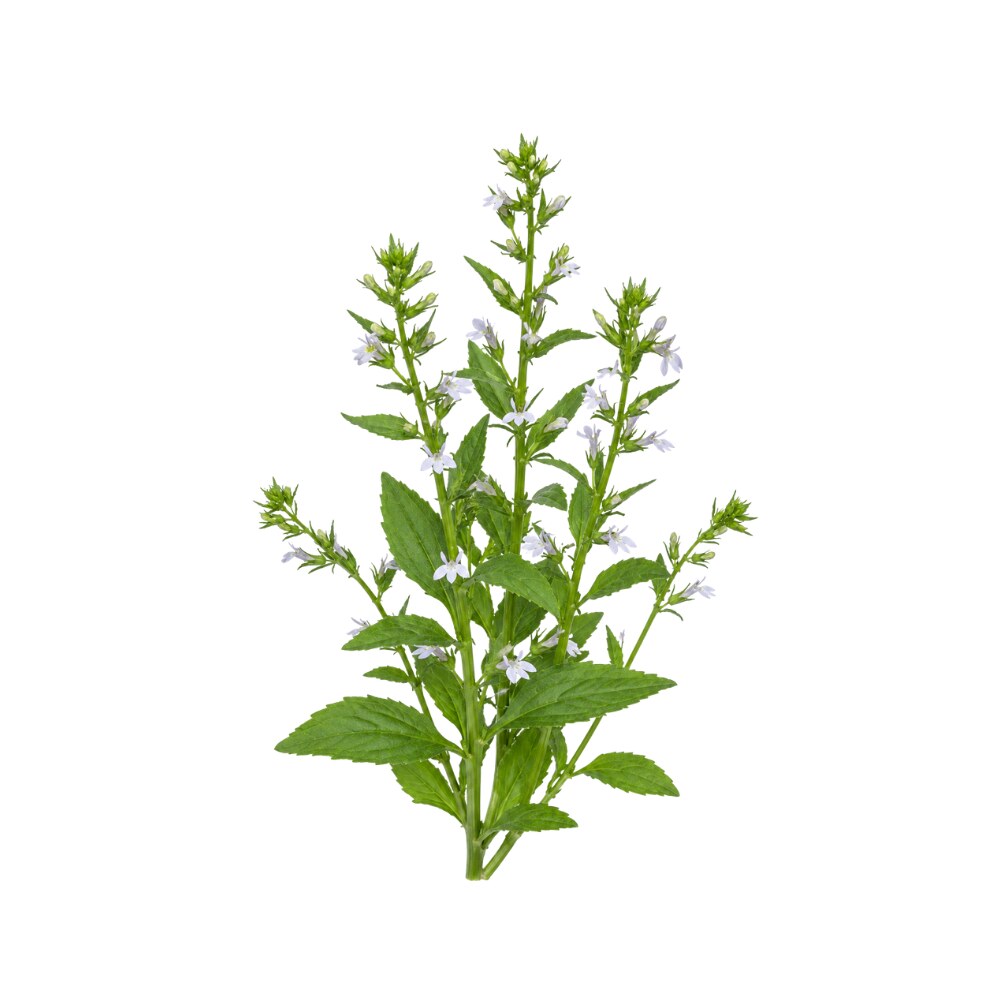 StrongStrongLobeliaLobelia inflataLobeline excites the carotid- and aortic-body chemoreceptors, reflexively increasing the drive to breathe; the same nicotinic receptors pushed further depress it instead.Mechanismcarotid- and aortic-body chemoreceptor stimulation (nicotinic); reflex ↑ phrenic and cranial motoneuron driveRead the evidenceShow lessMonograph →
Injected into the arterial supply of the carotid and aortic bodies in anaesthetised cats, lobeline reflexively augments phrenic, hypoglossal and recurrent-laryngeal motoneuron activity, the direct opposite of dopamine’s inhibitory effect 63Reference 63AnimalEffects of dopamine, isoproterenol, and lobeline on cranial and phrenic motoneurons — in vivo (cat)View study →. It was used as a chemoreflex probe in human respiratory physiology 64Reference 64Search for evidence of lung chemoreflexes in man: respiratory and circulatory effects of phenyldiguanide and lobeline — human physiologyView study →.
Recent rat work shows the degree of cis/trans isomerisation changes the strength of the respiratory-excitatory effect 65Reference 65AnimalFrom cis-lobeline to trans-lobeline: study on the pharmacodynamics and isomerization factors — rat respiratory modelView study →, which is a real preparation variable for a compound that isomerises.
The evidence is arterial and parenteral isolated lobeline rather than the acrid drop-dose tincture.
The action is biphasic: low doses stimulate breathing and high doses depress it, so the mechanism that delivers the benefit delivers the respiratory failure. This is a reproducible physiological reflex rather than a demonstrated treatment for asthma or bronchitis.
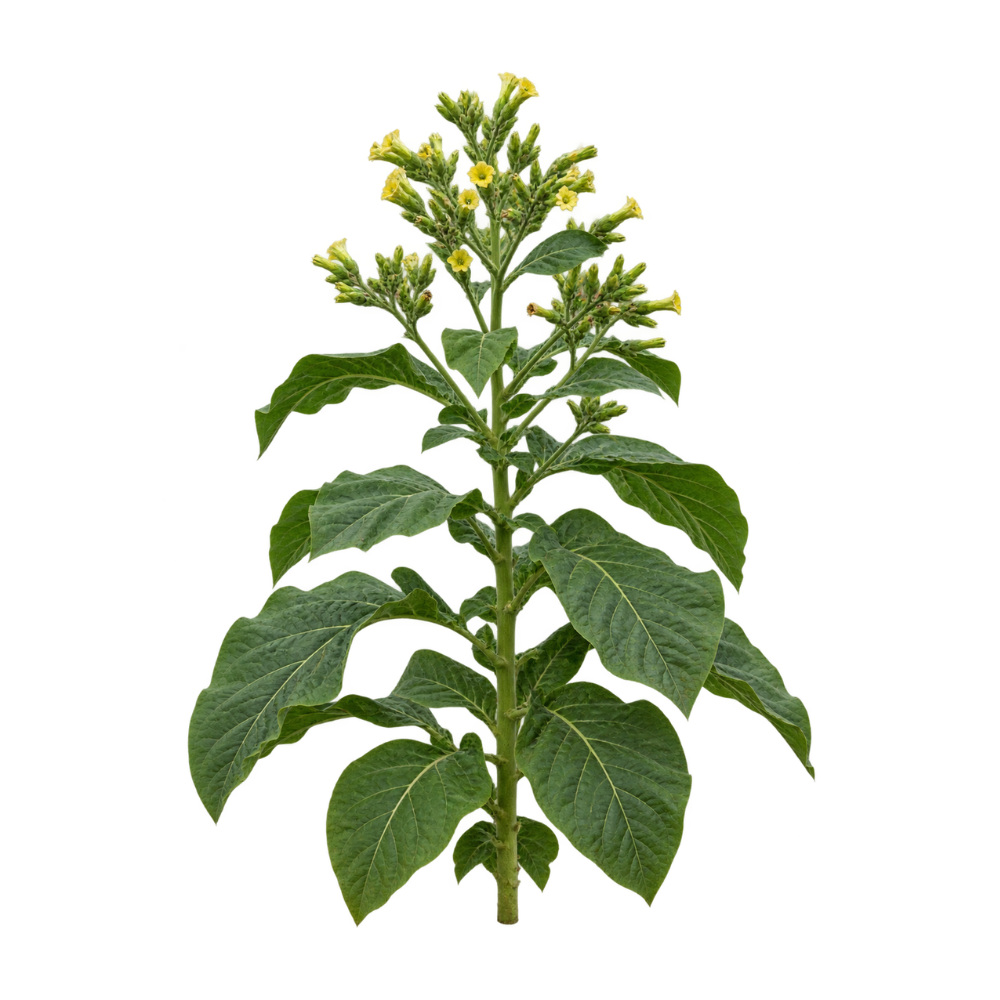 StrongStrongMapachoNicotiana rusticaCarries more nicotine than any other cultivated tobacco, 0.97 to 2.74% of the leaf, and the stimulant rating follows from the alkaloid rather than from any study of the plant.Mechanismnicotinic acetylcholine receptor agonismRead the evidenceShow lessMonograph →
No study has measured a stimulant effect of N. rustica as such. The action is inferred from its nicotine content, the highest of the cultivated tobaccos at 0.97 to 2.74% of leaf 66Reference 66Comparative study of nicotine content in Moldavian tobacco by UV-Vis spectrophotometry and UHPLC and their mineral composition by ICP-OES — analytical study (includes Nicotiana rustica)View study →.
Hand-made rapé carries 6.32 to 47.6 mg/g of total nicotine, with up to 18.5 mg/g of it in the rapidly absorbed un-ionised form once alkaline ash lifts the pH 67Reference 67Comprehensive chemical characterization of rapé tobacco products: nicotine, un-ionized nicotine, tobacco-specific N’-nitrosamines, polycyclic aromatic hydrocarbons, and flavor constituents — analytical studyView study →.
The same receptor agonism makes the crude leaf extract a replicated insecticide 68,
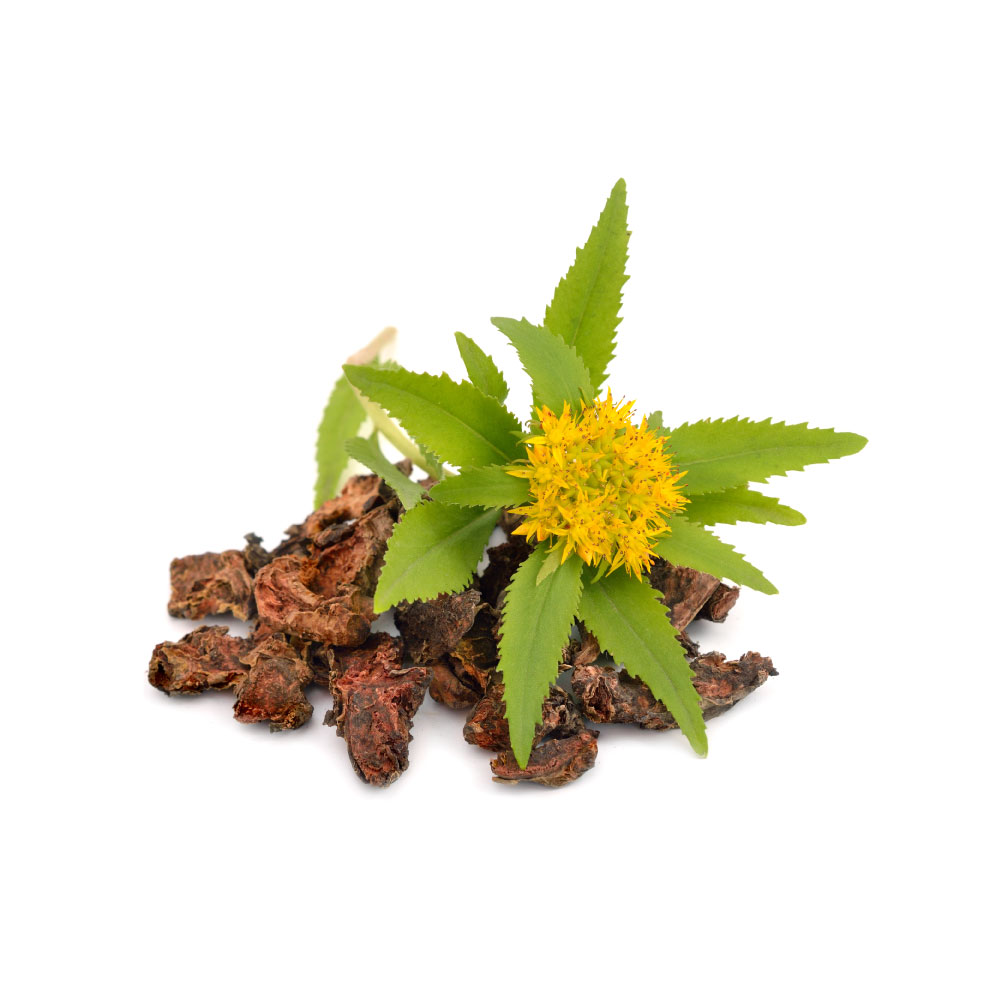 ModerateModerateRhodiolaRhodiola roseaCounteracts fatigue without the wired quality of caffeine; 26 randomised trials show gains in VO₂max, time to exhaustion and time-trial performance.MechanismHPA-axis cortisol ↓; MAO-A/B inhibition (ex vivo); central anti-fatigue pathway not establishedRead the evidenceShow lessMonograph →
A 2025 systematic review and meta-analysis of 26 randomised trials in 668 people found significant gains in VO₂max, time to exhaustion and time-trial performance, with larger VO₂max effects above 600 mg a day 70Reference 70Meta-analysisThe effect of Rhodiola rosea supplementation on endurance performance and related biomarkers — systematic review and meta-analysisView study →. A single acute 200 mg dose extended time to exhaustion and raised VO₂peak 71Reference 71RCTAcute Rhodiola rosea intake can improve endurance exercise performance — randomised controlled trialView study →, and 3 mg/kg acutely lowered heart rate and perceived exertion during a six-mile time trial, improving finishing time 72Reference 72RCTThe effects of an acute dose of Rhodiola rosea on endurance exercise performance — randomised controlled trialView study →.
The acute signal is the clear one. A second review finds chronic dosing helps anaerobic performance and muscle damage more than endurance 73,
The mechanism is unresolved. Cortisol reduction through the HPA axis and ex-vivo monoamine-oxidase inhibition are the candidates, and no central anti-fatigue pathway has been established.
The stimulant effect is corroborated from the harm side by sleep disturbance and the standing advice to dose earlier in the day.
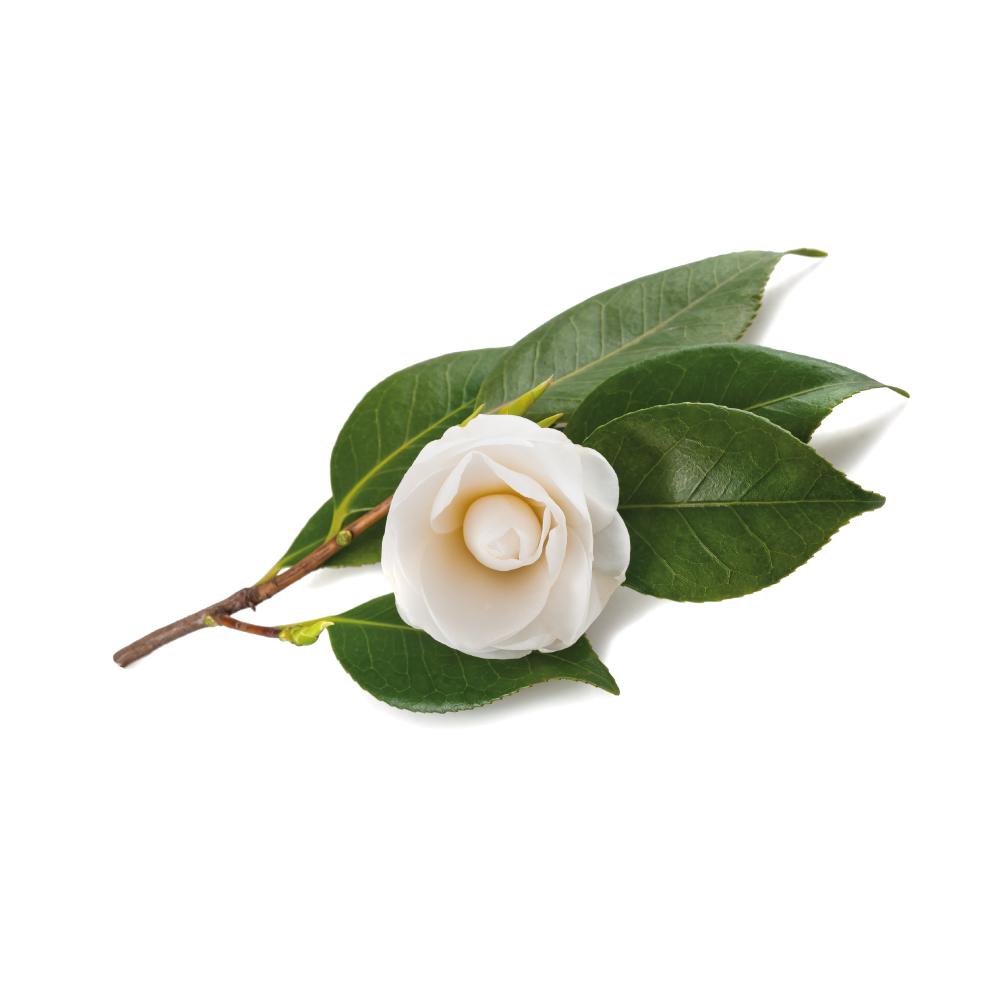 ModerateModerateTeaCamellia sinensisA cup delivers roughly half the caffeine of coffee, and the L-theanine alongside it tempers the edge into relaxed alertness rather than a hard lift.Mechanismadenosine antagonism; ↑ alpha activityRead the evidenceShow lessMonograph →
Caffeine, with minor theophylline, antagonises adenosine receptors, and acute theanine-plus-caffeine trials confirm real psychoactivity: improved attention-switching and reduced distractibility 76,
A cup delivers roughly half the caffeine of coffee, and the co-occurring amino acid L-theanine tempers the effect into relaxed alertness.
Chemotype and preparation swing the dose widely. Young shoots, matcha and hot or long steeps extract the most caffeine, so a short cool green-tea infusion is much weaker than the leaf’s dry-weight content suggests.
Show 12 more herbs with a mild stimulant action
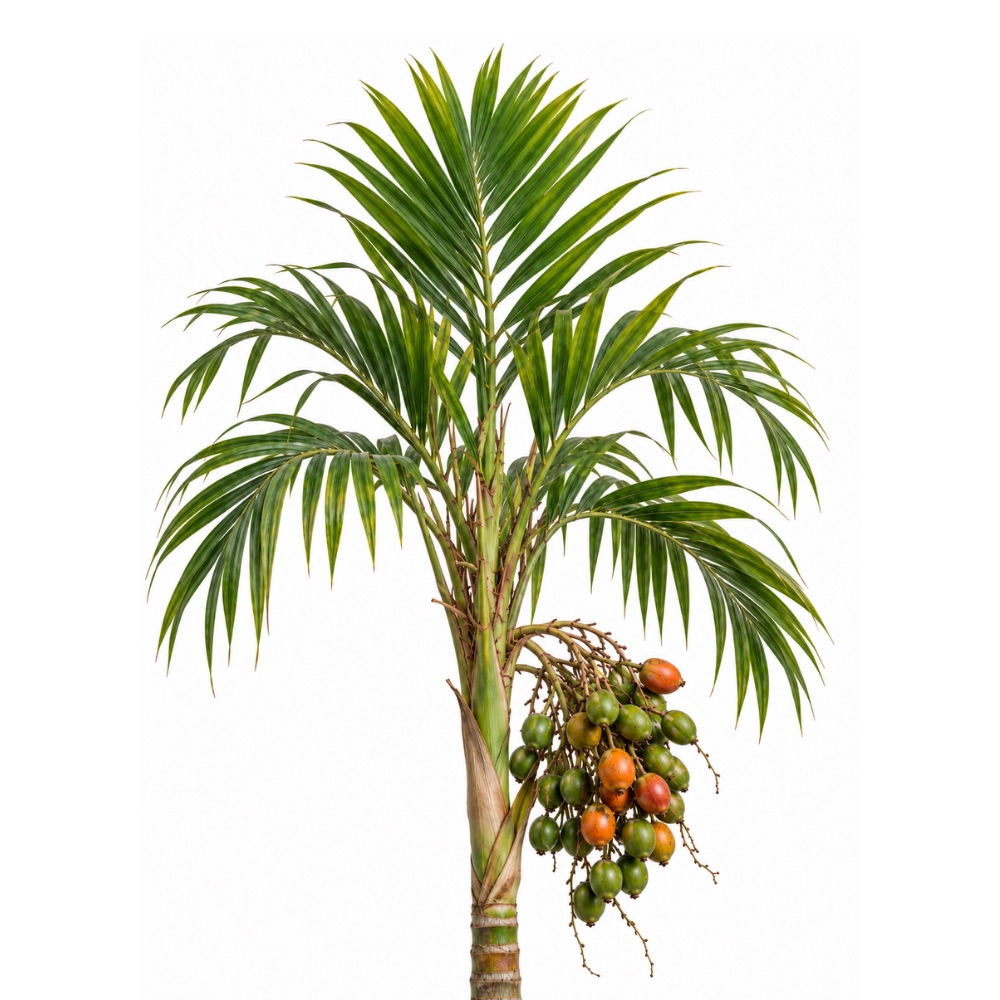 MildMildAreca NutAreca catechuArecoline is a muscarinic agonist producing alertness, salivation and mild euphoria, which is why betel chewing is among the world's most widely used stimulant habits.Read the evidenceShow less
Arecoline is a genuine stimulant alkaloid, a muscarinic agonist producing alertness, salivation and mild euphoria.
The pharmacology has not been written up here and there is no research behind the entry.
Areca nut is a WHO Group 1 human carcinogen, causally linked to oral cancer and submucous fibrosis.
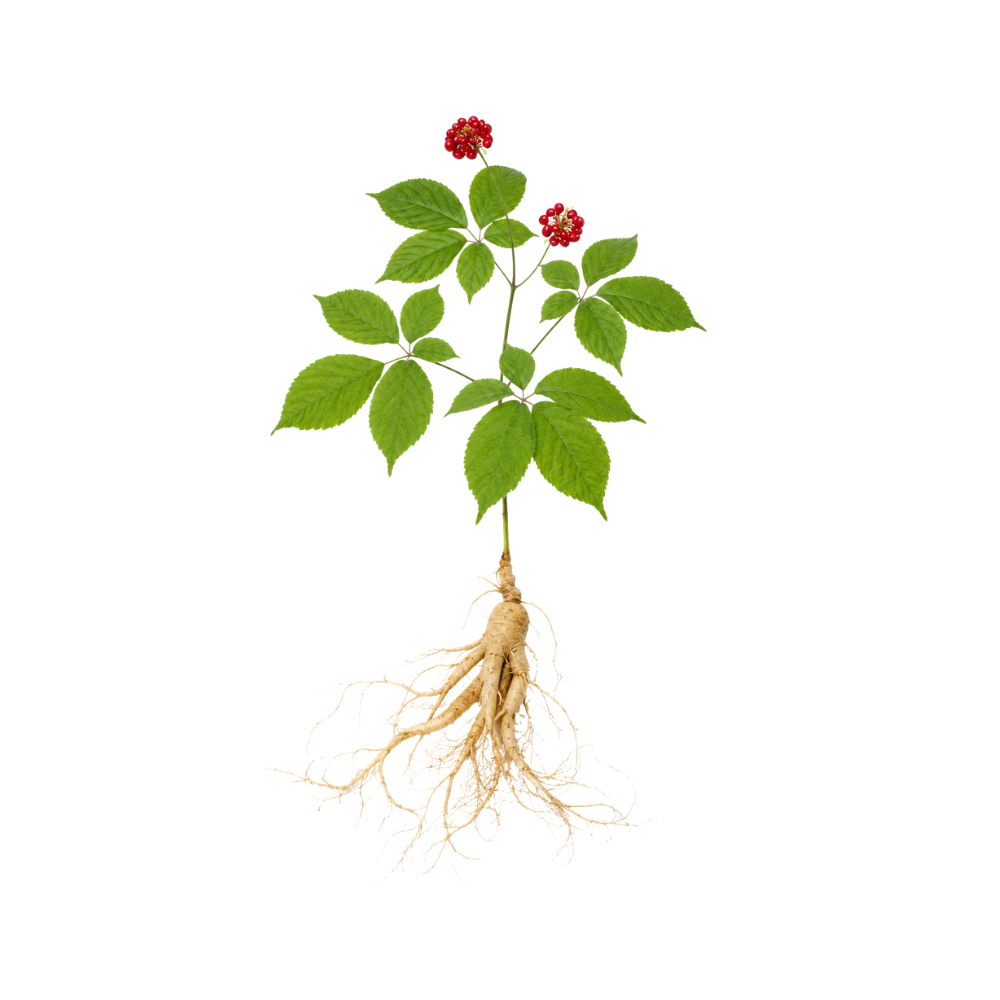 MildMildAsian GinsengPanax ginsengDescribed as mildly stimulating in adverse-effect reviews, with insomnia and nervousness reported at high doses or alongside caffeine, and no mechanism established.Mechanismnot establishedRead the evidenceShow lessMonograph →
Systematic reviews of adverse effects describe ginseng as mildly stimulating, with insomnia and nervousness reported at high doses or alongside caffeine 39,
No stimulant mechanism, receptor target or human performance endpoint has been established.
The traditional record is itself divided. Western herbal medicine used it as a stimulant for mental exhaustion 41Reference 41Principles and Practice of Phytotherapy, while the British Herbal Pharmacopoeia lists it as thymoleptic, sedative and demulcent, indicated for insomnia 42Reference 42A Materia Medica for Chinese Medicine: Plants, Minerals, and Animal Products. (Pg.
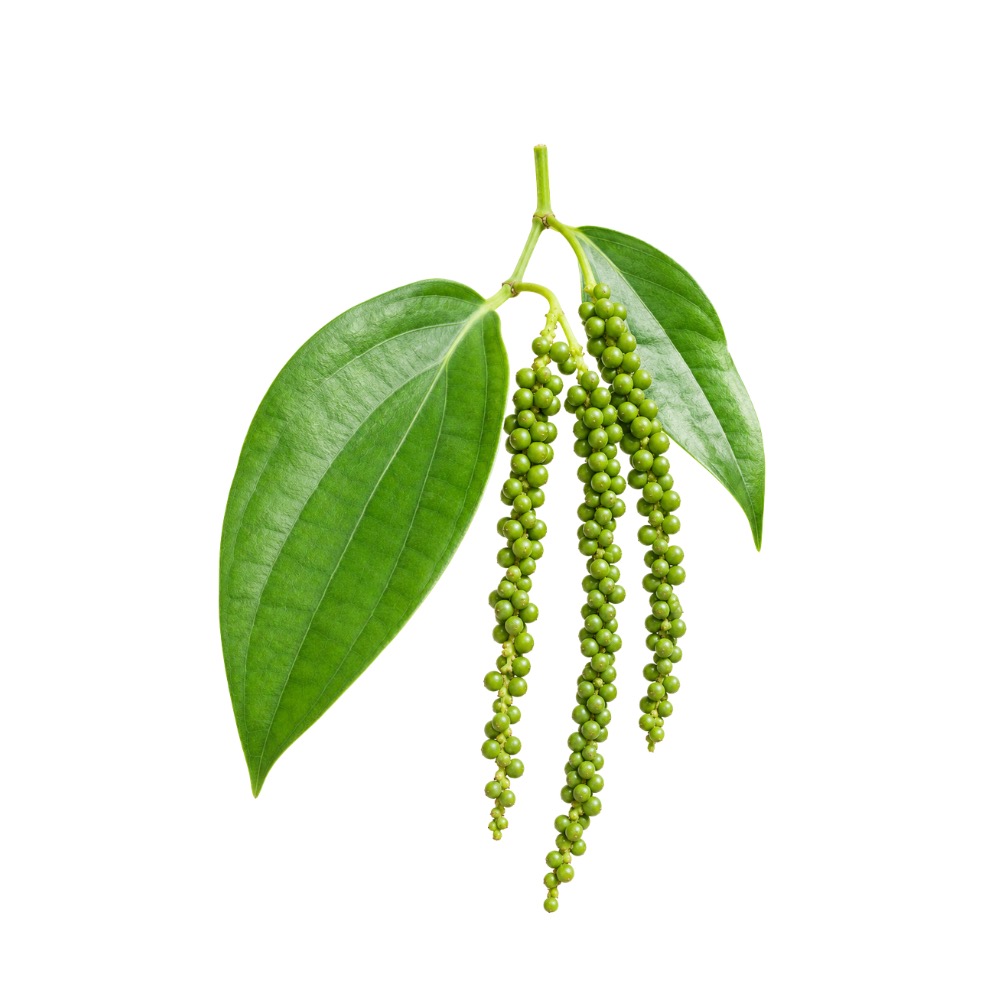 MildMildBlack PepperPiper nigrumPiperine acts at the same pungency receptors as capsaicin, and pepper's warming classification is universal in traditional systems; no stimulant or thermogenic study of the spice exists.Read the evidenceShow lessMonograph →
Piperine has a thermogenic and absorption-enhancing literature in the wider field, and pepper is classified as warming and stimulating across traditional systems.
No study supports a stimulant or thermogenic effect of the spice itself.
Its evidenced work is bioavailability enhancement and efflux inhibition.
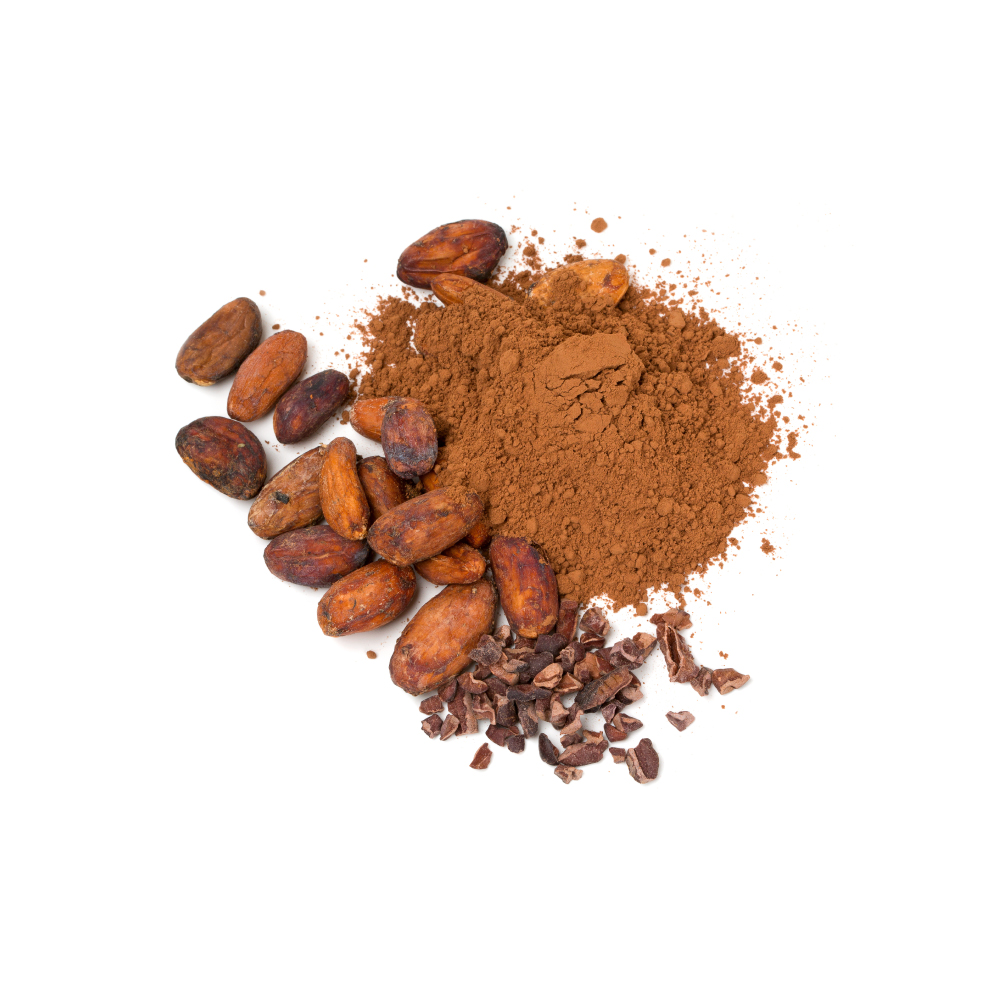 MildMildCacaoTheobroma cacaoTheobromine at 2 to 4% of the dried bean is cacao's dominant methylxanthine, a weaker central stimulant than caffeine that acts more strongly on heart, kidney and smooth muscle.Mechanismadenosine-receptor antagonism; phosphodiesterase inhibition (theobromine > caffeine)Read the evidenceShow lessMonograph →
Theobromine runs 2 to 4% of the dried bean against caffeine’s 0.2 to 1%. They are distinct molecules and should not be collapsed.
Both act by adenosine-receptor antagonism and phosphodiesterase inhibition, but theobromine is a markedly weaker central stimulant while acting more strongly on the heart, kidneys and smooth muscle 15,
There is no dedicated stimulant study of cacao. The claim rests on established methylxanthine pharmacology 15Reference 15A Modern Herbal | Cacao. (n.d.). Retrieved from https://www.botanical.com/botanical/mgmh/c/cacao-02.htmlView study →, and methylxanthine content varies with genotype and falls with processing 16Reference 16Cocoa Bioactive Compounds: Significance and Potential for the Maintenance of Skin Health.
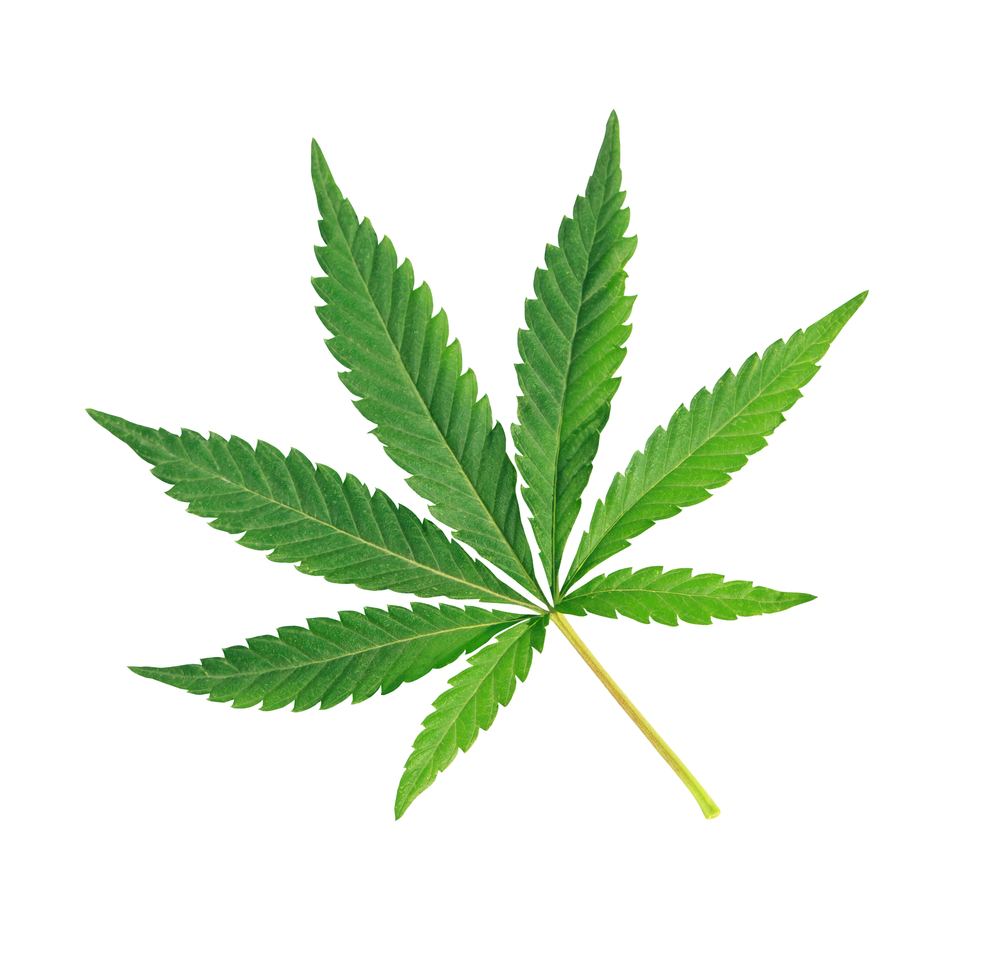 MildMildCannabisCannabis sativaTHC is biphasic — mildly stimulating at low doses and sedating at higher ones, so the dose decides which direction it runs.Mechanismbiphasic THC dose–response; no study, dose or mechanism established for the stimulant halfRead the evidenceShow lessMonograph →
THC is mildly stimulating at low doses and sedating at higher ones. The observation is real and long-reported, and it is why the same plant carries both a stimulant and a sedative reading.
Nothing pins it down. No study, dose or mechanism has been established for the stimulant half specifically — only the biphasic description itself.
The rest of cannabis pharmacology runs through the endocannabinoid system and is examined under the actions with evidence behind them: analgesic, antispasmodic and antiemetic.
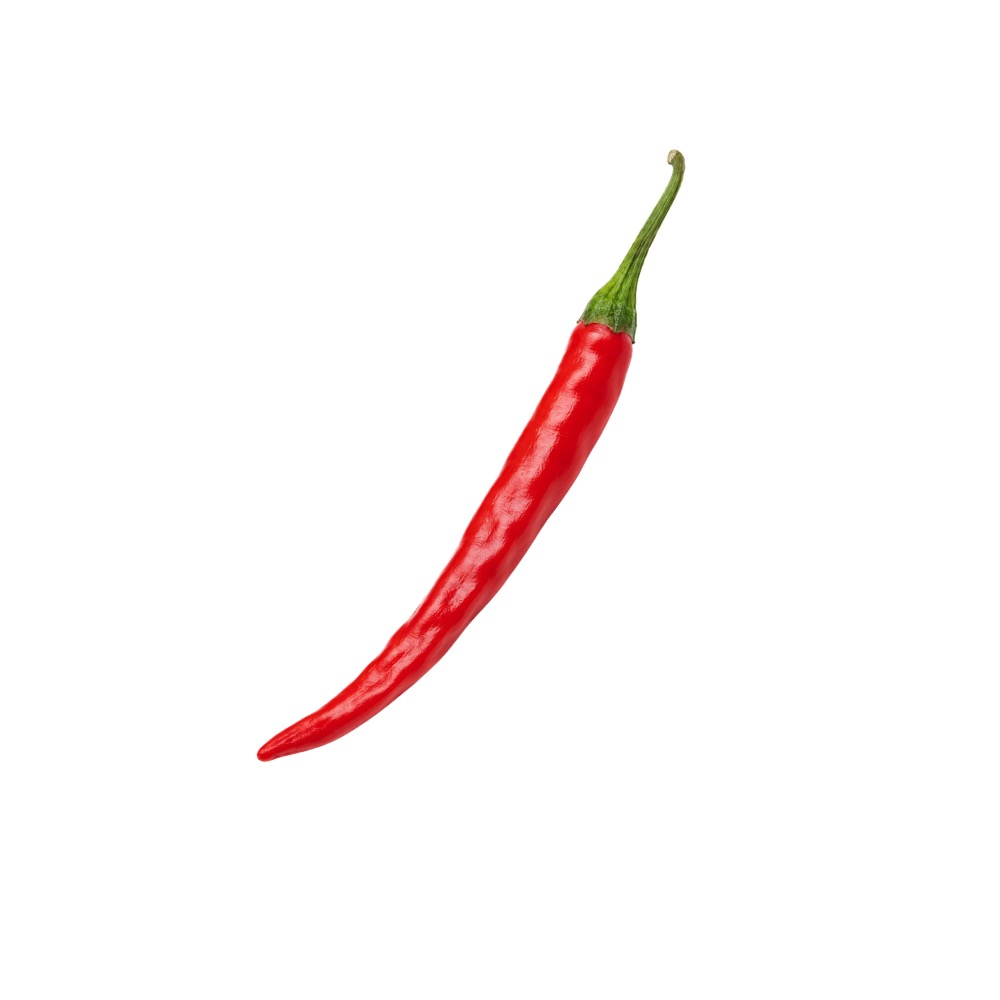 MildMildCayenneCapsicum annuumCapsaicin activates TRPV1, triggering a sympathetic reflex that raises energy expenditure and blunts appetite by small amounts in human trials.MechanismTRPV1-mediated sympathetic activation; thermogenesisRead the evidenceShow lessMonograph →
A meta-analysis of human trials found capsaicin and capsiate produce small reductions in energy intake and small increases in energy expenditure 17Reference 17Meta-analysisCapsaicin and capsiate could be appropriate agents for treatment of obesity — meta-analysis of human studiesView study →. An acute trial in young obese subjects found a rise in resting energy expenditure 18Reference 18RCTAcute administration of capsaicin increases resting energy expenditure in young obese subjects — randomised controlled trialView study →, and controlled feeding trials reported increased fullness 19Reference 19RCTEffects of capsaicin, green tea and CH-19 sweet pepper on appetite and energy intake in humans — randomised controlled trialView study →.
What is measured is metabolic rather than circulatory. The traditional reading, a driving pinch that moves blood to the periphery and carries other herbs further, has no mechanistic support.
The effects are small, measured over hours to weeks, and use several milligrams of purified capsaicinoids, well above casual culinary intake. Tolerance to the thermogenic effect appears to develop with habitual use.
The dietary-chilli cohorts do not fill the gap. Reduced all-cause and cardiovascular mortality among frequent chilli eaters 20Reference 20Meta-analysisAssociation of spicy chilli food consumption with cardiovascular and all-cause mortality — meta-analysis of cohort studies (systematic review)View study → and favourable umbrella-review associations 21Reference 21ReviewSpicy food and chili peppers and multiple health outcomes — umbrella reviewView study → are observational and confounded by diet, geography and lifestyle.
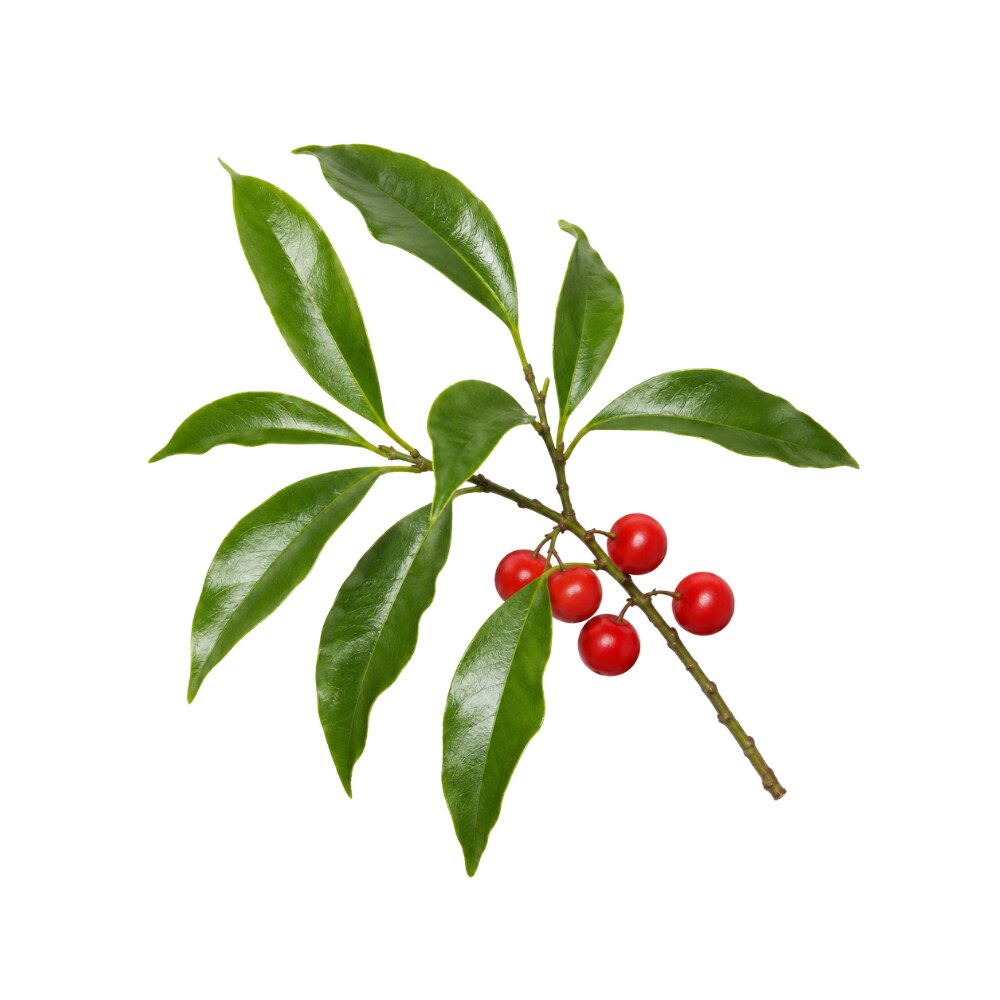 MildMildCha De BugreCordia salicifoliaCafé do mato, coffee of the woods; caffeine is documented in the leaf but has never been quantified, so the stimulant dose in a cup is unknown.Mechanismadenosine-receptor antagonism (via caffeine, unquantified)Read the evidenceShow lessMonograph →
Caffeine is documented in the leaf qualitatively 22Reference 22In vitroPhytochemical investigation on leaf extract of Cordia salicifolia Cham. — in vitro studyView study →, so the standard adenosine-receptor antagonism and mild thermogenesis are assumed to follow.
No study has measured a central or thermogenic effect of the herb itself, and because the caffeine has never been quantified the dose delivered by a cup of tea or a capsule is unknown 22Reference 22In vitroPhytochemical investigation on leaf extract of Cordia salicifolia Cham. — in vitro studyView study →.
Nothing in the record demonstrates a stimulant mechanism beyond caffeine.
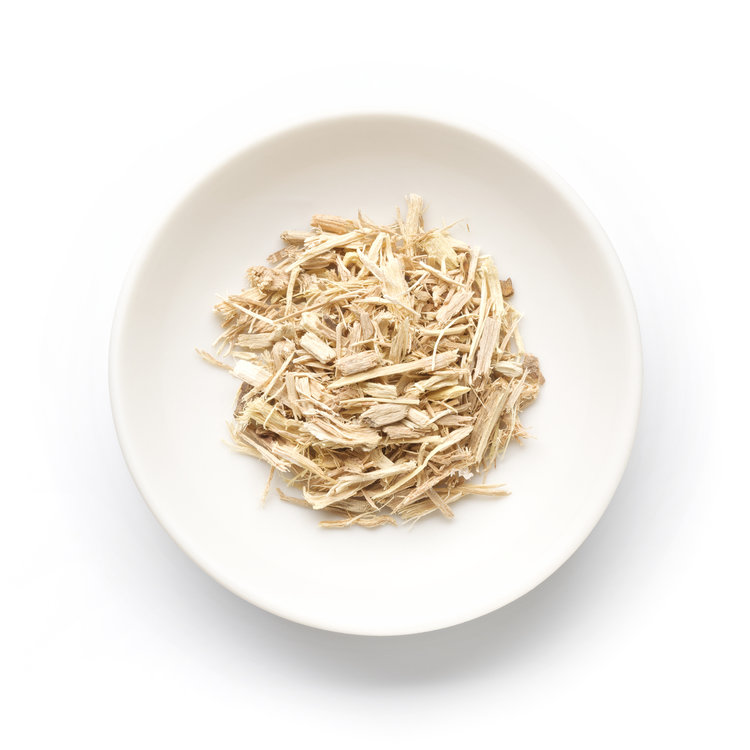 MildMildEleuthero RootEleutherococcus senticosusA traditional stimulant reputation with a consistently null performance literature; what is documented is insomnia and palpitations at higher doses.Mechanismnot establishedRead the evidenceShow lessMonograph →
The performance literature, the herb’s most-studied use, is consistently null. Eight weeks of extract in highly trained distance runners changed nothing in VO₂, heart rate, lactate, perceived exertion or time to exhaustion 31Reference 31RCTEffect of Eleutherococcus senticosus on submaximal and maximal exercise performance — randomised placebo-controlled trialView study →; 1,200 mg a day for a week did not alter substrate use or 10-km time-trial performance in endurance cyclists 32Reference 32RCTThe effect of Siberian ginseng (Eleutherococcus senticosus) on substrate utilization and performance — randomised crossover trialView study →; and a structured review found the three studies suggesting benefit were each methodologically flawed while five rigorous studies at 1,000 to 1,200 mg a day for up to six weeks showed no effect 33Reference 33ReviewAssessment of the effects of Eleutherococcus senticosus on endurance performance — reviewView study →.
One later crossover trial in nine people did report improved endurance time and VO₂ peak 34Reference 34RCTThe effect of eight weeks of supplementation with Eleutherococcus senticosus on endurance capacity and metabolism — randomised crossover trialView study →.
What is documented is the dosing edge: insomnia, irritability, palpitations and restlessness at higher doses 35Reference 35Principles and Practice of Phytotherapy (2nd ed.) — reference text (pp.
No receptor target, catecholaminergic mechanism or human performance endpoint has been established.
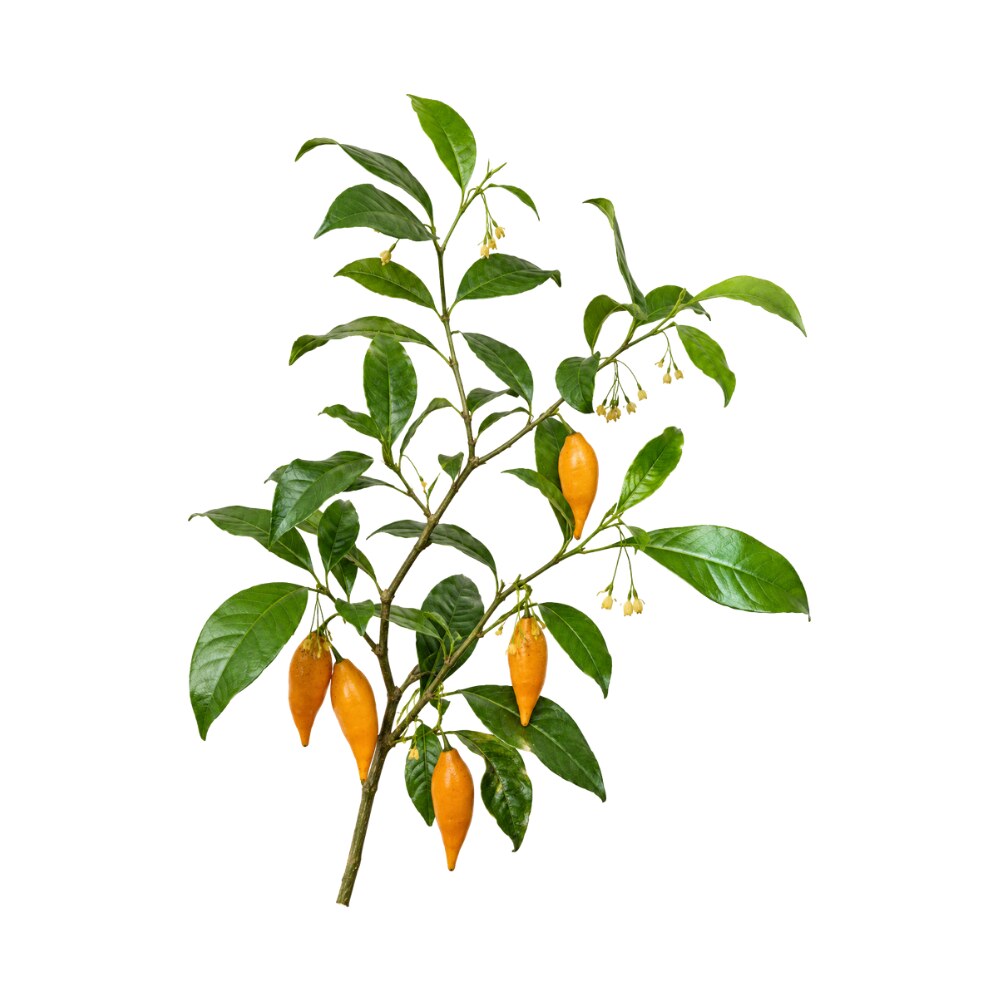 MildMildIbogaTabernanthe ibogaIbogaine is stimulant-adjacent at lower doses, and Bwiti initiation uses the root for sustained wakefulness; the alkaloid is cardiotoxic.Read the evidenceShow less
Ibogaine is a complex multi-receptor alkaloid whose pharmacology is stimulant-adjacent at lower doses, and traditional Bwiti use includes sustained wakefulness during initiation.
There is no research behind the stimulant entry.
Ibogaine is cardiotoxic, causing QT prolongation and sudden death, which is why its addiction-interruption use happens under cardiac monitoring or not at all.
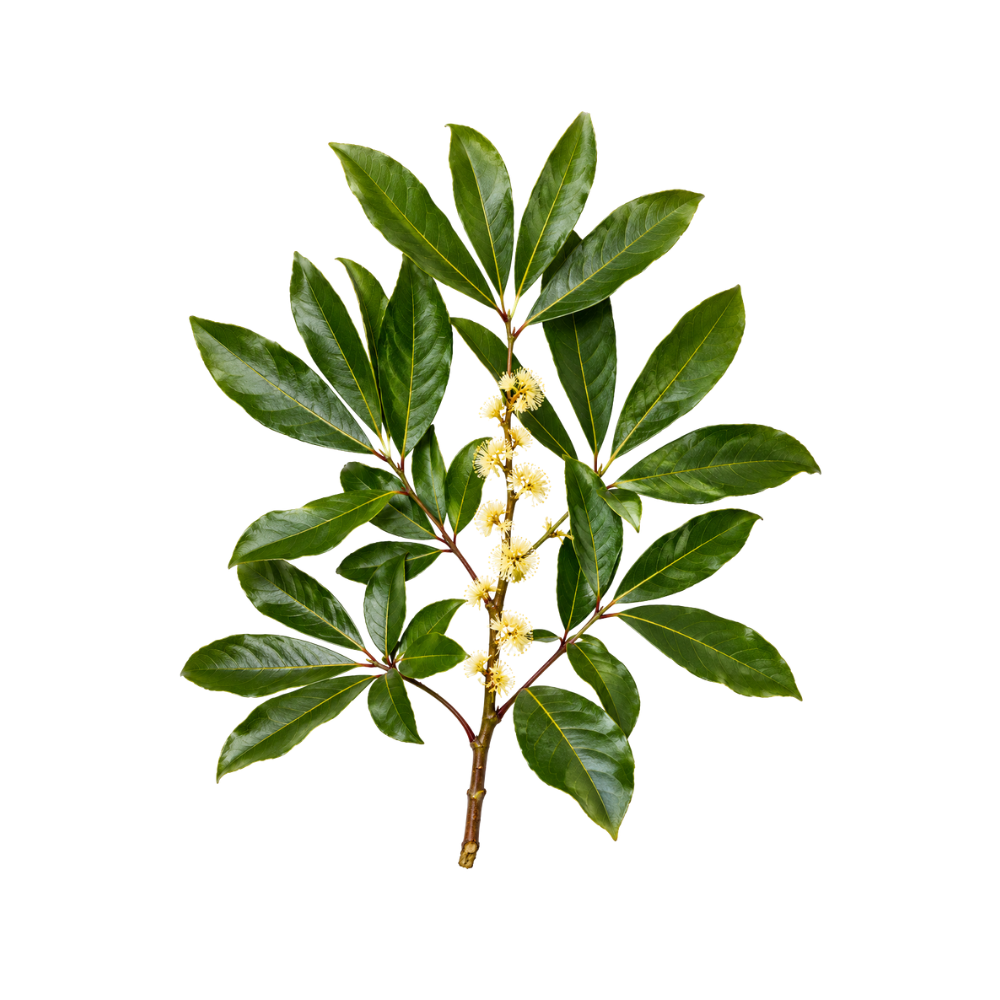 MildMildMuira PuamaPtychopetalum olacoidesTraditional Amazonian use for fatigue and muscular weakness is the whole basis of the entry.Read the evidenceShow lessMonograph →
Amazonian practice gives the root for fatigue and what the ethnobotanical record calls muscular weakness.
The research on the herb is neurological and sexual-function work, with no stimulant endpoint measured.
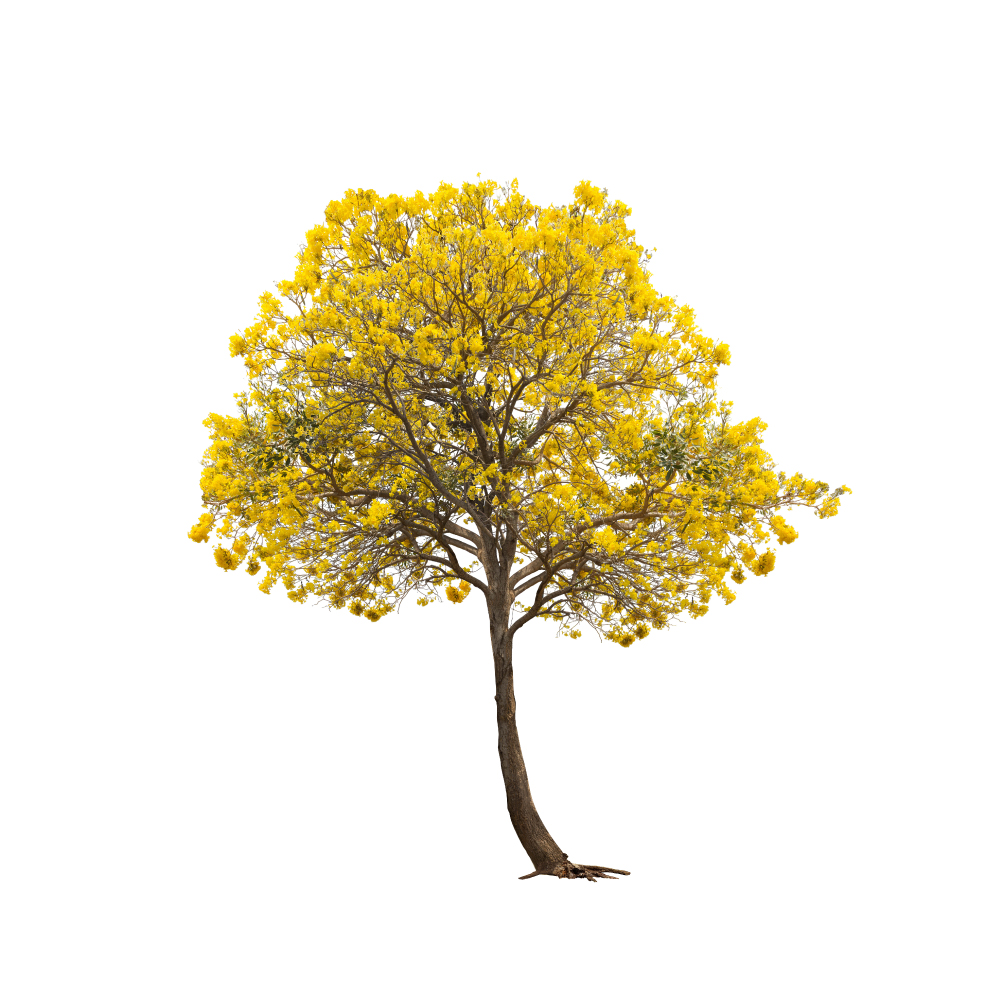 MildMildPau D’ArcoTabebuia impetiginosaBeta-lapachone drives brown-fat thermogenesis through AMPK in mice — an isolated compound in an animal, not the bark decoction.MechanismAMPK-driven brown-adipose thermogenesis, UCP1 ↑ (beta-lapachone)Read the evidenceShow lessMonograph →
The metabolic signal comes from beta-lapachone and taheebo extracts in rodents. Beta-lapachone prevented weight gain in high-fat-diet and genetically obese mice by driving brown-adipose thermogenesis through AMPK and UCP1, and an n-butanol taheebo fraction reduced body weight and fat mass in ovariectomised mice.
Thermogenesis is heat production rather than central stimulation, so this is a different kind of effect from the caffeine herbs on this action.
It is isolated-compound and animal work. Nothing has tested the bark decoction people actually drink, and there is no human data of any kind.
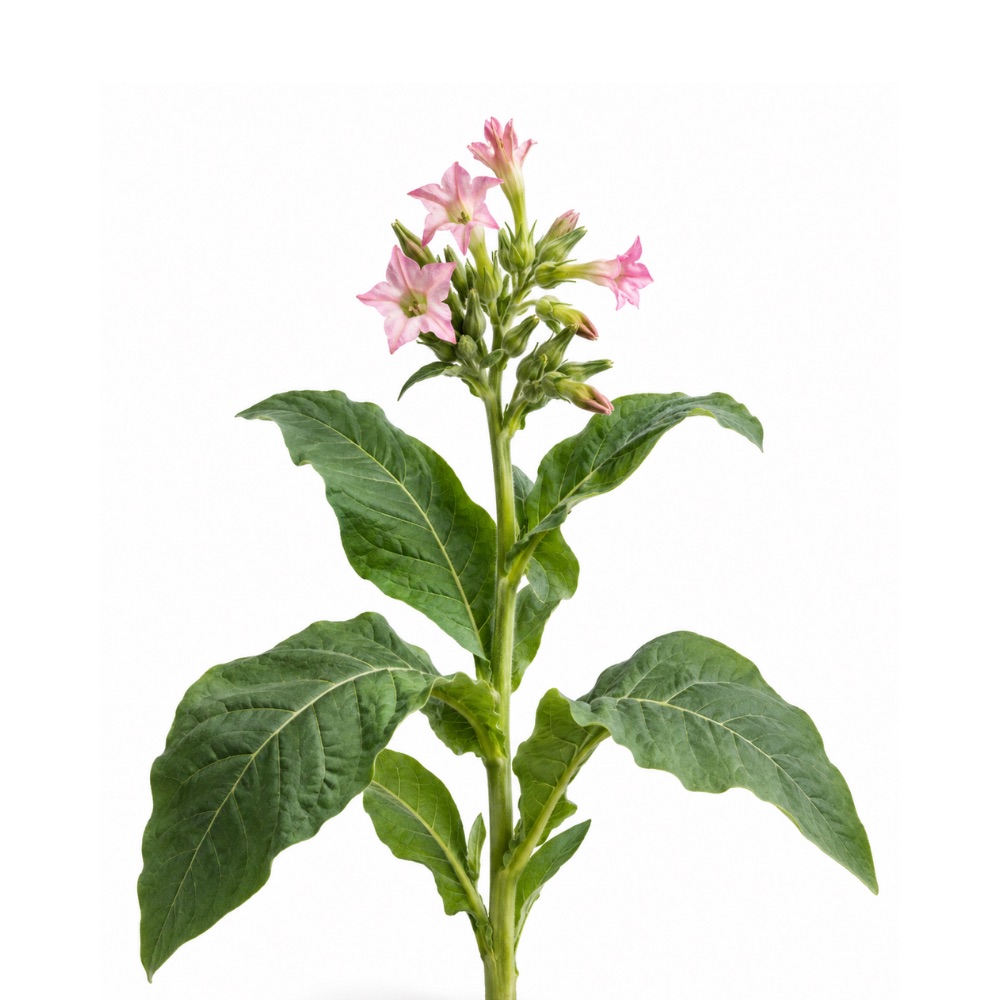 MildMildTobaccoNicotiana tabacumNicotine is the reference stimulant alkaloid, a nicotinic acetylcholine-receptor agonist and among the most addictive compounds known.Read the evidenceShow lessMonograph →
Nicotine is a nicotinic acetylcholine-receptor agonist and among the most studied psychoactive compounds in existence.
There is no research behind the entry, and the pharmacology is not in question.
Nicotine is among the most addictive compounds known, and dependence is the ordinary outcome of using it.
No herbs match these filters.
Safety
- With a stimulant the action and the harm are the same pharmacology, so cardiovascular effects scale with the effect rather than sitting beside it.
- Adrenergic stimulants raise heart rate and blood pressure, and stacking one with a caffeine plant is the combination behind the deaths that led to a national supplement ban.
- Caffeine doses stack across every plant in that class: coffee, tea, guarana, maté, guayusa and cacao are one dose, not six.
- Caffeine produces tolerance, dependence and a genuine withdrawal syndrome, disrupts sleep for hours after the felt effect fades, and triggers migraine in some people.
- Individual caffeine clearance varies severalfold by CYP1A2 genotype, so a tolerable dose is not the same for two people.
- Stimulants are the wrong direction for fatigue with an anxious edge, and worsen existing anxiety and insomnia.
- Stimulant herbs are inappropriate in uncontrolled hypertension, arrhythmia and cardiovascular disease, and stack with prescribed stimulants.
- A biphasic stimulant whose mechanism reverses with dose has a narrow margin and is not for self-experimentation.
- Some entries here are pharmacologically accurate and clinically inadvisable: a carcinogen, a cardiotoxin and the most addictive compounds known are not recommendations.
References
- Rothman RB, Vu N, Partilla JS, et al. (2003). In vitro characterization of ephedrine-related stereoisomers at biogenic amine transporters and the receptorome reveals selective actions as norepinephrine transporter substrates — in vitro. Journal of Pharmacology and Experimental Therapeutics. https://pubmed.ncbi.nlm.nih.gov/12954796/
- Ma G, Bavadekar SA, Davis YM, et al. (2007). Pharmacological effects of ephedrine alkaloids on human alpha(1)- and alpha(2)-adrenergic receptor subtypes — in vitro. Journal of Pharmacology and Experimental Therapeutics. https://pubmed.ncbi.nlm.nih.gov/17405867/
- Statler AK, Maani CV, Kohli A (2023). Ephedrine — clinical pharmacology review. StatPearls (NCBI Bookshelf, NBK547661). https://www.ncbi.nlm.nih.gov/books/NBK547661/
- Shekelle PG, Hardy ML, Morton SC, et al. (2003). Efficacy and safety of ephedra and ephedrine for weight loss and athletic performance: a meta-analysis. JAMA. https://pubmed.ncbi.nlm.nih.gov/12672771/
- Shekelle P, Hardy M, Morton SC, et al. (2003). Ephedra and Ephedrine for Weight Loss and Athletic Performance Enhancement: Clinical Efficacy and Side Effects — AHRQ Evidence Report/Technology Assessment No. 76, prepared by the RAND Southern California Evidence-based Practice Center (systematic review). https://www.ncbi.nlm.nih.gov/books/NBK36915/
- Berry MD (2004). Mammalian central nervous system trace amines. Pharmacologic amphetamines, physiologic neuromodulators. Journal of Neurochemistry. https://pubmed.ncbi.nlm.nih.gov/15228583/
- Bunzow JR, et al. (2001). Amphetamine, 3,4-methylenedioxymethamphetamine, lysergic acid diethylamide, and metabolites of the catecholamine neurotransmitters are agonists of a rat trace amine receptor. Molecular Pharmacology. https://pubmed.ncbi.nlm.nih.gov/11723224/
- Obata Y, et al. (2022). Phenethylamine is a substrate of monoamine oxidase B in the paraventricular thalamic nucleus. Scientific Reports. https://pubmed.ncbi.nlm.nih.gov/34996979/
- Durden DA, Nguyen TV, Boulton AA (1988). Kinetics of intraventricularly injected trace amines and their deuterated isotopomers. Neurochemical Research. https://pubmed.ncbi.nlm.nih.gov/3216952/
- Gheorghiev MD, Hosseini F, Moran J, Cooper CE (2018). Effects of pseudoephedrine on parameters affecting exercise performance: a meta-analysis. Sports Medicine - Open. https://pubmed.ncbi.nlm.nih.gov/30291523/
- Barroso O, Goudreault D, Carbó Banús ML, et al. (2012). Determination of urinary concentrations of pseudoephedrine and cathine after therapeutic administration of pseudoephedrine-containing medications to healthy subjects: implications for doping control analysis. Drug Testing and Analysis. https://pubmed.ncbi.nlm.nih.gov/21548139/
- World Anti-Doping Agency. The Prohibited List — S6 Stimulants (pseudoephedrine: specified stimulant, prohibited In-Competition above a urinary threshold of 150 µg/mL). https://www.wada-ama.org/en/prohibited-list
- Kanfer I, Dowse R, Vuma V (1993). Pharmacokinetics of oral decongestants — review. Pharmacotherapy. https://pubmed.ncbi.nlm.nih.gov/7507589/
- Kuntzman RG, Tsai I, Brand L, Mark LC (1971). The influence of urinary pH on the plasma half-life of pseudoephedrine in man and dog and a sensitive assay for its determination in human plasma. Clinical Pharmacology & Therapeutics. https://pubmed.ncbi.nlm.nih.gov/5541135/
- A Modern Herbal | Cacao. (n.d.). Retrieved from https://www.botanical.com/botanical/mgmh/c/cacao-02.html
- Giovanni Scapagnini, Sergio Davinelli, Laura Di Renzo, Antonino De Lorenzo, Hector Hugo Olarte, Giuseppe Micali, Arrigo F. Cicero and Salvador Gonzalez. (2014). Cocoa Bioactive Compounds: Significance and Potential for the Maintenance of Skin Health. Nutrients. 6. 3202-3213.
- Zsiborás, C., et al. (2018). Capsaicin and capsiate could be appropriate agents for treatment of obesity — meta-analysis of human studies. Critical Reviews in Food Science and Nutrition. https://pubmed.ncbi.nlm.nih.gov/28001433/
- Rigamonti, A. E., et al. (2018). Acute administration of capsaicin increases resting energy expenditure in young obese subjects — randomised controlled trial. Nutrition Research. https://pubmed.ncbi.nlm.nih.gov/29530622/
- Reinbach, H. C., et al. (2009). Effects of capsaicin, green tea and CH-19 sweet pepper on appetite and energy intake in humans — randomised controlled trial. Clinical Nutrition. https://pubmed.ncbi.nlm.nih.gov/19345452/
- Ofori-Asenso, R., et al. (2021). Association of spicy chilli food consumption with cardiovascular and all-cause mortality — meta-analysis of cohort studies (systematic review). Angiology. https://pubmed.ncbi.nlm.nih.gov/33657876/
- Ao, Z., et al. (2022). Spicy food and chili peppers and multiple health outcomes — umbrella review. Molecular Nutrition & Food Research. https://pubmed.ncbi.nlm.nih.gov/36111960/
- Menghini, L., Epifano, F., Leporini, L., Pagiotti, R., & Tirillini, B. (2008). Phytochemical investigation on leaf extract of Cordia salicifolia Cham. — in vitro study. Journal of Medicinal Food. https://doi.org/10.1089/jmf.2007.583
- Favier, R., et al. (1996). Effects of coca chewing on metabolic and hormonal changes during graded incremental exercise to maximum — controlled clinical trial. Journal of Applied Physiology. https://pubmed.ncbi.nlm.nih.gov/8929610/
- Brutsaert, T., Milotich, M., Frisancho, A. R., et al. (1995). Coca chewing among high altitude natives: work and muscular efficiencies of nonhabitual chewers — clinical study. American Journal of Human Biology. https://pubmed.ncbi.nlm.nih.gov/28557123/
- Favier, R., et al. (1996). Effects of coca chewing on hormonal and metabolic responses during prolonged submaximal exercise — controlled clinical trial. Journal of Applied Physiology. https://pubmed.ncbi.nlm.nih.gov/8929611/
- Spielvogel, H., et al. (1996). Coca chewing for exercise: hormonal and metabolic responses of nonhabitual chewers — controlled clinical trial. Journal of Applied Physiology. https://pubmed.ncbi.nlm.nih.gov/8941507/
- Penny, M. E., et al. (2009). Can coca leaves contribute to improving the nutritional status of the Andean population? Food and Nutrition Bulletin. https://pubmed.ncbi.nlm.nih.gov/19927600/
- Novák, M., et al. (1984). Biological activity of the alkaloids of Erythroxylum coca and Erythroxylum novogranatense — review. Journal of Ethnopharmacology. https://pubmed.ncbi.nlm.nih.gov/6379304/
- Casale, J. F., et al. (2014). Chemosystematic identification of fifteen new cocaine-bearing Erythroxylum cultigens. Forensic Science International. https://pubmed.ncbi.nlm.nih.gov/24561557/
- Grosso, G., Godos, J., Galvano, F., & Giovannucci, E. L. (2017). Coffee, caffeine, and health outcomes: an umbrella review — systematic review. Annu Rev Nutr. https://pubmed.ncbi.nlm.nih.gov/28826374/
- Dowling EA, Redondo DR, Branch JD, et al. (1996). Effect of Eleutherococcus senticosus on submaximal and maximal exercise performance — randomised placebo-controlled trial. Medicine & Science in Sports & Exercise. https://pubmed.ncbi.nlm.nih.gov/8778554/
- Eschbach LF, Webster MJ, Boyd JC, et al. (2000). The effect of Siberian ginseng (Eleutherococcus senticosus) on substrate utilization and performance — randomised crossover trial. International Journal of Sport Nutrition and Exercise Metabolism. https://pubmed.ncbi.nlm.nih.gov/11099371/
- Goulet ED, Dionne IJ. (2005). Assessment of the effects of Eleutherococcus senticosus on endurance performance — review. International Journal of Sport Nutrition and Exercise Metabolism. https://pubmed.ncbi.nlm.nih.gov/15902991/
- Kuo J, Chen KW, Cheng IS, et al. (2010). The effect of eight weeks of supplementation with Eleutherococcus senticosus on endurance capacity and metabolism — randomised crossover trial. Chinese Journal of Physiology. https://pubmed.ncbi.nlm.nih.gov/21793317/
- Bone, K., & Mills, S. (2013). Principles and Practice of Phytotherapy (2nd ed.) — reference text (pp. 818–825). Elsevier.
- Diepvens, K., Westerterp, K. R., & Westerterp-Plantenga, M. S. (2007). Obesity and thermogenesis related to the consumption of caffeine, ephedrine, capsaicin and green tea — review. Am J Physiol Regul Integr Comp Physiol. https://pubmed.ncbi.nlm.nih.gov/16840650/
- Abourashed, E. A., El-Alfy, A. T., Khan, I. A., & Walker, L. (2003). Ephedra in perspective — a current review — review. Phytother Res. https://pubmed.ncbi.nlm.nih.gov/12916063/
- Haller, C. A., & Benowitz, N. L. (2000). Adverse cardiovascular and central nervous system events associated with dietary supplements containing ephedra alkaloids — cohort/observational case series. N Engl J Med. https://pubmed.ncbi.nlm.nih.gov/11117974/
- Coon, J. T., & Ernst, E. (2002). Panax ginseng — systematic review of adverse effects and drug interactions. Drug Saf. https://pubmed.ncbi.nlm.nih.gov/12020172/
- Lee, N. H., Son, C. G. (2011). Systematic review of randomised controlled trials evaluating the efficacy and safety of ginseng. J Acupunct Meridian Stud. https://pubmed.ncbi.nlm.nih.gov/21704950/
- Bone K, Mills S. (2013). Principles and Practice of Phytotherapy. Elsevier health. China. (Pg. 628-648).
- Hempen, C. H., & Fischer, T. (2009). A Materia Medica for Chinese Medicine: Plants, Minerals, and Animal Products. (Pg. 723-724).
- Schimpl, F. C., et al. (2013). Guarana: revisiting a highly caffeinated plant from the Amazon — review. Journal of Ethnopharmacology. https://pubmed.ncbi.nlm.nih.gov/23981847/
- Hack, B., et al. (2023). Effect of guarana (Paullinia cupana) on cognitive performance — systematic review and meta-analysis. Nutrients. https://pubmed.ncbi.nlm.nih.gov/36678305/
- Estrázulas, J. A., et al. (2024). Acute ingestion of guarana on soccer player performance — randomised controlled trial. Journal of the American Nutrition Association. https://pubmed.ncbi.nlm.nih.gov/38958672/
- Penna, E. M., et al. (2024). Guarana but not low-dose caffeine improves cycling time-trial performance — randomised controlled trial. International Journal of Sport Nutrition and Exercise Metabolism. https://pubmed.ncbi.nlm.nih.gov/37898479/
- Gurney, T., et al. (2023). Cognitive effects of guarana supplementation with maximal intensity cycling — randomised controlled trial. British Journal of Nutrition. https://pubmed.ncbi.nlm.nih.gov/36146946/
- Talik, T. N., et al. (2024). Acute guarana ingestion on mental performance and vagal modulation — randomised controlled trial. Nutrients. https://pubmed.ncbi.nlm.nih.gov/38931247/
- de Oliveira Campos, M. P., et al. (2011). Guarana improves fatigue in breast cancer patients undergoing systemic chemotherapy — randomised controlled trial. Journal of Alternative and Complementary Medicine. https://pubmed.ncbi.nlm.nih.gov/21612429/
- da Costa Miranda, V., et al. (2009). Guaraná for postradiation fatigue and depression — randomised, double-blind pilot trial (null). Journal of Alternative and Complementary Medicine. https://pubmed.ncbi.nlm.nih.gov/19388866/
- Sette, C. V. M., et al. (2018). Purified dry Paullinia cupana (PC-18) extract for chemotherapy-induced fatigue — two double-blind randomised trials (null). Journal of Dietary Supplements. https://pubmed.ncbi.nlm.nih.gov/29190155/
- Martins, S. P. dos S., et al. (2017). Dry guarana extract in head-and-neck tumour patients undergoing chemoradiotherapy — placebo-controlled, double-blind, randomised study. Journal of Dietary Supplements. https://pubmed.ncbi.nlm.nih.gov/27322597/
- de Araujo, D. P., et al. (2021). Guarana as a dietary supplement for fatigue in cancer patients — systematic review with meta-analysis. Supportive Care in Cancer. https://pubmed.ncbi.nlm.nih.gov/34146166/
- Maselli-Schoueri, J. H., et al. (2024). Natural supplementation to treat cancer-induced fatigue: meta-analysis on guaraná — systematic review and meta-analysis. Revista da Associação Médica Brasileira. https://pubmed.ncbi.nlm.nih.gov/39536249/
- Cadena-Carrera, S., et al. (2023). Green-based methods to obtain bioactive compounds from guayusa (caffeine 2.27% of raw leaf) — in vitro. Natural Product Research. https://pubmed.ncbi.nlm.nih.gov/36370059/
- Krieger, D. R., et al. (2016). The Safety, Pharmacokinetics, and Nervous System Effects of Two Natural Sources of Caffeine in Healthy Adult Males — double-blind crossover clinical trial. Clinical and Translational Science. https://pubmed.ncbi.nlm.nih.gov/27320048/
- Helwig, N. J., et al. (2024). Acute, dose-response effects of guayusa leaf extract on mood, cognitive and motor-cognitive performance, and blood pressure, heart rate, and ventricular repolarization — randomized, double-blind, placebo-controlled crossover RCT. Journal of the International Society of Sports Nutrition. https://pubmed.ncbi.nlm.nih.gov/39014963/
- Kapp, R. W., et al. (2016). General and Genetic Toxicology of Guayusa Concentrate (Ilex guayusa) — animal and genotoxicity study. International Journal of Toxicology. https://pubmed.ncbi.nlm.nih.gov/26811391/
- Parthasarathy, S., et al. (2009). Evaluation of antioxidant and antibacterial activities of aqueous, methanolic and alkaloid extracts from Mitragyna speciosa leaves — in vitro. Molecules. https://pubmed.ncbi.nlm.nih.gov/19924042/
- Hiranita, T., et al. (2022). In vitro and in vivo pharmacology of kratom — review. Adv Pharmacol. https://pubmed.ncbi.nlm.nih.gov/35341571/
- Grundmann, O. (2017). Patterns of Kratom use and health impact in the US — Results from an online survey — observational. Drug Alcohol Depend. https://pubmed.ncbi.nlm.nih.gov/28521200/
- Coe, M., et al. (2026). Assessment of Abuse Potential-Related Effects of Oral Dried Kratom Leaf Powder in Healthy Normal Participants Following Single and Multiple Daily Doses — randomised placebo-controlled trial. Drug Test Anal. https://pubmed.ncbi.nlm.nih.gov/42144893/
- van Lunteren, E., et al. (1984). Effects of dopamine, isoproterenol, and lobeline on cranial and phrenic motoneurons — in vivo (cat). Journal of Applied Physiology. https://pubmed.ncbi.nlm.nih.gov/6706779/
- Jain, S. K., et al. (1972). Search for evidence of lung chemoreflexes in man: respiratory and circulatory effects of phenyldiguanide and lobeline — human physiology. Clinical Science. https://pubmed.ncbi.nlm.nih.gov/5058571/
- Xu, H. H., et al. (2022). From cis-lobeline to trans-lobeline: study on the pharmacodynamics and isomerization factors — rat respiratory model. Molecules. https://pubmed.ncbi.nlm.nih.gov/36234790/
- Ciocarlan, A., et al. (2026). Comparative study of nicotine content in Moldavian tobacco by UV-Vis spectrophotometry and UHPLC and their mineral composition by ICP-OES — analytical study (includes Nicotiana rustica). Biological Trace Element Research. https://pubmed.ncbi.nlm.nih.gov/41236695/
- Stanfill, S. B., et al. (2015). Comprehensive chemical characterization of rapé tobacco products: nicotine, un-ionized nicotine, tobacco-specific N’-nitrosamines, polycyclic aromatic hydrocarbons, and flavor constituents — analytical study. Food and Chemical Toxicology. https://pubmed.ncbi.nlm.nih.gov/25934468/
- Akbar, R., et al. (2024). Evaluating the efficacy of plant extracts in managing the bruchid beetle, Callosobruchus maculatus (Coleoptera: Bruchidae) — insect bioassay (N. rustica leaf extract). Insects. https://pubmed.ncbi.nlm.nih.gov/39336659/
- Akbar, R., et al. (2022). Evaluation of insecticidal potentials of five plant extracts against the stored grain pest, Callosobruchus maculatus (Coleoptera: Bruchidae) — insect bioassay. Insects. https://pubmed.ncbi.nlm.nih.gov/36421950/
- Wang, X., Yang, X., Gao, Z., Zeng, J., & Liu, Y. (2025). The effect of Rhodiola rosea supplementation on endurance performance and related biomarkers — systematic review and meta-analysis. Frontiers in Nutrition. https://pubmed.ncbi.nlm.nih.gov/41080184/
- De Bock, K., Eijnde, B. O., Ramaekers, M., & Hespel, P. (2004). Acute Rhodiola rosea intake can improve endurance exercise performance — randomised controlled trial. International Journal of Sport Nutrition and Exercise Metabolism. https://pubmed.ncbi.nlm.nih.gov/15256690/
- Noreen, E. E., Buckley, J. G., Lewis, S. L., Brandauer, J., & Stuempfle, K. J. (2013). The effects of an acute dose of Rhodiola rosea on endurance exercise performance — randomised controlled trial. Journal of Strength and Conditioning Research. https://pubmed.ncbi.nlm.nih.gov/23443221/
- Sanz-Barrio, P. M., et al. (2023). Rhodiola rosea supplementation on sports performance: a systematic review of randomized controlled trials. Phytotherapy Research. https://pubmed.ncbi.nlm.nih.gov/37495266/
- Lu, Y., et al. (2022). Effects of Rhodiola rosea supplementation on exercise and sport: a systematic review. Frontiers in Nutrition. https://pubmed.ncbi.nlm.nih.gov/35464040/
- Punja, S., Shamseer, L., Olson, K., & Vohra, S. (2014). Rhodiola rosea for mental and physical fatigue in nursing students — randomised controlled trial. PLoS One. https://pubmed.ncbi.nlm.nih.gov/25268730/
- Payne, E. R., Aceves-Martins, M., Dubost, J., et al. (2025). Effects of tea (Camellia sinensis) or its bioactive compounds L-theanine or L-theanine plus caffeine on cognition, sleep, and mood in healthy participants: a systematic review and meta-analysis of randomised controlled trials. Nutr Rev. https://pubmed.ncbi.nlm.nih.gov/40314930/
- Owen, G. N., Parnell, H., De Bruin, E. A., & Rycroft, J. A. (2008). The combined effects of L-theanine and caffeine on cognitive performance and mood — randomised controlled trial. Nutr Neurosci, 11(4), 193-198. https://pubmed.ncbi.nlm.nih.gov/18681988/
- Gawron-Gzella, A., et al. (2021). Yerba Mate — a long but current history — review. Nutrients. https://pubmed.ncbi.nlm.nih.gov/34835962/
- Taylor, L. (2005). The Healing Power of Rainforest Herbs: A Guide to Understanding and Using Herbal Medicinals. SquareOne Publishers.
- Alkhatib, A., & Atcheson, R. (2017). Yerba Maté (Ilex paraguariensis) metabolic, satiety, and mood state effects at rest and during prolonged exercise — randomized trial. Nutrients. https://pubmed.ncbi.nlm.nih.gov/28809814/
Keep Exploring