

Overview
Psychedelic at a Glance
Psychedelics are plants and fungi that produce profound changes in perception, mood, thought, and sense of self.
Most classical psychedelics act through the 5-HT2A serotonin receptor.
This includes psilocybin mushrooms, San Pedro and peyote, morning glory, chacruna, and other DMT-containing plants. Their chemistry differs, but they converge on the same receptor system.
A smaller group works differently.
Salvia acts primarily at the κ-opioid receptor, while ibogaine has a much broader pharmacology involving NMDA, opioid, sigma, and nicotinic receptors.
These should also be kept separate from deliriants, which produce confusion, loss of insight, and often poor recall rather than the characteristic psychedelic state.
Preparation matters for some plants.
DMT-containing herbs such as chacruna are rapidly broken down by monoamine oxidase when swallowed, so oral activity depends on combining them with an MAO-inhibiting plant such as caapi or Syrian rue.
Psychedelic plants have long histories of ceremonial and ritual use in Mesoamerica, the Amazon, and elsewhere, although the strength and quality of modern human evidence varies greatly between species.
These plants are used ceremonially rather than medicinally, and the record is old.
Sahagún’s sixteenth-century Florentine Codex describes teonanácatl, the sacred mushrooms of Mexico, and peyote was already long in ritual use when he wrote. The Amazonian brews and snuffs carry a comparable depth of tradition.
Chagro-panga, yopo and osteophloeum are established in that practice and have no controlled human study of any kind, and neither does the caapi–chacruna brew as it is actually prepared.
Caution
MAO inhibitors clash with antidepressants — the MAO inhibitor in an oral brew makes SSRIs, SNRIs, other MAO inhibitors, triptans, tramadol and dextromethorphan dangerous, and tyramine-rich foods can cause a hypertensive crisis.
Not with psychosis or bipolar history — a personal or family history of either is the standard exclusion, because these plants can destabilise both conditions.
Deliriants are not psychedelics — reaching for one in place of the other is the most dangerous mistake in this area.
Mechanisms
How It Works
01
5-HT2A Agonism
Agonism at the 5-HT2A serotonin receptor produces the classical psychedelic state.
Three chemically unrelated families reach it. Tryptamines carry it in chacruna, jurema, chagro-panga, bundleflower, epeña, yopo and the psilocybin mushrooms; phenethylamines in San Pedro and peyote; ergolines in morning glory seed.
The convergence is not inferred from binding assays alone — co-administered ketanserin abolishes the subjective effects of oral mescaline in humans, and 5-HT2A antagonism suppresses the alpha-oscillation changes that accompany ayahuasca.
Unlike a serotonergic drug that raises synaptic serotonin, these compounds occupy the receptor directly, which is why the effect is immediate rather than cumulative and why tolerance builds within days.
Potency per gram of plant is the weak point. Alkaloid content varies by an order of magnitude or more within a species, so a mechanism that is settled at the molecule is unpredictable at the plant.
Herbs: BundleflowerChacrunaChagro-PangaEpeñaJuremaMagic MushroomsMorning GloryOsteophloeumPeyoteSan PedroYopo
Key compounds: N,N-DMT5-MeO-DMTPsilocinMescalineBufotenineErgine
02
Non-Serotonergic Routes
Two plants produce a full visionary experience without touching 5-HT2A.
Salvinorin A is a selective κ-opioid receptor agonist, and it spares the default-mode network that the serotonergic psychedelics disrupt.
Ibogaine acts at NMDA, κ-opioid, sigma and nicotinic receptors at once, producing a long dream-state closer to the oneirogenic description than to the classical one.
Every other classical psychedelic is an alkaloid. Salvinorin A is a non-nitrogenous neoclerodane diterpene, which by the older structural rules should not be psychoactive at all.
Neither route has an established medical use, and the κ-opioid work is early and largely preclinical.
Herbs: IbogaSalvia
Key compounds: Salvinorin AIbogaine
03
MAO Inhibition and Oral Activity
Reversible inhibition of monoamine oxidase A is what allows a swallowed tryptamine plant to work at all.
N,N-DMT is destroyed in the gut and liver within minutes, so chacruna, jurema, bundleflower and chagro-panga are inert on their own. The β-carbolines harmine and harmaline block that enzyme, and in the Amazonian brews they come from the caapi vine; syrian rue fills the same role in the Old World.
Snuffs and smoked preparations reach the bloodstream without passing the enzyme and need no partner plant.
This is also where the physical danger sits. A reversible MAO inhibitor interacts with the same drugs and foods a prescribed MAOI does, and the interaction is not softened by the preparation being herbal.
Herbs: Syrian Rue
Materia Medica
Psychedelic Herbs by Potency
The psychedelic herbs, ordered by the relative strength of the effect rather than by how well studied it is. Each herb is described by the mechanism behind its effect and the evidence for it.
None of this is a substitute for professional care.
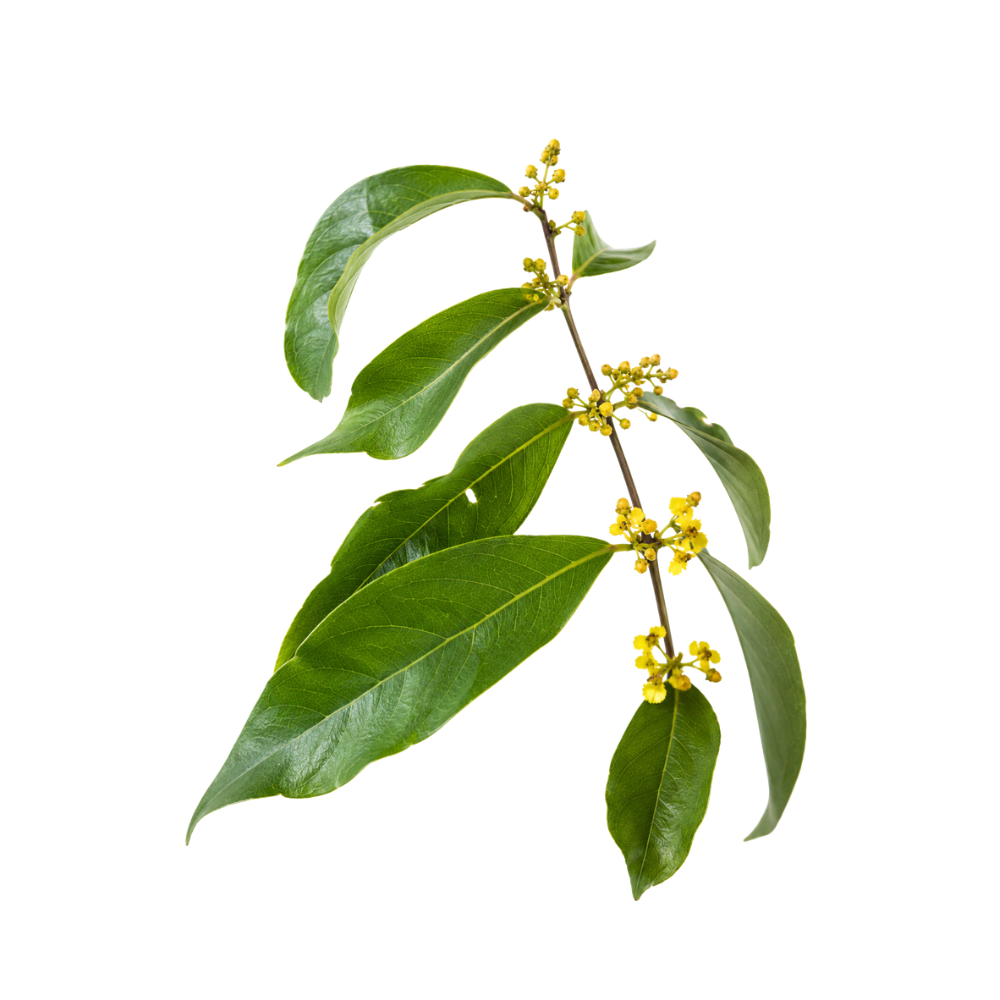 PotentPotentChagro-PangaDiplopterys cabreranaChaliponga leaf carries more N,N-DMT than chacruna, which is why brews made with it are described as unusually vivid and long-lasting.Mechanism5-HT2A receptor agonism; 5-HT1A agonism (5-MeO-selective); MAO-A inhibition required for oral bioavailabilityRead the evidenceShow lessMonograph →
The leaf is dominated by N,N-DMT at roughly 0.17–1.75% of dry weight, generally higher than chacruna, with trace 5-MeO-DMT and bufotenine alongside it 7,
Those tryptamines are 5-HT2A agonists, with 5-MeO-DMT additionally active at 5-HT1A 9,
Swallowed alone the leaf does nothing. It becomes psychoactive only when a β-carboline MAO inhibitor is taken with it, which in practice means the caapi vine 12,
D. cabrerana has never been tested pharmacologically or clinically. Every human dataset comes from a chacruna-based brew standardised to DMT content, and alkaloid content varies about tenfold, so dose is poorly defined by leaf mass 7Reference 7Alkaloid content of Banisteriopsis rusbyana — phytochemical analysisView study →.
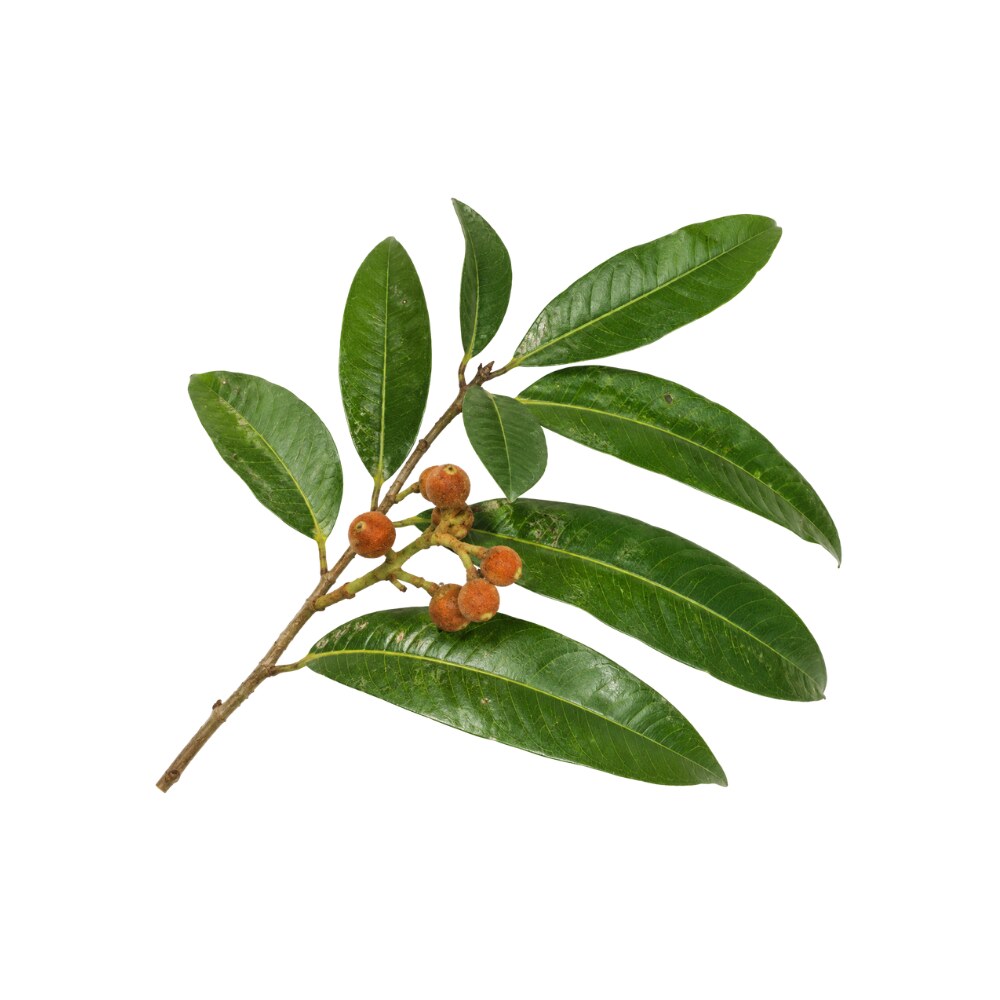 PotentPotentEpeñaVirola spp.A tree resin prepared as a snuff, carrying 5-MeO-DMT at several percent — one of the fastest and most intense preparations in use.Mechanism5-HT2A receptor agonism; 5-HT1A receptor agonism; CYP2D6 O-demethylation to the active metabolite bufotenineRead the evidenceShow lessMonograph →
In Virola theiodora, the species most used for snuff, the resin can run around 8% 5-MeO-DMT with total alkaloids near 11% in prepared material, accompanied by N,N-DMT, N-monomethyltryptamine and a β-carboline 14Reference 14Alkaloids in certain species of Virola and other South American plants of ethnopharmacologic interest — chemical isolation studyView study →. The mechanism is serotonergic agonism at 5-HT2A and 5-HT1A, with metabolism to the active tryptamine bufotenine 15Reference 15RCTPhase 1, placebo-controlled, single ascending dose trial to evaluate the safety, pharmacokinetics and effect on altered states of consciousness of intranasal BPL-003 (5-methoxy-N,N-dimethyltryptamine benzoate) in healthy participants — randomised controlled trialView study →.
The human pharmacology of the molecule is fast and short. Intranasal 5-MeO-DMT benzoate at 1–12 mg peaked in plasma at about 8–10 minutes with a half-life under 27 minutes, and produced a complete mystical experience in 60% of participants at 10–12 mg 15Reference 15RCTPhase 1, placebo-controlled, single ascending dose trial to evaluate the safety, pharmacokinetics and effect on altered states of consciousness of intranasal BPL-003 (5-methoxy-N,N-dimethyltryptamine benzoate) in healthy participants — randomised controlled trialView study →.
The resin is used as an insufflated snuff, blown forcefully into the nostrils 16Reference 16ReviewA multidisciplinary overview of intoxicating snuff rituals in the western hemisphere — reviewView study →. The human data come from a purified synthetic molecule given by nasal spray under supervision, which is pharmacologically and legally distinct from the ceremonial preparation 17,
Alkaloid content varies by orders of magnitude between species, region and preparation 17Reference 17Monoamine oxidase inhibitors in South American hallucinogenic plants Part 2: Constituents of orally-active Myristicaceous hallucinogens — analytical/ethnopharmacology studyView study →. The clinical development programme is for depression, still at phase 2 with substantial risk of bias and no established efficacy 18,
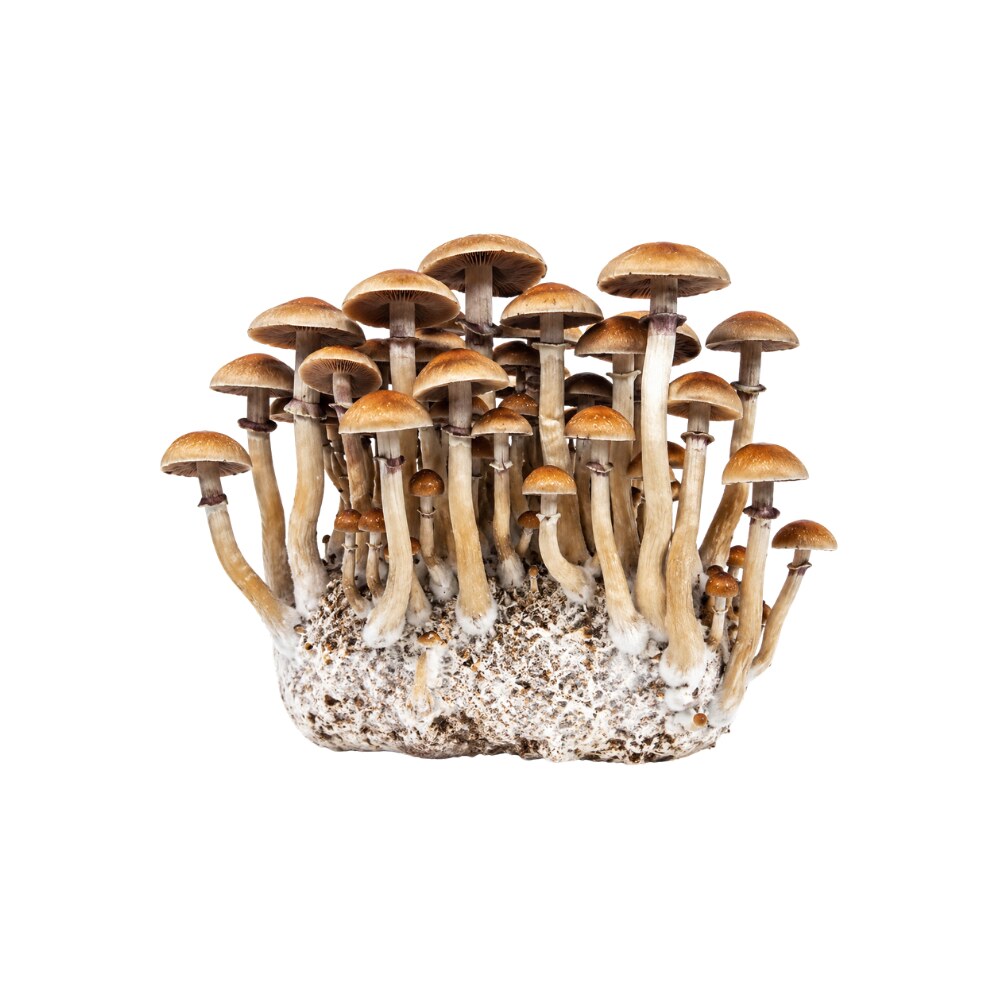 PotentPotentMagic MushroomsPsilocybe cubensisThe reference classical psychedelic; psilocin's 5-HT2A agonism is unmistakable at dose, though potency per mushroom is never predictable.Mechanism5-HT2A receptor agonism by psilocin (psilocybin is a prodrug, dephosphorylated in vivo); default-mode-network desynchronisationRead the evidenceShow lessMonograph →
Psilocybin is itself inactive. It is a phosphorylated tryptamine prodrug, dephosphorylated in the body to psilocin, which is the compound responsible for the effect 24Reference 24Stability of psilocybin and its four analogs in the biomass of the psychotropic mushroom Psilocybe cubensisView study →.
Psilocin acts mainly on serotonin receptors and especially 5-HT2A. A network-level description sits on top of that: psilocybin temporarily loosens the rigid, self-referential activity of the default mode network 25Reference 25Psilocybin for treatment-resistant depression: fMRI-measured brain mechanismsView study →, which is the usual explanation for the shifts in rumination and psychological flexibility that follow a session 26Reference 26Psychological flexibility mediates the relations between acute psychedelic effects and subjective decreases in depression and anxietyView study →.
A double-blind, placebo-controlled dose-effect study in healthy people established both the psychological and the physiological profile 27Reference 27RCTAcute psychological and physiological effects of psilocybin in healthy humans: a double-blind, placebo-controlled dose-effect study — randomised controlled trialView study →, and single sessions can occasion mystical-type experiences that participants still rate as personally significant long afterwards 28Reference 28RCTPsilocybin can occasion mystical-type experiences having substantial and sustained personal meaning and spiritual significance — randomised controlled trialView study →.
The limit is the material. Psilocybin runs about 0.37–1.30% of the dry fruiting body, psilocin about 0.14–0.42%, varying by species, strain, growing conditions, maturity and even part of the same mushroom, and the cap-versus-stem difference is not consistent enough to rely on 24Reference 24Stability of psilocybin and its four analogs in the biomass of the psychotropic mushroom Psilocybe cubensisView study →.
The minor alkaloids baeocystin and norbaeocystin are present at around 0.07% and 0.01% by weight, and their contribution is unresolved 29Reference 29In vitroSynthesis and Biological Evaluation of Tryptamines Found in Hallucinogenic Mushrooms: Norbaeocystin, Baeocystin, Norpsilocin, and Aeruginascin — in vitroView study →.
Doses are therefore weighed rather than counted, and tolerance builds almost immediately, so full doses cannot be repeated day to day.
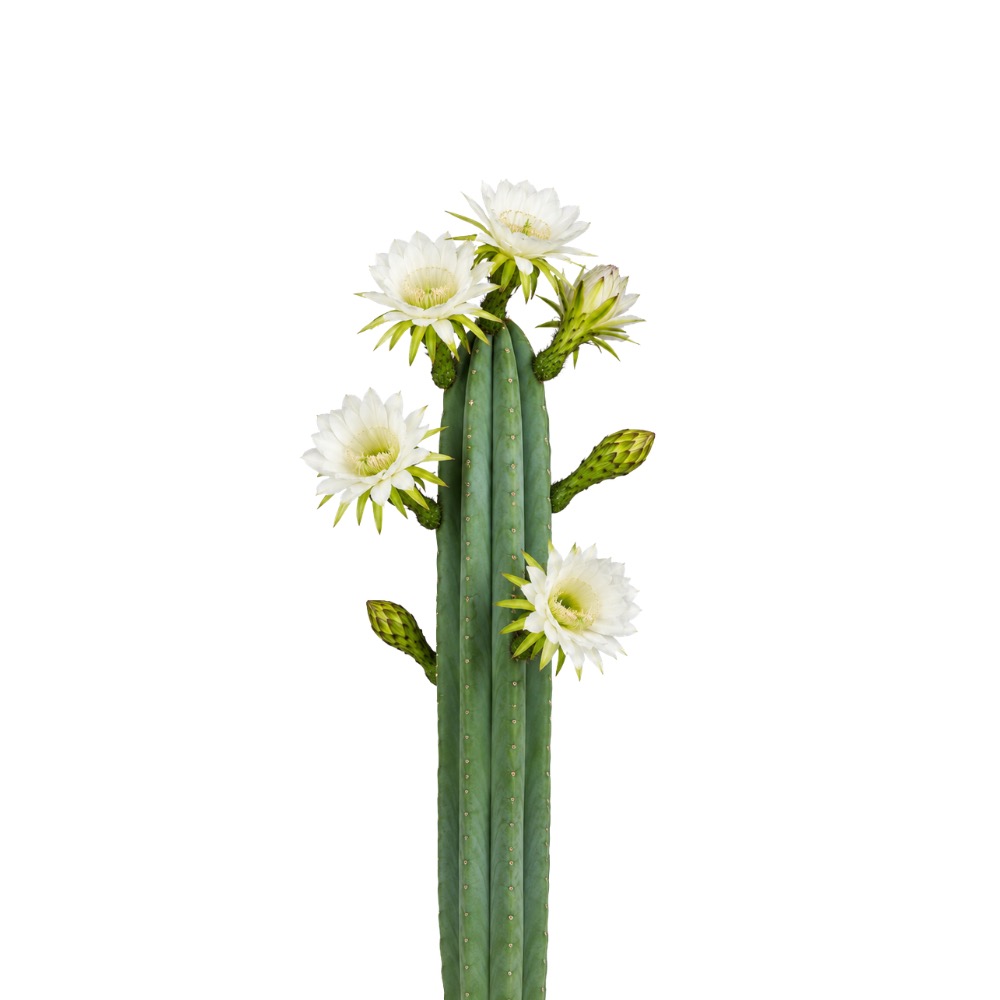 PotentPotentSan PedroEchinopsis pachanoiA mescaline cactus whose mechanism is settled in humans: ketanserin abolishes the effect, identifying 5-HT2A agonism as the driver.Mechanism5-HT2A receptor agonism (ketanserin-reversible); 5-HT2C receptor agonism; α1A/α2A-adrenergic and dopamine D1/D2/D3 agonismRead the evidenceShow lessMonograph →
Oral mescaline above about 100 mg produces dose-dependent psychedelic effects under double-blind placebo control 40Reference 40RCTAcute dose-dependent effects of mescaline in a double-blind, placebo-controlled, randomised study in healthy subjectsView study →, and co-administered ketanserin abolishes those subjective effects, with secondary 5-HT2C, α-adrenergic and dopaminergic activity alongside 40,
A crossover trial against LSD and psilocybin found the experiences broadly comparable at psychoactive-equivalent doses 42Reference 42RCTComparative acute effects of mescaline, LSD, and psilocybin in a randomised, double-blind, placebo-controlled cross-over study in healthy participantsView study →. Mescaline is a much heavier molecule by milligram — hundreds of milligrams where LSD works in micrograms — and a markedly longer one at roughly 10–14 hours, with dose-proportional exposure, a two-hour peak and substantial unchanged renal excretion 42,
Every controlled result used synthetic mescaline hydrochloride at a measured dose. The herb is a boiled whole-stem decoction whose mescaline content ranges from about 0.05% to 4.7% of dry weight, more than ninetyfold between plants, cultivars and growing conditions 44Reference 44New mescaline concentrations from 14 taxa/cultivars of Echinopsis spp. (Cactaceae) (“San Pedro”) and their relevance to shamanic practice — analytical (HPLC) studyView study →.
No controlled study has dosed the cactus itself.
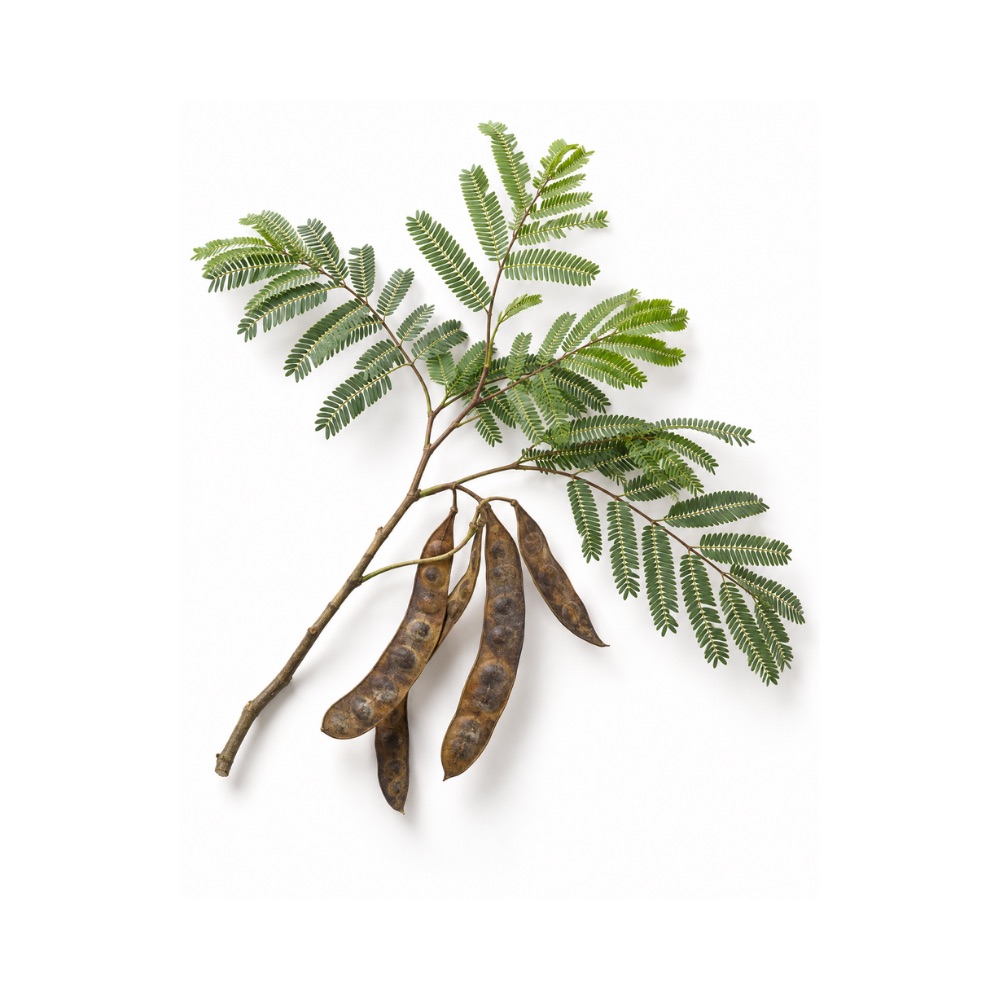 PotentPotentYopoAnadenanthera spp.One of the oldest documented snuffs of the Americas, carrying bufotenine at several percent of seed weight.Mechanism5-HT2A / 5-HT1A agonism by bufotenine and trace tryptamines; sympathomimetic + cardiac 5-HT4 stimulation; MAO-A-dependent metabolismRead the evidenceShow lessMonograph →
The dominant alkaloid is bufotenine, reaching several percent of seed weight, with trace N,N-DMT and 5-MeO-DMT alongside it — all serotonergic 5-HT2A and 5-HT1A agonists 46,
The somatic load distinguishes it from the other snuffs and has a named mechanism. Bufotenine is sympathomimetic and stimulates cardiac 5-HT4 receptors, raising heart rate, contractile force and blood pressure 48,
The only human data are self-experiments and ethnographic accounts. There is no controlled trial of yopo snuff and no standardised preparation.
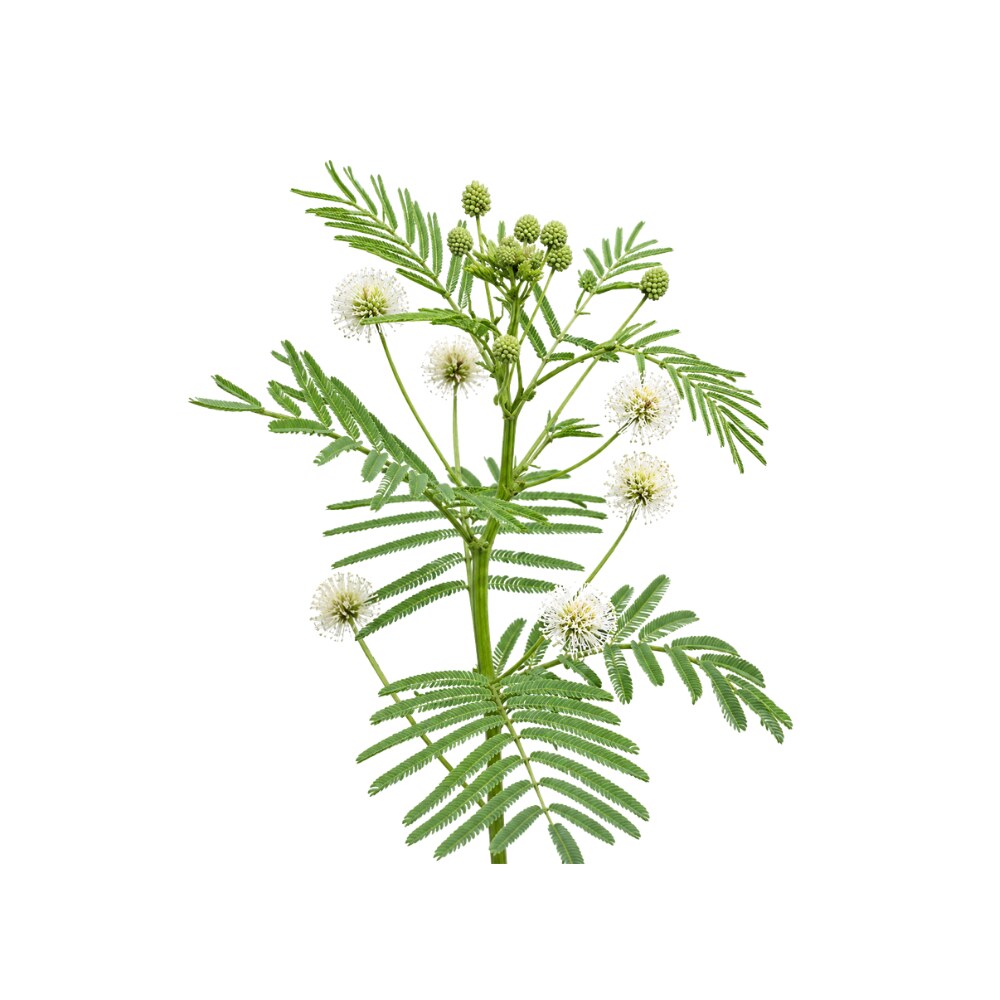 StrongStrongBundleflowerDesmanthus illinoensisA prairie legume whose root bark carries N,N-DMT in quantities ranging from undetectable to substantial.Mechanism5-HT2A receptor agonism by N,N-DMT; oral activity only via MAO-A inhibition supplied by a separate plantRead the evidenceShow lessMonograph →
The molecule is well characterised. Intravenous N,N-DMT produces dose-dependent, short-lived psychedelic effects, peaking in subjective and cardiovascular terms inside about two minutes and near baseline by thirty, alongside rises in blood pressure, heart rate, pupil size, cortisol and prolactin 1,
The plant is not. Root-bark DMT ranges from effectively undetectable to roughly 0.34% of dry weight, with stands only metres apart showing entirely different profiles 4Reference 4Indolealkylamines of Desmanthus illinoensis and their growth inhibition activityView study →, and no study of Desmanthus illinoensis itself exists in humans or animals.
The alkaloids are in the root bark only; seed and foliage are forage and essentially alkaloid-free. Swallowed bark is inert on its own, because gut and liver monoamine oxidase destroys DMT and bundleflower supplies no inhibitor of its own 5Reference 5Pharmacokinetics of Hoasca alkaloids in healthy humansView study →.
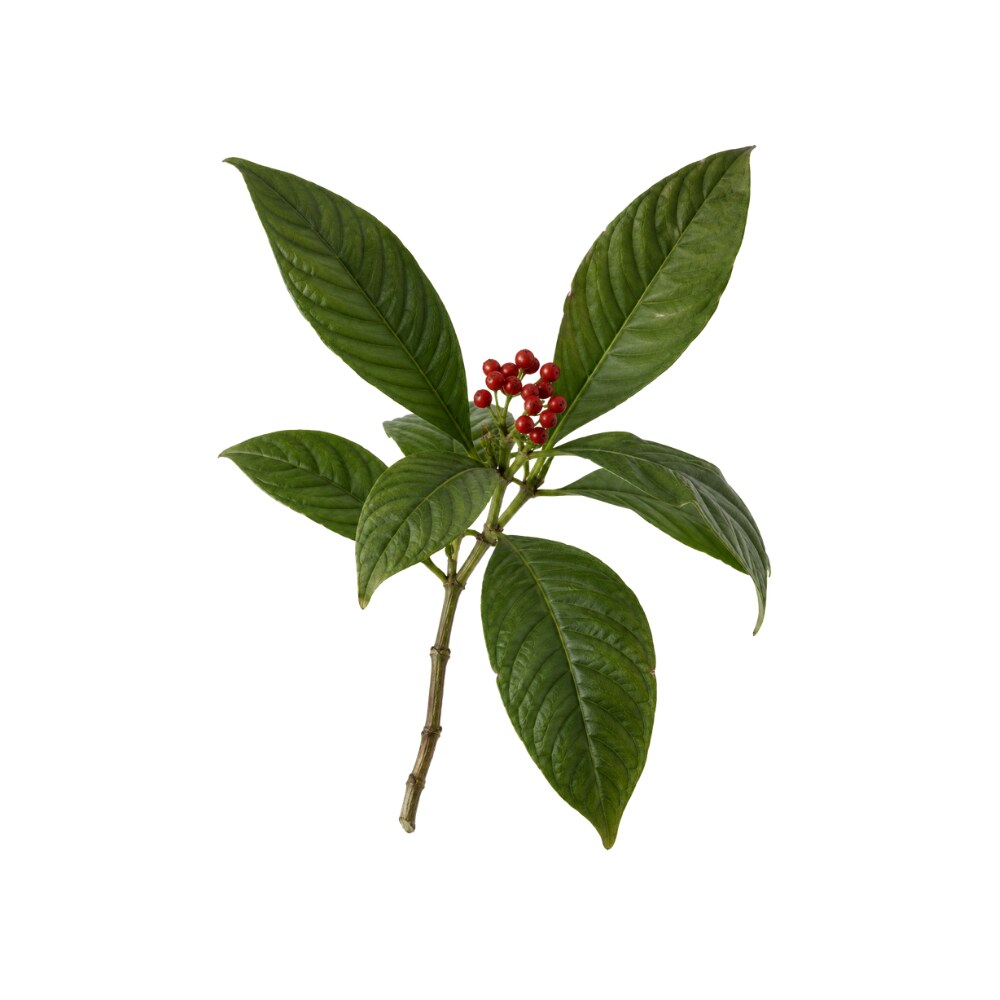 StrongStrongChacrunaPsychotria viridisThe classic ayahuasca admixture leaf, and chemically the cleanest of the DMT plants — about 99% of its alkaloid fraction is N,N-DMT.Mechanism5-HT2A receptor agonism by N,N-DMT; oral activity gated on caapi-derived MAO-A inhibitionRead the evidenceShow lessMonograph →
The leaf runs roughly 0.1–0.61% N,N-DMT by dry weight, and there is essentially nothing else in the alkaloid fraction 6Reference 6Psychotria viridis: chemical constituents from leaves and biological propertiesView study →. That purity is why it became the standard admixture.
The effect requires a second plant. Dose is set by the alkaloid concentration of a co-brewed preparation rather than by weighed leaf, and content varies widely with provenance, harvest and drying.
The molecule’s human pharmacology — 5-HT2A agonism and sigma-1 ligand activity — is well characterised, but from isolated injected DMT, a route chacruna is never used by.
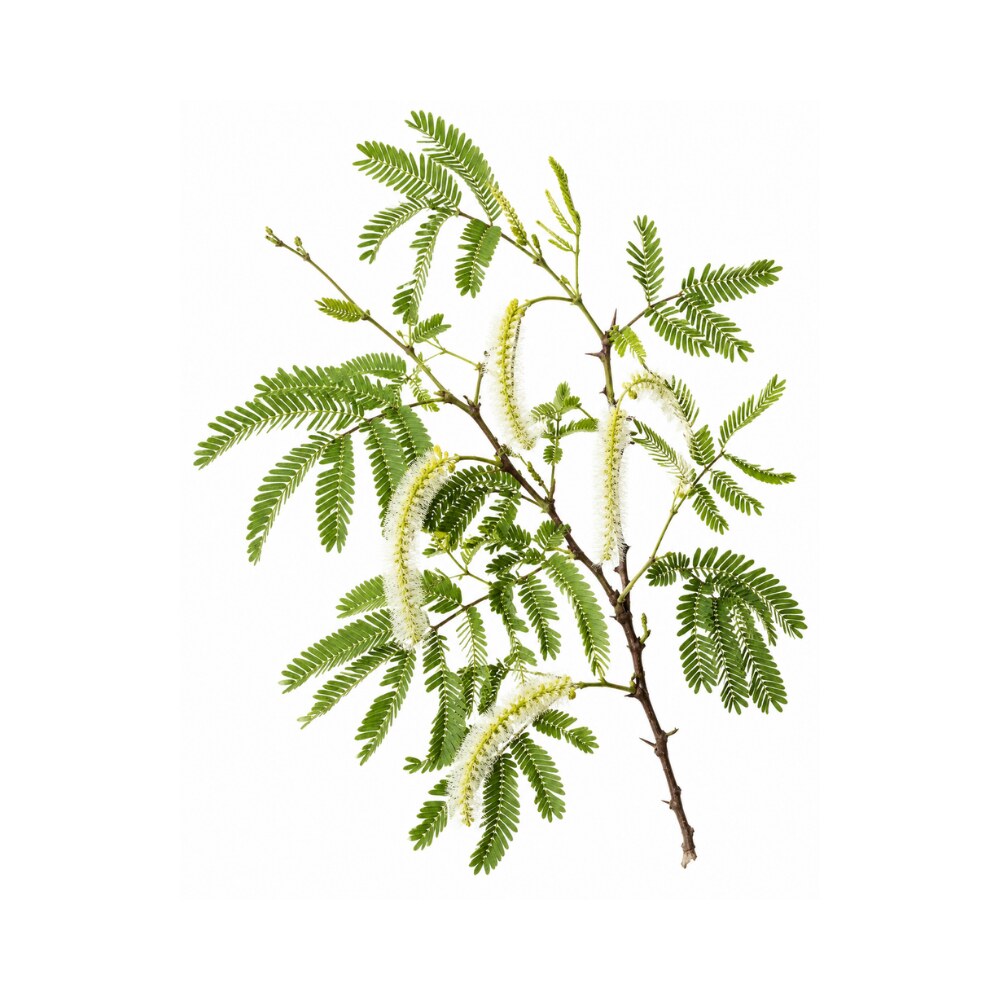 StrongStrongJuremaMimosa tenuifloraRoot bark that is among the most concentrated botanical DMT sources known, at roughly 1–1.7% of dry weight.Mechanism5-HT2A/2C agonism by N,N-DMT; oral activity gated on an MAOI from a companion plant; possible yuremamine contributionRead the evidenceShow lessMonograph →
That concentration sits well above chacruna’s 0.1–0.61% of dried leaf and far above bundleflower’s variable root bark 20Reference 20N,N-dimethyltryptamine alkaloid in Mimosa tenuiflora bark (tepescohuite)View study →, which is why jurema dominates the international bark trade. As with every DMT plant, swallowed bark is inert without an MAO inhibitor from a separate species.
One animal finding is unusual. A standardised bark extract containing 24.7 mg/g DMT and also yuremamine produced an antidepressant-like effect in mice that was β-carboline-independent and was blocked by the 5-HT2A/2C antagonist ketanserin 21Reference 21Duarte-Filho, L. A. M. S., Amariz, I. A., Nishimura, R. H. V., et al. (2022). β-carboline-independent antidepressant-like effect of the standardized extract of the barks of Mimosa tenuiflora. Journal of Psychopharmacology. https://pubmed.ncbi.nlm.nih.gov/35723216/View study → — an effect that did not require the usual MAOI partner.
An alkaloid fraction showed diazepam-comparable anxiolytic effects 22Reference 22The anxiolytic-like effect of the alkaloid fraction of the psychedelic plant Mimosa tenuifloraView study →, and a zebrafish study found sedative, anxiolytic and antidepressant-like effects reversed by GABAergic and serotonergic antagonists 23Reference 23Neuropharmacological potential of Mimosa tenuiflora in adult zebrafish: GABAergic and serotonergic neuromodulationView study →.
All of that is animal behaviour. No controlled human study of jurema as an oral antidepressant exists.
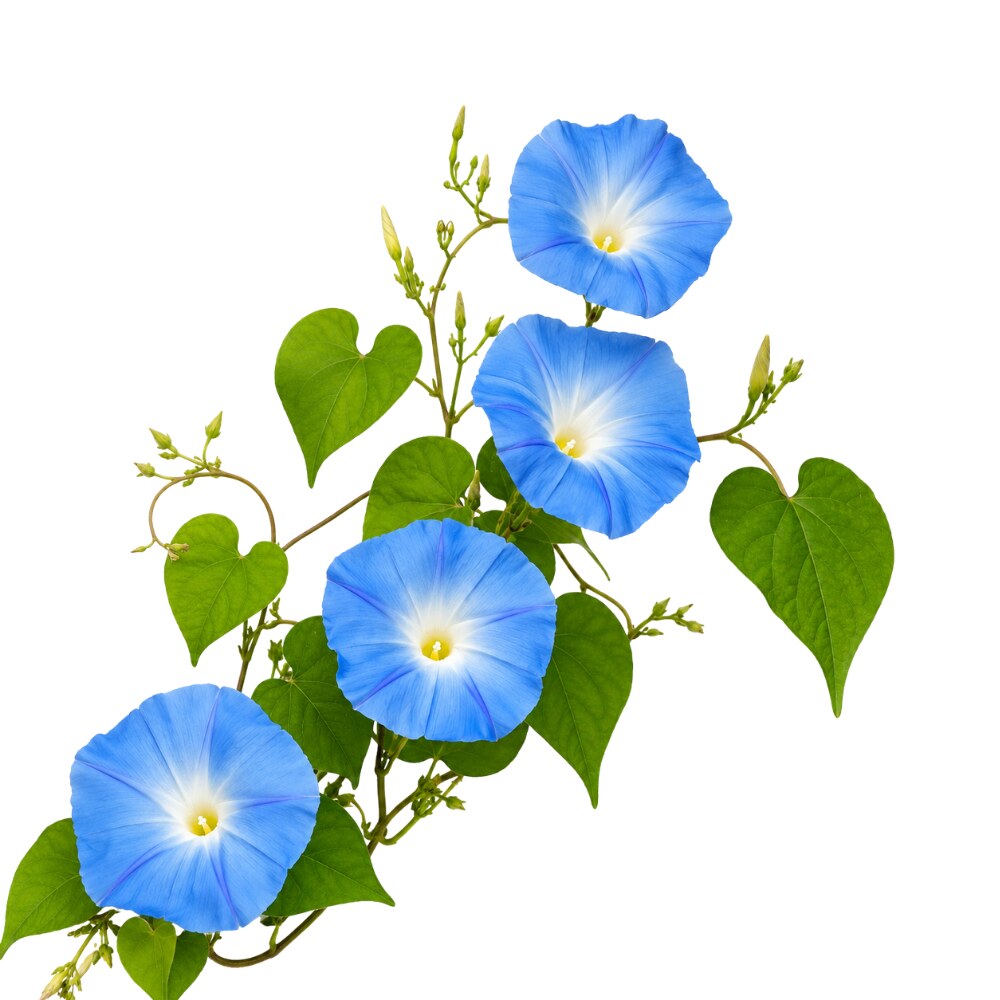 StrongStrongMorning GloryIpomoea tricolorSeeds that are reliably psychoactive through the ergoline LSA, described consistently as milder, more sedating and dreamier than the visionary plants.Mechanism5-HT2A / serotonin-receptor agonism (partial, atypical, weaker than LSD); mixed adrenergic–dopaminergic–histaminergic ergoline bindingRead the evidenceShow lessMonograph →
The active compounds are ergine and its co-eluting epimer isoergine, ergolines built on the same scaffold as LSD.
The human evidence is forensic rather than clinical. Serum LSA of roughly 0.66–3.15 ng/mL about two hours after ingestion tracked severe vegetative effects — nausea, weakness, tremor and raised blood pressure — and a psychosis-like state, and that study was terminated because of them 30Reference 30Analysis of lysergic acid amide in human serum and urine after ingestion of Argyreia nervosa seeds — human validation studyView study →.
Recreational case series confirm the effect for I. tricolor specifically 31Reference 31ObservationalRecreational use of D-lysergamide from the seeds of Argyreia nervosa, Ipomoea tricolor, Ipomoea violacea and Ipomoea purpurea in Poland — observational studyView study →.
The receptor picture is only partly mapped. Profiling found LSA’s affinities spread across serotonin, adrenergic, dopamine and histamine receptors in an atypical and generally weaker pattern than LSD’s 32Reference 32Argyreia nervosa: receptor profiling of lysergic acid amide and other potential psychedelic LSD-like compounds by computational and in-vitro binding-assay approachesView study →, against the 5-HT2A agonism that defines the classical psychedelics 33Reference 33In vitroThe polypharmacology of psychedelics reveals multiple targets for potential therapeutics — in vitro receptor profilingView study →.
That binding work was done on Argyreia nervosa rather than I. tricolor 32Reference 32Argyreia nervosa: receptor profiling of lysergic acid amide and other potential psychedelic LSD-like compounds by computational and in-vitro binding-assay approachesView study →.
Total ergoline content is only about 0.01–0.06% of dry seed, and it varies by orders of magnitude between cultivars and between single seeds in one packet 34Reference 34Identification and determination of ergot alkaloids in Morning Glory cultivars — validation studyView study →. The alkaloids are made by a symbiotic Periglandula fungus rather than by the plant 35,
The ergoline scaffold also causes α-adrenergic and serotonergic vasoconstriction, which matters in cardiovascular disease and in pregnancy. The dose is largely self-limiting, since the nausea and physical heaviness arrive with the alkaloids rather than after them.
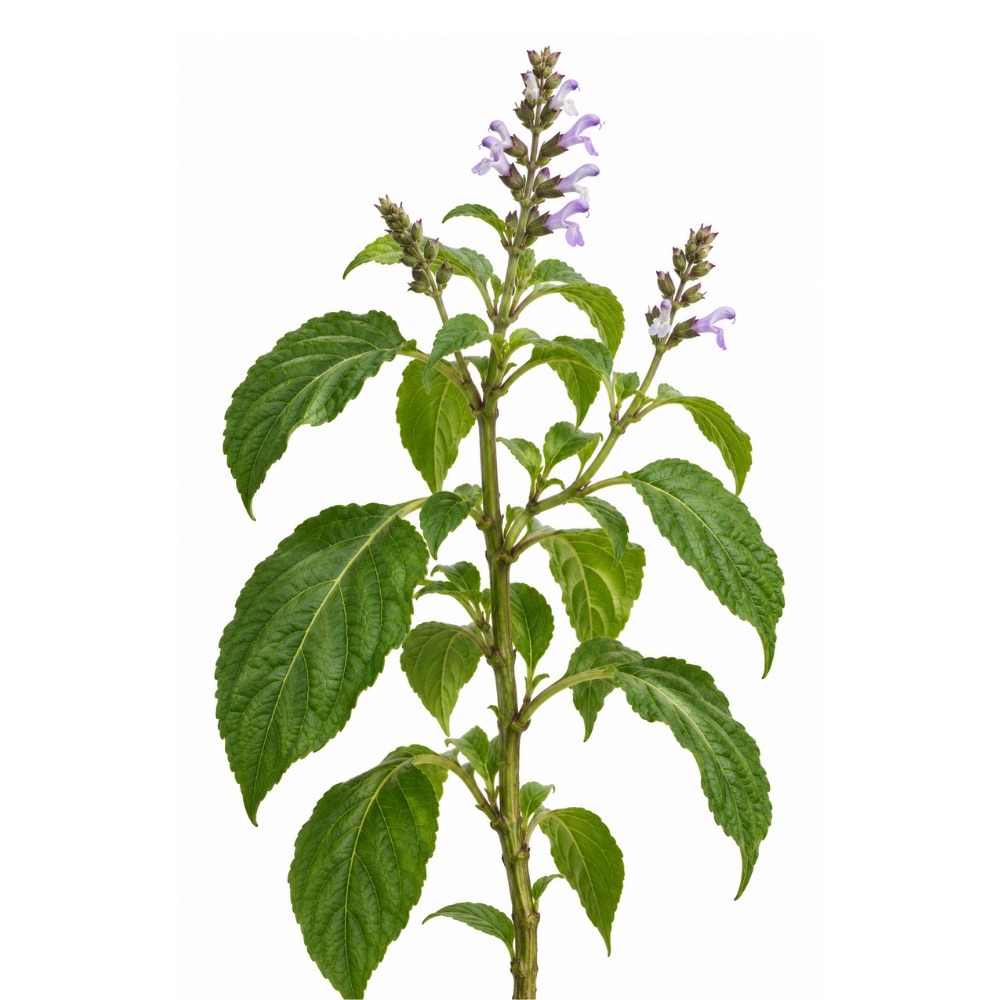 StrongStrongSalviaSalvia divinorumA visionary sage acting at the κ-opioid receptor rather than at serotonin, producing a short, chaotic and disorienting experience.MechanismKOR agonism (5-HT2A-independent); default-mode-network–sparing; salvinorin A onlyRead the evidenceShow less
Salvinorin A does not touch 5-HT2A at all 37Reference 37Salvinorin A: a potent naturally occurring nonnitrogenous κ opioid selective agonist. The experience content is chaotic and disorientating rather than introspective and reality-anchored.
Unlike psilocybin or LSD it does not appear to act through the default mode network, which may be why the classic serotonergic dissolution of self is less characteristic of it 38Reference 38ReviewPsychopharmacology of the hallucinogenic sage Salvia divinorum. Uncontrollable laughter is the common low-dose signature.
Preparation and route dominate everything else. A chewed quid or leaf tea absorbed across the oral mucosa is the mildest form, and swallowing does little because the compound is broken down in the gut 39Reference 39Salvia divinorum and salvinorin A: new pharmacological findings.
Smoked dried leaf is considerably stronger, and smoked concentrated extract is stronger again, near-instant and least predictable.
There are no established medical uses. The κ-opioid antidepressant literature is early and largely preclinical 37,
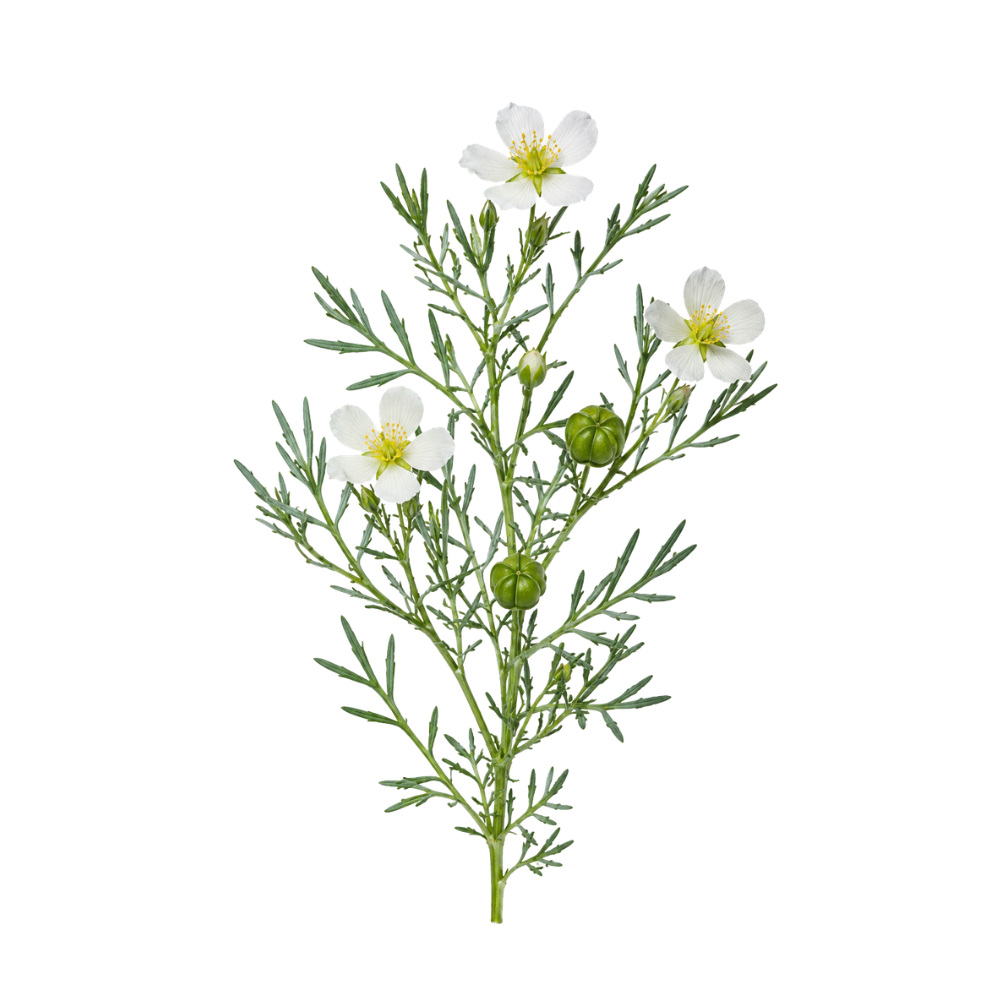 ModerateModerateSyrian RuePeganum harmalaHarmine and harmaline reversibly inhibit MAO-A, which is what makes an orally inactive DMT plant work; alone the herb is only mildly psychoactive.Mechanismreversible competitive MAO-A inhibition by harmine and harmaline, confirmed on the human enzyme; harmaline mildly psychoactive in its own rightRead the evidenceShow lessMonograph →
Syrian rue is the Old World plant filling the role Banisteriopsis caapi fills in the Amazon. Chacruna, jurema, bundleflower and chagro-panga are all gated on this mechanism: without an MAO inhibitor they are inert by mouth.
The mechanism is unusually well established for a psychoactive botanical, confirmed against the human enzyme rather than inferred from a rodent or an assay 45Reference 45In vitroHerraiz, T., González, D., Ancín-Azpilicueta, C., Arán, V. J., & Guillén, H. (2010). β-Carboline alkaloids in Peganum harmala and inhibition of human monoamine oxidase (MAO) — in vitro. Food and Chemical Toxicology. https://pubmed.ncbi.nlm.nih.gov/20036304/View study →.
Taken alone, harmaline is mildly psychoactive — real but modest, and the doses producing it sit close to the doses producing vomiting.
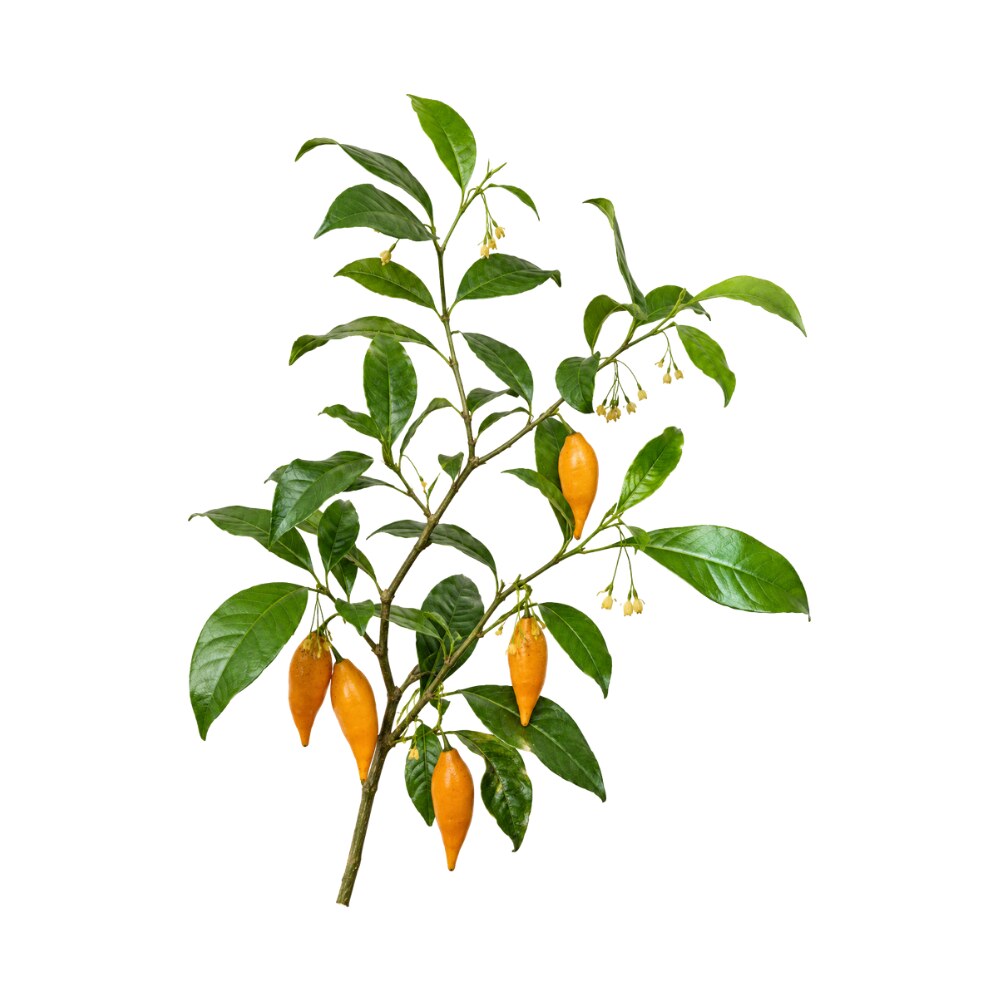 MildMildIbogaTabernanthe ibogaIbogaine produces a long dream-state through NMDA, κ-opioid, sigma and nicotinic activity rather than through serotonin.Read the evidenceShow less
The experience is closer to the oneirogenic description than to the classical serotonergic one: extended, dreamlike and reviewed rather than perceived.
Its anti-addictive reputation rests on observational reports and a small clinical literature, and remains under-researched.
Ibogaine is cardiotoxic. QT prolongation and sudden cardiac deaths are documented, which is why clinics that use it screen and monitor.
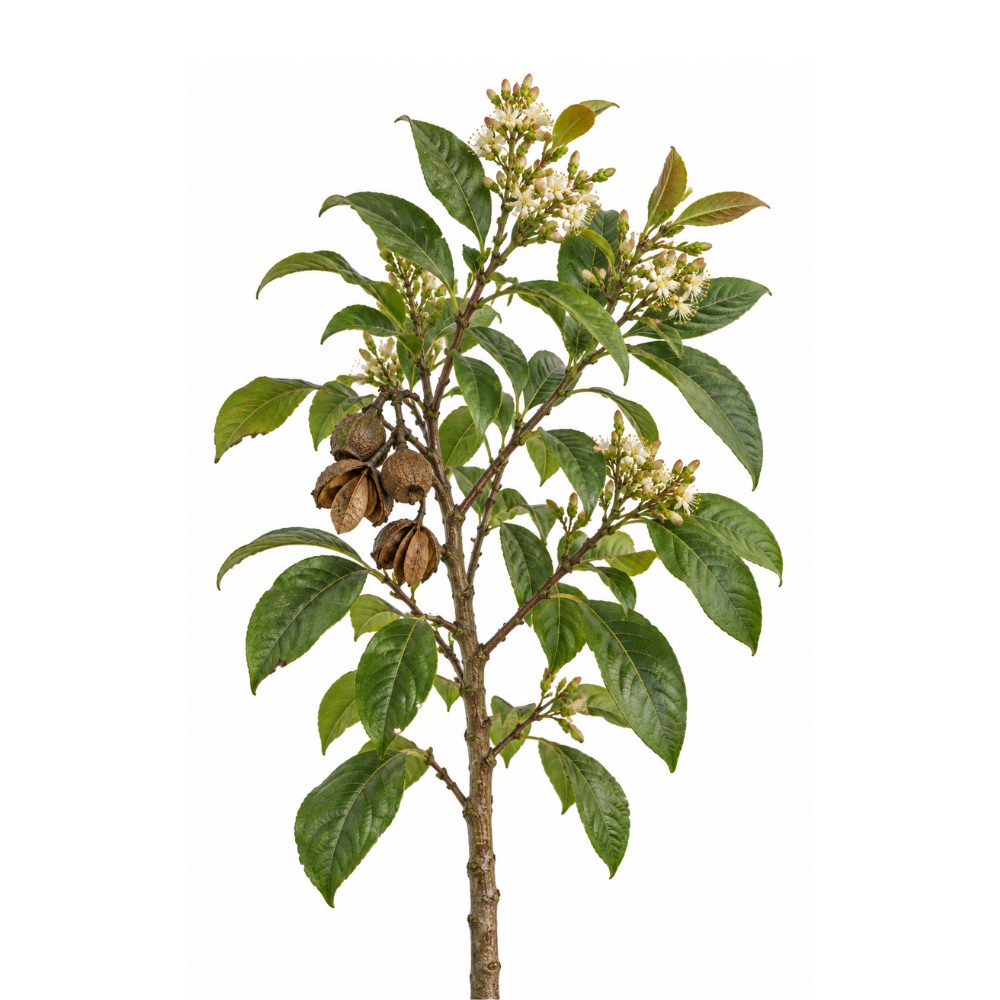 MildMildOsteophloeum platyspermumOsteophloeum platyspermumA Myristicaceae tree related to the Virola snuff trees, carrying the same tryptamines and used in Amazonian snuff preparations.Read the evidenceShow less
The pharmacology is the 5-HT2A route shared with Epeña, taken by a route that bypasses the MAO problem entirely.
Almost no published research exists on the species.
MildPeyoteLophophora williamsiiThe cactus that gave mescaline to science in 1897, and the sacrament of the Native American Church.Read the evidenceShow less
Sacramental use by the Native American Church is legally protected in the United States and is the best-documented long-term human record of any psychedelic.
Its mescaline pharmacology is the same as San Pedro’s, and little research has been done on the plant itself.
Lophophora williamsii is conservation-threatened — slow-growing and over-harvested — which is a real ethical constraint on non-ceremonial use.
No herbs match these filters.
Safety
- The MAO inhibitor in an oral preparation makes SSRIs, SNRIs, other MAO inhibitors, triptans, tramadol and dextromethorphan dangerous.
- Tyramine-rich foods such as aged cheese, cured meat and fermented soy can cause a hypertensive crisis alongside an MAO-inhibiting preparation.
- Fatalities are documented for 5-MeO-DMT combined with an MAO inhibitor.
- A personal or family history of psychosis or bipolar disorder is the standard exclusion in every clinical trial of these compounds.
- Acute fear, panic, paranoia and confusion are the common adverse effects, and dose, setting and supervision are what reduce them.
- Deliriants are not psychedelics, and reaching for one in place of the other is the most dangerous mistake in this area.
- Legal status varies enormously by jurisdiction.
References
- Strassman, R. J., & Qualls, C. R. (1994). Dose-response study of N,N-dimethyltryptamine in humans. I. Neuroendocrine, autonomic, and cardiovascular effects. Archives of General Psychiatry. https://pubmed.ncbi.nlm.nih.gov/8297216/
- Strassman, R. J., Qualls, C. R., Uhlenhuth, E. H., & Kellner, R. (1994). Dose-response study of N,N-dimethyltryptamine in humans. II. Subjective effects. Archives of General Psychiatry. https://pubmed.ncbi.nlm.nih.gov/8297217/
- Erne, L., Mueller, L., Straumann, I., et al. (2026). Dose-dependent pharmacokinetics and acute effects of intravenous bolus N,N-dimethyltryptamine. Translational Psychiatry. https://pubmed.ncbi.nlm.nih.gov/41896202/
- Thompson, A. C., Nicollier, G. F., & Pope, D. H. (1987). Indolealkylamines of Desmanthus illinoensis and their growth inhibition activity. Journal of Agricultural and Food Chemistry, 35(3), 361–365. https://doi.org/10.1021/jf00075a020
- Callaway, J. C., McKenna, D. J., Grob, C. S., et al. (1999). Pharmacokinetics of Hoasca alkaloids in healthy humans. Journal of Ethnopharmacology. https://pubmed.ncbi.nlm.nih.gov/10404423/
- Soares, D. B. S., Duarte, L. P., Cavalcanti, A. D., et al. (2017). Psychotria viridis: chemical constituents from leaves and biological properties. Anais da Academia Brasileira de Ciências. https://pubmed.ncbi.nlm.nih.gov/28640347/
- Agurell S, Holmstedt B, Lindgren JE (1968). Alkaloid content of Banisteriopsis rusbyana — phytochemical analysis. Biochem Pharmacol. https://pubmed.ncbi.nlm.nih.gov/5698439/
- Der Marderosian AH, Pinkley HV, Dobbins MF. (1968). Native use and occurrence of N,N-dimethyltryptamine in the leaves of Banisteriopsis rusbyana — phytochemical analysis. Am J Pharm Sci Support Public Health. https://pubmed.ncbi.nlm.nih.gov/5698438/
- Warren AL, Lankri D, Cunningham MJ, et al. (2024). Structural pharmacology and therapeutic potential of 5-methoxytryptamines — receptor pharmacology. Nature. https://pubmed.ncbi.nlm.nih.gov/38720072/
- Riga MS, Lladó-Pelfort L, Artigas F, Celada P. (2018). The serotonin hallucinogen 5-MeO-DMT alters cortico-thalamic activity in freely moving mice — in vivo animal study. Neuropharmacology. https://pubmed.ncbi.nlm.nih.gov/29221792/
- Valle M, Maqueda AE, Rabella M, et al. (2016). Inhibition of alpha oscillations through serotonin-2A receptor activation underlies the visual effects of ayahuasca in humans — randomized controlled study. Eur Neuropsychopharmacol. https://pubmed.ncbi.nlm.nih.gov/27039035/
- McKenna DJ, Towers GHN, Abbott F. (1984). Monoamine oxidase inhibitors in South American hallucinogenic plants: tryptamine and β-carboline constituents of ayahuasca — in vitro enzyme assay. J Ethnopharmacol. https://pubmed.ncbi.nlm.nih.gov/6587171/
- Riba J, McIlhenny EH, Valle M, et al. (2012). Metabolism and disposition of N,N-dimethyltryptamine and harmala alkaloids after oral administration of ayahuasca — human pharmacokinetic study. Drug Test Anal. https://pubmed.ncbi.nlm.nih.gov/22514127/
- Agurell S, Holmstedt B, Lindgren JE, Schultes RE (1969). Alkaloids in certain species of Virola and other South American plants of ethnopharmacologic interest — chemical isolation study. Acta Chem Scand. 23(3):903-16. https://pubmed.ncbi.nlm.nih.gov/5806312/
- Rucker JJ, et al. (2024). Phase 1, placebo-controlled, single ascending dose trial to evaluate the safety, pharmacokinetics and effect on altered states of consciousness of intranasal BPL-003 (5-methoxy-N,N-dimethyltryptamine benzoate) in healthy participants — randomised controlled trial. J Psychopharmacol. 38(8):712-723. NCT05347849. https://pubmed.ncbi.nlm.nih.gov/38616411/
- de Smet PA (1985). A multidisciplinary overview of intoxicating snuff rituals in the western hemisphere — review. J Ethnopharmacol. 13(1):3-49. https://pubmed.ncbi.nlm.nih.gov/3887041/
- McKenna DJ, Towers GH, Abbott FS (1984). Monoamine oxidase inhibitors in South American hallucinogenic plants Part 2: Constituents of orally-active Myristicaceous hallucinogens — analytical/ethnopharmacology study. J Ethnopharmacol. 12(2):179-211. https://pubmed.ncbi.nlm.nih.gov/6521493/
- Wallace LM, et al. (2026). Efficacy of N, N-dimethyltryptamine (DMT) psychedelic therapy for substance misuse: A systematic review and meta-analysis — systematic review and meta-analysis. J Psychopharmacol. 2698811261430518. https://pubmed.ncbi.nlm.nih.gov/41967021/
- Marazziti D, et al. (2026). Psychedelic-assisted pharmacotherapy: clinical applications and regulatory considerations — review. Expert Opin Pharmacother. 27(5):451-461. https://pubmed.ncbi.nlm.nih.gov/41944071/
- Meckes-Lozoya, M., Lozoya, X., Marles, R. J., et al. (1990). N,N-dimethyltryptamine alkaloid in Mimosa tenuiflora bark (tepescohuite). Archivos de Investigación Médica (Mexico). https://pubmed.ncbi.nlm.nih.gov/2103707/
- Duarte-Filho, L. A. M. S., Amariz, I. A., Nishimura, R. H. V., et al. (2022). β-carboline-independent antidepressant-like effect of the standardized extract of the barks of Mimosa tenuiflora. Journal of Psychopharmacology. https://pubmed.ncbi.nlm.nih.gov/35723216/
- Ferreira JVBP, Pessoa AMF, Sousa RCL, et al. (2025). The anxiolytic-like effect of the alkaloid fraction of the psychedelic plant Mimosa tenuiflora. Natural Product Research. https://pubmed.ncbi.nlm.nih.gov/39291339/
- Feitosa de Araújo JI, Alves do Nascimento G, Vieira-Neto AE, et al. (2025). Neuropharmacological potential of Mimosa tenuiflora in adult zebrafish: GABAergic and serotonergic neuromodulation. Behavioural Brain Research. https://pubmed.ncbi.nlm.nih.gov/39761753/
- Gotvaldová, K., Hájková, K., Borovička, J., et al. (2021). Stability of psilocybin and its four analogs in the biomass of the psychotropic mushroom Psilocybe cubensis. Drug Testing and Analysis. https://pubmed.ncbi.nlm.nih.gov/33119971/
- Carhart-Harris, R. L., Roseman, L., Bolstridge, M., et al. (2017). Psilocybin for treatment-resistant depression: fMRI-measured brain mechanisms. Scientific Reports. https://pubmed.ncbi.nlm.nih.gov/29030624/
- Davis, A. K., Barrett, F. S., & Griffiths, R. R. (2020). Psychological flexibility mediates the relations between acute psychedelic effects and subjective decreases in depression and anxiety. Journal of Contextual Behavioral Science. https://pubmed.ncbi.nlm.nih.gov/32864325/
- Hasler, F., Grimberg, U., Benz, M. A., et al. (2004). Acute psychological and physiological effects of psilocybin in healthy humans: a double-blind, placebo-controlled dose-effect study — randomised controlled trial. Psychopharmacology. https://pubmed.ncbi.nlm.nih.gov/14615876/
- Griffiths, R. R., Richards, W. A., McCann, U., & Jesse, R. (2006). Psilocybin can occasion mystical-type experiences having substantial and sustained personal meaning and spiritual significance — randomised controlled trial. Psychopharmacology. https://pubmed.ncbi.nlm.nih.gov/16826400/
- Sherwood, A. M., Halberstadt, A. L., Klein, A. K., et al. (2020). Synthesis and Biological Evaluation of Tryptamines Found in Hallucinogenic Mushrooms: Norbaeocystin, Baeocystin, Norpsilocin, and Aeruginascin — in vitro. Journal of Natural Products. https://pubmed.ncbi.nlm.nih.gov/32077284/
- Paulke, A., Kremer, C., Wunder, C., & Toennes, S. W. (2012). Analysis of lysergic acid amide in human serum and urine after ingestion of Argyreia nervosa seeds — human validation study. Analytical and Bioanalytical Chemistry. https://pubmed.ncbi.nlm.nih.gov/22695498/
- Juszczak, G. R., & Swiergiel, A. H. (2013). Recreational use of D-lysergamide from the seeds of Argyreia nervosa, Ipomoea tricolor, Ipomoea violacea and Ipomoea purpurea in Poland — observational study. Journal of Psychoactive Drugs. https://pubmed.ncbi.nlm.nih.gov/23662334/
- Paulke, A., Kremer, C., Wunder, C., et al. (2013). Argyreia nervosa: receptor profiling of lysergic acid amide and other potential psychedelic LSD-like compounds by computational and in-vitro binding-assay approaches. Journal of Ethnopharmacology. https://pubmed.ncbi.nlm.nih.gov/23665164/
- Jain, M. K., Gumpper, R. H., Slocum, S. T., et al. (2025). The polypharmacology of psychedelics reveals multiple targets for potential therapeutics — in vitro receptor profiling. Neuron. https://pubmed.ncbi.nlm.nih.gov/40683247/
- Nowak, J., Woźniakiewicz, M., Klepacki, P., Sowa, A., & Kościelniak, P. (2016). Identification and determination of ergot alkaloids in Morning Glory cultivars — validation study. Analytical and Bioanalytical Chemistry. https://pubmed.ncbi.nlm.nih.gov/26873205/
- Steiner, U., & Leistner, E. (2018). Ergot alkaloids and their hallucinogenic potential in morning glories — review. Planta Medica. https://pubmed.ncbi.nlm.nih.gov/29499587/
- Hazel, C. M., & Panaccione, D. G. (2025). A new species of Periglandula symbiotic with the morning glory Ipomoea tricolor. Mycologia. https://pubmed.ncbi.nlm.nih.gov/40261263/
- Roth, B. L., Baner, K., Westkaemper, R., Siebert, D., Rice, K. C., Steinberg, S., … & Rothman, R. B. (2002). Salvinorin A: a potent naturally occurring nonnitrogenous κ opioid selective agonist. Proceedings of the National Academy of Sciences, 99(18), 11934–11939. (Identifies salvinorin A as a highly selective, non-nitrogenous kappa-opioid receptor agonist acting outside the serotonin system.)
- Prisinzano, T. E. (2005). Psychopharmacology of the hallucinogenic sage Salvia divinorum. Life Sciences, 78(5), 527–531. (Review of salvinorin A’s kappa-opioid mechanism, lack of dependence liability, low physical toxicity, and the short, intense experience.)
- Siebert, D. J. (1994). Salvia divinorum and salvinorin A: new pharmacological findings. Journal of Ethnopharmacology, 43(1), 53–56. (Early human pharmacology of salvia, including the importance of oral-mucosal versus gastrointestinal absorption.)
- Klaiber A, Schmid Y, Becker AM, et al. (2024). Acute dose-dependent effects of mescaline in a double-blind, placebo-controlled, randomised study in healthy subjects. Transl Psychiatry. https://pubmed.ncbi.nlm.nih.gov/39349427/
- Vamvakopoulou IA, Narine KAD, Campbell I, et al. (2023). Mescaline: the forgotten psychedelic — review. Neuropharmacology. https://pubmed.ncbi.nlm.nih.gov/36252614/
- Ley L, Holze F, Arikci D, et al. (2023). Comparative acute effects of mescaline, LSD, and psilocybin in a randomised, double-blind, placebo-controlled cross-over study in healthy participants. Neuropsychopharmacology. https://pubmed.ncbi.nlm.nih.gov/37231080/
- Mueller L, Klaiber A, Ley L, et al. (2025). Pharmacokinetics, pharmacodynamics and urinary recovery of oral mescaline hydrochloride in healthy participants — phase I pharmacokinetic analysis. Clin Pharmacokinet. https://pubmed.ncbi.nlm.nih.gov/40658345/
- Ogunbodede O, McCombs D, Trout K, Daley P, Terry M. (2010). New mescaline concentrations from 14 taxa/cultivars of Echinopsis spp. (Cactaceae) (“San Pedro”) and their relevance to shamanic practice — analytical (HPLC) study. J Ethnopharmacol. https://pubmed.ncbi.nlm.nih.gov/20637277/
- Herraiz, T., González, D., Ancín-Azpilicueta, C., Arán, V. J., & Guillén, H. (2010). β-Carboline alkaloids in Peganum harmala and inhibition of human monoamine oxidase (MAO) — in vitro. Food and Chemical Toxicology. https://pubmed.ncbi.nlm.nih.gov/20036304/
- Ott J. (2001). Pharmañopo-psychonautics: human intranasal, sublingual, intrarectal, pulmonary and oral pharmacology of bufotenine — human self-experiment review. J Psychoactive Drugs. https://pubmed.ncbi.nlm.nih.gov/11718320/
- McBride MC. (2000). Bufotenine: toward an understanding of possible psychoactive mechanisms — review (5-HT2A/5-HT2C). J Psychoactive Drugs. https://pubmed.ncbi.nlm.nih.gov/11061684/
- Neumann J, et al. (2023). Cardiovascular effects of bufotenin on human 5-HT4 serotonin receptors in cardiac preparations — in vitro (human atrial, transgenic mouse). Naunyn Schmiedebergs Arch Pharmacol. https://pubmed.ncbi.nlm.nih.gov/36754881/
- Fozard JR, Mobarok Ali AT. (1978). Dual mechanism of the stimulant action of bufotenine on cardiac sympathetic nerves — animal model (rabbit heart, in vitro). Eur J Pharmacol. https://pubmed.ncbi.nlm.nih.gov/658125/
Keep Exploring