

Overview
Sympathomimetic at a Glance
Sympathomimetic herbs mimic the sympathetic nervous system, producing some of the same effects as adrenaline and noradrenaline.
This can increase alertness, heart rate, contractile force, blood pressure, airway opening, and mobilisation of stored energy.
Some act directly on adrenergic receptors.
Ephedra is the clearest example. Its ephedrine activates alpha and beta receptors while also increasing the release of noradrenaline, giving it both direct and indirect sympathomimetic effects.
Others work mainly by increasing the amount or persistence of the body’s own catecholamines.
Coca blocks monoamine reuptake, while compounds in tick trefoil can promote noradrenaline release.
This overlaps with the broader stimulant action, but sympathomimetic is more specific: it refers to stimulation that works through the adrenergic fight-or-flight system, rather than through pathways such as caffeine’s adenosine blockade.
Ephedra is the main herbal example used deliberately for these effects, historically for wheezing, bronchial constriction, and nasal congestion.
In several other herbs, sympathomimetic activity is more important as a pharmacological effect or safety consideration than as a therapeutic action.
Caution
Raises heart rate and blood pressure — sympathomimetics are generally unsuitable in uncontrolled hypertension, significant arrhythmias and other conditions aggravated by adrenergic stimulation.
Dangerous with MAO inhibitors — an indirect sympathomimetic taken with a monoamine-oxidase inhibitor can produce a hypertensive crisis.
Adds to stimulants and decongestants — stacking these herbs with caffeine, decongestants or other stimulants is the pattern behind most documented harm.
Mechanisms
How It Works
01
Direct Adrenergic Agonism
A direct agonist binds the alpha and beta adrenergic receptors itself, producing the sympathetic response regardless of what the nervous system is doing.
Ephedrine does this alongside its release component, activating both receptor families. Bronchodilation, decongestion, thermogenesis and the pressor effect all follow from it.
This is what adrenaline itself does, and ephedrine is not an approximation of an adrenergic drug. It was isolated in 1885 and became one.
Because the receptor is activated directly, the effect does not depend on existing sympathetic tone and does not fade as transmitter stores deplete.
Herbs: Ephedra
Key compounds: EphedrinePseudoephedrine
02
Noradrenaline Release
An indirect releaser enters the nerve terminal through the noradrenaline transporter and displaces the transmitter into the synapse.
Ephedrine’s second mechanism works this way, and tick trefoil’s tyramine, N,N-dimethyltyramine and hordenine are the same class of molecule, though far weaker.
Two consequences follow from the mechanism. Tachyphylaxis develops as the releasable pool depletes, so repeated doses do less.
And a monoamine-oxidase inhibitor turns the released noradrenaline into a hypertensive crisis, which is the same chemistry as the cheese effect.
Herbs: EphedraTick Trefoil
03
Reuptake Inhibition
Blocking the transporter that clears noradrenaline and dopamine leaves them in the synapse longer, without activating anything or releasing anything.
Cocaine works this way, and chewing 12 g of coca leaf produces measurable blood cocaine with rising plasma noradrenaline.
This is the mechanism of the reuptake-inhibitor drug classes rather than of adrenaline. The effect amplifies whatever sympathetic activity is already happening instead of imposing a new one.
Herbs: Coca
Key compounds: Cocaine
04
Cardiac Serotonin Receptors
Not every route to a raised heart rate is adrenergic. The heart carries 5-HT4 serotonin receptors, and stimulating them raises rate and contractile force.
Yopo’s bufotenine acts partly this way, alongside a sympathomimetic component.
Adrenergic pharmacology does not fully predict this effect, and a beta-blocker would not be expected to control it the way it controls an adrenergic one.
Herbs: Yopo
Key compounds: Bufotenine
Materia Medica
Sympathomimetic Herbs by Potency
The sympathomimetic herbs, ordered by the relative strength of the effect rather than by how well studied it is. Each herb is described by the mechanism behind its effect and the evidence for it.
None of this is a substitute for professional care.
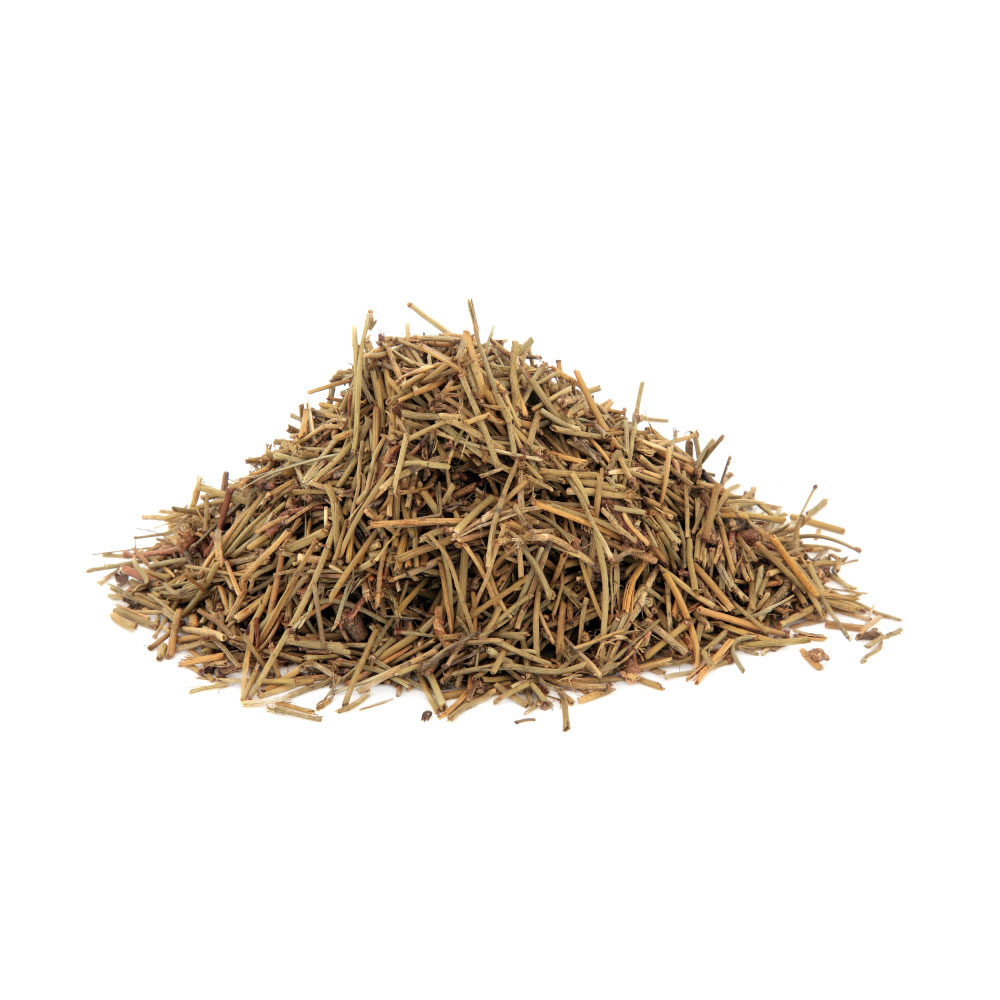 PotentPotentEphedraEphedra sinicaEphedrine is mixed-acting: it activates alpha and beta receptors directly and displaces noradrenaline from nerve terminals, reproducing the fight-or-flight state from two directions at once.Mechanismmixed-acting adrenergic agonism — direct alpha- and beta-receptor activation plus noradrenaline release from nerve terminals ([ephedrine](/compound/ephedrine), [pseudoephedrine](/compound/pseudoephedrine))Read the evidenceShow lessMonograph →
Ephedrine activates alpha- and beta-adrenergic receptors directly and displaces noradrenaline from nerve terminals, so it reproduces the sympathetic response from two directions at once.
Everything else the herb does follows from that one action: the bronchodilation, the decongestion, the thermogenesis and the pressor effect.
Ephedrine was isolated in 1885 and became a pharmaceutical. It remains on hospital shelves as a pressor agent, and ephedra remains a prescribed medicine across much of Asia.
At traditional doses for a short course in asthma or acute congestion, the sympathomimetic effect is the therapeutic one. Sustained high-dose use for stimulation or weight loss is the same mechanism past its therapeutic window, which is where the cardiovascular harm sits.
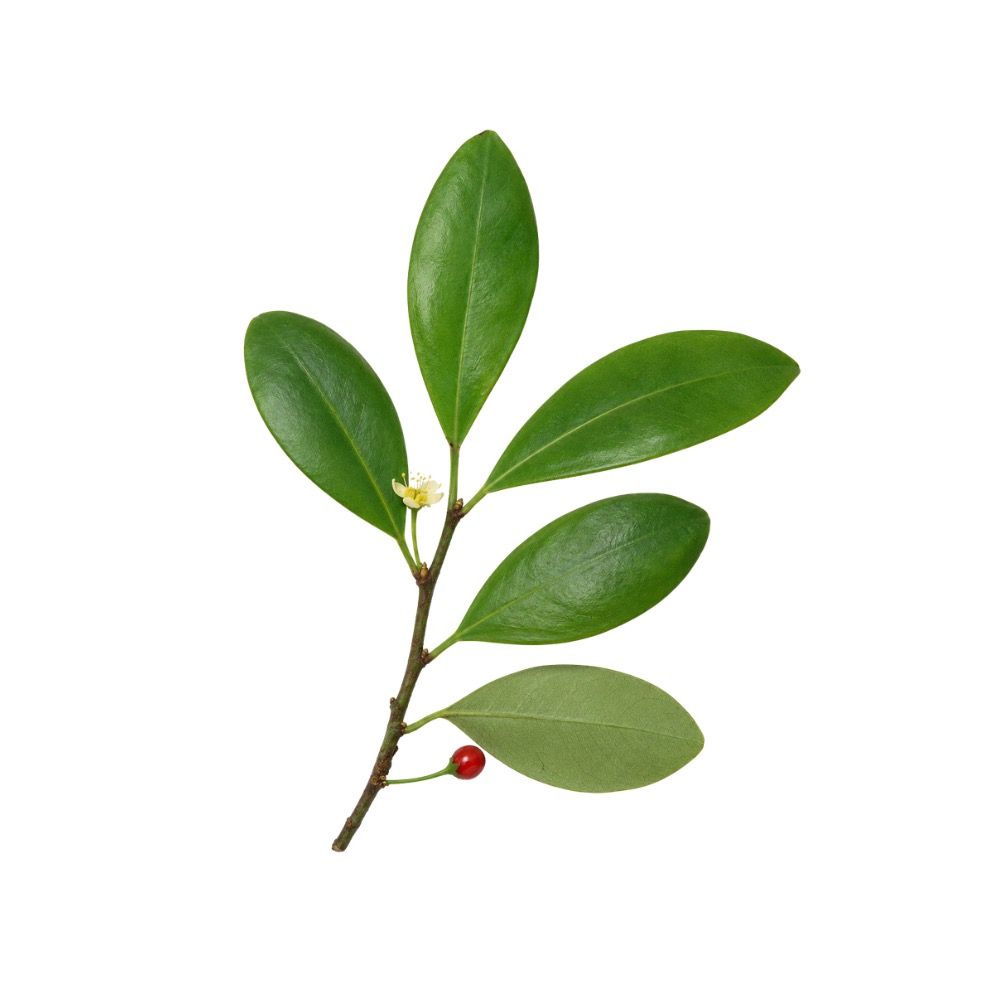 StrongStrongCocaErythroxylum cocaCocaine blocks monoamine reuptake rather than releasing anything, so noradrenaline already in the synapse lingers; chewing 12 g of leaf raises plasma noradrenaline measurably.Mechanismmonoamine reuptake inhibition by [cocaine](/compound/cocaine) — an indirect sympathomimetic raising synaptic noradrenaline and dopamineRead the evidenceShow lessMonograph →
Cocaine neither activates adrenergic receptors nor displaces the transmitter. It blocks reuptake, so noradrenaline and dopamine already released stay in the synapse longer, and the effect tracks existing sympathetic tone rather than overriding it.
The effect is measured rather than inferred. Chewing 12 g of leaf produces detectable blood cocaine around 72 ng/mL, with rising plasma noradrenaline and free fatty acids 1Reference 1Clinical trialEffects of coca chewing on metabolic and hormonal changes during graded incremental exercise to maximum — controlled clinical trialView study →.
The appetite suppression that is coca’s oldest traditional use runs through the same noradrenergic and dopaminergic pathways 2Reference 2ReviewBiological activity of the alkaloids of Erythroxylum coca and Erythroxylum novogranatense — reviewView study →.
Chewed coca delivers a slow, low plasma concentration through buccal absorption, which is a different exposure from isolated cocaine in dose, rate and route.
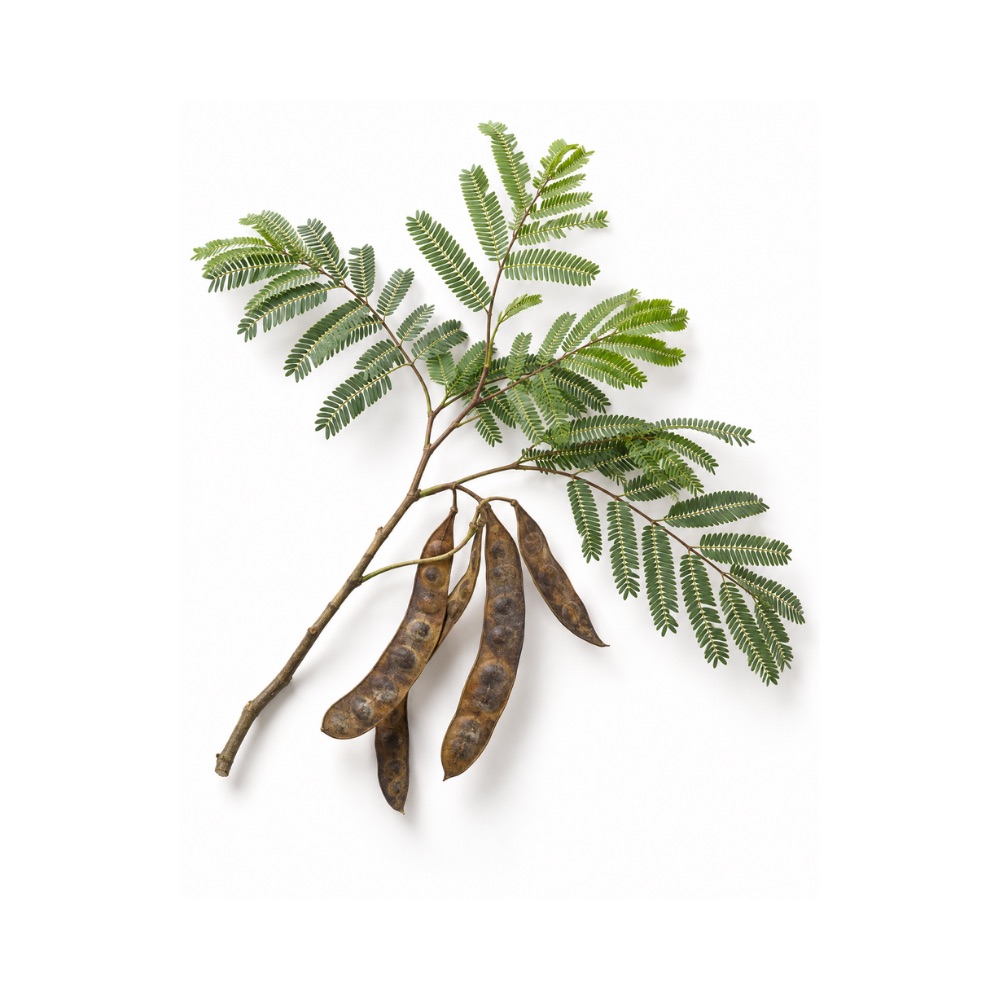 ModerateModerateYopoAnadenanthera spp.Bufotenine raises heart rate, contractile force and blood pressure partly through cardiac 5-HT4 serotonin receptors rather than adrenergic ones.Mechanism[bufotenine](/compound/bufotenin) acts as a sympathomimetic and stimulates cardiac 5-HT4 receptors — raising heart rate, contractile force and blood pressureRead the evidenceShow lessMonograph →
Bufotenine acts as a sympathomimetic and stimulates cardiac 5-HT4 receptors, raising heart rate, contractile force and blood pressure 3,
Most sympathomimetics reach that endpoint through adrenergic receptors. Bufotenine reaches part of it through a serotonergic one, so adrenergic pharmacology does not fully predict its cardiac effect.
The cardiovascular strain is separate from and additional to the snuff’s psychedelic effects, and it is yopo’s most consequential physical risk.
Show 1 more herb with a mild sympathomimetic action
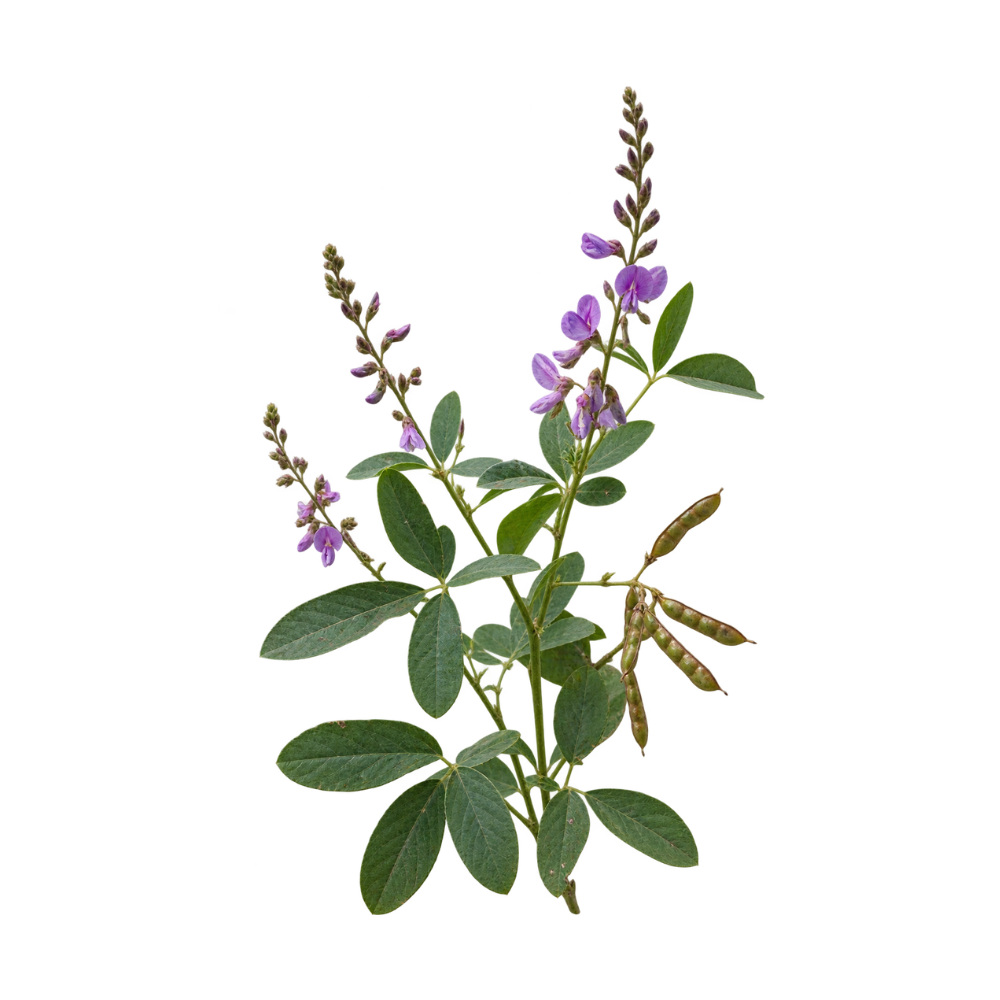 MildMildTick TrefoilDesmodium spp.Carries tyramine, N,N-dimethyltyramine and hordenine, genuine noradrenaline releasers, though no study has measured an adrenergic effect from the plant.Mechanismbeta-phenethylamine content — [tyramine](/compound/tyramine), N,N-dimethyltyramine and [hordenine](/compound/hordenine), all indirect noradrenaline releasersRead the evidenceShow lessMonograph →
What distinguishes Desmodium is its nitrogenous fraction: the beta-phenethylamines tyramine, N,N-dimethyltyramine and hordenine, alongside the tetrahydroisoquinoline salsoline and minor tryptamines.
Those phenethylamines are genuine indirect sympathomimetics, displacing noradrenaline from nerve terminals by the same mechanism as ephedrine’s release component, though far weaker.
No study measures an adrenergic effect from the plant and no dose is established.
Tyramine matters most for anyone taking a monoamine-oxidase inhibitor, and several Desmodium species carry these amines, so material is identified before use.
No herbs match these filters.
Safety
- Sympathomimetic herbs are inappropriate in cardiovascular disease, hypertension, arrhythmia, thyroid disease, diabetes and prostate enlargement, and are not for children.
- An undiagnosed heart condition is the common factor in the worst outcomes, so a family history of sudden cardiac death is a reason not to take them.
- Combining an indirect sympathomimetic with a monoamine-oxidase inhibitor can produce a hypertensive crisis; this includes prescription MAOIs, the MAOI-containing herbal preparations, and tyramine-rich foods.
- Stacking these herbs with caffeine, decongestants or other stimulants is the pattern behind most documented harm, and pre-workout and fat-burner formulas routinely combine several.
- These are acute-use herbs on short courses, and daily long-term use for energy or weight loss is the exposure that produced the regulatory bans.
- Alpha-1 vasoconstriction raises bladder-outlet tone, so these herbs cause urinary retention rather than diuresis in outflow obstruction.
- Chest pain, palpitations that do not settle, severe headache, one-sided weakness, speech difficulty or a sudden severe rise in blood pressure are emergencies.
References
- Favier, R., et al. (1996). Effects of coca chewing on metabolic and hormonal changes during graded incremental exercise to maximum — controlled clinical trial. Journal of Applied Physiology. https://pubmed.ncbi.nlm.nih.gov/8929610/
- Novák, M., et al. (1984). Biological activity of the alkaloids of Erythroxylum coca and Erythroxylum novogranatense — review. Journal of Ethnopharmacology. https://pubmed.ncbi.nlm.nih.gov/6379304/
- Neumann J, et al. (2023). Cardiovascular effects of bufotenin on human 5-HT4 serotonin receptors in cardiac preparations — in vitro (human atrial, transgenic mouse). Naunyn Schmiedebergs Arch Pharmacol. https://pubmed.ncbi.nlm.nih.gov/36754881/
- Fozard JR, Mobarok Ali AT. (1978). Dual mechanism of the stimulant action of bufotenine on cardiac sympathetic nerves — animal model (rabbit heart, in vitro). Eur J Pharmacol. https://pubmed.ncbi.nlm.nih.gov/658125/
Keep Exploring