
Compound Monograph
Scoulerine
Scoulerine (discretamine) is a tetrahydroprotoberberine alkaloid of California poppy and Corydalis — and, as (S)-scoulerine, the central biosynthetic branch-point of the whole protoberberine/benzophenanthridine alkaloid family, the first product of the berberine bridge enzyme. Its own pharmacology is preclinical: a microtubule-disrupting antimitotic in cancer cells and a dopamine-linked, mildly sedative member of its chemical class.

Sources · 4
Where Does It Come From?
Scoulerine is a naturally occurring isoquinoline alkaloid (tetrahydroprotoberberine group), found in California poppy, Corydalis and 2 other sources. It is well tolerated orally (low toxicity).
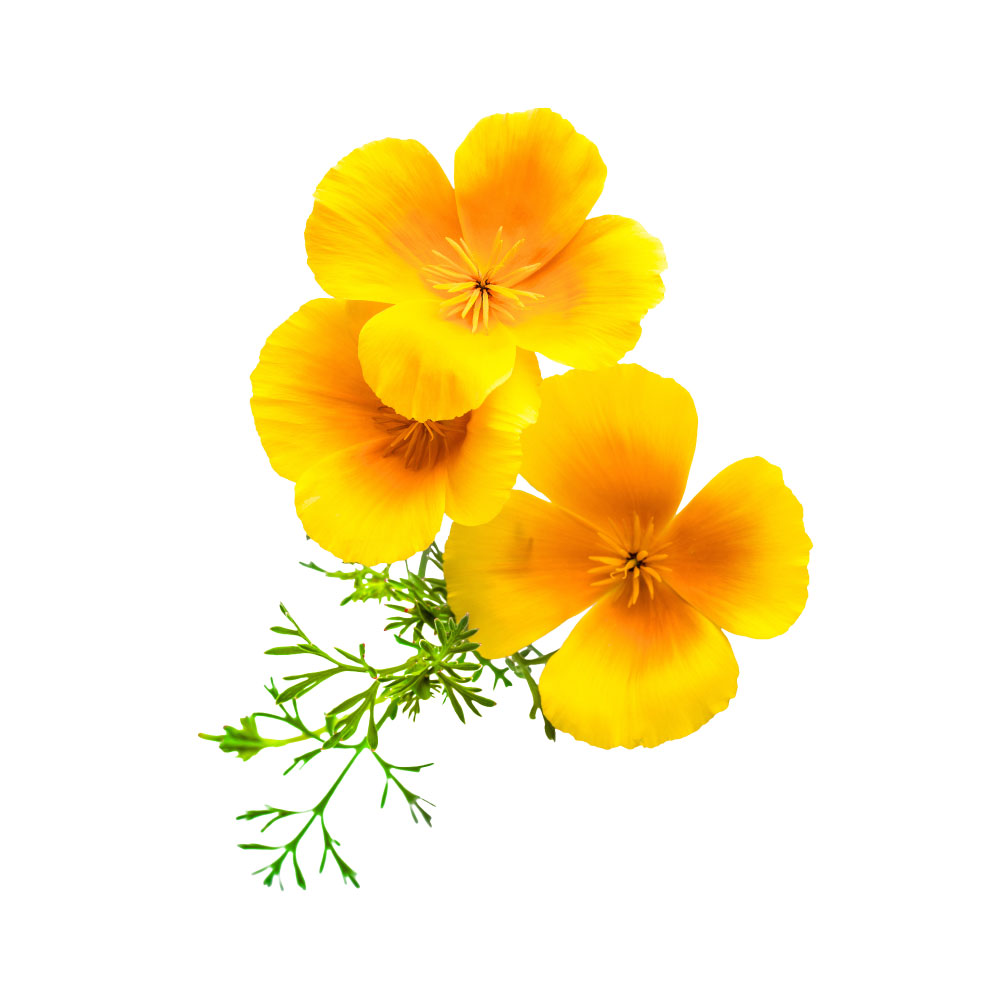 Principal source California Poppy Eschscholzia californica Herb monograph →
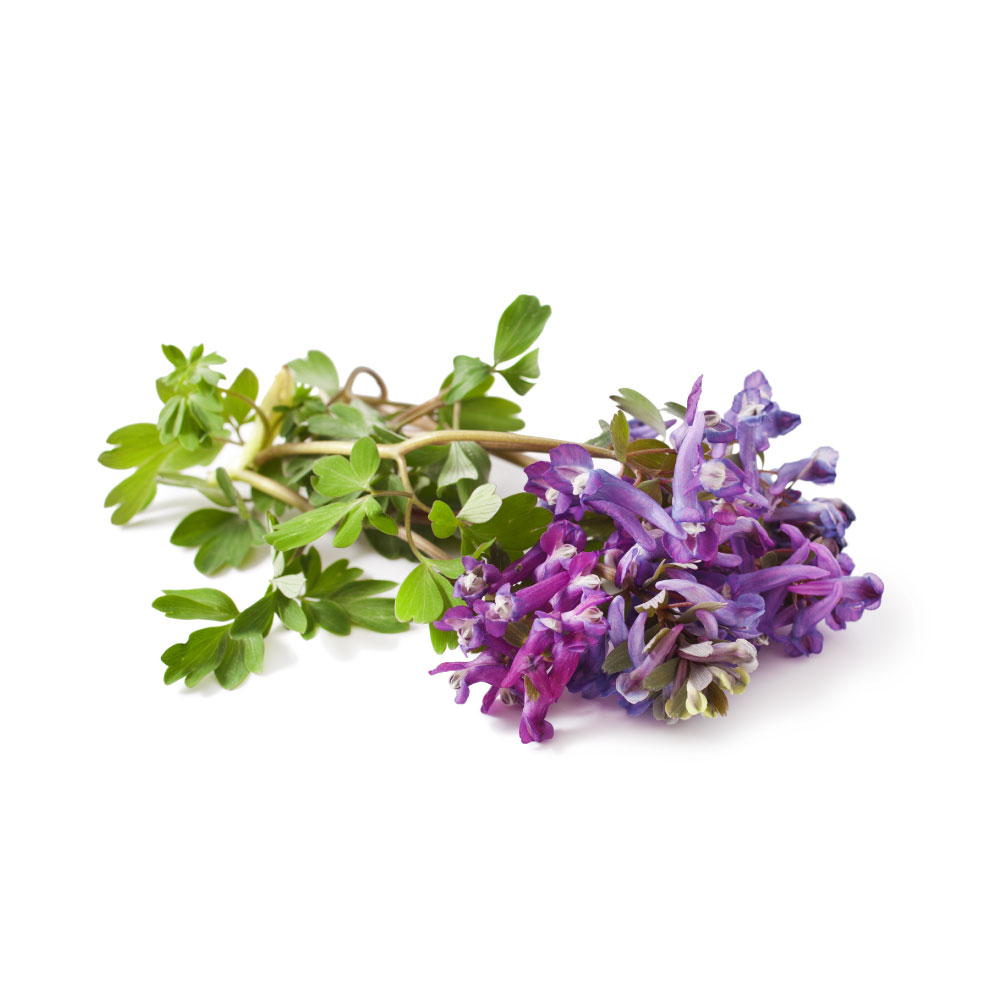 Source Corydalis Corydalis yanhusuo Herb monograph →
Concentration
Content by Source
Concentrations not reported. No percent-dry-weight or mg/g figures have been published for this compound in its source plants.
Scoulerine at a Glance
Scoulerine, also called discretamine, is an isoquinoline alkaloid of the tetrahydroprotoberberine (THPB) class — the same reduced, brain-penetrant family as canadine and l-tetrahydropalmatine. It occurs as a minor alkaloid in California poppy (Eschscholzia californica), Corydalis and the opium poppy 1,
Its real significance is biochemical rather than therapeutic. As (S)-scoulerine it is the first committed product of the enzyme that gives the whole protoberberine family its name — the berberine bridge enzyme — and the branch-point from which the plant builds berberine, columbamine, protopine, and the benzophenanthridines chelerythrine and sanguinarine. Nearly every other alkaloid on the California-poppy and goldenseal pages descends from this one molecule.
The honest evidence posture on scoulerine as a drug is thin. There are no human trials. What exists is a preclinical literature in two threads: a fairly substantial body of cancer-cell work showing scoulerine is a microtubule-disrupting antimitotic 5,
Scoulerine as a Biosynthetic Hub
Scoulerine is best understood not as a finished plant product but as a crossroads. It is the point where benzylisoquinoline alkaloid metabolism commits to the protoberberine skeleton and then fans out into several of the most important alkaloid classes here.
Where it comes from. Benzylisoquinoline alkaloids are built from two molecules of tyrosine and funnel through (S)-reticuline, the branch-point of the entire family. The committed step to the protoberberine skeleton is the formation of (S)-scoulerine by the berberine bridge enzyme (BBE) — a flavin-dependent oxidase that forges the extra carbon–carbon bond (the “berberine bridge”) closing reticuline’s structure into the four-ring protoberberine core 1,
Where it goes. From scoulerine the pathway splits:
- Toward berberine and columbamine — scoulerine 9-O-methyltransferase methylates (S)-scoulerine to (S)-tetrahydrocolumbamine, the step that channels flux toward columbamine, palmatine, epiberberine and, via canadine, berberine 2Reference 2Transient RNA silencing of scoulerine 9-O-methyltransferase expression by double-stranded RNA in Coptis japonica protoplasts — plant biochemistryView study →.
- Toward the methylenedioxy alkaloids — ring closures on the scoulerine skeleton by CYP719-clan P450 enzymes give the protopine-type (protopine, allocryptopine) and, further on, the benzophenanthridine-type (sanguinarine, chelerythrine) alkaloids, and coptisine.
So the alkaloids that dominate California poppy’s and goldenseal’s chemistry are, structurally, elaborations of scoulerine. Because it is an intermediate, plants rarely let it accumulate — which is exactly why it shows up as a minor alkaloid even in species that make large amounts of its descendants.
The California-poppy context. In Eschscholzia, scoulerine sits within the sedative isoquinoline-alkaloid fraction that gives the herb its calming reputation. The herb’s CNS-depressant effect is attributed principally to (S)-reticuline, a positive allosteric modulator at GABAA receptors, with several of the co-occurring alkaloids contributing 8Reference 8In vitroModulatory effects of Eschscholzia californica alkaloids on recombinant GABAA receptors — in vitroView study →; scoulerine itself is flagged in in-silico screening as a binder of insomnia-related dopamine-transporter and receptor targets 11Reference 11Comprehensive metabolomic profiling and biological activity analysis of Eschscholzia californica extracts using LC-ESI-QTOF-MS — includes in-silico docking of alkaloids (protopine, boldine, (S)-scoulerine) against insomnia-related DRD4/DRD5/SERT targetsView study →. Chemoenzymatic syntheses describe (S)-scoulerine as having “sedative and muscle-relaxing properties” 3Reference 3Biocatalytic organic synthesis of optically pure (S)-scoulerine and berbine and benzylisoquinoline alkaloids — chemoenzymatic synthesisView study → — a class-level characterisation, not a demonstrated clinical effect. The load-bearing point: scoulerine is a real member of the sedative alkaloid mix, but the measured GABAergic driver in the plant is reticuline, not scoulerine.
What It's Used For
The evidence is preclinical throughout, and it splits into two unrelated stories: a genuinely developed anticancer / antimitotic literature on the isolated molecule, and a thinner CNS / dopamine-linked thread that connects scoulerine to the behaviour of its tetrahydroprotoberberine class.
Support is an experimental score — a composite weighted by study type (human > animal > in vitro) and volume, tempered for isolate-vs-plant match. A beta, not a validated metric. Every row here is preclinical; scoulerine has no human evidence.
The most developed thread, all on the isolated molecule. Scoulerine is an antimitotic that acts on the microtubule cytoskeleton: in a study across leukaemia (Jurkat, MOLT-4), lung (A549), ovarian (A2780) and breast (SK-BR-3, MCF-7) lines it broke down the microtubule network, arrested cells at G2/M with Chk1/Chk2 and histone-H3 phosphorylation, and triggered p53-dependent apoptosis, with IC50s of 2.7–6.5 µM in the leukaemic cells 5Reference 5In vitroScoulerine affects microtubule structure, inhibits proliferation, arrests cell cycle and thus culminates in the apoptotic death of cancer cells — in vitroView study →.
Computational docking plus tubulin assays describe an unusual dual action near the colchicine (and laulimalide) sites, with both polymerisation-inhibiting and stabilising character 6Reference 6Computational prediction and experimental validation of the unique molecular mode of action of scoulerine — tubulin bindingView study →.
A separate line ties the mitotic arrest to inhibition of Aurora kinase B, producing supernumerary centrosomes and polyploidy 7Reference 7In vitroThe phytochemical scoulerine inhibits Aurora kinase activity to induce mitotic and cytokinetic defects — in vitroView study →.
Downstream anticancer reports add ROS-dependent ER-stress apoptosis in colorectal cells 12Reference 12In vitroScoulerine promotes cell viability reduction and apoptosis by activating ROS-dependent endoplasmic reticulum stress in colorectal cancer cells — in vitroView study → and PI3K/AKT/mTOR-linked loss of stemness in ovarian cells with tumour shrinkage in mice 13Reference 13In vitroScoulerine promotes cytotoxicity and attenuates stemness in ovarian cancer by targeting PI3K/AKT/mTOR axis — in vitro/in vivoView study →.
One renal-carcinoma study found the effect runs through the dopamine transporter SLC6A3 9Reference 9In vitroScoulerine: a natural isoquinoline alkaloid targeting SLC6A3 to treat renal cell carcinoma — in vitro/in vivoView study →.
Gap: entirely preclinical (isolated compound, cell lines + a few mouse xenografts) — no human data, no oral pharmacokinetics, and the whole-plant California-poppy/Corydalis products are not anticancer preparations. The microtubule/aneugenic mechanism is also a safety flag, not only an efficacy one (see Toxicity).
Scoulerine behaves like its tetrahydroprotoberberine relatives (l-tetrahydropalmatine, l-stepholidine, canadine), which act on dopamine receptors and transport. In the most concrete in-vivo work, l-scoulerine attenuated methamphetamine-induced behavioural sensitisation and blocked conditioned place preference in mice, and reduced methamphetamine-induced anxiety-like behaviour in zebrafish — an anti-addiction, dopamine-linked profile 10Reference 10Animall-Scoulerine attenuates behavioural changes induced by methamphetamine in zebrafish and mice — animal studyView study →.
Independently, an anticancer screen identified the dopamine transporter SLC6A3 as scoulerine’s molecular target in renal cells 9Reference 9In vitroScoulerine: a natural isoquinoline alkaloid targeting SLC6A3 to treat renal cell carcinoma — in vitro/in vivoView study →, and in-silico screening of California-poppy alkaloids flags scoulerine as a binder of insomnia-related dopamine-receptor/transporter targets 11Reference 11Comprehensive metabolomic profiling and biological activity analysis of Eschscholzia californica extracts using LC-ESI-QTOF-MS — includes in-silico docking of alkaloids (protopine, boldine, (S)-scoulerine) against insomnia-related DRD4/DRD5/SERT targetsView study →.
Gap: the behavioural data are animal-only and the receptor-level story is largely inferred from the class and from docking; there is no human CNS trial, and scoulerine is a trace alkaloid in the drunk/tinctured herb, so these are properties of the isolate, not of an ordinary California-poppy dose 11Reference 11Comprehensive metabolomic profiling and biological activity analysis of Eschscholzia californica extracts using LC-ESI-QTOF-MS — includes in-silico docking of alkaloids (protopine, boldine, (S)-scoulerine) against insomnia-related DRD4/DRD5/SERT targetsView study →.
Scoulerine is one of the isoquinoline alkaloids in California poppy’s sedative fraction, and chemoenzymatic-synthesis literature characterises (S)-scoulerine as having “sedative and muscle-relaxing” properties 3Reference 3Biocatalytic organic synthesis of optically pure (S)-scoulerine and berbine and benzylisoquinoline alkaloids — chemoenzymatic synthesisView study →. But in the one study that actually measured GABAA modulation for the herb’s alkaloids, the positive allosteric activity was assigned to (S)-reticuline, not scoulerine 8Reference 8In vitroModulatory effects of Eschscholzia californica alkaloids on recombinant GABAA receptors — in vitroView study →.
Gap: scoulerine’s sedative billing is a class/whole-plant characterisation; no isolated-scoulerine GABAA electrophysiology or human sedation endpoint supports it, and the herb’s demonstrated GABAergic driver is a different alkaloid 8Reference 8In vitroModulatory effects of Eschscholzia californica alkaloids on recombinant GABAA receptors — in vitroView study →.
Mechanisms
| Target / pathway | Effect | Relevant to |
|---|---|---|
| Microtubules / tubulin (near colchicine & laulimalide sites) | disrupts the microtubule network; dual polymerisation-inhibiting / stabilising character | antimitotic / anticancer |
| Mitotic checkpoint (Chk1 Ser345, Chk2 Thr68, H3 Ser10) | G2/M arrest; p53 upregulation, caspase activation → apoptosis | anticancer |
| Aurora kinase B | inhibition → mitotic/cytokinetic defects, polyploidy | anticancer |
| Dopamine transporter (SLC6A3) | identified molecular target; MAPK-pathway suppression in renal cells | anticancer + CNS overlap |
| Dopamine receptors (THPB class) | class-level dopaminergic activity; blunts methamphetamine sensitisation | CNS / anti-addiction |
| GABAA receptors (whole-herb fraction) | sedative context — but the measured PAM in the herb is reticuline, not scoulerine | sedative (plant context) |
| Berberine bridge enzyme (in planta) | (S)-reticuline → (S)-scoulerine, the committed protoberberine step | biosynthesis |
The two therapeutic threads may not be independent: the same dopamine-transporter affinity that places scoulerine in its sedative CNS class 9,
Pharmacokinetics
Essentially unstudied for scoulerine in humans. No oral bioavailability figure, plasma half-life or metabolite map has been established. One structural inference is worth stating and no more: unlike quaternary berberine (oral bioavailability <1%, gut-confined), scoulerine is a lipophilic tertiary amine, consistent with better membrane penetration and the CNS activity its class shows 10Reference 10Animall-Scoulerine attenuates behavioural changes induced by methamphetamine in zebrafish and mice — animal studyView study → — but that is inference from structure and class behaviour, not measured human data. Because scoulerine is a metabolic intermediate, its in-vivo fate would also plausibly include enzymatic conversion toward downstream protoberberine products.
Clinical Trials
None. No registered or published human clinical trials of scoulerine as an isolated agent were identified.
| Completed | Planned | Terminated | Preclinical |
|---|---|---|---|
| — | — | — | Anticancer(isolate, in-vitro + mouse) + CNS (animal) |
Last checked: July 2026.
Isolate vs. Plant Studies
All of scoulerine’s therapeutic evidence is on the isolated molecule — there is no whole-plant trial that isolates a scoulerine effect. The anticancer work purifies or sources scoulerine and tests it against cell lines and a few mouse models 5,
Prevalence in Nature
Scoulerine occurs across the Papaveraceae, Fumariaceae and Menispermaceae — the alkaloid-rich families that build protoberberines. It is a minor alkaloid of California poppy aerial parts, a more prominent one in Corydalis rhizomes (the source used in several of the anticancer studies) 7Reference 7In vitroThe phytochemical scoulerine inhibits Aurora kinase activity to induce mitotic and cytokinetic defects — in vitroView study →, and was first isolated from opium (Papaver somniferum) 4Reference 4The isolation of (−)-scoulerine from opiumView study →. Because it is a biosynthetic intermediate rather than a stored end-product, it seldom accumulates to high levels: the plant converts most of it onward to berberine, columbamine, the protopine-type (protopine, allocryptopine) and benzophenanthridine (sanguinarine, chelerythrine) alkaloids 2Reference 2Transient RNA silencing of scoulerine 9-O-methyltransferase expression by double-stranded RNA in Coptis japonica protoplasts — plant biochemistryView study →. As with other protoberberines it concentrates in roots, rhizomes and latex rather than leaves. No comprehensive quantitative survey of scoulerine content across sources was located here — the concentration figures that exist for California poppy are for the total isoquinoline-alkaloid fraction (~1.6% of dried aerial parts) and its dominant alkaloids, not for scoulerine specifically 8Reference 8In vitroModulatory effects of Eschscholzia californica alkaloids on recombinant GABAA receptors — in vitroView study →.
Discovery & Synthesis
The alkaloid is named for the nineteenth-century Scottish naturalist John Scouler. Its (−)-(S)-enantiomer was isolated from opium by Brochmann-Hanssen and Nielsen in 1966, characterised by the chromatographic and spectroscopic methods of the day 4Reference 4The isolation of (−)-scoulerine from opiumView study →; the molecule had featured in benzylisoquinoline-alkaloid chemistry before then as the recognised protoberberine branch-point. The most distinctive modern route is chemoenzymatic: Schrittwieser and colleagues (2011) used the isolated berberine bridge enzyme to perform the enantioselective oxidative C–C bond formation that closes a benzylisoquinoline precursor into optically pure (S)-scoulerine, then elaborated it into a family of berbine and benzylisoquinoline alkaloids — turning the plant’s own committed step into a preparative tool 3Reference 3Biocatalytic organic synthesis of optically pure (S)-scoulerine and berbine and benzylisoquinoline alkaloids — chemoenzymatic synthesisView study →. There is no commercial demand for isolated scoulerine; it is prepared in small quantities for research (by extraction from Corydalis/California poppy or by such biocatalytic synthesis) rather than manufactured at scale.
Patents: not yet researched.
Toxicity & Safety
Scoulerine’s safety is essentially unstudied as an isolated compound, and that absence — not any evidence of safety — is the honest headline. Human dietary exposure is small and indirect: it is a trace alkaloid of California-poppy and Corydalis preparations, which is reassuring at the level of ordinary herbal use. But the isolated molecule’s own pharmacology carries a genuine flag. Scoulerine is a microtubule-disrupting antimitotic that arrests cell division and induces apoptosis in the low-micromolar range 5,
- Minor, indirect dietary exposure. Scoulerine is consumed only as a trace California-poppy / Corydalis alkaloid, not as a stand-alone supplement.
- Antimitotic at pharmacological doses. The isolate disrupts microtubules and blocks cell division (low-µM cytotoxicity) — an aneugenic mechanism shared with chemotherapy spindle poisons; not inert at dose 5,
6, .7Reference 5In vitroScoulerine affects microtubule structure, inhibits proliferation, arrests cell cycle and thus culminates in the apoptotic death of cancer cells — in vitroView study →Reference 6Computational prediction and experimental validation of the unique molecular mode of action of scoulerine — tubulin bindingView study →Reference 7In vitroThe phytochemical scoulerine inhibits Aurora kinase activity to induce mitotic and cytokinetic defects — in vitroView study → - Safety essentially unstudied. No human data, and no isolated-compound genotoxicity, reproductive or interaction assessment for scoulerine specifically — treat silence as unknown, not safe.
Note on scope: drug-interaction and pregnancy/lactation risk were not assessed for scoulerine here — those decisions belong to the whole-herb California poppy and Corydalis monographs, where intake is actually decided and where the more abundant, better-characterised alkaloids (California poppy’s CYP-inhibiting eschscholtzine/protopine/allocryptopine) drive the verdict.
Dosage
There is no established or studied human dose for scoulerine. It has never been used as a stand-alone medicine. The figures in the pharmacology sections above are research concentrations in cells and animals (e.g. leukaemic-cell IC50s of 2.7–6.5 µM 5Reference 5In vitroScoulerine affects microtubule structure, inhibits proliferation, arrests cell cycle and thus culminates in the apoptotic death of cancer cells — in vitroView study →), not doses given to people. Human exposure occurs only as a minor alkaloid within California-poppy or Corydalis preparations, where the “dose of scoulerine” is whatever trace amount the plant and preparation happen to contain. Any figure here would be a research concentration and is not a personal recommendation.
References
- Bird DA, Facchini PJ. (2001). Berberine bridge enzyme, converting (S)-reticuline to (S)-scoulerine in benzylisoquinoline alkaloid biosynthesis — plant biochemistry. Planta, 213(6), 888–897. https://pubmed.ncbi.nlm.nih.gov/11722125/
- Dubouzet JG, Morishige T, Fujii N, An CI, Fukusaki E, Ifuku K, Sato F. (2005). Transient RNA silencing of scoulerine 9-O-methyltransferase expression by double-stranded RNA in Coptis japonica protoplasts — plant biochemistry. Bioscience, Biotechnology, and Biochemistry, 69(1), 63–70. https://pubmed.ncbi.nlm.nih.gov/15665469/
- Schrittwieser JH, Resch V, Wallner S, Lienhart WD, Sattler JH, Resch J, Macheroux P, Kroutil W. (2011). Biocatalytic organic synthesis of optically pure (S)-scoulerine and berbine and benzylisoquinoline alkaloids — chemoenzymatic synthesis. The Journal of Organic Chemistry, 76(15), 6703–6714. https://pubmed.ncbi.nlm.nih.gov/21739961/
- Brochmann-Hanssen E, Nielsen B. (1966). The isolation of (−)-scoulerine from opium. Tetrahedron Letters, 7(20), 2261–2263. https://pubmed.ncbi.nlm.nih.gov/5923965/
- Habartová K, Havelek R, Seifrtová M, Královec K, Cahlíková L, Chlebek J, Cermáková E, Mazánková N, Maríková J, Kuneš J, Nováková L, Řezáčová M. (2018). Scoulerine affects microtubule structure, inhibits proliferation, arrests cell cycle and thus culminates in the apoptotic death of cancer cells — in vitro. Scientific Reports, 8, 4829. https://pubmed.ncbi.nlm.nih.gov/29555944/
- Moshari M, Wang Q, Michalak M, Klobukowski M, Tuszynski JA. (2022). Computational prediction and experimental validation of the unique molecular mode of action of scoulerine — tubulin binding. Molecules, 27(13), 4143. https://pubmed.ncbi.nlm.nih.gov/35807231/
- Li J, Yan Z, Li H, Shi Q, Ahire V, Zhang S, Nimishetti N, Yang D, Allen TD, Zhang J. (2021). The phytochemical scoulerine inhibits Aurora kinase activity to induce mitotic and cytokinetic defects — in vitro. Journal of Natural Products, 84(8), 2312–2323. https://pubmed.ncbi.nlm.nih.gov/34406008/
- Fedurco M, Gregorová J, Šebrlová K, Kantorová J, Peš O, Baur R, Sigel E, Táborská E. (2015). Modulatory effects of Eschscholzia californica alkaloids on recombinant GABAA receptors — in vitro. Biochemistry Research International, 2015, 617620. https://pubmed.ncbi.nlm.nih.gov/26509084/
- Qu T, Sun Y, Zhao J, Liu N, et al. (2024). Scoulerine: a natural isoquinoline alkaloid targeting SLC6A3 to treat renal cell carcinoma — in vitro/in vivo. Biomedicine & Pharmacotherapy, 180, 117524. https://pubmed.ncbi.nlm.nih.gov/39395255/
- Mi G, Gao Y, Yan H, Jin X, Ye E, Liu S, Gong Z, Yang H, Yang Z. (2016). l-Scoulerine attenuates behavioural changes induced by methamphetamine in zebrafish and mice — animal study. Behavioural Brain Research, 298(Pt B), 97–104. https://pubmed.ncbi.nlm.nih.gov/26433144/
- Kalyniukova A, Ahmed S, Ak G, Saka E, Duran T, Abul N, Gulcin I, Senkardes I, Cetiz MV, Zengin G. (2025). Comprehensive metabolomic profiling and biological activity analysis of Eschscholzia californica extracts using LC-ESI-QTOF-MS — includes in-silico docking of alkaloids (protopine, boldine, (S)-scoulerine) against insomnia-related DRD4/DRD5/SERT targets. Food Science & Nutrition. https://pubmed.ncbi.nlm.nih.gov/40909255/
- Tian J, Mo J, Xu L, Zhang R, Qiao Y, Liu B, Jiang L, Ma S, Shi G. (2020). Scoulerine promotes cell viability reduction and apoptosis by activating ROS-dependent endoplasmic reticulum stress in colorectal cancer cells — in vitro. Chemico-Biological Interactions, 327, 109162. https://pubmed.ncbi.nlm.nih.gov/32590070/
- Wang F, Zhang Y, Pang R, Shi S, Wang R. (2023). Scoulerine promotes cytotoxicity and attenuates stemness in ovarian cancer by targeting PI3K/AKT/mTOR axis — in vitro/in vivo. Acta Pharmaceutica, 73(3), 475–488. https://pubmed.ncbi.nlm.nih.gov/37708956/



