
Condition
Gastroesophageal Reflux Disease (GERD)
Reflux disease comes from a weak or poorly timed valve between stomach and esophagus. A few lifestyle measures work, alarm features need checking, and several popular digestive herbs make it worse.

Gastroesophageal reflux disease (GERD) is a chronic condition in which stomach contents flow back up into the esophagus, causing symptoms and, over time, damage to the esophageal lining. Its hallmark is heartburn. It is a disorder of the digestive system rooted in a weak or poorly timed valve between the stomach and esophagus, and most of its management is about reducing reflux and protecting the lining. The demulcent tradition is coherent but barely tested, and several popular digestive herbs make reflux measurably worse.
Presentation
Types & Variants
GERD is commonly divided by whether the esophageal lining is visibly damaged:
- Non-erosive reflux disease (NERD) — typical reflux symptoms without visible damage on endoscopy; the more common form, and the one in which amla’s positive trial was run.
- Erosive esophagitis — reflux that has caused visible inflammation and erosion of the esophageal lining, graded by severity at endoscopy.
- Barrett’s esophagus — a longer-term complication in which repeated acid exposure causes the lining to undergo metaplastic change, carrying a raised risk of esophageal adenocarcinoma. It is the main reason persistent GERD warrants proper follow-up.
Two related presentations sit alongside these. Laryngopharyngeal reflux produces throat rather than chest symptoms — hoarseness, throat clearing, a lump-in-the-throat sensation, chronic cough — and is often missed because heartburn may be absent entirely. Functional heartburn describes typical symptoms with normal acid exposure and no response to acid suppression; it is a pain-processing problem rather than an acid problem, and treating it with ever-stronger acid suppression does not work.
Overview
General Pathology
GERD arises when the lower esophageal sphincter — the muscular valve that normally seals the stomach off from the esophagus — becomes incompetent or relaxes at the wrong moments, allowing acidic stomach contents to reflux upward. Transient inappropriate relaxations of that sphincter, rather than uniformly low resting tone, account for most reflux events. A range of factors predispose to it: excess weight (particularly central adiposity, which raises intra-abdominal pressure), a hiatus hernia, delayed gastric emptying, pregnancy, smoking, alcohol, and medications that lower sphincter tone. Notably, menthol — found in peppermint and spearmint — relaxes the sphincter directly, a rare instance where an otherwise soothing carminative is precisely the wrong choice.
The classic symptom is heartburn: a burning sensation behind the breastbone that often rises into the throat and worsens on lying down or after meals. Other features include regurgitation of acid or food, a sour taste, difficulty swallowing, chronic cough, hoarseness, and a sensation of a lump in the throat. Prolonged, untreated reflux is what drives the metaplastic changes of Barrett’s esophagus.
The cancer risk is routinely overstated. A nationwide Danish cohort covering every Barrett’s patient in the country over 17 years found the annual risk of esophageal adenocarcinoma to be 0.12% — roughly a quarter of the 0.5% figure on which surveillance guidelines had been built 10Reference 10ObservationalIncidence of adenocarcinoma among patients with Barrett’s esophagus — nationwide population-based cohort studyView study →. Barrett’s warrants follow-up, but for most people who have it, it is not a cancer sentence.
Assessment
When to Get It Checked
Uncomplicated heartburn is usually managed on symptoms alone, without any test. What changes that is a set of alarm features:
- Difficulty or pain on swallowing, or food sticking
- Unintended weight loss
- Vomiting blood, or black tarry stools
- Iron-deficiency anemia
- A first onset of significant reflux symptoms in later life
- Symptoms that persist despite adequate treatment
Any of these warrants prompt assessment and usually endoscopy. Reflux that has been present for years, particularly in the presence of other risk factors, is also the situation in which screening for Barrett’s is discussed. Esophageal adenocarcinoma and reflux produce overlapping symptoms early on, and demulcent herbs will comfortably mask both.
Treatment
Conventional Treatment
Proton pump inhibitors (omeprazole, esomeprazole, lansoprazole and relatives) are the most effective acid-suppressing drugs available and heal erosive esophagitis reliably. H2-receptor antagonists are weaker and faster-acting. Alginates — the raft-forming preparations — work mechanically rather than chemically, floating on the stomach contents to physically block reflux, which makes them useful for breakthrough and postprandial symptoms. Antireflux surgery is an option in well-selected patients with a mechanical problem.
Stopping a PPI can itself cause reflux symptoms, and this drives much of the interest in herbal alternatives. In a placebo-controlled trial, 44% of asymptomatic healthy volunteers developed acid-related symptoms — mainly heartburn and regurgitation — in the weeks after eight weeks of PPI treatment was withdrawn, through rebound acid hypersecretion 11Reference 11RCTProton-pump inhibitor therapy induces acid-related symptoms in healthy volunteers after withdrawal of therapy — randomised placebo-controlled trialView study →. This is why people so often conclude they cannot stop, and why tapering rather than abruptly stopping, with an alginate or H2 blocker to cover the transition, is the sensible approach. It is a pharmacological rebound, not proof that the underlying disease has worsened — and it is a decision to make with the prescriber, not alone.
Treatment
What Actually Helps
The lifestyle advice attached to reflux is a mixture of well-evidenced measures and inherited folklore. A systematic review assessing them against objective acid-exposure measurement found these hold up 12Reference 12Systematic reviewLifestyle intervention in gastroesophageal reflux disease — systematic reviewView study →:
- Weight loss, in those carrying excess weight, is the single best-supported intervention — randomized trials showed esophageal acid exposure time falling from 5.6% to 3.7% and from 8.0% to 5.5%.
- Stopping smoking reduced reflux symptoms in normal-weight individuals in a large prospective cohort.
- Elevating the head of the bed cut time with supine acid exposure from 21% to 15% versus lying flat — a large effect for a free intervention, and the right answer for night-time symptoms.
- Avoiding late evening meals measurably reduced supine acid exposure compared with eating earlier.
Blanket elimination of the traditional “trigger foods” — citrus, tomato, chocolate, coffee, fat, spice — has much weaker support than its cultural prominence suggests. Triggers are individual: worth identifying by observation, not worth eliminating wholesale on principle.
Herbs That Make Reflux Worse
Reflux is the condition where general “digestive herb” advice most reliably backfires. Several of the most popular digestive botanicals are contraindicated or aggravating in reflux:
- Peppermint and spearmint. Menthol relaxes the lower esophageal sphincter — the exact mechanism of the disease. The standard carminative for indigestion is the wrong herb for reflux, and peppermint oil’s genuine value in irritable bowel syndrome does not transfer.
- Bitters, and gentian above all. The entire point of a digestive bitter is to increase gastric acid and bile secretion. Gentian is traditionally contraindicated in reflux and hyperacidity, alongside active peptic ulcer and biliary obstruction. The same logic applies to the bitter family generally.
- Ginger, artichoke, frankincense and cayenne. Heartburn and reflux are listed among the adverse effects of each, not the indications. Cayenne’s relationship with the gut is biphasic — low repeated doses may desensitize, high acute doses simply burn — and none of them has a reflux indication worth the risk.
- Even amla, the one reflux herb with a positive trial, is intensely sour and vitamin-C-rich, and it aggravates acidity in some people. Its rat data are biphasic too: gastroprotective at low doses, harmful at higher ones.
The general pattern is that the demulcents — the mucilaginous, coating herbs — are the rational botanical category for reflux, and the stimulating digestives are the category to avoid.
Materia Medica
Materia Medica
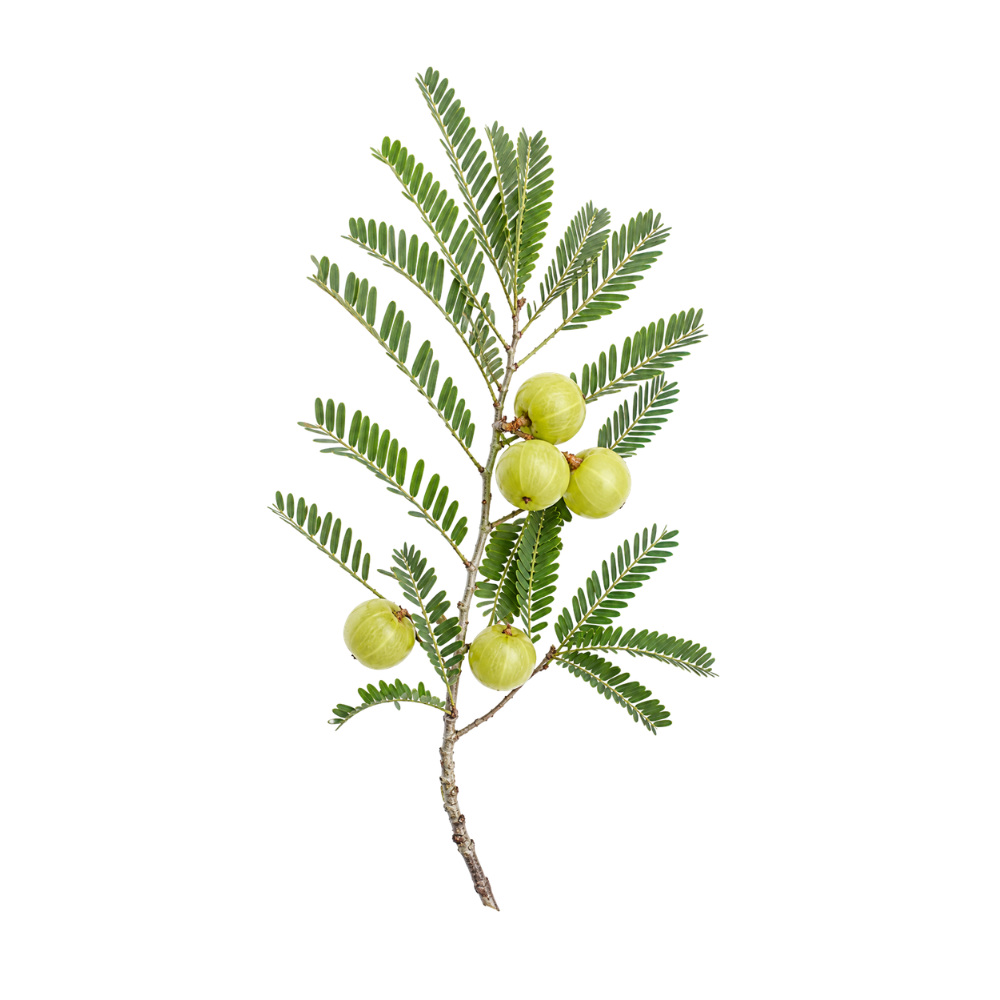 AmlaPhyllanthus emblicaModerate
Amla is an intensely sour, vitamin-C-rich fruit, yet it has a positive human reflux result: a double-blind, randomised, placebo-controlled trial in non-erosive reflux disease found amla tablets (two 500 mg tablets twice daily, 4 weeks) significantly reduced heartburn and regurgitation versus placebo 1Reference 1RCTEfficacy and safety of Amla (Phyllanthus emblica L.) in non-erosive reflux disease: a double-blind, randomised, placebo-controlled clinical trialView study →.
Supporting rat work shows ethanol extract inhibits gastric lesions across pylorus-ligation, indomethacin, stress and necrotising-agent models and protects the mucus layer 2Reference 2AnimalGastroprotective effects of ‘Amla’ Emblica officinalis on in vivo test models in ratsView study →, with a gallic-acid-enriched fraction accelerating ulcer healing via e-NOS/VEGF 3Reference 3Gallic-acid-enriched fraction of Phyllanthus emblica potentiates indomethacin-induced gastric ulcer healing via an e-NOS-dependent pathwayView study →.
The human trial is NERD, not erosive GERD or ulcer, and the rat data are biphasic — protective at 60 mg/kg, harmful at 120 mg/kg 4Reference 4Biphasic effect of Phyllanthus emblica L. extract on NSAID-induced ulcerView study → — so a higher dose is not a better one. The fruit’s acidity aggravates hyperacidity in some people.
Full monograph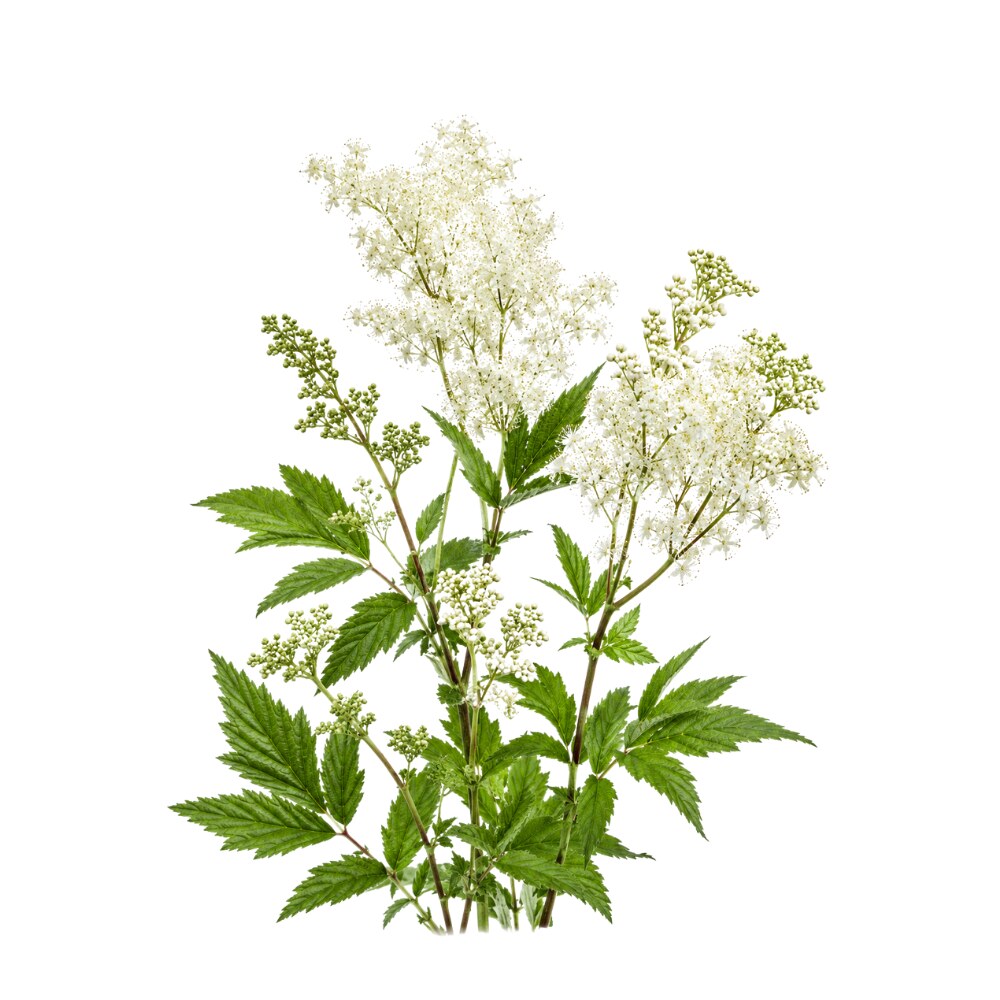 MeadowsweetFilipendula ulmariaTraditional only
Meadowsweet has a traditional soothing-antacid and anti-inflammatory use for hyperacidity and reflux, resting on its gastroprotective and astringent rationale. There is no reflux-specific study.
Full monograph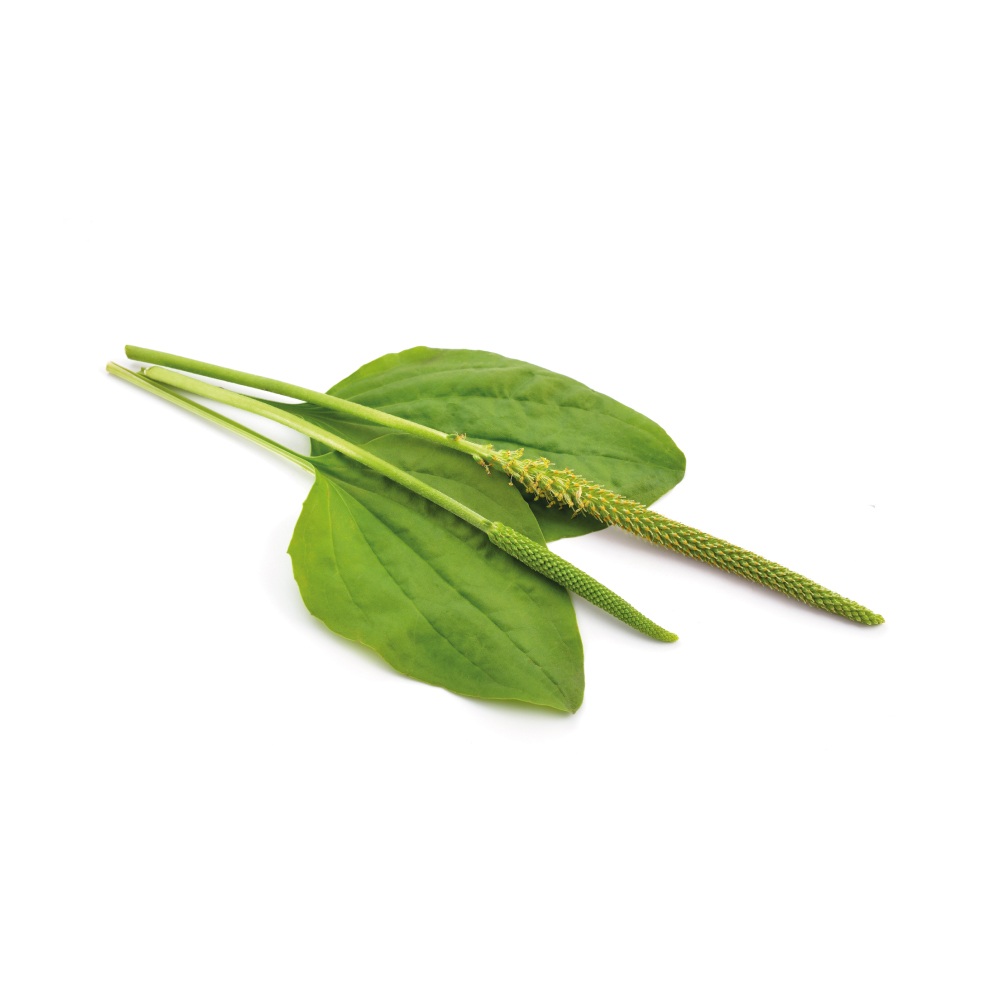 PlantainPlantago majorTraditional only
Plantain’s use for reflux and inflamed upper-GI mucosa is a traditional demulcent indication: the leaf’s mucilage coats and soothes irritated mucous membranes, and its anti-inflammatory activity (NF-κB/COX-2/PLA₂, well replicated in rodents) is mechanistically supportive 5,
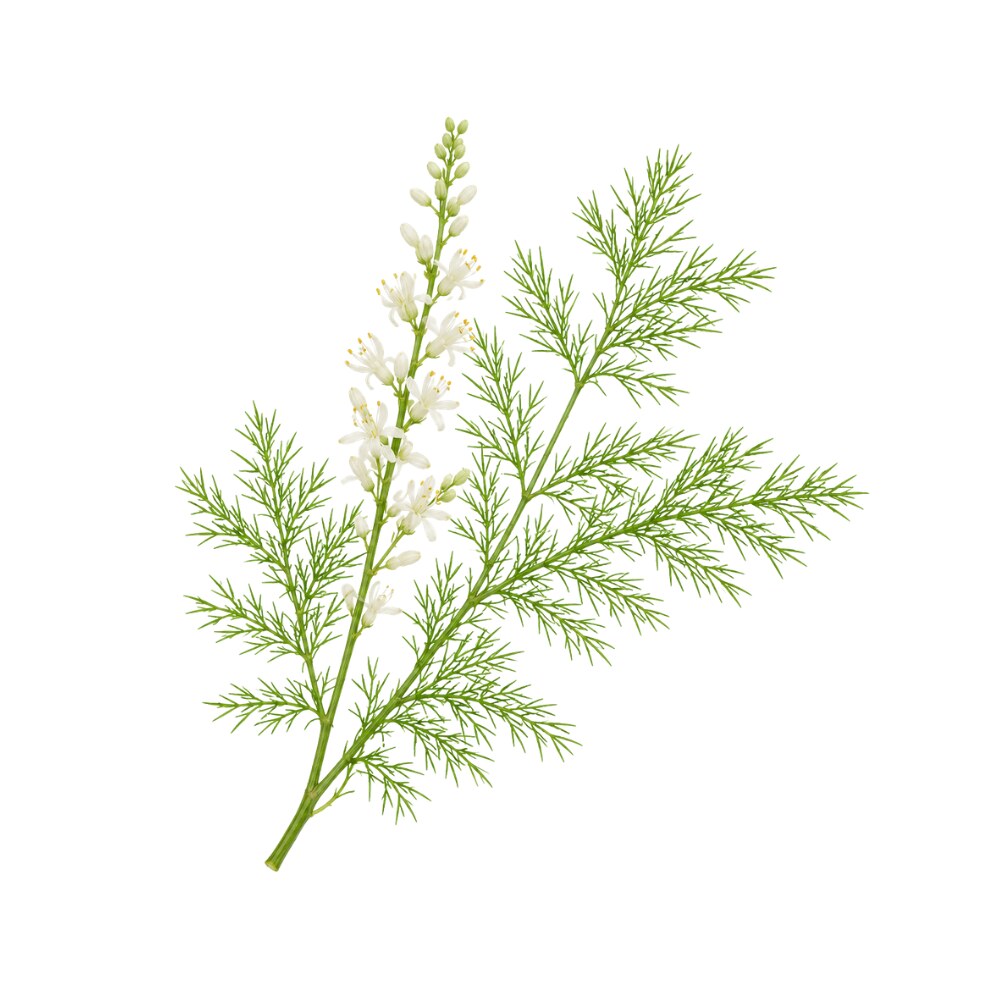 ShatavariAsparagus racemosusTraditional only
Shatavari is a traditional Ayurvedic demulcent for the digestive tract, its mucilage used to soothe hyperacidity and an irritated upper-GI lining. The evidence is rat antisecretory/gastroprotective work, not a reflux trial.
Full monograph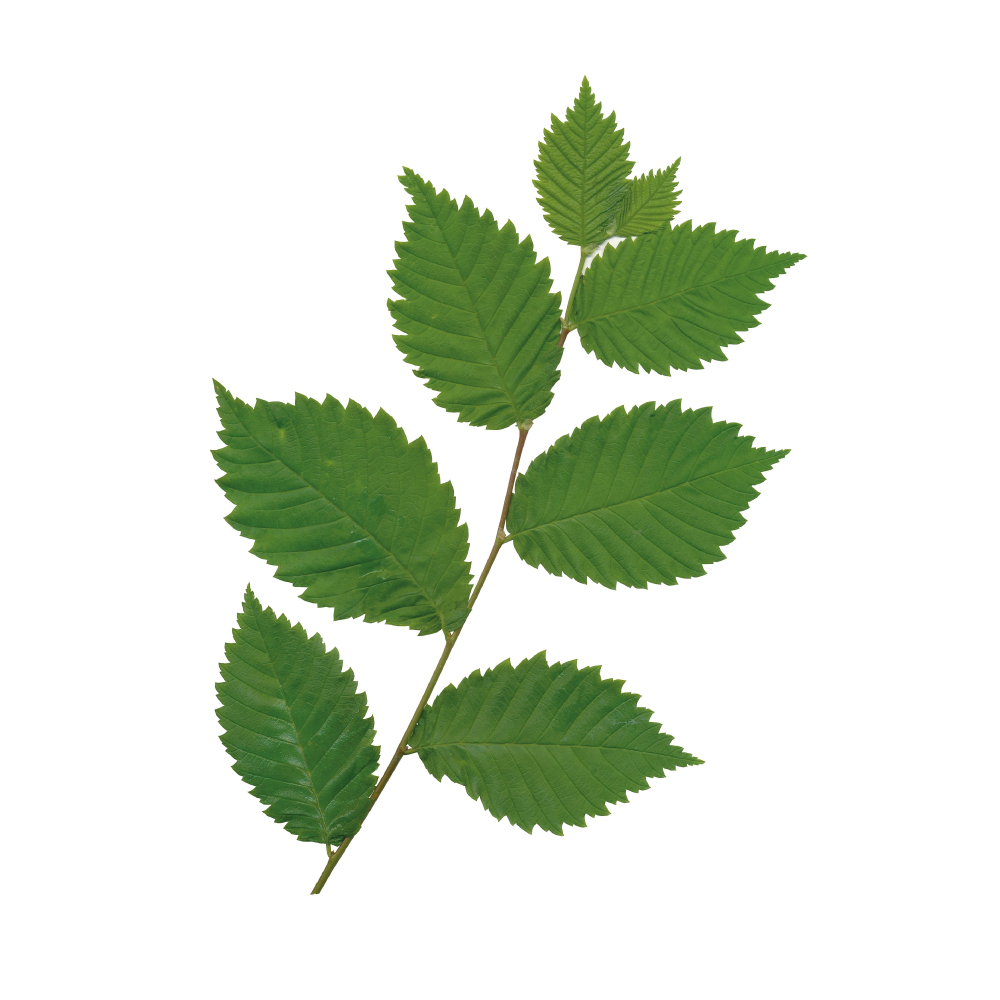 Slippery ElmUlmus rubraTraditional only
Slippery elm is the classic Western demulcent for reflux, and the mechanism is physical rather than pharmacological: the inner bark is roughly 7% mucilage — a branched polysaccharide that hydrates into a viscous gel instead of dissolving — which coats and shields irritated mucosa 7,
The only human reflux data are uncontrolled and confounded: a 16-week pre-post study of a multi-herb “gut relief” formula reported large improvements in reflux and lower-GI symptoms alongside reduced intestinal permeability, but slippery elm was one of about seven ingredients and its individual dose was never reported 9Reference 9ObservationalHerbal formula improves upper and lower gastrointestinal symptoms and gut health in Australian adults with digestive disorders — pre-post observational studyView study →. There is no controlled trial of slippery elm on its own for anything. Mucilage does not extract into alcohol, so a tincture is the wrong preparation.
Full monographSupplementation
Supplementation
Supplements, nutrients and compounds used for gastroesophageal reflux disease (GERD).
References
- Karkon Varnosfaderani, S., et al. (2018). Efficacy and safety of Amla (Phyllanthus emblica L.) in non-erosive reflux disease: a double-blind, randomised, placebo-controlled clinical trial. Journal of Integrative Medicine. https://pubmed.ncbi.nlm.nih.gov/29526236/
- Al-Rehaily, A. J., et al. (2002). Gastroprotective effects of ‘Amla’ Emblica officinalis on in vivo test models in rats. Phytomedicine. https://pubmed.ncbi.nlm.nih.gov/12403160/
- Chatterjee, A., et al. (2012). Gallic-acid-enriched fraction of Phyllanthus emblica potentiates indomethacin-induced gastric ulcer healing via an e-NOS-dependent pathway. Evidence-Based Complementary and Alternative Medicine. https://pubmed.ncbi.nlm.nih.gov/22966242/
- Chatterjee, A., et al. (2011). Biphasic effect of Phyllanthus emblica L. extract on NSAID-induced ulcer. Evidence-Based Complementary and Alternative Medicine. https://pubmed.ncbi.nlm.nih.gov/21076542/
- Triastuti A, et al. (2022). In vivo anti-inflammatory activities of Plantago major extract and fractions — rat/mouse, in vivo. Research in Pharmaceutical Sciences. https://pubmed.ncbi.nlm.nih.gov/36704431/
- Farid A, et al. (2022). Evaluation of anti-inflammatory effects of leaf and seed extracts of Plantago major on acetic acid-induced ulcerative colitis in rats. Journal of Ethnopharmacology. https://pubmed.ncbi.nlm.nih.gov/35934192/
- Watts, C. R., & Rousseau, B. (2012). Slippery elm, its biochemistry, and use as a complementary and alternative treatment for laryngeal irritation — review. Journal of Investigational Biochemistry. https://doi.org/10.5455/jib.20120417052415
- Barnes, J., Anderson, L. A., & Phillipson, J. D. (2007). Herbal Medicines (3rd ed.) — reference monograph (pp. 545–546). London: Pharmaceutical Press.
- Ried, K., Travica, N., Dorairaj, R., & Sali, A. (2020). Herbal formula improves upper and lower gastrointestinal symptoms and gut health in Australian adults with digestive disorders — pre-post observational study. Nutr Res. https://pubmed.ncbi.nlm.nih.gov/32151878/
- Hvid-Jensen, F., Pedersen, L., Drewes, A. M., Sørensen, H. T., & Funch-Jensen, P. (2011). Incidence of adenocarcinoma among patients with Barrett’s esophagus — nationwide population-based cohort study. New England Journal of Medicine, 365(15), 1375–1383. https://pubmed.ncbi.nlm.nih.gov/21995385/
- Reimer, C., Søndergaard, B., Hilsted, L., & Bytzer, P. (2009). Proton-pump inhibitor therapy induces acid-related symptoms in healthy volunteers after withdrawal of therapy — randomised placebo-controlled trial. Gastroenterology, 137(1), 80–87. https://pubmed.ncbi.nlm.nih.gov/19362552/
- Ness-Jensen, E., Hveem, K., El-Serag, H., & Lagergren, J. (2016). Lifestyle intervention in gastroesophageal reflux disease — systematic review. Clinical Gastroenterology and Hepatology, 14(2), 175–182. https://pubmed.ncbi.nlm.nih.gov/25956834/