

Overview
Fruit & Berry at a Glance
A fruit is the plant's payment to a disperser. Sugars, acids, and pigments are laid down to attract an animal, and the medicine rides along with them.
That is why fruit medicine is so often nourishing and food-adjacent rather than sharply pharmacological. Much of it belongs as readily in the kitchen as the dispensary.
Fruit is gathered at full colour and full ripeness. Picked early it is sour and thin, and picked late it ferments on the way home.
A root is lifted once the top growth has died back and will keep in the ground. A fruit is taken at its peak and will not wait.
The pigmented berries are one group. Elderberry, bilberry, and hawthorn carry anthocyanins and proanthocyanidins behind most of the antioxidant and cardiovascular reputation.
The oily and resinous fruits are the other. Saw palmetto holds beta-sitosterol and fatty acids, schisandra holds its lignans, and water reaches neither well. That puts them closer to a seed than to a berry.
Ripeness is a safety question as well as a quality one. Raw or unripe elderberries carry cyanogenic glycosides and have to be cooked before they are taken.
Working Notes
Ripeness decides the medicine. — Unripe fruit is higher in tannin and lower in everything else, and in the elder's case raw or unripe berries carry cyanogenic glycosides that cause nausea, so cook elderberry rather than eating it raw.
Match the solvent to the fruit's oil content. — A soft, pigmented berry gives everything to water, while an oily one like saw palmetto gives nearly nothing, so a tea is not a cheaper version of the oil or CO₂ extract a tradition specifies.
Sugar is a preservative, not a flavouring. — Cutting the honey in a syrup to make it less sweet is the commonest reason a home syrup ferments, so make less and keep it cold instead.
Check the seed and the hull before discarding them. — In several fruits the active fraction is not in the pulp at all: walnut's chemistry lives in the green hull, and straining it out leaves the least interesting part of the plant.
Preparation
How Fruit Is Prepared
Fruit is wet and sugary, which makes preservation half the work. Every traditional fruit preparation is also a method for stopping it from fermenting.
01
Syrup
The house preparation for berries. Simmer 1 part dried fruit to 4 parts water gently for 20–30 minutes, reduce by half, strain, then stir honey or sugar into the still-warm liquid at 1:1 by volume.
Below that ratio it will not keep; refrigerate regardless.
02
Decoction
Tough dried fruits need real time in water. Crush first, cover cold, and hold at a low simmer 20–30 minutes — schisandra’s sour, salty finish only appears once the berry has fully opened.
Keep the lid on to hold the volatile top notes.
03
Tincture
For the lignan, resin, and oil fractions water cannot reach. Dried fruit macerates at 1:5 in 45–60% alcohol; fresh fruit at 1:2 in 95%, since the fruit brings its own water.
Oily berries like saw palmetto are better bought as a CO₂ extract than home-tinctured.
04
Drying
Halve or prick the skins first or the fruit will case-harden — dry outside, wet inside, mouldy in the jar within a month. Dry at 50–60 °C with airflow until leathery and no longer tacky, then condition in a sealed jar for a week, shaking daily.
Fruit & Berry Medicines
Herbs Used for Their Fruit
23 herbs are used for their fruit or berry, the sweet, sour, pigment-rich, food-adjacent end of the materia medica.
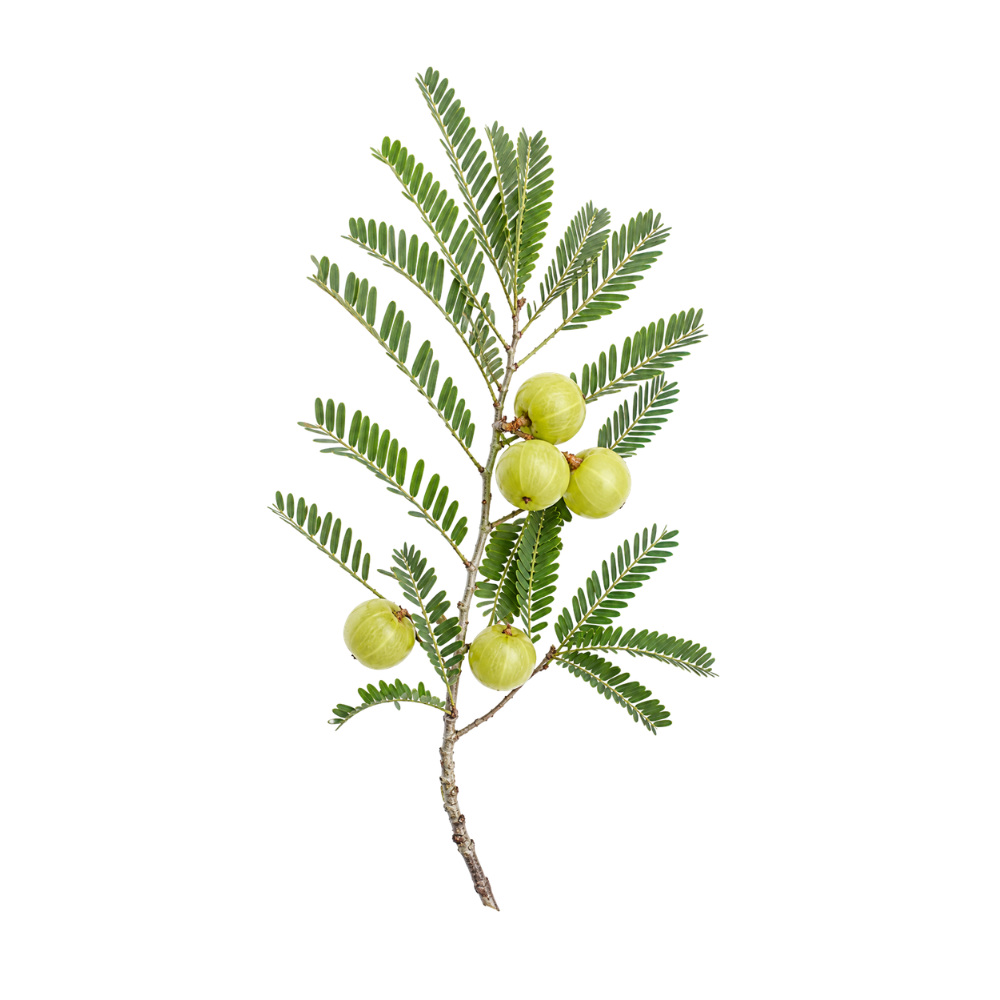
AntioxidantHypolipidemicRejuvenativeAnti-InflammatoryHypoglycemicVasoprotectiveGastroprotective
Monograph →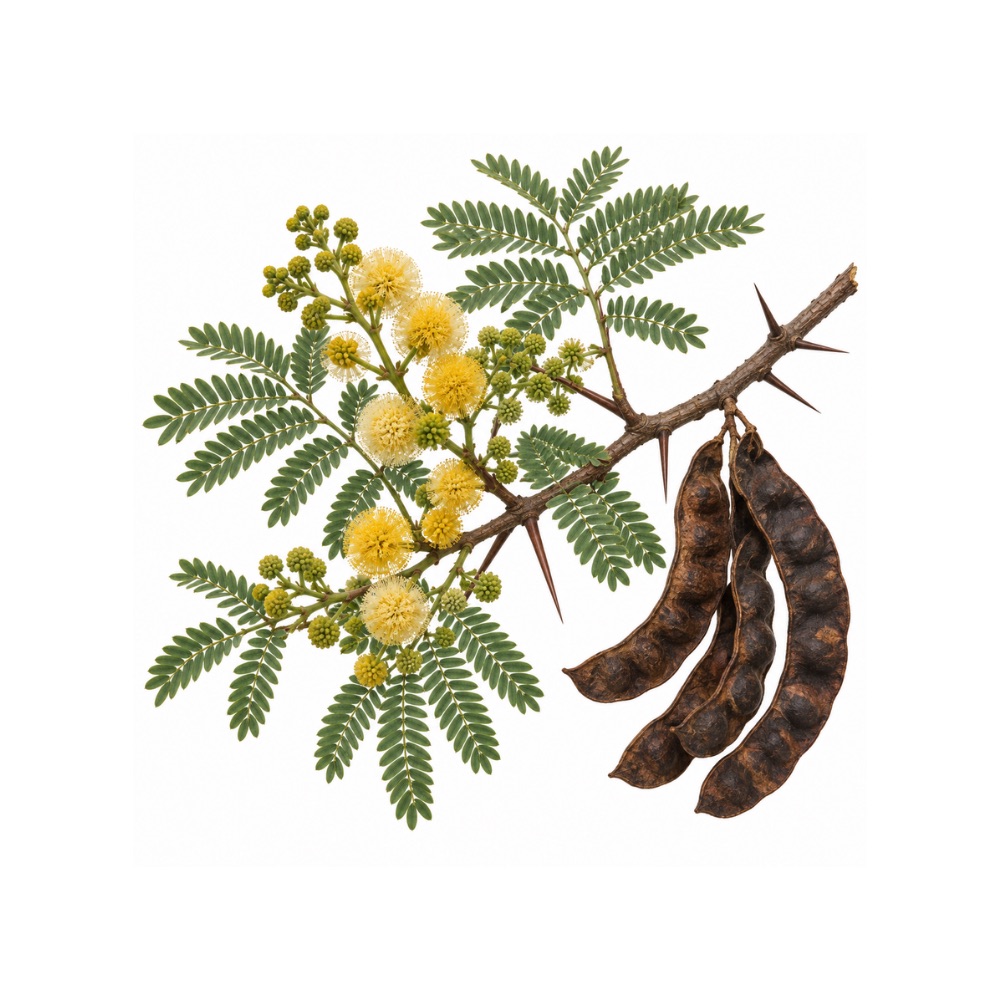
AstringentAntibacterialAntidiarrhealAntispasmodicHemostaticVulneraryAnti-InflammatoryAntioxidant
Also usedBark, Leaf, Flower, Root / Rhizome, Resin, Seed Monograph →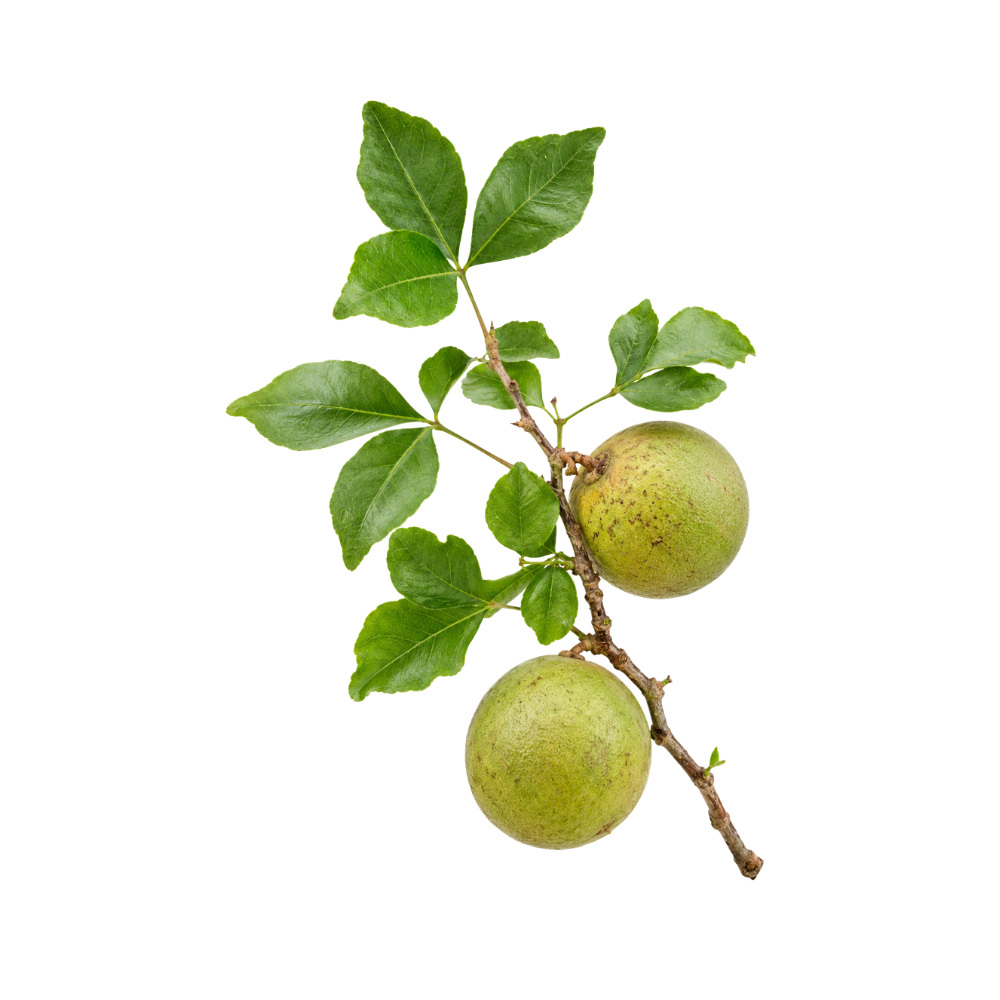
AntispermatogenicAstringentAntidiarrhealAntimicrobialBitterLaxativeAnti-InflammatoryGastroprotectiveHypoglycemicAntioxidantAntispasmodicAntipyreticAnalgesicAppetite Stimulant
Also usedLeaf, Root / Rhizome, Bark Monograph →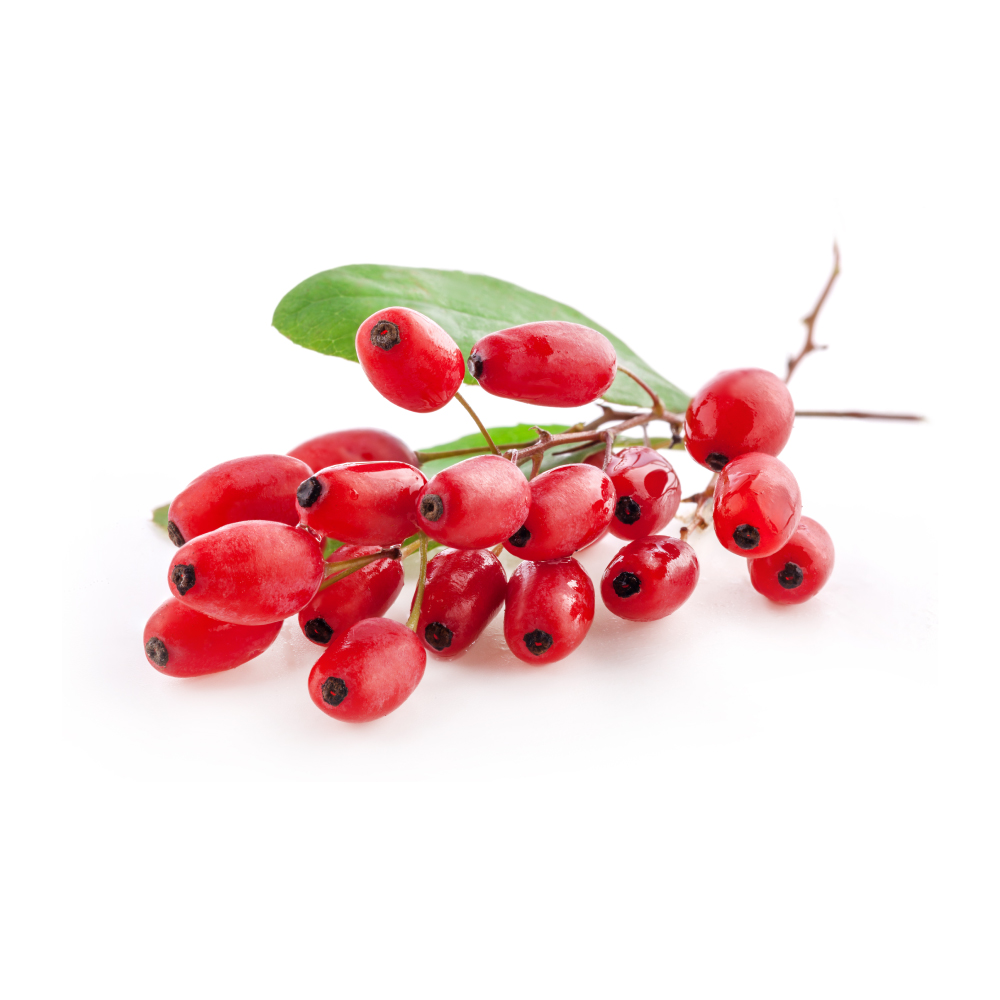
AntimicrobialBitterCholagogueCholereticAntipsoriaticAlterativeHepatoprotectiveLaxativeAntibacterialAntidiarrhealHypolipidemicAntidiabeticAntioxidantAntiamoebicHypoglycemicAppetite Stimulant
Also usedRoot / Rhizome, Bark Monograph →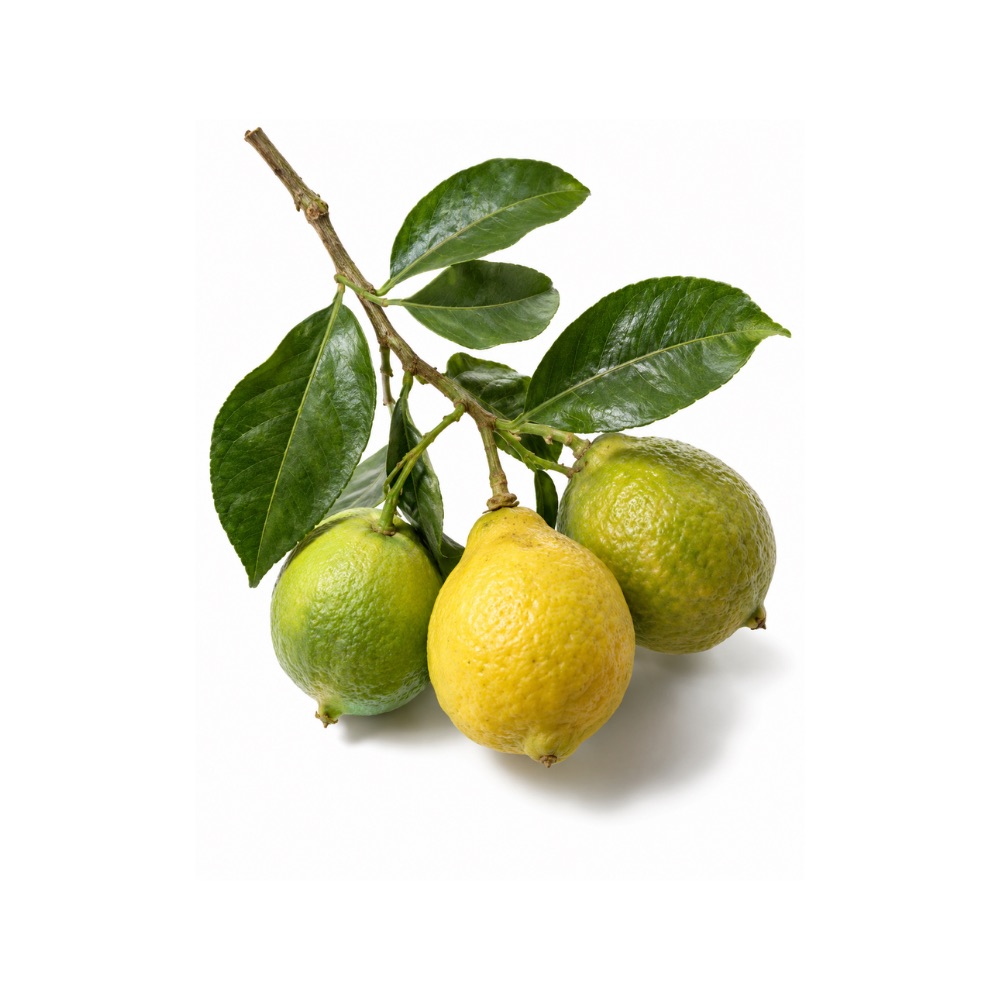
HypolipidemicAntioxidantHypoglycemic
Also usedJuice Monograph →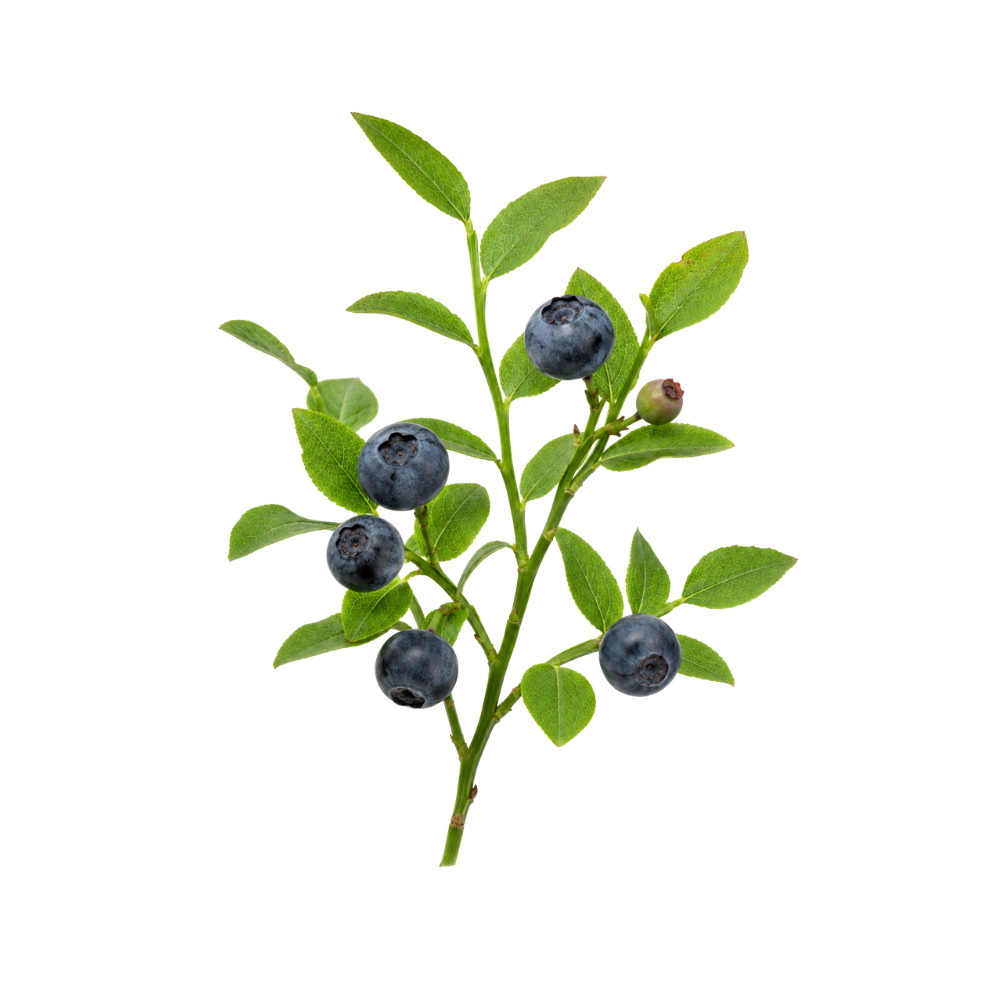
AntioxidantVasoprotectiveAnti-InflammatoryAstringent
Also usedLeaf Monograph →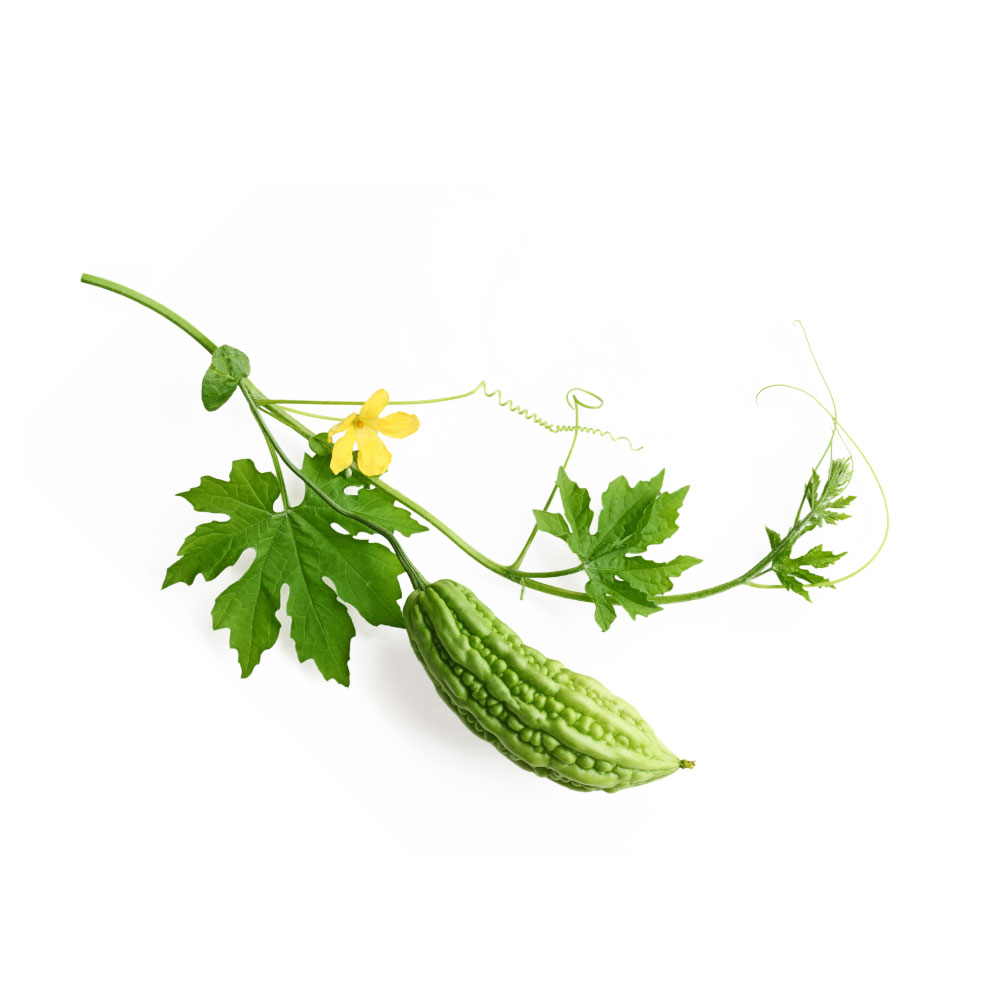
AntidiabeticHypolipidemicBitterAntiviralAnticancerAnti-InflammatoryAppetite Stimulant
Also usedSeed Monograph →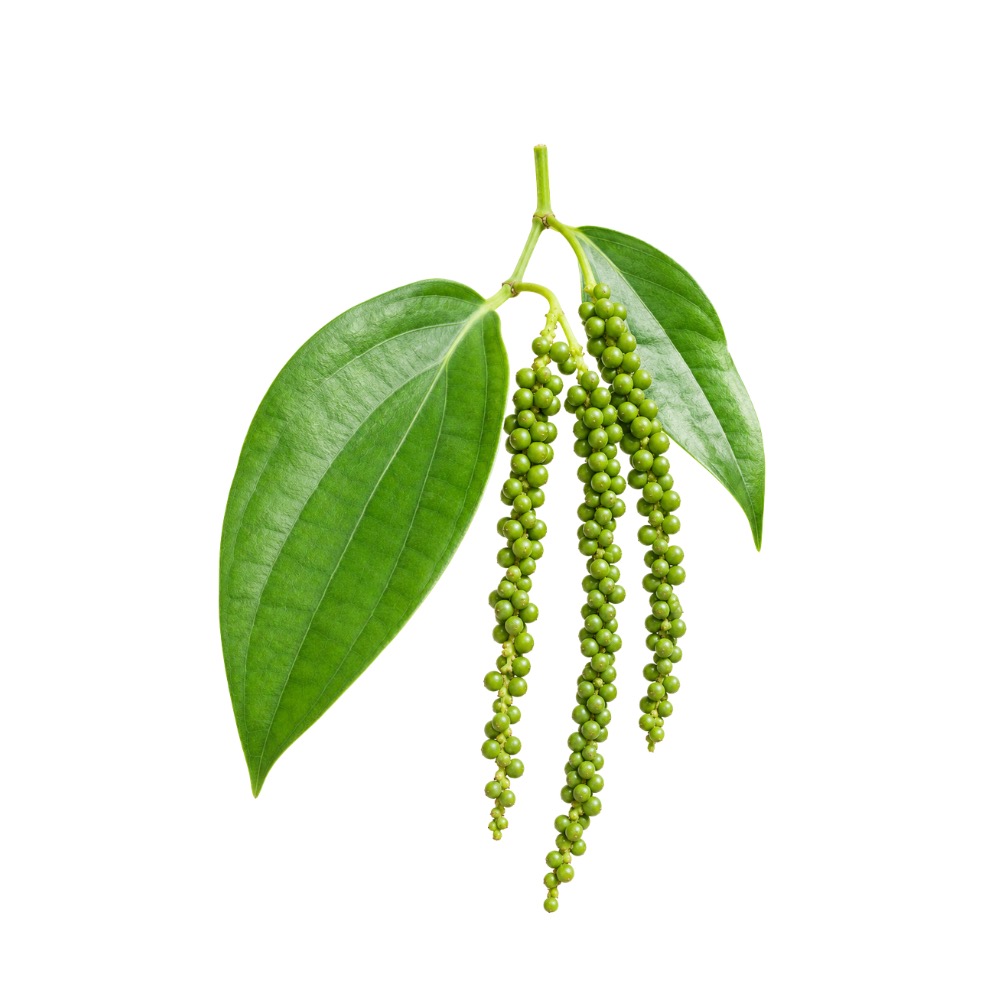
CarminativeStimulantAntioxidantAntimicrobialExpectorant
Monograph →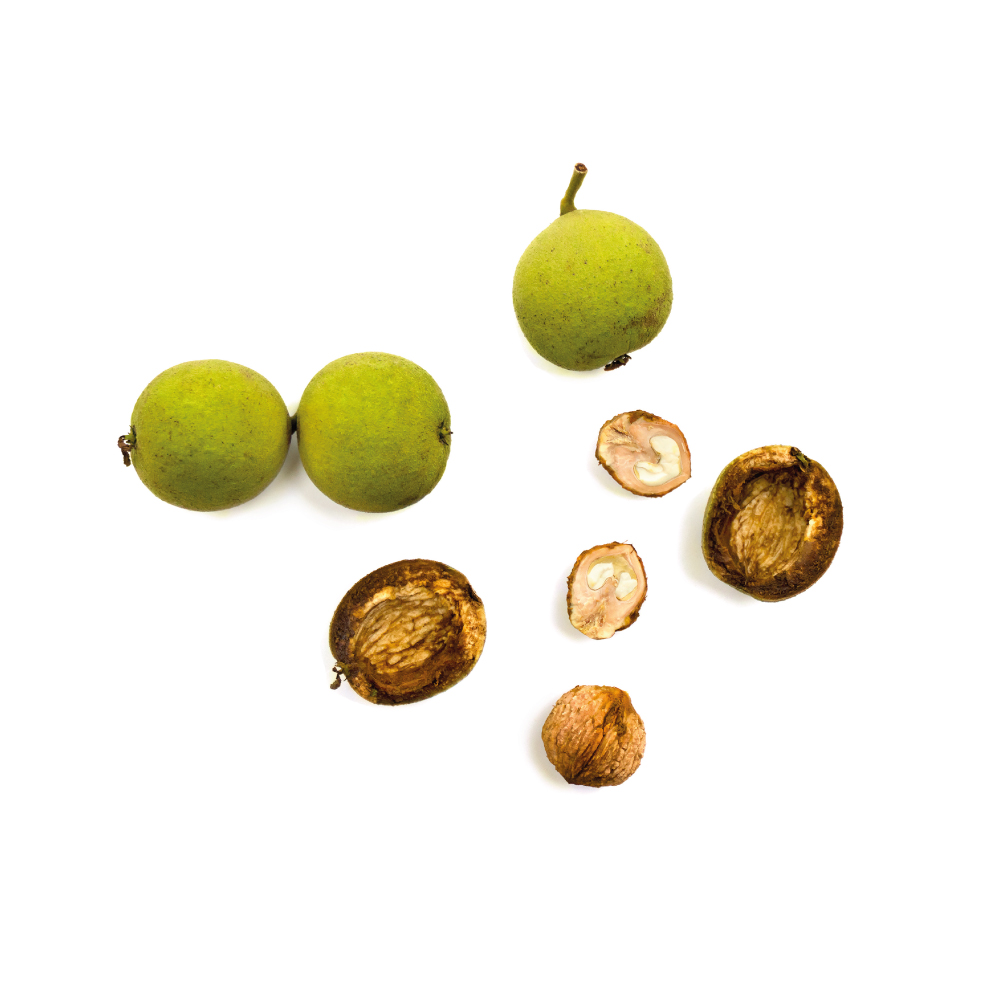
AlterativeAnthelminticAnti-InflammatoryAntifungalAstringentAntiparasitic
Also usedLeaf, Bark, Seed Monograph →
NutritiveAntioxidantHepatoprotectiveAnti-InflammatoryHypoglycemic
Monograph →
AntidiabeticAnti-InflammatoryAntimicrobialAnticancerAntiviralAstringentAntihypertensiveNutritiveAntioxidantAntibacterial
Also usedLeaf, Bark, Seed Monograph →
StimulantAnalgesicCarminativeRubefacientHypolipidemicThermogenic
Monograph →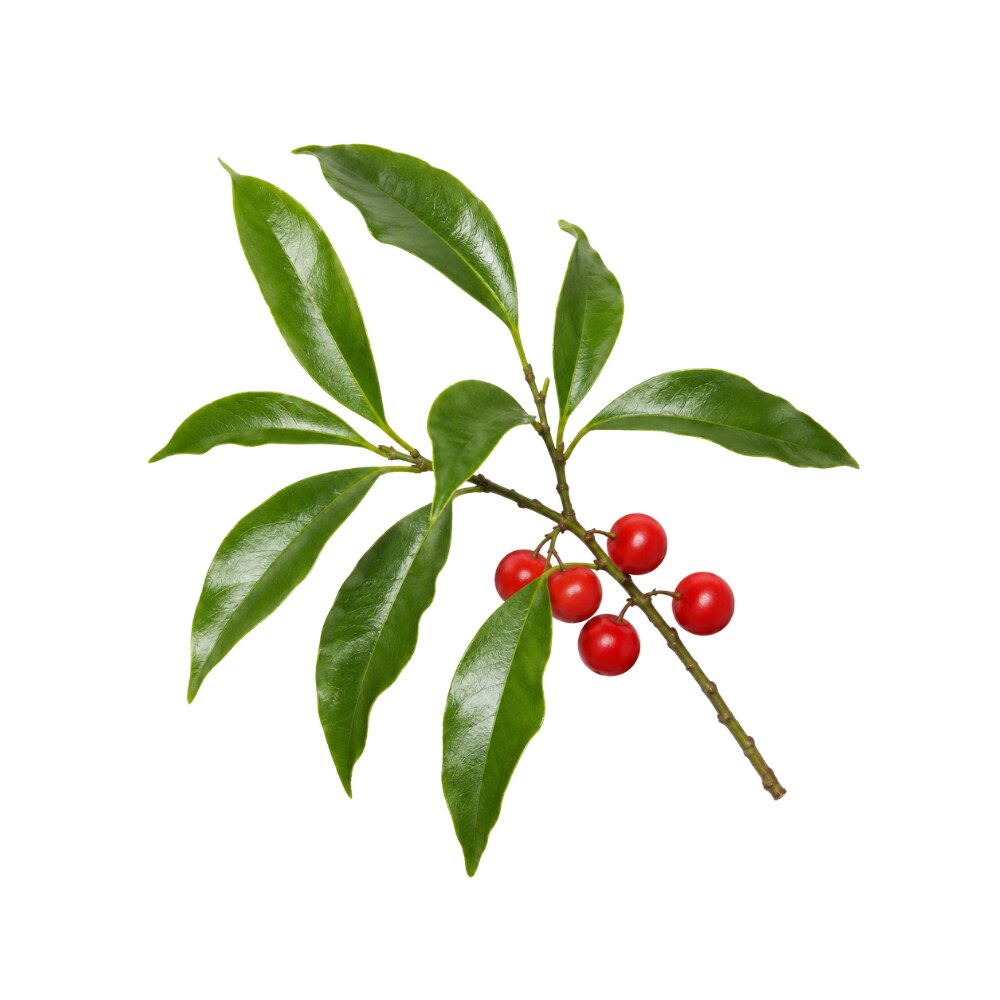
DiureticStimulantAntitussiveThermogenic
Also usedLeaf Monograph →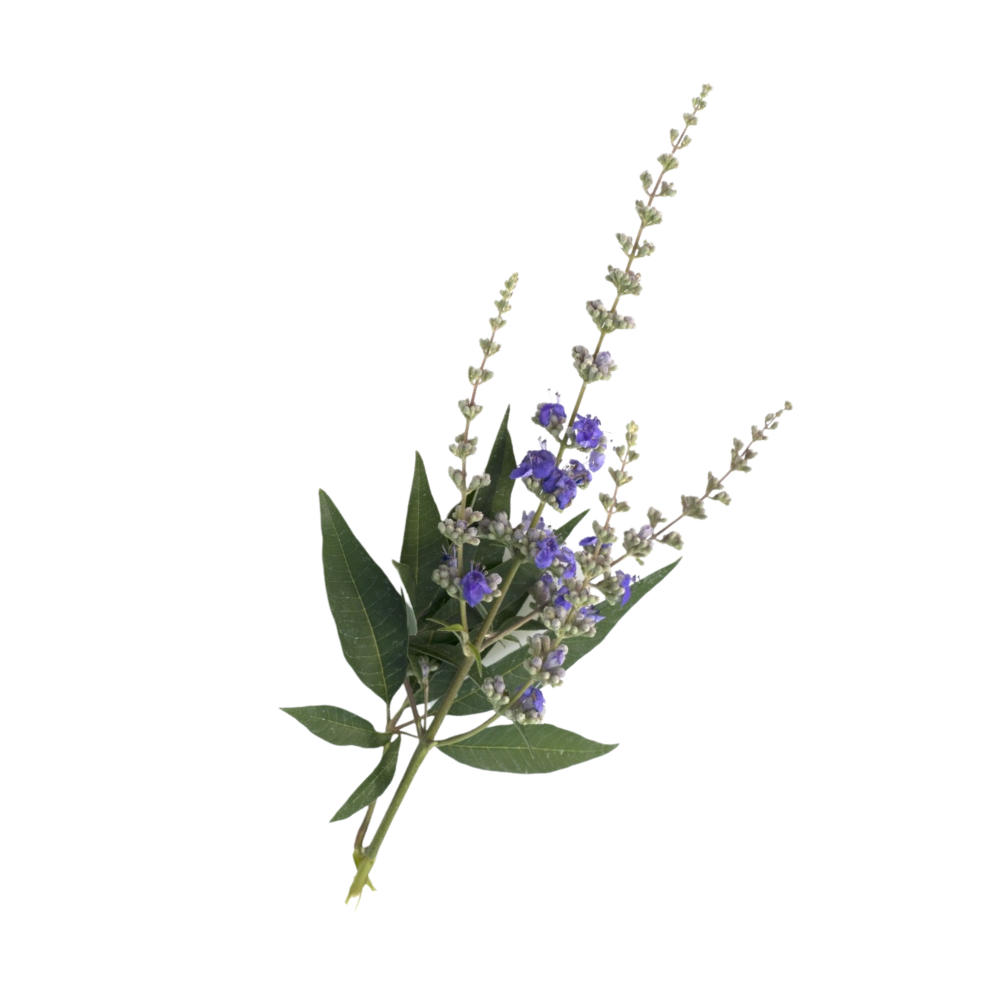
Female TonicProlactin Inhibitor
Monograph →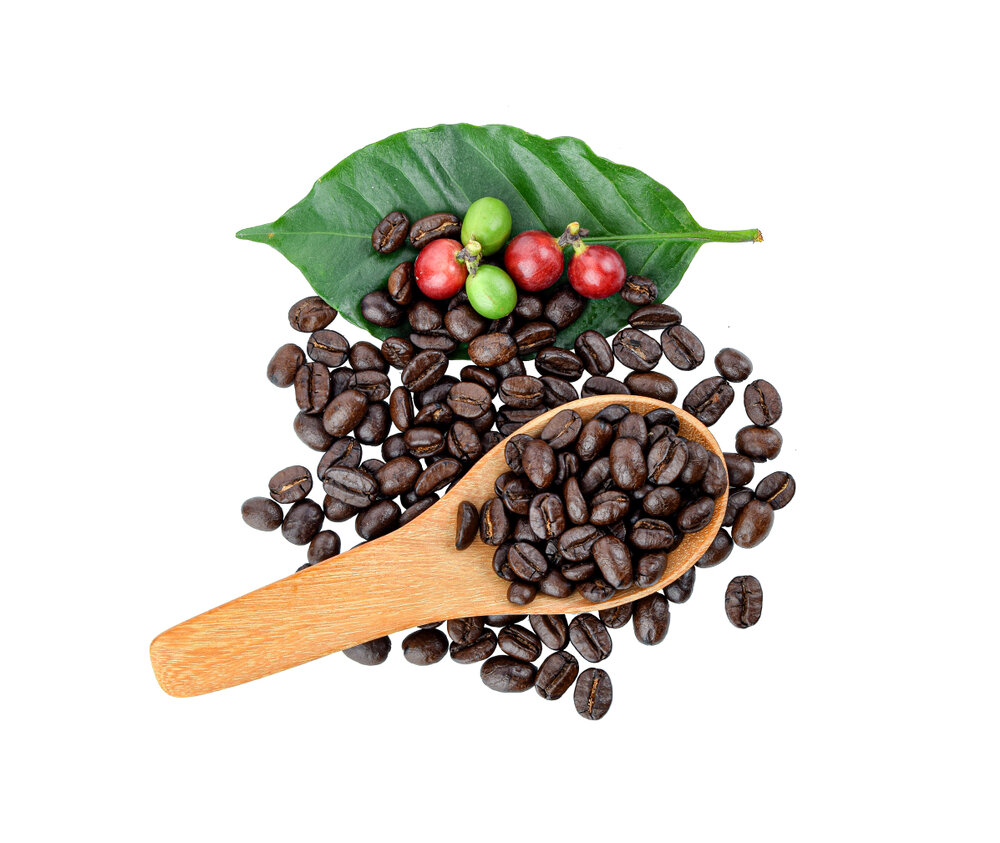
AntioxidantBronchodilatorDiureticHepatoprotectiveAntihypertensiveNootropicVascular-TonicVasodilatorStimulantVasoconstrictorAntidiabeticHepaticThermogenic
Also usedSeed, Leaf Monograph →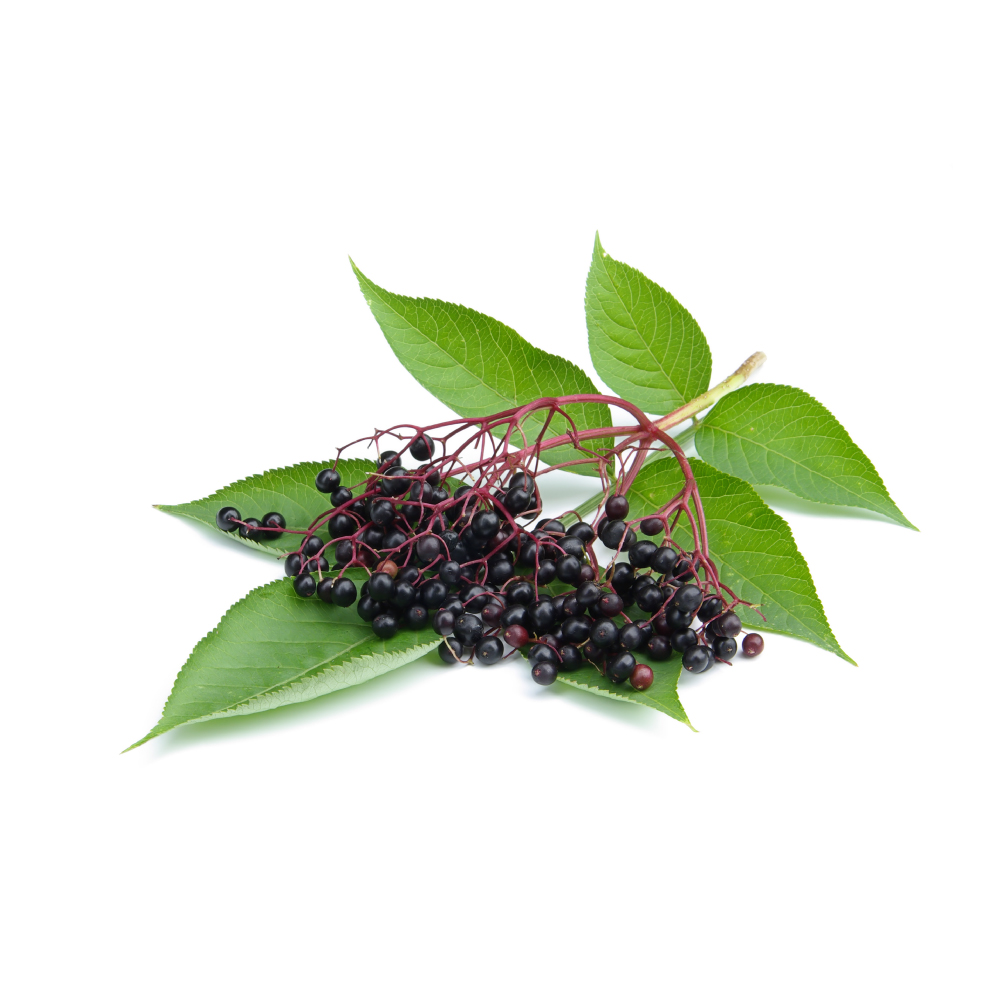
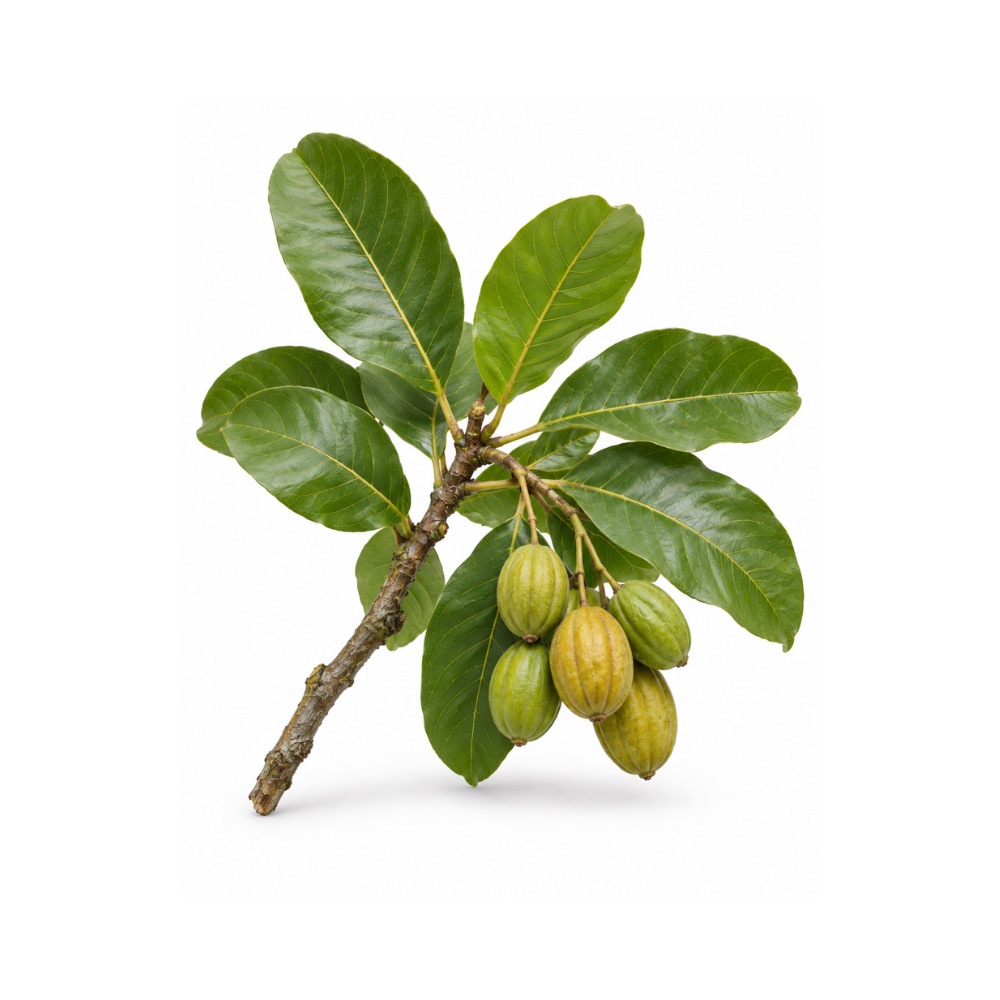
AstringentLaxativeAntidiarrhealAntimicrobialAntioxidantBitterHypoglycemicAntiviralRejuvenativeHypolipidemicAppetite Stimulant
Monograph →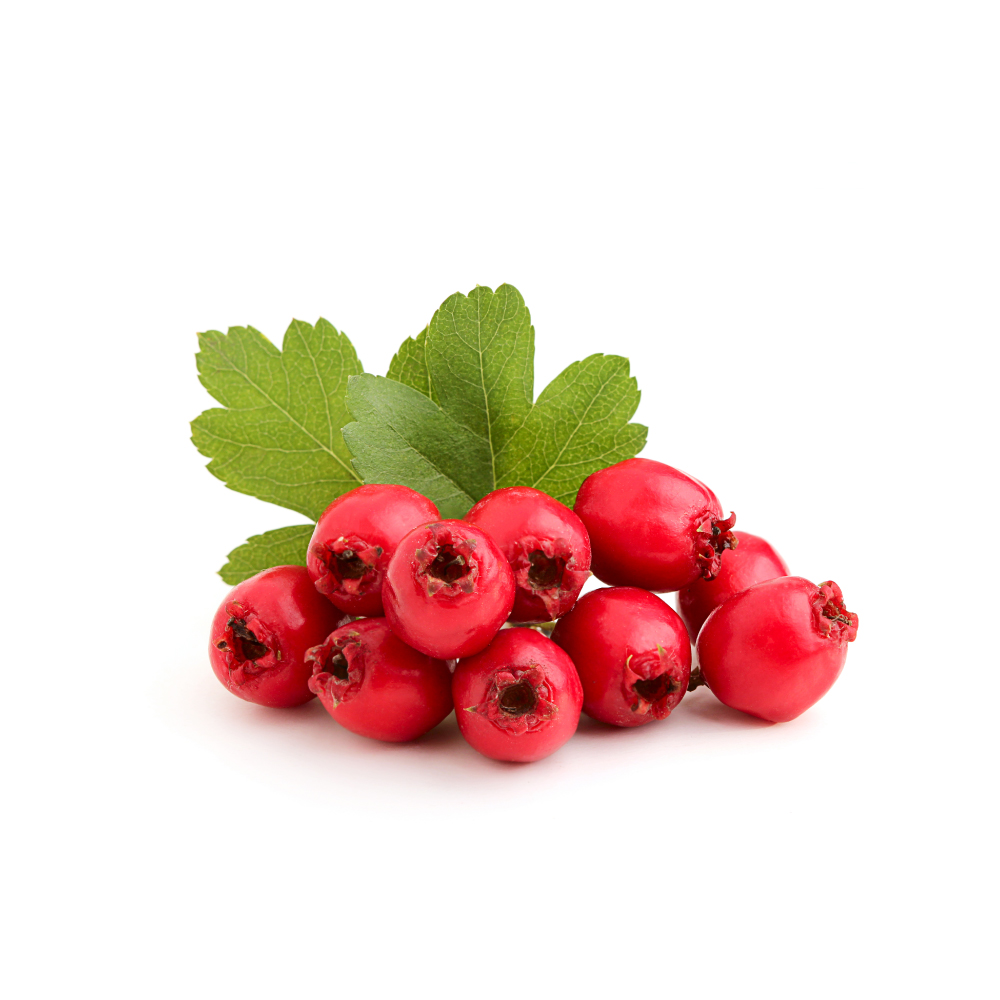
CardiotonicAstringentAntihypertensiveAntioxidantHypolipidemicAntiarrhythmicCoronary VasodilatorVasodilatorCirculatory Stimulant
Also usedFlower, Leaf Monograph →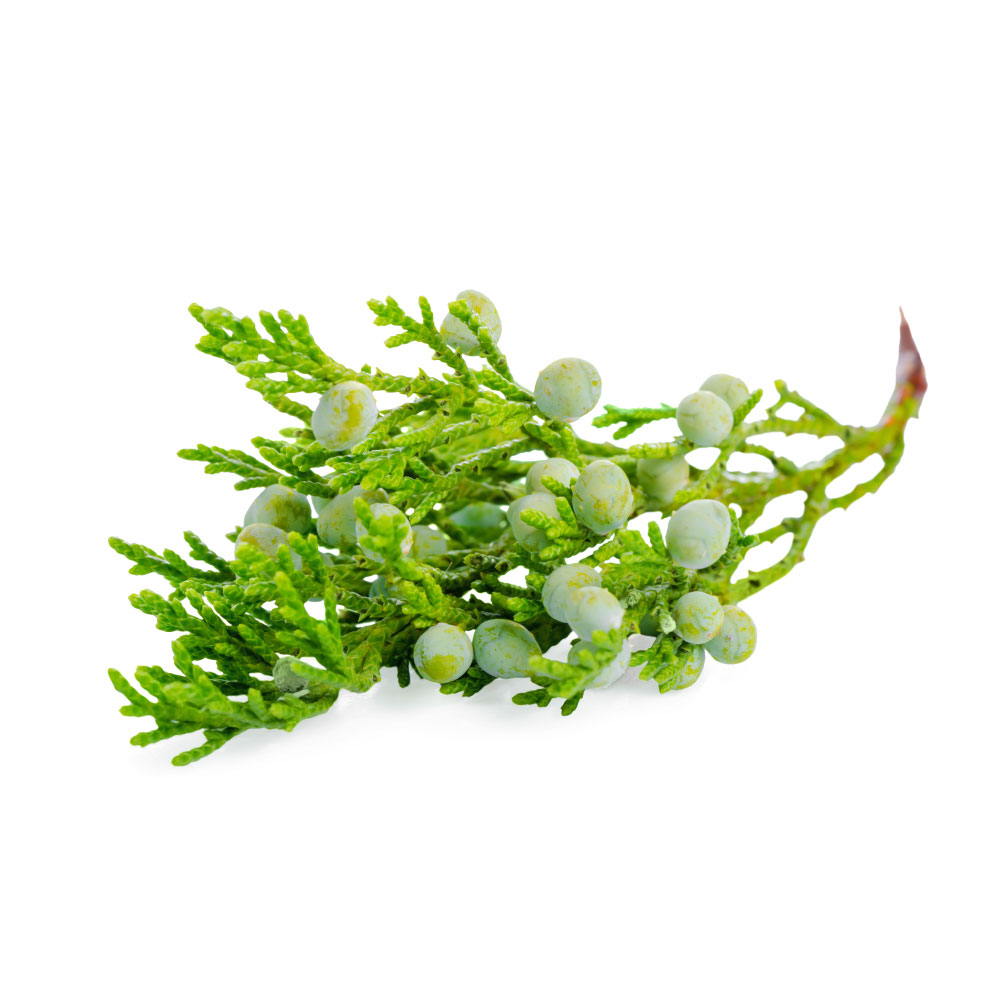
Urinary AntisepticDiureticAntirheumaticCarminativeAnti-InflammatoryNootropicAnalgesic
Monograph →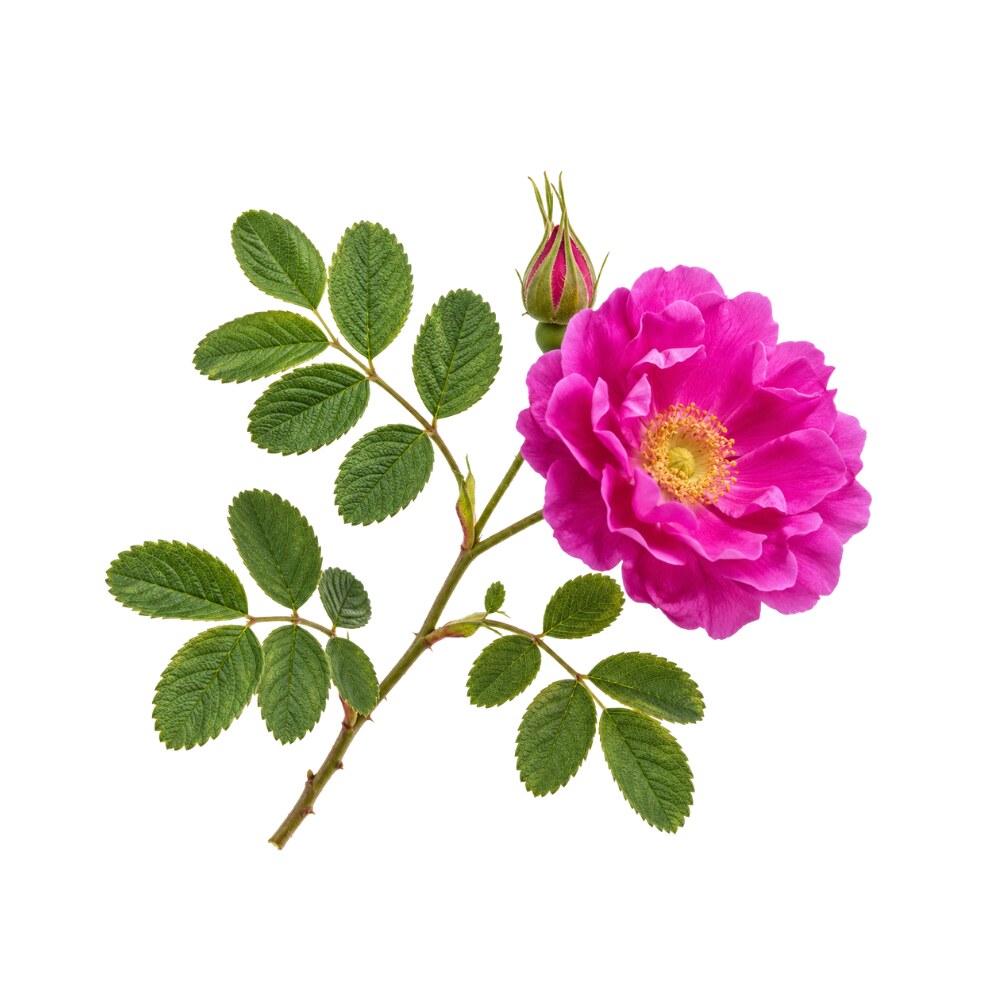
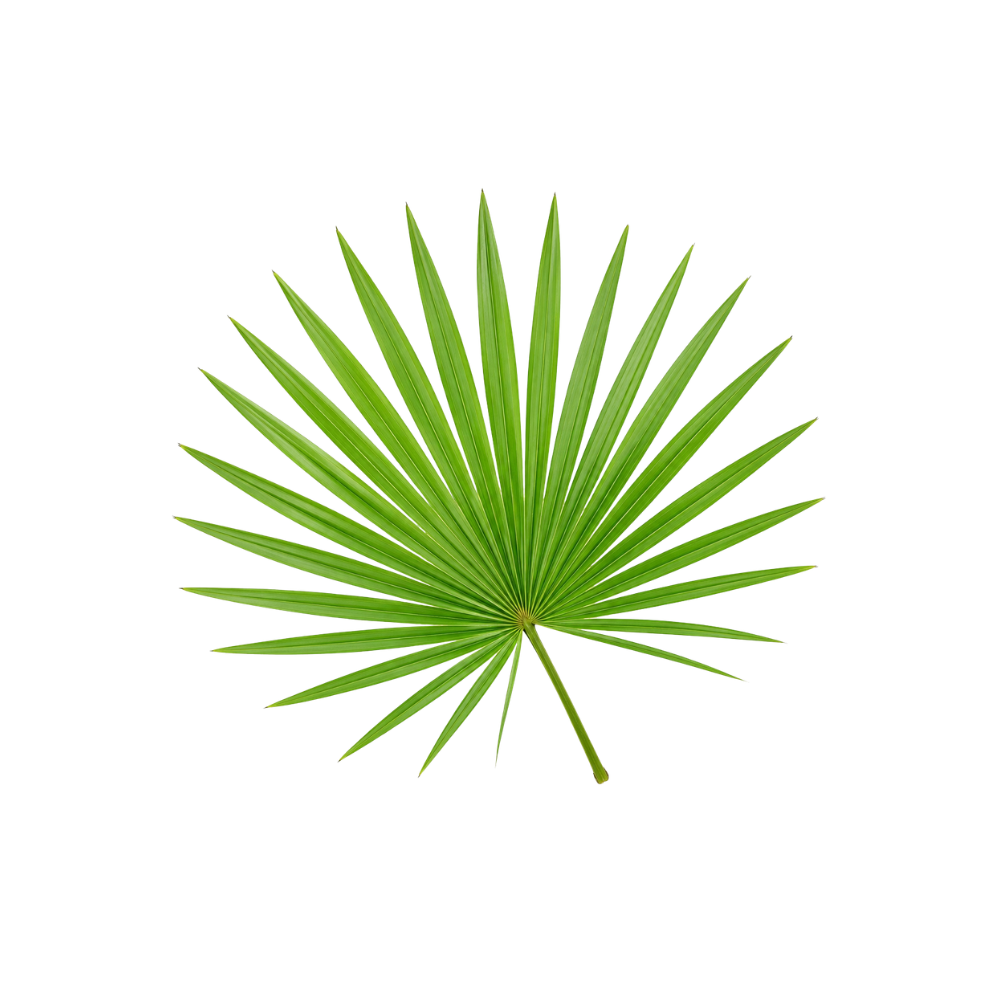
Anti-InflammatoryAntiprostaticAntiandrogenic5-Alpha-Reductase InhibitorUrinary Antiseptic
Monograph →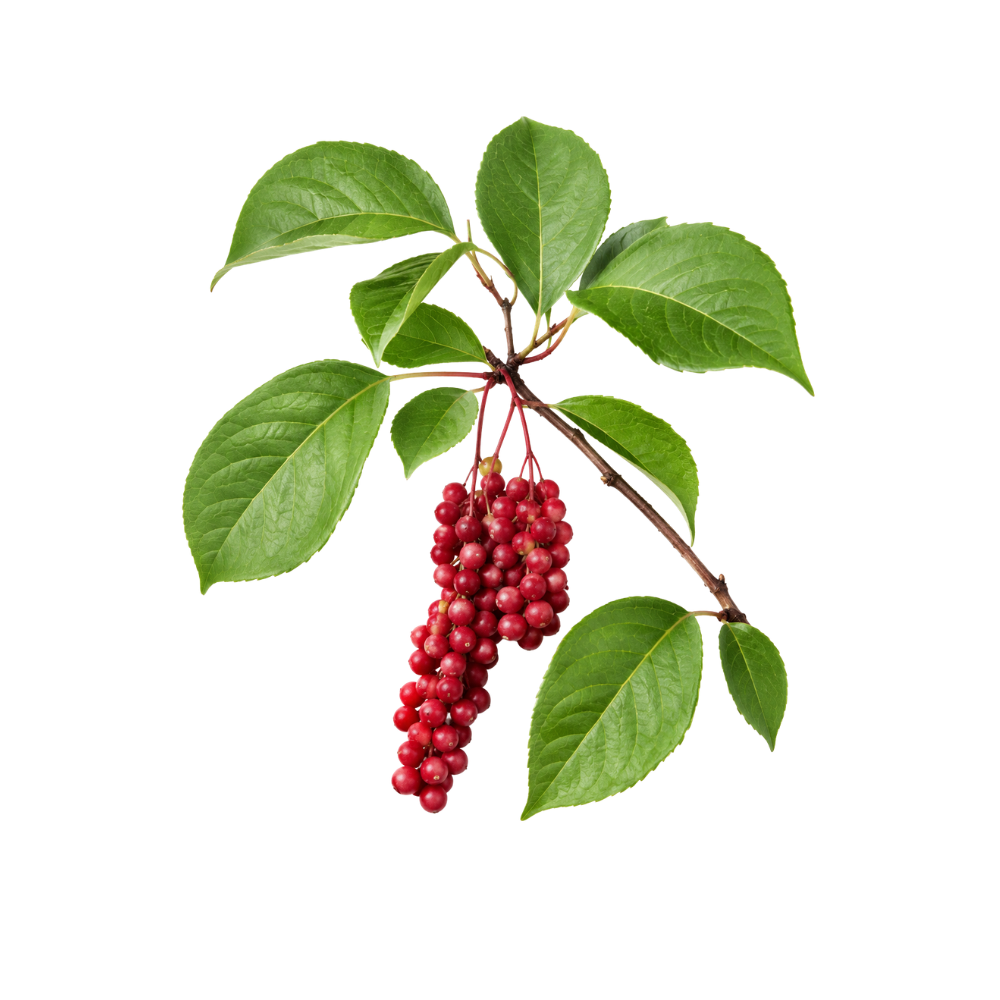
HepatoprotectiveAntioxidantAdaptogenNervineAntitussiveOxytocicFemale TonicAntidepressant
Monograph →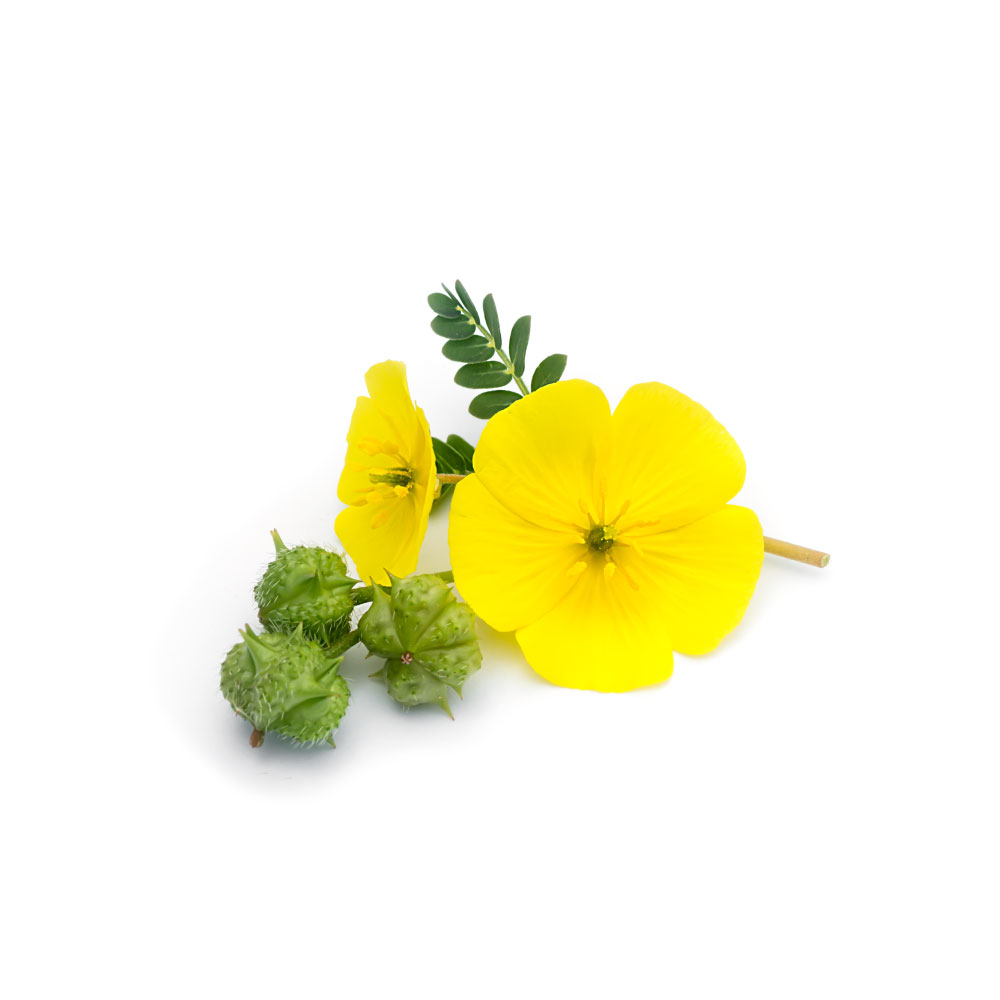
SpermatogenicTonicMale TonicCardiotonicAphrodisiacHypoglycemicAntihypertensive
Also usedLeaf, Aerial Parts Monograph →No herbs match these filters.
Phytochemistry
Fruit Phytochemicals
Fruit chemistry is mostly water, sugar, and acid, with the active fraction concentrated in the skin and seed. Drying shifts the balance, so a dried berry is a different medicine from a fresh one.
Anthocyanins The deep red-purple pigments of the skin, and the main antioxidant claim of most berry medicine.
They are heat- and pH-labile, so a syrup simmered hard loses both color and the constituent you paid for.
Found in Elderberry
View compound class →Organic Acids Malic, citric, tartaric, and their relatives — the sourness.
They act as natural preservatives, aid mineral absorption, and are a large part of why an unsweetened fruit decoction is hard to drink neat.
Lignans Dibenzocyclooctadiene lignans are the defining fraction of schisandra — hepatoprotective, adaptogenic, and poorly water-soluble.
This is the standard case for tincturing a fruit rather than only stewing it.
Found in Schisandra
View compound class →Fatty Acids & Phytosterols Oily fruits carry free fatty acids and sterols like β-sitosterol in the pulp.
The saw palmetto prostate tradition rests entirely on this fraction, which means a water infusion of the berry extracts almost nothing of interest.
Found in Saw Palmetto
Purine Alkaloids & Chlorogenic Acids Caffeine and its relatives, alongside the chlorogenic acids that dominate the unroasted seed.
Roasting trades chlorogenic content for aroma — green and roasted coffee are chemically different preparations.
Found in Coffee
Naphthoquinones & Tannins Juglone and heavy tannins sit in the green hull rather than the kernel, giving the sharply astringent, antiparasitic, staining preparations.
They oxidize fast — the hull blackens within hours of cutting.
Found in Walnut
Flavonoid C-Glycosides Vitexin, isovitexin, and kin — stable, water-soluble flavonoids that survive drying well and carry much of the mild sedative and vascular activity attributed to these plants.
Found in Passionflower
Pectins & Fruit Sugars Soluble fiber and simple sugars.
They give syrups their body without added thickener, feed gut flora, and are the reason fruit preparations spoil quickly unless honey, sugar, or alcohol is carried high enough.
Found in Elderberry
Keep Exploring