

Overview
Hypoglycemic at a Glance
Hypoglycemic herbs lower blood glucose.
They may do this by slowing carbohydrate absorption in the gut, increasing insulin release from the pancreas, or improving the body’s response to insulin.
This is the main distinction from the broader antidiabetic action.
An antidiabetic herb may protect pancreatic cells, improve insulin resistance, or slow complications of diabetes without necessarily lowering a glucose reading.
Hypoglycemic herbs are specifically the ones that bring glucose down.
How they do it matters.
Psyllium and other fibre-rich herbs mainly reduce the rise in blood sugar after a meal. American ginseng also seems to work best around meals.
Fenugreek does a bit of both: its fibre slows carbohydrate absorption, while 4-hydroxyisoleucine can stimulate insulin release when glucose is already high.
Berberine-containing herbs such as coptis and barberry work more through insulin sensitivity and metabolic signalling, so their effects tend to show up more in fasting glucose and HbA1c over time.
Some of the better-supported herbs include psyllium, fenugreek, American ginseng, and berberine-containing plants.
There is also a long tradition of using herbs for high blood sugar.
Bael, guava leaf, holy basil, haritaki, and many others have been used this way for generations, although the quality of modern evidence varies considerably between them.
Many more herbs remain at the animal or laboratory stage.
Caution
Adds to diabetes medication — these herbs add to insulin and oral antidiabetics, and the combination can take glucose too low.
Check glucose more often — anyone on glucose-lowering medication who adds one should monitor more closely and leave dose changes to their prescriber.
Never replaces diabetes treatment — no hypoglycemic herb replaces diabetes treatment or monitoring.
Mechanisms
How It Works
01
Carbohydrate Absorption
Blocking the brush-border enzymes that release glucose from starch and sucrose, or slowing the meal with viscous fibre, so that less glucose enters the blood after eating.
American and Asian ginseng reduce intestinal carbohydrate absorption. Fenugreek’s galactomannan and psyllium’s mucilage form gels that slow gastric emptying and glucose diffusion.
Guava leaf flavonoids inhibit α-glucosidase, raspberry leaf’s ellagic acid inhibits the enzymes that split sucrose, camu-camu’s malate esters and roselle’s anthocyanins inhibit α-amylase and α-glucosidase, and tribulus inhibits both enzymes and pancreatic lipase in vitro.
This is the acarbose strategy, and it carries acarbose’s signature: a lower postprandial glucose rather than a lower fasting glucose, and bloating and flatulence rather than hypoglycaemia, since the sugar is fermented further down the gut.
Timing to meals decides whether the herb does anything at all.
Herbs: American GinsengAsian GinsengCamu-camuFenugreekGuavaOatsPinePsylliumRaspberry LeafRed LotusRoselleTribulusVelvet Bean
Key compounds: AgrimoniinCasuarictinEllagic Acid
02
Insulin Secretion
Making the β-cell release more insulin, which is the sulfonylurea mechanism.
Fenugreek’s 4-hydroxyisoleucine is an unusual amino acid that stimulates insulin secretion glucose-dependently: it acts when glucose is high and not when it is normal.
Stevia’s steviol glycosides behave the same way, holy basil’s fasting-glucose effect is attributed to insulin release, and black horehound raised serum insulin in a glucose-tolerance test in rats.
Yarrow protects β-cells by damping IL-1β and iNOS rather than stimulating them.
Glucose-dependence is the safety distinction. A sulfonylurea pushes insulin out regardless of blood glucose, which is why it causes hypoglycaemia. A glucose-dependent secretagogue mostly does not.
Herbs: AmlaAsian GinsengBlack HorehoundFenugreekHoly BasilSteviaYarrow
Key compounds: 4-Hydroxyisoleucine
03
Insulin Sensitivity
Raising the response of muscle, fat and liver to insulin, the metformin end of the field.
Coptis’s berberine activates AMPK, the cell’s energy sensor, lowers SREBP-1c and reduces the formation of advanced glycation end-products. Stevia drives GLUT4 translocation and tea raises insulin sensitivity.
Bael leaf improved insulin resistance in a type 2 rat model, tamarack bark and lingonberry improved insulin sensitivity in obese mice, red lotus restored insulin signalling in muscle cells, and shrubby bushclover activated AMPK in diabetic mice.
AMPK activation is the least discriminating mechanism in natural-product pharmacology. Many compounds activate it in cell culture and very few of them lower anyone’s HbA1c, so an AMPK result is a starting point rather than a conclusion.
Herbs: Asian GinsengBaelBarberryCoptisGuamuraLingonberryOlive LeafRed LotusShrubby BushcloverSteviaTamarackTea
Key compounds: BerberineCarnosic acid
04
Mechanism Not Established
Some herbs lower glucose in trials or animal models with no identified target.
Fennel lowers blood glucose in diabetic rats with no target named. Haritaki’s diabetic trial measured endothelial, oxidative and lipid endpoints, with an inconsistent effect on glucose.
Saffron and German chamomile lower fasting glucose and HbA1c in small pooled trials by unresolved mechanisms, and bergamot’s glucose effect travels with its lipid and weight effects.
The Molecules
Pharmacology
What produces a hypoglycemic effect at the molecular level. The herbs below carry these molecules in different combinations and amounts, which is most of why their potency differs. Roles describe how central a molecule is to the action across plants generally, not how strong any one herb is.
Chiefly Tannins5Diterpenes3Saponins2Indole Alkaloids1Isoquinoline Alkaloids1Sesquiterpene Lactones1Sterols & Steroids1
Carries the action largely on its own — the effect is attributed to the molecule, not just the extract it came from.
Adds to a plant's effect and is often present in quantity, but rarely accounts for it alone.
Real but narrow — one pathway, one tissue, or evidence too thin to lean on.
Agrimoniin Tannins Primary mover Targets α-glucosidase inhibition (brush border); aldose reductase inhibition
The attribution was done by subtraction rather than correlation.
Comarum palustre herb extract inhibited α-glucosidase at IC₅₀ 52.0 µg/mL; removing the ellagitannins pushed that to 204.7 µg/mL, and purified agrimoniin alone gave IC₅₀ 21.8 µg/mL, so the herb’s activity is largely this molecule 1Reference 1AnimalAgrimoniin, an active ellagitannin from Comarum palustre herb with anti-α-glucosidase and antidiabetic potential in streptozotocin-induced diabetic ratsView study →.
The same group screened 85 Rosaceous tea plants, found Agrimonia asiatica strongest, and localised the activity to agrimoniin by HPLC activity-based profiling, ahead of ellagic acid and isoquercitrin 2Reference 2Phenolome of Asian agrimony tea (Agrimonia asiatica Juz., Rosaceae) — LC-MS profile, α-glucosidase inhibitory potential and stabilityView study →.
In vivo, oral agrimoniin at 100 mg/kg/day for 21 days in streptozotocin-diabetic rats significantly reduced serum glucose and normalised weight, plasma insulin, total haemoglobin and HbA1c, comparably to insulin, with no effect in healthy animals 1Reference 1AnimalAgrimoniin, an active ellagitannin from Comarum palustre herb with anti-α-glucosidase and antidiabetic potential in streptozotocin-induced diabetic ratsView study →.
Separately, agrimoniin inhibits rat lens aldose reductase at IC₅₀ 1.6 µM, non-competitively against the recombinant human enzyme, and cut ex-vivo sorbitol accumulation by 47.6% 3Reference 3In vitroPhytochemical analysis of Agrimonia pilosa Ledeb, its antioxidant activity and aldose reductase inhibitory potential — in vitro and ex vivoView study →. α-Glucosidase is a brush-border enzyme that a swallowed, unabsorbed tannin can reach, so the mechanism and the pharmacokinetics agree.
Carnosic acid Diterpenes Contributor Targets AMPK/ACC activation, insulin-independent glucose uptake
At 2.0 µM, a concentration measured in rosemary extract, carnosic acid raised glucose uptake in L6 rat myotubes to 226% of control, comparable with maximal insulin (201%) and metformin (213%).
The mechanism is AMPK and ACC phosphorylation rather than Akt: the effect was abolished by the AMPK inhibitor compound C, and plasma-membrane GLUT4/GLUT1 levels were unchanged, so it is transporter activity rather than translocation 4Reference 4In vitroCarnosic acid as a component of rosemary extract stimulates skeletal muscle cell glucose uptake via AMPK activation — in vitroView study →.
Carnosic acid and carnosol also activate AMPK in HepG2 cells and suppress gluconeogenic and lipogenic gene expression 5Reference 5In vitroCarnosic acid and carnosol activate AMPK, suppress expressions of gluconeogenic and lipogenic genes, and inhibit proliferation of HepG2 cells — in vitroView study →.
Whole-herb sage and rosemary inhibit α-glucosidase and α-amylase in vitro (IC₅₀ 77–108 µg/mL) 6Reference 6In vitroBioaccessibility and inhibitory effects on digestive enzymes of carnosic acid in sage and rosemary — in vitroView study →, a herb-level result not attributed to carnosic acid specifically.
The low micromolar potency is in a range a real preparation might reach.
Found in Holy Basil, Rosemary, Sage
Full Carnosic acid profile →Casuarictin Tannins Contributor Targets Intestinal α-glucosidase; pancreatic α-amylase and lipase; GLP-1 via colonic TAS2Rs
All three enzymes and the enteroendocrine receptors sit in the gut lumen, which is where an unabsorbed 936 Da ellagitannin stays.
Casuarictin was first isolated from clove as a rat intestinal maltase inhibitor 7Reference 7In vitroToda M, Kawabata J, Kasai T (2000). α-Glucosidase inhibitors from clove (Syzygium aromaticum) — in vitro. Bioscience, Biotechnology, and Biochemistry. https://pubmed.ncbi.nlm.nih.gov/10737184/View study →, and bioassay-guided fractionation of Melastoma dodecandrum fruit later identified it as the most potent α-glucosidase inhibitor present, IC₅₀ 0.21 µg/mL (about 0.22 µM), binding competitively at the catalytic site, with the parent extract lowering postprandial glucose in maltose-loaded mice at 100 mg/kg 8Reference 8In vitroIdentification of a novel α-glucosidase inhibitor from Melastoma dodecandrum Lour. fruits and its effect on regulating postprandial blood glucose — in vitro and mouse studyView study →.
The 94%-pure sea buckthorn isolate also inhibited pancreatic α-amylase and pancreatic lipase 9Reference 9In vitroInhibitory potential of sea buckthorn leaves extracts and its component casuarictin on pancreatic enzymes and LPS-induced TNF-α synthesis in human whole blood — in vitro / ex vivoView study →.
Casuarictin was one of four black raspberry seed ellagitannins that induced GLP-1 secretion in STC-1 enteroendocrine cells and upregulated the colonic bitter taste receptors mTAS2R131 and mTAS2R140 10Reference 10In vitroAnti-inflammatory activities of black raspberry seed ellagitannins and their structural effects on the stimulation of GLP-1 secretion and intestinal bitter taste receptors — in vitro and mouseView study →.
The potency figure is contested.
Structure–activity work on rat intestinal α-glucosidase found inhibition tracks galloyl count and that HHDP units had little effect, which predicts casuarictin (one galloyl, two HHDP) should be weak 11Reference 11In vitroInhibitory effects of ellagi- and gallotannins on rat intestinal α-glucosidase complexes — in vitroView study →, four to five orders of magnitude from the fruit result 8Reference 8In vitroIdentification of a novel α-glucosidase inhibitor from Melastoma dodecandrum Lour. fruits and its effect on regulating postprandial blood glucose — in vitro and mouse studyView study →.
The likely explanation is enzyme source, since yeast α-glucosidase is far more polyphenol-sensitive than mammalian brush-border maltase-glucoamylase, but it is not resolved.
It occurs in clove.
Found in Clove
Full Casuarictin profile →Cryptotanshinone Diterpenes Contributor Targets AMPK activation; ovarian insulin signaling (IRS/PI3K/GLUT4)
Two rodent lines converge.
In metabolic models cryptotanshinone activates AMPK, and the downstream effects follow: the AMPK–TSC2 axis shuts down mTORC1 12Reference 12In vitroCryptotanshinone activates AMPK-TSC2 axis leading to inhibition of mTORC1 signaling in cancer cells — in vitro studyView study →, AMPK/SIRT1/Nrf2 protects against alcohol liver injury 13Reference 13AnimalCryptotanshinone from the Salvia miltiorrhiza Bunge attenuates ethanol-induced liver injury by activation of AMPK/SIRT1 and Nrf2 signaling pathways — mouse in vivo studyView study →, AMPK and p38-MAPK drive brown adipocyte commitment and mitochondrial biogenesis 14Reference 14In vitroCryptotanshinone promotes commitment to the brown adipocyte lineage and mitochondrial biogenesis in C3H10T1/2 mesenchymal stem cells via AMPK and p38-MAPK signaling — in vitro studyView study →, and brown-fat activation limits diet-induced obesity in mice 15Reference 15AnimalCryptotanshinone promotes brown fat activity by AMPK activation to inhibit obesity — mouse in vivo studyView study →.
In PCOS models it reverses altered IRS-1/IRS-2, PI3K p85α, GLUT4 and ERK-1 expression in the ovary, lowering fasting glucose, insulin, AUC-glucose and HOMA-IR 16Reference 16AnimalCryptotanshinone reverses reproductive and metabolic disturbances in prenatally androgenized rats via regulation of ovarian signaling mechanisms and androgen synthesis — rat in vivo studyView study →, and reverses ovarian insulin resistance in mice 17Reference 17AnimalCryptotanshinone reverses ovarian insulin resistance in mice through activation of insulin signaling and the regulation of glucose transporters and hormone synthesizing enzymes — mouse in vivo studyView study →.
Two receptor findings sit alongside: tanshinones are selective 11β-HSD1 inhibitors 18Reference 18In vitroDevelopment and structure-activity relationships of tanshinones as selective 11β-hydroxysteroid dehydrogenase 1 inhibitors — in vitro SAR studyView study →, and a 2026 paper attributes an anti-adipogenic effect in 3T3-L1 preadipocytes to GLP-1 receptor binding 19Reference 19In vitroAnti-adipogenic effect of cryptotanshinone in 3T3-L1 preadipocytes via binding to glucagon-like peptide 1 receptor and its signaling — in vitro studyView study →.
It occurs in dan shen.
Found in Dan Shen
Full Cryptotanshinone profile →Galdosol Diterpenes Contributor
Galdosol was one of thirteen diterpenes screened for α-glucosidase and α-amylase inhibition in a 2017 study of Salvia chamaedryoides 25Reference 25In vitroAntibacterial and hypoglycemic diterpenoids from Salvia chamaedryoides — in vitroView study →.
Its individual inhibition values are not reported in the abstract, so no potency can be stated for it.
Found in Sage
Full Galdosol profile →Lambertine (Dihydroberberine) Indole Alkaloids Contributor Targets Mitochondrial respiratory complex I → AMPK; glucokinase
Dihydroberberine inhibits mitochondrial respiratory complex I, raising the AMP:ATP ratio and activating AMPK, the route metformin and berberine share.
In high-fat-fed rodents it outperformed berberine on adiposity and tissue triglyceride accumulation, attributed to its better availability rather than greater intrinsic potency 26Reference 26Berberine and its more biologically available derivative, dihydroberberine, inhibit mitochondrial respiratory complex IView study →.
A second thread implicates glucokinase directly: dihydroberberine promoted glucose-stimulated insulin secretion in INS-1 and MIN6 β-cells, improved oral glucose tolerance in mice, bound glucokinase in docking and thermal-shift assays, and lost the effect under glucokinase knockdown 27Reference 27Dihydroberberine normalizes insulin secretion by regulating glucokinaseView study →.
The human test was negative on the endpoint.
In a randomised crossover pilot, 100 mg of dihydroberberine produced about ten times the plasma berberine of a 500 mg berberine dose (3.76 vs 0.4 ng/mL) with no change in glucose or insulin 28Reference 28RCTAbsorption kinetics of berberine and dihydroberberine and their impact on glycemia: a randomized, controlled, crossover pilot trialView study →.
Higher exposure is demonstrated; glycaemic benefit in people is not.
It occurs in barberry.
Punicalagin Tannins Contributor Targets α-glucosidase inhibition (mixed-type)
Purified pomegranate-peel punicalagin inhibits α-glucosidase with IC50 82 µg/mL (commercial standard 58 µg/mL) by a mixed-type mechanism, with docking supporting steric hindrance at the active site 33Reference 33Pomegranate peel-derived punicalagin — ultrasonic-assisted extraction, purification, and its α-glucosidase inhibitory mechanismView study →. α-Glucosidase inhibition happens in the gut lumen, where punicalagin is, which makes it the most plausible of the metabolic mechanisms attributed to the molecule.
It is in vitro, there is no animal or human glycaemic study on isolated punicalagin, and the same property is shared broadly across hydrolysable tannins, so it is a class effect as much as a punicalagin effect.
Found in Haritaki
Full Punicalagin profile →Repandusinic Acid A Tannins Contributor Targets Intestinal α-glucosidase
Repandusinic acid A is a competitive inhibitor of α-glucosidase, the brush-border enzyme that releases glucose from oligosaccharides and the acarbose target.
Two independent groups isolated the purified molecule and measured it: IC₅₀ 1.9 ± 0.02 µM from a Phyllanthus niruri water extract by HPLC-based high-resolution inhibition profiling 34Reference 34Investigation of antidiabetic potential of Phyllanthus niruri L. using assays for α-glucosidase, muscle glucose transport, liver glucose production, and adipogenesisView study →, and IC₅₀ 6.10 ± 0.10 µM with Kᵢ 4.01 µM, competitive with respect to substrate, from Vietnamese P. urinaria and P. amarus 35Reference 35Screening for potential α-glucosidase and α-amylase inhibitory constituents from selected Vietnamese plants used to treat type 2 diabetesView study →. α-Glucosidase sits in the gut lumen, which is where a non-absorbed 971 Da ellagitannin stays 36Reference 36ReviewUnlocking the therapeutic potential of ellagitannins: a comprehensive review of key representativesView study →.
It was the weaker of two inhibitors in the same extract (corilagin 0.9 µM 34Reference 34Investigation of antidiabetic potential of Phyllanthus niruri L. using assays for α-glucosidase, muscle glucose transport, liver glucose production, and adipogenesisView study →), and no oral glucose tolerance test has been run on it in any animal.
It occurs in chanca piedra.
Rugosin A Tannins Contributor Targets Dipeptidyl peptidase-IV (DPP-IV, EC 3.4.14.5) inhibition
In an activity-guided fractionation of Rosa gallica bud extract powder, seven ellagitannins were isolated as the active DPP-IV inhibitors, and rugosin A and rugosin B showed the highest inhibitory activities of the seven 37Reference 37Isolation of rugosin A, B and related compounds as dipeptidyl peptidase-IV inhibitors from rose bud extract powderView study →; rugosin B was named the major contributor in the extract by virtue of abundance.
DPP-IV is the gliptin drug target, and inhibiting it spares the incretins GLP-1 and GIP. The evidence is a single in-vitro enzyme screen published as a food-ingredient study, with no IC₅₀ in the abstract and no cellular, animal or human follow-up, and a non-absorbed tannin could only plausibly reach intestinal DPP-IV rather than the circulating enzyme gliptins act on.
A related derivative, decarboxylated rugosin A from Trapa bispinosa pericarp, separately inhibits α-glucosidase 38Reference 38Characterization and identification of bioactive polyphenols in the Trapa bispinosa Roxb. pericarp extractView study →, an adjacent mechanism in a different molecule.
It occurs in rose.
Found in Meadowsweet, Rose
Full Rugosin A profile →Diosgenin Saponins Minor role Targets SREBP-1; GLUT4/Akt/PKCζ-λ; PPARγ; ACC/FAS
Diosgenin inhibits SREBP-1, lowering fasting glucose and insulin and improving lipids in db/+ mice 20Reference 20AnimalDiosgenin ameliorates gestational diabetes through inhibition of sterol regulatory element-binding protein-1 — mouse in vivo studyView study →, and downregulates ACC and fatty-acid synthase while upregulating PPARγ and the LDL receptor in human cells 21Reference 21In vitroDiosgenin and 4-hydroxyisoleucine from fenugreek are regulators of genes involved in lipid metabolism in the human colorectal cancer cell line SW480 — in vitro studyView study →.
A rat study reports GLUT4 translocation with Akt and PKCζ/λ phosphorylation in skeletal muscle after diosgenin injection, but the authors route that through a rise in serum DHEA, which is the contested step 22Reference 22AnimalAcute administration of diosgenin or dioscorea improves hyperglycemia with increases muscular steroidogenesis in STZ-induced type 1 diabetic rats — rat in vivo studyView study →.
Oral bioavailability is poor: the molecule is insoluble, P-glycoprotein-effluxed, and rapidly conjugated in phase II (S9 t½ 11.3 min) 23Reference 23In vitroCharacterization of in vitro ADME properties of diosgenin and dioscin from Dioscorea villosa — in vitro studyView study →.
Much diosgenin used in the antidiabetic literature is fenugreek-derived, and fenugreek’s own human glycaemic evidence rests on whole seed, where galactomannan fibre and 4-hydroxyisoleucine are at least as plausible 24Reference 24ReviewDiosgenin, 4-hydroxyisoleucine, and fiber from fenugreek: mechanisms of actions and potential effects on metabolic syndrome — reviewView study →.
N-Methyllaurotetanine Isoquinoline Alkaloids Minor role Targets Not characterized for this alkaloid (insulin release / glycogen synthesis shown only for thaliporphine)
The only whole-animal study of the molecule gave aporphines including thaliporphine, glaucine, boldine, N-methyllaurotetanine and predicentrine as intravenous bolus injections to normal Wistar rats and to STZ- and nicotinamide/STZ-diabetic rats, and all lowered plasma glucose dose-dependently 29Reference 29AnimalAntihyperglycemic effect of aporphines and their derivatives in normal and diabetic ratsView study →.
Thaliporphine was the most potent and the only one whose mechanism was pursued (insulin release plus increased skeletal-muscle glycogen synthesis); this alkaloid’s mechanism was not investigated, and no per-compound dose is reported.
Intravenous dosing bypasses absorption entirely, so it says nothing about an oral effect from a plant preparation.
It occurs in California poppy and boldo.
Protodioscin Saponins Minor role Targets Pancreatic lipase (weak, ~10%); micellar cholesterol solubilisation
Tested as a purified standard, protodioscin achieved only about 10% pancreatic lipase inhibition and a 23% reduction in bioaccessible cholesterol in a digestion model, while the hydrolysed, sapogenin-dominant saponin extracts were the ones that shifted cholesterol bioaccessibility 30Reference 30In vitroThe hydrolysis of saponin-rich extracts from fenugreek and quinoa improves their pancreatic lipase inhibitory activity and hypocholesterolemic effect — [in vitro]View study →.
Fenugreek deliberately treated with β-glucosidase to destroy its protodioscin still produced dose-dependent falls in body weight and plasma and hepatic cholesterol in high-fat-fed rats 31Reference 31AnimalFenugreek with reduced bitterness prevents diet-induced metabolic disorders in rats — [animal model]View study →, and whole Tribulus extracts lower blood glucose in diabetic rats whether their protodioscin content is high or low 32Reference 32AnimalTribulus terrestris efficacy and safety concerns in diabetes and erectile dysfunction, assessed in an experimental model — [animal model]View study →.
The metabolic effect in this family belongs to the aglycone and the extract rather than to protodioscin.
Sarsasapogenin Sterols & Steroids Minor role Targets AGEs/RAGE; NLRP3; PPARγ
Sarsasapogenin does not lower blood glucose; its diabetes literature concerns complications.
In streptozotocin rats it improved renal function, retinal cell survival and cognition by inhibiting the AGEs/RAGE axis and NLRP3 inflammasome activation and by activating PPARγ 39,
That is diabetic end-organ protection downstream of hyperglycaemia rather than a glucose-lowering action.
It occurs in sarsaparilla and shatavari.
Vulgarin Sesquiterpene Lactones Minor role Targets Hepatic PEPCK; hepatic G6Pase
In streptozotocin-diabetic rats, vulgarin at 20 mg/kg orally as an adjunct to glibenclamide normalised hepatic PEPCK and G6Pase mRNA expression, the two rate-limiting gluconeogenic enzymes, with better fasting glucose, insulin, HbA1c and lipid outcomes than glibenclamide alone, restored β-cell insulin content and reduced pancreatic lipid peroxidation 41Reference 41AnimalVulgarin, a sesquiterpene lactone from Artemisia judaica, improves the antidiabetic effectiveness of glibenclamide in streptozotocin-induced diabetic rats via modulation of PEPCK and G6Pase gene expression — animal studyView study →.
A 1976 Spanish study had already described it as a new oral hypoglycaemic agent of natural origin 42Reference 42AnimalRodriguez de Vera C, Peran Mesa S, de Diego AM, Villar del Fresno A (1976). [Preliminary study on the effects produced in the lipid fraction of various rat organs after administration of vulgarin, a new oral hypoglycaemic agent of natural origin] — animal study. Bollettino Chimico Farmaceutico. https://pubmed.ncbi.nlm.nih.gov/1008950/View study →, so the strand has two independent reports 46 years apart.
Vulgarin was tested as an add-on, its stand-alone effect was consistently weaker than the combination, and there is no dose-response beyond two doses, no second modern laboratory and no human study.
Additive hypoglycaemia with sulfonylureas is plausible and unstudied 41Reference 41AnimalVulgarin, a sesquiterpene lactone from Artemisia judaica, improves the antidiabetic effectiveness of glibenclamide in streptozotocin-induced diabetic rats via modulation of PEPCK and G6Pase gene expression — animal studyView study →.
The isolate came from Artemisia judaica; among the herbs here it occurs in mugwort.
Found in Mugwort
Full Vulgarin profile →Materia Medica
Hypoglycemic Herbs by Potency
The hypoglycemic herbs, ordered by the relative strength of the effect rather than by how well studied it is. Each herb is described by the mechanism behind its effect and the evidence for it.
None of this is a substitute for professional care.
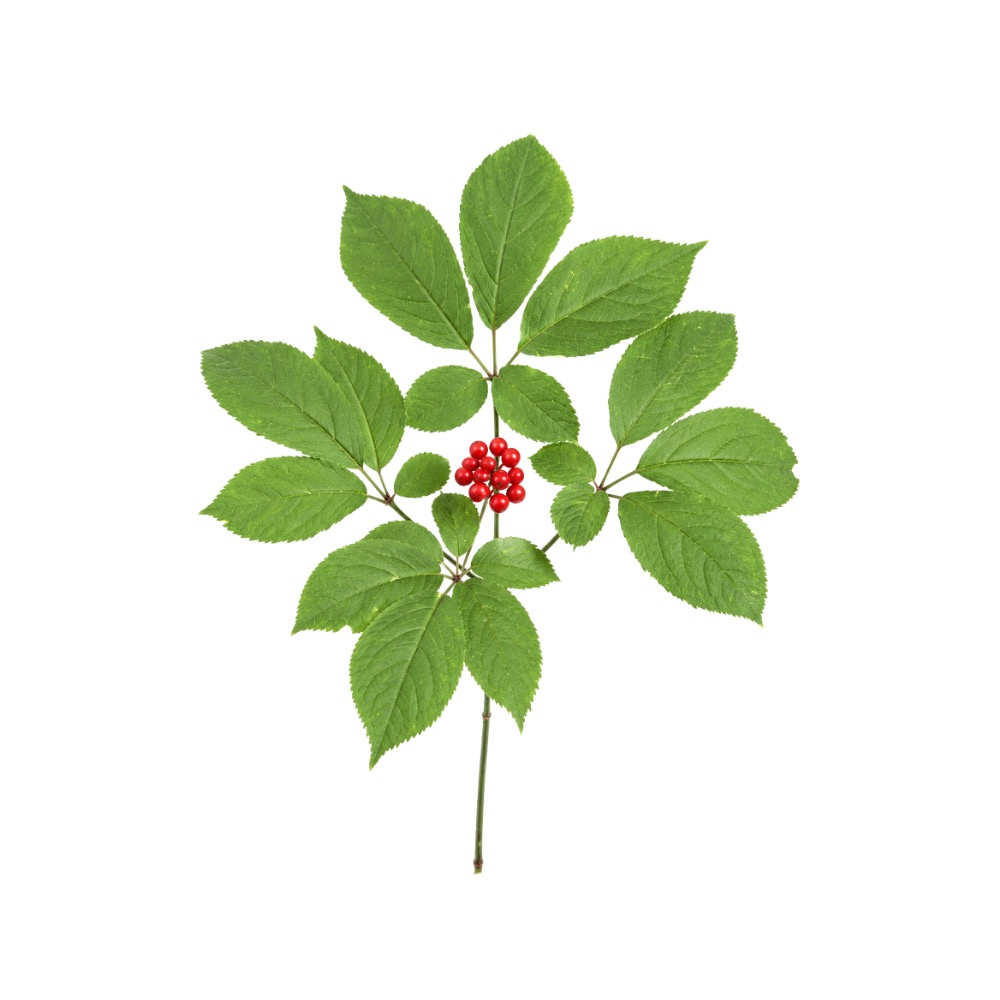 StrongStrongAmerican GinsengPanax quinquefoliusThree grams of ground root taken 40 minutes before a meal blunts the post-meal glucose rise in both healthy and diabetic people, and longer use lowers HbA1c and fasting glucose in type 2 diabetes.Mechanismintestinal carbohydrate absorption ↓; postprandial insulin response ↑ (molecular target unresolved)Read the evidenceShow lessMonograph →
In the trials from Vuksan’s group, ground root taken before a glucose challenge significantly blunted postprandial glycaemia in both non-diabetic and type 2 diabetic subjects 67Reference 67RCTAmerican ginseng (Panax quinquefolius L) reduces postprandial glycemia in nondiabetic subjects and subjects with type 2 diabetes mellitus — randomised controlled trialView study →. The effect is time-dependent but not dose-dependent across 1–3 g, so the pre-meal window matters more than the amount 68Reference 68RCTAmerican ginseng attenuates postprandial glycemia in a time-dependent but not dose-dependent manner in healthy individuals — randomised controlled trialView study →.
Longer add-on use in type 2 diabetes (double-blind crossover, n=24) lowered HbA1c by 0.29% and fasting glucose by 0.71 mmol/L, with lower systolic blood pressure and LDL and an unchanged safety profile 69Reference 69RCTEfficacy and safety of American ginseng extract on glycemic control and cardiovascular risk factors in type 2 diabetes: a double-blind, randomized, cross-over clinical trial — randomised controlled trialView study →. That fasting-glucose magnitude is roughly double what Asian ginseng’s much larger meta-analytic base delivers.
The samples are small and nearly all the work comes from one research group. The mechanism is described at the physiological level only, as delayed carbohydrate absorption and an improved insulin response, with no enzyme or transporter named.
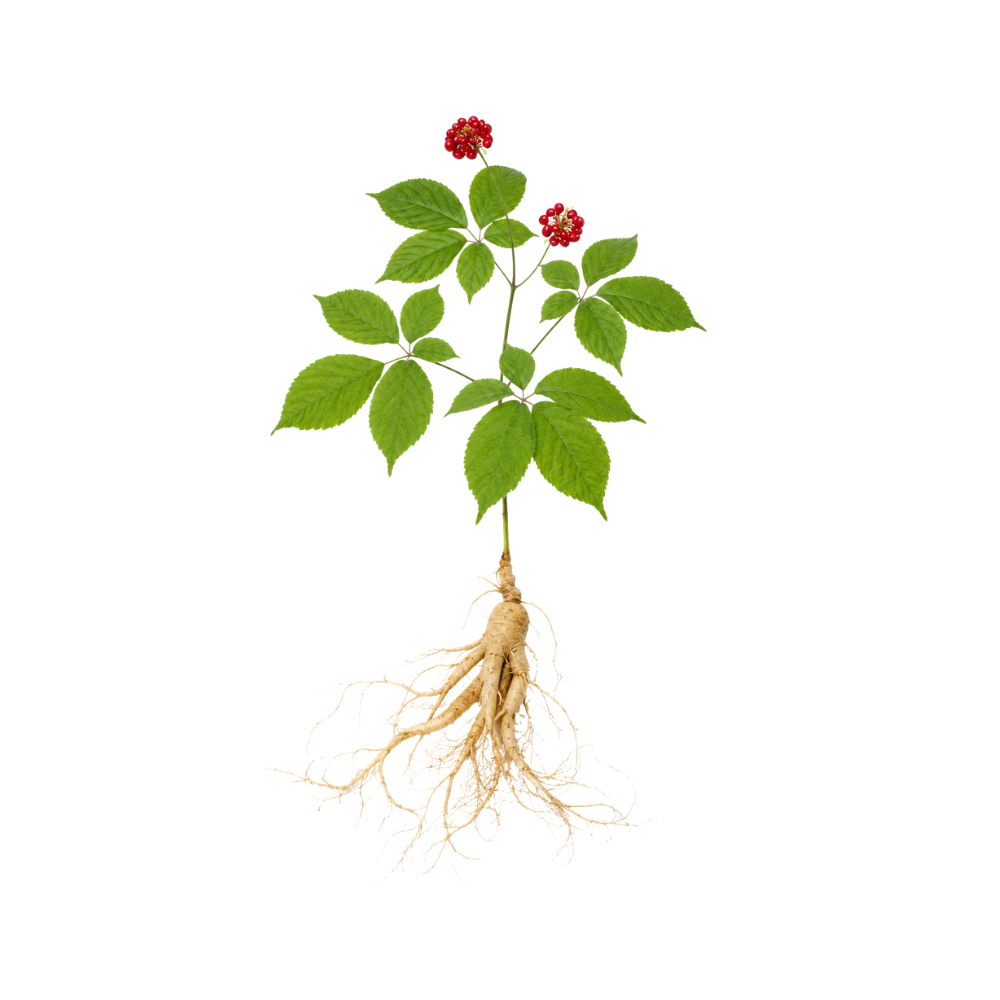 StrongStrongAsian GinsengPanax ginsengLowers fasting glucose across 16 pooled trials, with clearer benefit at 2 g/day or more in prediabetes and type 2 diabetes; the ginsenosides raise insulin secretion and peripheral glucose uptake and reduce intestinal absorption.Mechanisminsulin secretion ↑; peripheral glucose uptake ↑; intestinal glucose absorption ↓ (ginsenoside Rg1, Rb1)Read the evidenceShow lessMonograph →
A systematic review and meta-analysis of 16 RCTs (about 770 participants for fasting glucose) found a significant reduction in fasting blood glucose against control (mean difference −0.31 mmol/L) with no significant change in fasting insulin, HbA1c or HOMA-IR overall; two-thirds of the trials ran under 12 weeks in mostly well-controlled participants 70Reference 70Meta-analysisThe effect of ginseng (the genus Panax) on glycemic control — systematic review and meta-analysis of randomised controlled trialsView study →.
A later meta-analysis restricted to prediabetes and type 2 diabetes (20 RCTs) reported significant reductions in fasting glucose, total cholesterol, IL-6 and HOMA-IR, with clearer benefit at 2 g/day or more 71Reference 71Meta-analysisThe efficacy of ginseng (Panax) on human prediabetes and type 2 diabetes mellitus — systematic review and meta-analysisView study →. A single 200–400 mg dose of the standardised G115 extract lowered blood glucose during sustained mental effort 72Reference 72RCTSingle doses of Panax ginseng (G115) reduce blood glucose levels and improve cognitive performance during sustained mental activity — RCTView study →.
The magnitude is small, at about 0.31 mmol/L with HbA1c largely unmoved, and there are no long-term complication data. The direction replicates across independent meta-analyses with a dose-response.
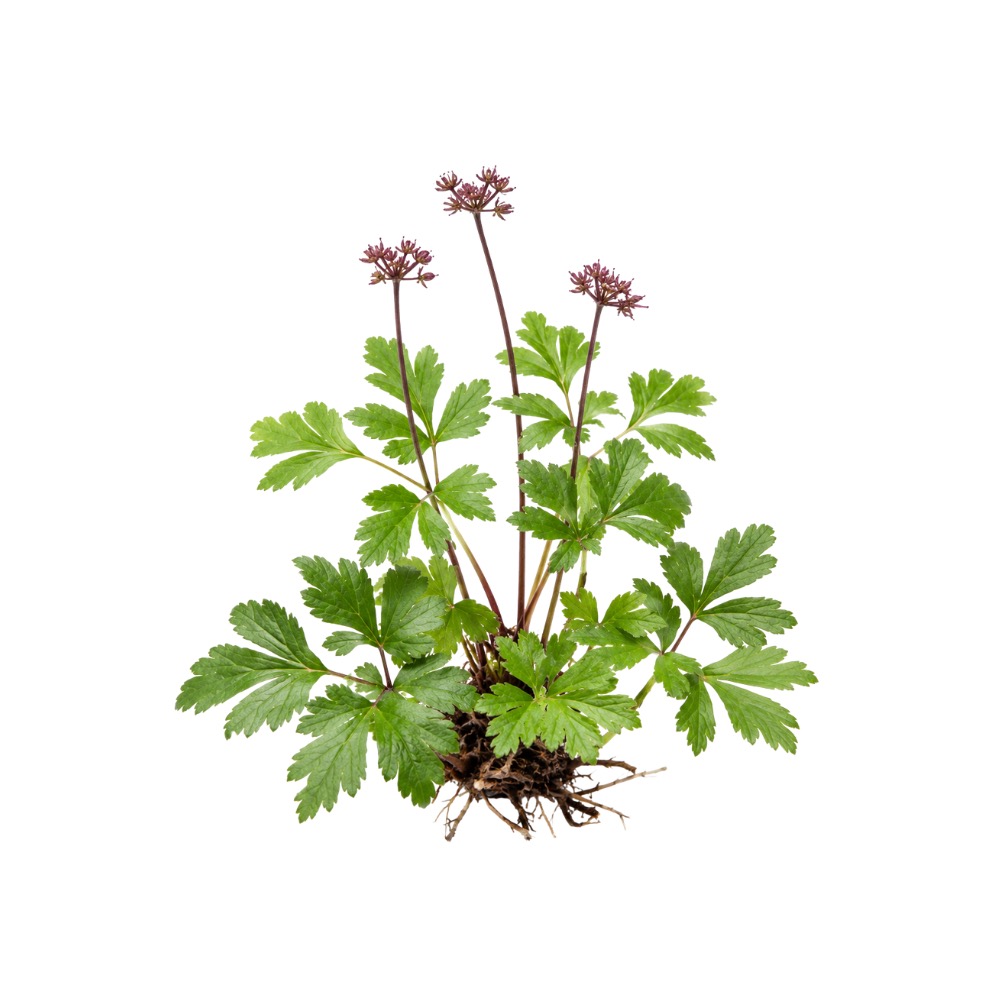 StrongStrongCoptisCoptis chinensisBerberine, its principal alkaloid, lowers fasting glucose by about 0.8 mmol/L and HbA1c by about 0.6 percentage points across 37 trials without excess hypoglycaemia; coptis-containing formulas add further benefit to metformin.MechanismAMPK activation; SREBP-1c ↓; advanced-glycation-end-product formation ↓ (Coptis polysaccharides)Read the evidenceShow lessMonograph →
Coptis rhizome (huang lian) is one of the richest natural sources of berberine, and berberine meta-analyses in type 2 diabetes report clinically meaningful falls in fasting glucose, two-hour postprandial glucose and HbA1c. One analysis of 37 RCTs (3,048 patients) found fasting glucose down about 0.82 mmol/L and HbA1c down about 0.63%, with the effect scaling to baseline hyperglycaemia and no excess hypoglycaemia 56,
A herb-level human signal exists as well. A meta-analysis of 33 RCTs (2,846 patients) of coptis-containing formulas added to metformin reported further improvement in fasting glucose (MD −1.16), HbA1c (MD −0.78%) and HOMA-IR, with the authors rating the evidence moderate-to-low for methodological quality 58Reference 58Meta-analysisSystematic review and meta-analysis of Coptis chinensis Franch.-containing traditional Chinese medicine as an adjunct therapy to metformin in type 2 diabetes — systematic review and meta-analysisView study →.
A second mechanism belongs to the rhizome rather than the alkaloid: coptis polysaccharides inhibit advanced-glycation-end-product formation in diabetic mice 59Reference 59In vitroCoptis chinensis polysaccharides inhibit advanced-glycation-end-product formation — in vitro and diabetic mouse modelView study →.
No RCT has tested coptis rhizome as standalone therapy. The formula data are multi-herb, add-on and dose-unstandardised across the 33 trials, and berberine’s poor absorption separates the isolated-alkaloid doses from a decoction.
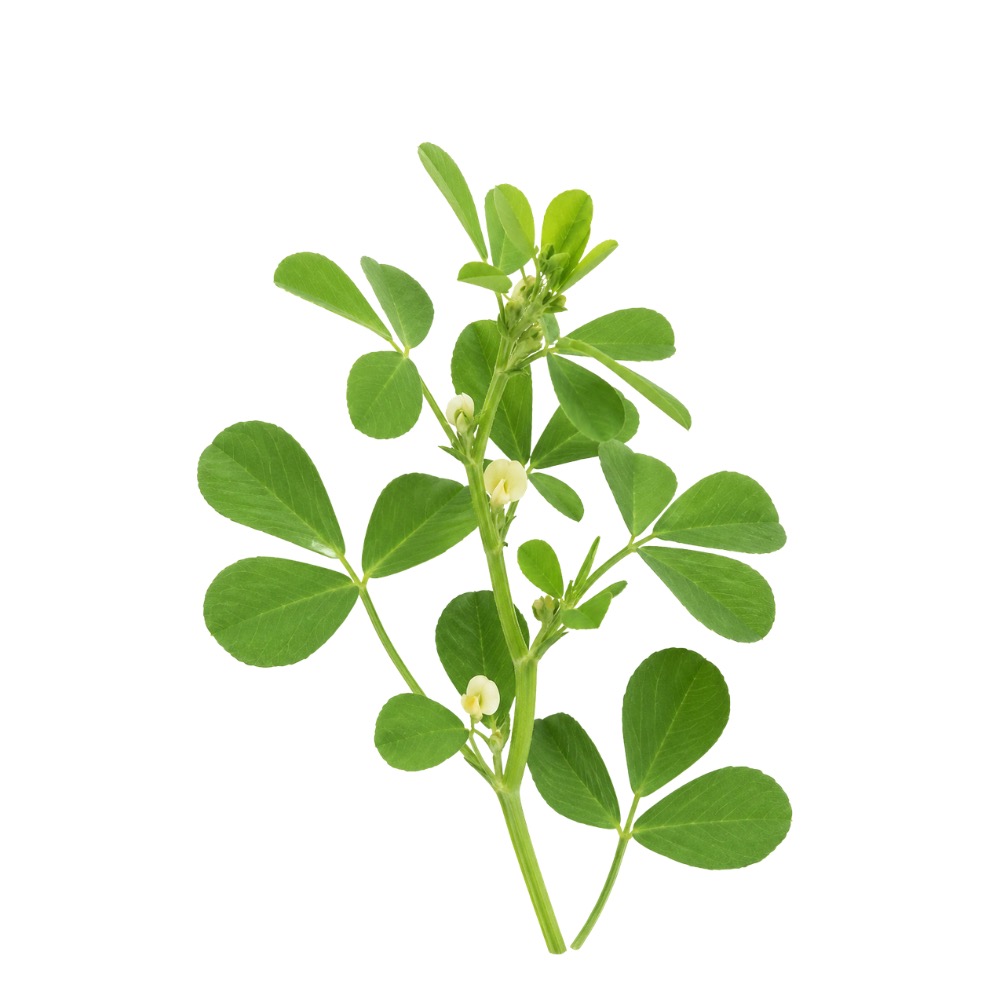 StrongStrongFenugreekTrigonella foenum-graecumThe seed carries two mechanisms: 4-hydroxyisoleucine, an amino acid that stimulates insulin release only when glucose is high, and a galactomannan gel that slows gastric emptying and carbohydrate absorption; fasting glucose falls by about 17 mg/dL in pooled trials.Mechanism4-hydroxyisoleucine insulinotropic action; galactomannan viscosity (delayed gastric emptying / carbohydrate absorption)Read the evidenceShow lessMonograph →
Fenugreek seed is a diabetes remedy of Ayurvedic, Unani and Middle Eastern practice, and it carries two mechanisms at once. The unusual amino acid 4-hydroxyisoleucine stimulates glucose-dependent insulin secretion, so it acts only when glucose is elevated, while the soluble galactomannan fraction, roughly a fifth to a quarter of the seed by weight, forms a viscous gel that slows gastric emptying and carbohydrate absorption 24Reference 24ReviewDiosgenin, 4-hydroxyisoleucine, and fiber from fenugreek: mechanisms of actions and potential effects on metabolic syndrome — reviewView study →.
Meta-analyses in type 2 diabetes and prediabetes report significant falls in fasting glucose, two-hour post-load glucose and HbA1c 62,
The fibre half of the mechanism exists only in whole or defatted seed at 5–100 g/day. The standardised saponin extracts sold for testosterone are milligram-dose and have largely had that fibre removed, so the two preparations are not interchangeable.
The effect is real but modest, and the trials are small, heterogeneous and clustered in India and Iran, with no large multicentre RCT.
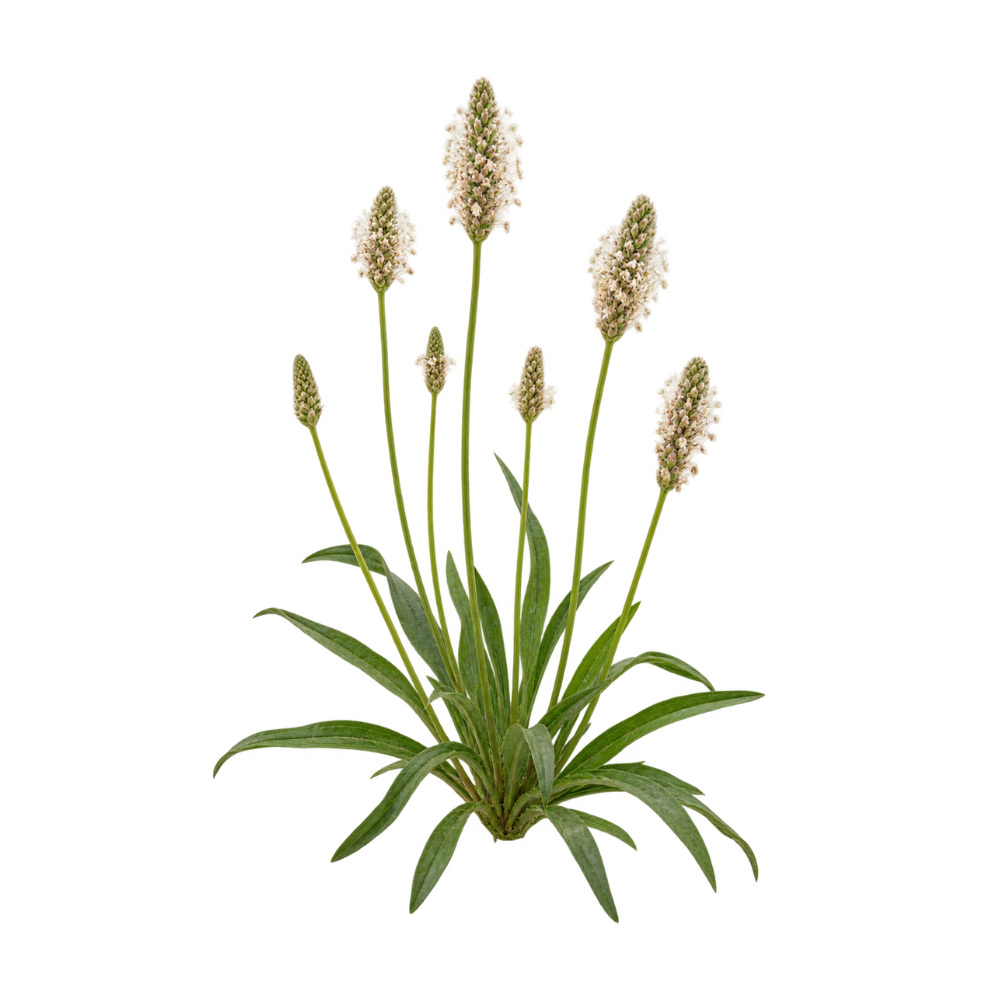 StrongStrongPsylliumPlantago ovataTaken before meals in treated type 2 diabetes, lowers fasting glucose by about 37 mg/dL and HbA1c by about one percentage point across 35 trials, with the benefit proportional to how poorly controlled the glucose was.Mechanismgel-mediated slowing of gastric emptying and glucose diffusion to the intestinal wall; post-prandial excursion ↓Read the evidenceShow lessMonograph →
A comprehensive meta-analysis identified 35 RCTs spanning three decades 84Reference 84Meta-analysisPsyllium fiber improves glycemic control proportional to loss of glycemic control: a meta-analysis of data in euglycemic subjects, patients at risk of type 2 diabetes mellitus, and patients being treated for type 2 diabetes mellitus — meta-analysisView study →. In patients being treated for type 2 diabetes, psyllium dosed before meals significantly improved fasting blood glucose (−37 mg/dL) and HbA1c (−0.97%), a magnitude comparable to adding an oral agent 84Reference 84Meta-analysisPsyllium fiber improves glycemic control proportional to loss of glycemic control: a meta-analysis of data in euglycemic subjects, patients at risk of type 2 diabetes mellitus, and patients being treated for type 2 diabetes mellitus — meta-analysisView study →.
The benefit was proportional to the baseline loss of glycaemic control: no significant lowering in healthy euglycaemic subjects, a modest effect in prediabetes, and the largest effect in established type 2 diabetes 84Reference 84Meta-analysisPsyllium fiber improves glycemic control proportional to loss of glycemic control: a meta-analysis of data in euglycemic subjects, patients at risk of type 2 diabetes mellitus, and patients being treated for type 2 diabetes mellitus — meta-analysisView study →.
The mechanism is the gel slowing gastric emptying and glucose diffusion to the intestinal wall, so timing to meals is essential and adequate fluid is required.
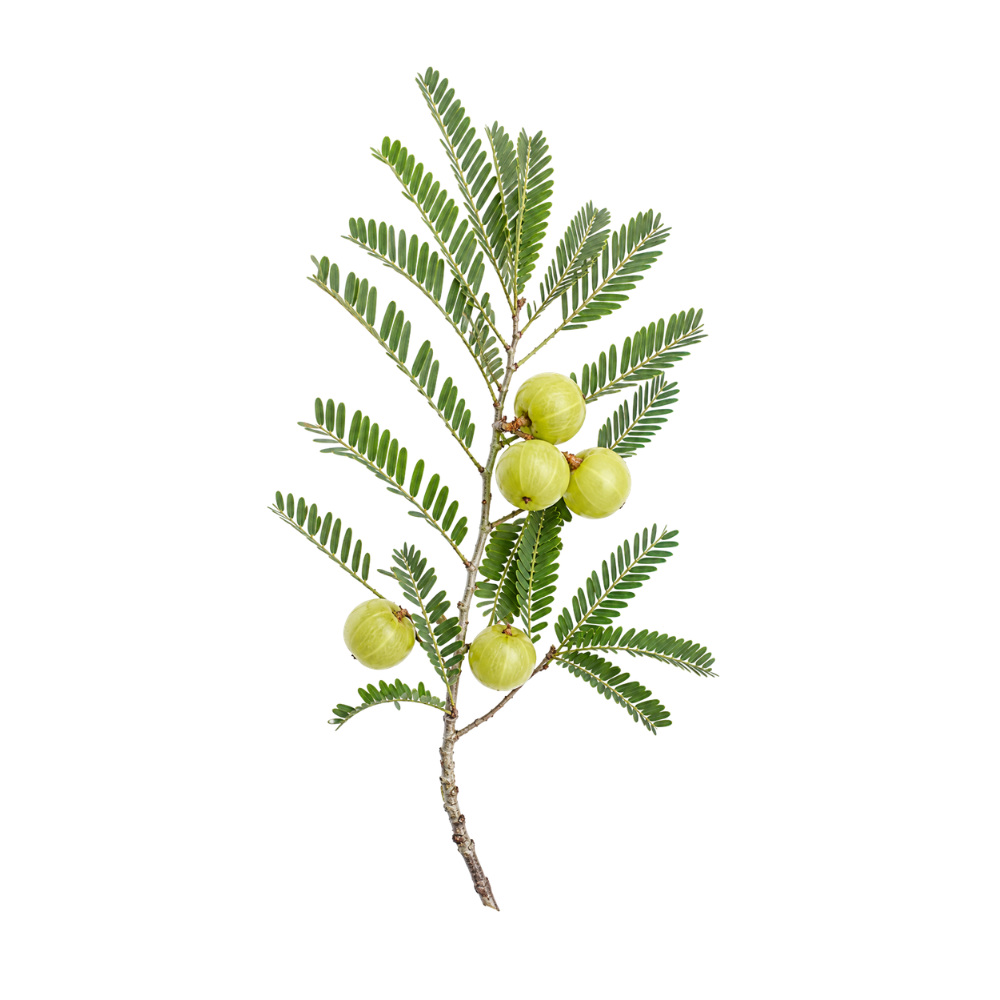 ModerateModerateAmlaPhyllanthus emblicaFruit powder at 1–3 g/day lowered fasting and postprandial glucose in both healthy and type 2 diabetic volunteers within three weeks, and pooled trials confirm a fasting-glucose reduction.Mechanismfasting and post-prandial glucose ↓; insulin signaling ↑, β-cell protection, advanced-glycation-end-product accumulation ↓Read the evidenceShow lessMonograph →
Amla is one of the three fruits of Triphala and a classical Ayurvedic rasayana, and its glycaemic evidence is older and simpler than its vascular evidence. Early human work found fruit powder (1–3 g/day for 21 days) significantly reduced fasting and postprandial glucose in both normal and type 2 diabetic volunteers, with the larger doses also improving lipids 43Reference 43Effect of Amla fruit (Emblica officinalis Gaertn.) on blood glucose and lipid profile of normal subjects and type 2 diabetic patientsView study →.
A Chyawanprash trial improved glucose tolerance and fasting plasma glucose in healthy adults over eight weeks 44Reference 44Effect of Chyawanprash and vitamin C on glucose tolerance and lipoprotein profileView study →, and the 2023 lipid meta-analysis pooled glucose data and reported a significant fasting-glucose reduction alongside CRP 45Reference 45Meta-analysisThe impact of Emblica officinalis (Amla) on lipid profile, glucose, and C-reactive protein: a systematic review and meta-analysis of randomized controlled trialsView study →.
A systematic review maps the plausible mechanisms as improved insulin signalling, β-cell protection, reduced advanced-glycation-end-product accumulation and radical scavenging 46Reference 46Potential effect of the tropical fruit Phyllanthus emblica L. for the prevention and management of type 2 diabetic complicationsView study →. In high-fat-fed rats, fruit extract and its gallic acid restored glyoxalase-1 activity and relieved methylglyoxal-associated leptin resistance in liver, kidney and fat 47Reference 47AnimalEffect of Indian gooseberry extract on improving methylglyoxal-associated leptin resistance in peripheral tissues of high-fat diet-fed rats — animal model (rat)View study →.
The human trials are small and short, and mostly use whole-fruit powder rather than a standardised extract.
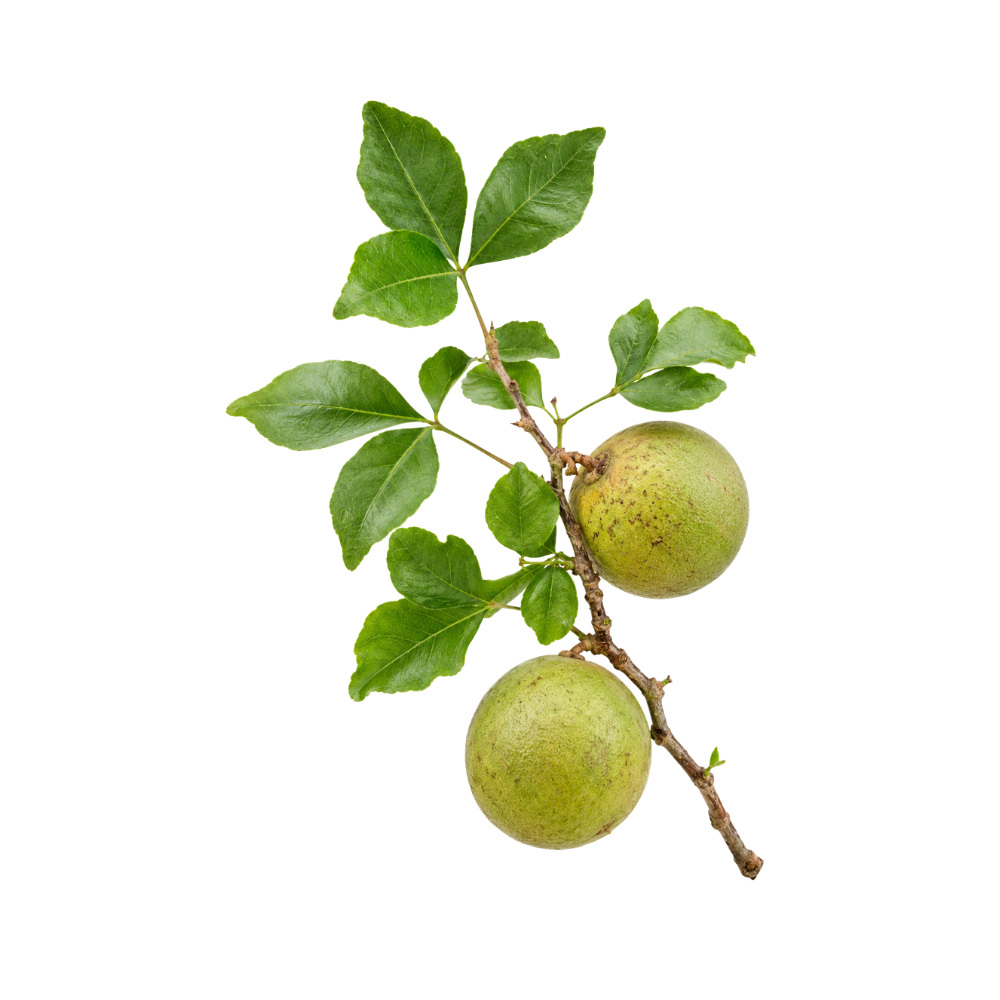 ModerateModerateBaelAegle marmelosA classical Ayurvedic herb for prameha; leaf extract roughly halved blood glucose in diabetic rats, and fresh leaf juice lowered fasting glucose, HbA1c and postprandial glucose in a small eight-week trial.Mechanisminsulin sensitization; pancreatic/hepatic oxidative-stress reduction (antioxidant-enzyme restoration)Read the evidenceShow lessMonograph →
Bael leaf juice is a long-standing Ayurvedic remedy for prameha, the classical diabetic presentation, and glucose-lowering is the one bael use with human data.
Methanolic leaf extract cut blood glucose by about 54% over twelve days in alloxan-diabetic rats while restoring antioxidant enzymes 48Reference 48AnimalAntidiabetic activity of Aegle marmelos and its relationship with its antioxidant properties — animal model (rat)View study →. In a type 2 rat model both leaf and fruit extracts improved insulin resistance and β-cell function, pointing to an insulin-sensitising effect 49Reference 49AnimalEffect of aqueous extract of Aegle marmelos fruit and leaf on glycemic, insulinemic and lipidemic status of type 2 diabetic model rats — animal model (rat)View study →.
A small RCT in 60 type 2 diabetics gave 20 g of fresh leaf blended in 100 mL of water daily for eight weeks and reported meaningful falls in fasting glucose, HbA1c and postprandial glucose 50Reference 50RCTAegle marmelos leaf juice as a complementary therapy to control type 2 diabetes: randomised controlled trial in Gujarat, India — RCTView study →.
The trial is single-centre, small and not rigorously blinded. The preparation is the leaf, not the fruit medicine most people are given.
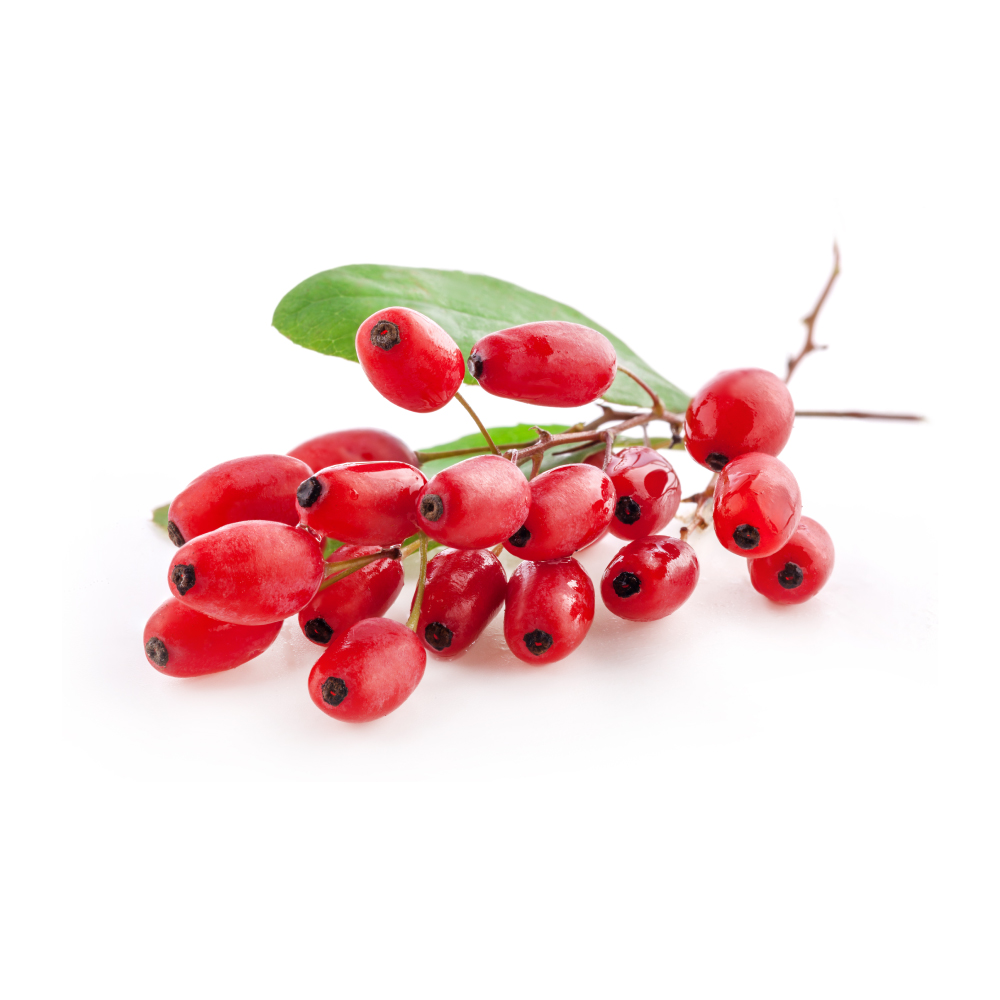 ModerateModerateBarberryBerberis spp.Whole-barberry trials lower fasting insulin, while its alkaloid berberine lowers fasting glucose and HbA1c in the same range as metformin in pooled trials.MechanismAMPK activation; insulin sensitization (berberine)Read the evidenceShow lessMonograph →
A meta-analysis of seven barberry RCTs (452 participants) found significantly lower fasting insulin, while fasting glucose and HbA1c were not consistently affected 107Reference 107Meta-analysisThe effect of barberry (Berberis vulgaris L.) on glycemic indices — systematic review and meta-analysis of randomized controlled trialsView study →.
Isolated berberine has a much larger base. A meta-analysis of 46 trials reported reductions in HbA1c (−0.73%), fasting glucose, HOMA-IR and BMI 108Reference 108Meta-analysisThe effect of berberine on metabolic profiles in type 2 diabetic patients — systematic review and meta-analysis of randomized controlled trialsView study →, and earlier meta-analyses found berberine comparable to oral hypoglycaemic drugs for glycaemic control while adding a lipid benefit 109Reference 109Meta-analysisBerberine in the treatment of type 2 diabetes mellitus — systematic review and meta-analysisView study →.
The effect is attributed to AMPK activation and improved insulin sensitivity rather than insulin secretion. The strong glycaemic results belong to concentrated berberine, whose absorption differs from a whole-herb preparation.
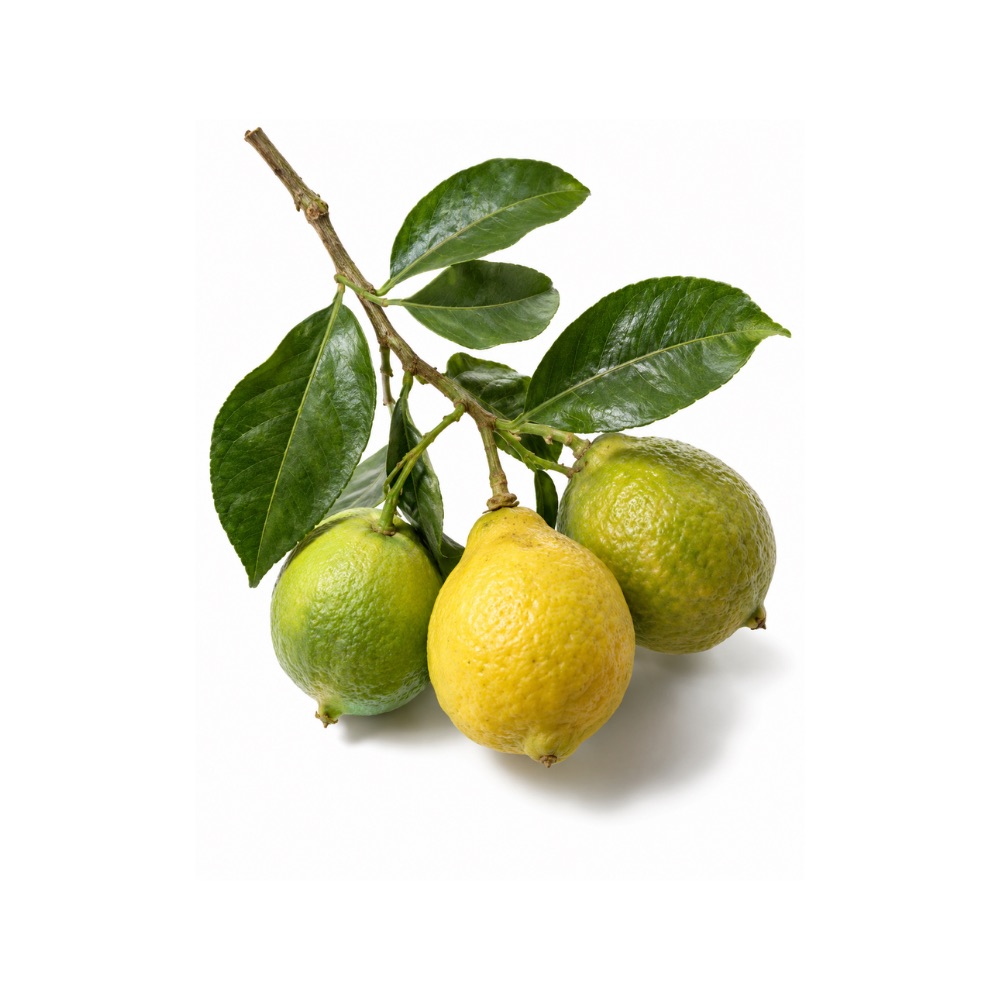 ModerateModerateBergamotCitrus bergamiaBergamot polyphenol fraction lowers fasting glucose by up to about 18% alongside lipids in small trials, with the glucose effect arriving together with weight loss.Mechanismfasting glucose ↓, HOMA-IR ↓, atherogenic index ↓ (bergamot polyphenolic fraction); frequently bundled with weight lossRead the evidenceShow lessMonograph →
A lecithin formulation of bergamot polyphenolic fraction reduced fasting plasma glucose alongside lipids in a type 2 diabetes RCT 51Reference 51Hypoglycemic and hypolipemic effects of a new lecithin formulation of bergamot polyphenolic fractionView study →. A double-blind randomised trial of a pectin-enriched formulation (650–1300 mg/day for 90 days) in obese patients with a high atherogenic index reported dose-dependent falls in fasting glucose (about 18%), triglycerides (about 32%) and the atherogenic index, with reductions in HOMA-IR, body weight and BMI 52Reference 52Atherogenic index reduction and weight loss in metabolic syndrome patients treated with a novel pectin-enriched formulation of bergamot polyphenolsView study →.
Whole-fruit and combination extracts likewise lowered fasting glucose 53,
Of 52 enrolled across three arms in the pectin-formulation trial, only 15 per arm completed the 90 days 52Reference 52Atherogenic index reduction and weight loss in metabolic syndrome patients treated with a novel pectin-enriched formulation of bergamot polyphenolsView study →. The metabolic improvements arrive bundled with weight loss and combination products, so the glucose effect is not cleanly separable from either.
Bergamot’s main evidence is hypolipidemic.
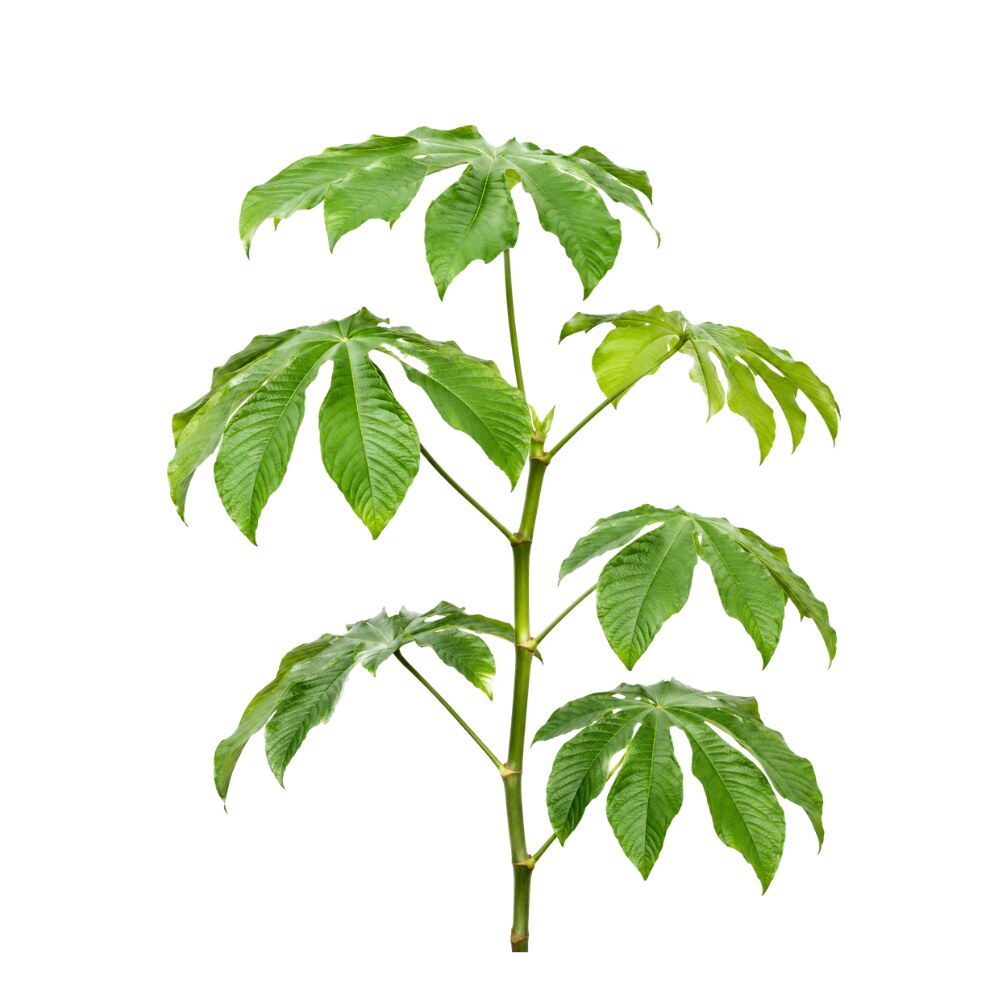 ModerateModerateGuamuraCecropia mexicanaLeaf extract of the congener Cecropia obtusifolia lowers glucose in diabetic rats through isoorientin and chlorogenic acid, and an open-label 32-week trial in newly diagnosed diabetics lowered fasting glucose and HbA1c.Mechanismadipocyte glucose uptake ↑; insulin secretagogue; PPAR-α/γ dual agonism (chlorogenic acid, isoorientin)Read the evidenceShow lessMonograph →
Guarumbo leaf is a Mexican folk remedy for diabetes, and the research is on the congener C. obtusifolia rather than C. mexicana. A single oral dose of aqueous or butanolic leaf extract significantly lowered plasma glucose in streptozotocin-diabetic rats, with isoorientin and chlorogenic acid isolated as the principal actives 73Reference 73AnimalHypoglycemic effect of Cecropia obtusifolia on streptozotocin diabetic rats — animal studyView study →.
The hypoglycaemic effect tracks chlorogenic-acid content across species 74Reference 74Hypoglycemic effect and chlorogenic acid content in two Cecropia species — animal studyView study →, which makes the cross-species inference defensible.
Chlorogenic acid stimulates glucose uptake in insulin-sensitive and insulin-resistant adipocytes 75Reference 75In vitroCecropia obtusifolia Bertol and its active compound, chlorogenic acid, stimulate 2-NBDglucose uptake in insulin-sensitive and insulin-resistant 3T3 adipocytes — in vitroView study → and acts as an insulin secretagogue and PPAR α/γ dual agonist in vitro 76Reference 76In vitroChlorogenic acid as a multitarget agent: insulin-secretagogue and PPAR α/γ dual agonist — in vitro mechanisticView study →.
The one human study, an open-label trial in newly diagnosed type 2 diabetics given daily aqueous extract over 32 weeks, reported significant and sustained falls in fasting glucose and HbA1c, with no placebo arm and a very small sample 77Reference 77Clinical trialHypoglycemic effect of Cecropia obtusifolia Bertol aqueous extracts on type 2 diabetic patients — clinical trialView study →. No RCT exists, and no dose is established for C. mexicana.
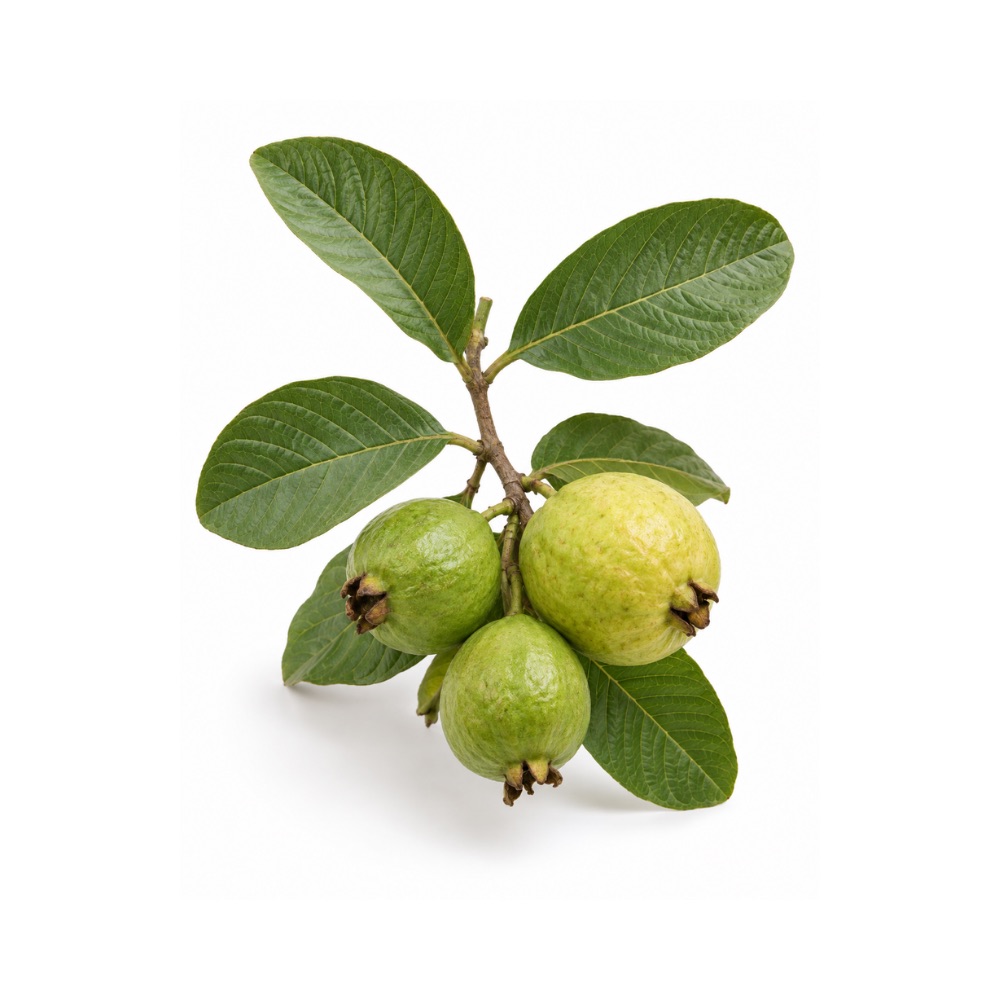 ModerateModerateGuavaPsidium guajavaLeaf flavonoids inhibit intestinal α-glucosidase, and guava leaf tea taken with meals lowered postprandial glucose and, over 8–12 weeks, fasting glucose, HbA1c and insulin resistance in small trials.Mechanismintestinal α-glucosidase inhibitionRead the evidenceShow less
Guava leaf tea for blood sugar is one of the more widespread traditional uses in Latin America and South Asia, and the leaf, not the fruit, is the medicine.
Leaf flavonoids inhibit intestinal α-glucosidase, slowing carbohydrate absorption and blunting the postprandial glucose spike. Small human trials of an aqueous guava leaf tea, a Japanese regulatory food product taken with meals, showed reduced post-meal glucose and, over 8–12 weeks, improved fasting glucose, HbA1c and insulin resistance, with rodent data behind them 78Reference 78AnimalAnti-hyperglycemic and anti-hyperlipidemic effects of guava leaf extract — review of in-vitro, murine, and clinical dataView study →.
The trials are small, and the α-glucosidase mechanism has nothing to act on when the tea is taken away from meals.
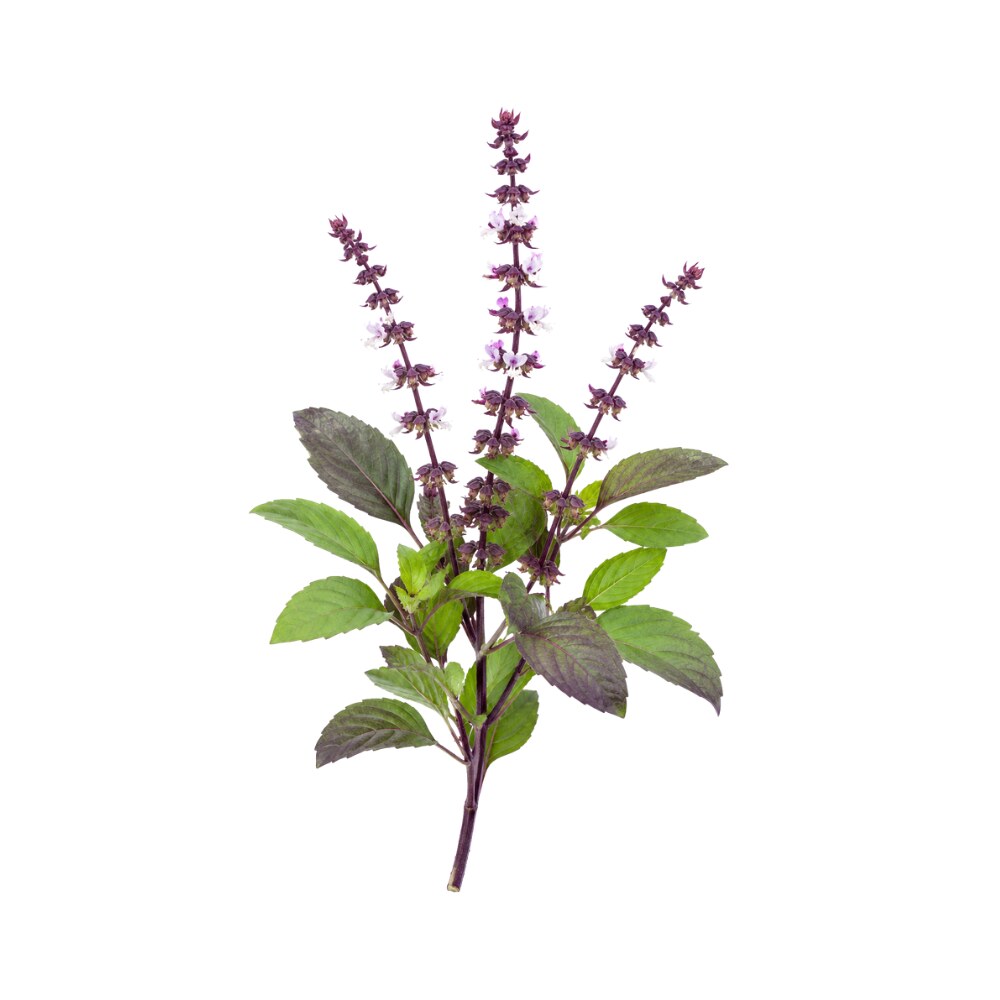 ModerateModerateHoly BasilOcimum tenuiflorumLeaf lowered fasting glucose by about 21 mg/dL (17.6%) and postprandial glucose by about 7% in a placebo-controlled crossover trial in type 2 diabetics.Mechanisminsulin secretion ↑ (proposed); hepatic lipid handlingRead the evidenceShow lessMonograph →
Tulsi is an Ayurvedic tonic with a traditional place in diabetes. A randomised, placebo-controlled crossover trial in non-insulin-dependent diabetics found holy basil leaf lowered fasting blood glucose by 21 mg/dL (about 17.6%) and postprandial glucose by about 7.3%, with small favourable cholesterol shifts 79Reference 79RCTRandomised placebo-controlled, single-blind trial of holy basil leaves in patients with non-insulin-dependent diabetes mellitus — randomised controlled trialView study →.
A review frames tulsi as a metabolic-syndrome herb acting through insulin secretion and lipid handling 80Reference 80ReviewOcimum sanctum: a therapeutic role in diabetes and the metabolic syndrome — reviewView study →, though neither route has been demonstrated for the whole herb in people.
The evidence rests on one small, single-blind trial from 1996 with no modern well-powered replication, and the postprandial effect is much weaker than the fasting one.
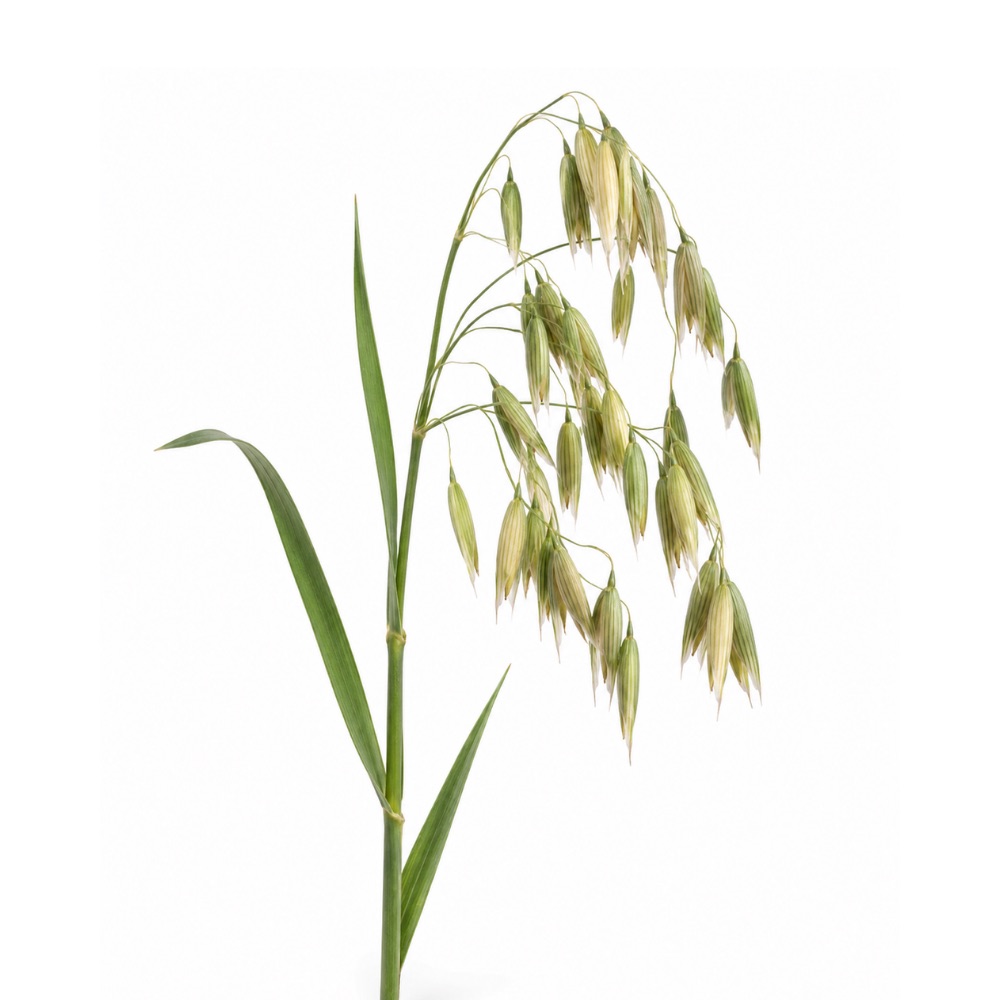 ModerateModerateOatsAvena sativaOat β-glucan at 2.5–3.5 g/day lowers fasting glucose and HbA1c in diabetic patients under controlled feeding; a free-living trial of β-glucan bread found no HbA1c difference.Mechanismviscous gel slows gastric emptying and glucose delivery to the brush border → postprandial excursion bluntedRead the evidenceShow less
The active fraction is grain or bran β-glucan at 2.5–3.5 g/day, the same fraction and the same physics as the lipid effect. A meta-analysis in diabetic patients found β-glucan over 3–8 weeks lowered fasting plasma glucose by 0.52 mmol/L and HbA1c by 0.21%, with fasting insulin unchanged 81Reference 81Meta-analysisEffect of Oat β-Glucan Intake on Glycaemic Control and Insulin Sensitivity of Diabetic Patients: A Meta-Analysis of Randomized Controlled Trials — meta-analysisView study →.
A broader meta-analysis of 14 controlled trials of oat intake in type 2 diabetes reported a larger HbA1c fall of 0.42% alongside the expected lipid improvements 82Reference 82Meta-analysisThe Metabolic Effects of Oats Intake in Patients with Type 2 Diabetes: A Systematic Review and Meta-Analysis — meta-analysisView study →, while a review in hypercholesterolaemic subjects found the glycaemic effects smaller and less consistent than the lipid ones 83Reference 83Meta-analysisA systematic review and meta-analysis of beta-glucan consumption on glycemic control in hypercholesterolemic individuals — meta-analysisView study →.
A 16-week effectiveness trial of β-glucan-enriched bread under free-living conditions found no significant between-group HbA1c difference. The controlled-feeding effect did not survive real-world use, which is the test the hypolipidemic effect has passed and this one has not.
Effect sizes are modest, heterogeneous and short-term.
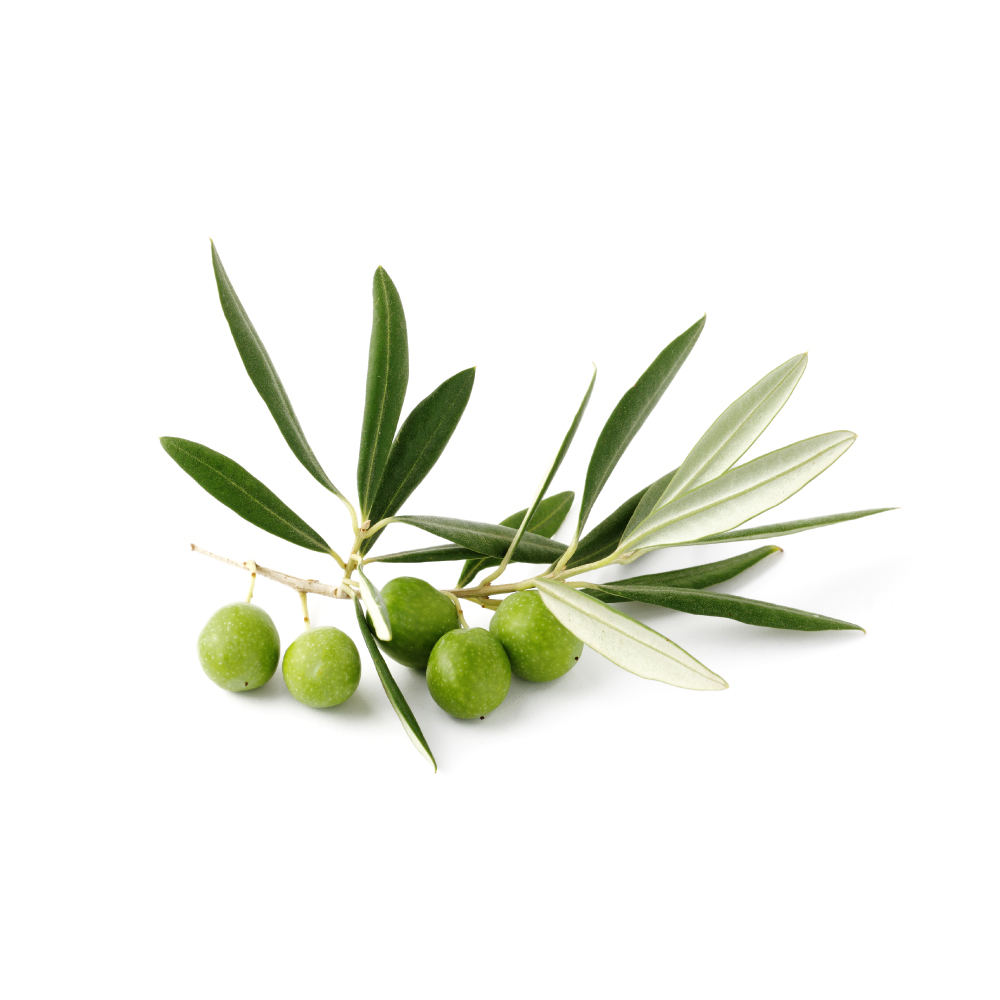 ModerateModerateOlive LeafOlea europaeaLeaf polyphenols improved insulin sensitivity by about 15% and β-cell responsiveness by about 28% in a 12-week crossover trial, and fasting glycaemia fell in pooled trials at lower extract doses.Mechanisminsulin sensitivity ↑; pancreatic β-cell responsiveness ↑ (oleuropein, hydroxytyrosol)Read the evidenceShow lessMonograph →
A 12-week crossover RCT in middle-aged overweight men found olive-leaf polyphenols (51 mg oleuropein and about 10 mg hydroxytyrosol daily) improved insulin sensitivity by about 15% and pancreatic β-cell responsiveness by about 28% against placebo 110Reference 110RCTOlive (Olea europaea L.) leaf polyphenols improve insulin sensitivity in middle-aged overweight men: a randomized, placebo-controlled, crossover trialView study →.
The 2024 cardiometabolic meta-analysis found fasting glycaemia improved significantly in the trials using a lower extract dose 111Reference 111Meta-analysisOlive leaf extract effect on cardiometabolic risk factors: a systematic review and meta-analysis of randomized clinical trialsView study →.
No adequately powered trial exists in people with type 2 diabetes. The insulin-sensitivity signal is more robust than the glucose signal, and the effect is small and dose-sensitive.
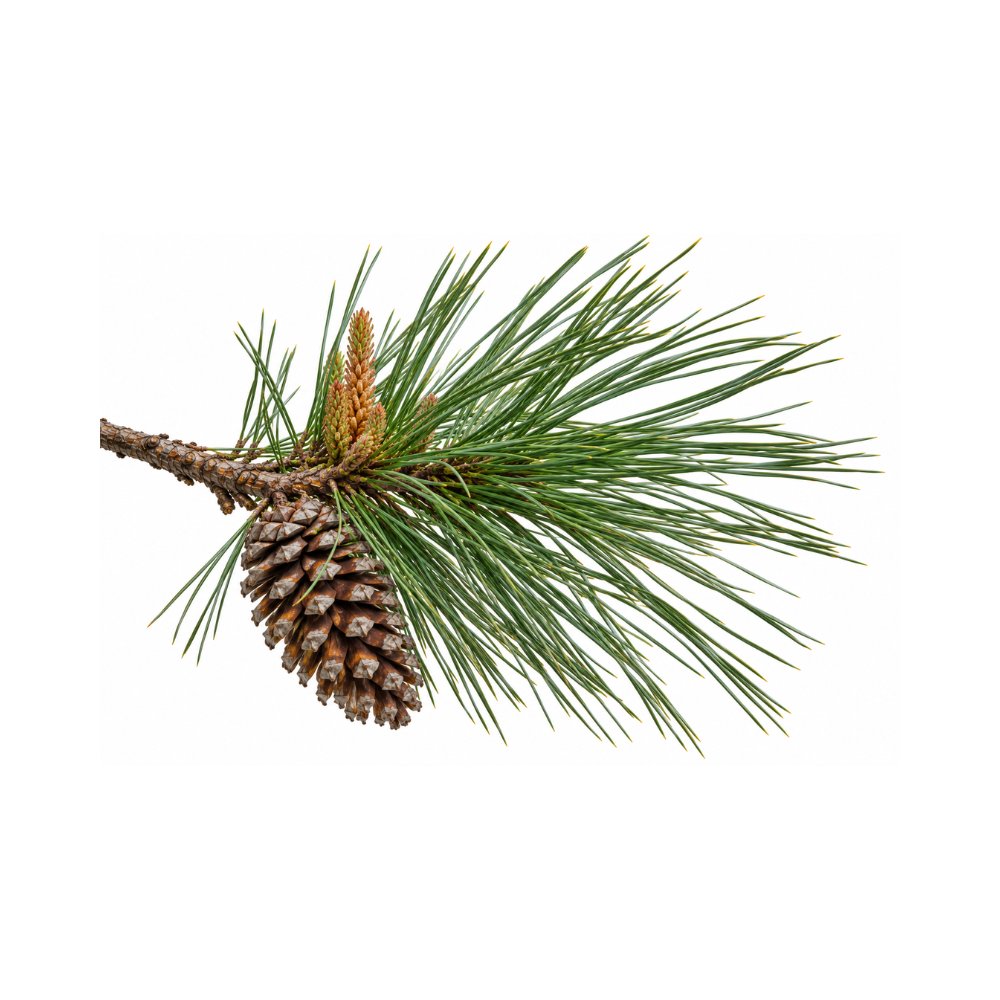
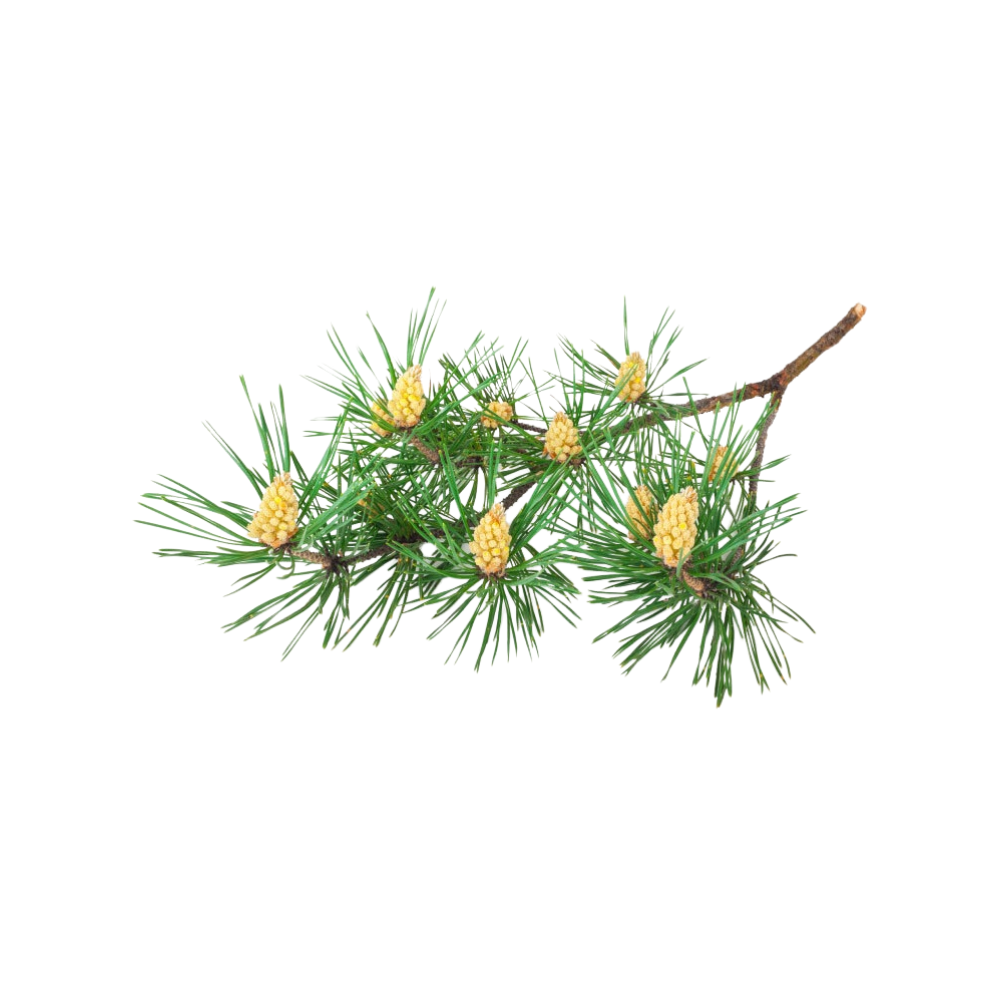 ModerateModeratePinePinus spp.Standardised bark extract (Pycnogenol, 100 mg/day) lowered plasma glucose and HbA1c as an add-on in 77 type 2 diabetics, and bark and needle extracts inhibit α-glucosidase and α-amylase.Mechanismplasma glucose and HbA1c ↓ (Pycnogenol, adjunctive); α-glucosidase and α-amylase inhibitionRead the evidenceShow lessMonograph →
A double-blind placebo-controlled RCT in 77 type 2 diabetics found 100 mg of Pycnogenol daily for 12 weeks, on top of standard therapy, significantly lowered plasma glucose and HbA1c against placebo 112Reference 112RCTAntidiabetic effect of Pycnogenol French maritime pine bark extract in patients with diabetes type II — randomised placebo-controlled trialView study →.
Pine bark and needle extracts inhibit α-glucosidase and α-amylase and blunt postprandial hyperglycaemia in diabetic mice 113Reference 113In vitroInhibitory effect of pine extract on alpha-glucosidase activity and postprandial hyperglycemia — in vitro and mouseView study →.
Pycnogenol is a standardised French maritime pine bark extract from short add-on trials. A pine-needle infusion has no human glycaemic data.
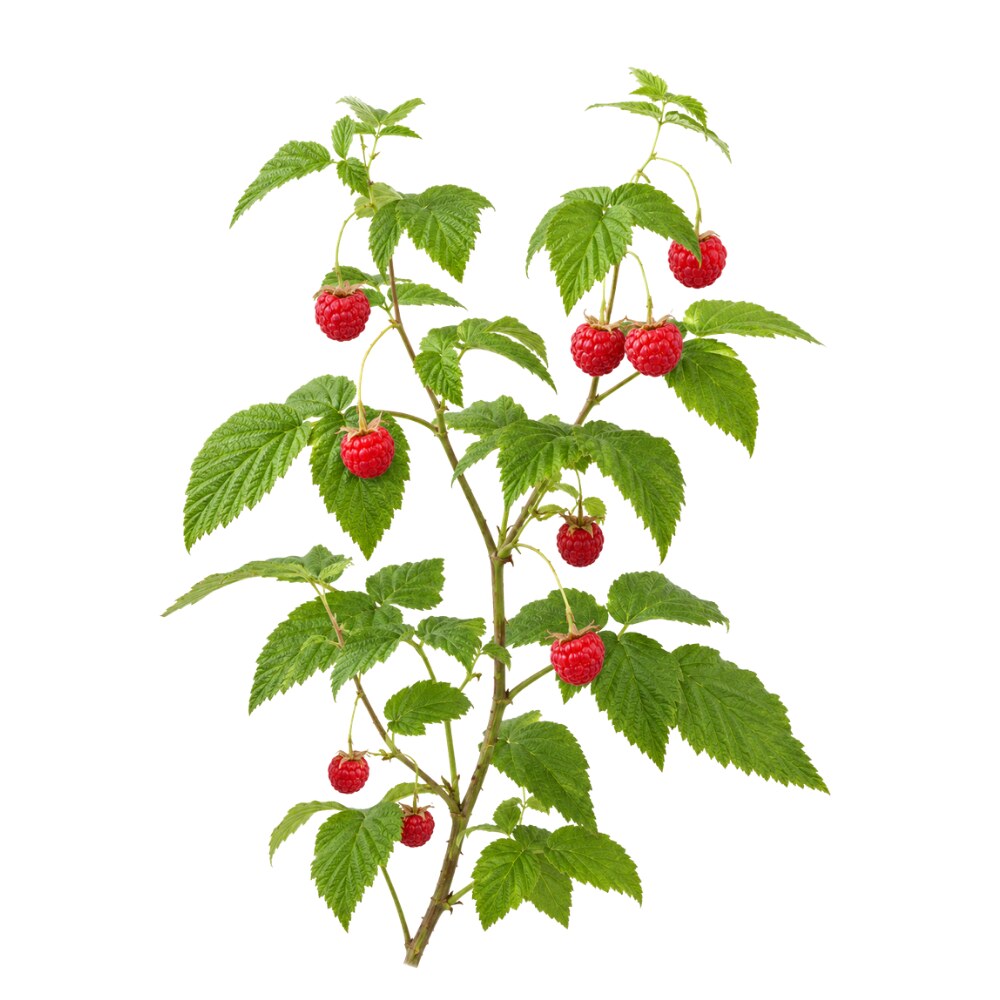 ModerateModerateRaspberry LeafRubus idaeusTen grams of leaf tea taken with sucrose cut the blood-glucose rise by 44% at 30 minutes in a crossover trial and did nothing with pure glucose; ellagic acid and related polyphenols inhibit the enzymes that split sucrose.Mechanismα-glucosidase and β-fructofuranosidase inhibition (ellagic acid and related polyphenols); sucrose-specificRead the evidenceShow lessMonograph →
A 2025 randomised crossover trial in 22 healthy adults gave 50 g of glucose or sucrose with or without 10 g of raspberry leaf tea. Taken with sucrose, the tea cut blood glucose by roughly 26% at 15 minutes and 44% at 30 minutes and significantly lowered insulin at 15–60 minutes.
Taken with pure glucose it did nothing 85Reference 85RCTEffects of Raspberry Leaf Tea Polyphenols on Postprandial Glucose and Insulin Responses in Healthy Adults — randomised controlled trialView study →.
That split confirms the mechanism. The authors attribute the effect to inhibition of the carbohydrate-digesting enzymes α-glucosidase and β-fructofuranosidase by ellagic acid and related polyphenols, enzymes that act on sucrose but not on free glucose 85Reference 85RCTEffects of Raspberry Leaf Tea Polyphenols on Postprandial Glucose and Insulin Responses in Healthy Adults — randomised controlled trialView study →.
The preparation tested was an ordinary hot-water infusion, so the finding maps directly onto how the herb is drunk.
The endpoints are acute and postprandial in healthy adults, from one trial, with no HbA1c or sustained-treatment data.
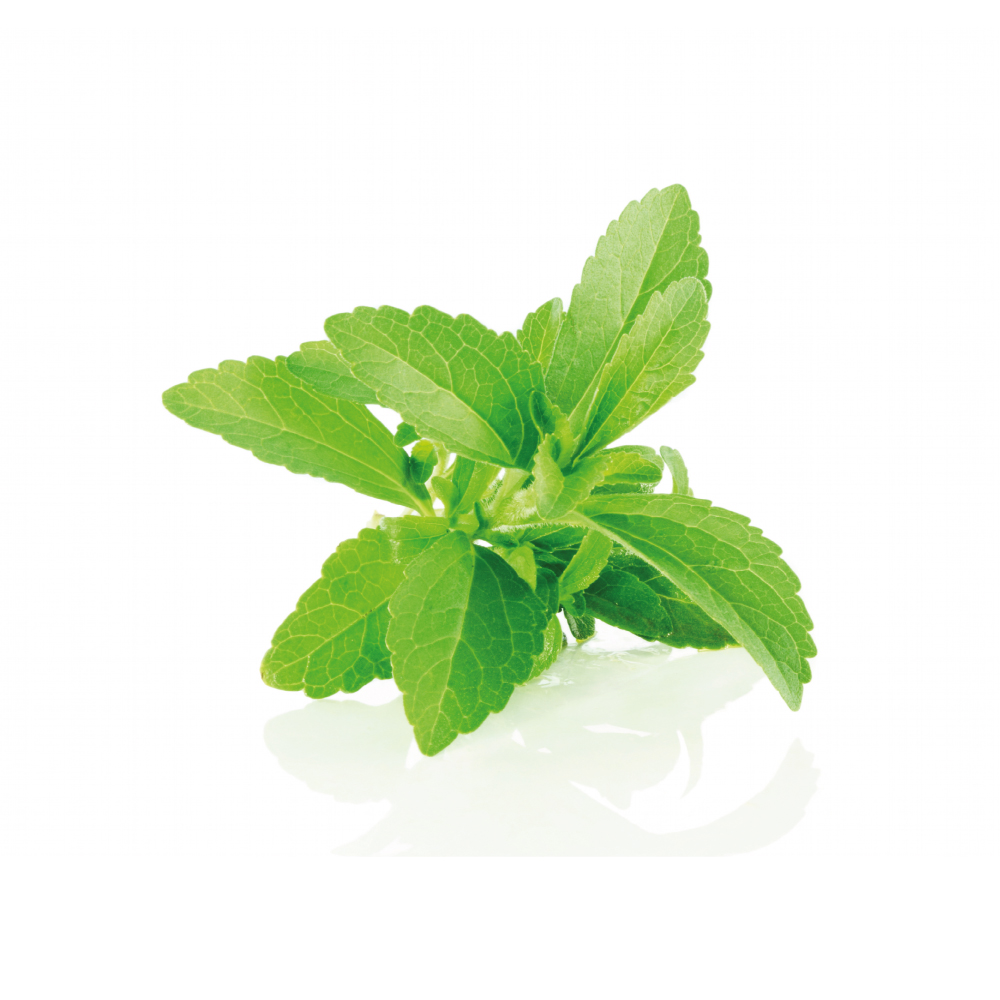 ModerateModerateSteviaStevia rebaudianaSteviol glycosides stimulate glucose-dependent insulin secretion and GLUT4 translocation in cell and rodent work; in people the fasting-glucose reduction is about 4 mg/dL, with insulin and HbA1c unchanged.Mechanismglucose-dependent insulin secretion ↑; GLUT4 translocation via PI3K/Akt; hepatic gluconeogenesis ↓Read the evidenceShow lessMonograph →
Stevia leaf has been used as a sweetener and a diabetes remedy in Paraguay for centuries. A 2024 systematic review and meta-analysis (26 studies, n=1439) found a statistically significant but modest fasting-glucose reduction of 3.84 mg/dL, largest in higher-BMI, diabetic or hypertensive subjects, with no significant change in insulin or HbA1c and low-to-very-low GRADE certainty 88Reference 88Meta-analysisEffect of stevia on blood glucose and HbA1C: a meta-analysis — systematic review, meta-analysisView study →.
A second 2024 meta-analysis of 12 RCTs (n=871) 89Reference 89Meta-analysisEffect of steviol glycosides as natural sweeteners on glucose metabolism in adult participants — meta-analysisView study →, an earlier one 90Reference 90Meta-analysisEffect of the natural sweetener steviol glycoside on cardiovascular risk factors: a systematic review and meta-analysis of randomised controlled trialsView study → and a type 2 diabetes biomarker review 91Reference 91Meta-analysisEffect of steviol glycosides on human health with emphasis on type 2 diabetic biomarkers: a systematic review and meta-analysisView study → agree.
The pharmacological mechanism is preclinical. Cell and rodent work shows glucose-dependent insulinotropic action, improved insulin sensitivity and GLUT-transporter modulation through PI3K/Akt 92,
Most of the real-world benefit is substitution: swapping a sucrose load for stevioside removes the postprandial glucose and insulin spike 95,
Show 15 more herbs with a mild hypoglycemic action
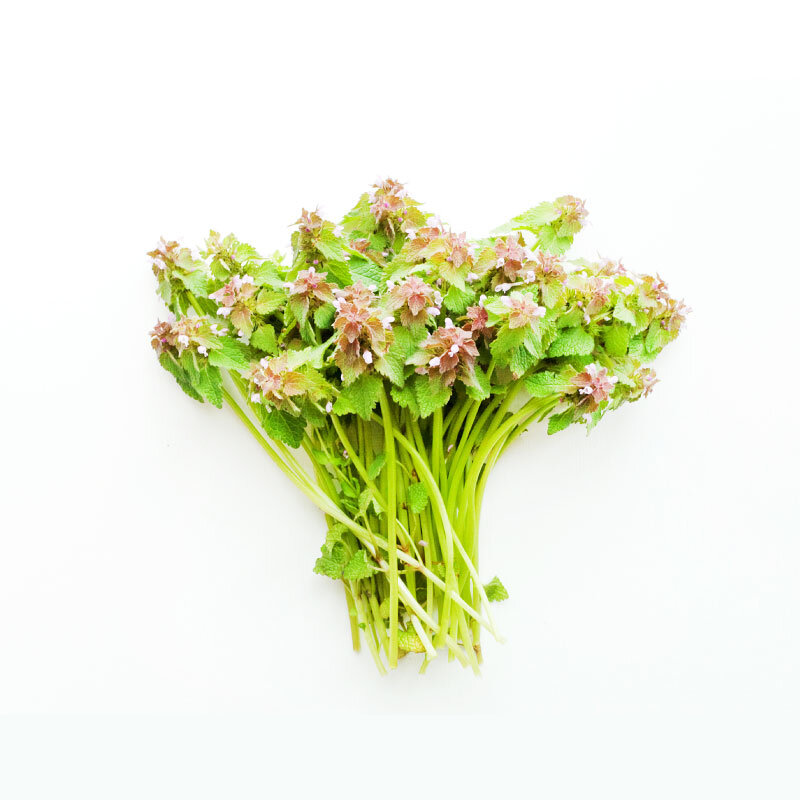 MildMildBlack HorehoundBallota nigraAqueous-ethanol extract lowered fasting glucose and raised serum insulin during a glucose-tolerance test in rats, and reduced glucose in alloxan-diabetic rats, in two studies from one group.Mechanisminsulin release ↑ (rat; active constituent undefined)Read the evidenceShow lessMonograph →
Black horehound is a European nervine whose newer applications include cholesterol and diabetes. An aqueous-ethanol extract at 400 mg/kg orally lowered fasting blood glucose in rats and, in a glucose-tolerance test, raised serum insulin at 15–30 minutes, suggesting an insulin-releasing action 105Reference 105AnimalEffects of Ballota nigra on blood biochemical parameters and insulin in albino rats — animal model (rat)View study →.
A companion study in alloxan-diabetic rats found the extract significantly reduced glucose in both healthy and diabetic animals 106Reference 106AnimalEffects of Ballota nigra on glucose and insulin in alloxan-diabetic albino rats — animal model (rat)View study →.
Both studies come from one group in the same year, with no independent replication and no human data. The insulin-secretagogue mechanism is inferred rather than shown at the tissue level, and the active constituent is undefined.
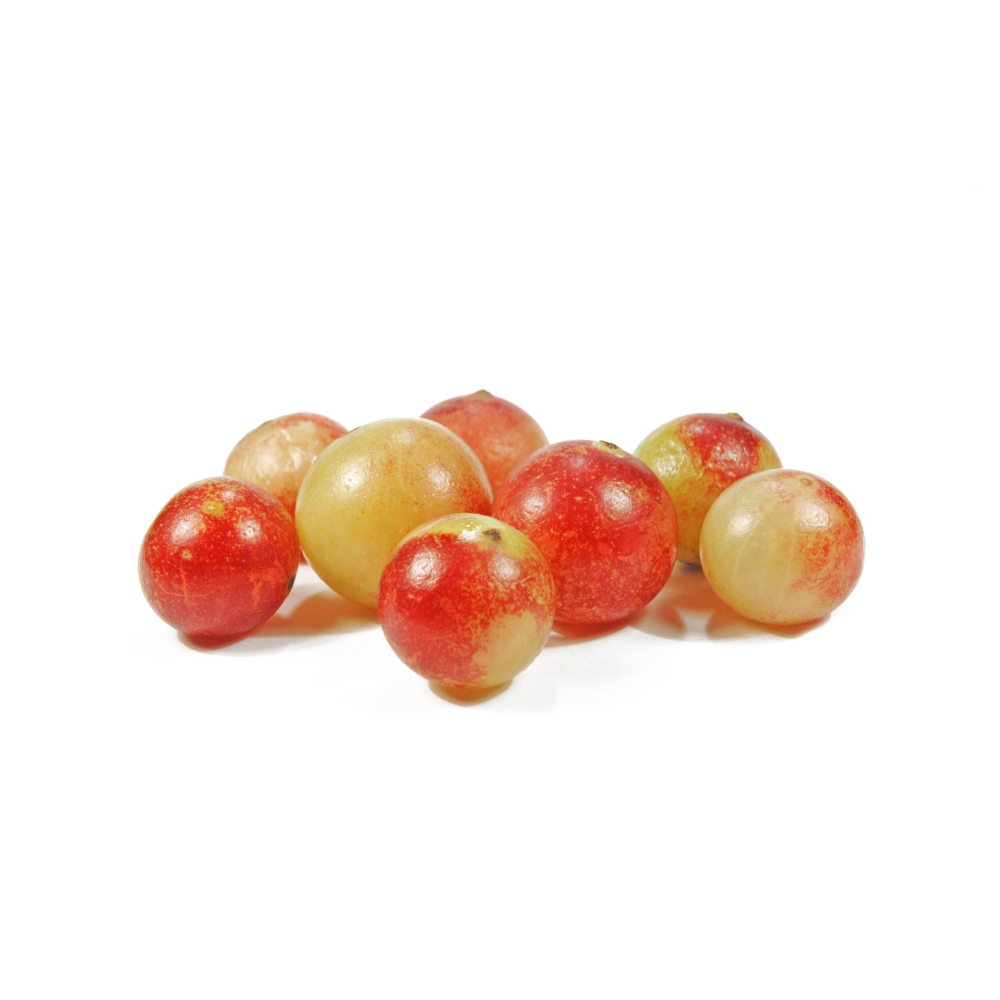 MildMildCamu-camuMyrciaria dubiaClarified juice lowered postprandial glucose after a carbohydrate meal in healthy adults; its alkyl malate esters inhibit pancreatic α-amylase and α-glucosidase.Mechanismα-amylase and α-glucosidase inhibition (alkyl malate esters); insulin sensitivity ↑ (mouse)Read the evidenceShow lessMonograph →
Clarified camu-camu juice significantly lowered postprandial blood glucose after a carbohydrate meal in healthy adults 114Reference 114Effect of clarified Brazilian native fruit juices on postprandial glycemia in healthy subjects — human crossoverView study →. The fruit’s alkyl malate esters are potent inhibitors of pancreatic α-amylase and α-glucosidase 115Reference 115In vitroMono-n-butyl malate-derived compounds from camu-camu (Myrciaria dubia) malic acid: the alkyl-dependent antihyperglycemic-related activity — in vitroView study →.
In high-fat, high-sucrose-fed mice, crude extract improved glucose tolerance and insulin sensitivity alongside its effects on weight and brown fat 116Reference 116AnimalCamu-camu reduces obesity and improves diabetic profiles of obese and diabetic mice: a dose-ranging study — animal model (mouse)View study →.
The only human data are a single acute postprandial study in non-diabetic subjects. Nobody has measured HbA1c or fasting glucose.
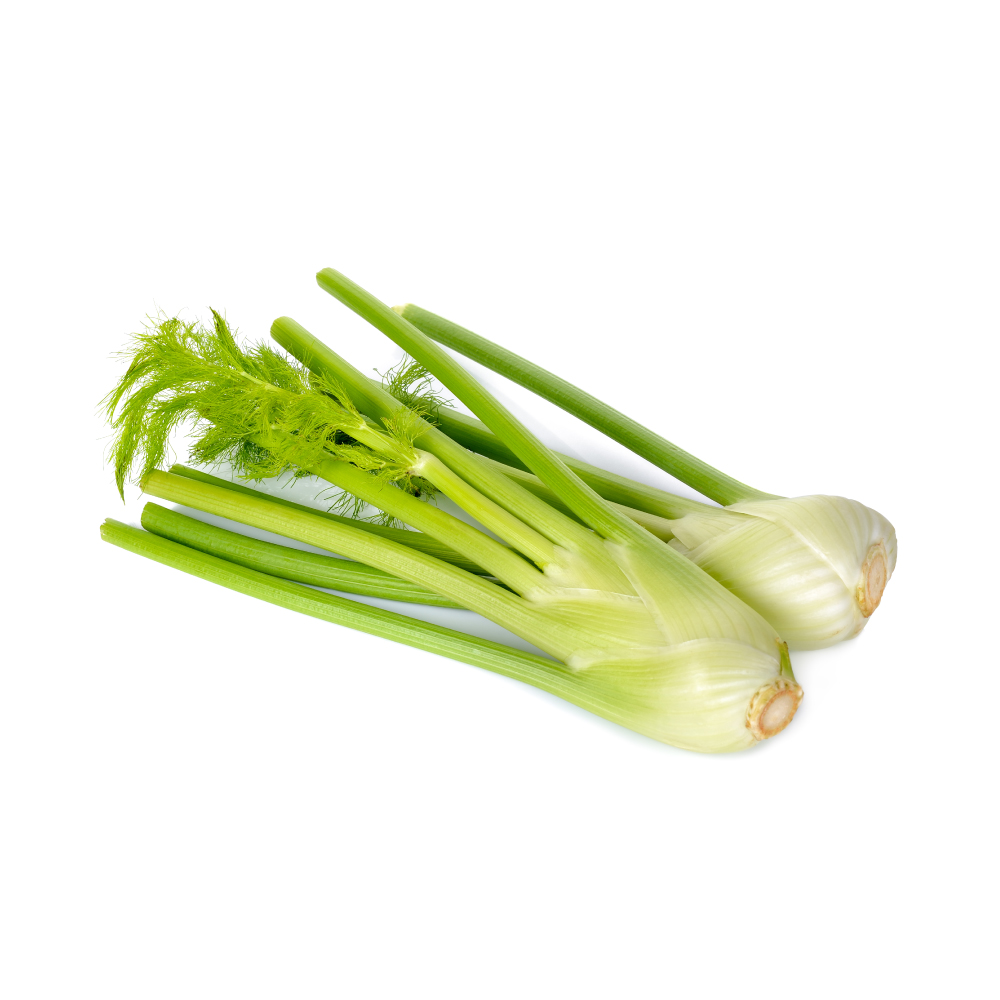 MildMildFennelFoeniculum vulgareAqueous and methanolic seed extracts lowered blood glucose in normal and streptozotocin-diabetic rats.Mechanismnot establishedRead the evidenceShow lessMonograph →
Aqueous and methanolic fennel extracts lowered blood glucose in normal and streptozotocin-diabetic rats and improved related biochemical markers 60,
The signal is consistent across rodent studies and modest. No target or pathway has been identified, and there is no clinical trial.
 MildMildGerman ChamomileMatricaria chamomillaChamomile tea alongside standard diabetes care lowered fasting glucose and HbA1c across four small pooled trials, with a dose-dependent effect in animals.Mechanismfasting glucose and HbA1c ↓ (pooled); dose-dependent in animals; mechanism not resolvedRead the evidenceShow lessMonograph →
A 2024 systematic review and meta-analysis pooling four human RCTs found chamomile significantly lowered fasting blood glucose (SMD −0.65, 95% CI −1.00 to −0.29) and HbA1c (SMD −0.90, 95% CI −1.39 to −0.40), with low heterogeneity for fasting glucose 55Reference 55Meta-analysisThe effect of chamomile consumption on glycemic markers in humans and animals: a systematic review and meta-analysisView study →. The animal arm of the same review showed a clear dose-dependent effect 55Reference 55Meta-analysisThe effect of chamomile consumption on glycemic markers in humans and animals: a systematic review and meta-analysisView study →.
The trials are four, small, several of them open-label, with short follow-up and no hard endpoints. Most used chamomile tea alongside standard diabetes care rather than as monotherapy, so the effect is an add-on to treatment.
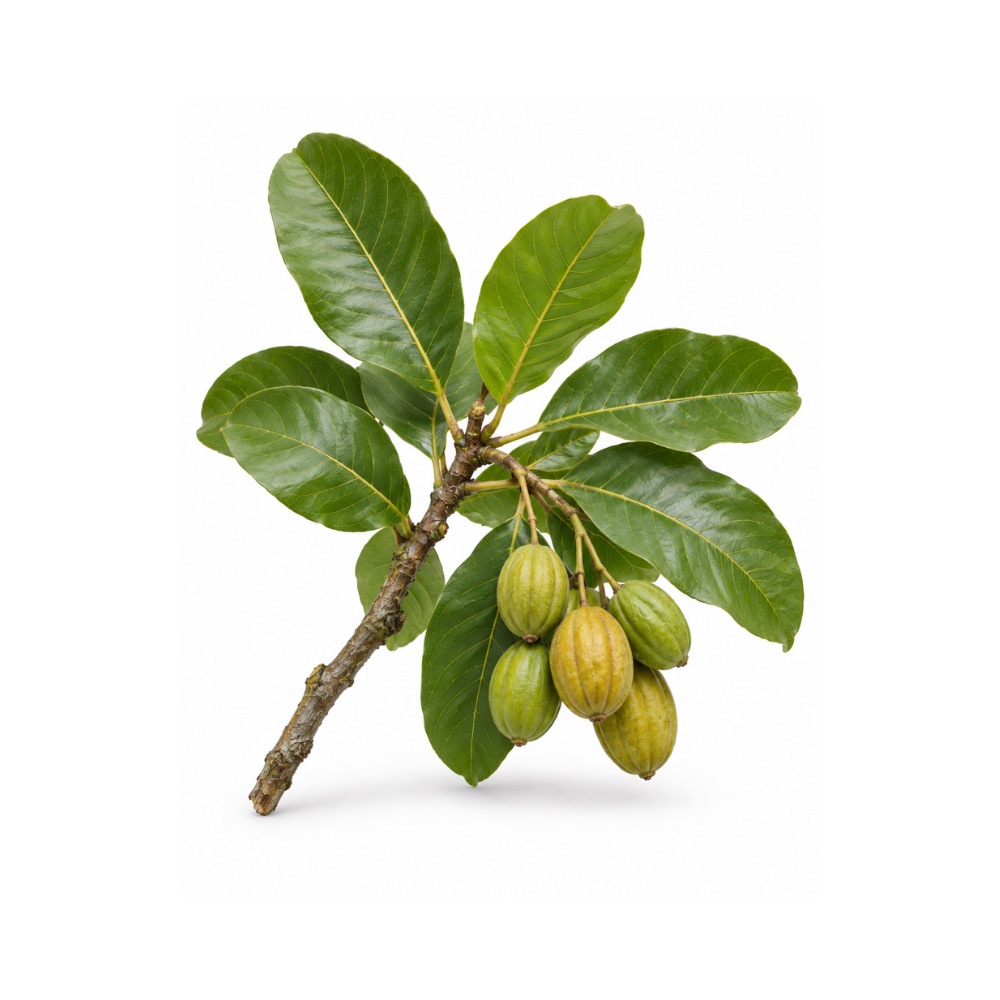 MildMildHaritakiTerminalia chebulaOne of the three fruits of Triphala, with a traditional place in prameha formulas; standardised aqueous extract improved endothelial function and oxidative and lipid markers in a 12-week trial in type 2 diabetics, with a modest and inconsistent effect on glucose.Mechanismnot established (endothelial-function and oxidative-stress modulation; gut-microbiome/SCFA shift reported)Read the evidenceShow lessMonograph →
Haritaki is one of the three fruits of Triphala and carries a traditional role in metabolic and prameha formulas.
A randomised, double-blind, placebo-controlled trial in 60 type 2 diabetics gave standardised aqueous extract at 250–500 mg twice daily for 12 weeks and found dose-dependent improvement in endothelial function and reduced oxidative-stress and lipid markers against placebo 100Reference 100RCTEffect of an aqueous extract of Terminalia chebula on endothelial dysfunction, systemic inflammation, and lipid profile in type 2 diabetes mellitus: a randomized double-blind, placebo-controlled clinical study — RCTView study →.
Those are vascular and lipid endpoints. The glycaemic effects are modest and inconsistent, and no glucose-lowering mechanism has been established.
The stronger half of the finding is hypolipidemic and vascular.
MildLingonberryVaccinium vitis-idaeaBerry supplementation lowered blood glucose, weight gain and visceral fat in high-fat-fed mice, replicated across independent laboratories.Mechanismmetabolic protection in diet-induced obesity (mouse); mechanism not resolvedRead the evidenceShow less
In a six-week study of 30 mice on a 46%-fat diet, the lingonberry-supplemented group gained about 26% less body weight and 25% less visceral fat, with lower blood glucose and cholesterol and circulating leptin down 36% 117Reference 117AnimalBeneficial effects of lingonberry (Vaccinium vitis-idaea L.) supplementation on metabolic and inflammatory adverse effects induced by a high-fat diet in a mouse model of obesity — animal model (mouse)View study →.
The metabolic protection has been replicated across independent laboratories and berry batches. There are no human glycaemic data.
 MildMildRed LotusNymphaea rubraEthanolic flower extract improved fasting glucose, glucose tolerance, insulin and HbA1c in diabetic rats; the flower's ethyl-acetate fraction is a potent α-glucosidase inhibitor, and a chloroform fraction restores insulin signalling in muscle cells.Mechanismα-glucosidase and α-amylase inhibition; GLUT4-mediated glucose uptake and IRS-1/PI3K signalling ↑ (flower)Read the evidenceShow less
In streptozotocin-induced, high-fat-diet-fed diabetic rats, an ethanolic flower extract at 100 and 250 mg/kg for 30 days improved fasting blood glucose, oral glucose tolerance, serum insulin, glycated haemoglobin and lipid profile, with in-vitro α-amylase inhibition alongside 118Reference 118In vitroPhytoconstituents of Nymphaea rubra flowers and their anti-diabetic metabolic targets — streptozotocin diabetic rat, in vitro and in silicoView study →.
The ethyl-acetate fraction of the flower inhibits α-glucosidase at an IC50 of 2.48 µg/mL 119Reference 119In vitroMetabolite profiling of Nymphaea rubra (Burm. f.) flower extracts using cyclic ion mobility–mass spectrometry and their associated biological activities — in vitroView study →, and a chloroform fraction restored insulin signalling in TNF-α-treated rat L6 myotubes by increasing GLUT4-mediated glucose uptake and IRS-1/PI3K activity 120Reference 120In vitroNymphaea rubra ameliorates TNF-α-induced insulin resistance via suppression of c-Jun NH2-terminal kinase and nuclear factor-κB in rat skeletal muscle cells — in vitroView study →.
The direction is consistent across enzyme assay, cell line and one in-vivo model. The work is on flower fractions of a specific polarity, the traditional part is the rhizome, and there are no human data.
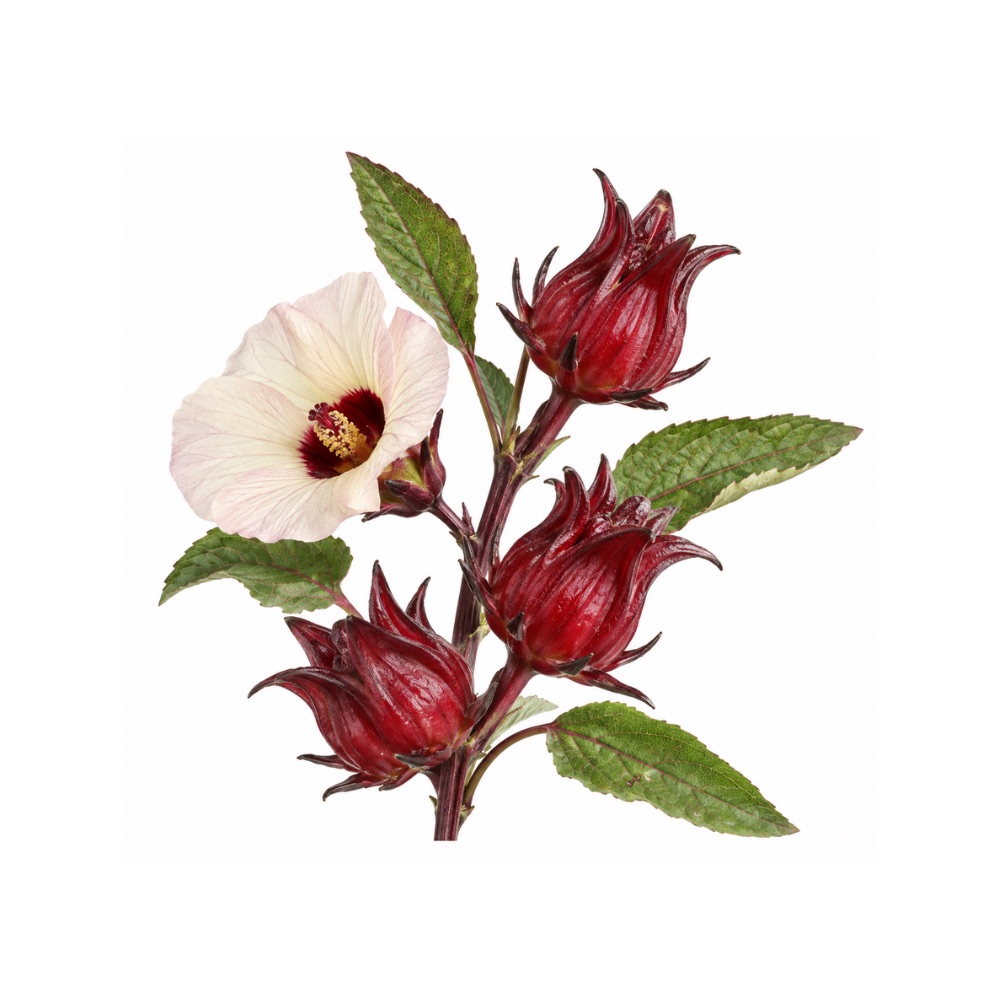 MildMildRoselleHibiscus sabdariffaCalyx infusion lowers fasting glucose by about 3.7 mg/dL in pooled trials and blunts the postprandial rise after a carbohydrate load; the anthocyanins inhibit α-amylase and α-glucosidase.Mechanismα-glucosidase and α-amylase inhibition (calyx anthocyanins); fasting glucose ↓ (small, pooled)Read the evidenceShow less
Both meta-analyses that looked found a significant reduction in fasting plasma glucose: −3.67 mg/dL in the 2020 analysis of seven trials 121Reference 121Meta-analysisThe efficacy of sour tea (Hibiscus sabdariffa L.) on selected cardiovascular disease risk factors — meta-analysis of randomised clinical trialsView study →, and a reduction again in the 2025 umbrella review 122Reference 122Meta-analysisEfficacy and safety of Hibiscus sabdariffa in cardiometabolic health — overview of reviews and dose-response meta-analysis of randomised controlled trialsView study →.
Acutely, a randomised crossover study showed a hibiscus drink blunted the postprandial glucose rise after a carbohydrate load, consistent with in-vitro inhibition of α-amylase and α-glucosidase by the calyx anthocyanins 123Reference 123RCTHibiscus sabdariffa inhibits α-glucosidase activity in vitro and lowers postprandial blood glucose response in humans — randomised crossover trialView study →.
The pooled effect is about 0.2 mmol/L, a replicated direction with a clinically negligible size. Roselle’s main evidence is antihypertensive.
 MildMildSaffronCrocus sativusLowers fasting glucose and HbA1c modestly in pooled type 2 diabetes trials, and 15 mg/day lowered both in prediabetic adults over eight weeks.Mechanismfasting blood glucose and HbA1c ↓ (saffron/crocin); antioxidant status ↑Read the evidenceShow lessMonograph →
A 2024 systematic review and meta-analysis of RCTs found saffron and crocin produced modest reductions in fasting blood glucose and other metabolic parameters in type 2 diabetes 86Reference 86Meta-analysisEffect of Crocus sativus L. (saffron) and crocin in the treatment of patients with type-2 diabetes mellitus: a systematic review and meta-analysisView study →. A double-blind RCT in overweight and obese prediabetic adults found saffron 15 mg/day significantly lowered fasting blood sugar and HbA1c while raising antioxidant status over eight weeks 87Reference 87RCTEffect of saffron (Crocus sativus L.) on lipid profile, glycemic indices and antioxidant status among overweight/obese prediabetic individuals: a double-blinded, randomised controlled trialView study →.
The pooled effects are small and heterogeneous, and the prediabetes trial is single and short. The dose is in the same range as saffron’s mood trials.
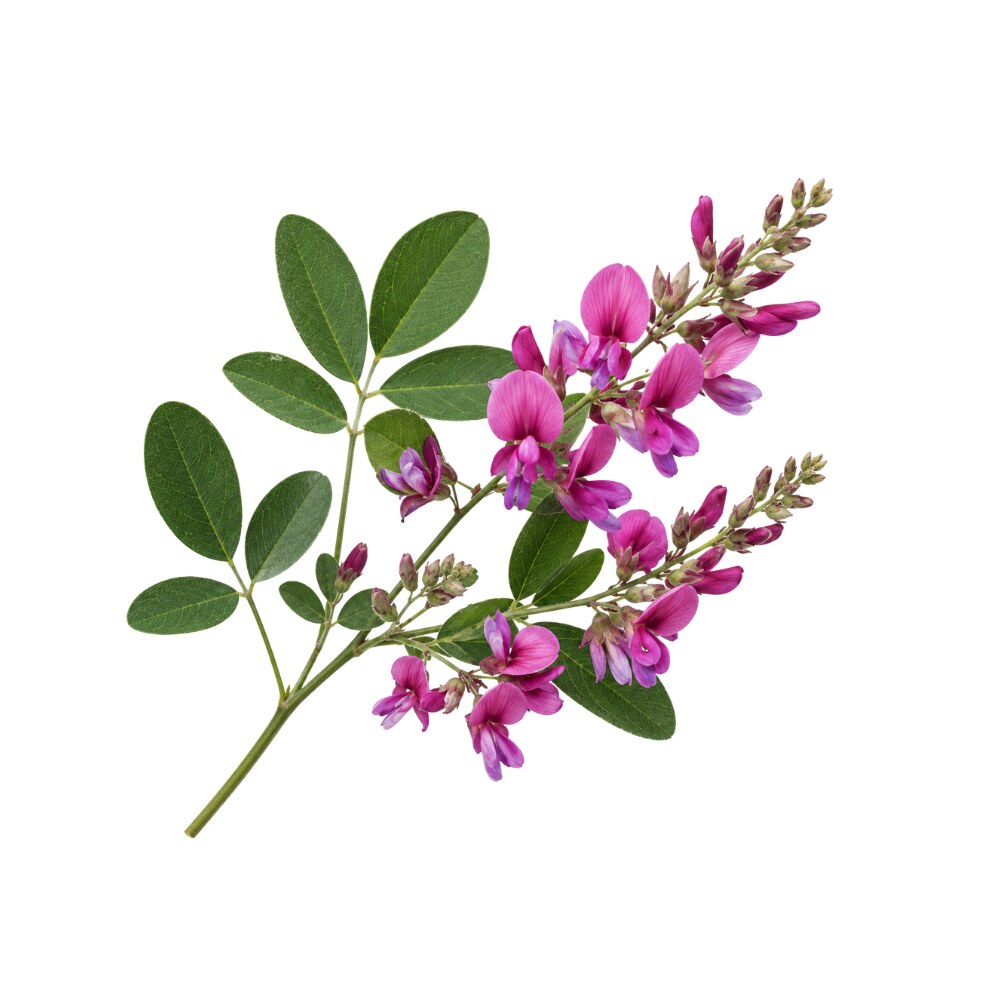 MildMildShrubby BushcloverLespedeza bicolorRoot extract improved HbA1c and glucose tolerance and activated AMPK in type 2 diabetic mice, and inhibits advanced-glycation end-product formation; Chinese folk use covers the symptoms of diabetes.MechanismAMPK/SIRT/PGC1α activation; AGE and AGE–RAGE inhibitionRead the evidenceShow less
The root is traded in Chinese and Korean folk practice as Hu Zhi Zi, decocted for nephritis and diuresis and used more loosely to manage the symptoms of diabetes.
In type 2 diabetic mice, extract by gavage at 100 or 250 mg/kg/day for 12 weeks improved HbA1c and glucose tolerance and activated AMPK/SIRT/PGC1α signalling, reducing skeletal-muscle damage 124Reference 124AnimalLespedeza bicolor extract supplementation reduced hyperglycemia-induced skeletal muscle damage by regulation of AMPK/SIRT/PGC1α-related energy metabolism in type 2 diabetic mice — animal model (mouse)View study → and hepatic lipid accumulation 125Reference 125AnimalEffects of Lespedeza bicolor extract on regulation of AMPK-associated hepatic lipid metabolism in type 2 diabetic mice — animal model (mouse)View study →. A screen of 26 Lespedeza species picked out L. bicolor as the most protective against methylglyoxal-induced glucotoxicity in endothelial cells, inhibiting the formation of advanced glycation end-products and breaking preformed ones 126Reference 126In vitroLespedeza bicolor ameliorates endothelial dysfunction induced by methylglyoxal glucotoxicity — in vitroView study →.
Every result comes from a small set of related rodent studies using an undefined aqueous or ethanol extract. Nothing has been tested in people.
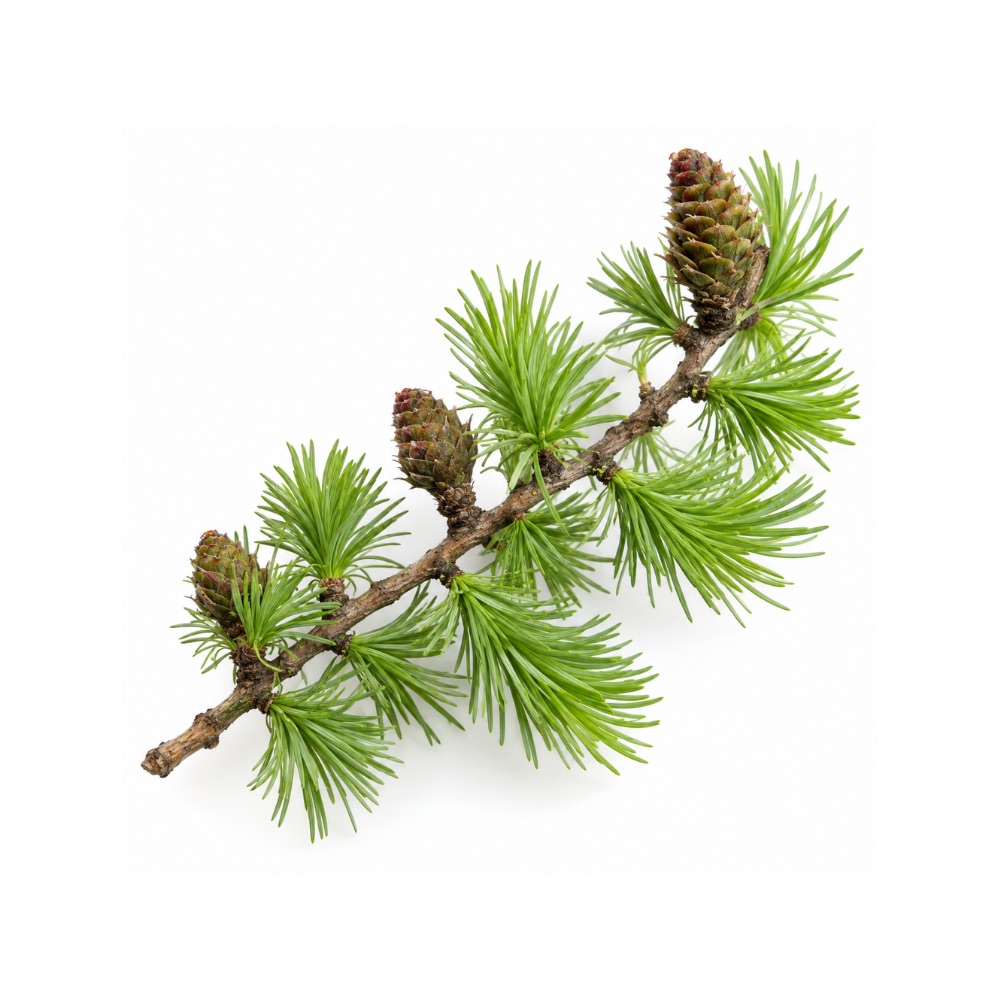 MildMildTamarackLarix laricinaThe antidiabetic bark of the Cree of Eeyou Istchee; ethanol bark extract lowered glycaemia and improved insulin sensitivity in obese mice through AMPK activation and mitochondrial uncoupling.MechanismAMPK activation; mitochondrial uncoupling; adipogenesis potentiation (cycloartane triterpene, 13-epitorulosol)Read the evidenceShow less
Healers and Elders of the Cree of Eeyou Istchee use tamarack inner bark as a decoction for the symptoms of type 2 diabetes. In diet-induced obese mice, bark extract at 125 and 250 mg/kg decreased glycaemia and improved insulin resistance, both when given from the diet’s onset and when started in the final 8 of 16 weeks 127Reference 127AnimalLarix laricina, an antidiabetic alternative treatment from the Cree of northern Quebec pharmacopoeia, decreases glycaemia and improves insulin sensitivity in vivo — animal model (mouse)View study →.
The extract activates AMPK, enhances basal glucose uptake and uncouples mitochondrial function, and bioassay-guided fractionation isolated a new cycloartane triterpene and the labdane 13-epitorulosol as the actives 128Reference 128In vitroAdipogenic constituents from the bark of Larix laricina du Roi (KView study →.
There are no human data, and the active preparation is a concentrated ethanol extract dosed by body weight rather than the traditional tea.
 MildMildTeaCamellia sinensisGreen tea lowers fasting glucose and HbA1c slightly in mixed populations and not at all in a meta-analysis restricted to type 2 diabetics; EGCG and the theaflavins improve insulin sensitivity in cells and animals.Mechanism↑ insulin sensitivity; glucose-uptake signalingRead the evidenceShow lessMonograph →
A 17-RCT meta-analysis found green tea lowered fasting glucose (−0.09 mmol/L) and HbA1c (−0.30%) in mixed and healthy populations 97Reference 97Meta-analysisEffect of green tea on glucose control and insulin sensitivity: a meta-analysis of 17 randomised controlled trialsView study →, and EGCG, tannins and theaflavins improve insulin sensitivity in vitro and in animals 98Reference 98ReviewGreen tea (Camellia sinensis) catechins and vascular function — reviewView study →.
A meta-analysis restricted to established type 2 diabetics found no effect on fasting glucose, insulin, HbA1c or HOMA-IR 99Reference 99Meta-analysisEffect of green tea on glycemic control in patients with type 2 diabetes mellitus: a systematic review and meta-analysisView study →. The benefit disappears in the clinically relevant group.
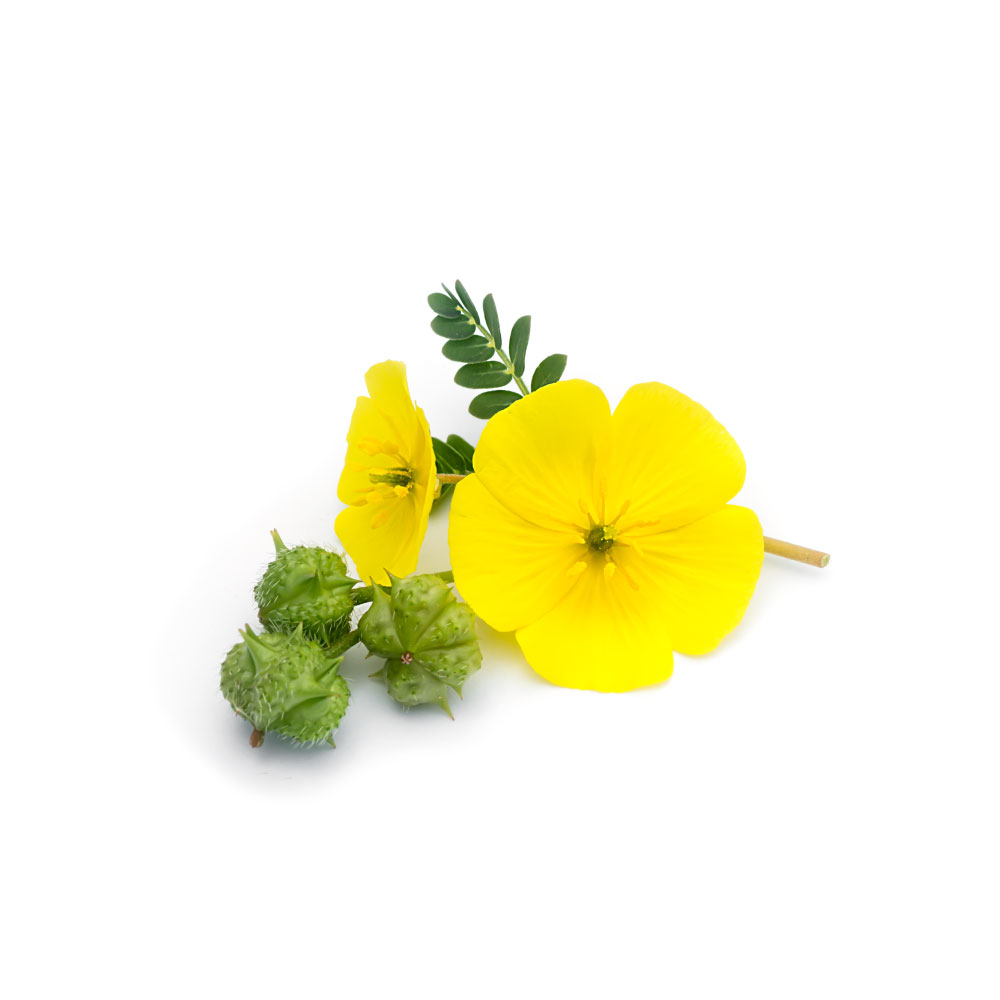 MildMildTribulusTribulus terrestrisLowered blood glucose and cholesterol at 1000 mg/day over three months in a double-blind trial of 98 women with type 2 diabetes; its extracts inhibit α-amylase, α-glucosidase and pancreatic lipase in vitro.Mechanismα-amylase, α-glucosidase and pancreatic-lipase inhibition (in vitro); blood glucose and total/LDL cholesterol ↓Read the evidenceShow lessMonograph →
A double-blind RCT in 98 women with type 2 diabetes found Tribulus 1000 mg/day for three months significantly lowered blood glucose against placebo, and reduced total and LDL cholesterol without affecting triglycerides or HDL 101Reference 101RCTEfficacy of hydroalcoholic extract of Tribulus terrestris on serum glucose and lipid profile of women with type 2 diabetes — double-blind randomised placebo-controlled trial — [randomised placebo-controlled trial]View study →.
Mechanistic support is in-vitro inhibition of the carbohydrate- and lipid-digesting enzymes α-amylase, α-glucosidase and pancreatic lipase 102Reference 102In vitroInhibitory effects of chickpea and Tribulus terrestris on lipase, alpha-amylase and alpha-glucosidase — in vitro — [in vitro]View study →.
The clinical evidence is a single trial in one sex, and it needs independent replication and dose-finding. Tribulus is taken almost entirely for aphrodisiac and male-tonic reasons.
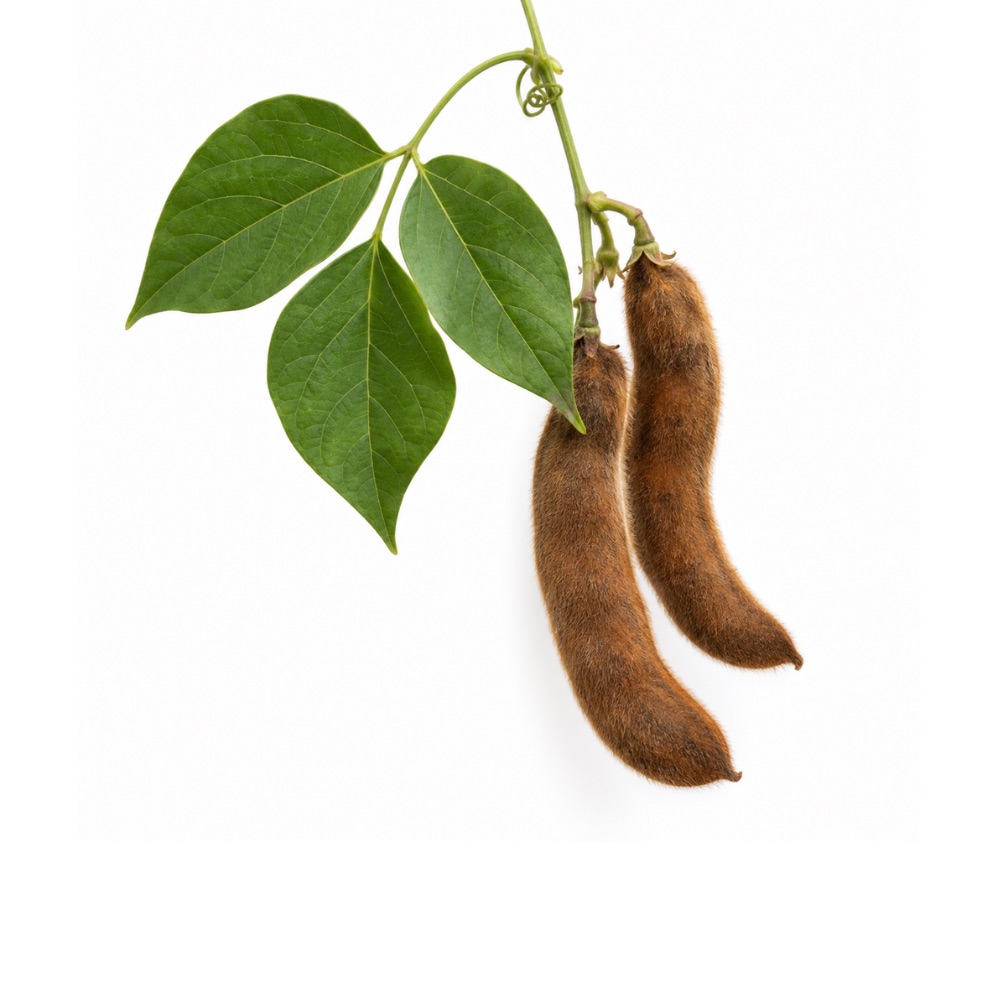 MildMildVelvet BeanMucuna pruriensSeeds carry D-chiro-inositol and its galacto-derivatives, cyclitols associated with insulin signalling, and root isoflavonoids inhibit α-glucosidase; seed extracts lower glucose in diabetic rodents.MechanismD-chiro-inositol insulin signalling; α-glucosidase inhibition (root isoflavonoids, medicarpin)Read the evidenceShow less
Mucuna seeds contain D-chiro-inositol and its galacto-derivatives, oligocyclitols associated with insulin signalling and antiglycaemic activity 129Reference 129Antidiabetic oligocyclitols in seeds of Mucuna pruriens — phytochemistryView study →. Isoflavanones, isoflavones and pterocarpans from the root, notably medicarpin, inhibit α-glucosidase in vitro 130Reference 130In vitroDendup, T., Prachyawarakorn, V., Pansanit, A., et al. (2014). α-Glucosidase inhibitory activities of isoflavanones, isoflavones and pterocarpans from Mucuna pruriens — in vitro. Planta Medica. https://pubmed.ncbi.nlm.nih.gov/24782227/View study →, and seed extracts lower blood glucose in normal and streptozotocin-diabetic rodents.
The chain from constituent to animal hypoglycaemia is coherent, and no human glycaemic trial exists. The α-glucosidase chemistry is root chemistry, not seed.
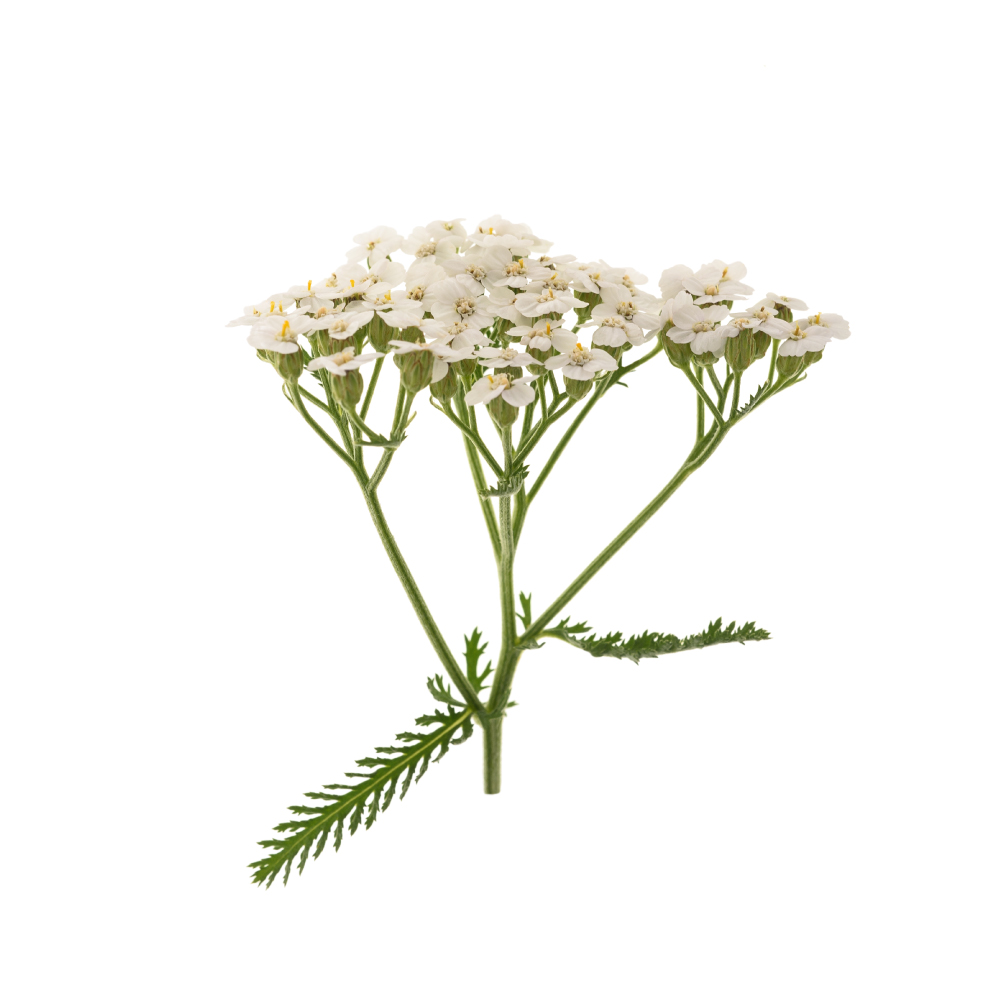 MildMildYarrowAchillea millefoliumHydroalcoholic extract protected pancreatic β-cells in diabetic rats by down-regulating IL-1β and iNOS, and lowered blood glucose, triglycerides and LDL comparably to metformin on several endpoints.Mechanismβ-cell protection via IL-1β/iNOS ↓Read the evidenceShow lessMonograph →
In diabetic rats the extract’s β-cell protection was linked to down-regulation of IL-1β and iNOS, the cytokines that destroy β-cells through the NF-κB inflammatory pathway 103Reference 103AnimalAchillea millefolium L. hydro-alcoholic extract protects pancreatic cells by down regulating IL-1β and iNOS gene expression in diabetic rats — [rat in vivo]View study →. The glycaemic effect is downstream of the anti-inflammatory one rather than a separate mechanism.
Blood glucose, triglycerides and LDL fell comparably to metformin on several endpoints 104Reference 104AnimalHydroalcoholic extract of Achillea millefolium improved blood glucose, liver enzymes and lipid profile compared to metformin in streptozotocin-induced diabetic rats — [rat in vivo]View study →.
There are no controlled human data for yarrow alone.
No herbs match these filters.
Also Tagged
3 more herbs carry a hypoglycemic action.
Safety
- Every hypoglycemic herb adds to insulin and oral antidiabetics, and the combination can take glucose too low.
- Anyone on glucose-lowering medication who adds one should check blood glucose more often and leave dose changes to their prescriber.
- Gut-acting herbs cause bloating and flatulence rather than hypoglycaemia, and only act when taken with food.
- Viscous-fibre herbs need adequate fluid and separate dosing from other oral medicines.
- No hypoglycemic herb replaces diabetes treatment or monitoring.
References
- Kashchenko NI, Chirikova NK, Olennikov DN (2017). Agrimoniin, an active ellagitannin from Comarum palustre herb with anti-α-glucosidase and antidiabetic potential in streptozotocin-induced diabetic rats. Molecules. https://pubmed.ncbi.nlm.nih.gov/28045450/
- Kashchenko NI, Olennikov DN (2020). Phenolome of Asian agrimony tea (Agrimonia asiatica Juz., Rosaceae) — LC-MS profile, α-glucosidase inhibitory potential and stability. Foods. https://pubmed.ncbi.nlm.nih.gov/32977706/
- Kim SB, Hwang SH, Suh HW, Lim SS (2017). Phytochemical analysis of Agrimonia pilosa Ledeb, its antioxidant activity and aldose reductase inhibitory potential — in vitro and ex vivo. International Journal of Molecular Sciences. https://pubmed.ncbi.nlm.nih.gov/28208627/
- Naimi M, Vlavcheski F, Murphy B, Hudlicky T, Tsiani E. (2017). Carnosic acid as a component of rosemary extract stimulates skeletal muscle cell glucose uptake via AMPK activation — in vitro. Clinical and Experimental Pharmacology and Physiology. https://pubmed.ncbi.nlm.nih.gov/27716981/
- Hasei S, Yamamotoya T, Nakatsu Y, Ohata Y, Itoga S, Nonaka Y, et al. (2021). Carnosic acid and carnosol activate AMPK, suppress expressions of gluconeogenic and lipogenic genes, and inhibit proliferation of HepG2 cells — in vitro. International Journal of Molecular Sciences. https://pubmed.ncbi.nlm.nih.gov/33919842/
- Ercan P, El SN. (2018). Bioaccessibility and inhibitory effects on digestive enzymes of carnosic acid in sage and rosemary — in vitro. International Journal of Biological Macromolecules. https://pubmed.ncbi.nlm.nih.gov/29709538/
- Toda M, Kawabata J, Kasai T (2000). α-Glucosidase inhibitors from clove (Syzygium aromaticum) — in vitro. Bioscience, Biotechnology, and Biochemistry. https://pubmed.ncbi.nlm.nih.gov/10737184/
- Xu Y, Rashwan AK, Ge Z, et al. (2023). Identification of a novel α-glucosidase inhibitor from Melastoma dodecandrum Lour. fruits and its effect on regulating postprandial blood glucose — in vitro and mouse study. Food Chemistry. https://pubmed.ncbi.nlm.nih.gov/36037688/
- Sokolova E, Adamov G, Krol’ T, Sheychenko O, Baleev D, Sidelnikov N (2025). Inhibitory potential of sea buckthorn leaves extracts and its component casuarictin on pancreatic enzymes and LPS-induced TNF-α synthesis in human whole blood — in vitro / ex vivo. Natural Product Research. https://pubmed.ncbi.nlm.nih.gov/40680206/
- Kim RH, Lee GE, Lee K, Hwang KT, Park J, Lim T (2023). Anti-inflammatory activities of black raspberry seed ellagitannins and their structural effects on the stimulation of GLP-1 secretion and intestinal bitter taste receptors — in vitro and mouse. Food & Function. https://pubmed.ncbi.nlm.nih.gov/37073737/
- Toda M, Kawabata J, Kasai T (2001). Inhibitory effects of ellagi- and gallotannins on rat intestinal α-glucosidase complexes — in vitro. Bioscience, Biotechnology, and Biochemistry. https://pubmed.ncbi.nlm.nih.gov/11330666/
- Chen W, Pan Y, et al. (2017). Cryptotanshinone activates AMPK-TSC2 axis leading to inhibition of mTORC1 signaling in cancer cells — in vitro study. BMC Cancer. https://pubmed.ncbi.nlm.nih.gov/28061838/
- Nagappan A, Kim JH, et al. (2019). Cryptotanshinone from the Salvia miltiorrhiza Bunge attenuates ethanol-induced liver injury by activation of AMPK/SIRT1 and Nrf2 signaling pathways — mouse in vivo study. International Journal of Molecular Sciences. https://pubmed.ncbi.nlm.nih.gov/31906014/
- Imran KM, Rahman N, et al. (2017). Cryptotanshinone promotes commitment to the brown adipocyte lineage and mitochondrial biogenesis in C3H10T1/2 mesenchymal stem cells via AMPK and p38-MAPK signaling — in vitro study. Biochimica et Biophysica Acta — Molecular and Cell Biology of Lipids. https://pubmed.ncbi.nlm.nih.gov/28807877/
- Ni J, Ye A, et al. (2024). Cryptotanshinone promotes brown fat activity by AMPK activation to inhibit obesity — mouse in vivo study. Nutrition Research and Practice. https://pubmed.ncbi.nlm.nih.gov/39109201/
- Yang X, Zhang Y, Wu X, et al. (2011). Cryptotanshinone reverses reproductive and metabolic disturbances in prenatally androgenized rats via regulation of ovarian signaling mechanisms and androgen synthesis — rat in vivo study. American Journal of Physiology — Regulatory, Integrative and Comparative Physiology. https://pubmed.ncbi.nlm.nih.gov/21228340/
- Huang Y, Li W, et al. (2014). Cryptotanshinone reverses ovarian insulin resistance in mice through activation of insulin signaling and the regulation of glucose transporters and hormone synthesizing enzymes — mouse in vivo study. Fertility and Sterility. https://pubmed.ncbi.nlm.nih.gov/24973798/
- Deng X, Huang SL, Ren J, et al. (2022). Development and structure-activity relationships of tanshinones as selective 11β-hydroxysteroid dehydrogenase 1 inhibitors — in vitro SAR study. Natural Products and Bioprospecting. https://pubmed.ncbi.nlm.nih.gov/36131216/
- Rakib MA, Kim YS, et al. (2026). Anti-adipogenic effect of cryptotanshinone in 3T3-L1 preadipocytes via binding to glucagon-like peptide 1 receptor and its signaling — in vitro study. Phytomedicine. https://pubmed.ncbi.nlm.nih.gov/41380415/
- Hua S, et al. (2016). Diosgenin ameliorates gestational diabetes through inhibition of sterol regulatory element-binding protein-1 — mouse in vivo study. Biomedicine & Pharmacotherapy. https://pubmed.ncbi.nlm.nih.gov/27810341/
- Mohammad-Sadeghipour M, Mahmoodi M, Noroozi Karimabad M, Mirzaei MR, Hajizadeh MR (2021). Diosgenin and 4-hydroxyisoleucine from fenugreek are regulators of genes involved in lipid metabolism in the human colorectal cancer cell line SW480 — in vitro study. Cell Journal. https://pubmed.ncbi.nlm.nih.gov/32347045/
- Sato K, Fujita S, Iemitsu M (2014). Acute administration of diosgenin or dioscorea improves hyperglycemia with increases muscular steroidogenesis in STZ-induced type 1 diabetic rats — rat in vivo study. Journal of Steroid Biochemistry and Molecular Biology. https://pubmed.ncbi.nlm.nih.gov/24607838/
- Manda VK, Avula B, Ali Z, et al. (2013). Characterization of in vitro ADME properties of diosgenin and dioscin from Dioscorea villosa — in vitro study. Planta Medica. https://pubmed.ncbi.nlm.nih.gov/23970424/
- Fuller S, Stephens JM (2015). Diosgenin, 4-hydroxyisoleucine, and fiber from fenugreek: mechanisms of actions and potential effects on metabolic syndrome — review. Advances in Nutrition. https://pubmed.ncbi.nlm.nih.gov/25770257/
- Bisio A, De Mieri M, Milella L, Schito AM, Parricchi A, Russo D, et al. (2017). Antibacterial and hypoglycemic diterpenoids from Salvia chamaedryoides — in vitro. Journal of Natural Products, 80(2), 503–514. https://pubmed.ncbi.nlm.nih.gov/28186413/
- Turner N, Li JY, Gosby A, et al. (2008). Berberine and its more biologically available derivative, dihydroberberine, inhibit mitochondrial respiratory complex I. Diabetes. https://pubmed.ncbi.nlm.nih.gov/18285556/
- Zhang C, Zhang X, Zhang Q, et al. (2026). Dihydroberberine normalizes insulin secretion by regulating glucokinase. Diabetes, Obesity and Metabolism. https://pubmed.ncbi.nlm.nih.gov/41077968/
- Moon JM, Ratliff KM, Hagele AM, et al. (2021). Absorption kinetics of berberine and dihydroberberine and their impact on glycemia: a randomized, controlled, crossover pilot trial. Nutrients. https://pubmed.ncbi.nlm.nih.gov/35010998/
- Chi TC, Lee SS, Su MJ (2006). Antihyperglycemic effect of aporphines and their derivatives in normal and diabetic rats. Planta Medica. https://pubmed.ncbi.nlm.nih.gov/16924583/
- Navarro Del Hierro J, Casado-Hidalgo G, Reglero G, Martin D (2021). The hydrolysis of saponin-rich extracts from fenugreek and quinoa improves their pancreatic lipase inhibitory activity and hypocholesterolemic effect — [in vitro]. Food Chemistry. https://pubmed.ncbi.nlm.nih.gov/33092009/
- Muraki E, Chiba H, Taketani K, Hoshino S, Tsuge N, Tsunoda N, Kasono K (2012). Fenugreek with reduced bitterness prevents diet-induced metabolic disorders in rats — [animal model]. Lipids in Health and Disease. https://pubmed.ncbi.nlm.nih.gov/22642742/
- Ștefănescu R, Farczadi L, Huțanu A, Ősz BE, Mărușteri M, Negroiu A, Vari CE (2021). Tribulus terrestris efficacy and safety concerns in diabetes and erectile dysfunction, assessed in an experimental model — [animal model]. Plants. https://pubmed.ncbi.nlm.nih.gov/33920217/
- Liu Y, Kong KW, Wu DT, et al. (2022). Pomegranate peel-derived punicalagin — ultrasonic-assisted extraction, purification, and its α-glucosidase inhibitory mechanism. Food Chemistry, 374, 131635. https://pubmed.ncbi.nlm.nih.gov/34823934/
- Najari Beidokhti M, Andersen MV, Eid HM, Sanchez Villavicencio ML, Staerk D, Haddad PS, Jäger AK (2017). Investigation of antidiabetic potential of Phyllanthus niruri L. using assays for α-glucosidase, muscle glucose transport, liver glucose production, and adipogenesis. Biochemical and Biophysical Research Communications. https://pubmed.ncbi.nlm.nih.gov/28928090/
- Trinh BTD, Staerk D, Jäger AK (2016). Screening for potential α-glucosidase and α-amylase inhibitory constituents from selected Vietnamese plants used to treat type 2 diabetes. Journal of Ethnopharmacology. https://pubmed.ncbi.nlm.nih.gov/27041401/
- Mihaylova R, Elincheva V, Momekov G, Simeonova R (2025). Unlocking the therapeutic potential of ellagitannins: a comprehensive review of key representatives. Molecules. https://pubmed.ncbi.nlm.nih.gov/41302388/
- Kato E, Uenishi Y, Inagaki Y, Kurokawa M, Kawabata J. (2016). Isolation of rugosin A, B and related compounds as dipeptidyl peptidase-IV inhibitors from rose bud extract powder. Bioscience, Biotechnology, and Biochemistry, 80(11), 2087–2092. https://pubmed.ncbi.nlm.nih.gov/27477520/
- Iwaoka Y, Suzuki S, Kato N, Hayakawa C, Kawabe S, Ganeko N, Uemura T, Ito H. (2021). Characterization and identification of bioactive polyphenols in the Trapa bispinosa Roxb. pericarp extract. Molecules, 26(19), 5802. https://pubmed.ncbi.nlm.nih.gov/34641346/
- Zhang YM, Zheng T, Huang TT, et al. (2021). Sarsasapogenin attenuates Alzheimer-like encephalopathy in diabetes. Phytomedicine. https://pubmed.ncbi.nlm.nih.gov/34333330/
- Choi YH (2023). Reduction of high glucose-induced oxidative injury in human retinal pigment epithelial cells by sarsasapogenin through inhibition of ROS generation and inactivation of NF-κB/NLRP3 inflammasome pathway. Genes & Genomics. https://pubmed.ncbi.nlm.nih.gov/37354257/
- Althurwi HN, Soliman GA, Abdel-Rahman RF, Abd-Elsalam RM, Ogaly HA, Alqarni MH, Albaqami FF, Abdel-Kader MS (2022). Vulgarin, a sesquiterpene lactone from Artemisia judaica, improves the antidiabetic effectiveness of glibenclamide in streptozotocin-induced diabetic rats via modulation of PEPCK and G6Pase gene expression — animal study. International Journal of Molecular Sciences. https://pubmed.ncbi.nlm.nih.gov/36555498/
- Rodriguez de Vera C, Peran Mesa S, de Diego AM, Villar del Fresno A (1976). [Preliminary study on the effects produced in the lipid fraction of various rat organs after administration of vulgarin, a new oral hypoglycaemic agent of natural origin] — animal study. Bollettino Chimico Farmaceutico. https://pubmed.ncbi.nlm.nih.gov/1008950/
- Akhtar, M. S., et al. (2011). Effect of Amla fruit (Emblica officinalis Gaertn.) on blood glucose and lipid profile of normal subjects and type 2 diabetic patients. International Journal of Food Sciences and Nutrition. https://pubmed.ncbi.nlm.nih.gov/21495900/
- Manjunatha, S., et al. (2001). Effect of Chyawanprash and vitamin C on glucose tolerance and lipoprotein profile. Indian Journal of Physiology and Pharmacology. https://pubmed.ncbi.nlm.nih.gov/11211574/
- Setayesh, L., et al. (2023). The impact of Emblica officinalis (Amla) on lipid profile, glucose, and C-reactive protein: a systematic review and meta-analysis of randomized controlled trials. Diabetes & Metabolic Syndrome. https://pubmed.ncbi.nlm.nih.gov/36934568/
- Huang, H. Z., et al. (2021). Potential effect of the tropical fruit Phyllanthus emblica L. for the prevention and management of type 2 diabetic complications. European Journal of Nutrition. https://pubmed.ncbi.nlm.nih.gov/33439332/
- Chen, S. Y., Huang, Y. N., Lin, J. A., & Yen, G. C. (2024). Effect of Indian gooseberry extract on improving methylglyoxal-associated leptin resistance in peripheral tissues of high-fat diet-fed rats — animal model (rat). Journal of Food and Drug Analysis. https://pubmed.ncbi.nlm.nih.gov/38526590/
- Sabu, M. C., & Kuttan, R. (2004). Antidiabetic activity of Aegle marmelos and its relationship with its antioxidant properties — animal model (rat). Indian Journal of Physiology and Pharmacology. https://pubmed.ncbi.nlm.nih.gov/15270373/
- Mudi, S. R., Akhter, M., Biswas, S. K., et al. (2017). Effect of aqueous extract of Aegle marmelos fruit and leaf on glycemic, insulinemic and lipidemic status of type 2 diabetic model rats — animal model (rat). Journal of Complementary and Integrative Medicine. https://pubmed.ncbi.nlm.nih.gov/28284036/
- Nigam, V., & Nambiar, V. S. (2019). Aegle marmelos leaf juice as a complementary therapy to control type 2 diabetes: randomised controlled trial in Gujarat, India — RCT. Advances in Integrative Medicine, 6(1), 11–22. https://doi.org/10.1016/j.aimed.2018.03.002
- Mollace, V., Scicchitano, M., Paone, S., et al. (2019). Hypoglycemic and hypolipemic effects of a new lecithin formulation of bergamot polyphenolic fraction. Endocrine, Metabolic & Immune Disorders Drug Targets. https://pubmed.ncbi.nlm.nih.gov/30501605/
- Capomolla, A. S., Janda, E., Paone, S., et al. (2019). Atherogenic index reduction and weight loss in metabolic syndrome patients treated with a novel pectin-enriched formulation of bergamot polyphenols. Nutrients. https://pubmed.ncbi.nlm.nih.gov/31167512/
- Pierdomenico, M., Cicero, A. F. G., Veronesi, M., et al. (2023). Effect of Citrus bergamia extract on lipid profile: a combined in vitro and human study. Phytotherapy Research. https://pubmed.ncbi.nlm.nih.gov/37312672/
- Fogacci, F., Giovannini, M., Di Micoli, A., et al. (2024). Effect of a dietary supplement containing dry artichoke and bergamot extracts on metabolic and vascular risk factors. Nutrients. https://pubmed.ncbi.nlm.nih.gov/38892519/
- Akhgarjand C, et al. (2024). The effect of chamomile consumption on glycemic markers in humans and animals: a systematic review and meta-analysis. Journal of Diabetes and Metabolic Disorders. https://pubmed.ncbi.nlm.nih.gov/38932814/
- Xie, W., Su, F., Wang, G., et al. (2022). Glucose-lowering effect of berberine on type 2 diabetes — systematic review and meta-analysis of randomised controlled trials. Frontiers in Pharmacology. https://pubmed.ncbi.nlm.nih.gov/36467075/
- Lan, J., Zhao, Y., Dong, F., et al. (2015). Meta-analysis of the effect and safety of berberine in the treatment of type 2 diabetes mellitus, hyperlipaemia and hypertension — meta-analysis. Journal of Ethnopharmacology. https://pubmed.ncbi.nlm.nih.gov/25498346/
- Pan, L., Zhai, X., Duan, Z., et al. (2022). Systematic review and meta-analysis of Coptis chinensis Franch.-containing traditional Chinese medicine as an adjunct therapy to metformin in type 2 diabetes — systematic review and meta-analysis. Frontiers in Pharmacology. https://pubmed.ncbi.nlm.nih.gov/36160405/
- Yang, Y., Li, Y., Yin, D., Chen, S., & Gao, X. (2016). Coptis chinensis polysaccharides inhibit advanced-glycation-end-product formation — in vitro and diabetic mouse model. Journal of Medicinal Food. https://pubmed.ncbi.nlm.nih.gov/27093269/
- El-Ouady, F., et al. (2020). Antihyperglycemic effect of the aqueous extract of Foeniculum vulgare in diabetic rats — animal model. Cardiovascular & Hematological Disorders Drug Targets. https://pubmed.ncbi.nlm.nih.gov/31195951/
- Bougrine, S., et al. (2024). Hypoglycemic activity of methanolic extract of Foeniculum vulgare in diabetic Wistar rats — animal model. Cardiovascular & Hematological Disorders Drug Targets. https://pubmed.ncbi.nlm.nih.gov/39648420/
- Shabil, M., et al. (2023). Effect of Fenugreek on Hyperglycemia: A Systematic Review and Meta-Analysis. Medicina (Kaunas). https://pubmed.ncbi.nlm.nih.gov/36837450/
- Kim, J., et al. (2023). The Effect of Fenugreek in Type 2 Diabetes and Prediabetes: A Systematic Review and Meta-Analysis of Randomized Controlled Trials. Int J Mol Sci. https://pubmed.ncbi.nlm.nih.gov/37762302/
- Gong, J., et al. (2016). Effect of fenugreek on hyperglycaemia and hyperlipidemia in diabetes and prediabetes: A meta-analysis. J Ethnopharmacol. https://pubmed.ncbi.nlm.nih.gov/27496582/
- Fakhr, L., et al. (2023). Effects of fenugreek supplementation on the components of metabolic syndrome: A systematic review and dose-response meta-analysis of randomized clinical trials. Pharmacol Res. https://pubmed.ncbi.nlm.nih.gov/36470549/
- Deshpande, P. O., et al. (2025). Effect of ‘Fenuflakes’ on 24-hour glycemic variability in adults with type 2 diabetes: A randomized crossover continuous glucose monitoring study. Asia Pac J Clin Nutr. https://pubmed.ncbi.nlm.nih.gov/41038677/
- Vuksan, V., et al. (2000). American ginseng (Panax quinquefolius L) reduces postprandial glycemia in nondiabetic subjects and subjects with type 2 diabetes mellitus — randomised controlled trial. Archives of Internal Medicine. https://pubmed.ncbi.nlm.nih.gov/10761967/
- Vuksan, V., et al. (2001). American ginseng attenuates postprandial glycemia in a time-dependent but not dose-dependent manner in healthy individuals — randomised controlled trial. American Journal of Clinical Nutrition. https://pubmed.ncbi.nlm.nih.gov/11273850/
- Vuksan, V., et al. (2019). Efficacy and safety of American ginseng extract on glycemic control and cardiovascular risk factors in type 2 diabetes: a double-blind, randomized, cross-over clinical trial — randomised controlled trial. European Journal of Nutrition. https://pubmed.ncbi.nlm.nih.gov/29478187/
- Shishtar, E., Sievenpiper, J. L., Djedovic, V., et al. (2014). The effect of ginseng (the genus Panax) on glycemic control — systematic review and meta-analysis of randomised controlled trials. PLoS One. https://pubmed.ncbi.nlm.nih.gov/25265315/
- Naseri, K., Saadati, S., Sadeghi, A., et al. (2022). The efficacy of ginseng (Panax) on human prediabetes and type 2 diabetes mellitus — systematic review and meta-analysis. Nutrients. https://pubmed.ncbi.nlm.nih.gov/35745129/
- Reay, J. L., Kennedy, D. O., & Scholey, A. B. (2005). Single doses of Panax ginseng (G115) reduce blood glucose levels and improve cognitive performance during sustained mental activity — RCT. J Psychopharmacol. https://pubmed.ncbi.nlm.nih.gov/15982990/
- Andrade-Cetto, A., & Wiedenfeld, H. (2001). Hypoglycemic effect of Cecropia obtusifolia on streptozotocin diabetic rats — animal study. J Ethnopharmacol. https://pubmed.ncbi.nlm.nih.gov/11694359/
- Nicasio, P., et al. (2005). Hypoglycemic effect and chlorogenic acid content in two Cecropia species — animal study. Phytother Res. https://pubmed.ncbi.nlm.nih.gov/16177966/
- Alonso-Castro, A. J., & Salazar-Olivo, L. A. (2008). Cecropia obtusifolia Bertol and its active compound, chlorogenic acid, stimulate 2-NBDglucose uptake in insulin-sensitive and insulin-resistant 3T3 adipocytes — in vitro. J Ethnopharmacol. https://pubmed.ncbi.nlm.nih.gov/18948178/
- Sanchez, M. B., et al. (2017). Chlorogenic acid as a multitarget agent: insulin-secretagogue and PPAR α/γ dual agonist — in vitro mechanistic. Biomed Pharmacother. https://pubmed.ncbi.nlm.nih.gov/28759754/
- Revilla-Monsalve, M. C., et al. (2007). Hypoglycemic effect of Cecropia obtusifolia Bertol aqueous extracts on type 2 diabetic patients — clinical trial. J Ethnopharmacol. https://pubmed.ncbi.nlm.nih.gov/17291702/
- Deguchi, Y., & Miyazaki, K. (2010). Anti-hyperglycemic and anti-hyperlipidemic effects of guava leaf extract — review of in-vitro, murine, and clinical data. Nutrition & Metabolism. https://pubmed.ncbi.nlm.nih.gov/20181067/
- Agrawal, P., et al. (1996). Randomised placebo-controlled, single-blind trial of holy basil leaves in patients with non-insulin-dependent diabetes mellitus — randomised controlled trial. Int J Clin Pharmacol Ther, 34(9), 406–409. https://pubmed.ncbi.nlm.nih.gov/8880292/
- Kapoor, S., et al. (2008). Ocimum sanctum: a therapeutic role in diabetes and the metabolic syndrome — review. Horm Metab Res, 40(5), 296–301. https://pubmed.ncbi.nlm.nih.gov/18425717/
- Shen, XL. (2016). Effect of Oat β-Glucan Intake on Glycaemic Control and Insulin Sensitivity of Diabetic Patients: A Meta-Analysis of Randomized Controlled Trials — meta-analysis. Nutrients, 8(1), 39. https://pubmed.ncbi.nlm.nih.gov/26771637/
- Hou, Q. (2015). The Metabolic Effects of Oats Intake in Patients with Type 2 Diabetes: A Systematic Review and Meta-Analysis — meta-analysis. Nutrients, 7(12), 10369–10387. https://pubmed.ncbi.nlm.nih.gov/26690472/
- Zou, Y. (2015). A systematic review and meta-analysis of beta-glucan consumption on glycemic control in hypercholesterolemic individuals — meta-analysis. Int J Food Sci Nutr, 66(4), 355–362. https://pubmed.ncbi.nlm.nih.gov/26001090/
- Gibb, R. D., et al. (2015). Psyllium fiber improves glycemic control proportional to loss of glycemic control: a meta-analysis of data in euglycemic subjects, patients at risk of type 2 diabetes mellitus, and patients being treated for type 2 diabetes mellitus — meta-analysis. American Journal of Clinical Nutrition, 102(6), 1604–1614. https://pubmed.ncbi.nlm.nih.gov/26561625/
- Alkhudaydi, H. M. S., & Spencer, J. P. E. (2025). Effects of Raspberry Leaf Tea Polyphenols on Postprandial Glucose and Insulin Responses in Healthy Adults — randomised controlled trial. Nutrients, 17(17), 2849. https://pubmed.ncbi.nlm.nih.gov/40944237/
- Amatto PPG, Chaves L, Braga GG, et al. (2024). Effect of Crocus sativus L. (saffron) and crocin in the treatment of patients with type-2 diabetes mellitus: a systematic review and meta-analysis. Journal of Ethnopharmacology. https://pubmed.ncbi.nlm.nih.gov/37778521/
- Karimi-Nazari E, Nadjarzadeh A, Masoumi R, et al. (2019). Effect of saffron (Crocus sativus L.) on lipid profile, glycemic indices and antioxidant status among overweight/obese prediabetic individuals: a double-blinded, randomised controlled trial. Clinical Nutrition ESPEN. https://pubmed.ncbi.nlm.nih.gov/31677703/
- Zare, A. et al. (2024). Effect of stevia on blood glucose and HbA1C: a meta-analysis — systematic review, meta-analysis. Diabetes & Metabolic Syndrome. https://pubmed.ncbi.nlm.nih.gov/39098209/
- Bai, J. et al. (2024). Effect of steviol glycosides as natural sweeteners on glucose metabolism in adult participants — meta-analysis. Food & Function. https://pubmed.ncbi.nlm.nih.gov/38512280/
- Onakpoya, I. J., Heneghan, C. J. (2015). Effect of the natural sweetener steviol glycoside on cardiovascular risk factors: a systematic review and meta-analysis of randomised controlled trials. European Journal of Preventive Cardiology. https://pubmed.ncbi.nlm.nih.gov/25412840/
- Bundgaard Anker, C. C. et al. (2019). Effect of steviol glycosides on human health with emphasis on type 2 diabetic biomarkers: a systematic review and meta-analysis. Nutrients. https://pubmed.ncbi.nlm.nih.gov/31438580/
- Rizzo, B. et al. (2013). Steviol glycosides modulate glucose transport in different cell types — in vitro. Oxidative Medicine and Cellular Longevity. https://pubmed.ncbi.nlm.nih.gov/24327825/
- Kang, Y. et al. (2025). Effects and mechanisms of steviol glycosides on glucose metabolism: evidence from preclinical studies — review. Molecular Nutrition & Food Research. https://pubmed.ncbi.nlm.nih.gov/40200650/
- Chowdhury, A. I. et al. (2022). Effect of stevia leaves on diabetes: a systematic review and meta-analysis of preclinical studies — animal. Food Science & Nutrition. https://pubmed.ncbi.nlm.nih.gov/36171777/
- Anton, S. D. et al. (2010). Effects of stevia, aspartame, and sucrose on food intake, satiety, and postprandial glucose and insulin levels — randomised controlled trial. Appetite. https://pubmed.ncbi.nlm.nih.gov/20303371/
- Tey, S. L. et al. (2017). Effects of aspartame-, monk fruit-, stevia- and sucrose-sweetened beverages on postprandial glucose, insulin and energy intake — randomised controlled trial. International Journal of Obesity. https://pubmed.ncbi.nlm.nih.gov/27956737/
- Liu, K., Zhou, R., Wang, B., et al. (2013). Effect of green tea on glucose control and insulin sensitivity: a meta-analysis of 17 randomised controlled trials. Am J Clin Nutr, 98(2), 340-348. https://pubmed.ncbi.nlm.nih.gov/23803878/
- Moore, R. J., Jackson, K. G., & Minihane, A. M. (2009). Green tea (Camellia sinensis) catechins and vascular function — review. Br J Nutr, 102(12), 1790-1802. https://pubmed.ncbi.nlm.nih.gov/19751534/
- Asbaghi, O., Fouladvand, F., Gonzalez, M. J., et al. (2021). Effect of green tea on glycemic control in patients with type 2 diabetes mellitus: a systematic review and meta-analysis. Diabetes Metab Syndr, 15(1), 23-31. https://pubmed.ncbi.nlm.nih.gov/33285391/
- Pingali, U., Sukumaran, D., & Nutalapati, C. (2020). Effect of an aqueous extract of Terminalia chebula on endothelial dysfunction, systemic inflammation, and lipid profile in type 2 diabetes mellitus: a randomized double-blind, placebo-controlled clinical study — RCT. Phytotherapy Research. https://pubmed.ncbi.nlm.nih.gov/32618037/
- Samani NB (2016). Efficacy of hydroalcoholic extract of Tribulus terrestris on serum glucose and lipid profile of women with type 2 diabetes — double-blind randomised placebo-controlled trial — [randomised placebo-controlled trial]. J Evid Based Complementary Altern Med. https://pubmed.ncbi.nlm.nih.gov/27255456/
- Ercan P (2016). Inhibitory effects of chickpea and Tribulus terrestris on lipase, alpha-amylase and alpha-glucosidase — in vitro — [in vitro]. Food Chem. https://pubmed.ncbi.nlm.nih.gov/27006227/
- Zolghadri Y, et al. (2014). Achillea millefolium L. hydro-alcoholic extract protects pancreatic cells by down regulating IL-1β and iNOS gene expression in diabetic rats — [rat in vivo]. Int J Mol Cell Med. https://pubmed.ncbi.nlm.nih.gov/25635252/
- Rezaei S, et al. (2020). Hydroalcoholic extract of Achillea millefolium improved blood glucose, liver enzymes and lipid profile compared to metformin in streptozotocin-induced diabetic rats — [rat in vivo]. Lipids Health Dis. https://pubmed.ncbi.nlm.nih.gov/32340610/
- Nusier, M. K., Bataineh, H. N., Bataineh, Z. M., & Daradka, H. M. (2007). Effects of Ballota nigra on blood biochemical parameters and insulin in albino rats — animal model (rat). Neuro Endocrinology Letters. https://pubmed.ncbi.nlm.nih.gov/17627272/
- Nusier, M. K., Bataineh, H. N., Bataineh, Z. M., & Daradka, H. M. (2007). Effects of Ballota nigra on glucose and insulin in alloxan-diabetic albino rats — animal model (rat). Neuro Endocrinology Letters. https://pubmed.ncbi.nlm.nih.gov/17627273/
- Safari, Z., Farrokhzad, A., Ghavami, A., et al. (2020). The effect of barberry (Berberis vulgaris L.) on glycemic indices — systematic review and meta-analysis of randomized controlled trials. Complementary Therapies in Medicine. https://pubmed.ncbi.nlm.nih.gov/32507431/
- Guo, J., Chen, H., Zhang, X., et al. (2021). The effect of berberine on metabolic profiles in type 2 diabetic patients — systematic review and meta-analysis of randomized controlled trials. Oxidative Medicine and Cellular Longevity. https://pubmed.ncbi.nlm.nih.gov/34956436/
- Dong, H., Wang, N., Zhao, L., & Lu, F. (2012). Berberine in the treatment of type 2 diabetes mellitus — systematic review and meta-analysis. Evidence-Based Complementary and Alternative Medicine. https://pubmed.ncbi.nlm.nih.gov/23118793/
- de Bock, M., et al. (2013). Olive (Olea europaea L.) leaf polyphenols improve insulin sensitivity in middle-aged overweight men: a randomized, placebo-controlled, crossover trial. PLoS One. https://pubmed.ncbi.nlm.nih.gov/23516412/
- Álvares, A., et al. (2024). Olive leaf extract effect on cardiometabolic risk factors: a systematic review and meta-analysis of randomized clinical trials. Nutrition Reviews. https://pubmed.ncbi.nlm.nih.gov/38287654/
- Liu, X., Wei, J., Tan, F., Zhou, S., et al. (2004). Antidiabetic effect of Pycnogenol French maritime pine bark extract in patients with diabetes type II — randomised placebo-controlled trial. Life Sciences, 75, 2505–2513. https://pubmed.ncbi.nlm.nih.gov/15363656/
- Kim, Y. M., Jeong, Y. K., Wang, M. H., Lee, W. Y., et al. (2005). Inhibitory effect of pine extract on alpha-glucosidase activity and postprandial hyperglycemia — in vitro and mouse. Nutrition, 21, 756–761. https://pubmed.ncbi.nlm.nih.gov/15925302/
- Balisteiro, D. M., Araujo, R. L., Giacaglia, L. R., & Genovese, M. I. (2017). Effect of clarified Brazilian native fruit juices on postprandial glycemia in healthy subjects — human crossover. Food Research International, 100, 196–203. https://pubmed.ncbi.nlm.nih.gov/28888441/
- García-Chacón, J. M., Tello, E., Coy-Barrera, E., et al. (2022). Mono-n-butyl malate-derived compounds from camu-camu (Myrciaria dubia) malic acid: the alkyl-dependent antihyperglycemic-related activity — in vitro. ACS Omega, 7(43), 39335–39346. https://pubmed.ncbi.nlm.nih.gov/36340106/
- Abot, A., Brochot, A., Pomié, N., et al. (2022). Camu-camu reduces obesity and improves diabetic profiles of obese and diabetic mice: a dose-ranging study — animal model (mouse). Metabolites. https://pubmed.ncbi.nlm.nih.gov/35448490/
- Ryyti, R., Hämäläinen, M., Peltola, R., & Moilanen, E. (2020). Beneficial effects of lingonberry (Vaccinium vitis-idaea L.) supplementation on metabolic and inflammatory adverse effects induced by a high-fat diet in a mouse model of obesity — animal model (mouse). PLoS One. https://pubmed.ncbi.nlm.nih.gov/32379797/
- Ishrat, N., Gupta, A., Khan, M. F., et al. (2024). Phytoconstituents of Nymphaea rubra flowers and their anti-diabetic metabolic targets — streptozotocin diabetic rat, in vitro and in silico. Fitoterapia. https://pubmed.ncbi.nlm.nih.gov/38740346/
- Naznin, M., Badrul Alam, M., Alam, R., et al. (2023). Metabolite profiling of Nymphaea rubra (Burm. f.) flower extracts using cyclic ion mobility–mass spectrometry and their associated biological activities — in vitro. Food Chemistry. https://pubmed.ncbi.nlm.nih.gov/36265274/
- Gautam, S., Rahuja, N., Ishrat, N., et al. (2014). Nymphaea rubra ameliorates TNF-α-induced insulin resistance via suppression of c-Jun NH2-terminal kinase and nuclear factor-κB in rat skeletal muscle cells — in vitro. Applied Biochemistry and Biotechnology. https://pubmed.ncbi.nlm.nih.gov/25234391/
- Najafpour Boushehri, S., Karimbeiki, R., Ghasempour, S., et al. (2020). The efficacy of sour tea (Hibiscus sabdariffa L.) on selected cardiovascular disease risk factors — meta-analysis of randomised clinical trials. Phytotherapy Research. https://pubmed.ncbi.nlm.nih.gov/31943427/
- Norouzzadeh, M., Hasan Rashedi, M., Azizi, M. H., et al. (2025). Efficacy and safety of Hibiscus sabdariffa in cardiometabolic health — overview of reviews and dose-response meta-analysis of randomised controlled trials. Complementary Therapies in Medicine. https://pubmed.ncbi.nlm.nih.gov/39870328/
- Zulfiqar, S., Marshall, L. J., & Boesch, C. (2022). Hibiscus sabdariffa inhibits α-glucosidase activity in vitro and lowers postprandial blood glucose response in humans — randomised crossover trial. Human Nutrition & Metabolism. https://doi.org/10.1016/j.hnm.2022.200164
- Lee, H., Kim, S. Y., & Lim, Y. (2023). Lespedeza bicolor extract supplementation reduced hyperglycemia-induced skeletal muscle damage by regulation of AMPK/SIRT/PGC1α-related energy metabolism in type 2 diabetic mice — animal model (mouse). Nutrition Research. https://pubmed.ncbi.nlm.nih.gov/36638746/
- Kim, Y., Lee, H., Kim, S. Y., & Lim, Y. (2019). Effects of Lespedeza bicolor extract on regulation of AMPK-associated hepatic lipid metabolism in type 2 diabetic mice — animal model (mouse). Antioxidants (Basel). https://pubmed.ncbi.nlm.nih.gov/31795363/
- Do, M. H., Lee, J. H., Wahedi, H. M., et al. (2017). Lespedeza bicolor ameliorates endothelial dysfunction induced by methylglyoxal glucotoxicity — in vitro. Phytomedicine. https://pubmed.ncbi.nlm.nih.gov/29157823/
- Harbilas, D., Vallerand, D., Brault, A., et al. (2012). Larix laricina, an antidiabetic alternative treatment from the Cree of northern Quebec pharmacopoeia, decreases glycaemia and improves insulin sensitivity in vivo — animal model (mouse). Evidence-Based Complementary and Alternative Medicine. https://pubmed.ncbi.nlm.nih.gov/22888363/
- Shang, N., Guerrero-Analco, J. A., Musallam, L., et al. (2012). Adipogenic constituents from the bark of Larix laricina du Roi (K. Koch; Pinaceae), an important medicinal plant used traditionally by the Cree of Eeyou Istchee (Quebec, Canada) for the treatment of type 2 diabetes symptoms — in vitro / phytochemistry. Journal of Ethnopharmacology. https://pubmed.ncbi.nlm.nih.gov/22542642/
- Donati, D., Lampariello, L. R., Pagani, R., et al. (2005). Antidiabetic oligocyclitols in seeds of Mucuna pruriens — phytochemistry. Phytotherapy Research. https://pubmed.ncbi.nlm.nih.gov/16372373/
- Dendup, T., Prachyawarakorn, V., Pansanit, A., et al. (2014). α-Glucosidase inhibitory activities of isoflavanones, isoflavones and pterocarpans from Mucuna pruriens — in vitro. Planta Medica. https://pubmed.ncbi.nlm.nih.gov/24782227/
Keep Exploring