

Overview
Juice at a Glance
Juice is the plant at its least altered and least stable. Pressing living tissue gives you the water-soluble fraction whole.
Sugars, mineral salts, flavonoid glycosides, vitamins, and the plant's own enzymes all arrive intact, with none of the losses that drying imposes.
That completeness is the whole appeal, and it is also the problem. A fresh succus begins oxidizing and fermenting within hours of the press, so juice medicine is a race between potency and spoilage.
What crosses over is only what dissolved in the plant's own water. Nothing lipid-soluble comes with it, which is why a juice is neither a stronger tea nor a substitute for a tincture.
Gotu kola is the classic fresh press, taken as a nervine and a vulnerary on its triterpene saponins, chiefly asiaticoside and madecassoside.
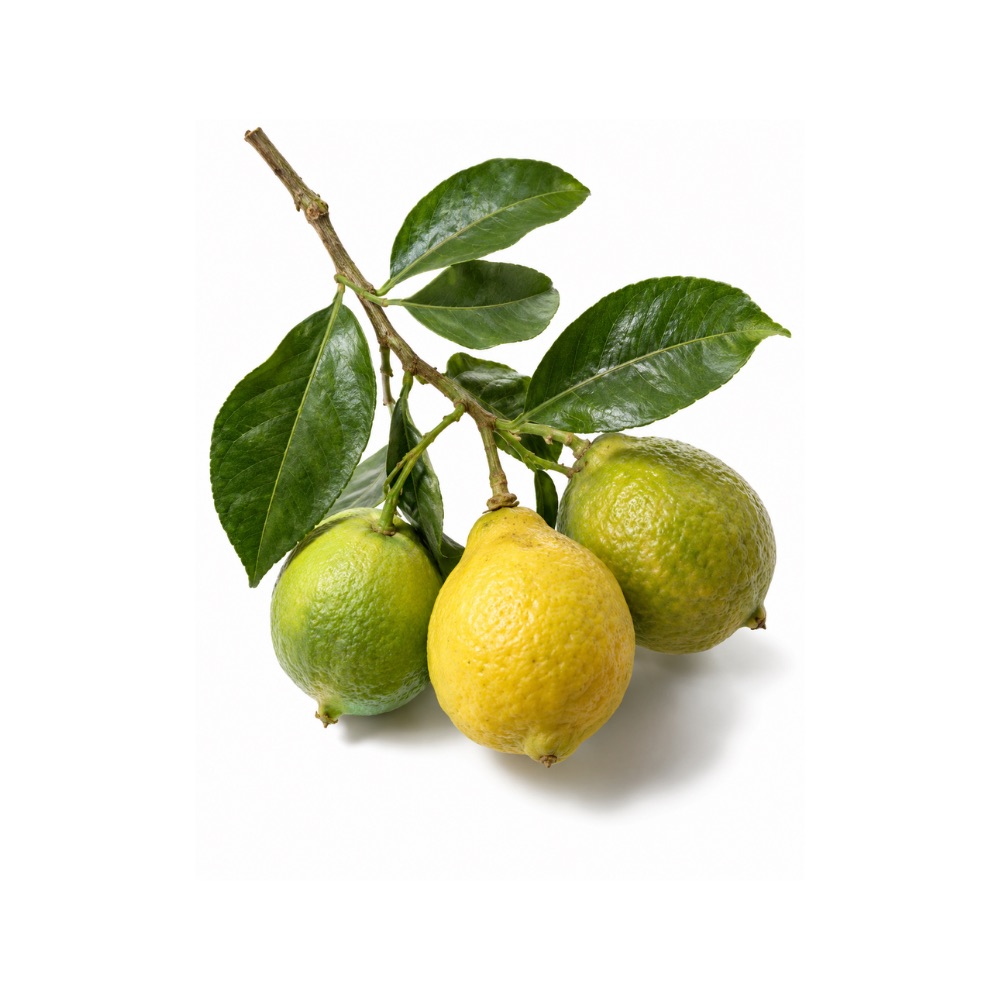
Bergamot juice is the one with human trials behind it. It is hypolipidemic on a set of flavanone glycosides that includes naringin, brutieridin, and melitidin.
Greater celandine is used by the drop rather than by the glass. Its bright orange latex is dense in isoquinoline alkaloids, with chelidonine, sanguinarine, and coptisine together making up roughly a fifth of it, and it goes onto warts rather than into a cup.
Juice is a fresh-plant practice throughout. Where a leaf or an aerial parts harvest is dried and kept for a year, a press is stabilised with alcohol or frozen within the day, or it is not medicine for very long.
Working Notes
Assume it is spoiling from the moment you press it. — Fresh juice is a nutrient broth at room temperature, so have the alcohol, the freezer trays, or the glass in hand before you start pressing.
Twenty-five percent is the number worth memorising. — Below roughly a quarter alcohol by volume a preserved juice will still go off, and above it you are diluting the medicine for no gain, so calculate on the finished volume.
Expect sediment, and do not fear it. — Alcohol drops the proteins and pigments out within days, so decanting the clear liquid off is normal practice, though it is worth shaking and settling rather than discarding on sight.
A juice is not a stronger tea. — It carries a different fraction entirely, with no lipid-soluble constituents and no long-decoction extractives, so dosing across from a dried-herb figure is guesswork.
Preparation
How Juice Is Prepared
Every juice technique is an answer to the same question: how do you get the pressed liquid into a stable form before it turns? Speed and alcohol are the two honest answers.
01
Fresh Succus
Pulp the clean, fresh plant, press through cloth, and use the liquid the same day — within a few hours if it is warm. Refrigerate immediately and expect browning at the surface.
This is the most complete form of the medicine and the least forgiving of delay.
02
Alcohol-Stabilized Succus
The classic preservation: press the juice, then add enough spirit to bring the finished liquid to roughly 25% alcohol — about one part 95% alcohol to three parts juice. Let the precipitate settle for a week in the cold, then decant or filter.
Keeps for months rather than hours.
03
Freezing
Pour fresh juice into ice-cube trays and freeze straight away, then bag the cubes. It preserves the enzyme and vitamin fraction better than alcohol does and adds nothing to the dose.
Use within a season; thaw once, never twice.
04
Fresh-Plant Tincture
Where pressing is impractical, macerate the chopped fresh herb at about 1:2 in 95% alcohol so the plant’s own water dilutes the spirit to a workable strength. Not identical to a succus — it takes the alcohol-soluble fraction too — but it is stable on the shelf.
Juice Medicines
Herbs Used for Their Juice
3 herbs are used as a fresh pressed juice or succus, the shortest and most perishable route from plant to dose.
HypolipidemicAntioxidantHypoglycemic
Also usedFruit & Berry Monograph →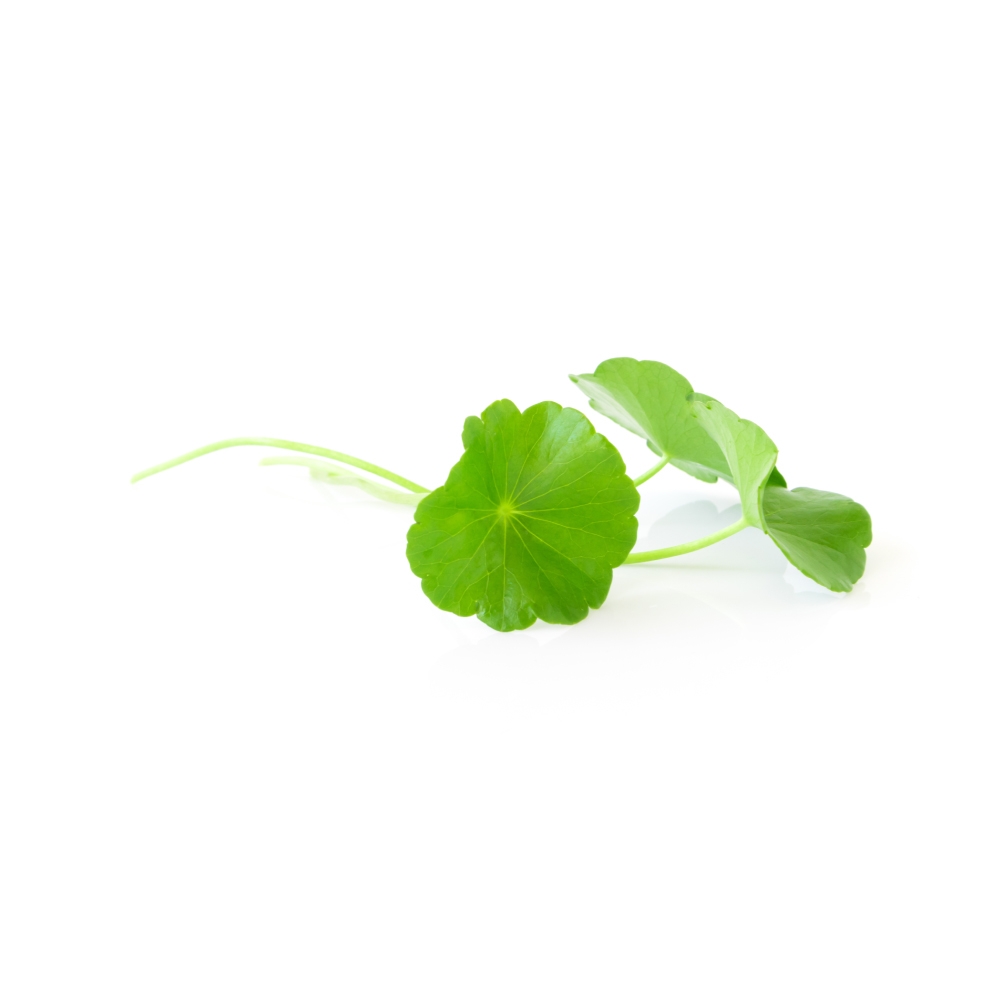
NervineNeuroprotectiveNootropicVulneraryAnticonvulsantAnti-InflammatoryHepatoprotectiveAntioxidantAnti-AmyloidMitochondrial-ProtectiveAcetylcholinesterase InhibitorNeurotrophicAnti-NeuroinflammatoryAnxiolyticVascular-Tonic
Also usedLeaf Monograph →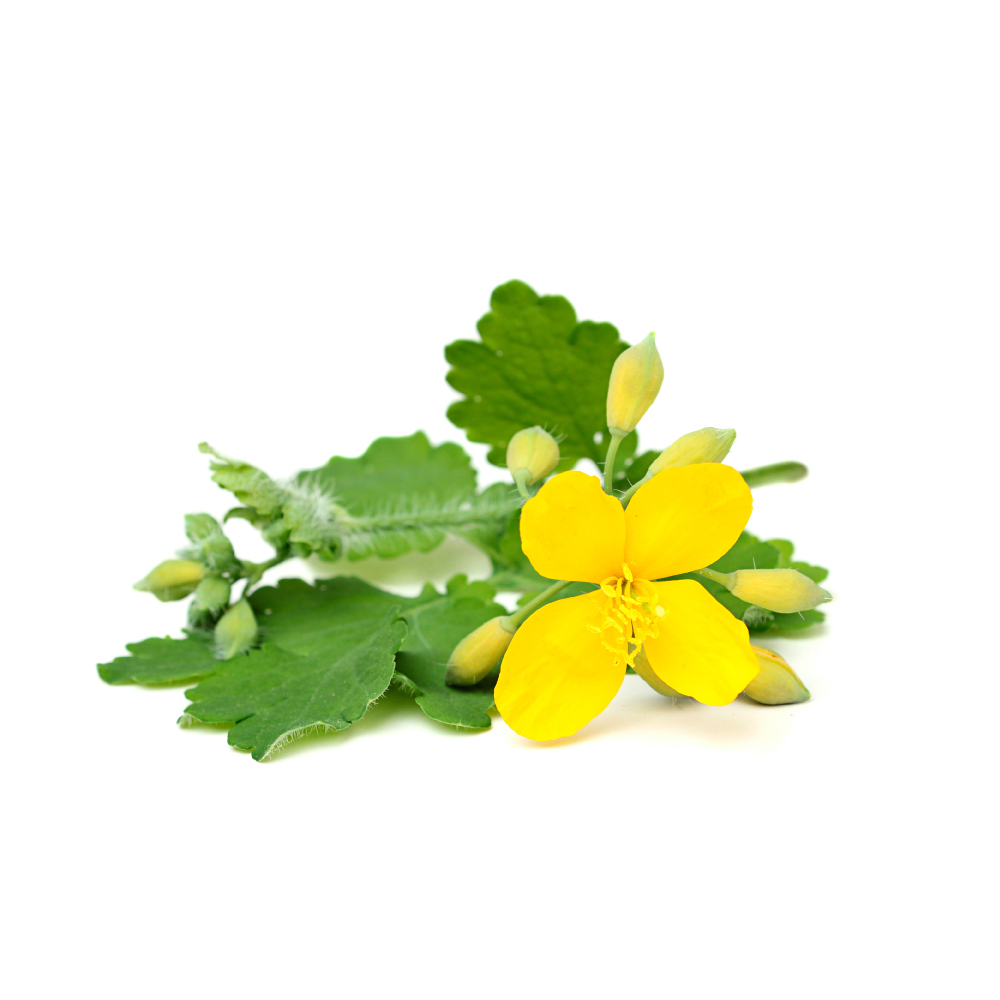
AnalgesicAntispasmodicAlterativeHepatoprotectiveCholereticCholagogueBitterAnticancerAnti-InflammatoryAntifungalAntiviralGastroprotectiveAntiulcerAppetite Stimulant
Also usedAerial Parts Monograph →No herbs match these filters.
Phytochemistry
Juice Phytochemicals
What you get in a juice is whatever dissolved in the plant's own water, plus the enzymes that were dissolved alongside it. Nothing lipid-soluble comes across in quantity, and nothing survives long unaided.
Flavonoid Glycosides The sugar-bound flavonoids that carry much of the calming and vascular activity of fresh aerial parts.
They pass into juice readily but brown and precipitate as the juice oxidizes, which is the visible half of a real loss of potency.
Found in Passionflower
Triterpene Saponins Soap-like glycosides that dissolve well in the plant’s own sap.
In fresh-pressed material they arrive intact, before the slow hydrolysis that storage and heat impose on the dried herb.
Found in Gotu Kola
Plant Enzymes Proteases, oxidases, and peroxidases that are simply destroyed by drying.
They are why a juice tastes and acts differently from a tea of the same plant — and why it turns brown in a glass while you watch.
Organic Acids & Mineral Salts Malic, citric, and oxalic acids with the potassium and magnesium salts they travel with.
They set the sourness and the mild diuretic character of most fresh juices, and they are what a dried herb loses least of.
Amino Acids & Small Peptides Free nitrogen compounds that make juice nutritionally real — and make it an excellent culture medium.
This fraction is precisely what spoils a press within a day if it is left unpreserved at room temperature.
Chlorophyll & Carotenoids The pigments suspended rather than dissolved in a green press.
They settle out on standing and bleach in light, so a juice stored clear and bright has usually lost them already.
Found in Gotu Kola
Keep Exploring