Overview
Metabolic at a Glance
The metabolic system handles fuel: how glucose and fat are absorbed, stored, burned, and cleared from the blood.
Metabolic herbs mainly act on blood-sugar regulation, insulin sensitivity, lipid handling, and energy metabolism.
Some slow the absorption of carbohydrate from the gut.
Others improve how tissues respond to insulin, reduce glucose production by the liver, stimulate insulin release, or influence the way fats are made, stored, and cleared.
A separate group works more indirectly through the liver, bile acids, the gut microbiome, or inflammatory pathways associated with metabolic disease.
These actions can overlap, but they aren’t interchangeable.
Berberine, for example, is used mainly for glucose and lipid regulation through AMPK and related pathways.
Gymnema acts more on insulin secretion and post-meal glucose handling.
Psyllium works largely by slowing absorption in the gut and binding bile acids.
Red yeast rice lowers cholesterol through HMG-CoA reductase inhibition — the same enzyme targeted by statins.
The direction and mechanism matter because effective metabolic herbs can add to medication.
A herb that lowers blood glucose may increase the risk of hypoglycaemia when combined with insulin, sulfonylureas, or other glucose-lowering drugs.
The same principle applies to lipid-lowering herbs and other therapies aimed at the same pathways.
Most metabolic conditions also sit across several systems at once.
Insulin resistance is closely tied to the liver, muscle, adipose tissue, inflammation, and the gut.
Fatty liver overlaps with the hepatobiliary system, while hormonal regulation overlaps with the endocrine system.
So the aim isn’t simply to “lower sugar” or “boost metabolism.”
It’s to identify where the metabolic problem is occurring and use an action that fits it.
Caution
Diabetes, persistent hyperglycaemia, unexplained weight loss, recurrent hypoglycaemia, or symptoms of metabolic decompensation need proper medical assessment. Glucose-lowering herbs should be used carefully alongside prescribed diabetes medication.
The Traditional View
How Herbalists Read Metabolic Disease
Traditional herbal systems recognised metabolic disease long before insulin or blood glucose could be measured directly.
They usually described it through thirst, urination, appetite, weight change, digestion, fatigue, and wasting.
Ayurveda’s madhumeha, or “honey urine,” is one of the clearest examples.
Gymnema became one of its characteristic herbs, and its Sanskrit name gurmar means “sugar destroyer.”
The name comes from a very literal effect: chewing the leaf temporarily suppresses the perception of sweetness by blocking sweet taste receptors on the tongue.
Traditional Chinese medicine describes a related pattern as xiao ke, or “wasting and thirsting.”
Coptis and other bitter herbs are used within that framework, particularly where heat, thirst, excessive appetite, and metabolic disturbance occur together.
Western herbal medicine tends to approach the same territory through digestion, liver function, and constitutional metabolism.
Bitters, hepatics, alteratives, and nutritive herbs are used where sluggish digestion, fatty liver, poor glucose control, and broader metabolic dysfunction overlap.
That framing makes more sense than it first appears.
The liver plays a central role in insulin resistance, glucose production, fat accumulation, and cholesterol metabolism, while the gut influences post-meal glucose, bile-acid signalling, and the microbiome.
The main herbal strategies therefore split into several groups.
Hypoglycaemic and antidiabetic herbs are used to lower glucose or improve insulin handling.
Hypolipidaemic herbs are used where cholesterol or triglycerides are elevated.
Bitters and hepatics address the digestive and hepatic side of metabolism.
Adaptogens may be used where chronic stress and cortisol are contributing to insulin resistance, appetite changes, or central weight gain.
Fibre-rich herbs such as psyllium and fenugreek work more mechanically by slowing carbohydrate absorption and changing bile-acid handling.
The older traditions also tended to describe advanced, untreated disease.
Modern metabolic problems are often detected much earlier — as a raised HbA1c, fasting glucose, triglyceride level, or fatty liver finding long before someone develops obvious wasting or severe thirst.
That changes the way the herbs are used.
The traditional symptom pattern can still help organise the materia medica, but modern treatment depends much more on which part of metabolism is actually disturbed.
The practical question is:
Is the problem glucose absorption, insulin resistance, insulin secretion, hepatic glucose production, lipid handling, or the broader metabolic environment around them?
Key Herbal Actions
What the Herbs Do Here
The actions most often called on here, each linking through to the herbs that carry it:
Hypoglycemic
Lowers blood glucose, and is both the best-evidenced action here and the one that stacks with diabetes medication.
Antidiabetic
Is the broader category, taking in insulin-sensitising and beta-cell effects rather than glucose-lowering alone.
Hypolipidemic
Lowers cholesterol and triglycerides, in one case by the same enzyme mechanism a prescription statin uses.
Adaptogen
Buffers the stress axis behind cortisol-driven insulin resistance and central weight gain.
Bitter
Is the traditional gateway to metabolic treatment, through digestion and bile.
Hepatic & Hepatoprotective
Act on the liver, where insulin resistance begins; fatty liver is covered on the hepatobiliary page.
Antioxidant
Is the mechanism behind most of the diabetic-complication entries, where oxidative and glycation damage drive the pathology.
Anti-Inflammatory
Matters because metabolic syndrome is a low-grade inflammatory state, and several herbs act there rather than on glucose.
Mechanisms
How It Works
Herbs used for metabolic problems reach very different targets. One blocks an enzyme in the gut so that sugar is absorbed more slowly, another inhibits the same hepatic enzyme a statin does, and a third sensitises muscle to insulin. Almost all of them act at one of seven points.
01
AMPK activation, the metformin pathway
AMP-activated protein kinase is the cell’s energy sensor. Activating it suppresses hepatic glucose production, increases muscle glucose uptake, and shifts metabolism toward fat oxidation.
That is metformin’s principal mechanism, and berberine reaches the same node, which is why its trial results in type 2 diabetes are comparable in magnitude to the drug’s. The historical link is direct rather than analogical: galegine from goat’s rue and metformin both inhibit mitochondrial complex activity upstream of AMPK, demonstrated side by side 35Reference 35In vitroMetformin, phenformin and galegine inhibit complex IV activity and reduce glycerol-derived gluconeogenesis — in vitro and in vivoView study →.
Gynostemma’s gypenosides and fenugreek’s 4-hydroxyisoleucine converge on the same pathway from other directions 16Reference 16ReviewDiosgenin, 4-hydroxyisoleucine and fiber from fenugreek: mechanisms of actions and potential effects on metabolic syndrome — reviewView study →.
Reaching a drug’s node is not the same as matching a drug’s dose control, and none of these plants delivers a measured quantity of anything.
Herbs: BarberryCoptisGynostemmaFenugreekGoat’s Rue
Key compounds: BerberineGalegineGypenosides4-Hydroxyisoleucine
02
Alpha-glucosidase inhibition, blunting the post-meal spike
Alpha-glucosidase enzymes in the intestinal brush border break disaccharides into absorbable glucose. Inhibiting them slows and flattens the post-prandial rise, which is exactly how the drug acarbose works.
Pine bark extract inhibits alpha-glucosidase and postprandial hyperglycaemia in vitro 83Reference 83In vitroInhibitory effect of pine extract on alpha-glucosidase activity and postprandial hyperglycemia — in vitroView study →, and much of American ginseng’s effect appears as a postprandial rather than a fasting reduction 30,
Two things follow. Timing matters more than dose for this class, and the predictable side effect is gas and bloating, because the undigested carbohydrate ferments further down.
Herbs: PineAmerican Ginseng
03
Insulin secretion & the beta cell
Most glucose-lowering herbs sensitise tissue to insulin. Gymnema instead appears to increase insulin release, stimulating secretion in vitro through increased membrane permeability of the beta cell 11Reference 11In vitroGymnema sylvestre stimulates insulin release in vitro by increased membrane permeability — in vitro and rat studyView study →.
Fenugreek’s 4-hydroxyisoleucine acts on the same side, stimulating glucose-dependent insulin secretion 16Reference 16ReviewDiosgenin, 4-hydroxyisoleucine and fiber from fenugreek: mechanisms of actions and potential effects on metabolic syndrome — reviewView study →.
That is a meaningfully different action from mechanism 1, and it carries a different risk. Anything pushing insulin secretion can cause hypoglycaemia in a way an insulin-sensitiser generally does not, particularly alongside a sulfonylurea.
The sweet-taste-receptor blockade that gives gymnema its name belongs to the gymnemic acids and is a separate effect on the tongue.
Key compounds: Gymnemic Acids4-Hydroxyisoleucine
04
HMG-CoA reductase inhibition, where a herb is simply a statin
Monascus purpureus fermented on rice produces monacolin K, a molecule identical to lovastatin, which inhibits HMG-CoA reductase, the rate-limiting enzyme of hepatic cholesterol synthesis, exactly as the prescription drug does.
That is why red yeast rice lowers LDL by statin-sized margins, why it produces statin side effects including myopathy and raised liver enzymes, and why the European Union capped monacolin K in food supplements below 3 mg a day in 2022.
Bergamot reaches the same enzyme far more weakly, through the flavonoids brutieridin and melitidin, which carry a statin-like side chain 56Reference 56AnimalHypolipemic and hypoglycaemic activity of bergamot polyphenols: from animal models to human studiesView study →.
Everything true of a statin is true of monacolin K, including the interactions, and none of it is disclosed by calling the product a fermented rice.
Herbs: Red Yeast RiceBergamot
Key compounds: Monacolin KBrutieridinMelitidin
05
Viscous fibre, physical interference with absorption
Soluble gel-forming fibres raise the viscosity of gut contents, which slows glucose absorption and flattens the glycaemic curve. The same gel binds bile acids, so the liver must draw on circulating cholesterol to make more, and LDL falls.
Psyllium’s arabinoxylan and fenugreek’s galactomannan both work this way. There is no receptor and no signalling pathway involved, only physics and chemistry in the lumen.
That makes the mechanism unusually predictable and unusually safe, and it is the same one behind psyllium’s effects in constipation and IBS.
Key compounds: Arabinoxylan
06
Advanced glycation end-products & oxidative complications
Chronic hyperglycaemia drives non-enzymatic glycation of proteins, and the resulting advanced glycation end-products damage the small vessels of the retina, kidney, and nerves.
Coptis polysaccharides and bitter melon inhibit AGE formation in vitro. Grape seed’s proanthocyanidins reduce oxidative stress and improve endothelial function in controlled trials 85,
This is a different therapeutic target from glycaemic control, and hitting it does not lower anyone’s HbA1c.
Herbs: CoptisBitter MelonPineGrape Seed
Key compounds: Proanthocyanidins
07
The gut microbiome & bile acid signalling
Berberine is very poorly absorbed, with bioavailability under 1%. That was long treated as a problem and is now thought to be part of the mechanism.
Most of the dose stays in the gut lumen, where it reshapes the microbiome and alters bile acid composition. Bile acids are themselves signalling molecules, acting on the FXR and TGR5 receptors that regulate glucose and lipid handling.
The same reasoning applies to fermentable fibres.
It is an appealing explanation for how a compound that barely reaches the blood produces systemic effects, and it is still being worked out.
Key compounds: Berberine
The Herbs
Materia Medica
The herbs with a written-up metabolic indication, grouped by what they are used for and ordered within each group by the strength of the evidence.
Fatty liver is on the hepatobiliary page.
Blood Glucose & Type 2 Diabetes
8 herbsThe best-populated group here and the one with the most trustworthy evidence, because HbA1c is objective, standardised and hard to fudge. Two things are worth reading carefully: whether the trial population was already on medication, since almost all of this is add-on evidence, and the size of the effect. A 0.3 to 0.7% HbA1c reduction is real, and it is not the 1 to 2% a new drug class delivers.
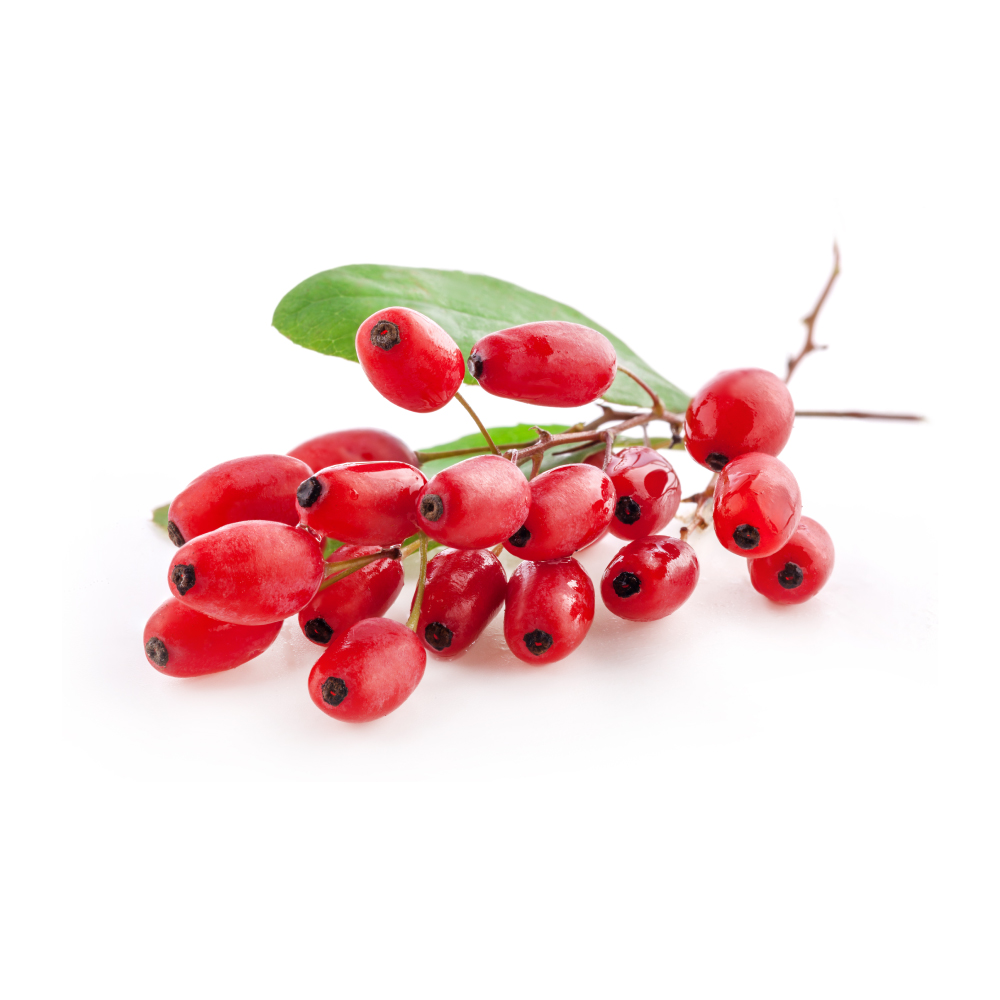 StrongStrongBarberryBerberis spp.The strongest glucose-lowering evidence in this system belongs to the isolated alkaloid rather than to the plant. Multiple meta-analyses of randomized controlled trials find berberine significantly lowers HbA1c, fasting glucose, and post-prandial glucose in type 2 diabetes, with effects comparable to metformin in head-to-head trials 1,
2,3,4Reference 1Meta-analysisThe effect of berberine on metabolic profiles in type 2 diabetic patients — systematic review and meta-analysis of randomised controlled trialsView study →Reference 2Meta-analysisMeta-analysis of the effect and safety of berberine in the treatment of type 2 diabetes mellitus, hyperlipidaemia and hypertensionView study →Reference 3Meta-analysisGlucose-lowering effect of berberine on type 2 diabetes — systematic review and meta-analysis of randomised controlled trialsView study →Reference 4Meta-analysisBerberine in the treatment of type 2 diabetes mellitus — systematic review and meta-analysisView study → .Read the evidenceShow lessMonograph →
Barberry itself has a thinner but real record. A meta-analysis found Berberis vulgaris improved glycaemic indices 5Reference 5Meta-analysisThe effect of barberry (Berberis vulgaris L.) on glycemic indices — systematic review and meta-analysis of randomised controlled trialsView study →, a randomized controlled trial in type 2 diabetes found improvement in lipoproteins and glycaemic control 6Reference 6RCTThe effects of Berberis vulgaris fruit extract on serum lipoproteins, apoB, apoA-I, homocysteine, glycemic control and total antioxidant capacity in type 2 diabetic patients — randomised controlled trialView study →, and a further meta-analysis found it also improves lipid parameters with a reassuring safety profile 90Reference 90Meta-analysisBarberry (Berberis vulgaris L.) is a safe approach for management of lipid parameters — systematic review and meta-analysis of randomised controlled trialsView study →.
Most contributing trials are Chinese, small, and of variable quality, and the dose used, typically 500 mg three times daily, causes gastrointestinal upset in a substantial minority.
Berberine is a significant CYP3A4 and P-glycoprotein inhibitor, which is a real interaction hazard, and it is contraindicated in pregnancy and in newborns.
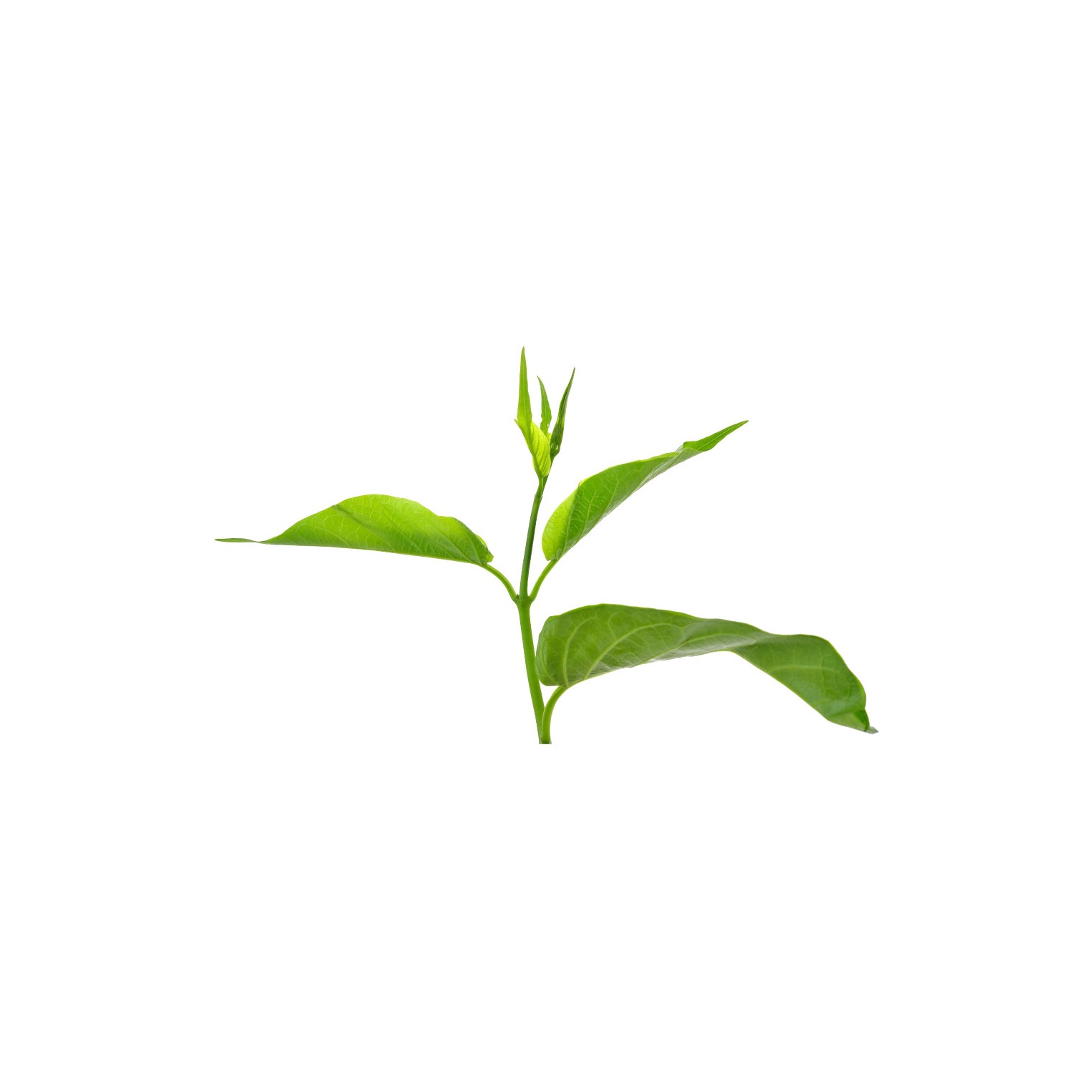 StrongStrongGymnemaGymnema sylvestreThe Ayurvedic sugar destroyer, with a mechanism unlike anything else here. A systematic review and meta-analysis found Gymnema sylvestre significantly improved glycaemic control in type 2 diabetes 7Reference 7Meta-analysisThe effect of Gymnema sylvestre supplementation on glycemic control in type 2 diabetes patients — systematic review and meta-analysisView study →, a broader meta-analysis confirmed effects across glycaemic, lipid, and anthropometric measures 8Reference 8Meta-analysisThe effects of Gymnema sylvestre supplementation on lipid profile, glycemic control, blood pressure and anthropometric indices in adults — systematic review and meta-analysisView study →, and a randomized, double-blind, placebo-controlled trial found improvement in insulin sensitivity and secretion in metabolic syndrome 10Reference 10RCTEffect of Gymnema sylvestre administration on metabolic syndrome, insulin sensitivity and insulin secretion — randomised, double-blind, placebo-controlled trialView study →.Read the evidenceShow lessMonograph →
The older Indian clinical work, which reported reduced medication requirements over long periods 9Reference 9Clinical trialAntidiabetic effect of a leaf extract from Gymnema sylvestre in non-insulin-dependent diabetes mellitus patients — clinical trialView study →, is influential and methodologically weak by modern standards.
The distinguishing mechanism is on the beta cell. Gymnema stimulates insulin release rather than sensitising tissue 11Reference 11In vitroGymnema sylvestre stimulates insulin release in vitro by increased membrane permeability — in vitro and rat studyView study →, which makes the hypoglycaemia risk alongside insulin or a sulfonylurea more than theoretical.
Chewing the leaf abolishes sweet taste for an hour or so, which is a real effect and an unrelated one.
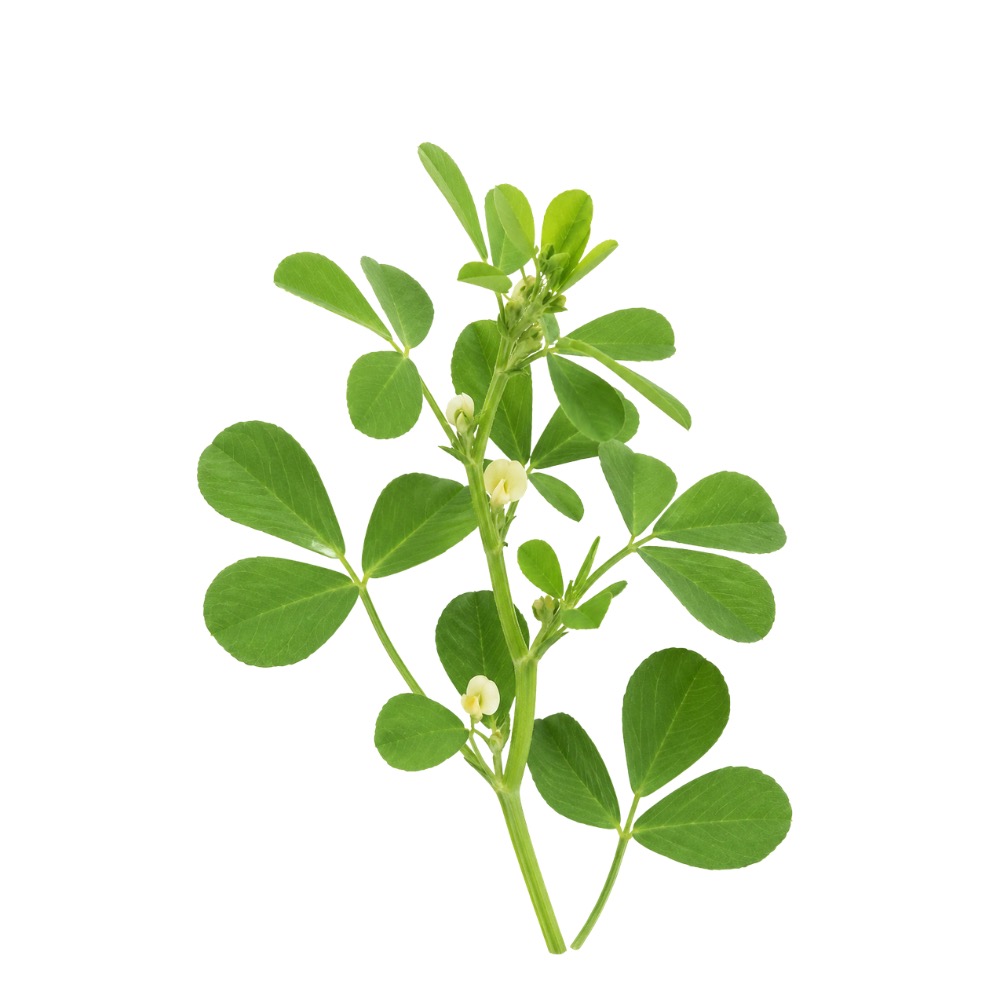 StrongStrongFenugreekTrigonella foenum-graecumConsistently positive across a large number of trials, and it works by two independent mechanisms at once. Meta-analyses of randomized controlled trials find fenugreek significantly reduces fasting glucose and HbA1c in diabetes and prediabetes 12,
13Reference 12Meta-analysisEffect of fenugreek on hyperglycemia — systematic review and meta-analysisView study →Reference 13Meta-analysisThe effect of fenugreek in type 2 diabetes and prediabetes — systematic review and meta-analysis of randomised controlled trialsView study → , and a dose-response meta-analysis found benefit across the components of metabolic syndrome 14Reference 14Meta-analysisEffects of fenugreek supplementation on the components of metabolic syndrome — systematic review and dose-response meta-analysis of randomised clinical trialsView study →.Also underWeight ↓Read the evidenceShow lessMonograph →
A randomized crossover study using continuous glucose monitoring found improved 24-hour glycaemic variability 15Reference 15RCTEffect of Fenuflakes on 24-hour glycemic variability in adults with type 2 diabetes — randomised crossover continuous glucose monitoring studyView study →, which is a more informative endpoint than a single fasting value.
The two mechanisms are the galactomannan fibre, which slows absorption by raising viscosity, and the amino acid 4-hydroxyisoleucine, which stimulates glucose-dependent insulin secretion 16Reference 16ReviewDiosgenin, 4-hydroxyisoleucine and fiber from fenugreek: mechanisms of actions and potential effects on metabolic syndrome — reviewView study →.
The effective dose is large, at 5 to 25 g a day of seed, the smell transfers to sweat and urine, and it is a legume, so cross-reactivity matters in peanut and chickpea allergy.
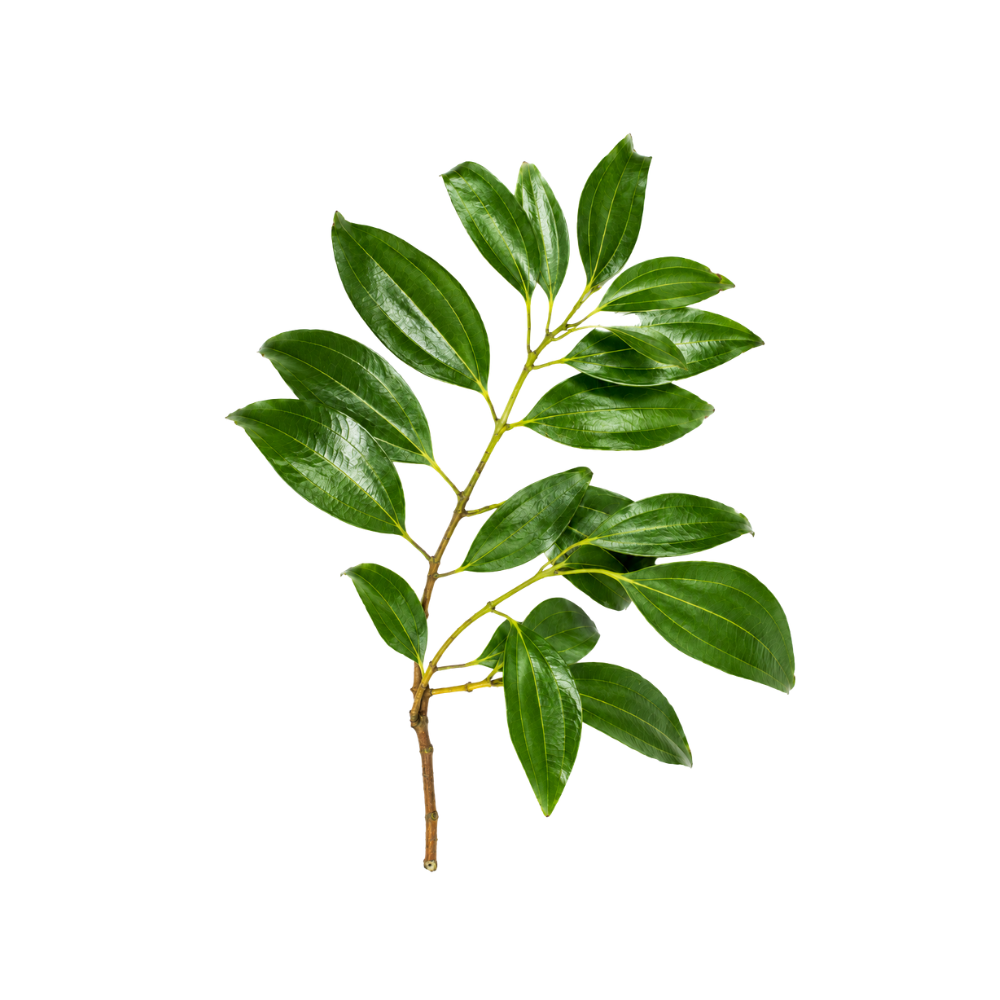 ModerateModerateCeylon CinnamonCinnamomum verumProbably real, definitely small, and the species matters more than the dose. A systematic review of true cinnamon in diabetes found supportive evidence 22Reference 22Meta-analysisEfficacy and safety of ‘true’ cinnamon (Cinnamomum zeylanicum) as a pharmaceutical agent in diabetes — systematic review and meta-analysisView study →, a large randomized, double-blind, placebo-controlled trial (n=210) tested it directly 23Reference 23RCTEfficacy and safety of Cinnamomum zeylanicum (Ceylon cinnamon) for diabetes mellitus — randomised, double-blind, placebo-controlled clinical trialView study →, and an updated dose-response meta-analysis found significant reductions in fasting glucose and HbA1c 24Reference 24Meta-analysisThe effect of cinnamon supplementation on glycemic control in type 2 diabetes — updated systematic review and dose-response meta-analysis of randomised controlled trialsView study →.Read the evidenceShow lessMonograph →
Two important negatives sit against that. An earlier meta-analysis in Diabetes Care found no effect on glucose or lipids 25Reference 25Meta-analysisEffect of cinnamon on glucose control and lipid parameters — meta-analysis of randomised controlled trialsView study →, and a Cochrane review concluded the evidence was insufficient 26Reference 26Systematic reviewCinnamon for diabetes mellitus — Cochrane systematic reviewView study →.
The decisive practical point is the species split. Most trials and most supermarket cinnamon are cassia, which carries a hepatotoxic coumarin load that caps safe daily intake.
Ceylon cinnamon is nearly coumarin-free, which makes it the right choice for sustained use even though it has less trial data behind it.
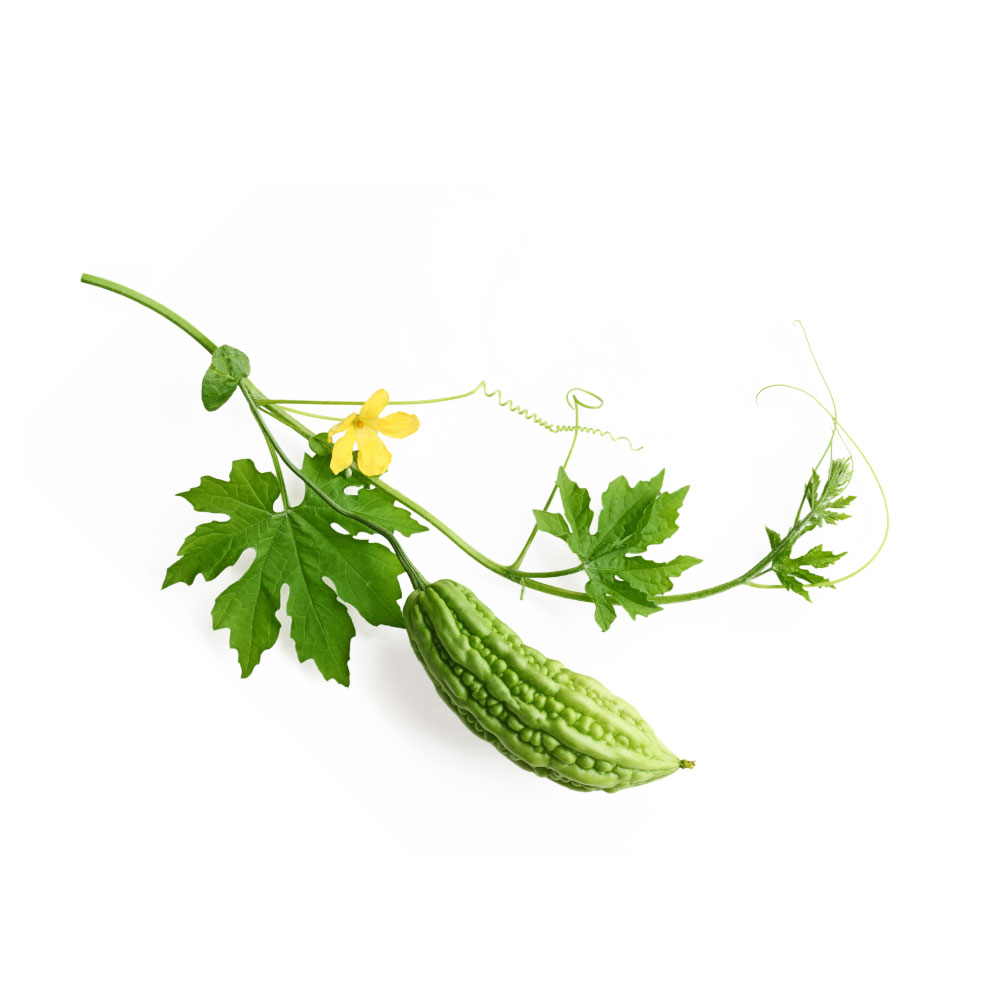 ModerateModerateBitter MelonMomordica charantiaEnthusiasm meeting a controlled trial. Meta-analyses find Momordica charantia lowers glycaemia in type 2 diabetes 17Reference 17Meta-analysisMomordica charantia L. lowers elevated glycaemia in type 2 diabetes mellitus patients — systematic review and meta-analysisView study →, and a recent GRADE-adherent meta-analysis supports effects on glycaemic control and insulin resistance 21Reference 21Meta-analysisEfficacy of Momordica charantia in glycaemic control and insulin resistance — GRADE-adherent meta-analysis of randomised controlled trialsView study →.Read the evidenceShow lessMonograph →
Against that, a Cochrane review found insufficient evidence to recommend it 18Reference 18Systematic reviewMomordica charantia for type 2 diabetes mellitus — Cochrane systematic reviewView study →, and the best individual trial, a randomized double-blind placebo-controlled study comparing a bitter melon capsule against metformin, found it significantly less effective than metformin and no better than placebo on the primary endpoint 19Reference 19RCTThe effect of Momordica charantia capsule preparation on glycemic control in type 2 diabetes mellitus — randomised, double-blind, placebo-controlled trialView study →. A later randomized placebo-controlled trial was more favourable 20Reference 20RCTHypoglycemic efficacy and safety of Momordica charantia in patients with type 2 diabetes — randomised, placebo-controlled trialView study →.
The fruit carries polypeptide-p, sometimes called plant insulin, alongside cucurbitane triterpenoids with insulin-signalling effects, so the proposed mechanism is insulin-like rather than absorption-based.
Preparation explains much of the disagreement, since juice, dried fruit, seed, and standardized extract are chemically different medicines and the trials are not testing one thing.
The seeds and fruit have documented abortifacient activity, so it is avoided in pregnancy.
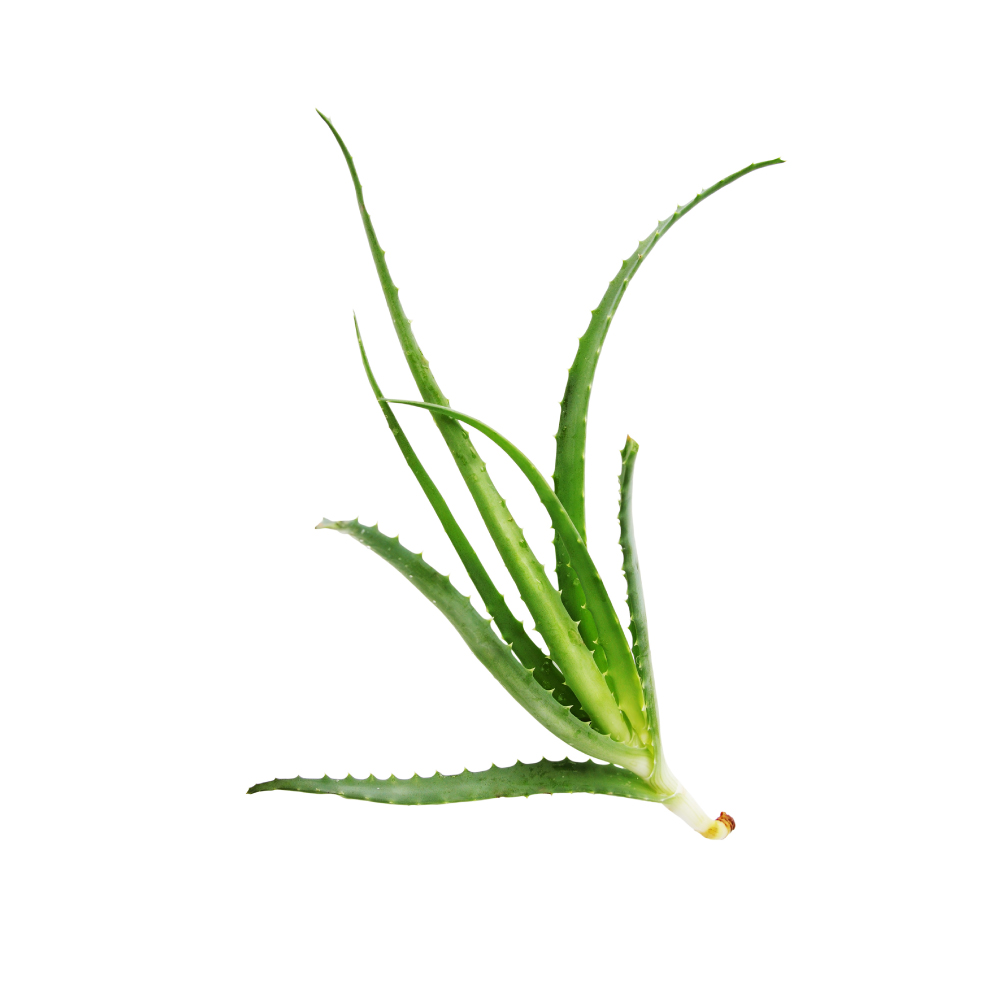 ModerateModerateAloeAloe veraA consistent signal, and strongest in the group that has furthest to fall. Two independent systematic reviews and meta-analyses found aloe vera improved fasting glucose and HbA1c, with the largest effects in prediabetes and untreated early diabetes rather than in established, treated disease 27,
28Reference 27Meta-analysisEfficacy of Aloe vera supplementation on prediabetes and early non-treated diabetic patients — systematic review and meta-analysis of randomised controlled trialsView study →Reference 28Meta-analysisEffect of Aloe vera on glycaemic control in prediabetes and type 2 diabetes — systematic review and meta-analysisView study → .Read the evidenceShow lessMonograph →
A randomized double-blind placebo-controlled trial found benefit on both glycaemia and cholesterol in hyperlipidaemic type 2 diabetes 29Reference 29RCTAnti-hyperglycemic and anti-hypercholesterolemic effects of Aloe vera leaf gel in hyperlipidemic type 2 diabetic patients — randomised double-blind placebo-controlled clinical trialView study →.
The medicine here is the inner-leaf gel, not the anthraquinone latex, which is a stimulant laxative and a different preparation with its own safety issues. It is covered on the digestive page.
Trials are small, and non-decolorized whole-leaf products carry the latex fraction and its carcinogenicity signal.
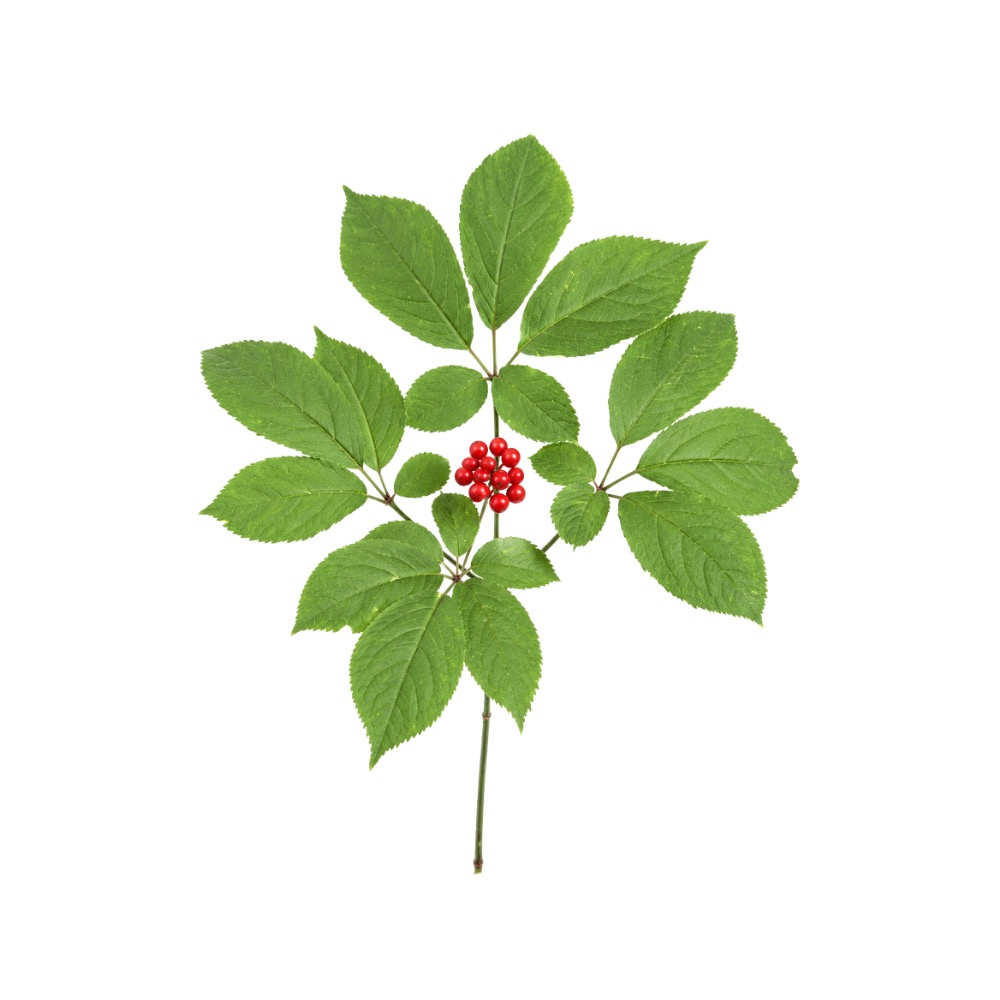 ModerateModerateAmerican GinsengPanax quinquefoliusThe best-characterised post-prandial effect in this system, from a research group that studied it carefully. Randomized controlled trials found American ginseng taken before a glucose load reduced post-prandial glycaemia in non-diabetic subjects and in people with type 2 diabetes 30Reference 30RCTAmerican ginseng (Panax quinquefolius L) reduces postprandial glycemia in nondiabetic subjects and subjects with type 2 diabetes mellitus — randomised controlled trialView study →, and a double-blind randomized crossover trial found improvement in glycaemic control and cardiovascular risk factors in type 2 diabetes 31Reference 31RCTEfficacy and safety of American ginseng extract on glycemic control and cardiovascular risk factors in type 2 diabetes — double-blind, randomised, crossover clinical trialView study →.Also underDiabetes ↓Read the evidenceShow lessMonograph →
A meta-analysis across the Panax genus supports a modest effect on glycaemic control generally 32Reference 32Meta-analysisThe effect of ginseng (the genus Panax) on glycemic control — systematic review and meta-analysis of randomised controlled trialsView study →.
The timing finding is the useful part. The effect depends on taking it before the meal rather than on the dose, which points at absorption-slowing rather than a systemic action.
Asian and American ginseng are not interchangeable, and ginseng interferes with digoxin immunoassays.
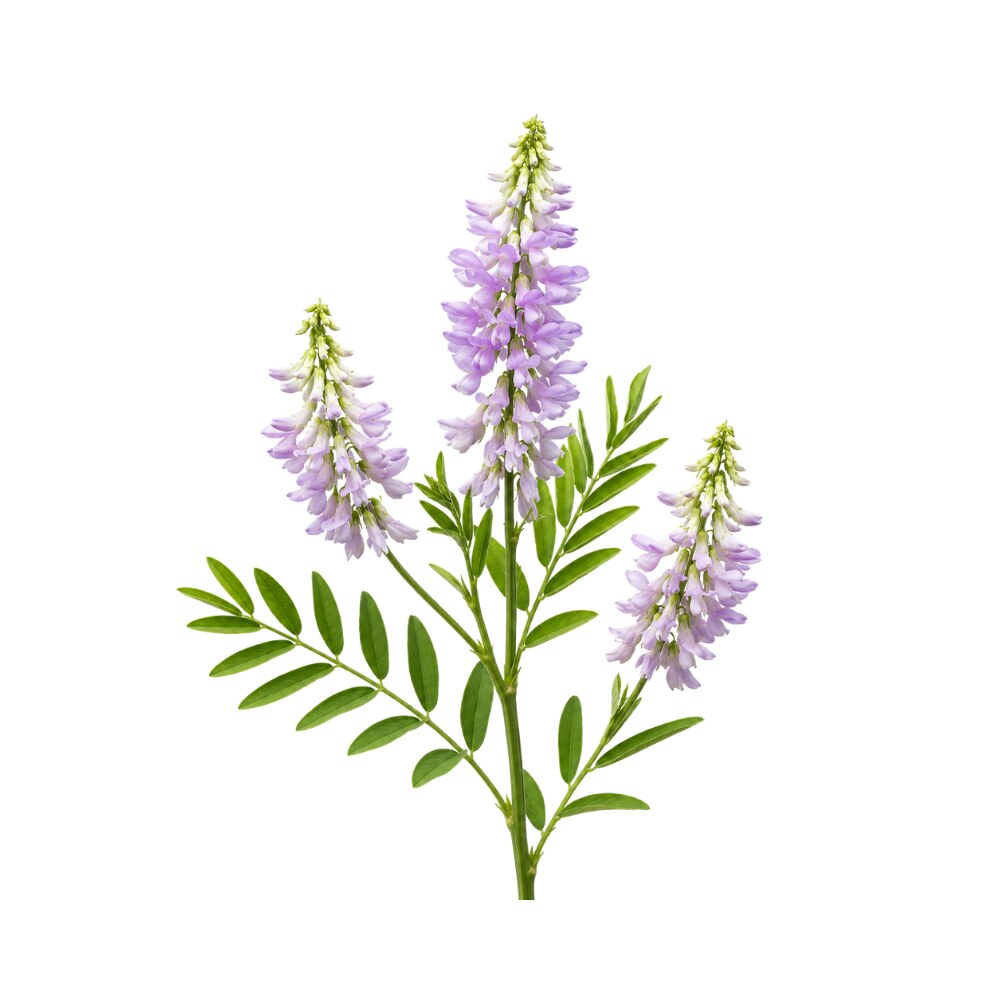 PreclinicalPreclinicalGoat’s RueGalega officinalisGalega officinalis was the medieval European remedy for the excessive thirst and urination of diabetes. Its guanidine alkaloids, principally galegine, were isolated in the 1920s, proved too toxic for use, and were chemically modified into the biguanides, of which metformin is the survivor.Read the evidenceShow lessMonograph →
Modern work confirms the pharmacological continuity. Galegine drives weight loss in mice through metabolic mechanisms shared with metformin 33,
There are no human trials of the herb, and its guanidines are toxic at quantity. It causes fatal poisoning in grazing sheep.
The plant made an enormous contribution to medicine and is not itself a medicine.
Insulin Resistance & Metabolic Syndrome
4 herbsThe condition upstream of type 2 diabetes: central weight, raised triglycerides, low HDL, raised blood pressure, and impaired fasting glucose clustering together. Lifestyle intervention has the most leverage here and drug treatment is least established, which makes it the most reasonable place for a herbal adjunct. The endpoints are correspondingly soft, since metabolic syndrome is a cluster definition rather than a disease.
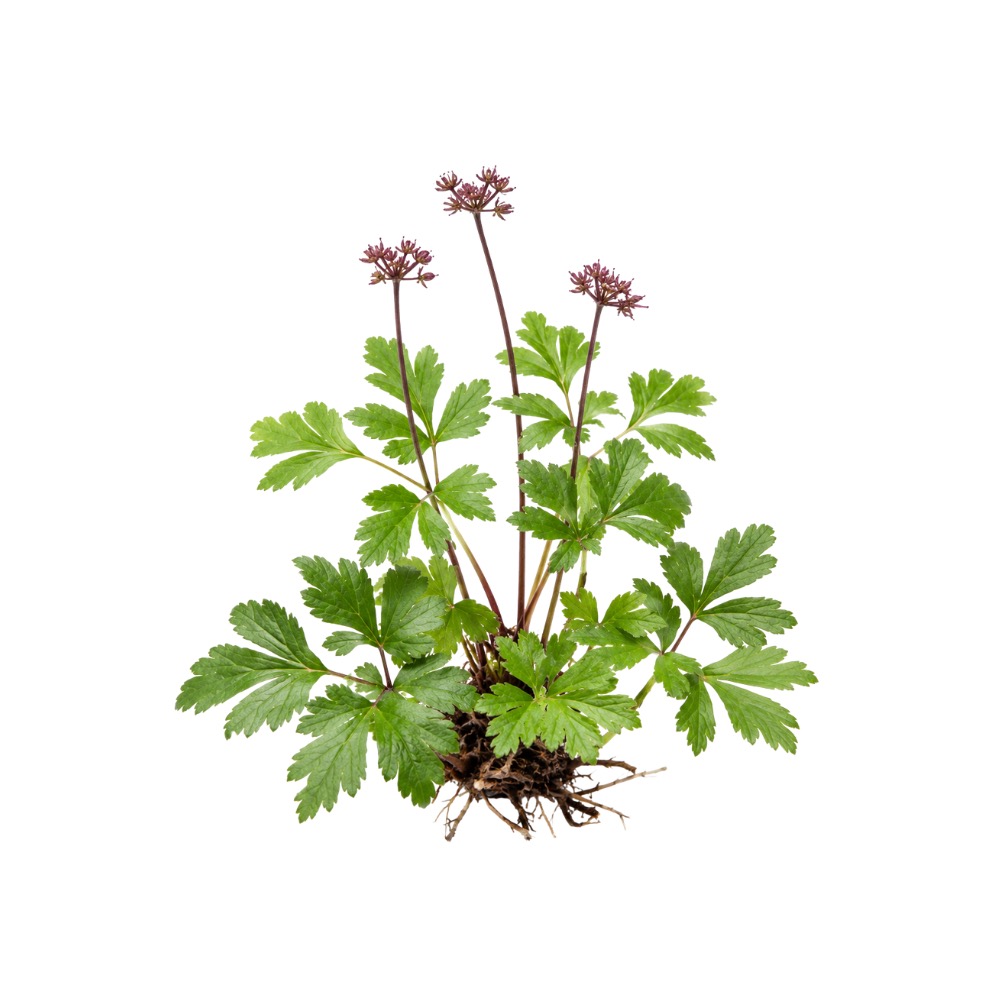 StrongStrongCoptisCoptis chinensisHuang lian, the richest natural source of berberine, and the herb behind much of the Chinese clinical evidence. A systematic review and meta-analysis of Coptis chinensis-containing traditional formulas as an adjunct to metformin in type 2 diabetes found additional benefit over metformin alone 37Reference 37Meta-analysisSystematic review and meta-analysis of Coptis chinensis Franch.-containing traditional Chinese medicine as an adjunct therapy to metformin in type 2 diabetesView study →, which is an add-on design and the honest question to ask.Read the evidenceShow lessMonograph →
A separate meta-analysis found berberine effective across the components of metabolic syndrome 36Reference 36Meta-analysisEfficacy and safety of berberine on the components of metabolic syndrome — systematic review and meta-analysis of randomised placebo-controlled trialsView study →, and mouse work shows Coptidis rhizoma improves diabetes-related steatohepatitis through IL-17RA/NF-κB signalling 38Reference 38AnimalCoptidis rhizoma ameliorates type 2 diabetes-related metabolic-dysfunction-associated steatohepatitis by downregulating IL-17RA/NF-κB — mouse modelView study →.
Traditional use is emphatically short-term. Coptis is classified as intensely cold and bitter, and prolonged use is held to damage digestion.
That caution maps onto what a potent luminal antimicrobial does to the microbiome that mechanism 7 depends on.
 StrongStrongNigellaNigella sativaBroad, consistent, and modest across the whole metabolic cluster. Meta-analyses of randomized controlled trials find Nigella sativa improves glycaemic status 39,
40Reference 39Meta-analysisEffect of Nigella sativa (black seed) supplementation on glycemic control — systematic review and meta-analysis of clinical trialsView study →Reference 40Meta-analysisThe effect of Nigella sativa supplementation on glycemic status in adults — updated systematic review and meta-analysis of randomised controlled trialsView study → , and a systematic review and meta-analysis in type 2 diabetes found improvement in glucose homeostasis and serum lipids together 41Reference 41Meta-analysisNigella sativa improves glucose homeostasis and serum lipids in type 2 diabetes — systematic review and meta-analysisView study →.Also underWeight ↓Read the evidenceShow lessMonograph →
Moving both at once is the pattern that makes it a metabolic-syndrome herb rather than a glucose herb. Its weight evidence appears below, its NAFLD evidence on the hepatobiliary page, and its allergy evidence on the immune page.
The active principle is thymoquinone.
Trials are small and regionally concentrated, the oil and the ground seed are not equivalent doses, and nigella inhibits CYP enzymes.
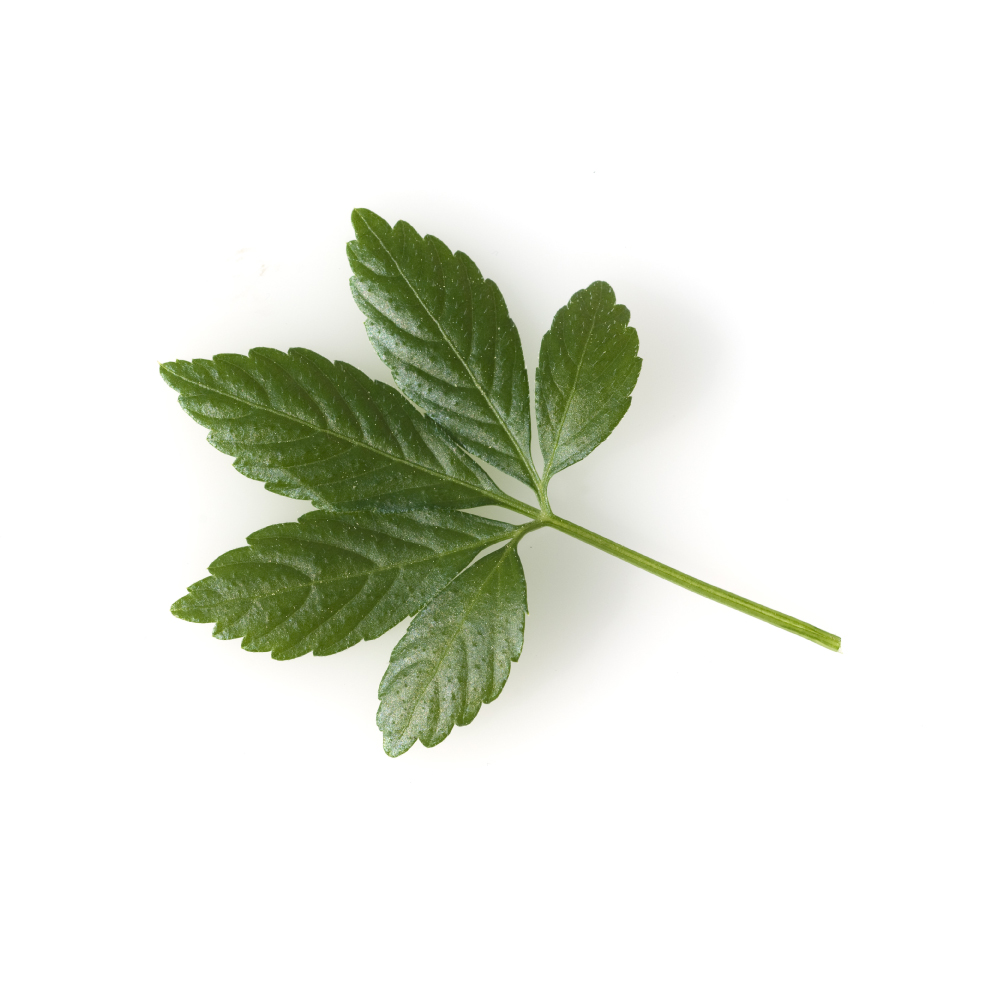 ModerateModerateGynostemmaGynostemma pentaphyllumJiaogulan, with a small but properly controlled record. A randomized controlled trial of gynostemma tea in drug-naive type 2 diabetes found improved glycaemic control 44Reference 44RCTAntidiabetic effect of Gynostemma pentaphyllum tea in randomly assigned type 2 diabetic patients — randomised controlled trialView study →, a meta-analysis supports the effect on glycaemic measures 45Reference 45Meta-analysisEfficacy and mechanisms of Gynostemma pentaphyllum in glycemic control — meta-analysis with reviewView study →, and a systematic review of randomized controlled trials found benefit in dyslipidaemia 46Reference 46Systematic reviewGynostemma pentaphyllum for dyslipidemia — systematic review of randomised controlled trialsView study →. Its fatty-liver trial is on the hepatobiliary page.Read the evidenceShow lessMonograph →
The gypenosides are structurally close to ginseng’s ginsenosides despite the plants being unrelated, which is the source of both its southern ginseng name and its adaptogenic reputation.
The AMPK activation those saponins produce is the same node berberine hits, from a much gentler direction.
The trials are few and small.
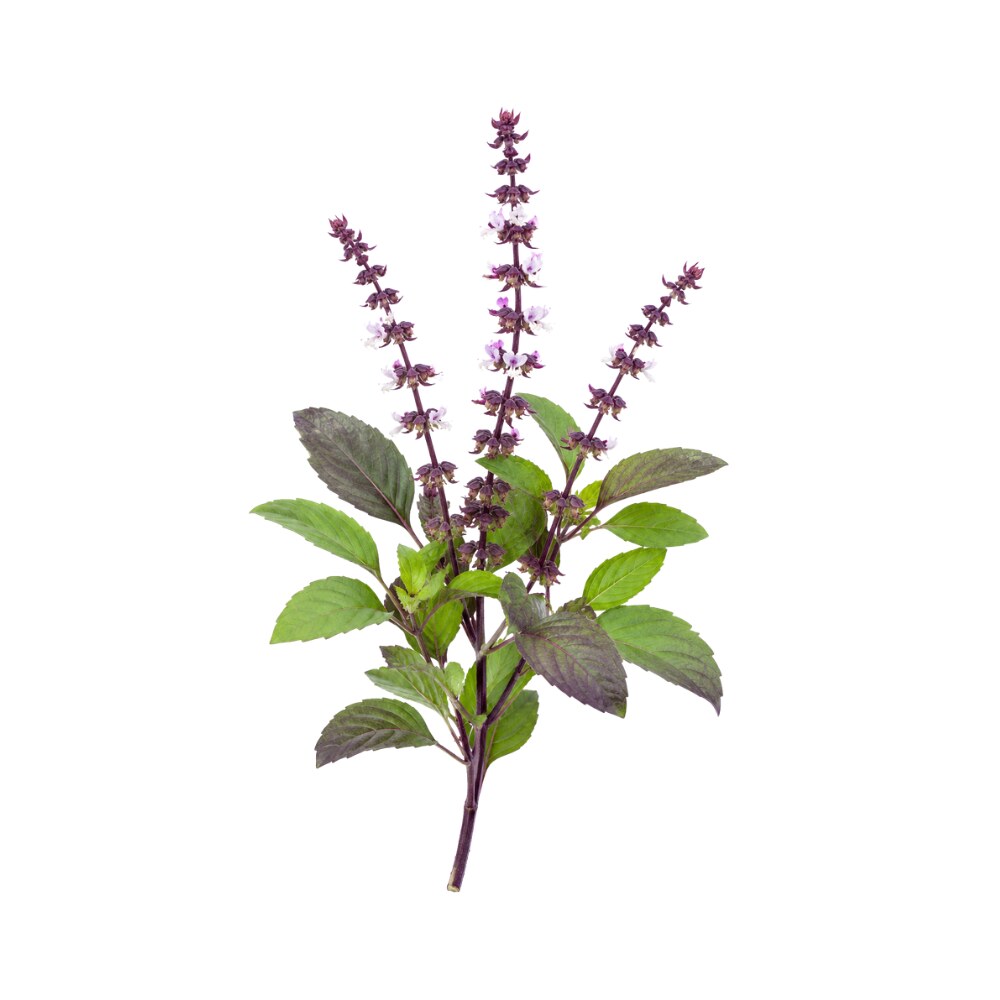 ModerateModerateHoly BasilOcimum tenuiflorumTulsi, carrying one of the older controlled trials in this system. A randomized, placebo-controlled single-blind crossover trial found holy basil leaves reduced fasting and post-prandial glucose in non-insulin-dependent diabetes 42Reference 42RCTRandomised placebo-controlled, single-blind trial of holy basil leaves in patients with non-insulin-dependent diabetes mellitusView study →, with a review setting out the wider case in diabetes and metabolic syndrome 43Reference 43ReviewOcimum sanctum: a therapeutic role in diabetes and the metabolic syndrome — reviewView study →.Read the evidenceShow lessMonograph →
The 1996 trial is small and methodologically dated, and little of comparable quality has followed.
What makes it interesting is the route it plausibly works by. Holy basil is an adaptogen with a real cortisol-lowering signal, and cortisol drives insulin resistance and central fat deposition, so this may be a stress-axis effect rather than a glucose-specific one.
Note the antiplatelet activity and the reported antifertility effects in animals.
Blood Lipids & Cholesterol
5 herbsThe group with the largest effect sizes, and the one containing a pharmaceutical in a supplement bottle. Lipid endpoints are the cleanest measurements available, so the meta-analyses here can be read more directly than most. The herbs that lower lipids through other routes, garlic and artichoke and olive leaf among them, are on the cardiovascular page.
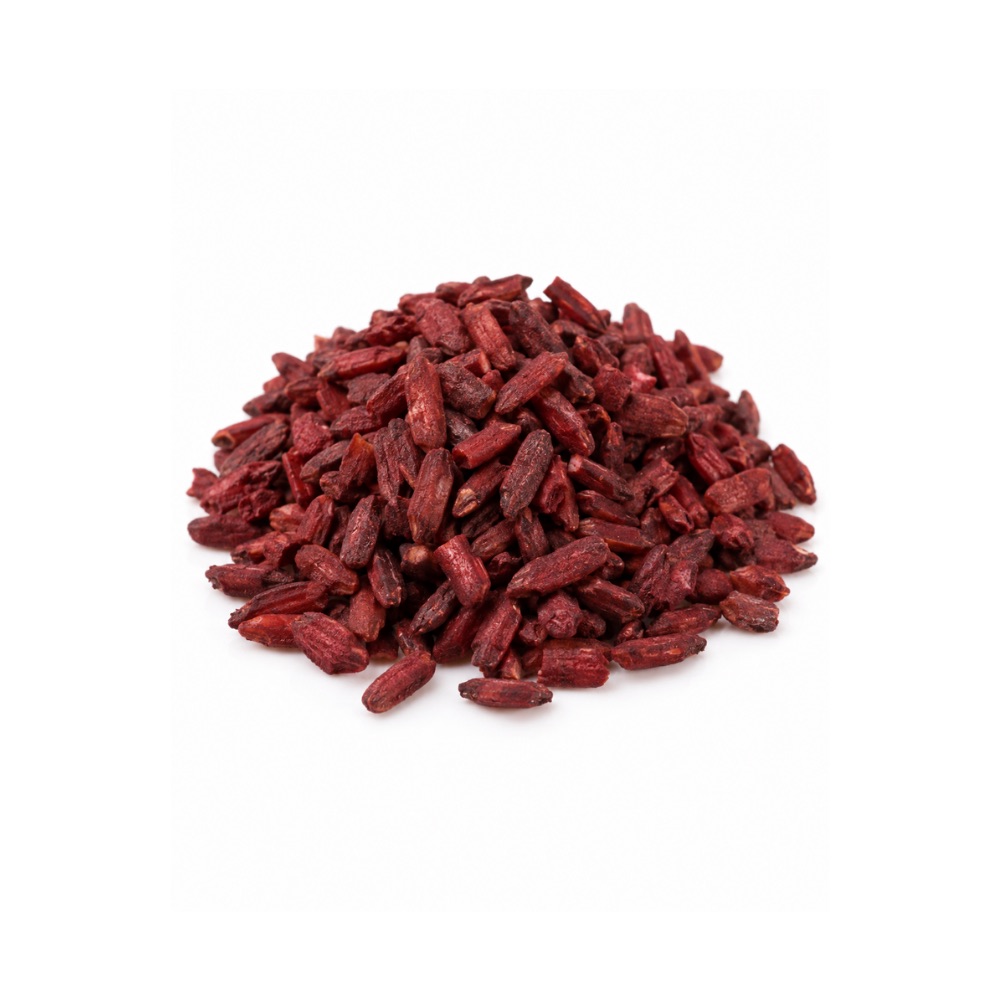 StrongStrongRed Yeast RiceMonascus purpureusThe most effective lipid-lowering herb there is, because it is not really a herb. Rice fermented with Monascus purpureus produces monacolin K, chemically identical to lovastatin.Read the evidenceShow lessMonograph →
Meta-analyses of randomized controlled trials find LDL reductions of roughly 1.0 mmol/L, which is statin-sized 48,
Everything true of a statin is true of it: myopathy, raised transaminases, rhabdomyolysis at high dose, the same CYP3A4 interactions, and absolute contraindication in pregnancy and with another statin.
Monacolin content varies enormously and is usually undeclared, some products carry the nephrotoxic contaminant citrinin, and the EU capped monacolin K in supplements below 3 mg a day in 2022.
Anyone taking this should tell their doctor they are on a statin, because they are.
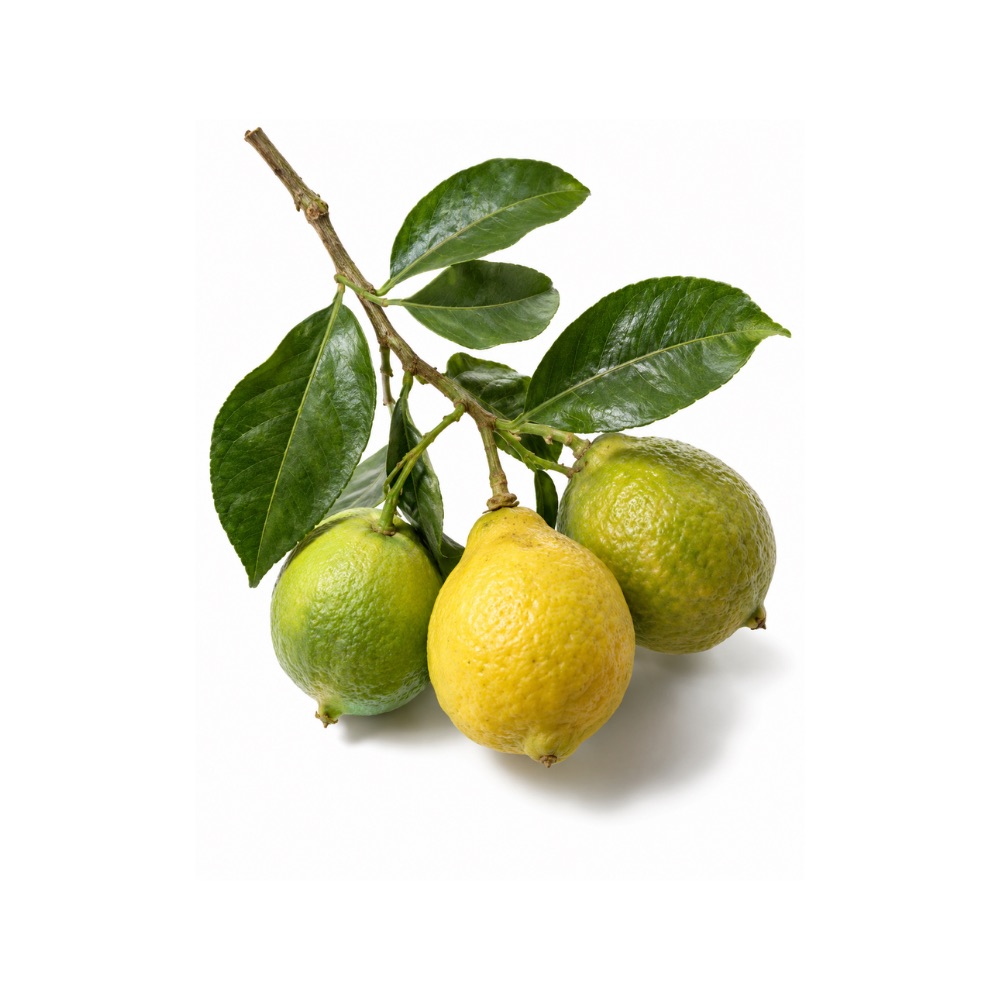 StrongStrongBergamotCitrus bergamiaThe best-evidenced ordinary plant in this group. A systematic review and meta-analysis of randomized controlled trials found bergamot supplementation significantly reduced total and LDL cholesterol and triglycerides while raising HDL 53Reference 53Meta-analysisThe effect of bergamot supplementation on lipid profiles — systematic review and meta-analysis of randomised controlled trialsView study →, supported by a separate systematic review 54Reference 54Systematic reviewEffect of bergamot on lipid profile in humans — systematic reviewView study →, and a network meta-analysis comparing nutraceuticals on lipid profile ranks it among the more effective options 55Reference 55Meta-analysisA network meta-analysis on the comparative effect of nutraceuticals on lipid profile in adultsView study →.Read the evidenceShow lessMonograph →
The bergamot polyphenolic fraction contains brutieridin and melitidin, flavonoids with a statin-like side chain that appear to inhibit HMG-CoA reductase weakly 56Reference 56AnimalHypolipemic and hypoglycaemic activity of bergamot polyphenols: from animal models to human studiesView study →. A trial found it enhanced rosuvastatin’s LDL-lowering, allowing a lower statin dose 57Reference 57Bergamot polyphenolic fraction enhances rosuvastatin-induced effect on LDL-cholesterol, LOX-1 expression and protein kinase B phosphorylationView study →, which is a useful clinical finding.
The trials are small and heavily concentrated in one Italian research group, and the juice is not the standardized polyphenolic extract.
Bergamot is a citrus, so the furanocoumarin interaction question applies.
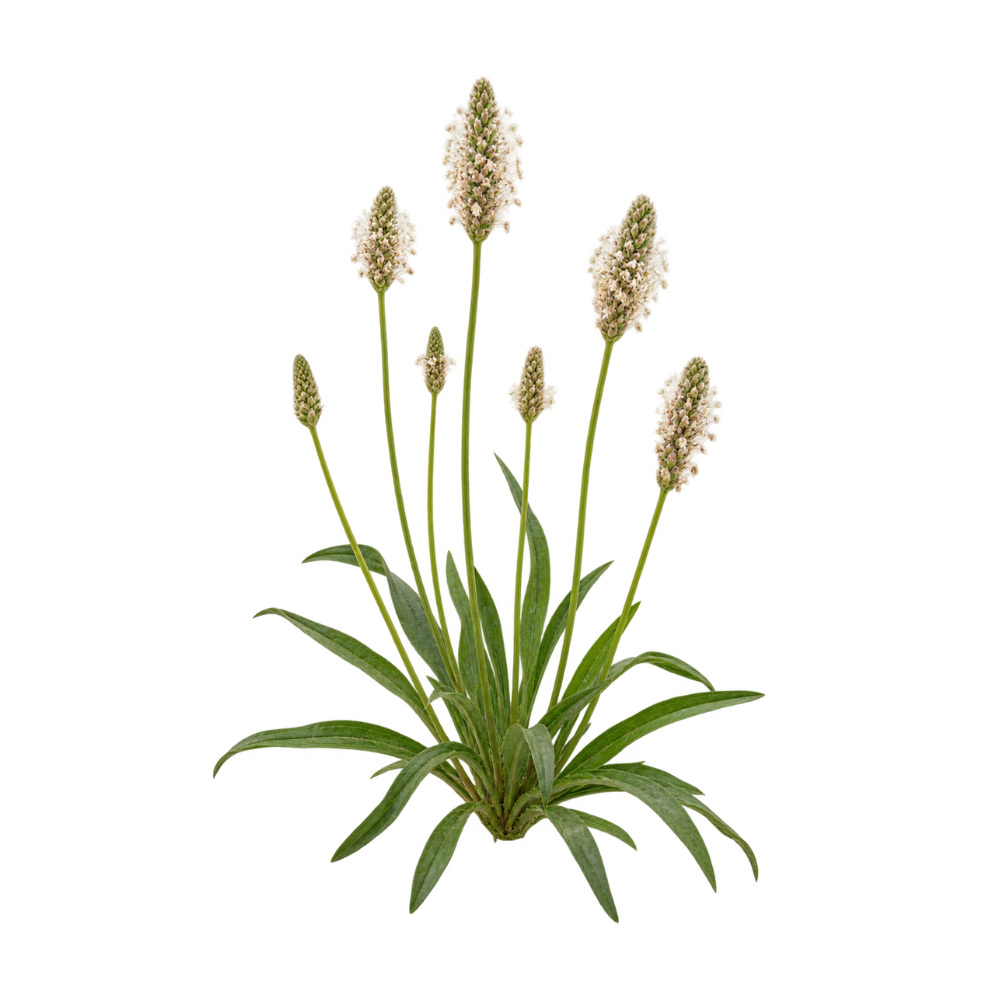 StrongStrongPsylliumPlantago ovataThe safest effective lipid-lowering agent here, and the one mainstream guidelines already recommend. A systematic review and meta-analysis of randomized controlled trials found psyllium significantly reduced LDL cholesterol and, more importantly, non-HDL cholesterol and apolipoprotein B 58Reference 58Meta-analysisEffect of psyllium (Plantago ovata) fiber on LDL cholesterol and alternative lipid targets, non-HDL cholesterol and apolipoprotein B — systematic review and meta-analysis of randomised controlled trialsView study →, which predict cardiovascular risk better than LDL alone.Read the evidenceShow lessMonograph →
An earlier meta-analysis established the effect as an adjunct to diet 59Reference 59Meta-analysisCholesterol-lowering effects of psyllium intake adjunctive to diet therapy in men and women with hypercholesterolemia — meta-analysis of 8 controlled trialsView study →, and a recent systematic review confirms it across Plantago preparations 60Reference 60Meta-analysisPlantago consumption significantly reduces total cholesterol and low-density lipoprotein cholesterol in adults — systematic review and meta-analysisView study →.
The mechanism is bile acid sequestration, the same principle as the drug cholestyramine, without the palatability problem.
Because it is physical rather than pharmacological it carries essentially no interaction risk beyond slowing the absorption of medication taken at the same time, so doses are separated by a couple of hours. It must be taken with plenty of water.
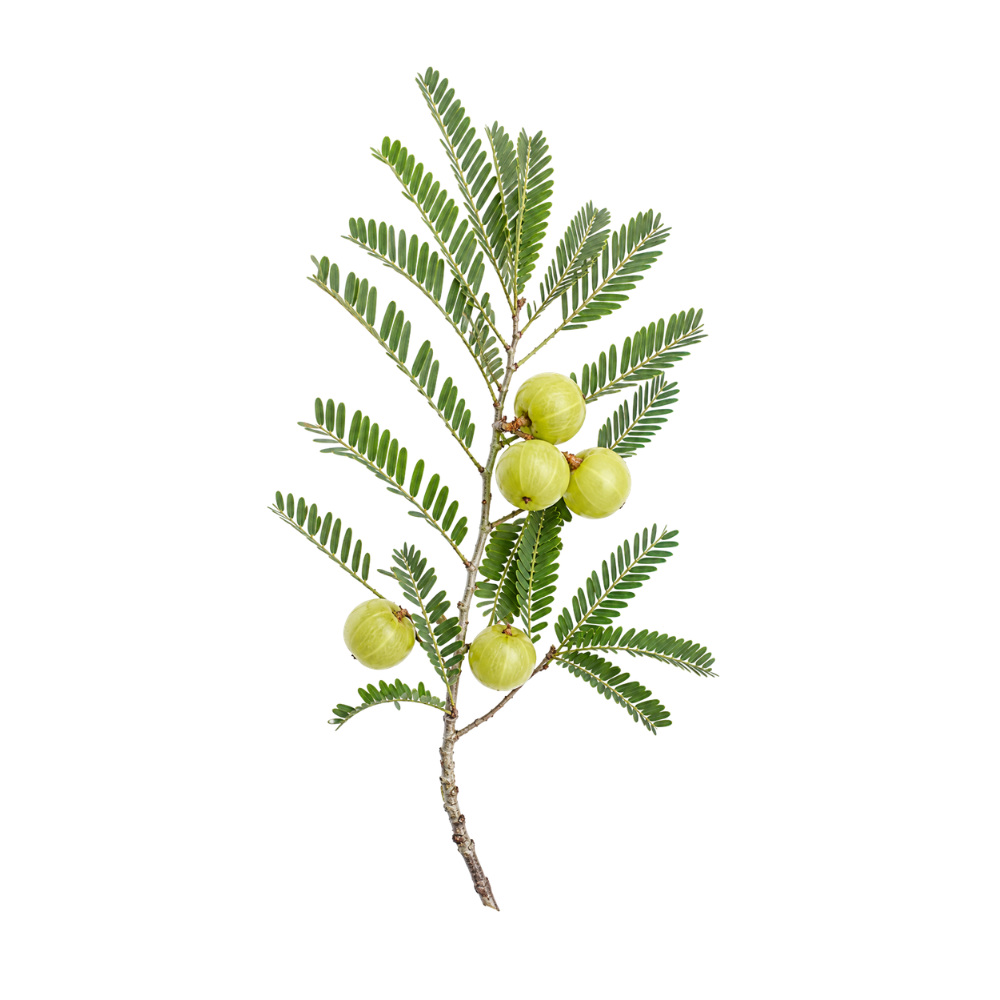 ModerateModerateAmlaPhyllanthus emblicaThe Ayurvedic rasayana with an unusually direct comparison behind it. A comparative clinical study found amla’s hypolipidaemic efficacy comparable to simvastatin in hyperlipidaemic patients 61Reference 61Clinical trialA comparative clinical study of hypolipidemic efficacy of amla (Emblica officinalis) with the HMG-CoA reductase inhibitor simvastatinView study →, a striking claim from a small open study and one to hold loosely.Read the evidenceShow lessMonograph →
Better-designed work supports the direction. A randomized, double-blind, placebo-controlled multicentre trial found Emblica officinalis extract effective in dyslipidaemia 62Reference 62RCTA randomised, double-blind, placebo-controlled, multicentre clinical trial to assess the efficacy and safety of Emblica officinalis extract in patients with dyslipidemiaView study →, and a randomized double-blind placebo-controlled study in metabolic syndrome found improvement in endothelial function, oxidative stress, inflammation, and lipids 63Reference 63RCTEvaluation of the effects of a standardized aqueous extract of Phyllanthus emblica fruits on endothelial dysfunction, oxidative stress, systemic inflammation and lipid profile in subjects with metabolic syndrome — randomised, double-blind, placebo-controlled clinical studyView study →.
Amla is among the richest natural sources of vitamin C, and its polyphenol content is high enough that the antioxidant framing is not merely decorative.
The trials are Indian, small, and mostly single-centre.
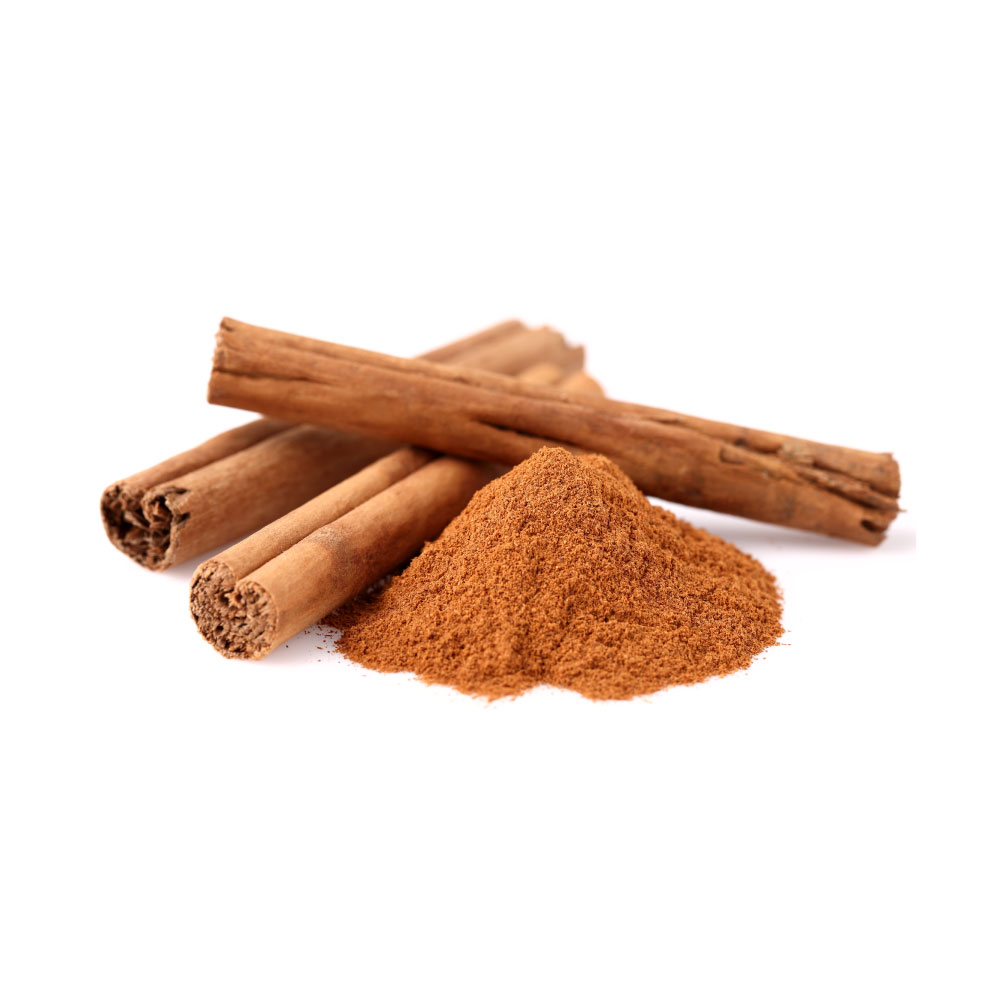 ModerateModerateCassia CinnamonCinnamomum cassiaThe common supermarket cinnamon, and the species most trials actually used. A meta-analysis found cinnamon supplementation significantly reduced total cholesterol, LDL, and triglycerides while raising HDL 64Reference 64Meta-analysisThe effects of cinnamon supplementation on blood lipid concentrations — systematic review and meta-analysisView study →, an umbrella meta-analysis of randomized controlled trials supports effects on lipids alongside oxidative stress and inflammation markers 65Reference 65Meta-analysisThe effect of cinnamon consumption on lipid profile, oxidative stress and inflammation biomarkers in adults — umbrella meta-analysis of randomised controlled trialsView study →, and a randomized controlled trial found benefit on lipids, liver enzymes, and insulin resistance in NAFLD 66Reference 66RCTCinnamon may have therapeutic benefits on lipid profile, liver enzymes, insulin resistance and high-sensitivity C-reactive protein in nonalcoholic fatty liver disease patients — randomised controlled trialView study →.Read the evidenceShow lessMonograph →
It sits below Ceylon cinnamon in any practical recommendation because of coumarin. Cassia contains it at levels that are hepatotoxic at the doses used for metabolic support.
That is why regulators set a tolerable daily intake for it, and why a therapeutic cassia habit has a ceiling that Ceylon cinnamon does not.
Weight & Appetite
4 herbsThe group where marketing most exceeds evidence. No herb here produces clinically meaningful weight loss: the better meta-analyses find changes of one to two kilograms, often not statistically significant, and rarely sustained. This is also historically the most dangerous supplement category, and a systematic review of adverse events in herbal weight-loss products is worth reading alongside the efficacy data 73Reference 73Systematic reviewAdverse events of herbal food supplements for body weight reduction — systematic reviewView study →.
 ModerateModerateTeaCamellia sinensisThe most studied and the most overstated. A Cochrane review of green tea for weight loss in overweight or obese adults concluded the effect is small, not statistically significant, and not clinically important 67Reference 67Systematic reviewGreen tea for weight loss and weight maintenance in overweight or obese adults — Cochrane systematic reviewView study →, and an earlier meta-analysis found only a small effect on weight maintenance 68Reference 68Meta-analysisThe effects of green tea on weight loss and weight maintenance — meta-analysisView study →.Read the evidenceShow lessMonograph →
Its glucose evidence is better than its weight evidence. A meta-analysis of 17 randomized controlled trials found green tea improved fasting glucose and HbA1c 69Reference 69Meta-analysisEffect of green tea on glucose control and insulin sensitivity — meta-analysis of 17 randomised controlled trialsView study →.
The mechanism, catechin-plus-caffeine thermogenesis, is real and too small to matter clinically.
The safety line matters more than either. Concentrated green tea extract is a leading cause of herb-induced liver injury, particularly at high EGCG doses taken fasting, and it is covered on the hepatobiliary page.
Brewed tea is not implicated.
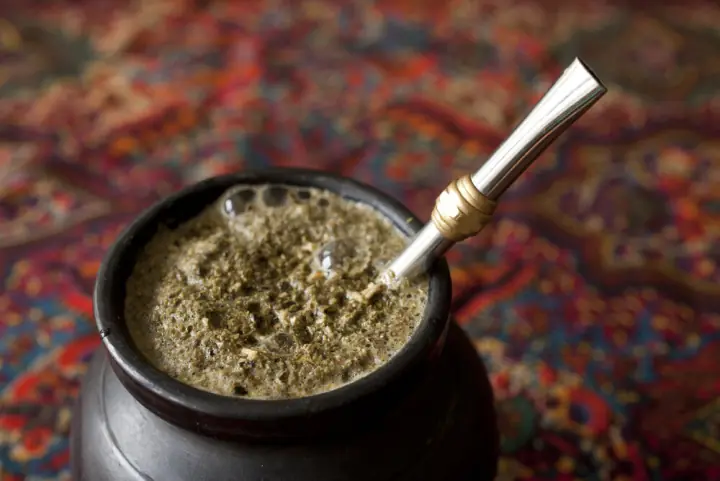
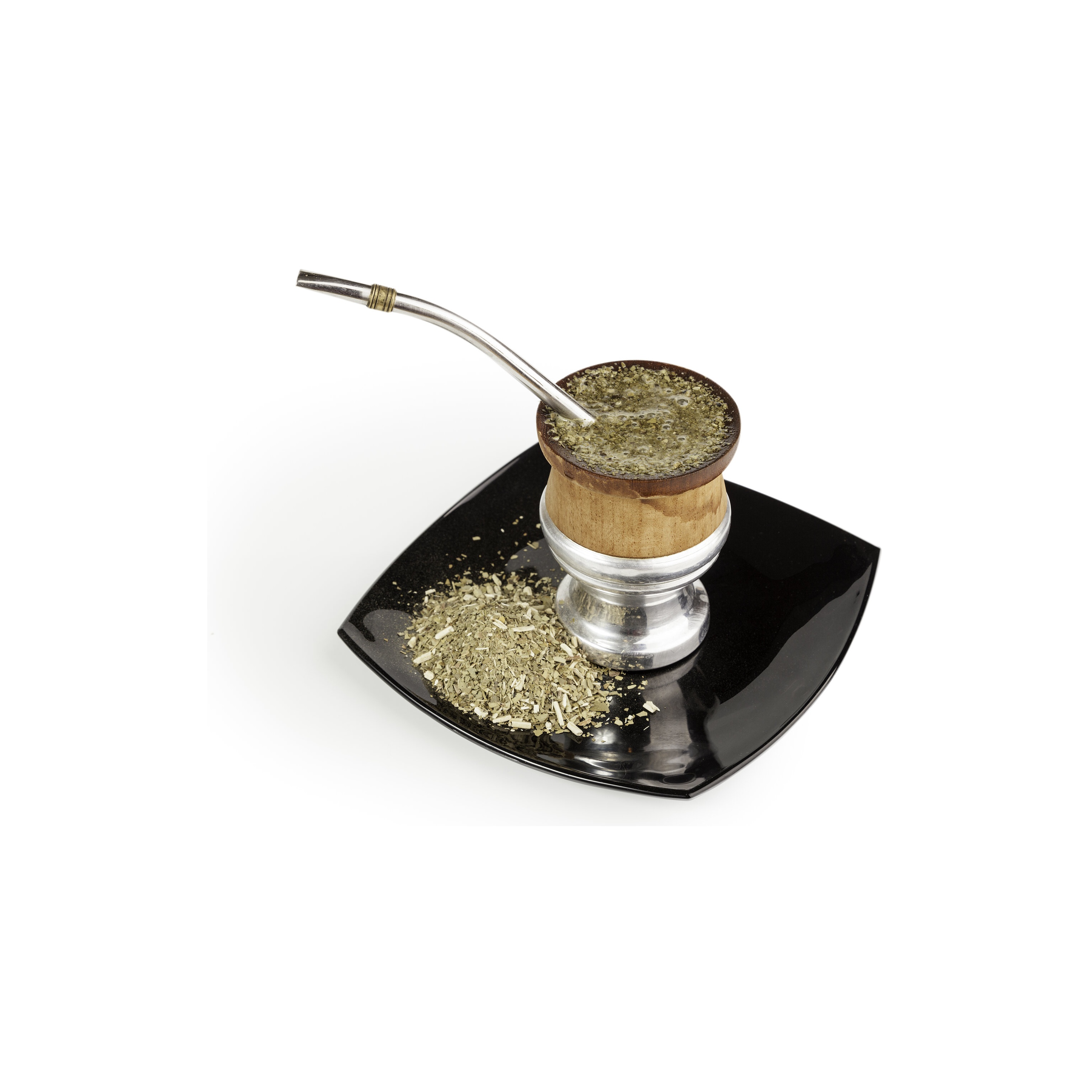 ModerateModerateYerba MatéIlex paraguariensisA better record than expected, though still a small one. A randomized, double-blind, placebo-controlled clinical trial found yerba maté reduced body fat and waist-hip ratio over 12 weeks 70Reference 70RCTAnti-obesity effects of yerba maté (Ilex paraguariensis) — randomised, double-blind, placebo-controlled clinical trialView study →, and a randomized trial found effects on satiety and metabolic measures during exercise.Read the evidenceShow lessMonograph →
Its metabolic evidence beyond weight is arguably stronger. A randomized controlled trial found mate tea improved glycaemic and lipid profiles in type 2 diabetes and prediabetes 71Reference 71RCTMate tea (Ilex paraguariensis) improves glycemic and lipid profiles of type 2 diabetes and pre-diabetes individuals — randomised controlled trialView study →, and a systematic review and meta-analysis supports effects on glycaemic control 72Reference 72Meta-analysisYerba maté and its impact on glycemic control and metabolic health — systematic review and meta-analysis of randomised controlled trialsView study →.
Two safety points rarely appear alongside the weight claims. Habitual consumption of maté at very high temperatures is associated with oesophageal cancer, and traditionally processed maté carries polycyclic aromatic hydrocarbons from smoke-drying.
Drink it warm rather than scalding.
ModerateModerateNigellaNigella sativaA modest but consistent anthropometric signal. Two independent systematic reviews and meta-analyses of randomized controlled trials found Nigella sativa supplementation reduced body weight, BMI, and waist circumference 74,75Reference 74Meta-analysisThe effects of Nigella sativa L. on obesity — systematic review and meta-analysisView study →Reference 75Meta-analysisEffect of Nigella sativa supplementation on obesity indices — systematic review and meta-analysis of randomised controlled trialsView study → .Also underInsulin ↓Read the evidenceShow lessMonograph →
The magnitude is on the order of a couple of kilograms, and, as with everything in this group, the trials are short.
What makes it more plausible than most is that the weight effect sits alongside real improvements in glucose and lipids 41Reference 41Meta-analysisNigella sativa improves glucose homeostasis and serum lipids in type 2 diabetes — systematic review and meta-analysisView study → rather than standing alone, which is the pattern a metabolic effect produces rather than a stimulant or diuretic one.
ModerateModerateFenugreekTrigonella foenum-graecumSatiety rather than glucose. A randomized crossover trial in obese subjects found fenugreek fibre increased satiety and reduced subsequent energy intake 76Reference 76RCTEffect of fenugreek fiber on satiety, blood glucose and insulin response and energy intake in obese subjects — randomised crossover trialView study →, which is a mechanistic endpoint measured directly rather than inferred from a weight change. Meta-analysis finds effects on body weight alongside blood lipids 14Reference 14Meta-analysisEffects of fenugreek supplementation on the components of metabolic syndrome — systematic review and dose-response meta-analysis of randomised clinical trialsView study →.Also underBlood ↓Read the evidenceShow lessMonograph →
The mechanism is the galactomannan gel of mechanism 5, shared with psyllium, which has its own satiety trial 78Reference 78RCTSatiety effects of psyllium in healthy volunteers — randomised controlled trialView study → and a meta-analysis supporting modest weight loss 77Reference 77Meta-analysisPsyllium is a natural nonfermented gel-forming fiber that is effective for weight loss — comprehensive review and meta-analysisView study →.
Viscous fibre is the least exciting and best-supported thing in this group. It is not a fat burner, it makes meals more filling, and its main failure mode is people abandoning it during the first fortnight of bloating.
Diabetes Complications & Vascular Risk
3 herbsThe long-term damage of diabetes happens in small blood vessels, in the retina, kidney and nerves, and is driven by glycation and oxidative injury rather than by the glucose reading alone. That makes it a distinct therapeutic target, and the herbs here work on the vessel rather than on the sugar. None of this replaces glycaemic control, blood-pressure control or retinal screening, which are what actually prevent these complications.
 ModerateModeratePinePinus spp.The most specific complication evidence here. A randomized controlled trial found maritime pine bark extract (Pycnogenol) improved retinal microcirculation, reduced retinal oedema, and improved visual acuity in early diabetic retinopathy 79Reference 79RCTPycnogenol improves microcirculation, retinal edema and visual acuity in early diabetic retinopathy — randomised controlled trialView study →, with a review collating the earlier retinopathy data 80Reference 80ReviewPycnogenol for diabetic retinopathy — reviewView study →.Read the evidenceShow lessMonograph →
Separately, a randomized placebo-controlled trial found an antidiabetic effect in type 2 diabetes 81Reference 81RCTAntidiabetic effect of Pycnogenol French maritime pine bark extract in patients with diabetes type II — randomised placebo-controlled trialView study →, and a randomized controlled trial in type 2 diabetes with microalbuminuria, meaning early kidney involvement, found improvement in metabolic status and vascular cell adhesion molecule-1 82Reference 82RCTEffect of French maritime pine bark extract supplementation on metabolic status and serum vascular cell adhesion molecule-1 levels in patients with type 2 diabetes and microalbuminuria — randomised controlled trialView study →.
Mechanistically it inhibits alpha-glucosidase in vitro 83Reference 83In vitroInhibitory effect of pine extract on alpha-glucosidase activity and postprandial hyperglycemia — in vitroView study → alongside its better-known vascular and antioxidant effects.
The usual caveats apply: a patented standardized extract at defined doses, small trials, and much of the work connected to the manufacturer.
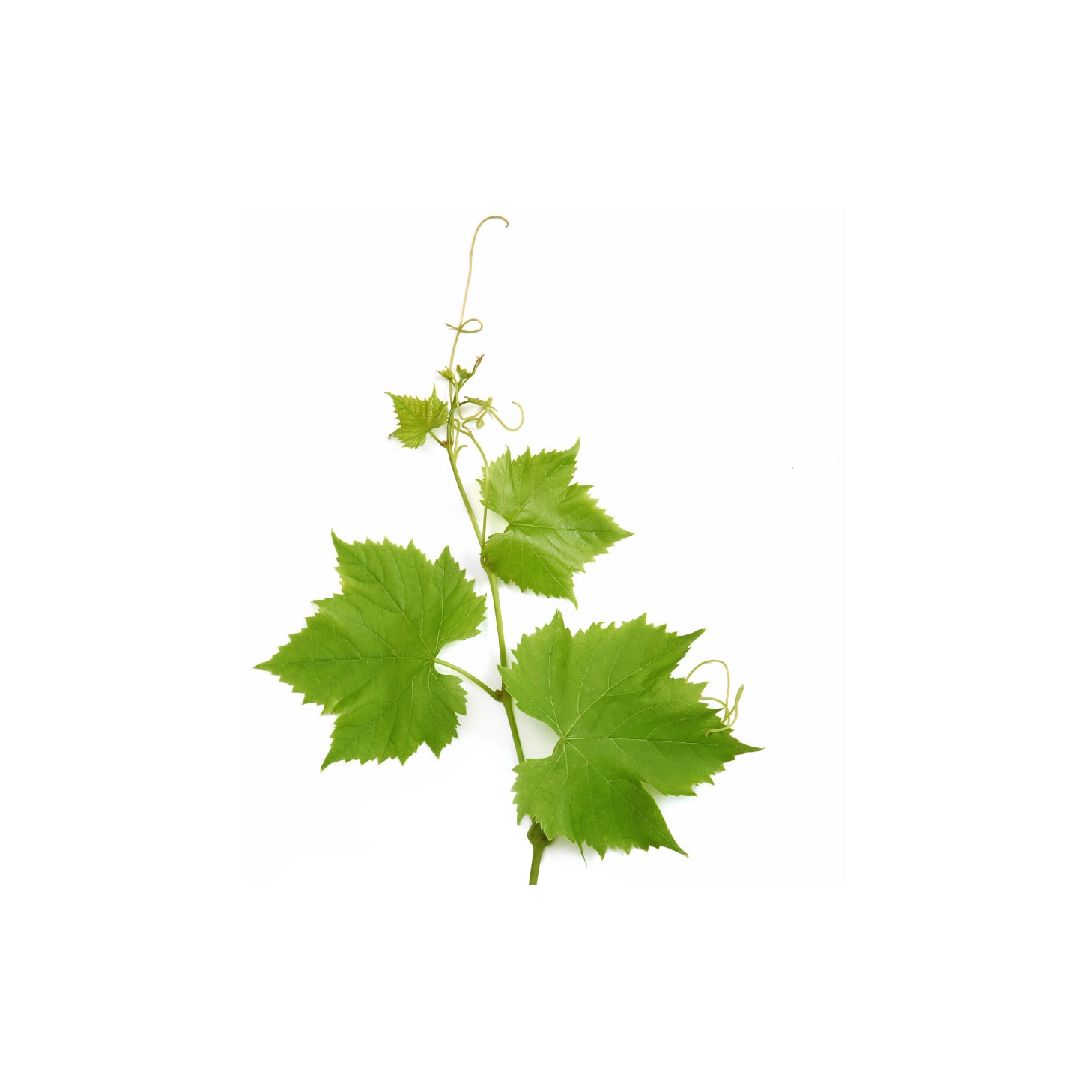 ModerateModerateGrape SeedVitis viniferaThe other procyanidin extract, with broader but less specific evidence. A systematic review and meta-analysis of randomized controlled trials found grape seed extract improved glycaemic control, serum lipoproteins, and inflammatory markers 84Reference 84Meta-analysisThe effects of grape seed extract on glycemic control, serum lipoproteins, inflammation and body weight — systematic review and meta-analysis of randomised controlled trialsView study →, and a separate meta-analysis of controlled trials confirmed reductions in oxidative stress and inflammation 85Reference 85Meta-analysisThe effect of grape seed extract supplementation on oxidative stress and inflammation — systematic review and meta-analysis of controlled trialsView study →, the two processes that drive microvascular complications.Read the evidenceShow lessMonograph →
A randomized, double-blind, placebo-controlled study found improved vascular endothelial function in prehypertensive participants 86Reference 86RCTEffects of grape seed proanthocyanidin extract on vascular endothelial function in participants with prehypertension — randomised, double-blind, placebo-controlled studyView study →, which is the functional measure sitting upstream of vascular damage.
Its blood-pressure evidence is on the cardiovascular page.
Extracts are standardized to procyanidin content and are not interchangeable between manufacturers.
ModerateModerateAmerican GinsengPanax quinquefoliusThe vessel rather than the glucose. A randomized controlled trial found American ginseng improved arterial stiffness in people with type 2 diabetes and concomitant hypertension 87Reference 87RCTEffect of American ginseng (Panax quinquefolius L.) on arterial stiffness in subjects with type 2 diabetes and concomitant hypertension — randomised controlled trialView study →, and a randomized controlled trial of combined Korean red and American ginseng found vascular benefits in the same population 88Reference 88RCTVascular effects of combined enriched Korean red ginseng and American ginseng in individuals with hypertension and type 2 diabetes — randomised controlled trialView study →.Also underBlood ↓Read the evidenceShow lessMonograph →
Arterial stiffness is a meaningful intermediate endpoint in diabetes rather than a symptom score.
Animal work additionally suggests preventive effects on diabetic retinopathy and cardiomyopathy 89Reference 89AnimalPreventive effects of North American ginseng on diabetic retinopathy and cardiomyopathy — mouse modelView study →.
The trials are small and come from a single research programme, and this is an add-on to the glycaemic and blood-pressure control that does the real work.
No herbs match these filters.
Also Tagged
31 more herbs are tagged for this system.

Asian Ginseng
Panax ginseng
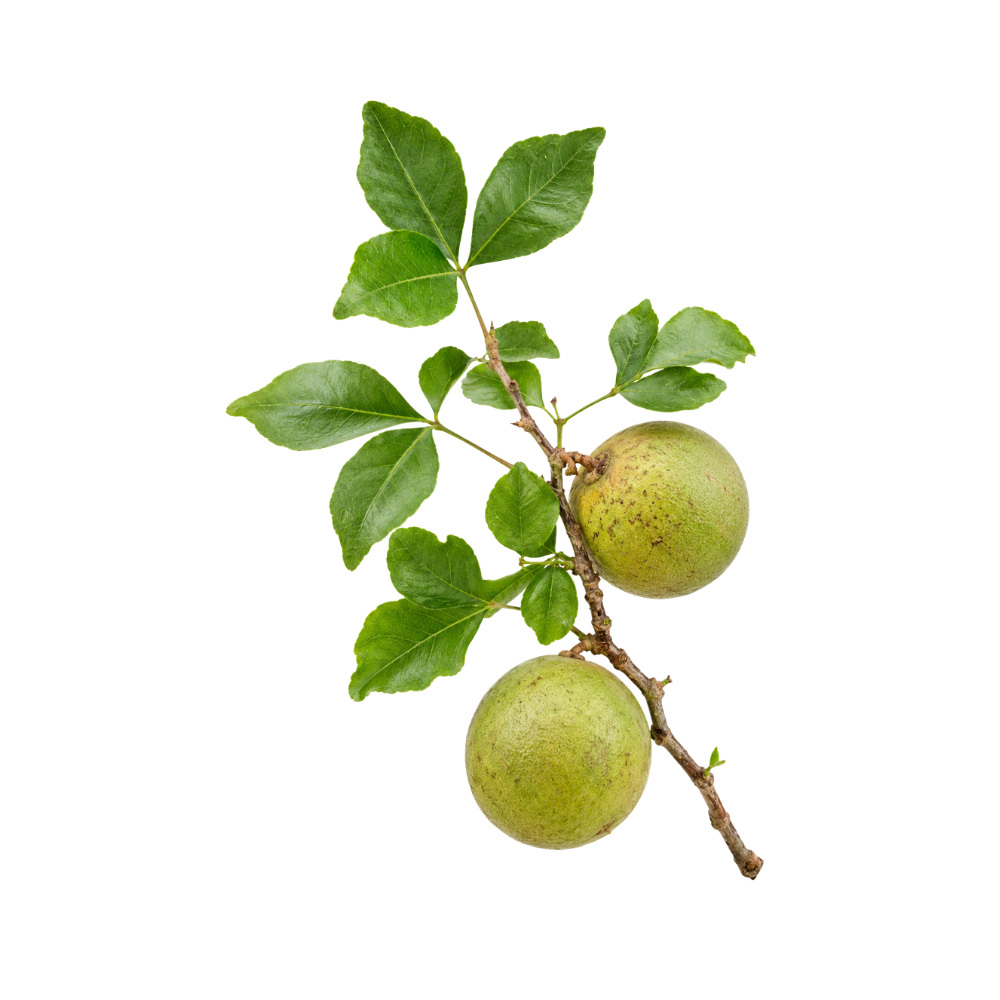
Bael
Aegle marmelos
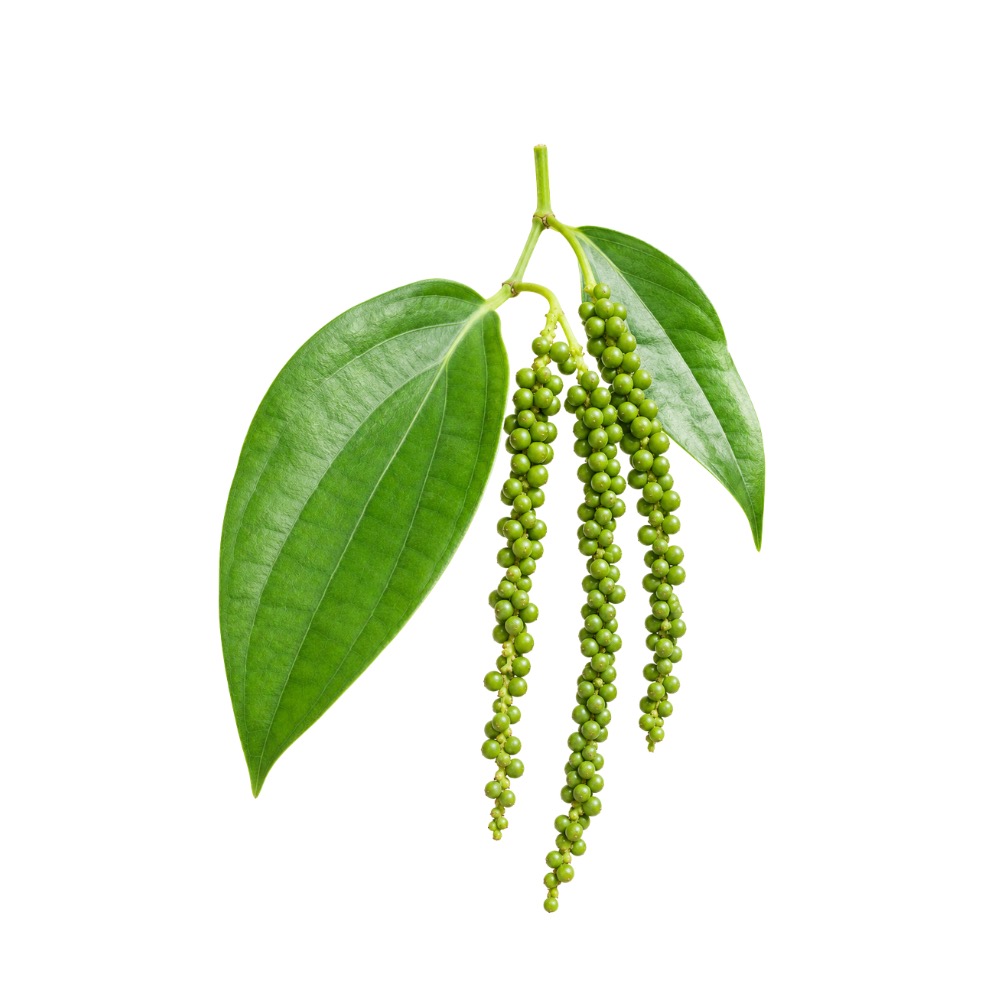
Black Pepper
Piper nigrum
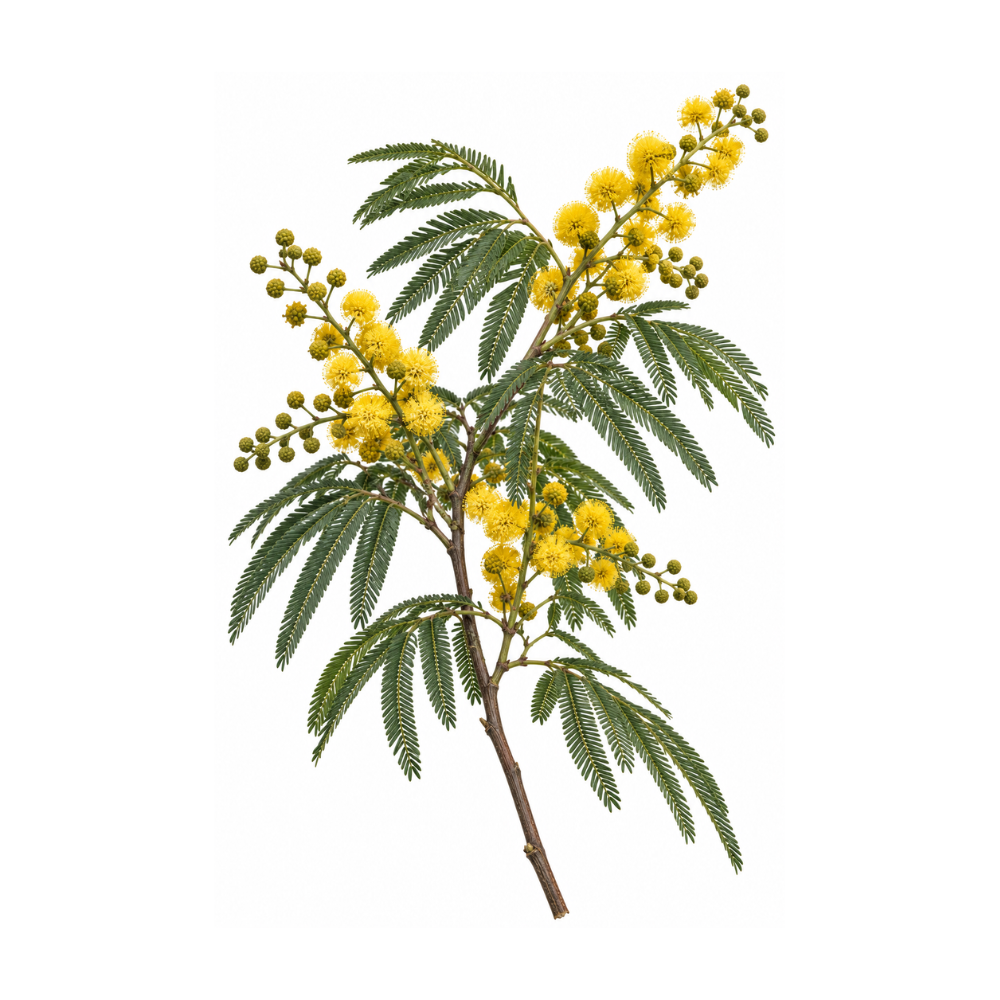
Black Wattle
Acacia mearnsii
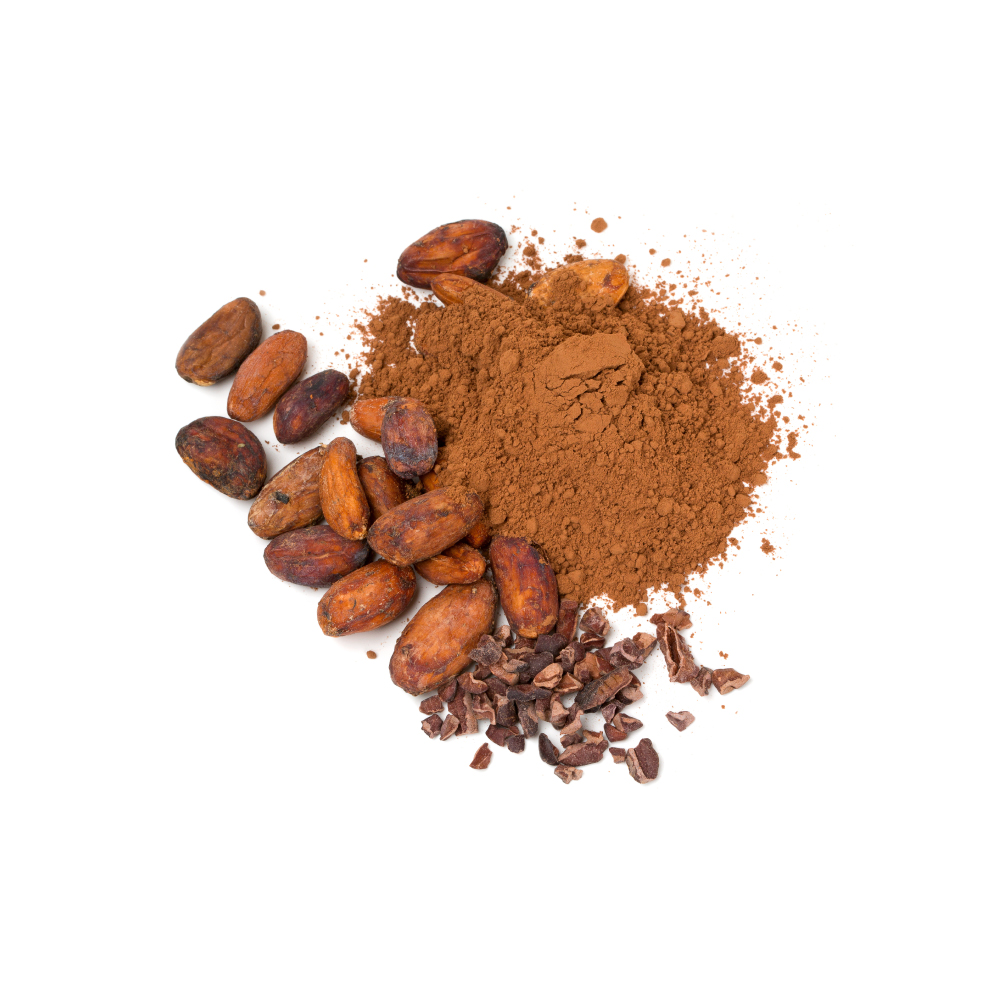
Cacao
Theobroma cacao
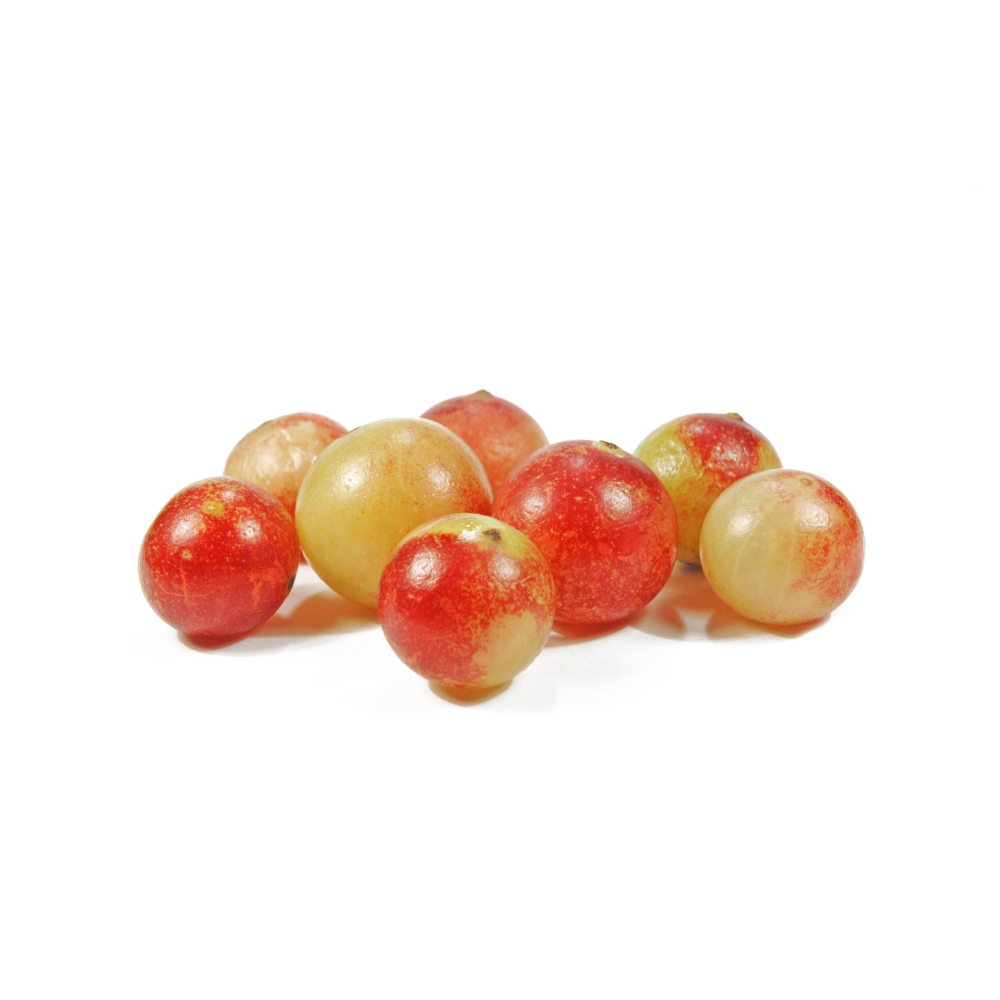
Camu-camu
Myrciaria dubia
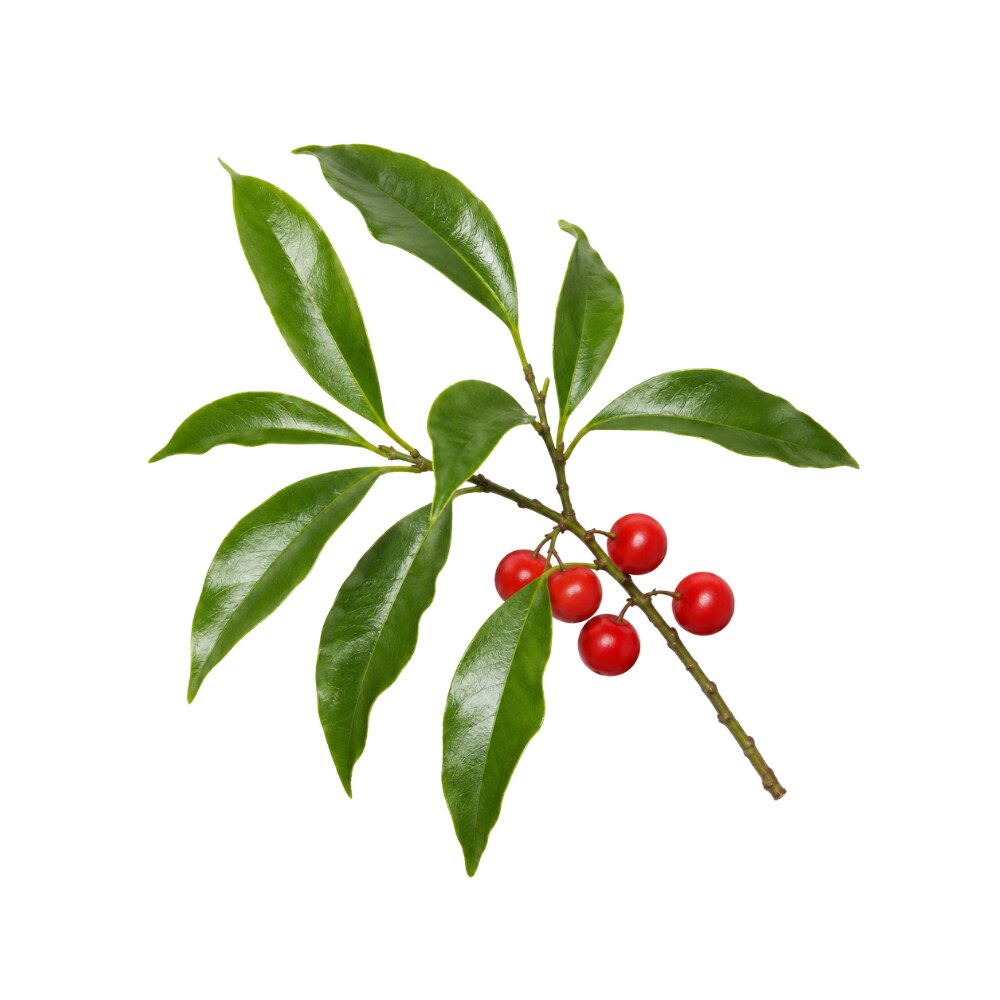
Chá de Bugre
Cordia salicifolia
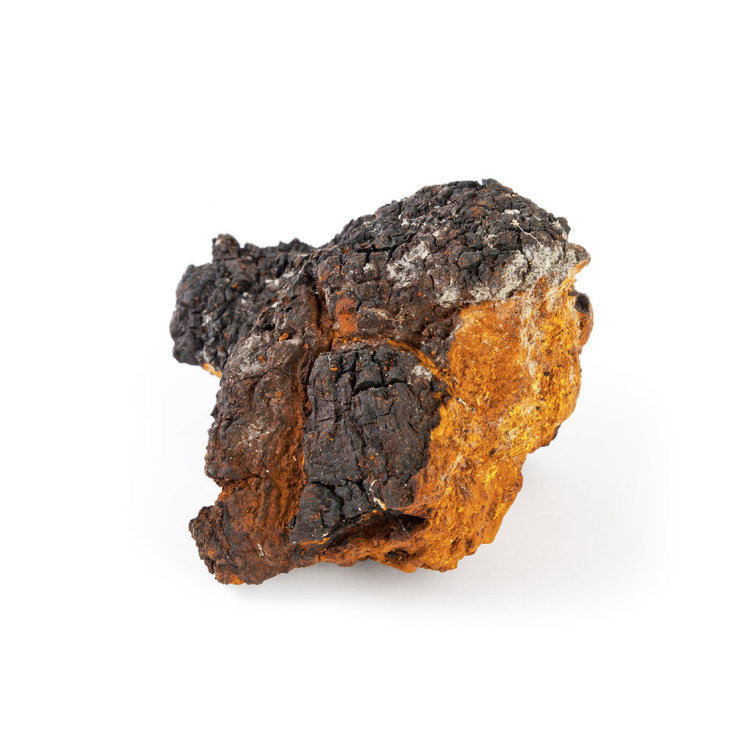
Chaga
Inonotus obliquus

Chrysanthemum
Chrysanthemum morifolium
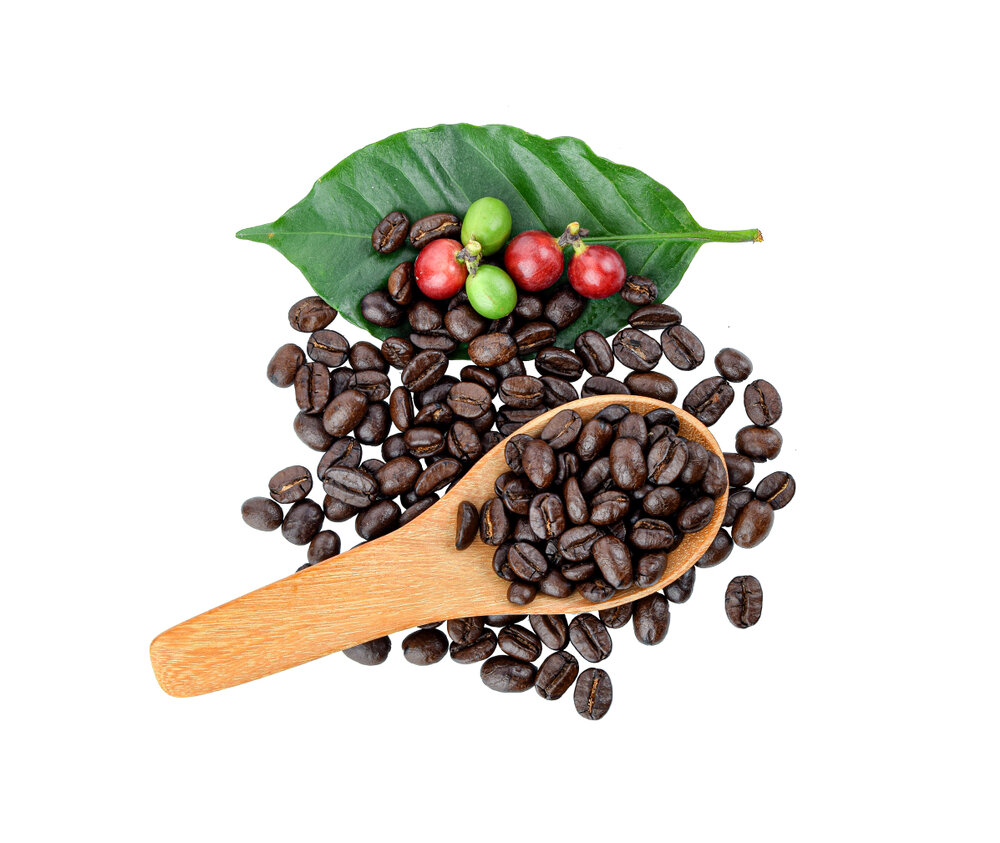
Coffee
Coffea arabica
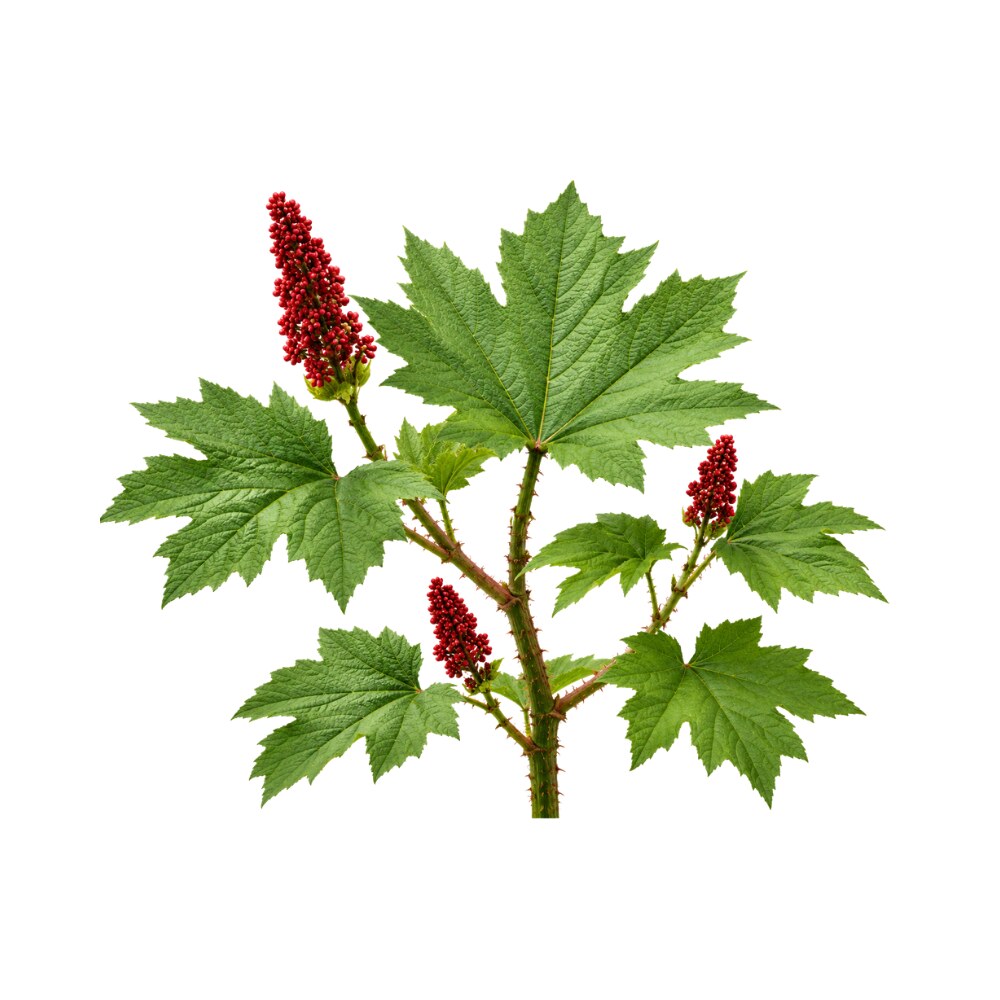
Devil's Club
Oplopanax horridus
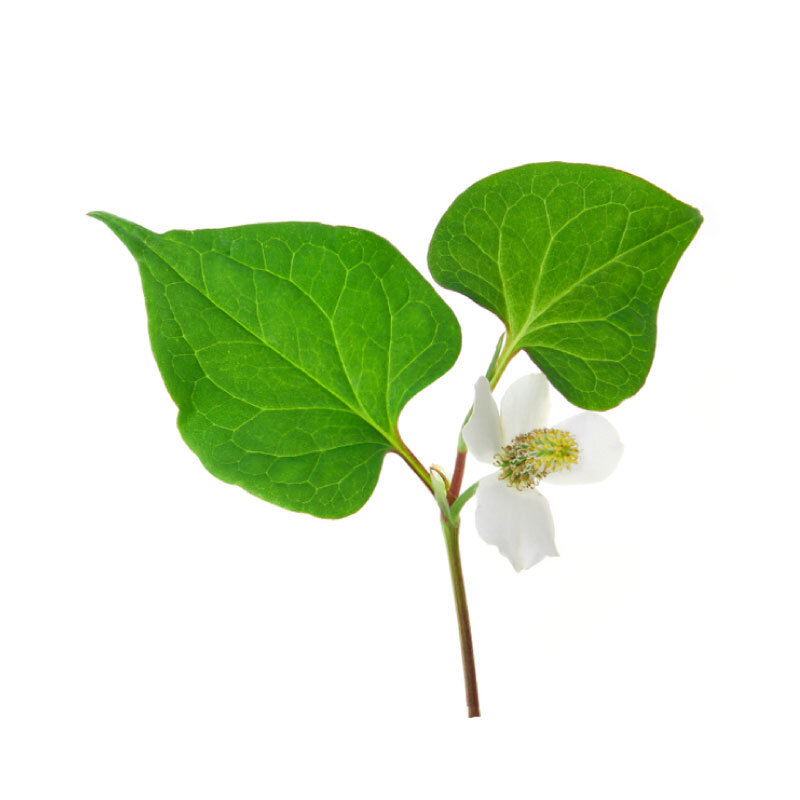
Fish Mint
Houttuynia cordata
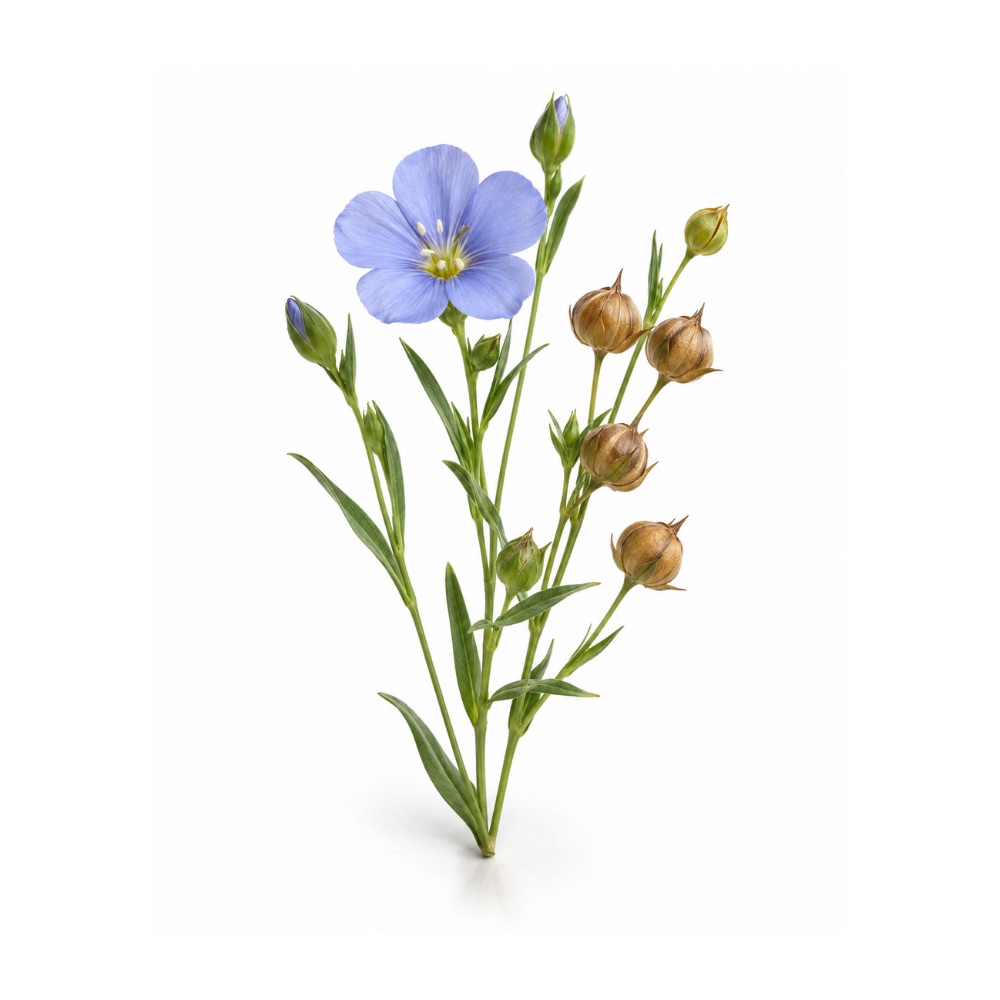
Flaxseed
Linum usitatissimum
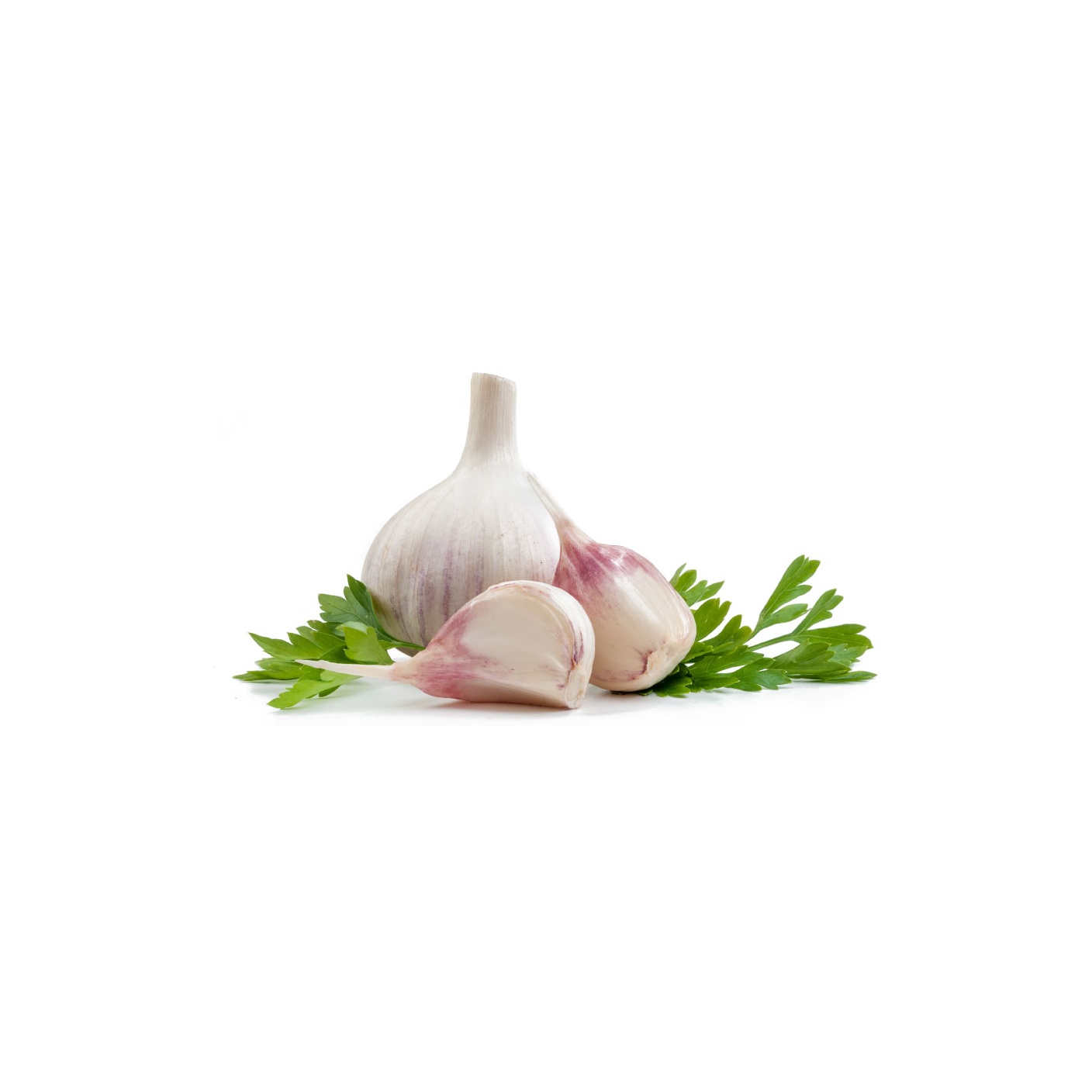
Garlic
Allium sativum
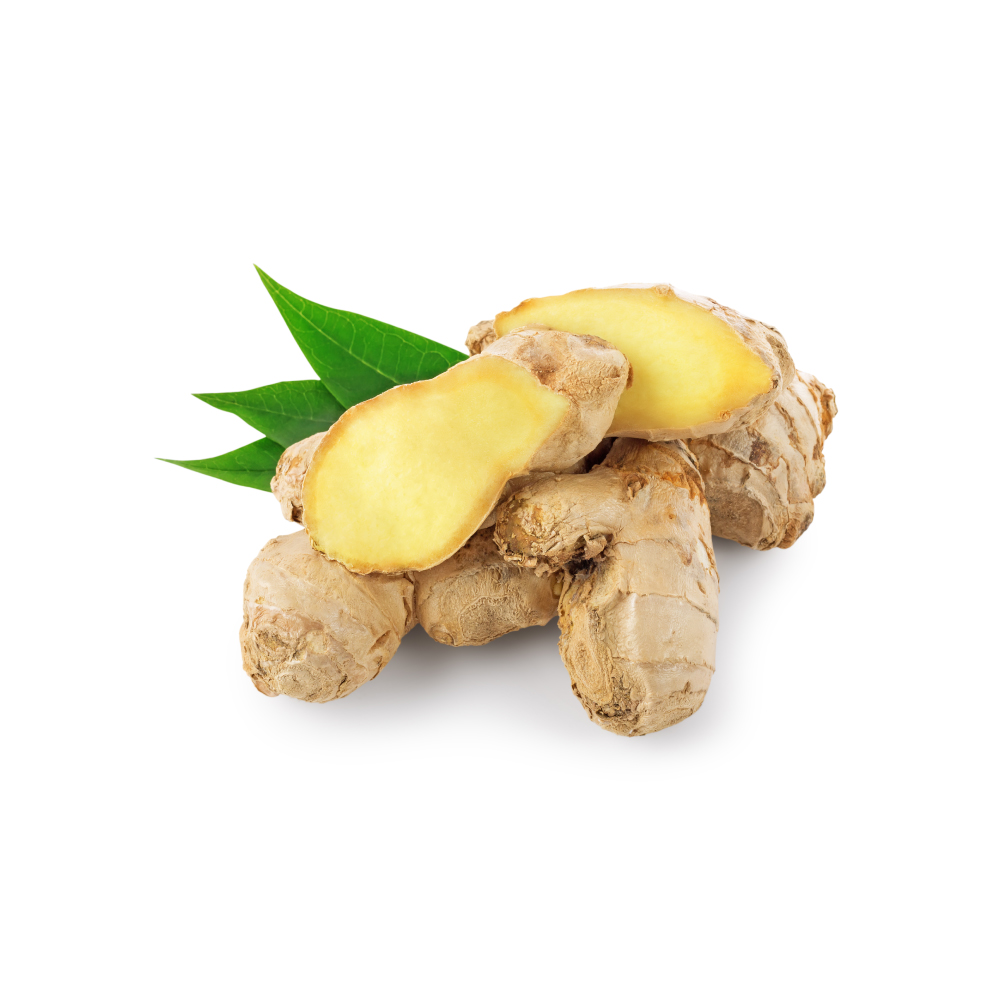
Ginger
Zingiber officinale
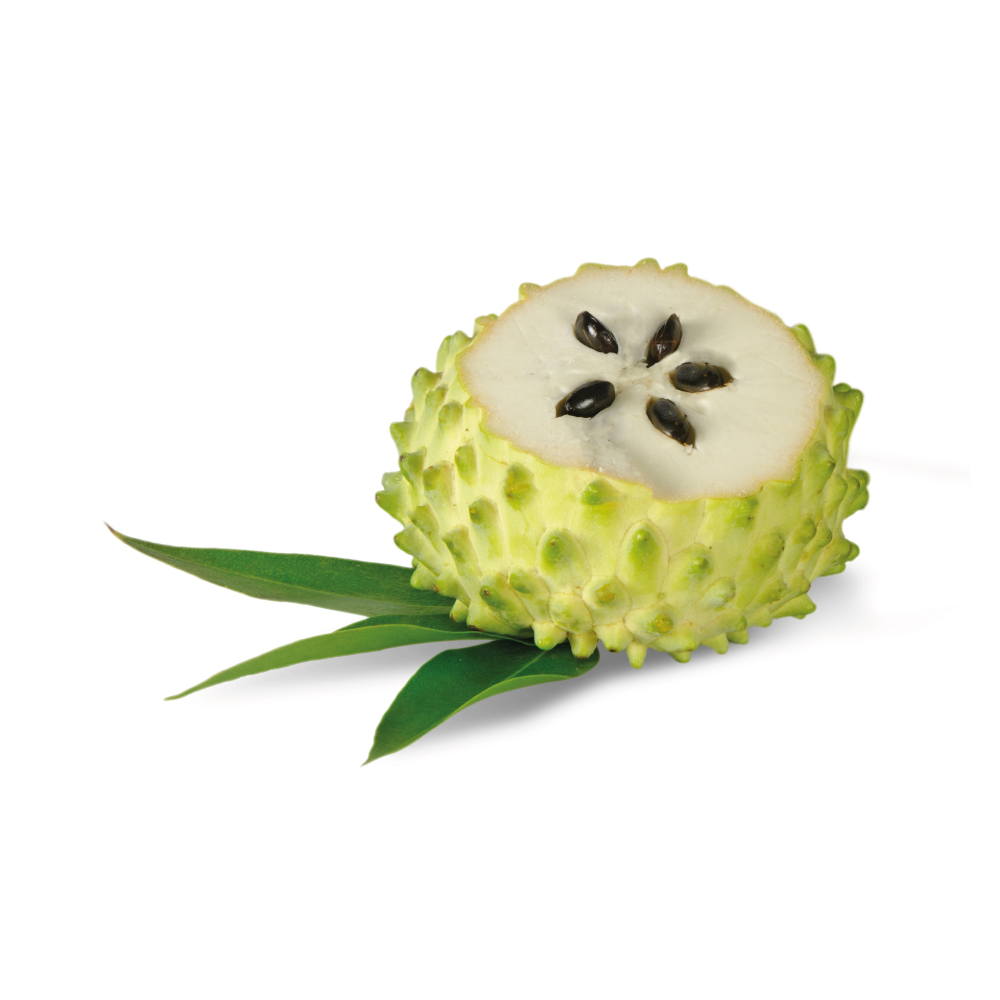
Graviola
Annona muricata
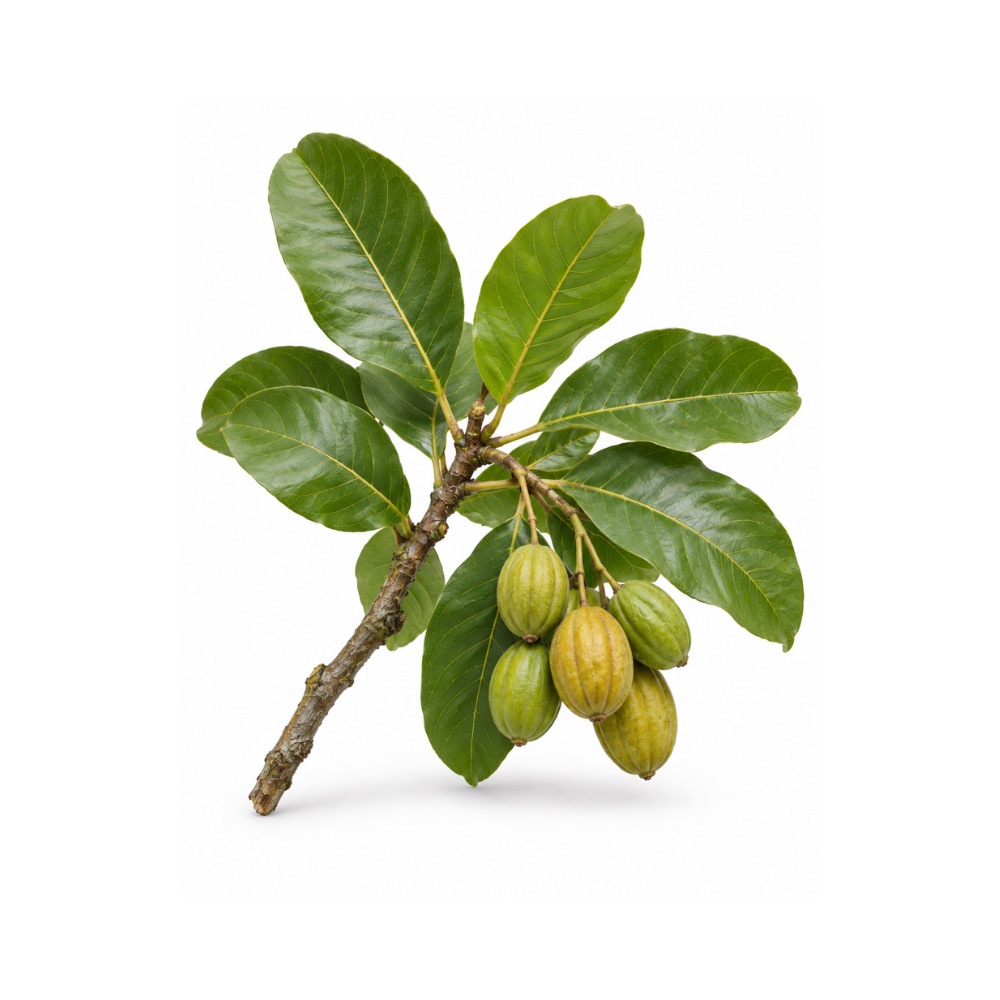
Haritaki
Terminalia chebula
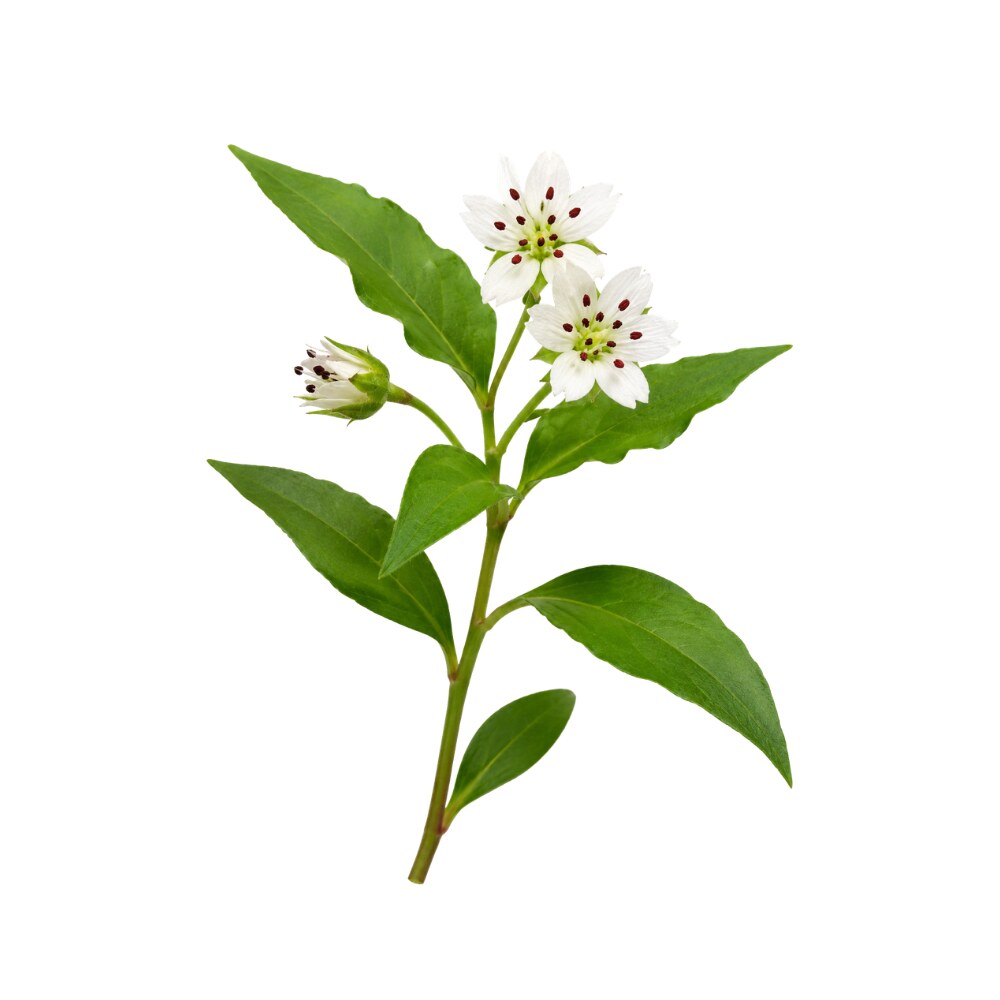
Kid Ginseng
Pseudostellaria heterophylla
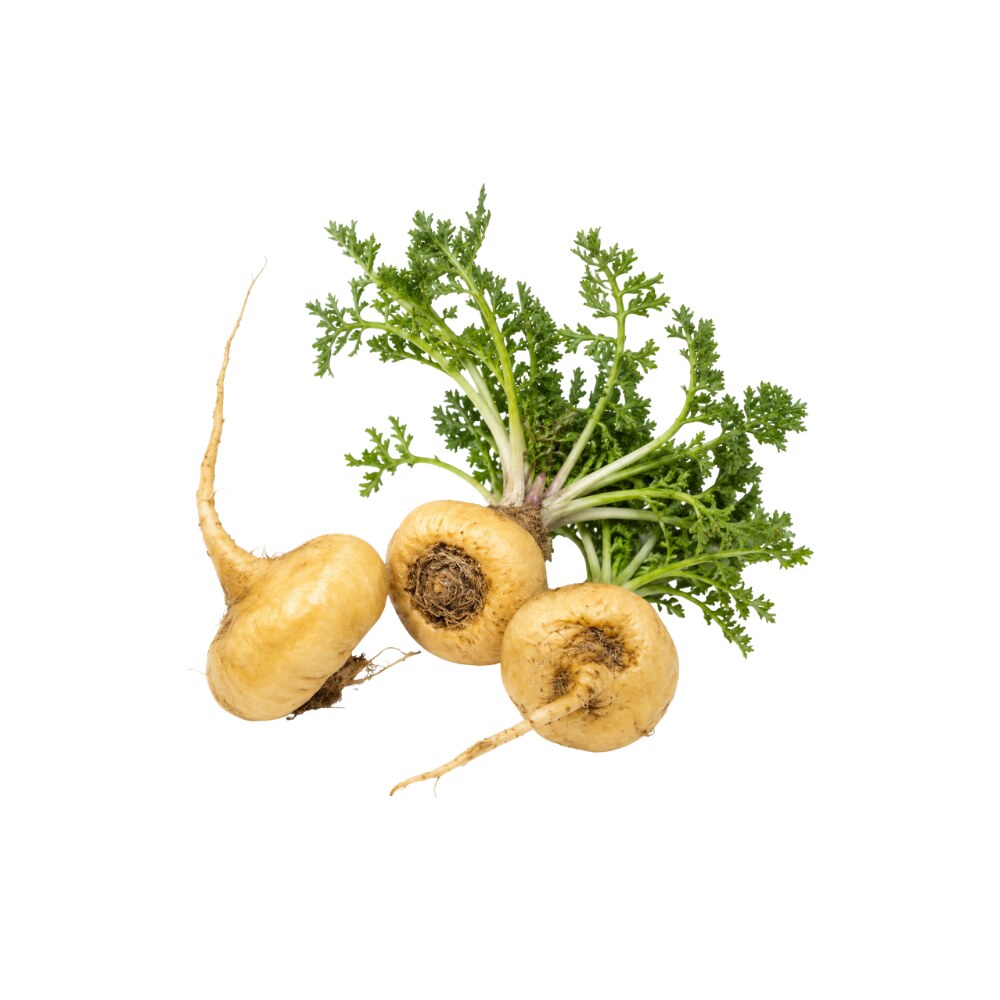
Maca
Lepidium meyenii
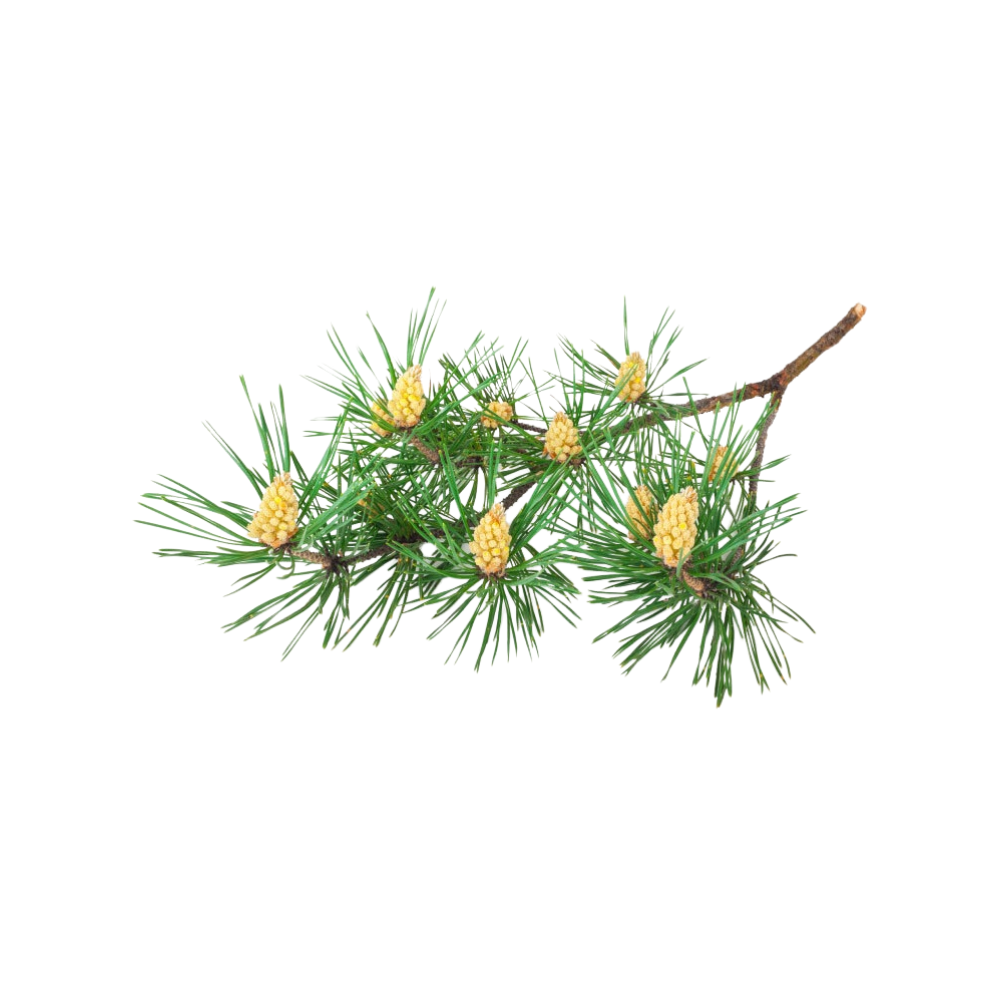
Maritime Pine
Pinus pinaster
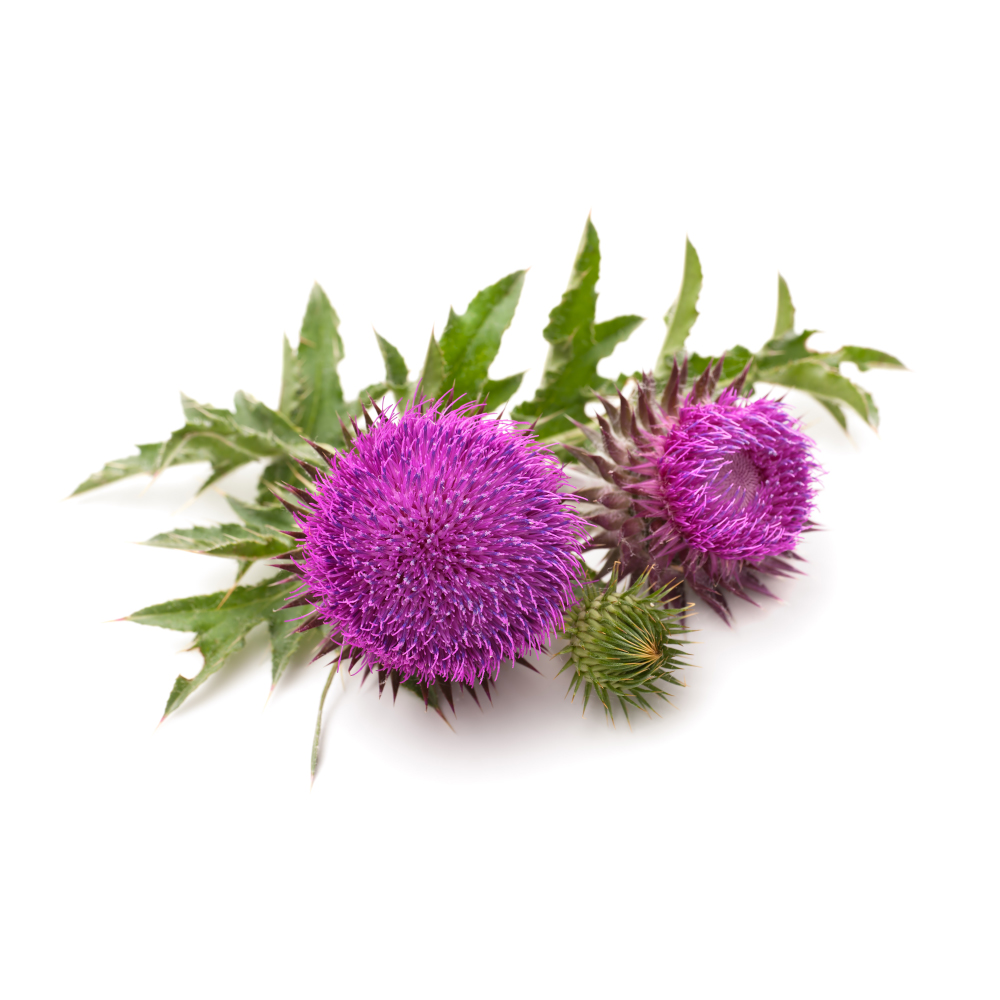
Milk Thistle
Silybum marianum

Neem
Azadirachta indica
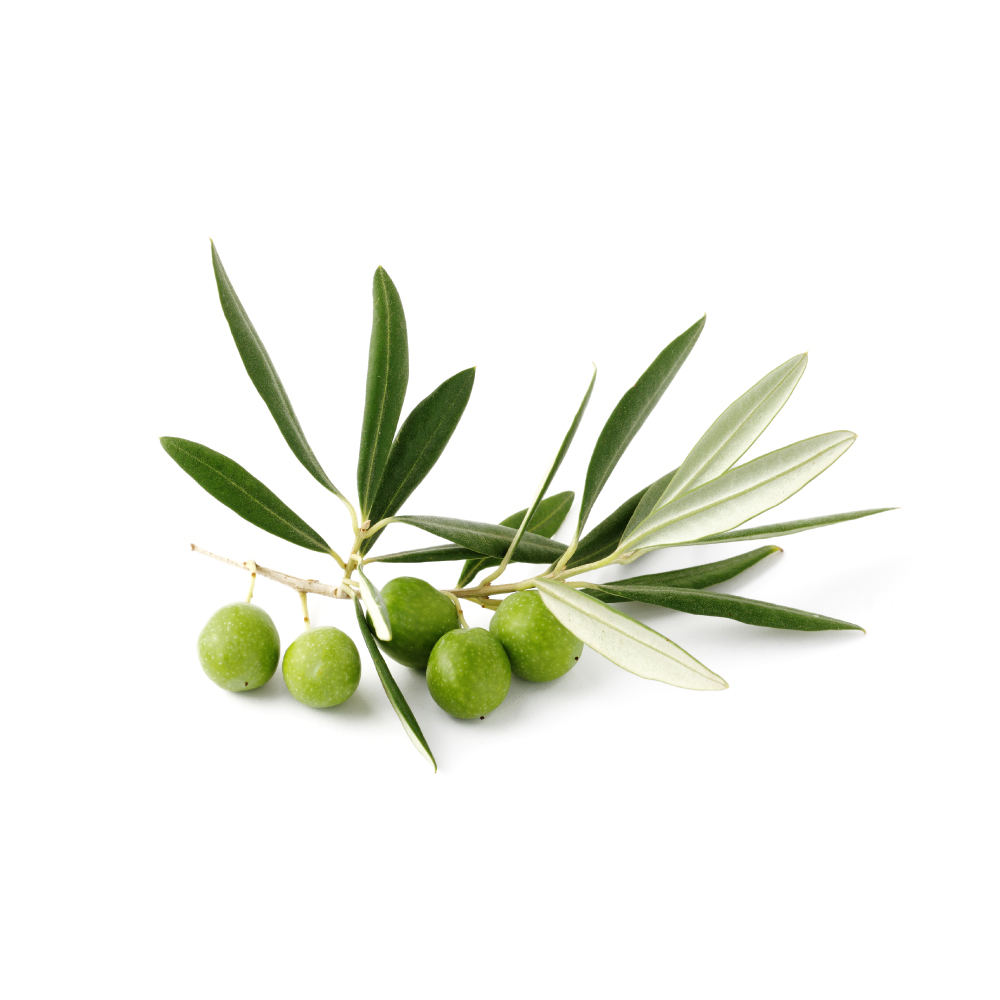
Olive Leaf
Olea europaea
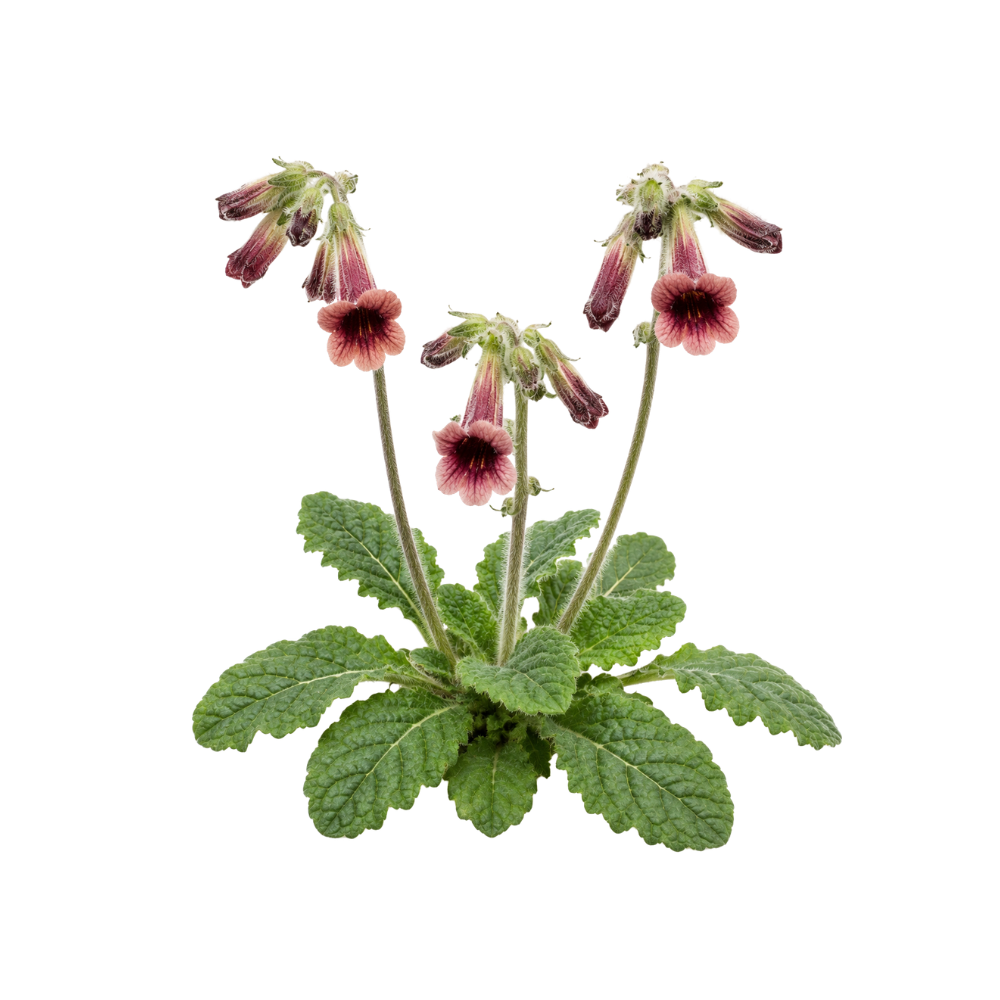
Rehmannia
Rehmannia glutinosa

Saffron
Crocus sativus

Sarsaparilla
Smilax spp.
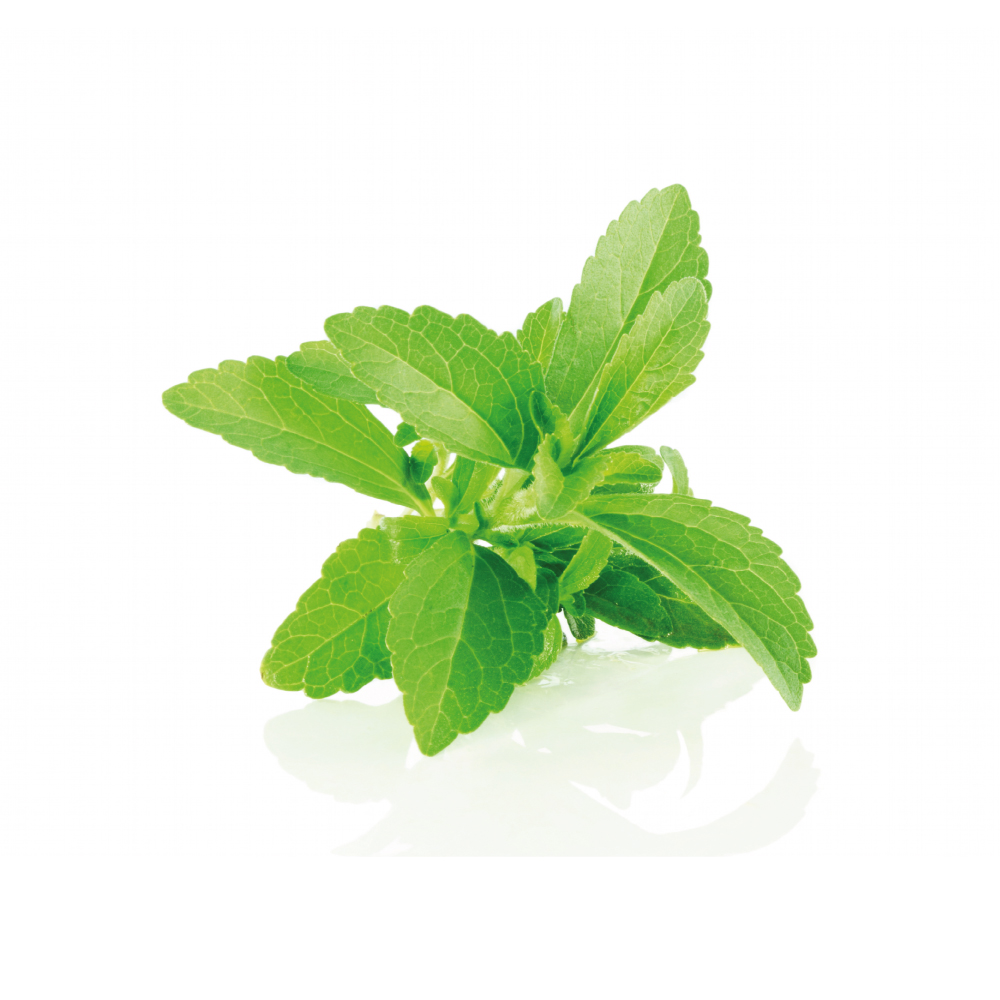
Stevia
Stevia rebaudiana
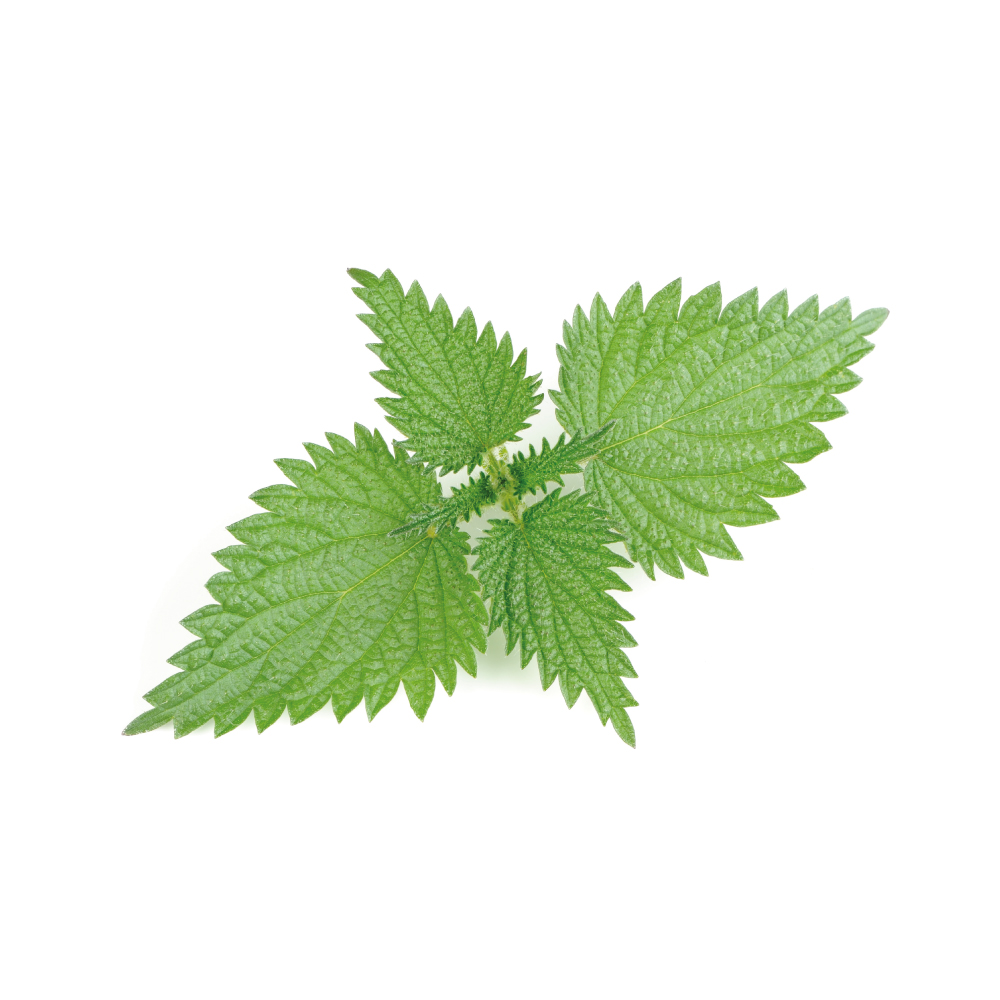
Stinging Nettle
Urtica dioica
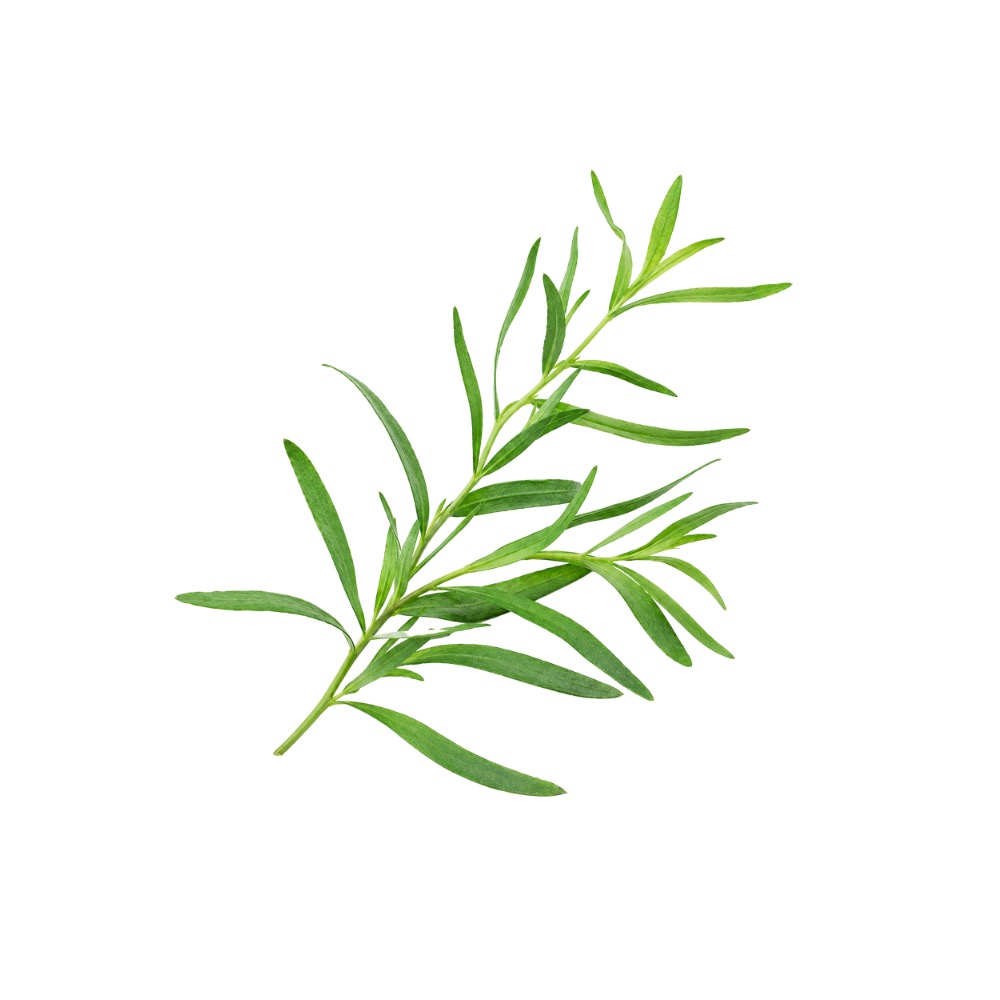
Tarragon
Artemisia dracunculus
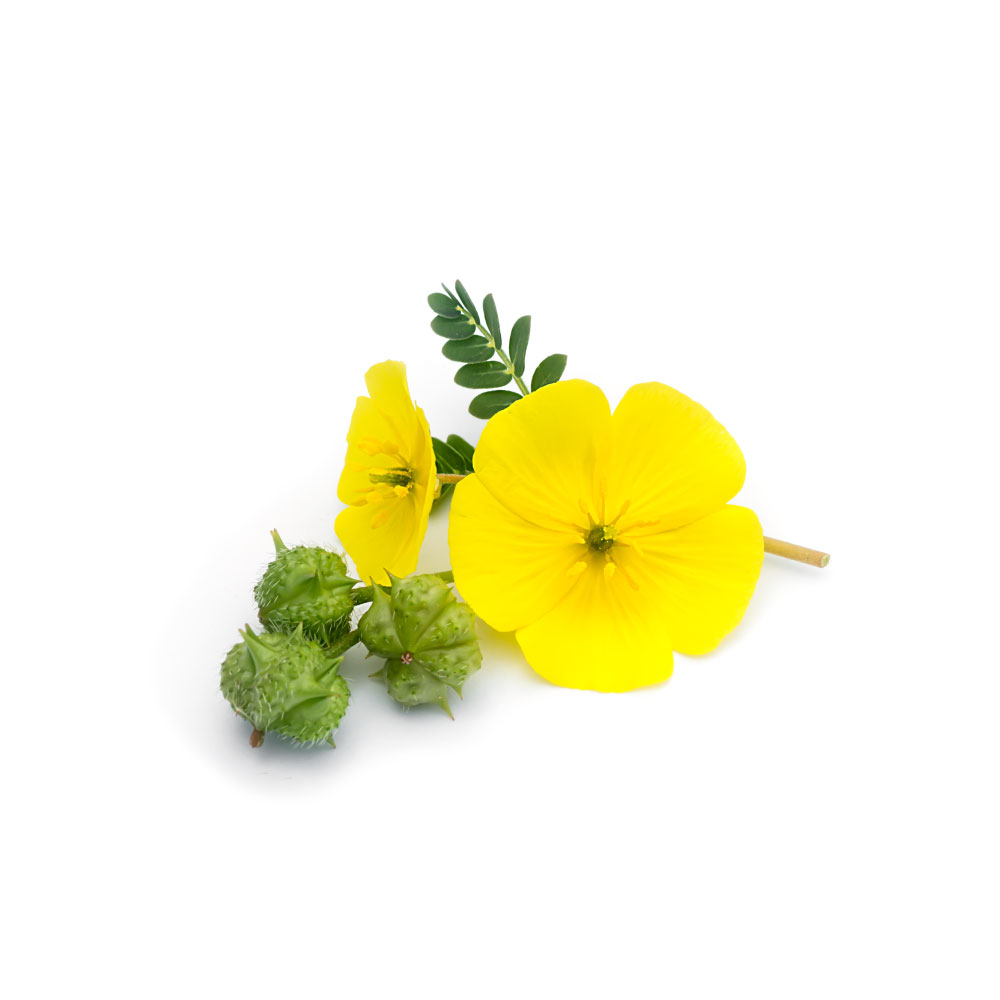
Tribulus
Tribulus terrestris
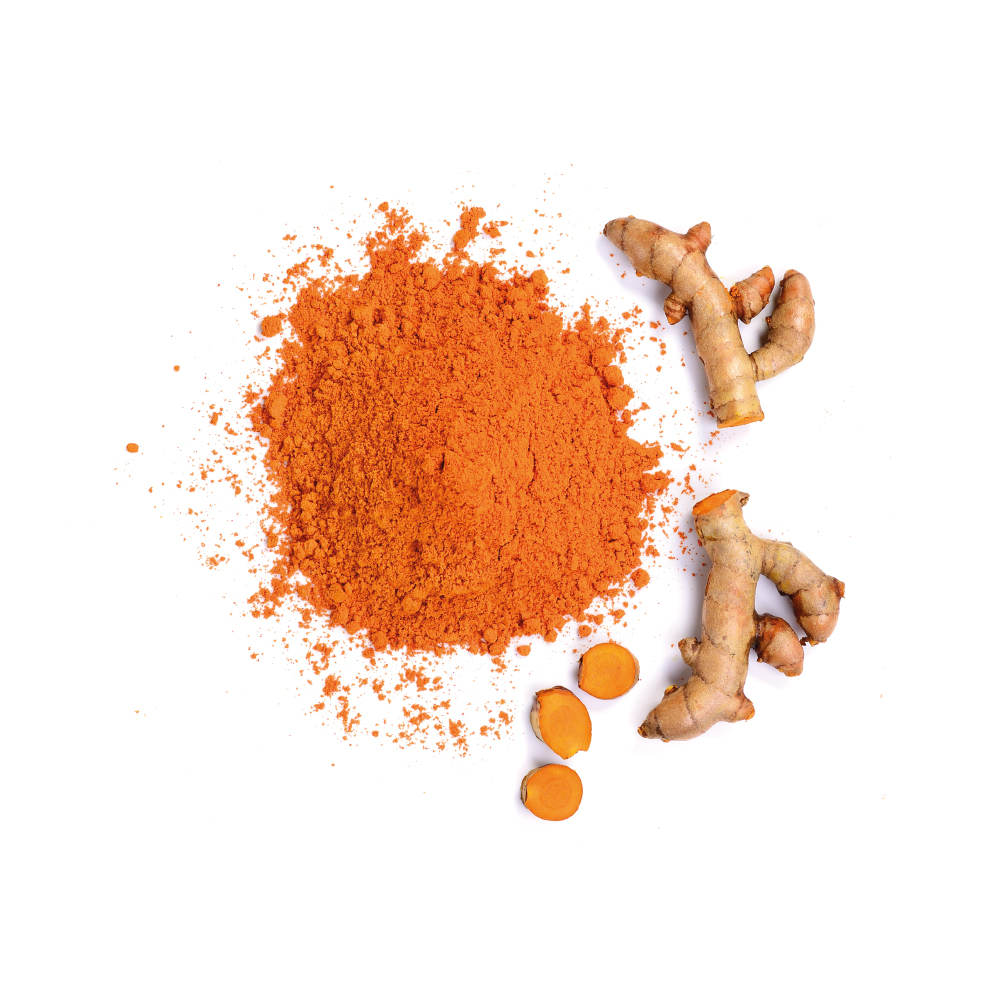
Turmeric
Curcuma longa
Safety
Pregnancy & lactation
- Assume avoid unless a clinician who knows the pregnancy says otherwise.
- Cholesterol synthesis is essential to fetal development, so statin-equivalent supplements are contraindicated outright.
- Several glucose-lowering plants here carry abortifacient or uterine-stimulant traditions and are avoided at therapeutic doses.
- Gestational diabetes is managed by the obstetric and diabetes team, because the targets are tighter and the consequences fall on the baby.
- Hypoglycaemia is the main hazard. These herbs lower glucose in the same direction as metformin or insulin, so the combination needs a meter and the prescriber’s knowledge.
- Red yeast rice is a statin and carries statin risks: myopathy, raised transaminases, CYP3A4 interactions, and absolute contraindication in pregnancy or alongside a prescribed statin.
- Berberine inhibits CYP3A4 and P-glycoprotein and raises levels of many medicines, ciclosporin and several statins among them.
- A concentrated extract is not the food it came from. High-dose green tea extract taken fasting is a leading cause of herb-induced liver injury.
- Stop glucose-lowering herbs about two weeks before surgery, because control during fasting and anaesthesia becomes unpredictable.
- The weight-loss category has the worst safety record in herbal medicine 73Reference 73Systematic reviewAdverse events of herbal food supplements for body weight reduction — systematic reviewView study →, having produced the ephedra deaths, the usnic acid liver failures and repeated drug adulteration.
- Get medical care for thirst with frequent urination and blurred vision, a hypoglycaemic episode with confusion, or a non-healing foot wound.
References
- Guo, J., et al. (2021). The effect of berberine on metabolic profiles in type 2 diabetic patients — systematic review and meta-analysis of randomised controlled trials. Oxidative Medicine and Cellular Longevity. https://pubmed.ncbi.nlm.nih.gov/34956436/
- Lan, J., Zhao, Y., Dong, F., et al. (2015). Meta-analysis of the effect and safety of berberine in the treatment of type 2 diabetes mellitus, hyperlipidaemia and hypertension. Journal of Ethnopharmacology. https://pubmed.ncbi.nlm.nih.gov/25498346/
- Xie, W., Su, F., Wang, G., et al. (2022). Glucose-lowering effect of berberine on type 2 diabetes — systematic review and meta-analysis of randomised controlled trials. Frontiers in Pharmacology. https://pubmed.ncbi.nlm.nih.gov/36467075/
- Dong, H., et al. (2012). Berberine in the treatment of type 2 diabetes mellitus — systematic review and meta-analysis. Evidence-Based Complementary and Alternative Medicine. https://pubmed.ncbi.nlm.nih.gov/23118793/
- Safari, Z., et al. (2020). The effect of barberry (Berberis vulgaris L.) on glycemic indices — systematic review and meta-analysis of randomised controlled trials. Complementary Therapies in Medicine. https://pubmed.ncbi.nlm.nih.gov/32507431/
- Shidfar, F., et al. (2012). The effects of Berberis vulgaris fruit extract on serum lipoproteins, apoB, apoA-I, homocysteine, glycemic control and total antioxidant capacity in type 2 diabetic patients — randomised controlled trial. Iranian Journal of Pharmaceutical Research. https://pubmed.ncbi.nlm.nih.gov/24250489/
- Devangan, S., Varghese, B., Johny, E., et al. (2021). The effect of Gymnema sylvestre supplementation on glycemic control in type 2 diabetes patients — systematic review and meta-analysis. Phytotherapy Research. https://pubmed.ncbi.nlm.nih.gov/34467577/
- Zamani, M., et al. (2023). The effects of Gymnema sylvestre supplementation on lipid profile, glycemic control, blood pressure and anthropometric indices in adults — systematic review and meta-analysis. Phytotherapy Research. https://pubmed.ncbi.nlm.nih.gov/36580574/
- Baskaran, K., Kizar Ahamath, B., Radha Shanmugasundaram, K., & Shanmugasundaram, E. R. B. (1990). Antidiabetic effect of a leaf extract from Gymnema sylvestre in non-insulin-dependent diabetes mellitus patients — clinical trial. Journal of Ethnopharmacology. https://pubmed.ncbi.nlm.nih.gov/2259217/
- Zuñiga, L. Y., et al. (2017). Effect of Gymnema sylvestre administration on metabolic syndrome, insulin sensitivity and insulin secretion — randomised, double-blind, placebo-controlled trial. Journal of Medicinal Food. https://pubmed.ncbi.nlm.nih.gov/28459647/
- Persaud, S. J., Al-Majed, H., Raman, A., & Jones, P. M. (1999). Gymnema sylvestre stimulates insulin release in vitro by increased membrane permeability — in vitro and rat study. Journal of Endocrinology. https://pubmed.ncbi.nlm.nih.gov/10556769/
- Shabil, M., et al. (2023). Effect of fenugreek on hyperglycemia — systematic review and meta-analysis. Medicina (Kaunas). https://pubmed.ncbi.nlm.nih.gov/36837450/
- Kim, J., et al. (2023). The effect of fenugreek in type 2 diabetes and prediabetes — systematic review and meta-analysis of randomised controlled trials. International Journal of Molecular Sciences. https://pubmed.ncbi.nlm.nih.gov/37762302/
- Fakhr, L., et al. (2023). Effects of fenugreek supplementation on the components of metabolic syndrome — systematic review and dose-response meta-analysis of randomised clinical trials. Pharmacological Research. https://pubmed.ncbi.nlm.nih.gov/36470549/
- Deshpande, P. O., et al. (2025). Effect of Fenuflakes on 24-hour glycemic variability in adults with type 2 diabetes — randomised crossover continuous glucose monitoring study. Asia Pacific Journal of Clinical Nutrition. https://pubmed.ncbi.nlm.nih.gov/41038677/
- Fuller, S., et al. (2015). Diosgenin, 4-hydroxyisoleucine and fiber from fenugreek: mechanisms of actions and potential effects on metabolic syndrome — review. Advances in Nutrition. https://pubmed.ncbi.nlm.nih.gov/25770257/
- Peter, E. L., Kasali, F. M., Deyno, S., et al. (2019). Momordica charantia L. lowers elevated glycaemia in type 2 diabetes mellitus patients — systematic review and meta-analysis. Journal of Ethnopharmacology. https://pubmed.ncbi.nlm.nih.gov/30385422/
- Ooi, C. P., Yassin, Z., & Hamid, T. A. (2012). Momordica charantia for type 2 diabetes mellitus — Cochrane systematic review. Cochrane Database of Systematic Reviews. https://pubmed.ncbi.nlm.nih.gov/22895968/
- Dans, A. M., Villarruz, M. V., Jimeno, C. A., et al. (2007). The effect of Momordica charantia capsule preparation on glycemic control in type 2 diabetes mellitus — randomised, double-blind, placebo-controlled trial. Journal of Clinical Epidemiology. https://pubmed.ncbi.nlm.nih.gov/17493509/
- Kim, S. K., Jung, J., Jung, J. H., et al. (2020). Hypoglycemic efficacy and safety of Momordica charantia in patients with type 2 diabetes — randomised, placebo-controlled trial. Complementary Therapies in Medicine. https://pubmed.ncbi.nlm.nih.gov/32951763/
- Mkhize, S. A. L., Phoswa, W. N., Ngubane, P. S., & Mokgalaboni, K. (2025). Efficacy of Momordica charantia in glycaemic control and insulin resistance — GRADE-adherent meta-analysis of randomised controlled trials. Metabolism Open. https://pubmed.ncbi.nlm.nih.gov/41280283/
- Ranasinghe, P., et al. (2012). Efficacy and safety of ‘true’ cinnamon (Cinnamomum zeylanicum) as a pharmaceutical agent in diabetes — systematic review and meta-analysis. Diabetic Medicine. https://pubmed.ncbi.nlm.nih.gov/22671971/
- Ranasinghe, P., et al. (2025). Efficacy and safety of Cinnamomum zeylanicum (Ceylon cinnamon) for diabetes mellitus — randomised, double-blind, placebo-controlled clinical trial. Diabetes & Metabolic Syndrome. https://pubmed.ncbi.nlm.nih.gov/41412108/
- Moridpour, A. H., et al. (2024). The effect of cinnamon supplementation on glycemic control in type 2 diabetes — updated systematic review and dose-response meta-analysis of randomised controlled trials. Phytotherapy Research. https://pubmed.ncbi.nlm.nih.gov/37818728/
- Baker, W. L., et al. (2008). Effect of cinnamon on glucose control and lipid parameters — meta-analysis of randomised controlled trials. Diabetes Care. https://pubmed.ncbi.nlm.nih.gov/17909085/
- Leach, M. J., & Kumar, S. (2012). Cinnamon for diabetes mellitus — Cochrane systematic review. Cochrane Database of Systematic Reviews. https://pubmed.ncbi.nlm.nih.gov/22972104/
- Zhang, Y., Liu, W., Liu, D., Zhao, T., & Tian, H. (2016). Efficacy of Aloe vera supplementation on prediabetes and early non-treated diabetic patients — systematic review and meta-analysis of randomised controlled trials. Nutrients. https://pubmed.ncbi.nlm.nih.gov/27347994/
- Suksomboon, N., Poolsup, N., & Punthanitisarn, S. (2016). Effect of Aloe vera on glycaemic control in prediabetes and type 2 diabetes — systematic review and meta-analysis. Journal of Clinical Pharmacy and Therapeutics. https://pubmed.ncbi.nlm.nih.gov/27009750/
- Huseini, H. F., Kianbakht, S., Hajiaghaee, R., & Dabaghian, F. H. (2012). Anti-hyperglycemic and anti-hypercholesterolemic effects of Aloe vera leaf gel in hyperlipidemic type 2 diabetic patients — randomised double-blind placebo-controlled clinical trial. Planta Medica. https://pubmed.ncbi.nlm.nih.gov/22198821/
- Vuksan, V., et al. (2000). American ginseng (Panax quinquefolius L) reduces postprandial glycemia in nondiabetic subjects and subjects with type 2 diabetes mellitus — randomised controlled trial. Archives of Internal Medicine. https://pubmed.ncbi.nlm.nih.gov/10761967/
- Vuksan, V., et al. (2019). Efficacy and safety of American ginseng extract on glycemic control and cardiovascular risk factors in type 2 diabetes — double-blind, randomised, crossover clinical trial. European Journal of Nutrition. https://pubmed.ncbi.nlm.nih.gov/29478187/
- Shishtar, E., Sievenpiper, J. L., Djedovic, V., et al. (2014). The effect of ginseng (the genus Panax) on glycemic control — systematic review and meta-analysis of randomised controlled trials. PLoS One. https://pubmed.ncbi.nlm.nih.gov/25265315/
- Palit, P., Furman, B. L., & Gray, A. I. (1999). Novel weight-reducing activity of Galega officinalis in mice — animal model. Journal of Pharmacy and Pharmacology. https://pubmed.ncbi.nlm.nih.gov/10632090/
- Mooney, M. H., Fogarty, S., Stevenson, C., et al. (2008). Mechanisms underlying the metabolic actions of galegine that contribute to weight loss in mice — animal model and in vitro. British Journal of Pharmacology. https://pubmed.ncbi.nlm.nih.gov/18297106/
- LaMoia, T. E., et al. (2022). Metformin, phenformin and galegine inhibit complex IV activity and reduce glycerol-derived gluconeogenesis — in vitro and in vivo. Proceedings of the National Academy of Sciences USA. https://pubmed.ncbi.nlm.nih.gov/35238637/
- Liu, D., et al. (2025). Efficacy and safety of berberine on the components of metabolic syndrome — systematic review and meta-analysis of randomised placebo-controlled trials. Frontiers in Pharmacology. https://pubmed.ncbi.nlm.nih.gov/40740996/
- Pan, L., Zhai, X., Duan, Z., et al. (2022). Systematic review and meta-analysis of Coptis chinensis Franch.-containing traditional Chinese medicine as an adjunct therapy to metformin in type 2 diabetes. Frontiers in Pharmacology. https://pubmed.ncbi.nlm.nih.gov/36160405/
- Yao, N., Wang, X., Chen, Y., et al. (2025). Coptidis rhizoma ameliorates type 2 diabetes-related metabolic-dysfunction-associated steatohepatitis by downregulating IL-17RA/NF-κB — mouse model. Frontiers in Pharmacology. https://pubmed.ncbi.nlm.nih.gov/41089852/
- Askari, G., Rouhani, M. H., et al. (2019). Effect of Nigella sativa (black seed) supplementation on glycemic control — systematic review and meta-analysis of clinical trials. Phytotherapy Research. https://pubmed.ncbi.nlm.nih.gov/30873688/
- Shirvani, S., Falahatzadeh, M., et al. (2024). The effect of Nigella sativa supplementation on glycemic status in adults — updated systematic review and meta-analysis of randomised controlled trials. Prostaglandins & Other Lipid Mediators. https://pubmed.ncbi.nlm.nih.gov/39181437/
- Daryabeygi-Khotbehsara, R., Golzarand, M., et al. (2017). Nigella sativa improves glucose homeostasis and serum lipids in type 2 diabetes — systematic review and meta-analysis. Complementary Therapies in Medicine. https://pubmed.ncbi.nlm.nih.gov/29154069/
- Agrawal, P., et al. (1996). Randomised placebo-controlled, single-blind trial of holy basil leaves in patients with non-insulin-dependent diabetes mellitus. International Journal of Clinical Pharmacology and Therapeutics. https://pubmed.ncbi.nlm.nih.gov/8880292/
- Kapoor, S., et al. (2008). Ocimum sanctum: a therapeutic role in diabetes and the metabolic syndrome — review. Hormone and Metabolic Research. https://pubmed.ncbi.nlm.nih.gov/18425717/
- Huyen, V. T., et al. (2010). Antidiabetic effect of Gynostemma pentaphyllum tea in randomly assigned type 2 diabetic patients — randomised controlled trial. Hormone and Metabolic Research. https://pubmed.ncbi.nlm.nih.gov/20213586/
- Wang, R., et al. (2026). Efficacy and mechanisms of Gynostemma pentaphyllum in glycemic control — meta-analysis with review. Frontiers in Pharmacology. https://pubmed.ncbi.nlm.nih.gov/42064816/
- Dai, N., et al. (2022). Gynostemma pentaphyllum for dyslipidemia — systematic review of randomised controlled trials. Frontiers in Pharmacology. https://pubmed.ncbi.nlm.nih.gov/36091752/
- Ong, Y. C., Aziz, Z., et al. (2016). Systematic review of red yeast rice compared with simvastatin in dyslipidaemia. Journal of Clinical Pharmacy and Therapeutics. https://pubmed.ncbi.nlm.nih.gov/26956355/
- Li, Y., et al. (2014). A meta-analysis of red yeast rice: an effective and relatively safe alternative approach for dyslipidemia. PLoS One. https://pubmed.ncbi.nlm.nih.gov/24897342/
- Becker, D. J., et al. (2009). Red yeast rice for dyslipidemia in statin-intolerant patients — randomised trial. Annals of Internal Medicine. https://pubmed.ncbi.nlm.nih.gov/19528562/
- Halbert, S. C., et al. (2010). Tolerability of red yeast rice versus pravastatin in patients with previous statin intolerance — randomised controlled trial. American Journal of Cardiology. https://pubmed.ncbi.nlm.nih.gov/20102918/
- Yuan, R., et al. (2022). Red yeast rice preparations reduce mortality, major cardiovascular adverse events and risk factors for metabolic syndrome — systematic review and meta-analysis. Frontiers in Pharmacology. https://pubmed.ncbi.nlm.nih.gov/35264949/
- Trogkanis, E., et al. (2024). Safety and efficacy of the consumption of the nutraceutical red yeast rice extract for the reduction of hypercholesterolemia in humans — systematic review and meta-analysis. Nutrients. https://pubmed.ncbi.nlm.nih.gov/38794691/
- Sadeghi-Dehsahraei, H., Esmaeili Gouvarchin Ghaleh, H., Mirnejad, R., & Parastouei, K. (2022). The effect of bergamot supplementation on lipid profiles — systematic review and meta-analysis of randomised controlled trials. Phytotherapy Research. https://pubmed.ncbi.nlm.nih.gov/36251526/
- Lamiquiz-Moneo, I., Giné-González, J., Alisente, S., et al. (2020). Effect of bergamot on lipid profile in humans — systematic review. Critical Reviews in Food Science and Nutrition. https://pubmed.ncbi.nlm.nih.gov/31670973/
- Osadnik, T., Goławski, M., Lewandowski, P., et al. (2022). A network meta-analysis on the comparative effect of nutraceuticals on lipid profile in adults. Pharmacological Research. https://pubmed.ncbi.nlm.nih.gov/35988871/
- Mollace, V., Sacco, I., Janda, E., et al. (2011). Hypolipemic and hypoglycaemic activity of bergamot polyphenols: from animal models to human studies. Fitoterapia. https://pubmed.ncbi.nlm.nih.gov/21056640/
- Gliozzi, M., Walker, R., Muscoli, S., et al. (2013). Bergamot polyphenolic fraction enhances rosuvastatin-induced effect on LDL-cholesterol, LOX-1 expression and protein kinase B phosphorylation. International Journal of Cardiology. https://pubmed.ncbi.nlm.nih.gov/24239156/
- Jovanovski, E., et al. (2018). Effect of psyllium (Plantago ovata) fiber on LDL cholesterol and alternative lipid targets, non-HDL cholesterol and apolipoprotein B — systematic review and meta-analysis of randomised controlled trials. American Journal of Clinical Nutrition. https://pubmed.ncbi.nlm.nih.gov/30239559/
- Anderson, J. W., et al. (2000). Cholesterol-lowering effects of psyllium intake adjunctive to diet therapy in men and women with hypercholesterolemia — meta-analysis of 8 controlled trials. American Journal of Clinical Nutrition. https://pubmed.ncbi.nlm.nih.gov/10648260/
- Zhu, R., et al. (2024). Plantago consumption significantly reduces total cholesterol and low-density lipoprotein cholesterol in adults — systematic review and meta-analysis. Nutrition Research. https://pubmed.ncbi.nlm.nih.gov/38688104/
- Gopa, B., Bhatt, J., & Hemavathi, K. G. (2012). A comparative clinical study of hypolipidemic efficacy of amla (Emblica officinalis) with the HMG-CoA reductase inhibitor simvastatin. Indian Journal of Pharmacology. https://pubmed.ncbi.nlm.nih.gov/22529483/
- Upadya, H., et al. (2019). A randomised, double-blind, placebo-controlled, multicentre clinical trial to assess the efficacy and safety of Emblica officinalis extract in patients with dyslipidemia. BMC Complementary and Alternative Medicine. https://pubmed.ncbi.nlm.nih.gov/30670010/
- Usharani, P., et al. (2019). Evaluation of the effects of a standardized aqueous extract of Phyllanthus emblica fruits on endothelial dysfunction, oxidative stress, systemic inflammation and lipid profile in subjects with metabolic syndrome — randomised, double-blind, placebo-controlled clinical study. BMC Complementary and Alternative Medicine. https://pubmed.ncbi.nlm.nih.gov/31060549/
- Maierean, S. M., et al. (2017). The effects of cinnamon supplementation on blood lipid concentrations — systematic review and meta-analysis. Journal of Clinical Lipidology. https://pubmed.ncbi.nlm.nih.gov/28887086/
- Sarmadi, B., et al. (2023). The effect of cinnamon consumption on lipid profile, oxidative stress and inflammation biomarkers in adults — umbrella meta-analysis of randomised controlled trials. Nutrition, Metabolism & Cardiovascular Diseases. https://pubmed.ncbi.nlm.nih.gov/37500345/
- Askari, F., et al. (2014). Cinnamon may have therapeutic benefits on lipid profile, liver enzymes, insulin resistance and high-sensitivity C-reactive protein in nonalcoholic fatty liver disease patients — randomised controlled trial. Nutrition Research. https://pubmed.ncbi.nlm.nih.gov/24461315/
- Jurgens, T. M., Whelan, A. M., Killian, L., et al. (2012). Green tea for weight loss and weight maintenance in overweight or obese adults — Cochrane systematic review. Cochrane Database of Systematic Reviews. https://pubmed.ncbi.nlm.nih.gov/23235664/
- Hursel, R., Viechtbauer, W., & Westerterp-Plantenga, M. S. (2009). The effects of green tea on weight loss and weight maintenance — meta-analysis. International Journal of Obesity. https://pubmed.ncbi.nlm.nih.gov/19597519/
- Liu, K., Zhou, R., Wang, B., et al. (2013). Effect of green tea on glucose control and insulin sensitivity — meta-analysis of 17 randomised controlled trials. American Journal of Clinical Nutrition. https://pubmed.ncbi.nlm.nih.gov/23803878/
- Kim, S. Y., et al. (2015). Anti-obesity effects of yerba maté (Ilex paraguariensis) — randomised, double-blind, placebo-controlled clinical trial. BMC Complementary and Alternative Medicine. https://pubmed.ncbi.nlm.nih.gov/26408319/
- Klein, G. A., et al. (2011). Mate tea (Ilex paraguariensis) improves glycemic and lipid profiles of type 2 diabetes and pre-diabetes individuals — randomised controlled trial. Journal of the American College of Nutrition. https://pubmed.ncbi.nlm.nih.gov/22081618/
- Li, D., et al. (2025). Yerba maté and its impact on glycemic control and metabolic health — systematic review and meta-analysis of randomised controlled trials. Frontiers in Endocrinology. https://pubmed.ncbi.nlm.nih.gov/41244043/
- Pittler, M. H., et al. (2005). Adverse events of herbal food supplements for body weight reduction — systematic review. Obesity Reviews. https://pubmed.ncbi.nlm.nih.gov/15836459/
- Namazi, N., Larijani, B., et al. (2018). The effects of Nigella sativa L. on obesity — systematic review and meta-analysis. Journal of Ethnopharmacology. https://pubmed.ncbi.nlm.nih.gov/29559374/
- Mousavi, S. M., Sheikhi, A., et al. (2018). Effect of Nigella sativa supplementation on obesity indices — systematic review and meta-analysis of randomised controlled trials. Complementary Therapies in Medicine. https://pubmed.ncbi.nlm.nih.gov/29857879/
- Mathern, J. R., et al. (2009). Effect of fenugreek fiber on satiety, blood glucose and insulin response and energy intake in obese subjects — randomised crossover trial. Phytotherapy Research. https://pubmed.ncbi.nlm.nih.gov/19353539/
- Gibb, R. D., et al. (2023). Psyllium is a natural nonfermented gel-forming fiber that is effective for weight loss — comprehensive review and meta-analysis. Journal of the American Association of Nurse Practitioners. https://pubmed.ncbi.nlm.nih.gov/37163454/
- Brum, J. M., et al. (2016). Satiety effects of psyllium in healthy volunteers — randomised controlled trial. Appetite. https://pubmed.ncbi.nlm.nih.gov/27166077/
- Steigerwalt, R., Belcaro, G., Cesarone, M. R., et al. (2009). Pycnogenol improves microcirculation, retinal edema and visual acuity in early diabetic retinopathy — randomised controlled trial. Journal of Ocular Pharmacology and Therapeutics. https://pubmed.ncbi.nlm.nih.gov/19916788/
- Schönlau, F., & Rohdewald, P. (2001). Pycnogenol for diabetic retinopathy — review. International Ophthalmology. https://pubmed.ncbi.nlm.nih.gov/12498513/
- Liu, X., Wei, J., Tan, F., Zhou, S., et al. (2004). Antidiabetic effect of Pycnogenol French maritime pine bark extract in patients with diabetes type II — randomised placebo-controlled trial. Life Sciences. https://pubmed.ncbi.nlm.nih.gov/15363656/
- Navval-Esfahlan, E., Rafraf, M., Asghari, S., et al. (2021). Effect of French maritime pine bark extract supplementation on metabolic status and serum vascular cell adhesion molecule-1 levels in patients with type 2 diabetes and microalbuminuria — randomised controlled trial. Complementary Therapies in Medicine. https://pubmed.ncbi.nlm.nih.gov/33610726/
- Kim, Y. M., Jeong, Y. K., Wang, M. H., et al. (2005). Inhibitory effect of pine extract on alpha-glucosidase activity and postprandial hyperglycemia — in vitro. Nutrition. https://pubmed.ncbi.nlm.nih.gov/15925302/
- Asbaghi, O., et al. (2020). The effects of grape seed extract on glycemic control, serum lipoproteins, inflammation and body weight — systematic review and meta-analysis of randomised controlled trials. Phytotherapy Research. https://pubmed.ncbi.nlm.nih.gov/31880030/
- Foshati, S., et al. (2021). The effect of grape seed extract supplementation on oxidative stress and inflammation — systematic review and meta-analysis of controlled trials. International Journal of Clinical Practice. https://pubmed.ncbi.nlm.nih.gov/34107109/
- Odai, T., et al. (2019). Effects of grape seed proanthocyanidin extract on vascular endothelial function in participants with prehypertension — randomised, double-blind, placebo-controlled study. Nutrients. https://pubmed.ncbi.nlm.nih.gov/31757033/
- Mucalo, I., et al. (2013). Effect of American ginseng (Panax quinquefolius L.) on arterial stiffness in subjects with type 2 diabetes and concomitant hypertension — randomised controlled trial. Journal of Ethnopharmacology. https://pubmed.ncbi.nlm.nih.gov/23973636/
- Jovanovski, E., et al. (2020). Vascular effects of combined enriched Korean red ginseng and American ginseng in individuals with hypertension and type 2 diabetes — randomised controlled trial. Complementary Therapies in Medicine. https://pubmed.ncbi.nlm.nih.gov/32147072/
- Sen, S., et al. (2013). Preventive effects of North American ginseng on diabetic retinopathy and cardiomyopathy — mouse model. Phytotherapy Research. https://pubmed.ncbi.nlm.nih.gov/22566158/
- Hadi, A., et al. (2019). Barberry (Berberis vulgaris L.) is a safe approach for management of lipid parameters — systematic review and meta-analysis of randomised controlled trials. Complementary Therapies in Medicine. https://pubmed.ncbi.nlm.nih.gov/30935518/
Keep Exploring