

Overview
Hypolipidemic at a Glance
Hypolipidemics lower the lipids carried in the blood: total and LDL cholesterol, triglycerides, and in some cases apolipoprotein B, which counts the atherogenic particles directly.
In herbal medicine the term is best kept to herbs that move a measured lipid panel.
A herb that protects LDL from oxidation, improves insulin sensitivity or slows plaque formation supports cardiovascular health without lowering cholesterol. Those effects belong under antioxidant, antidiabetic and antiatherosclerotic.
Oxidised LDL is what macrophages take up to become the foam cells of a plaque, so protecting it matters, but an assay of LDL peroxidation says nothing about an LDL-C number, and the two are often conflated.
One herb in this group is a drug. Red yeast rice is rice fermented with Monascus purpureus, and the monacolin K it produces is chemically identical to lovastatin.
It lowers LDL by about 28 mg/dL in pooled trials and has the only hard cardiovascular-outcome data of any herb in the group.
It also carries the statin’s myopathy, liver and CYP3A4 interactions, at a dose that varies several-fold between products and appears on no label.
Everything else works at a fraction of that scale. The soluble fibres, oats and psyllium, lower LDL by 10 to 13 mg/dL by trapping bile acids in the gut, with 28 randomised trials behind each and an FDA health claim for oat β-glucan.
Globe artichoke, amla, nigella and berberine-bearing barberry each lower total cholesterol by 15 to 25 mg/dL in meta-analyses of randomised trials.
Most of the remaining herbs move a lipid fraction by a few mg/dL, or have been measured only in animals.
The routes differ. Red yeast rice and bergamot act on cholesterol synthesis at HMG-CoA reductase. The fibres and the saponin herbs act in the gut, on bile acids and on absorption.
Berberine, bitter melon, sage and milk thistle act through AMPK and PPAR signalling, which suppresses hepatic fat synthesis and moves triglycerides and insulin sensitivity more than LDL.
That last group is better matched to metabolic syndrome than to isolated high cholesterol.
Caution
Does not replace lipid treatment — no hypolipidemic herb replaces lipid-lowering treatment in established cardiovascular disease or familial hypercholesterolaemia.
Red yeast rice is a statin — it carries the statin's muscle, liver, CYP3A4 and pregnancy cautions and is not combined with a prescribed one.
Fibres bind other medicines — bile-acid-binding fibres bind oral medicines taken at the same time, so doses are separated by about two hours.
Mechanisms
How It Works
01
HMG-CoA Reductase Inhibition
HMG-CoA reductase is the rate-limiting enzyme of cholesterol synthesis. Inhibiting it starves the hepatocyte of cholesterol, which responds by upregulating LDL receptors and pulling LDL out of circulation.
This is the statin mechanism, and red yeast rice reaches it with the statin itself: monacolin K is lovastatin.
Bergamot’s flavanones brutieridin and melitidin carry a hydroxymethylglutaryl side-group, the statin pharmacophore, on a flavonoid scaffold, and inhibited the enzyme in animal work.
Globe artichoke’s luteolin and cynarin suppress hepatic cholesterol synthesis at a point upstream of the enzyme, and enoki lowers HMG-CoA reductase activity in rodents.
The effect is on measured LDL rather than on a surrogate, which is why this group has the largest effect sizes.
It also carries the drug-class risks: for the monacolins, myopathy, raised transaminases and CYP3A4 interactions.
Bergamot’s flavanones were not measurably absorbed in a 2024 trial, so whether its mechanism operates in people depends on formulation.
Herbs: BergamotEnokiGlobe ArtichokeRed Yeast Rice
Key compounds: Monacolin KCynarinLuteolin
02
Bile-Acid Sequestration
Bile acids are made from cholesterol and reabsorbed almost completely in the ileum. A viscous gel that traps them in the lumen carries them out in the stool, and the liver draws cholesterol from the circulation to replace them, upregulating LDL receptors as it does.
Oat β-glucan and psyllium husk are the best-measured examples, each with about 28 randomised trials and an LDL reduction of 0.25 to 0.33 mmol/L.
Flaxseed mucilage, fenugreek galactomannan and the β-glucan and chitin of oyster mushroom and enoki work the same way at smaller magnitudes. Green tea raises faecal sterol and bile-acid excretion by a related route.
This is the mechanism of the bile-acid sequestrant drugs, reproduced by dietary fibre with no systemic absorption.
Because the effect depends on viscosity, processing that breaks down β-glucan degrades it, which is why some commercial oat products underperform the trials.
The same gel binds medication. Levothyroxine, some antidiabetics and other oral drugs need separating by about two hours, and the fibres are introduced gradually with adequate fluid.
Herbs: EnokiFenugreekFlaxseedMaitakeOatsOyster MushroomPsylliumTea
03
AMPK, PPAR and SREBP Signalling
AMPK is the cell’s low-energy sensor. Activating it suppresses SREBP-1c, the transcription factor that drives hepatic fat synthesis, so less lipid is made; PPAR agonism shifts fatty-acid handling and insulin sensitivity by the route the fibrates and glitazones use.
Berberine, from barberry and coptis, is the best-studied herbal AMPK activator, with pooled human trials behind it.
Bitter melon, bergamot’s naringenin, codonopsis polysaccharides and milk thistle’s silymarin reach the same axis, and sage’s effect is attributed partly to PPAR-γ agonism.
Shiitake’s eritadenine acts on hepatic phospholipid metabolism through S-adenosylhomocysteine hydrolase, a route of its own.
Because these mechanisms sit upstream of both glucose and lipid handling, the herbs move triglycerides and insulin sensitivity more than LDL, and most of them also appear under antidiabetic.
Nearly all of the mechanistic evidence is rodent. The clinical consequence follows directly from the mechanism: these herbs add to glucose-lowering medication.
Herbs: BarberryBergamotBitter MelonCodonopsisCoptisMilk ThistleSageShiitake
Key compounds: Berberine
04
Absorption Blockade
Reducing what crosses the gut wall. Pancreatic lipase inhibition leaves triglycerides unhydrolysed and unabsorbed, the orlistat mechanism, and saponins interfere with the micellar solubilisation that cholesterol needs to be taken up at all.
Carnosic acid from sage inhibits pancreatic lipase. Diosgenin from fenugreek downregulates the intestinal cholesterol transporter NPC1L1.
Theaflavins from black tea and the matesaponins of yerba maté reduce the incorporation of cholesterol into micelles, and gymnema’s triterpenoid saponins block intestinal fat absorption.
The effect is meal-dependent, so timing relative to food matters more than in any other group, and unabsorbed fat has to leave by the gut, which sets the tolerability limit.
Several of these herbs also block carbohydrate absorption through α-glucosidase inhibition.
Herbs: FenugreekGymnemaSageTeaYerba Maté
Key compounds: Carnosic AcidDiosgeninTheaflavinsMatesaponins
05
LDL-Oxidation Protection
Protecting LDL particles from oxidation. Oxidised LDL, not native LDL, is what macrophages engulf to become foam cells, so the effect has a cardiovascular rationale.
Amla’s hydrolysable tannins, olive leaf’s oleuropein and haritaki’s polyphenols reduce oxidised LDL in trials, and for amla and olive leaf the lipid panel moved alongside.
It is not a cholesterol-lowering action, and an assay showing reduced LDL peroxidation says nothing about an LDL-C number.
Where a herb’s evidence is oxidation protection alone, it is an antioxidant finding with a cardiovascular rationale, and it is examined among the antioxidant herbs.
Herbs: AmlaHaritakiOlive Leaf
06
Measured Without a Mechanism
Several herbs lower a lipid fraction in pooled trials with no lipid-handling step identified.
Garlic, cassia cinnamon, cacao, nigella, red clover, turmeric, melissa, frankincense, cayenne and pine each have human data, from a single trial to a 64-trial meta-analysis, and none has a mapped HMG-CoA, bile-acid, lipase or transporter target.
Nigella’s thymoquinone and red clover’s isoflavones are the named carriers; for the rest the effect is attributed to polyphenols, or to the herb’s glucose or anti-inflammatory action.
Aloe, carqueja, bauhinia and roselle have animal data or a single small human study.
A measured reduction with no known mechanism is a different kind of uncertainty from a mechanism with no measured reduction.
The group holds some of the better human evidence among the hypolipidemic herbs and some of the weakest, and the effect sizes are the guide.
Herbs: AloeBauhinia ForficataCacaoCarquejaCassia CinnamonCayenneFrankincenseGarlicHawthornMelissaNigellaPineRed CloverRoselleTurmeric
Key compounds: ThymoquinoneCurcumin
The Molecules
Pharmacology
What produces a hypolipidemic effect at the molecular level. The herbs carry these molecules in different combinations and amounts, which is most of why their potency differs. Roles describe how central a molecule is to the action across plants generally, not how strong any one herb is.
Chiefly Saponins2Diterpenes1Coumarins1Tannins1Curcuminoids1
Carries the action largely on its own — the effect is attributed to the molecule, not just the extract it came from.
Adds to a plant's effect and is often present in quantity, but rarely accounts for it alone.
Real but narrow — one pathway, one tissue, or evidence too thin to lean on.
Carnosic acid Diterpenes Primary mover Targets Pancreatic lipase inhibition (gut-luminal) + reduced fat absorption
Carnosic acid inhibits pancreatic lipase with an IC₅₀ of 12 µg/mL (36 µM), cuts postprandial serum triglyceride elevation in olive-oil-loaded mice at 5 to 20 mg/kg orally, and at 20 mg/kg/day for 14 days reduced body-weight gain and epididymal fat in high-fat-fed mice 1Reference 1AnimalCarnosic acid, a new class of lipid absorption inhibitor from sage — miceView study →.
Carnosol, royleanonic acid and oleanolic acid from the same active fraction were inactive in vivo even at 200 mg/kg 1Reference 1AnimalCarnosic acid, a new class of lipid absorption inhibitor from sage — miceView study →, so the activity belongs to carnosic acid rather than to the diterpene fraction.
A 16-week study of carnosic-acid-enriched rosemary extract found reduced body-weight gain, fat percentage, plasma glucose and insulin, and increased faecal lipid excretion, consistent with the same absorption-blocking mechanism 2Reference 2AnimalCarnosic acid as a major bioactive component in rosemary extract ameliorates high-fat-diet-induced obesity and metabolic syndrome in miceView study →.
The site of action, the gut lumen, is where the molecule is known to concentrate after oral dosing 3Reference 3AnimalAbsorption and transport characteristics and mechanisms of carnosic acid — mice and Caco-2 modelView study →, which makes lipase inhibition the most plausible effect the molecule has in people.
Found in Holy Basil, Rosemary, Sage
Full Carnosic acid profile →Diosgenin Saponins Primary mover Targets NPC1L1; ABCG5/ABCG8; CYP7A1; LDL receptor
Diosgenin is a structural analogue of cholesterol; plants build it from cholesterol 8Reference 8Repeated evolution of cytochrome P450-mediated spiroketal steroid biosynthesis in plantsView study →.
It transcriptionally downregulates the intestinal cholesterol transporter NPC1L1 while upregulating the efflux transporters ABCG5/ABCG8, lowering serum and hepatic cholesterol in hypercholesterolaemic rats 9Reference 9AnimalDiosgenin regulates cholesterol metabolism in hypercholesterolemic rats by inhibiting NPC1L1 and enhancing ABCG5 and ABCG8 — rat in vivo studyView study → and preventing lithogenic-diet gallstone formation in mice 10Reference 10AnimalDietary diosgenin transcriptionally down-regulated intestinal NPC1L1 expression to prevent cholesterol gallstone formation in mice — mouse in vivo studyView study →.
Substituting for cholesterol, it attenuates NAFLD through CYP7A1- and NPC1L1-related pathways 11Reference 11AnimalDiosgenin as a substitute for cholesterol alleviates NAFLD by affecting CYP7A1 and NPC1L1-related pathways — mouse in vivo studyView study →, and it drives a several-fold increase in biliary cholesterol secretion by a route still unidentified at the canalicular membrane 12,
In human cells it upregulates the LDL receptor and PPARγ while suppressing ACC and fatty-acid synthase 14Reference 14In vitroDiosgenin and 4-hydroxyisoleucine from fenugreek are regulators of genes involved in lipid metabolism in the human colorectal cancer cell line SW480 — in vitro studyView study →, findings collated as consistent across models 15Reference 15ReviewThe effects of diosgenin on hypolipidemia and its underlying mechanism — reviewView study →.
Because the mechanism is luminal, poor oral bioavailability does not disqualify it.
No human lipid study of diosgenin exists; fenugreek’s pooled human lipid data are for whole seed, where galactomannan fibre is at least as plausible a carrier 16Reference 16ReviewDiosgenin, 4-hydroxyisoleucine, and fiber from fenugreek: mechanisms of actions and potential effects on metabolic syndrome — reviewView study →, and the one wild-yam human trial saw no lipid change 17Reference 17RCTEffects of wild yam extract on menopausal symptoms, lipids and sex hormones in healthy menopausal women — double-blind, placebo-controlled crossover studyView study →.
Fenugreek and wild yam are the herbs that carry the compound.
Dioscin Saponins Contributor Targets SIRT1/AMPK → SREBP-1c, FAS, SCD, CPT, FoxO1, ATGL; PPARα
Dioscin activates the SIRT1/AMPK axis, shifting hepatic lipid handling away from synthesis and toward oxidation; the effect was abolished by SIRT1 inhibition (nicotinamide) and AMPK blockade (compound C), a direct mechanistic test 4Reference 4Dioscin alleviates non-alcoholic fatty liver disease through adjusting lipid metabolism via SIRT1/AMPK signaling pathwayView study →.
In alcoholic liver injury it upregulated PPARα and its β-oxidation targets (MCAD, CPT-1, ACOX) without touching the lipogenic enzymes 5Reference 5Protective effects of dioscin against alcohol-induced liver injuryView study →, and in high-fat-diet and ob/ob mice it reduced weight and hepatic lipid while raising energy expenditure 6Reference 6AnimalPotent effects of dioscin against obesity in miceView study →.
Both principal papers carry published author corrections.
The aglycone diosgenin has its own better-replicated mechanism through intestinal NPC1L1 inhibition, and since a quarter of oral dioscin becomes diosgenin in the stomach 7Reference 7In vitroCharacterization of in vitro ADME properties of diosgenin and dioscin from Dioscorea villosaView study →, these data cannot separate the two.
Wild yam and fenugreek are the herbs that carry the compound.
Found in Fenugreek, Tribulus, Wild Yam
Full Dioscin profile →Theaflavins Tannins Contributor Targets Micellar cholesterol solubilisation (luminal)
Theaflavins dose-dependently reduce the incorporation of radiolabelled cholesterol into mixed bile-salt micelles by driving the formation of multilamellar vesicles, with theaflavin-3-gallate the congener chiefly responsible 18Reference 18Theaflavins from black tea, especially theaflavin-3-gallate, reduce the incorporation of cholesterol into mixed micellesView study →.
The effect is physical and takes place in the gut lumen, where theaflavin concentrations are high, so it does not require absorption.
The clinical record belongs to extracts rather than to the molecule: 375 mg/day of a theaflavin-enriched green-tea extract cut LDL-C by 16.4% over 12 weeks in 240 hypercholesterolaemic adults 19Reference 19RCTCholesterol-lowering effect of a theaflavin-enriched green tea extract: a randomized controlled trialView study →, but that capsule was only 20% theaflavins (75 mg theaflavins with 150 mg green-tea catechins and 150 mg other polyphenols) 19Reference 19RCTCholesterol-lowering effect of a theaflavin-enriched green tea extract: a randomized controlled trialView study →, and the co-dosed catechins have their own lipid literature.
Replication is weak.
A small crossover found LDL down 7.5% on five cups of black tea a day 20Reference 20Black tea consumption reduces total and LDL cholesterol in mildly hypercholesterolemic adultsView study →, a larger diet-controlled crossover (n=57) at the same dose found no effect 21Reference 21RCTEffect of black tea intake on blood cholesterol concentrations in individuals with mild hypercholesterolemia: a diet-controlled randomized trialView study →, and a meta-analysis of 15 RCTs found no significant total-cholesterol effect and only a 5.57 mg/dL LDL reduction confined to healthy subjects 22Reference 22Meta-analysisEffect of black tea consumption on blood cholesterol: a meta-analysis of 15 randomized controlled trialsView study →.
No trial has dosed purified theaflavins for a lipid endpoint.
Tea is the herb that carries the compound.
Found in Tea
Full Theaflavins profile →Urolithin B Coumarins Contributor Targets ABCA1 / SR-BI → reverse cholesterol transport; gut microbiota (Akkermansia) — NOT a direct adipocyte/hepatocyte action
Tested head-to-head on primary human adipocytes and Huh7 hepatoma cells at 30 µM, urolithins A, C and D attenuated triglyceride accumulation and increased fatty-acid oxidation, while isourolithin A and urolithin B did not 23Reference 23Urolithin A, C, and D, but not iso-urolithin A and urolithin B, attenuate triglyceride accumulation in human cultures of adipocytes and hepatocytesView study →.
The positive evidence is indirect.
In apoE⁻/⁻ mice urolithin B decreased lipid plaque deposition, and both urolithin B and urolithin B sulfate modulated ABCA1 and SR-BI expression, increasing cholesterol efflux from ox-LDL-laden macrophages to HDL 24Reference 24AnimalA novel candidate for prevention and treatment of atherosclerosis: urolithin B decreases lipid plaque deposition in apoE⁻/⁻ mice and increases early stages of reverse cholesterol transport in ox-LDL treated macrophagesView study →.
In high-fat, high-sucrose-fed mice it reduced weight gain, visceral obesity, hepatic triglyceride accumulation and insulin resistance, with the effect tracking a marked expansion of the mucin-degrading Akkermansia 25Reference 25AnimalUrolithin B protects mice from diet-induced obesity, insulin resistance, and intestinal inflammation by regulating gut microbiota compositionView study →.
The mechanism is microbiota-mediated and macrophage-level rather than hepatocyte-level; urolithin B does not act on fat or liver cells directly.
Curcumin Curcuminoids Minor role Targets Cytokine/lipid modulation
Randomised trials in metabolic syndrome used curcuminoid–piperine combinations and found modest improvements in triglycerides and non-HDL cholesterol alongside reduced inflammatory cytokines.
The effect is consistent in direction, small in magnitude, on surrogate endpoints, and confounded by the piperine co-administration.
Turmeric is the herb that carries the compound.
Found in Turmeric
Full Curcumin profile →What It's For
Indications
- Raised cholesterol and triglycerides
- Cardiovascular risk reduction
- Metabolic syndrome and fatty liver
Materia Medica
Hypolipidemic Herbs by Potency
The hypolipidemic herbs, ordered by the relative strength of the effect rather than by how well studied it is. Each herb is described by the mechanism behind its effect and the evidence for it.
None of this is a substitute for professional care.
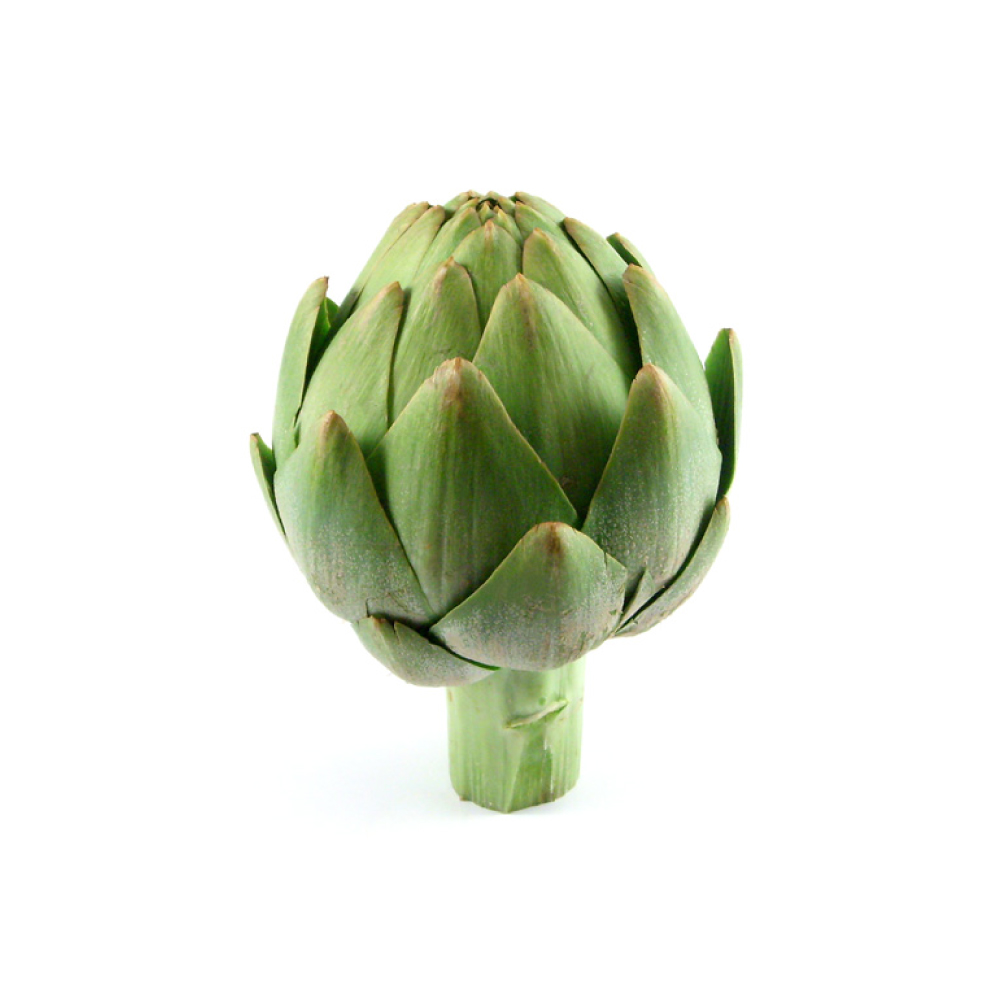 PotentPotentGlobe ArtichokeCynara scolymusLeaf extract lowers total cholesterol by about 18 mg/dL and LDL by about 15 mg/dL across three meta-analyses, by suppressing hepatic cholesterol synthesis upstream of HMG-CoA reductase and increasing biliary excretion.Mechanismhepatic cholesterol biosynthesis ↓ (upstream of HMG-CoA); biliary cholesterol excretion ↑Read the evidenceShow lessMonograph →
A meta-analysis of 9 RCTs (702 subjects) found leaf extract lowered total cholesterol by about 17.6 mg/dL, LDL by about 14.9 mg/dL and triglycerides by about 9.2 mg/dL, with no change in HDL and a larger effect at higher baseline LDL 32Reference 32Meta-analysisLipid-lowering activity of artichoke extracts — systematic review and meta-analysisView study →. A dose-response meta-analysis of 14 studies reproduced both direction and magnitude 33Reference 33Meta-analysisEffects of artichoke leaf extract supplementation or artichoke juice on lipid profile — systematic review and dose-response meta-analysis of randomised controlled trialsView study →.
The mechanism has two arms. Luteolin and cynarin suppress de novo hepatic cholesterol synthesis at a point upstream of HMG-CoA reductase, a different site from the statins, and the choleretic action increases biliary cholesterol excretion 34Reference 34RCTIncrease in choleresis by means of artichoke extract — randomised placebo-controlled double-blind crossover studyView study →.
The effect is modest against a statin and replicated across three independent meta-analyses.
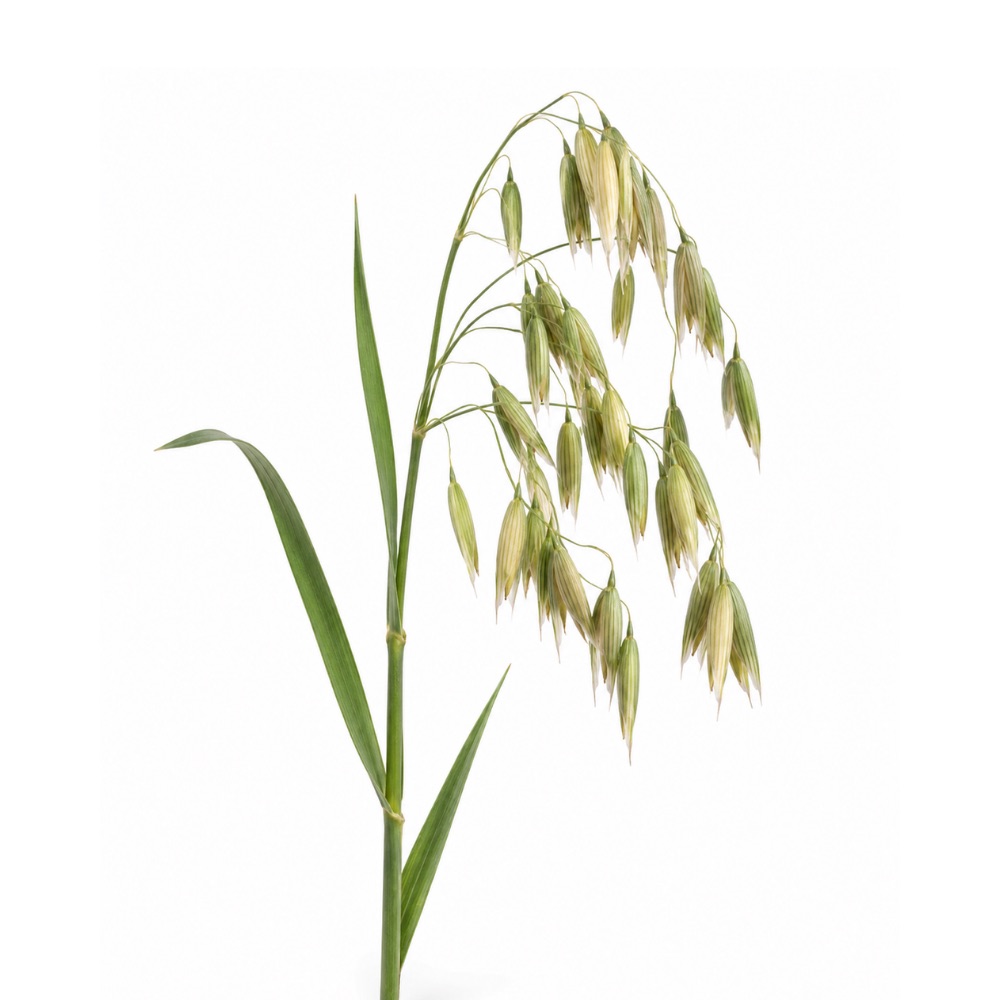 PotentPotentOatsAvena sativaOat β-glucan at 3 g a day or more lowers LDL by 0.25 mmol/L across 28 randomised trials, dose-dependently, by trapping bile acids in a viscous gel; it carries an FDA and EFSA health claim.Mechanismviscous intestinal gel → bile-acid sequestration → hepatic LDL-receptor upregulationRead the evidenceShow less
A meta-analysis of 28 RCTs found oat β-glucan at 3 g/day or more reduced LDL by 0.25 mmol/L (95% CI 0.20 to 0.30), with comparable falls in non-HDL cholesterol and apoB and no meaningful change in HDL or triglycerides 94Reference 94Meta-analysisCholesterol-lowering effects of oat β-glucan: a meta-analysis of randomized controlled trials — systematic review and meta-analysisView study →. The effect is dose-dependent, appears within weeks, and is largest in those starting highest.
Both the FDA (21 CFR 101.81) and EFSA permit a cholesterol and heart-disease claim at that intake 95Reference 95US Food and Drug Administration. 21 CFR 101.81 — Health claims: soluble fiber from certain foods and risk of coronary heart disease (CHD) (regulatory authorisation; ≥3 g/day β-glucan from whole oats). https://www.ecfr.gov/current/title-21/chapter-I/subchapter-B/part-101/subpart-E/section-101.81View study →, which is as close to regulatory endorsement as a plant gets.
The mechanism is physical rather than pharmacological. β-Glucan forms a viscous gel that traps bile acids and carries them to the colon, and the liver replaces them by pulling cholesterol out of circulation, upregulating LDL receptors as it goes. Because the effect depends on viscosity, processing that reduces β-glucan molecular weight degrades it, a documented reason some commercial oat products underperform the trials 94,
The preparation is grain and bran β-glucan at 3 g/day or more, about 70 to 100 g of dry rolled oats, not green oat and not tincture. No oat trial has been powered for hard cardiovascular outcomes.
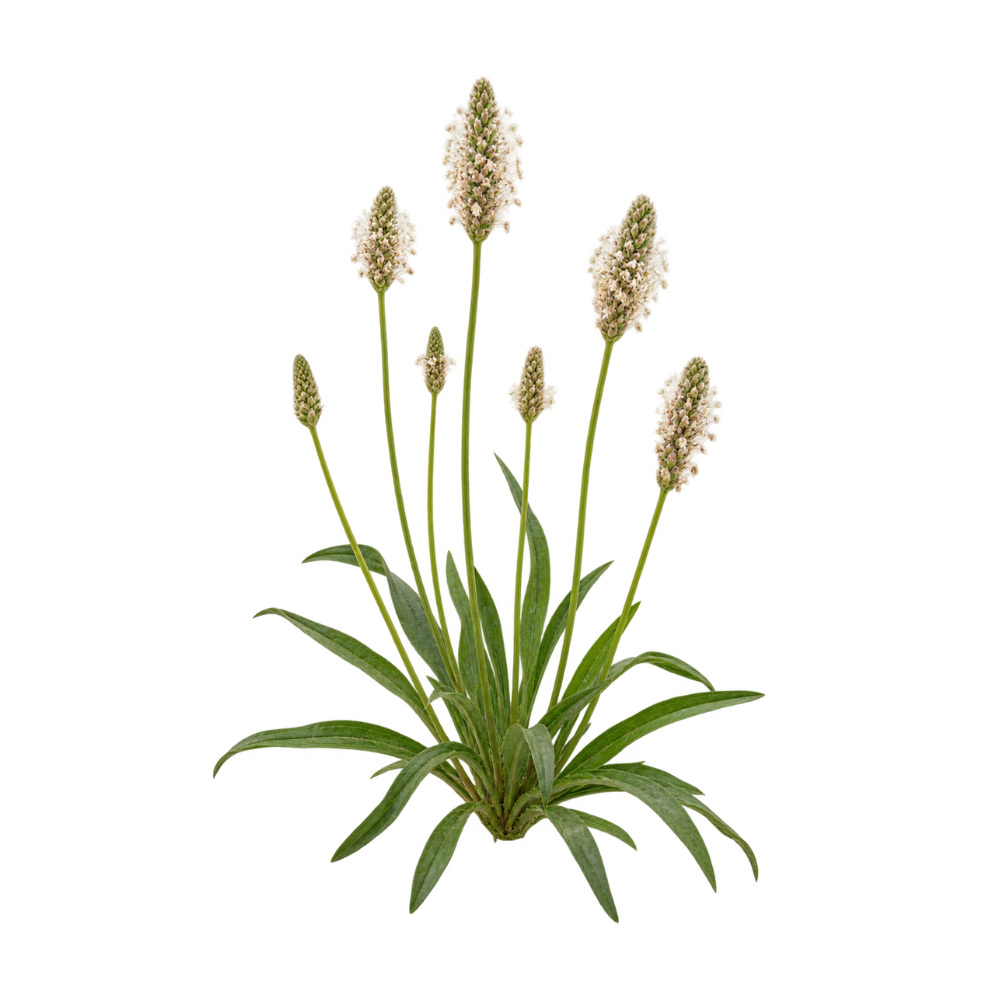 PotentPotentPsylliumPlantago ovataLowers LDL by 0.33 mmol/L and apolipoprotein B across 28 randomised trials at about 10 g a day, by binding bile acids in the gut so the liver draws down circulating cholesterol to replace them.Mechanismbile-acid sequestration in the gut lumen; increased faecal bile-acid loss → hepatic LDL-receptor up-regulation; gel-forming viscosityRead the evidenceShow lessMonograph →
A systematic review and meta-analysis of 28 RCTs (n=1,924, median about 10.2 g/day) found psyllium lowered LDL by 0.33 mmol/L, about 13 mg/dL, and also reduced non-HDL cholesterol and apolipoprotein B, graded moderate-to-high certainty 112Reference 112Meta-analysisEffect of psyllium (Plantago ovata) fiber on LDL cholesterol and alternative lipid targets, non-HDL cholesterol and apolipoprotein B: a systematic review and meta-analysis of randomized controlled trials — meta-analysisView study →. ApoB is a harder and more atherogenically meaningful endpoint than LDL alone, and very few botanicals move it.
The mechanism is fully worked out and non-pharmacological. The viscous gel traps bile acids so they are excreted rather than reabsorbed in the terminal ileum, and the liver draws circulating cholesterol down to resynthesise them, up-regulating LDL receptors.
It is the lever of the bile-acid-sequestrant drug class, delivered as a food, and it sits inside the broader dose-dependent soluble-fibre effect where each gram lowers LDL by a small reproducible increment 113Reference 113Meta-analysisCholesterol-lowering effects of dietary fiber: a meta-analysis — meta-analysisView study →.
About 13 mg/dL is a foundation-level shift, best stacked on diet rather than used as a statin substitute. The effect is consistent, dose-dependent and works in almost everyone.
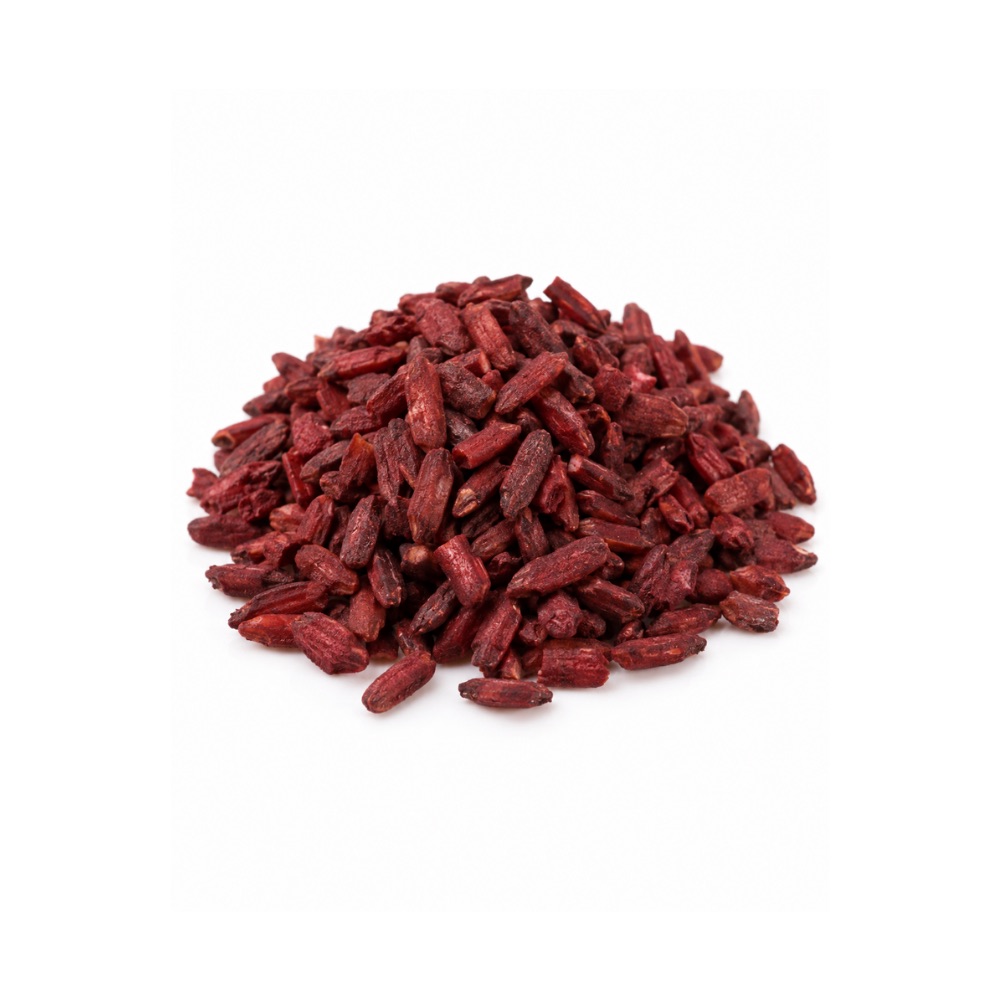 PotentPotentRed Yeast RiceMonascus purpureusIts monacolin K is chemically identical to lovastatin; it lowers LDL by about 28 mg/dL across 93 randomised trials and cut recurrent coronary events by about 45% in a 4,870-patient outcome trial.MechanismHMG-CoA reductase inhibition (monacolin K = lovastatin); hepatic LDL-receptor upregulation (statin class pharmacology)Read the evidenceShow lessMonograph →
Monacolin K is lovastatin, so the mechanism is competitive HMG-CoA reductase inhibition, the target a prescribed statin hits 118Reference 118Meta-analysisChinese red yeast rice (Monascus purpureus) for primary hyperlipidemia: a meta-analysis of randomized controlled trialsView study →. A meta-analysis of 93 randomised trials (9,625 patients) found total cholesterol down about 0.91 mmol/L and LDL down about 0.73 mmol/L, about 28 mg/dL, which the authors called comparable to pravastatin 118Reference 118Meta-analysisChinese red yeast rice (Monascus purpureus) for primary hyperlipidemia: a meta-analysis of randomized controlled trialsView study →.
It is the one herb in the cholesterol field with hard cardiovascular-outcome data. The China Coronary Secondary Prevention Study followed about 4,870 post-infarction patients for 4.5 years and found the Xuezhikang extract cut recurrent major coronary events by about 45%, with reductions in cardiovascular and all-cause mortality 119Reference 119RCTEffect of Xuezhikang, an extract from red yeast Chinese rice, on coronary events in a Chinese population with previous myocardial infarction — randomized controlled trialView study →; the same pattern held in the pre-specified elderly subgroup 120Reference 120RCTEffect of xuezhikang on cardiovascular events and mortality in elderly patients with a history of myocardial infarction: a subgroup analysis of the China Coronary Secondary Prevention Study — randomized controlled trialView study →.
The outcome trials used Xuezhikang, a partially purified extract standardised to its monacolin content, not a shelf capsule of powdered ferment.
Monacolin content varies by orders of magnitude between commercial products and is often unlabelled, so a given bottle may be pharmacologically inert or a full statin dose. The EU capped supplements below 3 mg total monacolins a day in 2022 for that reason.
It is an unstandardised, unmonitored dose of a statin rather than a natural alternative to one.
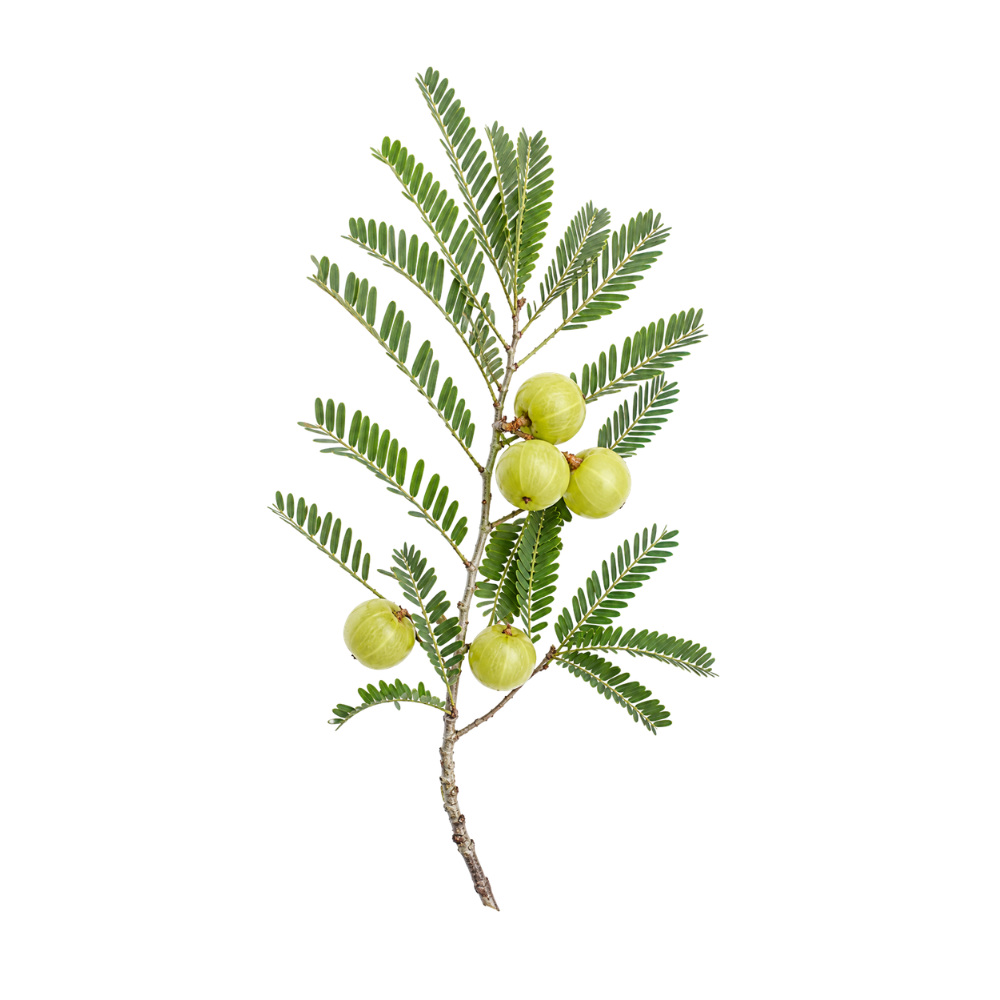 StrongStrongAmlaPhyllanthus emblicaStandardised fruit extract lowers LDL, total cholesterol, triglycerides and apolipoprotein B and raises HDL in randomised trials pooled by two 2023 meta-analyses, with LDL-oxidation protection the best-supported mechanism.MechanismLDL-oxidation protection; hydrolysable-tannin antioxidant load; no demonstrated synthesis leverRead the evidenceShow lessMonograph →
A randomised, double-blind, placebo-controlled trial in metabolic-syndrome subjects gave a standardised aqueous fruit extract (500 mg twice daily, 12 weeks) and saw LDL fall substantially, with total cholesterol and triglycerides down and HDL up 27Reference 27RCTEvaluation of the effects of a standardized aqueous extract of Phyllanthus emblica fruits on endothelial dysfunction, oxidative stress, systemic inflammation and lipid profile in subjects with metabolic syndrome: a randomised, double-blind, placebo-controlled clinical studyView study →. A multicentre dyslipidaemia RCT reproduced the pattern and added falls in apolipoprotein B and hs-CRP 28Reference 28RCTA randomised, double-blind, placebo-controlled, multicentre clinical trial to assess the efficacy and safety of Emblica officinalis extract in patients with dyslipidemiaView study →, a comparative trial put the movement broadly in the direction of low-dose simvastatin 29Reference 29Clinical trialA comparative clinical study of hypolipidemic efficacy of Amla (Emblica officinalis) with the HMG-CoA reductase inhibitor simvastatinView study →, and two independent 2023 meta-analyses pooled the RCTs and found the same four-way result 30,
The defensible mechanism is protection of LDL from oxidation by the hydrolysable tannins. A proposed HMG-CoA reductase route has not been supported.
The trials are small, mostly single-centre and Indian, several report significance rather than absolute mg/dL, and there are no cardiovascular-outcome data.
Every trial used a standardised aqueous fruit extract at a few hundred milligrams, titrated to emblicanin A and B, pedunculagin and punigluconin, not the grams of churna or the spoonful of Chyawanprash of traditional use.
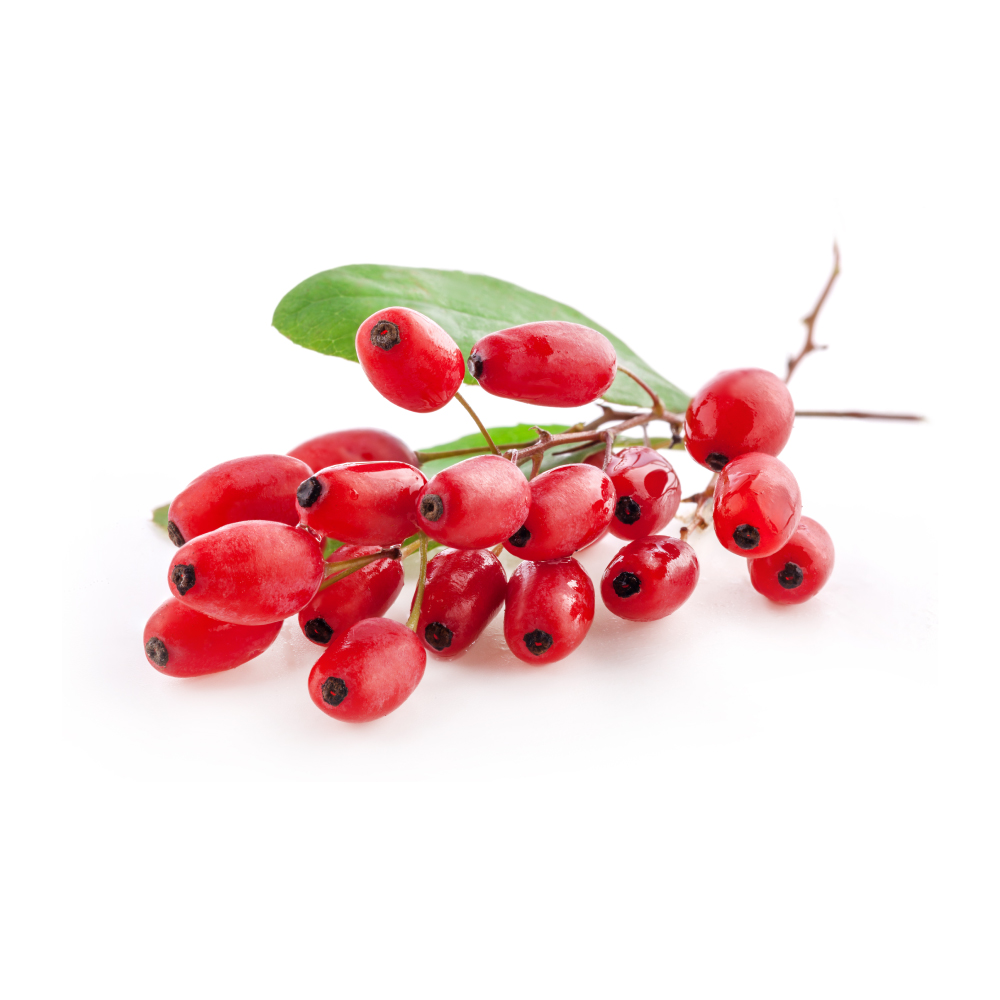 StrongStrongBarberryBerberis spp.Berberine, the root's protoberberine alkaloid, lowers total cholesterol, triglycerides and LDL in meta-analyses of randomised trials, and barberry itself lowered total cholesterol by about 24 mg/dL across five trials.Mechanismlipid modulation (berberine); AMPK activation, hepatic lipogenesis ↓Read the evidenceShow lessMonograph →
A meta-analysis of five RCTs (339 participants) found barberry supplementation lowered total cholesterol by 23.6 mg/dL, triglycerides by 29.2 mg/dL and LDL by 13.8 mg/dL, with a non-significant rise in HDL 140Reference 140Meta-analysisBarberry (Berberis vulgaris L.) is a safe approach for management of lipid parameters — systematic review and meta-analysis of randomized controlled trialsView study →.
The effect belongs to berberine, the yellow protoberberine alkaloid concentrated in the root and stem bark. A meta-analysis of 16 RCTs (2,147 patients) on berberine reported total cholesterol down about 0.47 mmol/L, LDL down about 0.38 mmol/L and triglycerides down about 0.28 mmol/L, with a small HDL rise 58Reference 58Meta-analysisEfficacy and safety of berberine for dyslipidaemias — systematic review and meta-analysis of randomised clinical trialsView study →, and combined diabetes-and-lipid analyses agree 59Reference 59Meta-analysisMeta-analysis of the effect and safety of berberine in the treatment of type 2 diabetes mellitus, hyperlipaemia and hypertension — meta-analysisView study →.
Berberine activates AMPK and suppresses hepatic lipogenesis, the route behind its lipid, glycaemic and fatty-liver effects, and the same mechanism is behind barberry’s improvement of liver transaminases in fatty liver disease.
The berberine trials used 0.5 to 1.5 g/day of purified alkaloid, and the barberry trials used extracts rather than whole root. Berberine’s oral bioavailability is low, so the dose matters.
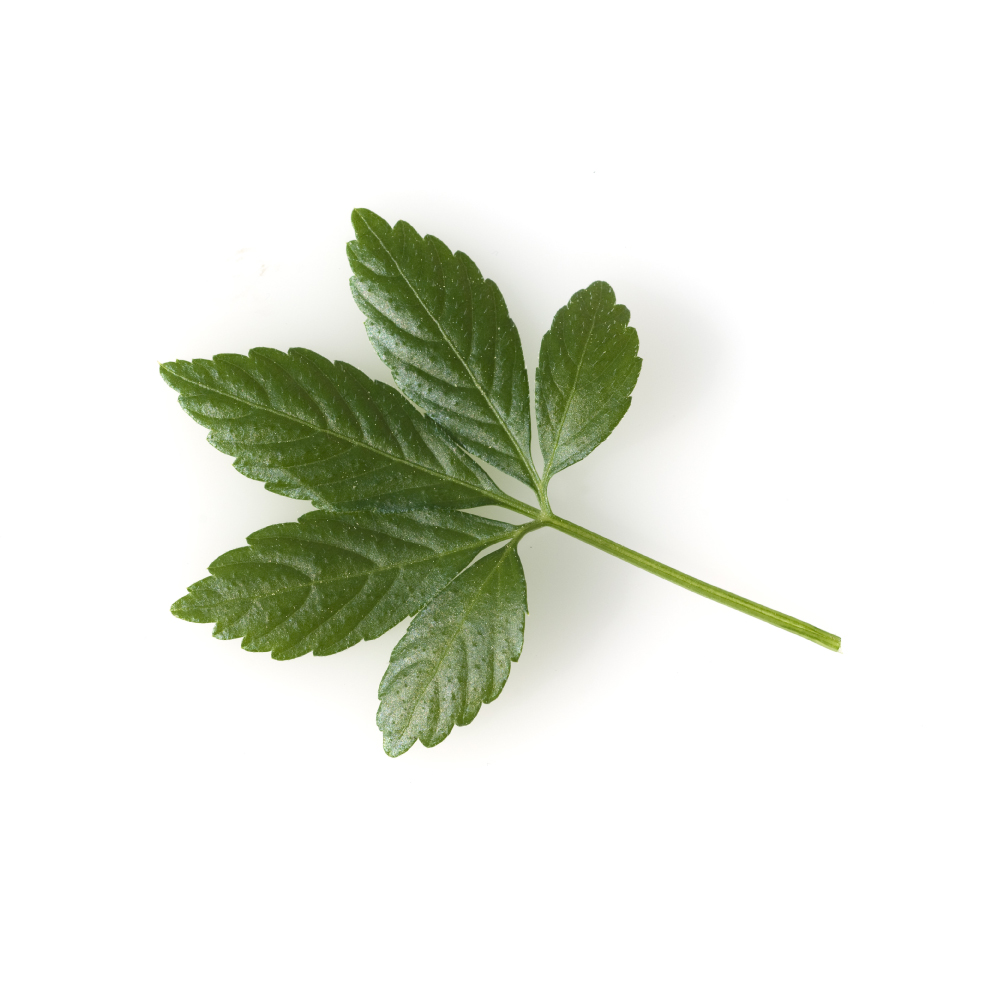 StrongStrongGynostemmaGynostemma pentaphyllumLowers triglycerides and total cholesterol and raises HDL across 22 randomised trials, and adds a further 0.57 mmol/L LDL reduction on top of statins and fibrates, at low certainty.Mechanismtriglycerides ↓, total cholesterol ↓, HDL-C ↑; add-on LDL-C reduction; gut-microbiota / tryptophan-metabolism remodelingRead the evidenceShow lessMonograph →
A 2022 systematic review pooled 22 RCTs (2,407 dyslipidaemia patients) and found Gynostemma broadly comparable to statins, fibrates and n-3 fatty acids on triglycerides, total cholesterol and HDL-C, and superior to those agents when added on top of them, delivering an extra LDL-C reduction of about 0.57 mmol/L 79Reference 79Systematic reviewGynostemma pentaphyllum for dyslipidemia: a systematic review of randomized controlled trialsView study →. A separate meta-analysis confirmed reduced triglycerides and raised HDL-C, with companion mouse work tying the lipid effect to remodelling of the gut microbiota and tryptophan metabolism 80Reference 80Meta-analysisThe role of Gynostemma pentaphyllum in regulating hyperlipidemia — meta-analysisView study →.
Both the leaf flavonoids, rutin and quercetin, and the dammarane saponins are implicated.
The review authors graded the evidence very low to low certainty, most trials carry risk-of-bias concerns, and red yeast rice outperformed it head-to-head 79Reference 79Systematic reviewGynostemma pentaphyllum for dyslipidemia: a systematic review of randomized controlled trialsView study →. The evidence supports gynostemma as an adjunct rather than as a standalone lipid agent.
The gypenoside profile governs the dose: a standardised extract result does not transfer to a cup of jiaogulan tea 81,
 StrongStrongNigellaNigella sativaLowers total cholesterol by about 16 mg/dL, LDL by about 14 mg/dL and triglycerides by about 21 mg/dL across 17 placebo-controlled trials, with the seed oil stronger than the powder for LDL.Mechanismtotal cholesterol ↓, LDL-C ↓, triglycerides ↓ (HDL unchanged); fixed-oil preparation favoredRead the evidenceShow lessMonograph →
A meta-analysis of 17 placebo-controlled RCTs found N. sativa reduced total cholesterol by 15.7 mg/dL, LDL-C by 14.1 mg/dL and triglycerides by 20.6 mg/dL, with no meaningful HDL change 91Reference 91Meta-analysisNigella sativa (black seed) effects on plasma lipid concentrations in humans — systematic review and meta-analysis of randomized placebo-controlled trialsView study →. An updated 2024 lipid meta-analysis and the 2025 cardiovascular GRADE review reproduced the LDL and triglyceride reductions 92,
The preparation split is the practical finding. Seed oil produced the larger effect on total and LDL cholesterol, while the HDL rise appeared only with seed powder 91Reference 91Meta-analysisNigella sativa (black seed) effects on plasma lipid concentrations in humans — systematic review and meta-analysis of randomized placebo-controlled trialsView study →; the two forms are not interchangeable for this action.
Direction is consistent across syntheses, but earlier trials were mixed, the pooled effect carries wide confidence intervals, and every endpoint is the lipid panel itself; no trial has measured a hard cardiovascular outcome.
Thymoquinone content varies several-fold with seed origin and processing, so an unstandardised spoonful of seed is not the tested article.
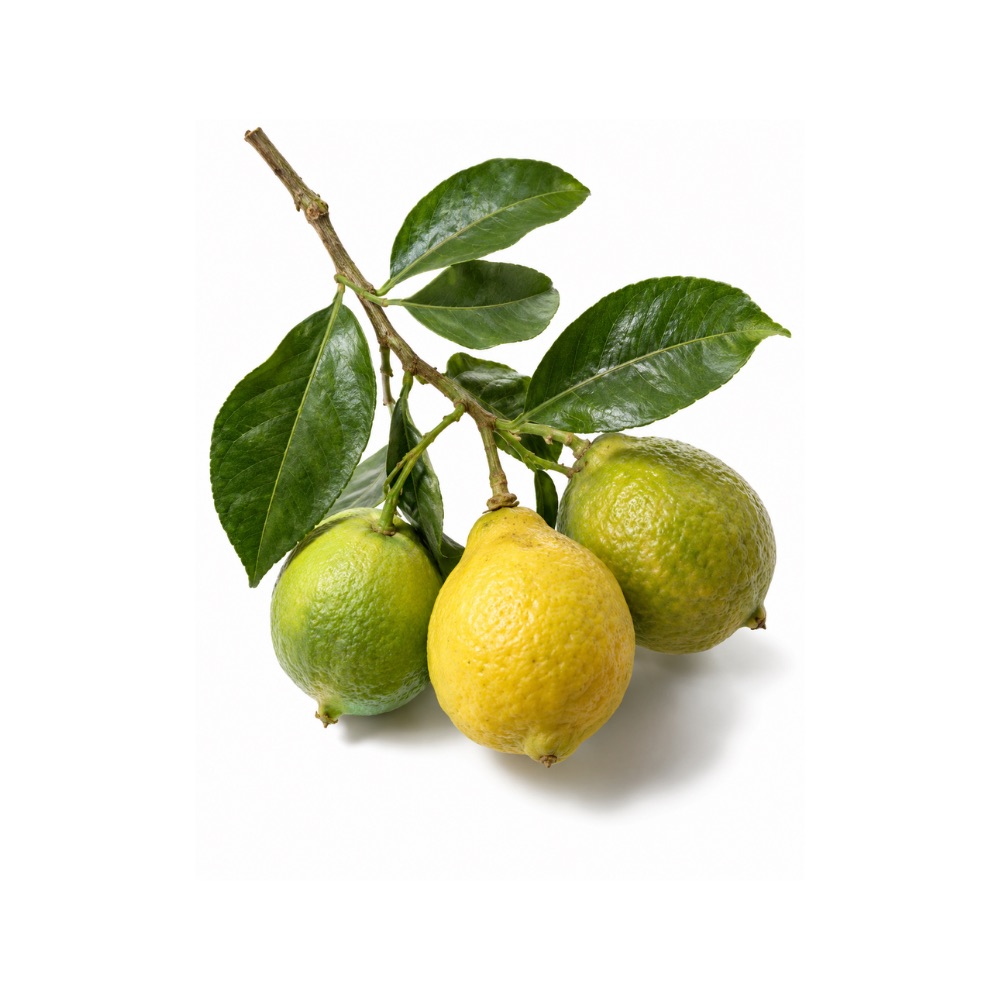 ModerateModerateBergamotCitrus bergamiaIts flavanones brutieridin and melitidin carry the statin pharmacophore and inhibit HMG-CoA reductase in animals; two meta-analyses pool a lipid signal, and a 2024 trial found the flavanones were not measurably absorbed.MechanismHMG-CoA reductase inhibition (statin-like hydroxymethylglutaryl motif on brutieridin/melitidin); hepatocyte AMPK activation with SREBP/HMGCR/FASN downregulationRead the evidenceShow lessMonograph →
Bergamot juice flavanones brutieridin and melitidin carry a hydroxymethylglutaryl side-group that structurally mimics the statin pharmacophore, and the polyphenolic fraction (BPF) inhibited HMG-CoA reductase in the animal arm of the founding study 38Reference 38AnimalHypolipemic and hypoglycaemic activity of bergamot polyphenols: from animal models to human studiesView study →. That is a synthesis-side lever, the same target class as the statins, rather than the bile-acid-binding lever the fibres pull.
A second, independent mechanism exists: naringin and naringenin activate AMPK and downregulate SREBF1c, SREBF2, HMGCR and FASN in HepG2 hepatocytes 39Reference 39Clinical trialEffect of Citrus bergamia extract on lipid profile: a combined in vitro and human studyView study →.
The numbers are less settled than the mechanism. Effect sizes across the literature span an implausible LDL range of roughly −8% to −40% 40Reference 40Systematic reviewEffect of bergamot on lipid profile in humans: a systematic reviewView study →, the founding trial’s abstract gives no numeric effect sizes, so the marketed 20 to 30% is untraceable 38Reference 38AnimalHypolipemic and hypoglycaemic activity of bergamot polyphenols: from animal models to human studiesView study →, and the largest effects come from one commercially linked group using proprietary or combination products.
Two meta-analyses pool a real signal 41,
A 2024 RCT in 45 healthy subjects found no lipid effect and showed by urinary metabolites that the HMG-flavanones were not measurably absorbed 43Reference 43Chronic consumption of a bergamot-based beverage does not affect glucose, lipid and inflammatory biomarkers of cardiometabolic risk in healthy subjectsView study →. Set against the phytosome trial’s roughly 2.5-fold better naringin absorption 44Reference 44Hypoglycemic and hypolipemic effects of a new lecithin formulation of bergamot polyphenolic fractionView study →, formulation absorption rather than dose may be what decides whether bergamot works.
The trial material is oral BPF of the juice or albedo. Essential oil, Earl Grey tea and whole-fruit powders cannot be assumed to substitute for it.
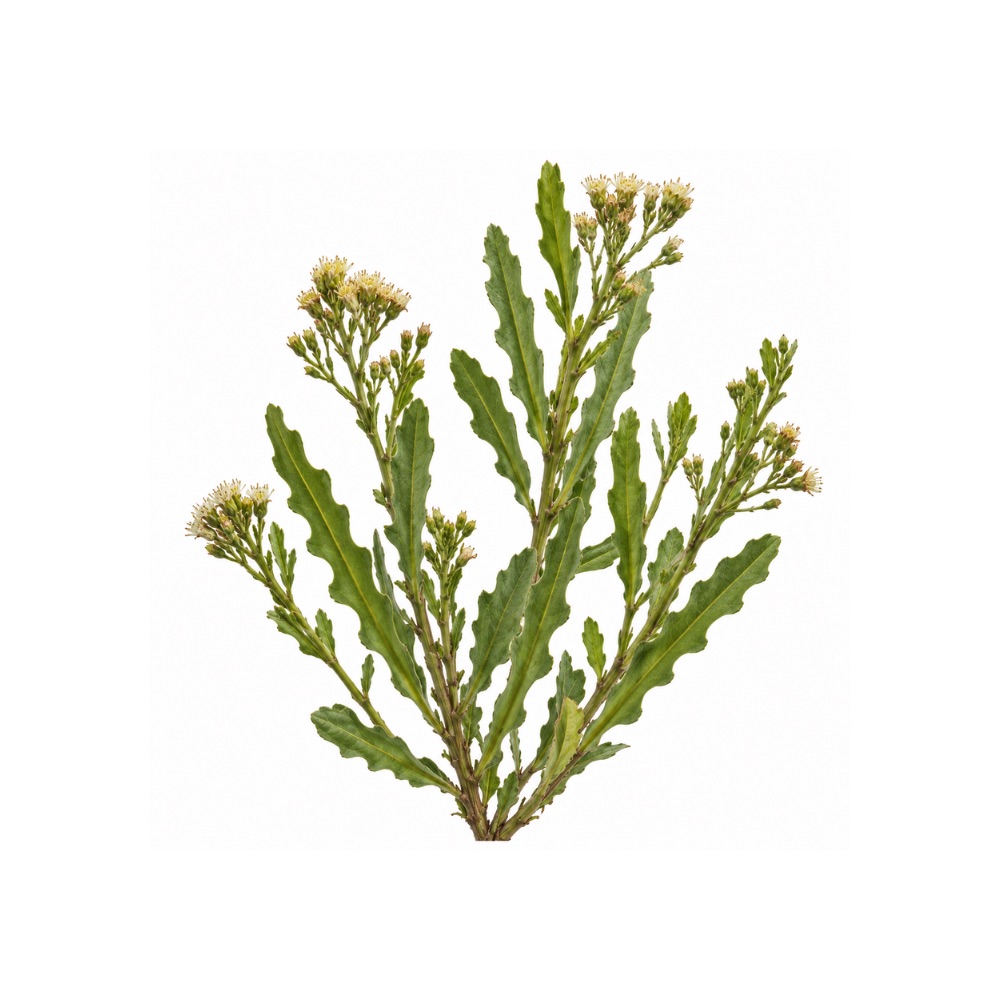 ModerateModerateCarquejaBaccharis trimeraLowers lipids in multi-risk-factor rat models and blocks preadipocyte differentiation in vitro, each on a single study.Mechanismlipid-metabolism modulation; anti-adipogenic action on preadipocytesRead the evidenceShow less
Carqueja lowered lipids in multi-risk-factor rat models 35,
A separate in-vitro study found an anti-adipogenic effect on preadipocytes 37Reference 37In vitroBaccharis trimera (Less.) DC exhibits an anti-adipogenic effect by inhibiting the expression of proteins involved in adipocyte differentiation — in vitro (cell line)View study →, a distinct mechanism that blocks fat-cell differentiation rather than altering circulating lipids.
Each finding rests on a single model, and there are no human data.
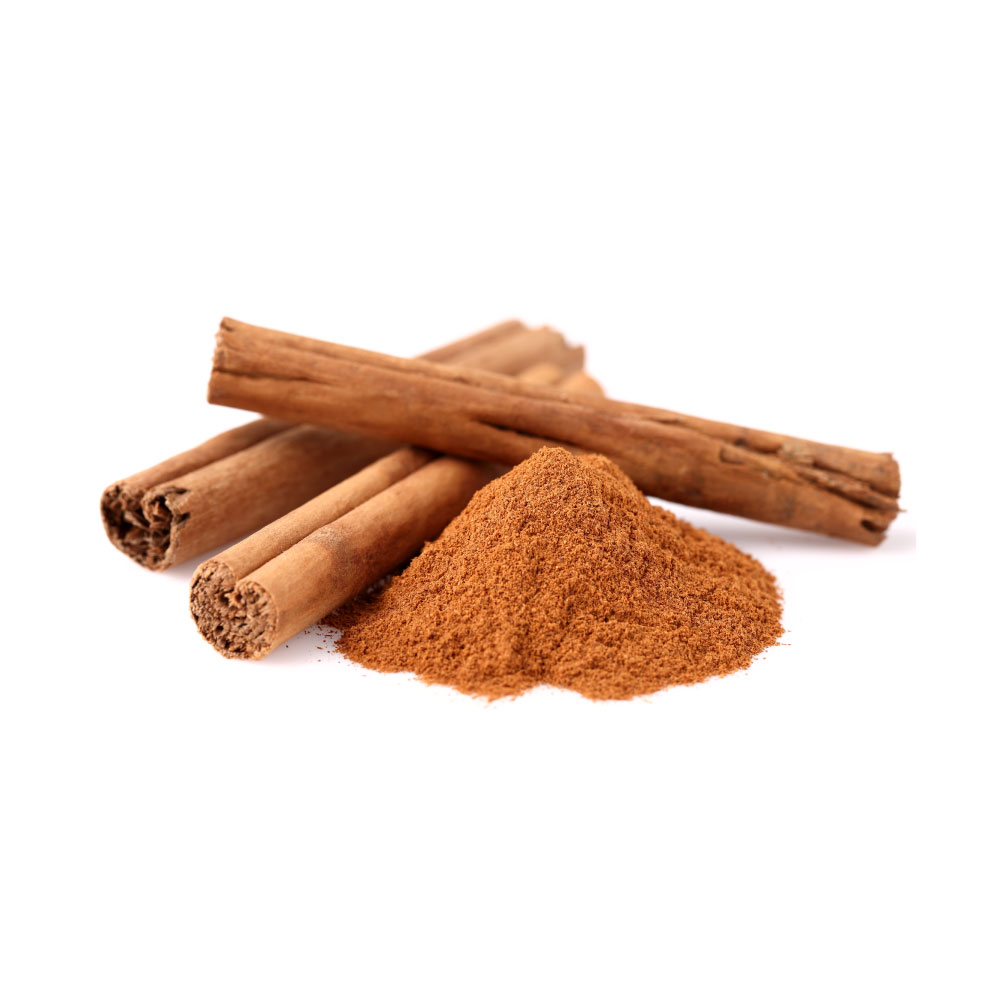 ModerateModerateCassia CinnamonCinnamomum cassiaLowers total cholesterol, LDL and triglycerides by small amounts across four meta-analyses that disagree about which fraction moves, mostly in diabetic and metabolic-disease populations.Mechanismpolyphenol-mediated lipid modulation; likely partly downstream of the glycemic effectRead the evidenceShow lessMonograph →
A 2017 meta-analysis of 13 RCTs (750 participants) found a significant triglyceride reduction but no effect on LDL or HDL 49Reference 49Meta-analysisThe effects of cinnamon supplementation on blood lipid concentrations: a systematic review and meta-analysis — [meta-analysis]View study →. A larger 2022 dose-response meta-analysis of 35 metabolic-disease trials reported falls in total cholesterol (about 12 mg/dL), triglycerides (about 16 mg/dL) and LDL (about 6 mg/dL) 50Reference 50Meta-analysisThe beneficial effects of cinnamon among patients with metabolic diseases: a systematic review and dose-response meta-analysis of randomized controlled trials — [meta-analysis]View study →, and the 2013 diabetes meta-analysis saw total cholesterol, LDL and triglycerides drop while HDL rose 51Reference 51Meta-analysisCinnamon use in type 2 diabetes: an updated systematic review and meta-analysis — [meta-analysis]View study →.
A 2023 umbrella meta-analysis of eleven prior meta-analyses concluded cinnamon improves total cholesterol, LDL and HDL but not triglycerides, with benefit clearest in PCOS and diabetes 52Reference 52Meta-analysisThe effect of cinnamon consumption on lipid profile, oxidative stress, and inflammation biomarkers in adults: an umbrella meta-analysis of randomized controlled trials — [meta-analysis]View study →.
The syntheses agree on direction and disagree on which fraction moves, which reflects heterogeneity in the underlying trials rather than a clean class effect.
Effect sizes are small throughout, and it is unclear how much is independent of cinnamon’s glucose effect or of concurrent diet advice.
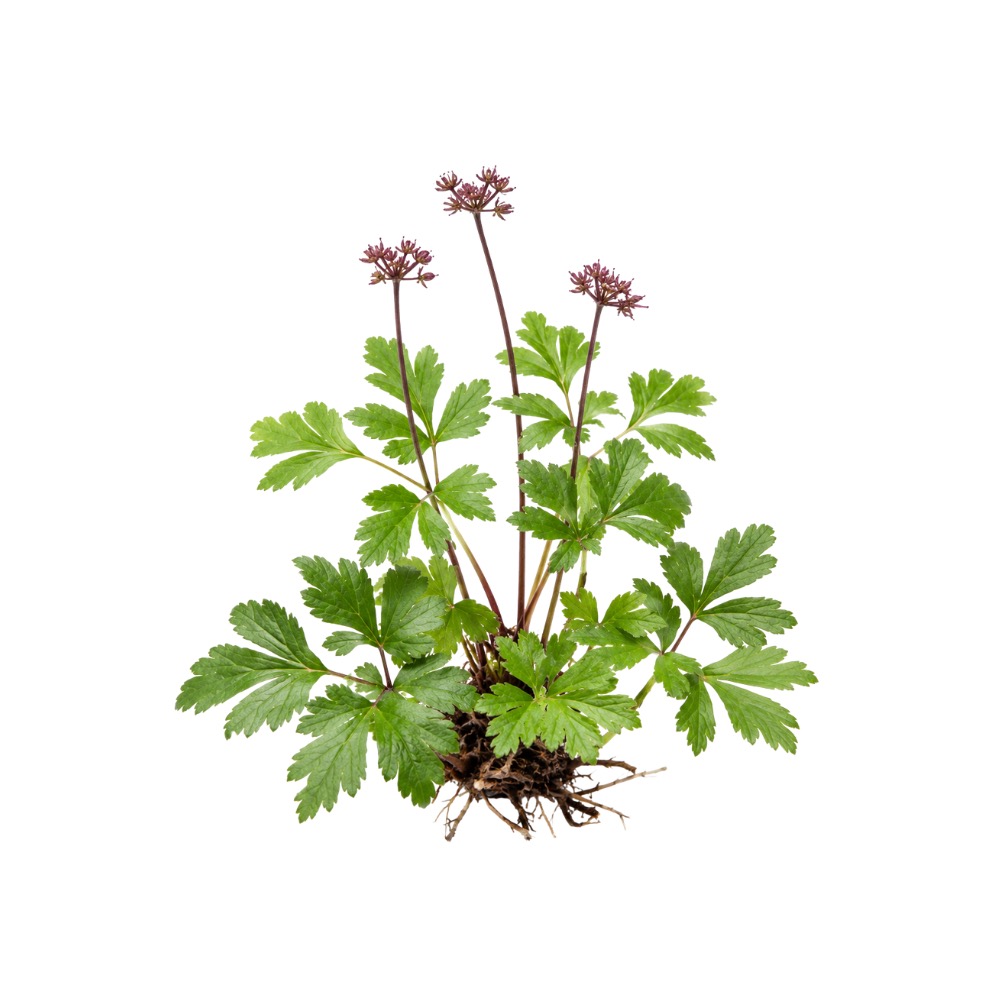 ModerateModerateCoptisCoptis chinensisBerberine lowers total cholesterol, LDL and triglycerides across 16 randomised trials through AMPK and SREBP-1c; the rhizome at customary doses delivers a fraction of the alkaloid those trials used.MechanismAMPK activation; SREBP-1c ↓; PPARα/LXRα modulation; gut-microbiota shiftRead the evidenceShow lessMonograph →
A meta-analysis of 16 RCTs (2,147 patients) on berberine reported total cholesterol down about 0.47 mmol/L, LDL-C down about 0.38 mmol/L and triglycerides down about 0.28 mmol/L, with a small HDL-C rise and no serious adverse effects 58Reference 58Meta-analysisEfficacy and safety of berberine for dyslipidaemias — systematic review and meta-analysis of randomised clinical trialsView study →; combined diabetes-and-lipid analyses agree 59Reference 59Meta-analysisMeta-analysis of the effect and safety of berberine in the treatment of type 2 diabetes mellitus, hyperlipaemia and hypertension — meta-analysisView study →.
Whole-herb work is preclinical. Coptis total alkaloids cut body weight, glucose and hepatic lipids dose-dependently in high-fat-diet mice through AMPK/SREBP-1c and PPARα/LXRα 60Reference 60AnimalTotal alkaloids from Coptis chinensis Franch ameliorate hyperlipidaemia and hepatic steatosis via AMPK/SREBP-1c and PPARα/LXRα in mice — animal modelView study →, and whole-rhizome aqueous extract lowered serum and liver lipids in hyperlipidaemic mice with a syndrome-dependent gut-microbiota shift 61Reference 61AnimalCoptis chinensis shows distinct effects on hyperlipidaemia and gut microbiota in high-fat-diet mice with cold or hot syndrome — animal modelView study →.
Berberine’s lipid trials run 0.5 to 1.5 g/day of purified alkaloid, which a customary 2 to 5 g/day of rhizome cannot deliver at about 5 to 8% berberine. The human numbers are berberine’s, and the rhizome is a weaker, multi-alkaloid approximation of them.
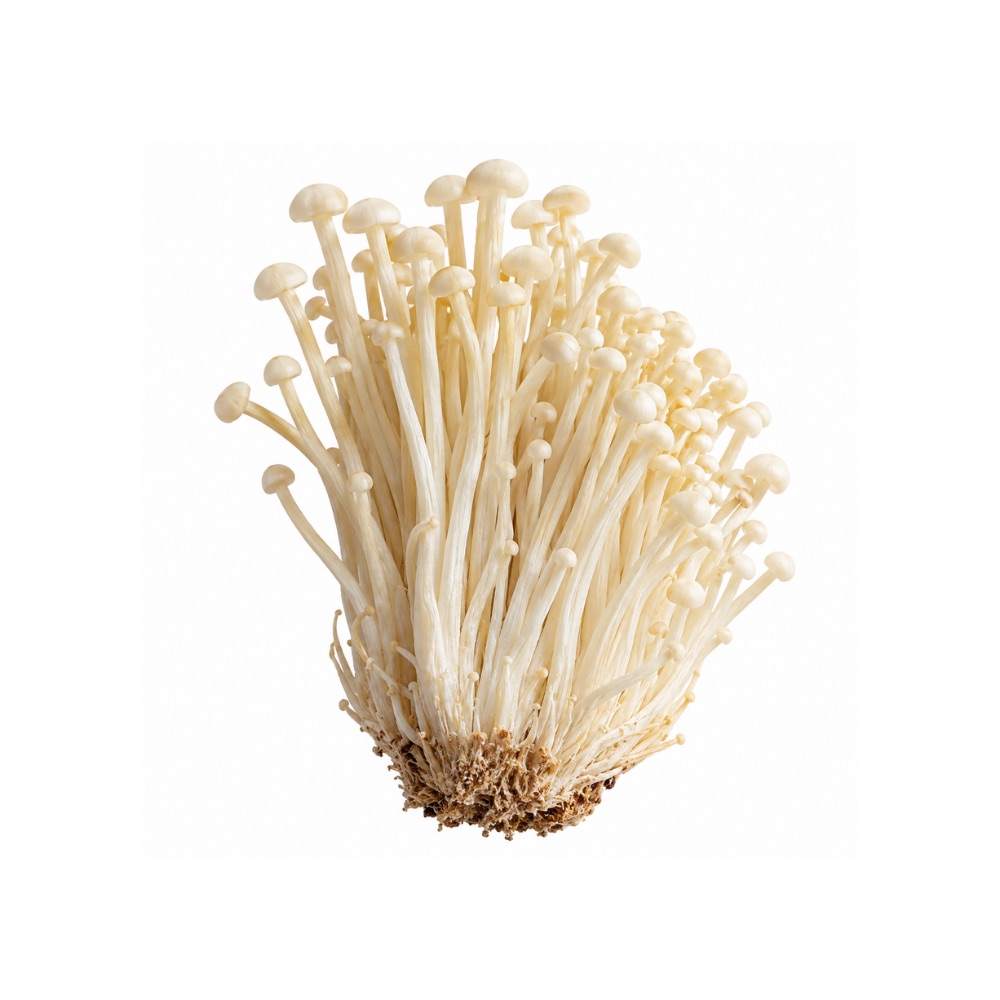 ModerateModerateEnokiFlammulina velutipesLowers cholesterol and triglycerides across hamster and mouse models through mapped hepatic enzymes, with the whole powder delivering more of the actives than the extract.MechanismCYP7A1 ↑, LCAT ↑, HMG-CoA reductase ↓, bile-acid excretion ↑; fiberRead the evidenceShow less
Cholesterol and triglyceride reduction is reproduced across a hamster study and several high-fat-diet mouse studies, and across three different preparations: whole powder, water extract and purified polysaccharide 62,
The mechanism is mapped at the hepatic enzyme level: CYP7A1 and LCAT rise, HMG-CoA reductase activity falls, and bile-acid excretion increases.
Whole powder carries about 46.6 mg/100 g mycosterol and 29.3 mg/100 g fibre against about 9.0 and 15.1 for the extract 62Reference 62Hypolipidemic and antioxidant activity of enoki mushrooms (Flammulina velutipes) — hamsterView study →, so the food form delivers more of the actives than the concentrate.
There are no human lipid data.
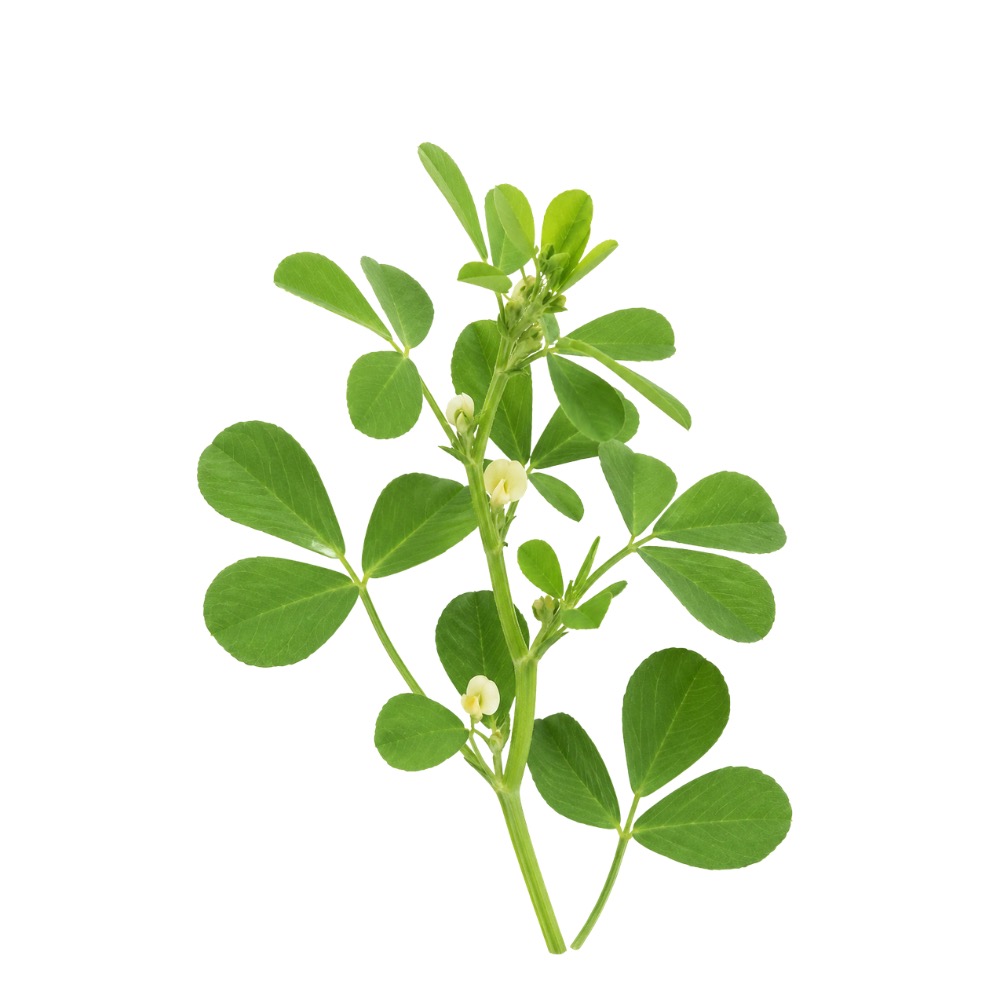 ModerateModerateFenugreekTrigonella foenum-graecumLowers total cholesterol by about 9 to 13 mg/dL in pooled randomised trials, a soluble-fibre effect from its galactomannan with a saponin contribution from diosgenin.Mechanismgalactomannan bile-acid binding / cholesterol-absorption ↓; saponin action on hepatic cholesterol handling (diosgenin)Read the evidenceShow lessMonograph →
Pooled RCT analyses report significant reductions in total cholesterol, LDL-C and triglycerides, with total cholesterol falling on the order of 9 to 13 mg/dL and small or inconsistent HDL effects 65,
The effect is attributed to the same soluble galactomannan fibre that drives the seed’s demulcent action, through bile-acid binding and reduced cholesterol absorption, plus saponins, with diosgenin implicated in hepatic cholesterol handling.
Magnitudes are clinically small, heterogeneity is high, baseline lipids and preparations differ widely between trials, and durability beyond a few months is untested. A 10 mg/dL cholesterol shift is a dietary-fibre-scale effect.
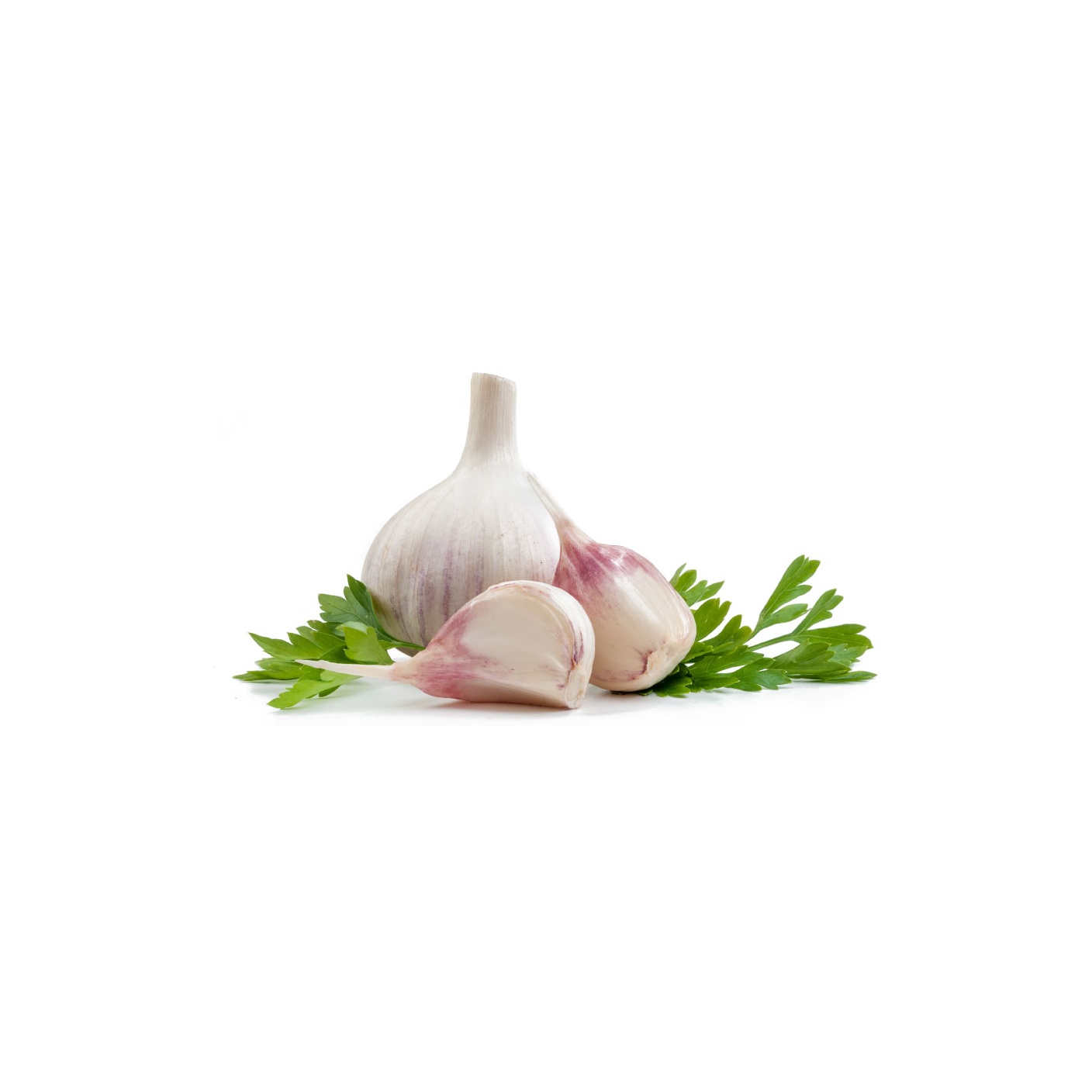 ModerateModerateGarlicAllium sativumLowers total cholesterol by about 0.28 mmol/L in the larger pooled analyses, with the effect shrinking toward zero in the best diet-controlled trials and no lipid mechanism identified.Mechanismnot establishedRead the evidenceShow lessMonograph →
The pooled data conflict. A 26-study analysis found total cholesterol down about 0.28 mmol/L and triglycerides about 0.13 mmol/L 71Reference 71Meta-analysisA meta-analysis of randomized, double-blind, placebo-controlled trials for the effects of garlic on serum lipid profilesView study →, and a 21-RCT 2024 analysis reported larger total-cholesterol, LDL and triglyceride reductions with a slight HDL rise 72Reference 72Meta-analysisGarlic consumption can reduce the risk of dyslipidemia: a meta-analysis of randomized controlled trialsView study →.
A 13-trial meta-analysis found no significant effect on any lipid measure 73Reference 73Meta-analysisGarlic supplementation and serum cholesterol: a meta-analysisView study →, and an earlier high-quality analysis found the six most rigorously diet-controlled trials showed no difference from placebo 74Reference 74Meta-analysisGarlic for treating hypercholesterolemiaView study →.
The better the trial controls diet, the closer the effect goes to zero.
Preparation splits the effect: powder and aged extract look better for total cholesterol, garlic oil for triglycerides 71Reference 71Meta-analysisA meta-analysis of randomized, double-blind, placebo-controlled trials for the effects of garlic on serum lipid profilesView study →, and benefit is larger with higher baseline cholesterol and longer intervention.
No HMG-CoA or lipid-handling step has been identified. The effect is small and sensitive to trial quality.
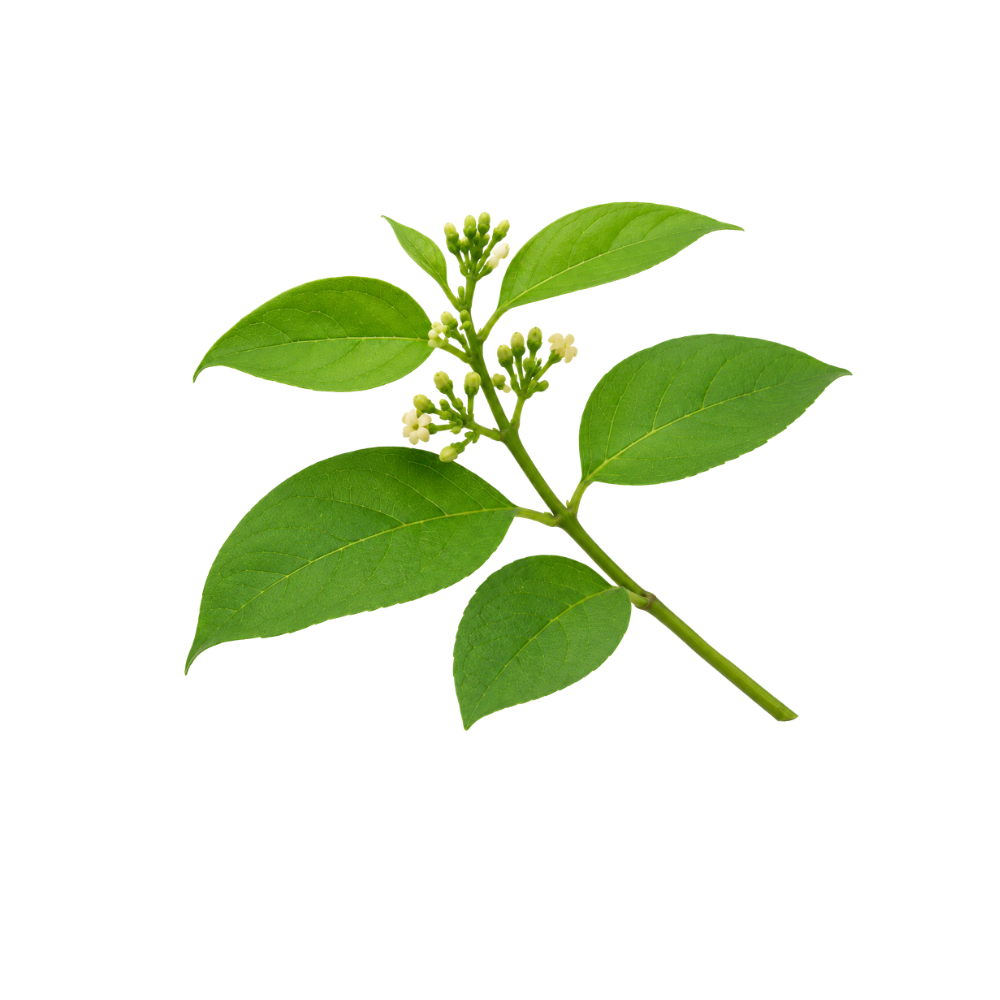 ModerateModerateGymnemaGymnema sylvestreLowers triglycerides, total cholesterol and LDL in a 2023 meta-analysis of randomised trials, through saponins that block intestinal fat absorption; few of the trials test gymnema alone.Mechanismintestinal fat- and glucose-absorption blockade; reduced hepatic/muscle triglyceride accumulationRead the evidenceShow lessMonograph →
The 2023 meta-analysis of RCTs found significant falls in triglycerides, total cholesterol and LDL, and in diastolic blood pressure 75Reference 75Meta-analysisThe effects of Gymnema sylvestre supplementation on lipid profile, glycemic control, blood pressure, and anthropometric indices in adults: A systematic review and meta-analysisView study →.
Preclinical reviews attribute the effect to the oleanane-type triterpenoid saponins inhibiting intestinal fat and glucose absorption and cutting triglyceride accumulation in liver and muscle 76,
The single most-cited lipid RCT combined gymnema with inositols, α-lactalbumin and zinc, so the total-cholesterol improvement it reports cannot be attributed to gymnema alone 78Reference 78RCTCombined inositols, α-lactalbumin, Gymnema sylvestre and zinc improve the lipid metabolic profile of patients with type 2 diabetes mellitus: a randomised clinical trialView study →. There are few single-agent human lipid trials, and the lipid evidence is weaker than the antidiabetic evidence it accompanies.
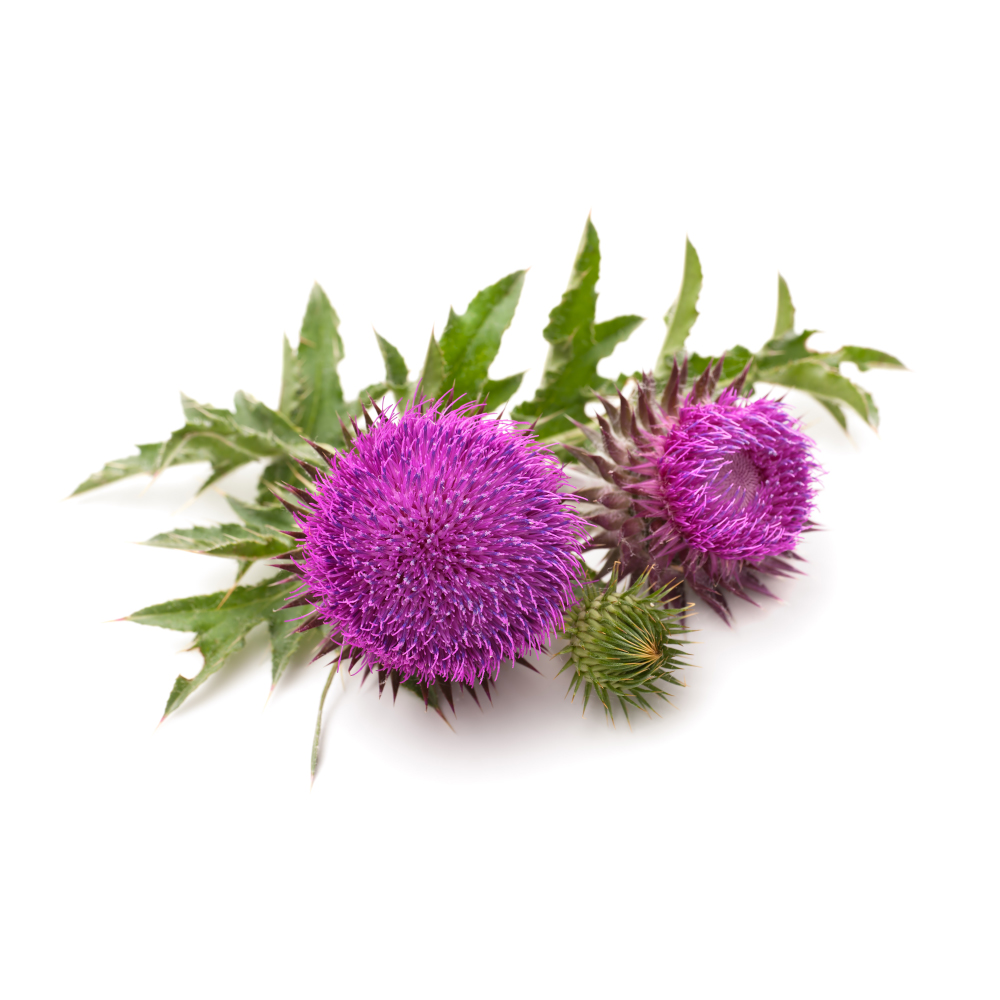 ModerateModerateMilk ThistleSilybum marianumSilymarin improved the lipid profile alongside glucose and HbA1c in a four-month placebo-controlled diabetes trial, as the secondary half of a metabolic effect.Mechanisminsulin sensitization; lipid modulationRead the evidenceShow lessMonograph →
A 2016 systematic review of five RCTs found silymarin significantly lowered fasting glucose and HbA1c in type 2 diabetes 89Reference 89Meta-analysisSilymarin in type 2 diabetes mellitus: a systematic review and meta-analysis of randomized controlled trials — systematic review and meta-analysisView study →, and the most-cited single trial, a 4-month double-blind study in 51 patients, reported improved HbA1c, fasting glucose and lipid profile against placebo 90Reference 90RCTThe efficacy of Silybum marianum (silymarin) in the treatment of type II diabetes: a randomized, double-blind, placebo-controlled clinical trial — randomised placebo-controlled trialView study →.
Most trials are small and short. The lipid change is the weaker half of a metabolic signal whose glycaemic half is stronger.
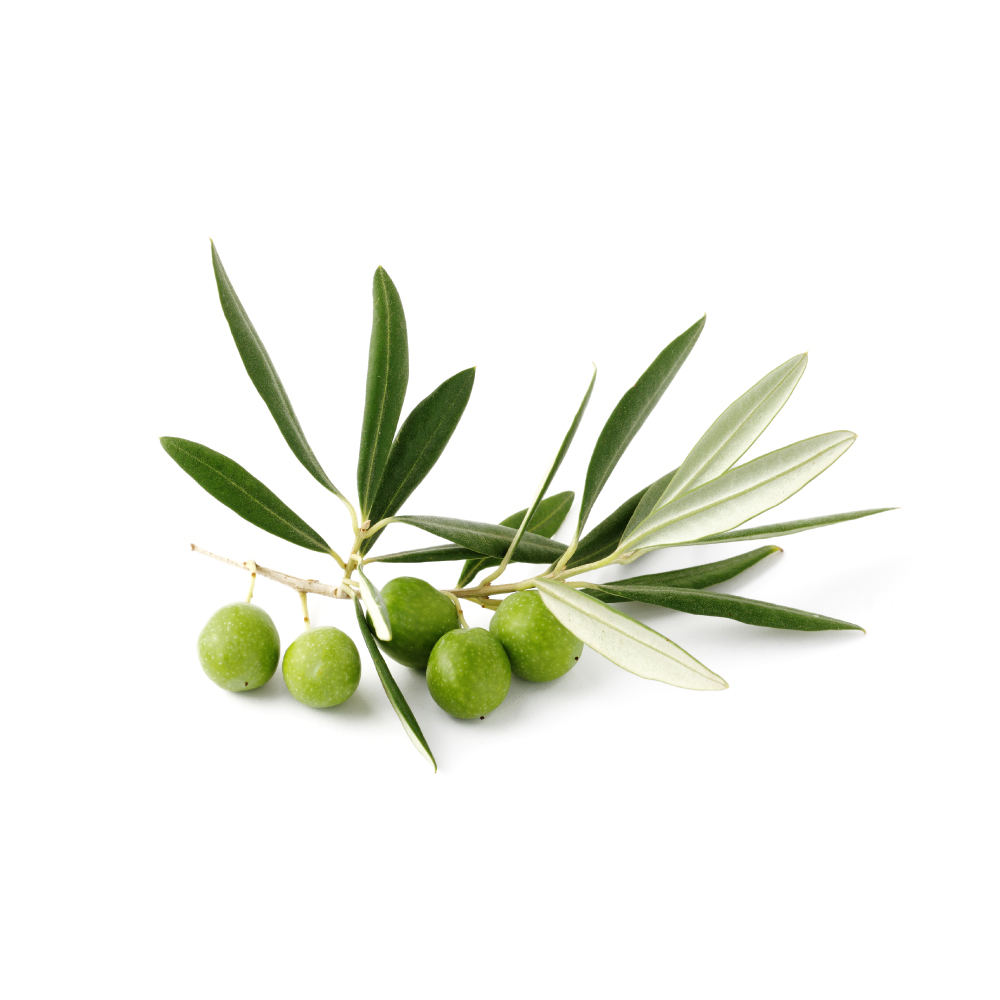 ModerateModerateOlive LeafOlea europaeaLowers total cholesterol and LDL by small amounts and oxidised LDL by about 23% as secondary outcomes of blood-pressure trials; the one trial recruited for raised cholesterol was null.MechanismLDL-oxidation ↓; lipid-lowering route not establishedRead the evidenceShow lessMonograph →
The captopril-comparison trial reported an improved lipid profile 97Reference 97RCTOlive (Olea europaea) leaf extract effective in patients with stage-1 hypertension: comparison with Captopril — randomised controlled trialView study →. The pre-hypertensive crossover trial found total cholesterol −0.32 mmol/L, LDL −0.19 mmol/L and triglycerides −0.18 mmol/L 98Reference 98RCTImpact of phenolic-rich olive leaf extract on blood pressure, plasma lipids and inflammatory markers: a randomised controlled trialView study →, and the 2026 extract-plus-potassium trial reported total cholesterol −11.1 mg/dL, LDL −6.9 mg/dL, triglycerides about −22 mg/dL and oxidised LDL down about 23% 99Reference 99RCTEffects of a combination of olive leaf extract and potassium on blood pressure in participants with mild to moderate hypertension: a double-blind, randomized, placebo-controlled trialView study →.
The 2024 cardiometabolic meta-analysis found a positive lipid signal in a subset of trials 100Reference 100Meta-analysisOlive leaf extract effect on cardiometabolic risk factors: a systematic review and meta-analysis of randomized clinical trialsView study →.
The one trial that recruited specifically for raised cholesterol was null: 8 weeks in overweight and obese adults with mildly elevated cholesterol changed no blood lipid 101Reference 101RCTThe effect of olive leaf extract on cardiovascular health markers: a randomized placebo-controlled clinical trialView study →.
The oxidised-LDL shift is the more consistent finding, and no lipid-handling pathway has been mapped for olive leaf.
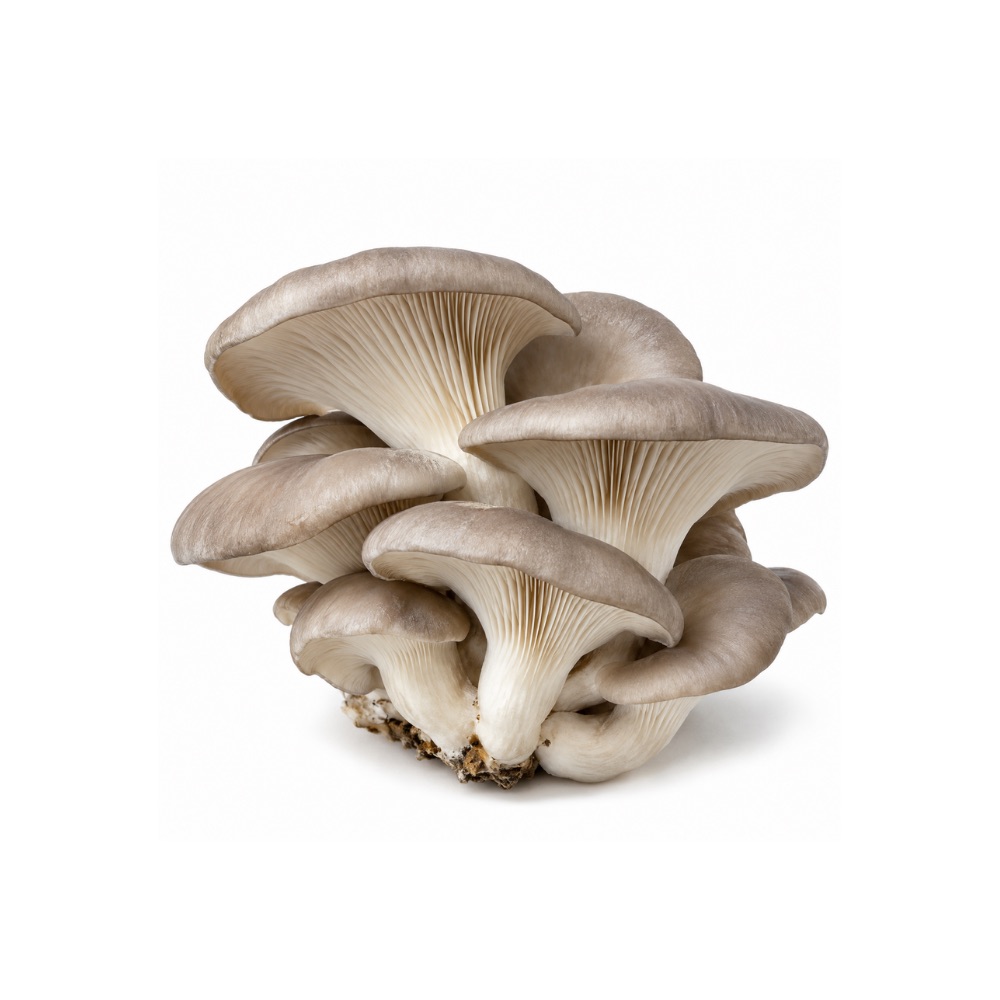 ModerateModerateOyster MushroomPleurotus ostreatusLowers total and LDL cholesterol and triglycerides in two systematic reviews of small trials at low certainty, through β-glucan and chitin fibre rather than lovastatin, which the fruiting body does not reliably contain.Mechanismβ-glucan and chitin fiber; bile-acid bindingRead the evidenceShow less
Two systematic reviews of clinical trials find reduced total and LDL cholesterol and triglycerides, at low certainty: small trials at high or unclear risk of bias, with one review finding the improvement limited mainly to triglycerides and hs-CRP 102,
The mechanism is fibre. Lovastatin was not detected in P. ostreatus fruiting bodies 106Reference 106Determination of lovastatin, β-glucan, total polyphenols and antioxidant activity in raw and processed oyster mushroom, Pleurotus ostreatus — analytical (lovastatin not detected)View study →, and cross-study quantification is method-confounded 107Reference 107ReviewOn the identification and quantification of ergothioneine and lovastatin in various mushroom species — analytical review of methodsView study →, so the mushroom’s reputation as a natural statin does not hold.
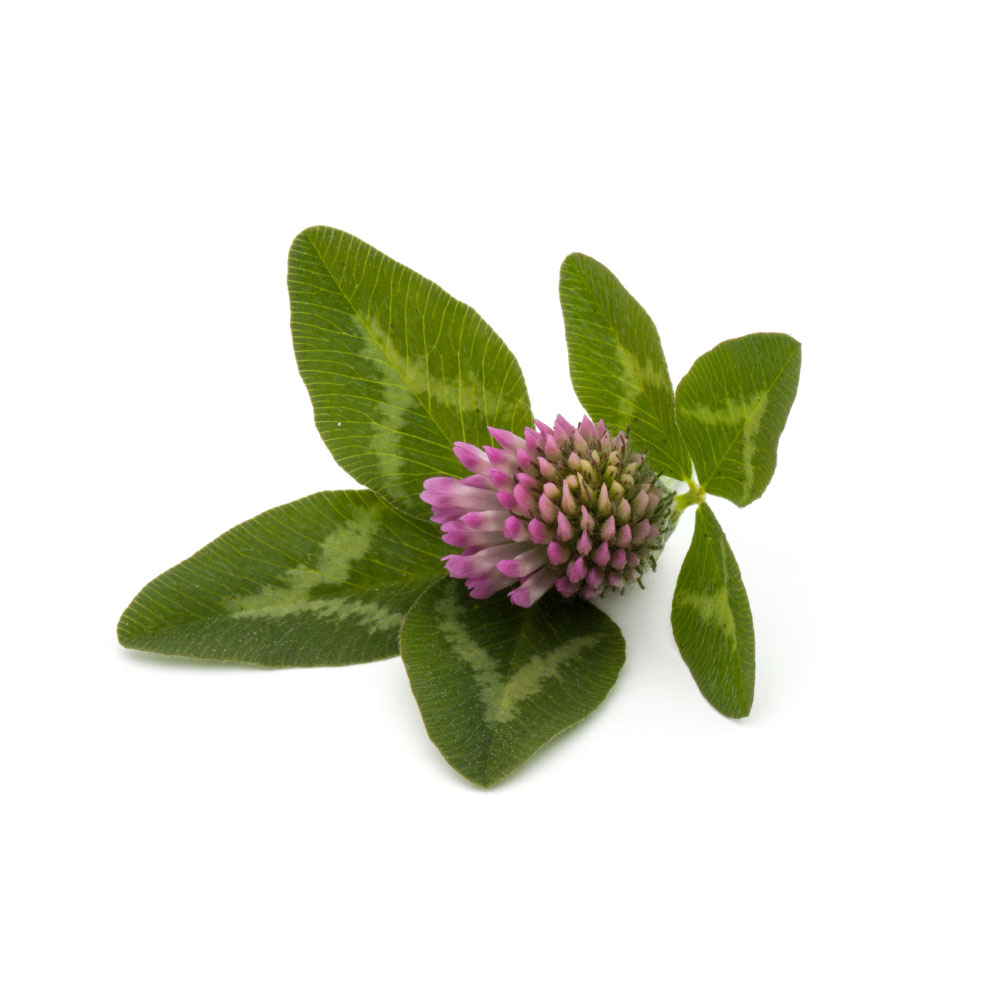 ModerateModerateRed CloverTrifolium pratenseStandardised isoflavone extract lowers total cholesterol by about 0.29 mmol/L in a meta-analysis of ten trials in menopausal women, and cut LDL by 12% over two years in the longest trial.Mechanismisoflavone (formononetin/biochanin A) phytoestrogenic action on lipid handling; total cholesterol and LDL ↓, HDL ↑Read the evidenceShow lessMonograph →
A 2020 systematic review and meta-analysis of ten randomised trials (twelve comparisons, 910 peri- and postmenopausal women) found standardised extract lowered total cholesterol by about 0.29 mmol/L against placebo, with favourable LDL and HDL shifts 114Reference 114Meta-analysisEffects of red clover (Trifolium pratense) isoflavones on the lipid profile of perimenopausal and postmenopausal women — systematic review and meta-analysisView study →.
The individual RCTs are unusually long for the field. A double-blind trial of formononetin-enriched isoflavones (Rimostil) produced a 12% fall in LDL against 2% on placebo over two years (p=0.005) 115Reference 115RCTRed clover isoflavones enriched with formononetin lower serum LDL cholesterol — a randomised, double-blind, placebo-controlled studyView study →; an earlier Rimostil trial raised HDL 16 to 29% and lowered apolipoprotein B 12 to 17% across doses 116Reference 116RCTThe effect of isoflavones extracted from red clover (Rimostil) on lipid and bone metabolism — randomised trialView study →; and a 2024 trial (80 mg isoflavones/day, 6 months) improved total and LDL cholesterol alongside menopausal scores in dyslipidaemic women 117Reference 117RCTIsoflavones obtained from red clover improve both dyslipidemia and menopausal symptoms in menopausal women: a prospective randomised placebo-controlled trialView study →.
Every result is tied to a quantified isoflavone extract, not to tea or whole herb.
The cholesterol change is small, its cardiovascular-outcome relevance is untested, and no trial has shown reduced cardiac events.
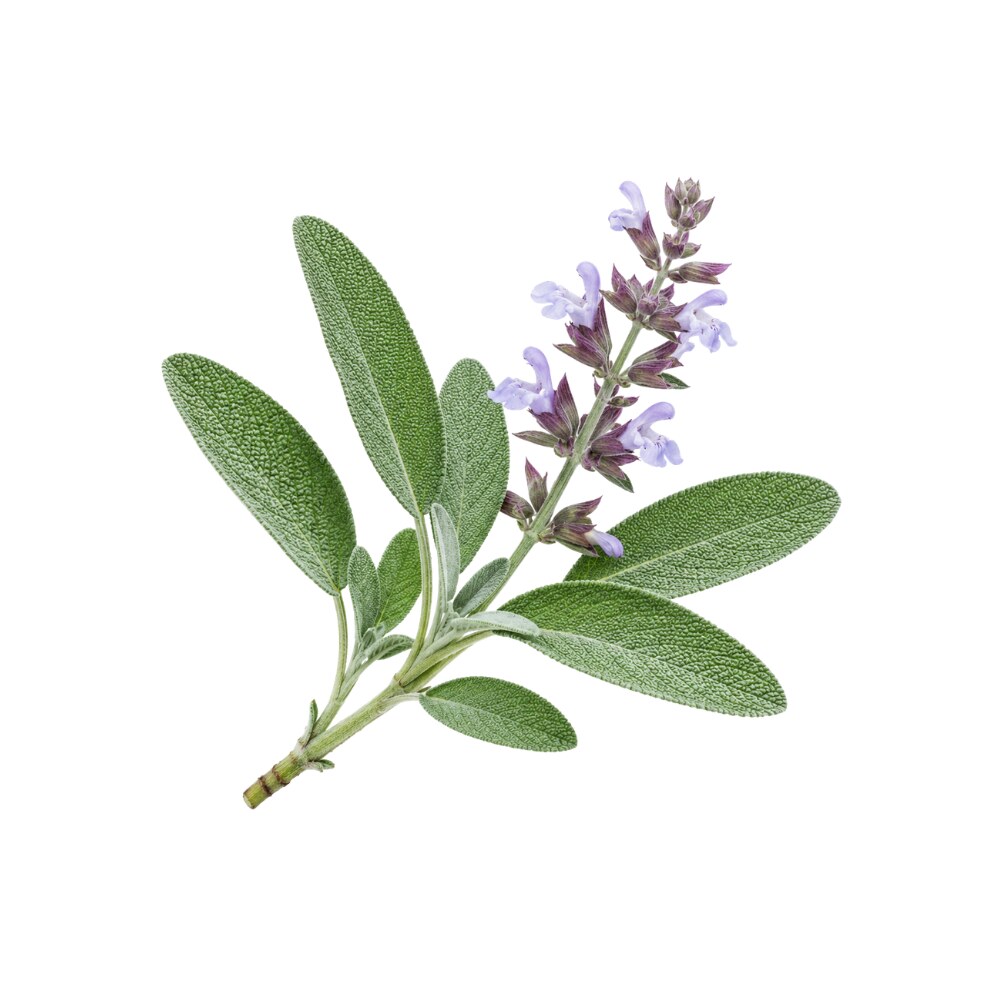 ModerateModerateSageSalvia officinalisStandardised leaf extract at 500 mg three times daily lowered total cholesterol, LDL and triglycerides and raised HDL in three small trials from one research group, through PPAR-γ agonism and lipase inhibition.MechanismPPAR-γ agonism; pancreatic-lipase inhibition; α-glucosidase inhibitionRead the evidenceShow lessMonograph →
In hyperlipidaemic type-2 diabetics (n=80), three months of leaf extract at 500 mg three times daily lowered total cholesterol, triglycerides and LDL while raising HDL, alongside falls in fasting glucose and HbA1c, with no adverse effects 121Reference 121RCTImproved glycemic control and lipid profile in hyperlipidemic type-2 diabetic patients consuming Salvia officinalis L. leaf extract: a randomised placebo-controlled clinical trialView study →. An earlier trial in hyperlipidaemic patients (n=67) showed the same lipid pattern 122Reference 122RCTAntihyperlipidemic effects of Salvia officinalis L. leaf extract in patients with hyperlipidemia: a randomised double-blind placebo-controlled clinical trialView study →, a further study found sage safe and additive to statin therapy in dyslipidaemic diabetics 123Reference 123RCTSalvia officinalis (sage) leaf extract as add-on to statin therapy in hypercholesterolemic type-2 diabetic patients: a randomised clinical trialView study →, and the 2025 PCOS trial also reduced triglycerides 124Reference 124RCTExploring the therapeutic impact of Salvia officinalis on lipid and oxidative stress markers in patients with polycystic ovary syndrome — a randomised placebo-controlled clinical trialView study →.
Proposed mechanisms are PPAR-γ agonism and inhibition of pancreatic lipase and lipid absorption 122Reference 122RCTAntihyperlipidemic effects of Salvia officinalis L. leaf extract in patients with hyperlipidemia: a randomised double-blind placebo-controlled clinical trialView study →, with α-glucosidase inhibition demonstrated in vitro across Mediterranean Salvia species 125Reference 125In vitroComparative antioxidant, anti-acetylcholinesterase and anti-α-glucosidase activities of Mediterranean Salvia species — in vitroView study →.
The trials are small, short and largely from a single Iranian research group, and they are tied to one standardised extract rather than to tea or whole leaf.
ModerateShiitakeLentinula edodesEritadenine cuts plasma cholesterol by about 40% in rats through S-adenosylhomocysteine hydrolase; in the one human trial the mushroom lowered triglycerides by about 10% with no clear cholesterol change.Mechanismeritadenine → SAHH inhibition → altered phospholipid methylation; β-glucan fiberRead the evidenceShow less
Eritadenine inhibits S-adenosylhomocysteine hydrolase and cut rat plasma cholesterol by around 40% 126,
In humans the effect shrinks. The one RCT found about a 10% triglyceride reduction and no clear total or LDL change 129Reference 129RCTEffects of Shiitake Culinary-Medicinal Mushroom, Lentinus edodes, Bars on Lipid and Antioxidant Profiles in Individuals with Borderline High Cholesterol: A Double-Blind Randomized Clinical Trial — randomised controlled trialView study →.
Eritadenine content varies up to ten-fold between strains 126Reference 126In vitroQuantification of the bioactive compound eritadenine in selected strains of shiitake mushroom (Lentinus edodes) — analytical/in vitroView study →, so an unspecified mushroom is an unspecified dose.
 ModerateModerateTeaCamellia sinensisGreen-tea catechins lower total cholesterol by 5 to 7 mg/dL and LDL by 2 to 5 mg/dL across two large meta-analyses, by reducing cholesterol absorption and raising faecal sterol excretion.Mechanism↓ cholesterol absorption; ↑ bile-acid/faecal sterol excretionRead the evidenceShow lessMonograph →
RCT meta-analyses converge on modest reductions in total and LDL cholesterol with HDL essentially unchanged. Fourteen RCTs (1,136 subjects) gave total cholesterol about −7.2 and LDL about −2.2 mg/dL 130Reference 130Meta-analysisGreen tea intake lowers fasting serum total and LDL cholesterol in adults: a meta-analysis of 14 randomised controlled trialsView study →, and a 31-trial analysis (3,321 subjects) gave total −4.7 and LDL −4.6 mg/dL 131Reference 131Meta-analysisEffect of green tea consumption on blood lipids: a systematic review and meta-analysis of 31 randomised controlled trialsView study →.
The effect is attributed to catechins reducing cholesterol absorption and raising faecal sterol and bile-acid excretion 132Reference 132ReviewGreen tea (Camellia sinensis) catechins and vascular function — reviewView study →.
Green-tea extract or catechin-enriched products, not ordinary brewed tea, drive the signal, and reductions do not consistently scale with dose.
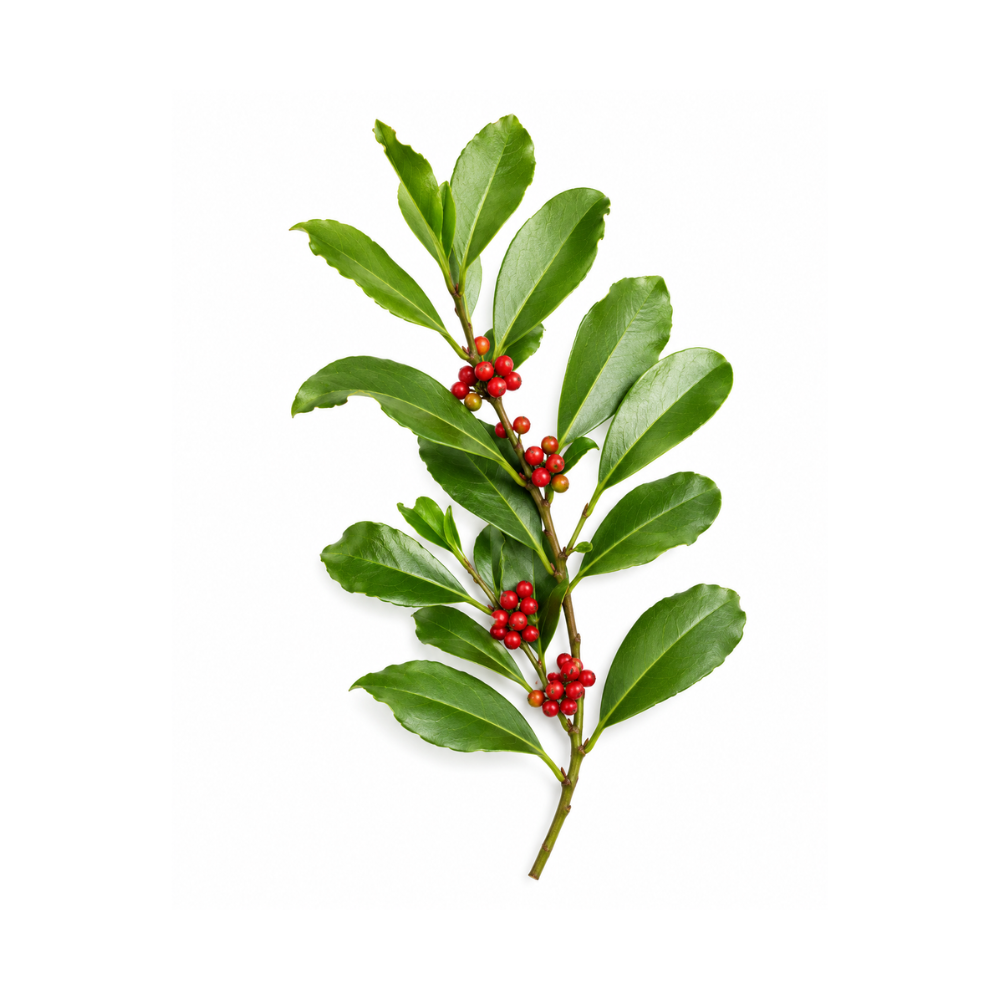 ModerateModerateYerba MatéIlex paraguariensisThe leaf's saponins interfere with cholesterol absorption; the infusion lowered LDL by 9 to 13% in dyslipidaemic and statin-treated subjects in one controlled trial, and the 2025 meta-analysis found no pooled lipid effect.Mechanismsaponin interference with cholesterol absorption; paraoxonase-2 ↑; LDL-C ↓Read the evidenceShow lessMonograph →
A single-blind controlled trial in 102 subjects found green or roasted maté infusion (330 mL three times daily, 40 days) lowered LDL-cholesterol by about 8.7% in normolipidaemic individuals and produced a further 10 to 13% LDL reduction in hypercholesterolaemic subjects already on statins, with a modest HDL rise 136Reference 136Clinical trialConsumption of yerba mate (Ilex paraguariensis) improves serum lipid parameters in healthy dyslipidemic subjects — controlled clinical trialView study →. The roasted-leaf diabetes trial improved the lipid profile too 137Reference 137RCTMate tea (Ilex paraguariensis) improves glycemic and lipid profiles of type 2 diabetes and pre-diabetes individuals — randomized controlled trialView study →.
The mechanism is the matesaponin arm rather than the caffeine arm: saponin-mediated interference with cholesterol absorption, plus enhanced paraoxonase-2 gene modulation and activity shown in vitro and in animals 138Reference 138In vitroYerba mate (Ilex paraguariensis) enhances the gene modulation and activity of paraoxonase-2: in vitro and in vivo studiesView study →.
The 2025 meta-analysis of RCTs found no significant effect on total cholesterol, LDL-C, HDL-C or triglycerides 139Reference 139Meta-analysisYerba Maté and its impact on glycemic control and metabolic health: a systematic review and meta-analysis of RCTsView study →. The evidence supports a subgroup effect, in dyslipidaemic or statin-treated people on a specific infusion protocol, rather than a general one.
Show 16 more herbs with a mild hypolipidemic action
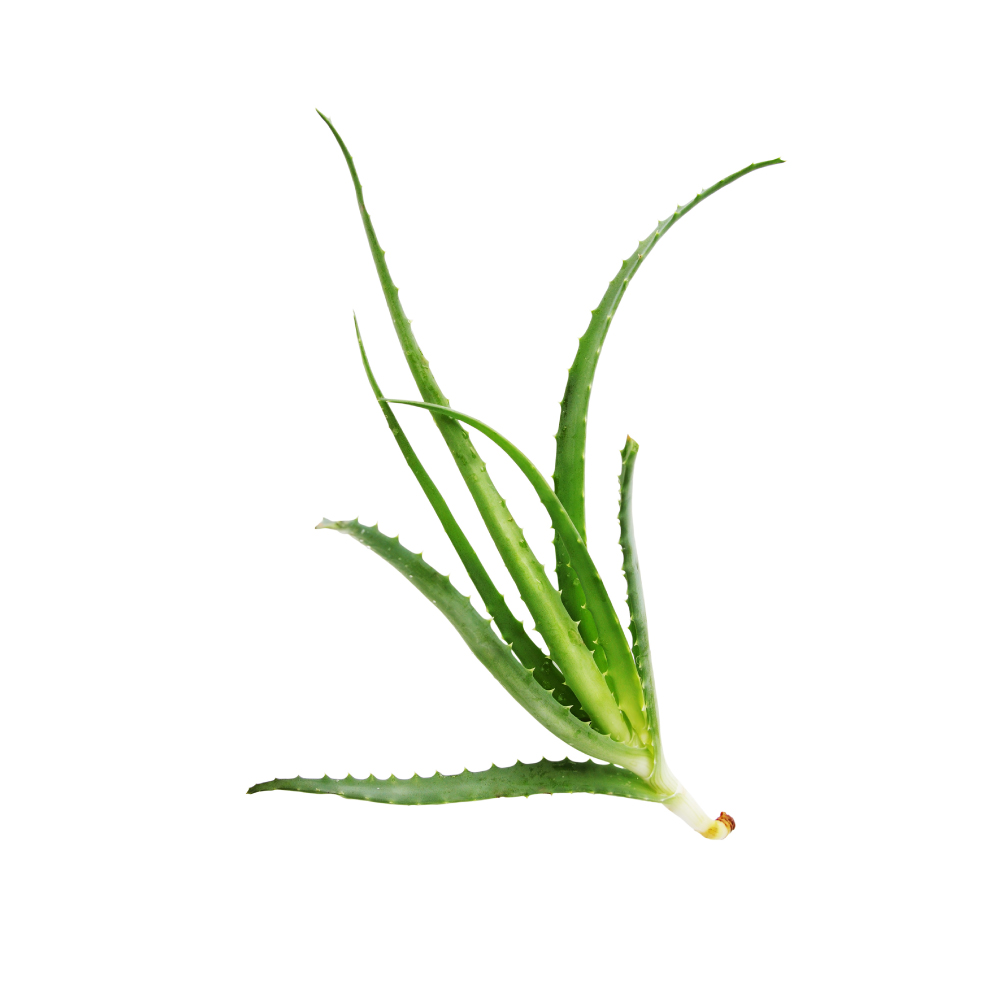 MildMildAloeAloe vera/barbadensisOral leaf gel lowered blood cholesterol and fatty-streak formation in hypercholesterolaemic rabbits in one study; there are no human lipid data.Mechanismnot establishedRead the evidenceShow lessMonograph →
Oral aloe leaf gel significantly reduced blood cholesterol and fatty-streak formation in hypercholesterolaemic rabbits against a high-cholesterol diet alone 26Reference 26The effect of Aloe vera leaf gel on fatty streak formation in hypercholesterolemic rabbits — animal studyView study →, a result that has been combined with the anti-inflammatory action into a proposed anti-atherosclerotic effect.
No pathway is identified, no bile-acid sequestration, HMG-CoA step or transporter, and there are no human lipid data. It is one animal study in one species.
The evidence is for the oral gel and does not transfer from or to the topical dermatological findings.
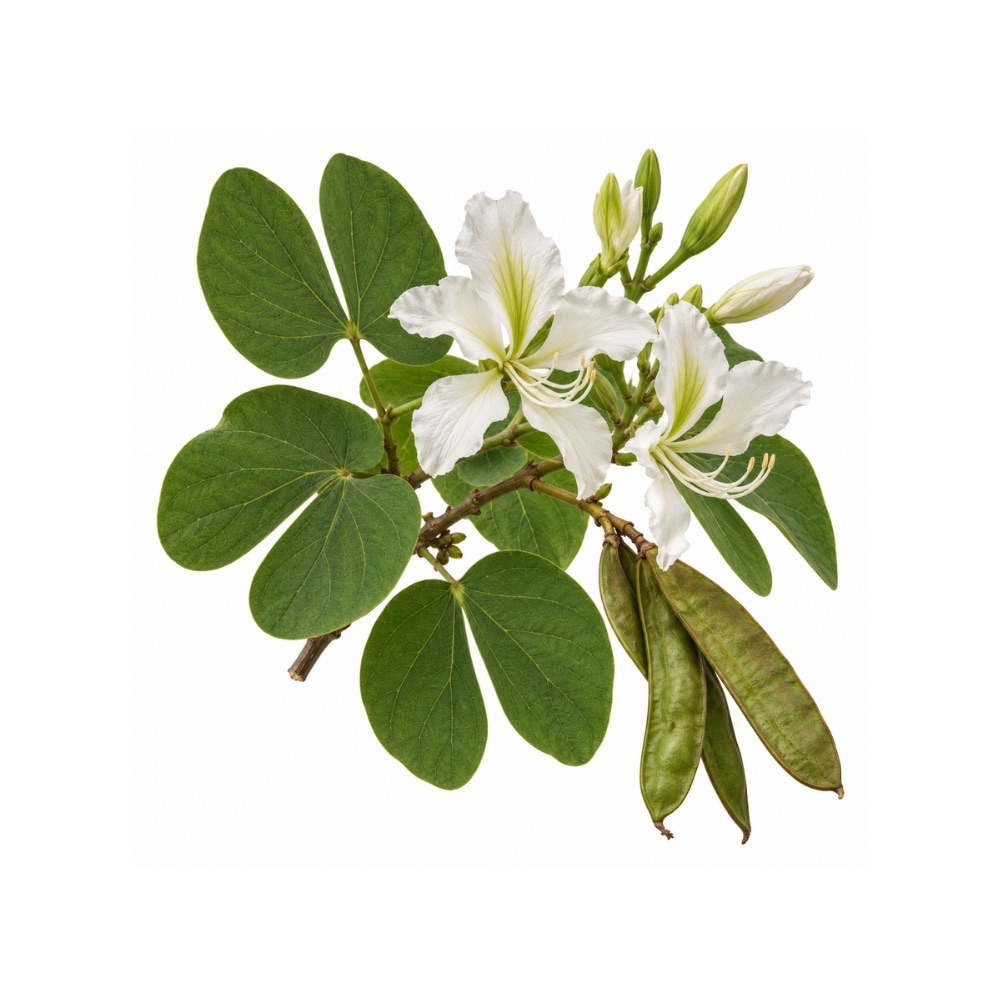 MildMildBauhinia ForficataBauhinia forficataLeaf tea improved the lipid profile in a small uncontrolled study in diabetic patients, with rodent support; the effect is presumed secondary to its insulin-mimetic action.Mechanismnot resolved; presumed secondary to insulin-mimetic signalingRead the evidenceShow less
A small uncontrolled study of the leaf tea in diabetic patients reported improved lipid parameters 141Reference 141Clinical trialEffects of Bauhinia forficata Link tea on lipid profile in diabetic patients — uncontrolled clinical studyView study →, and rodent work supports the direction.
Uncontrolled human data in a condition with large lifestyle confounds cannot separate the herb from the diet advice given alongside it, and no lipid-handling mechanism has been identified.
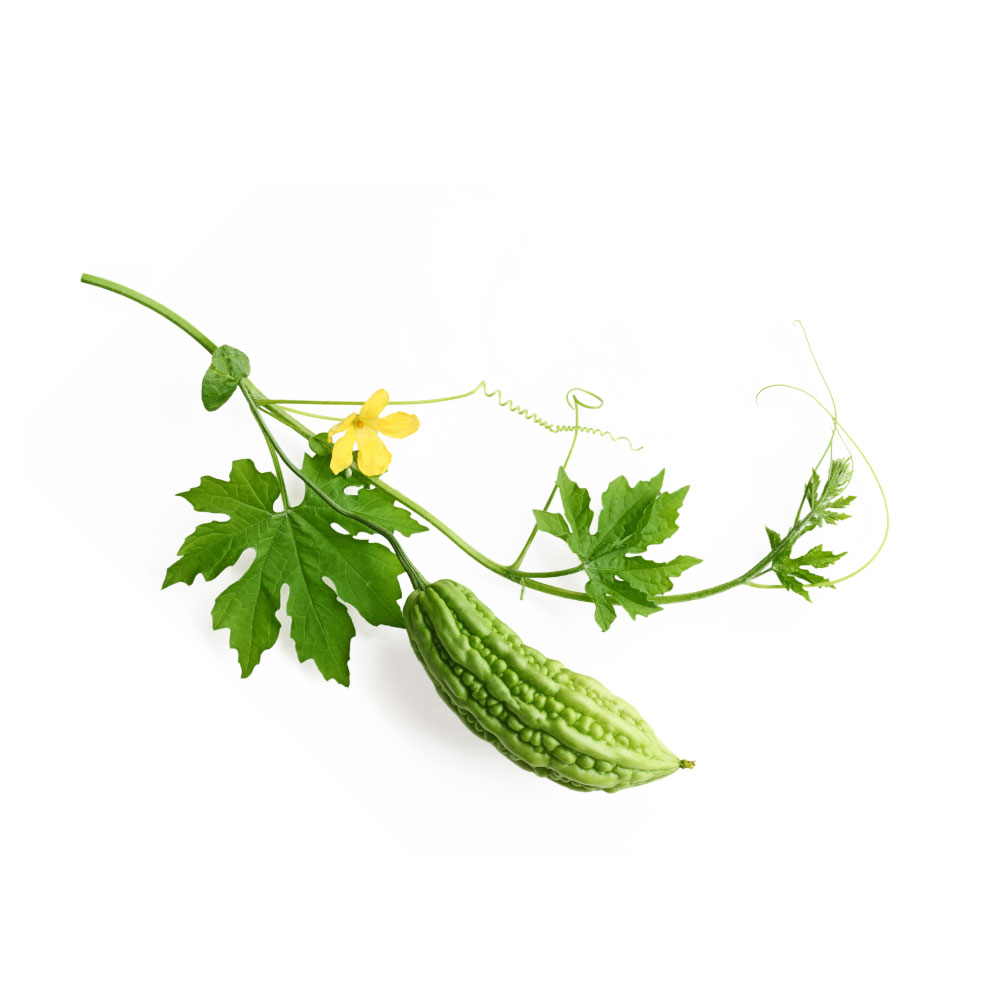 MildMildBitter MelonMomordica charantiaLowers total cholesterol by about 10 mg/dL and triglycerides by about 10 mg/dL in a 2024 meta-analysis of eight trials, with LDL and HDL unchanged, as a secondary endpoint of its glycaemic trials.MechanismAMPK activation; PPARγ activationRead the evidenceShow lessMonograph →
A 2024 meta-analysis of 8 RCTs (n=423) found total cholesterol −9.71 mg/dL and triglycerides −10.24 mg/dL with no significant change in LDL or HDL, strongest at 2,000 mg/day or less over 8 weeks or less in diabetic and prediabetic people 45Reference 45Meta-analysisThe effects of bitter melon (Momordica charantia) on lipid profile — meta-analysis of RCTsView study →. The parallel 2024 glycaemic meta-analysis found a total-cholesterol drop (−0.38 mmol/L) but no triglyceride, LDL or HDL effect 46Reference 46Meta-analysisEffects of Momordica charantia L. supplementation on glycemic control and lipid profile in type 2 diabetes — meta-analysis of RCTsView study →.
In cholesterol-fed rats the fruit extract raised antioxidant enzymes and prevented aortic atherosclerotic change comparably to atorvastatin 47Reference 47AnimalEvaluation of the haematinic, antioxidant and anti-atherosclerotic potential of Momordica charantia in cholesterol-fed rats — animal modelView study →.
Lipids are a secondary endpoint in every trial that reports them, drawn from the same short, heterogeneous studies that limit the glycaemic claim.
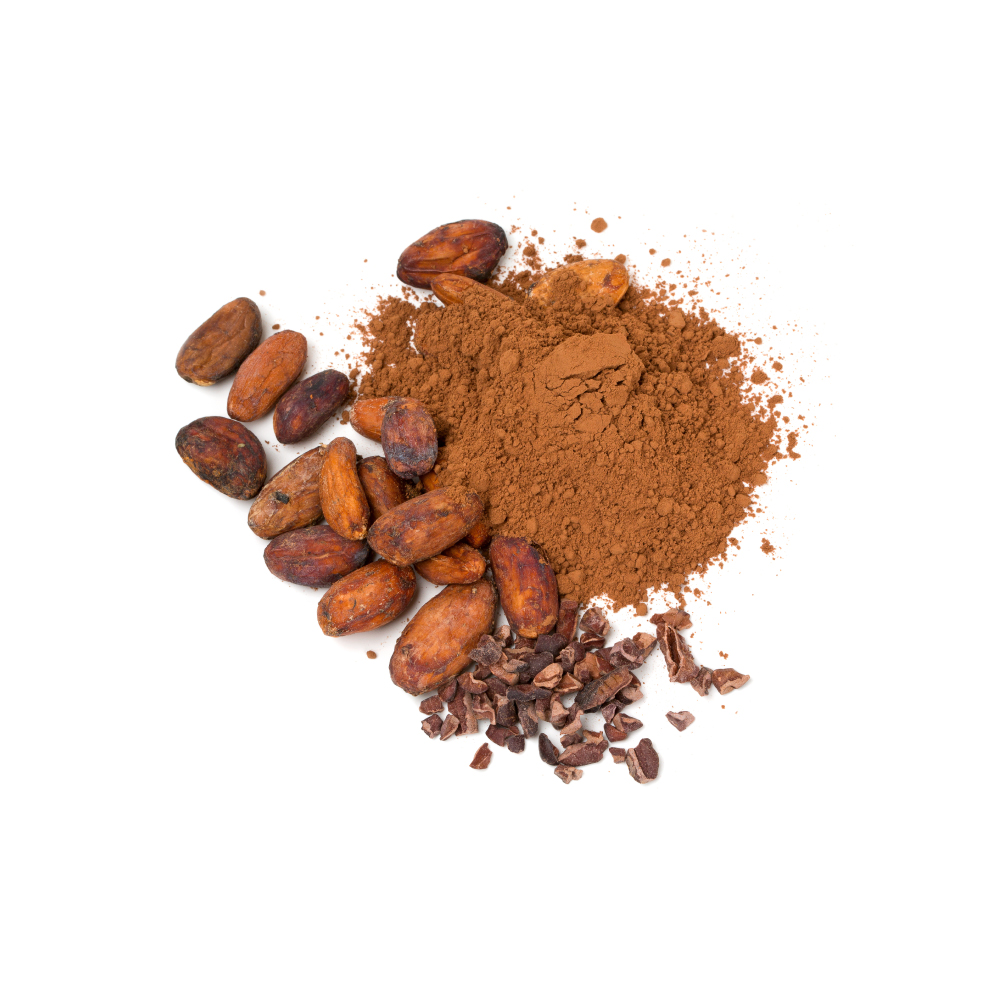 MildMildCacaoTheobroma cacaoCocoa and dark chocolate lower LDL and total cholesterol by small amounts in a 2011 meta-analysis, with no consistent effect on HDL.MechanismLDL and total cholesterol ↓ (flavanol-mediated); HDL effect inconsistentRead the evidenceShow lessMonograph →
A 2011 meta-analysis of cocoa and dark-chocolate trials found a modest but statistically significant reduction in LDL and total cholesterol, with no consistent effect on HDL 48Reference 48Meta-analysisEffects of cocoa products/dark chocolate on serum lipids: a meta-analysisView study →.
Theobromine is often said, on the strength of a review rather than trial data, to raise HDL; the pooled RCT evidence does not support it.
Several trials delivered cocoa inside chocolate products carrying their own sugar and fat, so part of the measured effect belongs to what the cocoa displaced rather than to the flavanols. Magnitudes are small and the trials brief; it is a dietary-pattern effect rather than a lipid intervention.
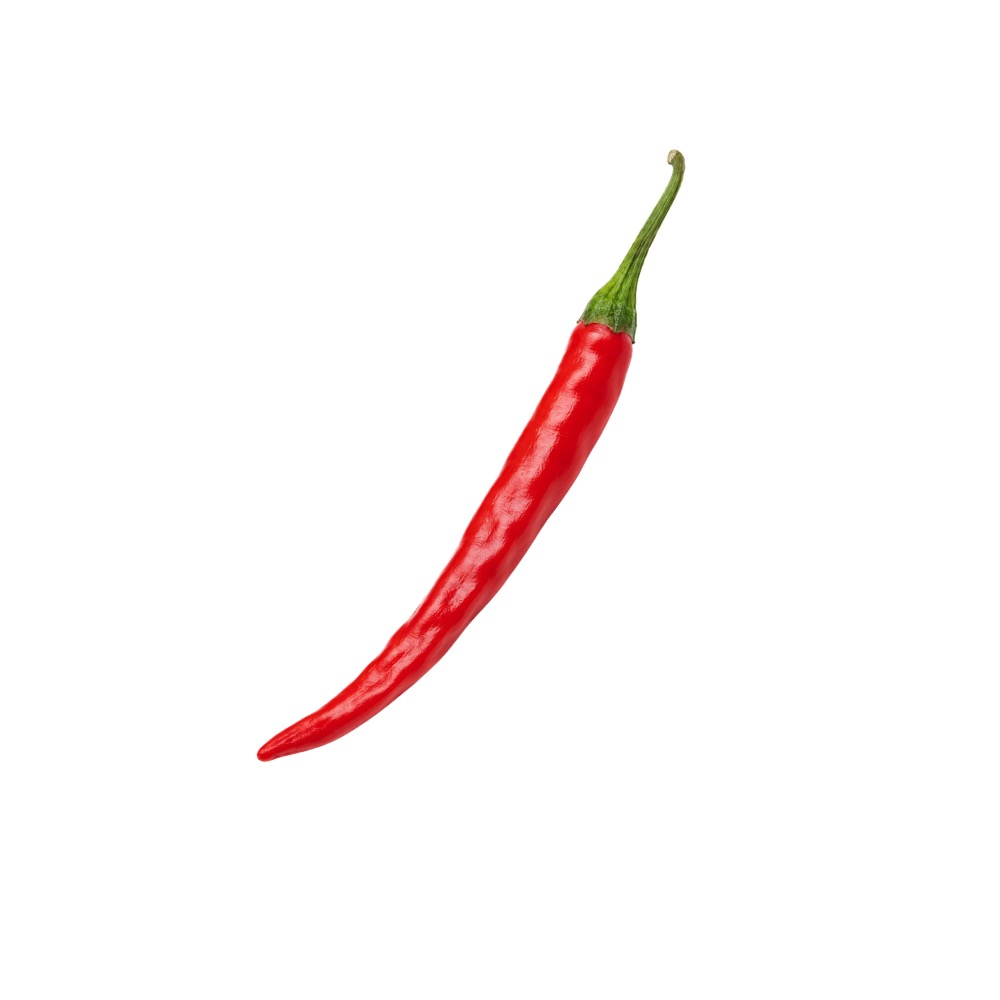 MildMildCayenneCapsicum annuumPurified capsaicinoids lower LDL and triglycerides modestly in pooled trials in overweight and metabolic-syndrome populations; dietary cayenne is untested.Mechanismcapsaicinoid-mediated lipid modulation (LDL and triglycerides ↓ in pooled analyses); mechanism not resolvedRead the evidenceShow lessMonograph →
A 2025 meta-analysis in overweight and metabolic-syndrome populations found modest lipid improvements 53Reference 53Meta-analysisThe effect of capsaicin, capsinoids, and pepper-based interventions on lipid profiles in overweight/metabolic populations — systematic review and meta-analysisView study →, echoing an earlier systematic review reporting lipid-lowering in metabolic syndrome 54Reference 54Systematic reviewLipid-lowering efficacy of capsaicin in patients with metabolic syndrome — systematic reviewView study →. The direction is favourable, lower LDL and triglycerides in some pooled analyses, but heterogeneous across preparations and doses, with small individual trials.
The pooled effects are dominated by short trials of purified capsaicinoids in metabolically unhealthy groups. Whether dietary cayenne moves lipids in the general population is unestablished, and no mechanism has been resolved.
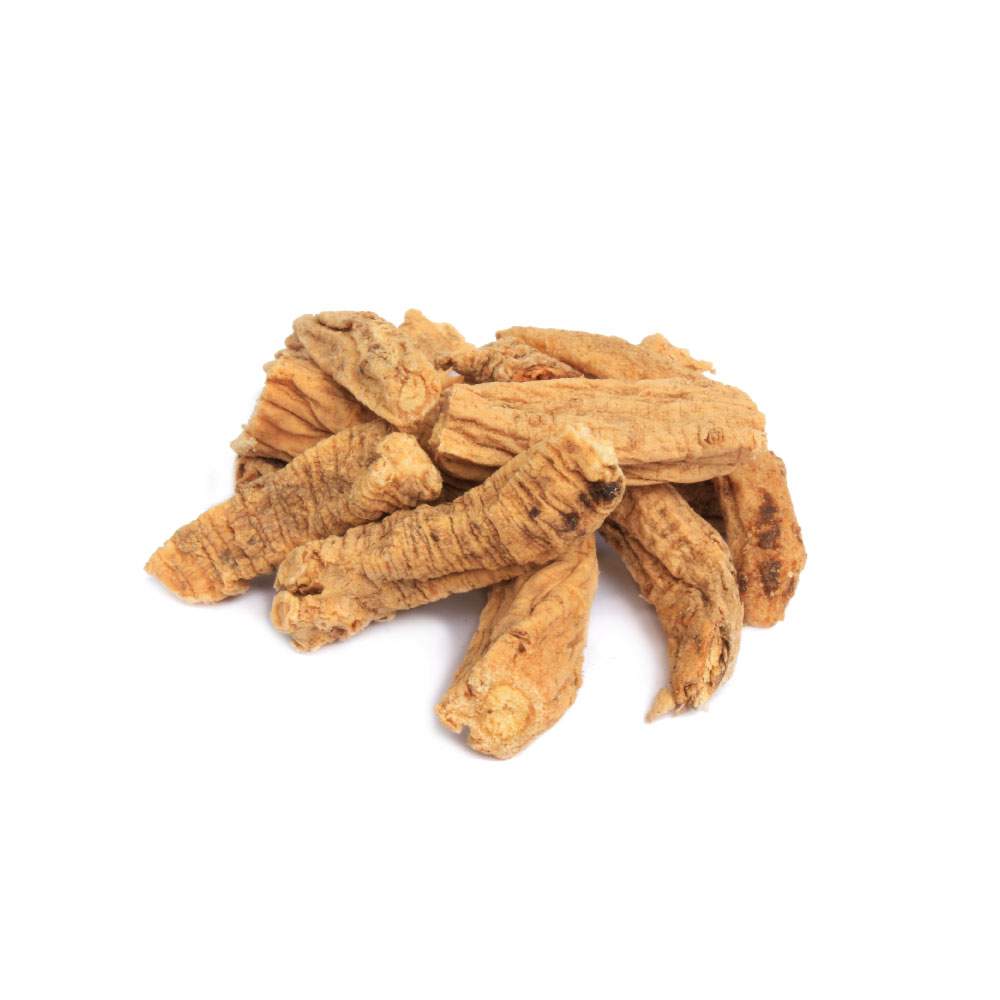 MildMildCodonopsisCodonopsis pilosulaIts polysaccharides reduce hepatic lipid accumulation in fatty-liver mice through AMPK/ACC/SREBP1 signalling; no serum lipid panel has been measured.MechanismAMPK/ACC/SREBP1 modulation → ↓hepatic lipogenesisRead the evidenceShow lessMonograph →
In high-fat-diet NAFLD mice, C. pilosula polysaccharides reduced hepatic lipid accumulation, serum ALT and AST and inflammatory markers through AMPK/ACC/SREBP1 signalling 55Reference 55AnimalCodonopsis pilosula polysaccharides attenuate lipid accumulation and inflammatory response in the NAFLD mouse by regulating AMPK/ACC/SREBP1 signaling pathwayView study →, with parallel redox and metabolic improvements in the diabetic model 56Reference 56AnimalJournal of Functional FoodsView study →. What was measured is hepatic lipid, not a serum lipid panel, and it is a single whole-herb mouse study.
The fatty-liver reputation carried on most Codonopsis pages traces to Cho et al. (2009), which studied Codonopsis lanceolata, a different species that contains triterpenoid saponins where C. pilosula does not 57Reference 57AnimalProtective effect of Codonopsis lanceolata root extract against alcoholic fatty liver in the ratView study →. That evidence does not belong to this plant.
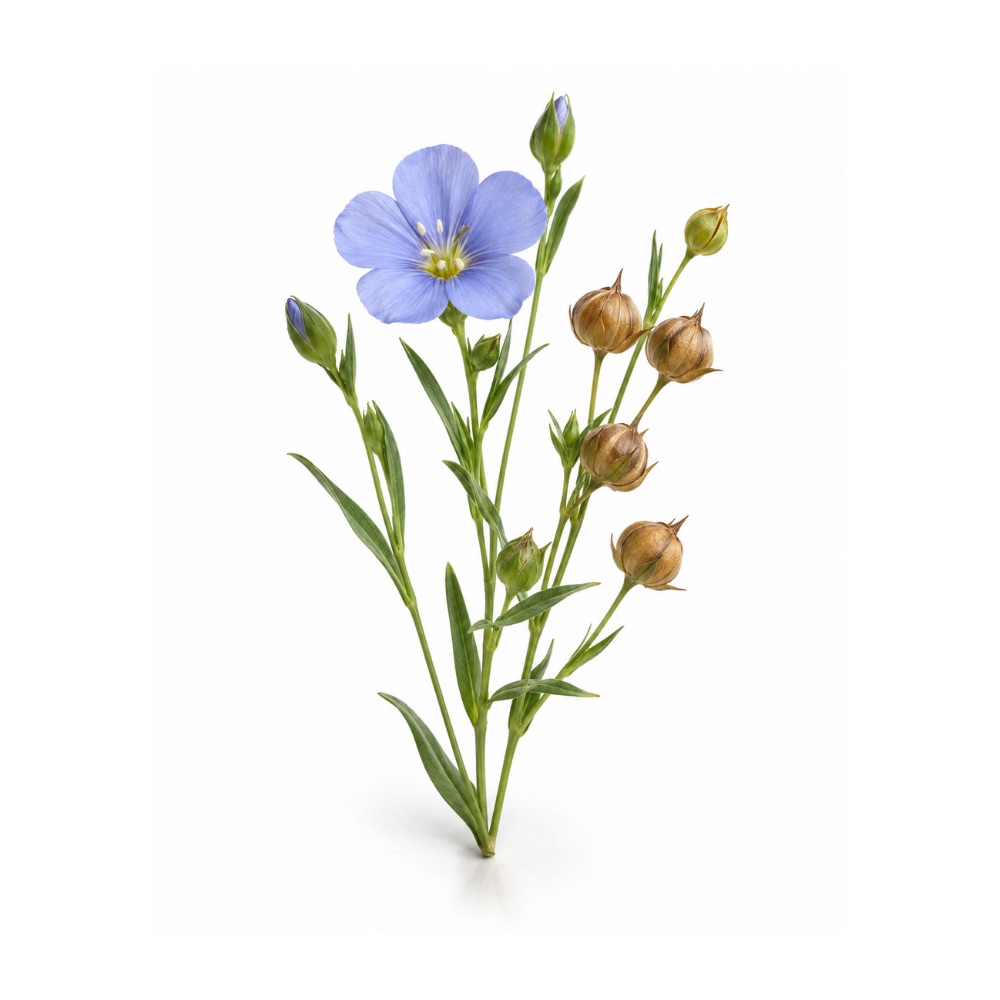 MildMildFlaxseedLinum usitatissimumWhole or ground seed lowers LDL by about 0.16 mmol/L in a meta-analysis of 28 trials, through the mucilage binding bile acids; flax oil has no lipid effect.Mechanismviscous soluble-fiber bile-acid binding → faecal bile-acid loss → hepatic cholesterol drawdownRead the evidenceShow lessMonograph →
A meta-analysis of 28 randomised trials found flaxseed interventions lowered total cholesterol by about 0.10 mmol/L and LDL by about 0.08 mmol/L, with the whole and ground-seed arm reaching roughly 0.16 mmol/L for LDL 69Reference 69Meta-analysisMeta-analysis of the effects of flaxseed interventions on blood lipidsView study →. HDL and triglycerides did not move 69Reference 69Meta-analysisMeta-analysis of the effects of flaxseed interventions on blood lipidsView study →.
The gel-forming mucilage of the seed coat binds bile acids in the gut lumen and increases their faecal loss, drawing hepatic cholesterol into replacement bile-acid synthesis, the same soluble-fibre lever psyllium and oat β-glucan pull.
Whole and ground seed and lignan supplements worked and flax oil did not, which rules alpha-linolenic acid out as the active fraction and puts the effect on fibre and lignans 69Reference 69Meta-analysisMeta-analysis of the effects of flaxseed interventions on blood lipidsView study →. The effect was larger in women, particularly postmenopausal women, and in people with higher baseline cholesterol 69Reference 69Meta-analysisMeta-analysis of the effects of flaxseed interventions on blood lipidsView study →.
Three to six mg/dL of LDL is a real but marginal shift.
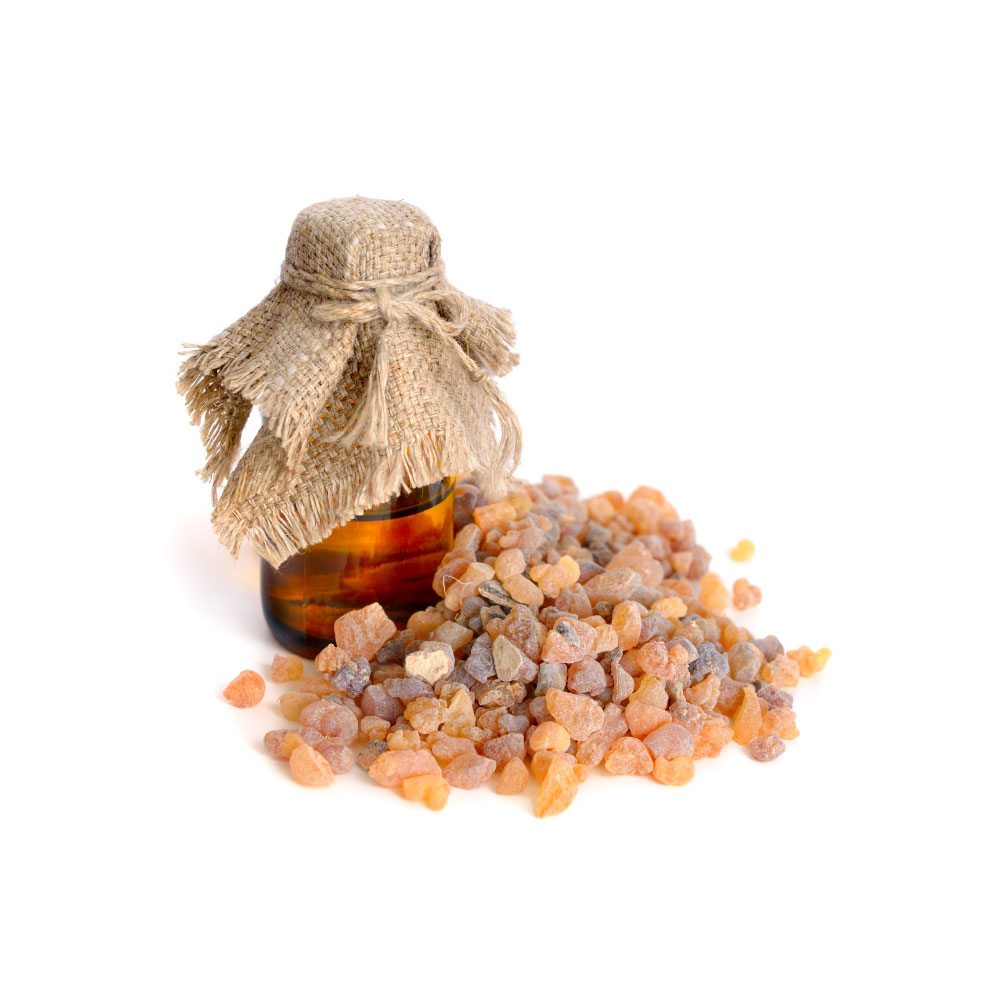 MildMildFrankincenseBoswellia serrataLowered total cholesterol in a 2024 meta-analysis of five small diabetes trials, several of them curcumin co-formulations, with the effect attributed to reduced inflammation rather than to lipid handling.Mechanismboswellic-acid suppression of inflammatory signaling (proposed route via insulin resistance); total cholesterol ↓Read the evidenceShow lessMonograph →
A 2024 systematic review and meta-analysis pooled five RCTs in type-2 diabetes (n=287) and found Boswellia serrata significantly reduced total cholesterol against placebo or control, with signals toward lower triglycerides, alongside an HbA1c result 70Reference 70Meta-analysisEffect of boswellia (Boswellia serrata L.) supplementation on glycemic markers and lipid profile in type 2 diabetic patients: a systematic review and meta-analysis — [systematic review and meta-analysis]View study →.
The proposed mechanism runs through the resin’s anti-inflammatory chemistry. Chronic low-grade inflammation drives insulin resistance, and boswellic-acid suppression of inflammatory signalling is the suggested route rather than any direct action on lipid handling.
The constituent trials are small, several test boswellia inside curcumin co-formulations rather than alone, and the pooled estimate carries wide confidence intervals. There is no established antidiabetic or lipid dose for the resin.
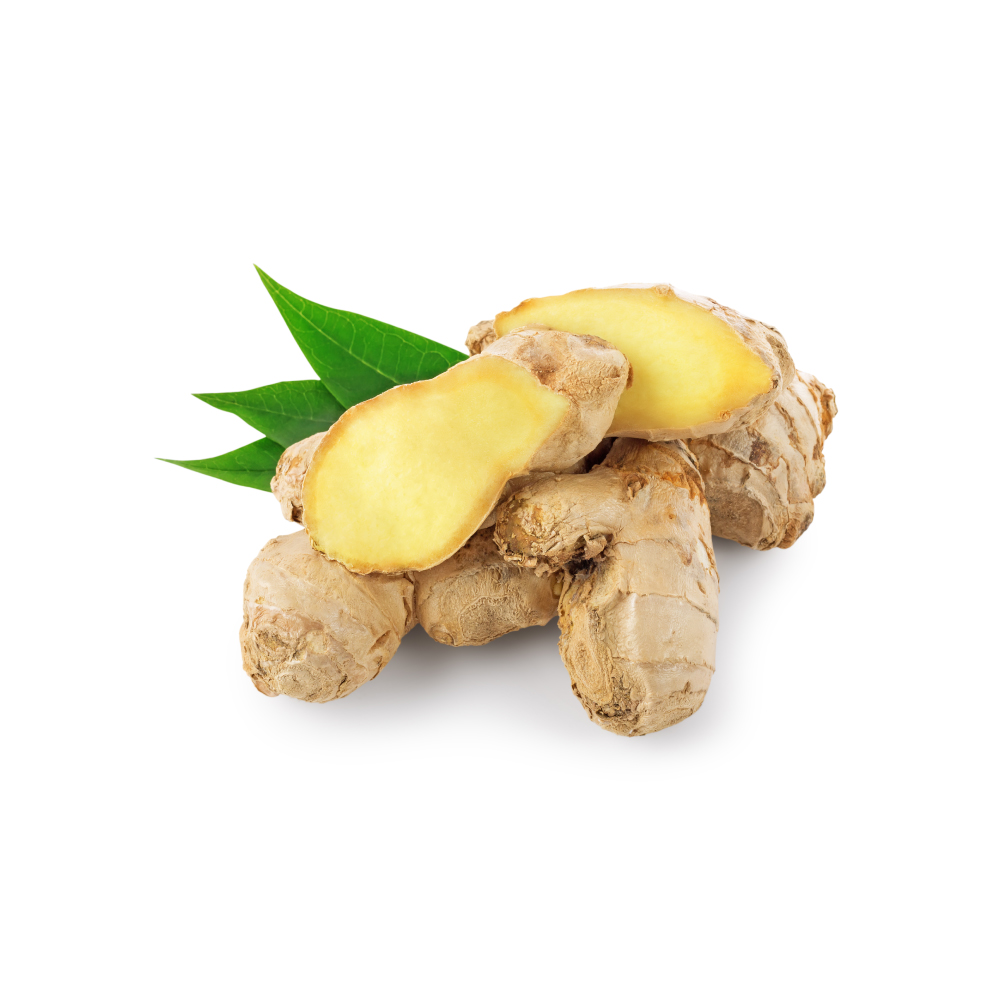 MildMildGingerZingiber officinaleMeta-analyses disagree: modest falls in total cholesterol and triglycerides in one, no lipid effect in the diabetes- and obesity-specific pooled analyses.Mechanismnot resolved — lipid effect inconsistent across pooled analysesRead the evidenceShow lessMonograph →
The lipid evidence for ginger does not settle. One meta-analysis reports modest reductions in total cholesterol and triglycerides; pooled analyses restricted to type 2 diabetes and to obesity find no lipid effect at all.
An earlier meta-analysis in overweight and obese subjects found ginger lowered body weight, waist-to-hip ratio, fasting glucose and HOMA-IR and raised HDL — while leaving triglycerides unchanged.
The pattern across those results is metabolic rather than specifically lipid-lowering, which is where ginger’s stronger evidence sits.
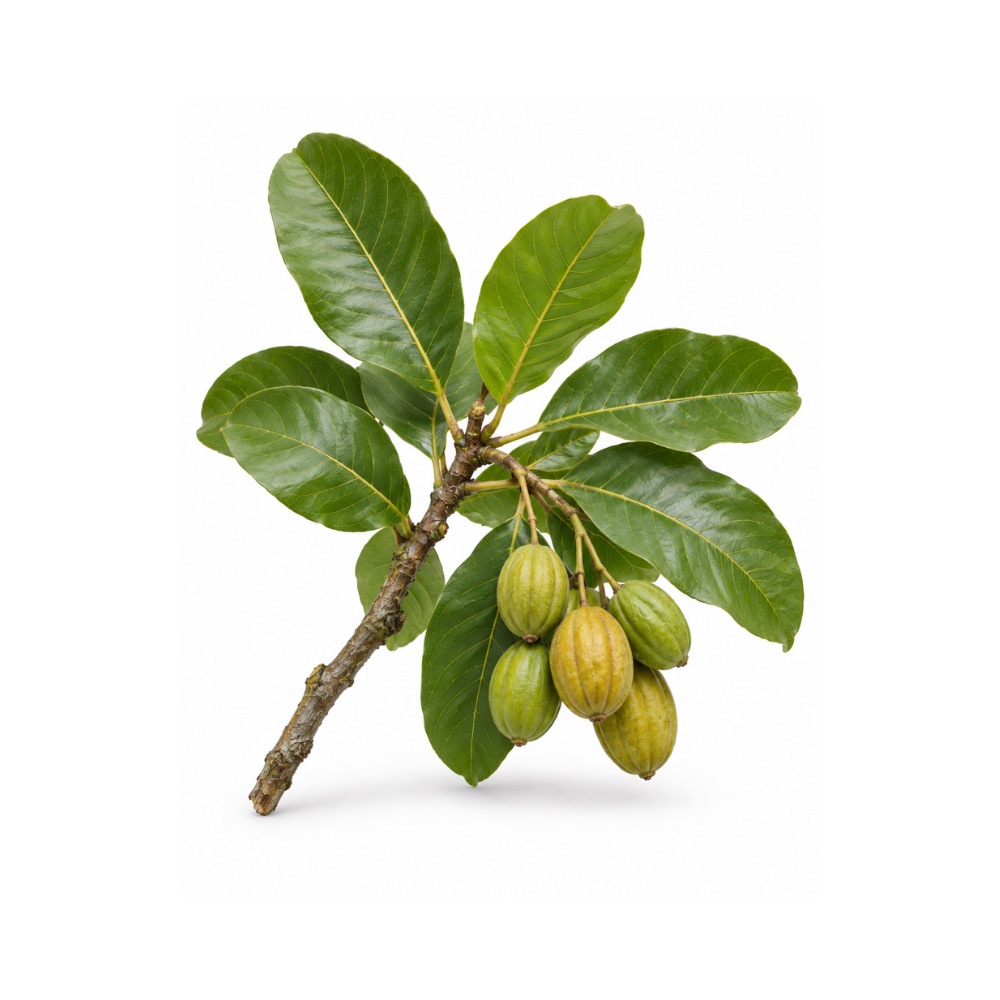 MildMildHaritakiTerminalia chebulaStandardised aqueous fruit extract improved lipid markers dose-dependently alongside endothelial function in one 12-week placebo-controlled trial in type 2 diabetes.Mechanismlipid markers ↓ alongside improved endothelial function; polyphenol/tannin antioxidant route (proposed)Read the evidenceShow lessMonograph →
An RCT in 60 type-2 diabetics found a standardised aqueous extract (250 to 500 mg twice daily for 12 weeks) dose-dependently improved endothelial function and reduced oxidative-stress and lipid markers against placebo 133Reference 133RCTEffect of an aqueous extract of Terminalia chebula on endothelial dysfunction, systemic inflammation, and lipid profile in type 2 diabetes mellitus: a randomised, double-blind, placebo-controlled clinical study — RCTView study →. The dose-dependence is the strongest feature of the result.
The lipid change is a secondary readout of one trial rather than a dedicated lipid literature, and the glycaemic half of the same picture is modest and inconsistent. The sibling fruit amla carries the same action on a deeper evidence base.
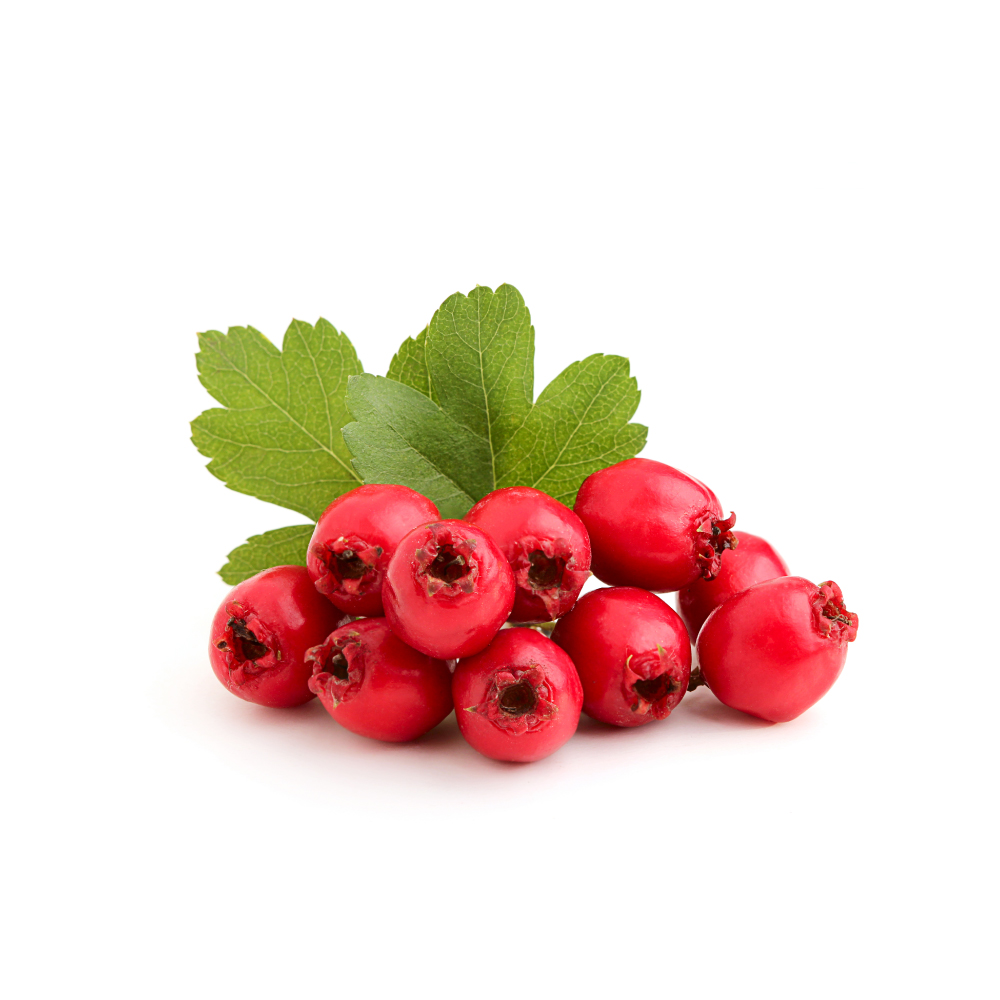 MildMildHawthornCrataegus oxyacanthaLowered LDL and non-HDL cholesterol within the treatment group in one placebo-controlled trial in statin-treated diabetics, without a significant difference from placebo.MechanismLDL/non-HDL reduction (within-group only)Read the evidenceShow lessMonograph →
A randomised double-blind trial in 49 diabetic patients with chronic coronary disease already on statins found Crataegus laevigata lowered LDL and non-HDL cholesterol within the treatment group and reduced neutrophil elastase 82Reference 82RCTCrataegus laevigata decreases neutrophil elastase and has hypolipidemic effect: a randomized, double-blind, placebo-controlled trialView study →.
The between-group differences did not reach significance, and a within-group change without a between-group difference does not establish an effect.
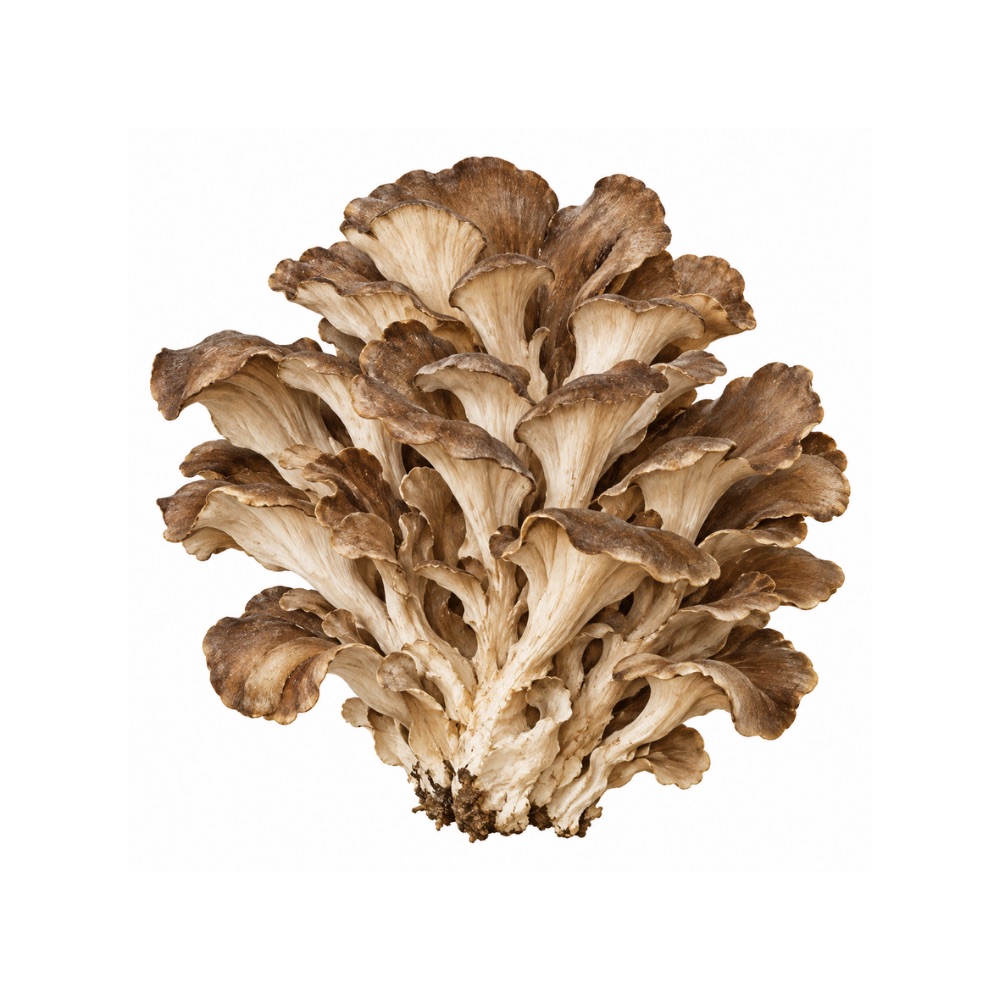 MildMildMaitakeGrifola frondosaAlters hepatic lipid-metabolism and bile-acid gene expression and lowers total and VLDL cholesterol in rats; there are no human lipid data.Mechanismaltered hepatic lipid-metabolism and bile-acid gene expressionRead the evidenceShow less
Maitake changed hepatic lipid-metabolism and bile-acid gene expression in rats 83Reference 83AnimalThe mechanisms underlying the hypolipidaemic effects of Grifola frondosa in the liver of rats — animal in vivo (rat)View study →, lowered total and VLDL cholesterol in spontaneously hypertensive rats 84Reference 84AnimalEffect of shiitake (Lentinus edodes) and maitake (Grifola frondosa) mushrooms on blood pressure and plasma lipids of spontaneously hypertensive rats — animal in vivo (rat)View study →, and its chromium-polysaccharide chelate improved lipids alongside glucose in diabetic mice 85Reference 85AnimalHypoglycemic and hypolipidemic mechanism of organic chromium derived from chelation of Grifola frondosa polysaccharide-chromium(III) and its modulation of intestinal microflora in diabetic mice — mouse in vivoView study →.
There is no human lipid trial, and the effects varied by preparation.
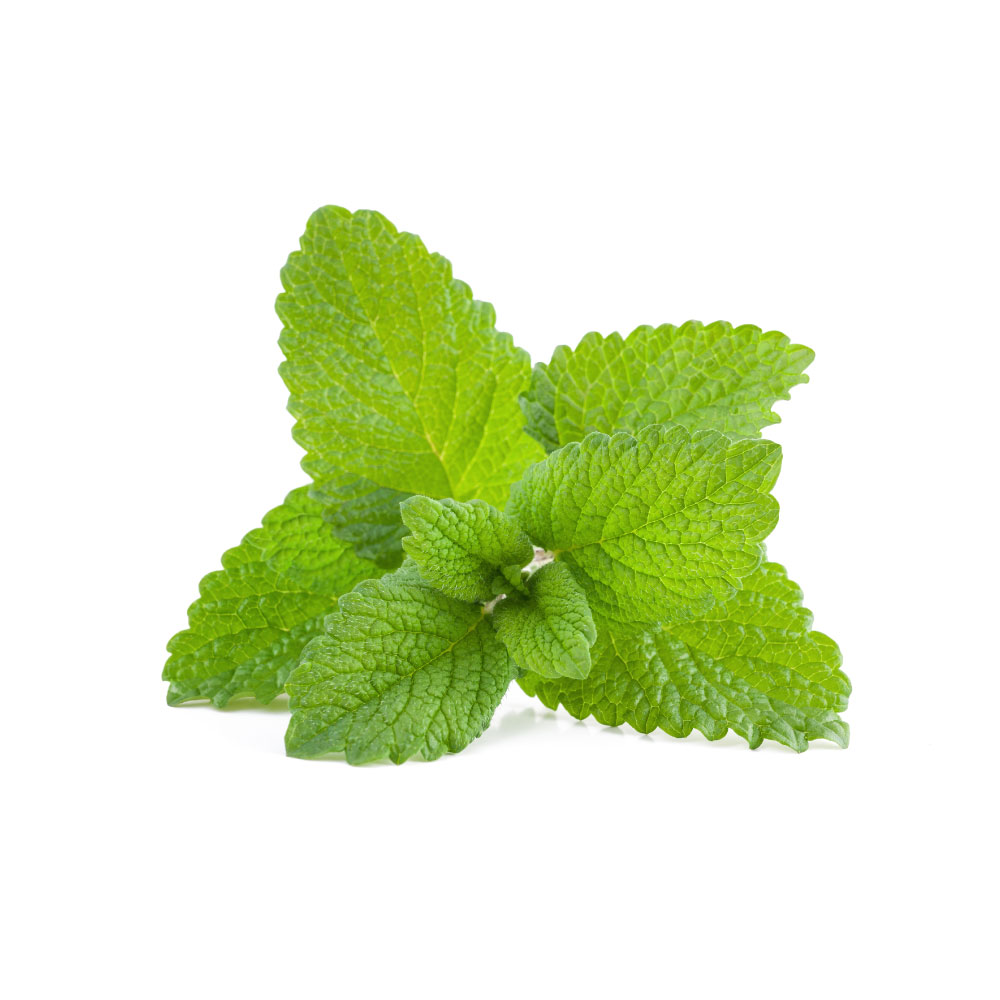 MildMildMelissaMelissa officinalisLowers total cholesterol in a meta-analysis of seven randomised trials, with LDL and triglycerides unchanged once pooled, on a small evidence base at serious risk of bias.Mechanismtotal cholesterol ↓ (pooled); LDL ↓ in individual trials; mechanism not establishedRead the evidenceShow lessMonograph →
A 2020 meta-analysis of seven RCTs found lemon balm reduced total cholesterol (SMD −0.26), with no significant change in triglycerides, LDL, fasting glucose or HbA1c once pooled 86Reference 86Meta-analysisEffects of Melissa officinalis on cardio-metabolic outcomes — systematic review and meta-analysisView study →.
Individual trials point the same way. 1000 mg leaf powder three times daily for two months lowered LDL in borderline hyperlipidaemia 87Reference 87RCTLemon balm — a promising herbal therapy for patients with borderline hyperlipidemia — randomised double-blind placebo-controlled trialView study →, and the 8-week angina trial improved the full lipid panel and hs-CRP 88Reference 88RCTThe effects of Melissa officinalis in chronic stable angina on serum biomarkers of oxidative stress, inflammation and lipid profile — randomised placebo-controlled trialView study →.
The meta-analysis authors report a serious risk of bias and a small number of studies, mostly from a few centres, with no hard cardiovascular outcomes measured. No mechanism is established.
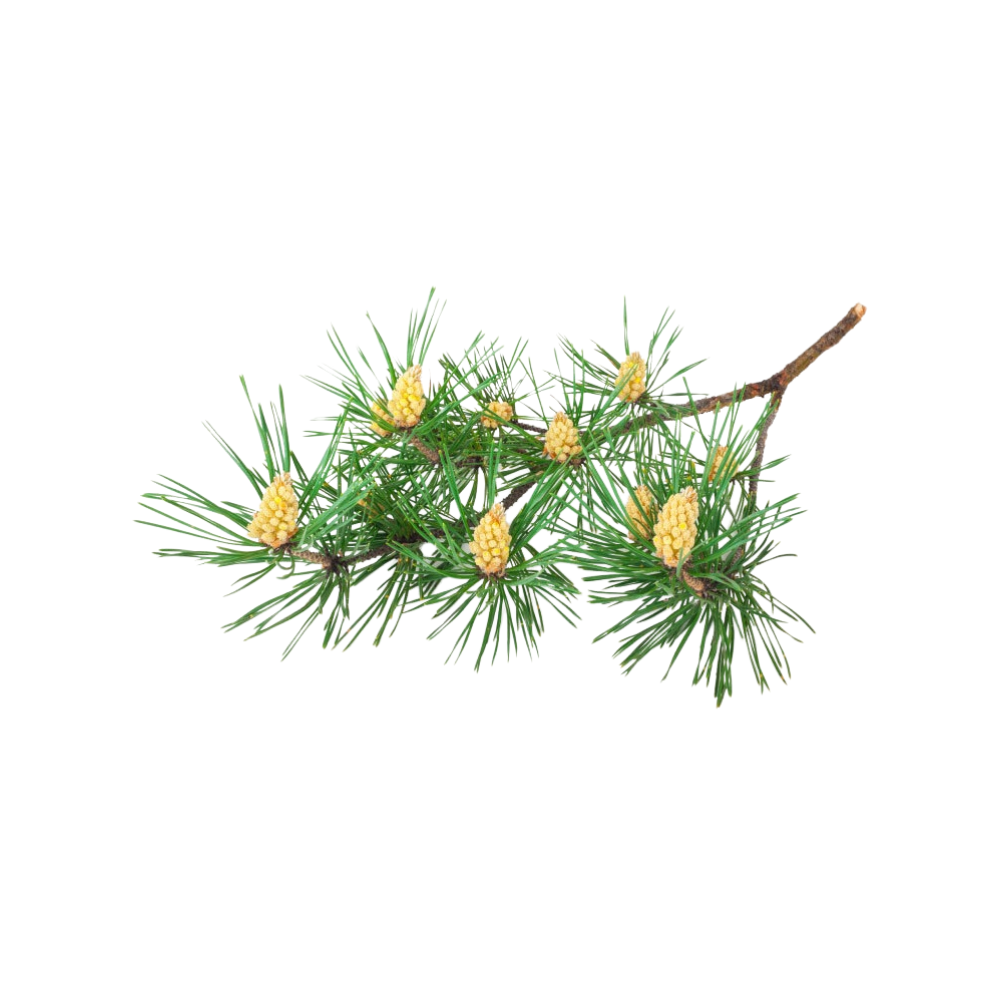 MildMildPinePinus spp.Bark extract produced a small LDL drop in a 2025 cardiometabolic meta-analysis, while the two meta-analyses dedicated to lipids were largely null apart from a small HDL rise.Mechanismnot established — small LDL ↓ / HDL ↑ in pooled bark-extract trials; antioxidant-enzyme ↑ (needle polysaccharide, mice)Read the evidenceShow lessMonograph →
The 2025 cardiometabolic meta-analysis of 27 RCTs (1,685 participants) reported a small LDL drop among its pooled outcomes 108Reference 108Meta-analysisDoes supplementation with pine bark extract improve cardiometabolic risk factors? A systematic review and meta-analysis — meta-analysisView study →. The two meta-analyses dedicated to lipids were largely null, finding no meaningful change apart from a small HDL rise 109,
The only other lipid data are from a Pinus massoniana needle polysaccharide that raised antioxidant enzymes and lowered lipids in high-fat-fed mice 111Reference 111AnimalChemical composition, antioxidant activities of polysaccharide from Pine needle (Pinus massoniana) and hypolipidemic effect in high-fat diet-induced mice — mouseView study →, a different species, a different fraction and a rodent.
No lipid-handling pathway has been proposed.
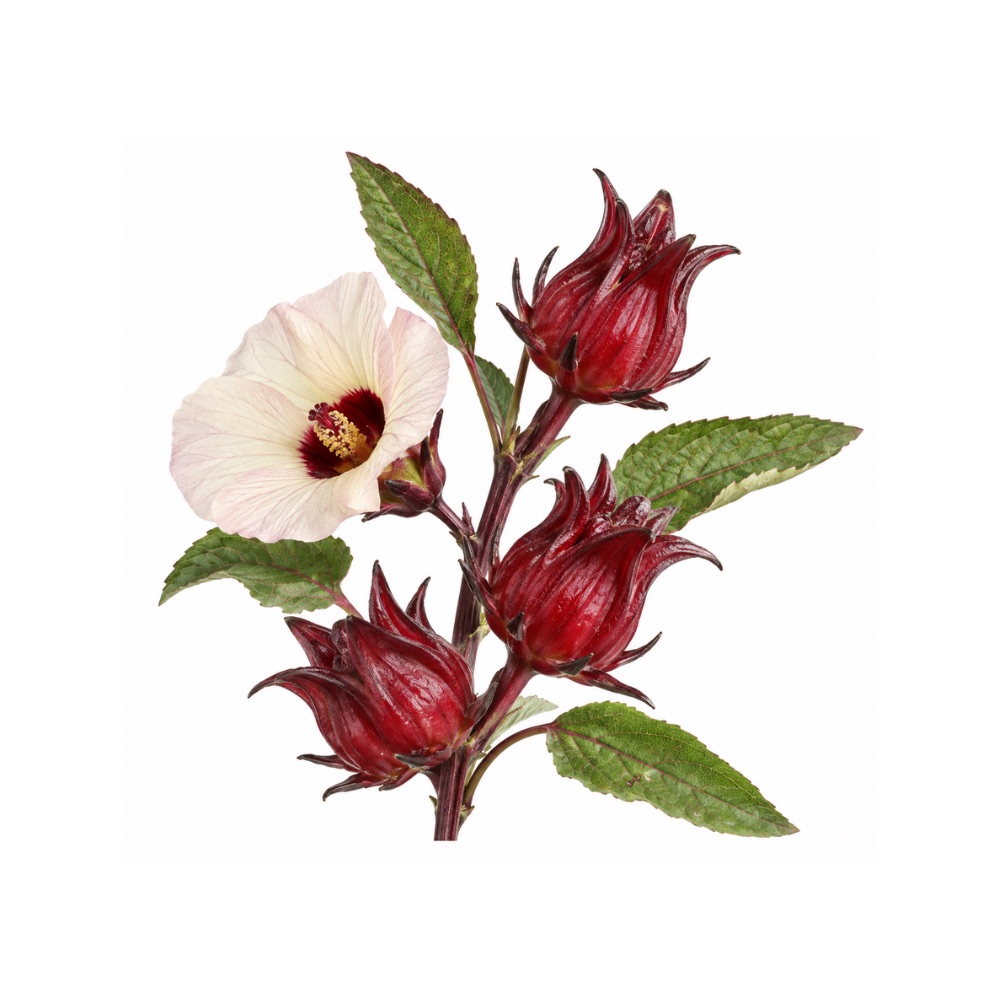 MildMildRoselleHibiscus sabdariffaThe calyx has a long reputation for lowering cholesterol; a 2020 meta-analysis found no significant lipid effect, a larger 2025 umbrella review found lower total cholesterol and LDL, and the mechanism is preclinical suppression of hepatic lipogenesis.Mechanismhepatic lipogenesis ↓ (hibiscus acid, delphinidin-3-sambubioside; preclinical); pooled human effect inconsistentRead the evidenceShow less
The human data are split. The 2020 meta-analysis found no significant effect on triglycerides, total cholesterol or HDL, with only a non-significant trend toward lower LDL 142Reference 142Meta-analysisThe efficacy of sour tea (Hibiscus sabdariffa L.) on selected cardiovascular disease risk factors — meta-analysis of 7 randomised clinical trialsView study →.
The larger 2025 umbrella review, pooling 26 trials, found reductions in total cholesterol and LDL and a rise in HDL 143Reference 143Meta-analysisEfficacy and safety of Hibiscus sabdariffa in cardiometabolic health — overview of reviews and dose-response meta-analysis of 26 randomised controlled trialsView study →. A 90-patient randomised trial found no meaningful lipid change from hibiscus tea over 15 days, with cholesterol drifting upward in both arms 144Reference 144RCTThe effect of Hibiscus sabdariffa on lipid profile, creatinine and serum electrolytes — randomised clinical trialView study →.
Preclinically the mechanism is clearer: hibiscus acid and the calyx polyphenols suppress hepatic lipogenesis, and delphinidin-3-sambubioside attenuated hyperlipidaemia in high-fat-diet rats and lipid accumulation in HepG2 cells.
The effect is real but variable, and depends on baseline dyslipidaemia, dose and extract type. The calyx’s stronger evidence is for blood pressure, examined among the antihypertensive herbs.
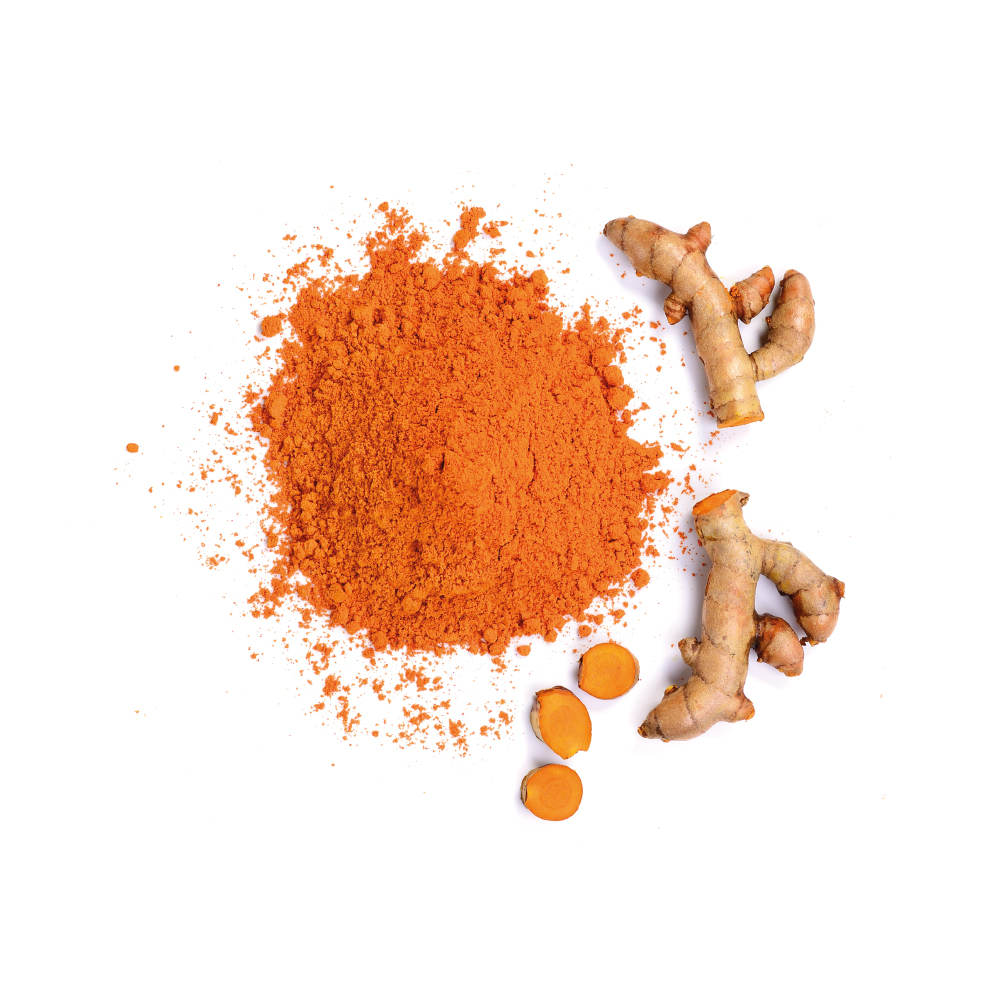 MildMildTurmericCurcuma longaCurcumin lowers total cholesterol by about 4 mg/dL, LDL by about 5 mg/dL and triglycerides by about 7 mg/dL across 64 randomised trials, at low certainty and with piperine improving absorption.Mechanismtotal-cholesterol/LDL-C ↓; piperine-enhanced absorptionRead the evidenceShow lessMonograph →
A GRADE-assessed dose-response meta-analysis of 64 RCTs found statistically significant but small improvements in total cholesterol (−3.99 mg/dL), triglycerides (−6.69 mg/dL), LDL-C (−4.89 mg/dL) and HDL-C (+1.80 mg/dL) 134Reference 134Meta-analysisEffects of curcumin/turmeric supplementation on lipid profile: a GRADE-assessed systematic review and dose-response meta-analysis of randomized controlled trialsView study →. Co-administration with piperine improved total cholesterol and LDL-C in metabolic syndrome, plausibly by raising curcumin bioavailability 135Reference 135Meta-analysisA systematic review and meta-analysis of randomized controlled trials investigating the effect of the curcumin and piperine combination on lipid profile in patients with metabolic syndromeView study →.
The authors graded certainty low to very low, and the absolute changes are minor. It is an adjunctive lipid effect.
No herbs match these filters.
Also Tagged
3 more herbs carry a hypolipidemic action.
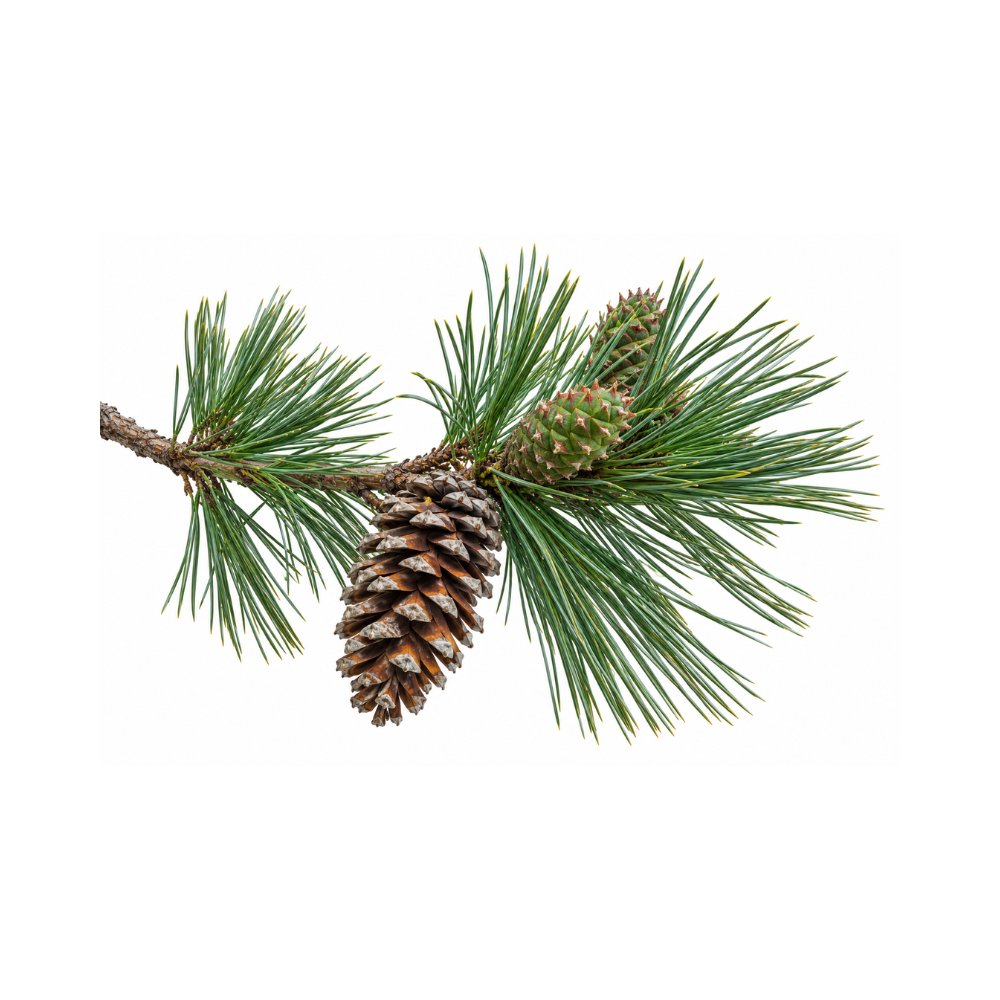
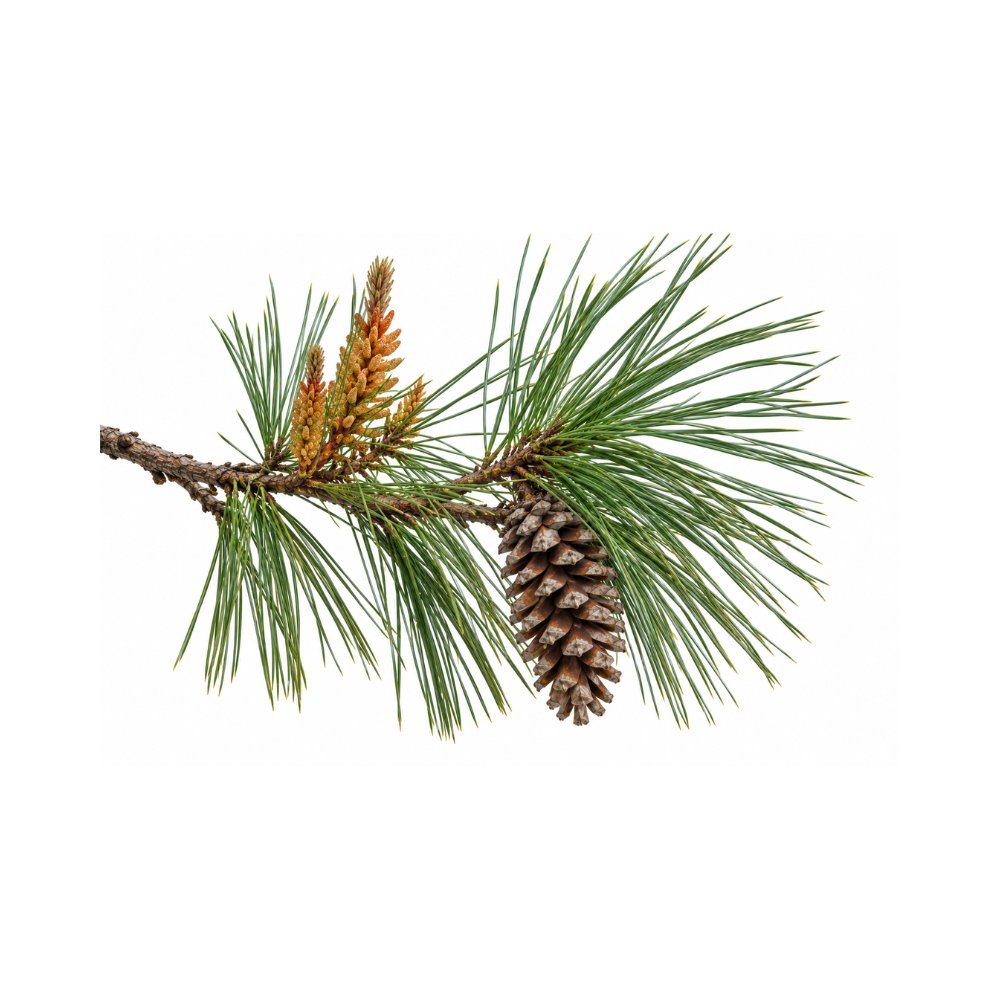
Safety
- No hypolipidemic herb replaces lipid-lowering treatment in established cardiovascular disease or familial hypercholesterolaemia.
- A herb whose active constituent is a statin carries the statin’s muscle, liver, CYP3A4 and pregnancy cautions and is not combined with a prescribed one.
- Bile-acid-binding fibres bind other oral medicines; separate doses by about two hours.
- Herbs that lower lipids through metabolic signalling also lower blood glucose and add to antidiabetic medication.
- Tannin-rich herbs bind non-haem iron in the gut; separate them from iron-rich meals and supplements.
References
- Ninomiya K, Matsuda H, Shimoda H, Nishida N, Kasajima N, Yoshino T, et al. (2004). Carnosic acid, a new class of lipid absorption inhibitor from sage — mice. Bioorganic & Medicinal Chemistry Letters. https://pubmed.ncbi.nlm.nih.gov/15050633/
- Zhao Y, Sedighi R, Wang P, Chen H, Zhu Y, Sang S. (2015). Carnosic acid as a major bioactive component in rosemary extract ameliorates high-fat-diet-induced obesity and metabolic syndrome in mice. Journal of Agricultural and Food Chemistry. https://pubmed.ncbi.nlm.nih.gov/25929334/
- Chen X, Huang M, Liu D, Li Y, Luo Q, Pham K, et al. (2021). Absorption and transport characteristics and mechanisms of carnosic acid — mice and Caco-2 model. Biology. https://pubmed.ncbi.nlm.nih.gov/34943193/
- Yao H, Tao X, Xu L, Qi Y, Yin L, Han X, Xu Y, Zheng L, Peng J (2018). Dioscin alleviates non-alcoholic fatty liver disease through adjusting lipid metabolism via SIRT1/AMPK signaling pathway. Pharmacological Research. https://pubmed.ncbi.nlm.nih.gov/29574225/
- Xu T, Zheng L, Xu L, Yin L, Qi Y, Xu Y, Han X, Peng J (2014). Protective effects of dioscin against alcohol-induced liver injury. Archives of Toxicology. Correction published 2019. https://pubmed.ncbi.nlm.nih.gov/24146112/
- Liu M, Xu L, Yin L, Qi Y, Xu Y, Han X, Zhao Y, Sun H, Yao J, Lin Y, Liu K, Peng J (2015). Potent effects of dioscin against obesity in mice. Scientific Reports. Author correction published 2020. https://pubmed.ncbi.nlm.nih.gov/25609476/
- Manda VK, Avula B, Ali Z, Wong YH, Smillie TJ, Khan IA, Khan SI (2013). Characterization of in vitro ADME properties of diosgenin and dioscin from Dioscorea villosa. Planta Medica. https://pubmed.ncbi.nlm.nih.gov/23970424/
- Christ B, Xu C, Xu M, et al. (2019). Repeated evolution of cytochrome P450-mediated spiroketal steroid biosynthesis in plants. Nature Communications. https://pubmed.ncbi.nlm.nih.gov/31324795/
- Li R, Liu Y, Shi J, et al. (2019). Diosgenin regulates cholesterol metabolism in hypercholesterolemic rats by inhibiting NPC1L1 and enhancing ABCG5 and ABCG8 — rat in vivo study. Biochimica et Biophysica Acta — Molecular and Cell Biology of Lipids. https://pubmed.ncbi.nlm.nih.gov/31054325/
- Shen H, et al. (2023). Dietary diosgenin transcriptionally down-regulated intestinal NPC1L1 expression to prevent cholesterol gallstone formation in mice — mouse in vivo study. Journal of Biomedical Science. https://pubmed.ncbi.nlm.nih.gov/37370162/
- Yan H, et al. (2024). Diosgenin as a substitute for cholesterol alleviates NAFLD by affecting CYP7A1 and NPC1L1-related pathways — mouse in vivo study. Phytomedicine. https://pubmed.ncbi.nlm.nih.gov/38301301/
- Nibbering CP, et al. (2001). Regulation of biliary cholesterol secretion is independent of hepatocyte canalicular membrane lipid composition: a study in the diosgenin-fed rat model — rat in vivo study. Journal of Hepatology. https://pubmed.ncbi.nlm.nih.gov/11580137/
- Roman ID, Thewles A, Coleman R (1995). Fractionation of livers following diosgenin treatment to elevate biliary cholesterol — rat in vivo study. Biochimica et Biophysica Acta. https://pubmed.ncbi.nlm.nih.gov/7893741/
- Mohammad-Sadeghipour M, Mahmoodi M, Noroozi Karimabad M, Mirzaei MR, Hajizadeh MR (2021). Diosgenin and 4-hydroxyisoleucine from fenugreek are regulators of genes involved in lipid metabolism in the human colorectal cancer cell line SW480 — in vitro study. Cell Journal. https://pubmed.ncbi.nlm.nih.gov/32347045/
- Sun F, et al. (2021). The effects of diosgenin on hypolipidemia and its underlying mechanism — review. Diabetes, Metabolic Syndrome and Obesity. https://pubmed.ncbi.nlm.nih.gov/34552341/
- Fuller S, Stephens JM (2015). Diosgenin, 4-hydroxyisoleucine, and fiber from fenugreek: mechanisms of actions and potential effects on metabolic syndrome — review. Advances in Nutrition. https://pubmed.ncbi.nlm.nih.gov/25770257/
- Komesaroff PA, Black CV, Cable V, Sudhir K (2001). Effects of wild yam extract on menopausal symptoms, lipids and sex hormones in healthy menopausal women — double-blind, placebo-controlled crossover study. Climacteric. https://pubmed.ncbi.nlm.nih.gov/11428178/
- Vermeer MA, Mulder TP, Molhuizen HO (2008). Theaflavins from black tea, especially theaflavin-3-gallate, reduce the incorporation of cholesterol into mixed micelles. Journal of Agricultural and Food Chemistry. https://pubmed.ncbi.nlm.nih.gov/19049290/
- Maron DJ, et al. (2003). Cholesterol-lowering effect of a theaflavin-enriched green tea extract: a randomized controlled trial. Archives of Internal Medicine. https://pubmed.ncbi.nlm.nih.gov/12824094/
- Davies MJ, et al. (2003). Black tea consumption reduces total and LDL cholesterol in mildly hypercholesterolemic adults. Journal of Nutrition. https://pubmed.ncbi.nlm.nih.gov/14519829/
- Troup R, et al. (2015). Effect of black tea intake on blood cholesterol concentrations in individuals with mild hypercholesterolemia: a diet-controlled randomized trial. Journal of the Academy of Nutrition and Dietetics. https://pubmed.ncbi.nlm.nih.gov/25266246/
- Wang D, et al. (2014). Effect of black tea consumption on blood cholesterol: a meta-analysis of 15 randomized controlled trials. PLoS One. https://pubmed.ncbi.nlm.nih.gov/25237889/
- Kang I, Kim Y, Tomás-Barberán FA, Espín JC, Chung S (2016). Urolithin A, C, and D, but not iso-urolithin A and urolithin B, attenuate triglyceride accumulation in human cultures of adipocytes and hepatocytes. Molecular Nutrition & Food Research, 60(5), 1129–1138. https://pubmed.ncbi.nlm.nih.gov/26872561/
- Zhao W, Wang L, Haller V, Ritsch A (2019). A novel candidate for prevention and treatment of atherosclerosis: urolithin B decreases lipid plaque deposition in apoE⁻/⁻ mice and increases early stages of reverse cholesterol transport in ox-LDL treated macrophages. Molecular Nutrition & Food Research, 63(10), e1800887. https://pubmed.ncbi.nlm.nih.gov/30762936/
- Chen P, Wang R, Lei J, Feng L, Zhou B (2024). Urolithin B protects mice from diet-induced obesity, insulin resistance, and intestinal inflammation by regulating gut microbiota composition. Food & Function, 15(14), 7518–7533. https://pubmed.ncbi.nlm.nih.gov/38920000/
- Dana, N., Javanmard, S. H., Asgary, S., Asnaashari, H., & Abdian, N. (2012). The effect of Aloe vera leaf gel on fatty streak formation in hypercholesterolemic rabbits — animal study. J Res Med Sci. https://pubmed.ncbi.nlm.nih.gov/23626607/
- Usharani, P., et al. (2019). Evaluation of the effects of a standardized aqueous extract of Phyllanthus emblica fruits on endothelial dysfunction, oxidative stress, systemic inflammation and lipid profile in subjects with metabolic syndrome: a randomised, double-blind, placebo-controlled clinical study. BMC Complementary and Alternative Medicine. https://pubmed.ncbi.nlm.nih.gov/31060549/
- Upadya, H., et al. (2019). A randomised, double-blind, placebo-controlled, multicentre clinical trial to assess the efficacy and safety of Emblica officinalis extract in patients with dyslipidemia. BMC Complementary and Alternative Medicine. https://pubmed.ncbi.nlm.nih.gov/30670010/
- Gopa, B., Bhatt, J., & Hemavathi, K. G. (2012). A comparative clinical study of hypolipidemic efficacy of Amla (Emblica officinalis) with the HMG-CoA reductase inhibitor simvastatin. Indian Journal of Pharmacology. https://pubmed.ncbi.nlm.nih.gov/22529483/
- Setayesh, L., et al. (2023). The impact of Emblica officinalis (Amla) on lipid profile, glucose, and C-reactive protein: a systematic review and meta-analysis of randomized controlled trials. Diabetes & Metabolic Syndrome. https://pubmed.ncbi.nlm.nih.gov/36934568/
- Brown, P. D. S., et al. (2023). Clinical effects of Emblica officinalis fruit consumption on cardiovascular disease risk factors: a systematic review and meta-analysis. BMC Complementary Medicine and Therapies. https://pubmed.ncbi.nlm.nih.gov/37296402/
- Sahebkar A, Pirro M, Banach M, et al. (2018). Lipid-lowering activity of artichoke extracts — systematic review and meta-analysis. Critical Reviews in Food Science and Nutrition. https://pubmed.ncbi.nlm.nih.gov/28609140/
- Shahinfar H, Bazshahi E, Amini MR, et al. (2021). Effects of artichoke leaf extract supplementation or artichoke juice on lipid profile — systematic review and dose-response meta-analysis of randomised controlled trials. Phytotherapy Research. https://pubmed.ncbi.nlm.nih.gov/34569671/
- Kirchhoff R, Beckers C, Kirchhoff GM, et al. (1994). Increase in choleresis by means of artichoke extract — randomised placebo-controlled double-blind crossover study. Phytomedicine. https://pubmed.ncbi.nlm.nih.gov/23195882/
- Kaut, N. N. N., Rabelo, A. C. S., Araujo, G. R., et al. (2018). Baccharis trimera (carqueja) improves metabolic and redox status in an experimental model of type 1 diabetes — in vivo (rat). Evidence-Based Complementary and Alternative Medicine, 2018, 6532637. https://doi.org/10.1155/2018/6532637
- Barbosa, R. J., Ratti da Silva, G., Cola, I. M., et al. (2020). Promising therapeutic use of Baccharis trimera (Less.) DC. as a natural hepatoprotective agent against hepatic lesions caused by multiple risk factors — in vivo (rat). Journal of Ethnopharmacology, 254, 112729. https://pubmed.ncbi.nlm.nih.gov/32145332/
- de Souza Marinho do Nascimento, D., Oliveira, R. M., Camara, R. B. G., et al. (2017). Baccharis trimera (Less.) DC exhibits an anti-adipogenic effect by inhibiting the expression of proteins involved in adipocyte differentiation — in vitro (cell line). Molecules, 22(6), 972. https://doi.org/10.3390/molecules22060972
- Mollace, V., Sacco, I., Janda, E., et al. (2011). Hypolipemic and hypoglycaemic activity of bergamot polyphenols: from animal models to human studies. Fitoterapia. https://pubmed.ncbi.nlm.nih.gov/21056640/
- Pierdomenico, M., Cicero, A. F. G., Veronesi, M., et al. (2023). Effect of Citrus bergamia extract on lipid profile: a combined in vitro and human study. Phytotherapy Research. https://pubmed.ncbi.nlm.nih.gov/37312672/
- Lamiquiz-Moneo, I., Giné-González, J., Alisente, S., et al. (2020). Effect of bergamot on lipid profile in humans: a systematic review. Critical Reviews in Food Science and Nutrition. https://pubmed.ncbi.nlm.nih.gov/31670973/
- Sadeghi-Dehsahraei, H., Esmaeili Gouvarchin Ghaleh, H., Mirnejad, R., & Parastouei, K. (2022). The effect of bergamot supplementation on lipid profiles: a systematic review and meta-analysis of randomised controlled trials. Phytotherapy Research. https://pubmed.ncbi.nlm.nih.gov/36251526/
- Osadnik, T., Goławski, M., Lewandowski, P., et al. (2022). A network meta-analysis on the comparative effect of nutraceuticals on lipid profile in adults. Pharmacological Research. https://pubmed.ncbi.nlm.nih.gov/35988871/
- Maggiolo, G., Aldigeri, R., Savini, C., et al. (2024). Chronic consumption of a bergamot-based beverage does not affect glucose, lipid and inflammatory biomarkers of cardiometabolic risk in healthy subjects. Food & Function. https://pubmed.ncbi.nlm.nih.gov/38767145/
- Mollace, V., Scicchitano, M., Paone, S., et al. (2019). Hypoglycemic and hypolipemic effects of a new lecithin formulation of bergamot polyphenolic fraction. Endocrine, Metabolic & Immune Disorders Drug Targets. https://pubmed.ncbi.nlm.nih.gov/30501605/
- Amini, M. R., Rasaei, N., Jalalzadeh, M., Pourreza, S., & Hekmatdoost, A. (2024). The effects of bitter melon (Momordica charantia) on lipid profile — meta-analysis of RCTs. Phytotherapy Research. https://pubmed.ncbi.nlm.nih.gov/39444254/
- Zhang, X., Zhao, Y., Song, Y., & Miao, M. (2024). Effects of Momordica charantia L. supplementation on glycemic control and lipid profile in type 2 diabetes — meta-analysis of RCTs. Heliyon. https://pubmed.ncbi.nlm.nih.gov/38784554/
- Innih, S. O., Eze, I. G., & Omage, K. (2022). Evaluation of the haematinic, antioxidant and anti-atherosclerotic potential of Momordica charantia in cholesterol-fed rats — animal model. Toxicology Reports. https://pubmed.ncbi.nlm.nih.gov/35399217/
- Tokede OA, Gaziano JM, et al. (2011). Effects of cocoa products/dark chocolate on serum lipids: a meta-analysis. Eur J Clin Nutr. https://pubmed.ncbi.nlm.nih.gov/21559039/
- Maierean SM, et al. (2017). The effects of cinnamon supplementation on blood lipid concentrations: a systematic review and meta-analysis — [meta-analysis]. Journal of Clinical Lipidology. https://pubmed.ncbi.nlm.nih.gov/28887086/
- Kutbi EH, et al. (2022). The beneficial effects of cinnamon among patients with metabolic diseases: a systematic review and dose-response meta-analysis of randomized controlled trials — [meta-analysis]. Critical Reviews in Food Science and Nutrition. https://pubmed.ncbi.nlm.nih.gov/33739219/
- Allen RW, et al. (2013). Cinnamon use in type 2 diabetes: an updated systematic review and meta-analysis — [meta-analysis]. Annals of Family Medicine. https://pubmed.ncbi.nlm.nih.gov/24019277/
- Sarmadi B, et al. (2023). The effect of cinnamon consumption on lipid profile, oxidative stress, and inflammation biomarkers in adults: an umbrella meta-analysis of randomized controlled trials — [meta-analysis]. Nutrition, Metabolism & Cardiovascular Diseases. https://pubmed.ncbi.nlm.nih.gov/37500345/
- Yang, Q., et al. (2025). The effect of capsaicin, capsinoids, and pepper-based interventions on lipid profiles in overweight/metabolic populations — systematic review and meta-analysis. Diabetes Research and Clinical Practice. https://pubmed.ncbi.nlm.nih.gov/40939866/
- Jiang, Z., et al. (2022). Lipid-lowering efficacy of capsaicin in patients with metabolic syndrome — systematic review. Frontiers in Nutrition. https://pubmed.ncbi.nlm.nih.gov/35299764/
- Chen Q, Lin H, Huang X, et al. Codonopsis pilosula polysaccharides attenuate lipid accumulation and inflammatory response in the NAFLD mouse by regulating AMPK/ACC/SREBP1 signaling pathway. Tissue & Cell. 2025. https://pubmed.ncbi.nlm.nih.gov/40451044/
- Effects of Codonopsis pilosula crude polysaccharides by hypoglycemic and modulating gut microbiome in a high-fat diet and streptozotocin-induced mouse model of T2DM. Journal of Functional Foods. 2023;111:105893. https://doi.org/10.1016/j.jff.2023.105893
- Cho K, Kim SJ, Park SH, et al. Protective effect of Codonopsis lanceolata root extract against alcoholic fatty liver in the rat. Journal of Medicinal Food. 2009;12(6):1293–1301. https://pubmed.ncbi.nlm.nih.gov/20041784/ (Note: C. lanceolata — a different species; cited only to flag the common cross-species misattribution.)
- Ju, J., Li, J., Lin, Q., & Xu, H. (2018). Efficacy and safety of berberine for dyslipidaemias — systematic review and meta-analysis of randomised clinical trials. Phytomedicine. https://pubmed.ncbi.nlm.nih.gov/30466986/
- Lan, J., Zhao, Y., Dong, F., et al. (2015). Meta-analysis of the effect and safety of berberine in the treatment of type 2 diabetes mellitus, hyperlipaemia and hypertension — meta-analysis. Journal of Ethnopharmacology. https://pubmed.ncbi.nlm.nih.gov/25498346/
- Li, X., Zhang, X., Wei, N., et al. (2025). Total alkaloids from Coptis chinensis Franch ameliorate hyperlipidaemia and hepatic steatosis via AMPK/SREBP-1c and PPARα/LXRα in mice — animal model. Frontiers in Pharmacology. https://pubmed.ncbi.nlm.nih.gov/41244823/
- Yang, Y., Zhan, J., Cheng, J., Cao, Y., & Wu, C. (2025). Coptis chinensis shows distinct effects on hyperlipidaemia and gut microbiota in high-fat-diet mice with cold or hot syndrome — animal model. Chinese Herbal Medicines. https://pubmed.ncbi.nlm.nih.gov/40734903/
- Yeh MY, Ko WC, Lin LY. (2014). Hypolipidemic and antioxidant activity of enoki mushrooms (Flammulina velutipes) — hamster. Biomed Res Int. https://pubmed.ncbi.nlm.nih.gov/25250317/
- Zhao R, Ji Y, Chen X, Hu Q, Zhao L. (2021). Polysaccharide from Flammulina velutipes attenuates markers of metabolic syndrome by modulating gut microbiota and lipid metabolism in HFD-fed mice. Food Funct. https://pubmed.ncbi.nlm.nih.gov/34137411/
- Luo Z, Gao Q, Li Y, et al. (2022). Flammulina velutipes mycorrhizae attenuate high-fat-diet-induced lipid disorder, oxidative stress and inflammation — mouse. Nutrients. https://pubmed.ncbi.nlm.nih.gov/36145203/
- Heshmat-Ghahdarijani, K., et al. (2020). Effect of fenugreek consumption on serum lipid profile: A systematic review and meta-analysis. Phytother Res. https://pubmed.ncbi.nlm.nih.gov/32385866/
- Askarpour, M., et al. (2020). Effect of fenugreek supplementation on blood lipids and body weight: A systematic review and meta-analysis of randomized controlled trials. J Ethnopharmacol. https://pubmed.ncbi.nlm.nih.gov/32087319/
- Khodamoradi, K., et al. (2020). The Effects of Fenugreek on Cardiometabolic Risk Factors in Adults: A Systematic Review and Meta-analysis. Complement Ther Med. https://pubmed.ncbi.nlm.nih.gov/32951700/
- Fakhr, L., et al. (2023). Effects of fenugreek supplementation on the components of metabolic syndrome: A systematic review and dose-response meta-analysis of randomized clinical trials. Pharmacol Res. https://pubmed.ncbi.nlm.nih.gov/36470549/
- Pan, A., Yu, D., Demark-Wahnefried, W., Franco, O. H., & Lin, X. (2009). Meta-analysis of the effects of flaxseed interventions on blood lipids. American Journal of Clinical Nutrition. https://pubmed.ncbi.nlm.nih.gov/19515737/
- Karimi M, Vakili K, Rashidian P, Razavi-Amoli SK, Akhbari M, & Kazemi K (2024). Effect of boswellia (Boswellia serrata L.) supplementation on glycemic markers and lipid profile in type 2 diabetic patients: a systematic review and meta-analysis — [systematic review and meta-analysis]. Front Clin Diabetes Healthc, 5, 1466408. https://pubmed.ncbi.nlm.nih.gov/39449720/
- Zeng T, et al. (2012). A meta-analysis of randomized, double-blind, placebo-controlled trials for the effects of garlic on serum lipid profiles. Journal of the Science of Food and Agriculture. https://pubmed.ncbi.nlm.nih.gov/22234974/
- Du Y, et al. (2024). Garlic consumption can reduce the risk of dyslipidemia: a meta-analysis of randomized controlled trials. Journal of Health, Population and Nutrition. https://pubmed.ncbi.nlm.nih.gov/39113105/
- Khoo YSK, et al. (2009). Garlic supplementation and serum cholesterol: a meta-analysis. Journal of Clinical Pharmacy and Therapeutics. https://pubmed.ncbi.nlm.nih.gov/19250134/
- Stevinson C, et al. (2000). Garlic for treating hypercholesterolemia. A meta-analysis of randomized clinical trials. Annals of Internal Medicine. https://pubmed.ncbi.nlm.nih.gov/10975959/
- Zamani, M., et al. (2023). The effects of Gymnema sylvestre supplementation on lipid profile, glycemic control, blood pressure, and anthropometric indices in adults: A systematic review and meta-analysis. Phytotherapy Research. https://pubmed.ncbi.nlm.nih.gov/36580574/
- Pothuraju, R., Sharma, R. K., Chagalamarri, J., Jangra, S., & Kumar Kavadi, P. (2014). A systematic review of Gymnema sylvestre in obesity and diabetes management. Journal of the Science of Food and Agriculture. https://pubmed.ncbi.nlm.nih.gov/24166097/
- Di Fabio, G., et al. (2014). Triterpenoids from Gymnema sylvestre and their pharmacological activities — review. Molecules. https://pubmed.ncbi.nlm.nih.gov/25072200/
- Nani, A., et al. (2023). Combined inositols, α-lactalbumin, Gymnema sylvestre and zinc improve the lipid metabolic profile of patients with type 2 diabetes mellitus: a randomised clinical trial. Journal of Clinical Medicine. https://pubmed.ncbi.nlm.nih.gov/38137721/
- Dai, N., et al. (2022). Gynostemma pentaphyllum for dyslipidemia: a systematic review of randomized controlled trials. Frontiers in Pharmacology. https://pubmed.ncbi.nlm.nih.gov/36091752/
- Li, Y., et al. (2023). The role of Gynostemma pentaphyllum in regulating hyperlipidemia — meta-analysis. The American Journal of Chinese Medicine. https://pubmed.ncbi.nlm.nih.gov/37129524/
- Nguyen, N. H., et al. (2021). Triterpenoids from the genus Gynostemma: chemistry and pharmacological activities — review. Journal of Ethnopharmacology. https://pubmed.ncbi.nlm.nih.gov/33186700/
- Dalli, E., Colomer, E., Tormos, M. C., et al. (2011). Crataegus laevigata decreases neutrophil elastase and has hypolipidemic effect: a randomized, double-blind, placebo-controlled trial. Phytomedicine. https://pubmed.ncbi.nlm.nih.gov/21242072/
- Ding, Y., et al. (2016). The mechanisms underlying the hypolipidaemic effects of Grifola frondosa in the liver of rats — animal in vivo (rat). Frontiers in Microbiology. https://pubmed.ncbi.nlm.nih.gov/27536279/
- Kabir, Y., Yamaguchi, M., & Kimura, S. (1987). Effect of shiitake (Lentinus edodes) and maitake (Grifola frondosa) mushrooms on blood pressure and plasma lipids of spontaneously hypertensive rats — animal in vivo (rat). Journal of Nutritional Science and Vitaminology. https://pubmed.ncbi.nlm.nih.gov/3443885/
- Chen, Y., et al. (2020). Hypoglycemic and hypolipidemic mechanism of organic chromium derived from chelation of Grifola frondosa polysaccharide-chromium(III) and its modulation of intestinal microflora in diabetic mice — mouse in vivo. International Journal of Biological Macromolecules. https://pubmed.ncbi.nlm.nih.gov/31726162/
- Heshmati J, Morvaridzadeh M, Sepidarkish M, et al. (2020). Effects of Melissa officinalis on cardio-metabolic outcomes — systematic review and meta-analysis. Phytotherapy Research. https://pubmed.ncbi.nlm.nih.gov/32614129/
- Jandaghi P, Noroozi M, Ardalani H, Alipour M. (2016). Lemon balm — a promising herbal therapy for patients with borderline hyperlipidemia — randomised double-blind placebo-controlled trial. Complementary Therapies in Medicine. https://pubmed.ncbi.nlm.nih.gov/27261994/
- Javid AZ, Haybar H, Dehghan P, et al. (2018). The effects of Melissa officinalis in chronic stable angina on serum biomarkers of oxidative stress, inflammation and lipid profile — randomised placebo-controlled trial. Asia Pacific Journal of Clinical Nutrition. https://pubmed.ncbi.nlm.nih.gov/30045422/
- Voroneanu L, Nistor I, Dumea R, et al. (2016). Silymarin in type 2 diabetes mellitus: a systematic review and meta-analysis of randomized controlled trials — systematic review and meta-analysis. J Diabetes Res. https://pubmed.ncbi.nlm.nih.gov/27340676/
- Huseini HF, Larijani B, Heshmat R, et al. (2006). The efficacy of Silybum marianum (silymarin) in the treatment of type II diabetes: a randomized, double-blind, placebo-controlled clinical trial — randomised placebo-controlled trial. Phytother Res. https://pubmed.ncbi.nlm.nih.gov/17072885/
- Sahebkar A, Beccuti G, et al. (2016). Nigella sativa (black seed) effects on plasma lipid concentrations in humans — systematic review and meta-analysis of randomized placebo-controlled trials. Pharmacol Res. https://pubmed.ncbi.nlm.nih.gov/26875640/
- Rounagh M, Musazadeh V, et al. (2024). Effects of Nigella sativa supplementation on lipid profiles in adults — updated systematic review and meta-analysis of randomized controlled trials. Clin Nutr ESPEN. https://pubmed.ncbi.nlm.nih.gov/38777430/
- Jafari A, Mardani H, et al. (2025). Does Nigella sativa supplementation improve cardiovascular disease risk factors? A GRADE-assessed systematic review and dose-response meta-analysis of 82 randomized controlled trials. Pharmacol Res. https://pubmed.ncbi.nlm.nih.gov/40714301/
- Whitehead, A. (2014). Cholesterol-lowering effects of oat β-glucan: a meta-analysis of randomized controlled trials — systematic review and meta-analysis. Am J Clin Nutr, 100(6), 1413–1421. https://pubmed.ncbi.nlm.nih.gov/25411276/
- US Food and Drug Administration. 21 CFR 101.81 — Health claims: soluble fiber from certain foods and risk of coronary heart disease (CHD) (regulatory authorisation; ≥3 g/day β-glucan from whole oats). https://www.ecfr.gov/current/title-21/chapter-I/subchapter-B/part-101/subpart-E/section-101.81
- Kim, IS. (2021). Multiple Antioxidative and Bioactive Molecules of Oats (Avena sativa L.) in Human Health — review. Antioxidants (Basel), 10(9), 1454. https://pubmed.ncbi.nlm.nih.gov/34573086/
- Susalit, E. et al. (2011). Olive (Olea europaea) leaf extract effective in patients with stage-1 hypertension: comparison with Captopril — randomised controlled trial. Phytomedicine. https://pubmed.ncbi.nlm.nih.gov/21036583/
- Lockyer, S. et al. (2017). Impact of phenolic-rich olive leaf extract on blood pressure, plasma lipids and inflammatory markers: a randomised controlled trial. Eur J Nutr. https://pubmed.ncbi.nlm.nih.gov/26951205/
- Fladerer-Grollitsch, J. P. et al. (2026). Effects of a combination of olive leaf extract and potassium on blood pressure in participants with mild to moderate hypertension: a double-blind, randomized, placebo-controlled trial. Phytomedicine. https://pubmed.ncbi.nlm.nih.gov/41935461/
- Álvares, A. et al. (2024). Olive leaf extract effect on cardiometabolic risk factors: a systematic review and meta-analysis of randomized clinical trials. Nutr Rev. https://pubmed.ncbi.nlm.nih.gov/38287654/
- Stevens, Y. et al. (2021). The effect of olive leaf extract on cardiovascular health markers: a randomized placebo-controlled clinical trial. Eur J Nutr. https://pubmed.ncbi.nlm.nih.gov/33034707/
- Dicks, L. & Ellinger, S. (2020). Effect of the intake of oyster mushrooms (Pleurotus ostreatus) on cardiometabolic parameters — a systematic review of clinical trials. Nutrients. https://pubmed.ncbi.nlm.nih.gov/32316680/
- Uffelman, C. N. et al. (2023). An assessment of mushroom consumption on cardiometabolic disease risk factors and morbidities in humans — a systematic review. Nutrients. https://pubmed.ncbi.nlm.nih.gov/36904079/
- Khatun, K. et al. (2007). Oyster mushroom reduced blood glucose and cholesterol in diabetic subjects — clinical crossover study. Mymensingh Med J. https://pubmed.ncbi.nlm.nih.gov/17344789/
- Abrams, D. I. et al. (2011). Antihyperlipidemic effects of Pleurotus ostreatus in HIV-infected individuals taking antiretroviral therapy — open-label clinical trial. BMC Complement Altern Med. https://pubmed.ncbi.nlm.nih.gov/21831304/
- Lam, Y. S. & Okello, E. J. (2015). Determination of lovastatin, β-glucan, total polyphenols and antioxidant activity in raw and processed oyster mushroom, Pleurotus ostreatus — analytical (lovastatin not detected). Int J Med Mushrooms. https://pubmed.ncbi.nlm.nih.gov/25746617/
- Tsiantas, K. et al. (2021). On the identification and quantification of ergothioneine and lovastatin in various mushroom species — analytical review of methods. Molecules. https://pubmed.ncbi.nlm.nih.gov/33805096/
- Mohammadi S, Fulop T, Khalil A, Ebrahimi S, et al. (2025). Does supplementation with pine bark extract improve cardiometabolic risk factors? A systematic review and meta-analysis — meta-analysis. BMC Complement Med Ther, 25, 71. https://pubmed.ncbi.nlm.nih.gov/39987124/
- Sahebkar A (2014). A systematic review and meta-analysis of the effects of pycnogenol on plasma lipids — meta-analysis. J Cardiovasc Pharmacol Ther, 19, 244-55. https://pubmed.ncbi.nlm.nih.gov/24346156/
- Hadi A, Pourmasoumi M, Mohammadi H, Javaheri A, et al. (2019). The impact of pycnogenol supplementation on plasma lipids in humans: A systematic review and meta-analysis of clinical trials — meta-analysis. Phytother Res, 33, 276-287. https://pubmed.ncbi.nlm.nih.gov/30456865/
- Chu L, Yang L, Lin L, Wei J, et al. (2019). Chemical composition, antioxidant activities of polysaccharide from Pine needle (Pinus massoniana) and hypolipidemic effect in high-fat diet-induced mice — mouse. Int J Biol Macromol, 125, 445-452. https://pubmed.ncbi.nlm.nih.gov/30537499/
- Jovanovski, E., et al. (2018). Effect of psyllium (Plantago ovata) fiber on LDL cholesterol and alternative lipid targets, non-HDL cholesterol and apolipoprotein B: a systematic review and meta-analysis of randomized controlled trials — meta-analysis. American Journal of Clinical Nutrition, 108(5), 922–932. https://pubmed.ncbi.nlm.nih.gov/30239559/
- Brown, L., et al. (1999). Cholesterol-lowering effects of dietary fiber: a meta-analysis — meta-analysis. American Journal of Clinical Nutrition, 69(1), 30–42. https://pubmed.ncbi.nlm.nih.gov/9925120/
- Kanadys, W., et al. (2020). Effects of red clover (Trifolium pratense) isoflavones on the lipid profile of perimenopausal and postmenopausal women — systematic review and meta-analysis. Maturitas. https://pubmed.ncbi.nlm.nih.gov/31883666/
- Clifton-Bligh, P. B., et al. (2015). Red clover isoflavones enriched with formononetin lower serum LDL cholesterol — a randomised, double-blind, placebo-controlled study. European Journal of Clinical Nutrition. https://pubmed.ncbi.nlm.nih.gov/25369831/
- Clifton-Bligh, P. B., et al. (2001). The effect of isoflavones extracted from red clover (Rimostil) on lipid and bone metabolism — randomised trial. Menopause. https://pubmed.ncbi.nlm.nih.gov/11449083/
- Yigit E, Unsal S (2024). Isoflavones obtained from red clover improve both dyslipidemia and menopausal symptoms in menopausal women: a prospective randomised placebo-controlled trial. Climacteric. https://pubmed.ncbi.nlm.nih.gov/39254422/
- Liu, J., et al. (2006). Chinese red yeast rice (Monascus purpureus) for primary hyperlipidemia: a meta-analysis of randomized controlled trials. Chinese Medicine, 1, 4. https://pubmed.ncbi.nlm.nih.gov/17302963/
- Lu, Z., et al. (2008). Effect of Xuezhikang, an extract from red yeast Chinese rice, on coronary events in a Chinese population with previous myocardial infarction — randomized controlled trial. American Journal of Cardiology, 101(12), 1689–1693. https://pubmed.ncbi.nlm.nih.gov/18549841/
- Ye, P., et al. (2007). Effect of xuezhikang on cardiovascular events and mortality in elderly patients with a history of myocardial infarction: a subgroup analysis of the China Coronary Secondary Prevention Study — randomized controlled trial. Journal of the American Geriatrics Society, 55(7), 1015–1022. https://pubmed.ncbi.nlm.nih.gov/17608873/
- Kianbakht, S., & Dabaghian, F. H. (2013). Improved glycemic control and lipid profile in hyperlipidemic type-2 diabetic patients consuming Salvia officinalis L. leaf extract: a randomised placebo-controlled clinical trial. Complement Ther Med, 21(5), 441–446. https://pubmed.ncbi.nlm.nih.gov/24050577/
- Kianbakht, S., et al. (2011). Antihyperlipidemic effects of Salvia officinalis L. leaf extract in patients with hyperlipidemia: a randomised double-blind placebo-controlled clinical trial. Phytother Res, 25(12), 1849–1853. https://pubmed.ncbi.nlm.nih.gov/21506190/
- Kianbakht, S., et al. (2016). Salvia officinalis (sage) leaf extract as add-on to statin therapy in hypercholesterolemic type-2 diabetic patients: a randomised clinical trial. Int J Mol Cell Med, 5(3), 141–148. https://pubmed.ncbi.nlm.nih.gov/27942500/
- Maleki-Hajiagha, A., et al. (2025). Exploring the therapeutic impact of Salvia officinalis on lipid and oxidative stress markers in patients with polycystic ovary syndrome — a randomised placebo-controlled clinical trial. BMC Complement Med Ther, 25(1), 120. https://pubmed.ncbi.nlm.nih.gov/40141012/
- Mervić, M., et al. (2022). Comparative antioxidant, anti-acetylcholinesterase and anti-α-glucosidase activities of Mediterranean Salvia species — in vitro. Plants (Basel), 11(5), 625. https://pubmed.ncbi.nlm.nih.gov/35270095/
- Enman J, Rova U, Berglund KA (2007). Quantification of the bioactive compound eritadenine in selected strains of shiitake mushroom (Lentinus edodes) — analytical/in vitro. J Agric Food Chem. https://pubmed.ncbi.nlm.nih.gov/17256958/
- Yamada T, Komoto J, Lou K, et al. (2007). Structure and function of eritadenine and its 3-deaza analogues: potent inhibitors of S-adenosylhomocysteine hydrolase — animal/biochemical. Biochem Pharmacol. https://pubmed.ncbi.nlm.nih.gov/17214973/
- Yang H, Hwang I, Kim S, et al. (2013). Preventive effects of Lentinus edodes on homocysteinemia in mice — animal model. https://pubmed.ncbi.nlm.nih.gov/24137209/
- Spim SRV, Pistila AMH, Pickler TB, et al. (2021). Effects of Shiitake Culinary-Medicinal Mushroom, Lentinus edodes, Bars on Lipid and Antioxidant Profiles in Individuals with Borderline High Cholesterol: A Double-Blind Randomized Clinical Trial — randomised controlled trial. Int J Med Mushrooms. https://pubmed.ncbi.nlm.nih.gov/34375514/
- Zheng, X. X., Xu, Y. L., Li, S. H., et al. (2011). Green tea intake lowers fasting serum total and LDL cholesterol in adults: a meta-analysis of 14 randomised controlled trials. Am J Clin Nutr, 94(2), 601-610. https://pubmed.ncbi.nlm.nih.gov/21715508/
- Xu, R., Yang, K., Li, S., et al. (2020). Effect of green tea consumption on blood lipids: a systematic review and meta-analysis of 31 randomised controlled trials. Nutr J, 19(1), 48. https://pubmed.ncbi.nlm.nih.gov/32434539/
- Moore, R. J., Jackson, K. G., & Minihane, A. M. (2009). Green tea (Camellia sinensis) catechins and vascular function — review. Br J Nutr, 102(12), 1790-1802. https://pubmed.ncbi.nlm.nih.gov/19751534/
- Pingali, U., Sukumaran, D., & Nutalapati, C. (2020). Effect of an aqueous extract of Terminalia chebula on endothelial dysfunction, systemic inflammation, and lipid profile in type 2 diabetes mellitus: a randomised, double-blind, placebo-controlled clinical study — RCT. Phytotherapy Research. https://pubmed.ncbi.nlm.nih.gov/32618037/
- Dehzad MJ, Ghalandari H, Amini MR, Askarpour M. (2023). Effects of curcumin/turmeric supplementation on lipid profile: a GRADE-assessed systematic review and dose-response meta-analysis of randomized controlled trials. Complement Ther Med. https://pubmed.ncbi.nlm.nih.gov/37230418/
- Hosseini H, et al. (2023). A systematic review and meta-analysis of randomized controlled trials investigating the effect of the curcumin and piperine combination on lipid profile in patients with metabolic syndrome. Phytother Res. https://pubmed.ncbi.nlm.nih.gov/36649934/
- de Morais, E. C., et al. (2009). Consumption of yerba mate (Ilex paraguariensis) improves serum lipid parameters in healthy dyslipidemic subjects — controlled clinical trial. Journal of Agricultural and Food Chemistry. https://pubmed.ncbi.nlm.nih.gov/19694438/
- Klein, G. A., et al. (2011). Mate tea (Ilex paraguariensis) improves glycemic and lipid profiles of type 2 diabetes and pre-diabetes individuals — randomized controlled trial. Journal of the American College of Nutrition. https://pubmed.ncbi.nlm.nih.gov/22081618/
- Fernandes, E. S., et al. (2012). Yerba mate (Ilex paraguariensis) enhances the gene modulation and activity of paraoxonase-2: in vitro and in vivo studies. Nutrition. https://pubmed.ncbi.nlm.nih.gov/22964087/
- Li, D., et al. (2025). Yerba Maté and its impact on glycemic control and metabolic health: a systematic review and meta-analysis of RCTs. Frontiers in Endocrinology. https://pubmed.ncbi.nlm.nih.gov/41244043/
- Hadi, A. et al. (2019). Barberry (Berberis vulgaris L.) is a safe approach for management of lipid parameters — systematic review and meta-analysis of randomized controlled trials. Complementary Therapies in Medicine. https://pubmed.ncbi.nlm.nih.gov/30935518/
- Córdova Mariángel, P., Avello Lorca, M., Morales Leon, F., et al. (2019). Effects of Bauhinia forficata Link tea on lipid profile in diabetic patients — uncontrolled clinical study. Journal of Medicinal Food. https://pubmed.ncbi.nlm.nih.gov/30817232/
- Najafpour Boushehri, S., Karimbeiki, R., Ghasempour, S., et al. (2020). The efficacy of sour tea (Hibiscus sabdariffa L.) on selected cardiovascular disease risk factors — meta-analysis of 7 randomised clinical trials. Phytotherapy Research. https://pubmed.ncbi.nlm.nih.gov/31943427/
- Norouzzadeh, M., Hasan Rashedi, M., Azizi, M. H., et al. (2025). Efficacy and safety of Hibiscus sabdariffa in cardiometabolic health — overview of reviews and dose-response meta-analysis of 26 randomised controlled trials. Complementary Therapies in Medicine. https://pubmed.ncbi.nlm.nih.gov/39870328/
- Mohagheghi, A., Maghsoud, S., Khashayar, P., et al. (2011). The effect of Hibiscus sabdariffa on lipid profile, creatinine and serum electrolytes — randomised clinical trial. ISRN Gastroenterology. https://pubmed.ncbi.nlm.nih.gov/21991538/
Keep Exploring