

Overview
Antidiabetic at a Glance
Antidiabetic herbs are used to support blood-sugar control in type 2 diabetes and prediabetes.
Some lower blood glucose directly. Others improve the way the body handles glucose without necessarily producing an immediate drop on a glucose meter.
That makes antidiabetic a broader category than hypoglycemic.
A hypoglycemic herb lowers blood glucose. An antidiabetic herb may also work by improving insulin sensitivity, slowing carbohydrate absorption, supporting insulin release, reducing glucose production in the liver, or protecting pancreatic β-cells.
Effects on blood lipids or kidney markers seen in the same trials belong under hypolipidemic and nephroprotective.
These differences affect how the herbs are used.
An herb that slows carbohydrate absorption works mainly around meals.
An insulin sensitizer may have more effect on fasting glucose and insulin resistance over time.
Herbs that stimulate insulin release can lower glucose more directly and carry a greater risk of hypoglycemia when combined with medication.
Some of the strongest examples have good human evidence.
Berberine-containing herbs such as barberry and coptis have been studied for fasting glucose and HbA1c.
Gymnema, gynostemma, nigella, stinging nettle, bitter melon, and cinnamon also have clinical evidence, while turmeric has been studied in people with prediabetes.
Preparation matters here too.
Much of the cinnamon research uses cassia cinnamon or does not clearly identify the species. Cassia contains considerably more coumarin than Ceylon cinnamon, which becomes more relevant at the gram-level doses used in many trials.
A much larger group remains preclinical. Many traditional antidiabetic herbs, goat’s rue and cashew bark among them, have convincing effects in cells or diabetic animal models but have not yet been properly tested in people.
Caution
Adds to diabetes drugs — antidiabetic herbs add to insulin, metformin, sulfonylureas and other glucose-lowering drugs, and hypoglycaemia is the risk when they are combined.
Change doses with your prescriber — anyone on diabetes medication should monitor glucose more often and change doses only with their prescriber.
No herb replaces treatment — no antidiabetic herb replaces diabetes treatment or monitoring.
Mechanisms
How It Works
01
Carbohydrate Absorption
Inhibiting the brush-border enzymes α-glucosidase and α-amylase, which break starch into absorbable glucose, or slowing the meal with viscous fibre, so that less glucose reaches the blood after eating.
This is the acarbose mechanism. Gymnema, pine, sage, nettle, cashew and goat’s rue inhibit the enzymes in vitro, and the seed flavonoids of Indian trumpet tree potentiate acarbose itself in mice.
Fenugreek’s galactomannan and psyllium’s mucilage work by viscosity and are examined among the hypoglycemic herbs.
The effect is meal-dependent. Taken away from food there is nothing to act on, and it appears on post-meal readings rather than fasting ones.
Unabsorbed carbohydrate is fermented in the colon, so bloating and flatulence are the expected side effects rather than hypoglycaemia.
Herbs: AlbizziaCashewCeylon CinnamonGoat’s RueGymnemaIndian Trumpet TreeMaitakePineSageStinging NettleYerba Maté
02
Insulin Secretion & Islet Protection
Two effects at the pancreas. An insulin secretagogue makes the β-cell release more insulin, which is the sulfonylurea mechanism.
Islet protection shields the β-cells from oxidative and inflammatory damage so that the cells that remain keep working.
Gymnema raises circulating insulin and C-peptide and stimulates release from isolated human islets.
Fenugreek’s 4-hydroxyisoleucine is glucose-dependent, stimulating release only when glucose is already high, which is the safety profile the incretin drugs were designed for.
Graviola, self-heal, tarragon and nigella protect or restore islet tissue in rodents.
A secretagogue depends on functioning β-cells and can drive glucose too low when combined with sulfonylureas or insulin.
Islet protection produces no acute fall in glucose. It is a disease-course effect, shown almost entirely in rodents.
Herbs: CattailChicken Of The WoodsGraviolaGymnemaNigellaOlive LeafSelf-HealStinging NettleTarragonTurmeric
Key compounds: 4-Hydroxyisoleucine
03
Insulin Sensitivity
Restoring the response of muscle, fat and liver to the insulin already present.
AMPK, the cell’s low-energy sensor, drives GLUT4 transporters to the muscle-cell surface so that glucose is taken up independently of insulin signalling, which is broadly how metformin works.
PTP1B inhibition is a narrower route: that phosphatase switches the insulin receptor off, so blocking it prolongs the signal.
This is the largest group and holds the herbs with the strongest human data.
Berberine activates AMPK and matches metformin in several trials. Curcumin, the gypenosides, thymoquinone and silymarin lower insulin resistance in people.
Tamarack, balsam fir and Labrador tea of the Cree pharmacopoeia reach the same targets in cells and mice.
Sensitisers do not generally cause hypoglycaemia on their own. They are additive with prescribed therapy, which is where dose adjustment becomes necessary.
Herbs: AstragalusBalsam FirBarberryBitter MelonCassia CinnamonCeylon CinnamonGingerGoat’s RueGynostemmaLabrador TeaMaitakeMilk ThistleNigellaOyster MushroomPoriaSageTamarackTarragonTurkey TailTurmericYerba Maté
04
Hepatic Glucose Output
The liver makes glucose as well as storing it, and in type 2 diabetes it makes too much, which is why fasting glucose is high on waking. Suppressing gluconeogenesis targets that directly.
Goat’s rue’s galegine inhibits mitochondrial complex IV and suppresses glycerol-derived gluconeogenesis, the mechanism its descendant metformin shares.
Tarragon’s polyphenols down-regulate PEPCK, balsam fir lowers hepatic glucose production in cell culture, and a cattail polysaccharide normalised hepatic glucokinase and glucose-6-phosphatase in diabetic mice.
Galegine itself was abandoned clinically because the guanidines were too toxic, and the herb is not a dose-controlled version of the drug it gave rise to.
Herbs: Balsam FirCattailGoat’s RueGynostemmaTarragonYerba Maté
More Specific Actions
Sub-Actions
Antidiabetic has one narrower action beneath it, covering the herbs whose measured effect is a lower blood glucose.
Hypoglycemic
25 herbsLowers blood glucose directly, whether by blocking sugar in the gut, raising insulin release or improving the tissues’ response to it. Any of the three routes adds to diabetes medication and can take glucose lower than intended.
The Molecules
Pharmacology
What produces an antidiabetic effect at the molecular level. The herbs below carry these molecules in different combinations and amounts, which is most of why their potency differs. Roles describe how central a molecule is to the action across plants generally, not how strong any one herb is.
Chiefly Tannins1Triterpenes1
Carries the action largely on its own — the effect is attributed to the molecule, not just the extract it came from.
Adds to a plant's effect and is often present in quantity, but rarely accounts for it alone.
Real but narrow — one pathway, one tissue, or evidence too thin to lean on.
Vescalagin Tannins Contributor Targets Hepatic insulin signaling; glycogen synthase; Nrf2/glyoxalase I; RAGE
Vescalagin purified from pink wax apple reproduced the whole extract’s glucose-uptake effect in insulin-resistant mouse hepatocytes at 6.25 µg/mL, a 16-fold lower dose than the extract needed 2Reference 2In vitroEffect of water extracts from edible Myrtaceae plants on uptake of 2-NBDG in TNF-α-treated FL83B mouse hepatocytes — in vitroView study →.
Orally at 30 mg/kg/day in high-fructose-fed rats it lowered fasting glucose by about 45% along with C-peptide and triglycerides 3Reference 3AnimalHypotriglyceridemic and hypoglycemic effects of vescalagin from pink wax apple [Syzygium samarangense] in high-fructose diet-induced diabetic ratsView study →, reduced HOMA-IR and glucose-tolerance AUC while upregulating hepatic insulin-signalling, glycogen-synthase and glycolytic proteins 4Reference 4AnimalVescalagin from pink wax apple alleviates hepatic insulin resistance and ameliorates glycemic metabolism abnormality in rats fed a high-fructose dietView study →, and protected pancreatic β-cells from methylglyoxal-driven inflammation through Nrf2 and glyoxalase I 5,
All of it comes from one laboratory, one rat model and one plant source, with no human data.
Oral vescalagin is largely converted to urolithins before absorption 7Reference 7In vitroRole of human gut microbiota metabolism in the anti-inflammatory effect of traditionally used ellagitannin-rich plant materials — ex vivo human faecal incubation and in vitro macrophage assayView study →, so the parent molecule may not be what acted.
Among the herbs it occurs in camu-camu.
Found in Camu-camu
Full Vescalagin profile →Mesembryanthemoidigenic Acid Triterpenes Minor role Targets α-glucosidase (intestinal brush-border carbohydrate hydrolase)
Mesembryanthemoidigenic acid inhibits α-glucosidase in vitro with an IC50 of 0.042 mM, roughly ten-fold more potent than acarbose (0.409 mM) and comparable to corosolic acid (0.060 mM) 1Reference 1Triterpenoids with α-glucosidase inhibitory activity and cytotoxic activity from the leaves of Akebia trifoliataView study →.
The target is a luminal enzyme rather than a systemic one, which in principle sidesteps the poor oral absorption of pentacyclic triterpene acids, though nothing has tested that.
The same paper’s structure–activity data show the effect is highly position-sensitive, since adding a C-2 hydroxyl markedly worsens inhibition 1Reference 1Triterpenoids with α-glucosidase inhibitory activity and cytotoxic activity from the leaves of Akebia trifoliataView study →.
It is a single assay in a single paper, with no cell, animal or human follow-up.
What It's For
Indications
- Raised blood sugar and insulin resistance
- Metabolic syndrome
- Sugar cravings and post-meal energy crashes
- Support alongside dietary blood-sugar management
Materia Medica
Antidiabetic Herbs by Potency
The antidiabetic herbs, ordered by the relative strength of the effect rather than by how well studied it is. Each herb is described by the mechanism behind its effect and the evidence for it.
None of this is a substitute for professional care.
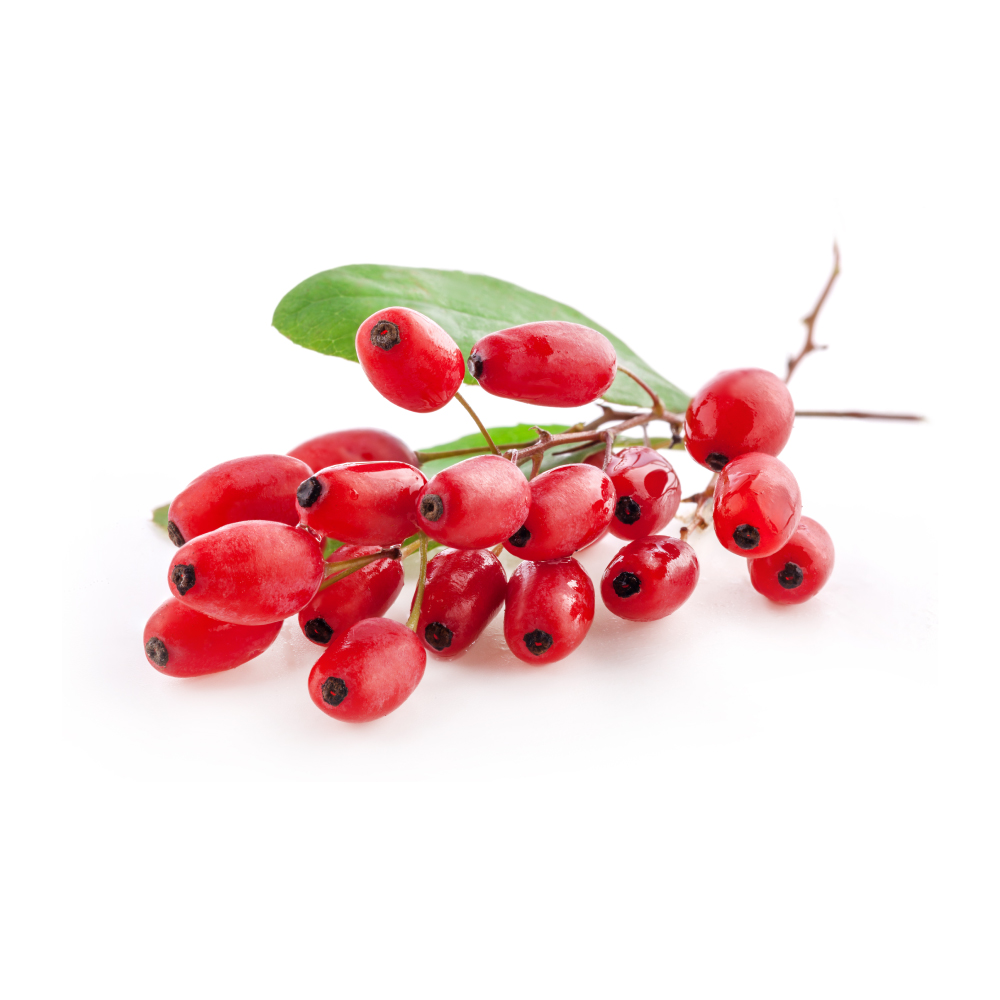 StrongStrongBarberryBerberis spp.Berberine lowers fasting glucose and HbA1c in the same range as metformin across dozens of trials; the whole-herb trials show improved insulin sensitivity with a smaller effect on glucose.Mechanisminsulin sensitization (berberine; AMPK activation)Read the evidenceShow lessMonograph →
Berberine is the most-replicated glucose-lowering constituent in the herbal literature. A meta-analysis of 46 trials found it lowered HbA1c by about 0.73 percentage points along with fasting glucose, HOMA-IR and BMI 153Reference 153Meta-analysisThe effect of berberine on metabolic profiles in type 2 diabetic patients — systematic review and meta-analysis of randomized controlled trialsView study →, and earlier pooled analyses found it comparable to oral hypoglycaemic drugs for glycaemic control while also improving lipids 154Reference 154Meta-analysisBerberine in the treatment of type 2 diabetes mellitus — systematic review and meta-analysisView study →.
The whole herb performs more modestly. A meta-analysis of seven barberry trials (452 participants) found significantly lower fasting insulin, while fasting glucose and HbA1c were not consistently changed 152Reference 152Meta-analysisThe effect of barberry (Berberis vulgaris L.) on glycemic indices — systematic review and meta-analysis of randomized controlled trialsView study →.
The mechanism is AMPK activation and improved insulin sensitivity rather than insulin release, and the same route carries barberry’s lipid effect. Berberine is poorly absorbed, and a whole-fruit or bark preparation does not deliver the doses used in the berberine trials.
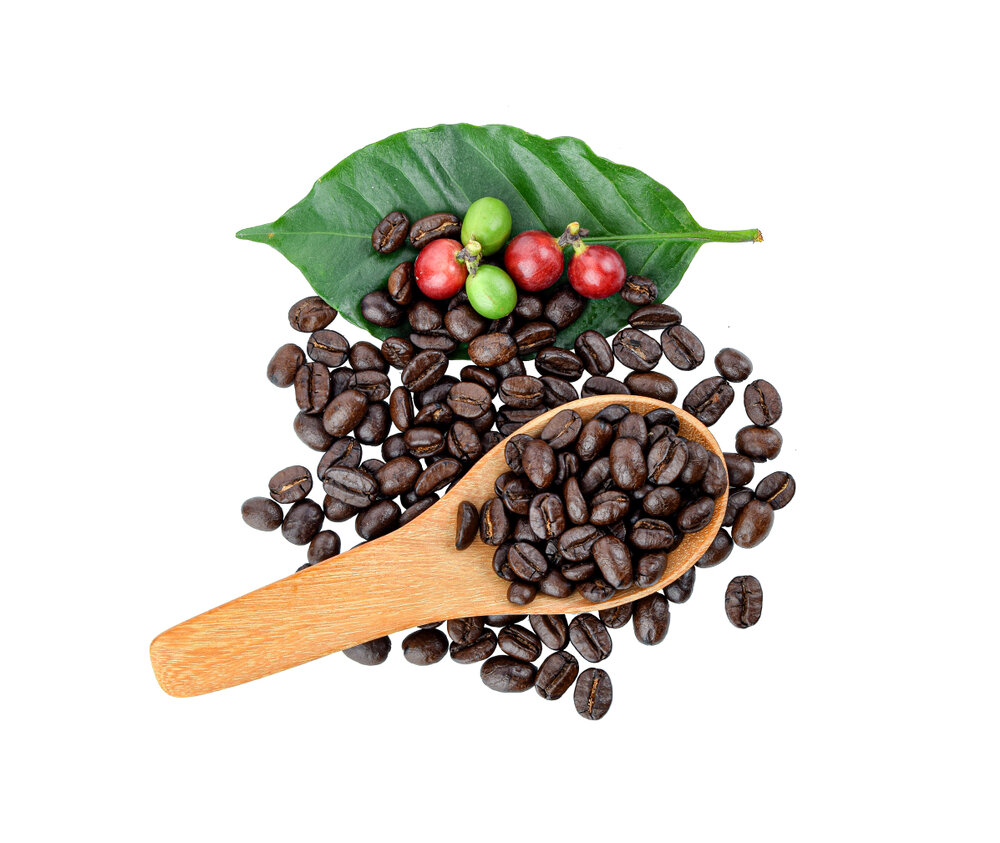 StrongStrongCoffeeCoffea arabicaHabitual coffee drinking is associated with a stepwise lower risk of type 2 diabetes, in decaffeinated as well as caffeinated coffee, which points to the chlorogenic acids rather than the caffeine.Mechanismimproved insulin sensitivity; chlorogenic-acid glucose handlingRead the evidenceShow lessMonograph →
A dose-response meta-analysis of 28 prospective cohorts (1,109,272 participants, 45,335 cases) found the relative risk of type 2 diabetes falling stepwise with intake: 0.92, 0.85, 0.79, 0.75, 0.71 and 0.67 for one through six cups a day against none 43Reference 43Meta-analysisCaffeinated and decaffeinated coffee consumption and risk of type 2 diabetes: a systematic review and dose-response meta-analysisView study →.
The protection held for both caffeinated and decaffeinated coffee, which points away from caffeine and toward the chlorogenic acids and their effect on glucose handling.
The evidence is observational. No trial has tested coffee against a diabetes endpoint, and the association cannot separate coffee from the habits that travel with it.
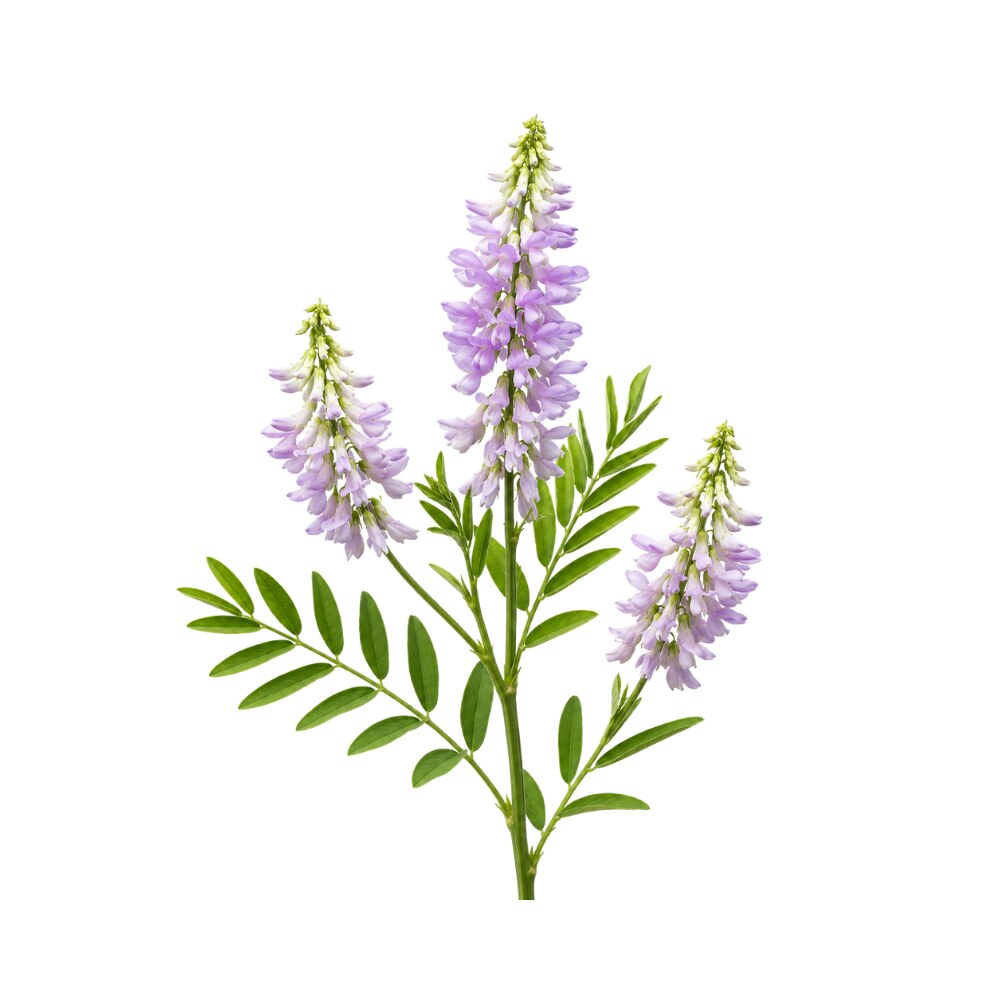 StrongStrongGoat’s RueGalega officinalisThe plant whose guanidine alkaloid galegine led to the biguanides and metformin; galegine activates AMPK and suppresses hepatic gluconeogenesis, and the herb itself has never been tested in a glycaemic trial.MechanismAMPK activation; mitochondrial respiratory-chain complex IV ↓ → gluconeogenesis ↓; imidazoline I2 receptor–mediated glucose uptake ↑; α-amylase / α-glucosidase / sucrase inhibitionRead the evidenceShow lessMonograph →
Goat’s rue was a European folk remedy for the thirst and frequent urination of diabetes long before its guanidine alkaloid galegine became the lead that produced the biguanides and, in 1957, metformin 48Reference 48ReviewGoat’s rue — French lilac — Italian fitch — Spanish sainfoin: Galega officinalis and metformin: the Edinburgh connection — historical reviewView study →.
The mechanism is resolved at the molecular level. Galegine activates AMPK and drives glucose uptake in adipocytes and myotubes 49Reference 49In vitroMechanisms underlying the metabolic actions of galegine that contribute to weight loss in mice — animal model / in vitroView study →, acts through imidazoline I2 receptors to move glucose into skeletal muscle 50Reference 50In vitroActivation of imidazoline I2B receptors is linked with AMP kinase pathway to increase glucose uptake in cultured C2C12 cells — in vitroView study →, and inhibits mitochondrial respiratory-chain complex IV, suppressing glycerol-derived gluconeogenesis at clinically relevant concentrations 51Reference 51In vitroMetformin, phenformin, and galegine inhibit complex IV activity and reduce glycerol-derived gluconeogenesis — in vitro / in vivoView study →.
The herb has its own enzyme data. Acetone–water and aqueous extracts inhibit α-amylase, α-glucosidase, maltase and sucrase in vitro, with sucrase inhibition reaching about 91% 52Reference 52In vitroIn vitro antidiabetic and antioxidant activities of Galega officinalis extracts — in vitroView study →.
There is no human trial of goat’s rue for any glycaemic endpoint. The clinical evidence belongs to metformin, a synthetic derivative, and to isolated galegine, which was abandoned clinically because the guanidines were too toxic.
The herb is an unstandardised source of that chemistry, and its glucose-lowering effect adds to insulin, sulfonylureas and metformin.
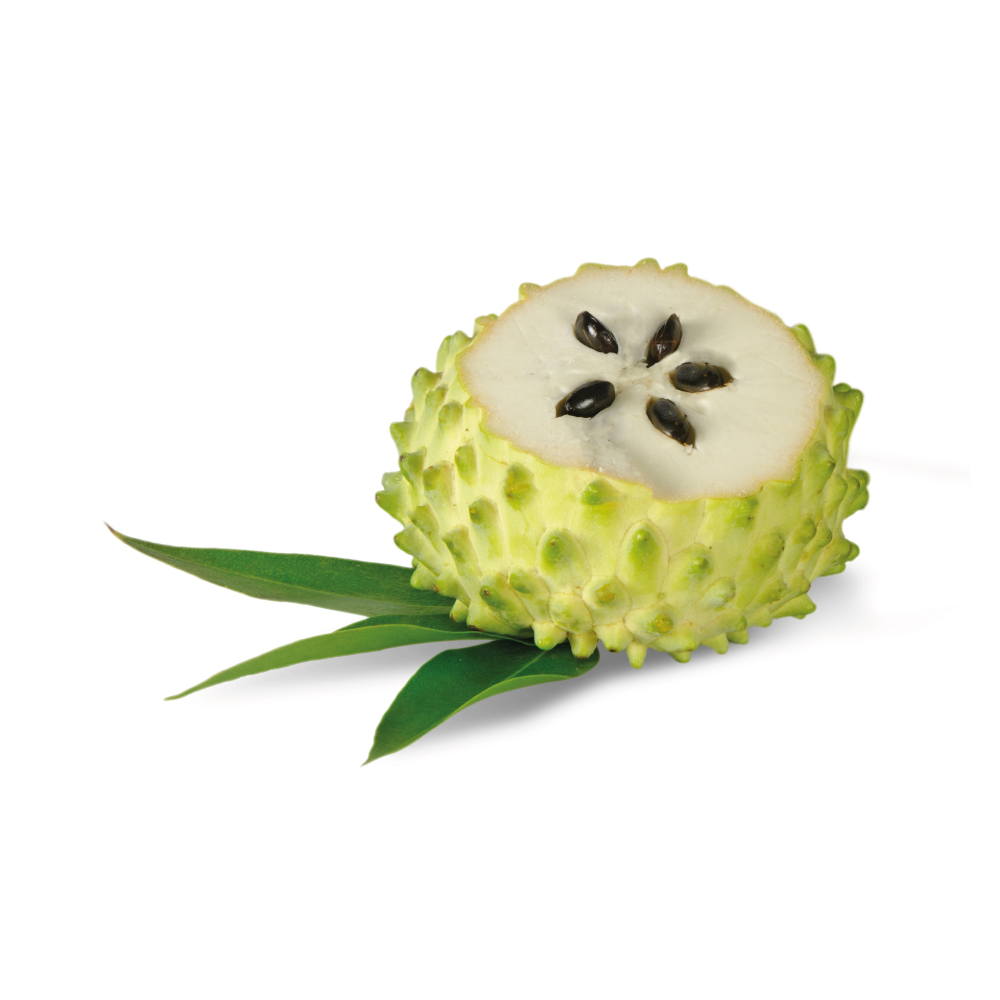 StrongStrongGraviolaAnnona muricataLeaf extract improves glycaemic control and partially restores pancreatic islet architecture in diabetic rodents, replicated across several models and research groups.Mechanismglycemic control; partial pancreatic-islet restorationRead the evidenceShow lessMonograph →
Leaf extract improved glycaemic control in alloxan–nicotinamide diabetic rats with a mapped mechanism 53Reference 53AnimalDeciphering the mechanism of Annona muricata leaf extract in alloxan–nicotinamide-induced diabetic rats — animal modelView study →, reduced hyperglycaemia and the associated liver damage in streptozotocin-diabetic rats 54Reference 54AnimalAmeliorative effect of Annona muricata (Graviola) extract on hyperglycaemia-induced hepatic damage in STZ diabetic rats — animal modelView study →, and prevented high-fat-diet-induced metabolic disorder in rodents 55Reference 55AnimalUse of an extract of Annona muricata to prevent high-fat-diet-induced metabolic disorders — animal modelView study →.
Histomorphometric work in the same models reported partial restoration of pancreatic islet architecture, which places the effect at the β-cell as well as in the tissues.
All of it is rodent work. It is replicated across several models and research groups, and there is no human trial.
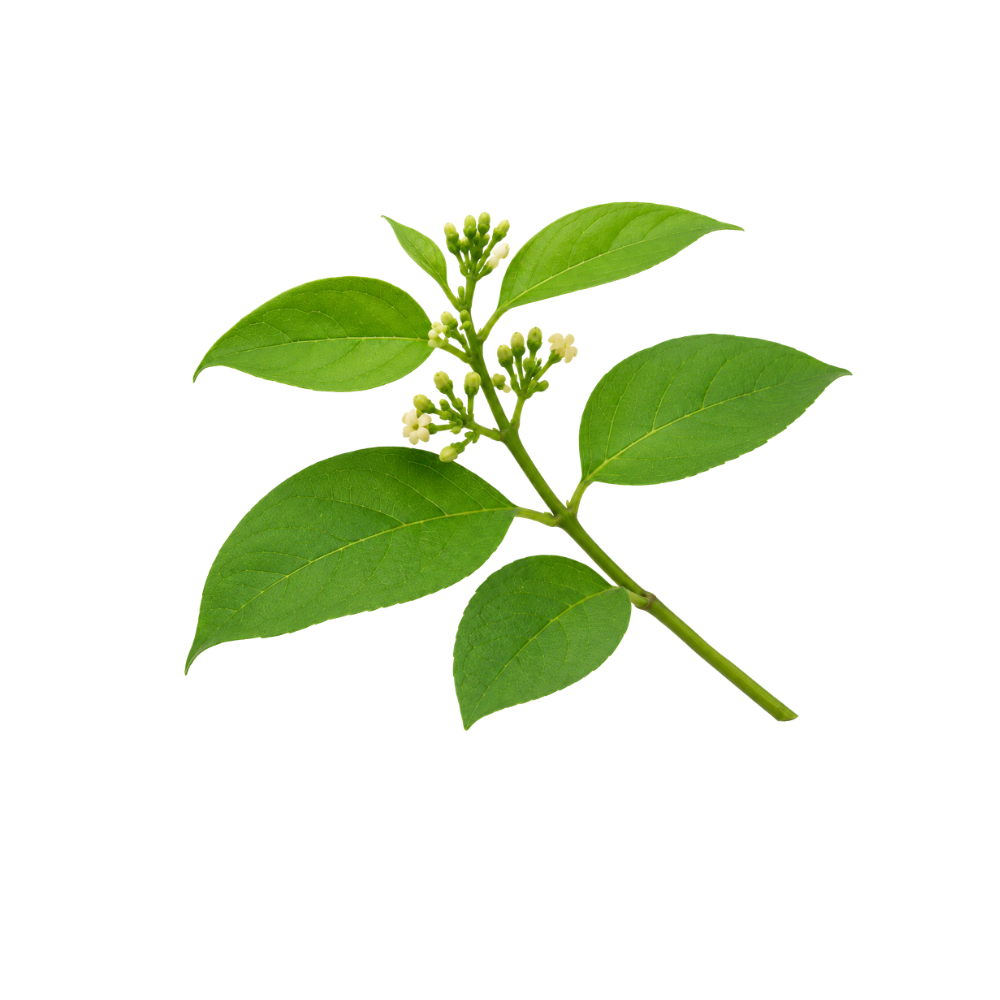 StrongStrongGymnemaGymnema sylvestreLowers fasting glucose and HbA1c in pooled human trials, acting at the pancreas to raise insulin and C-peptide; the GS4 extract let some patients reduce their oral medication.Mechanismintestinal glucose-absorption inhibition; insulin secretagogue at the β-cell; β-cell restoration (rodent/inferred only)Read the evidenceShow lessMonograph →
Gymnema (gurmar, “sugar destroyer”) is the classical antidiabetic herb of Ayurveda, and it is one of the few with a pooled human literature. A 2021 meta-analysis of 10 studies (419 participants) and a 2023 meta-analysis of six RCTs both found significant reductions in fasting blood glucose in type 2 diabetes 56,
Those rest on the GS4 water-soluble leaf-extract programme. At 400 mg/day it lowered glucose, HbA1c and glycosylated plasma proteins over 18 to 20 months and allowed five of 22 patients to discontinue their oral agents 58Reference 58Clinical trialAntidiabetic effect of a leaf extract from Gymnema sylvestre in non-insulin-dependent diabetes mellitus patients — clinical trialView study →, with parallel findings in insulin-dependent patients 59Reference 59Clinical trialUse of Gymnema sylvestre leaf extract in the control of blood glucose in insulin-dependent diabetes mellitus — clinical trialView study → and a 500 mg/day open-label replication 60Reference 60Clinical trialAn open label study on the supplementation of Gymnema sylvestre in type 2 diabetics — controlled clinical trialView study →.
The mechanism is at the pancreas. A high-molecular-weight extract (1 g/day for 60 days) raised circulating insulin and C-peptide and directly stimulated insulin release from isolated human islets 61Reference 61Clinical trialA novel Gymnema sylvestre extract stimulates insulin secretion from human islets in vivo and in vitro — clinical trialView study →.
The GS4 trials were add-ons to conventional oral hypoglycaemics, so the herb’s standalone contribution is not isolated 58Reference 58Clinical trialAntidiabetic effect of a leaf extract from Gymnema sylvestre in non-insulin-dependent diabetes mellitus patients — clinical trialView study →. Both meta-analyses rate the underlying trials small, heterogeneous and low-quality 56,
The sweet-taste blockade for which gymnema is famous is a separate, local effect on the tongue and contributes nothing to these systemic results.
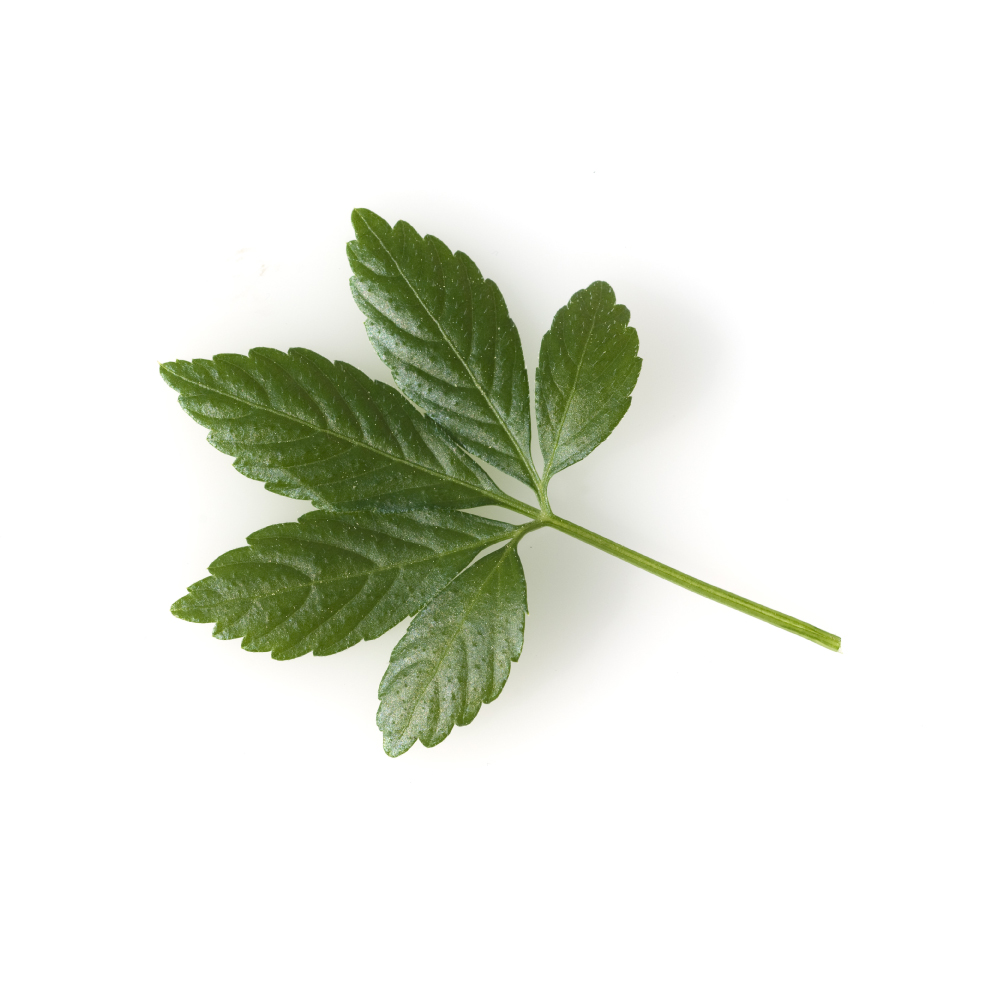 StrongStrongGynostemmaGynostemma pentaphyllumLowers fasting glucose and HbA1c by about one percentage point in pooled trials, with AMPK activation measured in human muscle; the gypenosides improve insulin sensitivity and restrain hepatic glucose output.MechanismAMPK Thr172 phosphorylation ↑; insulin sensitization (HOMA-IR ↓); hepatic glucose output ↓Read the evidenceShow lessMonograph →
In a 12-week RCT, drug-naïve type 2 diabetics drinking 6 g/day of authenticated dried-leaf tea dropped fasting plasma glucose by about 3.0 mmol/L and HbA1c by about 2 percentage points against placebo, with HOMA-IR falling and no hypoglycaemia 62Reference 62RCTAntidiabetic effect of Gynostemma pentaphyllum tea in randomly assigned type 2 diabetic patients — randomised controlled trialView study →. A 2026 meta-analysis of eight clinical studies (584 patients) pooled −0.79 mmol/L fasting glucose and −1.01% HbA1c, with monotherapy and longer courses performing best 63Reference 63Meta-analysisEfficacy and mechanisms of Gynostemma pentaphyllum in glycemic control — meta-analysis with reviewView study →, and an independent systematic review of botanical antidiabetics arrived at the same HbA1c figure 64Reference 64Meta-analysisEffectiveness and safety of Ayurvedic medicines in type 2 diabetes mellitus — systematic review and meta-analysisView study →.
The gypenosides drive peripheral glucose uptake, suppress hepatic glucose output and improve insulin sensitivity, and muscle AMPK Thr172 phosphorylation has been measured rising in humans after supplementation 65Reference 65RCTGynostemma pentaphyllum increases exercise performance and alters mitochondrial respiration and AMPK in healthy males — randomised controlled trialView study →.
An HbA1c effect of that size is first-line magnitude. The trials are small, short and mostly East Asian, and no standardised gypenoside dose exists, so a concentrated-extract result does not transfer to a cup of jiaogulan tea 66,
 StrongStrongNigellaNigella sativaSeed and seed oil lower fasting glucose, postprandial glucose and HbA1c by about half a percentage point across 17 pooled trials, with the oil outperforming the powder.Mechanisminsulin sensitization (thymoquinone); pancreatic β-cell protection; Nrf2/ARE activationRead the evidenceShow lessMonograph →
A meta-analysis of 17 RCTs found fasting plasma glucose fell by about 9.9 mg/dL, postprandial glucose by about 14.8 mg/dL and HbA1c by about 0.57 percentage points, with a subgroup finding that seed oil beat seed powder for fasting glucose 79Reference 79Meta-analysisEffect of Nigella sativa (black seed) supplementation on glycemic control — systematic review and meta-analysis of clinical trialsView study →. An updated meta-analysis, a type-2-specific review and the 2025 GRADE-assessed synthesis of 82 RCTs all reproduce the direction 80,
Half an HbA1c point is a reproducible, adjunct-scale effect, smaller than berberine’s, and between-trial heterogeneity is high.
The mechanism is attributed to thymoquinone, which improves insulin sensitivity and β-cell function partly through Nrf2 83Reference 83ReviewBiological and therapeutic activities of thymoquinone — focus on the Nrf2 signaling pathway — reviewView study →. Thymoquinone runs from about 0.01 to 0.4% of seed weight depending on origin and processing, so an unstandardised spoonful of seed is not the tested article.
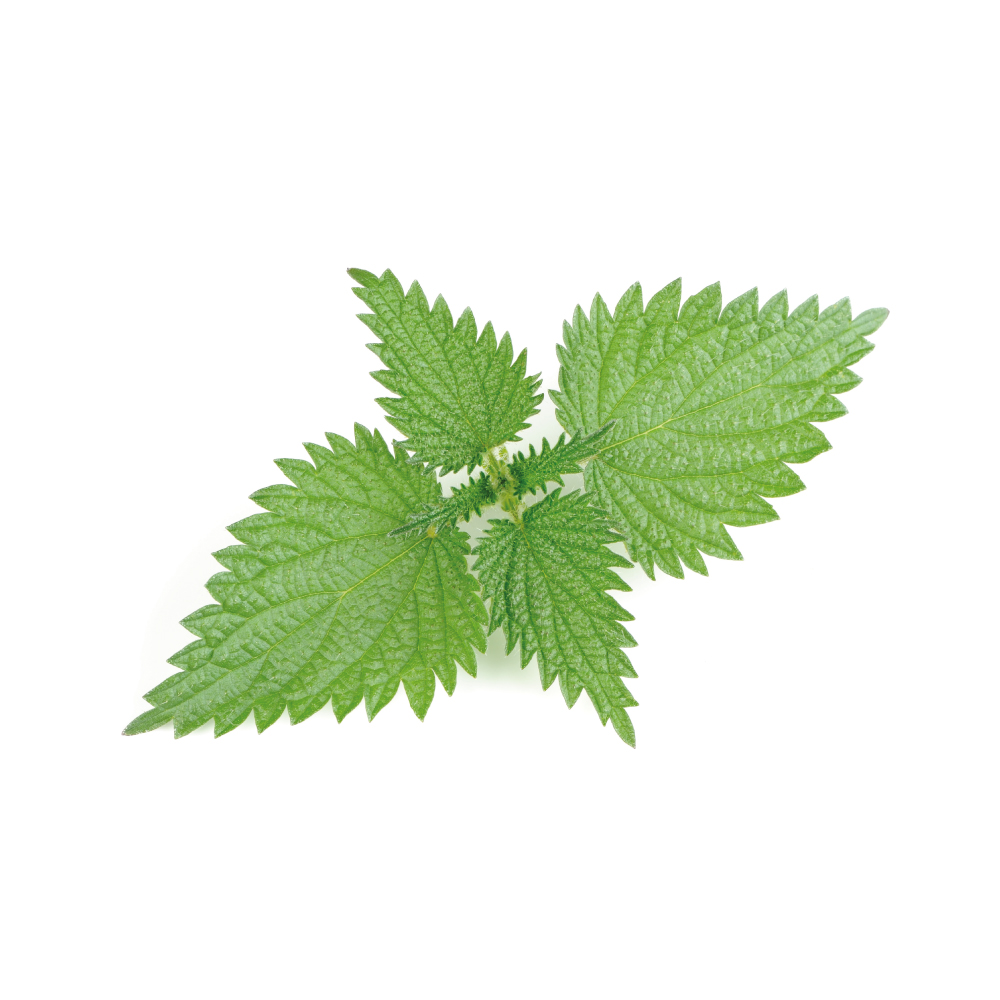 StrongStrongStinging NettleUrtica dioicaLeaf extract lowers fasting glucose by about 18 mg/dL in two independent meta-analyses; one of them also finds a fall in HbA1c and the other does not.Mechanisminsulin secretagogue; PPAR-γ agonism; α-glucosidase inhibition (leaf)Read the evidenceShow lessMonograph →
A 2022 meta-analysis of 13 clinical trials found significant reductions in fasting blood glucose (−17.2 mg/dL), HbA1c (−0.93%), C-reactive protein, triglycerides and systolic blood pressure, with insulin and LDL/HDL unchanged 113Reference 113Meta-analysisEffects of Urtica dioica on metabolic profiles in type 2 diabetes — systematic review and meta-analysis of clinical trialsView study →. An independent 2020 meta-analysis of 8 RCTs (401 participants) confirmed the fasting-glucose drop (−18.0 mg/dL) but found no significant change in HbA1c, insulin or insulin resistance, with very high between-study heterogeneity 114Reference 114Meta-analysisThe effect of nettle (Urtica dioica) supplementation on glycemic control in type 2 diabetes — systematic review and meta-analysisView study →.
The best single trial gave 500 mg of leaf extract three times daily for three months to insulin-requiring patients and saw falls in fasting glucose, postprandial glucose and HbA1c against placebo 115Reference 115RCTImproved glycemic control in patients with advanced type 2 diabetes taking Urtica dioica leaf extract — randomised double-blind placebo-controlled trialView study →.
The evidence is for the leaf, not the root, which carries the herb’s antiprostatic action. Some positive results come from multi-herb formulations, which dilute attribution 116Reference 116RCTSilymarin, olibanum and nettle, a mixed herbal formulation in type II diabetes — randomised, double-blind, placebo-controlled trialView study →.
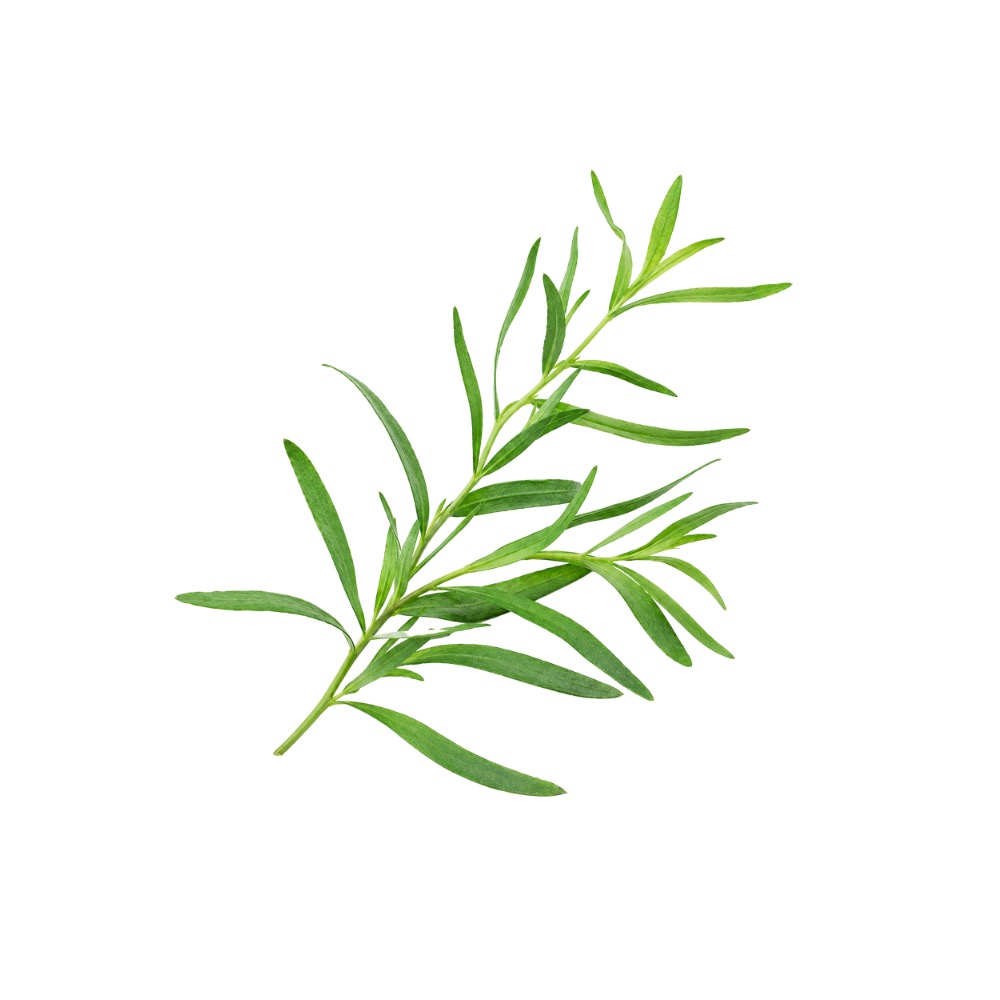 StrongStrongTarragonArtemisia dracunculusA standardised Russian-tarragon extract improves insulin-receptor signalling, suppresses hepatic gluconeogenesis and preserves β-cells in rodents, with one small human trial in impaired glucose tolerance.Mechanisminsulin-receptor signaling (IRS/PI3-kinase/Akt) ↑; hepatic gluconeogenesis ↓ (PEPCK); AMPK activation; β-cell preservationRead the evidenceShow lessMonograph →
The evidence belongs to PMI-5011, a standardised ethanolic extract of Russian tarragon developed by a US academic consortium. In diabetic (KK-Aʸ) and streptozotocin mouse models it lowered blood glucose and insulin by roughly 20–25%, comparable in direction to metformin and troglitazone 117Reference 117AnimalAntihyperglycemic activity of Tarralin, an ethanolic extract of Artemisia dracunculus L. — animal model (mouse)View study →.
The mechanism is mapped in detail: enhanced insulin-receptor signalling in skeletal muscle 118Reference 118AnimalAn extract of Artemisia dracunculus L. enhances insulin receptor signaling and modulates gene expression in skeletal muscle in KK-Aᵧ mice — animal modelView study →, attenuated ceramide- and inflammation-driven insulin resistance in muscle culture 119,
The human evidence is one small trial. A randomised, double-blind, placebo-controlled study in 24 adults with impaired glucose tolerance (1000 mg twice daily for 90 days) found reductions in HbA1c, insulin AUC and total insulin secretion and a rise in HDL 125Reference 125RCTEffect of Artemisia dracunculus administration on glycemic control, insulin sensitivity, and insulin secretion in patients with impaired glucose tolerance — randomised, double-blind, placebo-controlled trial (RCT)View study →.
Culinary French tarragon is estragole-dominant. The metabolic work is on Russian-type material standardised to different polyphenols, and the two are not interchangeable.
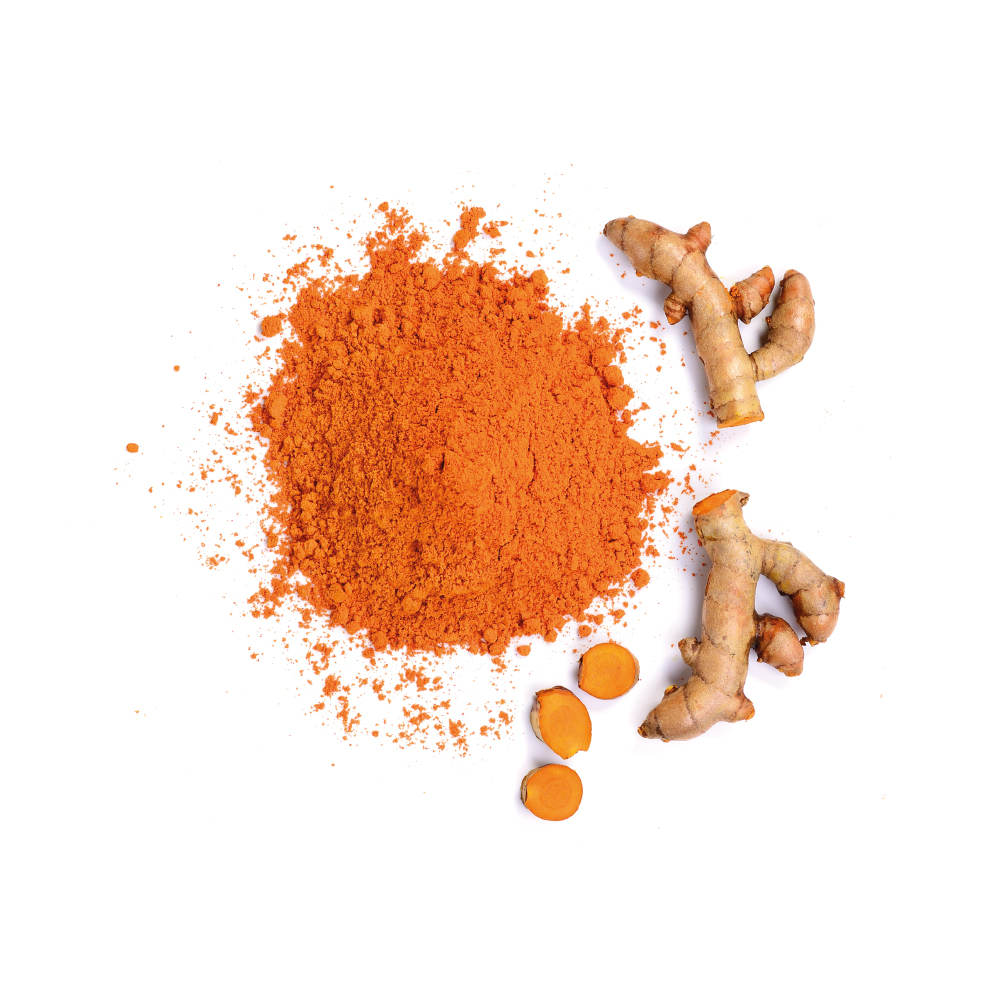 StrongStrongTurmericCurcuma longaCurcumin prevented progression from prediabetes to type 2 diabetes over nine months in a 240-person trial, and lowers fasting glucose and HbA1c in pooled trials.Mechanismβ-cell function (HOMA-β) ↑; insulin resistance (HOMA-IR) ↓; fasting glucose and HbA1c ↓Read the evidenceShow lessMonograph →
In a nine-month double-blind RCT, 240 prediabetic adults received curcumin or placebo. Some 16.4% of the placebo group progressed to type 2 diabetes against none in the curcumin group, alongside improved β-cell function (HOMA-β) and insulin resistance (HOMA-IR) 129Reference 129RCTCurcumin extract for prevention of type 2 diabetes — randomized, double-blind, placebo-controlled trialView study →.
Progression to disease is a hard clinical endpoint, which is rare in this literature.
A 2024 meta-analysis of 18 RCTs (1,382 type 2 diabetics) found curcumin lowered fasting blood glucose by about 11.5 mg/dL and HbA1c by about 0.54%, and reduced CRP 130Reference 130RCTCurcumin Attenuates Hyperglycemia and Inflammation in Type 2 Diabetes Mellitus: Quantitative Analysis of Randomized Controlled TrialsView study →. The 103-RCT overview of curcumin rated the fasting-glucose evidence as high certainty 131Reference 131Meta-analysisCurcumin on Human Health: A Comprehensive Systematic Review and Meta-Analysis of 103 Randomized Controlled TrialsView study →.
An earlier widely cited glycaemic meta-analysis (Poolsup 2019) was later retracted. The trials use bioavailability-enhanced curcumin preparations rather than culinary turmeric.
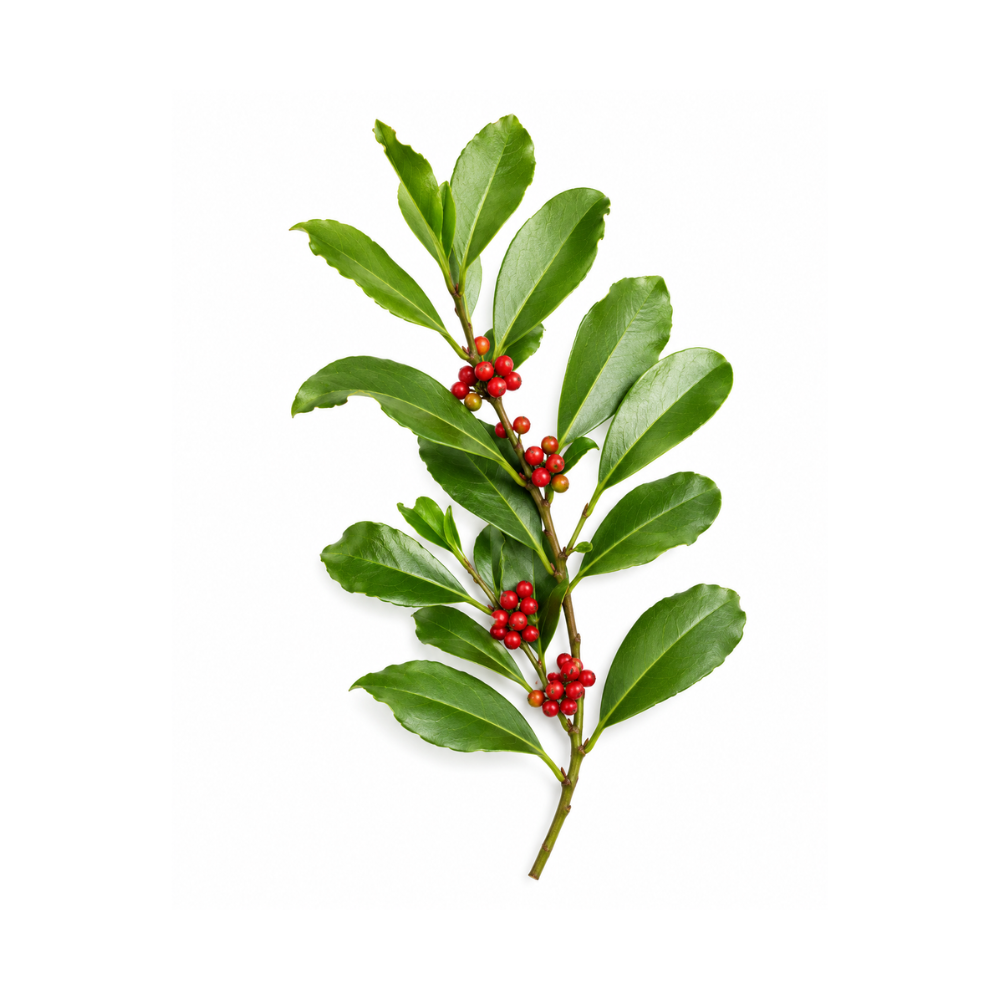 StrongStrongYerba MatéIlex paraguariensisRoasted leaf lowers postprandial glucose, HbA1c and insulin resistance in prediabetic drinkers; the effect belongs to the chlorogenic acids, which make up 10–16% of the dry leaf, rather than to the caffeine.Mechanismchlorogenic-acid modulation of intestinal glucose absorption; hepatic glucose-6-phosphatase inhibition; insulin-resistance (HOMA-IR) ↓Read the evidenceShow lessMonograph →
A 2025 systematic review and meta-analysis of 13 RCTs found maté lowered postprandial glucose (−12.76 mg/dL), HbA1c (−0.37%) and HOMA-IR (−0.24) in prediabetic subjects 135Reference 135Meta-analysisYerba Maté and its impact on glycemic control and metabolic health: a systematic review and meta-analysis of RCTsView study →. A 60-day RCT in type 2 diabetic and prediabetic drinkers taking three 330 mL servings of roasted leaf daily improved glycaemic control, with the largest additional benefit when paired with dietary counselling 136Reference 136RCTMate tea (Ilex paraguariensis) improves glycemic and lipid profiles of type 2 diabetes and pre-diabetes individuals — randomized controlled trialView study →.
The mechanism is attributed to chlorogenic acid, which modulates intestinal glucose absorption and inhibits hepatic glucose-6-phosphatase. Maté carries about 10–16% chlorogenic acid by dry leaf weight, and the effect is a caffeoylquinic-acid one rather than a caffeine one 137,
Roasted leaf outperformed green leaf in the diabetic setting 136Reference 136RCTMate tea (Ilex paraguariensis) improves glycemic and lipid profiles of type 2 diabetes and pre-diabetes individuals — randomized controlled trialView study →.
The same meta-analysis was null on fasting glucose and fasting insulin 135Reference 135Meta-analysisYerba Maté and its impact on glycemic control and metabolic health: a systematic review and meta-analysis of RCTsView study →. The benefit concentrates in dysglycaemic subgroups rather than healthy drinkers, and no long-duration RCT confirms a durable HbA1c reduction.
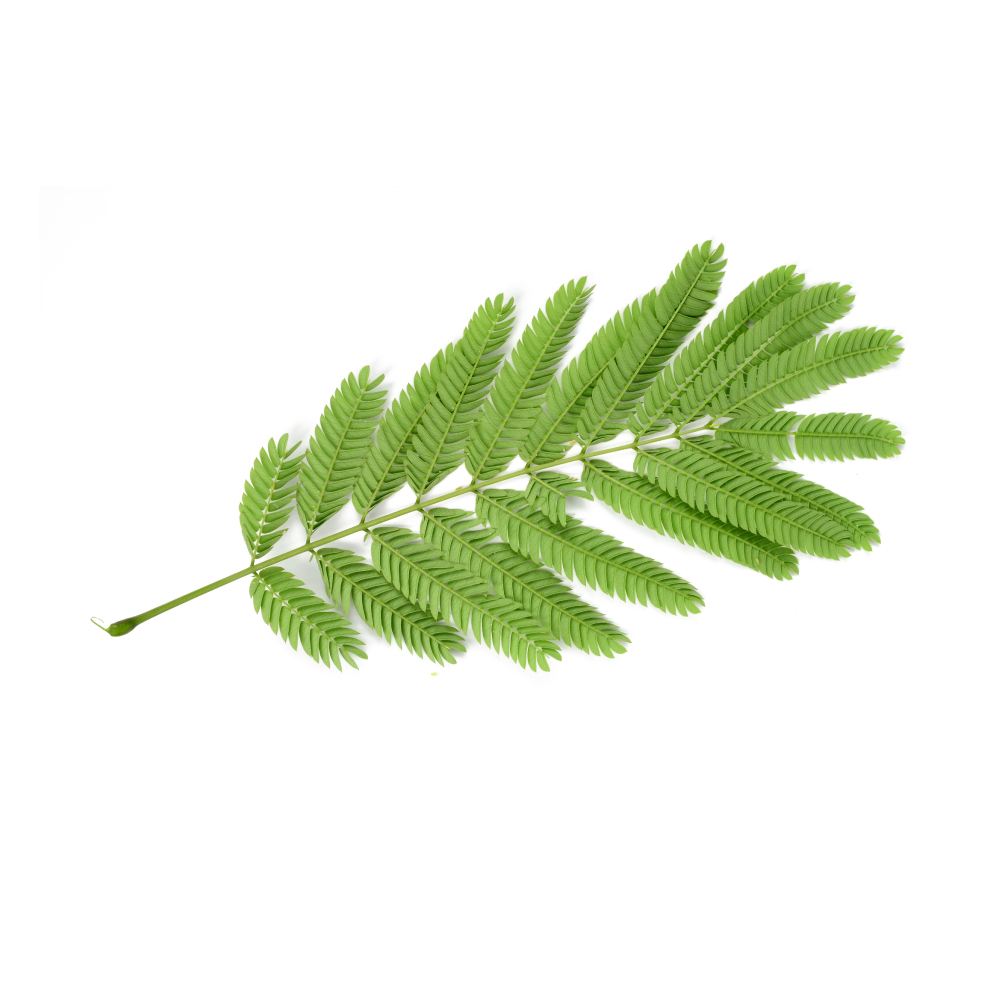 ModerateModerateAlbizziaAlbizzia lebbeckBark extract lowers serum glucose in type 2 diabetic rats, approaching metformin, and its flavonoids inhibit the carbohydrate-digesting enzymes α-glucosidase and α-amylase.Mechanismα-glucosidase and α-amylase inhibition (bark flavonoids); glucose lowering in streptozotocin–nicotinamide ratsRead the evidenceShow lessMonograph →
A methanolic bark extract lowered serum glucose and improved lipid and renal markers in streptozotocin–nicotinamide type 2 diabetic rats, approaching metformin 9Reference 9AnimalAntihyperglycemic activity of Albizzia lebbeck bark extract in streptozotocin–nicotinamide induced type II diabetes mellitus rats — animal modelView study →.
Bioassay-guided isolation of the bark flavonoids gave compounds that inhibit α-glucosidase and α-amylase in vitro, supported by molecular docking 8Reference 8In vitroTarget-guided isolation, in-vitro antidiabetic, antioxidant activity and molecular docking studies of some flavonoids from Albizzia lebbeck Benth. bark — in vitro / in silicoView study →. Older work found bark extracts restored superoxide dismutase, catalase and glutathione in alloxan-diabetic rats 10Reference 10AnimalAntioxidant activity of Albizzia lebbeck (Linn.) Benth. in alloxan diabetic rats — animal modelView study →.
All of it is a single rat model plus enzyme assays. There are no human data, and no study supports the pancreatic islet-protection mechanism the herb is sometimes credited with.
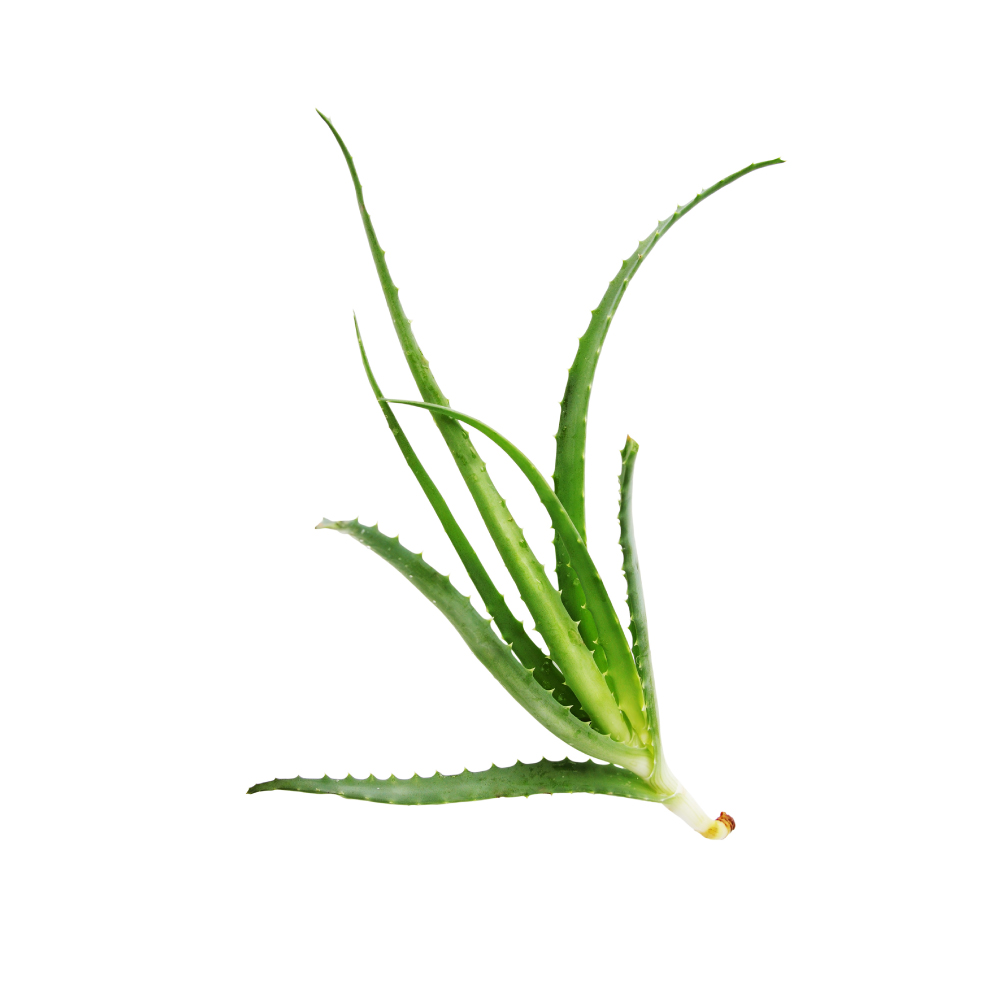 ModerateModerateAloeAloe veraPooled trials show small but consistent falls in fasting glucose, HbA1c and LDL in prediabetes and early type 2 diabetes.Mechanismnot established; effect seen with the inner-leaf gel rather than the anthraquinone-bearing latexRead the evidenceShow lessMonograph →
Aloe’s metabolic evidence is one of the better-pooled datasets on this action. Randomised trials in prediabetes and early type 2 diabetes show small but consistent reductions in fasting glucose and HbA1c, with LDL cholesterol falling alongside them.
The effect is modest in size and the trials are small, but the direction is consistent across pooled analyses rather than resting on a single result.
The preparation matters. This is the inner-leaf gel, not the bitter yellow latex that carries the anthraquinones and the laxative action — two different products from the same leaf.
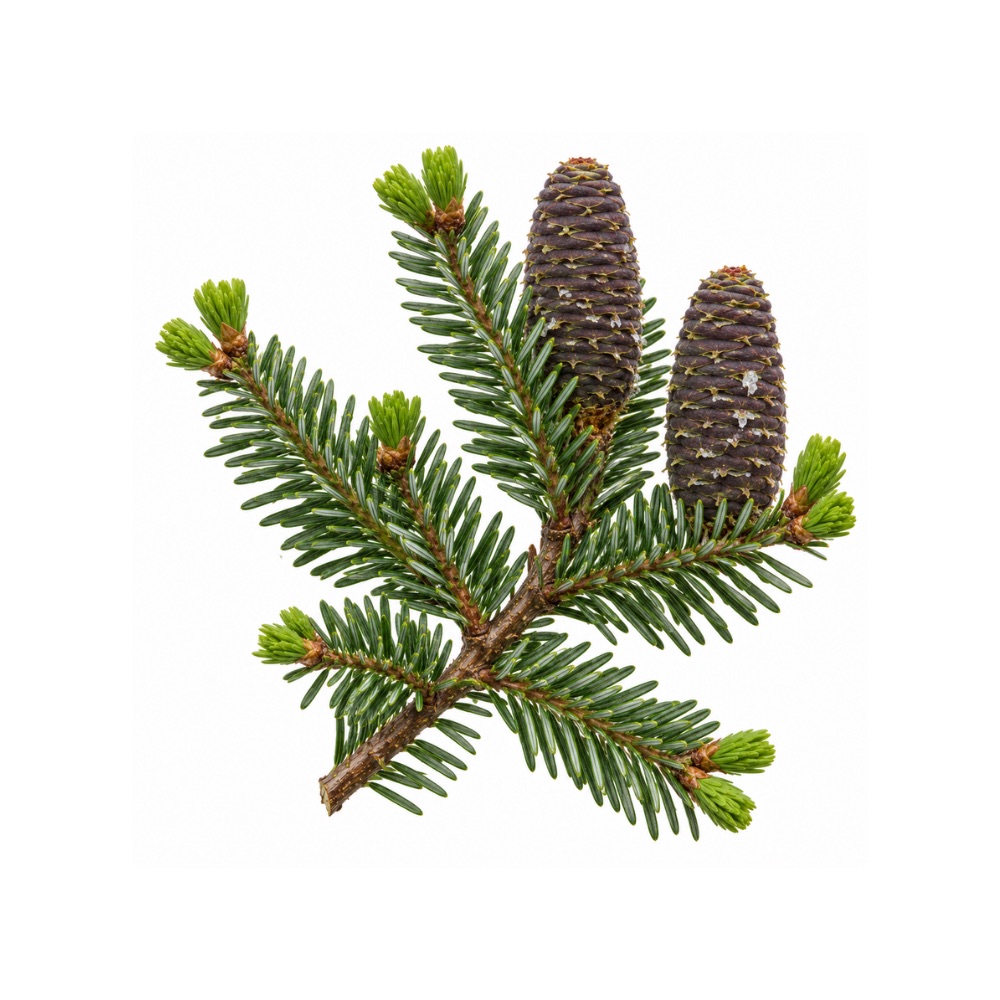 ModerateModerateBalsam FirAbies balsameaLowers hepatic glucose production and raises glucose storage in liver, muscle and fat cells through both Akt and AMPK, with abietic acid, dehydroabietic acid and squalene isolated as the actives.Mechanismhepatic glucose production ↓; glucose storage ↑ in liver, muscle and adipocytes via both Akt and AMPK signalingRead the evidenceShow less
Balsam fir was the standout species in a systematic screening of the Eastern James Bay Cree antidiabetic pharmacopoeia 16Reference 16In vitroSelected plant species from the Cree pharmacopoeia of northern Quebec possess anti-diabetic potential — in vitro cell-based screenView study →, and its actives were isolated by bioassay-guided fractionation rather than assumed: abietic acid, dehydroabietic acid and squalene 17,
The extract acts through both the insulin-dependent (Akt) and insulin-independent (AMPK) pathways, which is an unusual profile for a plant extract.
Every result is cell-based. There are no animal or human efficacy data.
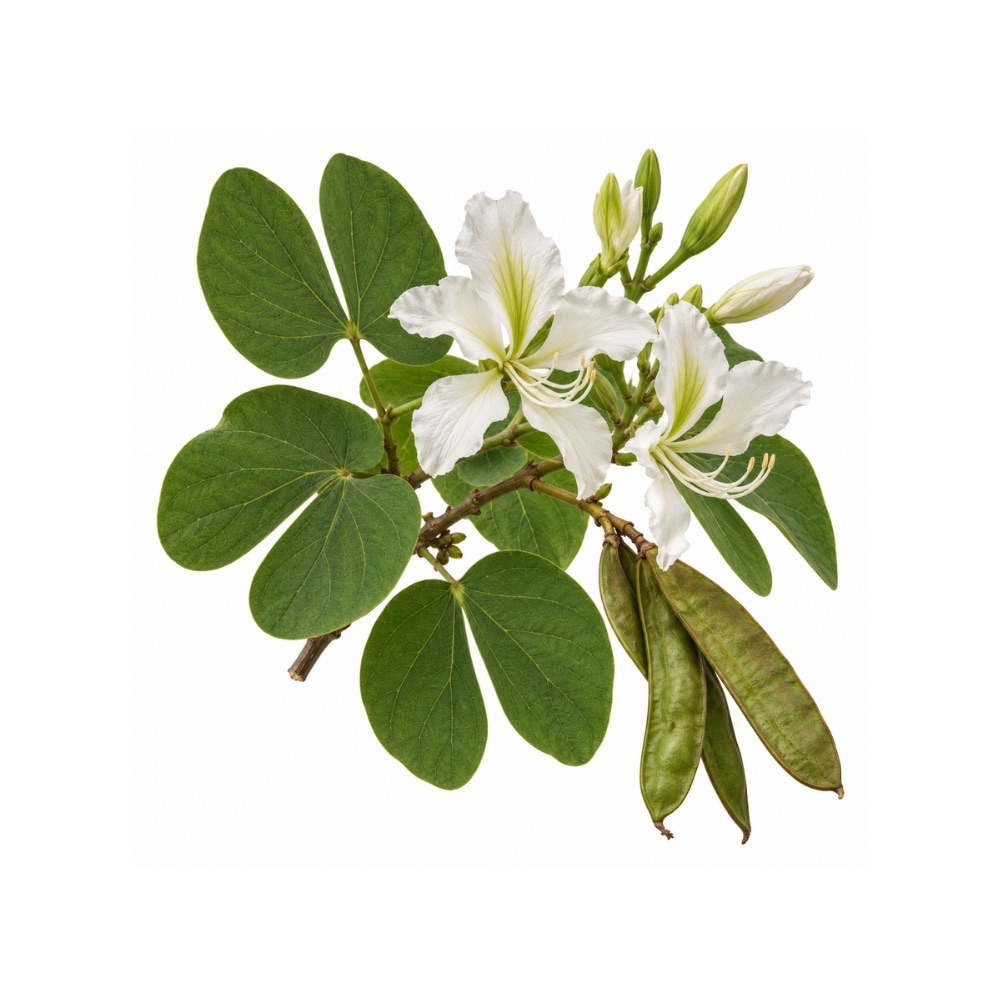 ModerateModerateBauhinia ForficataBauhinia forficataThe 'insulina vegetal' of Brazilian practice; a standardised leaf extract improved glycaemic control as an adjuvant in a double-blind trial, while the leaf-tea infusion was null in a controlled trial.Mechanismkaempferitrin insulin-mimetic activity; glucose-uptake enhancementRead the evidenceShow less
Bauhinia forficata is known across Brazil as pata-de-vaca and insulina vegetal, and it is one of the few antidiabetic herbs tested twice in humans with different preparations.
A standardised capsule extract gave adjuvant glycaemic control in a randomised, double-blind trial 19Reference 19RCTClinical efficacy of capsules containing standardized extract of Bauhinia forficata Link (pata-de-vaca) as adjuvant treatment in type 2 diabetes patients — a randomized, double-blind clinical trialView study →. The leaf-tea infusion was null in a controlled crossover trial 20Reference 20RCTClinical trial of Myrcia uniflora and Bauhinia forficata leaf extracts in normal and diabetic patients — randomized double-blind cross-over trialView study →.
The mechanism rests on kaempferitrin, which is insulin-mimetic in cell and rodent models. One positive trial, one null, and no standardised dose across the studies.
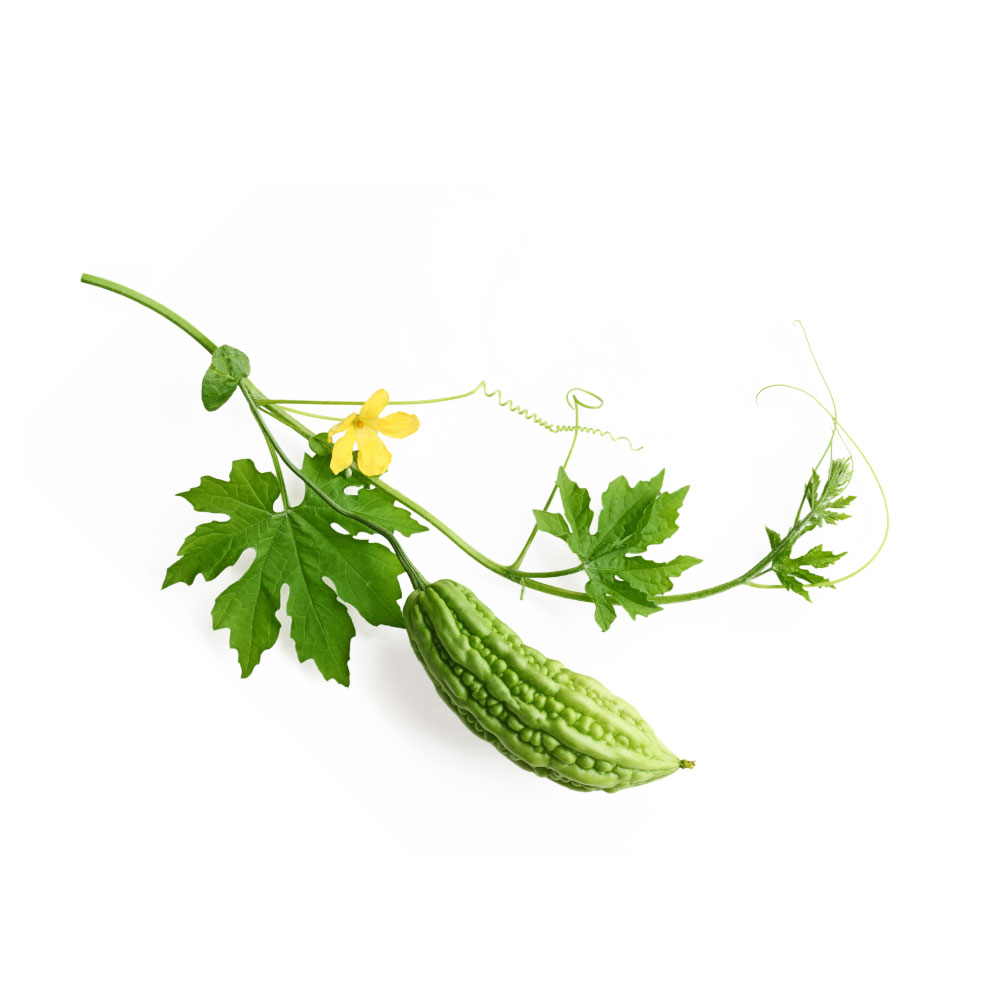 ModerateModerateBitter MelonMomordica charantiaLowers fasting glucose and HbA1c modestly across ten or more trials; charantin and the cucurbitane triterpenoids activate AMPK and GLUT4, and polypeptide-p binds the insulin receptor.Mechanisminsulin-receptor binding; AMPK activation; GLUT4 translocationRead the evidenceShow lessMonograph →
Bitter melon (karela) is the most-studied blood-sugar plant in the world, and a staple of Ayurvedic, Chinese and Caribbean practice for diabetes. Charantin and the cucurbitane triterpenoids drive AMPK activation, GLUT4 translocation and PPARγ activation, and the protein polypeptide-p, “plant insulin”, binds the insulin receptor directly.
The 2019 meta-analysis (10 studies, n=1045) found fasting glucose −0.72 mmol/L and HbA1c −0.26%, rated low-to-very-low quality 21Reference 21Meta-analysisMomordica charantia L. lowers elevated glycaemia in type 2 diabetes mellitus patients — systematic review and meta-analysisView study →. A 2024 meta-analysis (8 RCTs, n=423) found HbA1c −0.38% 22Reference 22Meta-analysisEffects of Momordica charantia L. supplementation on glycemic control and lipid profile in type 2 diabetes — meta-analysis of RCTsView study →, and a 2025 pooled analysis of 25 trials added improved fasting insulin and HOMA-IR 23Reference 23Meta-analysisEfficacy of Momordica charantia in glycaemic control and insulin resistance — a GRADE-adherent meta-analysis of RCTsView study →.
The 2012 Cochrane review declined to pool because no two trials used the same preparation, and found no significant benefit 24Reference 24Systematic reviewMomordica charantia for type 2 diabetes mellitus — systematic reviewView study →. A second 2024 meta-analysis of 9 RCTs was null 25Reference 25Meta-analysisThe metabolic effect of Momordica charantia cannot be determined based on the available clinical evidence — meta-analysis of RCTsView study →, and the first properly designed RCT was underpowered and null (HbA1c 0.22%, p=0.48) 26Reference 26RCTThe effect of Momordica charantia capsule preparation on glycemic control in type 2 diabetes mellitus — randomised, double-blind, placebo-controlled trialView study →.
At 2–4 g/day it was less hypoglycaemic than glibenclamide head-to-head 27Reference 27RCTLower hypoglycemic but higher antiatherogenic effects of bitter melon than glibenclamide in type 2 diabetic patients — RCTView study →.
The effect needs sustained dosing, since a single acute dose does nothing 28Reference 28RCTNo effect of acute, single-dose oral Momordica charantia on glycemia, energy expenditure and appetite — randomised pilot study in non-diabetic overweight menView study →, and it looks largest in prediabetes, where 3.6 g/day of freeze-dried fruit for 12 weeks improved glucose homeostasis 29Reference 29RCTBitter gourd (Momordica charantia L.) supplementation for twelve weeks improves biomarkers of glucose homeostasis in a prediabetic population — RCTView study →. The effect is real and replicated, and about a third of what a first-line antidiabetic herb delivers.
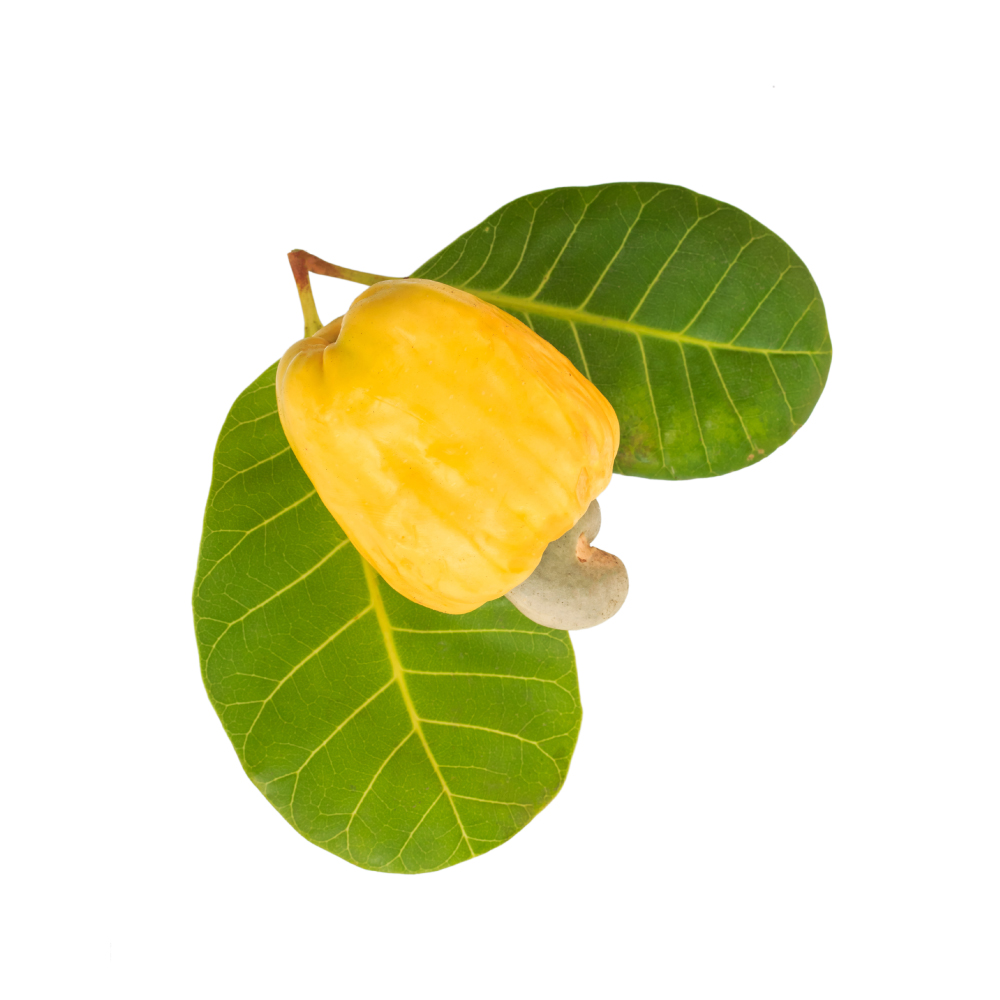 ModerateModerateCashewAnacardium occidentaleStem-bark and leaf extracts lower blood glucose in diabetic rats, with the bark sterol stigmast-4-en-3-one identified as a hypoglycaemic constituent; the only human trials concern eating the nut.Mechanismglucose-dependent pancreatic insulin secretion; inhibition of intestinal glucose absorptionRead the evidenceShow lessMonograph →
The medicine is the stem bark and leaf, used across the Amazon and West Africa for diabetes. An ethanolic stem-bark extract was hypoglycaemic, hypolipidaemic and antioxidant in streptozotocin-diabetic rats 30Reference 30AnimalHypoglycemic, hypolipidemic and antioxidant potentials of ethanolic stem-bark extract of Anacardium occidentale in streptozotocin-induced diabetic rats — animal studyView study →, and a leaf extract reduced hyperglycaemia through antioxidative effects and gene modulation 31Reference 31AnimalAnacardium occidentale leaf extract and riboceine mitigate hyperglycemia through antioxidative effects and gene modulation — animal study (rat)View study →.
The mechanism has been traced to a molecule. Stigmast-4-en-3-one and its corresponding alcohol, isolated from the bark, are themselves hypoglycaemic 32Reference 32Hypoglycaemic effect of stigmast-4-en-3-one and its corresponding alcohol from the bark of Anacardium occidentale — animal studyView study →, an unusually specific result for a herb whose activity is normally attributed to a whole extract.
A four-herb combination with Eucalyptus globulus, Psidium guajava and Xylopia aethiopica acted synergistically in alloxan-diabetic rats 33Reference 33AnimalComparative effects of some medicinal plants: Anacardium occidentale, Eucalyptus globulus, Psidium guajava and Xylopia aethiopica extracts in alloxan-induced diabetic male Wistar albino rats — animal modelView study →.
All of the bark and leaf work is in rodents. The human evidence is a meta-analysis of cashew-nut consumption on body composition and glycaemic indices 34Reference 34Meta-analysisEffects of cashew-nut consumption on body composition and glycemic indices — meta-analysis of randomised controlled trialsView study →, which is the nut as a food.
No human trial has given anyone cashew bark or leaf for blood sugar.
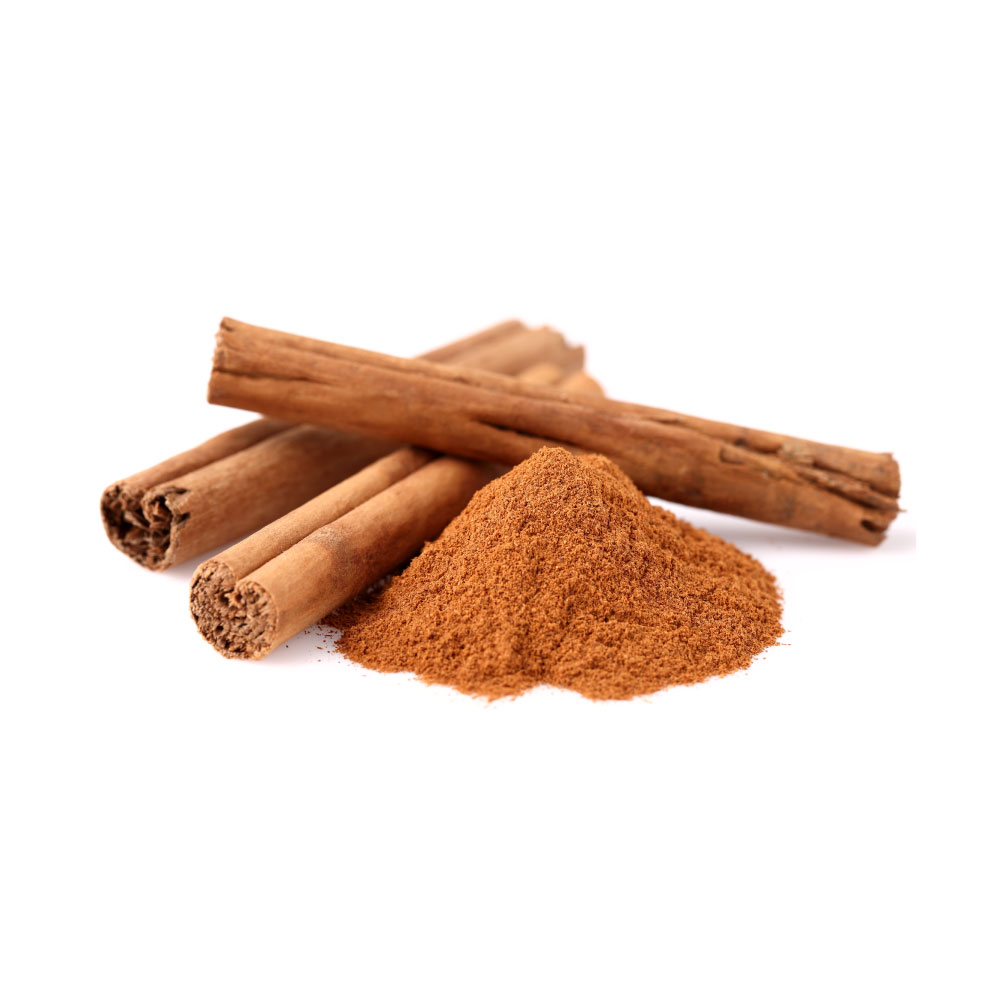 ModerateModerateCassia CinnamonCinnamomum cassiaLowers fasting glucose, HbA1c and insulin resistance across more than 20 pooled trials, at gram doses that also deliver its coumarin.Mechanisminsulin signaling ↑ / glucose uptake (GLUT-mediated); HOMA-IR ↓Read the evidenceShow lessMonograph →
Cinnamon is one of the most heavily trialled botanical claims in metabolic medicine, and most of that literature used cassia. A 2024 dose-response meta-analysis of 24 RCTs in type 2 diabetes found lower fasting glucose, HOMA-IR and HbA1c with unchanged fasting insulin 35Reference 35Meta-analysisThe effect of cinnamon supplementation on glycemic control in patients with type 2 diabetes mellitus: an updated systematic review and dose-response meta-analysis of randomized controlled trials — [meta-analysis]View study →.
A 2019 pooling of 16 trials agreed on fasting glucose and HOMA-IR 36Reference 36Meta-analysisEfficacy and safety of cinnamon in type 2 diabetes mellitus and pre-diabetes patients: a meta-analysis and meta-regression — [meta-analysis]View study →, and a 2025 meta-analysis of 28 RCTs (3,054 patients) put fasting glucose down about 15 mg/dL and postprandial glucose down about 39 mg/dL 37Reference 37Meta-analysisEffects of cinnamon supplementation on metabolic biomarkers in individuals with type 2 diabetes: a systematic review and meta-analysis — [meta-analysis]View study →.
The picture is mixed. The 2013 meta-analysis of 10 RCTs saw fasting glucose fall but no significant HbA1c effect, with heterogeneity as high as I² ≈ 95% 38Reference 38Meta-analysisCinnamon use in type 2 diabetes: an updated systematic review and meta-analysis — [meta-analysis]View study →, and the 2012 Cochrane review found the evidence insufficient to support cinnamon in diabetes, most trials being at high risk of bias; its included trials were predominantly C. cassia at a mean 2 g/day 39Reference 39Systematic reviewCinnamon for diabetes mellitus — [systematic review]View study →.
The same insulin-sensitising signal carries the PCOS result. Five small trials pooled in 2020 improved fasting glucose, insulin, HOMA-IR and lipids but moved neither weight nor BMI 40Reference 40Meta-analysisEffects of cinnamon on controlling metabolic parameters of polycystic ovary syndrome: a systematic review and meta-analysis — [meta-analysis]View study →.
The mechanism is attributed to cinnamaldehyde acting on insulin signalling and glucose uptake, with procyanidins as a secondary contributor. Doses ran from 120 mg/day of extract to 6 g/day of powder over 4 to 18 weeks.
The gram-per-day dose that moves fasting glucose is the dose that delivers cassia’s coumarin, and the benefit has to be sustained to matter, so the exposure is chronic by design 41,
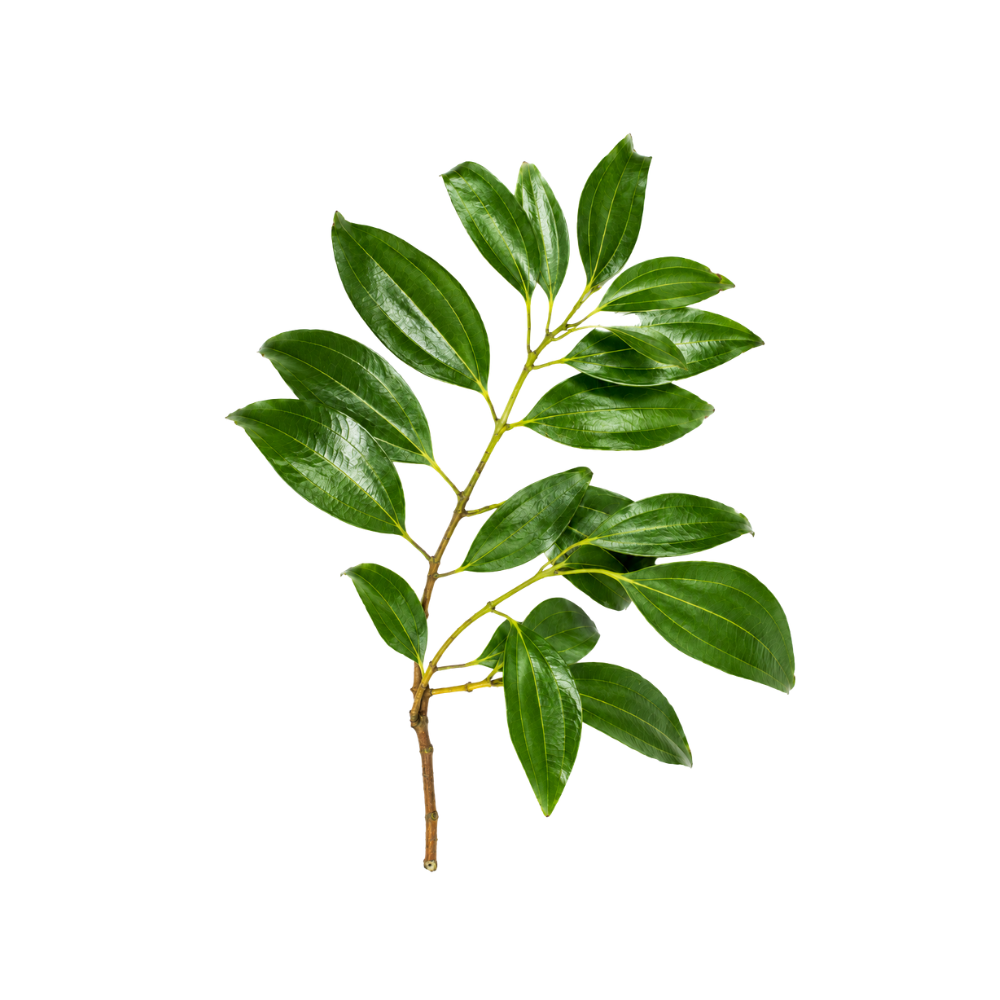 ModerateModerateCeylon CinnamonCinnamomum verumStandardised extract lowered fasting glucose, HbA1c and insulin resistance in a 210-patient trial, the first species-specific evidence behind the cinnamon mechanism; the bark carries only trace coumarin.Mechanismα-amylase and α-glucosidase inhibition; GLUT4-mediated glucose uptake; insulin-receptor potentiation (cinnamaldehyde, procyanidins)Read the evidenceShow lessMonograph →
A 2025 randomised, double-blind, placebo-controlled trial in 210 adults with type 2 diabetes tested standardised C. verum extract at 250 mg and 500 mg for four months and found significant reductions in fasting plasma glucose and HbA1c, with lower insulin resistance (HOMA-IR) and improved β-cell function 139Reference 139RCTEfficacy and safety of Cinnamomum zeylanicum (Ceylon cinnamon) for diabetes mellitus: a randomized, double blind, placebo-controlled clinical trial — RCT (n=210)View study →.
A separate 2025 trial built around LDL cholesterol (150 adults, 1000 mg/day for 12 weeks) missed its primary lipid endpoint 140Reference 140RCTEffects of Cinnamomum zeylanicum (Ceylon cinnamon) extract on lipid profile, glucose levels and its safety in adults: a randomized, double-blind, controlled trial — RCT (n=150)View study →.
In vitro, C. zeylanicum inhibits pancreatic α-amylase and α-glucosidase, promotes GLUT4-mediated glucose uptake and potentiates insulin-receptor activity, and a 2012 systematic review noted that at that time no human C. verum trial existed, so the mechanism ran ahead of the clinical data 141Reference 141Meta-analysisEfficacy and safety of ‘true’ cinnamon (Cinnamomum zeylanicum) as a pharmaceutical agent in diabetes: a systematic review and meta-analysisView study →.
Most of the cinnamon trial literature used cassia or an unspecified species. Ceylon bark carries only trace coumarin, so it has none of the hepatotoxicity ceiling that limits sustained cassia dosing 41Reference 41Quantification of flavoring constituents in cinnamon: high variation of coumarin in cassia bark from the German retail market and in authentic samples from Indonesia — [comparative study]View study →.
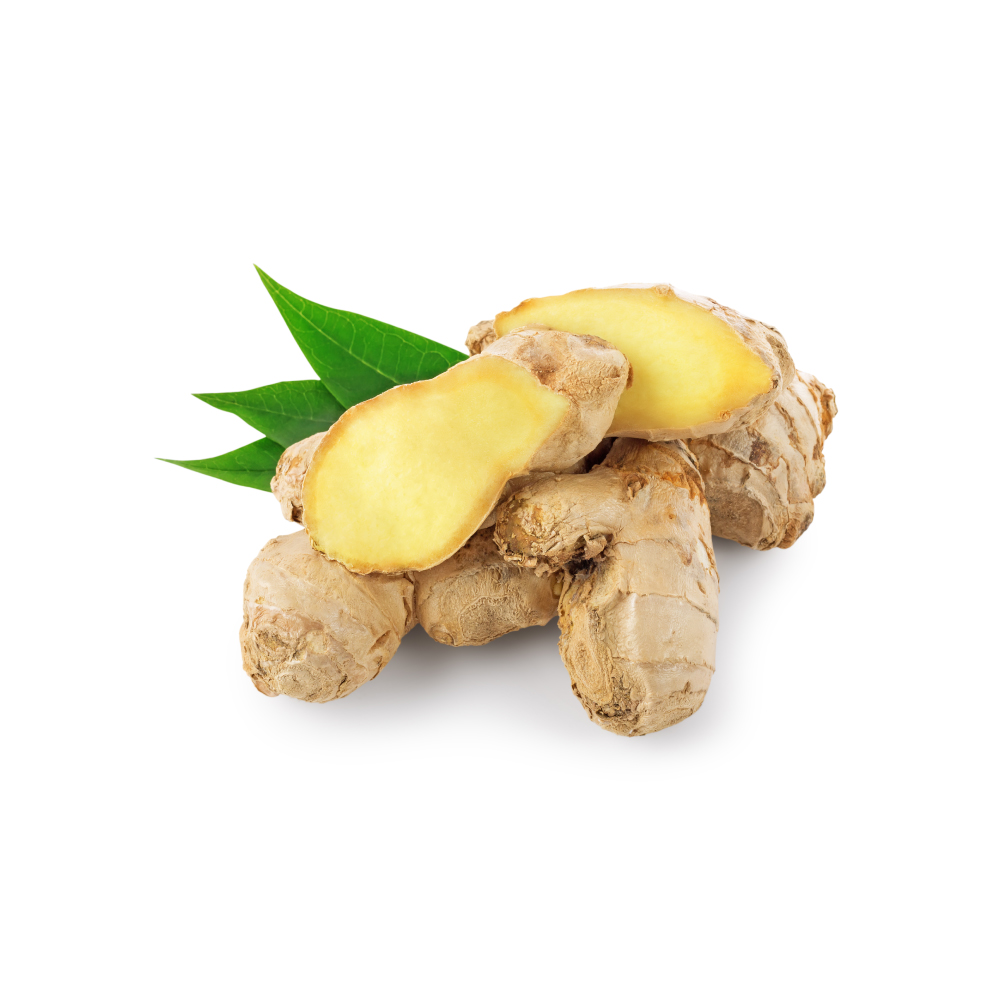 ModerateModerateGingerZingiber officinaleLowers fasting glucose by about 19 mg/dL and HbA1c by about 0.6 percentage points in pooled type 2 diabetes trials at 1.6–3 g/day of powder.Mechanisminsulin sensitization; anti-inflammatoryRead the evidenceShow lessMonograph →
A meta-analysis in type 2 diabetes found ginger reduced fasting blood glucose (WMD −18.81 mg/dL) and HbA1c (−0.57%) at roughly 1,600–3,000 mg/day of powder 47Reference 47Meta-analysisThe effect of ginger supplementation on metabolic profiles in patients with type 2 diabetes mellitus: a systematic review and meta-analysis of randomized controlled trials — meta-analysisView study →.
The direction is consistent, and the mechanism is insulin sensitisation downstream of the same anti-inflammatory action that carries the herb’s other uses.
Heterogeneity was high (I² ≈ 77%) and the trials short.
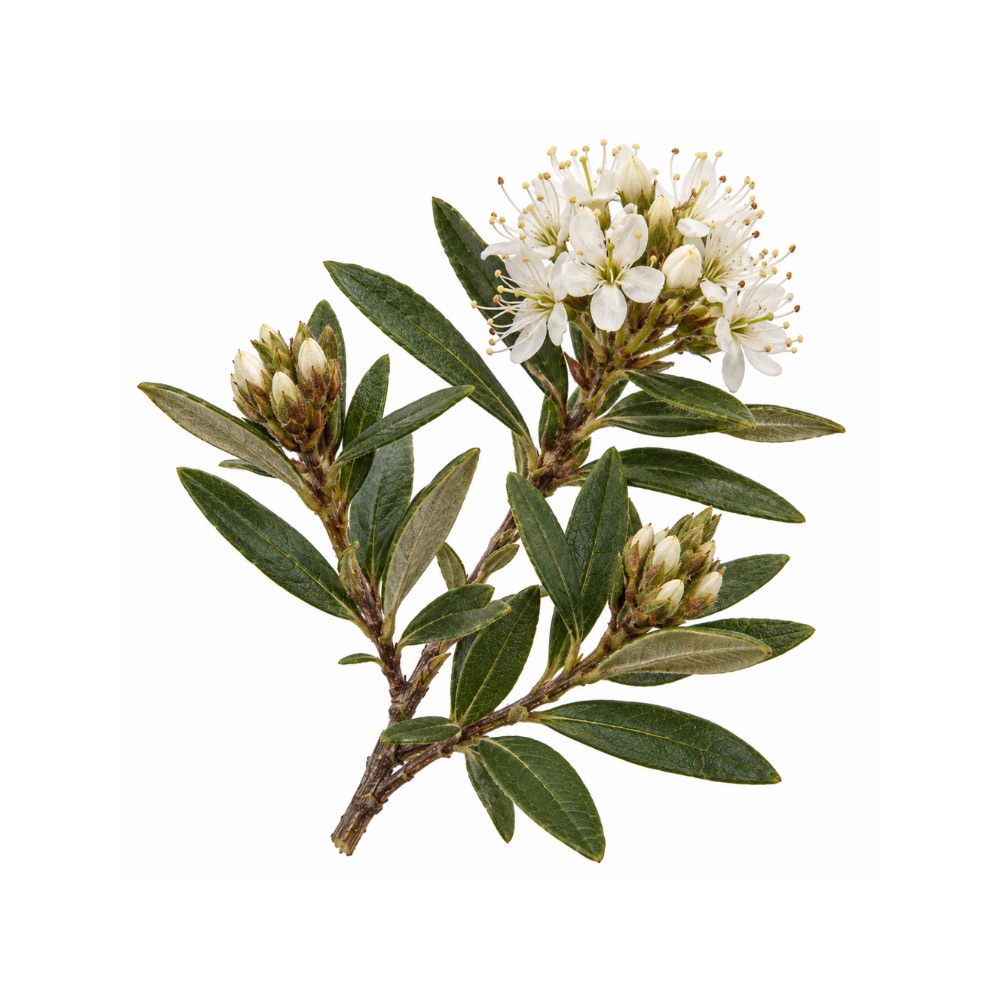 ModerateModerateLabrador TeaRhododendron groenlandicumImproves insulin sensitivity and reduces liver fat in diet-induced obese mice, with the catechins identified as the actives.Mechanisminsulin sensitization; catechin-mediated anti-adipogenesisRead the evidenceShow less
Labrador tea is one of the plants the Cree of Eeyou Istchee use for the symptoms of diabetes. A Canadian group working with that community found the extract improved insulin sensitivity and reduced hepatic fat in diet-induced obese mice 98Reference 98AnimalLabrador tea (Rhododendron groenlandicum) attenuates insulin resistance in a diet-induced obesity mouse model — animal model (mouse, in vivo)View study →, and traced the adipogenic activity to (+)-catechin and (−)-epicatechin 99,
In-vivo rodent work with named actives is a step above cell culture.
The active preparations are extracts rather than the weak tea people drink, and there are no human data.
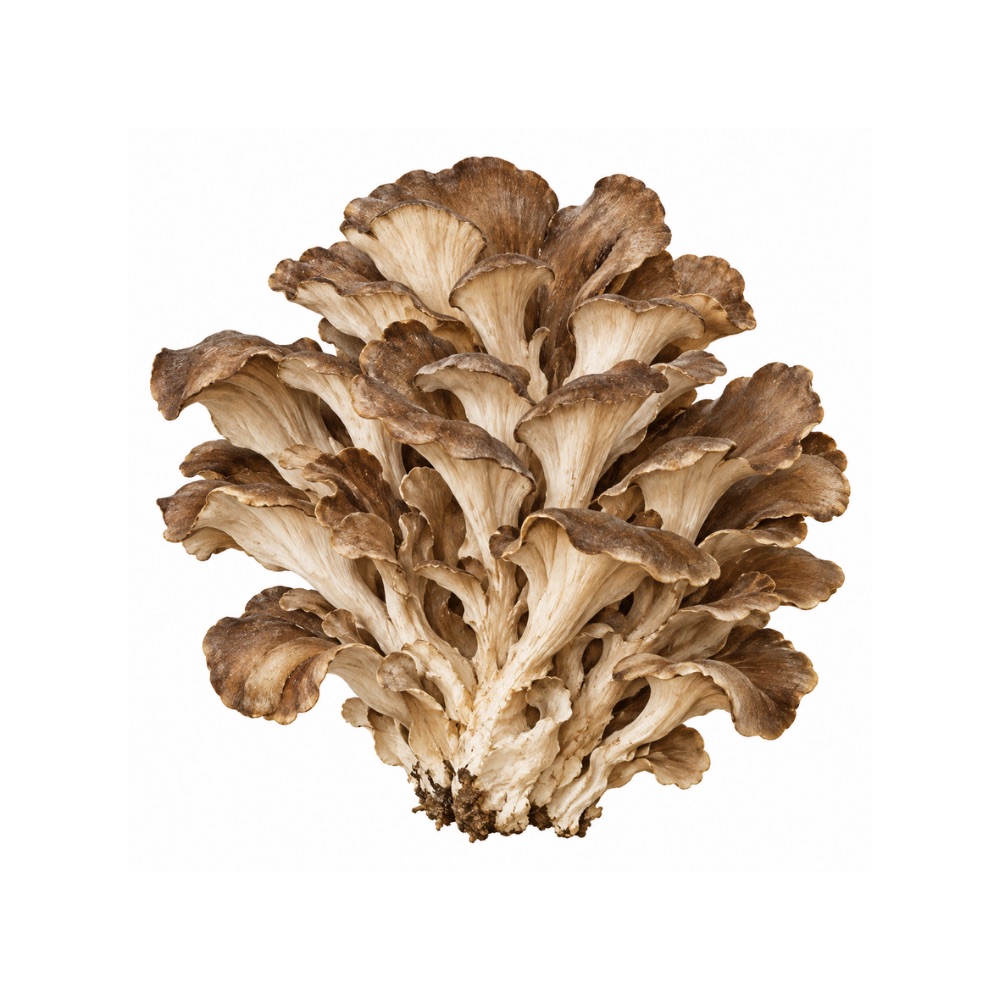 ModerateModerateMaitakeGrifola frondosaα-Glucan and polysaccharide fractions lower blood glucose in diabetic rodents through insulin sensitisation, the same mechanism behind its randomised ovulation result in PCOS.Mechanisminsulin sensitization; α-glucosidase modulation; gut-microbiota remodellingRead the evidenceShow less
An α-glucan-rich fraction lowered blood glucose in diabetic rodents 69Reference 69AnimalAnti-diabetic activity present in the fruit body of Grifola frondosa (Maitake)View study →, and later polysaccharides reproduced the hypoglycaemic effect while remodelling the gut microbiota in type 2 diabetic mice 70,
The human glycaemic evidence is a small uncontrolled case series 72Reference 72Case reportA possible hypoglycaemic effect of maitake mushroom on Type 2 diabetic patients — case series (human)View study →. The same insulin-sensitising mechanism produced a randomised clinical result in PCOS, where maitake extract induced ovulation 73Reference 73RCTMaitake mushroom (Grifola frondosa) extract induces ovulation in patients with polycystic ovary syndrome: a possible monotherapy and combination therapy after failure with first-line clomiphene citrate — randomized controlled trialView study →.
The effects are fraction-specific (SX-fraction, α-glucan), so no consumer product maps onto them.
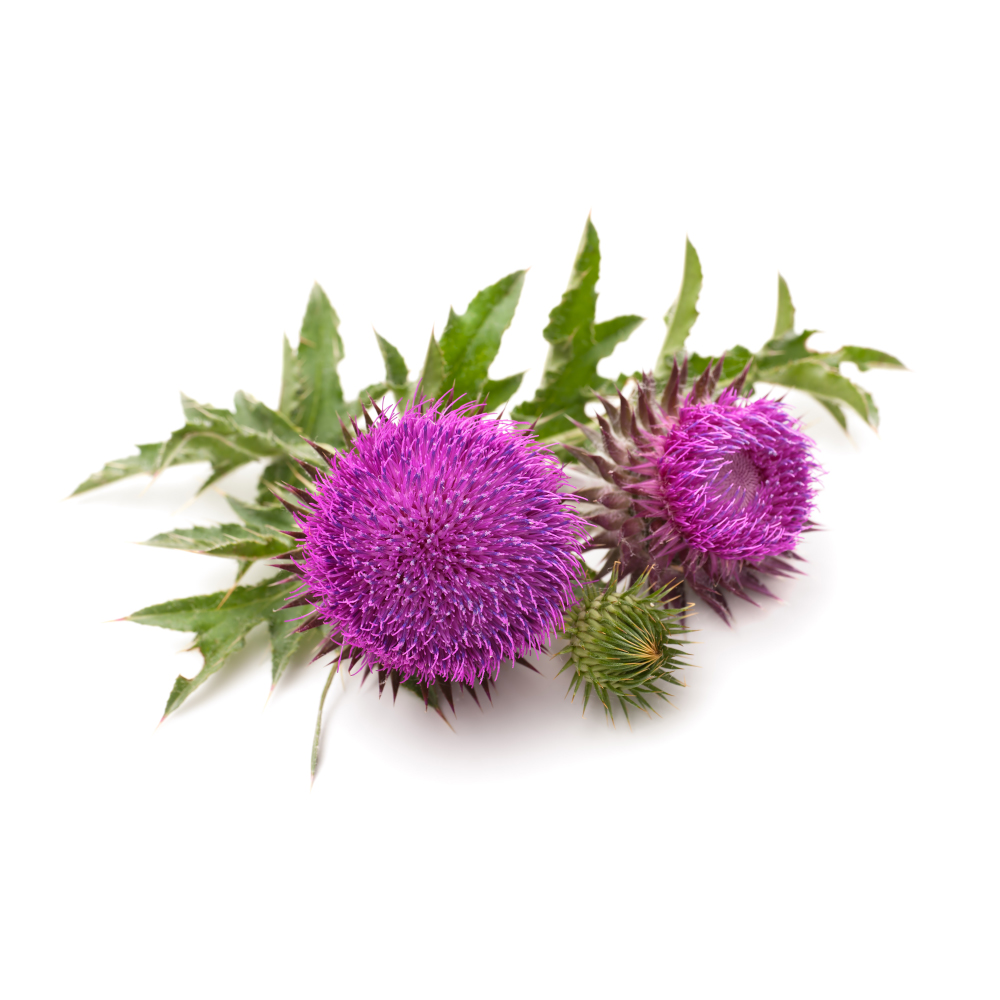 ModerateModerateMilk ThistleSilybum marianumSilymarin lowers fasting glucose and HbA1c in type 2 diabetes across five pooled trials, added to standard therapy.Mechanismfasting glucose and HbA1c ↓ (silymarin); insulin resistance ↓; oxidative-stress markers ↓Read the evidenceShow lessMonograph →
A 2016 systematic review and meta-analysis of five RCTs concluded silymarin significantly lowered fasting blood glucose and HbA1c in type 2 diabetes 74Reference 74Meta-analysisSilymarin in type 2 diabetes mellitus: a systematic review and meta-analysis of randomized controlled trials — systematic review and meta-analysisView study →. The most-cited single trial is a 2006 four-month double-blind RCT (n=51) in which silymarin 200 mg three times daily, added to standard therapy, reduced HbA1c, fasting glucose and the lipid profile against placebo 75Reference 75RCTThe efficacy of Silybum marianum (silymarin) in the treatment of type II diabetes: a randomized, double-blind, placebo-controlled clinical trial — randomised placebo-controlled trialView study →.
Later meta-analyses extend the effect to insulin resistance and some lipid and oxidative-stress measures 76,
The trial base is small, short and dominated by a few overlapping research groups, with no large multicentre confirmation and no hard endpoints.
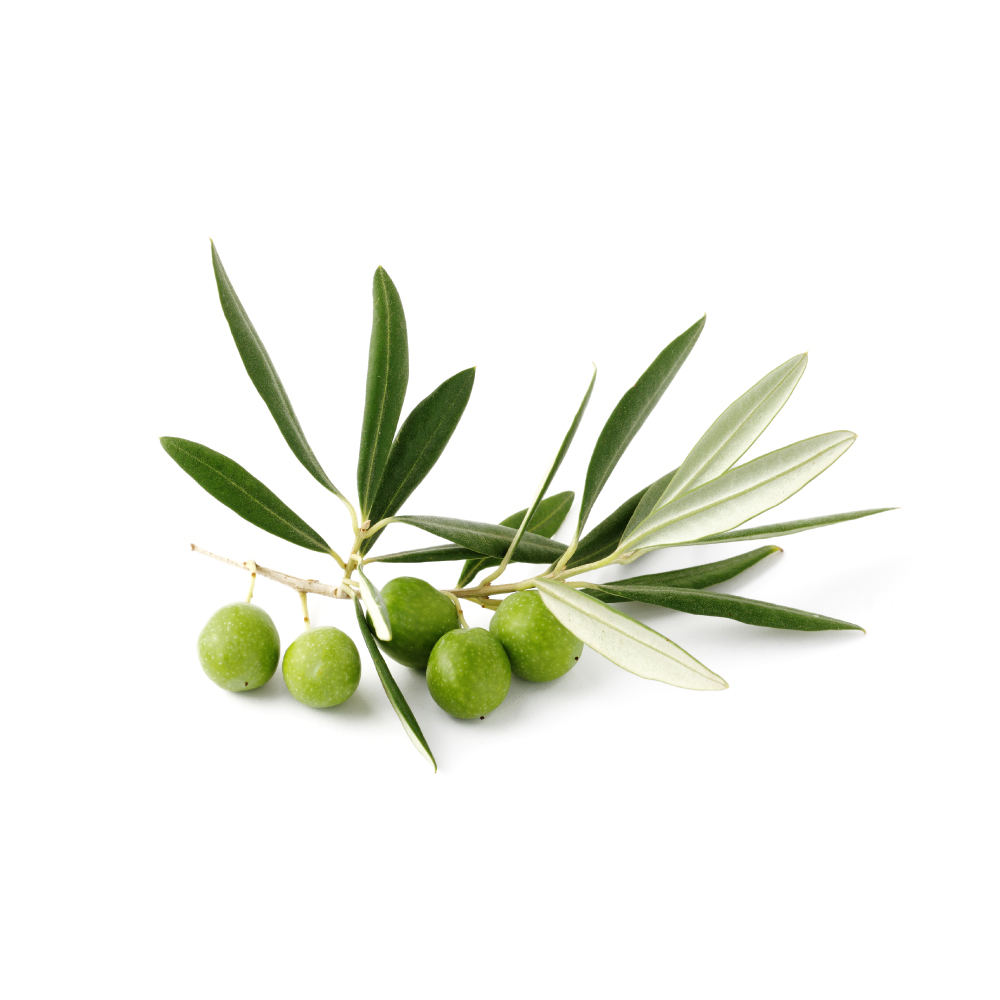 ModerateModerateOlive LeafOlea europaeaLeaf polyphenols improved insulin sensitivity by about 15% and β-cell responsiveness by about 28% in a crossover trial; the effect on glucose itself is smaller and dose-sensitive.Mechanisminsulin sensitivity ↑ (~15%); pancreatic β-cell responsiveness ↑ (~28%); oleuropein/hydroxytyrosol-mediatedRead the evidenceShow lessMonograph →
A 12-week crossover RCT in middle-aged overweight men found olive-leaf polyphenols (51 mg oleuropein and about 10 mg hydroxytyrosol daily) improved insulin sensitivity by about 15% and pancreatic β-cell responsiveness by about 28% against placebo 84Reference 84RCTOlive (Olea europaea L.) leaf polyphenols improve insulin sensitivity in middle-aged overweight men: a randomized, placebo-controlled, crossover trialView study →.
The 2024 cardiometabolic meta-analysis found fasting glycaemia improved significantly in trials using a lower extract dose 85Reference 85Meta-analysisOlive leaf extract effect on cardiometabolic risk factors: a systematic review and meta-analysis of randomized clinical trialsView study →, and the large 2025 multicentre trial reported reduced blood glucose as a secondary outcome 86Reference 86RCTEfficacy of olive leaf extracts in controlling blood pressure in hypertensive patients: a double-blind randomized clinical trial — multicentre RCTView study →.
A hypertension RCT found no change in glucose-metabolism parameters 87Reference 87RCTEffects of olive leaf extract on metabolic response, liver and kidney functions and inflammatory biomarkers in hypertensive patients — randomized controlled trialView study →, and the 2026 combination trial left fasting glucose and HbA1c unchanged despite better insulin and HOMA indices 88Reference 88RCTEffects of a combination of olive leaf extract and potassium on blood pressure in participants with mild to moderate hypertension: a double-blind, randomized, placebo-controlled trialView study →. The insulin-sensitivity signal is more robust than the glucose signal.
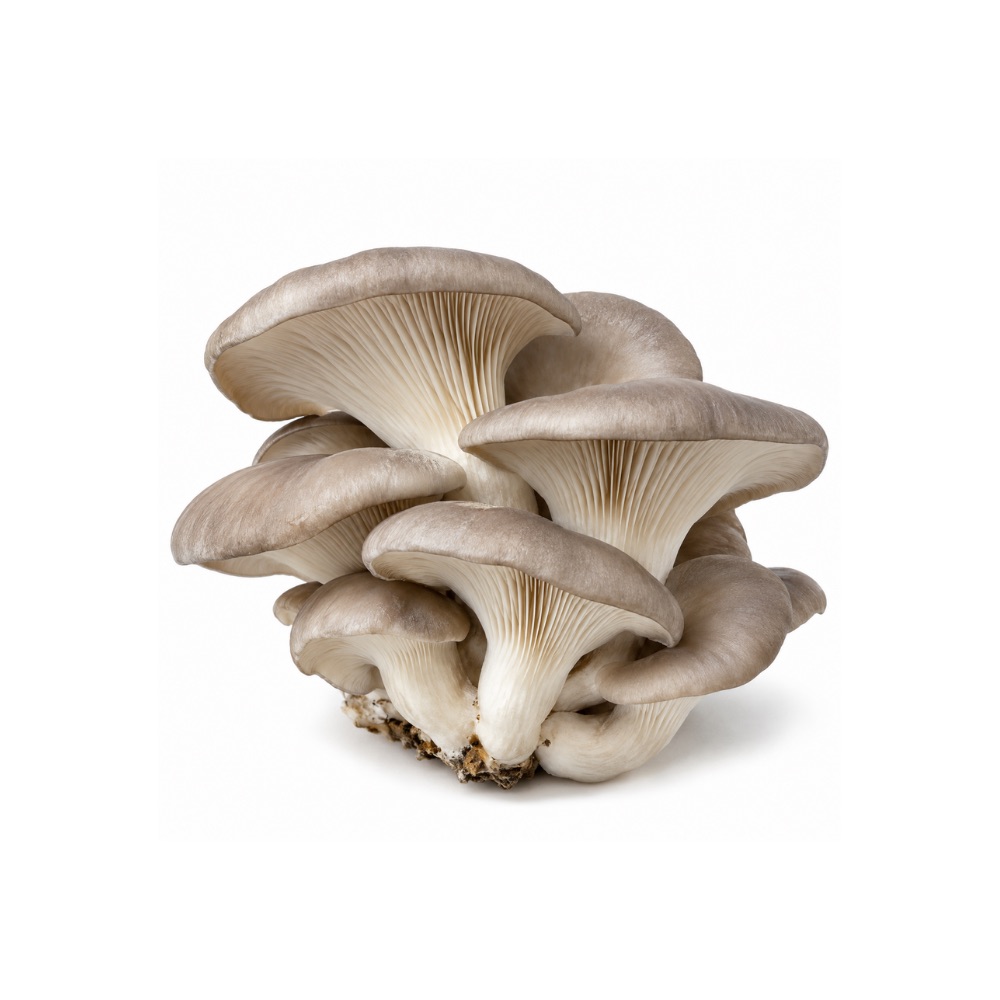 ModerateModerateOyster MushroomPleurotus ostreatusIts ergosterol drives GLUT4 translocation and glucose uptake in muscle cells and lowers fasting glucose in diabetic mice, with a small human crossover signal.MechanismGLUT4 translocation via PI3K/Akt and PKC; polysaccharide glucose loweringRead the evidenceShow less
Isolated ergosterol stimulated GLUT4 translocation and glucose uptake in muscle cells and improved insulin resistance and fasting glucose in spontaneously diabetic KK-Ay mice 89Reference 89In vitroAntidiabetic activity of ergosterol from Pleurotus ostreatus in KK-Ay mice with spontaneous type-2 diabetes — in vitro and in vivoView study →.
Ethanolic extract lowered glucose in alloxan-diabetic mice 90Reference 90AnimalEvaluation of antidiabetic potential of oyster mushroom (Pleurotus ostreatus) in alloxan-induced diabetic mice — animal modelView study →, polysaccharides did the same in streptozotocin-diabetic rats 91Reference 91AnimalAntidiabetic effect of polysaccharides from Pleurotus ostreatus in streptozotocin-induced diabetic rats — animal modelView study →, and a 30-subject human crossover reported reduced fasting and post-breakfast glucose 92Reference 92Oyster mushroom reduced blood glucose and cholesterol in diabetic subjects — clinical crossover studyView study →.
A sterol acting on GLUT4 is a distinctive mechanism; most botanical glucose lowering runs through α-glucosidase inhibition or insulin secretion.
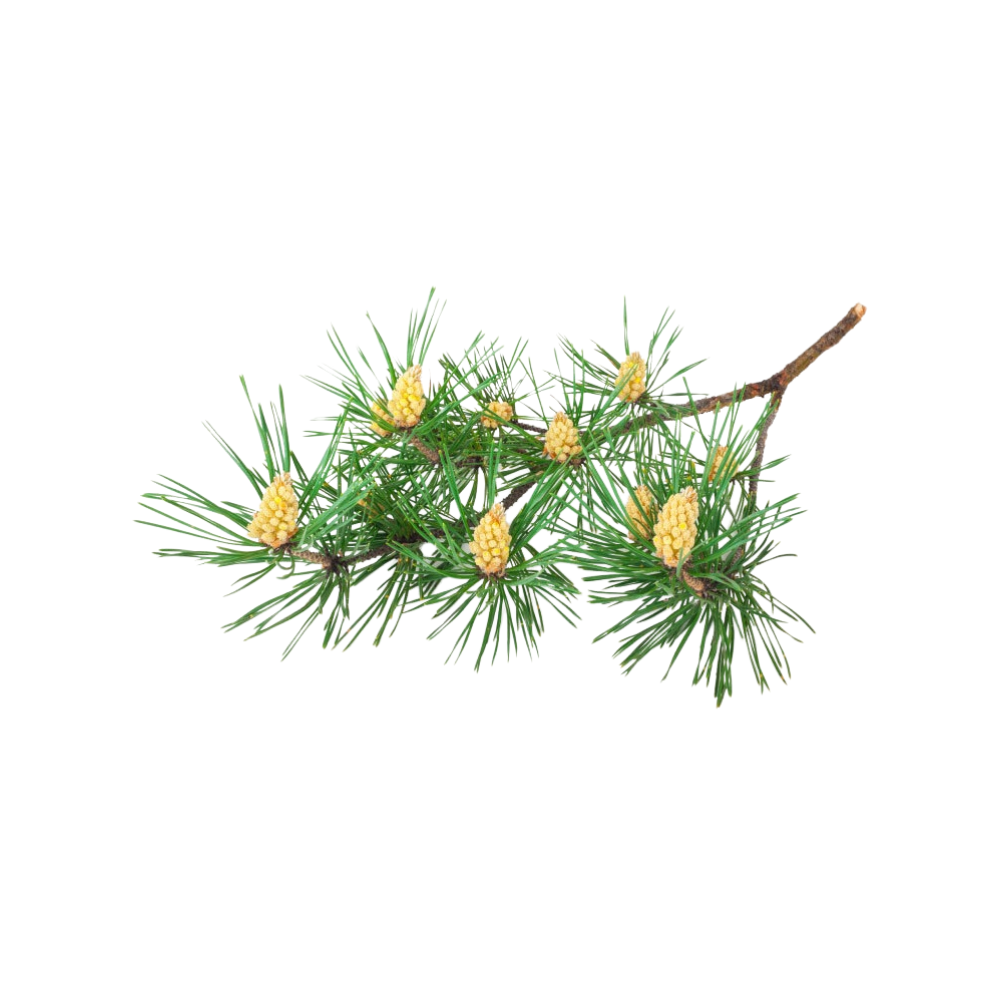 ModerateModeratePinePinus spp.Standardised bark extract lowers plasma glucose and HbA1c as an add-on in type 2 diabetes, and bark and needle extracts inhibit α-glucosidase and α-amylase.Mechanismplasma glucose and HbA1c ↓ (Pycnogenol, adjunctive); α-glucosidase and α-amylase inhibitionRead the evidenceShow lessMonograph →
A double-blind placebo-controlled RCT in 77 type 2 diabetics found 100 mg of Pycnogenol daily for 12 weeks, on top of standard therapy, significantly lowered plasma glucose and HbA1c against placebo 93Reference 93RCTAntidiabetic effect of Pycnogenol French maritime pine bark extract in patients with diabetes type II — randomised placebo-controlledView study →. A later RCT in type 2 diabetics with microalbuminuria reported improved metabolic status and lower VCAM-1 94Reference 94RCTEffect of French maritime pine bark extract supplementation on metabolic status and serum vascular cell adhesion molecule-1 levels in patients with type 2 diabetes and microalbuminuria — randomised controlled trialView study →, and the cardiometabolic meta-analyses found pooled reductions in fasting glucose and HbA1c 95,
Bark and needle extracts inhibit α-glucosidase and α-amylase, blunting postprandial glucose in diabetic mice 97Reference 97In vitroInhibitory effect of pine extract on alpha-glucosidase activity and postprandial hyperglycemia — in vitroView study →.
Pycnogenol is a standardised French maritime pine bark extract, and a pine-needle infusion is not the tested article. Every human trial added the extract to existing therapy.
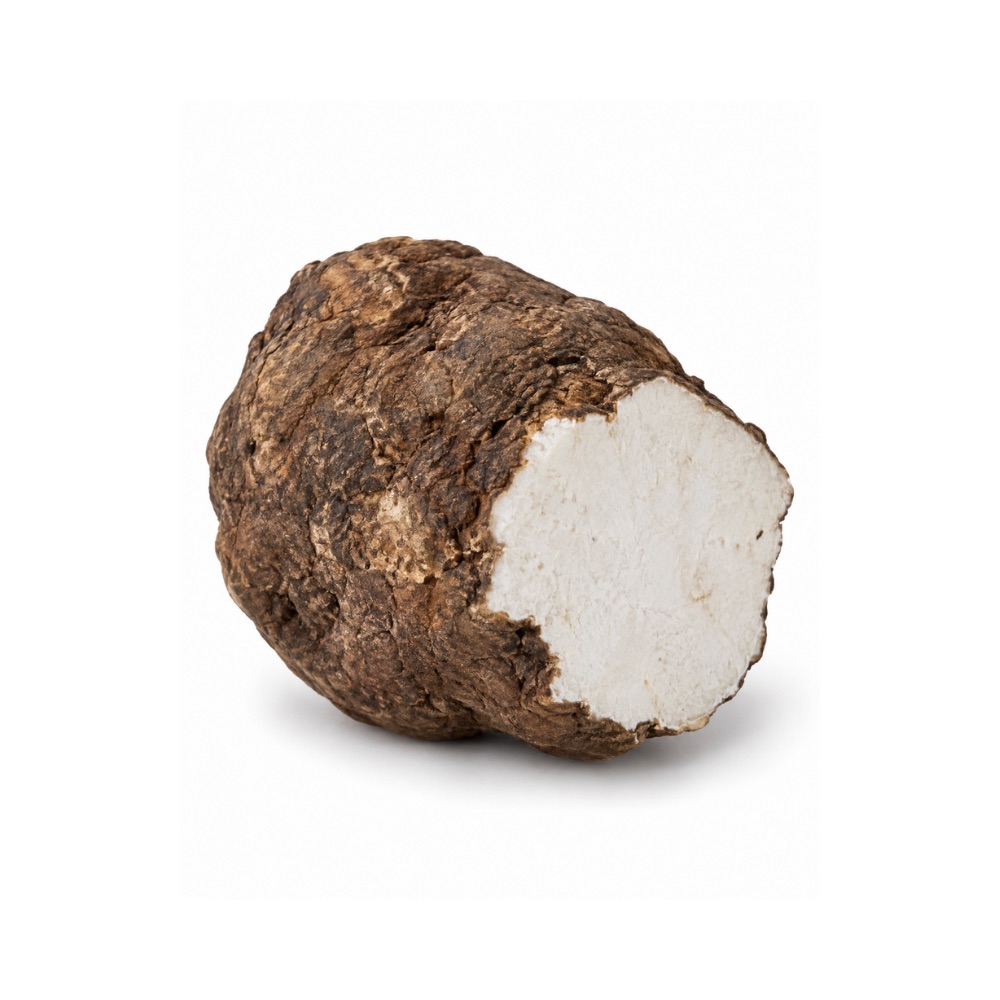 ModerateModeratePoriaWolfiporia extensaDehydrotrametenolic acid activates PPARγ and pachymic acid promotes GLUT4 translocation; a 73-trial meta-analysis of poria-containing formulas found improved glycaemic control.MechanismPPARγ activation; GLUT4 translocation via PI3K/AMPKRead the evidenceShow less
Two named triterpenes carry a mapped mechanism: dehydrotrametenolic acid activates PPARγ and sensitises diabetic animal models to insulin 133Reference 133AnimalDehydrotrametenolic acid induces preadipocyte differentiation and sensitizes animal models of NIDDM to insulin — animal modelView study →, and pachymic acid promotes GLUT4 expression and translocation 132Reference 132In vitroPachymic acid stimulates glucose uptake through enhanced GLUT4 expression and translocation — in vitroView study →.
A 73-RCT meta-analysis of Fu Ling-containing formulae in type 2 diabetes found improved glycaemic control with no excess adverse events 134Reference 134Meta-analysisBenefits of herbal formulae containing Poria cocos (Fuling) for type 2 diabetes mellitus: a systematic review and meta-analysisView study →.
Poria is never dosed alone in that literature, so attribution to the mushroom rests on the mechanism rather than the trials.
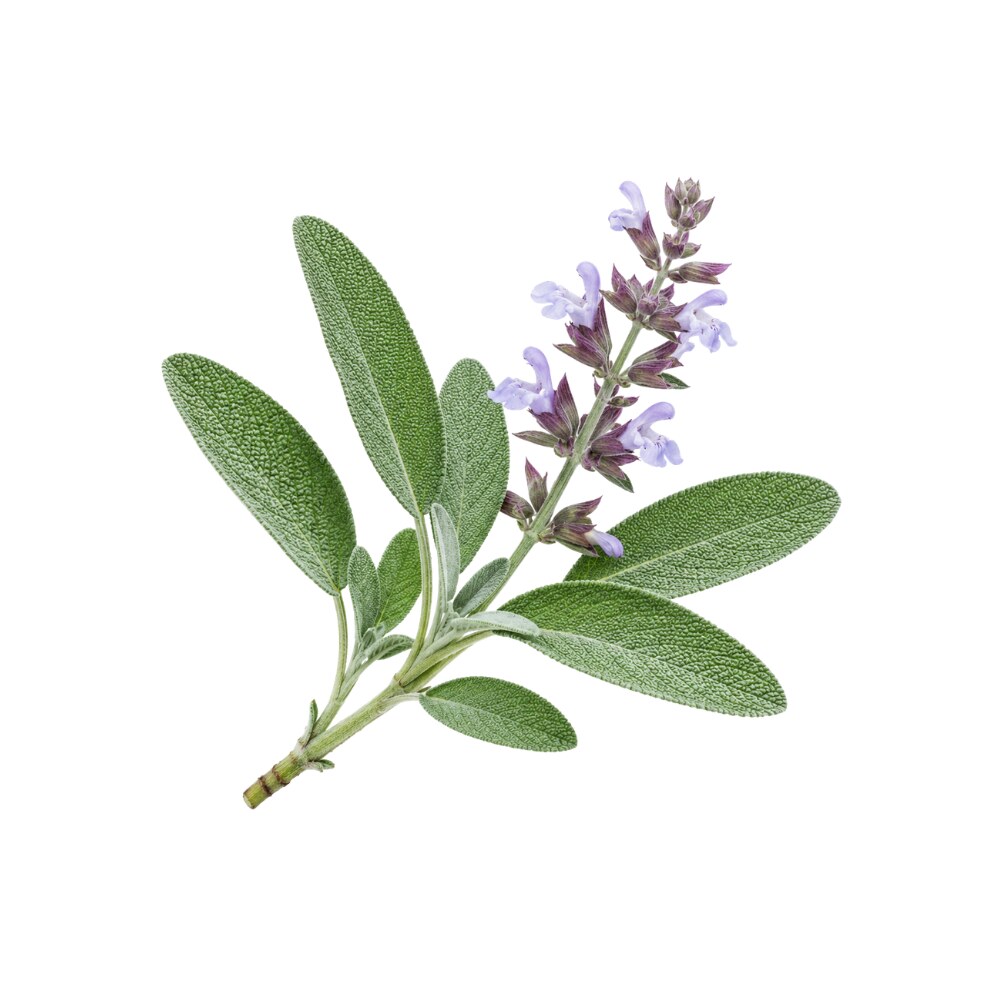 ModerateModerateSageSalvia officinalisLeaf extract lowered fasting glucose, HbA1c and lipids together over three months in type 2 diabetics, and was additive with statin therapy.Mechanismfasting glucose and HbA1c ↓ with parallel lipid improvement; PPAR-γ agonism, pancreatic-lipase and lipid-absorption inhibition (proposed)Read the evidenceShow lessMonograph →
In hyperlipidaemic type 2 diabetics (n=80), three months of sage leaf extract (500 mg three times daily) lowered fasting glucose, HbA1c, total cholesterol, triglycerides and LDL while raising HDL, with no adverse effects 101Reference 101RCTImproved glycemic control and lipid profile in hyperlipidemic type-2 diabetic patients consuming Salvia officinalis L. leaf extract: a randomised placebo-controlled clinical trialView study →. An earlier trial in hyperlipidaemic patients (n=67) showed the same lipid pattern 102Reference 102RCTAntihyperlipidemic effects of Salvia officinalis L. leaf extract in patients with hyperlipidemia: a randomised double-blind placebo-controlled clinical trialView study →, a further study found sage safe and additive to statin therapy in dyslipidaemic diabetics 103Reference 103RCTSalvia officinalis (sage) leaf extract as add-on to statin therapy in hypercholesterolemic type-2 diabetic patients: a randomised clinical trialView study →, and a 2025 PCOS trial reduced triglycerides 104Reference 104RCTExploring the therapeutic impact of Salvia officinalis on lipid and oxidative stress markers in patients with polycystic ovary syndrome — a randomised placebo-controlled clinical trialView study →.
Proposed mechanisms are PPAR-γ agonism, pancreatic-lipase and lipid-absorption inhibition, and antioxidant protection 102Reference 102RCTAntihyperlipidemic effects of Salvia officinalis L. leaf extract in patients with hyperlipidemia: a randomised double-blind placebo-controlled clinical trialView study →.
Most of the trials come from a single Iranian research group, and the glycaemic and lipid effects travel together in every one of them.
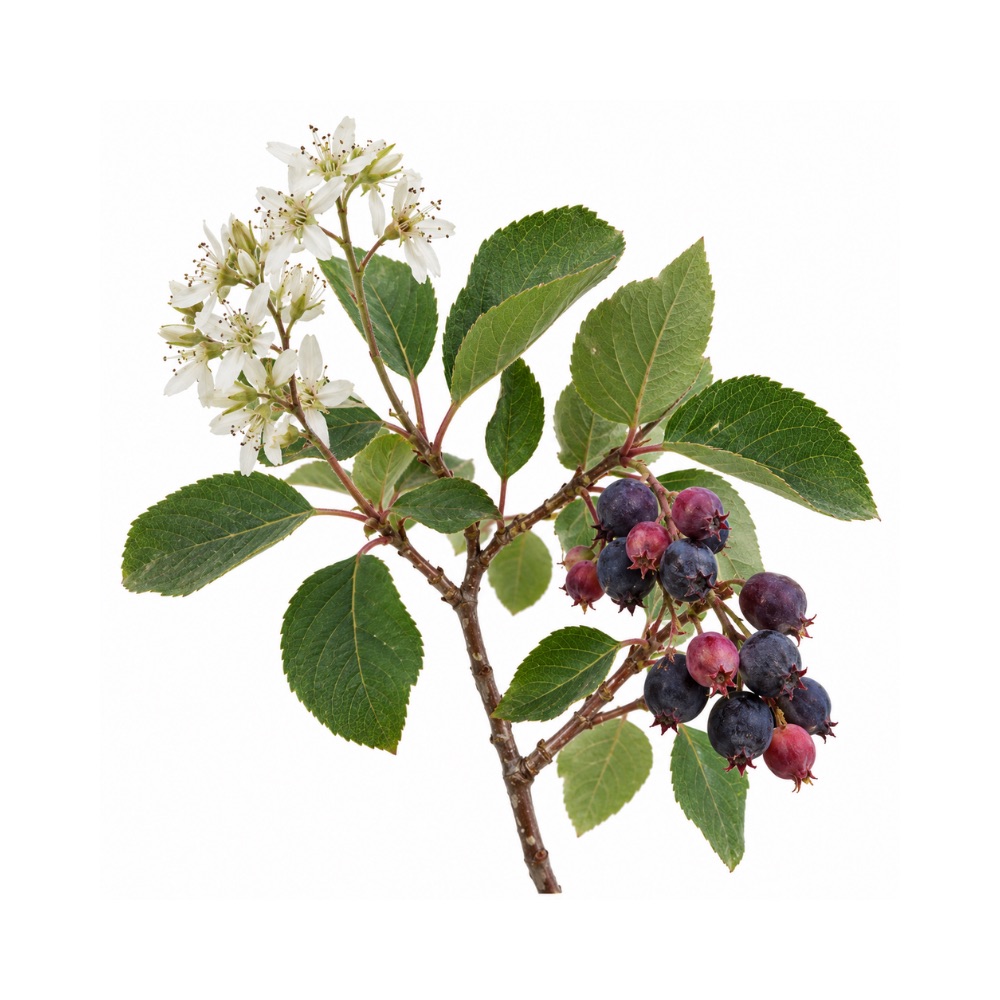 ModerateModerateSaskatoon BerryAmelanchier alnifoliaFreeze-dried berry powder lowers glucose, lipids and inflammatory markers in diabetic mice, with cyanidin-3-glucoside as the leading active.Mechanismcyanidin-3-glucoside-led glucose and lipid lowering; inflammatory-marker reductionRead the evidenceShow less
Freeze-dried whole-berry powder lowered glucose, lipids and inflammatory markers in diabetic and diet-stressed mice, with cyanidin-3-glucoside identified as the leading active anthocyanin 105,
Most herbal antidiabetic research doses extracts. This work fed the berry as a berry, which makes the result easier to translate.
It remains rodent work with no human trial.
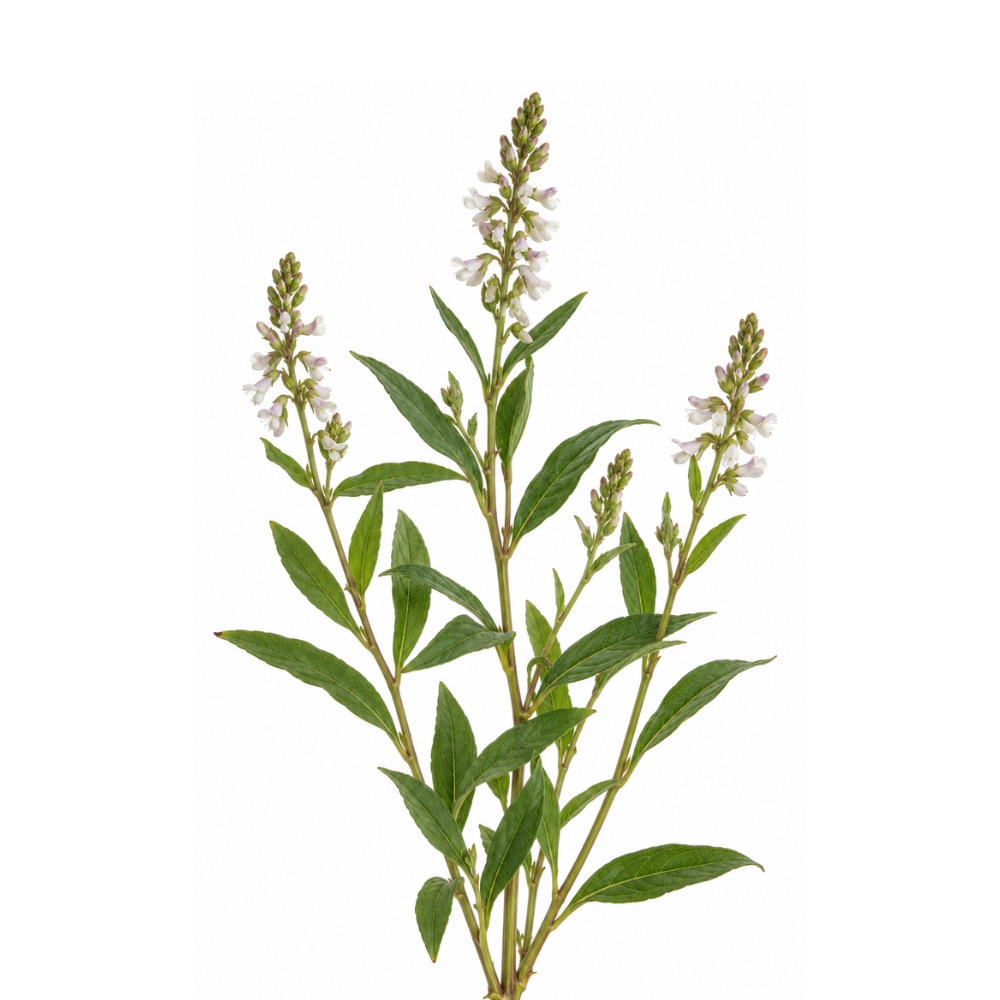 ModerateModerateSenegaPolygala senegaSenegin-II and related senegasaponins lower blood glucose in normal and diabetic mice across several studies, by injection of the isolated saponins.Mechanismsenegin-II and senegasaponins lowering blood glucoseRead the evidenceShow less
Senegin-II and the related senegasaponins consistently lower blood glucose in normal and diabetic mice across multiple studies 107,
The effect was produced by injection of the isolated saponins, not by oral dosing of the root. Nothing links it to a preparation a person would take.
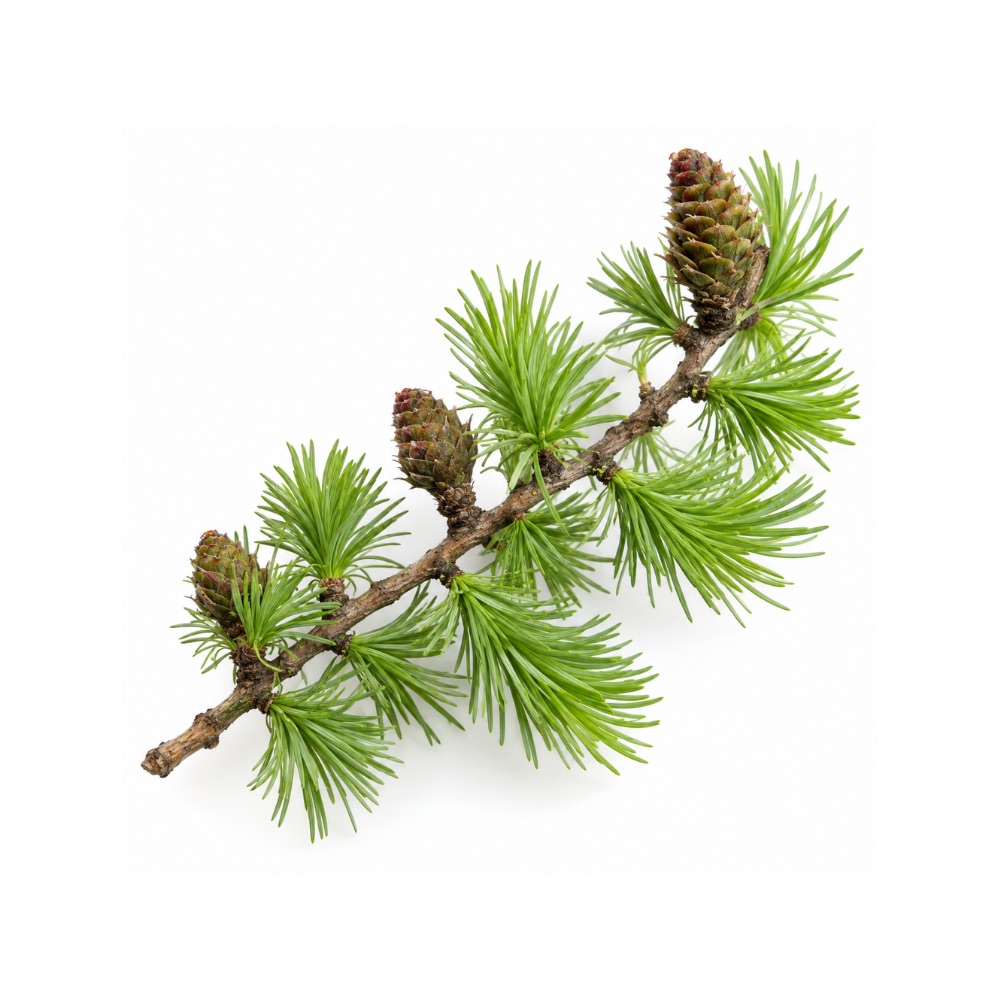 ModerateModerateTamarackLarix laricinaThe antidiabetic bark of the Cree of Eeyou Istchee; an ethanol bark extract lowered glycaemia and improved insulin sensitivity in obese mice, and its constituents activate AMPK and uncouple mitochondria.MechanismAMPK activation; mitochondrial uncoupling; adipogenesis potentiation (cycloartane triterpene, 13-epitorulosol)Read the evidenceShow less
Healers and Elders of the Cree of Eeyou Istchee in northern Québec use tamarack inner bark as a decoction for the symptoms of type 2 diabetes. The bark was flagged in a 2003–2006 ethnobotanical survey and confirmed active in an in-vitro antidiabetic screening platform 16Reference 16In vitroSelected plant species from the Cree pharmacopoeia of northern Quebec possess anti-diabetic potential — in vitro cell-based screenView study →, and a later multivariate re-analysis of 17 species against 49 bioassay endpoints ranked it highest of all of them on the primary antidiabetic assays 148Reference 148A multivariate approach to ethnopharmacology: antidiabetic plants of Eeyou Istchee — multivariate re-analysisView study →.
In diet-induced obese mice, bark extract at 125 and 250 mg/kg decreased glycaemia and improved insulin resistance, both when given from the diet’s onset and when started in the final 8 of 16 weeks 147Reference 147AnimalLarix laricina, an antidiabetic alternative treatment from the Cree of northern Quebec pharmacopoeia, decreases glycaemia and improves insulin sensitivity in vivo — animal model (mouse)View study →.
The extract activates AMPK, enhances basal glucose uptake and uncouples mitochondrial function, a profile shared with metformin and rosiglitazone. Bioassay-guided fractionation isolated the actives, a new cycloartane triterpene and the labdane 13-epitorulosol, as adipogenesis potentiators 146Reference 146In vitroAdipogenic constituents from the bark of Larix laricina du Roi (KView study →.
There are no human data, and the active preparation was a concentrated ethanol extract dosed by body weight. A traditional bark tea has not been tested.
Show 15 more herbs with a mild antidiabetic action
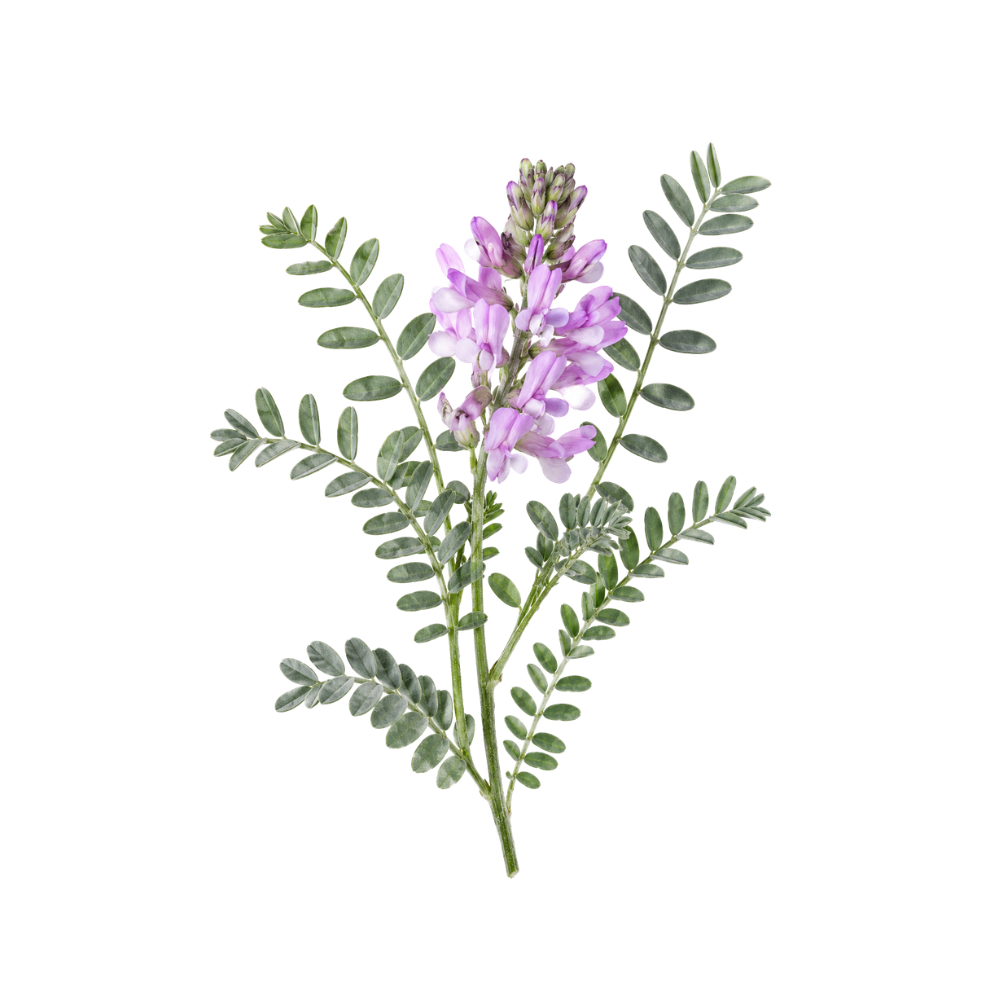 MildMildAstragalusAstragalus membranaceusPolysaccharides, saponins and flavonoids lower glucose and improve insulin sensitivity in preclinical models; in people the trial evidence concerns diabetic kidney disease rather than glycaemia.Mechanisminsulin sensitization (preclinical); human glucose-lowering mechanism not establishedRead the evidenceShow lessMonograph →
Astragalus polysaccharides, saponins and flavonoids show glucose-lowering and insulin-sensitising activity in preclinical models 11Reference 11Systematic reviewBiological active ingredients of traditional Chinese herb Astragalus membranaceus on treatment of diabetes — a systematic reviewView study →, and animal renal-protection reviews note fasting-glucose reduction as a secondary effect 12Reference 12Systematic reviewSystematic review of the renal protective effect of Astragalus membranaceus on diabetic nephropathy in animal modelsView study →.
The human trials concentrate on diabetic complications. The only human glycaemic read-out is the HbA1c reduction inside a 2024 meta-analysis of stage III diabetic nephropathy, where astragalus was added to RAAS blockers 13Reference 13Meta-analysisEfficacy of astragalus combined with RAAS blockers in stage III diabetic nephropathy — a systematic review and meta-analysis of randomized controlled trialsView study →.
No RCT shows oral astragalus lowers HbA1c or fasting glucose as a primary outcome 11Reference 11Systematic reviewBiological active ingredients of traditional Chinese herb Astragalus membranaceus on treatment of diabetes — a systematic reviewView study →.
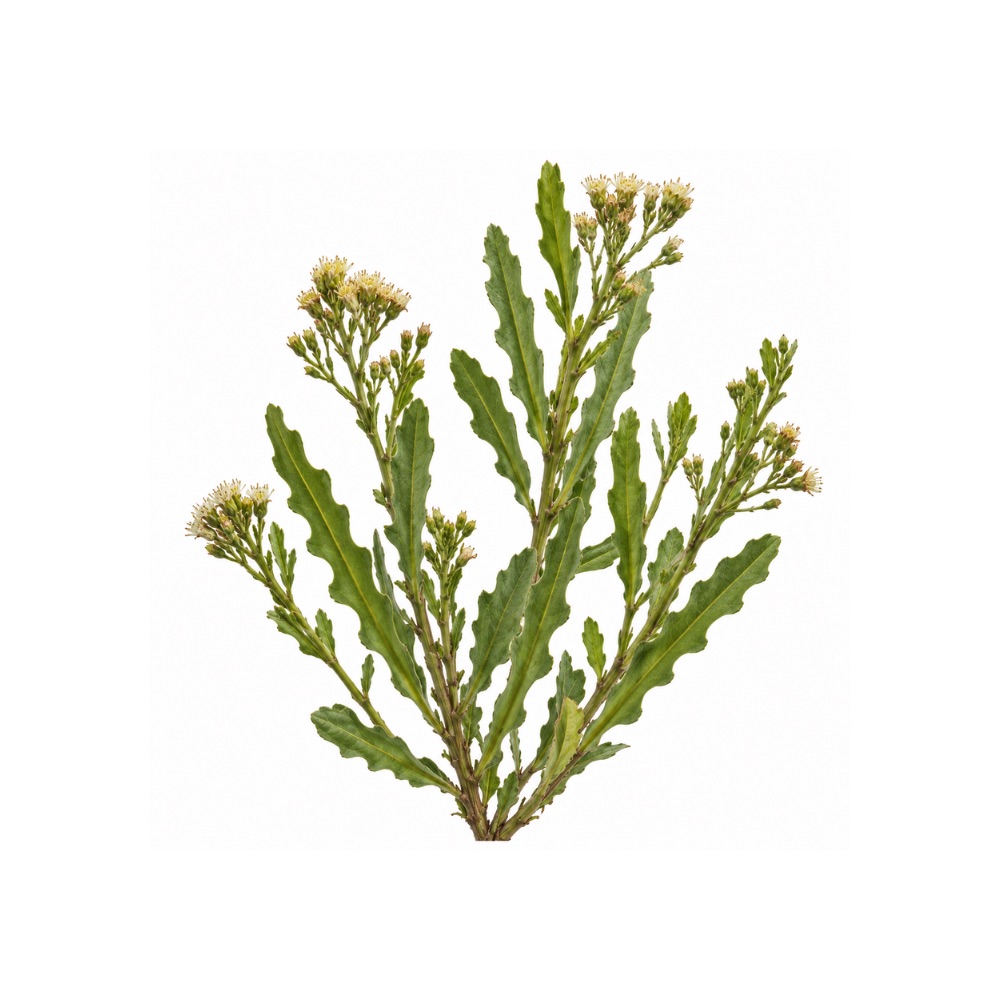 MildMildCarquejaBaccharis trimeraA well-established traditional diabetes remedy in Brazil, with hypoglycaemic activity shown in a single rodent model.Mechanismhypoglycemic activity, mechanism unresolvedRead the evidenceShow less
Carqueja is drunk as a bitter infusion across southern Brazil for digestion and diabetes, and the tradition is well documented.
The pharmacology behind it is thin: hypoglycaemic activity in a single rodent model, alongside broader metabolic effects in high-fat-fed mice 14,
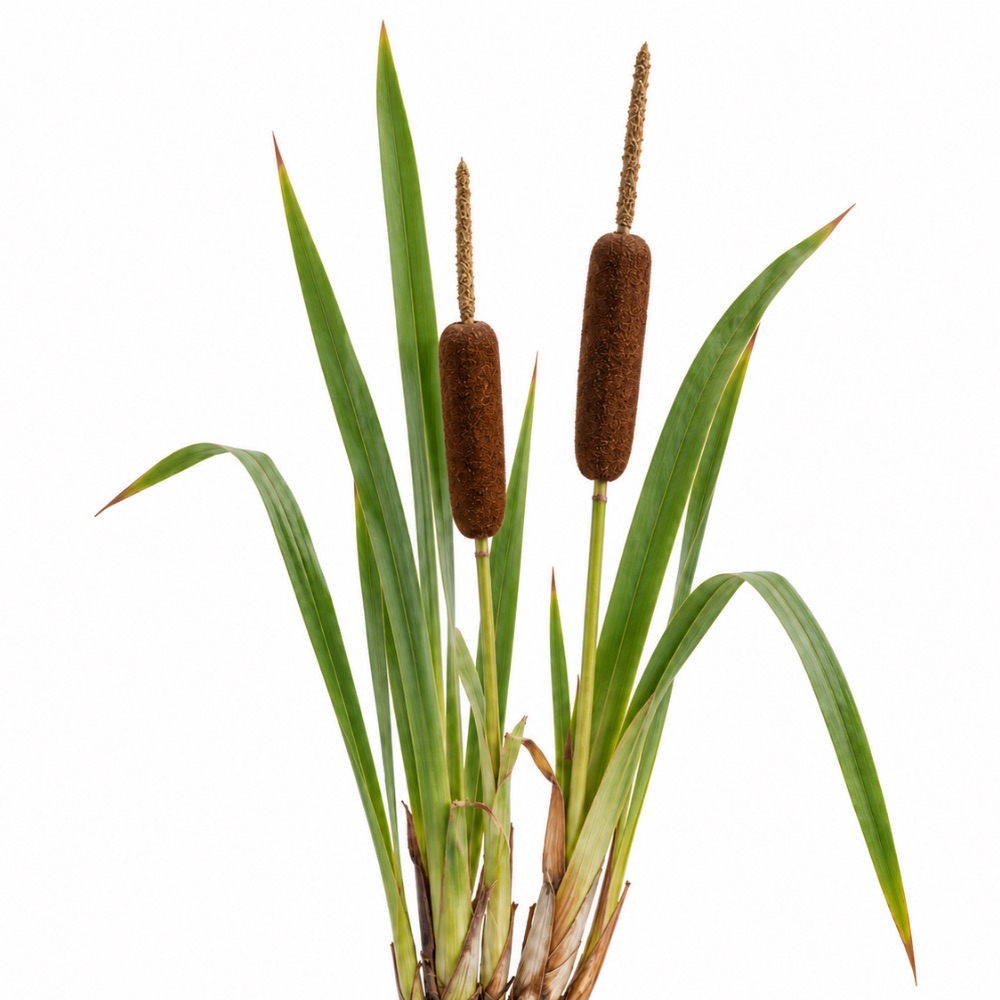 MildMildCattailTypha latifoliaA characterised cattail polysaccharide raised serum insulin, improved glucose tolerance and normalised the hepatic gluconeogenic enzymes in type 1 diabetic mice.Mechanismserum insulin ↑; hepatic glucokinase and glucose-6-phosphatase normalised; Nrf2/HO-1 ↑; TLR4/NF-κB ↓ (polysaccharide fraction)Read the evidenceShow less
A 2026 study isolated a Typha latifolia polysaccharide, characterised its structure and tested it in a mouse model of type 1 diabetes. It raised serum insulin, improved glucose tolerance and normalised expression of hepatic glucokinase and glucose-6-phosphatase, while shifting the gut flora toward short-chain-fatty-acid producers such as Akkermansia 142Reference 142AnimalStructural characterization of Typha latifolia polysaccharides and study on their mechanism of action in improving type 1 diabetes in mice — mouse in vivoView study →.
The pollen of related Typha species is used in Chinese medicine for diabetes and hyperlipidaemia, and its flavonoids modulate lipid metabolism through AMPK.
The studied preparation is an isolated polysaccharide fraction at rodent doses, not the raw plant or a tea, and there are no human data.
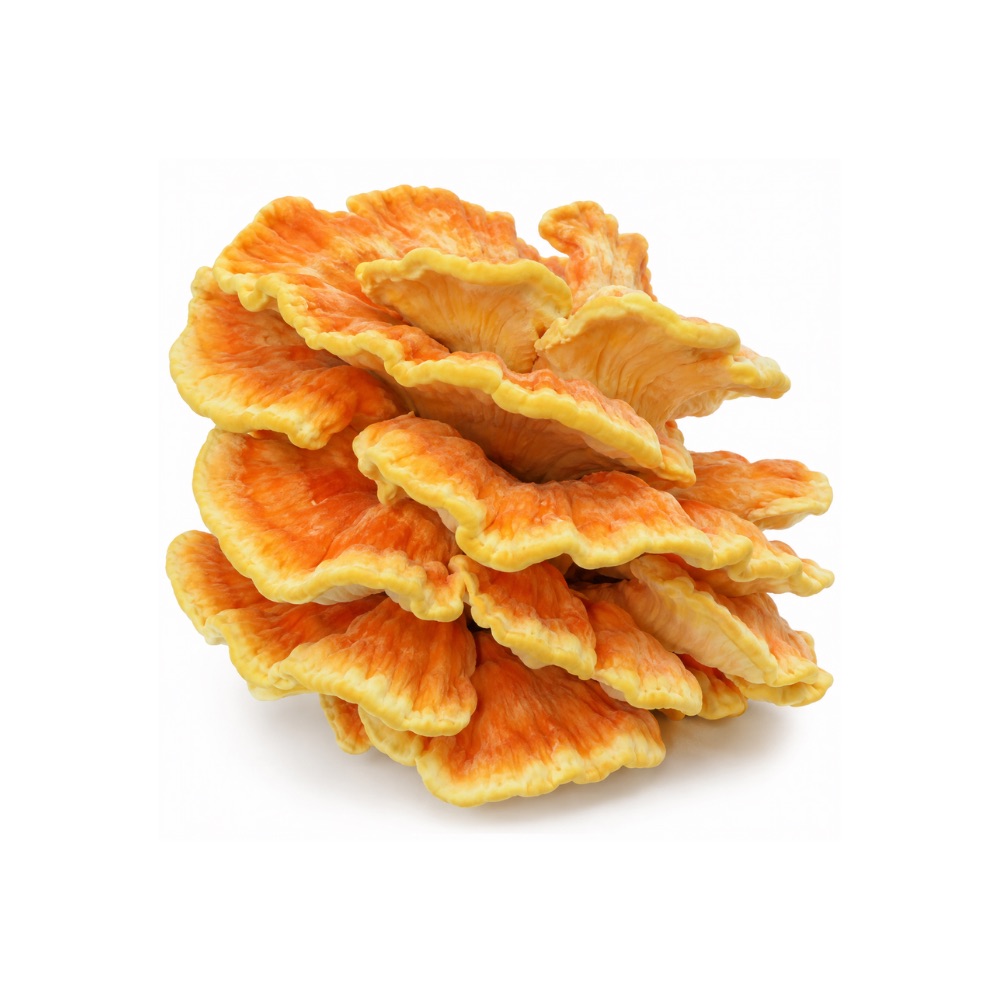 MildMildChicken Of The WoodsLaetiporus sulphureusOne insulinotropic cell study and one diabetic-wound study in rats, neither replicated.Mechanisminsulinotropic β-cell signaling; keratinocyte/fibroblast proliferationRead the evidenceShow less
One cell study reports insulinotropic signalling at the β-cell, and one rat study reports improved diabetic wound healing.
Neither has been replicated, and there are no glycaemic data in whole animals or people.
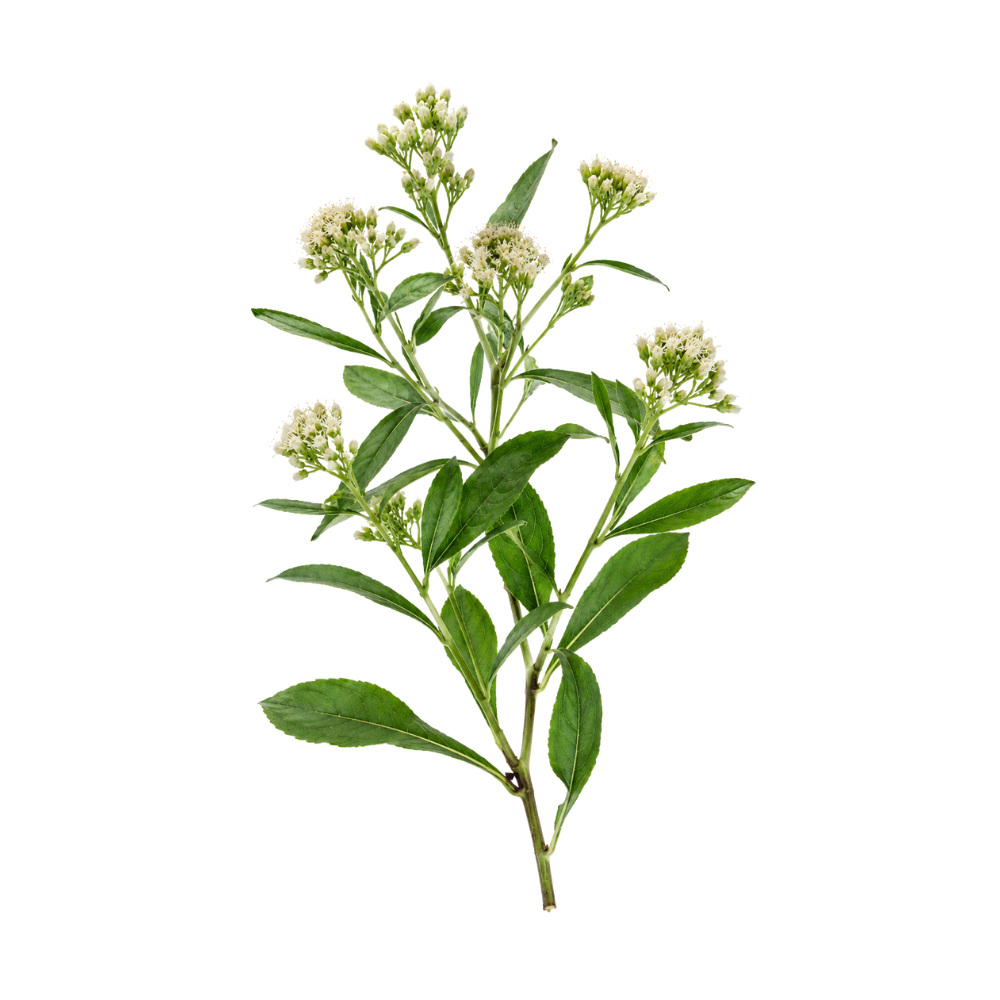 MildMildChilcaBaccharis latifoliaAndean folk medicine across Colombia, Ecuador, Peru and Bolivia takes a weak leaf infusion as a hypoglycaemic tonic; no glucose study exists.Read the evidenceShow lessMonograph →
A leaf infusion of about 5% is drunk as a hypoglycaemic tonic across the Andes, and the use is recorded from Colombia to Bolivia.
There is no glucose-uptake, α-glucosidase, animal-model or clinical study of Baccharis latifolia for blood sugar. The entry rests on the tradition.
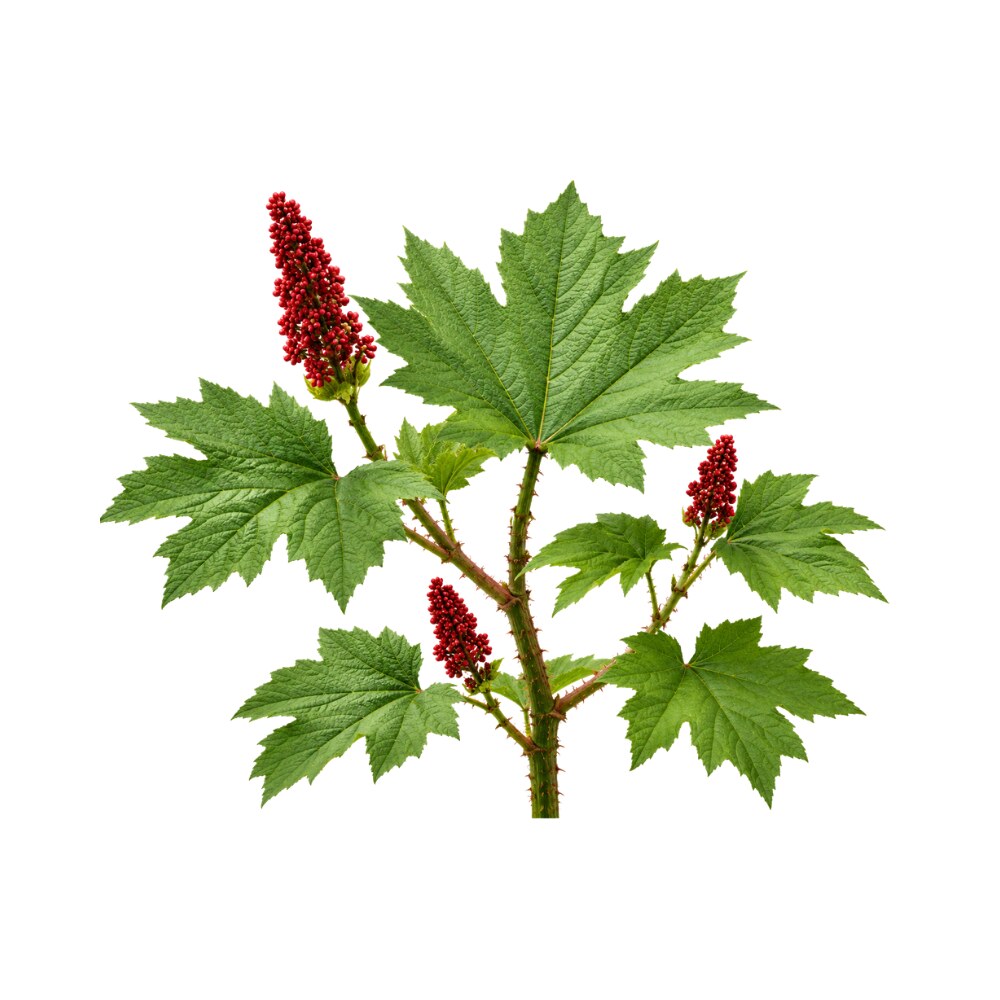 MildMildDevil’s ClubOplopanax horridusThe plant's headline traditional claim, and the one human test — four people drinking the tea in 1990 — found no effect on blood glucose.Mechanismnot established; early rabbit hypoglycaemia reports did not replicate, and no active constituent has been identifiedRead the evidenceShow lessMonograph →
Blood-sugar balance is devil’s club’s best-known traditional use across its North American range, and it is the reason the plant is sold.
The only human study ever run monitored blood glucose in an insulin-dependent diabetic, a newly diagnosed type-2 diabetic and two healthy adults drinking devil’s club tea. It found no hypoglycaemic effect.
The positive claims trace back to early-twentieth-century rabbit hypoglycaemia reports catalogued in the ethnopharmacological reviews, which did not replicate. Later reviews attribute antidiabetic activity to the polyynes without robust confirmation.
No active constituent, no mechanism and no controlled trial support it.
The herb still carries a hypoglycaemic caution alongside antidiabetic drugs, which is a precaution rather than a demonstrated effect.
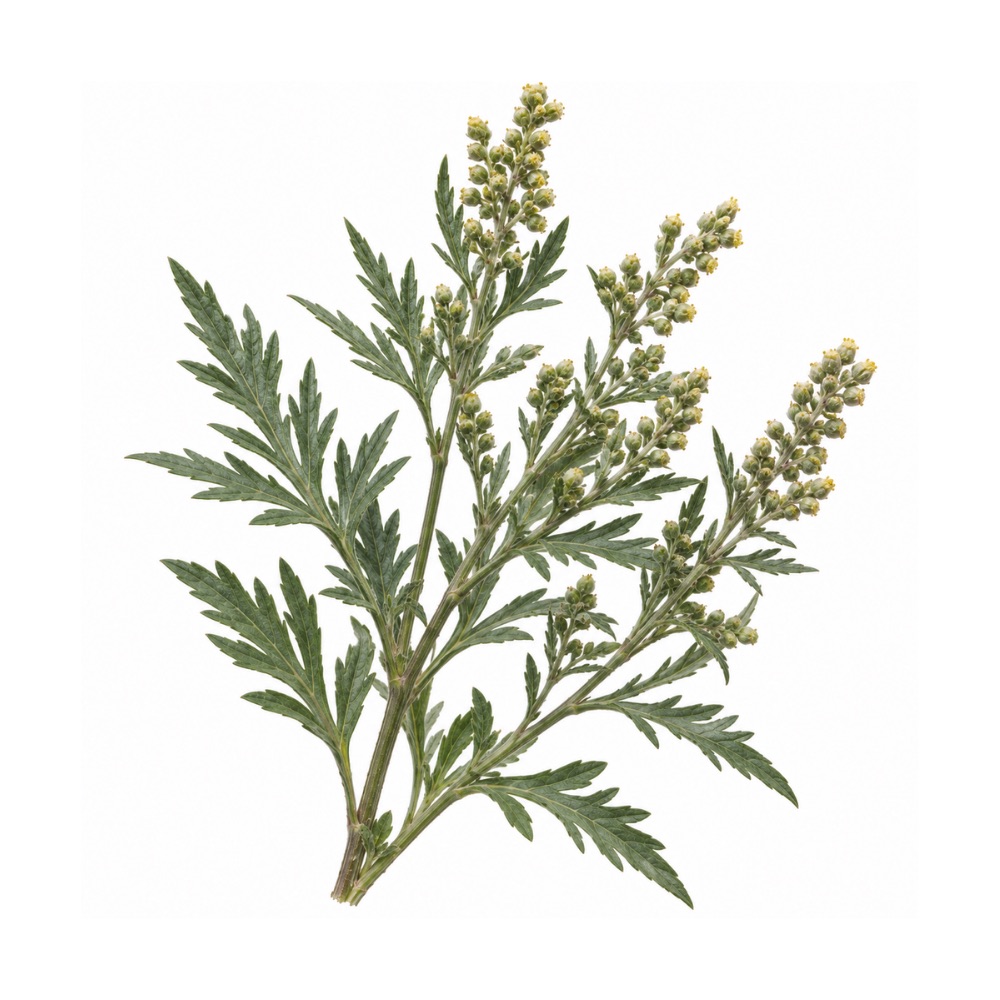 MildMildEstafiateArtemisia ludovicianaHypoglycaemic in diabetic mice, with the mechanism unresolved.Mechanismnot resolved; hypoglycemic in diabetic miceRead the evidenceShow less
Estafiate is a traditional Mexican remedy for diabetes, and preparations and isolated compounds from the plant lowered blood glucose in diabetic mice 44Reference 44AnimalHypoglycemic properties of some preparations and compounds from Artemisia ludoviciana Nutt. — animal modelView study →.
The work is a single preclinical thread with no mechanism identified and no human data.
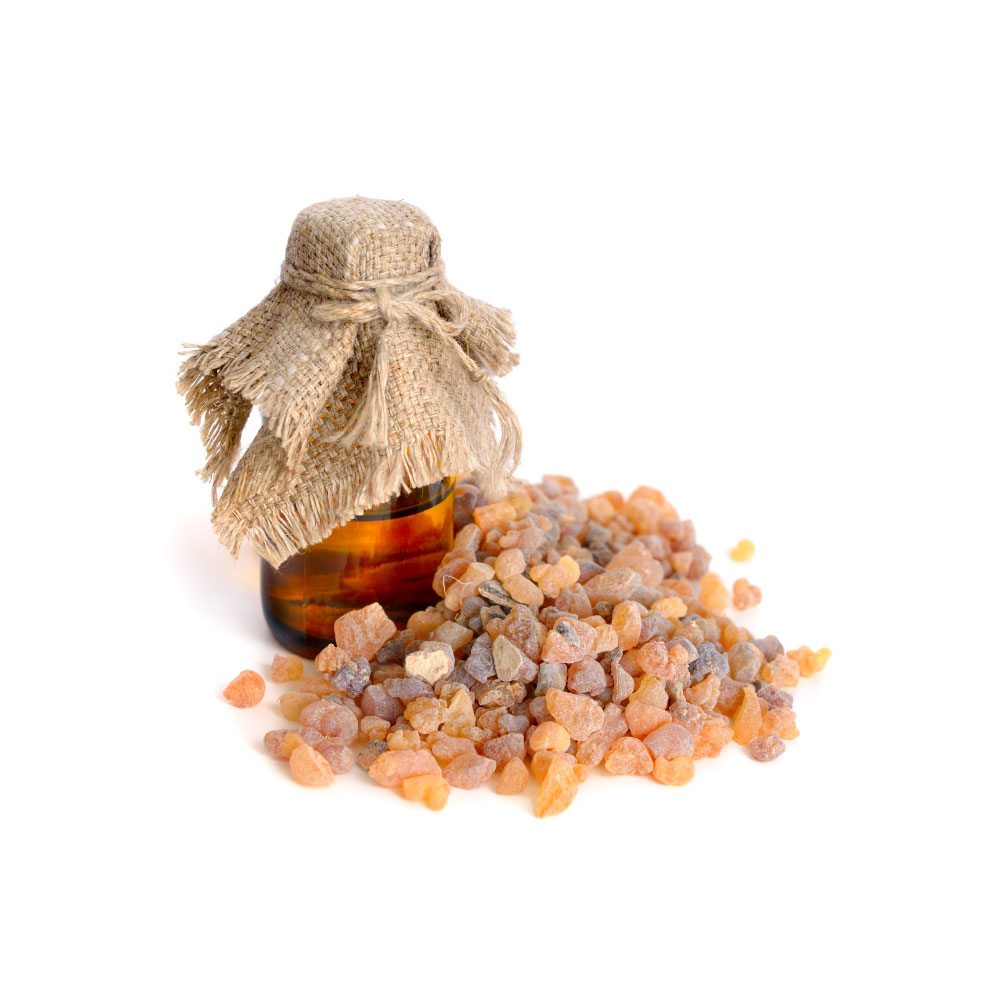 MildMildFrankincenseBoswellia serrataLowered HbA1c and total cholesterol across five pooled type 2 diabetes trials, several of them boswellia–curcumin co-formulations.MechanismHbA1c ↓ (SMD −1.01); boswellic-acid suppression of inflammatory signaling → insulin resistance ↓ (proposed)Read the evidenceShow lessMonograph →
A 2024 systematic review and meta-analysis pooled five RCTs in type 2 diabetes (n=287) and found Boswellia serrata significantly reduced HbA1c (SMD −1.01) and total cholesterol against placebo or control 45Reference 45Meta-analysisEffect of boswellia (Boswellia serrata L.) supplementation on glycemic markers and lipid profile in type 2 diabetic patients: a systematic review and meta-analysis — [systematic review and meta-analysis]View study →.
The constituent trials are small, several test boswellia inside curcumin co-formulations rather than alone, and the pooled estimate carries wide confidence intervals. There is no established antidiabetic dose for the resin.
The proposed mechanism is indirect: chronic low-grade inflammation drives insulin resistance, and the boswellic acids suppress inflammatory signalling.
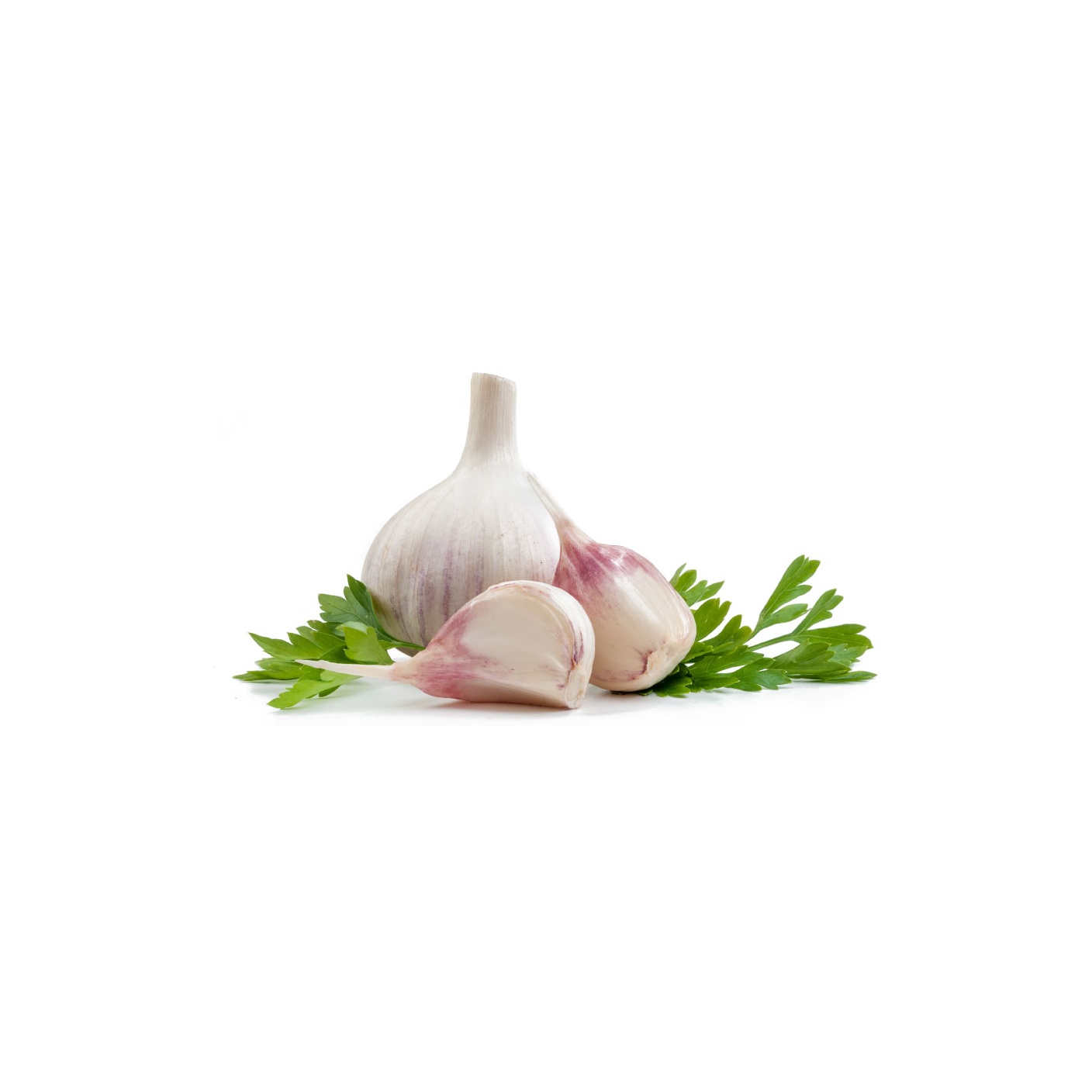 MildMildGarlicAllium sativumLowers fasting glucose, fructosamine and HbA1c in nine pooled trials, with the effect growing over 12 to 24 weeks.Mechanismfasting glucose ↓, fructosamine and HbA1c ↓ at 12 and 24 weeks; effect strengthens with durationRead the evidenceShow lessMonograph →
A 2017 meta-analysis of nine RCTs (768 patients) found garlic significantly reduced fasting blood glucose and lowered fructosamine and HbA1c at 12 and 24 weeks against control, alongside improvements in total cholesterol 46Reference 46Meta-analysisEffect of garlic supplement in the management of type 2 diabetes mellitus: a meta-analysis of randomized controlled trialsView study →. The effect strengthened with longer supplementation.
The pooled trials ranged from 0.05 to 1.5 g daily of garlic or allicin across widely differing designs, a 30-fold dose spread that makes any single recommended dose unsupportable.
No long-term study tests whether the glucose effect translates into fewer diabetic complications.
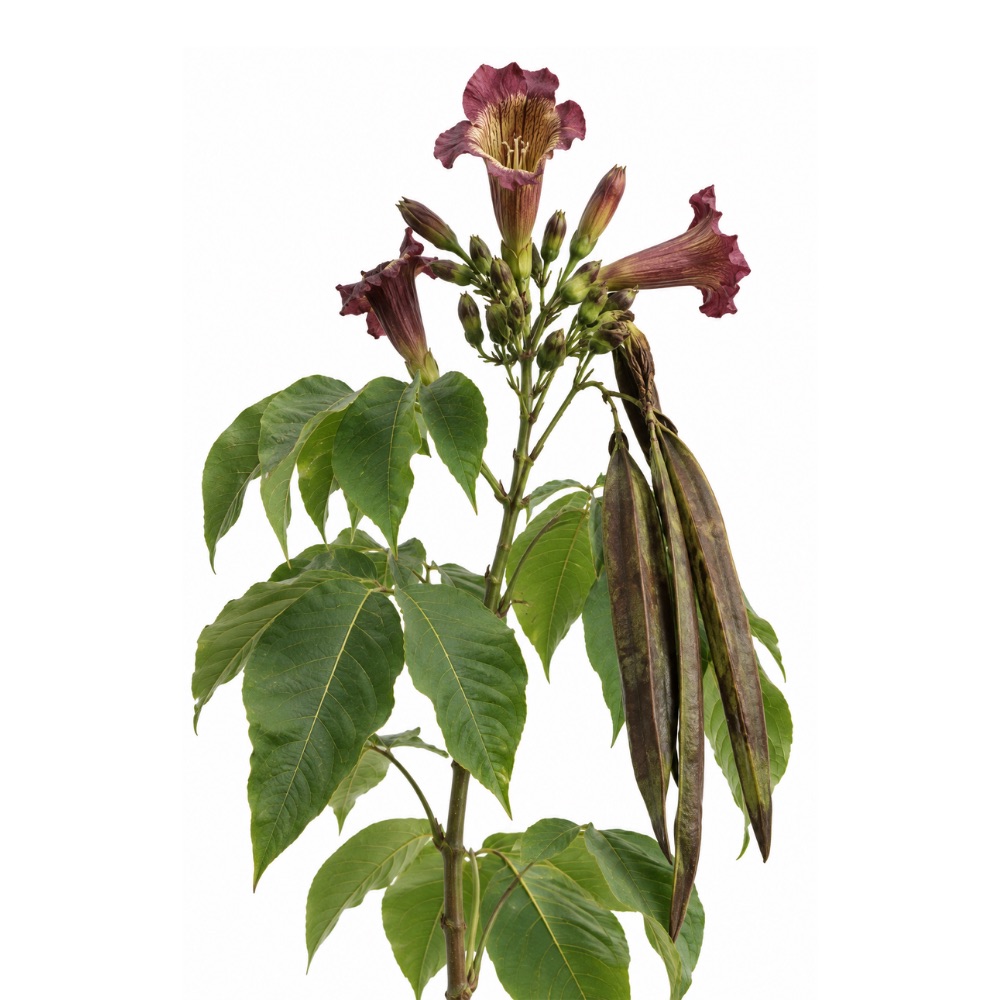 MildMildIndian Trumpet TreeOroxylum indicumSeed flavonoids inhibit intestinal α-glucosidase and potentiate acarbose up to fivefold in mice; oroxin A prevented progression from prediabetes to diabetes in mice, and stem-bark extract restored glycated haemoglobin in diabetic rats.Mechanismα-glucosidase inhibition; PPARγ (oroxin A, baicalein)Read the evidenceShow less
A standardised stem-bark extract at 250 mg/kg normalised antioxidant enzyme status, insulin resistance and glycated haemoglobin in streptozotocin-diabetic rats 143Reference 143AnimalModulation of liver function, antioxidant responses, insulin resistance and glucose transport by Oroxylum indicum stem bark in STZ induced diabetic rats — animal model (rat)View study →. Oroxin A from the seed prevented progression from prediabetes to diabetes in streptozotocin and high-fat-diet mice 144Reference 144AnimalOroxin A from Oroxylum indicum prevents the progression from prediabetes to diabetes in streptozotocin and high-fat diet induced mice — animal model (mouse)View study →.
Seed flavonoids inhibit intestinal α-glucosidase, and in combination with acarbose they improved its inhibition of postprandial blood glucose up to fivefold in mice 145Reference 145In vitroCombination of flavonoids from Oroxylum indicum seed extracts and acarbose improves the inhibition of postprandial blood glucose: in vivo and in vitro study — animal model (mouse) and in vitroView study →. That is a drug-interaction signal as much as a benefit.
The antidiabetic work is mostly on the seed, while the traditional article is the bark. There are no human data.
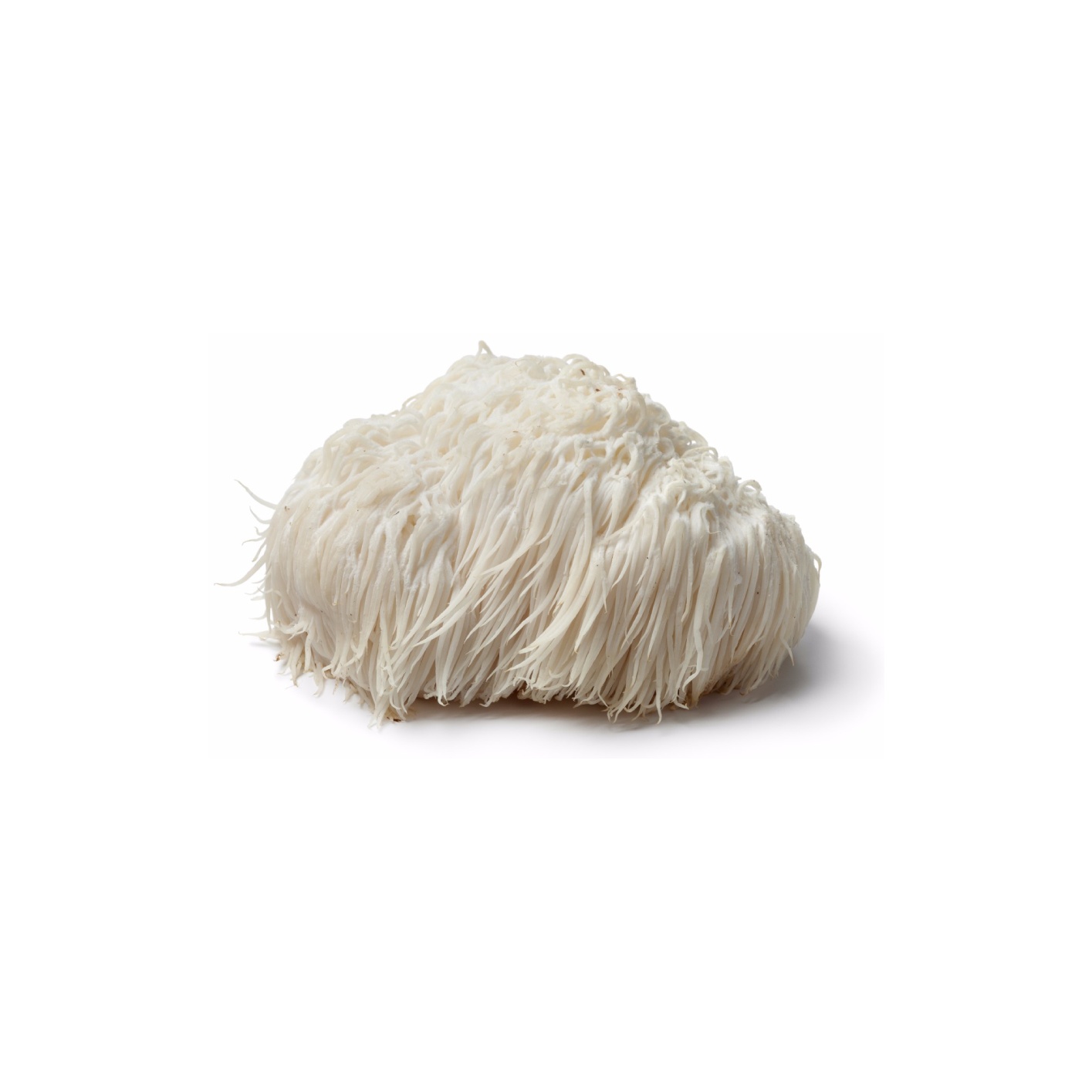 MildMildLion’s ManeHericium erinaceusAqueous fruiting-body extract lowered blood glucose and improved insulin and lipid profiles in streptozotocin-diabetic rats in a single study.Mechanismglucose/lipid modulation; hepatic oxidative stress ↓Read the evidenceShow lessMonograph →
In streptozotocin-diabetic rats, aqueous fruiting-body extract at 100 and 200 mg/kg for 28 days lowered blood glucose, improved insulin and lipid profiles and reduced hepatic oxidative-stress markers 68Reference 68AnimalAntihyperglycemic and antihyperlipidemic activities of aqueous extract of Hericium erinaceus in experimental diabetic rats — animal modelView study →.
It is a single study in an induced-diabetes rodent model.
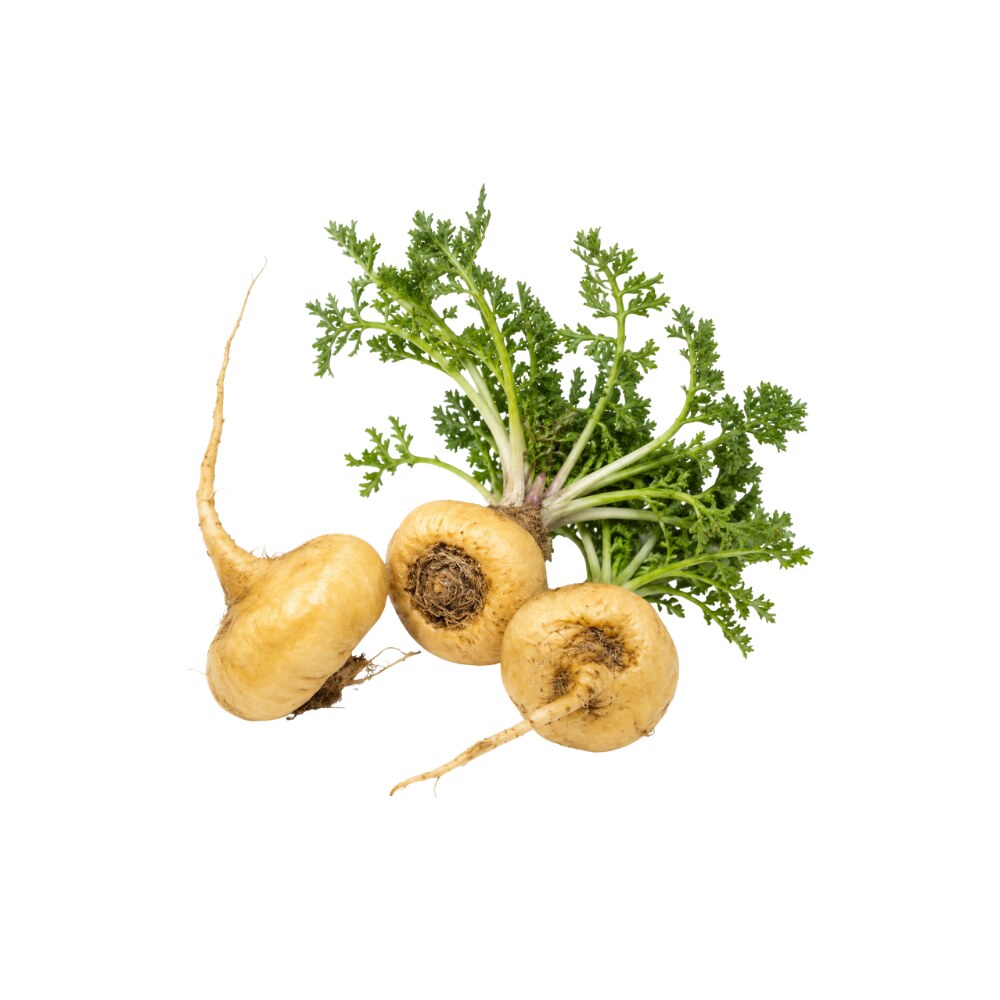 MildMildMacaLepidium meyeniiRests on one incidental result: in hypertriglyceridemic rats, 1% dietary maca improved glucose parameters alongside lipid and antioxidant ones.Mechanismnot established \u2014 no insulin or glucose-handling mechanism; the finding is incidental to an antioxidant studyRead the evidenceShow lessMonograph →
The blood-sugar reading comes from a single incidental datum. In hypertriglyceridemic rats, 1% dietary maca for two weeks improved antioxidant status alongside lipid and glucose parameters.
Glucose was not the endpoint being tested. There is no dedicated trial, no human glycaemic data, and nothing in maca’s mechanism work pointing at insulin or glucose handling.
Maca’s substantiated work is on sexual function and mood, which is where its trials sit.
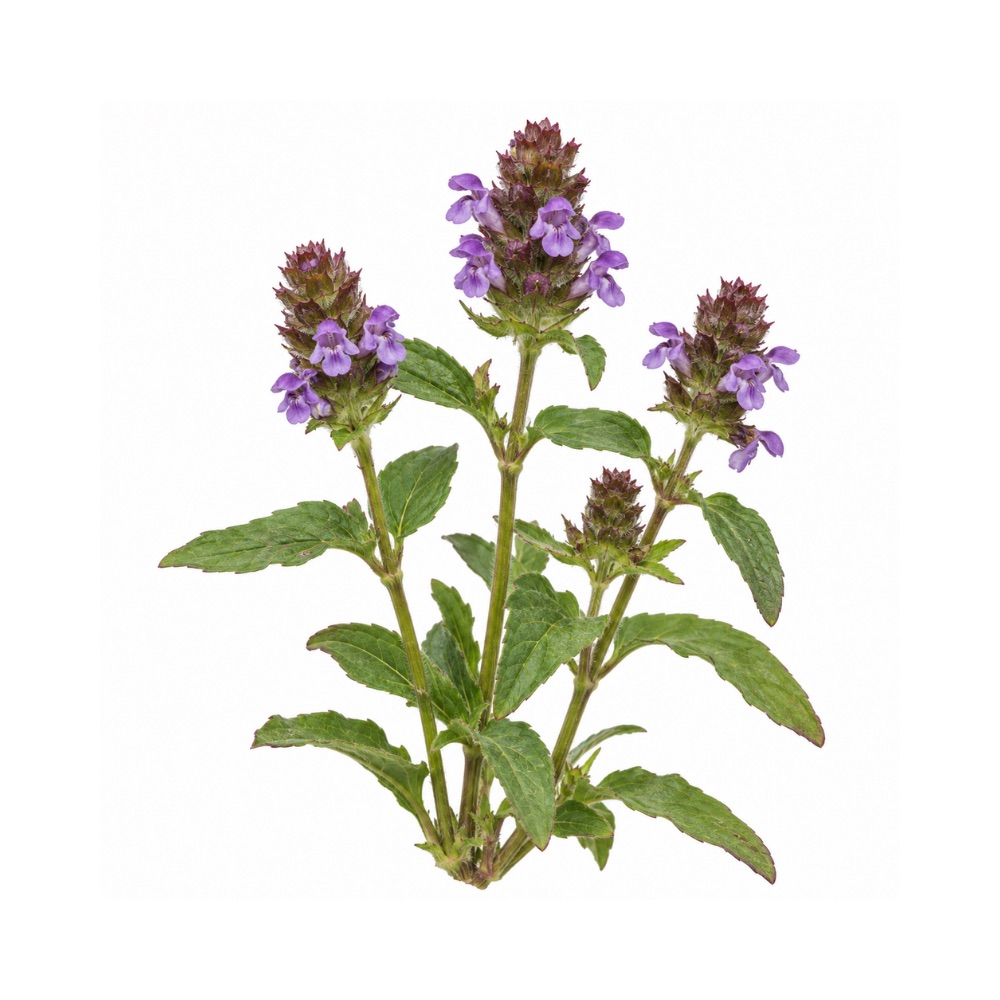 MildMildSelf-HealPrunella vulgarisA triterpenic-acid fraction lowers blood glucose dose-dependently and protects pancreatic β-cells in diabetic rats; its pentacyclic triterpenoids inhibit glycogen phosphorylase and improve insulin sensitivity in adipocytes.Mechanismglycogen phosphorylase inhibition; insulin sensitivity ↑; β-cell protection (ursolic- and oleanolic-acid triterpenoids)Read the evidenceShow less
In streptozotocin-diabetic rats, a triterpenic-acid fraction from the spikes lowered blood glucose dose-dependently and protected the pancreas, raising superoxide-dismutase activity 150Reference 150AnimalEffects of triterpenic acid from Prunella vulgaris L. on glycemia and pancreas in rat model of streptozotocin diabetes — animal model (rat)View study →. In alloxan-diabetic mice, bioassay-guided fractionation identified hypoglycaemic active components with in-vivo antioxidant effects 149Reference 149AnimalPrunella vulgaris L. active components and their hypoglycemic and antinociceptive effects in alloxan-induced diabetic mice — animal model (mouse)View study →.
Pentacyclic triterpenoid glycosides from the spikes, including derivatives of ursolic acid and oleanolic acid, inhibit glycogen phosphorylase and improve insulin sensitivity in 3T3-L1 adipocytes 151Reference 151In vitroPentacyclic triterpenoids from spikes of Prunella vulgaris L. inhibit glycogen phosphorylase and improve insulin sensitivity in 3T3-L1 adipocytes — in vitroView study →.
The rodent evidence is replicated, and there are no human data.
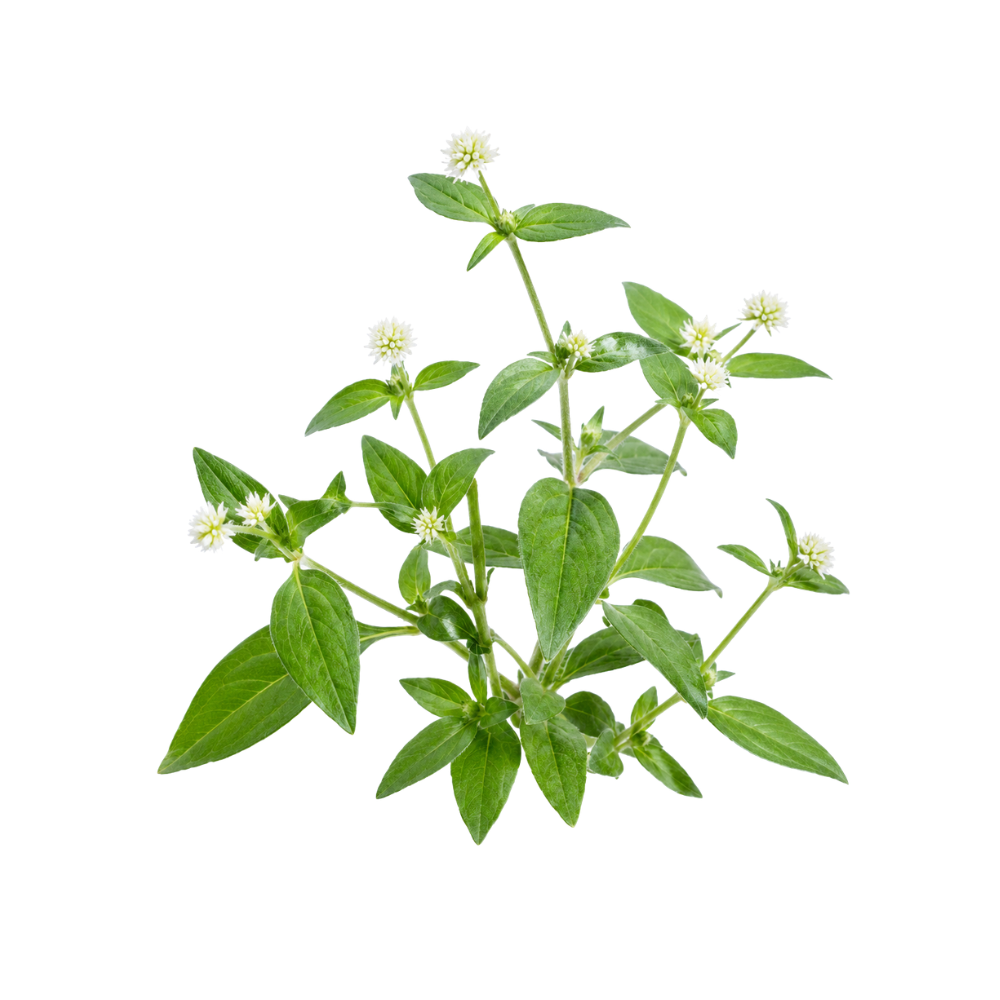 MildMildSumaPfaffia paniculataAppears on lists of Brazilian hypoglycemiant plants; the one analytical study measured its trace elements rather than blood glucose.Mechanismnot established \u2014 constituent-level inference from phytosterols, ecdysteroids and pfaffic-acid saponinsRead the evidenceShow lessMonograph →
Suma appears on lists of Brazilian hypoglycemiant plants, and that folk grouping is the origin of the reading.
One analytical study characterised its trace-element profile alongside other antidiabetic herbs — but it measured elements, not glucose-lowering activity.
Any blood-sugar rationale is constituent-level: the phytosterols and ecdysteroids have antidiabetic effects in other contexts, and its pfaffic-acid and saponin chemistry is shared with hypoglycaemic plants. No efficacy study, animal or human, tests suma against a diabetes endpoint.
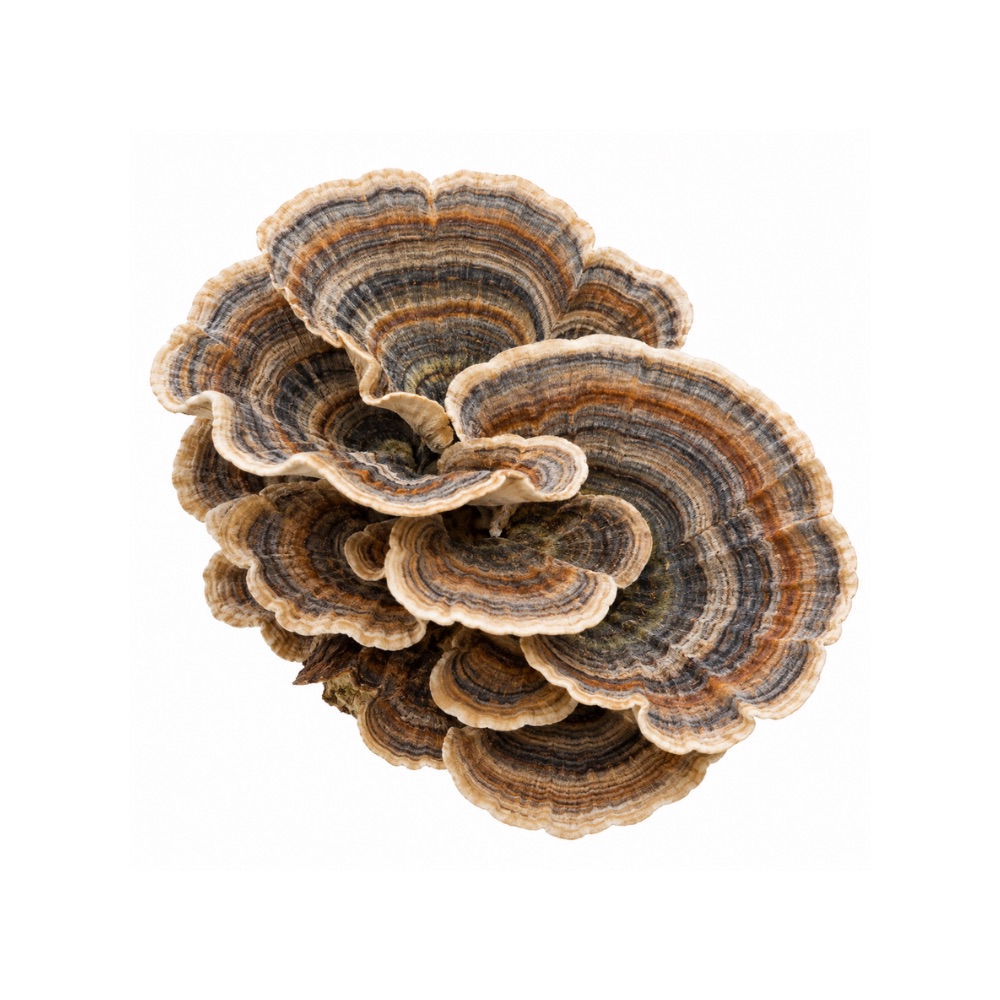 MildMildTurkey TailTrametes versicolorFruiting-body powder and aqueous extract lower fasting glucose in diabetic rodents at high doses, reversing insulin resistance through PI3K/Akt and GLUT4 translocation.MechanismPI3K/Akt and p38 MAPK signaling, GLUT4 translocation; NLRP3 suppressionRead the evidenceShow less
C. versicolor fruiting-body powder (1,000–4,000 mg/kg for 28 days) lowered fasting glucose and improved lipids in streptozotocin-diabetic mice 126Reference 126AnimalThe therapeutic effect of Coriolus versicolor fruiting body on STZ-induced ICR diabetic mice — in vivo (mouse)View study →. An aqueous extract reduced blood glucose in type 2 diabetic rats and reversed insulin resistance in L6 myoblasts through PI3K/Akt, p38 MAPK and GLUT4 translocation 127Reference 127In vitroCoriolus versicolor aqueous extract ameliorates insulin resistance with PI3K/Akt and p38 MAPK signalling in diabetic skeletal muscle — in vivo (rat)/in vitroView study →, and fermented-mycelium polysaccharopeptides improved glucose homeostasis in insulin-resistant HepG2 cells 128Reference 128In vitroPotential activities and mechanisms of extracellular polysaccharopeptides from fermented Trametes versicolor on glucose homeostasis in insulin-resistant HepG2 cells — in vitroView study →.
The doses are high on a body-weight basis, and there is no human glycaemic trial.
No herbs match these filters.
Also Tagged
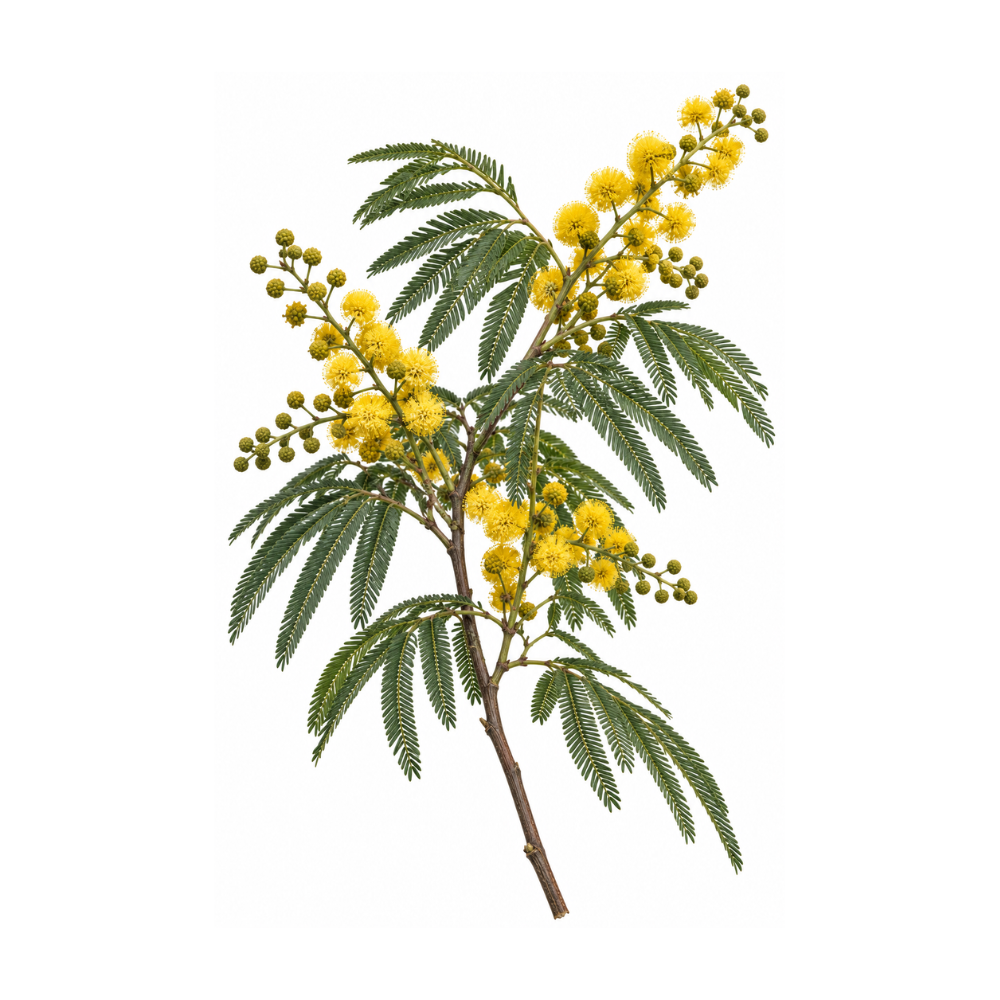
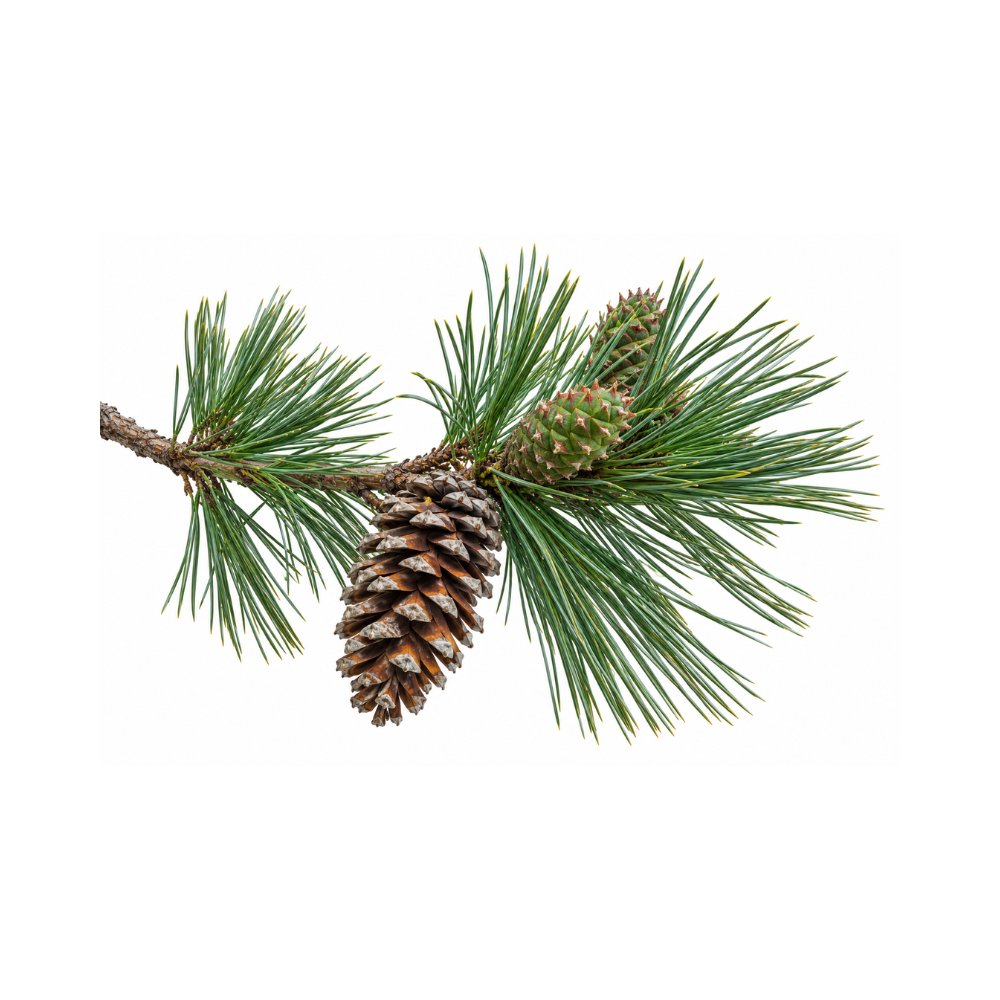
3 more herbs carry an antidiabetic action.
Safety
- Antidiabetic herbs add to metformin, sulfonylureas and insulin, and hypoglycaemia is the risk when they are combined.
- An insulin secretagogue can lower glucose on its own; a sensitiser or absorption blocker generally cannot, but both add to prescribed therapy.
- Absorption blockers only act when taken with food, and unabsorbed carbohydrate causes bloating and flatulence.
- Anyone on glucose-lowering medication should monitor more often and change doses only with their prescriber.
- No antidiabetic herb replaces diabetes treatment or monitoring.
References
- Ouyang JK, Dong LM, Xu QL, Wang J, Liu SB, Qian T, Yuan YF, Tan JW (2018). Triterpenoids with α-glucosidase inhibitory activity and cytotoxic activity from the leaves of Akebia trifoliata. RSC Advances 8(70):40483–40489. https://pubmed.ncbi.nlm.nih.gov/35558232/
- Chang WC, Shen SC (2013). Effect of water extracts from edible Myrtaceae plants on uptake of 2-NBDG in TNF-α-treated FL83B mouse hepatocytes — in vitro. Phytotherapy Research. https://pubmed.ncbi.nlm.nih.gov/22532499/
- Shen SC, Chang WC (2013). Hypotriglyceridemic and hypoglycemic effects of vescalagin from pink wax apple [Syzygium samarangense] in high-fructose diet-induced diabetic rats. Food Chemistry. https://pubmed.ncbi.nlm.nih.gov/23122137/
- Huang DW, Chang WC, Wu JS, Shih RW, Shen SC (2016). Vescalagin from pink wax apple alleviates hepatic insulin resistance and ameliorates glycemic metabolism abnormality in rats fed a high-fructose diet. Journal of Agricultural and Food Chemistry. https://pubmed.ncbi.nlm.nih.gov/26800576/
- Chang WC, Shen SC, Wu JS (2013). Protective effects of vescalagin from pink wax apple [Syzygium samarangense] fruit against methylglyoxal-induced inflammation and carbohydrate metabolic disorder in rats. Journal of Agricultural and Food Chemistry. https://pubmed.ncbi.nlm.nih.gov/23819528/
- Chang WC, Wu JS, Shen SC (2021). Vescalagin from pink wax apple (Syzygium samarangense) protects pancreatic β-cells against methylglyoxal-induced inflammation in rats. Plants (Basel). https://pubmed.ncbi.nlm.nih.gov/34371651/
- Piwowarski JP, Granica S, Zwierzyńska M, Stefańska J, Schopohl P, Melzig MF, Kiss AK (2014). Role of human gut microbiota metabolism in the anti-inflammatory effect of traditionally used ellagitannin-rich plant materials — ex vivo human faecal incubation and in vitro macrophage assay. Journal of Ethnopharmacology. https://pubmed.ncbi.nlm.nih.gov/24969824/
- Kumar, P., et al. (2014). Target-guided isolation, in-vitro antidiabetic, antioxidant activity and molecular docking studies of some flavonoids from Albizzia lebbeck Benth. bark — in vitro / in silico. BMC Complementary and Alternative Medicine. https://pubmed.ncbi.nlm.nih.gov/24886138/
- Patel, P. A., Parikh, M. P., Johari, S., et al. (2015). Antihyperglycemic activity of Albizzia lebbeck bark extract in streptozotocin–nicotinamide induced type II diabetes mellitus rats — animal model. AYU. https://pubmed.ncbi.nlm.nih.gov/27313423/
- Resmi, C. R., Venukumar, M. R., & Latha, M. S. (2006). Antioxidant activity of Albizzia lebbeck (Linn.) Benth. in alloxan diabetic rats — animal model. Indian Journal of Physiology and Pharmacology. https://pubmed.ncbi.nlm.nih.gov/17193903/
- Zhang, K., et al. (2015). Biological active ingredients of traditional Chinese herb Astragalus membranaceus on treatment of diabetes — a systematic review. Mini-Reviews in Medicinal Chemistry. https://pubmed.ncbi.nlm.nih.gov/25723453/
- Zhang, J., et al. (2009). Systematic review of the renal protective effect of Astragalus membranaceus on diabetic nephropathy in animal models. Journal of Ethnopharmacology. https://pubmed.ncbi.nlm.nih.gov/19735713/
- Lin, Y.Q., et al. (2024). Efficacy of astragalus combined with RAAS blockers in stage III diabetic nephropathy — a systematic review and meta-analysis of randomized controlled trials. Renal Failure. https://pubmed.ncbi.nlm.nih.gov/38836372/
- Souza, M. M. Q., Ratti da Silva, G., Cola, I. M., et al. (2020). Baccharis trimera (Less.) DC: an innovative cardioprotective herbal medicine against multiple risk factors for cardiovascular disease — in vivo (rat). Journal of Medicinal Food, 22(6), 597–608. https://doi.org/10.1089/jmf.2019.0165
- Ximenes, T. V. N., Carvalho, R., Bonfá, I. S., et al. (2022). Baccharis trimera infusion reduces macrophages activation and high-fat diet-induced metabolic disorders in mice — in vitro and in vivo (mouse). Pharmaceuticals, 15(10), 1258. https://doi.org/10.3390/ph15101258
- Spoor, D. C., Martineau, L. C., Leduc, C., et al. (2006). Selected plant species from the Cree pharmacopoeia of northern Quebec possess anti-diabetic potential — in vitro cell-based screen. Canadian Journal of Physiology and Pharmacology. https://pubmed.ncbi.nlm.nih.gov/17111029/
- Nachar, A., Vallerand, D., Musallam, L., et al. (2013). The action of antidiabetic plants of the Canadian James Bay Cree traditional pharmacopeia on key enzymes of hepatic glucose homeostasis — in vitro. Evidence-Based Complementary and Alternative Medicine. https://pubmed.ncbi.nlm.nih.gov/23864882/
- Nachar, A., Saleem, A., Arnason, J. T., & Haddad, P. S. (2015). Regulation of liver cell glucose homeostasis by dehydroabietic acid, abietic acid and squalene isolated from balsam fir (Abies balsamea (L.) Mill.) — in vitro, bioassay-guided fractionation. Phytochemistry. https://pubmed.ncbi.nlm.nih.gov/26164238/
- Tonelli, C. A., de Oliveira, S. Q., Silva Vieira, A. A. D., et al. (2022). Clinical efficacy of capsules containing standardized extract of Bauhinia forficata Link (pata-de-vaca) as adjuvant treatment in type 2 diabetes patients — a randomized, double-blind clinical trial. Journal of Ethnopharmacology. https://pubmed.ncbi.nlm.nih.gov/34506937/
- Russo, E. M., Reichelt, A. A., De-Sá, J. R., et al. (1990). Clinical trial of Myrcia uniflora and Bauhinia forficata leaf extracts in normal and diabetic patients — randomized double-blind cross-over trial. Brazilian Journal of Medical and Biological Research. https://pubmed.ncbi.nlm.nih.gov/2201413/
- Peter, E. L., Kasali, F. M., Deyno, S., et al. (2019). Momordica charantia L. lowers elevated glycaemia in type 2 diabetes mellitus patients — systematic review and meta-analysis. Journal of Ethnopharmacology. https://pubmed.ncbi.nlm.nih.gov/30385422/
- Zhang, X., Zhao, Y., Song, Y., & Miao, M. (2024). Effects of Momordica charantia L. supplementation on glycemic control and lipid profile in type 2 diabetes — meta-analysis of RCTs. Heliyon. https://pubmed.ncbi.nlm.nih.gov/38784554/
- Mkhize, S. A. L., Phoswa, W. N., Ngubane, P. S., & Mokgalaboni, K. (2025). Efficacy of Momordica charantia in glycaemic control and insulin resistance — a GRADE-adherent meta-analysis of RCTs. Metabolism Open. https://pubmed.ncbi.nlm.nih.gov/41280283/
- Ooi, C. P., Yassin, Z., & Hamid, T. A. (2012). Momordica charantia for type 2 diabetes mellitus — systematic review. Cochrane Database of Systematic Reviews. https://pubmed.ncbi.nlm.nih.gov/22895968/
- Laczkó-Zöld, E., Csupor-Löffler, B., Kolcsár, E. B., et al. (2024). The metabolic effect of Momordica charantia cannot be determined based on the available clinical evidence — meta-analysis of RCTs. Frontiers in Nutrition. https://pubmed.ncbi.nlm.nih.gov/38274207/
- Dans, A. M., Villarruz, M. V., Jimeno, C. A., et al. (2007). The effect of Momordica charantia capsule preparation on glycemic control in type 2 diabetes mellitus — randomised, double-blind, placebo-controlled trial. Journal of Clinical Epidemiology. https://pubmed.ncbi.nlm.nih.gov/17493509/
- Rahman, I. U., Khan, R. U., Rahman, K. U., & Bashir, M. (2015). Lower hypoglycemic but higher antiatherogenic effects of bitter melon than glibenclamide in type 2 diabetic patients — RCT. Nutrition Journal. https://pubmed.ncbi.nlm.nih.gov/25623883/
- Kasbia, G. S., Arnason, J. T., & Imbeault, P. (2009). No effect of acute, single-dose oral Momordica charantia on glycemia, energy expenditure and appetite — randomised pilot study in non-diabetic overweight men. Journal of Ethnopharmacology. https://pubmed.ncbi.nlm.nih.gov/19665538/
- Mes, J. J., van den Belt, M., van der Haar, S., et al. (2025). Bitter gourd (Momordica charantia L.) supplementation for twelve weeks improves biomarkers of glucose homeostasis in a prediabetic population — RCT. Journal of Ethnopharmacology. https://pubmed.ncbi.nlm.nih.gov/40199408/
- Bamisaye, F. A., et al. (2022). Hypoglycemic, hypolipidemic and antioxidant potentials of ethanolic stem-bark extract of Anacardium occidentale in streptozotocin-induced diabetic rats — animal study. Nigerian Journal of Physiological Sciences. https://pubmed.ncbi.nlm.nih.gov/35947843/
- Ukwenya, V. O., et al. (2023). Anacardium occidentale leaf extract and riboceine mitigate hyperglycemia through antioxidative effects and gene modulation — animal study (rat). Journal of Diabetes & Metabolic Disorders. https://pubmed.ncbi.nlm.nih.gov/37255827/
- Alexander-Lindo, R. L., et al. (2004). Hypoglycaemic effect of stigmast-4-en-3-one and its corresponding alcohol from the bark of Anacardium occidentale — animal study. Phytotherapy Research. https://pubmed.ncbi.nlm.nih.gov/15174002/
- Okpashi, V. E., Bayim, B. P., & Obi-Abang, M. (2014). Comparative effects of some medicinal plants: Anacardium occidentale, Eucalyptus globulus, Psidium guajava and Xylopia aethiopica extracts in alloxan-induced diabetic male Wistar albino rats — animal model. Biochemistry Research International, 2014. doi:10.1155/2014/203051
- Jamshidi, S., et al. (2021). Effects of cashew-nut consumption on body composition and glycemic indices — meta-analysis of randomised controlled trials. Diabetes & Metabolic Syndrome. https://pubmed.ncbi.nlm.nih.gov/33725628/
- Moridpour AH, et al. (2024). The effect of cinnamon supplementation on glycemic control in patients with type 2 diabetes mellitus: an updated systematic review and dose-response meta-analysis of randomized controlled trials — [meta-analysis]. Phytotherapy Research. https://pubmed.ncbi.nlm.nih.gov/37818728/
- Deyno S, et al. (2019). Efficacy and safety of cinnamon in type 2 diabetes mellitus and pre-diabetes patients: a meta-analysis and meta-regression — [meta-analysis]. Diabetes Research and Clinical Practice. https://pubmed.ncbi.nlm.nih.gov/31425768/
- de Moura SL, et al. (2025). Effects of cinnamon supplementation on metabolic biomarkers in individuals with type 2 diabetes: a systematic review and meta-analysis — [meta-analysis]. Nutrition Reviews. https://pubmed.ncbi.nlm.nih.gov/38917435/
- Allen RW, et al. (2013). Cinnamon use in type 2 diabetes: an updated systematic review and meta-analysis — [meta-analysis]. Annals of Family Medicine. https://pubmed.ncbi.nlm.nih.gov/24019277/
- Leach MJ, Kumar S. (2012). Cinnamon for diabetes mellitus — [systematic review]. Cochrane Database of Systematic Reviews. https://pubmed.ncbi.nlm.nih.gov/22972104/
- Heydarpour F, et al. (2020). Effects of cinnamon on controlling metabolic parameters of polycystic ovary syndrome: a systematic review and meta-analysis — [meta-analysis]. Journal of Ethnopharmacology. https://pubmed.ncbi.nlm.nih.gov/32151755/
- Woehrlin F, et al. (2010). Quantification of flavoring constituents in cinnamon: high variation of coumarin in cassia bark from the German retail market and in authentic samples from Indonesia — [comparative study]. Journal of Agricultural and Food Chemistry. https://pubmed.ncbi.nlm.nih.gov/20853872/
- Abraham K, et al. (2010). Toxicology and risk assessment of coumarin: focus on human data — [review]. Molecular Nutrition & Food Research. https://pubmed.ncbi.nlm.nih.gov/20024932/
- Ding, M., Bhupathiraju, S. N., Chen, M., et al. (2014). Caffeinated and decaffeinated coffee consumption and risk of type 2 diabetes: a systematic review and dose-response meta-analysis. Diabetes Care. https://pubmed.ncbi.nlm.nih.gov/24459154/
- Anaya-Eugenio, G. D., et al. (2014). Hypoglycemic properties of some preparations and compounds from Artemisia ludoviciana Nutt. — animal model. J Ethnopharmacol. https://pubmed.ncbi.nlm.nih.gov/24892833/
- Karimi M, Vakili K, Rashidian P, Razavi-Amoli SK, Akhbari M, & Kazemi K (2024). Effect of boswellia (Boswellia serrata L.) supplementation on glycemic markers and lipid profile in type 2 diabetic patients: a systematic review and meta-analysis — [systematic review and meta-analysis]. Front Clin Diabetes Healthc, 5, 1466408. https://pubmed.ncbi.nlm.nih.gov/39449720/
- Wang J, et al. (2017). Effect of garlic supplement in the management of type 2 diabetes mellitus: a meta-analysis of randomized controlled trials. Food & Nutrition Research. https://pubmed.ncbi.nlm.nih.gov/29056888/
- Ebrahimzadeh A et al. (2022). The effect of ginger supplementation on metabolic profiles in patients with type 2 diabetes mellitus: a systematic review and meta-analysis of randomized controlled trials — meta-analysis. Complementary Therapies in Medicine. https://pubmed.ncbi.nlm.nih.gov/35031435/
- Hadden, D. R. (2005). Goat’s rue — French lilac — Italian fitch — Spanish sainfoin: Galega officinalis and metformin: the Edinburgh connection — historical review. Journal of the Royal College of Physicians of Edinburgh. https://pubmed.ncbi.nlm.nih.gov/16402501/
- Mooney, M. H., Fogarty, S., Stevenson, C., et al. (2008). Mechanisms underlying the metabolic actions of galegine that contribute to weight loss in mice — animal model / in vitro. British Journal of Pharmacology. https://pubmed.ncbi.nlm.nih.gov/18297106/
- Lui, T. N., et al. (2010). Activation of imidazoline I2B receptors is linked with AMP kinase pathway to increase glucose uptake in cultured C2C12 cells — in vitro. Neuroscience Letters. https://pubmed.ncbi.nlm.nih.gov/20298750/
- LaMoia, T. E., et al. (2022). Metformin, phenformin, and galegine inhibit complex IV activity and reduce glycerol-derived gluconeogenesis — in vitro / in vivo. Proceedings of the National Academy of Sciences USA. https://pubmed.ncbi.nlm.nih.gov/35238637/
- Sukhtezari, S., Sahari, M. A., Barzegar, M., & Azizi, M. H. (2024). In vitro antidiabetic and antioxidant activities of Galega officinalis extracts — in vitro. Food Science & Nutrition. https://pubmed.ncbi.nlm.nih.gov/39479699/
- Zubaidi, S. N., et al. (2025). Deciphering the mechanism of Annona muricata leaf extract in alloxan–nicotinamide-induced diabetic rats — animal model. Journal of Pharmaceutical and Biomedical Analysis, 260. https://pubmed.ncbi.nlm.nih.gov/40106911/
- Son, Y., et al. (2021). Ameliorative effect of Annona muricata (Graviola) extract on hyperglycaemia-induced hepatic damage in STZ diabetic rats — animal model. Antioxidants, 10. https://pubmed.ncbi.nlm.nih.gov/34679681/
- Sasso, S., et al. (2019). Use of an extract of Annona muricata to prevent high-fat-diet-induced metabolic disorders — animal model. Nutrients, 11. https://pubmed.ncbi.nlm.nih.gov/31269728/
- Devangan, S., Varghese, B., Johny, E., Gurram, S., & Adela, R. (2021). The effect of Gymnema sylvestre supplementation on glycemic control in type 2 diabetes patients: A systematic review and meta-analysis. Phytotherapy Research. https://pubmed.ncbi.nlm.nih.gov/34467577/
- Zamani, M., et al. (2023). The effects of Gymnema sylvestre supplementation on lipid profile, glycemic control, blood pressure, and anthropometric indices in adults: A systematic review and meta-analysis. Phytotherapy Research. https://pubmed.ncbi.nlm.nih.gov/36580574/
- Baskaran, K., Kizar Ahamath, B., Radha Shanmugasundaram, K., & Shanmugasundaram, E. R. B. (1990). Antidiabetic effect of a leaf extract from Gymnema sylvestre in non-insulin-dependent diabetes mellitus patients — clinical trial. Journal of Ethnopharmacology. https://pubmed.ncbi.nlm.nih.gov/2259217/
- Shanmugasundaram, E. R. B., et al. (1990). Use of Gymnema sylvestre leaf extract in the control of blood glucose in insulin-dependent diabetes mellitus — clinical trial. Journal of Ethnopharmacology. https://pubmed.ncbi.nlm.nih.gov/2259216/
- Kumar, S. N., Mani, U. V., & Mani, I. (2010). An open label study on the supplementation of Gymnema sylvestre in type 2 diabetics — controlled clinical trial. Journal of Dietary Supplements. https://pubmed.ncbi.nlm.nih.gov/22432517/
- Al-Romaiyan, A., et al. (2010). A novel Gymnema sylvestre extract stimulates insulin secretion from human islets in vivo and in vitro — clinical trial. Phytotherapy Research. https://pubmed.ncbi.nlm.nih.gov/20812281/
- Huyen, V. T., et al. (2010). Antidiabetic effect of Gynostemma pentaphyllum tea in randomly assigned type 2 diabetic patients — randomised controlled trial. Hormone and Metabolic Research. https://pubmed.ncbi.nlm.nih.gov/20213586/
- Wang, R., et al. (2026). Efficacy and mechanisms of Gynostemma pentaphyllum in glycemic control — meta-analysis with review. Frontiers in Pharmacology. https://pubmed.ncbi.nlm.nih.gov/42064816/
- Chattopadhyay, K., et al. (2022). Effectiveness and safety of Ayurvedic medicines in type 2 diabetes mellitus — systematic review and meta-analysis. Frontiers in Pharmacology. https://pubmed.ncbi.nlm.nih.gov/35754481/
- Nayyar, D., et al. (2023). Gynostemma pentaphyllum increases exercise performance and alters mitochondrial respiration and AMPK in healthy males — randomised controlled trial. Nutrients. https://pubmed.ncbi.nlm.nih.gov/38004115/
- Nguyen, N. H., et al. (2021). Triterpenoids from the genus Gynostemma: chemistry and pharmacological activities — review. Journal of Ethnopharmacology. https://pubmed.ncbi.nlm.nih.gov/33186700/
- Li, Y., et al. (2023). The role of Gynostemma pentaphyllum in regulating hyperlipidemia — meta-analysis. The American Journal of Chinese Medicine. https://pubmed.ncbi.nlm.nih.gov/37129524/
- Liang, B., et al. (2013). Antihyperglycemic and antihyperlipidemic activities of aqueous extract of Hericium erinaceus in experimental diabetic rats — animal model. BMC Complement Altern Med. https://pubmed.ncbi.nlm.nih.gov/24090482/
- Kubo, K., Aoki, H., & Nanba, H. (1994). Anti-diabetic activity present in the fruit body of Grifola frondosa (Maitake). I. — animal in vivo (rat). Biological and Pharmaceutical Bulletin. https://pubmed.ncbi.nlm.nih.gov/7820117/
- Chen, Y., et al. (2019). Hypoglycemic activity and gut microbiota regulation of a novel polysaccharide from Grifola frondosa in type 2 diabetic mice — mouse in vivo. Food and Chemical Toxicology. https://pubmed.ncbi.nlm.nih.gov/30826407/
- Chen, Y., et al. (2020). Hypoglycemic and hypolipidemic mechanism of organic chromium derived from chelation of Grifola frondosa polysaccharide-chromium(III) and its modulation of intestinal microflora in diabetic mice — mouse in vivo. International Journal of Biological Macromolecules. https://pubmed.ncbi.nlm.nih.gov/31726162/
- Konno, S., et al. (2001). A possible hypoglycaemic effect of maitake mushroom on Type 2 diabetic patients — case series (human). Diabetic Medicine. https://pubmed.ncbi.nlm.nih.gov/11903406/
- Chen, J.-T., et al. (2010). Maitake mushroom (Grifola frondosa) extract induces ovulation in patients with polycystic ovary syndrome: a possible monotherapy and combination therapy after failure with first-line clomiphene citrate — randomized controlled trial. Journal of Alternative and Complementary Medicine. https://pubmed.ncbi.nlm.nih.gov/21034160/
- Voroneanu L, Nistor I, Dumea R, et al. (2016). Silymarin in type 2 diabetes mellitus: a systematic review and meta-analysis of randomized controlled trials — systematic review and meta-analysis. J Diabetes Res. https://pubmed.ncbi.nlm.nih.gov/27340676/
- Huseini HF, Larijani B, Heshmat R, et al. (2006). The efficacy of Silybum marianum (silymarin) in the treatment of type II diabetes: a randomized, double-blind, placebo-controlled clinical trial — randomised placebo-controlled trial. Phytother Res. https://pubmed.ncbi.nlm.nih.gov/17072885/
- Hadi A, Pourmasoumi M, Mohammadi H, et al. (2018). The effects of silymarin supplementation on metabolic status and oxidative stress in patients with type 2 diabetes mellitus: a systematic review and meta-analysis of clinical trials — systematic review and meta-analysis. Complement Ther Med. https://pubmed.ncbi.nlm.nih.gov/30477860/
- Soleymani S, Ayati MH, Mansourzadeh MJ, et al. (2022). The effects of silymarin on the features of cardiometabolic syndrome in adults: a systematic review and meta-analysis — systematic review and meta-analysis. Phytother Res. https://pubmed.ncbi.nlm.nih.gov/35016260/
- Ferdowsi S, Shidfar F, Heidari I, et al. (2024). Effect of silymarin on lipid profile and glycemic control in patients with type 2 diabetes mellitus — randomised controlled trial. Phytother Res. https://pubmed.ncbi.nlm.nih.gov/39101762/
- Askari G, Rouhani MH, et al. (2019). Effect of Nigella sativa (black seed) supplementation on glycemic control — systematic review and meta-analysis of clinical trials. Phytother Res. https://pubmed.ncbi.nlm.nih.gov/30873688/
- Shirvani S, Falahatzadeh M, et al. (2024). The effect of Nigella sativa supplementation on glycemic status in adults — updated systematic review and meta-analysis of randomized controlled trials. Prostaglandins Other Lipid Mediat. https://pubmed.ncbi.nlm.nih.gov/39181437/
- Daryabeygi-Khotbehsara R, Golzarand M, et al. (2017). Nigella sativa improves glucose homeostasis and serum lipids in type 2 diabetes — systematic review and meta-analysis. Complement Ther Med. https://pubmed.ncbi.nlm.nih.gov/29154069/
- Jafari A, Mardani H, et al. (2025). Does Nigella sativa supplementation improve cardiovascular disease risk factors? A GRADE-assessed systematic review and dose-response meta-analysis of 82 randomized controlled trials. Pharmacol Res. https://pubmed.ncbi.nlm.nih.gov/40714301/
- Talebi M, Talebi M, et al. (2021). Biological and therapeutic activities of thymoquinone — focus on the Nrf2 signaling pathway — review. Phytother Res. https://pubmed.ncbi.nlm.nih.gov/33051921/
- de Bock, M. et al. (2013). Olive (Olea europaea L.) leaf polyphenols improve insulin sensitivity in middle-aged overweight men: a randomized, placebo-controlled, crossover trial. PLoS One. https://pubmed.ncbi.nlm.nih.gov/23516412/
- Álvares, A. et al. (2024). Olive leaf extract effect on cardiometabolic risk factors: a systematic review and meta-analysis of randomized clinical trials. Nutr Rev. https://pubmed.ncbi.nlm.nih.gov/38287654/
- Lamti, F. et al. (2025). Efficacy of olive leaf extracts in controlling blood pressure in hypertensive patients: a double-blind randomized clinical trial — multicentre RCT. J Hypertens. https://pubmed.ncbi.nlm.nih.gov/40990594/
- Javadi, H. et al. (2019). Effects of olive leaf extract on metabolic response, liver and kidney functions and inflammatory biomarkers in hypertensive patients — randomized controlled trial. Pak J Biol Sci. https://pubmed.ncbi.nlm.nih.gov/31930845/
- Fladerer-Grollitsch, J. P. et al. (2026). Effects of a combination of olive leaf extract and potassium on blood pressure in participants with mild to moderate hypertension: a double-blind, randomized, placebo-controlled trial. Phytomedicine. https://pubmed.ncbi.nlm.nih.gov/41935461/
- Xiong, M. et al. (2018). Antidiabetic activity of ergosterol from Pleurotus ostreatus in KK-Ay mice with spontaneous type-2 diabetes — in vitro and in vivo. Mol Nutr Food Res. https://pubmed.ncbi.nlm.nih.gov/29080247/
- Ravi, B. et al. (2013). Evaluation of antidiabetic potential of oyster mushroom (Pleurotus ostreatus) in alloxan-induced diabetic mice — animal model. Immunopharmacol Immunotoxicol. https://pubmed.ncbi.nlm.nih.gov/22867521/
- Zhang, Y. et al. (2016). Antidiabetic effect of polysaccharides from Pleurotus ostreatus in streptozotocin-induced diabetic rats — animal model. Int J Biol Macromol. https://pubmed.ncbi.nlm.nih.gov/26627601/
- Khatun, K. et al. (2007). Oyster mushroom reduced blood glucose and cholesterol in diabetic subjects — clinical crossover study. Mymensingh Med J. https://pubmed.ncbi.nlm.nih.gov/17344789/
- Liu X, Wei J, Tan F, Zhou S, et al. (2004). Antidiabetic effect of Pycnogenol French maritime pine bark extract in patients with diabetes type II — randomised placebo-controlled. Life Sci, 75, 2505-13. https://pubmed.ncbi.nlm.nih.gov/15363656/
- Navval-Esfahlan E, Rafraf M, Asghari S, Imani H, et al. (2021). Effect of French maritime pine bark extract supplementation on metabolic status and serum vascular cell adhesion molecule-1 levels in patients with type 2 diabetes and microalbuminuria — randomised controlled trial. Complement Ther Med, 58, 102689. https://pubmed.ncbi.nlm.nih.gov/33610726/
- Malekahmadi M, Moradi Moghaddam O, Firouzi S, Daryabeygi-Khotbehsara R, et al. (2019). Effects of pycnogenol on cardiometabolic health: A systematic review and meta-analysis of randomized controlled trials — meta-analysis. Pharmacol Res, 150, 104472. https://pubmed.ncbi.nlm.nih.gov/31585179/
- Mohammadi S, Fulop T, Khalil A, Ebrahimi S, et al. (2025). Does supplementation with pine bark extract improve cardiometabolic risk factors? A systematic review and meta-analysis — meta-analysis. BMC Complement Med Ther, 25, 71. https://pubmed.ncbi.nlm.nih.gov/39987124/
- Kim YM, Jeong YK, Wang MH, Lee WY, et al. (2005). Inhibitory effect of pine extract on alpha-glucosidase activity and postprandial hyperglycemia — in vitro. Nutrition, 21, 756-61. https://pubmed.ncbi.nlm.nih.gov/15925302/
- Ouchfoun M et al. (2016). Labrador tea (Rhododendron groenlandicum) attenuates insulin resistance in a diet-induced obesity mouse model — animal model (mouse, in vivo). European Journal of Nutrition. https://pubmed.ncbi.nlm.nih.gov/25916863/
- Eid HM et al. (2016). A combination of (+)-catechin and (−)-epicatechin underlies the in vitro adipogenic action of Labrador tea (Rhododendron groenlandicum), an antidiabetic medicinal plant of the Eastern James Bay Cree pharmacopeia — in vitro. Journal of Ethnopharmacology. https://pubmed.ncbi.nlm.nih.gov/26707751/
- Rapinski M et al. (2015). Adipogenic Activity of Wild Populations of Rhododendron groenlandicum, a Medicinal Shrub from the James Bay Cree Traditional Pharmacopeia — in vitro. Evidence-Based Complementary and Alternative Medicine. https://pubmed.ncbi.nlm.nih.gov/26508979/
- Kianbakht, S., & Dabaghian, F. H. (2013). Improved glycemic control and lipid profile in hyperlipidemic type-2 diabetic patients consuming Salvia officinalis L. leaf extract: a randomised placebo-controlled clinical trial. Complement Ther Med, 21(5), 441–446. https://pubmed.ncbi.nlm.nih.gov/24050577/
- Kianbakht, S., et al. (2011). Antihyperlipidemic effects of Salvia officinalis L. leaf extract in patients with hyperlipidemia: a randomised double-blind placebo-controlled clinical trial. Phytother Res, 25(12), 1849–1853. https://pubmed.ncbi.nlm.nih.gov/21506190/
- Kianbakht, S., et al. (2016). Salvia officinalis (sage) leaf extract as add-on to statin therapy in hypercholesterolemic type-2 diabetic patients: a randomised clinical trial. Int J Mol Cell Med, 5(3), 141–148. https://pubmed.ncbi.nlm.nih.gov/27942500/
- Maleki-Hajiagha, A., et al. (2025). Exploring the therapeutic impact of Salvia officinalis on lipid and oxidative stress markers in patients with polycystic ovary syndrome — a randomised placebo-controlled clinical trial. BMC Complement Med Ther, 25(1), 120. https://pubmed.ncbi.nlm.nih.gov/40141012/
- Zhao, R., et al. (2020). Bioactive components and health benefits of Saskatoon berry — review. Journal of Diabetes Research, 2020, 3901636. https://doi.org/10.1155/2020/3901636
- Huang, F., Zhao, R., Xia, M., & Shen, G. X. (2020). Impact of cyanidin-3-glucoside on gut microbiota and relationship with metabolism and inflammation in high-fat–high-sucrose diet-induced insulin-resistant mice — in vivo (mouse). Microorganisms, 8(8), 1238. https://doi.org/10.3390/microorganisms8081238
- Kako M, et al. (1996). Hypoglycemic effect of the rhizomes of Polygala senega in normal and diabetic mice and its main component, the triterpenoid glycoside senegin-II — animal study. Planta Med. 62(5):440-3. https://pubmed.ncbi.nlm.nih.gov/8923811/
- Kako M, et al. (1995). Effect of senegin-II on blood glucose in normal and NIDDM mice — animal study. Biol Pharm Bull. 18(8):1159-61. https://pubmed.ncbi.nlm.nih.gov/8535417/
- Kako M, et al. (1997). Hypoglycemic activity of some triterpenoid glycosides — animal study. J Nat Prod. 60(6):604-5. https://pubmed.ncbi.nlm.nih.gov/9214731/
- Yoshikawa M, et al. (1996). Bioactive saponins and glycosides II. Senegae Radix (2): chemical structures, hypoglycemic activity, and ethanol absorption-inhibitory effect of senegasaponin c and Z-senegins II–IV — animal study. Chem Pharm Bull (Tokyo). 44(7):1305-13. https://pubmed.ncbi.nlm.nih.gov/8706138/
- Yoshikawa M, et al. (1995). Bioactive saponins and glycosides I. Senegae radix (1): E-/Z-senegasaponins a and b, their inhibitory effect on alcohol absorption and hypoglycemic activity — animal study. Chem Pharm Bull (Tokyo). 43(12):2115-22. https://pubmed.ncbi.nlm.nih.gov/8582013/
- Yoshikawa M, et al. (1995). E-/Z-senegasaponins A/B and Z-senegins II/III, new type inhibitors of ethanol absorption in rats from Senegae Radix — animal study. Chem Pharm Bull (Tokyo). 43(2):350-2. https://pubmed.ncbi.nlm.nih.gov/7728939/
- Tabrizi R, Sekhavati E, Nowrouzi-Sohrabi P, et al. (2022). Effects of Urtica dioica on metabolic profiles in type 2 diabetes — systematic review and meta-analysis of clinical trials. Mini Rev Med Chem. https://pubmed.ncbi.nlm.nih.gov/34587883/
- Ziaei R, Foshati S, Hadi A, et al. (2020). The effect of nettle (Urtica dioica) supplementation on glycemic control in type 2 diabetes — systematic review and meta-analysis. Phytother Res. https://pubmed.ncbi.nlm.nih.gov/31802554/
- Kianbakht S, Khalighi-Sigaroodi F, Dabaghian FH (2013). Improved glycemic control in patients with advanced type 2 diabetes taking Urtica dioica leaf extract — randomised double-blind placebo-controlled trial. Clin Lab. https://pubmed.ncbi.nlm.nih.gov/24273930/
- Khalili N, Fereydoonzadeh R, Mohtashami R, et al. (2017). Silymarin, olibanum and nettle, a mixed herbal formulation in type II diabetes — randomised, double-blind, placebo-controlled trial. J Evid Based Complementary Altern Med. https://pubmed.ncbi.nlm.nih.gov/29228792/
- Ribnicky DM, Poulev A, Watford M, et al. (2006). Antihyperglycemic activity of Tarralin, an ethanolic extract of Artemisia dracunculus L. — animal model (mouse). Phytomedicine. https://pubmed.ncbi.nlm.nih.gov/16920509/
- Wang ZQ, Ribnicky D, Zhang XH, et al. (2011). An extract of Artemisia dracunculus L. enhances insulin receptor signaling and modulates gene expression in skeletal muscle in KK-Aᵧ mice — animal model. Journal of Nutritional Biochemistry. https://pubmed.ncbi.nlm.nih.gov/20447816/
- Vandanmagsar B, Haynie KR, Wicks SE, et al. (2014). Artemisia dracunculus L. extract ameliorates insulin sensitivity by attenuating inflammatory signalling in human skeletal muscle culture — in vitro. Diabetes, Obesity & Metabolism. https://pubmed.ncbi.nlm.nih.gov/24521217/
- Obanda DN, Hernandez A, Ribnicky D, et al. (2012). Bioactives of Artemisia dracunculus L. mitigate the role of ceramides in attenuating insulin signaling in rat skeletal muscle cells — in vitro. Diabetes. https://pubmed.ncbi.nlm.nih.gov/22315320/
- Aggarwal S, Shailendra G, Ribnicky DM, et al. (2015). An extract of Artemisia dracunculus L. stimulates insulin secretion from β cells, activates AMPK and suppresses inflammation — in vitro / animal. Journal of Ethnopharmacology. https://pubmed.ncbi.nlm.nih.gov/25980421/
- Govorko D, Logendra S, Wang Y, et al. (2007). Polyphenolic compounds from Artemisia dracunculus L. inhibit PEPCK gene expression and gluconeogenesis in an H4IIE hepatoma cell line — in vitro. American Journal of Physiology — Endocrinology and Metabolism. https://pubmed.ncbi.nlm.nih.gov/17848630/
- Yu Y, Mendoza TM, Ribnicky DM, et al. (2018). An extract of Russian tarragon prevents obesity-related ectopic lipid accumulation — animal model (mouse). Molecular Nutrition & Food Research. https://pubmed.ncbi.nlm.nih.gov/29476602/
- Yu Y, Simmler C, Kuhn P, et al. (2019). The DESIGNER approach helps decipher the hypoglycemic bioactive principles of Artemisia dracunculus L. — in vitro. Journal of Natural Products. https://pubmed.ncbi.nlm.nih.gov/31815461/
- Méndez-Del Villar M, Puebla-Pérez AM, Sánchez-Peña MJ, et al. (2016). Effect of Artemisia dracunculus administration on glycemic control, insulin sensitivity, and insulin secretion in patients with impaired glucose tolerance — randomised, double-blind, placebo-controlled trial (RCT). Journal of Medicinal Food. https://pubmed.ncbi.nlm.nih.gov/27097076/
- Meng F, Lin Y, Hu L, et al. (2022). The therapeutic effect of Coriolus versicolor fruiting body on STZ-induced ICR diabetic mice — in vivo (mouse). Journal of Healthcare Engineering. https://pubmed.ncbi.nlm.nih.gov/35463673/
- Xian HM, Che H, Qin Y, et al. (2018). Coriolus versicolor aqueous extract ameliorates insulin resistance with PI3K/Akt and p38 MAPK signalling in diabetic skeletal muscle — in vivo (rat)/in vitro. Phytotherapy Research. https://pubmed.ncbi.nlm.nih.gov/29243310/
- Teng JF, Lee CH, Hsu TH, et al. (2018). Potential activities and mechanisms of extracellular polysaccharopeptides from fermented Trametes versicolor on glucose homeostasis in insulin-resistant HepG2 cells — in vitro. PLoS One. https://pubmed.ncbi.nlm.nih.gov/30024975/
- Chuengsamarn S, Rattanamongkolgul S, Luechapudiporn R, et al. (2012). Curcumin extract for prevention of type 2 diabetes — randomized, double-blind, placebo-controlled trial. Diabetes Care. https://pubmed.ncbi.nlm.nih.gov/22773702/
- Mokgalaboni K, et al. (2024). Curcumin Attenuates Hyperglycemia and Inflammation in Type 2 Diabetes Mellitus: Quantitative Analysis of Randomized Controlled Trials. Nutrients. https://pubmed.ncbi.nlm.nih.gov/39683570/
- Jafari A, Abbastabar M, Alaghi A, et al. (2024). Curcumin on Human Health: A Comprehensive Systematic Review and Meta-Analysis of 103 Randomized Controlled Trials. Phytother Res. https://pubmed.ncbi.nlm.nih.gov/39478418/
- Huang, Y. C., et al. (2010). Pachymic acid stimulates glucose uptake through enhanced GLUT4 expression and translocation — in vitro. European Journal of Pharmacology. https://pubmed.ncbi.nlm.nih.gov/20816811/
- Sato, M., et al. (2002). Dehydrotrametenolic acid induces preadipocyte differentiation and sensitizes animal models of NIDDM to insulin — animal model. Biological & Pharmaceutical Bulletin. https://pubmed.ncbi.nlm.nih.gov/11824563/
- Di, Y. M., et al. (2022). Benefits of herbal formulae containing Poria cocos (Fuling) for type 2 diabetes mellitus: a systematic review and meta-analysis. PLoS One. https://pubmed.ncbi.nlm.nih.gov/36455062/
- Li, D., et al. (2025). Yerba Maté and its impact on glycemic control and metabolic health: a systematic review and meta-analysis of RCTs. Frontiers in Endocrinology. https://pubmed.ncbi.nlm.nih.gov/41244043/
- Klein, G. A., et al. (2011). Mate tea (Ilex paraguariensis) improves glycemic and lipid profiles of type 2 diabetes and pre-diabetes individuals — randomized controlled trial. Journal of the American College of Nutrition. https://pubmed.ncbi.nlm.nih.gov/22081618/
- Gawron-Gzella, A., et al. (2021). Yerba Mate — a long but current history — review. Nutrients. https://pubmed.ncbi.nlm.nih.gov/34835962/
- Taylor, L. (2005). The Healing Power of Rainforest Herbs: A Guide to Understanding and Using Herbal Medicinals. SquareOne Publishers.
- Ranasinghe, P., Galappatthy, P., Constantine, G. R., et al. (2025). Efficacy and safety of Cinnamomum zeylanicum (Ceylon cinnamon) for diabetes mellitus: a randomized, double blind, placebo-controlled clinical trial — RCT (n=210). Diabetes & Metabolic Syndrome. https://pubmed.ncbi.nlm.nih.gov/41412108/
- Muthukuda, D., de Silva, C. K., Ajanthan, S., et al. (2025). Effects of Cinnamomum zeylanicum (Ceylon cinnamon) extract on lipid profile, glucose levels and its safety in adults: a randomized, double-blind, controlled trial — RCT (n=150). PLoS One. https://pubmed.ncbi.nlm.nih.gov/39854533/
- Ranasinghe, P., Jayawardana, R., Galappaththy, P., et al. (2012). Efficacy and safety of ‘true’ cinnamon (Cinnamomum zeylanicum) as a pharmaceutical agent in diabetes: a systematic review and meta-analysis. Diabetic Medicine. https://pubmed.ncbi.nlm.nih.gov/22671971/
- Zhang, Y., Shi, J., Li, Y., et al. (2026). Structural characterization of Typha latifolia polysaccharides and study on their mechanism of action in improving type 1 diabetes in mice — mouse in vivo. Bioorganic Chemistry. https://pubmed.ncbi.nlm.nih.gov/41453307/
- Singh, J., & Kakkar, P. (2013). Modulation of liver function, antioxidant responses, insulin resistance and glucose transport by Oroxylum indicum stem bark in STZ induced diabetic rats — animal model (rat). Food and Chemical Toxicology. https://pubmed.ncbi.nlm.nih.gov/24140466/
- Sun, W., Zhang, B., Yu, X., et al. (2018). Oroxin A from Oroxylum indicum prevents the progression from prediabetes to diabetes in streptozotocin and high-fat diet induced mice — animal model (mouse). Phytomedicine. https://pubmed.ncbi.nlm.nih.gov/29425652/
- Zhang, B. W., Sang, Y. B., Sun, W. L., et al. (2017). Combination of flavonoids from Oroxylum indicum seed extracts and acarbose improves the inhibition of postprandial blood glucose: in vivo and in vitro study — animal model (mouse) and in vitro. Biomedicine & Pharmacotherapy. https://pubmed.ncbi.nlm.nih.gov/28511342/
- Shang, N., Guerrero-Analco, J. A., Musallam, L., et al. (2012). Adipogenic constituents from the bark of Larix laricina du Roi (K. Koch; Pinaceae), an important medicinal plant used traditionally by the Cree of Eeyou Istchee (Quebec, Canada) for the treatment of type 2 diabetes symptoms — in vitro / phytochemistry. Journal of Ethnopharmacology. https://pubmed.ncbi.nlm.nih.gov/22542642/
- Harbilas, D., Vallerand, D., Brault, A., et al. (2012). Larix laricina, an antidiabetic alternative treatment from the Cree of northern Quebec pharmacopoeia, decreases glycaemia and improves insulin sensitivity in vivo — animal model (mouse). Evidence-Based Complementary and Alternative Medicine. https://pubmed.ncbi.nlm.nih.gov/22888363/
- Hall, B., Rapinski, M., Spoor, D., et al. (2021). A multivariate approach to ethnopharmacology: antidiabetic plants of Eeyou Istchee — multivariate re-analysis. Frontiers in Pharmacology. https://pubmed.ncbi.nlm.nih.gov/35126097/
- Raafat, K., Wurglics, M., & Schubert-Zsilavecz, M. (2016). Prunella vulgaris L. active components and their hypoglycemic and antinociceptive effects in alloxan-induced diabetic mice — animal model (mouse). Biomedicine & Pharmacotherapy. https://pubmed.ncbi.nlm.nih.gov/27768926/
- Zhou, Q. X., Liu, F., Zhang, J. S., et al. (2013). Effects of triterpenic acid from Prunella vulgaris L. on glycemia and pancreas in rat model of streptozotocin diabetes — animal model (rat). Chinese Medical Journal. https://pubmed.ncbi.nlm.nih.gov/23652045/
- Yu, Q., Qi, J., Wang, L., et al. (2015). Pentacyclic triterpenoids from spikes of Prunella vulgaris L. inhibit glycogen phosphorylase and improve insulin sensitivity in 3T3-L1 adipocytes — in vitro. Phytotherapy Research. https://pubmed.ncbi.nlm.nih.gov/25278372/
- Safari, Z., Farrokhzad, A., Ghavami, A., et al. (2020). The effect of barberry (Berberis vulgaris L.) on glycemic indices — systematic review and meta-analysis of randomized controlled trials. Complementary Therapies in Medicine. https://pubmed.ncbi.nlm.nih.gov/32507431/
- Guo, J., Chen, H., Zhang, X., et al. (2021). The effect of berberine on metabolic profiles in type 2 diabetic patients — systematic review and meta-analysis of randomized controlled trials. Oxidative Medicine and Cellular Longevity. https://pubmed.ncbi.nlm.nih.gov/34956436/
- Dong, H., Wang, N., Zhao, L., & Lu, F. (2012). Berberine in the treatment of type 2 diabetes mellitus — systematic review and meta-analysis. Evidence-Based Complementary and Alternative Medicine. https://pubmed.ncbi.nlm.nih.gov/23118793/
Keep Exploring