

Overview
Antilithic at a Glance
Antilithic herbs are used to help prevent the formation of urinary stones, especially kidney stones.
Most stones form when urine becomes concentrated enough for dissolved minerals to crystallise, with calcium oxalate being the most common type.
The useful herbal effects are mainly preventive.
Some herbs can interfere with crystal formation, growth, or aggregation, while others alter the amount of calcium, oxalate, or urate excreted into the urine.
Chanca piedra is the best-known example.
It has been shown to inhibit calcium-oxalate crystal growth and aggregation and to influence several urinary factors associated with stone formation.
Other herbs work more indirectly.
Couchgrass and horsetail increase urine output, which can reduce urinary supersaturation by keeping the urine more dilute.
This is different from dissolving an established calcium-oxalate stone. Herbal “stone breakers” may help reduce formation or encourage passage, but they do not chemically dissolve this type of stone.
Antilithic herbs are used mainly in people with recurrent gravel or urinary stones, usually alongside adequate fluid intake and attention to the type of stone being formed.
The stone was one of the great afflictions of the pre-modern world, and every pharmacopoeia has plants for it. Culpeper lists dozens of herbs that “break the stone in the reins”.
The Eclectics sold hydrangea root as “seven barks”, and Amazonian practice named Phyllanthus niruri chanca piedra — stone breaker.
The decoction thereof in wine being drank, provokes urine, and helps the stone and stranguary.
Nicholas Culpeper, The Complete Herbal, 1653, on horsetail
What the tradition actually used these plants for was everything around the stone rather than the stone itself — easing the passage of gravel, settling the irritation behind it, and keeping the urine dilute enough that the next one forms more slowly.
Modern urology is not comparable on the stone itself. Lithotripsy, medical dissolution therapy and surgical removal deal with an established stone far more effectively than any plant, and an established stone is what they are for.
These herbs are safe enough to sit alongside that, and they are the wrong thing to rely on instead of it.
Hydrangea carries its stone-breaker name from Eclectic practice and horsetail from a European record older still, though neither has been through a crystallisation assay, a stone model or a trial of any kind.
Caution
Not against a blocked stone — increasing urine flow can be dangerous if a stone is obstructing the urinary tract.
Severe colic needs urgent care — severe colicky pain, fever, inability to pass urine or suspected obstruction needs urgent medical assessment.
Recurrent stones need a workup — recurrent stone formation has identifiable metabolic causes, each with specific management.
Mechanisms
How It Works
01
Crystal Nucleation, Growth and Aggregation
A stone begins as a crystal that nucleates in supersaturated urine, grows, and then clumps with others.
Interfering with any of those three steps slows stone formation without changing how much salt the kidney excretes.
Chanca piedra is the only herb measured on all three.
Its aqueous extract blunts crystal growth and aggregation in human urine, reduces the uptake of crystals by renal tubular cells, and in rat models cuts stone number and weight while leaving the remaining stones smoother and more fragile.
Softening is not breaking, and nothing in the evidence shows the herb dissolves an established stone. The human trials measure urinary chemistry and clearance rather than stone dissolution.
Herbs: Chanca Piedra
02
Lithogenic Solute Handling
Some herbs reduce the amount of stone-forming material the kidney puts into the urine, rather than acting on the crystals once they are there.
This is a compositional effect rather than a volume one, and it is what separates abuta from the flushing herbs.
An alcoholic abuta root extract lowered urinary calcium and uric acid and limited crystal deposition in rats, alongside a dose-dependent diuresis.
Chanca piedra’s human trials show the same shape, lowering urinary calcium in hypercalciuric patients and oxalate in hyperoxaluric ones.
Shifting urinary calcium, oxalate, citrate or urate is exactly what the medical management of recurrent stones does, and which direction helps depends on which stone a person forms. That has not been established for either herb.
Herbs: AbutaChanca Piedra
03
Urine Volume
More urine means less supersaturated urine, which is the first-line medical advice for stone prevention and the mechanism behind most of the traditional stone herbs.
Couchgrass and horsetail both raise urine flow, and horsetail is one of the few herbs with a real volume finding behind it.
Neither has any demonstrated effect on crystallisation itself.
The active ingredient in this approach is water, in quantity and sustained. A herb that helps someone drink two litres a day is doing something real, and it is not doing something the water was not already doing.
Flushing is also the wrong intent where a stone is already obstructing.
Herbs: CouchgrassHorsetail
Materia Medica
Antilithic Herbs by Potency
The antilithic herbs, ordered by the relative strength of the effect rather than by how well studied it is. Each herb is described by the mechanism behind its effect and the evidence for it.
None of this is a substitute for professional care.
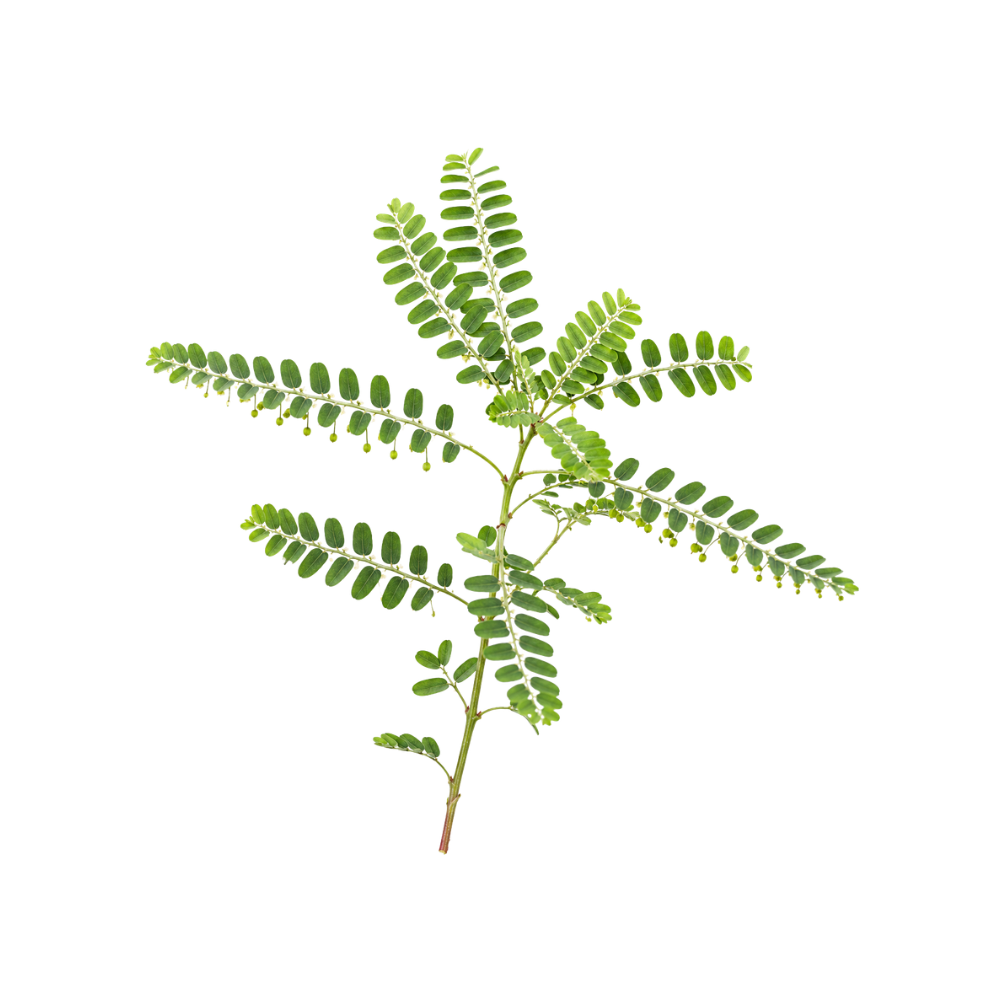 StrongStrongChanca PiedraPhyllanthus niruriThe only antilithic herb with randomised human data: it inhibits calcium-oxalate crystal growth and aggregation and lowers the urinary calcium, oxalate and urate that feed a stone.Mechanismcalcium-oxalate crystal growth/aggregation inhibition; renal-tubular crystal endocytosis ↓; urinary calcium/oxalate/urate ↓Read the evidenceShow lessMonograph →
The aqueous extract inhibits calcium-oxalate crystal endocytosis by renal tubular cells 3Reference 3In vitroPhyllanthus niruri inhibits calcium oxalate endocytosis by renal tubular cells — in vitroView study →, blunts crystal growth in a rat urolithiasis model 4Reference 4AnimalThe effect of Phyllanthus niruri on urinary inhibitors of calcium oxalate crystallization — rat model / in vivoView study →, reduces crystal growth and aggregation in human urine in vitro 5Reference 5In vitroEffects of an aqueous extract from Phyllanthus niruri on calcium oxalate crystallization — in vitroView study →, and cuts calculus number and weight in rats while changing stone texture to a smoother, more fragile form 6Reference 6AnimalEffect of extract of Phyllanthus niruri on crystal deposition in experimental urolithiasis — rat model / in vivoView study →.
In people the effect is on urinary chemistry and clearance. A randomised trial in 69 calcium-stone formers found no overall change in stone voiding or pain but significantly lowered urinary calcium in the hypercalciuric subgroup 7Reference 7RCTPhyllanthus niruri normalizes elevated urinary calcium levels in calcium stone forming patients — randomized controlled trialView study →, and a 12-week study in 56 stone formers reduced urinary oxalate in hyperoxaluric patients and urinary uric acid in hyperuricosuric ones, with raised magnesium and potassium excretion and a fall in stone count 8Reference 8ObservationalEffect of Phyllanthus niruri on metabolic parameters of patients with kidney stone — prospective cohortView study →.
A 150-patient post-lithotripsy randomised trial found no overall stone-free advantage but a clear one for lower-pole caliceal stones, 93.7% against 70.8% 9,
Nothing in the evidence shows the herb dissolves an established stone. The human effect is modest and subgroup-dependent, no adequately powered trial has used stone recurrence as a primary endpoint, and there is no clinical evidence for gallstones despite the traditional claim.
The preparations used are aqueous, so the traditional tea or decoction is the right form.
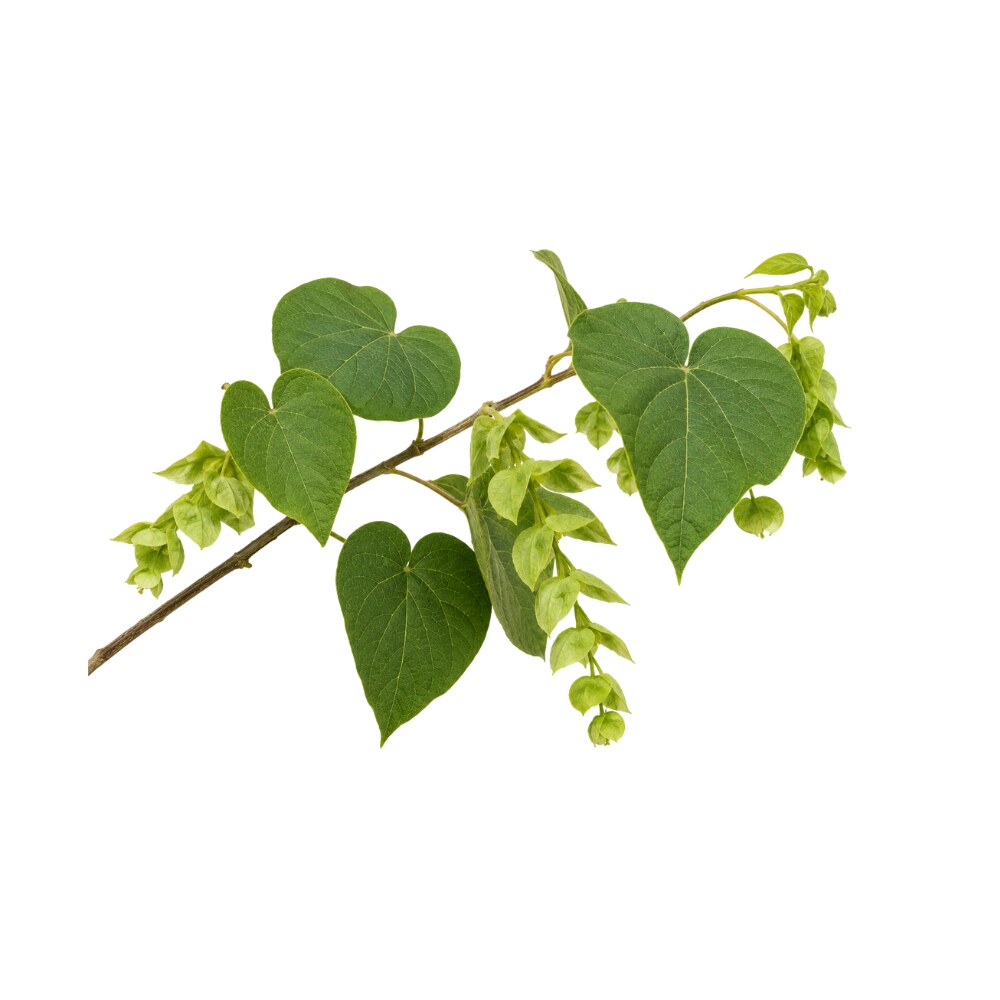 ModerateModerateAbutaCissampelos pareiraLowered the urinary calcium and uric acid that form stones rather than just raising urine volume — a compositional effect, from two rat studies in one laboratory.Mechanismurinary calcium and uric acid ↓; crystal deposition limited; dose-dependent diuresis with Na⁺/K⁺/Cl⁻ excretion ↑Read the evidenceShow lessMonograph →
An alcoholic root extract at 100–400 mg/kg reduced urinary calcium and uric acid and limited crystal deposition in ethylene-glycol and ammonium-chloride-induced lithiasis in rats 1Reference 1AnimalEvaluation of antiurolithic activity of alcoholic extract of roots of Cissampelos pareira in albino rats — animal model (rat)View study →, and produced dose-dependent diuresis with increased Na⁺, K⁺ and Cl⁻ excretion by the Lipschitz method 2Reference 2AnimalEvaluation of diuretic activity of alcoholic extract of roots of Cissampelos pareira in albino rats — animal model (rat)View study →.
Reducing the lithogenic solutes alongside the diuresis is a different kind of claim from flushing, and abuta is also natriuretic, unlike most herbal diuretics, which are aquaretic.
Both papers come from the same laboratory, are unreplicated and short in duration, and there is no human data. Abuta also carries an antifertility signal in mice 20Reference 20AnimalAntifertility activity of the methanolic leaf extract of Cissampelos pareira in female albino mice — animal model (mice)View study →, which governs whether it should be taken at all.
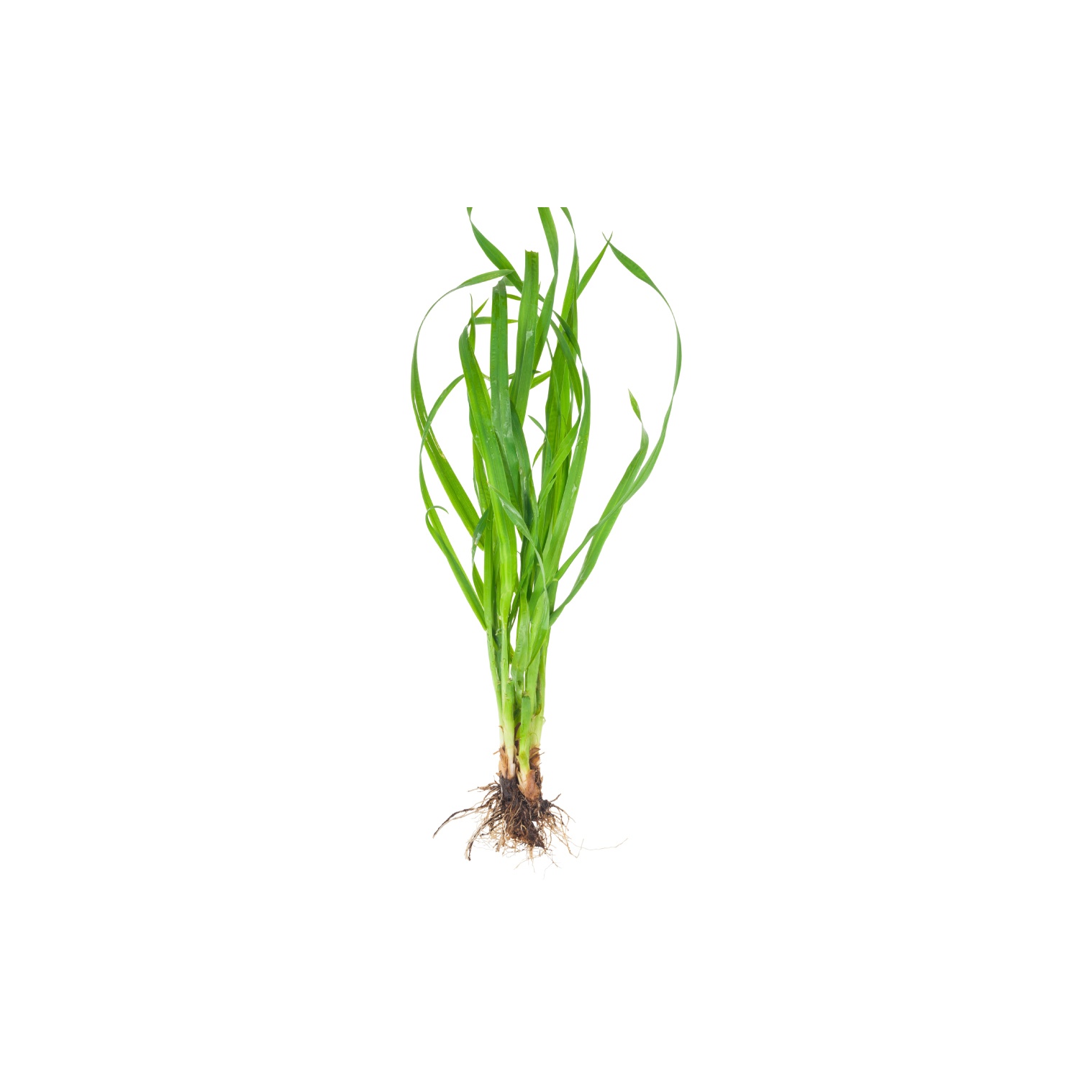 MildMildCouchgrassElymus repensIts positive trials all used a multi-ingredient product carrying added mannitol and magnesium; the one study that isolated the herb was null.Mechanismmechanical — urine flow ↑ flushing crystals; no specific anti-crystallization effect demonstratedRead the evidenceShow lessMonograph →
Two placebo-controlled trials of Renalof — a proprietary product combining Agropyron repens with added mannitol and magnesium — have been completed for renal and ureteral calculi: a Phase 2 study of stones under 10 mm in 155 patients, and a double-blind study of upper-tract stone volume in 82, with a third recruiting 13,
The preclinical work cuts the other way. A combination formulation with Herniaria, Equisetum and Sambucus reduced calcium-oxalate crystal deposition in a rat nephrolithiasis model 18Reference 18AnimalAntiurolithiasic effect of a plant mixture (Herniaria glabra, Agropyron repens, Equisetum arvense, Sambucus nigra) in experimentally induced nephrolithiasis in rats — animal modelView study →, but an earlier study of the Agropyron infusion alone found no benefit on the main calcium-oxalate urinary risk factors 19Reference 19AnimalEffect of Herniaria hirsuta and Agropyron repens on calcium oxalate urolithiasis risk in rats — animal modelView study →.
Every positive human result is on a multi-ingredient product carrying mannitol and magnesium, both of which have urological activity of their own, and the one experiment that isolated the herb was null.
The plausible mechanism is mechanical — more urine flushing crystals out — which is consistent with couchgrass’s diuretic action and means it treats stones the way drinking water does.
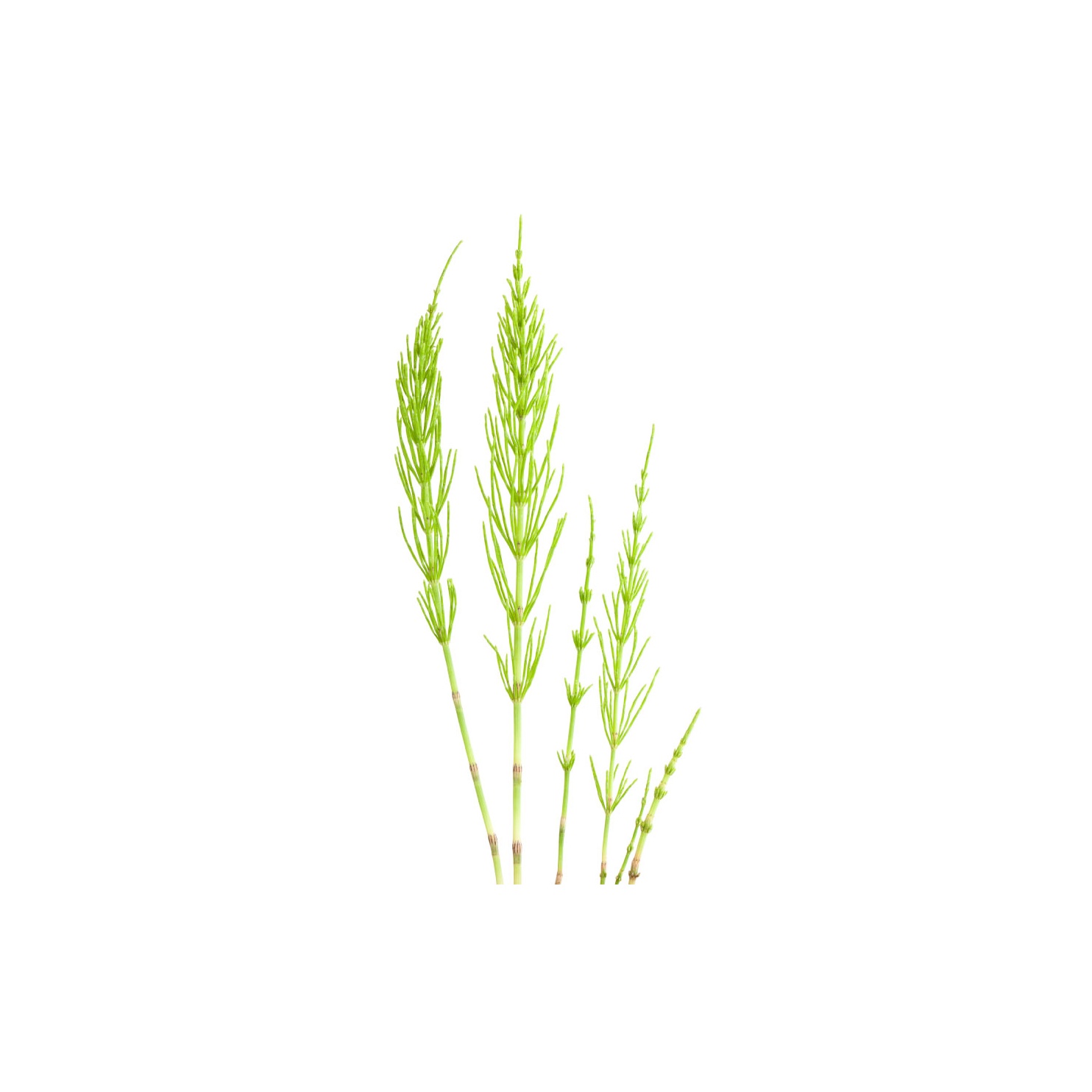 MildMildHorsetailEquisetum arvenseA long-standing European remedy for urinary calculi and renal colic, working through the one measured aquaretic effect in the materia medica.Read the evidenceShow lessMonograph →
Horsetail was given for urinary calculi and renal colic across European practice, and Culpeper records the decoction in wine for the stone and stranguary.
Its aquaretic effect 21Reference 21RCTRandomized, double-blind clinical trial to assess the acute diuretic effect of Equisetum arvense (field horsetail) in healthy volunteers — randomised controlled trialView study → raises urine volume, and a more dilute urine is a less supersaturated one, which would in principle slow stone formation.
There is no stone study and no crystallisation assay for the herb. Horsetail’s measured work is diuretic, where it is one of the few plants with a real volume finding behind it.
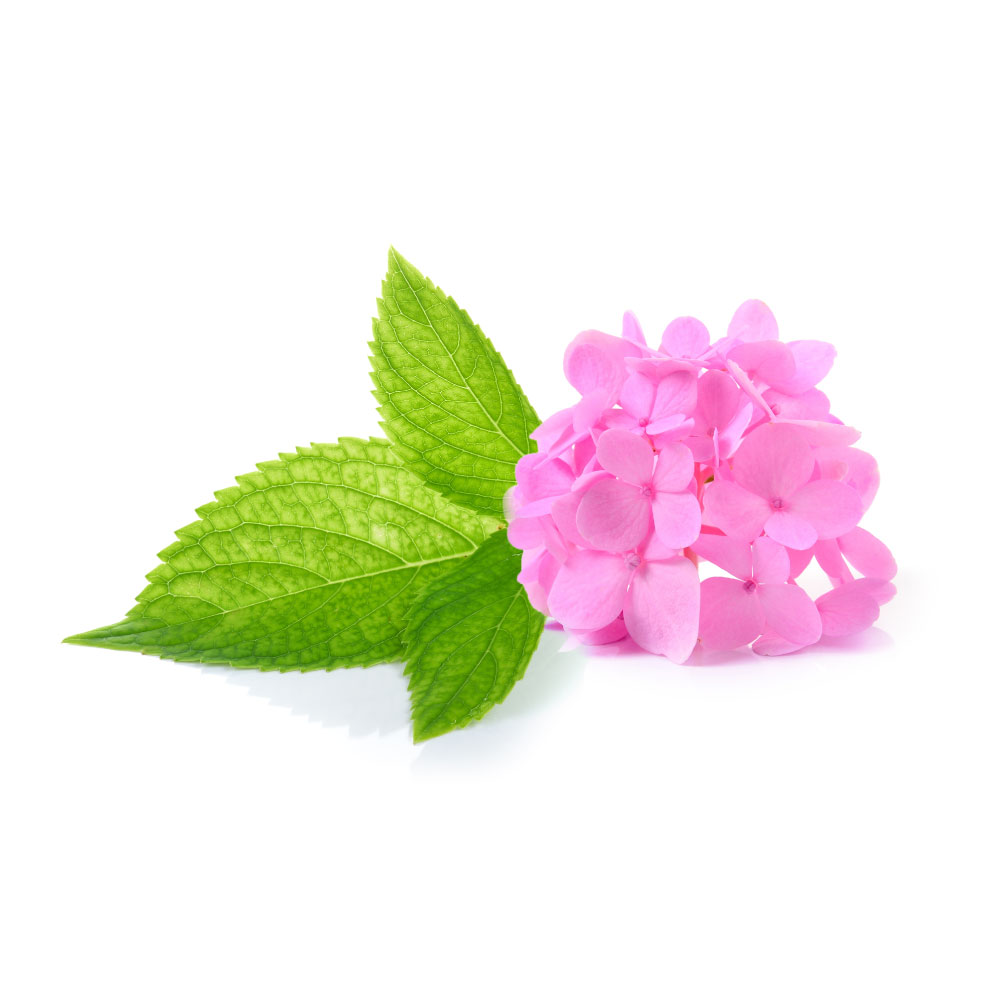 MildMildHydrangeaHydrangea arborescensThe 'seven barks' stone-breaker of the Eclectic materia medica, given for gravel and renal colic and never tested for either.Read the evidenceShow lessMonograph →
Hydrangea root entered nineteenth-century American practice as the stone remedy, given for gravel, renal colic and the pain of passing a calculus, and it is still sold on that name.
There is no oxalate or calcium-phosphate crystallisation assay, no nucleation or aggregation data, no urinary citrate or pH work, no stone-model animal study and no clinical trial.
The traditional use is specific and long-standing, and no mechanism has been established for it.
No herbs match these filters.
Safety
- An obstructing stone is a urological emergency; flank pain with fever, vomiting, blood in the urine or reduced output needs imaging the same day.
- Increasing urine flow against an obstruction makes the pain and the risk worse.
- Stone type decides what helps, and a stone that has been analysed is worth more than any herb.
- Herbs that shift urinary calcium, oxalate, citrate or urate change the balance without anyone having established in which direction, for which stone.
- Uricosuric herbs interact with gout medication and with lithium, and add to prescription diuretics.
- The flushing herbs do nothing without a substantial and sustained increase in water intake.
- Recurrent stone formation has identifiable metabolic causes, each with specific management, and warrants a workup rather than a herb.
References
- Sayana SB, Khanwelkar CC, Nimmagadda VR, et al. (2014). Evaluation of antiurolithic activity of alcoholic extract of roots of Cissampelos pareira in albino rats — animal model (rat). Journal of Clinical and Diagnostic Research. https://pubmed.ncbi.nlm.nih.gov/25177580/
- Sayana SB, Khanwelkar CC, Nimmagadda VR, et al. (2014). Evaluation of diuretic activity of alcoholic extract of roots of Cissampelos pareira in albino rats — animal model (rat). Journal of Clinical and Diagnostic Research. https://pubmed.ncbi.nlm.nih.gov/24995192/
- Campos, A. H., & Schor, N. (1999). Phyllanthus niruri inhibits calcium oxalate endocytosis by renal tubular cells — in vitro. Nephron. https://pubmed.ncbi.nlm.nih.gov/10095174/
- Freitas, A. M., et al. (2002). The effect of Phyllanthus niruri on urinary inhibitors of calcium oxalate crystallization — rat model / in vivo. BJU Int. https://pubmed.ncbi.nlm.nih.gov/12010223/
- Barros, M. E., et al. (2003). Effects of an aqueous extract from Phyllanthus niruri on calcium oxalate crystallization — in vitro. Urol Res. https://pubmed.ncbi.nlm.nih.gov/12599017/
- Barros, M. E., et al. (2006). Effect of extract of Phyllanthus niruri on crystal deposition in experimental urolithiasis — rat model / in vivo. Urol Res. https://pubmed.ncbi.nlm.nih.gov/16896689/
- Nishiura, J. L., et al. (2004). Phyllanthus niruri normalizes elevated urinary calcium levels in calcium stone forming patients — randomized controlled trial. Urol Res. https://pubmed.ncbi.nlm.nih.gov/15221244/
- Pucci, N. D., et al. (2018). Effect of Phyllanthus niruri on metabolic parameters of patients with kidney stone — prospective cohort. Int Braz J Urol. https://pubmed.ncbi.nlm.nih.gov/29617079/
- Micali, S., et al. (2006). Can Phyllanthus niruri affect the efficacy of extracorporeal shock wave lithotripsy for renal stones? A randomized, prospective, long-term study — RCT. J Urol. https://pubmed.ncbi.nlm.nih.gov/16890682/
- Cealan, A., et al. (2019). Efficacy of Phyllanthus niruri standardized extract combined with magnesium and vitamin B6 for uncomplicated nephrolithiasis — clinical trial. Med Pharm Rep. https://pubmed.ncbi.nlm.nih.gov/31086843/
- Dhawan, S., & Olweny, E. O. (2020). Phyllanthus niruri herbal therapy for kidney stones — systematic review and meta-analysis. Can J Urol. https://pubmed.ncbi.nlm.nih.gov/32333735/
- Schuler, T. D., et al. (2009). Medical expulsive therapy as an adjunct to improve shockwave lithotripsy outcomes — systematic review and meta-analysis. J Endourol. https://pubmed.ncbi.nlm.nih.gov/19245302/
- Efficacy and safety of Renalof (Agropyron repens) in the removal of calculi smaller than 10 mm — randomised placebo-controlled trial (Phase 2, n=155, completed). ClinicalTrials.gov NCT04695951. https://clinicaltrials.gov/study/NCT04695951
- Agropyron repens, mannitol and magnesium supplement for upper urinary tract stone volume — randomised, double-blind, placebo-controlled study (n=82, completed). ClinicalTrials.gov NCT04860492. https://clinicaltrials.gov/study/NCT04860492
- Neorenal Forte as adjuvant for elimination of residual fragments after lithotripsy — randomised placebo-controlled trial (n=120, recruiting). ClinicalTrials.gov NCT06651294. https://clinicaltrials.gov/study/NCT06651294
- Zhakipbekov, K. S., Serikbayeva, E. A., Tleubayeva, M. I., et al. (2026). Elymus repens (L.) Gould phytochemistry, pharmacological activities and therapeutic potential — systematic review. International Journal of Molecular Sciences. https://pubmed.ncbi.nlm.nih.gov/42278456/
- Moohy Alosy, B. D., Thakir, E. M., & Khalaf, S. A. (2019). Role of Agropyron repens extract in treatment of renal calculus in the pediatric group — randomised study. Indian Journal of Forensic Medicine & Toxicology. https://doi.org/10.5958/0973-9130.2019.00231.7
- Crescenti, A., Puiggròs, F., Colomé, A., et al. (2015). Antiurolithiasic effect of a plant mixture (Herniaria glabra, Agropyron repens, Equisetum arvense, Sambucus nigra) in experimentally induced nephrolithiasis in rats — animal model. Archivos Españoles de Urología. https://pubmed.ncbi.nlm.nih.gov/26634575/
- Grases, F., Ramis, M., Costa-Bauzá, A., & March, J. G. (1995). Effect of Herniaria hirsuta and Agropyron repens on calcium oxalate urolithiasis risk in rats — animal model. Journal of Ethnopharmacology. https://pubmed.ncbi.nlm.nih.gov/7623486/
- Ganguly, M., et al. (2007). Antifertility activity of the methanolic leaf extract of Cissampelos pareira in female albino mice — animal model (mice). Journal of Ethnopharmacology. https://pubmed.ncbi.nlm.nih.gov/17324540/
- Carneiro, D. M., Freire, R. C., Honório, T. C. D., et al. (2014). Randomized, double-blind clinical trial to assess the acute diuretic effect of Equisetum arvense (field horsetail) in healthy volunteers — randomised controlled trial. Evidence-Based Complementary and Alternative Medicine, 2014, 760683. https://pubmed.ncbi.nlm.nih.gov/24723963/
Keep Exploring