

Overview
Nervine at a Glance
Nervines are herbs that act on the nervous system, especially where stress, tension, exhaustion, or overstimulation are involved.
Traditionally, they fall into three broad groups.
Relaxant nervines calm an overactive or tense nervous system. Kava, lemon balm, California poppy, linden, motherwort, and American skullcap are good examples.
Nervine tonics are used more slowly, with the aim of restoring a nervous system that feels depleted, strained, or worn down. Oats, skullcap, wood betony, bacopa, schisandra, and reishi are commonly used this way.
Then there are stimulant nervines, which increase alertness and nervous activity. These are a much smaller part of the modern nervine materia medica.
The category overlaps heavily with other actions.
If an herb is mainly used to reduce anxiety, promote sleep, improve mood, or protect nerve tissue, it may fit more precisely under anxiolytic, sedative, antidepressant, or neuroprotective.
“Nervine” is most useful as the broader herbal idea tying these effects together.
Some nervines work directly through neurotransmitters such as GABA, serotonin, or dopamine. Others act more indirectly through the stress response, autonomic nervous system, or even smell.
The nervine tonic idea is the hardest to test.
It is also one of the oldest parts of the tradition.
Herbs such as oats, skullcap, and wood betony have long been used as restoratives, but modern evidence for this slower “rebuilding” effect is still limited. Most of the mechanistic support comes from animal research looking at BDNF, synaptic proteins, and other markers of neuroplasticity.
Caution
Sedating nervines add to alcohol — they add to alcohol, benzodiazepines, sleeping tablets and other sedating herbs, and impair driving.
Check before combining with antidepressants — nervines that inhibit monoamine oxidase or monoamine reuptake can interact with SSRIs, SNRIs and other serotonergic drugs.
St John's wort lowers drug levels — it alters drug metabolism through CYP3A4 and can lower blood levels of many prescription drugs, so check every co-medication.
Mechanisms
How It Works
01
Neurotrophic Signalling
Brain-derived neurotrophic factor (BDNF) and the CREB pathway drive dendritic growth, synapse formation and the structural remodelling behind learning and recovery from stress. A herb acting here restores a nervous system rather than quieting it.
This is the route that matches the traditional claim of a nervine tonic. Effects accumulate over weeks, because gene transcription and dendritic growth take that long.
Bacopa restores synaptic proteins and BDNF signalling in stressed rats, zizyphus’s jujuboside A depends on BDNF for its antidepressant-like effect, and lion’s mane, jasmine, rosewood and ylang ylang raise BDNF in rodent models.
No drug class works primarily this way, though conventional antidepressants raise BDNF over weeks as a downstream effect.
Almost all of this evidence is from rodents, and a BDNF rise in a stressed animal is a long way from a clinical outcome.
Herbs: BacopaJasmineLion’s ManeRosewoodYlang YlangZizyphus
Key compounds: Bacosides
02
GABAergic Inhibition
GABA-A receptor modulation raises inhibitory tone, so the nervous system becomes harder to excite. This is the largest group and the one that overlaps most with the sedative action.
Most of these herbs bind the benzodiazepine site. Kava’s kavain, California poppy, linden, American skullcap, lemongrass oil and Mexican tarragon all do, and where the effect is reversed by flumazenil the occupancy is shown directly.
Motherwort binds the GABA site itself and largely spares the benzodiazepine site.
Lemon balm does not bind the receptor; its rosmarinic acid and triterpenes inhibit GABA-transaminase, the enzyme that degrades GABA, which raises ambient tone rather than amplifying a signal.
Benzodiazepine drugs work at the same site with far greater potency. The herbs do not produce the dependence and withdrawal those drugs do at ordinary doses.
Every GABAergic herb is additive with alcohol, benzodiazepines and the other sedating herbs.
Herbs: AshwagandhaBlack HorehoundCalifornia PoppyChrysanthemumHibiscusHopsKavaLemongrassLinden FlowerMelissaMexican TarragonMotherwortAmerican SkullcapSt. John’s Wort
Key compounds: Valerenic acidApigenin
03
Monoamine Modulation
These herbs act on serotonin, noradrenaline and dopamine through receptor binding, reuptake inhibition or inhibition of monoamine oxidase, the enzyme that degrades them. This is where nervine shades into antidepressant.
St John’s wort’s hyperforin inhibits the reuptake of all three monoamines.
Lavender modulates the 5-HT1A receptor, Mexican tarragon acts through 5-HT1A and 5-HT2A, kanna inhibits serotonin reuptake, and damiana, catuaba and mapacho’s β-carbolines inhibit MAO-A in vitro.
MAO inhibition is the mechanism of the oldest antidepressant drug class. In the herbs it is reversible and mostly unquantified, but it carries the same interactions with SSRIs and other serotonergic drugs, and in principle with tyramine-rich foods.
St John’s wort also induces CYP3A4 and P-glycoprotein, which makes it the most interaction-prone herb in common use.
Herbs: Black CohoshBlack HorehoundCalifornia PoppyCatuabaDamianaHibiscusJasmineKannaKavaLavenderMapachoMexican TarragonAmerican SkullcapSt. John’s WortValerianYlang YlangZizyphus
Key compounds: HypericinMesembrine
04
Neuroprotection
A smaller group acts on the nerve as tissue rather than on transmission, protecting it from oxidative and excitotoxic damage or preserving the ion gradients neurons need. Nrf2 activation, control of lipid peroxidation, Na⁺/K⁺-ATPase preservation and anti-excitotoxic effects all fall here.
Rosemary’s carnosic acid activates Nrf2 and crosses the blood–brain barrier, catuaba’s bark fraction protects rodent brain from ischaemic injury, calamus preserves Na⁺/K⁺-ATPase under stress, and American skullcap lowers lipid peroxidation in brain tissue.
Calamus and catuaba also inhibit acetylcholinesterase, which is the nootropic route.
The same findings read as protection in a neurodegeneration context and as tonic action in a nervine one. The fuller evidence is examined under neuroprotective.
All of it is preclinical.
Herbs: CalamusCatuabaDamianaRosemaryAmerican SkullcapZizyphus
05
HPA Axis and Autonomic Regulation
These herbs act on the stress system rather than on neurons directly: the hypothalamic-pituitary-adrenal axis, vagal signalling, autonomic balance and cortical rhythm. This overlaps with the adaptogen action by design.
Ashwagandha and holy basil lower stress measures in controlled trials, gotu kola attenuates the acoustic startle response, dagga lowers corticosterone in stressed mice, and valerenic acid dampens stress corticosterone in mice.
Two herbs reach the brain by unusual routes: hops through vagal gut–brain signalling from matured bitter acids, and jasmine through the olfactory–limbic pathway.
Endpoints here are often physiological, such as cortisol, heart-rate variability, EEG alpha and startle attenuation. A shifted biomarker is not the same as a person feeling better.
Herbs: AshwagandhaDaggaGotu KolaHoly BasilHopsJasmineKavaValerianYlang Ylang
More Specific Actions
Sub-Actions
Nervine is a parent action with four narrower actions beneath it, and most nervines are doing one of them.
Anticonvulsant
9 herbsRaises the threshold for the over-excitable nerve activity behind seizures. Used alongside prescribed medication and never instead of it, since the evidence is largely preclinical.
Antidepressant
20 herbsLifts low mood, mainly through serotonin, noradrenaline and dopamine. Includes the two herbs with pharmaceutical-strength evidence, St John’s wort and saffron, and the herbs that interact most with antidepressant drugs.
Anxiolytic
30 herbsReduces anxiety and nervous tension, the racing mind and the physical tension that travels with it. Ranges from gentle daytime calmers such as lemon balm to sedating relaxants such as kava.
Sedative
35 herbsCalms nervous excitability and quiets body and mind, easing rest and, at higher doses, sleep. Adds to alcohol and sedative medication, and impairs driving.
The Molecules
Pharmacology
What produces a nervine effect at the molecular level. The herbs below carry these molecules in different combinations and amounts, which is most of why their potency differs. Roles describe how central a molecule is to the action across plants generally, not how strong any one herb is.
Chiefly Other Alkaloids1
Carries the action largely on its own — the effect is attributed to the molecule, not just the extract it came from.
Adds to a plant's effect and is often present in quantity, but rarely accounts for it alone.
Real but narrow — one pathway, one tissue, or evidence too thin to lean on.
Mesembranol Other Alkaloids Minor role Targets AMPA-type glutamate receptors; hippocampal population spike
In rat hippocampal slices all four Sceletium alkaloids attenuated the population spike under single-shock and theta-burst stimulation, but only mesembranol and mesembrenol, the two carrying a C6 hydroxyl rather than a carbonyl, did so by attenuating AMPA-receptor-mediated transmission, which was also the mode of action of the whole extract 1Reference 1AnimalEffect of Zembrin® and four of its alkaloid constituents on electric excitability of the rat hippocampusView study →.
The authors named this a new structure–activity relationship for the Sceletium alkaloids and proposed the two C6-alcohols as chemical leads for epilepsy.
It is one in-vitro slice study, unreplicated, with no seizure model, no behavioural endpoint and no pharmacokinetics; there is no plasma level, half-life or blood–brain-barrier measurement, so the free brain concentration a real dose produces is unknown 2,
A 25 mg Zembrin® capsule delivers roughly 6–8 µg of mesembranol by arithmetic 5,
What It's For
Indications
- Stress, tension and nervous overwhelm
- Anxiety and a racing mind
- Low mood and irritability
- Poor or restless sleep
- Nervous exhaustion and depletion
Materia Medica
Nervine Herbs by Potency
The nervine herbs, ordered by the relative strength of the effect rather than by how well studied it is. Each herb is described by the mechanism behind its effect and the evidence for it.
None of this is a substitute for professional care.
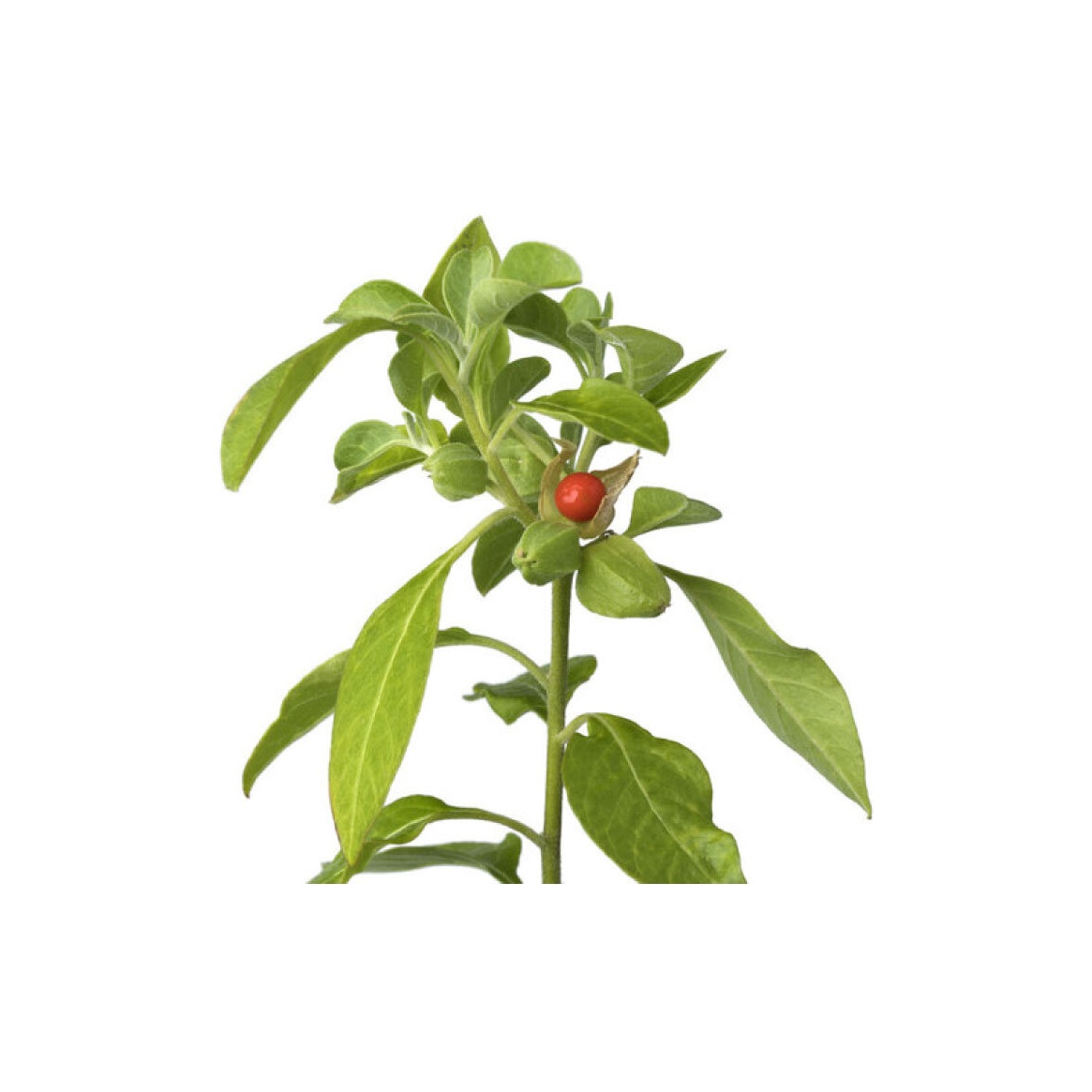 StrongStrongAshwagandhaWithania somniferaLowers cortisol and reduces anxiety scores in controlled trials, with a proposed GABA-mimetic action from withanolide A on top of the slower HPA-axis effect.MechanismGABA-mimetic / GABA-A modulation (proposed); HPA-axis cortisol ↓Read the evidenceShow lessMonograph →
The Shoden trial reported significant Hamilton Anxiety (HAM-A) reductions with parallel falls in cortisol 7Reference 7RCTStress-relieving and pharmacological actions of an ashwagandha extract — a randomised, double-blind, placebo-controlled studyView study →. A 2024 meta-analysis pooled HAM-A across RCTs and flagged the small samples 8Reference 8Meta-analysisSafety and efficacy of Withania somnifera for anxiety and insomnia — systematic review and meta-analysisView study →, and an earlier controlled trial found ashwagandha-containing naturopathic care reduced anxiety versus a psychotherapy control 9Reference 9RCTNaturopathic care for anxiety — a randomised controlled trial (ISRCTN78958974)View study →.
The proposed acute route is GABA-mimetic activity attributed to withanolide A, on top of the slower HPA-axis effect. The human trials measured outcomes rather than receptor pharmacology, so the GABA arm rests on preclinical work.
No head-to-head trial against a first-line anxiolytic exists, and the true effect size is uncertain.
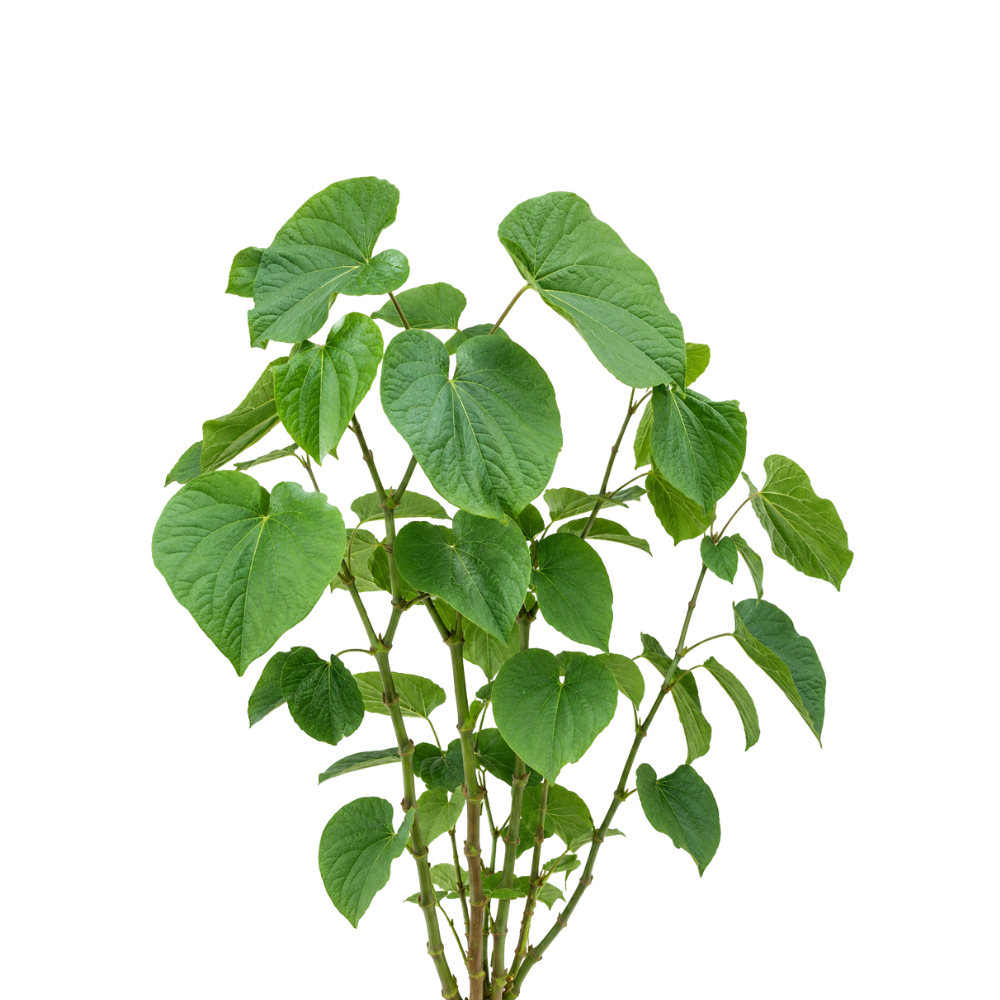 StrongStrongKavaPiper methysticumKavain potentiates GABA-A receptors, producing a measurable relaxant effect; the ceremonial Pacific root beverage is taken for calm, sociability and focus.MechanismGABA-A positive allosteric modulation; limbic monoamine modulationRead the evidenceShow lessMonograph →
Kava is psychoactive, with a measurable subjective relaxant effect and a mapped receptor route: GABA-A potentiation by kavain 71,
Traditional Pacific use is built on this effect. The aqueous root beverage is taken ceremonially to induce calm, sociability and focus, and modern kava bars fill the same role.
The anxiety and sleep evidence is examined under the anxiolytic and sedative actions.
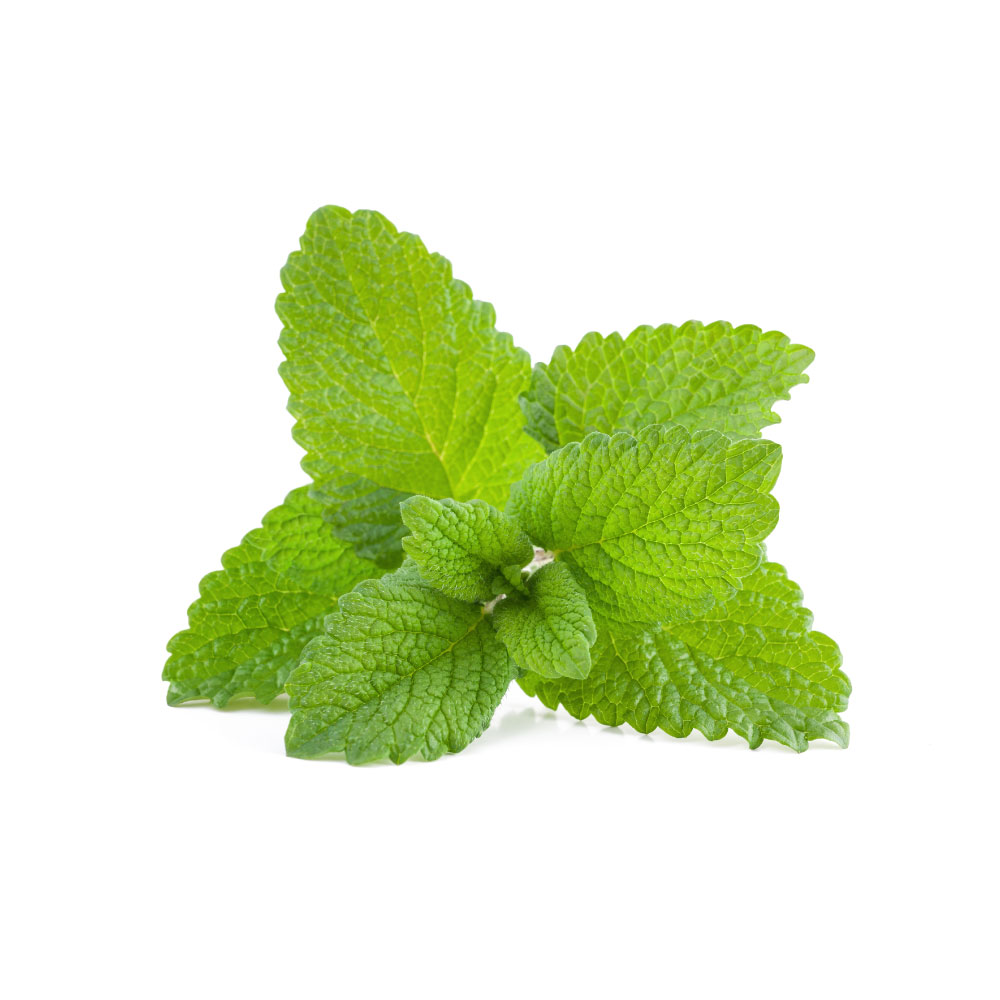 StrongStrongMelissaMelissa officinalisLemon balm reduces anxiety in a meta-analysis of clinical trials, most clearly in acute settings; its constituents inhibit GABA-transaminase, raising GABA tone.MechanismGABA-transaminase inhibition (rosmarinic acid, ursolic acid, oleanolic acid); GABAergic tone ↑Read the evidenceShow lessMonograph →
A 2021 systematic review and meta-analysis of clinical trials found significant reductions in anxiety versus placebo (SMD −0.98, 95% CI −1.63 to −0.33), strongest in acute settings and with no serious adverse events 89Reference 89Meta-analysisThe effects of lemon balm (Melissa officinalis L.) on depression and anxiety in clinical trials — a systematic review and meta-analysisView study →. A 15-day open-label pilot of a standardized rosmarinic-acid-rich extract reported an 18% fall in anxiety manifestations 90Reference 90Clinical trialPilot trial of Melissa officinalis L. leaf extract in mild-to-moderate anxiety disorders and sleep disturbances — open-label clinical trialView study →.
Rosmarinic acid and the triterpenes ursolic and oleanolic acid inhibit GABA-transaminase in vitro, and a standardized extract reduced anxiety-like behaviour dose-dependently in mice 91,
Lemon balm is a calming, gladdening herb rather than a sedating anxiolytic of kava’s or valerian’s weight. The dose-response is not linear: in acute crossover work a single 300 mg dose raised self-rated calmness while higher doses did not, and in a valerian-combination stress study the highest dose increased anxiety 93,
Extract type and rosmarinic-acid content vary widely, so a standardized-extract result does not transfer directly to a home infusion.
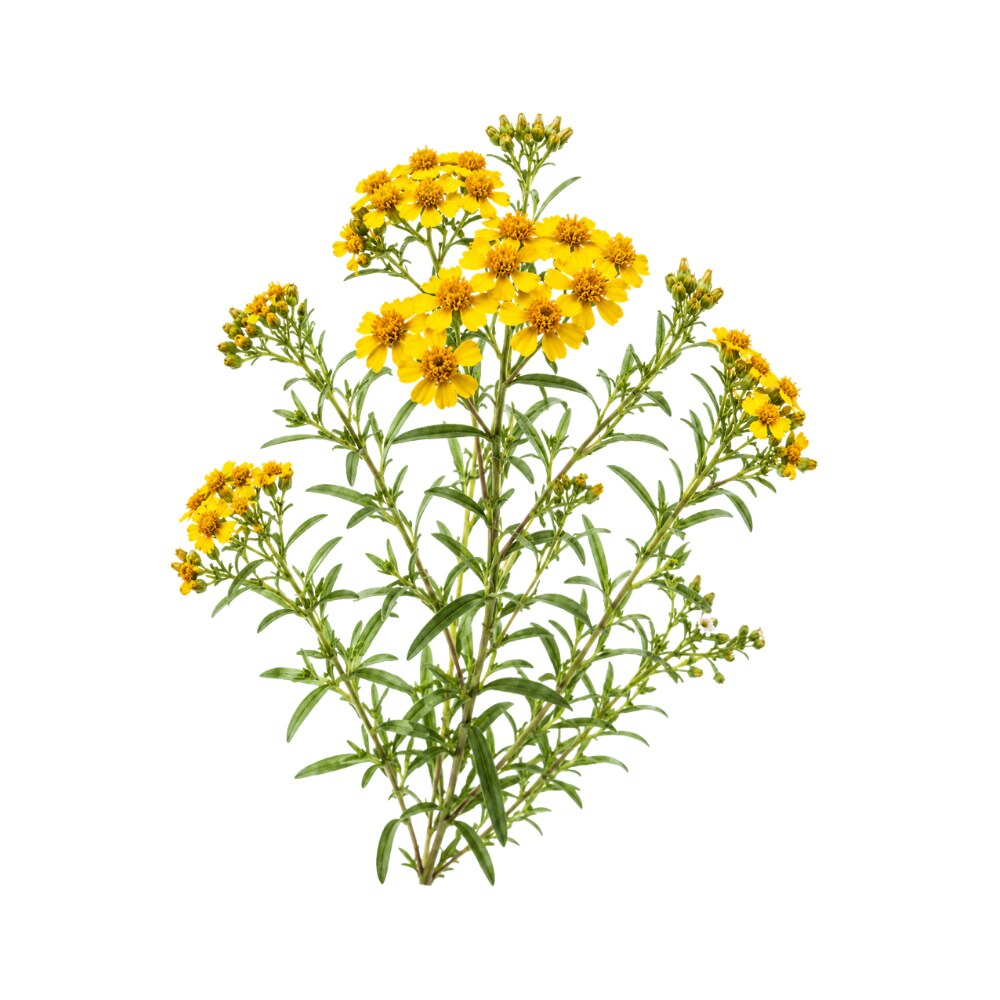 StrongStrongMexican TarragonTagetes lucidaPolar extracts calm and lift mood in rodents through both 5-HT1A and GABA-A benzodiazepine-site receptors, and the active extract is the tea and tincture in traditional use.Mechanism5-HT1A / 5-HT2A activation; GABA-A benzodiazepine-site modulationRead the evidenceShow lessMonograph →
In mice, aqueous and ethanolic extracts produced anxiolytic and sedative-like effects across open-field, hole-board, plus-maze and barbiturate-hypnosis models. The effect was abolished by both the 5-HT1A antagonist WAY-100635 and the benzodiazepine antagonist flumazenil, implicating two receptor systems, with the coumarin herniarin isolated as a candidate active 95Reference 95Tagetes lucida Cav.: ethnobotany, phytochemistry and pharmacology of its tranquilizing properties — animal studyView study →.
The mood arm is separately replicated. An aqueous extract of the aerial parts (10–200 mg/kg orally for 14 days) reduced forced-swim immobility in rats as effectively as fluoxetine without altering locomotion 96Reference 96Antidepressant-like effects of Tagetes lucida Cav. in the forced swimming test — animal studyView study →.
Only the aqueous fraction was active, its effect was abolished by the serotonin-synthesis inhibitor PCPA 97Reference 97AnimalAntidepressant-like effect of Tagetes lucida Cav. extract in rats: involvement of the serotonergic system — animal studyView study →, and receptor work then localized it to 5-HT1A and 5-HT2A 98Reference 98Antidepressant-like activity of Tagetes lucida Cav. is mediated by 5-HT1A and 5-HT2A receptors — animal studyView study →.
The active extract is the polar one, which is the tea and tincture people drink rather than the essential oil.
No human data of any kind exist, no trial is registered, and there is no established human dose.
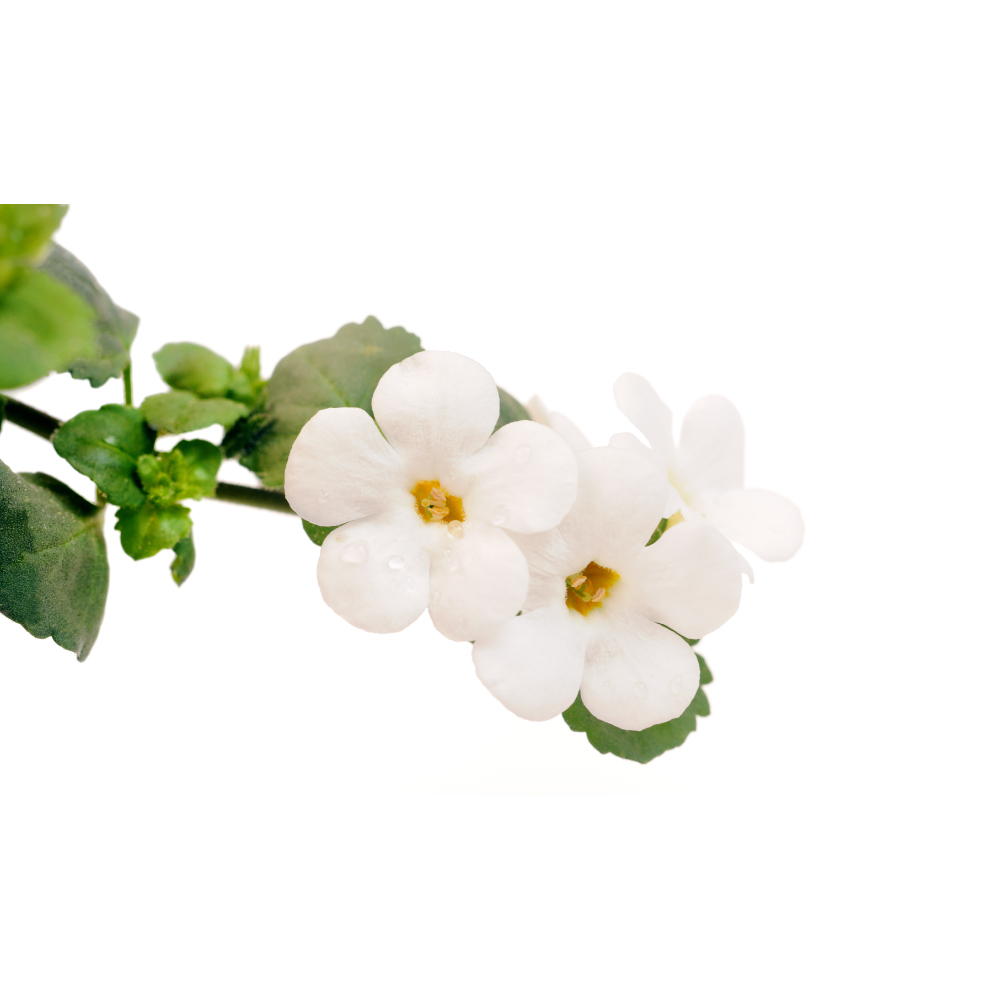 ModerateModerateBacopaBacopa monnieriRestores synaptic proteins and BDNF signalling in stressed rodents, a nervine-tonic profile whose effects build over weeks rather than hours.MechanismBDNF ↑; neurogranin / synaptic-protein restoration; dendritic & synapse repairRead the evidenceShow lessMonograph →
In prenatally stressed rat offspring, the standardized extract CDRI 08 reversed oxidative and apoptotic markers and restored memory through neurogranin, BDNF and synaptic-protein signalling 10Reference 10AnimalStandardized Bacopa monnieri extract ameliorates learning and memory impairments through synaptic protein, neurogranin, BDNF signaling, and HPA axis in prenatally stressed rat offspring — animal modelView study →. A 2024 systematic review of 22 reports credits bacoside A and betulinic acid with anti-apoptotic and synapse-restoring actions 11Reference 11Systematic reviewInvestigating the neuroprotective and cognitive-enhancing effects of Bacopa monnieri — systematic reviewView study →, and an ethanolic extract restores Nrf2, reduces GSK-3β phosphorylation and blocks tau aggregation in Neuro2a cells 12Reference 12In vitroBacopa monnieri reduces Tau aggregation and Tau-mediated toxicity in cells — in vitroView study →.
This is a restorative rather than relaxant profile, consistent with the 12-week dosing the cognitive trials require.
Every one of these findings is from rodents or cell lines. No human study has measured a neurotrophic endpoint.
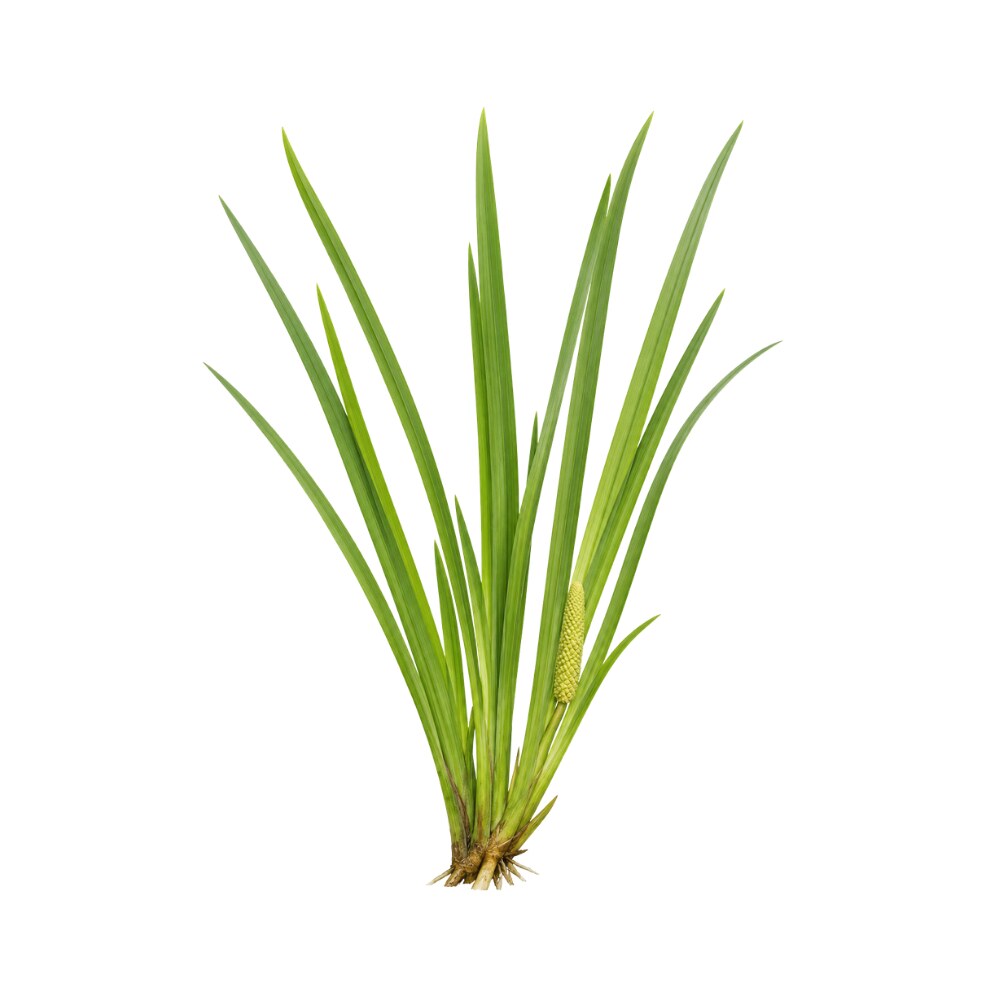 ModerateModerateCalamusAcorus calamusThe rhizome is anticonvulsant and broadly calming in rodents, with acetylcholinesterase inhibition and antioxidant protection of brain tissue from its asarones.Mechanismacetylcholinesterase inhibition; lipid peroxidation ↓; Na⁺/K⁺-ATPase preservation; non-specific CNS depressionRead the evidenceShow lessMonograph →
Raw and classically processed rhizome shortened the tonic-extensor phase in maximal electroshock 21Reference 21AnimalAnticonvulsant activity of raw and classically processed Vacha (Acorus calamus Linn.) rhizomes — animal in vivoView study →. At 200 mg/kg orally for 14 days it cut seizure behaviour and spike-wave discharges in ferric-chloride epileptogenesis while lowering brain lipid peroxidation 22Reference 22AnimalInhibitory role of Acorus calamus in ferric chloride-induced epileptogenesis in rat — animal in vivoView study →, and a sub-anticonvulsant dose potentiated valproate and carbamazepine in the PTZ model 23Reference 23AnimalInteraction of hydroalcoholic extract of Acorus calamus Linn. with sodium valproate and carbamazepine — animal in vivoView study →.
Hydroalcoholic extract (600 mg/kg) restored Morris-water-maze performance and normalized acetylcholinesterase, SOD and glutathione in scopolamine dementia 24Reference 24AnimalAntioxidative and neuroprotective potential of Acorus calamus linn. and Cordia dichotoma GView study →. Isolated α-asarone (15–30 mg/kg for 14 days) reversed scopolamine amnesia and lowered cortical and hippocampal AChE 25Reference 25AnimalAnti-amnesic and anti-cholinesterase activities of α-asarone against scopolamine-induced memory impairments in rats — animal in vivoView study →, and extract and α-asarone protected spatial memory under noise stress 26Reference 26AnimalRole of Acorus calamus and alpha-asarone on hippocampal dependent memory in noise stress exposed rats — animal in vivoView study → and preserved Na⁺/K⁺-ATPase under restraint stress 27Reference 27AnimalEffects of Acorus calamus Rhizome Extract on the Neuromodulatory System in Restraint Stress Male Rats — animal in vivoView study →.
An older study characterizes the ethanol extract as broadly CNS-depressant 28Reference 28AnimalCentral nervous system studies on an ethanol extract of Acorus calamus rhizomes — animal in vivoView study →.
The mechanistic weight sits on isolated α- and β-asarone, and β-asarone drives the amyloid-autophagy result 29Reference 29In vitroWang N et al. (2019). β-Asarone Inhibits Amyloid-β by Promoting Autophagy in a Cell Model of Alzheimer’s Disease — in vitro. Front Pharmacol. https://pubmed.ncbi.nlm.nih.gov/32009952/View study →; the same molecules carry the plant’s toxicological liability. Much of the wider Acorus brain-tonic literature concerns A. tatarinowii and A. gramineus, which are different drugs from calamus.
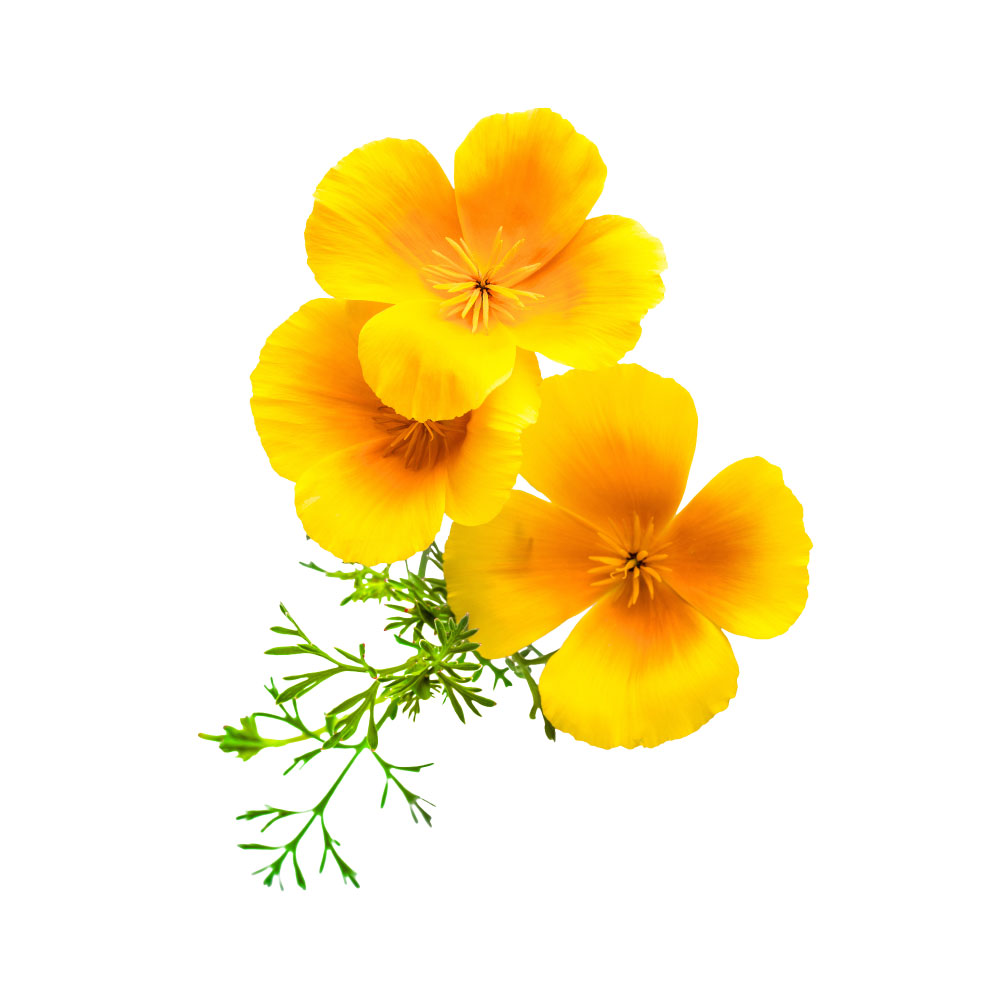 ModerateModerateCalifornia PoppyEschscholzia californicaA GABA-A benzodiazepine-site relaxant whose effect runs from anxiolytic at low doses to sedative at higher ones; a single-herb EEG study detected an acute sedative signal in people.MechanismGABA-A benzodiazepine-site modulation; 5-HT1A / 5-HT7 receptor bindingRead the evidenceShow lessMonograph →
In mice the aqueous extract induced sleep and cut spontaneous locomotion above 100 mg/kg, with anxiolysis dominating below that 30Reference 30Behavioural effects of the American traditional plant Eschscholzia californica: sedative and anxiolytic propertiesView study →. The relaxant and hypnotic effects are one dose-separated gradient rather than two mechanisms.
The single-herb human evidence is a placebo-controlled quantitative-EEG screen of eight plant extracts, which detected a measurable acute sedative signal for California poppy with increased self-rated tiredness, weaker and qualitatively different from the diazepam reference 31Reference 31The quantitative EEG as a screening instrument to identify sedative effects of single doses of plant extracts in comparison with diazepamView study →.
The only human sleep outcome data come from a 4-week open-label pilot (n=40) of a product also containing melatonin, vitamin B6, passionflower and lemon balm 32Reference 32A combination of melatonin, vitamin B6 and medicinal plants in the treatment of mild-to-moderate insomnia: a prospective pilot studyView study →, and melatonin alone can explain that result. A single-herb Phase 3 sleep trial has completed (NCT06795776, n=104) but has posted no results.
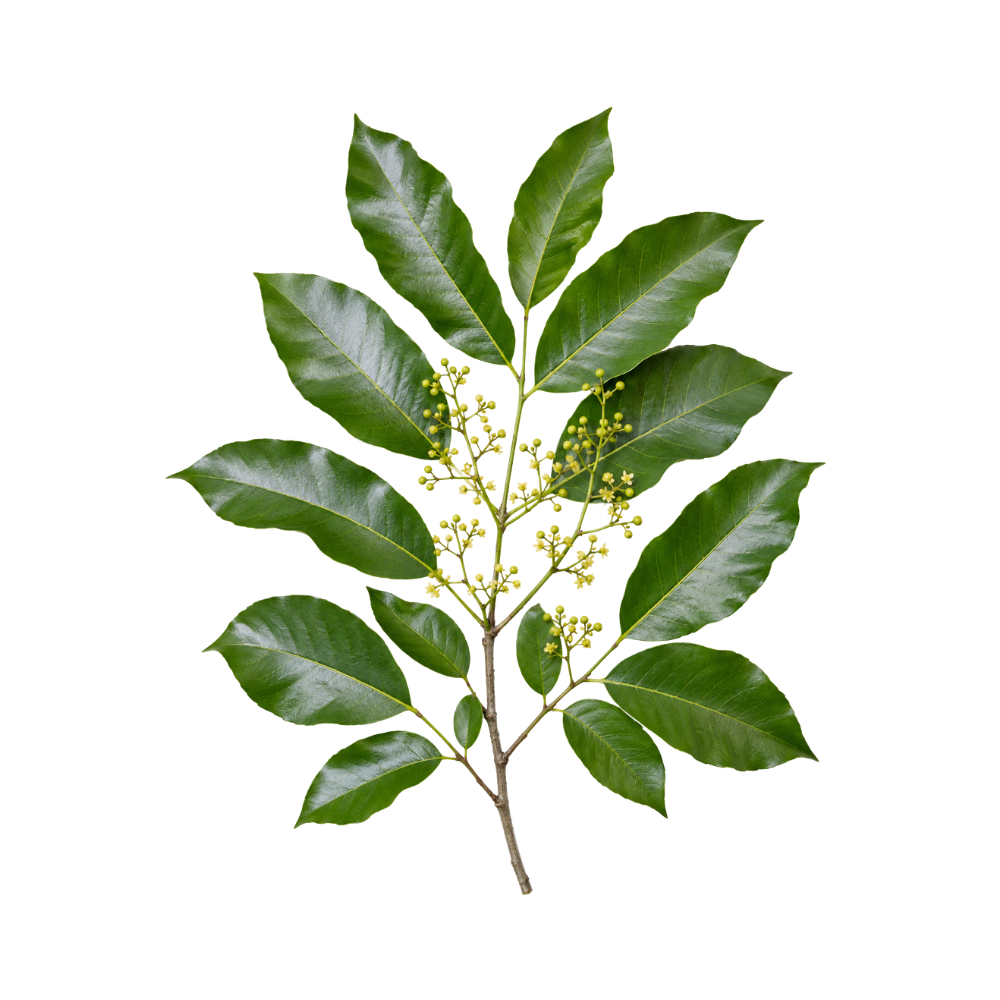 ModerateModerateCatuabaTrichilia catiguaA purified bark fraction protects rodent brain tissue from ischaemic injury, preserving memory and limiting hippocampal cell death, with acetylcholinesterase and MAO-A inhibition alongside.Mechanismacetylcholinesterase inhibition; MAO-A inhibition; anti-excitotoxic/antioxidant neuroprotectionRead the evidenceShow lessMonograph →
The bark’s ethyl-acetate fraction repeatedly protects rodent brain tissue from ischaemia–reperfusion injury: first ex vivo in hippocampal slices under oxygen–glucose deprivation 33Reference 33In vitroCatuaba (Trichilia catigua) prevents against oxidative damage induced by in vitro ischemia–reperfusion in rat hippocampal slices — in vitroView study →, then in mice and rats under carotid or four-vessel occlusion, where it preserved spatial and long-term memory, limited hippocampal cell death and lowered oxidative-stress and neuroinflammation markers 34,
The extract is also anticholinesterase and antifatigue in animals 38Reference 38AnimalAntioxidant, anticholinesterase and antifatigue effects of Trichilia catigua (catuaba) — animal modelView study → and multimodal at CNS targets in vitro 39Reference 39In vitroIn vitro multimodal-effect of Trichilia catigua AView study →.
The work is in rodent stroke models with pre- or peri-insult dosing, and it uses a purified fraction rather than the bark decoction or tincture in use.
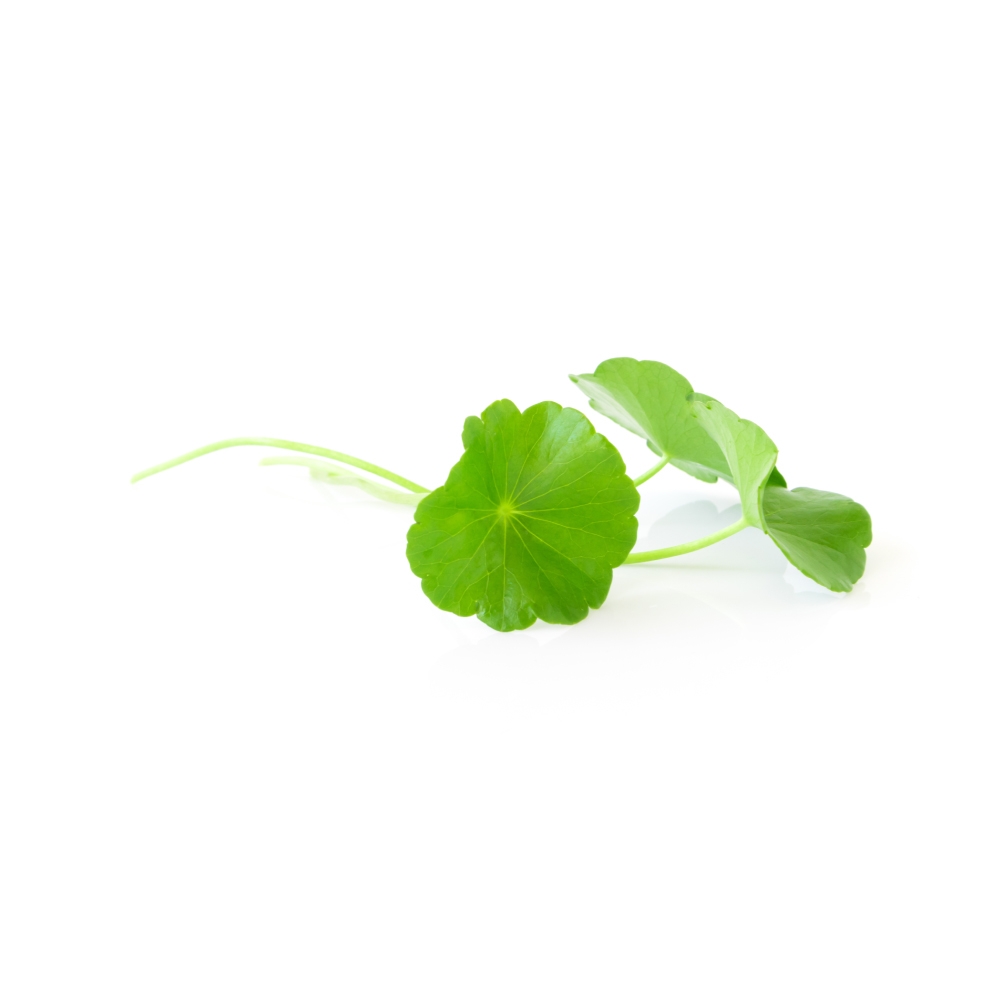 ModerateModerateGotu KolaCentella asiaticaA single 12 g dose attenuated the acoustic startle response in a double-blind crossover, a validated marker of anxiety; Ayurveda uses it as a rejuvenating tonic for the mind.Mechanismacoustic-startle attenuation; anxiolyticRead the evidenceShow lessMonograph →
In a double-blind, placebo-controlled crossover (n=40), a single 12 g oral dose significantly attenuated the acoustic startle response 30–60 minutes after dosing, without affecting mood, heart rate or blood pressure 48Reference 48RCTA double-blind, placebo-controlled study on the effects of Gotu Kola on acoustic startle response in healthy subjects — randomised trialView study →. A small open-label GAD study (500 mg twice daily for 60 days) and a 2017 meta-analysis of acute alertness and anger add weaker support 49,
The effect is measurable but demonstrated acutely and after a single dose. No adequately powered RCT of sustained treatment exists.
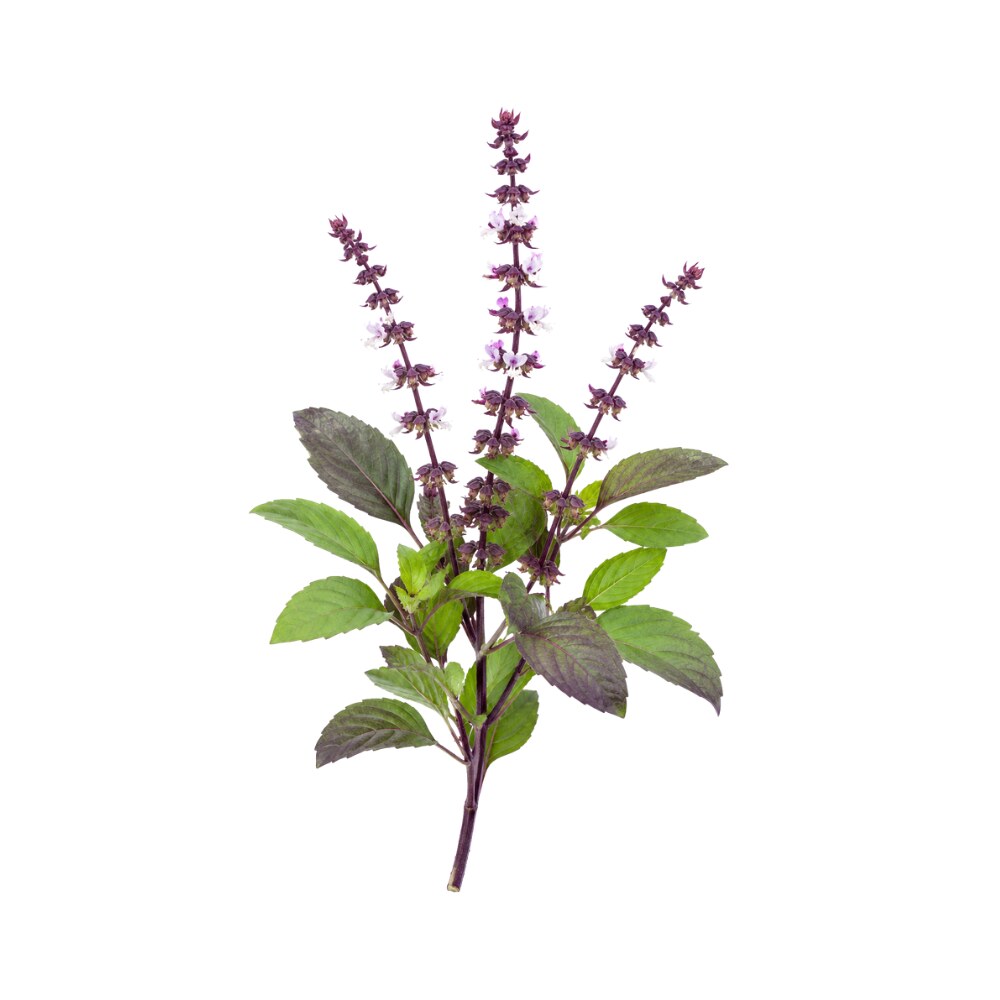 ModerateModerateHoly BasilOcimum tenuiflorumTulsi improves stress symptoms, exhaustion and sleep in three controlled trials, working as a gentle daily tonic rather than an acute calming agent.Mechanismnot established — whole-extract CNS modulationRead the evidenceShow lessMonograph →
Three controlled trials carry the evidence 55,
No sedation is reported, and no receptor-level target has been identified.
Against the relaxant nervines such as valerian and kava, tulsi is a daily tonic rather than an acute agent. Its stress and anxiety evidence is examined under the adaptogen and anxiolytic actions.
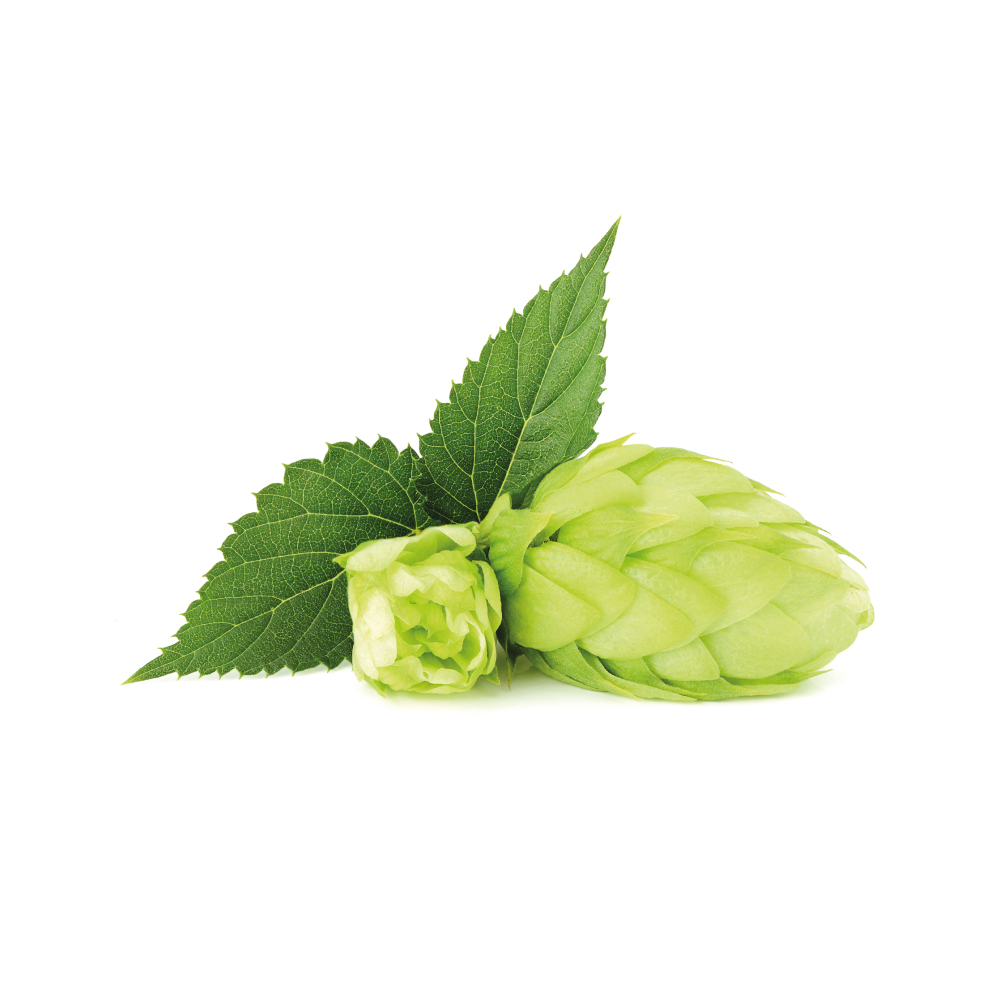 ModerateModerateHopsHumulus lupulusA hops dry extract lowered depression, anxiety and stress scores in a placebo-controlled crossover, and matured hop bitter acids improved mood in older adults through a proposed vagal gut–brain route.MechanismGABAergic modulation; vagal gut–brain signaling (matured hop bitter acids)Read the evidenceShow lessMonograph →
A randomized, placebo-controlled, double-blind crossover pilot (n=36 healthy young adults, two 4-week periods) found a hops dry extract lowered self-reported depression, anxiety and stress on the DASS-21, with morning cortisol also tracked 58Reference 58RCTEffects of a hops (Humulus lupulus L.) dry extract supplement on self-reported depression, anxiety and stress levels in apparently healthy young adults: a randomized, placebo-controlled, double-blind, crossover pilot study — [randomized]View study →. Separately, matured hop bitter acids improved mood state alongside cognition in older adults, with lower β-endorphin, through a proposed vagal gut-to-brain route 59Reference 59RCTSupplementation with Matured Hop Bitter Acids Improves Cognitive Performance and Mood State in Healthy Older Adults with Subjective Cognitive Decline — [randomized]View study →.
The nervous-system effect covers daytime tone as well as sleep onset. It rests on one small unreplicated trial and a mood sub-arm, both in non-clinical populations.
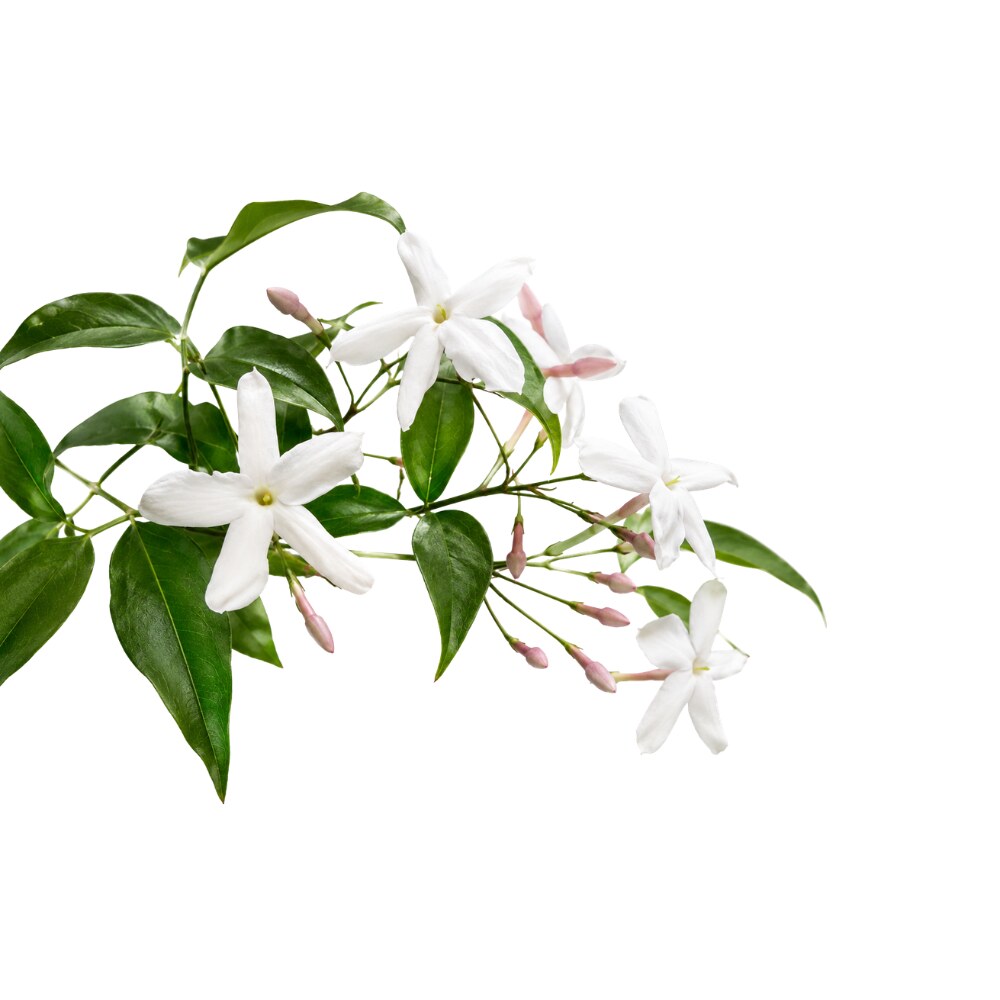 ModerateModerateJasmineJasminum officinaleThe scent is the dose: inhaled jasmine blunts the blood-pressure response to stress, slows the heart and raises parasympathetic tone in small human studies.Mechanismolfactory → limbic/autonomic signaling; monoaminergic modulation; hippocampal BDNF ↑Read the evidenceShow lessMonograph →
Inhaled jasmine odour blunted the diastolic pressure rise during a handgrip stress task by roughly a quarter, a central rather than merely psychological action 60Reference 60Clinical trialPleasant odors attenuate the blood pressure increase during rhythmic handgrip in humans — [human study]View study →. Jasmine-tea odour and its component linalool slowed heart rate, raised high-frequency HRV and lifted calm-vigorous mood in small human studies 61,
A separate preclinical thread runs through ingestion. Jasmine tea and J. sambac essential oil reversed depressive-like behaviour in rodent stress models via hippocampal serotonin receptors, BDNF and the gut–brain axis 64,
Every human study is small and the delivery is aromatic; there is no standardized internal preparation and no registered clinical trial 69,
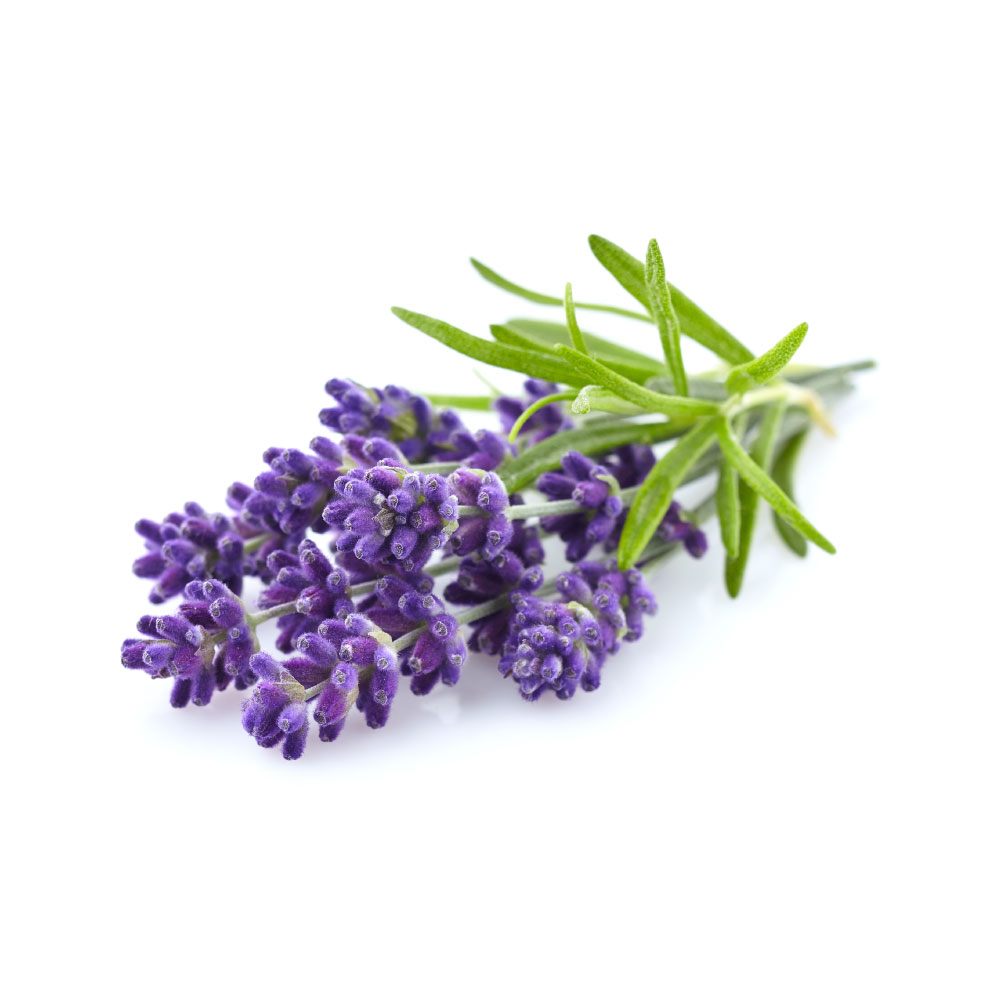 ModerateModerateLavenderLavandula angustifoliaCalms through 5-HT1A serotonin-receptor modulation, shown on human PET imaging and independent of the GABA-A benzodiazepine site.Mechanism5-HT1A serotonin-receptor modulationRead the evidenceShow lessMonograph →
The oral preparation Silexan modulates 5-HT1A receptors on human PET, and in mice the anxiolytic effect of the inhaled oil depends on serotonergic rather than GABA-A/benzodiazepine transmission 74,
The documented magnitude of the effect is the Silexan anxiety evidence, examined under the anxiolytic action.
Older claims that lavender reverses caffeine stimulation or inhibits acetylcholine release trace to isolated animal and in-vitro work and are not established human effects.
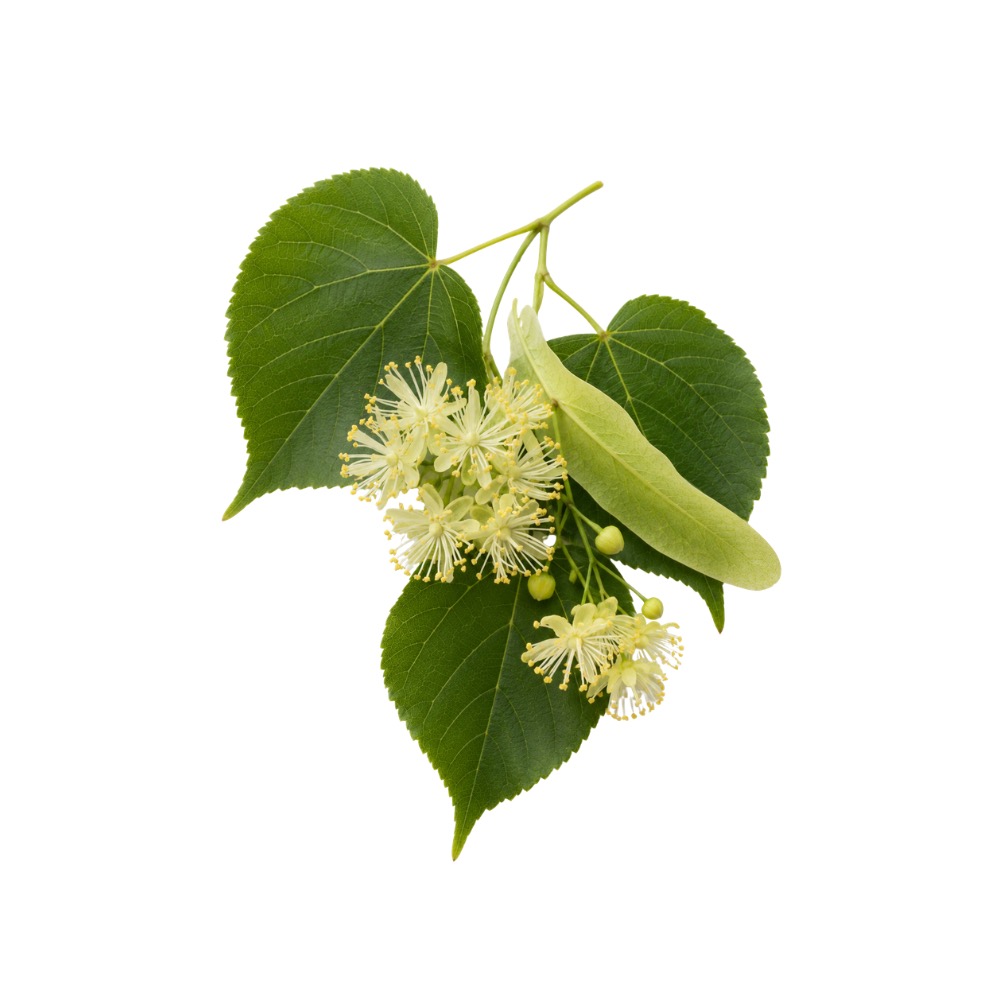 ModerateModerateLinden FlowerTilia spp.A gentle GABAergic relaxant: flower extracts calm, sedate and raise the seizure threshold in rodents, and the water extract that works is the tea.MechanismGABA-A benzodiazepine-site activation; hippocampal GABAergic inhibitionRead the evidenceShow lessMonograph →
Extracts potentiate pentobarbital sleep and reduce locomotor activity alongside the anxiolytic effect 79,
The active materials are water and hydroethanolic flower extracts, so the preparation studied matches the tea in use.
Linden is the gentle end of the nervine shelf. No human data exist, and a review of traditional insomnia remedies found no demonstrated clinical efficacy despite the excellent safety record 84Reference 84ReviewManagement of insomnia: a place for traditional herbal remedies — reviewView study →.
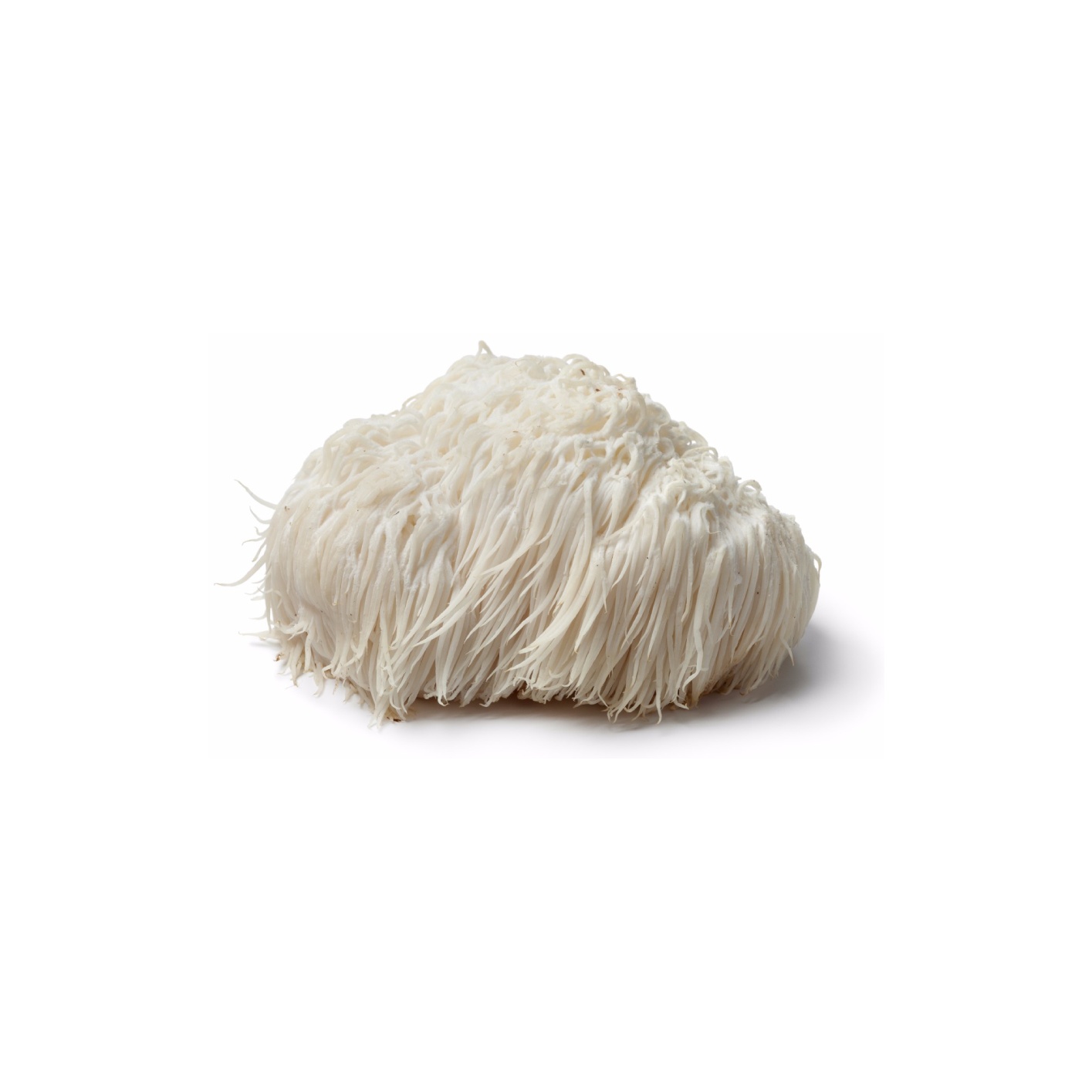 ModerateModerateLion’s ManeHericium erinaceusImproved cognitive scores in mild cognitive impairment and lowered depression scores in menopausal women in small placebo-controlled trials, with effects that fade once intake stops.Mechanismcognitive support; mood effects distinct from NGFRead the evidenceShow lessMonograph →
A 2009 randomized, double-blind, placebo-controlled trial in 30 Japanese adults (aged 50–80) with mild cognitive impairment gave 1 g of dried fruiting-body powder three times daily for 16 weeks. Cognitive-scale scores rose significantly versus placebo from week 8, and fell back within 4 weeks of stopping 138Reference 138RCTImproving effects of the mushroom Yamabushitake (Hericium erinaceus) on mild cognitive impairment: a double-blind placebo-controlled clinical trialView study →, so the effect requires continued intake.
A 2010 placebo-controlled trial in 30 menopausal women found lower depression and indefinite-complaint scores after 4 weeks, and the authors noted the effect appeared distinct from NGF enhancement 85Reference 85RCTReduction of depression and anxiety by 4 weeks Hericium erinaceus intake — randomised, placebo-controlled trialView study →.
Both trials are small and short, and neither was in a diagnosed mood disorder.
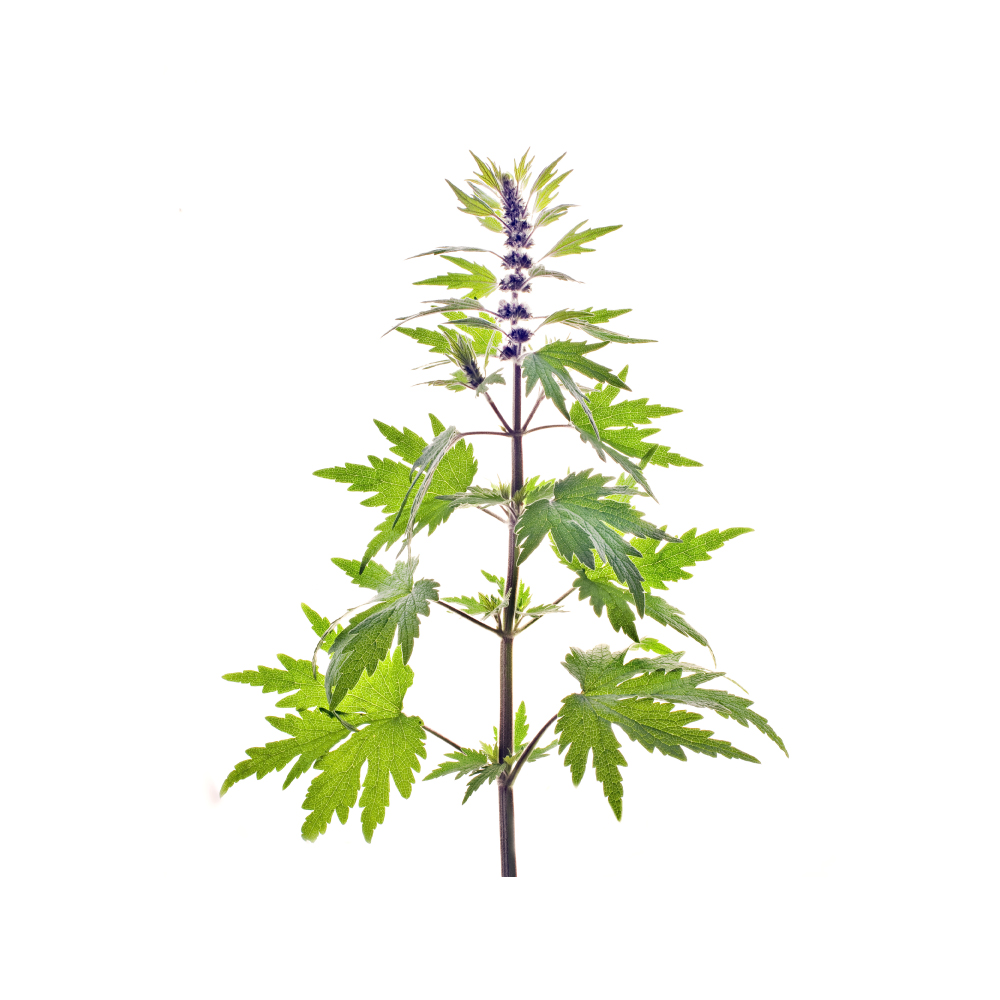 ModerateModerateMotherwortLeonurus cardiacaBinds the GABA site of the GABA-A receptor while sparing the benzodiazepine site, a route to calming without a hypnotic profile; small clinical studies report improved anxiety and emotional state.MechanismGABA-A receptor (GABA site) binding; benzodiazepine site largely sparedRead the evidenceShow lessMonograph →
Standardized L. cardiaca extract inhibited binding at the GABA site of the rat GABA-A receptor (IC₅₀ ≈ 21 µg/mL) while barely touching the benzodiazepine site 99Reference 99In vitroGABA-A receptor binding assays of standardized Leonurus cardiaca and Leonurus japonicus extracts and their isolated constituents — in vitroView study →.
Human support is small and uncontrolled. Anxiety and depression scores improved in most patients in an open-label hypertension trial 100Reference 100Clinical trialEffect of Leonurus cardiaca oil extract in patients with arterial hypertension accompanied by anxiety and sleep disorders — clinical trial (open-label)View study →, and a motherwort tincture improved emotional state in anxious subjects, though less than melatonin did 101Reference 101Clinical trialEffects of melatonin and motherwort tincture on the emotional state and visual functions in anxious subjects — clinical trialView study →.
A review concludes that sedative activity has been shown clinically in small uncontrolled studies 102Reference 102ReviewLeonurus cardiaca L. (motherwort): a review of its phytochemistry and pharmacology — reviewView study →.
The constituent that explained GABA-A binding in L. japonicus was leonurine, which L. cardiaca lacks, so the active principle in Western motherwort is still unidentified 99,
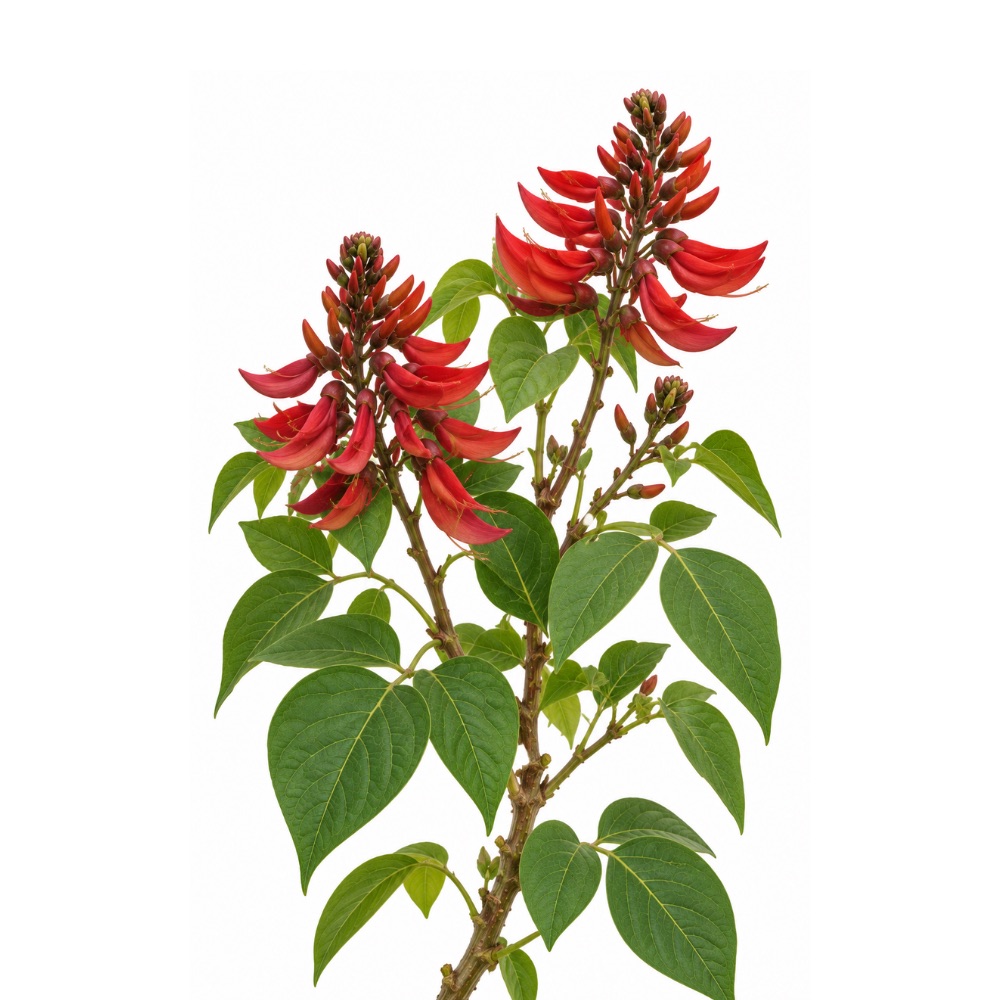 ModerateModerateMulunguErythrina mulunguBrazil's classic bark calmative for agitation, restlessness and nervous excitability, used much as passionflower or lemon balm are in Europe.Mechanismnicotinic blockade; central calmingRead the evidenceShow less
Mulungu is taken as a bark decoction in Brazilian practice as a calmante for agitation, restlessness and nervous excitability.
The traditional preparation is the bark. The tested activity, examined under the anxiolytic and sedative actions, comes from the flower.
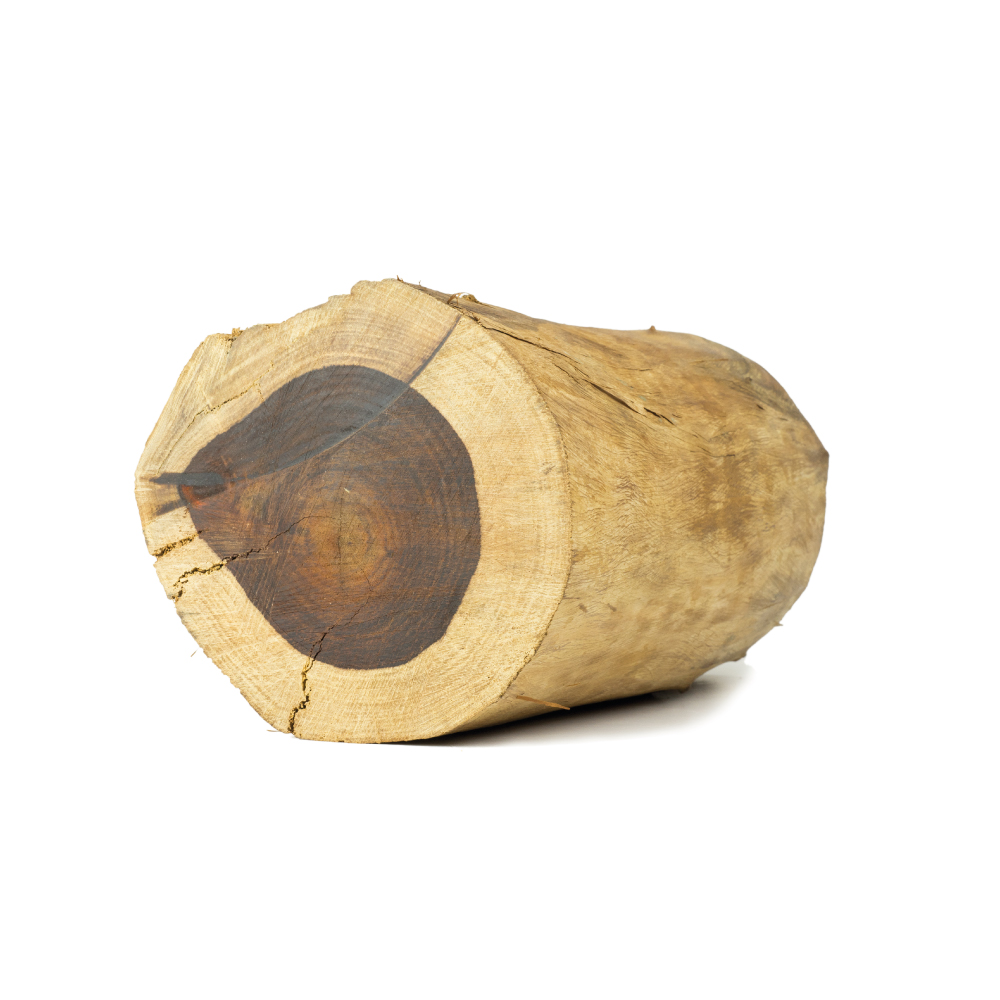 ModerateModerateRosewoodAniba rosaeodoraLinalool-rich rosewood oil lowers neuronal excitability, sedates and shows antidepressant-type and neurotrophic effects in rodents, the basis of its Amazonian use for the nerves.Mechanismcompound action potential ↓ (neuronal excitability); adenylate cyclase ↓, cAMP ↓; BDNF ↑Read the evidenceShow lessMonograph →
In vitro, linalool-rich oil reduced the compound action potential of an isolated nerve by nearly 100%, a direct drop in neuronal excitability 110Reference 110AnimalRosewood oil induces sedation and inhibits compound action potential in rodents — animal modelView study →. Oil and linalool both inhibit forskolin-stimulated adenylate cyclase in retinal tissue, lowering cAMP, a pathway the authors tie to the relaxant and anticonvulsant profile 111Reference 111In vitroLinalool from rosewood (Aniba rosaeodora Ducke) oil inhibits adenylate cyclase in the retina — in vitro mechanismView study →.
Behaviourally this appears as sedation 110Reference 110AnimalRosewood oil induces sedation and inhibits compound action potential in rodents — animal modelView study → and as antidepressant-type and neurotrophic effects 112,
The effect is a concentrated-linalool effect delivered systemically in rodents, not a demonstrated effect of the 1–2% dilution people inhale or apply.
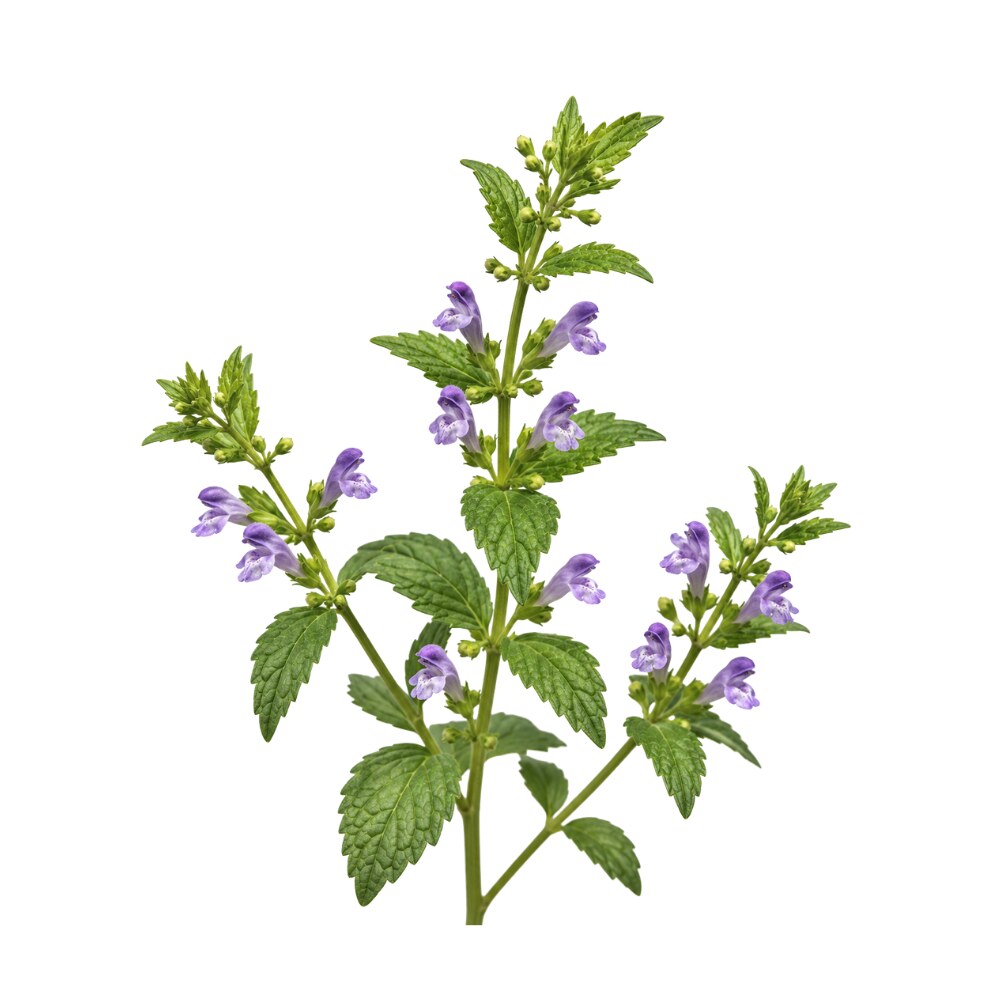 ModerateModerateAmerican SkullcapScutellaria laterifloraThe relaxing nervine of Western practice: flavonoids bind the GABA-A benzodiazepine site and 5-HT7 receptors, and extracts protect brain tissue from oxidative damage in mice.MechanismGABA-A benzodiazepine-site potentiation; 5-HT7 receptor binding; brain-tissue lipid peroxidation ↓Read the evidenceShow lessMonograph →
Two receptor-level bindings anchor the pharmacology: the GABA-A benzodiazepine site 114Reference 114AnimalPhytochemical and biological analysis of skullcap (Scutellaria lateriflora L.): a medicinal plant with anxiolytic properties — animal modelView study → and the 5-HT7 receptor 115Reference 115In vitroInhibition of [3H]-LSD binding to 5-HT7 receptors by flavonoids from Scutellaria lateriflora — in vitroView study →. Ethanolic and aqueous extracts lower peroxide-induced ROS and lipid peroxides in mouse brain homogenates and protect plasmid DNA from oxidative cleavage 116Reference 116AnimalAnti-oxidative and DNA protecting effects of flavonoids-rich Scutellaria lateriflora — mouse brain tissueView study →, and orally administered skullcap tea prolonged incubation time in scrapie-infected mice 117Reference 117In vitroA medicinal herb Scutellaria lateriflora inhibits PrP replication in vitro and delays the onset of prion disease in mice — in vivo animal modelView study →, one of the few whole-herb in-vivo results among the nervines.
Practitioners choose skullcap as a trophorestorative, a herb that rebuilds nervous-system resilience and reduces hypersensitivity with repeated use.
That restorative claim has no supporting study. The longest trial ran 56 days 118Reference 118RCTEfficacy and tolerability of a chemically characterized Scutellaria lateriflora L. extract-based food supplement for sleep management: a single-center, controlled, randomised, crossover, double-blind clinical trialView study → and measured sleep.
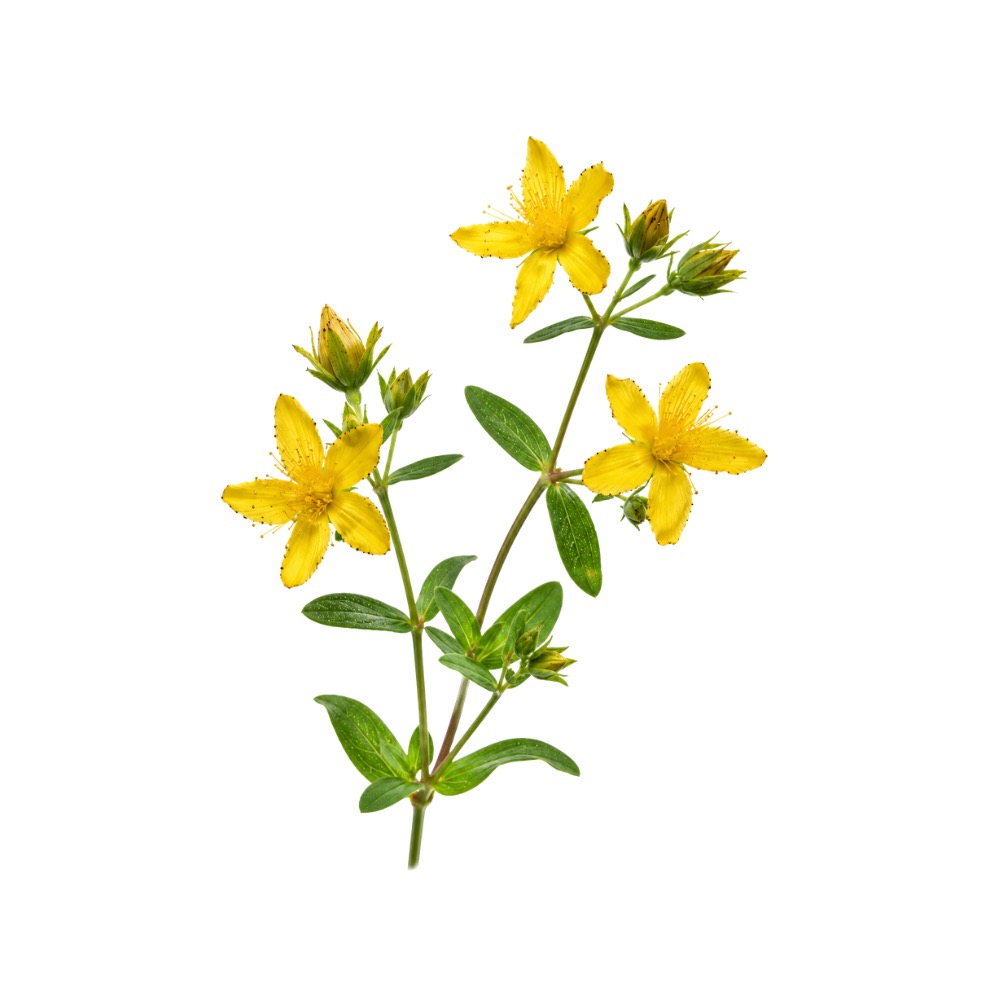 ModerateModerateSt. John’s WortHypericum perforatumHyperforin inhibits the reuptake of serotonin, noradrenaline and dopamine and the uptake of GABA and glutamate, the pharmacology behind its mood, somatoform and PMS results.MechanismGABA and glutamate uptake inhibition; monoamine reuptake inhibitionRead the evidenceShow lessMonograph →
GABA and glutamate uptake inhibition and monoamine reuptake inhibition are attributed to hyperforin, and they drive the mood, somatoform and PMS results examined under the antidepressant action 119,
A general tonic effect on cognition has been tested on its own. A 2016 meta-analysis of rodent studies found improved performance across memory paradigms 121Reference 121Meta-analysisHypericum perforatum as a cognitive enhancer in rodents: A meta-analysis (animal model)View study →, but an acute randomized double-blind trial in 82 healthy adults at 250 or 500 mg found no improvement in short-term memory or sustained attention 122Reference 122RCTThe acute effect of Hypericum perforatum on short-term memory in healthy adults — randomised, double-blind, placebo-controlled trialView study →.
The traditional infused oil for nerve pain is a topical use, and no study supports it.
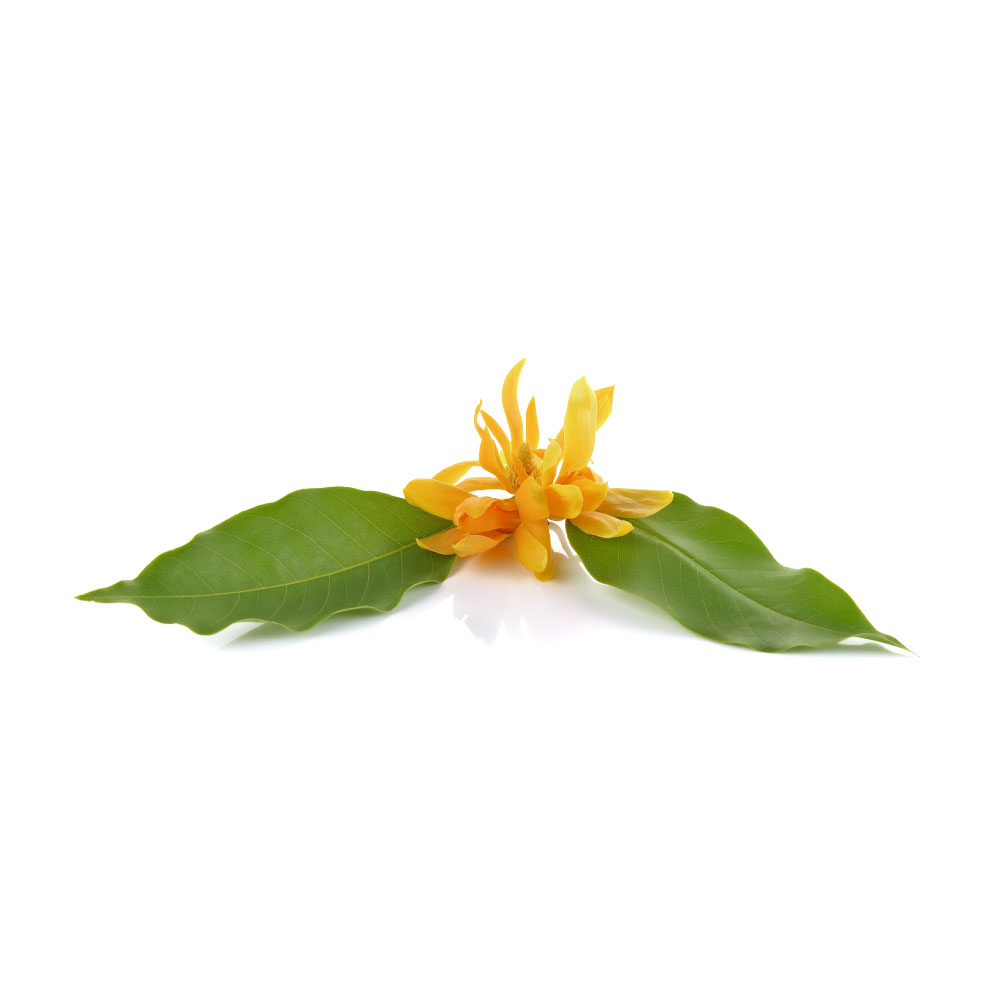 ModerateModerateYlang YlangCananga odorataThe inhaled oil shifts serotonin and dopamine turnover and normalizes monoamine signalling in rodents; in people the body calms while alertness holds or rises.Mechanismolfactory-limbic monoamine modulation; 5-HT2C-linked signaling normalization; MAPK/ERK–CREB signalingRead the evidenceShow lessMonograph →
Rodent work describes modulation rather than depression of CNS activity: serotonin and dopamine turnover shifted 126Reference 126AnimalThe anxiolytic effect of essential oil of Cananga odorata exposure on mice and determination of its major active constituents — animal modelView study →, 5-HT2C-driven anxiety reversed via MAPK/ERK–CREB 127Reference 127AnimalCananga odorata essential oil reverses m-CPP-induced anxiety via the MAPK pathway and serotonin system in mice — animal modelView study →, monoamine signalling normalized in an autism-model rat 128Reference 128AnimalInhalation of Cananga odorata essential oil relieves anxiety behaviors in autism-like rats via serotonin and dopamine metabolism — animal modelView study →, and mood alterations accompanying neuropathic pain reduced 129Reference 129AnimalYlang-ylang (Cananga odorata) essential oil reduced neuropathic pain and associated anxiety in mice — animal modelView study →.
In humans the same profile shows as the body calming, in blood pressure and pulse, while alertness holds or rises 130,
The human read-outs are subjective state scores in small trials, and the same dataset carries the herb’s anxiolytic evidence.
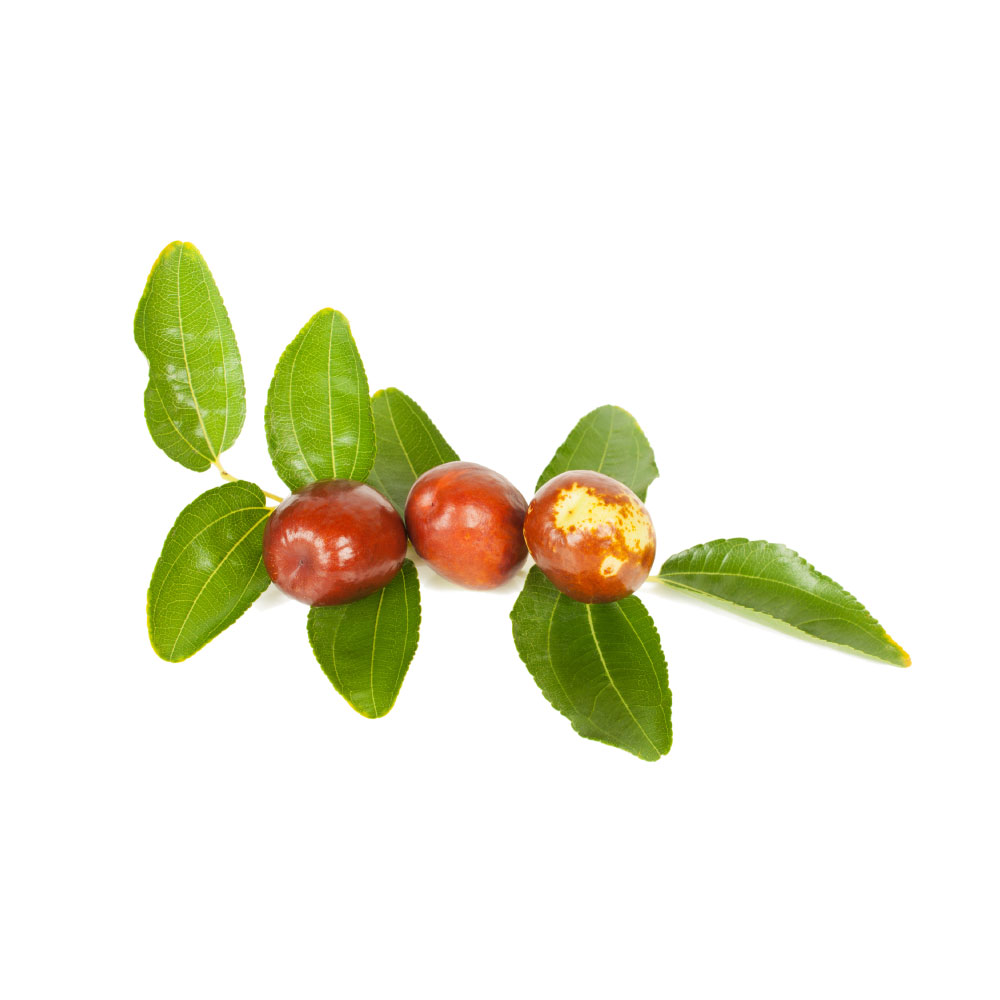 ModerateModerateZizyphusZiziphus spinosaJujuboside A and spinosin restore hippocampal BDNF signalling and reverse depressive and memory deficits in rodents, the mechanism behind the seed's classical use as a nourishing calmative.MechanismBDNF/TrkB/CREB upregulation; 5-HT1A-linked ERK/CREB; neuronal mitochondrial homeostasisRead the evidenceShow lessMonograph →
Jujuboside A (10–30 mg/kg for three weeks) reduced immobility in tail-suspension and forced-swim tests and normalized open-field behaviour in corticosterone-induced depression while restoring hippocampal BDNF/TrkB/CREB signalling. The effect was lost in BDNF-knockdown mice, which ties it to that pathway 132Reference 132AnimalAntidepressant effect of Jujuboside A on corticosterone-induced depression in mice — [mouse in vivo study]View study →.
A second rat model relieved depression comorbid with visceral pain by suppressing P2X7R-driven neuroinflammation and raising BDNF 133Reference 133AnimalJujuboside A alleviates visceral pain and depression comorbidity and modulates the P2X7R-BDNF signaling axis — [rat in vivo study]View study →.
Spinosin reversed scopolamine-induced memory deficits through 5-HT1A-linked ERK/CREB signalling 134Reference 134AnimalAmeliorating effect of spinosin, a C-glycoside flavonoid, on scopolamine-induced memory impairment in mice — [mouse in vivo study]View study → and cut hippocampal malondialdehyde and amyloid while restoring BDNF in an Aβ model 135Reference 135AnimalNeuroprotective Effects of Spinosin on Recovery of Learning and Memory in a Mouse Model of Alzheimer’s Disease — [mouse in vivo study]View study →. Jujuboside A also supports prefrontal neuronal mitochondrial function 136Reference 136AnimalJujuboside A improves insomnia by maintaining mitochondrial homeostasis in prefrontal neurons — [mouse in vivo study]View study →.
The neurotrophic signal is in isolated compounds, several studies use injected or intracerebroventricular dosing an oral seed cannot replicate, and there is no human endpoint. Cognitive enhancement is not a traditional use of the seed.
Show 30 more herbs with a mild nervine action
 MildMildAyahuasca VineBanisteriopsis caapiThe backbone of the Amazonian brew, classified as a nervous-system medicine across the western Amazon rather than in any Western tradition.Mechanismnot established for a nervine action — the measured CNS pharmacology is monoamine oxidase inhibitionRead the evidenceShow lessMonograph →
The vine has no place in Western, Chinese or Ayurvedic practice. Its standing is Amazonian, and nearly all of it is as the backbone of the ayahuasca brew, taken in shaman-led ceremony across Peru, Colombia, Ecuador, Brazil, Bolivia and Venezuela.
The syncretic churches — Santo Daime, the União do Vegetal — carry it as a sacrament.
Within that tradition it is reached for in addiction and substance dependence, low mood, anxiety and obsessive patterns, and in chronic or terminal illness that has not responded to anything else.
The measured pharmacology is monoamine oxidase inhibition, and the trials are on the brew rather than on the vine alone. They sit under antidepressant and mao-inhibitor.
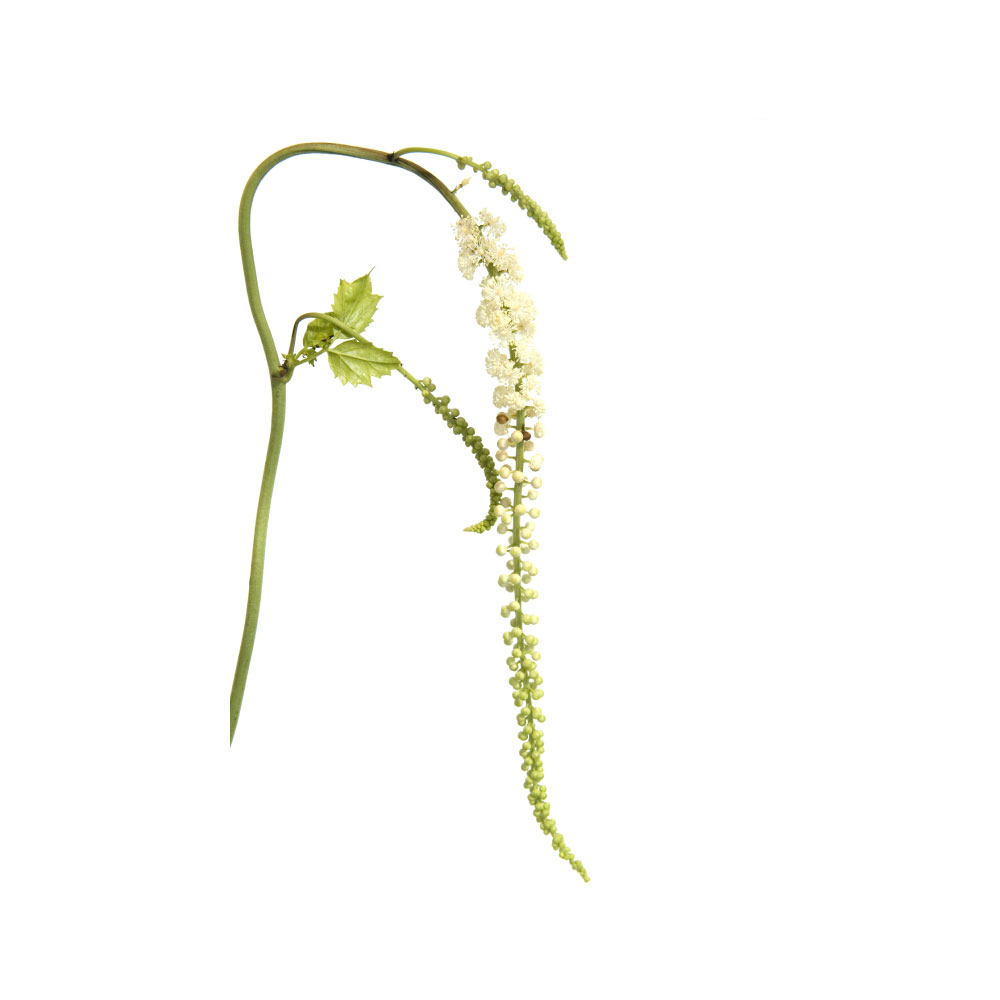 MildMildBlack CohoshCimicifuga racemosaBlack cohosh extract is serotonergic in vitro, and menopause trials report improved mood and anxiety alongside the vasomotor benefit.Mechanism5-HT7 receptor binding; serotonin re-uptake inhibition; dorsal raphe–preoptic serotonergic signalingRead the evidenceShow lessMonograph →
Black cohosh extract shows in-vitro serotonergic activity, with Nω-methylserotonin identified as the active ligand 13Reference 13In vitroIn vitro serotonergic activity of black cohosh and identification of Nω-methylserotonin as a potential active constituentView study →.
The iCR review found the extract superior to placebo for neurovegetative and psychological symptoms, with the largest effect when combined with St John’s wort 14Reference 14Meta-analysisReview & meta-analysis: isopropanolic black cohosh extract iCR for menopausal symptoms — an updateView study →. A 2019 meta-analysis reported benefit for anxiety and depression in peri- and postmenopausal women 15Reference 15Meta-analysisEfficacy of herbal medicines on anxiety and depression in peri- and postmenopausal women: a systematic review and meta-analysisView study →, and a prospective RCT versus fluoxetine (n=120) beat the SSRI on Kupperman-index and vasomotor scores, while fluoxetine did more for formal depression scores 16Reference 16RCTBlack cohosh and fluoxetine in postmenopausal symptoms: a prospective, randomised trialView study →.
Against that, the 2023 pairwise meta-analysis found no significant improvement in anxiety (g=0.19) or depressive symptoms (g=0.41) 17Reference 17Meta-analysisBlack cohosh extracts in women with menopausal symptoms: an updated pairwise meta-analysisView study →.
Mood is a secondary outcome inside menopause trials, so part of the effect may be relief of hot flushes and disturbed sleep read through a mood scale.
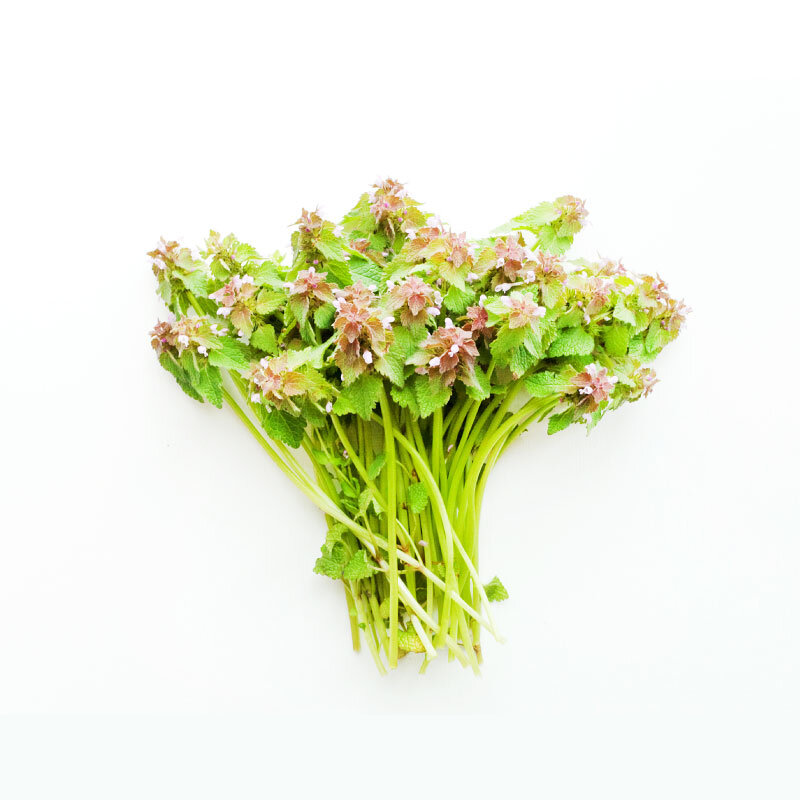 MildMildBlack HorehoundBallota nigraA traditional European nervine for nervous tension and nausea of nervous origin; its phenylpropanoids bind benzodiazepine, dopaminergic and opioid receptors in rat brain tissue.Mechanismbenzodiazepine/dopaminergic/opioid receptor binding (downstream pathway not established)Read the evidenceShow lessMonograph →
Black horehound’s oldest use is for nervous tension, restlessness and sleep, and for nausea described as being of neurological origin.
Five phenylpropanoids from a hydroalcoholic extract bound benzodiazepine, dopaminergic and opioid receptors in rat striatal and whole-brain preparations 18Reference 18In vitroNeurosedative and antioxidant activities of phenylpropanoids from Ballota nigra — in vitro / rat brain tissueView study →. That is binding affinity in tissue homogenate rather than a behavioural or clinical result, and the same finding carries the herb’s sedative reading.
No anxiolytic or nervous-tension model and no single-herb clinical study exist.
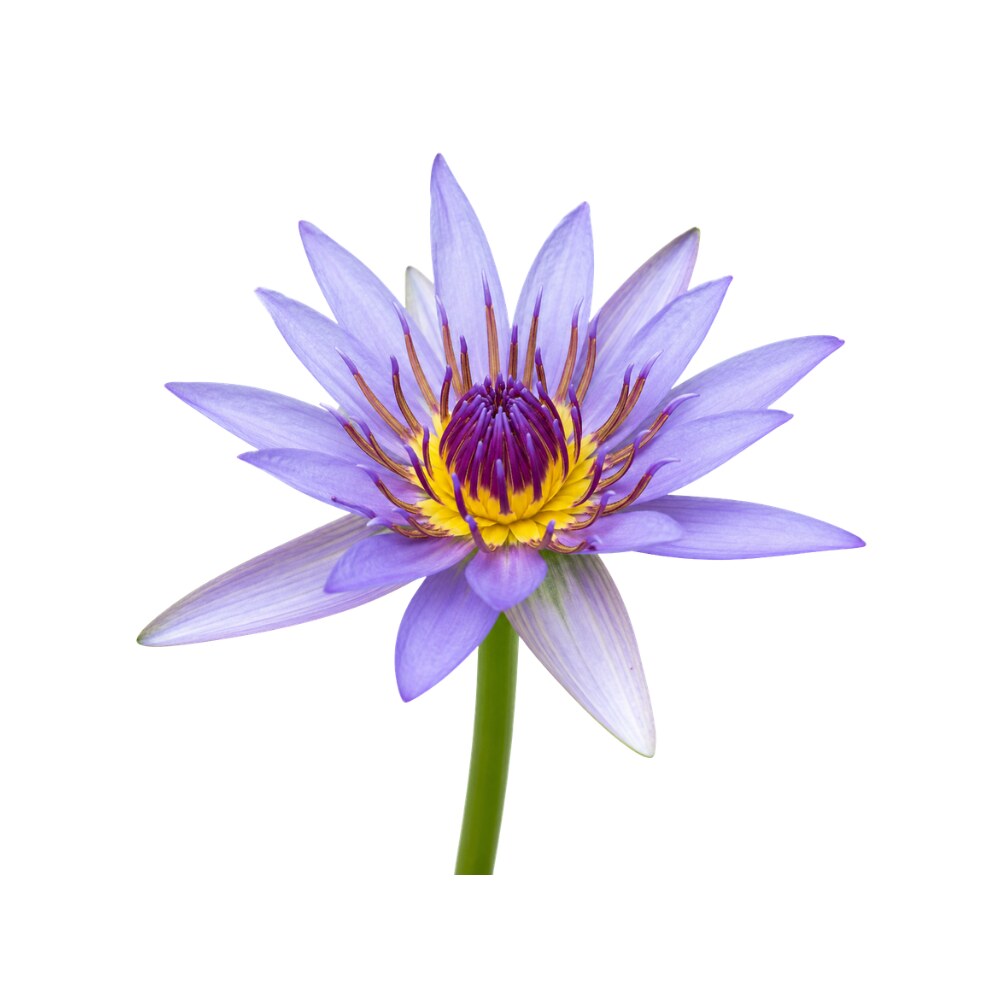 MildMildBlue Lotus FlowerNymphaea caeruleaSteeped in wine as a relaxant in ancient Egypt, where the flower was tied to the sun god Ra and laid over the mummified pharaohs.Mechanismnot established — the calming effect is described in tradition and not isolated to a constituentRead the evidenceShow lessMonograph →
Few plants are woven as deep into a culture. Blue lotus runs through Egyptian art, carving and tomb hieroglyph, and because the flower opens at sunrise and closes at sunset it was tied to Ra and to the daily cycle of death and rebirth.
The everyday preparation was the flower steeped in wine — a gently euphoric, relaxing drink taken in social and ceremonial settings. It was also brewed as a tea, and valued as a relaxant and an aphrodisiac.
The measured work is on the sedative and anxiolytic actions.
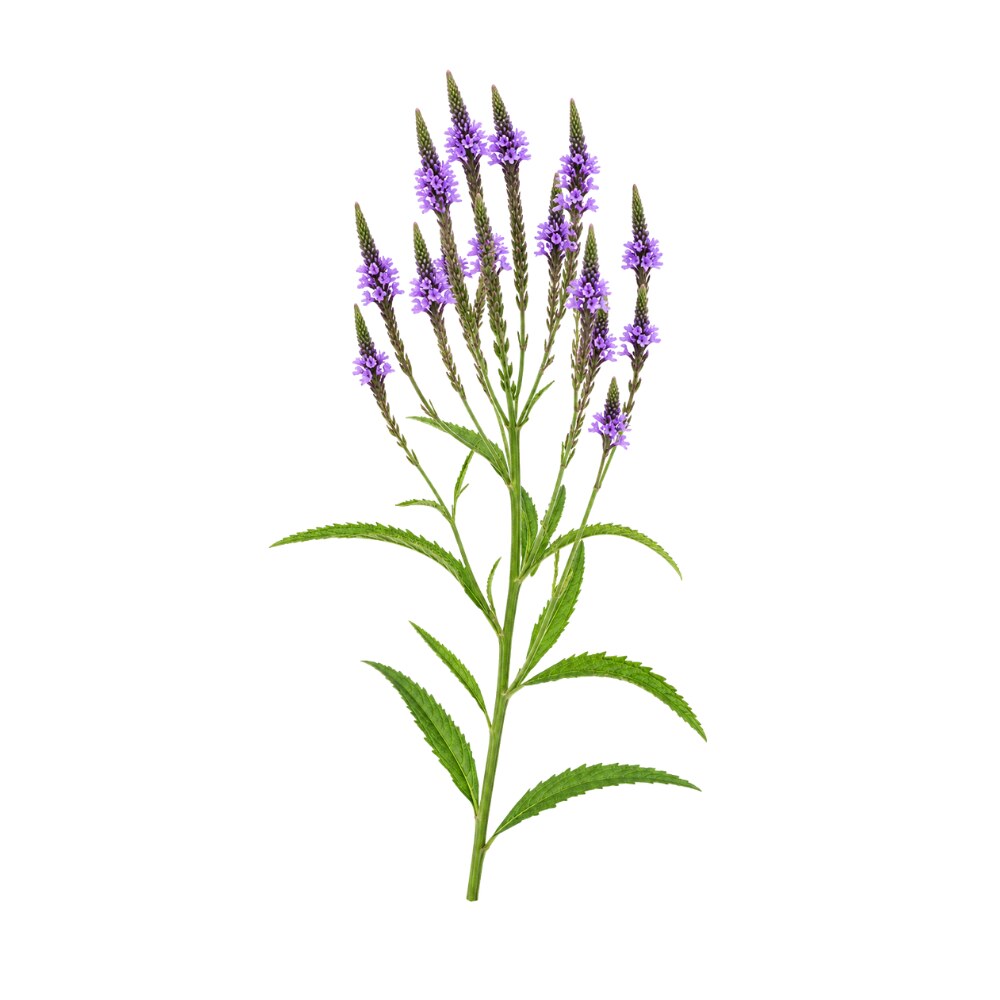 MildMildBlue VervainVerbena hastataThe Eclectic nervine for tension held in the body; the related Verbena officinalis is anxiolytic and anticonvulsant in mice, with no molecular target established.Mechanismnot established — anxiolytic behavioral signal only (V. officinalis)Read the evidenceShow lessMonograph →
Blue vervain’s identity in Eclectic practice is as a relaxing nervine for nervous tension held in the body.
Crude V. officinalis extract was anxiolytic in mice on the elevated plus maze and light–dark box, alongside anticonvulsant activity against PTZ seizures 19Reference 19AnimalAnticonvulsant, Anxiolytic, and Sedative Activities of Verbena officinalis — mouseView study →, and standardized extracts of the same species show measurable neurotropic effects 20Reference 20AnimalVerbena officinalis LView study →.
No molecular target is established for the calming effect, the animal work is in a related species, and no human data exist.
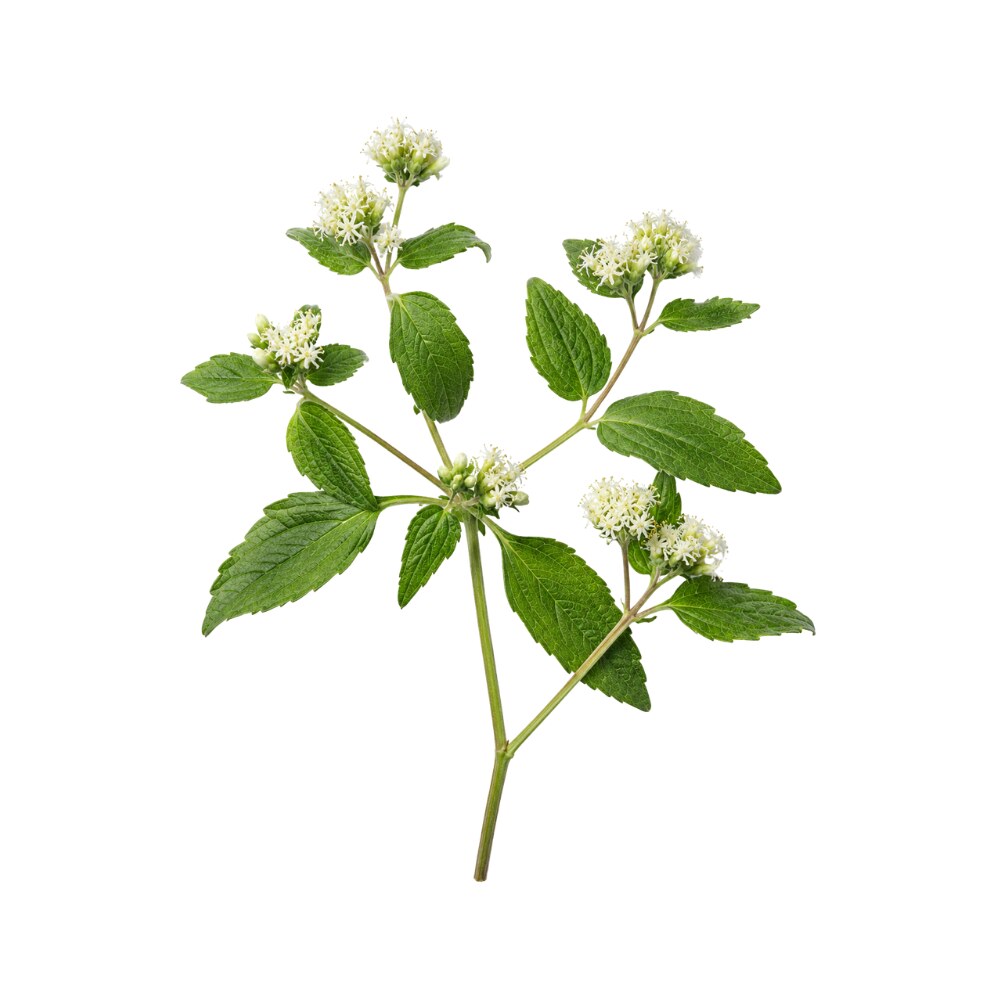 MildMildCalea zacatechichiCalea ternifoliaThe Chontal dream herb of Oaxaca, whose waking profile is described as calm and mildly relaxing rather than sedating.Mechanismcalm, mildly relaxing waking profile; no receptor target identifiedRead the evidenceShow lessMonograph →
Calea is hoja madre and hoja de dios to the Chontal of Oaxaca — mother leaf, leaf of god. The tea is drunk, often after smoking the leaf, to bring on vivid dreams that can be read on waking.
Its other traditional life is as a bitter. The leaf is intensely bitter and was taken for sluggish digestion, poor appetite, cramping and diarrhoea, and to break fevers; one of its Spanish names, prodigiosa, points at a reputation as a stomach and liver tonic.
The two uses sit alongside each other rather than competing — the same leaf served both.
What the research describes is the waking state between them: calm and mildly relaxing rather than sedating. It is examined under oneirogenic and sedative.
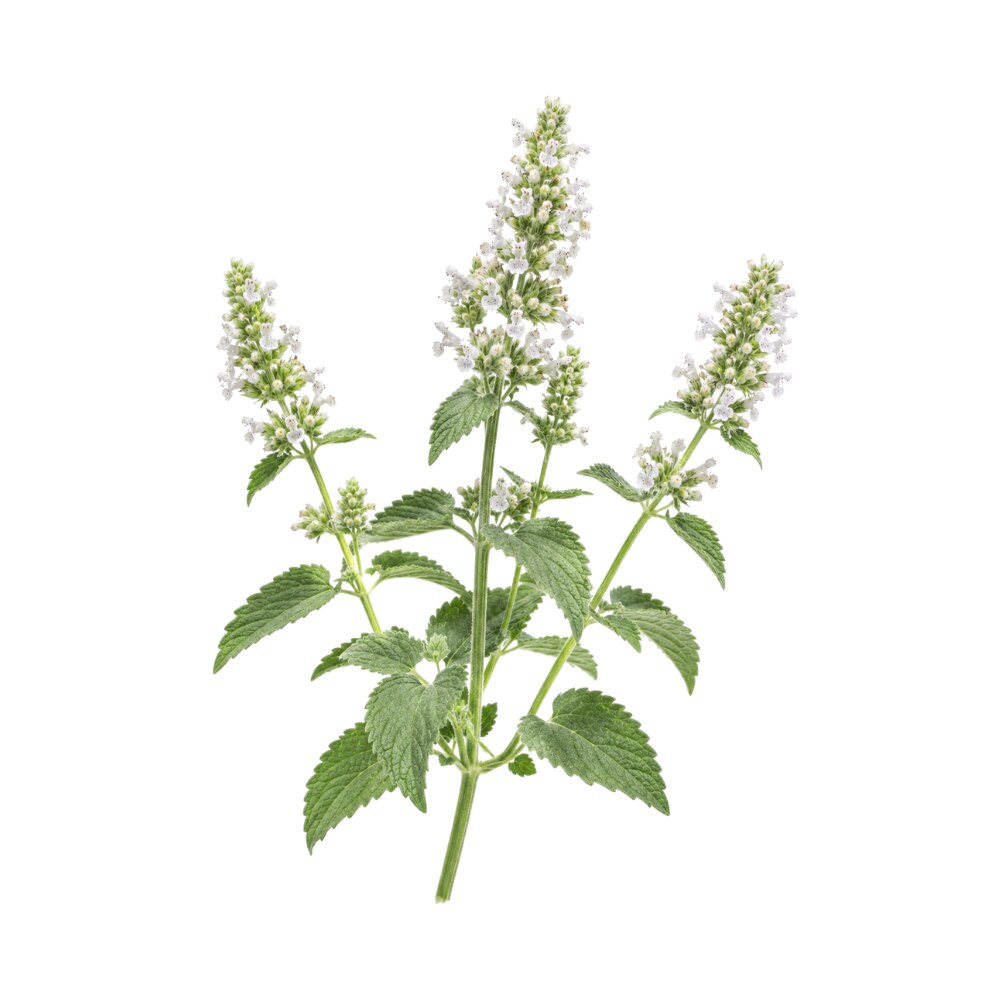 MildMildCatnipNepeta catariaThe standard children's nervine of Western practice — for colic, teething and a feverish night — chosen because it is mild enough to give freely.Mechanismnot established; the drug is the volatile-oil-rich leaf and flowering top, taken as a covered infusionRead the evidenceShow lessMonograph →
Western practice reads catnip as a gentle nervine and carminative, and its indications follow from being mild rather than strong: a calming tea for nervous tension, restlessness and light sleeplessness.
Its most distinctive place is paediatric. Catnip is one of the standard herbs for children — colic, teething fretfulness, a feverish night — precisely because it is weak enough to be given freely.
Very few nervines carry that reputation.
The drug is the dried leaf and flowering top, and the preparation is almost always an infusion. The leaf is rich in volatile oil, so it is steeped covered and never boiled, and it is rarely tinctured.
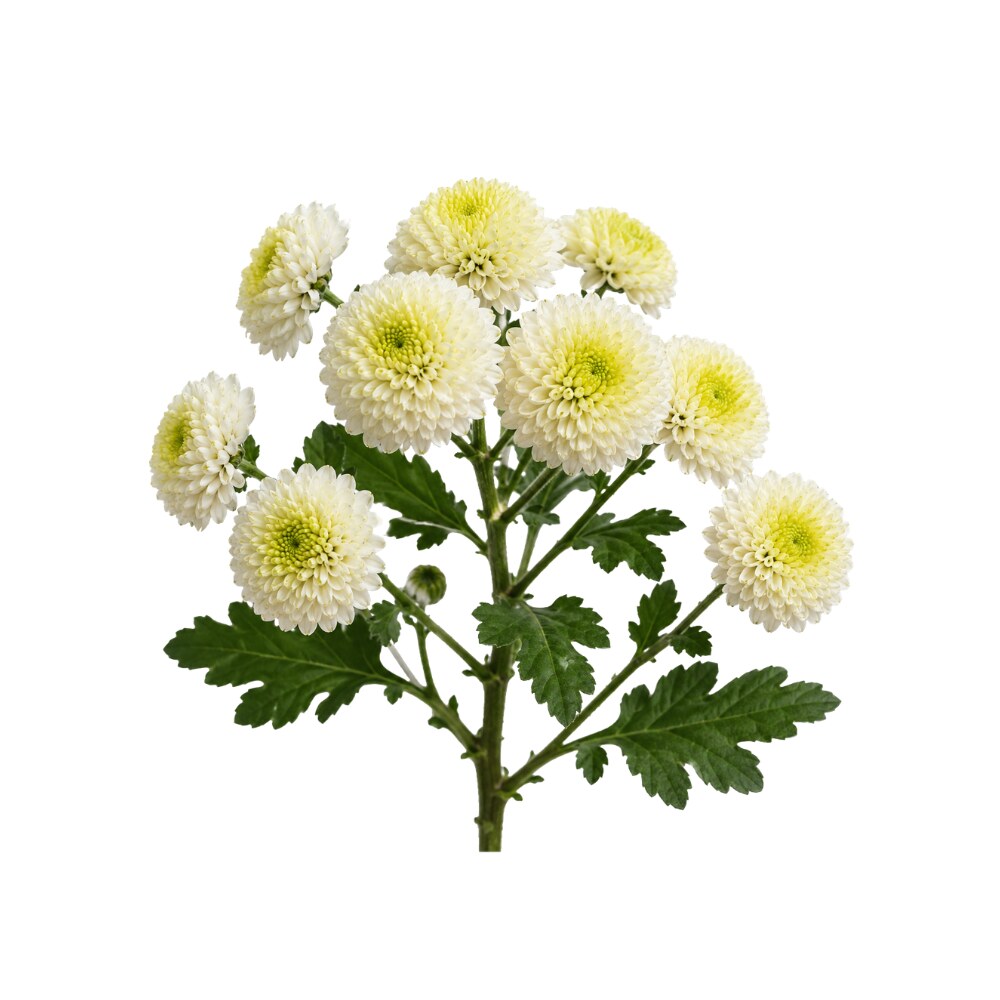 MildMildChrysanthemumChrysanthemum morifoliumJu hua is given in Chinese practice for headache, dizziness and irritability from ascendant Liver yang; the flower extract improves sleep in mice through GABAergic modulation.MechanismGABAergic modulation (mouse sleep model)Read the evidenceShow lessMonograph →
Chrysanthemum flower (ju hua) is given for headache and dizziness arising from ascendant Liver yang, a pattern that includes irritability, and it is combined with other cooling herbs for these states.
A 2026 study found the extract protects HT22 hippocampal cells from oxidative stress and enhances sleep in mice through GABAergic modulation, with luteolin-7-glucoside contributing 137Reference 137In vitroChrysanthemum morifolium extract protects HT22 cells from oxidative stress and enhances sleep via GABAergic modulation: contribution of luteolin-7-glucoside — in vitro / mouse modelView study →.
No human nervous-system data exist.
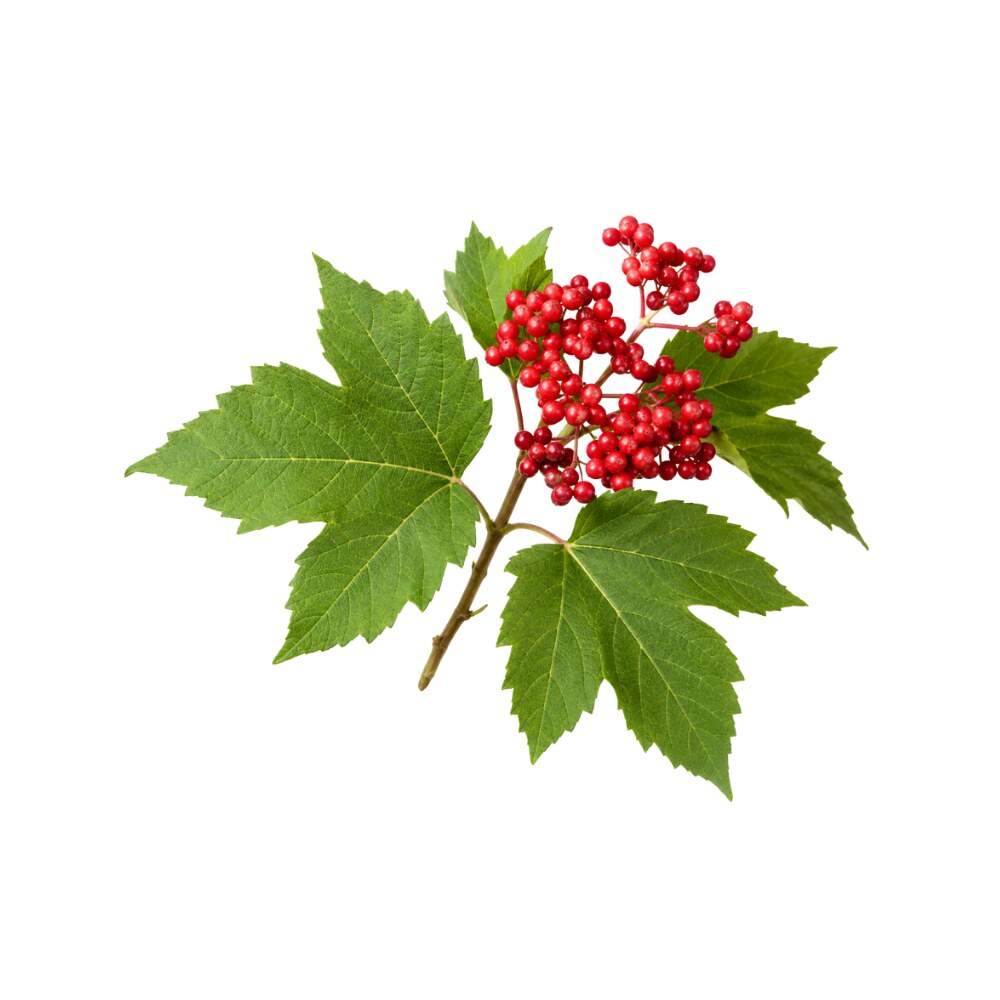 MildMildCramp BarkViburnum opulusA reliable relaxant of smooth and skeletal muscle, carried as a nervine in the older Western sense of the word.Mechanismnot established for a nervine action; the measured relaxant activity is smooth-muscleRead the evidenceShow lessMonograph →
Cramp bark is read in Western practice as a relaxant of both smooth and skeletal muscle — gentle, reliable, and unusually well named. Its signature use is the cramping pain of menstruation and uterine tension more broadly.
The same action was applied everywhere a muscle can cramp: ordinary spasm, colicky and griping abdominal pain, and historically asthma, angina and palpitations, with a secondary reputation as a mild relaxant that eases raised blood pressure. It sits outside the classical Chinese and Ayurvedic materia medica entirely.
It is a formula herb rather than a solo one, usually blended with other antispasmodics for period pain. The measurement is under antispasmodic.
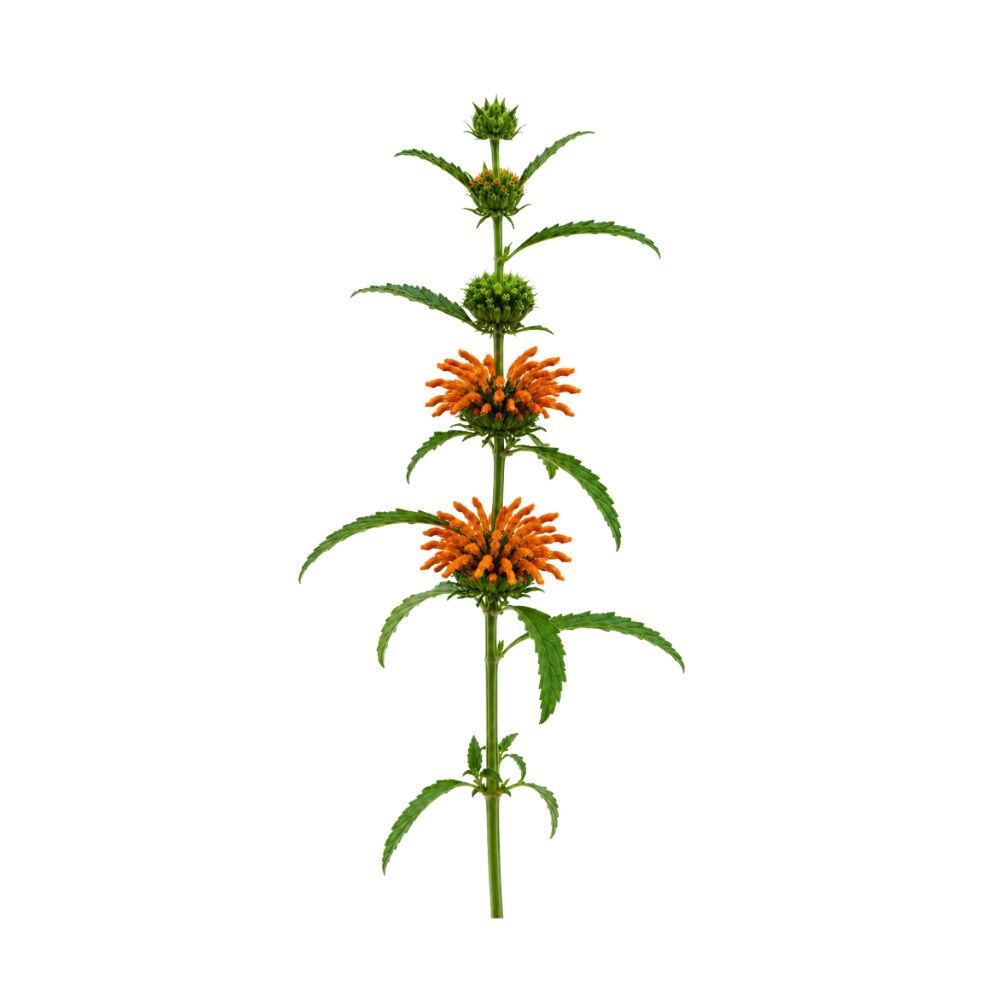 MildMildDaggaLeonotis nepetifoliaA methanol extract lowered corticosterone and reduced depressive-like behaviour in chronically stressed mice, an HPA-axis signal; the plant is traditionally smoked as a calming herb.MechanismHPA-axis modulation (corticosterone ↓); CNS G-protein-coupled receptor binding — targets unidentifiedRead the evidenceShow lessMonograph →
A methanol extract cut immobility in mouse tail-suspension and forced-swim tests and, over 28 days of chronic stress, improved weight gain and lowered corticosterone 40Reference 40AnimalAntidepressant-like effects of a methanol extract of Leonotis nepetifolia in mice — in vivo behavioural (animal model)View study →. A separate methanol stem extract produced anxiolytic-type behaviour (reduced rearing in the staircase test, prolonged diazepam sleep) at 150 mg/kg 41Reference 41AnimalPreliminary studies on the behavioural effects of the methanol extract of Leonotis nepetifolia Linn stem in mice — in vivo behavioural (animal model)View study →.
Isolated bis-spirolabdane diterpenoids were screened against CNS GPCRs in vitro, supplying a candidate molecular basis without an identified target 42Reference 42In vitroBis-spirolabdane diterpenoids from Leonotis nepetaefolia — in vitro CNS G-protein-coupled receptor bindingView study →. Cirsiliol, the validated chemical marker of the species 43Reference 43Influence of light intensity, fertilizing and season on the cirsiliol content, a chemical marker of Leonotis nepetifolia (Lamiaceae) — cultivation/chemical markerView study →, is documented as sedative and hypnotic in the wider flavone literature.
The evidence is two small rodent studies with no human data and no established dose. Every positive result is a methanol extract of leaf or stem, while the plant is traditionally smoked.
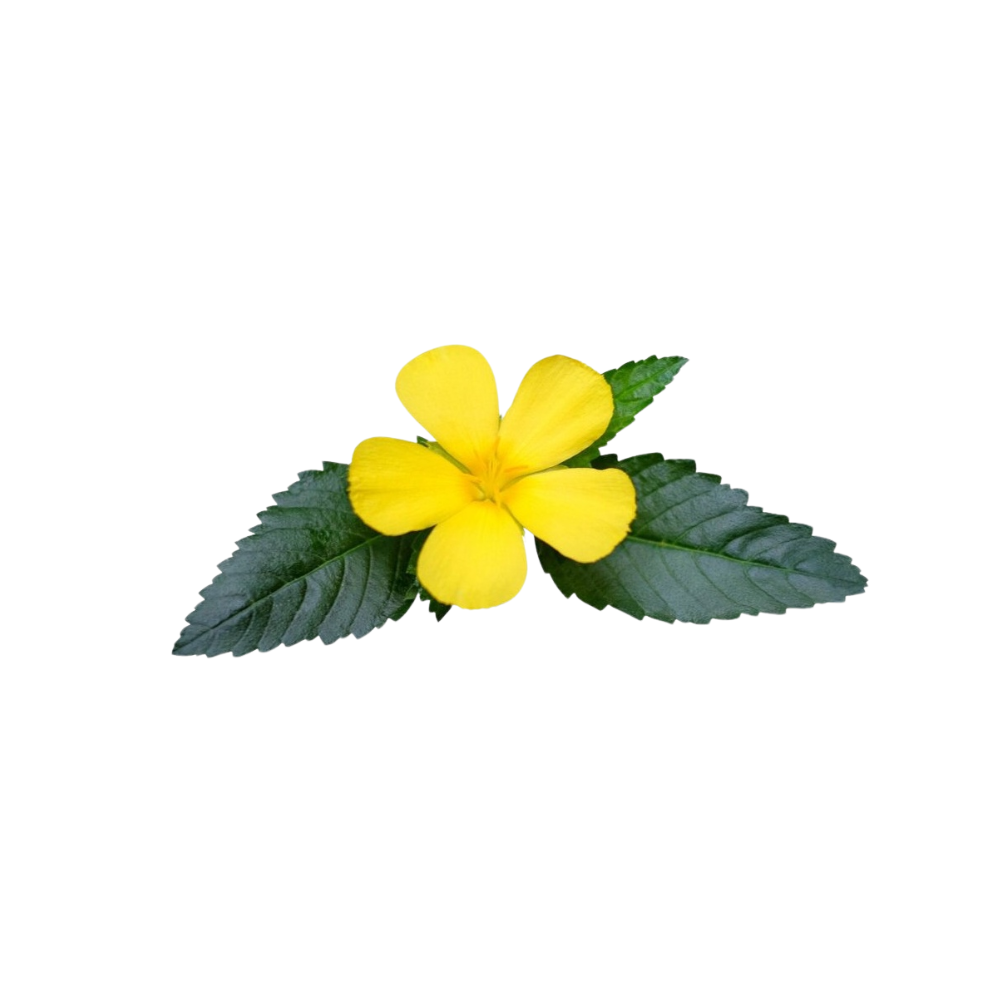 MildMildDamianaTurnera diffusaAn aqueous extract is the strongest MAO-A inhibitor of five screened species and delays glutamate excitotoxicity in neurons, the basis of the German traditional use for nervous debility.MechanismMAO-A inhibition; delayed glutamate excitotoxicityRead the evidenceShow lessMonograph →
An aqueous extract was the strongest of five screened species at inhibiting monoamine oxidase-A and delayed glutamate excitotoxicity in SH-SY5Y neurons 44Reference 44In vitroTurnera diffusa inhibits CNS enzymes and delays glutamate excitotoxicity in SH-SY5Y cells — in vitroView study →. A second study found T. diffusa (with Trichilia catigua) inhibited tyrosinase and 5-lipoxygenase and mitigated a neuroinflammatory stimulus in BV-2 microglia 45Reference 45In vitroTrichilia catigua and Turnera diffusa extracts: in vitro inhibition of tyrosinase, antiglycation and neuroinflammation — in vitroView study →, and a mouse aqueous-extract study reported antidepressant-like behaviour alongside the anxiolytic effect 46Reference 46AnimalNeurobehavioral and toxicological effects of an aqueous extract of Turnera diffusa in mice — animal studyView study →.
Damiana has a German traditional use for nervous debility and as a CNS tonic 47Reference 47The healing power of rainforest herbs: A guide to understanding and using herbal medicinals.
The MAO-A and excitotoxicity work is cell and enzyme assay only, with no animal cognition model and no human data, and it largely overlaps the herb’s anxiolytic evidence.
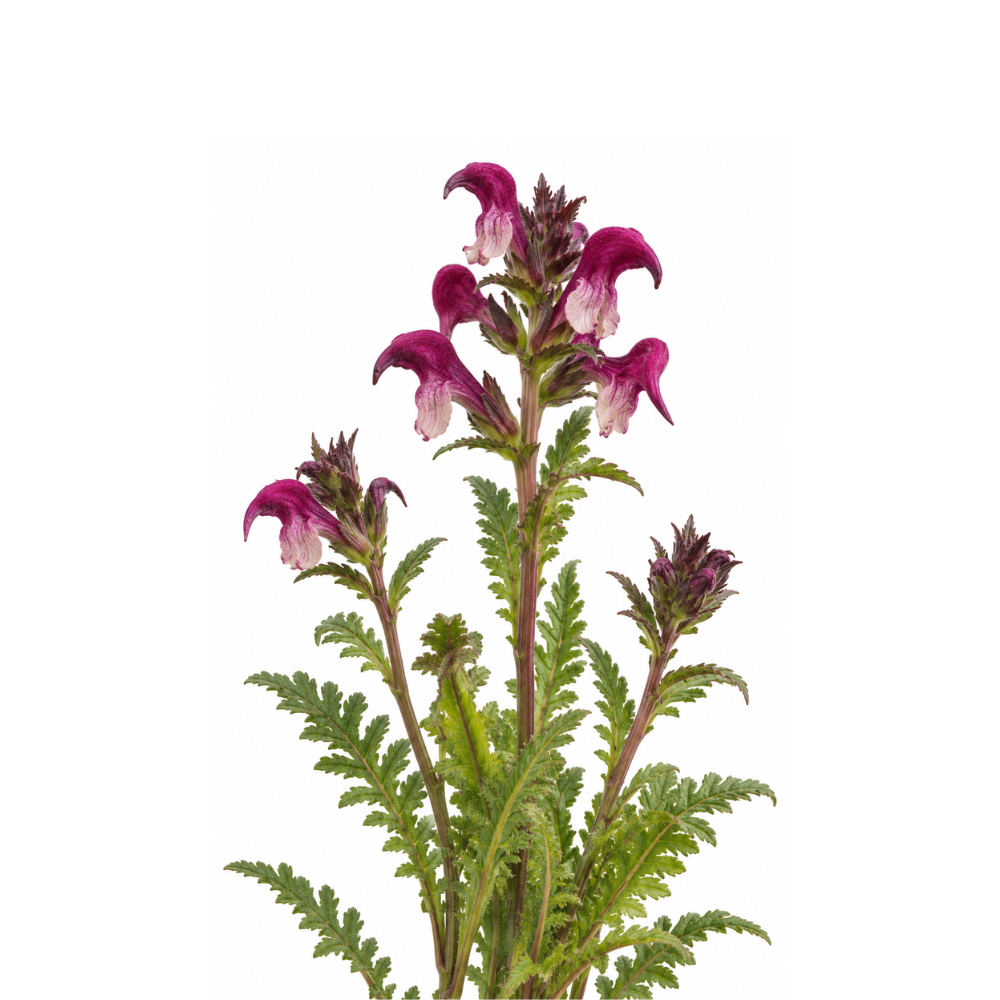 MildMildElephant’s HeadPedicularis groenlandicaA gentle relaxant of western North America, taken as a tea or smoked for muscular tension and physical restlessness; no research exists on it.Read the evidenceShow less
Elephant’s head is one of the louseworts, used by Western herbalists as a gentle skeletal-muscle relaxant for muscular tension, aching and stiffness, and for restlessness that is physical rather than mental, with a mild sedative character alongside.
No research and no identified mechanism exist; the entry records the traditional use.
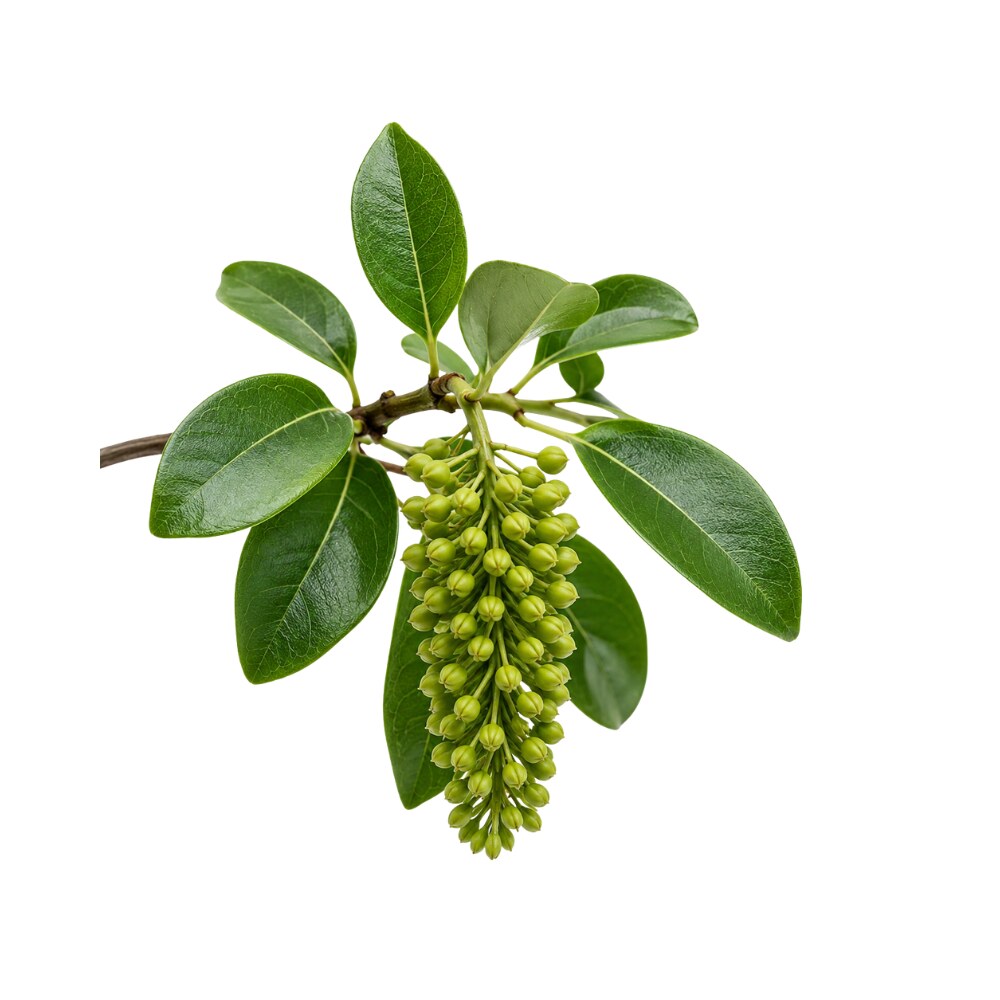 MildMildGriffoniaGriffonia simplicifoliaThe seed is the commercial source of 5-HTP, the immediate precursor the brain converts into serotonin.Mechanism5-HTP supplied as substrate → central serotonin synthesis; no receptor action of its ownRead the evidenceShow lessMonograph →
Griffonia belongs to the folk practice of the West African forest belt — Ghana, Togo, Benin, Ivory Coast and Nigeria. Leaves, stems and seeds are all used: the stems as chewing sticks, the everyday dental practice of the region, and leaf and stem preparations on wounds and for digestive complaints.
What griffonia is sold for today is not in that record. The seed is the commercial source of 5-HTP, and the plant’s modern prominence dates entirely from the mid-twentieth-century isolation of that molecule; the indications followed from serotonin pharmacology rather than from West African use.
Supplying substrate to a central neurotransmitter pathway is about as literal a nervous-system action as a plant has. The outcomes measured on it are mood, appetite and sleep, under antidepressant, anxiolytic and sedative.
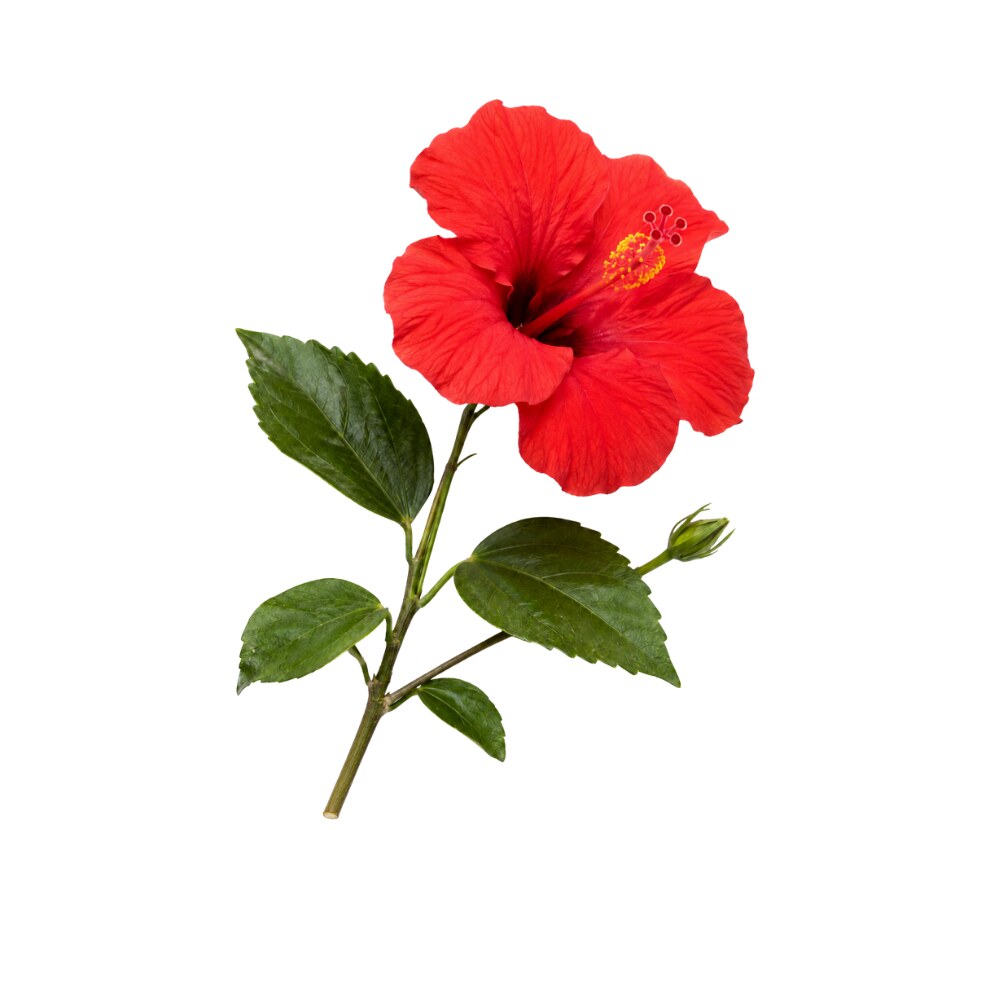 MildMildHibiscusHibiscus rosa-sinensisTraditionally a cooling, mildly relaxing flower; in rats the extract is anxiolytic through GABA-A receptor modulation, and the anthocyanidins are antidepressant-like in mice.Mechanismionotropic GABA-A receptor modulation; monoaminergic (antidepressant-like, unresolved)Read the evidenceShow lessMonograph →
A rat study attributes anxiolytic activity to ionotropic GABA-A receptor modulation 51Reference 51AnimalHibiscus rosa-sinensis mediates an anxiolytic effect via ionotropic GABA-A receptor modulation — ratView study →.
Three further rodent findings point in different directions: antidepressant-like activity of flower anthocyanidins in forced-swim and tail-suspension tests 52Reference 52AnimalAntidepressant-like activity of anthocyanidins from Hibiscus rosa-sinensis flowers (tail-suspension/forced-swim) — miceView study →, neuroprotection in a cerebral ischaemia–reperfusion oxidative-stress model 53Reference 53AnimalNeuroprotective effect of Hibiscus rosa-sinensis in a cerebral post-ischemic reperfusion oxidative-stress model — ratView study →, and altered neurobehaviour in a reserpine model 54Reference 54AnimalEffect of Hibiscus rosa-sinensis on reserpine-induced neurobehavioural and biochemical alterations — ratView study →.
Nothing is replicated and nothing is human. The sedative claim for the flower tea is unverified at any dose.
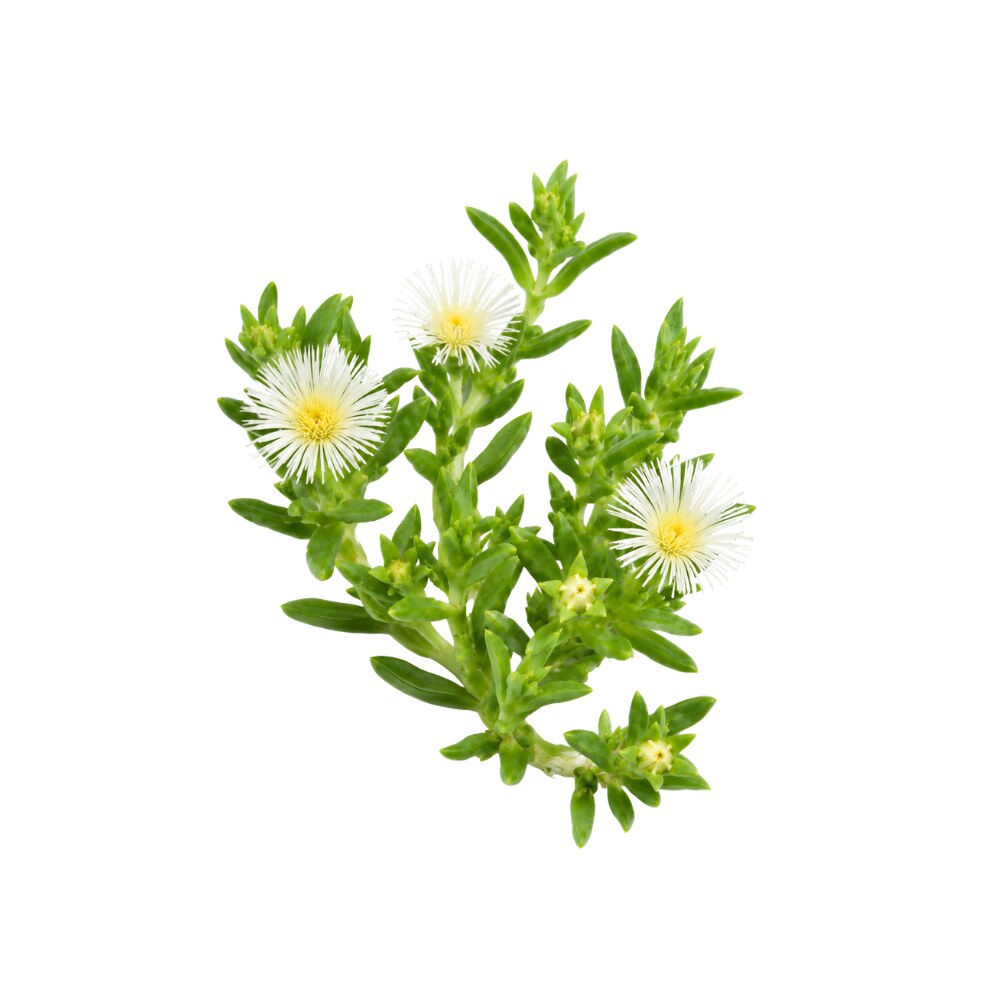 MildMildKannaSceletium tortuosumCalms without sedating through serotonin reuptake inhibition, and for some people is mildly alerting instead; traditionally chewed to blunt hunger, thirst and fatigue on long journeys.Mechanismserotonin reuptake inhibition (serotonergic tone; appetite/satiety signaling)Read the evidenceShow lessMonograph →
Kanna is not GABAergic and not a sedative. Its calming effect is an easing of anxious mental over-activity through serotonin reuptake inhibition, and a meaningful minority of users find it mildly alerting instead.
The San and Khoikhoi use of fermented kougoed to blunt thirst, hunger and fatigue on long journeys is ascribed to serotonin’s role in appetite and satiety.
The anxiety and mood evidence is examined under the anxiolytic and antidepressant actions.
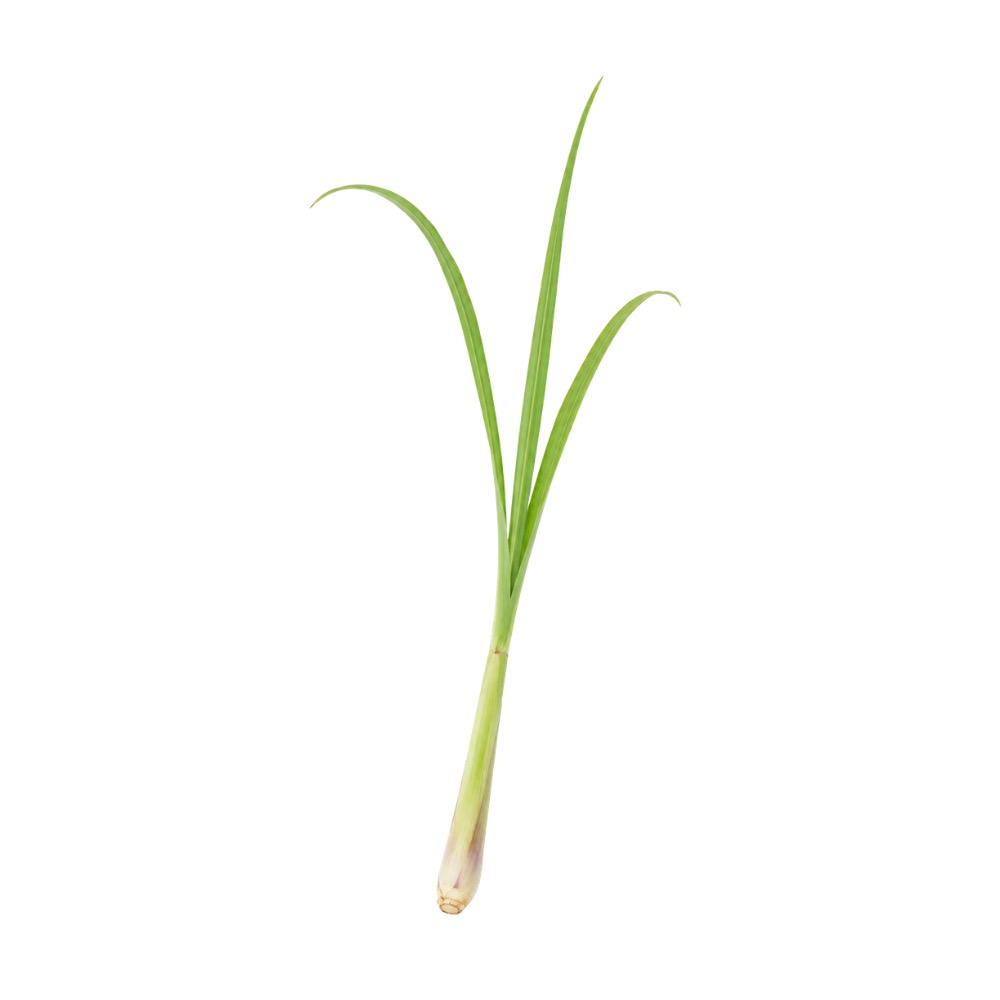 MildMildLemongrassCymbopogon citratusThe essential oil is anxiolytic in mice through the GABA-A benzodiazepine site, and inhaled lemongrass lowered dental anxiety in a 2025 trial; the traditional dried-leaf infusion showed no effect in a controlled human trial.MechanismGABA-A / benzodiazepine-site modulation (flumazenil-reversible, mouse, inhaled/EO only)Read the evidenceShow lessMonograph →
In mice the essential oil produces anxiolytic-like behaviour that is abolished by flumazenil, implicating the GABA-A/benzodiazepine site 76Reference 76AnimalThe GABAergic system contributes to the anxiolytic-like effect of essential oil from Cymbopogon citratus — mouse in vivoView study →.
A 1986 double-blind placebo-controlled trial of the traditional Brazilian dried-leaf infusion, dosed for two weeks, found no hypnotic and no anxiolytic effect 77Reference 77RCTPharmacology of lemongrass III: assessment of toxic, hypnotic and anxiolytic effects in humans — randomised double-blind controlled clinical trialView study →.
A 2025 randomized trial of inhaled lemongrass aroma during dental scaling lowered state anxiety and stabilized haemodynamic measures 78Reference 78RCTEffect of aromatherapy with lemongrass on the anxiety of patients undergoing scaling and root planing — randomised controlled trialView study →. The trial is small and cannot be blinded to smell.
Aroma is the route with a positive human signal; the drunk tea is not.
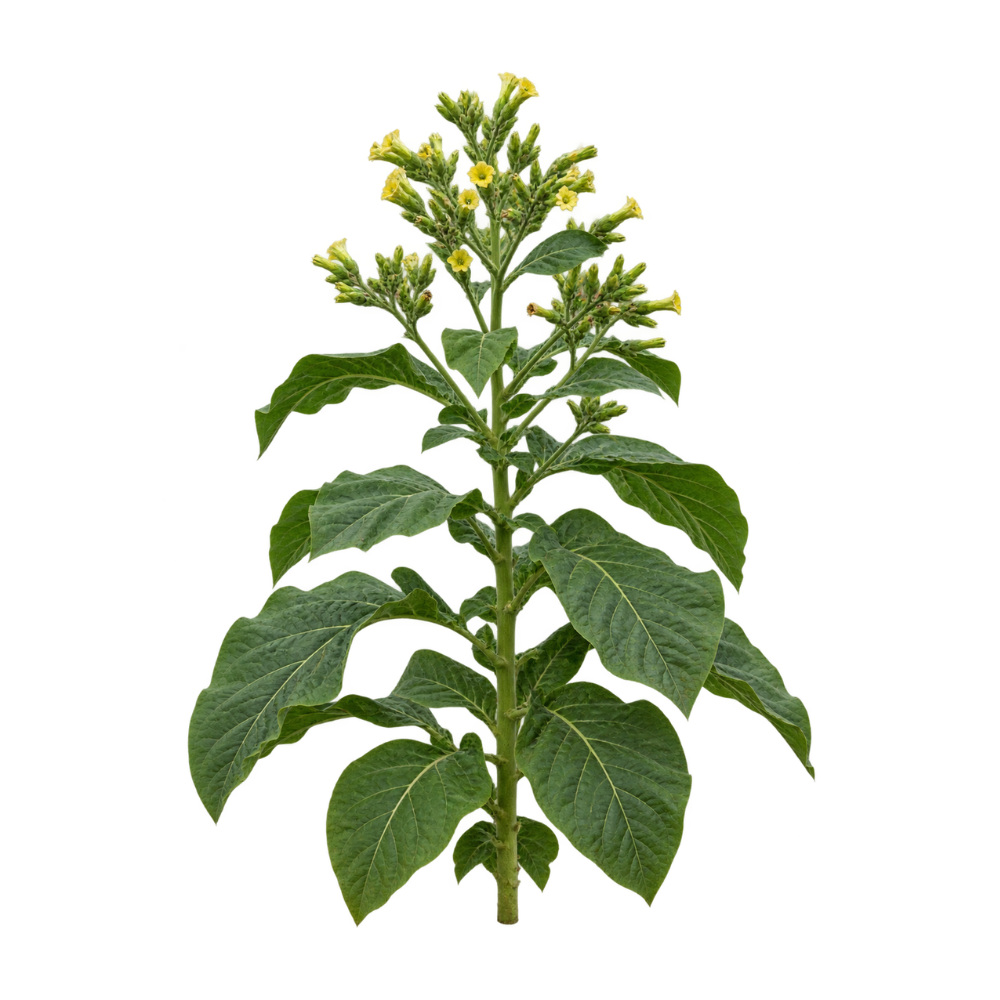 MildMildMapachoNicotiana rusticaNicotine is a nervous-system stimulant acting at nicotinic acetylcholine receptors, and mapacho carries several times the nicotine of commercial tobacco; its β-carbolines add a reversible MAO inhibition that has never been quantified in this species.Mechanismreversible MAO-A/MAO-B inhibition by β-carbolines (constituent-level, unquantified in this species)Read the evidenceShow lessMonograph →
Mapacho’s action on the nervous system is nicotinic. Nicotine, nornicotine and anabasine act at nicotinic acetylcholine receptors, which stimulates at low doses and poisons at high ones, and the leaf runs to several times the nicotine of commercial tobacco.
Amazonian practitioners use it as a stimulant, emetic and ritual purgative, and in liquid oral preparations for what the tradition frames as psychological repair.
Harman, norharman and harmaline inhibit human MAO-A and MAO-B and modulate dopamine handling at the transporter 86Reference 86In vitroMonoamine oxidase inhibitors present in tobacco modulate dopamine balance via the dopamine transporter — in vitro / in silico studyView study →. Two reviews stress that tobacco β-carboline concentrations sit far below the complete, irreversible inhibition of antidepressant MAOIs and that the threshold for a meaningful effect remains to be established 87,
No one has measured β-carbolines in N. rustica.
The MAO finding matters because mapacho is taken alongside MAOI-containing ayahuasca plants.
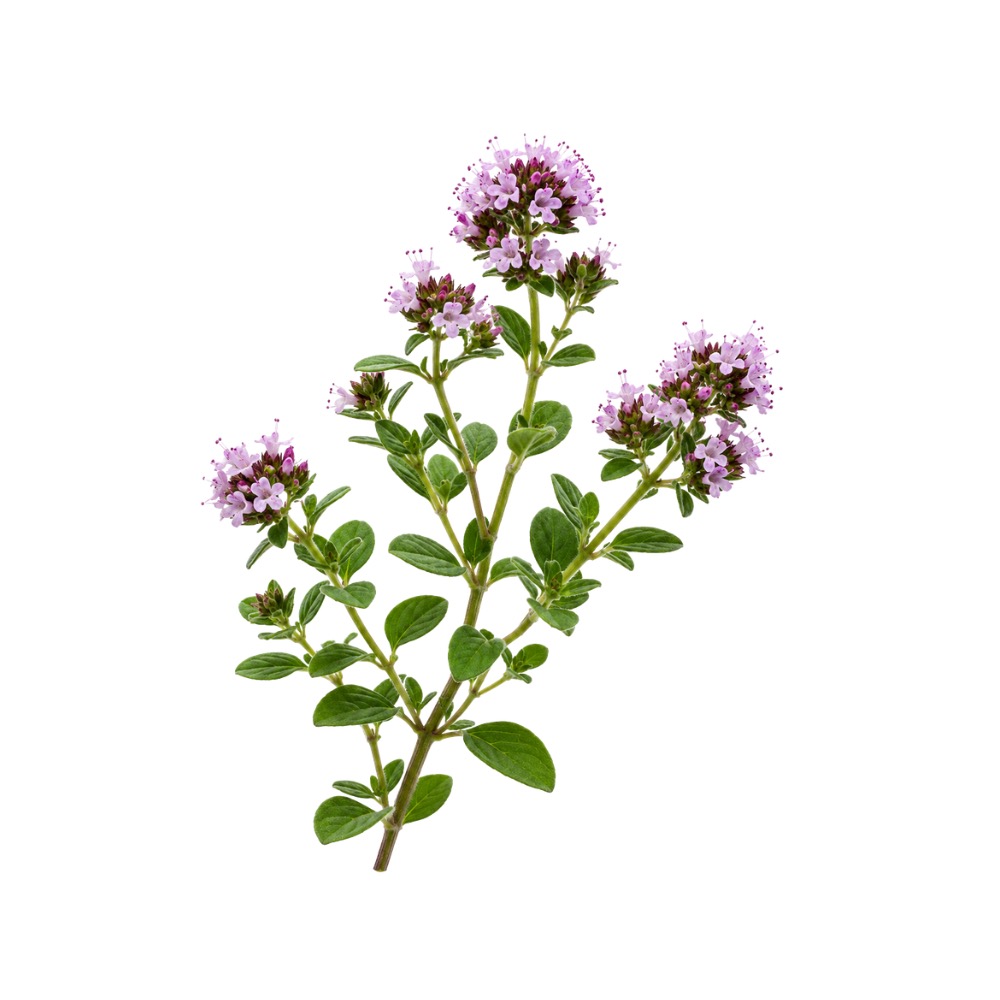 MildMildMarjoramOriganum majoranaA kitchen herb taken as a tea for nervous tension and sleep in Western practice; no research exists on the nervine use.Read the evidenceShow lessMonograph →
Marjoram is a culinary herb first. Where it is taken medicinally it is as a tea, for digestion and cramping, for nervous tension and sleep, and for coughs and colds, and its essential oil is used in aromatherapy.
No research and no identified mechanism exist for the calming use.
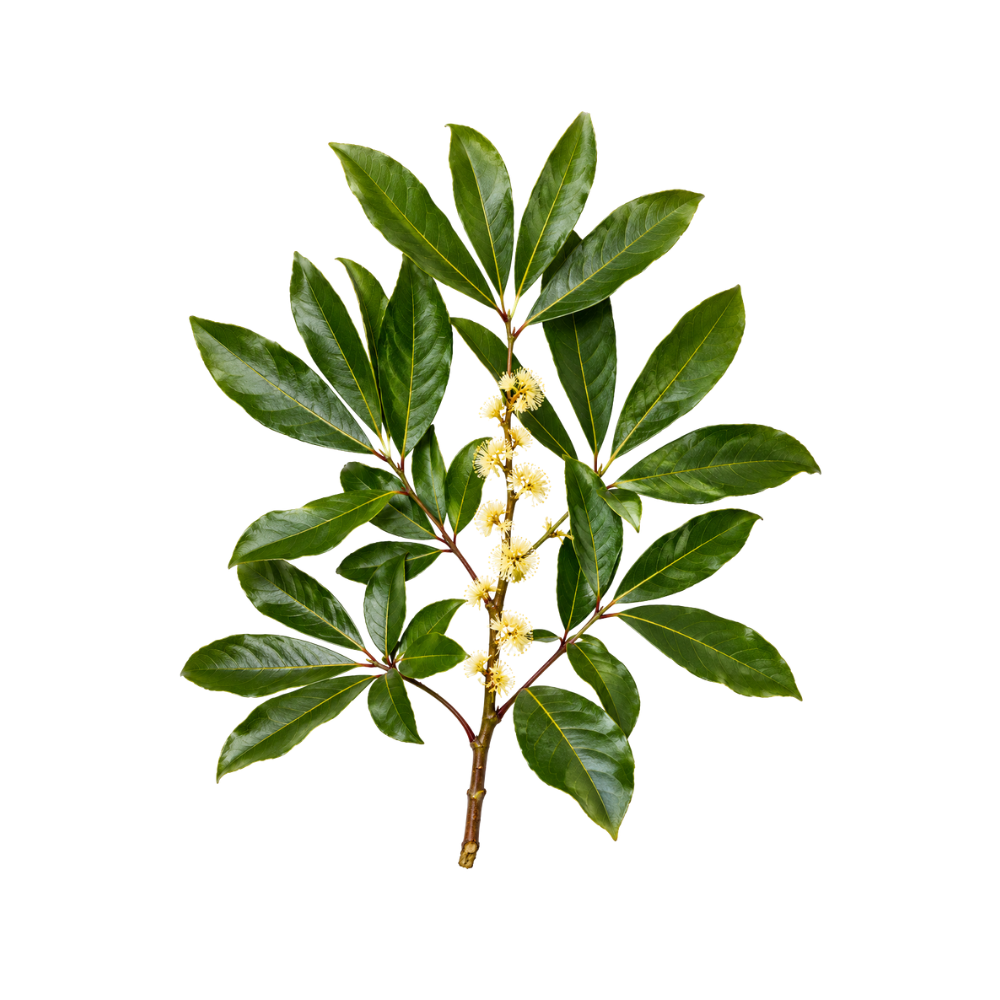 MildMildMuira PuamaPtychopetalum olacoidesThe Amazonian bark for what the record calls nervous weakness — lassitude, low motivation, tremor and loss of libido.Mechanismacetylcholinesterase inhibition; HPA-axis and neuroprotective activity reportedRead the evidenceShow lessMonograph →
In the Rio Negro region of Brazil muira puama was used for baldness, fatigue, muscular weakness and sexual debility, and for what was called nervous weakness — lassitude, low motivation, tremor and loss of libido. It was also given in stroke recovery, and to cope with physical and emotional stress.
The classic preparation is alcoholic. Crushed bark, often combined with catuaba, is infused in warm water or, more effectively, in spirit; muira puama liquor made with cachaça, or steeped in wine as garrafadas, was taken daily before meals.
The constituents are poorly water-soluble, so the alcoholic extract is still the standard form.
Its measured nervous-system activity runs through nootropic, antidepressant and neuroprotective.
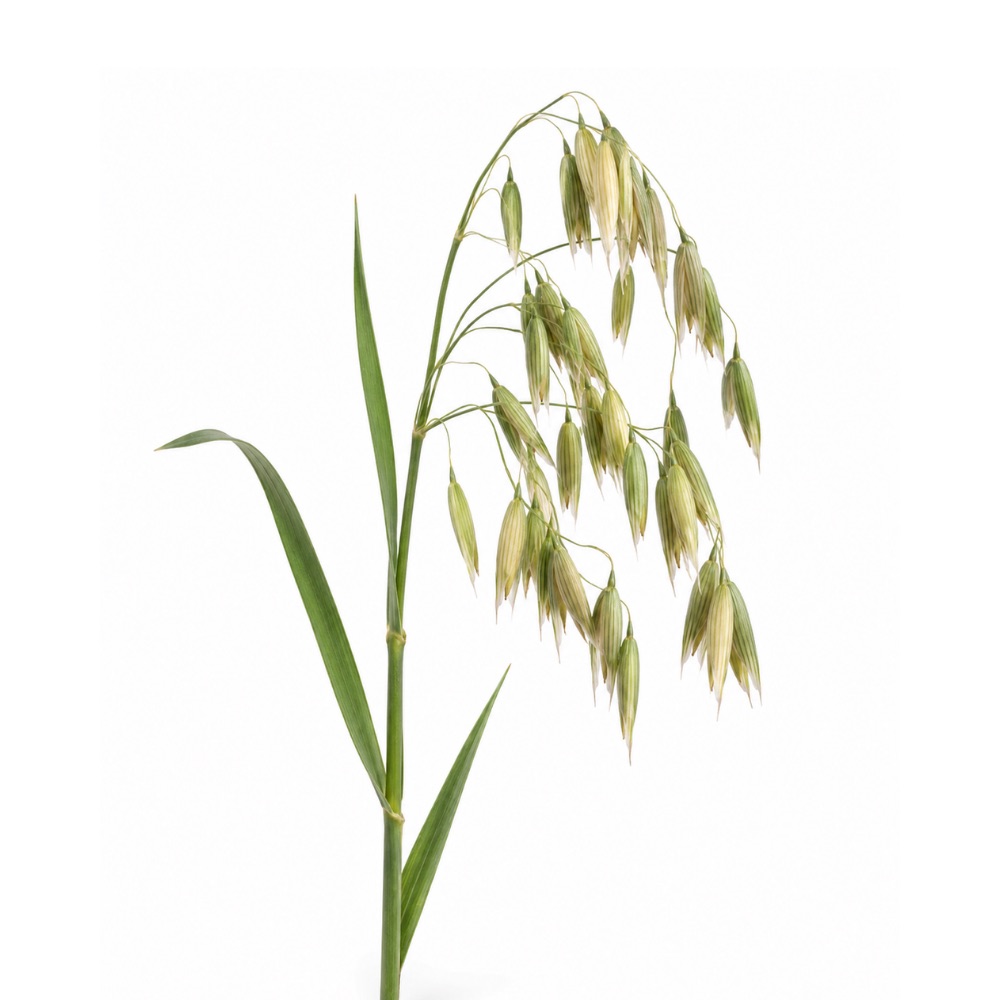 MildMildOatsAvena sativaMilky oat seed and oatstraw are the classic Western trophorestorative for nervous exhaustion, given over months for the depleted state that follows prolonged stress or illness.Read the evidenceShow less
Western materia medica treats milky oat seed as a slow-acting tonic for nervous exhaustion, convalescence, overwork and the flattened state that follows prolonged stress, rather than an acute sedative. It appears in nineteenth- and twentieth-century Anglo-American practice for nervous debility, in withdrawal protocols for opium, tobacco and alcohol, and as a background herb in long-term nervine formulas.
No controlled trial of any traditional oat preparation exists for a nervous-system indication. The EMA lists oat herb as a traditional herbal medicinal product, which certifies length of documented use rather than efficacy.
The green-oat cognition trials used Neuravena EFLA 955, a standardized proprietary extract, and measured acute attention and executive function, a different preparation, dose and endpoint from a fresh tincture given for exhaustion.
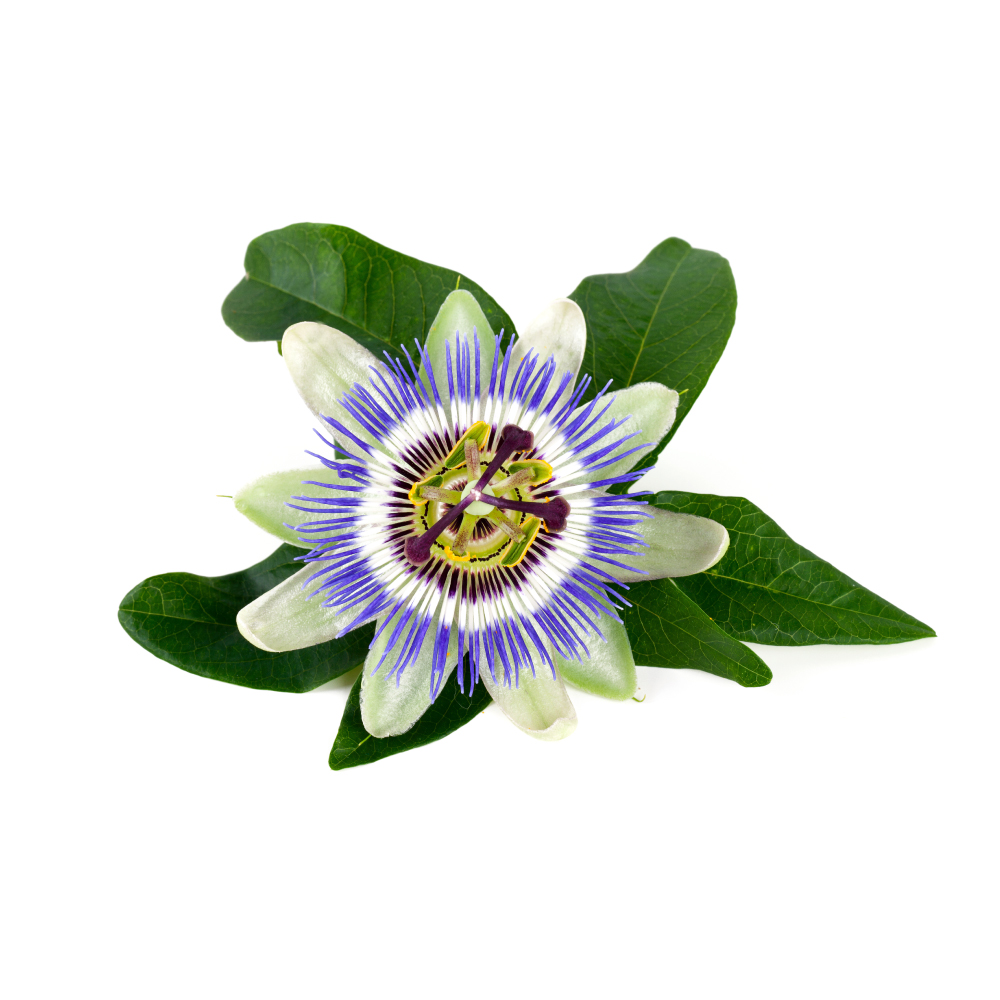 MildMildPassionflowerPassiflora incarnataTwo centuries of Western use as a mild tranquilliser, beginning as a nineteenth-century leaf infusion for headache and neuralgia.Mechanismnot established for nervous-system restoration; the measured GABAergic activity sits under anxiolyticRead the evidenceShow lessMonograph →
Nineteenth-century North American practice took the leaf infusion as a sedative for headaches, neuralgia and general pain. Over the two centuries since, it became established across Canada, Europe and the United States as a mild tranquilliser, and was also used for colic, dysmenorrhoea, insomnia, seizures and muscle spasm.
The ethnobotanical record runs deeper. P. incarnata appears in North America from the Late Archaic period, and the Cherokee took the root as a tea tonic and pounded it into poultices for boils and inflammation.
The trials measure anxiety and sleep rather than nervous-system restoration, and they sit under anxiolytic and sedative.
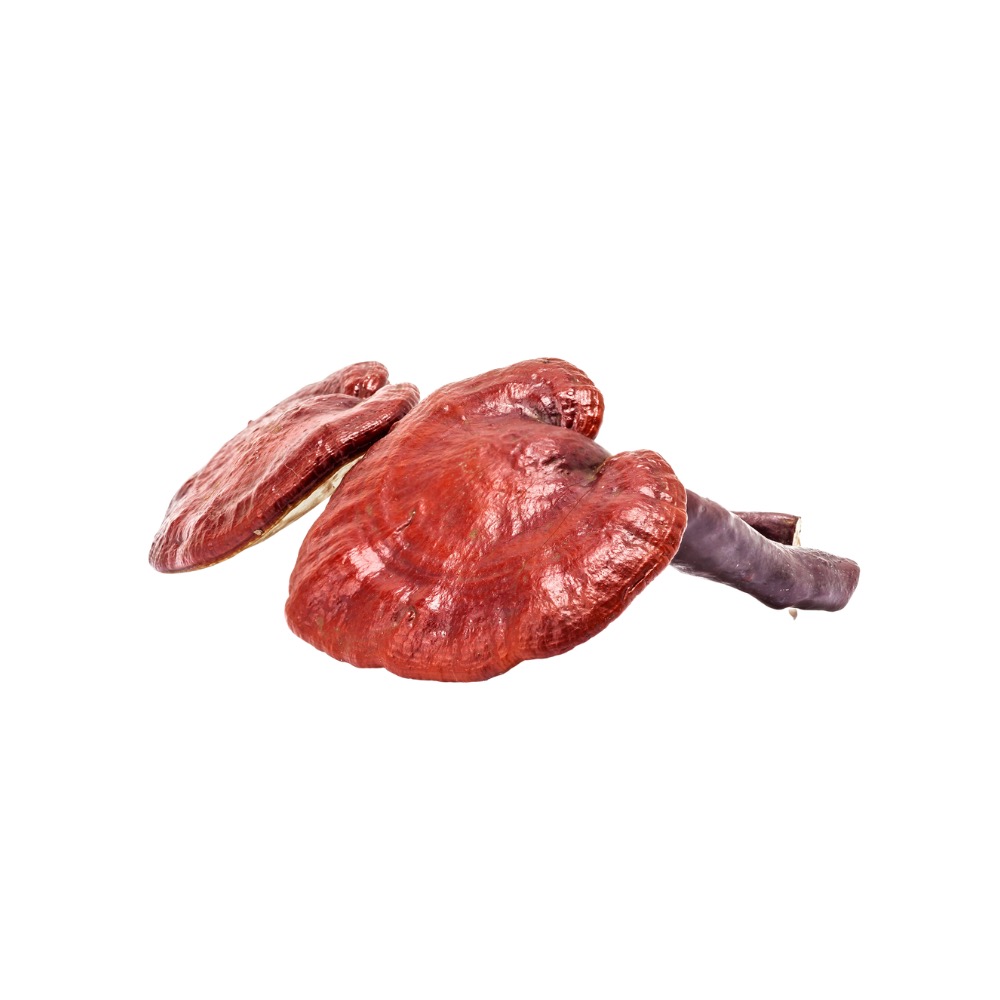 MildMildReishiGanoderma lucidumA classical shen tonic of Chinese practice, given to calm the nerves, ease anxiety and promote sleep without direct sedation.Read the evidenceShow lessMonograph →
Reishi tonifies the heart and calms and anchors the shen in Chinese practice. It is given for restlessness, anxiety and insomnia alongside its better-known immune use, and the texts describe it as calming without being directly sedative.
No nervous-system research exists on the mushroom for these uses.
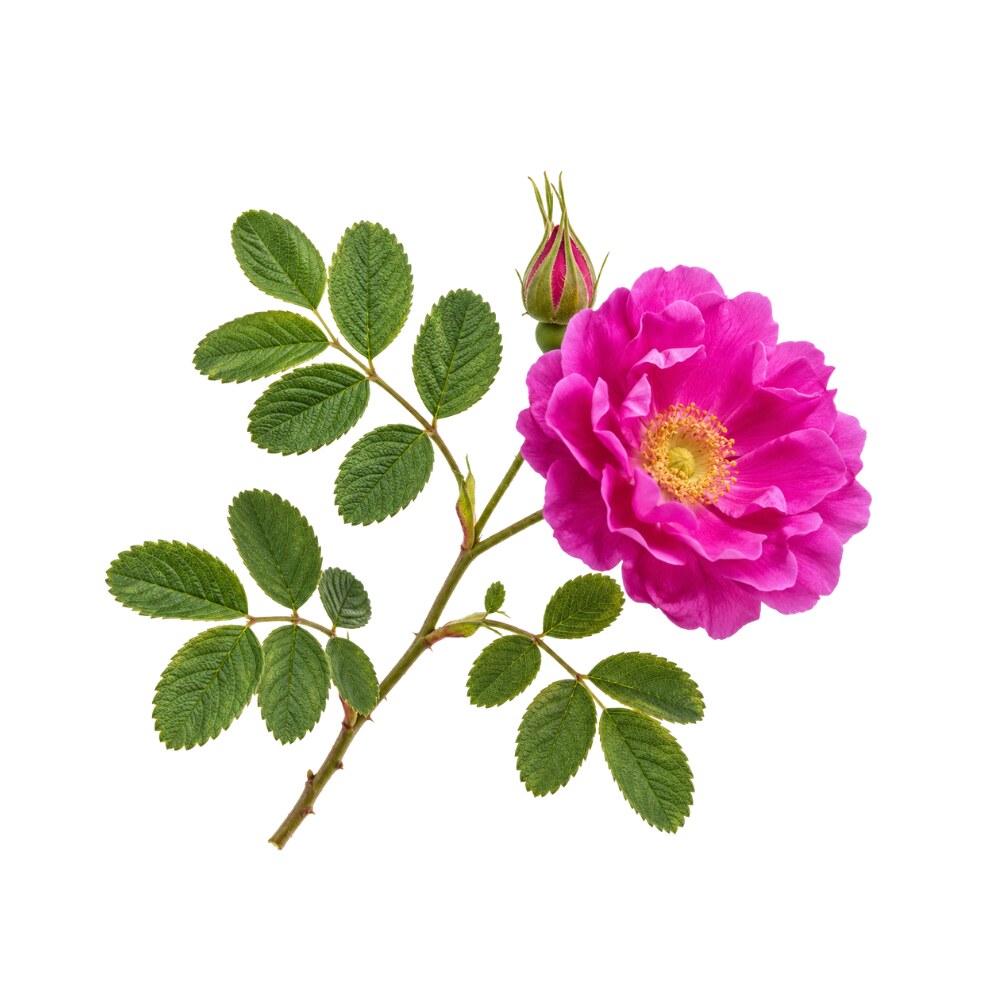 MildMildRoseRosa spp.A gentle aromatic calmative across Unani, Ayurvedic and Western practice, taken as petal infusion, rose water or aroma for low spirits, grief and nervous tension.Read the evidenceShow lessMonograph →
Rose petal and rose water are used in Unani, Ayurvedic and Western practice as a cooling, gladdening herb for grief, nervous tension and low spirits.
No research exists on the nervine use.
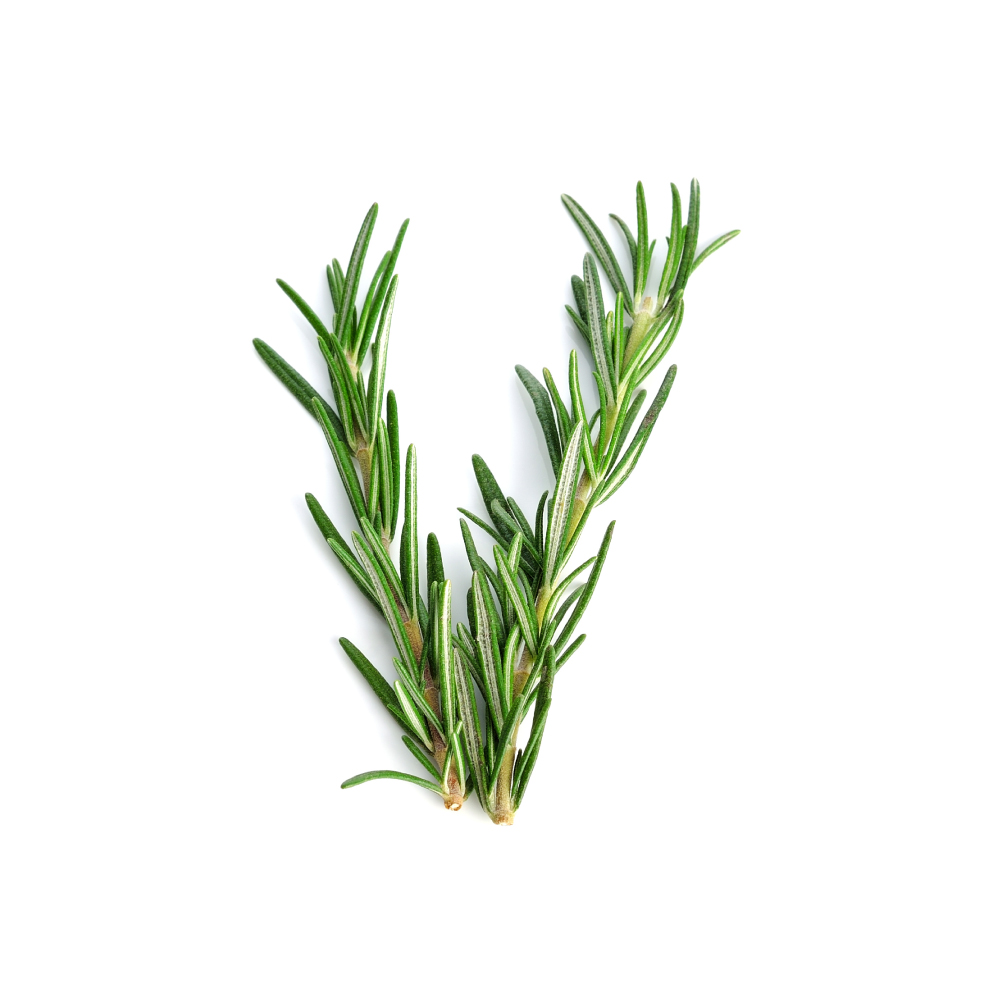 MildMildRosemaryRosmarinus officinalisCarnosic acid crosses the blood–brain barrier and protects neurons by activating Nrf2 and preserving mitochondrial function; small human trials add acute cognitive and mood signals.MechanismNrf2 activation (carnosic acid); mitochondrial protection / anti-apoptotic, BBB-permeant (carnosic acid)Read the evidenceShow lessMonograph →
In cerebral ischaemia-reperfusion and neurodegeneration models, carnosic acid protects neurons by activating Nrf2, preserving mitochondrial function and dampening neuroinflammation. It crosses the blood–brain barrier and is redox-activated, switching on preferentially under oxidative stress 105,
The neuroprotective story is coherent and well reviewed, and entirely preclinical. No human neurodegenerative-disease trial of rosemary or carnosic acid exists.
Small human trials add acute cognitive 107,
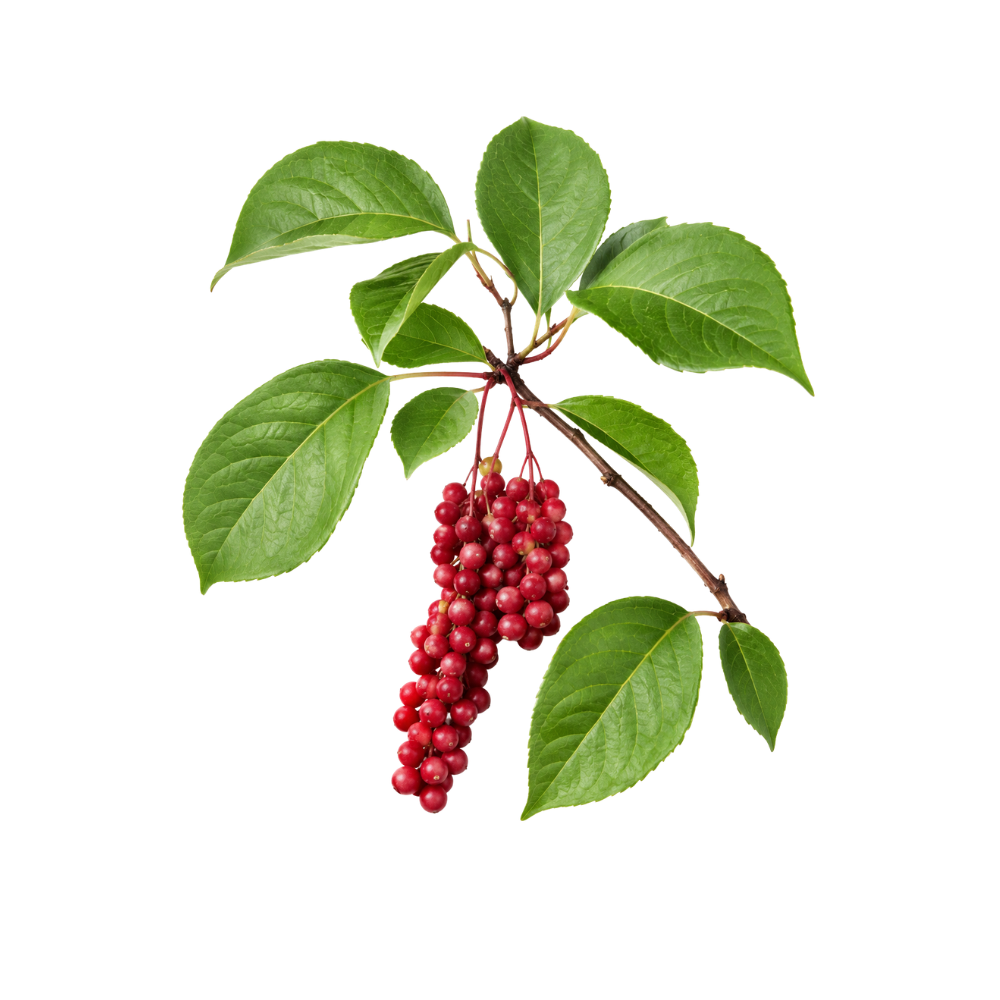 MildMildSchisandraSchisandra chinensisWu wei zi, the five-flavour berry, is a classical shen tonic that eases the mind and settles sleep; its mood evidence comes from schisandra-containing formulas rather than the berry alone.Read the evidenceShow lessMonograph →
Schisandra reaches all three treasures of Chinese medicine, jing, qi and shen, and among its classical actions it eases the mind and is given for insomnia, dream-disturbed sleep and palpitations.
Cognitive and mood benefits are reported for schisandra-containing formulas in a review of adaptogens in mental disorders 139Reference 139ReviewAdaptogens in mental and behavioral disorders — reviewView study →. Nothing isolates the berry’s own contribution, because schisandra is traditionally a formula herb.
The single-herb evidence is examined under the adaptogen action.
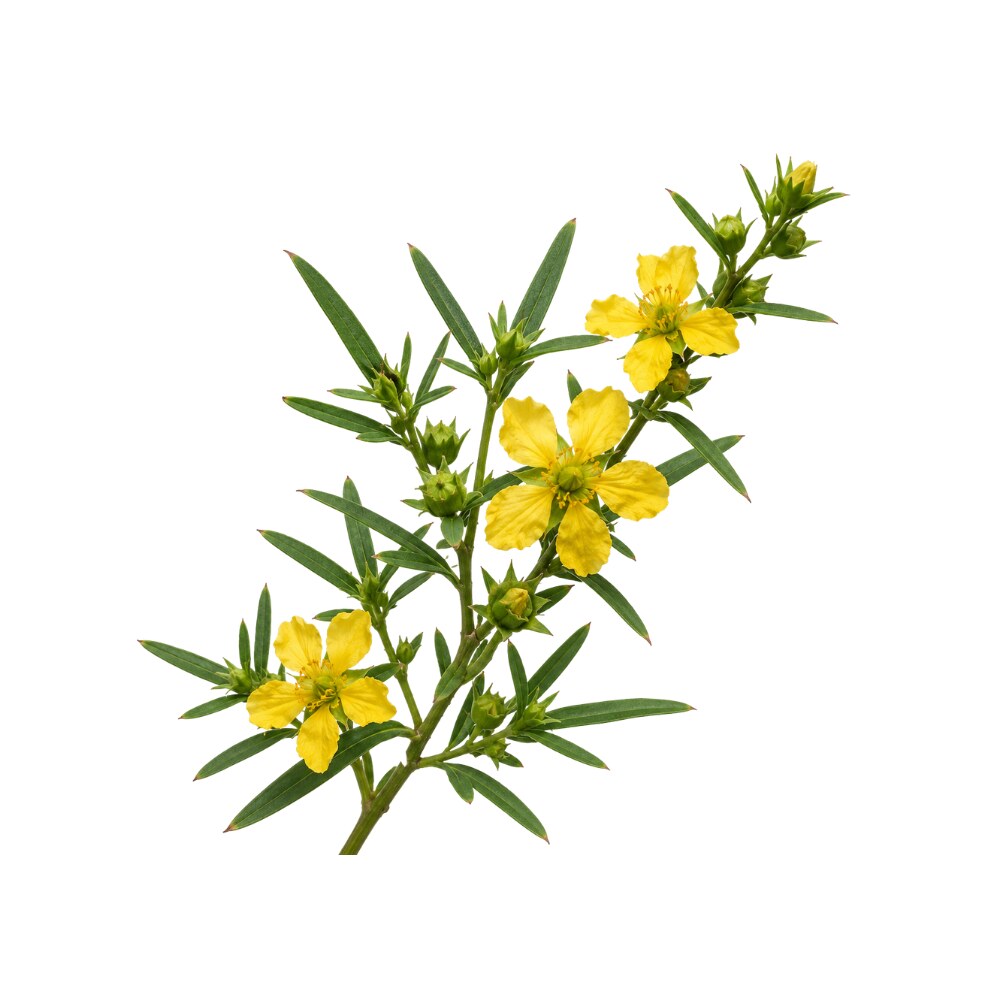 MildMildSinicuichiHeimia salicifoliaThe Mexican sun opener — wilted leaves fermented in water in the sun, drunk for a dreamy, relaxing, memory-stirring effect.Mechanismnot established; no constituent isolated to the effectRead the evidenceShow lessMonograph →
Sinicuichi is a folk remedy of Mexico and Central and South America rather than a herb of the Western, Chinese or Ayurvedic systems. The leaves are wilted and left to ferment in water in the sun, and the resulting juice is drunk.
What drinkers describe is a dreamy euphoria, drowsiness, and a characteristic change in hearing — sounds muffled or distant, sometimes with a shift in pitch. The reputed stirring of old memories belongs to the same lore.
Beside a classic psychedelic the whole effect is subtle and short-lived.
The name sun opener points at both the sunlit preparation and the mellow, luminous quality the drink is said to bring. Its measured work sits under sedative.
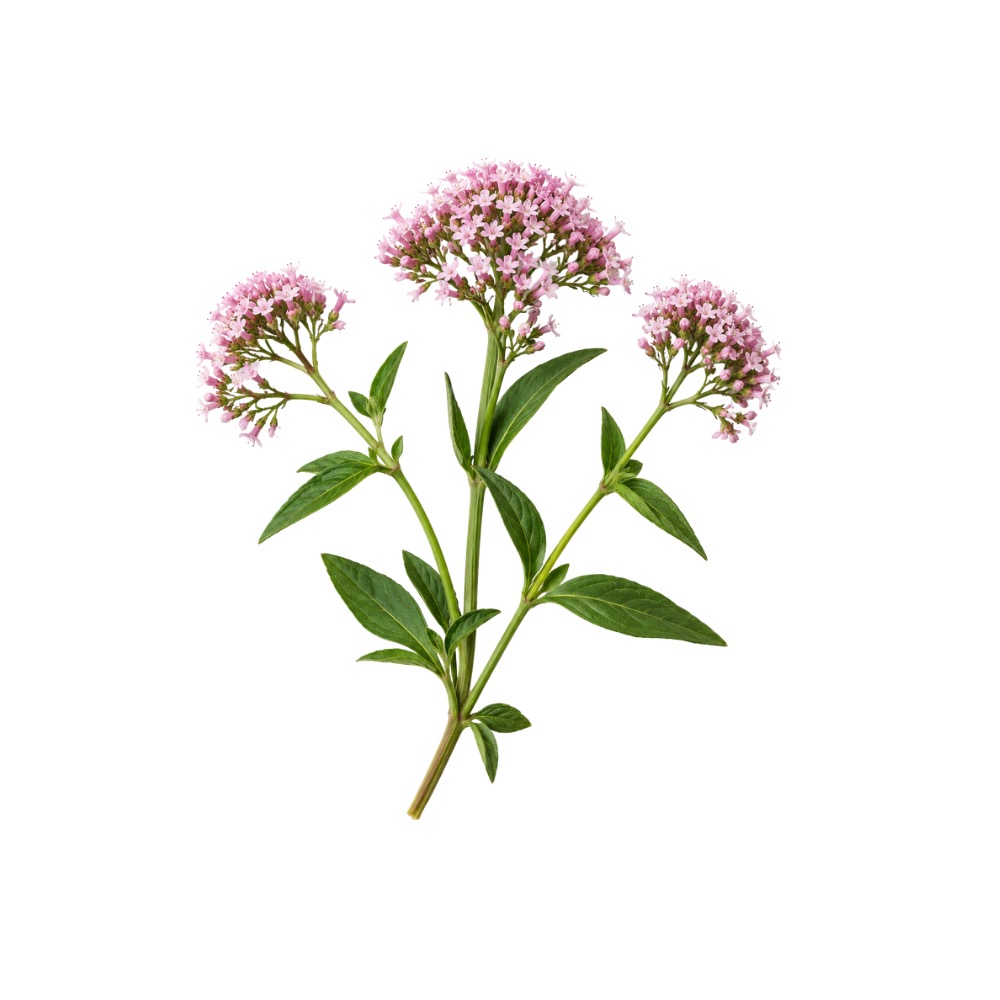 MildMildValerianValeriana officinalisValerenic acid dampens stress corticosterone and serotonin and noradrenaline turnover in the mouse hippocampus and amygdala, the stress-buffering profile behind valerian's use as a relaxing nervine for wired, overactive states.MechanismHPA-axis dampening; ↓ serotonin & noradrenaline turnover (hippocampus–amygdala); frontal alpha-coherence modulationRead the evidenceShow lessMonograph →
Valerenic acid reduces stress corticosterone and serotonin and noradrenaline turnover in the mouse hippocampus–amygdala 123Reference 123AnimalValerenic Acid Protects Against Physical and Psychological Stress by Reducing the Turnover of Serotonin and Norepinephrine in Mouse Hippocampus-Amygdala RegionView study →, a stress-buffering rather than purely sedating profile.
In the one human study, valerian altered functional brain connectivity yet produced no clinical difference versus placebo 124Reference 124RCTValerian extract alters functional brain connectivity: A randomized double-blind placebo-controlled trialView study →. A 2026 mouse study extends the stress axis toward ERα–GDF15 signalling in the liver 125Reference 125Valerenic acid attenuates chronic stress-exacerbated metabolic dysfunction-associated steatotic liver disease via the estrogen receptor α-GDF15 axis. https://pubmed.ncbi.nlm.nih.gov/42385973/View study →, a single unreplicated preclinical result.
The sleep evidence is examined under the sedative action.
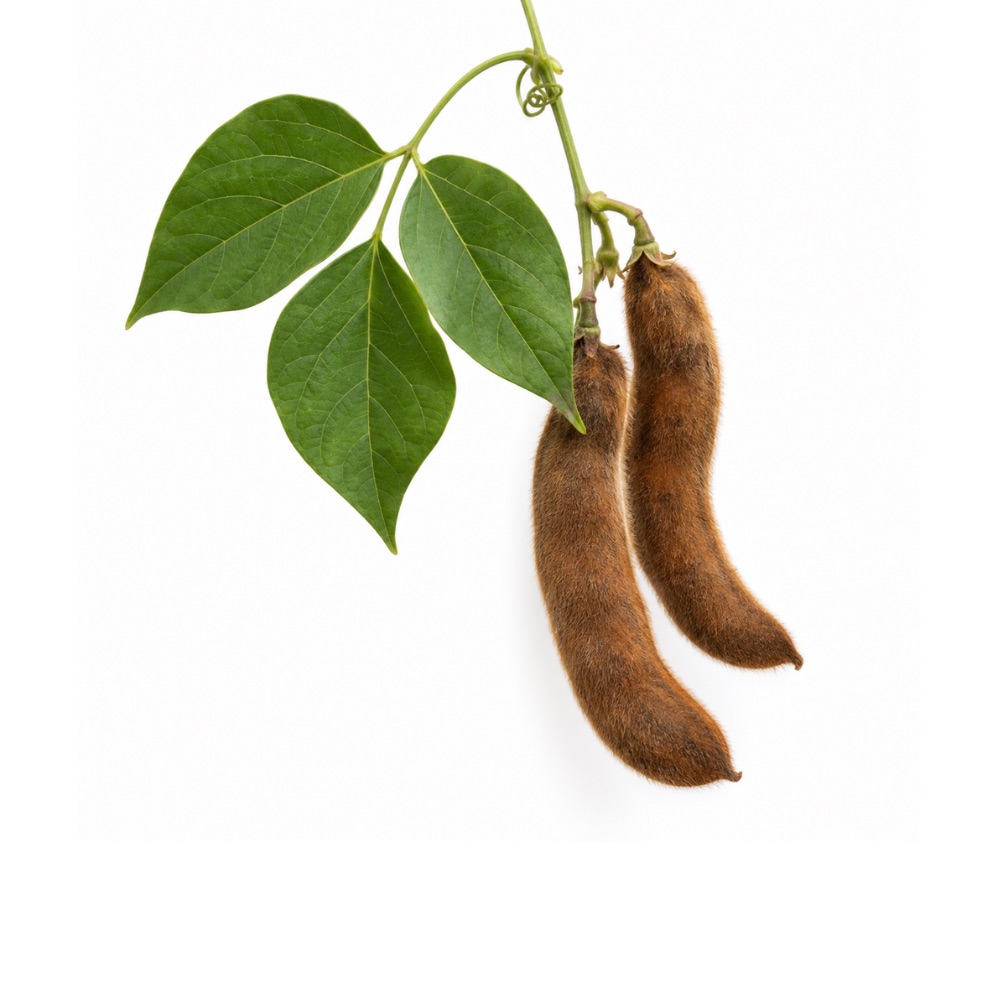 MildMildVelvet BeanMucuna pruriensThe seed is the richest natural source of levodopa and is classed in Ayurveda among the rasayana restoratives; it is a drug-like herb rather than a gentle tonic.Read the evidenceShow less
Mucuna pruriens seed is the richest natural source of levodopa, the molecule used as standard treatment in Parkinson’s disease. In Ayurveda the seed, kapikacchu, is classified among the vajikarana and rasayana, the aphrodisiacs and rejuvenating tonics.
Levodopa interacts with MAOIs, antipsychotics and Parkinson’s medication, and the levodopa content of a given material is variable and rarely measured.
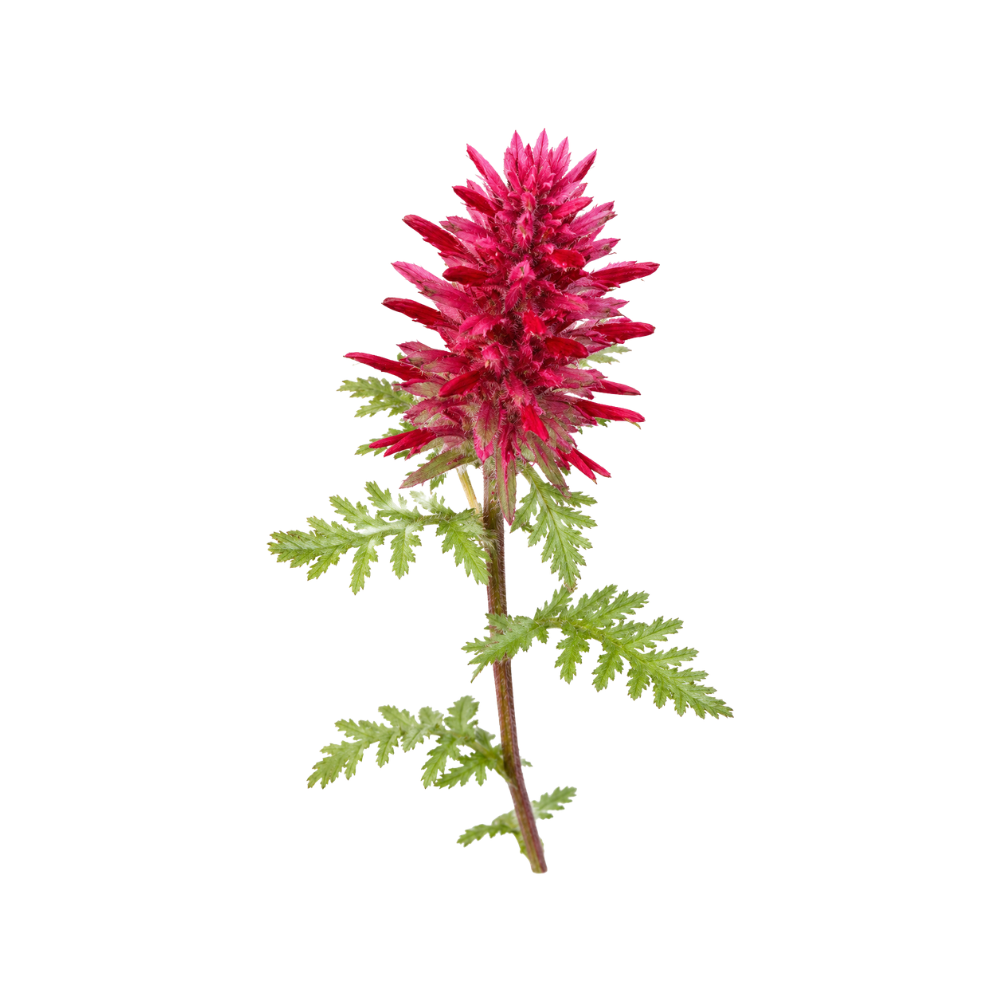 MildMildWarrior’s PlumePedicularis densifloraA folk relaxant reputation with nothing measured behind it — and the replicated genus pharmacology points the other way, toward endurance.Mechanismnot established \u2014 no study in any *Pedicularis* species demonstrates a muscle-relaxant, antispasmodic or sedative actionRead the evidenceShow lessMonograph →
Warrior’s plume is used in North American folk practice as a relaxant, and that reputation is the whole of its standing here.
No study in any Pedicularis species demonstrates a muscle-relaxant, antispasmodic or sedative action. The replicated genus pharmacology points the opposite way, toward an anti-fatigue and endurance-enhancing effect.
The nervous-system data that do exist are neuroprotective rather than calming — phenylethanoid glycosides protecting rat hippocampus against hypobaric-hypoxia memory impairment. There is no human clinical record for the plant, and it appears in no WHO, ESCOP, EMA or Commission E monograph.
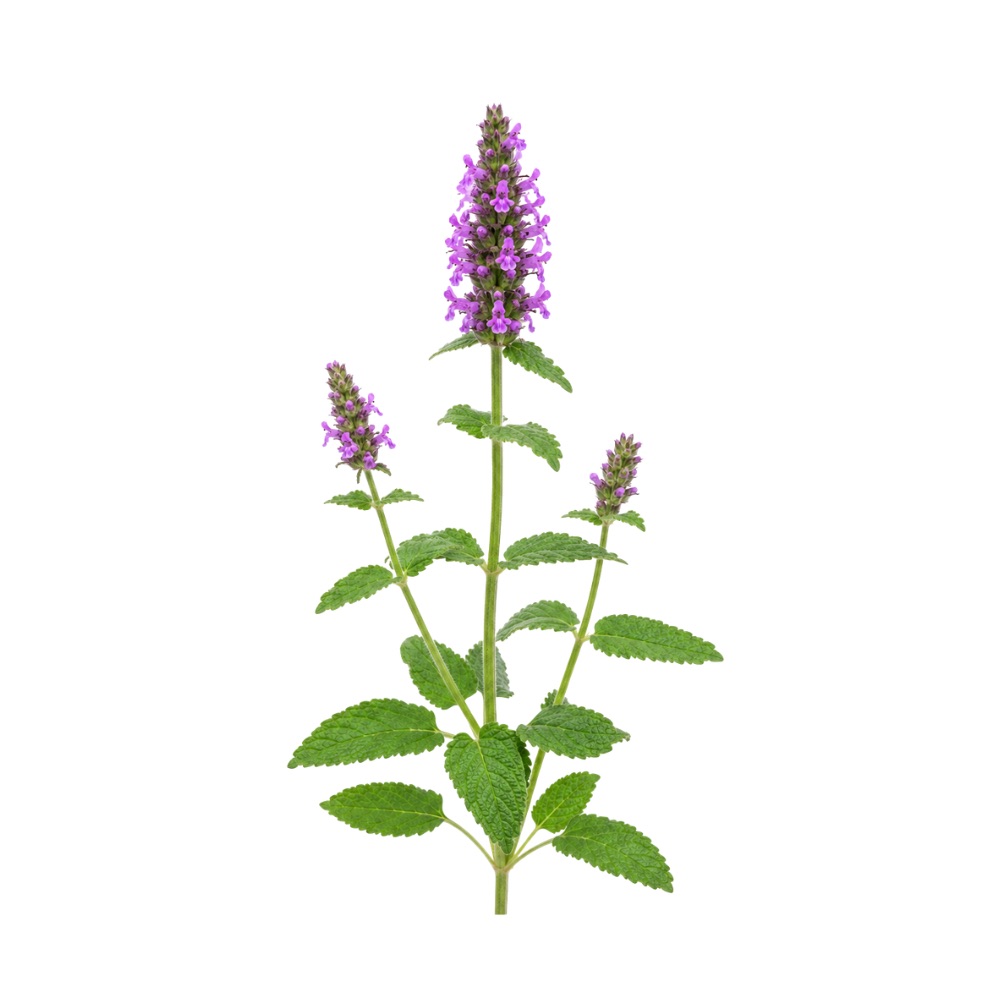 MildMildWood BetonyStachys officinalisThe head herb of the Western tradition, given from the Anglo-Saxon leechbooks onward for headache and nervous tension; no nervous-system mechanism has been measured.Read the evidenceShow lessMonograph →
Wood betony runs from the Anglo-Saxon leechbooks to the modern nervines as a relaxing herb for headache, tension and anxiety, and nervine is its headline action.
No nervous-system mechanism or endpoint has been measured for it.
No herbs match these filters.
Also Tagged
3 more herbs carry a nervine action.
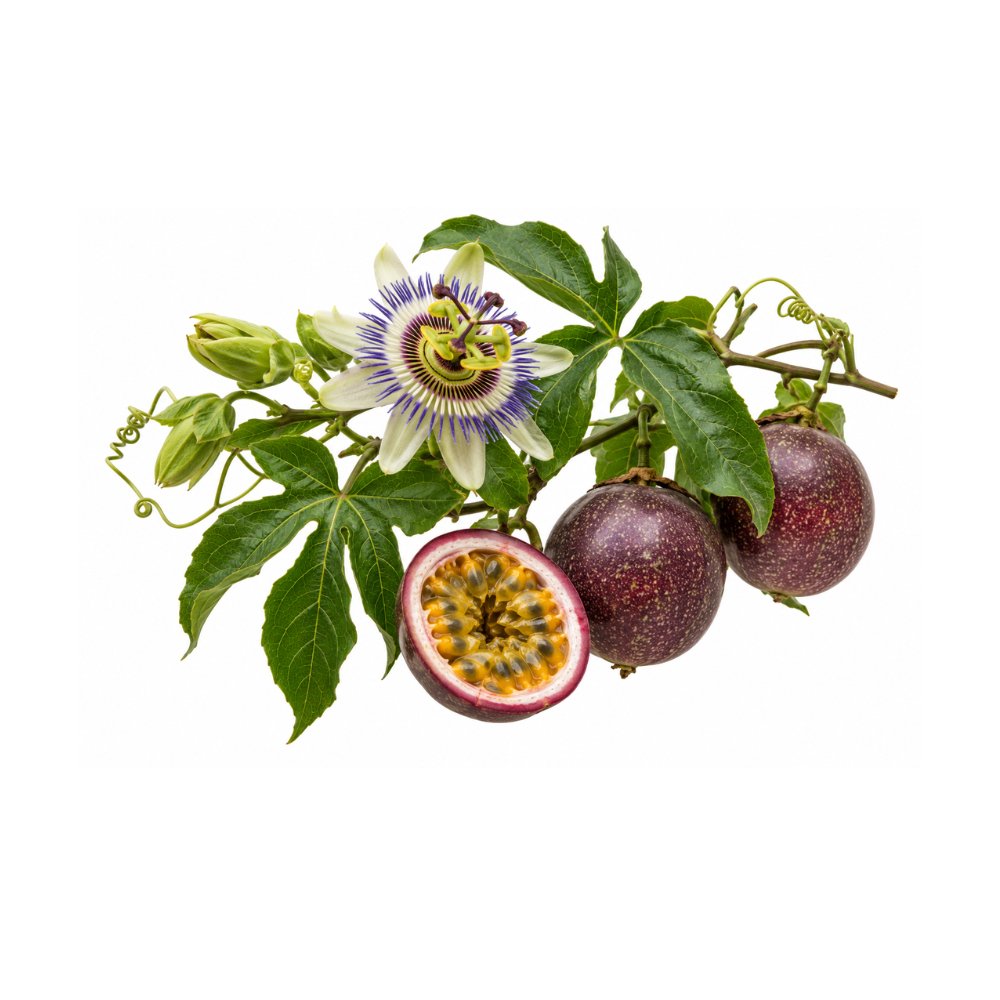
Passion Fruit
Passiflora edulis
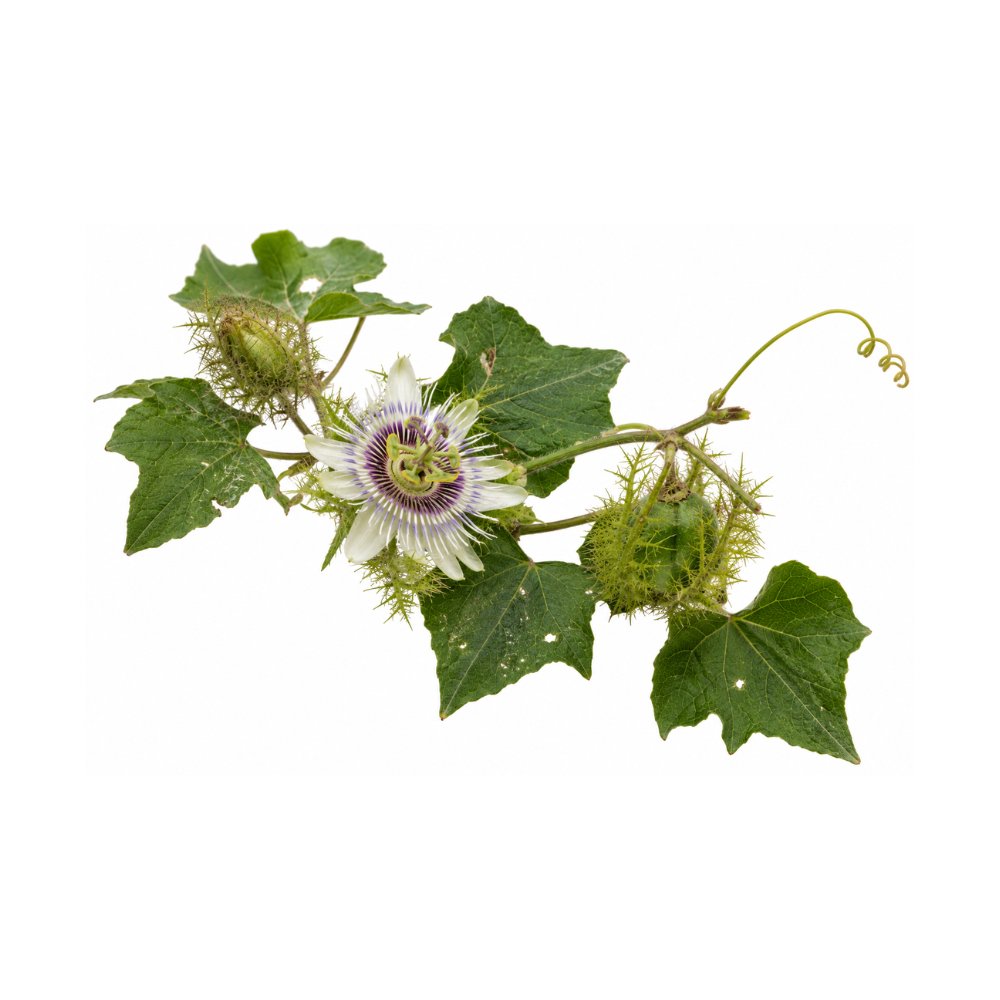
Stinking Passionflower
Passiflora foetida
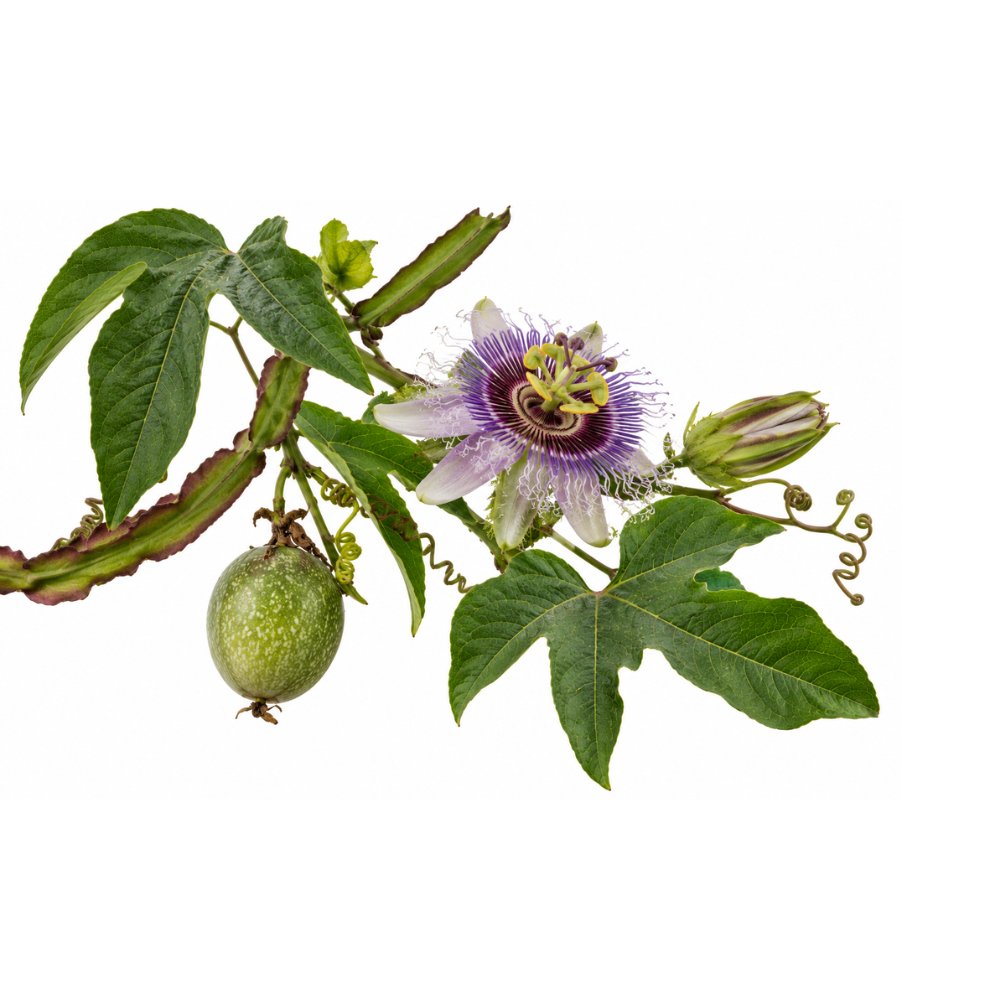
Winged-Stem Passionflower
Passiflora alata
Safety
- The sedating nervines add to alcohol, benzodiazepines, sleeping tablets and other sedating herbs, and impair driving.
- Several nervines inhibit monoamine oxidase or monoamine reuptake, so anyone on an SSRI, SNRI or other serotonergic drug should check before combining.
- Some nervines alter drug metabolism through the CYP3A4 enzyme, St John’s wort most of all; check every co-medication before adding one.
- Not every nervine is calming; the stimulant and alerting nervines can worsen anxiety and disturb sleep.
- Most nervines have no pregnancy, lactation or long-term safety data.
- Persistent anxiety, low mood or insomnia needs assessment; a nervine supports the nervous system and does not treat the cause.
References
- Dimpfel W, Franklin R, Gericke N, Schombert L (2018). Effect of Zembrin® and four of its alkaloid constituents on electric excitability of the rat hippocampus. Journal of Ethnopharmacology. https://pubmed.ncbi.nlm.nih.gov/29758341/
- Shikanga EA, Hamman JH, Chen W, Combrinck S, Gericke N, Viljoen AM (2012). In vitro permeation of mesembrine alkaloids from Sceletium tortuosum across porcine buccal, sublingual, and intestinal mucosa. Planta Medica. https://pubmed.ncbi.nlm.nih.gov/22105579/
- Reddy K, Stafford GI, Makunga NP (2024). Skeletons in the closet? Using a bibliometric lens to visualise phytochemical and pharmacological activities linked to Sceletium, a mood enhancer. Frontiers in Plant Science. https://pubmed.ncbi.nlm.nih.gov/38576783/
- Olatunji TL, Siebert F, Adetunji AE, Harvey BH, Gericke J, Hamman JH, Van der Kooy F (2022). Sceletium tortuosum: a review on its phytochemistry, pharmacokinetics, biological, pre-clinical and clinical activities. Journal of Ethnopharmacology. https://pubmed.ncbi.nlm.nih.gov/34758918/
- Gericke J, Lekhooa M, Steyn SF, Viljoen AM, Harvey BH (2022). An acute dose-ranging evaluation of the antidepressant properties of Sceletium tortuosum (Zembrin®) versus escitalopram in the Flinders Sensitive Line rat. Journal of Ethnopharmacology. https://pubmed.ncbi.nlm.nih.gov/34454055/
- Murbach TS, Hirka G, Szakonyiné IP, Gericke N, Endres JR (2014). A toxicological safety assessment of a standardized extract of Sceletium tortuosum (Zembrin®) in rats. Food and Chemical Toxicology. https://pubmed.ncbi.nlm.nih.gov/25301237/
- Lopresti AL, et al. (2019). Stress-relieving and pharmacological actions of an ashwagandha extract — a randomised, double-blind, placebo-controlled study. Medicine (Baltimore). https://pubmed.ncbi.nlm.nih.gov/31517876/
- Fatima K, et al. (2024). Safety and efficacy of Withania somnifera for anxiety and insomnia — systematic review and meta-analysis. Human Psychopharmacology. https://pubmed.ncbi.nlm.nih.gov/39083548/
- Cooley K, et al. (2009). Naturopathic care for anxiety — a randomised controlled trial (ISRCTN78958974). PLoS One. https://pubmed.ncbi.nlm.nih.gov/19718255/
- Sivasangari, K., & Rajan, K. E. (2020). Standardized Bacopa monnieri extract ameliorates learning and memory impairments through synaptic protein, neurogranin, BDNF signaling, and HPA axis in prenatally stressed rat offspring — animal model. Antioxidants, 9(12), 1229. https://pubmed.ncbi.nlm.nih.gov/33291595/
- Valotto Neto, L. J., Reverete de Araujo, M., Moretti Junior, R. C., et al. (2024). Investigating the neuroprotective and cognitive-enhancing effects of Bacopa monnieri — systematic review. Antioxidants, 13(4), 393. https://pubmed.ncbi.nlm.nih.gov/38671841/
- Dubey, T., Kushwaha, P., Thulasiram, H. V., Chandrashekar, M., & Chinnathambi, S. (2023). Bacopa monnieri reduces Tau aggregation and Tau-mediated toxicity in cells — in vitro. International Journal of Biological Macromolecules, 234, 123171. https://pubmed.ncbi.nlm.nih.gov/36716837/
- Powell, S. L., et al. (2008). In vitro serotonergic activity of black cohosh and identification of Nω-methylserotonin as a potential active constituent. J Agric Food Chem. https://pubmed.ncbi.nlm.nih.gov/19049296/
- Castelo-Branco, C., et al. (2021). Review & meta-analysis: isopropanolic black cohosh extract iCR for menopausal symptoms — an update. Climacteric. https://pubmed.ncbi.nlm.nih.gov/33021111/
- Shahmohammadi, A., et al. (2019). Efficacy of herbal medicines on anxiety and depression in peri- and postmenopausal women: a systematic review and meta-analysis. Post Reprod Health. https://pubmed.ncbi.nlm.nih.gov/31630610/
- Oktem, M., et al. (2007). Black cohosh and fluoxetine in postmenopausal symptoms: a prospective, randomised trial. Adv Ther. https://pubmed.ncbi.nlm.nih.gov/17565936/
- Sadahiro, R., et al. (2023). Black cohosh extracts in women with menopausal symptoms: an updated pairwise meta-analysis. Menopause. https://pubmed.ncbi.nlm.nih.gov/37192826/
- Daels-Rakotoarison, D. A., Seidel, V., Gressier, B., Brunet, C., et al. (2000). Neurosedative and antioxidant activities of phenylpropanoids from Ballota nigra — in vitro / rat brain tissue. Arzneimittel-Forschung. https://pubmed.ncbi.nlm.nih.gov/10683711/
- Khan, A. W., et al. (2016). Anticonvulsant, Anxiolytic, and Sedative Activities of Verbena officinalis — mouse. Frontiers in Pharmacology. https://pubmed.ncbi.nlm.nih.gov/28066246/
- Koshovyi, O., et al. (2025). Verbena officinalis L. Herb Extract, Its Amino Acid Preparations and 3D-Printed Dosage Forms: Phytochemical, Technological and Pharmacological Research — animal model. Plants (Basel). https://pubmed.ncbi.nlm.nih.gov/40941816/
- Bhat SD et al. (2012). Anticonvulsant activity of raw and classically processed Vacha (Acorus calamus Linn.) rhizomes — animal in vivo. Ayu. https://pubmed.ncbi.nlm.nih.gov/23049196/
- Hazra R et al. (2007). Inhibitory role of Acorus calamus in ferric chloride-induced epileptogenesis in rat — animal in vivo. Hum Exp Toxicol. https://pubmed.ncbi.nlm.nih.gov/18375638/
- Katyal J et al. (2012). Interaction of hydroalcoholic extract of Acorus calamus Linn. with sodium valproate and carbamazepine — animal in vivo. Indian J Exp Biol. https://pubmed.ncbi.nlm.nih.gov/22279941/
- Malik R et al. (2024). Antioxidative and neuroprotective potential of Acorus calamus linn. and Cordia dichotoma G. Forst. In Alzheimer’s type dementia in rodent — animal in vivo. Brain Res. https://pubmed.ncbi.nlm.nih.gov/37793605/
- Venkatesan K (2022). Anti-amnesic and anti-cholinesterase activities of α-asarone against scopolamine-induced memory impairments in rats — animal in vivo. Eur Rev Med Pharmacol Sci. https://pubmed.ncbi.nlm.nih.gov/36111936/
- Sundaramahalingam M et al. (2013). Role of Acorus calamus and alpha-asarone on hippocampal dependent memory in noise stress exposed rats — animal in vivo. Pak J Biol Sci. https://pubmed.ncbi.nlm.nih.gov/24498829/
- Reddy S et al. (2015). Effects of Acorus calamus Rhizome Extract on the Neuromodulatory System in Restraint Stress Male Rats — animal in vivo. Turk Neurosurg. https://pubmed.ncbi.nlm.nih.gov/26037183/
- Vohora SB et al. (1990). Central nervous system studies on an ethanol extract of Acorus calamus rhizomes — animal in vivo. J Ethnopharmacol. https://pubmed.ncbi.nlm.nih.gov/2314110/
- Wang N et al. (2019). β-Asarone Inhibits Amyloid-β by Promoting Autophagy in a Cell Model of Alzheimer’s Disease — in vitro. Front Pharmacol. https://pubmed.ncbi.nlm.nih.gov/32009952/
- Rolland A, Fleurentin J, Lanhers MC, et al. Behavioural effects of the American traditional plant Eschscholzia californica: sedative and anxiolytic properties. Planta Medica. 1991;57(3):212–216. https://pubmed.ncbi.nlm.nih.gov/1680240/
- Schulz H, Jobert M, Hübner WD. The quantitative EEG as a screening instrument to identify sedative effects of single doses of plant extracts in comparison with diazepam. Phytomedicine. 1998;5(6):449–458. https://pubmed.ncbi.nlm.nih.gov/23196028/
- Lemoine P, Bablon JC, Da Silva C. A combination of melatonin, vitamin B6 and medicinal plants in the treatment of mild-to-moderate insomnia: a prospective pilot study. Complementary Therapies in Medicine. 2019;45:104–108. https://pubmed.ncbi.nlm.nih.gov/31331545/
- Kamdem, J. P., et al. (2012). Catuaba (Trichilia catigua) prevents against oxidative damage induced by in vitro ischemia–reperfusion in rat hippocampal slices — in vitro. Neurochemical Research. https://pubmed.ncbi.nlm.nih.gov/23001398/
- Truiti, M. T., et al. (2015). Trichilia catigua ethyl-acetate fraction protects against cognitive impairments and hippocampal cell death induced by bilateral common carotid occlusion in mice — animal model. Journal of Ethnopharmacology. https://pubmed.ncbi.nlm.nih.gov/26099636/
- Godinho, J., et al. (2018). Ethyl-acetate fraction of Trichilia catigua restores long-term retrograde memory and reduces oxidative stress and inflammation after global cerebral ischemia in rats — animal model. Behavioural Brain Research. https://pubmed.ncbi.nlm.nih.gov/28919157/
- Godinho, J., et al. (2018). Ethyl-acetate fraction of Trichilia catigua protects against oxidative stress and neuroinflammation after cerebral ischemia/reperfusion — animal model. Journal of Ethnopharmacology. https://pubmed.ncbi.nlm.nih.gov/29660468/
- de Oliveira, D. V., et al. (2023). Delayed administration of Trichilia catigua A. Juss. ethyl-acetate fraction after cerebral ischemia prevents spatial memory deficits, decreases oxidative stress, and impacts neural plasticity in rats — animal model. Journal of Ethnopharmacology. https://pubmed.ncbi.nlm.nih.gov/36682600/
- Martins, N. O., et al. (2018). Antioxidant, anticholinesterase and antifatigue effects of Trichilia catigua (catuaba) — animal model. BMC Complementary and Alternative Medicine. https://pubmed.ncbi.nlm.nih.gov/29866157/
- Bernardo, J., et al. (2018). In vitro multimodal-effect of Trichilia catigua A. Juss. (Meliaceae) bark aqueous extract in CNS targets — in vitro. Journal of Ethnopharmacology. https://pubmed.ncbi.nlm.nih.gov/28970152/
- Arrieta-Báez D, Gómez-Patiño MB, Jurado Hernández N, et al. (2022). Antidepressant-like effects of a methanol extract of Leonotis nepetifolia in mice — in vivo behavioural (animal model). Nat Prod Res. https://pubmed.ncbi.nlm.nih.gov/35357257/
- Ayanwuyi LO, Kwanashie HO, Hussaini IM, et al. (2016). Preliminary studies on the behavioural effects of the methanol extract of Leonotis nepetifolia Linn stem in mice — in vivo behavioural (animal model). Afr J Tradit Complement Altern Med. https://pubmed.ncbi.nlm.nih.gov/28852715/
- Li, J., Fronczek, F. R., Ferreira, D., et al. (2012). Bis-spirolabdane diterpenoids from Leonotis nepetaefolia — in vitro CNS G-protein-coupled receptor binding. J Nat Prod. https://pubmed.ncbi.nlm.nih.gov/22475308/
- de Oliveira, A. P., Borges, I. V., Pereira, E. C. V., et al. (2019). Influence of light intensity, fertilizing and season on the cirsiliol content, a chemical marker of Leonotis nepetifolia (Lamiaceae) — cultivation/chemical marker. PeerJ. https://pubmed.ncbi.nlm.nih.gov/30671296/
- Bernardo, J., et al. (2017). Turnera diffusa inhibits CNS enzymes and delays glutamate excitotoxicity in SH-SY5Y cells — in vitro. Food Chem Toxicol. https://pubmed.ncbi.nlm.nih.gov/28606766/
- Bernardo, J., et al. (2021). Trichilia catigua and Turnera diffusa extracts: in vitro inhibition of tyrosinase, antiglycation and neuroinflammation — in vitro. J Ethnopharmacol. https://pubmed.ncbi.nlm.nih.gov/33485975/
- Ana María, D. B., et al. (2019). Neurobehavioral and toxicological effects of an aqueous extract of Turnera diffusa in mice — animal study. J Ethnopharmacol. https://pubmed.ncbi.nlm.nih.gov/30818006/
- Taylor, L. (2005). The healing power of rainforest herbs: A guide to understanding and using herbal medicinals. Garden City Park, NY: Square One Publishers.
- Bradwejn, J., et al. (2000). A double-blind, placebo-controlled study on the effects of Gotu Kola on acoustic startle response in healthy subjects — randomised trial. Journal of Clinical Psychopharmacology. https://pubmed.ncbi.nlm.nih.gov/11106141/
- Jana, U., et al. (2010). A clinical study on the management of generalized anxiety disorder with Centella asiatica — clinical trial. Nepal Medical College Journal. https://pubmed.ncbi.nlm.nih.gov/20677602/
- Puttarak, P., et al. (2017). Effects of Centella asiatica on cognitive function and mood — systematic review and meta-analysis. Scientific Reports. https://pubmed.ncbi.nlm.nih.gov/28878245/
- Begum, Z., & Younus, I. (2018). Hibiscus rosa-sinensis mediates an anxiolytic effect via ionotropic GABA-A receptor modulation — rat. Metab Brain Dis. https://pubmed.ncbi.nlm.nih.gov/29372452/
- Shewale, P. B., et al. (2012). Antidepressant-like activity of anthocyanidins from Hibiscus rosa-sinensis flowers (tail-suspension/forced-swim) — mice. Indian J Pharmacol. https://doi.org/10.4103/0253-7613.99303
- Nade, V. S., et al. (2010). Neuroprotective effect of Hibiscus rosa-sinensis in a cerebral post-ischemic reperfusion oxidative-stress model — rat. Pharm Biol. https://pubmed.ncbi.nlm.nih.gov/20645783/
- Nade, V. S., et al. (2009). Effect of Hibiscus rosa-sinensis on reserpine-induced neurobehavioural and biochemical alterations — rat. Indian J Exp Biol. https://pubmed.ncbi.nlm.nih.gov/19761039/
- Saxena, R. C., et al. (2012). Efficacy of an extract of Ocimum tenuiflorum (OciBest) in the management of general stress — randomised placebo-controlled trial. Evid Based Complement Alternat Med, 2012, 894509. https://pubmed.ncbi.nlm.nih.gov/21977056/
- Bhattacharyya, D., et al. (2008). Controlled programmed trial of Ocimum sanctum leaf on generalized anxiety disorders — controlled clinical trial. Nepal Med Coll J, 10(3), 176–179. https://pubmed.ncbi.nlm.nih.gov/19253862/
- Lopresti, A. L., et al. (2022). A randomised, double-blind, placebo-controlled trial investigating the effects of a standardised Ocimum tenuiflorum extract — randomised controlled trial. Front Nutr, 9, 965130. https://pubmed.ncbi.nlm.nih.gov/36185698/
- Kyrou I, Christou A, Panagiotakos D, Stefanaki C, Skenderi K, Katsana K, et al. (2017). Effects of a hops (Humulus lupulus L.) dry extract supplement on self-reported depression, anxiety and stress levels in apparently healthy young adults: a randomized, placebo-controlled, double-blind, crossover pilot study — [randomized]. Hormones (Athens), 16(2), 171-180. https://pubmed.ncbi.nlm.nih.gov/28742505/
- Fukuda T, Ohnuma T, Obara K, Kondo S, Arai H, & Ano Y (2020). Supplementation with Matured Hop Bitter Acids Improves Cognitive Performance and Mood State in Healthy Older Adults with Subjective Cognitive Decline — [randomized]. J Alzheimers Dis, 76(1), 387-398. https://pubmed.ncbi.nlm.nih.gov/32474473/
- Nagai M et al. (2000). Pleasant odors attenuate the blood pressure increase during rhythmic handgrip in humans — [human study]. Neurosci Lett. https://pubmed.ncbi.nlm.nih.gov/10961671/
- Inoue N et al. (2003). Autonomic nervous responses according to preference for the odor of jasmine tea — [human autonomic study]. Biosci Biotechnol Biochem. https://pubmed.ncbi.nlm.nih.gov/12843644/
- Kuroda K et al. (2005). Sedative effects of the jasmine tea odor and (R)-(-)-linalool, one of its major odor components, on autonomic nerve activity and mood states — [human study]. Eur J Appl Physiol. https://pubmed.ncbi.nlm.nih.gov/15976995/
- Jafarzadeh Samani M et al. (2024). Anxiolytic Effect of Jasmine Aromatherapy in Pediatric Dental Procedures: A Single-Blinded Randomized Placebo-Controlled Trial — [randomised placebo-controlled trial]. Front Dent. https://pubmed.ncbi.nlm.nih.gov/39588286/
- Ma Y et al. (2025). Antidepressant-like Effects of Five Essential Oils Inhaled in Reserpine-induced Depressed Mouse Models — [mouse model (in vivo)]. Chem Biodivers. https://pubmed.ncbi.nlm.nih.gov/40644689/
- Zhang Y et al. (2021). Jasmine Tea Attenuates Chronic Unpredictable Mild Stress-Induced Depressive-like Behavior in Rats via the Gut-Brain Axis — [rat model]. Nutrients. https://pubmed.ncbi.nlm.nih.gov/35010973/
- Zhou J et al. (2025). Jasmine tea extract prevents CUMS-induced depression-like behaviors through the modulation of microbiota-gut-brain axis — [rat model]. Food Res Int. https://pubmed.ncbi.nlm.nih.gov/40253129/
- Umukoro S et al. (2018). Antidepressant-like activity of methyl jasmonate involves modulation of monoaminergic pathways in mice — [mouse model]. Adv Med Sci. https://pubmed.ncbi.nlm.nih.gov/28818747/
- Adebesin A et al. (2017). Methyl jasmonate attenuated lipopolysaccharide-induced depressive-like behaviour in mice — [study]. J Psychiatr Res. https://pubmed.ncbi.nlm.nih.gov/28647678/
- Hongratanaworakit T (2010). Stimulating effect of aromatherapy massage with jasmine oil — [human aromatherapy study]. Nat Prod Commun. https://pubmed.ncbi.nlm.nih.gov/20184043/
- Choi NY et al. (2022). Effects of Olfactory Stimulation with Aroma Oils on Psychophysiological Responses of Female Adults — [human study]. Int J Environ Res Public Health. https://pubmed.ncbi.nlm.nih.gov/35564590/
- Chua, H. C., Christensen, E. T., Hoestgaard-Jensen, K., et al. (2016). Kavain, the major constituent of the anxiolytic kava extract, potentiates GABA-A receptors — functional characteristics and molecular mechanism [in vitro]. PLoS One. https://pubmed.ncbi.nlm.nih.gov/27332705/
- Jussofie, A., Schmiz, A., & Hiemke, C. (1994). Kavapyrone-enriched extract from Piper methysticum as modulator of the GABA binding site in different regions of rat brain [animal]. Psychopharmacology (Berl). https://pubmed.ncbi.nlm.nih.gov/7701051/
- Sarris, J., LaPorte, E., & Schweitzer, I. (2011). Kava — a comprehensive review of efficacy, safety, and psychopharmacology [review]. Aust N Z J Psychiatry. https://pubmed.ncbi.nlm.nih.gov/21073405/
- Baldinger, P., et al. (2014). Effects of Silexan on the serotonin-1A receptor and microstructure of the human brain — a randomized, placebo-controlled PET study. International Journal of Neuropsychopharmacology. https://pubmed.ncbi.nlm.nih.gov/25522403/
- Chioca, L. R., et al. (2013). Anxiolytic-like effect of lavender essential oil inhalation in mice: participation of serotonergic but not GABA-A/benzodiazepine neurotransmission — animal model. Journal of Ethnopharmacology. https://pubmed.ncbi.nlm.nih.gov/23524167/
- Costa, C. A. R. A., et al. (2011). The GABAergic system contributes to the anxiolytic-like effect of essential oil from Cymbopogon citratus — mouse in vivo. Journal of Ethnopharmacology. https://pubmed.ncbi.nlm.nih.gov/21767622/
- Leite, J. R., et al. (1986). Pharmacology of lemongrass III: assessment of toxic, hypnotic and anxiolytic effects in humans — randomised double-blind controlled clinical trial. Journal of Ethnopharmacology. https://pubmed.ncbi.nlm.nih.gov/2429120/
- Maybodi, F. R., et al. (2025). Effect of aromatherapy with lemongrass on the anxiety of patients undergoing scaling and root planing — randomised controlled trial. BMC Complementary Medicine and Therapies. https://pubmed.ncbi.nlm.nih.gov/40069670/
- Aguirre-Hernández, E., et al. (2007). Pharmacological evaluation of the anxiolytic and sedative effects of Tilia americana L. var. mexicana in mice — animal in vivo study. J Ethnopharmacol. https://pubmed.ncbi.nlm.nih.gov/16930893/
- Pérez-Ortega, G., et al. (2008). Sedative and anxiolytic efficacy of Tilia americana var. mexicana inflorescences used traditionally by communities of the State of Michoacán, Mexico — animal in vivo study. J Ethnopharmacol. https://pubmed.ncbi.nlm.nih.gov/18242902/
- Allio, A., et al. (2015). Bud extracts from Tilia tomentosa Moench inhibit hippocampal neuronal firing through GABAA and benzodiazepine receptor activation — in vitro study. J Ethnopharmacol. https://pubmed.ncbi.nlm.nih.gov/26144285/
- Martínez-Hernández, G. B., et al. (2021). A mixture of quercetin 4’-O-rhamnoside and isoquercitrin from Tilia americana var. mexicana with antidepressant activity in mice — animal in vivo study. J Ethnopharmacol. https://pubmed.ncbi.nlm.nih.gov/33248185/
- Cárdenas-Rodríguez, N., et al. (2014). Anticonvulsant and antioxidant effects of Tilia americana var. mexicana and flavonoid constituents in pentylenetetrazole-induced seizures — animal in vivo study. Oxid Med Cell Longev. https://pubmed.ncbi.nlm.nih.gov/25197430/
- Prescrire International. (2005). Management of insomnia: a place for traditional herbal remedies — review. Prescrire Int. https://pubmed.ncbi.nlm.nih.gov/15984105/
- Nagano, M., et al. (2010). Reduction of depression and anxiety by 4 weeks Hericium erinaceus intake — randomised, placebo-controlled trial. Biomed Res. https://pubmed.ncbi.nlm.nih.gov/20834180/
- Saro, G., et al. (2025). Monoamine oxidase inhibitors present in tobacco modulate dopamine balance via the dopamine transporter — in vitro / in silico study. ACS Chemical Neuroscience. https://pubmed.ncbi.nlm.nih.gov/40033845/
- Hong, S. W., et al. (2022). A review of monoamine oxidase (MAO) inhibitors in tobacco or tobacco smoke — review. NeuroToxicology. https://pubmed.ncbi.nlm.nih.gov/36155069/
- Berlowitz, I., et al. (2022). Monoamine oxidase inhibition by plant-derived β-carbolines; implications for the psychopharmacology of tobacco and ayahuasca — review. Frontiers in Pharmacology. https://pubmed.ncbi.nlm.nih.gov/35600851/
- Ghazizadeh J, Sadigh-Eteghad S, Marx W, et al. (2021). The effects of lemon balm (Melissa officinalis L.) on depression and anxiety in clinical trials — a systematic review and meta-analysis. Phytotherapy Research. https://pubmed.ncbi.nlm.nih.gov/34449930/
- Cases J, Ibarra A, Feuillère N, Roller M, Sukkar SG. (2011). Pilot trial of Melissa officinalis L. leaf extract in mild-to-moderate anxiety disorders and sleep disturbances — open-label clinical trial. Mediterranean Journal of Nutrition and Metabolism. https://pubmed.ncbi.nlm.nih.gov/22207903/
- Ibarra A, Feuillère N, Roller M, Lesburgère E, Beracochea D. (2010). Effects of chronic administration of Melissa officinalis extract on anxiety-like reactivity in mice — animal model. Phytomedicine. https://pubmed.ncbi.nlm.nih.gov/20171069/
- Awad R, Muhammad A, Durst T, Trudeau VL, Arnason JT. (2009). Bioassay-guided fractionation of lemon balm using an in vitro measure of GABA transaminase activity — in vitro. Phytotherapy Research. https://pubmed.ncbi.nlm.nih.gov/19165747/
- Kennedy DO, Scholey AB, Tildesley NT, Perry EK, Wesnes KA. (2002). Modulation of mood and cognitive performance following acute administration of Melissa officinalis — randomised placebo-controlled crossover trial. Pharmacology Biochemistry and Behavior. https://pubmed.ncbi.nlm.nih.gov/12062586/
- Kennedy DO, Little W, Haskell CF, Scholey AB. (2006). Anxiolytic effects of a combination of Melissa officinalis and Valeriana officinalis during laboratory-induced stress — randomised placebo-controlled crossover trial. Phytotherapy Research. https://pubmed.ncbi.nlm.nih.gov/16444660/
- Pérez-Ortega, G., et al. (2016). Tagetes lucida Cav.: ethnobotany, phytochemistry and pharmacology of its tranquilizing properties — animal study. Journal of Ethnopharmacology. https://pubmed.ncbi.nlm.nih.gov/26873624/
- Guadarrama-Cruz, G., et al. (2008). Antidepressant-like effects of Tagetes lucida Cav. in the forced swimming test — animal study. Journal of Ethnopharmacology. https://pubmed.ncbi.nlm.nih.gov/18782612/
- Guadarrama-Cruz, G., et al. (2012). Antidepressant-like effect of Tagetes lucida Cav. extract in rats: involvement of the serotonergic system — animal study. American Journal of Chinese Medicine. https://pubmed.ncbi.nlm.nih.gov/22809029/
- Bonilla-Jaime, H., et al. (2015). Antidepressant-like activity of Tagetes lucida Cav. is mediated by 5-HT1A and 5-HT2A receptors — animal study. Journal of Natural Medicines. https://pubmed.ncbi.nlm.nih.gov/26062718/
- Rauwald, H. W., Savtschenko, A., Merten, A., et al. (2015). GABA-A receptor binding assays of standardized Leonurus cardiaca and Leonurus japonicus extracts and their isolated constituents — in vitro. Planta Medica, 81(12–13), 1103–1110. https://pubmed.ncbi.nlm.nih.gov/26218338/
- Shikov, A. N., Pozharitskaya, O. N., Makarov, V. G., et al. (2011). Effect of Leonurus cardiaca oil extract in patients with arterial hypertension accompanied by anxiety and sleep disorders — clinical trial (open-label). Phytotherapy Research, 25(4), 540–543. https://pubmed.ncbi.nlm.nih.gov/20839214/
- Ovanesov, K. B., Ovanesova, I. M., & Arushanian, E. B. (2006). Effects of melatonin and motherwort tincture on the emotional state and visual functions in anxious subjects — clinical trial. Eksperimental’naia i Klinicheskaia Farmakologiia, 69(6), 17–19. https://pubmed.ncbi.nlm.nih.gov/17209457/
- Wojtyniak, K., Szymański, M., & Matławska, I. (2013). Leonurus cardiaca L. (motherwort): a review of its phytochemistry and pharmacology — review. Phytotherapy Research, 27(8), 1115–1120. https://pubmed.ncbi.nlm.nih.gov/23042598/
- Kuchta, K., Ortwein, J., & Rauwald, H. W. (2012). Leonurus japonicus, Leonurus cardiaca, Leonotis leonurus: a novel HPLC study on the occurrence and content of the guanidino derivative leonurine — analytical. Die Pharmazie, 67(12), 973–979. https://pubmed.ncbi.nlm.nih.gov/23346757/
- ClinicalTrials.gov. (2025). A randomized, double-dummy, placebo-controlled pilot study of an oral supplement based on Leonurus cardiaca for mood and anxiety — registered RCT (not yet recruiting). NCT06954038. https://clinicaltrials.gov/study/NCT06954038
- Mirza, F. J., Zahid, S., & Holsinger, R. M. D. (2023). Neuroprotective Effects of Carnosic Acid: Insight into Its Mechanisms of Action — review. Molecules. https://pubmed.ncbi.nlm.nih.gov/36903551/
- Ghasemzadeh Rahbardar, M., Hosseinzadeh, H. (2020). Therapeutic effects of rosemary (Rosmarinus officinalis L.) and its active constituents on nervous system disorders — review. Iranian Journal of Basic Medical Sciences. https://pubmed.ncbi.nlm.nih.gov/32963731/
- Moss, M., Cook, J., Wesnes, K., Duckett, P. (2003). Aromas of rosemary and lavender essential oils differentially affect cognition and mood in healthy adults — randomised. International Journal of Neuroscience. https://pubmed.ncbi.nlm.nih.gov/12690999/
- Moss, M., Smith, E., Milner, M., McCready, J. (2018). Acute ingestion of rosemary water: Evidence of cognitive and cerebrovascular effects in healthy adults — randomised controlled trial. Journal of Psychopharmacology. https://pubmed.ncbi.nlm.nih.gov/30318972/
- Araki, R., Sasaki, K., Onda, H., et al. (2020). Effects of Continuous Intake of Rosemary Extracts on Mental Health in Working Generation Healthy Japanese Men — randomized controlled trial (post-hoc). Nutrients. https://pubmed.ncbi.nlm.nih.gov/33233510/
- de Almeida RN, et al. (2009). Rosewood oil induces sedation and inhibits compound action potential in rodents — animal model. Journal of Ethnopharmacology. https://pubmed.ncbi.nlm.nih.gov/19505550/
- Sampaio LFS, et al. (2012). Linalool from rosewood (Aniba rosaeodora Ducke) oil inhibits adenylate cyclase in the retina — in vitro mechanism. Phytotherapy Research. https://pubmed.ncbi.nlm.nih.gov/21544884/
- Dos Santos ÉRQ, et al. (2018). Linalool-rich essential oils from the Amazon display antidepressant-type effect in rodents — animal model. Journal of Ethnopharmacology. https://pubmed.ncbi.nlm.nih.gov/29037915/
- Dos Santos ÉRQ, et al. (2024). Linalool-rich rosewood essential oil mitigates emotional and neurochemical impairments from ethanol binge exposure in female rats — animal model. Biomedicine & Pharmacotherapy. https://pubmed.ncbi.nlm.nih.gov/39024836/
- Awad, R., Arnason, J. T., Trudeau, V., et al. (2003). Phytochemical and biological analysis of skullcap (Scutellaria lateriflora L.): a medicinal plant with anxiolytic properties — animal model. Phytomedicine. https://pubmed.ncbi.nlm.nih.gov/14692724/
- Gafner, S., Bergeron, C., Batcha, L. L., et al. (2003). Inhibition of [3H]-LSD binding to 5-HT7 receptors by flavonoids from Scutellaria lateriflora — in vitro. Journal of Natural Products. https://pubmed.ncbi.nlm.nih.gov/12713409/
- Lohani, M., Ahuja, M., Buabeid, M. A., et al. (2013). Anti-oxidative and DNA protecting effects of flavonoids-rich Scutellaria lateriflora — mouse brain tissue. Natural Product Communications. https://pubmed.ncbi.nlm.nih.gov/24354189/
- Eiden, M., Leidel, F., Strohmeier, B., et al. (2012). A medicinal herb Scutellaria lateriflora inhibits PrP replication in vitro and delays the onset of prion disease in mice — in vivo animal model. Prion. https://pubmed.ncbi.nlm.nih.gov/22363300/
- Di Minno, A., Morone, M. V., Buccato, D. G., et al. (2025). Efficacy and tolerability of a chemically characterized Scutellaria lateriflora L. extract-based food supplement for sleep management: a single-center, controlled, randomised, crossover, double-blind clinical trial. Nutrients. https://pubmed.ncbi.nlm.nih.gov/40362800/
- Müller, W. E. (2001). Hyperforin — antidepressant activity by a novel mechanism of action. Pharmacopsychiatry. https://pubmed.ncbi.nlm.nih.gov/11518085/
- Mennini, T., & Gobbi, M. (2004). The antidepressant mechanism of Hypericum perforatum — review. Life Sciences. https://pubmed.ncbi.nlm.nih.gov/15207650/
- Ben-Eliezer, D., & Yechiam, E. (2016). Hypericum perforatum as a cognitive enhancer in rodents: A meta-analysis (animal model). Scientific Reports. https://pubmed.ncbi.nlm.nih.gov/27762349/
- Yechiam, E., et al. (2019). The acute effect of Hypericum perforatum on short-term memory in healthy adults — randomised, double-blind, placebo-controlled trial. Psychopharmacology. https://pubmed.ncbi.nlm.nih.gov/30382352/
- Jung HY, Yoo DY, Nam SM, et al. (2015). Valerenic Acid Protects Against Physical and Psychological Stress by Reducing the Turnover of Serotonin and Norepinephrine in Mouse Hippocampus-Amygdala Region. J Med Food. https://pubmed.ncbi.nlm.nih.gov/26177123/
- Roh D, Jung JH, Yoon KH, et al. (2019). Valerian extract alters functional brain connectivity: A randomized double-blind placebo-controlled trial. Phytother Res. https://pubmed.ncbi.nlm.nih.gov/30632220/
- Wu X, et al. (2026). Valerenic acid attenuates chronic stress-exacerbated metabolic dysfunction-associated steatotic liver disease via the estrogen receptor α-GDF15 axis. https://pubmed.ncbi.nlm.nih.gov/42385973/
- Zhang, N., et al. (2016). The anxiolytic effect of essential oil of Cananga odorata exposure on mice and determination of its major active constituents — animal model. Phytomedicine, 23(14), 1727–1734. https://pubmed.ncbi.nlm.nih.gov/27912874/
- Zhang, N., et al. (2018). Cananga odorata essential oil reverses m-CPP-induced anxiety via the MAPK pathway and serotonin system in mice — animal model. J Ethnopharmacol, 219, 23–30. https://pubmed.ncbi.nlm.nih.gov/29545208/
- Zhang, N., et al. (2023). Inhalation of Cananga odorata essential oil relieves anxiety behaviors in autism-like rats via serotonin and dopamine metabolism — animal model. J Integr Med, 21(2), 205–214. https://pubmed.ncbi.nlm.nih.gov/36792414/
- Borgonetti, V., et al. (2022). Ylang-ylang (Cananga odorata) essential oil reduced neuropathic pain and associated anxiety in mice — animal model. J Ethnopharmacol, 294, 115362. https://pubmed.ncbi.nlm.nih.gov/35551977/
- Hongratanaworakit, T., & Buchbauer, G. (2004). Evaluation of the harmonizing effect of ylang-ylang oil on humans after inhalation — randomized controlled trial. Planta Med, 70(7), 632–636. https://pubmed.ncbi.nlm.nih.gov/15303255/
- Hongratanaworakit, T., & Buchbauer, G. (2006). Relaxing effect of ylang ylang oil on humans after transdermal absorption — clinical trial. Phytother Res, 20(9), 758–763. https://pubmed.ncbi.nlm.nih.gov/16807875/
- Li, H., et al. (2022). Antidepressant effect of Jujuboside A on corticosterone-induced depression in mice — [mouse in vivo study]. Biochemical and biophysical research communications. https://pubmed.ncbi.nlm.nih.gov/35780581/
- Liu, J., et al. (2026). Jujuboside A alleviates visceral pain and depression comorbidity and modulates the P2X7R-BDNF signaling axis — [rat in vivo study]. Phytomedicine : international journal of phytotherapy and phytopharmacology. https://pubmed.ncbi.nlm.nih.gov/41547067/
- Jung, I. H., et al. (2014). Ameliorating effect of spinosin, a C-glycoside flavonoid, on scopolamine-induced memory impairment in mice — [mouse in vivo study]. Pharmacology, biochemistry, and behavior. https://pubmed.ncbi.nlm.nih.gov/24582850/
- Xu, F., et al. (2020). Neuroprotective Effects of Spinosin on Recovery of Learning and Memory in a Mouse Model of Alzheimer’s Disease — [mouse in vivo study]. Biomolecules & therapeutics. https://pubmed.ncbi.nlm.nih.gov/29925225/
- Zhang, Z., et al. (2025). Jujuboside A improves insomnia by maintaining mitochondrial homeostasis in prefrontal neurons — [mouse in vivo study]. Brain research bulletin. https://pubmed.ncbi.nlm.nih.gov/40334994/
- Kim, H., Chung, S. H., Kim, S., et al. (2026). Chrysanthemum morifolium extract protects HT22 cells from oxidative stress and enhances sleep via GABAergic modulation: contribution of luteolin-7-glucoside — in vitro / mouse model. Journal of the Science of Food and Agriculture. https://pubmed.ncbi.nlm.nih.gov/41276885/
- Mori, K., Inatomi, S., Ouchi, K., Azumi, Y., & Tuchida, T. (2009). Improving effects of the mushroom Yamabushitake (Hericium erinaceus) on mild cognitive impairment: a double-blind placebo-controlled clinical trial. Phytotherapy Research. https://pubmed.ncbi.nlm.nih.gov/18844328/
- Panossian, A. G. (2013). Adaptogens in mental and behavioral disorders — review. Psychiatric Clinics of North America, 36(1), 49–64. https://pubmed.ncbi.nlm.nih.gov/23538076/
Keep Exploring