

Overview
Antihypertensive at a Glance
Antihypertensives lower raised blood pressure.
They act on the resistance vessels, on the renin–angiotensin system that controls vascular tone and sodium retention, or on the nervous system that sets both.
In herbal medicine the term is best kept to herbs that move a blood-pressure reading.
A herb that strengthens the heart, protects the vessel wall, thins the blood or lowers cholesterol supports cardiovascular health without being antihypertensive. Those effects belong under cardiotonic, vasoprotective, antiplatelet and hypolipidemic.
Widening a vessel is one route to lowering pressure and has its own page under vasodilator.
Increasing urine output is diuretic work, and most herbal diuretics move water rather than the sodium that drives pressure.
Three of the mechanisms below are the mechanisms of the antihypertensive drug classes. Nitric-oxide release relaxes vessels as the nitrates do, calcium-channel blockade as amlodipine does, and ACE inhibition as captopril does.
That makes the pharmacology unusually well defined, and it makes the interactions direct: these herbs act at the same targets as the drugs, and the effects add.
The best-evidenced examples have human trials. Garlic, olive leaf, hawthorn, roselle and grape seed each lower systolic pressure by roughly 5 to 10 mmHg in pooled randomised trials, and olive leaf and roselle have been compared head-to-head with captopril.
That is the range of a single low-dose antihypertensive drug. Most other herbs move pressure by 2 to 3 mmHg or have been measured only in animals.
A second group lowers pressure indirectly. Ylang ylang and motherwort work through the nervous system and the heart rather than the vessel wall.
Psyllium, flaxseed and cassia cinnamon lower pressure as part of a wider metabolic effect.
Two herbs act in the opposite direction: ephedra’s alkaloids constrict vessels and raise pressure, and the caffeine in coffee raises it acutely, though habitual intake does not.
Caution
Adds to blood-pressure drugs — these herbs add to blood-pressure medication, nitrates and other vasodilators, and an over-corrected pressure causes dizziness, falls and fainting.
Judge it by a reading — hypertension has no symptoms, so a herb is judged by a measured reading and is never a reason to stop prescribed treatment.
Some add to blood thinners — several herbs in this group also inhibit platelets and add to aspirin, clopidogrel and anticoagulants.
Mechanisms
How It Works
01
Nitric Oxide and Endothelial Function
The endothelium produces nitric oxide through endothelial nitric-oxide synthase (eNOS), and the nitric oxide diffuses into the smooth muscle beneath to relax it.
Herbs raise nitric-oxide availability in three ways: increasing eNOS expression, activating the enzyme by phosphorylation, or protecting nitric oxide from destruction by superoxide.
Hawthorn’s standardised extract phosphorylates eNOS at serine 1177, a defined activation site. Cacao’s epicatechin, grape-seed procyanidins and green-tea catechins improve flow-mediated dilation, the standard human measure of endothelial function.
Garlic takes a separate route through hydrogen sulfide, a gasotransmitter released from its polysulfides that relaxes vessels much as nitric oxide does.
This is the mechanism of the nitrates and, indirectly, of the PDE5 inhibitors, and the additive-hypotension caution applies most directly to this group.
Endothelial dysfunction precedes hypertension by years, so an improvement in flow-mediated dilation is not the same as a fall in blood pressure. Where both have been measured, the pressure change is usually the smaller of the two.
Herbs: ArjunaCacaoCoffeeCramp BarkGarlicGrape Seed ExtractGuamuraHawthornMotherwortNigellaOlive LeafStinging NettleTea
Key compounds: EpicatechinAllicinChlorogenic AcidThymoquinone
02
Calcium Channels and cAMP
Vascular smooth muscle contracts when calcium enters through L-type channels, and relaxes when that entry is blocked or when intracellular cyclic AMP rises.
This is the amlodipine and verapamil mechanism. It works whether or not the endothelium is functioning, which is why several of these herbs relax vessels in isolated-tissue preparations with the endothelium removed.
Stevioside, the Uncaria alkaloids hirsutine and rhynchophylline, and the harmala alkaloids in passionflower all block calcium channels in vascular smooth muscle. Olive leaf and stinging nettle reach both this route and the nitric-oxide one.
Forskolin from coleus relaxes vessels by activating adenylate cyclase directly, raising cAMP.
Calcium channels are not confined to arteries. The same blockade slows cardiac conduction, and cashew bark extract depresses the heart in vitro as well as lowering pressure in animals.
Almost all of this is isolated-tissue or animal work. Stevioside at pharmacological doses is the one calcium-channel herb with positive human trials.
Herbs: CashewCat’s ClawColeusCramp BarkGraviolaHibiscusOlive LeafPassionflowerSteviaStinging Nettle
Key compounds: ForskolinHirsutineRhynchophyllineHarmaline
03
ACE Inhibition and the Renin–Angiotensin System
Angiotensin-converting enzyme turns angiotensin I into angiotensin II, a potent vasoconstrictor that also drives aldosterone release and sodium retention, so inhibiting it lowers pressure by two routes at once.
Plant polyphenols reach this target more often than expected.
Olive leaf is the best-characterised example: bioassay-guided fractionation isolated the secoiridoid oleacein as the active ACE inhibitor, and it is considerably stronger than oleuropein, the compound olive-leaf products are standardised to.
Roselle’s sambubioside anthocyanins are competitive ACE inhibitors, and plasma ACE activity fell measurably in patients in its lisinopril-controlled trial.
A single serving of rooibos or green tea inhibited ACE in healthy volunteers within an hour.
This is the mechanism of the largest antihypertensive drug class, and it is the group where the head-to-head drug comparisons exist: olive leaf against captopril, roselle against captopril and lisinopril.
Most of the remaining ACE data are in-vitro enzyme inhibition. A compound that inhibits ACE in a cuvette still has to reach the enzyme in a person at a relevant concentration, and few have been shown to.
Herbs: CacaoHibiscusOlive LeafRooibosRoselleTeaTribulus
Key compounds: OleaceinOleuropeinEGCGGeraniin
04
Autonomic and Cardiac Routes
Blood pressure can be lowered by reducing sympathetic outflow or cardiac output rather than by acting on the vessel wall, the territory of the beta-blockers and the central agonists.
Ylang ylang reaches it through an olfactory–autonomic reflex: inhaled or transdermal oil lowers blood pressure and heart rate in volunteers, with the skin warming that marks reduced sympathetic tone.
Motherwort acts on cardiac sodium, calcium and pacemaker currents, slowing the heart, with vasodilation alongside.
Both effects are measured, and the aromatic one lasts only as long as the exposure.
Two herbs work through the same system in the opposite direction. Ephedra’s alkaloids are alpha-1 adrenoceptor agonists that constrict arterioles and raise blood pressure.
Caffeine raises blood pressure acutely by adenosine antagonism; with habitual intake the response fades, and coffee drinkers as a group have no higher pressure than abstainers.
Herbs: CoffeeEphedraMotherwortYlang Ylang
Key compounds: LavandulifoliosideCaffeineEphedrine
05
Indirect and Unresolved Routes
Some herbs lower blood pressure as part of a wider metabolic effect, or with a mechanism that has not been identified.
Psyllium’s 2 mmHg systolic reduction follows its lipid, glycaemic and weight effects, with a linear dose response. Flaxseed’s response tracks circulating alpha-linolenic acid and enterolignan levels.
American ginseng lowers systolic pressure by reducing arterial stiffness, with diastolic pressure unchanged.
Cassia cinnamon, melissa, ginger and dan shen have pooled or single-trial reductions with no vascular target established, and maitake lowers pressure in rats through improved insulin sensitivity.
A measured reduction with no known mechanism is a different kind of uncertainty from a known mechanism with no measured reduction, and this group holds several of the better human trials among the antihypertensive herbs.
Herbs: American GinsengCassia CinnamonDan ShenFlaxseedGingerMaitakeMelissaPsyllium
Key compounds: Alpha-Linolenic Acid
More Specific Actions
Sub-Actions
Antihypertensive is a parent action. The five actions beneath it describe what a herb does to the vessel or to the blood, and they are often the more useful label.
ACE Inhibitor
2 herbs · Olive Leaf, TeaInhibits angiotensin-converting enzyme, reducing angiotensin II and with it vasoconstriction, aldosterone release and sodium retention.
In plants this is usually polyphenol chemistry, and the effect has been confirmed in people for olive leaf and roselle.
Antiplatelet
6 herbsReduces platelet aggregation, making clots less likely to form in narrowed vessels.
It does not lower blood pressure, and it adds to aspirin, clopidogrel and anticoagulant drugs.
Vasoconstrictor
2 herbs · Coffee, EphedraTightens blood vessels, raising blood pressure and reducing blood flow to the tissue supplied.
In the herbs that carry it the effect comes from adrenergic alkaloids or caffeine, and it is used for nasal congestion and lax veins rather than for pressure.
Vasodilator
11 herbsWidens blood vessels, lowering resistance and the heart’s workload.
The routes are nitric-oxide release, calcium-channel blockade and cyclic AMP, and the effect adds to blood-pressure medication.
Vasoprotective
5 herbsProtects and strengthens the vessel wall rather than changing its tone.
This covers endothelial protection, capillary integrity and resistance to atherosclerotic change, and it does not by itself move a blood-pressure reading.
The Molecules
Pharmacology
What produces an antihypertensive effect at the molecular level. The herbs carry these molecules in different combinations and amounts, which is most of why their potency differs. Roles describe how central a molecule is to the action across plants generally, not how strong any one herb is.
Chiefly Tannins1
Carries the action largely on its own — the effect is attributed to the molecule, not just the extract it came from.
Adds to a plant's effect and is often present in quantity, but rarely accounts for it alone.
Real but narrow — one pathway, one tissue, or evidence too thin to lean on.
Geraniin Tannins Minor role Targets ACE; semicarbazide-sensitive amine oxidase (SSAO)
Geraniin was first characterised in 1988 as an angiotensin-converting-enzyme inhibitor from Phyllanthus niruri 1Reference 1Chemical and pharmaceutical studies on medicinal plants in ParaguayView study →.
The isolate inhibits ACE with an IC₅₀ of 13.22 µM (mixed non-competitive) and SSAO at 6.58 µM (competitive, Kᵢ 0.70 µM) 2Reference 2Antioxidant, anti-semicarbazide-sensitive amine oxidase, and anti-hypertensive activities of geraniin isolated from Phyllanthus urinariaView study →.
A single 5 mg/kg oral dose lowered systolic and diastolic pressure in spontaneously hypertensive rats for 24 hours 2Reference 2Antioxidant, anti-semicarbazide-sensitive amine oxidase, and anti-hypertensive activities of geraniin isolated from Phyllanthus urinariaView study →, and every dose from 3.125 to 100 mg/kg lowered blood pressure in high-fat-diet rats without changing electrolytes, renin or aldosterone 3Reference 3AnimalEffects of geraniin (rambutan rind extract) on blood pressure and metabolic parameters in rats fed high-fat dietView study →.
The in-vivo effect probably belongs to its metabolites rather than to geraniin itself: tested side by side, ellagic acid matched captopril on ACE where geraniin did not, and the authors concluded the metabolites carry the activity 4Reference 4In vitroMetabolites of the ellagitannin, geraniin inhibit human ACE; in vitro and in silico evidenceView study →.
Geraniin has no measurable intestinal permeability 5Reference 5Permeability of the ellagitannin geraniin and its metabolites in a human colon adenocarcinoma Caco-2 cell culture modelView study →, which fits a metabolite-mediated effect running through ellagic acid.
Chanca piedra is the herb that carries the compound.
Found in Amla, Chanca Piedra
Full Geraniin profile →What It's For
Indications
- Raised blood pressure
- Stress-driven blood-pressure spikes
- Cardiovascular risk reduction
- Fluid overload with hypertension
Materia Medica
Antihypertensive Herbs by Potency
The antihypertensive herbs, ordered by the relative strength of the effect rather than by how well studied it is. Each herb is described by the mechanism behind its effect and the evidence for it.
None of this is a substitute for professional care.
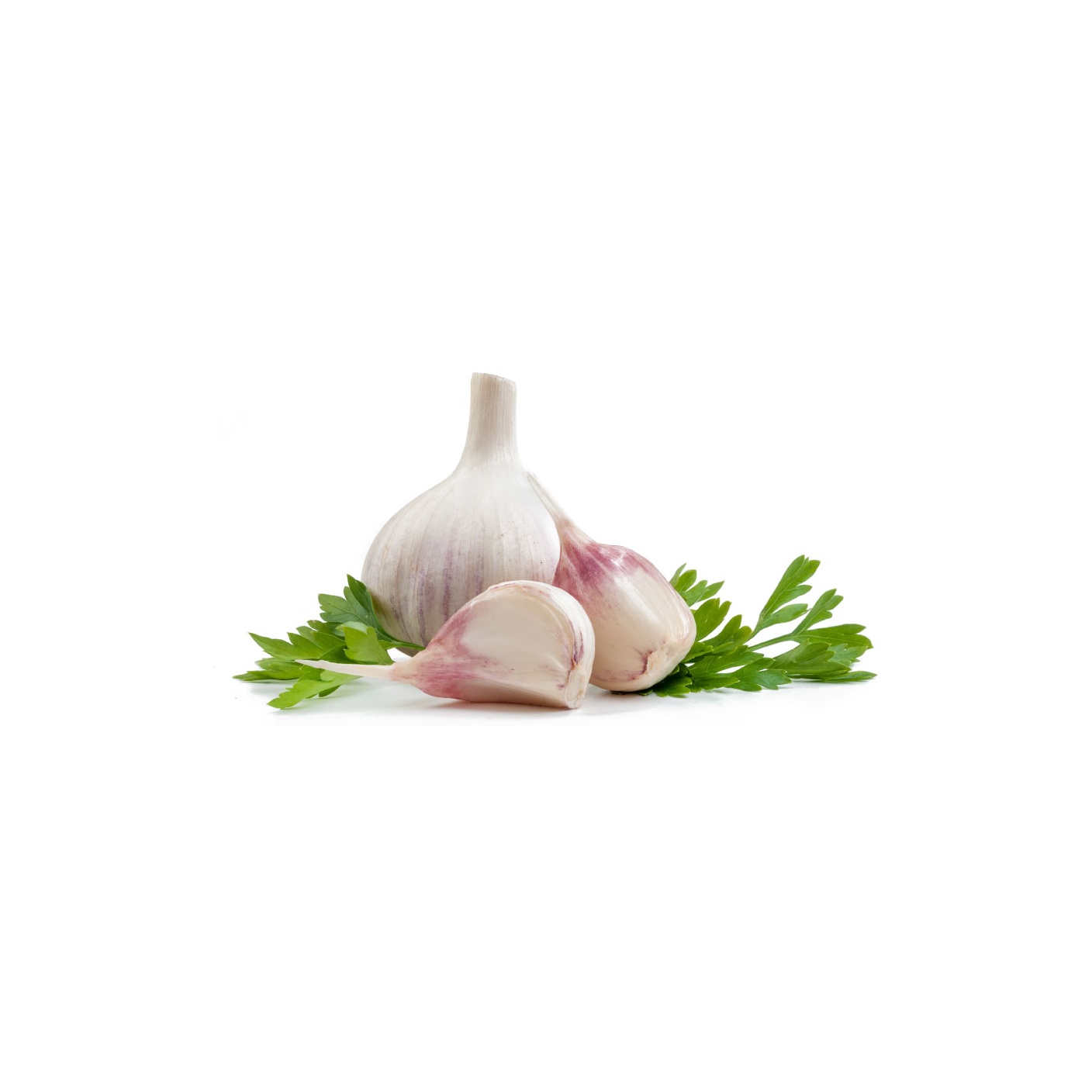 PotentPotentGarlicAllium sativumLowers systolic pressure by about 4 to 7 mmHg in hypertensive adults across replicated meta-analyses of randomised trials, through hydrogen-sulfide and nitric-oxide signalling from its sulfur compounds.MechanismH₂S signaling (polysulfides → S-allylcysteine); nitric-oxide modulation; vascular antioxidant activityRead the evidenceShow lessMonograph →
A 2015 systematic review of seven RCTs found systolic pressure fell about 6.7 mmHg and diastolic about 4.8 mmHg against placebo 28Reference 28Meta-analysisGarlic for hypertension: a systematic review and meta-analysis of randomized controlled trials — systematic reviewView study →. A 17-trial pooled analysis reported 3.75/3.4 mmHg, significant chiefly in hypertensive rather than normotensive participants 29Reference 29Meta-analysisEffect of garlic on blood pressure: a meta-analysis — randomised trialsView study →, a pattern that earlier and updated pooled analyses agree on 30,
The vascular effect is attributed to hydrogen-sulfide signalling from the polysulfides, nitric-oxide modulation and antioxidant activity, with S-allylcysteine the named carrier.
Aged garlic extract shows the same signal. The widely repeated claim that its benefit appears only above 1200 mg/day came from a 2024 meta-analysis that has since been retracted 32Reference 32Meta-analysisEffects of aged garlic extract on blood pressure in hypertensive patients: a systematic review and meta-analysis of randomized controlled trialsView study →, so no dose threshold for aged garlic extract is currently established in either direction.
The reduction is about a single low-dose antihypertensive drug’s worth. Trials run 8 to 24 weeks, heterogeneity is high, and no trial has tested hard cardiovascular endpoints 28,
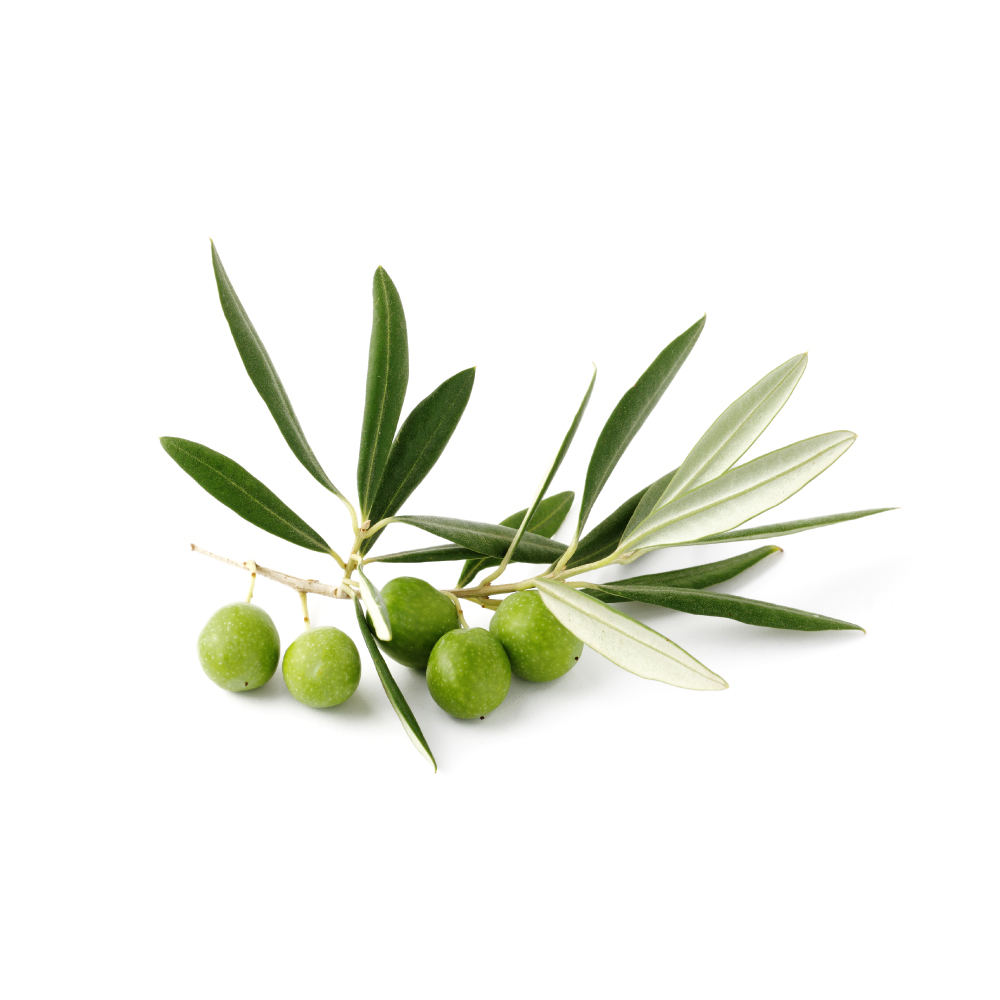 PotentPotentOlive LeafOlea europaeaLowers systolic pressure by about 11 mmHg in stage-1 hypertension, comparable to captopril in a head-to-head trial, through ACE inhibition by oleacein and calcium-channel blockade.MechanismACE inhibition (oleacein ≫ oleuropein); L-type Ca²⁺ channel blockade; endothelium-dependent vasodilation ↑Read the evidenceShow lessMonograph →
A 12-week active-controlled RCT of standardised extract (EFLA 943, 500 mg twice daily) cut systolic pressure by about 11 mmHg in stage-1 hypertensives, statistically comparable to captopril 12.5 to 25 mg twice daily 72Reference 72RCTOlive (Olea europaea) leaf extract effective in patients with stage-1 hypertension: comparison with Captopril — randomised controlled trialView study →. The effect replicates at smaller magnitudes across preparations: about 3.3 mmHg 24-hour systolic in pre-hypertensive men on a phenolic-rich oleuropein extract 73Reference 73RCTImpact of phenolic-rich olive leaf extract on blood pressure, plasma lipids and inflammatory markers: a randomised controlled trialView study →, about 6.4 mmHg 24-hour systolic in a 621-participant multicentre trial in 2025 74Reference 74RCTEfficacy of olive leaf extracts in controlling blood pressure in hypertensive patients: a double-blind randomized clinical trial — multicentre RCTView study →, and about 5.4 mmHg morning home systolic in a 2026 extract-plus-potassium RCT 75Reference 75RCTEffects of a combination of olive leaf extract and potassium on blood pressure in participants with mild to moderate hypertension: a double-blind, randomized, placebo-controlled trialView study →.
Two meta-analyses support the direction 76,
The route is vascular rather than diuretic. Bioassay-guided fractionation of the aqueous leaf extract isolated the secoiridoid oleacein as a potent ACE inhibitor 78Reference 78In vitroIsolation of an angiotensin converting enzyme (ACE) inhibitor from Olea europaea and Olea lancea — in vitroView study →, with L-type calcium-channel blockade and improved endothelial function as co-contributors 79,
Not every trial is positive; an olive-leaf, green-coffee and beetroot combination showed no ambulatory blood-pressure effect 81Reference 81RCTAntihypertensive potential of combined extracts of olive leaf, green coffee bean and beetroot: a randomized, double-blind, placebo-controlled crossover trialView study →. Every positive result comes from a concentrated, oleuropein-standardised extract, not from the 1:2 liquid extract or leaf tea the herb is traditionally dosed as.
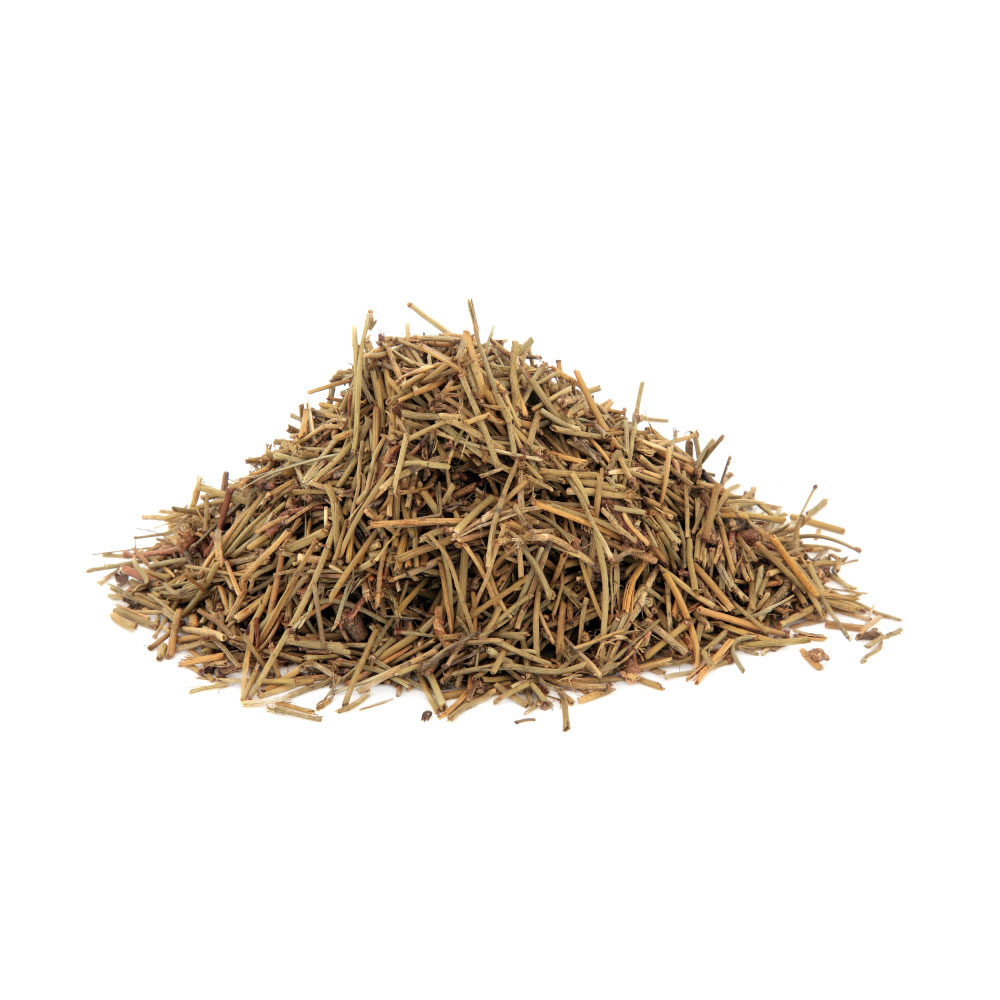 StrongStrongEphedraEphedra sinicaEphedrine and pseudoephedrine are alpha-1 adrenoceptor agonists that constrict arterioles and raise blood pressure; the same constriction shrinks swollen nasal mucosa, which is the decongestant use.Mechanismalpha-1 adrenoceptor agonism → arteriolar and mucosal vasoconstrictionRead the evidenceShow lessMonograph →
Alpha-1 agonism constricts arterioles and the blood vessels of the nasal mucosa. Ephedrine and pseudoephedrine work as decongestants by reducing the blood supply to swollen mucosa rather than by drying secretions.
The same constriction raises systemic blood pressure. That property gave ephedrine its historic use as a pressor agent in anaesthesia, and it is the cardiovascular risk in stimulant misuse.
One mechanism produces both outcomes, separated by dose and by who is taking it.
Raising bladder-outlet tone promotes urinary retention rather than diuresis, which is the basis of the urinary caution and the reason the herb’s old diuretic reputation does not stand.
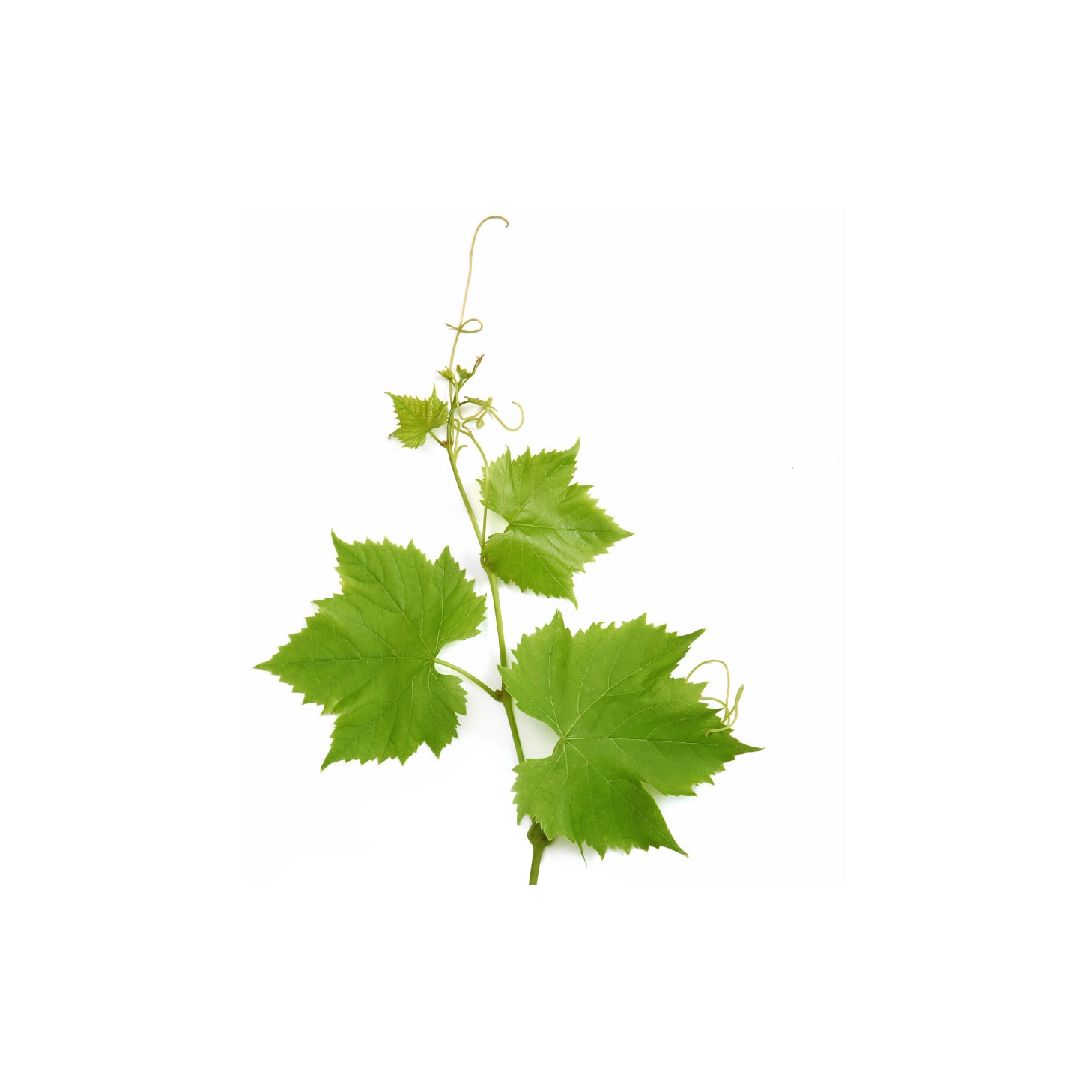 StrongStrongGrape Seed ExtractVitis viniferaLowers diastolic pressure by 2 to 3 mmHg reliably across meta-analyses, with a larger but inconsistent systolic effect, through procyanidin-driven endothelial function.Mechanismdiastolic BP ↓ (robust across meta-analyses); systolic ↓ (heterogeneous); flow-mediated dilation ↑Read the evidenceShow lessMonograph →
A meta-analysis of 16 RCTs (810 subjects) found grape seed extract reduced systolic pressure by about 6.1 mmHg and diastolic by about 2.8 mmHg, with larger effects in younger, obese and metabolic-syndrome subjects 37Reference 37Meta-analysisThe impact of grape seed extract treatment on blood pressure changes: a meta-analysis of 16 randomized controlled trialsView study →, and an earlier 9-trial meta-analysis agreed 38Reference 38Meta-analysisThe effect of grape seed extract on cardiovascular risk markers: a meta-analysis of randomized controlled trialsView study →. A dose- and duration-stratified meta-analysis of 19 trials confirmed a robust diastolic reduction of about 2.2 mmHg and a fall in heart rate, while finding the systolic effect non-significant and highly heterogeneous, with a non-linear dose response 39Reference 39Meta-analysisThe effect of grape (Vitis vinifera) seed extract supplementation on flow-mediated dilation, blood pressure and heart rate: a systematic review and meta-analysis with duration- and dose-response analysisView study →.
Individual RCTs are consistent. 300 mg/day improved blood pressure and perceived stress in healthy volunteers 40Reference 40RCTGrape seed extract positively modulates blood pressure and perceived stress: a randomized, double-blind, placebo-controlled study in healthy volunteersView study → and ambulatory pressure in pre- and stage-1 hypertension 41Reference 41Effect of polyphenol-rich grape seed extract on ambulatory blood pressure in subjects with pre- and stage I hypertensionView study →, and a 400 mg/day extract standardised to procyanidin B2 lowered systolic pressure by about 13 mmHg over 12 weeks in prehypertensive Japanese adults 42Reference 42RCTEffects of grape seed proanthocyanidin extract on vascular endothelial function in participants with prehypertension: a randomized, double-blind, placebo-controlled studyView study →.
A controlled trial in athletes reported improved brachial flow-mediated dilation with chronic supplementation 43Reference 43Effects of grape seed extract supplementation on endothelial function and endurance performance in basketball playersView study →, the direct endothelial measurement.
Diastolic pressure is the reliable effect. Systolic results vary widely between trials (I² above 90%), populations and extracts differ, most trials run 4 to 12 weeks, and there is no hard-outcome data.
Standardised oligomeric procyanidin extracts at 100 to 600 mg/day produced these results, not grape juice, wine or whole seed 44Reference 44Masquelier’s grape seed extract: from basic flavonoid research to a well-characterized food supplement with health benefitsView study →.
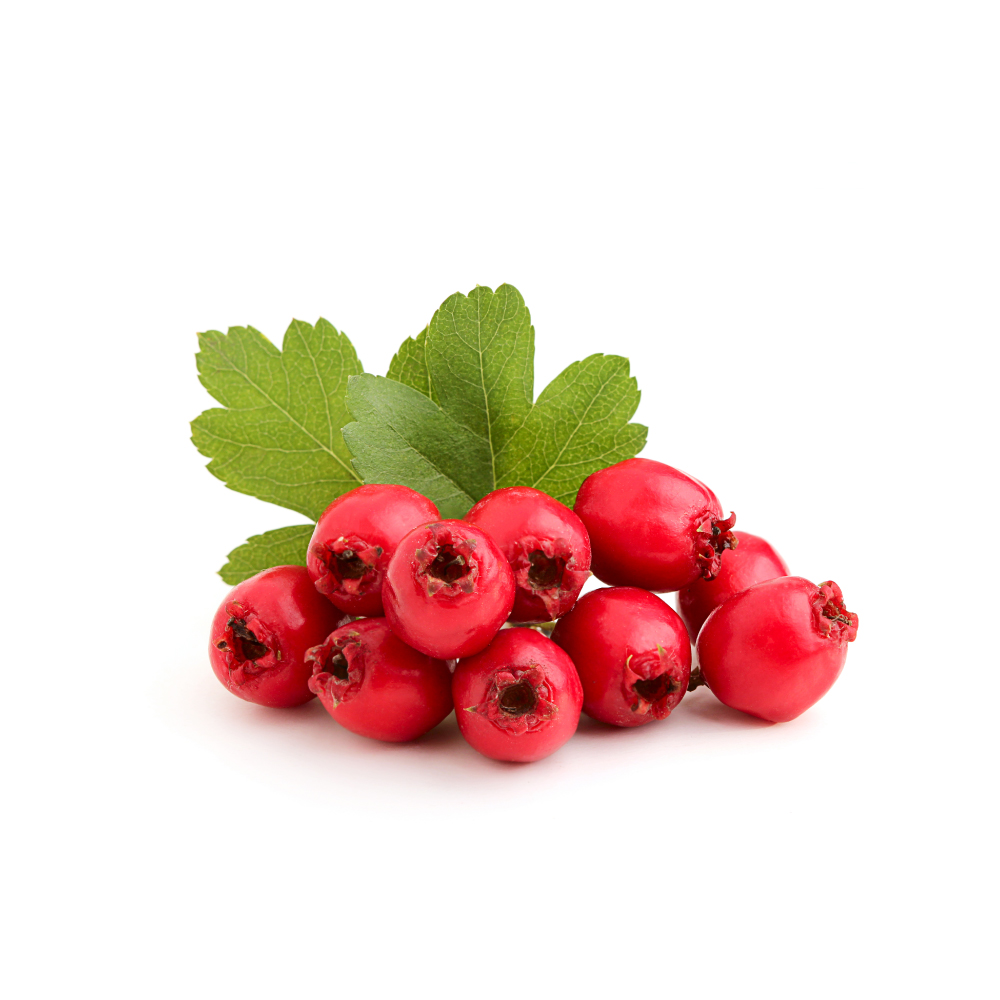 StrongStrongHawthornCrataegus oxyacanthaLowers systolic pressure by about 6.7 mmHg in pooled placebo-controlled trials, by activating endothelial nitric-oxide synthase at a defined phosphorylation site.MechanismeNOS phosphorylation (Ser1177); NO-mediated vasorelaxationRead the evidenceShow lessMonograph →
A 2025 systematic review and meta-analysis of six randomised placebo-controlled trials (428 participants) found a 6.65 mmHg systolic reduction, with a non-significant diastolic change, over treatment periods of 10 weeks to 6 months 54Reference 54Meta-analysisHawthorn (Crataegus spp.) clinically significantly reduces blood pressure in hypertension: a meta-analysis of randomized placebo-controlled clinical trialsView study →.
The mechanism is specifically mapped. Standardised extract WS 1442 activates endothelial nitric-oxide synthase by phosphorylation at serine 1177, through redox-sensitive Src- and Akt-dependent signalling, driving nitric-oxide-mediated vasorelaxation 55Reference 55In vitroCrataegus special extract WS 1442 induces an endothelium-dependent, NO-mediated vasorelaxation via eNOS-phosphorylation at serine 1177 — in vitroView study →.
A named phosphorylation site is as specific as herbal vascular pharmacology gets.
Six trials is a small base, and diastolic pressure did not move significantly in the pooled result.
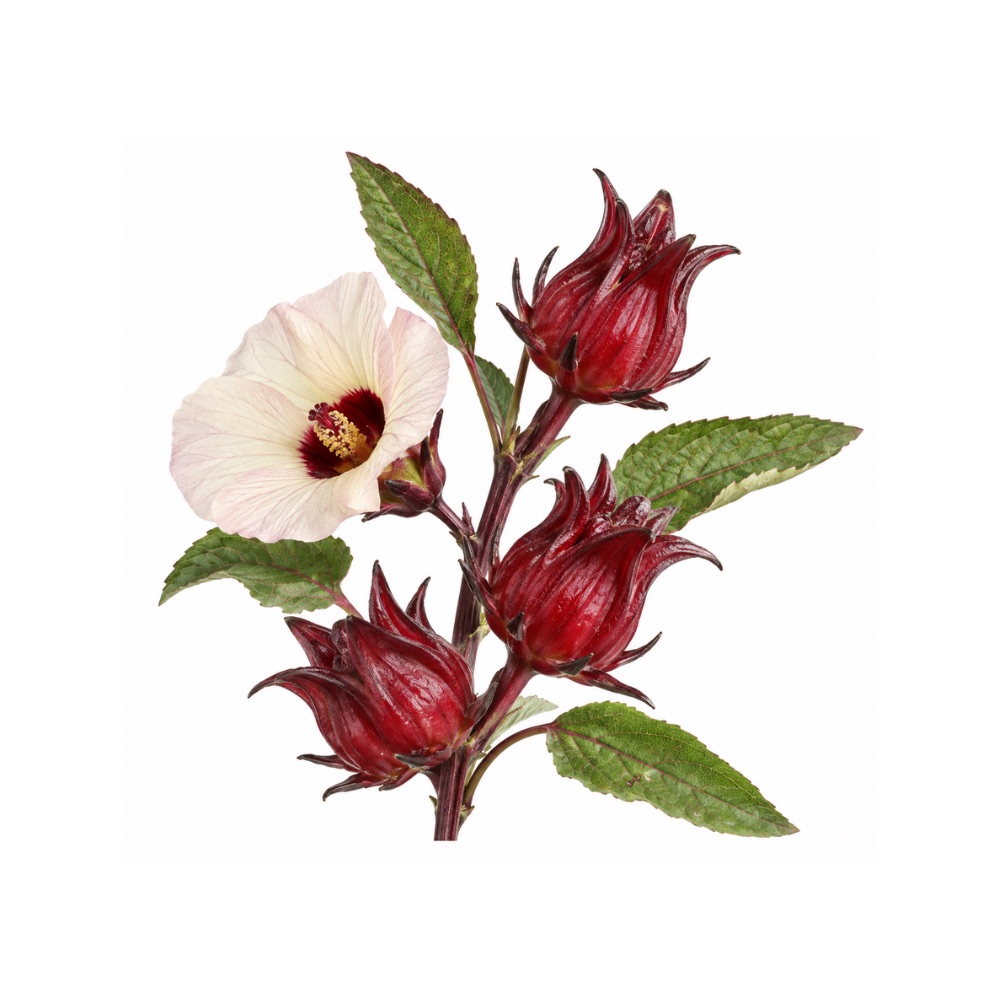 StrongStrongRoselleHibiscus sabdariffaThe calyx tea lowers systolic pressure by about 5 to 7 mmHg in pooled randomised trials and matched captopril head-to-head, through anthocyanin ACE inhibition and a natriuretic effect.MechanismACE inhibition (sambubioside anthocyanins; plasma ACE ↓ in patients); natriuresis; anthocyanin-standardised calyx extractRead the evidenceShow less
A 2022 meta-analysis of 13 RCTs in 1,205 participants found roselle reduced systolic pressure by a mean of 6.67 mmHg and diastolic by 4.35 mmHg against placebo 104Reference 104Meta-analysisEfficacy of Hibiscus sabdariffa on reducing blood pressure in patients with mild-to-moderate hypertension — systematic review and meta-analysis of 13 randomised controlled trialsView study →. In the anchor trial, three 240 mL servings of brewed calyx tea daily for six weeks lowered systolic pressure in pre- and mildly hypertensive adults, with the largest response in those highest at baseline 105Reference 105RCTHibiscus sabdariffa L. tea lowers blood pressure in prehypertensive and mildly hypertensive adults — randomised, double-blind, placebo-controlled trialView study →.
Two head-to-head trials exist. An extract standardised to 9.6 mg total anthocyanins matched captopril 50 mg/day on blood pressure, effectiveness and tolerability, with a natriuretic effect the drug did not produce 106Reference 106RCTStandardised Hibiscus sabdariffa extract versus captopril in mild-to-moderate hypertension — randomised controlled trialView study →.
Against lisinopril 10 mg the herb was significantly inferior, but it measurably inhibited plasma ACE activity in the patients themselves, from 44.0 to 30.1 units 107Reference 107RCTA standardised Hibiscus sabdariffa product versus lisinopril in hypertension — randomised, double-blind controlled trialView study →.
Karkadé in Egypt and Sudan, bissap in Senegal and krachiap daeng in Thailand are the same calyx infusion, taken for high blood pressure wherever the plant is drunk. The trial doses, 1.5 to 10 g of dried calyx a day, are a strong daily pot rather than a supplement regimen.
Between-trial heterogeneity reaches an I² of about 95%, no single standardised preparation dominates, and no meta-analysis has found roselle superior to a standard antihypertensive drug.
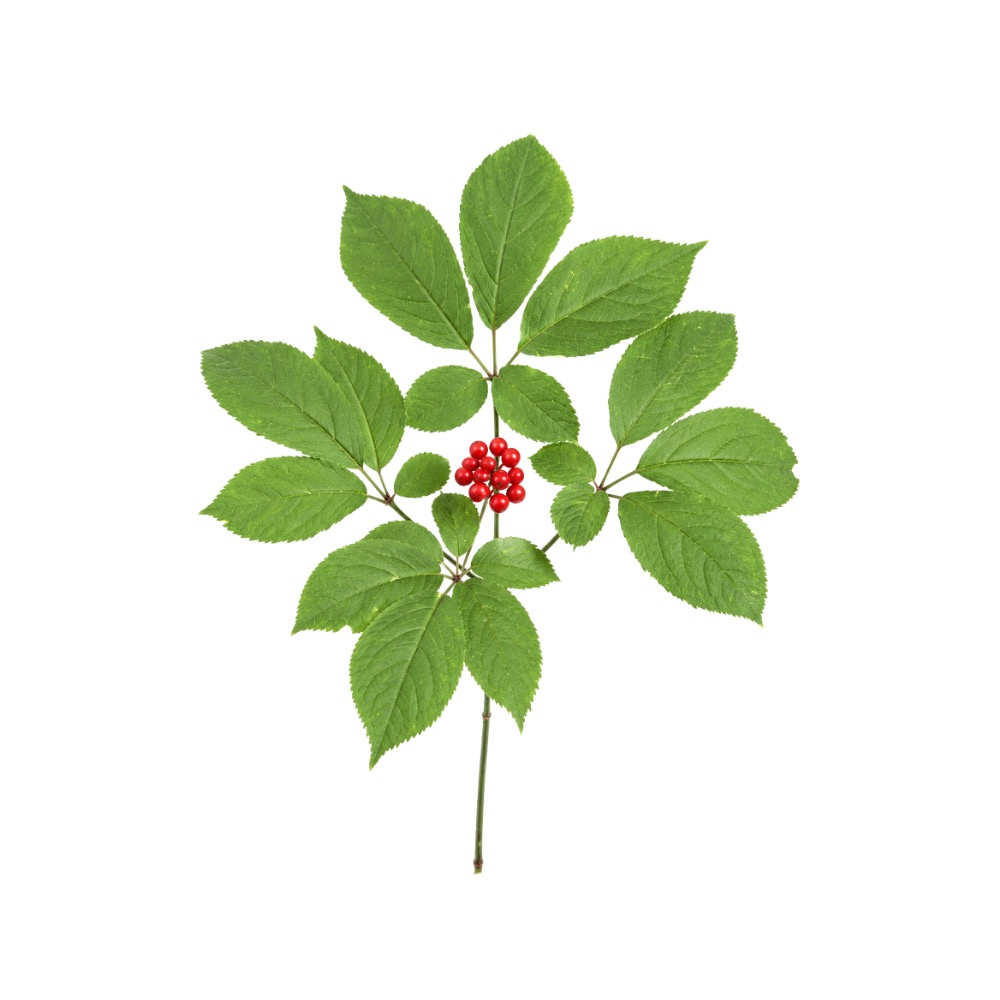 ModerateModerateAmerican GinsengPanax quinquefoliusLowers systolic pressure by 11.7% and arterial stiffness by 5.3% as an add-on in diabetic hypertensives, with diastolic pressure unchanged.Mechanismarterial stiffness ↓ (radial augmentation index); systolic-selective effect; myocardial NOX2/ERK attenuation (preclinical)Read the evidenceShow lessMonograph →
In a 12-week double-blind trial, 3 g/day of a selected American ginseng extract added to usual therapy lowered radial augmentation index, a measure of arterial stiffness, by 5.3% and systolic blood pressure by 11.7% in type-2 diabetics with concomitant hypertension, without affecting diastolic pressure 35Reference 35RCTEffect of American ginseng (Panax quinquefolius L.) on arterial stiffness in subjects with type-2 diabetes and concomitant hypertension — randomised controlled trialView study →. A systolic-selective, stiffness-linked pattern is mechanistically coherent and unusual for a botanical.
A separate multicentre RCT combining ginsenoside-Rg3-enriched Korean red ginseng with American ginseng found a modest central-systolic reduction but no change in pulse-wave velocity or endothelial function 36Reference 36RCTVascular effects of combined enriched Korean Red ginseng and American ginseng in individuals with hypertension and type 2 diabetes: a randomized controlled trial — randomised controlled trialView study →.
The human data sit entirely in a diabetic hypertensive population, the second study used a ginseng combination rather than American ginseng alone, and there are no cardiovascular-outcome trials.
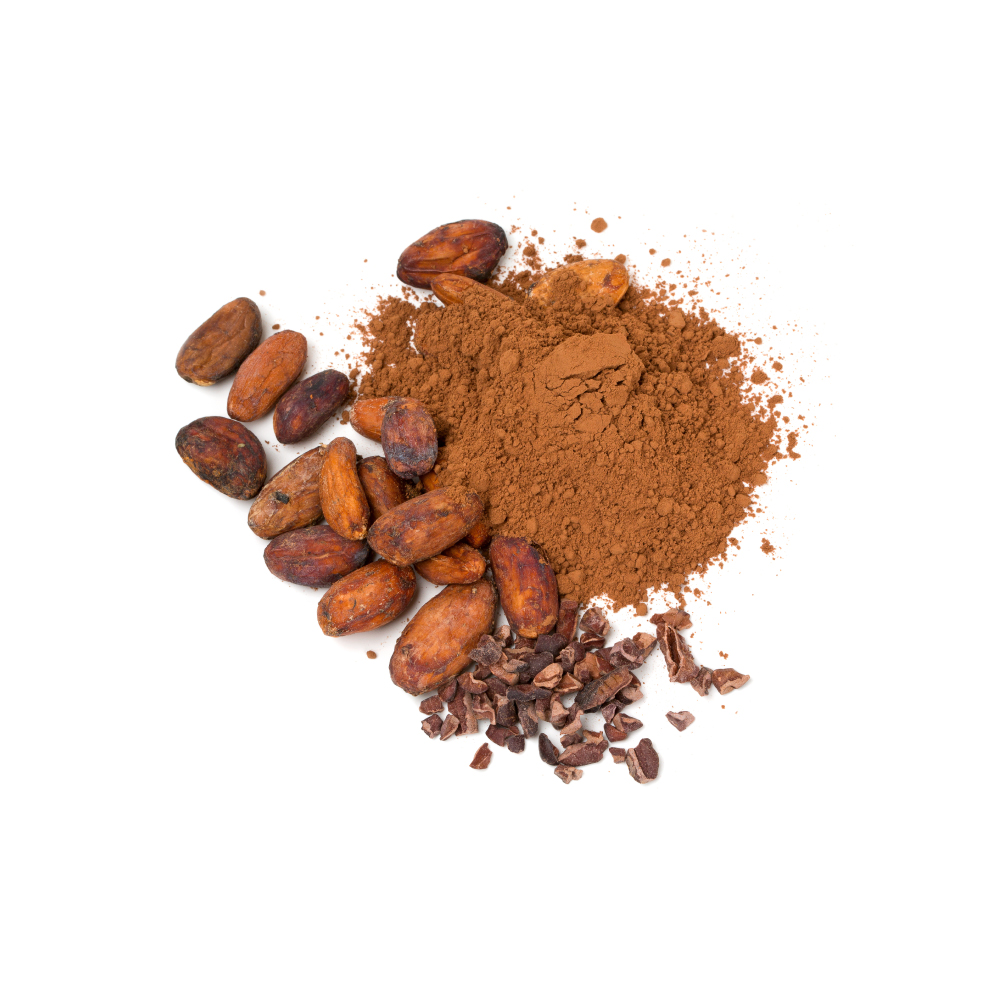 ModerateModerateCacaoTheobroma cacaoFlavanol-rich cocoa lowers systolic pressure by about 2 mmHg in a Cochrane review of more than 40 trials, through epicatechin-driven nitric-oxide release.MechanismeNOS/nitric-oxide ↑ (epicatechin); ACE inhibition (in vitro, procyanidins); mild diuresis (theobromine)Read the evidenceShow lessMonograph →
The 2017 Cochrane review (more than 40 trials, about 1,800 participants) found a reduction of about 1.8 mmHg systolic against flavanol-free control, consistent with two earlier independent meta-analyses 9,
The effect is flavanol-driven nitric-oxide release, with a modest diuretic and vasodilatory contribution from theobromine and in-vitro ACE inhibition by the bean polyphenols 12Reference 12In vitroIn vitro studies on the antioxidant property and inhibition of alpha-amylase, alpha-glucosidase, and angiotensin-I-converting enzyme by polyphenol-rich extracts from cocoa (Theobroma cacao) beanView study →.
The effect is larger in normotensive-to-mildly-elevated cohorts than in treated hypertensives, trials run 2 to 18 weeks, and long-term blood-pressure benefit was not confirmed by the COSMOS outcomes data 13Reference 13RCTEffect of cocoa flavanol supplementation for the prevention of cardiovascular disease events: the COcoa Supplement and Multivitamin Outcomes Study (COSMOS) randomised controlled trialView study →. Two mmHg is a small effect on a large evidence base.
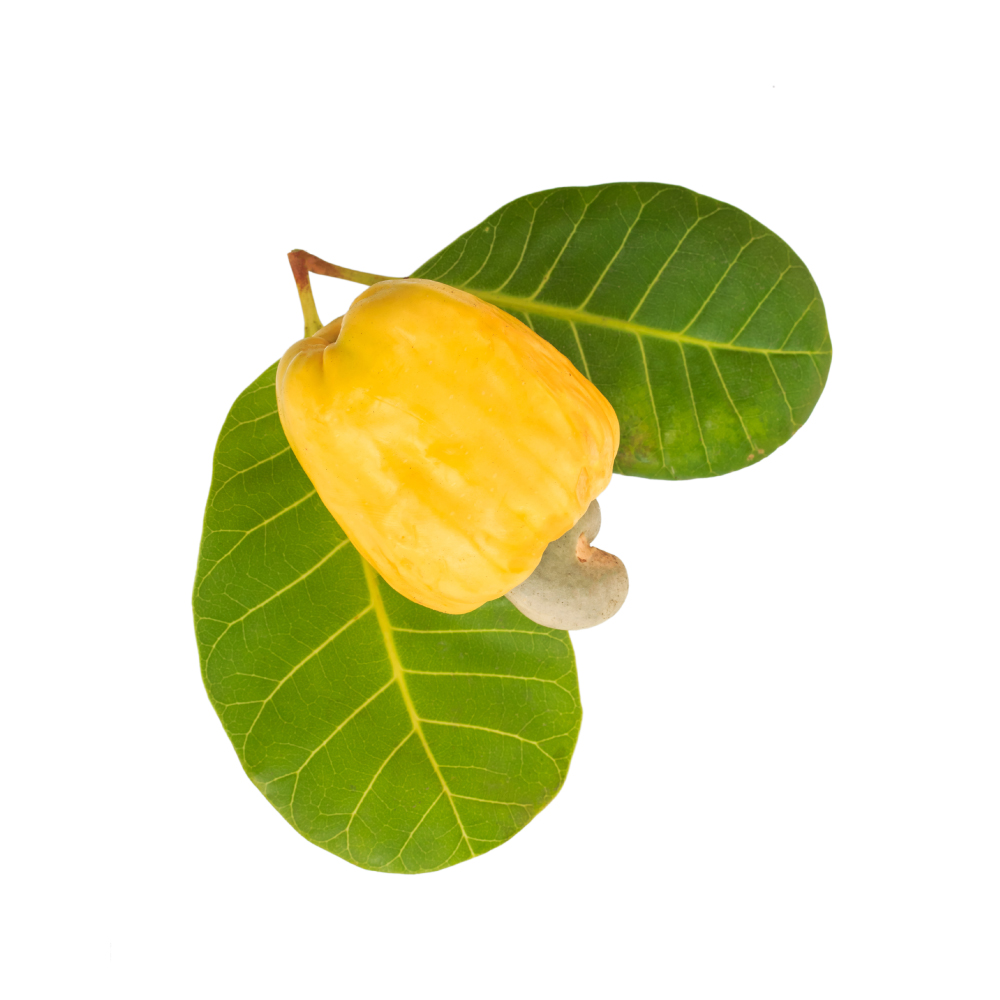 ModerateModerateCashewAnacardium occidentaleStem-bark extract lowers blood pressure in animals, matching the bark's traditional use as a hypotensive, with calcium-channel blockade the proposed route.Mechanismputative calcium-channel blockade or inhibition of intracellular Ca²⁺ release (not established)Read the evidenceShow lessMonograph →
A stem-bark extract was hypotensive in vivo in experimental animals 14Reference 14AnimalAnacardium occidentale stem-bark extract induces hypotensive and cardio-inhibitory effects in experimental animal models — animal studyView study →. The same work found it cardio-inhibitory in vitro, which the authors attributed to calcium-channel blockade, hindrance of calcium release from internal stores, or both 14Reference 14AnimalAnacardium occidentale stem-bark extract induces hypotensive and cardio-inhibitory effects in experimental animal models — animal studyView study →.
The mechanism is coherent and matches the traditional use of the bark as a hypotensive.
An extract that depresses cardiac activity is two-edged. The cardio-inhibition is a caution rather than a benefit, and it matters alongside calcium-channel blockers, beta-blockers or an existing bradyarrhythmia.
No dose, magnitude or human data are given, and the evidence is a single animal and in-vitro paper.
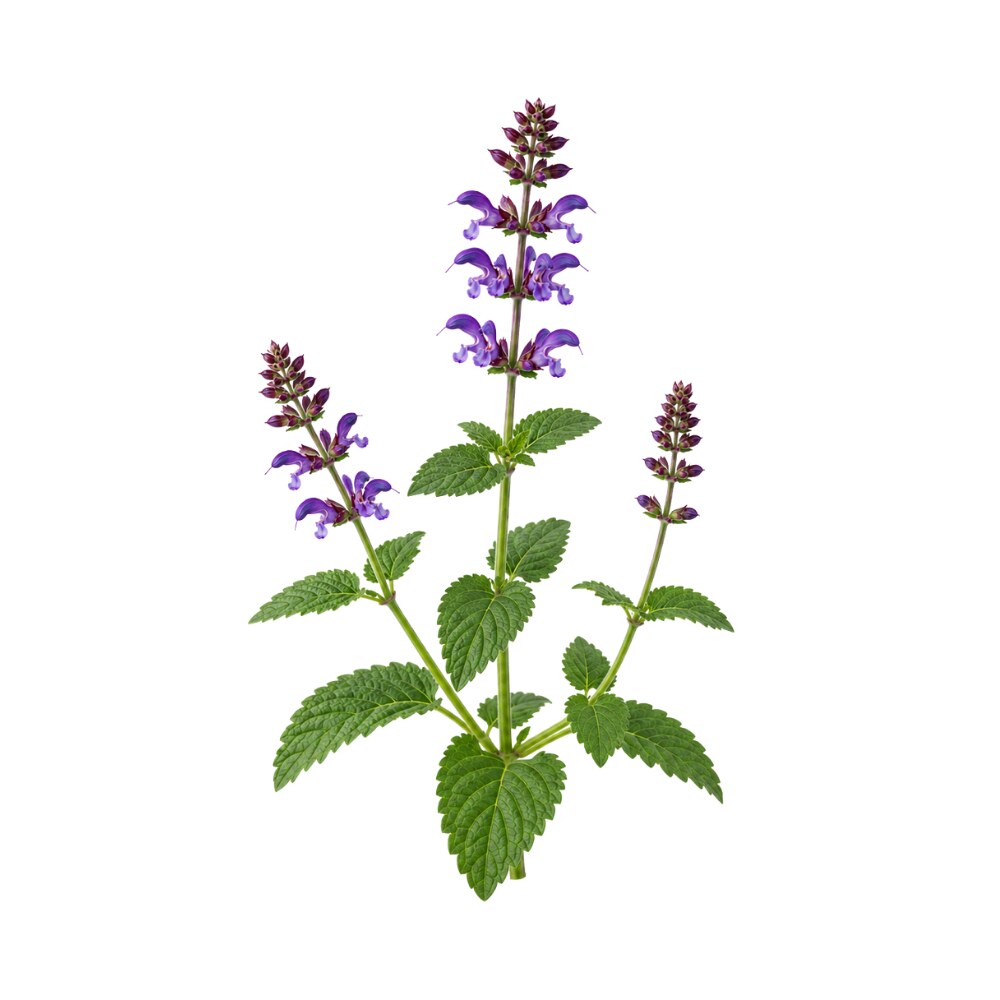 ModerateModerateDan ShenSalvia miltiorrhizaThe chief blood-moving herb of Chinese cardiovascular practice; an intravenous preparation lowered systolic and diastolic pressure from week 4 in a 320-patient placebo-controlled trial.Mechanismnot established (BP reduction observed; intravenous preparation)Read the evidenceShow lessMonograph →
A 2025 randomised, double-blind, placebo-controlled trial (n=320, primary hypertension, 12 weeks) reported significant systolic and diastolic reductions from week 4, with improved lipid and glucose parameters 24Reference 24RCTEffects of Dan Shen (Salvia miltiorrhiza) on blood pressure management in hypertensive patients — randomised double-blind placebo-controlled trialView study →. It is among the better-designed single trials in the dan shen literature.
The trial used an intravenous preparation, so it does not validate the oral dried root, and it is a single-centre study awaiting replication.
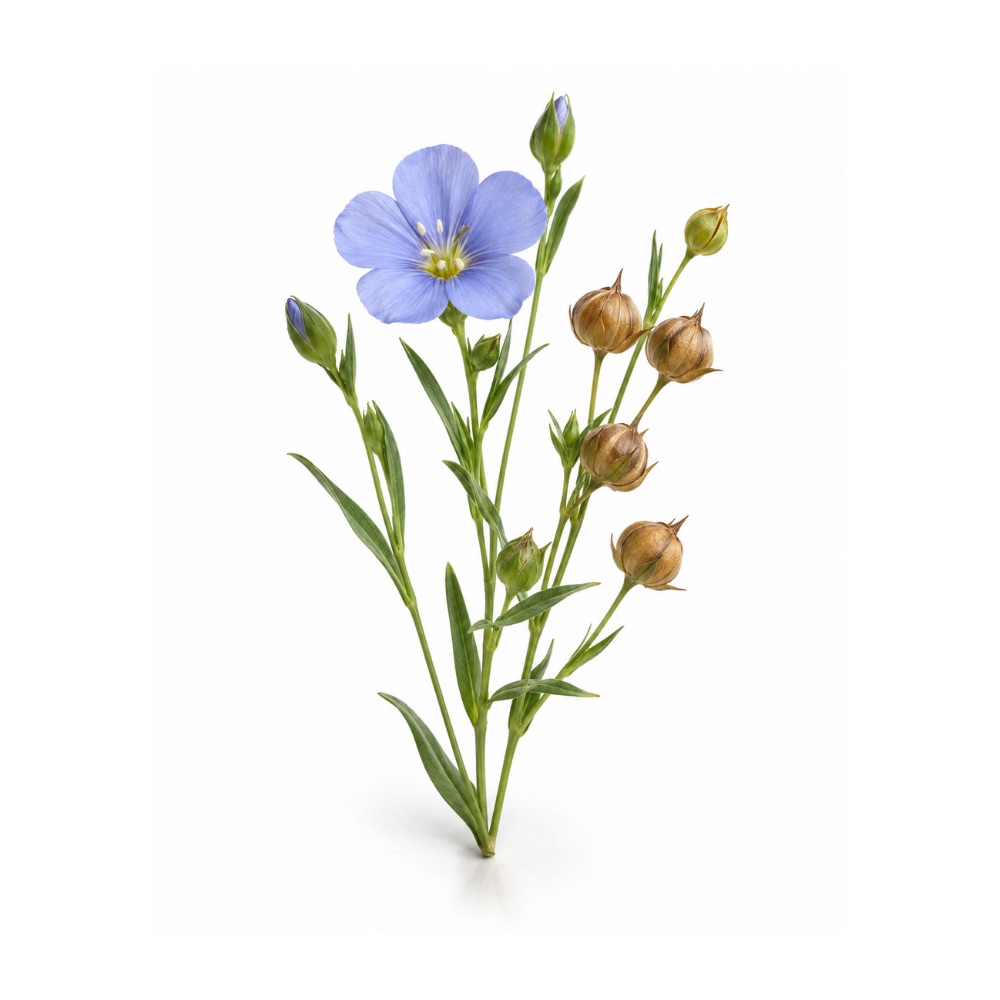 ModerateModerateFlaxseedLinum usitatissimumMilled seed lowers blood pressure by 2 to 3 mmHg in pooled trials, and by about 10/7 mmHg in the one six-month trial, with the response tracking circulating alpha-linolenic acid and enterolignans.Mechanismalpha-linolenic acid and enterolignan-mediated (circulating levels track response); whole-seed preparation favoredRead the evidenceShow lessMonograph →
Two independent meta-analyses report small effects. Fifteen trials (1,302 participants) gave systolic −2.85 and diastolic −2.39 mmHg 25Reference 25Meta-analysisEffects of flaxseed supplements on blood pressure: a systematic review and meta-analysis of controlled clinical trialsView study →; 11 studies gave systolic −1.77 and diastolic −1.58 mmHg 26Reference 26Meta-analysisFlaxseed consumption may reduce blood pressure: a systematic review and meta-analysis of controlled trialsView study →.
Both were strongest for whole or milled seed taken for more than 12 weeks, not for oil or lignan extract.
The FLAX-PAD trial stands apart. 110 peripheral-artery-disease patients ate 30 g/day of milled flaxseed for six months and saw systolic pressure fall about 10 mmHg and diastolic about 7 mmHg against placebo, and 15/7 mmHg in those entering at 140 mmHg or above.
That is one of the largest antihypertensive effects reported for any dietary intervention, and circulating alpha-linolenic acid and enterolignan levels tracked the response 27Reference 27Potent antihypertensive action of dietary flaxseed in hypertensive patients (FLAX-PAD)View study →.
The FLAX-PAD magnitude is unreplicated, and the pooled 2 to 3 mmHg is the number to plan on. Preparation and duration decide whether the effect appears.
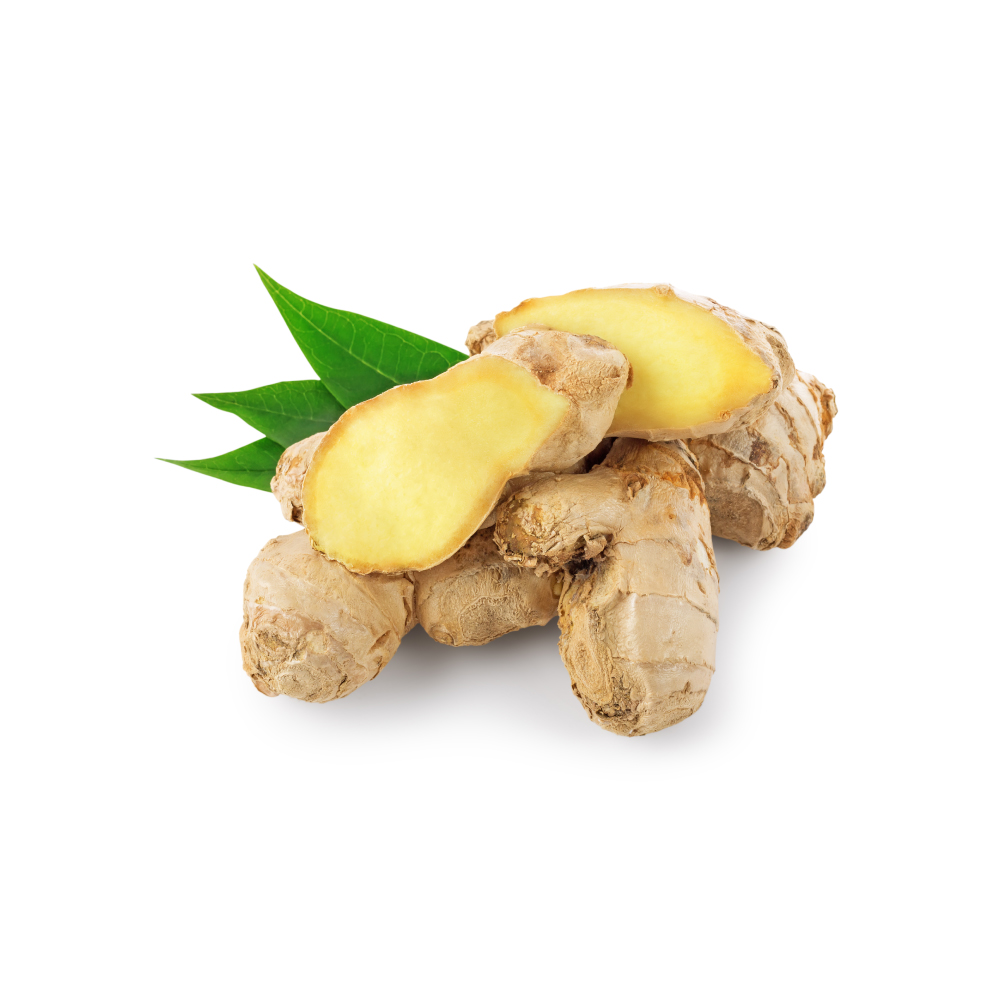 ModerateModerateGingerZingiber officinaleLowers systolic pressure by about 6 mmHg in pooled trials of dried rhizome, with the effect confined to participants under 50 and courses of eight weeks or less.Mechanismvasodilation (molecular target not established); ↑ total antioxidant capacity / ↓ malondialdehyde; thromboxane-mediated platelet inhibitionRead the evidenceShow lessMonograph →
A meta-analysis of six RCTs (n=345) found ginger lowered systolic pressure by 6.36 mmHg (95% CI −11.27 to −1.46) and diastolic by 2.12 mmHg 33Reference 33Meta-analysisDoes ginger supplementation lower blood pressure? A systematic review and meta-analysis of clinical trials — meta-analysisView study →. The trials were few and short, heterogeneity was high (I² about 90%), and the effect was present only in participants under 50 and in courses of eight weeks or less.
The populations were largely metabolic syndrome and type 2 diabetes; a separate T2DM meta-analysis reported only small blood-pressure reductions alongside its glycaemic ones 34Reference 34Meta-analysisThe effect of ginger supplementation on metabolic profiles in patients with type 2 diabetes mellitus: a systematic review and meta-analysis of randomized controlled trials — meta-analysisView study →. There is no trial in established hypertension.
The trials used powdered dried rhizome or standardised capsules, roughly 1.6 to 3 g/day at the higher-dose end where the larger reductions appeared, not fresh root or the 1:2 liquid extract. No vasodilatory target is identified; the effect is attributed to the same vasodilatory and antioxidant mechanisms behind its metabolic actions.
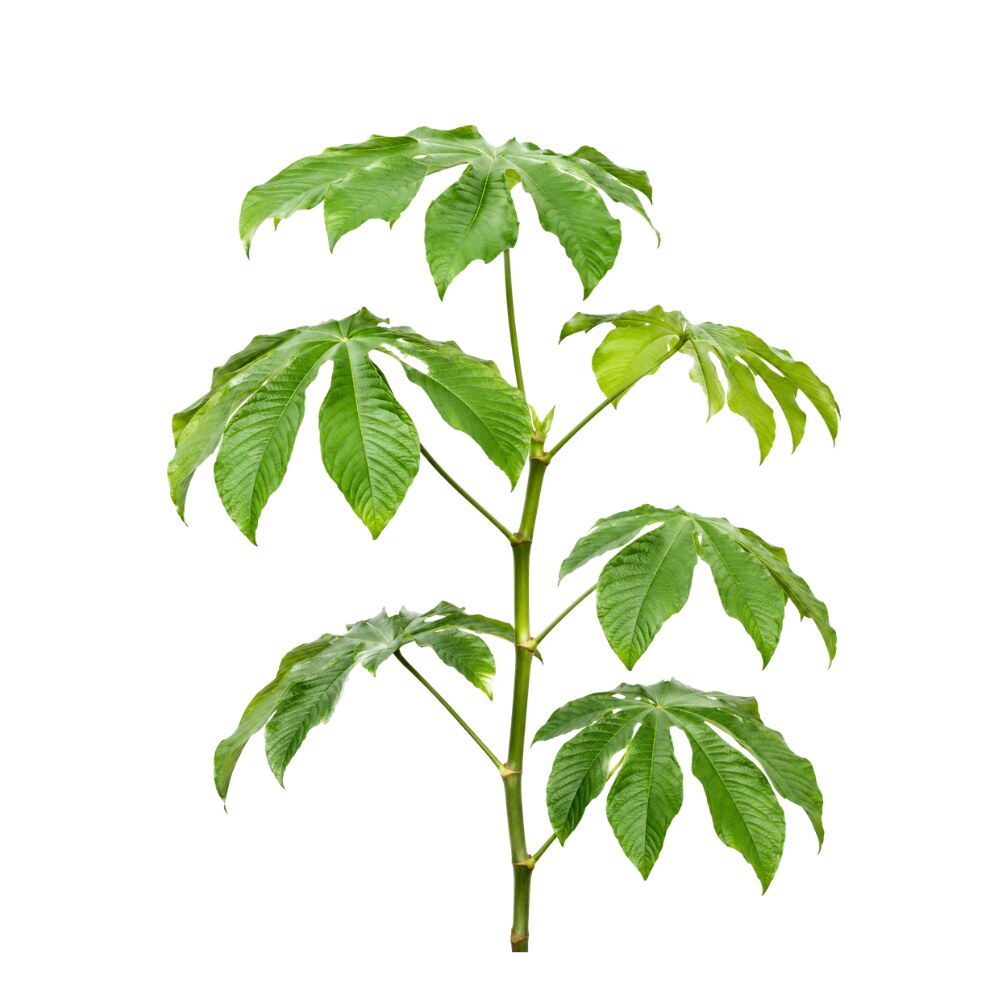 ModerateModerateGuamuraCecropia mexicanaThe household blood-pressure tea of Mexico and Central America; the standardised aqueous extract lowers pressure in rats through endothelium-dependent vasodilation, with ACE activity unchanged.Mechanismendothelium-dependent vasodilation; endothelial Ca²⁺ mobilization; ACE-independent hypotensionRead the evidenceShow lessMonograph →
In Cecropia glaziovii a standardised aqueous extract, the preparation that matches the traditional tea, and its butanolic fraction produce hypotension in normotensive rats and an antihypertensive effect on repeated dosing 47,
ACE activity is unchanged during the hypotensive response, so the mechanism is not captopril-like 51Reference 51ACE activity during the hypotension produced by standardized aqueous extract of Cecropia glaziovii Sneth: comparison to captopril — animal studyView study →. C. pachystachya shows the same hypotensive and diuretic direction in rats 52,
The evidence is entirely preclinical; no human blood-pressure data exist for any Cecropia. The studied species differ from C. mexicana, so neither magnitude nor dose transfers.
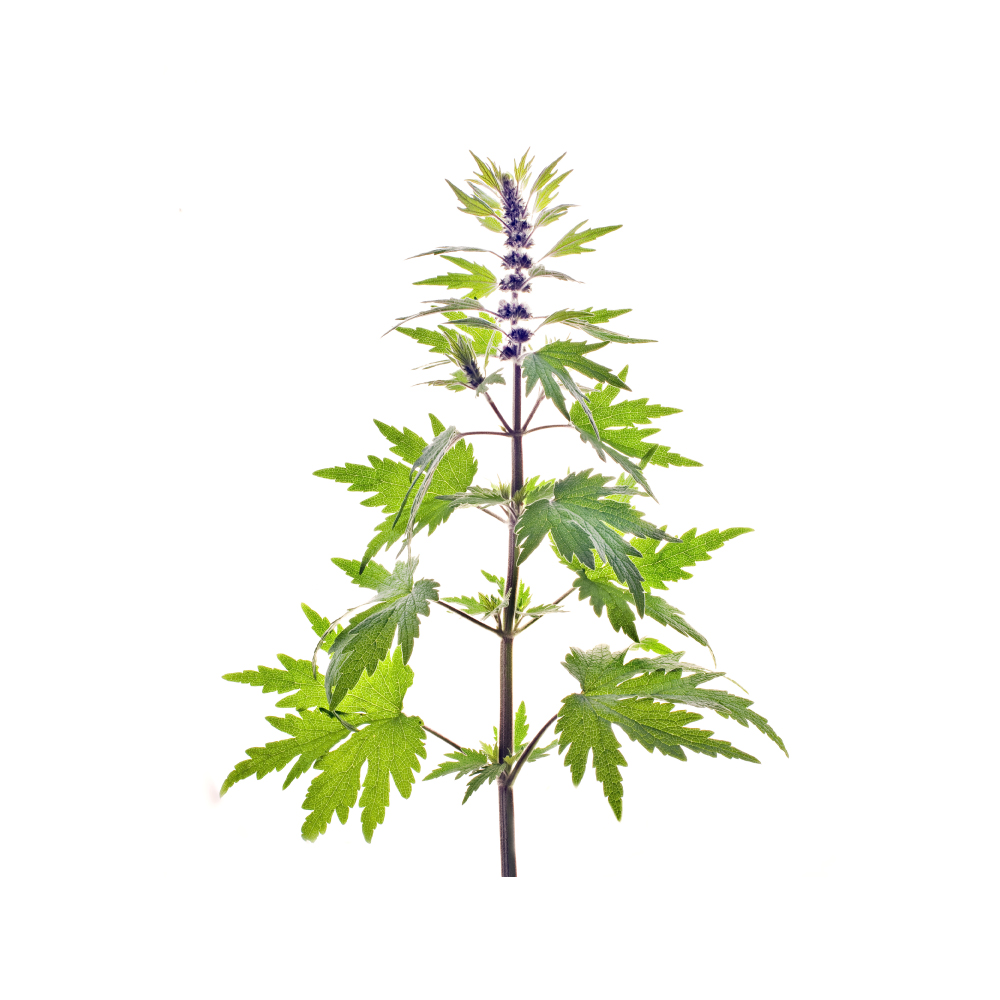 ModerateModerateMotherwortLeonurus cardiacaThe traditional heart herb of European practice, described as mildly hypotensive in pharmacopoeial sources; slows the heart and dilates vessels through cardiac ion channels and endothelial nitric oxide.Mechanismcardiac ion-channel modulation + negative chronotropy (lavandulifolioside); coronary/peripheral vasodilation; endothelial NO ↑Read the evidenceShow lessMonograph →
Pharmacopoeial and review sources describe the herb as mildly hypotensive 64,
The single human study is an open-label trial in 50 patients with stage 1 to 2 hypertension plus anxiety and sleep disturbance, given 1200 mg/day of a proprietary Leonurus CO₂ oil extract for 28 days. Blood pressure and psycho-emotional scores improved, with earlier response in stage 1 66Reference 66Clinical trialEffect of Leonurus cardiaca oil extract in patients with arterial hypertension accompanied by anxiety and sleep disorders — clinical trial (open-label)View study →.
There was no placebo arm and no randomisation.
The mechanistic backing is stronger. Lavandulifolioside lowered blood pressure and slowed heart rate in animals 67Reference 67AnimalPharmacological effects of lavandulifolioside from Leonurus cardiaca — animal in vivoView study →, the refined aqueous extract cut left-ventricular pressure and raised coronary flow ex vivo 68Reference 68Cardiac and electrophysiological effects of primary and refined extracts from Leonurus cardiaca L. (PhView study →, and a polyphenol-rich extract increased nitric-oxide production in endothelial cells 69Reference 69In vitroThe immunomodulatory potential of Leonurus cardiaca extract in relation to endothelial cells and platelets — in vitroView study →.
The only human data used an oil extract, so the dose–effect relationship for tea or tincture is unknown.
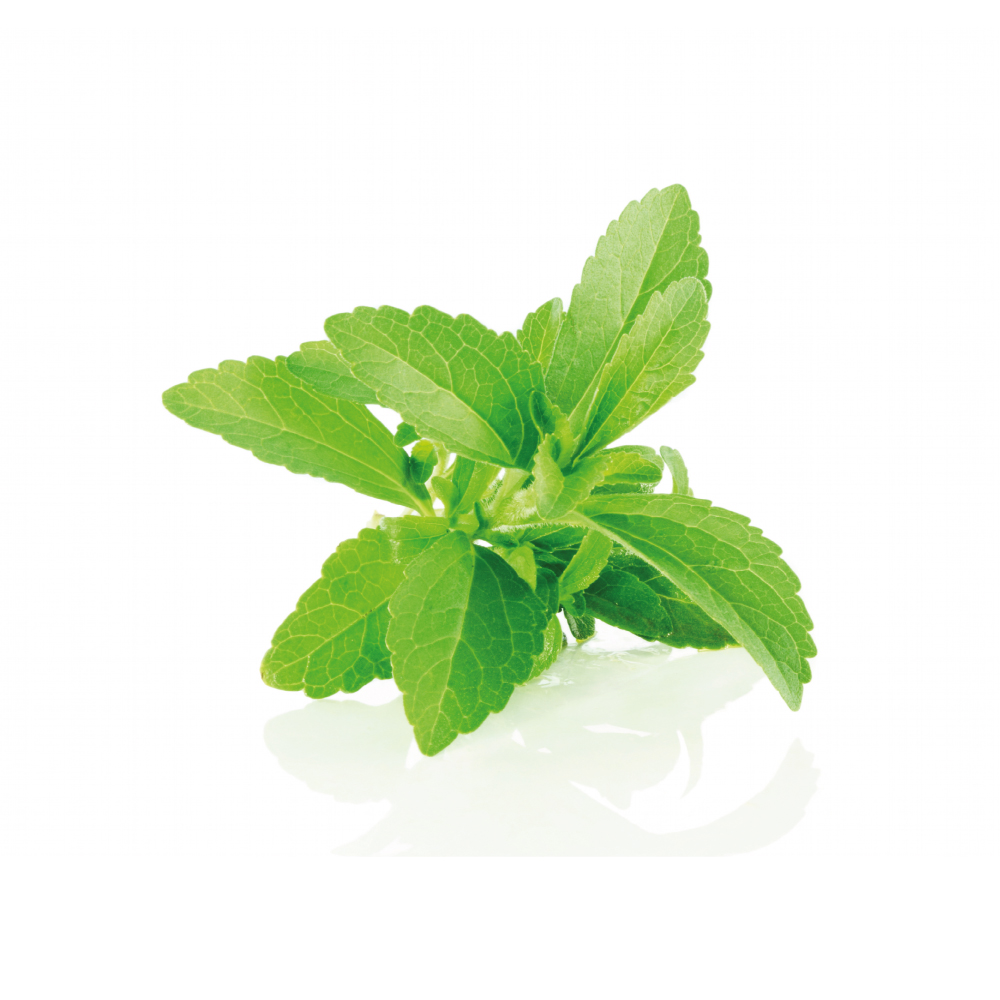 ModerateModerateSteviaStevia rebaudianaStevioside at pharmacological doses lowered blood pressure and left-ventricular mass in two multicentre placebo-controlled trials, through calcium-channel antagonism; sweetener-level intake has no effect.MechanismCa²⁺ channel antagonism in vascular smooth muscleRead the evidenceShow lessMonograph →
Two multicentre placebo-controlled RCTs at pharmacological stevioside doses were clearly positive. Chan 2000 (n=106, 750 mg/day, 1 year) produced sustained systolic and diastolic reductions 87Reference 87RCTA double-blind placebo-controlled study of the effectiveness and tolerability of oral stevioside in human hypertension — randomised controlled trialView study →, and Hsieh 2003 (n=174, 1500 mg/day, 2 years) reproduced it and additionally lowered left-ventricular mass index 88Reference 88RCTEfficacy and tolerability of oral stevioside in patients with mild essential hypertension: a two-year, randomised, placebo-controlled studyView study →, a structural endpoint.
At sweetener-level intake the effect disappears. Crude stevioside up to 15 mg/kg/day did not beat placebo 89Reference 89RCTInvestigation of the antihypertensive effect of oral crude stevioside in patients with mild essential hypertension — randomised controlled trialView study →, and steviol glycosides at 750 mg/day showed nothing in normotensive or diabetic subjects 90Reference 90RCTApparent lack of pharmacological effect of steviol glycosides used as sweeteners in humans — randomised controlled trialView study →.
The proposed mechanism is calcium-channel antagonism in vascular smooth muscle 87Reference 87RCTA double-blind placebo-controlled study of the effectiveness and tolerability of oral stevioside in human hypertension — randomised controlled trialView study →.
The 2015 meta-analysis found the pooled systolic effect non-significant (−2.98 mmHg) with high heterogeneity, though diastolic pressure fell 91Reference 91Meta-analysisEffect of the natural sweetener steviol glycoside on cardiovascular risk factors: a systematic review and meta-analysis of randomised controlled trialsView study →. The effective dose is a capsule regimen, not a sweetener.
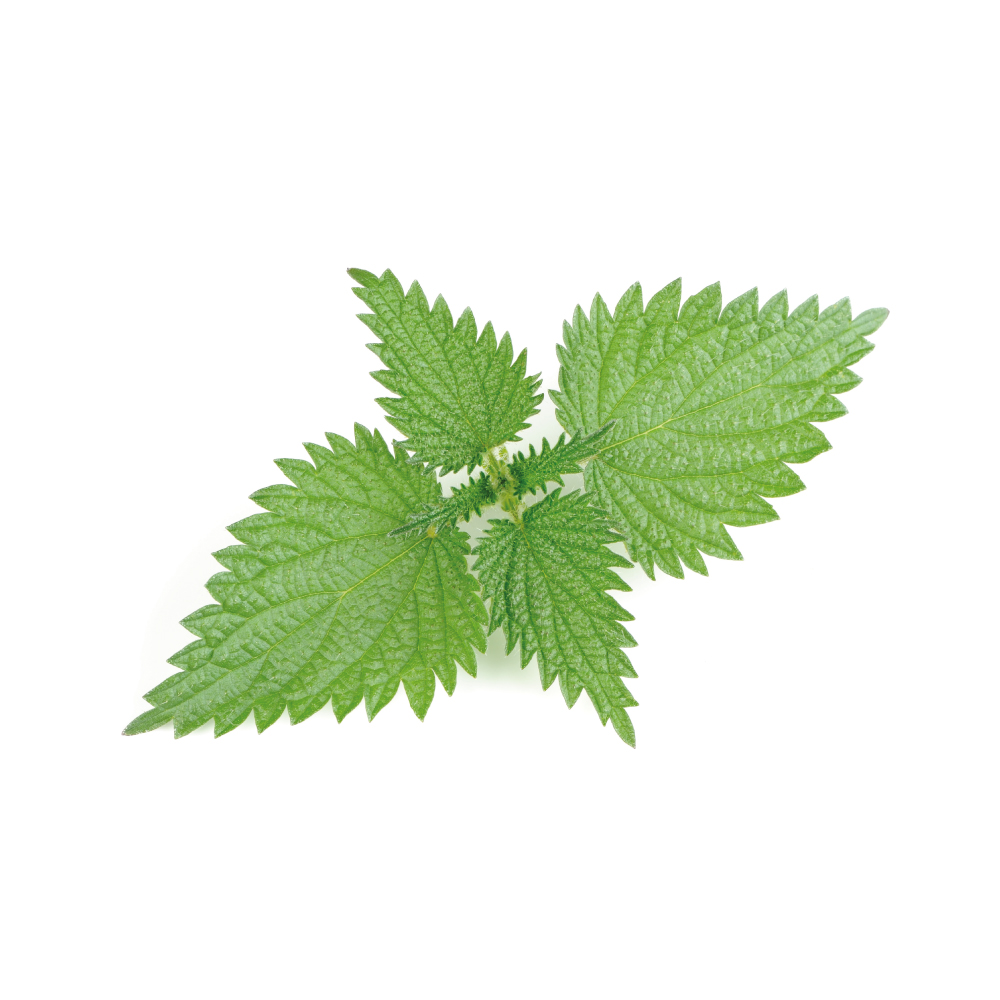 ModerateModerateStinging NettleUrtica dioicaLeaf extract lowers blood pressure dose-dependently in hypertensive rats, mirroring losartan, through endothelial nitric oxide and calcium-channel blockade; the human signal is a secondary 5 mmHg.MechanismeNOS expression ↑ / endothelial NO release; Ca²⁺-channel blockadeRead the evidenceShow lessMonograph →
In spontaneously hypertensive rats, four weeks of leaf extract reduced systolic and diastolic pressure and cardiac index dose-dependently, mirroring losartan 92Reference 92AnimalUrtica dioica leaf extract modulates blood pressure and oxidative stress in spontaneously hypertensive rats — animal modelView study →. A later study in the same model showed anti-fibrotic, anti-inflammatory renal protection with increased eNOS expression 93Reference 93AnimalUrtica dioica leaf extract dose-dependently modulates oxidative stress in the kidney and exerts anti-fibrotic and anti-inflammatory properties in SHR — animal modelView study →.
The only human data point is a −5 mmHg systolic reduction appearing as a secondary outcome inside a type 2 diabetes meta-analysis 94Reference 94Meta-analysisEffects of Urtica dioica on metabolic profiles in type 2 diabetes — systematic review and meta-analysis of clinical trialsView study →.
The effect in the rat is large; no dedicated human hypertension trial exists.
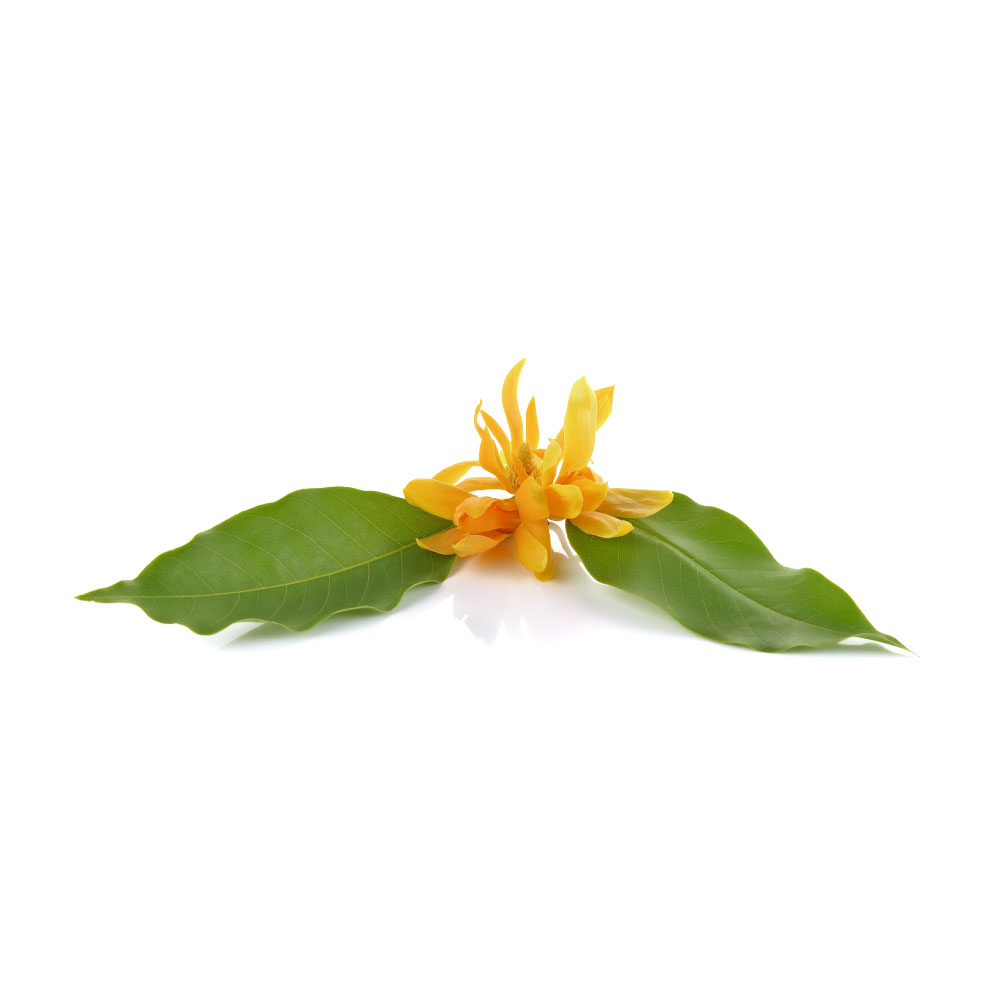 ModerateModerateYlang YlangCananga odorataInhaled or transdermal oil lowers blood pressure and heart rate acutely in volunteers by reducing sympathetic tone through an olfactory–autonomic reflex.Mechanismsympathetic outflow ↓ (olfactory–autonomic reflex); cutaneous vasodilation; catecholamine/cortisol ↓Read the evidenceShow lessMonograph →
In healthy volunteers both transdermal application (n=40) and inhalation of the single oil significantly lowered blood pressure. The transdermal arm also raised skin temperature and self-rated calmness, a peripheral-vasodilation signature consistent with reduced sympathetic tone 97,
A controlled trial in healthy men found reduced blood pressure and heart rate after aroma exposure 99Reference 99Effects of ylang-ylang aroma on blood pressure and heart rate in healthy men — controlled trialView study →.
The effect is acute and modest, and it lasts as long as the exposure.
In hypertensive populations the signal persists but the oil is almost always blended. The 14-day sticker-pad RCT pairs it with lavender 100Reference 100RCTEffect of Lavandula angustifolia and Cananga odorata sticker pads on blood pressure in high blood pressure volunteers — randomized controlled trialView study →, and the Korean nursing trials adding cortisol, catecholamine and heart-rate-variability endpoints use lavender, ylang-ylang and bergamot or lemon blends 101,
Ylang-ylang’s own contribution is not isolable in any of them.
Show 16 more herbs with a mild antihypertensive action
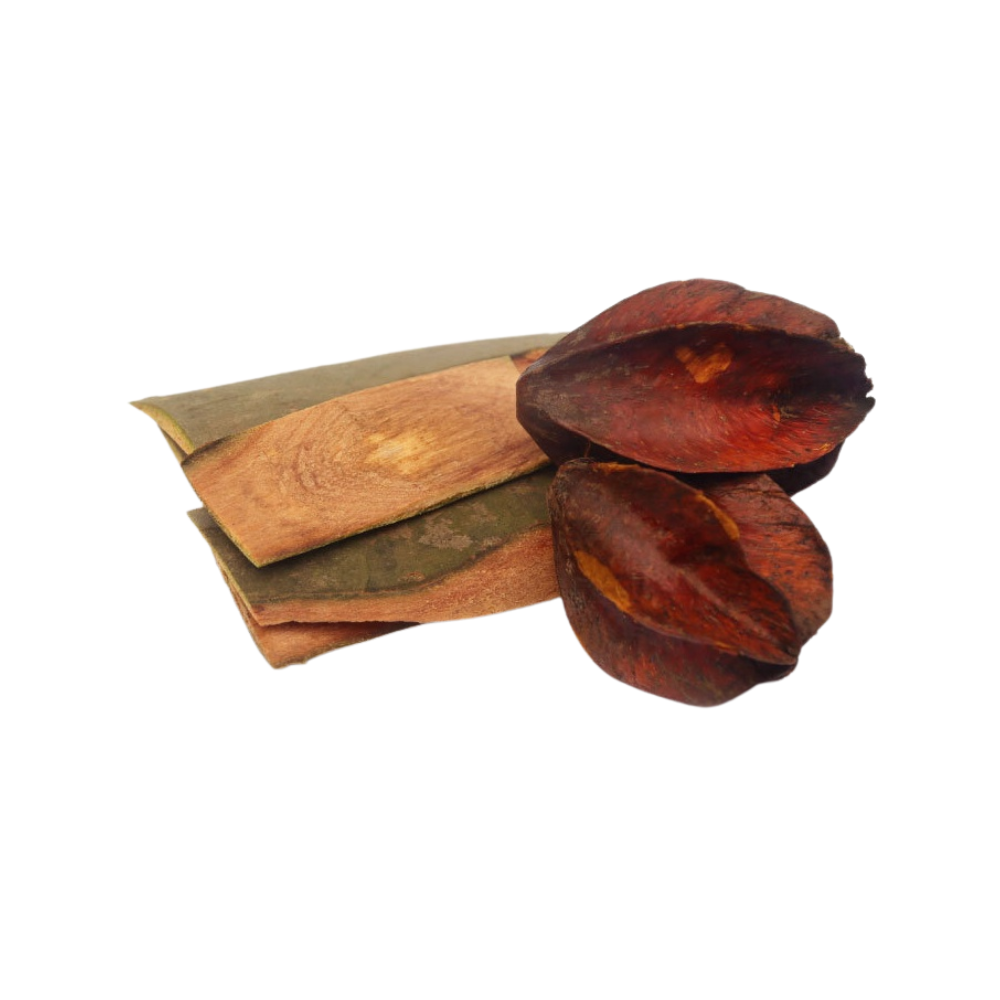 MildMildArjunaTerminalia arjunaThe heart remedy of Ayurvedic practice; bark extract improves endothelium-dependent dilation in smokers and lowers pulmonary arterial pressure in rats, with no trial using blood pressure as a primary endpoint.MechanismNO preservation → endothelium-dependent vasorelaxation; vascular ROS ↓; no receptor or enzyme target establishedRead the evidenceShow lessMonograph →
Aqueous stem-bark extract lowered pulmonary arterial pressure and reduced right-ventricular hypertrophy and oxidative stress in a rat model of pulmonary hypertension 6Reference 6AnimalBeneficial effects of aqueous extract of stem bark of Terminalia arjuna in experimental pulmonary hypertension — animal modelView study →, and assorted hypotensive and vasodilatory animal effects are collected in a review 7Reference 7ReviewTerminalia arjuna Wight & Arn. — a useful drug for cardiovascular disorders — reviewView study →.
The one human vascular measurement is a small double-blind crossover RCT in 18 male chronic smokers. Bark extract 500 mg every 8 hours improved endothelium-dependent flow-mediated dilation while leaving nitroglycerine-induced, endothelium-independent dilation unchanged 8Reference 8RCTTerminalia arjuna reverses impaired endothelial function in chronic smokers — randomised double-blind crossover trialView study →, which localises the effect to the nitric-oxide pathway rather than to direct smooth-muscle relaxation.
No human trial has used blood pressure as a primary endpoint; the pressure data in the angina and heart-failure trials are incidental. The rat model is pulmonary hypertension, a different disease from systemic hypertension, and no molecular target has been named.
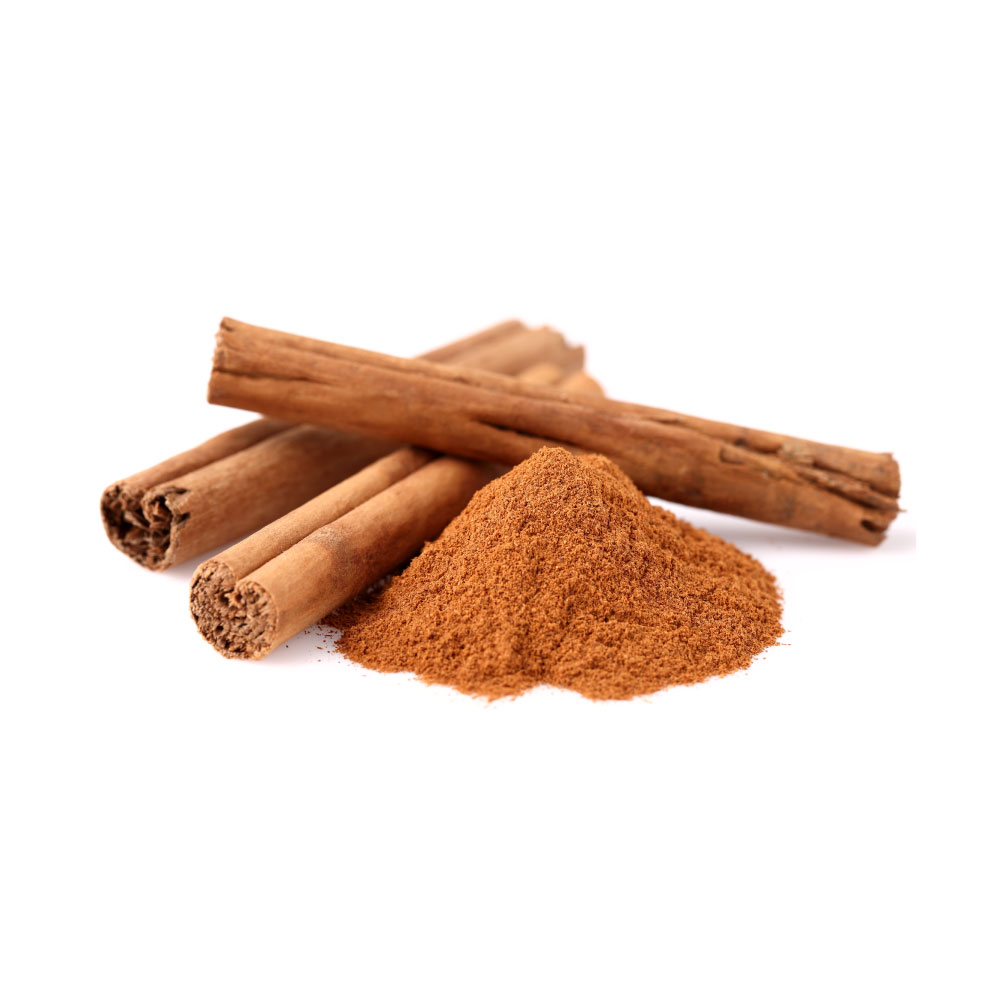 MildMildCassia CinnamonCinnamomum cassiaLowers systolic pressure by about 5 mmHg and diastolic by about 3 mmHg in two 2020 meta-analyses, with the effect confined to doses of 2 g/day or less.Mechanismpolyphenol-mediated; specific vascular target not establishedRead the evidenceShow lessMonograph →
Two 2020 meta-analyses converge. Pooling 9 RCTs (641 adults), cinnamon lowered systolic pressure about 5.2 mmHg and diastolic about 3.4 mmHg, and subgroup analysis found the effect held only at doses of 2 g/day or less 15Reference 15Meta-analysisThe effect of cinnamon supplementation on blood pressure in adults: a systematic review and meta-analysis of randomized controlled trials — [meta-analysis]View study →.
A second 2020 meta-analysis restricted to type-2 diabetes (9 trials) also reported significant systolic and diastolic reductions 16Reference 16Meta-analysisEffect of cinnamon supplementation on blood pressure and anthropometric parameters in patients with type 2 diabetes: a systematic review and meta-analysis of clinical trials — [meta-analysis]View study →.
The inverse dose pattern is unusual; a pharmacological effect generally strengthens with dose rather than weakening. The magnitude is comparable to a modest dietary change.
The trials are few and short, and there are no data on persistence or on cardiovascular outcomes.
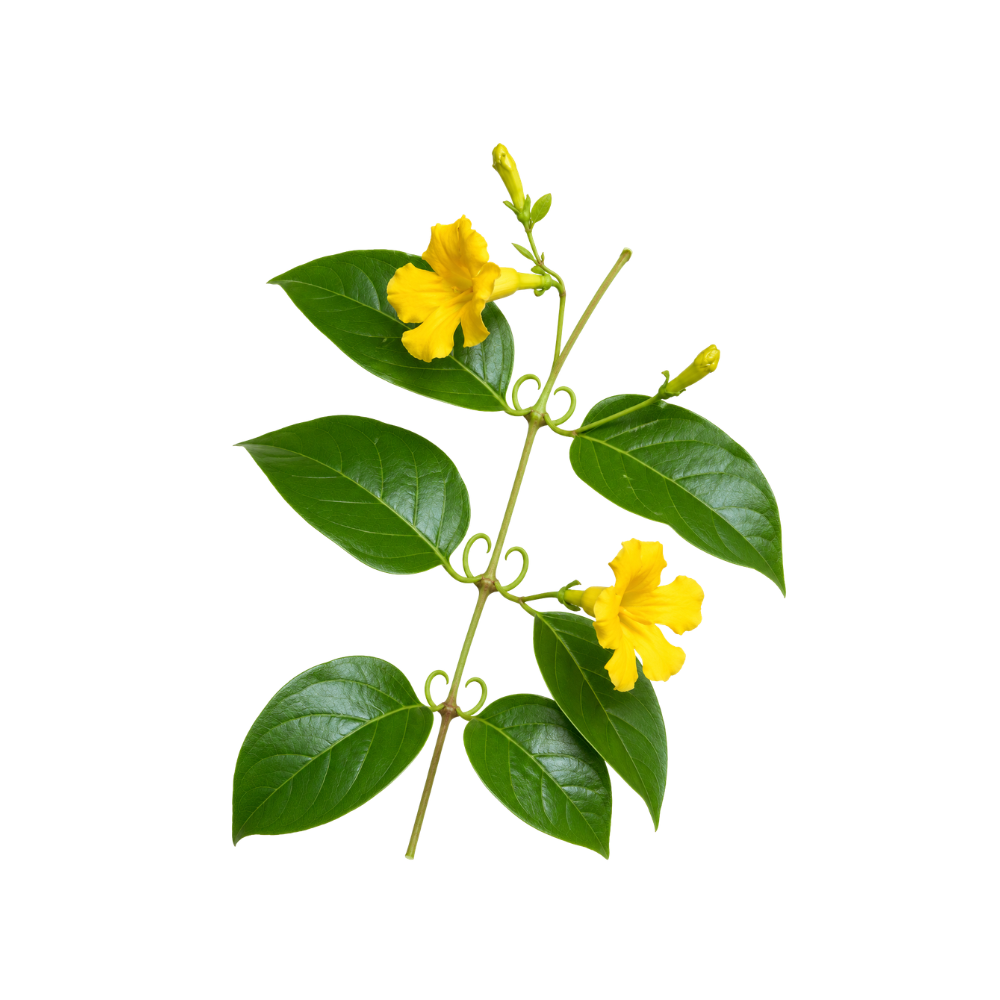 MildMildCat’s ClawUncaria tomentosaThe Uncaria alkaloids hirsutine and rhynchophylline lower blood pressure and relax vessels in isolated tissue and animals, in work done largely on the Asian species.Mechanismvasodilation and hypotension in isolated tissue and animals (hirsutine, rhynchophylline)Read the evidenceShow lessMonograph →
Alkaloids of Uncaria hooks, hirsutine, rhynchophylline and relatives, produce hypotensive and vasodilatory effects in isolated-tissue and animal preparations 17Reference 17In vitroHypotensive principles of Uncaria hooks — in vitro/animalView study →.
The work dates from 1983 and is isolated-tissue and animal only. It derives largely from the Asian Uncaria species used in Chinese medicine for hypertension-related patterns, not from the Amazonian U. tomentosa sold as cat’s claw.
No human blood-pressure trial of cat’s claw exists.
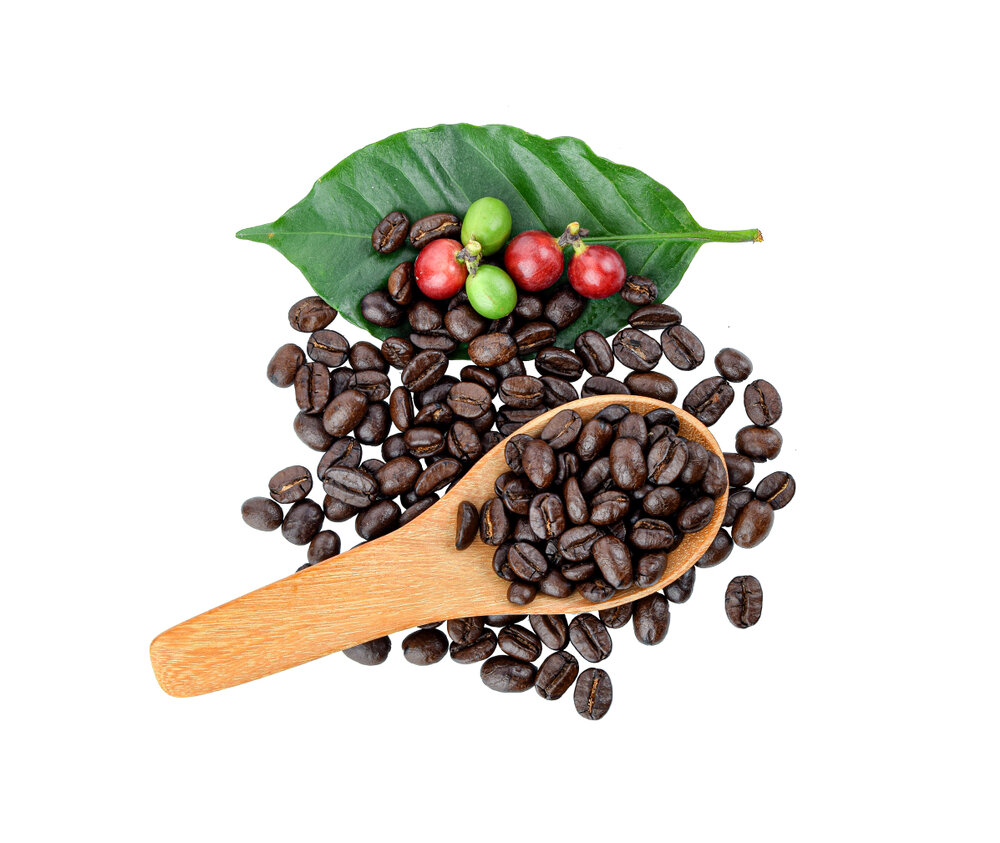 MildMildCoffeeCoffea arabicaCaffeine raises blood pressure acutely; with habitual intake the response fades, and people drinking three or more cups a day have a slightly lower risk of hypertension.Mechanismchlorogenic acid / nitric oxide (habitual); opposed by acute pressor effectRead the evidenceShow lessMonograph →
Caffeine raises blood pressure acutely, and the response is largest in unaccustomed users and in uncontrolled hypertension. A cup of brewed coffee delivers roughly 80 to 100 mg of caffeine, a full stimulant dose.
Habitual moderate intake is neutral to protective. A dose-response meta-analysis of prospective studies found no increased hypertension risk at 1 to 2 cups a day and a small protective association from 3 cups a day upward (RR 0.97) 18Reference 18Meta-analysisCoffee consumption and risk of hypertension: a dose-response meta-analysis of prospective studiesView study →.
The chlorogenic acids and their effect on nitric oxide are the proposed carriers of the long-term direction.
The long-term effect size is trivial, and the acute and habitual effects sit against each other depending on tolerance and timing.
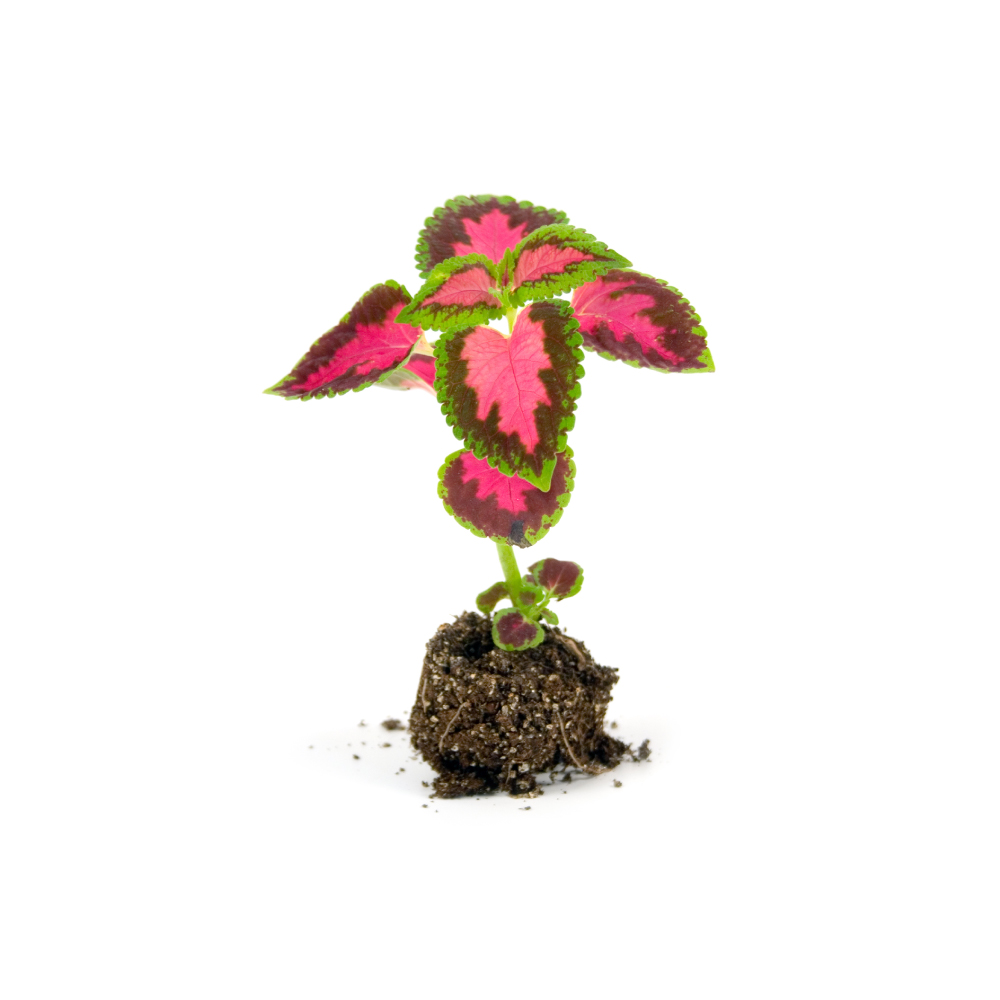 MildMildColeusColeus forskohliiForskolin activates adenylate cyclase directly and relaxes vascular smooth muscle through cAMP; infused intravenously it lowers systemic vascular resistance, and no oral trial has measured blood pressure.MechanismcAMP/PKA-mediated vascular smooth-muscle relaxation → systemic vascular resistance ↓Read the evidenceShow lessMonograph →
Direct blood-pressure data are animal-level. The related diterpene coleonol was hypotensive in early pharmacological work 19Reference 19AnimalPharmacological studies on coleonol, a hypotensive diterpene from Coleus forskohlii — [animal model]View study →.
The only human haemodynamic measurements are intravenous infusions in cardiomyopathy patients, where forskolin lowered systemic vascular resistance as part of a combined inotrope and vasodilator profile 20,
There is no oral human trial with a blood-pressure endpoint. The mild hypotensive effect is mechanistically expected rather than demonstrated, and it is the basis of the interaction caution with blood-pressure medication.
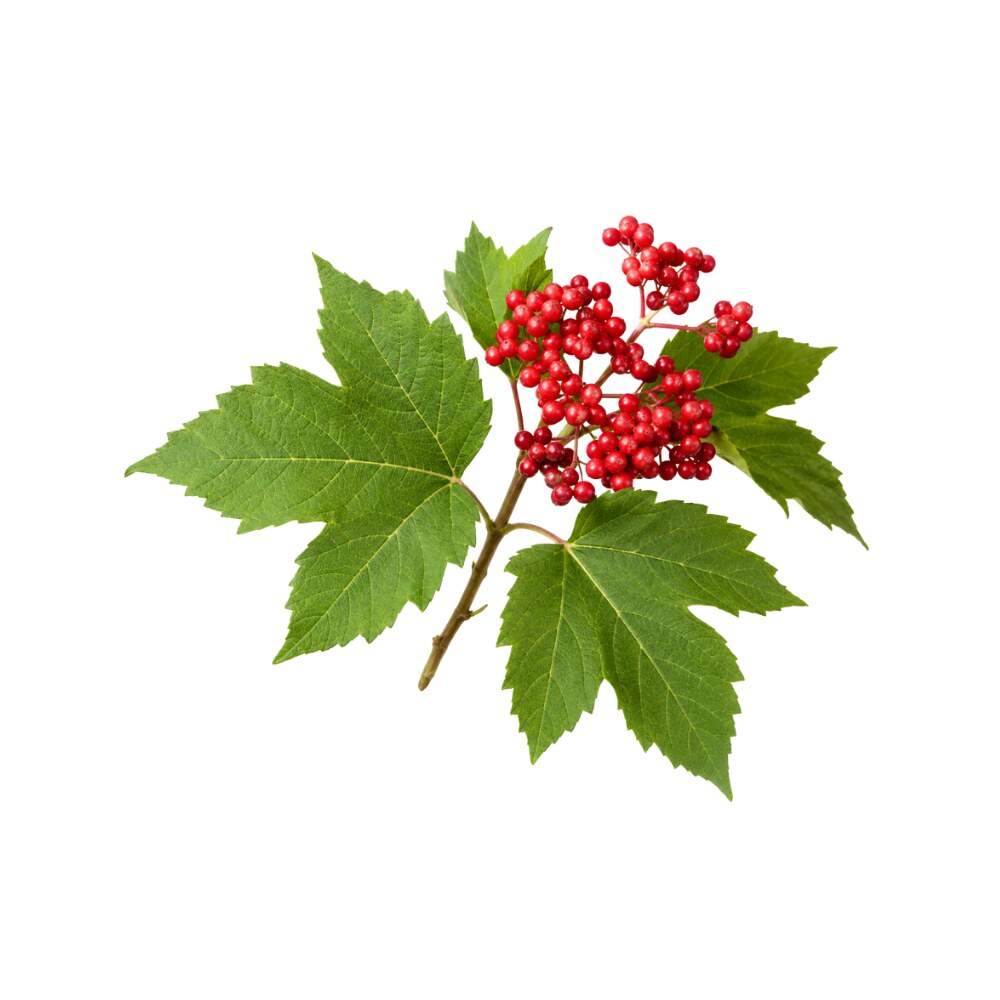 MildMildCramp BarkViburnum opulusViopudial, the bark's antispasmodic constituent, was characterised as hypotensive in the original 1972 report, and the fruit extract relaxes rat aorta through arginase inhibition.Mechanismsmooth-muscle Ca²⁺-channel antagonism; arginase inhibition → nitric-oxide availability ↑Read the evidenceShow lessMonograph →
The 1972 viopudial report characterised the constituent as hypotensive as well as spasmolytic 22Reference 22Viopudial, a hypotensive and smooth-muscle antispasmodic from Viburnum opulus — animal/isolated tissueView study →. A 2019 study found V. opulus extract gave the strongest vasorelaxant effect of three fruits tested in phenylephrine-precontracted rat aortic rings, alongside arginase inhibition, which would raise nitric-oxide availability 23Reference 23In vitroMetabolite profiling, arginase inhibition and vasorelaxant activity of Cornus mas, Sorbus aucuparia and Viburnum opulus fruit extracts — in vitro (rat aorta)View study →.
The 2019 result is a fruit extract, not bark, and the 1972 result is a single isolated constituent. There is no in-vivo blood-pressure measurement for the bark and no human data.
The effect reads as a mild relaxant action riding on the same calcium-channel mechanism as the antispasmodic one.
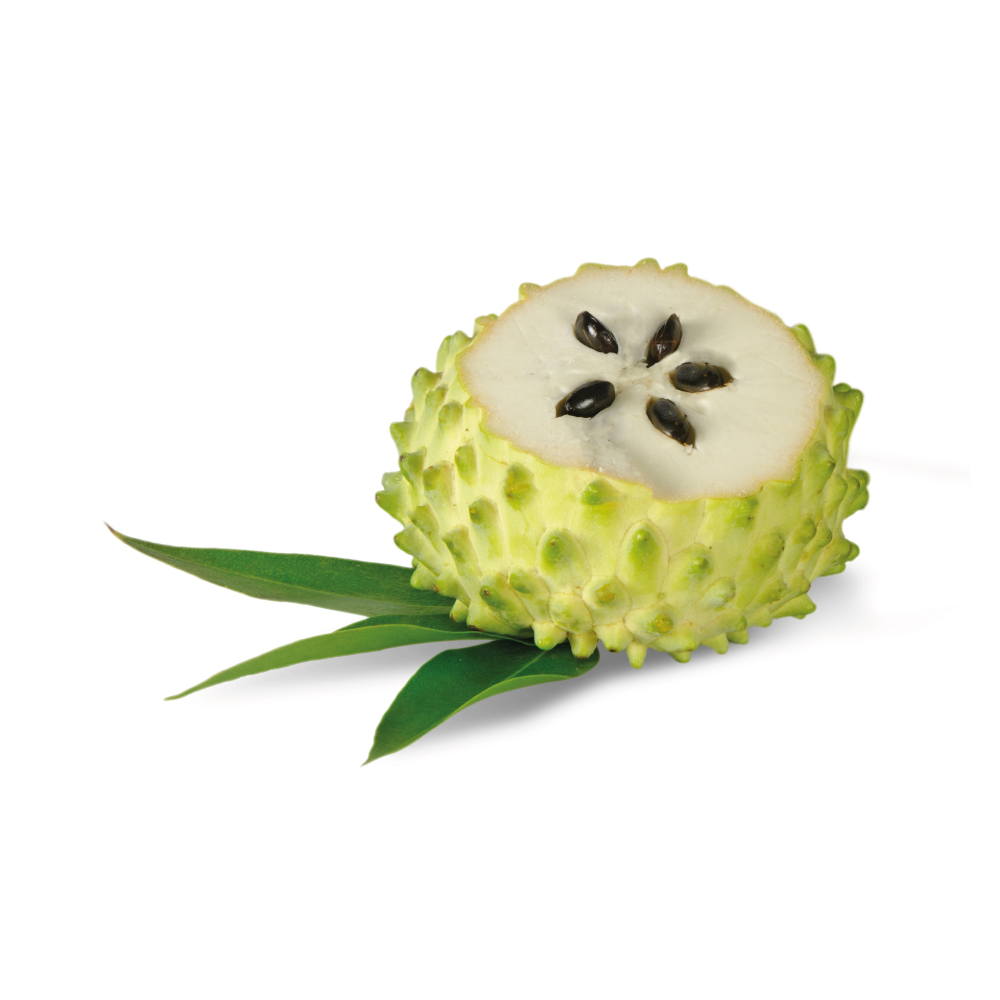 MildMildGraviolaAnnona muricataAqueous leaf extract lowers blood pressure dose-dependently in anaesthetised rats by a peripheral vasodilatory route, in normotensive as well as hypertensive animals.Mechanismperipheral vasorelaxation via a non-adrenergic route (calcium-channel / muscarinic involvement proposed, not established); not a direct cardiac effect and not diureticRead the evidenceShow lessMonograph →
In anaesthetised normotensive rats an aqueous leaf extract lowered mean arterial pressure dose-dependently, with the fall attributed to peripheral, non-adrenergic pathways, possibly calcium-channel or muscarinic, rather than to any direct cardiac action 45Reference 45AnimalPossible mechanisms of the hypotensive effect of Annona muricata (soursop) in normotensive rats — animal modelView study →. A second rat study reported hypotensive and antihypertensive effects together with a basic safety assessment 46Reference 46AnimalHypotensive and antihypertensive properties and safety for use of Annona muricata and Persea americana — animal modelView study →.
The route is vasodilatory rather than diuretic or renin–angiotensin, and it matches the traditional use of the leaf as a heart tonic.
There are no human blood-pressure data. The work is aqueous leaf extract at per-kilogram animal doses with no translatable human dose.
The drop was produced in animals whose blood pressure was normal, so it is not conditional on hypertension, and because it is dose-dependent an excessive fall is a real hazard.
 MildMildHibiscusHibiscus rosa-sinensisAqueous flower extract lowers blood pressure in hypertensive rats and leaves normotensive animals unaffected, through calcium-channel and ACE-2 pathways; the human hibiscus trials belong to roselle.MechanismCa²⁺-channel blockade; ACE-2 pathway modulation; endothelium-independent vasorelaxationRead the evidenceShow lessMonograph →
An aqueous flower extract (100 mg/kg orally, 7 days) lowered systolic, diastolic and mean arterial pressure in hypertensive rats and left normotensive animals unaffected, and relaxed isolated aortic rings through an endothelium-independent mechanism involving Ca²⁺-channel and ACE-2-related pathways 56Reference 56In vitroAntihypertensive and vasorelaxant effects of Hibiscus rosa-sinensis via ACE-2 and Ca²⁺-channel pathways — in vivo/in vitro (rat)View study →. A second study reported blood-pressure and metabolic benefit in fructose-induced hypertensive rats 57Reference 57AnimalEffect of aqueous Hibiscus rosa-sinensis on blood pressure and metabolic alterations in fructose-induced hypertensive rats — in vivoView study →.
The evidence is two rodent studies in already-hypertensive animals, and the traditional preparation, the flower tea, has never been tested for this endpoint.
The human RCT and meta-analysis literature on hibiscus and blood pressure is H. sabdariffa, roselle, and does not transfer to this species 58,
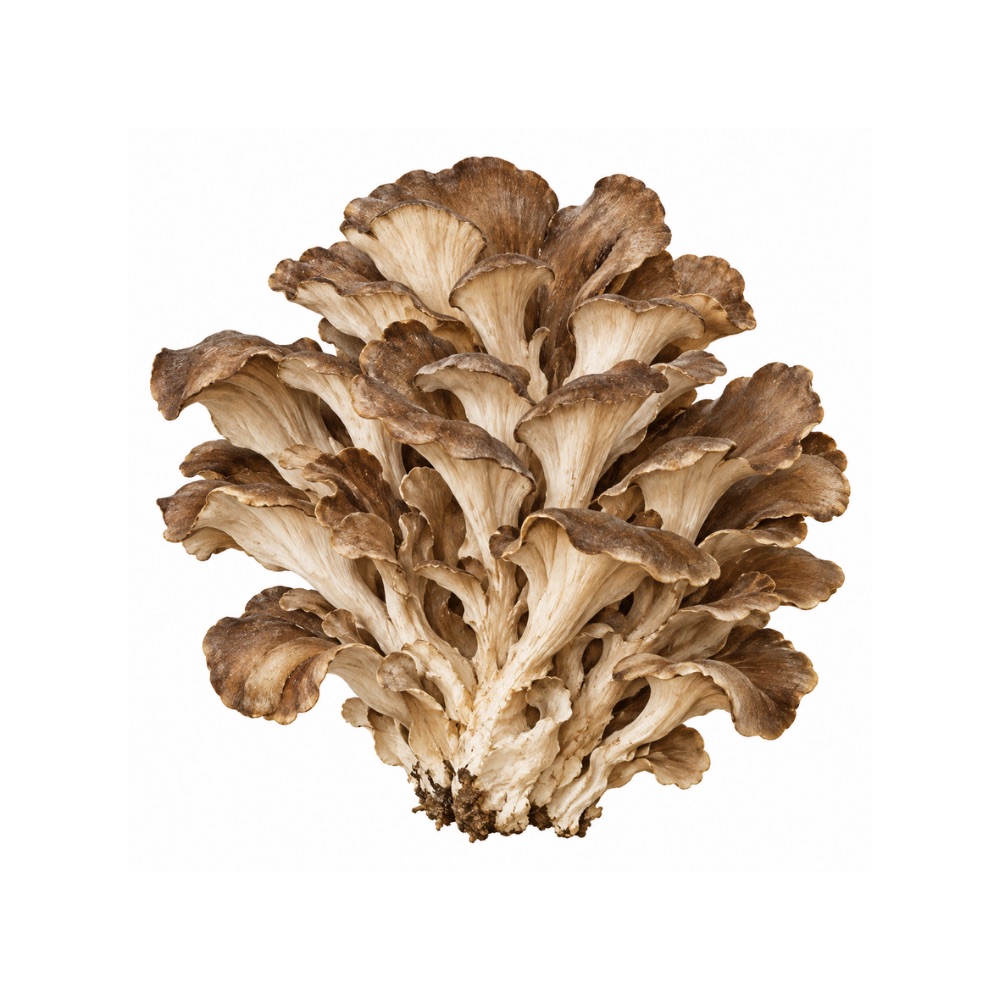 MildMildMaitakeGrifola frondosaLowers blood pressure in two rodent models through improved insulin sensitivity rather than any identified vasoactive constituent.Mechanismimproved insulin sensitivity and vascular function (no direct vasodilator identified)Read the evidenceShow less
Dietary maitake lowered blood pressure in spontaneously hypertensive rats 60Reference 60AnimalEffect of shiitake (Lentinus edodes) and maitake (Grifola frondosa) mushrooms on blood pressure and plasma lipids of spontaneously hypertensive rats — animal in vivo (rat)View study →, and an extract ameliorated progressive hypertension and metabolic disturbance in ageing female rats 61Reference 61AnimalMaitake mushroom extracts ameliorate progressive hypertension and other chronic metabolic perturbations in aging female rats — animal in vivo (rat)View study →.
No vasoactive constituent has been identified; the effect is attributed to metabolic improvement.
Both are whole-mushroom-in-feed designs at rodent doses, and there are no human blood-pressure data.
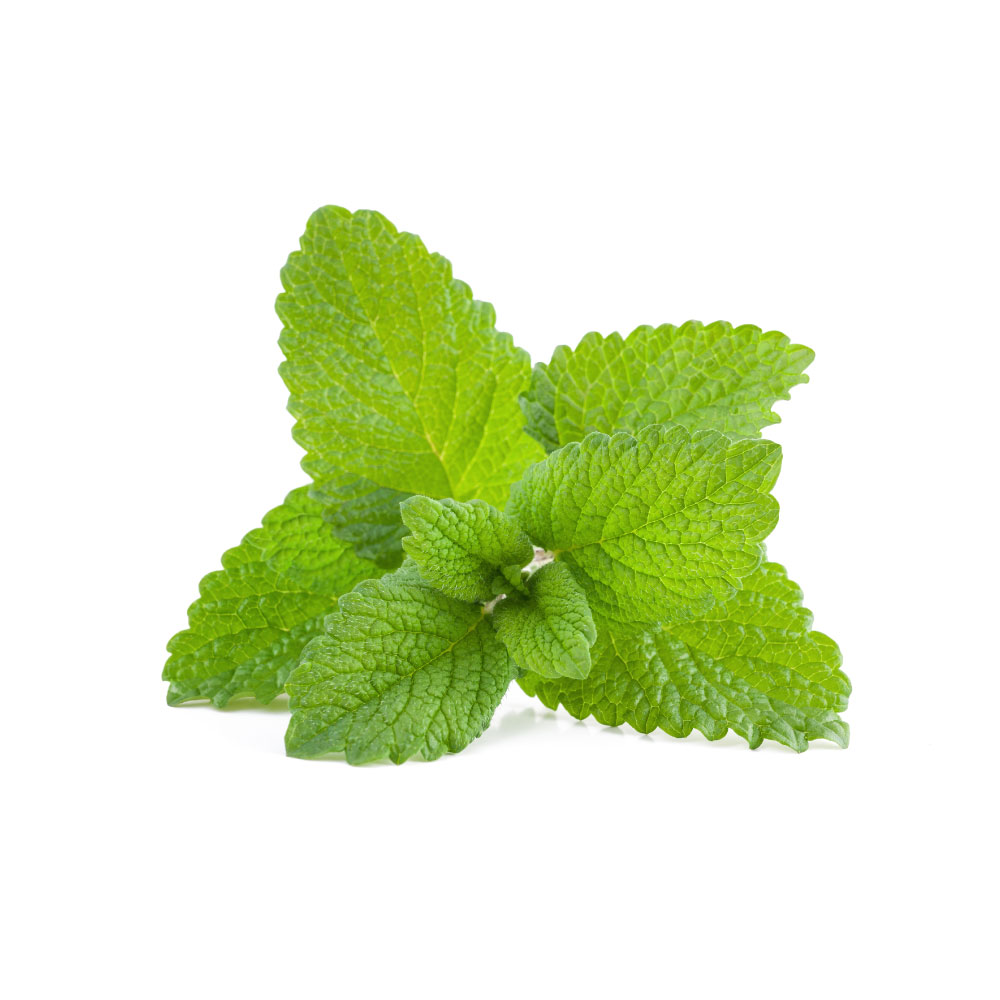 MildMildMelissaMelissa officinalisLowers systolic pressure in a meta-analysis of seven randomised trials, with diastolic pressure unchanged, on a small evidence base at serious risk of bias.Mechanismsystolic-selective reduction (pooled); mechanism not establishedRead the evidenceShow lessMonograph →
The 2020 meta-analysis of seven RCTs found lemon balm reduced systolic blood pressure (SMD −0.56) with no significant change in diastolic pressure 62Reference 62Meta-analysisEffects of Melissa officinalis on cardio-metabolic outcomes — systematic review and meta-analysisView study →. The 8-week angina trial improved the full lipid panel and hs-CRP alongside 63Reference 63RCTThe effects of Melissa officinalis in chronic stable angina on serum biomarkers of oxidative stress, inflammation and lipid profile — randomised placebo-controlled trialView study →.
The systolic-only pattern matches the herb’s lipid result, where only total cholesterol moved.
The meta-analysis authors report serious risk of bias, a small number of studies mostly from a few centres, and no hard cardiovascular outcomes. No mechanism is established.
 MildMildNigellaNigella sativaLowers blood pressure by about 3 mmHg systolic and diastolic in two meta-analyses of randomised trials, attributed to thymoquinone's effect on oxidative stress and endothelial function.Mechanismoxidative stress ↓ and endothelial function ↑ (thymoquinone-driven, proposed); SBP/DBP ↓Read the evidenceShow lessMonograph →
Two meta-analyses of RCTs report reductions of roughly 3.1 mmHg systolic and 2.7 mmHg diastolic in the more recent pooled analysis 70Reference 70Meta-analysisAntihypertensive effects of Nigella sativa supplementation — updated systematic review and meta-analysis of randomized controlled trialsView study →, consistent with an earlier 11-RCT synthesis 71Reference 71Meta-analysisA systematic review and meta-analysis of randomized controlled trials investigating the effects of Nigella sativa on blood pressureView study →.
The proposed mechanism is thymoquinone-driven improvement in oxidative stress and endothelial function.
Heterogeneity across the pooled trials was very high, and a 3 mmHg shift is an adjunctive effect. Nigella’s lipid evidence is considerably stronger than its blood-pressure evidence.
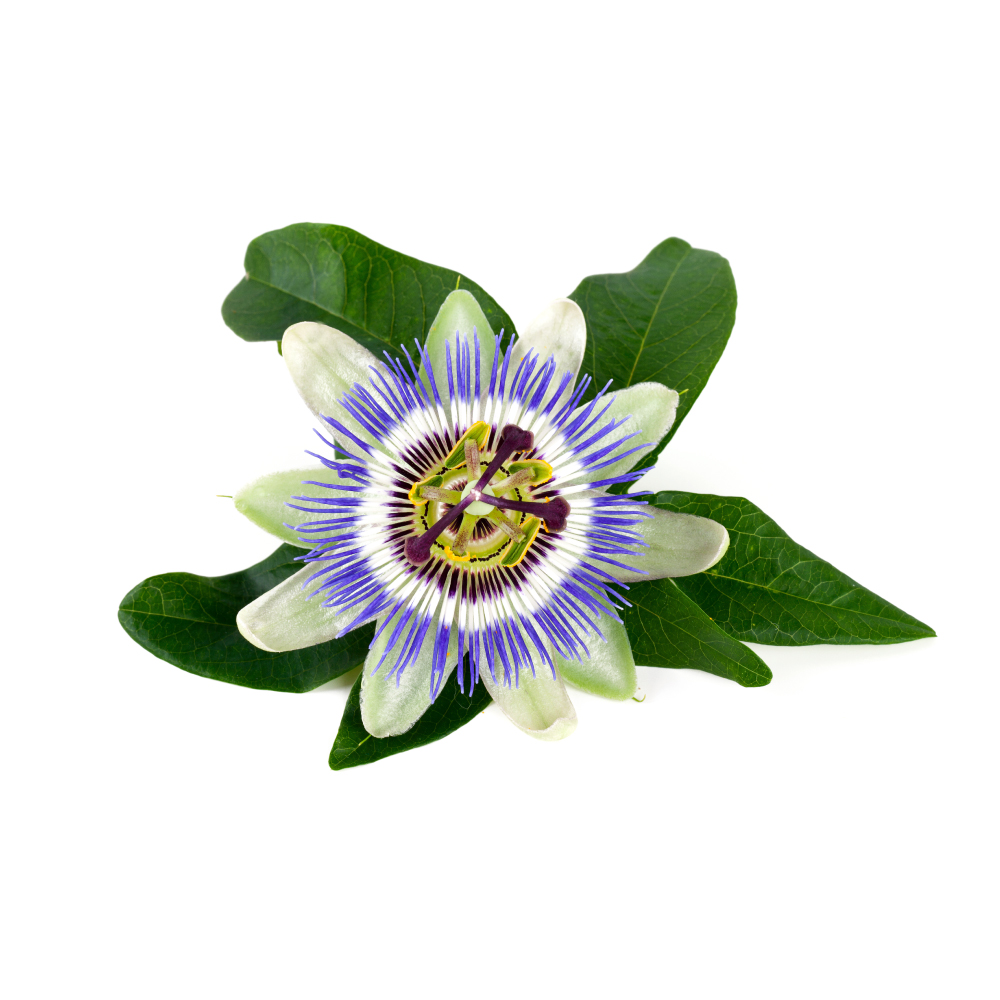 MildMildPassionflowerPassiflora incarnataA traditional mild hypotensive; its harmala alkaloids block calcium channels in vascular smooth muscle, though the herb carries them only in trace amounts.MechanismCa²⁺-channel inhibition in vascular smooth muscleRead the evidenceShow lessMonograph →
The harmala alkaloids harmaline, harmine and harman inhibit calcium channels in vascular and intestinal smooth muscle in isolated-tissue work 82Reference 82In vitroInhibition of calcium channels by harmaline and other harmala alkaloids in vascular and intestinal smooth muscles — in vitroView study →, the same mechanism that underlies the herb’s antispasmodic action.
P. incarnata carries these alkaloids only in trace amounts, so the route is plausible but unquantified for the herb as used. There is no human blood-pressure trial.
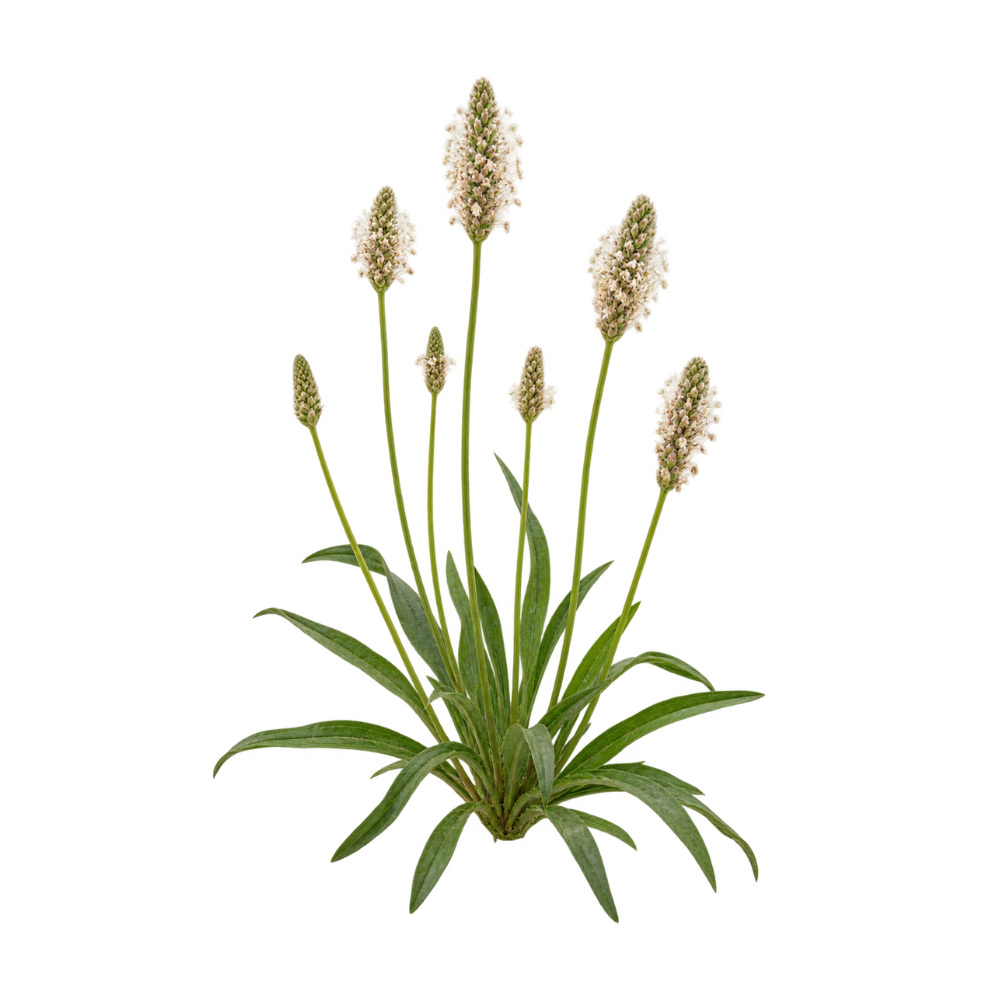 MildMildPsylliumPlantago ovataLowers systolic pressure by about 2 mmHg with a linear dose and duration response, as a downstream effect of its lipid, glycaemic and weight actions.Mechanismindirect — mediated via lipid, glycemic and weight effects plus modest sodium/bile-acid handling; not a direct vascular actionRead the evidenceShow lessMonograph →
Two systematic reviews and meta-analyses agree. An 11-trial analysis (592 participants) reported a systolic reduction of about 2.0 mmHg, stronger in participants with higher baseline blood pressure 83Reference 83Meta-analysisThe effect of psyllium supplementation on blood pressure: a systematic review and meta-analysis of randomized controlled trials — meta-analysisView study →.
A later dose-response meta-analysis (14 trials, 802 participants) found systolic pressure down about 2.2 mmHg with a linear dose and duration relationship, while diastolic pressure was not significantly changed 84Reference 84Meta-analysisThe effect of psyllium consumption on blood pressure: systematic review and dose-response meta-analysis of randomized controlled trials — meta-analysisView study →.
The linear dose response is the strongest feature of the evidence.
The mechanism is indirect. The reduction most plausibly follows psyllium’s lipid, glycaemic and weight effects rather than anything the fibre does to blood vessels, and 2 mmHg systolic with diastolic unmoved is a minor adjunctive benefit.
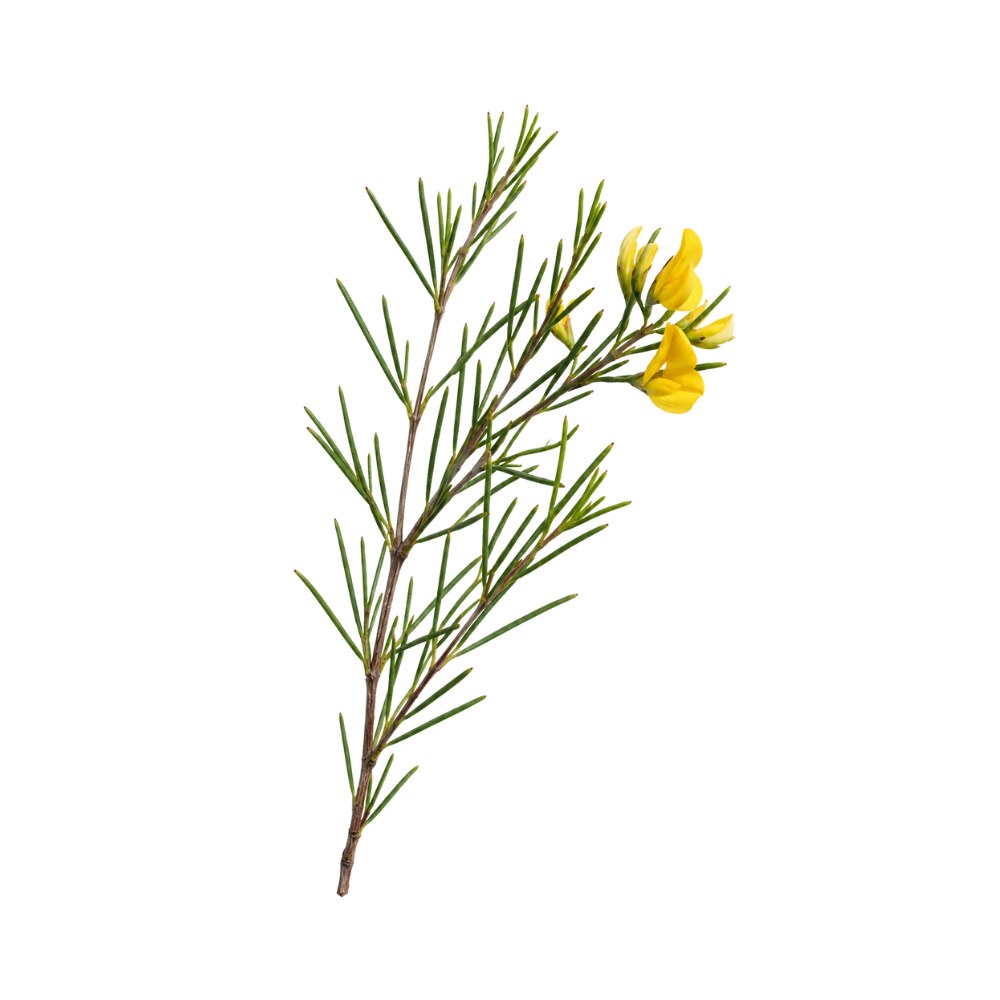 MildMildRooibosAspalathus linearisA single serving inhibited angiotensin-converting enzyme in healthy volunteers within an hour, matching the Cederberg tradition of the tea for high blood pressure; no trial has measured blood pressure over time.Mechanismangiotensin-converting-enzyme (ACE) inhibition (acute, human); eNOS/AMPK vascular signaling (rodent)Read the evidenceShow lessMonograph →
In a randomised three-phase crossover trial, 17 healthy volunteers given a single 400 mL serving showed significant inhibition of angiotensin-converting-enzyme activity at 30 and 60 minutes, an effect also seen with green tea, while nitric-oxide concentration did not change 85Reference 85RCTEffects of green tea, black tea and Rooibos tea on angiotensin-converting enzyme and nitric oxide in healthy volunteers — randomised controlled crossover trialView study →. That narrows the mechanism to ACE rather than nitric oxide.
The finding aligns with traditional Cederberg use for high blood pressure and with animal vascular-function data 86Reference 86AnimalModulating effects of green rooibos extract on vascular function and oxidative status in obese Wistar rats — animal model. https://pubmed.ncbi.nlm.nih.gov/33605975/View study →.
It is a single acute-dose study measuring an enzyme surrogate, and no trial has tested rooibos on a blood-pressure endpoint over time.
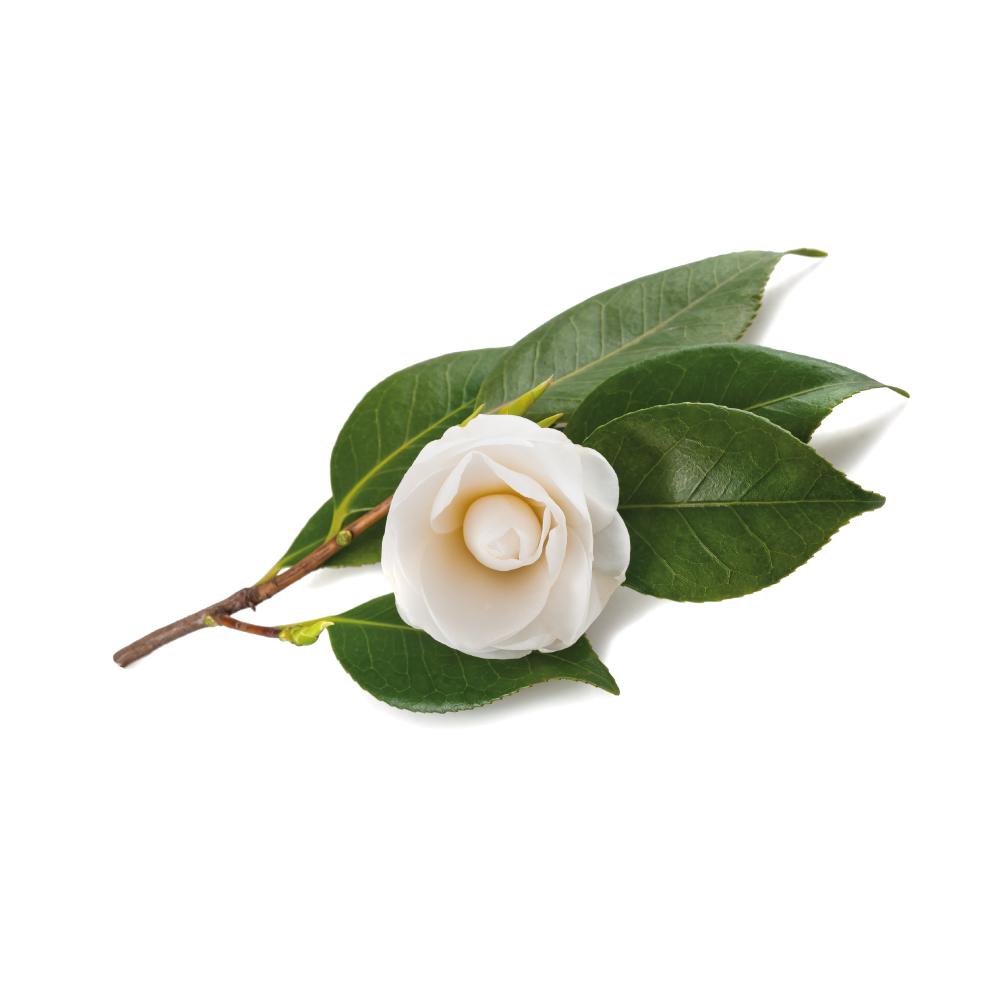 MildMildTeaCamellia sinensisGreen-tea catechins inhibit angiotensin-converting enzyme and improve nitric-oxide-mediated tone in mechanistic work; the downstream blood-pressure change is 1 to 2 mmHg and comes from extracts.MechanismACE inhibition; ↑ nitric oxide / endothelial functionRead the evidenceShow lessMonograph →
EGCG and epigallocatechin inhibit angiotensin-converting enzyme and improve nitric-oxide-mediated tone in mechanistic work 95Reference 95ReviewGreen tea (Camellia sinensis) catechins and vascular function — reviewView study →, which plausibly underlies tea’s small blood-pressure effect.
The ACE inhibition is an in-vitro finding rather than a demonstrated clinical pathway, and the downstream change of 1 to 2 mmHg comes from extracts. It is a minor, adjunctive contribution.
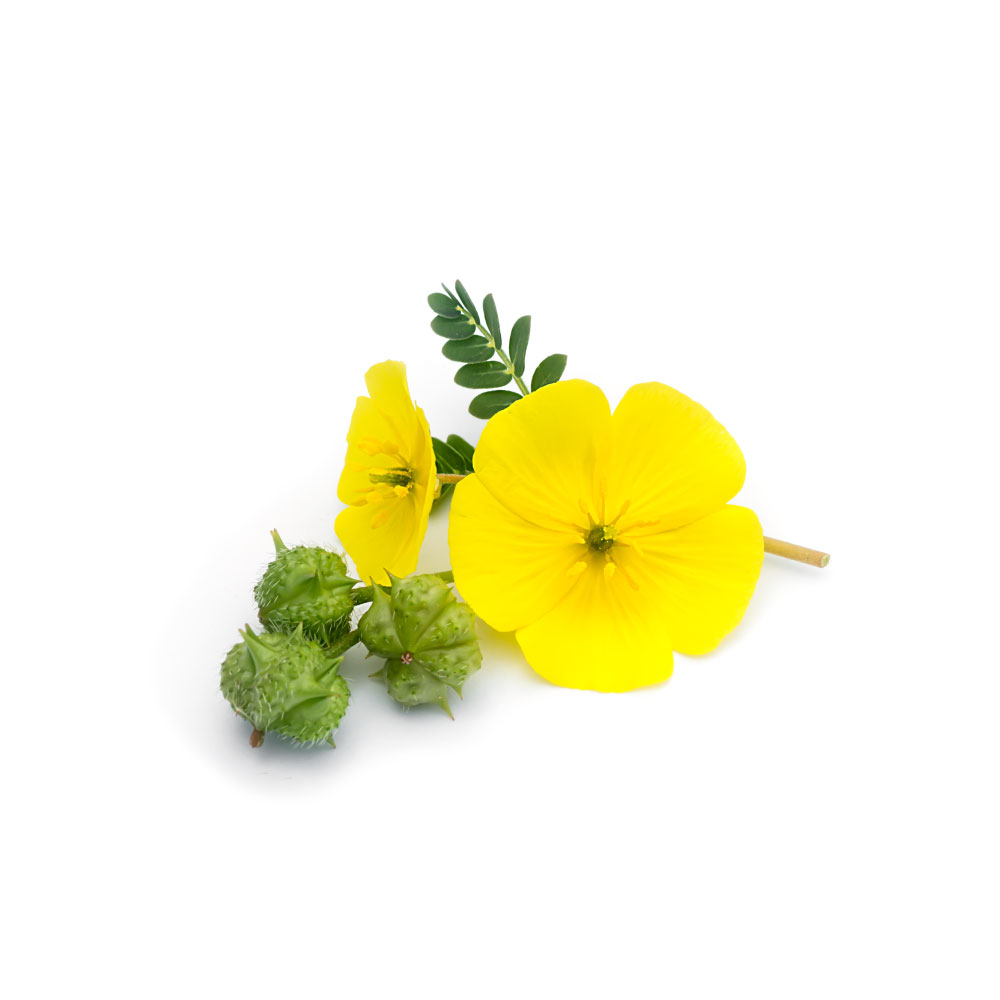 MildMildTribulusTribulus terrestrisPowdered whole fruit at 6 g/day lowered blood pressure in prehypertensive adults in one small placebo-controlled Unani trial, with animal work supporting a vasorelaxant, ACE-inhibitory route.Mechanismvasorelaxant / ACE-inhibitory action (animal); whole dried fruitRead the evidenceShow lessMonograph →
A randomised, double-blind, placebo-controlled Unani-medicine trial found powdered Tribulus fruit at 6 g/day for two months lowered blood pressure in prehypertensive adults 96Reference 96RCTEfficacy of Khar-i-khasak (Tribulus terrestris) in prehypertension — randomised, double-blind, placebo-controlled trial — [randomised placebo-controlled trial]View study →, echoing the traditional use. Animal work supports a vasorelaxant and ACE-inhibitory mechanism.
It is a single small trial of whole dried fruit rather than a standardised extract, in prehypertension, with no confirmation in established hypertension.
Six grams a day of powdered fruit is far above the standardised-extract doses used in tribulus’s sexual-function trials, so the finding does not transfer to those products.
No herbs match these filters.
Also Tagged
4 more herbs carry an antihypertensive action.
Korean Red Pine
Pinus densiflora
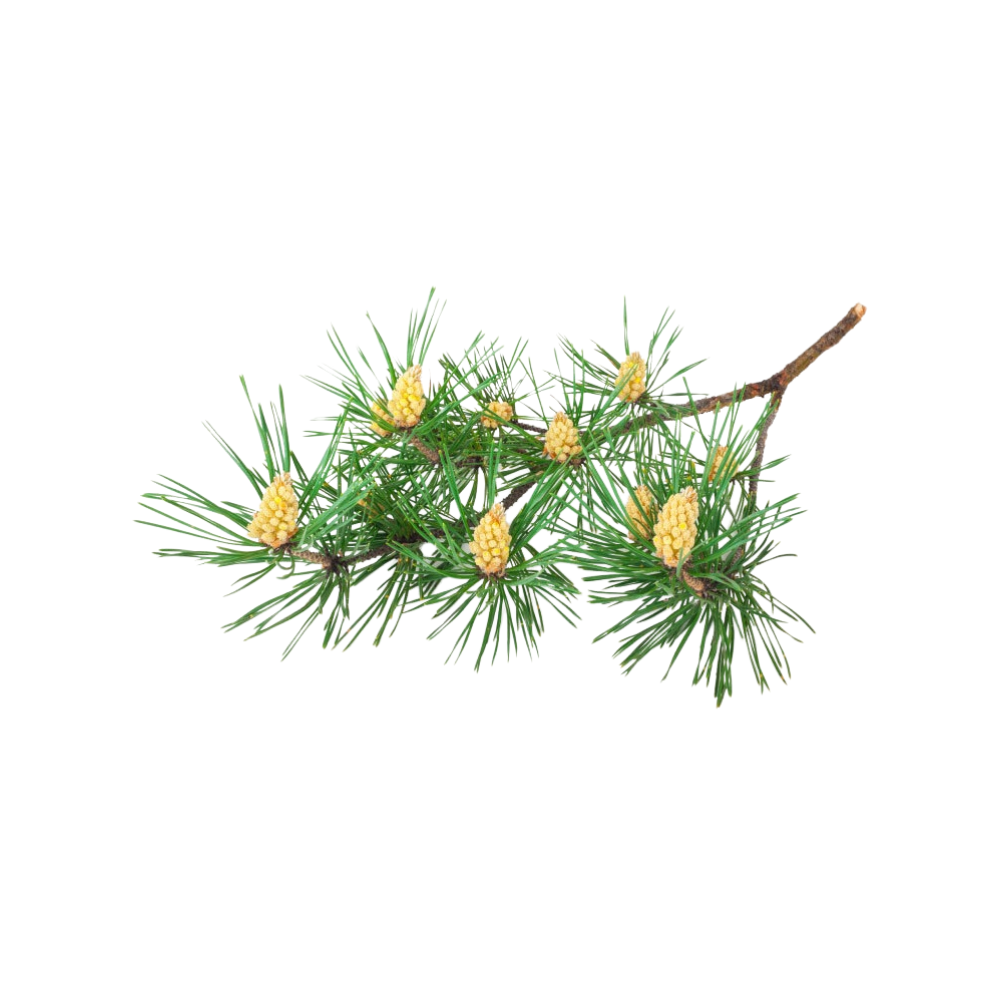
Maritime Pine
Pinus pinaster
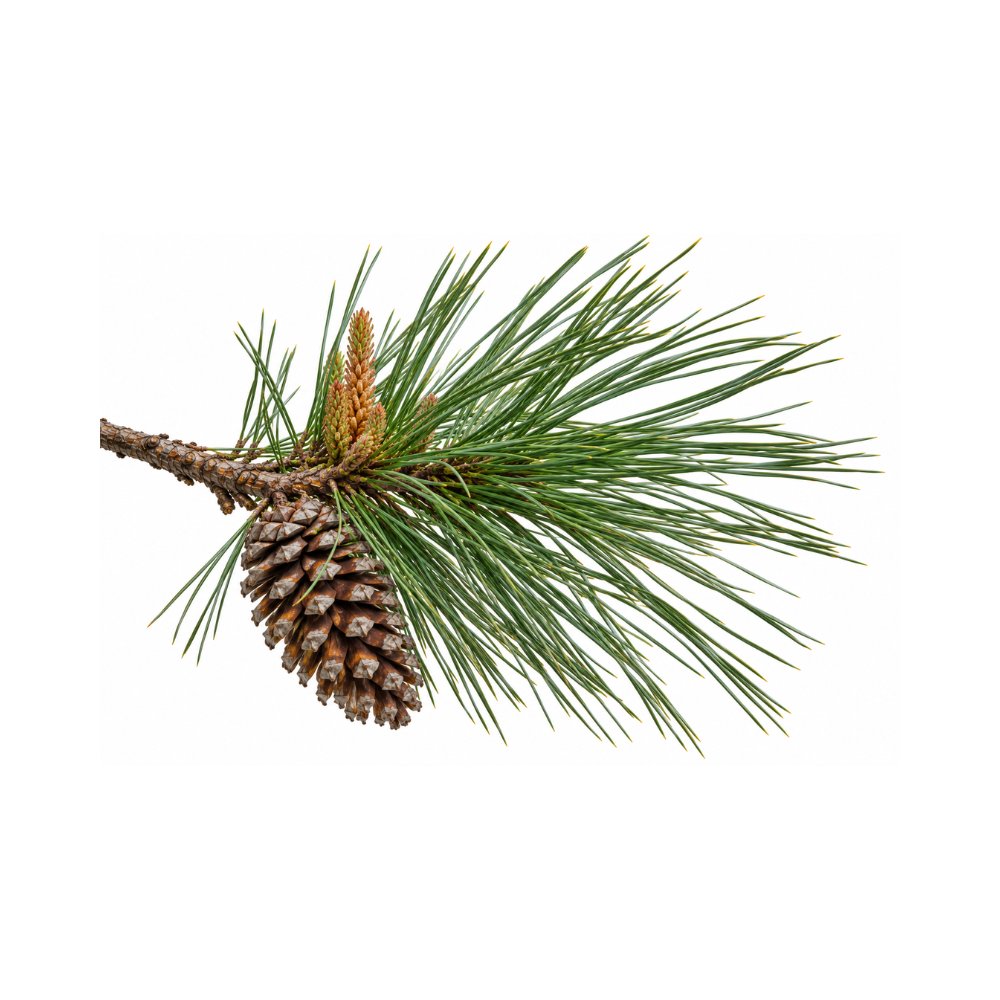
Monterey Pine
Pinus radiata
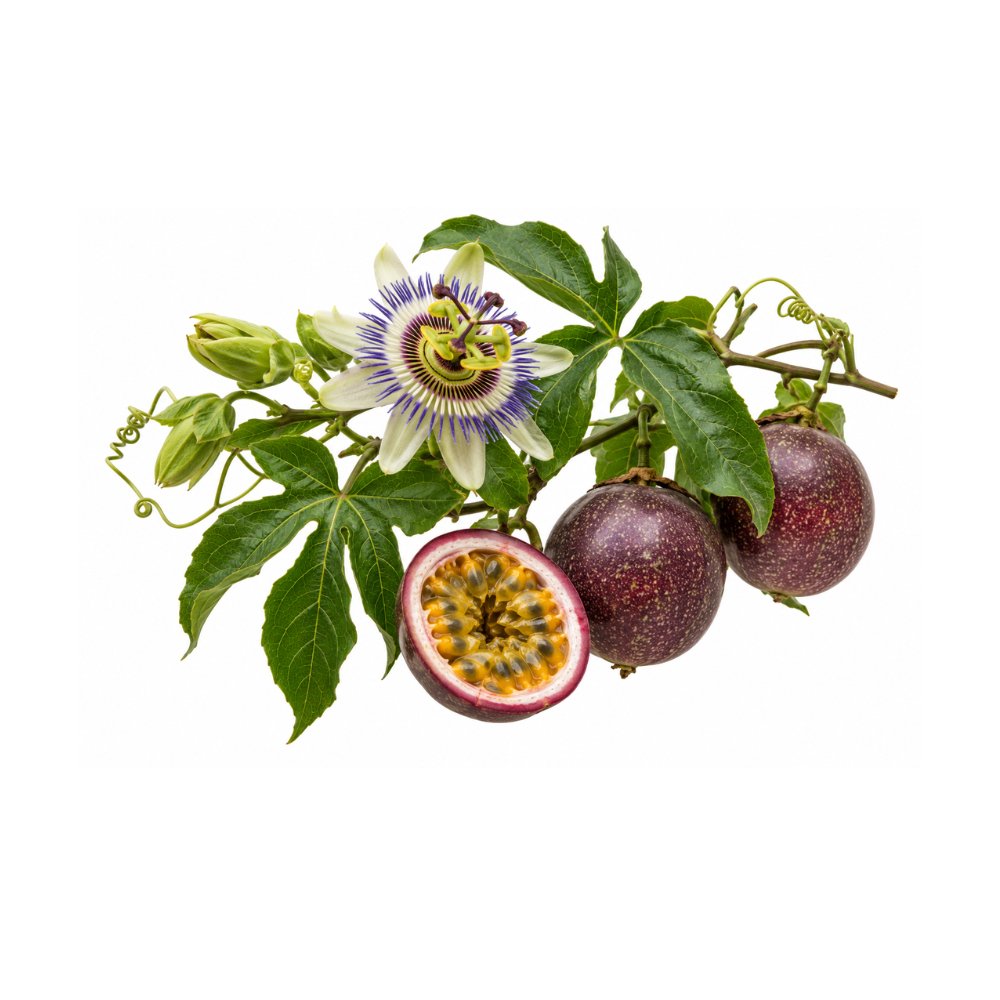
Passion Fruit
Passiflora edulis
Safety
- Antihypertensive herbs add to blood-pressure medication, nitrates and other vasodilators.
- No antihypertensive herb replaces prescribed treatment, and hypertension gives no symptoms to judge control by.
- Antiplatelet herbs in this group add to aspirin, clopidogrel and anticoagulants.
- Calcium-channel blockade slows cardiac conduction as well as relaxing vessels.
- Stimulant and adrenergic herbs raise blood pressure acutely.
References
- Ueno H, et al. (1988). Chemical and pharmaceutical studies on medicinal plants in Paraguay. Geraniin, an angiotensin-converting enzyme inhibitor from “paraparai mi,” Phyllanthus niruri. Journal of Natural Products. https://pubmed.ncbi.nlm.nih.gov/3379417/
- Lin SY, et al. (2008). Antioxidant, anti-semicarbazide-sensitive amine oxidase, and anti-hypertensive activities of geraniin isolated from Phyllanthus urinaria. Food and Chemical Toxicology. https://pubmed.ncbi.nlm.nih.gov/18495318/
- Phang SCW, Palanisamy UD, Kadir KA (2019). Effects of geraniin (rambutan rind extract) on blood pressure and metabolic parameters in rats fed high-fat diet. Journal of Integrative Medicine. https://pubmed.ncbi.nlm.nih.gov/30738774/
- Looi D, et al. (2021). Metabolites of the ellagitannin, geraniin inhibit human ACE; in vitro and in silico evidence. International Journal of Food Sciences and Nutrition. https://pubmed.ncbi.nlm.nih.gov/33032478/
- Elendran S, et al. (2019). Permeability of the ellagitannin geraniin and its metabolites in a human colon adenocarcinoma Caco-2 cell culture model. Food & Function. https://pubmed.ncbi.nlm.nih.gov/30566155/
- Meghwani, H., Prabhakar, P., Mohammed, S. A., et al. (2017). Beneficial effects of aqueous extract of stem bark of Terminalia arjuna in experimental pulmonary hypertension — animal model. Journal of Ethnopharmacology, 197, 184–194. https://pubmed.ncbi.nlm.nih.gov/27401289/
- Dwivedi, S. (2007). Terminalia arjuna Wight & Arn. — a useful drug for cardiovascular disorders — review. Journal of Ethnopharmacology, 114(2), 114–129. https://pubmed.ncbi.nlm.nih.gov/17875376/
- Bharani, A., Ahirwar, L. K., & Jain, N. (2004). Terminalia arjuna reverses impaired endothelial function in chronic smokers — randomised double-blind crossover trial. Indian Heart Journal, 56(2), 123–128. https://pubmed.ncbi.nlm.nih.gov/15377133/
- Ried K, Fakler P, et al. (2017). Effect of cocoa on blood pressure — Cochrane systematic review and meta-analysis. Cochrane Database Syst Rev. https://pubmed.ncbi.nlm.nih.gov/28439881/
- Ried K, Sullivan T, et al. (2010). Does chocolate reduce blood pressure? A meta-analysis — systematic review, meta-analysis. BMC Med. https://pubmed.ncbi.nlm.nih.gov/20584271/
- Desch S, Schmidt J, et al. (2010). Effect of cocoa products on blood pressure: systematic review and meta-analysis. Am J Hypertens. https://pubmed.ncbi.nlm.nih.gov/19910929/
- Oboh G, Ademosun AO, et al. (2014). In vitro studies on the antioxidant property and inhibition of alpha-amylase, alpha-glucosidase, and angiotensin-I-converting enzyme by polyphenol-rich extracts from cocoa (Theobroma cacao) bean. Patholog Res Int. https://pubmed.ncbi.nlm.nih.gov/25295218/
- Sesso HD, Manson JE, et al. (2022). Effect of cocoa flavanol supplementation for the prevention of cardiovascular disease events: the COcoa Supplement and Multivitamin Outcomes Study (COSMOS) randomised controlled trial. Am J Clin Nutr. https://pubmed.ncbi.nlm.nih.gov/35294962/
- Tchikaya, F. O., et al. (2011). Anacardium occidentale stem-bark extract induces hypotensive and cardio-inhibitory effects in experimental animal models — animal study. Afr J Tradit Complement Altern Med. https://pubmed.ncbi.nlm.nih.gov/22654226/
- Hadi A, et al. (2020). The effect of cinnamon supplementation on blood pressure in adults: a systematic review and meta-analysis of randomized controlled trials — [meta-analysis]. Clinical Nutrition ESPEN. https://pubmed.ncbi.nlm.nih.gov/32220351/
- Jamali N, et al. (2020). Effect of cinnamon supplementation on blood pressure and anthropometric parameters in patients with type 2 diabetes: a systematic review and meta-analysis of clinical trials — [meta-analysis]. Diabetes & Metabolic Syndrome. https://pubmed.ncbi.nlm.nih.gov/32032898/
- Endo, K., Oshima, Y., Kikuchi, H., et al. (1983). Hypotensive principles of Uncaria hooks — in vitro/animal. Planta Medica. https://pubmed.ncbi.nlm.nih.gov/6657789/
- D’Elia, L., La Fata, E., Galletti, F., et al. (2019). Coffee consumption and risk of hypertension: a dose-response meta-analysis of prospective studies. Eur J Nutr. https://pubmed.ncbi.nlm.nih.gov/29222637/
- Dubey MP, Srimal RC, Nityanand S, et al. (1981). Pharmacological studies on coleonol, a hypotensive diterpene from Coleus forskohlii — [animal model]. J Ethnopharmacol. https://pubmed.ncbi.nlm.nih.gov/7193263/
- Metzger H, Lindner E (1981). The positive inotropic-acting forskolin, a potent adenylate cyclase activator — [journal article]. Arzneimittelforschung. https://pubmed.ncbi.nlm.nih.gov/7197529/
- Baumann G, Felix S, Sattelberger U, et al. (1990). Cardiovascular effects of forskolin (HL 362) in patients with idiopathic congestive cardiomyopathy — a comparative study with dobutamine and sodium nitroprusside — [clinical trial]. J Cardiovasc Pharmacol. https://pubmed.ncbi.nlm.nih.gov/1696672/
- Nicholson, J. A., et al. (1972). Viopudial, a hypotensive and smooth-muscle antispasmodic from Viburnum opulus — animal/isolated tissue. Proceedings of the Society for Experimental Biology and Medicine. https://pubmed.ncbi.nlm.nih.gov/5037580/
- Bujor, A., Miron, A., Luca, S. V., et al. (2019). Metabolite profiling, arginase inhibition and vasorelaxant activity of Cornus mas, Sorbus aucuparia and Viburnum opulus fruit extracts — in vitro (rat aorta). Food and Chemical Toxicology. https://pubmed.ncbi.nlm.nih.gov/31437471/
- Li, P., et al. (2025). Effects of Dan Shen (Salvia miltiorrhiza) on blood pressure management in hypertensive patients — randomised double-blind placebo-controlled trial. Blood Pressure. https://pubmed.ncbi.nlm.nih.gov/40658027/
- Ursoniu, S., Sahebkar, A., Andrica, F., Serban, C., & Banach, M. (2016). Effects of flaxseed supplements on blood pressure: a systematic review and meta-analysis of controlled clinical trials. Clinical Nutrition. https://pubmed.ncbi.nlm.nih.gov/26071633/
- Khalesi, S., Irwin, C., & Schubert, M. (2015). Flaxseed consumption may reduce blood pressure: a systematic review and meta-analysis of controlled trials. Journal of Nutrition. https://pubmed.ncbi.nlm.nih.gov/25740909/
- Rodriguez-Leyva, D., Weighell, W., Edel, A. L., et al. (2013). Potent antihypertensive action of dietary flaxseed in hypertensive patients (FLAX-PAD). Hypertension. https://pubmed.ncbi.nlm.nih.gov/24126178/
- Xiong XJ, et al. (2015). Garlic for hypertension: a systematic review and meta-analysis of randomized controlled trials — systematic review. Phytomedicine. https://pubmed.ncbi.nlm.nih.gov/25837272/
- Wang HP, et al. (2015). Effect of garlic on blood pressure: a meta-analysis — randomised trials. Journal of Clinical Hypertension. https://pubmed.ncbi.nlm.nih.gov/25557383/
- Ried K, et al. (2008). Effect of garlic on blood pressure: a systematic review and meta-analysis. BMC Cardiovascular Disorders. https://pubmed.ncbi.nlm.nih.gov/18554422/
- Ried K. (2016). Garlic lowers blood pressure in hypertensive individuals, regulates serum cholesterol, and stimulates immunity: an updated meta-analysis and review. Journal of Nutrition. https://pubmed.ncbi.nlm.nih.gov/26764326/
- Saadh MJ, et al. (2024). Effects of aged garlic extract on blood pressure in hypertensive patients: a systematic review and meta-analysis of randomized controlled trials. Prostaglandins & Other Lipid Mediators. https://pubmed.ncbi.nlm.nih.gov/39437887/ ⚠ RETRACTED — retraction notice: Prostaglandins Other Lipid Mediat. 2026, https://pubmed.ncbi.nlm.nih.gov/42527229/
- Hasani H et al. (2019). Does ginger supplementation lower blood pressure? A systematic review and meta-analysis of clinical trials — meta-analysis. Phytotherapy Research. https://pubmed.ncbi.nlm.nih.gov/30972845/
- Ebrahimzadeh A et al. (2022). The effect of ginger supplementation on metabolic profiles in patients with type 2 diabetes mellitus: a systematic review and meta-analysis of randomized controlled trials — meta-analysis. Complementary Therapies in Medicine. https://pubmed.ncbi.nlm.nih.gov/35031435/
- Mucalo, I., et al. (2013). Effect of American ginseng (Panax quinquefolius L.) on arterial stiffness in subjects with type-2 diabetes and concomitant hypertension — randomised controlled trial. Journal of Ethnopharmacology. https://pubmed.ncbi.nlm.nih.gov/23973636/
- Jovanovski, E., et al. (2020). Vascular effects of combined enriched Korean Red ginseng and American ginseng in individuals with hypertension and type 2 diabetes: a randomized controlled trial — randomised controlled trial. Complementary Therapies in Medicine. https://pubmed.ncbi.nlm.nih.gov/32147072/
- Zhang, H., et al. (2016). The impact of grape seed extract treatment on blood pressure changes: a meta-analysis of 16 randomized controlled trials. Medicine (Baltimore). https://pubmed.ncbi.nlm.nih.gov/27537554/
- Feringa, H. H., et al. (2011). The effect of grape seed extract on cardiovascular risk markers: a meta-analysis of randomized controlled trials. Journal of the American Dietetic Association. https://pubmed.ncbi.nlm.nih.gov/21802563/
- Foshati, S., et al. (2022). The effect of grape (Vitis vinifera) seed extract supplementation on flow-mediated dilation, blood pressure and heart rate: a systematic review and meta-analysis with duration- and dose-response analysis. Pharmacological Research. https://pubmed.ncbi.nlm.nih.gov/34798267/
- Schön, C., et al. (2021). Grape seed extract positively modulates blood pressure and perceived stress: a randomized, double-blind, placebo-controlled study in healthy volunteers. Nutrients. https://pubmed.ncbi.nlm.nih.gov/33671310/
- Ras, R. T., et al. (2013). Effect of polyphenol-rich grape seed extract on ambulatory blood pressure in subjects with pre- and stage I hypertension. British Journal of Nutrition. https://pubmed.ncbi.nlm.nih.gov/23702253/
- Odai, T., et al. (2019). Effects of grape seed proanthocyanidin extract on vascular endothelial function in participants with prehypertension: a randomized, double-blind, placebo-controlled study. Nutrients. https://pubmed.ncbi.nlm.nih.gov/31757033/
- Nho, H., et al. (2022). Effects of grape seed extract supplementation on endothelial function and endurance performance in basketball players. International Journal of Environmental Research and Public Health. https://pubmed.ncbi.nlm.nih.gov/36361103/
- Weseler, A. R., et al. (2017). Masquelier’s grape seed extract: from basic flavonoid research to a well-characterized food supplement with health benefits. Nutrition Journal. https://pubmed.ncbi.nlm.nih.gov/28103873/
- Nwokocha, C. R., Owu, D. U., Gordon, A., et al. (2012). Possible mechanisms of the hypotensive effect of Annona muricata (soursop) in normotensive rats — animal model. Pharmaceutical Biology, 50(11), 1436–1441. https://pubmed.ncbi.nlm.nih.gov/22950673/
- Sokpe, A., et al. (2020). Hypotensive and antihypertensive properties and safety for use of Annona muricata and Persea americana — animal model. Evidence-Based Complementary and Alternative Medicine, 2020. https://pubmed.ncbi.nlm.nih.gov/33488751/
- Lima-Landman, M. T., et al. (2007). Antihypertensive effect of a standardized aqueous extract of Cecropia glaziovii Sneth in rats: in vivo hypotensive mechanism — animal study. Phytomedicine. https://pubmed.ncbi.nlm.nih.gov/17446057/
- Tanae, M. M., et al. (2007). Chemical standardization of the aqueous extract of Cecropia glaziovii Sneth with antihypertensive, bronchodilator, antiacid-secretion and antidepressant-like activities — animal study. Phytomedicine. https://pubmed.ncbi.nlm.nih.gov/17434301/
- Trettel, G., et al. (2021). Mechanisms of calcium mobilization by procyanidins, flavonols and flavonoids from Cecropia glaziovii Sneth in pulmonary endothelial cell cultures — in vitro. Biomed Pharmacother. https://pubmed.ncbi.nlm.nih.gov/34610498/
- Dos Santos, T. C., et al. (2018). Vasorelaxant effect of standardized Cecropia glaziovii extract encapsulated in PLGA microparticles — in vitro. Mater Sci Eng C. https://pubmed.ncbi.nlm.nih.gov/30184746/
- Ninahuaman, M. F., et al. (2007). ACE activity during the hypotension produced by standardized aqueous extract of Cecropia glaziovii Sneth: comparison to captopril — animal study. Phytomedicine. https://pubmed.ncbi.nlm.nih.gov/17433647/
- Machado, C. D., et al. (2021). Ethnopharmacological investigations of the leaves of Cecropia pachystachya Trécul (Urticaceae) — animal study. J Ethnopharmacol. https://pubmed.ncbi.nlm.nih.gov/33388429/
- Maquiaveli, C. C., et al. (2014). Cecropia pachystachya extract attenuated the renal lesion in 5/6 nephrectomized rats by reducing inflammation and renal arginase activity — animal study. J Ethnopharmacol. https://pubmed.ncbi.nlm.nih.gov/25304199/
- Szikora, Z., Mátyus, R. O., Szabó, B. V., Csupor, D., & Tóth, B. (2025). Hawthorn (Crataegus spp.) clinically significantly reduces blood pressure in hypertension: a meta-analysis of randomized placebo-controlled clinical trials. Pharmaceuticals. https://pubmed.ncbi.nlm.nih.gov/40732315/
- Brixius, K., Willms, S., Napp, A., et al. (2006). Crataegus special extract WS 1442 induces an endothelium-dependent, NO-mediated vasorelaxation via eNOS-phosphorylation at serine 1177 — in vitro. Cardiovascular Drugs and Therapy. https://pubmed.ncbi.nlm.nih.gov/16779533/
- Amtaghri, S., et al. (2022). Antihypertensive and vasorelaxant effects of Hibiscus rosa-sinensis via ACE-2 and Ca²⁺-channel pathways — in vivo/in vitro (rat). Cardiovasc Hematol Disord Drug Targets. https://pubmed.ncbi.nlm.nih.gov/35352670/
- Mohan, M., et al. (2012). Effect of aqueous Hibiscus rosa-sinensis on blood pressure and metabolic alterations in fructose-induced hypertensive rats — in vivo. Nat Prod Res. https://pubmed.ncbi.nlm.nih.gov/21790490/
- Amtaghri, S., et al. (2024). A comprehensive overview of Hibiscus rosa-sinensis L.: ethnobotany, phytochemistry, therapeutic uses, pharmacology and toxicology — review. Endocr Metab Immune Disord Drug Targets. https://pubmed.ncbi.nlm.nih.gov/37218183/
- Raza, H., et al. (2025). Hibiscus rosa-sinensis: a multifunctional flower bridging nutrition, medicine, and molecular therapeutics — review. Food Sci Nutr. https://doi.org/10.1002/fsn3.71254
- Kabir, Y., Yamaguchi, M., & Kimura, S. (1987). Effect of shiitake (Lentinus edodes) and maitake (Grifola frondosa) mushrooms on blood pressure and plasma lipids of spontaneously hypertensive rats — animal in vivo (rat). Journal of Nutritional Science and Vitaminology. https://pubmed.ncbi.nlm.nih.gov/3443885/
- Preuss, H. G., et al. (2010). Maitake mushroom extracts ameliorate progressive hypertension and other chronic metabolic perturbations in aging female rats — animal in vivo (rat). International Journal of Medical Sciences. https://pubmed.ncbi.nlm.nih.gov/20567593/
- Heshmati J, Morvaridzadeh M, Sepidarkish M, et al. (2020). Effects of Melissa officinalis on cardio-metabolic outcomes — systematic review and meta-analysis. Phytotherapy Research. https://pubmed.ncbi.nlm.nih.gov/32614129/
- Javid AZ, Haybar H, Dehghan P, et al. (2018). The effects of Melissa officinalis in chronic stable angina on serum biomarkers of oxidative stress, inflammation and lipid profile — randomised placebo-controlled trial. Asia Pacific Journal of Clinical Nutrition. https://pubmed.ncbi.nlm.nih.gov/30045422/
- Wojtyniak, K., Szymański, M., & Matławska, I. (2013). Leonurus cardiaca L. (motherwort): a review of its phytochemistry and pharmacology — review. Phytotherapy Research, 27(8), 1115–1120. https://pubmed.ncbi.nlm.nih.gov/23042598/
- EMA Committee on Herbal Medicinal Products (HMPC). (2010). Assessment report on Leonurus cardiaca L., herba — pharmacopoeial/regulatory monograph. European Medicines Agency. https://www.ema.europa.eu/en/medicines/herbal/leonuri-cardiacae-herba
- Shikov, A. N., Pozharitskaya, O. N., Makarov, V. G., et al. (2011). Effect of Leonurus cardiaca oil extract in patients with arterial hypertension accompanied by anxiety and sleep disorders — clinical trial (open-label). Phytotherapy Research, 25(4), 540–543. https://pubmed.ncbi.nlm.nih.gov/20839214/
- Miłkowska-Leyck, K., Filipek, B., & Strzelecka, H. (2002). Pharmacological effects of lavandulifolioside from Leonurus cardiaca — animal in vivo. Journal of Ethnopharmacology, 80(1), 85–90. https://pubmed.ncbi.nlm.nih.gov/11891090/
- Ritter, M., Melichar, K., Strahler, S., et al. (2010). Cardiac and electrophysiological effects of primary and refined extracts from Leonurus cardiaca L. (Ph. Eur.) — animal / ex vivo. Planta Medica, 76(6), 572–582. https://pubmed.ncbi.nlm.nih.gov/19918711/
- Sadowska, B., Micota, B., Różalski, M., et al. (2017). The immunomodulatory potential of Leonurus cardiaca extract in relation to endothelial cells and platelets — in vitro. Innate Immunity, 23(3), 285–295. https://pubmed.ncbi.nlm.nih.gov/28142301/
- Kavyani Z, Musazadeh V, et al. (2023). Antihypertensive effects of Nigella sativa supplementation — updated systematic review and meta-analysis of randomized controlled trials. Phytother Res. https://pubmed.ncbi.nlm.nih.gov/37341696/
- Sahebkar A, Soranna D, et al. (2016). A systematic review and meta-analysis of randomized controlled trials investigating the effects of Nigella sativa on blood pressure. J Hypertens. https://pubmed.ncbi.nlm.nih.gov/27512971/
- Susalit, E. et al. (2011). Olive (Olea europaea) leaf extract effective in patients with stage-1 hypertension: comparison with Captopril — randomised controlled trial. Phytomedicine. https://pubmed.ncbi.nlm.nih.gov/21036583/
- Lockyer, S. et al. (2017). Impact of phenolic-rich olive leaf extract on blood pressure, plasma lipids and inflammatory markers: a randomised controlled trial. Eur J Nutr. https://pubmed.ncbi.nlm.nih.gov/26951205/
- Lamti, F. et al. (2025). Efficacy of olive leaf extracts in controlling blood pressure in hypertensive patients: a double-blind randomized clinical trial — multicentre RCT. J Hypertens. https://pubmed.ncbi.nlm.nih.gov/40990594/
- Fladerer-Grollitsch, J. P. et al. (2026). Effects of a combination of olive leaf extract and potassium on blood pressure in participants with mild to moderate hypertension: a double-blind, randomized, placebo-controlled trial. Phytomedicine. https://pubmed.ncbi.nlm.nih.gov/41935461/
- Álvares, A. et al. (2024). Olive leaf extract effect on cardiometabolic risk factors: a systematic review and meta-analysis of randomized clinical trials. Nutr Rev. https://pubmed.ncbi.nlm.nih.gov/38287654/
- Câmara Rocha Menezes, R. et al. (2026). Metabolic and inflammatory effects of oleuropein and olive leaf extract: a systematic review and meta-analysis. Food Funct. https://pubmed.ncbi.nlm.nih.gov/41848522/
- Hansen, K. et al. (1996). Isolation of an angiotensin converting enzyme (ACE) inhibitor from Olea europaea and Olea lancea — in vitro. Phytomedicine. https://pubmed.ncbi.nlm.nih.gov/23194770/
- Lockyer, S. et al. (2015). Secoiridoids delivered as olive leaf extract induce acute improvements in human vascular function and reduction of an inflammatory cytokine: a randomised, double-blind, placebo-controlled, cross-over trial. Br J Nutr. https://pubmed.ncbi.nlm.nih.gov/26051429/
- Sánchez Macarro, M. et al. (2020). Effect of a combination of citrus flavones and flavanones and olive polyphenols for the reduction of cardiovascular disease risk: an exploratory randomized, double-blind, placebo-controlled study in healthy subjects. Nutrients. https://pubmed.ncbi.nlm.nih.gov/32438719/
- Wong, R. et al. (2014). Antihypertensive potential of combined extracts of olive leaf, green coffee bean and beetroot: a randomized, double-blind, placebo-controlled crossover trial. Nutrients. https://pubmed.ncbi.nlm.nih.gov/25379688/
- Karaki, H., Kishimoto, T., Ozaki, H., et al. (1986). Inhibition of calcium channels by harmaline and other harmala alkaloids in vascular and intestinal smooth muscles — in vitro. Br J Pharmacol. https://pubmed.ncbi.nlm.nih.gov/3779216/
- Clark, C. C. T., et al. (2020). The effect of psyllium supplementation on blood pressure: a systematic review and meta-analysis of randomized controlled trials — meta-analysis. Korean Journal of Internal Medicine, 35(6), 1385–1399. https://pubmed.ncbi.nlm.nih.gov/32066221/
- Gholami, Z., et al. (2024). The effect of psyllium consumption on blood pressure: systematic review and dose-response meta-analysis of randomized controlled trials — meta-analysis. Food Science & Nutrition, 12(11), 8749–8761. https://pubmed.ncbi.nlm.nih.gov/39479650/
- Persson, I. A., et al. (2010). Effects of green tea, black tea and Rooibos tea on angiotensin-converting enzyme and nitric oxide in healthy volunteers — randomised controlled crossover trial. Public Health Nutrition. https://pubmed.ncbi.nlm.nih.gov/20144258/
- Obasa, Z., et al. (2021). Modulating effects of green rooibos extract on vascular function and oxidative status in obese Wistar rats — animal model. https://pubmed.ncbi.nlm.nih.gov/33605975/
- Chan, P. et al. (2000). A double-blind placebo-controlled study of the effectiveness and tolerability of oral stevioside in human hypertension — randomised controlled trial. British Journal of Clinical Pharmacology. https://pubmed.ncbi.nlm.nih.gov/10971305/
- Hsieh, M. H. et al. (2003). Efficacy and tolerability of oral stevioside in patients with mild essential hypertension: a two-year, randomised, placebo-controlled study. Clinical Therapeutics. https://pubmed.ncbi.nlm.nih.gov/14693305/
- Ferri, L. A. F. et al. (2006). Investigation of the antihypertensive effect of oral crude stevioside in patients with mild essential hypertension — randomised controlled trial. Phytotherapy Research. https://pubmed.ncbi.nlm.nih.gov/16775813/
- Barriocanal, L. A. et al. (2008). Apparent lack of pharmacological effect of steviol glycosides used as sweeteners in humans — randomised controlled trial. Regulatory Toxicology and Pharmacology. https://pubmed.ncbi.nlm.nih.gov/18397817/
- Onakpoya, I. J., Heneghan, C. J. (2015). Effect of the natural sweetener steviol glycoside on cardiovascular risk factors: a systematic review and meta-analysis of randomised controlled trials. European Journal of Preventive Cardiology. https://pubmed.ncbi.nlm.nih.gov/25412840/
- Vajic UJ, Grujic-Milanovic J, Miloradovic Z, et al. (2018). Urtica dioica leaf extract modulates blood pressure and oxidative stress in spontaneously hypertensive rats — animal model. Phytomedicine. https://pubmed.ncbi.nlm.nih.gov/30097121/
- Vajic UJ, Mihailovic-Stanojevic N, Karanovic D, et al. (2024). Urtica dioica leaf extract dose-dependently modulates oxidative stress in the kidney and exerts anti-fibrotic and anti-inflammatory properties in SHR — animal model. Int J Mol Sci. https://pubmed.ncbi.nlm.nih.gov/39769037/
- Tabrizi R, Sekhavati E, Nowrouzi-Sohrabi P, et al. (2022). Effects of Urtica dioica on metabolic profiles in type 2 diabetes — systematic review and meta-analysis of clinical trials. Mini Rev Med Chem. https://pubmed.ncbi.nlm.nih.gov/34587883/
- Moore, R. J., Jackson, K. G., & Minihane, A. M. (2009). Green tea (Camellia sinensis) catechins and vascular function — review. Br J Nutr, 102(12), 1790-1802. https://pubmed.ncbi.nlm.nih.gov/19751534/
- Siddiqui MA (2021). Efficacy of Khar-i-khasak (Tribulus terrestris) in prehypertension — randomised, double-blind, placebo-controlled trial — [randomised placebo-controlled trial]. J Complement Integr Med. https://pubmed.ncbi.nlm.nih.gov/33793146/
- Hongratanaworakit, T., & Buchbauer, G. (2004). Evaluation of the harmonizing effect of ylang-ylang oil on humans after inhalation — randomized controlled trial. Planta Med, 70(7), 632–636. https://pubmed.ncbi.nlm.nih.gov/15303255/
- Hongratanaworakit, T., & Buchbauer, G. (2006). Relaxing effect of ylang ylang oil on humans after transdermal absorption — clinical trial. Phytother Res, 20(9), 758–763. https://pubmed.ncbi.nlm.nih.gov/16807875/
- Jung, D. J., et al. (2013). Effects of ylang-ylang aroma on blood pressure and heart rate in healthy men — controlled trial. J Exerc Rehabil, 9(2), 250–255. https://pubmed.ncbi.nlm.nih.gov/24278868/
- Napavichayanun, S., et al. (2024). Effect of Lavandula angustifolia and Cananga odorata sticker pads on blood pressure in high blood pressure volunteers — randomized controlled trial. Explore (NY), 20(4), 520–526. https://pubmed.ncbi.nlm.nih.gov/38087747/
- Hwang, J. H. (2006). Effects of the inhalation method using essential oils on blood pressure and stress responses in essential hypertension — randomized controlled trial (oil blend). Taehan Kanho Hakhoe Chi, 36(7), 1123–1134. https://pubmed.ncbi.nlm.nih.gov/17211115/
- Cha, J. H., et al. (2010). Effects of aromatherapy on autonomic nervous system, aortic pulse wave velocity and augmentation index in essential hypertension — controlled clinical trial (oil blend). J Korean Acad Nurs, 40(5), 705–713. https://pubmed.ncbi.nlm.nih.gov/21157172/
- Song, E. J., & Lee, M. Y. (2018). Effects of aromatherapy on stress responses, autonomic activity and blood pressure in patients undergoing coronary angiography — non-randomized controlled trial (oil blend). J Korean Acad Nurs, 48(1), 1–11. https://pubmed.ncbi.nlm.nih.gov/29535280/
- Abdelmonem, M., Ebada, M. A., Diab, S., et al. (2022). Efficacy of Hibiscus sabdariffa on reducing blood pressure in patients with mild-to-moderate hypertension — systematic review and meta-analysis of 13 randomised controlled trials. Journal of Cardiovascular Pharmacology. https://pubmed.ncbi.nlm.nih.gov/34694241/
- McKay, D. L., Chen, C. Y., Saltzman, E., et al. (2010). Hibiscus sabdariffa L. tea lowers blood pressure in prehypertensive and mildly hypertensive adults — randomised, double-blind, placebo-controlled trial. Journal of Nutrition. https://pubmed.ncbi.nlm.nih.gov/20018807/
- Herrera-Arellano, A., Flores-Romero, S., Chávez-Soto, M. A., et al. (2004). Standardised Hibiscus sabdariffa extract versus captopril in mild-to-moderate hypertension — randomised controlled trial. Phytomedicine. https://pubmed.ncbi.nlm.nih.gov/15330492/
- Herrera-Arellano, A., Miranda-Sánchez, J., Ávila-Castro, P., et al. (2007). A standardised Hibiscus sabdariffa product versus lisinopril in hypertension — randomised, double-blind controlled trial. Planta Medica. https://pubmed.ncbi.nlm.nih.gov/17315307/
Keep Exploring