

Overview
Anti-Inflammatory at a Glance
Anti-inflammatory herbs reduce inflammation and the heat, swelling, redness, and pain that come with it.
Inflammation is not a single pathway, so there is no single herbal anti-inflammatory mechanism.
Some herbs act on the same inflammatory mediators targeted by common drugs.
Willow and meadowsweet inhibit cyclooxygenase through salicylate chemistry, while frankincense acts more strongly on the leukotriene pathway through 5-lipoxygenase.
Others act further upstream.
Arnica, feverfew, turmeric, ginger, and many other herbs influence NF-κB and related signalling that controls the production of inflammatory cytokines, prostaglandins, nitric oxide, and other mediators.
Some anti-inflammatory herbs work mainly where they are applied or where the preparation makes direct contact.
Calendula and witch hazel act locally on the skin, while mucilage-rich herbs such as slippery elm can soothe inflammation at the gut wall.
This action overlaps with analgesic, antioxidant, antiallergic, and antirheumatic herbs, but the defining feature is an effect on the inflammatory process itself, rather than pain or tissue damage alone.
Anti-inflammatory herbs are used across a wide range of conditions involving joint pain, injury, skin irritation, digestive inflammation, respiratory inflammation, and other inflammatory complaints.
Caution
Inflammation also heals — inflammation is part of normal healing and defence against infection, so suppressing it during active infection, wound healing or immunosuppressive therapy is not automatically benign.
Adds to blood thinners and NSAIDs — the antiplatelet and salicylate herbs add to aspirin, warfarin, clopidogrel, the DOACs and NSAIDs, and are stopped before surgery.
Salicylates not for children — the salicylate herbs are not for children with viral illness or for anyone with aspirin sensitivity.
Mechanisms
How It Works
Eight routes are set out below, ordered roughly by how many plants reach them.
Most herbs reach more than one, and the combination says more than any single result: a plant that blocks NF-κB and the leukotriene arm is doing something an aspirin-like COX inhibitor cannot.
01
NF-κB Blockade
NF-κB is the transcription factor that turns an inflammatory signal into an inflammatory programme.
It drives the genes for COX-2, iNOS and the pro-inflammatory cytokines together, so anything that keeps it out of the nucleus damps the whole cascade at once rather than one mediator at a time.
This is the most common route among herbal anti-inflammatories, and plants reach it in two ways.
The sesquiterpene lactones act covalently: helenalin from arnica alkylates cysteine 38 of the p65 subunit and blocks DNA binding, and parthenolide from feverfew does the same at IKKβ and at p65.
Curcumin and most polyphenols act upstream, on the IKK and MAPK signalling that releases NF-κB from its inhibitor.
No routine drug class works through NF-κB alone; corticosteroids suppress it among many other effects.
The caveat is the assay. NF-κB inhibition in a cell culture is the most common positive result in the phytochemical literature, and for a sesquiterpene lactone it is a class property that follows from the reactive lactone ring. That same reactivity is the cause of Asteraceae contact allergy.
Herbs: AbutaAmlaAndrographisArnicaAshwagandhaAstragalusBearberryBitter MelonBlack CohoshBupleurumCamu-camuCashewCat’s ClawChanca PiedraChicken Of The WoodsChinese SkullcapChrysanthemumCloveComfreyCoptisCorydalisCryptolepisDevil’s ClawDevils clubDong QuaiEchinaceaErva TostaoEstafiateFeverfewFireweedFish MintForsythiaGerman ChamomileGingerGoldensealGotu KolaGraviolaGumweedHoly BasilHoneysuckleHoropitoHorse ChestnutHydrangeaIrisIsatisJapanese KnotweedJuniperLicoriceMarshmallowMeadowsweetMelissaMilk ThistleMyrrhNeemNigellaNotoginsengOatsOyster MushroomPau D’ArcoPeonyPinePlantainPoriaRehmanniaRhubarbSaffronSamambaiaSarsaparillaShiitakeSteviaStinging NettleTeaTinder ConkTurkey TailTurmericWild GingerWild YamWitch HazelWormwoodYarrowYerba Maté
Key compounds: CurcuminParthenolideHelenalin
02
Cyclooxygenase & Prostaglandin Synthesis
COX-2 converts arachidonic acid into the prostaglandins that produce heat, swelling and pain sensitisation. Inhibiting it is the mechanism of aspirin and the NSAIDs.
Willow is the direct ancestor of that drug class: salicin is converted to salicylic acid in the body, more slowly and at a lower concentration than aspirin delivers it, which is why the effect is gentler and longer.
Meadowsweet carries the same chemistry. Ginger’s gingerols and shogaols inhibit the same enzyme family.
A few herbs act one step earlier, at phospholipase A₂, so that arachidonic acid is never released; plantain and catuaba are examples, and that upstream cut reduces prostaglandins and leukotrienes together.
Herbal COX inhibition is weaker and less predictable than the drugs’, and it carries the same cautions where the dose is meaningful: platelet inhibition, gastric irritation, and for the salicylate herbs aspirin sensitivity and the Reye’s-syndrome restriction in children.
Herbs: AloeBearberryBitter MelonBlue CohoshBupleurumBurdockCat’s ClawCatuabaChagaChanca PiedraChicken Of The WoodsChilcaChinese SkullcapCloveComfreyCornflowerCryptolepisDevil’s ClawDevils clubErva TostaoEucalyptusFeverfewFireweedFish MintGerman ChamomileGingerGotu KolaHoly BasilHorse ChestnutHydrangeaIsatisLicoriceMeadowsweetMyrrhNeemNigellaOyster MushroomPau D’ArcoPeonyPinePlantainRehmanniaSamambaiaSarsaparillaSaw PalmettoShiitakeStinging NettleTinder ConkTurkey TailTurmericWild GingerWild YamWillowYarrow
Key compounds: Salicin6-Gingerol
03
Lipoxygenase & the Leukotriene Arm
5-Lipoxygenase converts arachidonic acid into the leukotrienes, mediators of bronchoconstriction, neutrophil recruitment and inflammatory bowel disease. The NSAIDs do not touch this arm.
Frankincense is the main example. The boswellic acids inhibit 5-LOX with some selectivity, which is why it has been studied in asthma and colitis as well as in joint disease.
Greater celandine’s sanguinarine and chelerythrine, witch hazel’s hamamelitannin and the procyanidins of pine bark inhibit the same enzyme. Turmeric, ginger and willow inhibit both arms.
Inhibiting COX alone can shunt substrate toward the leukotriene arm, so a herb that blocks both routes is pharmacologically different from an aspirin-like inhibitor rather than simply stronger.
The drug comparators are zileuton and the leukotriene-receptor antagonists, and no herb has been tested against them.
Herbs: CashewChilcaFireweedFrankincenseGingerGreater CelandineOregon GrapePineSaw PalmettoStinging NettleTurkey TailTurmericWillowYarrow
04
Cytokine Suppression
TNF-α, IL-1β and IL-6 are the signalling proteins that amplify and sustain inflammation once it has begun. They are the targets of the biologic drugs used in rheumatoid arthritis and inflammatory bowel disease.
Most herbs in this group lower the cytokines as a consequence of NF-κB blockade, and a few have a human result. Ginger, turmeric, nigella and flaxseed lower C-reactive protein and cytokines in pooled trials; olive leaf lowers IL-6 and TNF-α in hypertensive patients; Asian ginseng lowers CRP across seventy studies.
β-Caryophyllene, found in clove, cannabis and black pepper, is a selective agonist at the CB2 cannabinoid receptor, which sits on immune cells. That is a receptor route distinct from everything else on this list, and it has no psychoactivity because CB2 is peripheral.
A cytokine panel is easy to move in cell culture and hard to move meaningfully in a person. A fall in circulating CRP or cytokines in a trial is a biomarker change, not a treated disease.
Herbs: AbutaAmlaAndrographisAshwagandhaAsian GinsengBearberryBlack CohoshBlue CohoshBoldoBupleurumBurdockCalendulaCamu-camuCannabisCat’s ClawChagaChicken Of The WoodsChilcaChinese SkullcapChrysanthemumCloveCorydalisCrataevaDong QuaiEchinaceaEucalyptusFish MintFlaxseedFrankincenseGoldenrodGoldensealGotu KolaGreater CelandineGumweedHoly BasilHoneysuckleJaborandiJatobáJuniperMarshmallowMilk ThistleNigellaNotoginsengOatsOlive LeafOyster MushroomPeonyPlantainPoriaRehmanniaRosewoodSaffronSamambaiaSaskatoon BerryShiitakeSteviaTeaTurkey TailTurmericWillowWitch HazelWormwoodYerba Maté
Key compounds: Beta-CaryophylleneQuercetin
05
NLRP3 Inflammasome
The NLRP3 inflammasome is the intracellular sensor complex that activates caspase-1 and matures IL-1β into its active form. It converts a cellular danger signal into a released cytokine.
It explains sterile inflammation: metabolic, crystal-driven and age-related inflammation run through NLRP3 rather than through infection.
Licorice’s licochalcone B inhibits it by disrupting the NEK7–NLRP3 interaction, coptis’s coptisine and chanca piedra’s corilagin act through the TXNIP arm, and rhubarb’s emodin, bitter melon and yarrow suppress it in animal models.
A herb that suppresses the inflammasome is aimed at a different clinical problem from one that inhibits COX, even though both report reduced inflammation.
There is no approved NLRP3-inhibiting drug yet, and every herbal result here is preclinical.
Herbs: AshwagandhaBitter MelonBupleurumChanca PiedraCoptisLicoriceRhubarbTurkey TailWormwoodYarrow
06
iNOS & Nitric Oxide
Inducible nitric oxide synthase produces nitric oxide in bulk during an inflammatory response, far above the signalling amounts made by the constitutive enzymes. That excess reacts with superoxide to form peroxynitrite, a damaging oxidant.
iNOS sits downstream of NF-κB, so most herbs here suppress it as a consequence of the first mechanism rather than by an independent route.
The macrophage nitrite assay is one of the cheapest and most common ways to measure that suppression, which is why so many herbs carry the finding.
A nitrite result is a readout of NF-κB blockade unless the study shows otherwise.
Herbs: AgarikonBearberryBitter MelonBlack CohoshBlue CohoshBupleurumBurdockChagaCrataevaCryptolepisDevil’s ClawFish MintGotu KolaHydrangeaIrisJapanese KnotweedPau D’ArcoPineTinder ConkWild YamYarrow
07
Nrf2 and the Oxidative-Inflammatory Loop
Oxidative stress and inflammation drive each other, and Nrf2 is the switch on the other side of that loop. It induces the cell’s own antioxidant and cytoprotective enzymes, heme oxygenase-1 chief among them, and its activation is reciprocal with NF-κB suppression.
Two different things sit under this heading. Inducing Nrf2 is catalytic: one molecule switches on an enzyme system that then works continuously, as forsythoside A, hydrangenol and juniper extract do.
Direct scavenging, where a polyphenol or mucilage neutralises radicals one for one, is a much weaker proposition at achievable doses; slippery elm’s reduction of oxidant release from inflamed colonic tissue is of this second kind.
Nrf2 activation is the standard cellular response to any thiol-reactive electrophile, so on its own it says more about a molecule’s reactivity than about what makes it distinctive.
Herbs: Devils clubDong QuaiForsythiaHydrangeaJuniperSlippery ElmTurkey Tail
Key compounds: Curcumin
08
No Established Mechanism
Some herbs are anti-inflammatory on the strength of a whole-extract result or a traditional use, with no pathway measured.
Bael’s leaf extract inhibits both the acute and the chronic phase of rodent inflammation with no mechanistic study behind it.
Aloe’s effect is attributed to the latex anthraquinones through eicosanoid suppression, with no molecular target named. Bay bean, graviola and manuka have activity reported without a pathway.
An unmeasured mechanism is not a weaker mechanism; it is an absent one.
The ratings reflect the size of the observed effect independently of whether anyone has explained it.
More Specific Actions
Sub-Actions
Anti-inflammatory is a parent action, and several narrower actions sit beneath it. They describe which part of the inflammatory response a herb is acting on and are often more useful than the broader category.
Antiallergic
13 herbsReduces the allergic response: mast-cell degranulation, histamine release and the IgE-driven inflammation behind hay fever, urticaria and allergic asthma. The herbs here stabilise mast cells, block histamine or damp the Th2 cytokines that sustain the reaction.
Antianaphylactic
1 herb · Fish MintBlunts the systemic, whole-body allergic reaction rather than a local one. It is supportive only: anaphylaxis is a medical emergency treated with adrenaline, and no herb has a place in that treatment.
Antiarthritic
1 herb · GraviolaRelieves the inflammation and pain of an arthritic joint. This may involve prostaglandin suppression, cytokine reduction or protection of cartilage from the matrix metalloproteinases that degrade it.
Antihistamine
1 herb · AlbizziaBlocks the effects of histamine, the mediator behind the itching, swelling and immediate reaction of allergy. In herbs this usually means reduced histamine release from mast cells rather than the receptor blockade antihistamine drugs provide.
Antipsoriatic
1 herb · Oregon GrapeRelieves psoriasis and related scaling skin conditions. The relevant mechanisms are lipoxygenase inhibition and reduced keratinocyte proliferation, usually applied topically.
Antirheumatic
3 herbsRelieves rheumatic inflammation and pain in joints and muscles. It is the traditional category for herbs given in chronic joint disease, and it covers cytokine suppression, eicosanoid inhibition and improved circulation to the affected tissue.
The Molecules
Pharmacology
What produces an anti-inflammatory effect at the molecular level. The herbs carry these molecules in different combinations and amounts, which is most of why their potency differs. Roles describe how central a molecule is to the action across plants generally, not how strong any one herb is.
Chiefly Tannins12Sesquiterpene Lactones9Diterpenes7Saponins7Isoquinoline Alkaloids6Phenolic Acids4Indole Alkaloids4Coumarins2Sesquiterpenes2Curcuminoids1Sterols & Steroids1Flavonoids1Other Constituents1Phenylpropanoids1
Carries the action largely on its own — the effect is attributed to the molecule, not just the extract it came from.
Adds to a plant's effect and is often present in quantity, but rarely accounts for it alone.
Real but narrow — one pathway, one tissue, or evidence too thin to lean on.
8-Deoxylactucin Sesquiterpene Lactones Primary mover Targets IKKα/β → IκBα phosphorylation → NF-κB; NRF2; iNOS/NO; COX-2 expression
8-Deoxylactucin suppresses the canonical NF-κB arm, blocking IKKα/β and IκBα phosphorylation and with them the IL-1β, IL-6 and TNF-α transcriptional programme, while inducing NRF2 expression and nuclear translocation, the pairing typical of a thiol-alkylating sesquiterpene lactone 8Reference 8Sesquiterpene lactones from Cichorium intybus exhibit potent anti-inflammatory and hepatoprotective effects by repression of NF-κB and enhancement of NRF2View study →.
It is the constituent responsible for chicory root extract’s COX-2 protein-expression inhibition, again through NF-κB 9Reference 9Inhibition of the expression and activity of cyclooxygenase-2 by chicory extractView study →, inhibits iNOS at IC₅₀ 6.8 ± 0.1 µM, the most potent of 12 isolates from Cichorium bottae by roughly threefold 10Reference 10Phytochemical analysis of Cichorium bottae root and anti-inflammatory potential assessment of isolatesView study →, and was the most active substance for nitric-oxide inhibition in a guaianolide and germacranolide panel on mouse peritoneal cells 11Reference 11Inhibitory effect of selected guaianolide and germacranolide sesquiterpene lactones on nitric oxide productionView study →.
Most of this is class reactivity: the α-methylene-γ-lactone Michael acceptor is present, and the same study’s structure–activity work found the moiety required across the series 8Reference 8Sesquiterpene lactones from Cichorium intybus exhibit potent anti-inflammatory and hepatoprotective effects by repression of NF-κB and enhancement of NRF2View study →.
What is compound-specific is that it out-performs its near-identical siblings lactucin and lactucopicrin, which carry the same warhead, across four unrelated laboratories 8,
No pharmacokinetics exist in any species, and the class is extensively catabolised by gut bacteria through double-bond hydrogenation, the reaction that destroys the warhead 14Reference 14In vitroHuman gut microbiota metabolism of dietary sesquiterpene lactones: untargeted metabolomics study of lactucopicrin and lactucin conversion in vitro and in vivoView study →, so no plasma concentration can be assumed.
The data are isolate data throughout; the one extract-level figure is a supercritical-CO₂ fraction at 53.4% reporter-gene inhibition 15Reference 15Supercritical CO₂ extraction as a tool to isolate anti-inflammatory sesquiterpene lactones from Cichorium intybus L. rootsView study →.
Carried by chicory (Cichorium intybus).
Agrimoniin Tannins Primary mover Targets Neutrophil elastase and hyaluronidase inhibition; EGFR → COX-2 → PGE₂; NF-κB → IL-8/IL-6
Agrimoniin has a human in-vivo result.
An agrimoniin-enriched Potentilla erecta fraction inhibited UVB-induced COX-2 expression in HaCaT keratinocytes, reduced PGE₂ dose-dependently, and inhibited EGF-receptor phosphorylation, the step upstream of UVB-driven COX-2; a placebo-controlled human UV-erythema study then showed dose-dependent inhibition of UVB-induced inflammation, with reduced PGE₂ measured in suction-blister fluid 16Reference 16In vitroAnti-inflammatory effects of agrimoniin-enriched fractions of Potentilla erecta — in vitro and human UV-erythema studyView study →.
Fraction potency tracked agrimoniin content across four Sephadex fractions, which is as close to attribution as a fraction study can come.
At the enzyme level the isolate is potent: human neutrophil elastase IC₅₀ 0.9 µM, with docking suggesting unspecific binding 17Reference 17In vitroPlant phenolics inhibit neutrophil elastase — in vitroView study →, hyaluronidase IC₅₀ 2.65 µM, lipoxidase IC₅₀ 36.5 µM and H₂O₂ scavenging SC₅₀ 0.20 µM 18Reference 18In vitroIn vitro antioxidant and anti-inflammatory activities of extracts from Potentilla recta and its main ellagitannin, agrimoniinView study →.
The human result was topical, which sidesteps absorption rather than solving it; for oral ellagitannin material the anti-inflammatory activity travels with the urolithin metabolites rather than the parent tannin 19Reference 19Role of human gut microbiota metabolism in the anti-inflammatory effect of traditionally used ellagitannin-rich plant materials — ex vivoView study →.
Carnosic acid Diterpenes Primary mover Targets Selective mPGES-1 inhibition; P2X7R–NLRP3 suppression
The best-specified anti-inflammatory mechanism of carnosic acid is inhibition of microsomal prostaglandin E₂ synthase-1, the terminal enzyme that makes PGE₂ downstream of COX: IC₅₀ 5.0 µM cell-free and 9.3 µM in a human whole-blood assay after LPS stimulation, with 6-keto-PGF₁α, 12-HHT and thromboxane B₂ unaffected and no inhibition of COX-1 or COX-2 20Reference 20Carnosol and carnosic acids from Salvia officinalis inhibit microsomal prostaglandin E2 synthase-1 — human whole-blood assayView study →.
Sparing the other prostanoids is what the NSAIDs fail to do, and it is the profile drug programmes have pursued for two decades.
Carnosol was active cell-free but not in whole blood 20Reference 20Carnosol and carnosic acids from Salvia officinalis inhibit microsomal prostaglandin E2 synthase-1 — human whole-blood assayView study →, a clean molecule-level separation.
Downstream of that, isolated carnosic acid suppressed P2X7R–NLRP3 inflammasome activation, IL-1β and HMGB1 release and neutrophil-extracellular-trap formation in a mouse chronic-ethanol-plus-binge liver model 21Reference 21AnimalCarnosic acid suppressed the formation of NETs in alcoholic hepatosteatosis based on the P2X7R–NLRP3 axis — miceView study →, and it inhibits LPS-driven microglial activation in the pro-electrophilic mode 22Reference 22In vitroCarnosic acid, a pro-electrophilic compound, inhibits LPS-induced activation of microglia — in vitroView study →.
The whole-blood result is ex vivo on donor blood, not oral dosing.
Found in Holy Basil, Rosemary, Sage
Full Carnosic acid profile →Carnosol Diterpenes Primary mover Targets NF-κB suppression + direct p38 binding + PPAR-γ agonism
Carnosol’s best-replicated action has two mechanisms pinned down rather than inferred.
It suppresses NF-κB across unrelated cell types, in LPS-stimulated cardiomyoblasts, activated microglia, RANKL-driven osteoclasts and collagen-induced arthritic joints, where 40 mg/kg/day cut swelling, arthritis index and serum IL-6, MCP-1 and TNF-α and blocked the TLR4/NF-κB/MAPK axis 23,
Beyond that generic readout, carnosol binds p38 MAPK directly and blocks its activation in angiotensin-II-driven cardiac remodelling 25Reference 25Carnosol attenuates angiotensin II-induced cardiac remodeling and inflammation via directly binding to p38 and inhibiting p38 activationView study →, and it acts as a direct or partial PPAR-γ agonist on the mPGES-1/PPAR-γ axis, which the authors credit for its greater anti-inflammatory effect than carnosic acid in zymosan-induced chronic inflammation 26Reference 26AnimalCarnosol modulates mPGES-1/PPAR-γ biological axis — from in silico to in vivo clinical imaging and investigationsView study →.
That receptor mechanism is the strongest single argument that carnosol’s activity is its own.
In human monocyte-derived macrophages carnosol and carnosic acid together cut leukotriene and prostaglandin formation while activating 15-LOX to raise specialised pro-resolving mediators, a lipid-mediator class switch 27Reference 27Carnosic acid and carnosol promote lipid mediator class-switching toward inflammation resolution in human macrophagesView study →; the finding is shared between the two molecules.
The nearest human data is a randomised double-blind placebo-controlled UV-erythema trial in 40 volunteers where a 2% sage extract rich in phenolic diterpenes matched 1% hydrocortisone 28Reference 28RCTSage extract rich in phenolic diterpenes inhibits ultraviolet-induced erythema in vivo — a randomised double-blind placebo-controlled clinical trialView study →, an extract rather than the molecule.
Casuarinin Tannins Primary mover Targets Neutrophil elastase inhibition (IC₅₀ 2.79 µM); NF-κB; intestinal barrier and microbiota
Casuarinin was isolated from Melastoma malabathricum root by bioactivity-guided fractionation as the plant’s most potent selective neutrophil elastase inhibitor (IC₅₀ 2.79 ± 0.07 µM), then given orally to C57BL/6 mice at 50 and 100 mg/kg/day against 5-fluorouracil-induced intestinal mucositis.
At 100 mg/kg/day it reduced body-weight loss, restored intestinal crypt proliferation, suppressed inflammation and barrier dysfunction, and reversed 5-FU-driven microbiota dysbiosis, including the Firmicutes:Bacteroidetes ratio and Lactobacillus murinus and Candidatus Arthromitus abundance 40Reference 40AnimalProtective role of casuarinin from Melastoma malabathricum against a mouse model of 5-fluorouracil-induced intestinal mucositis — impact on inflammation and gut microbiota dysbiosisView study →.
Casuarinin also cut IL-8 production in HT-29 colon epithelial cells 41Reference 41Chemical constituents from Melastoma dodecandrum and their inhibitory activity on interleukin-8 production in HT-29 cellsView study →.
The action is luminal, shown for the isolate, and unreplicated.
Carried by raspberry leaf and arjuna.
Found in Raspberry Leaf
Full Casuarinin profile →Cryptotanshinone Diterpenes Primary mover Targets NLRP3 inflammasome (specific), upstream Ca²⁺ + mtROS
Cryptotanshinone inhibits NLRP3 inflammasome activation in macrophages while leaving the AIM2 and NLRC4 inflammasomes untouched; the negative controls are what make the result credible, since a redox-active quinone that suppressed all three would be a much weaker finding.
It acts upstream, blocking Ca²⁺ signalling and mitochondrial ROS induction, and in vivo it reduces caspase-1 activation and IL-1β secretion in mouse endotoxemia and in methionine/choline-deficient-diet NASH 54Reference 54In vitroCryptotanshinone specifically suppresses NLRP3 inflammasome activation and protects against inflammasome-mediated diseases — in vitro and mouse in vivo studyView study →.
Around that sits a consistent rodent disease set: DSS colitis, where it suppresses STAT3 activation and Th17 differentiation in both acute and chronic disease 55Reference 55AnimalCryptotanshinone ameliorates dextran sulfate sodium-induced murine acute and chronic ulcerative colitis via suppressing STAT3 activation and Th17 cell differentiation — mouse in vivo studyView study →; LPS-plus-cigarette-smoke COPD through the Keap1/Nrf2 axis 56Reference 56AnimalCryptotanshinone alleviates lipopolysaccharide and cigarette smoke-induced chronic obstructive pulmonary disease in mice via the Keap1/Nrf2 axis — mouse in vivo studyView study →; and asthmatic airway remodelling through TWEAK–TGF-β1 crosstalk 57Reference 57AnimalCryptotanshinone attenuates airway remodeling by inhibiting crosstalk between tumor necrosis factor-like weak inducer of apoptosis and transforming growth factor beta 1 signaling pathways in asthma — mouse in vivo studyView study →.
The purified lipophilic danshen fraction containing cryptotanshinone and dihydrotanshinone I is anti-inflammatory in cell and animal models 58Reference 58In vitroSimultaneous purification of dihydrotanshinone, tanshinone I, cryptotanshinone, and tanshinone IIA from Salvia miltiorrhiza and their anti-inflammatory activities investigation — in vitro and animal modelView study →.
Carried by dan shen.
Found in Dan Shen
Full Cryptotanshinone profile →Curcumin Curcuminoids Primary mover Targets NF-κB; COX-2; 5-LOX
Curcumin is the most-studied plant anti-inflammatory at the molecular level and acts on the pathway at three points at once.
It inhibits NF-κB, the master transcription factor of the inflammatory programme, and it is a dual inhibitor of arachidonic-acid metabolism, down-regulating both COX-2 and 5-LOX where the NSAIDs act on one arm.
The human signal is real where the pathway is reachable: a meta-analysis of randomised trials found curcumin extracts reduced arthritis pain and function scores, and a multicentre trial found a standardised extract as effective as ibuprofen for knee osteoarthritis with fewer gastrointestinal complaints.
Absorption is the limit rather than mechanism.
Free curcumin is poorly absorbed, rapidly conjugated and unstable at intestinal pH, so nearly every positive trial used a bioavailability-enhanced preparation with piperine or a phospholipid or nanoparticle carrier.
Curcumin is also a PAINS compound, an assay-promiscuous scaffold, which is part of why in-vitro potency has translated unevenly.
Carried by turmeric.
Found in Turmeric
Full Curcumin profile →Helenalin Sesquiterpene Lactones Primary mover Targets NF-κB p65/RelA Cys38; NF-AT; IL-1/TNF-α
Helenalin is the compound on which the sesquiterpene-lactone anti-inflammatory mechanism was established, and it remains the class’s cleanest structure–function result.
It alkylates cysteine 38 in the DNA-binding domain of the p65/RelA subunit of NF-κB, physically preventing the transcription factor from binding DNA 105,
The selectivity is documented: it blocks NF-κB while leaving Oct-1, TBP, Sp1 and STAT5 untouched at 1–20 µM 107Reference 107In vitroHelenalin, an anti-inflammatory sesquiterpene lactone from Arnica, selectively inhibits transcription factor NF-kappaB — in vitroView study →.
The mechanism arrived by correction, the 1997 IκB-complex model being superseded by direct p65 targeting in 1998 and pinned to the residue by mutagenesis in 2001 107,
In whole arnica preparations, NF-κB/NF-AT inhibition and reduced IL-1/TNF-α release correlate with sesquiterpene-lactone content and ester pattern, and the same preparations reduce croton-oil ear oedema in mice, with methacrylate and tiglinate esters out-performing the acetate 108Reference 108In vitroStudies on the anti-inflammatory activity of phytopharmaceuticals prepared from Arnica flowers — in vitro and animal model (mouse ear oedema)View study →.
The mechanism is a class property: across 103 sesquiterpene lactones, NF-κB activity tracks the number of alkylating structural elements rather than the skeleton 109Reference 109In vitroQuantitative structure-activity relationship of sesquiterpene lactones as inhibitors of the transcription factor NF-kappaB — in vitroView study →, so what is helenalin-specific is the named residue and the potency (1–20 µM against about 200 µM for 11α,13-dihydrohelenalin 107Reference 107In vitroHelenalin, an anti-inflammatory sesquiterpene lactone from Arnica, selectively inhibits transcription factor NF-kappaB — in vitroView study →).
The route is topical only.
Helenalin esters cross the stratum corneum from tinctures and gels 110Reference 110In vitroSkin penetration studies of Arnica preparations and of their sesquiterpene lactones — in vitroView study →, and the intact skin barrier prevents the same reactive chemistry from becoming systemic poisoning 111,
Carried by arnica.
Found in Arnica
Full Helenalin profile →Parthenolide Sesquiterpene Lactones Primary mover Targets IKKβ Cys179; p65/RelA Cys38; NF-κB
Parthenolide is the reference covalent NF-κB inhibitor of the plant kingdom, and its target residues are named: it alkylates cysteine-179 of IKKβ, blocking the IκB kinase step 136Reference 136In vitroThe anti-inflammatory natural product parthenolide from the medicinal herb feverfew directly binds to and inhibits IκB kinase — in vitroView study →, and cysteine-38 in the p65 DNA-binding loop, blocking NF-κB’s contact with DNA directly 106,
The reaction is a Michael addition of an accessible thiol onto the α-methylene-γ-lactone, and the cleanest proof is in vivo: isolated parthenolide at 20 mg/kg i.p. blocked hyperalgesia and oedema in the rat carrageenan model, while 11,13-dihydroparthenolide, the identical molecule with that methylene saturated, did nothing 139Reference 139AnimalAnti-inflammatory and anti-hyperalgesic effects of sesquiterpene lactones from Magnolia and Bear’s foot — animal modelView study →.
Oral parthenolide up to 4 mg/day in humans is undetectable in plasma (limit of detection 0.5 ng/mL), so no in-vitro potency translates to a systemic human effect 140Reference 140Clinical trialPhase I dose escalation trial of feverfew with standardized doses of parthenolide in patients with cancer — clinical trialView study →.
NF-κB inhibition is a shared property of the sesquiterpene lactone class, scaling with the number of reactive centres a molecule carries rather than its identity 125,
Parthenolide is the class exemplar rather than a uniquely potent agent.
Carried by feverfew.
Found in Chrysanthemum, Feverfew
Full Parthenolide profile →Rosmanol Diterpenes Primary mover Targets NF-κB + STAT3 + C/EBPβ/δ suppression upstream of iNOS and COX-2; TLR4 blockade in vivo
Rosmanol has both a detailed cell mechanism and an independent animal model.
In LPS-stimulated RAW 264.7 macrophages it markedly inhibited iNOS and COX-2 at protein and gene level, with NO and PGE₂ falling accordingly.
The upstream picture is unusually complete for a plant phenolic: rosmanol prevented IκB degradation and phosphorylation and blocked NF-κB translocation, inhibited STAT3 phosphorylation and translocation, suppressed C/EBPβ and C/EBPδ protein expression, and blocked LPS-induced phosphorylation of ERK1/2, p38 MAPK and PI3K/Akt 153Reference 153In vitroRosmanol potently inhibits lipopolysaccharide-induced iNOS and COX-2 expression through downregulating MAPK, NF-κB, STAT3 and C/EBP signaling pathways — in vitroView study →.
Four transcription-factor and kinase arms of one pathway were measured rather than inferred, and the authors concluded that rosmanol might contribute to the anti-inflammatory effect of rosemary.
In vivo, rosmanol and carnosol were isolated from Callicarpa longissima, a Yao folk arthritis medicine, and tested in type-II collagen-induced arthritis in DBA/1 mice.
Each alone at 40 mg/kg/day reduced swelling, redness, synovitis and arthritis index and lowered serum IL-6, MCP-1 and TNF-α, blocking activation of the TLR4/NF-κB/JNK/p38 axis; in combination at 20 mg/kg/day each, both the anti-arthritic effect and the pathway inhibition were significantly greater than either compound alone 23Reference 23Rosmanol and carnosol synergistically alleviate rheumatoid arthritis through inhibiting TLR4/NF-κB/MAPK pathwayView study →.
That synergy arm shows rosmanol contributes something carnosol does not fully duplicate, which in-vitro co-occurrence data can never show.
It is one animal model from one laboratory, unreplicated, with no dose–response below 20 mg/kg and no plasma measurement in the efficacy study.
The macrophage work is at 20–50 µM, well above the 1.8 µM exposure ceiling 154,
Sarsasapogenin Sterols & Steroids Primary mover Targets TLR4; NF-κB; MAPK; NLRP3
Sarsasapogenin blocks the inflammatory cascade at its entry point.
It inhibits LPS binding to TLR4 and suppresses the downstream IRAK1/TAK1/IκBα phosphorylation that drives NF-κB and MAPK activation, while shifting macrophages from an M1 to an M2 phenotype and restoring Th17/Treg balance 171Reference 171AnimalTimosaponin AIII and its metabolite sarsasapogenin ameliorate colitis in mice by inhibiting NF-κB and MAPK activation and restoring Th17/Treg cell balanceView study →.
It also suppresses NLRP3 and NLRP1 inflammasome assembly and the caspase-1-mediated maturation of IL-1β and IL-18 172,
The effect is replicated across colitis, asthma, dermatitis and adipose-inflammation models 175,
There are no human data, and several of the disease models co-dose fluticasone at half strength, which confounds attribution 175Reference 175Chemistry, biosynthesis and pharmacology of sarsasapogenin: a potential natural steroid molecule for new drug design, development and therapyView study →.
Carried by sarsaparilla and shatavari.
Tanshinone I Diterpenes Primary mover Targets sPLA₂ inhibition (upstream of COX) + NLRP3–ASC disruption + NF-κB
Tanshinone I’s mechanism is unusually upstream.
A 2002 activity-guided isolation from 300 plant extracts landed on it as the active principle of the S. miltiorrhiza ethyl-acetate subfraction: it inhibited PGE₂ formation from LPS-stimulated RAW 264.7 macrophages at IC₅₀ 38 µM but did not affect COX-2 activity or expression, instead inhibiting type IIA human recombinant secretory PLA₂ at IC₅₀ 11 µM and rabbit recombinant cPLA₂ at IC₅₀ 82 µM, throttling arachidonate release rather than its conversion.
It was active in rat carrageenan paw oedema and adjuvant-induced arthritis in vivo 178Reference 178AnimalEffects of tanshinone I isolated from Salvia miltiorrhiza Bunge on arachidonic acid metabolism and in vivo inflammatory responsesView study →.
Two decades later a second mechanism was identified: tanshinone I is a specific NLRP3 inflammasome inhibitor, blocking NLRP3 but leaving AIM2 and NLRC4 untouched, and it does so by disrupting the NLRP3–ASC association, preventing assembly; it was protective in mouse LPS septic shock and NASH 179Reference 179Tanshinone I specifically suppresses NLRP3 inflammasome activation by disrupting the association of NLRP3 and ASCView study →.
A third strand is microglial and equally selective: in LPS-stimulated BV-2 microglia it suppressed NO, TNF-α, IL-1β and IL-6 and blocked NF-κB p65 nuclear translocation and DNA binding without suppressing the M2 markers IL-10 and IL-1Ra 180Reference 180AnimalTanshinone I selectively suppresses pro-inflammatory genes expression in activated microglia and prevents nigrostriatal dopaminergic neurodegeneration in a mouse model of Parkinson’s diseaseView study →, and the effect extended to a psoriasis-like dermatitis model with effects on keratinocyte differentiation 181Reference 181Tanshinone I ameliorates psoriasis-like dermatitis by suppressing inflammation and regulating keratinocyte differentiationView study →.
Anti-adhesion is part of the same action: it dose-dependently suppressed ICAM-1 and VCAM-1 in TNF-α-stimulated HUVECs, reducing monocyte adhesion, an effect reproduced by ICAM-1/VCAM-1 siRNA 182Reference 182Tanshinone I suppresses growth and invasion of human breast cancer cells, MDA-MB-231, through regulation of adhesion moleculesView study →.
Every enzyme IC₅₀ (11–82 µM) is far above plausible plasma exposure from an oral preparation, and the total tanshinone fraction out-performed the molecule alone in vitro 58Reference 58In vitroSimultaneous purification of dihydrotanshinone, tanshinone I, cryptotanshinone, and tanshinone IIA from Salvia miltiorrhiza and their anti-inflammatory activities investigation — in vitro and animal modelView study →.
Found in Dan Shen
Full Tanshinone I profile →Tanshinone IIA Diterpenes Primary mover Targets TLR/NF-κB and MAPK/NF-κB suppression
Tanshinone IIA’s anti-inflammatory action runs through downregulation of TLR/NF-κB and MAPK/NF-κB signalling, with reduced TNF-α, IL-6 and IL-1β downstream, reported consistently across cell and animal models 183Reference 183ReviewPharmacological activity and mechanism of tanshinone IIA in related diseases — reviewView study →.
It is an electrophilic ortho-quinone, which is the structural basis for both this activity and its Nrf2 induction; the two are mechanistically coupled.
A study that purified all four major tanshinones from S. miltiorrhiza and tested them side by side found anti-inflammatory activity across the lipophilic fraction, with cryptotanshinone and dihydrotanshinone I the more potent members on the antibacterial endpoint 58Reference 58In vitroSimultaneous purification of dihydrotanshinone, tanshinone I, cryptotanshinone, and tanshinone IIA from Salvia miltiorrhiza and their anti-inflammatory activities investigation — in vitro and animal modelView study →, so this is a fraction-level property in which tanshinone IIA participates rather than one it owns.
The human data belong to the extract.
A meta-analysis of 28 RCTs and 2,969 participants found the Chinese Tanshinone capsule, a multi-tanshinone preparation, cut acne recurrence (RR 0.44, 95% CI 0.34–0.57) and lowered TNF-α, IL-4, IL-6 and IL-8, at GRADE very low to moderate certainty 184Reference 184Meta-analysisEfficacy and safety of Tanshinone capsule in acne vulgaris — systematic review and meta-analysis of 28 randomised controlled trialsView study →.
The separate 4,654-patient inflammatory-marker dataset, with IL-6, TNF-α, IL-1β, ICAM-1, MCP-1 and fractalkine all lowered, is sodium tanshinone IIA sulfonate given by injection 185Reference 185Meta-analysisEffects of sodium tanshinone IIA sulfonate injection on pro-inflammatory cytokines, adhesion molecules and chemokines in Chinese patients with atherosclerosis and atherosclerotic cardiovascular disease — meta-analysis of 42 randomised controlled trialsView study →, a different molecule by a different route.
No trial has tested the isolated compound in an inflammatory condition, and the acne result cannot be apportioned between the tanshinones in the capsule.
Found in Dan Shen
Full Tanshinone IIA profile →Tussilagone Sesquiterpenes Primary mover Targets Covalent KEAP1 Cys434 → Nrf2/HO-1 ↑; NF-κB (IκBα degradation ↓, p65 translocation ↓); NLRP3 ↓
Tussilagone’s anti-inflammatory activity is isolate work throughout.
It induces heme oxygenase-1 in murine macrophages, suppressing NO, TNF-α and PGE₂ 194Reference 194In vitroThe anti-inflammatory effect of tussilagone, from Tussilago farfara, is mediated by the induction of heme oxygenase-1 in murine macrophages — in vitroView study →; in LPS-activated BV-2 microglia it inhibits NO and PGE₂ with IC₅₀ 8.67 µM and 14.1 µM, suppressing iNOS and COX-2 protein and mRNA through blocked IκBα degradation and p65 nuclear translocation 195Reference 195In vitroSuppression of inducible nitric oxide synthase and cyclooxygenase-2 expression by tussilagone from Farfarae flos in BV-2 microglial cells — in vitroView study →; it suppresses dendritic-cell function through HO-1 196Reference 196In vitroTussilagone inhibits dendritic cell functions via induction of heme oxygenase-1 — in vitroView study → and ameliorates DSS colitis in mice 197Reference 197AnimalTussilagone, a major active component in Tussilago farfara, ameliorates inflammatory responses in dextran sulphate sodium-induced murine colitis — mouse in vivoView study →.
A 2026 COPD study supplies the target: biotin-labelled tussilagone pulls down KEAP1 and covalently modifies Cys434, a previously unreported high-reactivity cysteine in the Kelch domain, activating Nrf2 and thereby damping NF-κB and NLRP3 198Reference 198AnimalTussilagone attenuated cigarette smoke-induced chronic obstructive pulmonary disease through regulating Nrf2 and NF-κB/NLRP3 inflammasome via directly targeting cysteine 434 of KEAP1 — mouse in vivoView study →.
The molecule has no α-methylene-γ-lactone, so the usual sesquiterpene-lactone explanation for thiol trapping does not apply and the reactive carbon is unassigned.
The evidence is in vitro and mouse only, with no human anti-inflammatory data, and the effective 5–20 µM range has never been reconciled with about 1.3% oral bioavailability in rats 199Reference 199AnimalDetermination and pharmacokinetic study of tussilagone in rat plasma by RP-HPLC method — rat pharmacokineticsView study →.
Carried by coltsfoot.
Found in Coltsfoot
Full Tussilagone profile →Urolithin A Coumarins Primary mover Targets NF-κB p65/p50; AhR; neutrophil NADPH oxidase (ROS); CRP
Urolithin A carries the systemic anti-inflammatory activity of the whole hydrolysable-tannin class, because the parent tannins never leave the gut lumen.
It blocks NF-κB p65 nuclear translocation and p50 DNA binding, cutting iNOS, TNF-α, IL-1β and IL-6 in LPS-stimulated macrophages; the authors were explicit that the active range (≥40 µM) is physiologically relevant for gut tissue rather than blood 200Reference 200AnimalUrolithins, gut microbiota-derived metabolites of ellagitannins, inhibit LPS-induced inflammation in RAW 264.7 murine macrophages — active at ≥40 µMView study →.
It is also a direct aryl hydrocarbon receptor (AhR) ligand and selective antagonist, and AhR is required for its suppression of IL-6 and PTGS2 in intestinal epithelial cells 201Reference 201Urolithin A is a dietary microbiota-derived human aryl hydrocarbon receptor antagonistView study →.
The one low-concentration result is on human neutrophils: 1 µM urolithin A cut fMLP- and PMA-stimulated ROS release by 42.6% and 53.7% 202Reference 202Influence of gut microbiota-derived ellagitannins’ metabolites urolithins on pro-inflammatory activities of human neutrophils — urolithin A cut stimulated ROS by 42.6–53.7% at 1 µMView study →.
Orally it suppresses carrageenan paw oedema in rats 95Reference 95AnimalIn vivo anti-inflammatory and antioxidant properties of ellagitannin metabolite urolithin AView study →, and in humans C-reactive protein falls in three randomised trials at 500–1,000 mg/day 203,
Circulating urolithin A is overwhelmingly the glucuronide, which dramatically hampers its activity 207Reference 207Tissue deconjugation of urolithin A glucuronide to free urolithin A in systemic inflammationView study →; the escape route is local deconjugation at inflamed tissue 207Reference 207Tissue deconjugation of urolithin A glucuronide to free urolithin A in systemic inflammationView study →, and PBPK modelling argues most in-vitro effect concentrations are unreachable systemically 208Reference 208Physiologically-based pharmacokinetic modeling of the postbiotic supplement urolithin A predicts its bioavailability is orders of magnitude lower than concentrations that induce toxicity, but also neuroprotective effectsView study →.
CRP is a biomarker rather than an outcome.
11β,13-Dihydrolactucin Sesquiterpene Lactones Contributor Targets NF-κB and MAPK p38 activation blocked; NFAT/calcineurin-responsive transcription inhibited; iNOS, COX-2, IL-6, TNF-α, IL-8, PGE₂ down
11β,13-Dihydrolactucin inverts the class pattern that governs the other sesquiterpene lactones.
Most of them act on NF-κB because their α-methylene-γ-lactone alkylates cysteine thiols, a class property that says nothing about any individual member.
11β,13-Dihydrolactucin has that group reduced away, and in a six-lactone comparison no cysteine adducts formed for it, while they did for lactucin, lactucopicrin, parthenolide and costunolide 1Reference 1In vitroAssessing the intestinal permeability and anti-inflammatory potential of sesquiterpene lactones from chicory — in vitroView study →.
It was nevertheless the most anti-inflammatory of the six, inhibiting the calcineurin/NFAT-responsive reporter Crz1 by 43 ± 8% at 12.5 µM and about 54% at 3.6 µM, against 18–20% for the others 1Reference 1In vitroAssessing the intestinal permeability and anti-inflammatory potential of sesquiterpene lactones from chicory — in vitroView study →; the proposed reason is that, not consumed by thiol adduction, it stays available to reach its targets.
A follow-up ran it through three intestinal models: in a Caco-2/HT29-MTX-E12/Raji B triple co-culture it prevented NF-κB and MAPK p38 activation, cut IL-8 release, and reduced IL-6 and TNF-α gene expression plus iNOS and COX-2 gene and protein expression; in a myofibroblast-like human model it lowered TNF-α and PGE₂; and in a zebrafish gut-inflammation model it reduced neutrophil infiltration 2Reference 2AnimalUnveiling the anti-inflammatory potential of 11β,13-dihydrolactucin for application in inflammatory bowel disease management — cell models and zebrafish animal modelView study →.
There is no mammalian in-vivo colitis model, no oral dosing study and no named binding partner; NF-κB and p38 are readouts rather than demonstrated targets.
With only about 7% of an ingested chicory lactone dose reaching blood 3Reference 3Clinical trialLow oral bioavailability and partial gut microbiotic and phase II metabolism of Brussels/witloof chicory sesquiterpene lactones — human volunteersView study →, the distance between these micromolar concentrations and an achievable gut-luminal or systemic exposure is unquantified.
Carried by chicory (Cichorium intybus, the vehicle for all of this work), dandelion root 4Reference 4Further sesquiterpenoids and phenolics from Taraxacum officinaleView study →, wild lettuce 5Reference 5AnimalAnalgesic and sedative activities of lactucin and some lactucin-like guaianolides in mice — animal in vivoView study →, garden lettuce and radicchio 6,
Caryophyllene Sesquiterpenes Contributor Targets CB2 receptor agonism
β-Caryophyllene is the one common dietary terpene with a cannabinoid action: it is a selective functional agonist at the CB2 receptor (Ki ≈ 155 nM) with negligible CB1 binding, so it engages the endocannabinoid system’s immune arm without psychoactivity 29Reference 29In vitroBeta-caryophyllene is a dietary cannabinoid — in vitro receptor pharmacology + in-vivo mouse modelView study →.
The evidence for causality is clean.
Oral β-caryophyllene reduced inflammatory paw oedema in normal mice but not in CB2-knockout mice, which pins the effect to the receptor rather than to generic terpene activity 29Reference 29In vitroBeta-caryophyllene is a dietary cannabinoid — in vitro receptor pharmacology + in-vivo mouse modelView study →.
CB2 sits on immune cells, so this is a target-anchored route distinct from the COX/LOX and NF-κB mechanisms that dominate the rest of the class.
There are no human anti-inflammatory trials, and dietary intake sits far below the doses used 29Reference 29In vitroBeta-caryophyllene is a dietary cannabinoid — in vitro receptor pharmacology + in-vivo mouse modelView study →.
Carried by black pepper, clove, cannabis, copaiba and rosemary.
Found in Bael, Black Pepper, Black Walnut, Cannabis, Cassia Cinnamon, Catnip, Ceylon Cinnamon, Chaste Tree, Chickweed, Chinese Skullcap, Chir Pine, Clove +17 more
Full Caryophyllene profile →Castalagin Tannins Contributor Targets NF-κB; PPARγ
Castalagin suppresses NF-κB, demonstrated for the isolated molecule in two infection-driven epithelial models: gastric epithelium, where IL-8 fell, and keratinocytes, where cytokine release fell 30,
A chestnut-wood extract carrying the same ellagitannins shows a dual PPARγ-activating and NF-κB-suppressing signature in intestinal inflammation, though there the tested article is the extract rather than the molecule 32Reference 32Turning off inflammation naturally via dual antioxidant and anti-inflammatory actions of chestnut wood extract through PPARγ and NF-κB pathwaysView study →.
Every result is in vitro at micromolar concentrations that an unabsorbed tannin reaches only at a mucosal surface or in the gut lumen, so the action is local rather than systemic.
Carried by camu-camu.
Found in Camu-camu
Full Castalagin profile →Casuarictin Tannins Contributor Targets NF-κB → IL-8/IL-6; iNOS/NO; TNF-α
Casuarictin’s anti-inflammatory activity has been reproduced by four unrelated laboratories in four systems.
In LPS/IFN-γ-activated RAW264.7 macrophages the purified compound suppressed nitric oxide production at ID₅₀ 2.0–5.1 µM and reduced iNOS protein induction, with potency falling to about 30–130 µM against already-activated cells 33Reference 33In vitroInhibitory effects of hydrolyzable tannins from Melastoma dodecandrum Lour. on nitric oxide production by RAW264.7 macrophages — in vitroView study →.
In human gastric epithelium, casuarictin tested as an isolate behaved as a clean NF-κB inhibitor of IL-8 release, distinguishable in the same experiment from agrimoniin, which acted on IL-8 through NF-κB and other targets 34Reference 34In vitroStrawberry tannins inhibit IL-8 secretion in a cell model of gastric inflammation — in vitroView study →; the follow-up extended this to IL-6 and IL-8 suppression in Helicobacter pylori-infected GES-1 cells 35Reference 35In vitroInvestigating ellagitannins from strawberry (Fragaria × ananassa Duch.) as a new strategy to counteract H. pylori infection and inflammation — in vitroView study →.
In normal human epidermal keratinocytes, purified casuarictin inhibited poly(I:C)-induced IL-8 mRNA and protein in a TLR-3 model of UV damage, and the authors concluded it and strictinin accounted for the Rosa roxburghii extract’s activity 36Reference 36In vitroEllagitannins from Rosa roxburghii suppress poly(I:C)-induced IL-8 production in human keratinocytes — in vitroView study →.
Casuarictin purified to 94% from sea buckthorn leaf strongly inhibited LPS-induced TNF-α synthesis in human whole blood ex vivo 37Reference 37In vitroInhibitory potential of sea buckthorn leaves extracts and its component casuarictin on pancreatic enzymes and LPS-induced TNF-α synthesis in human whole blood — in vitro / ex vivoView study →, the closest this literature comes to a human system.
Low micromolar concentrations are reachable at a gut or skin surface and not in plasma 38,
Carried by clove, guava and raspberry leaf.
Found in Clove
Full Casuarictin profile →Chelidonine Isoquinoline Alkaloids Contributor Targets TLR4 → IκBα → NF-κB p65; iNOS/COX-2 → NO/PGE2; STAT6/Foxp3 (Th2 axis)
Chelidonine suppresses the TLR4/NF-κB arm of innate inflammatory signalling.
It blocks IκBα degradation and p65 nuclear translocation, downregulates TLR4 itself, and reduces iNOS, COX-2, NO, PGE2, TNF-α and IL-6 in macrophages and in LPS-challenged mice 42Reference 42In vitroChelidonine suppresses LPS-induced production of inflammatory mediators through inhibition of the TLR4/NF-κB signaling pathway in RAW264.7 macrophages — in vitro/animalView study →.
A second axis appears in allergic inflammation, with suppression of eotaxin-2, IL-4, IL-13 and IL-17 through STAT6 downregulation and Foxp3 upregulation in asthmatic mice 43Reference 43AnimalChelidonine, a principal isoquinoline alkaloid of Chelidonium majus, attenuates eosinophilic airway inflammation by suppressing IL-4 and eotaxin-2 expression in asthmatic mice — animalView study →, and the same NF-κB mechanism attenuates chondrocyte catabolism and cartilage degradation in a rat osteoarthritis model 44Reference 44AnimalChelidonine reduces IL-1β-induced inflammation and matrix catabolism in chondrocytes and attenuates cartilage degeneration and synovial inflammation in rats — animalView study →.
The finding is replicated across three independent rodent models.
Chelidonine is inactive against 5- and 12-lipoxygenase, the pathway where its co-alkaloids sanguinarine and chelerythrine are potent non-redox inhibitors 45Reference 45In vitroBenzophenanthridine alkaloids of Chelidonium majus; IView study →, so greater celandine’s anti-inflammatory activity is at least two mechanistically distinct contributions.
There are no human data, and poor oral bioavailability leaves it unclear whether the oral herb delivers effective concentrations 46,
Chelidonine is bioactivated by CYP3A4, 1A2, 2C19 and 2D6 to reactive ortho-quinones 48Reference 48In vitroIn vitro and in vivo studies of the metabolic activation of chelidonine — in vitro/animalView study → and is an irreversible CYP2D6 inactivator 49Reference 49In vitroMechanism-based inactivation of cytochrome P450 2D6 by chelidonine — in vitroView study →, a poor profile for chronic anti-inflammatory use.
Carried by greater celandine.
Costunolide Sesquiterpene Lactones Contributor Targets NF-κB/IκB; iNOS; Keap1-Nrf2/HO-1
Costunolide blocks IκB phosphorylation and degradation, cutting NF-κB DNA binding, and suppresses iNOS induction rather than the enzyme itself, inhibiting LPS-driven nitric-oxide output at IC50 1.2–2.8 µM in mouse peritoneal macrophages, a band it shares with dehydrocostus lactone and the saussureamines 50,
A second, partly separable arm runs through Nrf2 and heme oxygenase-1: costunolide induces HO-1, and its suppression of TNF-α and IL-6 is abolished when HO-1 activity is blocked, so the cytokine effect is at least partly HO-1-dependent rather than a direct transcriptional block 52Reference 52In vitroCostunolide inhibits production of tumor necrosis factor-alpha and interleukin-6 by inducing heme oxygenase-1 in RAW264.7 macrophages — in vitroView study →.
That HO-1 dependence is one of the few mechanistic details specific to costunolide rather than to the warhead.
All of it is cell culture.
No anti-inflammatory endpoint has been measured in an intact animal given costunolide alone, and rat plasma after whole-herb dosing sits in the low ng/mL range against micromolar assay concentrations 53Reference 53AnimalPharmacokinetic study on costunolide and dehydrocostuslactone after oral administration of traditional medicine Aucklandia lappa Decne. by LC/MS/MS — animal model in ratsView study →.
Carried by feverfew and magnolia.
Curine Isoquinoline Alkaloids Contributor Targets Macrophage activation (TNF-α, IL-1β, IL-6, CCL2, LTB₄); iNOS
In LPS-induced pleurisy curine cut neutrophil recruitment together with TNF-α, IL-1β, IL-6, CCL2/MCP-1 and leukotriene B₄, and in LPS-stimulated macrophages it lowered cytokine output and iNOS expression; a calcium-channel blocker reproduced the effect, placing Ca²⁺-dependent macrophage activation upstream 59Reference 59AnimalCurine inhibits macrophage activation and neutrophil recruitment in a mouse model of lipopolysaccharide-induced inflammation — animal modelView study →.
The mechanism has a named cell type, and the evidence is acute rodent inflammation only, with no chronic model and no human data.
Carried by abuta.
Found in Abuta
Full Curine profile →Cycleanine Isoquinoline Alkaloids Contributor Targets TNF-α and IL-1β synthesis; inducible NO; macrophage respiratory burst
In human monocytes and macrophages cycleanine inhibits TNF-α synthesis with an IC₅₀ of 4.6 µM and IL-1β at 25.0 µM 60Reference 60Inhibitory effects of bisbenzylisoquinolines on synthesis of the inflammatory cytokines interleukin-1 and tumour necrosis factor-alphaView study →, competitive with the other bisbenzylisoquinolines on TNF-α and notably weaker on IL-1β. It suppresses inducible nitric oxide in LPS-stimulated murine macrophages at 5 µg/mL, with the effect persisting for 48 hours or more 61Reference 61Inhibitory effect of bisbenzylisoquinoline alkaloids on nitric oxide production in activated macrophagesView study →, and inhibits the alveolar-macrophage respiratory burst at roughly berbamine’s potency 62Reference 62Inhibition of respiratory burst activity in alveolar macrophages by bisbenzylisoquinoline alkaloids: characterization of drug-cell interactionView study →.
In vivo it protects BCG-primed, LPS-challenged mice: 10 mg/kg/day for three days strongly suppressed ALT/AST and cut the serum TNF peak 63Reference 63AnimalSuppression of lipopolysaccharide-induced fulminant hepatitis and tumor necrosis factor production by bisbenzylisoquinoline alkaloids in bacillus Calmette-Guerin-treated miceView study →, and seven daily doses improved survival 64Reference 64AnimalInhibitory effect of bisbenzylisoquinoline alkaloids on the quick death of mice treated with BCG/LPSView study →.
The evidence is cell assays plus rodent endotoxin models, with no arthritis, colitis or other disease-relevant inflammation model and no human data, and read directionally it is immunosuppression as much as anti-inflammation.
Unlike the related alkaloids, cycleanine has no histamine-release-inhibiting activity 65Reference 65Histamine release inhibition activity of bisbenzylisoquinoline alkaloidsView study →, so it contributes nothing to an antihistamine or antiallergic action.
Carried by abuta.
Found in Abuta
Full Cycleanine profile →Cynaropicrin Sesquiterpene Lactones Contributor Targets NF-κB (IκBα/p65); iNOS via JAK-STAT; CD29/CD98 via ERK
Cynaropicrin suppresses LPS/IFN-γ-induced TNF-α and NO release from macrophage-like cells at IC50 1.1–8.24 µM, and the activity is abolished by added thiols (L-cysteine, 2-mercaptoethanol, DTT), a direct demonstration that it works by cysteine alkylation rather than receptor binding 66Reference 66In vitroIn vitro anti-inflammatory effects of cynaropicrin, a sesquiterpene lactone, from Saussurea lappaView study →.
It was the first natural product shown to modulate the adhesion molecules CD29 (β1 integrin) and CD98 (IC50 2.98 and 3.46 µM, ERK-dependent) without cytotoxicity at those concentrations 67Reference 67In vitroCynaropicrin, a sesquiterpene lactone, as a new strong regulator of CD29 and CD98 functions — in vitroView study →, suppresses iNOS induction through JAK-STAT as well as NF-κB 68Reference 68In vitroInhibitory effects of cynaropicrin and related sesquiterpene lactones from leaves of artichoke (Cynara scolymus L.) on induction of iNOS in RAW264.7 cells and its high-affinity proteins — in vitroView study →, and blocks P. gingivalis LPS-driven IL-6 and IL-8 in human gingival fibroblasts plus RANKL-induced osteoclastogenesis 69Reference 69In vitroCynaropicrin from Cynara scolymus L. suppresses Porphyromonas gingivalis LPS-induced production of inflammatory cytokines in human gingival fibroblasts and RANKL-induced osteoclast differentiation in RAW264.7 cells — in vitroView study →.
This is class reactivity.
Every sesquiterpene lactone carrying the α-methylene-γ-lactone acts on NF-κB, so the in-vitro result does not distinguish cynaropicrin from parthenolide, costunolide or helenalin 70Reference 70In vitroCynaropicrin and inhibition of NF-κB activation: a structure activity relationship study — in vitroView study →.
The evidence is in vitro only, with no pharmacokinetics, so the micromolar potencies may be unreachable in vivo.
Carried by artichoke.
Danshensu Phenolic Acids Contributor Targets IKKβ-mediated macrophage inflammation; NF-κB suppression downstream of Nrf2
Danshensu is the weakest of the danshen phenolics on this action.
Sodium danshensu stabilised atherosclerotic vulnerable plaques by targeting IKKβ-mediated inflammation in macrophages 71Reference 71Sodium danshensu stabilizes atherosclerotic vulnerable plaques by targeting IKKβ-mediated inflammation in macrophagesView study →, and danshensu promoted cholesterol efflux in RAW264.7 macrophages 72Reference 72Danshensu promotes cholesterol efflux in RAW264.7 macrophagesView study →, the ABC-transporter step that reverse cholesterol transport depends on.
In the kidney, its protection against cisplatin nephrotoxicity ran through Nrf2 activation with NF-κB inhibition 73Reference 73Danshensu attenuates cisplatin-induced nephrotoxicity through activation of the Nrf2 pathway and inhibition of NF-κBView study →.
The anti-inflammatory character is largely downstream of the antioxidant mechanism rather than an independent pharmacology, and every finding is a single study from a single group without replication.
Dihydrotanshinone I Diterpenes Contributor Targets Direct IRF3 binding (blocks STING→IRF3 recruitment); HuR:RNA disruption; Syk kinase; NF-κB→iNOS/COX-2
Dihydrotanshinone I has two direct target-binding mechanisms, which is rare in this field.
It binds IRF3 itself, and does so without disturbing the STING–TBK1, IRF3–TBK1 or MAVS–TBK1 interactions; it specifically prevents STING from being recruited to IRF3, cutting type-I interferon and ISG output downstream, and it was effective in three IRF3-driven mouse models (Trex1-deficiency systemic inflammation, obesity-induced insulin resistance and NASH) 74Reference 74AnimalDihydrotanshinone I, a main compound of Salvia miltiorrhiza, alleviates autoimmune and inflammatory diseases by directly targeting IRF3 — cell and mouse studyView study →.
It also blocks the RNA-binding protein HuR from associating with its target mRNAs at Ki 3.74 nM 75Reference 75In vitroDihydrotanshinone-I interferes with the RNA-binding activity of HuR affecting its post-transcriptional function — in vitro and cell studyView study →, and HuR stabilises the TNF-α message among many other inflammatory transcripts; target engagement was confirmed structurally by NMR and molecular-dynamics mapping onto RRM1/RRM2 76Reference 76Regulation of HuR structure and function by dihydrotanshinone-I — NMR, molecular dynamics, RIP-chip and xenograft studyView study →.
Conventional readouts follow: mouse DSS colitis improved at 10–25 mg/kg with reduced myeloperoxidase, iNOS, COX-2, TNF-α, IL-1β, IL-6 and HMGB1 77Reference 77AnimalDihydrotanshinone I, a natural product, ameliorates DSS-induced experimental ulcerative colitis in mice — mouse studyView study →, and IgE-antigen-stimulated mast-cell activation was suppressed through Syk kinase inhibition 78Reference 78In vitroLi X, Yang JH, Jin Y, et al. (2015). 15,16-Dihydrotanshinone I suppresses IgE-Ag stimulated mouse bone marrow-derived mast cell activation by inhibiting Syk kinase — in vitro study. Journal of Ethnopharmacology. https://pubmed.ncbi.nlm.nih.gov/25917838/View study →.
One head-to-head sets the limit: the purified total tanshinone fraction out-performed dihydrotanshinone I, tanshinone I, cryptotanshinone and tanshinone IIA each taken singly, in LPS-stimulated macrophages and three mouse models 58Reference 58In vitroSimultaneous purification of dihydrotanshinone, tanshinone I, cryptotanshinone, and tanshinone IIA from Salvia miltiorrhiza and their anti-inflammatory activities investigation — in vitro and animal modelView study →.
The anti-inflammatory activity of danshen belongs to the fraction.
Carried by dan shen.
Dioscin Saponins Contributor Targets iNOS/NO output; NF-κB; TLR4-MyD88; TNF-α, IL-1β, IL-6
Dioscin inhibited nitric-oxide production in LPS-stimulated RAW264.7 macrophages with an IC50 of 0.469 µM, more potent than protodioscin (0.712 µM) or gracillin (0.815 µM), with parallel reductions in TNF-α, IL-1β and IL-6 79Reference 79Identification of anti-inflammatory components in Dioscorea nipponica Makino based on HPLC-MS/MS, quantitative analysis of multiple components by single marker and chemometric methodsView study →.
The concentration matters: 0.47 µM sits far below the range where saponin membrane lysis begins, so this is one of the few dioscin cell results that cannot be dismissed as a detergent artefact.
In vivo the endotoxin liver model attributes the effect to TLR4/MyD88 80Reference 80Dioscin reduces lipopolysaccharide-induced inflammatory liver injury via regulating TLR4/MyD88 signal pathwayView study →, the pathway a macrophage NO result predicts.
Whether 0.47 µM is reachable anywhere but gut epithelium at 0.2% oral bioavailability is unaddressed, and the source herb is D. nipponica rather than wild yam.
Carried by wild yam and tribulus.
Found in Fenugreek, Tribulus, Wild Yam
Full Dioscin profile →Diosgenin Saponins Contributor Targets NF-κB; COX-2; iNOS; TGF-β; HSP70
Diosgenin suppresses NF-κB and its downstream mediators COX-2 and iNOS, with parallel reduction of TGF-β, replicated across rodent and cell models 81Reference 81ReviewDiosgenin: mechanistic insights on its anti-inflammatory effects — reviewView study →; in cerebral ischaemia–reperfusion the same suppression runs through a HIKESHI/HSP70/NF-κB chaperone axis 82Reference 82AnimalDiosgenin revealed potential effect against cerebral ischemia reperfusion through the HIKESHI/HSP70/NF-κB anti-inflammatory axis — rat in vivo studyView study →.
The fenugreek steroidal saponin glycosides that carry diosgenin as their aglycone suppress TNF-α in culture 83Reference 83In vitroAnti-inflammatory and anti-melanogenic steroidal saponin glycosides from fenugreek (Trigonella foenum-graecum L.) seeds — in vitro studyView study →.
Every mechanistic study used isolated diosgenin at 10–200 mg/kg/day in rodents, well above what any wild yam or fenugreek preparation delivers, and the only human data is a 10-participant crossover on whole Dioscorea esculenta powder showing reduced plasma PGE2 and COX-2 84Reference 84RCTThe effect of Dioscorea esculenta powder on prostaglandin E2 and cytochrome c oxidase subunit 2 levels, menstrual pain, and premenstrual syndrome in young women: a randomized double-blind controlled trialView study →.
Diosgenin inhibits CYP3A4 in vitro (IC50 ≈ 17 µM) and is a P-glycoprotein substrate, a theoretical, untested interaction with CYP3A4 and P-gp substrate drugs 85Reference 85In vitroCharacterization of in vitro ADME properties of diosgenin and dioscin from Dioscorea villosa — in vitro studyView study →.
Carried by wild yam and fenugreek.
Geraniin Tannins Contributor Targets IL-1β; NF-κB; Nrf2/HO-1
Geraniin has an unusually specific molecular target for a tannin: it binds IL-1β directly and blocks the IL-1β/IL-1R interaction, restoring tight-junction proteins in IL-1β-stimulated Caco-2 cells and reducing barrier injury in DSS colitis mice through MAPK/NF-κB/MLC 90Reference 90AnimalGeraniin alleviates inflammation in Caco-2 cells and dextran sulfate sodium-induced colitis mice by targeting IL-1βView study →.
In LPS-stimulated macrophages it also suppresses iNOS, ROS and NF-κB nuclear translocation while inducing HO-1 through Nrf2, blocking the inflammatory arm and switching on the cytoprotective one 91Reference 91Inhibitory effects of geraniin on LPS-induced inflammation via regulating NF-κB and Nrf2 pathways in RAW 264.7 cellsView study →; TNF-α-release inhibition is modest at IC₅₀ 43 µM 92Reference 92New TNF-alpha releasing inhibitors as cancer preventive agents from traditional herbal medicineView study →.
The limit is compartment rather than pathway.
Geraniin shows no apparent permeability across a Caco-2 monolayer 93Reference 93Permeability of the ellagitannin geraniin and its metabolites in a human colon adenocarcinoma Caco-2 cell culture modelView study →, so these micromolar concentrations are reachable in the gut lumen and essentially nowhere else, which is why the colitis result is the most translatable one and why systemic anti-inflammatory claims belong to its urolithin-type metabolites 94,
Carried by chanca piedra and amla.
Found in Amla, Chanca Piedra
Full Geraniin profile →Gracillin Saponins Contributor Targets iNOS/NO output; NF-κB; miR-29a; IL-4
Gracillin’s concentrations are the most defensible on the whole molecule.
Screening seven saponins of Dioscorea nipponica rhizome against LPS-stimulated RAW264.7 macrophages, chemometric selection picked protodioscin, dioscin and gracillin as the actives, and verification with purified standards gave NO-inhibition IC₅₀ values of 0.712, 0.469 and 0.815 µM respectively, with significant reductions in TNF-α, IL-1β and IL-6 79Reference 79Identification of anti-inflammatory components in Dioscorea nipponica Makino based on HPLC-MS/MS, quantitative analysis of multiple components by single marker and chemometric methodsView study →.
At 0.8 µM membrane lysis is not a plausible explanation, so this is the one gracillin result that is clearly not a detergent artefact.
Independently, gracillin purified to more than 95% by counter-current chromatography was active in anti-inflammatory, urate-lowering and anti-diabetic assays 96Reference 96Efficient discovery of active isolates from Dioscorea spongiosa by the combination of bioassay-guided macroporous resin column chromatography and high-speed counter-current chromatographyView study →, and a purified D. hypoglauca saponin fraction containing it out-performed the crude extract in the same macrophage model 97Reference 97Purification of steroidal saponins from Dioscoreae hypoglaucae rhizoma by macroporous resin and evaluation of their anti-inflammatory effectView study →.
The in-vivo evidence is topical.
Gracillin isolated from Dioscorea quinqueloba was co-applied with 2,4-dinitrochlorobenzene to hairless mice for two weeks and markedly reduced redness, itching, swelling and lichenification, cut transepidermal water loss, raised skin hydration and suppressed IL-4 in both RBL-2H3 cells and the animals’ skin 98Reference 98AnimalAnti-atopic properties of gracillin isolated from Dioscorea quinqueloba on 2,4-dinitrochlorobenzene-induced skin lesions in miceView study →.
The topical route sidesteps the sub-1% bioavailability ceiling entirely, which makes this gracillin’s most translatable finding, and it has had no follow-up since 2018.
Systemically, in LPS-challenged mice gracillin improved cardiac function, reduced apoptosis and blocked NF-κB, with the protection abrogated by miR-29a suppression, a real epistasis control 99Reference 99AnimalGracillin inhibits apoptosis and inflammation induced by lipopolysaccharide to alleviate cardiac injury in mice via improving miR-29aView study →.
There is no receptor-level mechanism, no dose–response in an animal inflammation model outside the skin and no comparator drug.
The NF-κB/iNOS story is a class mechanism established for dioscin and inferred for gracillin.
Carried by wild yam.
Hamamelitannin Tannins Contributor Targets 5-lipoxygenase; IL-4 pathway (CCL26, K10); TNF-induced apoptosis
Hamamelitannin’s cleanest mechanism is enzymatic: it inhibits 5-lipoxygenase, the leukotriene arm, at IC50 1.0–18.7 µM while leaving lyso-PAF:acetyl-CoA acetyltransferase untouched, a specific block rather than generic polyphenol activity 100Reference 100In vitroDual inhibitory activities of tannins from Hamamelis virginiana and related polyphenols on 5-lipoxygenase and lyso-PAF: acetyl-CoA acetyltransferase — in vitroView study →.
In keratinocytes it acts on IL-4 pathway targets (CCL26, K10, proliferation) 101Reference 101In vitroUnveiling the ability of witch hazel (Hamamelis virginiana L.) bark extract to impair keratinocyte inflammatory cascade typical of atopic eczema — in vitroView study →, and it gives complete protection against TNF-induced endothelial cell death above 10 µM without affecting ICAM-1 or adhesion, which is cell survival rather than signalling suppression 102Reference 102In vitroHamamelitannin from Hamamelis virginiana inhibits the tumour necrosis factor-alpha (TNF)-induced endothelial cell death in vitro — in vitroView study →.
The widely repeated NF-κB result belongs to the whole bark extract rather than to this molecule 101Reference 101In vitroUnveiling the ability of witch hazel (Hamamelis virginiana L.) bark extract to impair keratinocyte inflammatory cascade typical of atopic eczema — in vitroView study →, and one careful study found purified hamamelitannin inactive where the extract worked, crediting the proanthocyanidins 103Reference 103In vitroAnti-inflammatory and anti-acne effects of Hamamelis virginiana bark in human keratinocytes — in vitroView study →, directly contradicted by a 2025 study that ranked it among the most active 104Reference 104In vitroChemical composition, skin microbiota metabolism, antimicrobial potential and anti-inflammatory properties of witch hazel bark (Hamamelis virginiana L.) — in vitro/ex vivoView study →.
The question is unresolved.
Carried by witch hazel.
Found in Witch Hazel
Full Hamamelitannin profile →Isosecotanapartholide Sesquiterpene Lactones Contributor Targets Keap1/Nrf2; p62-SQSTM1; NF-κB; iNOS; PFKFB3
Isosecotanapartholide is a covalent cysteine alkylator: its α-methylene-γ-lactone adds to protein thiols, and this is demonstrably the mechanism rather than an inference, since an analogue with the exocyclic methylene replaced by a methyl group is inactive, and inhibition of NF-κB–DNA binding disappears when a competing thiol is present in the assay 113Reference 113In vitroIso-seco-tanapartholides: isolation, synthesis and biological evaluation — in vitroView study →.
The alkylated residues have been mapped: Keap1 Cys151/273/288, whose modification drives a disulfide-linked Keap1 dimer that releases Nrf2 to the nucleus 114Reference 114AnimalIso-seco-tanapartholide activates Nrf2 signaling pathway through Keap1 modification and oligomerization to exert anti-inflammatory effects — mice, in vivoView study →, and cysteines on p62/SQSTM1, whose covalent oligomerisation recruits KEAP1 for autophagic degradation and reinforces the same NRF2 output 115Reference 115AnimalIso-seco-tanapartholide induces p62 covalent oligomerization to activate KEAP1-NRF2 redox pathway in rheumatoid arthritis — mice, in vivoView study →.
Downstream it suppresses iNOS expression and NO production in LPS-stimulated macrophages at low micromolar concentrations 116,
In vivo it reduced LPS-induced acute lung injury and rheumatoid-arthritis pathology in mice 118,
No pharmacokinetics exist at all.
Oral bioavailability has never been measured, and the molecule is both a soft electrophile (a glutathione substrate) and unusually polar for a sesquiterpene lactone (XLogP −0.5) in a family whose cell potency tracks lipophilicity 119,
Three laboratories claim three different direct targets for the same phenotype, the signature of a promiscuous alkylator rather than a selective ligand, and the mechanism is a class one shared with parthenolide, helenalin and most α-methylene lactones.
Carried by mugwort, yarrow and feverfew.
Lactucopicrin Sesquiterpene Lactones Contributor Targets Importin-α3 (nuclear import); cytoplasmic dynein (p65 transport); AHR; LOX-1
Lactucopicrin has the largest body of in-vivo work among the sesquiterpene-lactone anti-inflammatories and the most unusual mechanism.
Rather than the class-standard alkylation of p65’s DNA-binding cysteine, it stops p65 reaching the nucleus: it destabilises importin-α3 mRNA in TNF-α-stimulated endothelial cells, improving outcomes in LPS-induced septic mice 121Reference 121AnimalNatural lactucopicrin alleviates importin-α3-mediated NF-κB activation in inflammated endothelial cells and improves sepsis in mice — animal in vivoView study →, and blocks cytoplasmic dynein-mediated p65 nuclear transport in inflamed macrophages, alleviating atherogenesis in ApoE-deficient mice 122Reference 122AnimalLactucopicrin inhibits cytoplasmic dynein-mediated NF-κB activation in inflammated macrophages and alleviates atherogenesis in apolipoprotein E-deficient mice — animal in vivoView study →.
A 2025 study across three cell types identified it as a potent NF-κB antagonist and a novel AHR modulator, and silencing AHR attenuated the NF-κB inhibition, which establishes a receptor-level dependency rather than a purely chemical one 123Reference 123In vitroLactucopicrin: a sesquiterpene lactone with anti-inflammatory activity modulates the crosstalk between NF-kB and AHR pathways — in vitroView study →.
It also reduces LOX-1 in lipid rafts, limiting macrophage foam-cell formation 124Reference 124In vitroTerpene lactucopicrin limits macrophage foam cell formation by a reduction of lectin-like oxidized low-density lipoprotein receptor-1 in lipid rafts — in vitroView study →.
Two mouse models sit against a baseline of class reactivity, since every exomethylene sesquiterpene lactone suppresses NF-κB in cell assays by cysteine alkylation 125,
What is specific to lactucopicrin is the import-machinery and AHR route, and that comes from a single research group 121,
The evidence is isolate only, at doses no dietary or herbal exposure reaches, with no bioavailability figure.
Carried by wild lettuce.
Found in Wild Lettuce
Full Lactucopicrin profile →Lambertine (Dihydroberberine) Indole Alkaloids Contributor Targets NF-κB; MAPK; TLR4/MyD88; NLRP3 inflammasome
Dihydroberberine suppresses NF-κB and MAPK signalling simultaneously, cutting IL-6, IL-1β and TNF-α production and mRNA across three mouse inflammation models, though that study reports it as weaker than berberine in the same assays 128Reference 128Dihydroberberine, a hydrogenated derivative of berberine firstly identified in Phellodendri Chinese Cortex, exerts anti-inflammatory effect via dual modulation of NF-κB and MAPK signaling pathwaysView study →.
In the gut it acts on the TLR4/MyD88/NF-κB axis and restores tight-junction protein expression, improving disease-activity scores in DSS colitis in mice, where the authors rated it comparable to azathioprine and better than berberine 129Reference 129AnimalDihydroberberine, an isoquinoline alkaloid, exhibits protective effect against dextran sulfate sodium-induced ulcerative colitis in miceView study →.
A separate mouse model adds NLRP3 inflammasome suppression alongside xanthine-oxidase inhibition in hyperuricaemia 130Reference 130AnimalAnti-hyperuricemic and nephroprotective effects of dihydroberberine in potassium oxonate- and hypoxanthine-induced hyperuricemic miceView study →.
The data are thin and contradictory: two mouse studies disagree on whether it is stronger or weaker than berberine, nothing is replicated, no plant extract was used, and no human inflammatory endpoint has been tested.
Carried by barberry.
Menisperine Isoquinoline Alkaloids Contributor Targets NF-κB; inducible nitric-oxide production
Menisperine inhibits NF-κB in a luciferase reporter system, identified in a bioactivity-guided UPLC-Q/TOF-MS screen of Caulis Sinomenii and named there as a novel NF-κB inhibitor, with IL-6 and IL-8 assays confirming the downstream effect 131Reference 131Screening and identification of Caulis Sinomenii bioactive ingredients with dual-target NF-κB inhibition and β2-AR agonizing activitiesView study →.
An independent spectrum–effect study across 19 batches of the same herb used nitric-oxide inhibition as the readout and then verified the individual compounds: sinomenine, magnoflorine, menisperine and stepharanine were the major anti-inflammatory constituents 132Reference 132Identification of anti-inflammatory components in Sinomenii Caulis based on spectrum-effect relationship and chemometric methodsView study →.
Two groups and two assays both moved past the extract to the isolate, a stronger design than most single-molecule claims of this size.
No IC50 is reported in either study, so direction is established and potency is not; no animal inflammation model has been run on the isolate; and menisperine is a permanently charged quaternary aporphine with no measured permeability and no pharmacokinetic parameters, so how much reaches an inflamed tissue after oral intake is unknown 133,
Carried by muira puama and barberry.
Found in Barberry, Magnolia, Muira Puama
Full Menisperine profile →N-Methyllaurotetanine Isoquinoline Alkaloids Contributor Targets Neutrophil superoxide (oxidative burst)
(+)-N-Methyllaurotetanine inhibited superoxide anion generation in activated human neutrophils with IC50 8.36 ± 0.11 µM, alongside co-isolated (+)-isoboldine (5.81 µM) from Lindera aggregata 135Reference 135Anti-inflammatory principles from Lindera aggregataView study →, one of the few results for this molecule measured in a primary human cell.
It is a single paper, never replicated, with no pathway dissection and no animal inflammation model.
The concentration is about 100 times its serotonin-receptor affinity, so any anti-inflammatory role would need far higher exposure than a CNS one.
Carried by California poppy and boldo.
Protodioscin Saponins Contributor Targets IL-1β; TNF-α; IL-6; COX-2/PGE2; myeloperoxidase; articular elastase
Isolated protodioscin (50, 100 and 200 mg/kg) reduced paw swelling, ankle inflammation and lymphocyte infiltration in complete-Freund’s-adjuvant arthritis rats, lowering IL-1β, TNF-α, IL-6, COX-2, PGE2, myeloperoxidase, articular elastase, lipid peroxidase and nitrite 144Reference 144AnimalProtodioscin ameliorates oxidative stress, inflammation and histology outcome in complete Freund’s adjuvant induced arthritis rats — [animal model]View study →.
It is one of the few isolated-molecule, whole-animal results for the compound, and the cytokine pattern is coherent, but no upstream target (NF-κB, MAPK or a receptor) was identified, so the pathway tags above are readouts rather than mechanisms.
It is one study in one model without replication, and the doses are one to two orders of magnitude above what any Tribulus product delivers.
Carried by tribulus and fenugreek.
Punicalagin Tannins Contributor Targets Gut microbiota remodelling (Lachnospiraceae_NK4A136, Bifidobacterium) → microbial metabolites
Punicalagin is the one application where the isolated molecule was given to a living animal and changed a disease endpoint.
Oral isolated punicalagin at 100 mg/kg/day alleviated DSS-induced colitis in mice, and the anti-colitic effect was transferable to antibiotic-treated mice by faecal transplant and by sterile faecal filtrate, identifying the microbiota and its metabolites, rather than punicalagin acting on host cells, as the proximate cause 145Reference 145AnimalGut microbiota and D-ribose mediate the anti-colitic effect of punicalagin in DSS-treated miceView study →.
A pomegranate peel extract carrying punicalin, punicalagin and ellagic acid separately reduced colonic damage, weight loss and bacterial translocation to the spleen in Citrobacter rodentium infectious colitis, without reducing colonisation or blunting the Th1/Th17 response, which is damage limitation rather than clearance 146Reference 146AnimalPomegranate peel extract reduced colonic damage and bacterial translocation in a mouse model of infectious colitis induced by Citrobacter rodentiumView study →.
This is a luminal, microbiota-mediated anti-inflammatory action, structurally the same as castalagin’s, and never a systemic one.
The evidence is rodent only, with no human IBD data.
Found in Haritaki
Full Punicalagin profile →Quercetin Flavonoids Contributor Targets NF-κB inhibition
Quercetin inhibits NF-κB-driven pro-inflammatory transcription, the same hub curcumin acts on, and this is the pathway most often invoked for the flavonoid class as a whole.
The human evidence is markedly weaker than the mechanism suggests.
Pooled analyses find no robust overall effect on CRP or IL-6, with reductions surfacing only in subgroups, in people with diagnosed disease and at higher doses 147,
Quercetin is a contributor to the class effect and the best-documented instance in this field of a well-established pathway that does not reliably produce a measurable clinical inflammatory outcome.
Carried by onion, apple, elderflower, ginkgo and St. John’s wort.
Found in Acacia, African Dream Herb, Amaranth, Arjuna, Arnica, Babul, Bael, Bay Bean, Bearberry, Bilberry, Black Walnut, Blue Lotus Flower +75 more
Full Quercetin profile →Reticuline Isoquinoline Alkaloids Contributor Targets JAK2/STAT3 (± SOCS3); p38 MAPK/NF-κB (p65, IκBα)
Four independent in-vivo studies since 2018 converge on one pathway.
Reticuline from Litsea cubeba cut xylene-induced ear oedema and carrageenan paw oedema, reduced neutrophil infiltration, lowered TNF-α and IL-6 mRNA and reduced JAK2/STAT3 phosphorylation, with a boldine 0.5 + reticuline 0.25 mg/kg combination out-performing either alone 149Reference 149Anti-inflammatory effects of boldine and reticuline isolated from Litsea cubeba through JAK2/STAT3 and NF-κB signaling pathways — animal studyView study →.
In diet-induced-obesity asthmatic mice, 0.25 mg/kg by gavage reduced airway resistance and IL-17A, IL-1β and IL-5 through JAK2/STAT3/SOCS3 and p38 MAPK/NF-κB 150Reference 150AnimalAnti-inflammatory effects of reticuline on the JAK2/STAT3/SOCS3 and p38 MAPK/NF-κB signaling pathway in a mouse model of obesity-associated asthma — animal studyView study →.
In a rat controlled-cortical-impact TBI model, i.p. reticuline damped astrocyte and microglial reactivity and improved recovery, with the effect reversed by the STAT3 agonist colivelin, a clean mechanistic control 151Reference 151Reticuline modulates astrocyte and microglial responses to enhance prognosis after traumatic brain injury — animal studyView study →.
In collagen-induced arthritis, 0.5–1 mg/kg/day cut arthritis scores and bone erosion, with 10–20 µM suppressing IL-6 and migration in TNF-α-stimulated human synovial fibroblasts 152Reference 152In vitroReticuline alleviates rheumatoid arthritis by suppressing the JAK/STAT signaling pathway — in vitro and collagen-induced arthritis modelView study →.
No study states the enantiomer, none reports plasma exposure, and 0.25–1 mg/kg is very low for an alkaloid with no measured bioavailability.
The findings are single-group and without independent replication.
Carried by graviola and California poppy.
Salvianolic Acid A Phenolic Acids Contributor Targets Src/Raf/MEK/ERK → neutrophil NETosis; complement C3b
Salvianolic acid A’s anti-inflammatory action is neutrophil- and complement-directed rather than the usual NF-κB/COX story.
In LPS-induced acute lung injury in mice, 10 mg/kg matched dexamethasone on lung injury score, wet/dry ratio, BALF protein and cell counts, and cytokines, acting by suppressing neutrophil extracellular trap release through inhibition of Src and the downstream Raf/MEK/ERK cascade.
The effect reproduced on neutrophils taken from ARDS patients and from healthy volunteers in vitro, and a Src-targeting YEEI peptide abolished it completely, a clean mechanistic confirmation 156Reference 156Salvianolic acid A protects against lipopolysaccharide-induced acute lung injury by inhibiting neutrophil NETosisView study →.
Separately, Sal A showed anti-complement activity against both the classical and alternative pathways, with molecular docking to C3b, and substantially improved survival in LPS-induced disseminated intravascular coagulation in rats 157Reference 157Salvianolic acid A alleviates lipopolysaccharide-induced disseminated intravascular coagulation by inhibiting complement activationView study →.
In ovalbumin asthma it reduced eosinophil infiltration, mucin and Th2 cytokines (IL-4, IL-13) 158Reference 158In vitroAnti-allergic effects of salvianolic acid A and tanshinone IIA from Salvia miltiorrhiza determined using in vivo and in vitro experimentsView study →.
One negative is informative: Sal A failed to inhibit mast-cell degranulation in the same asthma study, where tanshinone I and tanshinone IIA succeeded 158Reference 158In vitroAnti-allergic effects of salvianolic acid A and tanshinone IIA from Salvia miltiorrhiza determined using in vivo and in vitro experimentsView study →.
Danshen’s two fractions do different things.
Carried by dan shen.
Salvianolic Acid B Phenolic Acids Contributor Targets TGF-β/Smad-independent MAPK suppression; CRP and inflammatory-cell infiltration reduction
Salvianolic acid B runs underneath the fibrosis and cardioprotection lines rather than standing alone.
In bleomycin lung injury it reduced inflammatory-cell infiltration and alveolar structural disruption alongside collagen deposition, and in vitro it suppressed TGF-β-driven myofibroblast differentiation and epithelial-to-mesenchymal transition through both Smad-dependent and Smad-independent MAPK signalling 159Reference 159Salvianolic acid B attenuates experimental pulmonary fibrosis through inhibition of the TGF-β signaling pathwayView study →.
In the acute-MI meta-analysis, salvianolate lowered CRP (MD −6.17) and malondialdehyde alongside its cardiac effects 160Reference 160Meta-analysisEfficacy and safety of salvianolate injection in treating acute myocardial infarction — meta-analysis and systematic literature review of 30 RCTsView study →.
The 2023 pharmacological review frames anti-inflammatory and antioxidant action as the two mechanisms common to Sal B’s protective effects across lung, heart, kidney, intestine, bone, liver and skin 161Reference 161ReviewSalvianolic acid B — a review of pharmacological effects, safety, combination therapy, new dosage forms and novel drug delivery routesView study →.
It is a supporting mechanism rather than a primary indication; there is no inflammatory-disease trial of this molecule.
Salvianolic Acids Phenolic Acids Contributor Targets Leukocyte–endothelial adhesion ↓, MMP ↓, neuroinflammatory cytokines ↓
At group level the salvianolic acids reduce leukocyte–endothelial adherence and inflammatory signalling in vascular tissue and suppress metalloproteinase expression from aortic smooth muscle 162,
Sal A specifically carries the post-stroke neuroinflammation literature: modulation of pro-inflammatory cytokines and inflammatory signalling, reduced peripheral immune-cell infiltration through a disrupted blood–brain barrier, and preserved endothelial function 164Reference 164Targeting post-stroke neuroinflammation with salvianolic acid A — molecular mechanisms and preclinical evidenceView study →.
Sal B specifically attenuated LPS/TLR4 signalling and downregulated TLR4/MyD88 with reduced JNK and NF-κB p65 phosphorylation in white adipose tissue of high-fat-diet mice, alongside improved intestinal epithelial integrity 165Reference 165AnimalSalvianolic acid B prevents body weight gain and regulates gut microbiota and LPS/TLR4 signaling pathway in high-fat diet-induced obese miceView study →.
The evidence is in vitro and rodent.
The intravenous clinical trials 166,
The comfrey anti-inflammatory literature (two-step NF-κB inhibition, COX-2 and adhesion-molecule suppression in human endothelial cells) belongs to a whole comfrey root extract and is credited primarily to rosmarinic acid; salvianolic-type oligomers are a co-occurring plausible contributor, never a demonstrated one 168Reference 168Is comfrey root more than toxic pyrrolizidine alkaloids? Salvianolic acids among antioxidant polyphenols in comfrey (Symphytum officinale L.) rootsView study →.
Sanguiin H-6 Tannins Contributor Targets NF-κB/IκBα → IL-8 (CXCL8); iNOS transcription + activity; direct NO scavenging
Sanguiin H-6’s most reproducible mechanism is the one whose active concentrations are reachable.
In human gastric epithelial cells it totally abolished TNF-α-induced IL-8 release at 2.5 µM 127Reference 127In vitroEllagitannins from Rubus berries for the control of gastric inflammation — in vitro and in vivo studiesView study →, a luminal-plausible concentration, and in LPS-activated macrophages it suppressed iNOS mRNA induction and enzyme activity (25 µM matching aminoguanidine at 50 µM) while also scavenging nitric oxide directly 169Reference 169In vitroEffects of sanguiin H-6, a component of Sanguisorbae Radix, on lipopolysaccharide-stimulated nitric oxide production — in vitroView study →.
The one in-vivo study of the isolate (rat, 10 mg/kg/day oral for 30 days) reduced mitochondrial lipid peroxidation, preserved glutathione and suppressed caspase-3 after an LPS-plus-ischaemia-reperfusion insult 170Reference 170AnimalPotential of sanguiin H-6 against oxidative damage in renal mitochondria and apoptosis mediated by peroxynitrite in vivo — rat studyView study →.
The limit is attribution.
When the anti-inflammatory activity of orally taken ellagitannin plant materials, including Rubus idaeus leaf infusion, was dissected, the active species were the gut-microbial urolithins A, B and C, with urolithin A inhibiting TNF-α at 0.625 µM, rather than the parent tannin 19Reference 19Role of human gut microbiota metabolism in the anti-inflammatory effect of traditionally used ellagitannin-rich plant materials — ex vivoView study →.
The parent molecule is the precursor; the metabolite does the systemic work, and only in people whose microbiota makes it.
Carried by raspberry leaf.
Shatavarin IV Saponins Contributor Targets TrkB–BDNF axis; IL-6/TNF-α suppression, IL-10/TGF-β induction
In LPS-treated SH-SY5Y cells, shatavarin IV cut IL-6 and TNF-α by 46% and 50% and raised IL-10 and TGF-β by 2.7- and 4.4-fold; the effect was abolished by K252a, a receptor-tyrosine-kinase inhibitor, implicating signalling through TrkB rather than a generic redox effect, with the authors proposing that shatavarin IV salvages endogenous BDNF and docks to TrkB as a complex 177Reference 177In vitroShatavarin IV, a bioactive constituent of Asparagus racemosus, exerts antioxidant and anti-inflammatory effects in LPS-treated cultured SH-SY5Y cells via TrkB-BDNF axisView study →.
The same study ran the isolate (10 ng/mL) against a 5%-shatavarin-IV proprietary extract (100 ng/mL) side by side and got comparable results, a rare like-for-like isolate-versus-extract comparison.
It is a single study in a single cell line, and the TrkB-complex mechanism is partly in silico.
Carried by shatavari.
Found in Shatavari
Full Shatavarin IV profile →Tellimagrandin II Tannins Contributor Targets NF-κB (p65); AP-1 (c-fos/c-jun); p38 MAPK → NOS2, COX-2
In both mouse RAW 264.7 and human monocyte-derived macrophages, tellimagrandin II (non-cytotoxic below 50 µM) suppressed LPS-induced NOS2 protein and mRNA and COX-2 protein, cutting downstream NO and PGE₂; upstream it reduced phospho-p65, c-fos, phospho-c-jun and phospho-p38, placing the effect on the NF-κB/AP-1/MAPK axis 186Reference 186AnimalLipopolysaccharide-induced nitric oxide and prostaglandin E2 production is inhibited by tellimagrandin II in mouse and human macrophagesView study →.
In CCl₄-stressed HepG2 cells it reduced ALT/AST and produced one of the largest glutathione increases of the ellagitannins tested, comparable to silymarin 187Reference 187Hepatoprotective and antioxidant effect of ellagitannins and galloyl esters isolated from Melaleuca styphelioides on carbon tetrachloride-induced hepatotoxicity in HepG2 cellsView study →.
The evidence is cell models only, with no animal inflammation model of the isolate.
Carried by meadowsweet and clove.
Found in Bearberry, Clove, Meadowsweet, Peony
Full Tellimagrandin II profile →Urolithin B Coumarins Contributor Targets NF-κB (IκBα) ↓; JNK/ERK/Akt ↓; AMPK ↑; VEGFR2 ↓; MMP-9 inhibition
Urolithin B suppresses inflammatory signalling across several cell types with a detailed mechanism.
In LPS-activated BV2 microglia it cut NO, TNF-α and IL-6 while raising IL-10, blocked NF-κB by preventing IκBα phosphorylation and degradation, suppressed JNK, ERK and Akt phosphorylation and enhanced AMPK; the effect was not stimulus-specific, holding for lipoteichoic acid and poly(I:C) as well as LPS, and microglial activation was also suppressed in LPS-injected mouse brain 209Reference 209Anti-inflammatory and antioxidant mechanisms of urolithin B in activated microgliaView study →.
It blocks M1 macrophage polarisation through miR155-5p/MAPK-NF-κB 210Reference 210Urolithin B inhibits LPS-induced macrophage M1 polarization via miR155-5p mediated MAPK/NF-κB pathwayView study → and, in a peri-implant osteoporosis model, through VEGFR2 phosphorylation 211Reference 211Urolithin B inhibits the differentiation of M1 macrophages and relieves the inflammation around the implants under osteoporosis via down-regulating the phosphorylation of VEGFR2View study →.
It is also a direct MMP-9 inhibitor at IC50 13.17 µM, more potent than urolithin A (33.29 µM) and than ellagic acid (17.14 µM) 212Reference 212Ellagitannins (ellagic acid, urolithin A, urolithin B) inhibit the catalytic activity of human recombinant metalloproteinase 9View study →.
On one endpoint urolithin B is the only active urolithin: across four urolithins tested on human neutrophils, urolithin B at 20 µM alone inhibited IL-8 and MMP-9 production and blocked cytochalasin A/fMLP-triggered CD62L (L-selectin) shedding, while urolithin A was the ROS inhibitor and urolithin C the elastase inhibitor 202Reference 202Influence of gut microbiota-derived ellagitannins’ metabolites urolithins on pro-inflammatory activities of human neutrophils — urolithin A cut stimulated ROS by 42.6–53.7% at 1 µMView study →.
That converges with the direct rhMMP-9 result 212Reference 212Ellagitannins (ellagic acid, urolithin A, urolithin B) inhibit the catalytic activity of human recombinant metalloproteinase 9View study → into a coherent, B-specific neutrophil and matrix-degradation mechanism.
On the broad cytokine endpoints in the one rigorous head-to-head on human and murine immune cells, urolithin A was the most active metabolite and urolithin B weaker, and none of the glucuronide conjugates had any activity on TNF-α, IL-10 or TGF-β1 213Reference 213Comparative studies of urolithins and their phase II metabolites on macrophage and neutrophil functionsView study →; the same held for eicosanoid pathways, where free urolithins at colonic concentrations (1–15 µM) were active while ellagic acid and conjugated urolithins were inactive 214Reference 214Inhibition of 5-lipoxygenase-derived leukotrienes and hemiketals as a novel anti-inflammatory mechanism of urolithinsView study →.
Since conjugates are what circulate at about 100 nM 215Reference 215Constituents and metabolites of a French oak wood extract (Robuvit®) in serum and blood cell samples of women undergoing hysterectomyView study →, the defensible reading is a gut-luminal anti-inflammatory action rather than a systemic one, with the caveat that tissue deconjugation of the glucuronide back to free aglycone is demonstrated at inflamed sites for urolithin A 207Reference 207Tissue deconjugation of urolithin A glucuronide to free urolithin A in systemic inflammationView study → and has not been tested for B.
Vescalagin Tannins Contributor Targets NF-κB → IL-8; urolithin A/B/C → TNF-α
Vescalagin has two mechanistically separate routes.
Locally, purified vescalagin (with castalagin) inhibited IL-8 release from H. pylori-infected human gastric epithelial cells at IC50 ≈ 11 µM, partly through attenuated NF-κB signalling, a mucosal effect at a concentration the gut can reach 30Reference 30Ellagitannins from Castanea sativa Mill. leaf extracts impair H. pylori viability and infection-induced inflammation in human gastric epithelial cellsView study →.
Systemically, the parent molecule is irrelevant: pure vescalagin incubated with human faecal microbiota is converted to urolithins A, B and C, and it is those metabolites that inhibit TNF-α release from human THP-1-derived macrophages, urolithin A at nanomolar concentrations 19Reference 19Role of human gut microbiota metabolism in the anti-inflammatory effect of traditionally used ellagitannin-rich plant materials — ex vivoView study →.
The systemic anti-inflammatory action therefore belongs to a shared downstream metabolite, is subject to urolithin metabotype variation, and is not specific to vescalagin over any other ellagitannin.
Carried by camu-camu.
Found in Camu-camu
Full Vescalagin profile →Vincamine Indole Alkaloids Contributor Targets NF-κB; TNF-α/IL-6/IL-1β; NLRP3
Isolated vincamine suppresses NF-κB activation and the downstream cytokine triad TNF-α, IL-6 and IL-1β across unrelated injury models: sepsis-associated liver injury through TNF-α/Nrf-2/Keap-1 216Reference 216AnimalVincamine exerts hepato-protective activity during colon-ligation-puncture-induced sepsis by modulating oxidative stress, apoptosis and TNFα/Nrf-2/Keap-1 — animal modelView study →, ethanol-induced gastric ulcer with reduced mucosal IL-6, IL-1β and TNF-α mRNA 217Reference 217AnimalProtective effects of vincamine against ethanol-induced gastric ulcer by attenuation of IL-6, IL-1β and TNF-α mRNA expression in gastric mucosa of BALB/c mice — animal modelView study →, gentamicin cardiotoxicity through Nrf2/HO-1–Klotho–pERK/NF-κB crosstalk 218Reference 218AnimalMechanistic insights into vincamine’s cardio-protection against gentamicin toxicity: crosstalk between Nrf2/HO-1 and related pathways — animal modelView study →, and Parkinson’s-model neuroinflammation 219Reference 219AnimalVincamine alleviates brain injury by attenuating neuroinflammation and oxidative damage in a mouse model of Parkinson’s disease through NF-κB and Nrf2/HO-1 signalling — animal modelView study →.
It also engages the NLRP3 inflammasome through a CDK1–glycolysis axis in alcoholic liver injury, a more specific claim than generic NF-κB inhibition 220Reference 220AnimalVincamine attenuates alcoholic liver injury through modulation of a CDK1-glycolysis-NLRP3 immunometabolic axis — animal modelView study →.
The evidence is preclinical only, for the isolated alkaloid at rodent doses, with no human inflammatory-marker data and no whole-plant preparation anywhere in the set.
Carried by lesser periwinkle.
Akuammidine Indole Alkaloids Minor role Targets NF-κB; iNOS/NO; TNF-α; IL-6
The pathway assignment is plausible and consistent across two independent materials, but the purified-compound evidence is a single concentration in a single cell line, with no IC₅₀, no dose–response and no animal model, and 20 µM is well above any exposure the molecule has been shown to reach.
The data are isolate data, and no whole-extract effect has been attributed to akuammidine.
Ephedrannin B Tannins Minor role Targets NF-κB; p38 MAPK
Ephedrannin B suppresses NF-κB translocation and p38 MAPK phosphorylation in LPS-stimulated RAW 264.7 macrophages, cutting transcription of TNF-α and IL-1β, the same transcriptional hub that curcumin and most polyphenol anti-inflammatories converge on, reached here by an A-type proanthocyanidin rather than a small phenolic 86Reference 86Ephedrannin A and B from roots of Ephedra sinica inhibit lipopolysaccharide-induced inflammatory mediators by suppressing nuclear factor-κB activation in RAW 264.7 macrophagesView study →.
It is the more potent of the two ephedrannins, active at roughly a tenth of ephedrannin A’s optimal concentration 86Reference 86Ephedrannin A and B from roots of Ephedra sinica inhibit lipopolysaccharide-induced inflammatory mediators by suppressing nuclear factor-κB activation in RAW 264.7 macrophagesView study →, and the pathway finding reproduces in a second cell type, RSV-infected human bronchial epithelium, where it blunted the IL-6, IL-8, IL-1β and TNF-α response through the same MAPK–NF-κB axis 87Reference 87Ephedrannin B exerts anti-viral and anti-inflammatory properties in BEAS-2B cells infected with respiratory syncytial virusView study →.
The limit is exposure.
It is a large, polar, doubly-linked condensed tannin with no pharmacokinetic data at all and an expectation of poor oral absorption, and it has never been given to a living animal in purified form.
The only in-vivo anti-inflammatory data (mouse DSS colitis: colonic TNF-α and IL-6 down, IL-10 up) used a whole root proanthocyanidin extract in which this dimer was only tentatively identified by mass spectrometry 88Reference 88Rapid screening of proanthocyanidins from the roots of Ephedra sinica Stapf and its preventative effects on dextran-sulfate-sodium-induced ulcerative colitisView study →.
Carried by ephedra root, not the alkaloid-bearing stem.
Found in Ephedra
Full Ephedrannin B profile →Epigoitrin Other Constituents Minor role Targets Caspase-11 non-canonical inflammasome / GSDMD (TLR4-independent)
The result is for (S)-goitrin rather than epigoitrin.
(S)-Goitrin improved survival, hypothermia and lung damage in LPS-induced septic shock in C57BL/6J mice by inhibiting cleaved caspase-11 and GSDMD-NT, explicitly independent of TLR4, and the finding was confirmed in a poly(I:C)-primed caspase-11-mediated model 89Reference 89AnimalThe protective effects of goitrin on LPS-induced septic shock in C57BL/6J mice via caspase-11 non-canonical inflammasome inhibitionView study →.
That is a well-executed in-vivo result for a named pyroptosis pathway and the strongest anti-inflammatory finding in the goitrin family.
Epigoitrin itself has never been tested in this model, and the mirror image cannot be assumed to behave identically.
It stands as a family mechanism attributed to (S)-goitrin.
Carried by isatis.
Found in Isatis
Full Epigoitrin profile →Lambertianin C Tannins Minor role Targets NF-κB nuclear translocation; IL-8 / CINC-1
Ellagitannin-enriched Rubus extracts inhibited TNF-α-induced NF-κB-driven transcription in gastric AGS cells (IC₅₀ 0.67–1.73 µg/mL) and IL-8 secretion (IC₅₀ 0.7–4 µg/mL), and cut ethanol-induced ulcer index by 75–88% in rats dosed orally at 20 mg/kg/day, with reduced gastric CINC-1 and NF-κB nuclear translocation; sanguiin H-6 and lambertianin C were tested individually and judged responsible at least in part for the mixtures’ activity 127Reference 127In vitroEllagitannins from Rubus berries for the control of gastric inflammation — in vitro and in vivo studiesView study →.
The gastric mucosal surface is the one anti-inflammatory setting a 2,806-Da molecule can reach after swallowing.
The in-vivo arm used extracts rather than the purified trimer, so the molecular attribution is inferential; there is no human study, and no systemic anti-inflammatory action is available to this molecule.
Carried by raspberry leaf.
Perlolyrin Indole Alkaloids Minor role Targets NF-κB + type I interferon (IFNAR) signaling downstream of multiple pattern-recognition receptors
Perlolyrin’s one good study comes from microbiology rather than phytotherapy.
Lactobacillus crispatus, the keystone species of a healthy vaginal microbiome, produces a family of nine β-carbolines, and perlolyrin (their BC6) was the most anti-inflammatory of the set 142Reference 142Vaginal lactobacilli produce anti-inflammatory β-carboline compounds — [animal] + primary human cellsView study →.
In primary human cells the compounds suppressed NF-κB and interferon signalling downstream of several pattern-recognition receptors and significantly damped IFNAR activation in monocytes; perlolyrin was enriched in cervicovaginal lavage from people with low Nugent scores versus people with bacterial vaginosis; and topical perlolyrin at 100 µM daily (days 4–8 post-infection) significantly reduced vaginal inflammation in a mouse genital-herpes model 142Reference 142Vaginal lactobacilli produce anti-inflammatory β-carboline compounds — [animal] + primary human cellsView study →.
It is isolate work from a single group, a single paper, a single anatomical compartment and a topical route.
The exposure ceiling is severe: rat oral 2 mg/kg gives Cmax 18.84 µg/L, about 71 nM 143Reference 143AnimalPharmacokinetics of perlolyrine in rats by stable isotope dilution in conjunction with GC-MS — [animal]View study →, while the cell work runs at 10–100 µM, a 100- to 1,400-fold gap that no herbal or dietary intake closes.
Carried by codonopsis and tribulus.
Found in Codonopsis, Tribulus
Full Perlolyrin profile →Protogracillin Saponins Minor role Targets NO/iNOS in LPS-stimulated macrophages (unconfirmed)
Protogracillin was reported active in an anti-inflammatory, urate-lowering and anti-diabetic in-vitro panel run on twelve compounds purified to more than 95% from Dioscorea spongiosa, but no IC₅₀, target or dose–response was published for it 96Reference 96Efficient discovery of active isolates from Dioscorea spongiosa by the combination of bioassay-guided macroporous resin column chromatography and high-speed counter-current chromatographyView study →.
A better-controlled study designed to identify Dioscorea nipponica’s anti-inflammatory actives quantified seven saponins including protogracillin and then selected protodioscin, dioscin and gracillin instead, confirming those three against LPS-stimulated RAW264.7 macrophages with NO-inhibition IC₅₀ of 0.712, 0.469 and 0.815 µM and reductions in TNF-α, IL-1β and IL-6; protogracillin was measured and not selected 79Reference 79Identification of anti-inflammatory components in Dioscorea nipponica Makino based on HPLC-MS/MS, quantitative analysis of multiple components by single marker and chemometric methodsView study →.
A purified saponin fraction containing protogracillin out-performed the crude extract in the same macrophage model, a fraction result rather than a molecule result 97Reference 97Purification of steroidal saponins from Dioscoreae hypoglaucae rhizoma by macroporous resin and evaluation of their anti-inflammatory effectView study →.
No molecular target has been named for protogracillin, and the mechanism belongs to its spirostanol conversion product, gracillin, until one is published.
Carried by tribulus.
Found in Tribulus
Full Protogracillin profile →Terrestrosin D Saponins Minor role Targets TNF-α; TGF-β1; substance P → dendritic-cell maturation
Terrestrosin D suppresses TNF-α, IL-6, IL-8, TGF-β1 and PDGF-AB in bronchoalveolar lavage fluid after bleomycin lung injury, cutting hydroxyproline deposition and Ashcroft fibrosis scores, with TNF-α and TGF-β1 nominated as the therapeutic targets on metabolomic and network analysis 188,
In skin it acts further upstream, blocking substance-P-driven maturation of CD11c⁺ dendritic cells and their release of IL-12p70 and IL-23, a specific and unusual mechanism for a saponin 190Reference 190AnimalTerrestrosin D ameliorates skin lesions in an imiquimod-induced psoriasis-like murine model by inhibiting the interaction between substance P and dendritic cells — [animal model]View study →.
Both threads are single-institution, rodent-only, and used the intraperitoneal route, so nothing establishes that an oral dose of tribulus delivers this molecule to lung or skin.
The limit is exposure rather than mechanism quality.
Carried by tribulus.
Found in Tribulus
Full Terrestrosin D profile →Tribulusamide D Phenylpropanoids Minor role Targets p38 MAPK; NF-κB; iNOS/NO; COX-2/PGE₂
Tribulusamide D suppresses the classic LPS-induced inflammatory programme in RAW 264.7 macrophages by blocking p38 MAPK phosphorylation (leaving ERK and JNK untouched) and reducing NF-κB nuclear translocation, with downstream loss of iNOS and COX-2 at both mRNA and protein level and correspondingly lower NO, PGE₂, TNF-α and IL-6 191Reference 191In vitroAnti-inflammatory effect of tribulusamide D isolated from Tribulus terrestris in lipopolysaccharide-stimulated RAW264.7 macrophages — in vitroView study →.
Mechanistically it is a conventional catechol-bearing phenolic amide acting on the NF-κB/MAPK hub, the same pathway its structural twin N-trans-p-caffeoyltyramine and most hydroxycinnamoyl amides act on.
The limit is potency.
In the paper that named it, tribulusamide D was the weakest of four active amides from the same extract at IC₅₀ 83.4 µM, against 14.7 µM for N-trans-caffeoyl tyramine, 38.6 µM for terrestriamide and 42.3 µM for N-trans-feruloyl tyramine, with the L-NMMA positive control at 25.3 µM 192Reference 192Phenolic amides from the fruits of Tribulus terrestris and their inhibitory effects on the production of nitric oxideView study →.
It also flattens IL-10, an anti-inflammatory cytokine, alongside the inflammatory ones 191,
All of it is one cell line, one laboratory, no animal and no human data, at concentrations (25–100 µM) that straddle its own IC₅₀; it is a minor contributor to a Tribulus amide-fraction effect.
Carried by tribulus.
Found in Tribulus
Full Tribulusamide D profile →Vulgarin Sesquiterpene Lactones Minor role Targets COX-2; HMGB1/NF-κB
Vulgarin is the counterexample in the sesquiterpene-lactone anti-inflammatory story.
It lacks the α-methylene-γ-lactone that lets most of the class alkylate cysteine thiols and shut down NF-κB non-selectively; its only electrophile is a ring-A α,β-unsaturated ketone 221,
That group is the pharmacophore: vulgarin preferentially inhibits COX-2 over COX-1 (IC50 7.21 vs 11.32 in the source’s stated units, roughly 90-fold weaker than celecoxib in the same run), and reducing the C-1 carbonyl by biotransformation abolishes the COX-2 preference 223Reference 223In vitroMicrobial transformation of the sesquiterpene lactone, vulgarin, by Aspergillus niger — in vitroView study →.
In vivo, oral vulgarin and its C-4 epimer at 10–20 mg/kg reduced TNF-α, IL-1β and MDA and downregulated HMGB1 and NF-κB on immunohistochemistry in a rat pancreatic ischaemia–reperfusion model 224Reference 224AnimalEffect of vulgarin and epivulgarin on ischemia-reperfusion-induced pancreatic injury in rats: a biochemical, molecular, and histopathological evaluation — animal studyView study →.
It is one in-vivo model from one laboratory group, with an unremarkable COX potency, no human data and no pharmacokinetics; the microbial metabolism data suggest first-pass carbonyl reduction would deactivate the group the activity depends on 223,
The isolate came from Artemisia judaica rather than from mugwort.
Carried by mugwort.
Found in Mugwort
Full Vulgarin profile →What It's For
Indications
- Arthritis and inflamed joints
- Muscular aches and injury
- Inflammatory skin and gut conditions
- Allergic inflammation
- General inflammatory pain
Materia Medica
Anti-Inflammatory Herbs by Potency
The anti-inflammatory herbs, ordered by the relative strength of the effect rather than by how well studied it is. Each herb is described by the mechanism behind its effect and the evidence for it.
None of this is a substitute for professional care.
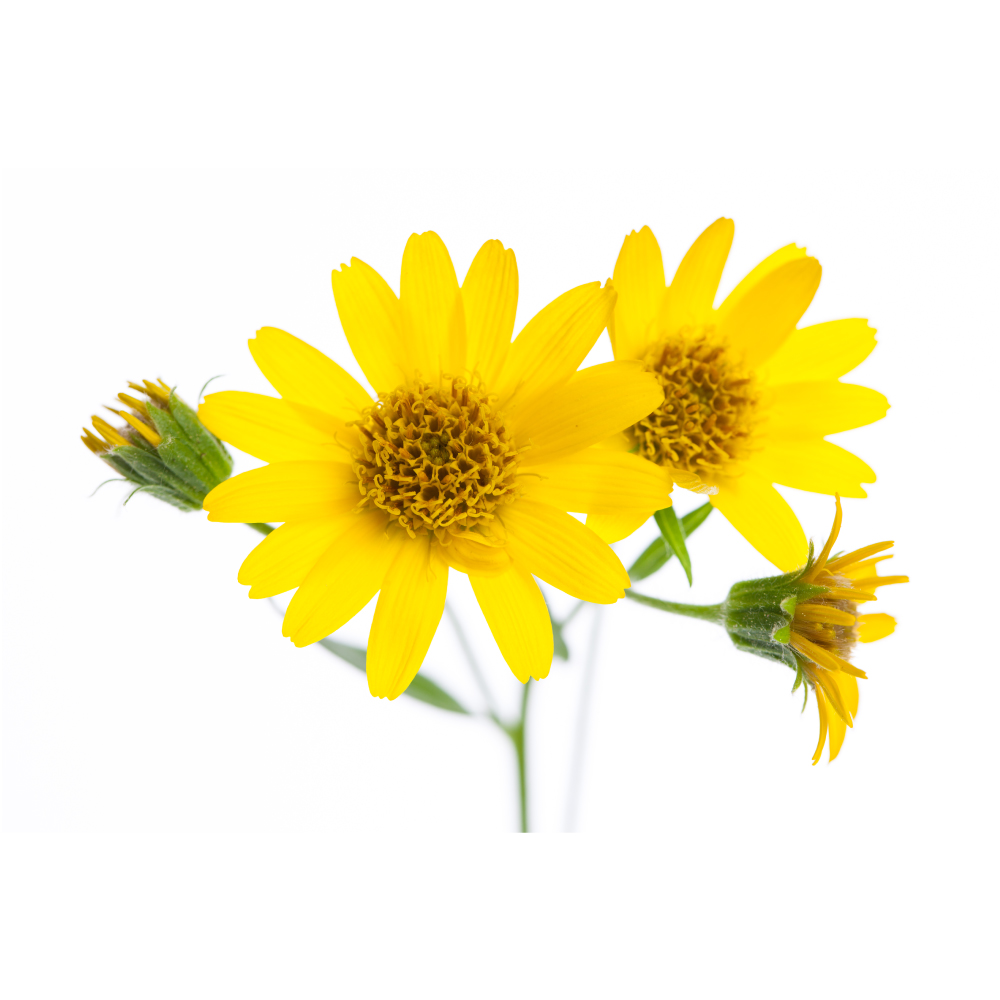 PotentPotentArnicaArnica montanaThe first-line topical anti-inflammatory of Western herbalism; helenalin alkylates the p65 subunit of NF-κB directly, and an arnica gel matched ibuprofen gel in hand osteoarthritis.MechanismNF-κB p65 alkylation by helenalin (DNA-binding block); NF-AT activation ↓; neutrophil/lysosomal-enzyme modulationRead the evidenceShow lessMonograph →
The sesquiterpene lactone helenalin inhibits NF-κB by alkylating the p65 subunit directly, so the transcription factor cannot bind DNA 105Reference 105In vitroThe anti-inflammatory sesquiterpene lactone helenalin inhibits the transcription factor NF-kappaB by directly targeting p65 — in vitroView study →. Whole arnica flower preparations reproduce this, inhibiting NF-κB and NF-AT activation and reducing croton-oil-induced mouse ear oedema, with potency tracking sesquiterpene-lactone content and the esterification pattern of the dihydrohelenalin derivatives 108Reference 108In vitroStudies on the anti-inflammatory activity of phytopharmaceuticals prepared from Arnica flowers — in vitro and animal model (mouse ear oedema)View study →.
The lactones cross the stratum corneum from alcoholic tinctures and fresh-plant gels, so the topical route delivers them 110Reference 110In vitroSkin penetration studies of Arnica preparations and of their sesquiterpene lactones — in vitroView study →.
The human result is a hand-osteoarthritis trial in 204 patients, where an arnica tincture gel (50 g tincture per 100 g, DER 1:20) was non-inferior to 5% ibuprofen gel over 21 days 246Reference 246RCTChoosing between NSAID and arnica for topical treatment of hand osteoarthritis in a randomised, double-blind study — randomised, double-blindView study →.
Chemotype and preparation decide the dose of active. European populations split into helenalin-dominant and dihydrohelenalin-dominant chemotypes, total lactone content rises with flower maturity and concentrates in the disk florets 247,
No human anti-inflammatory biomarker trial exists. The mechanism is in vitro plus mouse oedema, and the clinical signal is symptomatic.
Arnica is for unbroken skin only.
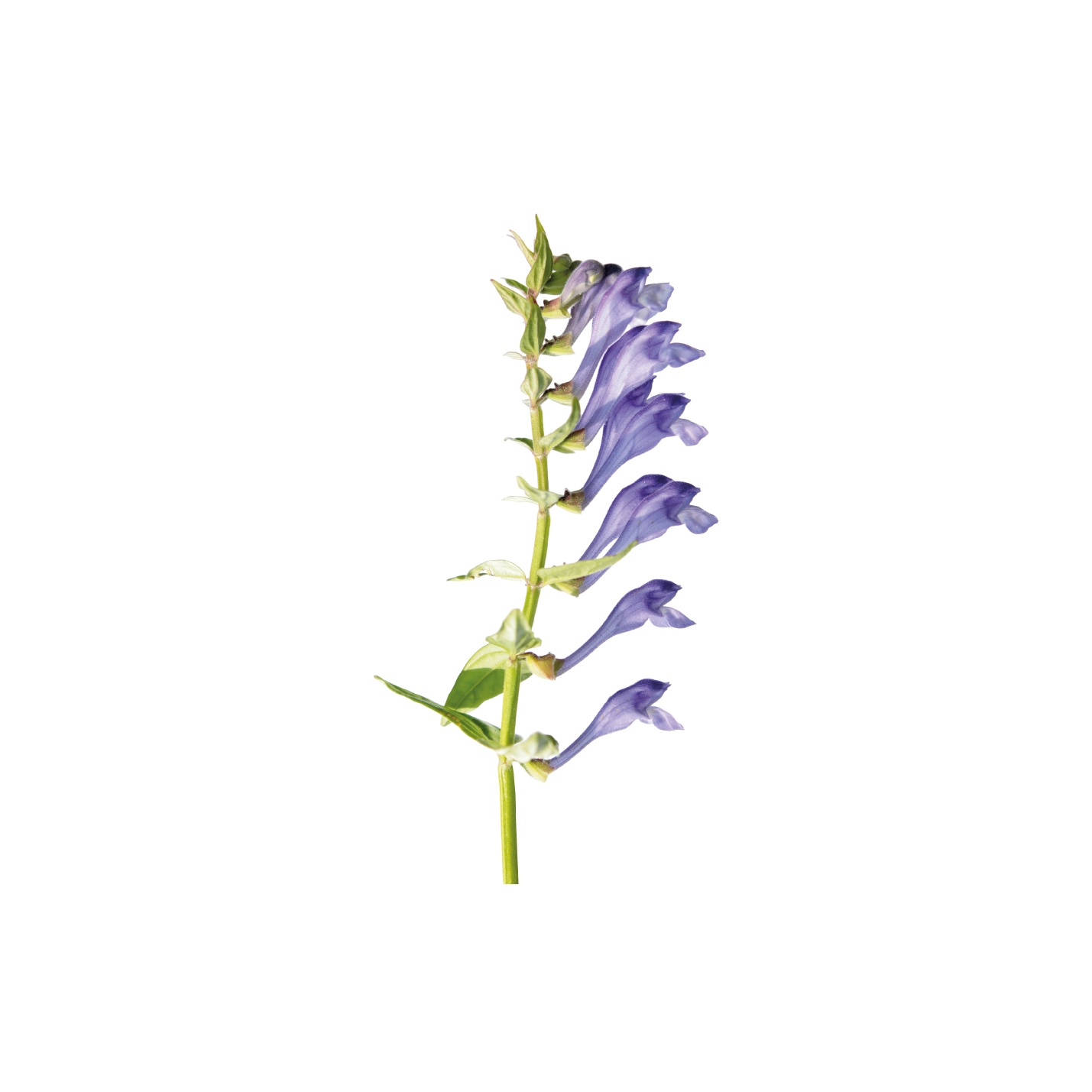 PotentPotentChinese SkullcapScutellaria baicalensisBaicalin, baicalein and wogonin suppress NF-κB and inhibit COX-2; isolated baicalin lowered hs-CRP in a 374-patient trial, and a skullcap-based flavonoid product matched naproxen in osteoarthritis.MechanismNF-κB ↓; COX-2 inhibition; TNF-α/IL-6/IL-1β ↓; leukocyte adhesion-molecule ↓Read the evidenceShow lessMonograph →
Baicalin, baicalein and wogonin suppress NF-κB signalling and directly inhibit COX-2, cutting TNF-α, IL-6 and IL-1β; in cultured endothelium and in mice all three blunted LPS-driven adhesion-molecule expression and leukocyte migration 612Reference 612In vitroAnti-inflammatory effects of baicalin, baicalein, and wogonin in vitro and in vivo — in vitro and animal studyView study →.
The human effect size is what sets skullcap apart. A 12-week randomised, double-blind, placebo-controlled trial (n=374, 500 mg baicalin/day) in coronary artery disease with rheumatoid arthritis lowered blood lipids and hs-CRP 613Reference 613RCTBaicalin reduces blood lipids and inflammation in patients with coronary artery disease and rheumatoid arthritis — randomised, double-blind, placebo-controlled trialView study →, two randomised osteoarthritis trials found flavocoxid (500 mg twice daily) non-inferior to naproxen over 4–12 weeks 614,
Every human dataset used an isolated flavonoid or a fixed skullcap-plus-Acacia catechu blend rather than the crude root. The trial dose back-converts to roughly 4–6 g dried root (root is about 8–12% baicalin), which sits inside the traditional 3–9 g/day decoction range.
Root flavonoid content varies two- to threefold with origin and processing, so product potency is not consistent.
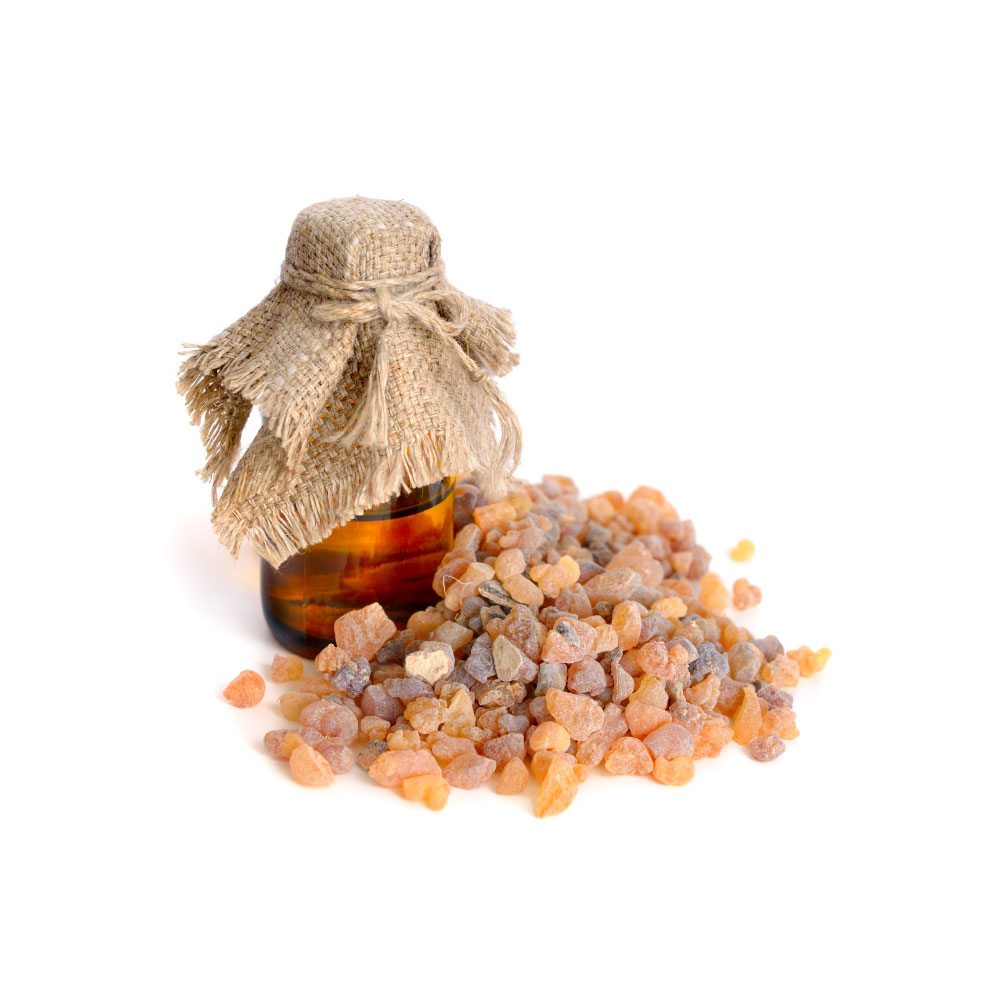 PotentPotentFrankincenseBoswellia serrataThe boswellic acids inhibit 5-lipoxygenase, the leukotriene arm of the cascade that NSAIDs leave untouched; standardised extracts have at least eight knee-osteoarthritis trials behind them.Mechanismdirect 5-LOX inhibition; leukotriene ↓; TNFα/IL-1β/MMP-3 ↓Read the evidenceShow lessMonograph →
AKBA is a direct, non-redox, non-competitive inhibitor of 5-lipoxygenase, the enzyme that initiates leukotriene synthesis, a mode of action distinct from the COX inhibition of aspirin and the NSAIDs 413Reference 413In vitroAcetyl-11-keto-beta-boswellic acid (AKBA): structure requirements for binding and 5-lipoxygenase inhibitory activity — [in vitro enzyme study]View study →. Purified boswellic acid additionally suppresses TNF-α, IL-1β, nitric oxide and MAP-kinase signalling in human peripheral blood mononuclear cells 414Reference 414In vitroPure compound from Boswellia serrata extract exhibits anti-inflammatory property in human PBMCs and mouse macrophages through inhibition of TNFalpha, IL-1beta, NO and MAP kinases — [in vitro / animal model]View study →.
The mechanism is backed by a clinical endpoint. At least eight knee-osteoarthritis RCTs and several meta-analyses converge on meaningful pain and function gains, with the AKBA-enriched 5-Loxin extract also lowering synovial matrix metalloproteinase-3 415,
The potency belongs to specific standardised extracts (5-Loxin, Aflapin) rather than to raw resin, and trial quality is uniformly low, with most studies industry-linked 417Reference 417Systematic reviewFrankincense: systematic review — [systematic review]View study →.
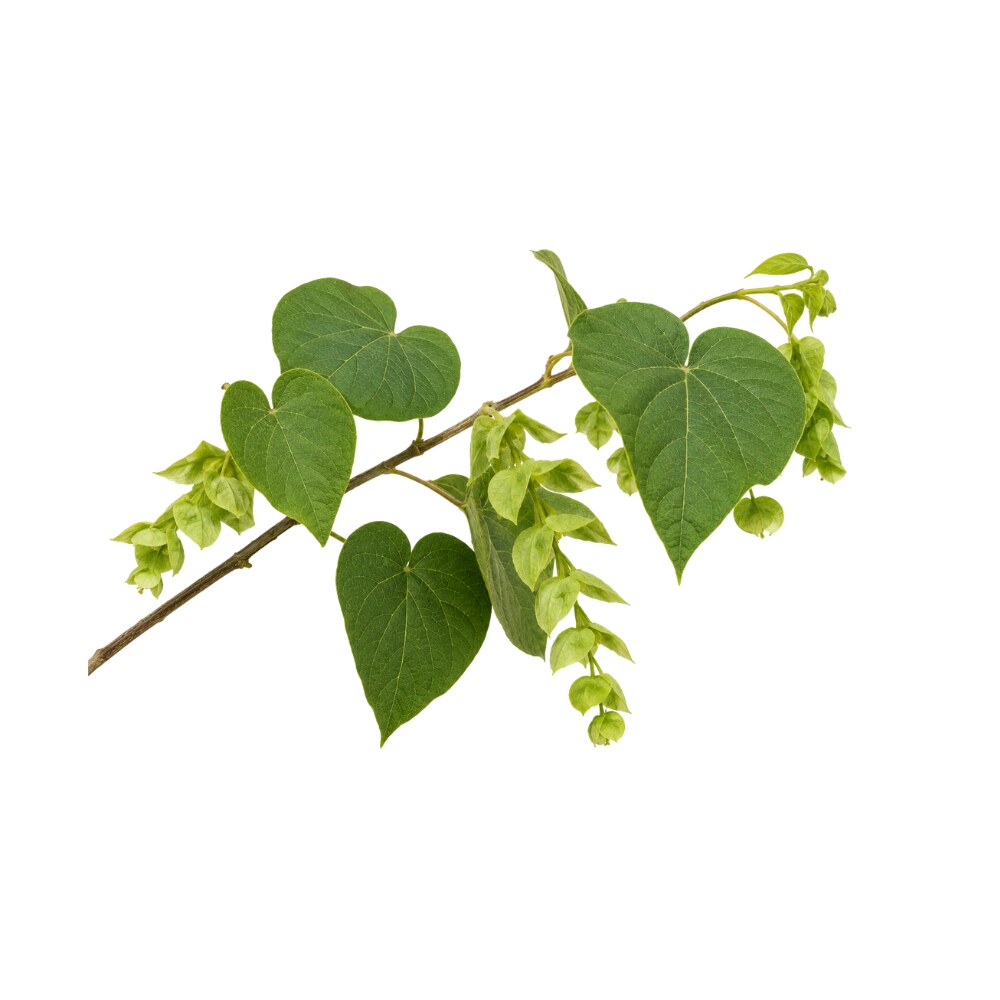 StrongStrongAbutaCissampelos pareiraA 50% ethanolic root extract reduced acute, subacute and chronic inflammation in rats by about 60% without the gastric damage of the NSAIDs it was compared with.MechanismNO release ↓ (LPS-stimulated macrophages); NF-κB / cytokine damping; TNF-α ↓Read the evidenceShow lessMonograph →
A 50% ethanolic root extract (200 and 400 mg/kg) was tested dose-dependently across acute, subacute and chronic rat models: carrageenan paw oedema fell by about 60–64%, with parallel protection against histamine-, serotonin- and prostaglandin-E₂-induced oedema, formaldehyde oedema and cotton-pellet granuloma 228Reference 228AnimalEvaluation of anti-inflammatory activity of Cissampelos pareira root in rats — animal model (rat)View study →. It produced no gastric lesions up to 1000 mg/kg, which separates it from the NSAIDs it was benchmarked against.
The mechanism is partly mapped. Polyhydroxylated pregnane and oleanane compounds inhibit nitric-oxide release in LPS-stimulated macrophages 229,
There is a single primary in-vivo study for the whole extract, the anti-inflammatory constituents are not standardised, and much of the mechanistic data comes from a different botanical variety (C. pareira var. hirsuta) 229,
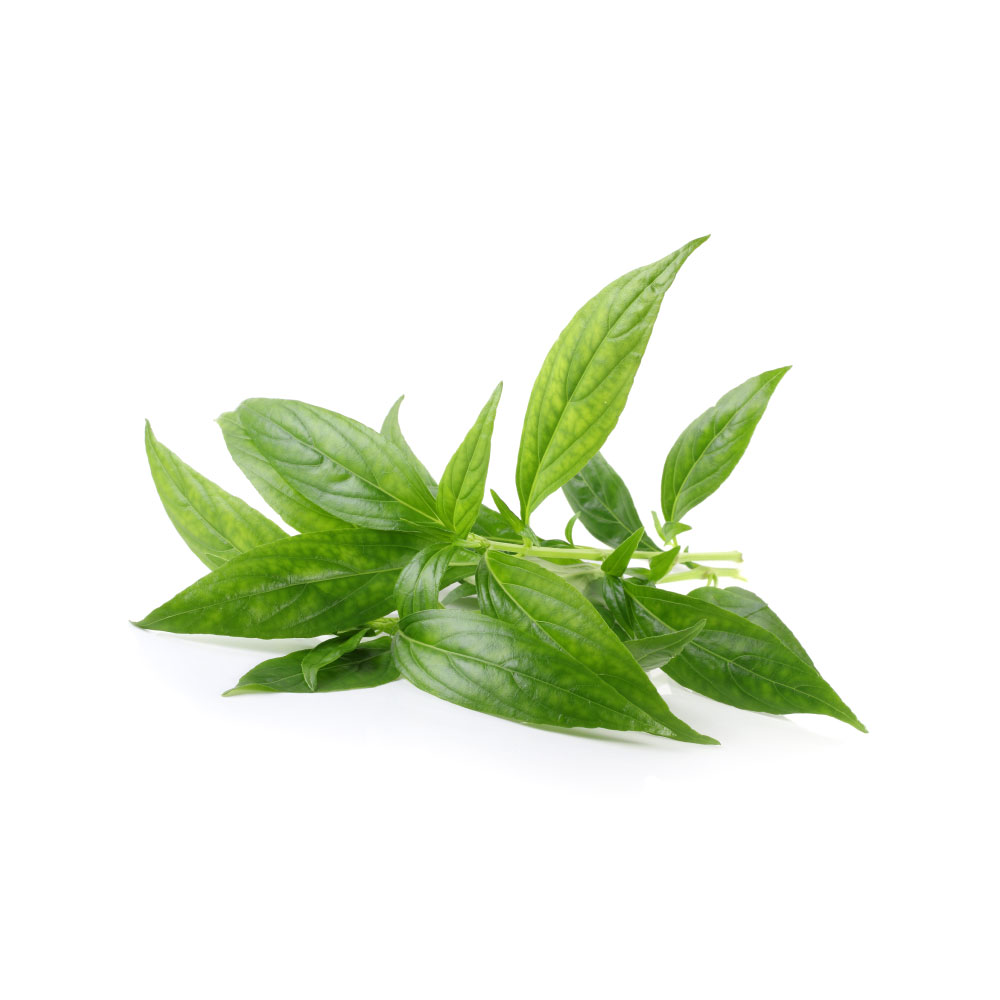 StrongStrongAndrographisAndrographis paniculataAndrographolide suppresses NF-κB and lowers TNF-α and IL-1β, and a standardised extract produced clinical response in 60% of ulcerative-colitis patients against 40% on placebo.MechanismNF-κB ↓; TNF-α ↓; IL-1β ↓Read the evidenceShow lessMonograph →
Andrographolide suppresses NF-κB signalling and lowers TNF-α and IL-1β in vitro 243Reference 243ReviewOverview of pharmacological activities of Andrographis paniculata and its major compound andrographolide — reviewView study →.
The same pathway is invoked for the herb’s best disease-specific human result. A randomised, double-blind, placebo-controlled trial of the standardised extract HMPL-004 in 224 adults with mild-to-moderate ulcerative colitis found 60% in clinical response at week 8 on 1,800 mg/day against 40% on placebo 244Reference 244RCTAndrographis paniculata extract (HMPL-004) for active ulcerative colitis — randomised controlled trialView study →, and an earlier trial found it non-inferior to mesalazine 245Reference 245RCTRandomised clinical trial: herbal extract HMPL-004 in active ulcerative colitis — a double-blind comparison with sustained release mesalazine — randomised controlled trialView study →.
No human trial uses inflammatory biomarkers as a primary endpoint for the whole herb. The mechanism is inferred from cell and animal work and read backwards from the disease trials.
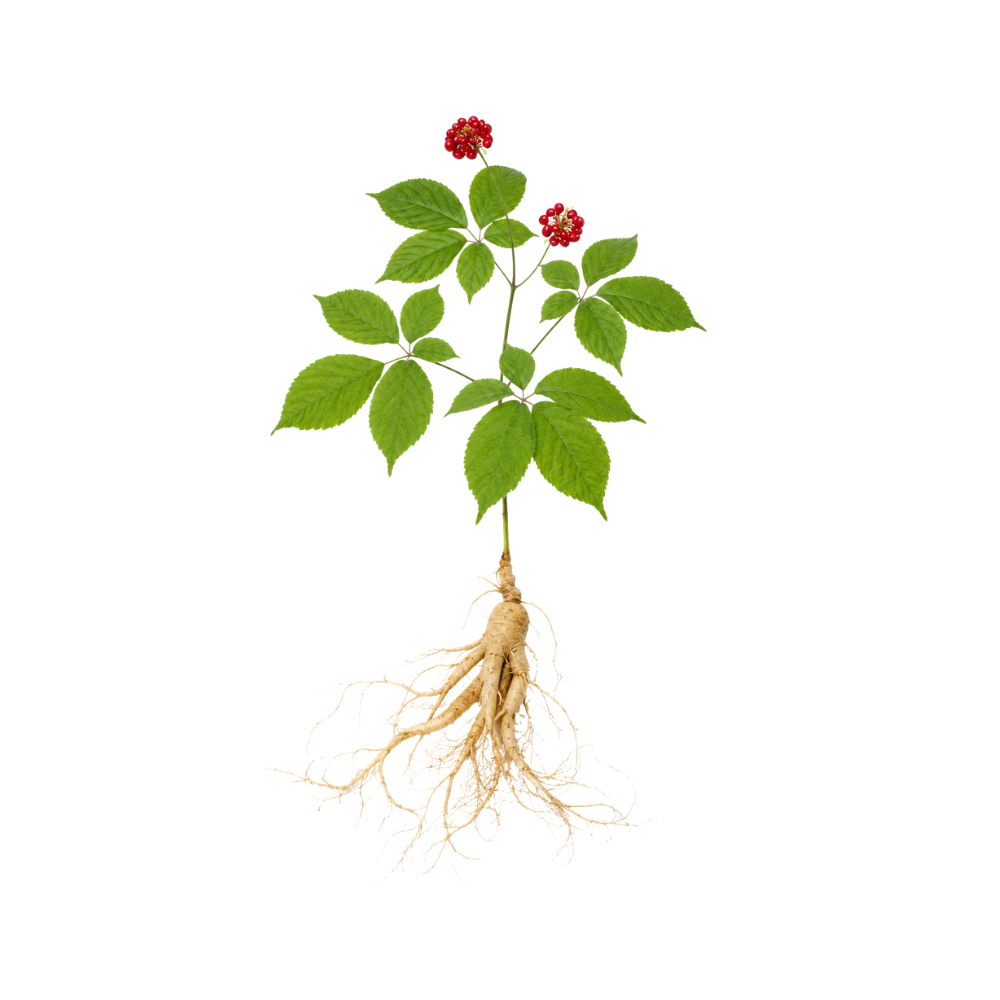 StrongStrongAsian GinsengPanax ginsengLowers high-sensitivity C-reactive protein across a 70-study dose-response meta-analysis, the largest human dataset behind any of ginseng's actions.Mechanismhs-CRP ↓ (70-study dose-response meta-analysis); IL-6 ↓; arterial-stiffness improvementRead the evidenceShow lessMonograph →
A 2025 dose-response meta-analysis pooling 70 studies reported reduced high-sensitivity CRP 422Reference 422Meta-analysisThe effect of ginseng supplementation on CVD risk factors — systematic review and dose-response meta-analysisView study →, with IL-6 reduction in the diabetes meta-analysis 423Reference 423Meta-analysisThe efficacy of ginseng (Panax) on human prediabetes and type 2 diabetes mellitus — systematic review and meta-analysisView study →, favourable cardiovascular biomarker shifts across a 2024 meta-analysis 424Reference 424Meta-analysisEffects of ginseng consumption on cardiovascular health biomarkers in adults — systematic review and meta-analysis of RCTsView study →, and improved arterial stiffness in hypertensive subjects on Korean Red Ginseng 425Reference 425RCTEffect of Korean red ginseng on arterial stiffness in subjects with hypertension — randomised controlled trialView study →. Seventy studies moving one marker in one direction is a firmer human footing than most anti-inflammatory botanicals have.
The cardiovascular story is an inflammatory one rather than a haemodynamic or lipid one. A blood-pressure meta-analysis of 17 RCTs (n=1381) was neutral 426Reference 426Meta-analysisThe effect of ginseng (genus Panax) on blood pressure — systematic review and meta-analysis of RCTsView study →, and the lipid results are inconsistent 427,
No hard clinical outcome has been tested, and the mechanism is not established beyond the marker level.
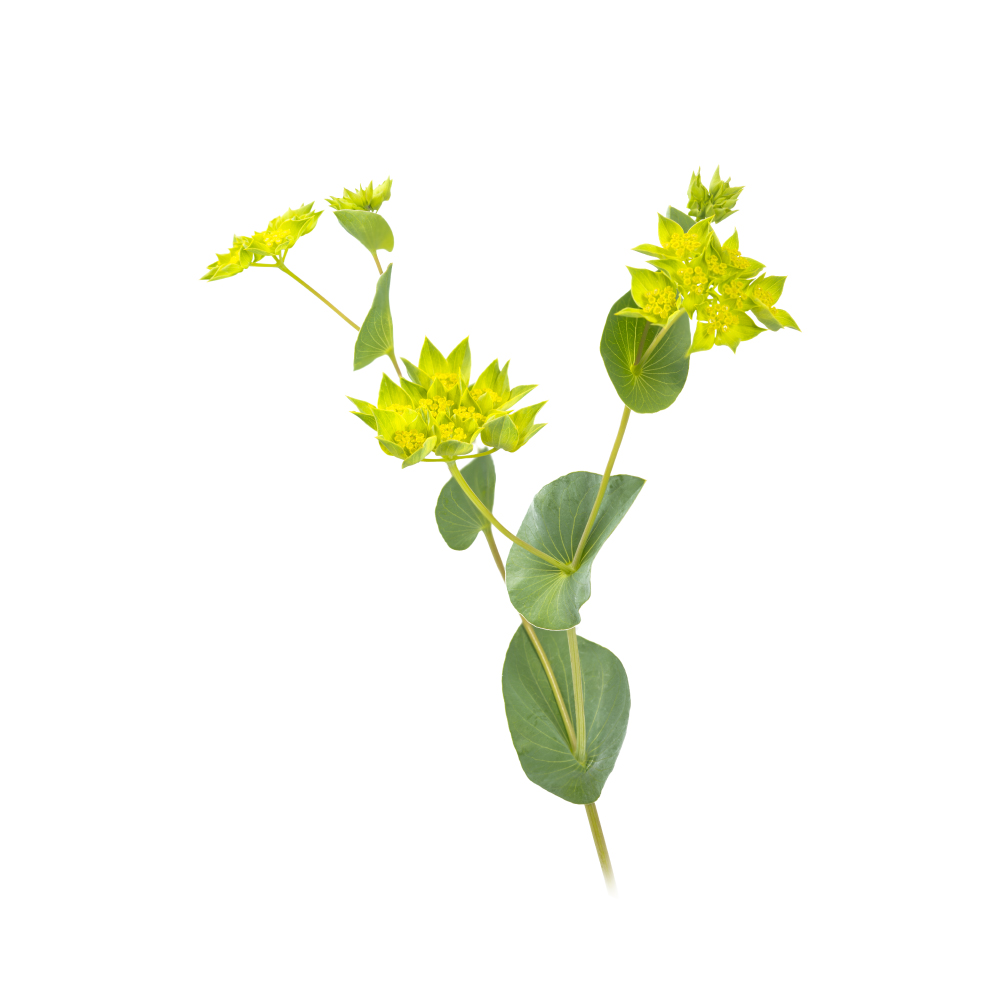 StrongStrongBupleurumBupleurum falcatumSaikosaponins a and d block NF-κB activation and suppress iNOS and COX-2, and saikosaponin d eases experimental colitis; the human evidence is all multi-herb formula.MechanismNF-κB ↓; iNOS/COX-2 ↓; TNF-α/IL-6 ↓; NLRP3 ↓Read the evidenceShow lessMonograph →
In LPS-stimulated macrophages saikosaponin-a and its epimer saikosaponin-d suppress iNOS and COX-2, lowering nitric oxide, PGE₂, TNF-α and IL-6, by blocking NF-κB activation 283Reference 283In vitroSaikosaponin a and its epimer saikosaponin d exhibit anti-inflammatory activity by suppressing activation of the NF-κB signaling pathway — in vitroView study →. The same axis carries into disease models, with saikosaponin d easing dextran-sulfate-sodium colitis in mice while remodelling the gut microbiota 284Reference 284AnimalSaikosaponin-d ameliorates dextran sulfate sodium-induced colitis by suppressing NF-κB activation and modulating the gut microbiota — mouse modelView study →.
There is no single-herb human data. The only clinical tier is multi-herb Japanese and Chinese formulas in which bupleurum is the principal ingredient, chiefly Sho-saiko-to (TJ-9), so nothing is cleanly attributable to bupleurum 285Reference 285RCTProspective study of chemoprevention of hepatocellular carcinoma with Sho-saiko-to (TJ-9) — randomized controlled trialView study →.
 StrongStrongCalendulaCalendula officinalisFree faradiol, the flower's lipophilic triterpenoid, equals indomethacin in the mouse-ear oedema assay, one of the cleanest constituent-to-effect chains in herbal pharmacology.Mechanismtriterpenoid anti-edematous activity (faradiol ≈ indomethacin); IL-6 release ↓Read the evidenceShow lessMonograph →
Bioassay-guided fractionation of the flower CO₂ extract isolates the lipophilic triterpenoids as the principal actives. Free faradiol is the single most active compound tested and equals indomethacin in the croton-oil mouse-ear oedema assay, while its monoesters are individually weaker but predominate quantitatively, so monoester content tracks whole-drug potency closely enough to serve as a quality-control marker 292,
Systematic chemical modification of the same triterpenes produced more potent derivatives in the identical model, confirming the pharmacophore 294Reference 294AnimalImproved anti-inflammatory activity of three new terpenoids derived, by systematic chemical modifications, from the abundant triterpenes of the flowery plant Calendula officinalis — [mouse model]View study →, and a 2025 study localised part of the effect to C16-hydroxylated triterpenoids modulating IL-6 release 295Reference 295In vitroBiosynthesis and bioactivity of anti-inflammatory triterpenoids in Calendula officinalis — [in vitro mechanistic study]View study →.
Chemotype matters more than dose. Faradiol-ester content is concentrated in the ray florets and varies severalfold between cultivars and flower parts, so an unstandardised infused oil and a triterpenoid-rich ointment are not the same drug.
The human evidence is indirect, an SLS irritant-contact-dermatitis model in healthy volunteers 296Reference 296Clinical trialProtective effects of different marigold (Calendula officinalis L.) and rosemary cream preparations against sodium-lauryl-sulfate-induced irritant contact dermatitis — [clinical trial]View study →, with no placebo-controlled trial in an inflammatory skin disease, and the pooled radiation-dermatitis data are null 297,
 StrongStrongCat’s ClawUncaria tomentosaThe bark inhibits NF-κB and the TNF-α, IL-1β and PGE2 cascade; two small trials reduced pain in knee osteoarthritis and cut tender joints in rheumatoid arthritis.MechanismNF-κB ↓ (quinovic acid glycosides); TNF-α ↓; IL-1β / PGE2 ↓Read the evidenceShow lessMonograph →
In vitro and in animals the bark extract inhibits NF-κB and the downstream TNF-α, IL-1β and PGE2 cascade 312,
Human effect sizes are real but modest. A 4-week placebo-controlled trial in knee osteoarthritis (n=45) using freeze-dried Uncaria guianensis reduced pain with activity inside the first week 316Reference 316RCTEfficacy and safety of freeze-dried cat’s claw in osteoarthritis of the knee — randomised controlled trialView study →, and a 52-week partly double-blind rheumatoid-arthritis trial (n=40, on background sulfasalazine or hydroxychloroquine) using a purified pentacyclic-chemotype U. tomentosa extract cut tender joints 53% against 24% on placebo 317Reference 317RCTRandomized double blind trial of an extract from the pentacyclic alkaloid-chemotype of Uncaria tomentosa for the treatment of rheumatoid arthritis — randomised controlled trialView study →.
The anti-inflammatory activity is largely independent of alkaloid content, pointing at the quinovic acid glycosides and antioxidant phenolics rather than the oxindoles 314Reference 314In vitroAnti-inflammatory and antioxidant activities of cat’s claw are independent of their alkaloid content — in vitroView study →, so a whole extract is the right form and alkaloid standardisation does not buy this action.
Both trials are small and single-site, and a 2017 systematic review and meta-analysis judged the osteoarthritis evidence too low-quality to confirm benefit over control 318Reference 318Meta-analysisOral herbal medicines marketed in Brazil for the treatment of osteoarthritis — systematic review and meta-analysisView study →.
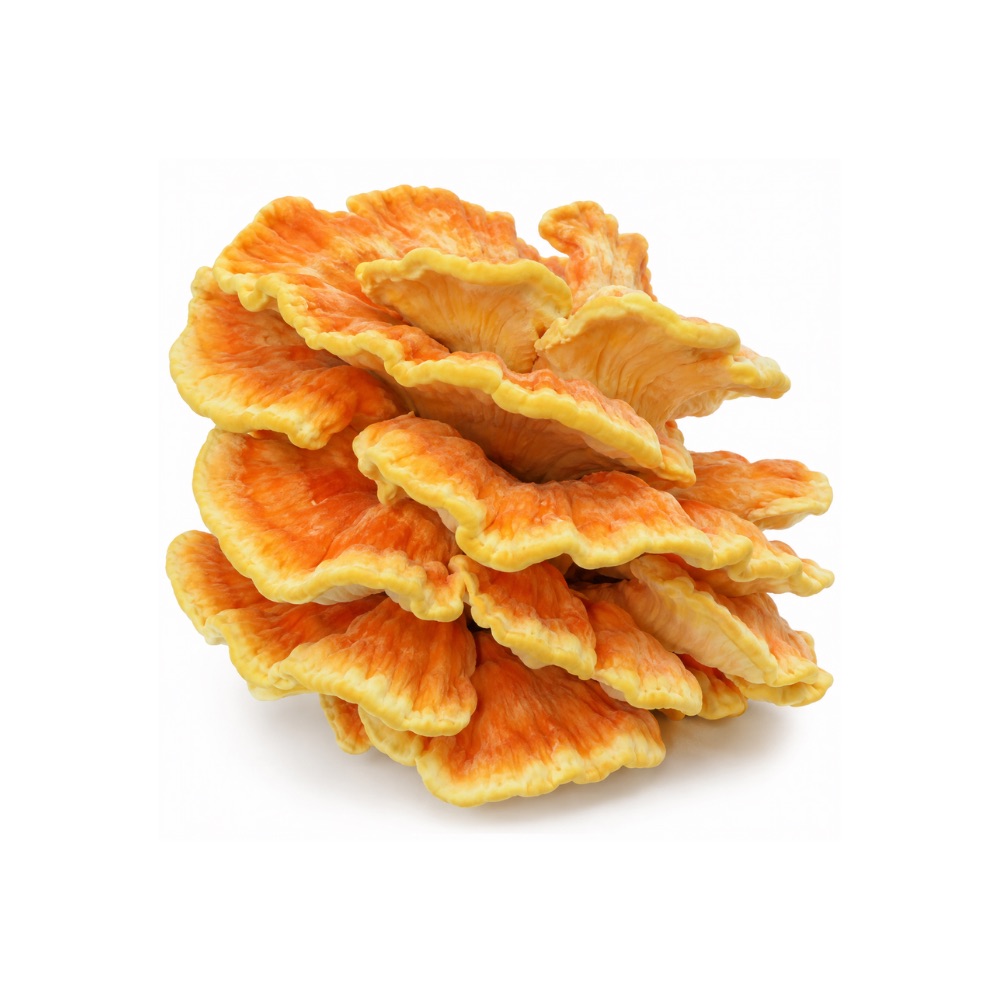 StrongStrongChicken Of The WoodsLaetiporus sulphureusEburicoic acid and related lanostane triterpenoids suppress NF-κB across macrophage, microglial and colitis models.MechanismNF-κB ↓ → NO, TNF-α, PGE₂ ↓Read the evidenceShow less
The activity is mapped to named molecules, eburicoic acid and related lanostane triterpenoids, and replicated across RAW264.7 macrophage and BV2 microglial models with one in-vivo colitis study 489,
Constituent-level attribution plus cell and in-vivo replication is about as good as a preclinical anti-inflammatory case gets. No human data exist.
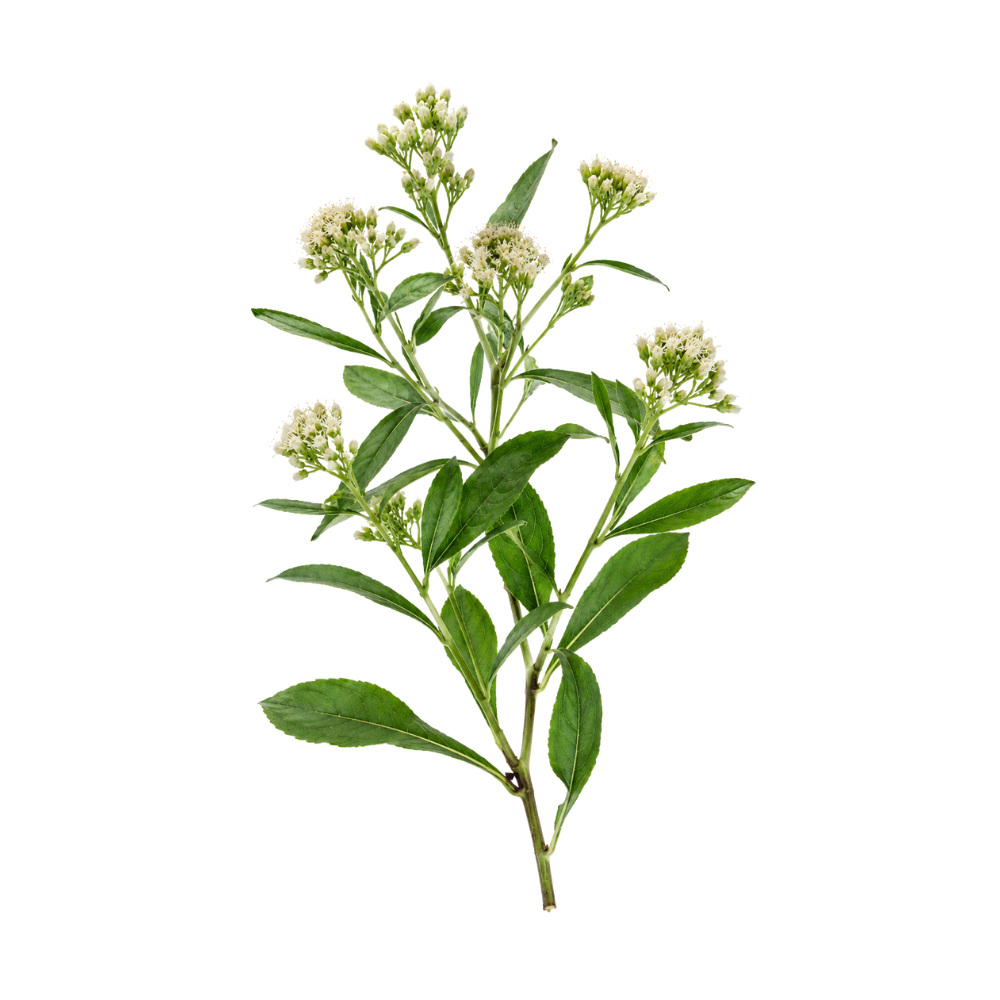 StrongStrongChilcaBaccharis latifoliaLeaf extracts inhibited COX-1 as strongly as indomethacin and cut COX-2, leukotriene C₄, nitric oxide and TNF-α in macrophages, with an oedema result in mice.MechanismCOX-1 inhibition; COX-2 inhibition; 5-LOX / LTC₄ ↓; NO & TNF-α suppressionRead the evidenceShow lessMonograph →
In a comparative study of four Bolivian Baccharis species, hexane and dichloromethane leaf extracts of B. latifolia inhibited COX-1 (PGE₂ from ionophore-stimulated mouse macrophages) as strongly as indomethacin, cut the 5-LOX product LTC₄, and inhibited COX-2, nitric oxide and TNF-α in LPS-stimulated macrophages, with COX-2 inhibition near 100% for the more non-polar fractions 331Reference 331Anti-inflammatory activity of four Bolivian Baccharis species (Compositae)View study →. A Colombian in-vivo report found the dichloromethane extract active at 300 mg/kg in mouse-ear oedema 332Reference 332Phytochemical and therapeutic use of Baccharis latifolia (Ruiz & Pav.) PersView study →.
The activity is attributed to leaf flavonoids, chiefly quercetin and rutin.
The active material is a non-polar solvent extract rather than the fresh-leaf poultice or water infusion Andean practice uses, and hexane is a poor flavonoid solvent, so the compound-to-extract account does not fully close. The oedema result comes through a review 332Reference 332Phytochemical and therapeutic use of Baccharis latifolia (Ruiz & Pav.) PersView study → rather than an independently indexed primary paper, and there are no human data.
Leaf flavonoid content varies severalfold with leaf position, soil nitrogen and altitude 333Reference 333Flavonoid contents in leaves of Baccharis latifolia according to the type of leaf and its dependence on the physicochemical properties of soilsView study →, so dose-response across sources is not comparable.
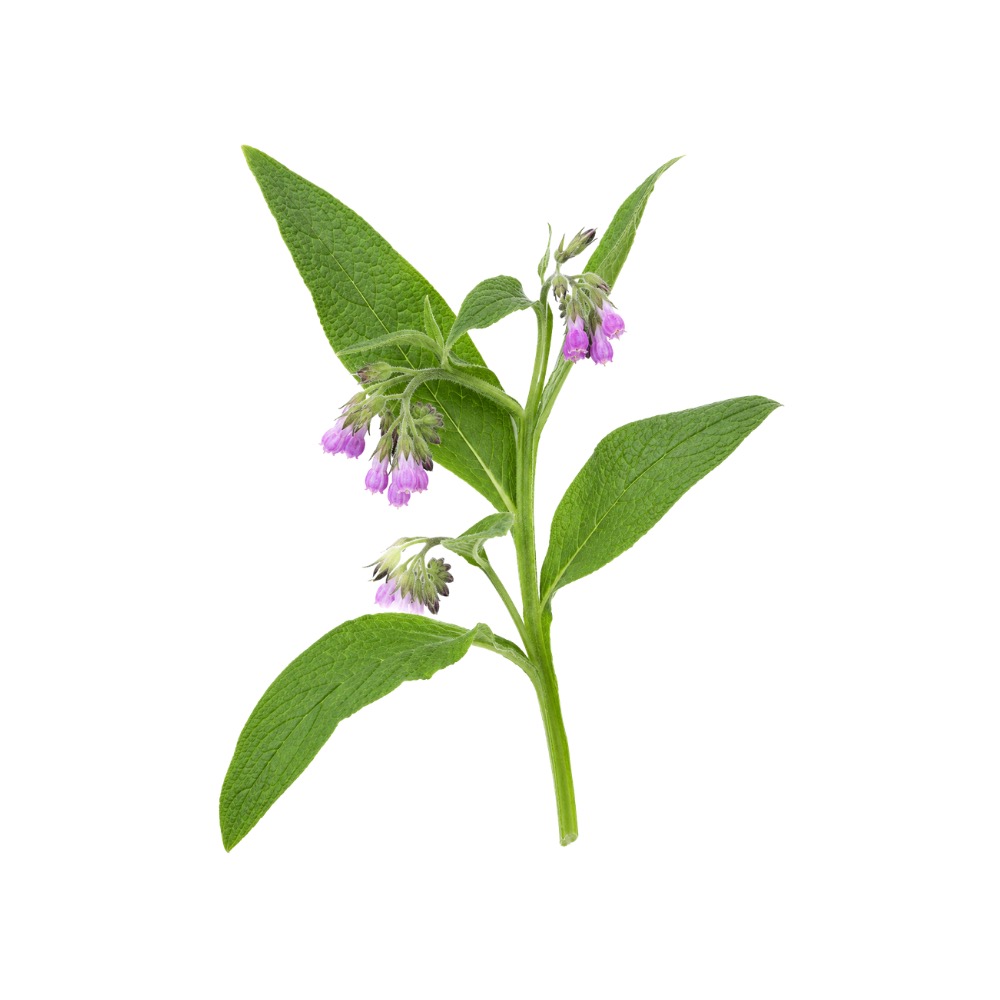 StrongStrongComfreySymphytum officinaleA root extract blocks NF-κB at two steps and cuts COX-2 and endothelial adhesion molecules; topically it matches or beats diclofenac on swelling and halves knee-osteoarthritis pain.Mechanismtwo-step NF-κB inhibition; COX-2 ↓; endothelial adhesion-molecule (E-selectin/VCAM-1/ICAM-1) ↓Read the evidenceShow lessMonograph →
In primary human endothelial cells a hydroalcoholic comfrey root extract dose-dependently blocked IL-1-induced E-selectin, VCAM-1, ICAM-1 and COX-2 and inhibited NF-κB activation at two distinct steps of the cascade 336Reference 336In vitroA Symphytum officinale root extract exerts anti-inflammatory properties by affecting two distinct steps of NF-κB signaling — in vitroView study →. The mucilage-depleted fraction was the more active, which locates the anti-inflammatory principle in the phenolics, rosmarinic acid and the salvianolic-acid caffeic-acid oligomers, rather than in the soothing polysaccharides 336,
A 15-lipoxygenase inhibition adds a second eicosanoid route 168Reference 168Is comfrey root more than toxic pyrrolizidine alkaloids? Salvianolic acids among antioxidant polyphenols in comfrey (Symphytum officinale L.) rootsView study →.
Clinically the topical effect is large enough to match or beat diclofenac on swelling and tenderness 338,
The molecular work is in cultured cells rather than inflamed human tissue, and the one trial that assayed an inflammatory marker (IL-6) saw no change 341Reference 341RCTLaslett, L. L., et al. (2012). 4Jointz (comfrey extract + tannic acid) reduces knee pain over 12 weeks in clinical knee osteoarthritis — randomised, placebo-controlled. Osteoarthritis and Cartilage. https://pubmed.ncbi.nlm.nih.gov/22863612/View study →. The action is topical by necessity, since comfrey is not used systemically.
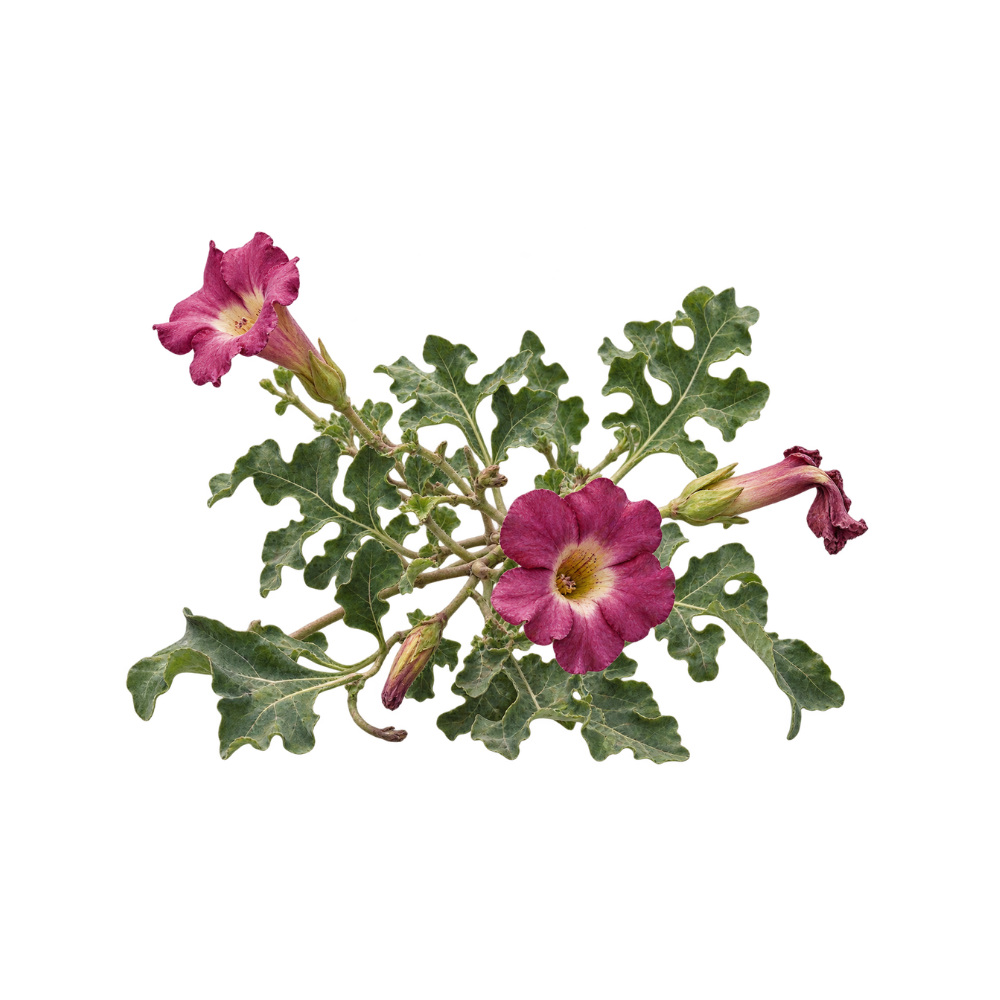 StrongStrongDevil’s ClawHarpagophytum procumbensHarpagoside blocks NF-κB nuclear translocation and suppresses iNOS and COX-2, while the standardised extract acts on AP-1 instead; the antirheumatic use rests on this pharmacology.MechanismNF-κB ↓; COX-2 ↓; iNOS ↓; eicosanoid inhibitionRead the evidenceShow lessMonograph →
Harpagoside suppresses LPS-induced iNOS and COX-2 expression by blocking NF-κB nuclear translocation and IκB-α degradation 366,
A standardised ethanol extract instead inhibits TNF-α, IL-6, IL-1β and PGE₂ by preventing AP-1 rather than NF-κB activation in human monocytes 368Reference 368In vitroMolecular targets of Harpagophytum procumbens — inhibition of TNF-α and COX-2 gene expression by preventing AP-1 activation, in vitroView study →, an unresolved discrepancy between preparations.
Nearly all of it is in vitro or ex vivo, documented in cells and enzymes rather than in inflamed human tissue. The clinical evidence is examined among the antirheumatic herbs.
 StrongStrongEucalyptusEucalyptus globulusPurified 1,8-cineole let asthma patients reduce their maintenance corticosteroid dose in a double-blind trial; the effect belongs to cineole capsules, not to the leaf, tea or oil.Mechanismarachidonic-acid metabolism ↓ (LTB4, PGE2); IL-1β and TNF-α suppression in human monocytes; corticosteroid-sparing in asthmaRead the evidenceShow lessMonograph →
In a 6-month double-blind COPD trial (n=242), 200 mg 1,8-cineole three times daily cut the frequency, severity and duration of exacerbations against placebo 389Reference 389RCTConcomitant therapy with cineole (eucalyptole) reduces exacerbations in COPD: a placebo-controlled, double-blind, randomised, multicentre study — RCTView study →. In asthma the same dose let patients significantly reduce their maintenance oral corticosteroid dose while lung function held 390Reference 390RCTAnti-inflammatory activity of 1.8-cineol (eucalyptol) in bronchial asthma: a double-blind placebo-controlled trial — randomisedView study →, and a later multicentre RCT (n=247) found improved lung function, symptoms and quality of life added to standard therapy 391Reference 391RCTPatients with asthma benefit from concomitant therapy with cineole: a placebo-controlled, double-blind trial — RCTView study →.
A systematic review of herbal asthma interventions judged this the most credible evidence in the class while noting the small samples 392Reference 392Meta-analysisHerbal interventions for chronic asthma in adults and children: a systematic review and meta-analysisView study →.
The mechanism is measured. Cineole suppresses arachidonic-acid metabolism and the LTB4, PGE2, IL-1β and TNF-α output of stimulated human monocytes and rodent lung 393,
Every trial used purified oral cineole capsules. No controlled study shows that eucalyptus leaf, tea or inhaled oil does any of this, and the action is airway-specific; nothing supports a systemic anti-inflammatory claim.
Undiluted eucalyptus oil is poisonous to children 396,
 StrongStrongFeverfewTanacetum partheniumParthenolide binds cysteine-179 of IKKβ and shuts down NF-κB, the reference natural-product inhibitor of the pathway; the one clinical test, in rheumatoid arthritis, was negative.MechanismIKKβ cysteine-179 binding → NF-κB ↓; prostaglandin synthesis ↓; flavonoid COX/PG inhibitionRead the evidenceShow lessMonograph →
Parthenolide binds directly to cysteine-179 of IKKβ, inactivating the IκB kinase complex and shutting down NF-κB-driven pro-inflammatory transcription; the activity depends on the α-methylene-γ-lactone moiety shared across the herb’s sesquiterpene lactones 136Reference 136In vitroThe anti-inflammatory natural product parthenolide from the medicinal herb feverfew directly binds to and inhibits IκB kinase — in vitroView study →. Feverfew extracts also inhibit prostaglandin biosynthesis and secretory activity in platelets and neutrophils 400Reference 400In vitroExtracts of feverfew inhibit granule secretion in blood platelets and polymorphonuclear leucocytes — in vitroView study →, and the methylated flavonoids apigenin and luteolin contribute their own anti-inflammatory activity 401Reference 401In vitroThe flavonoids of Tanacetum parthenium and T. vulgare and their anti-inflammatory properties — in vitroView study →.
The single clinical test of this mechanism failed. A double-blind RCT of dried feverfew in 41 women with rheumatoid arthritis found no benefit on any clinical or laboratory measure over six weeks 402Reference 402RCTFeverfew in rheumatoid arthritis: a double-blind, placebo-controlled study — randomised controlled trialView study →.
The rating rests on the molecular effect rather than on human outcomes.
Everything is parthenolide-dependent. Content runs about 0.2–1.8% of dried herb and varies with chemotype, harvest time and preparation, so a tea and a standardised CO₂ extract are not interchangeable 403,
 StrongStrongFish MintHouttuynia cordataThe volatile oil reduced oedema in mice and rats and lowered PGE2, nitric oxide and TNF-α in macrophages, and the leaf flavonoids and polysaccharides suppress TLR4/NF-κB in lung-injury models.MechanismNF-κB ↓ (TLR4/NF-κB axis); COX-2/PGE2 ↓; NO ↓, TNF-α ↓Read the evidenceShow lessMonograph →
The steam-distilled volatile oil reduced xylene-, formaldehyde- and carrageenan-induced oedema in mice and rats and lowered prostaglandin E2 (through COX-2), nitric oxide and TNF-α in LPS-stimulated macrophages 456Reference 456In vitroHouttuynia cordata volatile oil exhibited anti-inflammatory effects in vivo and inhibited nitric oxide and TNF-α in vitro — animal modelView study →.
The four major leaf flavonoids, rutin, hyperoside, isoquercitrin and quercitrin, plus the aglycone quercetin and several purified polysaccharides, dampen inflammation and lung injury in influenza and hepatic ischaemia-reperfusion models, largely through TLR4/NF-κB suppression 457,
The three active fractions (volatile oil, flavonoid, polysaccharide) behave differently, so an oil result says nothing about a water infusion; the traditional decoction adds the herb late because the volatiles are heat-labile. No human anti-inflammatory trial exists.
 StrongStrongForsythiaForsythia suspensaThe fruit extract and its isolated forsythoside A both suppress IKK/NF-κB in macrophages and microglia, one of the few cases where whole herb and constituent were tested side by side.MechanismIKK/NF-κB ↓; Nrf2/HO-1 ↑Read the evidenceShow less
Forsythiae Fructus extract suppresses IKK/NF-κB signalling in LPS-stimulated macrophages, lowering TNF-α, IL-1β and iNOS 411Reference 411Pharmacol.) Forsythiae Fructus extract suppresses NF-κB and activates Nrf2/HO-1 in LPS-stimulated macrophages; unripe vs ripe grade comparisonView study →, and isolated forsythoside A inhibits the same NF-κB axis while additionally activating Nrf2/HO-1 in microglia, cutting NO, PGE₂, TNF-α and IL-1β 412Reference 412Forsythiaside A inhibits LPS-induced neuroinflammation in microglia via NF-κB suppression and Nrf2/HO-1 activationView study →.
Extract-and-isolate agreement is a stronger form of evidence than isolate-only work, because it shows the molecule accounts for the extract’s effect.
The evidence is preclinical throughout.
 StrongStrongGerman ChamomileMatricaria chamomillaChamazulene and alpha-bisabolol from the blue oil and apigenin from the infusion suppress prostaglandin synthesis and NF-κB; a meta-analysis of 11 trials found it reduces oral mucositis.MechanismNF-κB ↓; prostaglandin–COX inhibition; sesquiterpene antiphlogistic actionRead the evidenceShow lessMonograph →
A 2025 systematic review of 11 randomised trials found chamomile significantly reduced oral mucositis severity and pain 325Reference 325Meta-analysisAnti-inflammatory effect of chamomile from randomized clinical trials: a systematic review and meta-analysisView study →.
The action belongs mainly to the essential-oil sesquiterpenes: chamazulene, which does not exist in the fresh flower but is generated from the proazulene matricin during steam distillation, and alpha-bisabolol, whose antiphlogistic effect was characterised in classic animal pharmacology 326Reference 326Pharmacological investigations with compounds of chamomile: antiphlogistic effects of (−)-α-bisabolol and bisabolol oxides — animal studyView study →. The flavone apigenin adds NF-κB- and COX-linked suppression.
Preparation decides which fraction is delivered. The blue oil carries the sesquiterpenes, a water infusion carries the flavones, and they are not interchangeable.
Nearly all the human data sit in one niche, mucositis mouthwash. Systemic anti-inflammatory benefit from ingested chamomile is still preclinical.
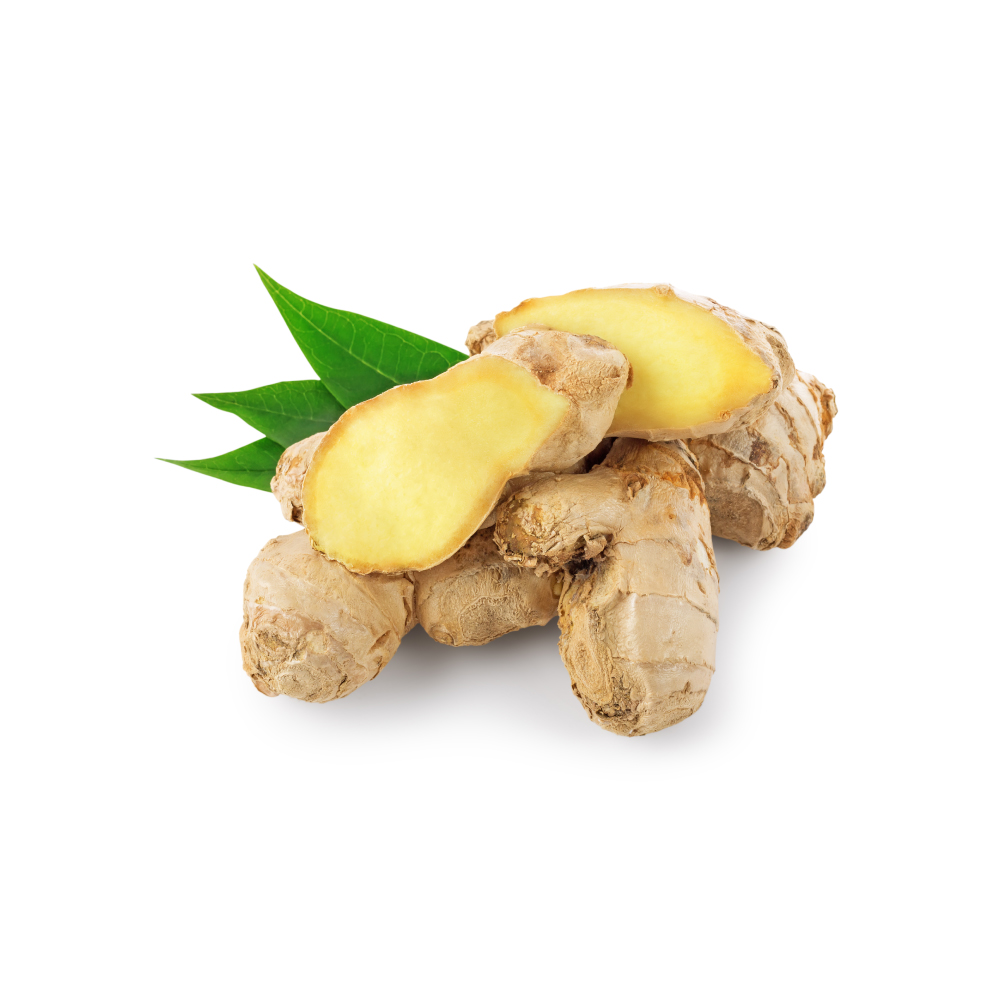 StrongStrongGingerZingiber officinaleGingerols and shogaols suppress NF-κB and COX-2 and inhibit both prostaglandin and leukotriene synthesis; pooled human trials show reduced CRP, TNF-α and IL-6.MechanismNF-κB ↓; COX-2 ↓; leukotriene inhibitionRead the evidenceShow lessMonograph →
A 2025 GRADE-assessed dose-response meta-analysis found ginger supplementation reduced C-reactive protein (WMD −0.86 mg/L), TNF-α (−1.90 pg/mL) and IL-6 (−1.15 pg/mL) while improving antioxidant capacity 418Reference 418Meta-analysisAntioxidant and anti-inflammatory effects of ginger supplementation in adults: a GRADE-assessed systematic review and dose-response meta-analysis of randomised controlled trials — meta-analysisView study →, and two earlier meta-analyses concur 419Reference 419Meta-analysisThe effects of ginger supplementation on markers of inflammatory and oxidative stress: a systematic review and meta-analysis of clinical trials — meta-analysisView study →.
6-Gingerol and the shogaols suppress NF-κB and COX-2 and inhibit prostaglandin and leukotriene synthesis, a dual eicosanoid action.
The biomarker shifts are real but small, and the clinical anti-inflammatory endpoint, osteoarthritis pain, is only modestly improved 420,
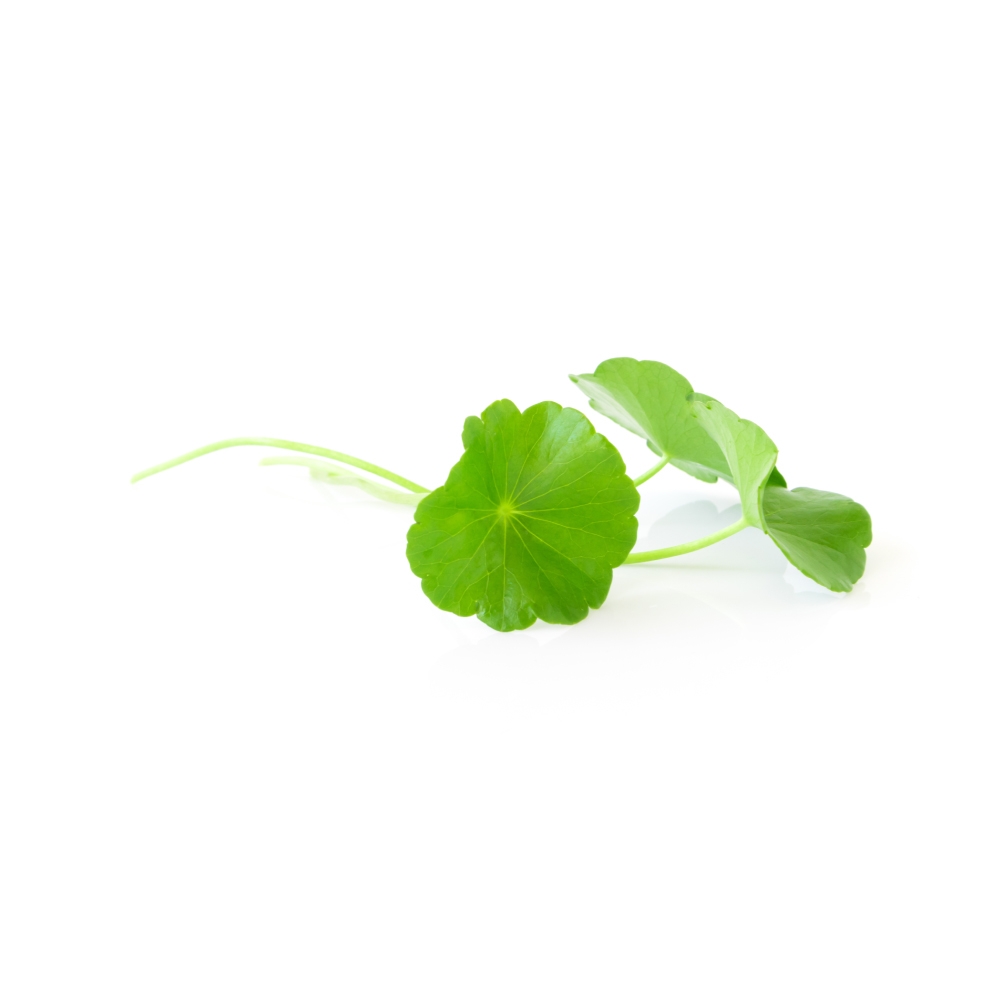 StrongStrongGotu KolaCentella asiaticaMadecassic acid suppresses nitric oxide, PGE2 and the TNF-α, IL-1β and IL-6 cytokines in macrophages, the pharmacology under its wound, venous and neuroprotective uses.MechanismNF-κB ↓; COX-2/iNOS ↓; TNF-α/IL-1β/IL-6 ↓Read the evidenceShow lessMonograph →
In LPS-stimulated macrophages madecassic acid suppressed nitric oxide, PGE2, TNF-α, IL-1β and IL-6, downregulated iNOS and COX-2 and inhibited NF-κB activation, more potently than madecassoside 437Reference 437In vitroAnti-inflammatory effects of madecassic acid via suppression of the NF-κB pathway in LPS-induced macrophages — in vitroView study →. The same cytokine and COX-2 suppression recurs in the human wound-healing review 438Reference 438Systematic reviewA systematic review of the effect of Centella asiatica on wound healingView study →.
The mechanism is robust and consistent, and effectively all of it is cell and animal work. No trial measures inflammatory endpoints in humans taking the herb systemically, so the systemic case is inferred from molecular work plus the downstream clinical outcomes in wound healing and venous insufficiency.
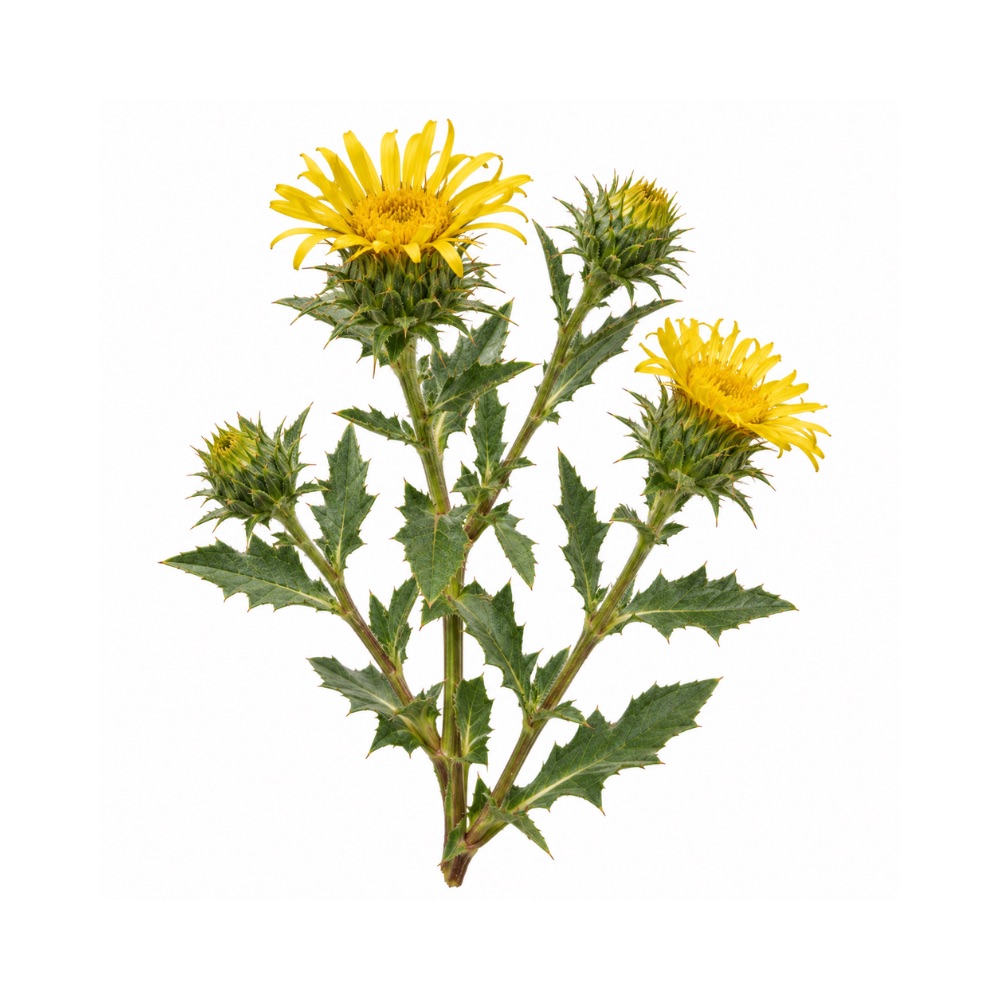 StrongStrongGumweedGrindelia squarrosaGrindelic acid suppresses NF-κB and cytokine release in human airway neutrophils, epithelium and macrophages, with potency comparable to budesonide in some assays.Mechanismgrindelic acid → NF-κB suppression; pro-inflammatory cytokine release ↓ in human neutrophils, epithelium and macrophagesRead the evidenceShow less
Independent groups show aerial-part extracts and the labdane diterpene grindelic acid suppressing NF-κB signalling and cytokine release in human respiratory neutrophils, epithelium and macrophages, with potency comparable to budesonide in some assays 441,
The work is in vitro, in isolated cells, and does not establish clinical equivalence. There is no human trial.
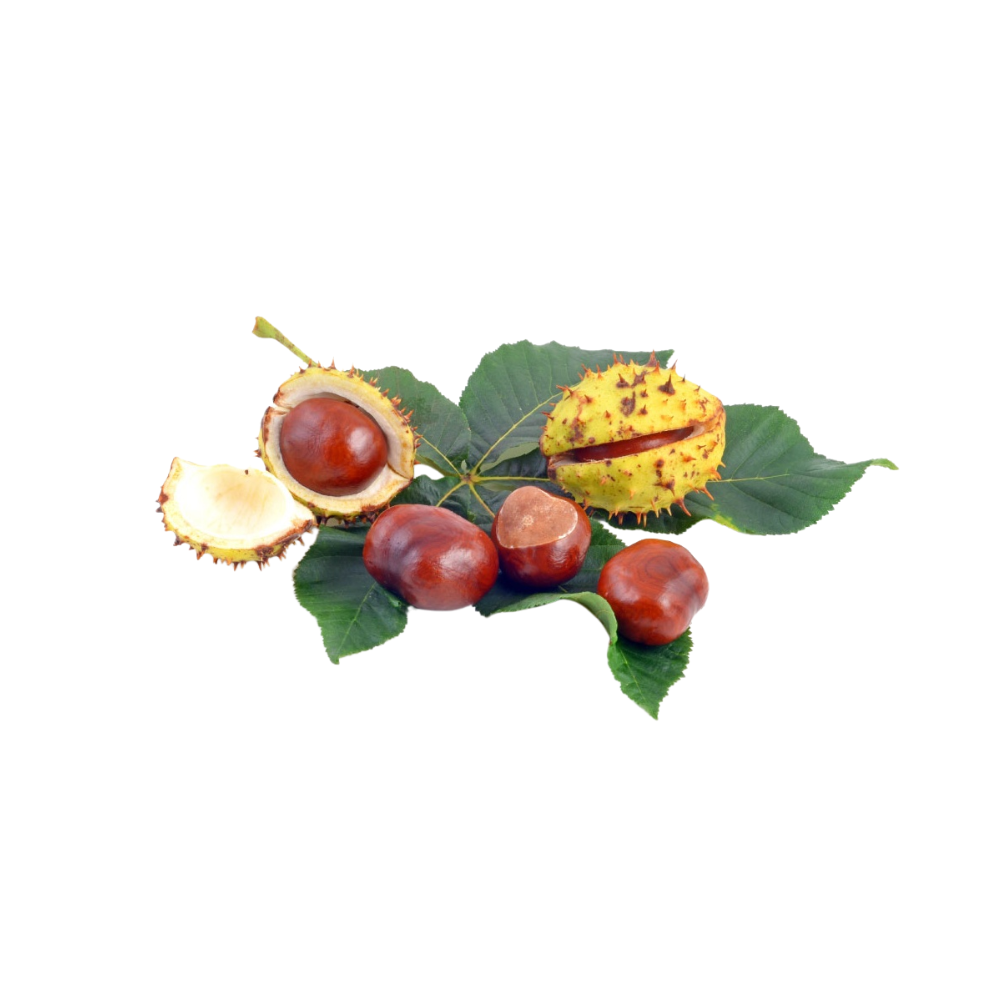 StrongStrongHorse ChestnutAesculus hippocastanumEscin sensitises the glucocorticoid receptor and suppresses NF-κB rather than acting through the COX pathway, and it blunts neutrophil adhesion to venous endothelium.Mechanismglucocorticoid-receptor sensitization; NF-κB ↓ (not COX/PGF2α); endothelial neutrophil adhesion ↓Read the evidenceShow lessMonograph →
Escin behaves as a glucocorticoid-receptor sensitiser, producing synergistic anti-inflammatory effects with low-dose glucocorticoids in vivo and in vitro 451Reference 451In vitroEscin exerts synergistic anti-inflammatory effects with low doses of glucocorticoids in vivo and in vitroView study →, and its activity tracks GR/NF-κB signalling rather than the COX/PGF2α pathway 452Reference 452AnimalAnti-inflammatory effects of escin are correlated with the glucocorticoid receptor/NF-κB signaling pathway, but not the COX/PGF2α signaling pathway — in vivoView study →, which makes it mechanistically distinct from the salicylate and sesquiterpene-lactone anti-inflammatories.
At the vessel wall, aescin blunts hypoxia-induced neutrophil adherence to umbilical-vein endothelium 453Reference 453In vitroEffect of aescine on hypoxia-induced neutrophil adherence to umbilical vein endothelium — in vitroView study →, the plausible link between venous stasis and inflammatory injury of the vein itself 454Reference 454ReviewEfficacy and mechanism of escin in improving the tissue microenvironment of blood vessel walls via anti-inflammatory and anticoagulant effects — reviewView study →, and topical escin damps cutaneous inflammation through the glucocorticoid receptor 455Reference 455AnimalAnti-inflammatory effect of external use of escin on cutaneous inflammation: possible involvement of the glucocorticoid receptor — animal modelView study →.
The human anti-inflammatory evidence is entirely indirect, inferred from chronic-venous-insufficiency and oedema endpoints, with no RCT that has inflammation as the primary outcome. Most of the mechanism work uses isolated escin rather than a whole standardised extract.
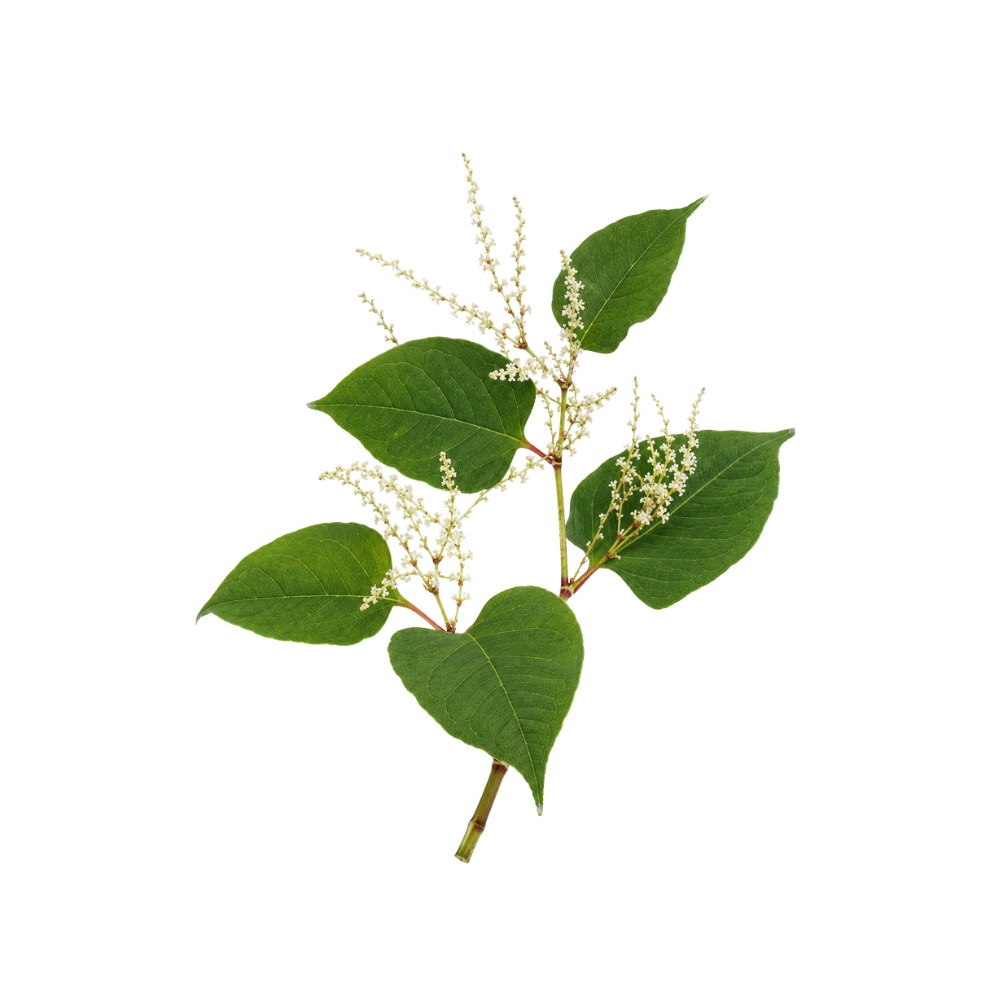 StrongStrongJapanese KnotweedReynoutria japonicaThe root extract suppresses nitric oxide in macrophages, reduces adjuvant arthritis through NF-κB and protects against lung injury, the mechanism under its respiratory-infection formula trials.MechanismNF-κB modulation; iNOS/NO ↓; AKT1 signalingRead the evidenceShow lessMonograph →
A composition–activity study of the ethanol extract found the mid-polarity fraction most potently suppressed nitric-oxide production in LPS-activated RAW264.7 macrophages, tracing the activity to polydatin, resveratrol and emodin glucosides among 31 identified compounds 476Reference 476In vitroAnti-inflammatory constituents in the root and rhizome of Polygonum cuspidatum by UPLC-PDA-QTOF/MS and LPS-activated RAW264.7 macrophages — in vitroView study →. In vivo the extract’s luteolin protected against acute lung injury by blocking macrophage apoptosis and mitochondrial damage through AKT1 477Reference 477In vitroReynoutria japonica and its component luteolin treat acute lung injury by targeting AKT1 — in vivo mouse and in vitro studyView study →, a whole-herb preparation reduced joint inflammation in complete Freund’s adjuvant arthritis through NF-κB modulation 478Reference 478AnimalActivation of the NF-κB pathway by Reynoutria japonica Houtt ameliorates complete Freund’s adjuvant arthritis — rat modelView study →, and cartilage-protective effects are reported in osteoarthritis models 479Reference 479AnimalInhibitory effects of Reynoutria japonica Houtt on pain and cartilage breakdown in osteoarthritis — animal modelView study →.
This mechanism is the most plausible basis for the herb’s one human signal, a meta-analysis of eight RCTs in acute respiratory infection that shortened fever and lowered lung-injury scores 480Reference 480Meta-analysisReynoutria japonica Houtt for acute respiratory tract infections in adults and children — a systematic review and meta-analysis of randomised controlled trialsView study →.
Every one of those trials used knotweed inside a multi-herb formula, so the benefit belongs to the formulas, and no human trial has tested the root alone as an anti-inflammatory. Active fractions and doses vary between studies.
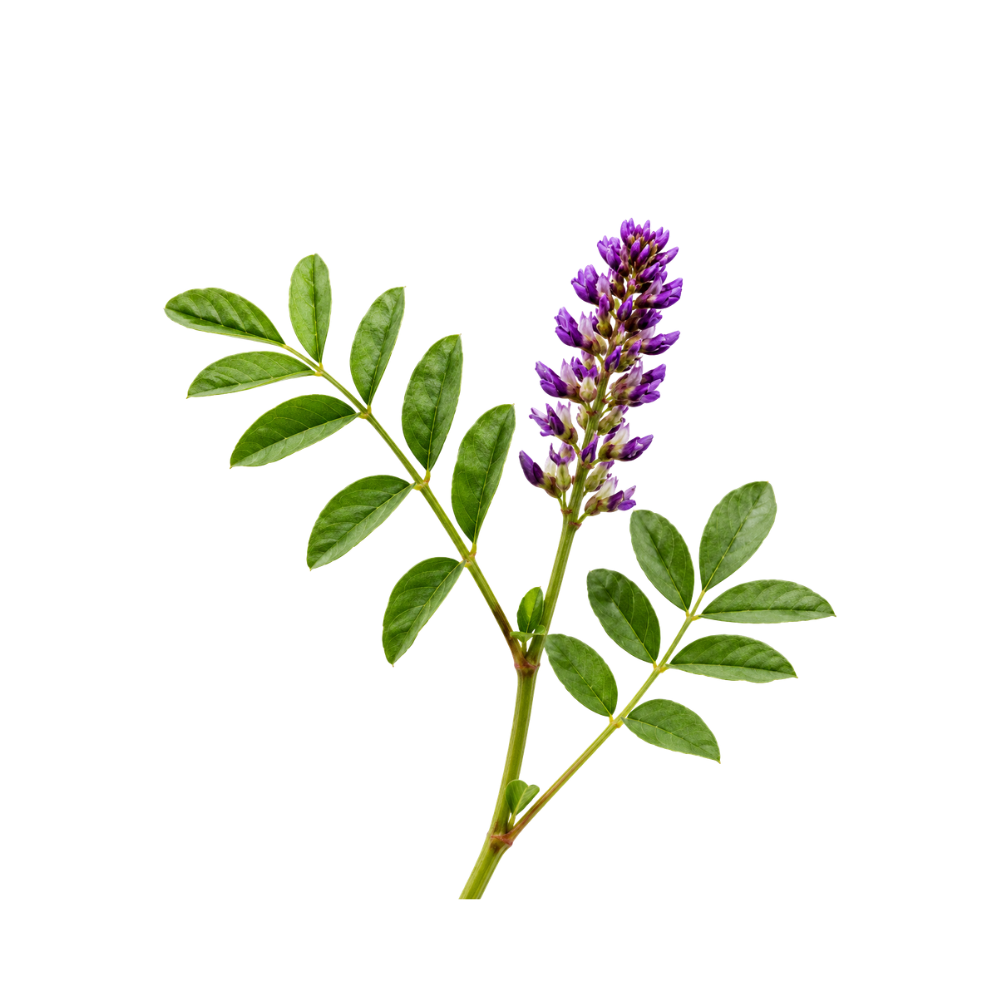 StrongStrongLicoriceGlycyrrhiza glabraLicochalcone B is a specific NLRP3 inflammasome inhibitor that disrupts the NEK7–NLRP3 interaction, and the mucosal trials show the action in aphthous ulcers, mucositis and sore throat.MechanismNLRP3 inflammasome ↓ (NEK7–NLRP3 disruption); NF-κB ↓; COX-2 ↓Read the evidenceShow lessMonograph →
The chalcone licochalcone B disrupts the NEK7–NLRP3 interaction, a named protein–protein target, which makes it a specific inhibitor of the NLRP3 inflammasome 492Reference 492In vitroLicochalcone B specifically inhibits the NLRP3 inflammasome by disrupting NEK7-NLRP3 interaction — in vitroView study →. Licorice triterpenoids and flavonoids downregulate NF-κB and COX-2 and protect the intestinal barrier in colitis models 493Reference 493ReviewAnti-Inflammatory Properties of Licorice-Derived Compounds in Intestinal Disorders — reviewView study →, and the licochalcones show broad anti-inflammatory activity across cell and animal systems 494Reference 494ReviewBiological Effects of Licochalcones — reviewView study →.
In humans the action is visible through the mucosal trials: aphthous ulcers 495,
No RCT uses a validated systemic inflammatory marker such as CRP as a primary outcome, so the human evidence is local rather than systemic. Glycyrrhizin’s 11β-HSD2 inhibition, the same mechanism that gives it a cortisol-like anti-inflammatory effect, causes pseudoaldosteronism on sustained higher doses.
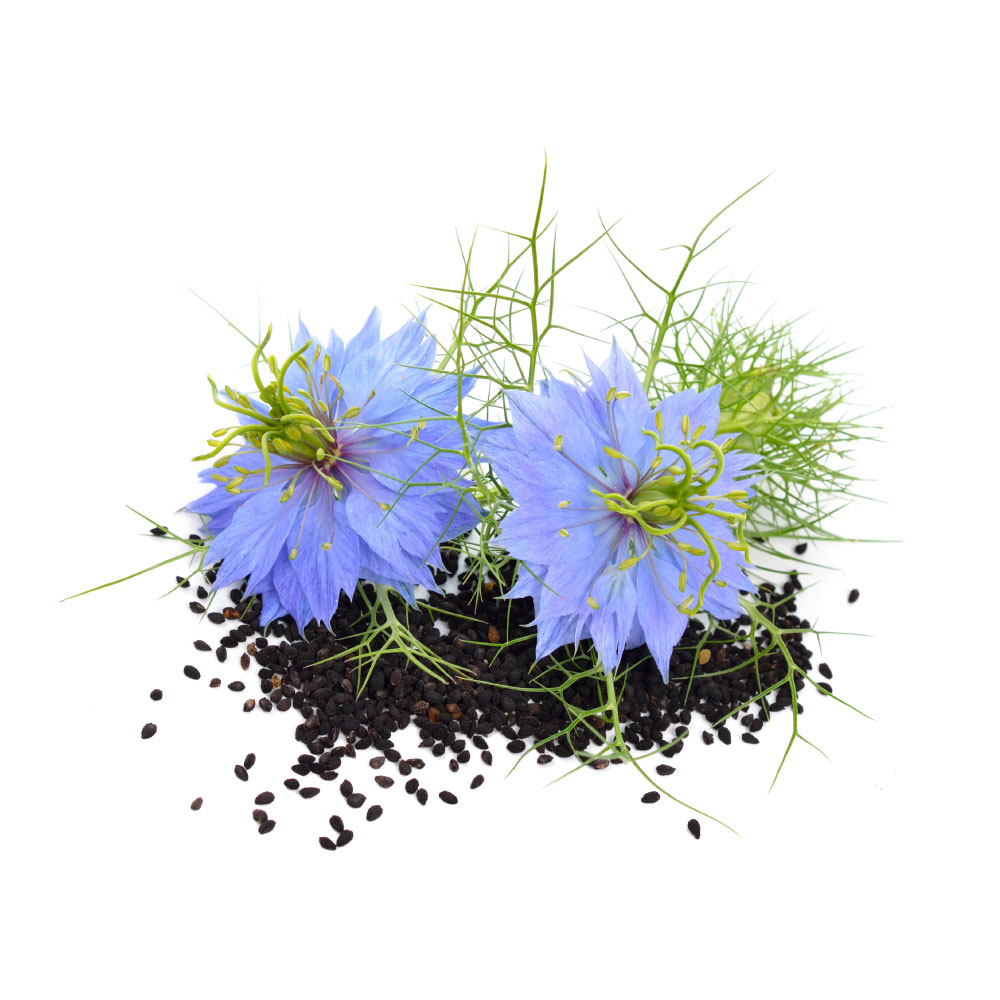 StrongStrongNigellaNigella sativaThymoquinone suppresses NF-κB with downstream COX-2 and cytokine reduction, and pooled human trials show lower hs-CRP, TNF-α and malondialdehyde.MechanismNF-κB ↓ (thymoquinone); COX-2 expression ↓; TNF-α suppressionRead the evidenceShow lessMonograph →
Ten pooled RCTs showed reductions in hs-CRP, TNF-α and malondialdehyde with a rise in total antioxidant capacity 533Reference 533Meta-analysisThe effect of Nigella sativa on biomarkers of inflammation and oxidative stress — systematic review and meta-analysis of randomized controlled trialsView study →, and a separate meta-analysis put the CRP fall at about −0.55 mg/L 534Reference 534Meta-analysisThe effect of Nigella sativa L. supplementation on serum C-reactive protein — systematic review and meta-analysis of randomized clinical trialsView study →.
The pathway is thymoquinone suppression of NF-κB signalling with downstream COX-2 and cytokine reduction 535Reference 535ReviewBiological and therapeutic activities of thymoquinone — focus on the Nrf2 signaling pathway — reviewView study →, and it is the engine under the asthma, NAFLD and metabolic results rather than a standalone effect.
Heterogeneity (I²) is routinely above 75%, so the pooled numbers are directionally sound and numerically loose, and a −0.55 mg/L CRP shift is a biomarker move rather than a clinical outcome.
 StrongStrongPau D’ArcoTabebuia impetiginosaBark extracts cut cytokine output in primary human lymphocytes and monocytes, acteoside inhibits COX-2 while sparing COX-1, and the extract eased osteoarthritis and colitis in rodents.MechanismNF-κB ↓; AP-1 ↓; COX-2-selective inhibition (acteoside); iNOS and MMP suppressionRead the evidenceShow lessMonograph →
A T. impetiginosa bark extract cut pro-inflammatory cytokine output in primary human lymphocytes ex vivo, with some fractions out-performing a clinical positive control and no measured toxicity 550Reference 550The medicinal plant Tabebuia impetiginosa potently reduces pro-inflammatory cytokine responses in primary human lymphocytes — ex vivo human cell studyView study →, and a Handroanthus impetiginosus extract reduced cytokines and NF-κB nuclear translocation in the human THP-1 monocyte line 551Reference 551In vitroEffects of Handroanthus impetiginosus (Mart. ex DC.) Mattos extract on inflammatory, immune, atherogenic profile and differentiation in the THP-1 human cell line — in vitroView study →.
The mechanism is well resolved for a bark. Taheebo polyphenols inhibit COX-2 while sparing COX-1, traced to the phenylpropanoid glycoside acteoside 552Reference 552In vitroTaheebo polyphenols attenuate free fatty acid-induced inflammation in murine and human macrophage cell lines as inhibitor of cyclooxygenase-2 — in vitroView study →, and beta-lapachone suppresses iNOS, cytokines and matrix metalloproteinases in activated microglia 553,
In vivo a Tabebuia ethanol extract (Tabetri) eased monoiodoacetate osteoarthritis in rats through NF-κB/AP-1 suppression and chondroprotection 555Reference 555In vitroTabetri (Tabebuia avellanedae ethanol extract) ameliorates osteoarthritis symptoms induced by monoiodoacetate through anti-inflammatory and chondroprotective activities — rat model and in vitroView study →, and oral taheebo water extract prevented DSS colitis in mice 556Reference 556AnimalOral administration of taheebo (Tabebuia avellanedae) water extract prevents DSS-induced colitis in mice — animal modelView study →.
The only human clinical trial, a 12-week double-blind placebo-controlled osteoarthritis RCT (n=100) of the same extract, completed but has never published results 557Reference 557RCTEfficacy and safety of Tabetri (Tabebuia avellanedae ethanol extract) on osteoarthritis — 12-week multicenter randomised double-blind placebo-controlled trial (n=100), completed; results not yet publishedView study →, so there is no peer-reviewed human outcome.
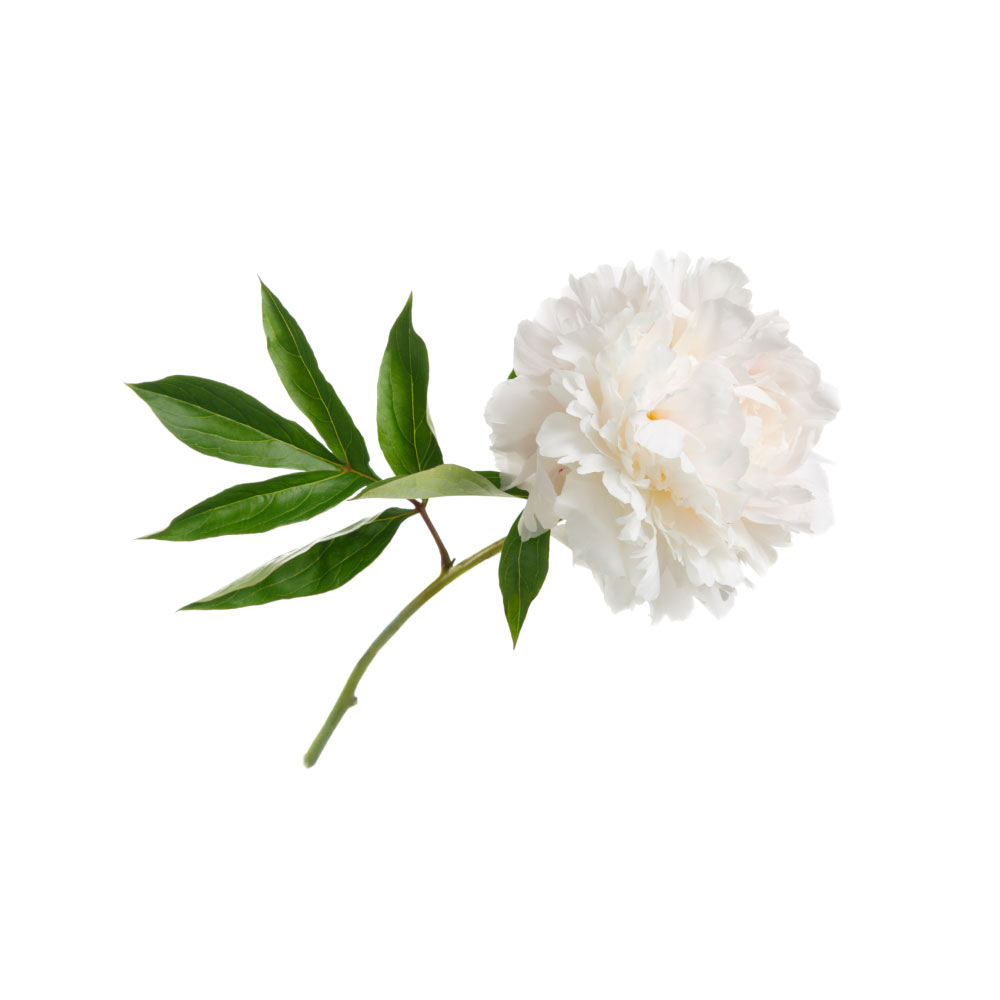 StrongStrongPeonyPaeonia lactifloraTotal glucosides of peony suppress NF-κB and COX-2, lower TNF-α, IL-1β and IL-6 and rebalance Treg/Th17; as an add-on they improve response rates, ESR and CRP in rheumatoid arthritis across about 7,000 trial participants.MechanismNF-κB ↓; COX-2 ↓; TNF-α/IL-1β/IL-6 ↓; Treg/Th17 rebalancing (TGP)Read the evidenceShow lessMonograph →
Total glucosides of peony (TGP) and paeoniflorin suppress NF-κB signalling and downstream COX-2 and lower TNF-α, IL-1β and IL-6 while shifting regulatory-T-cell/Th17 balance, with the crude root’s analgesic component running partly through adenosine A1 receptors 558Reference 558ReviewAnti-inflammatory and immunomodulatory effects of Paeonia lactiflora Pall., a traditional Chinese herbal medicine — reviewView study →. An animal-model meta-analysis confirms consistent serum cytokine reductions in experimental rheumatoid arthritis 559Reference 559Meta-analysisEffects of total glucosides of paeony on serum inflammatory cytokines in animal models of rheumatoid arthritis: a systematic review and meta-analysis — animal model, systematic reviewView study →, and the same activity maps across both white and red peony root 560Reference 560ReviewEfficacy, chemical constituents, and pharmacological actions of Radix Paeoniae Rubra and Radix Paeoniae Alba — reviewView study →.
The human read-out is real and indirect. TGP added to conventional therapy improved ACR20/50/70 responses, joint counts, ESR and CRP across systematic reviews covering about 7,000 participants 561,
The material is the standardised glucoside extract rather than a tincture or decoction, and a formal appraisal rated those reviews critically low on AMSTAR-2 with low GRADE certainty 565Reference 565Meta-analysisTotal glucosides of paeony for rheumatoid arthritis: a methodological and reporting quality evaluation of systematic reviews and meta-analyses — reviewView study →. There is no dedicated inflammation endpoint, no whole-root trial, and the effect is adjunct-only.
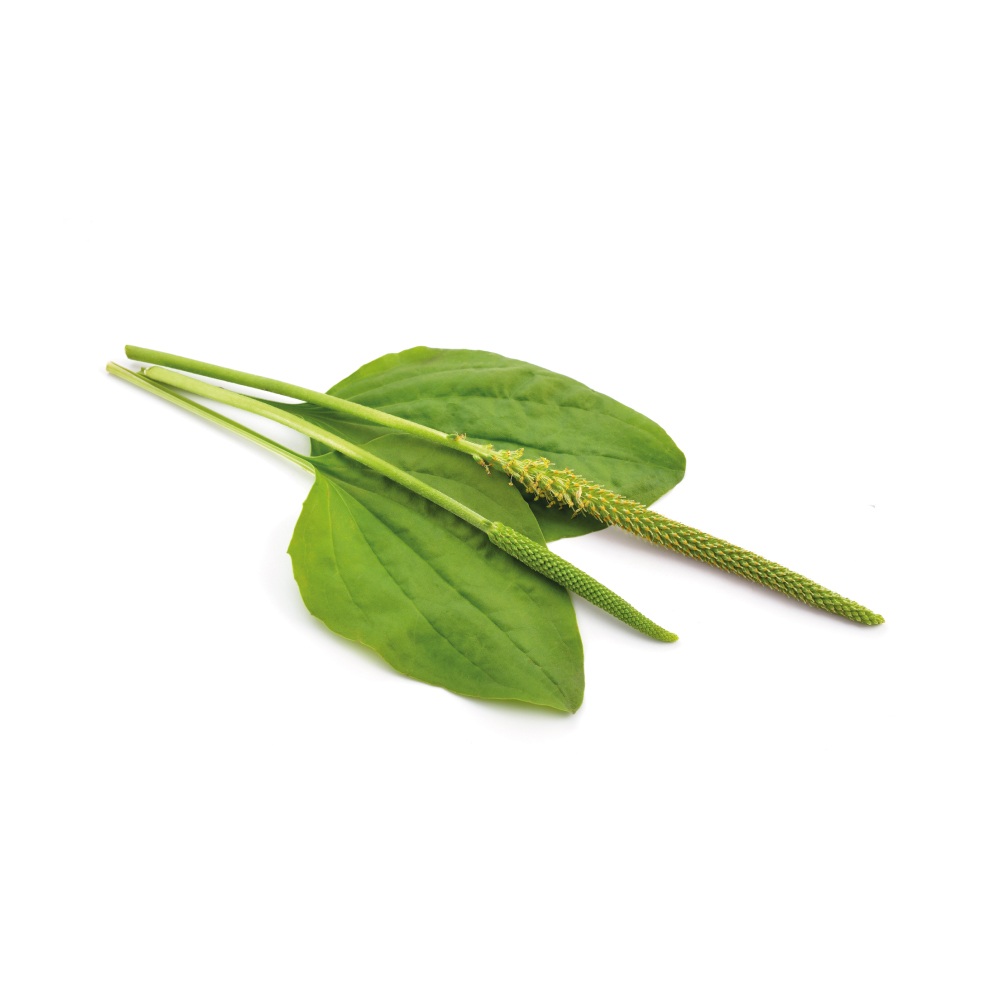 StrongStrongPlantainPlantago majorLeaf extracts reduced paw oedema and COX-2 expression comparably to diclofenac in rats and lowered cytokines in colitis and arthritis models; the leaf outperforms the seed.MechanismNF-κB ↓; TNF-α / IL-6 ↓; COX-2 ↓; phospholipase A₂ inhibitionRead the evidenceShow lessMonograph →
In rats a dichloromethane leaf extract and its fractions inhibited carrageenan paw oedema by about 47–56% at 560 mg/kg and reduced leukocyte migration and COX-2 expression comparably to diclofenac 569Reference 569AnimalIn vivo anti-inflammatory activities of Plantago major extract and fractions — rat/mouse, in vivoView study →; a hexane-insoluble fraction lowered paw oedema, arthritic index and TNF-α/IL-6 in Freund’s-adjuvant arthritis 570Reference 570AnimalAnti-rheumatoid activity of a hexane-insoluble fraction from Plantago major in female Wistar ratsView study →. In acetic-acid ulcerative colitis the leaf extract significantly lowered ulcer index with IL-6, TNF-α, PGE₂, IL-1β, MPO and MDA all down, while the seed extract was only weakly protective 571Reference 571AnimalEvaluation of anti-inflammatory effects of leaf and seed extracts of Plantago major on acetic acid-induced ulcerative colitis in ratsView study →.
In vitro the leaf inhibited snake-venom phospholipase A₂ by about 45% 572Reference 572In vitroIn vitro anti-inflammatory activity of Plantago major L. on phospholipase A₂ from snake venomView study →, and isolated aucubin, acteoside and martynoside suppressed NO, IL-6 and TNF-α 573Reference 573In vitroPhytochemical investigation and evaluation of anti-inflammatory and wound-healing activities of Plantago major subsp. intermedia — in vitro / animal modelView study →.
The animal effects come from hundreds of mg/kg of concentrated solvent fractions, nothing like a 3–5 g leaf infusion, and there is no standalone human anti-inflammatory trial. The human signal is indirect, through topical wound 574,
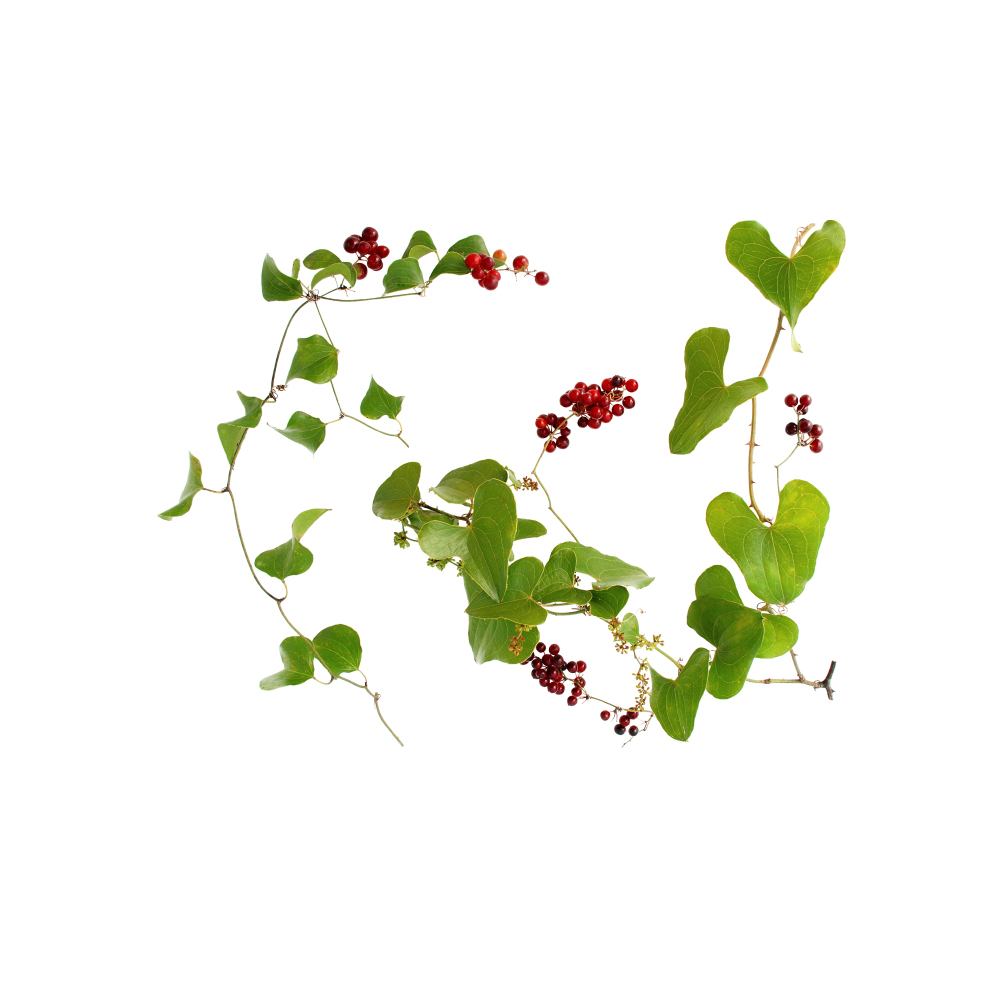 StrongStrongSarsaparillaSmilax spp.An aqueous Smilax china extract matched aspirin in rat oedema and inhibits COX-2 as an enzyme and at the expression level; astilbin, engeletin and epicatechin each lower IL-1β, IL-6 and nitric oxide.MechanismCOX-2 activity + expression ↓; NF-κB ↓; TLR-4 signaling ↓; PGE₂ ↓Read the evidenceShow lessMonograph →
An aqueous S. china extract at 1,000 mg/kg matched acetylsalicylic acid at 200 mg/kg in rat oedema and inhibited COX-2 both as an enzyme and at the expression level, cutting PGE₂ 599Reference 599AnimalAnti-inflammatory and anti-nociceptive activities of Smilax china L. aqueous extract — animal modelView study →; a flavonoid-enriched S. china root extract independently suppressed xylene-induced ear oedema and cotton-pellet granuloma while blunting LPS-driven macrophage cytokine release through TLR-4 600Reference 600In vitroThe flavonoid-enriched extract from the root of Smilax china L. inhibits inflammatory responses via the TLR-4-mediated signaling pathway — animal model / in vitroView study →. Phenolic-enriched S. glabra cut nitric oxide and TNF-α in stimulated cells 601Reference 601In vitroAntioxidant and Anti-Inflammatory Activities of Phenolic-Enriched Extracts of Smilax glabra — in vitroView study →.
The effect tracks to identifiable molecules. Astilbin and its three stereoisomers, engeletin and epicatechin each lowered IL-1β, IL-6 and NO 602Reference 602In vitroAntioxidant and Anti-Inflammatory Activities of Six Flavonoids from Smilax glabra Roxb. — in vitroView study →.
The aspirin equivalence needed five times the mass of a high-dose aqueous extract and is a single rat comparison, and every study used a water or flavonoid-enriched preparation rather than the 1:2 tincture the herb is usually sold as.
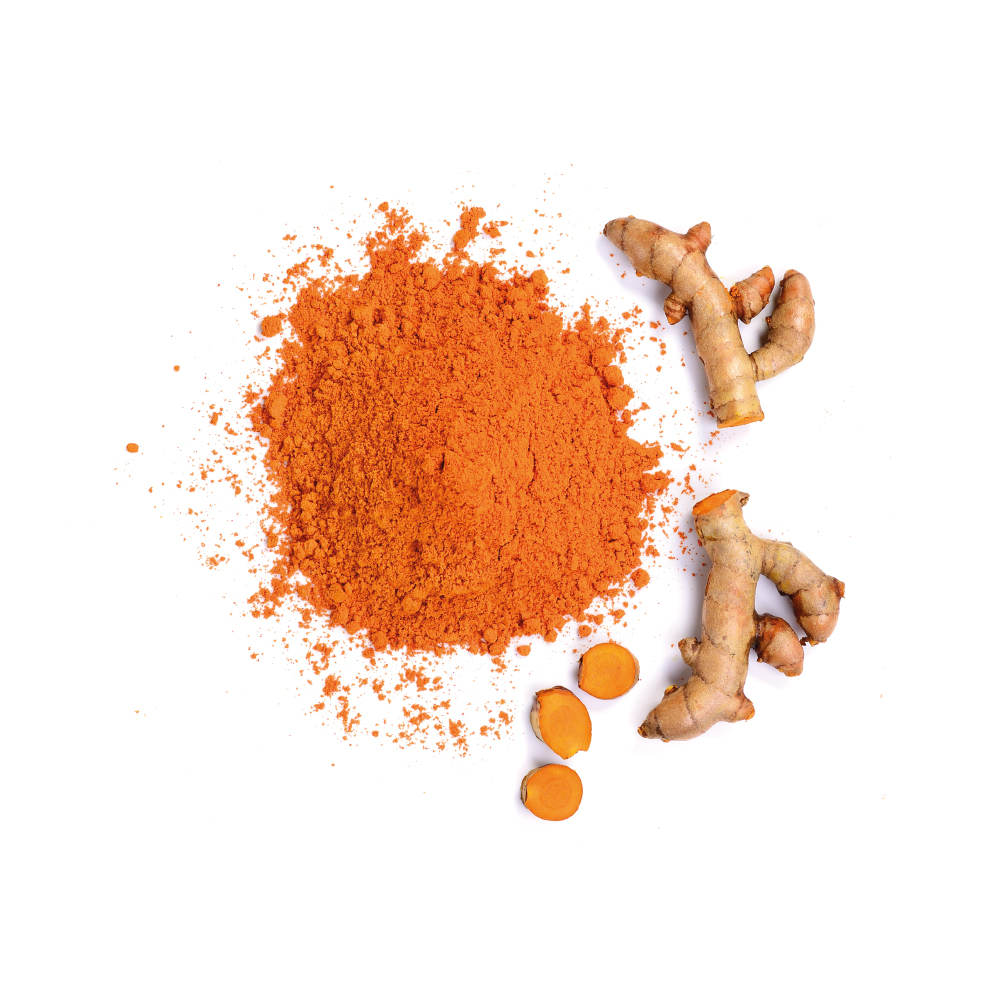 StrongStrongTurmericCurcuma longaCurcumin inhibits NF-κB and both arms of arachidonic-acid metabolism, and a 66-RCT meta-analysis found it lowers C-reactive protein, TNF-α and IL-6 with high certainty for CRP.MechanismNF-κB suppression; TNF-α/IL-6 ↓; dual COX/LOX inhibitionRead the evidenceShow lessMonograph →
Curcumin is a dual inhibitor of arachidonic-acid metabolism (COX and LOX) and suppresses TNF-induced NF-κB signalling.
A GRADE-assessed dose-response meta-analysis of 66 RCTs found significant reductions in C-reactive protein (−0.58 mg/L), TNF-α and IL-6, and CRP was one of only four outcomes rated high certainty in the 103-RCT overview 639,
The effect magnitude is modest, a circulating-biomarker shift with benefits concentrated at 1,000 mg/day or less beyond 10 weeks, and it depends entirely on absorbable formulations, since free curcumin is poorly absorbed.
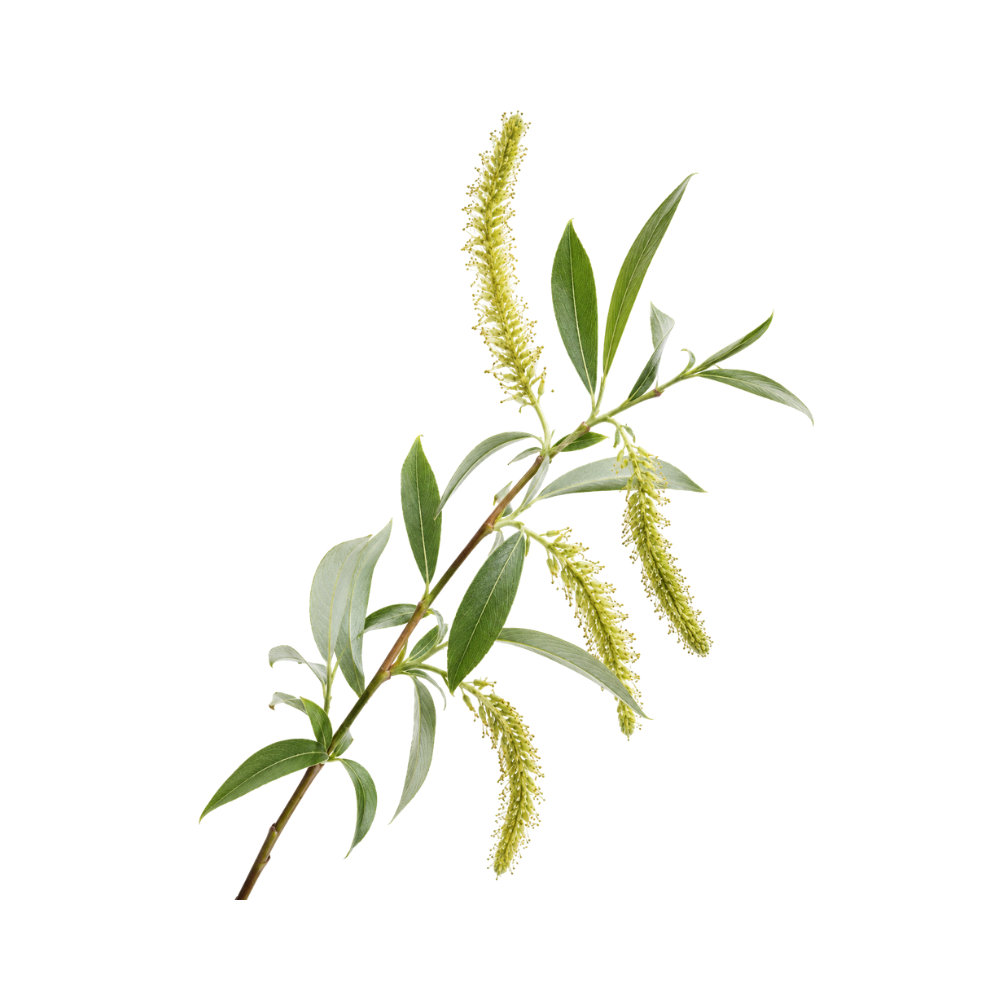 StrongStrongWillowSalix albaSalicin becomes salicylic acid and inhibits COX-2 preferentially, and the standardised extract reduced leukocyte infiltration, cytokines and prostaglandins at least as effectively as aspirin in two rat models.MechanismCOX-2 preferential inhibition; cytokine ↓; leukotriene ↓Read the evidenceShow lessMonograph →
In two rat models (air-pouch and adjuvant arthritis) the standardised extract STW 33-I reduced leukocyte infiltration, cytokines and prostaglandins at least as effectively as aspirin on a mg/kg basis, suppressed leukotrienes more strongly, and preferentially inhibited COX-2 642Reference 642AnimalMechanisms involved in the anti-inflammatory effect of a standardized willow bark extract — animal model (rat)View study →.
The effect cannot be explained by salicin content alone. The extract is far more active than its salicylate dose predicts, so the polyphenol fraction is doing real work.
No trial has shown willow lowering inflammatory biomarkers in humans on its own; the human evidence is for pain, examined among the analgesic herbs. Salicylate cautions apply.
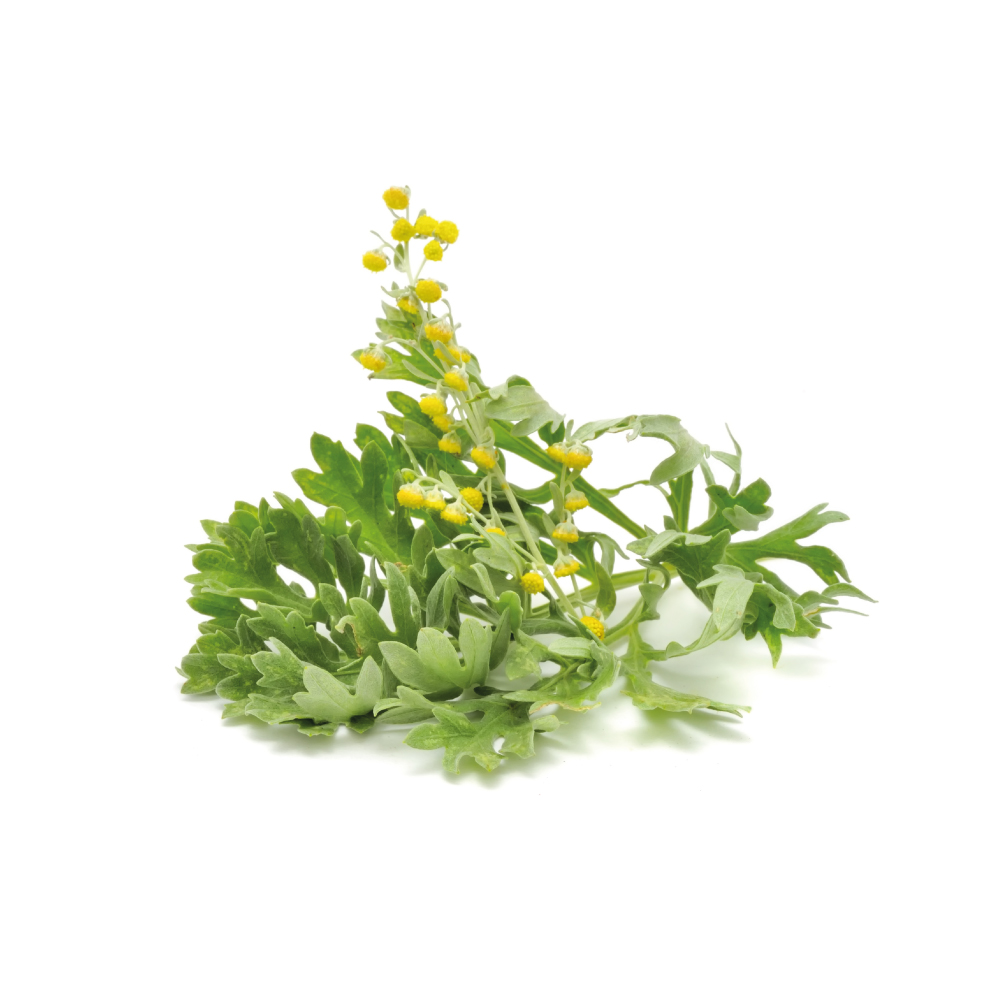 StrongStrongWormwoodArtemisia absinthiumA wormwood blend let 90% of Crohn's patients improve as steroids were withdrawn in a double-blind multicentre trial, and a second controlled trial found it suppressed TNF-α.MechanismTNF-α ↓; NF-κB ↓; NLRP3 ↓Read the evidenceShow lessMonograph →
In a double-blind, placebo-controlled multicentre study in Germany (n=40 Crohn’s patients), a herbal blend delivering dried wormwood (3 × 500 mg/day) alongside a tapering steroid dose produced steady clinical improvement in 90% of the wormwood group as steroids were withdrawn, against worsening on placebo 648Reference 648RCTSteroid-sparing effect of wormwood (Artemisia absinthium) in Crohn’s disease: a double-blind placebo-controlled study — randomised placebo-controlled trialView study →. A second controlled trial (n=20) found wormwood suppressed TNF-α 649Reference 649Clinical trialWormwood (Artemisia absinthium) suppresses tumour necrosis factor alpha and accelerates healing in patients with Crohn’s disease — controlled clinical trialView study →.
A steroid-sparing effect demonstrated in a controlled trial is a strong result by any herbal standard. The mechanism is thought to run through TNF-α, NF-κB and NLRP3 suppression.
The intervention was a blend rather than wormwood alone, and both trials are small and from the same group.
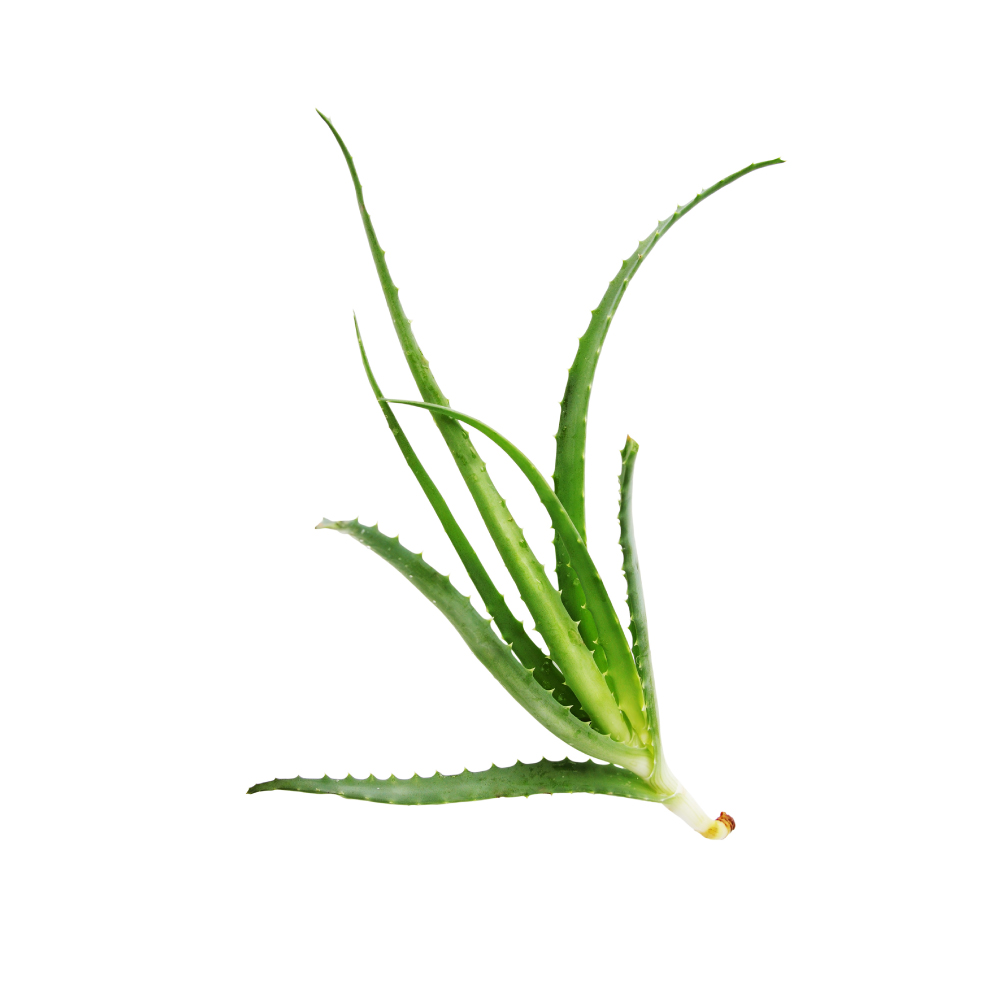 ModerateModerateAloeAloe vera/barbadensisSuppresses thromboxane B2 and prostaglandin F2α in burns, an effect attributed to the latex anthraquinones rather than to the gel most people use.Mechanismthromboxane B2 ↓; prostaglandin F2α ↓; anthraquinone-dependent (molecular target not established)Read the evidenceShow lessMonograph →
The anti-inflammatory action is described as well documented 234,
That effect is reported to depend on anthraquinones 235Reference 235A Clinical Guide to Blending Liquid Herbs: Herbal Formulations for the Individual Patient, which sit in the latex, the bitter yellow exudate under the rind that carries the laxative and antiviral principles. The gel most people use is a different fraction of the same leaf, so the reputation and the material on the shelf do not describe the same substance.
Aloe’s anti-inflammatory standing rests on two citations, and no molecular target has been named.
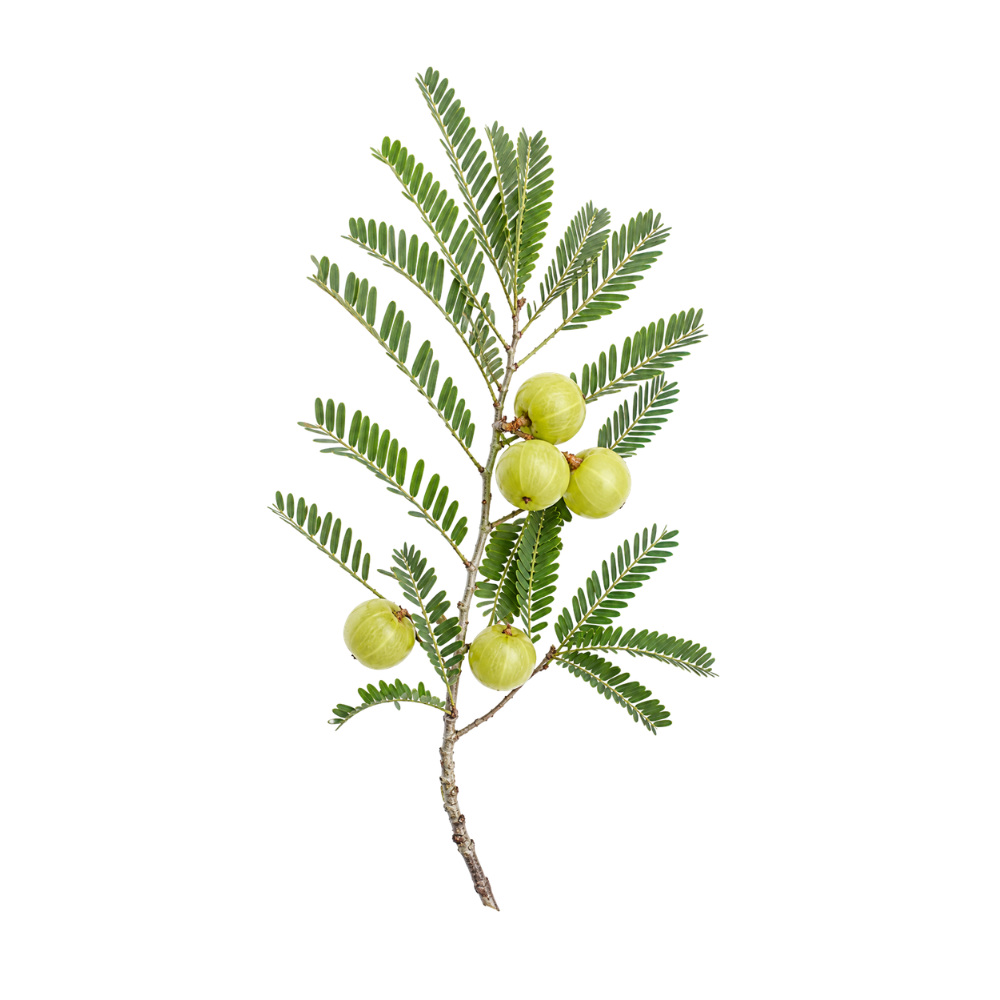 ModerateModerateAmlaPhyllanthus emblicaStandardised fruit extract lowered high-sensitivity C-reactive protein in three independent human trials; the pathway work beneath it is vascular and preclinical.Mechanismhs-CRP ↓ (human, consistent across trials); tissue factor and TNF-α/IL-6 suppression in endothelium; NF-κB inhibitionRead the evidenceShow lessMonograph →
Across the human trials, standardised fruit extract consistently lowered high-sensitivity C-reactive protein 236,
The pathway work is vascular. Amla extract reduced lipopolysaccharide-induced tissue factor and the pro-inflammatory cytokines TNF-α and IL-6 in vascular endothelial cells and in a rat endotoxaemia model 239Reference 239Amla (Emblica officinalis Gaertn.) extract inhibits lipopolysaccharide-induced procoagulant and pro-inflammatory factors in cultured vascular endothelial cellsView study →, and a tannin-enriched fraction attenuated diet-induced neuroinflammation in rats by inhibiting NF-κB, with emblicanin A implicated by docking 240Reference 240High-salt- and cholesterol-diet-associated cognitive impairment attenuated by a tannins-enriched fraction of Emblica officinalis via inhibiting the NF-κB pathwayView study →.
Newly characterised leaf lignans add combined antioxidant and anti-inflammatory activity in vitro 241Reference 241Discovery of lignans from leaves of Phyllanthus emblica L. and their antioxidant–anti-inflammatory activityView study →, and the older rodent antipyretic and analgesic data fit the same profile 242Reference 242Evaluation of anti-pyretic and analgesic activity of Emblica officinalis GaertnView study →.
hs-CRP is the only inflammation endpoint measured in humans, with no trial of a clinical inflammatory outcome, and every pathway-level result is animal or in vitro. The effect is downstream of the herb’s hydrolysable-tannin antioxidant load rather than a separate lever.
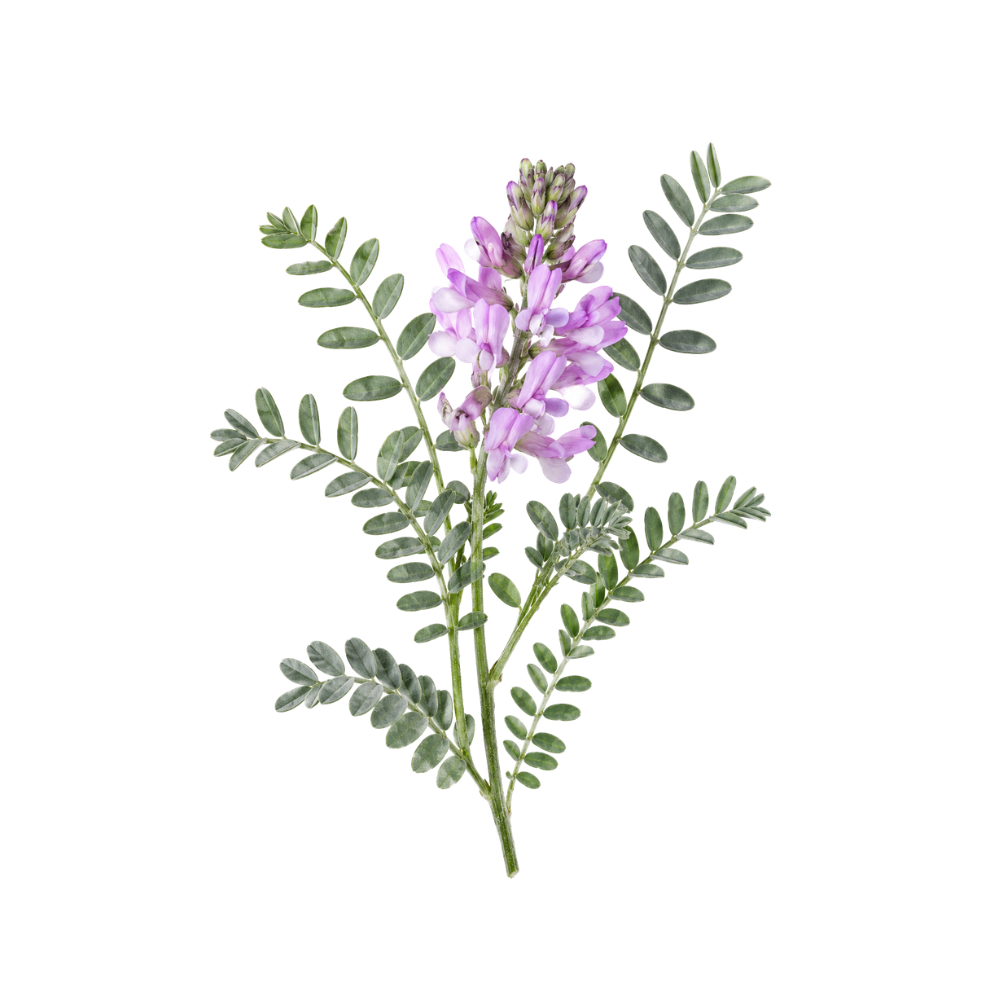 ModerateModerateAstragalusAstragalus membranaceusAstragaloside IV suppresses NF-κB, usually through TLR4, across animal models of neuroinflammation, bone loss and cardiac injury, the shared pathway behind the liver, kidney and heart results.MechanismNF-κB ↓ (TLR4 upstream); tissue inflammatory-mediator release ↓Read the evidenceShow lessMonograph →
Astragaloside IV suppresses NF-κB signalling, frequently through TLR4 upstream, across a wide spread of animal models including neuroinflammation in Parkinson’s-model mice, glucocorticoid-induced bone loss and hypoxic cardiac injury 255,
The nearest thing to a human read-out is the TNF-α reduction in myocarditis patients 258Reference 258Meta-analysisEffect of Astragalus injection on inflammatory mediators in patients with viral myocarditis — a systematic review and meta-analysisView study →. This pathway is the reason the hepatoprotective, cardioprotective and renal-protective signals all look alike.
There is no human anti-inflammatory trial, and the data centre on the isolated saponin rather than the root as consumed 256,
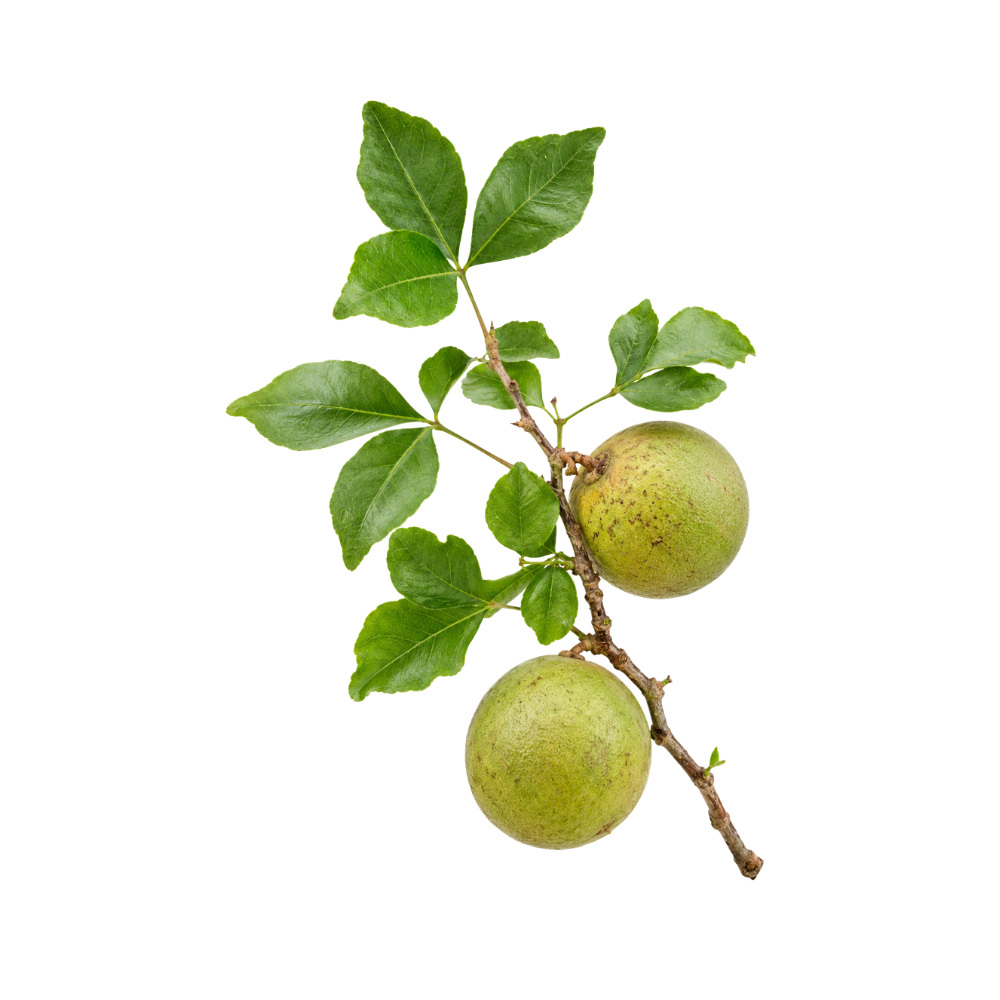 ModerateModerateBaelAegle marmelosLeaf extract inhibited both carrageenan paw oedema and cotton-pellet granuloma in rodents, covering the acute and the chronic phase of inflammation, with no mechanism identified.Mechanismnot establishedRead the evidenceShow lessMonograph →
Leaf extract inhibited carrageenan-induced paw oedema (the acute exudative phase) and cotton-pellet granuloma (the chronic proliferative phase) in rodents, with parallel analgesic and antipyretic effects 261Reference 261In vitroBactericidal Effect of Selected Antidiarrhoeal Medicinal Plants on Intracellular Heat-Stable Enterotoxin-Producing Escherichia coli — [in vitro]View study →; flower extracts echo it. Covering both phases is a meaningful result.
No pathway has been established. There are no COX, LOX, NF-κB or cytokine data and no human trials.
The rating rests on the animal effect size.
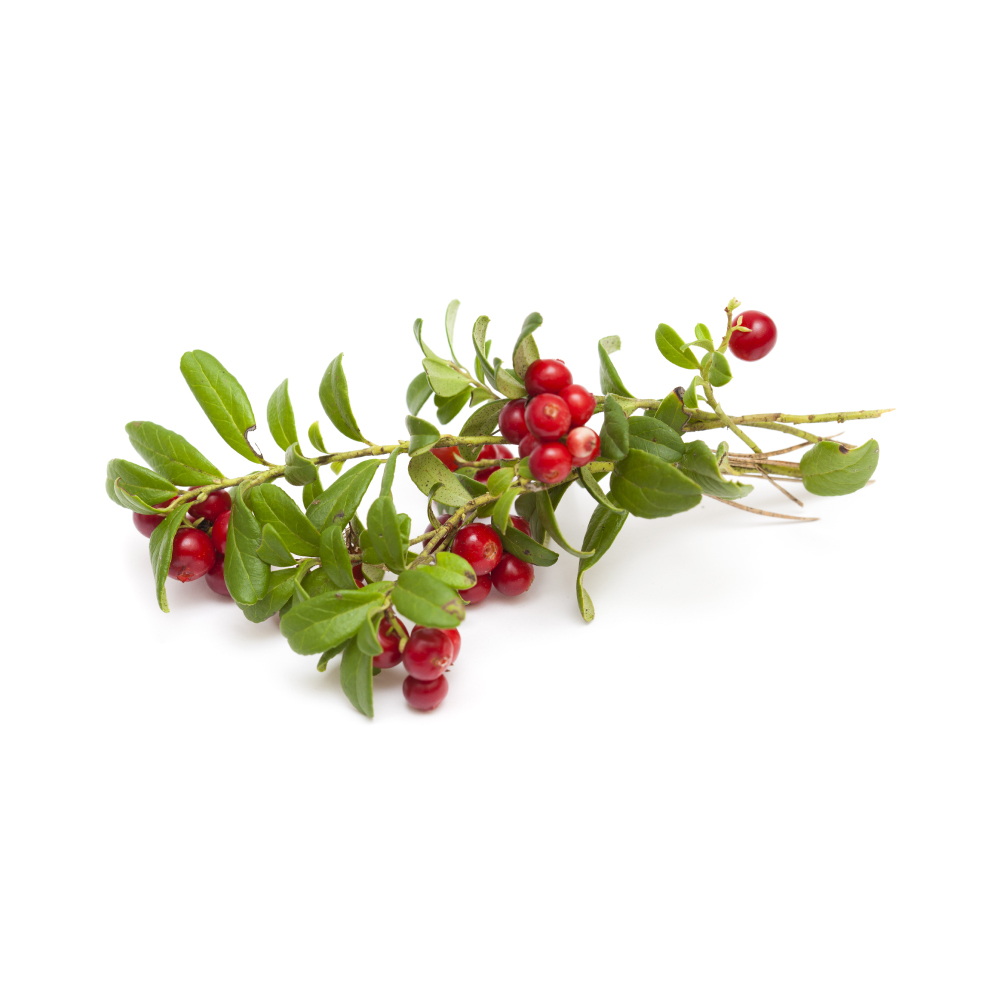 ModerateModerateBearberryArctostaphylos uva-ursiArbutin suppresses nitric oxide, iNOS, COX-2 and the main cytokines in microglia through NF-κB, and in older mouse work leaf extract and arbutin potentiated corticosteroids without their thymic atrophy.MechanismNF-κB ↓; COX-2/iNOS ↓; TNF-α, IL-1β, IL-6 ↓Read the evidenceShow lessMonograph →
Isolated arbutin suppresses LPS-induced nitric oxide, iNOS, COX-2, TNF-α, IL-1β and IL-6 in murine BV2 microglia through NF-κB inhibition 269Reference 269In vitroAnti-inflammatory effects of arbutin in lipopolysaccharide-stimulated BV2 microglial cells — in vitro studyView study →, and whole leaf extract lowers the same cytokine set in C. acnes-stimulated keratinocytes 270Reference 270In vitroIn vitro antibacterial and anti-inflammatory activity of Arctostaphylos uva-ursi leaf extract against Cutibacterium acnes — in vitro studyView study →. Ursolic acid adds NF-κB-linked activity of its own.
In older murine work the 50% methanolic leaf extract and arbutin both treated contact-dermatitis-type immuno-inflammation and potentiated prednisolone and dexamethasone without the corticosteroids’ thymus and spleen atrophy 271,
The doses used in the cell models exceed what the urinary route delivers to non-renal tissue, so the action is a local one, urothelial and possibly cutaneous, rather than systemic.
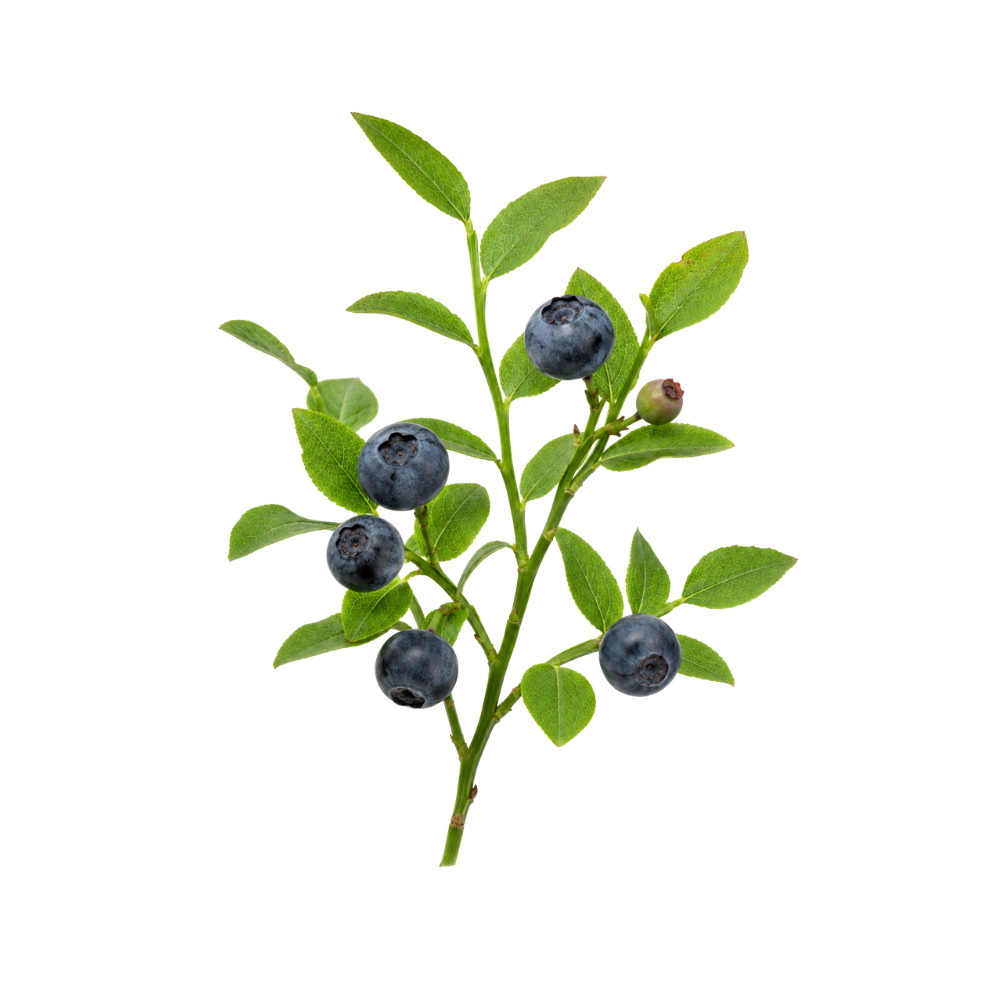 ModerateModerateBilberryVaccinium myrtillusAnthocyanin NF-κB and cytokine suppression, with a positive placebo-controlled trial in ulcerative colitis behind it.MechanismNF-κB and pro-inflammatory cytokine signalling ↓ (anthocyanins)Read the evidenceShow lessMonograph →
The anti-inflammatory case rests on the same anthocyanins that carry bilberry’s vascular activity, acting on NF-κB and downstream cytokine signalling.
Its most developed application is ulcerative colitis. Preclinical colitis models are supported by a multicentre placebo-controlled randomised trial that returned a positive result, which is more than most herbs on this action carry for a specific inflammatory disease.
That trial was underpowered, and the rest of the human data are biomarker measurements rather than clinical endpoints.
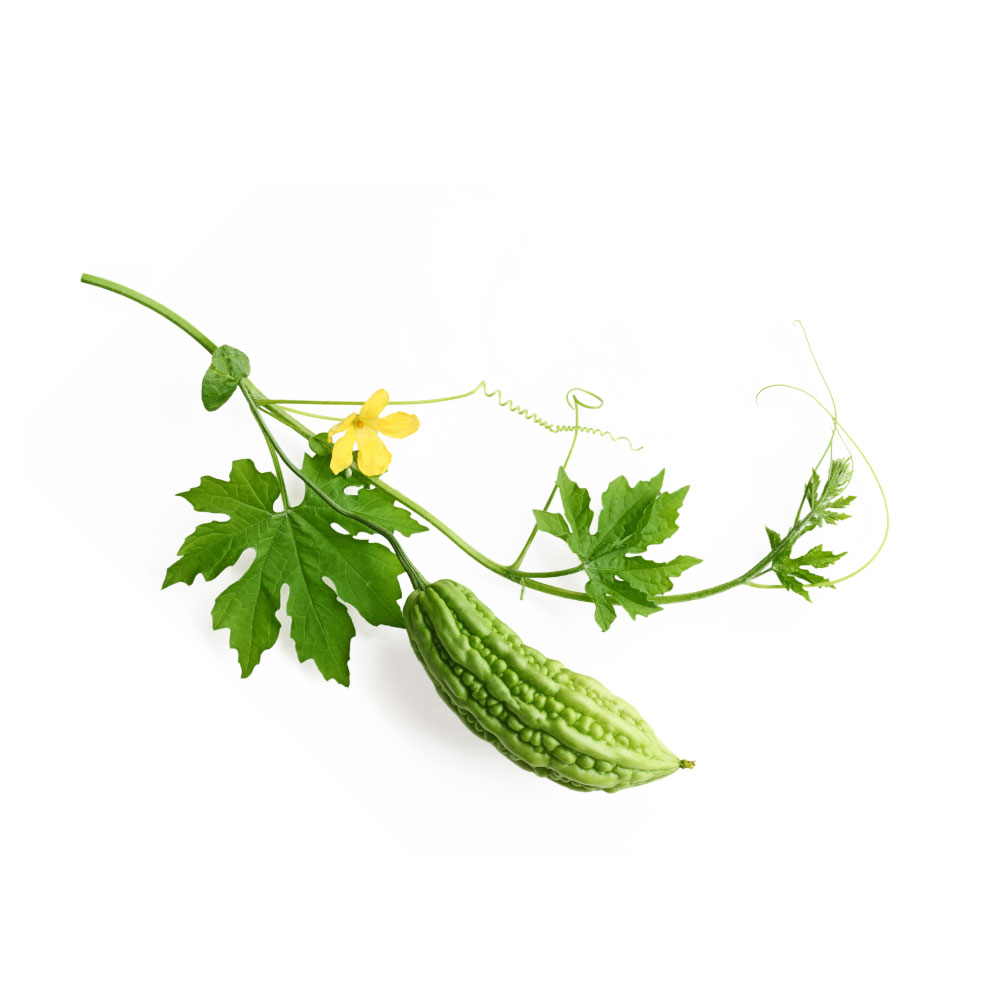 ModerateModerateBitter MelonMomordica charantiaThe fruit extract targets TAK1 upstream of NF-κB and AP-1, and its cucurbitane triterpene glycosides inhibit NF-κB at sub-micromolar potency, more strongly than sulfasalazine.MechanismTAK1 inhibition → NF-κB ↓; COX-2 ↓ / iNOS ↓; NLRP3 inflammasome ↓Read the evidenceShow lessMonograph →
A methanol fruit extract suppressed nitric oxide, iNOS and COX-2 in LPS-stimulated macrophages by targeting TAK1, upstream of both NF-κB and AP-1 273Reference 273In vitroMomordica charantia inhibits inflammatory responses in murine macrophages via suppression of TAK1 — in vitroView study →. Isolated cucurbitane-type triterpene glycosides inhibited TNF-α-induced NF-κB activation in HepG2 cells at sub-micromolar potency, more strongly than sulfasalazine, with some also activating PPARγ 274Reference 274In vitroInhibition of NF-κB and activation of PPARs in HepG2 cells by cucurbitane-type triterpene glycosides from Momordica charantia — in vitroView study →, and the wild variety (var. abbreviata) reproduced the effect in proportion to phenolic content 275Reference 275In vitroSuppressive effects of wild bitter gourd (Momordica charantia var. abbreviata) fruit extracts on inflammatory responses in RAW264.7 macrophages — in vitroView study →.
In high-fat-diet mice freeze-dried juice cut adipose-tissue macrophage recruitment and NLRP3 inflammasome signalling, tying the anti-inflammatory action to the metabolic one 276Reference 276AnimalMomordica charantia modulates adipose-tissue inflammasome gene expression and adipose–gut inflammatory cross-talk in high-fat-diet-fed mice — animal modelView study →.
No human anti-inflammatory endpoint has been measured, and the potent results come from purified triterpenoids rather than the eaten fruit.
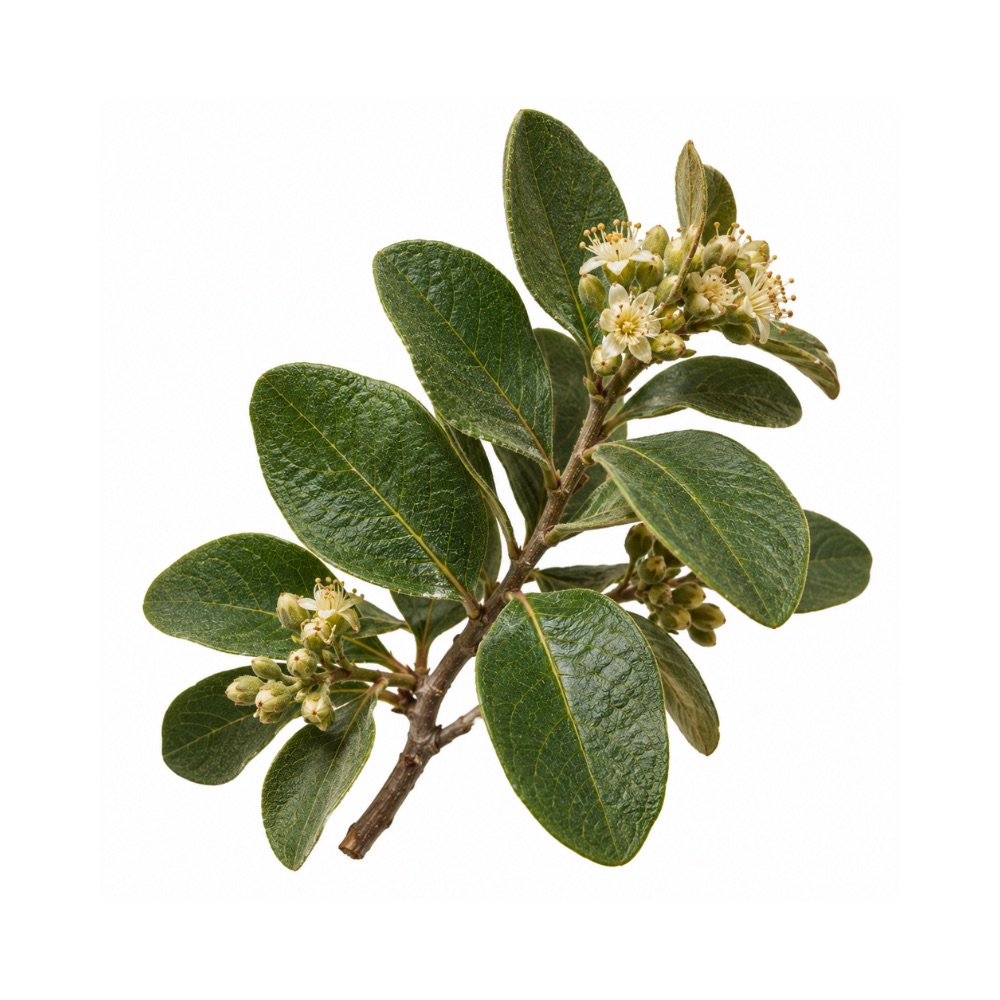 ModerateModerateBoldoPeumus boldusAnti-inflammatory in vivo, with boldine acting through connexin hemichannel blockade, an upstream mechanism few other herbs share.Mechanismcytokine and mediator suppression; hemichannel blockadeRead the evidenceShow less
Boldo shows anti-inflammatory activity in vivo 280,
Hemichannel opening drives inflammatory ATP release, so blocking it is a distinct upstream point of action from the usual NF-κB route. The evidence is preclinical.
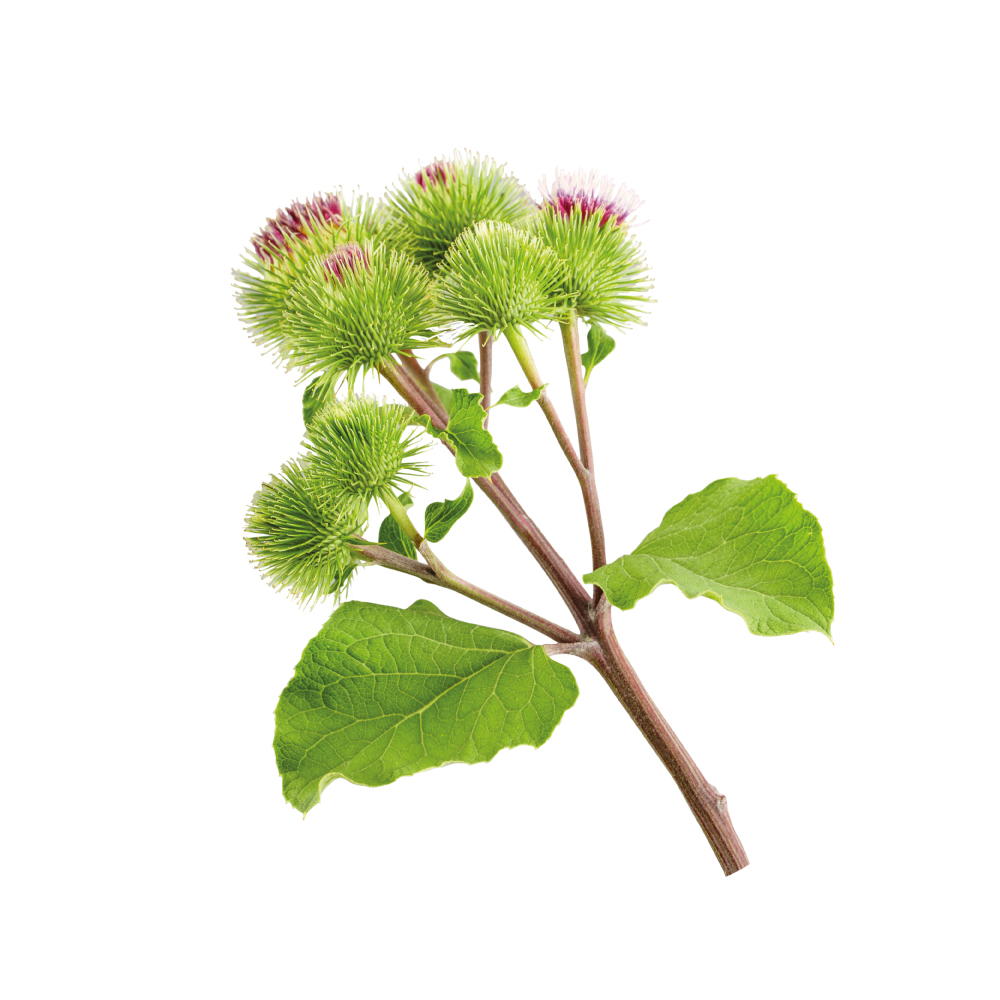 ModerateModerateBurdockArctium lappaThree daily cups of root tea lowered IL-6, hs-CRP and malondialdehyde in a 42-day knee-osteoarthritis trial, and arctigenin suppresses iNOS and COX-2 in macrophages.MechanismIL-6, hs-CRP and MDA ↓ (human); iNOS and COX-2 suppression by arctigenin; colitis and peritonitis attenuationRead the evidenceShow lessMonograph →
In a 42-day RCT, 36 knee-osteoarthritis patients drinking three daily cups of root tea (2 g root per 150 mL) on top of standard analgesia had significant reductions in serum IL-6, high-sensitivity CRP and malondialdehyde against a hot-water control 286Reference 286RCTEffects of Arctium lappa L. (Burdock) root tea on inflammatory status and oxidative stress in patients with knee osteoarthritis — randomised controlled trialView study →. The trial and the mechanism use the same part of the plant in a recognisable preparation, root tea rather than an isolate.
The mechanism belongs to the lignan arctigenin, which suppresses inducible nitric oxide synthase and COX-2 in stimulated macrophages 287Reference 287In vitroIn vitro anti-inflammatory effects of arctigenin through inhibition of iNOS and COX-2 — in vitroView study → and attenuates experimental colitis and thioglycollate-induced peritonitis in mice, where arctigenin rather than its glycoside arctiin was the effective constituent 288,
It is a single small trial in one indication, with no dose-finding and no independent replication.
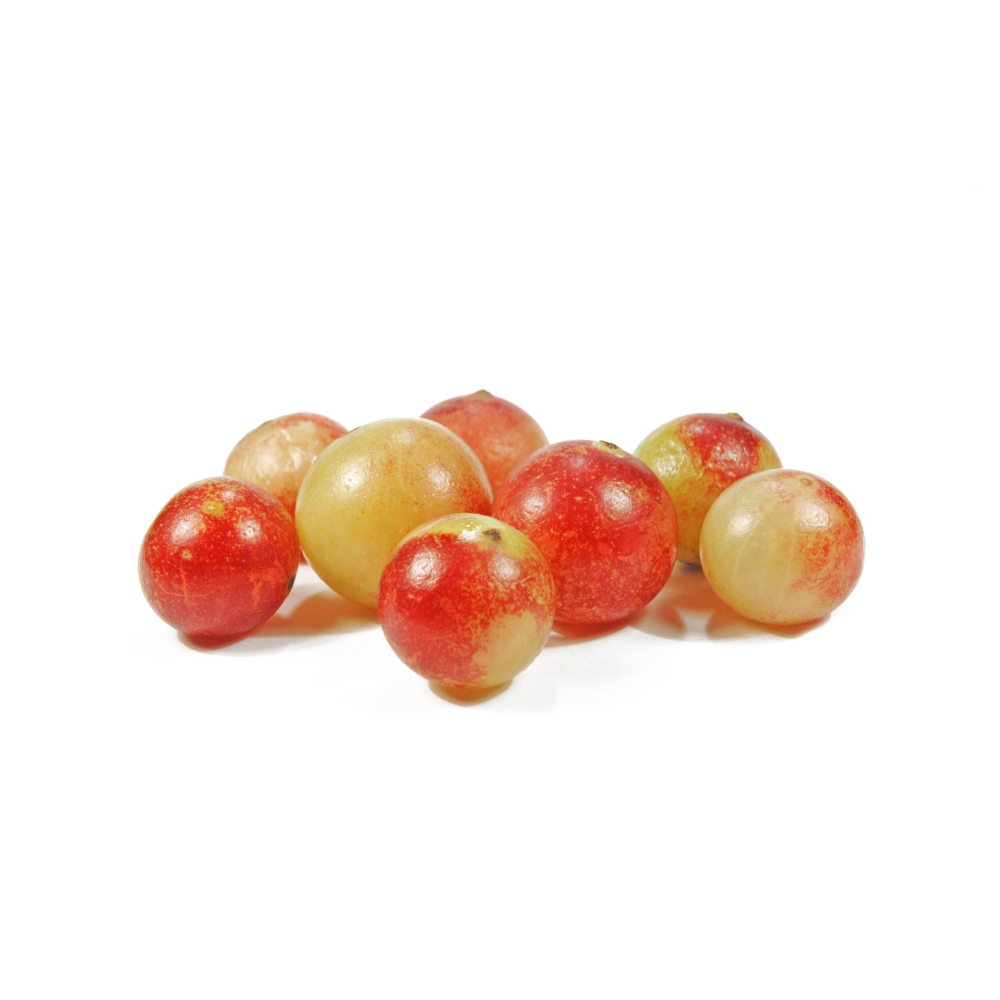 ModerateModerateCamu-camuMyrciaria dubiaThe juice lowered hs-CRP, IL-6 and IL-8 in male smokers where matched vitamin C tablets did not, which points the effect at the ellagitannin and anthocyanin fraction.Mechanismhs-CRP, IL-6 and IL-8 ↓ (human); NF-κB, NFAT and MAPK/AP-1 downregulation; NO release from macrophages ↓Read the evidenceShow lessMonograph →
In male smokers, camu-camu juice significantly lowered serum hs-CRP, IL-6 and IL-8, and vitamin C tablets delivering the same ascorbate did not 299Reference 299Tropical fruit camu-camu (Myrciaria dubia) has anti-oxidative and anti-inflammatory propertiesView study →. That internal control means the effect cannot be attributed to vitamin C and points instead at the ellagitannin and anthocyanin fraction.
Preclinical support replicates across unrelated models. Seed extract suppressed carrageenan-induced paw oedema and macrophage nitric-oxide release, with betulinic acid identified as the active principle 300Reference 300Anti-inflammatory effects of seeds of the tropical fruit camu-camu (Myrciaria dubia)View study →; fruit extract downregulated NF-κB, NFAT and MAPK/AP-1 in keratinocytes 301Reference 301In vitroCamu-camu fruit extract inhibits oxidative stress and inflammatory responses by regulating NFAT and Nrf2 signalling in high-glucose-induced human keratinocytes — in vitroView study →; juice was antinociceptive and anti-oedematogenic in mice 302Reference 302AnimalMyrciaria dubia juice (camu-camu) exhibits analgesic and antiedematogenic activities in miceView study →; and a chick-embryo model added hepatic NF-κB and iNOS suppression 303Reference 303An extract from camu-camu (Myrciaria dubia) attenuates DSS-induced gut–liver axis alterations in ovo (Gallus gallus)View study →.
The human data are circulating biomarkers in a 7-day, 20-person study, no clinical inflammatory endpoint has been tested, and the strongest mechanistic compound, betulinic acid, is in the seed rather than the pulp people consume.
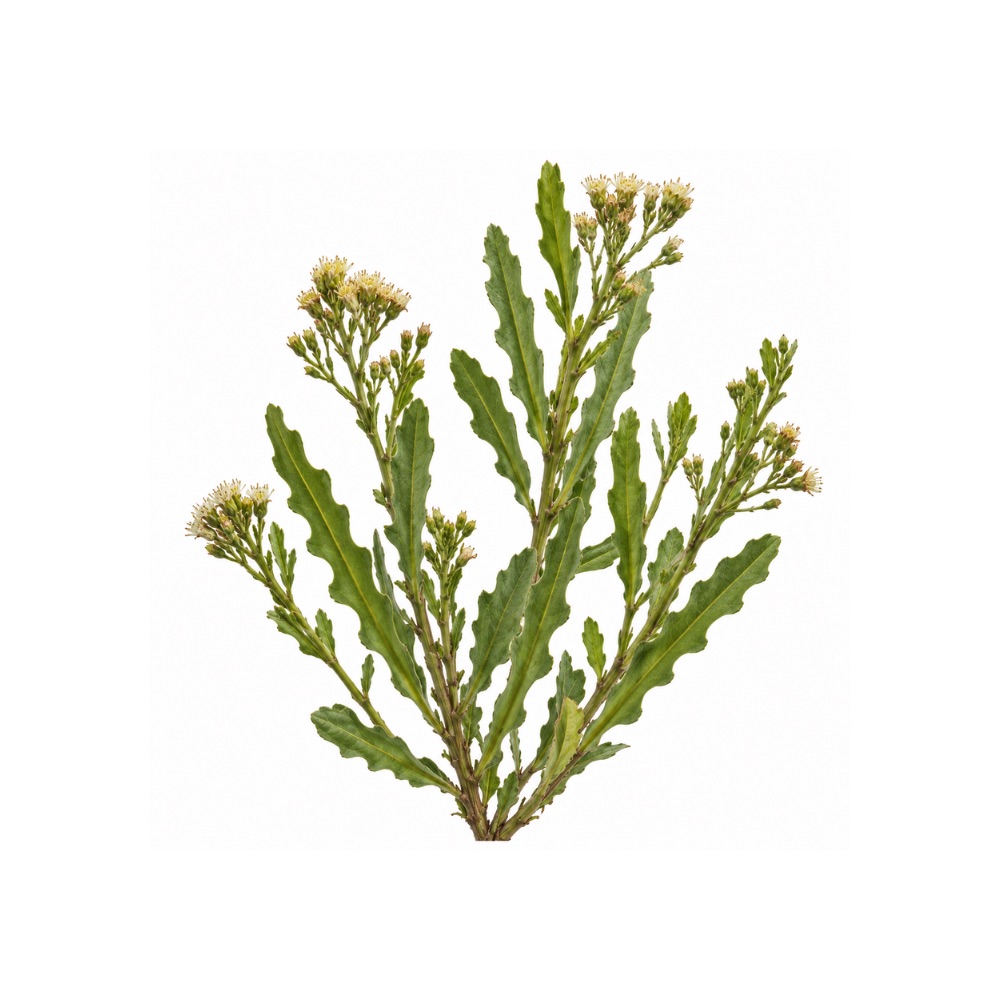 ModerateModerateCarquejaBaccharis trimeraThe active flavonoids, hispidulin and cirsimaritin, were identified in 1996, an unusually specific attribution for a South American folk anti-inflammatory.Mechanismhispidulin and cirsimaritin → inflammatory-mediator suppressionRead the evidenceShow less
The active flavonoids were identified as early as 1996 259,
The evidence is preclinical, and no whole-herb human study exists.
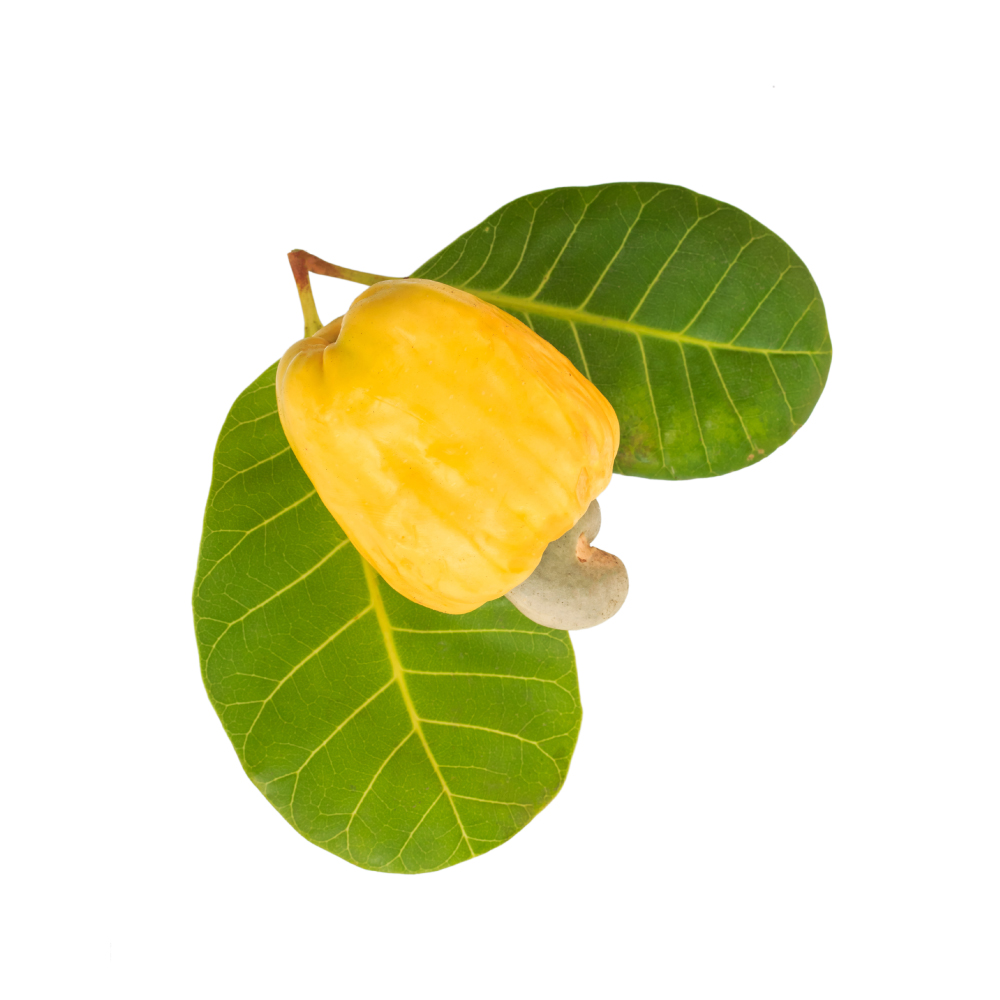 ModerateModerateCashewAnacardium occidentaleAnacardic acid inhibits the IκBα kinase that releases NF-κB and inhibits lipoxygenase and cyclooxygenase, but it lives in the caustic nut-shell liquid rather than the bark or leaf people take.MechanismNF-κB inhibition via IκBα kinase (IKK); lipoxygenase and cyclooxygenase inhibitionRead the evidenceShow lessMonograph →
Anacardic acid suppresses NF-κB-regulated gene products by inhibiting the inhibitory subunit IκBα kinase 306Reference 306In vitroAnacardic acid, an inhibitor of histone acetyltransferase, suppresses NF-κB–regulated gene products and potentiates apoptosis — in vitroView study →, and inhibits lipoxygenase and cyclooxygenase among other enzymes 306Reference 306In vitroAnacardic acid, an inhibitor of histone acetyltransferase, suppresses NF-κB–regulated gene products and potentiates apoptosis — in vitroView study →.
The traditional West African and Brazilian use has its own support. Tannins isolated from the stem bark are anti-inflammatory in rats 307Reference 307AnimalAnti-inflammatory actions of tannins isolated from the bark of Anacardium occidentale — animal study (rat)View study →, and leaf extracts are anti-inflammatory and bronchodilatory in animal models 308Reference 308AnimalAnti-inflammatory and bronchodilatory constituents of leaf extracts of Anacardium occidentale — animal modelsView study →.
The molecule doing the mechanistic work is in the nut-shell liquid, which is caustic and not taken internally; the bark and leaf preparations people do take have no whole-herb in-vivo inflammation model behind them, and there are no human data.
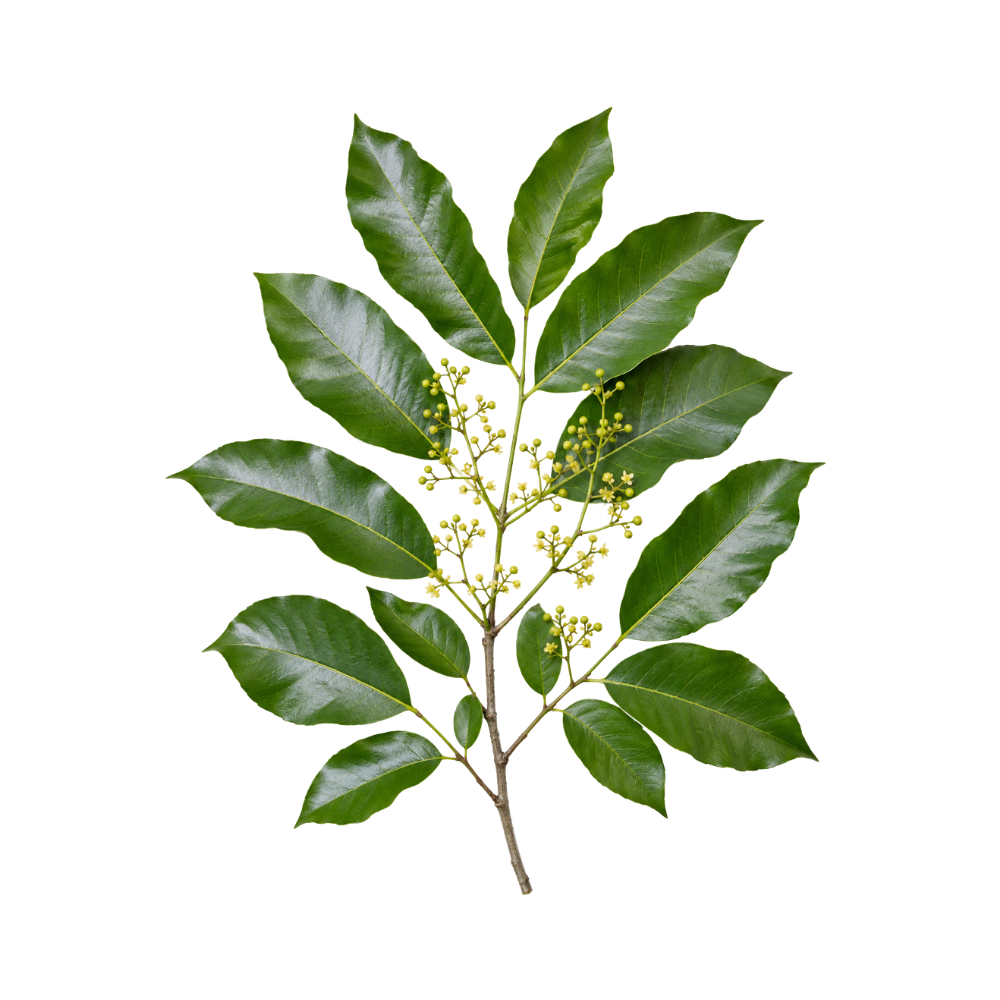 ModerateModerateCatuabaTrichilia catiguaBark extract inhibits phospholipase A₂, the enzyme that releases arachidonic acid above the COX and LOX branch point, and its ethyl-acetate fraction improved mucosal healing in rat colitis.Mechanismphospholipase A₂ inhibition; neuroinflammatory signaling ↓Read the evidenceShow lessMonograph →
Catuaba extract inhibits platelet phospholipase A₂, the enzyme releasing arachidonic acid that seeds both prostaglandin and leukotriene synthesis, a brake above the COX/LOX branch point 319Reference 319In vitroInhibition of platelet phospholipase A2 activity by catuaba extract suggests anti-inflammatory properties — in vitroView study →. In TNBS-induced colitis in rats the ethyl-acetate fraction (200 mg/kg) improved mucosal healing and cut oxidative-stress markers whether given orally or intrarectally 320Reference 320AnimalTreatment with Trichilia catigua ethyl-acetate fraction improves healing and reduces oxidative stress in TNBS-induced colitis in rats — animal modelView study →, and in vitro the bark’s flavonoids engage several enzymes and pathways of the neuroinflammatory cascade 321Reference 321In vitroTrichilia catigua and Turnera diffusa extracts: in vitro inhibition of tyrosinase, antiglycation activity and effects on enzymes and pathways engaged in the neuroinflammatory process — in vitroView study →.
The effect appears to ride on the antioxidant polyphenol fraction rather than a dedicated anti-inflammatory constituent. There are no human data, and the mechanistic studies are extract-level rather than dose-defined.
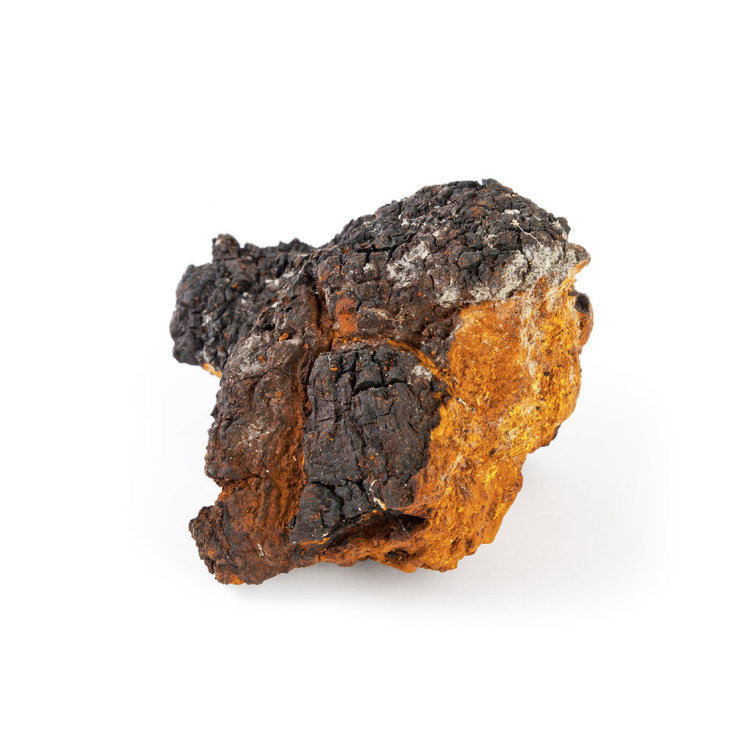 ModerateModerateChagaInonotus obliquusA methanol extract lowered nitric oxide, PGE2 and TNF-α in vivo and eased experimental colitis, while the polysaccharide fraction raises the same cytokines.MechanismNO ↓; PGE2 ↓; TNF-α ↓Read the evidenceShow lessMonograph →
Chaga extract was anti-inflammatory in DSS-induced experimental colitis in animals 322Reference 322AnimalAnti-inflammatory effects of Inonotus obliquus in dextran-sodium-sulfate colitis — mouseView study →, and a methanol extract inhibited nitric oxide, prostaglandin E2 and TNF-α in vivo and in vitro 323Reference 323In vitroIn vivo and in vitro anti-inflammatory and anti-nociceptive effects of the methanol extract of Inonotus obliquus — animal modelView study →.
Other work has chaga raising TNF-α, IL-6 and iNOS in macrophages 324Reference 324In vitroImmuno-stimulating effect of the endo-polysaccharide from submerged culture of Inonotus obliquus — in vitroView study →. Both are true because they are different fractions: the anti-inflammatory work uses a methanol (triterpene and polyphenol) extract 323Reference 323In vitroIn vivo and in vitro anti-inflammatory and anti-nociceptive effects of the methanol extract of Inonotus obliquus — animal modelView study →, the stimulant work an endo-polysaccharide 324Reference 324In vitroImmuno-stimulating effect of the endo-polysaccharide from submerged culture of Inonotus obliquus — in vitroView study →.
A water decoction and a tincture are not interchangeable for this action.
There are no human data.
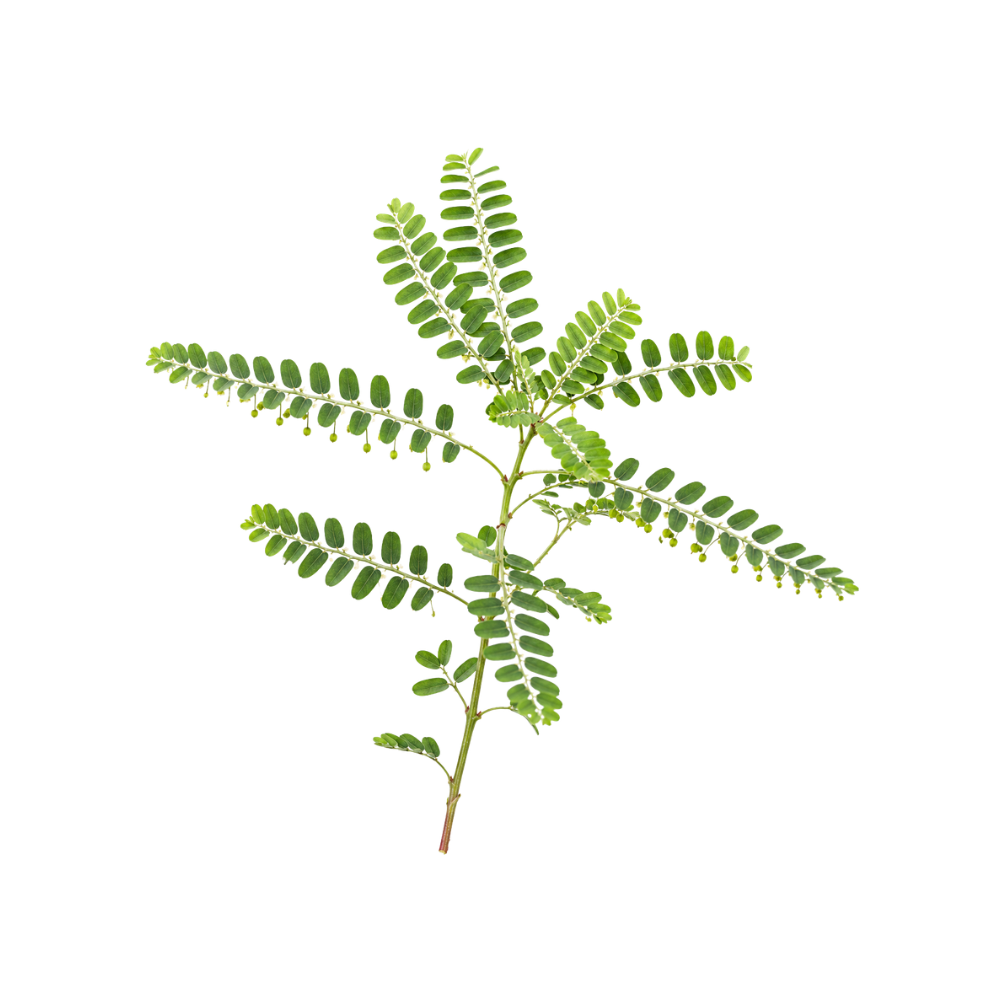 ModerateModerateChanca PiedraPhyllanthus niruriA chloroform fraction produced dose-dependent anti-inflammatory, antinociceptive and antipyretic effects in rodents, and corilagin restrains the NLRP3 inflammasome through the ROS/TXNIP pathway.MechanismNLRP3 inflammasome ↓ via ROS/TXNIP; NF-κB ↓; COX-2 ↓Read the evidenceShow lessMonograph →
The chloroform fraction of a methanol extract produced dose-dependent anti-inflammatory, antinociceptive and antipyretic effects in rodents, inhibiting acetic-acid writhing by 56–67%, reducing yeast-induced fever, and raising the pain threshold of inflamed tissue in the Randall-Selitto test while leaving hot-plate (thermal) pain unchanged, which localises the action as peripheral rather than central 327Reference 327AnimalThe anti-inflammatory and antinociceptive properties of the chloroform fraction from Phyllanthus niruri — rat / animal modelView study →.
Corilagin restrains NLRP3 inflammasome activation and pyroptosis through the ROS/TXNIP/NLRP3 pathway 328Reference 328In vitroCorilagin restrains NLRP3 inflammasome activation and pyroptosis through the ROS/TXNIP/NLRP3 pathway — in vitroView study →, dovetailing with the NF-κB and COX-2 suppression seen in the liver work 329Reference 329In vitroIn-depth hepatoprotective mechanistic study of Phyllanthus niruri — in vitro and in vivoView study →.
The efficacious fraction is a chloroform-partitioned methanol extract rather than the aqueous tea or 1:2 liquid extract people take, and the NLRP3 work is an isolated tannin at micromolar concentrations.
 ModerateModerateChrysanthemumChrysanthemum morifoliumThe classical cooling flower of Chinese practice for red, hot, irritated eyes and throats; its flavonoids modulate NF-κB and its PPAR agonism is itself anti-inflammatory.Mechanismcytokine suppression; flavonoid NF-κB modulationRead the evidenceShow lessMonograph →
Chrysanthemum flower (ju hua) is given in Chinese practice as a cooling, heat-clearing herb for red, hot, irritated eyes and throats, and that use is central to how it is prescribed.
The mechanism is the flavonoid NF-κB route shared with most of the field, and it converges with the PPAR liver work, since PPAR agonism is itself anti-inflammatory.
No single-herb human inflammation study exists.
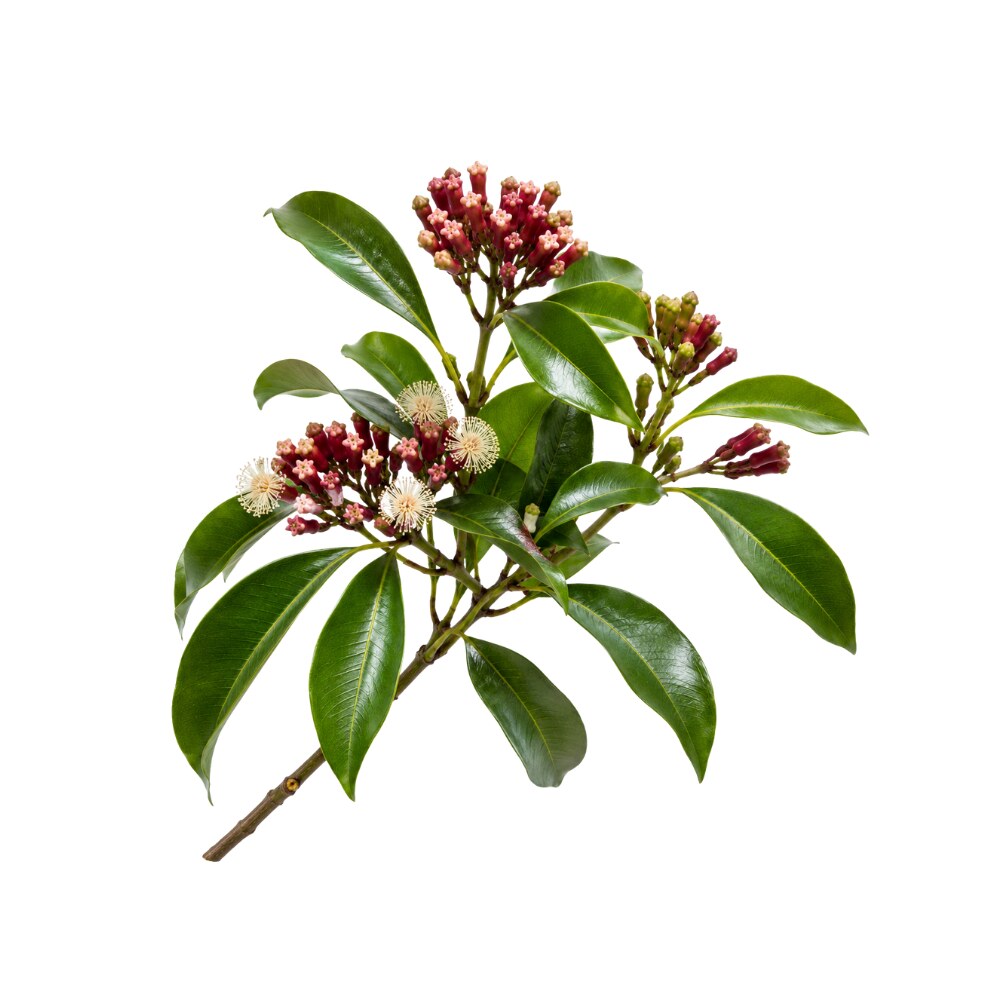 ModerateModerateCloveSyzygium aromaticumEugenol suppresses NF-κB, COX-2 and cytokine signalling, and the β-caryophyllene fraction adds a CB2-receptor route distinct from the eicosanoid one.MechanismNF-κB ↓; COX-2/PGE₂ ↓; CB2 agonism (caryophyllene)Read the evidenceShow lessMonograph →
In murine macrophages, clove extract and eugenol inhibited LPS-induced IL-6 (clove additionally IL-1β) through NF-κB suppression 334Reference 334In vitroClove and eugenol in noncytotoxic concentrations exert immunomodulatory/anti-inflammatory action on cytokine production by murine macrophages — [in vitro]View study →, and reviews map eugenol onto NF-κB, COX-2/PGE₂ and cytokine pathways 335Reference 335ReviewAn Overview on the Anti-inflammatory Potential and Antioxidant Profile of Eugenol — [review]View study →.
The β-caryophyllene fraction contributes a CB2-receptor route entirely distinct from the eicosanoid one.
The evidence is preclinical, and the doses and delivery in cell and rodent studies do not translate to any defined human regimen.
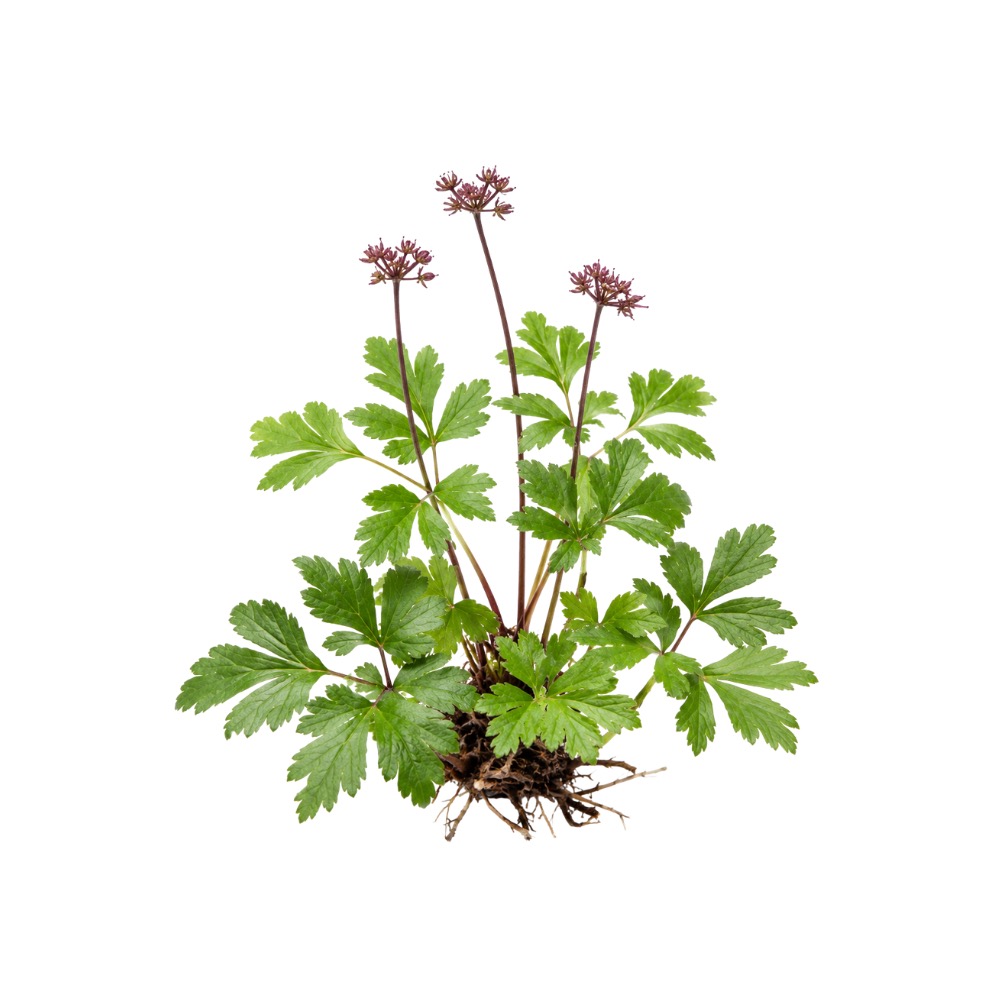 ModerateModerateCoptisCoptis chinensisBerberine and coptisine restore the mucosal barrier and suppress NF-κB and the TXNIP/NLRP3 inflammasome in colitis models, a gut-wall action where the alkaloids' poor absorption does not matter.MechanismNF-κB ↓; NLRP3/TXNIP inflammasome ↓; tight-junction claudin-1/occludin ↑ (gut-mucosal)Read the evidenceShow lessMonograph →
In dextran-sulfate-sodium colitis, whole-rhizome total alkaloids and berberine both reversed colon shortening, restored the mucosal barrier (claudin-1, occludin) and reshaped the microbiome 342Reference 342AnimalCoptis chinensis and berberine ameliorate chronic ulcerative colitis — microbiome-metabolomics mouse studyView study →. Coptisine, the alkaloid most characteristic of the genus, alleviated colitis by modulating gut microbiota and inhibiting the TXNIP/NLRP3 inflammasome 343Reference 343AnimalCoptisine alleviates colitis through modulating gut microbiota and inhibiting the TXNIP/NLRP3 inflammasome — mouse modelView study →, and berberine reduced colonic inflammation by targeting IRGM1 344Reference 344AnimalBerberine alleviates ulcerative colitis by inhibiting inflammation through targeting IRGM1 — mouse modelView study →, with NF-κB and inflammasome suppression as the shared pathway 345Reference 345ReviewCoptisine, the characteristic constituent from Coptis chinensis, exhibits therapeutic potential in cancers, metabolic and inflammatory diseases — reviewView study →.
The same axis carries the hepatic result: Coptidis rhizoma ameliorated diabetes-associated steatohepatitis in mice through IL-17RA/NF-κB downregulation 346Reference 346AnimalCoptidis rhizoma ameliorates type 2 diabetes-related metabolic-dysfunction-associated steatohepatitis by downregulating IL-17RA/NF-κB — mouse modelView study →.
The whole rhizome was tested alongside the isolates, and the gut lumen is where the alkaloids reach effective concentrations.
Every result is mouse or cell line. There is no human trial of coptis or its alkaloids in inflammatory bowel disease, and the microbiome-mediated component means much of the effect may be indirect.
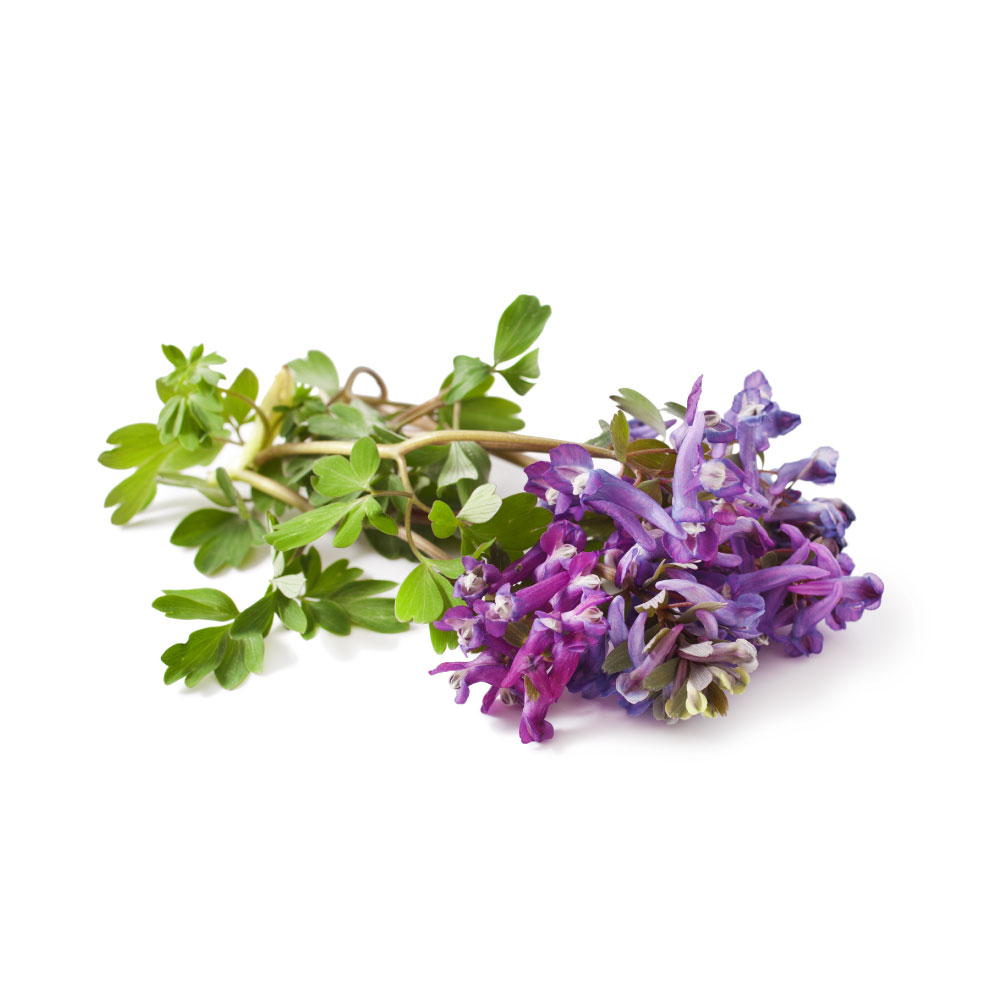 ModerateModerateCorydalisCorydalis yanhusuoDehydrocorydaline accounts for most of the rhizome's cytokine suppression in macrophages, the inflammatory arm of the herb's analgesia rather than a standalone systemic effect.MechanismNF-κB / pro-inflammatory cytokine ↓; nitric-oxide suppression; Fosl2-mediated macrophage suppressionRead the evidenceShow lessMonograph →
In LPS-stimulated macrophages dehydrocorydaline accounted for the majority of the rhizome’s anti-inflammatory activity, lowering pro-inflammatory cytokine output 354Reference 354In vitroDehydrocorydaline Accounts the Majority of Anti-Inflammatory Property of Corydalis Rhizoma in Cultured Macrophage — in vitroView study →, and newly isolated seco-protoberberines from C. yanhusuo suppressed nitric oxide in the same system 355Reference 355In vitroXia GY et al. (2022). 13,13a-seco-protoberberines from the tubers of Corydalis yanhusuo and their anti-inflammatory activity — in vitro. Phytochemistry. https://pubmed.ncbi.nlm.nih.gov/34839130/View study →.
The collagen-induced-arthritis evidence uses a different species (C. decumbens) and its alkaloid, acting through Fosl2 356Reference 356In vitroCorydalis decumbens and tetrahydropalmatrubin inhibit macrophages inflammation to relieve rheumatoid arthritis by targeting Fosl2 — rat, in vivo, in vitroView study →, and the hepatic arm, tetrahydropalmatine reducing steatosis through the AMPK–SREBP-1c–Sirt1 axis 357Reference 357In vitroTetrahydropalmatine ameliorates hepatic steatosis in nonalcoholic fatty liver disease by switching lipid metabolism via AMPK-SREBP-1c-Sirt1 signaling axis — in vitro, in vivoView study →, is an isolated alkaloid in a rodent NAFLD model.
There are no human anti-inflammatory data, and whole-tuber dosing has never been mapped to any of these effects. The herb’s evidenced work is analgesic.
 ModerateModerateCrataevaCrataeva nurvalaBark triterpenes reduced paw swelling and complement activity in rat adjuvant arthritis, and the ethanol extract cuts nitric oxide, IL-6 and IL-1β through ERK rather than NF-κB.MechanismERK inactivation; iNOS/NO ↓; IL-6/IL-1β ↓; anticomplement activityRead the evidenceShow lessMonograph →
Triterpenes from the stem bark reduced paw swelling, lipid peroxidation and complement activity in the rat adjuvant-arthritis model, with lupeol linoleate, a synthetic ester rather than a plant constituent, out-performing both unesterified lupeol and indomethacin 358,
In LPS-stimulated macrophages an ethanol bark extract cut nitric oxide, IL-6 and IL-1β through ERK inactivation rather than NF-κB, and did not suppress COX-2 or TNF-α 360Reference 360In vitroAnti-inflammatory effects of Crataeva nurvala are mediated via inactivation of ERK but not NF-κB — in vitroView study →, which contradicts the NF-κB and COX-2 account usually attached to the herb. In-silico and in-vitro screens continue to nominate bark constituents as inflammatory-pathway ligands 361Reference 361In vitroDevelopment of an anti-inflammatory drug from Crataeva nurvala — in silico and in vitroView study →, and a 2026 study reports TNF-signalling activity for Crateva magna 362Reference 362In vitroCrateva magna ameliorates rheumatoid arthritis via TNF-signalling — in silico, in vitro and in vivo (animal model)View study →.
There is no human anti-inflammatory trial, and the strongest single effect belongs to a semi-synthetic derivative.
 ModerateModerateCryptolepisCryptolepis sanguinolentaInjected cryptolepine inhibited paw oedema and pleurisy in rats comparably to indomethacin and suppresses NF-κB, COX-2 and iNOS, at a route and dose root tea cannot deliver.MechanismNF-κB ↓; COX-2/iNOS ↓; p38 MAPK ↓Read the evidenceShow lessMonograph →
Intraperitoneal cryptolepine (10–40 mg/kg) gave dose-dependent inhibition of carrageenan paw oedema and pleurisy in rats comparable to indomethacin, plus reduced LPS-induced microvascular permeability and analgesia in the writhing test, with no gastric lesions over four days of oral dosing 363Reference 363AnimalAnti-inflammatory properties of cryptolepine — animal modelView study →. It suppresses NF-κB DNA binding and, in LPS-activated microglia and IL-1β-stimulated neuroblastoma cells, lowers TNF-α, IL-6, IL-1β, NO and PGE2 while downregulating iNOS and COX-2 through NF-κB and p38 MAPK 364,
The evidence is injected isolated alkaloid at exposures unreachable from root tea, with no human data and no oral dose-response for the whole herb. The traditional anti-inflammatory and arthritis use often quoted for cryptolepis belongs to the separate Asian species C. buchananii.
 ModerateModerateDong QuaiAngelica sinensisZ-ligustilide, ferulic acid and the root's Nrf2-activating phytochemicals lower TNF-α and inflammatory mediators in cell and animal models; the potency depends on formulations the crude root does not match.MechanismTNF-α ↓; NF-κB ↓; Nrf2-ARE ↑ with phase-II enzyme inductionRead the evidenceShow lessMonograph →
A Z-ligustilide nanoemulsion reduced infiltrating inflammatory cells and lowered TNF-α in rat endotoxin-induced uveitis 372Reference 372AnimalAnti-inflammatory effects of Z-ligustilide nanoemulsion — rat in vivoView study →, A. sinensis phytochemicals activate Nrf2/antioxidant-response-element signalling and induce phase-II detoxifying enzymes in cell work 373Reference 373In vitroEffects of Angelica sinensis phytochemicals on Nrf2-mediated phase-II enzyme expression and anti-inflammation — in vitroView study →, extracts suppressed inflammatory mediators in endothelial cells in proportion to their measured ferulic-acid content 374Reference 374In vitroAntioxidant and anti-inflammatory effects of different ratios of Angelica sinensis and Chuanxiong rhizoma extracts — in vitroView study →, and sodium ferulate blunted TNF/TNFR signalling in cartilage models 375Reference 375ReviewAngelica sinensis and osteoarthritis: a natural therapeutic link? — reviewView study →.
The mechanism set is coherent and overlaps the antioxidant story, which is the more fundamental half of it.
Much of the reported potency depends on formulations that raise poorly bioavailable ligustilide well above anything a crude extract achieves 372Reference 372AnimalAnti-inflammatory effects of Z-ligustilide nanoemulsion — rat in vivoView study →, and there are no human anti-inflammatory data of any kind.
 ModerateModerateDragon’s BloodCroton lechleriTaspine suppresses neurogenic inflammation, the sensory-nerve release of inflammatory mediators, a target few other herbs reach.Mechanismtaspine; suppression of neurogenic inflammationRead the evidenceShow less
Taspine-driven anti-inflammatory activity includes anti-neurogenic-inflammation effects, with a small human balm trial alongside the animal work 377,
Neurogenic inflammation is a distinct target. It involves mediator release from sensory nerves rather than the immune cascade, and few herbs address it.
 ModerateModerateEchinaceaEchinacea purpureaThe root alkylamides are partial agonists at the CB2 cannabinoid receptor, and an alkylamide-rich cream reduced atopic-eczema severity while restoring the skin's lipid barrier.Mechanismalkylamide CB2 partial agonism; IL-6 / IL-8 ↓ in keratinocytes; NF-κB ↓ (caffeic-acid derivatives)Read the evidenceShow lessMonograph →
The root alkylamides, lipophilic isobutylamides chiefly the dodeca-2,4,8,10-tetraenoic acid isobutylamides, are partial agonists at the cannabinoid CB2 receptor, a defined molecular anti-inflammatory pathway distinct from the immune-stimulant reputation 379,
In 2017 work pairing cell studies with randomised clinical trials, an alkylamide-rich E. purpurea extract cut poly(I:C)-induced IL-6 and IL-8 in keratinocytes and, applied as a topical cream, significantly reduced atopic-eczema severity (SCORAD) against comparator while restoring epidermal ceramide and lipid-barrier content 381Reference 381RCTEchinacea purpurea-derived alkylamides exhibit potent anti-inflammatory effects and alleviate clinical symptoms of atopic eczema — randomized clinical trialsView study →. Caffeic-acid derivatives add a separate NF-κB-suppressing action in macrophages 382Reference 382In vitroModulation of macrophage immune responses by Echinacea — in vitroView study →.
The only rigorous human anti-inflammatory evidence is topical and dermatological. Systemic anti-inflammatory benefit from oral echinacea has never been shown on a clinical endpoint.
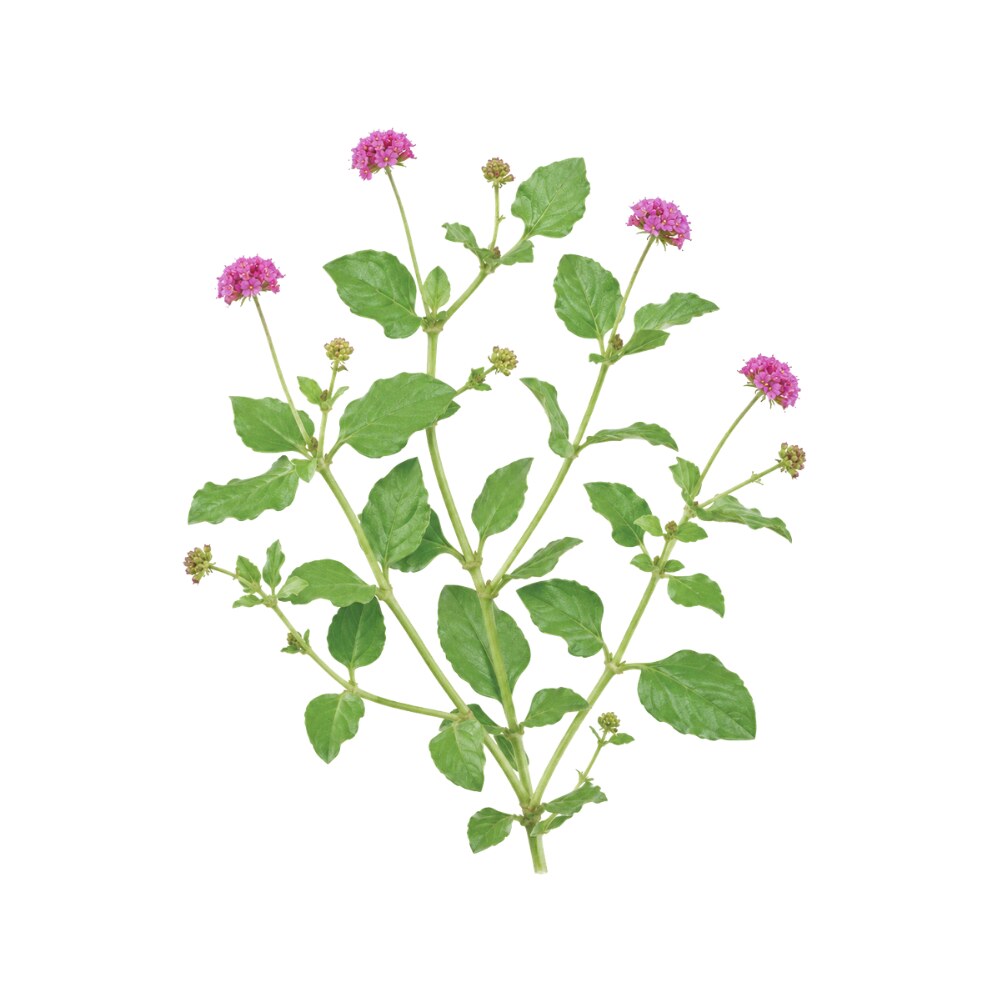 ModerateModerateErva TostaoBoerhavia diffusaThe root rotenoids suppress NF-κB, COX-2 and JAK2/STAT3 in cardiac, cerebral and renal injury models; the mechanism is deep and the whole-animal oedema data are thin.MechanismNF-κB ↓; COX-2 ↓; JAK2/STAT3 ↓Read the evidenceShow lessMonograph →
Root rotenoids suppress NF-κB, COX-2 and pro-inflammatory cytokines. Boeravinone B reduces cardiac inflammatory injury after experimental myocardial infarction and limits cerebral ischaemia-reperfusion injury 383,
A phospholipid-complexed rotenoid-rich fraction gave 64% inhibition in a rodent inflammation assay against 48% for the crude fraction, so the whole extract is absorption-limited and the crude root is weaker than the chemistry suggests.
Whole-animal paw-oedema data are sparse for a herb with this much pathway work, one mouse study found no anti-oedema effect against carrageenan 387Reference 387AnimalThe juice of fresh leaves of Boerhaavia diffusa L. (Nyctaginaceae) markedly reduces pain in mice — mouse in vivo, Journal of ethnopharmacology, 71(1-2), 267-74. https://pubmed.ncbi.nlm.nih.gov/10904173/View study →, and there is no human inflammatory endpoint.
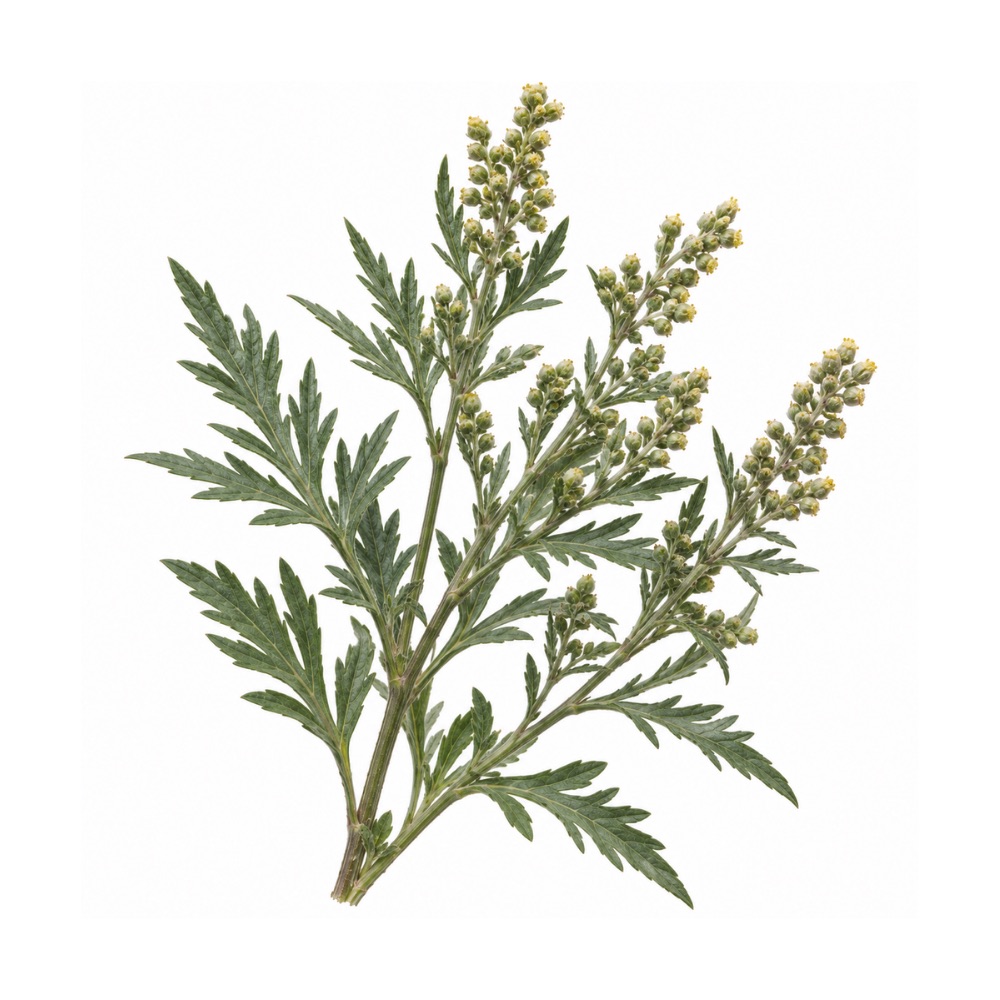 ModerateModerateEstafiateArtemisia ludovicianaIts sesquiterpene lactones inhibit NF-κB, the upstream switch of the inflammatory programme, a class effect shared across the Asteraceae.Mechanismsesquiterpene lactone inhibition of NF-κBRead the evidenceShow less
The sesquiterpene lactones inhibit NF-κB 388Reference 388In vitroSesquiterpene lactone–containing Mexican Indian medicinal plants and pure sesquiterpene lactones as potent inhibitors of transcription factor NF-κB — in vitroView study →, a well-characterised class effect across the Asteraceae and an upstream target rather than a downstream marker.
The evidence is preclinical, and no study has tested the whole herb in an inflammation model.
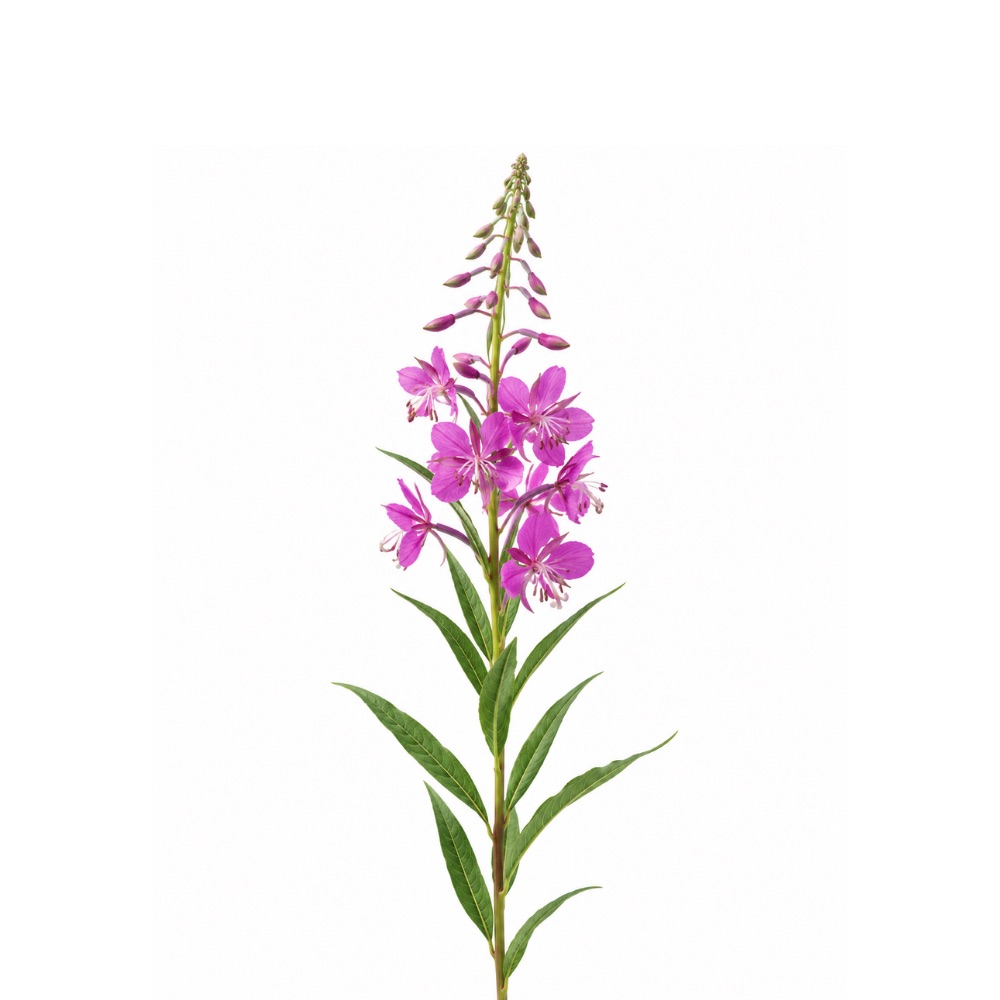 ModerateModerateFireweedChamerion angustifoliumExtracts and oenothein B inhibit both cyclooxygenases and hyaluronidase in vitro, and the herb matched dexamethasone on several colitis indices in mice.MechanismCOX-1/COX-2 inhibition; hyaluronidase and lipoxygenase inhibition; NF-κB ↓Read the evidenceShow less
In vitro, the herb’s extracts and its ellagitannin oenothein B inhibit both cyclooxygenases and strongly inhibit hyaluronidase, with topical hydrogels also reducing lipoxygenase and protease activity 405Reference 405In vitroAssessment of the anti-inflammatory, antibacterial and anti-aging properties and possible skin use of hydrogels containing Epilobium angustifolium L. extracts (in vitro)View study →; hyperoside adds anti-hyaluronidase and anti-collagenase activity 406Reference 406AnimalIn vivo bioactivity assessment on Epilobium species: focus on Epilobium angustifolium and its components on enzymes connected with the healing process — rat/mouse wound models (in vivo)View study →.
In vivo the effect holds. NF-κB fell in BPH rats 407Reference 407AnimalEvaluation of the therapeutic effect against benign prostatic hyperplasia and the active constituents from Epilobium angustifolium L. — testosterone-induced rat model (in vivo)View study →, and colonic inflammatory markers fell in DSS-colitis mice, with several indices comparable to dexamethasone 408Reference 408AnimalUlceroprotective effects of Epilobium angustifolium extract in DSS-induced colitis in mice (in vivo)View study →.
The same oenothein B is a phagocyte activator 409Reference 409In vitroImmunomodulatory activity of oenothein B isolated from Epilobium angustifolium — phagocyte activation in vitro and in vivo (mouse)View study →, so the net effect is context-dependent rather than uniformly suppressive. There are no human data.
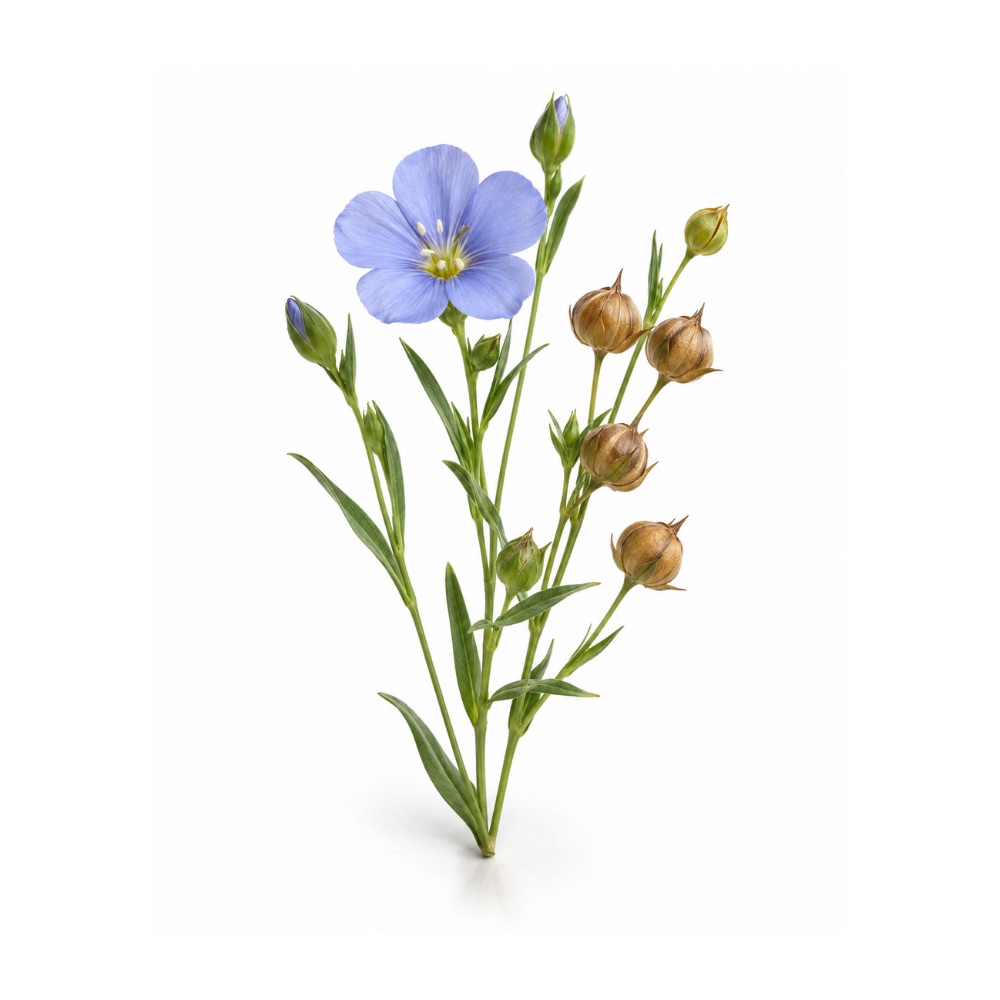 ModerateModerateFlaxseedLinum usitatissimumA 54-trial meta-analysis found flaxseed lowers C-reactive protein and IL-6 while leaving TNF-α unchanged, a selective effect measured on biomarkers only.Mechanismalpha-linolenic acid and lignan modulation of inflammatory signaling; CRP and IL-6 ↓ (TNF-α unchanged)Read the evidenceShow lessMonograph →
A GRADE-assessed meta-analysis of 54 RCTs (3,000 participants) found flaxseed significantly reduced C-reactive protein (SMD −0.46) and interleukin-6 (SMD −0.64) 410Reference 410Meta-analysisEffects of flaxseed supplementation on inflammatory biomarkers: a GRADE-assessed systematic review and meta-analysis of randomised controlled trialsView study →. Fifty-four trials is one of the largest pooled datasets behind any anti-inflammatory botanical.
TNF-α did not change significantly, so this is a specific pattern rather than blanket cytokine suppression, consistent with the alpha-linolenic acid and lignan content acting on inflammatory signalling rather than blocking a single pathway.
Between-study heterogeneity was very high (I² above 80%), so the pooled estimate hides substantial disagreement between trials, and every endpoint is a circulating biomarker; no inflammatory disease has been treated with flaxseed in a trial.
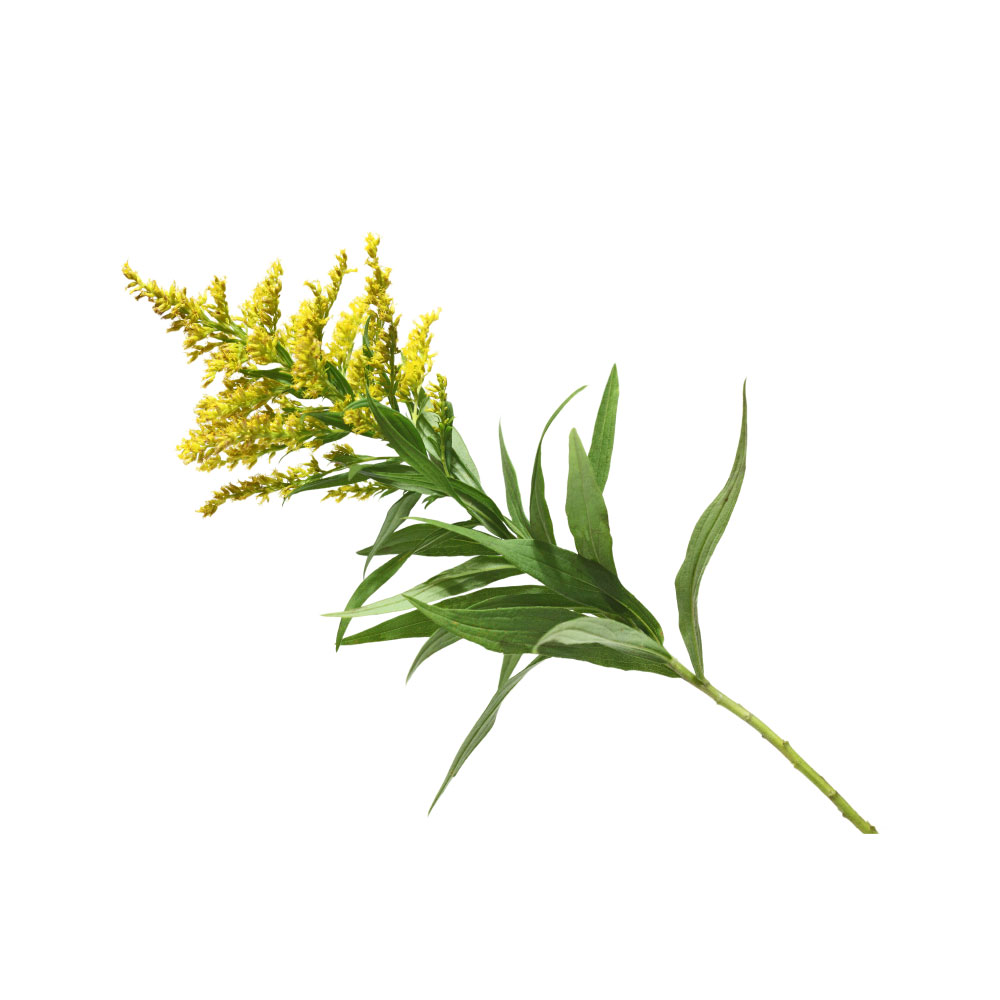 ModerateModerateGoldenrodSolidago virgaureaThe caffeoylquinic acids reduce paw oedema and lower TNF-α and IL-1β in rats, and the infusion suppresses mediator release from human neutrophils; the human data belong to the Phytodolor combination.MechanismTNF-α ↓; IL-1β ↓; neutrophil pro-inflammatory mediator release ↓ (myeloperoxidase NOT inhibited)Read the evidenceShow lessMonograph →
A phenolic-rich fraction of the aerial parts and four caffeoylquinic acids isolated from it, including 3,5-di-O-caffeoylquinic acid, significantly reduced carrageenan-induced paw oedema and lowered TNF-α and IL-1β in rats at 25–50 mg/kg 429Reference 429AnimalIn vivo anti-inflammatory activity of caffeoylquinic acid derivatives from Solidago virgaurea in rats — carrageenan paw-edema, in vivo animal modelView study →, and the phenol glycoside leiocarposide showed antiphlogistic and analgesic activity in classic animal models 430Reference 430AnimalAntiphlogistic and analgesic effects of leiocarposide, a phenolic bisglucoside of Solidago virgaurea L. — in vivo animal modelView study →. An aqueous infusion, the preparation the herb is taken as, suppressed pro-inflammatory mediator release from human neutrophils in vitro, with gut-microbiota metabolism shown to change which compounds are absorbed 431Reference 431In vitroGut microbiota metabolism and the permeability of natural products contained in infusions from herb of European goldenrod Solidago virgaurea L. — in vitro (Caco-2, human/piglet microbiota)View study →.
The human-facing evidence is the fixed three-herb combination STW 1 (Phytodolor: aspen, ash and goldenrod), where all components contributed and goldenrod’s own share cannot be isolated 432Reference 432AnimalAnti-inflammatory, analgesic and antipyretic effect of various plant extracts and their combinations in an animal model (STW 1) — in vivo animal modelView study →. A careful enzyme study found goldenrod alone did not inhibit myeloperoxidase, a mechanism its two Phytodolor partners carry 433Reference 433In vitroEffects of extracts from Populus tremula L., Solidago virgaurea L. and Fraxinus excelsior L. on various myeloperoxidase systems — in vitro (goldenrod null result)View study →.
In practice goldenrod is a urinary-tissue anti-inflammatory rather than a systemic antirheumatic.
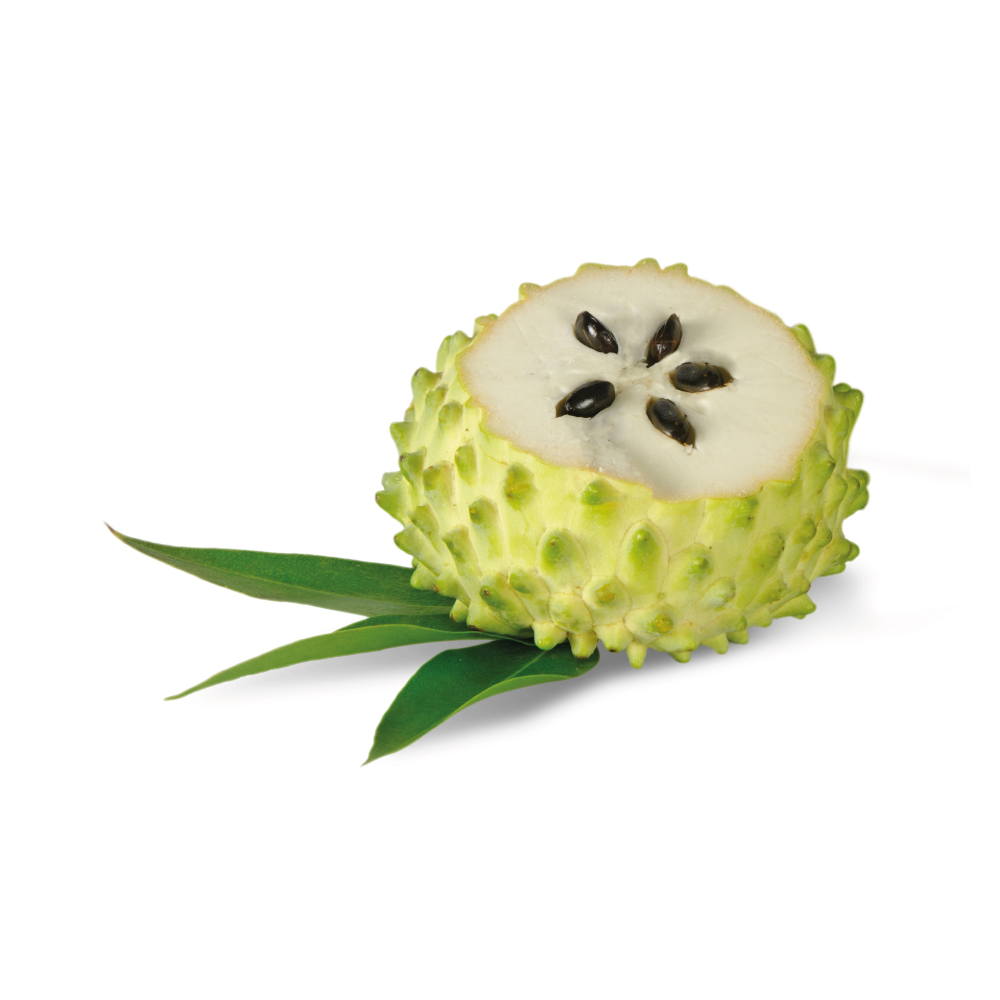 ModerateModerateGraviolaAnnona muricataLeaf ethanol extract produced dose-dependent anti-oedema and antinociceptive effects in rodents, matching the traditional use for aches and colic; the leaf is also the neurotoxic part.MechanismNF-κB / inflammatory-signaling modulation (Mechanisms table, via quercetin); antinociceptive target not establishedRead the evidenceShow lessMonograph →
The ethanol extract of the leaf produced dose-dependent antinociceptive and anti-inflammatory effects in the classic rodent assays, acetic-acid writhing and carrageenan-induced paw oedema, matching the traditional use for aches and colic 439Reference 439AnimalAntinociceptive and anti-inflammatory activities of the ethanol extract of Annona muricata L. leaves in animal modelsView study →, and a later transdermal leaf-extract formulation inhibited induced inflammation in vivo, so the finding is not an artefact of a single model 440Reference 440AnimalDevelopment and pre-clinical anti-inflammatory efficacy of a transdermal ureasil–polyether Annona muricata formulation — in vivoView study →.
NF-κB and inflammatory-signalling modulation are attributed to quercetin, with β-caryophyllene and δ-cadinene credited for anti-inflammatory and antinociceptive signalling. Beyond that the effects track with the leaf’s flavonoid and phenolic content, and the responsible constituent and the analgesic target are not established.
There are no human data, the tested article is a leaf ethanol extract rather than the whole-leaf tea most consumers drink, potency varies widely with provenance and preparation, and no standardised clinical dose exists.
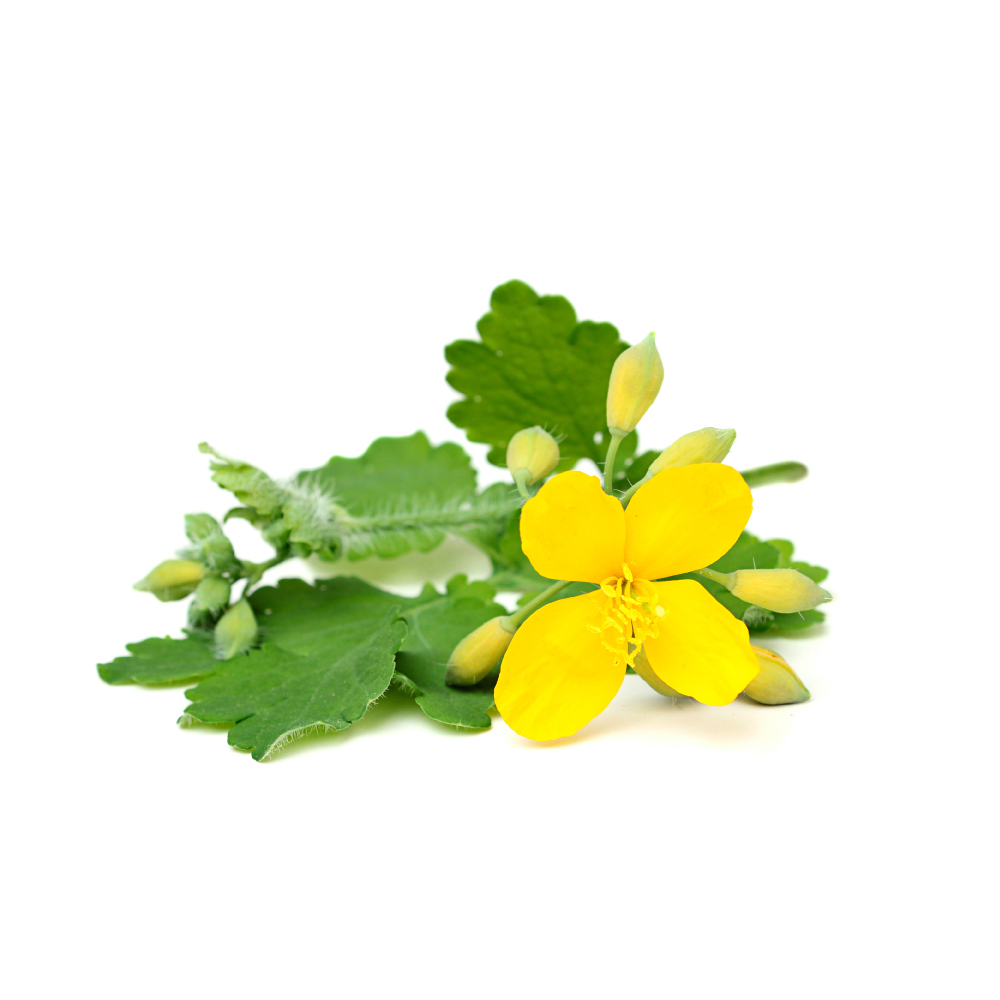 ModerateModerateGreater CelandineChelidonium majusSanguinarine and chelerythrine are potent non-redox inhibitors of 5- and 12-lipoxygenase, and a methanol extract suppressed collagen-induced arthritis in mice while raising regulatory T cells.Mechanism5-/12-LOX inhibition; TNF-α/IL-6/IFN-γ ↓; Treg ↑Read the evidenceShow lessMonograph →
A methanol extract suppressed collagen-induced arthritis in mice, lowering TNF-α, IL-6 and IFN-γ, reducing B- and γδ-T-cell populations and raising CD4+CD25+ regulatory T cells 330Reference 330AnimalSuppressive effects of Chelidonium majus methanol extract on collagen-induced arthritis in mice — animal modelView study →, an immunoregulatory rather than merely suppressive picture.
At the molecular level the benzophenanthridines sanguinarine and chelerythrine are potent non-redox inhibitors of 5- and 12-lipoxygenase, which places the herb alongside frankincense in the leukotriene-pathway group rather than the COX group.
The evidence is preclinical only.
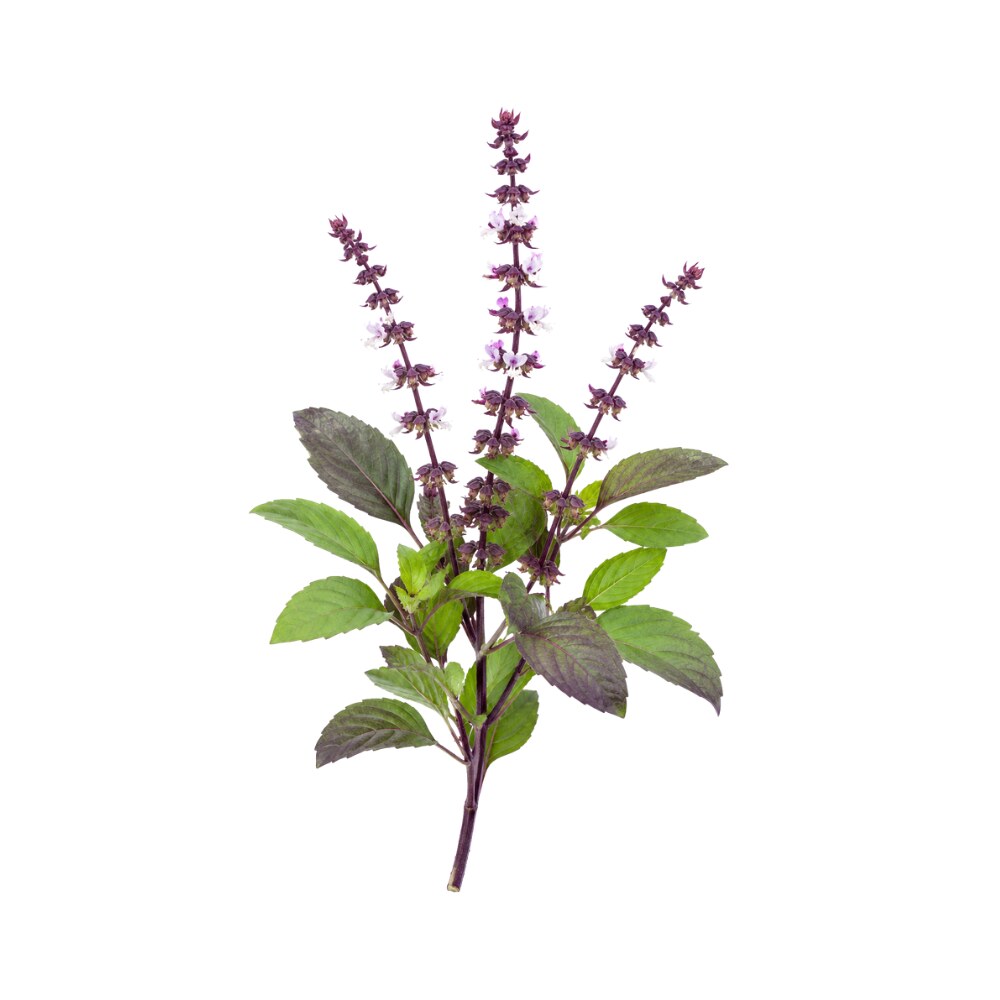 ModerateModerateHoly BasilOcimum tenuiflorumEugenol and the leaf extracts attenuate NF-κB-driven activation in human monocytes, with rosmarinic acid, apigenin and luteolin adding COX and cytokine modulation; no inflammatory-disease trial exists.MechanismNF-κB ↓; COX/cytokine modulation; monocyte activation ↓Read the evidenceShow lessMonograph →
In human monocytic (THP-1) cells, tulsi extracts and their phenolic constituent eugenol attenuated cell activation consistent with suppression of NF-κB-driven signalling 443Reference 443In vitroOcimum sanctum leaf extracts attenuate human monocytic (THP-1) cell activation — in vitroView study →, with rosmarinic acid and the flavones apigenin and luteolin adding COX- and cytokine-modulating activity in preclinical models.
This is the shared engine under the herb’s metabolic and oral effects. No human trial has tested tulsi against an inflammatory disease endpoint.
Eugenol content is chemotype-dependent (about 2–60% of oil, up to about 70% in the eugenol type), so a methyl-eugenol- or caryophyllene-dominant batch is not the same drug 444Reference 444Comparative volatile oil composition of four Ocimum species from northern India — chemotype analysisView study →.
ModerateModerateHoneysuckleLonicera japonicaThe classical heat-clearing flower of Chinese medicine; its chlorogenic acid and luteolin are well-characterised suppressors of NF-κB-driven cytokine production, though no whole-herb trial exists.MechanismNF-κB ↓; cytokine suppressionRead the evidenceShow lessMonograph →
The flower bud is dominated by chlorogenic acid and its isomers plus the flavone luteolin, both well-characterised suppressors of NF-κB-driven cytokine production 445,
That is an inference from what is in the bud rather than a measurement of what a decoction does. There is no whole-herb human anti-inflammatory trial, and honeysuckle is almost never given alone; the clinical record belongs to Yin Qiao San and its relatives.
The molecules are active and abundant, and the herb-level effect is untested.
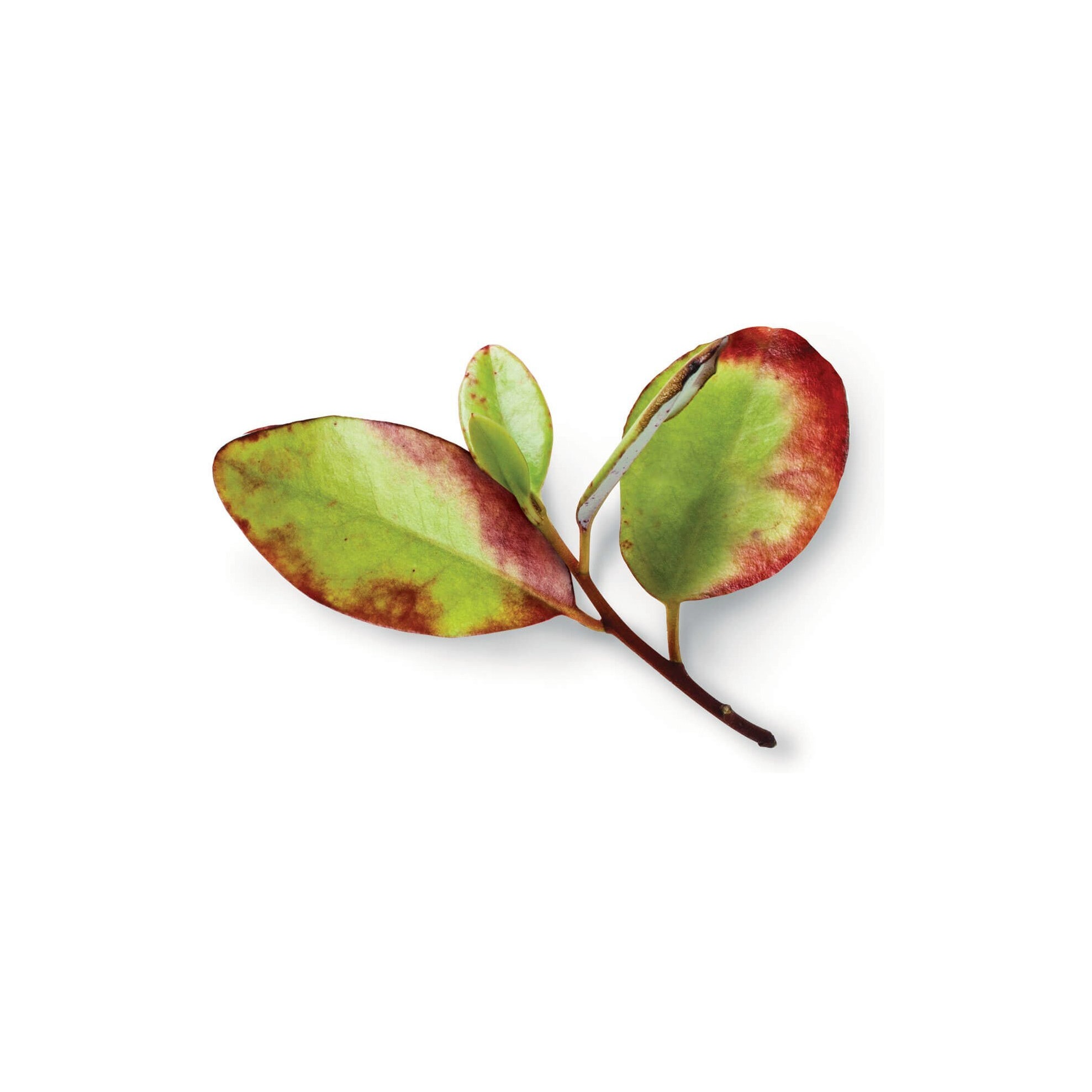 ModerateModerateHoropitoPseudowintera colorataPolygodial inhibits paw oedema evoked by an unusually broad panel of mediators and acts both through NF-κB and through the glucocorticoid receptor.MechanismNF-κB / IκB-α phosphorylation inhibition; glucocorticoid-receptor binding (MKP1/ERK); mast-cell and CXCL1/CCL2 suppressionRead the evidenceShow lessMonograph →
In mice polygodial inhibits paw oedema evoked by prostaglandin E₂, bradykinin, substance P, PAF and carrageenan, and blunts ovalbumin anaphylaxis 447Reference 447AnimalAdditional evidence for the anti-inflammatory and anti-allergic properties of the sesquiterpene polygodial — animal (rat/mouse) in vivoView study →. In a sponge-implant model it cut macrophage infiltration, CXCL1/CCL2, mast-cell numbers and collagen deposition, the first evidence of an antifibrogenic action 448Reference 448AnimalSesquiterpene polygodial from Drimys brasiliensis down-regulates implant-induced inflammation and fibrogenesis in mice — animal in vivoView study →.
Two molecular routes are proposed. Polygodial docks the glucocorticoid receptor and reproduces dexamethasone-like MKP1/ERK signalling 449Reference 449In vitroPolygodial from Drimys brasiliensis triggers glucocorticoid-like effects on pancreatic β-cells — in vitro / in silicoView study →, and it inhibits the NF-κB pathway through blocked IκB-α phosphorylation in THP-1 cells 450Reference 450In vitroInhibitory potential of the drimane sesquiterpenoids isotadeonal and polygodial in the NF-κB pathway — in vitro / in silicoView study →.
Every one of these studies used purified polygodial from Drimys species rather than horopito, and there are no human anti-inflammatory data.
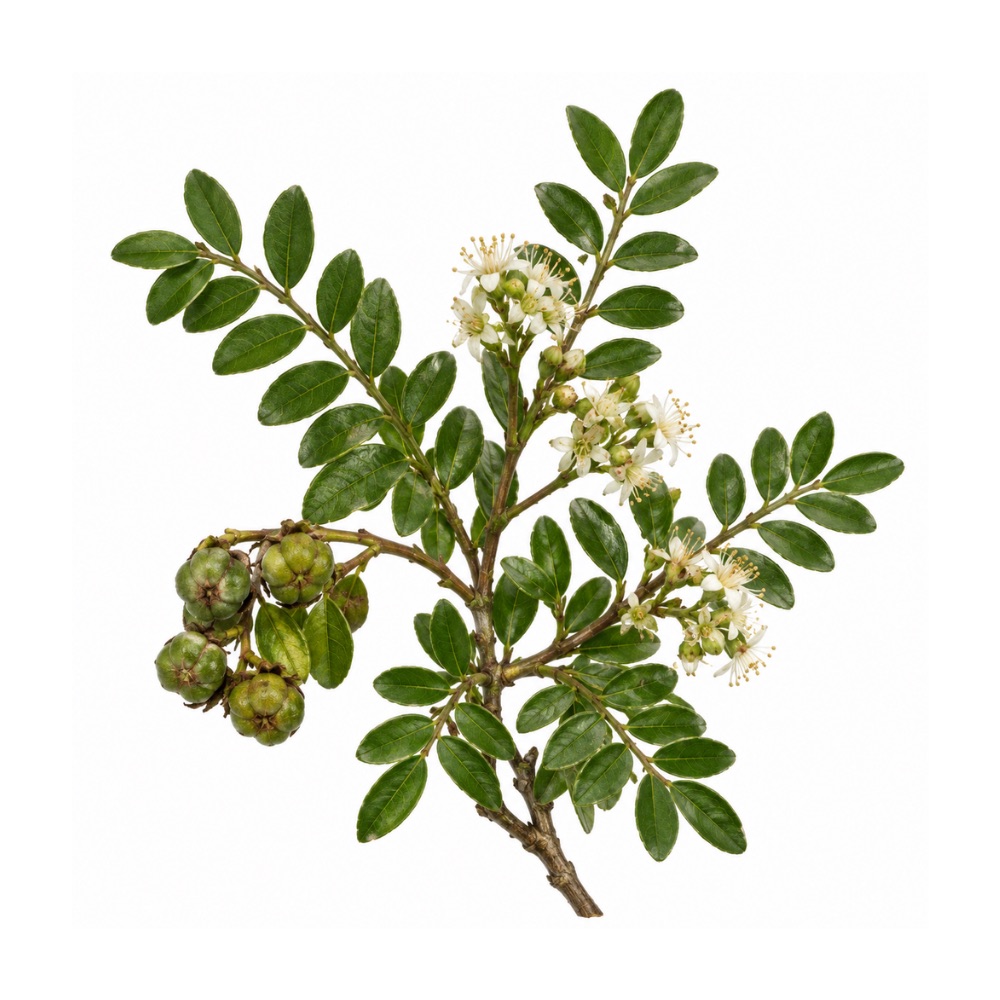 ModerateModerateJaborandiPilocarpus microphyllusEpiisopiloturine, an alkaloid distinct from pilocarpine, is anti-inflammatory and gut-protective in animal and cell models without cholinergic involvement.Mechanismepiisopiloturine → cytokine suppression; gut mucosal protectionRead the evidenceShow less
Epiisopiloturine, abundant in P. microphyllus leaf, shows reproducible anti-inflammatory and gut-protective activity across animal and cell models 469,
It is a distinct molecule with a distinct mechanism and no cholinergic involvement, so it does not carry pilocarpine’s toxicity profile. The evidence is preclinical.
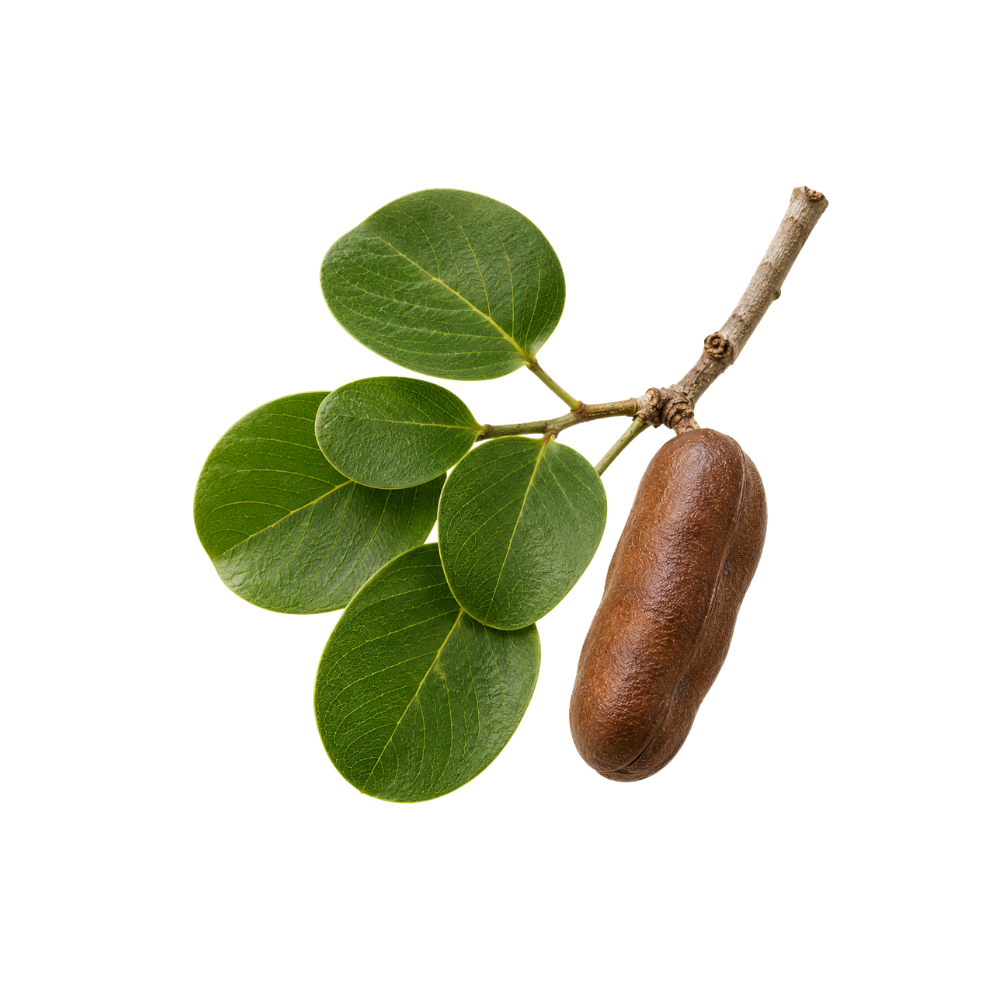 ModerateModerateJatobáHymenaea courbarilStem-bark extract reduced ovalbumin-induced leukocytosis and airway hyperresponsiveness in rats, with astilbin implicated, and congener barks reduce oedema and cytokines in proportion to their astilbin content.Mechanismastilbin-mediated cytokine ↓; myeloperoxidase & MDA ↓; leukocyte-migration blockRead the evidenceShow lessMonograph →
The single direct H. courbaril study found the stem-bark ethanol extract and its ethyl-acetate fraction reduced ovalbumin-induced leukocytosis and airway hyperresponsiveness in rats, with astilbin implicated 481Reference 481In vitroPhytochemical study guided by the myorelaxant activity of the crude extract, fractions and constituent from stem bark of Hymenaea courbaril L. — animal, in vitroView study →.
The genus literature carries most of the weight. H. martiana bark reduced carrageenan paw oedema, peritoneal leukocyte migration and nociception in mice 482Reference 482AnimalAntinociceptive and anti-inflammatory activities of Hymenaea martiana Hayne (Fabaceae) in mice — animal modelView study →, and H. eriogyne bark lowered oedema, pro-inflammatory cytokines, MDA and myeloperoxidase in two in-vivo models, with the higher-astilbin bark out-performing the leaf 483Reference 483Anti-inflammatory and antiophidic effects of Hymenaea eriogyne Benth extract and in-silico structure–activity prediction — animal, in silicoView study →.
Astilbin itself restored lipid peroxides and tissue prostanoids in a rat hepatotoxicity model 484Reference 484AnimalProstanoids and free radicals in CCl4-induced hepatotoxicity in rats: effect of astilbin — animal modelView study →.
The strong in-vivo work is congener rather than H. courbaril, and the congener dosing was 100–400 mg/kg intraperitoneally rather than an oral bark decoction.
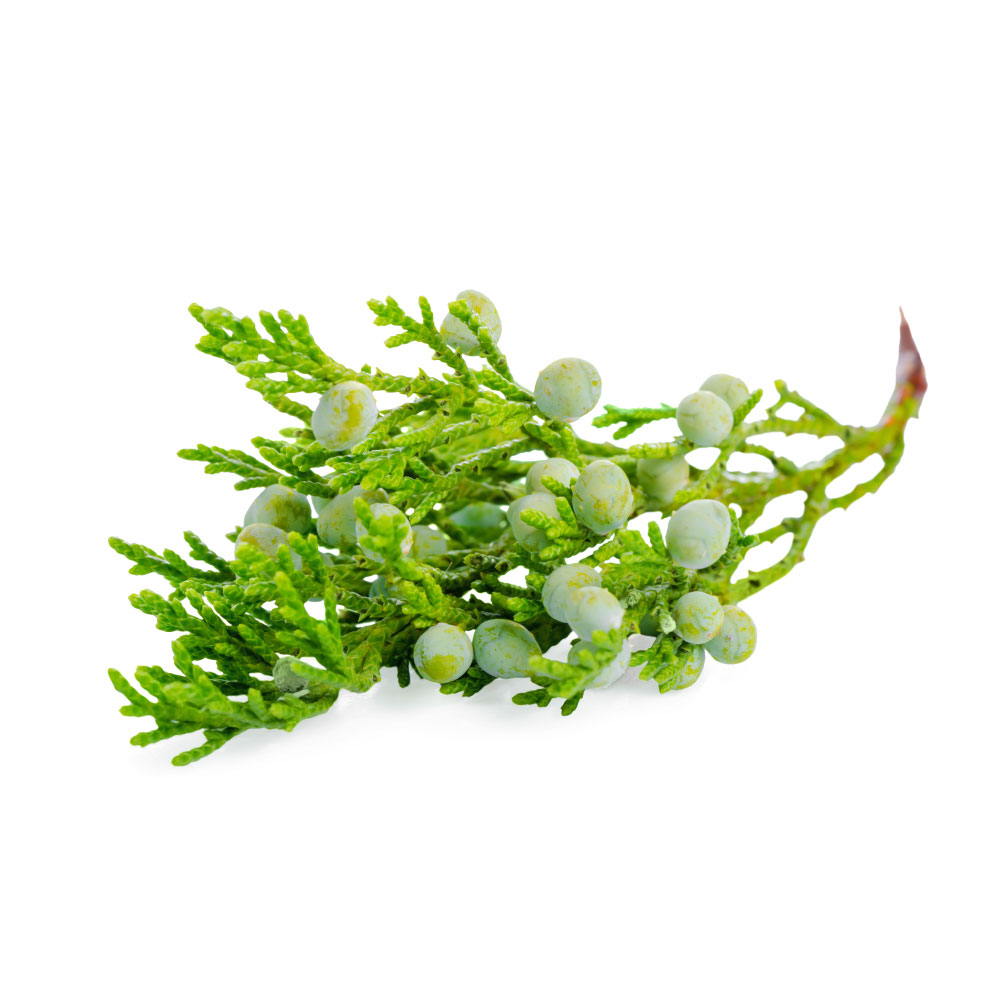 ModerateModerateJuniperJuniperus communisExtracts suppress NF-κB while activating AMPK and Nrf2/HO-1 in kidney injury, and berry extract reduced paw oedema against diclofenac, convergent across independent rat models.MechanismNF-κB ↓; AMPK ↑; Nrf2/HO-1 ↑; TNF-α / IL-1β ↓Read the evidenceShow lessMonograph →
In an LPS-induced acute kidney injury model J. communis extract suppressed NF-κB signalling while activating AMPK and Nrf2/HO-1, cutting TNF-α and IL-1β release 485Reference 485AnimalJuniperus communis extract ameliorates lipopolysaccharide-induced acute kidney injury through the AMPK pathway — animal modelView study →; an ethanolic needle extract attenuated turpentine-oil-induced acute inflammation with lower NF-κB activity 486Reference 486AnimalJuniperus communis L. needle extract modulates oxidative and inflammatory pathways in an experimental model of acute inflammation — animal modelView study →; and a hydroalcoholic berry extract reduced dextran- and kaolin-induced paw oedema against diclofenac as reference 487Reference 487AnimalGenoprotective, antioxidant, antifungal and anti-inflammatory evaluation of hydroalcoholic extract of wild-growing Juniperus communis L. — animal modelView study →. A comparative screen found methanolic fruit and leaf extracts of J. communis var. saxatilis among the more active taxa in carrageenan oedema 488Reference 488AnimalA comparative study on the antinociceptive and anti-inflammatory activities of five Juniperus taxa — animal modelView study →.
The convergence across independent rat models is what carries it. The extract types differ between studies (berry, needle, whole plant), there is no dose-ranging, and there are no human data.
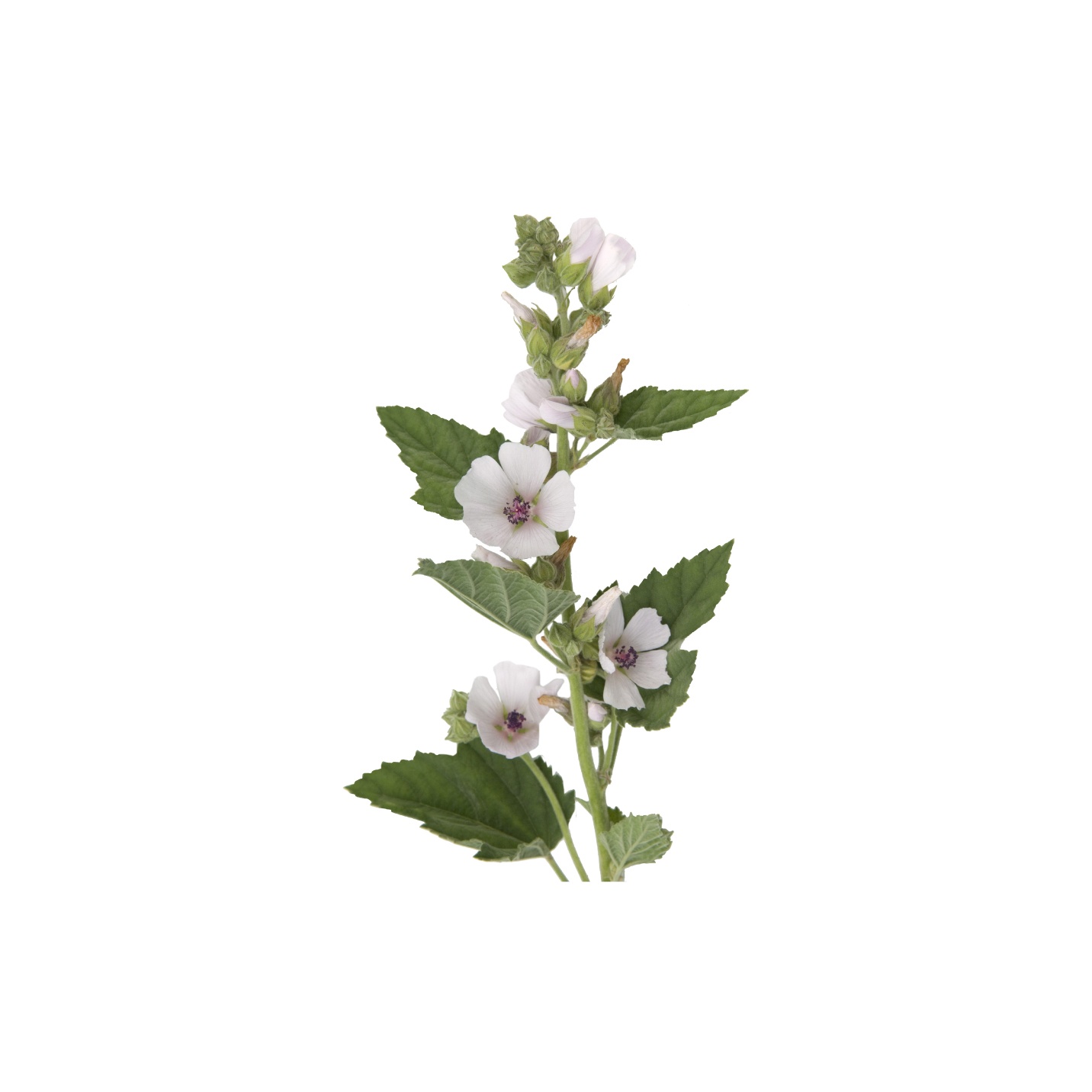 ModerateModerateMarshmallowAlthaea officinalisStandardised root extract lowered TNF-α and IL-6 release from human macrophages as well as diclofenac, and the root's hypolaetin sulfoglycosides inhibit hyaluronidase-1, a mucosal anti-inflammatory action.MechanismTNF-α and IL-6 release ↓; NF-κB-linked signaling ↓; hyaluronidase-1 inhibitionRead the evidenceShow lessMonograph →
Standardised root extract (the active in the cough product Phytohustil) reduced lipopolysaccharide-induced TNF-α and IL-6 release in human macrophages, matching or exceeding diclofenac without cytotoxicity, and improved macrophage migratory capacity 509Reference 509In vitroAnti-inflammatory and anti-oxidative effects of Phytohustil and root extract of Althaea officinalis L. on macrophages — in vitroView study →; a companion study found the same extract cut IL-6 release and improved wound closure in human endothelial cells 510Reference 510In vitroPhytohustil and root extract of Althaea officinalis L. exert anti-inflammatory and anti-oxidative properties and improve migratory capacity of endothelial cells — in vitroView study →. In rats, aqueous flower extract reduced both acute (carrageenan) and chronic (formalin) inflammation at all tested doses 511Reference 511AnimalPharmacological evaluation of aqueous extract of Althaea officinalis flower grown in Lebanon — animal (rat)View study →.
The most tissue-relevant mechanism is inhibition of human hyaluronidase-1 in vitro (IC₅₀ ≈ 7.7 mg/mL) with downregulated expression in keratinocytes, attributed to the root’s hypolaetin sulfoglycosides and directly relevant to inflamed buccal and pharyngeal tissue 512Reference 512In vitroPhytochemical characterization of low molecular weight constituents from marshmallow roots and inhibiting effects of the aqueous extract on human hyaluronidase-1 — in vitroView study →.
No clinical anti-inflammatory endpoint has been measured, the strongest data are on a proprietary extract, and the rodent work uses the flower rather than the root and leaf in use. The action is mucosal and local rather than systemic.
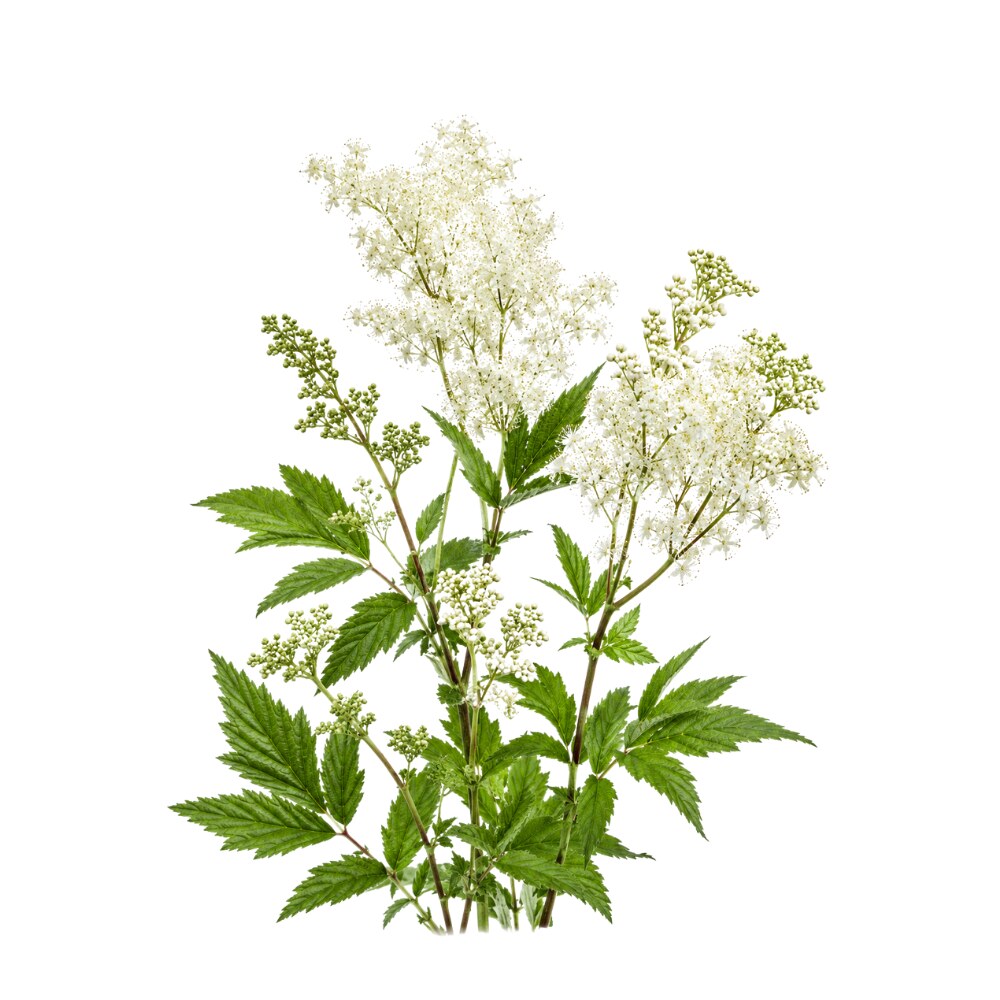 ModerateModerateMeadowsweetFilipendula ulmariaAerial-part extracts inhibit both COX isoforms and reduce paw oedema in rats, and its colonic flavonoid metabolites suppress NF-κB; the traditional antirheumatic use rests on this and on its salicylates.MechanismCOX-1/COX-2 ↓; PGE₂ & 12-HETE ↓; NF-κB ↓Read the evidenceShow lessMonograph →
Aerial-part extracts inhibited both COX-1 and COX-2 in enzyme assays (aerial roughly twice as active as root) and reduced carrageenan-induced paw oedema in rats 513Reference 513In vitroIn vitro and in vivo assessment of meadowsweet (Filipendula ulmaria) as anti-inflammatory agent — rat carrageenan modelView study →; lyophilised flower infusions and isolated flavonoids suppressed PGE₂ and 12-HETE biosynthesis in human platelets ex vivo 514Reference 514AnimalAntioxidant, anti-inflammatory and gastroprotective activity of Filipendula ulmaria and Filipendula vulgaris — ex vivo and animal modelView study →.
A gut-biotransformation model showed the colonic metabolites, the aglycones quercetin, apigenin and kaempferol, contribute the NF-κB suppression, so the active agents are partly what the microbiome makes of the herb. The salicylates (salicin, salicylic acid and methyl salicylate) add the aspirin-type COX mechanism.
The only human trial was a three-herb blend in healthy subjects and was null 515Reference 515RCTAn in vivo study examining the anti-inflammatory effects of chamomile, meadowsweet, and willow bark in a novel functional beverage — randomised placebo-controlled trialView study →. Salicylate cautions apply.
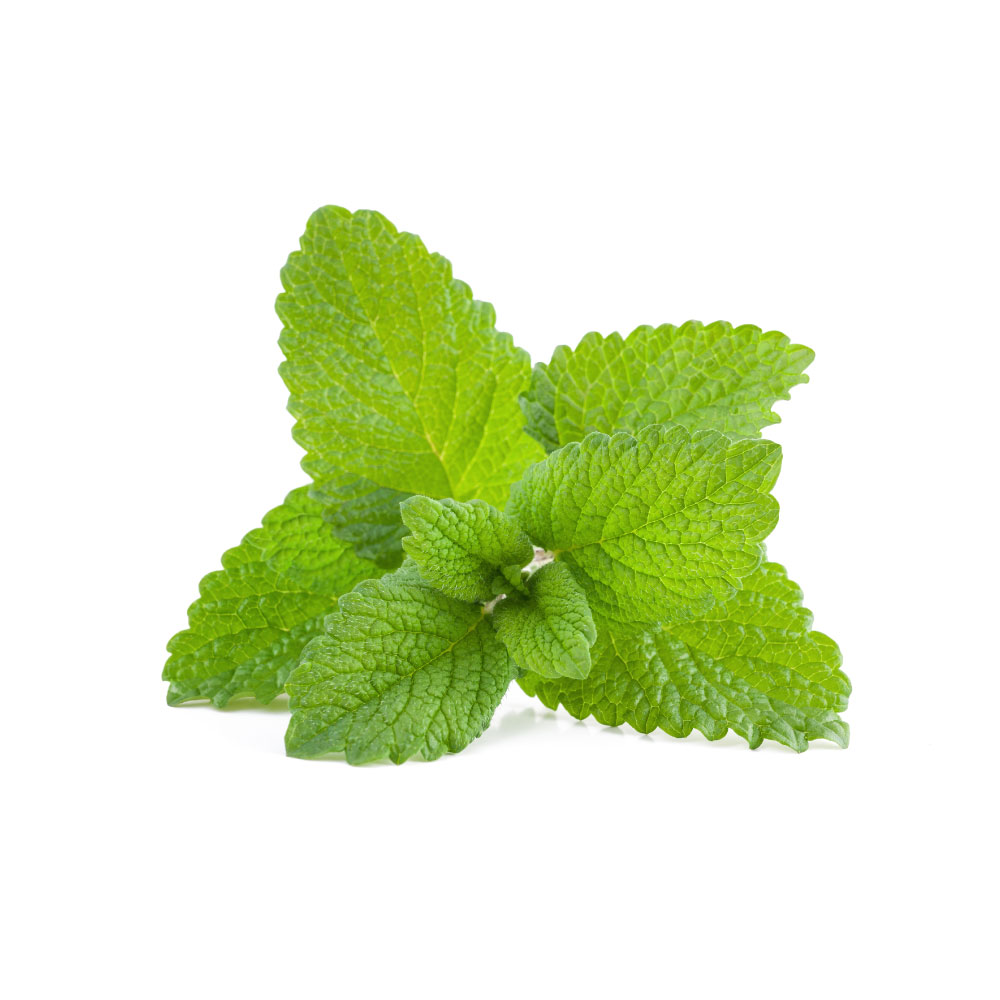 ModerateModerateMelissaMelissa officinalisTwo small randomised trials in unrelated diseases, chronic angina and type 2 diabetes, both lowered hs-CRP; no inflammatory-disease endpoint has been tested.Mechanismhs-CRP ↓ (two RCTs); NF-κB suppression by phenolic constituentsRead the evidenceShow lessMonograph →
Two independent randomised trials in unrelated patient groups agree: the 8-week chronic-angina trial cut hs-CRP alongside its oxidative-stress markers 516Reference 516RCTThe effects of Melissa officinalis in chronic stable angina on serum biomarkers of oxidative stress, inflammation and lipid profile — randomised placebo-controlled trialView study →, and a type 2 diabetes RCT reported reduced hs-CRP against placebo 517Reference 517RCTEfficacy of Melissa officinalis extract on glycemic control and cardiovascular risk factors in type 2 diabetes — randomised double-blind clinical trialView study →. Two different diseases moving the same marker lifts this above a single-trial claim.
The mechanism is attributed rather than measured, phenolic suppression of NF-κB signalling and its downstream mediators, and it is the same rosmarinic-acid chemistry behind the herb’s antioxidant activity, one effect observed twice rather than independent support.
The clinical evidence is two small trials measuring a single inflammatory marker, and no inflammatory-disease endpoint has been tested.
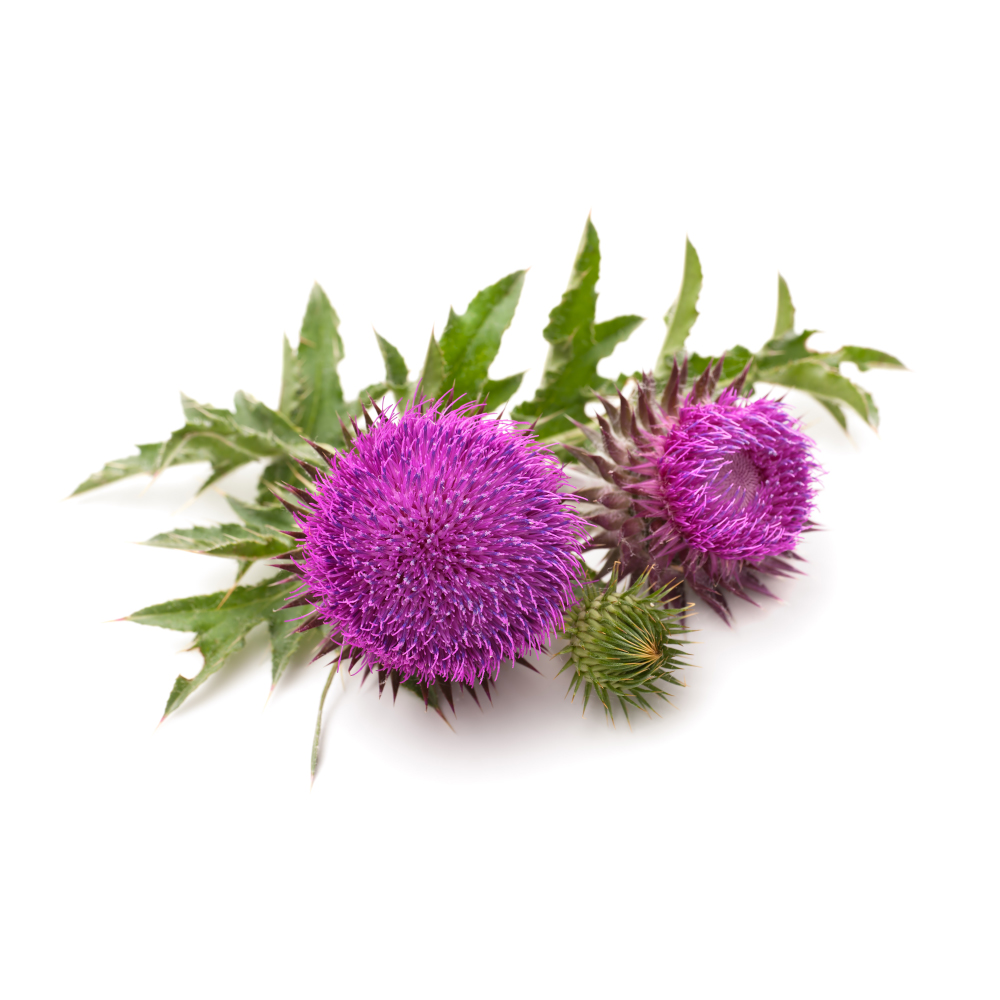 ModerateModerateMilk ThistleSilybum marianumSilymarin inhibits NF-κB and reduces TNF-α and nitric oxide, and silybin suppresses the hepatic stellate-cell activation that drives liver scarring; in humans the effect shows as improved fibrosis scores.MechanismNF-κB ↓; TNF-α ↓; hepatic stellate-cell activation ↓; antifibrotic collagen ↓Read the evidenceShow lessMonograph →
In cultured human hepatic stellate cells silybin suppresses the stellate-cell activation that drives scarring 518Reference 518ReviewRole of silymarin as antioxidant in clinical management of chronic liver diseases: a narrative review — reviewView study →; across cell and animal models silymarin inhibits NF-κB and reduces TNF-α and nitric oxide 519Reference 519In vitroHepatoprotective mechanism of silymarin: no evidence for involvement of cytochrome P450 2E1 — in vitro / animal mechanistic studyView study →, and in animals it retards collagen accumulation in experimental biliary fibrosis 520Reference 520In vitroProstate cancer chemoprevention by silibinin: bench to bedside — review; animal model / in vitroView study →.
The action is tissue-specific and antifibrotic rather than a general anti-inflammatory one. In humans it is visible through the fibrosis-score improvement in the Realsil trial 521Reference 521RCTSilybin combined with phosphatidylcholine and vitamin E in patients with nonalcoholic fatty liver disease: a randomized controlled trial — randomised controlled trialView study →, not as a systemic anti-inflammatory effect.
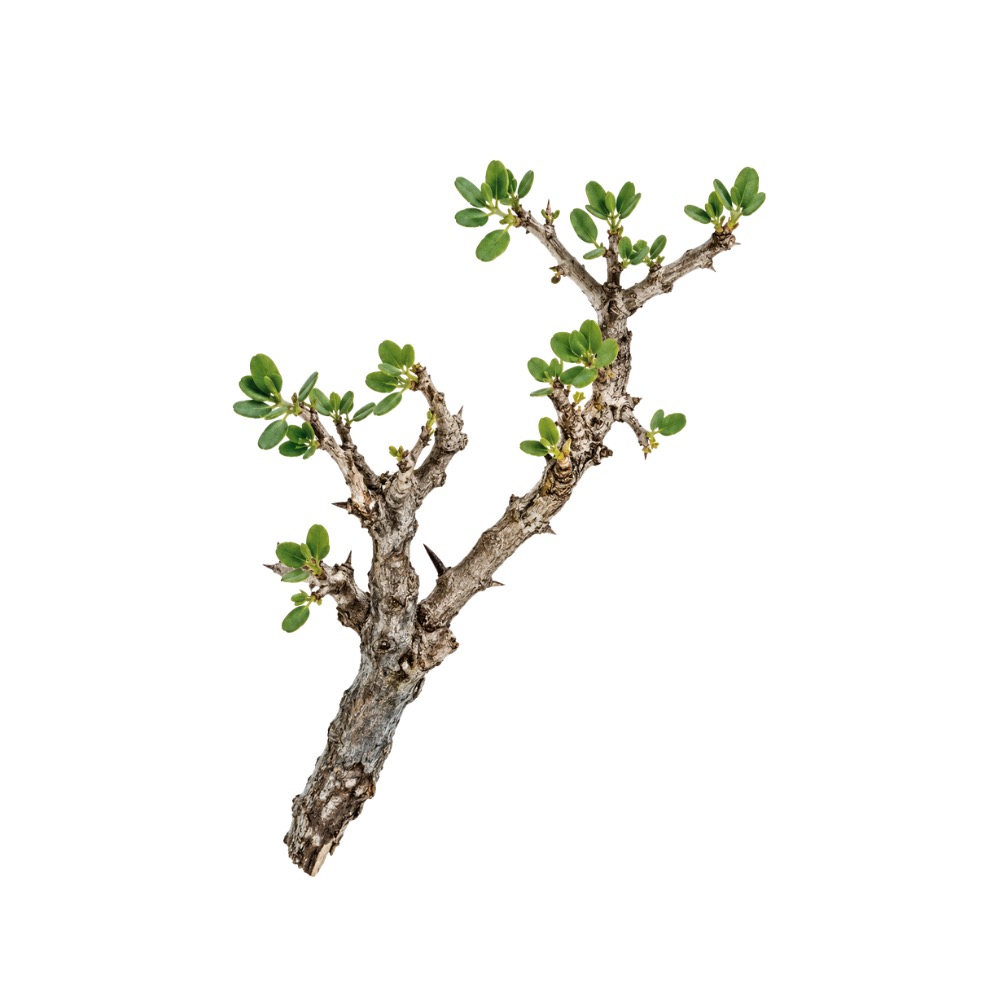 ModerateModerateMyrrhCommiphora myrrhaResin extracts suppress paw oedema and tissue PGE₂ in rodents through NF-κB, COX-2 and TLR4, and the water-soluble polysaccharide fraction inhibits osteoclast formation and bone loss.MechanismNF-κB ↓; COX-2 ↓; PGE₂ ↓; TLR4 ↓; RANKL-driven osteoclastogenesis ↓ (c-Fos, NFATc1)Read the evidenceShow lessMonograph →
C. myrrha extracts suppress formalin-induced paw oedema and lower tissue PGE₂ in rodents 524,
The water-soluble polysaccharide fraction, long assumed to be inert filler, inhibits RANKL-induced osteoclastogenesis and reduces ovariectomy-induced bone loss in rats 528Reference 528In vitroAnti-osteoporotic effects of Commiphora myrrha and its polysaccharide via osteoclastogenesis inhibition — rat model and in vitroView study →, a different pathway from the terpenoid work that survives aqueous extraction.
The single human dataset is not attributable to myrrh: the myrrh–chamomile–coffee-charcoal fixed combination was non-inferior to mesalazine for maintaining ulcerative-colitis remission over 12 months 529Reference 529RCTRandomised clinical trial: a herbal preparation of myrrh, chamomile and coffee charcoal compared with mesalazine in maintaining remission in ulcerative colitis — double-blind, double-dummy studyView study →, with no way to isolate the resin’s contribution. Unlike frankincense, myrrh has no single-agent trial.
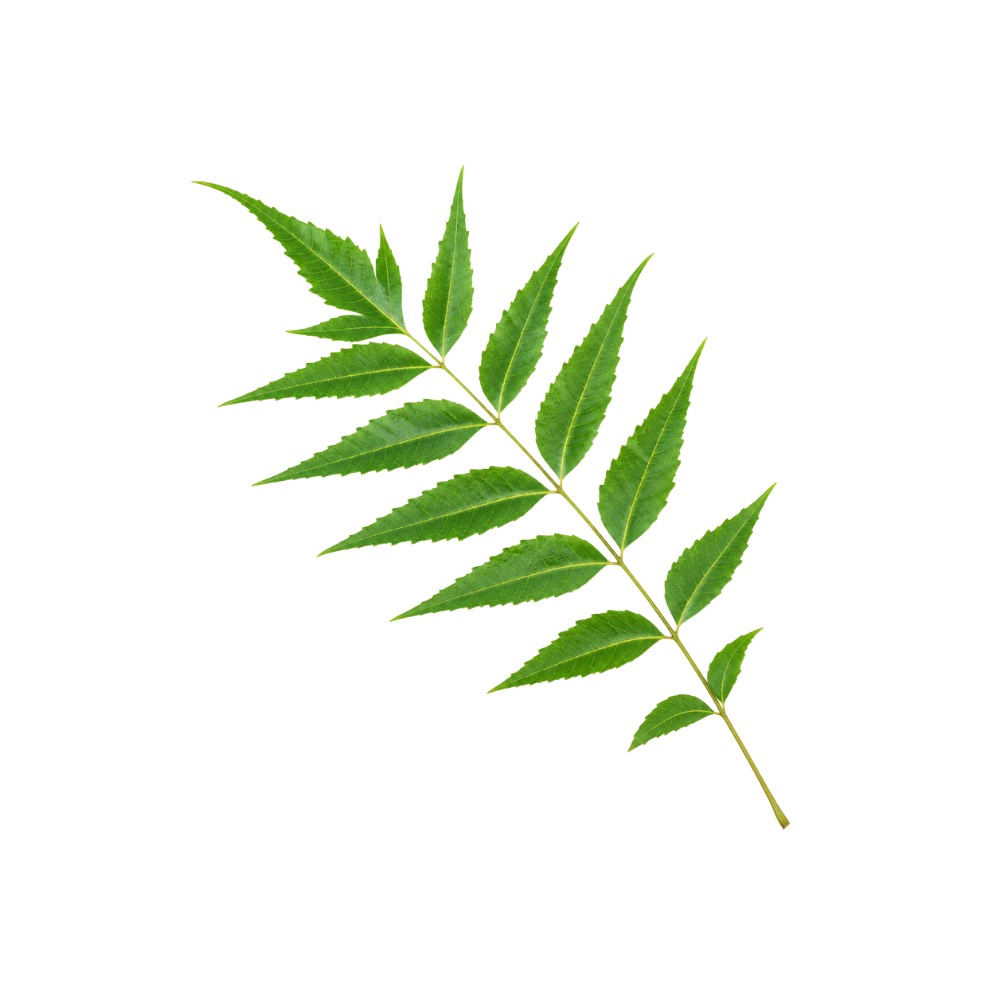 ModerateModerateNeemAzadirachta indicaNimbolide and other neem constituents suppress NF-κB and COX-2 in cell and animal models, the same axis its anticancer work runs on.MechanismNF-κB ↓; COX-2 ↓Read the evidenceShow lessMonograph →
Neem constituents suppress pro-inflammatory signalling in cell and animal models chiefly through NF-κB inhibition and downstream mediators such as COX-2, documented most thoroughly for the leaf and seed limonoid nimbolide 530Reference 530ReviewInsights into nimbolide molecular crosstalk and its anticancer properties — reviewView study →, and broad pharmacology reviews list anti-inflammatory and antipyretic activity among neem’s best-replicated preclinical effects 531Reference 531ReviewA comprehensive review of phytochemical profile and pharmacological attributes of Azadirachta indica — reviewView study →.
The same NF-κB axis is what the anticancer work runs on 532,
The evidence stops at mechanism and rodent models. There is no human anti-inflammatory trial, and it is unclear which preparation and dose would deliver a systemic effect.
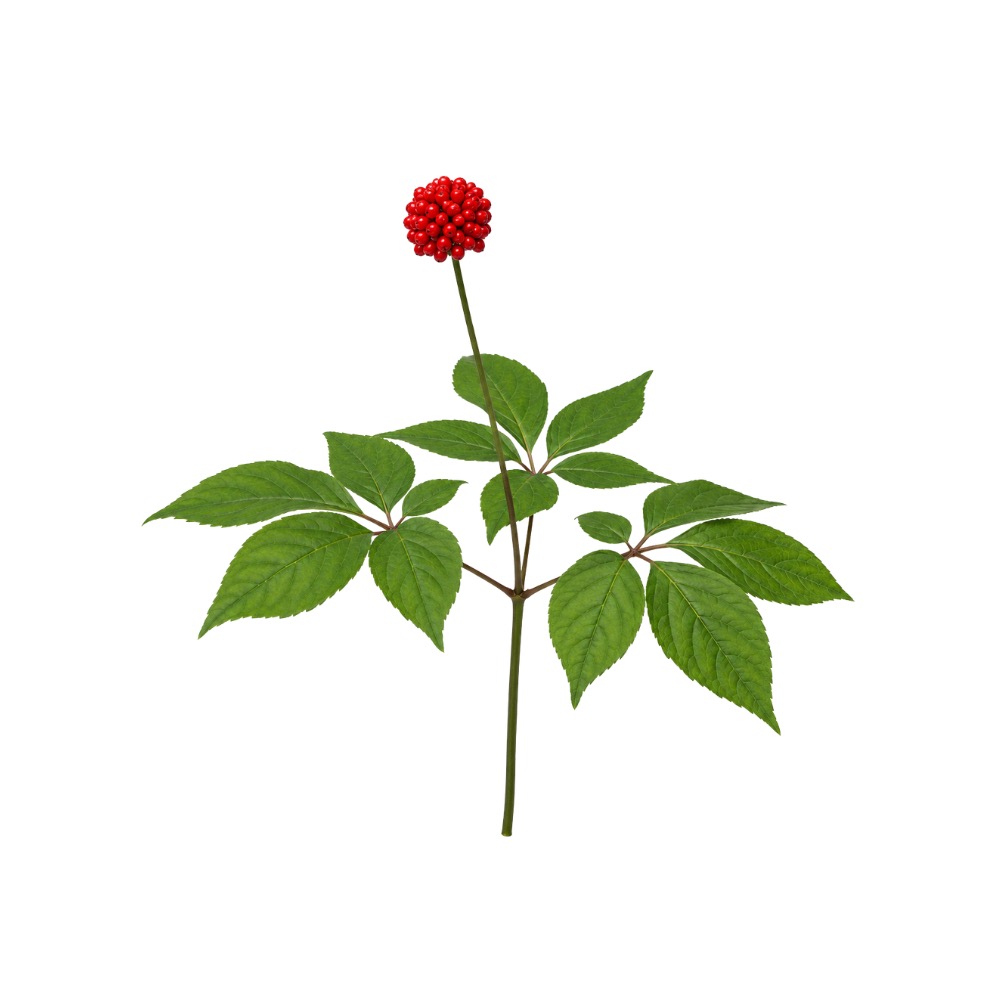 ModerateModerateNotoginsengPanax notoginsengThe saponins inhibit RAGE/MAPK and NF-κB in atherosclerotic lesions and lower CRP and TNF-α after infarction, a vascular-tissue anti-inflammatory effect that travels with the circulatory action.MechanismNF-κB ↓; RAGE/MAPK ↓ (JNK, p38, ERK1/2); TNF-α ↓Read the evidenceShow lessMonograph →
In apolipoprotein-E-deficient mice notoginseng saponins inhibited RAGE/MAPK signalling and NF-κB activation, lowering adhesion molecules and chemokines within atherosclerotic lesions 536Reference 536AnimalPanax notoginseng saponins suppress RAGE/MAPK signalling and NF-κB activation in apolipoprotein-E-deficient atherosclerosis-prone mice — in vivoView study →; in post-infarction rats they lowered CRP and TNF-α alongside the remodelling effect 537Reference 537AnimalPanax notoginseng saponins inhibits ventricular remodelling after myocardial infarction in rats through ATF3/MAP2K3/p38 MAPK and NF-κB pathways — in vivoView study →. Notoginsenoside R1 is the recurring active.
This is a vascular-tissue anti-inflammatory action that rides along with the circulatory one. No human trial uses inflammation as an endpoint, and the animal doses were injected or gavaged and do not map onto oral herbal use.
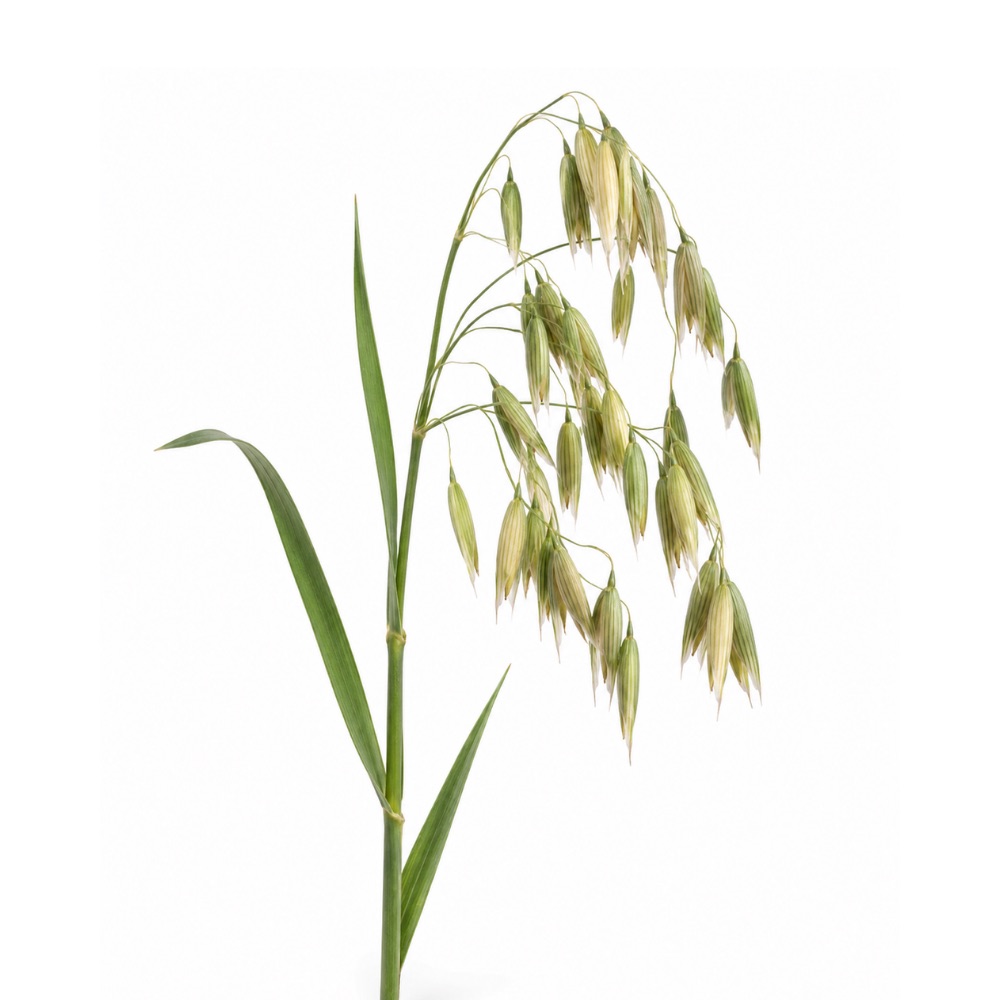 ModerateModerateOatsAvena sativaPurified avenanthramides suppress NF-κB and reduced exercise-induced inflammatory markers in two small trials; the effect belongs to the isolated fraction rather than to oats as eaten.MechanismNF-κB inhibition with cytokine and histamine release ↓ (avenanthramides); neutrophil respiratory burst ↓Read the evidenceShow less
Two small supplementation trials tested the isolated fraction against exercise-induced inflammation. Eight weeks of avenanthramide-rich oat cookies in postmenopausal women reduced inflammatory markers and raised plasma antioxidant capacity after downhill walking 538Reference 538RCTAvenanthramide supplementation attenuates exercise-induced inflammation in postmenopausal women — randomised controlled trialView study →, and in young men and women avenanthramide supplementation reduced eccentric-exercise muscle damage, neutrophil respiratory burst and plasma inflammatory cytokines 539Reference 539RCTAvenanthramide supplementation reduces eccentric exercise-induced inflammation in young men and women — randomised controlled trialView study →.
Both fit the in-vitro picture, where the three common avenanthramides suppress inflammatory signalling 540Reference 540In vitroIn vitro total antioxidant capacity and anti-inflammatory activity of three common oat-derived avenanthramides — in vitroView study →, and the same NF-κB mechanism carries the topical result with colloidal oatmeal 541Reference 541In vitroAnti-inflammatory activities of colloidal oatmeal (Avena sativa) contribute to the effectiveness of oats in treatment of itch associated with dry, irritated skin — in vitro and clinicalView study →. The mechanism shows up in two unrelated tissues, skin and skeletal muscle.
The systemic trials are two small studies from a narrow research base, using a purified fraction rather than oats as eaten, with surrogate biochemical endpoints.
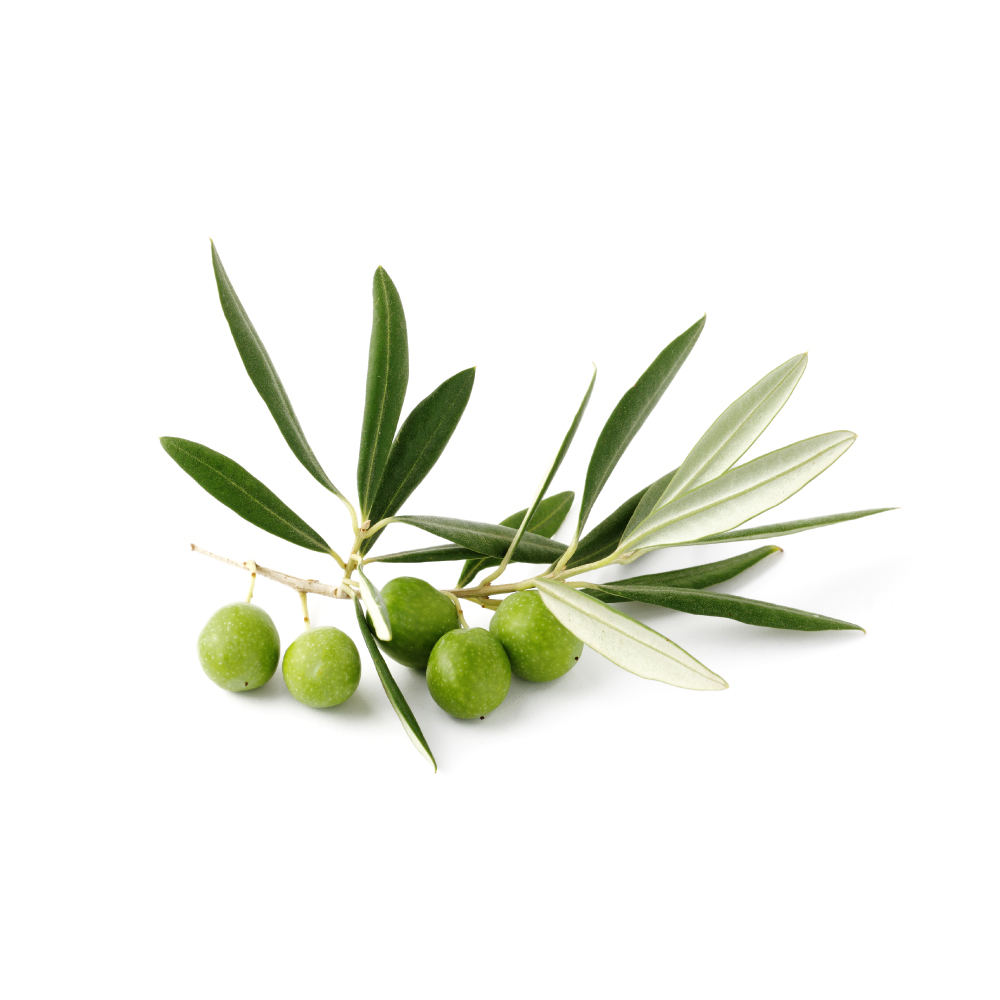 ModerateModerateOlive LeafOlea europaeaTwelve weeks of extract lowered IL-6, IL-8 and TNF-α in hypertensive patients, and a single dose reduced IL-8 production alongside improved vascular stiffness; a vascular anti-inflammatory effect.MechanismIL-6, IL-8 and TNF-α ↓ (human, 12 weeks); oleuropein suppression of TNF-α release from stimulated leukocytesRead the evidenceShow lessMonograph →
Twelve weeks of extract in hypertensive patients significantly lowered interleukin-6, interleukin-8 and TNF-α against placebo 542Reference 542RCTEffects of olive leaf extract on metabolic response, liver and kidney functions and inflammatory biomarkers in hypertensive patients — randomized controlled trialView study →, and the pre-hypertensive crossover trial found IL-8 fell after intake 543Reference 543RCTImpact of phenolic-rich olive leaf extract on blood pressure, plasma lipids and inflammatory markers: a randomised controlled trialView study →. An acute crossover linked a single dose to reduced ex-vivo IL-8 production alongside improved vascular stiffness 544Reference 544RCTSecoiridoids delivered as olive leaf extract induce acute improvements in human vascular function and reduction of an inflammatory cytokine: a randomised, double-blind, placebo-controlled, cross-over trialView study →, which puts the cytokine change and the vascular change in the same measurement.
In vitro, oleuropein is identified as the principal anti-inflammatory constituent, suppressing TNF-α release from stimulated leukocytes 545Reference 545In vitroOleuropein is responsible for the major anti-inflammatory effects of olive leaf extract — in vitroView study →.
Every human result is in hypertensive or pre-hypertensive subjects and travels with the herb’s blood-pressure effect; none has been tested in an inflammatory disease. The marker changes are modest, and the trials use different extracts and cytokine panels.
ModerateOregon GrapeMahonia aquifoliumInhibits lipoxygenase, the leukotriene arm relevant to skin inflammation, the mechanism under its use in psoriasis.Mechanismlipoxygenase inhibition; alkaloid-mediated mediator suppressionRead the evidenceShow less
The root inhibits lipoxygenase, and 5-LOX inhibition is a distinct arm from the COX and NF-κB routes most anti-inflammatory herbs use, relevant to skin inflammation in particular 500,
The evidence is preclinical, cell-free and in vitro, and it is the mechanism under the antipsoriatic use rather than an independent claim.
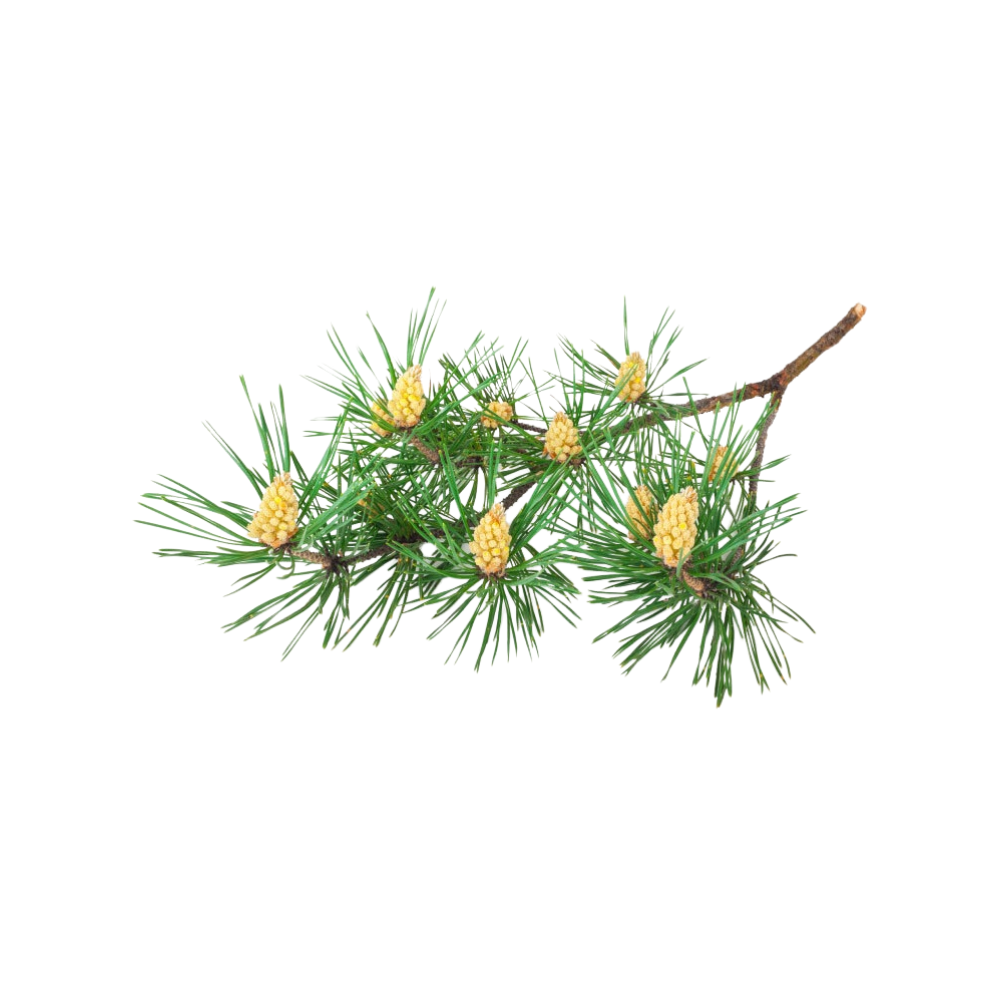 ModerateModeratePinePinus spp.Maritime-pine bark procyanidins inhibit NF-κB and the COX-2 and 5-lipoxygenase arms, and Pycnogenol improved asthma symptoms and lung function in a placebo-controlled crossover trial.MechanismNF-κB ↓; COX-2 ↓; 5-LOX/leukotriene ↓; iNOS ↓ (bark procyanidins)Read the evidenceShow lessMonograph →
Maritime-pine bark procyanidins inhibit NF-κB signalling and the downstream COX-2 and 5-lipoxygenase arms, lowering leukotriene output, which is the rationale for the asthma work 566Reference 566ReviewPycnogenol® improvements in asthma management — reviewView study →. A randomised, double-blind, placebo-controlled crossover trial found Pycnogenol improved asthma symptoms and lung function against placebo 567Reference 567RCTPycnogenol((R)) in the Management of Asthma — randomised placebo-controlledView study →, and in a urate-crystal gout model it cut joint COX-2, IL-8 and iNOS 568Reference 568AnimalPycnogenol attenuates the inflammatory and nitrosative stress on joint inflammation induced by urate crystals — animal modelView study →.
The mechanism is broad and credible, and the human footprint is one small crossover trial plus registry work. The effect belongs to the standardised bark extract rather than to needle preparations.
The needle essential oil’s COX-2 claim does not belong to pine; that data traces to Cedrus deodara, a different genus.
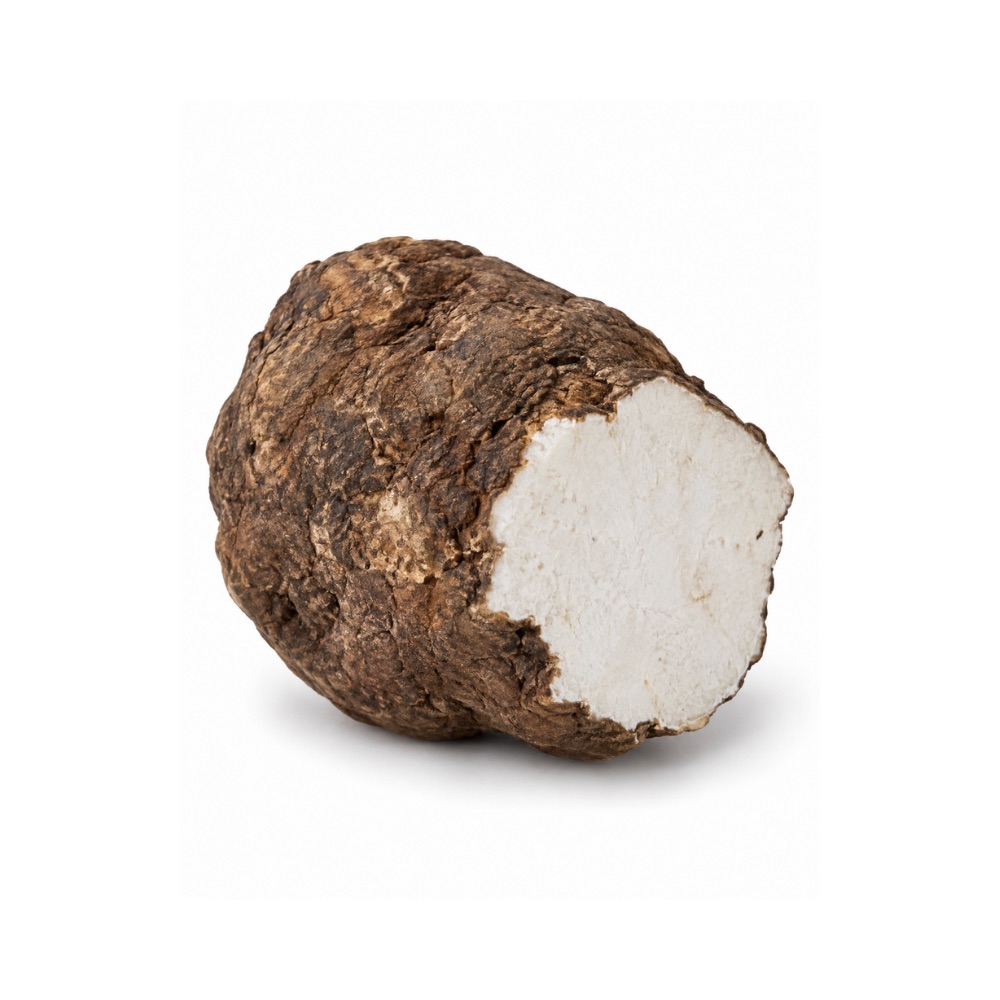 ModerateModeratePoriaWolfiporia extensaPachymic acid suppresses NF-κB across many animal and cell models, the upstream mechanism shared by the fungus's hepatoprotective, anticancer and colitis findings.Mechanismpachymic acid → NF-κB ↓, TNF-α/IL-6 ↓Read the evidenceShow less
Pachymic acid’s NF-κB suppression recurs across many animal and cell models and is the shared root of the hepatoprotective, anticancer and colitis findings 647Reference 647In vitroPachymic acid stimulates glucose uptake through enhanced GLUT4 expression and translocation — in vitroView study →.
The evidence is preclinical throughout. Pachymic acid is ethanol-soluble, so a water decoction is not an efficient delivery route for it.
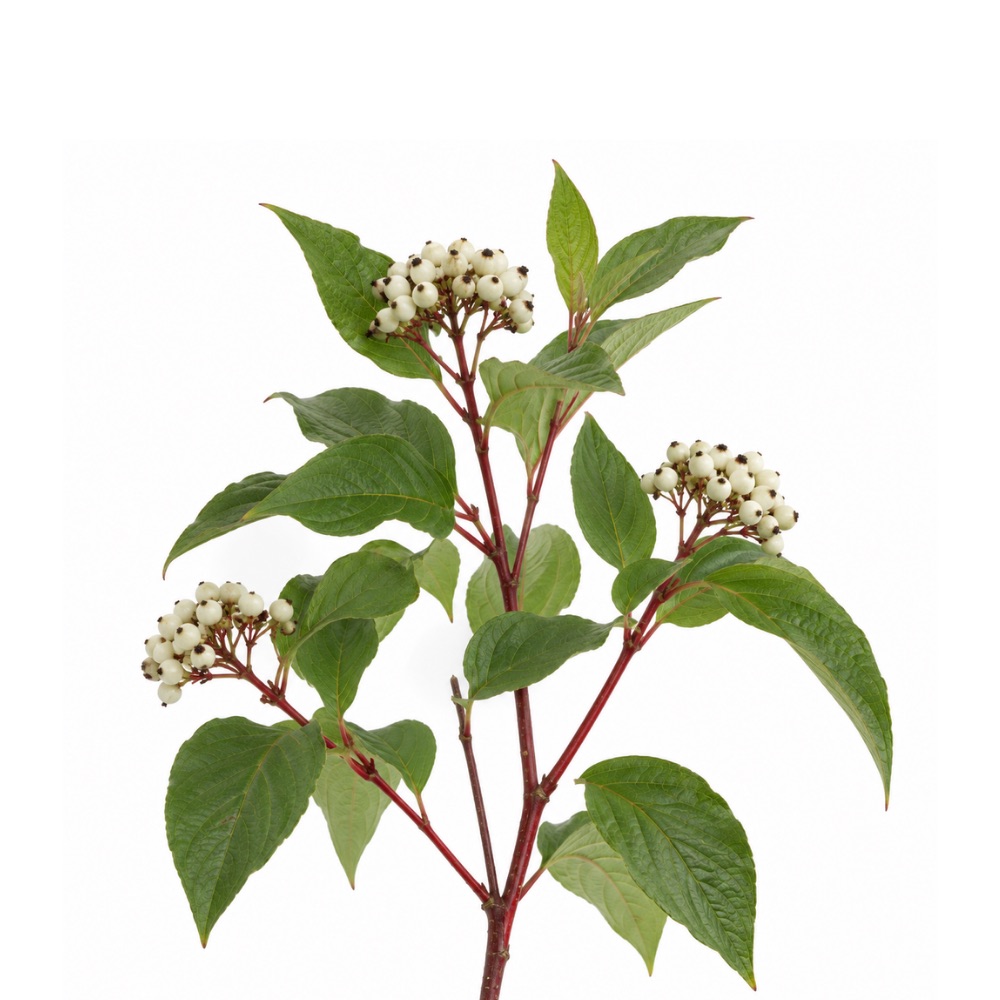 ModerateModerateRed-Osier DogwoodCornus sericeaAnti-inflammatory in human intestinal and endothelial cell models, the tissue that matches its traditional internal use.Mechanismpolyphenol-mediated suppression in intestinal and endothelial cellsRead the evidenceShow less
The bark has been tested in human intestinal and endothelial cell models 349,
The evidence is in vitro only.
 ModerateModerateRehmanniaRehmannia glutinosaA root arabinan and the root polysaccharide lower TNF-α, IL-1β and IL-6 in vivo, and the iridoids catalpol and aucubin lower COX-2; the actives are a water-soluble fraction the tincture does not carry well.MechanismNF-κB ↓; TLR4 modulation; TNF-α/IL-1β/IL-6 ↓; COX-2 ↓Read the evidenceShow lessMonograph →
A structurally characterised arabinan from the root suppressed ROS and downregulated TNF-α, IL-1β and IL-6 in vivo and in vitro 581Reference 581In vitroStructural characterization and anti-inflammatory effects of an arabinan from Rehmannia glutinosa — in vivo, in vitroView study →, and the root polysaccharide blunted inflammatory signalling in LPS-induced acute liver injury in mice at 50–200 mg/kg over 14 days 582Reference 582AnimalAnti-inflammatory effects of Rehmannia glutinosa polysaccharide on LPS-induced acute liver injury — mouse modelView study →. A separate review places catalpol and aucubin among iridoids that lower COX-2 and inflammatory cytokines 583Reference 583ReviewDeciphering the iridoids’ boundaries: adaptogenic and anti-inflammatory properties — reviewView study →.
The action belongs to a fraction rather than the crude root. There is no human anti-inflammatory endpoint of any kind, the active fraction (polysaccharide or iridoid) is unresolved, and a water-extracted polysaccharide is poorly represented in the 1:2 alcohol-based liquid extract the herb is usually dosed as.
 ModerateModerateRhubarbRheum palmatumEmodin suppresses NF-κB, NLRP3-inflammasome activation and macrophage pyroptosis in pancreatitis models, and adding crude rhubarb to conventional therapy lowers mortality in acute pancreatitis across 35 trials.MechanismNF-κB ↓; NLRP3 ↓; macrophage pyroptosis ↓Read the evidenceShow lessMonograph →
In animal models of severe acute pancreatitis with associated acute lung injury, emodin reduced inflammatory damage by suppressing NF-κB, NLRP3-inflammasome activation and macrophage pyroptosis, partly by altering exosome-mediated pancreas–lung cross-talk 586Reference 586AnimalEmodin attenuates severe acute pancreatitis-associated acute lung injury by suppressing pancreatic exosome-mediated alveolar macrophage activation — rat, in vivoView study →.
That mechanistic thread connects to the clinical result. Three independent meta-analyses found adding crude rhubarb to conventional therapy in acute pancreatitis lowered mortality, shortened hospital stay and cut complications (RR 0.55) across 35 RCTs 587,
The trials are add-on and Chinese-hospital based, and no trial isolates the anti-inflammatory contribution from rhubarb’s purgative action on the gut.
 ModerateModerateSamambaiaPolypodium leucotomosOral extract lowered UV-induced COX-2 expression and inflammation in mice, and calagualine inhibits NF-κB in vitro, a cutaneous, UV-triggered anti-inflammatory action.MechanismCOX-2 downregulation; NF-κB inhibition via calagualine; inflammatory-cytokine and reactive-oxygen-intermediate suppressionRead the evidenceShow lessMonograph →
In hairless mice, oral extract lowered UV-induced COX-2 expression and inflammation at 48–72 hours post-irradiation while enhancing DNA repair and activating p53 596Reference 596AnimalPolypodium leucotomos extract decreases UV-induced Cox-2 expression and inflammation, enhances DNA repair in Xpc+/− mice — animal modelView study →. In vitro, calagualine inhibits NF-κB activated by a range of inflammatory and tumour-promoting agents 597Reference 597In vitroCalagualine inhibits nuclear transcription factor-κB activated by various inflammatory and tumour-promoting agents — in vitroView study →, with earlier work showing extract-mediated inhibition of inflammatory cytokine production and reactive oxygen intermediates.
The same NF-κB/COX-2 axis carries samambaia’s immunomodulator activity, where it shows up as protection against UV-driven photoimmunosuppression.
The human read-out is indirect: no trial has run the herb in a primary inflammatory disease with inflammatory biomarkers as the endpoint, and every datum is a standardised aqueous extract (Fernblock aerial parts or Anapsos rhizome) rather than raw fern powder or tea 598Reference 598ReviewPolypodium leucotomos extract: a status report on clinical efficacy and safety — reviewView study →.
 ModerateModerateSaskatoon BerryAmelanchier alnifoliaLowers inflammatory markers in diabetic and diet-stressed mice alongside its metabolic effects, with vascular-inflammation work in cell models.Mechanismanthocyanin-mediated cytokine and adhesion-molecule suppressionRead the evidenceShow less
The berry reduced inflammatory markers in diabetic and diet-stressed mouse models 603,
The effect is attributed to the anthocyanins. There are no human data.
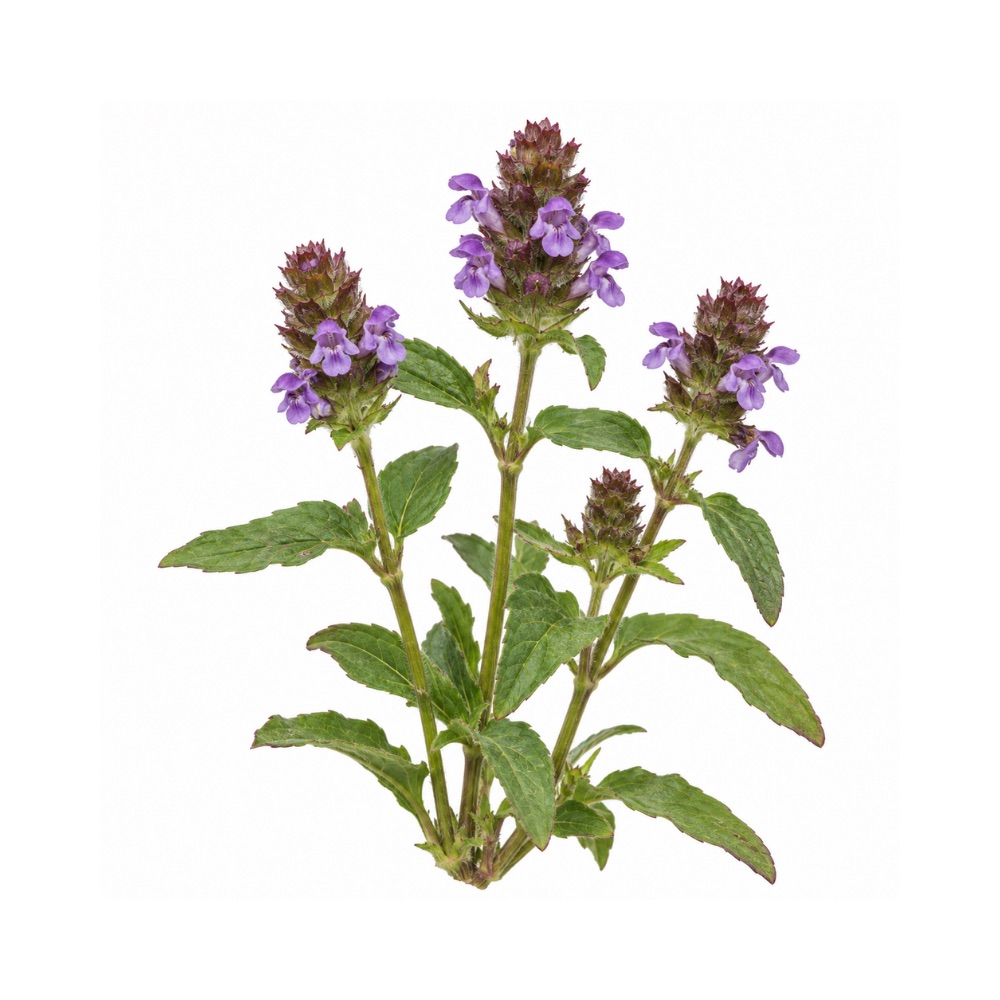 ModerateModerateSelf-HealPrunella vulgarisRosmarinic acid carries a well-replicated anti-inflammatory activity across in-vitro and rodent models, with the pentacyclic triterpene acids contributing.Mechanismrosmarinic acid and triterpene-acid mediator suppressionRead the evidenceShow less
The activity is well replicated across in-vitro and rodent models, carried mainly by rosmarinic acid with the pentacyclic triterpene acids contributing. The literature on the plant runs to several hundred papers.
The evidence is standard in kind for a Lamiaceae and entirely preclinical.
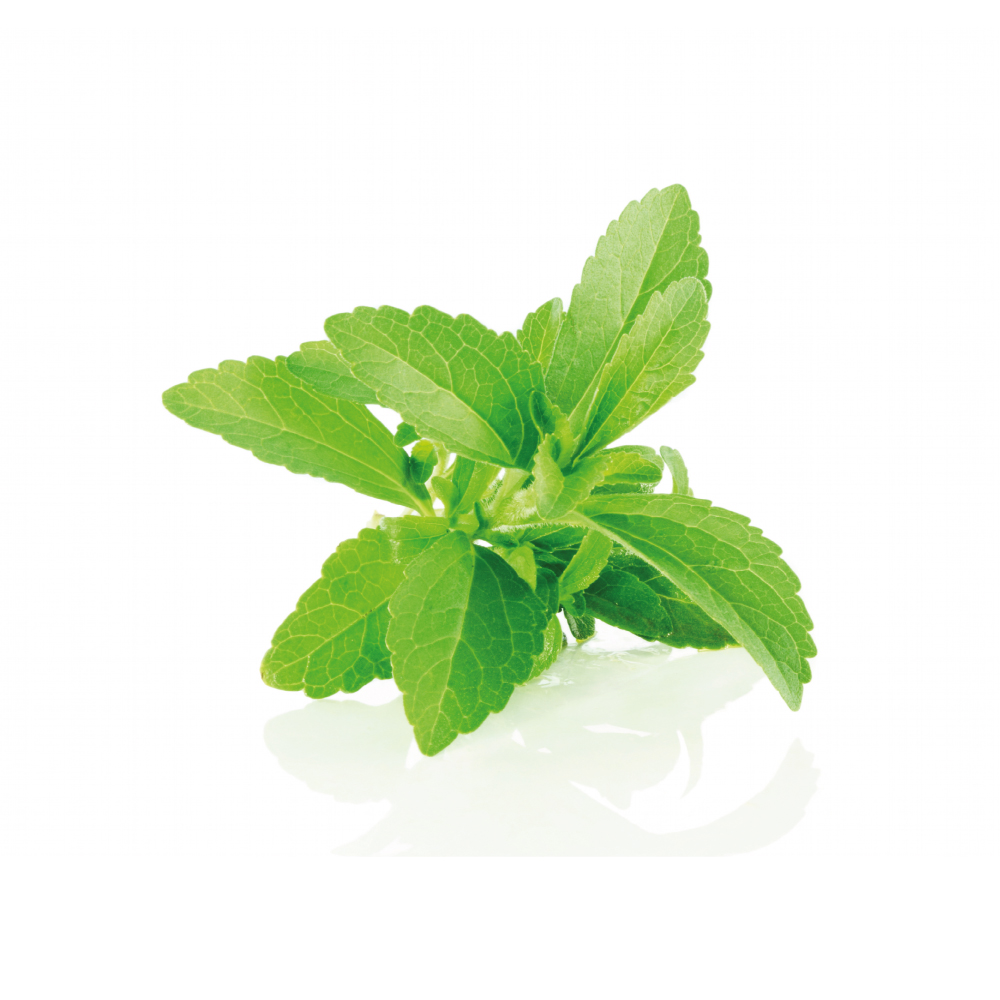 ModerateModerateSteviaStevia rebaudianaStevioside blocks IKKβ/NF-κB in monocytes and lowered cytokines and reactive oxygen species in mouse colitis and mastitis, and its absorbed metabolite steviol shares the activity.MechanismNF-κB ↓; IKKβ ↓; MAPK modulation; TNF-α / IL-1β / IL-6 ↓Read the evidenceShow lessMonograph →
In THP-1 monocytes stevioside blocked IKKβ/NF-κB activation and suppressed LPS-induced TNF-α and IL-1β 619Reference 619In vitroAnti-inflammatory and immunomodulatory activities of stevioside and its metabolite steviol on THP-1 cells — in vitroView study →; in RAW264.7 macrophages and a DSS mouse colitis model it lowered TNF-α, IL-6 and reactive oxygen species 620Reference 620In vitroStevioside, a diterpenoid glycoside, shows anti-inflammatory property against DSS-induced ulcerative colitis — in vitro and in vivo mouse studyView study →; and it dampened NF-κB/MAPK signalling in a mouse mastitis model 621Reference 621AnimalStevioside plays an anti-inflammatory role by regulating the NF-κB and MAPK pathways in S. aureus-infected mouse mammary glands — animal modelView study →.
Steviol, the gut-bacterial hydrolysis metabolite that is absorbed, shares the activity 619Reference 619In vitroAnti-inflammatory and immunomodulatory activities of stevioside and its metabolite steviol on THP-1 cells — in vitroView study →, which matters because the glycosides are not absorbed intact 622,
The only human data point is secondary: hs-CRP and ESR fell in a small single-blind CKD trial on 500 mg/day stevioside 625Reference 625RCTEffects of stevia on inflammatory markers, renal and hematological parameters in patients with stage I-III chronic kidney disease — randomised controlled trialView study →. No dedicated human anti-inflammatory trial exists, so the effect magnitude in people is unmeasured.
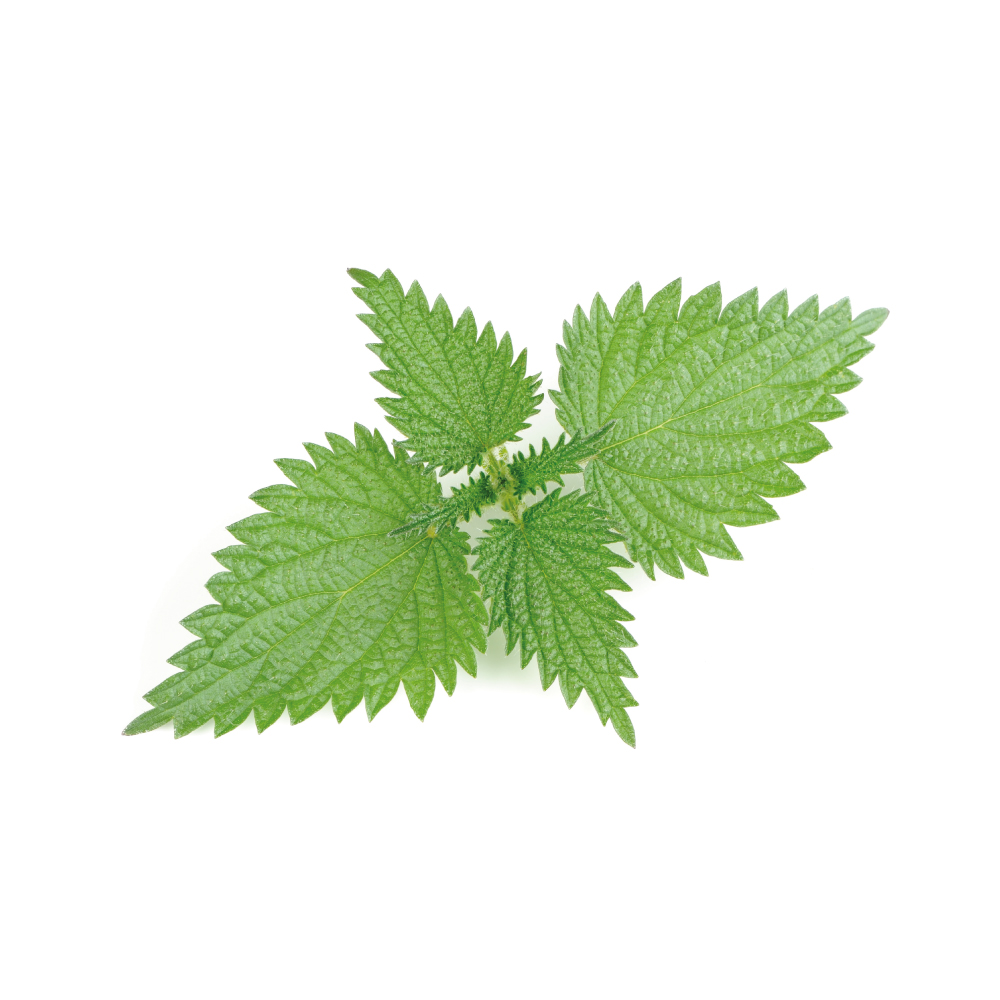 ModerateModerateStinging NettleUrtica dioicaLeaf extract and 13-HOTrE reduce the cartilage-degrading metalloproteinases in human chondrocytes, the extracts inhibit COX and LOX, and nettle suppresses T-cell activation through NFAT; the effect differs by extract type.MechanismNF-κB / NFAT ↓; COX & LOX inhibition; MMP-1/-3/-9 ↓Read the evidenceShow lessMonograph →
In human chondrocytes the leaf extract Hox alpha and its constituent 13-HOTrE significantly reduced IL-1β-induced matrix metalloproteinase-1, -3 and -9, the enzymes that degrade joint cartilage 626Reference 626In vitroEffects of the antirheumatic remedy Hox alpha, a stinging nettle leaf extract, on matrix metalloproteinases in human chondrocytes — in vitroView study →. Leaf and root extracts selectively inhibit the cyclooxygenase and lipoxygenase branches in human platelets, and root extract lowers LPS-induced chemokine secretion and COX-2 expression in intestinal cells 627Reference 627In vitroChemical composition and immuno-modulatory effects of Urtica dioica extracts — in vitroView study →.
A 2026 study on primary human T-cells adds a distinct axis: nettle downregulates CD25/CD69, cuts IL-2 and suppresses NFAT-dependent transcription, with effect size differing markedly by extract type 628Reference 628In vitroComparative study of different stinging nettle preparations regarding their immunomodulating effect on primary human T-lymphocytes — in vitroView study →. Rodent colitis models (leaf extract IDS 30, seed oil) show reduced TNF-α, IL-1β, IL-6 and disease severity 629,
Everything is in vitro or rodent, and the preparation-dependence in 628Reference 628In vitroComparative study of different stinging nettle preparations regarding their immunomodulating effect on primary human T-lymphocytes — in vitroView study → means nettle is several anti-inflammatory preparations rather than one.
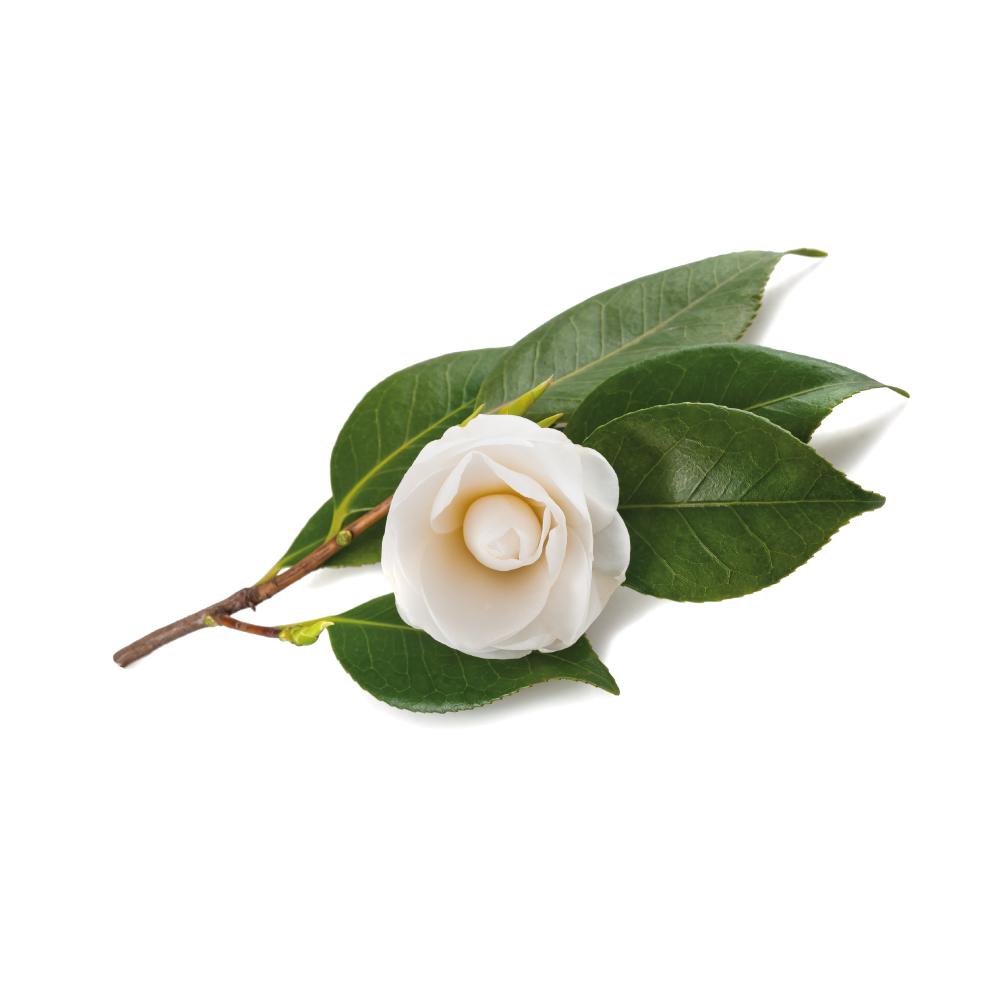 ModerateModerateTeaCamellia sinensisEGCG suppresses NF-κB and pro-inflammatory cytokine production, and green-tea extract lowers inflammatory biomarkers in trials, always as a side measurement in a metabolic study.MechanismEGCG suppression of NF-κB signaling and pro-inflammatory cytokines; NADPH-oxidase modulation by other catechinsRead the evidenceShow lessMonograph →
EGCG suppresses NF-κB signalling and pro-inflammatory cytokine production, while other green-tea catechins modulate the NADPH oxidases that generate oxidative stress 631Reference 631ReviewGreen tea (Camellia sinensis) catechins and vascular function — reviewView study →, and a polyphenol-rich extract of Camellia sinensis flowers reduced acute and immune-mediated inflammation in mice 632Reference 632AnimalAnti-inflammatory effects of a polyphenols-rich extract from tea (Camellia sinensis) flowers in acute and chronic mice models — animalView study →.
Trials of green-tea extract report reduced inflammatory biomarkers, for instance in obese hypertensive patients, but they appear as secondary readouts inside cardiometabolic trials rather than as a standalone anti-inflammatory endpoint.
No clinical trial has tested tea as a treatment for an inflammatory disease.
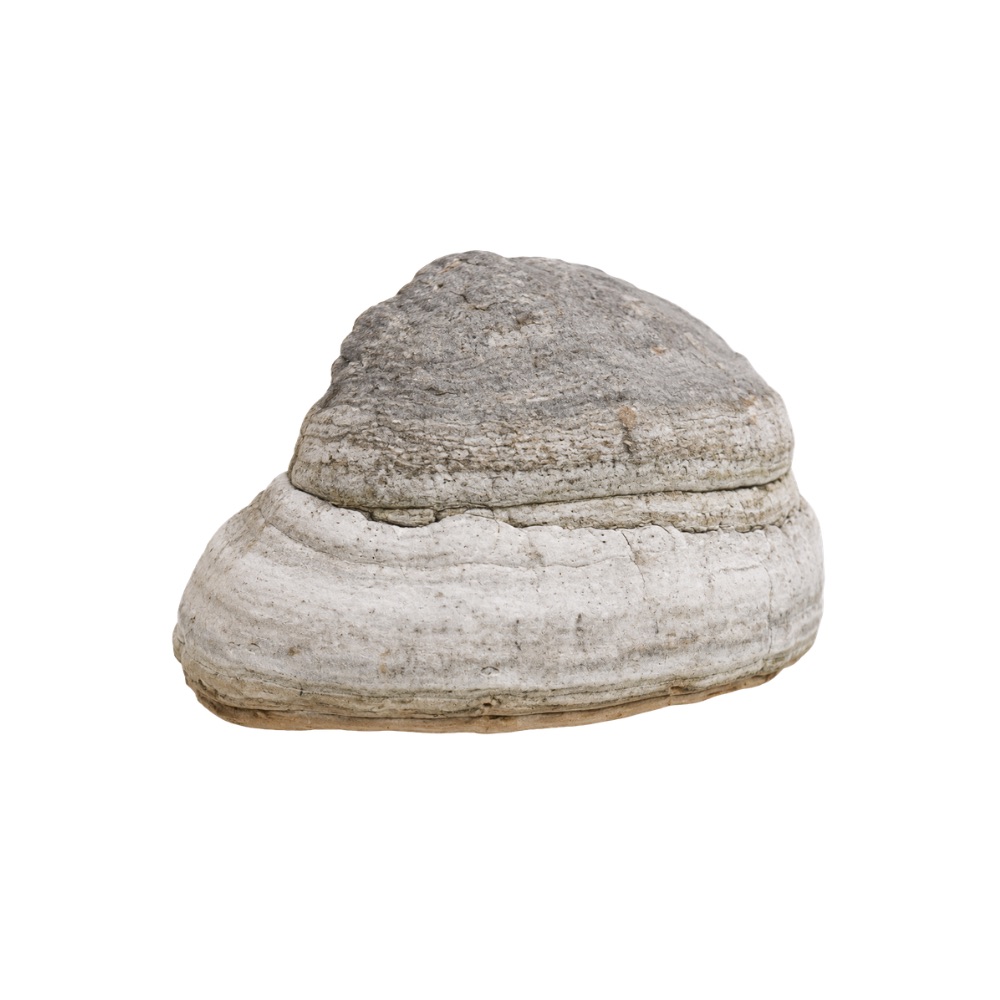 ModerateModerateTinder ConkFomes fomentariusAn oral methanol extract reduced paw oedema in rats and blunted nociception in mice, with fomentariol and a fatty-acid ester reproducing the NF-κB, ERK and STAT3 suppression in macrophages.MechanismNF-κB ↓ → iNOS ↓, COX-2 ↓; STAT3 phosphorylation ↓; ERK ↓Read the evidenceShow lessMonograph →
An oral methanol extract (50–100 mg/kg/day) reduced carrageenan-induced paw oedema in rats and blunted nociception in mouse writhing and hot-plate tests, with a matching cell mechanism: suppression of nitric oxide, PGE2 and TNF-α in LPS-stimulated RAW 264.7 macrophages by down-regulating iNOS and COX-2 through NF-κB inhibition 633Reference 633AnimalAnti-inflammatory and anti-nociceptive effects of the methanol extract of Fomes fomentarius — animal model (rat/mouse in vivo)View study →.
Two isolated constituents reproduce it, fomentariol through ERK 634Reference 634In vitroDifferential modulation of LPS-induced inflammatory cytokine production by and antioxidant activity of fomentariol in RAW264.7 cells — in vitroView study → and methyl 9-oxo-(10E,12E)-octadecadienoate through STAT3 phosphorylation 635Reference 635In vitroMethyl 9-oxo-(10E,12E)-octadecadienoate isolated from Fomes fomentarius attenuates LPS-induced inflammatory response by blocking STAT3 phosphorylation — in vitroView study →.
The in-vivo work used a methanol extract rather than the decoction or powder the fungus is traditionally taken as, and no human data exist.
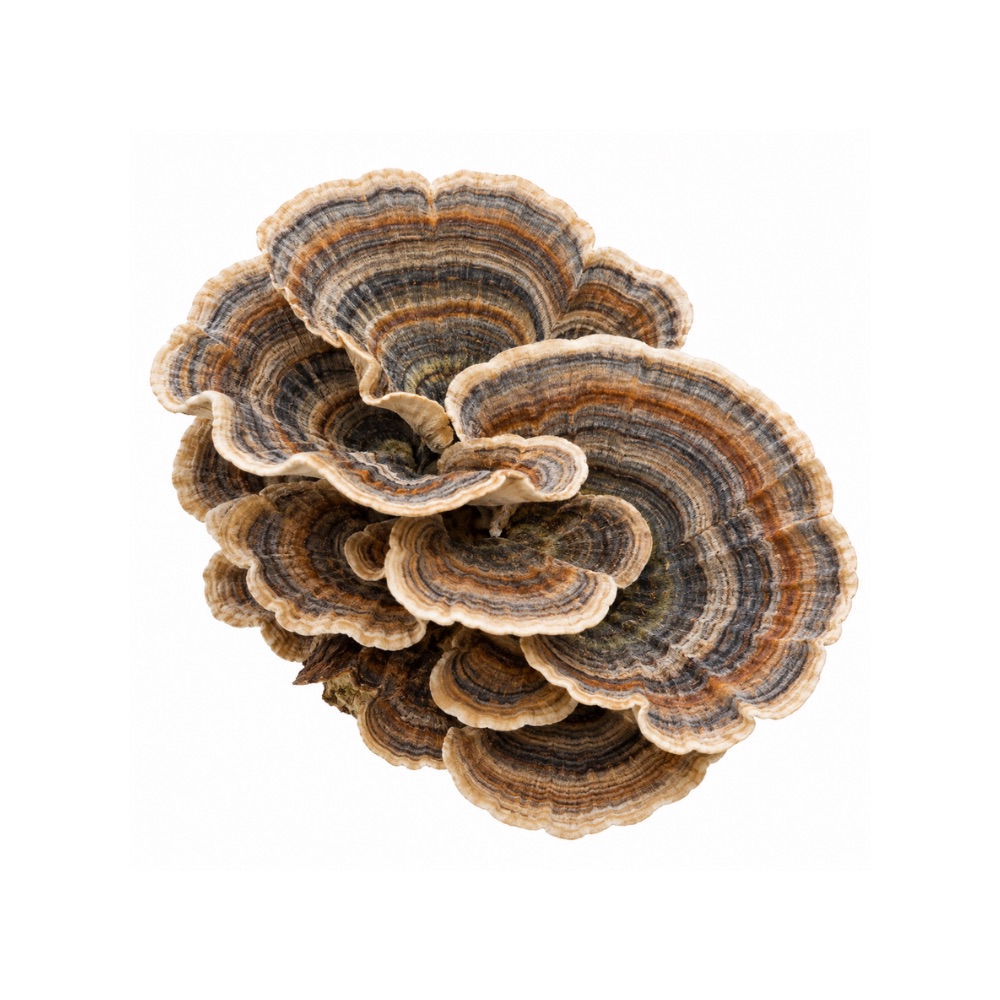 ModerateModerateTurkey TailTrametes versicolorIsolated triterpenoids and sterols inhibit nitric oxide, TNF-α and IL-6, an ethanol-extractable fraction inhibits COX and LOX, and an oral extract reduced colonic damage in mouse colitis through TLR4/NF-κB.MechanismTLR4 ↓, NF-κB ↓, NLRP3 ↓; Nrf2 ↑; COX/LOX and NO/TNF-α/IL-6 inhibitionRead the evidenceShow less
Isolated triterpenoids and sterols from the fruiting body dose-dependently inhibited nitric oxide, TNF-α and IL-6 in vitro 636Reference 636In vitroAnti-inflammatory activities of the chemical constituents isolated from Trametes versicolor — in vitroView study →, and an encapsulated ethanol-extractable fraction inhibited lipoxygenase, COX-1 and (after simulated digestion) COX-2 637Reference 637In vitroAntioxidant, anti-inflammatory and antiproliferative properties of extracted turkey tail (Trametes versicolor) mushroom components microencapsulated with inulin — in vitroView study →.
In vivo, a Coriolus versicolor extract at 200 mg/kg orally reduced colonic damage in DNBS colitis in mice by downregulating the TLR4/NF-κB cascade and activating Nrf2, lowering PGE2, IL-1β and TNF-α 638Reference 638AnimalCoriolus versicolor downregulates TLR4/NF-κB signalling cascade in DNBS-treated mice — in vivo (mouse) anti-colitis mechanismView study →.
There is no human anti-inflammatory trial, and the active triterpenoids are minor constituents whose levels swing with source and preparation.
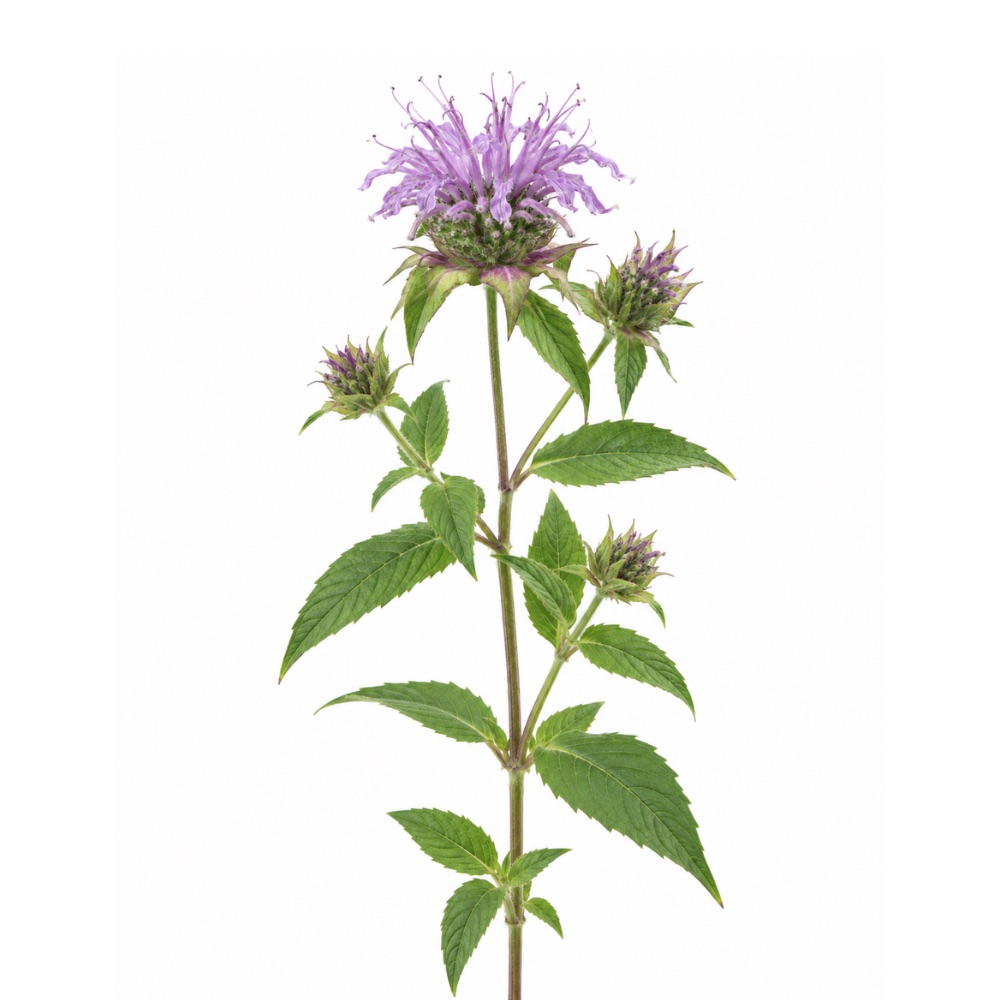 ModerateModerateWild BergamotMonarda fistulosaThe polyphenol extract, not the essential oil, reduced paw oedema and writhing in rodents, which points at the water-extractable fraction a tea delivers.Mechanismpolyphenol-fraction activity (rosmarinic and lithospermic acids, flavone glycosides)Read the evidenceShow less
The polyphenol extract reduced paw oedema and writhing in rodents 522Reference 522AnimalPolyphenols and pharmacological screening of a Monarda fistulosa L. dry extract based on a hydrodistilled residue by-product — [in vivo animal model]View study →, the herb’s only in-vivo study.
The result points at the water-extractable fraction, rosmarinic and lithospermic acids and the flavone glycosides, rather than the essential oil that most aromatic-mint research assumes carries the activity. A tea delivers that fraction.
There are no human data.
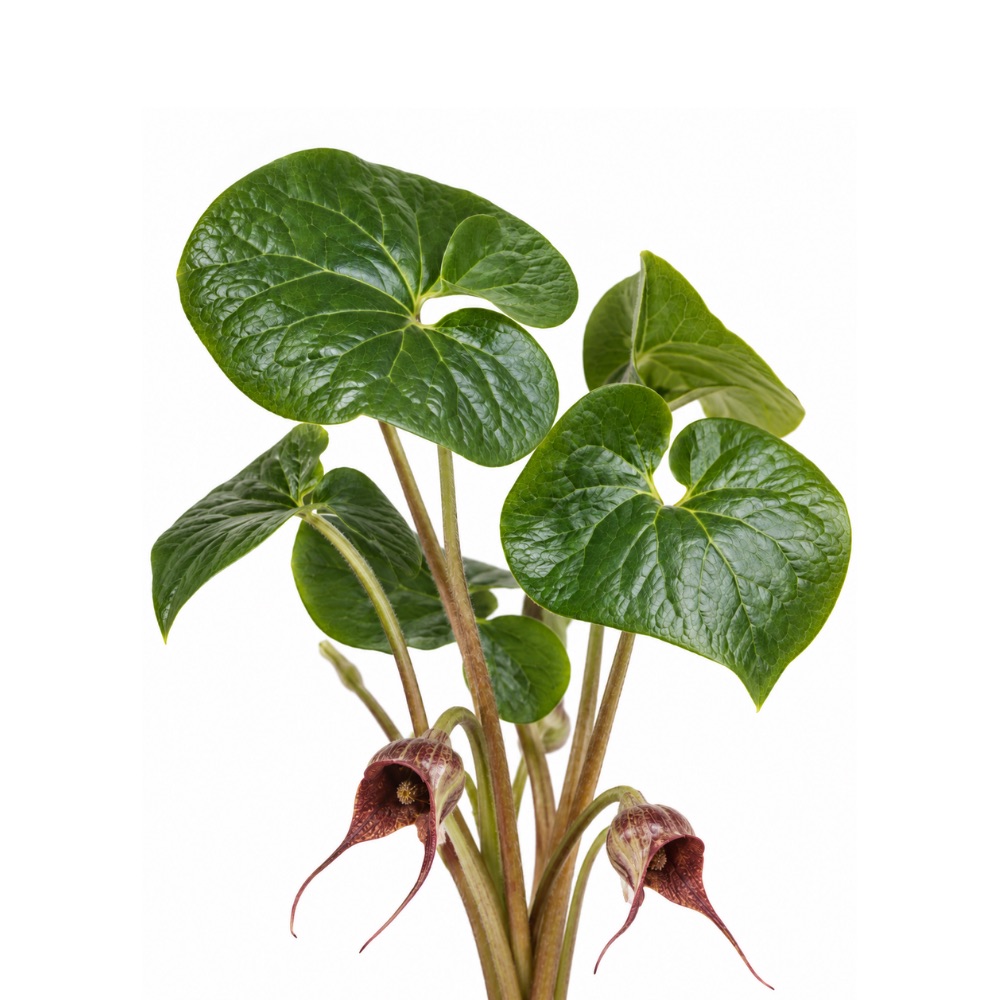 ModerateModerateWild GingerAsarum caudatumAsarum lignans such as asarinin and sesamin suppress nitric oxide, COX-2 and NF-κB in vitro, demonstrated in a related Asarum species rather than in this one.MechanismAsarum lignans → NO, COX-2 and NF-κB suppressionRead the evidenceShow less
The furofuran lignans asarinin and sesamin suppress nitric oxide, COX-2 and NF-κB in vitro, a robust and well-characterised result 249,
The work was done on a related Asarum species, and the lignans responsible have not been confirmed in A. caudatum.
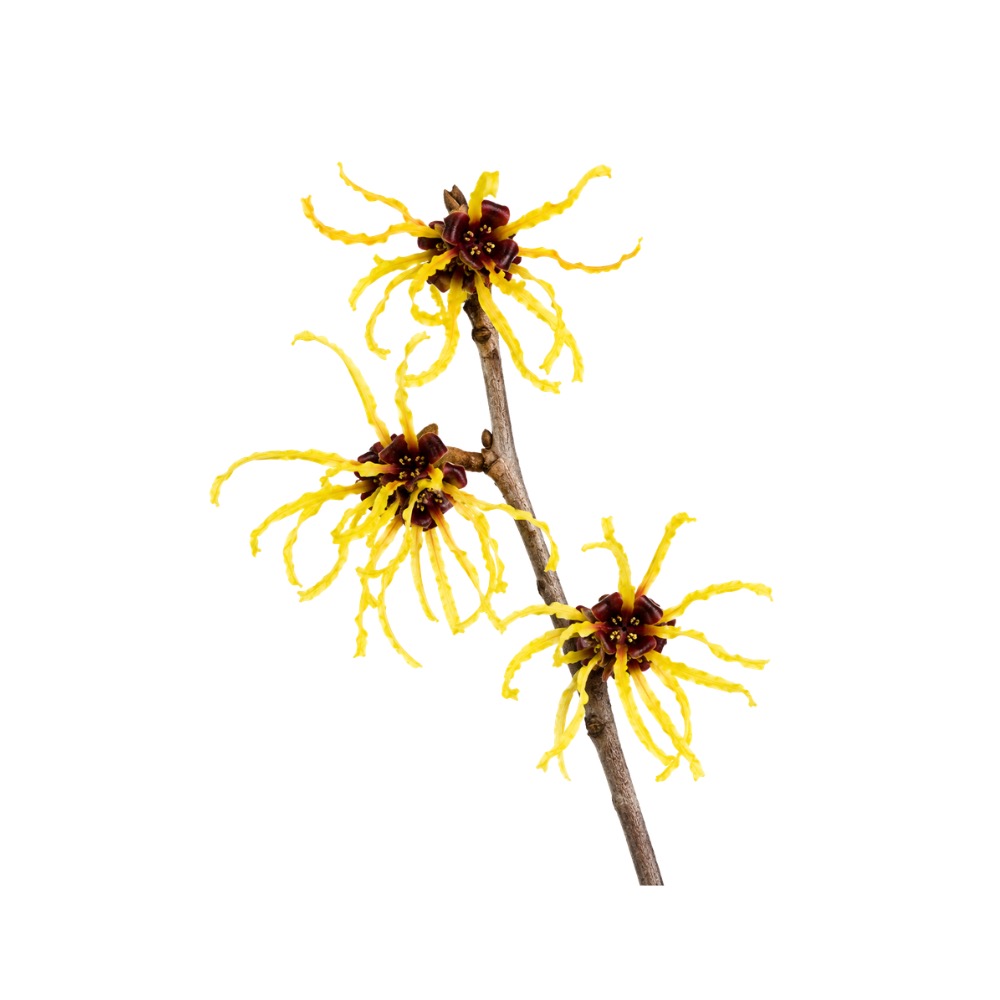 ModerateModerateWitch HazelHamamelis virginianaBark extract and hamamelitannin cut IL-6, IL-17C, TSLP and CCL26 from keratinocytes through NF-κB, and the distillate lotion reduced UV erythema in volunteers by 20–27%; the two halves have never been tested in one preparation.MechanismNF-κB ↓; IL-6 / IL-17C / TSLP / CCL26 ↓; ROS and TNF-α / IL-8 ↓Read the evidenceShow lessMonograph →
In a UVB-erythema model in 30 volunteers a 10% hamamelis-distillate after-sun lotion suppressed redness by about 20–27%, significantly more than vehicle 643Reference 643RCTAnti-inflammatory effect of hamamelis lotion in a UVB erythema test — randomised controlled trialView study →. A 40-volunteer follow-up found the effect real but small and not clearly better than the base cream for most distillates tested 644Reference 644RCTAnti-inflammatory efficacy of topical preparations with 10% hamamelis distillate in a UV erythema test — randomised controlled trialView study →, and an earlier controlled study showed a phosphatidylcholine-formulated distillate reduced UV- and tape-stripping erythema but was inferior to hydrocortisone 1% 645Reference 645RCTAnti-inflammatory activity of hamamelis distillate applied topically to the skinView study →.
The most rigorous test is negative: a double-blind randomised paired trial in 72 atopic eczema patients found distillate cream no better than its own drug-free vehicle and clearly worse than 0.5% hydrocortisone 646Reference 646RCTComparative efficacy of hamamelis distillate and hydrocortisone cream in atopic eczema — double-blind randomised controlled trialView study →.
The mechanism sits with the bark rather than the distillate. Standardised bark extract and hamamelitannin cut IL-6, IL-17C, TSLP and CCL26 release from cytokine-driven keratinocytes by impairing NF-κB signalling 101Reference 101In vitroUnveiling the ability of witch hazel (Hamamelis virginiana L.) bark extract to impair keratinocyte inflammatory cascade typical of atopic eczema — in vitroView study →, and bark extract suppresses ROS and TNF-α/IL-8 in stimulated skin cells 104Reference 104In vitroChemical composition, skin microbiota metabolism, antimicrobial potential and anti-inflammatory properties of witch hazel bark (Hamamelis virginiana L.) — in vitro/ex vivoView study →.
The positive human data are erythema-model surrogates using a tannin-free distillate, while the mechanistic data are tannin-rich bark. The two halves of this action have never been tested in the same preparation.
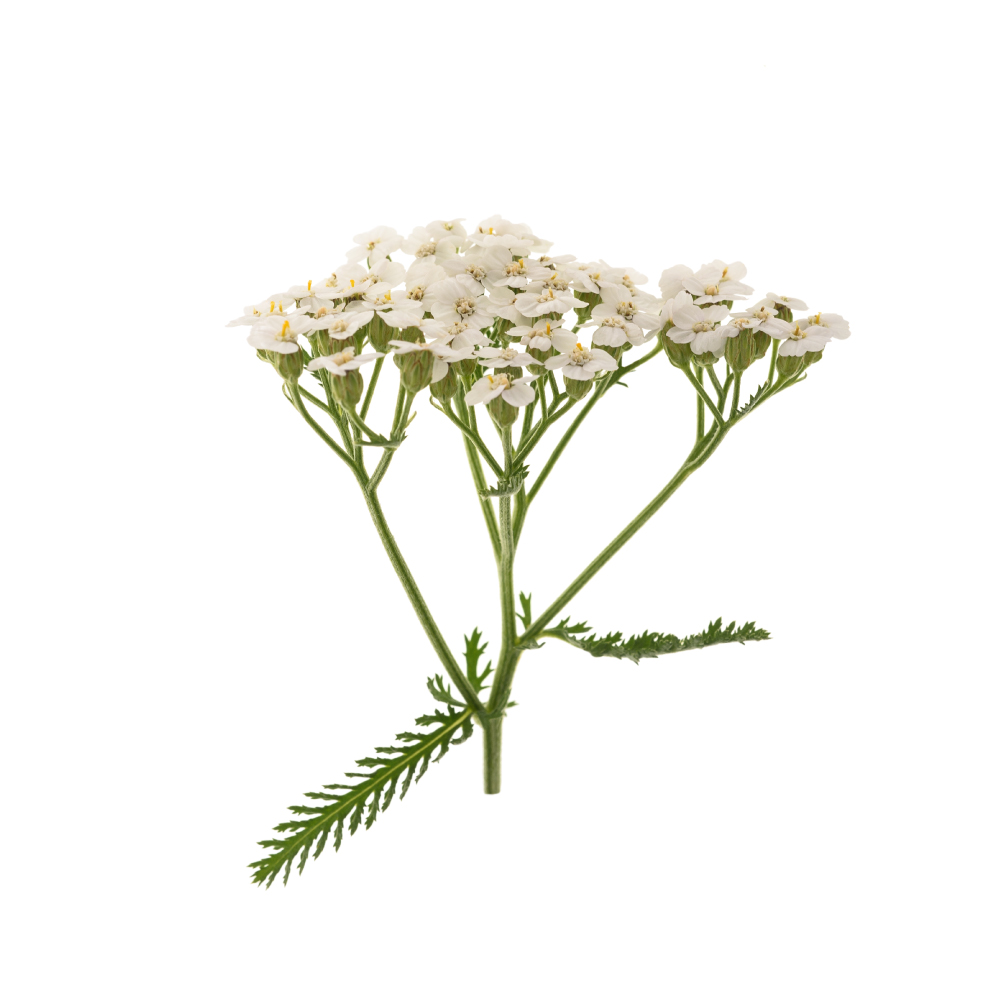 ModerateModerateYarrowAchillea millefoliumThe millefolactons inhibit 15-lipoxygenase and suppress iNOS, COX-2 and the NLRP3 inflammasome in microglia, and the flavonoid fraction inhibits neutrophil elastase, a second distinct mechanism.Mechanism15-LOX ↓; NF-κB/COX-2/iNOS/NLRP3 ↓; neutrophil-elastase inhibitionRead the evidenceShow lessMonograph →
Newly described guaianolides (millefolactons) inhibited 15-lipoxygenase, and millefolacton C suppressed nitric-oxide release, TNF-α, IL-6, PGE₂, iNOS, COX-2 and the NLRP3 inflammasome in LPS-stimulated microglia 650Reference 650In vitroGuaianolides from Achillea millefolium L. and their anti-inflammatory activity — [in vitro]View study →.
Yarrow extract and its flavonoid fraction separately inhibited human neutrophil elastase (IC₅₀ ≈ 20 µg/mL), a protease central to inflammation and a distinct second mechanism 651Reference 651In vitroAchillea millefolium L. s.l. — is the anti-inflammatory activity mediated by protease inhibition? — [in vitro]View study →.
There is no human anti-inflammatory trial. The cytokine and enzyme effects come from isolated cells at defined concentrations.
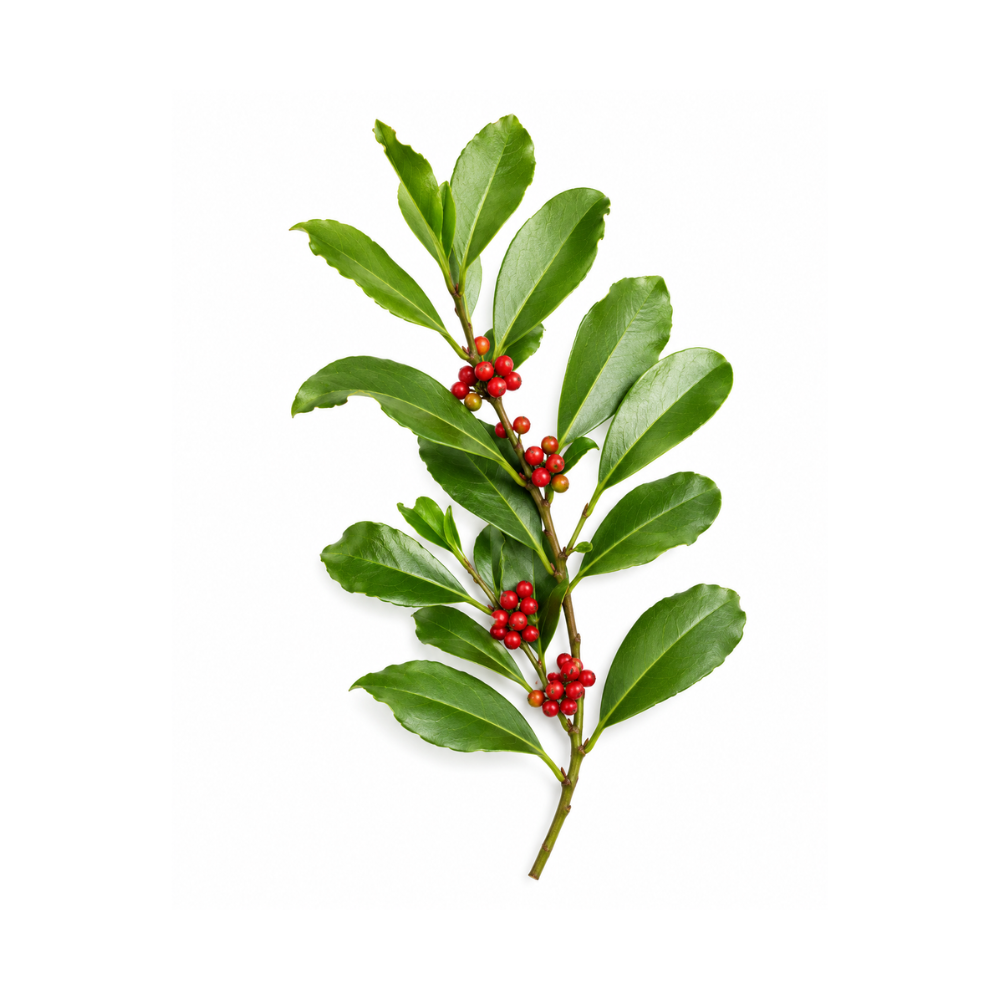 ModerateModerateYerba MatéIlex paraguariensisMaté tea and its saponins suppressed NF-κB p65 signalling in rat colon, and in people the leaf lowers inflammatory gene networks and circulating cytokines inside cardiometabolic trials.MechanismNF-κB p65 signaling ↓ (matesaponins); inflammatory gene-network downregulation (human, ex vivo); circulating cytokines ↓Read the evidenceShow lessMonograph →
In rats, maté tea and isolated mate saponins suppressed azoxymethane-induced colonic inflammation through reduced NF-κB p65 signalling 652Reference 652AnimalYerba mate tea and mate saponins prevented azoxymethane-induced inflammation of rat colon through suppression of NF-κB signaling — rat in vivo studyView study →, the most specific result available, and one that points at the gut rather than at systemic inflammation.
On the human side a polyphenol-extract study showed downregulation of inflammatory gene networks 653Reference 653RCTMultigenomic modifications in human circulating immune cells in response to consumption of polyphenol-rich extract of yerba mate — randomized controlled trialView study →, and the 8-week cardiometabolic RCT reported lower circulating inflammatory cytokines 654Reference 654RCTYerba Mate (Ilex paraguariensis) tea may have cardiometabolic beneficial effects — a randomized, controlled, blind, crossover trial in nonhabitual consumersView study →. Both are marker-level results inside trials designed around lipids and glycaemia.
A 2025 systematic review looked for a clinical application in rheumatoid arthritis and concluded the preclinical support is real and the clinical evidence insufficient 655Reference 655Systematic reviewYerba Mate (Ilex paraguariensis) and rheumatoid arthritis: a systematic reviewView study →.
Candidate mediators are the matesaponins, ursolic acid and the caffeoylquinic phenolic acids, the same fraction carrying the antioxidant and hypolipidemic actions, so this is one effect read three ways.
Show 42 more herbs with a mild anti-inflammatory action
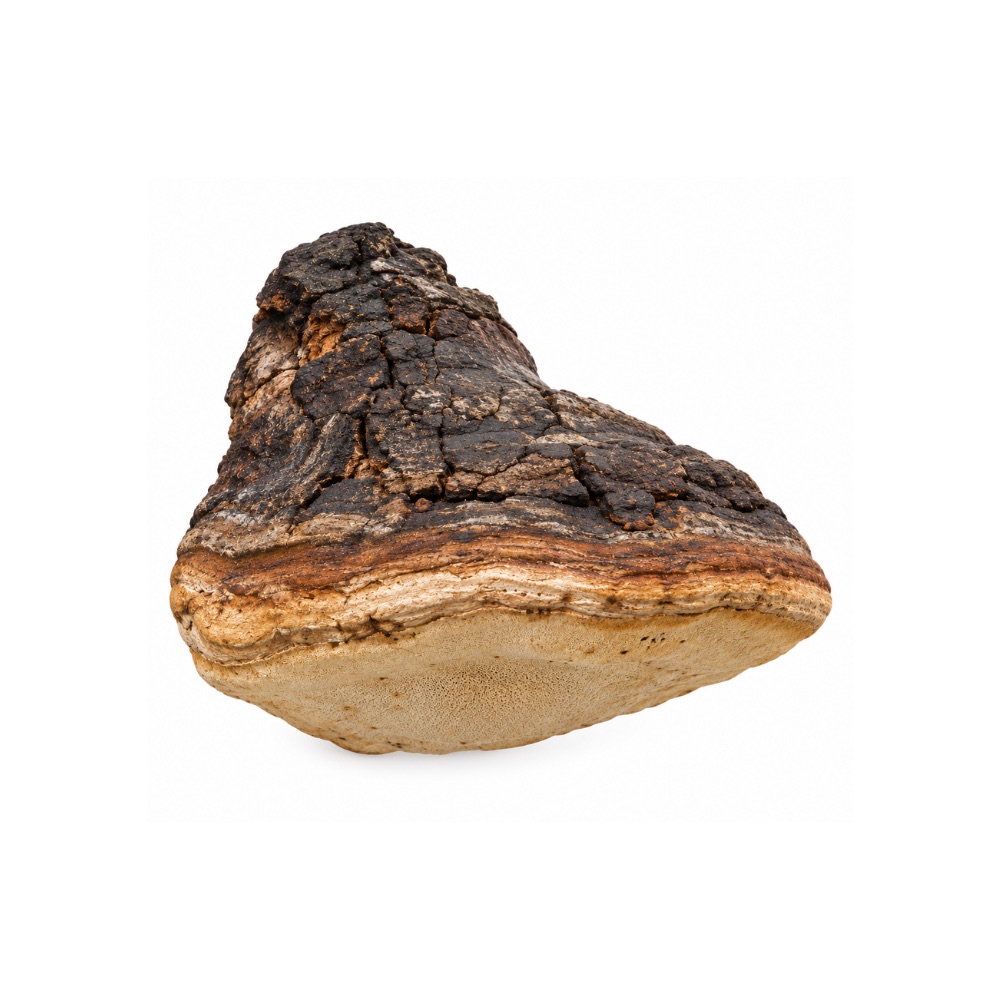 MildMildAgarikonFomitopsis officinalisTriterpenoids suppress nitric oxide in macrophages; the only in-vivo support is a six-herb formula in a COPD rat model.Mechanismtriterpenoids → nitric oxide suppression in macrophagesRead the evidenceShow less
Triterpenoids reduce nitric-oxide production in macrophage models.
The in-vivo evidence is a COPD rat model using a six-herb formula 233Reference 233AnimalChemical profiling and mechanisms of Agarikon pill in a rat model of cigarette smoke-induced COPD — [animal model, rat]View study →, in which the authors attribute most of the anti-inflammatory action to the licorice constituents, so nothing can be attributed to agarikon from it.
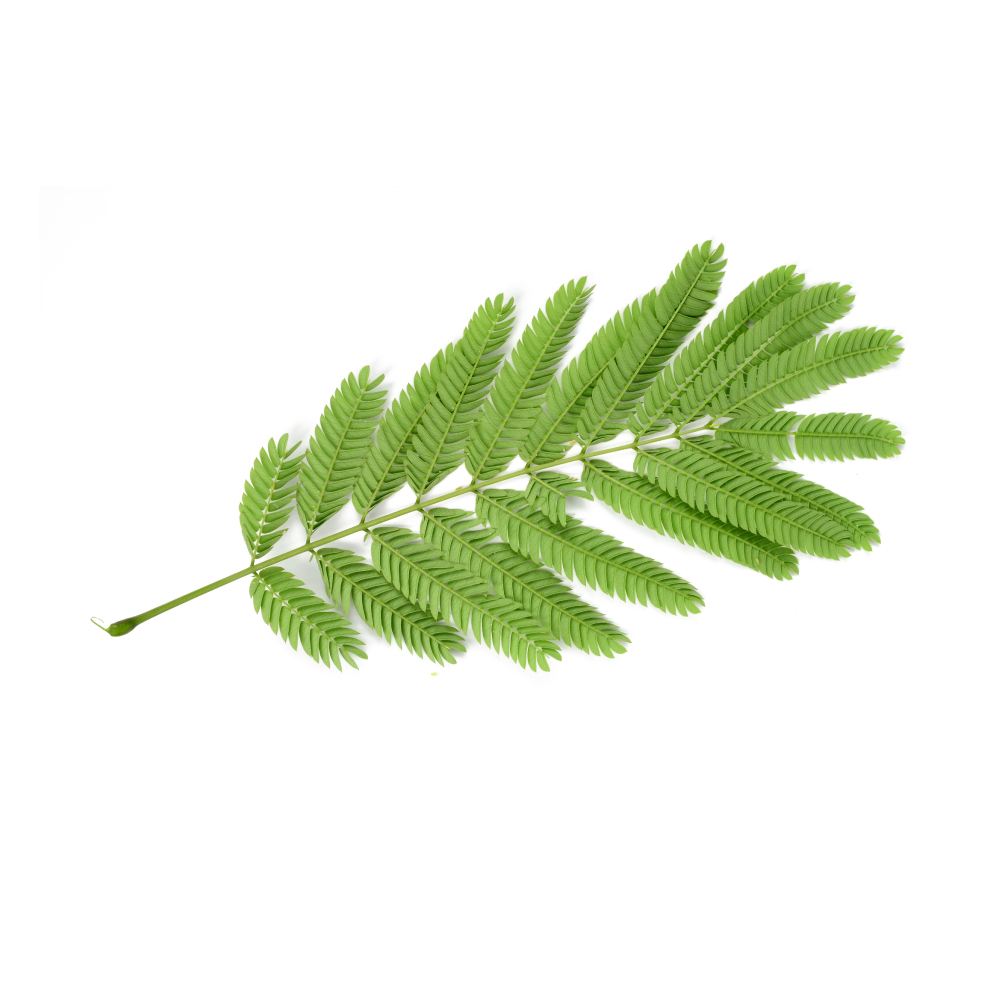 MildMildAlbizziaAlbizzia lebbeckBark extracts inhibited carrageenan, dextran, cotton-pellet and adjuvant inflammation by 45–60% in rats; used in Ayurveda for inflammatory conditions, arthritis and eczema.Mechanismrodent acute and chronic inflammation ↓ (bark, leaf); echinocystic-acid saponins; mast-cell stabilisationRead the evidenceShow lessMonograph →
In Ayurvedic practice the bark and flowers are given for inflammatory conditions, arthritis, eczema and gum inflammation alongside the herb’s better-known use in allergic disease.
Ethanolic and petroleum-ether bark extracts (400 mg/kg) inhibited carrageenan-, dextran-, cotton-pellet- and Freund’s-adjuvant-induced inflammation by roughly 45–60% in rats, covering both acute and chronic models 657Reference 657AnimalAnti-inflammatory activity of Albizia lebbeck Benth., an ethnomedicinal plant, in acute and chronic animal models of inflammation — animal modelView study →, and aqueous and ethanolic leaf extracts were anti-inflammatory in a second rat study 658Reference 658AnimalEvaluation of the anti-inflammatory activity of the aqueous and ethanolic extracts of the leaves of Albizzia lebbeck in rats — animal modelView study →. The activity is attributed to the saponins, which share the triterpene sapogenin echinocystic acid.
There are no human data, and no mechanism has been mapped beyond the mast-cell work behind its antiallergic action.
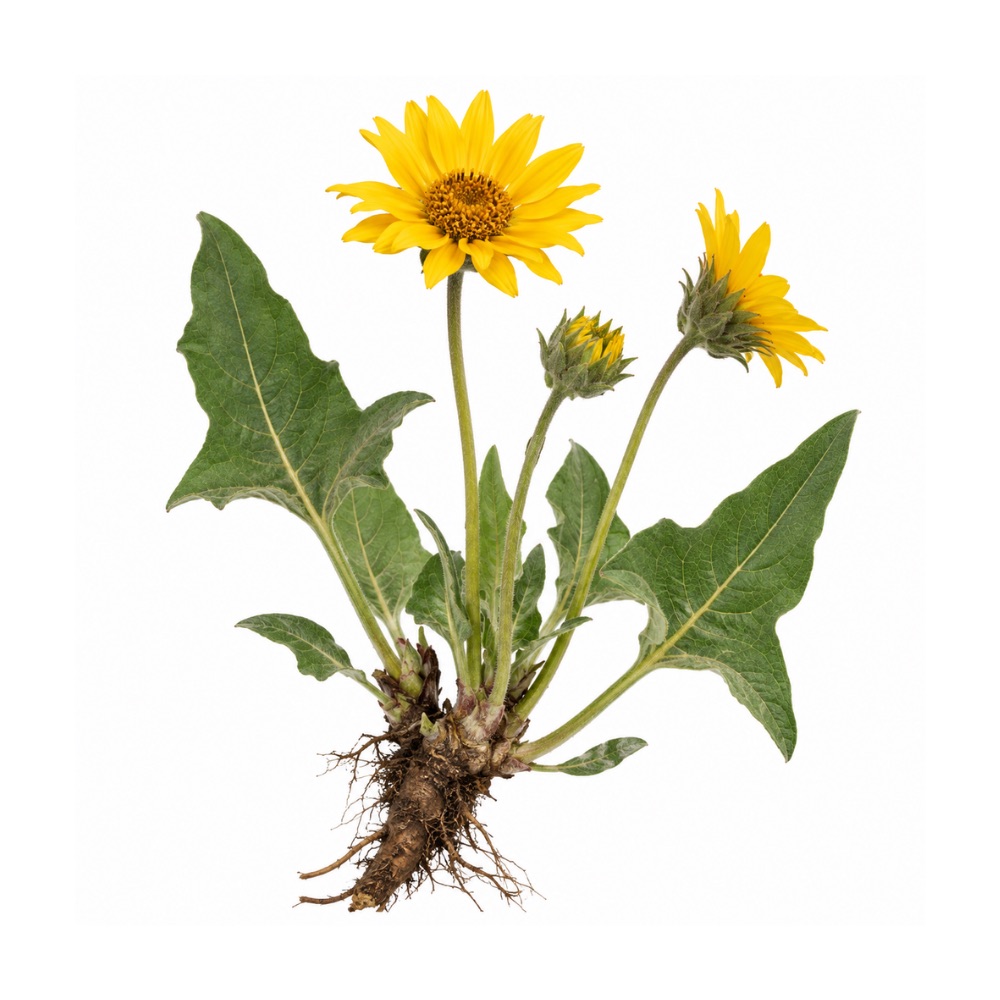 MildMildArrowleaf BalsamrootBalsamorhiza sagittataInferred from the root's guaianolide and germacranolide sesquiterpene lactones; the plant itself has never been tested in an inflammatory model.Mechanismsesquiterpene lactone activity (class-level)Read the evidenceShow less
Phytochemical study of the aerial-part exudates yielded guaianolides, a germacranolide and eudesmane acids, compound classes with documented anti-inflammatory activity elsewhere in the Asteraceae.
The anti-inflammatory scaffolds are present, and the plant has never been tested in any anti-inflammatory model. The traditional root poultice was used for wounds, burns, sores and insect bites.
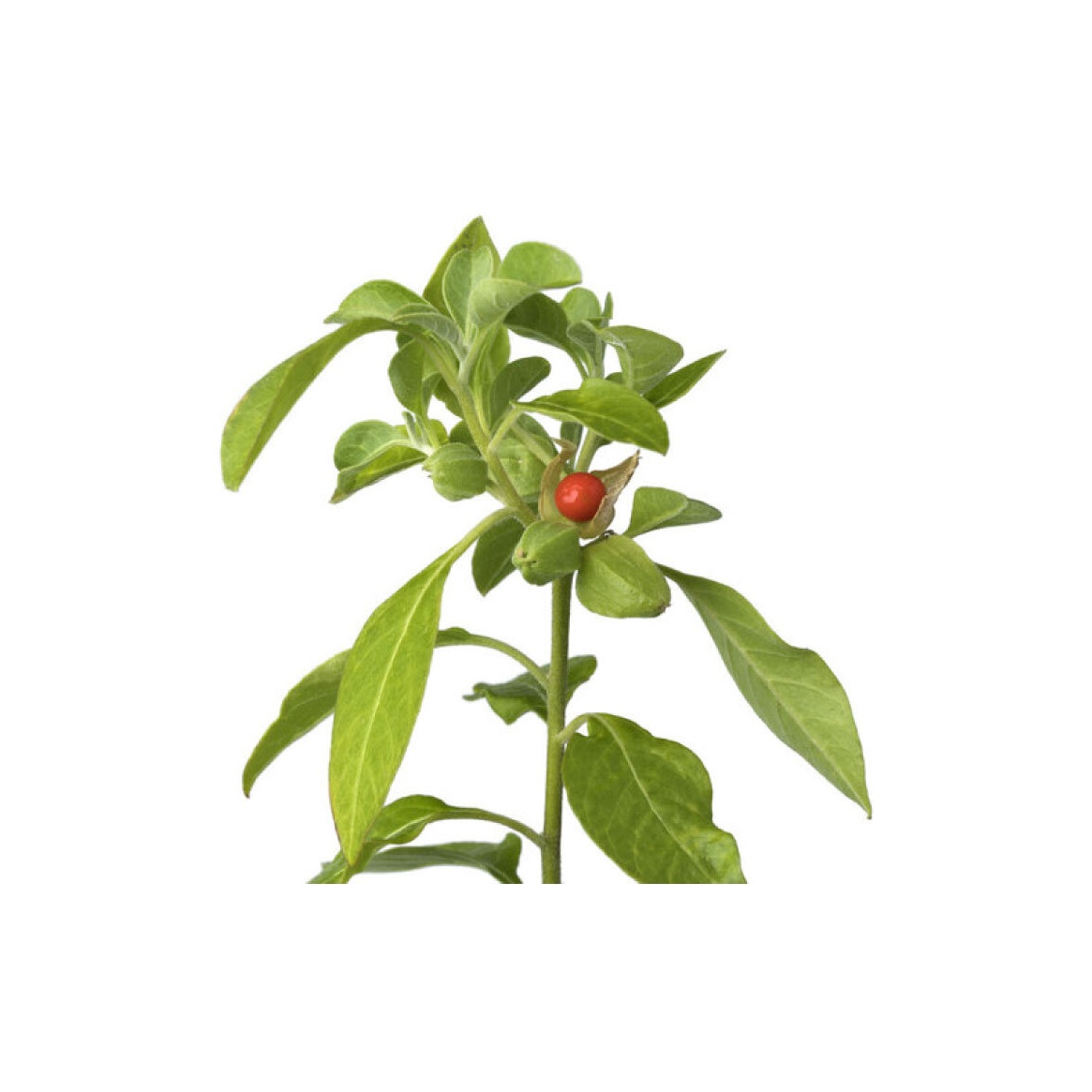 MildMildAshwagandhaWithania somniferaWithaferin A suppresses NF-κB and the NLRP3 inflammasome and blocks IL-1β in dendritic cells; oral root preparations deliver only trace amounts of it.MechanismNF-κB ↓; NLRP3 inflammasome ↓; IL-1β ↓Read the evidenceShow lessMonograph →
Withaferin A suppresses NF-κB signalling and, in dendritic cells, blocks Helicobacter pylori-induced IL-1β production through NF-κB and NLRP3 inflammasome regulation 252Reference 252In vitroWithaferin A inhibits Helicobacter pylori-induced production of IL-1β in dendritic cells by regulating NF-κB and NLRP3 inflammasome activation — in vitroView study →; in a mouse fulminant-hepatitis model it reduced inflammation by targeting macrophage NLRP3 253Reference 253AnimalWithaferin A alleviates fulminant hepatitis by targeting macrophage and NLRP3 — mouse in vivoView study →.
There is no human anti-inflammatory trial. Withaferin A is a minor withanolide that oral root preparations deliver in only trace amounts 254Reference 254Functional Foods in Health and Disease. (Standardised extract reported ~15.4% total withanolides, withaferin A ~6.47%; commercial extracts standardised to 1.5–5% withanolides or 10–35% withanolide glycosides.), so the mechanism does not transfer to how the herb is taken.
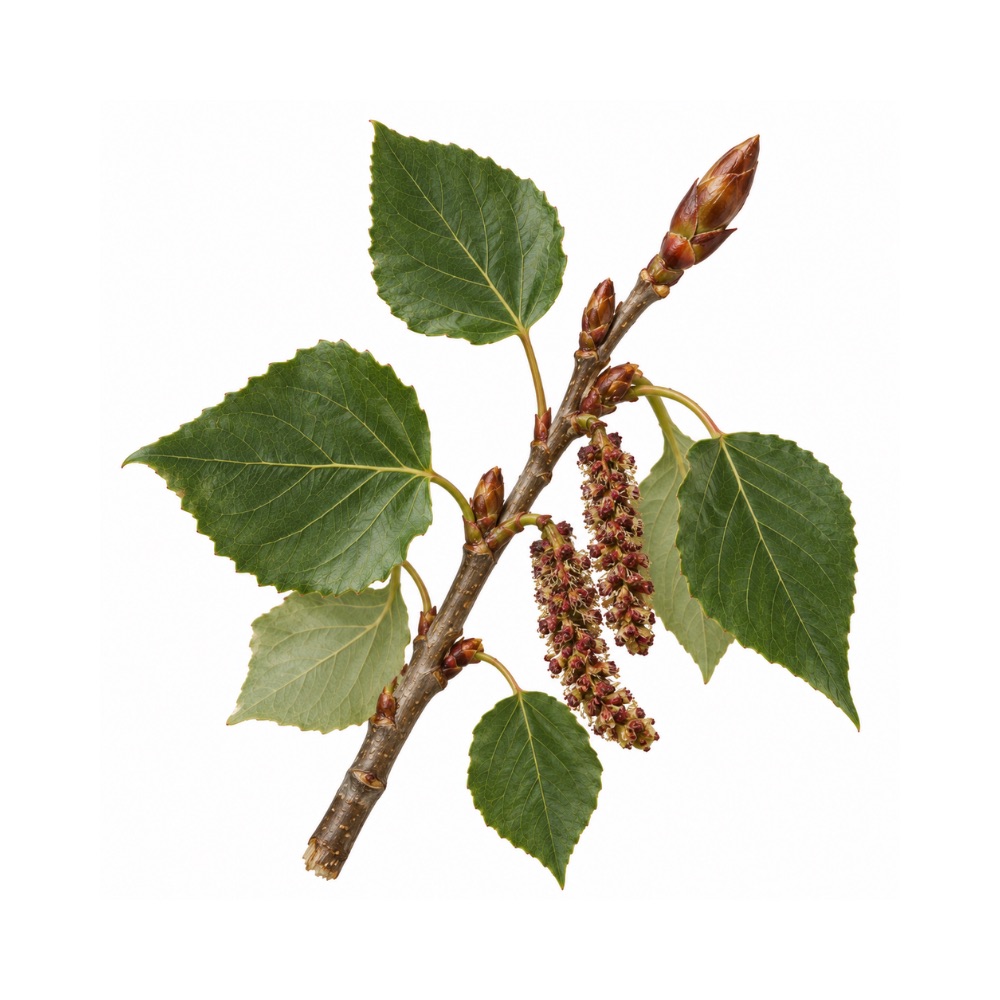 MildMildBalsam PoplarPopulus balsamiferaPreclinical anti-inflammatory activity, with the bud's salicinoids giving it a plausible salicylate-type mechanism.Mechanismsalicinoid and flavonoid mediator suppressionRead the evidenceShow less
The buds show preclinical anti-inflammatory activity 262,
The salicinoids give it a plausible salicylate-adjacent mechanism, though this has not been tested directly.
MildBarbatimãoStryphnodendron adstringensBark extract inhibited TNF-α release in vitro and reduced inflammation in a rodent acute-arthritis model; used topically in Brazil on wounds, ulcers and inflamed skin.MechanismTNF-α ↓; M1 macrophage activation ↓ (NO, iNOS); tannin-mediatedRead the evidenceShow less
Bark decoctions, ointments and creams standardised to tannin content are applied in Brazilian practice to wounds, ulcers, burns and inflamed skin, and as a mouthwash for gum inflammation.
The bark extract inhibited tumour-necrosis-factor-α release in vitro and reduced inflammation in a rodent acute-arthritis model 660Reference 660In vitroIn vitro TNF-α inhibitory activity of Brazilian plants and anti-inflammatory effect of Stryphnodendron adstringens in an acute-arthritis model — in vitro and animal modelView study →, and a hydroethanolic extract impaired M1 macrophage activation, lowering nitric oxide and inducible nitric-oxide synthase.
The activity is coherent with the tannin chemistry, and there are no human data.
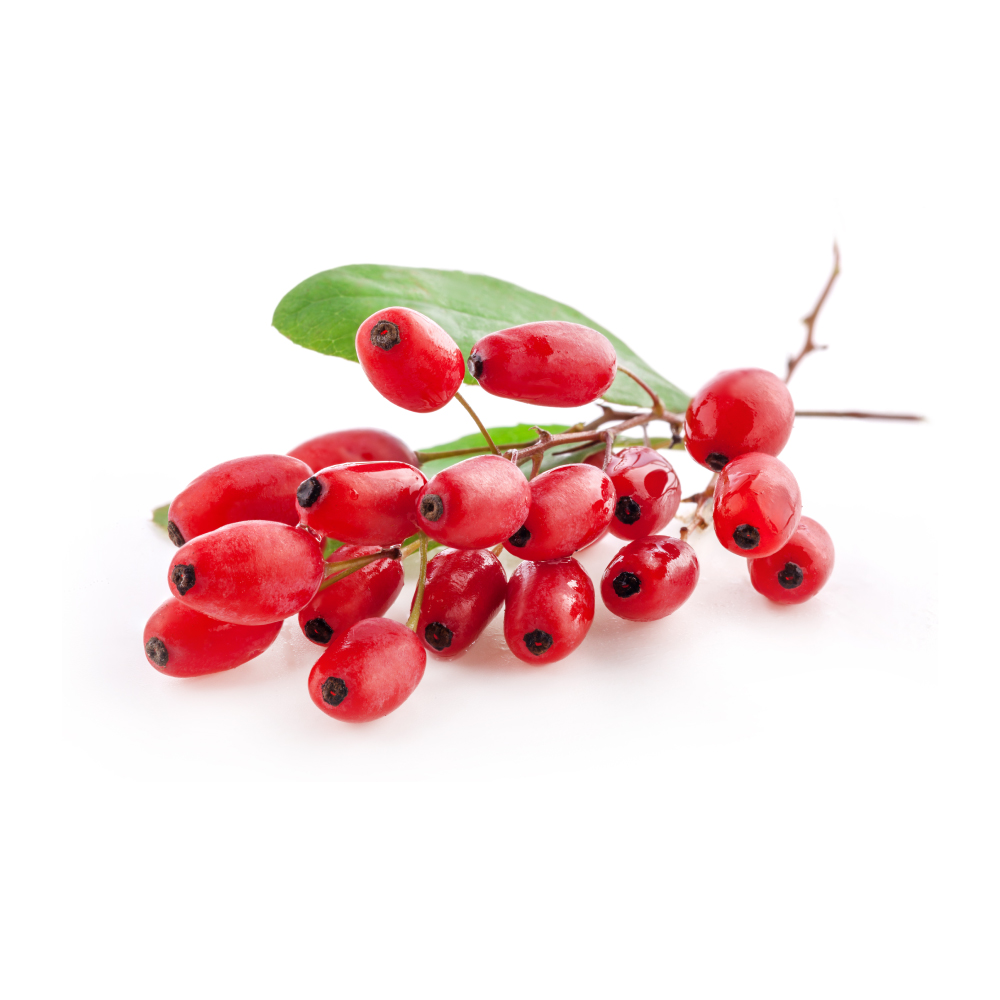 MildMildBarberryBerberis vulgarisBerbamine and oxyacanthine are antiproliferative and anti-inflammatory on keratinocytes — threefold more potent than berberine itself.Mechanismkeratinocyte antiproliferative and anti-inflammatory activity (berbamine, oxyacanthine)Read the evidenceShow lessMonograph →
Barberry’s anti-inflammatory activity is most characterised in skin. Berbamine and oxyacanthine are antiproliferative and anti-inflammatory on keratinocytes, and threefold more potent there than berberine, the alkaloid the herb is better known for.
That combination — restraining keratinocyte proliferation and the inflammation alongside it — is the route behind its antipsoriatic use.
There is no dedicated systemic anti-inflammatory study for the herb: no cytokine panel, no oedema model, no human marker data.
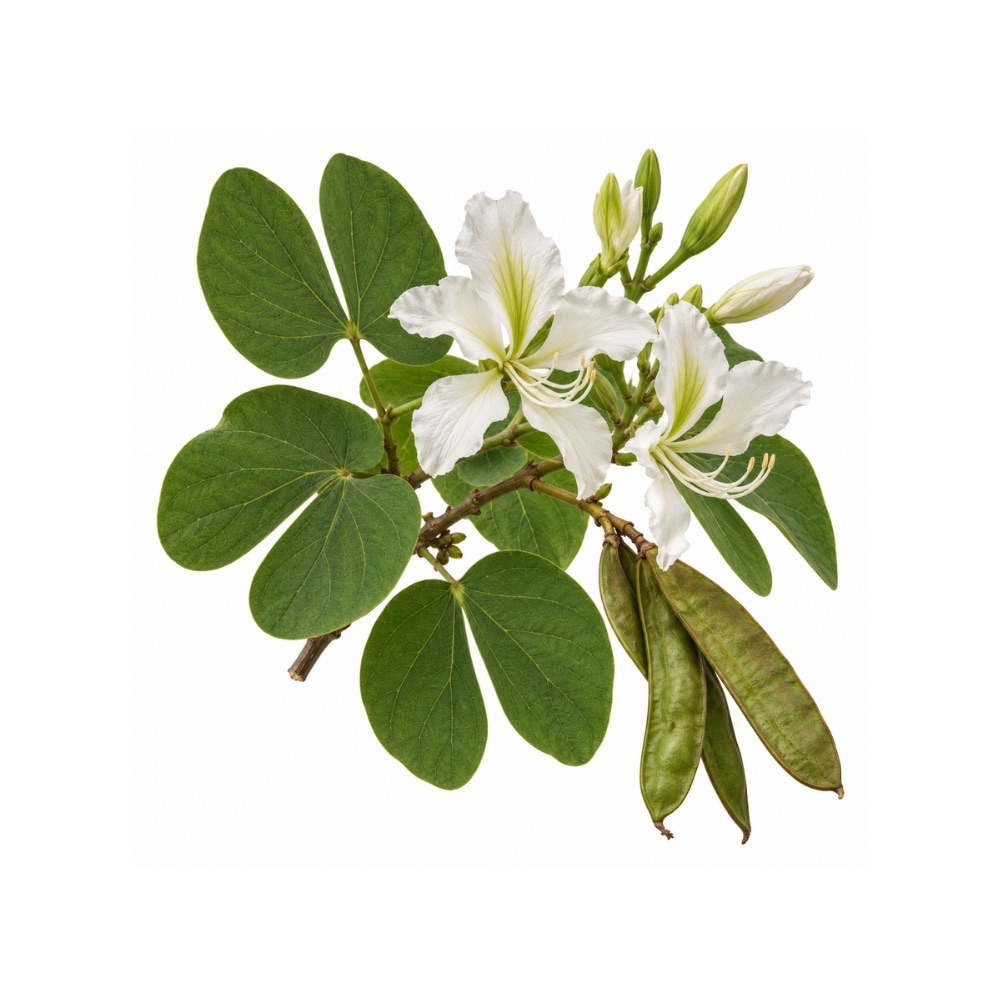 MildMildBauhinia ForficataBauhinia forficataLeaf extract activated Nrf2 and suppressed NF-κB in stressed keratinocytes, and a leaf polysaccharide modulates macrophage cytokines in both directions.MechanismNF-κB ↓, Nrf2 ↑ (keratinocytes); arabinogalactan cytokine modulationRead the evidenceShow less
In H₂O₂-stressed HaCaT keratinocytes, a leaf extract activated Nrf2/PINK1 and suppressed NF-κB signalling, reducing oxidative and inflammatory markers 661Reference 661In vitroBauhinia forficata Link protects HaCaT keratinocytes from H₂O₂-induced oxidative stress and inflammation via Nrf2/PINK1 and NF-κB signaling pathways — in vitroView study →. An arabinogalactan-rich leaf polysaccharide fraction modulated THP-1 macrophage cytokine output, raising both IL-1β and IL-10.
There is no whole-animal model of an inflammatory disease and no human data, and the polysaccharide effect is bidirectional immunomodulation rather than straightforward anti-inflammation.
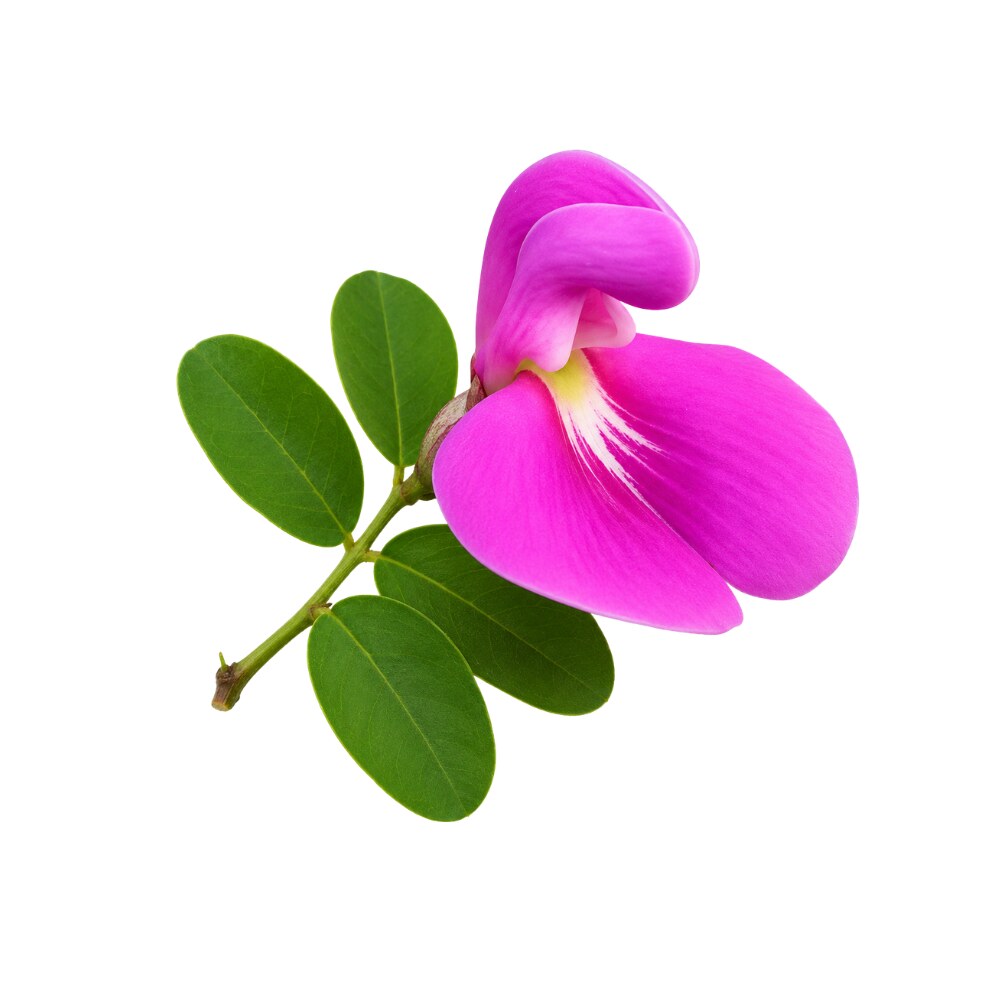 MildMildBay BeanCanavalia roseaAnti-inflammatory activity reported in laboratory screening of leaf and seed extracts, credited to a triterpene and flavonoid fraction; the traditional uses are rheumatism, aches and boils.Mechanismnot established — activity attributed to a triterpene/flavonoid fraction; no pathway measuredRead the evidenceShow lessMonograph →
Laboratory screening of leaf and seed extracts reports anti-inflammatory and antioxidant activity, credited to the same triterpene and flavonoid fraction as the antibacterial signal 267,
No pathway is named, no model specified and no dose given. The same review-level source lists antiplasmodial and anticancer activity, both isolated in-vitro reports 267Reference 267ReviewA review on pharmacological aspects of Canavalia rosea (2022) — antibacterial, anti-inflammatory, antiplasmodial and other reported activities; constituent overview..
The plant’s most consistent folk use is for rheumatism, aches and boils, and the laboratory screening has not yet tested that use.
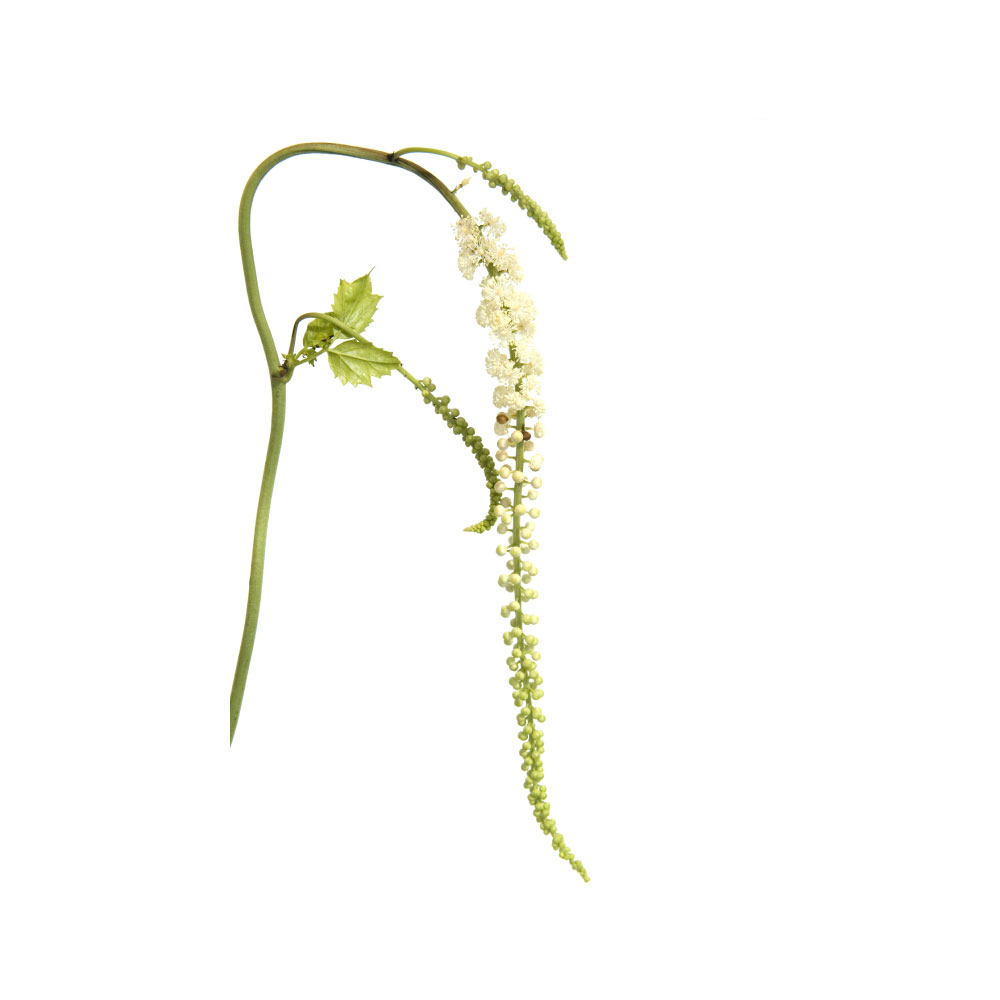 MildMildBlack CohoshCimicifuga racemosaThe Ze 450 extract reduced nitric oxide, IL-1, IL-6 and iNOS in macrophages and shifted their metabolism, and cimiracemate A suppresses TNF-α through MAPK and NF-κB.MechanismNF-κB ↓; MAPK ↓; iNOS/IL-1/IL-6 ↓; macrophage OXPHOS→glycolysis shiftRead the evidenceShow lessMonograph →
The proprietary Ze 450 extract reduced nitric oxide, IL-1, IL-6, iNOS, HIF-1α and mTOR in LPS-stimulated macrophages and shifted their metabolism from oxidative phosphorylation toward glycolysis 277Reference 277In vitroCimicifuga racemosa extract Ze 450 shifts macrophage immunometabolism and attenuates pro-inflammatory signalling — in vitroView study →, and bioactivity-guided fractionation named cimiracemate A as the constituent suppressing LPS-induced TNF-α in human macrophages through MAPK and NF-κB modulation 278Reference 278In vitroIdentification of cimiracemate A as an anti-inflammatory constituent of black cohosh on human macrophages — in vitroView study →.
No clinical study has tested black cohosh as an anti-inflammatory agent, and the extract carrying the signal is manufacturer-supplied and different from the one carrying the menopause data, so the finding does not transfer to a whole-herb tincture.
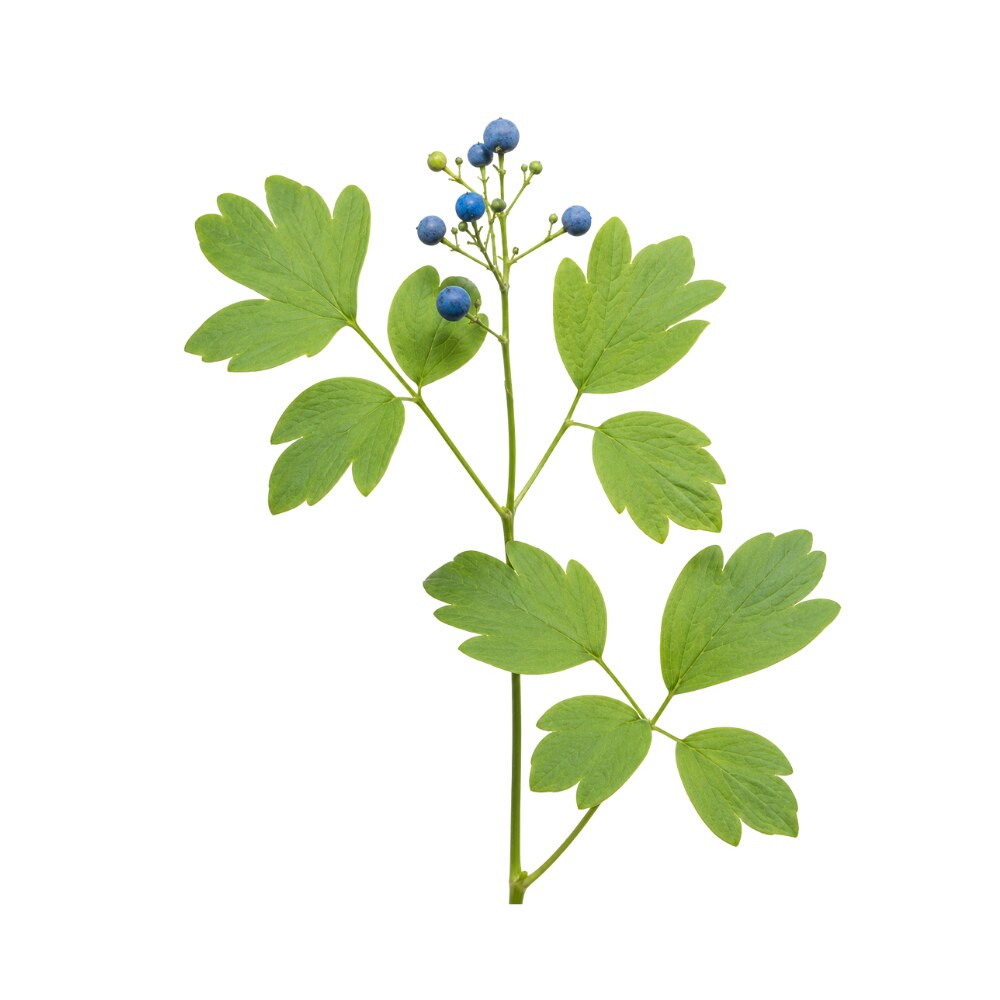 MildMildBlue CohoshCaulophyllum thalictroidesThe triterpene saponins suppressed iNOS and the TNF-α, IL-1β and IL-6 cytokines in microglia and lowered COX-2 and cytokines in mouse adrenal tissue; a single unreplicated study.MechanismiNOS ↓; COX-2 ↓; TNF-α/IL-1β/IL-6 ↓Read the evidenceShow lessMonograph →
In LPS-activated microglia the triterpene saponins suppressed inducible nitric oxide synthase and TNF-α, IL-1β and IL-6 concentration-dependently, and in the adrenal glands of treated mice the same preparation lowered COX-2, iNOS and cytokine expression 279Reference 279In vitroAnti-inflammatory effect of triterpene saponins isolated from blue cohosh (Caulophyllum thalictroides) — in vitro and mouse animal modelView study →. The finding fits the traditional use of the root as an anti-inflammatory and antipyretic 279Reference 279In vitroAnti-inflammatory effect of triterpene saponins isolated from blue cohosh (Caulophyllum thalictroides) — in vitro and mouse animal modelView study →.
It is one study from one laboratory, unreplicated, with no human data and an undefined fraction rather than a standardised dose. The saponins carry the effect, not the alkaloids the herb is known for.
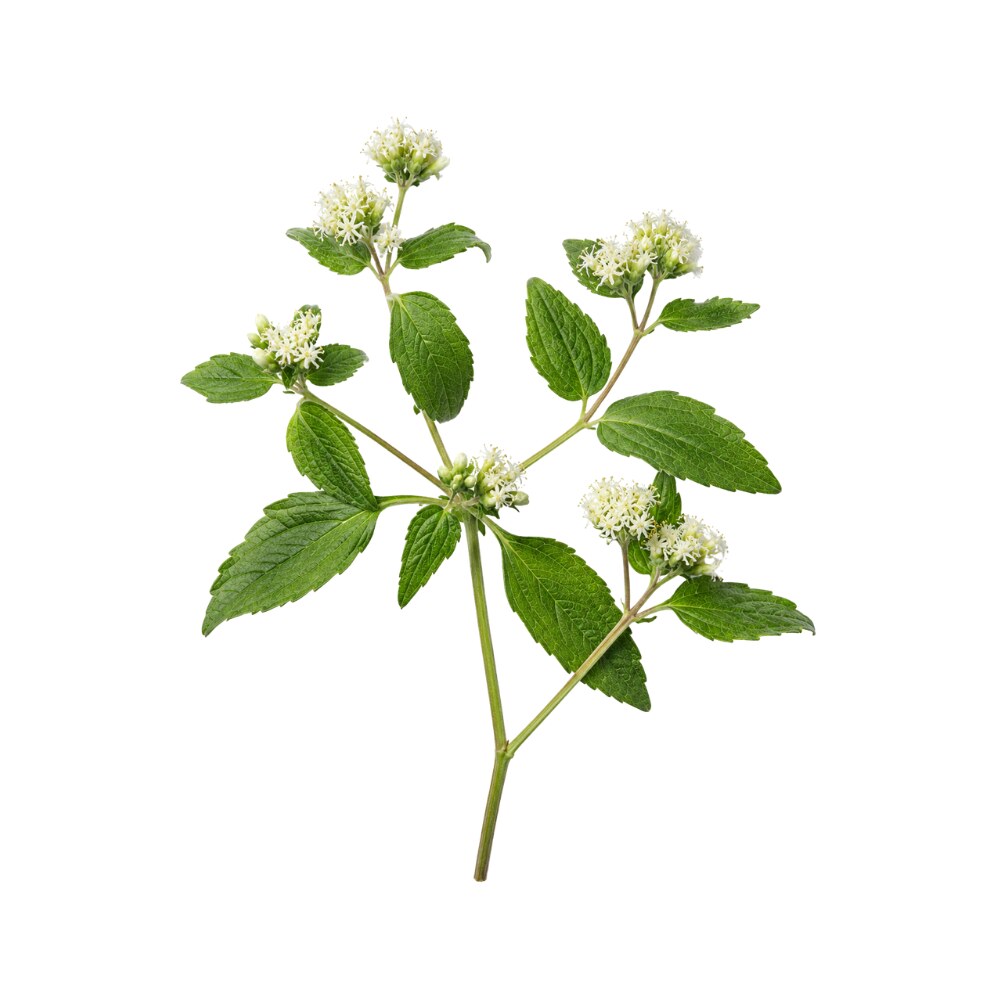 MildMildCalea zacatechichiCalea ternifoliaAn ethanolic leaf extract inhibited NF-κB activation down to 25 µg/ml, a sesquiterpene-lactone effect, alongside 5-lipoxygenase inhibition; the plant's own isolated lactones have been tested against Leishmania rather than inflammation.Mechanismsesquiterpene-lactone NF-κB inhibition (leaf extract); 5-lipoxygenase inhibition; no in-vivo modelRead the evidenceShow lessMonograph →
An ethanolic leaf extract inhibited activation of NF-κB down to 25 µg/ml, an effect driven by the sesquiterpene lactones 659Reference 659In vitroSesquiterpene lactone–containing Mexican Indian medicinal plants and pure sesquiterpene lactones as potent inhibitors of transcription factor NF-κB — in vitroView study →, and the caffeoylquinic acids and flavonols add 5-lipoxygenase inhibition and radical scavenging. The chemistry fits the folk use for cramping and digestive complaints 290Reference 290ReviewCalea ternifolia Kunth, the Mexican “dream herb,” a concise reviewView study →.
The plant’s own isolated germacranolides have been tested for antileishmanial activity in vitro 291Reference 291In vitroAntileishmanial germacranolides from Calea zacatechichi — in vitro studyView study → rather than in an inflammation model, and no in-vivo anti-inflammatory dose-response exists.
The reactivity of sesquiterpene lactones is the same chemistry that causes contact allergy across the Asteraceae.
 MildMildCannabisCannabis sativaTHC and CBG agonise CB2 in immune tissue and both major cannabinoids activate PPARγ, but oral cannabis in Crohn's improved symptoms without healing the mucosa.MechanismCB2 receptor agonism; PPARγ activation; TRPA1 agonismRead the evidenceShow lessMonograph →
The receptor pharmacology is well described. THC and CBG agonise CB2 in immune tissue, both major cannabinoids activate PPARγ, and beta-caryophyllene is a dietary terpene that binds CB2 directly.
Where inflammation has been tested in people the result is null. An RCT of oral CBD-rich cannabis in Crohn’s produced clinical improvement without endoscopic (mucosal) healing 304Reference 304RCTOral CBD-rich Cannabis Induces Clinical but Not Endoscopic Response in Patients with Crohn’s Disease — randomised controlled trialView study →, and a 2025 meta-analysis reaches the same split conclusion 305Reference 305Meta-analysisCannabis use in Crohn’s disease: a systematic review and meta-analysis of randomised controlled trialsView study →.
Cannabis is a symptomatic adjunct in inflammatory disease rather than a demonstrated anti-inflammatory.
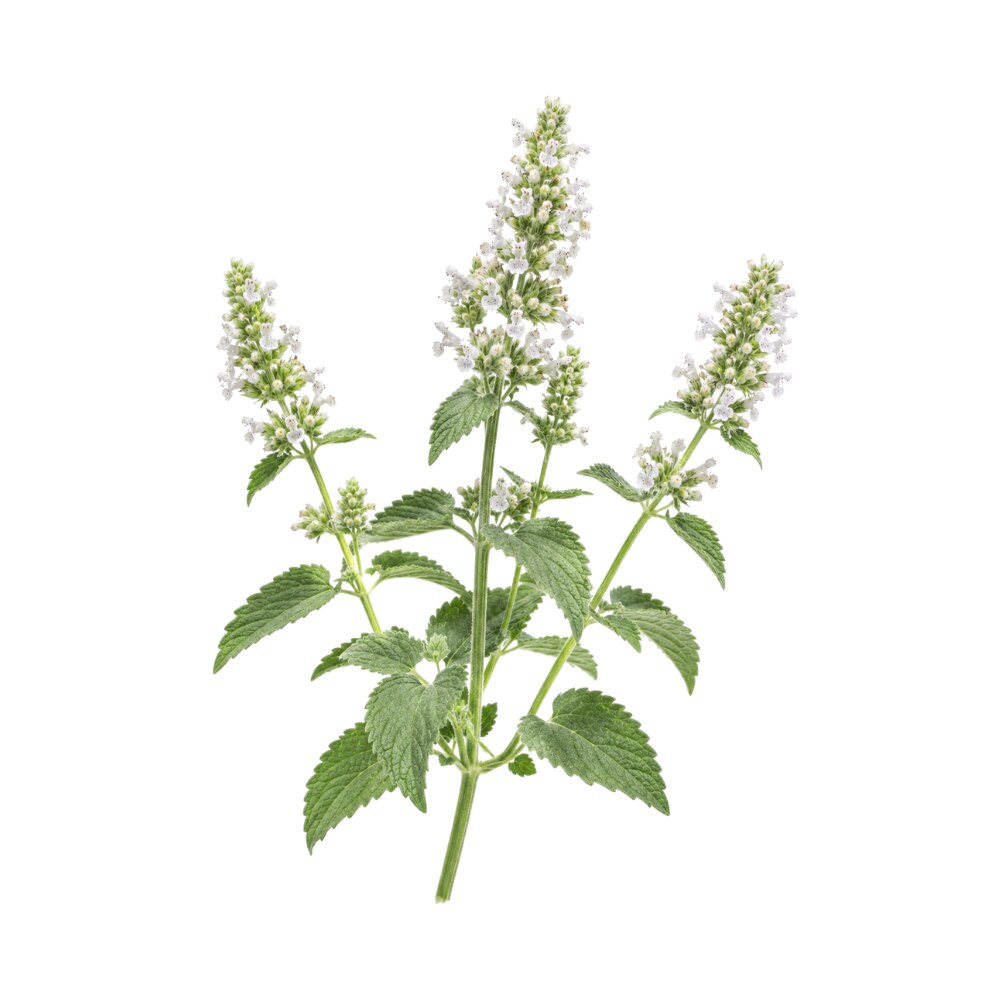 MildMildCatnipNepeta catariaThe leaf glycosides verbascoside and teupolioside inhibit calcineurin directly, the target of ciclosporin, shown for purified compounds rather than for catnip preparations.Mechanismdirect calcineurin inhibition (calmodulin-activated and basal); T-cell activation ↓Read the evidenceShow lessMonograph →
Activity-guided fractionation of N. cataria isolated the caffeoyl phenylethanoid glycosides verbascoside and teupolioside, which directly inhibit calcineurin, the phosphatase gating T-cell-mediated inflammation and the target of ciclosporin, in both its calmodulin-activated and basal states 309Reference 309In vitroDirect inhibition of calcineurin by caffeoyl phenylethanoid glycosides from Teucrium chamaedrys and Nepeta cataria — [in vitro, isolated compounds]View study →.
The work was a biochemical assay on purified compounds rather than the herb in a living system, and nothing shows a realistic catnip preparation delivers enough of these glycosides to matter. Smooth-muscle relaxation through caryophyllene and α-humulene is also credited toward an anti-inflammatory effect, without a supporting citation.
Preparation cuts against the usual catnip account. Verbascoside and teupolioside are leaf glycosides rather than essential-oil constituents, so the nepetalactone-rich oil that carries the repellent, spasmolytic and hepatoprotective results is the wrong fraction here, and activity swings with chemotype.
Reference 309Reference 309In vitroDirect inhibition of calcineurin by caffeoyl phenylethanoid glycosides from Teucrium chamaedrys and Nepeta cataria — [in vitro, isolated compounds]View study → is genuine Nepeta cataria rather than Nepeta menthoides 310,
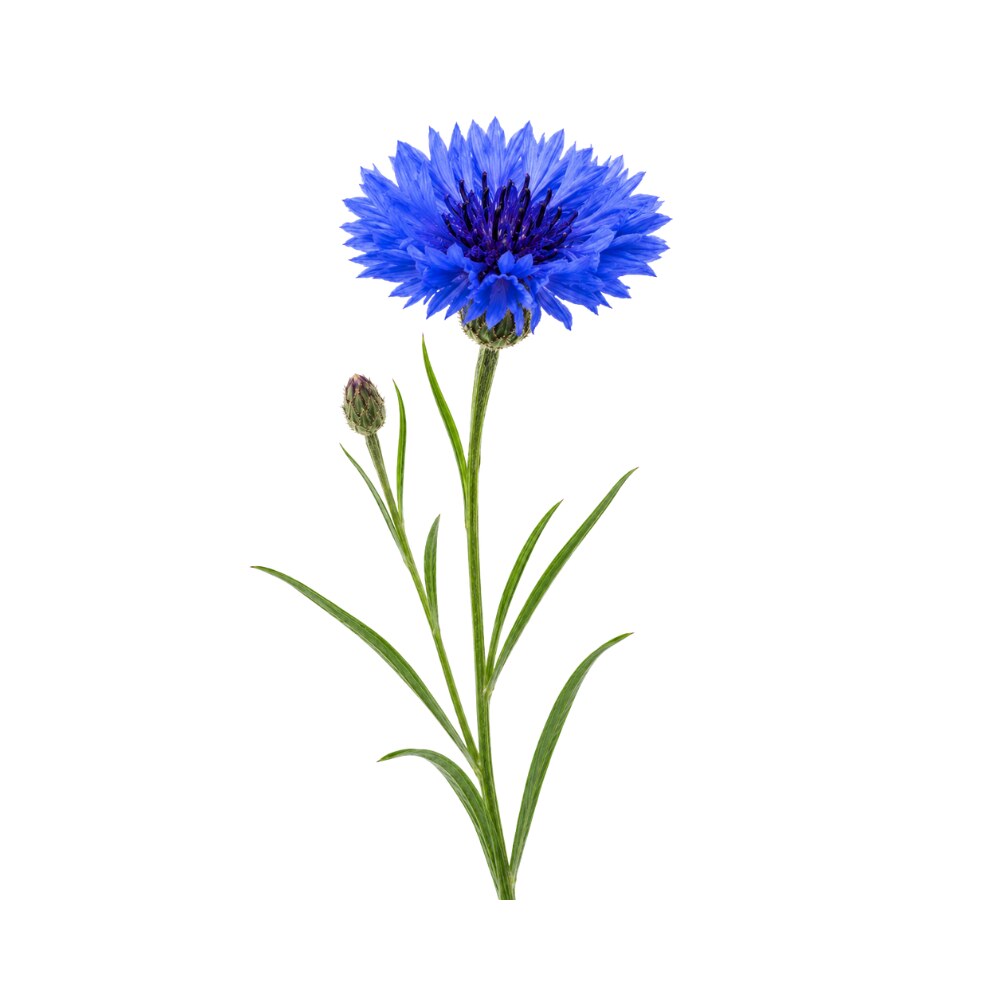 MildMildCornflowerCentaurea cyanusWater-soluble polysaccharides from the flower-heads inhibited oedema and interfered with the complement cascade in animals, and the seed amide moschamine inhibits both COX isoforms; the basis of the traditional eyewash.Mechanismcomplement-cascade interference; COX-I / COX-II inhibition; edema suppressionRead the evidenceShow lessMonograph →
Water-soluble polysaccharides isolated from the flower-heads, a pectic fraction of galacturonic acid, arabinose, glucose, rhamnose and galactose, inhibited carrageenan-, zymosan- and croton-oil-induced oedema in animal models and interfered with the complement cascade 347Reference 347AnimalAnti-inflammatory and immunological effects of Centaurea cyanus flower-heads — animal model / in vivoView study →. Separately moschamine, a phenylpropenoic acid amide, inhibited both cyclooxygenase isoforms in vitro (COX-I about 58%, COX-II about 54%) 348Reference 348In vitroSynthesis, biological activities and bioavailability of moschamine, a safflomide-type phenylpropenoic acid amide found in Centaurea cyanus — in vitro (COX inhibition, 5-HT1 binding)View study →.
Both results are preparation-bound. The animal effect belongs to a purified polysaccharide fraction rather than to an infusion of blue petals, and the COX effect belongs to a seed compound rather than the flower-head that is used 347,
No study has tested whether the traditional petal infusion reproduces either, and there are no human data for any indication.
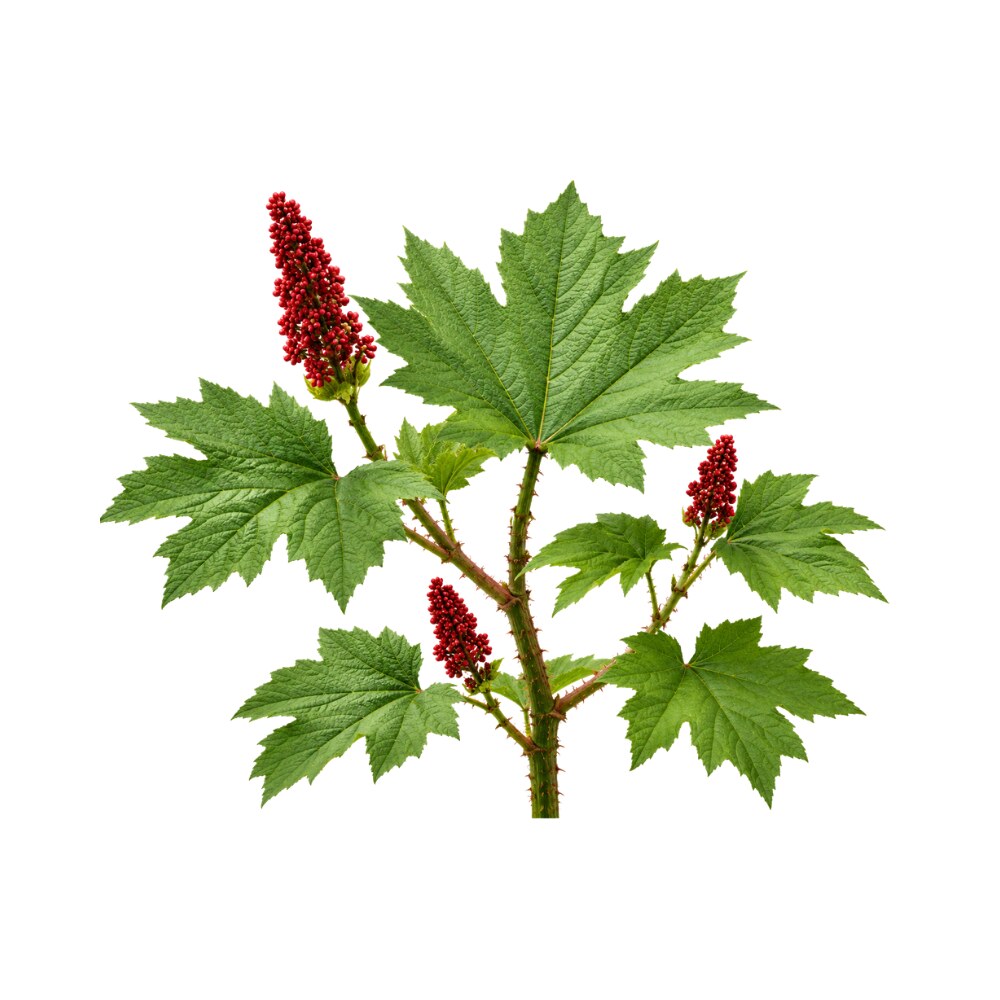 MildMildDevils clubOplopanax horridusArthritis and inflammatory complaints are documented Pacific Northwest uses of the root and stem bark; the only direct study is on the leaf, and the pathway work belongs to the Asian Oplopanax elatus.Mechanismnot established for O. horridus (COX-2 ↓ / PGE₂ ↓ / NF-κB + MAPK ↓ are O. elatus data)Read the evidenceShow lessMonograph →
Arthritis and inflammatory complaints are documented uses of devil’s club among Pacific Northwest peoples, and the tradition is the strongest part of the record.
Direct O. horridus evidence amounts to a single 2017 study reporting anti-inflammatory activity in a leaf extract 369Reference 369In vitroAnti-oxidative and anti-inflammatory activities of devil’s club (Oplopanax horridus) leaves — [in vitro]View study →, not the root and stem bark that constitute the medicinal material. The detailed pathway work often cited for devil’s club, COX-2 and prostaglandin-E₂ suppression in LPS-stimulated macrophages 370Reference 370In vitroInhibitory Mechanisms of Water Extract of Oplopanax elatus on Lipopolysaccharide-Induced Inflammatory Responses in RAW 264.7 Murine Macrophage Cells — [in vitro — O. elatus]View study → and NF-κB and MAPK inhibition 371Reference 371In vitroAdventitious root cultures of Oplopanax elatus inhibit LPS-induced inflammation via suppressing MAPK and NF-κB signaling pathways — [in vivo/in vitro — O. elatus]View study →, is from Oplopanax elatus, a distinct Asian species.
β-Sitosterol and stigmasterol are present and carry a class-level membrane anti-inflammatory effect, a phytosterol generality rather than a devil’s-club finding.
MildDouglas FirPseudotsuga menziesiiThe needle essential oil suppressed cytokine and adhesion-molecule expression in a human dermal fibroblast model; one study, one cell type.Mechanismessential-oil activity in dermal fibroblastsRead the evidenceShow less
A commercial needle essential oil, dominated by β-pinene, sabinene and terpinolene, suppressed cytokine and adhesion-molecule expression in a human dermal fibroblast model of cytokine-induced inflammation and fibrosis 376Reference 376In vitroIn vitro biological activities of Douglas fir essential oil in a human skin disease model — in vitro (human dermal fibroblasts)View study →.
It is a single in-vitro study in one cell type, and the oil is a different preparation from the needle tea or bark decoction.
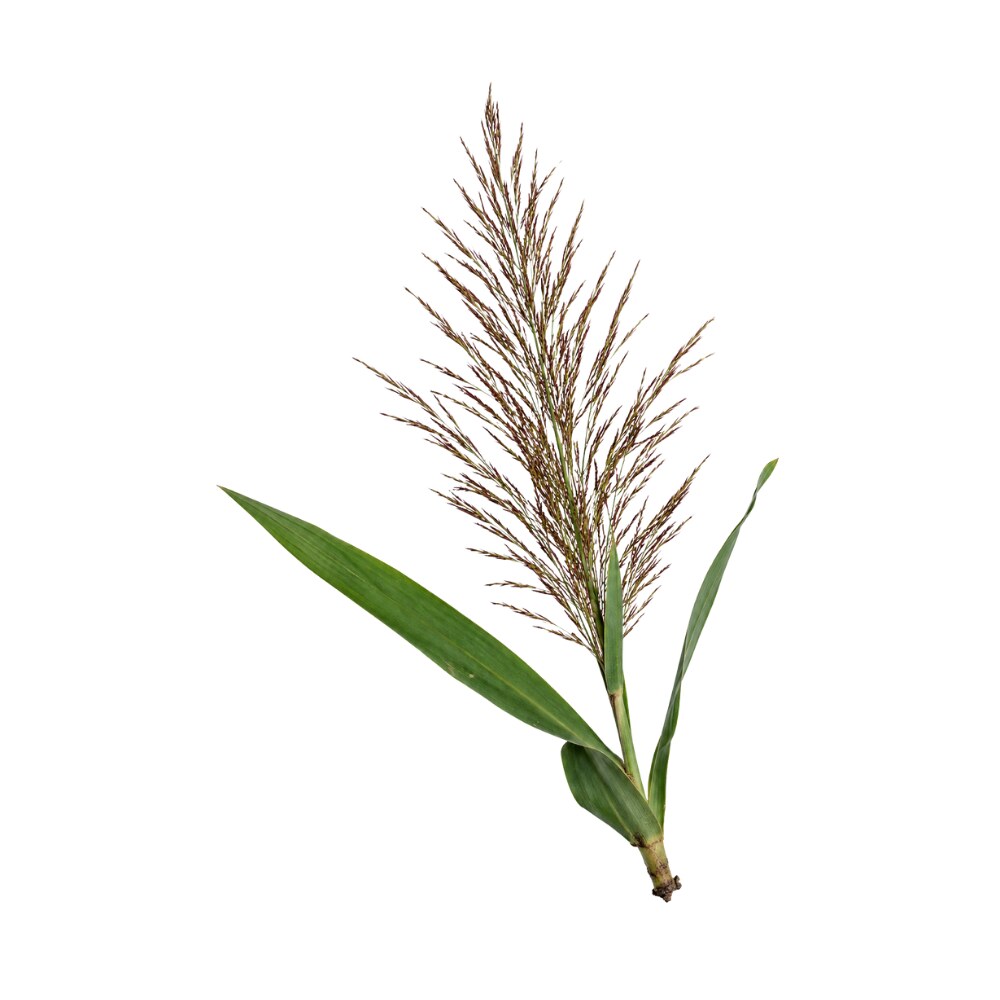 MildMildGiant River ReedArundo donaxCarries a folk anti-inflammatory use, and isolated gramine reduced inflammation and fibrosis in a rat kidney-obstruction model; the whole rhizome has never been tested.Mechanismgramine → renal inflammatory and fibrotic signalling ↓ (isolated alkaloid, rat); no whole-herb dataRead the evidenceShow less
The rhizome carries a folk anti-inflammatory use alongside its Ayurvedic urinary use in the compound decoction Virataradi kashaya.
Isolated gramine at 27.5–55 mg/kg reduced inflammatory and fibrotic signalling in a rat model of obstructive kidney disease 663Reference 663AnimalExploring the anti-fibrotic potential of gramine in a UUO-induced rat model of chronic kidney disease — animal modelView study →. A traditional rhizome decoction cannot be assumed to deliver that dose, and no whole-herb anti-inflammatory study exists.
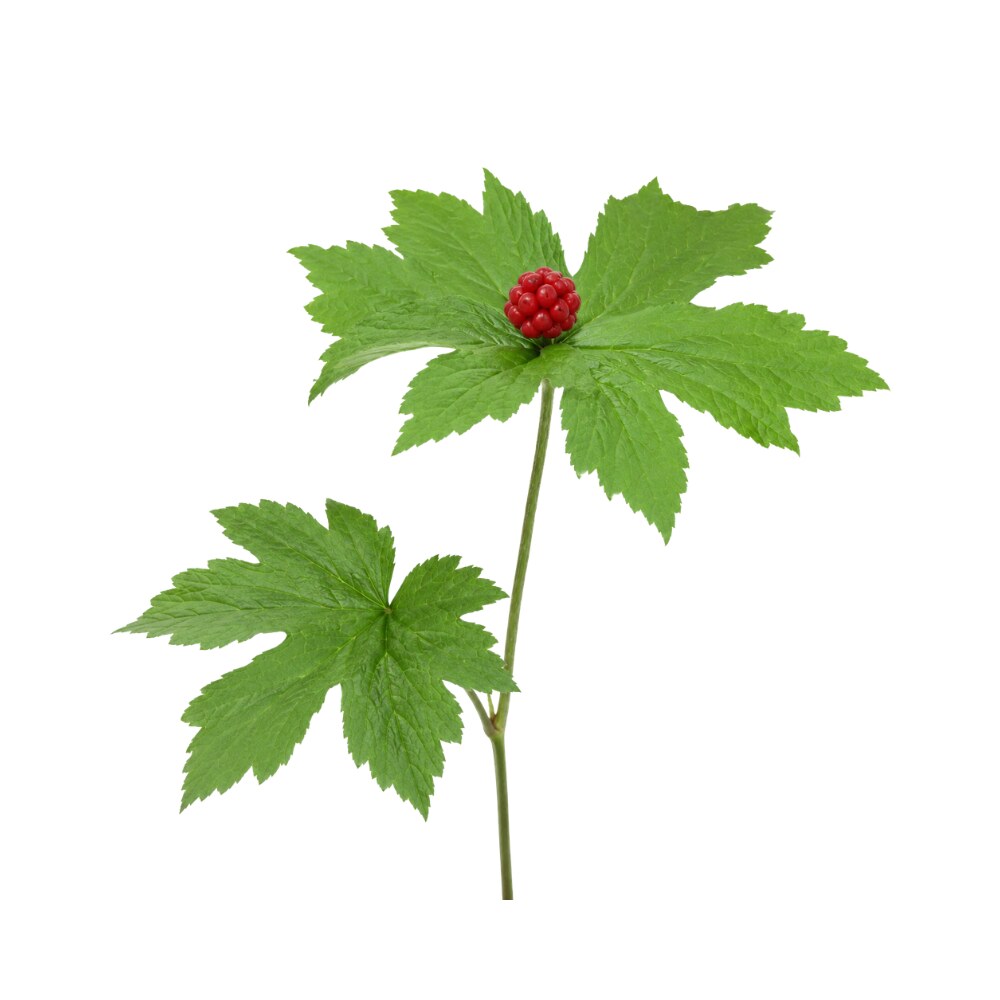 MildMildGoldensealHydrastis canadensisBerberine modulates NF-κB and cytokines in inflammatory bowel disease models, but two commercial goldenseal preparations showed little direct effect on cytokine output from cultured macrophages.MechanismNF-κB ↓ and cytokine modulation (berberine, context-dependent)Read the evidenceShow lessMonograph →
The mechanistic case is berberine’s, NF-κB and cytokine modulation reviewed for inflammatory bowel disease 434Reference 434ReviewBerberine and inflammatory bowel disease: a concise reviewView study →.
When two commercial goldenseal preparations were put on cultured macrophages they showed little to no direct effect on pro-inflammatory cytokine output 435Reference 435In vitroImmune modulation of macrophage pro-inflammatory response by goldenseal and Astragalus extracts — in vitroView study →, a largely null result on the herb itself. The only goldenseal-positive signal is incidental: in the H1N1 model the extract modulated TNF-α and PGE2 alongside antiviral activity 436Reference 436In vitroInhibition of H1N1 influenza A virus growth and induction of inflammatory mediators by the isoquinoline alkaloid berberine and extracts of goldenseal (Hydrastis canadensis) — in vitroView study →.
The null result 435Reference 435In vitroImmune modulation of macrophage pro-inflammatory response by goldenseal and Astragalus extracts — in vitroView study → is the more informative finding, and the berberine literature does not stand in for the herb.
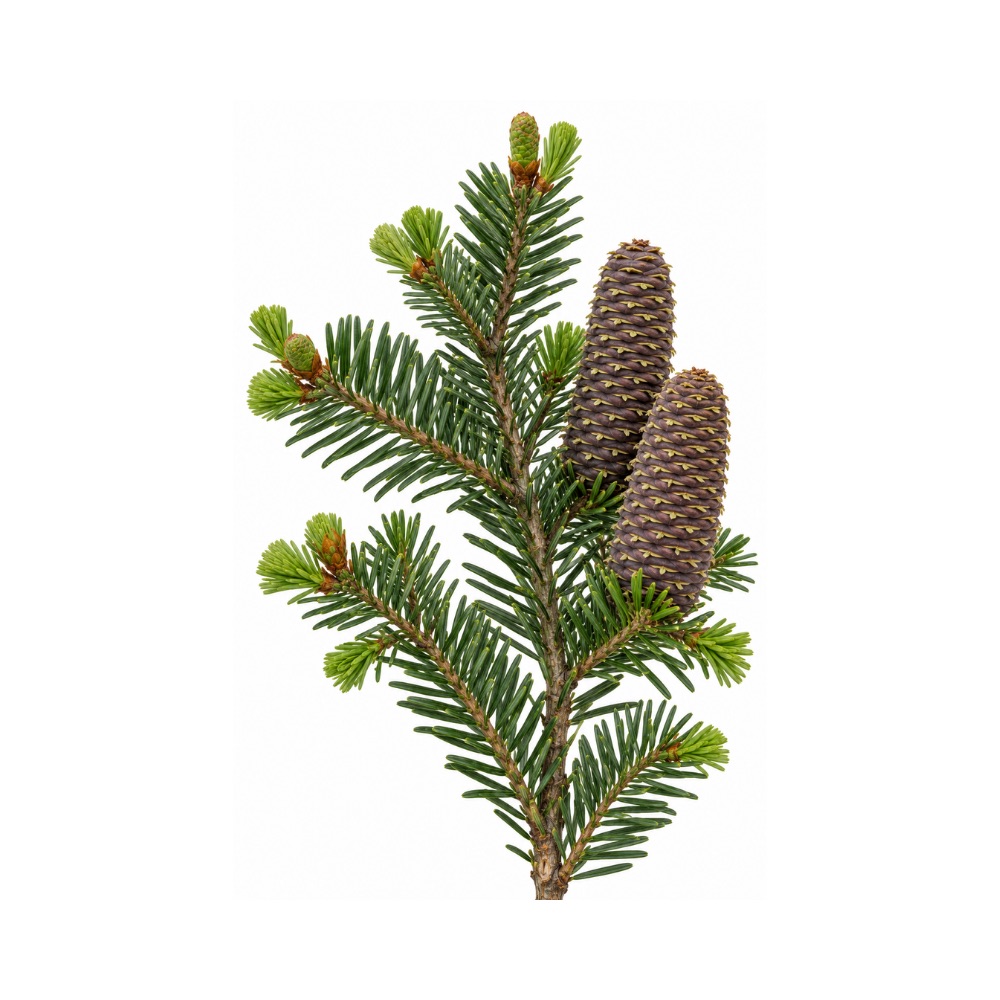 MildMildGrand FirAbies grandisInferred from abietic acid and α-pinene and from tests on other Abies species; no study has tested grand fir itself in an inflammatory model.Mechanismmonoterpene and resin-acid mediator suppression (class-level)Read the evidenceShow less
The claim rests on the constituents abietic acid and α-pinene, which have documented anti-inflammatory activity in unrelated experimental systems, and on essential-oil studies of other Abies species 226,
No extract, oil or in-vivo model of A. grandis has been tested for anti-inflammatory activity. The traditional use of the resin is on wounds and sores.
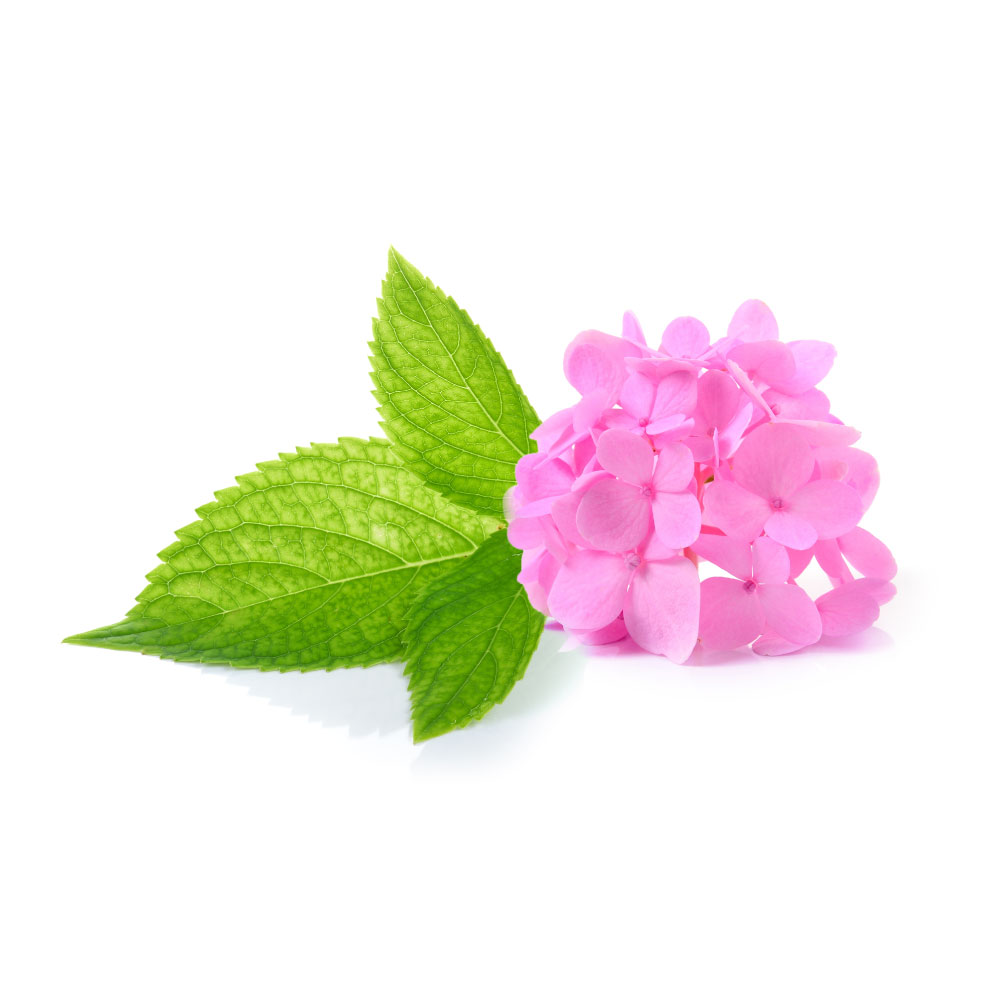 MildMildHydrangeaHydrangea arborescensHydrangenol suppresses nitric oxide, iNOS and COX-2 through NF-κB while switching on Nrf2/HO-1, and it reduced colitis and arthritis in rodents; the evidence is from Asian hydrangea leaf, not this root.MechanismNF-κB ↓; iNOS/COX-2 ↓; Nrf2/HO-1 ↑Read the evidenceShow lessMonograph →
A water extract of processed H. macrophylla leaf suppressed nitric oxide, PGE₂ and TNF-α in LPS-stimulated macrophages by blocking Akt-mediated NF-κB activation 460Reference 460In vitroWater extract of processed Hydrangea macrophylla leaf attenuates the expression of pro-inflammatory mediators by suppressing Akt-mediated NF-κB activation — in vitroView study →, and the isolated constituent reproduces it: in macrophages and BV2 microglia, hydrangenol suppresses NO, iNOS and COX-2 by preventing NF-κB nuclear translocation while switching on the Nrf2/HO-1 axis 461Reference 461In vitroHydrangenol inhibits lipopolysaccharide-induced nitric oxide production in BV2 microglial cells by suppressing the NF-κB pathway and activating the Nrf2-mediated HO-1 pathway — in vitroView study →.
It carries into whole animals. Oral hydrangenol reduced intestinal inflammation in LPS endotoxaemia 462Reference 462AnimalProtective effect of hydrangenol on lipopolysaccharide-induced endotoxemia by suppressing intestinal inflammation — mouse in vivoView study → and ameliorated DSS colitis by curbing macrophage infiltration and protecting the epithelial tight junction 463Reference 463AnimalHydrangenol, an active constituent of Hydrangea serrata, ameliorates colitis by suppressing macrophage-mediated inflammation in DSS-treated mice — mouse in vivoView study →, and a standardised H. serrata hot-water extract was anti-inflammatory and chondroprotective in two rodent arthritis models through NF-κB/MAPK, with hydrangenol named the major active 464Reference 464In vitroIn vitro and in vivo anti-inflammatory and chondroprotective effects of standardised hot-water extract from Hydrangea serrata via NF-κB and MAPK pathways — animal modelView study →.
Typical dosing is 20–40 mg/kg orally in mice.
For H. arborescens three limits compound: the evidence is a different species, a different organ (leaf rather than root), and mostly an isolated constituent rather than a 6–12 g root decoction. Hydrangenol is the sole shared molecule, and its content in H. arborescens root has never been quantified.
There are no human data.
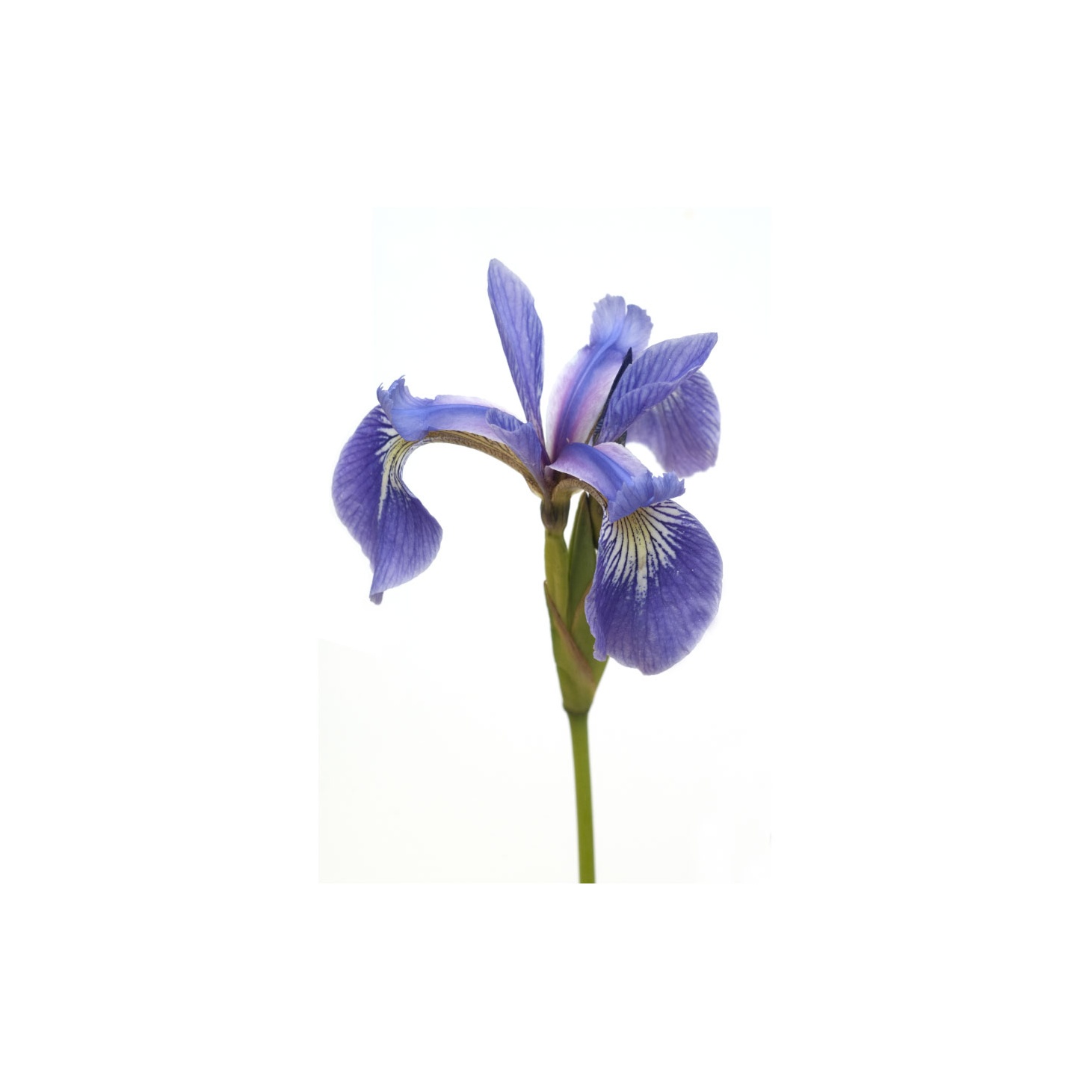 MildMildIrisIris versicolorThe Iris rhizome isoflavones tectorigenin and irigenin suppress NF-κB, nitric oxide and cytokines in a related species; blue flag itself has never been tested.MechanismNF-κB ↓; iNOS/NO ↓; Iris isoflavones (tectorigenin, irigenin) — genus data onlyRead the evidenceShow lessMonograph →
In LPS-stimulated macrophages and endotoxaemic mice, an ethanolic rhizome extract of Iris tectorum suppressed nitric oxide, iNOS and inflammatory cytokines by inhibiting NF-κB signalling, attributed to the Iris isoflavones tectorigenin and irigenin 465Reference 465In vitroIridis tectori rhizome alleviates LPS-triggered inflammatory responses through inhibiting NF-κB signaling in macrophages — mouse/in vivo and in vitroView study →.
Blue flag’s own rhizome is built on an isoflavone-glycoside scaffold (iridin) 466Reference 466The constituents of Iris versicolor — constituent analysis, so the pathway is chemically plausible for it, but no study has tested I. versicolor for anti-inflammatory activity. The listed action is inference across a genus.
Whatever isoflavone-mediated effect exists competes in the same rhizome with a frank mucous-membrane irritant.
MildMildIsatisIsatis indigoticaThe crude root extract and isolated tryptanthrin each reduced nitric oxide and PGE₂ in macrophages through NF-κB, and the root polysaccharide damps TLR-3 signalling; a core heat-clearing herb of Chinese practice.MechanismNF-κB / IκBα suppression by tryptanthrin; COX-2-derived PGE₂ ↓; TLR-3 modulation by root polysaccharideRead the evidenceShow lessMonograph →
Isatidis Radix extract and isolated tryptanthrin each reduced nitric oxide and PGE₂ in LPS-activated macrophages through NF-κB/IκBα suppression, and indigo contributes far less than the alkaloid, which localises the activity to tryptanthrin rather than the pigment 467Reference 467In vitroThe anti-Th17 polarization effect of indigo naturalis and tryptanthrin by differentially inhibiting cytokine expression — in vitroView study →. The root polysaccharide separately damps inflammatory signalling through TLR-3 468Reference 468In vitroRadix isatidis polysaccharides inhibit influenza A virus and influenza A virus-induced inflammation via suppression of host TLR-3 signalling — in vitroView study →.
The crude extract was tested alongside the isolate, which few herbs in this group can say.
LPS-macrophage NO and PGE₂ suppression is the most common positive result in the phytochemical literature, and there is no animal or human anti-inflammatory data for the herb itself.
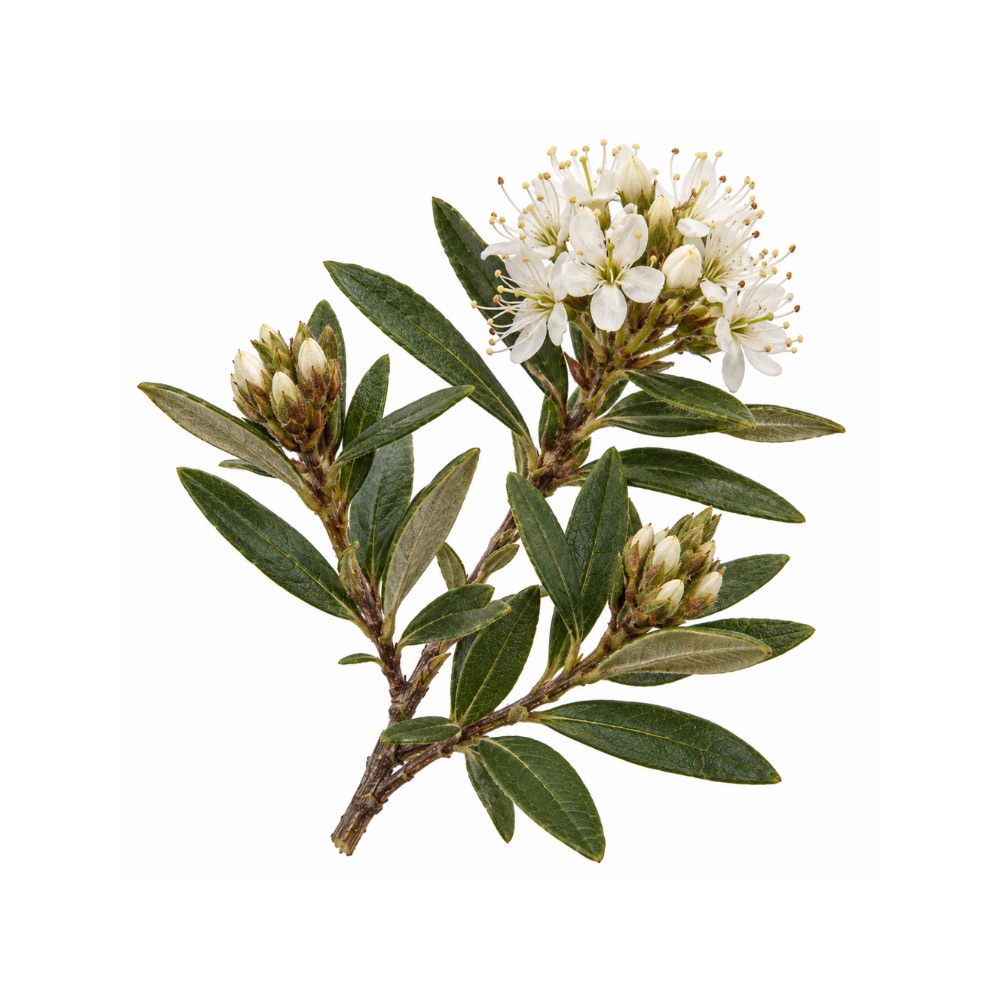 MildMildLabrador TeaRhododendron groenlandicumLeaf and twig methanol extracts inhibited nitric-oxide release from macrophages by 17–28%, and the extract lowered hepatic inflammatory signalling in diet-induced-obese mice.Mechanismpolyphenol-mediated mediator suppressionRead the evidenceShow less
In LPS-stimulated RAW 264.7 macrophages, methanol extracts of the leaf and twig inhibited nitric oxide release by 17% and 28% respectively at 25 µg/mL, a real but modest effect weaker than the L-NAME control 584Reference 584In vitroAntioxidant, anti-inflammatory and anticancer activities of methanolic extracts from Ledum groenlandicum Retzius — in vitroView study →. In diet-induced-obese mice the extract reduced hepatic inflammatory signalling through IKKα/β alongside its metabolic effects.
The in-vitro signals are measured in methanol or essential-oil preparations 584,
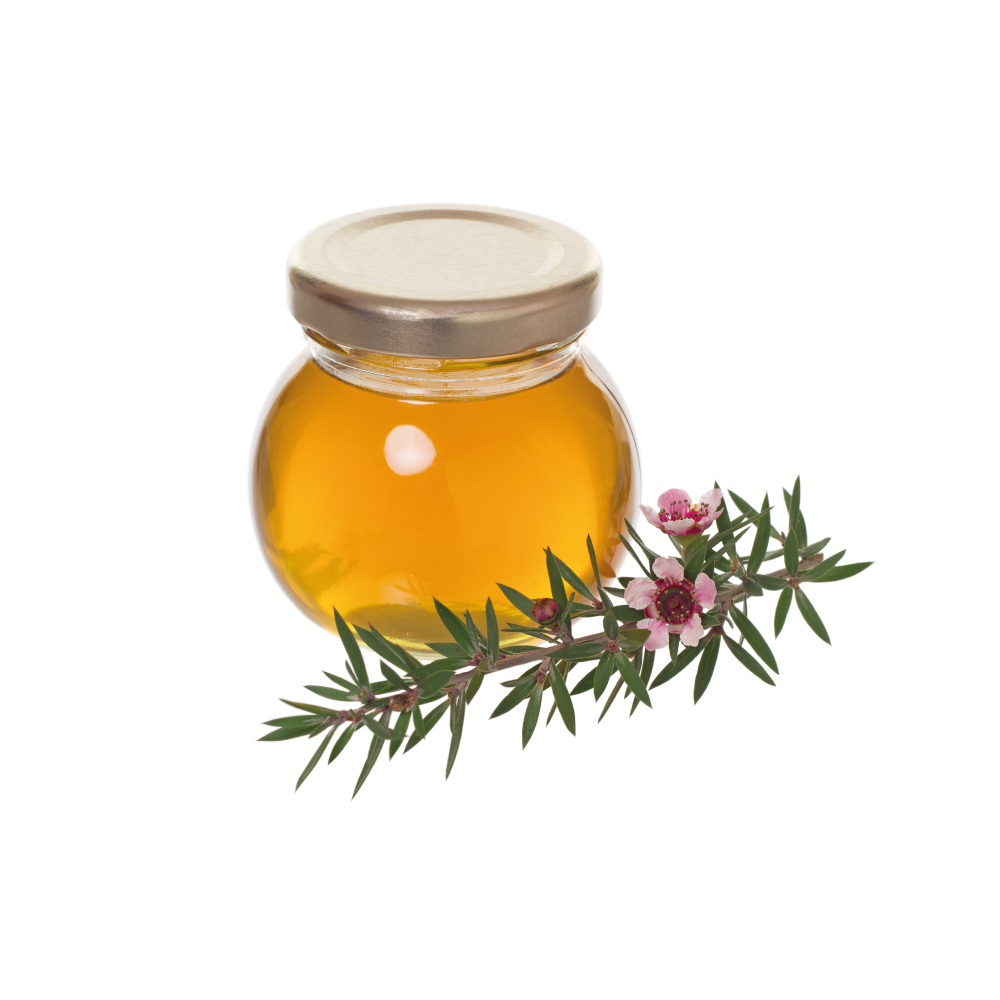 MildMildManukaLeptospermum scopariumAnti-inflammatory activity is asserted for the leaf oil from its constituents, and the supporting models are manuka honey; topical honey reduced atopic-dermatitis lesion severity in a small study.Mechanismnot established (constituent-level and honey-model inference)Read the evidenceShow lessMonograph →
Māori practice applied the leaf and its vapour to wounds and took leaf infusions for fevers and colds.
No mechanism is established for the leaf. Anti-inflammatory activity is asserted in reviews and inferred from constituents 507Reference 507ReviewMānuka Oil — A Review of Antimicrobial and Other Medicinal Properties [review]View study →, and the supporting models are honey models rather than leaf-oil ones.
The nearest human signal is a small clinical study in which topical manuka honey reduced atopic dermatitis lesion severity, credited partly to immunoregulatory and anti-staphylococcal action 508Reference 508Clinical trialHoney is potentially effective in the treatment of atopic dermatitis: clinical and mechanistic studies [clinical trial]View study →, which may be the antibacterial effect under another name.
The whole of the evidence is honey, applied topically.
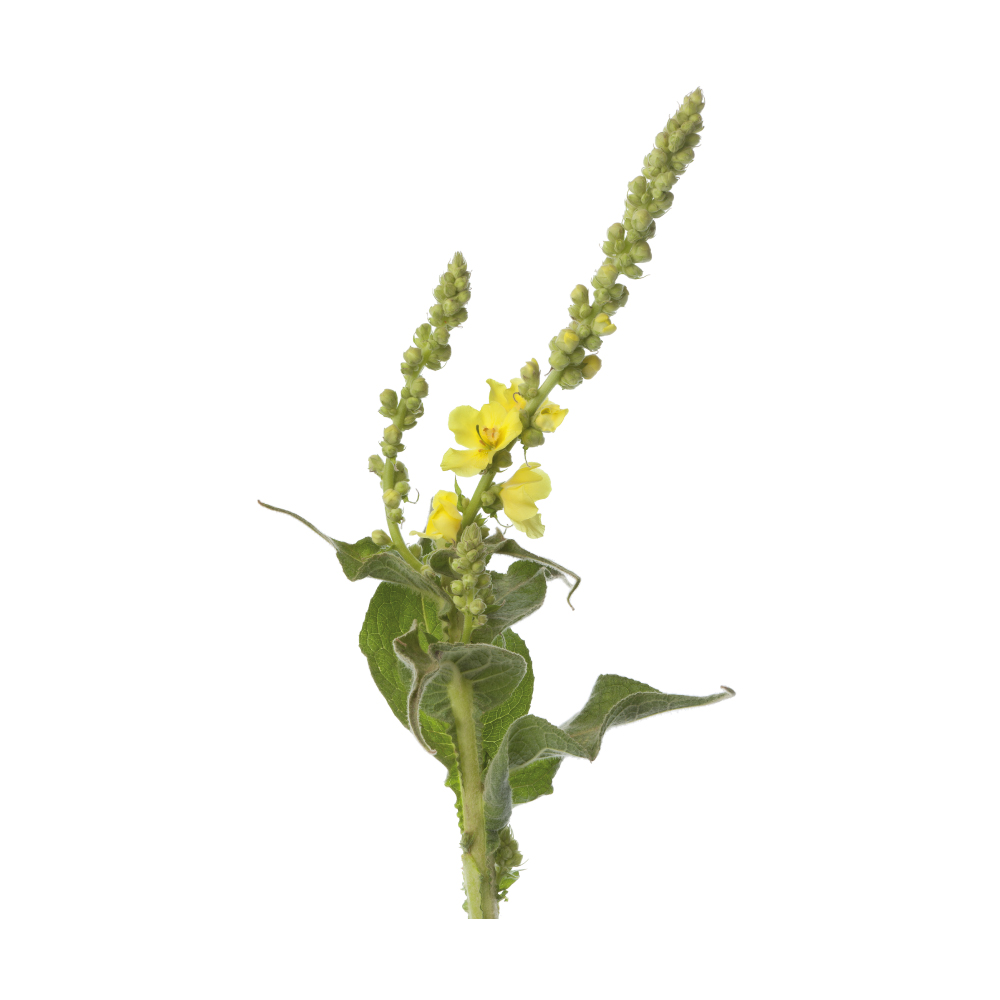 MildMildMulleinVerbascum thapsusVerbascoside and the leaf's bitter iridoids carry the anti-inflammatory side of a herb used mainly for its mucilage.Mechanismverbascoside (acteoside) anti-inflammatory signalling; aucubin and related iridoid glycosidesRead the evidenceShow lessMonograph →
Mullein is used first as a demulcent, and its soothing character comes from the mucilage in the leaf and flower. The anti-inflammatory reading sits underneath that, in two other fractions.
The bitter iridoid glycosides, chiefly aucubin and concentrated in the leaf, carry anti-inflammatory and mild antimicrobial activity. The most studied single phenolic is verbascoside, also called acteoside, a phenylethanoid glycoside with documented antioxidant, anti-inflammatory and wound-healing actions.
It travels with leucosceptoside A, its feruloyl analogue, across the figwort family.
The herb is also applied topically for skin irritation, and as a flower-infused oil for earache — two paediatric trials found a mullein-containing ear drop matched anaesthetic drops for ear pain.
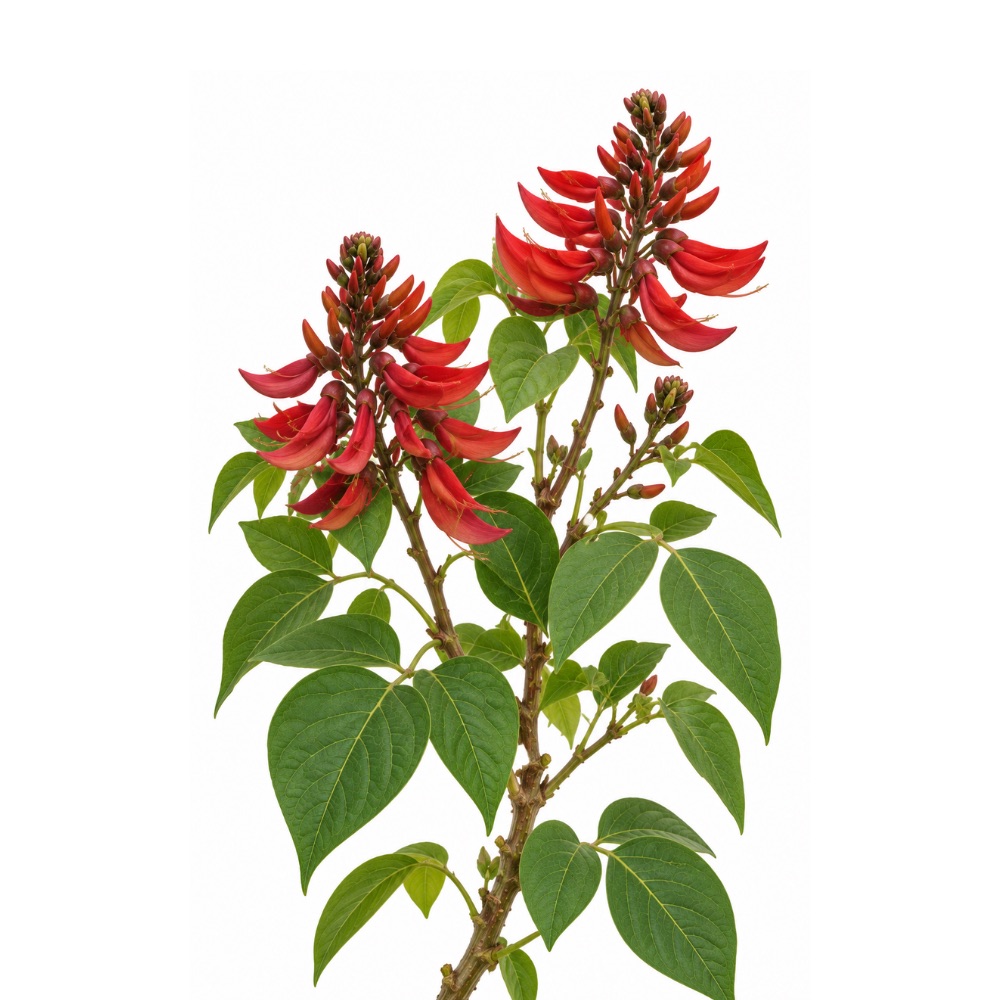 MildMildMulunguErythrina mulunguAn ethanolic flower extract attenuated allergic airway inflammation and hyperresponsiveness in a mouse asthma model; a single unreplicated study.Mechanismairway inflammation suppression, mechanism unresolvedRead the evidenceShow less
An ethanolic extract of the flowers attenuated allergic airway inflammation and hyperresponsiveness in a murine model of asthma 523Reference 523AnimalThe ethanolic extract from Erythrina mulungu Benth. flowers attenuates allergic airway inflammation and hyperresponsiveness in a murine model of asthma — [in vivo animal model]View study →.
It is one model in one paper, with no mechanism resolved and no human data.
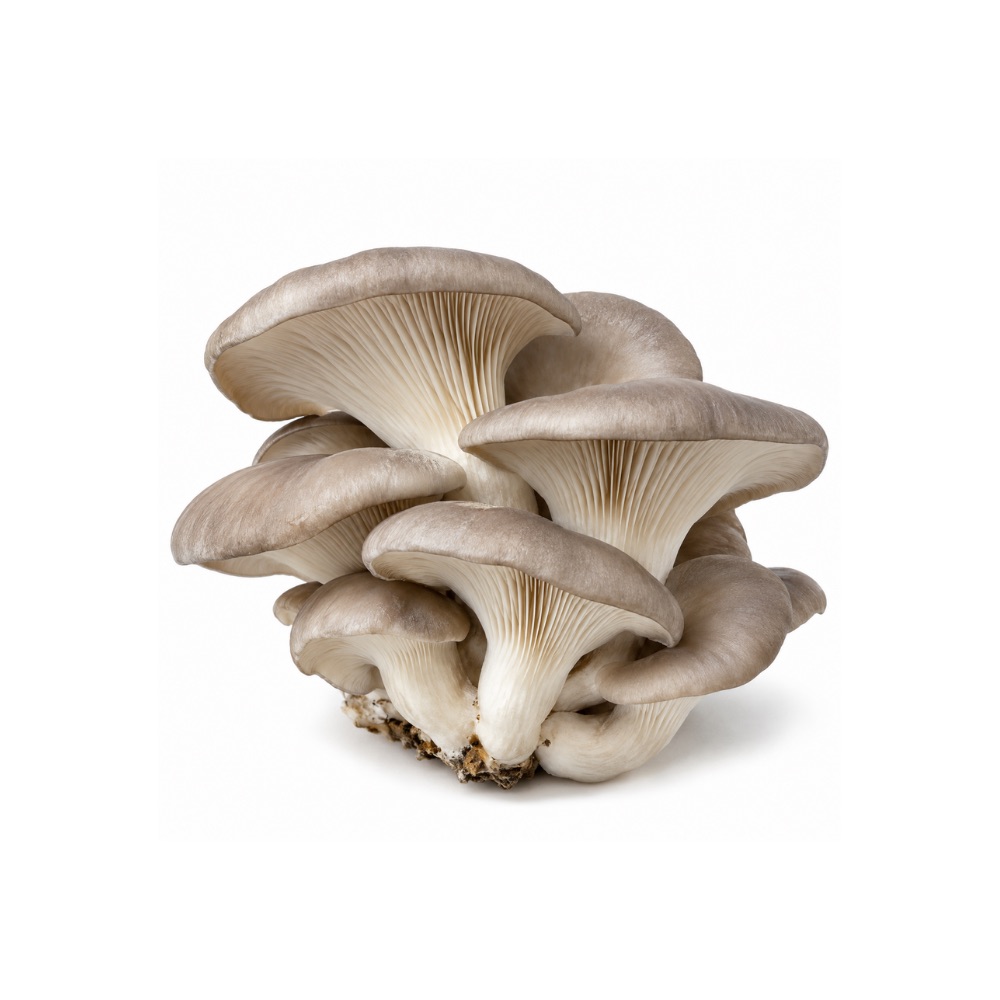 MildMildOyster MushroomPleurotus ostreatusFreeze-dried powder reduced inflammation in rat assays, and P. ostreatus was the most active of its genus in an NF-κB-inhibition assay, tracking its β-glucan content; the pleuran asthma trials tracked airway markers.MechanismNF-κB ↓, COX-2 ↓, TNF-α/IL-6 ↓; macrophage polarizationRead the evidenceShow less
Freeze-dried powder at 500–1,000 mg/kg reduced inflammation in Wistar-rat assays 546Reference 546AnimalAnti-inflammatory activity of Pleurotus ostreatus in Wistar rats — animal model in vivoView study →, and comparative work across the genus found P. ostreatus most active in an NF-κB-inhibition assay, correlating with high β-glucan content 547Reference 547In vitroAntioxidant and anti-inflammatory activity of five medicinal mushrooms of the genus Pleurotus — in vitro (NF-κB)View study →.
The nearest human evidence is indirect: the pleuran asthma and allergy trials tracked airway inflammation markers 548,
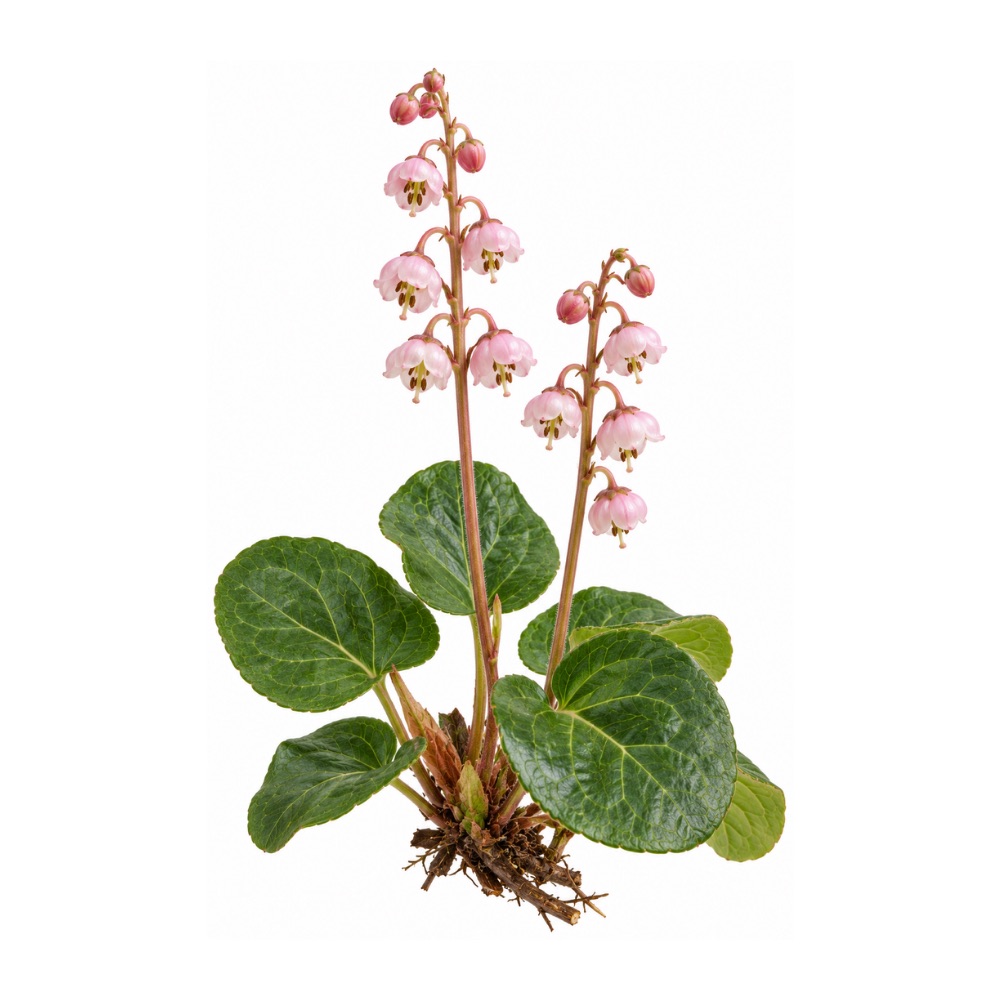 MildMildPink WintergreenPyrola asarifoliaUsed externally by Indigenous peoples for sores, swellings and sore throat; the anti-inflammatory data are for the Pyrola genus, not this species.Mechanismnot resolved; genus-level data onlyRead the evidenceShow less
Leaf washes and poultices for sores, skin complaints, insect bites and swellings, and a gargle for sore throat and mouth inflammation, are the documented traditional uses.
The pharmacology is genus-level. Betulin isolated from P. incarnata inhibited LPS-induced neuroinflammation in vitro, and reviews of Pyrolae herba record in-vitro anti-inflammatory activity 580Reference 580ReviewPyrolae herba: A review on its botany, traditional uses, phytochemistry, pharmacology and quality control — [review]View study →.
No study of medicinal activity exists for P. asarifolia itself.
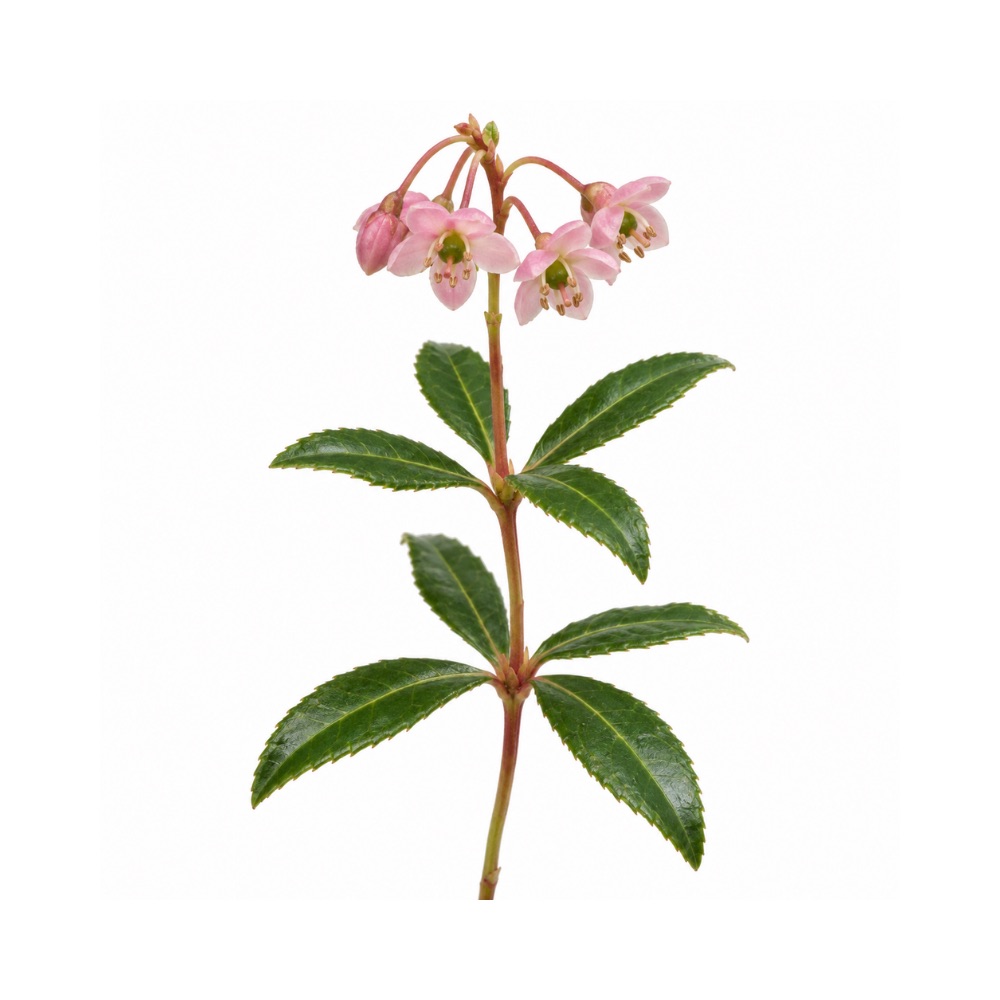 MildMildPipsissewaChimaphila umbellataA 19th-century pharmacopoeial herb for rheumatism; the fraction scavenges reactive oxygen species in vitro, and on its own it did not reduce rat paw oedema.MechanismROS scavenging in vitro (chimaphilin, phenolics); no single-agent in-vivo signalRead the evidenceShow less
Pipsissewa was given for rheumatism and urinary complaints in 19th-century Western practice, and the rheumatism use is what the anti-inflammatory listing records.
In the one relevant study, the pipsissewa fraction of a multi-herb prostate product scavenged reactive oxygen species in vitro, and the fraction alone did not reduce rat paw oedema 664Reference 664In vitroRelevance of anti-reactive oxygen species activity to anti-inflammatory activity of components of Eviprostat — in vitro and animal modelView study →. No anti-inflammatory signal has been shown for the herb as a single agent in vivo.
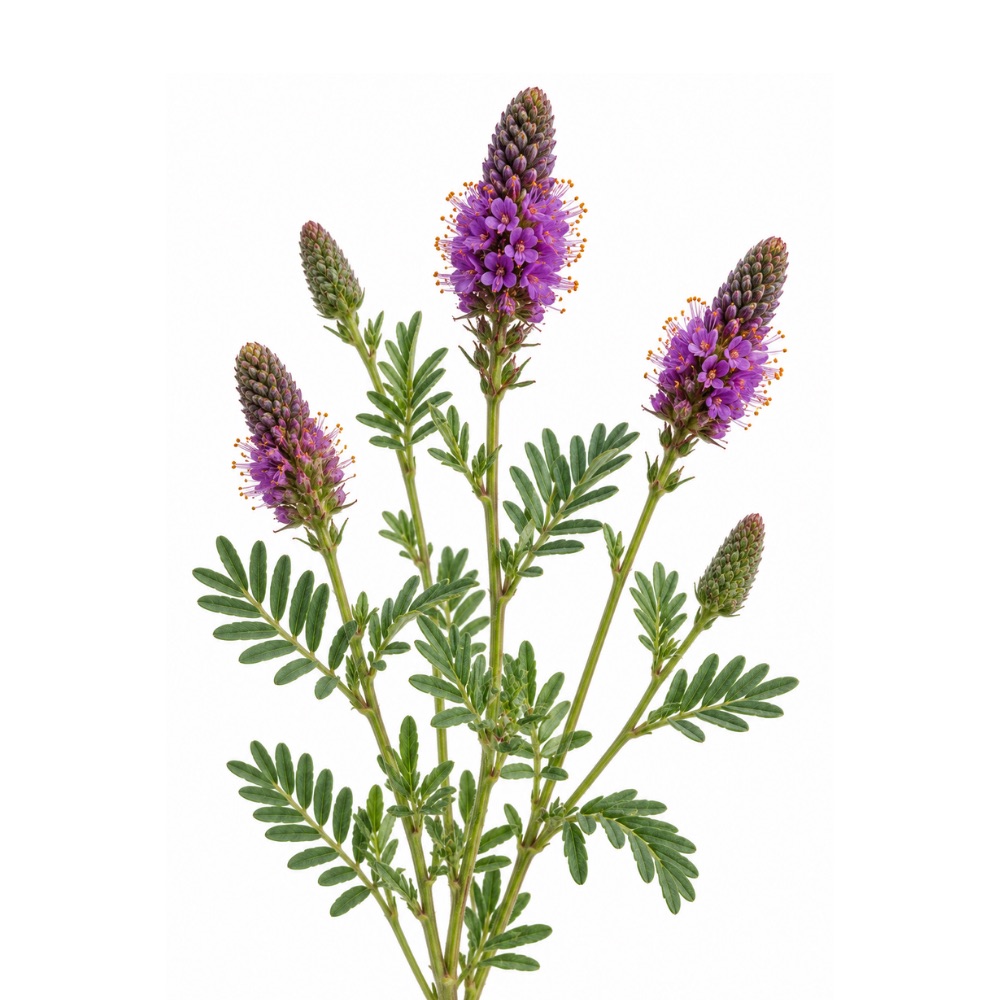 MildMildPurple Prairie CloverDalea purpureaA geranylated flavonoid, malheuran A, suppressed the inducible nitric-oxide pathway in macrophages; the procyanidin tannins are credited by class.MechanismiNOS/NO pathway ↓ in macrophages (malheuran A); procyanidin tannins (class-level)Read the evidenceShow less
The geranylated flavonoid malheuran A, produced in hairy-root cultures of the plant, suppressed nitric-oxide production in LPS-stimulated RAW 264.7 macrophages, indicating downregulation of the inducible nitric-oxide pathway 662Reference 662In vitroProduction of malheuran A, a geranylated flavonoid with antimicrobial and anti-inflammatory activities, in hairy root cultures of Dalea purpurea — in vitroView study →.
Beyond that, anti-inflammatory potential is inferred from the procyanidin tannins, a compound class generally credited with the activity. The work is cell-line only, with no mechanism resolved and no in-vivo data.
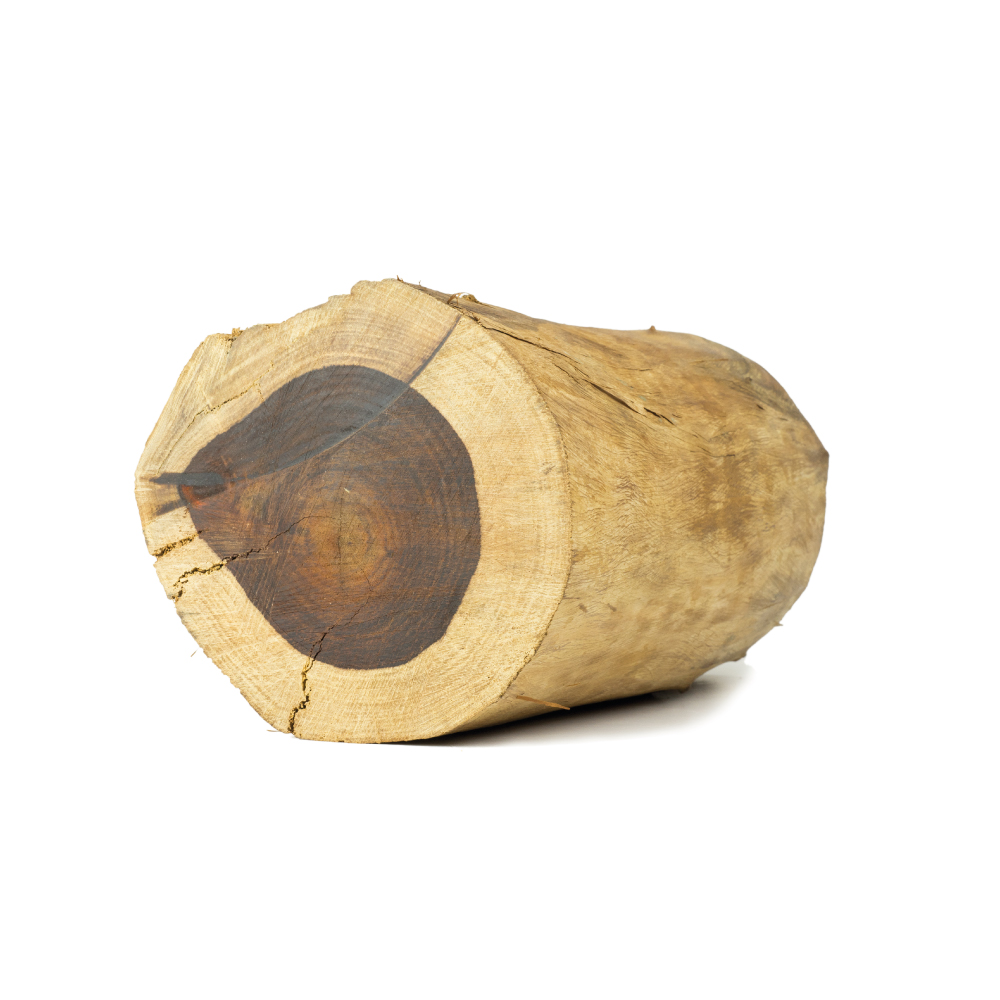 MildMildRosewoodAniba rosaeodoraPurified linalool suppresses TNF-α and leukocyte migration in rodent peritonitis, and the whole oil reduced inflammation during Salmonella infection; a minor, mostly borrowed signal.MechanismTNF-α ↓; leukocyte migration ↓ (linalool)Read the evidenceShow lessMonograph →
The only whole-oil in-vivo signal is a by-product of the Salmonella study, where rosewood oil reduced inflammation during infection 589Reference 589In vitroProtective effects and mechanisms of rosewood essential oil against Salmonella infection — in vitro and animal modelView study →, and a 2026 paper loaded rosewood oil into chitosan membranes and reported an anti-inflammatory effect for the material, pointing at topical wound use 590Reference 590In vitroAnti-inflammatory effect of chitosan membranes containing rosewood essential oil — in vitroView study →.
The mechanism cited, TNF-α and leukocyte-migration suppression in carrageenan-induced peritonitis, is purified linalool rather than the oil 591Reference 591AnimalQuintans-Júnior LJ, et al. (2013). β-Cyclodextrin-complexed (–)-linalool produces antinociceptive effect in experimental pain protocols — animal model. Basic & Clinical Pharmacology & Toxicology. https://pubmed.ncbi.nlm.nih.gov/23692366/View study →.
The same oil is a leading fragrance contact allergen once oxidised 592,
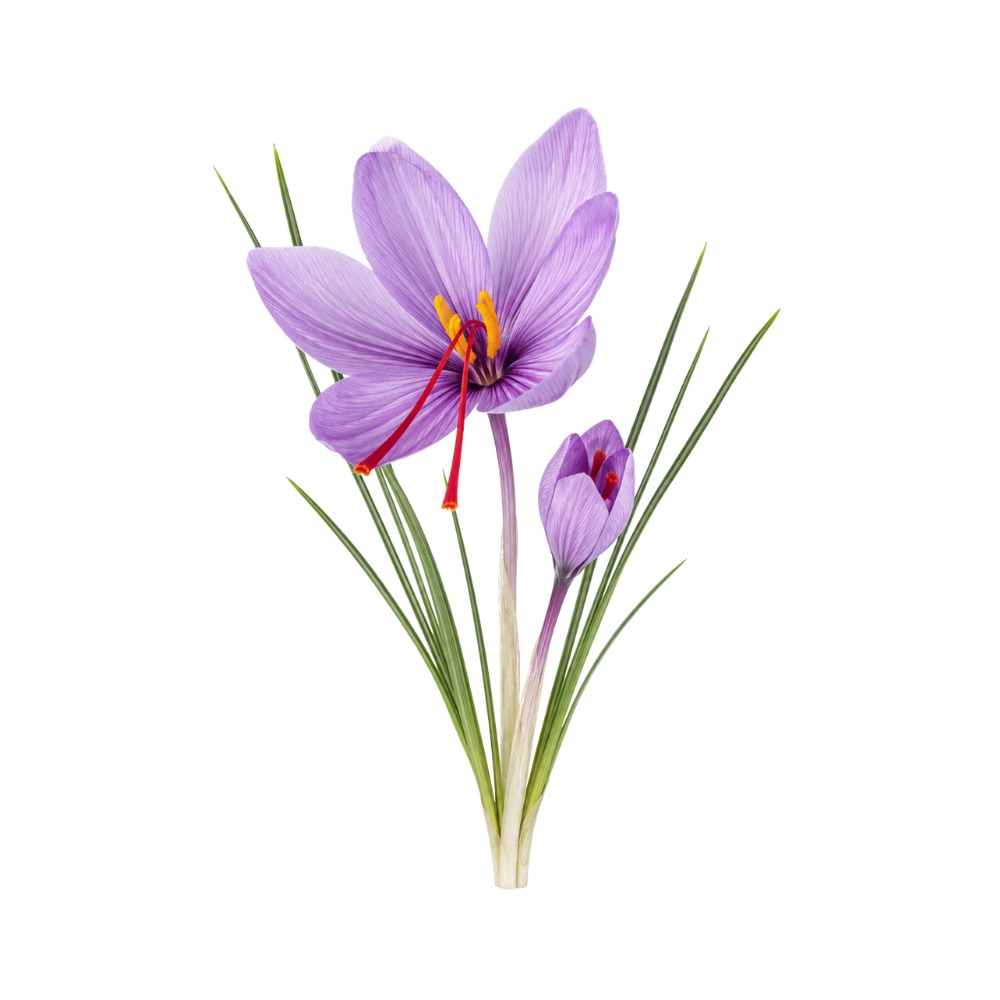 MildMildSaffronCrocus sativusCrocin, crocetin and safranal suppress NF-κB and cytokines in cell and animal models, and isolated crocin lowered serum IL-6 and TNF-α in one randomised trial in COPD.MechanismNF-κB suppression and pro-inflammatory cytokine ↓ (crocin, crocetin, safranal); serum IL-6 and TNF-α ↓ (human)Read the evidenceShow lessMonograph →
Crocin, crocetin and safranal suppress NF-κB signalling and pro-inflammatory cytokines and modulate immune responses across cell and animal models 594Reference 594ReviewAnti-inflammatory, antioxidant, and immunomodulatory effects of Crocus sativus L. and its main constituents — reviewView study →.
The clearest human signal is a single randomised placebo-controlled trial in which crocin supplementation reduced serum IL-6 and TNF-α in COPD patients 595Reference 595RCTEffect of crocin of Crocus sativus L. on serum inflammatory markers (IL-6 and TNF-α) in chronic obstructive pulmonary disease patients: a randomised, double-blind, placebo-controlled trialView study →, one small biomarker study in one condition using an isolated constituent rather than the spice.
Anti-inflammatory activity plausibly underlies parts of saffron’s retinal and metabolic effects. Against the herb’s depression and dementia data, the inflammation evidence is one trial.
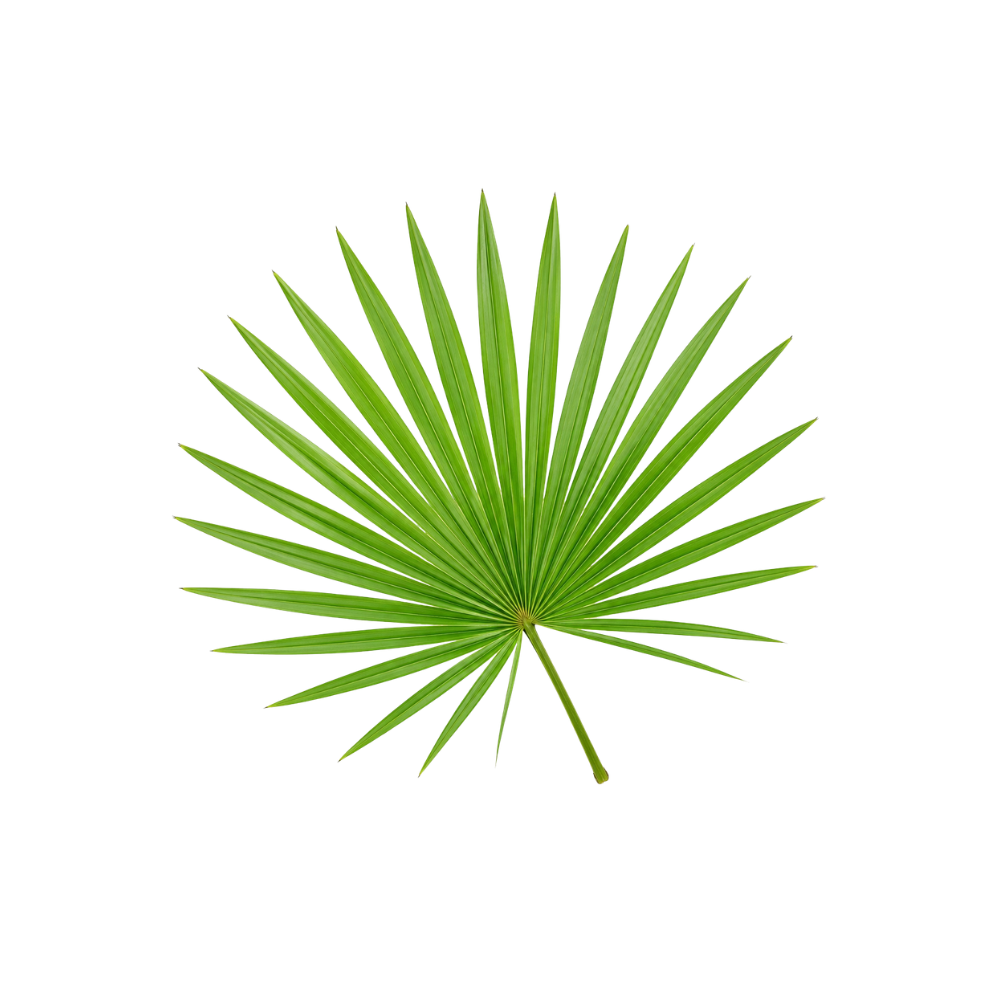 MildMildSaw PalmettoSerenoa repensThe liposterolic extract inhibits both cyclooxygenase and 5-lipoxygenase in vitro, the local mechanism proposed under its prostate use.MechanismCOX inhibition; 5-LOX inhibitionRead the evidenceShow lessMonograph →
In vitro, the liposterolic extract inhibits both the cyclooxygenase and 5-lipoxygenase pathways, with beta-sitosterol and the free fatty acids the implicated components 607Reference 607In vitroSerenoa repens (Permixon) inhibits the 5α-reductase activity of human prostate cancer cell lines without interfering with PSA expression — in vitroView study →.
There is no trial measuring any inflammatory clinical endpoint, and dual COX/5-LOX activity in a dish does not establish a whole-body anti-inflammatory effect at ingested doses. The action is the local mechanism proposed under the prostate work.
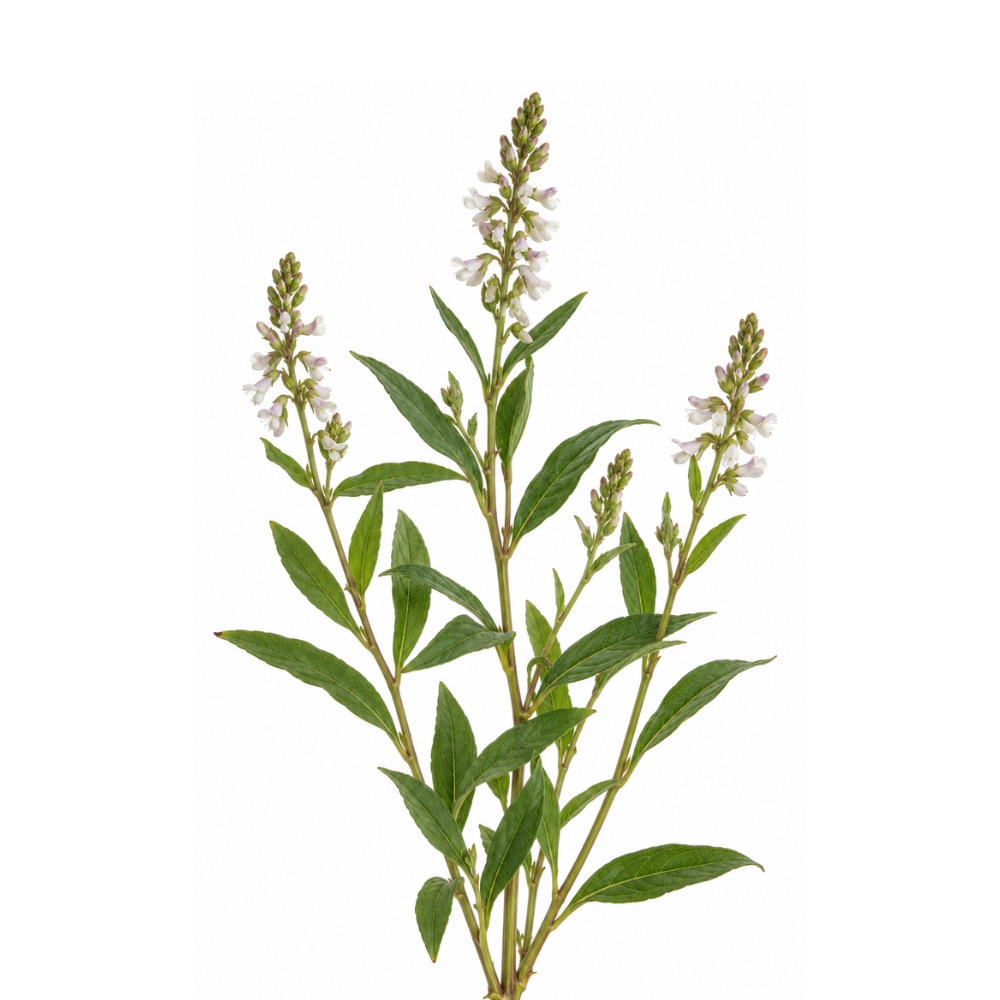 MildMildSenegaPolygala senegaSome root fractions reduced IL-1β, TNF-α and IL-6 in LPS-stimulated macrophages in a single cell-screening study.Mechanismnot resolved; one cell-screen fraction studyRead the evidenceShow less
Ethanol, polysaccharide, polyphenolic and ethyl-acetate fractions of senega were tested alongside chaga and cranberry bark in LPS-stimulated murine RAW macrophages, and some senega fractions reduced the pro-inflammatory cytokines IL-1β, TNF-α and IL-6 608Reference 608In vitroAnti-inflammatory effect of Inonotus obliquus, Polygala senega L., and Viburnum trilobum in a cell screening assay — in vitro studyView study →.
It is a single in-vitro fraction study, with no in-vivo or human confirmation. The saponins are locally irritant, and the root is contraindicated in inflammatory bowel disease.
MildShiitakeLentinula edodesLentinan reduced IL-8 and TNFR1 in intestinal epithelium and attenuated NF-κB-driven airway inflammation in a mouse asthma model; no human inflammatory-disease data.MechanismNF-κB ↓, COX-2 ↓; IL-8 and TNFR1 ↓ in intestinal epitheliumRead the evidenceShow less
Lentinan reduced IL-8 and TNFR1 expression in intestinal epithelial cells 609Reference 609In vitroIntestinal anti-inflammatory activity of lentinan: influence on IL-8 and TNFR1 expression in intestinal epithelial cells — in vitro. https://pubmed.ncbi.nlm.nih.gov/23630633/View study → and attenuated NF-κB-driven airway inflammation and barrier dysfunction in a mouse asthma model 610Reference 610AnimalLentinan attenuates allergic airway inflammation and epithelial barrier dysfunction in asthma via inhibition of NF-κB — mouse modelView study →; bioelement-enriched fruiting bodies showed anti-inflammatory activity in RAW 264.7 macrophages 611Reference 611In vitroLentinula edodes as a Source of Bioelements Released into Artificial Digestive Juices and Potential Anti-inflammatory Material — in vitro (RAW 264.7). https://pubmed.ncbi.nlm.nih.gov/31256391/View study →.
The findings are consistent and entirely preclinical. There is no controlled human trial in any inflammatory disease, and no oral product standardised to these fractions.
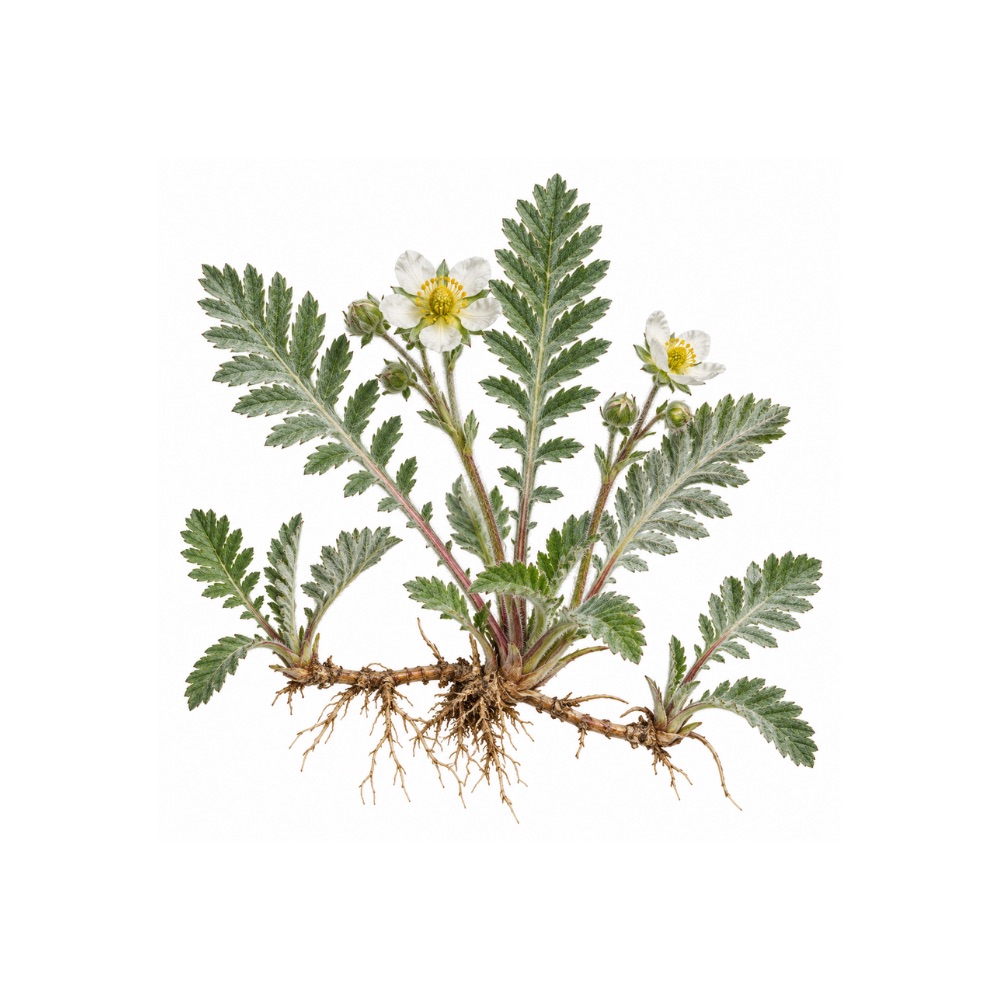 MildMildSilverweedArgentina anserinaRich in the ellagitannin agrimoniin, whose gut-microbial urolithin metabolites carry the anti-inflammatory activity; used traditionally as a gargle for sore throat and mouth inflammation.Mechanismagrimoniin → urolithin metabolites → NF-κB ↓ (class-level); traditional gargleRead the evidenceShow less
Silverweed is used as a gargle for sore throat and mouth inflammation, an astringent application of its tannins.
The herb is rich in ellagitannins such as agrimoniin, which are poorly absorbed but converted by gut microbiota into urolithin A and related urolithins, and those metabolites, rather than the parent tannins, carry the NF-κB-suppressing activity 19Reference 19Role of human gut microbiota metabolism in the anti-inflammatory effect of traditionally used ellagitannin-rich plant materials — ex vivoView study →.
The mechanistic evidence is an ex-vivo gut-metabolite study on the compound class, and direct anti-inflammatory studies of the whole herb are few.
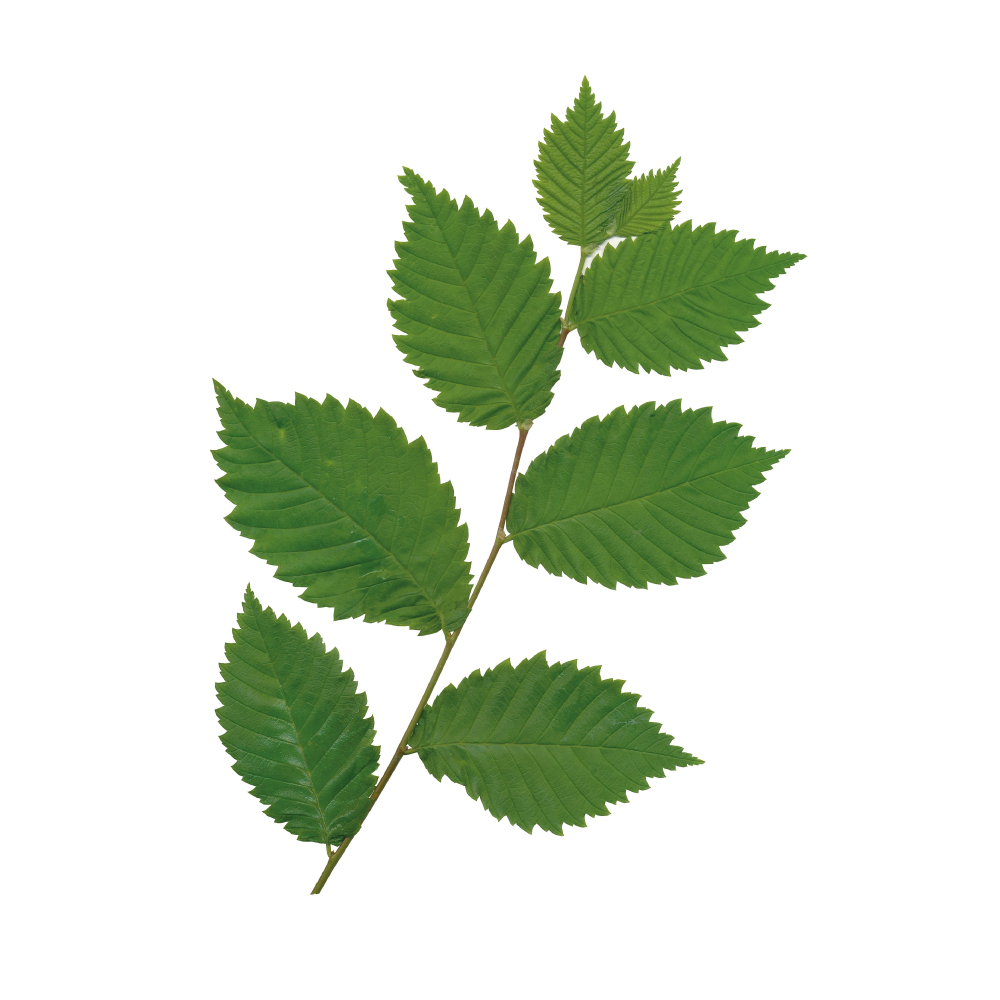 MildMildSlippery ElmUlmus rubraThe bark scavenged superoxide and peroxyl radicals and reduced oxidant release from inflamed ulcerative-colitis biopsies, comparably to 5-aminosalicylic acid, in one laboratory study.Mechanismsuperoxide / peroxyl radical scavenging; reduced oxidant release from inflamed colonic mucosaRead the evidenceShow lessMonograph →
In a cell-free and ex-vivo study of herbal remedies used by IBD patients, slippery elm scavenged superoxide and peroxyl radicals dose-dependently and reduced oxygen-radical release from inflamed ulcerative-colitis biopsies, performing comparably to 5-aminosalicylic acid 617Reference 617In vitroAntioxidant effects of herbal therapies used by patients with inflammatory bowel disease: an in vitro studyView study →. It is the one place slippery elm shows a chemical rather than a purely physical, mucilaginous action.
That is the entire direct evidence base, one in-vitro study on the bark. Essiac-formula work is mixed and cannot be attributed to the elm component; the tea modulated nitric oxide and pro-inflammatory mediator expression in macrophages, with effects that varied by concentration and were not straightforwardly anti-inflammatory 618Reference 618In vitroAntioxidant and anti-inflammatory properties of ESSIAC and Flor-Essence — in vitroView study →.
There is no whole-animal or human anti-inflammatory data for the herb, and the 5-ASA comparison is a laboratory one rather than a clinical equivalence.
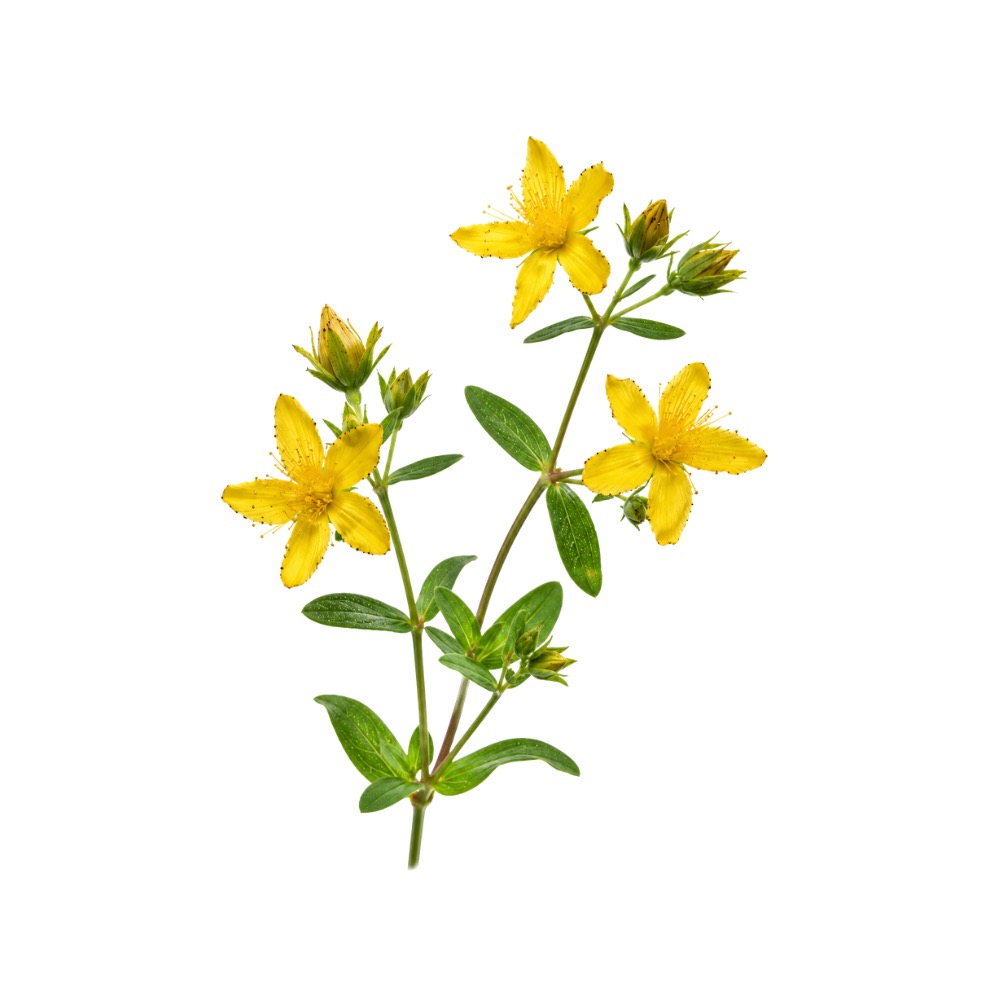 MildMildSt. John’s WortHypericum perforatumThe anti-inflammatory activity of its flavonoids is the mechanism proposed for the infused oil's wound-healing use; no study has measured an inflammatory endpoint.Read the evidenceShow lessMonograph →
Anti-inflammatory flavonoid activity is credited to quercetin, hyperoside and amentoflavone, and it is offered as the mechanism behind the topical wound-healing use of the infused oil rather than as a systemic action.
The herb’s research record runs to depression, somatoform disorders, menopause, premenstrual syndrome, topical wounds, hypericin photodynamic therapy, cognition and OCD, and no study in it carries an inflammatory endpoint. The chemical basis is real and unmeasured.
The herb’s substantiated work is antidepressant.
MildMildSweet WormwoodArtemisia annuaExtracts of the herb suppress nitric oxide, PGE2 and cytokines in macrophages, and the aqueous extract improved intestinal immunity in broiler chickens; no human anti-inflammatory data.Read the evidenceShow lessMonograph →
Acetone, ethanol, methanol and water extracts inhibited lipopolysaccharide-induced nitric oxide, prostaglandin E2 and pro-inflammatory cytokine production in macrophages 666Reference 666In vitroAnti-inflammatory, antioxidant and antimicrobial effects of artemisinin extracts from Artemisia annua L. — in vitroView study →, and an aqueous extract promoted intestinal immunity and antioxidant function in broiler chickens 665Reference 665AnimalArtemisia annua L. aqueous extract promotes intestinal immunity and antioxidant function in broilers — animal modelView study →.
There is no human anti-inflammatory data of any kind, and the in-vitro work shares the chemotype-dependence that limits every non-antimalarial claim on this herb. The substantiated action is antimalarial, and that belongs to artemisinin as an isolated drug rather than to the plant.
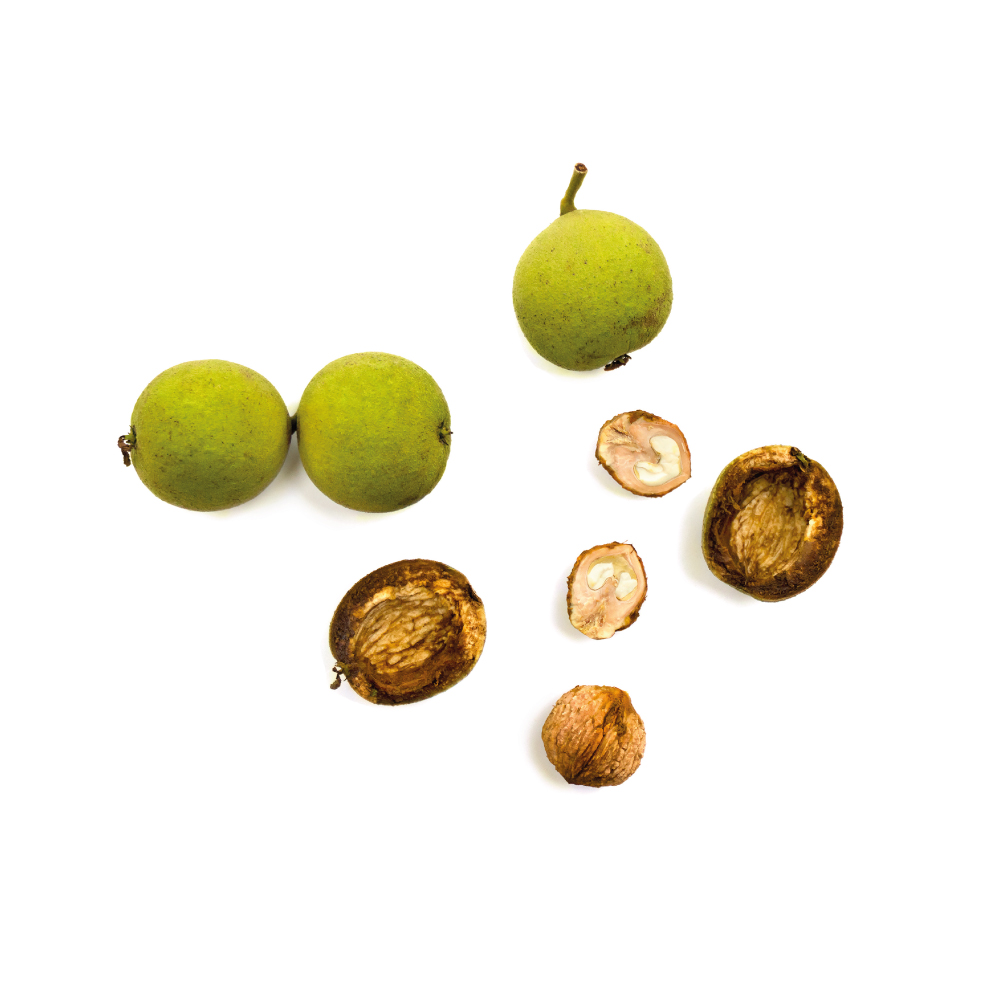 MildMildWalnutJuglans nigraThe green husks were boiled with honey for sore throat and inflammation of the mouth and stomach, and kernel extracts alter inflammatory cytokine production in stimulated human cells.Mechanismkernel-polyphenol cytokine modulation in U-937 cells (in vitro); traditional husk useRead the evidenceShow lessMonograph →
The green husks boiled with honey were the traditional preparation for sore throat and for inflammation of the mouth and stomach, an astringent use of the tannin-rich hull.
Methanolic kernel extracts of five black walnut cultivars, applied to LPS-stimulated human U-937 promonocytic cells, altered production of several inflammatory cytokines without cytotoxicity, with the anti-inflammatory capacity differing between cultivars 656Reference 656In vitroBlack walnut (Juglans nigra) extracts inhibit proinflammatory cytokine production from lipopolysaccharide-stimulated human promonocytic cell line U-937 — in vitroView study →.
That is a single in-vitro study on a different part of the plant from the leaf and hull in medicinal use. The herb’s research otherwise covers diabetes, cancer, antimicrobial, hepatoprotective and hypotensive activity.
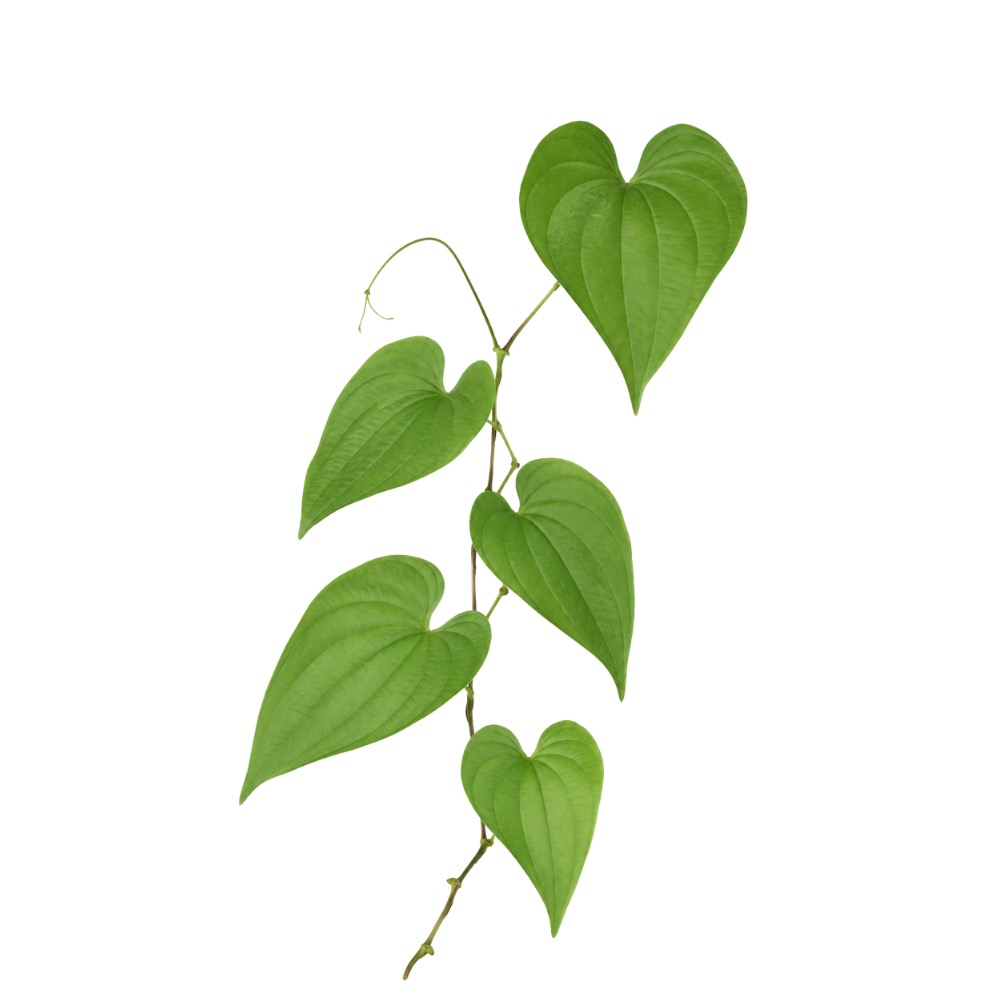 MildMildWild YamDioscorea villosaDiosgenin downregulates NF-κB, COX-2 and iNOS across rodent and cell models, the pharmacology behind the old folk name rheumatism root; every study uses the isolated saponin.MechanismNF-κB ↓; COX-2 ↓, iNOS ↓; TGF-β ↓Read the evidenceShow lessMonograph →
Across rodent and cell models diosgenin consistently downregulates NF-κB and its downstream mediators COX-2 and iNOS, with parallel TGF-β suppression 81Reference 81ReviewDiosgenin: mechanistic insights on its anti-inflammatory effects — reviewView study →, and in a rat cerebral ischaemia–reperfusion model it reduced inflammatory injury through a HIKESHI/HSP70/NF-κB axis 82Reference 82AnimalDiosgenin revealed potential effect against cerebral ischemia reperfusion through the HIKESHI/HSP70/NF-κB anti-inflammatory axis — rat in vivo studyView study →. The mechanism is coherent and replicated at the molecule level, and it matches the old folk name rheumatism root.
Every study uses isolated diosgenin at doses well above what a rhizome tincture delivers, diosgenin’s oral bioavailability is poor 85Reference 85In vitroCharacterization of in vitro ADME properties of diosgenin and dioscin from Dioscorea villosa — in vitro studyView study →, and there is no whole-herb or human trial of wild yam for any inflammatory condition. Traditionally this was always described as a mild anti-inflammatory, and the pharmacology gives no reason to upgrade it.
No herbs match these filters.
Also Tagged
14 more herbs carry an anti-inflammatory action.
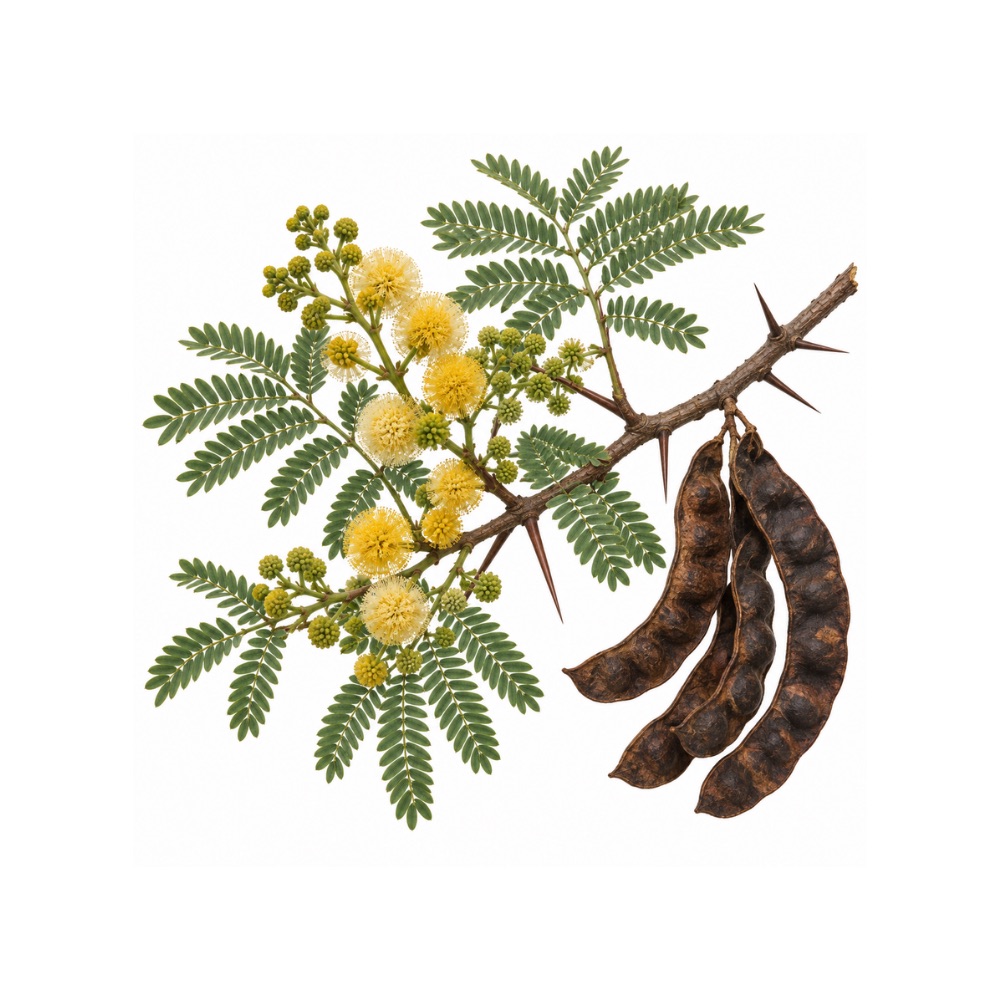
Babul
Vachellia nilotica
Black Wattle
Acacia mearnsii
Blue Passionflower
Passiflora caerulea
Catechu
Senegalia catechu
Chir Pine
Pinus roxburghii
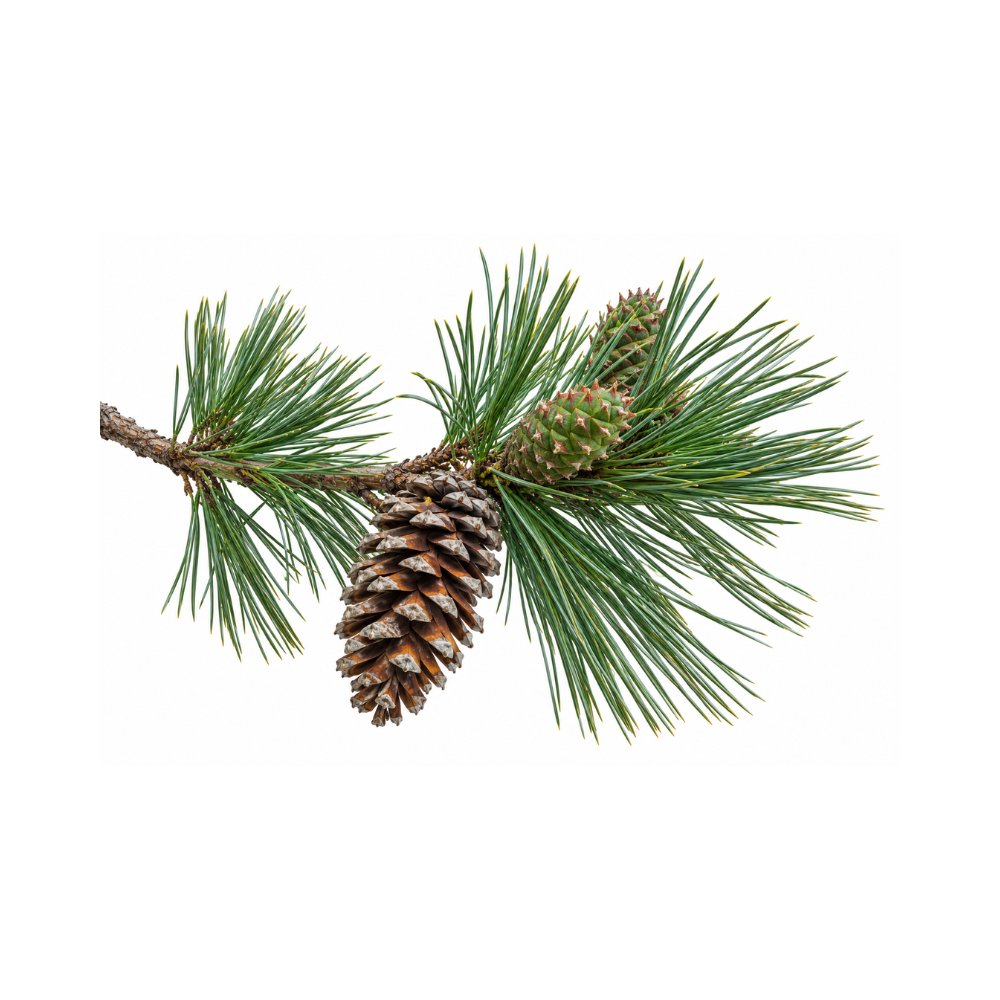
Korean Pine
Pinus koraiensis
Korean Red Pine
Pinus densiflora
Maritime Pine
Pinus pinaster
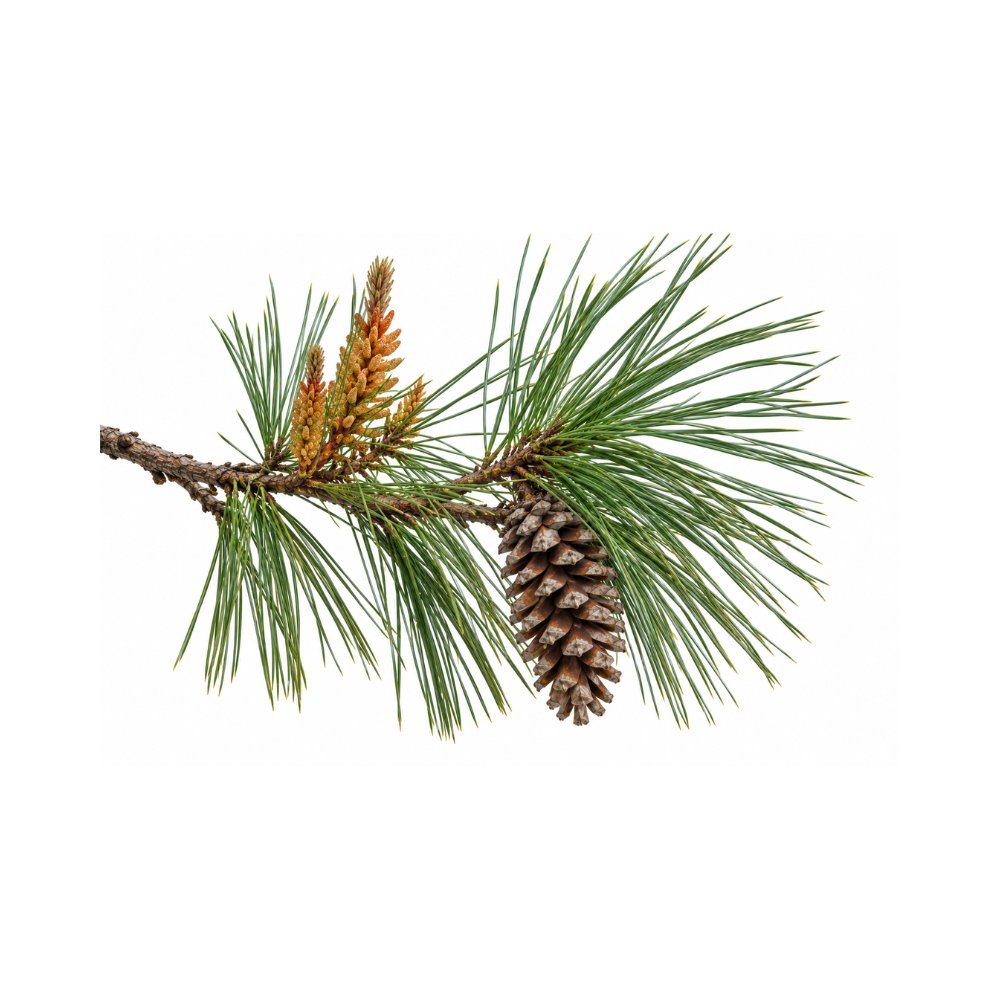
Masson Pine
Pinus massoniana
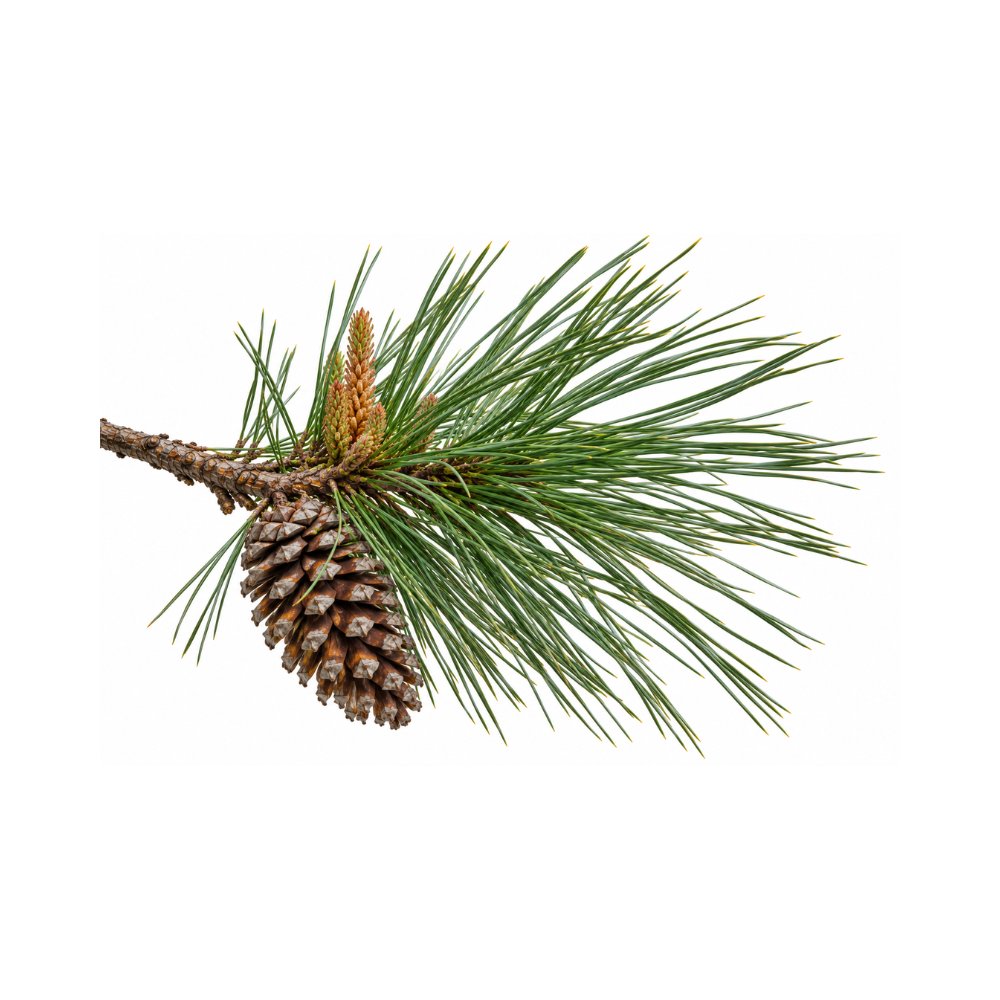
Monterey Pine
Pinus radiata
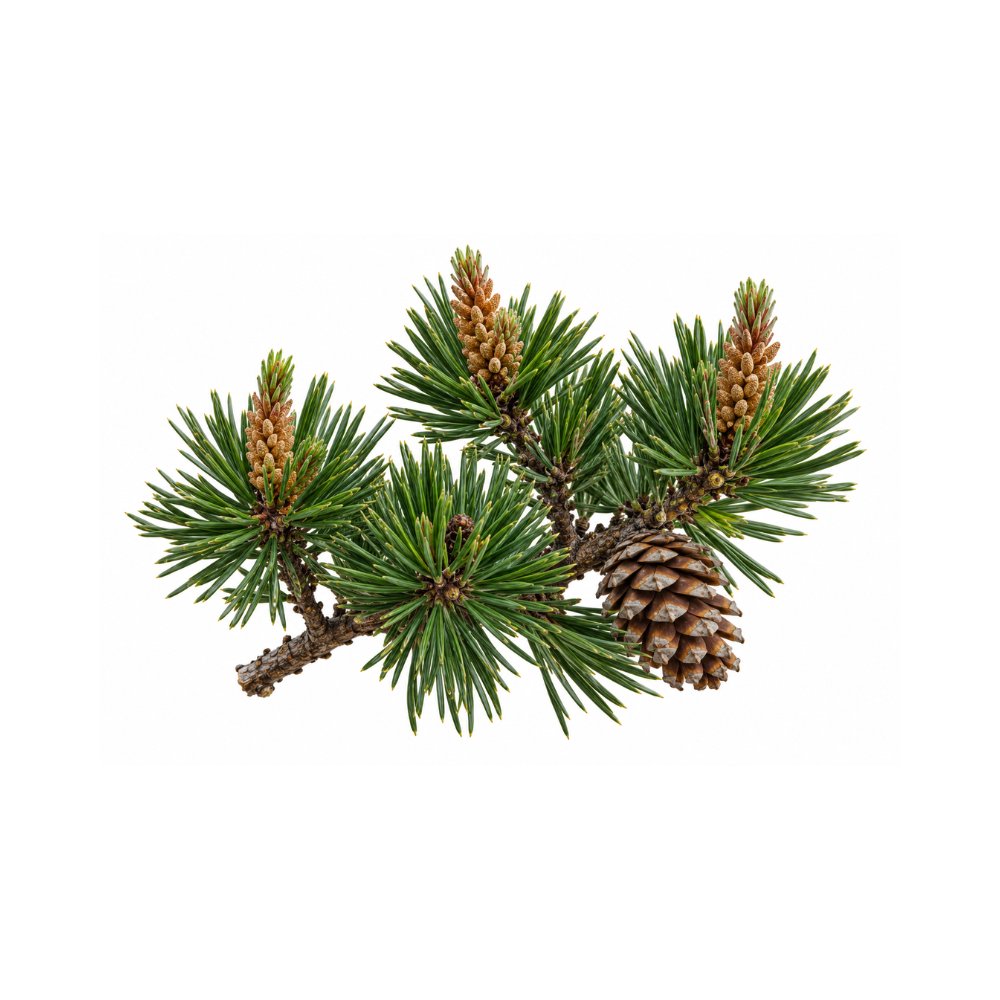
Mugo Pine
Pinus mugo
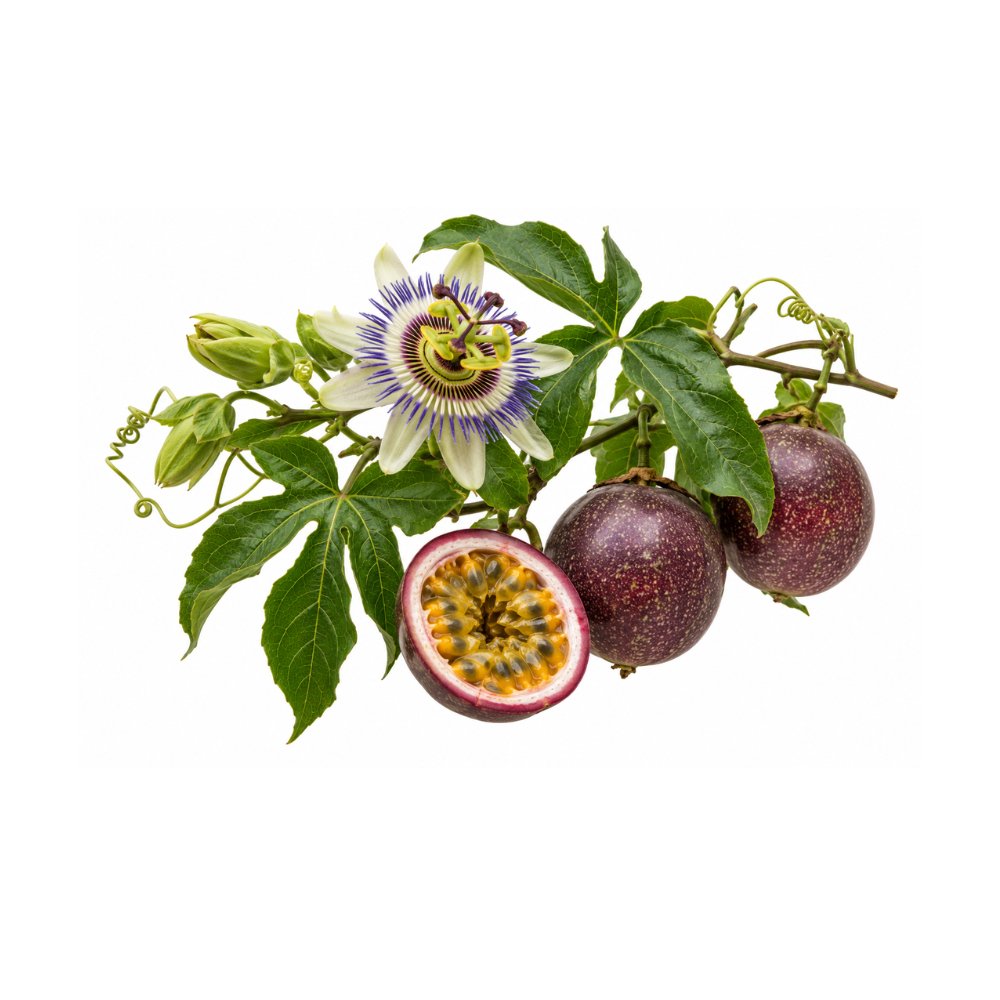
Passion Fruit
Passiflora edulis
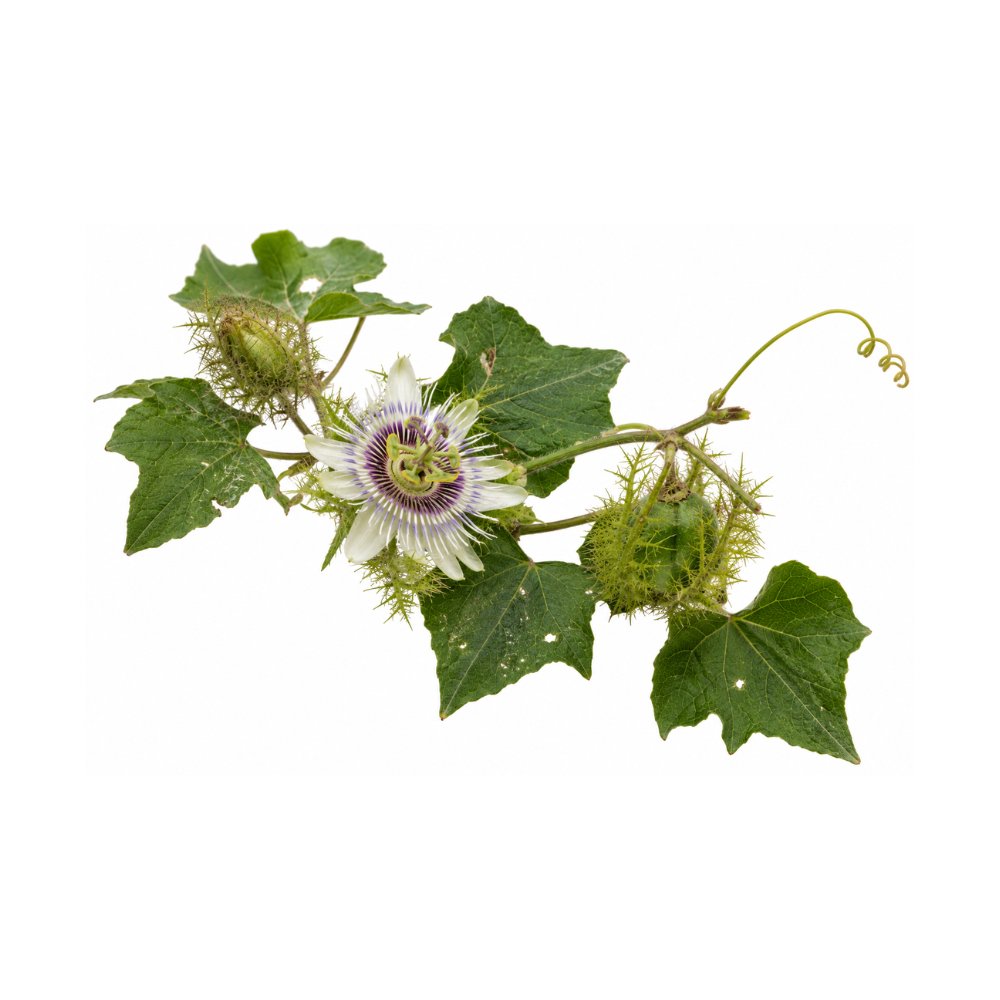
Stinking Passionflower
Passiflora foetida
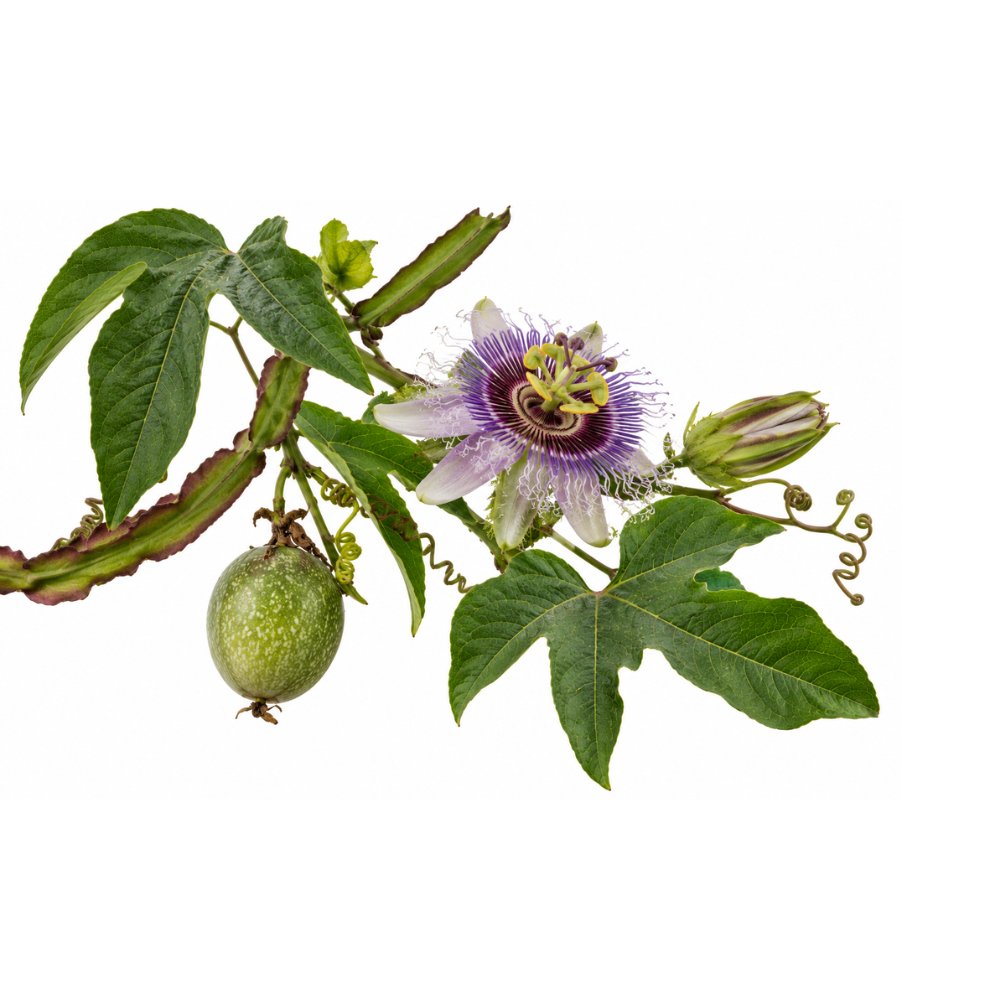
Winged-Stem Passionflower
Passiflora alata
Safety
- Antiplatelet anti-inflammatory herbs add to aspirin, warfarin, clopidogrel and the DOACs, and are stopped before surgery.
- The salicylate herbs are not for children with viral illness or for anyone with aspirin sensitivity.
- Herbal COX inhibitors add to NSAIDs and share their gastric cautions.
- The sesquiterpene-lactone herbs of the daisy family cause contact allergy and cross-react within the family.
- Topical-only anti-inflammatory herbs are not taken internally.
- Essential oils are used diluted; undiluted oils are mucosal irritants.
- Suppressing inflammation during active infection, wound healing or immunosuppressive therapy is not automatically benign.
References
- Matos MS, Anastácio JD, Allwood JW, Carregosa D, Marques D, Sungurtas J, McDougall GJ, Menezes R, Matias AA, Stewart D, Santos CND (2020). Assessing the intestinal permeability and anti-inflammatory potential of sesquiterpene lactones from chicory — in vitro. Nutrients. https://pubmed.ncbi.nlm.nih.gov/33228214/
- Matos MS, et al. (2024). Unveiling the anti-inflammatory potential of 11β,13-dihydrolactucin for application in inflammatory bowel disease management — cell models and zebrafish animal model. Food & Function. https://pubmed.ncbi.nlm.nih.gov/39162124/
- Weng H, He L, Zheng J, Li Q, Liu X, Wang D (2020). Low oral bioavailability and partial gut microbiotic and phase II metabolism of Brussels/witloof chicory sesquiterpene lactones — human volunteers. Nutrients. https://pubmed.ncbi.nlm.nih.gov/33260567/
- Kisiel W, Barszcz B (2000). Further sesquiterpenoids and phenolics from Taraxacum officinale. Fitoterapia. https://pubmed.ncbi.nlm.nih.gov/10844166/
- Wesołowska A, Nikiforuk A, Michalska K, Kisiel W, Chojnacka-Wójcik E (2006). Analgesic and sedative activities of lactucin and some lactucin-like guaianolides in mice — animal in vivo. Journal of Ethnopharmacology. https://pubmed.ncbi.nlm.nih.gov/16621374/
- Lang R, Lang T, Dunkel A, Ziegler F, Behrens M (2022). Overlapping activation pattern of bitter taste receptors affect sensory adaptation and food perception — in vitro receptor assays plus human sensory panel. Frontiers in Nutrition. https://pubmed.ncbi.nlm.nih.gov/36601079/
- Mai F, Glomb MA (2016). Structural and sensory characterization of novel sesquiterpene lactones from iceberg lettuce. Journal of Agricultural and Food Chemistry. https://pubmed.ncbi.nlm.nih.gov/26727458/
- Zhou Y, Wen T, Yang S, Meng B, Wei J, Zhang J, Wang L, Shen X (2025). Sesquiterpene lactones from Cichorium intybus exhibit potent anti-inflammatory and hepatoprotective effects by repression of NF-κB and enhancement of NRF2. Journal of Ethnopharmacology. https://pubmed.ncbi.nlm.nih.gov/39904423/
- Cavin C, Delannoy M, Malnoe A, Debefve E, Touché A, Courtois D, Schilter B (2005). Inhibition of the expression and activity of cyclooxygenase-2 by chicory extract. Biochemical and Biophysical Research Communications. https://pubmed.ncbi.nlm.nih.gov/15649409/
- Elbermawi A, Zulfiqar F, Khan SI, Khan IA, Ali Z (2024). Phytochemical analysis of Cichorium bottae root and anti-inflammatory potential assessment of isolates. Fitoterapia. https://pubmed.ncbi.nlm.nih.gov/38945492/
- Harmatha J, Zídek Z, Kmoníčková E (2024). Inhibitory effect of selected guaianolide and germacranolide sesquiterpene lactones on nitric oxide production. Molecules. https://pubmed.ncbi.nlm.nih.gov/39064869/
- Valente AH, de Roode M, Ernst M, Peña-Espinoza M, Bornancin L, Bonde CS, Martínez-Valladares M, Ramünke S, Krücken J, Simonsen HT, Thamsborg SM, Williams AR (2021). Identification of compounds responsible for the anthelmintic effects of chicory (Cichorium intybus) by molecular networking and bio-guided fractionation. International Journal for Parasitology: Drugs and Drug Resistance. https://pubmed.ncbi.nlm.nih.gov/33618233/
- Foster JG, Cassida KA, Turner KE (2011). In vitro analysis of the anthelmintic activity of forage chicory (Cichorium intybus L.) sesquiterpene lactones against a predominantly Haemonchus contortus egg population. Veterinary Parasitology. https://pubmed.ncbi.nlm.nih.gov/21477927/
- García CJ, Beltrán D, Tomás-Barberán FA (2020). Human gut microbiota metabolism of dietary sesquiterpene lactones: untargeted metabolomics study of lactucopicrin and lactucin conversion in vitro and in vivo. Molecular Nutrition & Food Research. https://pubmed.ncbi.nlm.nih.gov/32970341/
- Baixinho JP, Anastácio JD, Ivasiv V, Cankar K, Bosch D, Menezes R, de Roode M, Santos CND, Matias AA, Fernández N (2021). Supercritical CO₂ extraction as a tool to isolate anti-inflammatory sesquiterpene lactones from Cichorium intybus L. roots. Molecules. https://pubmed.ncbi.nlm.nih.gov/33925241/
- Hoffmann J, Casetti F, Bullerkotte U, Haarhaus B, Vagedes J, Schempp CM, Wölfle U (2016). Anti-inflammatory effects of agrimoniin-enriched fractions of Potentilla erecta — in vitro and human UV-erythema study. Molecules. https://pubmed.ncbi.nlm.nih.gov/27322232/
- Hrenn A, Steinbrecher T, Labahn A, Schwager J, Schempp CM, Merfort I (2006). Plant phenolics inhibit neutrophil elastase — in vitro. Planta Medica. https://pubmed.ncbi.nlm.nih.gov/17024589/
- Bazylko A, Piwowarski JP, Filipek A, Bonarewicz J, Tomczyk M (2013). In vitro antioxidant and anti-inflammatory activities of extracts from Potentilla recta and its main ellagitannin, agrimoniin. Journal of Ethnopharmacology. https://pubmed.ncbi.nlm.nih.gov/23811215/
- Piwowarski JP, Granica S, Zwierzyńska M, Stefańska J, Schopohl P, Melzig MF, Kiss AK (2014). Role of human gut microbiota metabolism in the anti-inflammatory effect of traditionally used ellagitannin-rich plant materials — ex vivo. Journal of Ethnopharmacology. https://pubmed.ncbi.nlm.nih.gov/24969824/
- Bauer J, Kuehnl S, Rollinger JM, Scherer O, Northoff H, Stuppner H, et al. (2012). Carnosol and carnosic acids from Salvia officinalis inhibit microsomal prostaglandin E2 synthase-1 — human whole-blood assay. Journal of Pharmacology and Experimental Therapeutics. https://pubmed.ncbi.nlm.nih.gov/22511203/
- Zuo RM, Jiao JY, Chen N, Jiang XL, Wu YL, Nan JX, Lian LH. (2023). Carnosic acid suppressed the formation of NETs in alcoholic hepatosteatosis based on the P2X7R–NLRP3 axis — mice. Phytomedicine. https://pubmed.ncbi.nlm.nih.gov/36577209/
- Yanagitai M, Itoh S, Kitagawa T, Takenouchi T, Kitani H, Satoh T (2012). Carnosic acid, a pro-electrophilic compound, inhibits LPS-induced activation of microglia — in vitro. Biochemical and Biophysical Research Communications. https://pubmed.ncbi.nlm.nih.gov/22214931/
- Li L, Pan Z, Ning D, Fu Y. (2021). Rosmanol and carnosol synergistically alleviate rheumatoid arthritis through inhibiting TLR4/NF-κB/MAPK pathway. Molecules, 27(1), 78. https://pubmed.ncbi.nlm.nih.gov/35011304/
- Li X, Zhao L, Han JJ, et al. (2018). Carnosol modulates Th17 cell differentiation and microglial switch in experimental autoimmune encephalomyelitis. Frontiers in Immunology, 9, 1807. https://pubmed.ncbi.nlm.nih.gov/30150982/
- Xu D, Ye B, Lin L, et al. (2024). Carnosol attenuates angiotensin II-induced cardiac remodeling and inflammation via directly binding to p38 and inhibiting p38 activation. International Immunopharmacology, 134, 112143. https://pubmed.ncbi.nlm.nih.gov/38692016/
- Gazzillo E, Saviano A, Raucci F, et al. (2025). Carnosol modulates mPGES-1/PPAR-γ biological axis — from in silico to in vivo clinical imaging and investigations. Biomedicine & Pharmacotherapy, 191, 118407. https://pubmed.ncbi.nlm.nih.gov/40812209/
- Nischang V, Perkowski BJ, Peltner L, et al. (2026). Carnosic acid and carnosol promote lipid mediator class-switching toward inflammation resolution in human macrophages. Biomedicine & Pharmacotherapy, 202, 119764. https://pubmed.ncbi.nlm.nih.gov/42501513/
- Reuter J, Jocher A, Hornstein S, Mönting JS, Schempp CM. (2007). Sage extract rich in phenolic diterpenes inhibits ultraviolet-induced erythema in vivo — a randomised double-blind placebo-controlled clinical trial. Planta Medica, 73(11), 1190–1191. https://pubmed.ncbi.nlm.nih.gov/17713873/
- Gertsch J, Leonti M, Raduner S, et al. (2008). Beta-caryophyllene is a dietary cannabinoid — in vitro receptor pharmacology + in-vivo mouse model. Proceedings of the National Academy of Sciences USA. https://pubmed.ncbi.nlm.nih.gov/18574142/
- Piazza S, et al. (2023). Ellagitannins from Castanea sativa Mill. leaf extracts impair H. pylori viability and infection-induced inflammation in human gastric epithelial cells. Nutrients. https://pubmed.ncbi.nlm.nih.gov/36986236/
- Piazza S, et al. (2024). Investigation into the anti-acne effects of Castanea sativa Mill leaf and its pure ellagitannin castalagin in HaCaT cells infected with Cutibacterium acnes. International Journal of Molecular Sciences. https://pubmed.ncbi.nlm.nih.gov/38731983/
- Lambert D, et al. (2026). Turning off inflammation naturally via dual antioxidant and anti-inflammatory actions of chestnut wood extract through PPARγ and NF-κB pathways. PLoS One. https://pubmed.ncbi.nlm.nih.gov/42054386/
- Ishii R, Saito K, Horie M, Shibano T, Kitanaka S, Amano F (1999). Inhibitory effects of hydrolyzable tannins from Melastoma dodecandrum Lour. on nitric oxide production by RAW264.7 macrophages — in vitro. Biological & Pharmaceutical Bulletin. https://pubmed.ncbi.nlm.nih.gov/10408242/
- Fumagalli M, Sangiovanni E, Vrhovsek U, et al. (2016). Strawberry tannins inhibit IL-8 secretion in a cell model of gastric inflammation — in vitro. Pharmacological Research. https://pubmed.ncbi.nlm.nih.gov/27473819/
- Martinelli G, Piazza S, Fumagalli M, et al. (2025). Investigating ellagitannins from strawberry (Fragaria × ananassa Duch.) as a new strategy to counteract H. pylori infection and inflammation — in vitro. Food & Function. https://pubmed.ncbi.nlm.nih.gov/40452546/
- Takayama S, Kawanishi M, Yamauchi K, et al. (2021). Ellagitannins from Rosa roxburghii suppress poly(I:C)-induced IL-8 production in human keratinocytes — in vitro. Journal of Natural Medicines. https://pubmed.ncbi.nlm.nih.gov/33830449/
- Sokolova E, Adamov G, Krol’ T, Sheychenko O, Baleev D, Sidelnikov N (2025). Inhibitory potential of sea buckthorn leaves extracts and its component casuarictin on pancreatic enzymes and LPS-induced TNF-α synthesis in human whole blood — in vitro / ex vivo. Natural Product Research. https://pubmed.ncbi.nlm.nih.gov/40680206/
- Piwowarski JP, Granica S, Stefańska J, Kiss AK (2016). Differences in metabolism of ellagitannins by human gut microbiota ex vivo cultures. Journal of Natural Products. https://pubmed.ncbi.nlm.nih.gov/28006907/
- Daniel EM, Ratnayake S, Kinstle T, Stoner GD (1991). The effects of pH and rat intestinal contents on the liberation of ellagic acid from purified and crude ellagitannins — in vitro. Journal of Natural Products. https://pubmed.ncbi.nlm.nih.gov/1791480/
- Chen KJ, Huang YL, Kuo LM, Chen YT, Hung CF, Hsieh PW (2022). Protective role of casuarinin from Melastoma malabathricum against a mouse model of 5-fluorouracil-induced intestinal mucositis — impact on inflammation and gut microbiota dysbiosis. Phytomedicine, 101, 154092. https://pubmed.ncbi.nlm.nih.gov/35430483/
- Yang GX, Zhang RZ, Lou B, Cheng KJ, Xiong J, Hu JF (2014). Chemical constituents from Melastoma dodecandrum and their inhibitory activity on interleukin-8 production in HT-29 cells. Natural Product Research, 28(17), 1383-1387. https://pubmed.ncbi.nlm.nih.gov/24697659/
- Liao W, He X, Yi Z, Xiang W, Ding Y (2018). Chelidonine suppresses LPS-induced production of inflammatory mediators through inhibition of the TLR4/NF-κB signaling pathway in RAW264.7 macrophages — in vitro/animal. Biomedicine & Pharmacotherapy. https://pubmed.ncbi.nlm.nih.gov/30257328/
- Kim SH, Hong JH, Lee YC (2015). Chelidonine, a principal isoquinoline alkaloid of Chelidonium majus, attenuates eosinophilic airway inflammation by suppressing IL-4 and eotaxin-2 expression in asthmatic mice — animal. Pharmacological Reports. https://pubmed.ncbi.nlm.nih.gov/26481537/
- Li M, Zhu Y, Shao J, et al. (2023). Chelidonine reduces IL-1β-induced inflammation and matrix catabolism in chondrocytes and attenuates cartilage degeneration and synovial inflammation in rats — animal. Brazilian Journal of Medical and Biological Research. https://pubmed.ncbi.nlm.nih.gov/37585914/
- Vavrečková C, Gawlik I, Müller K (1996). Benzophenanthridine alkaloids of Chelidonium majus; I. Inhibition of 5- and 12-lipoxygenase by a non-redox mechanism — in vitro. Planta Medica. https://pubmed.ncbi.nlm.nih.gov/9005450/
- Paul A, Das S, Das J, Samadder A, Khuda-Bukhsh AR (2013). Cytotoxicity and apoptotic signalling cascade induced by chelidonine-loaded PLGA nanoparticles in HepG2 cells in vitro and bioavailability of nano-chelidonine in mice in vivo — in vitro/animal. Toxicology Letters. https://pubmed.ncbi.nlm.nih.gov/23850776/
- Gao L, Schmitz HJ, Merz KH, Schrenk D (2019). Characterization of the cytotoxicity of selected Chelidonium alkaloids in rat hepatocytes — in vitro. Toxicology Letters. https://pubmed.ncbi.nlm.nih.gov/31054355/
- Liu Y, Peng Y, Zhang Z, Guo X, Ji M, Zheng J (2019). In vitro and in vivo studies of the metabolic activation of chelidonine — in vitro/animal. Chemico-Biological Interactions. https://pubmed.ncbi.nlm.nih.gov/31102647/
- Liu Y, Cui T, Peng Y, Ji M, Zheng J (2019). Mechanism-based inactivation of cytochrome P450 2D6 by chelidonine — in vitro. Journal of Biochemical and Molecular Toxicology. https://pubmed.ncbi.nlm.nih.gov/30368994/
- Koo TH, Lee JH, Park YJ, Hong YS, Kim HS, Kim KW, Lee JJ. (2001). A sesquiterpene lactone, costunolide, from Magnolia grandiflora inhibits NF-kappa B by targeting I kappa B phosphorylation — in vitro. Planta Medica. https://pubmed.ncbi.nlm.nih.gov/11301852/
- Matsuda H, Toguchida I, Ninomiya K, Kageura T, Morikawa T, Yoshikawa M. (2003). Effects of sesquiterpenes and amino acid-sesquiterpene conjugates from the roots of Saussurea lappa on inducible nitric oxide synthase and heat shock protein in lipopolysaccharide-activated macrophages — in vitro. Bioorganic & Medicinal Chemistry. https://pubmed.ncbi.nlm.nih.gov/12538000/
- Pae HO, Jeong GS, Kim HS, Woo WH, Rhew HY, Kim HS, Sohn DH, Kim YC, Chung HT. (2007). Costunolide inhibits production of tumor necrosis factor-alpha and interleukin-6 by inducing heme oxygenase-1 in RAW264.7 macrophages — in vitro. Inflammation Research. https://pubmed.ncbi.nlm.nih.gov/18210237/
- Zhang J, Hu X, Gao W, Qu Z, Guo H, Liu Z, Liu C. (2014). Pharmacokinetic study on costunolide and dehydrocostuslactone after oral administration of traditional medicine Aucklandia lappa Decne. by LC/MS/MS — animal model in rats. Journal of Ethnopharmacology. https://pubmed.ncbi.nlm.nih.gov/24216164/
- Liu H, Zhan X, Xu G, et al. (2021). Cryptotanshinone specifically suppresses NLRP3 inflammasome activation and protects against inflammasome-mediated diseases — in vitro and mouse in vivo study. Pharmacological Research. https://pubmed.ncbi.nlm.nih.gov/33352229/
- Fan LM, Zhang YQ, et al. (2022). Cryptotanshinone ameliorates dextran sulfate sodium-induced murine acute and chronic ulcerative colitis via suppressing STAT3 activation and Th17 cell differentiation — mouse in vivo study. International Immunopharmacology. https://pubmed.ncbi.nlm.nih.gov/35729830/
- Song H, et al. (2023). Cryptotanshinone alleviates lipopolysaccharide and cigarette smoke-induced chronic obstructive pulmonary disease in mice via the Keap1/Nrf2 axis — mouse in vivo study. Biomedicine & Pharmacotherapy. https://pubmed.ncbi.nlm.nih.gov/37399718/
- Wang C, Zheng M, et al. (2019). Cryptotanshinone attenuates airway remodeling by inhibiting crosstalk between tumor necrosis factor-like weak inducer of apoptosis and transforming growth factor beta 1 signaling pathways in asthma — mouse in vivo study. Frontiers in Pharmacology. https://pubmed.ncbi.nlm.nih.gov/31780948/
- Gao H, Huang L, et al. (2018). Simultaneous purification of dihydrotanshinone, tanshinone I, cryptotanshinone, and tanshinone IIA from Salvia miltiorrhiza and their anti-inflammatory activities investigation — in vitro and animal model. Scientific Reports. https://pubmed.ncbi.nlm.nih.gov/29855534/
- Ribeiro-Filho J, et al. (2019). Curine inhibits macrophage activation and neutrophil recruitment in a mouse model of lipopolysaccharide-induced inflammation — animal model. Toxins. https://pubmed.ncbi.nlm.nih.gov/31816942/
- Seow WK, Nakamura K, Sugimura Y, Sugimoto Y, Yamada Y, Fairlie DP, Thong YH (1993). Inhibitory effects of bisbenzylisoquinolines on synthesis of the inflammatory cytokines interleukin-1 and tumour necrosis factor-alpha. Mediators of Inflammation. https://pubmed.ncbi.nlm.nih.gov/18475522/
- Kondo Y, Takano F, Hojo H (1993). Inhibitory effect of bisbenzylisoquinoline alkaloids on nitric oxide production in activated macrophages. Biochemical Pharmacology. https://pubmed.ncbi.nlm.nih.gov/7505581/
- Ma JY, Barger MW, Ma JK, Castranova V (1992). Inhibition of respiratory burst activity in alveolar macrophages by bisbenzylisoquinoline alkaloids: characterization of drug-cell interaction. Experimental Lung Research. https://pubmed.ncbi.nlm.nih.gov/1361431/
- Kondo Y, Takano F, Hojo H (1993). Suppression of lipopolysaccharide-induced fulminant hepatitis and tumor necrosis factor production by bisbenzylisoquinoline alkaloids in bacillus Calmette-Guerin-treated mice. Biochemical Pharmacology. https://pubmed.ncbi.nlm.nih.gov/8250973/
- Kondo Y, Imai Y, Kubota Y, Hojo H, Nozoe S (1990). Inhibitory effect of bisbenzylisoquinoline alkaloids on the quick death of mice treated with BCG/LPS. Chemical & Pharmaceutical Bulletin. https://pubmed.ncbi.nlm.nih.gov/2076579/
- Nakamura K, Tsuchiya S, Sugimoto Y, Sugimura Y, Yamada Y (1992). Histamine release inhibition activity of bisbenzylisoquinoline alkaloids. Planta Medica. https://pubmed.ncbi.nlm.nih.gov/1484888/
- Cho JY, Baik KU, Jung JH, Park MH (2000). In vitro anti-inflammatory effects of cynaropicrin, a sesquiterpene lactone, from Saussurea lappa. European Journal of Pharmacology. https://pubmed.ncbi.nlm.nih.gov/10862830/
- Cho JY, Kim AR, Joo HG, Kim BH, Rhee MH, Yoo ES, Katz DR, Chain BM, Jung JH (2004). Cynaropicrin, a sesquiterpene lactone, as a new strong regulator of CD29 and CD98 functions — in vitro. Biochemical and Biophysical Research Communications. https://pubmed.ncbi.nlm.nih.gov/14706635/
- Matsumoto T, Nakashima S, Nakamura S, Hattori Y, Ando T, Matsuda H (2021). Inhibitory effects of cynaropicrin and related sesquiterpene lactones from leaves of artichoke (Cynara scolymus L.) on induction of iNOS in RAW264.7 cells and its high-affinity proteins — in vitro. Journal of Natural Medicines. https://pubmed.ncbi.nlm.nih.gov/33484417/
- Hayata M, Watanabe N, Kamio N, Tamura M, Nodomi K, Tanaka K, Iddamalgoda A, Tsuda H, Ogata Y, Sato S, Ueda K, Imai K (2019). Cynaropicrin from Cynara scolymus L. suppresses Porphyromonas gingivalis LPS-induced production of inflammatory cytokines in human gingival fibroblasts and RANKL-induced osteoclast differentiation in RAW264.7 cells — in vitro. Journal of Natural Medicines. https://pubmed.ncbi.nlm.nih.gov/30218207/
- Li J, Yoshida Y, Kurita M, Usuki T (2019). Cynaropicrin and inhibition of NF-κB activation: a structure activity relationship study — in vitro. Bioorganic & Medicinal Chemistry Letters. https://pubmed.ncbi.nlm.nih.gov/30987894/
- Zeng M, Zhang X, Lv N, et al. (2023). Sodium danshensu stabilizes atherosclerotic vulnerable plaques by targeting IKKβ-mediated inflammation in macrophages. Biomedicine & Pharmacotherapy, 165, 115153. https://pubmed.ncbi.nlm.nih.gov/37437377/
- Gao H, Li L, Li L, et al. (2016). Danshensu promotes cholesterol efflux in RAW264.7 macrophages. Lipids, 51(9), 1083–1092. https://pubmed.ncbi.nlm.nih.gov/27514857/
- Yu C, Dong H, Wang Q, et al. (2021). Danshensu attenuates cisplatin-induced nephrotoxicity through activation of the Nrf2 pathway and inhibition of NF-κB. Biomedicine & Pharmacotherapy, 142, 111995. https://pubmed.ncbi.nlm.nih.gov/34435595/
- Shi W, Wen J, Gao Y, et al. (2025). Dihydrotanshinone I, a main compound of Salvia miltiorrhiza, alleviates autoimmune and inflammatory diseases by directly targeting IRF3 — cell and mouse study. Phytomedicine. https://pubmed.ncbi.nlm.nih.gov/40609382/
- D’Agostino VG, Lal P, Mantelli B, et al. (2015). Dihydrotanshinone-I interferes with the RNA-binding activity of HuR affecting its post-transcriptional function — in vitro and cell study. Scientific Reports. https://pubmed.ncbi.nlm.nih.gov/26553968/
- Lal P, Cerofolini L, D’Agostino VG, et al. (2017). Regulation of HuR structure and function by dihydrotanshinone-I — NMR, molecular dynamics, RIP-chip and xenograft study. Nucleic Acids Research. https://pubmed.ncbi.nlm.nih.gov/28934484/
- Guo Y, Wu X, Wu Q, Lu Y, Shi J, Chen X (2018). Dihydrotanshinone I, a natural product, ameliorates DSS-induced experimental ulcerative colitis in mice — mouse study. Toxicology and Applied Pharmacology. https://pubmed.ncbi.nlm.nih.gov/29496522/
- Li X, Yang JH, Jin Y, et al. (2015). 15,16-Dihydrotanshinone I suppresses IgE-Ag stimulated mouse bone marrow-derived mast cell activation by inhibiting Syk kinase — in vitro study. Journal of Ethnopharmacology. https://pubmed.ncbi.nlm.nih.gov/25917838/
- Yang G, Liu P, Shi H, Fan W, Feng X, Chen J, Jing S, Wang L, Zheng Y, Zhang D, Guo L (2022). Identification of anti-inflammatory components in Dioscorea nipponica Makino based on HPLC-MS/MS, quantitative analysis of multiple components by single marker and chemometric methods. Journal of Chromatography B. https://pubmed.ncbi.nlm.nih.gov/36371964/
- Yao H, Hu C, Yin L, Tao X, Xu L, Qi Y, Han X, Xu Y, Zhao Y, Wang C, Peng J (2016). Dioscin reduces lipopolysaccharide-induced inflammatory liver injury via regulating TLR4/MyD88 signal pathway. International Immunopharmacology. https://pubmed.ncbi.nlm.nih.gov/27135544/
- Karami-Mohajeri S, et al. (2022). Diosgenin: mechanistic insights on its anti-inflammatory effects — review. Anti-Inflammatory & Anti-Allergy Agents in Medicinal Chemistry. https://pubmed.ncbi.nlm.nih.gov/35346012/
- Zhang X, et al. (2022). Diosgenin revealed potential effect against cerebral ischemia reperfusion through the HIKESHI/HSP70/NF-κB anti-inflammatory axis — rat in vivo study. Phytomedicine. https://pubmed.ncbi.nlm.nih.gov/35217435/
- Kawabata T, et al. (2011). Anti-inflammatory and anti-melanogenic steroidal saponin glycosides from fenugreek (Trigonella foenum-graecum L.) seeds — in vitro study. Planta Medica. https://pubmed.ncbi.nlm.nih.gov/20979021/
- Sato K, Seto K (2024). The effect of Dioscorea esculenta powder on prostaglandin E2 and cytochrome c oxidase subunit 2 levels, menstrual pain, and premenstrual syndrome in young women: a randomized double-blind controlled trial. Nutrition and Health. https://pubmed.ncbi.nlm.nih.gov/36217795/
- Manda VK, Avula B, Ali Z, et al. (2013). Characterization of in vitro ADME properties of diosgenin and dioscin from Dioscorea villosa — in vitro study. Planta Medica. https://pubmed.ncbi.nlm.nih.gov/23970424/
- Kim IS, Park YJ, Yoon SJ, Lee HB (2010). Ephedrannin A and B from roots of Ephedra sinica inhibit lipopolysaccharide-induced inflammatory mediators by suppressing nuclear factor-κB activation in RAW 264.7 macrophages. International Immunopharmacology, 10(12), 1616-1625. https://pubmed.ncbi.nlm.nih.gov/20939997/
- Hou S, Xu X, Wang Y, Yang Y (2020). Ephedrannin B exerts anti-viral and anti-inflammatory properties in BEAS-2B cells infected with respiratory syncytial virus. Journal of Biosciences, 45, 46. https://pubmed.ncbi.nlm.nih.gov/32345772/
- Lv M, Wang Y, Wan X, et al. (2022). Rapid screening of proanthocyanidins from the roots of Ephedra sinica Stapf and its preventative effects on dextran-sulfate-sodium-induced ulcerative colitis. Metabolites, 12(10), 957. https://pubmed.ncbi.nlm.nih.gov/36295859/
- Ruan D, Yang J, Luo Q, et al. (2023). The protective effects of goitrin on LPS-induced septic shock in C57BL/6J mice via caspase-11 non-canonical inflammasome inhibition. Molecules, 28(7), 2883. https://pubmed.ncbi.nlm.nih.gov/37049646/
- Lee HR, et al. (2024). Geraniin alleviates inflammation in Caco-2 cells and dextran sulfate sodium-induced colitis mice by targeting IL-1β. Journal of Agricultural and Food Chemistry. https://pubmed.ncbi.nlm.nih.gov/38530797/
- Wang P, et al. (2016). Inhibitory effects of geraniin on LPS-induced inflammation via regulating NF-κB and Nrf2 pathways in RAW 264.7 cells. Chemico-Biological Interactions. https://pubmed.ncbi.nlm.nih.gov/27181634/
- Fujiki H, et al. (2003). New TNF-alpha releasing inhibitors as cancer preventive agents from traditional herbal medicine. Mutation Research. https://pubmed.ncbi.nlm.nih.gov/12628509/
- Elendran S, et al. (2019). Permeability of the ellagitannin geraniin and its metabolites in a human colon adenocarcinoma Caco-2 cell culture model. Food & Function. https://pubmed.ncbi.nlm.nih.gov/30566155/
- Ito H (2011). Metabolites of the ellagitannin geraniin and their antioxidant activities. Planta Medica. https://pubmed.ncbi.nlm.nih.gov/21294073/
- Ishimoto H, et al. (2011). In vivo anti-inflammatory and antioxidant properties of ellagitannin metabolite urolithin A. Bioorganic & Medicinal Chemistry Letters. https://pubmed.ncbi.nlm.nih.gov/21843938/
- Wang Z, Yu J, Zhao L, Niu T, Wang X (2024). Efficient discovery of active isolates from Dioscorea spongiosa by the combination of bioassay-guided macroporous resin column chromatography and high-speed counter-current chromatography. Journal of Separation Science. https://pubmed.ncbi.nlm.nih.gov/38356225/
- Qin Z, Du Y, Zhong Y, Gu Z, Zheng Q, Zheng Y, Zhang D, Guo L (2025). Purification of steroidal saponins from Dioscoreae hypoglaucae rhizoma by macroporous resin and evaluation of their anti-inflammatory effect. Journal of Chromatography B. https://pubmed.ncbi.nlm.nih.gov/40829486/
- Jegal J, Park NJ, Jo BG, Bong SK, Jegal H, Yang MH, Kim SN (2018). Anti-atopic properties of gracillin isolated from Dioscorea quinqueloba on 2,4-dinitrochlorobenzene-induced skin lesions in mice. Nutrients. https://pubmed.ncbi.nlm.nih.gov/30200442/
- Song YX, Ou YM, Zhou JY (2020). Gracillin inhibits apoptosis and inflammation induced by lipopolysaccharide to alleviate cardiac injury in mice via improving miR-29a. Biochemical and Biophysical Research Communications. https://pubmed.ncbi.nlm.nih.gov/31941605/
- Hartisch C, Kolodziej H, von Bruchhausen F. (1997). Dual inhibitory activities of tannins from Hamamelis virginiana and related polyphenols on 5-lipoxygenase and lyso-PAF: acetyl-CoA acetyltransferase — in vitro. Planta Med. https://pubmed.ncbi.nlm.nih.gov/9140221/
- Piazza S, Martinelli G, Magnavacca A, et al. (2022). Unveiling the ability of witch hazel (Hamamelis virginiana L.) bark extract to impair keratinocyte inflammatory cascade typical of atopic eczema — in vitro. Int J Mol Sci. https://pubmed.ncbi.nlm.nih.gov/36012541/
- Habtemariam S. (2002). Hamamelitannin from Hamamelis virginiana inhibits the tumour necrosis factor-alpha (TNF)-induced endothelial cell death in vitro — in vitro. Toxicon. https://pubmed.ncbi.nlm.nih.gov/11602283/
- Piazza S, Martinelli G, Vrhovsek U, et al. (2022). Anti-inflammatory and anti-acne effects of Hamamelis virginiana bark in human keratinocytes — in vitro. Antioxidants (Basel). https://pubmed.ncbi.nlm.nih.gov/35740016/
- Skowrońska W, Granica S, Piwowarski JP, et al. (2025). Chemical composition, skin microbiota metabolism, antimicrobial potential and anti-inflammatory properties of witch hazel bark (Hamamelis virginiana L.) — in vitro/ex vivo. J Ethnopharmacol. https://pubmed.ncbi.nlm.nih.gov/40819781/
- Lyss G, Knorre A, Schmidt TJ, Pahl HL, Merfort I. (1998). The anti-inflammatory sesquiterpene lactone helenalin inhibits the transcription factor NF-kappaB by directly targeting p65 — in vitro. Journal of Biological Chemistry. https://pubmed.ncbi.nlm.nih.gov/9837931/
- García-Piñeres AJ, Castro V, Mora G, Schmidt TJ, Strunck E, Pahl HL, Merfort I. (2001). Cysteine 38 in p65/NF-kappaB plays a crucial role in DNA binding inhibition by sesquiterpene lactones — in vitro. Journal of Biological Chemistry. https://pubmed.ncbi.nlm.nih.gov/11500489/
- Lyss G, Schmidt TJ, Merfort I, Pahl HL. (1997). Helenalin, an anti-inflammatory sesquiterpene lactone from Arnica, selectively inhibits transcription factor NF-kappaB — in vitro. Biological Chemistry. https://pubmed.ncbi.nlm.nih.gov/9348104/
- Klaas CA, Wagner G, Laufer S, et al. (2002). Studies on the anti-inflammatory activity of phytopharmaceuticals prepared from Arnica flowers — in vitro and animal model (mouse ear oedema). Planta Medica. https://pubmed.ncbi.nlm.nih.gov/12058311/
- Siedle B, García-Piñeres AJ, Murillo R, et al. (2004). Quantitative structure-activity relationship of sesquiterpene lactones as inhibitors of the transcription factor NF-kappaB — in vitro. Journal of Medicinal Chemistry. https://pubmed.ncbi.nlm.nih.gov/15537359/
- Wagner S, Suter A, Merfort I. (2004). Skin penetration studies of Arnica preparations and of their sesquiterpene lactones — in vitro. Planta Medica. https://pubmed.ncbi.nlm.nih.gov/15490315/
- Chapman DE, Roberts GB, Reynolds DJ, et al. (1988). Acute toxicity of helenalin in BDF1 mice — animal model. Fundamental and Applied Toxicology. https://pubmed.ncbi.nlm.nih.gov/3356317/
- Witzel DA, Ivie GW, Dollahite JW. (1976). Mammalian toxicity of helenalin, the toxic principle of Helenium microcephalum DC (smallhead sneezeweed) — animal model, five species. American Journal of Veterinary Research. https://pubmed.ncbi.nlm.nih.gov/937811/
- Makiyi EF, Frade RFM, Lebl T, Jaffray EG, Cobb SE, Harvey AL, Slawin AMZ, Hay RT, Westwood NJ (2009). Iso-seco-tanapartholides: isolation, synthesis and biological evaluation — in vitro. European Journal of Organic Chemistry. https://pubmed.ncbi.nlm.nih.gov/23606807/
- Zhu D, Xia Y, Li S, Kong M, Chen C, Xue G, Kong L, Luo J (2022). Iso-seco-tanapartholide activates Nrf2 signaling pathway through Keap1 modification and oligomerization to exert anti-inflammatory effects — mice, in vivo. Free Radical Biology and Medicine. https://pubmed.ncbi.nlm.nih.gov/34923099/
- Zhu D, Kong M, Chen C, Luo J, Kong L (2023). Iso-seco-tanapartholide induces p62 covalent oligomerization to activate KEAP1-NRF2 redox pathway in rheumatoid arthritis — mice, in vivo. International Immunopharmacology. https://pubmed.ncbi.nlm.nih.gov/36621330/
- Ahn H, Kim JY, Lee HJ, Kim YK, Ryu JH (2003). Inhibitors of inducible nitric oxide synthase expression from Artemisia iwayomogi — in vitro. Archives of Pharmacal Research. https://pubmed.ncbi.nlm.nih.gov/12735688/
- Liu ZY, Guo SR, Tang JX, Zhao CY, Pu L, Wang LZ, Liu D, Li RT, Li HM (2025). Iridoids and other constituents from the aerial parts of Patrinia rupestris and their inhibitory effects on nitric oxide production — in vitro. Phytochemistry. https://pubmed.ncbi.nlm.nih.gov/40609848/
- Kong M, Zhu D, Dong J, Kong L, Luo J (2023). Iso-seco-tanapartholide from Artemisia argyi inhibits the PFKFB3-mediated glycolytic pathway to attenuate airway inflammation in lipopolysaccharide-induced acute lung injury mice — in vivo. Journal of Ethnopharmacology. https://pubmed.ncbi.nlm.nih.gov/36195302/
- Ghantous A, Nasser N, Saab I, Darwiche N, Saliba NA (2009). Structure-activity relationship of seco-tanapartholides isolated from Achillea falcata for inhibition of HaCaT cell growth — in vitro. European Journal of Medicinal Chemistry. https://pubmed.ncbi.nlm.nih.gov/19464086/
- PubChem CID 13918473 — Isosecotanapartholide (C₁₅H₁₈O₅, MW 278.30, CAS 102926-01-2, ChEBI:66089, XLogP −0.5). Database entry. https://pubchem.ncbi.nlm.nih.gov/compound/13918473
- Weng H, He L, Liu X, Li Q, Du Y, Zheng J, Wang D (2021). Natural lactucopicrin alleviates importin-α3-mediated NF-κB activation in inflammated endothelial cells and improves sepsis in mice — animal in vivo. Biochemical Pharmacology. https://pubmed.ncbi.nlm.nih.gov/33684389/
- He L, Weng H, Li Q, Shi G, Liu X, Du Y, Zheng J, Ling W, Wang D (2021). Lactucopicrin inhibits cytoplasmic dynein-mediated NF-κB activation in inflammated macrophages and alleviates atherogenesis in apolipoprotein E-deficient mice — animal in vivo. Molecular Nutrition & Food Research. https://pubmed.ncbi.nlm.nih.gov/33377310/
- Ávila-Gálvez MÁ, et al. (2025). Lactucopicrin: a sesquiterpene lactone with anti-inflammatory activity modulates the crosstalk between NF-kB and AHR pathways — in vitro. Journal of Medicinal Chemistry. https://pubmed.ncbi.nlm.nih.gov/41186284/
- Li Q, et al. (2022). Terpene lactucopicrin limits macrophage foam cell formation by a reduction of lectin-like oxidized low-density lipoprotein receptor-1 in lipid rafts — in vitro. Molecular Nutrition & Food Research. https://pubmed.ncbi.nlm.nih.gov/34932892/
- Rüngeler P, Castro V, Mora G, Gören N, Vichnewski W, Pahl HL, Merfort I, Schmidt TJ (1999). Inhibition of transcription factor NF-kappaB by sesquiterpene lactones: a proposed molecular mechanism of action — in vitro. Bioorganic & Medicinal Chemistry. https://pubmed.ncbi.nlm.nih.gov/10632044/
- Schmidt TJ (1999). Helenanolide type sesquiterpene lactones. Part 5: the role of glutathione addition under physiological conditions — in vitro. Bioorganic & Medicinal Chemistry. https://pubmed.ncbi.nlm.nih.gov/10658589/
- Sangiovanni E, Vrhovsek U, Rossoni G, et al. (2013). Ellagitannins from Rubus berries for the control of gastric inflammation — in vitro and in vivo studies. PLoS One, 8(8), e71762. https://pubmed.ncbi.nlm.nih.gov/23940786/
- Tan L, Wang Y, Ai G, et al. (2019). Dihydroberberine, a hydrogenated derivative of berberine firstly identified in Phellodendri Chinese Cortex, exerts anti-inflammatory effect via dual modulation of NF-κB and MAPK signaling pathways. International Immunopharmacology. https://pubmed.ncbi.nlm.nih.gov/31401380/
- Li C, Dong N, Wu B, et al. (2021). Dihydroberberine, an isoquinoline alkaloid, exhibits protective effect against dextran sulfate sodium-induced ulcerative colitis in mice. Phytomedicine. https://pubmed.ncbi.nlm.nih.gov/34253428/
- Xu L, Lin G, Yu Q, et al. (2021). Anti-hyperuricemic and nephroprotective effects of dihydroberberine in potassium oxonate- and hypoxanthine-induced hyperuricemic mice. Frontiers in Pharmacology. https://pubmed.ncbi.nlm.nih.gov/33959014/
- Sun D, Han Y, Wang W, et al. (2016). Screening and identification of Caulis Sinomenii bioactive ingredients with dual-target NF-κB inhibition and β2-AR agonizing activities. Biomedical Chromatography. https://pubmed.ncbi.nlm.nih.gov/27187693/
- Wang LJ, Jiang ZM, Xiao PT, et al. (2019). Identification of anti-inflammatory components in Sinomenii Caulis based on spectrum-effect relationship and chemometric methods. Journal of Pharmaceutical and Biomedical Analysis. https://pubmed.ncbi.nlm.nih.gov/30738242/
- Ma C, Fan M, Tang Y, et al. (2008). Identification of major alkaloids and steroidal saponins in rat serum by HPLC-diode array detection-MS/MS following oral administration of Huangbai-Zhimu herb-pair extract. Biomedical Chromatography. https://pubmed.ncbi.nlm.nih.gov/18318017/
- Xu T, Kuang T, Du H, et al. (2020). Magnoflorine: a review of its pharmacology, pharmacokinetics and toxicity. Pharmacological Research. https://pubmed.ncbi.nlm.nih.gov/31911246/
- Kuo PC, Wu YH, Hung HY, et al. (2020). Anti-inflammatory principles from Lindera aggregata. Bioorganic & Medicinal Chemistry Letters. https://pubmed.ncbi.nlm.nih.gov/32359855/
- Kwok BH, Koh B, Ndubuisi MI, Elofsson M, Crews CM. (2001). The anti-inflammatory natural product parthenolide from the medicinal herb feverfew directly binds to and inhibits IκB kinase — in vitro. Chemistry & Biology. https://pubmed.ncbi.nlm.nih.gov/11514225/
- García-Piñeres AJ, Lindenmeyer MT, Merfort I. (2004). Role of cysteine residues of p65/NF-κB on the inhibition by the sesquiterpene lactone parthenolide and N-ethyl maleimide, and on its transactivating potential — in vitro. Life Sciences. https://pubmed.ncbi.nlm.nih.gov/15183076/
- Hehner SP, Hofmann TG, Dröge W, Schmitz ML. (1999). The antiinflammatory sesquiterpene lactone parthenolide inhibits NF-κB by targeting the IκB kinase complex — in vitro. Journal of Immunology. https://pubmed.ncbi.nlm.nih.gov/10553091/
- Feltenstein MW, Schühly W, Warnick JE, Fischer NH, Sufka KJ. (2004). Anti-inflammatory and anti-hyperalgesic effects of sesquiterpene lactones from Magnolia and Bear’s foot — animal model. Pharmacology Biochemistry and Behavior. https://pubmed.ncbi.nlm.nih.gov/15501305/
- Curry EA 3rd, Murry DJ, Yoder C, et al. (2004). Phase I dose escalation trial of feverfew with standardized doses of parthenolide in patients with cancer — clinical trial. Investigational New Drugs. https://pubmed.ncbi.nlm.nih.gov/15122077/
- Umemura K, Itoh T, Hamada N, et al. (2008). Preconditioning by sesquiterpene lactone enhances H2O2-induced Nrf2/ARE activation — in vitro. Biochemical and Biophysical Research Communications. https://pubmed.ncbi.nlm.nih.gov/18279657/
- Glick VJ, Webber CA, Simmons LE, et al. (2024). Vaginal lactobacilli produce anti-inflammatory β-carboline compounds — [animal] + primary human cells. Cell Host & Microbe. 32(11):1897-1909.e7. https://pubmed.ncbi.nlm.nih.gov/39423813/
- Tang GH, Jiang GH, Zheng LF (2000). Pharmacokinetics of perlolyrine in rats by stable isotope dilution in conjunction with GC-MS — [animal]. Acta Pharmacologica Sinica. 21(7):660-2. https://pubmed.ncbi.nlm.nih.gov/11360678/
- Liu JY, Hou YL, Cao R, et al. (2017). Protodioscin ameliorates oxidative stress, inflammation and histology outcome in complete Freund’s adjuvant induced arthritis rats — [animal model]. Apoptosis. https://pubmed.ncbi.nlm.nih.gov/28916869/
- Liu H, Yan C, Teng Y, et al. (2024). Gut microbiota and D-ribose mediate the anti-colitic effect of punicalagin in DSS-treated mice. Food & Function, 15(13), 7108–7123. https://pubmed.ncbi.nlm.nih.gov/38874578/
- Smith AD, George NS, Cheung L, et al. (2020). Pomegranate peel extract reduced colonic damage and bacterial translocation in a mouse model of infectious colitis induced by Citrobacter rodentium. Nutrition Research, 73, 27–37. https://pubmed.ncbi.nlm.nih.gov/31841745/
- Tabrizi R, Tamtaji OR, Mirhosseini N, Lankarani KB, Akbari M, Dadgostar E, et al. (2020). The effects of quercetin supplementation on lipid profiles and inflammatory markers among patients with metabolic syndrome and related disorders — systematic review and meta-analysis of RCTs. Critical Reviews in Food Science and Nutrition, 60(11), 1855–1868. https://pubmed.ncbi.nlm.nih.gov/31017459/
- Mohammadi-Sartang M, Mazloom Z, Sherafatmanesh S, Ghorbani M, Firoozi D. (2017). Effects of supplementation with quercetin on plasma C-reactive protein concentrations — systematic review and meta-analysis of randomised controlled trials. European Journal of Clinical Nutrition, 71(9), 1033–1039. https://pubmed.ncbi.nlm.nih.gov/28537580/
- Yang X, Gao X, Cao Y, Guo Q, Li S, Zhu Z, Zhao Y, Tu P, Chai X. (2018). Anti-inflammatory effects of boldine and reticuline isolated from Litsea cubeba through JAK2/STAT3 and NF-κB signaling pathways — animal study. Planta Medica, 84(1), 20–25. https://pubmed.ncbi.nlm.nih.gov/28651290/
- Lyu X, Liu J, Liu Z, Wu Y, Zhu P, Liu C. (2024). Anti-inflammatory effects of reticuline on the JAK2/STAT3/SOCS3 and p38 MAPK/NF-κB signaling pathway in a mouse model of obesity-associated asthma — animal study. The Clinical Respiratory Journal, 18(1), e13729. https://pubmed.ncbi.nlm.nih.gov/38286741/
- Xu S, Zhu J, Wen J, Wang C, Chen X, Liao W, Lu Z, Wang Z, Gong P. (2025). Reticuline modulates astrocyte and microglial responses to enhance prognosis after traumatic brain injury — animal study. Neurotherapeutics, 22(6), e00709. https://pubmed.ncbi.nlm.nih.gov/40769849/
- Tian J, Zhang J, Yang Y, Song Y, Yuan Z, Chang S. (2026). Reticuline alleviates rheumatoid arthritis by suppressing the JAK/STAT signaling pathway — in vitro and collagen-induced arthritis model. Clinical Rheumatology. https://pubmed.ncbi.nlm.nih.gov/42484797/
- Lai CS, Lee JH, Ho CT, Liu CB, Wang JM, Wang YJ, Pan MH. (2009). Rosmanol potently inhibits lipopolysaccharide-induced iNOS and COX-2 expression through downregulating MAPK, NF-κB, STAT3 and C/EBP signaling pathways — in vitro. Journal of Agricultural and Food Chemistry. https://pubmed.ncbi.nlm.nih.gov/19856917/
- Wang L, Gan C, Wang Z, Liu L, Gao M, Li Q, Yang C. (2017). Determination and pharmacokinetic study of three diterpenes in rat plasma by UHPLC-ESI-MS/MS after oral administration of Rosmarinus officinalis L. extract — rats. Molecules. https://pubmed.ncbi.nlm.nih.gov/28587218/
- Romo Vaquero M, García Villalba R, Larrosa M, Yáñez-Gascón MJ, Fromentin E, Flanagan J, et al. (2013). Bioavailability of the major bioactive diterpenoids in a rosemary extract — metabolic profile in the intestine, liver, plasma and brain of Zucker rats. Molecular Nutrition & Food Research. https://pubmed.ncbi.nlm.nih.gov/23625681/
- Liu Q, Zhu CL, Li HR, et al. (2022). Salvianolic acid A protects against lipopolysaccharide-induced acute lung injury by inhibiting neutrophil NETosis. Oxidative Medicine and Cellular Longevity, 2022, 7411824. https://pubmed.ncbi.nlm.nih.gov/35910849/
- Zhang QY, Guo J, Xu L, et al. (2022). Salvianolic acid A alleviates lipopolysaccharide-induced disseminated intravascular coagulation by inhibiting complement activation. BMC Complementary Medicine and Therapies, 22(1), 245. https://pubmed.ncbi.nlm.nih.gov/36127691/
- Heo JY, Im DS. (2019). Anti-allergic effects of salvianolic acid A and tanshinone IIA from Salvia miltiorrhiza determined using in vivo and in vitro experiments. International Immunopharmacology, 67, 69–77. https://pubmed.ncbi.nlm.nih.gov/30537633/
- Liu Q, et al. (2016). Salvianolic acid B attenuates experimental pulmonary fibrosis through inhibition of the TGF-β signaling pathway. Scientific Reports, 6, 27610. https://pubmed.ncbi.nlm.nih.gov/27278104/
- Chen P, Zhang H, Gao Z, Shi D, Zhang J. (2024). Efficacy and safety of salvianolate injection in treating acute myocardial infarction — meta-analysis and systematic literature review of 30 RCTs. Frontiers in Pharmacology, 15, 1478558. https://pubmed.ncbi.nlm.nih.gov/39741628/
- He G, et al. (2023). Salvianolic acid B — a review of pharmacological effects, safety, combination therapy, new dosage forms and novel drug delivery routes. Pharmaceutics, 15(9), 2235. https://pubmed.ncbi.nlm.nih.gov/37765204/
- Ho JH, Hong CY (2011). Salvianolic acids — small compounds with multiple mechanisms for cardiovascular protection. Journal of Biomedical Science, 18(1), 30. https://pubmed.ncbi.nlm.nih.gov/21569331/
- Wu Y, Xu S, Tian XY (2020). The effect of salvianolic acid on vascular protection and possible mechanisms. Oxidative Medicine and Cellular Longevity, 2020, 5472096. https://pubmed.ncbi.nlm.nih.gov/33062143/
- Yang H, Ibrahim MM, Zhang S, Sun Y, Chang J, Qi H, Yang S (2024). Targeting post-stroke neuroinflammation with salvianolic acid A — molecular mechanisms and preclinical evidence. Frontiers in Immunology, 15, 1433590. https://pubmed.ncbi.nlm.nih.gov/39139557/
- Li L, Li R, Zhu R, Chen B, Tian Y, Zhang H, Xia B, Jia Q, Wang L, Zhao D, Mo F, Li Y, Zhang S, Gao S, Zhang D, Guo S (2020). Salvianolic acid B prevents body weight gain and regulates gut microbiota and LPS/TLR4 signaling pathway in high-fat diet-induced obese mice. Food & Function, 11(10), 8743–8756. https://pubmed.ncbi.nlm.nih.gov/32955050/
- Zhang D, Wu J, Liu S, Zhang X, Zhang B (2016). Salvianolate injection in the treatment of unstable angina pectoris — a systematic review and meta-analysis. Medicine (Baltimore), 95(51), e5692. https://pubmed.ncbi.nlm.nih.gov/28002341/
- Lyu J, Xie Y, Wang Z, Wang L (2019). Salvianolic acids for injection combined with conventional treatment for patients with acute cerebral infarction — a systematic review and meta-analysis of randomized controlled trials. Medical Science Monitor, 25, 7914–7927. https://pubmed.ncbi.nlm.nih.gov/31639122/
- Trifan A, Opitz SEW, Josuran R, Grubelnik A, Esslinger N, Peter S, Bräm S, Meier N, Wolfram E (2018). Is comfrey root more than toxic pyrrolizidine alkaloids? Salvianolic acids among antioxidant polyphenols in comfrey (Symphytum officinale L.) roots. Food and Chemical Toxicology, 112, 178–187. https://pubmed.ncbi.nlm.nih.gov/29288756/
- Yokozawa T, Chen CP, Tanaka T, Kitani K (2002). Effects of sanguiin H-6, a component of Sanguisorbae Radix, on lipopolysaccharide-stimulated nitric oxide production — in vitro. Biochemical Pharmacology. https://pubmed.ncbi.nlm.nih.gov/11911836/
- Yokozawa T, Chen CP, Rhyu DY, Tanaka T, Park JC, Kitani K (2002). Potential of sanguiin H-6 against oxidative damage in renal mitochondria and apoptosis mediated by peroxynitrite in vivo — rat study. Nephron. https://pubmed.ncbi.nlm.nih.gov/12187096/
- Lim SM, Jeong JJ, Kang GD, Kim KA, Choi HS, Kim DH (2015). Timosaponin AIII and its metabolite sarsasapogenin ameliorate colitis in mice by inhibiting NF-κB and MAPK activation and restoring Th17/Treg cell balance. International Immunopharmacology. https://pubmed.ncbi.nlm.nih.gov/25698557/
- Kong L, Liu Y, Zhang YM, et al. (2021). Sarsasapogenin ameliorates diabetes-associated memory impairment and neuroinflammation through down-regulation of PAR-1 receptor. Phytotherapy Research. https://pubmed.ncbi.nlm.nih.gov/33885189/
- Choi YH (2023). Reduction of high glucose-induced oxidative injury in human retinal pigment epithelial cells by sarsasapogenin through inhibition of ROS generation and inactivation of NF-κB/NLRP3 inflammasome pathway. Genes & Genomics. https://pubmed.ncbi.nlm.nih.gov/37354257/
- Yuan Q, Li Y, Shen K, et al. (2026). Sarsasapogenin attenuates renal ischemia-reperfusion injury by inhibiting the NF-κB pathway and NLRP3 inflammasome-mediated pyroptosis. International Immunopharmacology. https://pubmed.ncbi.nlm.nih.gov/42166861/
- Mustafa NH, Sekar M, Fuloria S, et al. (2022). Chemistry, biosynthesis and pharmacology of sarsasapogenin: a potential natural steroid molecule for new drug design, development and therapy. Molecules. https://pubmed.ncbi.nlm.nih.gov/35335393/
- Mandlik DS, Mandlik SK, Patel S (2021). Protective effect of sarsasapogenin in TNBS induced ulcerative colitis in rats associated with downregulation of pro-inflammatory mediators and oxidative stress. Immunopharmacology and Immunotoxicology. https://pubmed.ncbi.nlm.nih.gov/34338577/
- Das D, Sarkar D, Bose Dasgupta S, Banik SP, Bagchi D (2026). Shatavarin IV, a bioactive constituent of Asparagus racemosus, exerts antioxidant and anti-inflammatory effects in LPS-treated cultured SH-SY5Y cells via TrkB-BDNF axis. Journal of the American Nutrition Association (in vitro). https://pubmed.ncbi.nlm.nih.gov/41494017/
- Kim SY, Moon TC, Chang HW, Son KH, Kang SS, Kim HP (2002). Effects of tanshinone I isolated from Salvia miltiorrhiza Bunge on arachidonic acid metabolism and in vivo inflammatory responses. Phytotherapy Research. https://pubmed.ncbi.nlm.nih.gov/12410540/
- Zhao J, Liu H, Hong Z, Luo W, Mu W, Hou X, et al. (2023). Tanshinone I specifically suppresses NLRP3 inflammasome activation by disrupting the association of NLRP3 and ASC. Molecular Medicine. https://pubmed.ncbi.nlm.nih.gov/37400760/
- Wang S, Jing H, Yang H, Liu Z, Guo H, Chai L, Hu L (2015). Tanshinone I selectively suppresses pro-inflammatory genes expression in activated microglia and prevents nigrostriatal dopaminergic neurodegeneration in a mouse model of Parkinson’s disease. Journal of Ethnopharmacology. https://pubmed.ncbi.nlm.nih.gov/25666429/
- Wang Q, et al. (2025). Tanshinone I ameliorates psoriasis-like dermatitis by suppressing inflammation and regulating keratinocyte differentiation. Drug Design, Development and Therapy. https://pubmed.ncbi.nlm.nih.gov/39876988/
- Nizamutdinova IT, Lee GW, Lee JS, Cho MK, Son KH, Jeon SJ, et al. (2008). Tanshinone I suppresses growth and invasion of human breast cancer cells, MDA-MB-231, through regulation of adhesion molecules. Carcinogenesis. https://pubmed.ncbi.nlm.nih.gov/18586687/
- Guo R, Li L, Su J, et al. (2020). Pharmacological activity and mechanism of tanshinone IIA in related diseases — review. Drug Design, Development and Therapy. https://pubmed.ncbi.nlm.nih.gov/33192051/
- Deng Y, Feng R, Hu B, et al. (2025). Efficacy and safety of Tanshinone capsule in acne vulgaris — systematic review and meta-analysis of 28 randomised controlled trials. Frontiers in Pharmacology. https://pubmed.ncbi.nlm.nih.gov/40230697/
- Xie F, Fu X, Li W, et al. (2025). Effects of sodium tanshinone IIA sulfonate injection on pro-inflammatory cytokines, adhesion molecules and chemokines in Chinese patients with atherosclerosis and atherosclerotic cardiovascular disease — meta-analysis of 42 randomised controlled trials. Frontiers in Cardiovascular Medicine. https://pubmed.ncbi.nlm.nih.gov/40017522/
- Lin CY, Kao SH, Hung LC, Chien HJ, Wang WH, Chang YW, Chen YH (2021). Lipopolysaccharide-induced nitric oxide and prostaglandin E2 production is inhibited by tellimagrandin II in mouse and human macrophages. Life. https://pubmed.ncbi.nlm.nih.gov/33946374/
- Al-Sayed E, Esmat A (2016). Hepatoprotective and antioxidant effect of ellagitannins and galloyl esters isolated from Melaleuca styphelioides on carbon tetrachloride-induced hepatotoxicity in HepG2 cells. Pharmaceutical Biology. https://pubmed.ncbi.nlm.nih.gov/26731241/
- Qiu M, An M, Bian M, Yu S, Liu C, Liu Q (2019). Terrestrosin D from Tribulus terrestris attenuates bleomycin-induced inflammation and suppresses fibrotic changes in the lungs of mice — [animal model]. Pharmaceutical Biology. https://pubmed.ncbi.nlm.nih.gov/31608748/
- Yang X, Zhao G, Bo Y, Yang D, Dong Z, Wu G, Xu N, An M, Zhao L (2022). Mechanisms exploration of terrestrosin D on pulmonary fibrosis based on plasma metabolomics and network pharmacology — [animal model]. Biomedical Chromatography. https://pubmed.ncbi.nlm.nih.gov/35789496/
- Guo J, Qi C, Liu Y, Guo X, Meng Y, Zhao J, Fu J, Di T, Zhang L, Guo X, Liu Q, Wang Y, Li P, Wang Y (2022). Terrestrosin D ameliorates skin lesions in an imiquimod-induced psoriasis-like murine model by inhibiting the interaction between substance P and dendritic cells — [animal model]. Phytomedicine. https://pubmed.ncbi.nlm.nih.gov/34923236/
- Lee HH, Ahn EK, Hong SS, Oh JS (2017). Anti-inflammatory effect of tribulusamide D isolated from Tribulus terrestris in lipopolysaccharide-stimulated RAW264.7 macrophages — in vitro. Molecular Medicine Reports. https://pubmed.ncbi.nlm.nih.gov/28849109/
- Hong SS, Jeong W, Kwon JG, Choi YH, Ahn EK, Ko HJ, Seo DW, Oh JS (2013). Phenolic amides from the fruits of Tribulus terrestris and their inhibitory effects on the production of nitric oxide. Bulletin of the Korean Chemical Society 34:3105–3108. https://doi.org/10.5012/bkcs.2013.34.10.3105
- Ko HJ, Ahn EK, Oh JS (2015). N-trans-ρ-caffeoyl tyramine isolated from Tribulus terrestris exerts anti-inflammatory effects in lipopolysaccharide-stimulated RAW 264.7 cells — in vitro. International Journal of Molecular Medicine. https://pubmed.ncbi.nlm.nih.gov/26239676/
- Hwangbo C, Lee HS, Park J, et al. (2009). The anti-inflammatory effect of tussilagone, from Tussilago farfara, is mediated by the induction of heme oxygenase-1 in murine macrophages — in vitro. International Immunopharmacology. https://pubmed.ncbi.nlm.nih.gov/19800419/
- Lim HJ, Lee HS, Ryu JH (2008). Suppression of inducible nitric oxide synthase and cyclooxygenase-2 expression by tussilagone from Farfarae flos in BV-2 microglial cells — in vitro. Archives of Pharmacal Research. https://pubmed.ncbi.nlm.nih.gov/18481023/
- Park Y, Ryu HS, Lee HK, et al. (2014). Tussilagone inhibits dendritic cell functions via induction of heme oxygenase-1 — in vitro. International Immunopharmacology. https://pubmed.ncbi.nlm.nih.gov/25091622/
- Cheon HJ, Nam SH, Kim JK (2018). Tussilagone, a major active component in Tussilago farfara, ameliorates inflammatory responses in dextran sulphate sodium-induced murine colitis — mouse in vivo. Chemico-Biological Interactions. https://pubmed.ncbi.nlm.nih.gov/30142311/
- Xu LT, Han QT, Xu ZP, et al. (2026). Tussilagone attenuated cigarette smoke-induced chronic obstructive pulmonary disease through regulating Nrf2 and NF-κB/NLRP3 inflammasome via directly targeting cysteine 434 of KEAP1 — mouse in vivo. Journal of Advanced Research. https://pubmed.ncbi.nlm.nih.gov/40669599/
- Liu YF, Yang XW, Lu W, Xin XL (2008). Determination and pharmacokinetic study of tussilagone in rat plasma by RP-HPLC method — rat pharmacokinetics. Biomedical Chromatography. https://pubmed.ncbi.nlm.nih.gov/18651585/
- Piwowarski JP, Kiss AK, Granica S, Moeslinger T (2015). Urolithins, gut microbiota-derived metabolites of ellagitannins, inhibit LPS-induced inflammation in RAW 264.7 murine macrophages — active at ≥40 µM. Molecular Nutrition & Food Research, 59(11), 2168–2177. https://pubmed.ncbi.nlm.nih.gov/26202092/
- Muku GE, Murray IA, Espín JC, Perdew GH (2018). Urolithin A is a dietary microbiota-derived human aryl hydrocarbon receptor antagonist. Metabolites, 8(4), 86. https://pubmed.ncbi.nlm.nih.gov/30501068/
- Piwowarski JP, Granica S, Kiss AK (2014). Influence of gut microbiota-derived ellagitannins’ metabolites urolithins on pro-inflammatory activities of human neutrophils — urolithin A cut stimulated ROS by 42.6–53.7% at 1 µM. Planta Medica, 80(11), 887–895. https://pubmed.ncbi.nlm.nih.gov/24995502/
- Singh A, D’Amico D, Andreux PA, Fouassier AM, Blanco-Bose W, Evans M, Aebischer P, Auwerx J, Rinsch C (2022). Urolithin A improves muscle strength, exercise performance and biomarkers of mitochondrial health in a randomized trial in middle-aged adults (NCT03464500) — primary endpoint peak power output not met. Cell Reports Medicine, 3(5), 100633. https://pubmed.ncbi.nlm.nih.gov/35584623/
- Liu S, D’Amico D, Shankland E, Bhayana S, Garcia JM, Aebischer P, Rinsch C, Singh A, Marcinek DJ (2022). Effect of urolithin A supplementation on muscle endurance and mitochondrial health in older adults — a randomized clinical trial (NCT03283462); co-primary endpoints not met. JAMA Network Open, 5(1), e2144279. https://pubmed.ncbi.nlm.nih.gov/35050355/
- Zhao H, Zhu H, Yun H, Liu J, Song G, Teng J, Zou D, Lu N, Liu C (2024). Assessment of urolithin A effects on muscle endurance, strength, inflammation, oxidative stress and protein metabolism in male athletes with resistance training — an 8-week randomized, double-blind, placebo-controlled study (n = 20). Journal of the International Society of Sports Nutrition, 21(1), 2419388. https://pubmed.ncbi.nlm.nih.gov/39487653/
- Kuerec AH, Lim XK, Khoo AL, Sandalova E, Guan L, Feng L, Maier AB (2024). Targeting aging with urolithin A in humans — a systematic review (5 studies, 250 participants). Ageing Research Reviews, 100, 102406. https://pubmed.ncbi.nlm.nih.gov/39002645/
- Ávila-Gálvez MÁ, Giménez-Bastida JA, González-Sarrías A, Espín JC (2019). Tissue deconjugation of urolithin A glucuronide to free urolithin A in systemic inflammation. Food & Function, 10(6), 3135–3141. https://pubmed.ncbi.nlm.nih.gov/31041969/
- Aichinger G, Stevanoska M, Beekmann K, Sturla SJ (2023). Physiologically-based pharmacokinetic modeling of the postbiotic supplement urolithin A predicts its bioavailability is orders of magnitude lower than concentrations that induce toxicity, but also neuroprotective effects. Molecular Nutrition & Food Research, 67(15), e2300009. https://pubmed.ncbi.nlm.nih.gov/37195009/
- Lee G, Park JS, Lee EJ, Ahn JH, Kim HS (2019). Anti-inflammatory and antioxidant mechanisms of urolithin B in activated microglia. Phytomedicine, 55, 50–57. https://pubmed.ncbi.nlm.nih.gov/30668443/
- Tuohudaali W, Ji TF, Ding WT, Li CY (2025). Urolithin B inhibits LPS-induced macrophage M1 polarization via miR155-5p mediated MAPK/NF-κB pathway. Journal of Asian Natural Products Research, 27(5), 787–796. https://pubmed.ncbi.nlm.nih.gov/39671344/
- Xiao L, Yang Y, Yu J, et al. (2024). Urolithin B inhibits the differentiation of M1 macrophages and relieves the inflammation around the implants under osteoporosis via down-regulating the phosphorylation of VEGFR2. International Immunopharmacology, 140, 112854. https://pubmed.ncbi.nlm.nih.gov/39116494/
- Houssein-Zadeh N, Sadeghi L, Dehghan G (2025). Ellagitannins (ellagic acid, urolithin A, urolithin B) inhibit the catalytic activity of human recombinant metalloproteinase 9. Iranian Journal of Pharmaceutical Research, 24(1), e148332. https://pubmed.ncbi.nlm.nih.gov/40718443/
- Bobowska A, Granica S, Filipek A, Melzig MF, Moeslinger T, Zentek J, Kruk A, Piwowarski JP (2021). Comparative studies of urolithins and their phase II metabolites on macrophage and neutrophil functions. European Journal of Nutrition, 60(4), 1957–1972. https://pubmed.ncbi.nlm.nih.gov/32960290/
- Giménez-Bastida JA, González-Sarrías A, Espín JC, Schneider C (2020). Inhibition of 5-lipoxygenase-derived leukotrienes and hemiketals as a novel anti-inflammatory mechanism of urolithins. Molecular Nutrition & Food Research, 64(11), e2000129. https://pubmed.ncbi.nlm.nih.gov/32306507/
- Volpp L, Ferianec V, Ježovičová M, Ďuračková Z, Scherf-Clavel O, Högger P (2020). Constituents and metabolites of a French oak wood extract (Robuvit®) in serum and blood cell samples of women undergoing hysterectomy. Frontiers in Pharmacology, 11, 74. https://pubmed.ncbi.nlm.nih.gov/32174825/
- Alaaeldin, R., et al. (2024). Vincamine exerts hepato-protective activity during colon-ligation-puncture-induced sepsis by modulating oxidative stress, apoptosis and TNFα/Nrf-2/Keap-1 — animal model. Scientific Reports. https://pubmed.ncbi.nlm.nih.gov/39174578/
- Imam, H., et al. (2025). Protective effects of vincamine against ethanol-induced gastric ulcer by attenuation of IL-6, IL-1β and TNF-α mRNA expression in gastric mucosa of BALB/c mice — animal model. Journal of Molecular Histology. https://pubmed.ncbi.nlm.nih.gov/40038147/
- Abouelhamd, A., et al. (2026). Mechanistic insights into vincamine’s cardio-protection against gentamicin toxicity: crosstalk between Nrf2/HO-1 and related pathways — animal model. Journal of Applied Toxicology. https://pubmed.ncbi.nlm.nih.gov/41387276/
- Wang, P., et al. (2024). Vincamine alleviates brain injury by attenuating neuroinflammation and oxidative damage in a mouse model of Parkinson’s disease through NF-κB and Nrf2/HO-1 signalling — animal model. Journal of Biochemical and Molecular Toxicology. https://pubmed.ncbi.nlm.nih.gov/38629493/
- Xin, X., et al. (2026). Vincamine attenuates alcoholic liver injury through modulation of a CDK1-glycolysis-NLRP3 immunometabolic axis — animal model. International Immunopharmacology. https://pubmed.ncbi.nlm.nih.gov/42048736/
- PubChem Compound Summary CID 94253 — Vulgarin (synonyms tauremisin, judaicin, barrelin; C15H20O4; CAS 3162-56-9). National Center for Biotechnology Information. https://pubchem.ncbi.nlm.nih.gov/compound/94253
- Paulsen E (2023). The sesquiterpene lactone mix: a review of past, present and future aspects — review. Contact Dermatitis. https://pubmed.ncbi.nlm.nih.gov/37820718/
- ElGamal RA, Galala AA, Abdel-Kader MS, Badria FA, Soliman AF (2023). Microbial transformation of the sesquiterpene lactone, vulgarin, by Aspergillus niger — in vitro. Molecules. https://pubmed.ncbi.nlm.nih.gov/37175138/
- Althurwi HN, Abdel-Rahman RF, Aljarba TM, Ogaly HA, Alqasoumi SI, Foudah AI, Abdel-Kader MS, Soliman GA (2026). Effect of vulgarin and epivulgarin on ischemia-reperfusion-induced pancreatic injury in rats: a biochemical, molecular, and histopathological evaluation — animal study. Journal of Experimental Pharmacology. https://pubmed.ncbi.nlm.nih.gov/41878226/
- Orabi KY, El-Feraly FS, Al-Sulmy WA, Al-Yahya MA (2013). Biotransformation of vulgarin — in vitro. Mini Reviews in Medicinal Chemistry. https://pubmed.ncbi.nlm.nih.gov/23373652/
- Ayupova, R., et al. (2025). Comparative phytochemical profiling of essential oils from selected Abies species and analysis of their antifungal and antiradical activity — in vitro. Pharmaceutics. https://pubmed.ncbi.nlm.nih.gov/41599132/
- Guz, L., et al. (2020). Inhibitory activities of essential oils against Babesia canis — in vitro. Polish Journal of Veterinary Sciences. https://pubmed.ncbi.nlm.nih.gov/32233296/
- Amresh, G., et al. (2007). Evaluation of anti-inflammatory activity of Cissampelos pareira root in rats — animal model (rat). Journal of Ethnopharmacology. https://pubmed.ncbi.nlm.nih.gov/17097249/
- Sun YJ, Chen HJ, Han RJ, et al. (2021). Cytotoxic polyhydroxylated pregnane glycosides from Cissampelos pareira var. hirsuta — in vitro. RSC Advances. https://pubmed.ncbi.nlm.nih.gov/35424474/
- Sun Y, Pan R, Chen H, et al. (2022). Cytotoxic polyhydroxylated oleanane triterpenoids from Cissampelos pareira var. hirsuta — in vitro. Molecules. https://pubmed.ncbi.nlm.nih.gov/35208972/
- Sood, R., et al. (2015). Cissampelos pareira Linn: Natural source of potent antiviral activity against all four dengue virus serotypes — in vitro and in vivo mouse model. PLoS Neglected Tropical Diseases. https://pubmed.ncbi.nlm.nih.gov/26709822/
- Arjmandi, B. H., Ormsbee, L. T., Elam, M. L., et al. (2014). A combination of Scutellaria baicalensis and Acacia catechu extracts for short-term symptomatic relief of joint discomfort associated with osteoarthritis of the knee — randomised controlled trial. J Med Food. https://pubmed.ncbi.nlm.nih.gov/24611484/
- Keremu, A., Talat, Z., Lu, X., et al. (2024). Chemical profiling and mechanisms of Agarikon pill in a rat model of cigarette smoke-induced COPD — [animal model, rat]. Journal of Traditional and Complementary Medicine. https://pubmed.ncbi.nlm.nih.gov/39262658/
- Davis, R. H., Leitner, M. G., Russo, J. M., & Byrne, M. E. (1989). Wound healing — oral and topical activity of Aloe vera (animal study). J Am Podiatr Med Assoc. https://pubmed.ncbi.nlm.nih.gov/2607423/
- Bone, K. (2003). A Clinical Guide to Blending Liquid Herbs: Herbal Formulations for the Individual Patient. Edinburgh: Churchill Livingstone. (Pg. 39–41.)
- Usharani, P., et al. (2019). Evaluation of the effects of a standardized aqueous extract of Phyllanthus emblica fruits on endothelial dysfunction, oxidative stress, systemic inflammation and lipid profile in subjects with metabolic syndrome: a randomised, double-blind, placebo-controlled clinical study. BMC Complementary and Alternative Medicine. https://pubmed.ncbi.nlm.nih.gov/31060549/
- Upadya, H., et al. (2019). A randomised, double-blind, placebo-controlled, multicentre clinical trial to assess the efficacy and safety of Emblica officinalis extract in patients with dyslipidemia. BMC Complementary and Alternative Medicine. https://pubmed.ncbi.nlm.nih.gov/30670010/
- Khanna, S., et al. (2015). Supplementation of a standardized extract from Phyllanthus emblica improves cardiovascular risk factors and platelet aggregation in overweight/class-1 obese adults. Journal of Medicinal Food. https://pubmed.ncbi.nlm.nih.gov/25756303/
- Rao, T. P., et al. (2013). Amla (Emblica officinalis Gaertn.) extract inhibits lipopolysaccharide-induced procoagulant and pro-inflammatory factors in cultured vascular endothelial cells. British Journal of Nutrition. https://pubmed.ncbi.nlm.nih.gov/23742702/
- Husain, I., et al. (2018). High-salt- and cholesterol-diet-associated cognitive impairment attenuated by a tannins-enriched fraction of Emblica officinalis via inhibiting the NF-κB pathway. Inflammopharmacology. https://pubmed.ncbi.nlm.nih.gov/29335826/
- Luo, D., et al. (2025). Discovery of lignans from leaves of Phyllanthus emblica L. and their antioxidant–anti-inflammatory activity. Fitoterapia. https://pubmed.ncbi.nlm.nih.gov/40840679/
- Perianayagam, J. B., et al. (2004). Evaluation of anti-pyretic and analgesic activity of Emblica officinalis Gaertn. Journal of Ethnopharmacology. https://pubmed.ncbi.nlm.nih.gov/15374611/
- Dai, Y., et al. (2019). Overview of pharmacological activities of Andrographis paniculata and its major compound andrographolide — review. Critical Reviews in Food Science and Nutrition. https://pubmed.ncbi.nlm.nih.gov/30040451/
- Sandborn, W. J., et al. (2013). Andrographis paniculata extract (HMPL-004) for active ulcerative colitis — randomised controlled trial. The American Journal of Gastroenterology. https://pubmed.ncbi.nlm.nih.gov/23044768/
- Tang, T., et al. (2011). Randomised clinical trial: herbal extract HMPL-004 in active ulcerative colitis — a double-blind comparison with sustained release mesalazine — randomised controlled trial. Alimentary Pharmacology & Therapeutics. https://pubmed.ncbi.nlm.nih.gov/21114791/
- Widrig, R., Suter, A., Saller, R., & Melzer, J. (2007). Choosing between NSAID and arnica for topical treatment of hand osteoarthritis in a randomised, double-blind study — randomised, double-blind. Rheumatology International. https://pubmed.ncbi.nlm.nih.gov/17318618/
- Perry, N. B., Burgess, E. J., Rodríguez Guitián, M. A., et al. (2009). Sesquiterpene lactones in Arnica montana: helenalin and dihydrohelenalin chemotypes in Spain. Planta Medica. https://pubmed.ncbi.nlm.nih.gov/19235681/
- Douglas, J. A., Smallfield, B. M., Burgess, E. J., et al. (2004). Sesquiterpene lactones in Arnica montana: a rapid analytical method and the effects of flower maturity and simulated mechanical harvesting on quality and yield. Planta Medica. https://pubmed.ncbi.nlm.nih.gov/14994196/
- Kim, K. H., et al. (2022). Anti-inflammatory lignans from the roots of Asarum heterotropoides var. mandshuricum and their mechanism of action — [in vitro]. Chemistry & Biodiversity. https://pubmed.ncbi.nlm.nih.gov/35502747/
- Jing, Y., Zhang, Y. F., Shang, M. Y., et al. (2017). Chemical constituents from the roots and rhizomes of Asarum heterotropoides var. mandshuricum and the in vitro anti-inflammatory activity — [in vitro]. Molecules. https://pubmed.ncbi.nlm.nih.gov/28098805/
- Huang, J., Wang, H. Q., Zhang, C., et al. (2014). A new tetrahydrofuran-type lignan with anti-inflammatory activity from Asarum heterotropoides Fr. Schmidt var. mandshuricum — [in vitro]. Journal of Asian Natural Products Research. https://pubmed.ncbi.nlm.nih.gov/23909403/
- Kim JE, et al. (2015). Withaferin A inhibits Helicobacter pylori-induced production of IL-1β in dendritic cells by regulating NF-κB and NLRP3 inflammasome activation — in vitro. Immune Network. https://pubmed.ncbi.nlm.nih.gov/26770181/
- Xia Y, et al. (2021). Withaferin A alleviates fulminant hepatitis by targeting macrophage and NLRP3 — mouse in vivo. Cell Death & Disease. https://pubmed.ncbi.nlm.nih.gov/33574236/
- Chemical, microbial and safety profiling of a standardized Withania somnifera (Ashwagandha) extract and Withaferin A. (2024). Functional Foods in Health and Disease. (Standardised extract reported ~15.4% total withanolides, withaferin A ~6.47%; commercial extracts standardised to 1.5–5% withanolides or 10–35% withanolide glycosides.)
- Zhang, J., et al. (2009). Systematic review of the renal protective effect of Astragalus membranaceus on diabetic nephropathy in animal models. Journal of Ethnopharmacology. https://pubmed.ncbi.nlm.nih.gov/19735713/
- Zhang, J., et al. (2020). Astragaloside IV derived from Astragalus membranaceus — a research review on the pharmacological effects. Advances in Pharmacology (review). https://pubmed.ncbi.nlm.nih.gov/32089240/
- Hu, H.C., et al. (2022). Anti-inflammatory and antioxidant activity of astragalus polysaccharide in ulcerative colitis — a systematic review and meta-analysis of animal studies. Frontiers in Pharmacology. https://pubmed.ncbi.nlm.nih.gov/36532736/
- Guo, J., et al. (2022). Effect of Astragalus injection on inflammatory mediators in patients with viral myocarditis — a systematic review and meta-analysis. Phytomedicine. https://pubmed.ncbi.nlm.nih.gov/36115170/
- Gené, R. M., Cartañá, C., Adzet, T., et al. (1996). Anti-inflammatory and analgesic activity of Baccharis trimera: identification of its active constituents — in vivo (animal). Planta Medica, 62(3), 232–235. https://pubmed.ncbi.nlm.nih.gov/8693035/
- Nogueira, N. P. A., Reis, P. A., Laranja, G. A. T., et al. (2011). In vitro and in vivo toxicological evaluation of extract and fractions from Baccharis trimera with anti-inflammatory activity — in vitro and in vivo. Journal of Ethnopharmacology, 138(2), 513–522. https://doi.org/10.1016/j.jep.2011.09.051
- Birdi TJ, Brijesh S, & Daswani PG (2014). Bactericidal Effect of Selected Antidiarrhoeal Medicinal Plants on Intracellular Heat-Stable Enterotoxin-Producing Escherichia coli — [in vitro]. Indian Journal of Pharmaceutical Sciences, 76(3), 229-35. https://pubmed.ncbi.nlm.nih.gov/25035535/
- Harbilas, D., Brault, A., Vallerand, D., Martineau, L. C., Saleem, A., Arnason, J. T., Musallam, L., & Haddad, P. S. (2012). Populus balsamifera L. (Salicaceae) mitigates the development of obesity and improves insulin sensitivity in a diet-induced obese mouse model — [animal in vivo]. Journal of Ethnopharmacology. https://pubmed.ncbi.nlm.nih.gov/22504062/
- Harbilas, D., Vallerand, D., Brault, A., Saleem, A., Arnason, J. T., Musallam, L., & Haddad, P. S. (2013). Populus balsamifera extract and its active component salicortin reduce obesity and attenuate insulin resistance in a diet-induced obese mouse model — [animal in vivo]. Evidence-Based Complementary and Alternative Medicine. https://pubmed.ncbi.nlm.nih.gov/23781256/
- Martineau, L. C., Muhammad, A., Saleem, A., Hervé, J., Harris, C. S., Arnason, J. T., & Haddad, P. S. (2010). Anti-adipogenic activities of Alnus incana and Populus balsamifera bark extracts, part II: bioassay-guided identification of actives salicortin and oregonin — [in vitro]. Planta Medica. https://pubmed.ncbi.nlm.nih.gov/20301058/
- Martineau, L. C., Hervé, J., Muhammad, A., Saleem, A., Harris, C. S., Arnason, J. T., & Haddad, P. S. (2010). Anti-adipogenic activities of Alnus incana and Populus balsamifera bark extracts, part I: sites and mechanisms of action — [in vitro]. Planta Medica. https://pubmed.ncbi.nlm.nih.gov/20301057/
- Stanciauskaite, M., Marksa, M., Babickaite, L., Majiene, D., & Ramanauskiene, K. (2021). Comparison of ethanolic and aqueous Populus balsamifera L. bud extracts by different extraction methods: chemical composition, antioxidant and antibacterial activities — [in vitro]. Pharmaceuticals (Basel). https://pubmed.ncbi.nlm.nih.gov/34681242/
- A review on pharmacological aspects of Canavalia rosea (2022) — antibacterial, anti-inflammatory, antiplasmodial and other reported activities; constituent overview.
- Antibacterial activity and preliminary phytochemical analysis of leaf extract of Canavalia rosea (Sw.) DC. (Beach Bean) — triterpenes (α-amyrin, betulinic/oleanolic/ursolic acids) and flavonoids; antibacterial screening.
- Lee, H. J., & Kim, K. W. (2012). Anti-inflammatory effects of arbutin in lipopolysaccharide-stimulated BV2 microglial cells — in vitro study. Inflammation Research. https://pubmed.ncbi.nlm.nih.gov/22487852/
- Dell’Annunziata, F., et al. (2022). In vitro antibacterial and anti-inflammatory activity of Arctostaphylos uva-ursi leaf extract against Cutibacterium acnes — in vitro study. Pharmaceutics. https://pubmed.ncbi.nlm.nih.gov/36145700/
- Kubo, M., et al. (1990). Pharmacological studies on leaf of Arctostaphylos uva-ursi I — combined effect of methanolic extract and prednisolone on immuno-inflammation in mice (animal model). Yakugaku Zasshi. https://pubmed.ncbi.nlm.nih.gov/1693958/
- Matsuda, H., et al. (1990). Pharmacological study on Arctostaphylos uva-ursi II — combined effects of arbutin and prednisolone or dexamethasone on immuno-inflammation in mice (animal model). Yakugaku Zasshi. https://pubmed.ncbi.nlm.nih.gov/2355310/
- Yang, W. S., Yang, E., Kim, M. J., et al. (2018). Momordica charantia inhibits inflammatory responses in murine macrophages via suppression of TAK1 — in vitro. American Journal of Chinese Medicine. https://pubmed.ncbi.nlm.nih.gov/29463104/
- Nhiem, N. X., Yen, P. H., Ngan, N. T., et al. (2012). Inhibition of NF-κB and activation of PPARs in HepG2 cells by cucurbitane-type triterpene glycosides from Momordica charantia — in vitro. Journal of Medicinal Food. https://pubmed.ncbi.nlm.nih.gov/22248180/
- Lii, C. K., Chen, H. W., Yun, W. T., & Liu, K. L. (2009). Suppressive effects of wild bitter gourd (Momordica charantia var. abbreviata) fruit extracts on inflammatory responses in RAW264.7 macrophages — in vitro. Journal of Ethnopharmacology. https://pubmed.ncbi.nlm.nih.gov/19330915/
- Nerurkar, P. V., Orias, D., Soares, N., Kumar, M., & Nerurkar, V. R. (2019). Momordica charantia modulates adipose-tissue inflammasome gene expression and adipose–gut inflammatory cross-talk in high-fat-diet-fed mice — animal model. Journal of Nutritional Biochemistry. https://pubmed.ncbi.nlm.nih.gov/31005847/
- Günther, M., et al. (2025). Cimicifuga racemosa extract Ze 450 shifts macrophage immunometabolism and attenuates pro-inflammatory signalling — in vitro. Biomed Pharmacother. https://pubmed.ncbi.nlm.nih.gov/40382826/
- Yang, C. L., et al. (2009). Identification of cimiracemate A as an anti-inflammatory constituent of black cohosh on human macrophages — in vitro. J Med Chem. https://pubmed.ncbi.nlm.nih.gov/19835377/
- Lee, Y., Jung, J. C., Ali, Z., Khan, I. A., & Oh, S. (2012). Anti-inflammatory effect of triterpene saponins isolated from blue cohosh (Caulophyllum thalictroides) — in vitro and mouse animal model. Evidence-Based Complementary and Alternative Medicine. https://pubmed.ncbi.nlm.nih.gov/22988475/
- Lanhers, M. C., et al. (1991). Hepatoprotective and anti-inflammatory effects of a traditional medicinal plant of Chile, Peumus boldus — animal in vivo and in vitro. Planta Medica. https://pubmed.ncbi.nlm.nih.gov/1891491/
- Gotteland, M., et al. (1997). Protective effect of boldine in experimental colitis — animal in vivo. Planta Medica. https://pubmed.ncbi.nlm.nih.gov/9270374/
- Sáez, J. C., et al. (2024). Pharmacology of boldine: summary of the field and update on recent advances — review. Frontiers in Pharmacology. https://pubmed.ncbi.nlm.nih.gov/39346563/
- Lu, C.-N., Yuan, Z.-G., Zhang, X.-L., et al. (2012). Saikosaponin a and its epimer saikosaponin d exhibit anti-inflammatory activity by suppressing activation of the NF-κB signaling pathway — in vitro. International Immunopharmacology. https://pubmed.ncbi.nlm.nih.gov/22728095/
- Li, P., Wu, M., Xiong, W., et al. (2020). Saikosaponin-d ameliorates dextran sulfate sodium-induced colitis by suppressing NF-κB activation and modulating the gut microbiota — mouse model. International Immunopharmacology. https://pubmed.ncbi.nlm.nih.gov/32062075/
- Oka, H., Yamamoto, S., Kuroki, T., et al. (1995). Prospective study of chemoprevention of hepatocellular carcinoma with Sho-saiko-to (TJ-9) — randomized controlled trial. Cancer. https://pubmed.ncbi.nlm.nih.gov/8625175/
- Maghsoumi-Norouzabad, L., et al. (2016). Effects of Arctium lappa L. (Burdock) root tea on inflammatory status and oxidative stress in patients with knee osteoarthritis — randomised controlled trial. International Journal of Rheumatic Diseases. https://pubmed.ncbi.nlm.nih.gov/25350500/
- Zhao, F., et al. (2009). In vitro anti-inflammatory effects of arctigenin through inhibition of iNOS and COX-2 — in vitro. Journal of Ethnopharmacology. https://pubmed.ncbi.nlm.nih.gov/19429312/
- Wu, X., et al. (2014). Arctigenin but not arctiin is the major effective constituent of Arctium lappa fruit for attenuating colitis — animal model. International Immunopharmacology. https://pubmed.ncbi.nlm.nih.gov/25284342/
- Wang, Z., et al. (2020). Arctigenin protects mice from thioglycollate-induced acute peritonitis — mouse in vivo. Pharmacology Research & Perspectives. https://pubmed.ncbi.nlm.nih.gov/32960513/
- Mata, R., Contreras-Rosales, A. J., Gutiérrez-González, J. A., Villaseñor, J. L., & Pérez-Vásquez, A. (2021). Calea ternifolia Kunth, the Mexican “dream herb,” a concise review. Botany, 99(12), 805–818. https://doi.org/10.1139/cjb-2021-0063
- Wu, H., Fronczek, F. R., Burandt, C. L., & Zjawiony, J. K. (2011). Antileishmanial germacranolides from Calea zacatechichi — in vitro study. Planta Medica, 77(7), 749–753. https://pubmed.ncbi.nlm.nih.gov/21128202/
- Della Loggia R, et al. (1994). The role of triterpenoids in the topical anti-inflammatory activity of Calendula officinalis flowers — [in vitro / animal model]. Planta Med. https://pubmed.ncbi.nlm.nih.gov/7809203/
- Zitterl-Eglseer K, et al. (1997). Anti-oedematous activities of the main triterpendiol esters of marigold (Calendula officinalis L.) — [in vitro / mouse model]. J Ethnopharmacol. https://pubmed.ncbi.nlm.nih.gov/9254116/
- Neukirch H, et al. (2005). Improved anti-inflammatory activity of three new terpenoids derived, by systematic chemical modifications, from the abundant triterpenes of the flowery plant Calendula officinalis — [mouse model]. Chem Biodivers. https://pubmed.ncbi.nlm.nih.gov/17192009/
- Golubova D, et al. (2025). Biosynthesis and bioactivity of anti-inflammatory triterpenoids in Calendula officinalis — [in vitro mechanistic study]. Nat Commun. https://pubmed.ncbi.nlm.nih.gov/40721615/
- Fuchs SM, et al. (2005). Protective effects of different marigold (Calendula officinalis L.) and rosemary cream preparations against sodium-lauryl-sulfate-induced irritant contact dermatitis — [clinical trial]. Skin Pharmacol Physiol. https://pubmed.ncbi.nlm.nih.gov/15908760/
- Robijns J, et al. (2023). Natural and miscellaneous agents for the prevention of acute radiation dermatitis: a systematic review and meta-analysis — [systematic review and meta-analysis]. Support Care Cancer. https://pubmed.ncbi.nlm.nih.gov/36859690/
- Ginex PK, et al. (2020). Radiodermatitis in Patients With Cancer: Systematic Review and Meta-Analysis — [systematic review and meta-analysis]. Oncol Nurs Forum. https://pubmed.ncbi.nlm.nih.gov/33063778/
- Inoue T, et al. Tropical fruit camu-camu (Myrciaria dubia) has anti-oxidative and anti-inflammatory properties. Journal of Cardiology. 2008. https://pubmed.ncbi.nlm.nih.gov/18922386/
- Yazawa K, et al. Anti-inflammatory effects of seeds of the tropical fruit camu-camu (Myrciaria dubia). Journal of Nutritional Science and Vitaminology. 2011;57(1):104–107. https://pubmed.ncbi.nlm.nih.gov/21512298/
- Do, N. Q., Zheng, S., Park, B., et al. (2021). Camu-camu fruit extract inhibits oxidative stress and inflammatory responses by regulating NFAT and Nrf2 signalling in high-glucose-induced human keratinocytes — in vitro. Molecules. https://pubmed.ncbi.nlm.nih.gov/34073317/
- da Silva FC, et al. Myrciaria dubia juice (camu-camu) exhibits analgesic and antiedematogenic activities in mice. Journal of Medicinal Food. 2021. https://pubmed.ncbi.nlm.nih.gov/33337272/
- Pereira SMS, et al. An extract from camu-camu (Myrciaria dubia) attenuates DSS-induced gut–liver axis alterations in ovo (Gallus gallus). British Journal of Nutrition. 2026 (epub). https://pubmed.ncbi.nlm.nih.gov/42290501/
- Naftali, T., Bar-Lev Schleider, L., Almog, S., et al. (2021). Oral CBD-rich Cannabis Induces Clinical but Not Endoscopic Response in Patients with Crohn’s Disease — randomised controlled trial. Journal of Crohn’s & Colitis. https://pubmed.ncbi.nlm.nih.gov/33858011/
- Vaid R, Fareed A, Qader R, et al. (2025). Cannabis use in Crohn’s disease: a systematic review and meta-analysis of randomised controlled trials. Irish Journal of Medical Science. https://pubmed.ncbi.nlm.nih.gov/39821383/
- Sung, B., et al. (2008). Anacardic acid, an inhibitor of histone acetyltransferase, suppresses NF-κB–regulated gene products and potentiates apoptosis — in vitro. Blood. https://pubmed.ncbi.nlm.nih.gov/18349320/
- Mota, M. L., et al. (1985). Anti-inflammatory actions of tannins isolated from the bark of Anacardium occidentale — animal study (rat). Journal of Ethnopharmacology. https://pubmed.ncbi.nlm.nih.gov/2414605/
- Awakan, O. J., et al. (2018). Anti-inflammatory and bronchodilatory constituents of leaf extracts of Anacardium occidentale — animal models. Journal of Integrative Medicine. https://pubmed.ncbi.nlm.nih.gov/29397096/
- Prescott TA, et al. (2011). Direct inhibition of calcineurin by caffeoyl phenylethanoid glycosides from Teucrium chamaedrys and Nepeta cataria — [in vitro, isolated compounds]. Journal of Ethnopharmacology. https://pubmed.ncbi.nlm.nih.gov/21843624/
- Ranjbar M, et al. (2018). Efficacy of a combination of Melissa officinalis L. and Nepeta menthoides Boiss. & Buhse on insomnia: a triple-blind, randomized placebo-controlled clinical trial — [human RCT (different species)]. Journal of Alternative and Complementary Medicine. https://pubmed.ncbi.nlm.nih.gov/29741926/
- Firoozabadi A, et al. (2016). Efficacy of Nepeta menthoides Boiss and Buhse freeze-dried aqueous extract on anxiety of patients with depression: a double-blind randomized controlled clinical trial — [human RCT (different species)]. Iranian Journal of Medical Sciences. https://pubmed.ncbi.nlm.nih.gov/27840470/
- Sandoval-Chacón, M., Thompson, J. H., Zhang, X. J., et al. (1998). Antiinflammatory actions of cat’s claw: the role of NF-κB — in vitro/animal. Alimentary Pharmacology & Therapeutics. https://pubmed.ncbi.nlm.nih.gov/9882039/
- Allen-Hall, L., Arnason, J. T., Cano, P., & Lafrenie, R. M. (2010). Uncaria tomentosa acts as a potent TNF-α inhibitor through NF-κB — in vitro. Journal of Ethnopharmacology. https://pubmed.ncbi.nlm.nih.gov/19995599/
- Sandoval, M., Okuhama, N. N., Zhang, X. J., et al. (2002). Anti-inflammatory and antioxidant activities of cat’s claw are independent of their alkaloid content — in vitro. Phytomedicine. https://pubmed.ncbi.nlm.nih.gov/12120814/
- Cisneros, F. J., Jayo, M., & Niedziela, L. (2005). An Uncaria tomentosa (cat’s claw) extract protects mice against ozone-induced lung inflammation — animal model. Journal of Ethnopharmacology. https://pubmed.ncbi.nlm.nih.gov/15619552/
- Piscoya, J., Rodriguez, Z., Bustamante, S. A., Okuhama, N. N., Miller, M. J., & Sandoval, M. (2001). Efficacy and safety of freeze-dried cat’s claw in osteoarthritis of the knee — randomised controlled trial. Inflammation Research. https://pubmed.ncbi.nlm.nih.gov/11603848/
- Mur, E., Hartig, F., Eibl, G., & Schirmer, M. (2002). Randomized double blind trial of an extract from the pentacyclic alkaloid-chemotype of Uncaria tomentosa for the treatment of rheumatoid arthritis — randomised controlled trial. Journal of Rheumatology. https://pubmed.ncbi.nlm.nih.gov/11950006/
- Del Grossi Moura, M., Lopes, L. C., Biavatti, M. W., et al. (2017). Oral herbal medicines marketed in Brazil for the treatment of osteoarthritis — systematic review and meta-analysis. Phytotherapy Research. https://pubmed.ncbi.nlm.nih.gov/28872719/
- Barbosa, N. R., et al. (2004). Inhibition of platelet phospholipase A2 activity by catuaba extract suggests anti-inflammatory properties — in vitro. Phytotherapy Research. https://pubmed.ncbi.nlm.nih.gov/15597313/
- Vicentini, F. A., et al. (2018). Treatment with Trichilia catigua ethyl-acetate fraction improves healing and reduces oxidative stress in TNBS-induced colitis in rats — animal model. Biomedicine & Pharmacotherapy. https://pubmed.ncbi.nlm.nih.gov/30089249/
- Bernardo, J., et al. (2021). Trichilia catigua and Turnera diffusa extracts: in vitro inhibition of tyrosinase, antiglycation activity and effects on enzymes and pathways engaged in the neuroinflammatory process — in vitro. Journal of Ethnopharmacology. https://pubmed.ncbi.nlm.nih.gov/33485975/
- Choi, S. Y., Hur, S. J., An, C. S., et al. (2010). Anti-inflammatory effects of Inonotus obliquus in dextran-sodium-sulfate colitis — mouse. Journal of Biomedicine and Biotechnology. https://pubmed.ncbi.nlm.nih.gov/20300439/
- Park, Y. M., Won, J. H., Kim, Y. H., et al. (2005). In vivo and in vitro anti-inflammatory and anti-nociceptive effects of the methanol extract of Inonotus obliquus — animal model. Journal of Ethnopharmacology. https://pubmed.ncbi.nlm.nih.gov/15905055/
- Kim, Y. O., Han, S. B., Lee, H. W., et al. (2005). Immuno-stimulating effect of the endo-polysaccharide from submerged culture of Inonotus obliquus — in vitro. Life Sciences. https://pubmed.ncbi.nlm.nih.gov/15970296/
- Valmy J, et al. (2025). Anti-inflammatory effect of chamomile from randomized clinical trials: a systematic review and meta-analysis. Pharmaceutical Biology. https://pubmed.ncbi.nlm.nih.gov/40665590/
- Jakovlev V, et al. (1979). Pharmacological investigations with compounds of chamomile: antiphlogistic effects of (−)-α-bisabolol and bisabolol oxides — animal study. Planta Medica. https://pubmed.ncbi.nlm.nih.gov/419180/
- Obidike, I. C., et al. (2010). The anti-inflammatory and antinociceptive properties of the chloroform fraction from Phyllanthus niruri — rat / animal model. J Diet Suppl. https://pubmed.ncbi.nlm.nih.gov/22432563/
- Luo, T., et al. (2022). Corilagin restrains NLRP3 inflammasome activation and pyroptosis through the ROS/TXNIP/NLRP3 pathway — in vitro. Oxid Med Cell Longev. https://pubmed.ncbi.nlm.nih.gov/36299604/
- Ezzat, M. I., et al. (2020). In-depth hepatoprotective mechanistic study of Phyllanthus niruri — in vitro and in vivo. PLoS One. https://pubmed.ncbi.nlm.nih.gov/31940365/
- Lee YC, Kim SH, Roh SS, et al. (2007). Suppressive effects of Chelidonium majus methanol extract on collagen-induced arthritis in mice — animal model. J Ethnopharmacol. https://pubmed.ncbi.nlm.nih.gov/17353105/
- Abad MJ, Bessa AL, Ballarin B, et al. (2006). Anti-inflammatory activity of four Bolivian Baccharis species (Compositae). J Ethnopharmacol. 103(3):338–344. https://pubmed.ncbi.nlm.nih.gov/16202549/
- Sequeda-Castañeda LG, Célis C, Luengas-Caicedo PE. Phytochemical and therapeutic use of Baccharis latifolia (Ruiz & Pav.) Pers. (Asteraceae). PharmacologyOnline. 2015;2:14–17. https://pharmacologyonline.silae.it/files/archives/2015/vol2/PhOL_2015_2_A003_Celis_14_17.pdf
- Enríquez S, Quispe RE, Amurrio P, Peñaranda JC, Calle A, Orsag V, Almanza GR. Flavonoid contents in leaves of Baccharis latifolia according to the type of leaf and its dependence on the physicochemical properties of soils. Rev Bol Quim. 2018;35(5):152–160. https://www.redalyc.org/journal/4263/426358213004/html/
- Bachiega TF, et al. (2012). Clove and eugenol in noncytotoxic concentrations exert immunomodulatory/anti-inflammatory action on cytokine production by murine macrophages — [in vitro]. Journal of Pharmacy and Pharmacology. https://pubmed.ncbi.nlm.nih.gov/22420667/
- Barboza JN, et al. (2018). An Overview on the Anti-inflammatory Potential and Antioxidant Profile of Eugenol — [review]. Oxidative Medicine and Cellular Longevity. https://pubmed.ncbi.nlm.nih.gov/30425782/
- Seigner, J., et al. (2019). A Symphytum officinale root extract exerts anti-inflammatory properties by affecting two distinct steps of NF-κB signaling — in vitro. Frontiers in Pharmacology. https://pubmed.ncbi.nlm.nih.gov/31105555/
- Mahmoudzadeh, E., et al. (2022). Anti-inflammatory properties of the genus Symphytum L. — review. Iranian Journal of Pharmaceutical Research. https://pubmed.ncbi.nlm.nih.gov/36060906/
- Predel, H. G., et al. (2005). Efficacy of a comfrey root extract ointment in comparison to a diclofenac gel in ankle distortions — randomised, multicenter. Phytomedicine. https://pubmed.ncbi.nlm.nih.gov/16323288/
- D’Anchise, R., et al. (2007). Comfrey extract ointment in comparison to diclofenac gel in acute ankle sprains — randomised (superiority re-analysis). Arzneimittelforschung. https://pubmed.ncbi.nlm.nih.gov/18193693/
- Grube, B., et al. (2007). Comfrey root extract ointment in painful osteoarthritis of the knee — double-blind, randomised, placebo-controlled. Phytomedicine. https://pubmed.ncbi.nlm.nih.gov/17169543/
- Laslett, L. L., et al. (2012). 4Jointz (comfrey extract + tannic acid) reduces knee pain over 12 weeks in clinical knee osteoarthritis — randomised, placebo-controlled. Osteoarthritis and Cartilage. https://pubmed.ncbi.nlm.nih.gov/22863612/
- Zhou, R., Huang, Y., Tian, C., et al. (2023). Coptis chinensis and berberine ameliorate chronic ulcerative colitis — microbiome-metabolomics mouse study. American Journal of Chinese Medicine. https://pubmed.ncbi.nlm.nih.gov/37930330/
- Li, C., Deng, L., Pu, M., Ye, X., & Lu, Q. (2024). Coptisine alleviates colitis through modulating gut microbiota and inhibiting the TXNIP/NLRP3 inflammasome — mouse model. Journal of Ethnopharmacology. https://pubmed.ncbi.nlm.nih.gov/39117021/
- Meng, G., et al. (2024). Berberine alleviates ulcerative colitis by inhibiting inflammation through targeting IRGM1 — mouse model. Phytomedicine. https://pubmed.ncbi.nlm.nih.gov/39068762/
- Lu, Q., Tang, Y., Luo, S., Gong, Q., & Li, C. (2023). Coptisine, the characteristic constituent from Coptis chinensis, exhibits therapeutic potential in cancers, metabolic and inflammatory diseases — review. American Journal of Chinese Medicine. https://pubmed.ncbi.nlm.nih.gov/37930333/
- Yao, N., Wang, X., Chen, Y., et al. (2025). Coptidis rhizoma ameliorates type 2 diabetes-related metabolic-dysfunction-associated steatohepatitis by downregulating IL-17RA/NF-κB — mouse model. Frontiers in Pharmacology. https://pubmed.ncbi.nlm.nih.gov/41089852/
- Garbacki, N., Gloaguen, V., Damas, J., Bodart, P., Tits, M., & Angenot, L. (1999). Anti-inflammatory and immunological effects of Centaurea cyanus flower-heads — animal model / in vivo. Journal of Ethnopharmacology, 68(1–3), 235–241. https://pubmed.ncbi.nlm.nih.gov/10624883/
- Park, J. B., et al. (2012). Synthesis, biological activities and bioavailability of moschamine, a safflomide-type phenylpropenoic acid amide found in Centaurea cyanus — in vitro (COX inhibition, 5-HT1 binding). Natural Product Research, 26(15), 1372–1378. https://pubmed.ncbi.nlm.nih.gov/21978225/
- McCune, L. M., & Johns, T. (2002). Antioxidant activity in medicinal plants associated with the symptoms of diabetes mellitus used by the indigenous peoples of the North American boreal forest — in vitro. Journal of Ethnopharmacology. https://pubmed.ncbi.nlm.nih.gov/12241996/
- Yang, H., et al. (2019). Effect of Manitoba-grown red-osier dogwood extracts on recovering Caco-2 cells from H₂O₂-induced oxidative damage — in vitro. Antioxidants (Basel). https://pubmed.ncbi.nlm.nih.gov/31357693/
- Apea-Bah, F. B., Head, D., Scales, R., Bazylo, R., & Beta, T. (2020). Hydrothermal extraction, a promising method for concentrating phenolic antioxidants from red osier dogwood leaves and stems — in vitro (analytical). Heliyon. https://pubmed.ncbi.nlm.nih.gov/33083615/
- Forman, V., et al. (2025). Phenolic compounds profiling of nine dogwood species (Cornus L.) leaves — in vitro (analytical). PeerJ. https://pubmed.ncbi.nlm.nih.gov/40511380/
- Jiang, X., et al. (2019). Red-osier dogwood extracts prevent inflammatory responses in Caco-2 cells and a Caco-2 BBe1/EA.hy926 co-culture model — in vitro. Antioxidants (Basel). https://pubmed.ncbi.nlm.nih.gov/31557846/
- Kong X et al. (2020). Dehydrocorydaline Accounts the Majority of Anti-Inflammatory Property of Corydalis Rhizoma in Cultured Macrophage — in vitro. Evid Based Complement Alternat Med. https://pubmed.ncbi.nlm.nih.gov/33299450/
- Xia GY et al. (2022). 13,13a-seco-protoberberines from the tubers of Corydalis yanhusuo and their anti-inflammatory activity — in vitro. Phytochemistry. https://pubmed.ncbi.nlm.nih.gov/34839130/
- Gao P et al. (2025). Corydalis decumbens and tetrahydropalmatrubin inhibit macrophages inflammation to relieve rheumatoid arthritis by targeting Fosl2 — rat, in vivo, in vitro. J Ethnopharmacol. https://pubmed.ncbi.nlm.nih.gov/39805480/
- Yin X et al. (2023). Tetrahydropalmatine ameliorates hepatic steatosis in nonalcoholic fatty liver disease by switching lipid metabolism via AMPK-SREBP-1c-Sirt1 signaling axis — in vitro, in vivo. Phytomedicine. https://pubmed.ncbi.nlm.nih.gov/37562090/
- Geetha, T., et al. (1998). Effect of triterpenes from Crataeva nurvala stem bark on lipid peroxidation in adjuvant-induced arthritis — animal model. Pharmacological Research. https://pubmed.ncbi.nlm.nih.gov/9602466/
- Geetha, T., et al. (1999). Anticomplement activity of triterpenes from Crataeva nurvala stem bark in adjuvant arthritis — animal model. General Pharmacology. https://pubmed.ncbi.nlm.nih.gov/10323491/
- Cho, Y. C., et al. (2015). Anti-inflammatory effects of Crataeva nurvala are mediated via inactivation of ERK but not NF-κB — in vitro. Journal of Ethnopharmacology. https://pubmed.ncbi.nlm.nih.gov/25571844/
- Nithin Krishna, K., et al. (2024). Development of an anti-inflammatory drug from Crataeva nurvala — in silico and in vitro. Journal of Pharmacy & Bioallied Sciences. https://pubmed.ncbi.nlm.nih.gov/38882780/
- Pattanaik, S. K., et al. (2026). Crateva magna ameliorates rheumatoid arthritis via TNF-signalling — in silico, in vitro and in vivo (animal model). Journal of Ethnopharmacology. https://pubmed.ncbi.nlm.nih.gov/41197929/
- Olajide, O. A., Ajayi, A. M., & Wright, C. W. (2009). Anti-inflammatory properties of cryptolepine — animal model. Phytotherapy Research. https://pubmed.ncbi.nlm.nih.gov/19288476/
- Olajide, O. A., Bhatia, H. S., de Oliveira, A. C., et al. (2013). Inhibition of neuroinflammation in LPS-activated microglia by cryptolepine — in vitro. Evidence-Based Complementary and Alternative Medicine. https://pubmed.ncbi.nlm.nih.gov/23737832/
- Olajide, O. A., et al. (2013). Anti-neuroinflammatory properties of synthetic cryptolepine in human neuroblastoma cells: possible involvement of NF-κB and p38 MAPK inhibition — in vitro. European Journal of Medicinal Chemistry. https://pubmed.ncbi.nlm.nih.gov/23507189/
- Huang, T. H., Tran, V. H., Duke, R. K., et al. (2006). Harpagoside suppresses lipopolysaccharide-induced iNOS and COX-2 expression through inhibition of NF-κB activation — in vitro. Journal of Ethnopharmacology. https://pubmed.ncbi.nlm.nih.gov/16203115/
- Jang, M. H., Lim, S., Han, S. M., et al. (2003). Harpagophytum procumbens suppresses LPS-stimulated COX-2 and iNOS expression in fibroblast L929 cells — in vitro. Journal of Pharmacological Sciences. https://pubmed.ncbi.nlm.nih.gov/14646256/
- Fiebich, B. L., Muñoz, E., Rose, T., et al. (2012). Molecular targets of Harpagophytum procumbens — inhibition of TNF-α and COX-2 gene expression by preventing AP-1 activation, in vitro. Phytotherapy Research. https://pubmed.ncbi.nlm.nih.gov/22072539/
- Jang M, Lee YC, Hong HD, Rhee YK, et al. (2017). Anti-oxidative and anti-inflammatory activities of devil’s club (Oplopanax horridus) leaves — [in vitro]. Food Sci Biotechnol. https://pubmed.ncbi.nlm.nih.gov/30263531/
- Kwon KS, Lim H, Kwon YS, Kim MJ, et al. (2020). Inhibitory Mechanisms of Water Extract of Oplopanax elatus on Lipopolysaccharide-Induced Inflammatory Responses in RAW 264.7 Murine Macrophage Cells — [in vitro — O. elatus]. Chin J Integr Med. https://pubmed.ncbi.nlm.nih.gov/31970677/
- Tian W, Piao XM, Yin CR, Jiang XL, et al. (2019). Adventitious root cultures of Oplopanax elatus inhibit LPS-induced inflammation via suppressing MAPK and NF-κB signaling pathways — [in vivo/in vitro — O. elatus]. In Vitro Cell Dev Biol Anim. https://pubmed.ncbi.nlm.nih.gov/31529418/
- Ma, Z., Bai, L., et al. (2013). Anti-inflammatory effects of Z-ligustilide nanoemulsion — rat in vivo. Inflammation. https://pubmed.ncbi.nlm.nih.gov/23007925/
- Saw, C. L., Wu, Q., Su, Z. Y., et al. (2013). Effects of Angelica sinensis phytochemicals on Nrf2-mediated phase-II enzyme expression and anti-inflammation — in vitro. Biopharmaceutics & Drug Disposition. https://pubmed.ncbi.nlm.nih.gov/23640758/
- Zhang, M., Geng, W., Guan, X., et al. (2024). Antioxidant and anti-inflammatory effects of different ratios of Angelica sinensis and Chuanxiong rhizoma extracts — in vitro. Journal of Ethnopharmacology. https://pubmed.ncbi.nlm.nih.gov/39002825/
- Magdalou, J., Chen, L. B., Wang, H., et al. (2015). Angelica sinensis and osteoarthritis: a natural therapeutic link? — review. Bio-Medical Materials and Engineering. https://pubmed.ncbi.nlm.nih.gov/25538068/
- Han, X., Beaumont, C., Rodriguez, D., Bahr, T. (2017). In vitro biological activities of Douglas fir essential oil in a human skin disease model — in vitro (human dermal fibroblasts). Cogent Biology. https://doi.org/10.1080/23312025.2017.1336886
- Perdue, G. P., Blomster, R. N., Blake, D. A., & Farnsworth, N. R. (1979). South American plants II: taspine isolation and anti-inflammatory activity — in vivo animal model. Journal of Pharmaceutical Sciences. https://pubmed.ncbi.nlm.nih.gov/758452/
- Miller, M. J., Vergnolle, N., McKnight, W., et al. (2001). Inhibition of neurogenic inflammation by the Amazonian herbal medicine sangre de grado — in vivo animal model with pilot human component. Journal of Investigative Dermatology. https://pubmed.ncbi.nlm.nih.gov/11564183/
- Ahmadi F, et al. (2024). Phytochemistry, mechanisms, and preclinical studies of Echinacea extracts in modulating immune responses to bacterial and viral infections — review. Antibiotics. https://pubmed.ncbi.nlm.nih.gov/39452214/
- Woelkart K, Bauer R. (2007). The role of alkamides as an active principle of Echinacea — review. Planta Medica, 73(7), 615–623. https://pubmed.ncbi.nlm.nih.gov/17538868/
- Oláh A, Szabó-Papp J, Soeberdt M, et al. (2017). Echinacea purpurea-derived alkylamides exhibit potent anti-inflammatory effects and alleviate clinical symptoms of atopic eczema — randomized clinical trials. Journal of Dermatological Science. https://pubmed.ncbi.nlm.nih.gov/28610718/
- Stevenson LM, Matthias A, Banbury L, et al. (2005). Modulation of macrophage immune responses by Echinacea — in vitro. Molecules. https://pubmed.ncbi.nlm.nih.gov/18007520/
- Chen Y, Peng L, Shi S, Guo G, & Wen H (2021). Boeravinone B alleviates gut dysbiosis during myocardial infarction-induced cardiotoxicity in rats — rat in vivo, Journal of cellular and molecular medicine, 25(13), 6403-6416. https://pubmed.ncbi.nlm.nih.gov/34028176/
- Yuan S, Zhang T (2021). Boeravinone B Protects Brain against Cerebral Ichemia Reperfusion Injury in Rats: Possible Role of Anti-inflammatory and Antioxidant — rat in vivo, Journal of oleo science, 70(7), 927-936. https://pubmed.ncbi.nlm.nih.gov/34193669/
- Wen W, Sun J, Ma Y, et al (2024). Renal Protective Effect of Boeravinone B against Diabetic Nephropathy Rats via Inhibition of The Inflammatory and JAK2/STAT3 Signalling Pathway — rat in vivo, Cell journal, 26(6), 351-360. https://pubmed.ncbi.nlm.nih.gov/39154235/
- Manu KA, Kuttan G (2007). Effect of Punarnavine, an alkaloid from Boerhaavia diffusa, on cell-mediated immune responses and TIMP-1 in B16F-10 metastatic melanoma-bearing mice — mouse in vivo, Immunopharmacology and immunotoxicology, 29(3-4), 569-86. https://pubmed.ncbi.nlm.nih.gov/18075866/
- Hiruma-Lima CA, Gracioso JS, Bighetti EJ, Germonsén Robineou L, & Souza Brito AR (2000). The juice of fresh leaves of Boerhaavia diffusa L. (Nyctaginaceae) markedly reduces pain in mice — mouse in vivo, Journal of ethnopharmacology, 71(1-2), 267-74. https://pubmed.ncbi.nlm.nih.gov/10904173/
- Bork, P. M., et al. (1997). Sesquiterpene lactone–containing Mexican Indian medicinal plants and pure sesquiterpene lactones as potent inhibitors of transcription factor NF-κB — in vitro. FEBS Letters, 402(1), 85–90. https://pubmed.ncbi.nlm.nih.gov/9013864/
- Worth, H., Schacher, C., & Dethlefsen, U. (2009). Concomitant therapy with cineole (eucalyptole) reduces exacerbations in COPD: a placebo-controlled, double-blind, randomised, multicentre study — RCT. Respiratory Research. https://pubmed.ncbi.nlm.nih.gov/19624838/
- Juergens, U. R., Dethlefsen, U., Steinkamp, G., et al. (2003). Anti-inflammatory activity of 1.8-cineol (eucalyptol) in bronchial asthma: a double-blind placebo-controlled trial — randomised. Respiratory Medicine. https://pubmed.ncbi.nlm.nih.gov/12645832/
- Worth, H., & Dethlefsen, U. (2012). Patients with asthma benefit from concomitant therapy with cineole: a placebo-controlled, double-blind trial — RCT. Journal of Asthma. https://pubmed.ncbi.nlm.nih.gov/22978309/
- Clark, C. E., Arnold, E., Lasserson, T. J., & Wu, T. (2010). Herbal interventions for chronic asthma in adults and children: a systematic review and meta-analysis. Primary Care Respiratory Journal. https://pubmed.ncbi.nlm.nih.gov/20640388/
- Zhao, C., Sun, J., Fang, C., & Tang, F. (2014). 1,8-cineol attenuates LPS-induced acute pulmonary inflammation in mice — animal model. Inflammation. https://pubmed.ncbi.nlm.nih.gov/24197825/
- Yadav, N., & Chandra, H. (2017). Suppression of inflammatory and infection responses in lung macrophages by eucalyptus oil and its constituent 1,8-cineole — in vitro. PLoS ONE. https://pubmed.ncbi.nlm.nih.gov/29141025/
- Arooj, B., Asghar, S., Saleem, M., et al. (2023). Anti-inflammatory mechanisms of eucalyptol-rich Eucalyptus globulus essential oil — in vitro / animal model. Inflammopharmacology. https://pubmed.ncbi.nlm.nih.gov/37179510/
- Tibballs, J. (1995). Clinical effects and management of eucalyptus oil ingestion in infants and young children. The Medical Journal of Australia. https://pubmed.ncbi.nlm.nih.gov/7651249/
- Webb, N. J., & Pitt, W. R. (1993). Eucalyptus oil poisoning in childhood: 41 cases in south-east Queensland. Journal of Paediatrics and Child Health. https://pubmed.ncbi.nlm.nih.gov/8240865/
- Day, L. M., Ozanne-Smith, J., Parsons, B. J., et al. (1997). Eucalyptus oil poisoning among young children: mechanisms of access and the potential for prevention — observational. Australian and New Zealand Journal of Public Health. https://pubmed.ncbi.nlm.nih.gov/9270157/
- Ittyachen, A. M., George, G. R., Radhakrishnan, M., & Joy, Y. (2019). Eucalyptus oil poisoning: two case reports. Journal of Medical Case Reports. https://pubmed.ncbi.nlm.nih.gov/31685016/
- Heptinstall, S., White, A., Williamson, L., & Mitchell, J. R. (1985). Extracts of feverfew inhibit granule secretion in blood platelets and polymorphonuclear leucocytes — in vitro. Lancet. https://pubmed.ncbi.nlm.nih.gov/2860288/
- Williams, C. A., Harborne, J. B., Geiger, H., & Hoult, J. R. (1999). The flavonoids of Tanacetum parthenium and T. vulgare and their anti-inflammatory properties — in vitro. Phytochemistry. https://pubmed.ncbi.nlm.nih.gov/10382317/
- Pattrick, M., Heptinstall, S., & Doherty, M. (1989). Feverfew in rheumatoid arthritis: a double-blind, placebo-controlled study — randomised controlled trial. Annals of the Rheumatic Diseases. https://pubmed.ncbi.nlm.nih.gov/2673080/
- Setty AR, Sigal AH. (2005). Herbal medications commonly used in the practice of rheumatology: Mechanisms of action, efficacy, and side effects. Semin Arthritis Rheum. 34:773–84.
- Bone K, Mills S. (2013). Principles and Practice of Phytotherapy. Elsevier Health. (Pg. 566-575)
- Nowak, A., Zagórska-Dziok, M., Perużyńska, M., et al. (2022). Assessment of the anti-inflammatory, antibacterial and anti-aging properties and possible skin use of hydrogels containing Epilobium angustifolium L. extracts (in vitro). Frontiers in Pharmacology. https://pubmed.ncbi.nlm.nih.gov/35846995/
- Karakaya, S., Süntar, I., Yakinci, O. F., et al. (2020). In vivo bioactivity assessment on Epilobium species: focus on Epilobium angustifolium and its components on enzymes connected with the healing process — rat/mouse wound models (in vivo). Journal of Ethnopharmacology. https://pubmed.ncbi.nlm.nih.gov/32730870/
- Deng, L., Zong, W., Tao, X., et al. (2019). Evaluation of the therapeutic effect against benign prostatic hyperplasia and the active constituents from Epilobium angustifolium L. — testosterone-induced rat model (in vivo). Journal of Ethnopharmacology. https://pubmed.ncbi.nlm.nih.gov/30529422/
- Simeonova, R., Mihaylova, R., Gevrenova, R., et al. (2025). Ulceroprotective effects of Epilobium angustifolium extract in DSS-induced colitis in mice (in vivo). Current Issues in Molecular Biology. https://pubmed.ncbi.nlm.nih.gov/40699843/
- Schepetkin, I. A., Kirpotina, L. N., Jakiw, L., et al. (2009). Immunomodulatory activity of oenothein B isolated from Epilobium angustifolium — phagocyte activation in vitro and in vivo (mouse). Journal of Immunology. https://pubmed.ncbi.nlm.nih.gov/19846877/
- Musazadeh, V., Morovatshoar, R., Kavyani, Z., Vajdi, M., & Askari, G. (2024). Effects of flaxseed supplementation on inflammatory biomarkers: a GRADE-assessed systematic review and meta-analysis of randomised controlled trials. Prostaglandins & Other Lipid Mediators. https://pubmed.ncbi.nlm.nih.gov/38971216/
- (Front. Pharmacol.) Forsythiae Fructus extract suppresses NF-κB and activates Nrf2/HO-1 in LPS-stimulated macrophages; unripe vs ripe grade comparison. https://www.ncbi.nlm.nih.gov/pmc/articles/PMC8652199/
- Wang Y, Zhao H, Lin C, et al. (2016). Forsythiaside A inhibits LPS-induced neuroinflammation in microglia via NF-κB suppression and Nrf2/HO-1 activation. Neurochemical Research, 41. https://pubmed.ncbi.nlm.nih.gov/26498935/
- Sailer ER, Subramanian LR, Rall B, Hoernlein RF, Ammon HP, & Safayhi H (1996). Acetyl-11-keto-beta-boswellic acid (AKBA): structure requirements for binding and 5-lipoxygenase inhibitory activity — [in vitro enzyme study]. Br J Pharmacol, 117(4), 615-8. https://pubmed.ncbi.nlm.nih.gov/8646405/
- Gayathri B, Manjula N, Vinaykumar KS, Lakshmi BS, & Balakrishnan A (2007). Pure compound from Boswellia serrata extract exhibits anti-inflammatory property in human PBMCs and mouse macrophages through inhibition of TNFalpha, IL-1beta, NO and MAP kinases — [in vitro / animal model]. Int Immunopharmacol, 7(4), 473-82. https://pubmed.ncbi.nlm.nih.gov/17321470/
- Kimmatkar N, Thawani V, Hingorani L, & Khiyani R (2003). Efficacy and tolerability of Boswellia serrata extract in treatment of osteoarthritis of knee—a randomized double blind placebo controlled trial — [randomized double-blind placebo-controlled trial]. Phytomedicine, 10(1), 3-7. https://pubmed.ncbi.nlm.nih.gov/12622457/
- Sengupta K, Alluri KV, Satish AR, Mishra S, Golakoti T, Sarma KV, et al. (2008). A double blind, randomized, placebo controlled study of the efficacy and safety of 5-Loxin for treatment of osteoarthritis of the knee — [randomized controlled trial]. Arthritis Res Ther, 10(4), R85. https://pubmed.ncbi.nlm.nih.gov/18667054/
- Ernst E (2008). Frankincense: systematic review — [systematic review]. BMJ, 337, a2813. https://pubmed.ncbi.nlm.nih.gov/19091760/
- Rjabi S et al. (2025). Antioxidant and anti-inflammatory effects of ginger supplementation in adults: a GRADE-assessed systematic review and dose-response meta-analysis of randomised controlled trials — meta-analysis. Inflammopharmacology. https://pubmed.ncbi.nlm.nih.gov/41123858/
- Jalali M et al. (2020). The effects of ginger supplementation on markers of inflammatory and oxidative stress: a systematic review and meta-analysis of clinical trials — meta-analysis. Phytotherapy Research. https://pubmed.ncbi.nlm.nih.gov/32147845/
- Bartels EM et al. (2015). Efficacy and safety of ginger in osteoarthritis patients: a meta-analysis of randomized placebo-controlled trials — meta-analysis. Osteoarthritis and Cartilage. https://pubmed.ncbi.nlm.nih.gov/25300574/
- Altman RD et al. (2001). Effects of a ginger extract on knee pain in patients with osteoarthritis — randomized controlled trial. Arthritis and Rheumatism. https://pubmed.ncbi.nlm.nih.gov/11710709/
- Jafari A, Mardani H, Abbastabar M, et al. (2025). The effect of ginseng supplementation on CVD risk factors — systematic review and dose-response meta-analysis. Br J Nutr. https://pubmed.ncbi.nlm.nih.gov/40923100/
- Naseri, K., Saadati, S., Sadeghi, A., et al. (2022). The efficacy of ginseng (Panax) on human prediabetes and type 2 diabetes mellitus — systematic review and meta-analysis. Nutrients. https://pubmed.ncbi.nlm.nih.gov/35745129/
- Zhang XF, Min RX, Wang Z, et al. (2024). Effects of ginseng consumption on cardiovascular health biomarkers in adults — systematic review and meta-analysis of RCTs. Phytother Res. https://pubmed.ncbi.nlm.nih.gov/39387709/
- Rhee, M. Y., Kim, Y. S., Bae, J. H., et al. (2011). Effect of Korean red ginseng on arterial stiffness in subjects with hypertension — randomised controlled trial. J Altern Complement Med. https://pubmed.ncbi.nlm.nih.gov/21235416/
- Komishon, A. M., et al. (2016). The effect of ginseng (genus Panax) on blood pressure — systematic review and meta-analysis of RCTs. J Hum Hypertens. https://pubmed.ncbi.nlm.nih.gov/27074879/
- Hernández-García, D., et al. (2019). Efficacy of Panax ginseng supplementation on blood lipid profile — meta-analysis and systematic review of RCTs. J Ethnopharmacol. https://pubmed.ncbi.nlm.nih.gov/31315027/
- Ziaei, R., et al. (2020). The efficacy of ginseng supplementation on plasma lipid concentration in adults — systematic review and meta-analysis. Complement Ther Med. https://pubmed.ncbi.nlm.nih.gov/31987252/
- Abdel Motaal A, et al. (2016). In vivo anti-inflammatory activity of caffeoylquinic acid derivatives from Solidago virgaurea in rats — carrageenan paw-edema, in vivo animal model. Pharmaceutical Biology, 54(12):2864–2870. https://pubmed.ncbi.nlm.nih.gov/27249953/
- Metzner J, et al. (1984). Antiphlogistic and analgesic effects of leiocarposide, a phenolic bisglucoside of Solidago virgaurea L. — in vivo animal model. Die Pharmazie, 39(12):869–70. https://pubmed.ncbi.nlm.nih.gov/6531401/
- Popowski D, et al. (2021). Gut microbiota metabolism and the permeability of natural products contained in infusions from herb of European goldenrod Solidago virgaurea L. — in vitro (Caco-2, human/piglet microbiota). Journal of Ethnopharmacology, 273:113924. https://pubmed.ncbi.nlm.nih.gov/33607199/
- Okpanyi SN, et al. (1989). Anti-inflammatory, analgesic and antipyretic effect of various plant extracts and their combinations in an animal model (STW 1) — in vivo animal model. Arzneimittel-Forschung, 39(6):698–703. https://pubmed.ncbi.nlm.nih.gov/2476136/
- von Kruedener S, et al. (1996). Effects of extracts from Populus tremula L., Solidago virgaurea L. and Fraxinus excelsior L. on various myeloperoxidase systems — in vitro (goldenrod null result). Arzneimittel-Forschung, 46(8):809–14. https://pubmed.ncbi.nlm.nih.gov/9125284/
- Habtemariam, S. (2016). Berberine and inflammatory bowel disease: a concise review. Pharmacological Research. https://pubmed.ncbi.nlm.nih.gov/27697643/
- Clement-Kruzel, S., Hwang, S. A., Kruzel, M. C., et al. (2008). Immune modulation of macrophage pro-inflammatory response by goldenseal and Astragalus extracts — in vitro. Journal of Medicinal Food. https://pubmed.ncbi.nlm.nih.gov/18800897/
- Cecil, C. E., Davis, J. M., Cech, N. B., & Laster, S. M. (2011). Inhibition of H1N1 influenza A virus growth and induction of inflammatory mediators by the isoquinoline alkaloid berberine and extracts of goldenseal (Hydrastis canadensis) — in vitro. International Immunopharmacology. https://pubmed.ncbi.nlm.nih.gov/21683808/
- Won, J. H., et al. (2010). Anti-inflammatory effects of madecassic acid via suppression of the NF-κB pathway in LPS-induced macrophages — in vitro. Planta Medica. https://pubmed.ncbi.nlm.nih.gov/19774506/
- Arribas-López, E., et al. (2022). A systematic review of the effect of Centella asiatica on wound healing. International Journal of Environmental Research and Public Health. https://pubmed.ncbi.nlm.nih.gov/35328954/
- De Sousa, O. V., Vieira, G. D. V., de Pinho, J. J. R., et al. (2010). Antinociceptive and anti-inflammatory activities of the ethanol extract of Annona muricata L. leaves in animal models. International Journal of Molecular Sciences, 11(5), 2067–2078. https://pubmed.ncbi.nlm.nih.gov/20559502/
- Araújo, C. B. B., et al. (2024). Development and pre-clinical anti-inflammatory efficacy of a transdermal ureasil–polyether Annona muricata formulation — in vivo. Pharmaceutics, 16. https://pubmed.ncbi.nlm.nih.gov/39204442/
- Gierlikowska, B., Filipek, A., Gierlikowski, W., Kania, D., Stefańska, J., Demkow, U., & Kiss, A. K. (2020). Grindelia squarrosa extract and grindelic acid modulate pro-inflammatory functions of respiratory epithelium and human macrophages — in vitro study. Frontiers in Pharmacology, 11, 534111. https://pubmed.ncbi.nlm.nih.gov/33536899/
- Gierlikowska, B., Gierlikowski, W., Bekier, K., Skalicka-Woźniak, K., Czerwińska, M. E., & Kiss, A. K. (2020). Inula helenium and Grindelia squarrosa as a source of compounds with anti-inflammatory activity in human neutrophils and cultured human respiratory epithelium — in vitro study. Journal of Ethnopharmacology, 249, 112311. https://pubmed.ncbi.nlm.nih.gov/31644941/
- Choudhury, S. S., et al. (2014). Ocimum sanctum leaf extracts attenuate human monocytic (THP-1) cell activation — in vitro. J Ethnopharmacol, 153(3), 636–641. https://pubmed.ncbi.nlm.nih.gov/24732112/
- Padalia, R. C., & Verma, R. S. (2011). Comparative volatile oil composition of four Ocimum species from northern India — chemotype analysis. Nat Prod Res, 25(6), 569–575. https://pubmed.ncbi.nlm.nih.gov/21409717/
- Cai Z, Wang C, Zou L, et al. (2019). Comparative constituent profiling of Lonicera japonica flower bud vs stem/leaf. https://www.ncbi.nlm.nih.gov/pmc/articles/PMC6572465/
- Zhang X, Yu X, Sun X, et al. (2024). LC-MS identification of 86 components across Lonicera japonica parts (25 flavonoids, 24 phenolic acids, 24 iridoid glycosides, 9 amino acids). https://www.ncbi.nlm.nih.gov/pmc/articles/PMC11225679/
- da Cunha, F. M., Fröde, T. S., Mendes, G. L., et al. (2001). Additional evidence for the anti-inflammatory and anti-allergic properties of the sesquiterpene polygodial — animal (rat/mouse) in vivo. Life Sciences. https://pubmed.ncbi.nlm.nih.gov/11787941/
- Ferreira, B. A., Norton Filho, A. F., Deconte, S. R., et al. (2020). Sesquiterpene polygodial from Drimys brasiliensis down-regulates implant-induced inflammation and fibrogenesis in mice — animal in vivo. Journal of Natural Products. https://pubmed.ncbi.nlm.nih.gov/33232149/
- Barrosa, K. H., Mecchi, M. C., Rando, D. G., et al. (2016). Polygodial from Drimys brasiliensis triggers glucocorticoid-like effects on pancreatic β-cells — in vitro / in silico. Chemico-Biological Interactions. https://pubmed.ncbi.nlm.nih.gov/27645309/
- Marín, V., Villegas, C., Ogundele, A. V., et al. (2025). Inhibitory potential of the drimane sesquiterpenoids isotadeonal and polygodial in the NF-κB pathway — in vitro / in silico. Molecules. https://pubmed.ncbi.nlm.nih.gov/40286191/
- Xin, W., Zhang, L., Sun, F., et al. (2011). Escin exerts synergistic anti-inflammatory effects with low doses of glucocorticoids in vivo and in vitro. Phytomedicine. https://pubmed.ncbi.nlm.nih.gov/20850956/
- Wang, H., Zhang, L., Jiang, N., et al. (2013). Anti-inflammatory effects of escin are correlated with the glucocorticoid receptor/NF-κB signaling pathway, but not the COX/PGF2α signaling pathway — in vivo. Experimental and Therapeutic Medicine. https://pubmed.ncbi.nlm.nih.gov/24137201/
- Bougelet, C., Roland, I. H., Ninane, N., et al. (1998). Effect of aescine on hypoxia-induced neutrophil adherence to umbilical vein endothelium — in vitro. European Journal of Pharmacology. https://pubmed.ncbi.nlm.nih.gov/9593599/
- Yan, L., Zhang, Y., Li, Y., et al. (2025). Efficacy and mechanism of escin in improving the tissue microenvironment of blood vessel walls via anti-inflammatory and anticoagulant effects — review. Open Life Sciences. https://pubmed.ncbi.nlm.nih.gov/41245382/
- Zhao, S. Q., Xu, S. Q., Cheng, J., et al. (2018). Anti-inflammatory effect of external use of escin on cutaneous inflammation: possible involvement of the glucocorticoid receptor — animal model. Chinese Journal of Natural Medicines. https://pubmed.ncbi.nlm.nih.gov/29455725/
- Li, W., Fan, T., Zhang, Y., et al. (2013). Houttuynia cordata volatile oil exhibited anti-inflammatory effects in vivo and inhibited nitric oxide and TNF-α in vitro — animal model. Phytotherapy Research. https://pubmed.ncbi.nlm.nih.gov/23280586/
- Tang, J., Li, X., Chen, Y., et al. (2023). Therapeutic effects on H1N1-induced pneumonia in mice and intestinal biotransformation of four main flavonoids from Houttuynia cordata — animal model. Journal of Pharmaceutical and Biomedical Analysis. https://pubmed.ncbi.nlm.nih.gov/37244222/
- Li, X., et al. (2025). An anti-complement homogeneous polysaccharide from Houttuynia cordata ameliorates acute pneumonia from viral–bacterial co-infection — animal model. Acta Pharmaceutica Sinica B. https://pubmed.ncbi.nlm.nih.gov/40654358/
- Yu, B., et al. (2026). Houttuynia cordata polysaccharide alleviates hepatic ischemia-reperfusion injury by regulating macrophage polarization via TLR4/NF-κB — animal model. Biomedicines. https://pubmed.ncbi.nlm.nih.gov/41751332/
- Dilshara MG, et al. (2013). Water extract of processed Hydrangea macrophylla leaf attenuates the expression of pro-inflammatory mediators by suppressing Akt-mediated NF-κB activation — in vitro. Environ Toxicol Pharmacol. https://pubmed.ncbi.nlm.nih.gov/23376181/
- Kim HJ, et al. (2016). Hydrangenol inhibits lipopolysaccharide-induced nitric oxide production in BV2 microglial cells by suppressing the NF-κB pathway and activating the Nrf2-mediated HO-1 pathway — in vitro. Int Immunopharmacol. https://pubmed.ncbi.nlm.nih.gov/27032067/
- Jang SY, et al. (2023). Protective effect of hydrangenol on lipopolysaccharide-induced endotoxemia by suppressing intestinal inflammation — mouse in vivo. Int Immunopharmacol. https://pubmed.ncbi.nlm.nih.gov/37871380/
- Kim SY, et al. (2023). Hydrangenol, an active constituent of Hydrangea serrata, ameliorates colitis by suppressing macrophage-mediated inflammation in DSS-treated mice — mouse in vivo. Food Funct. https://pubmed.ncbi.nlm.nih.gov/37435675/
- Heo HS, et al. (2025). In vitro and in vivo anti-inflammatory and chondroprotective effects of standardised hot-water extract from Hydrangea serrata via NF-κB and MAPK pathways — animal model. J Ethnopharmacol. https://pubmed.ncbi.nlm.nih.gov/40714059/
- Guo, Y. L., et al. (2026). Iridis tectori rhizome alleviates LPS-triggered inflammatory responses through inhibiting NF-κB signaling in macrophages — mouse/in vivo and in vitro. Biomedicines, 14(6), 1291. https://pubmed.ncbi.nlm.nih.gov/42351719/
- American Journal of Pharmacy. (1881). The constituents of Iris versicolor — constituent analysis. American Journal of Pharmacy. (Rhizome reported to contain volatile matter/furfural, acrid oleo-resin, the glycoside iridin (irisin), salicylic and isophthalic acids, beta-sitosterol, triterpenoids, starch, gum and tannin.)
- Cheng, H. M., et al. (2020). The anti-Th17 polarization effect of indigo naturalis and tryptanthrin by differentially inhibiting cytokine expression — in vitro. Journal of Ethnopharmacology. https://pubmed.ncbi.nlm.nih.gov/32173427/
- Li, Z., et al. (2017). Radix isatidis polysaccharides inhibit influenza A virus and influenza A virus-induced inflammation via suppression of host TLR-3 signalling — in vitro. Molecules. https://pubmed.ncbi.nlm.nih.gov/28085062/
- Silva, V. G., et al. (2013). Anti-inflammatory and antinociceptive activity of epiisopiloturine, an imidazole alkaloid isolated from Pilocarpus microphyllus — mouse/in vitro. Journal of Natural Products. https://pubmed.ncbi.nlm.nih.gov/23734744/
- Nicolau, L. A. D., et al. (2017). Epiisopiloturine hydrochloride protects against naproxen-induced gastrointestinal damage — rat model. Biomedicine & Pharmacotherapy. https://pubmed.ncbi.nlm.nih.gov/28056423/
- Rodrigues de Carvalho, L., et al. (2018). Epiisopiloturine reverses inflammation and lipid peroxidation parameters in a TNBS-induced Crohn’s disease model — rat model. Biomedicine & Pharmacotherapy. https://pubmed.ncbi.nlm.nih.gov/29567541/
- de Sousa, J. A. C., et al. (2023). Epiisopiloturine attenuates LPS-induced neuroinflammation via the TLR4/NF-κB–MAPK signaling pathway — in vitro/in vivo. Oxidative Medicine and Cellular Longevity. https://pubmed.ncbi.nlm.nih.gov/37151606/
- Veras, L. M., et al. (2012). Activity of epiisopiloturine against Schistosoma mansoni — in vitro. Current Medicinal Chemistry. https://pubmed.ncbi.nlm.nih.gov/22420337/
- Véras, L. M., et al. (2013). Industrial-scale isolation, structural and spectroscopic characterization of epiisopiloturine from Pilocarpus microphyllus leaves: a promising antischistosomal agent — in vitro. PLoS One. https://pubmed.ncbi.nlm.nih.gov/23840522/
- Rocha, J. A., et al. (2017). Anthelmintic, antibacterial and cytotoxicity activity of imidazole alkaloids from Pilocarpus microphyllus leaves — in vitro. Phytotherapy Research. https://pubmed.ncbi.nlm.nih.gov/28111828/
- Yu, M. et al. (2021). Anti-inflammatory constituents in the root and rhizome of Polygonum cuspidatum by UPLC-PDA-QTOF/MS and LPS-activated RAW264.7 macrophages — in vitro. Journal of Pharmaceutical and Biomedical Analysis. https://pubmed.ncbi.nlm.nih.gov/33388645/
- Huang, W. H. et al. (2026). Reynoutria japonica and its component luteolin treat acute lung injury by targeting AKT1 — in vivo mouse and in vitro study. Journal of Ethnopharmacology. https://pubmed.ncbi.nlm.nih.gov/41046083/
- Li, X. F. et al. (2025). Activation of the NF-κB pathway by Reynoutria japonica Houtt ameliorates complete Freund’s adjuvant arthritis — rat model. Inflammopharmacology. https://pubmed.ncbi.nlm.nih.gov/39971820/
- Jo, H. G. et al. (2024). Inhibitory effects of Reynoutria japonica Houtt on pain and cartilage breakdown in osteoarthritis — animal model. International Journal of Molecular Sciences. https://pubmed.ncbi.nlm.nih.gov/39408977/
- Wang, Z. J. et al. (2022). Reynoutria japonica Houtt for acute respiratory tract infections in adults and children — a systematic review and meta-analysis of randomised controlled trials. Frontiers in Pharmacology. https://pubmed.ncbi.nlm.nih.gov/35281919/
- Bezerra GP, Góis RW, de Brito TS, et al. (2013). Phytochemical study guided by the myorelaxant activity of the crude extract, fractions and constituent from stem bark of Hymenaea courbaril L. — animal, in vitro. Journal of Ethnopharmacology. https://pubmed.ncbi.nlm.nih.gov/23764737/
- Pacheco AGM, Pacheco EJ, Macedo LARO, et al. (2021). Antinociceptive and anti-inflammatory activities of Hymenaea martiana Hayne (Fabaceae) in mice — animal model. Brazilian Journal of Biology. https://pubmed.ncbi.nlm.nih.gov/34105646/
- Daniele-Silva A, Lucas Tenório CJ, Roberto da Costa Rodrigues J, et al. (2024). Anti-inflammatory and antiophidic effects of Hymenaea eriogyne Benth extract and in-silico structure–activity prediction — animal, in silico. Journal of Ethnopharmacology. https://pubmed.ncbi.nlm.nih.gov/39053713/
- Closa D, Torres M, Hotter G, et al. (1997). Prostanoids and free radicals in CCl4-induced hepatotoxicity in rats: effect of astilbin — animal model. Prostaglandins, Leukotrienes and Essential Fatty Acids. https://pubmed.ncbi.nlm.nih.gov/9150380/
- Lin, T. C., et al. (2022). Juniperus communis extract ameliorates lipopolysaccharide-induced acute kidney injury through the AMPK pathway — animal model. Food Sci Nutr. https://pubmed.ncbi.nlm.nih.gov/36249972/
- Bolunduț, D., et al. (2026). Juniperus communis L. needle extract modulates oxidative and inflammatory pathways in an experimental model of acute inflammation — animal model. Molecules. https://pubmed.ncbi.nlm.nih.gov/41599297/
- Fierașcu, I., et al. (2018). Genoprotective, antioxidant, antifungal and anti-inflammatory evaluation of hydroalcoholic extract of wild-growing Juniperus communis L. — animal model. BMC Complement Altern Med. https://pubmed.ncbi.nlm.nih.gov/29301523/
- Akkol, E. K., Güvenç, A., Yesilada, E. (2009). A comparative study on the antinociceptive and anti-inflammatory activities of five Juniperus taxa — animal model. J Ethnopharmacol. https://pubmed.ncbi.nlm.nih.gov/19505566/
- Wang J et al. (2017). Eburicoic acid from Laetiporus sulphureus attenuates inflammatory responses through inhibiting LPS-induced PI3K/Akt/mTOR/NF-κB pathways in RAW264.7 cells — in vitro study. Naunyn Schmiedebergs Arch Pharmacol. https://pubmed.ncbi.nlm.nih.gov/28577049/
- Jayasooriya RG et al. (2011). Exopolysaccharide of Laetiporus sulphureus var. miniatus downregulates LPS-induced NO, PGE₂ and TNF-α in BV2 microglia via NF-κB — in vitro study. Food Chem Toxicol. https://pubmed.ncbi.nlm.nih.gov/21843581/
- Lu MK et al. (2023). SPS, a sulfated galactoglucan of Laetiporus sulphureus, exhibited anti-inflammatory activities — in vitro study. Int J Biol Macromol. https://pubmed.ncbi.nlm.nih.gov/36442562/
- Li Q, et al. (2022). Licochalcone B specifically inhibits the NLRP3 inflammasome by disrupting NEK7-NLRP3 interaction — in vitro. EMBO Reports. https://pubmed.ncbi.nlm.nih.gov/34882936/
- Leite CDS, et al. (2022). Anti-Inflammatory Properties of Licorice-Derived Compounds in Intestinal Disorders — review. International Journal of Molecular Sciences. https://pubmed.ncbi.nlm.nih.gov/35456938/
- Maria Pia GD, et al. (2019). Biological Effects of Licochalcones — review. Mini Reviews in Medicinal Chemistry. https://pubmed.ncbi.nlm.nih.gov/30049263/
- Dorsareh F, et al. (2023). Topical Licorice for Aphthous: A Systematic Review of Clinical Trials. Iranian Journal of Medical Sciences. https://pubmed.ncbi.nlm.nih.gov/37786470/
- Liu H, et al. (2022). Efficacy of Topical Intervention for Recurrent Aphthous Stomatitis: A Network Meta-Analysis. Medicina. https://pubmed.ncbi.nlm.nih.gov/35744034/
- Ghalayani P, et al. (2017). Triamcinolone acetonide vs licorice mucoadhesive film on radiotherapy-induced oral mucositis: a randomised double-blinded clinical trial. Asia-Pacific Journal of Clinical Oncology. https://pubmed.ncbi.nlm.nih.gov/25347930/
- Ruetzler K, et al. (2013). A randomised, double-blind comparison of licorice versus sugar-water gargle for prevention of postoperative sore throat and postextubation coughing. Anesthesia and Analgesia. https://pubmed.ncbi.nlm.nih.gov/23921656/
- Singh NP, et al. (2020). Efficacy of topical agents for prevention of postoperative sore throat after single-lumen intubation: a Bayesian network meta-analysis. Canadian Journal of Anaesthesia. https://pubmed.ncbi.nlm.nih.gov/32820466/
- Müller K, et al. (1995). The antipsoriatic Mahonia aquifolium and its active constituents; II. Antiproliferative activity against human keratinocytes — in vitro. Planta Med. https://pubmed.ncbi.nlm.nih.gov/7700998/
- Müller K, et al. (1994). The antipsoriatic Mahonia aquifolium and its active constituents; I. Pro- and antioxidant properties and inhibition of 5-lipoxygenase — in vitro. Planta Med. https://pubmed.ncbi.nlm.nih.gov/7997469/
- Bezáková L, et al. (1996). Lipoxygenase inhibition and antioxidant properties of bisbenzylisoquinoline alkaloids isolated from Mahonia aquifolium — in vitro. Pharmazie. https://pubmed.ncbi.nlm.nih.gov/8941945/
- Misík V, et al. (1995). Lipoxygenase inhibition and antioxidant properties of protoberberine and aporphine alkaloids isolated from Mahonia aquifolium — in vitro. Planta Med. https://pubmed.ncbi.nlm.nih.gov/7480190/
- Rackova L, et al. (2007). Free radical scavenging activity and lipoxygenase inhibition of Mahonia aquifolium extract and isoquinoline alkaloids — in vitro. J Inflamm (Lond). https://pubmed.ncbi.nlm.nih.gov/17634120/
- Racková L, et al. (2004). Antiradical and antioxidant activities of alkaloids isolated from Mahonia aquifolium — structural aspects — in vitro. Bioorg Med Chem. https://pubmed.ncbi.nlm.nih.gov/15358297/
- Galle K, et al. (1994). Analytical and pharmacological studies on Mahonia aquifolium — cyclo-oxygenase/5-lipoxygenase inhibition and immunostimulation — in vitro. Phytomedicine. https://pubmed.ncbi.nlm.nih.gov/23195817/
- Mathew, C., Tesfaye, W., Rasmussen, P., et al. (2020). Mānuka Oil — A Review of Antimicrobial and Other Medicinal Properties [review]. Pharmaceuticals (Basel). https://pubmed.ncbi.nlm.nih.gov/33114724/
- Alangari, A. A., Morris, K., Lwaleed, B. A., et al. (2017). Honey is potentially effective in the treatment of atopic dermatitis: clinical and mechanistic studies [clinical trial]. Immunity, Inflammation and Disease. https://pubmed.ncbi.nlm.nih.gov/28474502/
- Bonaterra, G. A., Bronischewski, K., Hunold, P., et al. (2020). Anti-inflammatory and anti-oxidative effects of Phytohustil and root extract of Althaea officinalis L. on macrophages — in vitro. Frontiers in Pharmacology. https://pubmed.ncbi.nlm.nih.gov/32256361/
- Bonaterra, G. A., Schmitt, J., Schneider, K., et al. (2022). Phytohustil and root extract of Althaea officinalis L. exert anti-inflammatory and anti-oxidative properties and improve migratory capacity of endothelial cells — in vitro. Frontiers in Pharmacology. https://pubmed.ncbi.nlm.nih.gov/36569306/
- Hage-Sleiman, R., Mroueh, M., & Daher, C. F. (2011). Pharmacological evaluation of aqueous extract of Althaea officinalis flower grown in Lebanon — animal (rat). Pharmaceutical Biology. https://pubmed.ncbi.nlm.nih.gov/21281251/
- Sendker, J., Böker, I., Lengers, I., et al. (2017). Phytochemical characterization of low molecular weight constituents from marshmallow roots and inhibiting effects of the aqueous extract on human hyaluronidase-1 — in vitro. Journal of Natural Products. https://pubmed.ncbi.nlm.nih.gov/28128955/
- Katanić, J. (2016). In vitro and in vivo assessment of meadowsweet (Filipendula ulmaria) as anti-inflammatory agent — rat carrageenan model. J Ethnopharmacol, 193, 627–636. https://pubmed.ncbi.nlm.nih.gov/27721054/
- Samardžić, S. (2018). Antioxidant, anti-inflammatory and gastroprotective activity of Filipendula ulmaria and Filipendula vulgaris — ex vivo and animal model. J Ethnopharmacol, 213, 132–137. https://pubmed.ncbi.nlm.nih.gov/29132911/
- Drummond, EM. (2013). An in vivo study examining the anti-inflammatory effects of chamomile, meadowsweet, and willow bark in a novel functional beverage — randomised placebo-controlled trial. J Diet Suppl, 10(4), 370–380. https://pubmed.ncbi.nlm.nih.gov/24237191/
- Javid AZ, Haybar H, Dehghan P, et al. (2018). The effects of Melissa officinalis in chronic stable angina on serum biomarkers of oxidative stress, inflammation and lipid profile — randomised placebo-controlled trial. Asia Pacific Journal of Clinical Nutrition. https://pubmed.ncbi.nlm.nih.gov/30045422/
- Asadi A, Shidfar F, Safari M, et al. (2019). Efficacy of Melissa officinalis extract on glycemic control and cardiovascular risk factors in type 2 diabetes — randomised double-blind clinical trial. Phytotherapy Research. https://pubmed.ncbi.nlm.nih.gov/30548118/
- Aghemo A, Alekseeva OP, Angelico F, et al. (2022). Role of silymarin as antioxidant in clinical management of chronic liver diseases: a narrative review — review. Ann Med. https://pubmed.ncbi.nlm.nih.gov/35635048/
- Miguez MP, Anundi I, Sainz-Pardo LA, Lindros KO. (1994). Hepatoprotective mechanism of silymarin: no evidence for involvement of cytochrome P450 2E1 — in vitro / animal mechanistic study. Chem Biol Interact. https://pubmed.ncbi.nlm.nih.gov/8194125/
- Singh RP, Agarwal R. (2006). Prostate cancer chemoprevention by silibinin: bench to bedside — review; animal model / in vitro. Mol Carcinog. https://pubmed.ncbi.nlm.nih.gov/16637061/
- Loguercio C, Andreone P, Brisc C, et al. (2012). Silybin combined with phosphatidylcholine and vitamin E in patients with nonalcoholic fatty liver disease: a randomized controlled trial — randomised controlled trial. Free Radic Biol Med. https://pubmed.ncbi.nlm.nih.gov/22343419/
- Shanaida, M., et al. (2021). Polyphenols and pharmacological screening of a Monarda fistulosa L. dry extract based on a hydrodistilled residue by-product — [in vivo animal model]. Frontiers in Pharmacology. https://pubmed.ncbi.nlm.nih.gov/33995001/
- Amorim, J., Borges, M. C., Fabro, A. T., Contini, S. H. T., Valdevite, M., Pereira, A. M. S., & Carmona, F. (2019). The ethanolic extract from Erythrina mulungu Benth. flowers attenuates allergic airway inflammation and hyperresponsiveness in a murine model of asthma — [in vivo animal model]. Journal of Ethnopharmacology, 242, 111467. https://pubmed.ncbi.nlm.nih.gov/30102994/
- Su, S., et al. (2011). Anti-inflammatory and analgesic activity of different extracts of Commiphora myrrha — mouse model. Journal of Ethnopharmacology. https://pubmed.ncbi.nlm.nih.gov/21167270/
- Shalaby, M. A., Hammouda, A. A., et al. (2014). Analgesic, anti-inflammatory and anti-hyperlipidemic activities of Commiphora molmol extract (myrrh) — rat/mouse model. Journal of Intercultural Ethnopharmacology. https://pubmed.ncbi.nlm.nih.gov/26401348/
- Sun M, Hua J, Liu G, et al. (2020). Myrrh induces apoptosis and inhibits proliferation and migration of gastric cancer cells via COX-2 downregulation — in vitro and mouse xenograft. Bioscience Reports. https://pubmed.ncbi.nlm.nih.gov/32364228/
- Younis NS (2023). Myrrh essential oil mitigates renal ischemia/reperfusion-induced injury — rat model. Current Issues in Molecular Biology. https://pubmed.ncbi.nlm.nih.gov/36826023/
- Hwang YH, Lee A, Kim T, et al. (2021). Anti-osteoporotic effects of Commiphora myrrha and its polysaccharide via osteoclastogenesis inhibition — rat model and in vitro. Plants. https://pubmed.ncbi.nlm.nih.gov/34068461/
- Langhorst, J., et al. (2013). Randomised clinical trial: a herbal preparation of myrrh, chamomile and coffee charcoal compared with mesalazine in maintaining remission in ulcerative colitis — double-blind, double-dummy study. Alimentary Pharmacology & Therapeutics. https://pubmed.ncbi.nlm.nih.gov/23826890/
- Shaheen, S., et al. (2024). Insights into nimbolide molecular crosstalk and its anticancer properties — review. Medical Oncology. https://pubmed.ncbi.nlm.nih.gov/38761317/
- Saleem, S., et al. (2018). A comprehensive review of phytochemical profile and pharmacological attributes of Azadirachta indica — review. Phytotherapy Research. https://pubmed.ncbi.nlm.nih.gov/29671907/
- Iman, M., et al. (2022). The anti-cancer properties of neem (Azadirachta indica) through its antioxidant activity — systematic review. Journal of Complementary & Integrative Medicine. https://pubmed.ncbi.nlm.nih.gov/33964199/
- Montazeri RS, Fatahi S, et al. (2021). The effect of Nigella sativa on biomarkers of inflammation and oxidative stress — systematic review and meta-analysis of randomized controlled trials. J Food Biochem. https://pubmed.ncbi.nlm.nih.gov/33559935/
- Tavakoly R, Arab A, et al. (2019). The effect of Nigella sativa L. supplementation on serum C-reactive protein — systematic review and meta-analysis of randomized clinical trials. Complement Ther Med. https://pubmed.ncbi.nlm.nih.gov/31331553/
- Talebi M, Talebi M, et al. (2021). Biological and therapeutic activities of thymoquinone — focus on the Nrf2 signaling pathway — review. Phytother Res. https://pubmed.ncbi.nlm.nih.gov/33051921/
- Dou, L., et al. (2012). Panax notoginseng saponins suppress RAGE/MAPK signalling and NF-κB activation in apolipoprotein-E-deficient atherosclerosis-prone mice — in vivo. Cellular Physiology and Biochemistry. https://pubmed.ncbi.nlm.nih.gov/22613987/
- Ma, R. F., et al. (2020). Panax notoginseng saponins inhibits ventricular remodelling after myocardial infarction in rats through ATF3/MAP2K3/p38 MAPK and NF-κB pathways — in vivo. Chinese Journal of Integrative Medicine. https://pubmed.ncbi.nlm.nih.gov/33259022/
- Koenig, R. (2014). Avenanthramide supplementation attenuates exercise-induced inflammation in postmenopausal women — randomised controlled trial. Nutr J, 13, 21. https://pubmed.ncbi.nlm.nih.gov/24645793/
- Zhang, T. (2020). Avenanthramide supplementation reduces eccentric exercise-induced inflammation in young men and women — randomised controlled trial. J Int Soc Sports Nutr, 17(1), 41. https://pubmed.ncbi.nlm.nih.gov/32711519/
- Yang, J. (2014). In vitro total antioxidant capacity and anti-inflammatory activity of three common oat-derived avenanthramides — in vitro. Food Chem, 160, 338–345. https://pubmed.ncbi.nlm.nih.gov/24799247/
- Reynertson, KA. (2015). Anti-inflammatory activities of colloidal oatmeal (Avena sativa) contribute to the effectiveness of oats in treatment of itch associated with dry, irritated skin — in vitro and clinical. J Drugs Dermatol, 14(1), 43–48. https://pubmed.ncbi.nlm.nih.gov/25607907/
- Javadi, H. et al. (2019). Effects of olive leaf extract on metabolic response, liver and kidney functions and inflammatory biomarkers in hypertensive patients — randomized controlled trial. Pak J Biol Sci. https://pubmed.ncbi.nlm.nih.gov/31930845/
- Lockyer, S. et al. (2017). Impact of phenolic-rich olive leaf extract on blood pressure, plasma lipids and inflammatory markers: a randomised controlled trial. Eur J Nutr. https://pubmed.ncbi.nlm.nih.gov/26951205/
- Lockyer, S. et al. (2015). Secoiridoids delivered as olive leaf extract induce acute improvements in human vascular function and reduction of an inflammatory cytokine: a randomised, double-blind, placebo-controlled, cross-over trial. Br J Nutr. https://pubmed.ncbi.nlm.nih.gov/26051429/
- Qabaha, K. et al. (2018). Oleuropein is responsible for the major anti-inflammatory effects of olive leaf extract — in vitro. J Med Food. https://pubmed.ncbi.nlm.nih.gov/29099642/
- Jayasuriya, W. J. A. B. N. et al. (2020). Anti-inflammatory activity of Pleurotus ostreatus in Wistar rats — animal model in vivo. Evid Based Complement Alternat Med. https://pubmed.ncbi.nlm.nih.gov/32215044/
- Stastny, J. et al. (2022). Antioxidant and anti-inflammatory activity of five medicinal mushrooms of the genus Pleurotus — in vitro (NF-κB). Antioxidants (Basel). https://pubmed.ncbi.nlm.nih.gov/36009288/
- Jesenak, M. et al. (2025). Beneficial effects of pleuran on asthma control and respiratory tract-infection frequency in children with perennial asthma — randomised controlled trial. Sci Rep. https://pubmed.ncbi.nlm.nih.gov/40021713/
- Jesenak, M. et al. (2014). Anti-allergic effect of pleuran (β-glucan from Pleurotus ostreatus) in children with recurrent respiratory tract infections — randomised controlled trial. Phytother Res. https://pubmed.ncbi.nlm.nih.gov/23744488/
- Ryan, R. Y. M., Fernandez, A., Wong, Y., Miles, J. J., & Cock, I. E. (2021). The medicinal plant Tabebuia impetiginosa potently reduces pro-inflammatory cytokine responses in primary human lymphocytes — ex vivo human cell study. Scientific Reports, 11, 5519. https://pubmed.ncbi.nlm.nih.gov/33750911/
- Rossi, I., Barollo, S., Bertazza, L., et al. (2024). Effects of Handroanthus impetiginosus (Mart. ex DC.) Mattos extract on inflammatory, immune, atherogenic profile and differentiation in the THP-1 human cell line — in vitro. Natural Product Research, 38(19), 3411-3416. https://pubmed.ncbi.nlm.nih.gov/37548308/
- Ma, S., Yada, K., Lee, H., Fukuda, Y., Iida, A., & Suzuki, K. (2017). Taheebo polyphenols attenuate free fatty acid-induced inflammation in murine and human macrophage cell lines as inhibitor of cyclooxygenase-2 — in vitro. Frontiers in Nutrition, 4, 63. https://pubmed.ncbi.nlm.nih.gov/29312947/
- Mokarizadeh, N., Karimi, P., Kazemzadeh, H., et al. (2020). An evaluation on potential anti-inflammatory effects of β-lapachone — review. International Immunopharmacology, 87, 106810. https://pubmed.ncbi.nlm.nih.gov/32707497/
- Lee, E. J., Ko, H. M., Jeong, Y. H., Park, E. M., & Kim, H. S. (2015). β-Lapachone suppresses neuroinflammation by modulating the expression of cytokines and matrix metalloproteinases in activated microglia — in vitro. Journal of Neuroinflammation, 12, 133. https://pubmed.ncbi.nlm.nih.gov/26173397/
- Park, J. G., Yi, Y. S., Hong, Y. H., et al. (2017). Tabetri (Tabebuia avellanedae ethanol extract) ameliorates osteoarthritis symptoms induced by monoiodoacetate through anti-inflammatory and chondroprotective activities — rat model and in vitro. Mediators of Inflammation, 2017, 3619879. https://pubmed.ncbi.nlm.nih.gov/29317792/
- Park, H. J., Lee, S. W., Kwon, D. J., et al. (2017). Oral administration of taheebo (Tabebuia avellanedae) water extract prevents DSS-induced colitis in mice — animal model. BMC Complementary and Alternative Medicine, 17, 448. https://pubmed.ncbi.nlm.nih.gov/28877696/
- Nutribiotech Co. Ltd. (2017). Efficacy and safety of Tabetri (Tabebuia avellanedae ethanol extract) on osteoarthritis — 12-week multicenter randomised double-blind placebo-controlled trial (n=100), completed; results not yet published. ClinicalTrials.gov. https://clinicaltrials.gov/study/NCT03757611
- He, D. Y., & Dai, S. M. (2011). Anti-inflammatory and immunomodulatory effects of Paeonia lactiflora Pall., a traditional Chinese herbal medicine — review. Front Pharmacol. https://pubmed.ncbi.nlm.nih.gov/21687505/
- He, M., et al. (2024). Effects of total glucosides of paeony on serum inflammatory cytokines in animal models of rheumatoid arthritis: a systematic review and meta-analysis — animal model, systematic review. Front Pharmacol. https://pubmed.ncbi.nlm.nih.gov/38590641/
- Tan, Y. Q., Chen, H. W., Li, J., & Wu, Q. J. (2020). Efficacy, chemical constituents, and pharmacological actions of Radix Paeoniae Rubra and Radix Paeoniae Alba — review. Front Pharmacol. https://pubmed.ncbi.nlm.nih.gov/32754038/
- Luo, J., et al. (2019). Benefits and safety of Tripterygium glycosides and total glucosides of paeony for rheumatoid arthritis: an overview of systematic reviews — systematic review. Chin J Integr Med. https://pubmed.ncbi.nlm.nih.gov/31385219/
- Liu, B., et al. (2021). Clinical safety of total glucosides of paeony adjuvant therapy for rheumatoid arthritis treatment: a systematic review and meta-analysis — meta-analysis. BMC Complement Med Ther. https://pubmed.ncbi.nlm.nih.gov/33771151/
- Zhou, Y., et al. (2016). Clinical and immunological consequences of total glucosides of paeony treatment in Sjögren’s syndrome: a randomised controlled pilot trial — randomised controlled trial. Int Immunopharmacol. https://pubmed.ncbi.nlm.nih.gov/27517517/
- Li, Z., et al. (2025). Add-on effects of total glucosides of paeony on conventional therapies for psoriasis: a systematic review and meta-analysis of randomised controlled trials — meta-analysis. Front Pharmacol. https://pubmed.ncbi.nlm.nih.gov/40046738/
- Zhu, X., et al. (2020). Total glucosides of paeony for rheumatoid arthritis: a methodological and reporting quality evaluation of systematic reviews and meta-analyses — review. Int Immunopharmacol. https://pubmed.ncbi.nlm.nih.gov/32871476/
- Belcaro G, Luzzi R, Cesinaro Di Rocco P, Cesarone MR, et al. (2011). Pycnogenol® improvements in asthma management — review. Panminerva Med, 53, 57-64. https://pubmed.ncbi.nlm.nih.gov/22108478/
- Hosseini S, Pishnamazi S, Sadrzadeh SM, Farid F, et al. (2001). Pycnogenol((R)) in the Management of Asthma — randomised placebo-controlled. J Med Food, 4, 201-209. https://pubmed.ncbi.nlm.nih.gov/12639402/
- Peng YJ, Lee CH, Wang CC, Salter DM, et al. (2012). Pycnogenol attenuates the inflammatory and nitrosative stress on joint inflammation induced by urate crystals — animal model. Free Radic Biol Med, 52, 765-74. https://pubmed.ncbi.nlm.nih.gov/22198264/
- Triastuti A, et al. (2022). In vivo anti-inflammatory activities of Plantago major extract and fractions — rat/mouse, in vivo. Research in Pharmaceutical Sciences. https://pubmed.ncbi.nlm.nih.gov/36704431/
- Triastuti A, et al. (2022). Anti-rheumatoid activity of a hexane-insoluble fraction from Plantago major in female Wistar rats. Journal of Traditional and Complementary Medicine. https://pubmed.ncbi.nlm.nih.gov/35493315/
- Farid A, et al. (2022). Evaluation of anti-inflammatory effects of leaf and seed extracts of Plantago major on acetic acid-induced ulcerative colitis in rats. Journal of Ethnopharmacology. https://pubmed.ncbi.nlm.nih.gov/35934192/
- Yarleque-Chocas M, et al. (2023). In vitro anti-inflammatory activity of Plantago major L. on phospholipase A₂ from snake venom. Revista Peruana de Medicina Experimental y Salud Pública. https://pubmed.ncbi.nlm.nih.gov/37991036/
- Bacanak H, et al. (2026). Phytochemical investigation and evaluation of anti-inflammatory and wound-healing activities of Plantago major subsp. intermedia — in vitro / animal model. BMC Complementary Medicine and Therapies. https://pubmed.ncbi.nlm.nih.gov/42056969/
- Ghiasian M, et al. (2021). Clinical and phytochemical studies of Plantago major in pressure ulcer treatment: A randomized controlled trial. Complementary Therapies in Clinical Practice. https://pubmed.ncbi.nlm.nih.gov/33548748/
- Ghanadian M, et al. (2024). The effect of Plantago major hydroalcoholic extract on the healing of diabetic foot and pressure ulcers — randomised controlled trial. The International Journal of Lower Extremity Wounds. https://pubmed.ncbi.nlm.nih.gov/35044254/
- Najafian Y, et al. (2019). Efficacy of Aloe vera/Plantago major gel in diabetic foot ulcer: a randomized double-blind clinical trial. Current Drug Discovery Technologies. https://pubmed.ncbi.nlm.nih.gov/29336265/
- Keshavarzi A, et al. (2022). Therapeutic efficacy of great plantain (Plantago major L.) in the treatment of second-degree burn wounds: a case-control study. International Journal of Clinical Practice. https://pubmed.ncbi.nlm.nih.gov/35966146/
- Soltani GM, et al. (2020). Efficacy of Plantago major L. syrup on radiation-induced oral mucositis in head-and-neck cancer patients: a randomized, double-blind, placebo-controlled trial. Complementary Therapies in Medicine. https://pubmed.ncbi.nlm.nih.gov/32507421/
- Cabrera-Jaime S, et al. (2018). Efficacy of Plantago major, chlorhexidine 0.12% and sodium bicarbonate 5% in oral mucositis in cancer patients: a randomised triple-blind phase III trial. European Journal of Oncology Nursing. https://pubmed.ncbi.nlm.nih.gov/29353631/
- He C, Liu J, Ke T, Luo Y, et al. (2022). Pyrolae herba: A review on its botany, traditional uses, phytochemistry, pharmacology and quality control — [review]. J Ethnopharmacol. https://pubmed.ncbi.nlm.nih.gov/35932974/
- Zhang H, et al. (2023). Structural characterization and anti-inflammatory effects of an arabinan from Rehmannia glutinosa — in vivo, in vitro. Carbohydr Polym. https://pubmed.ncbi.nlm.nih.gov/36657836/
- Qiao H, et al. (2025). Anti-inflammatory effects of Rehmannia glutinosa polysaccharide on LPS-induced acute liver injury — mouse model. J Ethnopharmacol. https://pubmed.ncbi.nlm.nih.gov/40484254/
- Chaitanya MVNL, et al. (2025). Deciphering the iridoids’ boundaries: adaptogenic and anti-inflammatory properties — review. Inflammopharmacology. https://pubmed.ncbi.nlm.nih.gov/40794373/
- Dufour D et al. (2007). Antioxidant, anti-inflammatory and anticancer activities of methanolic extracts from Ledum groenlandicum Retzius — in vitro. Journal of Ethnopharmacology. https://pubmed.ncbi.nlm.nih.gov/17156957/
- Ben Lagha A et al. (2020). Effects of Labrador Tea, Peppermint, and Winter Savory Essential Oils on Fusobacterium nucleatum — in vitro. Antibiotics (Basel). https://pubmed.ncbi.nlm.nih.gov/33182686/
- Hu, Q., et al. (2022). Emodin attenuates severe acute pancreatitis-associated acute lung injury by suppressing pancreatic exosome-mediated alveolar macrophage activation — rat, in vivo. Acta Pharmaceutica Sinica B. https://pubmed.ncbi.nlm.nih.gov/36213542/
- Hu, J., et al. (2018). Rhubarb combined with trypsin inhibitor for severe acute pancreatitis: A systematic review and meta-analysis — systematic review, meta-analysis of RCTs. Phytotherapy Research. https://pubmed.ncbi.nlm.nih.gov/29672966/
- Zhou, Y., et al. (2016). Add-on effect of crude rhubarb to somatostatin for acute pancreatitis: A meta-analysis of randomised controlled trials — meta-analysis, RCT. Journal of Ethnopharmacology. https://pubmed.ncbi.nlm.nih.gov/27693773/
- Wang L, et al. (2024). Protective effects and mechanisms of rosewood essential oil against Salmonella infection — in vitro and animal model. Chinese Journal of Natural Medicines. https://pubmed.ncbi.nlm.nih.gov/39326973/
- Buriti BMAB, et al. (2026). Anti-inflammatory effect of chitosan membranes containing rosewood essential oil — in vitro. ACS Omega. https://pubmed.ncbi.nlm.nih.gov/41799062/
- Quintans-Júnior LJ, et al. (2013). β-Cyclodextrin-complexed (–)-linalool produces antinociceptive effect in experimental pain protocols — animal model. Basic & Clinical Pharmacology & Toxicology. https://pubmed.ncbi.nlm.nih.gov/23692366/
- Schubert S, et al. (2023). Patch testing hydroperoxides of limonene and linalool in consecutive patients (IVDK) — observational. Contact Dermatitis. https://pubmed.ncbi.nlm.nih.gov/37177844/
- Sukakul T, et al. (2022). Contact allergy to oxidized linalool and oxidized limonene: patch testing in consecutive patients — observational. Contact Dermatitis. https://pubmed.ncbi.nlm.nih.gov/34561893/
- Boskabady, M. H., Farkhondeh, T., et al. (2016). Anti-inflammatory, antioxidant, and immunomodulatory effects of Crocus sativus L. and its main constituents — review. Phytotherapy Research. https://pubmed.ncbi.nlm.nih.gov/27098287/
- Aslani MR, Abdollahi N, Matin S, et al. (2023). Effect of crocin of Crocus sativus L. on serum inflammatory markers (IL-6 and TNF-α) in chronic obstructive pulmonary disease patients: a randomised, double-blind, placebo-controlled trial. British Journal of Nutrition. https://pubmed.ncbi.nlm.nih.gov/36628554/
- Zattra, E., et al. (2009). Polypodium leucotomos extract decreases UV-induced Cox-2 expression and inflammation, enhances DNA repair in Xpc+/− mice — animal model. Am J Pathol. https://doi.org/10.2353/ajpath.2009.090351
- Manna, S. K., et al. (2003). Calagualine inhibits nuclear transcription factor-κB activated by various inflammatory and tumour-promoting agents — in vitro. Cancer Lett. https://pubmed.ncbi.nlm.nih.gov/12565172/
- Winkelmann, R. R., et al. (2015). Polypodium leucotomos extract: a status report on clinical efficacy and safety — review. J Drugs Dermatol. https://pubmed.ncbi.nlm.nih.gov/25738847/
- Shu XS, Gao ZH, Yang XL. (2006). Anti-inflammatory and anti-nociceptive activities of Smilax china L. aqueous extract — animal model. J Ethnopharmacol. https://pubmed.ncbi.nlm.nih.gov/16387460/
- Feng H, et al. (2020). The flavonoid-enriched extract from the root of Smilax china L. inhibits inflammatory responses via the TLR-4-mediated signaling pathway — animal model / in vitro. J Ethnopharmacol. https://pubmed.ncbi.nlm.nih.gov/32222576/
- Lu CL, Zhu W, Wang M, Xu XJ, Lu CJ. (2014). Antioxidant and Anti-Inflammatory Activities of Phenolic-Enriched Extracts of Smilax glabra — in vitro. Evid Based Complement Alternat Med. https://pubmed.ncbi.nlm.nih.gov/25477999/
- Zhao X, et al. (2020). Antioxidant and Anti-Inflammatory Activities of Six Flavonoids from Smilax glabra Roxb. — in vitro. Molecules. https://pubmed.ncbi.nlm.nih.gov/33202848/
- Zhao, R., et al. (2020). Bioactive components and health benefits of Saskatoon berry — review. Journal of Diabetes Research, 2020, 3901636. https://doi.org/10.1155/2020/3901636
- Huang, F., Zhao, R., Xia, M., & Shen, G. X. (2020). Impact of cyanidin-3-glucoside on gut microbiota and relationship with metabolism and inflammation in high-fat–high-sucrose diet-induced insulin-resistant mice — in vivo (mouse). Microorganisms, 8(8), 1238. https://doi.org/10.3390/microorganisms8081238
- Zhao, R., et al. (2014). Effects of Saskatoon berry powder on monocyte adhesion to vascular wall of leptin receptor-deficient diabetic mice — in vivo (mouse). https://pubmed.ncbi.nlm.nih.gov/24925752/
- Zhao, R., et al. (2015). Endoplasmic reticulum stress in diabetic mouse or glycated-LDL-treated endothelial cells: protective effect of Saskatoon berry powder and cyanidin glycans — in vivo (mouse) and in vitro. https://pubmed.ncbi.nlm.nih.gov/26260864/
- Habib, F. K., Ross, M., Ho, C. K., Lyons, V., & Chapman, K. (2005). Serenoa repens (Permixon) inhibits the 5α-reductase activity of human prostate cancer cell lines without interfering with PSA expression — in vitro. International Journal of Cancer. https://pubmed.ncbi.nlm.nih.gov/15543614/
- Van Q, et al. (2009). Anti-inflammatory effect of Inonotus obliquus, Polygala senega L., and Viburnum trilobum in a cell screening assay — in vitro study. J Ethnopharmacol. 125(3):487-93. https://pubmed.ncbi.nlm.nih.gov/19577624/
- Nishitani Y, et al. (2013). Intestinal anti-inflammatory activity of lentinan: influence on IL-8 and TNFR1 expression in intestinal epithelial cells — in vitro. https://pubmed.ncbi.nlm.nih.gov/23630633/
- Song Y, Chen Y, Cai H, et al. (2024). Lentinan attenuates allergic airway inflammation and epithelial barrier dysfunction in asthma via inhibition of NF-κB — mouse model. Phytomedicine. https://pubmed.ncbi.nlm.nih.gov/39214015/
- Muszyńska B, Kała K, Włodarczyk A, et al. (2020). Lentinula edodes as a Source of Bioelements Released into Artificial Digestive Juices and Potential Anti-inflammatory Material — in vitro (RAW 264.7). https://pubmed.ncbi.nlm.nih.gov/31256391/
- Lee, W., et al. (2015). Anti-inflammatory effects of baicalin, baicalein, and wogonin in vitro and in vivo — in vitro and animal study. Inflammation. https://pubmed.ncbi.nlm.nih.gov/25249339/
- Hang, Y., et al. (2018). Baicalin reduces blood lipids and inflammation in patients with coronary artery disease and rheumatoid arthritis — randomised, double-blind, placebo-controlled trial. Lipids in Health and Disease. https://pubmed.ncbi.nlm.nih.gov/29935544/
- Levy, R. M., et al. (2010). Efficacy and safety of flavocoxid compared with naproxen in osteoarthritis of the knee — randomised controlled trial. Advances in Therapy. https://pubmed.ncbi.nlm.nih.gov/20845002/
- Levy, R. M., et al. (2009). Flavocoxid is as effective as naproxen for osteoarthritis of the knee — randomised, double-blind pilot study. Nutrition Research. https://pubmed.ncbi.nlm.nih.gov/19555810/
- Sampalis, J. S., et al. (2012). A randomised, double-blind, placebo- and active-comparator-controlled pilot study of UP446 — randomised controlled trial. Nutrition Journal. https://pubmed.ncbi.nlm.nih.gov/22480204/
- Langmead, L., Dawson, C., Hawkins, C., Banna, N., Loo, S., & Rampton, D. S. (2002). Antioxidant effects of herbal therapies used by patients with inflammatory bowel disease: an in vitro study. Aliment Pharmacol Ther. https://pubmed.ncbi.nlm.nih.gov/11860402/
- Cheung, S., Lim, K. T., & Tai, J. (2005). Antioxidant and anti-inflammatory properties of ESSIAC and Flor-Essence — in vitro. Oncol Rep. https://pubmed.ncbi.nlm.nih.gov/16211307/
- Boonkaewwan, C. et al. (2006). Anti-inflammatory and immunomodulatory activities of stevioside and its metabolite steviol on THP-1 cells — in vitro. Journal of Agricultural and Food Chemistry. https://pubmed.ncbi.nlm.nih.gov/16448183/
- Alavala, S. et al. (2019). Stevioside, a diterpenoid glycoside, shows anti-inflammatory property against DSS-induced ulcerative colitis — in vitro and in vivo mouse study. European Journal of Pharmacology. https://pubmed.ncbi.nlm.nih.gov/31075241/
- Wang, Z. et al. (2014). Stevioside plays an anti-inflammatory role by regulating the NF-κB and MAPK pathways in S. aureus-infected mouse mammary glands — animal model. Inflammation. https://pubmed.ncbi.nlm.nih.gov/24858724/
- Renwick, A. G., Tarka, S. M. (2008). Microbial hydrolysis of steviol glycosides — review. Food and Chemical Toxicology. https://pubmed.ncbi.nlm.nih.gov/18550247/
- Mahalak, K. K. et al. (2020). Impact of steviol glycosides and erythritol on the human and Cebus apella gut microbiome — in vitro. Journal of Agricultural and Food Chemistry. https://pubmed.ncbi.nlm.nih.gov/31869223/
- Purkayastha, S. et al. (2020). Metabolic fate in adult and pediatric population of steviol glycosides produced from stevia leaf extract by different production technologies — review. Regulatory Toxicology and Pharmacology. https://pubmed.ncbi.nlm.nih.gov/32745585/
- Rizwan, F. et al. (2025). Effects of stevia on inflammatory markers, renal and hematological parameters in patients with stage I-III chronic kidney disease — randomised controlled trial. Cureus. https://pubmed.ncbi.nlm.nih.gov/40821154/
- Schulze-Tanzil G, de Souza P, Behnke B, et al. (2002). Effects of the antirheumatic remedy Hox alpha, a stinging nettle leaf extract, on matrix metalloproteinases in human chondrocytes — in vitro. Histol Histopathol. https://pubmed.ncbi.nlm.nih.gov/11962753/
- Francišković M, Gonzalez-Pérez R, Orčić D, et al. (2017). Chemical composition and immuno-modulatory effects of Urtica dioica extracts — in vitro. Phytother Res. https://pubmed.ncbi.nlm.nih.gov/28544187/
- Wilmers A, Potterat O, Huber R, Kowarschik S (2026). Comparative study of different stinging nettle preparations regarding their immunomodulating effect on primary human T-lymphocytes — in vitro. Fitoterapia. https://pubmed.ncbi.nlm.nih.gov/41539546/
- Konrad A, Mähler M, Arni S, et al. (2005). Ameliorative effect of IDS 30, a stinging nettle leaf extract, on chronic colitis — mouse model. Int J Colorectal Dis. https://pubmed.ncbi.nlm.nih.gov/15338166/
- Genc Z, Yarat A, Tunali-Akbay T, et al. (2011). The effect of stinging nettle (Urtica dioica) seed oil on experimental colitis in rats — animal model. J Med Food. https://pubmed.ncbi.nlm.nih.gov/21861725/
- Moore, R. J., Jackson, K. G., & Minihane, A. M. (2009). Green tea (Camellia sinensis) catechins and vascular function — review. Br J Nutr, 102(12), 1790-1802. https://pubmed.ncbi.nlm.nih.gov/19751534/
- Chen, B. T., Li, W. X., He, R. R., et al. (2012). Anti-inflammatory effects of a polyphenols-rich extract from tea (Camellia sinensis) flowers in acute and chronic mice models — animal. Oxid Med Cell Longev, 2012, 537923. https://pubmed.ncbi.nlm.nih.gov/22900128/
- Park, Y. M., et al. (2004). Anti-inflammatory and anti-nociceptive effects of the methanol extract of Fomes fomentarius — animal model (rat/mouse in vivo). Biological & Pharmaceutical Bulletin. https://pubmed.ncbi.nlm.nih.gov/15467201/
- Seo, D. W., et al. (2015). Differential modulation of LPS-induced inflammatory cytokine production by and antioxidant activity of fomentariol in RAW264.7 cells — in vitro. Mycobiology. https://pubmed.ncbi.nlm.nih.gov/26839505/
- Choe, J. H., et al. (2015). Methyl 9-oxo-(10E,12E)-octadecadienoate isolated from Fomes fomentarius attenuates LPS-induced inflammatory response by blocking STAT3 phosphorylation — in vitro. Mycobiology. https://pubmed.ncbi.nlm.nih.gov/26539049/
- Jin M, Zhou W, Jin C, et al. (2019). Anti-inflammatory activities of the chemical constituents isolated from Trametes versicolor — in vitro. Natural Product Research. https://pubmed.ncbi.nlm.nih.gov/29521529/
- Michalska A, Szymanowska U, Kapusta I, et al. (2025). Antioxidant, anti-inflammatory and antiproliferative properties of extracted turkey tail (Trametes versicolor) mushroom components microencapsulated with inulin — in vitro. Food Chemistry. https://pubmed.ncbi.nlm.nih.gov/40961521/
- Cordaro M, Siracusa R, Fusco R, et al. (2022). Coriolus versicolor downregulates TLR4/NF-κB signalling cascade in DNBS-treated mice — in vivo (mouse) anti-colitis mechanism. Antioxidants. https://pubmed.ncbi.nlm.nih.gov/35204289/
- Jafari A, Abbastabar M, Alaghi A, et al. (2024). Curcumin on Human Health: A Comprehensive Systematic Review and Meta-Analysis of 103 Randomized Controlled Trials. Phytother Res. https://pubmed.ncbi.nlm.nih.gov/39478418/
- Dehzad MJ, Ghalandari H, Nouri M, Askarpour M. (2023). Antioxidant and anti-inflammatory effects of curcumin/turmeric supplementation in adults: a GRADE-assessed systematic review and dose-response meta-analysis of randomized controlled trials. Cytokine. https://pubmed.ncbi.nlm.nih.gov/36804260/
- Gorabi AM, Abbasifard M, Imani D, et al. (2022). Effect of curcumin on C-reactive protein as a biomarker of systemic inflammation: an updated meta-analysis of randomized controlled trials. Phytother Res. https://pubmed.ncbi.nlm.nih.gov/34586711/
- Khayyal, M. T., et al. (2005). Mechanisms involved in the anti-inflammatory effect of a standardized willow bark extract — animal model (rat). Arzneimittel-Forschung. https://pubmed.ncbi.nlm.nih.gov/16366042/
- Hughes-Formella BJ, Bohnsack K, Rippke F, et al. (1998). Anti-inflammatory effect of hamamelis lotion in a UVB erythema test — randomised controlled trial. Dermatology. https://pubmed.ncbi.nlm.nih.gov/9621139/
- Hughes-Formella BJ, Filbry A, Gassmueller J, Rippke F. (2002). Anti-inflammatory efficacy of topical preparations with 10% hamamelis distillate in a UV erythema test — randomised controlled trial. Skin Pharmacol Appl Skin Physiol. https://pubmed.ncbi.nlm.nih.gov/11867970/
- Korting HC, Schäfer-Korting M, Hart H, et al. (1993). Anti-inflammatory activity of hamamelis distillate applied topically to the skin. Influence of vehicle and dose — randomised controlled trial. Eur J Clin Pharmacol. https://pubmed.ncbi.nlm.nih.gov/8513841/
- Korting HC, Schäfer-Korting M, Klövekorn W, et al. (1995). Comparative efficacy of hamamelis distillate and hydrocortisone cream in atopic eczema — double-blind randomised controlled trial. Eur J Clin Pharmacol. https://pubmed.ncbi.nlm.nih.gov/8582464/
- Huang, Y. C., et al. (2010). Pachymic acid stimulates glucose uptake through enhanced GLUT4 expression and translocation — in vitro. European Journal of Pharmacology. https://pubmed.ncbi.nlm.nih.gov/20816811/
- Omer, B., Krebs, S., Omer, H., & Noor, T. O. (2007). Steroid-sparing effect of wormwood (Artemisia absinthium) in Crohn’s disease: a double-blind placebo-controlled study — randomised placebo-controlled trial. Phytomedicine. https://pubmed.ncbi.nlm.nih.gov/17240130/
- Krebs, S., Omer, T. N., & Omer, B. (2010). Wormwood (Artemisia absinthium) suppresses tumour necrosis factor alpha and accelerates healing in patients with Crohn’s disease — controlled clinical trial. Phytomedicine. https://pubmed.ncbi.nlm.nih.gov/19962291/
- Li H, et al. (2023). Guaianolides from Achillea millefolium L. and their anti-inflammatory activity — [in vitro]. Phytochemistry. https://pubmed.ncbi.nlm.nih.gov/36963706/
- Benedek B, et al. (2007). Achillea millefolium L. s.l. — is the anti-inflammatory activity mediated by protease inhibition? — [in vitro]. J Ethnopharmacol. https://pubmed.ncbi.nlm.nih.gov/17689902/
- Puangpraphant, S., et al. (2013). Yerba mate tea and mate saponins prevented azoxymethane-induced inflammation of rat colon through suppression of NF-κB signaling — rat in vivo study. BioFactors. https://pubmed.ncbi.nlm.nih.gov/23554136/
- Ruskovska, T., et al. (2023). Multigenomic modifications in human circulating immune cells in response to consumption of polyphenol-rich extract of yerba mate — randomized controlled trial. British Journal of Nutrition. https://pubmed.ncbi.nlm.nih.gov/35373729/
- Bravo, L., et al. (2025). Yerba Mate (Ilex paraguariensis) tea may have cardiometabolic beneficial effects — a randomized, controlled, blind, crossover trial in nonhabitual consumers. Molecular Nutrition & Food Research. https://pubmed.ncbi.nlm.nih.gov/40263915/
- Cassotta, M., et al. (2025). Yerba Mate (Ilex paraguariensis) and rheumatoid arthritis: a systematic review. Nutrients. https://pubmed.ncbi.nlm.nih.gov/41470797/
- Ho, K. V., et al. (2019). Black walnut (Juglans nigra) extracts inhibit proinflammatory cytokine production from lipopolysaccharide-stimulated human promonocytic cell line U-937 — in vitro. Frontiers in Pharmacology. https://pubmed.ncbi.nlm.nih.gov/31607915/
- Babu, N. P., Pandikumar, P., & Ignacimuthu, S. (2009). Anti-inflammatory activity of Albizia lebbeck Benth., an ethnomedicinal plant, in acute and chronic animal models of inflammation — animal model. Journal of Ethnopharmacology. https://pubmed.ncbi.nlm.nih.gov/19643557/
- Meshram, G. G., Kumar, A., Rizvi, W., et al. (2016). Evaluation of the anti-inflammatory activity of the aqueous and ethanolic extracts of the leaves of Albizzia lebbeck in rats — animal model. Journal of Traditional and Complementary Medicine. https://pubmed.ncbi.nlm.nih.gov/27114941/
- Bork, P. M., et al. (1997). Sesquiterpene lactone–containing Mexican Indian medicinal plants and pure sesquiterpene lactones as potent inhibitors of transcription factor NF-κB — in vitro. FEBS Letters, 402(1), 85–90. https://pubmed.ncbi.nlm.nih.gov/9013864/
- Henriques, B. O., et al. (2016). In vitro TNF-α inhibitory activity of Brazilian plants and anti-inflammatory effect of Stryphnodendron adstringens in an acute-arthritis model — in vitro and animal model. Evidence-Based Complementary and Alternative Medicine. https://pubmed.ncbi.nlm.nih.gov/27867403/
- Zheng, Q., Jin, X., Nguyen, T. T. M., et al. (2025). Bauhinia forficata Link protects HaCaT keratinocytes from H₂O₂-induced oxidative stress and inflammation via Nrf2/PINK1 and NF-κB signaling pathways — in vitro. Plants. https://pubmed.ncbi.nlm.nih.gov/40573738/
- Sharma, A. R., Gajurel, G., Abdel-Karim, S., et al. (2025). Production of malheuran A, a geranylated flavonoid with antimicrobial and anti-inflammatory activities, in hairy root cultures of Dalea purpurea — in vitro. Plants (Basel). https://pubmed.ncbi.nlm.nih.gov/39861612/
- Talati, Y. K., & Gaikwad, A. B. (2026). Exploring the anti-fibrotic potential of gramine in a UUO-induced rat model of chronic kidney disease — animal model. Journal of Ethnopharmacology. https://doi.org/10.1016/j.jep.2025.120975
- Oka, M., Tachibana, M., Noda, K., et al. (2007). Relevance of anti-reactive oxygen species activity to anti-inflammatory activity of components of Eviprostat — in vitro and animal model. Phytomedicine. https://pubmed.ncbi.nlm.nih.gov/17583488/
- Guo, S., Ma, J., Xing, Y., et al. (2022). Artemisia annua L. aqueous extract promotes intestinal immunity and antioxidant function in broilers — animal model. Frontiers in Veterinary Science. https://pubmed.ncbi.nlm.nih.gov/35873687/
- Kim, W. S., Choi, W. J., Lee, S., et al. (2015). Anti-inflammatory, antioxidant and antimicrobial effects of artemisinin extracts from Artemisia annua L. — in vitro. Korean Journal of Physiology & Pharmacology. https://pubmed.ncbi.nlm.nih.gov/25605993/
Keep Exploring