

Overview
Bitter at a Glance
Bitters stimulate digestion through the taste of bitterness itself. Bitter compounds activate the TAS2R taste receptors on the tongue, and that signal sets off a vagal reflex that raises saliva, gastric acid, bile and pancreatic enzymes before food arrives.
Bitter is a taste rather than an outcome, and the herbs that carry it also carry other actions.
A bitter that measurably raises bile flow is examined under choleretic and cholagogue, one that relieves gas and bloating under carminative, and one that raises appetite by a route other than taste under appetite stimulant. The bitter action proper is the reflex from the tongue.
The clearest examples are the reference bitters of each tradition. Gentian’s amarogentin is detectable at about one part in 58 million, and its secoiridoids bind lingual and gastrointestinal TAS2R receptors and drive the vagal cascade.
Wormwood’s absinthin activates the same receptors. Coptis carries 5–8% berberine, the highest of any commercial material, and cinchona bark, andrographis, calea and simarouba are among the most intensely bitter plants in use.
Globe artichoke has the measured outcome: choleresis in a placebo-controlled crossover and symptom relief in a 247-patient dyspepsia trial.
The chemistry is varied, with sesquiterpene lactones in wormwood, dandelion and calea, secoiridoids in gentian, isoquinoline alkaloids in coptis, barberry and goldenseal, quassinoids in simarouba and a diterpene lactone in andrographis.
For most bitter herbs the taste is verifiable and the digestive outcome has not been measured.
The receptors are characterised, the reflex is characterised, and the trial connecting a specific herb to a specific digestive result exists for artichoke and few others; the rest stand on tradition and on a taste anyone can confirm.
A bitter classification is a chemical observation, which is why traditional standing carries more weight here than for most actions.
The mechanism begins on the tongue, so a bitter must be tasted. Traditional practice puts bitters in tinctures, aperitifs and small sipped doses ten to fifteen minutes before eating, and a capsule bypasses the receptors that make the action work.
The doses are small because the compounds are signals, not nutrients; quassin, from simarouba’s family, is the standard against which bitterness is measured.
Caution
Not with excess acid — bitters raise stomach acid by design, so skip them with an active ulcer, reflux, gastritis or hyperacidity.
Not with blocked bile ducts — the bile-moving bitters are avoided in biliary obstruction.
Know which indigestion it is — bitters help the low-acid kind and aggravate the high-acid kind.
Mechanisms
How It Works
01
TAS2R Activation and the Cephalic-Phase Reflex
Bitter compounds activate the TAS2R taste receptors, and the signal triggers a vagal reflex that releases gastric acid, pepsin, bile and pancreatic enzymes in anticipation of food.
Humans carry 25 TAS2R receptors against a single receptor for sweet. Gentian’s secoiridoids, wormwood’s absinthin, dandelion’s taraxinic acid glucoside and the lettuce lactones are all TAS2R agonists, and coptis, cinchona, andrographis, calea, carqueja and simarouba reach the same receptors through alkaloids, diterpene lactones and quassinoids. Amarogentin works at concentrations no oral drug operates at.
This is the classical bitter theory, and it differs from a digestive enzyme or an antacid in acting before the food arrives rather than on it. The consequence is that the herb has to be tasted, in a small dose ten to fifteen minutes before a meal.
The receptors and the reflex are well characterised in general; the step joining them to a specific herbal preparation and a measured digestive outcome has been made for very few herbs.
Herbs: AndrographisBitter MelonCalea zacatechichiCarquejaCinchonaCoptisDandelionGentianMugwortNeemRhubarbSimaroubaWormwood
Key compounds: AmarogentinGentiopicrosideAbsinthinTaraxacinLactucopicrin
02
Bitters That Move Bile
Some bitters have a measured endpoint, and it is choleretic: bile output rises.
Artichoke raised choleresis in a placebo-controlled crossover and relieved functional dyspepsia in a multicentre trial. Barberry, wormwood, dandelion and greater celandine carry the same combination of a bitter taste and a traditional or measured effect on bile.
The same reflex that raises gastric acid raises bile flow, and bile is what makes fat digestible, so a herb classed as a digestive bitter in one tradition and a bile-mover in another is doing one thing. The bloating-after-fatty-meals presentation artichoke is trialled for is a bile problem reached through a taste receptor.
Biliary obstruction is the contraindication for this group.
Herbs: BarberryDandelionGlobe ArtichokeGreater CelandineWormwood
Key compounds: CynarinCynaropicrinChlorogenic AcidBerberine
03
Irritant Bitters
A few herbs classed with the bitters act by irritating the mucous membranes rather than by taste.
Iris root’s acrid oleo-resin and its glycoside iridin irritate the gastric mucosa directly, and above small doses the reflex they provoke is emesis and purgation rather than secretion.
A bitter that stimulates and an irritant that provokes look alike in a nineteenth-century text and behave differently in a person, which is why iris is a low-dose herb and the dried rhizome is preferred to the more acrid fresh root.
Herbs: Iris
04
Appetite Stimulation Without Taste
Cannabis reaches the endpoint bitters are traditionally used for, appetite, without involving a bitter receptor.
THC agonism at CB1 receptors in the hypothalamus drives intake centrally, which is why it works in wasting and chemotherapy settings where a gentian tincture would not, and why the effect is inseparable from the psychoactivity that carries it.
This is examined as an appetite stimulant action rather than a bitter one.
Herbs: Cannabis
Key compounds: THC
More Specific Actions
Sub-Actions
Bitter has one narrower action beneath it, which reaches the same endpoint by a different route.
Appetite Stimulant
1 herb · CannabisIncreases the desire to eat, whether through the bitter reflex or by acting centrally on the hypothalamus. Used where appetite has failed through illness, treatment or age, and in the wasting syndromes where a bitter taken by taste would not be enough.
The Molecules
Pharmacology
What produces a bitter effect at the molecular level. The herbs carry these molecules in different combinations and amounts, which is most of why their potency differs. Roles describe how central a molecule is to the action across plants generally, not how strong any one herb is.
Chiefly Sesquiterpene Lactones4
Carries the action largely on its own — the effect is attributed to the molecule, not just the extract it came from.
Adds to a plant's effect and is often present in quantity, but rarely accounts for it alone.
Real but narrow — one pathway, one tissue, or evidence too thin to lean on.
Cynaropicrin Sesquiterpene Lactones Primary mover Targets TAS2R46 (bitter taste receptor family); vagal/reflex gastric secretion
Cynaropicrin is the defining bitter principle of artichoke; it carries about 80% of the plant’s characteristic bitterness, and no other artichoke constituent comes close 4Reference 4Accumulation of cynaropicrin in globe artichoke and localization of enzymes involved in its biosynthesisView study →.
Sensory-panel structure–activity work localises the bitterness to the α-methylene-γ-lactone: derivatisation that removes the exomethylenes or opens the lactone ring abolishes it 5,
Human bitter perception of this chemotype runs through TAS2R46, the bitter GPCR deorphanised as broadly tuned to sesquiterpene lactones, with edible-Asteraceae lactones giving low-micromolar EC50s there 7,
Downstream, oral artichoke leaf extract (1% cynaropicrin) raised gastric juice volume and mucus in rats, and cynaropicrin alone at one-hundredth the extract dose reproduced the gastroprotection while chlorogenic acid did not 10Reference 10AnimalEffects of artichoke leaf extract on acute gastric mucosal injury in ratsView study →.
Cynaropicrin itself has never been assayed at a named TAS2R, so the receptor step is class inference, and the secretory chain is rodent-only.
Found in artichoke.
Taraxinic Acid Glucoside Sesquiterpene Lactones Primary mover Targets TAS2R family (unassigned — class inference only)
Taraxinic acid glucoside is the structurally defined bitter principle of common dandelion: the quantitatively dominant sesquiterpene lactone of both latex (up to 7% of latex fresh weight, main root) and the leaf lactone fraction 15,
Genus reviews assign dandelion’s bitterness, and its traditional dyspepsia, appetite and choleretic use, to this lactone fraction with taraxinic acid derivatives as its principal members 18,
The molecule has never been assayed at any bitter taste receptor; the mechanism is class inference, since hTAS2R46 was deorphanised as broadly tuned to sesquiterpene lactones using herbolide D rather than this compound 7Reference 7In vitroBroad tuning of the human bitter taste receptor hTAS2R46 to various sesquiterpene lactones, clerodane and labdane diterpenoids, strychnine, and denatonium — in vitro receptor assayView study →, and the lactone ring functions as a general bitter chemotype across several TAS2Rs 9Reference 9In vitroDietary terpenoid lactones are promiscuous agonists of bitter taste receptors (TAS2Rs) — in vitroView study →.
The bitterness pharmacophore and the thiol-alkylating warhead are the same structural feature, the α-methylene-γ-lactone.
The one mammalian secretory measurement is negative: 70 mg/kg i.v. did not alter histamine-stimulated gastric acid secretion in the lumen-perfused rat stomach 20Reference 20Wu SH, et al. (2002). [Anti-gastric ulcer sesquiterpene lactone glycosides from Crepis napifera]. Yao Xue Xue Bao. https://pubmed.ncbi.nlm.nih.gov/12579896/View study →, so the bitters-to-secretion chain is unsupported for this molecule specifically, and it is not counted as choleretic.
Found in dandelion.
11β,13-Dihydrolactucin Sesquiterpene Lactones Contributor Targets TAS2R43 and TAS2R46 agonism (thresholds 10 µM and 30 µM)
The bitter-taste receptors TAS2R43 and TAS2R46 are “exquisitely sensitive to lactucin, lactucopicrin, and 11β,13-dihydrolactucin”, with thresholds for this compound of 10 µM (TAS2R43) and 30 µM (TAS2R46); the same work quantified it across chicory, radicchio and roasted-chicory surrogate coffee and ran a human sensory panel showing that consumption order changes perceived bitterness 1Reference 1In vitroOverlapping activation pattern of bitter taste receptors affect sensory adaptation and food perception — in vitro receptor assays plus human sensory panelView study →.
It is an unusually well-resolved interaction with a named human protein for a phytochemical.
The authors note the compound’s concentration in surrogate-coffee brew sits below the receptor thresholds, so its own contribution to that drink’s bitterness is limited, and no extra-oral TAS2R effect on gut, airway, appetite or digestive secretion has been tested for this molecule, so any bitter-tonic framing is an inference from class behaviour.
Found in chicory root and roasted-chicory coffee substitute 1Reference 1In vitroOverlapping activation pattern of bitter taste receptors affect sensory adaptation and food perception — in vitro receptor assays plus human sensory panelView study →, radicchio 1Reference 1In vitroOverlapping activation pattern of bitter taste receptors affect sensory adaptation and food perception — in vitro receptor assays plus human sensory panelView study → and lettuce 1,
Lactucopicrin Sesquiterpene Lactones Contributor Targets Bitter-taste transduction (TAS2R family — NOT assayed for this molecule)
Lactucopicrin is one of the two principal bitter guaianolides of chicory and of lactucarium, and its bitterness has unusually strong real-world validation.
It was the major sesquiterpene lactone of fresh-cut witloof chicory immediately after processing, and warm-water washing that removed 60.9–64.5% of total lactones reduced perceived bitterness in parallel 11Reference 11Sesquiterpene lactone content and overall quality of fresh-cut witloof chicory (Cichorium intybus L. var. foliosum Hegi) as affected by different washing proceduresView study →.
A 13-genotype field panel produced a bitterness scale correlating lactone content with panel-perceived bitterness, and CRISPR knockouts of CiGAS and CiGAO moved edited lines down it, some losing perceptible bitterness entirely 12Reference 12CRISPR/Cas9-targeted mutagenesis of CiGAS and CiGAO to reduce bitterness in chicory (Cichorium intybus L.)View study →.
In forage agronomy, ruminant refusal tracks lactone content: the West Virginia herbage carrying more than twice the lactucopicrin of the Pennsylvania herbage was the one cattle would not graze 13Reference 13Influence of cultivation site on sesquiterpene lactone composition of forage chicory (Cichorium intybus L.)View study →.
Every result is for the lactone fraction rather than this molecule alone (lactucin is present at about five times the level in lettuce extract 14Reference 14AnimalEffectiveness of the sleep enhancement by green romaine lettuce (Lactuca sativa) in a rodent model — animal in vivoView study →), lactucopicrin has never been assayed at a named human TAS2R, and the downstream bitter-tonic sequence of salivation, gastric acid and bile has not been measured for it; the receptor step is class inference from a well-matched chemotype.
Found in wild lettuce.
Found in Wild Lettuce
Full Lactucopicrin profile →What It's For
Indications
- Sluggish or weak digestion
- Poor appetite
- Bloating and fullness after meals
- Sluggish liver and bile flow
Materia Medica
Bitter Herbs by Potency
The bitter herbs, ordered by the relative strength of the effect rather than by how well studied it is. Each herb is described by the mechanism behind its effect and the evidence for it.
None of this is a substitute for professional care.
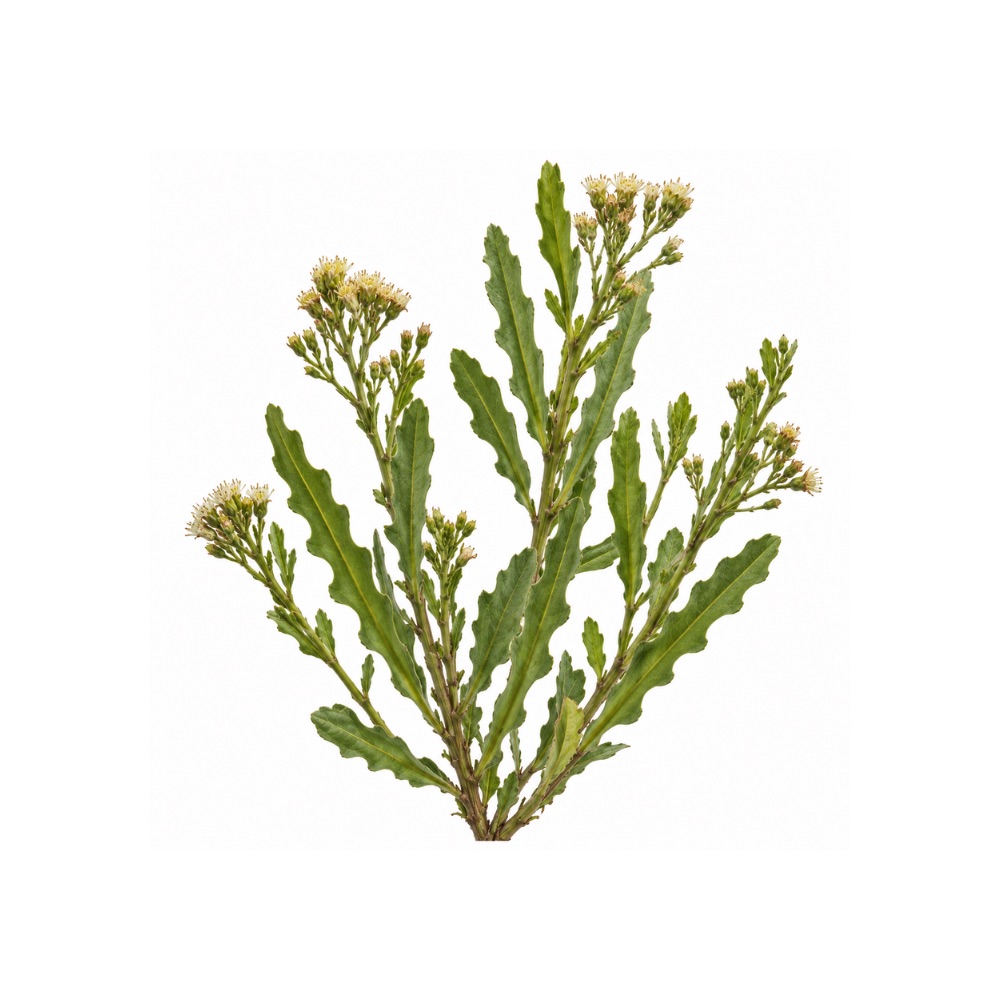 PotentPotentCarquejaBaccharis trimeraOne of the most intensely bitter herbs of South American practice, taken before meals to stimulate digestive secretion by taste, as gentian and wormwood are in Europe.MechanismTAS2R bitter-receptor stimulation → reflex digestive secretionRead the evidenceShow less
Carqueja is among the most bitter herbs in South American practice, and the taste is the basis of its traditional digestive use: a small dose before meals to stimulate secretion, in the same way gentian and wormwood are used in Europe.
The digestive action is inferred from use and taste rather than tested; the research literature concentrates on the extract pharmacology and has not measured secretion, appetite or dyspepsia.
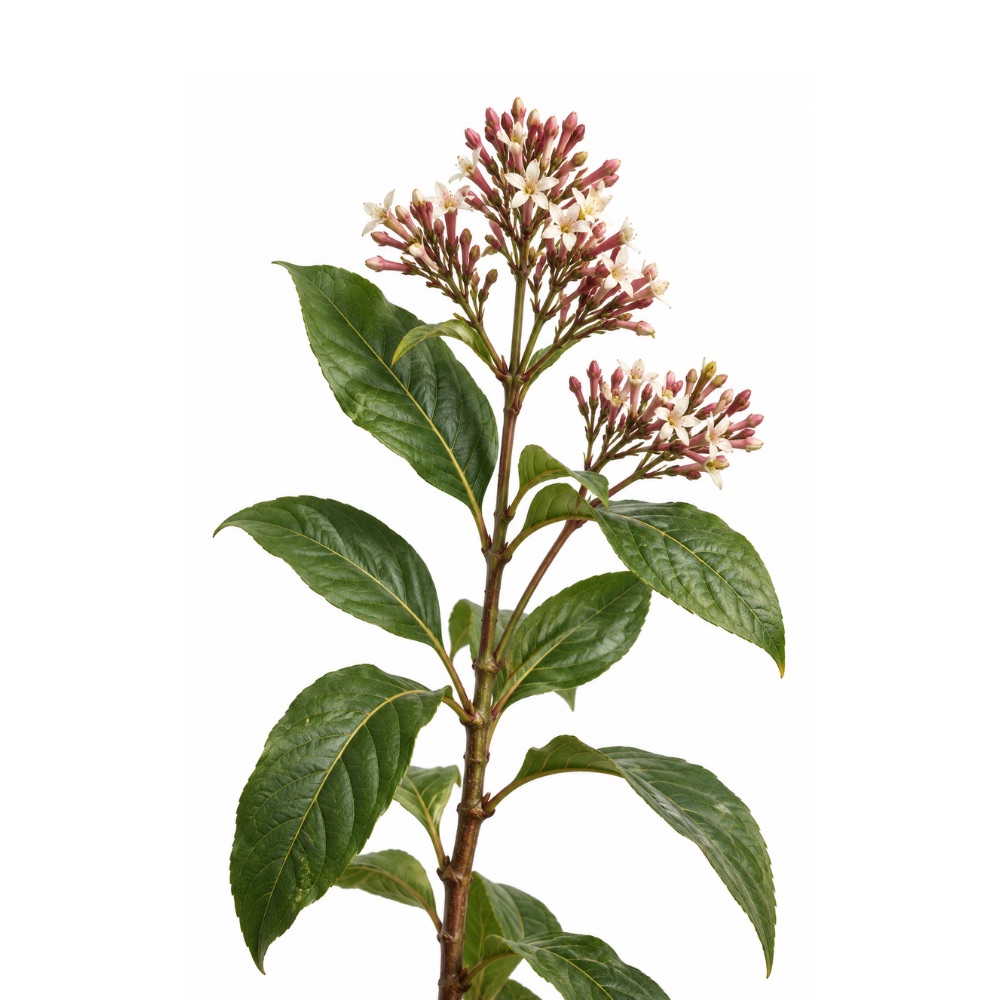 PotentPotentCinchonaCinchona officinalisAmong the most intensely bitter herbs in the materia medica, with quinine detectable at extraordinary dilution; Commission E approves the bark for loss of appetite and dyspepsia, and this is the one use where crude bark is the right preparation.MechanismTAS2R bitter-receptor stimulation → reflex gastric and salivary secretionRead the evidenceShow less
Quinine is detectable at extraordinary dilution, which is why tonic water tastes as it does, and cinchona bark sits at the top of the intensity scale alongside gentian and wormwood. Commission E approves the bark for loss of appetite and dyspeptic complaints 27Reference 27ReviewFederal Institute for Drugs and Medical Devices (BfArM), Germany.
The action is by taste, at low dose, through TAS2R receptors producing reflex secretion. That is why crude bark is the correct preparation for this use and the variability of its alkaloid content does not matter, as it would for any systemic use.
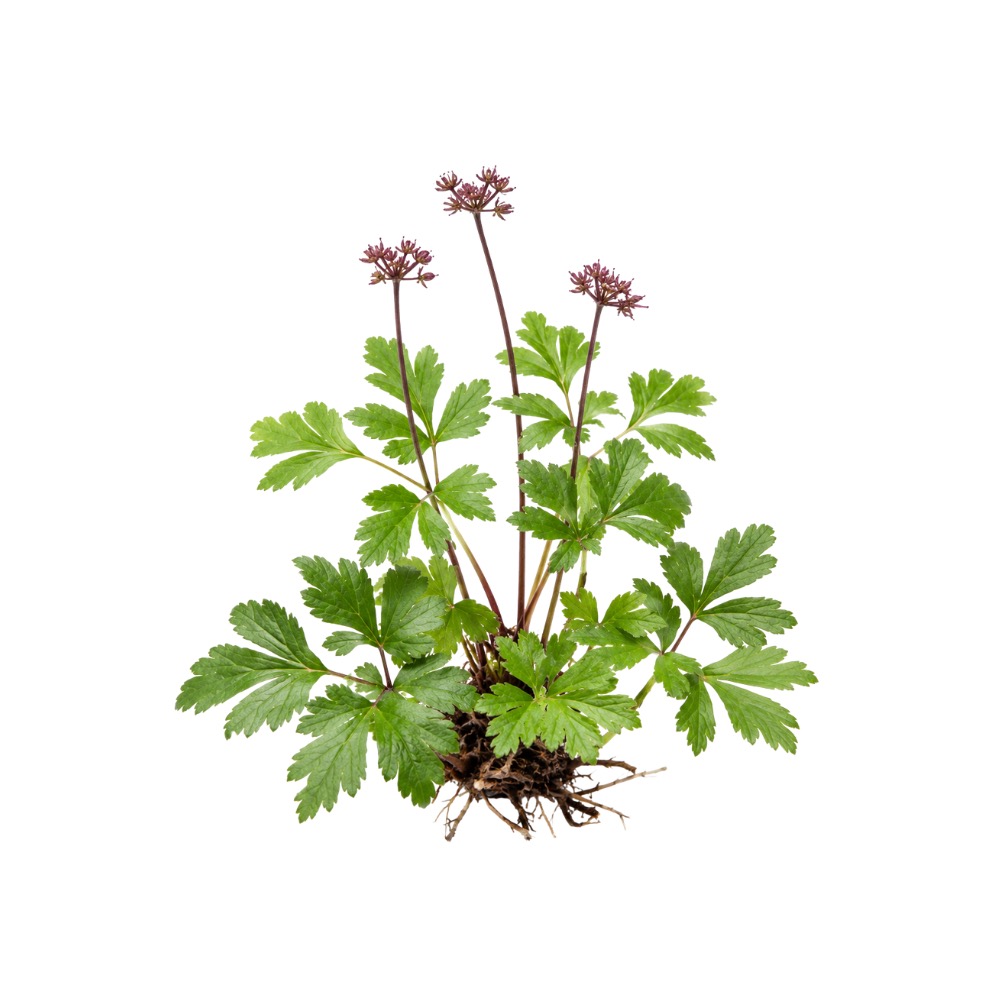 PotentPotentCoptisCoptis chinensisThe rhizome runs 5–8% berberine by dry weight, the highest of any material in commerce, and is famously almost unswallowably bitter; the reference bitter of Chinese practice, given in small doses and short courses.MechanismTAS2R bitter-receptor activation (inferred, not measured); protoberberine-alkaloid bitternessRead the evidenceShow lessMonograph →
The rhizome runs about 5–8% berberine by dry weight, with a Chinese Pharmacopoeia minimum near 5.5%, on top of coptisine, palmatine, epiberberine, jatrorrhizine and columbamine. That intensity is the basis of its classical role in the qing re zao shi (“clear heat, dry dampness”) category, and the reason it is given in small doses, in short courses, and nearly always buffered by warming or moistening herbs.
The consequences of the bitterness are unmeasured: there is no TAS2R work and no digestive-secretion, gastric-acid or bile endpoint for the herb.
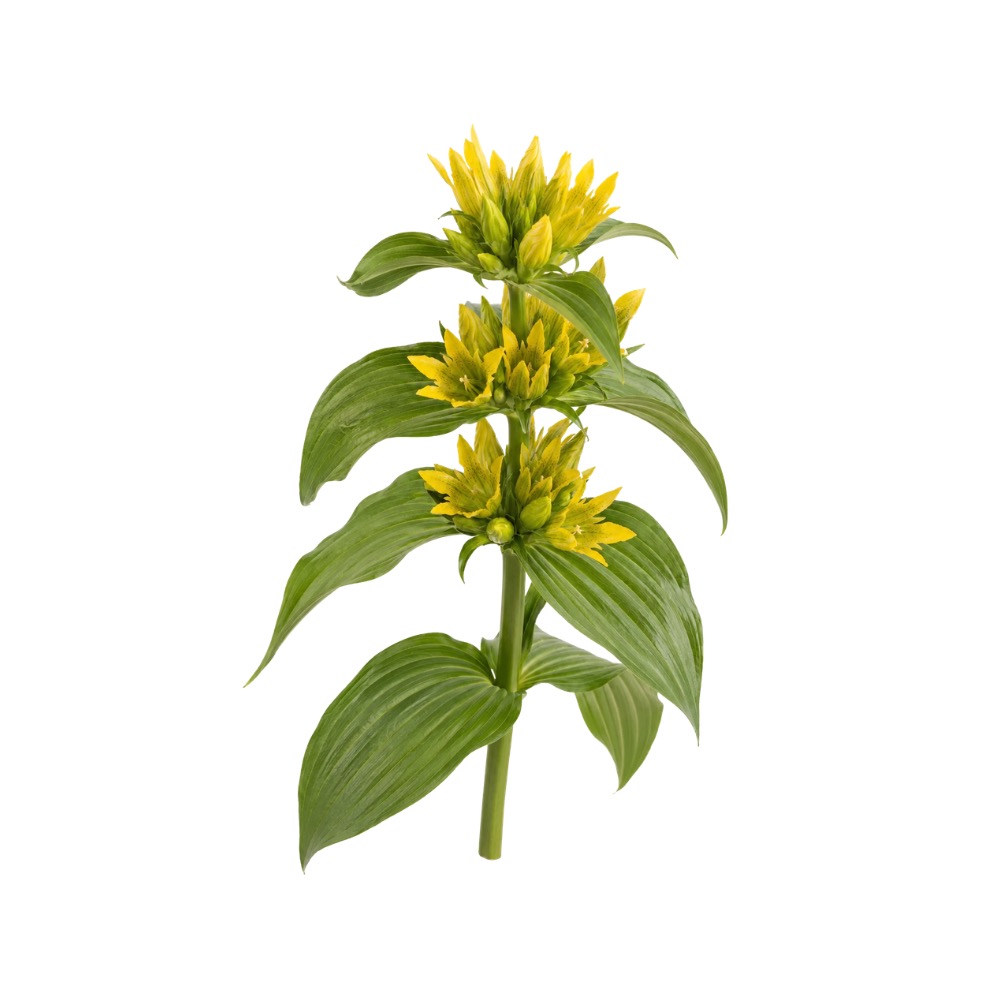 PotentPotentGentianGentiana luteaThe reference bitter of Western herbalism; its secoiridoids bind TAS2R receptors and drive the vagal reflex that raises salivary, gastric and bile secretion before food, and amarogentin is detectable at one part in 58 million.MechanismTAS2R bitter-receptor activation; vagal cephalic-phase reflexRead the evidenceShow lessMonograph →
Gentian’s secoiridoids bind lingual and gastrointestinal TAS2R bitter-taste receptors and drive a vagal cascade that raises salivary, gastric-acid and bile secretion before food arrives 29,
Amarogentin is detectable at dilutions near 1:58,000,000 and is among the most bitter substances known, while the far more abundant marker gentiopicroside is only weakly bitter 29Reference 29Systematic reviewThe healing bitterness of Gentiana lutea L., phytochemistry and biological activities — a systematic reviewView study →, so bitterness tracks a trace constituent rather than the marker most extracts are standardised on.
Pharmacopoeial standing (European Pharmacopoeia, Commission E, EMA/HMPC for loss of appetite and dyspeptic complaints) rests on traditional use rather than on trials 29,
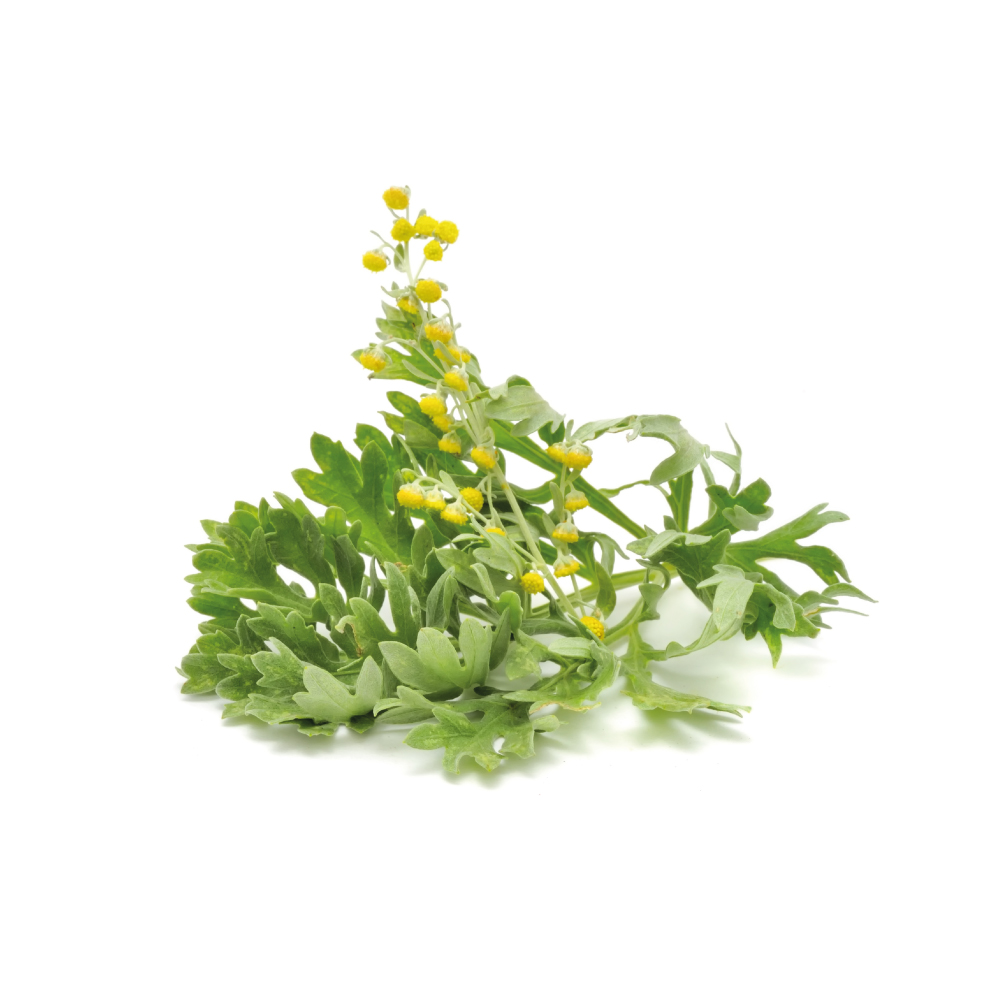 PotentPotentWormwoodArtemisia absinthiumAbsinthin, the bitter sesquiterpene lactone, activates TAS2R taste receptors and reflexively stimulates salivary, gastric and biliary secretion; the reference bitter of the Western materia medica alongside gentian.MechanismTAS2R bitter-receptor activation → gastric & biliary secretionRead the evidenceShow lessMonograph →
Absinthin activates TAS2R bitter taste receptors, and the reflex that follows stimulates salivary, gastric and biliary secretion, the physiological chain behind the use of bitters for digestion.
Wormwood is one of the classic intensely bitter herbs and the reference bitter of Western practice with gentian. Its thujone content keeps it to short courses at low dose.
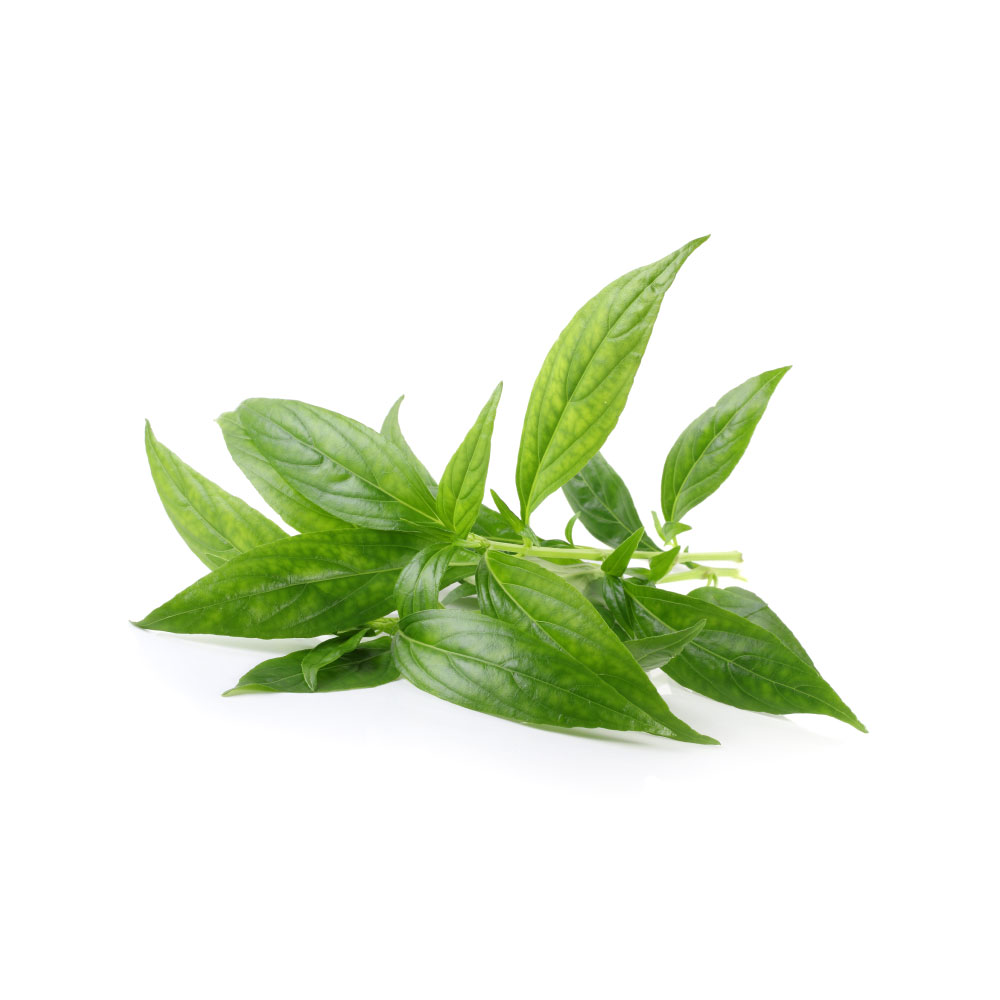 StrongStrongAndrographisAndrographis paniculataThe king of bitters of Ayurvedic and South-east Asian practice; andrographolide, the diterpene lactone that carries its immune and anti-inflammatory actions, is also what makes it one of the most intensely bitter herbs in use.Mechanismintense bitter-principle digestive stimulationRead the evidenceShow lessMonograph →
Andrographis is famously one of the most intensely bitter herbs in use, and the bitter diterpene lactones, chiefly andrographolide, are the same molecules that carry its other actions.
The digestive use rests on the taste and the tradition; there is no appetite or bile study. Nausea from the bitterness is its commonest complaint.
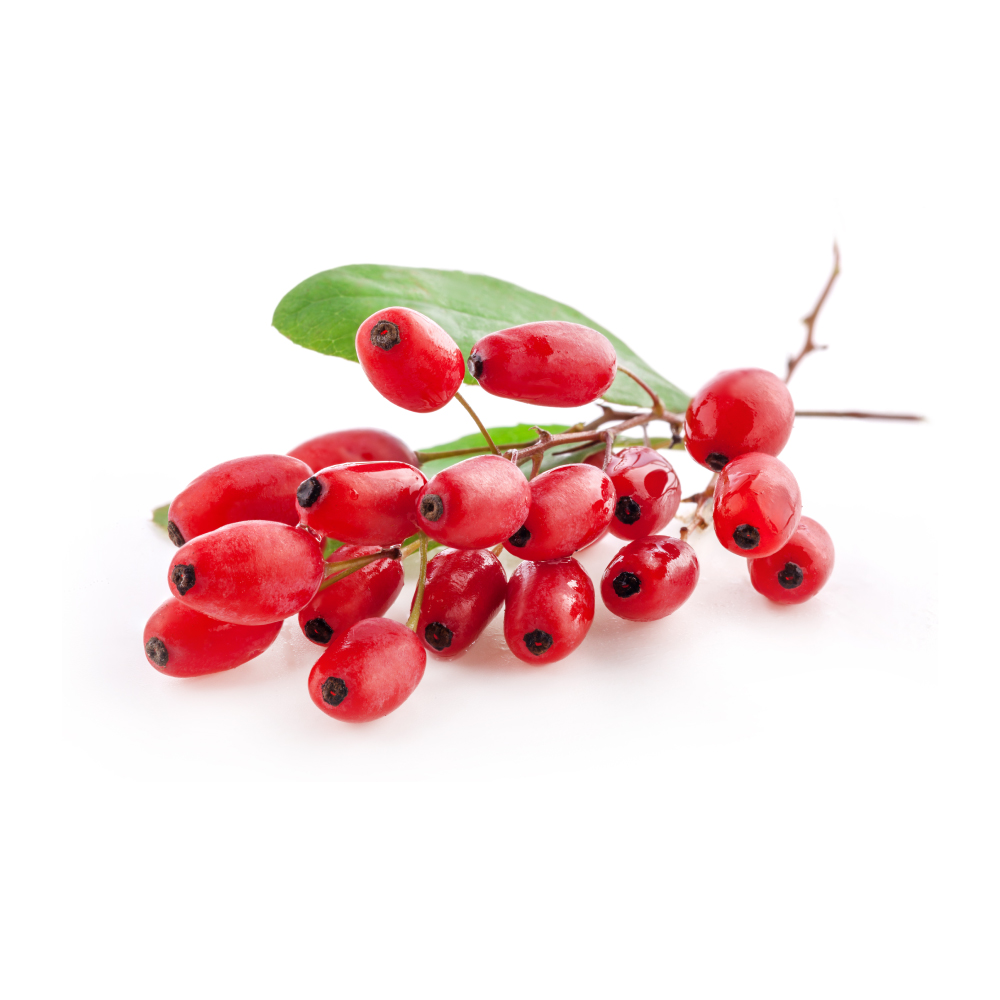 StrongStrongBarberryBerberis spp.A classic bitter of the Western and Ayurvedic materia medica; berberine and the related isoquinoline alkaloids give an intense bitterness that underlies its traditional digestive and biliary use.Mechanismintense isoquinoline-alkaloid bitterness; biliary stimulationRead the evidenceShow lessMonograph →
The bitterness is constituent-backed, from berberine and the related isoquinoline alkaloids, and it is the basis of barberry’s traditional use as a digestive and biliary bitter in Western and Ayurvedic practice.
The same note applies as to the other bile-moving bitters: it is avoided in biliary obstruction and where there is too much acid rather than too little.
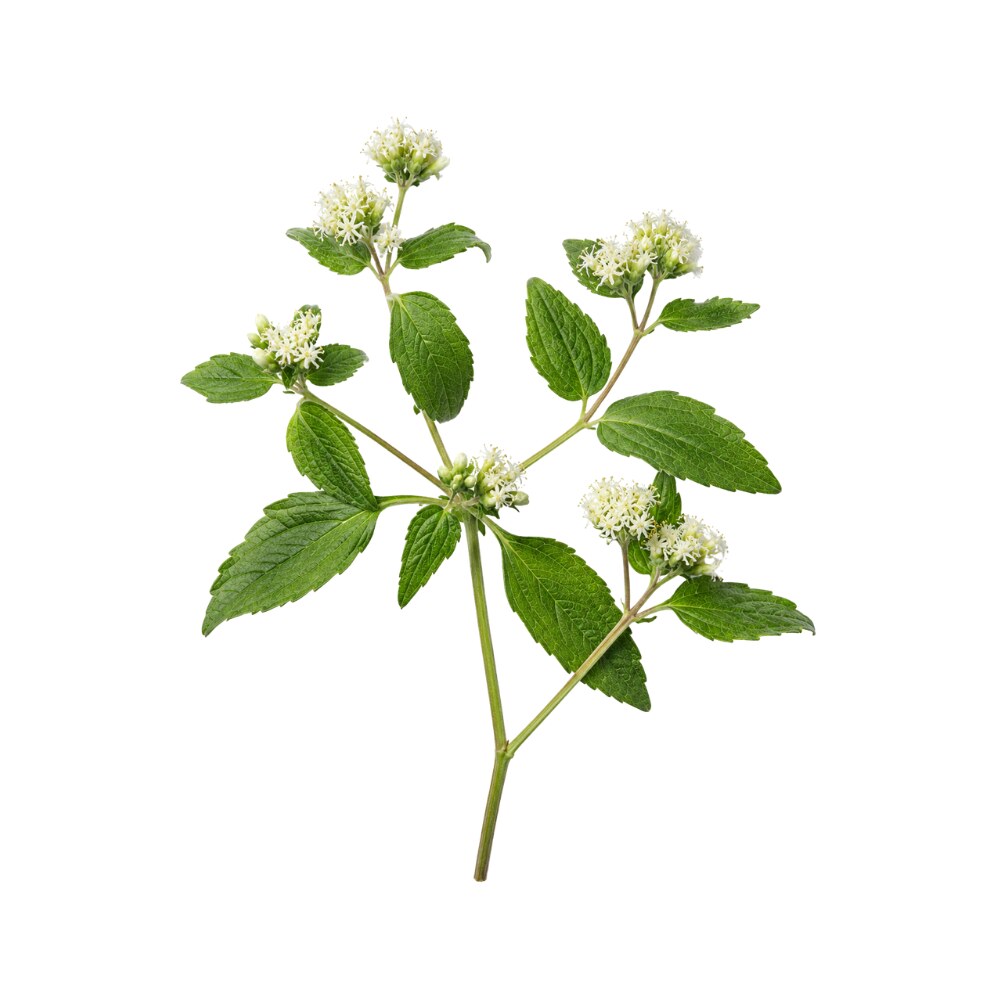 StrongStrongCalea zacatechichiCalea ternifoliaZacatl chichic, bitter grass; one of the most punishingly bitter herbs in common use, and a Mexican folk remedy for poor appetite, indigestion, cramping and diarrhoea and a reputed stomach and liver tonic.Mechanismintensely bitter sesquiterpene lactones; gustatory-reflex stimulation of digestive secretion and tone (receptor pathway not characterized in this plant)Read the evidenceShow lessMonograph →
The bitter reputation is the older half of calea’s identity. It is harsh even to people who drink bitter brews habitually, and it was a Mexican folk remedy for poor appetite, indigestion, cramping and diarrhoea and a reputed stomach and liver tonic (prodigiosa), with its use as a febrifuge belonging to the same record 24Reference 24ReviewCalea ternifolia Kunth, the Mexican “dream herb,” a concise reviewView study →.
The mechanism is the classic bitter one, bitter sesquiterpene lactones stimulating digestive secretion and tone, and it is asserted at the level of tradition and chemistry. There is no secretion, motility or appetite study in calea.
 StrongStrongCannabisCannabis sativaTHC at hypothalamic CB1 receptors stimulates appetite reliably in healthy people and in HIV-associated wasting, without any bitter receptor; in cancer cachexia the controlled trials are largely null.MechanismCB1 receptor agonism (hypothalamic)Read the evidenceShow lessMonograph →
Older dronabinol trials supported the appetite effect in HIV-associated wasting, and it is one of the most reliable acute effects of any herb.
In cancer cachexia the controlled trials are largely null: cannabinoids did not outperform placebo or megestrol for appetite or weight 25,
Chemotype matters: THCV does the opposite.
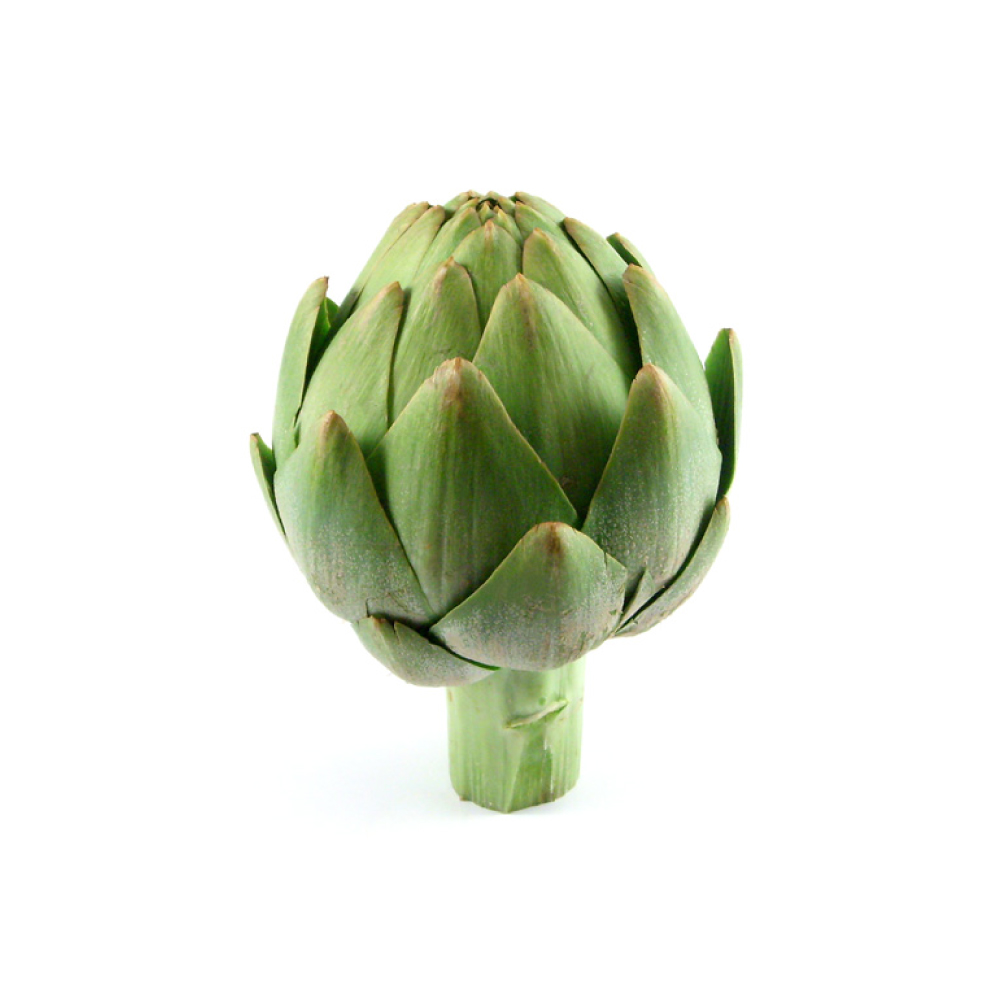 StrongStrongGlobe ArtichokeCynara scolymusLeaf extract relieved functional dyspepsia in a 247-patient placebo-controlled trial and raised bile flow in a placebo-controlled crossover; the bitter with a measured digestive outcome.Mechanismbitter caffeoylquinic stimulation of bile & digestionRead the evidenceShow lessMonograph →
A double-blind, placebo-controlled multicentre RCT in 247 patients with functional dyspepsia found leaf extract (640 mg three times daily) gave significantly greater symptom improvement than placebo over six weeks, with better quality-of-life scores 21Reference 21RCTEfficacy of artichoke leaf extract in functional dyspepsia — six-week placebo-controlled, double-blind, multicentre randomised trialView study →, following a large open study (n=516) reporting dose-dependent relief 22Reference 22Artichoke leaf extract reduces mild dyspepsia in an open studyView study →.
The mechanism is measured choleresis 23Reference 23RCTIncrease in choleresis by means of artichoke extract — randomised placebo-controlled double-blind crossover studyView study →: more bile, better fat digestion and faster gastric handling, which is what the bitter action is meant to do. Cynaropicrin carries about 80% of the plant’s bitterness.
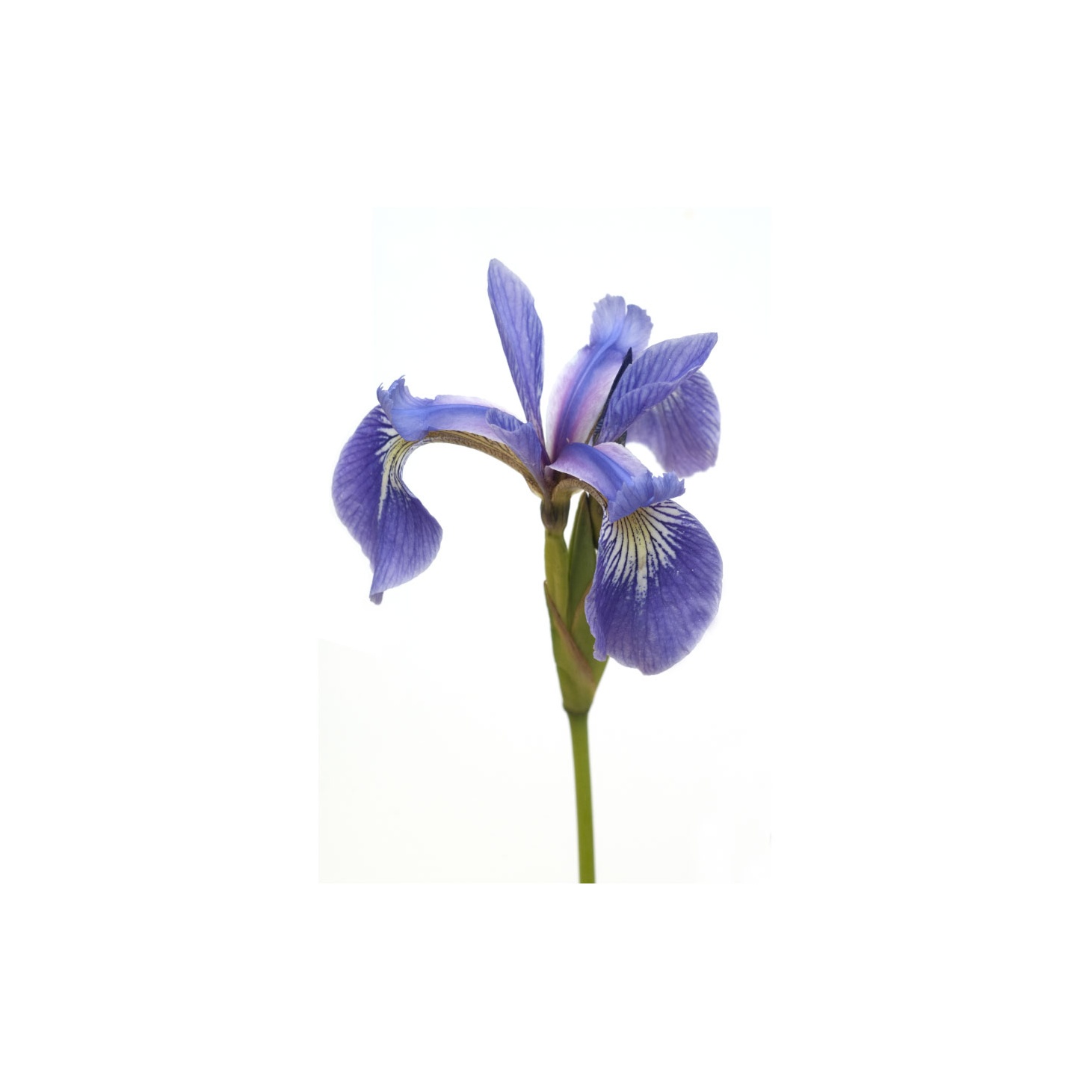 StrongStrongIrisIris versicolorBlue flag's bitterness is chemical acridity rather than the taste reflex; iridin and the acrid oleo-resin irritate the mucous membranes, and above small doses the effect is emesis and purgation.Mechanismmucous-membrane irritation (iridin/irisin + acrid oleo-resin/furfural); reflex parasympathetic secretion (proposed)Read the evidenceShow lessMonograph →
The rhizome’s isoflavone glycoside iridin (irisin) and its pungent oleo-resin and furfural fraction irritate the mucous membranes directly, and the irritation runs through reflex secretion, emesis and purgation 31Reference 31The constituents of Iris versicolor — constituent analysis.
Iris reliably and forcefully moves the upper GI tract, which is why Western practice keeps it as a low-dose herb and prefers the dried rhizome to the markedly more acrid fresh root.
The mechanism rests on an 1881 constituent analysis 31Reference 31The constituents of Iris versicolor — constituent analysis and traditional practice. There is no assay, animal model or human study of a bitter or secretory effect in I. versicolor, and the proposed parasympathetic stimulation has no source.
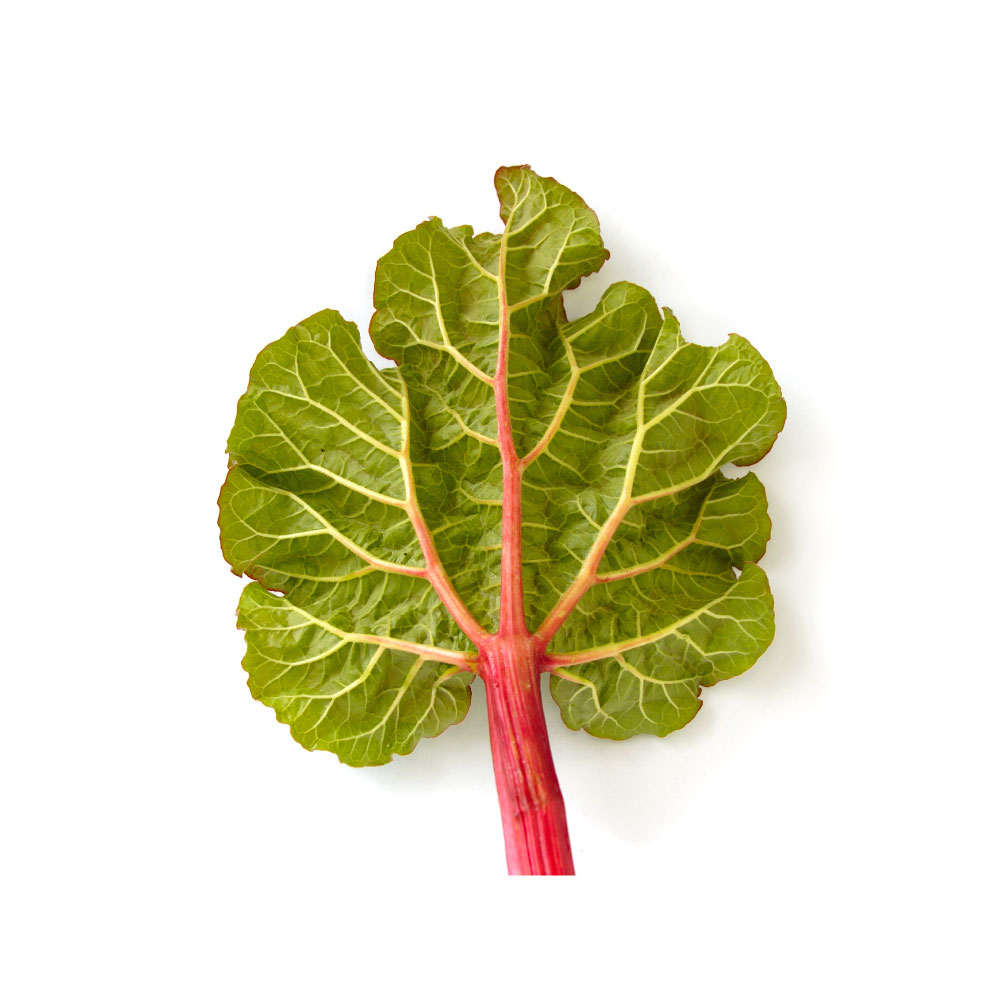 StrongStrongRhubarbRheum palmatumA classical bitter digestive of Chinese practice and one of the standard damp-heat clearing herbs; the bitterness is intense and comes from its anthraquinones and tannins.Mechanismbitter anthraquinone/tannin digestive stimulationRead the evidenceShow lessMonograph →
Da huang is intensely bitter, and in small doses it is a classical bitter digestive; in larger doses the anthraquinones make it a purgative.
There is no dedicated appetite or bile study, so the standing reflects the herb’s established role rather than a measured effect.
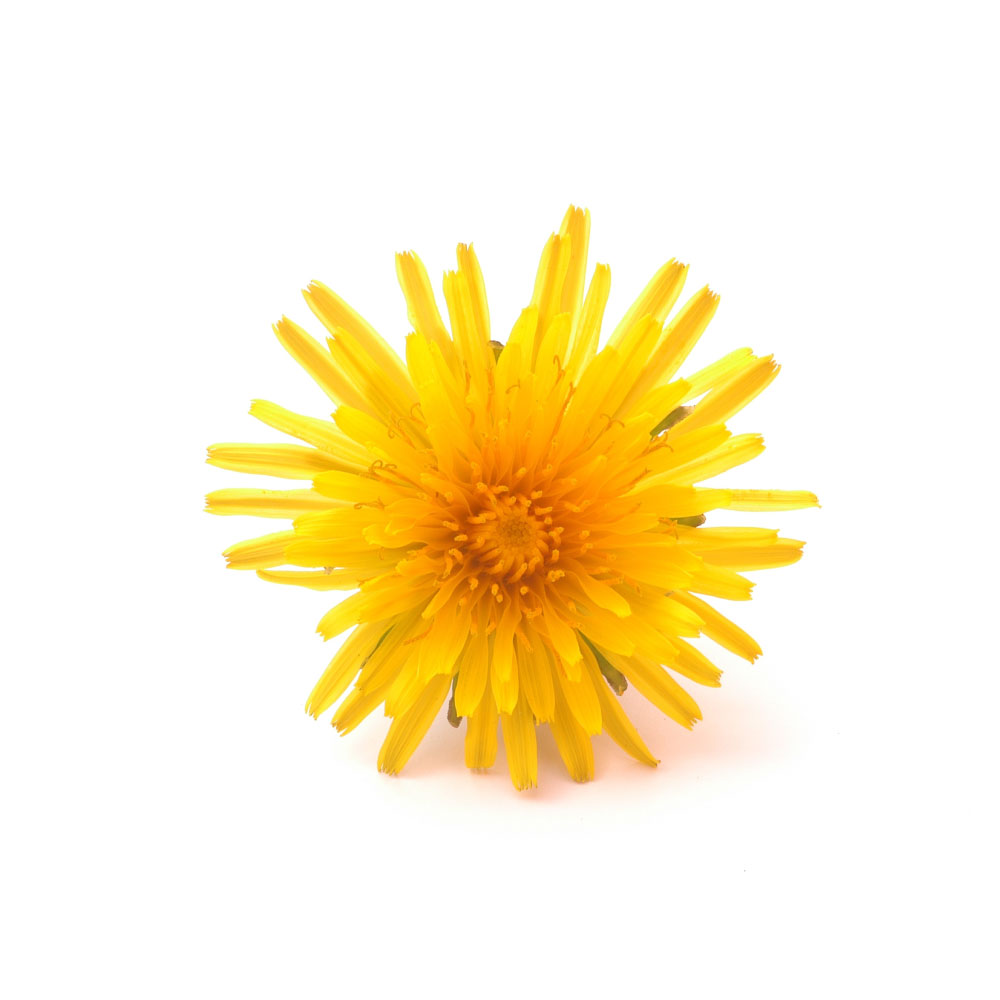 ModerateModerateDandelionTaraxacum officinaleThe root and latex carry sesquiterpene lactones, chiefly taraxinic acid glucoside, and bitter-receptor stimulation of gastric and biliary secretion is the basis of the Commission E indication for dyspepsia and loss of appetite; a food-grade bitter.Mechanismsesquiterpene-lactone bitter-receptor activation → gastric/biliary secretionRead the evidenceShow lessMonograph →
The root and latex carry sesquiterpene lactones, collectively taraxacin, with taraxinic acid β-D-glucopyranoside the principal bitter, and bitter-receptor stimulation of gastric and biliary secretion is attributed directly to them. That reflex is the basis of the root’s Commission E indication for dyspepsia and loss of appetite, reviewed as a consistent gastrointestinal theme 28Reference 28ReviewThe potential of dandelion in the fight against gastrointestinal diseases: A review — [review]View study →.
Dandelion is a food-grade, well-tolerated bitter rather than a gentian- or wormwood-grade one. No bitterness index or secretion measurement has been reported for the herb; the mechanism is named and not quantified.
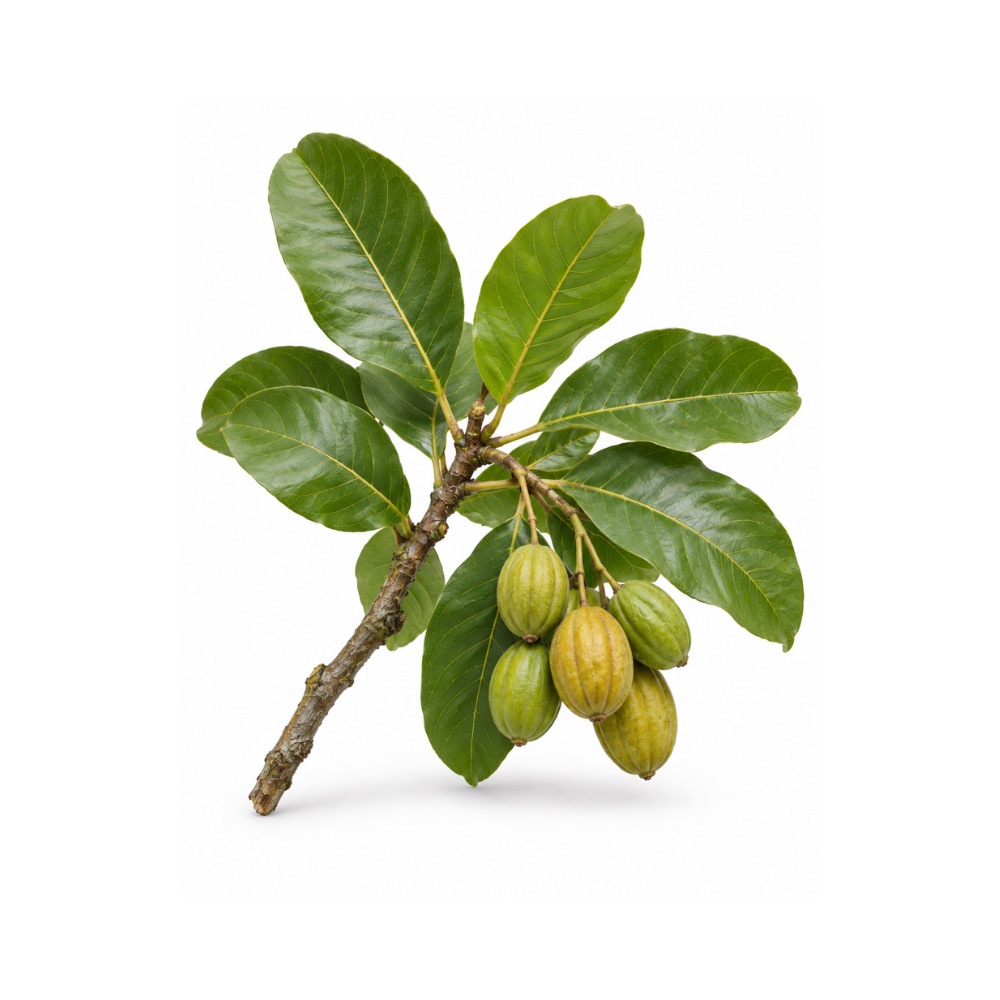 ModerateModerateHaritakiTerminalia chebulaAyurveda counts it as carrying five of the six tastes, astringent foremost, and ranks it the king of medicines.Mechanismhydrolysable tannins — chebulinic and chebulagic acids, corilagin, gallic and ellagic acidsRead the evidenceShow lessMonograph →
Haritaki’s energetics are recorded as astringent across five of the six tastes, heating, sweet in post-digestive effect and especially vata-reducing. Ayurveda titles it the king of medicines and ranks it premier rasayana.
Its defining chemistry is an exceptionally high content of hydrolysable tannins — chebulinic and chebulagic acids, corilagin, gallic and ellagic acids — which carry both the antioxidant activity and the astringent, tonifying character.
Dose decides which herb you get. One to six grams of fruit powder: the lower end astringent and tonifying, three to six grams gently laxative.
 ModerateModerateSweet WormwoodArtemisia annuaQinghao is bitter and cold in the Chinese classification, used for summer-heat and the fevers that hide deep and surface in cycles; a sesquiterpene-lactone bitter like its European relatives.Mechanismsesquiterpene-lactone bitternessRead the evidenceShow lessMonograph →
Qinghao is bitter and pungent in taste and cold in nature, entering the Liver, Gallbladder and Kidney channels, and Western practice has used it as a bitter tonic and antipyretic infusion.
The bitterness is a property of the plant itself; no digestive study exists.
Show 24 more herbs with a mild bitter action
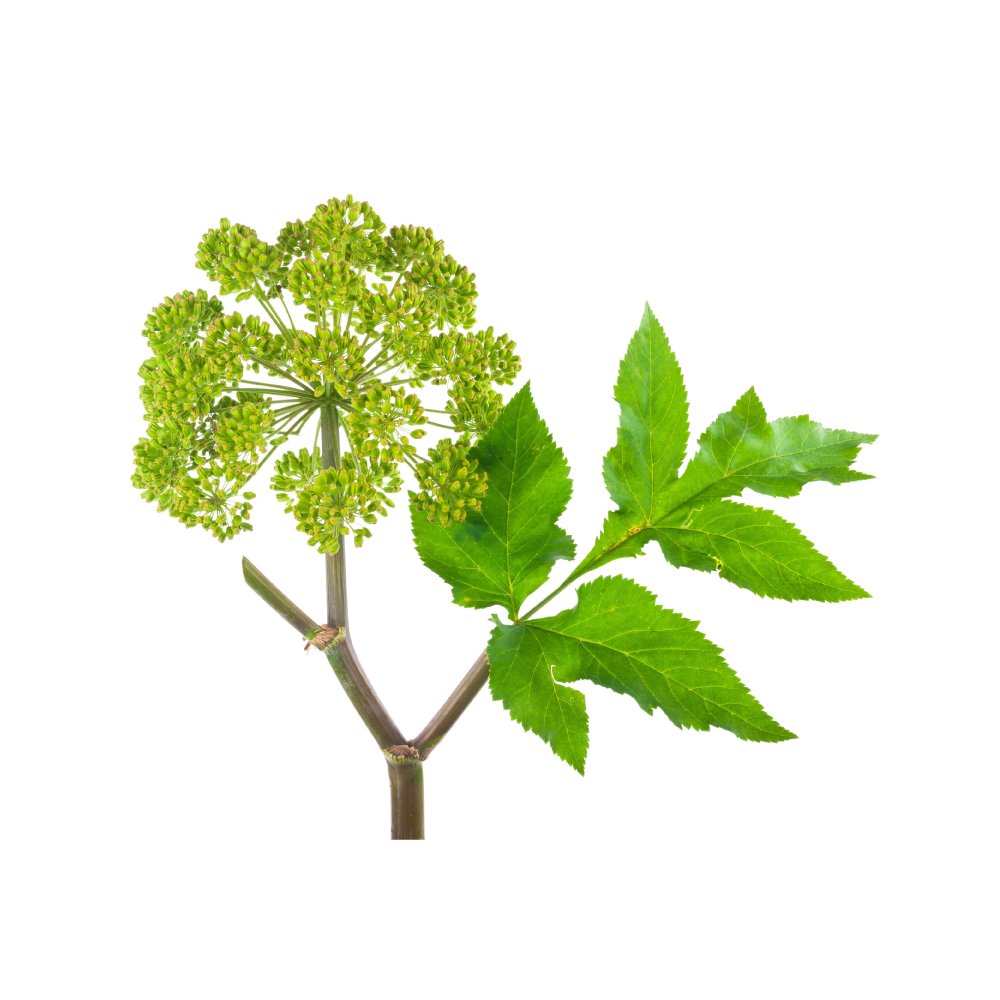 MildMildAngelicaAngelica archangelicaA bitter-aromatic root whose use in gin, chartreuse and aperitif bitters is the tradition in commercial form; its gastroprotective research runs through other mechanisms.Read the evidenceShow lessMonograph →
Angelica’s place in gin, chartreuse and aperitif bitters is the digestive tradition in commercial form.
Its gastroprotective work aligns with the traditional role as a digestive bitter but rests on other mechanisms, and there is no bitter-receptor data.
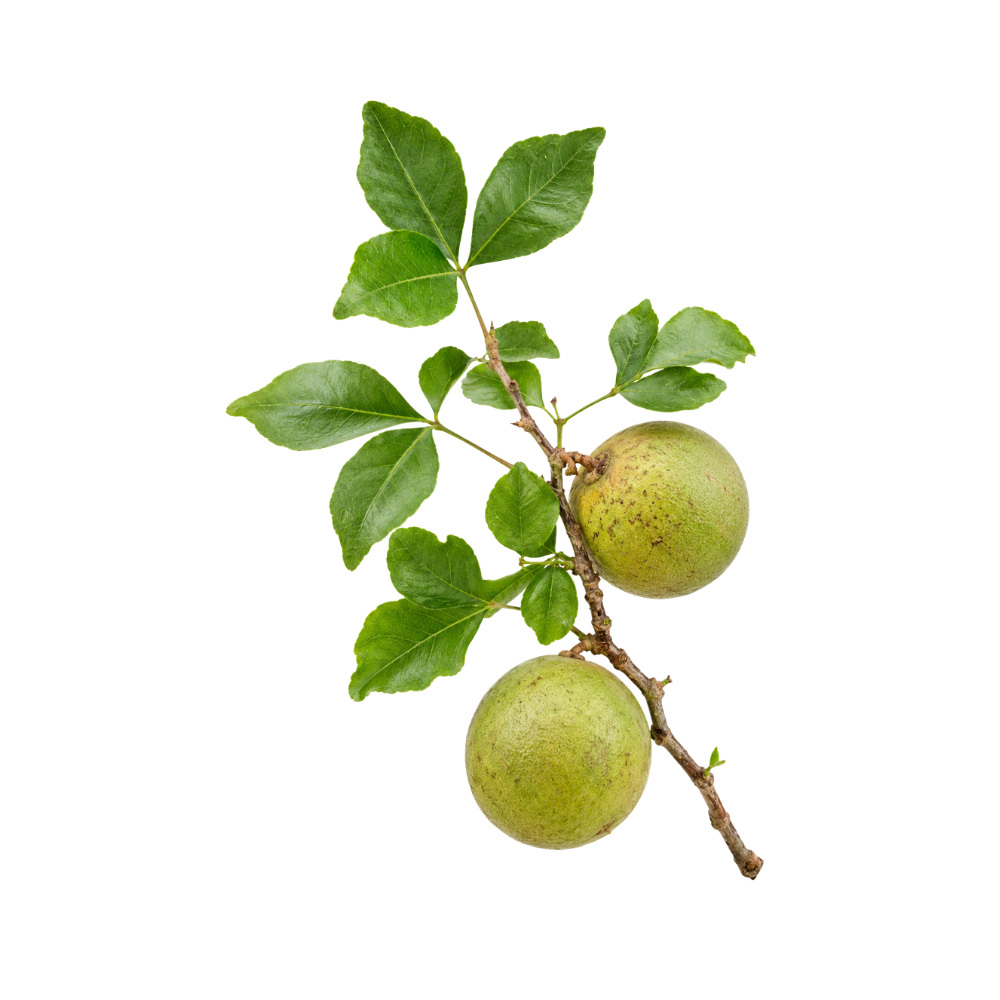 MildMildBaelAegle marmelosThe unripe fruit is the digestive drug of Ayurvedic practice, astringent and bitter, and the part the tradition is specific about.Mechanismnot established as a bitter mechanism; marmelosin and related coumarins in the unripe fruitRead the evidenceShow lessMonograph →
Bael’s medicine is specific about ripeness. The unripe fruit is the drug for digestive complaints, where its astringent and bitter character is the point; the ripe fruit is used differently, closer to a food.
It sits in the Ayurvedic digestive register alongside its better-evidenced antidiarrheal and gastroprotective uses, which is where most of the herb’s research has gone.
Nothing measures a bitter response — gastric secretion, bile flow or appetite — for bael specifically.
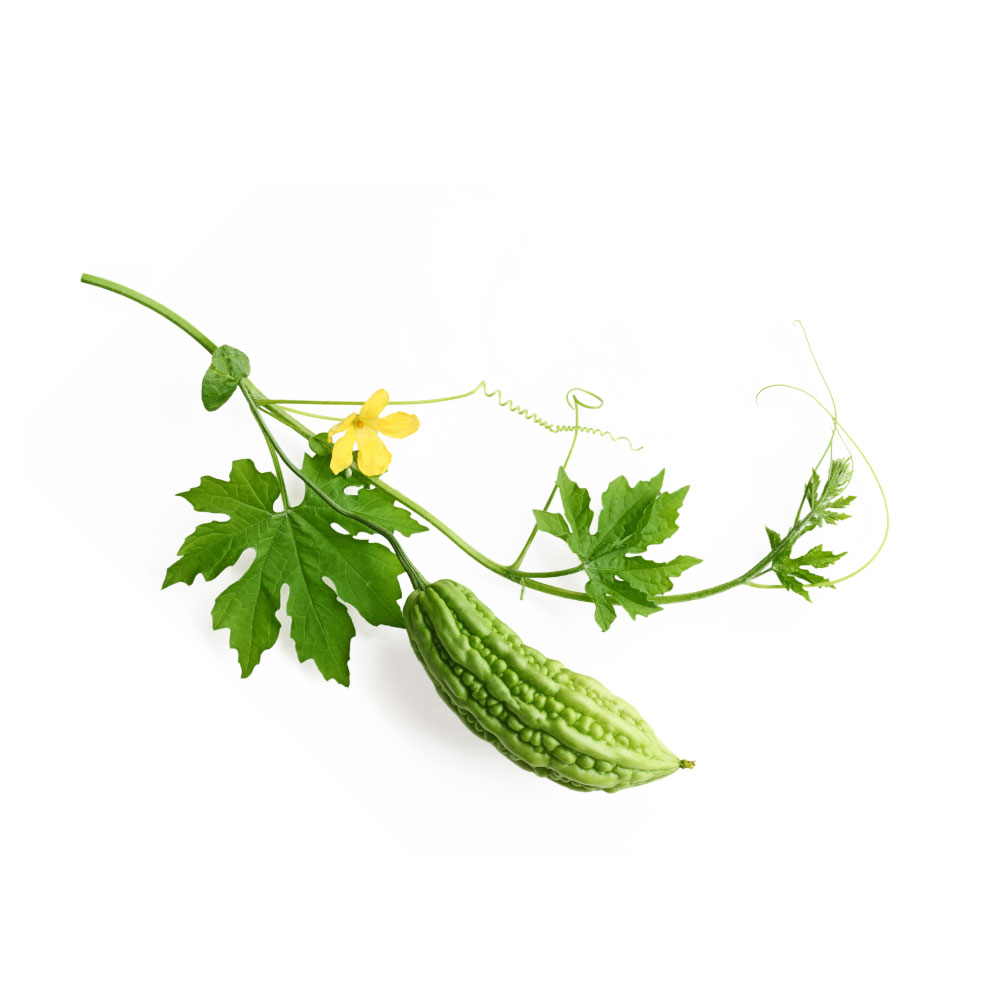 MildMildBitter MelonMomordica charantiaThe bitterest food plant in cultivation, carrying momordicin and cucurbitacins; the name is the description.Read the evidenceShow lessMonograph →
The bitterness is the one property of bitter melon nobody disputes, and momordicin and the cucurbitacins carry it.
Its measured work is antidiabetic; the digestive use is by taste and tradition.
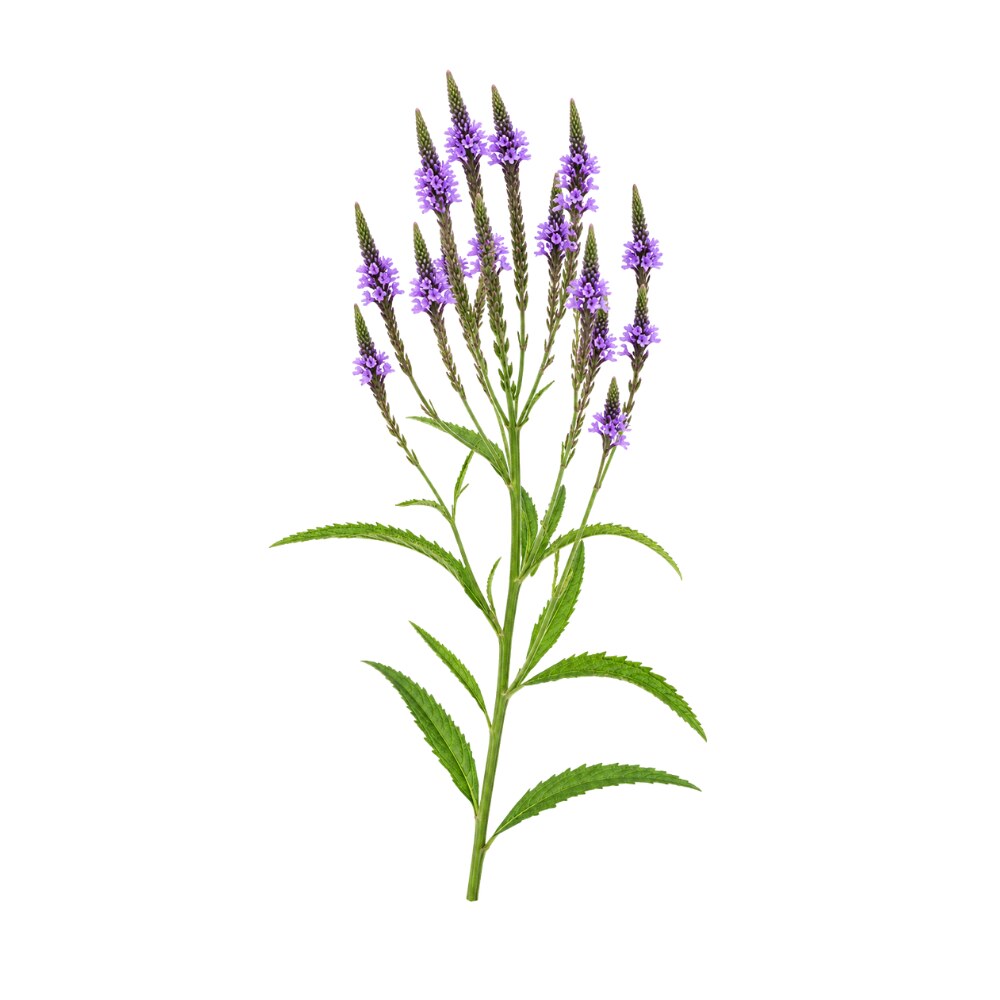 MildMildBlue VervainVerbena hastataNotably bitter from its iridoid glycosides, verbenalin and relatives, and bitter enough that traditional preparations are taken in small doses; a nervine with a bitter-tonic tradition.Read the evidenceShow lessMonograph →
The iridoid glycosides, verbenalin and relatives, make vervain bitter enough that traditional preparations are usually taken in small doses.
Its evidenced work is nervine.
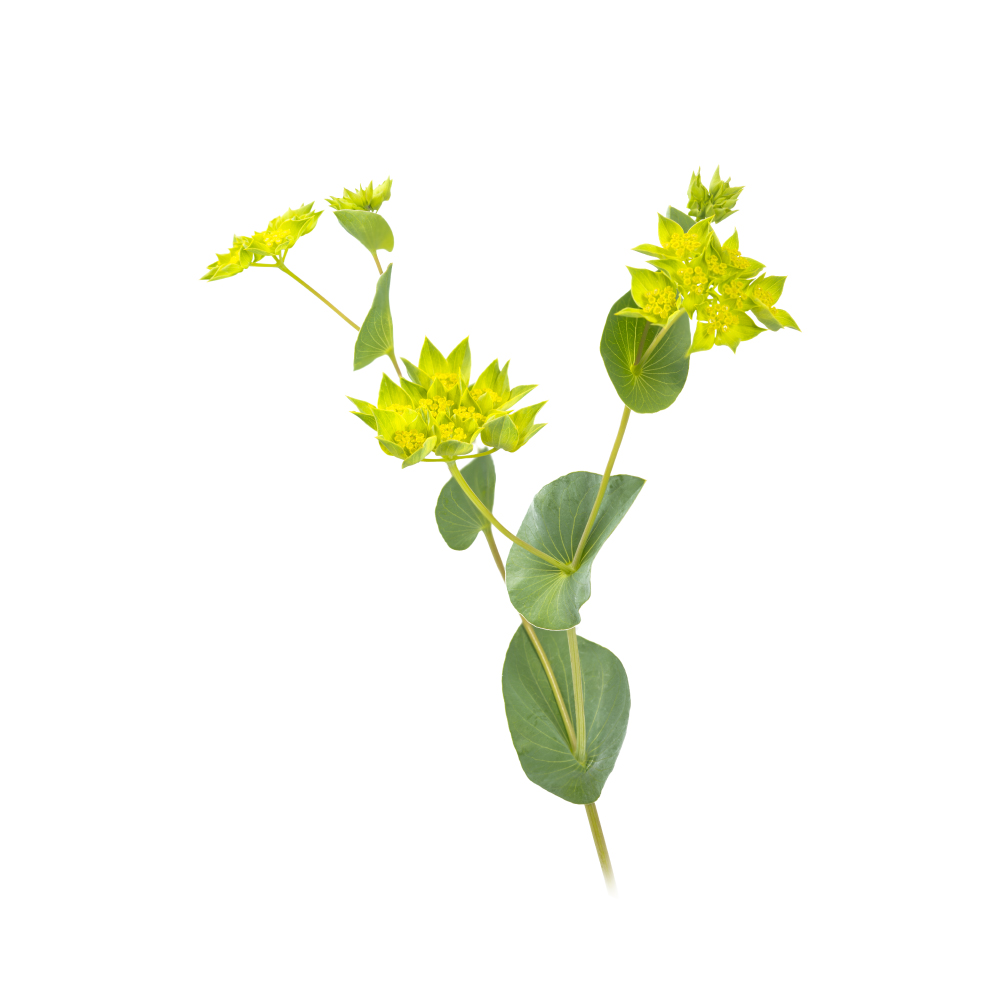 MildMildBupleurumBupleurum falcatumA bitter root carrying saikosaponins, with a traditional digestive classification in Chinese practice.Read the evidenceShow lessMonograph →
Chai hu is classified as bitter and pungent, and its saikosaponins carry the taste.
Its evidenced work is immune and hepatic.
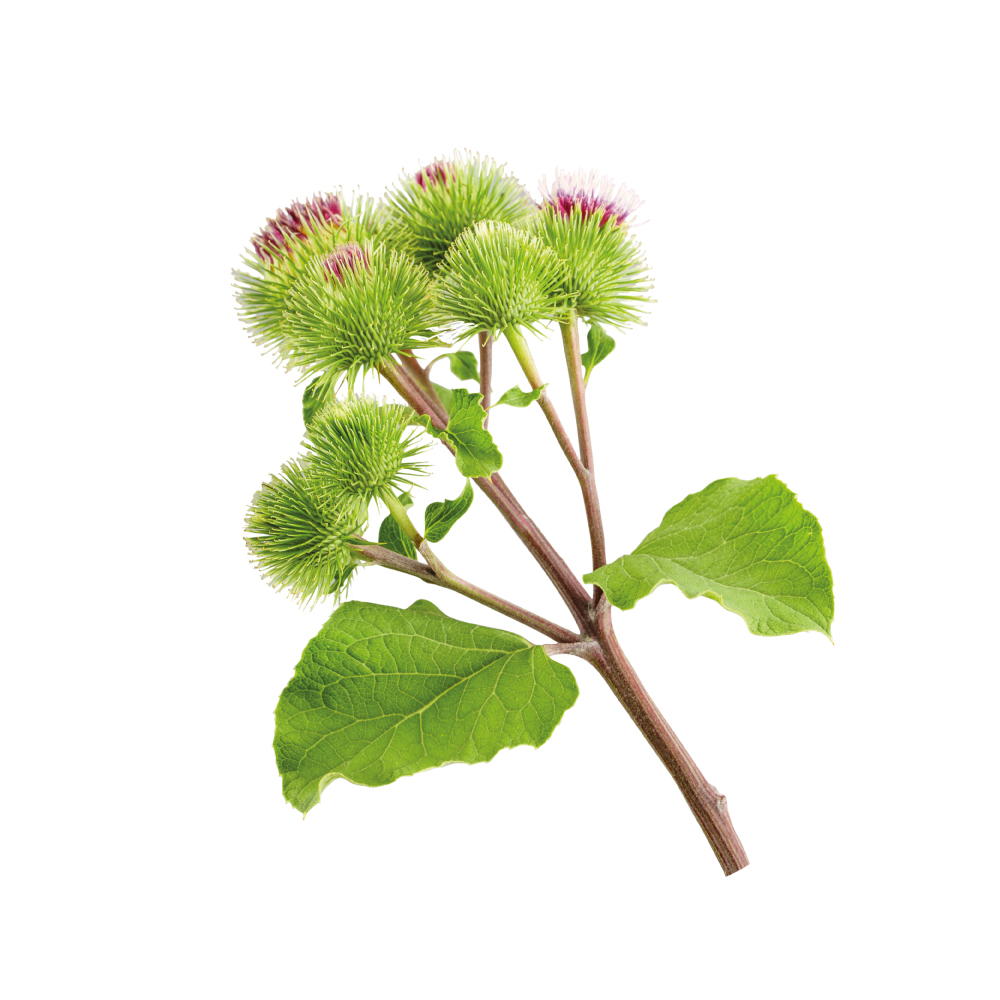 MildMildBurdockArctium lappaThe root carries bitter sesquiterpene lactones, and burdock is a classic Western alterative bitter.Read the evidenceShow lessMonograph →
The bitter sesquiterpene lactones of the root are the chemical basis, and the alterative-bitter use is the traditional one.
The digestive effect has not been measured.
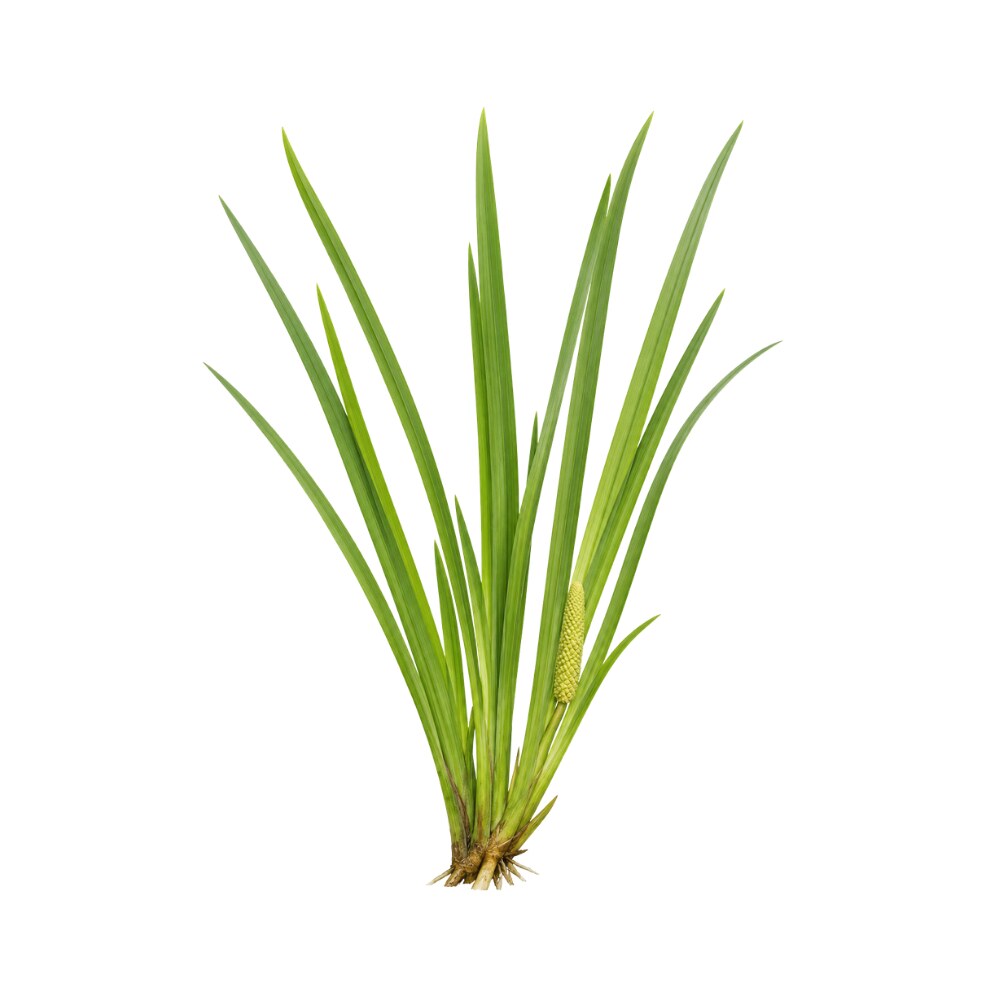 MildMildCalamusAcorus calamusA traditional digestive bitter across several systems, classified as bitter and pungent; the rhizome's β-asarone content governs sustained use.Read the evidenceShow lessMonograph →
Calamus is a traditional digestive bitter across several systems, and the bitter-and-pungent classification rests on taste.
There is no secretion or appetite study.
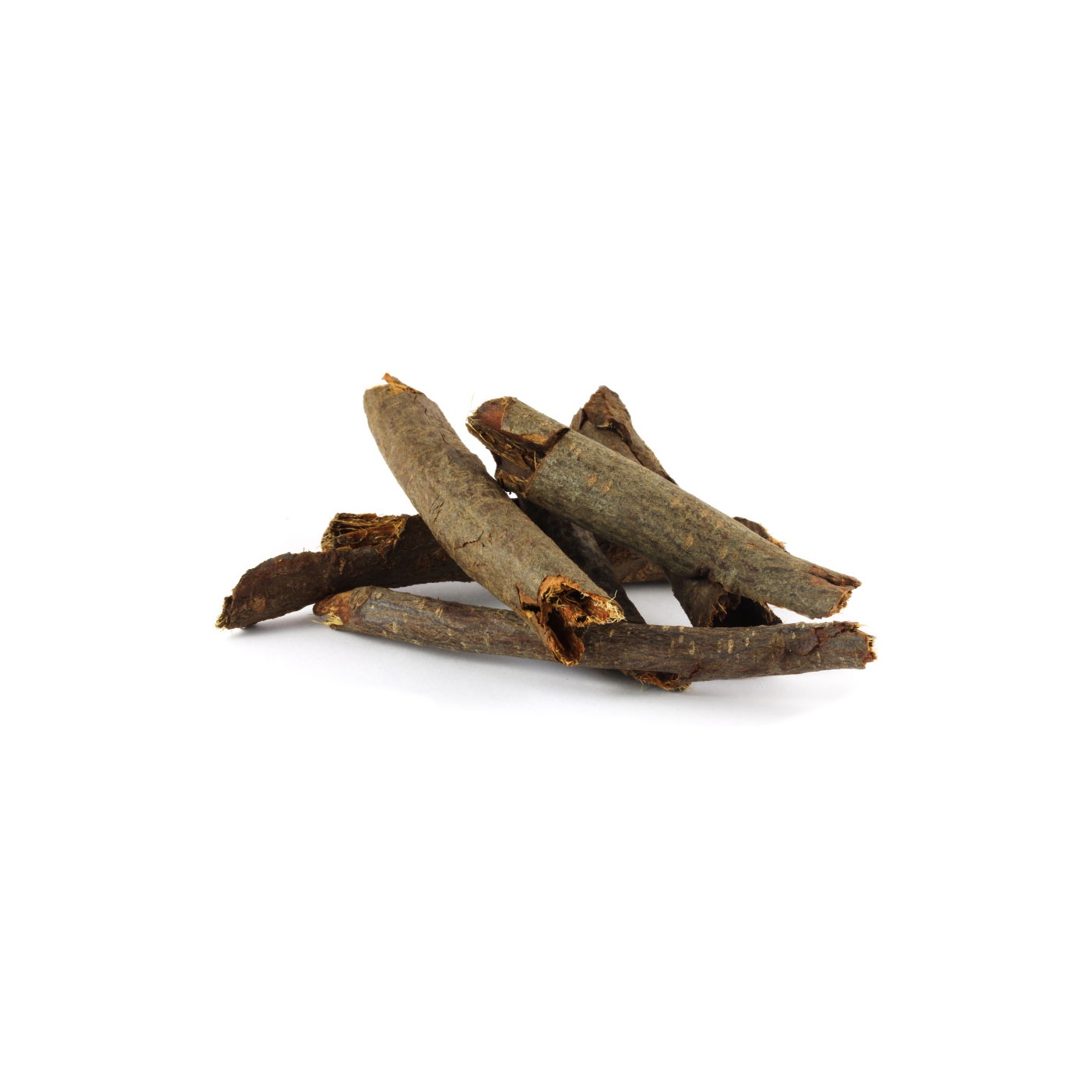 MildMildCascara sagradaFrangula purshianaMarkedly bitter bark whose bitterness comes from its anthraquinones; the name means sacred bark rather than anything about taste.Read the evidenceShow lessMonograph →
The bark is markedly bitter from its anthraquinones.
Its evidenced identity is the stimulant laxative.
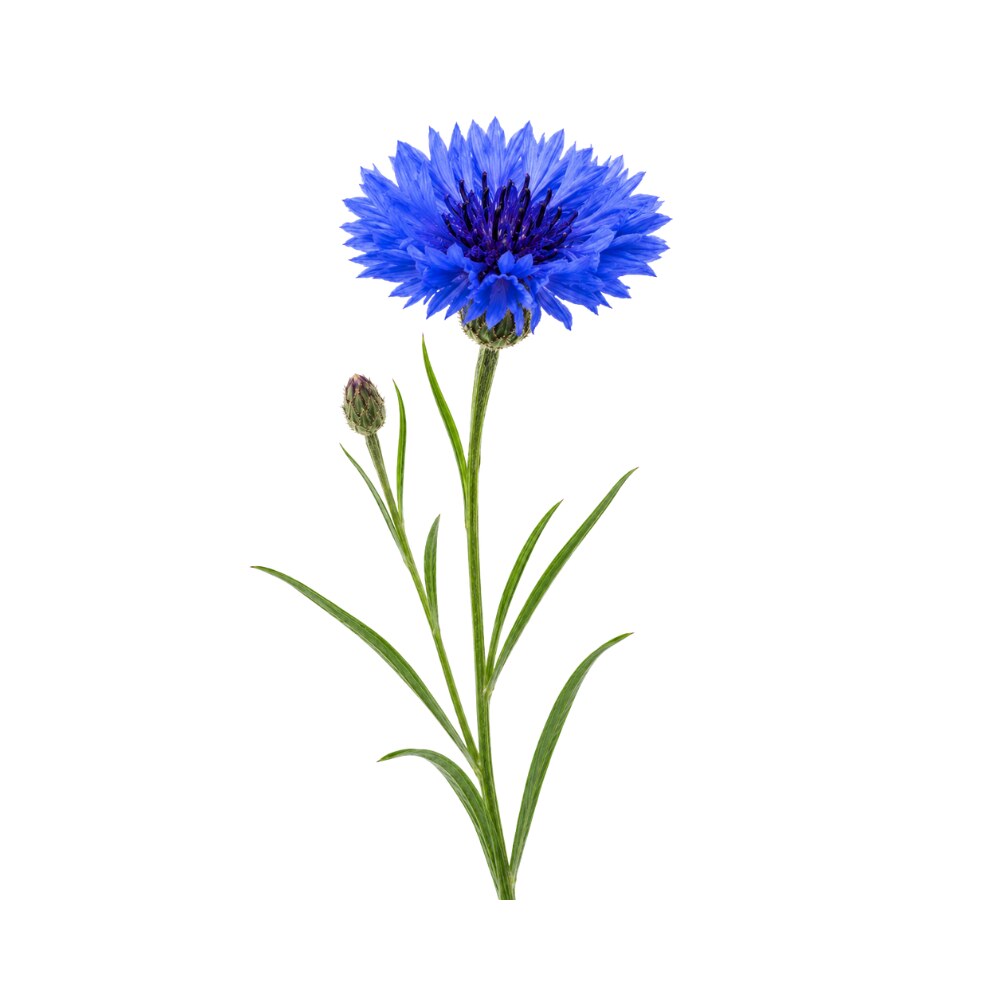 MildMildCornflowerCentaurea cyanusCarries a mild bitter classification alongside the eyewash tradition.Read the evidenceShow lessMonograph →
Cornflower’s bitter classification sits alongside its eyewash tradition.
Nothing measures a digestive effect.
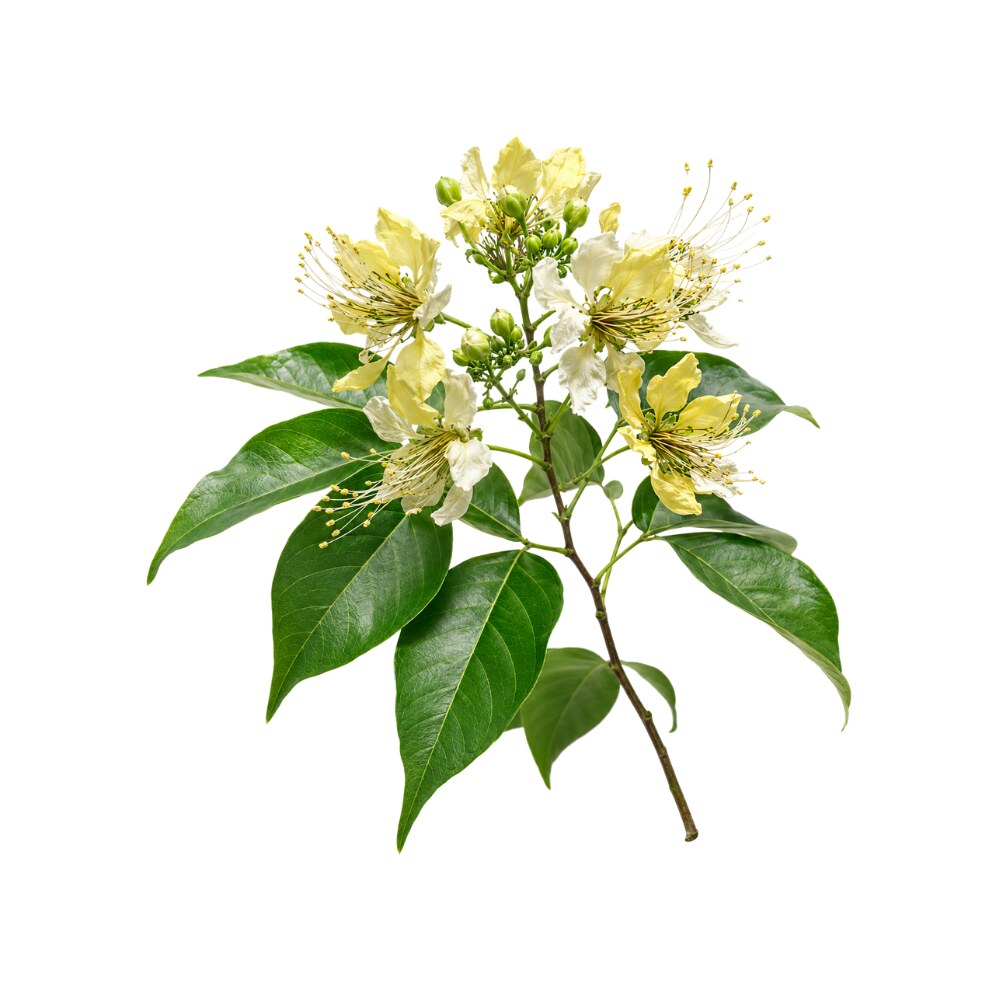 MildMildCrataevaCrataeva nurvalaVaruna bark is classified as bitter in Ayurvedic practice, where it is a urinary and lithotriptic herb.Read the evidenceShow lessMonograph →
Varuna’s bitter classification belongs to the Ayurvedic rasa scheme, where the bark is used for the urinary tract.
No digestive endpoint has been reported.
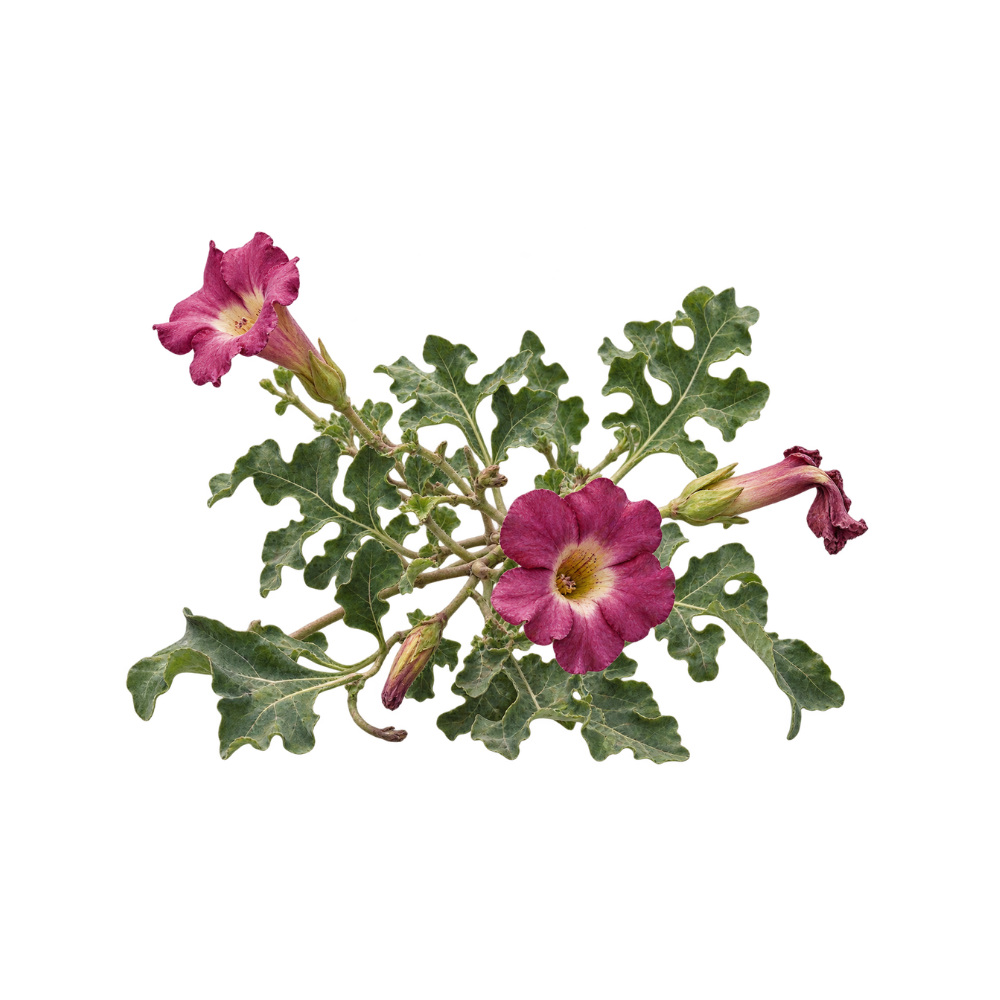 MildMildDevil’s ClawHarpagophytum procumbensIntensely bitter from harpagoside, an iridoid of the classic bitter class, and used as a digestive bitter in southern Africa before it became an anti-inflammatory.Read the evidenceShow lessMonograph →
Harpagoside is an iridoid, and iridoids are the classic bitter class; the digestive-bitter use came before the anti-inflammatory one.
No gastric-secretion data exist.
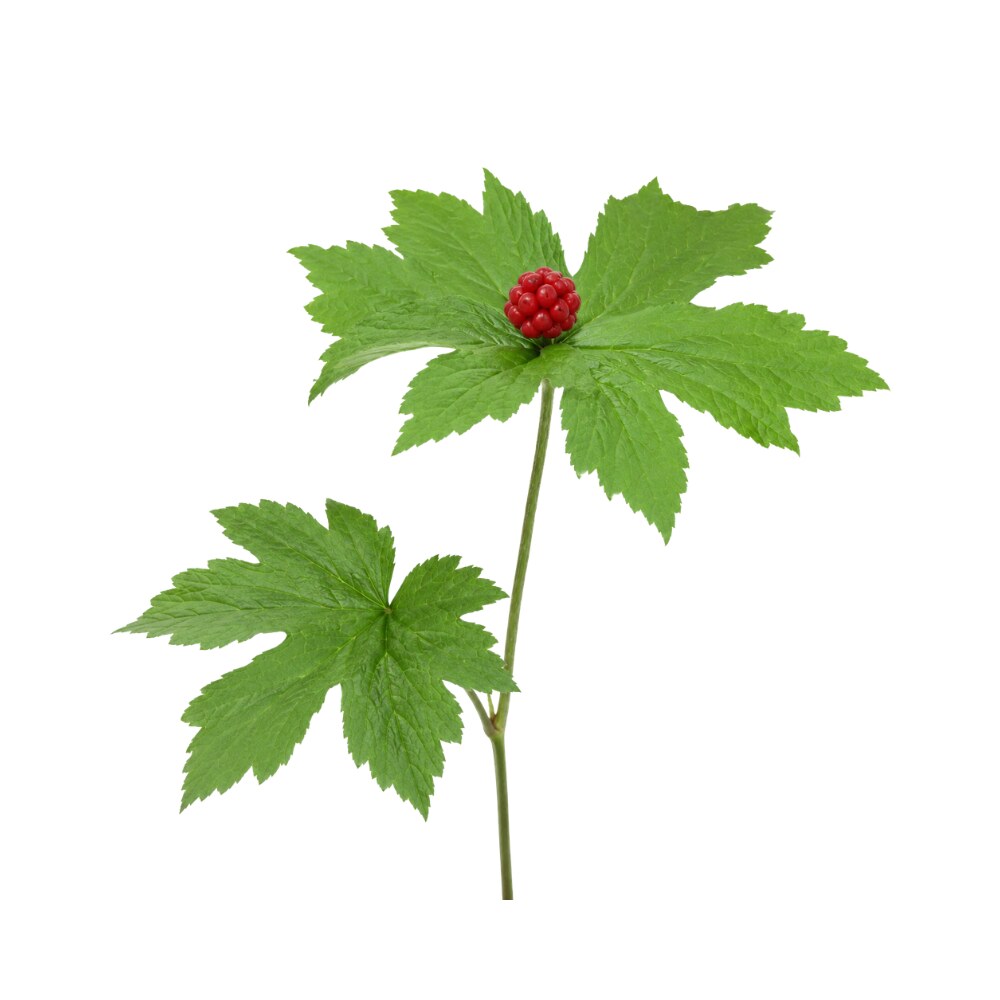 MildMildGoldensealHydrastis canadensisBerberine and hydrastine are intensely bitter isoquinoline alkaloids, and goldenseal is a classic Eclectic bitter tonic for the mucous membranes of the gut.Read the evidenceShow lessMonograph →
The Eclectic bitter tonic, given for atonic digestion and catarrh of the gut, with berberine and hydrastine as the bitter principles.
No study and no digestive endpoint; the herb’s usual short-course caution governs any use.
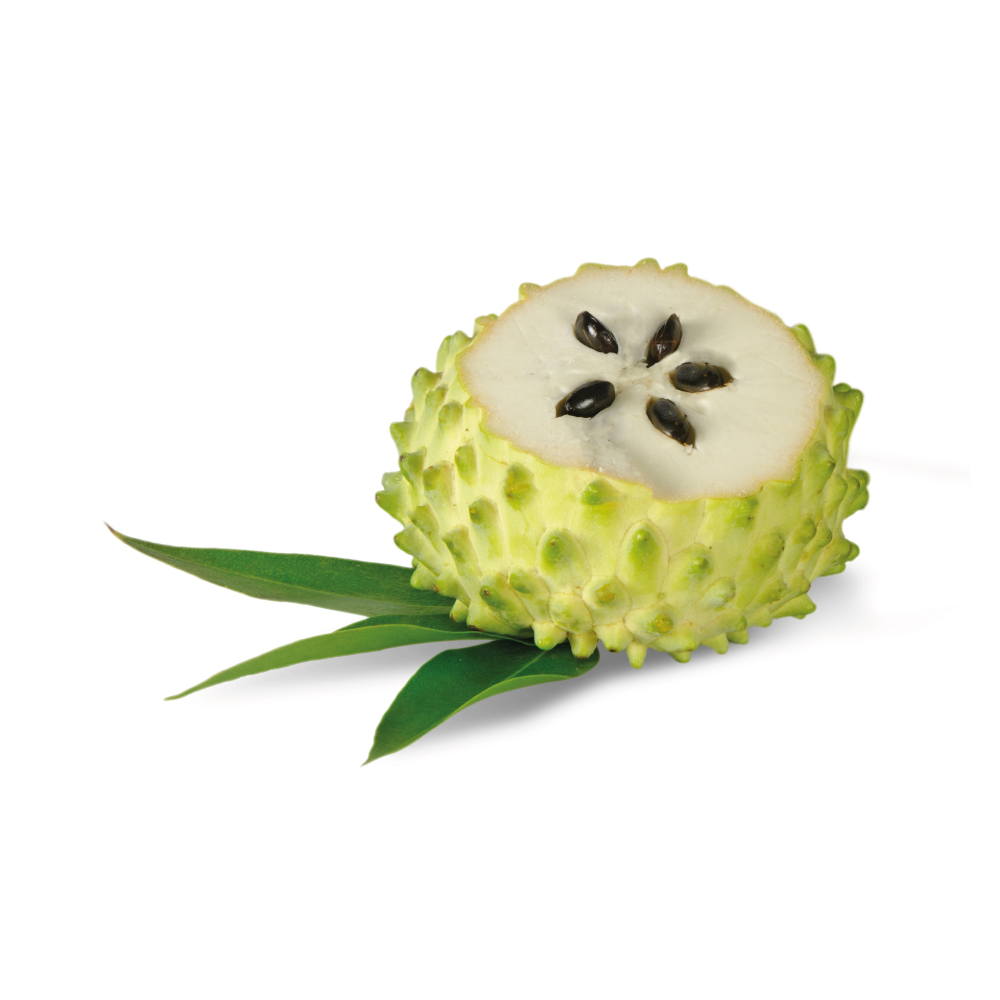 MildMildGraviolaAnnona muricataCarries a bitter classification; the acetogenins are bitter, and the leaf tea is noticeably so.Read the evidenceShow lessMonograph →
The acetogenins are bitter and the leaf tea is noticeably so.
The annonacin caution governs any sustained use.
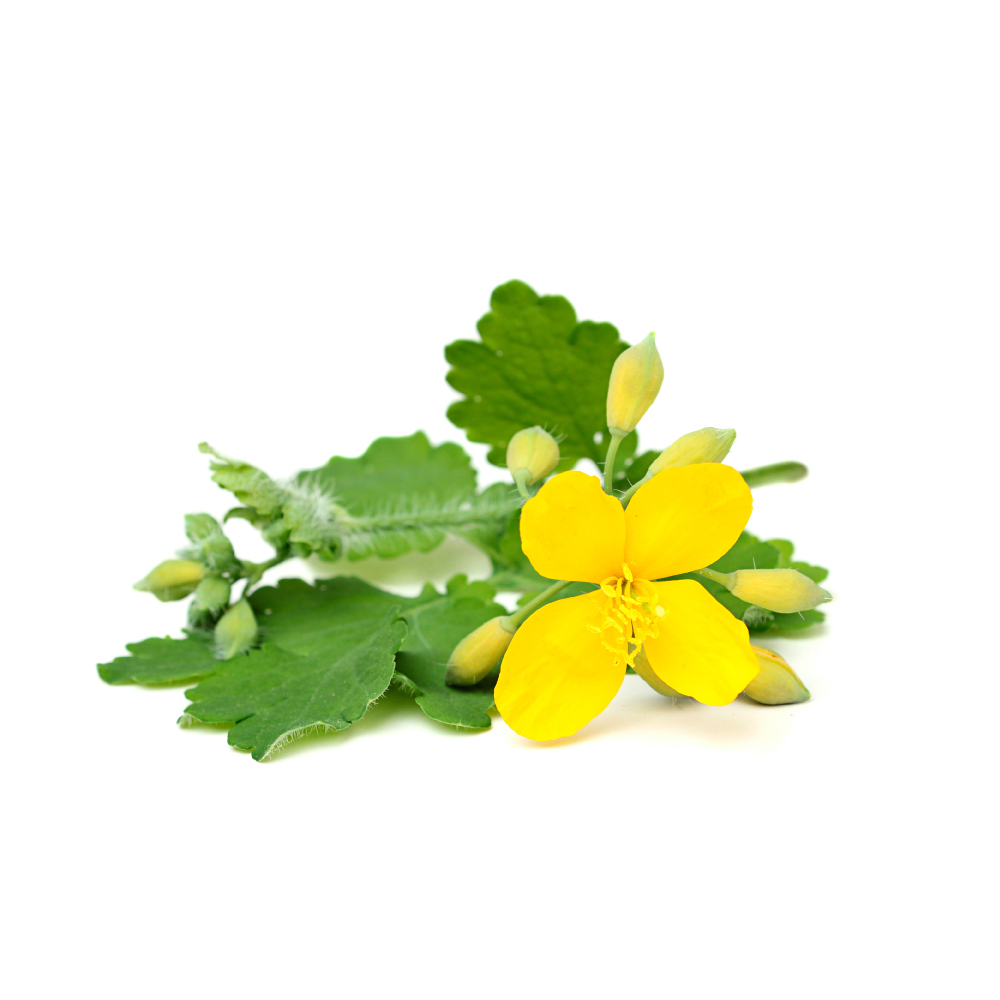 MildMildGreater CelandineChelidonium majusA traditional bitter that moves bile, so it does both things at once; the bitter use is largely subsumed by the choleretic evidence.Read the evidenceShow lessMonograph →
A bitter that moves bile is doing both things at once, which is the mechanism described among the hepatic herbs.
Its hepatotoxicity limits internal use.
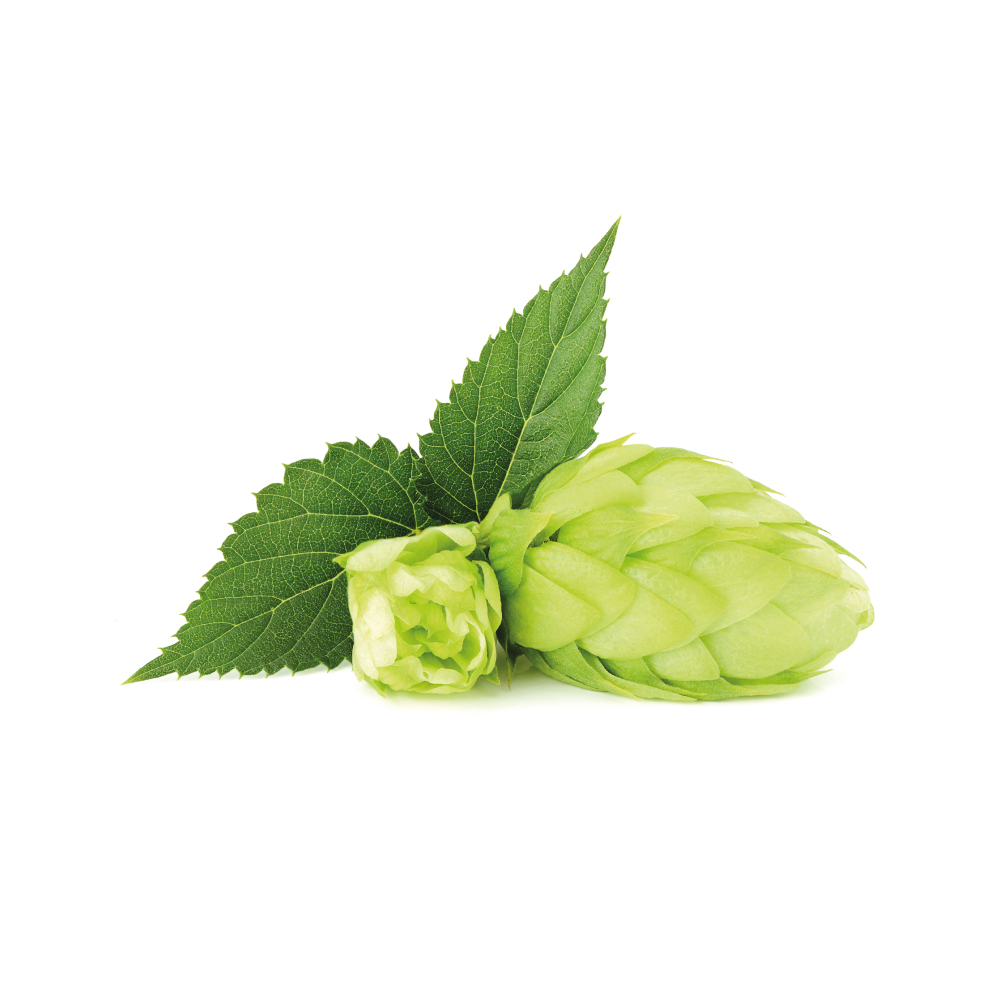 MildMildHopsHumulus lupulusThe α-acids at 2–20% of the strobile are what bitter beer, quantified commercially as International Bitterness Units; a bitter principle routinely measured, though never for a digestive endpoint.Read the evidenceShow lessMonograph →
Hops is a rare case where the bitter principle is routinely measured, as IBU in brewing.
No digestive endpoint has been studied.
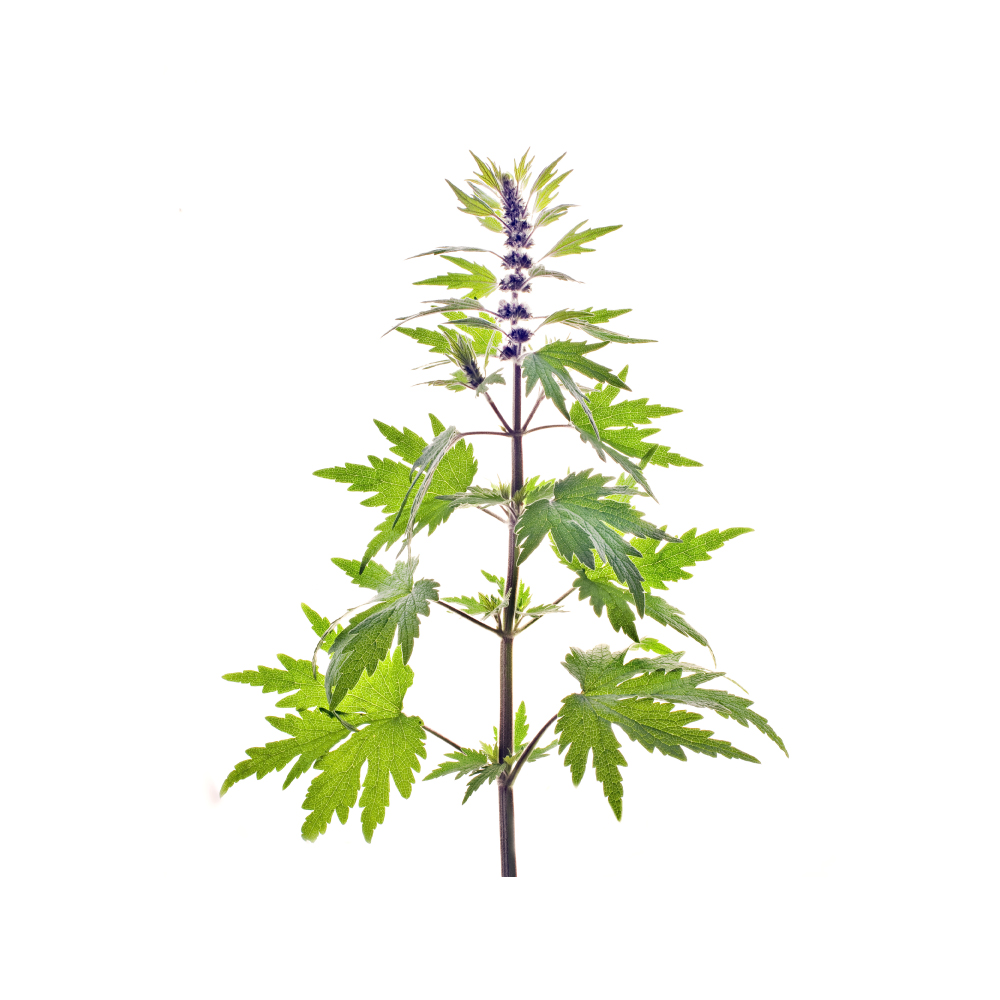 MildMildMotherwortLeonurus cardiacaBitter iridoid glycosides, chiefly leonuride, and a European tradition that used it as much for digestion as for the heart.Read the evidenceShow lessMonograph →
The bitterness is chemical, from the iridoid glycosides, and the Leonurus traditions use it for digestion as well as the heart.
Its evidenced work is cardiac.
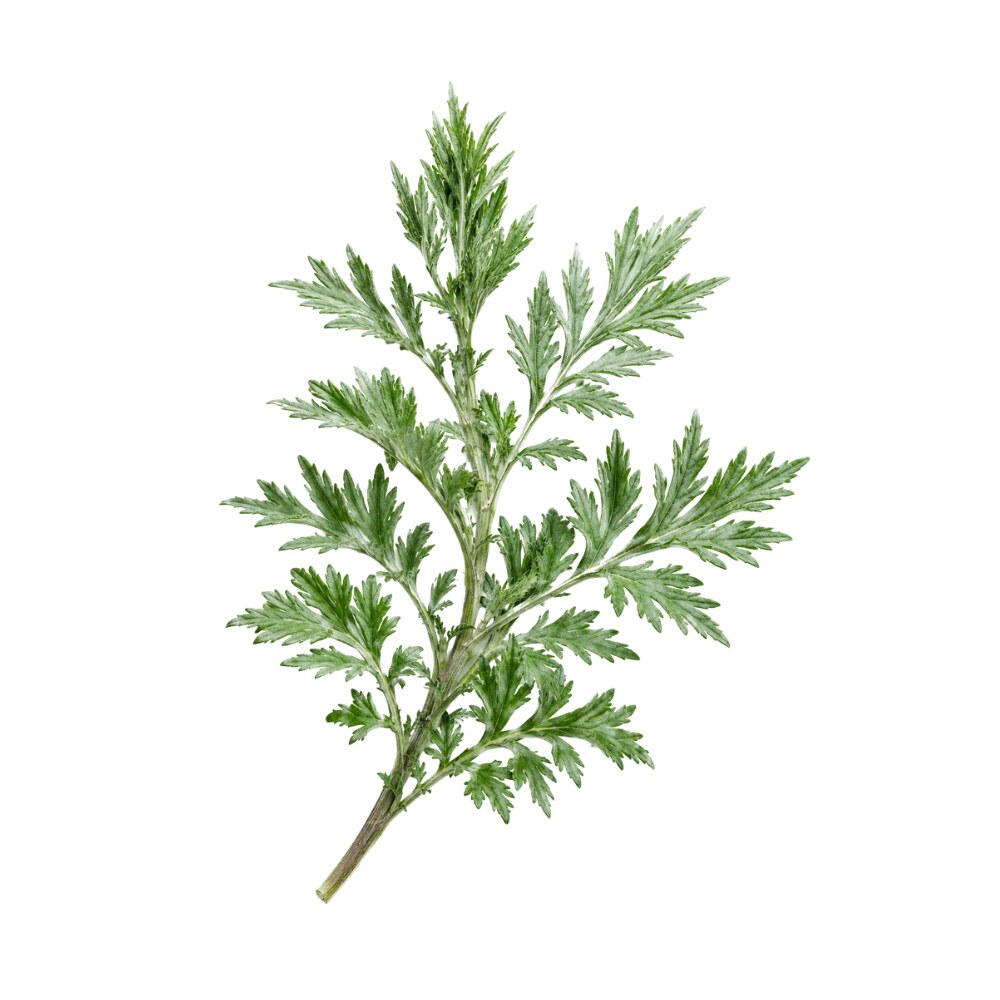 MildMildMugwortArtemisia vulgarisThe gentler Artemisia bitter, reached for where wormwood is too harsh; its bitterness comes from the sesquiterpene lactones vulgarin and psilostachyin, and no bitter-receptor or secretion study exists.Mechanismbitter sesquiterpene lactones (vulgarin, psilostachyin) present; TAS2R/secretory response not measured in this speciesRead the evidenceShow lessMonograph →
Mugwort’s bitter, digestive character is attributed to sesquiterpene lactones, characteristically vulgarin and psilostachyin, alongside psilostachyin C and isosecotanapartholide 32Reference 32ReviewSignificance of Artemisia vulgaris L. (Common Mugwort) in the History of Medicine and Its Possible Contemporary Applications — reviewView study →. Those are identified bitter ligands rather than a classification.
No bitter-receptor, gastric-secretion, appetite or dyspepsia study exists for A. vulgaris, and its lactone content has never been quantified. Western practice uses it where wormwood is too harsh.
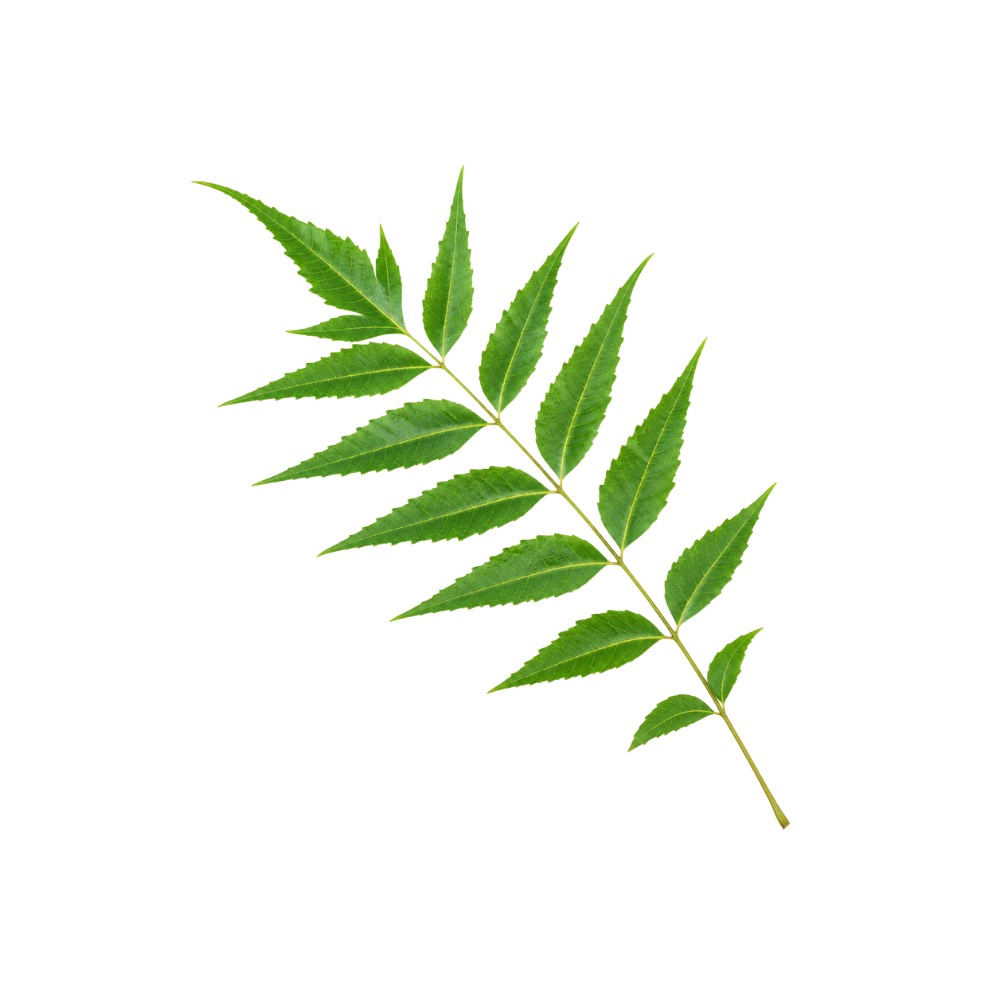 MildMildNeemAzadirachta indicaEvery part is intensely bitter, and the Sanskrit and Hindi names encode it; azadirachtin and nimbin are the principles.Read the evidenceShow lessMonograph →
Azadirachtin and nimbin are the bitter principles, and the bitterness is encoded in the plant’s names.
No digestive endpoint has been measured.
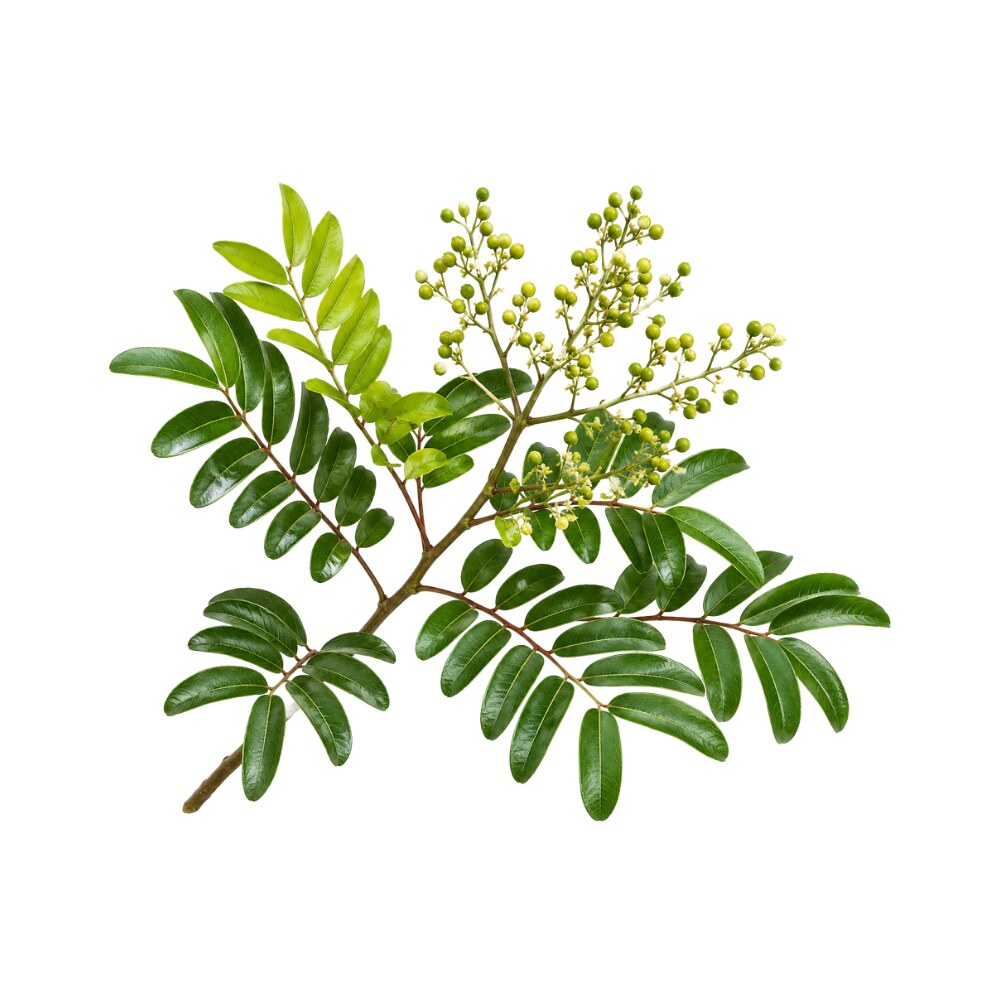 MildMildSimaroubaSimarouba amaraThe quassinoids, and quassin is one of the bitterest substances known, used as the standard against which bitterness is measured; a traditional Amazonian bitter for dysentery and fever.Read the evidenceShow lessMonograph →
The quassinoids are the bitter principles, and quassin is the reference standard for bitterness.
The digestive effect has not been studied.
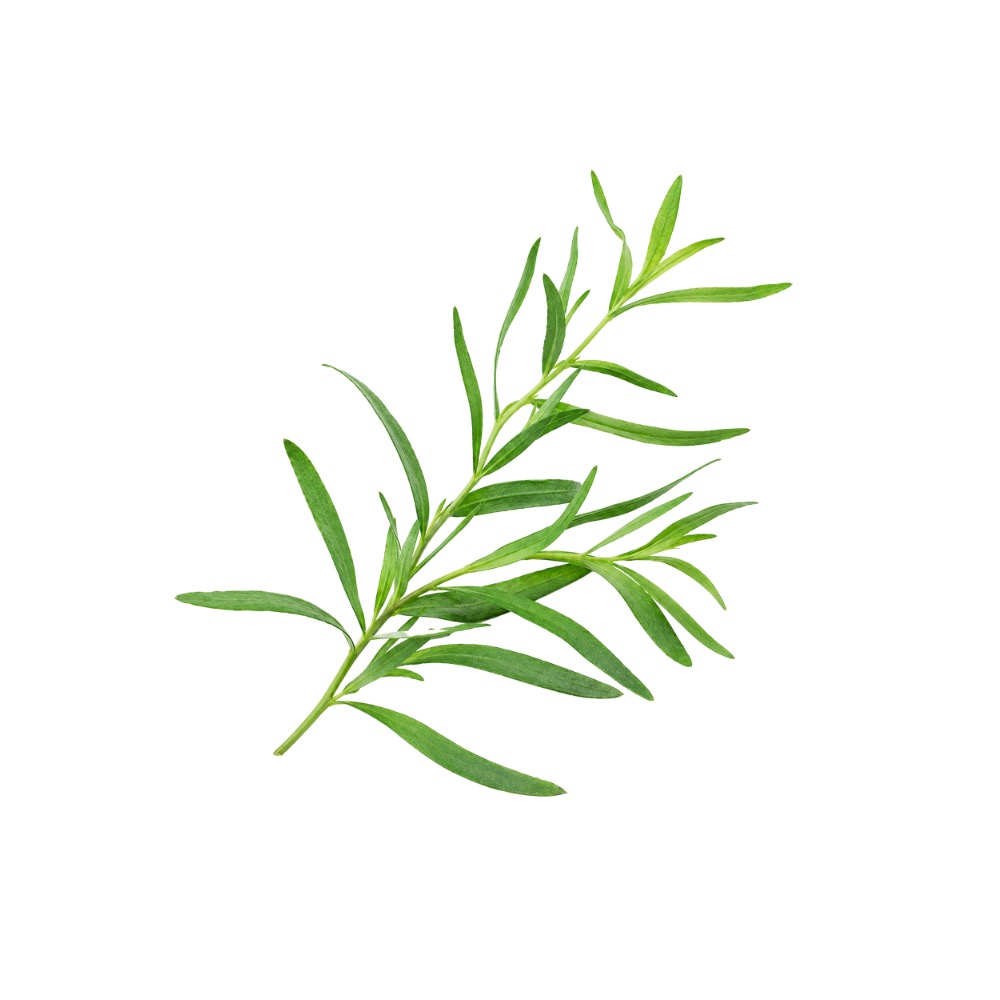 MildMildTarragonArtemisia dracunculusBelongs to the bitter Artemisia genus and carries a mild bitter classification, though the culinary cultivars have been selected away from bitterness.Read the evidenceShow lessMonograph →
The culinary cultivars are far less bitter than the wormwood relatives.
No digestive study exists.
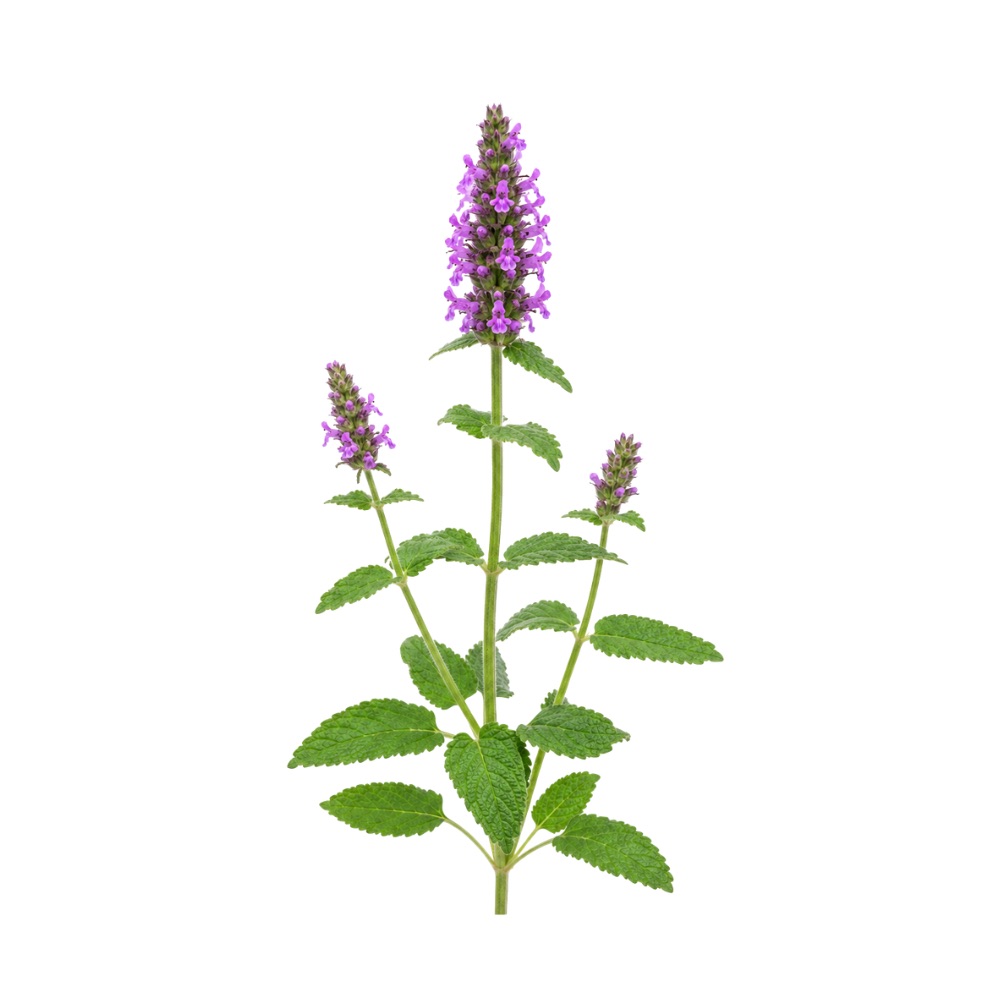 MildMildWood BetonyStachys officinalisThe digestive-bitter use is named directly in the traditional record; betony's main identity is the Western nervine.Read the evidenceShow lessMonograph →
The traditional record names the digestive-bitter use directly.
There is no research endpoint behind it.
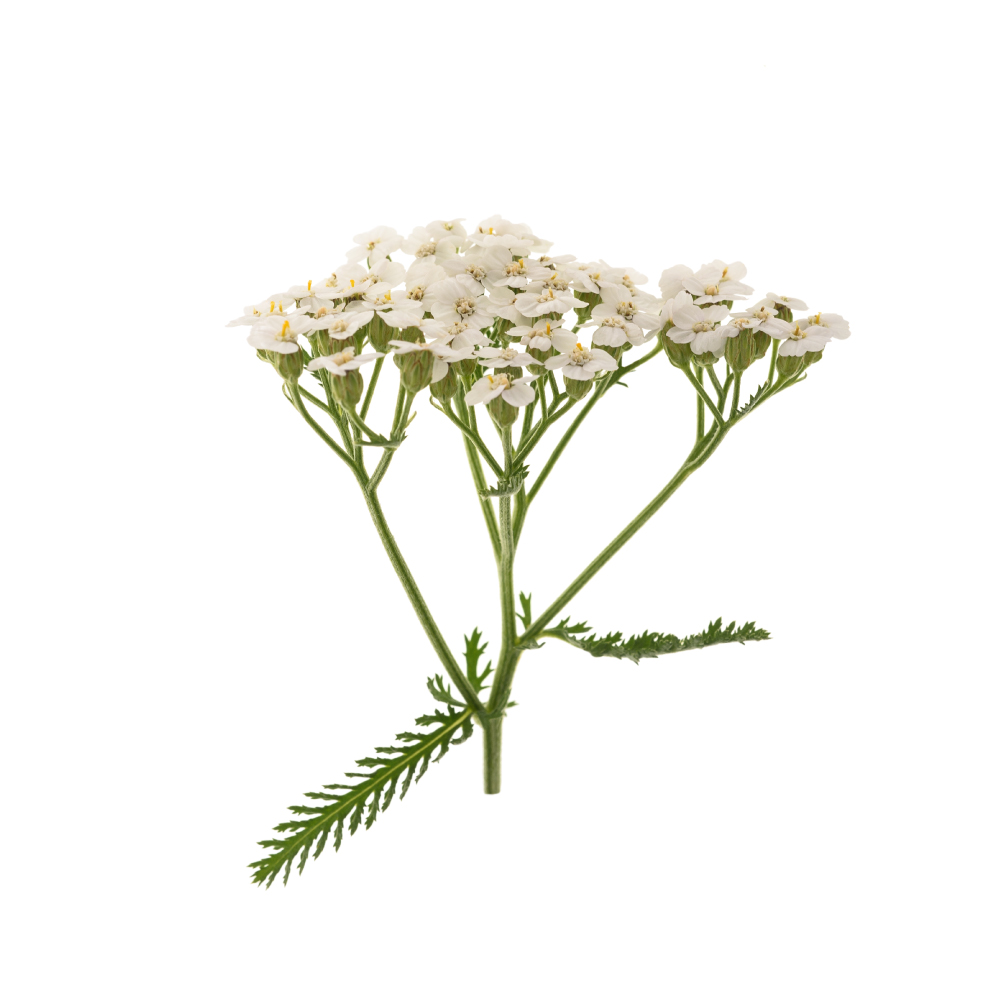 MildMildYarrowAchillea millefoliumA traditional digestive bitter whose sesquiterpene lactones, achillicin and relatives, are the bitter principles.Read the evidenceShow lessMonograph →
The sesquiterpene lactones, achillicin and relatives, are the bitter principles, and yarrow enters the European digestive-bitter tradition on that basis.
Its evidenced work is styptic and anti-inflammatory, and there is no appetite or bile study.
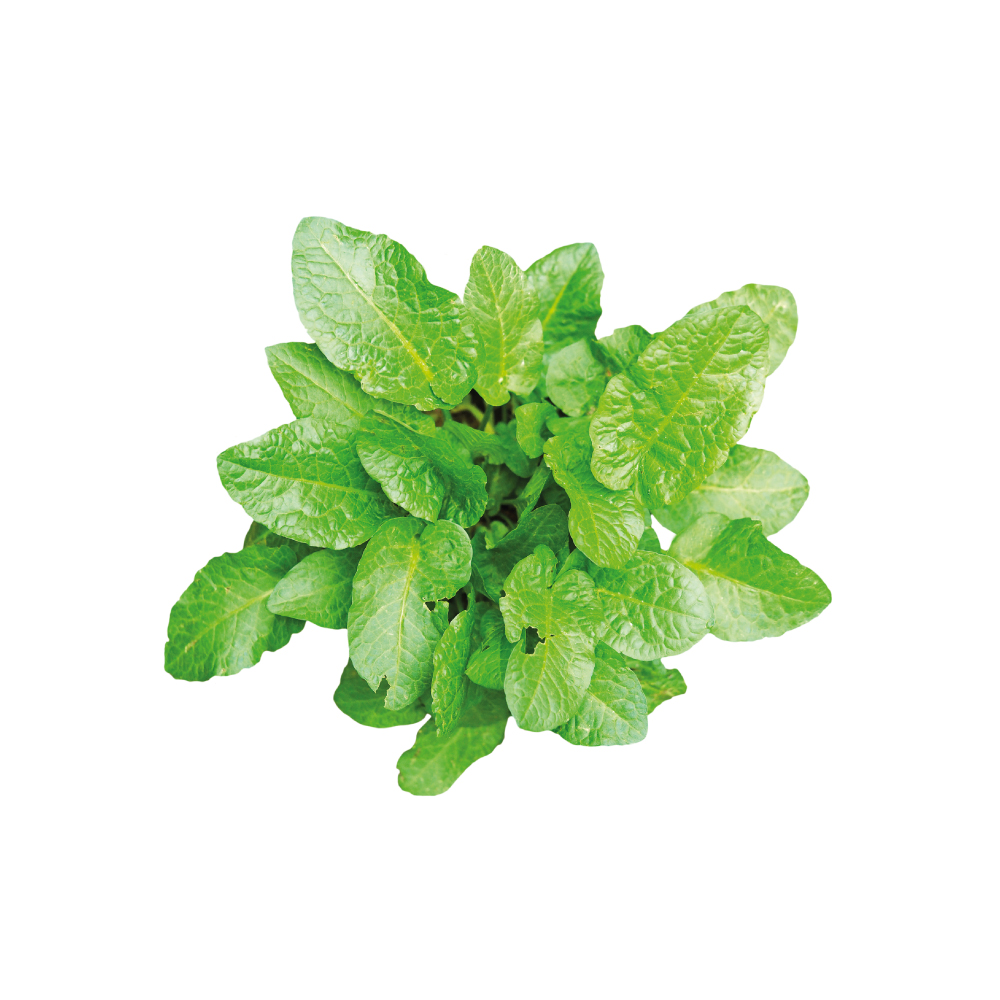 MildMildYellow DockRumex crispusRumex root is markedly bitter, and the bitter-plus-anthraquinone combination is why it sits in both the digestive and laxative traditions.Read the evidenceShow lessMonograph →
The root’s bitterness and its anthraquinones together place it in both the digestive and the laxative traditions.
The bitter use rests on taste and tradition.
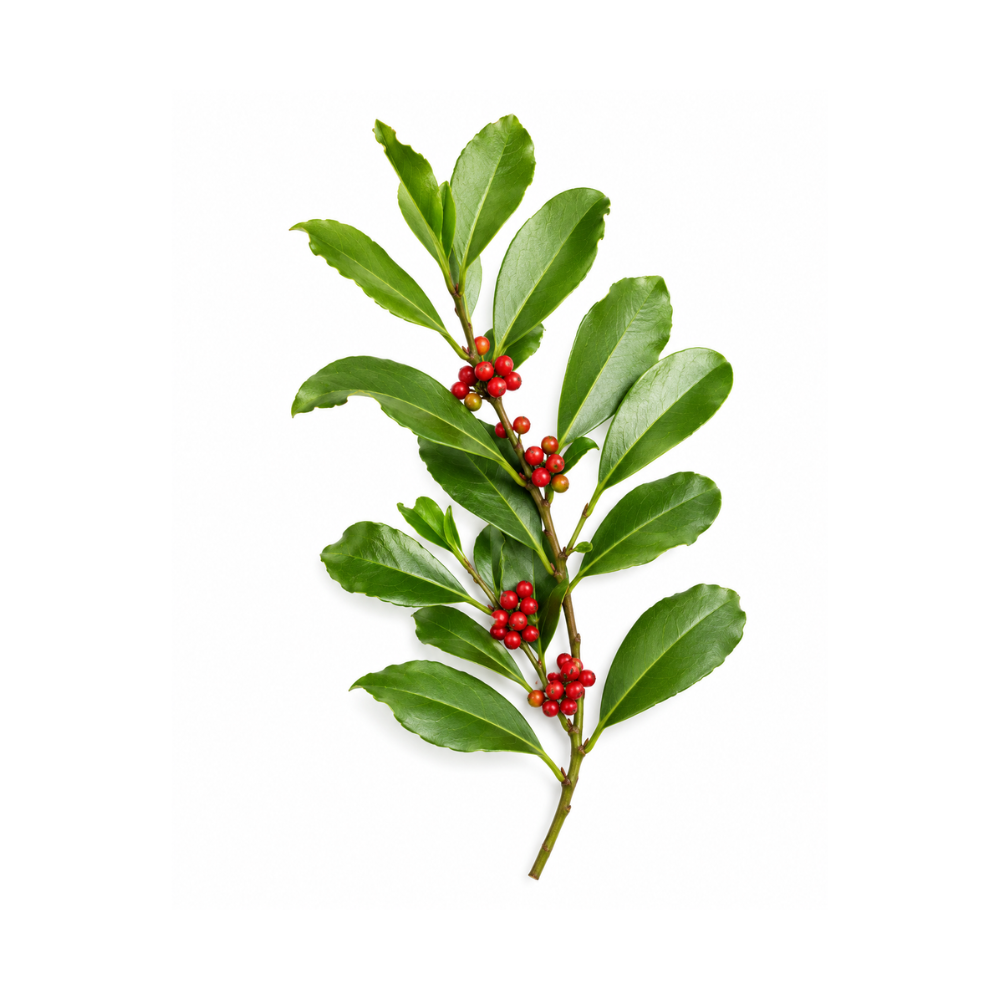 MildMildYerba MatéIlex paraguariensisChemically bitter, with the bitter principle well characterised: the xanthines and caffeoylquinic acids.Read the evidenceShow lessMonograph →
The xanthines and caffeoylquinic acids give maté its bitterness.
Its evidenced work is stimulant and metabolic.
No herbs match these filters.
Safety
- Bitters raise gastric acid, so they are avoided in active peptic ulcer, reflux, gastritis and hyperacidity.
- The bile-moving bitters are contraindicated in biliary obstruction.
- Nausea from the taste is the commonest adverse effect and is dose-limiting rather than a sign of harm.
- A bitter works by being tasted; the dose is a few millilitres of tincture or a small sip ten to fifteen minutes before food, and a capsule bypasses the mechanism.
- Many bitters are Asteraceae, and ragweed-sensitive people may react to them.
References
- Lang R, Lang T, Dunkel A, Ziegler F, Behrens M (2022). Overlapping activation pattern of bitter taste receptors affect sensory adaptation and food perception — in vitro receptor assays plus human sensory panel. Frontiers in Nutrition. https://pubmed.ncbi.nlm.nih.gov/36601079/
- Mai F, Glomb MA (2016). Structural and sensory characterization of novel sesquiterpene lactones from iceberg lettuce. Journal of Agricultural and Food Chemistry. https://pubmed.ncbi.nlm.nih.gov/26727458/
- Stojanović M, Milosavljević D, Delcourt A, Hilbert JL, Hance P, Maksimović V, Dragišić Maksimović J (2025). Phytochemical composition and overall taste modulation in lettuce: combination of cultivar and biofertiliser. Plants. https://pubmed.ncbi.nlm.nih.gov/41470746/
- Eljounaidi K, Comino C, Moglia A, Cankar K, Genre A, Hehn A, Bourgaud F, Beekwilder J, Lanteri S (2015). Accumulation of cynaropicrin in globe artichoke and localization of enzymes involved in its biosynthesis. Plant Science. https://pubmed.ncbi.nlm.nih.gov/26398797/
- Cravotto G, Nano GM, Binello A, Spagliardi P, Seu G (2005). Chemical and biological modification of cynaropicrin and grosheimin: a structure-bitterness relationship study — sensory panel evaluation of derivatives. Journal of the Science of Food and Agriculture. https://doi.org/10.1002/jsfa.2180
- Scotti L, Scotti MT, Ishiki H, Ferreira MJP, Emerenciano VP, de Menezes CMS (2007). Quantitative elucidation of the structure-bitterness relationship of cynaropicrin and grosheimin derivatives. Food Chemistry. https://doi.org/10.1016/j.foodchem.2007.03.038
- Brockhoff A, Behrens M, Massarotti A, Appendino G, Meyerhof W (2007). Broad tuning of the human bitter taste receptor hTAS2R46 to various sesquiterpene lactones, clerodane and labdane diterpenoids, strychnine, and denatonium — in vitro receptor assay. Journal of Agricultural and Food Chemistry. https://pubmed.ncbi.nlm.nih.gov/17595105/
- Yanagisawa T, Misaka T (2021). Characterization of the human bitter taste receptor response to sesquiterpene lactones from edible Asteraceae species and suppression of bitterness through pH control — in vitro. ACS Omega. https://pubmed.ncbi.nlm.nih.gov/33644553/
- Salamone S, Montelatici S, Rinaldi M, Appendino G, Winnig M, Morini G, Pollastro F (2026). Dietary terpenoid lactones are promiscuous agonists of bitter taste receptors (TAS2Rs) — in vitro. Journal of Natural Products. https://pubmed.ncbi.nlm.nih.gov/41609242/
- Ishida K, Kojima R, Tsuboi M, Tsuda Y, Ito M (2010). Effects of artichoke leaf extract on acute gastric mucosal injury in rats. Biological & Pharmaceutical Bulletin. https://pubmed.ncbi.nlm.nih.gov/20118544/
- Wulfkuehler S, Gras C, Carle R (2013). Sesquiterpene lactone content and overall quality of fresh-cut witloof chicory (Cichorium intybus L. var. foliosum Hegi) as affected by different washing procedures. Journal of Agricultural and Food Chemistry. https://pubmed.ncbi.nlm.nih.gov/23905988/
- Domont J, et al. (2023). CRISPR/Cas9-targeted mutagenesis of CiGAS and CiGAO to reduce bitterness in chicory (Cichorium intybus L.). Frontiers in Bioscience (Landmark Edition). https://pubmed.ncbi.nlm.nih.gov/37796686/
- Foster JG, et al. (2006). Influence of cultivation site on sesquiterpene lactone composition of forage chicory (Cichorium intybus L.). Journal of Agricultural and Food Chemistry. https://pubmed.ncbi.nlm.nih.gov/16506832/
- Kim HW, Suh HJ, Choi HS, Hong KB, Jo K (2019). Effectiveness of the sleep enhancement by green romaine lettuce (Lactuca sativa) in a rodent model — animal in vivo. Biological & Pharmaceutical Bulletin. https://pubmed.ncbi.nlm.nih.gov/31582660/
- Huber M, et al. (2015). Identification, quantification, spatiotemporal distribution and genetic variation of major latex secondary metabolites in the common dandelion (Taraxacum officinale agg.). Phytochemistry. https://pubmed.ncbi.nlm.nih.gov/25682510/
- Esatbeyoglu T, et al. (2017). Sesquiterpene lactone composition and cellular Nrf2 induction of Taraxacum officinale leaves and roots and taraxinic acid β-D-glucopyranosyl ester. Journal of Medicinal Food. https://pubmed.ncbi.nlm.nih.gov/28026992/
- Ahmad VU, et al. (2000). Taraxacin, a new guaianolide from Taraxacum wallichii. Journal of Natural Products. https://pubmed.ncbi.nlm.nih.gov/10924189/
- Schütz K, Carle R, Schieber A (2006). Taraxacum — a review on its phytochemical and pharmacological profile. Journal of Ethnopharmacology. https://pubmed.ncbi.nlm.nih.gov/16950583/
- Sharifi-Rad M, et al. (2018). Ethnobotany of the genus Taraxacum — phytochemicals and antimicrobial activity. Phytotherapy Research. https://pubmed.ncbi.nlm.nih.gov/30039597/
- Wu SH, et al. (2002). [Anti-gastric ulcer sesquiterpene lactone glycosides from Crepis napifera]. Yao Xue Xue Bao. https://pubmed.ncbi.nlm.nih.gov/12579896/
- Holtmann G, Adam B, Haag S, et al. (2003). Efficacy of artichoke leaf extract in functional dyspepsia — six-week placebo-controlled, double-blind, multicentre randomised trial. Alimentary Pharmacology & Therapeutics. https://pubmed.ncbi.nlm.nih.gov/14653829/
- Marakis G, Walker AF, Middleton RW, et al. (2002). Artichoke leaf extract reduces mild dyspepsia in an open study. Phytomedicine. https://pubmed.ncbi.nlm.nih.gov/12587688/
- Kirchhoff R, Beckers C, Kirchhoff GM, et al. (1994). Increase in choleresis by means of artichoke extract — randomised placebo-controlled double-blind crossover study. Phytomedicine. https://pubmed.ncbi.nlm.nih.gov/23195882/
- Mata, R., Contreras-Rosales, A. J., Gutiérrez-González, J. A., Villaseñor, J. L., & Pérez-Vásquez, A. (2021). Calea ternifolia Kunth, the Mexican “dream herb,” a concise review. Botany, 99(12), 805–818. https://doi.org/10.1139/cjb-2021-0063
- Mücke, M., Weier, M., Carter, C., et al. (2018). Systematic review and meta-analysis of cannabinoids in palliative medicine. Journal of Cachexia, Sarcopenia and Muscle. https://pubmed.ncbi.nlm.nih.gov/29400010/
- Razmovski-Naumovski V, Luckett T, Amgarth-Duff I, et al. (2022). Efficacy of medicinal cannabis for appetite-related symptoms in people with cancer — systematic review and meta-analysis. Palliative Medicine. https://pubmed.ncbi.nlm.nih.gov/35360989/
- German Commission E Monograph: Cinchona bark (Chinae cortex) — regulatory monograph approving use for loss of appetite and dyspeptic complaints (bloating, flatulence); antipyretic use classified obsolete. Federal Institute for Drugs and Medical Devices (BfArM), Germany.
- Li Y, Chen Y, Sun-Waterhouse D (2022). The potential of dandelion in the fight against gastrointestinal diseases: A review — [review]. J Ethnopharmacol. https://pubmed.ncbi.nlm.nih.gov/35405251/
- Ponticelli M, et al. (2023). The healing bitterness of Gentiana lutea L., phytochemistry and biological activities — a systematic review. Phytochemistry. https://pubmed.ncbi.nlm.nih.gov/36423749/
- Olennikov DN, et al. (2015). Iridoids and flavonoids of four Siberian gentians: chemical profile and gastric stimulatory effect — animal/in vitro. Molecules. https://pubmed.ncbi.nlm.nih.gov/26506331/
- American Journal of Pharmacy. (1881). The constituents of Iris versicolor — constituent analysis. American Journal of Pharmacy. (Rhizome reported to contain volatile matter/furfural, acrid oleo-resin, the glycoside iridin (irisin), salicylic and isophthalic acids, beta-sitosterol, triterpenoids, starch, gum and tannin.)
- Ekiert, H., Pajor, J., Klin, P., Rzepiela, A., Ślesak, H., & Szopa, A. (2020). Significance of Artemisia vulgaris L. (Common Mugwort) in the History of Medicine and Its Possible Contemporary Applications — review. Molecules. https://pubmed.ncbi.nlm.nih.gov/32992959/
Keep Exploring
