

Overview
Vulnerary at a Glance
Vulneraries are herbs used to support the healing of wounds and damaged tissue.
Some act directly on the repair process.
Comfrey, gotu kola, aloe, calendula, and plantain can influence fibroblasts, collagen formation, re-epithelialisation, or other processes involved in rebuilding tissue.
Others help more indirectly.
Astringent herbs can tighten and protect the wound surface. Mucilaginous herbs form a soothing barrier. Resins create a physical covering, while antimicrobial and anti-inflammatory herbs help keep the wound clean and calm while healing takes place.
In practice, many vulneraries do several of these things at once.
The action also extends beyond cuts and scrapes. The same basic idea applies to damaged mucous membranes, ulcers, and other injured epithelial surfaces, although these are usually grouped more specifically under actions such as demulcent or antiulcer.
Vulneraries have one of the longest histories in herbal medicine.
Yarrow, comfrey, plantain, calendula, myrrh, and countless others have been applied to wounds for centuries.
Culpeper wrote about herbs for “green wounds” — fresh cuts — as well as preparations used for deeper or internal injuries.
The roots being outwardly applied, help fresh wounds or cuts immediately, being bruised and laid thereto; and is special good for ruptures and broken bones.
Nicholas Culpeper, The Complete Herbal, 1653, on comfrey
Modern research is strongest for herbs such as gotu kola, comfrey, aloe, and calendula, where parts of the repair process have actually been measured.
Many traditional wound herbs remain much less studied. Bay bean, chilca, frankincense, goldenrod, echinacea, and Douglas fir all have traditional standing without much direct wound-healing research.
Caution
Broken skin absorbs far more — a preparation on an open wound is a systemic dose of whatever it carries.
Deep wounds need medical care — deep, dirty, badly contaminated or infected wounds, animal bites, spreading redness or fever need medical care rather than a vulnerary alone.
Fast closure can seal infection — a herb that closes the surface quickly belongs on a clean, shallow wound, never a deep or dirty one where it can trap infection underneath.
Mechanisms
How It Works
01
Fibroblasts, Collagen & Re-Epithelialisation
Wound repair runs through inflammation, proliferation and remodelling, and these herbs act on the proliferative phase: fibroblasts migrate in and lay down collagen, keratinocytes divide and migrate across the defect to close it, and granulation tissue fills the gap.
Allantoin is the clearest single agent. It drives keratinocyte proliferation directly, and it is why comfrey has held its reputation for two thousand years.
Gotu kola is the best-studied, raising collagen I and hydroxyproline while stimulating FGF and VEGF to revascularise the healing tissue.
Horsetail reaches the same endpoint through silica, a structural contribution to the connective-tissue matrix rather than a signalling one.
Calendula’s fibroblast migration runs through PI3K/Akt, a named pathway in a human cell type.
This is the mechanism that pharmaceutical wound care aims at with growth-factor gels and collagen dressings.
The herbal evidence is mostly rodent models and small topical trials, and every positive human result used a standardised preparation.
Herbs: AloeBarbatimãoCalendulaComfreyDouglas FirDragon’s BloodFireweedGotu KolaHorsetailKalanchoeMarshmallowPlantainStinging NettleWitch HazelYarrow
Key compounds: AllantoinAsiaticoside
02
The Physical Barrier
Some vulneraries work by covering the wound: a tannin coagulum, a resin film or a mucilage gel that physically coats the surface, with no receptor and no absorption.
Barbatimão’s condensed tannins precipitate surface protein into a coagulum that is barrier, haemostatic plug and repair scaffold at once.
Dragon’s blood sap and the conifer resins dry to a flexible film within minutes, dressing the wound as they treat it.
Mucilage hydrates into a gel that coats an irritated surface, which is the demulcent and emollient mechanism.
The effect needs contact, so it works only on the surface the preparation touches, and it cannot be standardised the way an active compound can.
Mucilage taken internally also slows the absorption of oral medication, since the gel does not distinguish an irritant from a drug.
Herbs: Balsam PoplarBarbatimãoDouglas FirDragon’s Blood
03
Anti-Inflammatory Action at the Wound
Inflammation is the necessary first phase of healing, so the useful action is damping an excessive response rather than abolishing it. Reducing local NF-κB, COX-2 and cytokine signalling shortens the inflammatory phase so the proliferative one can begin.
This overlaps with the anti-inflammatory action, and the difference is route: these are topical preparations acting where they are applied, which sidesteps most of the systemic concerns that action carries.
Several of the strongest herbs here are Asteraceae — chamomile, arnica, calendula, echinacea — and the topical route is where sesquiterpene-lactone contact dermatitis lands. The chemistry that damps inflammation is the chemistry that sensitises.
Herbs: AloeArnicaEpazoteGerman ChamomileMyrrhPlantainStinging Nettle
04
Antimicrobial Protection of the Wound Bed
A wound that becomes infected does not heal, so reducing bacterial load is a legitimate vulnerary mechanism even though it does nothing to tissue repair itself.
The organisms that matter are skin flora, chiefly Staphylococcus, so Gram-positive activity is the relevant kind.
Myrrh’s use in oral and wound care rests partly here, as does St John’s wort’s hyperforin, an antibacterial with real potency that has nothing to do with the herb’s antidepressant chemistry. Usnic acid’s wound literature is mostly this mechanism.
None of it substitutes for cleaning a wound, and none of it is adequate for an established infection, which is a medical problem rather than a herbal one.
Herbs: Balsam PoplarMarshmallowMyrrhSt. John’s WortUsnea
05
Angiogenesis & Perfusion
New tissue needs a blood supply, and impaired perfusion is why diabetic and venous ulcers fail to close. Stimulating VEGF and FGF to build capillaries into the wound bed addresses the rate-limiting step in the wounds that are hardest to heal.
Gotu kola’s centellosides and plantain both raise revascularisation in animal wounds, and amla reaches the same route in a healing gastric ulcer through eNOS and VEGF.
Myrrh raises leukocyte mobilisation into the proliferative phase, the same idea approached through the immune side.
This is the most clinically interesting mechanism and the least represented, and the work is animal and cell-based.
Promoting angiogenesis is desirable in a wound and undesirable in a tumour, which is why a few herbs appear with opposite framings here and under anticancer.
06
Gastric & Mucosal Protection
The internal counterpart of the topical work: protecting and repairing the epithelial surface of the gut, applied where you cannot see it.
The mechanisms diverge from the topical ones. Licorice inhibits 15-hydroxyprostaglandin dehydrogenase, the enzyme that degrades mucosal prostaglandins, so it raises the prostaglandins that maintain the gastric mucus layer, the opposite of what NSAIDs do.
Bael raises mucosal thickness and antioxidant enzymes, amla drives angiogenesis in the ulcer bed, and others reduce acid secretion or increase mucus output directly.
Licorice’s glycyrrhizin causes pseudoaldosteronism on sustained use, which is why deglycyrrhizinated licorice exists.
The herbs with their own antiulcer evidence are examined among the antiulcer herbs.
More Specific Actions
Sub-Actions
Vulnerary is a parent action, and several narrower actions sit beneath it. Where a sub-action has its own page, its evidence is examined there.
Antiulcer
3 herbsHelps prevent and heal ulcers of the stomach and gut lining. This involves coating the surface, raising mucosal defences such as mucus and prostaglandins, and supporting the repair of the epithelium beneath.
Cell Proliferant
1 herb · ComfreySpeeds the growth of new tissue across a wound. The classic example is allantoin, which is why comfrey knits damaged tissue quickly enough that a surface wound must be cleaned properly first, or infection is sealed underneath.
Demulcent
16 herbsCoats and soothes an irritated mucous membrane with mucilage. The gel needs contact to work, so it acts on the throat, gut or urinary tract that the preparation actually reaches.
Emollient
8 herbsSoftens, soothes and protects the skin when applied topically, the external counterpart of a demulcent. It involves occlusive oils and mucilages that hold moisture in the skin and calm irritation.
Gastroprotective
2 herbs · Amla, BaelProtects the stomach lining from injury by acid, alcohol or NSAIDs. It involves raising mucus and antioxidant defences in the mucosa rather than repairing an ulcer that has already formed.
The Molecules
Pharmacology
What produces a vulnerary effect at the molecular level. The herbs carry these molecules in different combinations and amounts, which is most of why their potency differs. Roles describe how central a molecule is to the action across plants generally, not how strong any one herb is.
Chiefly Tannins1
Carries the action largely on its own — the effect is attributed to the molecule, not just the extract it came from.
Adds to a plant's effect and is often present in quantity, but rarely accounts for it alone.
Real but narrow — one pathway, one tissue, or evidence too thin to lean on.
Hamamelitannin Tannins Minor role Targets Keratinocyte migration/wound closure; cytoprotection against oxidative and TNF-mediated death
Hamamelitannin and the bark extract supported keratinocyte wound healing in vitro 1Reference 1In vitroChemical composition, skin microbiota metabolism, antimicrobial potential and anti-inflammatory properties of witch hazel bark (Hamamelis virginiana L.) — in vitro/ex vivoView study →, and the same cytoprotective chemistry that rescues fibroblasts from superoxide and UVB 2,
No named repair pathway has been identified for the molecule, with no TGF-β, collagen-synthesis or migration-signalling target, and there is no animal wound model and no human data.
This is cytoprotection inferred toward vulnerary rather than a demonstrated wound-healing mechanism.
Witch hazel is the herb that carries it.
Found in Witch Hazel
Full Hamamelitannin profile →What It's For
Indications
- Cuts, grazes and slow-healing wounds
- Burns and scalds
- Bruising and sprains
- Ulcers and damaged gut lining
Materia Medica
Vulnerary Herbs by Potency
The vulnerary herbs, ordered by the relative strength of the effect rather than by how well studied it is. Each herb is described by the mechanism behind its effect and the evidence for it.
None of this is a substitute for professional care.
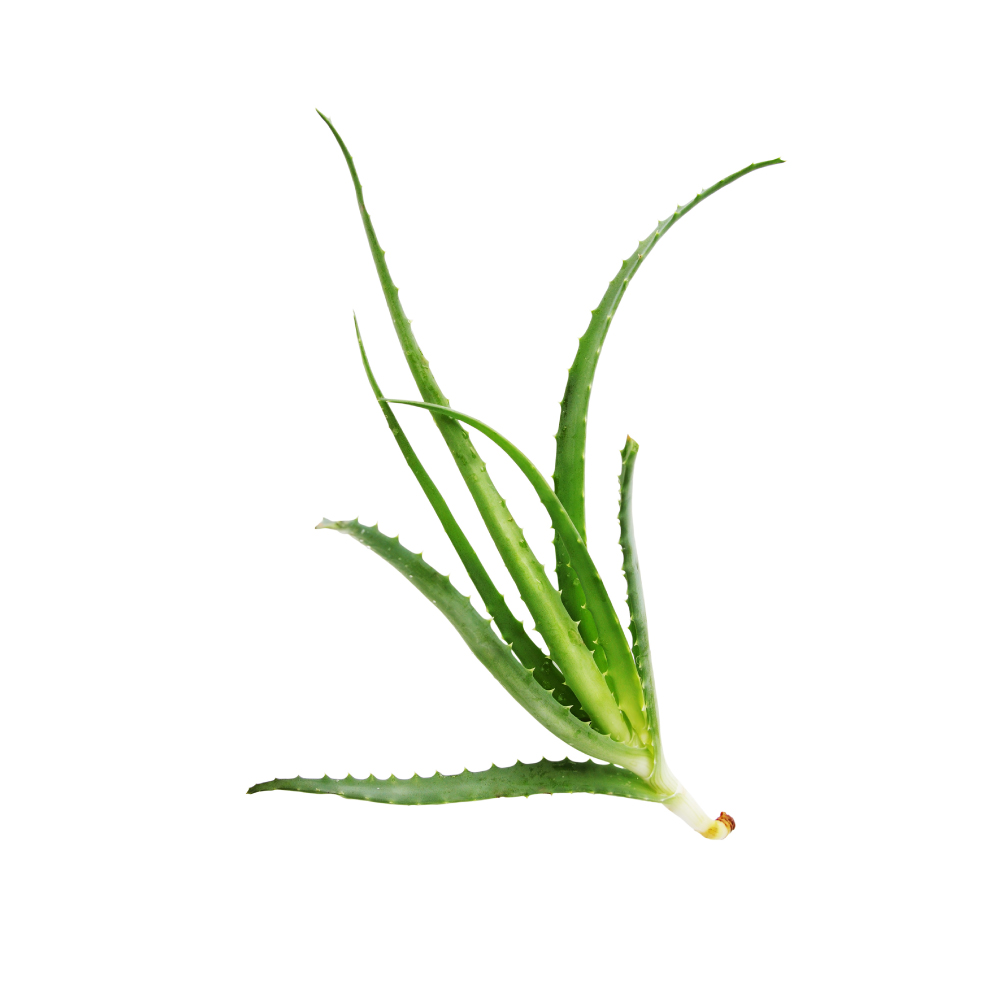 PotentPotentAloeAloe vera/barbadensisTopical gel shortened the healing of second-degree burns by about four days in pooled randomised trials, and sped re-epithelialisation of skin-graft donor sites.Mechanismthromboxane B2 synthesis ↓; prostaglandin F2α ↓; acemannan-driven epithelial proliferation and fibroblast/collagen stimulationRead the evidenceShow lessMonograph →
A 2024 meta-analysis of nine randomised trials found topical aloe cut the mean healing time of second-degree burns by about 3.8 days against other dressings (MD −3.76, 95% CI −5.69 to −1.84), with no increase in infection 5Reference 5Meta-analysisEffects of Aloe vera on burn injuries — systematic review and meta-analysis of randomized controlled trialsView study →. An earlier meta-analysis restricted to second-degree burns reached about 4.4 days 6Reference 6Meta-analysisSecond-degree burns and Aloe vera — meta-analysis and systematic reviewView study →.
A double-blind RCT in split-thickness skin-graft donor sites found aloe-treated sites re-epithelialised faster, 11.5 against 13.7 days (p < 0.05) 7Reference 7Systematic reviewTopical Aloe vera gel for accelerated wound healing of split-thickness skin-graft donor sites — double-blind randomized controlled trial and systematic reviewView study →.
The gel inhibits thromboxane B2 and prostaglandin F2α formation, preserving the microcirculation at the burn margin 8Reference 8A Clinical Guide to Blending Liquid Herbs: Herbal Formulations for the Individual Patient, and its acemannan fraction drives epithelial proliferation and fibroblast and collagen activity 9,
The trials are small, use varied and unstandardised gel preparations, and cannot be blinded for a visibly distinctive gel. None of them shows pain relief, which both burn meta-analyses looked for.
PotentBarbatimãoStryphnodendron adstringensA condensed-tannin bark whose coagulum is barrier, haemostatic plug and repair scaffold at once; consistent rodent models, human case series and a randomised cattle trial, with no controlled human trial.Mechanismtannin coagulum as bacterial barrier and repair scaffold; fibroblast supportRead the evidenceShow less
Rodent wound models, human case series and a large randomised veterinary trial in cattle all support faster closure with bark preparations standardised to tannin content 27,
The condensed tannins precipitate surface protein into a coagulum that is a physical barrier, a haemostatic plug and a scaffold for repair in one, so the wound-healing and antibacterial actions cannot be separated in this herb.
No controlled human wound-healing trial has been published.
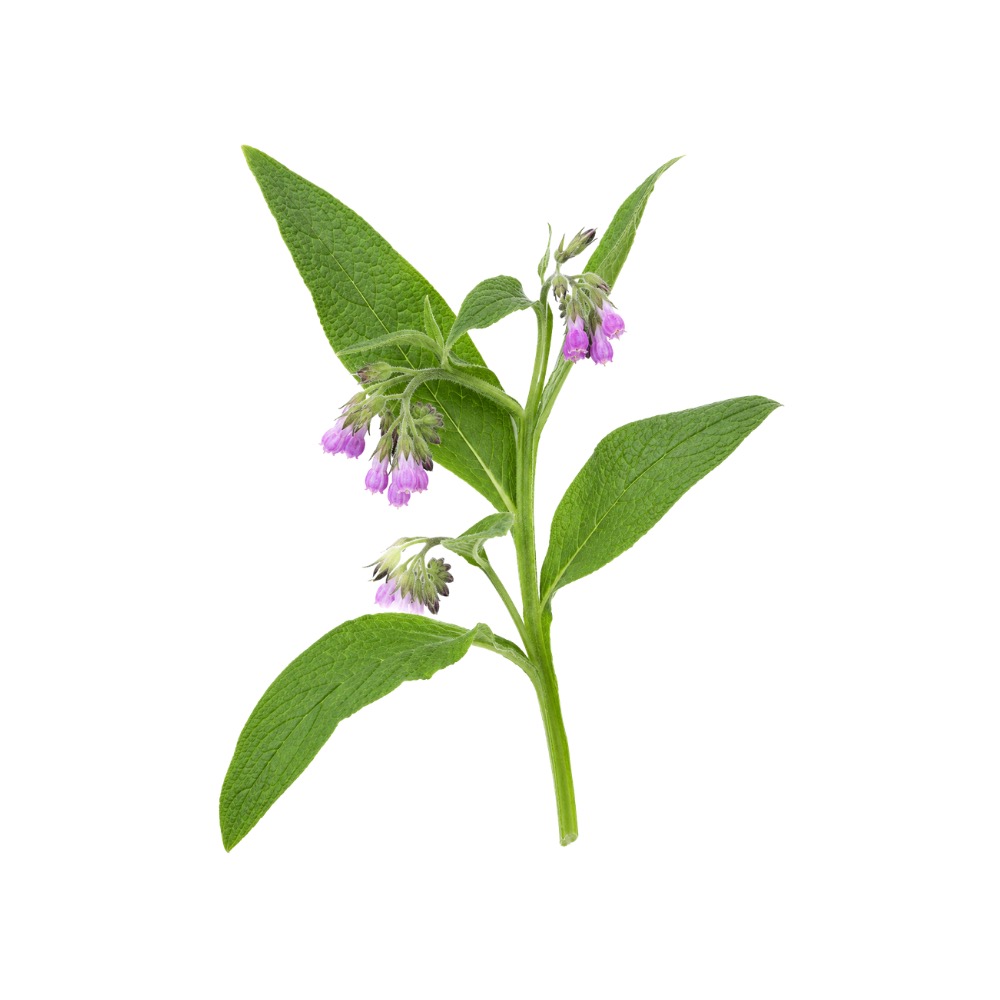 PotentPotentComfreySymphytum officinaleAllantoin drives keratinocyte proliferation, and comfrey has controlled trials for both closed injury and open abrasions; the reference vulnerary of Western practice.Mechanismallantoin-driven keratinocyte proliferation; re-epithelialisation ↑; collagen deposition ↑Read the evidenceShow lessMonograph →
For blunt closed injury the effect size is large. A double-blind placebo-controlled RCT in ankle distortion (n=142, root ointment four times daily for 8 days) beat placebo on tonometric pain (p<0.0001) and figure-of-eight swelling (p=0.0001) 45Reference 45RCTEfficacy and tolerance of a comfrey root extract in the treatment of ankle distortions — randomised, placebo-controlled, double-blindView study →, and two multicentre trials against diclofenac gel (n=164) found comfrey superior on the pre-specified tenderness re-analysis (mean AUC difference +61.1 h·N/cm², 95% CI 19.1–103.1) 46,
For open-surface healing, a 10% aerial-part cream reached 50% healing about 0.9 days sooner than a 1% cream in children with abrasions 48Reference 48RCTWound-healing effects of a Symphytum herb extract cream in children — randomised, controlled, double-blindView study → and cut wound area faster in adults (49% against 29% per day) 49Reference 49RCTWound-healing effects of a Symphytum herb extract cream — randomised, controlled, double-blindView study →. Epidermal-model 50Reference 50In vitroEpidermal regeneration induced by comfrey extract — in vitro (light and electron microscopy)View study → and rat-collagen 51,
The wound trials compared against a low-dose comfrey cream rather than a true placebo, so part of the margin is dose–response 48,
Surface proliferation this fast can knit skin shut over an unhealed deeper wound and trap infection, so the action is reserved for closed injuries and clean superficial grazes.
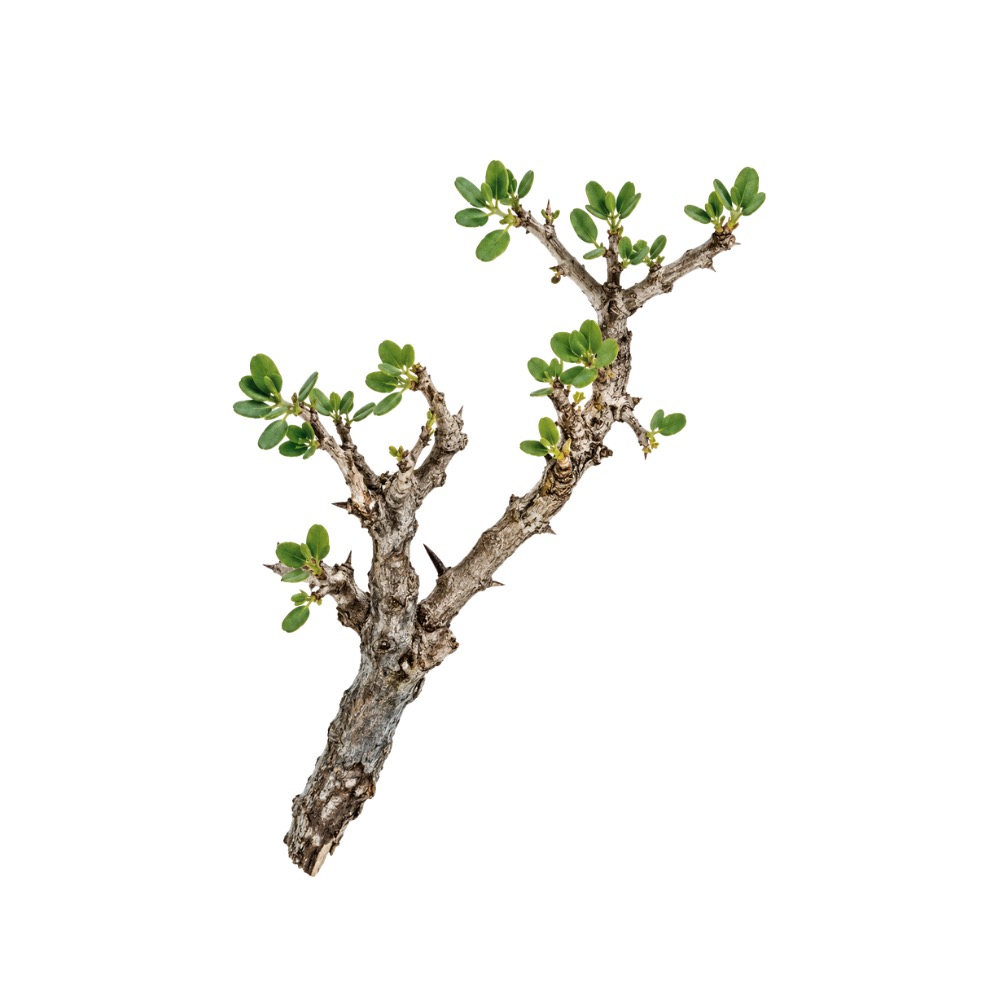 PotentPotentMyrrhCommiphora myrrhaMucosal wound healing with human trials behind it: gum and post-extraction healing, aphthous ulcers, and an episiotomy sitz-bath that beat povidone-iodine.Mechanismleukocyte mobilization ↑ (proliferative phase); oral-pathogen load ↓; local NF-κB/COX-2 ↓Read the evidenceShow lessMonograph →
A 2026 systematic review and meta-analysis of periodontal and gingival healing pooled 15 studies (eight RCTs) and found myrrh improves gingival and plaque indices and reduces post-surgical swelling and redness as an adjunct 74Reference 74Meta-analysisMyrrh in the management of periodontal disease and gingival healing — systematic review and meta-analysisView study →. A 0.5% mucoadhesive gel gave the largest day-6 pain reduction of any arm in a double-blind vehicle-controlled aphthous-stomatitis trial (n=90) 75Reference 75RCTClinical efficacy of aloe vera- and myrrh-based oral mucoadhesive gels in minor recurrent aphthous stomatitis — randomised, double-blind, vehicle-controlled trialView study →.
Myrrh mouthwash accelerated post-extraction healing 76Reference 76Clinical trialEfficacy of myrrh mouthwash on wound healing after tooth extraction — controlled clinical trialView study → and matched chlorhexidine for early soft-tissue healing after implant placement 77,
Off the mucosa, a myrrh sitz-bath beat both frankincense and povidone-iodine on the REEDA episiotomy score in an RCT of 90 primiparous women 79Reference 79RCTEpisiotomy wound healing by Commiphora myrrha and Boswellia carteri in primiparous women — randomised controlled trialView study →.
Resin extracts raise circulating leukocytes and support the proliferative phase of repair in rodents 80Reference 80AnimalEffect of myrrh (Commiphora molmol) on leukocyte levels during healing from gastric ulcer or skin injury — rat modelView study →, with the antibacterial and anti-inflammatory actions contributing locally.
Every positive trial is topical, mucosal or a sitz-bath at a stated concentration, not oral resin. Certainty was graded low to moderate, preparations vary widely, and the optimal form and dose are unsettled.
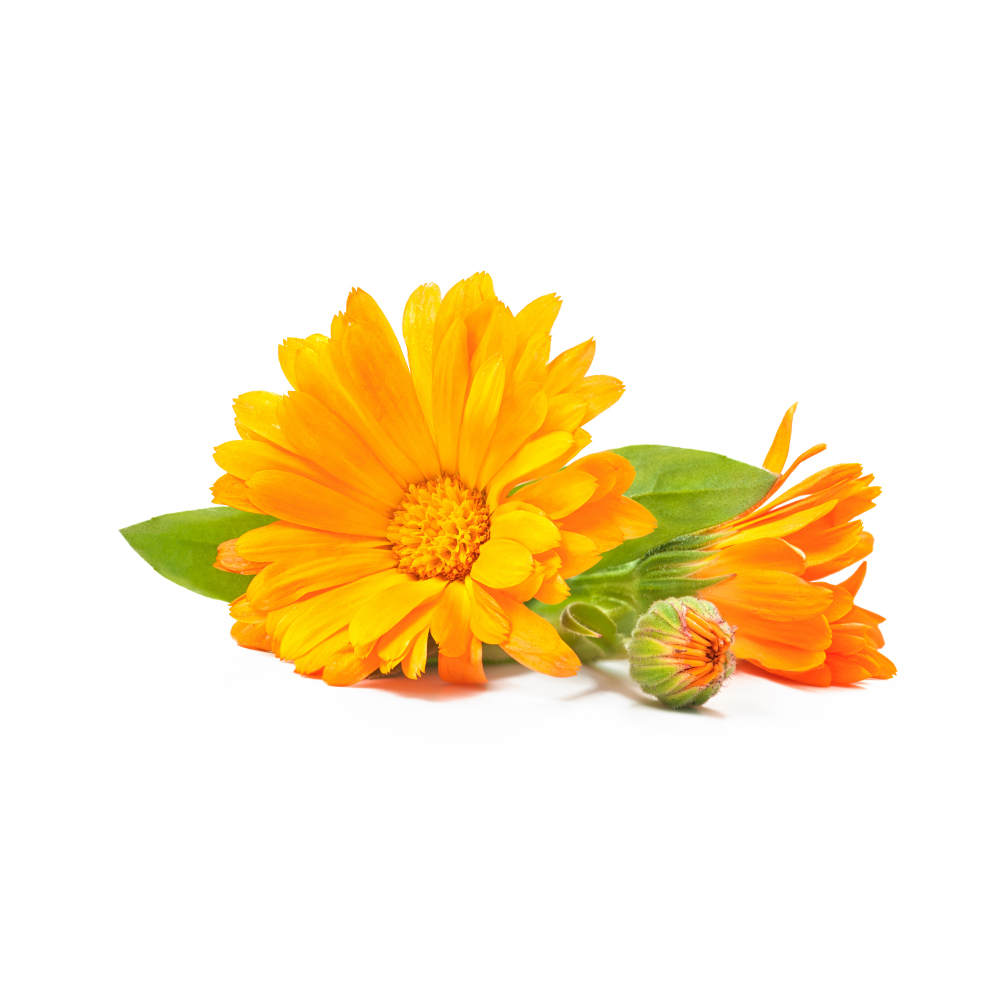 StrongStrongCalendulaCalendula officinalisDrives fibroblast proliferation and migration through PI3K/Akt and speeds the granulation phase; post-surgical wound trials are consistently positive, chronic-wound trials mixed.Mechanismfibroblast proliferation/migration via PI3K/Akt; granulation-tissue formation ↑; antioxidant-enzyme (GSH/SOD/catalase) ↑Read the evidenceShow lessMonograph →
Calendula tincture drives fibroblast proliferation and migration through a PI3K/Akt-dependent pathway 33Reference 33In vitroPI3K-mediated proliferation of fibroblasts by Calendula officinalis tincture: implication in wound healing — [in vitro study]View study →, and animal excision and incision studies plus a systematic review show faster resolution of the inflammation phase and increased granulation tissue 34Reference 34Systematic reviewA systematic review of Calendula officinalis extract for wound healing — [systematic review]View study →. The effect is phase-specific: early inflammation and granulation, not late remodelling.
Post-surgical trials are consistently positive. Ointment reduced pain and improved redness and oedema after episiotomy, and sped caesarean-wound healing on the REEDA scale 35,
Chronic wounds are mixed. Venous leg ulcers improved 38Reference 38RCTTreatment of venous ulcers with the herbal-based ointment Herbadermal®: a prospective non-randomized pilot study — [non-randomised clinical trial]View study → and a diabetic-foot-ulcer series reported high closure and pain relief 39Reference 39Clinical trialA Prospective, Descriptive Study to Assess the Clinical Benefits of Using Calendula officinalis Hydroglycolic Extract for the Topical Treatment of Diabetic Foot Ulcers — [prospective clinical study]View study →, but a randomised diabetic-leg-ulcer trial was negative and a burns RCT showed no advantage over control 40Reference 40RCTLow-level laser therapy and Calendula officinalis in repairing diabetic foot ulcers — [randomised controlled trial]View study →.
Two systematic reviews graded the underlying trial quality low 34,
Tincture, hydroglycolic spray and ointment behave differently, and none of the trials reported a triterpenoid marker.
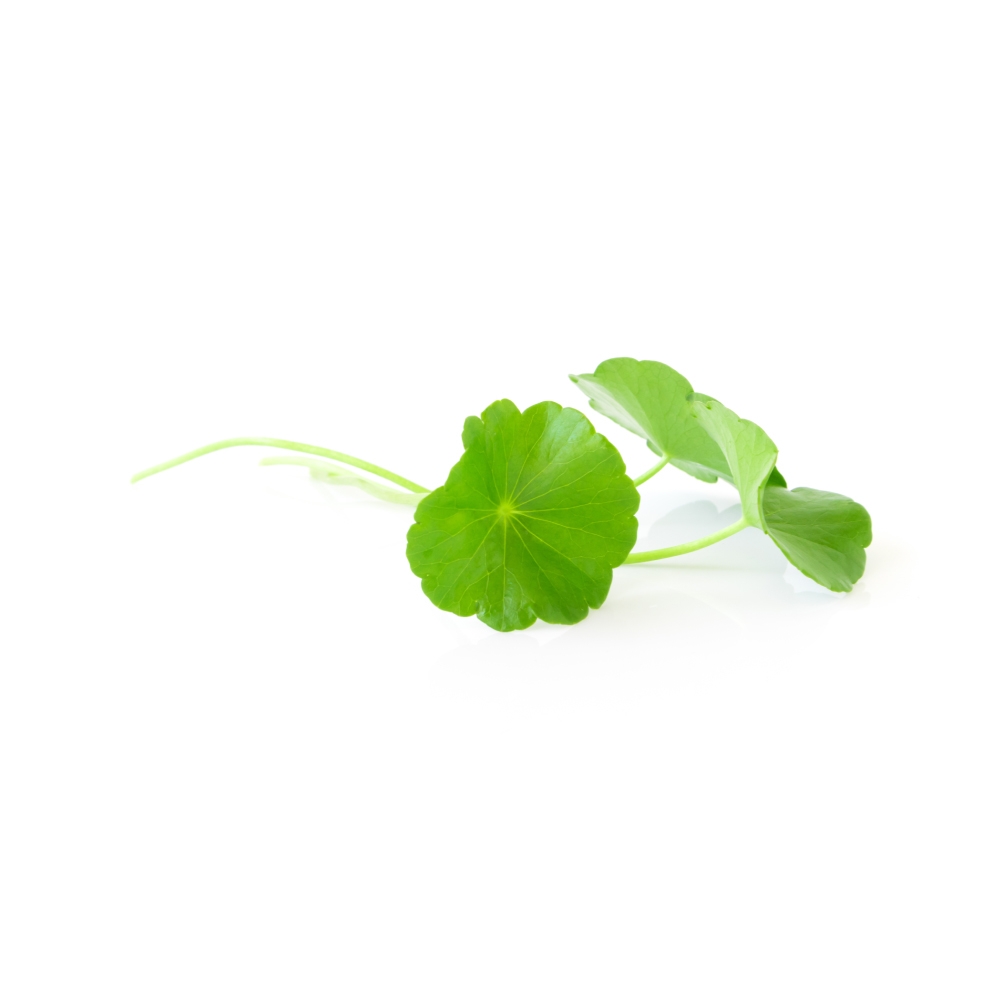 StrongStrongGotu KolaCentella asiaticaAsiaticoside and madecassoside raise collagen I and hydroxyproline in the wound and drive FGF and VEGF angiogenesis; standardised topicals have a systematic review and a multicentre RCT behind them.Mechanismcollagen-I/hydroxyproline ↑; FGF/VEGF angiogenesis; anti-inflammatoryRead the evidenceShow lessMonograph →
The centellosides asiaticoside and madecassoside drive collagen-I deposition, raise wound-tissue hydroxyproline and antioxidant enzymes (SOD, catalase, GPx), and promote FGF/VEGF-mediated angiogenesis while suppressing IL-1β, IL-6, TNF-α and COX-2 64,
A 2022 systematic review of four trials and a 2023 multicentre RCT (n=60) of a standardised spray-film confirmed improved contraction, granulation and re-epithelialisation 66,
The human data are for standardised topicals. Most trials are small and lightly blinded, and oral whole-herb wound data are thin.
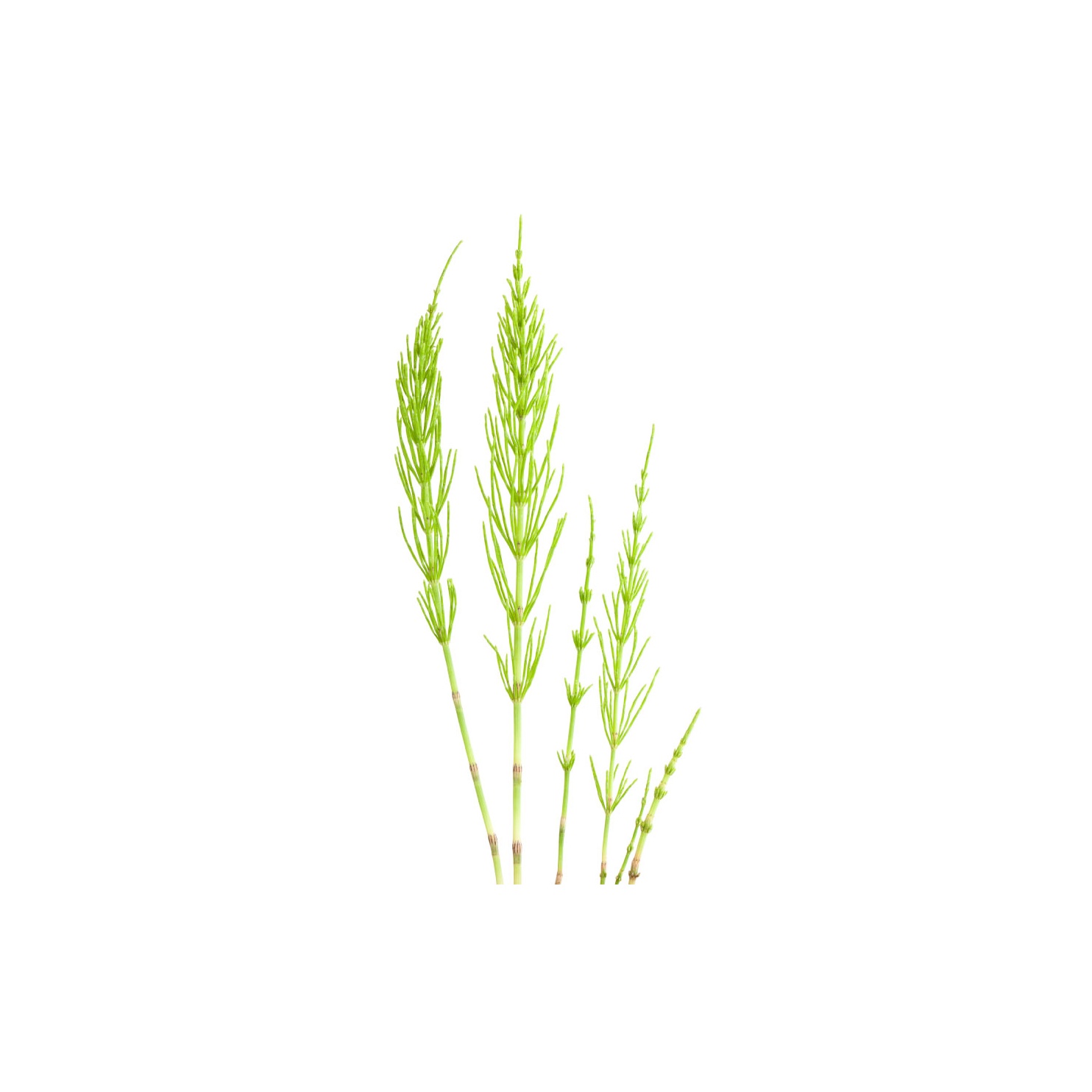 StrongStrongHorsetailEquisetum arvenseA 3% ointment improved episiotomy healing and pain in a double-blind RCT, with rat models behind it; the proposed route is silica feeding the connective-tissue matrix.Mechanismsilica-mediated connective-tissue / collagen matrix support; phenolic radical scavenging at the wound bedRead the evidenceShow lessMonograph →
A double-blind placebo-controlled RCT applied a 3% E. arvense ointment to episiotomy wounds in 108 nulliparous women. REEDA healing scores and visual-analogue pain were both significantly better at 5 and 10 days postpartum, with fewer analgesics used 68Reference 68RCTThe effect of Equisetum arvense (horsetail) ointment on wound healing and pain intensity after episiotomy — randomised placebo-controlled trialView study →.
Two rat models, streptozotocin-diabetic and dermal, support the direction with higher wound-closure ratios at 5–10% ointment against vehicle 69,
The proposed mechanism is the silica load feeding connective-tissue matrix formation plus the phenolic fraction’s antioxidant activity, which is plausible but has not been demonstrated in the healing tissue itself.
Every piece of this evidence is topical, and no study tests swallowed horsetail against a wound. The human trial is single-centre and specific to episiotomy, and the rat work used stronger ointments than the tested 3%.
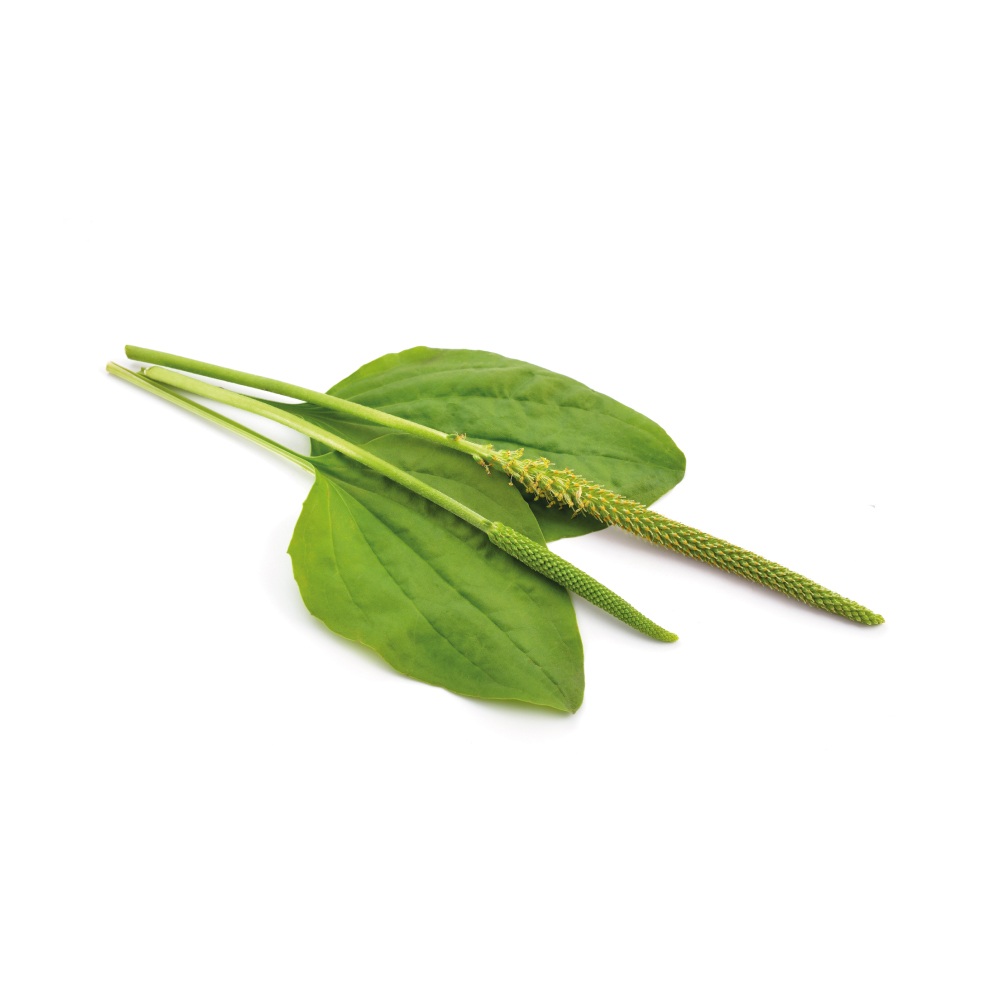 StrongStrongPlantainPlantago majorRaises fibroblast density and collagen I/III in the wound bed; randomised trials in pressure ulcers, diabetic ulcers and burns, where a 10% ointment matched silver sulfadiazine.Mechanismfibroblast proliferation + collagen I/III ↑; re-vascularisation; NF-κB / COX-2 ↓ at the wound bedRead the evidenceShow lessMonograph →
A triple-blind RCT in stage-1 pressure ulcers found significantly better lesion resolution with a quercetin-standardised P. major formulation 81Reference 81RCTClinical and phytochemical studies of Plantago major in pressure ulcer treatment: A randomized controlled trialView study →. An open-label RCT found a 10% hydroalcoholic gel accelerated closure in diabetic foot and pressure ulcers 82Reference 82RCTThe effect of Plantago major hydroalcoholic extract on the healing of diabetic foot and pressure ulcers — randomised controlled trialView study →, an Aloe vera/P. major gel beat placebo in diabetic foot ulcers 83Reference 83RCTEfficacy of Aloe vera/Plantago major gel in diabetic foot ulcer: a randomized double-blind clinical trialView study →, and in second-degree burns a 10% ointment matched silver sulfadiazine on healing time, pain and infection control 84Reference 84ObservationalTherapeutic efficacy of great plantain (Plantago major L.) in the treatment of second-degree burn wounds: a case-control studyView study →.
A rat stereology study showed increased fibroblast density, collagen bundles and revascularisation 85Reference 85AnimalThe healing effect of Plantago major and Aloe vera mixture in excisional full-thickness skin wounds: stereological study — rat, in vivoView study →, and a fibroblast model found a microencapsulated infusion raised collagen I/III and closed scratch wounds through luteolin-rich antioxidant activity 86Reference 86In vitroAntioxidant, anti-inflammatory effects and ability to stimulate wound healing of a common-plantain extract in alginate gel formulations — in vitroView study →.
A systematic review of the animal literature judged all four eligible studies at high risk of bias and the evidence insufficient to confirm in-vivo effectiveness 87Reference 87Systematic reviewThe effect of Plantago major on wound healing in preclinical studies: a systematic review — animal models, insufficient evidence, all at high risk of biasView study →, and a Wistar-rat oral-ulcer study of nano-emulsified extract found no improvement in overall healing rate 88Reference 88AnimalThe healing effect of nano-emulsified Plantago major L. extract on oral wounds in a Wistar rat modelView study →. Every positive human trial is small (n≈40–130), several open-label or multi-herb, with gels, ointments and syrups at different strengths and no standard formulation.
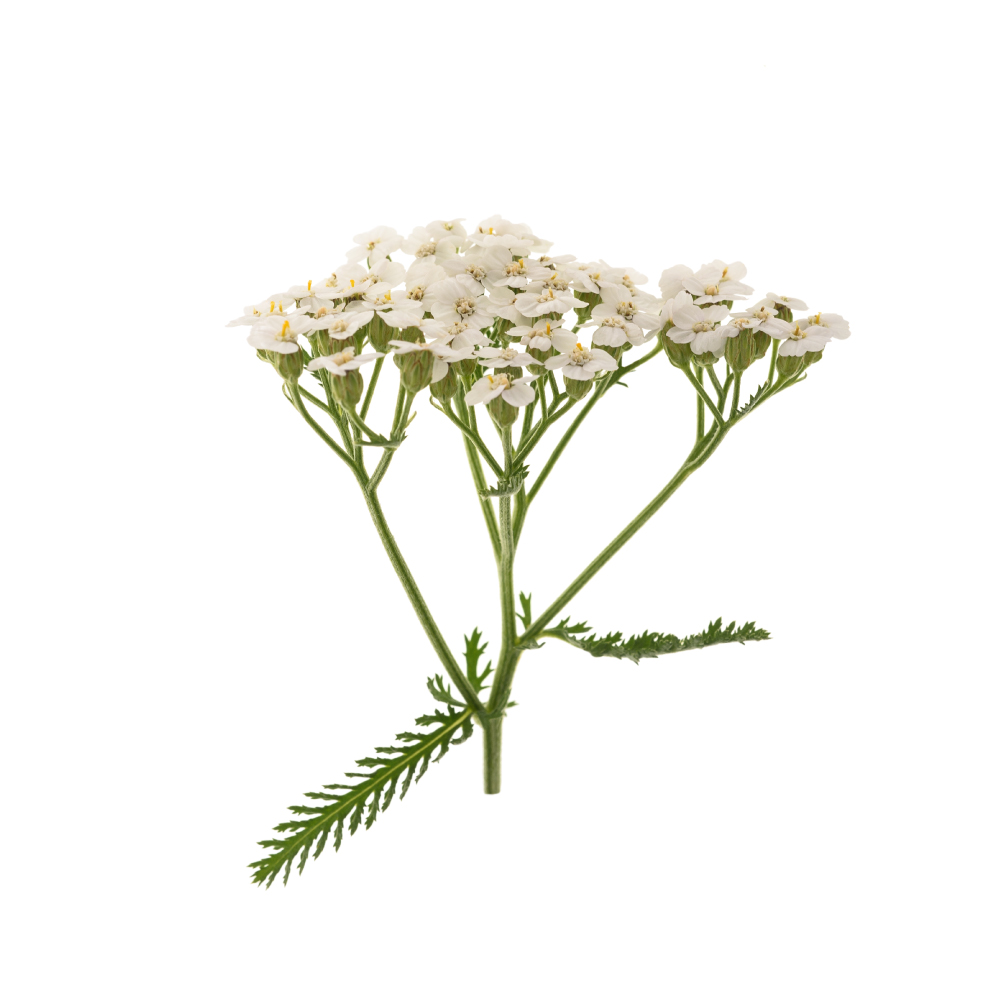 StrongStrongYarrowAchillea millefoliumThe wound herb of Achilles; an ointment reduced episiotomy pain, redness, oedema and bruising in a double-blind trial, and extracts activate fibroblasts in vitro.Mechanismfibroblast activation; antioxidant phenolicsRead the evidenceShow lessMonograph →
In a double-blind trial of 140 primiparous women, an A. millefolium ointment reduced episiotomy pain, redness, oedema and ecchymosis against placebo and non-intervention 100Reference 100RCTThe effect of Achillea millefolium and Hypericum perforatum ointments on episiotomy wound healing in primiparous women — [double-blind randomised]View study →. In vitro, extracts promote fibroblast activity and wound closure 101Reference 101In vitroComparative studies on phenolic composition, antioxidant, wound healing and cytotoxic activities of selected Achillea L. species growing in Turkey — [in vitro]View study →.
The ointment did not change wound discharge or dehiscence. The classic claim of stopping bleeding on contact has never been tested in a controlled human setting, and is examined among the styptic herbs.
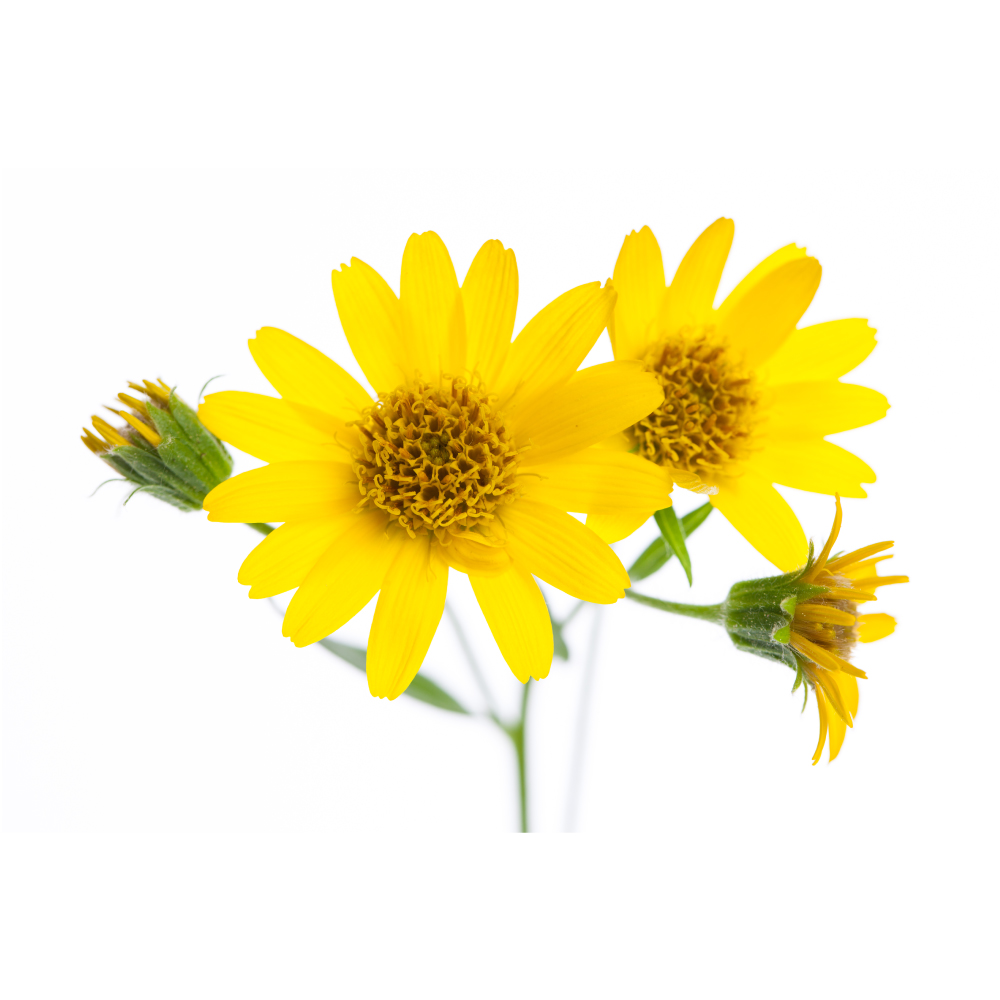 ModerateModerateArnicaArnica montanaResolves bruising faster at 20% strength in a rater-blinded trial, with a null result at conventional strength; for closed injury only, never on broken skin.Mechanismnot established; proposed flavonoid capillary stabilization; upstream NF-κB p65 alkylationRead the evidenceShow lessMonograph →
A rater-blinded RCT on standardised pulsed-dye-laser bruises found a 20% arnica topical resolved bruising significantly faster than white petrolatum, and beat a vitamin-K/retinol mix though not 5% vitamin K 17Reference 17RCTAccelerated resolution of laser-induced bruising with topical 20% arnica: a rater-blinded randomised controlled trial — randomisedView study →. A double-blind placebo-controlled trial of a conventional-strength arnica gel on post-laser facial bruising found no difference against vehicle 18Reference 18RCTEffects of topical arnica gel on post-laser treatment bruises — randomised, placebo-controlledView study →, and a systematic review of post-procedure ecchymosis calls the data insufficient and inconsistent 19Reference 19ReviewHomeopathic agents or vitamins in reducing ecchymosis after oculofacial surgery: a report by the American Academy of Ophthalmology — reviewView study →.
Concentration appears to be the variable.
No resolution pathway is established. The flavonoid capillary-stabilising account rests on constituent content (about 0.4–0.6% total flavonoids) rather than on any measured vascular endpoint 20Reference 20In vitroEvaluation of antioxidant and cytoprotective activities of Arnica montana L. and Artemisia absinthium L. ethanolic extracts — in vitroView study →.
Arnica’s vulnerary use is closed injury: bruises, haematomas, sprains. The sesquiterpene lactones cross the stratum corneum and reach the circulation from open wounds and alcoholic preparations 21,
The traditional fracture-healing claim has no clinical trial behind it.
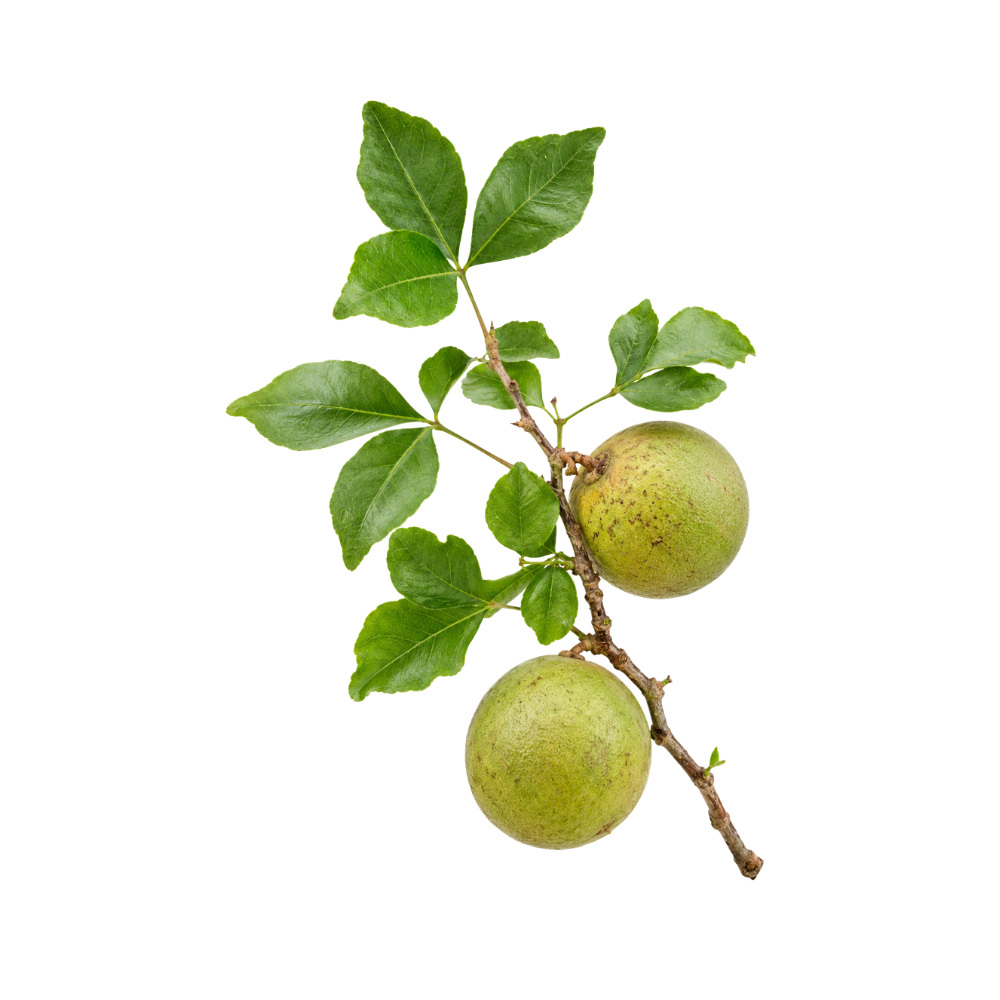 ModerateModerateBaelAegle marmelosUnripe fruit extract protected rats against aspirin-induced gastro-duodenal ulceration dose-dependently, raising mucosal thickness and antioxidant enzymes; internal mucosal repair rather than skin.Mechanismmucosal antioxidant defence (lipid peroxidation ↓)Read the evidenceShow lessMonograph →
Unripe-fruit extract dose-dependently protected against aspirin-induced gastro-duodenal ulceration in rats, raising mucosal thickness, superoxide dismutase and catalase 24Reference 24AnimalThe protective role of Aegle marmelos on aspirin-induced gastro-duodenal ulceration in albino rat model: a possible involvement of antioxidants — animal model (rat)View study →. The same unripe-fruit extract was investigated for gastroprotective alongside antidiarrhoeal properties 25Reference 25Investigation on the gastroprotective and antidiarrhoeal properties of Aegle marmelos unripe fruit extract — [animal]View study →.
A real, dose-related animal effect with no human confirmation. No receptor-level mechanism is identified, and there are no acid-secretion, prostaglandin or mucus-turnover data.
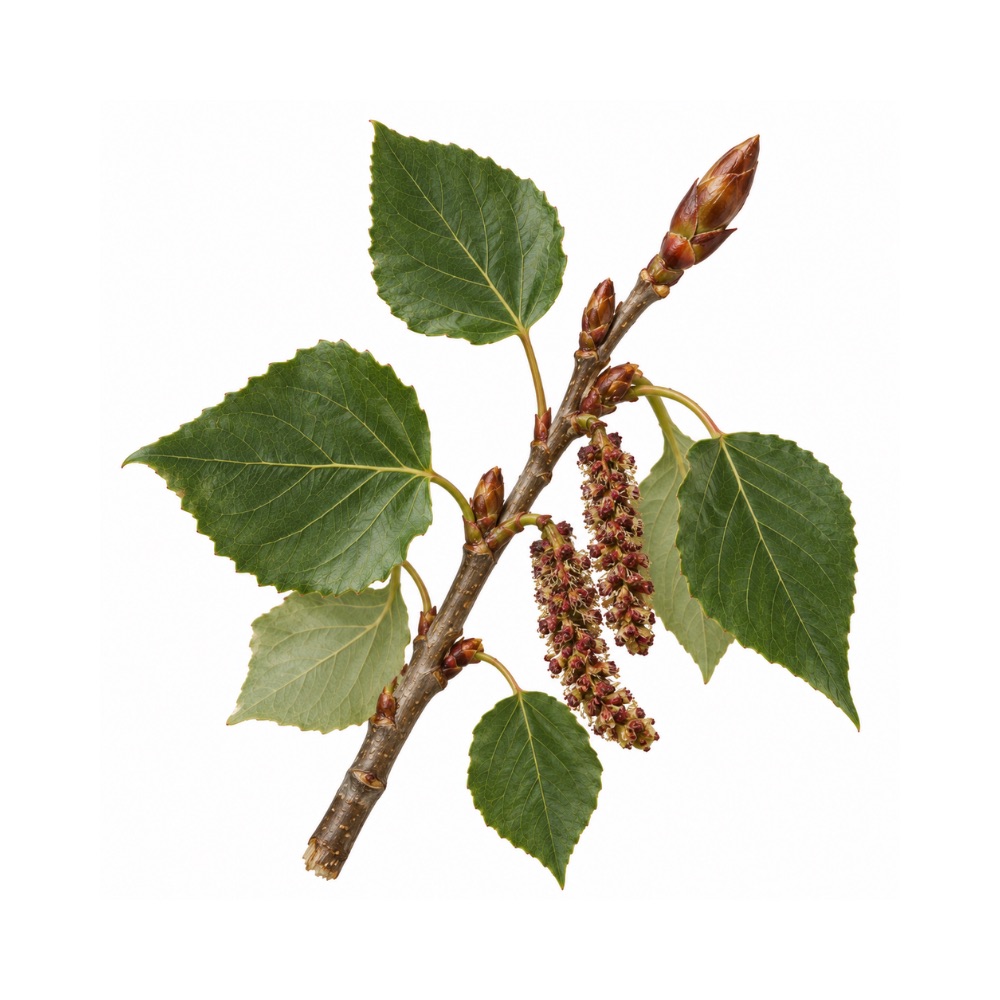 ModerateModerateBalsam PoplarPopulus balsamiferaBalm of Gilead: the bud resin is chemically close to poplar propolis, antibacterial and antioxidant in assay, and sticky enough to act as a dressing.Mechanismpropolis-type resin — antibacterial and antioxidant film on the wound surfaceRead the evidenceShow less
The bud resin is chemically close to poplar-type propolis, with antioxidant and antibacterial activity in assay 26Reference 26In vitroComparison of ethanolic and aqueous Populus balsamifera L. bud extracts by different extraction methods: chemical composition, antioxidant and antibacterial activities — [in vitro]View study →. It is sticky and slow to wash off, so the salve works partly as a physical dressing.
The propolis identity explains the activity, the traditional wound use and the contact-allergy risk together. No wound-healing measurement exists for the herb itself.
ModerateDouglas FirPseudotsuga menziesiiNeedle oil is anti-inflammatory and anti-proliferative in cultured human dermal fibroblasts, the tissue a wound herb has to act on; the pitch is a traditional dressing for cuts and boils.Mechanismfibroblast-level anti-inflammatory action; tannin astringencyRead the evidenceShow less
The needle essential oil showed anti-inflammatory and anti-proliferative activity in cultured human dermal fibroblasts 55Reference 55In vitroIn vitro biological activities of Douglas fir essential oil in a human skin disease model — in vitro (human dermal fibroblasts)View study →, the right tissue for a topical wound herb.
The bark’s condensed tannins precipitate protein and give an astringent surface, and the pitch, applied to wounds, cuts and boils, sets quickly enough to work as a dressing.
No wound model or human trial exists.
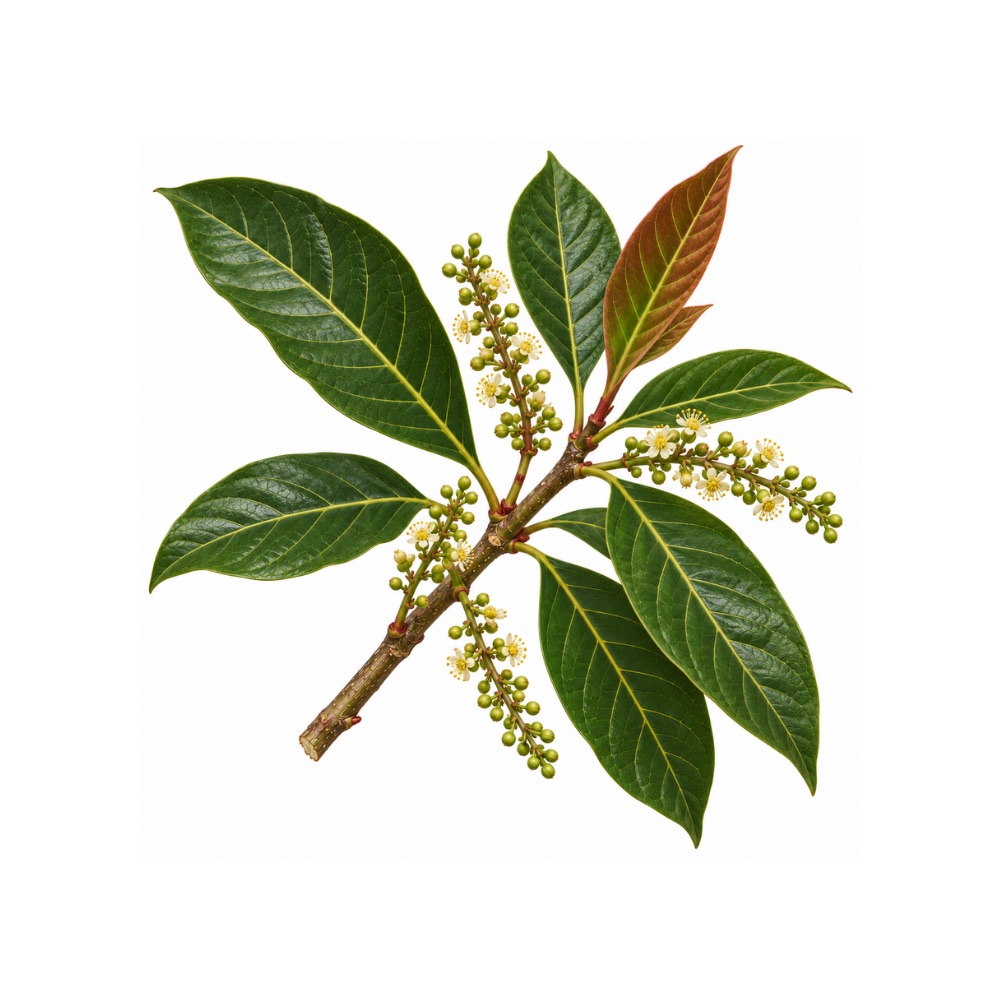 ModerateModerateDragon’s BloodCroton lechleriTaspine promotes fibroblast migration and cicatrisation in animal models, and the sap dries to a protective film within minutes; chemistry and dressing in one.Mechanismtaspine → fibroblast migration and cicatrisation; dried latex forms a physical barrier filmRead the evidenceShow less
The alkaloid taspine promotes fibroblast migration and cicatrisation in animal models 56Reference 56AnimalTaspine is the cicatrizant principle in Sangre de Grado extracted from Croton lechleri — in vivo animal modelView study →, with dimethylcedrusine contributing.
The sap dries to a flexible protective film when rubbed in, so it dresses the wound at the same moment it treats it. Few vulnerary herbs do both.
The sap’s chemistry varies markedly with provenance and chemotype, and no controlled human wound trial exists.
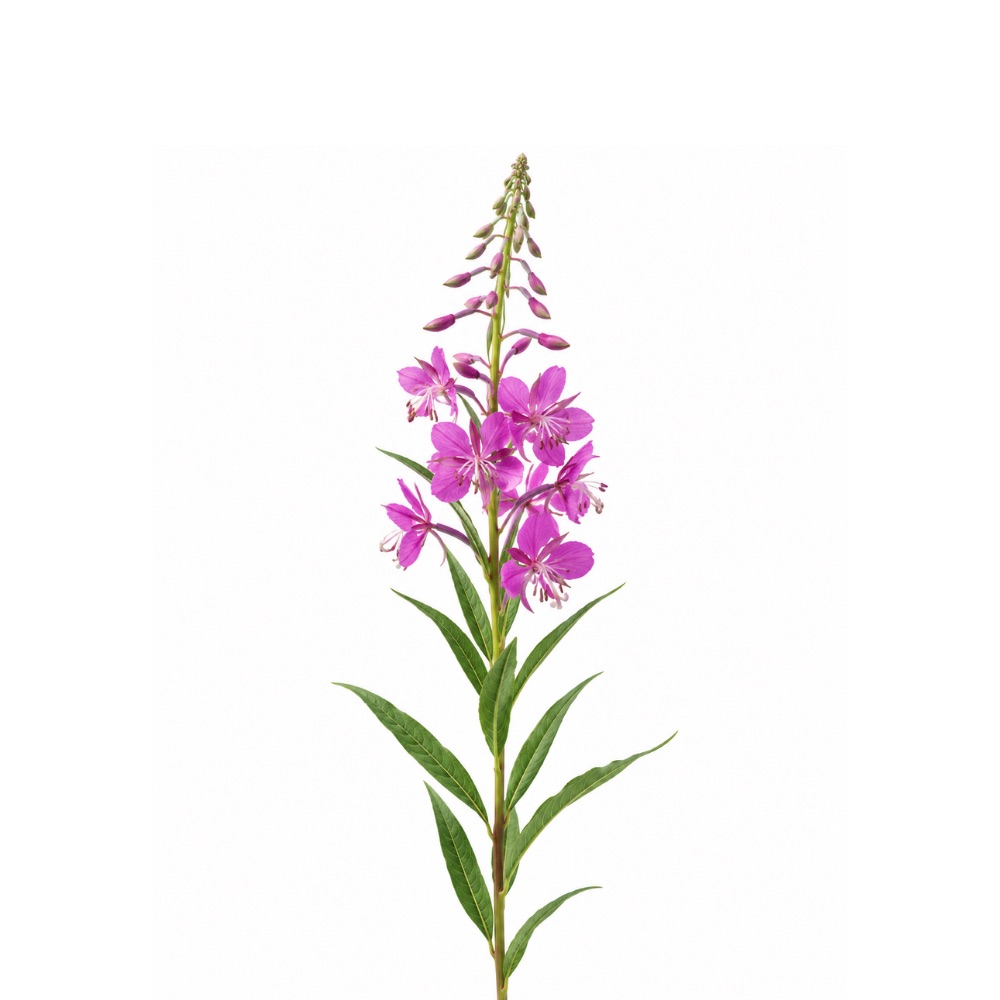 ModerateModerateFireweedChamerion angustifoliumHyperoside-rich extract accelerated healing in rat and mouse wound models, and the active phenolics penetrate human skin; short of a clinical trial.Mechanismanti-hyaluronidase and anti-collagenase; antioxidant; fibroblast migrationRead the evidenceShow less
Methanol extract, and specifically its ethyl-acetate fraction, accelerated healing in rat and mouse incision and excision models, with hyperoside identified as the main active 62Reference 62AnimalIn vivo bioactivity assessment on Epilobium species: focus on Epilobium angustifolium and its components on enzymes connected with the healing process — rat/mouse wound models (in vivo)View study →.
Topical hydrogels enhanced fibroblast wound closure in vitro, and the active phenolics penetrated and accumulated in human skin in Franz-cell studies 63Reference 63In vitroAssessment of the anti-inflammatory, antibacterial and anti-aging properties and possible skin use of hydrogels containing Epilobium angustifolium L. extracts (in vitro)View study →, the step most herbal topical claims skip. The extract also inhibits hyaluronidase and collagenase.
No human dermatological trial exists.
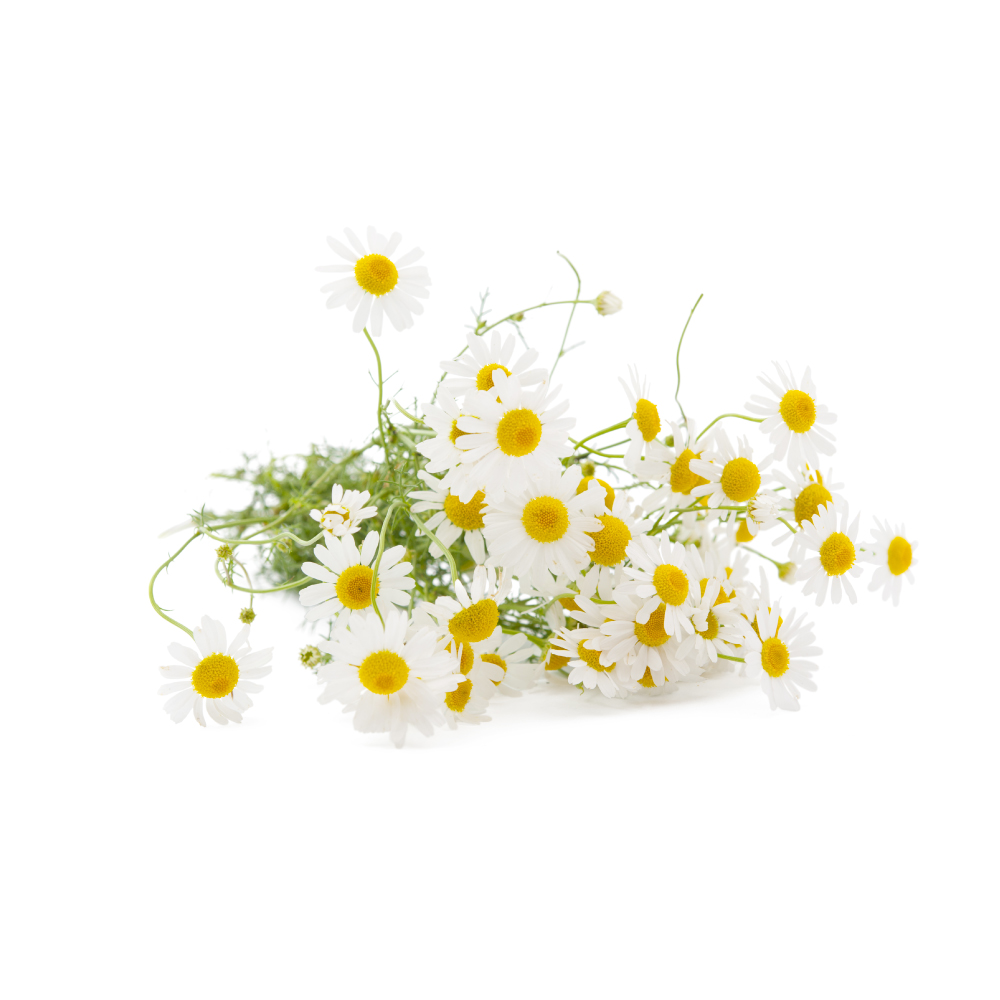 ModerateModerateGerman ChamomileMatricaria chamomillaBisabolol and chamazulene damp inflammation at the skin surface; a long dermatological tradition, with the best-designed trial null for radiation dermatitis.Mechanismtopical sesquiterpene anti-inflammatory action (bisabolol/chamazulene); NF-κB ↓Read the evidenceShow lessMonograph →
A double-blind RCT in 100 breast-cancer patients found chamomile liposomal gel did not significantly reduce radiation dermatitis against the same gel without chamomile (6.0% against 12.2% dry desquamation, P = 0.32), with only lower self-reported itching in the early weeks 42Reference 42RCTComparison of liposomal gel with and without chamomile to prevent radiation dermatitis in breast cancer patients: a randomized controlled trialView study →.
The positive result is in a different indication and preparation. Topical chamomile oil added to gabapentin improved Neurothesiometer, MNSI and DN4 scores in 72 diabetic-neuropathy patients 43Reference 43RCTTopical chamomile oil as a novel therapeutic intervention for diabetic neuropathy: a randomized double-blind controlled clinical trialView study →, a neuropathic-pain outcome rather than wound closure.
The plausible actives are the essential-oil alpha-bisabolol and chamazulene 44Reference 44Pharmacological investigations with compounds of chamomile: antiphlogistic effects of (−)-α-bisabolol and bisabolol oxides — animal studyView study →. Topical efficacy is condition- and formulation-dependent, and no trial measures wound healing directly.
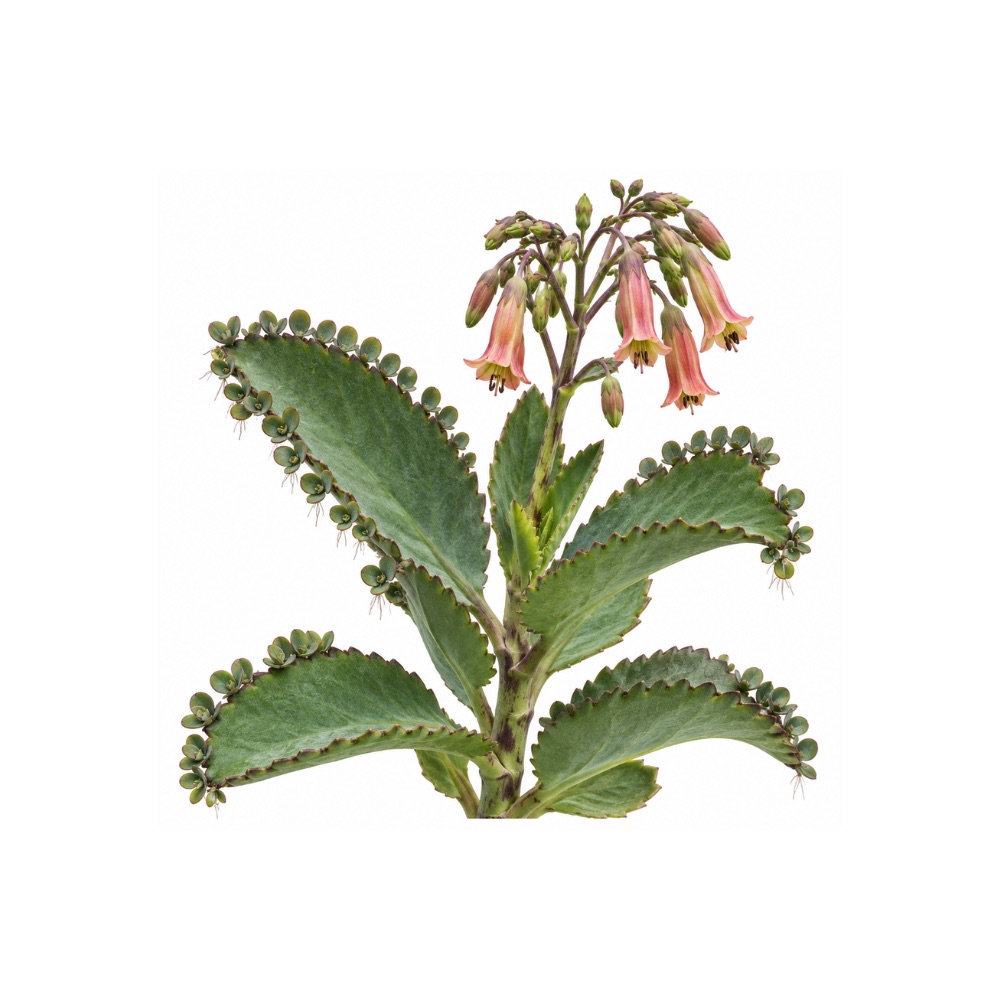 ModerateModerateKalanchoeKalanchoe pinnataCrushed fresh leaf is a wound, burn and abscess dressing across Africa, India and Latin America, and an ethanolic leaf extract nearly matched mupirocin in a rat excision wound.Mechanismfibroblast repair (hydroxyproline ↑); fresh leaf as moist physical dressingRead the evidenceShow less
An ethanolic leaf extract accelerated healing in a rat excision-wound model, giving 86% wound-area reduction by day 11 against 69% for vehicle and 85% for mupirocin, with raised hydroxyproline and histology consistent with faster repair 102Reference 102AnimalWound healing potential of ethanolic extract of Kalanchoe pinnata Lam. leaf — a preliminary study — animal model (rat)View study →.
The fleshy leaf supplies both moisture and a physical dressing, which is how it is used across African, Indian and Latin American practice.
It is a single preliminary animal study, with no controlled human data. The plant’s cardiac bufadienolides make internal use a different safety question from topical use.
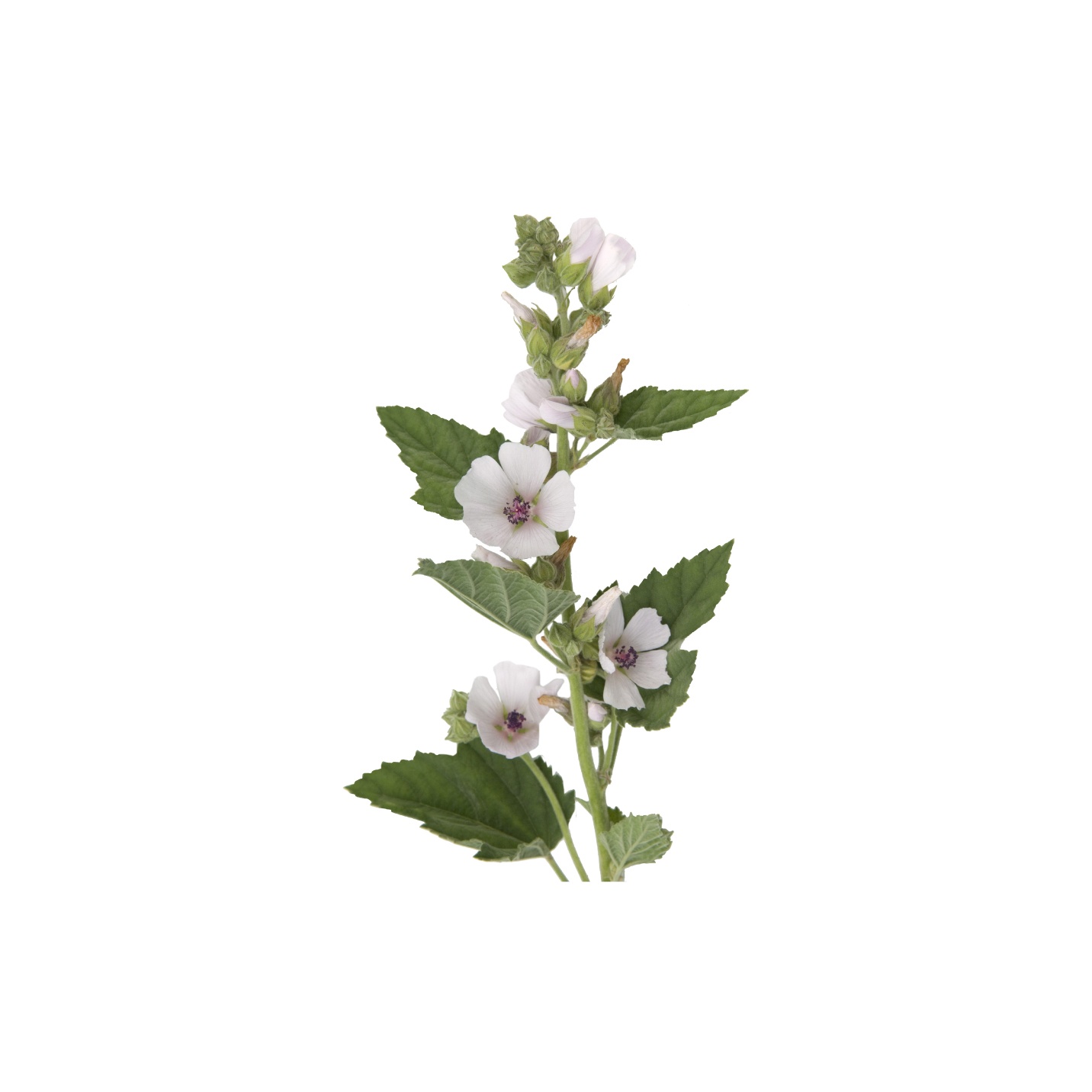 ModerateModerateMarshmallowAlthaea officinalisRoot gel raised fibroblast populations, vessel diameter and collagen synthesis in rat wounds, and leaf extract sped excision-wound closure; rodent only.Mechanismfibroblast proliferation and collagen synthesis; epithelial and endothelial cell migration; gram-positive bacterial growth inhibitionRead the evidenceShow lessMonograph →
A stereological study found 5% and 10% marshmallow gels increased fibroblast populations and dermal vessel diameter, with collagen synthesis raised at 10% against vehicle and untreated controls 71Reference 71AnimalAlthaea officinalis improves wound healing in rats: a stereological study — animal (rat)View study →. An excision-wound study reported significantly faster closure with hydroalcoholic leaf extract, attributed partly to activity against the Gram-positive bacteria that cause secondary wound infection 72Reference 72In vitroEvaluation of the antibacterial activity of the Althaea officinalis L. leaf extract and its wound healing potency in the rat model of excision wound — animal/in vitroView study →.
Fibroblast activation plus the anti-inflammatory and antioxidant effects lines up with the endothelial cell-migration data 73,
There is no controlled human wound trial. The antibacterial contribution is Gram-positive only, since leaf extract failed against Pseudomonas aeruginosa and E. coli 72Reference 72In vitroEvaluation of the antibacterial activity of the Althaea officinalis L. leaf extract and its wound healing potency in the rat model of excision wound — animal/in vitroView study →.
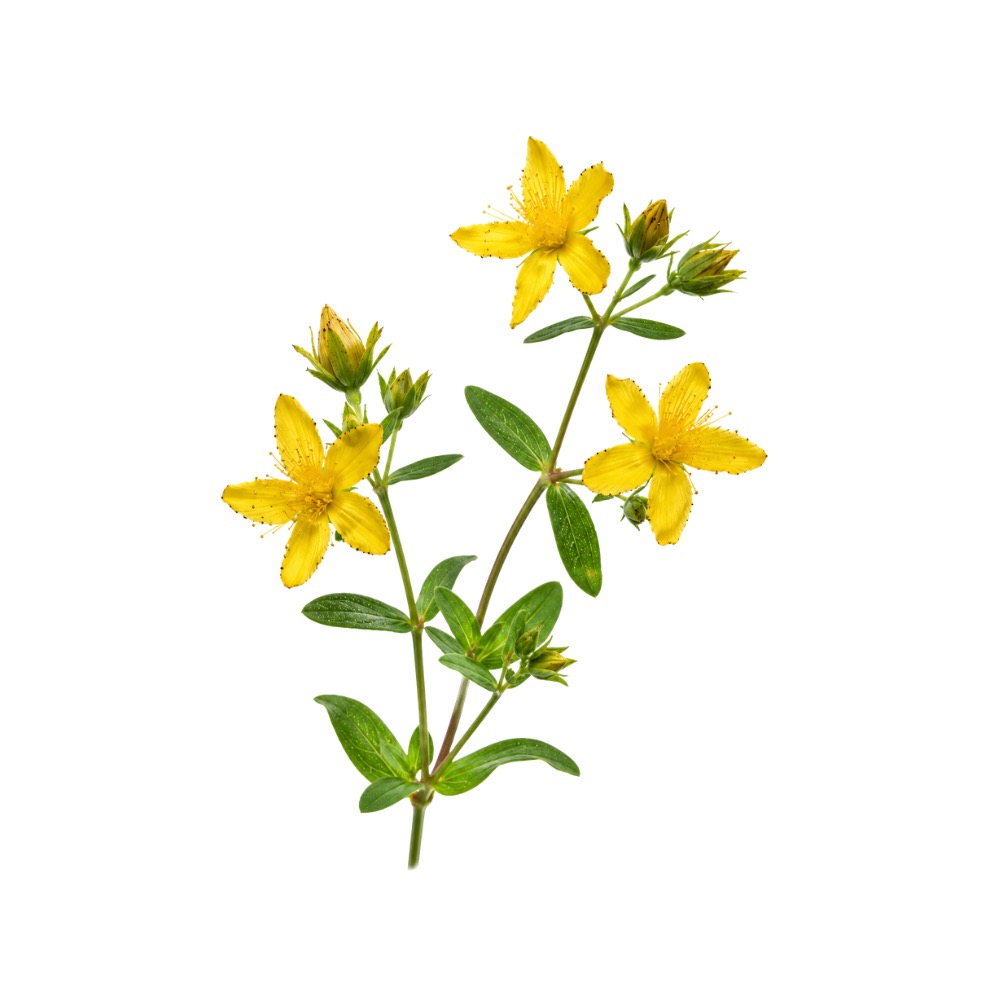 ModerateModerateSt. John’s WortHypericum perforatumThe red infused oil or ointment, applied to skin, sped caesarean wound healing and reduced scarring in a double-blind trial; a pressure-injury trial was null.Mechanismanti-inflammatory / antioxidant flavonoid activity; hyperforin antibacterial activityRead the evidenceShow lessMonograph →
A randomised double-blind trial in 144 women found a topical Hypericum perforatum ointment applied three times daily accelerated caesarean wound healing and reduced scar formation against both placebo and no-treatment controls 89Reference 89RCTThe effect of Hypericum perforatum on the wound healing and scar of caesarean — randomised, double-blind trialView study →.
The effect does not replicate across wound types. A 2025 RCT of topical St. John’s wort oil on stage 1–2 pressure injuries found no difference from saline at any weekly timepoint 90Reference 90RCTThe Effects of StView study →.
The mechanism is attributed to the anti-inflammatory flavonoids (quercetin, hyperoside, amentoflavone) plus hyperforin’s antibacterial activity, plausible but not demonstrated in either trial. One positive, one null, two formulations, and strictly topical.
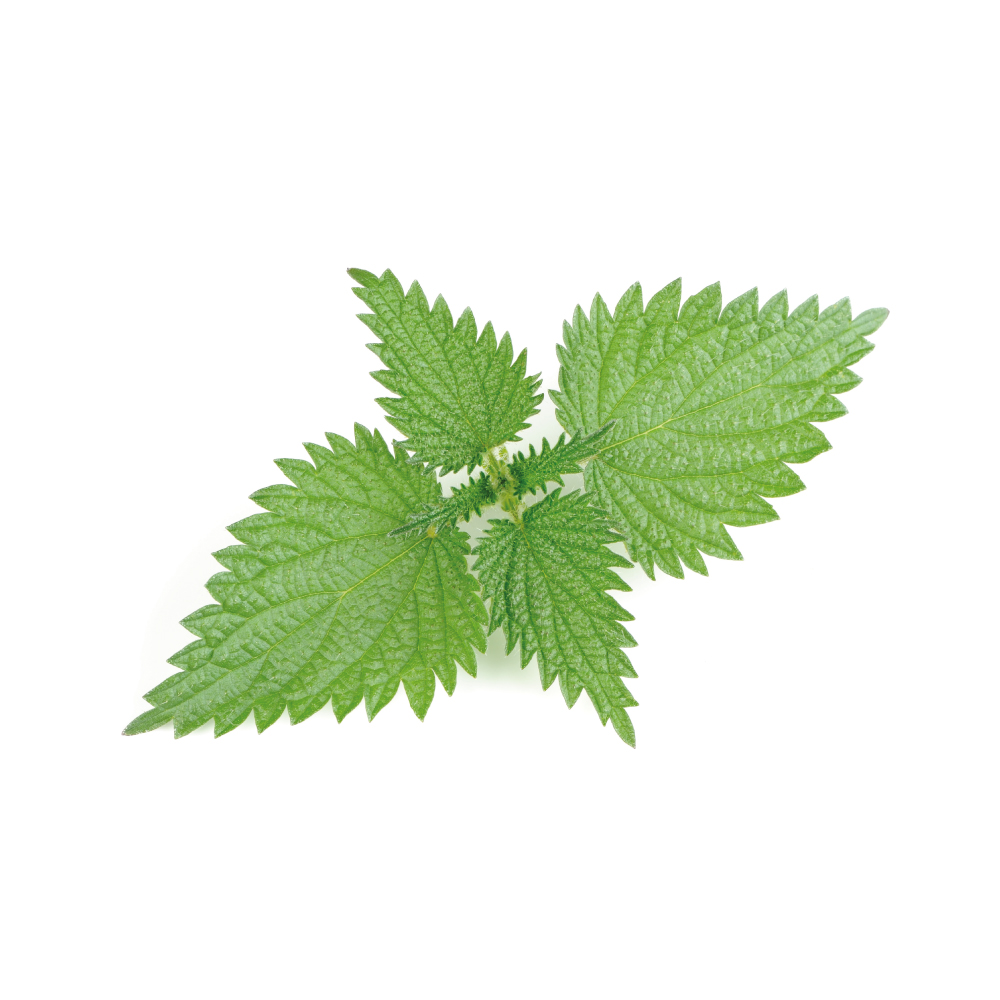 ModerateModerateStinging NettleUrtica dioicaTopical extract ointment closed full-thickness rat wounds in 9 days against 13 for controls, with faster re-epithelialisation; North American practice soaked leaf infusions into bandages.Mechanismkeratinocyte proliferation & migration ↑; local inflammatory infiltrate ↓Read the evidenceShow lessMonograph →
A full-thickness rat wound study found an extract ointment healed in 9 days against 13 for controls, with faster re-epithelialisation and reduced inflammation, backed by in-vitro increases in keratinocyte proliferation and migration 92Reference 92In vitroThe unexplored wound-healing activity of Urtica dioica extract — in vitro and in vivo (rat) studyView study →. A separate rat study reported 92% closure by day 11 against 61% for controls and attributed it to the triterpene lupeol plus the leaf’s flavonoid and polyphenol content 93Reference 93AnimalExploring the Urtica dioica leaves hemostatic and wound-healing potential — animal modelView study →.
North American practice soaked leaf infusions into bandages 91Reference 91The healing power of rainforest herbs: A guide to understanding and using herbal medicinals.
Every datum is rodent or in vitro, and the route is topical ointment; none of it bears on drinking the tea.
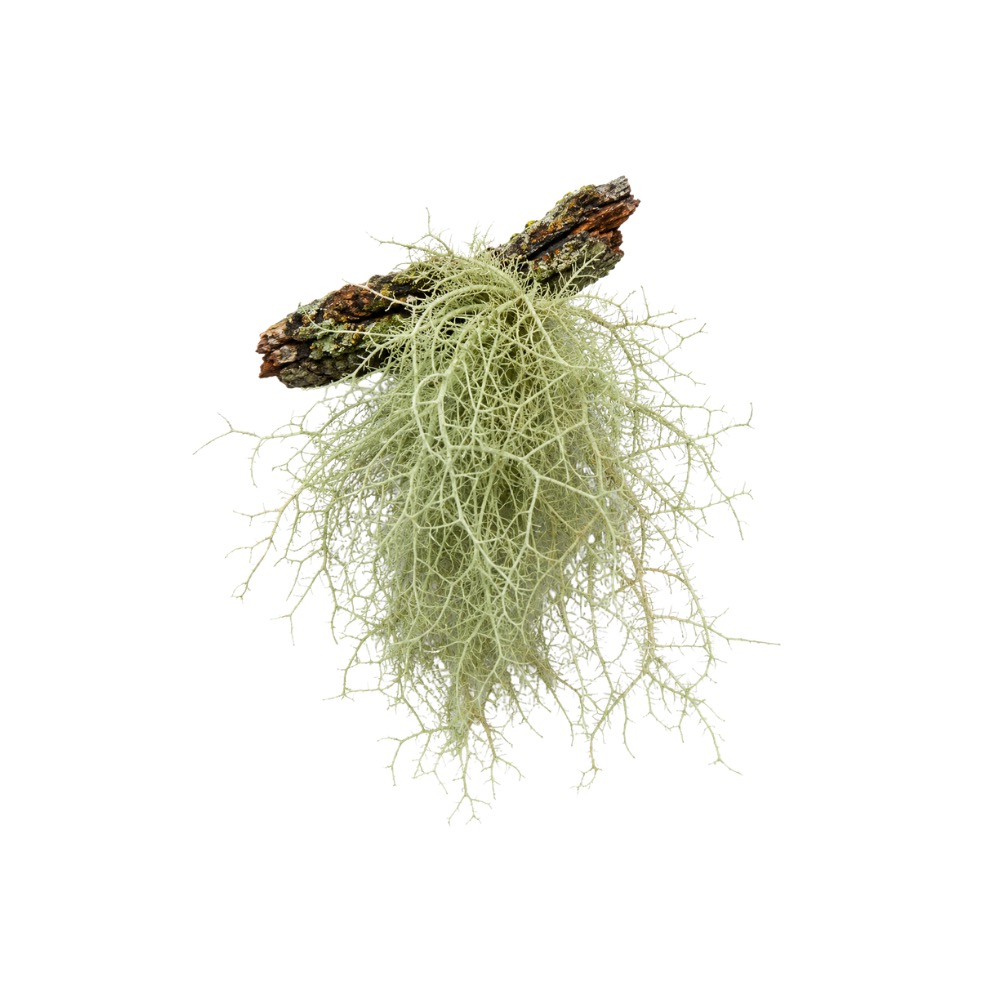 ModerateModerateUsneaUsnea spp.Sodium usnic acid sped wound contraction in rats and anchors a dressing and scaffold literature for infected and burn wounds; the benefit is mostly antibacterial, and topical use keeps systemic exposure low.Mechanismtopical Gram-positive load reduction; pro-healing arm not establishedRead the evidenceShow lessMonograph →
Sodium usnic acid applied to dermal wounds in rats sped contraction and improved histological healing against controls 94Reference 94AnimalThe effects of sodium usnic acid by topical application on skin wound healing in rats — rat modelView study →, and a substantial formulation literature of films, scaffolds, dressings and nanocarriers is built on usnic acid’s combined antibacterial and pro-healing effects for infected and burn wounds 95Reference 95ReviewUsnic acid: potential role in management of wound infections — reviewView study →.
Most of the healing benefit is probably the antibacterial action at work in an infected wound bed. No distinct pro-healing pathway through collagen, fibroblasts or growth factors is established.
The in-vivo base is a handful of rodent studies, most recent papers optimise delivery materials rather than test healing, and there are no clinical wound trials. The rat data used a water-soluble sodium salt of the isolated compound, not a whole-lichen salve.
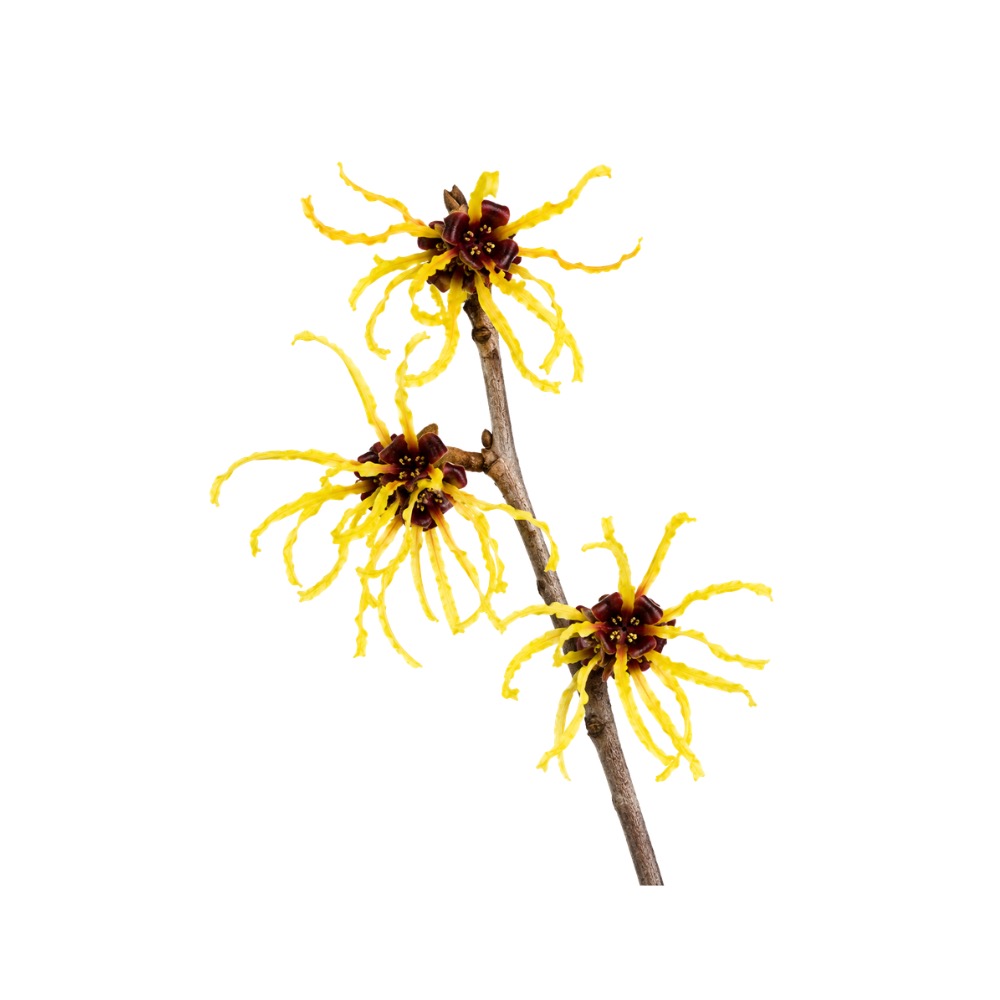 ModerateModerateWitch HazelHamamelis virginianaBark-extract metabolites promote keratinocyte and fibroblast repair in skin-cell models, and an ointment matched dexpanthenol in 309 children with minor injuries; broad but low-tier.Mechanismkeratinocyte and fibroblast repair signaling; extracellular-matrix modulation; tannin protein precipitation (protective surface layer)Read the evidenceShow lessMonograph →
The largest human dataset is an uncontrolled observational study of 309 children (27 days to 11 years) with minor injuries, nappy dermatitis or localised skin inflammation, in which hamamelis ointment gave statistically significant symptom reduction comparable to dexpanthenol with excellent tolerability 96Reference 96ObservationalHamamelis in children with skin disorders and skin injuries: results of an observational study — observational/cohortView study →. That is non-superiority against a mild comparator rather than a demonstration of accelerated healing, and a systematic review of paediatric phytotherapy rated the data low-quality 97Reference 97Systematic reviewPhytotherapy in paediatric skin disorders — a systematic literature review — systematic reviewView study →.
Bark-extract metabolites promote keratinocyte and fibroblast repair processes in skin-cell models 1,
A Hamamelis-loaded chitosan nanofibre burn dressing reached about 98% wound closure in rats over 21 days 99Reference 99AnimalSmart multilayer chitosan-based nanofibers for burn wounds: pH-responsive dual release of diclofenac sodium and Hamamelis virginiana extract — in vivo (rat)View study →, but that dressing also released diclofenac, so the herb’s independent contribution is unrecoverable. Preparation across this evidence is a proprietary ointment or a bark extract, not the distillate.
Show 7 more herbs with a mild vulnerary action
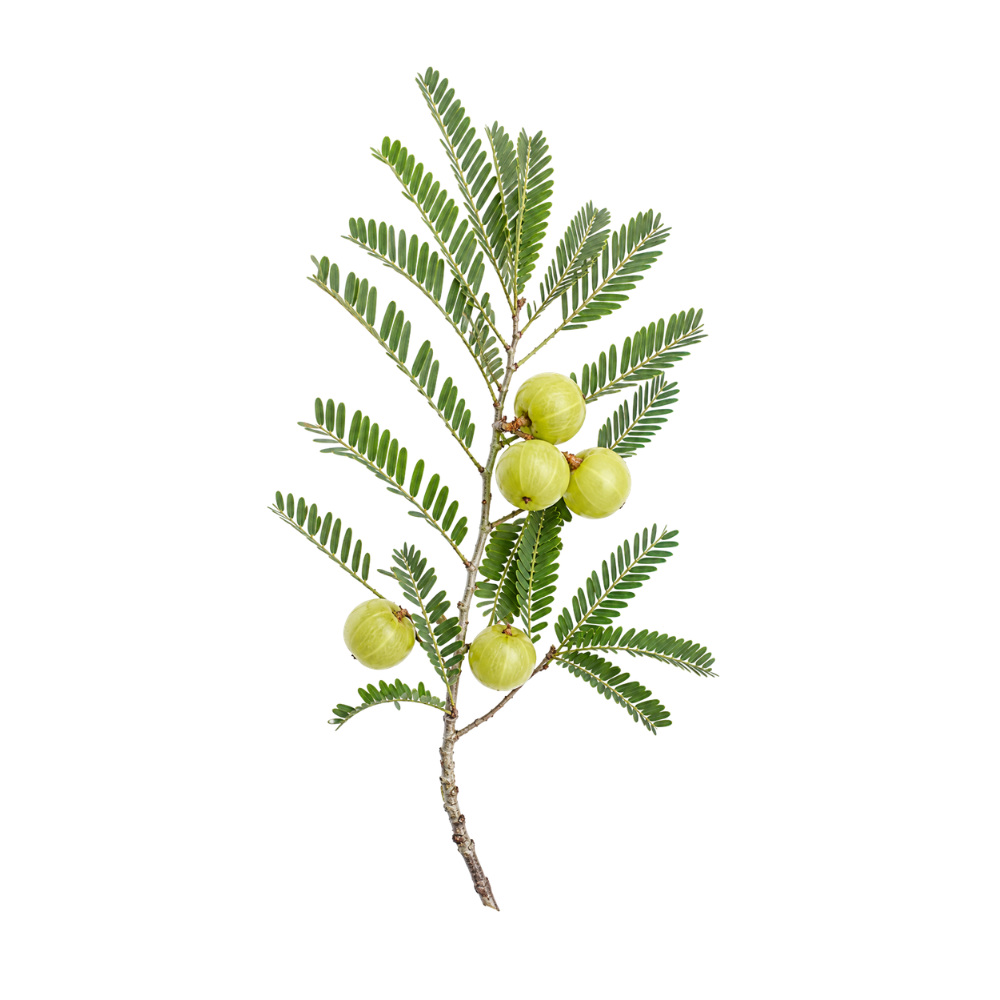 MildMildAmlaPhyllanthus emblicaA gallic-acid-rich fraction accelerated gastric ulcer healing in mice through an eNOS/VEGF angiogenic route; mucosal repair, with no skin-wound study of any kind.Mechanismgallic-acid-driven e-NOS/VEGF angiogenesis in mucosal ulcer healing — internal mucosa only, no skin-wound dataRead the evidenceShow lessMonograph →
A gallic-acid-enriched fraction accelerated indomethacin-ulcer healing through an eNOS/VEGF proangiogenic route in mice 15Reference 15Gallic-acid-enriched fraction of Phyllanthus emblica potentiates indomethacin-induced gastric ulcer healing via an e-NOS-dependent pathwayView study →, alongside mucus-layer protection across several rodent gastric-injury models 16Reference 16AnimalGastroprotective effects of ‘Amla’ Emblica officinalis on in vivo test models in ratsView study →.
Angiogenesis in a healing ulcer bed is the same mechanism that operates in a skin wound.
There are no cutaneous wound data: no excision or incision model, no burn, no re-epithelialisation or collagen endpoint, and no topical preparation tested. Amla’s own skin literature concerns cosmetic skin condition rather than wound closure.
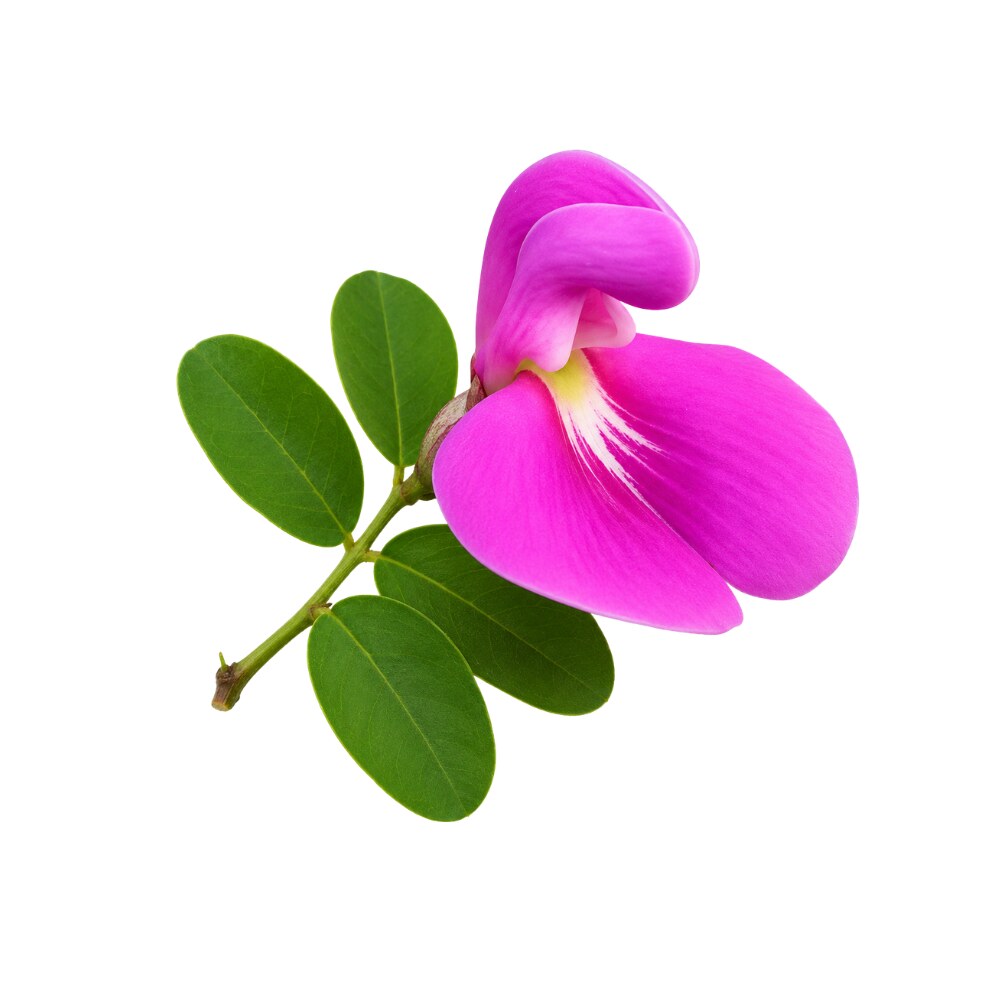 MildMildBay BeanCanavalia roseaPetiole juice on thorn punctures and leaf paste on boils in Philippine practice; a specific ethnobotanical record with no measurement behind it.Read the evidenceShow lessMonograph →
The record is specific rather than a general skin claim: in the Philippines the juice from the leaf petioles goes on puncture wounds and a paste of the leaves on boils.
No wound-healing study exists.
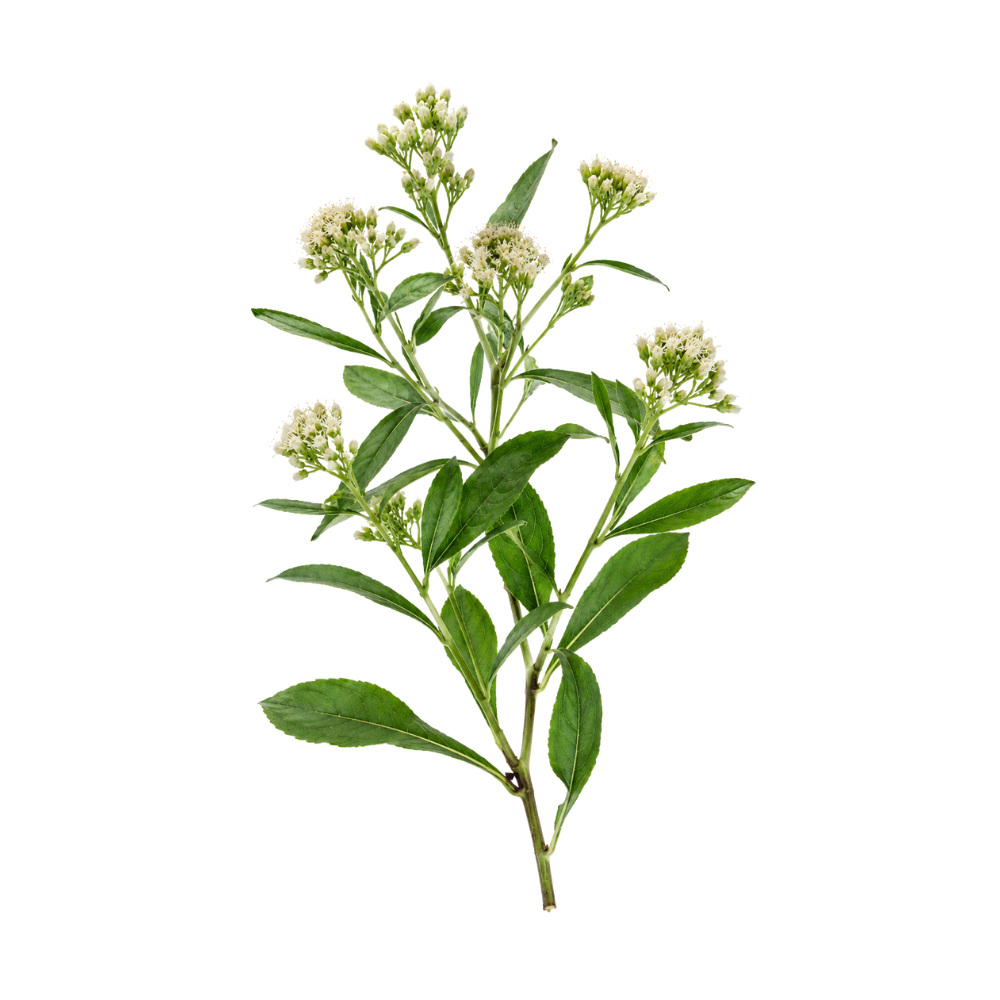 MildMildChilcaBaccharis latifoliaAn Andean wound wash of crushed leaf, reported consistently across the range; the leaf's tannins give it an astringent rationale.Read the evidenceShow lessMonograph →
The crushed leaf is applied to wounds or made into a wash to clean them and help them close, a use reported across the Andean countries. The tannin content supplies an astringent rationale.
No wound-healing measurement exists.
 MildMildEchinaceaEchinacea purpureaThe Eclectic wound and snakebite herb; a topical alkylamide cream restored epidermal ceramide and barrier lipids in eczema, the one modern tissue-repair signal.Mechanismepidermal ceramide / barrier-lipid restoration; alkylamide CB2 partial agonismRead the evidenceShow lessMonograph →
Eclectic physicians and Plains Indigenous peoples used echinacea for wounds and snakebite.
The one modern mechanistic hook is a side-finding rather than a wound study. The topical alkylamide-rich E. purpurea cream that reduced eczema severity also restored epidermal ceramide and lipid-barrier content 57Reference 57RCTEchinacea purpurea-derived alkylamides exhibit potent anti-inflammatory effects and alleviate clinical symptoms of atopic eczema — randomized clinical trialsView study →, measurable skin-barrier repair through the CB2 pathway.
No wound-healing endpoint, whether closure rate, granulation or tensile strength, has been measured for any echinacea preparation, and the traditional wound and snakebite use remains untested.
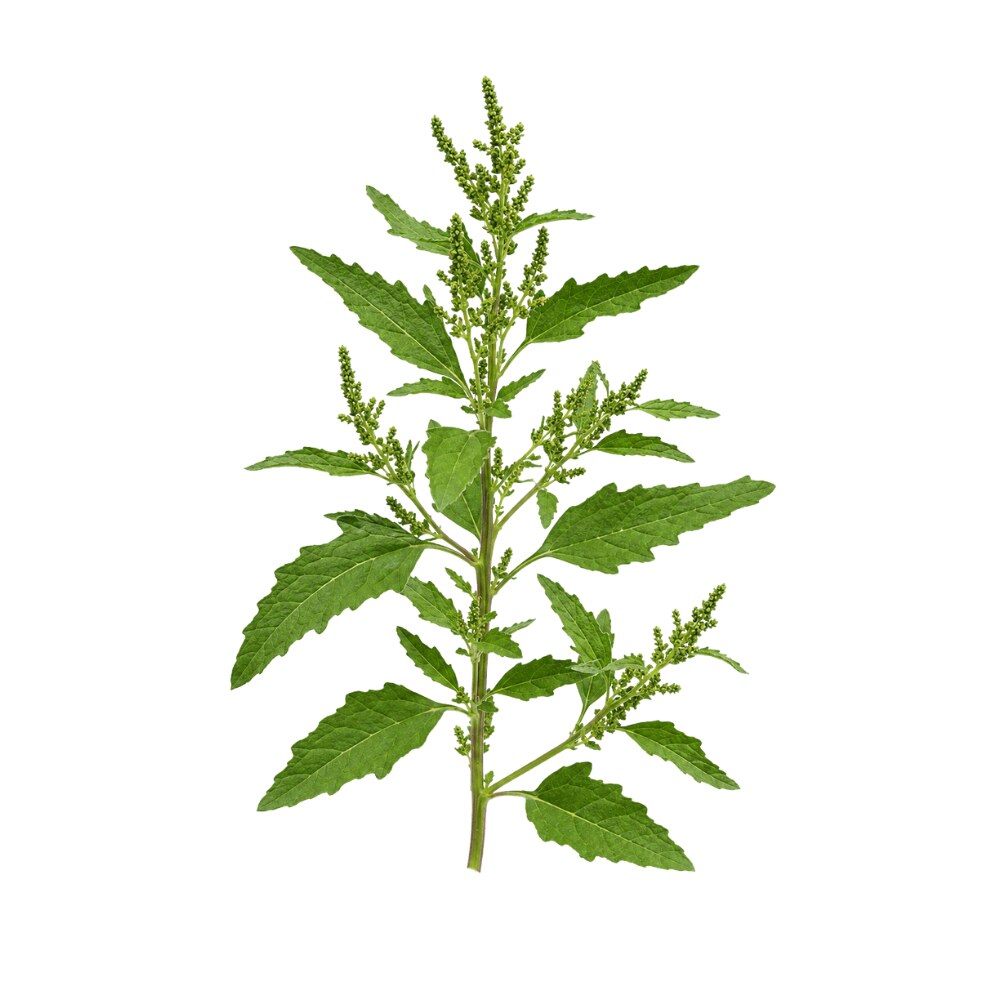 MildMildEpazoteDysphania ambrosioidesOral ethanol extract accelerated wound healing in rats in one study, alongside its anti-inflammatory and antinociceptive effects; the plausible route is anti-inflammatory.Mechanismbradykinin/PGE2/capsaicin-mediated nociception ↓; IL-6 & TNF-α ↓; macrophage NO-production inhibitionRead the evidenceShow lessMonograph →
Ethanol extract (150–500 mg/kg) reduced formalin-, PGE2-, capsaicin- and bradykinin-induced nociception and carrageenan paw oedema and accelerated wound healing in a single rodent study 58Reference 58AnimalFrom popular use to pharmacological validation: a study of the anti-inflammatory, anti-nociceptive and healing effects of Chenopodium ambrosioides extract. — [animal model]View study →.
The surrounding anti-inflammatory work is more substantial than the wound result. Hydroalcoholic extract cut synovial inflammation and pain in rat osteoarthritis 59Reference 59AnimalChenopodium ambrosioides LView study →, crude extract lowered IL-6 and TNF-α and preserved bone density in collagen-induced arthritis in mice 60Reference 60AnimalAnti-arthritic properties of crude extract from Chenopodium ambrosioides L. leaves. — [in vivo mouse model]View study →, and two newly isolated oxygenated monoterpenes inhibited NO production in LPS-stimulated macrophages 61Reference 61In vitroTwo New Highly Oxygenated Monoterpenes From the Seeds of Dysphania ambrosioides and Their Inflammatory Activity In Vitro and In Silico. — [in vitro and in silico]View study →.
The plausible route is anti-inflammatory rather than tissue-regenerative.
Oral rodent dosing, no topical human data, and one wound-healing observation.
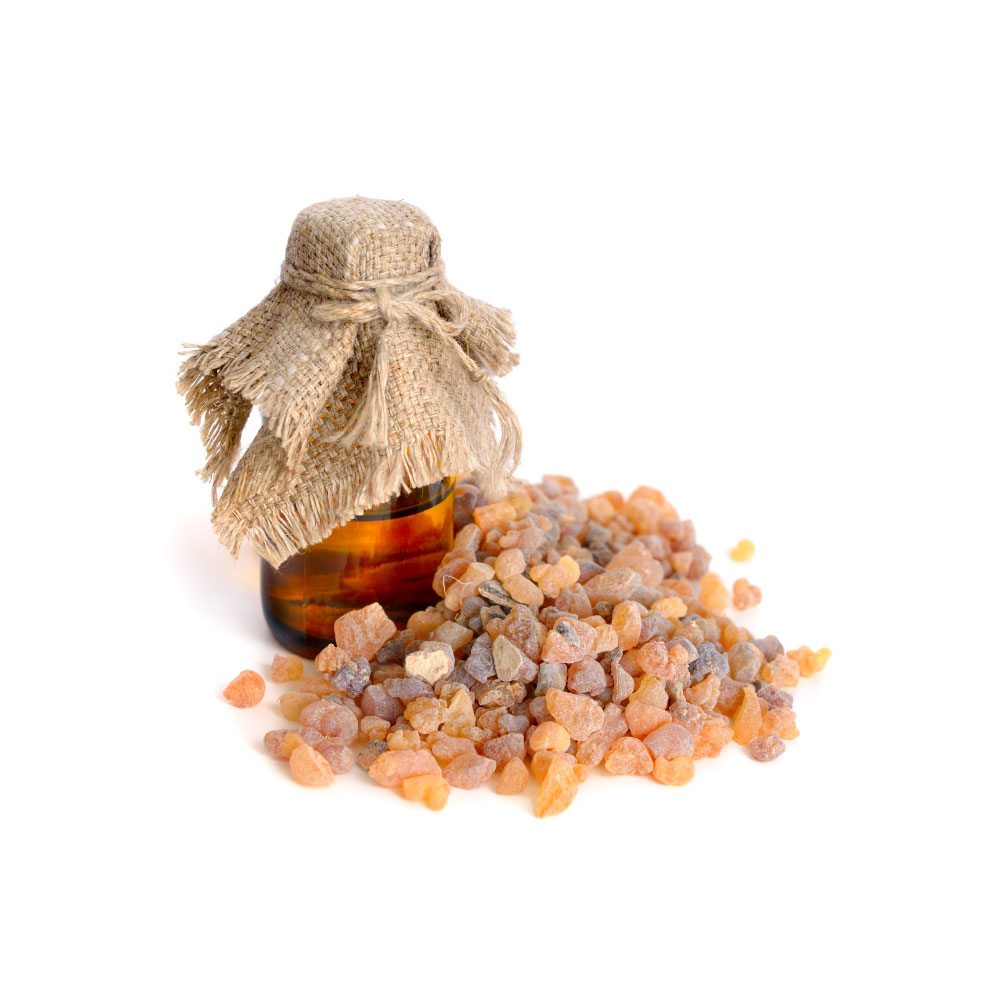 MildMildFrankincenseBoswellia serrataA wound and skin resin in Ayurveda and early Western practice long before it was an anti-inflammatory supplement; 5-LOX inhibition is the adjacent rationale, with no wound study.Read the evidenceShow lessMonograph →
In Ayurveda the resin was applied topically as an astringent and anti-inflammatory for wounds and inflamed joints, and Western practice used it as a salve or liniment for wounds and infection.
Its evidenced work is 5-LOX inhibition, an adjacent rationale rather than a demonstrated vulnerary action. No wound-healing study exists.
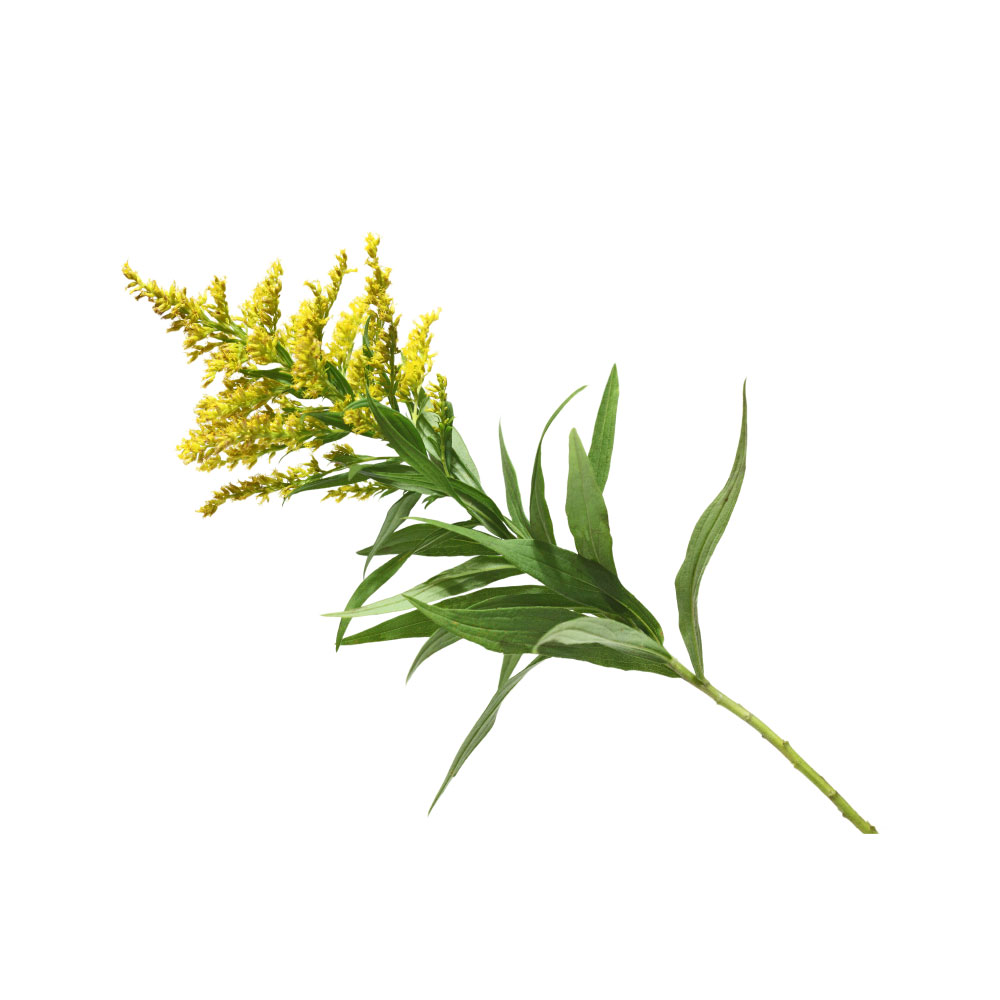 MildMildGoldenrodSolidago virgaureaA battlefield wound herb of European practice, Solidago meaning to make whole; Culpeper ranked it inferior to none, and no study has tested it.Read the evidenceShow lessMonograph →
Solidago means “to make whole”, and the herb was a battlefield vulnerary in European practice, used inwardly and outwardly for green wounds, old sores and ulcers.
Nothing in the research addresses it. Goldenrod’s evidenced work is urinary, examined among the diuretic herbs.
No herbs match these filters.
Also Tagged
5 more herbs carry a vulnerary action.
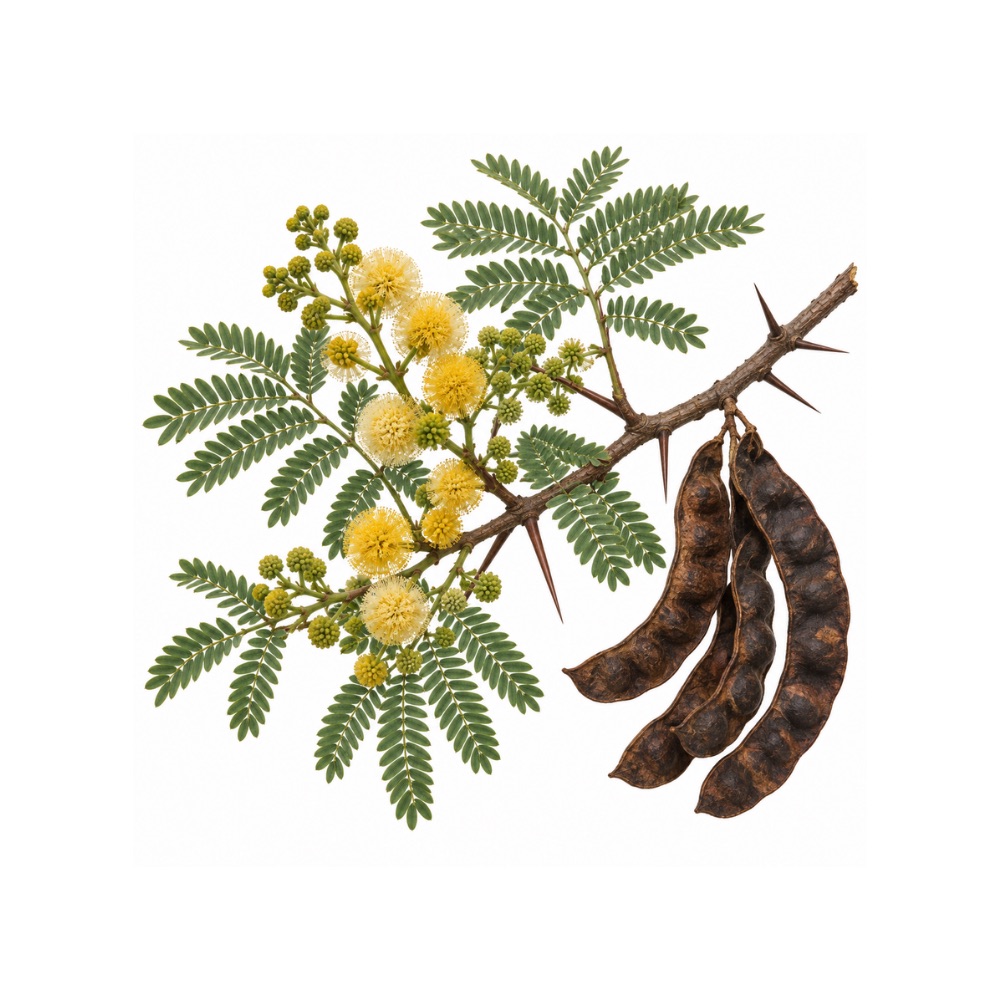
Babul
Vachellia nilotica
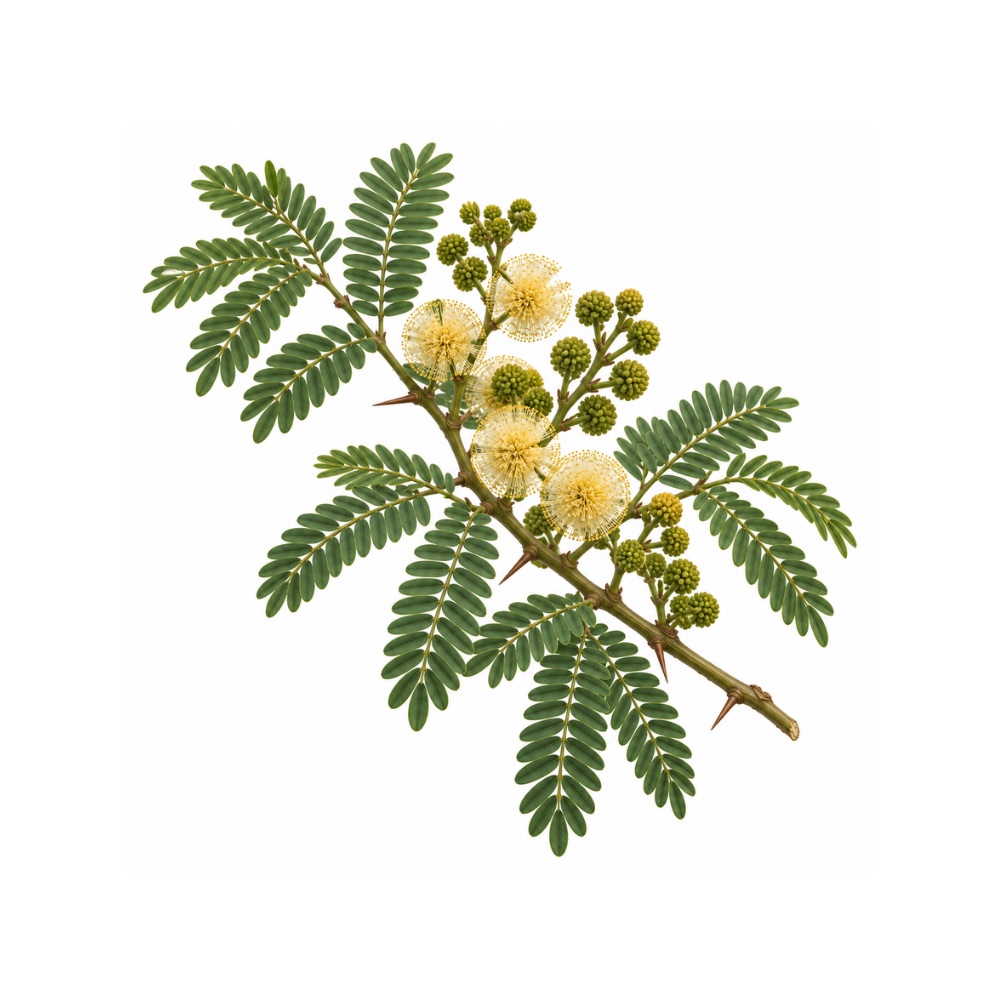
Catechu
Senegalia catechu
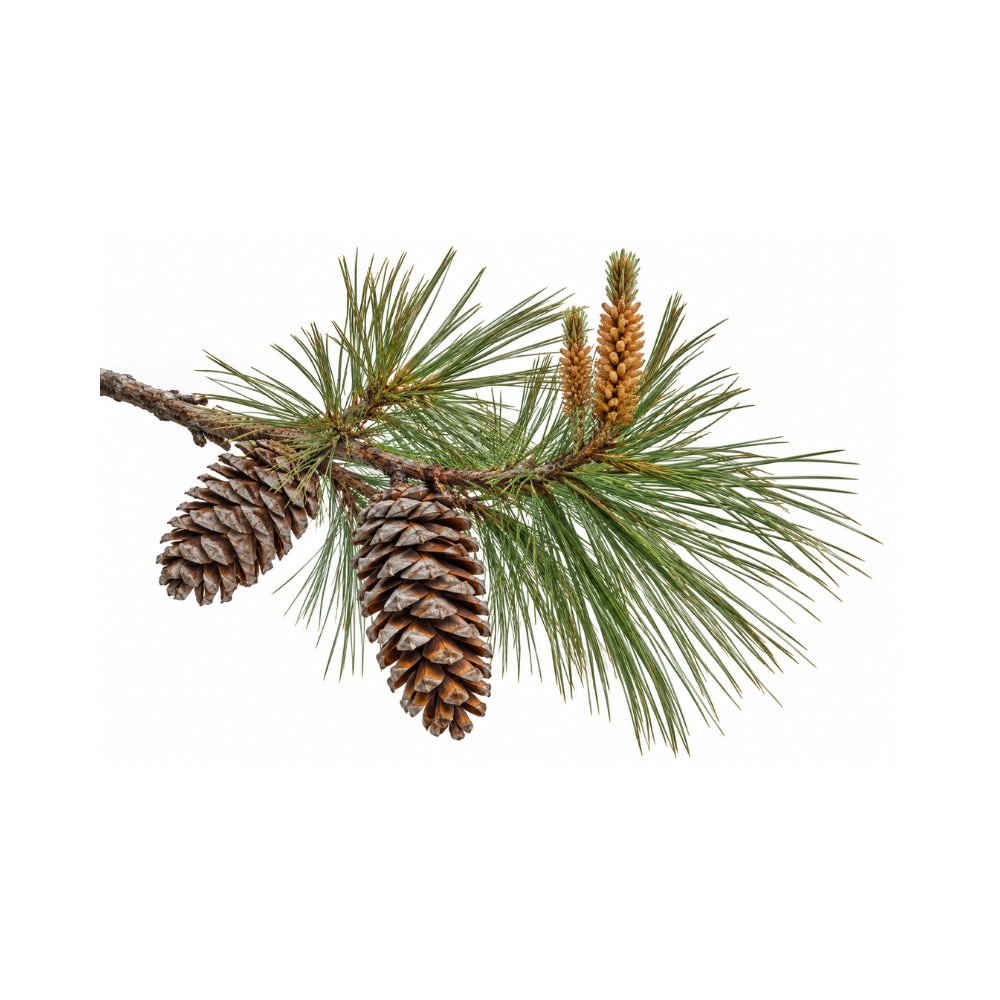
Chir Pine
Pinus roxburghii
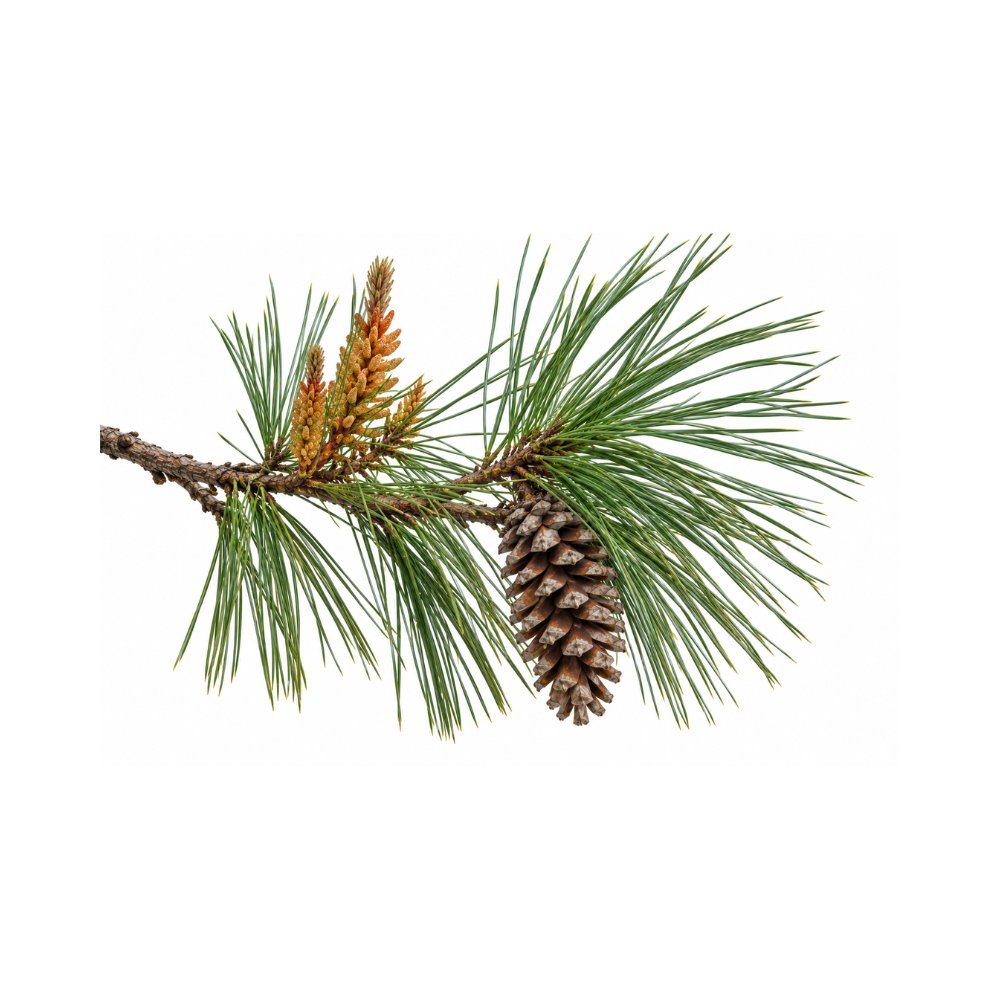
Masson Pine
Pinus massoniana
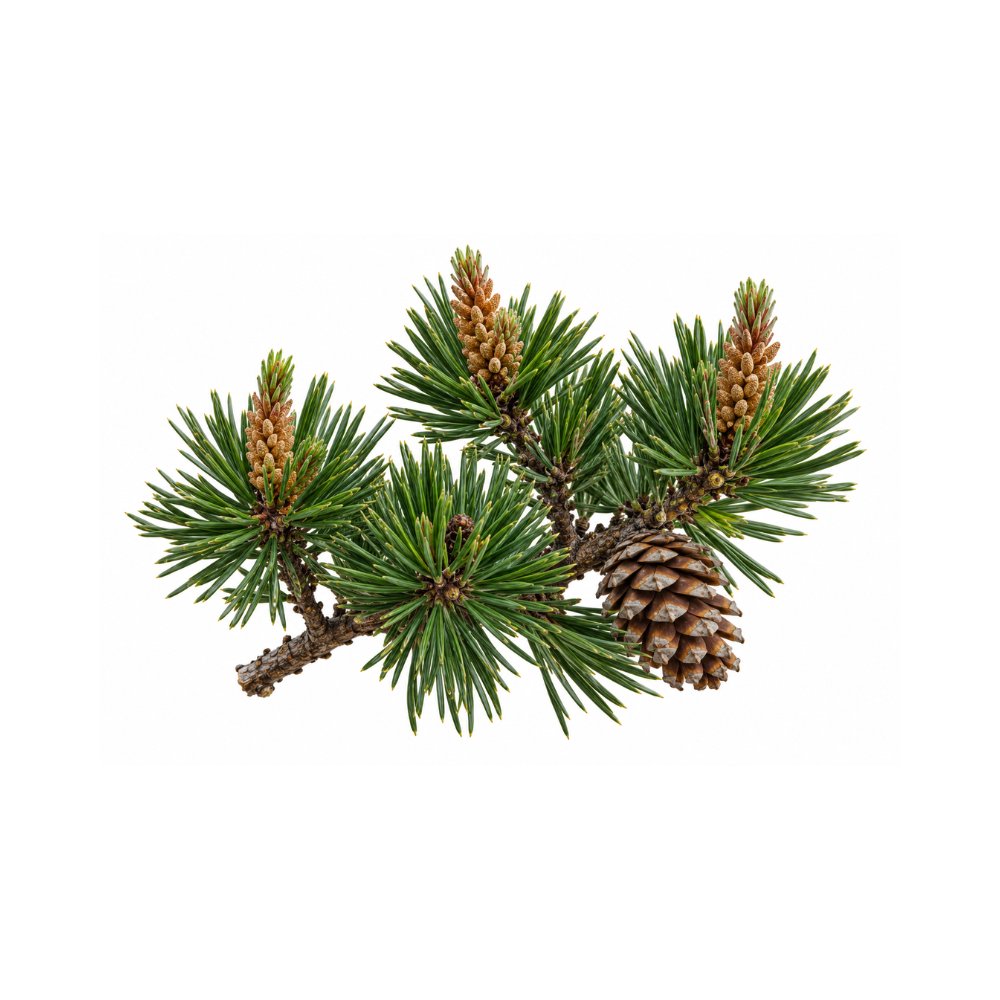
Mugo Pine
Pinus mugo
Safety
- Broken skin absorbs far more than intact skin, so a preparation on an open wound is a systemic dose of whatever it carries.
- The daisy-family vulneraries are the commonest cause of contact dermatitis in this group, and topical use is where it lands; patch-test first.
- A herb that closes the surface quickly belongs on a clean, shallow wound, never a deep or dirty one where it can seal infection underneath.
- No vulnerary treats an established infection; the antibacterial ones reduce bacterial load on a surface, not cellulitis.
- Spreading redness, increasing pain, fever, a wound that will not close, or any deep, dirty or animal-bite wound needs medical care.
- The mucilage vulneraries taken internally slow the absorption of oral medication; separate them by about two hours.
References
- Skowrońska W, Granica S, Piwowarski JP, et al. (2025). Chemical composition, skin microbiota metabolism, antimicrobial potential and anti-inflammatory properties of witch hazel bark (Hamamelis virginiana L.) — in vitro/ex vivo. J Ethnopharmacol. https://pubmed.ncbi.nlm.nih.gov/40819781/
- Masaki H, Atsumi T, Sakurai H. (1995). Protective activity of hamamelitannin on cell damage induced by superoxide anion radicals in murine dermal fibroblasts — in vitro. Biol Pharm Bull. https://pubmed.ncbi.nlm.nih.gov/7735252/
- Masaki H, Atsumi T, Sakurai H. (1995). Protective activity of hamamelitannin on cell damage of murine skin fibroblasts induced by UVB irradiation — in vitro. J Dermatol Sci. https://pubmed.ncbi.nlm.nih.gov/7577835/
- Habtemariam S. (2002). Hamamelitannin from Hamamelis virginiana inhibits the tumour necrosis factor-alpha (TNF)-induced endothelial cell death in vitro — in vitro. Toxicon. https://pubmed.ncbi.nlm.nih.gov/11602283/
- Huang, Y. N., Chen, K. C., Wang, J. H., & Lin, Y. K. (2024). Effects of Aloe vera on burn injuries — systematic review and meta-analysis of randomized controlled trials. J Burn Care Res. https://pubmed.ncbi.nlm.nih.gov/38605441/
- Sharma, S., Alfonso, A. R., Gordon, A. J., Kwong, J., Lin, L. J., & Chiu, E. S. (2022). Second-degree burns and Aloe vera — meta-analysis and systematic review. Adv Skin Wound Care. https://pubmed.ncbi.nlm.nih.gov/36264753/
- Burusapat, C., Supawan, M., Pruksapong, C., Pitiseree, A., & Suwantemee, C. (2018). Topical Aloe vera gel for accelerated wound healing of split-thickness skin-graft donor sites — double-blind randomized controlled trial and systematic review. Plast Reconstr Surg. https://pubmed.ncbi.nlm.nih.gov/29649056/
- Bone, K. (2003). A Clinical Guide to Blending Liquid Herbs: Herbal Formulations for the Individual Patient. Edinburgh: Churchill Livingstone. (Pg. 39–41.)
- Reynolds, T., & Dweck, A. C. (1999). Aloe vera leaf gel — a review update. J Ethnopharmacol. https://pubmed.ncbi.nlm.nih.gov/10624859/
- Liu, C., Cui, Y., Pi, F., Cheng, Y., Guo, Y., & Qian, H. (2019). Extraction, purification, structural characteristics, biological activities and pharmacological applications of acemannan, a polysaccharide from Aloe vera — a review. Molecules. https://pubmed.ncbi.nlm.nih.gov/31010204/
- Hamman, J. H. (2008). Composition and applications of Aloe vera leaf gel — review. Molecules, 13(8), 1599–1616. doi:10.3390/molecules13081599
- Davis, R. H., Leitner, M. G., Russo, J. M., & Byrne, M. E. (1989). Wound healing — oral and topical activity of Aloe vera (animal study). J Am Podiatr Med Assoc. https://pubmed.ncbi.nlm.nih.gov/2607423/
- Heggers, J. P., Kucukcelebi, A., Listengarten, D., et al. (1995). Wound-healing effects of Aloe gel and other topical antibacterial agents in rat skin — animal model. Phytotherapy Research, 9(6), 455–457.
- Chithra, P., Sajithlal, G. B., & Chandrakasan, G. (1998). Influence of Aloe vera on the healing of dermal wounds in diabetic rats — animal model. Journal of Ethnopharmacology, 59(3), 195–201.
- Chatterjee, A., et al. (2012). Gallic-acid-enriched fraction of Phyllanthus emblica potentiates indomethacin-induced gastric ulcer healing via an e-NOS-dependent pathway. Evidence-Based Complementary and Alternative Medicine. https://pubmed.ncbi.nlm.nih.gov/22966242/
- Al-Rehaily, A. J., et al. (2002). Gastroprotective effects of ‘Amla’ Emblica officinalis on in vivo test models in rats. Phytomedicine. https://pubmed.ncbi.nlm.nih.gov/12403160/
- Leu, S., Havey, J., White, L. E., et al. (2010). Accelerated resolution of laser-induced bruising with topical 20% arnica: a rater-blinded randomised controlled trial — randomised. British Journal of Dermatology. https://pubmed.ncbi.nlm.nih.gov/20412090/
- Alonso, D., Lazarus, M. C., & Baumann, L. (2002). Effects of topical arnica gel on post-laser treatment bruises — randomised, placebo-controlled. Dermatologic Surgery. https://pubmed.ncbi.nlm.nih.gov/12174058/
- Tao, J. P., Aakalu, V. K., Wladis, E. J., et al. (2022). Homeopathic agents or vitamins in reducing ecchymosis after oculofacial surgery: a report by the American Academy of Ophthalmology — review. Ophthalmology. https://pubmed.ncbi.nlm.nih.gov/34176651/
- Craciunescu, O., Constantin, D., Gaspar, A., et al. (2012). Evaluation of antioxidant and cytoprotective activities of Arnica montana L. and Artemisia absinthium L. ethanolic extracts — in vitro. Chemistry Central Journal. https://pubmed.ncbi.nlm.nih.gov/22958433/
- Wagner, S., & Merfort, I. (2004). Skin penetration studies of Arnica preparations and of their sesquiterpene lactones — in vitro. Planta Medica. https://pubmed.ncbi.nlm.nih.gov/15490315/
- Cosmetic Ingredient Review Expert Panel. (2001). Final report on the safety assessment of Arnica montana extract and Arnica montana. International Journal of Toxicology. https://doi.org/10.1080/10915810160233712
- Blumenthal, M. (Ed.). (1998). The Complete German Commission E Monographs: Therapeutic Guide to Herbal Medicine — pharmacopoeial monograph (external use only). American Botanical Council.
- Das, S. K., & Roy, C. (2012). The protective role of Aegle marmelos on aspirin-induced gastro-duodenal ulceration in albino rat model: a possible involvement of antioxidants — animal model (rat). Saudi Journal of Gastroenterology, 18(3), 188–194. https://pubmed.ncbi.nlm.nih.gov/22626798/
- Dhuley JN (2003). Investigation on the gastroprotective and antidiarrhoeal properties of Aegle marmelos unripe fruit extract — [animal]. Hindustan Antibiotics Bulletin, 45-46(1-4), 41-6. https://pubmed.ncbi.nlm.nih.gov/16281828/
- Stanciauskaite, M., Marksa, M., Babickaite, L., Majiene, D., & Ramanauskiene, K. (2021). Comparison of ethanolic and aqueous Populus balsamifera L. bud extracts by different extraction methods: chemical composition, antioxidant and antibacterial activities — [in vitro]. Pharmaceuticals (Basel). https://pubmed.ncbi.nlm.nih.gov/34681242/
- Costa, D. C. M., et al. (2024). Wound-healing properties of Stryphnodendron adstringens (barbatimão) in skin and mucosa injuries: a scoping review protocol — review. JBI Evidence Synthesis. https://pubmed.ncbi.nlm.nih.gov/38655623/
- Pinto, S. C., Bueno, F. G., Panizzon, G. P., et al. (2015). Stryphnodendron adstringens: clarifying wound healing in streptozotocin-induced diabetic rats — animal model. Planta Medica. https://pubmed.ncbi.nlm.nih.gov/26218337/
- Coelho, J. M., Antoniolli, A. B., Nunes e Silva, D., et al. (2010). Effects of silver sulfadiazine, Tabebuia avellanedae extract and barbatimão (Stryphnodendron adstringens) extract on cutaneous wound healing in rats — animal model. Revista do Colégio Brasileiro de Cirurgiões. https://pubmed.ncbi.nlm.nih.gov/20414576/
- Silva, L. A. F., et al. (2013). Stryphnodendron adstringens extract associated with hoof trimming for bovine digital dermatitis — randomised controlled trial (veterinary). Tropical Animal Health and Production. https://pubmed.ncbi.nlm.nih.gov/23443825/
- RÓs AS, Santos CHMD, Dourado DM, et al. (2020). Can Stryphnodendron adstringens extract improve the results of fistulotomy followed by primary sphincteroplasty in transsphincteric fistulae? — animal model. ABCD Arquivos Brasileiros de Cirurgia Digestiva. https://pubmed.ncbi.nlm.nih.gov/33331435/
- Ricardo, L. M., et al. (2018). Evidence of traditionality of Brazilian medicinal plants: barbatimão barks and copaíba oleoresin in wound healing — review. Journal of Ethnopharmacology. https://pubmed.ncbi.nlm.nih.gov/29501844/
- Dinda M, et al. (2015). PI3K-mediated proliferation of fibroblasts by Calendula officinalis tincture: implication in wound healing — [in vitro study]. Phytother Res. https://pubmed.ncbi.nlm.nih.gov/25641010/
- Givol O, et al. (2019). A systematic review of Calendula officinalis extract for wound healing — [systematic review]. Wound Repair Regen. https://pubmed.ncbi.nlm.nih.gov/31145533/
- De Angelis C, et al. (2022). Use of calendula ointment after episiotomy: a randomized clinical trial — [randomised controlled trial]. J Matern Fetal Neonatal Med. https://pubmed.ncbi.nlm.nih.gov/32460565/
- Jahdi F, et al. (2018). The impact of calendula ointment on cesarean wound healing: A randomized controlled clinical trial — [randomised controlled trial]. J Family Med Prim Care. https://pubmed.ncbi.nlm.nih.gov/30598929/
- Eghdampour F, et al. (2013). The Impact of Aloe vera and Calendula on Perineal Healing after Episiotomy in Primiparous Women: A Randomized Clinical Trial — [randomised controlled trial]. J Caring Sci. https://pubmed.ncbi.nlm.nih.gov/25276736/
- Kundaković T, et al. (2012). Treatment of venous ulcers with the herbal-based ointment Herbadermal®: a prospective non-randomized pilot study — [non-randomised clinical trial]. Forsch Komplementmed. https://pubmed.ncbi.nlm.nih.gov/22398923/
- Buzzi M, et al. (2016). A Prospective, Descriptive Study to Assess the Clinical Benefits of Using Calendula officinalis Hydroglycolic Extract for the Topical Treatment of Diabetic Foot Ulcers — [prospective clinical study]. Ostomy Wound Manage. https://pubmed.ncbi.nlm.nih.gov/26978856/
- Carvalho AF, et al. (2016). Low-level laser therapy and Calendula officinalis in repairing diabetic foot ulcers — [randomised controlled trial]. Rev Esc Enferm USP. https://pubmed.ncbi.nlm.nih.gov/27680049/
- Leach MJ, et al. (2008). Calendula officinalis and Wound Healing: A Systematic Review — [systematic review]. Wounds. https://pubmed.ncbi.nlm.nih.gov/25941793/
- Meneses AG, et al. (2025). Comparison of liposomal gel with and without chamomile to prevent radiation dermatitis in breast cancer patients: a randomized controlled trial. Strahlentherapie und Onkologie. https://pubmed.ncbi.nlm.nih.gov/39283344/
- Amiri M, et al. (2025). Topical chamomile oil as a novel therapeutic intervention for diabetic neuropathy: a randomized double-blind controlled clinical trial. Explore. https://pubmed.ncbi.nlm.nih.gov/40440968/
- Jakovlev V, et al. (1979). Pharmacological investigations with compounds of chamomile: antiphlogistic effects of (−)-α-bisabolol and bisabolol oxides — animal study. Planta Medica. https://pubmed.ncbi.nlm.nih.gov/419180/
- Koll, R., et al. (2004). Efficacy and tolerance of a comfrey root extract in the treatment of ankle distortions — randomised, placebo-controlled, double-blind. Phytomedicine. https://pubmed.ncbi.nlm.nih.gov/15500257/
- Predel, H. G., et al. (2005). Efficacy of a comfrey root extract ointment in comparison to a diclofenac gel in ankle distortions — randomised, multicenter. Phytomedicine. https://pubmed.ncbi.nlm.nih.gov/16323288/
- D’Anchise, R., et al. (2007). Comfrey extract ointment in comparison to diclofenac gel in acute ankle sprains — randomised (superiority re-analysis). Arzneimittelforschung. https://pubmed.ncbi.nlm.nih.gov/18193693/
- Barna, M., et al. (2012). Wound-healing effects of a Symphytum herb extract cream in children — randomised, controlled, double-blind. Arzneimittelforschung. https://pubmed.ncbi.nlm.nih.gov/22549241/
- Barna, M., et al. (2007). Wound-healing effects of a Symphytum herb extract cream — randomised, controlled, double-blind. Wiener Medizinische Wochenschrift. https://pubmed.ncbi.nlm.nih.gov/18157595/
- Dähnhardt, D., et al. (2020). Epidermal regeneration induced by comfrey extract — in vitro (light and electron microscopy). Skin Pharmacology and Physiology. https://pubmed.ncbi.nlm.nih.gov/32683369/
- Mârza, S. M., et al. (2024). Healing of skin wounds in rats using creams based on Symphytum officinale extract — animal model. International Journal of Molecular Sciences. https://pubmed.ncbi.nlm.nih.gov/38542069/
- Araújo, L. U., et al. (2012). In vivo wound-healing effects of Symphytum officinale leaves extract — animal model. Pharmazie. https://pubmed.ncbi.nlm.nih.gov/22570943/
- Staiger, C. (2012). Comfrey: a clinical overview — review. Phytotherapy Research. https://pubmed.ncbi.nlm.nih.gov/22359388/
- Frost, R., et al. (2013). A critical scoping review of external uses of comfrey (Symphytum spp.) — systematic review. Complementary Therapies in Medicine. https://pubmed.ncbi.nlm.nih.gov/24280482/
- Han, X., Beaumont, C., Rodriguez, D., Bahr, T. (2017). In vitro biological activities of Douglas fir essential oil in a human skin disease model — in vitro (human dermal fibroblasts). Cogent Biology. https://doi.org/10.1080/23312025.2017.1336886
- Vaisberg, A. J., Milla, M., Planas, M. C., et al. (1989). Taspine is the cicatrizant principle in Sangre de Grado extracted from Croton lechleri — in vivo animal model. Planta Medica. https://pubmed.ncbi.nlm.nih.gov/2748730/
- Oláh A, Szabó-Papp J, Soeberdt M, et al. (2017). Echinacea purpurea-derived alkylamides exhibit potent anti-inflammatory effects and alleviate clinical symptoms of atopic eczema — randomized clinical trials. Journal of Dermatological Science. https://pubmed.ncbi.nlm.nih.gov/28610718/
- TrivellatoGrassi L, et al. (2013). From popular use to pharmacological validation: a study of the anti-inflammatory, anti-nociceptive and healing effects of Chenopodium ambrosioides extract. — [animal model]. J Ethnopharmacol. https://pubmed.ncbi.nlm.nih.gov/23123797/
- Calado GP, et al. (2015). Chenopodium ambrosioides L. Reduces Synovial Inflammation and Pain in Experimental Osteoarthritis. — [in vivo rat model]. PLoS One. https://pubmed.ncbi.nlm.nih.gov/26524084/
- Pereira WS, et al. (2018). Anti-arthritic properties of crude extract from Chenopodium ambrosioides L. leaves. — [in vivo mouse model]. J Pharm Pharmacol. https://pubmed.ncbi.nlm.nih.gov/29708588/
- Ai NTV, et al. (2026). Two New Highly Oxygenated Monoterpenes From the Seeds of Dysphania ambrosioides and Their Inflammatory Activity In Vitro and In Silico. — [in vitro and in silico]. Chem Biodivers. https://pubmed.ncbi.nlm.nih.gov/42340131/
- Karakaya, S., Süntar, I., Yakinci, O. F., et al. (2020). In vivo bioactivity assessment on Epilobium species: focus on Epilobium angustifolium and its components on enzymes connected with the healing process — rat/mouse wound models (in vivo). Journal of Ethnopharmacology. https://pubmed.ncbi.nlm.nih.gov/32730870/
- Nowak, A., Zagórska-Dziok, M., Perużyńska, M., et al. (2022). Assessment of the anti-inflammatory, antibacterial and anti-aging properties and possible skin use of hydrogels containing Epilobium angustifolium L. extracts (in vitro). Frontiers in Pharmacology. https://pubmed.ncbi.nlm.nih.gov/35846995/
- Shukla, A., et al. (1999). Asiaticoside-induced elevation of antioxidant levels in healing wounds — animal (rat) model. Phytotherapy Research. https://pubmed.ncbi.nlm.nih.gov/10189951/
- Liu, M., et al. (2008). Madecassoside isolated from Centella asiatica facilitates burn wound healing in mice — animal model. Planta Medica. https://pubmed.ncbi.nlm.nih.gov/18484522/
- Arribas-López, E., et al. (2022). A systematic review of the effect of Centella asiatica on wound healing. International Journal of Environmental Research and Public Health. https://pubmed.ncbi.nlm.nih.gov/35328954/
- Changsan, N., et al. (2023). Wound healing efficacy of a polymeric spray film containing Centella asiatica leaf extract — multicentre randomised controlled trial. Journal of Wound Care. https://pubmed.ncbi.nlm.nih.gov/38063299/
- Asgharikhatooni, A., et al. (2015). The effect of Equisetum arvense (horsetail) ointment on wound healing and pain intensity after episiotomy — randomised placebo-controlled trial. Iranian Red Crescent Medical Journal. https://pubmed.ncbi.nlm.nih.gov/26019907/
- Ozay, Y., et al. (2013). Effects of Equisetum arvense ointment on diabetic wound healing in rats — animal model. Wounds. https://pubmed.ncbi.nlm.nih.gov/25867238/
- Ozay, Y., et al. (2010). Effects of Equisetum arvense ointment on dermal wound healing in rats — animal model. Wounds. https://pubmed.ncbi.nlm.nih.gov/25901493/
- Mohsenikia, M., Rafiee, S., Rozei, L. S., et al. (2020). Althaea officinalis improves wound healing in rats: a stereological study — animal (rat). Drug Discoveries & Therapeutics. https://pubmed.ncbi.nlm.nih.gov/33116035/
- Rezaei, M., Dadgar, Z., Noori-Zadeh, A., Mesbah-Namin, S. A., Pakzad, I., & Davodian, E. (2015). Evaluation of the antibacterial activity of the Althaea officinalis L. leaf extract and its wound healing potency in the rat model of excision wound — animal/in vitro. Avicenna Journal of Phytomedicine. https://pubmed.ncbi.nlm.nih.gov/25949951/
- Bonaterra, G. A., Schmitt, J., Schneider, K., et al. (2022). Phytohustil and root extract of Althaea officinalis L. exert anti-inflammatory and anti-oxidative properties and improve migratory capacity of endothelial cells — in vitro. Frontiers in Pharmacology. https://pubmed.ncbi.nlm.nih.gov/36569306/
- Alnakhli RA, Alqalaleef SS, Alesawi JM, et al. (2026). Myrrh in the management of periodontal disease and gingival healing — systematic review and meta-analysis. Journal of the International Society of Preventive & Community Dentistry. https://pubmed.ncbi.nlm.nih.gov/42004991/
- Mansour, G., et al. (2014). Clinical efficacy of aloe vera- and myrrh-based oral mucoadhesive gels in minor recurrent aphthous stomatitis — randomised, double-blind, vehicle-controlled trial. Journal of Oral Pathology & Medicine. https://pubmed.ncbi.nlm.nih.gov/24164309/
- Eid RAA (2021). Efficacy of myrrh mouthwash on wound healing after tooth extraction — controlled clinical trial. The Saudi Dental Journal. https://pubmed.ncbi.nlm.nih.gov/33473242/
- Ibraheem WI, Hakami AA, Shafei AA, et al. (2022). Soft tissue healing after implant placement using myrrh vs chlorhexidine mouthwash — randomised controlled trial. Medicina (Kaunas). https://pubmed.ncbi.nlm.nih.gov/36295512/
- Casarin M, de Matos RS, da Silva Nolasco W, et al. (2023). Effect of mouthwashes on gingival healing after surgical procedures — systematic review. European Journal of Oral Sciences. https://pubmed.ncbi.nlm.nih.gov/37069833/
- Faraji A, Aghdaki M, Hessami K, et al. (2021). Episiotomy wound healing by Commiphora myrrha and Boswellia carteri in primiparous women — randomised controlled trial. Journal of Ethnopharmacology. https://pubmed.ncbi.nlm.nih.gov/32971163/
- Haffor AS (2010). Effect of myrrh (Commiphora molmol) on leukocyte levels during healing from gastric ulcer or skin injury — rat model. Journal of Immunotoxicology. https://pubmed.ncbi.nlm.nih.gov/19995243/
- Ghiasian M, et al. (2021). Clinical and phytochemical studies of Plantago major in pressure ulcer treatment: A randomized controlled trial. Complementary Therapies in Clinical Practice. https://pubmed.ncbi.nlm.nih.gov/33548748/
- Ghanadian M, et al. (2024). The effect of Plantago major hydroalcoholic extract on the healing of diabetic foot and pressure ulcers — randomised controlled trial. The International Journal of Lower Extremity Wounds. https://pubmed.ncbi.nlm.nih.gov/35044254/
- Najafian Y, et al. (2019). Efficacy of Aloe vera/Plantago major gel in diabetic foot ulcer: a randomized double-blind clinical trial. Current Drug Discovery Technologies. https://pubmed.ncbi.nlm.nih.gov/29336265/
- Keshavarzi A, et al. (2022). Therapeutic efficacy of great plantain (Plantago major L.) in the treatment of second-degree burn wounds: a case-control study. International Journal of Clinical Practice. https://pubmed.ncbi.nlm.nih.gov/35966146/
- Ashkani-Esfahani S, et al. (2019). The healing effect of Plantago major and Aloe vera mixture in excisional full-thickness skin wounds: stereological study — rat, in vivo. World Journal of Plastic Surgery. https://pubmed.ncbi.nlm.nih.gov/30873362/
- Bâldea I, et al. (2023). Antioxidant, anti-inflammatory effects and ability to stimulate wound healing of a common-plantain extract in alginate gel formulations — in vitro. Gels. https://pubmed.ncbi.nlm.nih.gov/37998991/
- Cardoso FCI, et al. (2021). The effect of Plantago major on wound healing in preclinical studies: a systematic review — animal models, insufficient evidence, all at high risk of bias. Wound Management & Prevention. https://pubmed.ncbi.nlm.nih.gov/33448940/
- Jahanimoghadam F, et al. (2024). The healing effect of nano-emulsified Plantago major L. extract on oral wounds in a Wistar rat model. BMC Complementary Medicine and Therapies. https://pubmed.ncbi.nlm.nih.gov/39227926/
- Samadi, S., Khadivzadeh, T., et al. (2010). The effect of Hypericum perforatum on the wound healing and scar of caesarean — randomised, double-blind trial. Journal of Alternative and Complementary Medicine. https://pubmed.ncbi.nlm.nih.gov/20064022/
- Yıldırım, S., et al. (2025). The Effects of St. John’s Wort on Healing of Stages 1 and 2 Pressure Injuries: A Randomised Controlled Trial. Journal of Wound, Ostomy and Continence Nursing. https://pubmed.ncbi.nlm.nih.gov/40717256/
- Taylor, L. (2005). The healing power of rainforest herbs: A guide to understanding and using herbal medicinals. Garden City Park, NY: Square One Publishers.
- Kasouni AI, Chatzimitakos TG, Stalikas CD, et al. (2021). The unexplored wound-healing activity of Urtica dioica extract — in vitro and in vivo (rat) study. Molecules. https://pubmed.ncbi.nlm.nih.gov/34684829/
- Zouari Bouassida K, Bardaa S, Khimiri M, et al. (2017). Exploring the Urtica dioica leaves hemostatic and wound-healing potential — animal model. Biomed Res Int. https://pubmed.ncbi.nlm.nih.gov/29201895/
- Zhang, Z., et al. (2018). The effects of sodium usnic acid by topical application on skin wound healing in rats — rat model. Biomedicine & Pharmacotherapy. https://pubmed.ncbi.nlm.nih.gov/29101801/
- Francolini, I., et al. (2019). Usnic acid: potential role in management of wound infections — review. Advances in Experimental Medicine and Biology. https://pubmed.ncbi.nlm.nih.gov/30151647/
- Wolff HH, Kieser M. (2007). Hamamelis in children with skin disorders and skin injuries: results of an observational study — observational/cohort. Eur J Pediatr. https://pubmed.ncbi.nlm.nih.gov/17177071/
- Kloter E, Albanese F, Schweighoffer R, et al. (2023). Phytotherapy in paediatric skin disorders — a systematic literature review — systematic review. Complement Ther Med. https://pubmed.ncbi.nlm.nih.gov/36958415/
- Natella F, Guantario B, Ambra R, et al. (2021). Human metabolites of Hamaforton™ (Hamamelis virginiana L. extract) modulate fibroblast extracellular-matrix components in response to UV-A irradiation — in vitro. Front Pharmacol. https://pubmed.ncbi.nlm.nih.gov/34975471/
- Mousavi-Ejarestaghi N, et al. (2025). Smart multilayer chitosan-based nanofibers for burn wounds: pH-responsive dual release of diclofenac sodium and Hamamelis virginiana extract — in vivo (rat). Int J Biol Macromol. https://pubmed.ncbi.nlm.nih.gov/40645245/
- Hajhashemi M, et al. (2018). The effect of Achillea millefolium and Hypericum perforatum ointments on episiotomy wound healing in primiparous women — [double-blind randomised]. J Matern Fetal Neonatal Med. https://pubmed.ncbi.nlm.nih.gov/28027682/
- Agar OT, et al. (2015). Comparative studies on phenolic composition, antioxidant, wound healing and cytotoxic activities of selected Achillea L. species growing in Turkey — [in vitro]. Molecules. https://pubmed.ncbi.nlm.nih.gov/26437391/
- Nayak, B. S., Marshall, J. R., & Isitor, G. (2010). Wound healing potential of ethanolic extract of Kalanchoe pinnata Lam. leaf — a preliminary study — animal model (rat). Indian Journal of Experimental Biology. https://pubmed.ncbi.nlm.nih.gov/20882759/
Keep Exploring