

Overview
Tonic at a Glance
Tonics are herbs used to restore strength, resilience, and function over time.
The term is deliberately broad. A tonic may act on the body as a whole, or be directed toward a particular system such as the nervous, reproductive, digestive, or cardiovascular system.
Some tonics are genuinely nutritive, supplying protein, minerals, vitamins, or prebiotic fibres that support normal physiology.
Others work through signalling rather than nutrition.
Ashwagandha, rehmannia, and kid ginseng, for example, can influence endocrine or stress-response pathways, which places them close to adaptogens and hormone-modulating herbs.
This is why “tonic” often describes how a herb is used more than one specific mechanism.
The idea appears across many traditions: Western herbalism spoke of restoring tone, Ayurveda developed the rasayana tradition, and Chinese medicine distinguishes several kinds of qi, blood, yin, and yang tonics.
Tonics are generally used for convalescence, fatigue, constitutional weakness, reduced resilience, and long-term support, rather than as rapid symptomatic remedies.
Tonic was the word before adaptogen existed, and it runs through Galenic and Eclectic practice as the language of restoring tone.
It has direct counterparts elsewhere: the rasayana of Ayurveda, and the qi and blood tonics of Chinese medicine, where tai zi shen is chosen precisely because it is the gentlest of them.
Erva tostao carries the Ayurvedic name punarnava, “that which renews”, and cleavers, jatobá, spikenard and wireweed all carry the word from a long tradition.
None of them has had a tonic endpoint measured, and the tradition is the whole of the case.
Caution
Long-term use raises the risk — a tonic is taken daily and indefinitely, and that exposure pattern is what turns a rare idiosyncratic reaction into a real one.
Stop if jaundice appears — two of the most popular tonic herbs carry documented liver injury, so stop at the first sign of jaundice, dark urine or unexplained fatigue.
Not with hormones or nitrates — the reproductive-axis herbs are endocrine drugs avoided alongside hormonally active medication, and the male-tonic herbs add to nitrates and PDE5 inhibitors.
Mechanisms
How It Works
01
Female Reproductive Axis
Real endocrine pharmacology under a tonic label, and the class where the label does most damage.
These herbs bind oestrogen receptors, suppress prolactin through dopamine agonism, or shift FSH and LH — actions examined properly on the hormone-modulator page, where their direction can be read.
“Female tonic” implies something gentle and generally strengthening. What these do is push a specific axis in a specific direction, which helps when that is the direction needed and does not otherwise, and which is unsafe in hormone-sensitive conditions either way.
One mechanism in this group is explicitly biphasic with the direction unestablished — a uterine smooth-muscle modulator that may relax or contract. That is an unresolved question, and a reason for care in pregnancy rather than reassurance.
Herbs: Ashwagandha
02
Male Reproductive Axis and Cavernosal Nitric Oxide
Erectile function is a vascular event: nitric oxide relaxes cavernosal smooth muscle through cGMP, which is the pathway the PDE5 inhibitors extend.
Several herbs in this family reach it, usually through eNOS upregulation, and this group is the most mechanistically consistent of the three.
It is a local haemodynamic effect rather than a general strengthening one, and it does not raise testosterone — the herb most associated with that claim came off the hormone-modulator page because controlled trials in men are consistently null.
The safety consequence follows from the mechanism. Anything working through nitric oxide and cGMP is additive with nitrates and PDE5 inhibitors, which is a real hypotension risk rather than a theoretical one.
Herbs: Ashwagandha
03
Neuroendocrine and Adrenal
This is where tonic shades into adaptogen, and largely the same herbs seen through an older vocabulary.
The targets are the HPA axis — CRH, ACTH, cortisol — and neuroendocrine-immune signalling.
Kid ginseng’s root polysaccharide normalises that signalling in fatigue models, and rehmannia’s case rests on catalpol lowering elevated cortisol, CRH and ACTH in a single rat study.
Tonic was the word before adaptogen existed, and for these herbs the adaptogen page says the same thing with measurable endpoints attached: cortisol, stress-resistance models, time to exhaustion.
Where a herb appears in both places, the narrower action is the more useful one.
The framing carries a specific hazard, and it is the reason there is a safety section at all: a tonic is something people take daily and indefinitely, and that exposure pattern is what turns a rare idiosyncratic reaction into a real one.
More Specific Actions
Sub-Actions
Tonic is a parent action, and several narrower actions sit beneath it.
Most herbs carrying the word are really doing one of them, and where a sub-action has its own page, that is where its evidence is examined.
Adaptogen
24 herbsHelps the body resist and adapt to stressors of several unrelated kinds, normalising an over- or under-reactive response rather than pushing it in one direction.
It involves the endpoints the older tonic vocabulary never had: cortisol, HPA-axis feedback, heat-shock proteins and time to exhaustion.
Adrenal Tonic
1 herb · RehmanniaSupports and restores adrenal function after prolonged stress or corticosteroid use.
It is the narrowest reading of the neuroendocrine group, aimed at the cortisol axis rather than at general resilience.
Female Tonic
5 herbsSupports female reproductive and hormonal health across menstrual, fertility and menopausal complaints.
The herbs involved are mostly endocrine-active — binding oestrogen receptors or shifting prolactin — rather than generally strengthening.
Male Tonic
4 herbsSupports male reproductive and hormonal health, from libido and fertility to the prostate.
Most of the measured activity is vascular, working through nitric oxide in the cavernosal tissue rather than through testosterone.
Mucous Membrane Tonic
1 herb · GoldensealTones and restores the mucous membranes of the gut, respiratory and urinary tracts.
Goldenseal’s berberine is the classic example, given for catarrhal, inflamed or boggy membranes.
Nutritive
15 herbsNourishes with readily absorbed vitamins and minerals — foods as much as medicines, building strength during recovery or depletion.
It is the one place the tonic idea is literal, and it only works at food-sized quantities.
Rejuvenative
2 herbs · Amla, HaritakiDeeply restores vitality and slows the wear of ageing, the rasayana of Ayurveda.
It is taken steadily over months as a food-like preparation rather than as a remedy for one complaint.
Respiratory Tonic
1 herb · PineStrengthens and restores tone to the respiratory tract.
It is used after repeated infection or in chronic catarrhal states rather than during an acute one.
Uterine Tonic
3 herbsStrengthens and tones the uterine muscle.
The herbs involved modulate uterine smooth muscle directly, which is why several of them carry pregnancy cautions.
Vascular Tonic
3 herbsStrengthens and tones blood vessels, especially the veins.
It is used where vascular weakness causes pooling, swelling or capillary fragility rather than for any effect on the heart.
Phytochemistry
Key Constituents
The compound classes most often behind a tonic action.
- Triterpenoid saponins
- Polysaccharides
- Sterols
- Minerals
What It's For
Indications
- Debility, depletion and low vitality
- Convalescence after illness
- Chronic fatigue and poor stamina
- Long-term constitutional rebuilding
Materia Medica
Tonic Herbs by Potency
The tonic herbs, ordered by the relative strength of the effect rather than by how well studied it is. Each herb is described by the mechanism behind its effect and the evidence for it.
None of this is a substitute for professional care.
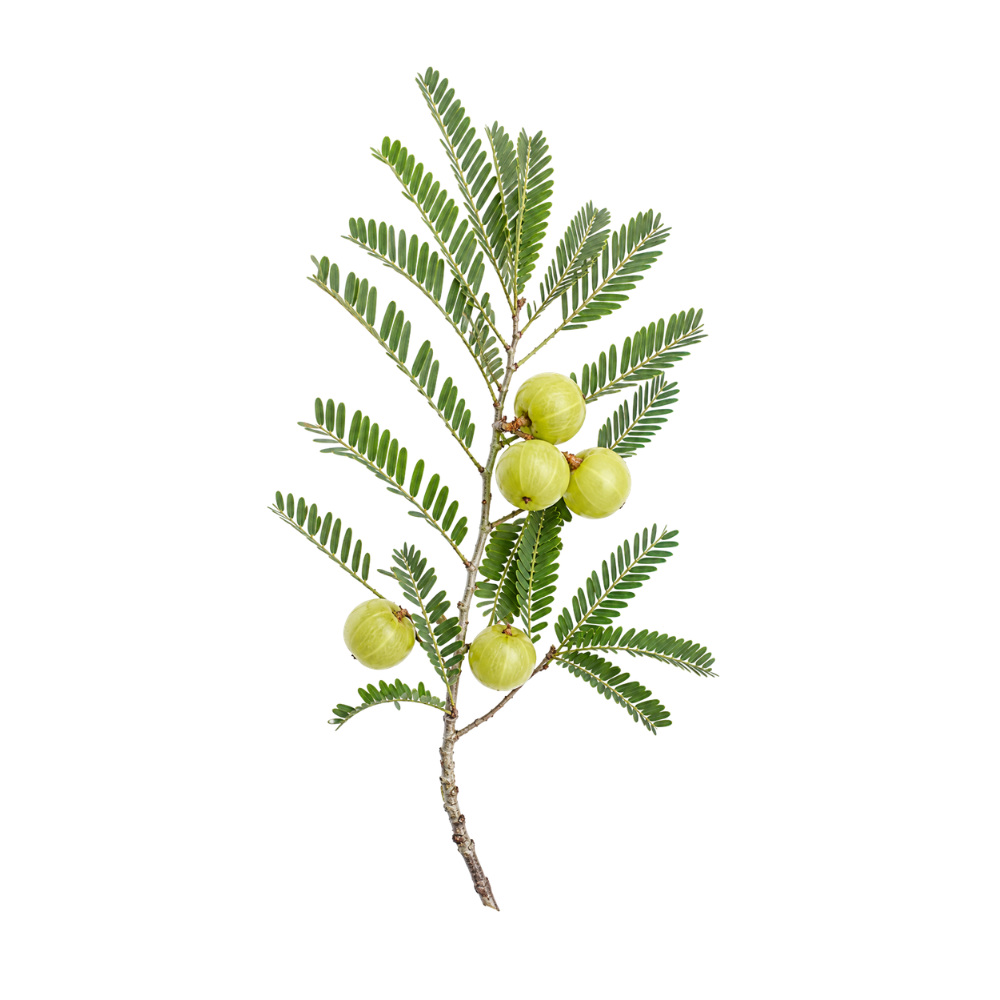 ModerateModerateAmlaPhyllanthus emblicaThe premier rasayana of Ayurveda, named in the Charaka Samhita as foremost among age-sustaining substances.Mechanismnot established as a tonic mechanism; the measured work is antioxidant and lipid-loweringRead the evidenceShow lessMonograph →
Amla is the sour Indian gooseberry, and Ayurveda ranks it as the foremost rasayana — a rejuvenative said to promote longevity, support the tissues and balance all three doshas. The Charaka Samhita classes it as vayasthapana, first among age-sustaining substances.
It rarely travels alone. Amla anchors Chyawanprash and the classical Triphala formula, where it sits alongside haritaki and bibhitaki.
Beyond the rejuvenative framing it is given for digestion, as a cooling remedy for excess pitta, and for the eyes and hair.
What has been measured is a different thing from the tonic claim. Standardised fruit extract improves the lipid profile and inflammatory markers in placebo-controlled trials, and those results sit under antioxidant and hypolipidemic.
They also used a few hundred milligrams of standardised extract, which transfers poorly to whole dried fruit or churna at their much larger traditional bulk.
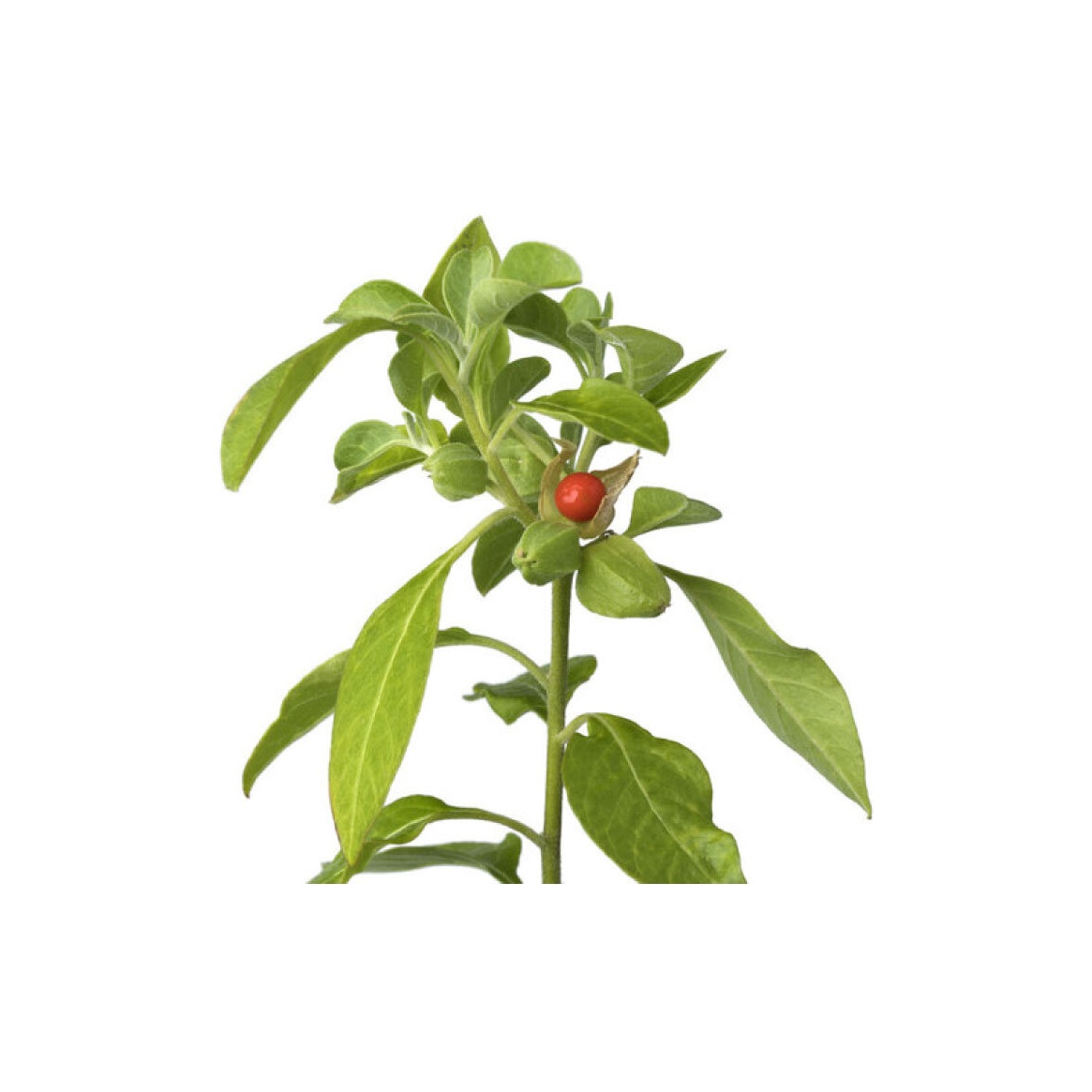 ModerateModerateAshwagandhaWithania somniferaThe classical rasayana of Ayurveda, given in convalescence and depletion, and the tonic with the most human trial data behind it.MechanismHPA-axis cortisol ↓ → HPG androgen output ↑; otherwise not establishedRead the evidenceShow lessMonograph →
Ashwagandha root is the Ayurvedic restorative given in convalescence, in depletion and in old age, and it is one of the few herbs carrying that kind of claim into controlled trials.
In oligospermic men, a 90-day randomised trial of full-spectrum root extract at 675 mg/day reported a 167% rise in sperm count, 53% more semen volume and 57% better motility from baseline, against minimal placebo change 1Reference 1RCTClinical evaluation of the spermatogenic activity of ashwagandha root extract in oligospermic males — a pilot randomised studyView study →. An 8-week resistance-training trial of KSM-66 at 300 mg twice daily in untrained young men found greater bench-press and leg-extension strength, larger muscle cross-sectional area, more fat loss, better creatine-kinase recovery and a roughly 96 ng/dL greater testosterone rise than placebo 2Reference 2RCTExamining the effect of Withania somnifera supplementation on muscle strength and recovery — a randomised controlled trialView study →.
The proposed route is permissive rather than direct: lower cortisol allowing higher gonadal output. That is untested.
Both populations are narrow — selected sub-fertile men, and young untrained men — the samples are small, there is no signal in eugonadal men, and no fertility endpoint such as pregnancy or live birth was measured.
Ashwagandha is also an established cause of herb-induced liver injury, cholestatic or mixed, typically two to twelve weeks in and usually reversible on stopping.
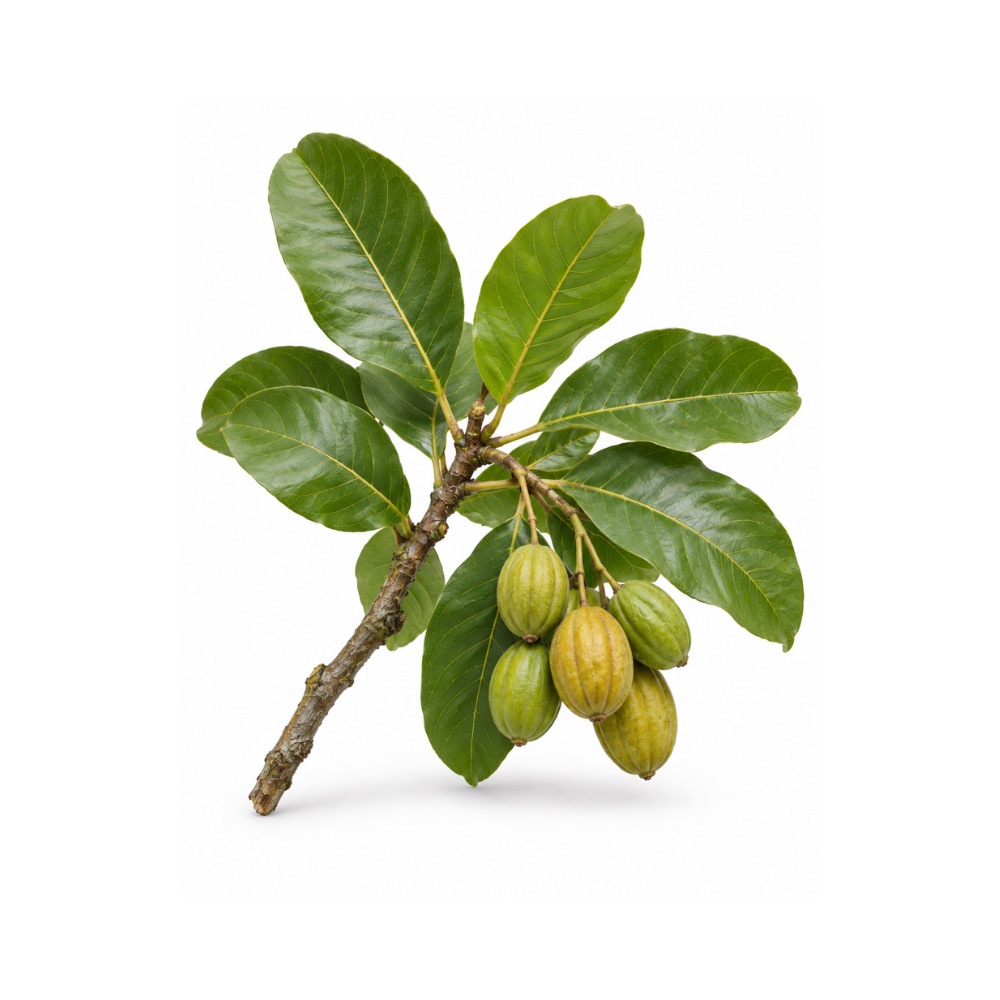 ModerateModerateHaritakiTerminalia chebulaThe king of medicines in Ayurveda, ranked as premier rasayana and lead fruit of Triphala, tonifying at low dose and laxative at higher ones.Mechanismnot established as a tonic mechanism; the astringent character rests on hydrolysable tanninsRead the evidenceShow lessMonograph →
Haritaki is the dried fruit of Terminalia chebula and arguably the single most esteemed botanical in the Ayurvedic pharmacopoeia, traditionally titled the king of medicines. It is ranked as premier rasayana — a rejuvenative for longevity, digestion and vitality rather than for one symptom.
It is read as tridoshic, acting on all three doshas but pacifying vata in particular, which is the reading that puts it in charge of dryness, irregularity and a sluggish bowel. In the West it is best known as one third of Triphala, with bibhitaki and amla.
Dose decides which herb you get. One to six grams of fruit powder: the lower end is astringent and tonifying, three to six grams is gently laxative.
The tannin load — chebulinic and chebulagic acids, corilagin, gallic and ellagic acids — underlies the astringent, tonifying character.
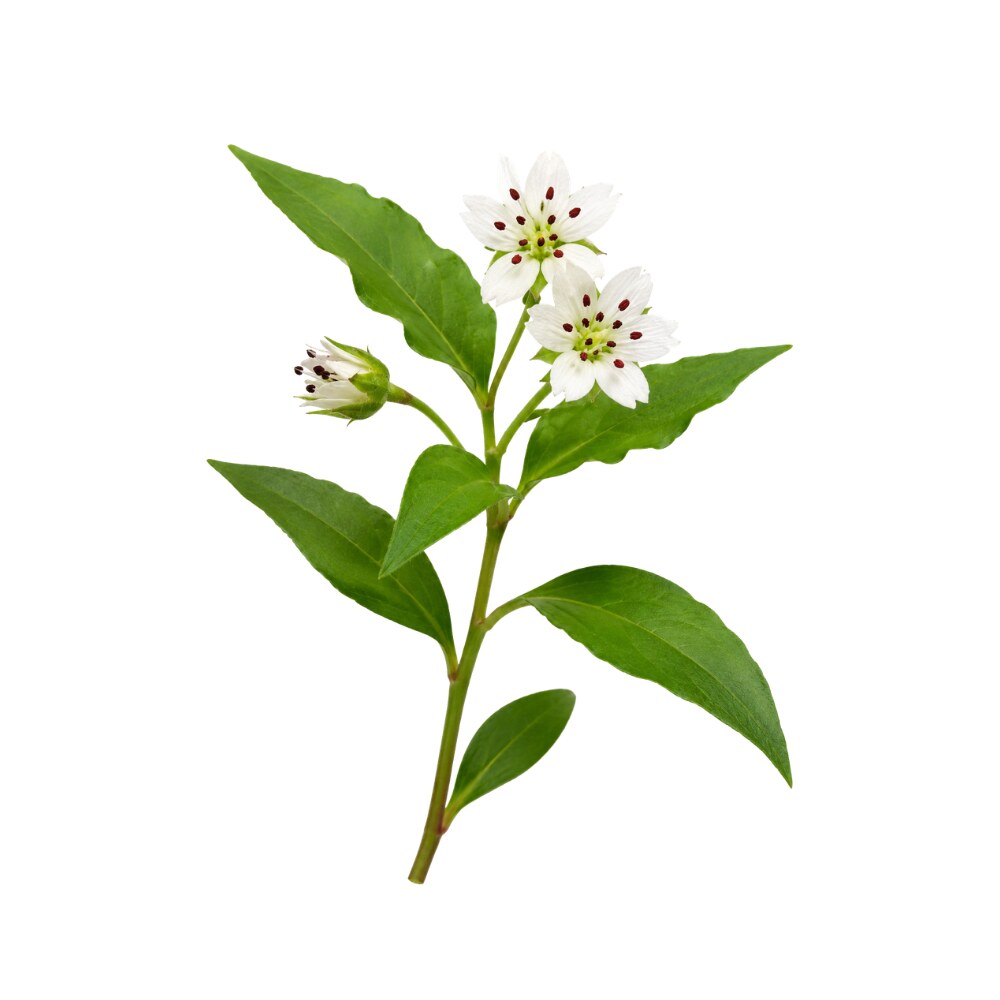 ModerateModerateKid GinsengPseudostellaria heterophyllaTai zi shen, the gentle qi tonic given to children and the frail, and the one herb here whose rodent work lines up cleanly with the traditional claim.Mechanismneuroendocrine–immune normalization; antibody titre / lymphocyte activation ↑; SOD/CAT/GSH-Px ↑, MDA ↓Read the evidenceShow lessMonograph →
Root polysaccharide dose-dependently restored forced-swim endurance and normalised neuroendocrine-immune disturbance in poly(I:C)-induced chronic-fatigue mice 3Reference 3AnimalPolysaccharide of Radix Pseudostellariae improves chronic fatigue syndrome induced by poly(I:C) in mice — mouse model, in vivoView study →. Polysaccharide supplementation raised exercise tolerance and lowered blood lactate while raising catalase, SOD and glutathione peroxidase and lowering malondialdehyde in exhaustively exercised rats 4Reference 4AnimalProtective effects of Radix Pseudostellariae polysaccharides against exercise-induced oxidative stress in male rats — rat, in vivoView study →.
Ethanol extracts from eight growing regions reversed reserpine-induced spleen deficiency, raising thymus and spleen indices and prolonging swim and anoxia survival 5Reference 5AnimalThe effect of Radix Pseudostellariae from 8 habitats on spleen-deficiency and immunologic function — mice, in vivoView study →. Water-extracted polysaccharide is the closest any tested preparation comes to a decoction, so the read-across from study to practice is better here than almost anywhere in this group.
Every study is in rodents with surrogate endurance endpoints, and there is no human trial of the herb as a single agent.
Classically, tai zi shen is chosen because it is the weak qi tonic — gentler and less warming than Panax ginseng or astragalus, and prescribed to children and the frail for that reason. The mildness is what the herb is chosen for.
Show 9 more herbs with a mild tonic action
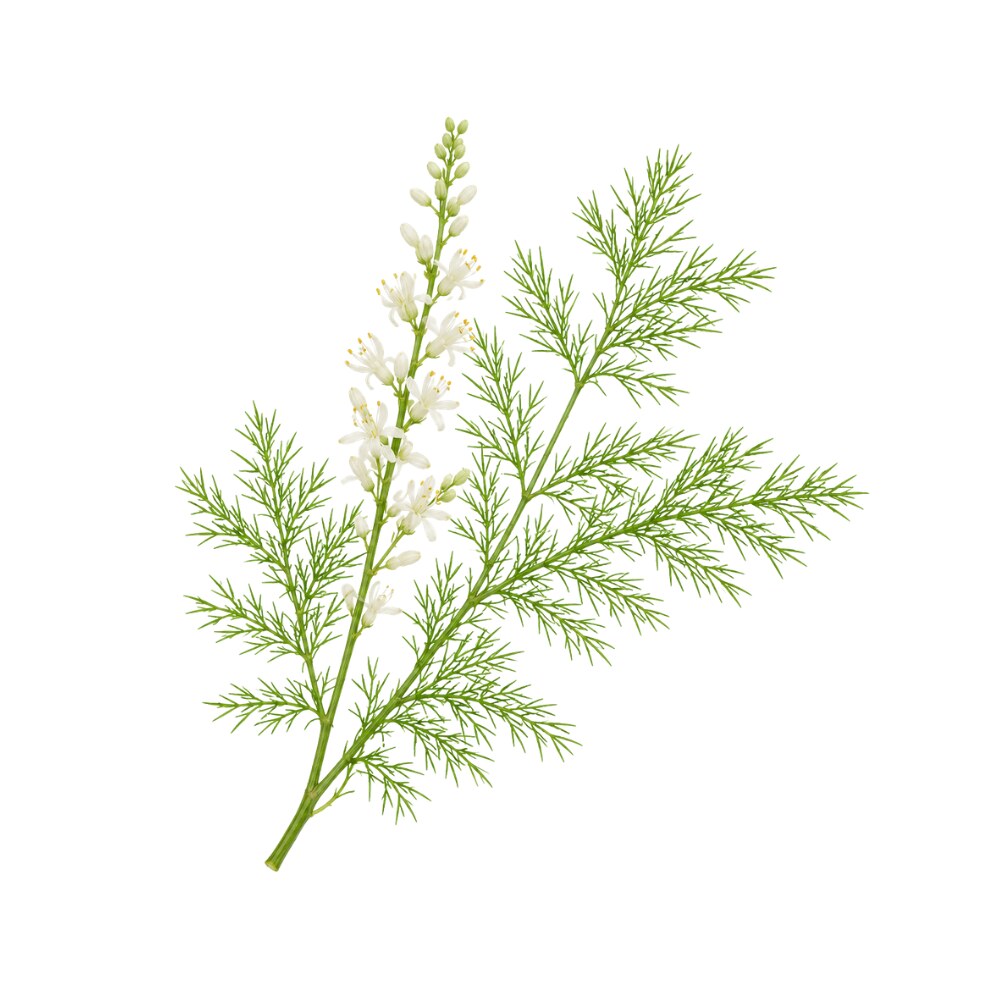 ModerateModerateShatavariAsparagus racemosusA flagship rasayana and the principal female reproductive tonic of Ayurveda — “she who possesses a hundred husbands.”Mechanismsteroidal-saponin oestrogen-receptor binding proposed; FSH ↓ / LH ↓, AMH ↑ in trial subjectsRead the evidenceShow lessMonograph →
Shatavari is the fleshy tuberous root of a climbing asparagus, and Ayurveda classes it as a flagship rasayana and medhya tonic — cooling, sweet and slightly bitter. The name is usually translated as “she who possesses a hundred husbands”, pointing at its long reputation as a female reproductive and fertility tonic.
It is given across the menstrual cycle, in menopause and postpartum, and also as a demulcent for dryness of the reproductive and digestive membranes. The root is usually taken as a powder, often with warm milk or ghee.
Human trials exist, concentrated on menopausal symptom relief and short-term lactation support. Those sit under female-tonic and galactagogue.
Almost all of that work used a standardised root extract, so it does not transfer cleanly to a decoction or whole-root powder.
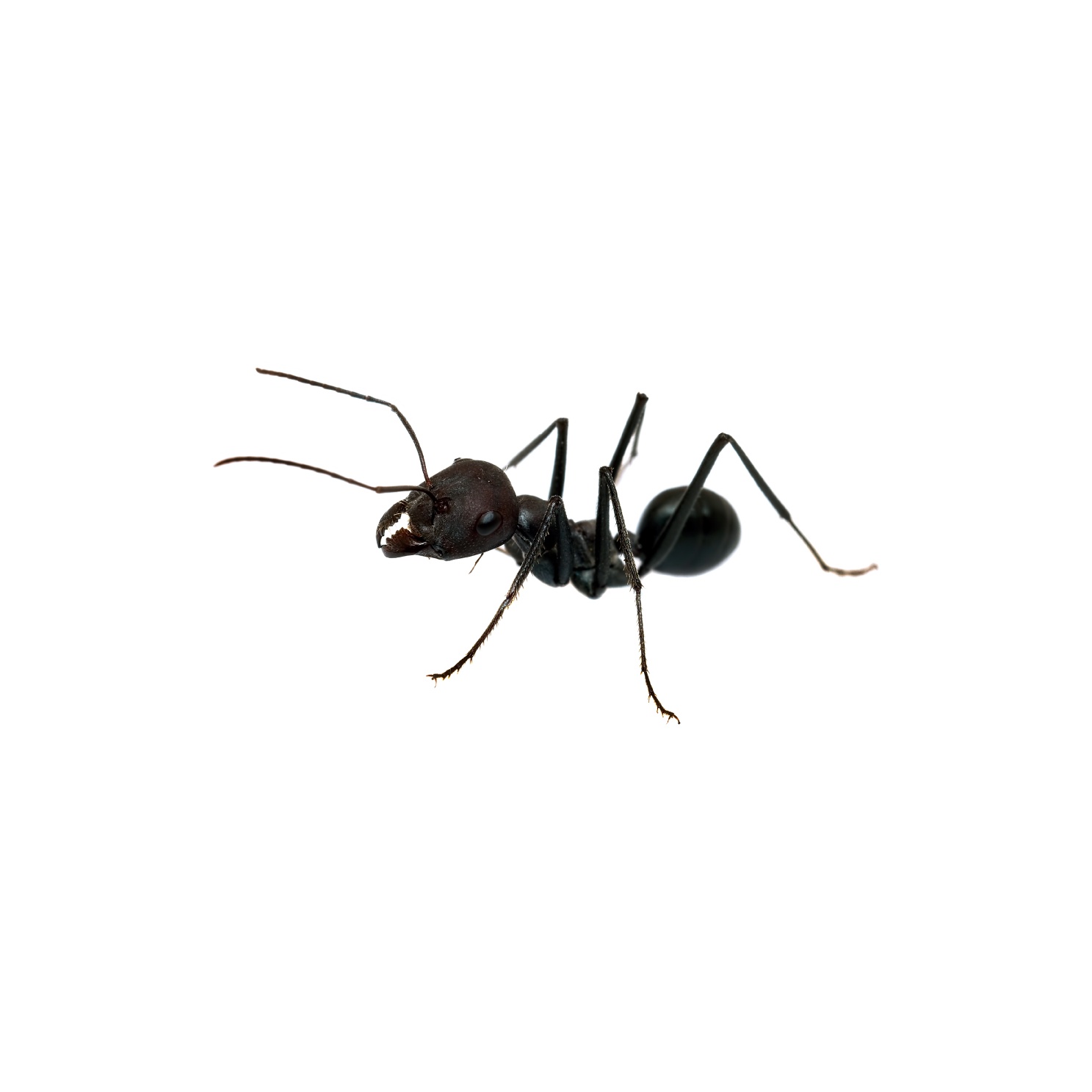 MildMildBlack AntPolyrhachis spp.A premier Qi tonic of Chinese practice, ranked by some sources above ginseng, and taken as a mineral-rich long-term builder.Mechanismnot established — a classificatory tonic with no endpoint measuredRead the evidenceShow lessMonograph →
Chinese medicine treats black ant as a premier Qi tonic, placed by some sources above ginseng itself and grouped with eleuthero, cordyceps, reishi and schisandra among the great Chinese tonics.
The material is mineral-rich and high in zinc and protein, and the traditional use is for energy, stamina and joint health over long courses rather than for an acute complaint. It is one of the herbs classed as suitable for sustained daily use.
The claim is classificatory. No study measures strength, stamina or recovery, and its narrower male-tonic reputation rests on the same classification rather than on a separate finding.
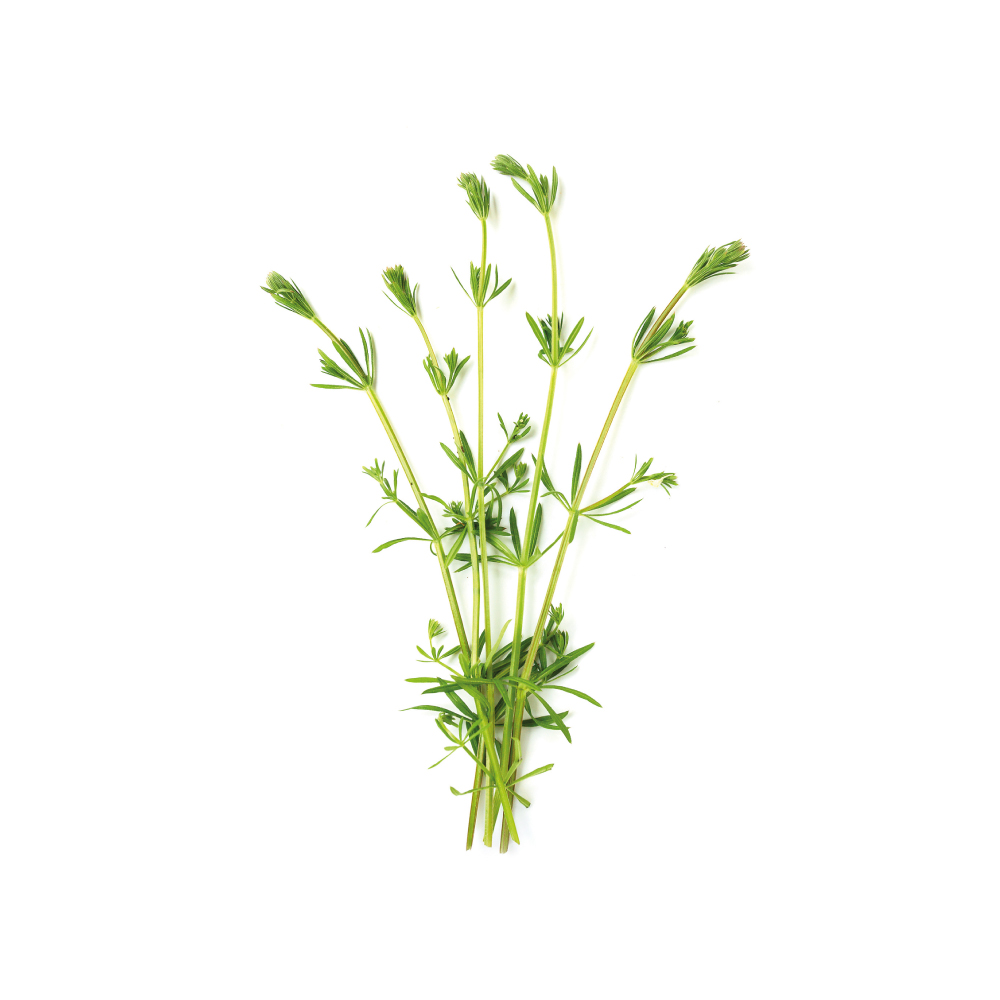 MildMildCleaversGalium aparineA constitutional classification with no traditional claim distinct from cleavers' lymphatic and diuretic uses.Read the evidenceShow lessMonograph →
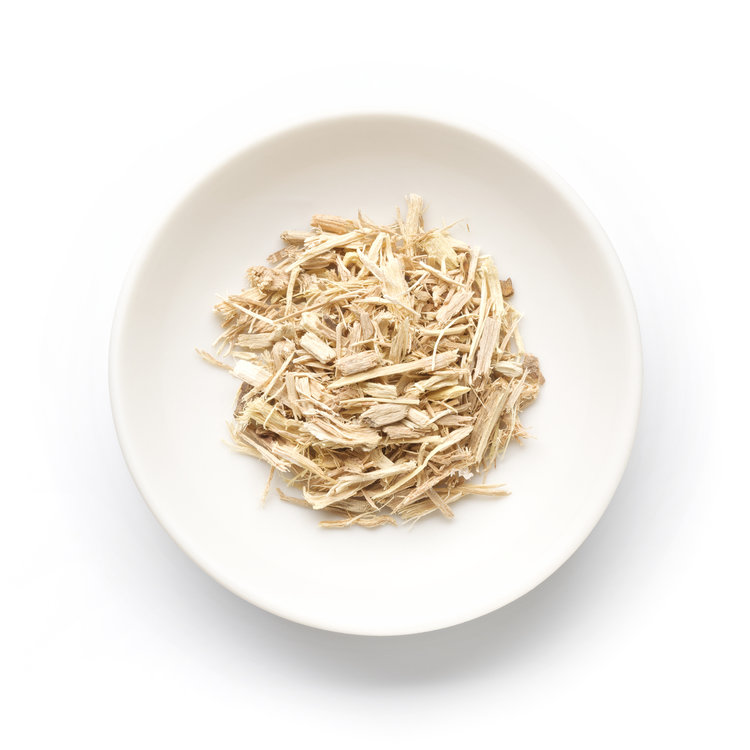 MildMildEleuthero RootEleutherococcus senticosusThe Siberian root taken in long courses for stamina and resilience — the older, vaguer word for what its adaptogen data measure.Read the evidenceShow lessMonograph →
Eleuthero root is taken in long courses for stamina, resilience and recovery from exertion, which is the tonic claim in its traditional form.
Its modern identity is adaptogen, where it has Hsp70 induction and endurance data behind it. The tonic label covers the same territory with no endpoint of its own.
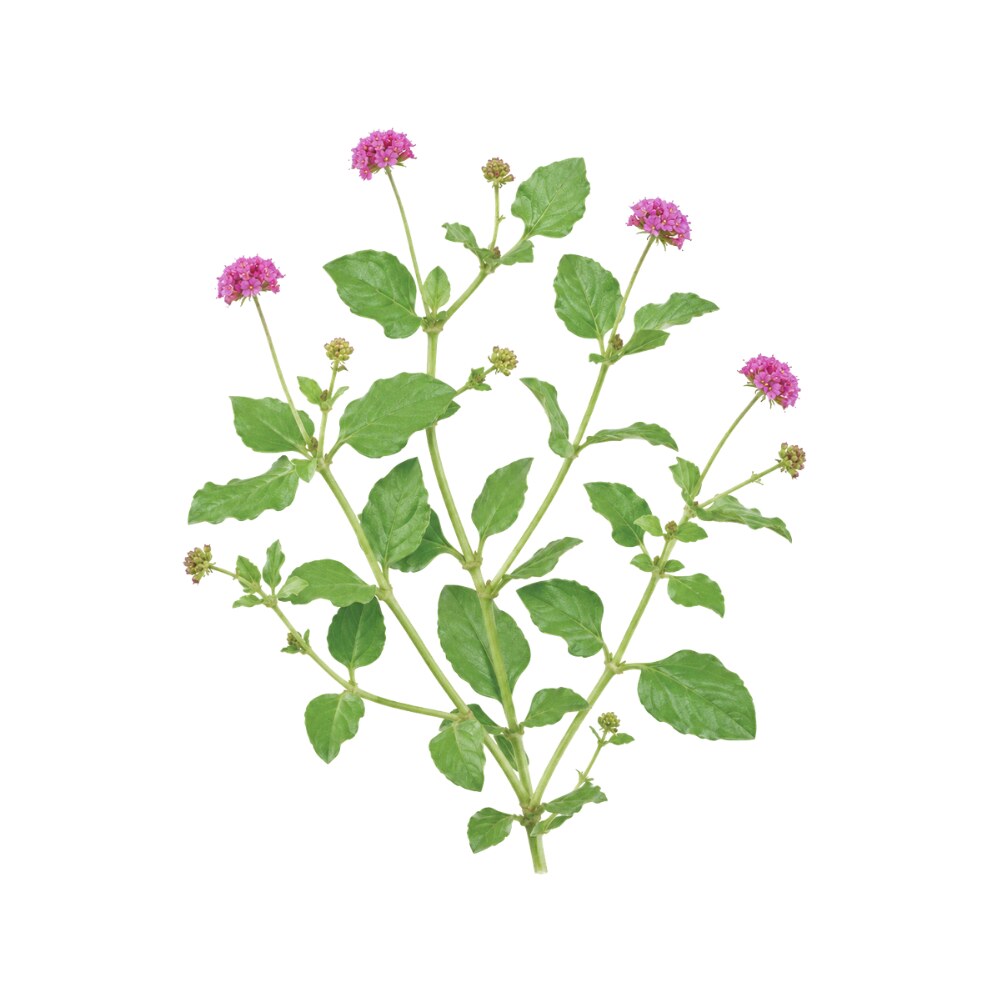 MildMildErva TostaoBoerhavia diffusaPunarnava — 'that which renews' — a rasayana of Ayurveda, and a genuine tonic identity in its own system.Read the evidenceShow lessMonograph →
Punarnava means “that which renews”, and the plant is classed as a rasayana in Ayurvedic practice, given over long periods for depletion and recovery.
The research addresses hepatic and antioxidant activity rather than restoration, and no tonic endpoint has been measured.
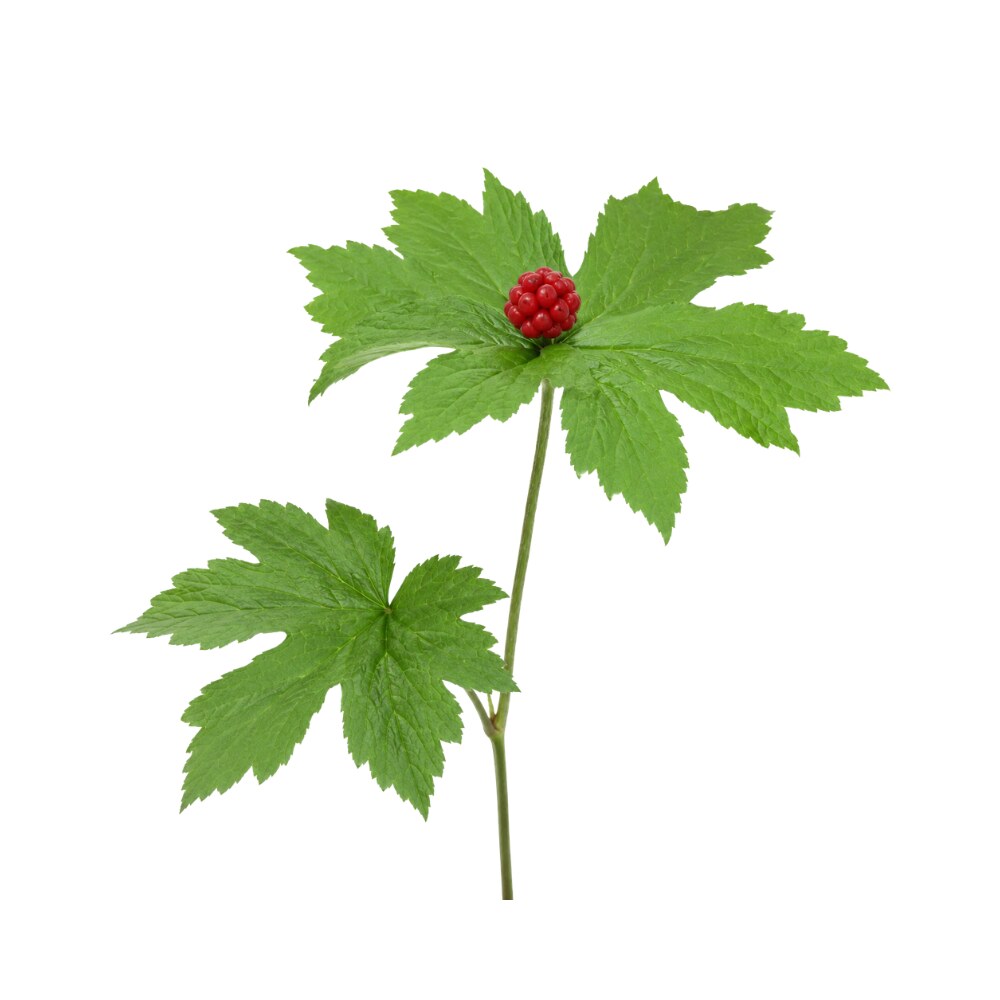 MildMildGoldensealHydrastis canadensisA mucous-membrane tonic — toning, drying and disinfecting an over-secreting surface — and one meant for short courses rather than months.Mechanismastringent and vasoconstrictive action on mucous membranes (β-hydrastine)Read the evidenceShow lessMonograph →
Goldenseal was an important medicine of several Native American peoples of eastern North America, who used the yellow rhizome as a bitter digestive tonic and as a wash for sore or inflamed eyes — the source of its old name eye balm.
The Eclectic physicians of nineteenth-century North America gave it the reputation it still carries: a specific for catarrh and for inflamed and ulcerated mucous membranes anywhere in the body. Western practice inherited that framing intact, using the root as a mucous-membrane tonic — toning, drying and disinfecting over-secreting surfaces.
The tone it builds is in a surface rather than a constitution, and the course is short. Goldenseal suits acute use and is not taken daily over months.
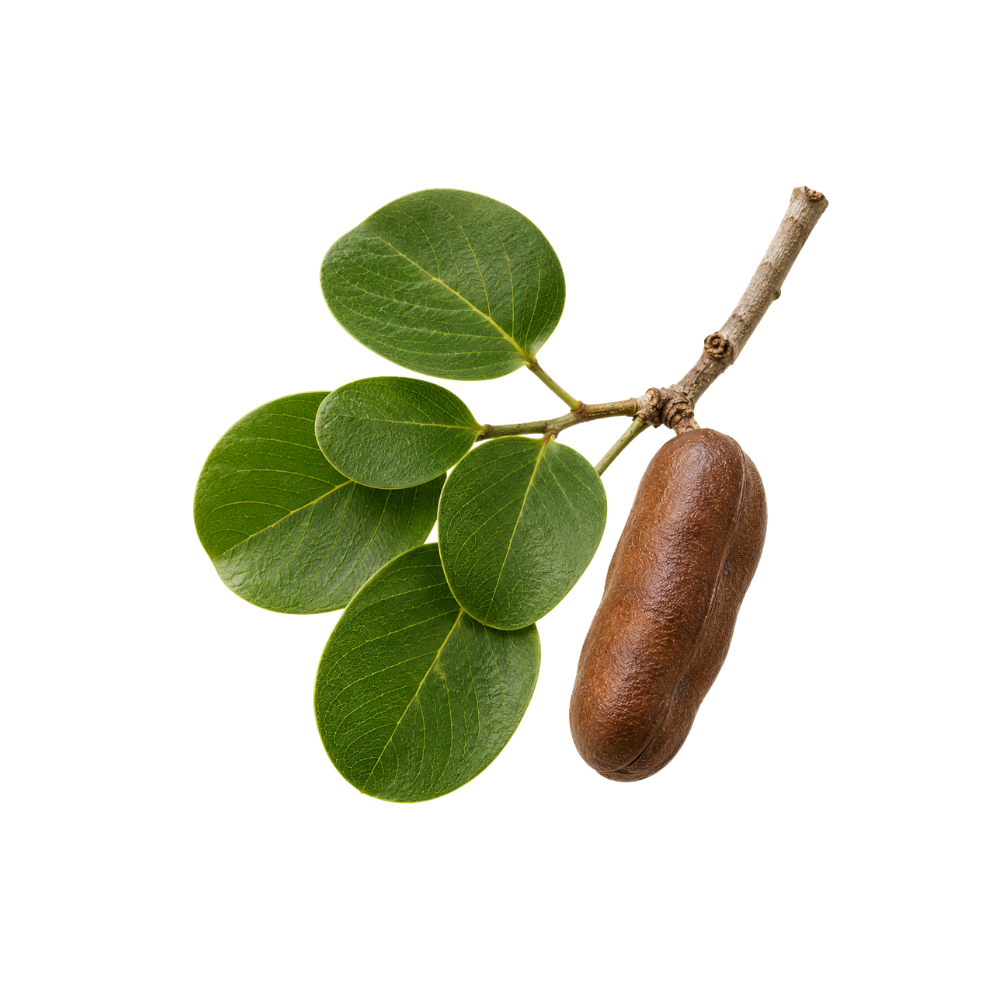 MildMildJatobáHymenaea courbarilThe Amazonian strengthening tree medicine, the bark decoction taken as a general builder rather than for one complaint.Read the evidenceShow lessMonograph →
Jatobá bark is taken in Amazonian practice as a strengthening decoction, the sort of preparation given over weeks for fatigue and general depletion.
No tonic mechanism or endpoint has been reported for it.
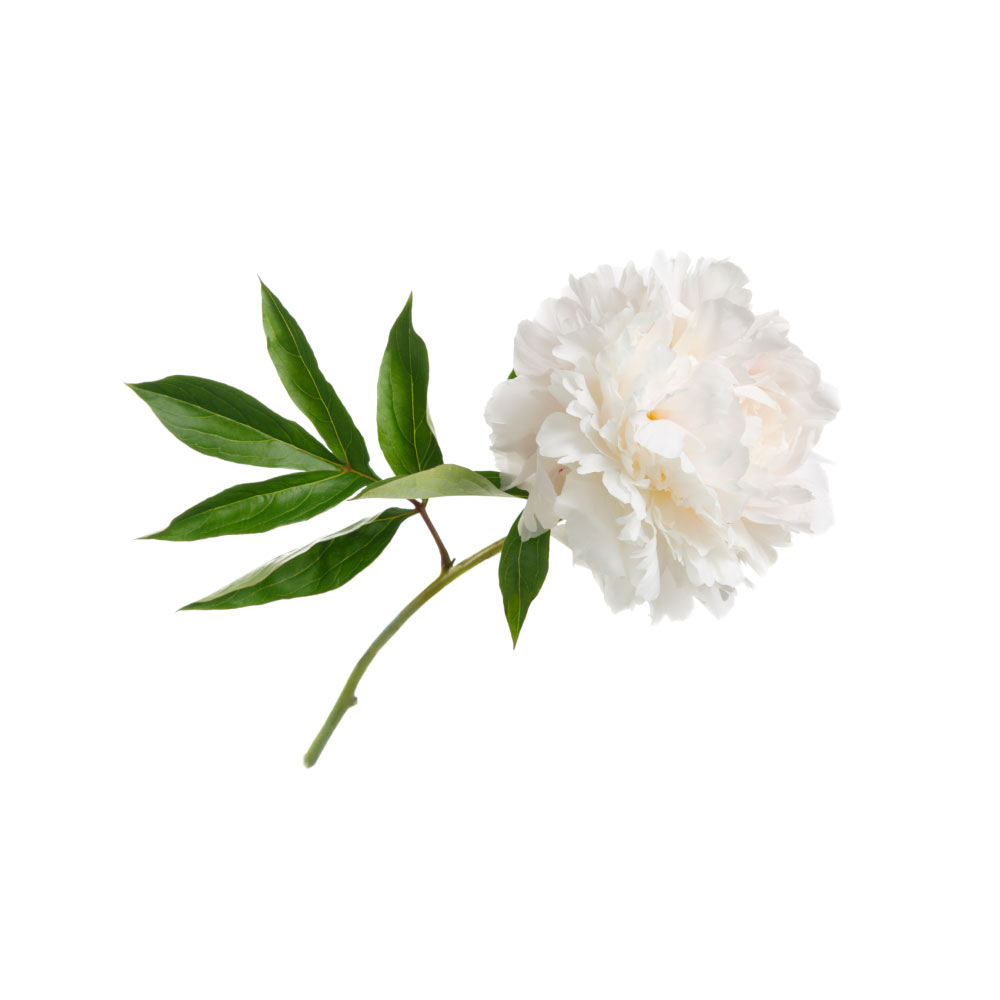 MildMildPeonyPaeonia lactifloraOne of the great blood-nourishing women\u2019s tonics of Chinese medicine, and classically specific for the Liver.Mechanismnot established as a tonic mechanism; the measured work is anti-inflammatory and immune-modulatingRead the evidenceShow lessMonograph →
Peony is a cornerstone of the Chinese materia medica, classically regarded as specific for the Liver — soothing constrained Liver energy and improving its function — and as one of the great blood-nourishing women’s tonics, especially when paired with licorice.
White peony (bai shao) and red peony (chi shao) are used differently: broadly, white to nourish blood and calm the Liver, red to cool and move blood. Against dong quai, peony is favoured where a condition involves heat and dong quai where it involves cold.
What has been measured is the standardised extract, total glucosides of paeony, in rheumatoid arthritis and autoimmune disease. That work sits under anti-inflammatory and immunomodulator.
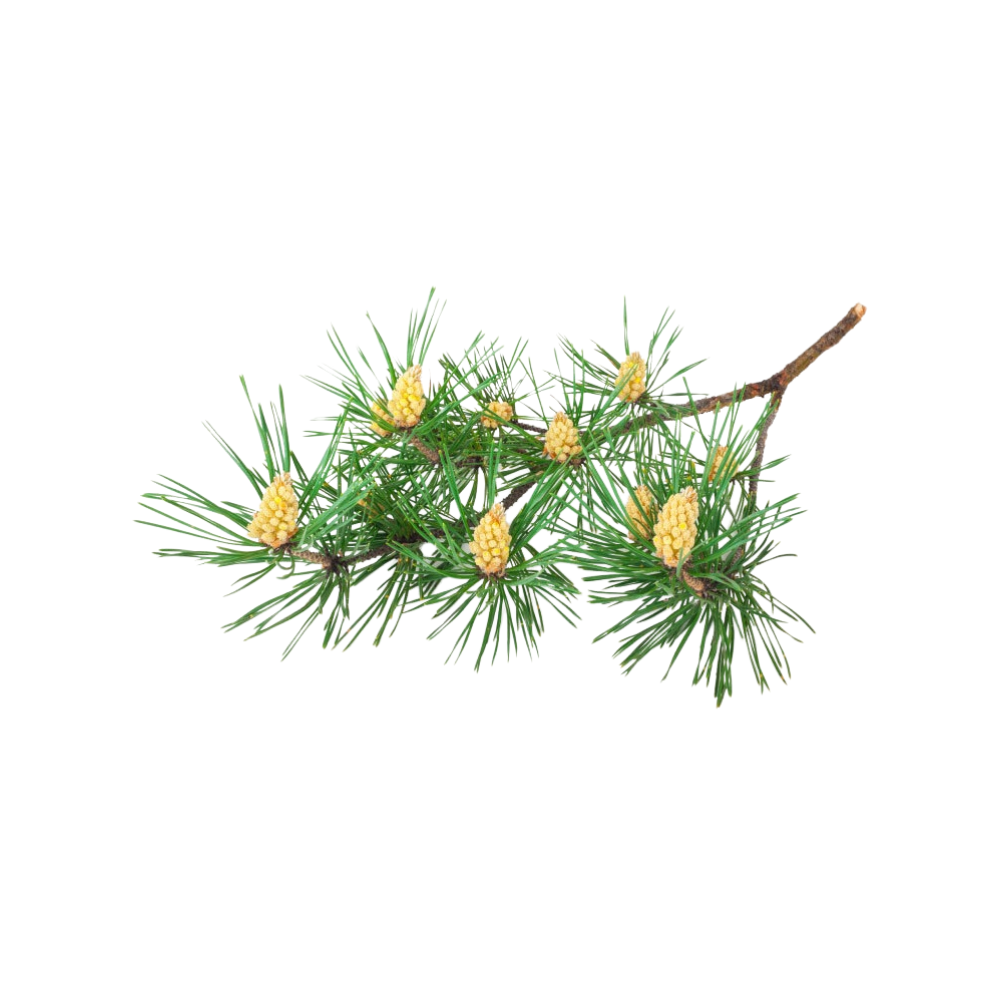 MildMildPinePinus spp.Pine pollen has been taken for centuries in East Asia as song hua fen, a strengthening and longevity tonic framed as a jing tonic.Mechanismattributed to the pollen\u2019s nutritional and anti-inflammatory profile rather than to any hormonal contentRead the evidenceShow lessMonograph →
Almost every part of a pine has a history of use: the needles as a vitamin-rich tea, the inner bark as food and decoction, the resin as a wound sealant, the seeds as food — and the pollen as a tonic.
Pine pollen has been taken for centuries in East Asia as song hua fen, a strengthening and longevity tonic. Chinese medicine frames it as a jing — life-essence — tonic acting on the five major organs, and the modern supplement market sells it as a male tonic.
Some species carry testosterone, epitestosterone and androstenedione, but at concentrations far too low to do anything on ingestion. The tonic reputation is better attributed to the pollen’s nutritional and anti-inflammatory profile than to those androgens.
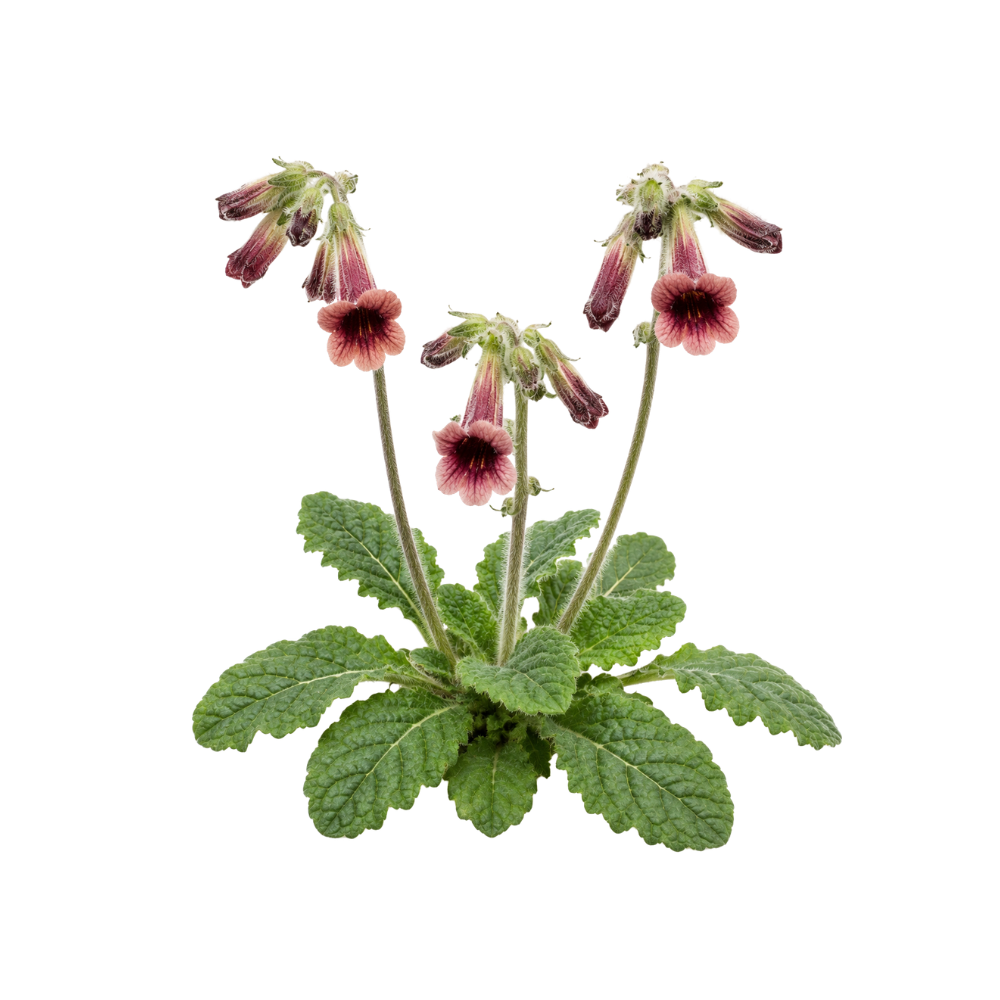 MildMildRehmanniaRehmannia glutinosaShu di huang, the great blood and yin tonic of Chinese medicine, carried into Western practice as an adrenal restorative on one rat study.MechanismHPA-axis modulation (CRH ↓, ACTH ↓, cortisol ↓)Read the evidenceShow lessMonograph →
Prepared rehmannia root is one of the central tonics of Chinese medicine, given for depletion of blood and yin, and Western practice adopted it as an adrenal restorative.
The direct mechanistic case is one study: catalpol lowered elevated cortisol, CRH and ACTH in an Alzheimer’s-disease rat model 6Reference 6AnimalCatalpol regulates function of the hypothalamic-pituitary-adrenocortical axis in an Alzheimer’s-disease rat model — animal modelView study → — a disease model rather than a stress or adrenal-insufficiency one, and isolated catalpol rather than root. Beyond it there is a compound-class generalisation that iridoids show adaptogen-like corticosterone effects 7Reference 7ReviewDeciphering the iridoids’ boundaries: adaptogenic and anti-inflammatory properties — reviewView study →.
The widely repeated claim that rehmannia prevents corticosteroid suppression of the adrenals has no controlled human confirmation.
The preparation cuts against the finding too. Catalpol is fresh-root chemistry, while the adrenal-tonic framing is applied to the prepared root, which is catalpol-poor 8Reference 8Standardization of Rehmannia glutinosa steam processing and evaluation of chemical, antioxidant and anti-inflammatory propertiesView study →.
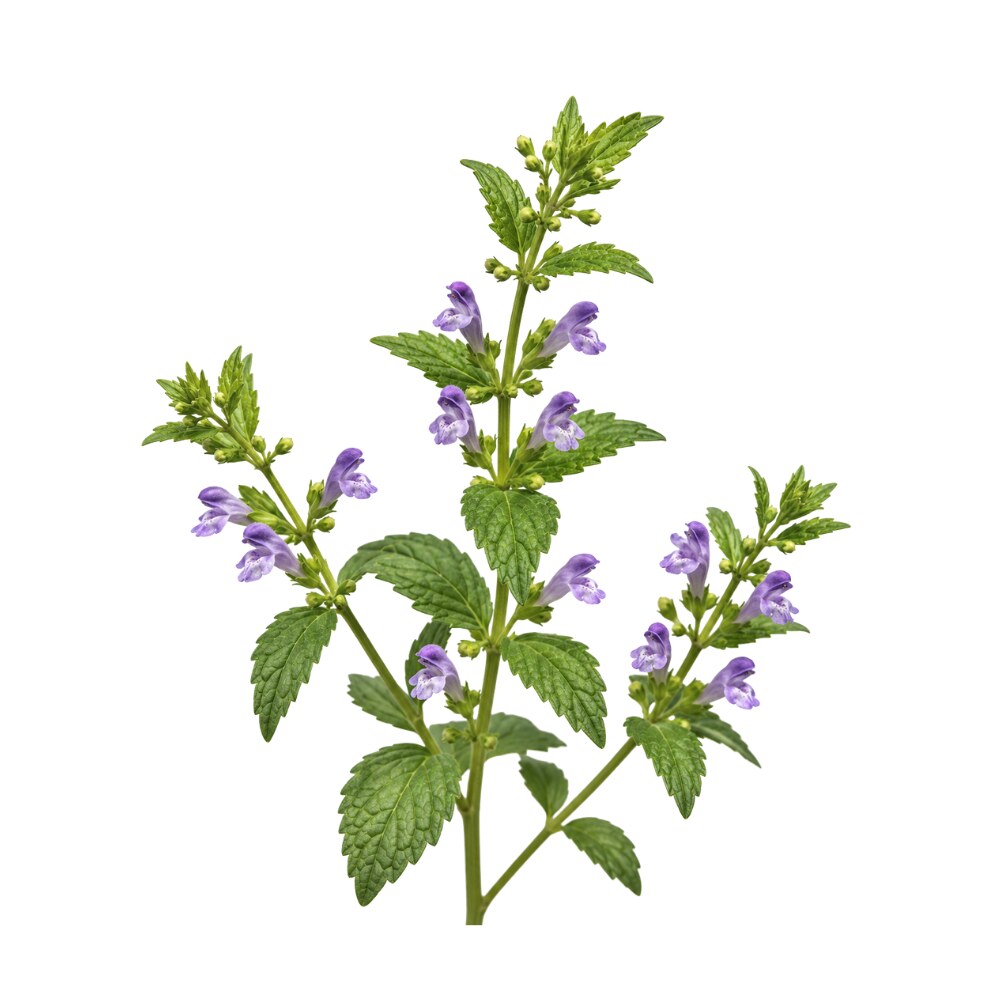 MildMildAmerican SkullcapScutellaria laterifloraThe trophorestorative of Western nervine practice — given to rebuild an exhausted nervous system rather than to sedate it for an evening.Read the evidenceShow lessMonograph →
Western herbalism classes the dried flowering tops as a nervine tonic and, more precisely, as a trophorestorative: a herb meant to rebuild the resilience of a depleted nervous system over weeks rather than to calm it acutely.
That is a constitutional classification rather than a finding, and no restorative endpoint has been measured.
American skullcap’s evidenced work is GABAergic, and it sits on the nervine and anxiolytic pages.
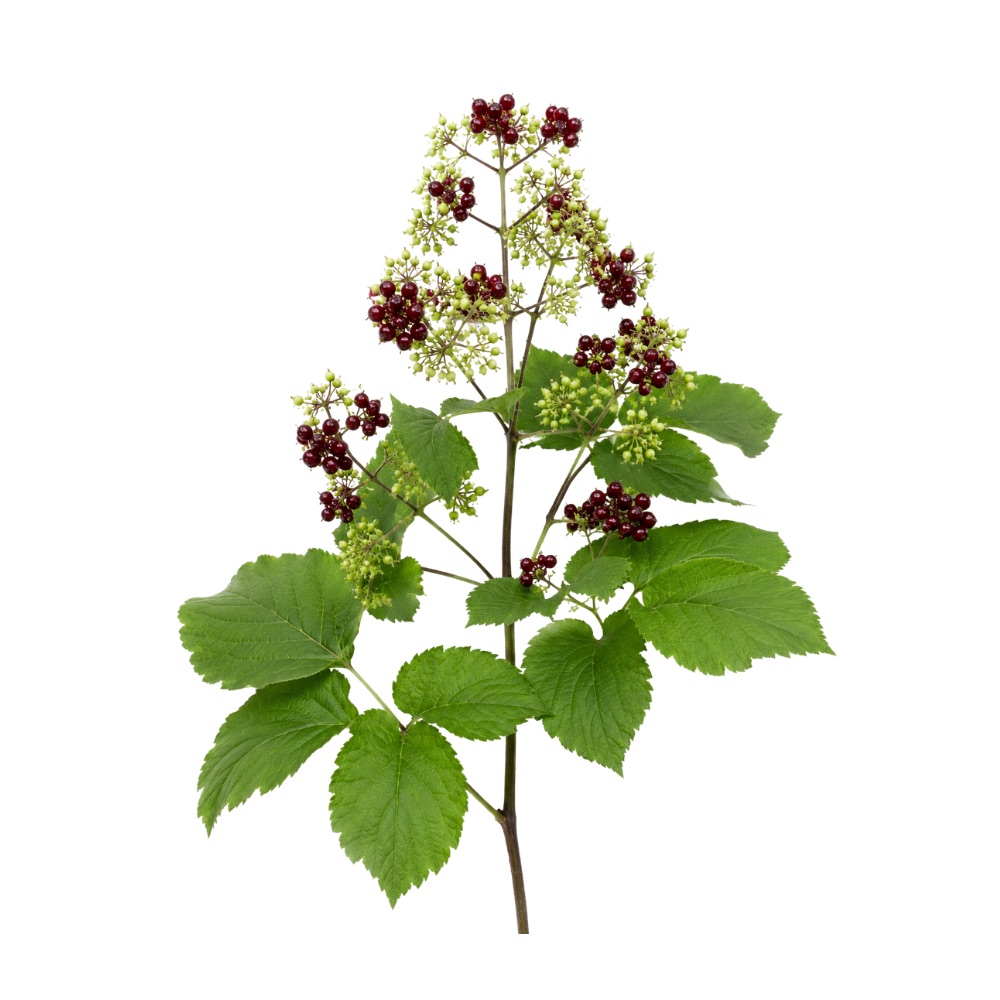 MildMildSpikenardAralia racemosaAn Araliaceae root carrying triterpenoid aralosides of the same broad class as ginseng's, which is where the tonic reading comes from.Read the evidenceShow lessMonograph →
Aralia racemosa is Panax’s cousin, and it carries triterpenoid aralosides of the same broad chemical class as the ginsenosides. The tonic classification descends from that family resemblance as much as from any observation.
Family resemblance is a hypothesis, and nothing tests it. Aralia racemosa has essentially no modern pharmacology.
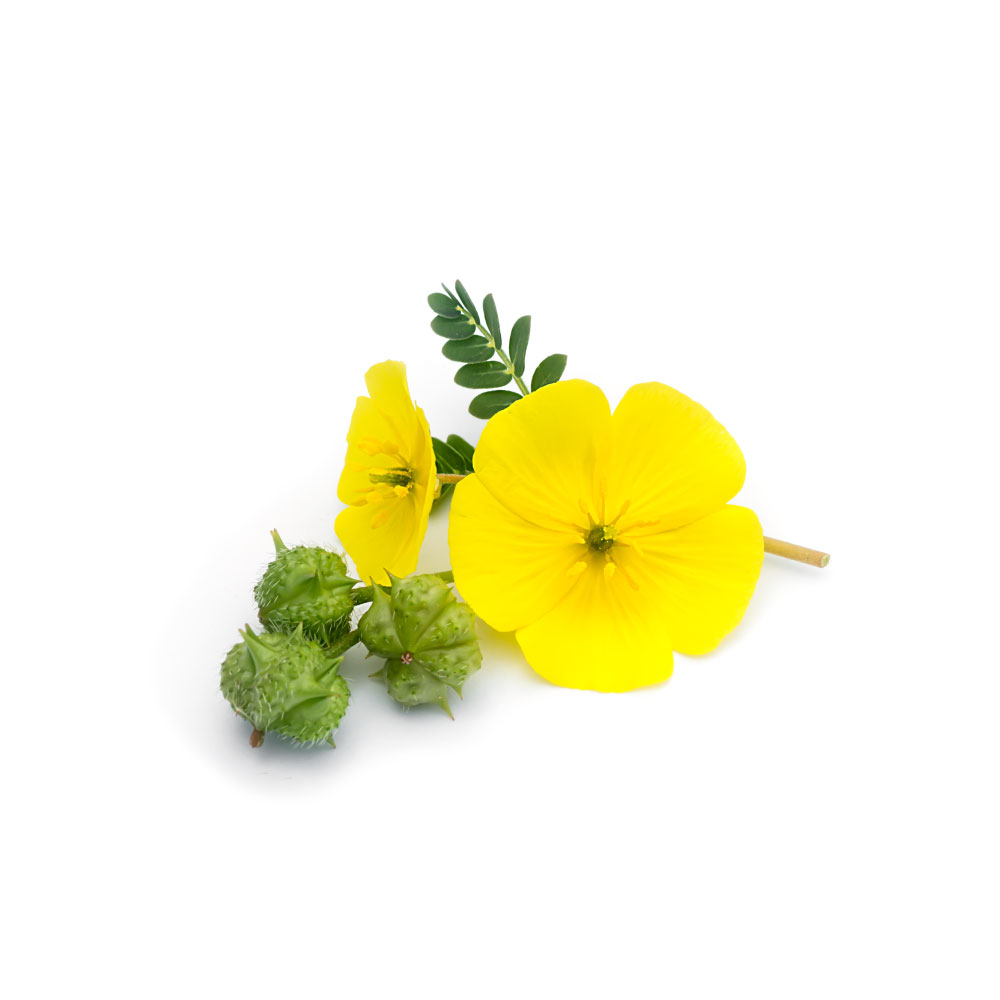 MildMildTribulusTribulus terrestrisGokshura, one of Ayurveda\u2019s principal urinary remedies, carried alongside a Unani reputation as a general tonic.Mechanismnot established \u2014 a classificatory tonic; controlled trials of vitality and performance are negativeRead the evidenceShow lessMonograph →
The drug is gokshura, the dried fruit, and it is one of Ayurveda’s principal urinary remedies — the traditional indication that shapes everything else attached to it. It is given for urinary-tract infection and inflammation and, above all, for urinary gravel, the stone-forming complaints a modern reader would recognise as nephrolithiasis.
The general-tonic reading comes from the Ayurvedic rasayana framing and from Unani practice, where it is used as a tonic in the broad sense.
The nearest thing to a controlled test of general vitality is the ergogenic literature, and it is uniformly negative: no performance or body-composition benefit across three randomised trials, and a systematic review of sport and health biomarkers finding improvement only in the lipid profile. It should never be read as an energy or performance claim.
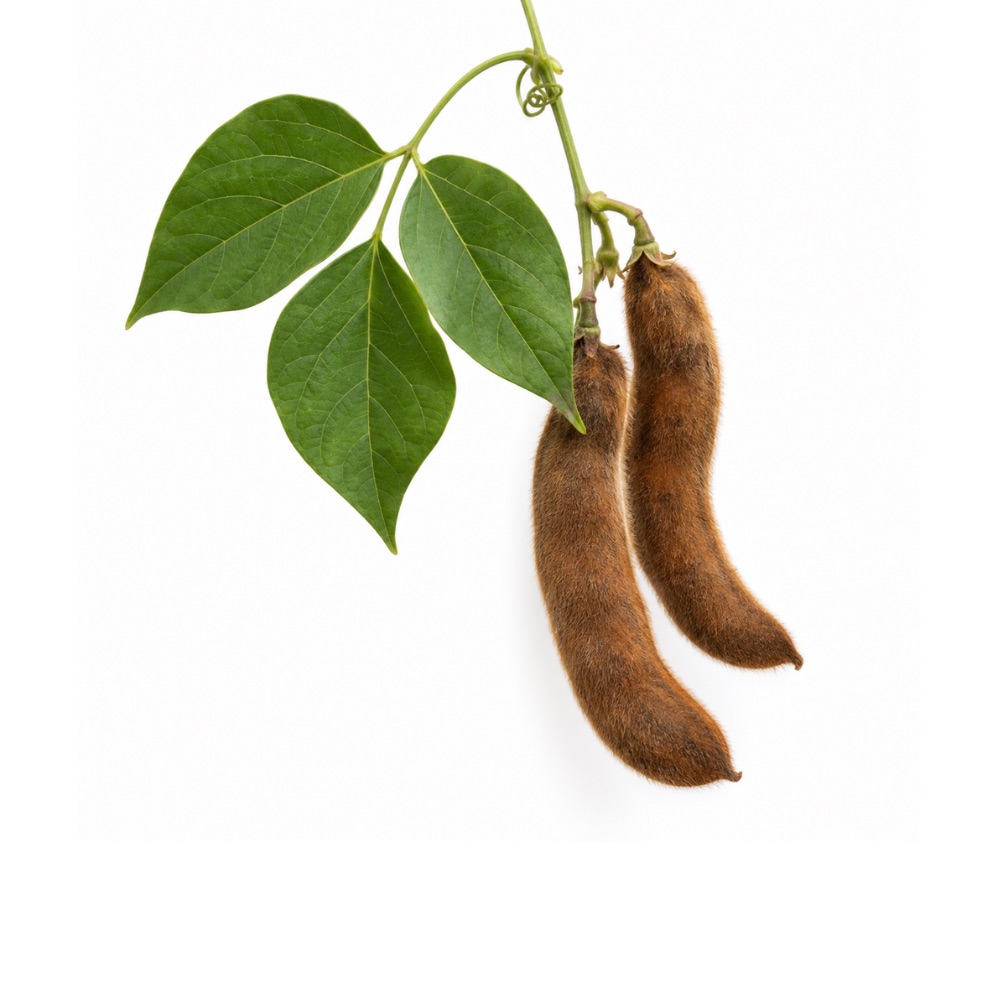 MildMildVelvet BeanMucuna pruriensAn Ayurvedic tonic and a protein-rich food crop, so the claim has both a classificatory and a literal basis — and the seed's L-DOPA makes it drug-like.Read the evidenceShow less
Mucuna seed is classed as a tonic in Ayurvedic practice and is also a protein-rich food crop, so the claim rests on both classification and ordinary nutrition.
No research addresses a tonic endpoint.
The seed’s L-DOPA content makes it a drug-like herb rather than a gentle restorative, which is the opposite of what the label implies.
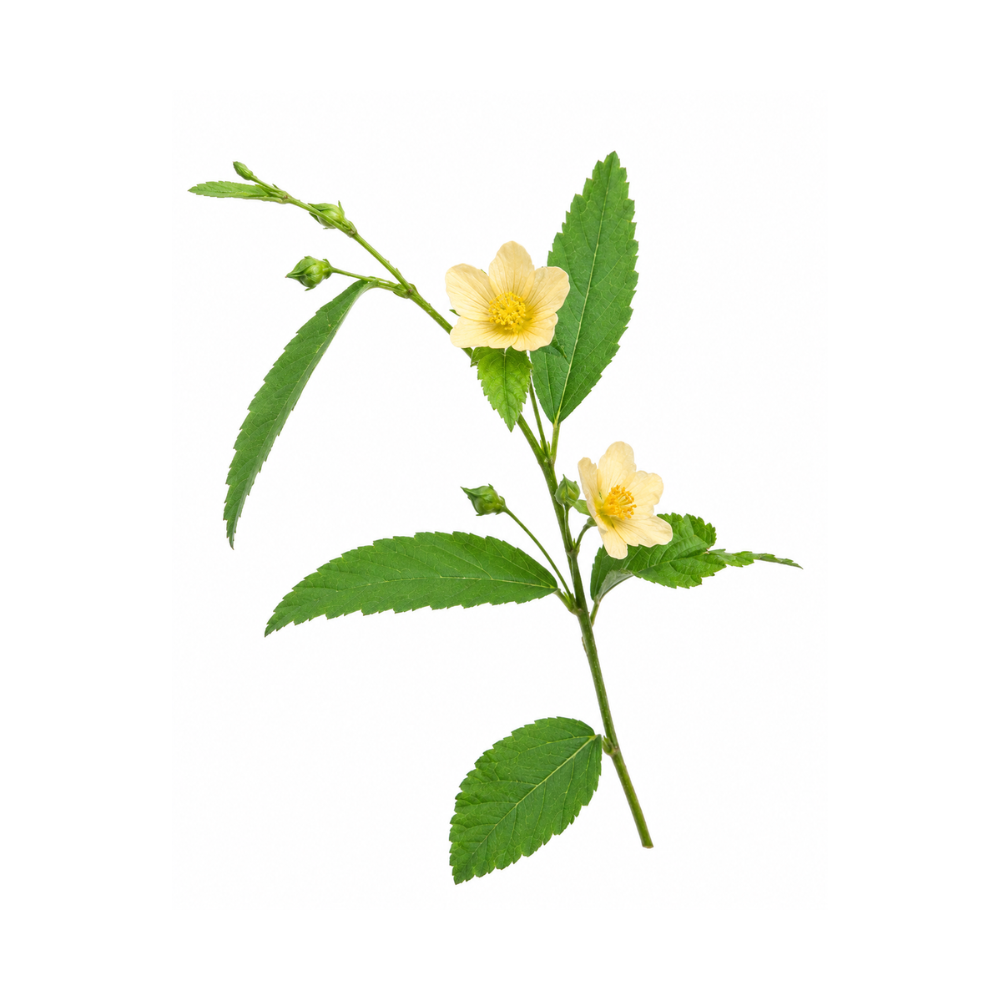 MildMildWireweedSida acutaA West African and Caribbean general tonic and energiser, taken as a decoction of the whole plant.Read the evidenceShow lessMonograph →
Sida acuta is taken across West African and Caribbean practice as a general tonic and energiser, usually as a whole-plant decoction.
No tonic endpoint appears in the research. It is not counted as a stimulant either, since that reading rested on a disputed ephedrine attribution.
No herbs match these filters.
Safety
- A tonic is taken daily and indefinitely by people who are well, and that exposure pattern is what turns a rare idiosyncratic reaction into a real one.
- Two of the most popular herbs in this family carry documented liver injury, one of them including subacute liver failure requiring transplant.
- Stop any tonic at the first sign of jaundice, dark urine or unexplained fatigue.
- The reproductive-axis herbs are endocrine drugs under a soft label, and they are avoided alongside hormonally active medication and in assisted-reproduction protocols.
- Phytoestrogenic herbs carry the hormone-sensitive cautions set out on the hormone-modulator page.
- The male-tonic herbs work through nitric oxide, so they add to nitrates and PDE5 inhibitors and the hypotension risk is real rather than theoretical.
- Adaptogenic tonics have documented drug interactions in both directions, including one that makes warfarin less effective.
- The nutritive herbs are foods and carry food cautions — major allergens, oxalate load, and the bloating that inulin-rich roots cause.
- A clean safety record on an unstudied herb reflects the absence of study rather than a body of reassuring evidence.
References
- Ambiye VR, et al. (2013). Clinical evaluation of the spermatogenic activity of ashwagandha root extract in oligospermic males — a pilot randomised study. Evidence-Based Complementary and Alternative Medicine. https://pubmed.ncbi.nlm.nih.gov/24371462/
- Wankhede S, et al. (2015). Examining the effect of Withania somnifera supplementation on muscle strength and recovery — a randomised controlled trial. Journal of the International Society of Sports Nutrition. https://pubmed.ncbi.nlm.nih.gov/26609282/
- Sheng, R., et al. (2011). Polysaccharide of Radix Pseudostellariae improves chronic fatigue syndrome induced by poly(I:C) in mice — mouse model, in vivo. Evidence-Based Complementary and Alternative Medicine. https://pubmed.ncbi.nlm.nih.gov/20008077/
- Chen, Z., et al. (2013). Protective effects of Radix Pseudostellariae polysaccharides against exercise-induced oxidative stress in male rats — rat, in vivo. Experimental and Therapeutic Medicine. https://pubmed.ncbi.nlm.nih.gov/23596474/
- Gong, Z., et al. (2001). The effect of Radix Pseudostellariae from 8 habitats on spleen-deficiency and immunologic function — mice, in vivo. Zhong Yao Cai. https://pubmed.ncbi.nlm.nih.gov/12587162/
- Wang JH, et al. (2014). Catalpol regulates function of the hypothalamic-pituitary-adrenocortical axis in an Alzheimer’s-disease rat model — animal model. Pharmazie. https://pubmed.ncbi.nlm.nih.gov/25272941/
- Chaitanya MVNL, et al. (2025). Deciphering the iridoids’ boundaries: adaptogenic and anti-inflammatory properties — review. Inflammopharmacology. https://pubmed.ncbi.nlm.nih.gov/40794373/
- Lee SJ, et al. (2023). Standardization of Rehmannia glutinosa steam processing and evaluation of chemical, antioxidant and anti-inflammatory properties. Appl Biol Chem. https://doi.org/10.1186/s13765-023-00773-7
Keep Exploring