

Overview
Diuretic at a Glance
Diuretics increase urine output.
There are many ways a plant can do this, but the most important distinction is what happens to sodium along with the water.
Some diuretics are natriuretic — they increase sodium excretion, with water following behind it. This is how most pharmaceutical diuretics work.
Aquaretics are different. They increase water excretion without significantly increasing sodium or potassium loss.
Most herbal diuretics appear to be aquaretics — including horsetail, goldenrod, couchgrass, and juniper.
The exceptions include things like tea, bearberry, and caffeine-containing plants such as coffee, which appear to influence sodium handling more directly.
Diuretics have a long history in herbal medicine. Culpeper regularly described herbs as “provoking urine,” and comparable actions appear throughout other traditional systems of medicine. They have been used for everything from fluid retention and swelling to urinary difficulty, gravel, and bladder complaints.
They provoke urine exceedingly, and therefore are very available to dysuries and stranguaries.
Nicholas Culpeper, The Complete Herbal, 1653, on juniper berries
Despite how ubiquitous this action is, many traditional diuretics have never been formally tested.
Buchu, cleavers, hydrangea, punarnava, and stinging nettle are all well-established traditional diuretics, but their effects on urine output and electrolyte excretion remain poorly studied.
Caution
Adds to prescription diuretics — herbal diuretics are additive with prescription diuretics.
Can raise lithium levels — any change in renal handling can alter lithium clearance and raise lithium levels.
Not where fluids are restricted — irrigation therapy is contraindicated in cardiac and renal oedema and wherever fluid intake is restricted, including some forms of heart or kidney failure.
Mechanisms
How It Works
01
Aquaresis
Aquaresis increases urine volume without a matching increase in electrolyte excretion.
This is the profile most herbal diuretics show when measured. Horsetail’s diuretic effect matched hydrochlorothiazide in a human crossover trial without the thiazide’s electrolyte loss. Goldenrod’s flavonoids raised urine output in rats while sodium and potassium excretion fell.
Couchgrass is thought to act by osmotic load from its sugar alcohols, juniper by raising glomerular filtration, and poria by downregulating renal aquaporin-2 through the vasopressin axis.
Aquaresis does not deplete potassium, and dandelion leaf carries enough potassium to replace what little it moves.
The same property means these herbs do nothing useful in cardiac or renal oedema, where sodium is the target, and goldenrod and couchgrass are contraindicated in that setting.
Herbs: CouchgrassDandelionGoldenrodHorsetailJuniperPoria
Key compounds: Terpinen-4-olQuercetinKaempferol
02
Sodium Handling
A small number of herbs act on sodium transport, the mechanism of prescription diuretics.
Black tea infusion produced natriuresis in rats through aldosterone inhibition and carbonic-anhydrase inhibition. Bearberry’s arbutin inhibited aldosterone synthase in rats, though the finding comes from the isolated compound given by injection, not from bearberry tea.
Chanca piedra raised urinary and serum sodium in one small human study with no identified target.
Where sodium handling is affected, the pharmacological cautions apply in full: additive effects with prescription diuretics and altered lithium clearance.
Herbs: BearberryChanca PiedraTea
Key compounds: Arbutin
03
Adenosine-Receptor Antagonism
Caffeine and related methylxanthines block adenosine receptors in the nephron, reducing tubular sodium reabsorption and increasing urine output.
This is the best-characterised herbal diuretic mechanism and belongs to the caffeine-bearing plants: coffee, tea and cha de bugre.
The effect is real in people unaccustomed to caffeine and fades with regular use. In habitual drinkers, moderate daily coffee does not change hydration status.
Herbs: Cha De BugreCoffeeTea
Key compounds: CaffeineTheophyllineTheobromine
04
Prostanoid and Unresolved Routes
Some herbs have a measured diuretic effect with a mechanism that is only partly understood.
Bauhinia forficata produces prostanoid-mediated diuresis and natriuresis in rats, a route distinct from both aquaresis and direct sodium transport.
Shepherd’s purse produced diuresis in a 1969 rodent study with no target identified since, and its action is usually attributed to flavonoid and potassium content.
An unexplained measurement is a different kind of uncertainty from an unmeasured explanation, and most of the traditional diuretics fall into the second group.
Herbs: Bauhinia ForficataShepherd’s Purse
More Specific Actions
Sub-Actions
Diuretic overlaps with several narrower urinary actions. These describe what the herb is actually doing in the urinary tract and are often more useful than the broader parent category.
Antilithic
9 herbsHelps prevent the formation of urinary stones or assists in passing them. This may involve increased urine volume, changes in urinary mineral handling, or relaxation of the ureter.
Nephroprotective
6 herbsProtects the kidneys from injury rather than increasing urine output. The evidence looks at oxidative stress, inflammation, fibrosis, and diabetic-nephropathy pathways.
Uricosuric
7 herbsIncreases the excretion of uric acid through the kidney’s urate transporters rather than through urine volume. Used for gout and uric-acid stones, and it needs high fluid intake because it pushes more urate through the kidney.
Urinary Antiseptic
5 herbsReduces bacterial growth in the urinary tract. The best-known examples work through compounds excreted in the urine, such as arbutin from bearberry, and are used for uncomplicated lower urinary-tract infection.
Urinary Antispasmodic
3 herbsRelaxes smooth muscle in the bladder and ureters, easing the spasm and urgency that accompany infection, stones, or irritation. Often combined with demulcent and antiseptic herbs.
Urinary Demulcent
2 herbs · Couchgrass, MarshmallowSoothes an irritated urinary-tract lining with mucilage-rich preparations. Used for the burning and discomfort of cystitis and urethritis rather than for any effect on urine volume.
The Molecules
Pharmacology
What produces a diuretic effect at the molecular level. The herbs carry these molecules in different combinations and amounts, which is most of why their potency differs. Roles describe how central a molecule is to the action across plants generally, not how strong any one herb is.
Chiefly Amines & Protoalkaloids1
Carries the action largely on its own — the effect is attributed to the molecule, not just the extract it came from.
Adds to a plant's effect and is often present in quantity, but rarely accounts for it alone.
Real but narrow — one pathway, one tissue, or evidence too thin to lean on.
Hydroxytyramine (Dopamine) Amines & Protoalkaloids Minor role Targets Renal D1-like receptors — natriuresis and renal vasodilation
Peripheral dopamine receptors are expressed in the kidney, where they govern sodium handling and renal vascular tone 1Reference 1Dopamine receptors: from structure to functionView study →, and roughly half the body’s dopamine is made outside sympathetic nerves as a local signal, largely by mesenteric organs 2,
That mechanism motivated decades of “renal-dose” dopamine in intensive care.
A placebo-controlled RCT of 328 critically ill patients then found that 2 µg/kg/min changed neither peak serum creatinine (245 vs 249 µmol/L, p = 0.93) nor the need for renal replacement therapy nor length of stay 4Reference 4RCTLow-dose dopamine in patients with early renal dysfunction: a placebo-controlled randomised trial (ANZICS Clinical Trials Group)View study →.
A clean receptor mechanism did not produce a clinical outcome even by intravenous infusion, and it is no basis for a herbal diuretic claim.
Broom is the herb that carries the compound.
What It's For
Indications
- Fluid retention and puffiness
- Urinary-tract complaints
- Support for the kidneys and bladder
- Raised blood pressure with fluid overload
- Gout and uric-acid build-up
Materia Medica
Diuretic Herbs by Potency
The diuretic herbs, ordered by the relative strength of the effect rather than by how well studied it is. Each herb is described by the mechanism behind its effect and the evidence for it.
None of this is a substitute for professional care.
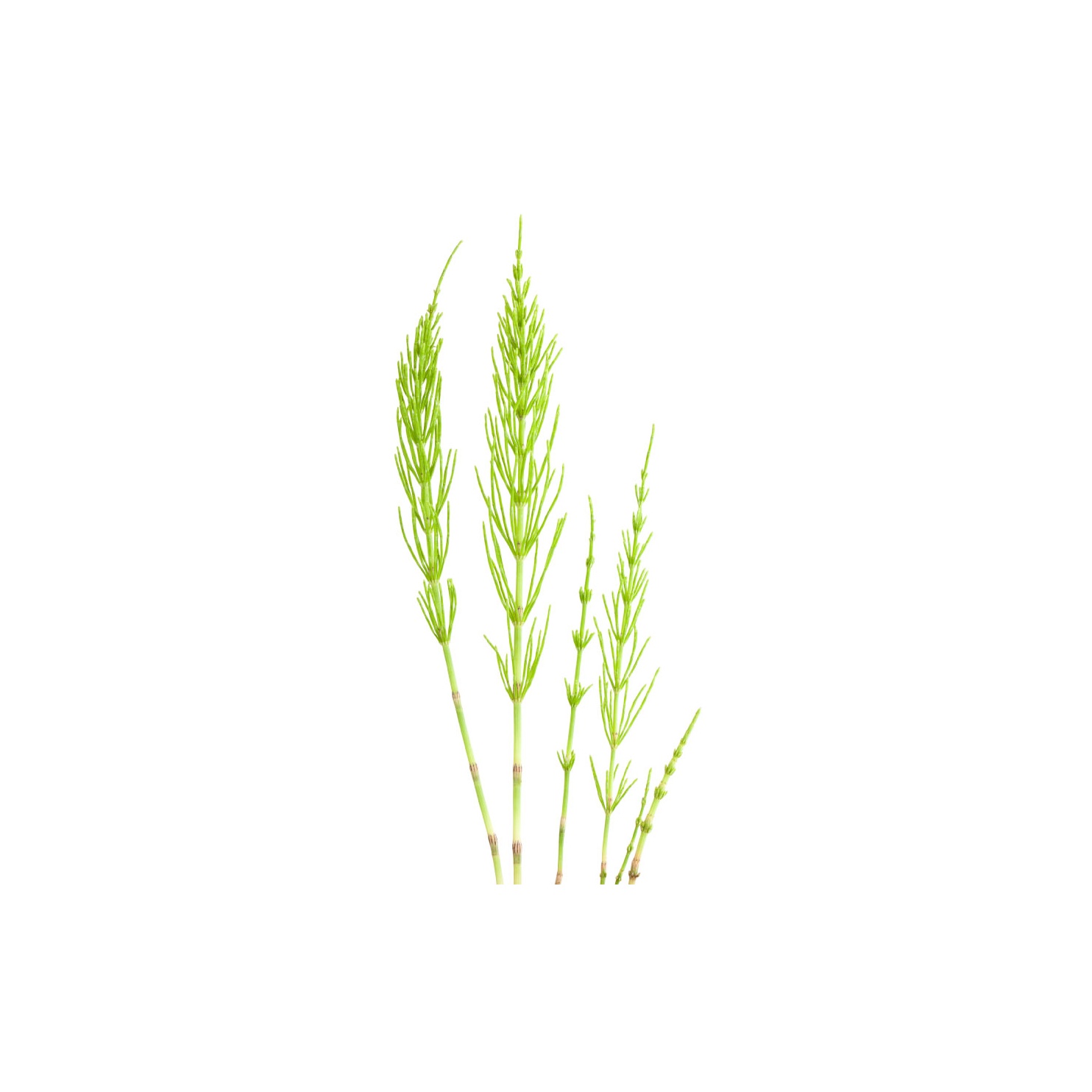 PotentPotentHorsetailEquisetum arvenseIncreased 24-hour urine output as much as hydrochlorothiazide in a human crossover trial, without the thiazide's electrolyte loss.Mechanismaquaretic — urine volume ↑ without ↑ electrolyte excretion (no thiazide-type Na⁺/Cl⁻ cotransport blockade); renal target not established (flavonoid / equisetonin fraction)Read the evidenceShow lessMonograph →
In a double-blind randomised crossover trial, 36 healthy men took a standardised dried E. arvense extract (900 mg/day), placebo, or hydrochlorothiazide 25 mg/day for four days each with 10-day washouts. The extract’s 24-hour diuretic effect beat placebo and was statistically equivalent to the thiazide 24Reference 24RCTRandomized, double-blind clinical trial to assess the acute diuretic effect of Equisetum arvense (field horsetail) in healthy volunteers — randomised controlled trialView study →.
Unlike the thiazide, horsetail did not significantly raise electrolyte excretion. That is a true aquaretic profile, the mechanistic signature the traditional “flushing” use assumes, and almost no other herb has demonstrated it head-to-head against a pharmaceutical.
The trial was acute, enrolled only healthy young men, and tested a standardised dried extract. The tea, the whole-herb powder and the 1:2 tincture that most people take have not been tested.
The renal mechanism is uncharacterised; “not a thiazide” is a negative finding, not a pathway.
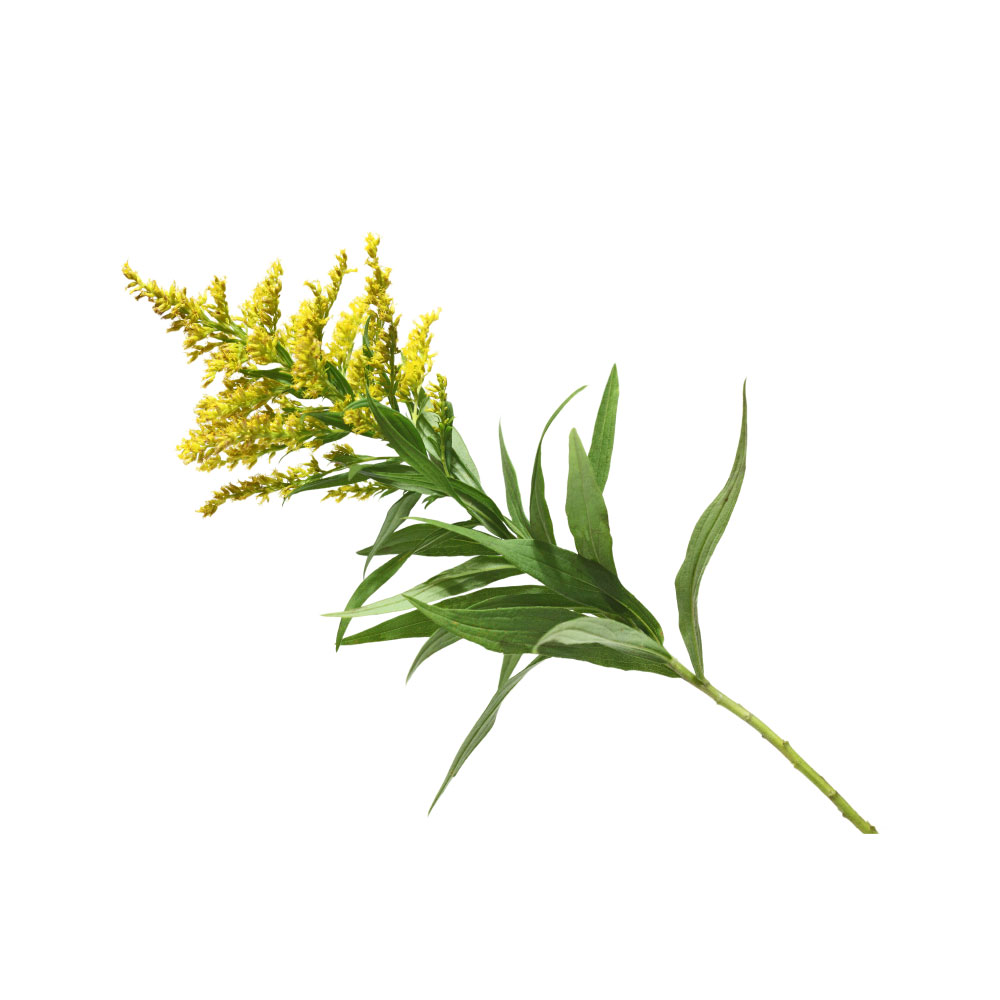 StrongStrongGoldenrodSolidago virgaureaAn aquaretic with pharmacopoeial standing: raises urine output while sodium and potassium excretion fall, the basis of its approved irrigation-therapy use.Mechanismaquaretic renal water handling — Na⁺/K⁺ excretion ↓, not natriuresis; flavonoid + triterpene-saponin driven; precise tubular target not establishedRead the evidenceShow lessMonograph →
Flavonoid fractions of S. virgaurea given orally to rats raised overnight urine output by 57–88% while decreasing urinary sodium and potassium excretion 18Reference 18AnimalEffect of flavonoid fractions of Solidago virgaurea L. on diuresis and levels of electrolytes — in vivo rat studyView study →, and an isolated Solidago glycoside reproduced the diuresis 19Reference 19AnimalDiuretic effect of the glycoside from a plant of the Solidago L. genus — in vivo animal studyView study →. Water is flushed through the tract without the electrolyte loss of a loop or thiazide agent.
The effect is attributed to the flavonoids (rutin, quercitrin, isoquercitrin, hyperoside) and the virgaureasaponins and solidagosaponins. It is the mechanistic basis for the “irrigation therapy” indication approved by the German Commission E and the EMA/HMPC 20,
The quantitative data are decades old and rodent-only, and no modern controlled human study has measured goldenrod’s aquaretic effect or defined an effective dose 21Reference 21Systematic reviewSolidago virgaurea L.: A Review of Its Ethnomedicinal Uses, Phytochemistry, and Pharmacological Activities — systematic reviewView study →. The flush is therapeutic only with adequate fluid intake; “with plenty of fluid” is part of the mechanism, not a formality.
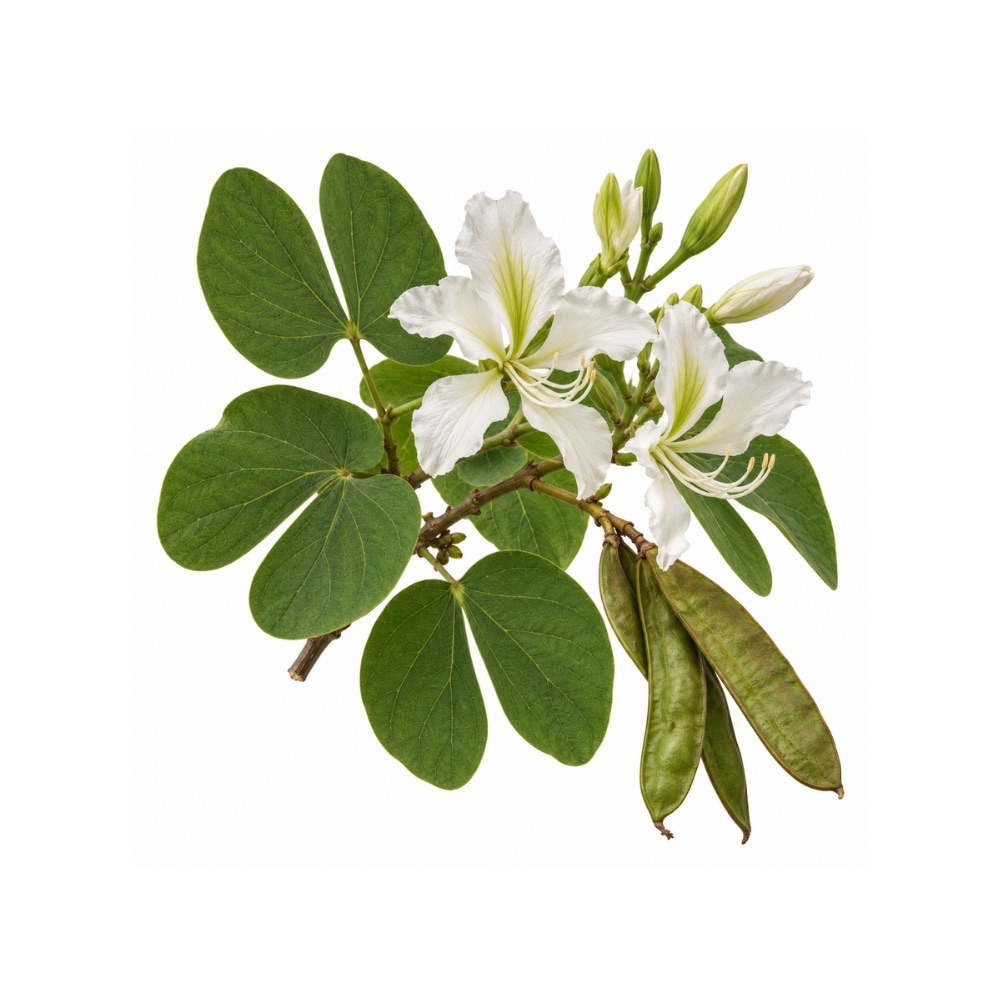 ModerateModerateBauhinia ForficataBauhinia forficataProstanoid-mediated diuresis and natriuresis in rats, a mechanism distinct from both the aquaretic and the sodium-transport diuretics.Mechanismprostanoid-mediatedRead the evidenceShow less
Extracts and the flavonoid kaempferitrin produced diuresis and natriuresis in rats through a prostanoid-dependent route 5Reference 5AnimalInfluence of prostanoids in the diuretic and natriuretic effects of extracts and kaempferitrin from Bauhinia forficata Link leaves in rats — animal studyView study →, and the related kaempferol rhamnoside afzelin showed diuretic and renal-protective effects in normotensive and hypertensive animals 6Reference 6AnimalDiuretic and renal-protective effect of kaempferol 3-O-α-L-rhamnoside (afzelin) in normotensive and hypertensive rats — animal studyView study →.
The mechanism is more specific than most herbal diuretics can claim. No human diuresis study exists.
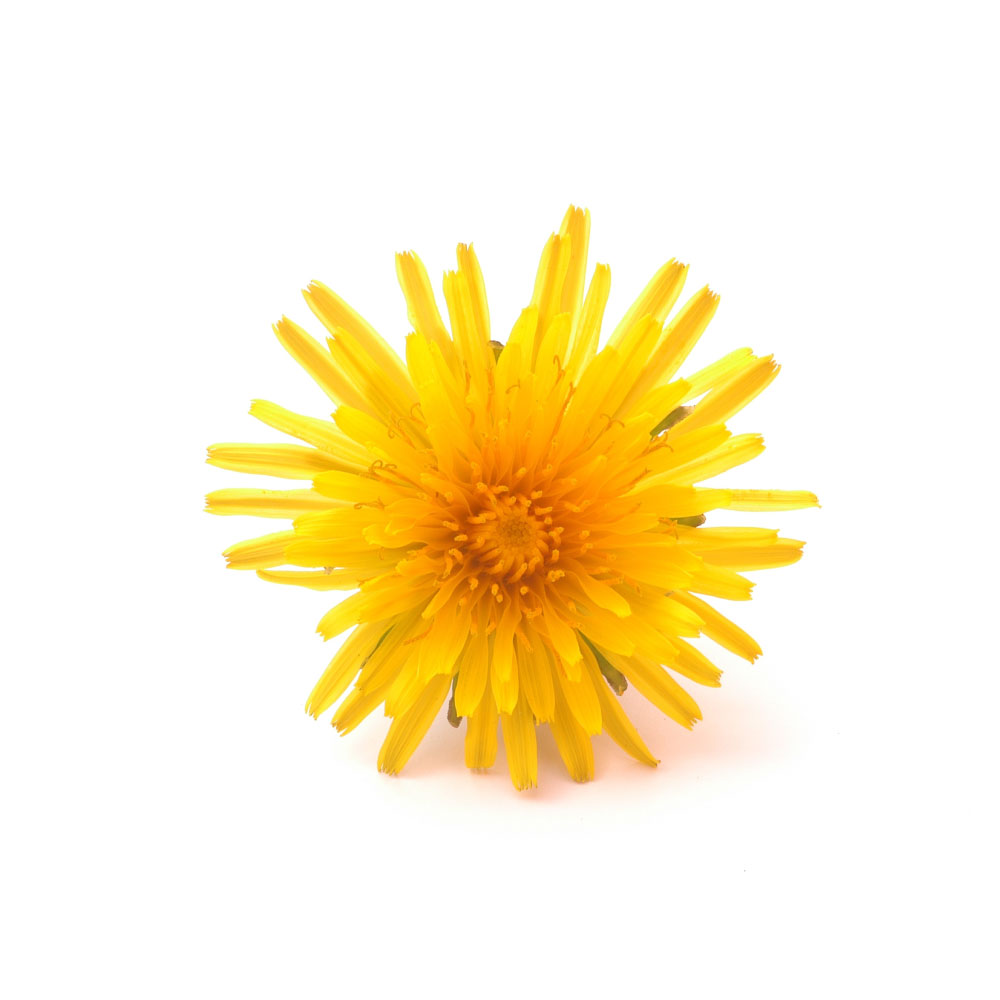 ModerateModerateDandelionTaraxacum officinaleThe best-known herbal diuretic; leaf extract raised urinary frequency in a one-day human pilot, and the leaf's potassium content is the basis of the 'replaces what it loses' reputation.Mechanismosmotic diuresis with high potassium co-load (renal transporter target not established)Read the evidenceShow lessMonograph →
The human evidence is a 2009 pilot in which 17 volunteers took a fresh-leaf hydroethanolic extract three times in one day. Urinary frequency rose significantly in the five hours after the first dose, and the urine-out to fluid-in ratio increased after the second 16Reference 16Clinical trialThe diuretic effect in human subjects of an extract of Taraxacum officinale folium over a single day — [clinical trial]View study →.
The study was uncontrolled, self-reported and lasted a single day, so it establishes plausibility rather than efficacy.
Potassium reaches roughly 4.5% of the leaf’s dry weight 17Reference 17ReviewTaraxacum—a review on its phytochemical and pharmacological profile — [review]View study →, and that composition is the basis of the claim that dandelion moves fluid without the potassium depletion of loop and thiazide diuretics.
That claim has not been tested. There is no head-to-head comparison with a conventional diuretic, no serum-potassium endpoint and no dose-response.
The effect is gentle and unproven, and tradition has run ahead of it.
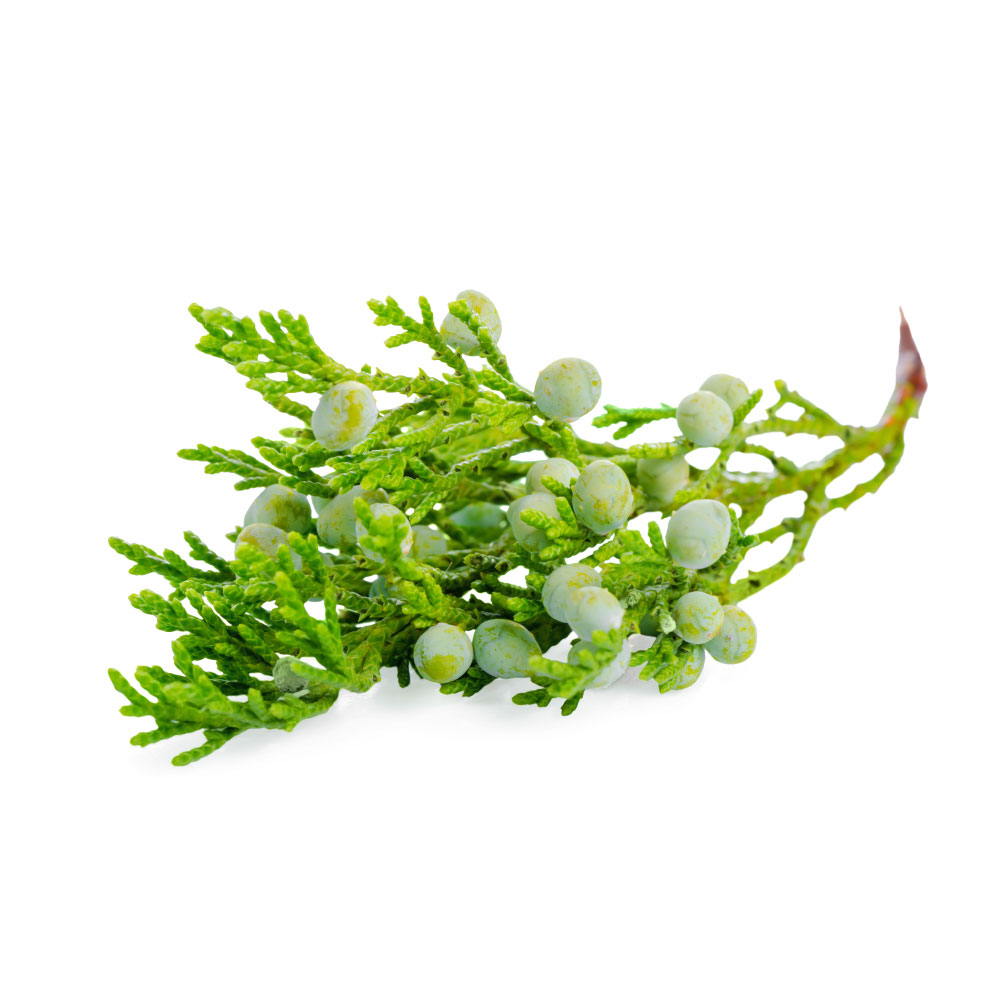 ModerateModerateJuniperJuniperus communisThe archetypal Western aquaretic and juniper's oldest documented use, attributed to terpinen-4-ol raising glomerular filtration.Mechanismglomerular filtration ↑ (terpinen-4-ol, aquaretic); not tubular-irritant in pure oilRead the evidenceShow lessMonograph →
Juniper’s diuretic action is its oldest documented use and is attributed chiefly to terpinen-4-ol, a minor oxygenated monoterpene (trace to about 6% of the oil) that increases glomerular filtration rather than irritating the tubules. A discrete diuretic principle was isolated in the 1950s 25Reference 25Diuretic substance from juniper (Juniperus communis L.)View study →, and reviews still list diuresis as a defining property of the berry 26Reference 26ReviewPotential of Juniperus communis L as a nutraceutical in human and veterinary medicine — reviewView study →.
Pure J. communis oil drives water loss through terpinen-4-ol without the nephrotoxicity historically ascribed to it. The renal irritation belongs to whole or adulterated oils; a regulatory review of Juniperus extracts found fragrance-grade material acceptable topically while not assessing therapeutic oral dosing 27Reference 27ReviewFinal report on the safety assessment of Juniperus communis extract, J. oxycedrus extract/tar, J. phoenicea extract, and J. virginiana extract — safety reviewView study →.
There is no modern controlled human diuresis study and no dose-response, so the magnitude in people is undocumented. Preparation matters: supercritical-CO₂ extraction concentrates terpinen-4-ol, while hydrodistillation favours the terpene hydrocarbons 28Reference 28A comparison between the oil, hexane extract and supercritical carbon dioxide extract of Juniperus communis LView study →.
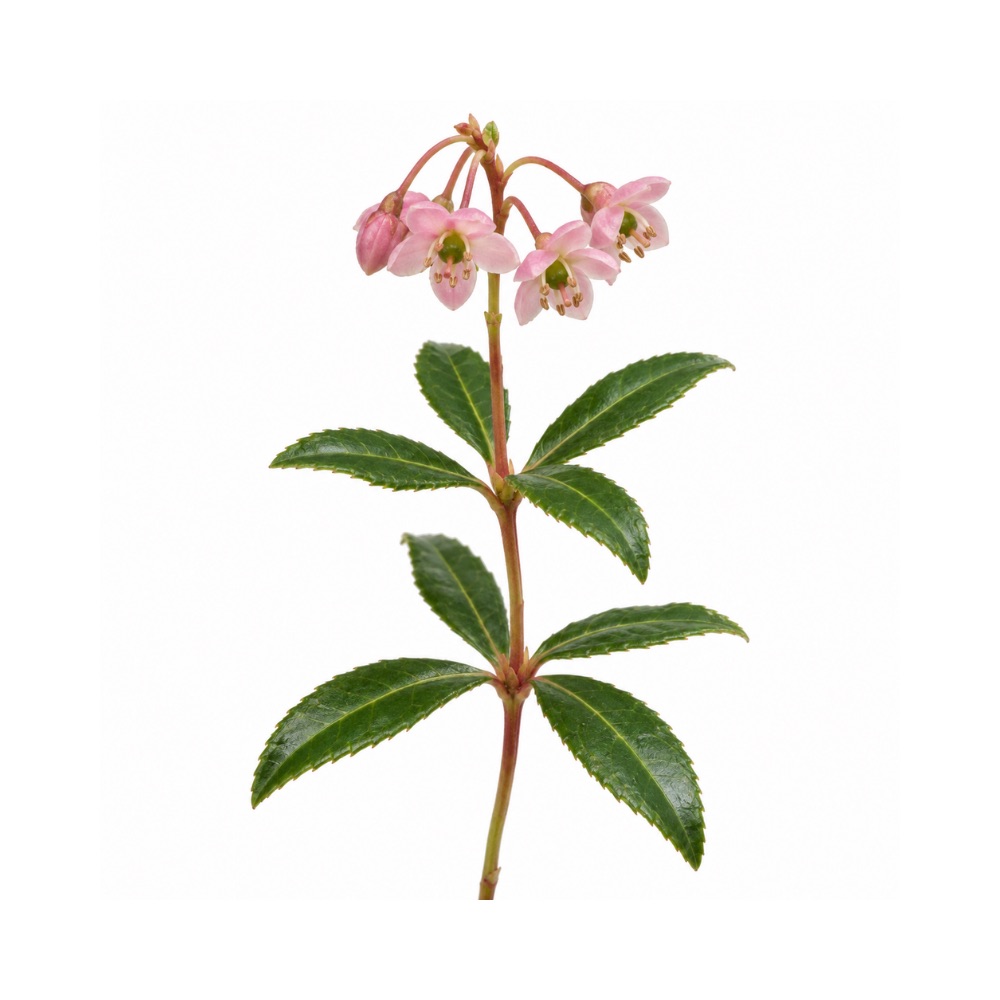 ModerateModeratePipsissewaChimaphila umbellataA 19th-century pharmacopoeial diuretic of Western practice, used for urinary complaints; no diuresis study exists.Mechanismnot resolved; traditional, with arbutin-group precedentRead the evidenceShow less
Pipsissewa was one of the herbs 19th-century Western practice reached for in urinary complaints, and it held a place in the pharmacopoeias as a diuretic.
No diuresis study of the plant exists. The action is asserted from tradition and from the general behaviour of the arbutin group it belongs to.
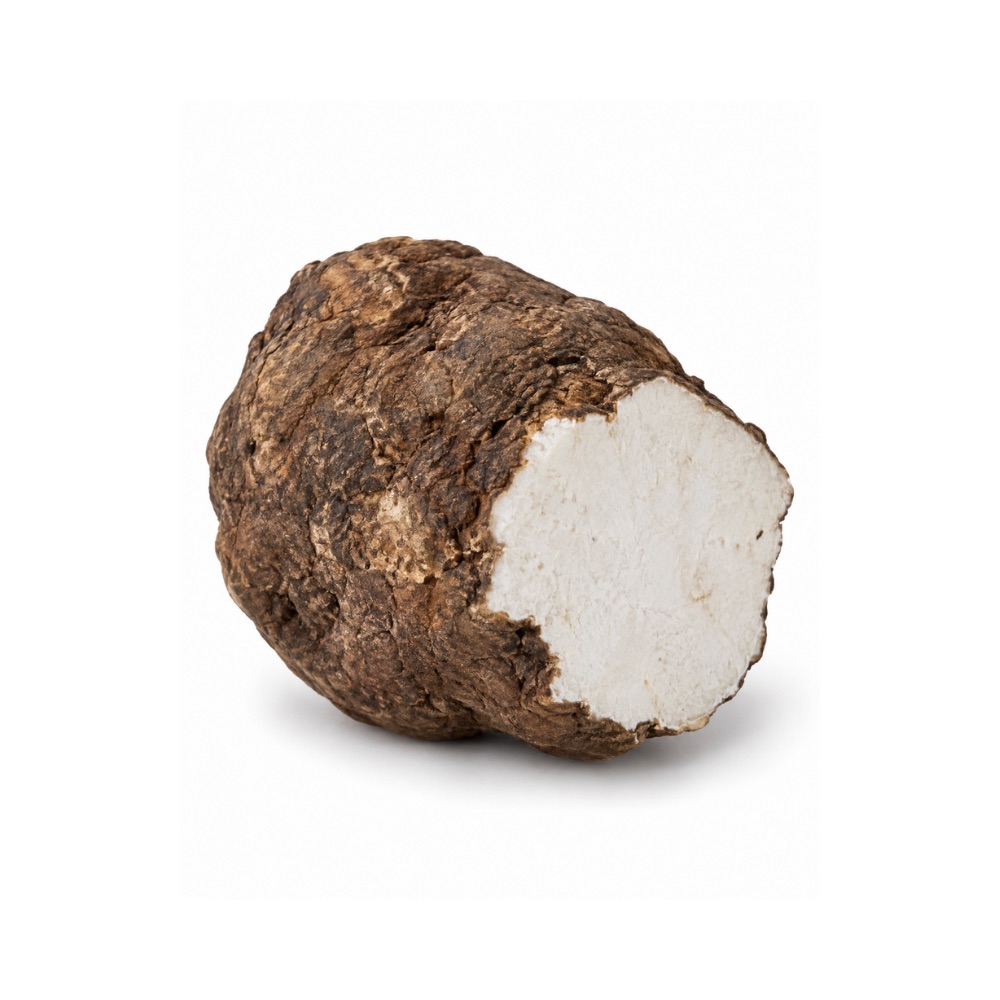 ModerateModeratePoriaWolfiporia extensaFu ling, the classical diuretic of Chinese medicine; downregulates renal aquaporin-2 through the vasopressin axis, an aquaretic mechanism shown in rats and collecting-duct cells.Mechanismrenal aquaporin-2 downregulation via the AVP–V2R axisRead the evidenceShow less
Poria (fu ling) is the standard diuretic herb of Chinese practice, used to drain damp, and its mechanism is the most specific in the group. An aqueous surface-layer extract downregulated renal aquaporin-2 through the vasopressin–V2 receptor axis, replicated in a rat congestive-heart-failure model and in isolated collecting-duct cells 31,
This is an aquaretic mechanism, acting on water handling rather than sodium transport. The effect is reproducible in animals but not dramatic, and no isolated-herb human trial exists.
Show 23 more herbs with a mild diuretic action
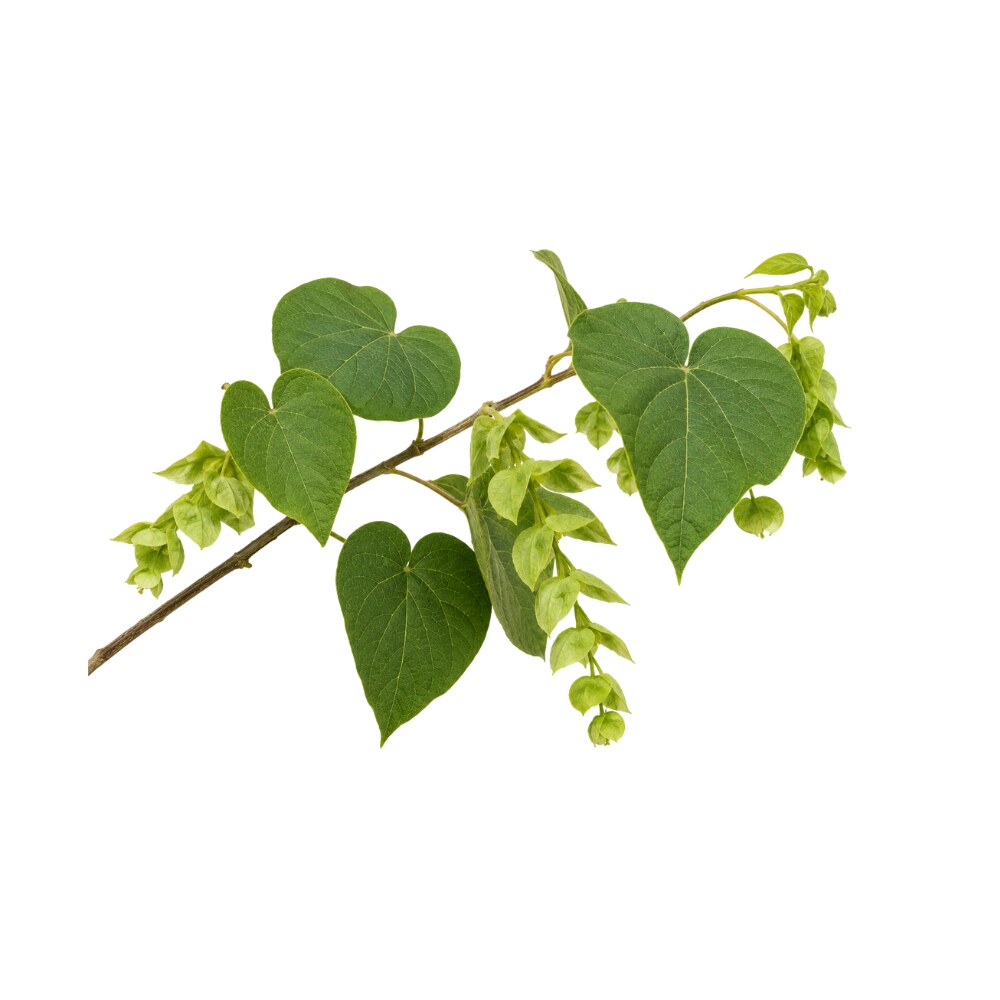 MildMildAbutaCissampelos pareiraListed as a diuretic by Peruvian Indigenous practice, Indian Ayurveda and Brazilian folk medicine; no controlled measurement exists.Read the evidenceShow lessMonograph →
Three traditions that did not consult each other record abuta as a diuretic: Peruvian Indigenous use, Indian langhu patha practice, and Brazilian folk medicine.
No controlled measurement of urine output has been made in any species. Convergent traditions are the strongest evidence available.
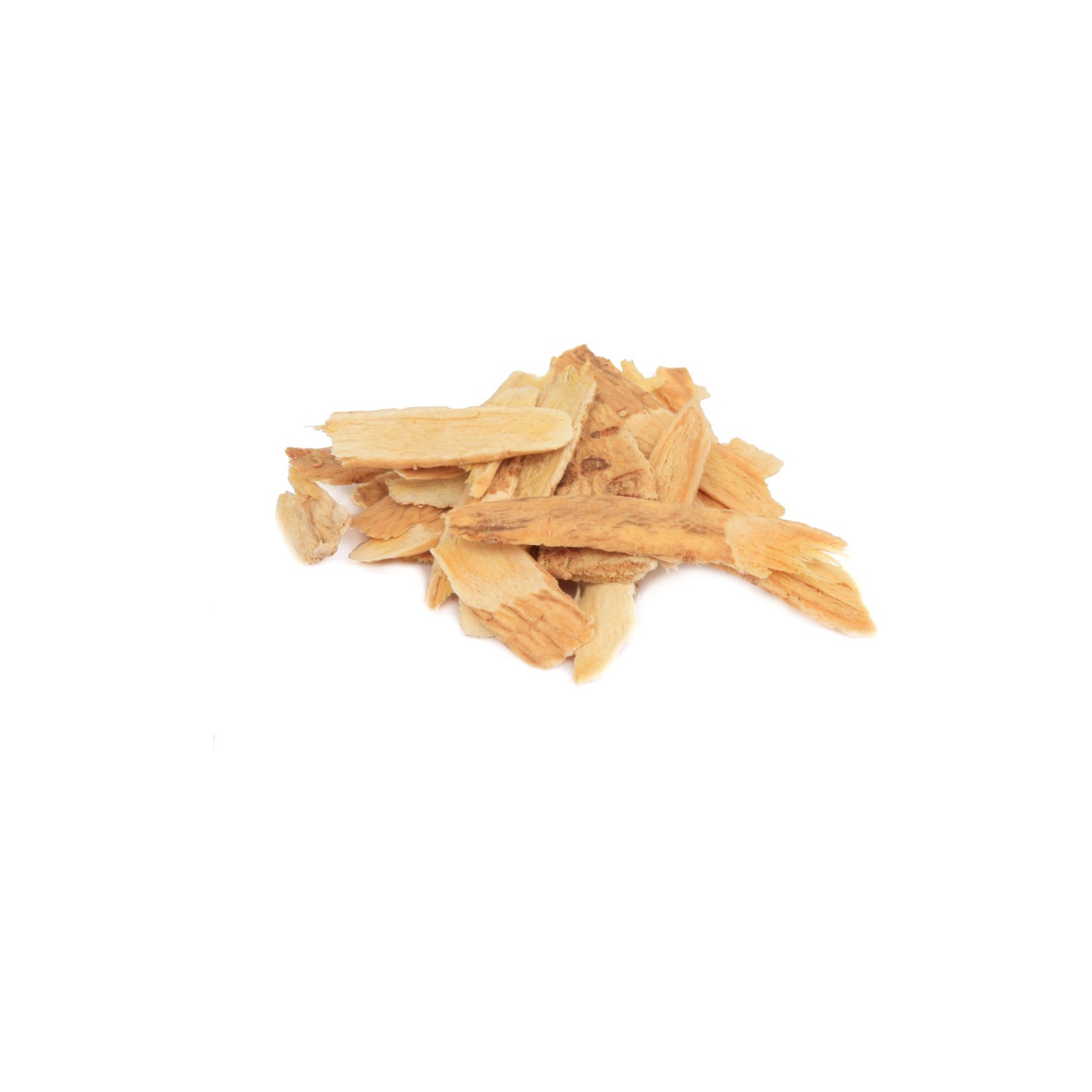 MildMildAstragalusAstragalus membranaceusHuang qi is classically said to promote urination and reduce oedema, and is prepared raw rather than honey-fried for that use.Mechanismnot established — no urine-volume or natriuresis measurement; the renal literature measures urinary protein, not outputRead the evidenceShow lessMonograph →
Astragalus is huang qi, yellow leader, recorded in the Shennong Bencao Jing and classified there as a superior drug — one that could be taken over long periods to support the constitution rather than to attack a disease.
Among its classical actions is to promote urination and reduce oedema. Preparation tracks the intention: the root is used raw for the exterior-securing and oedema uses, and honey-fried as mi zhi huang qi to strengthen the qi-tonifying action.
Nothing has measured urine volume or sodium excretion. The modern renal literature on astragalus measures urinary protein in nephropathy, which is a different endpoint entirely and should not be read across to this action.
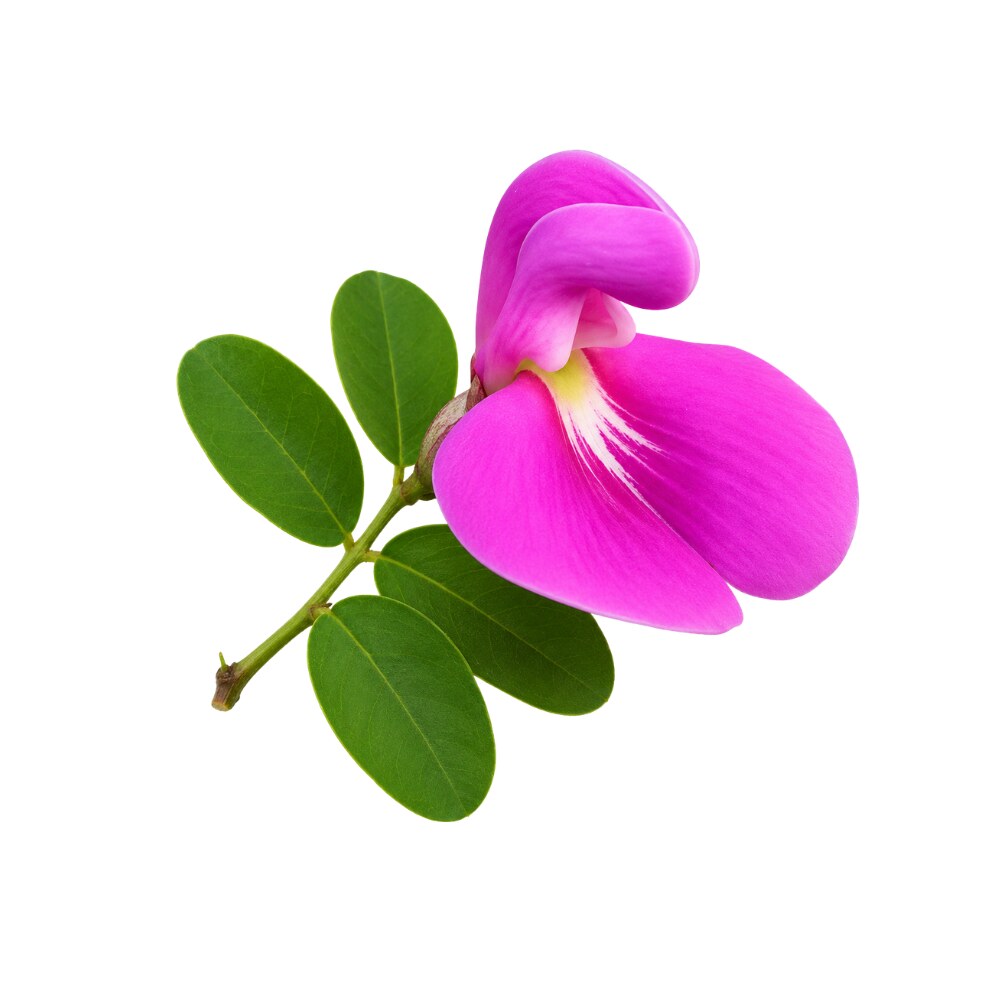 MildMildBay BeanCanavalia roseaRoot preparations regarded as diuretic in the Guianas, with Aboriginal Australian root washes recorded alongside; no study exists.Read the evidenceShow lessMonograph →
The root is steeped or decocted as a diuretic and purgative in the Guianas, and a bitter purgative principle is noted in the same sources.
The herb’s L-DOPA and canavanine content governs its internal use more than any diuretic question does.
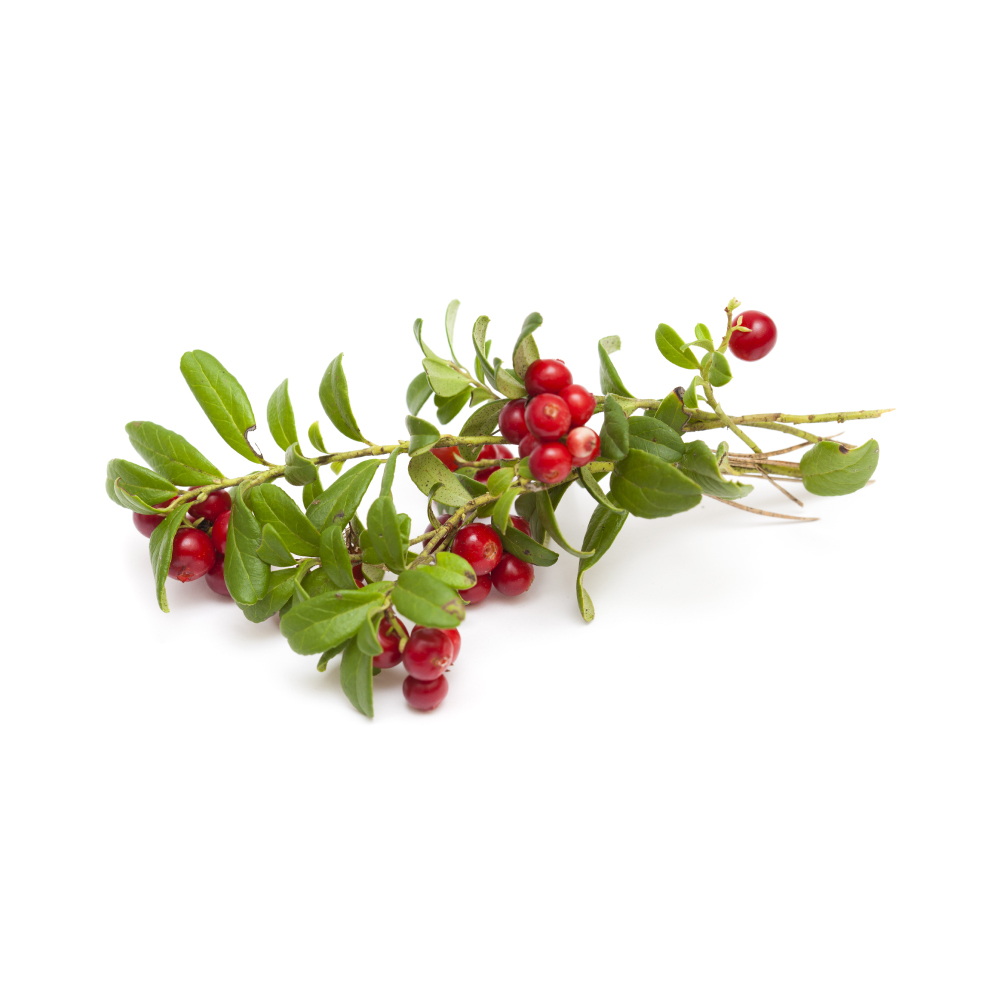 MildMildBearberryArctostaphylos uva-ursiA pharmacopoeial diuretic with a weak aquaretic effect in rats; arbutin inhibits aldosterone synthase, but only as an isolated, injected compound.Mechanismaldosterone synthase inhibition (isolated arbutin, injected, rat); aquaretic — tubular sodium handling unaffectedRead the evidenceShow lessMonograph →
Bearberry is listed as a diuretic by pharmacopoeial tradition 7Reference 7British Herbal Pharmacopoeia. In one rat study aqueous uva-ursi extract raised urine flow but, unlike Orthosiphon or Sambucus run in the same experiment, did not increase urinary sodium excretion, which makes it at best a weak aquaretic 8Reference 8AnimalEffect of extracts of Orthosiphon stamineus, Hieracium pilosella, Sambucus nigra and Arctostaphylos uva-ursi in rats — animal diuresis studyView study →.
A 2025 paper attributes a diuretic action of isolated arbutin to aldosterone synthase inhibition, again in rodents and at injected doses 9Reference 9AnimalToxicological profiling and diuretic potential of arbutin via aldosterone synthase gene inhibition — rat studyView study →. No human diuresis data exist.
Bearberry is a urinary antiseptic that moves a little water. The traditional pairing with dandelion exists because bearberry does not carry the diuresis on its own.
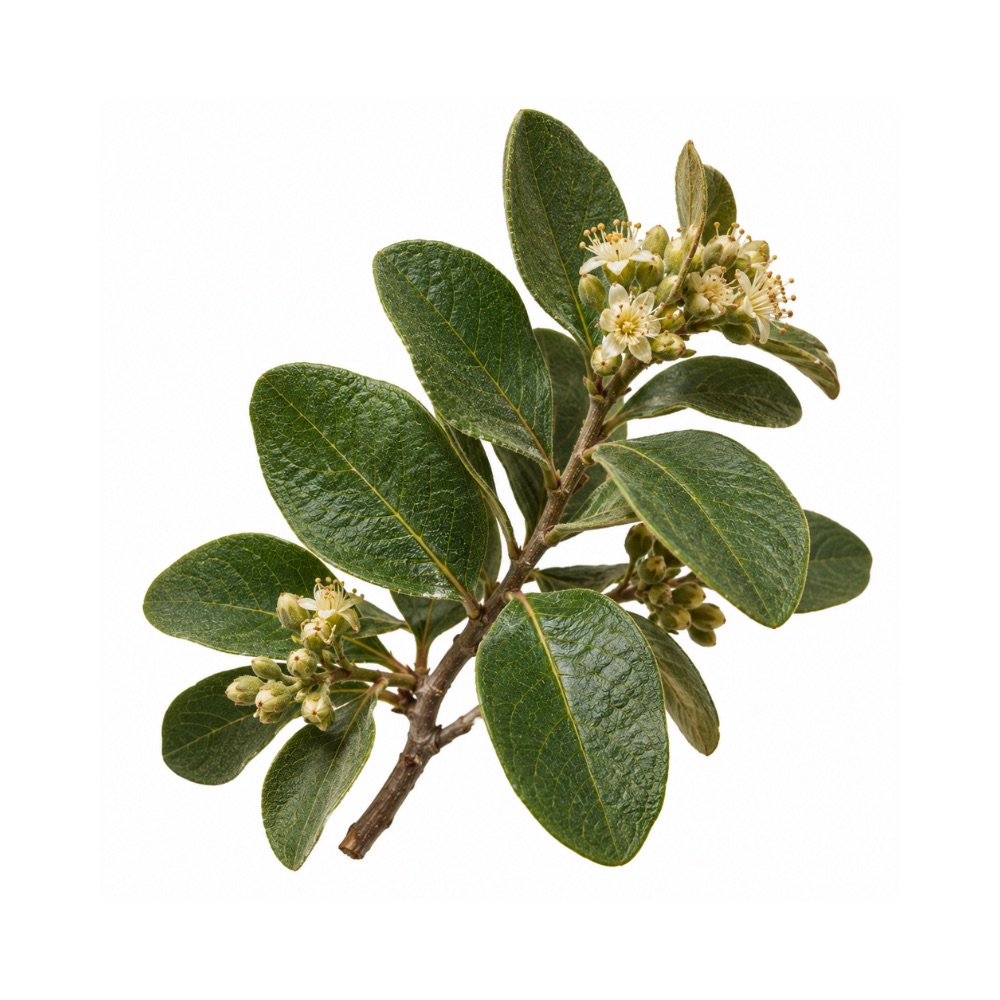 MildMildBoldoPeumus boldusA traditional secondary use, with single-study data on the alkaloid boldine.Mechanismnot resolved; boldine-level single-study dataRead the evidenceShow less
Boldo is used chiefly for the liver and digestion, and the diuretic use is a secondary one in the same tradition.
The experimental support is a single study on isolated boldine. The action is minor.
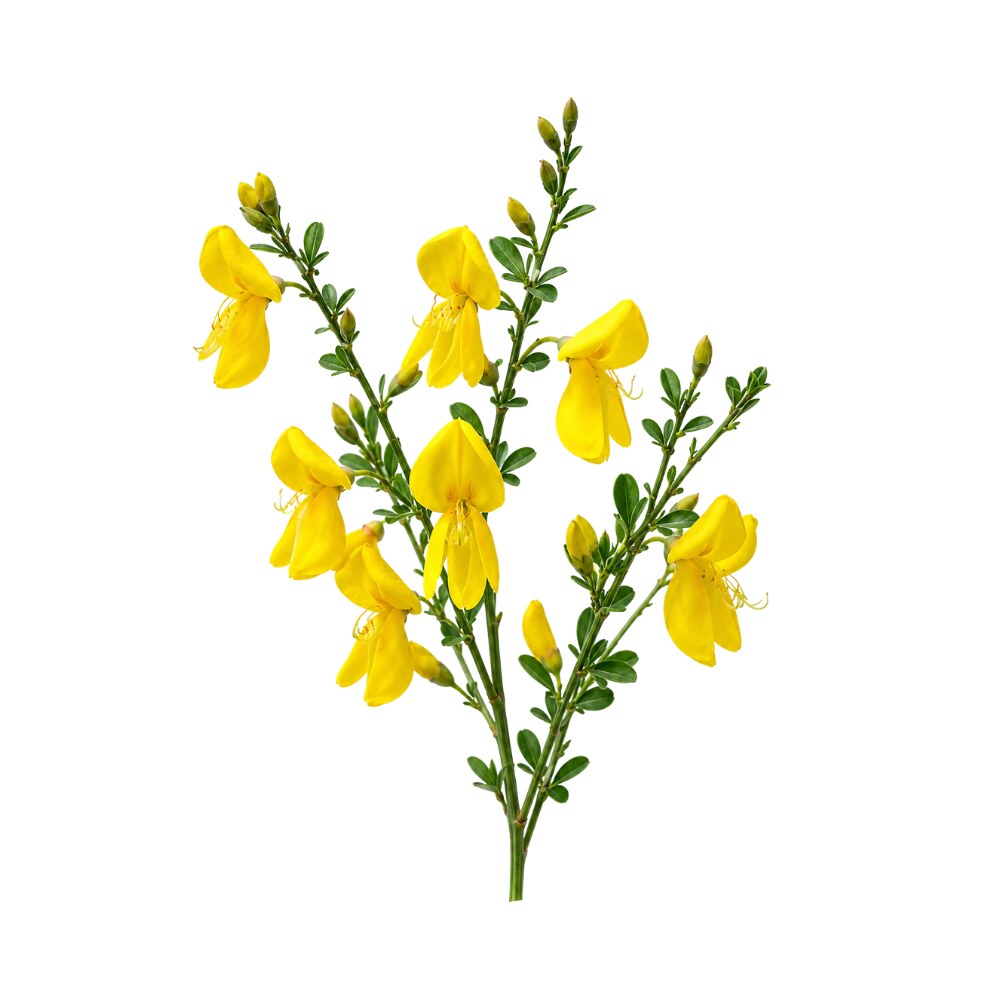 MildMildBroomCytisus scopariusThe European flowering top for fluid retention and swollen legs, attributed to scoparin — and carrying cardioactive alkaloids alongside it.Mechanismattributed to the flavone glycoside scoparin; no modern controlled experiment confirms a diuretic effectRead the evidenceShow lessMonograph →
Broom’s drug is the flowering top, gathered in spring and taken as a weak infusion or a low-drop tincture. European herbalism gave it two connected jobs: a diuretic for fluid retention and the swollen legs that come with a failing circulation, attributed to the flavone glycoside scoparin; and, following from that, a heart herb to slow and steady a racing or irregular pulse.
No modern controlled experiment confirms a diuretic effect for broom or for scoparin. The use is traditional and pharmacopoeial rather than demonstrated.
The dose form is the load-bearing detail. Broom carries quinolizidine alkaloids — sparteine, lupanine, cytisine — which act on cardiac sodium channels, and it is the reason the preparation is a weak infusion or drop-doses rather than a therapeutic decoction.
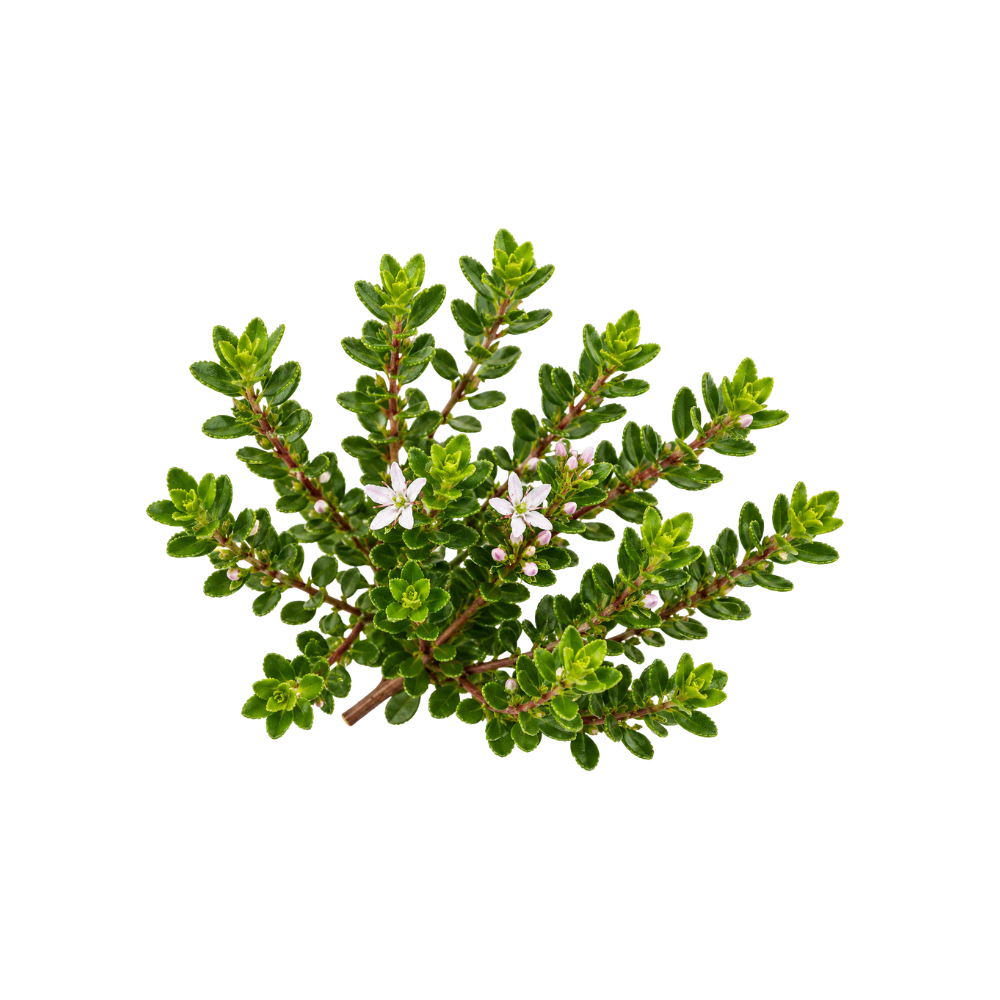 MildMildBuchuAgathosma betulinaBuchu's headline traditional use in Southern African and Western practice for urinary complaints; no controlled study in any species has measured urine output.Read the evidenceShow lessMonograph →
Buchu is used for urinary complaints in Southern African practice and entered Western pharmacopoeias on that use; diuresis is the action it is best known for.
No controlled study in any species has measured urine output for buchu, and the mechanism is proposed rather than tested. Its urinary antiseptic action is the better-supported one.
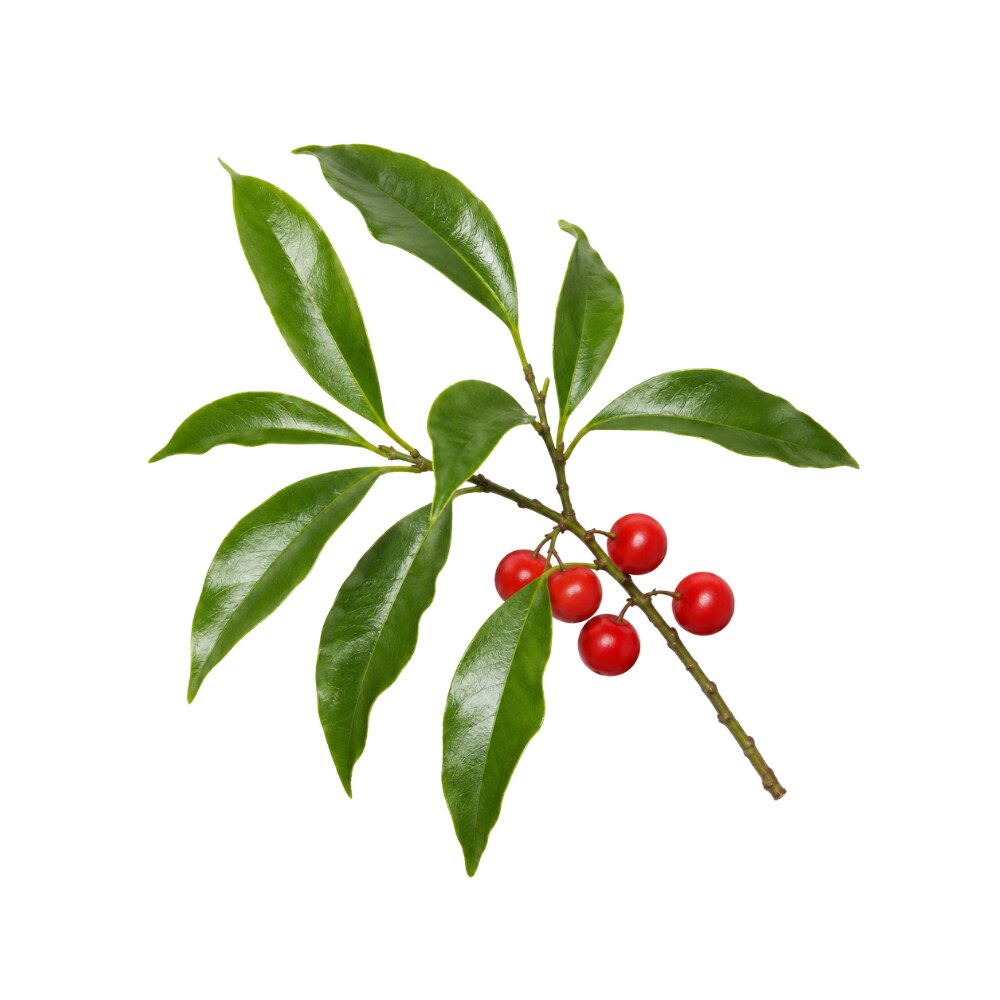 MildMildCha De BugreCordia salicifoliaOne of the oldest uses in Brazilian folk medicine and the basis of the 'water retention' line on slimming labels; attributed to caffeine and potassium, neither measured in the plant.Mechanismadenosine-receptor antagonism at the nephron (via caffeine); electrolyte load (via potassium) — neither demonstrated in this plantRead the evidenceShow lessMonograph →
Cha de bugre is a caffeine-bearing herb, and its diuretic reputation is attributed to that caffeine plus a notable potassium content 10Reference 10In vitroPhytochemical investigation on leaf extract of Cordia salicifolia Cham. — in vitro studyView study →. Caffeine’s diuresis works through adenosine-receptor antagonism at the nephron, and the effect fades with regular use 33Reference 33ReviewCaffeine ingestion and fluid balance: a reviewView study →.
The plant has no validated quantitative phytochemistry, so how much caffeine a preparation delivers is unknown, and no experimental study has measured urine output or natriuresis for cha de bugre in any species. The mechanism is borrowed from caffeine, not demonstrated in the herb.
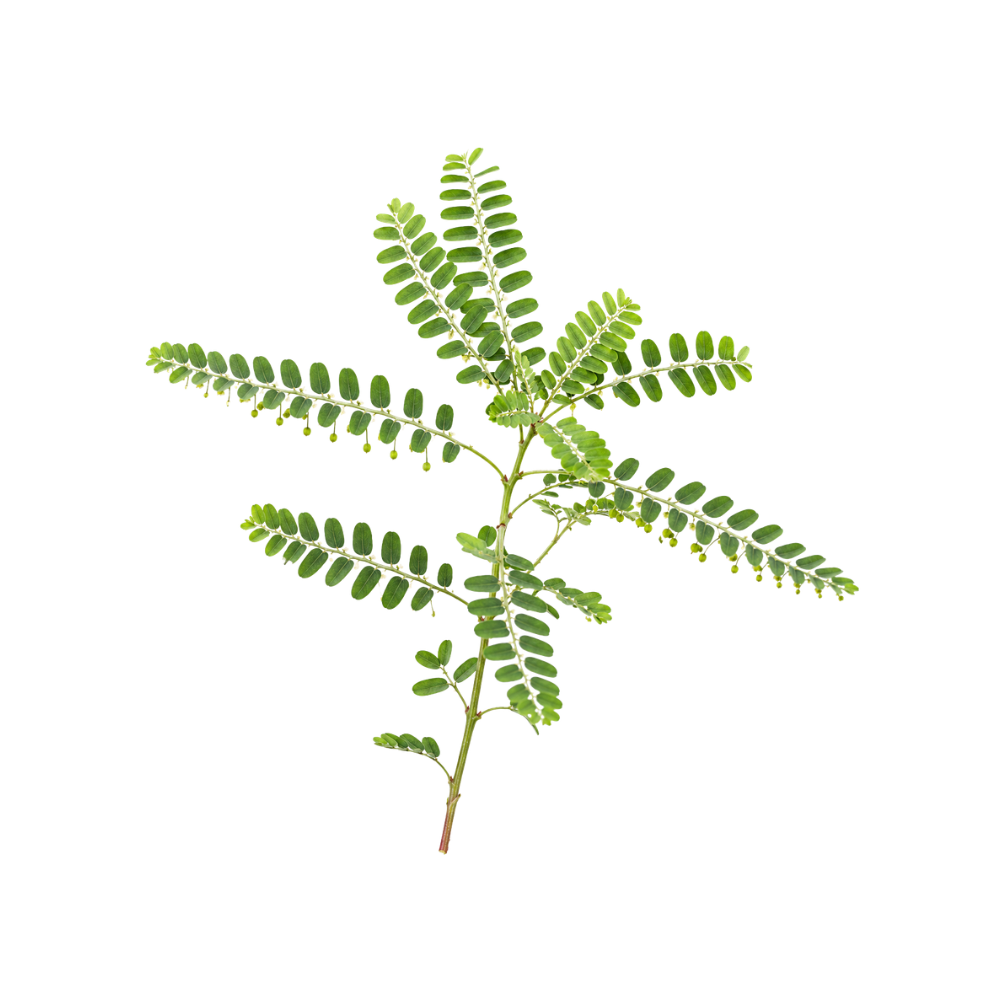 MildMildChanca PiedraPhyllanthus niruriRaised 24-hour urine volume and urinary sodium in one small, old, non-placebo-controlled human study; the mechanism is unknown.Mechanismnot established — natriuresis (urinary + serum Na⁺ ↑) with increased 24-h urine volumeRead the evidenceShow lessMonograph →
Mild hypertensives given a whole-plant preparation for 10 days showed increased 24-hour urine volume, raised urinary and serum sodium, and a significant fall in systolic blood pressure in non-diabetic subjects 11Reference 11Clinical trialDiuretic, hypotensive and hypoglycaemic effect of Phyllanthus amarus — controlled clinical trialView study →. Increased magnesium and potassium excretion in a stone-former study 12Reference 12ObservationalEffect of Phyllanthus niruri on metabolic parameters of patients with kidney stone — prospective cohortView study → is consistent with a real effect on renal mineral handling.
No tubular transporter, aquaporin or aldosterone target has been identified, and the study material was labelled P. amarus, a different species from P. niruri that is routinely conflated with it. The finding is unreplicated.
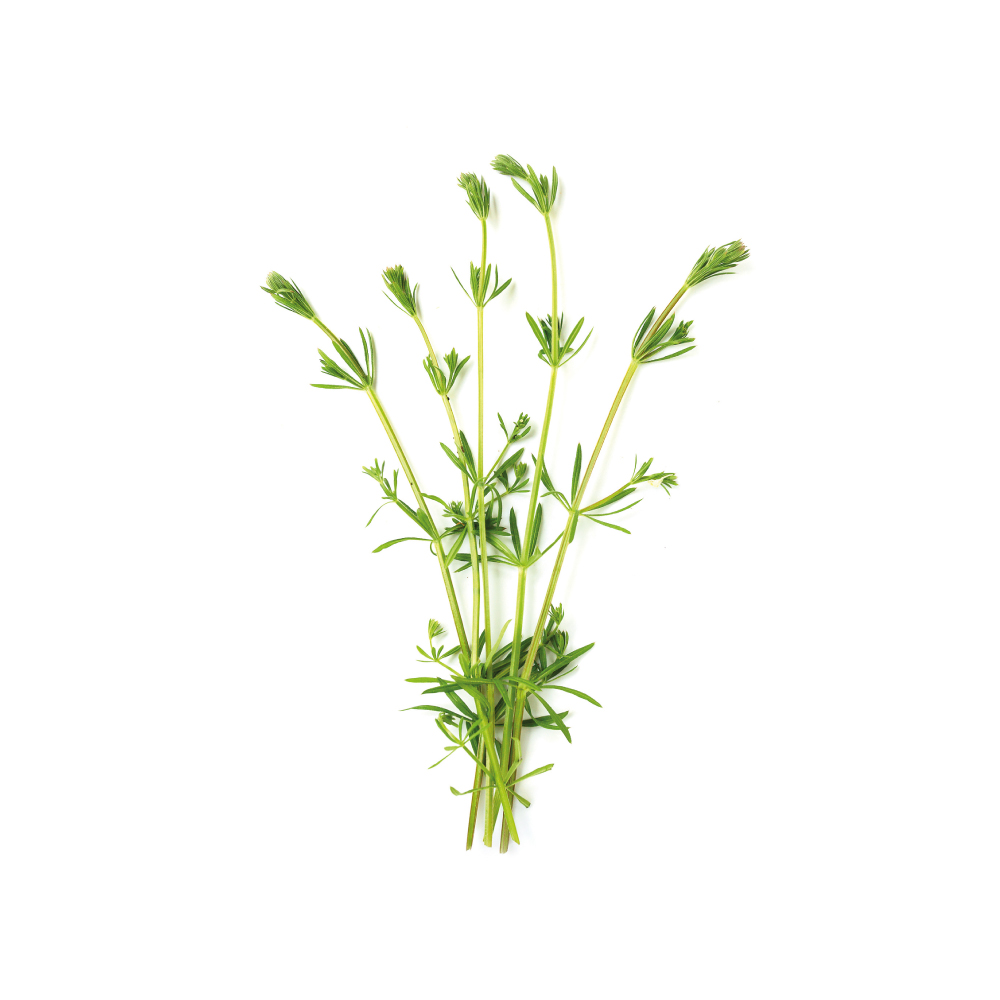 MildMildCleaversGalium aparineA British Herbal Pharmacopoeia diuretic used for cystitis; no study has measured urine output or any renal endpoint.Read the evidenceShow lessMonograph →
Cleavers is a pharmacopoeial diuretic (BHP listing, with a cystitis indication), and the rationale is that tradition plus its cooling, mineral-salt-rich, iridoid-containing profile.
No study has measured urine output, electrolyte excretion or any renal endpoint for G. aparine. Its better-attested work is lymphatic.
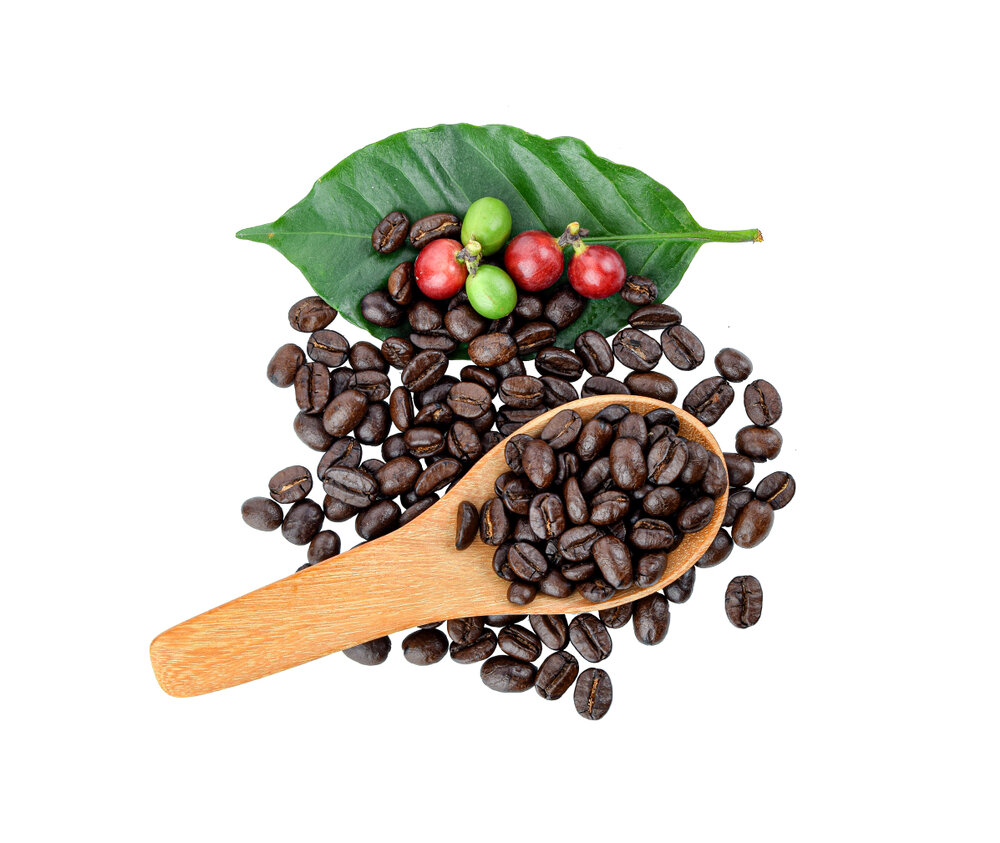 MildMildCoffeeCoffea arabicaCaffeine is a genuine diuretic through adenosine-receptor antagonism at the nephron; the effect is acute, and regular drinkers develop tolerance to it.Mechanismcaffeine → adenosine A1 antagonism in the kidney; glomerular filtration ↑, tubular Na⁺ reabsorption ↓ (acute; tolerance with habitual use)Read the evidenceShow lessMonograph →
Coffee’s diuretic action is caffeine’s. Caffeine blocks adenosine A1 receptors in the kidney, raising glomerular filtration and reducing tubular sodium reabsorption, and a single dose of about 250–300 mg produces a measurable short-term increase in urine output in people who do not use caffeine regularly 33Reference 33ReviewCaffeine ingestion and fluid balance: a reviewView study →.
Coffee beans contain roughly 0.4–2.5% caffeine by dry weight, and a brewed cup delivers 80–120 mg, so the dose is in the active range. With regular use the effect fades: in a crossover study of 50 habitual male coffee drinkers, four cups a day for three days produced no difference in total body water or hydration markers compared with the same volume of water 34Reference 34RCTNo evidence of dehydration with moderate daily coffee intake: a counterbalanced cross-over study in a free-living population — randomised crossover trialView study →.
The diuresis is real, acute and transient. It does not make coffee dehydrating at ordinary intakes, and it does not make it a therapeutic diuretic.
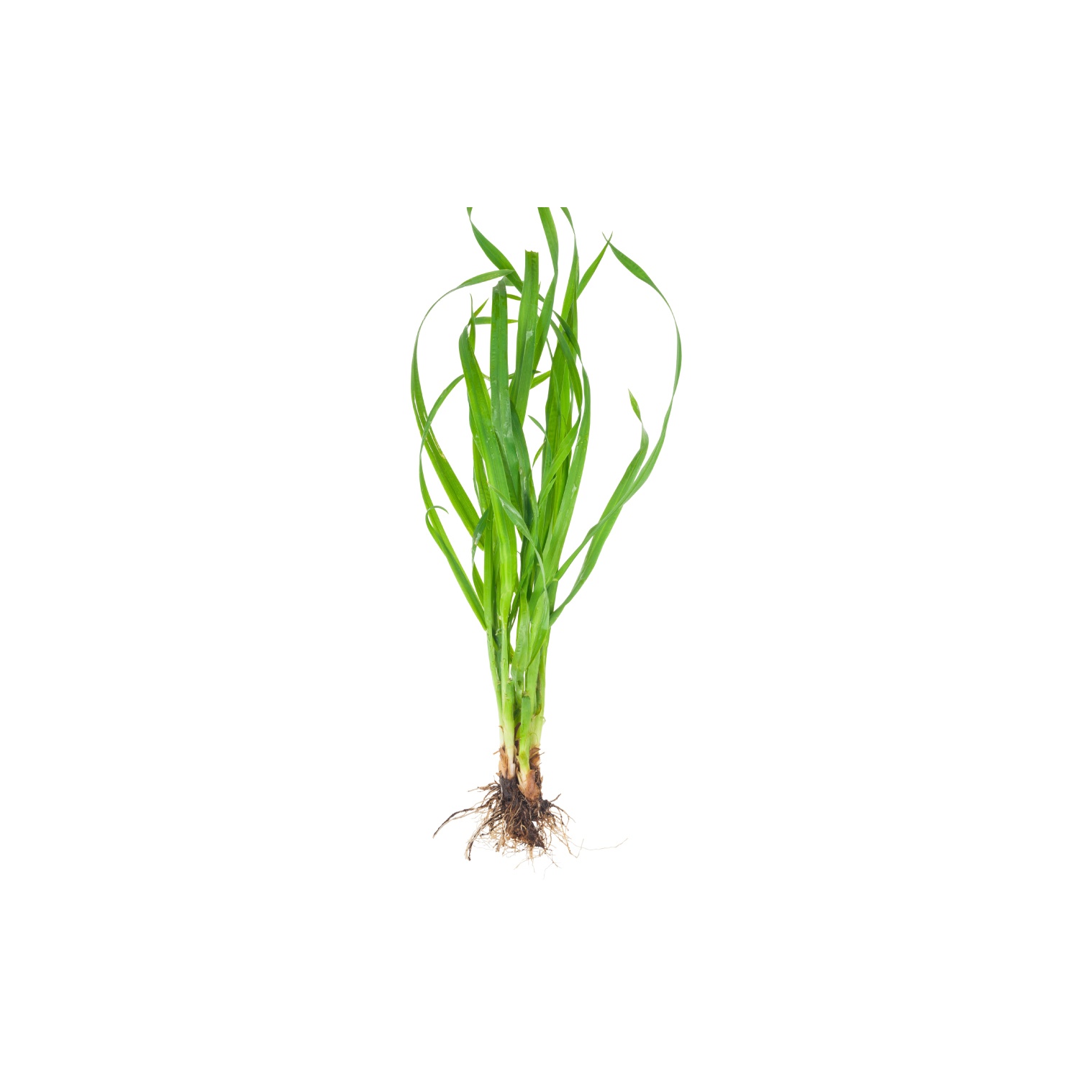 MildMildCouchgrassElymus repensA traditional-use EMA monograph for diuresis and urinary irrigation; the proposed osmotic mechanism from mannitol cannot account for the effect at tea doses.Mechanismtubular osmotic load ↑ (mannitol/inositol) — free-water clearance; no natriuretic mechanism establishedRead the evidenceShow lessMonograph →
Diuresis and irrigation of the urinary tract carry a formal EMA/HMPC herbal monograph, a traditional-use registration recording long-documented use rather than demonstrated efficacy 13Reference 13ReviewAssessment report on Agropyron repens (L.) PView study →. No controlled human trial has measured urine output from couchgrass.
The proposed mechanism is osmotic diuresis from the rhizome’s sugar alcohols mannitol (about 2–3%) and inositol, released with triticin 14,
Nothing shows sodium or potassium loss, which makes aquaretic the more accurate description than diuretic.
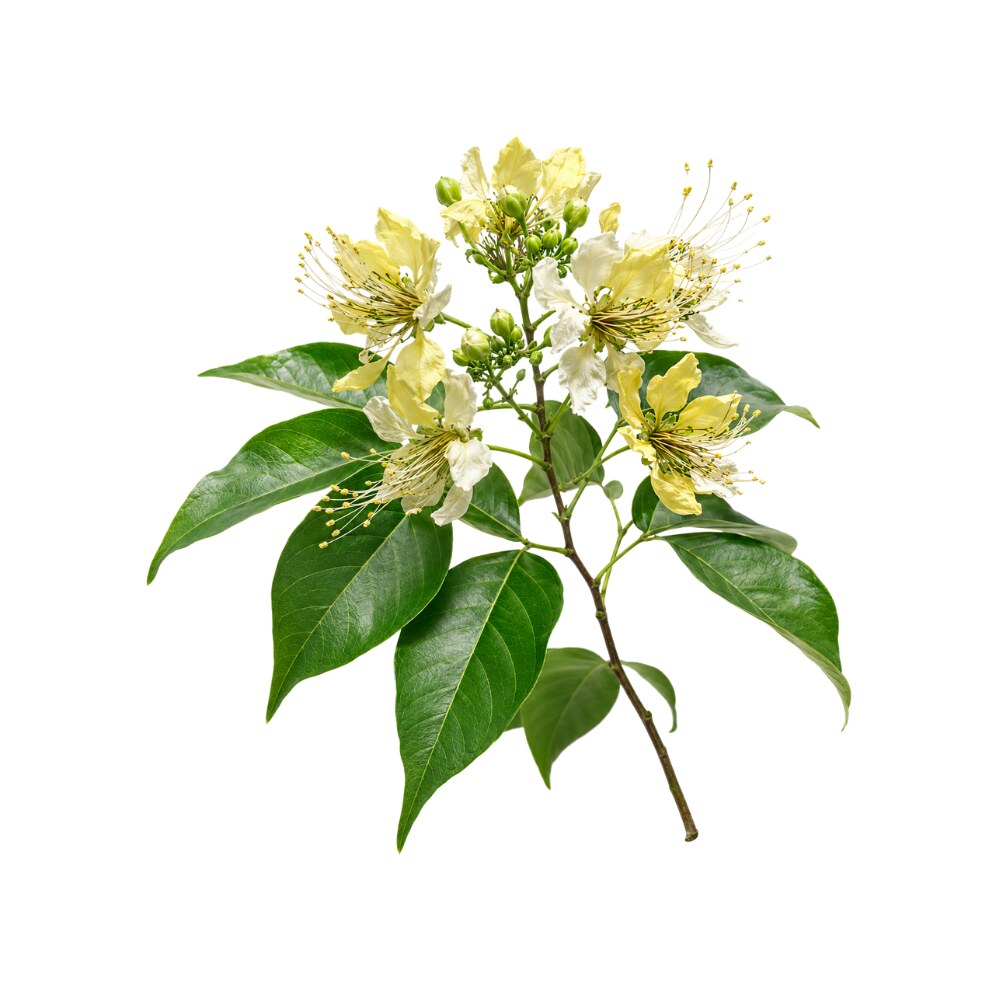 MildMildCrataevaCrataeva nurvalaVaruna, the classical Ayurvedic herb for urinary stones, paired as lithotriptic and diuretic; no diuretic study or measured renal endpoint exists.Read the evidenceShow lessMonograph →
The diuretic use rests on the classical Ayurvedic pairing of lithotriptic and diuretic, and the antilithic half is the better documented.
The herb is cautioned in renal impairment, which matters for a herb carrying a diuretic primary action.
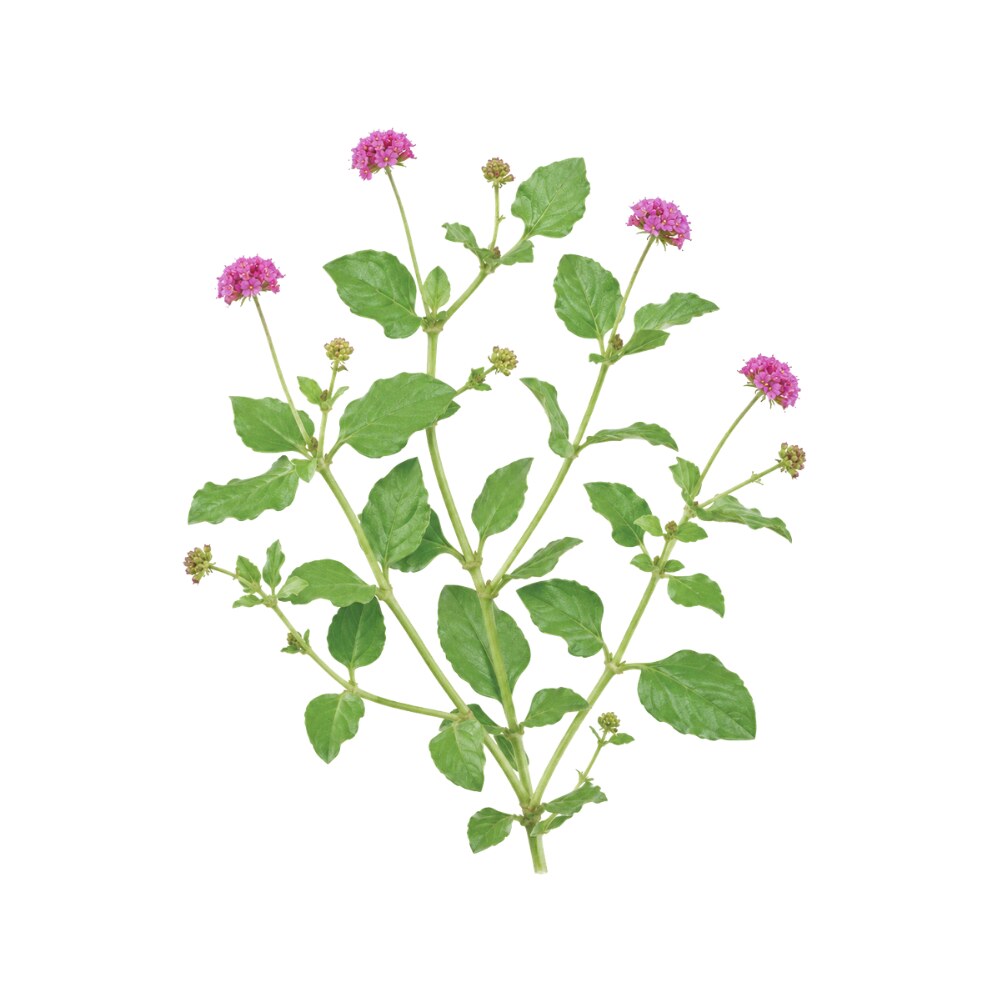 MildMildErva TostaoBoerhavia diffusaPunarnava, the classical Ayurvedic diuretic and the herb's most famous use; no measurement of urine output, natriuresis or dose-response exists.Read the evidenceShow lessMonograph →
Punarnava is the diuretic of Ayurvedic practice, given for oedema and urinary complaints across the tradition.
What exists experimentally is adjacent renal data. There is no measurement of urine output, natriuresis or any diuretic dose-response, and the practical consequence of the reputation is a drug-interaction caution.
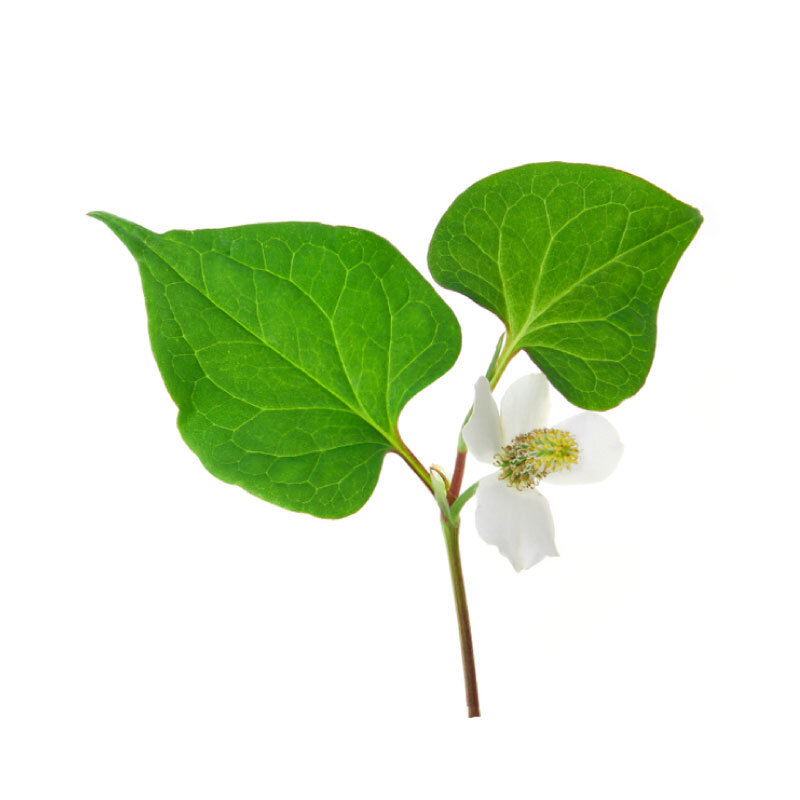 MildMildFish MintHouttuynia cordataA core pharmacopoeial indication in Chinese medicine, promoting urination and draining damp-heat; modern experimental confirmation is almost absent.Read the evidenceShow lessMonograph →
Diuresis is a core traditional and pharmacopoeial indication for houttuynia, framed as promoting urination and draining damp-heat.
There is no controlled measurement of urine output or electrolyte handling anywhere. The indication reflects documented use rather than tested activity.
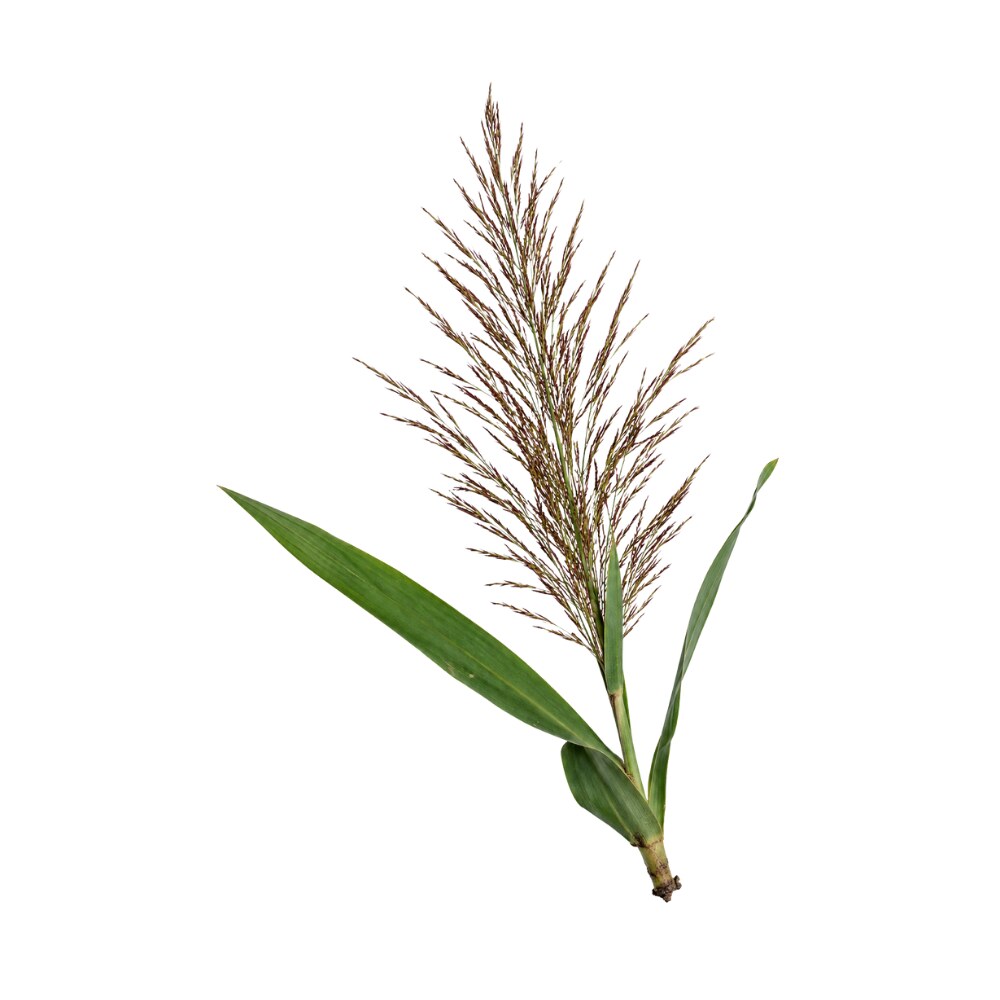 MildMildGiant River ReedArundo donaxThe rhizome is a component of the classical Ayurvedic decoction Virataradi kashaya for urinary complaints; folk diuretic use elsewhere, with no study.Read the evidenceShow less
The Ayurvedic use of the rhizome (Narakata) is urinary and abdominal, through the compound decoction Virataradi kashaya. Folk use as a diuretic and diaphoretic is recorded in some other regions.
Contemporary interest in Arundo donax is chemical rather than medicinal: the rhizome carries DMT, bufotenine and related alkaloids, which is the reason for caution with it.
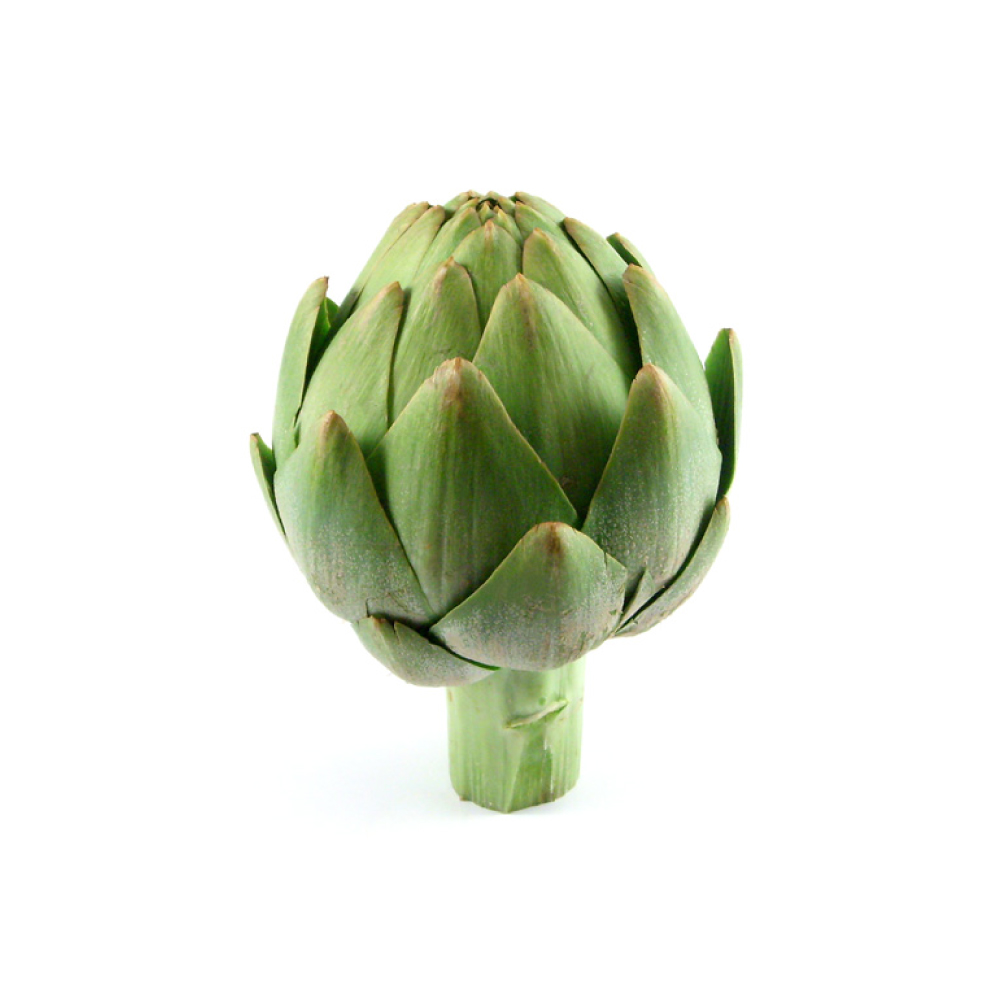 MildMildGlobe ArtichokeCynara scolymusA persistent European traditional claim that travels with the bitter and choleretic use; no diuretic research exists.Read the evidenceShow lessMonograph →
Artichoke leaf has a long European reputation as a diuretic alongside its use for the liver and digestion.
Its measured work is choleretic and hypolipidemic, and the diuretic reputation has never been studied.
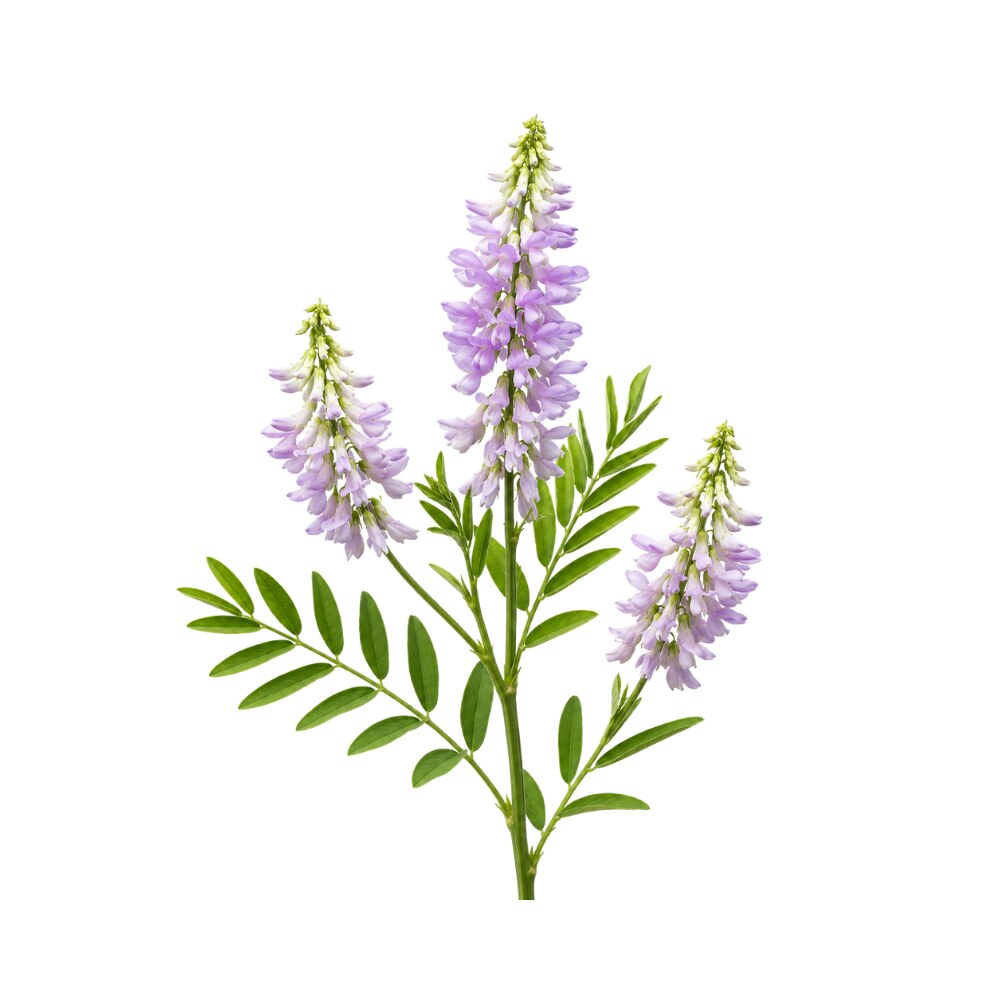 MildMildGoat’s RueGalega officinalisA traditional European reputation as a diuretic, with no experimental support.Read the evidenceShow lessMonograph →
The diuretic and emmenagogue uses of goat’s rue are traditional and have no primary experimental support.
Its evidenced work is galactagogue and antidiabetic.
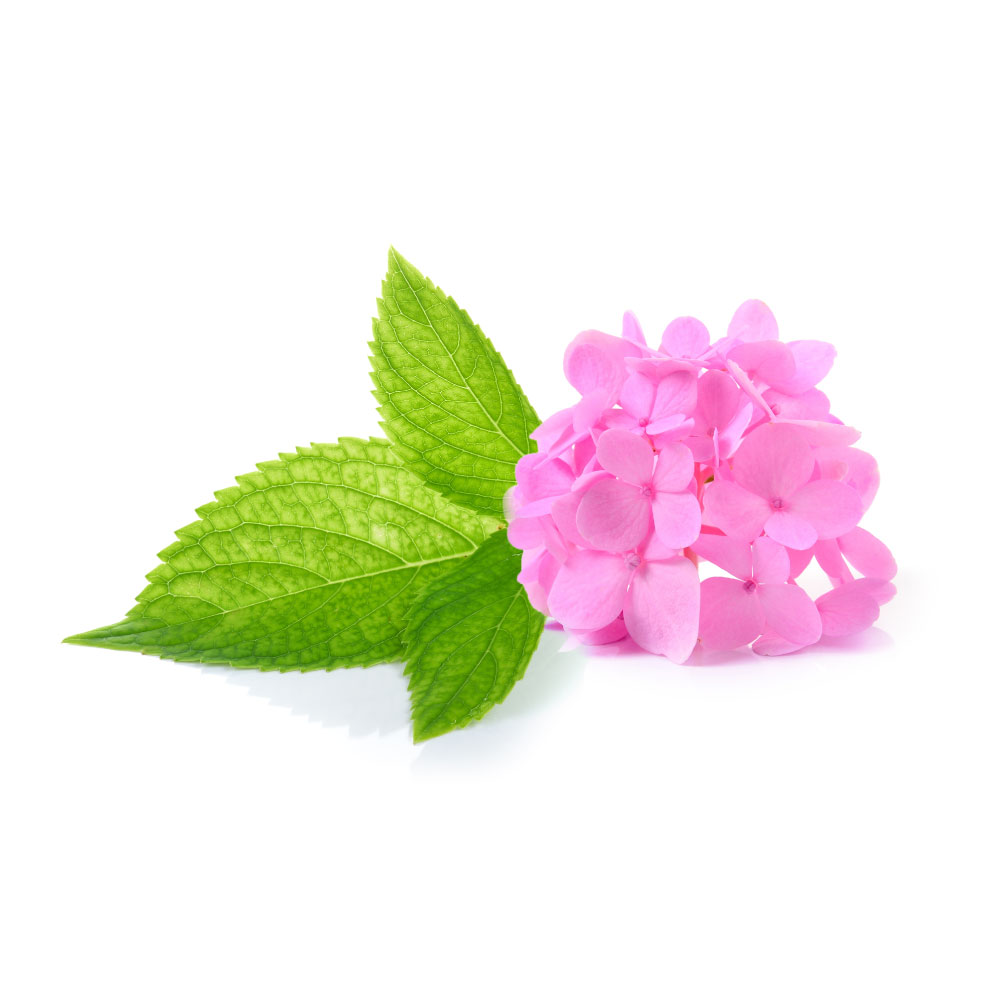 MildMildHydrangeaHydrangea arborescensDiuretic and stone-clearing use is hydrangea's whole Eclectic identity; nothing has been measured, anywhere.Read the evidenceShow lessMonograph →
Hydrangea root was the Eclectic physicians’ remedy for gravel and urinary irritation, and diuretic and antilithic use together are what the herb is for.
No diuretic study or renal model of any kind exists; the use is entirely traditional.
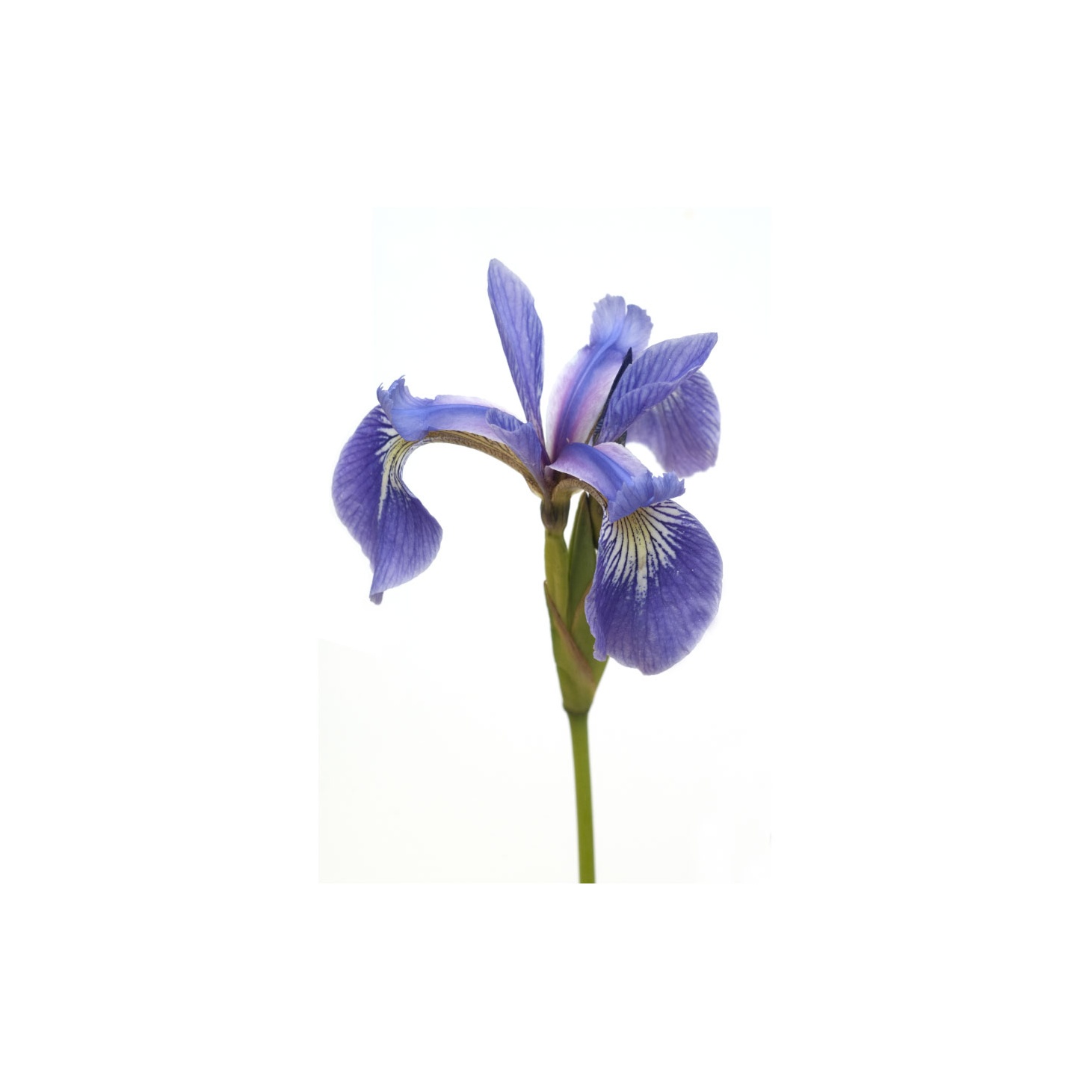 MildMildIrisIris versicolorA minor traditional listing carried by blue flag's alterative and lymphatic grouping; no urinary research, and emesis rather than diuresis is the effect at higher doses.Read the evidenceShow lessMonograph →
Blue flag’s traditional uses include urinary tract infection alongside its alterative and lymphatic work, and the diuretic listing most likely comes from that grouping.
No urine-output or renal endpoint has been measured. The documented action is mucous-membrane irritation, and above small doses the reflex it provokes is emesis and purgation.
Iris is contraindicated in an active IBD or IBS flare.
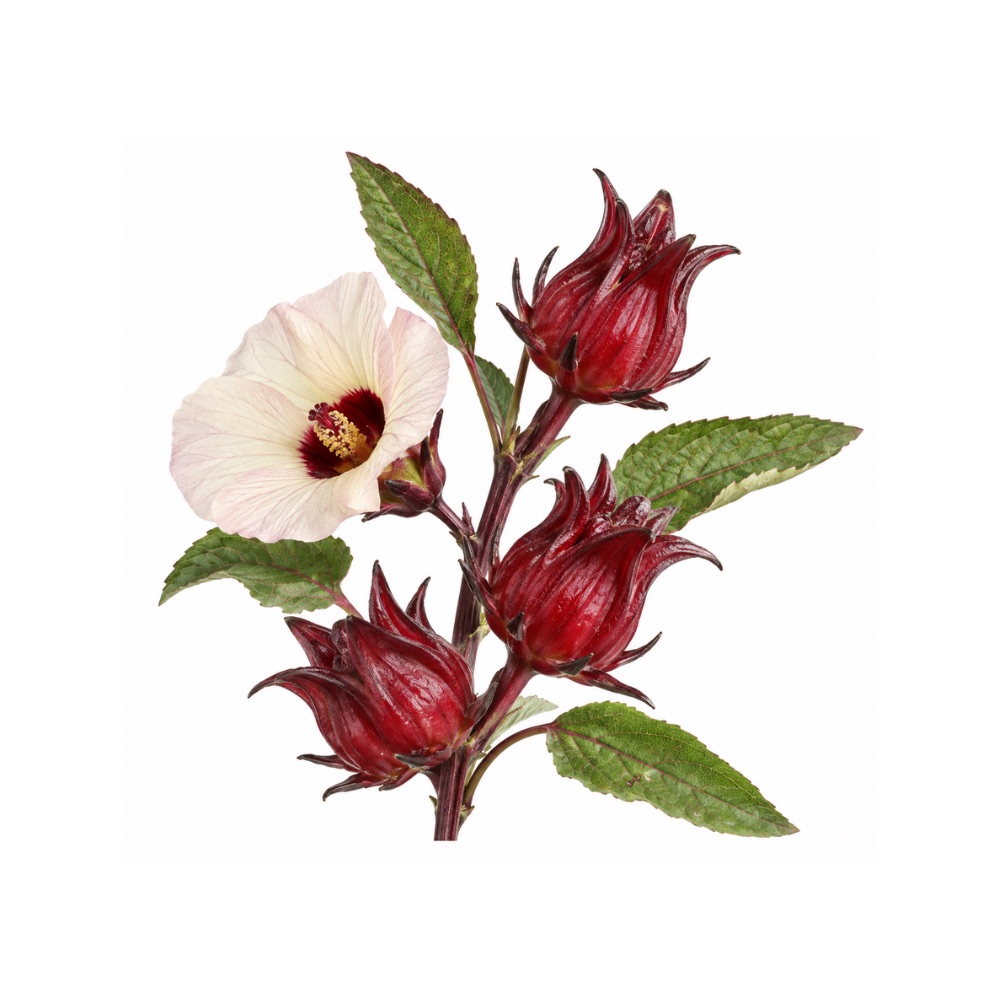 MildMildRoselleHibiscus sabdariffaKarkadé is taken as a mild diuretic across Sudan, Egypt and West Africa and is listed as one in the Egyptian Herbal Monograph; the activity is plausible but preclinical, with no human urine-output data.Read the evidenceShow less
Roselle calyx is drunk as a cooling diuretic and a remedy for high blood pressure across North and West Africa, and the Egyptian Herbal Monograph lists it for both.
The diuretic activity is mechanistically plausible and largely preclinical, with no human urine-output data. Roselle’s evidenced work is antihypertensive, and a mild natriuretic contribution to that effect is plausible without being demonstrated.
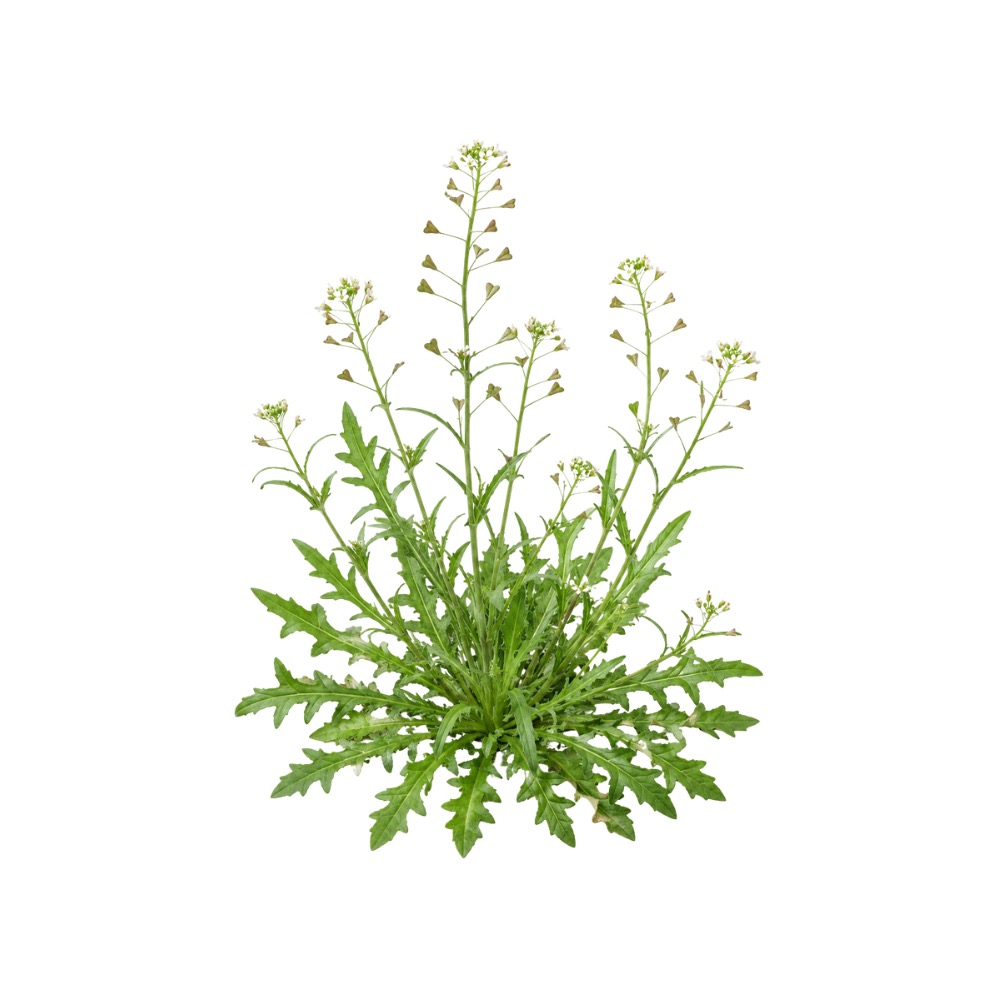 MildMildShepherd’s PurseCapsella bursa-pastorisDiuretic activity in a 1969 rodent study, with the traditional urinary use otherwise resting on flavonoid and potassium content.Mechanismnot established (flavonoid/potassium content inferred)Read the evidenceShow lessMonograph →
An ethanol extract produced diuretic, anti-inflammatory and anti-ulcer activity in a 1969 rodent study 29Reference 29AnimalStudies on Capsella bursa-pastoris II: diuretic, anti-inflammatory and anti-ulcer action of ethanol extracts of the herb — animal modelView study →.
There is no dose-response, no modern replication, no human data and no proposed renal mechanism. The magnitude is unquantified and almost certainly small.
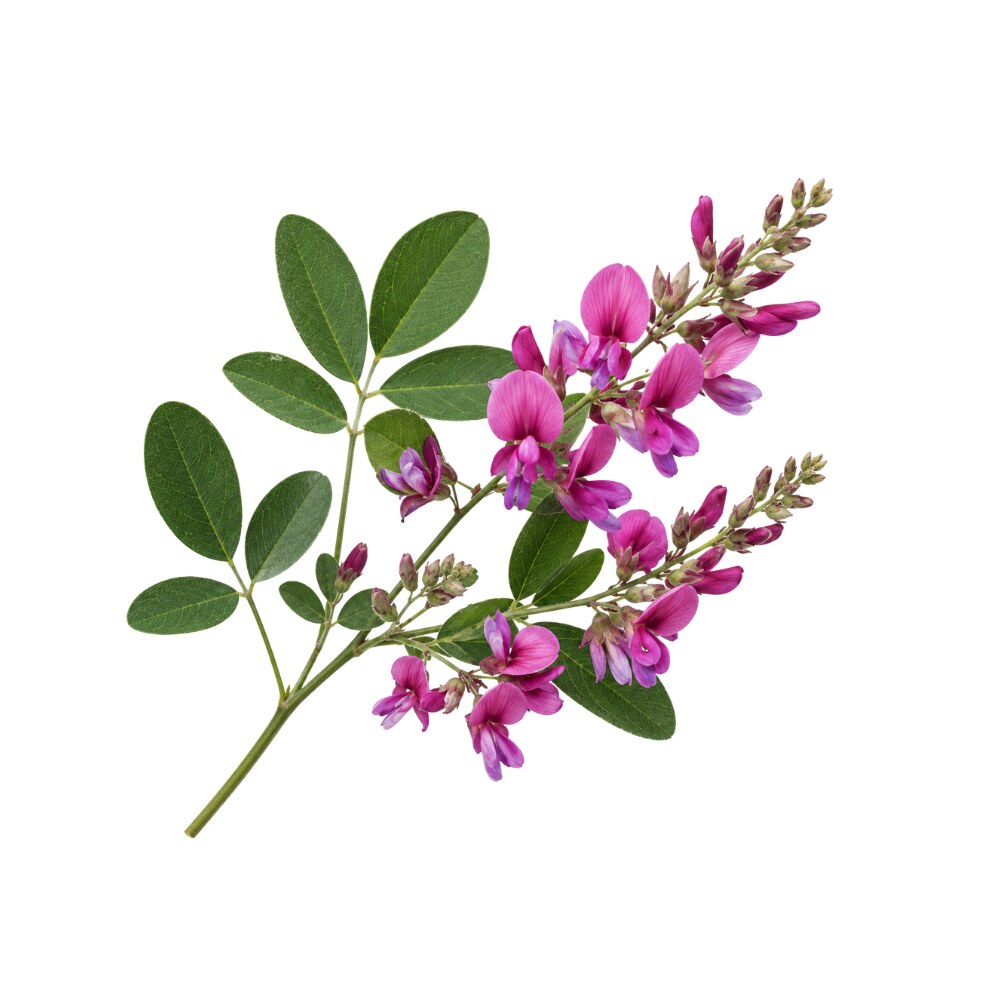 MildMildShrubby BushcloverLespedeza bicolorUsed as a mild diuretic and astringent in traditional East Asian practice; no research exists.Read the evidenceShow less
Lespedeza bicolor is used as a mild diuretic and astringent in East Asian practice.
The plant is more prominent agriculturally, as nitrogen-fixing cover and forage, than medicinally, and no research addresses the diuretic use.
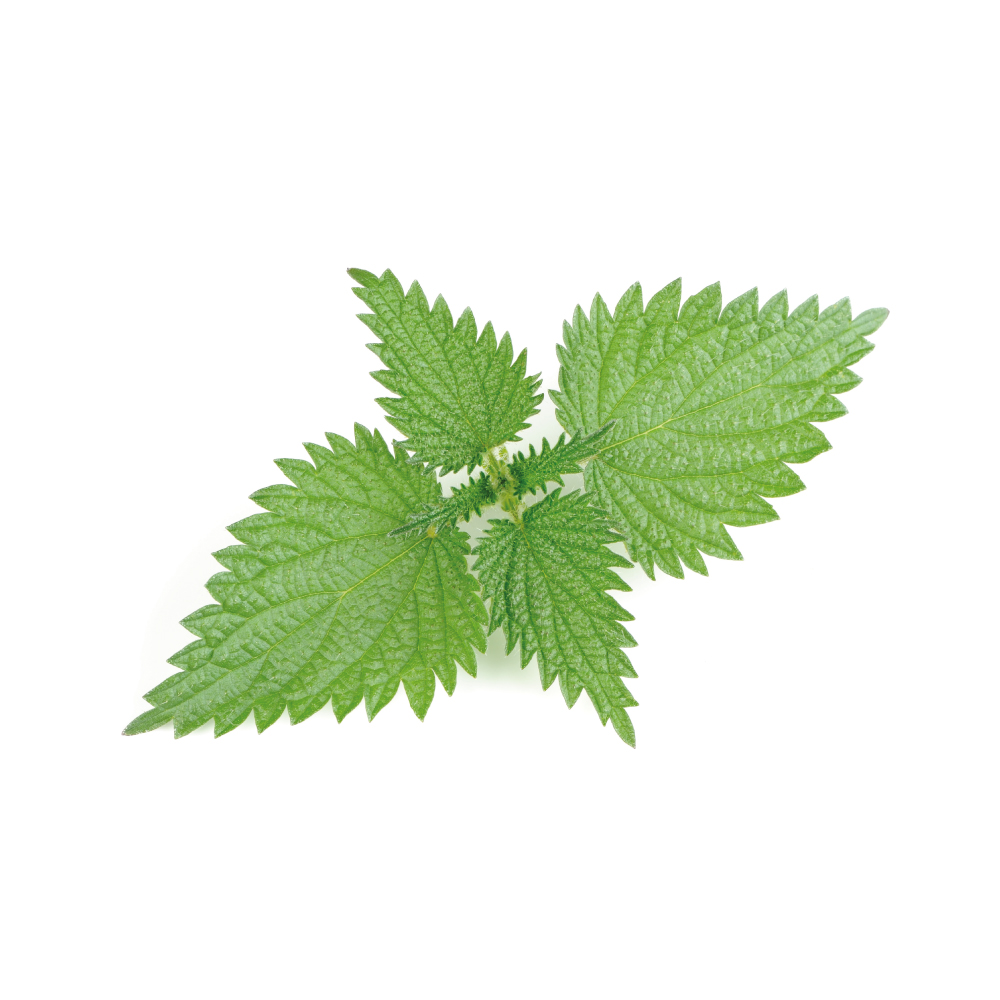 MildMildStinging NettleUrtica dioicaThe strongest traditional claim in the group, from Galen and Dioscorides through to German phytotherapy; no research and no measured renal endpoint.Read the evidenceShow lessMonograph →
Nettle’s diuretic use runs from Galen and Dioscorides through to the German phytotherapy tradition, where the leaf is used for urinary flushing.
There is no research and no measured renal endpoint behind it. The reputation is taken seriously enough to warrant caution about stacking with prescription diuretics.
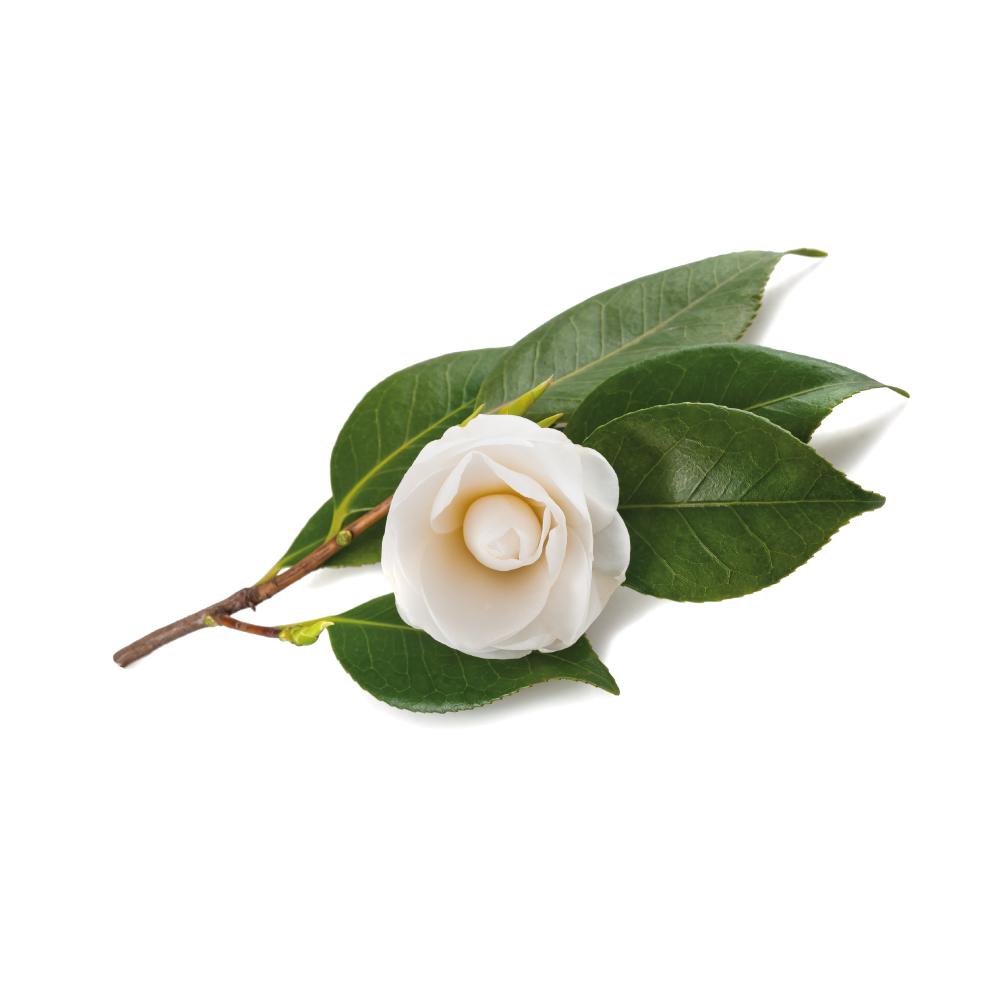 MildMildTeaCamellia sinensisCaffeine gives tea an acute diuretic effect, and a rat study found black tea infusion produced natriuresis through aldosterone and carbonic-anhydrase inhibition.Mechanismcaffeine → adenosine A1 antagonism (acute); aldosterone inhibition; carbonic-anhydrase inhibition; natriuresis (rat)Read the evidenceShow lessMonograph →
Tea leaf contains roughly 0.8–3.4% caffeine by dry weight, and the acute diuresis of a cup of tea in someone unaccustomed to caffeine is caffeine’s, working through adenosine-receptor antagonism at the nephron 33Reference 33ReviewCaffeine ingestion and fluid balance: a reviewView study →. Regular drinkers develop tolerance.
A single study found a hot-water infusion of Sri Lankan black tea produced mild, safe diuresis in rats through increased urinary sodium, aldosterone inhibition, carbonic-anhydrase inhibition and a thiazide-like action, with low-grown leaf more active than high-grown 30Reference 30AnimalOral diuretic activity of hot water infusion of Sri Lankan black tea (Camellia sinensis L.) in rats — animalView study →.
No human data separate the leaf’s effect from its caffeine, and the natriuretic finding is rat-only and single-study.
No herbs match these filters.
Safety
- Herbal diuretics are additive with prescription diuretics.
- Any change in renal handling can raise lithium levels.
- Irrigation therapy is contraindicated in cardiac and renal oedema, and wherever fluids are restricted.
- Aquaretics spare potassium; potassium-rich herbs can push it the other way.
References
- Missale C, et al. (1998). Dopamine receptors: from structure to function. Physiological Reviews. https://pubmed.ncbi.nlm.nih.gov/9457173/
- Eisenhofer G, et al. (1997). Substantial production of dopamine in the human gastrointestinal tract. The Journal of Clinical Endocrinology and Metabolism. https://pubmed.ncbi.nlm.nih.gov/9360553/
- Rubí B, Maechler P (2010). Minireview: new roles for peripheral dopamine on metabolic control and tumor growth — let’s seek the balance. Endocrinology. https://pubmed.ncbi.nlm.nih.gov/21047943/
- Bellomo R, et al. (2000). Low-dose dopamine in patients with early renal dysfunction: a placebo-controlled randomised trial (ANZICS Clinical Trials Group). The Lancet. https://pubmed.ncbi.nlm.nih.gov/11191541/
- de Souza, P., da Silva, L. M., Boeing, T., et al. (2017). Influence of prostanoids in the diuretic and natriuretic effects of extracts and kaempferitrin from Bauhinia forficata Link leaves in rats — animal study. Phytotherapy Research. https://pubmed.ncbi.nlm.nih.gov/28752576/
- Cechinel-Zanchett, C. C., Bolda Mariano, L. N., Boeing, T., et al. (2020). Diuretic and renal-protective effect of kaempferol 3-O-α-L-rhamnoside (afzelin) in normotensive and hypertensive rats — animal study. Journal of Natural Products. https://pubmed.ncbi.nlm.nih.gov/32453565/
- British Herbal Medicine Association. (1983). British Herbal Pharmacopoeia. Bournemouth, UK: Author.
- Beaux, D., et al. (1999). Effect of extracts of Orthosiphon stamineus, Hieracium pilosella, Sambucus nigra and Arctostaphylos uva-ursi in rats — animal diuresis study. Phytotherapy Research. https://pubmed.ncbi.nlm.nih.gov/10353162/
- Nazeer, M., et al. (2025). Toxicological profiling and diuretic potential of arbutin via aldosterone synthase gene inhibition — rat study. Life Sciences. https://pubmed.ncbi.nlm.nih.gov/40280300/
- Menghini, L., Epifano, F., Leporini, L., Pagiotti, R., & Tirillini, B. (2008). Phytochemical investigation on leaf extract of Cordia salicifolia Cham. — in vitro study. Journal of Medicinal Food. https://doi.org/10.1089/jmf.2007.583
- Srividya, N., & Periwal, S. (1995). Diuretic, hypotensive and hypoglycaemic effect of Phyllanthus amarus — controlled clinical trial. Indian J Exp Biol. https://pubmed.ncbi.nlm.nih.gov/8786163/
- Pucci, N. D., et al. (2018). Effect of Phyllanthus niruri on metabolic parameters of patients with kidney stone — prospective cohort. Int Braz J Urol. https://pubmed.ncbi.nlm.nih.gov/29617079/
- European Medicines Agency, HMPC. Assessment report on Agropyron repens (L.) P. Beauv., rhizoma — traditional-use herbal monograph. https://www.ema.europa.eu/en/documents/herbal-report/draft-assessment-report-agropyron-repens-l-p-beauv-rhizoma-revision-1_en.pdf
- Zhakipbekov, K. S., Serikbayeva, E. A., Tleubayeva, M. I., et al. (2026). Elymus repens (L.) Gould phytochemistry, pharmacological activities and therapeutic potential — systematic review. International Journal of Molecular Sciences. https://pubmed.ncbi.nlm.nih.gov/42278456/
- Bortolami, M., Di Matteo, P., Rocco, D., Feroci, M., & Petrucci, R. (2022). Metabolic profile of Agropyron repens rhizome herbal tea by HPLC-PDA-ESI-MS/MS analysis. Molecules. https://pubmed.ncbi.nlm.nih.gov/35956912/
- Clare BA, Conroy RS, Spelman K (2009). The diuretic effect in human subjects of an extract of Taraxacum officinale folium over a single day — [clinical trial]. J Altern Complement Med. https://pubmed.ncbi.nlm.nih.gov/19678785/
- Schütz K, Carle R, Schieber A (2006). Taraxacum—a review on its phytochemical and pharmacological profile — [review]. J Ethnopharmacol. https://pubmed.ncbi.nlm.nih.gov/16950583/
- Chodera A, et al. (1991). Effect of flavonoid fractions of Solidago virgaurea L. on diuresis and levels of electrolytes — in vivo rat study. Acta Poloniae Pharmaceutica, 48(5-6):35–7. https://pubmed.ncbi.nlm.nih.gov/1669338/
- Chodera A, et al. (1985). Diuretic effect of the glycoside from a plant of the Solidago L. genus — in vivo animal study. Acta Poloniae Pharmaceutica, 42(2):199–204. https://pubmed.ncbi.nlm.nih.gov/4083055/
- ESCOP (2008). Solidaginis virgaureae herba (European Goldenrod) — pharmacopoeial monograph (review). ESCOP Monographs, 2nd ed., Supplement. European Scientific Cooperative on Phytotherapy.
- Fursenco C, et al. (2020). Solidago virgaurea L.: A Review of Its Ethnomedicinal Uses, Phytochemistry, and Pharmacological Activities — systematic review. Biomolecules, 10(12). https://pubmed.ncbi.nlm.nih.gov/33266185/
- EMA/HMPC (2008). Community herbal monograph on Solidago virgaurea L., herba — traditional-use regulatory monograph. European Medicines Agency, Committee on Herbal Medicinal Products (EMEA/HMPC/285759/2007).
- Blumenthal, M. (ed.) (1998). Solidaginis virgaureae herba (European goldenrod herb) — German Commission E approved monograph (irrigation therapy, lower urinary tract) — review. The Complete German Commission E Monographs, American Botanical Council.
- Carneiro, D. M., et al. (2014). Randomized, double-blind clinical trial to assess the acute diuretic effect of Equisetum arvense (field horsetail) in healthy volunteers — randomised controlled trial. Evidence-Based Complementary and Alternative Medicine. https://pubmed.ncbi.nlm.nih.gov/24723963/
- Janků, I., Hava, M., Motl, O. (1957). Diuretic substance from juniper (Juniperus communis L.). Experientia. https://pubmed.ncbi.nlm.nih.gov/13447954/
- Raina, R., et al. (2019). Potential of Juniperus communis L as a nutraceutical in human and veterinary medicine — review. Heliyon. https://pubmed.ncbi.nlm.nih.gov/31508527/
- CIR Expert Panel. (2001). Final report on the safety assessment of Juniperus communis extract, J. oxycedrus extract/tar, J. phoenicea extract, and J. virginiana extract — safety review. Int J Toxicol. https://pubmed.ncbi.nlm.nih.gov/11558640/
- Damjanović, B. M., Skala, D., Petrović-Djakov, D., & Baras, J. (2003). A comparison between the oil, hexane extract and supercritical carbon dioxide extract of Juniperus communis L. Journal of Essential Oil Research, 15(2), 90–92. https://doi.org/10.1080/10412905.2003.9712076
- Kuroda K, Takagi K. (1969). Studies on Capsella bursa-pastoris II: diuretic, anti-inflammatory and anti-ulcer action of ethanol extracts of the herb — animal model. Arch Int Pharmacodyn Ther. 178(2):392–9. https://pubmed.ncbi.nlm.nih.gov/4390992/
- Abeywickrama, K. R. W., Ratnasooriya, W. D., & Amarakoon, A. M. T. (2010). Oral diuretic activity of hot water infusion of Sri Lankan black tea (Camellia sinensis L.) in rats — animal. Pharmacognosy Mag, 6(24), 271-277. https://pubmed.ncbi.nlm.nih.gov/21120027/
- Wu, Z. L., et al. (2014). Sclederma of Poria cocos exerts its diuretic effect via suppression of renal aquaporin-2 expression in rats with chronic heart failure — animal model. Journal of Ethnopharmacology. https://pubmed.ncbi.nlm.nih.gov/24933223/
- Lee, S. M., et al. (2012). Effect of Poria cocos on hypertonic stress-induced water channel expression and apoptosis in renal collecting duct cells — in vitro. Journal of Ethnopharmacology. https://pubmed.ncbi.nlm.nih.gov/22414475/
- Maughan, R. J., & Griffin, J. (2003). Caffeine ingestion and fluid balance: a review. Journal of Human Nutrition and Dietetics, 16(6), 411–420. https://pubmed.ncbi.nlm.nih.gov/19774754/
- Killer, S. C., Blannin, A. K., & Jeukendrup, A. E. (2014). No evidence of dehydration with moderate daily coffee intake: a counterbalanced cross-over study in a free-living population — randomised crossover trial. PLoS One, 9(1), e84154. https://pubmed.ncbi.nlm.nih.gov/24416202/
Keep Exploring