

Overview
Astringent at a Glance
Astringents tighten and dry tissue.
Most do this through tannins — polyphenols that bind and precipitate proteins. It is the same basic chemistry used to turn hide into leather.
On skin or mucous membranes, tannins form a thin layer of coagulated protein over the surface. The tissue tightens, secretions fall, and wet or weeping surfaces begin to dry.
This is why astringents are traditionally used for things like diarrhoea, sore mouths and gums, weeping skin, excessive discharge, and minor bleeding.
Witch hazel, guava, bael, raspberry leaf, cashew, and barbatimão are all classic tannin-rich astringents.
A smaller group works differently.
Goldenseal has a drying effect on mucous membranes through hydrastine, while horse chestnut acts more on venous tone through aescin.
Witch hazel appears to do both — combining tannin astringency with effects on the small vessels beneath the surface.
Astringents overlap with styptics, but the two are not quite the same. A styptic is used specifically to stop bleeding; an astringent is used more broadly to tighten tissue and reduce secretions.
They also sit on the opposite end of the spectrum from demulcents, which soften and coat irritated tissue rather than binding it.
Astringents are one of the oldest herbal-action categories.
Culpeper described them as “drying and binding,” and used tannin-rich roots, barks, and leaves for diarrhoea, bleeding, vaginal discharge, and sore mouths — many of the same uses they still carry today.
These virtues being put together, shew the herb to be drying and binding.
Nicholas Culpeper, The Complete Herbal, 1653, on yarrow
Despite this long history, most traditional astringents have never been formally tested for the tissue-tightening effect itself.
Rose, sage, periwinkle, cornflower, pine, walnut, and many others are well-established traditional astringents whose tannin content is known, even if the action itself has never been directly measured.
Caution
Separate from iron and medicines — tannins bind iron, minerals and some oral drugs in the gut, so take astringent herbs about two hours apart from them.
Not for dry tissue — astringents are unsuitable for dry or atrophic mucous membranes, where reducing secretion is the wrong direction.
Constipating at high doses — the action becomes constipation at higher or prolonged doses, and tannin-rich barks irritate the stomach directly.
Mechanisms
How It Works
01
Tannin–Protein Precipitation
Tannins are polyphenols with enough hydroxyl groups to bind proteins at several points at once, cross-linking and precipitating them.
Applied to a mucous membrane or a raw surface, that lays down a thin layer of coagulated protein, tightening tissue, reducing secretion and sealing a weeping surface.
It is the same reaction that turns hide into leather, and walnut hull and black-wattle bark were commercial tanning materials.
It needs direct contact, no absorption and no receptor, which is why astringents work on the surfaces the preparation touches, mouth, throat, gut lumen and skin, and why the effect is immediate and perceptible on tasting.
Two chemical subtypes recur. Hydrolysable tannins (ellagitannins, gallotannins) and condensed tannins (proanthocyanidins) bind protein by different chemistry and differ in how readily they are broken down, which matters more for gut effects than for topical ones.
Binding avidity rises with molecular size, so the large ellagitannins and polymeric proanthocyanidins are the strong end of the class.
No astringency assay has been published for most of these herbs. The tannin content is measured and the tissue effect inferred from it.
Herbs: AcaciaBaelBarbatimãoBearberryCashewCleaversDragon’s BloodFireweedGrape Seed ExtractGuaranaGuavaHaritakiHopsJatobáMeadowsweetPink WintergreenPipsissewaRaspberry LeafRed-Osier DogwoodRhubarbSalalSilverweedWalnutWillowWitch HazelWood BetonyYellow Dock
Key compounds: TanninsEllagitannins
02
Vasoconstriction & Capillary Tightening
A smaller route acts on the vessels in the tissue rather than on its surface proteins. Local vasoconstriction reduces blood flow into an inflamed or weeping area, and tightening capillary walls reduces the leakage that produces swelling and oozing.
Witch hazel carries both mechanisms at once, tannin precipitation on the surface plus a transient capillary effect, which is a reasonable account of why it works better than its tannin content alone would predict.
Goldenseal’s route is different again, through hydrastine rather than tannins, and horse chestnut’s venous astringency is aescin acting on vein tone.
A protein-precipitation effect lasts as long as the coagulated layer does. A vasoconstrictor effect lasts as long as the vessel response, which is usually shorter.
Shepherd’s purse works this way too. Its styptic reputation rests on flavonoids — diosmin, rutin, luteolin and quercetin — together with the biogenic amines choline and acetylcholine, the last of which is the constituent usually linked to its effect on smooth muscle and bleeding. There are no tannins in it at all.
03
Astringency as a Traditional and Taste Category
Some herbs carry the word without carrying either chemistry.
In Ayurveda kashaya — astringent — is one of the six tastes, a property of how a plant registers on the tongue and what it is held to do to the tissues, not a claim about a mechanism.
Gymnema is classed as bitter and astringent in taste, with a pungent post-digestive effect and a heating potency, and its chemistry is triterpenoid saponin rather than tannin.
Western practice does something similar with herbs used as washes and applications. Calendula and horopito were both applied to raw, weeping or chafed skin, and the word followed the use.
Calendula’s constituents are triterpenoid saponins, faradiol esters and carotenoids; horopito’s are anthocyanins, sesquiterpene dialdehydes and eugenol. Neither carries a tannin fraction.
These are real traditions with long records behind them, and the herbs sit here on that basis.
What they do not have is a measured astringent endpoint or a chemistry that would predict one.
More Specific Actions
Sub-Actions
Astringent is a parent action, and two narrower actions sit beneath it. Where a sub-action has its own page, its evidence is examined there.
Hemostatic
6 herbsStops or slows bleeding, whether applied to a wound or taken for heavier loss within the body. In herbal practice this covers the herbs given for heavy menstrual loss, blood in the urine and bleeding from the gut, most of them astringents working by the same tightening of tissue and small vessels.
Styptic
6 herbsStops or slows bleeding on contact. This involves a strong astringent tightening of tissue and small vessels at the surface, and in a few herbs an effect on platelets or clotting.
The Molecules
Pharmacology
What produces an astringent effect at the molecular level. The herbs carry these molecules in different combinations and amounts, which is most of why their potency differs. Roles describe how central a molecule is to the action across plants generally, not how strong any one herb is.
Chiefly Tannins14
Carries the action largely on its own — the effect is attributed to the molecule, not just the extract it came from.
Adds to a plant's effect and is often present in quantity, but rarely accounts for it alone.
Real but narrow — one pathway, one tissue, or evidence too thin to lean on.
Agrimoniin Tannins Primary mover Targets Polyphenol–protein binding and precipitation
Agrimoniin is a 1,871 Da hydrolysable tannin carrying four hexahydroxydiphenoyl groups and 52 oxygens, and astringency is the direct physical consequence: multivalent phenolic hydroxyls hydrogen-bond and precipitate proteins, tightening mucosal surfaces.
In its signature plants it is the dominant polyphenol outright, 94% of the total polyphenols of Agrimonia procera stem and over 90% of its seed 1Reference 1The aerial parts of Agrimonia procera Wallr. and Agrimonia eupatoria L. as a source of polyphenols, and especially agrimoniin and flavonoidsView study →, the single most abundant compound in strawberry leaf at 3–8% of dry matter 2Reference 2Fragaria × ananassa cvView study →, and about 2.5% of tormentil rhizome inside a total tannin content above 20% 3Reference 3Quantification of tannins and related polyphenols in commercial products of tormentil (Potentilla tormentilla)View study →.
Where agrimony, tormentil or strawberry leaf act as astringents, this is the molecule doing most of it.
The mechanism is class chemistry rather than a named receptor, and no agrimoniin-specific protein-precipitation index has been published, so the assignment rests on structure plus documented dominance.
Astringency is luminal and topical by definition, which is the only place this molecule ever is 4,
Castalagin Tannins Primary mover Targets Tannin–protein (salivary proline-rich protein) precipitation
Castalagin is the predominant ellagitannin of oak-matured red wine, detectable as smooth astringency at 0.9–2.8 µmol/L, two to three orders of magnitude below the flavan-3-ol threshold of 600–1,000 µmol/L 7Reference 7Matrix-calibrated LC-MS/MS quantitation and sensory evaluation of oak ellagitannins and their transformation products in red winesView study →.
Protein precipitation is also the class basis for the tissue-tightening action attributed to tannin-rich plants generally; see tannins for the class picture.
Camu-camu is the herb that carries it.
Found in Camu-camu
Full Castalagin profile →Casuarinin Tannins Primary mover Targets Non-specific protein binding and cross-linking
Casuarinin binds and precipitates proteins, which probably explains several of the enzyme IC₅₀ values reported for it.
In a fungal system this shows up as anti-adhesion and as structural change, a denser mannan outer layer and reduced cell-wall porosity in Candida albicans, with polysaccharide and protein levels unaltered 12,
On the one quantitative analysis of raspberry-leaf polyphenols, casuarinin rather than sanguiin H-6 is the largest single contributor to raspberry leaf’s astringency, at about 83% of identified phenolics in a leaf extract 14Reference 14Protection of erythrocytes and microvascular endothelial cells against oxidative damage by Fragaria vesca L. and Rubus idaeus L. leaves extracts — the mechanism of actionView study →, and it runs at 34.8–117.9 mg/g of dry matter across 26 wild Rubus leaf samples 15Reference 15Determination of phenolic compounds and antioxidant activity in leaves from wild Rubus L. speciesView study →.
Raspberry leaf, arjuna and haritaki carry it.
Found in Raspberry Leaf
Full Casuarinin profile →Punicalagin Tannins Primary mover Targets Protein precipitation (salivary proline-rich proteins; microbial and insect gut enzymes)
Punicalagin is a 1,085-dalton polyphenol with 17 free phenolic hydroxyls, concentrated at 1–2% of the dry weight of pomegranate peel 23Reference 23Identification and quantification of phenolic compounds from pomegranate (Punica granatum L.) peel, mesocarp, aril and differently produced juices by HPLC-DAD-ESI/MSⁿView study → and essentially absent from the arils 24Reference 24Antioxidant activity of pomegranate juice and its relationship with phenolic composition and processingView study →, the classic distribution of a defensive protein-binding tannin in the barrier tissue.
Astringency, protein binding and metal chelation are one mechanism seen from three sides, and the same property underlies the traditional use of pomegranate rind as an antidiarrhoeal, the tannin-class reduction of non-haem iron absorption, and the molecule’s antimicrobial spectrum 25Reference 25Identification of punicalagin as the bioactive compound behind the antimicrobial activity of pomegranate (Punica granatum L.) peelsView study →.
No molecular target is involved; this is physical chemistry.
Haritaki carries it.
Found in Haritaki
Full Punicalagin profile →Sanguiin H-6 Tannins Primary mover Targets Polyphenol–protein binding (salivary proline-rich proteins, mucosal protein)
Sanguiin H-6 is a 1,871 Da hydrolysable tannin carrying 52 oxygen atoms, and astringency is the direct physical consequence of that structure: multivalent phenolic hydroxyls hydrogen-bond and precipitate proteins, tightening mucosal surfaces.
It is the largest single polyphenol in raspberry and the dominant ellagitannin of Rubus generally 27,
The astringency is luminal and topical by definition, since it happens where the tannin touches tissue, which is the only place the molecule ever is 29Reference 29Clinical trialBioavailability of anthocyanins and ellagitannins following consumption of raspberries by healthy human volunteers and subjects with an ileostomyView study →.
No sanguiin-H-6-specific astringency measurement exists, and the assignment rests on class chemistry plus its documented abundance.
Raspberry leaf carries it.
Tellimagrandin I Tannins Primary mover Targets Non-specific protein complexation (2 galloyl + 1 HHDP ester)
Two galloyl esters plus a hexahydroxydiphenoyl bridge give a dense polyphenolic surface that hydrogen-bonds and hydrophobically complexes proteins, precipitating them, the defining behaviour of a hydrolysable tannin.
That single property is what disables bacterial surface proteins 30Reference 30Mechanisms of action of corilagin and tellimagrandin I that remarkably potentiate the activity of beta-lactams against methicillin-resistant Staphylococcus aureusView study →, damages lipid bilayers 31,
Synthesis of ring-expanded analogues showed that protein-precipitating capacity, redox activity and cytotoxicity can be tuned independently by changing the medium-ring size, direct evidence that the astringent behaviour is a structural property of the macrocycle rather than a by-product 34Reference 34Synthesis and biological profiling of tellimagrandin I and analogues reveals that the medium ring can significantly modulate biological activityView study →.
Rose and meadowsweet carry it.
Found in Bearberry, Meadowsweet, Rose
Full Tellimagrandin I profile →Tellimagrandin II Tannins Primary mover Targets Protein complexation / precipitation
Three galloyl esters plus an HHDP bridge give a dense polyphenol surface that hydrogen-bonds and hydrophobically complexes proteins, precipitating salivary and mucosal proteins, the physical basis of astringency and of the tissue-tightening herbal action.
The same promiscuity is a liability elsewhere: eugeniin precipitates protein kinase A outright rather than inhibiting it selectively 35Reference 35In vitroBiochemical characterization of galloyl pedunculagin (ellagitannin) as a selective inhibitor of the beta-regulatory subunit of A-kinase in vitroView study →, so some reported enzyme inhibitions are complexation rather than active-site pharmacology.
Meadowsweet, clove, bearberry and peony carry it.
Found in Bearberry, Clove, Meadowsweet, Peony
Full Tellimagrandin II profile →Casuarictin Tannins Contributor Targets Protein binding and precipitation
A monomeric hydrolysable tannin with one galloyl and two HHDP groups binds and precipitates proteins, which is what astringency is, and the same chemistry lies behind its antimicrobial MICs 8Reference 8In vitroAntimicrobial activities of ellagitannins against Clostridium perfringens, Escherichia coli, Lactobacillus plantarum and Staphylococcus aureus — in vitroView study →, its digestive-enzyme inhibition 9,
Binding avidity rises with molecular size, so casuarictin is at the weaker end of the ellagitannin range and its own oligomers bind harder.
The practical consequences for concentrated preparations are the usual ones, dryness and reduced absorption of non-haem iron, minerals and protein, none quantified for this molecule.
Clove, guava and raspberry leaf carry it.
Found in Clove
Full Casuarictin profile →Geraniin Tannins Contributor Targets Protein precipitation; Fe²⁺/Cu²⁺ chelation
Geraniin is a large hydrolysable tannin (about 953 Da, 27 oxygens) and carries the class’s defining physical mechanism: it binds and precipitates proteins and chelates metal ions, and the rambutan-peel phenolic fraction it dominates chelates Fe²⁺ and Cu²⁺ with EC₅₀ 0.80 and 0.13 mg/mL 16Reference 16Metal chelating, inhibitory DNA damage, and anti-inflammatory activities of phenolics from rambutan (Nephelium lappaceum) peel and the quantifications of geraniin and corilaginView study →.
This is the basis of the traditional antidiarrhoeal use of Geranium thunbergii (gennoshōko), the herb it is named for 17Reference 17Geraniin, a new ellagitannin from Geranium thunbergiiView study →, and of the non-haem-iron absorption caution.
It is a physicochemical action rather than a receptor one, and it applies at the mucosal surface where geraniin actually is.
Chanca piedra and amla carry it.
Found in Amla, Chanca Piedra
Full Geraniin profile →Hamamelitannin Tannins Contributor Targets Tannin–protein complexation
Hamamelitannin precipitates surface proteins like any hydrolysable tannin, but it is a weak astringent relative to its own plant: two galloyls on a 484 Da branched sugar is a far smaller protein-binding surface than the bark’s polymeric proanthocyanidins (DP about 11–29, galloylated), which carry most of the tissue-tightening effect 18,
The herbal literature routinely credits hamamelitannin with witch hazel’s entire astringency, and that is a mis-attribution.
The steam-distilled witch hazel water most people buy contains essentially no tannin at all, so the retail product is not an astringent preparation in the pharmacological sense 18,
Witch hazel carries it.
Found in Witch Hazel
Full Hamamelitannin profile →Lambertianin C Tannins Contributor Targets Non-specific protein binding; salivary proline-rich proteins
Hydrolysable tannins bind and precipitate proteins non-specifically, and binding avidity scales with molecular size, so a 2,806-Da trimer carrying dozens of phenolic hydroxyls sits at the strong end of the class.
This is part of the mechanism behind raspberry-leaf astringency, and it is entirely a surface and luminal effect, the one that survives the absorption problem.
No protein-precipitation constant or salivary-protein-binding assay has been published for lambertianin C specifically, so the claim rests on hydrolysable-tannin class chemistry plus its measured abundance in the tissue, 57.1 mg/g dry weight in Rubus matsumuranus leaf, the most abundant compound of any class there 22Reference 22Metabolites of Siberian raspberries — LC-MS profile, seasonal variation, antioxidant activity and thermal stability of Rubus matsumuranus phenolomeView study →.
Raspberry leaf carries it.
Rugosin A Tannins Contributor Targets Polyphenol–protein complexation (salivary proline-rich proteins, mucosal protein)
As a hydrolysable tannin with multiple galloyl, HHDP and valoneoyl esters, rugosin A precipitates proteins, the physical basis of astringency and of the traditional astringent use of rose petal and meadowsweet flower.
The action follows from structure alone, with no dedicated rugosin A study behind it, so it is class-attributed rather than molecule-demonstrated.
The same complexation underlies the non-haem-iron-absorption caution.
Meadowsweet and rose carry it.
Found in Meadowsweet, Rose
Full Rugosin A profile →Rugosin D Tannins Contributor Targets Multivalent polyphenol–protein complexation (the defining hydrolysable-tannin action)
Rugosin D is a 1,875-dalton ellagitannin carrying two hexahydroxydiphenoyl groups and multiple galloyl esters, the classic multivalent surface that precipitates proteins, which is what astringency is.
That is a structural certainty rather than a measured finding for this molecule, since no protein-precipitation index or tannin-astringency assay has been published for rugosin D specifically.
It is a quantitatively major member of the astringent fraction in the plants it occurs in, up to 41 mg/g dry weight in mid-summer prickly-rose leaf against only 4 mg/g in the flower 26Reference 26Metabolites of prickly rose — chemodiversity and digestive-enzyme-inhibiting potential of Rosa acicularis and the main ellagitannin rugosin DView study →, so in leaf preparations it is a substantial part of what the mouth registers.
Meadowsweet, rose and Rosa acicularis leaf carry it 26Reference 26Metabolites of prickly rose — chemodiversity and digestive-enzyme-inhibiting potential of Rosa acicularis and the main ellagitannin rugosin DView study →.
Found in Meadowsweet
Full Rugosin D profile →Vescalagin Tannins Contributor Targets Protein binding/precipitation; oral mucosal receptors
Vescalagin is a 935-Da hydrolysable tannin with sixteen phenolic hydroxyls, so its astringency is the classic tannin mechanism of binding and precipitating salivary and mucosal proteins.
Unusually for this claim, it is quantified in humans: taste-dilution analysis identified vescalagin, castalagin, grandinin, the roburins and 33-deoxy-33-carboxyvescalagin as the key astringent molecules migrating from oak wood into bourbon whiskey and oak-matured red wine, and established human threshold concentrations and dose/response functions for them 36,
The human data are direct, though they are sensory rather than therapeutic.
Camu-camu carries it.
Found in Camu-camu
Full Vescalagin profile →What It's For
Indications
- Diarrhoea and loose stools
- Weeping, oozing or over-relaxed tissue
- Bleeding gums and mouth ulcers
- Heavy menstrual bleeding
- Wounds, grazes and varicose veins
Materia Medica
Astringent Herbs by Potency
The astringent herbs, ordered by the relative strength of the effect rather than by how well studied it is. Each herb is described by the mechanism behind its effect and the evidence for it.
None of this is a substitute for professional care.
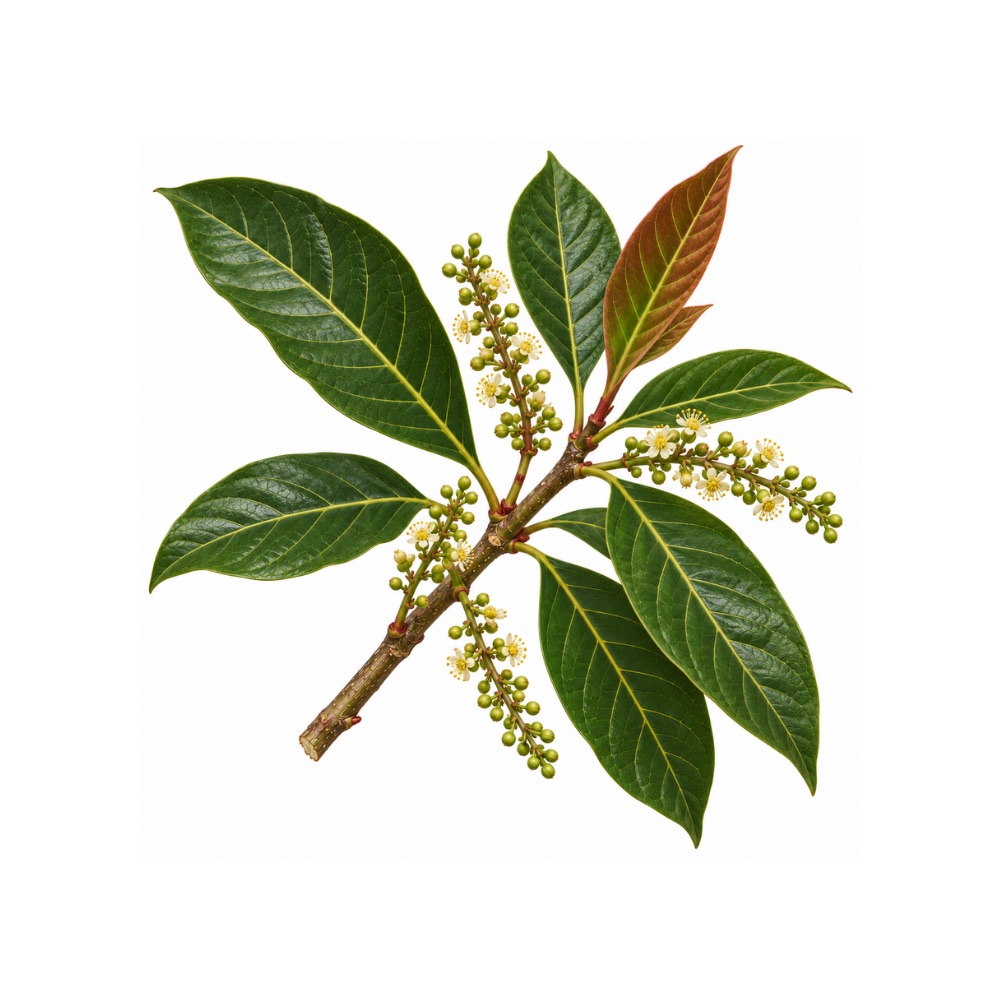
PotentBarbatimãoStryphnodendron adstringensOne of the most strongly astringent barks in use; a very high condensed-tannin load precipitates and cross-links surface proteins into a coagulum, and the folk name casca-da-virgindade records the effect.Mechanismcondensed-tannin protein precipitation and cross-linkingRead the evidenceShow less
Very high condensed-tannin content precipitates and cross-links surface proteins, contracting tissue and forming a coagulum. On effect magnitude, barbatimão sits at the top of the astringent range alongside oak bark and witch hazel.
The folk name casca-da-virgindade, virginity bark, is a comment on exactly this.
No astringency measurement exists for the bark itself. The wound and antibacterial work, where the tannin coagulum has been tested, is examined among the vulnerary herbs.
 PotentPotentDragon’s BloodCroton lechleriA proanthocyanidin-dominated latex, so astringency is its bulk chemistry; it forms a film on skin and tightens the gut lining, separately from the channel-blocking drug derived from it.Mechanismproanthocyanidin polymer → protein precipitation and tissue contractionRead the evidenceShow less
The sap is dominated by proanthocyanidin oligomers, so astringency is not incidental but the bulk chemistry. That underlies the topical film-forming effect and part of the traditional internal use for gut complaints.
The approved antidiarrhoeal drug crofelemer, derived from the same sap, works by chloride-channel blockade rather than astringency, so the herb carries two independent antidiarrhoeal mechanisms.
No astringency measurement exists for the whole latex.
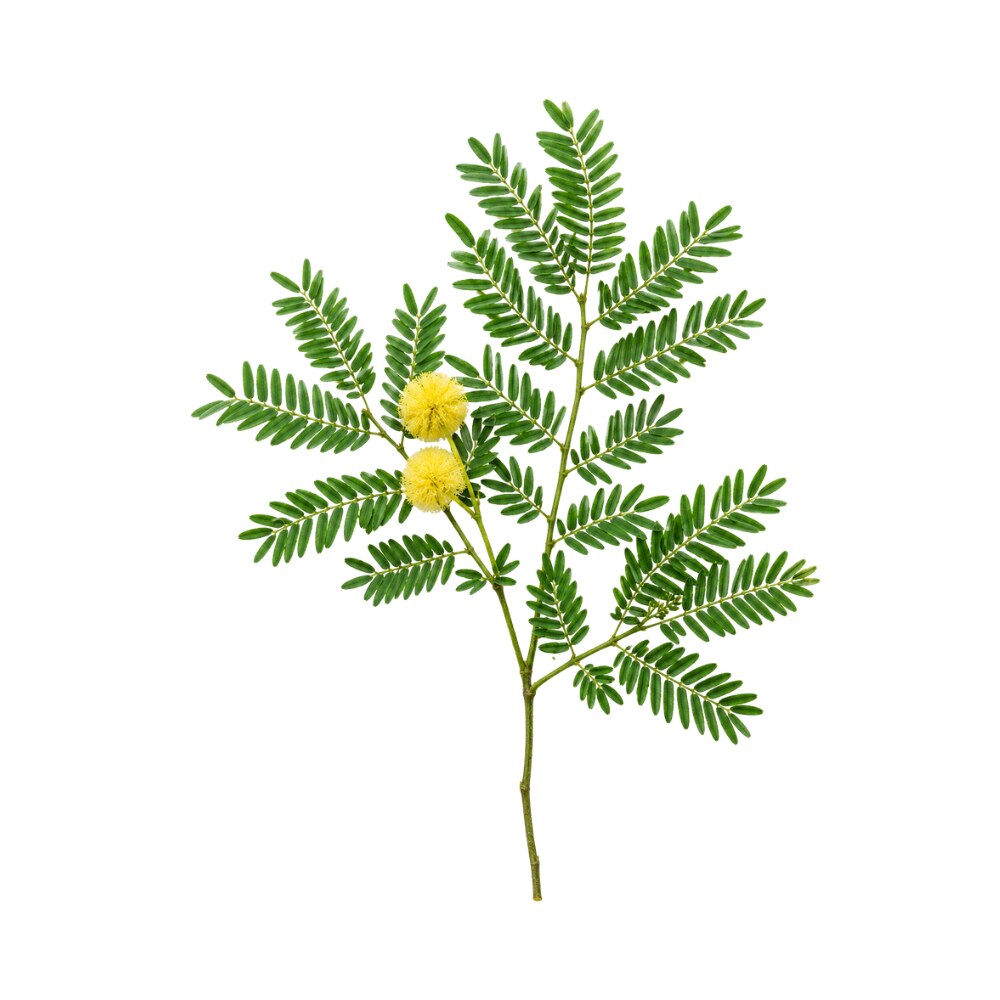 StrongStrongAcaciaAcacia spp.Catechu, black-wattle and babul bark are among the most tannin-dense materials in commerce, and the condensed-tannin fraction is the astringent mechanism itself; the gum is not astringent.Mechanismtannin–protein precipitation / cross-linking; NF-κB ↓, COX-2 & 5-LOX ↓ (catechin fraction)Read the evidenceShow lessMonograph →
The bark of Senegalia catechu (catechu, cutch), Acacia mearnsii (black wattle) and Vachellia nilotica (babul) is the astringent material, not the gum. Black-wattle and catechu bark are among the most tannin-dense materials in world commerce, and the condensed-tannin and flavan-3-ol fraction of A. mearnsii bark is characterised well enough to have built a supplement industry on it 38Reference 38In vitroTannins from Acacia mearnsii De WildView study →.
That fraction is the astringent mechanism itself, polyphenols precipitating and cross-linking proteins. The in-vitro antibacterial work is the closest thing to a demonstration of it: ethanolic A. nilotica leaf extract inhibits Fusobacterium nucleatum and Porphyromonas gingivalis 39Reference 39In vitroAntimicrobial Efficacy of Acacia nilotica, Murraya koenigii, Eucalyptus hybrid, Psidium guajava extracts on Fusobacterium nucleatum and Porphyromonas gingivalis — in vitroView study →, with earlier broad-spectrum A. nilotica data behind it 40Reference 40In vitroAntimicrobial activity of Acacia nilotica (L.) Willd. ex Del. var. nilotica — in vitroView study →.
A separate strand belongs to the catechu catechins, which inhibit NF-κB, COX-2 and 5-LOX in stimulated macrophages 41Reference 41In vitroFlavocoxid, a dual inhibitor of cyclooxygenase and 5-lipoxygenase, blunts pro-inflammatory phenotype activation in endotoxin-stimulated macrophages — in vitroView study → and carry the one human joint-pain RCT 42Reference 42RCTA combination of Scutellaria baicalensis and Acacia catechu extracts for short-term symptomatic relief of joint discomfort associated with osteoarthritis of the knee — randomised controlled trialView study →.
No study measures an astringent endpoint, whether diarrhoea, a wound or gum tone, so the rating reflects tannin load rather than proof. The A. catechu clinical material is the combination product flavocoxid, which is not acacia alone and carries a documented liver-injury signal 43Reference 43ObservationalAcute liver injury due to flavocoxid (Limbrel), a medical food for osteoarthritis: a case series — observational case seriesView study →.
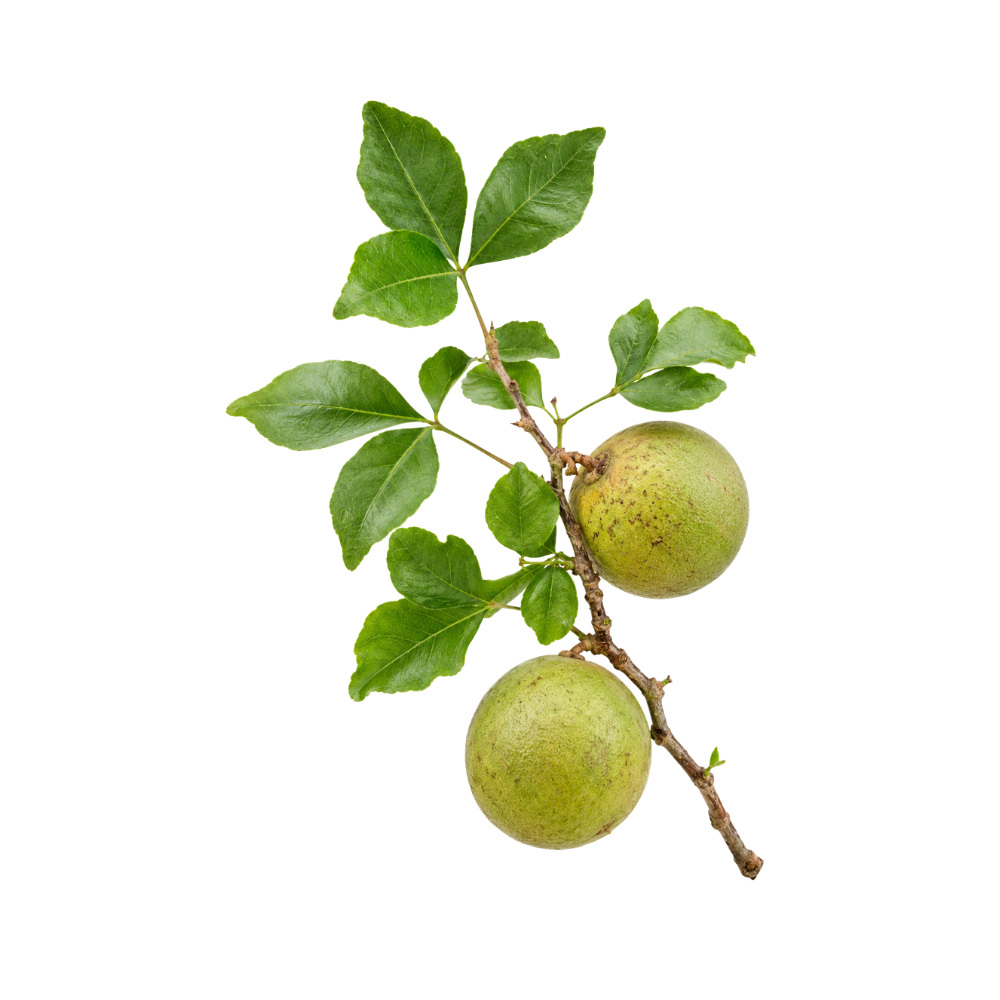 StrongStrongBaelAegle marmelosTannins are highest in the unripe fruit and bark, and the intensely astringent unripe fruit, dried and powdered, is the classic Ayurvedic remedy for acute loose stool.Mechanismtannin–protein precipitation (mucosal binding)Read the evidenceShow lessMonograph →
The unripe fruit is hard and tannin-dense, which is why it is dried, powdered and decocted for acute loose stool in Ayurvedic practice, and the tannins are the pharmacological basis of the antidiarrhoeal action.
Nothing measures astringency directly. The only functional read-outs are the antidiarrhoeal animal endpoints 44Reference 44Investigation on the gastroprotective and antidiarrhoeal properties of Aegle marmelos unripe fruit extract — [animal]View study →.
The ripe pulp is the inverse material, mucilage and pectin, demulcent rather than astringent.
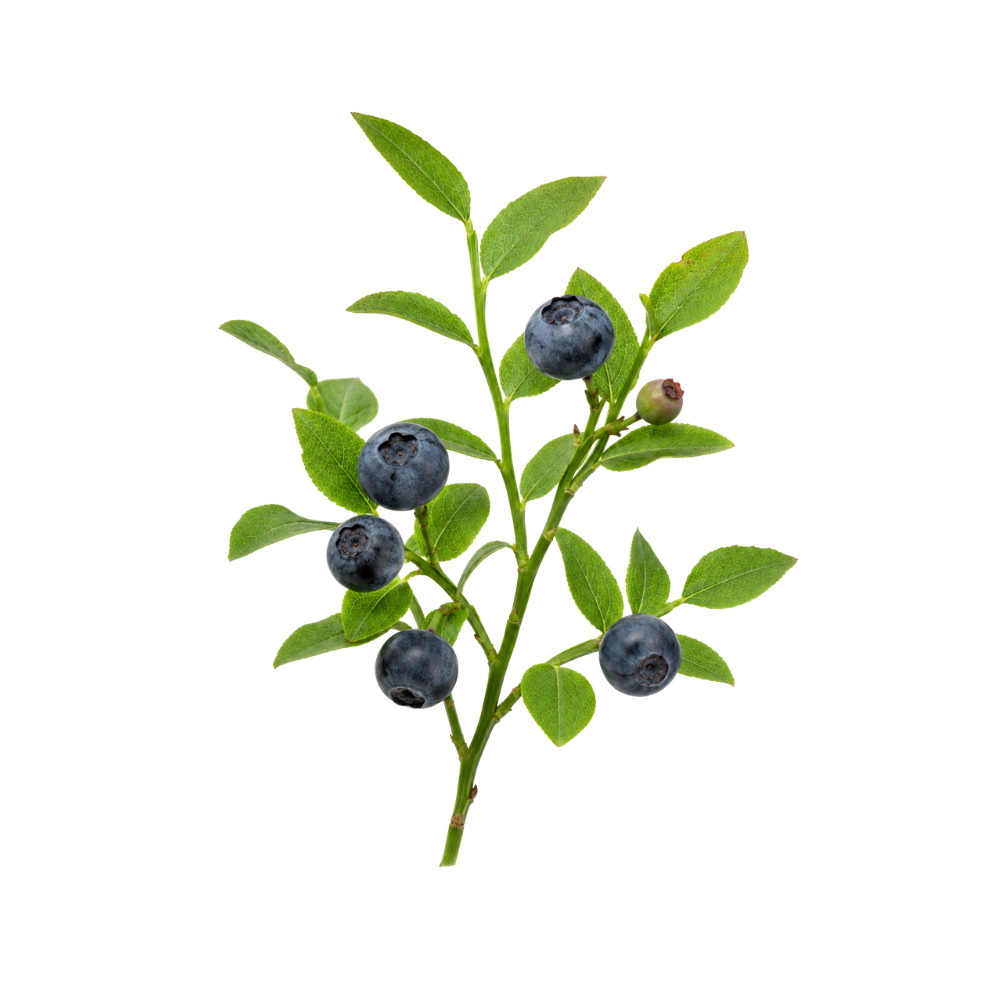 StrongStrongBilberryVaccinium myrtillusThe dried ripe fruit for acute diarrhoea, and the same decoction as a gargle — with fresh and dried berries doing opposite things.Mechanismproanthocyanidin–protein binding at the mucosal surface; European Pharmacopoeia floor of ≥1.0% tanninsRead the evidenceShow lessMonograph →
Bilberry is a northern-European medicine with a written record running from the sixteenth century, and its best-attested use is its simplest: the dried, ripe fruit as an astringent for acute diarrhoea. The same decoction was used as a gargle and mouthwash for mild inflammation of the mouth and throat.
The action is tannin-based. Proanthocyanidins in the dried berry tighten an irritated mucosal surface, and the European Pharmacopoeia sets a floor of ≥1.0% tannins for the drug.
Fresh and dried fruit do opposite things, and traditional practice was careful about it where modern marketing is not: the fresh berry is mildly laxative, the dried one binding. Drying concentrates the tannins, so the preparation detail is what makes it work.
The European Medicines Agency accepts dried bilberry fruit for symptomatic treatment of mild diarrhoea, and as an oromucosal decoction for minor inflammation of the mouth — in both cases on long-standing traditional use rather than on trials.
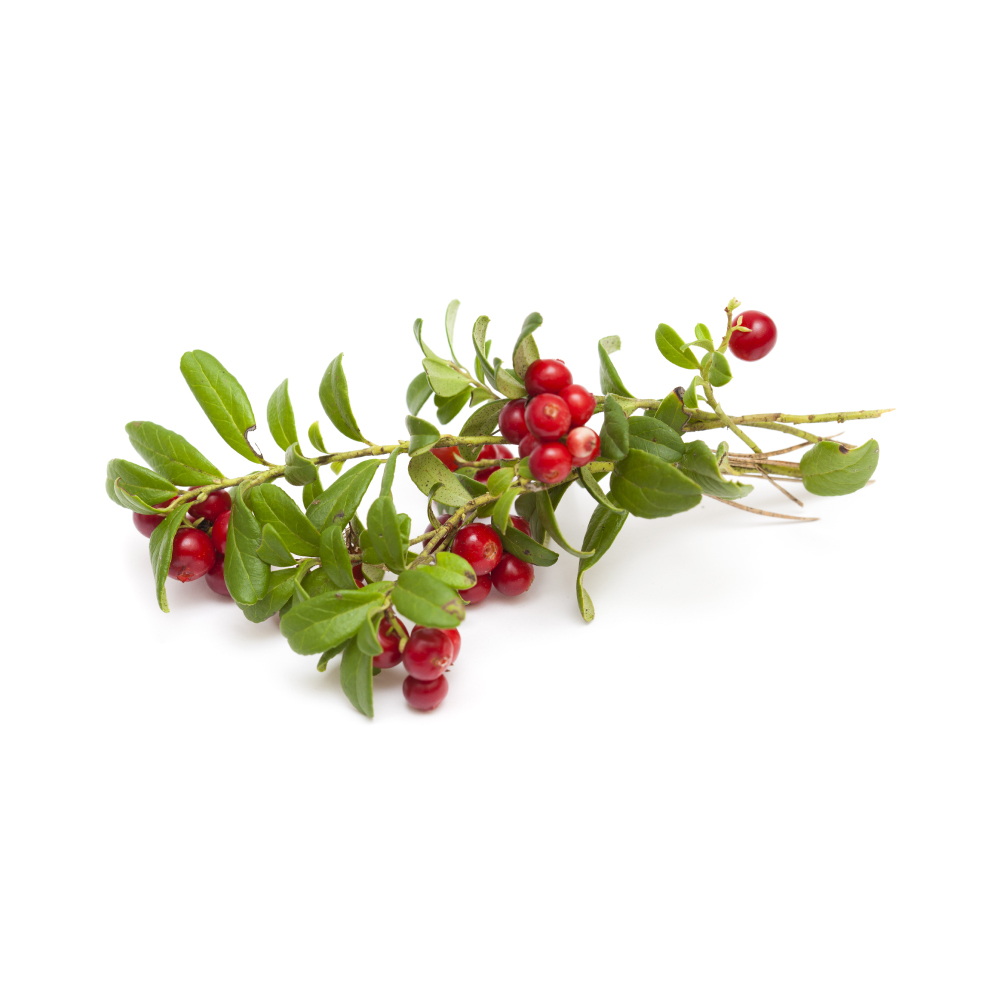 StrongStrongBearberryArctostaphylos uva-ursiLeaf tannins run to about 15% of dried leaf, led by pentagalloylglucose, and they tighten the urothelium; the traditional enuresis and menorrhagia uses hang off this, separately from the arbutin antiseptic action.Mechanismhydrolysable-tannin protein precipitation; mucosal protein cross-linkingRead the evidenceShow lessMonograph →
The leaf carries a heavy hydrolysable-tannin load, total tannins up to about 15% of dried leaf, with pentagalloylglucose at 6.6–12.9 mg/g plus the ellagitannins corilagin and tellimagrandin I. These precipitate mucosal proteins and tighten the urothelium, and the traditional enuresis and menorrhagia uses hang off that 45,
The astringency is separate from the antiseptic action. The tannins and the hydroquinone are independent chemistries, and preparation chooses between them: cold maceration preserves arbutin and leaves the tannins behind, while a hot decoction does the reverse.
Potency is graded on the tannin load, not on any measured astringency endpoint, since none exists.
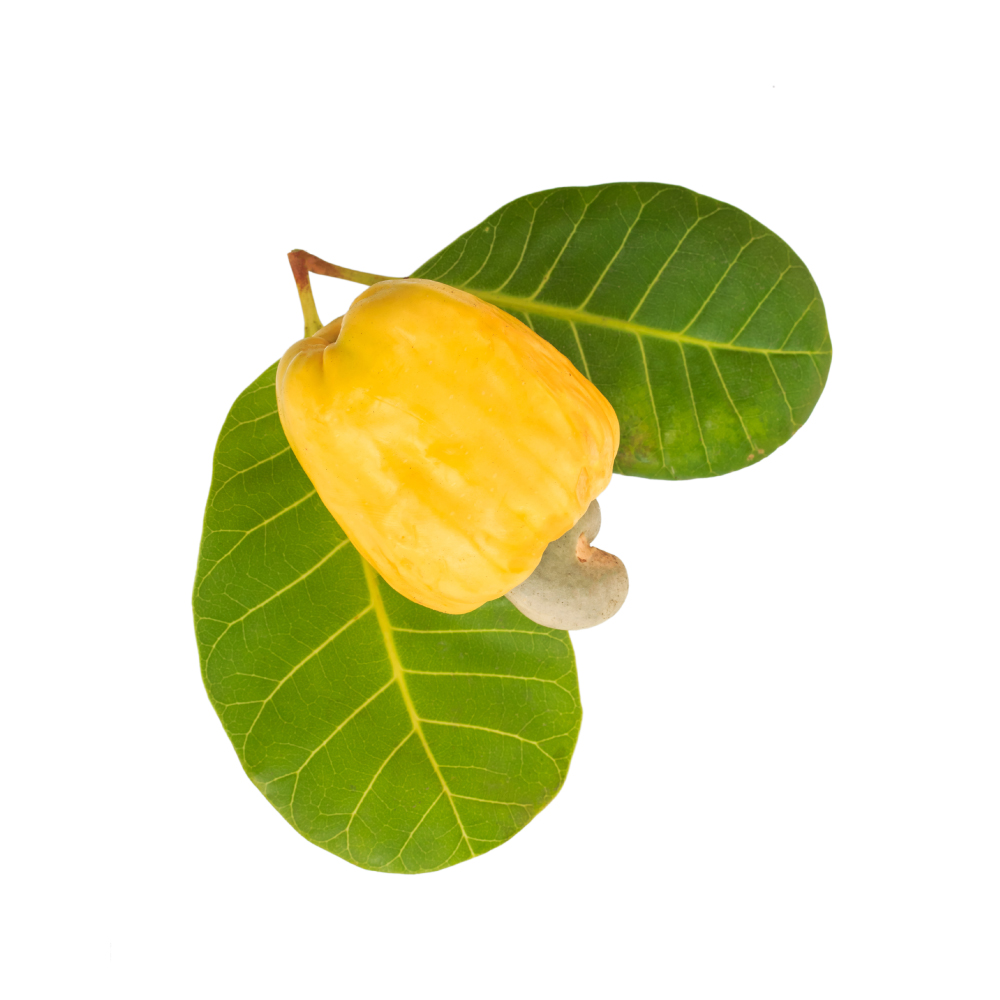 StrongStrongCashewAnacardium occidentaleBark and leaf tannins make bark decoctions and the casho leaf tea the standard Amazonian remedy for diarrhoea, mouth ulcers, tonsillitis and wound washing; no study measures it.Mechanismtannin–protein complexation at the gut mucosal surfaceRead the evidenceShow lessMonograph →
Tannins are present in both bark and leaf 48Reference 48The Healing Power of Rainforest Herbs: A Guide to Understanding and Using Herbal Medicinals, and the bark is described as highly astringent and therefore reliable for acute diarrhoea. In the Amazonian record, bark decoctions and the leaf tea (casho) were the standard remedy for diarrhoea, mouth ulcers, tonsillitis and wound washing 48Reference 48The Healing Power of Rainforest Herbs: A Guide to Understanding and Using Herbal Medicinals.
No astringency or antidiarrhoeal study exists. The rating reflects the reliability of tannin astringency as a class effect in a tannin-rich bark, not a measured result for this species.
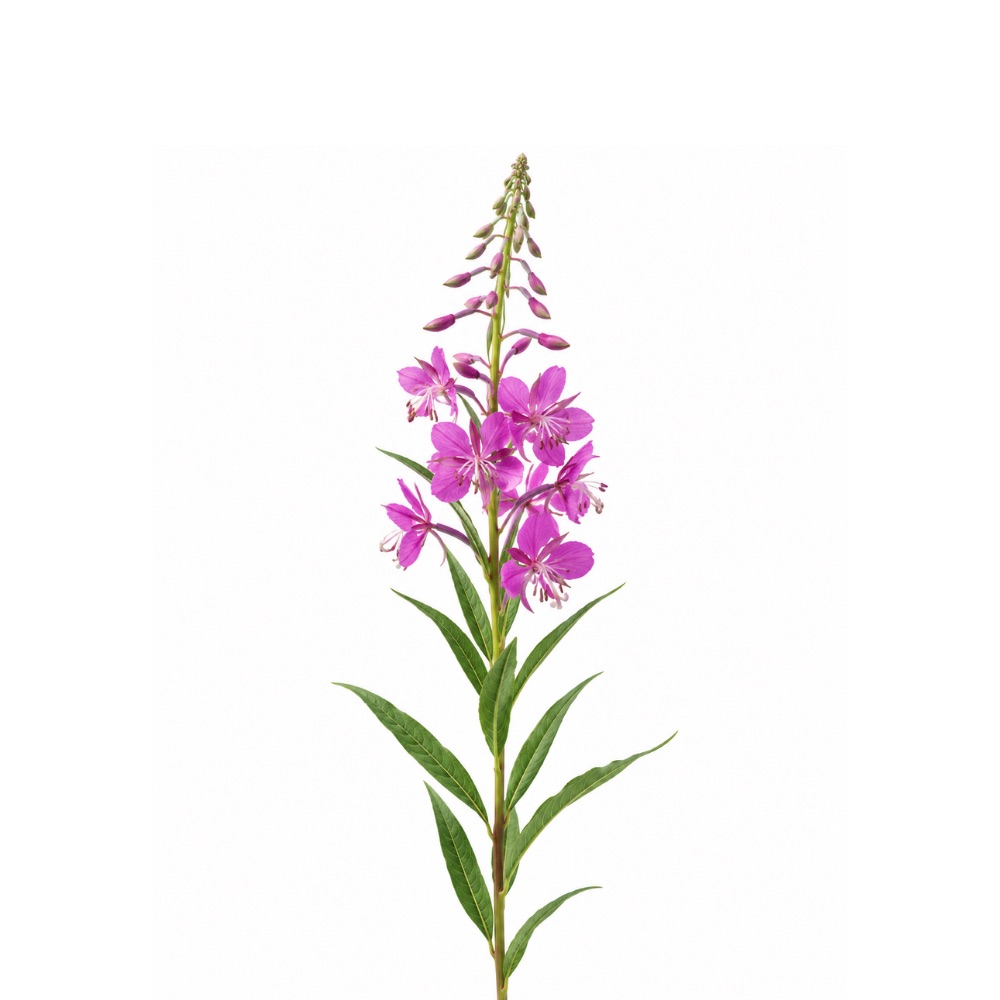 StrongStrongFireweedChamerion angustifoliumA tannin plant, with oenothein B and A at 120–328 mg/g of dry extract; the load underpins the folk use for diarrhoea and for tightening inflamed skin, and fermentation raises the free gallic and ellagic acid further.Mechanismhigh ellagitannin/gallotannin load; protein precipitation, tissue tighteningRead the evidenceShow less
Fireweed is a tannin plant, with oenothein B and oenothein A present at 120–328 mg/g of dry extract 49Reference 49In vitroEfficacy of willow herb (Epilobium angustifolium L. and E. parviflorum Schreb.) crude and purified extracts and oenothein B against prostatic pathogens — MIC study (in vitro)View study →. That load is what underpins the folk use for diarrhoea and for topical tightening of inflamed tissue, and it is high even among astringent herbs.
Fermentation into Ivan chai raises the ellagitannin-derived gallic and ellagic acid further 50Reference 50In vitroEffect of fireweed (Chamerion angustifolium L.) extracts and oenothein B on colon cancer cells: impact of leaf fermentation on viability and mitochondrial function — Caco-2 (in vitro)View study →.
No astringency endpoint has been measured.
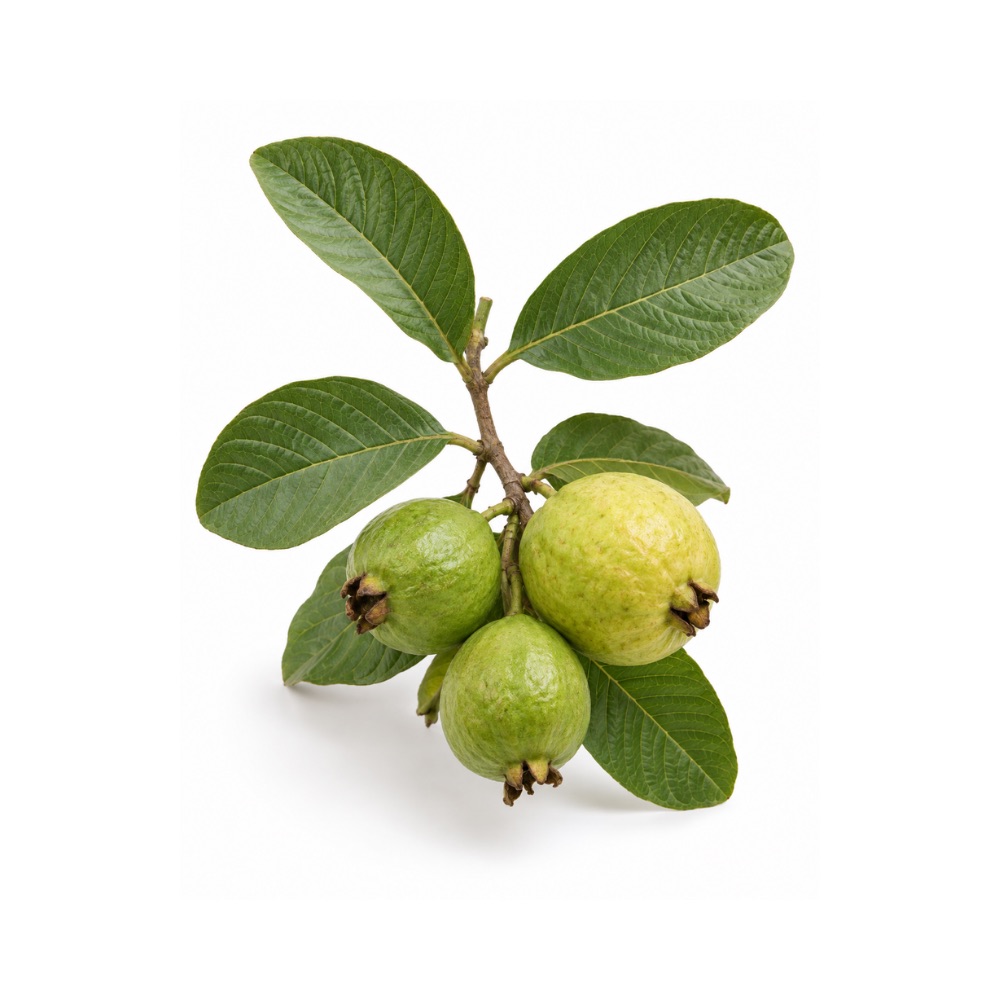 StrongStrongGuavaPsidium guajavaHydrolysable tannins plus condensed catechins, gallic and ellagic acid tighten inflamed gut mucosa and reduce fluid secretion, the engine under the leaf's antidiarrhoeal use; the gargle and wound-wash uses are untested.Mechanismhydrolysable-tannin protein precipitation; condensed-catechin mucosal bindingRead the evidenceShow less
Hydrolysable tannins plus condensed catechins, gallic acid and ellagic acid precipitate surface protein, tightening and toning inflamed gut mucosa and reducing fluid secretion 54,
Guava sits alongside the classic tannin astringents such as oak, agrimony and bistort rather than above them. Its edge is the co-occurring flavonoid fraction, not raw tannin density.
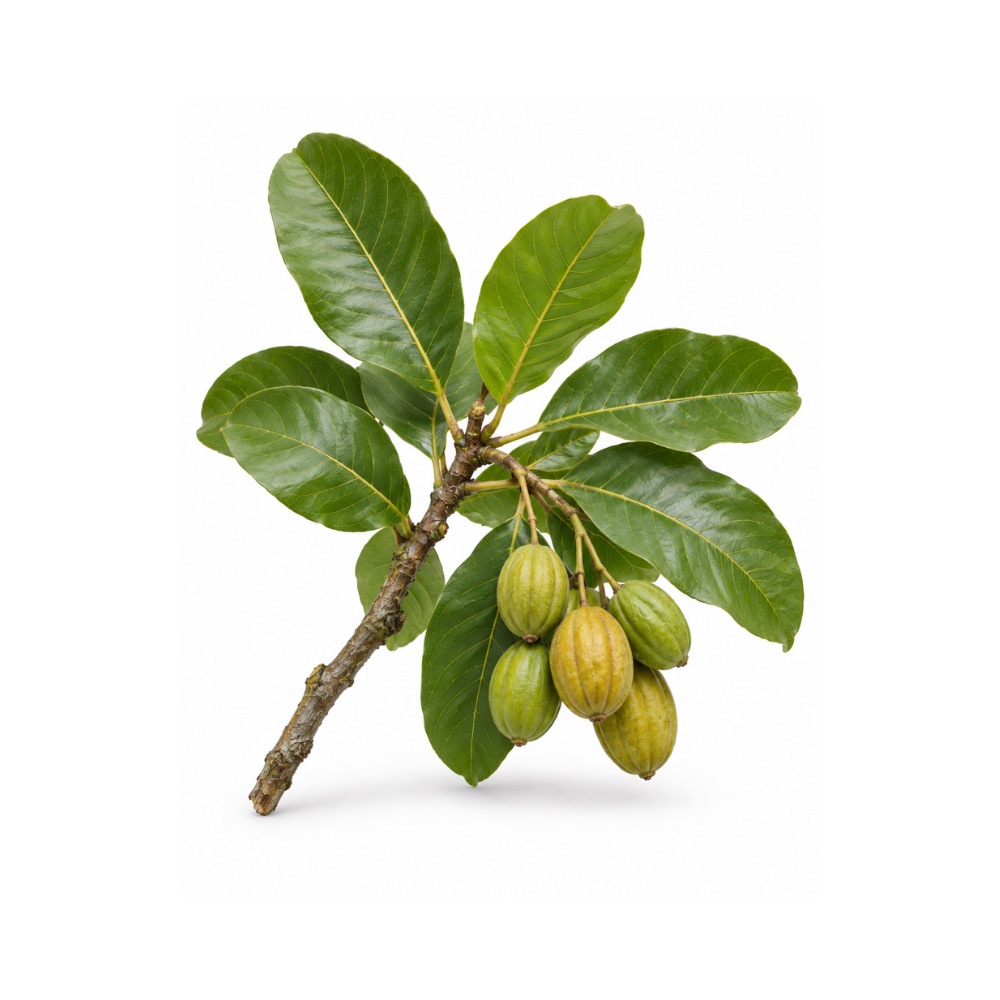 StrongStrongHaritakiTerminalia chebulaAn exceptionally dense hydrolysable-tannin fraction binds at 1–2 g with food, and the same fruit laxates at 3–6 g at night; both Ayurveda and Chinese medicine use it to astringe.Mechanismtannin protein-binding / mucosal precipitation (hydrolysable tannins)Read the evidenceShow lessMonograph →
An exceptionally dense hydrolysable-tannin fraction precipitates mucosal and bacterial proteins, producing the binding, antidiarrhoeal, tonifying effect. The tannin-versus-anthraquinone split is the accepted explanation for haritaki’s opposing bowel uses 64Reference 64ReviewThe development of Terminalia chebula Retz. (Combretaceae) in clinical research — reviewView study →: about 1–2 g with food is astringent, about 3–6 g at night is laxative, and the same fruit carries both actions.
In Chinese medicine the same property is used to “astringe the Lungs” for chronic cough and hoarseness.
The astringent side has no clinical trial. It rests on chemistry plus two large traditional systems agreeing.
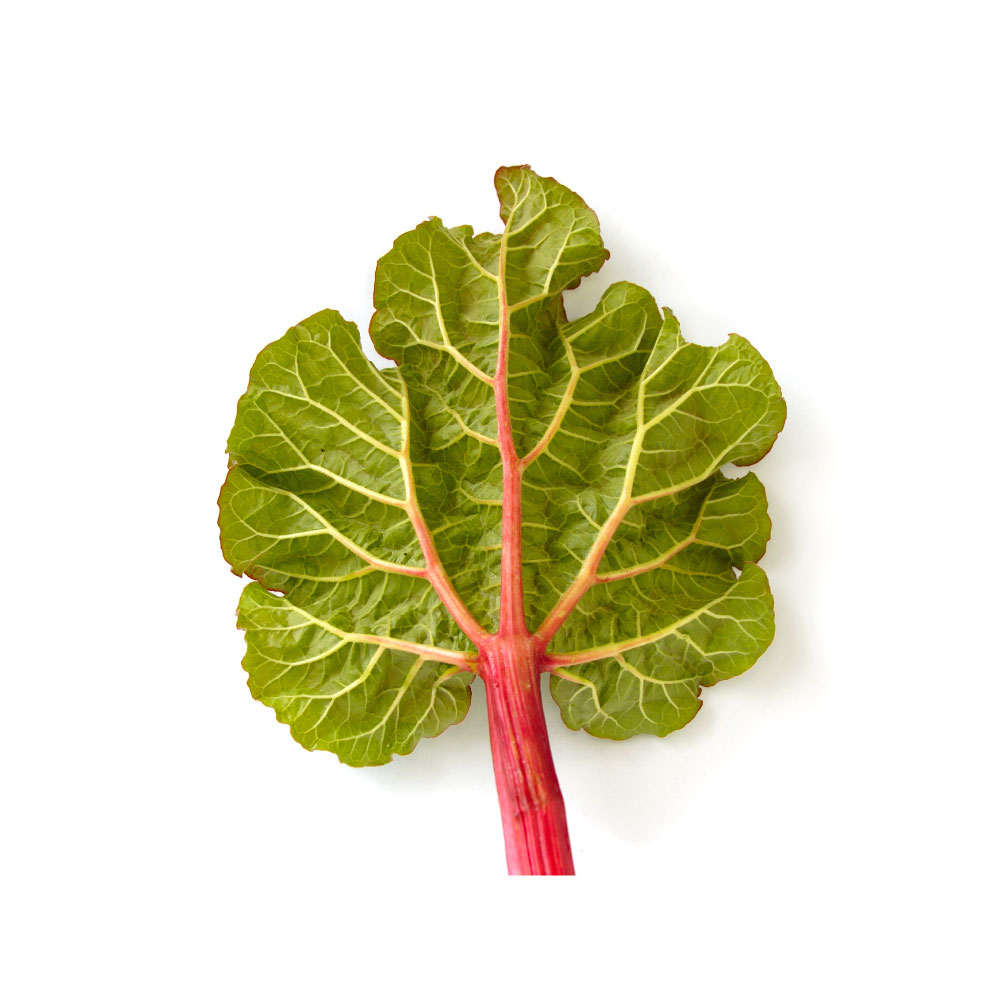 StrongStrongRhubarbRheum palmatumThe tannin fraction is what makes low-dose rhubarb antidiarrhoeal and what drives the gastroscopic haemostasis, and it is why the herb's dose-response reverses direction.Mechanismtannin protein-bindingRead the evidenceShow lessMonograph →
The tannin fraction makes low-dose rhubarb antidiarrhoeal and drives the gastroscopic haemostasis shown in a meta-analysis of rhubarb powder sprayed on non-variceal upper-gastrointestinal bleeding 63Reference 63Meta-analysisSpraying rhubarb powder solution under gastroscope in the treatment of acute non-variceal upper gastrointestinal bleeding: A systematic review and meta-analysis of randomised controlled trials — systematic review, meta-analysis, RCTView study →.
At higher doses the anthraquinones override the tannins and the root laxates. The bleeding evidence is examined among the styptic herbs.
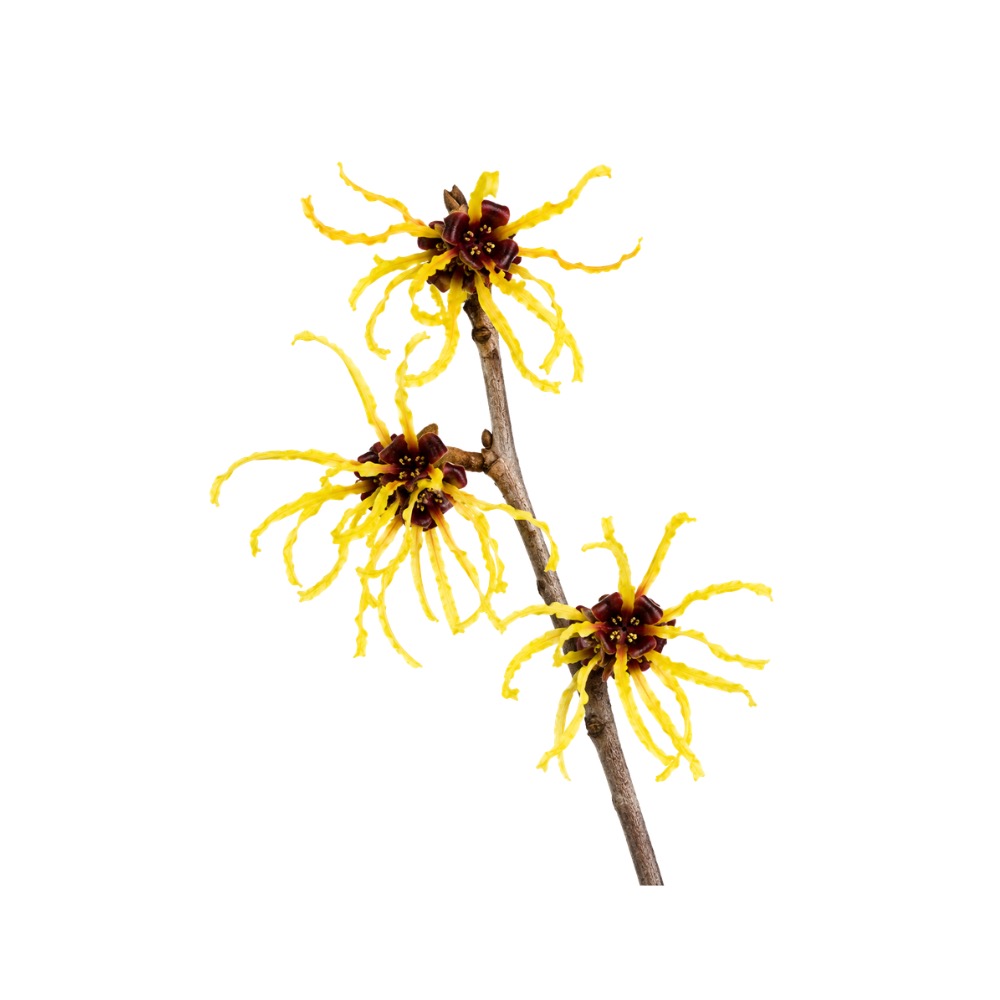 StrongStrongWitch HazelHamamelis virginianaThe reference topical astringent of Western practice: bark tannins and polymeric proanthocyanidins precipitate surface proteins, reduce exudate and transiently constrict small vessels; the pharmacy distillate contains almost no tannin.Mechanismtannin–protein precipitation; surface protein cross-linking; transient capillary constrictionRead the evidenceShow lessMonograph →
The bark’s hydrolysable tannins (hamamelitannin, gallotannins) and its polymeric proanthocyanidins, 4→8-linked epicatechin and epigallocatechin chains of DP about 11–29, galloylated at O-3 and isolated from bark at about 5% yield, precipitate surface proteins, tighten tissue, reduce exudate and transiently constrict small vessels 66Reference 66Polymeric proanthocyanidins from the bark of Hamamelis virginiana — phytochemical analysisView study →.
EMA/HMPC and Commission E accept bark and leaf preparations as astringents for minor skin inflammation, haemorrhoids and minor injury under traditional-use provisions 67Reference 67ReviewCommunity herbal monograph on Hamamelis virginiana L., cortex / folium — regulatory monograph (traditional-use registration for minor skin inflammation, haemorrhoids and minor injury), and haemorrhoid reviews list it among the best-established astringent options while noting that no dedicated modern trials exist 68Reference 68ReviewNatural products in hemorrhoid management: a comprehensive literature review of traditional herbal remedies and evidence-based therapies — reviewView study →.
There is essentially no controlled efficacy data for the astringent indication itself. The pharmacy-shelf steam distillate, the form most people buy and the form nearly every human trial tested, is effectively tannin-free and not an astringent preparation 20,
Bark decoction, or an aqueous or hydroalcoholic bark extract, is the astringent preparation.
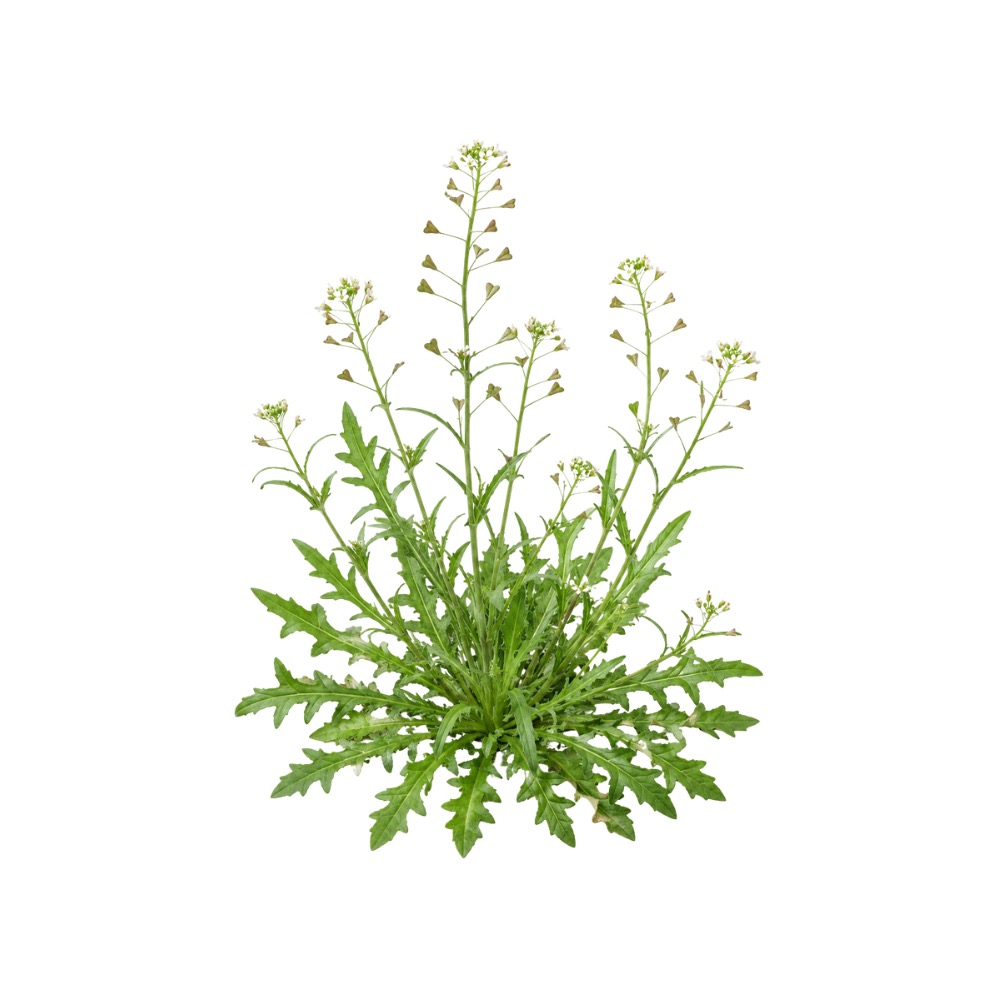 ModerateModerateShepherd’s PurseCapsella bursa-pastorisThe classic European herb for heavy menstrual and uterine bleeding, working through flavonoids and biogenic amines rather than tannins.Mechanismflavonoid vascular activity (diosmin, rutin, luteolin, quercetin); acetylcholine linked to smooth-muscle and bleeding effectsRead the evidenceShow lessMonograph →
Shepherd’s purse is the traditional European astringent for bleeding — heavy menstrual and uterine loss above all, and blood in the urine or from the gut.
Its chemistry spans several classes and none of them is tannin. The herb is rich in flavonoids — diosmin, rutin, luteolin and quercetin — and in biogenic amines including choline and acetylcholine, the last of which is the constituent usually linked to its effect on smooth muscle and bleeding.
As a Brassicaceae it also carries the glucosinolate sinigrin.
The astringency is the presumed explanation for the styptic action rather than a separately evidenced one: there is no astringency assay, no tannin content, and the herb’s own energetics read cool, astringent and sour. Its measured work sits under styptic.
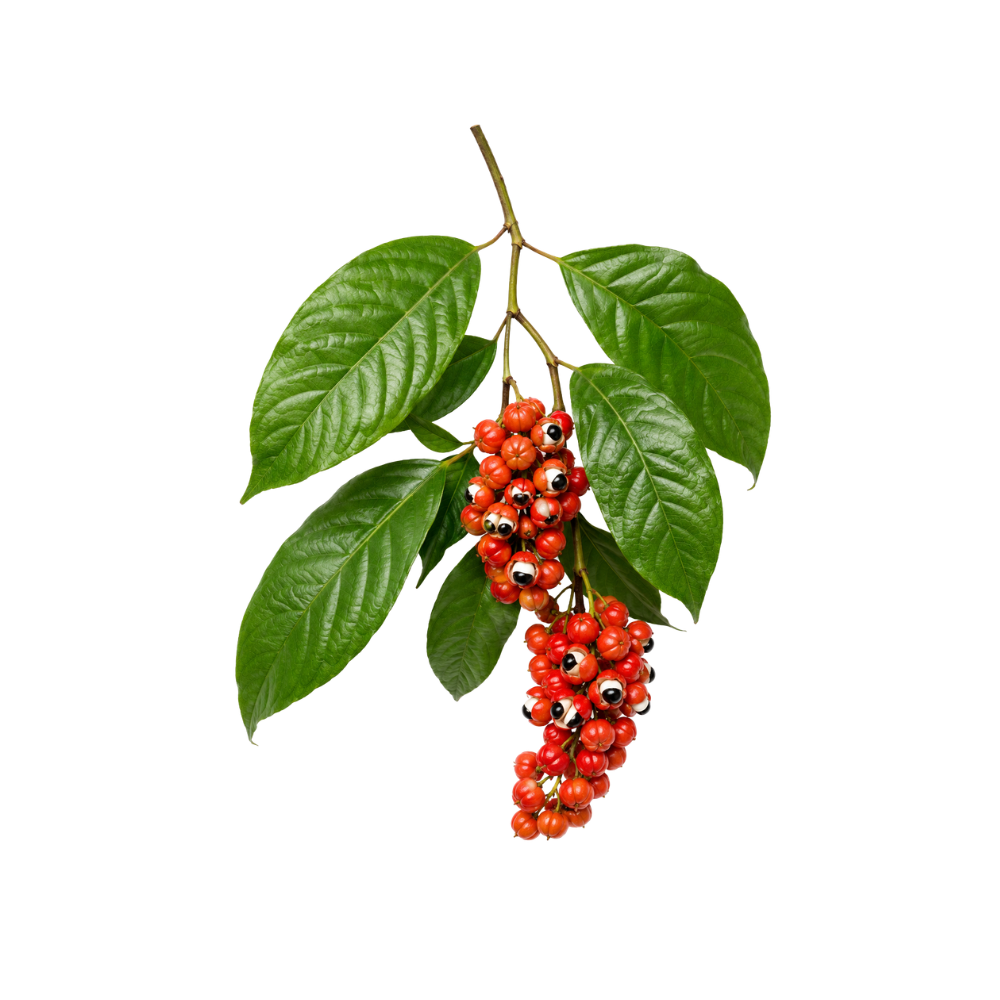 ModerateModerateGuaranaPaullinia cupanaSeed carries 8.5–9.5 g of condensed tannins per 100 g, an astringent concentration that owes nothing to caffeine; the Amazonian use for diarrhoea and dysentery fits, and the energy-drink extract has none of it.Mechanismtannin–protein precipitation (condensed tannins / proanthocyanidins)Read the evidenceShow lessMonograph →
Guarana seed carries a heavy condensed-tannin load, 8.5–9.5 g/100 g dried seed or about 12% of dry matter, built from catechin and epicatechin units 51Reference 51ReviewGuarana: revisiting a highly caffeinated plant from the Amazon — reviewView study →. The only tissue-contact study available fits: isolated seed extracts and condensed tannins prevented dental plaque formation in vitro 52Reference 52In vitroAntioxidant capacity and in vitro prevention of dental plaque by extracts and condensed tannins of Paullinia cupana — in vitroView study →.
Traditional Amazonian use as an astringent for diarrhoea and dysentery 53Reference 53In vitroAntibacterial and antioxidant activities of ethanol extract from Paullinia cupana — in vitroView study → is consistent with that chemistry.
There is no astringency study. The tannin content is measured but the astringent action itself is inferred from it.
Preparation decides it wholesale. The industrial energy-drink process deliberately degrades the tannins to remove the brown oxidation colour, leaving a high-caffeine, low-tannin concentrate with no astringency 51Reference 51ReviewGuarana: revisiting a highly caffeinated plant from the Amazon — reviewView study →.
Whole roasted seed powder is astringent; the extract in a can is not.
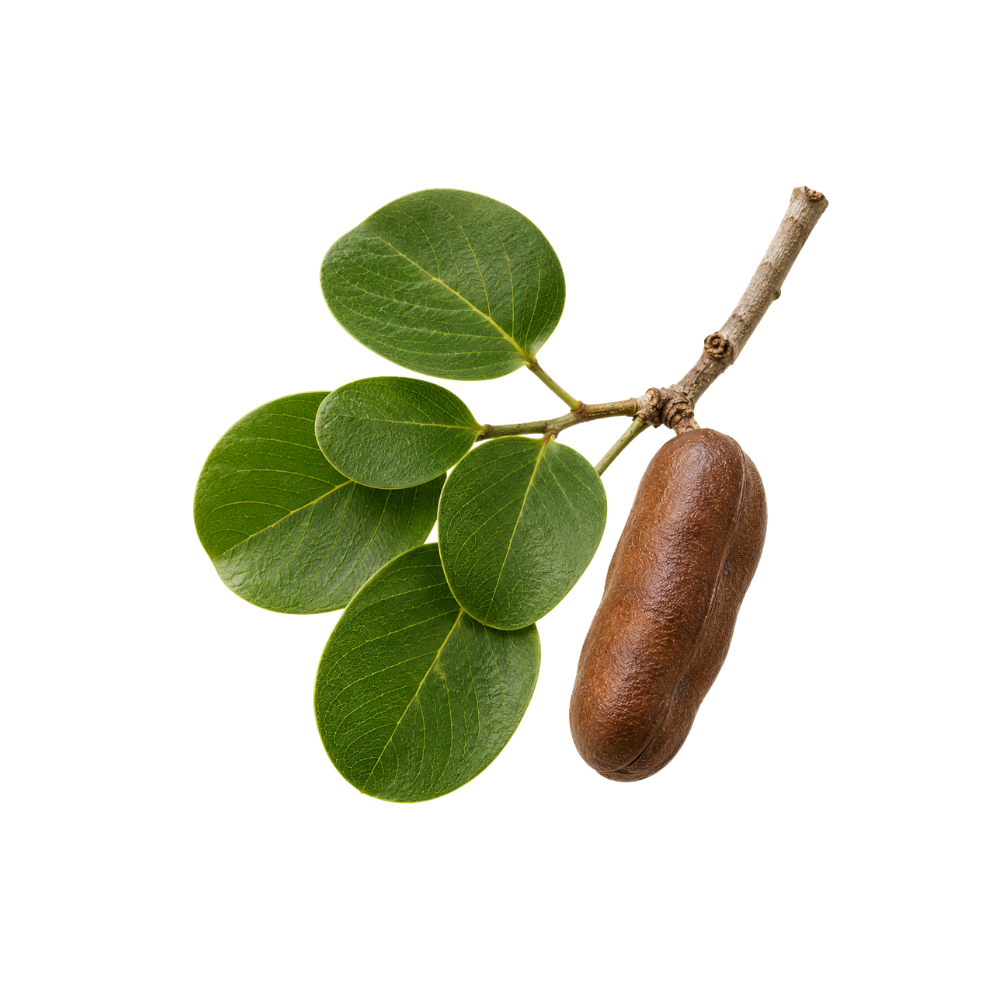 ModerateModerateJatobáHymenaea courbarilBark procyanidins with catechin and epicatechin, confirmed by HPLC, give the drying character of the bark decoction; the same protein-binding drives its antimicrobial effect.Mechanismcondensed-tannin protein precipitation; mucosal protein cross-linkingRead the evidenceShow lessMonograph →
The bark carries astringent procyanidins plus the flavan-3-ols catechin and epicatechin, confirmed by HPLC and UPLC 56,
Tannin content has never been quantified in this bark, so there is nothing to rank it against oak bark or witch hazel. The rating is a chemistry-class inference rather than a measurement.
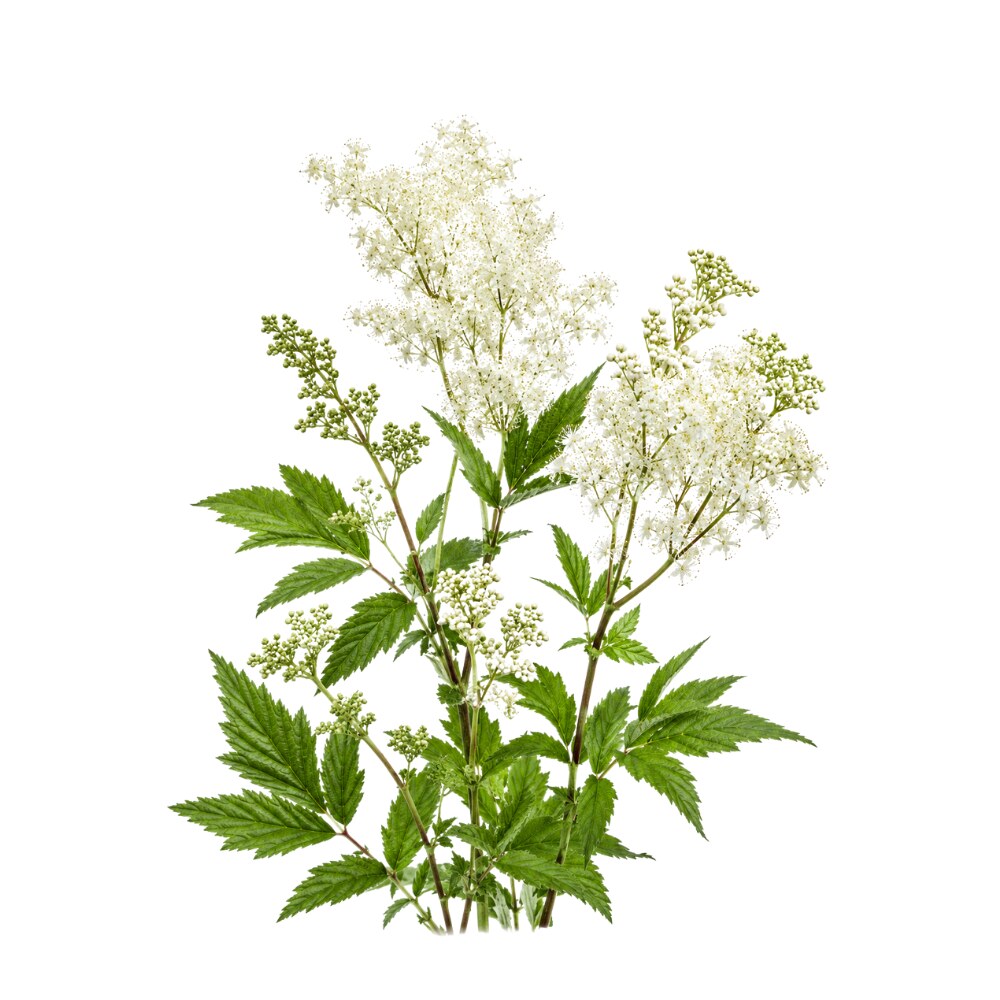 ModerateModerateMeadowsweetFilipendula ulmariaRugosin D and related ellagitannins are a characterised part of the phenolic profile, and the astringency is the proposed counterweight that lets the herb protect the stomach while carrying salicylates.Mechanismellagitannin/tannin protein bindingRead the evidenceShow lessMonograph →
The astringency here is mechanistically load-bearing rather than incidental. It is the proposed counterweight that lets the flower protect the gastric lining while carrying salicylates 58,
No astringency endpoint has been measured. The antiulcer evidence is examined among the antiulcer herbs.
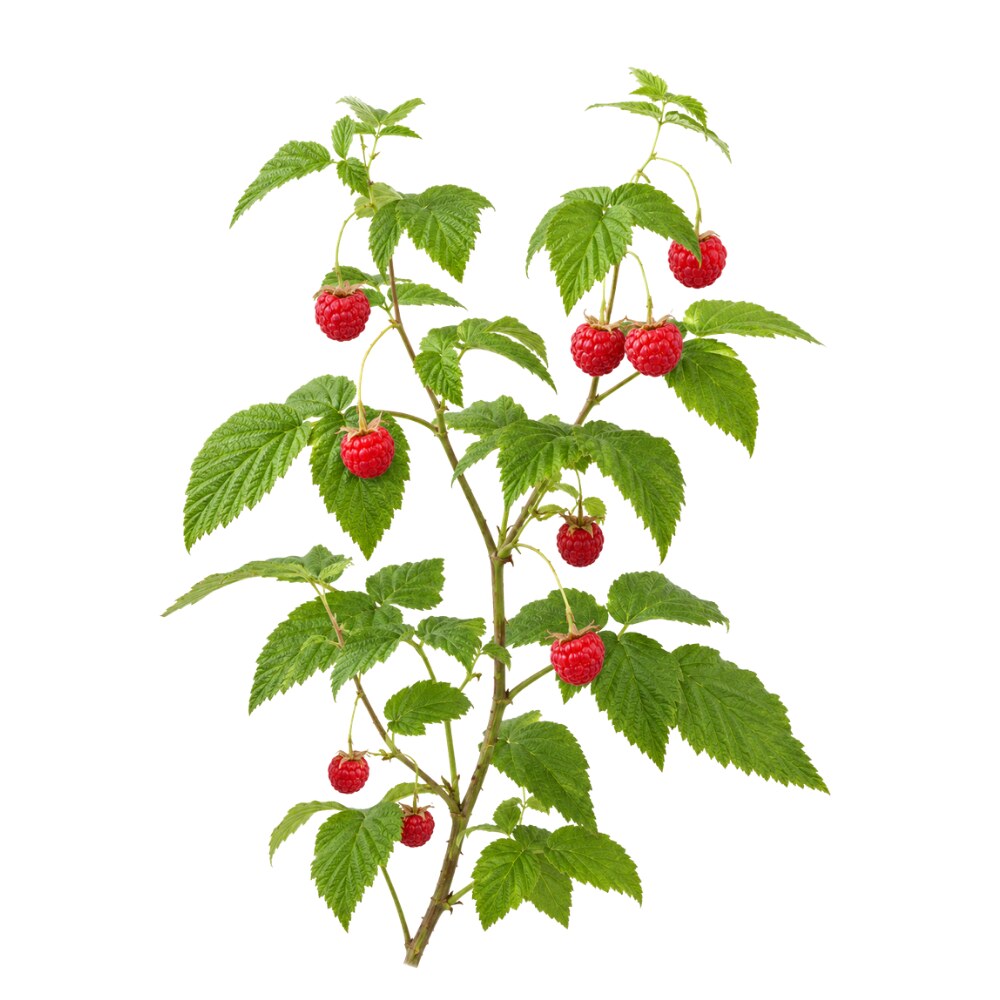 ModerateModerateRaspberry LeafRubus idaeusHydrolysable tannins run about 2.6–6.9% of the dried leaf, led by sanguiin H-6 with lambertianin C, the basis of the folk use for mild diarrhoea; what the tannins demonstrably do in humans is blunt the sucrose glucose spike.Mechanismtannin protein cross-linking; α-glucosidase / β-fructofuranosidase inhibitionRead the evidenceShow lessMonograph →
Raspberry leaf is first a tannin herb: hydrolysable tannins run about 2.6–6.9% of the dried leaf, led by the dimeric ellagitannin sanguiin H-6 with lambertianin C alongside, hydrolysing to free ellagic acid at about 2.1–4.1% 60,
Astringency itself has never been measured for the leaf. What the tannin fraction demonstrably does in humans is enzymatic: in a 2025 crossover RCT (n=22 healthy adults) a 10 g leaf infusion taken with 50 g sucrose cut blood glucose about 26% at 15 min and 44% at 30 min and lowered insulin at 15–60 min, while doing nothing against pure glucose, the split expected if polyphenols are inhibiting the sucrose-splitting enzymes rather than absorption generally 62Reference 62RCTEffects of Raspberry Leaf Tea Polyphenols on Postprandial Glucose and Insulin Responses in Healthy Adults — randomised controlled trialView study →.
The tannin load is mid-field for an astringent and the tea is a deliberately gentle preparation, which is why it survives as an everyday drink.
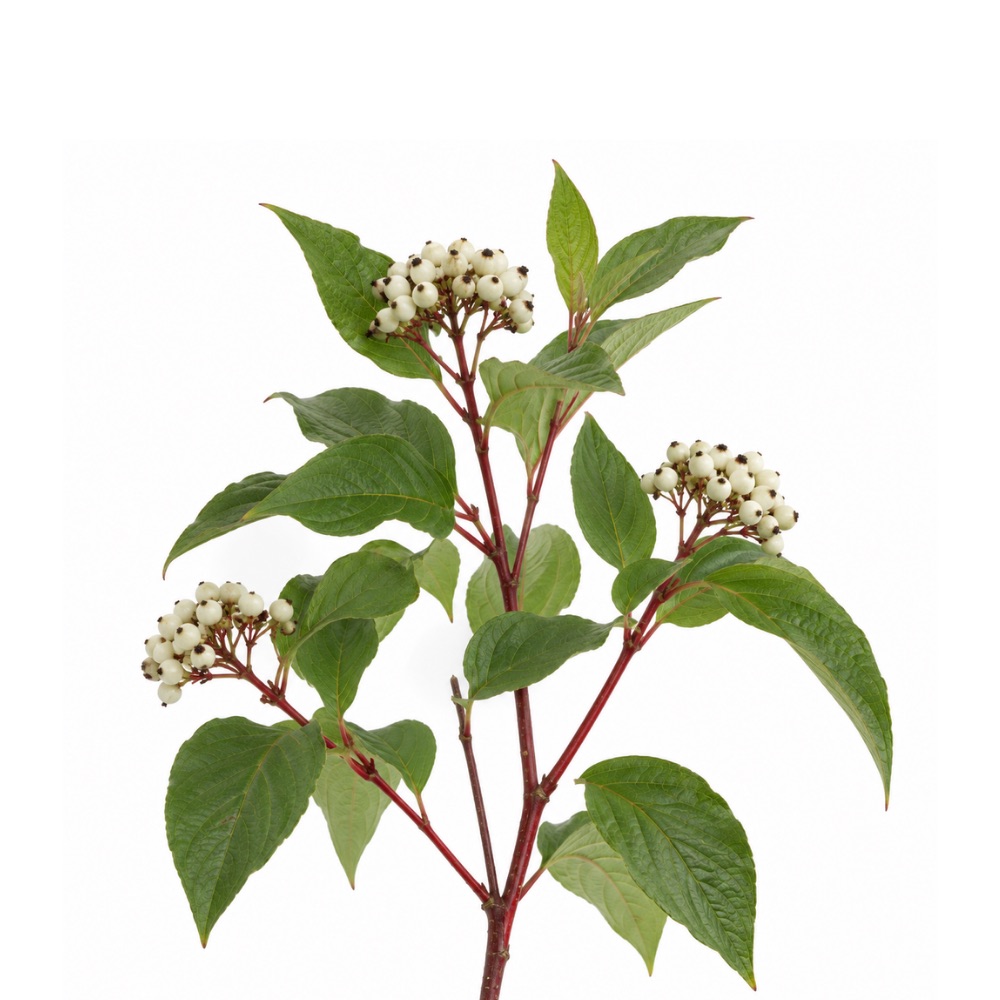 ModerateModerateRed-Osier DogwoodCornus sericeaA hydrolysable-tannin bark, ellagitannins and galloylglucoses precipitating surface proteins, behind both the internal antidiarrhoeal use and the topical wash; chemically distinct from the condensed-tannin barks.Mechanismhydrolysable-tannin protein precipitationRead the evidenceShow less
Hydrolysable tannins, ellagitannins and galloylglucoses, precipitate surface proteins, and that is the mechanism behind both the internal antidiarrhoeal use and the topical wash that define the bark’s traditional identity.
The chemistry differs from the condensed-tannin astringents such as barbatimão: a different tannin class, the same effect.
No astringency measurement exists.
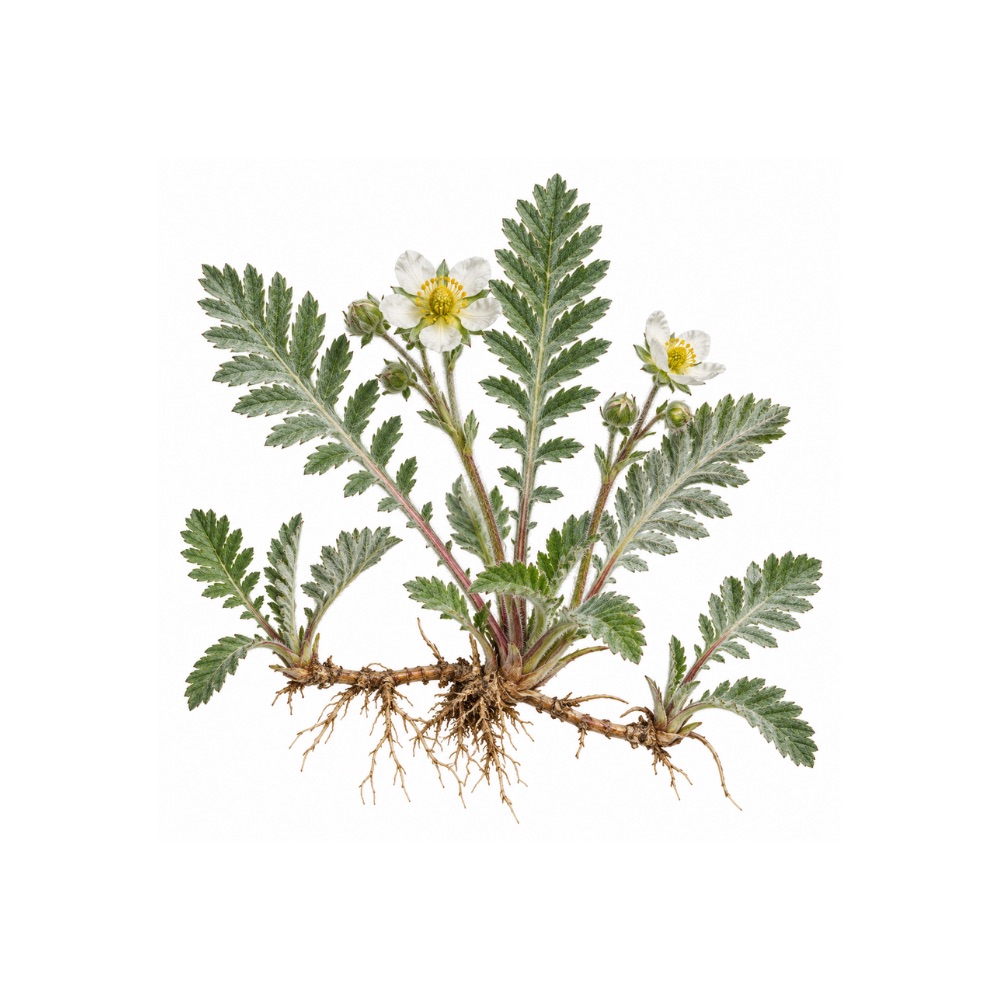 ModerateModerateSilverweedArgentina anserinaAn ellagitannin astringent whose tannins are named, agrimoniin and potentillin; the plant's traditional identity in both its European and Tibetan traditions.Mechanismellagitannin (agrimoniin, potentillin) protein precipitationRead the evidenceShow less
Silverweed is an astringent in both its European and Tibetan traditions, and unusually for an astringent herb its tannins are named: agrimoniin and potentillin, the Potentilla and Agrimonia ellagitannins.
Most astringent herbs rest on tannins as an unresolved fraction; this one can say which.
No astringency endpoint has been measured.
Show 32 more herbs with a mild astringent action
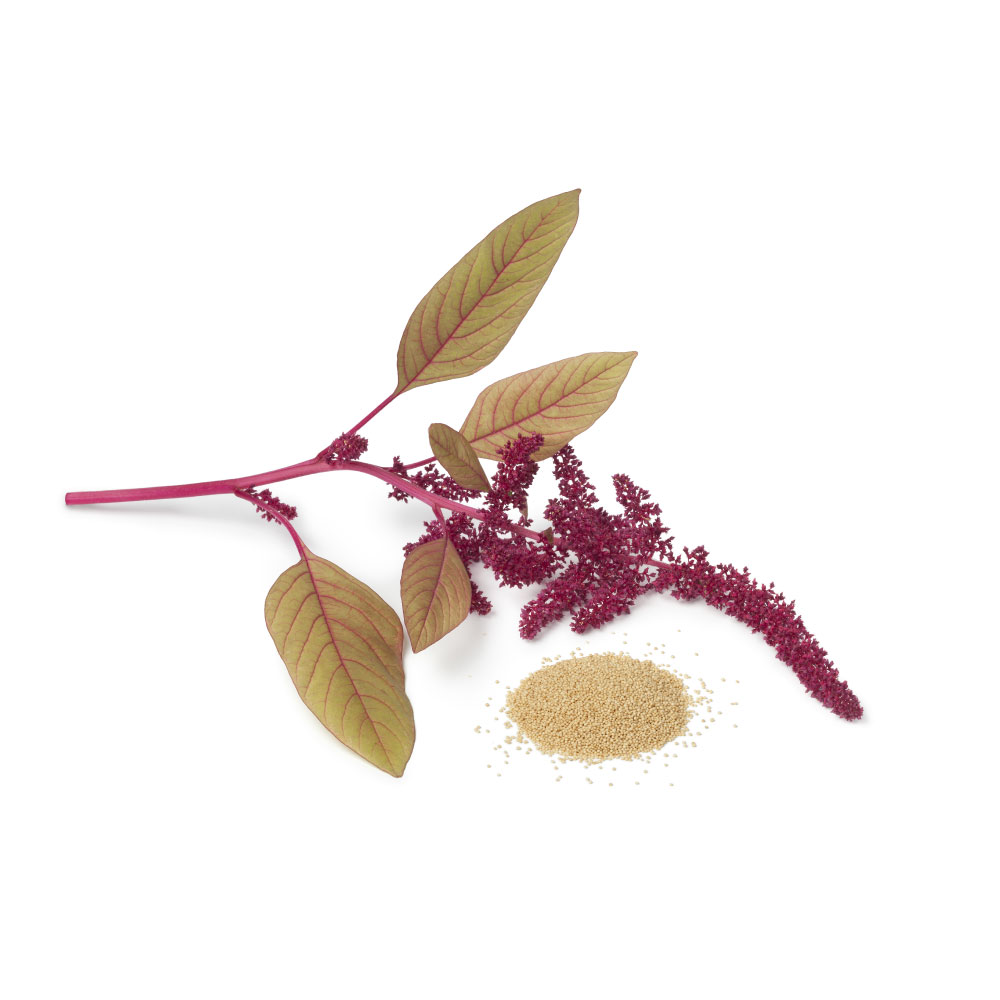 MildMildAmaranthAmaranthus blitumCool, sweet and astringent in the classical description, with amaranth traditions for diarrhoea and excessive bleeding; unstudied.Read the evidenceShow lessMonograph →
Traditional cooling, nutritive and astringent uses are well documented, and the leaf enters folk practice for diarrhoea and excessive bleeding.
None of it has been studied clinically. The one relevant laboratory finding, an extract that inhibits coagulation, runs against the bleeding use rather than supporting it.
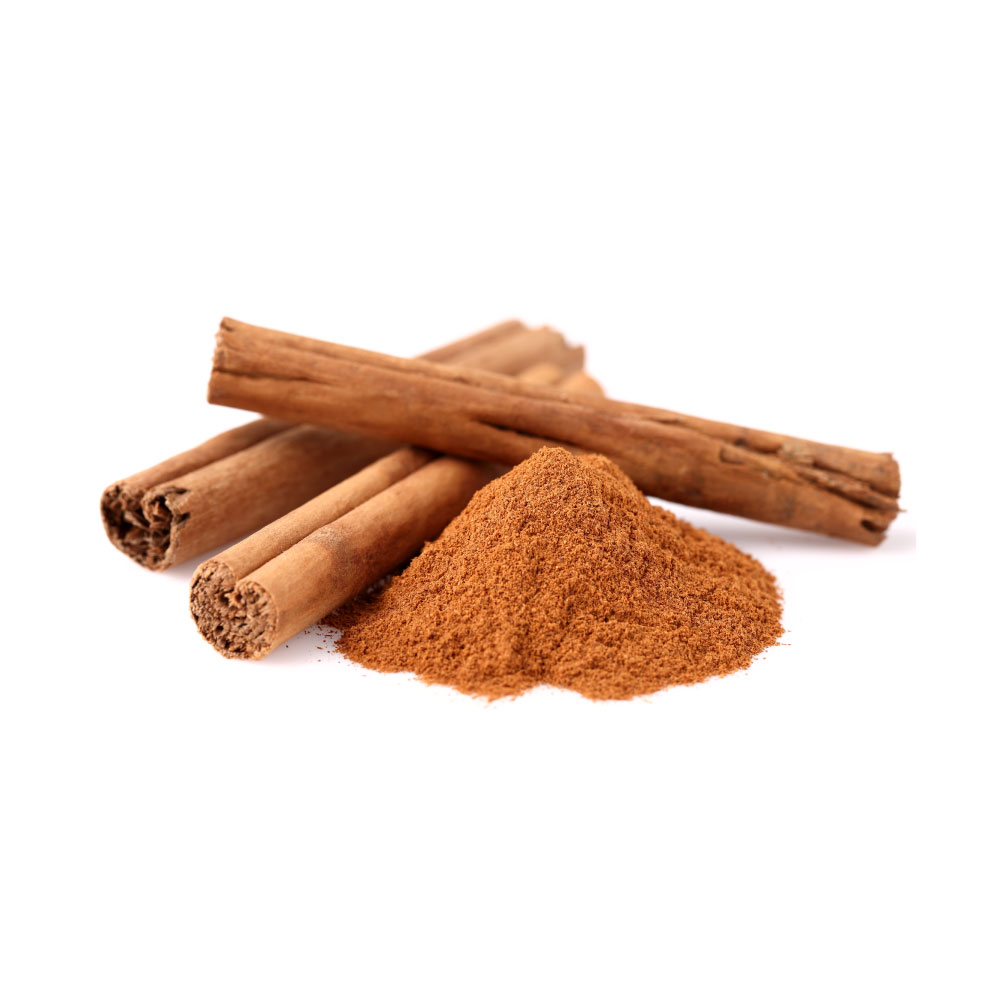 MildMildCassia CinnamonCinnamomum cassiaCondensed tannins (procyanidins) in the non-volatile fraction of the bark make it perceptibly astringent on tasting; no research addresses the action.Read the evidenceShow lessMonograph →
The non-volatile fraction of the bark carries astringent condensed tannins (procyanidins), and cinnamon bark’s astringency is perceptible on tasting.
No study measures it.
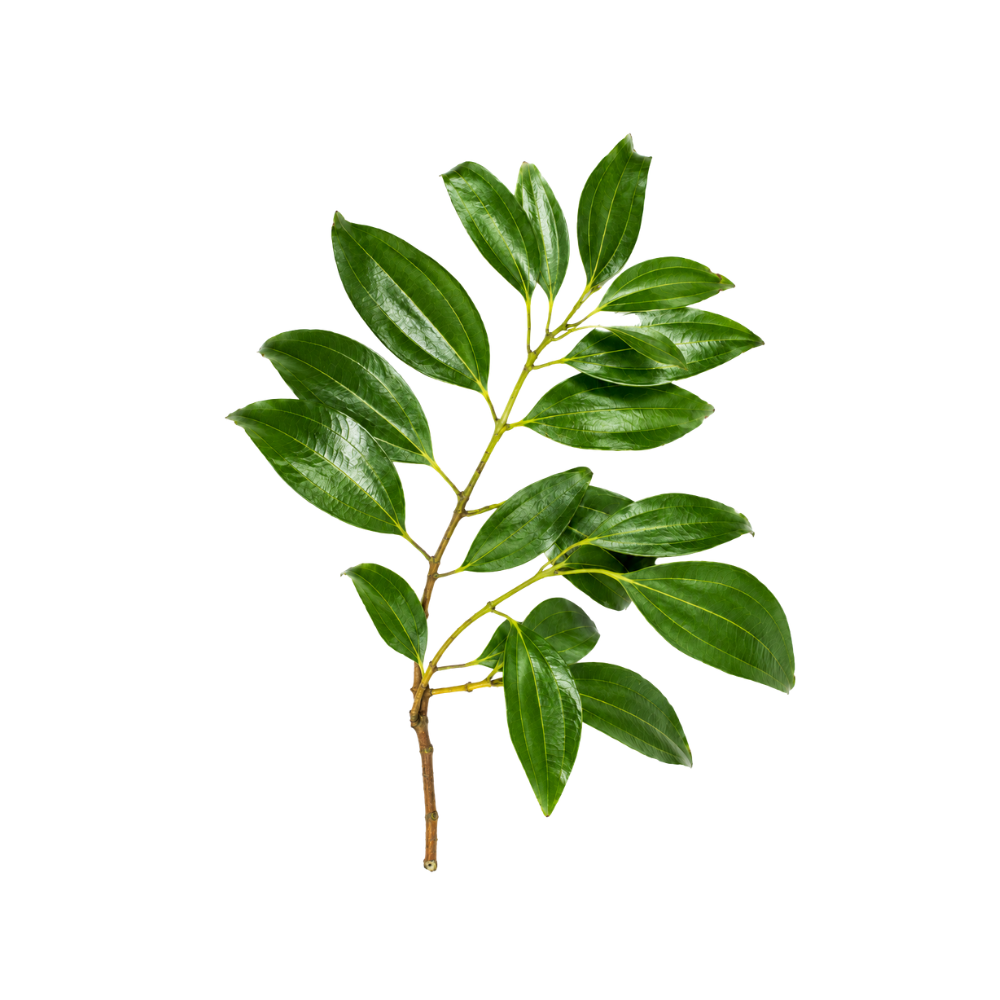 MildMildCeylon CinnamonCinnamomum verumAstringent condensed tannins in the bark are the basis of its older use for diarrhoea and for checking bleeding; no research behind it.Read the evidenceShow lessMonograph →
The non-volatile fraction of the bark carries astringent condensed tannins (procyanidins), the basis of the older use for diarrhoea and for checking bleeding.
No study measures it, and most cinnamon clinical work is on cassia rather than this species.
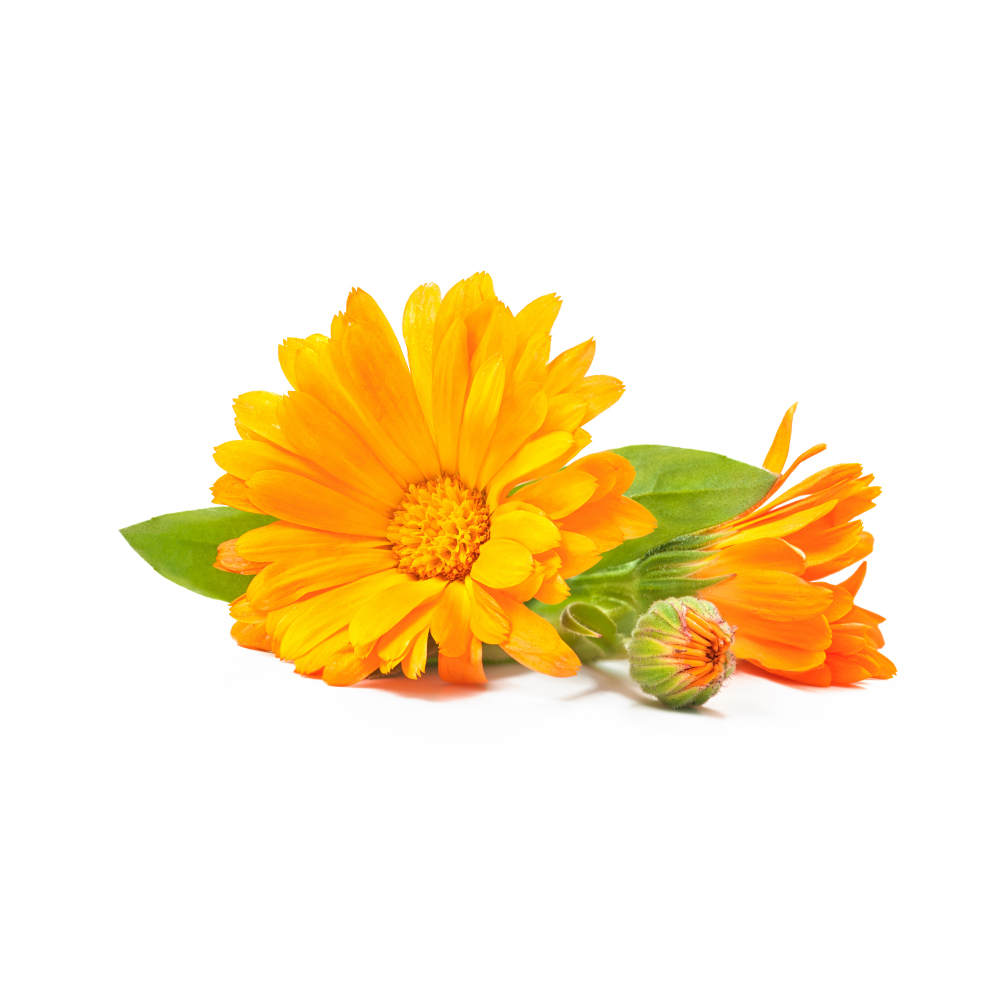 MildMildCalendulaCalendula officinalisThe traditional wash for raw and weeping skin, where the astringent reading follows the application rather than any tannin chemistry.Mechanismnot established — triterpenoid saponins, faradiol esters and carotenoids; no tannin fractionRead the evidenceShow lessMonograph →
Calendula’s astringent reputation comes from how it was used: as a wash and a compress on broken, weeping or inflamed skin, where a tightening, drying effect is what the practitioner was after.
Its chemistry is a different family. The constituent list runs to triterpenoid saponins — calendulosides and calendasaponins — with faradiol and its monoesters, arnidiol, taraxasterol and carotenoids.
There is no tannin fraction in it.
Its measured work is on wound healing, examined under vulnerary and anti-inflammatory.
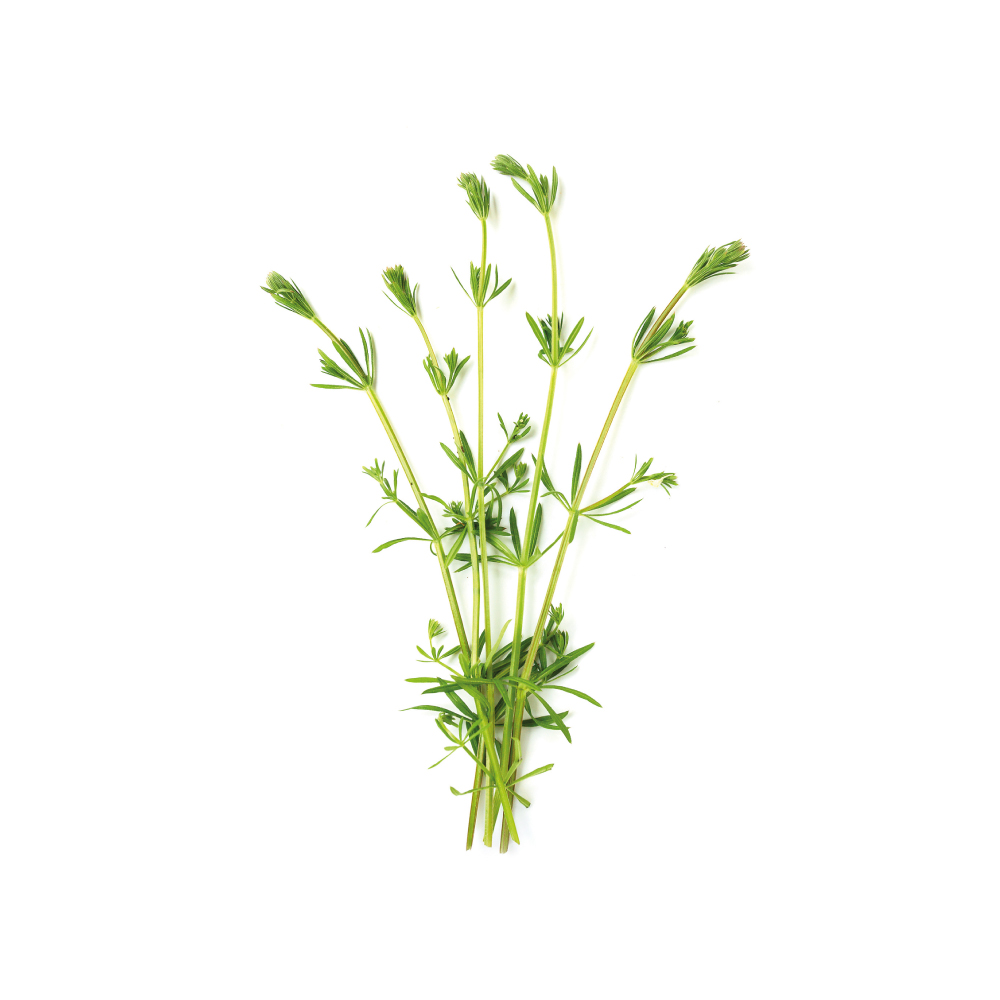 MildMildCleaversGalium aparineCondensed tannins at roughly 2–5% of the dry herb, an order below the oak and witch-hazel tier, matching the British Herbal Pharmacopoeia's 'mild astringent'.Mechanismtannin–protein precipitation (inferred from constituent content)Read the evidenceShow lessMonograph →
Cleavers carries condensed tannins at roughly 2–5% of the dry herb, and tannin–protein complexation is the ordinary route to a tissue-tightening effect. That level is modest, an order below the oak and witch-hazel tier, which matches the British Herbal Pharmacopoeia’s wording of mild astringent and its use for cystitis and urinary complaints on that basis.
There is no assay of tannin activity in G. aparine and the 2–5% figure carries no citation. The mechanism is inferred from a documented constituent, not measured.
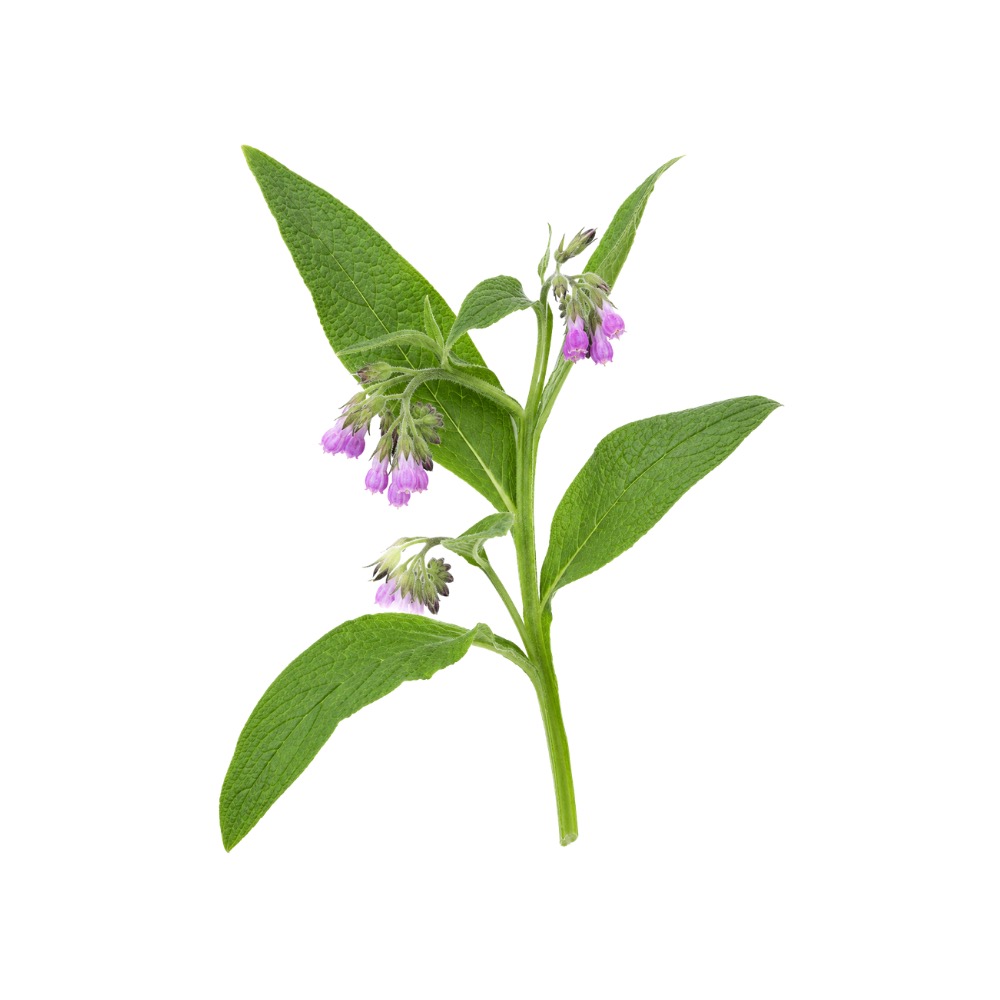 MildMildComfreySymphytum officinaleMildly astringent tannins alongside the allantoin, contributing to the wound tradition; nothing measures the astringency separately.Read the evidenceShow lessMonograph →
The leaf and root carry mildly astringent tannins alongside the allantoin and rosmarinic acid, and the astringent quality contributes to the wound tradition examined among the vulnerary herbs.
Nothing measures the astringency separately.
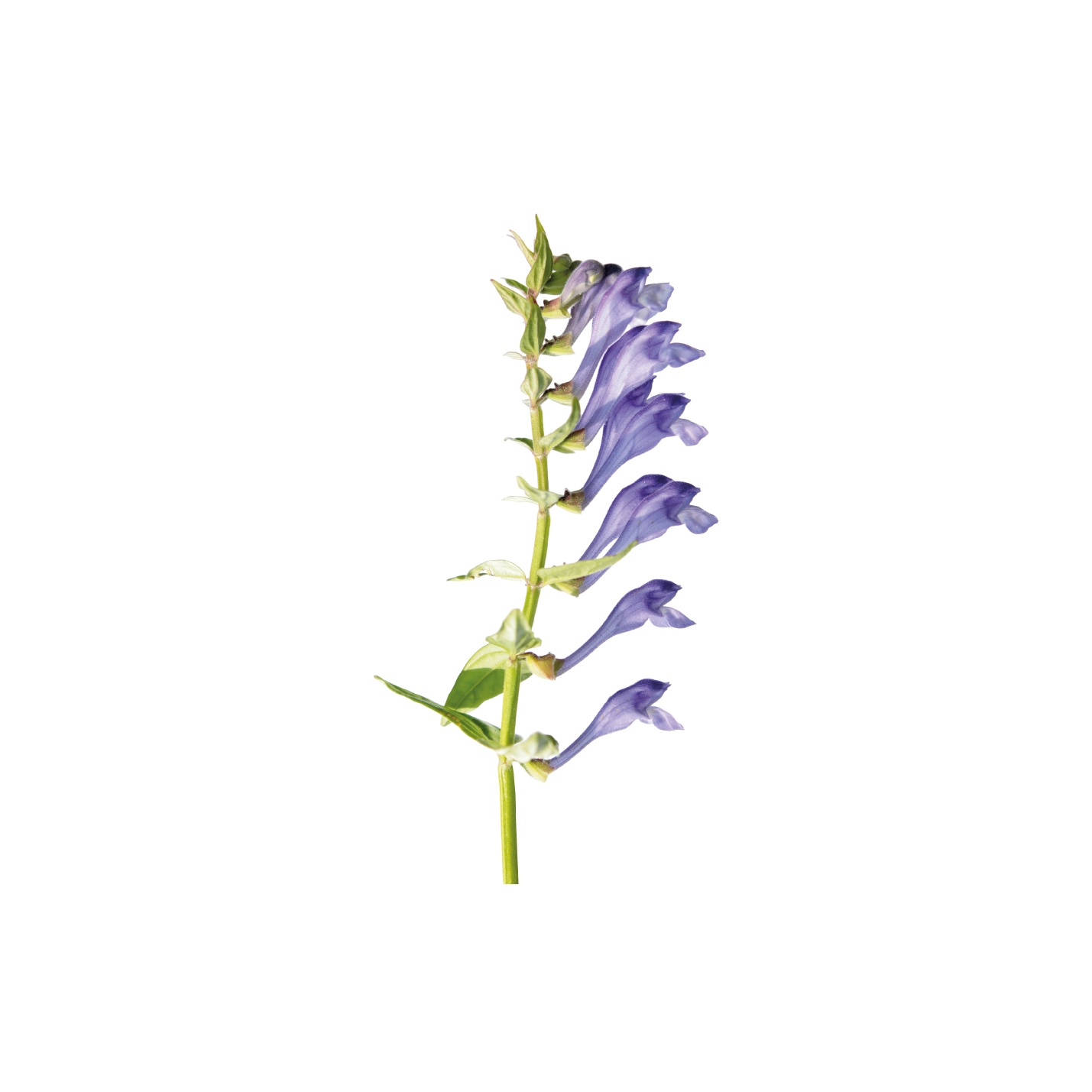 MildMildChinese SkullcapScutellaria baicalensisHuangqin is a stops-bleeding herb in Chinese practice, bitter and cold in character, with the astringent reading following from that.Mechanisma traditional classification; no astringent mechanism offered in the researchRead the evidenceShow lessMonograph →
Huangqin’s astringent standing rests on the classical Chinese action “stops bleeding”, together with the bitter and cold character of the root.
Chinese practice uses it for heat patterns with bleeding, which is the frame that puts a tightening, staunching reading on it.
Its large flavonoid literature — baicalin, baicalein, wogonin — runs to anti-inflammatory, antimicrobial and anticancer work rather than to anything measuring tissue tone or secretion.
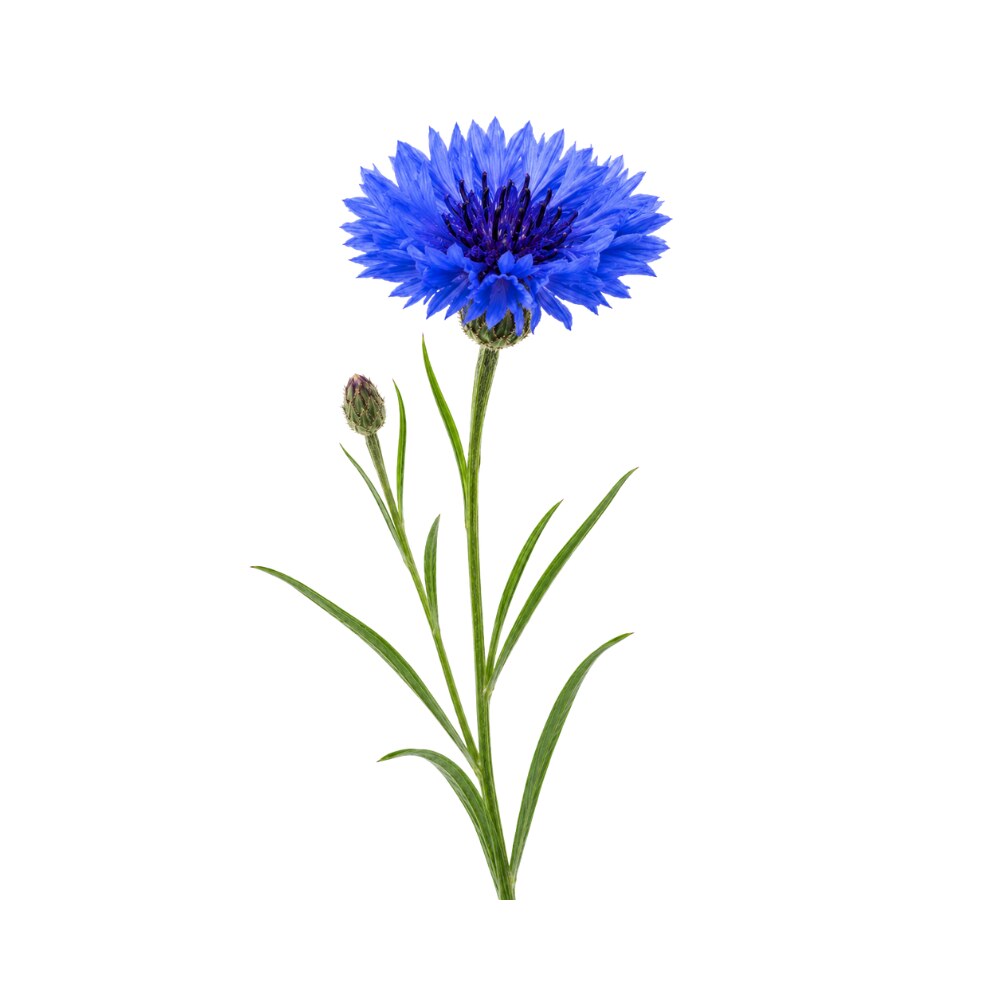 MildMildCornflowerCentaurea cyanusA gentle astringent and mild anti-inflammatory, the basis of the traditional eyewash and of its use on mouth ulcers and small wounds; unmeasured.Read the evidenceShow lessMonograph →
The eyewash tradition rests on two modest actions, a gentle astringency and a mild anti-inflammatory effect, and the astringency was also applied to minor mouth ulcers and small wounds.
The tradition is well recorded; the mechanism is not.
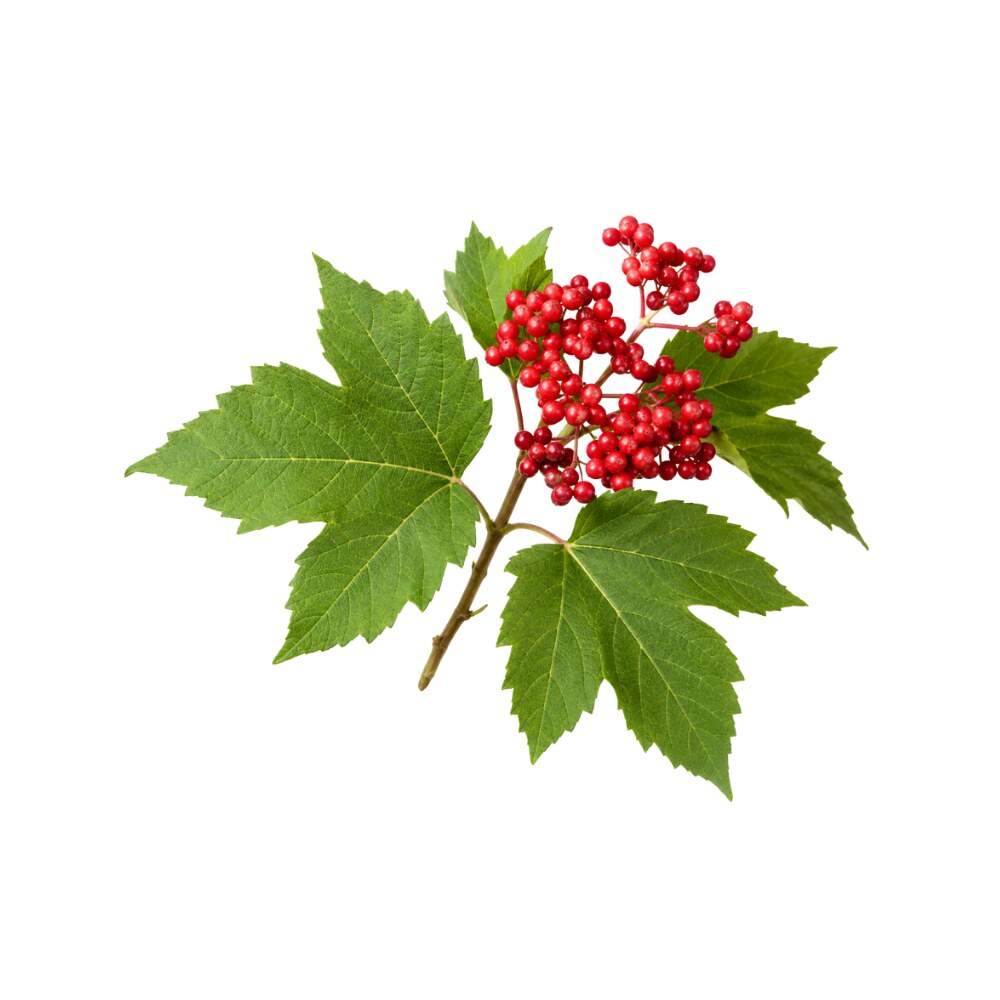 MildMildCramp BarkViburnum opulusAstringent tannins built largely from catechin, behind the traditional use in excessive menstrual flow; distinct from the better-known antispasmodic action.Read the evidenceShow lessMonograph →
The bark carries astringent tannins built largely from catechin, the single most abundant phenolic in the bark, and that astringency sits behind the traditional use in excessive menstrual flow.
The antispasmodic action is the one with research behind it; the astringency has none.
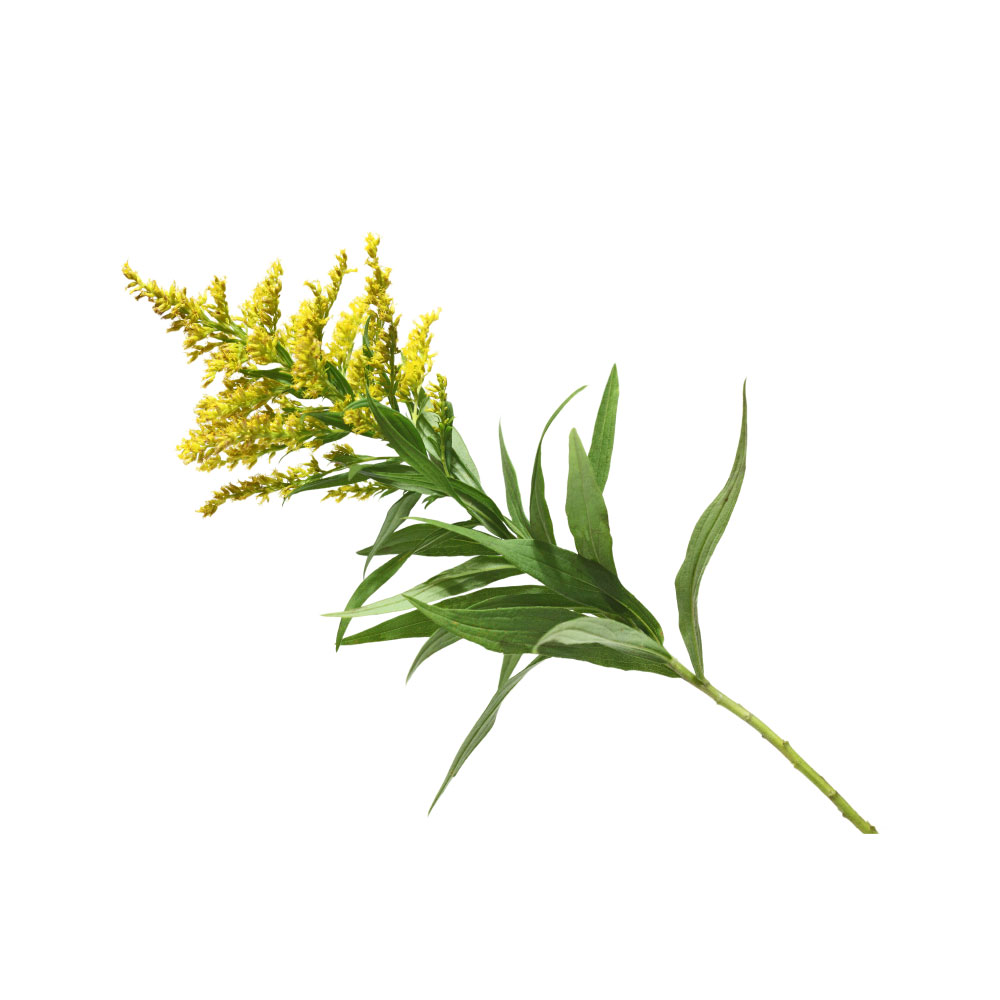 MildMildGoldenrodSolidago virgaureaTannins in the aerial parts plus a consistent traditional astringent use in urinary and wound applications; Culpeper gave it to stay bleeding and fluxes.Read the evidenceShow lessMonograph →
Tannin content in the aerial parts plus a consistent traditional astringent use in urinary and wound applications. Culpeper gave the decoction to stay bleeding “in any part of the body, and of wounds” and for fluxes.
Goldenrod’s research is urinary; nothing measures the astringency.
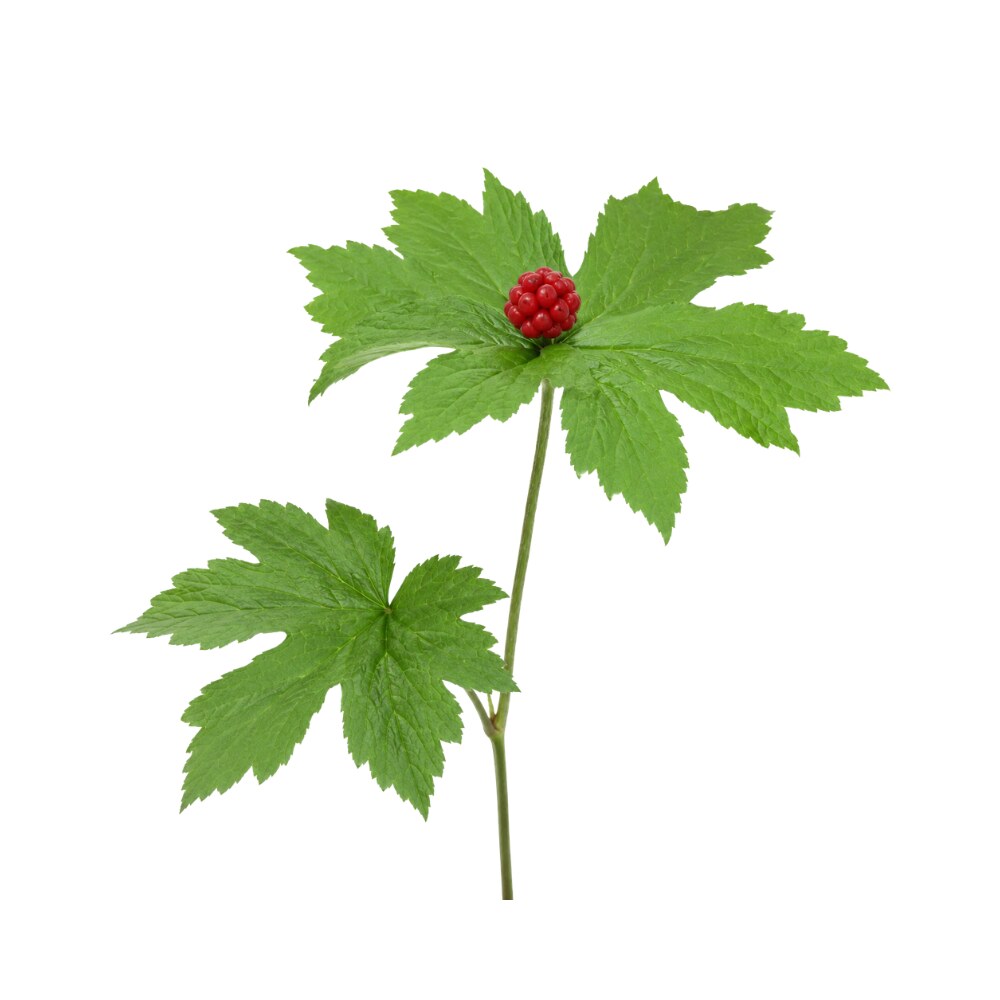 MildMildGoldensealHydrastis canadensisHydrastine supplies an astringent, drying effect on mucous membranes that the traditional short-course use is built on; alkaloidal rather than tannin astringency, and unmeasured.Mechanismhydrastine mucous-membrane astringency/vasoconstrictionRead the evidenceShow lessMonograph →
Goldenseal’s astringency is alkaloidal rather than tannin-based. Hydrastine supplies the astringent, drying, vasoconstrictive effect on mucous membranes that the traditional short-course use as a mucous-membrane tonic is built on.
There is no study, no citation and no tannin chemistry behind it. It is the mechanism beneath the mucous-membrane tonic action rather than a separate one.
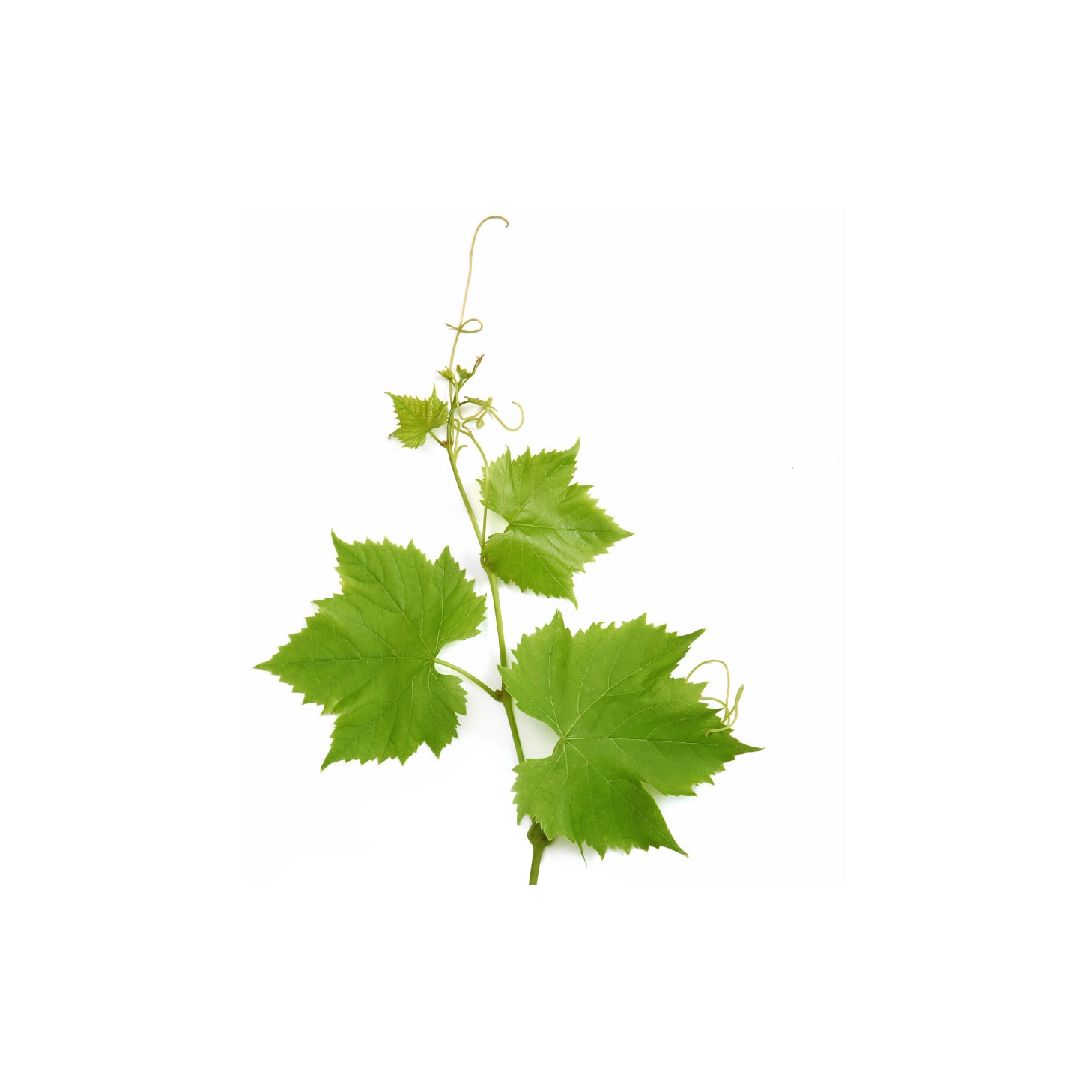 MildMildGrape Seed ExtractVitis viniferaThe oligomeric proanthocyanidins are a family of flavonoid tannins and the raw seed is intensely astringent, but the extract is swallowed as a systemic vascular agent rather than applied to a surface.Mechanismtannin–protein complexation (proanthocyanidin binding)Read the evidenceShow lessMonograph →
Proanthocyanidins astringe by complexing and precipitating salivary and mucosal proteins, a physicochemical property of the class rather than an inference. The grape seed is hard and intensely astringent, and the oligomeric proanthocyanidins it is pressed for are a family of flavonoid tannins.
Astringency scales with degree of polymerisation, and grape seed extract is standardised to the oligomeric short-chain fraction plus a large monomer share, weaker protein binders than the high-molecular-weight condensed tannins of bearberry or oak bark.
The extract is taken at 100–300 mg/day as a swallowed systemic antioxidant and vascular agent, not as a topical or gut-surface astringent. No astringent use, dose or endpoint has been reported.
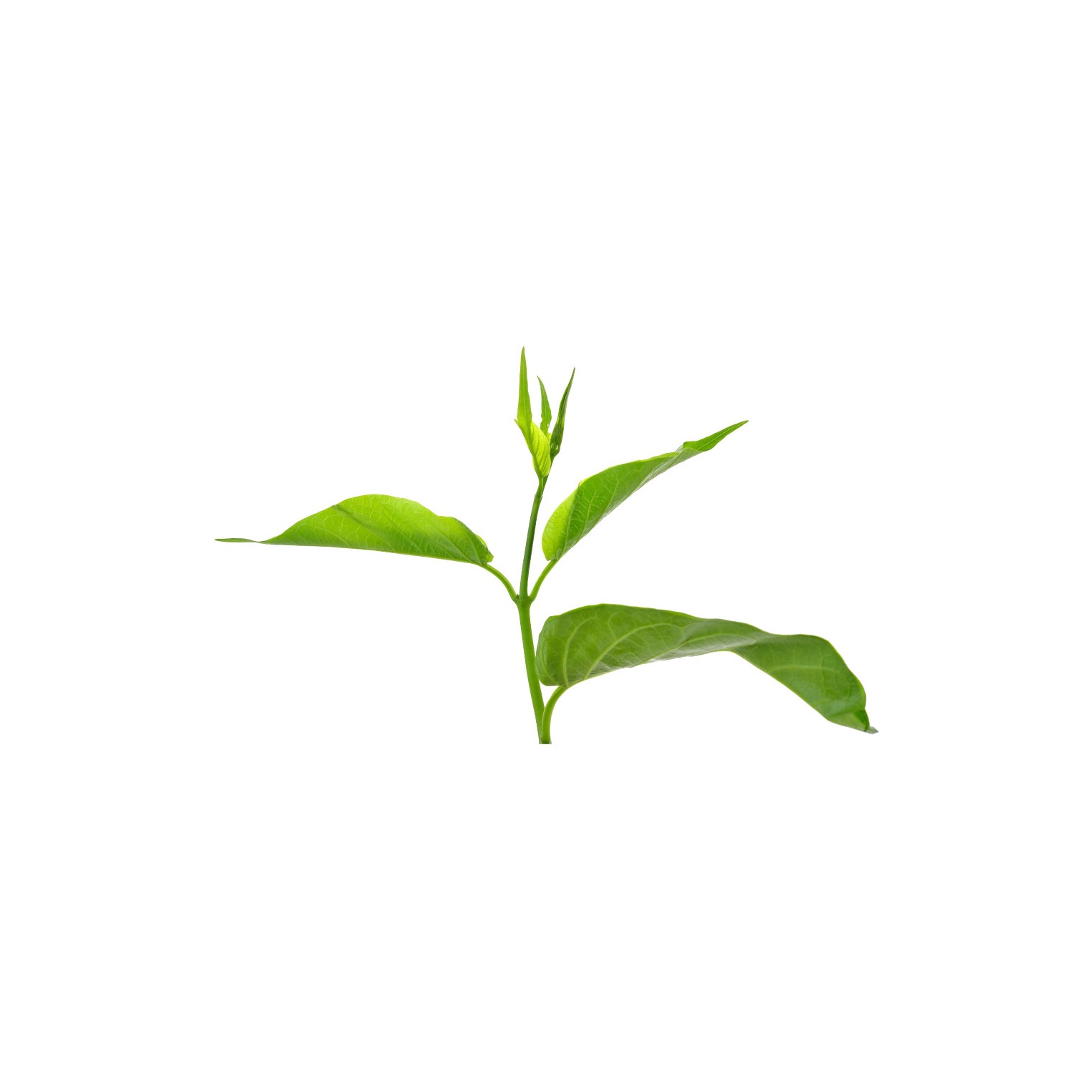 MildMildGymnemaGymnema sylvestreAyurveda classes the leaf as astringent in taste — kashaya — which is a property of the tongue rather than a mechanism.Mechanisma taste classification; the chemistry is triterpenoid saponin (gymnemic acids), not tanninRead the evidenceShow lessMonograph →
Gymnema is meshashringi in Sanskrit, ram’s horn, and gurmar in Hindi, sugar destroyer. Ayurveda classifies the leaf as bitter and astringent in taste — tikta and kashaya — with a pungent post-digestive effect and a heating potency, a profile read as pacifying kapha and drying the excess sweetness the disease is understood to represent.
Kashaya is one of the six tastes. It describes how the leaf registers on the tongue and what that is held to do to the tissues, which is a different kind of statement from a chemical one.
The leaf’s chemistry is triterpenoid saponin — gymnemic acids, gymnemasaponins, gurmarin — and its measured work is on sweet taste perception and blood glucose, under hypoglycemic and antidiabetic.
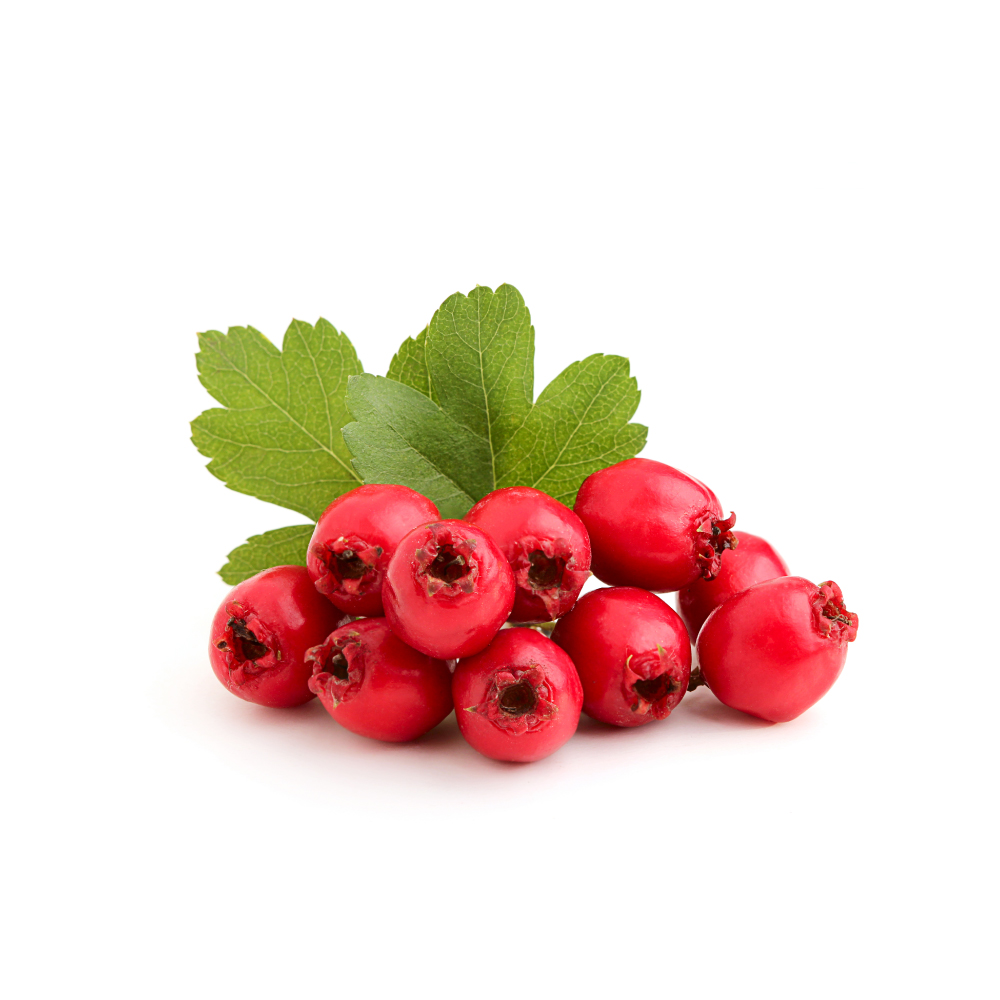 MildMildHawthornCrataegus oxyacanthaOligomeric procyanidins at 1–2.4% of leaf and flower, and the berries were used secondarily as an astringent gargle for sore throat; nothing in the research addresses it.Read the evidenceShow lessMonograph →
The fruit and leaf are tannin-bearing, with oligomeric procyanidins at 1–2.4% of dried leaf and flower, and the berries were used secondarily as an astringent gargle for sore throat.
Hawthorn’s research is cardiovascular; nothing measures the astringency.
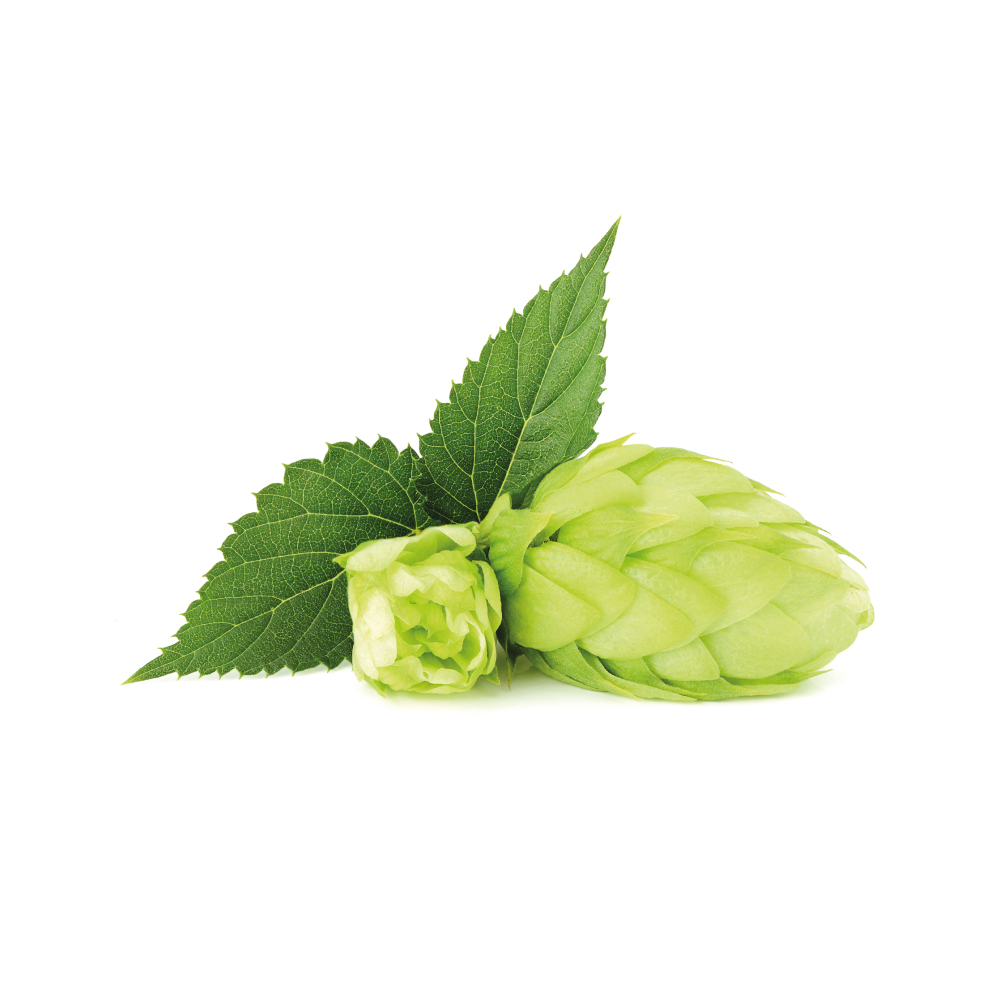 MildMildHopsHumulus lupulusThe strobiles carry condensed tannins at 2–4%, a quantified astringent load that is perceptible on tasting; no therapeutic endpoint measures it.Read the evidenceShow lessMonograph →
The strobiles carry polyphenolic condensed tannins at 2–4% alongside the bitter acids and the essential oil, and tannin–protein precipitation is the ordinary route to a tissue-tightening effect.
The astringency is perceptible on tasting and contributes to the preservative role hops play in beer.
No therapeutic astringent endpoint has been measured. Hops’ evidenced work is sedative.
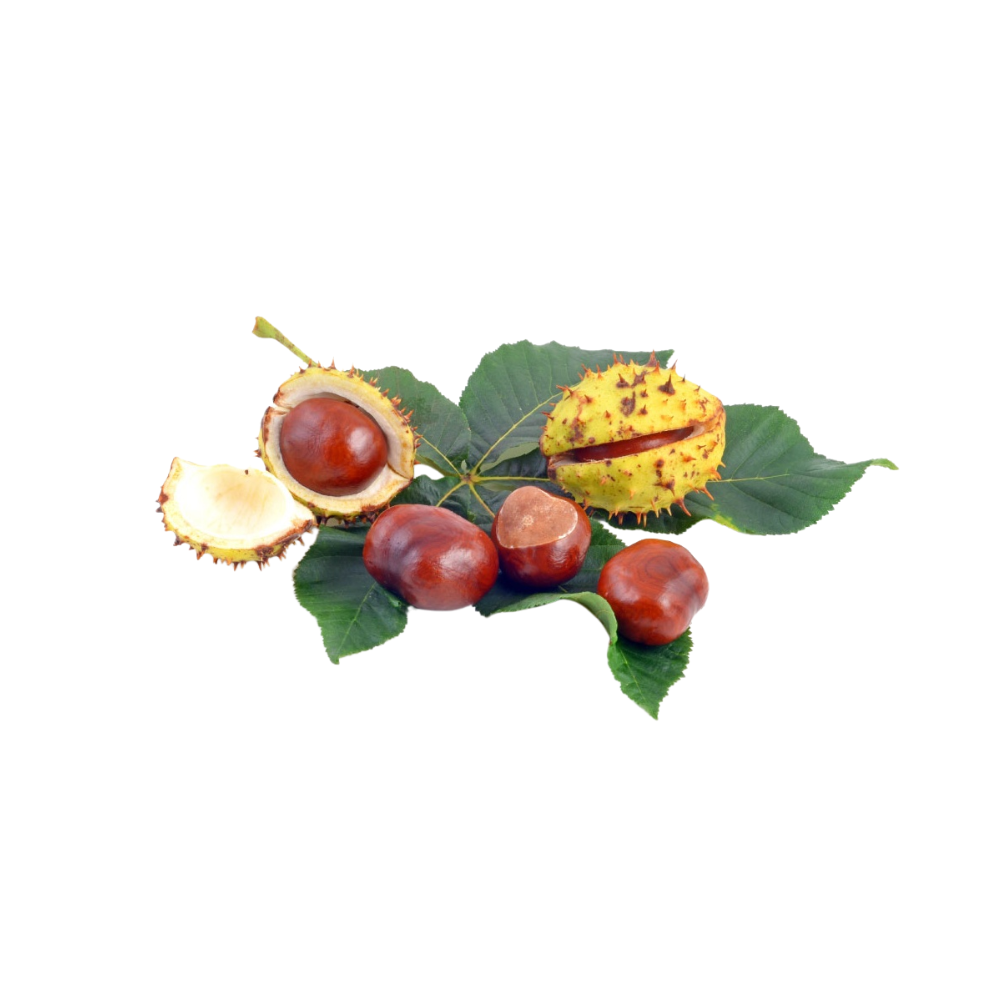 MildMildHorse ChestnutAesculus hippocastanumA venous astringent throughout the Western record, for varicose veins, haemorrhoids and heavy legs; the chemistry is aescin rather than tannin, and the evidence is venotonic.Read the evidenceShow lessMonograph →
Western practice reached for horse chestnut as a venous astringent and anti-inflammatory: varicose veins, haemorrhoids, leg heaviness and swelling.
The constituent behind it is aescin rather than a tannin fraction, and the trials are examined among the vascular tonic herbs. No tissue-astringency measurement exists.
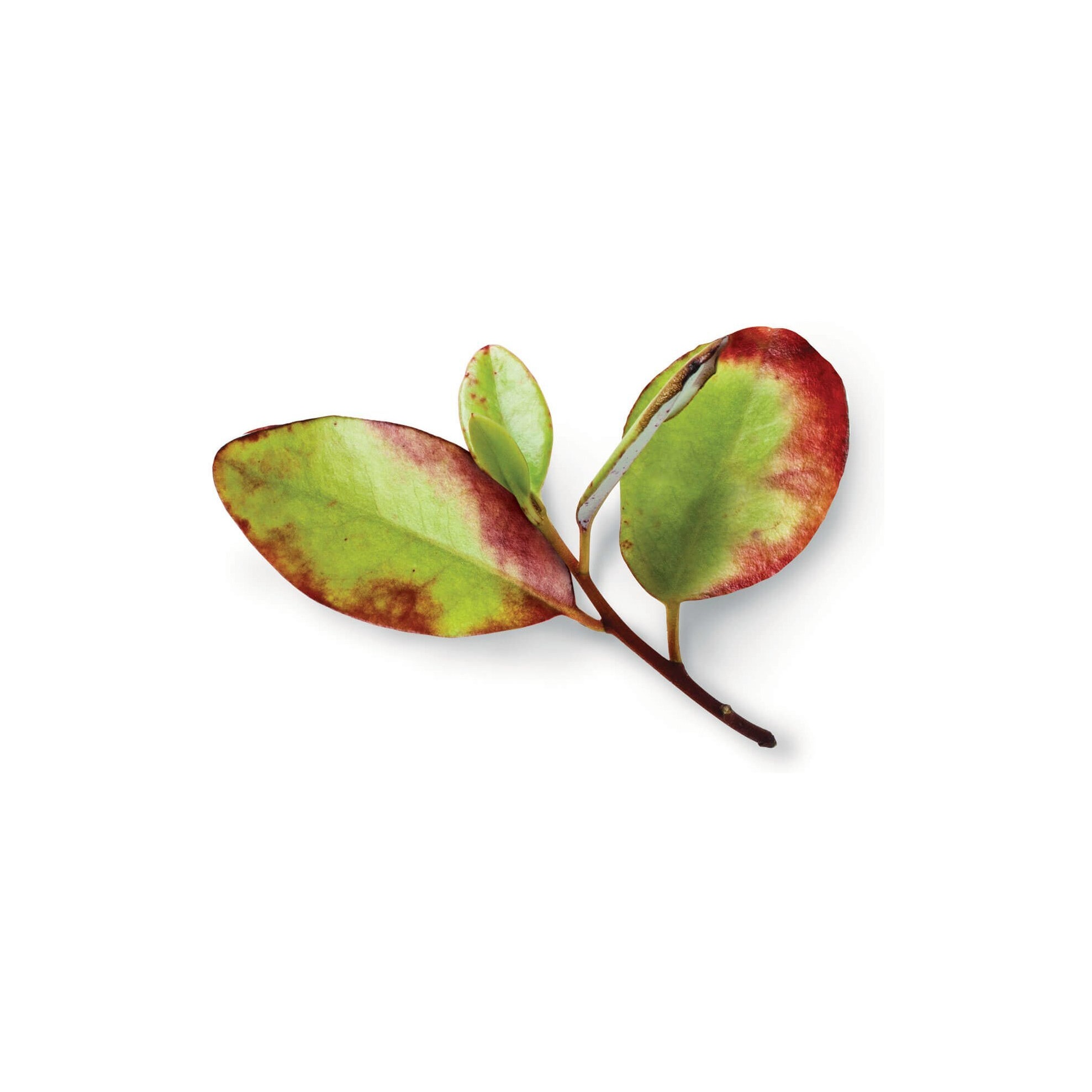 MildMildHoropitoPseudowintera colorataThe Māori application for chafed and damaged skin; the red in the leaf is anthocyanin, and the bite in it is polygodial.Mechanismnot established — anthocyanins, sesquiterpene dialdehydes and eugenol; no tannin fractionRead the evidenceShow lessMonograph →
Horopito is a New Zealand pepper tree, and its traditional application is to chafed, broken and damaged skin. The astringent reading travels with that use.
The leaf’s red pigment is anthocyanin rather than tannin, and the heat in it is polygodial, a sesquiterpene dialdehyde, alongside 9-deoxymuzigadial, eugenol and vitamin C. There is no tannin fraction.
Polygodial is the compound behind its measured activity, which is antifungal — examined under antifungal.
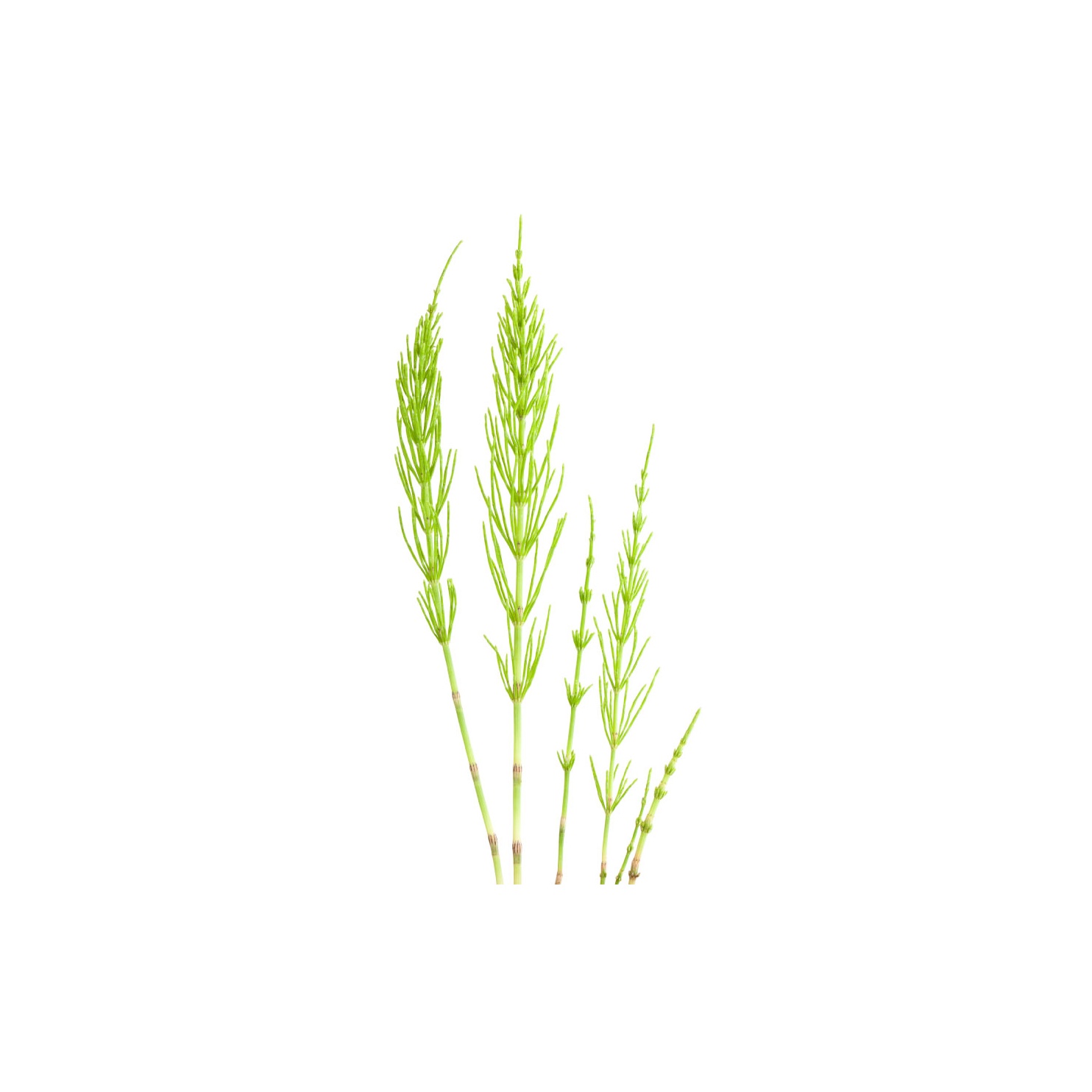 MildMildHorsetailEquisetum arvenseA genitourinary astringent in the British Herbal Pharmacopoeia, indicated for enuresis and cystitis with haematuria; the herb carries no tannins, so the usual rationale is unavailable.Read the evidenceShow lessMonograph →
The British Herbal Pharmacopoeia classes horsetail as a genitourinary astringent, indicated for enuresis, prostatic disease and cystitis with haematuria.
Horsetail’s phytochemistry lists no tannins, so the classification rests on the pharmacopoeial listing and the traditional use rather than on protein-binding chemistry. The silica is a structural constituent and is often confused with the astringency.
The topical bleeding use is examined among the styptic herbs.
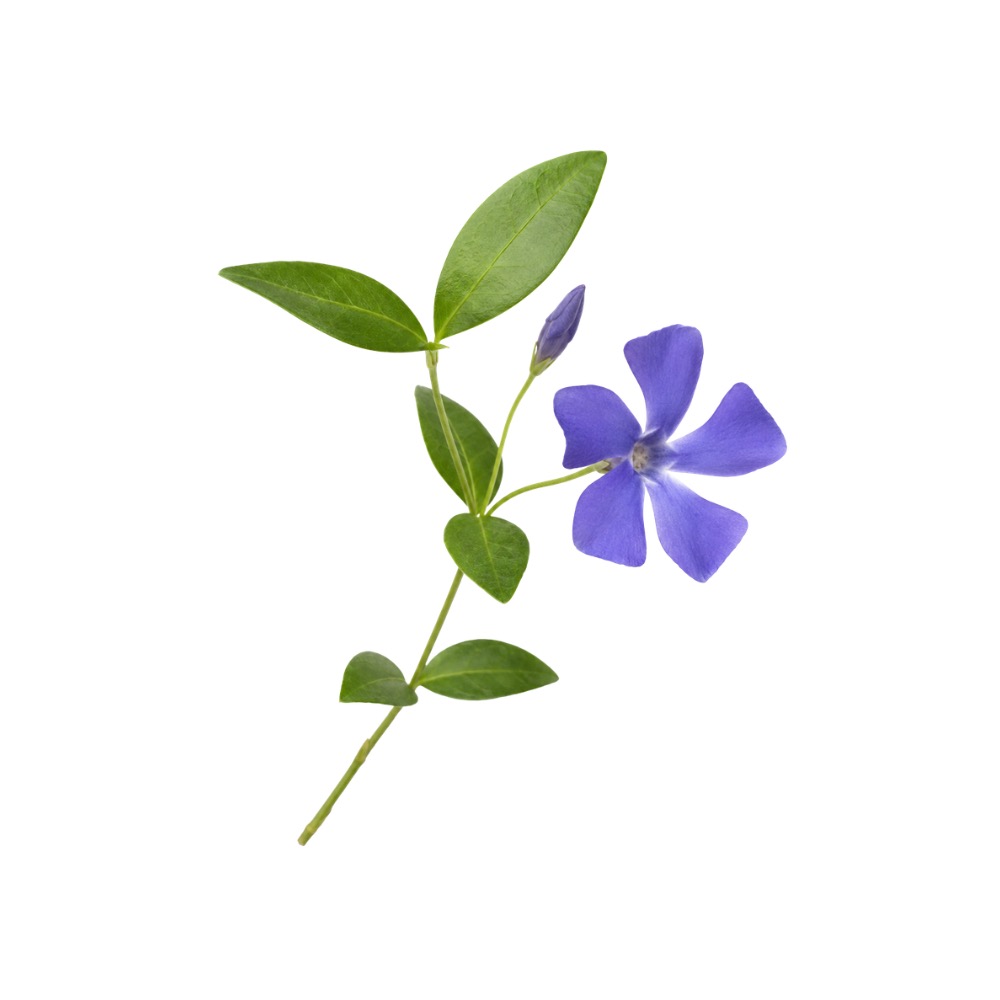 MildMildLesser PeriwinkleVinca minorThe whole herb's traditional Western use is astringent, for mucosal and bleeding complaints, attributed to its tannins rather than its alkaloids; a folk attribution never examined.Read the evidenceShow lessMonograph →
An infusion of the whole herb was given for mucosal and bleeding complaints, the same role greater periwinkle carries, and the tannins rather than the alkaloids were credited with it.
The use has never been examined. The isolated alkaloids are drugs, and the whole herb is unstandardised.
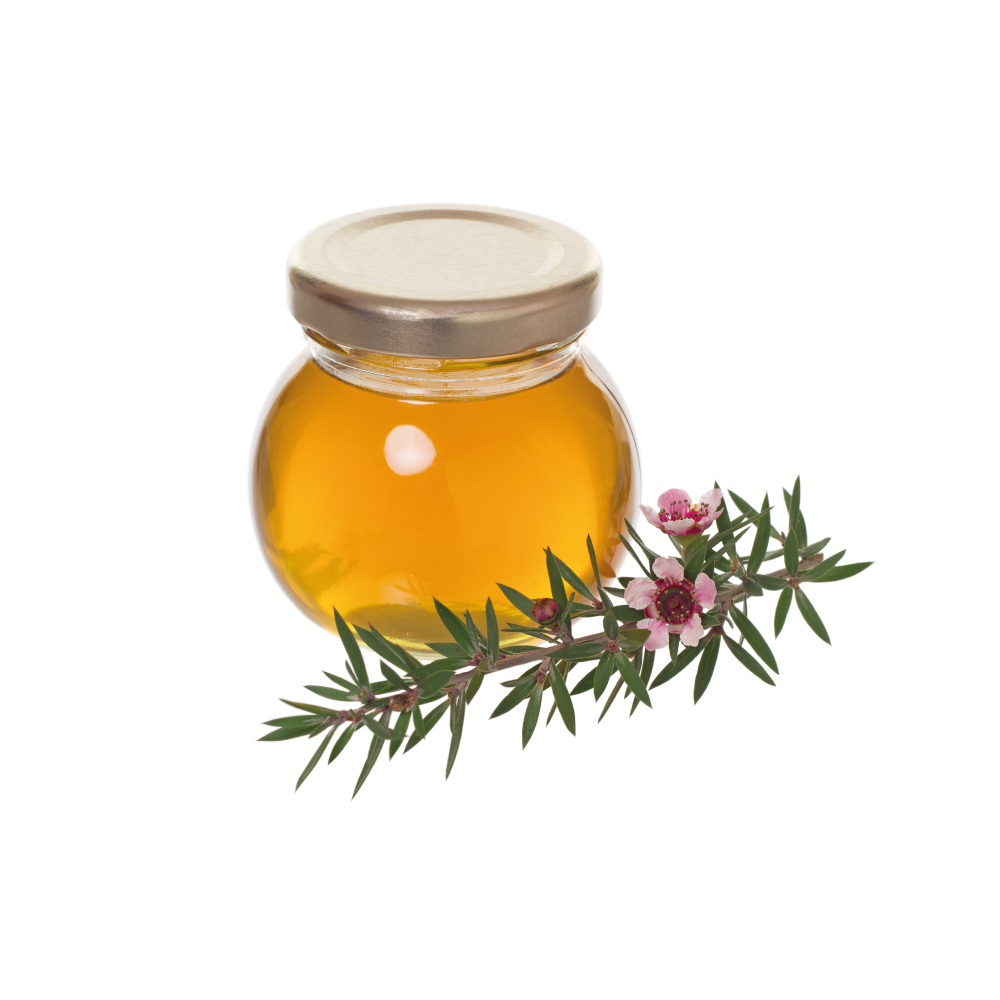 MildMildManukaLeptospermum scopariumAstringent tannins in the leaf, behind the traditional leaf infusion; the leaf and the honey are different products, and this belongs to the leaf.Read the evidenceShow lessMonograph →
The leaf carries astringent tannins alongside its triketone-rich oil, and the traditional leaf preparations rest on them.
Manuka honey (methylglyoxal) and leaf preparations are constantly conflated; the astringency belongs to the leaf. No measurement exists.
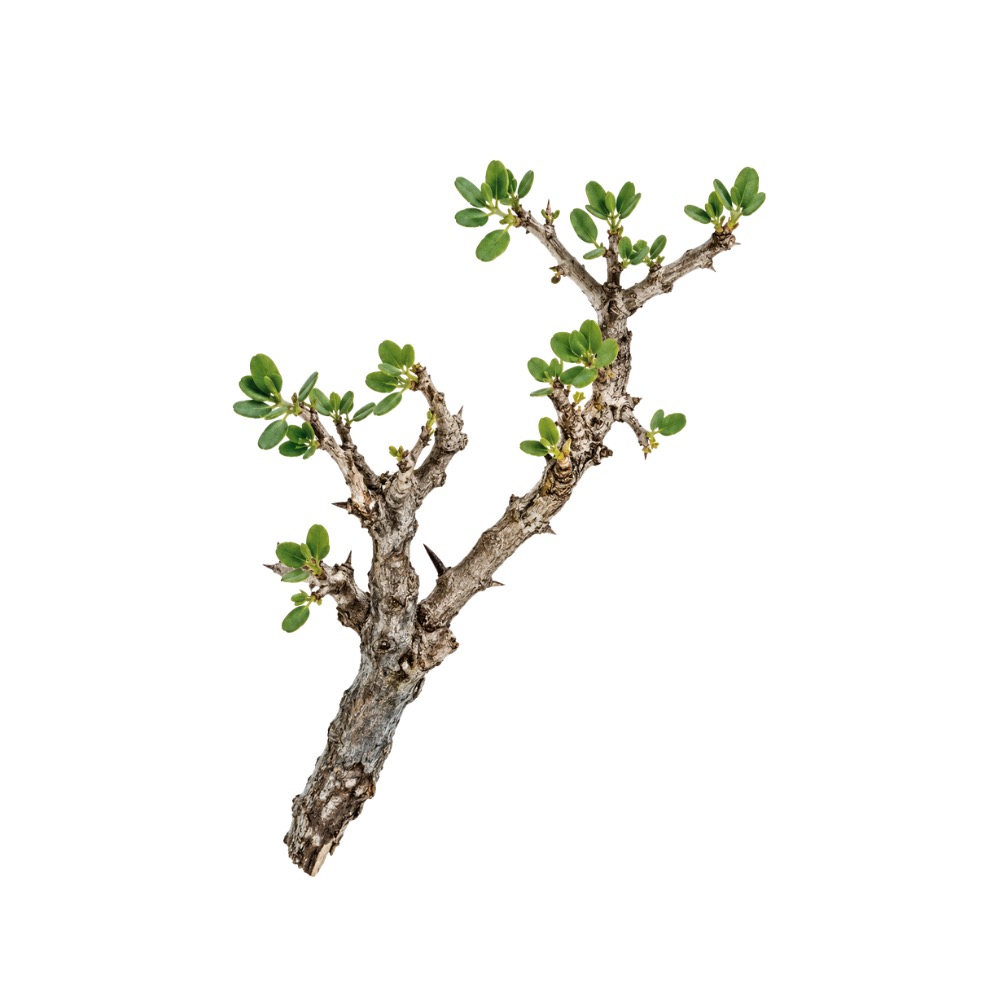 MildMildMyrrhCommiphora myrrhaThe resin's astringent action on mucous membranes is the basis of its whole oral and gum-care tradition; the trials measure healing rather than astringency.Read the evidenceShow lessMonograph →
Western herbal medicine classes myrrh as an antiseptic, astringent and vulnerary with a particular affinity for mucous membranes, and the astringency on the gums and throat is the basis of the gingivitis, mouth-ulcer and sore-throat tradition.
The trials measure mucosal healing rather than astringency and are examined among the vulnerary herbs.
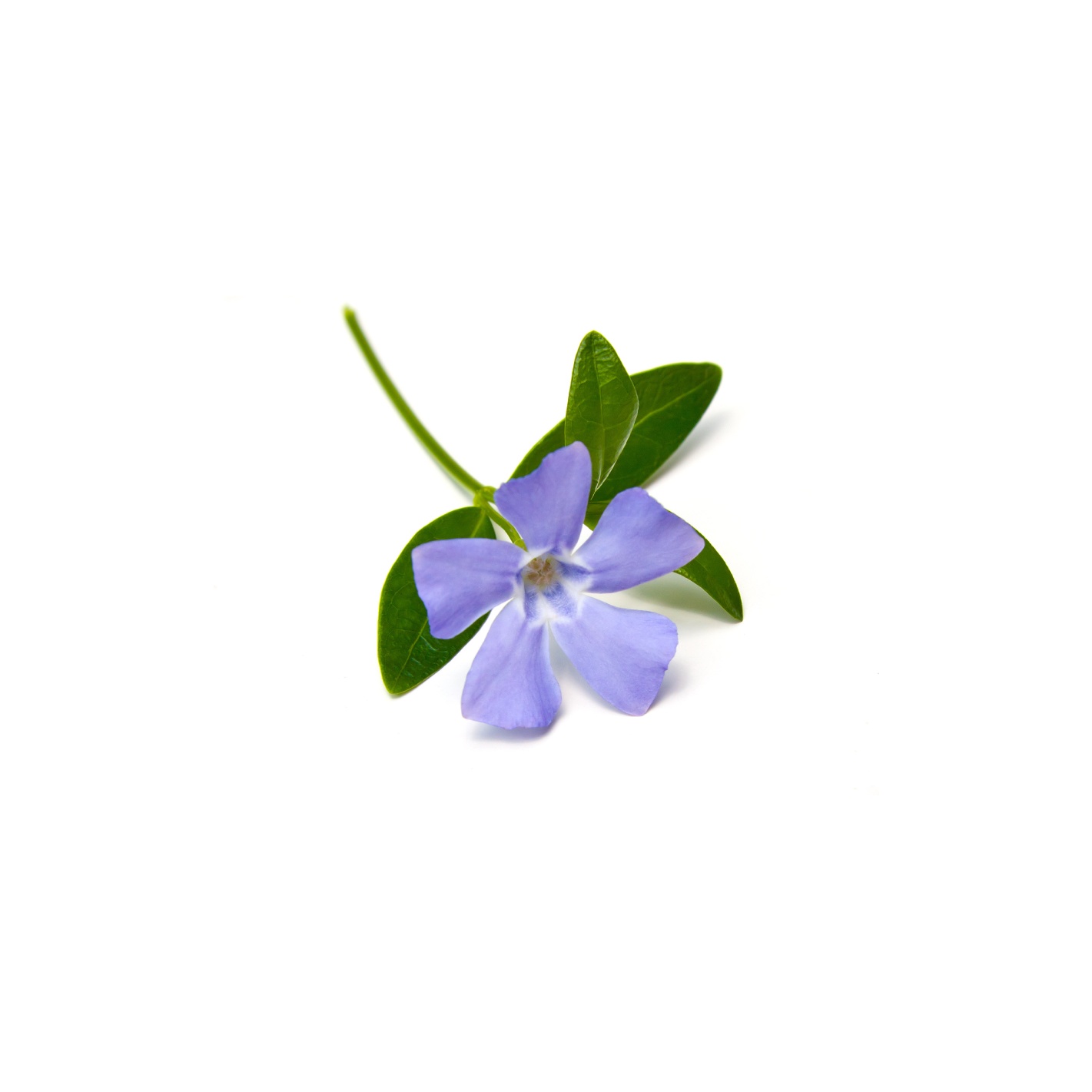 MildMildPeriwinkleVinca majorKnown in Western herbalism as an astringent for heavy menstrual bleeding, diarrhoea and mouth ulcers, attributed to its tannins rather than its alkaloids; the plant's one whole-herb use.Read the evidenceShow lessMonograph →
As a whole herb, periwinkle’s traditional use is astringent: heavy menstrual bleeding, diarrhoea, mouth ulcers and other mucosal complaints, attributed to its tannin content rather than its alkaloids.
The use is unmeasured, and the plant is otherwise regarded as toxic and not for self-dosing.
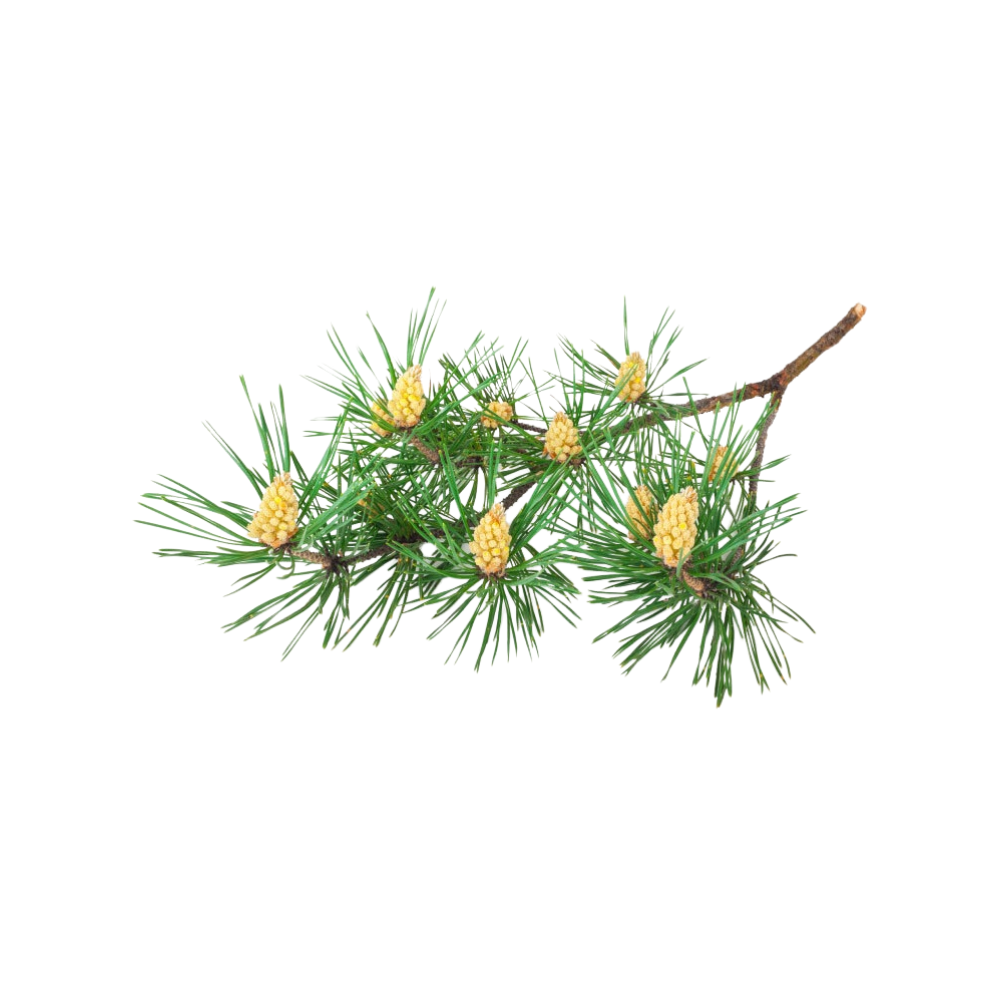 MildMildPinePinus spp.The inner-bark decoction is a strong, bitter, astringent tea across boreal traditions, and pine bark is procyanidin-rich; the standardised bark extract is a separate product.Read the evidenceShow lessMonograph →
The inner bark is decocted into a strong, bitter, astringent tea across boreal traditions, and pine bark is procyanidin-rich, chemically adjacent to the condensed tannins astringency depends on.
The standardised maritime-pine bark extract is a separate modern product with its own evidence, none of it astringent.
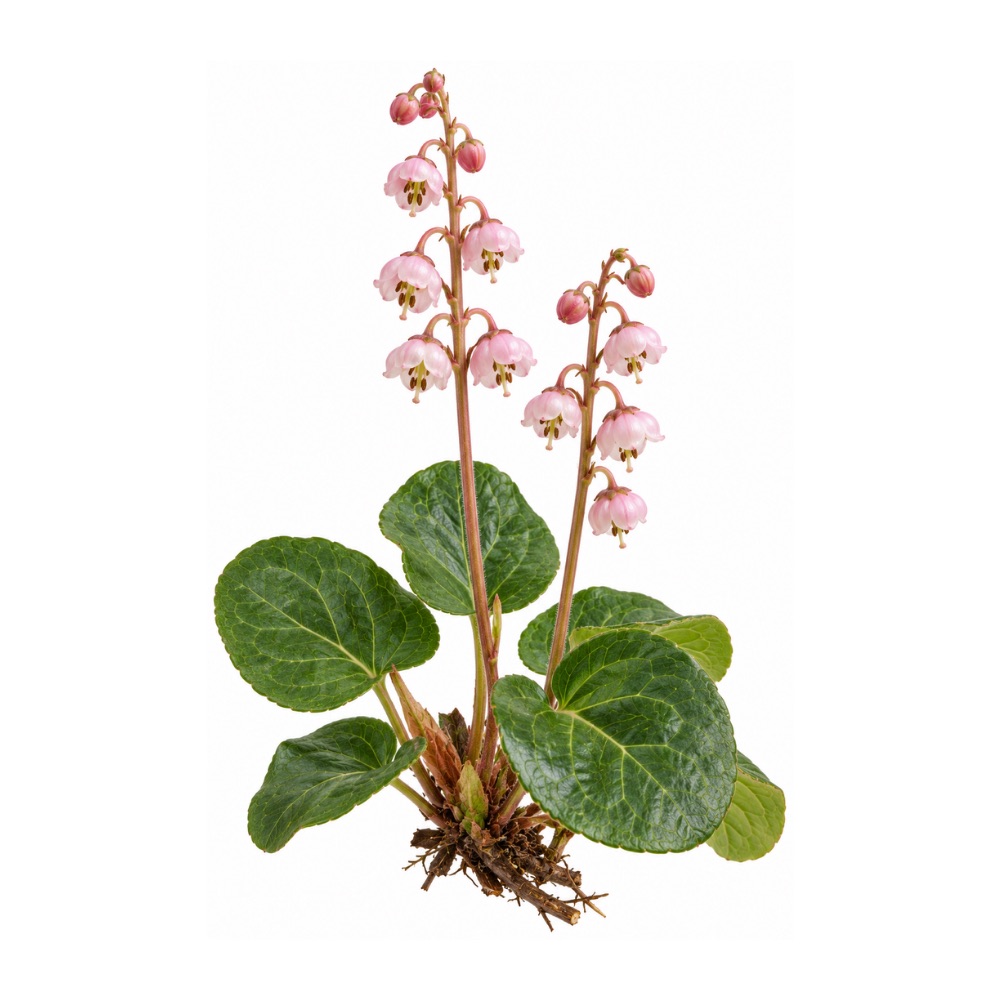 MildMildPink WintergreenPyrola asarifoliaA traditional astringent leaf wash, poultice and gargle, with gallotannins documented for the genus rather than measured in this species.Mechanismtannin protein precipitation (inferred)Read the evidenceShow less
The wash, poultice and gargle uses rest on the ordinary astringent action of a tannin-bearing leaf.
Gallotannins are documented for the genus, not measured in P. asarifolia, and the action belongs to the plant traditionally rather than experimentally.
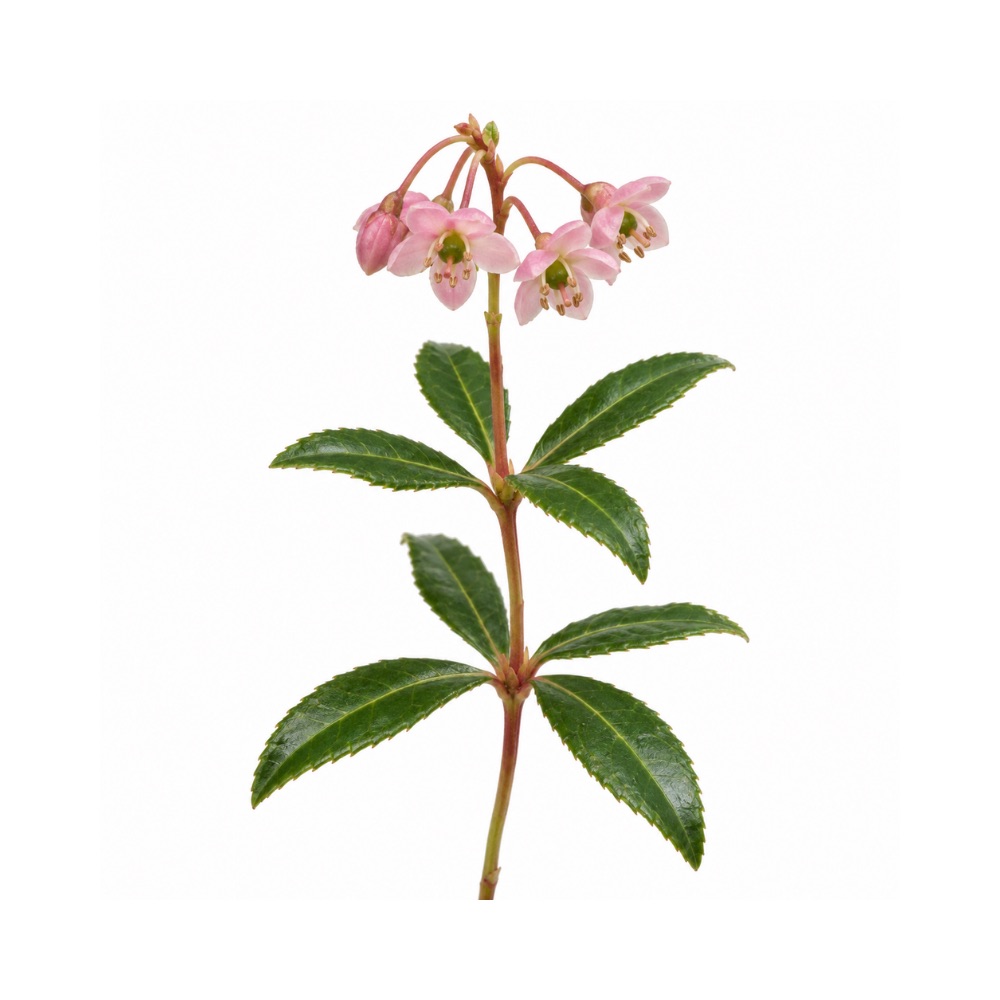 MildMildPipsissewaChimaphila umbellataLeaf tannins behind the traditional topical use for sores and blisters; unmeasured.Mechanismleaf tannin protein precipitationRead the evidenceShow less
The leaf’s tannins precipitate surface protein, which is the mechanism behind the traditional topical use for sores and blisters.
No measurement exists.
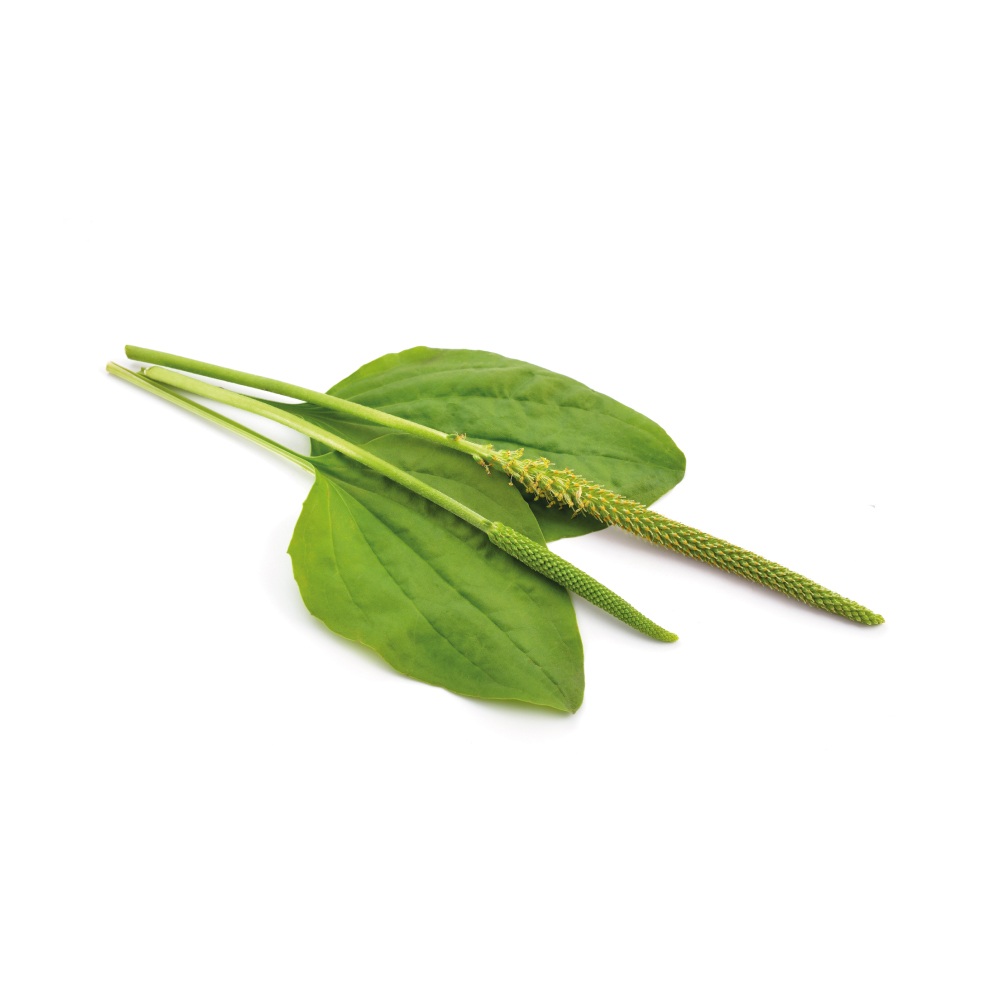 MildMildPlantainPlantago majorTannins and flavonoids add tone alongside the mucilage, and the poultice tradition depends on that drawing quality; the evidenced work is vulnerary.Read the evidenceShow lessMonograph →
Plantain carries astringent tannins and a range of flavonoids alongside its demulcent mucilage, and the drawing quality of the poultice tradition depends on them.
The measured work is wound healing, examined among the vulnerary herbs. The astringency itself is unmeasured.
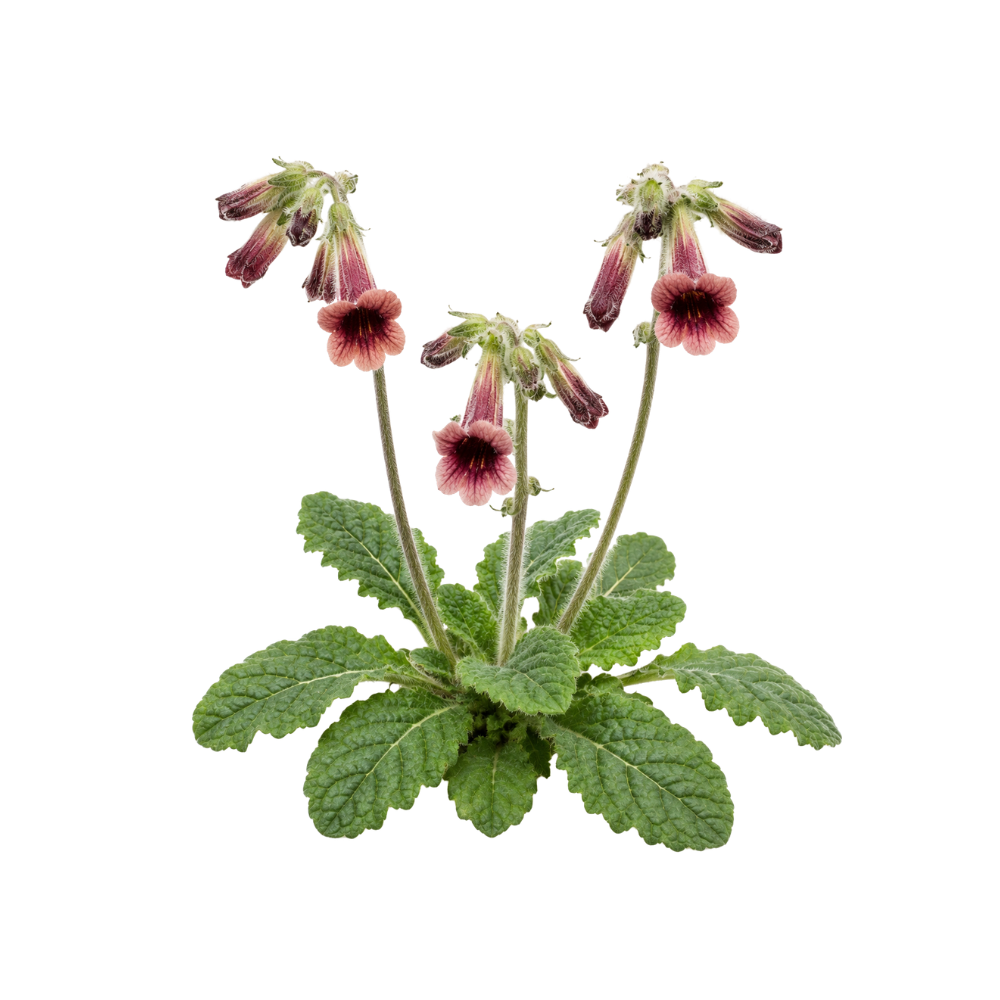 MildMildRehmanniaRehmannia glutinosaThe uncured root is given in Chinese medicine to cool the blood and stop bleeding, a classical haemostatic indication with no modern measurement.Read the evidenceShow lessMonograph →
The uncured root (sheng di huang) is a classical herb for bleeding from heat in the blood, nosebleed, blood in the urine and heavy menstruation, which is its hemostatic reputation.
The indication is classical and unmeasured. The prepared root (shu di huang) is a different medicine and does not carry it.
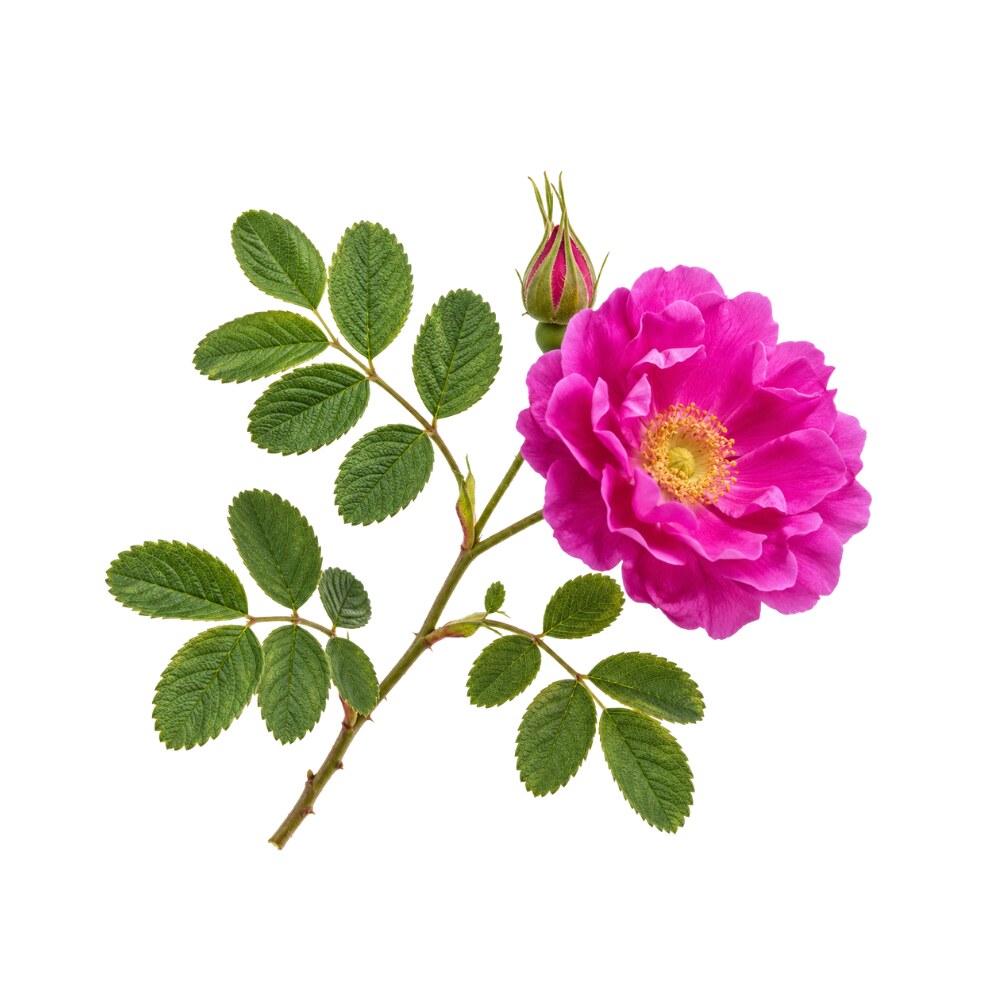 MildMildRoseRosa spp.Petal and hip both carry substantial ellagitannins, and the astringency is obvious on tasting; the classic use is a gargle and a mild wash.Read the evidenceShow lessMonograph →
Rose petal and hip both carry substantial tannins, among them rugosin D and tellimagrandin I, and the astringent quality is immediately obvious on tasting. The classic use is as a gargle and a mild wash.
No measurement exists.
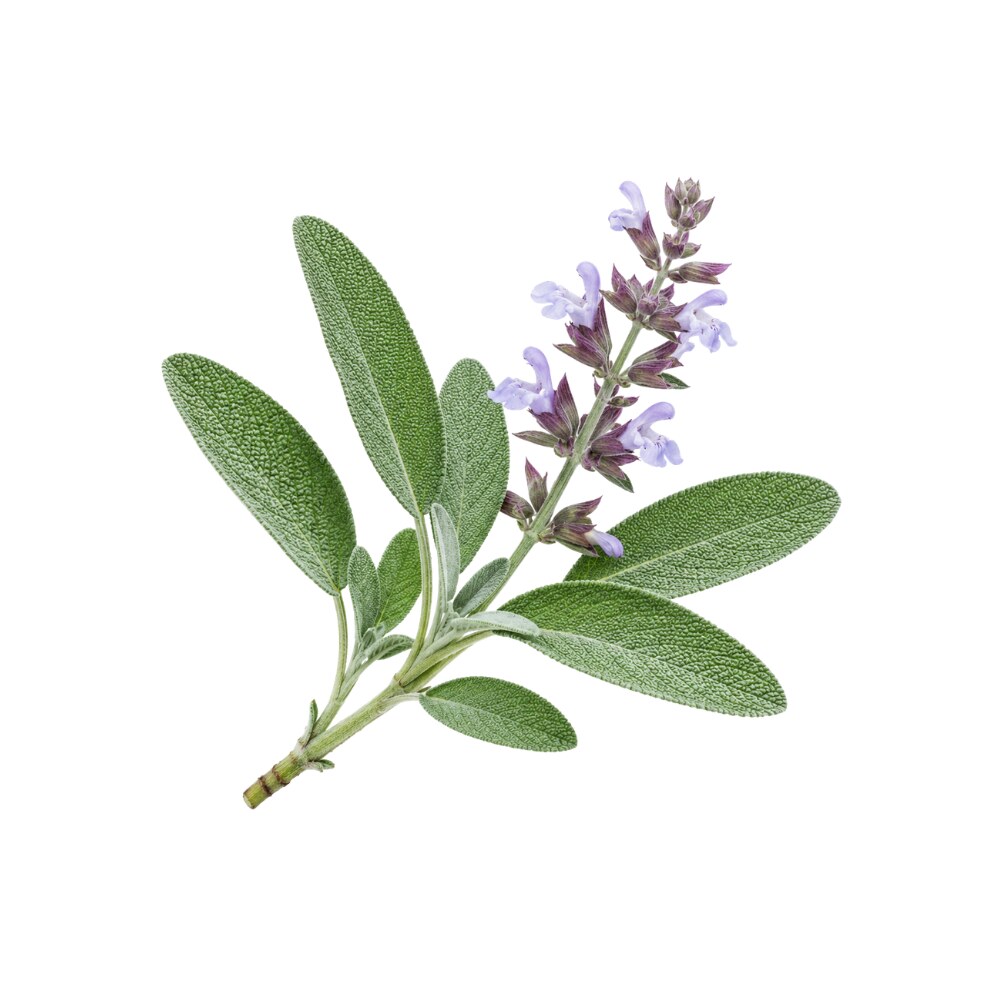 MildMildSageSalvia officinalisThe standard astringent, antiseptic gargle of Greco-Roman and European practice for sore throats, mouth ulcers and bleeding gums, resting on its tannins; no astringent endpoint measured.Read the evidenceShow lessMonograph →
As an astringent, antiseptic gargle or tea, sage was the standard remedy for sore throats, mouth ulcers and inflamed or bleeding gums, and it was the classic herb for drying up secretions.
The tannin fraction supplies the rationale. Sage’s evidenced work is cholinesterase inhibition and the checking of sweating; there is no astringent endpoint.
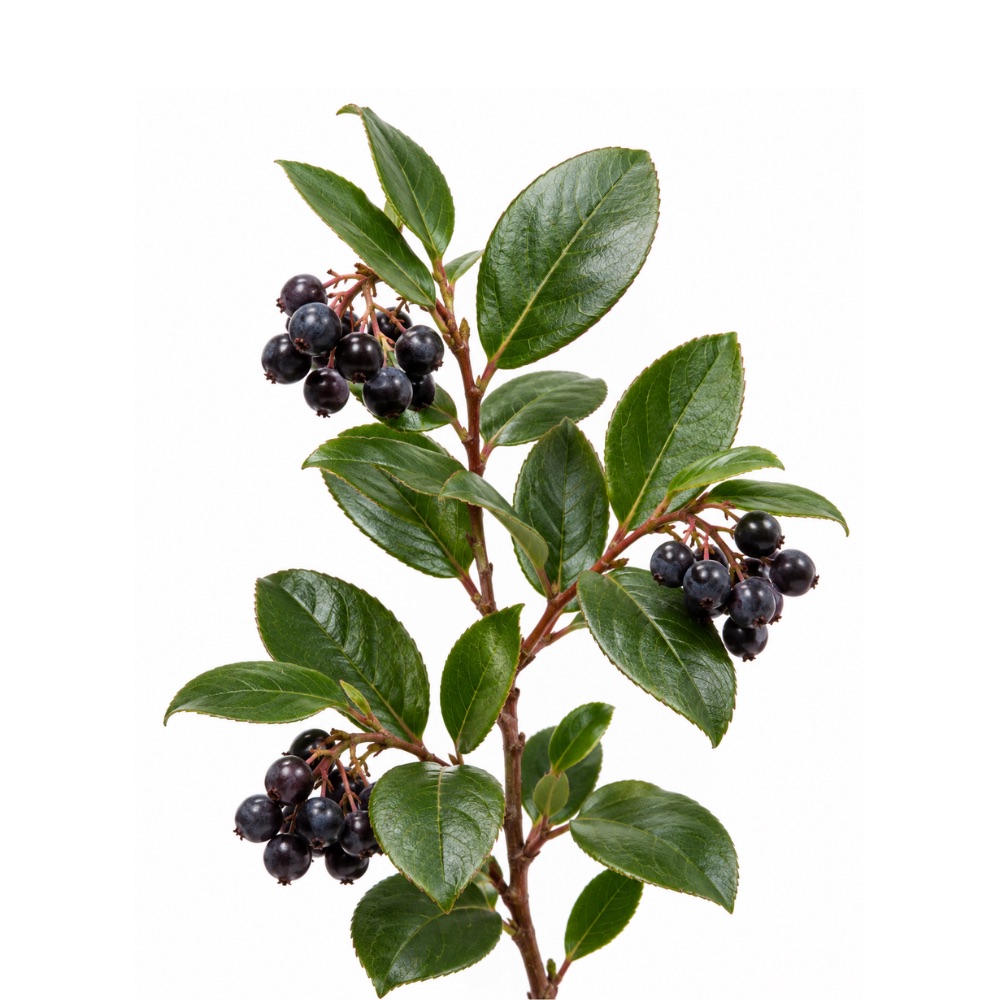 MildMildSalalGaultheria shallonA tannin-rich leaf tea for diarrhoea and stomach complaints, and a wash for burns and sores; the leaf's tannin profile has never been characterised.Mechanismleaf tannin protein precipitationRead the evidenceShow less
The traditional medicinal use is a tannin-rich leaf tea for diarrhoea and stomach complaints, and a wash for burns and sores.
The leaf has never been characterised, so the tannin profile behind this is assumed from the plant family rather than measured.
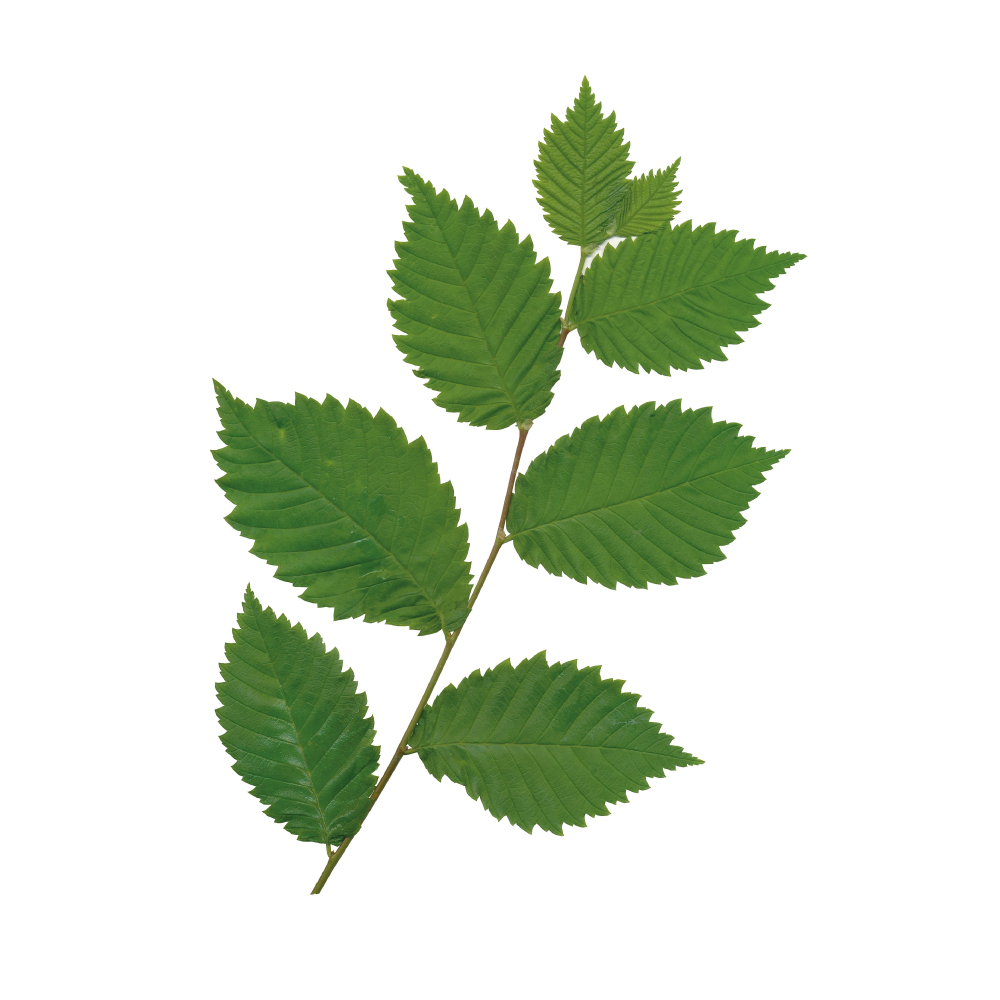 MildMildSlippery ElmUlmus rubraAstringent tannins are a minor constituent of a bark whose dominant property is the opposite one, mucilage demulcency.Read the evidenceShow lessMonograph →
The bark carries astringent tannins as a minor secondary constituent, and the astringent quality contributes a little tone to the poultice.
The dominant and much better-evidenced property is mucilage demulcency, examined among the demulcent herbs. Both can be true of one bark, but they pull in different directions.
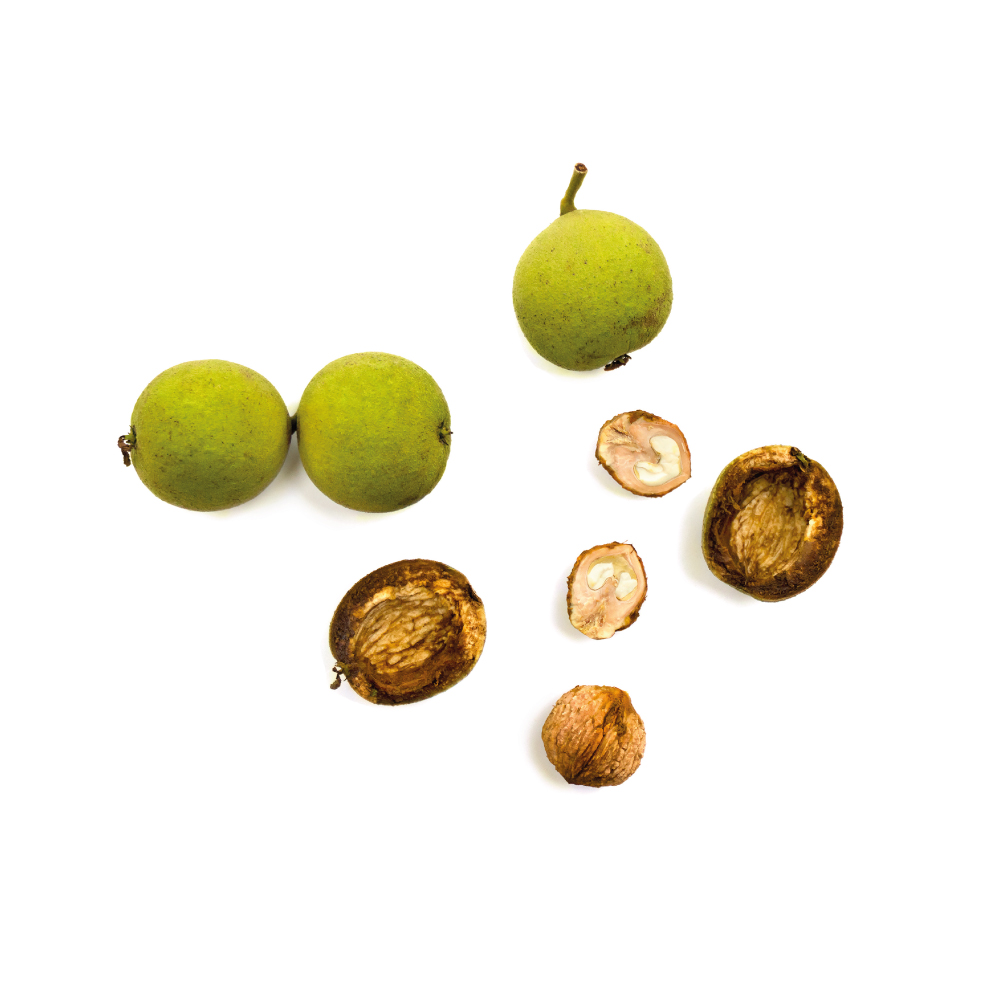 MildMildWalnutJuglans nigraBlack walnut hull and bark are tannin-dense enough that the hull was a commercial tanning material; one of the few actions that survives once the record is restricted to J. nigra.Read the evidenceShow lessMonograph →
Juglans nigra hull and bark are tannin-dense enough that walnut hull was a commercial tanning material, which makes the astringent case the strongest chemical one on the herb.
Astringency is one of the few actions that survives once the record is restricted to J. nigra alone. No measurement exists.
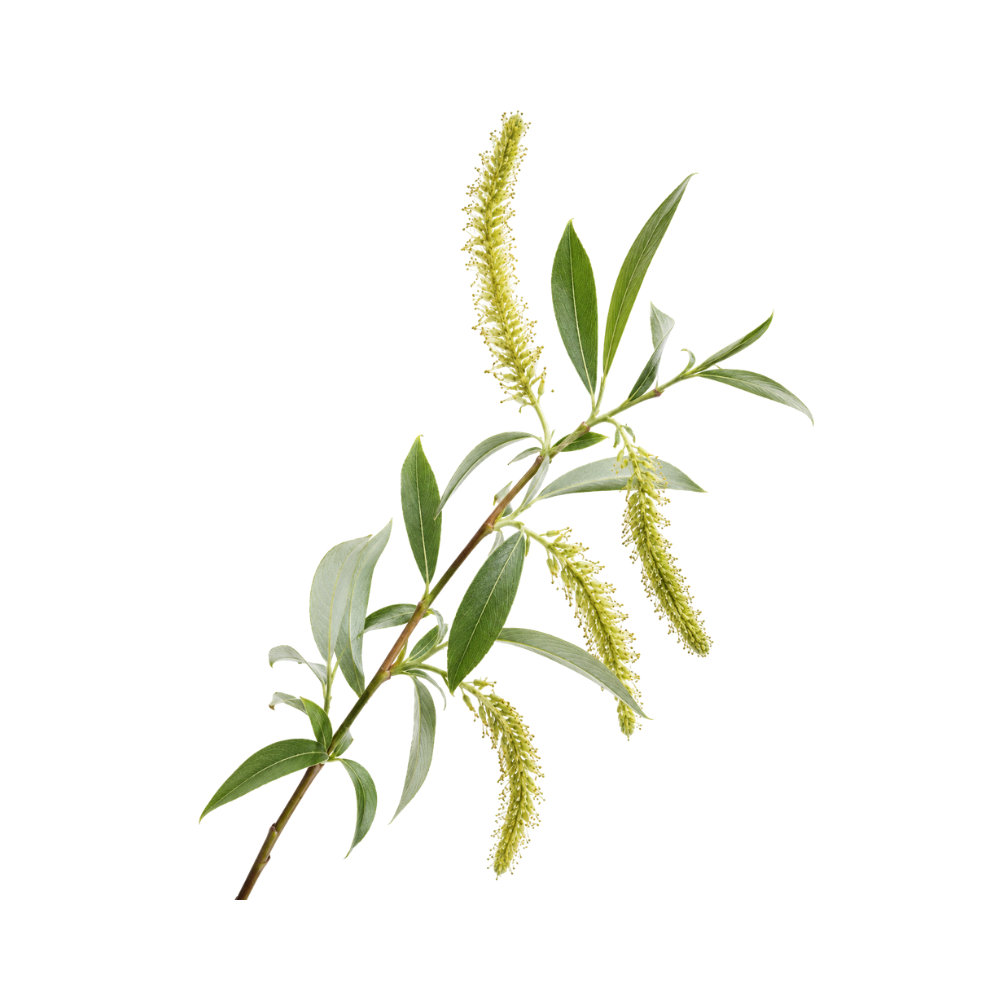 MildMildWillowSalix albaBark condensed tannins at about 8–20%, with the proanthocyanidin fraction characterised in the antioxidant work; a real astringent load with no tissue-tightening, diarrhoea or topical study.Mechanismtannin/proanthocyanidin bindingRead the evidenceShow lessMonograph →
Willow bark is rich in condensed tannins, about 8–20%, and the proanthocyanidin fraction is characterised as part of the antioxidant work 65Reference 65In vitroAntioxidant activity and chemical characteristics of supercritical CO2 and water extracts from willow and poplar — in vitroView study →.
There is no study of tissue-tightening, diarrhoea or topical use. A minor action for the herb.
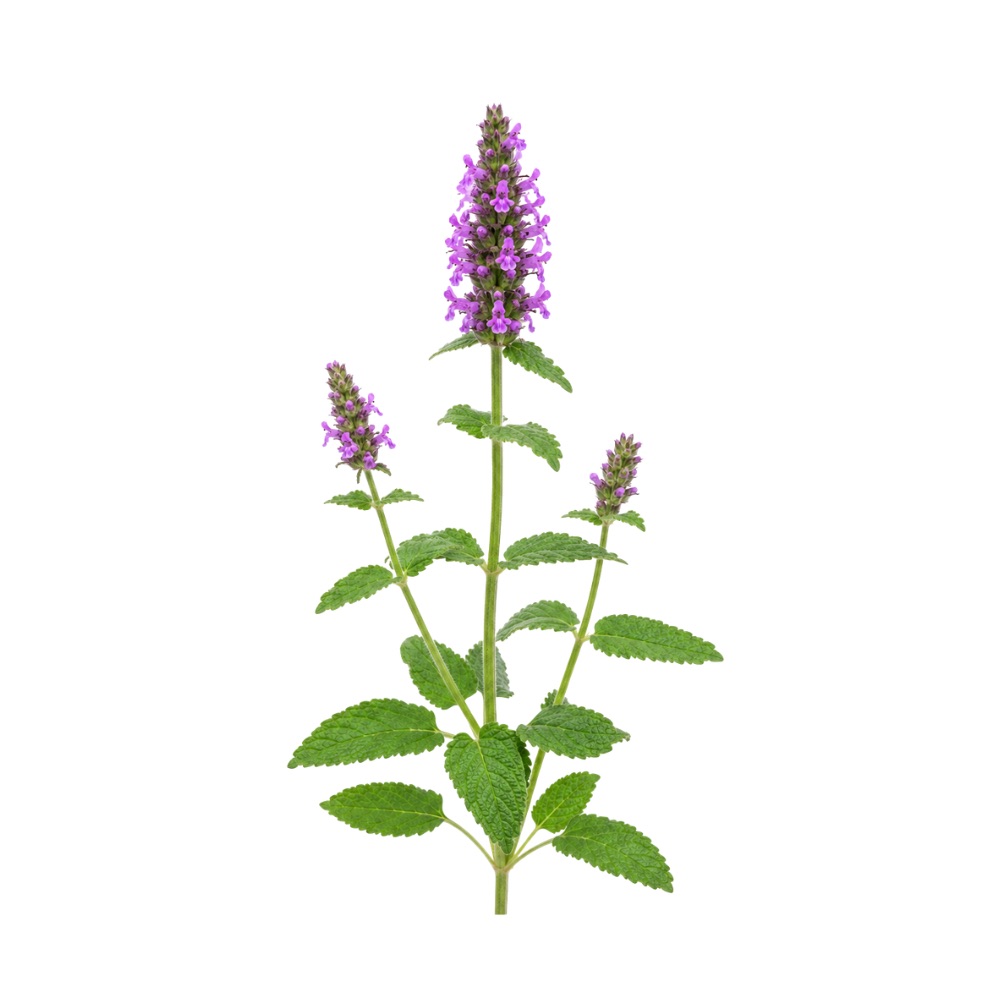 MildMildWood BetonyStachys officinalisComparative profiling found betony notably high in tannins, and the load carries into the infusion; a measured phenolic class with a textbook mechanism and no astringency assay.Mechanismtannin protein cross-linkingRead the evidenceShow lessMonograph →
Comparative profiling of Romanian material found betony notably high in tannins and anthocyanins alongside a chlorogenic-acid-dominated polyphenol fraction 70Reference 70In vitroStachys species: comparative evaluation of phenolic profile and antimicrobial and antioxidant potential — in vitroView study →, and that tannin load gives it astringency, enough that concurrent absorption of some drugs and minerals could theoretically be reduced.
The tannins concentrate in the aerial parts and carry into the infusion, so this is one of the few betony properties the traditional tea plausibly delivers.
That is the whole case: a measured phenolic class with a textbook mechanism, never an astringency assay, a tissue model or a clinical observation. Betony is a relaxing nervine that happens to be tannin-bearing, and it sits well below the reference astringents chosen for their tannin percentage.
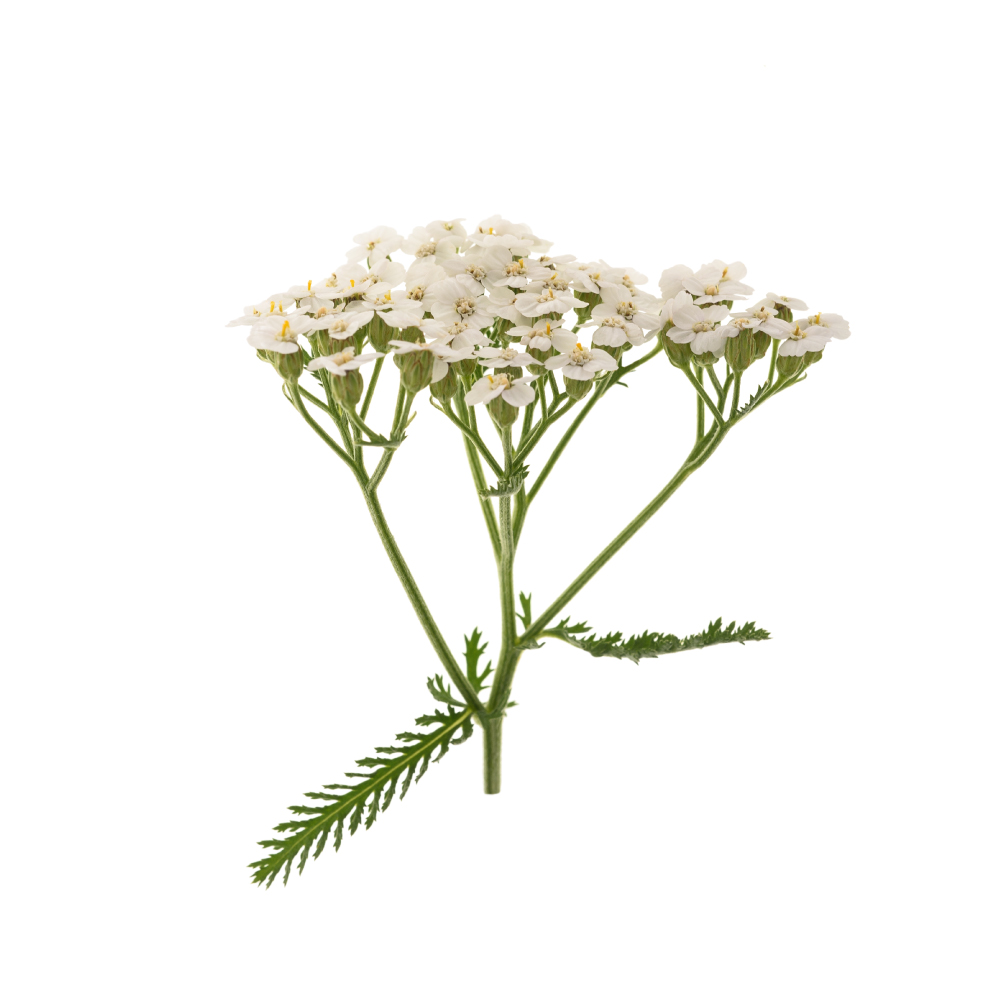 MildMildYarrowAchillea millefoliumCulpeper's 'drying and binding' herb; documented tannin content underpins the styptic reputation recorded in the battlefield names, and nothing measures it.Read the evidenceShow lessMonograph →
Western herbalism classes yarrow first as a styptic and vulnerary, Culpeper’s “drying and binding”, and the documented tannin content underpins the reputation the battlefield names record: soldier’s woundwort, herba militaris.
Nothing measures the astringency. The bleeding use is examined among the styptic herbs.
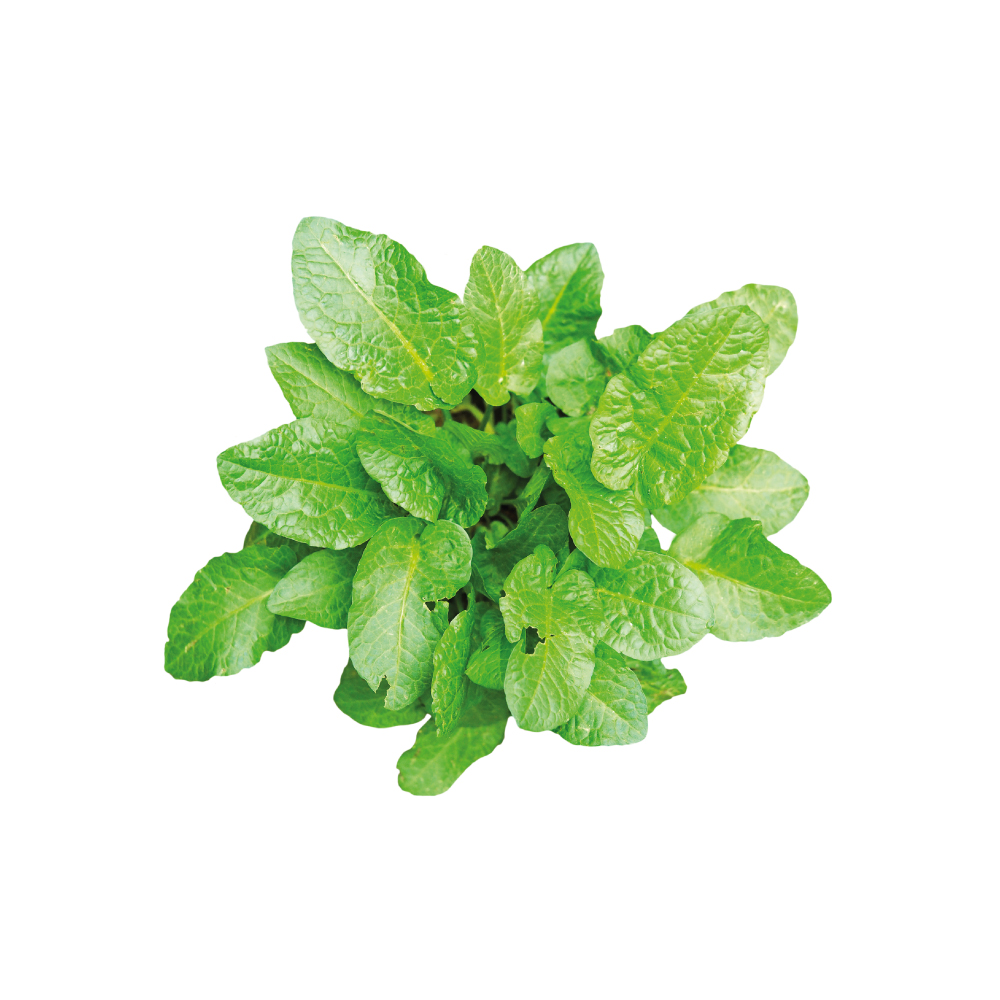 MildMildYellow DockRumex crispusCatechol-type tannins at about 5% of the dried root, the low-dose half of a dose-gated pair: the tannins tone the gut at low doses and the anthraquinones laxate at higher ones.Mechanismcatechol-tannin protein-binding / mucosal precipitationRead the evidenceShow lessMonograph →
Catechol-type tannins are reported at approximately 5% of the dried root 71Reference 71ReviewThe genus Rumex: Review of traditional uses, phytochemistry and pharmacology — reviewView study →, a real, quantified astringent load that a water decoction extracts, acting by the ordinary tannin route of binding and precipitating surface proteins.
At low doses the tannins dominate and the root behaves as a gut-toning astringent, the basis of the mild-diarrhoea and haemorrhoid indications. At higher doses the anthraquinones override and it laxates, the same duality rhubarb and haritaki show.
No astringency was ever measured. The action rests on quantified constituent content plus the herb’s cool, bitter and astringent energetics.
No herbs match these filters.
Also Tagged
7 more herbs carry an astringent action.
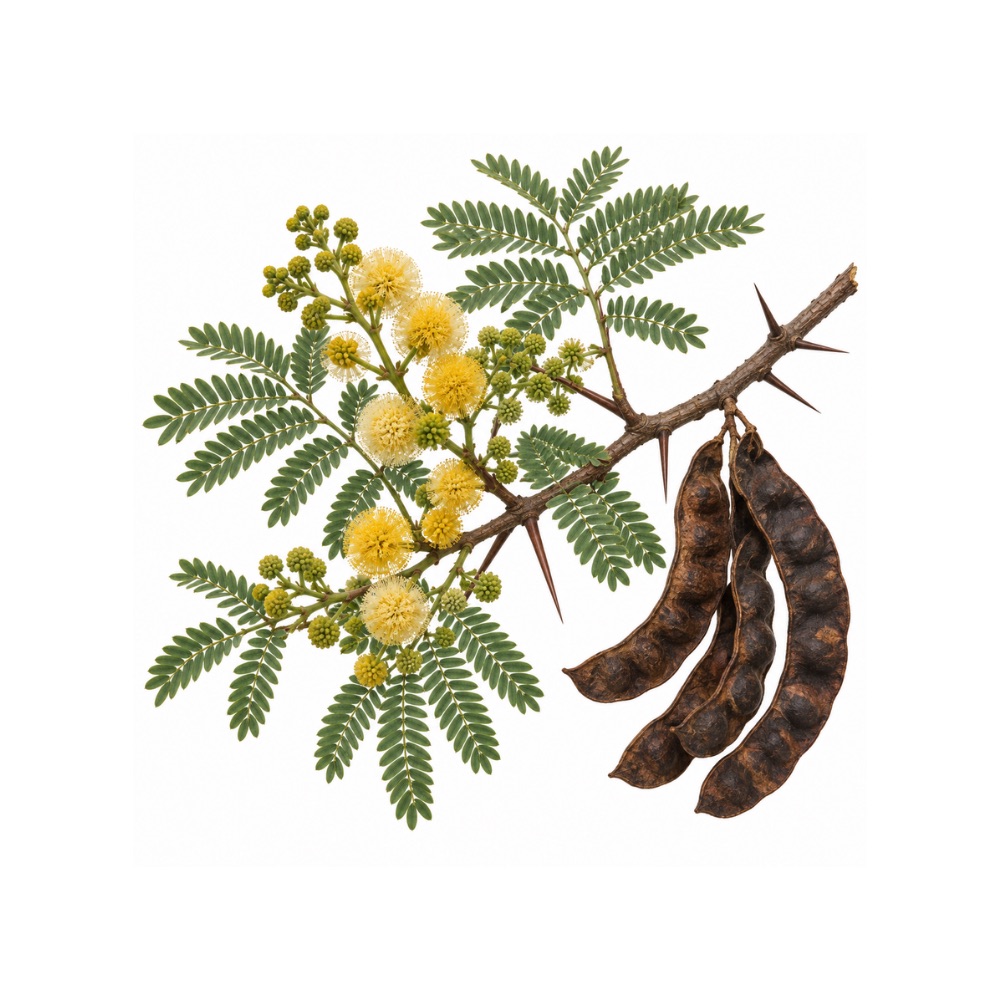
Babul
Vachellia nilotica
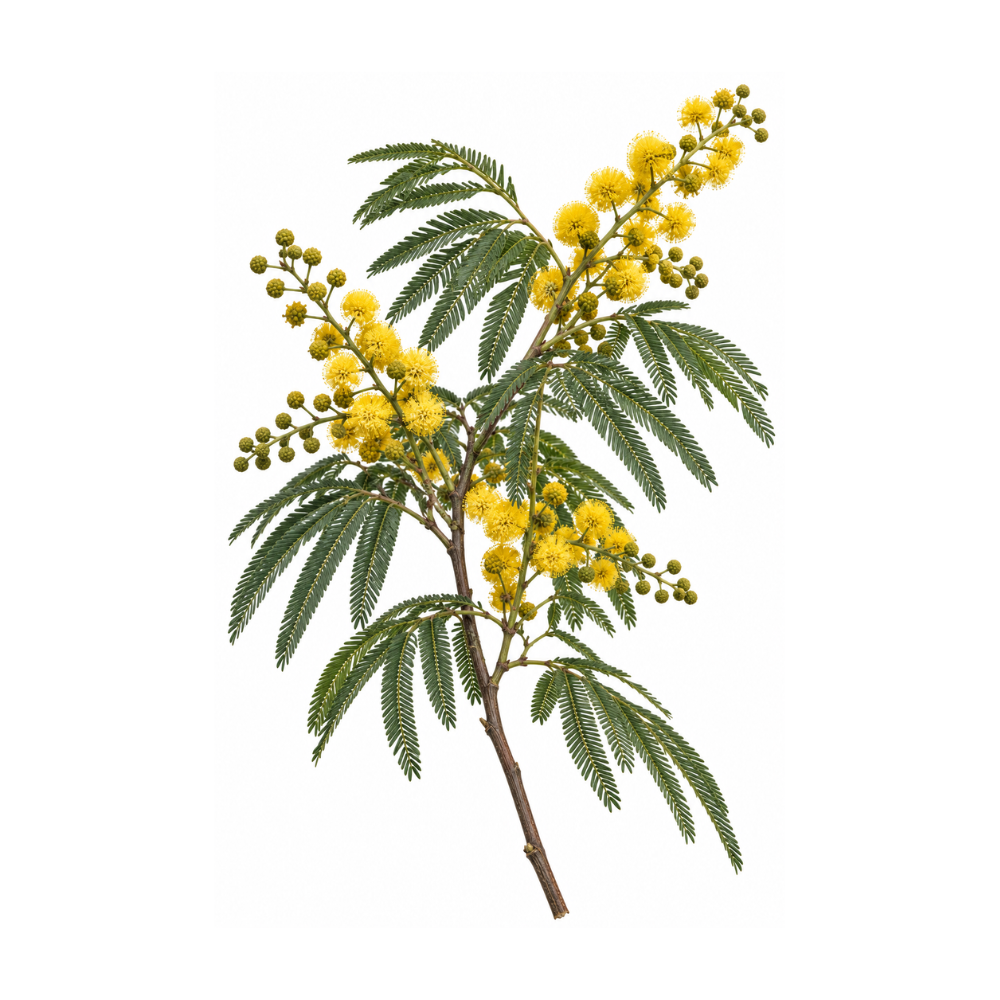
Black Wattle
Acacia mearnsii
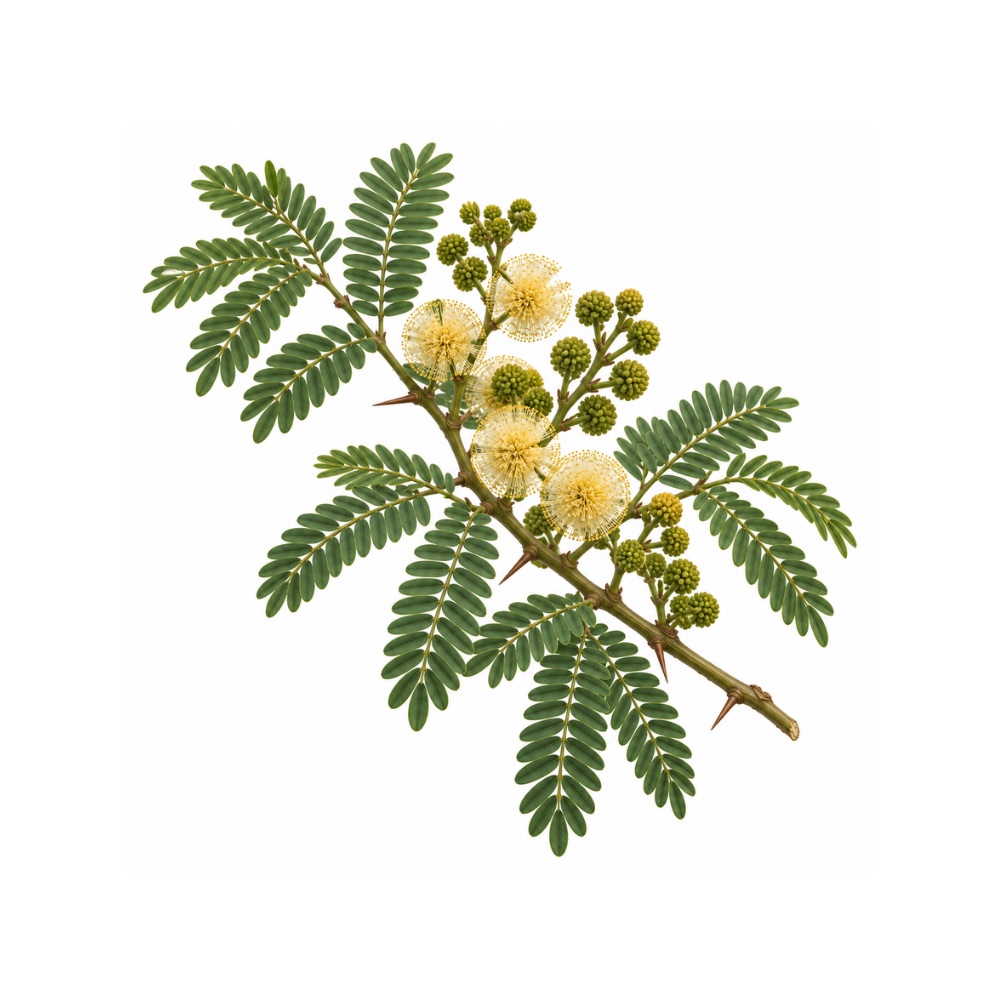
Catechu
Senegalia catechu
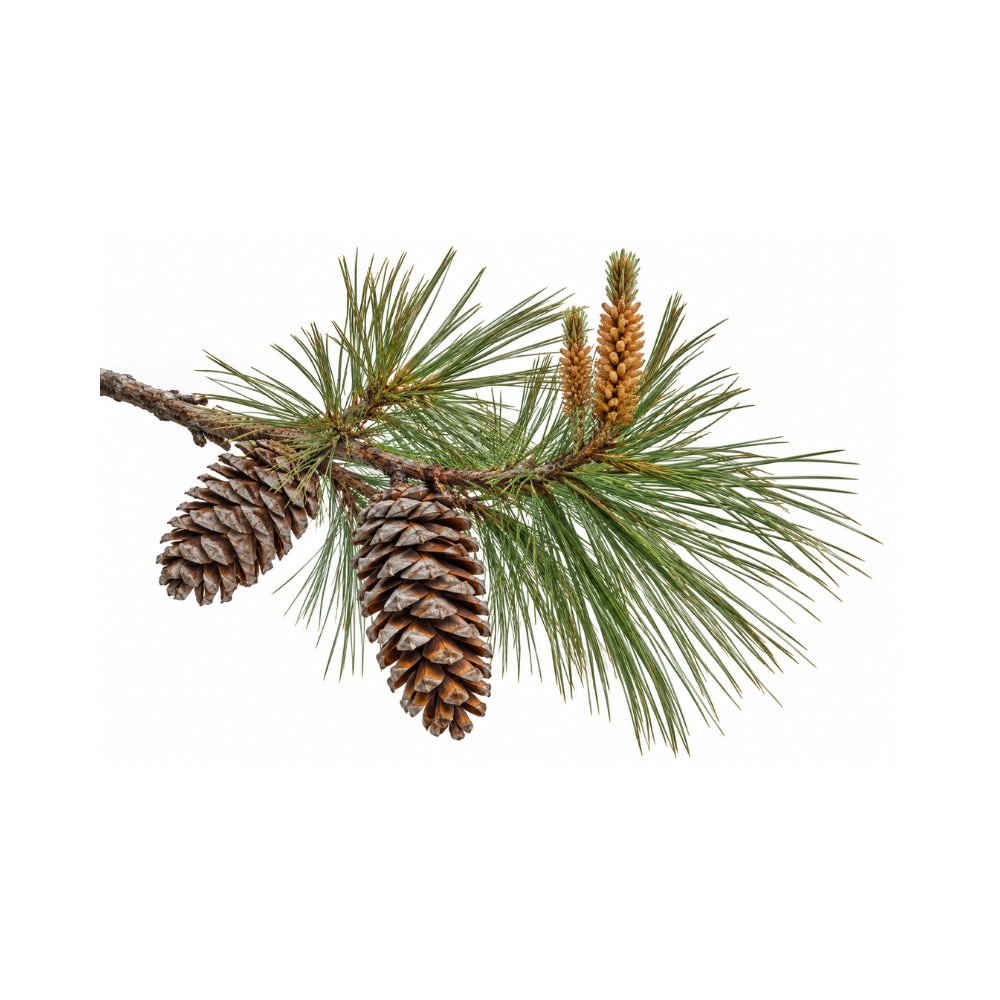
Chir Pine
Pinus roxburghii
Maritime Pine
Pinus pinaster
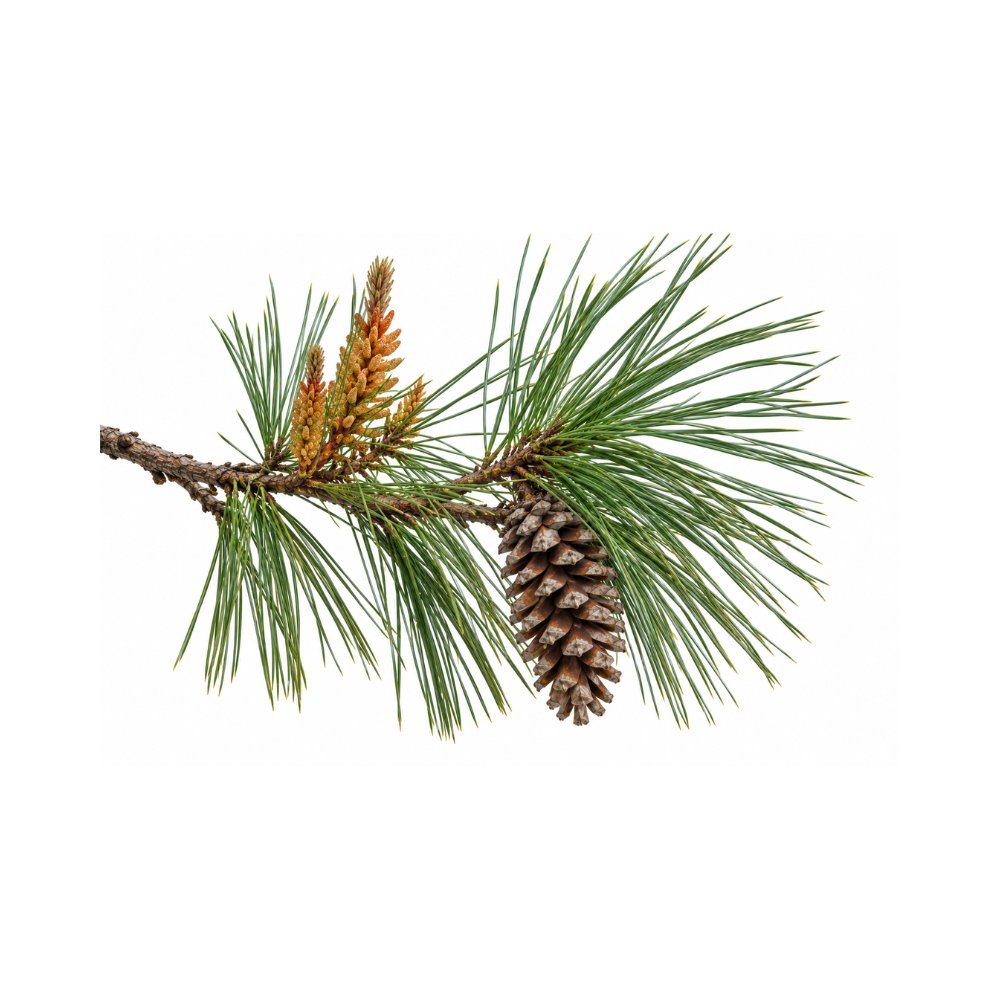
Masson Pine
Pinus massoniana
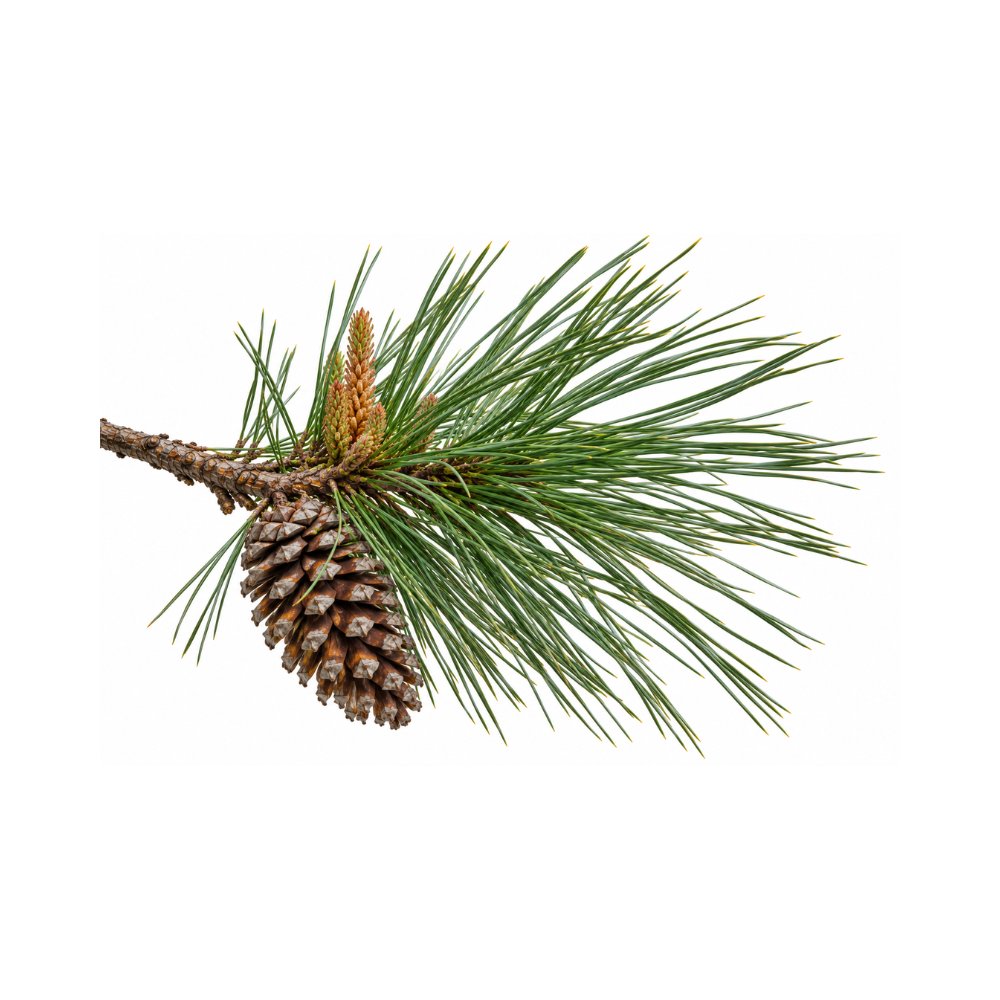
Monterey Pine
Pinus radiata
Safety
- Tannins bind non-haem iron in the gut, so separate astringent herbs from iron and mineral supplements by about two hours.
- They also bind alkaloid and protein-based drugs and reduce their absorption; separate them from oral medication by about two hours.
- The action becomes constipation at higher or prolonged doses, and tannin-rich barks irritate the stomach directly.
- Astringents are unsuitable for dry or atrophic mucous membranes, where reducing secretion is the wrong direction.
- A surface astringent seals a weeping surface it touches; it does not treat internal bleeding, heavy menstrual loss or a bleeding disorder.
- Short courses are the traditional pattern; sustained heavy tannin intake carries the mineral-binding and mucosal-irritation problems above.
References
- Karlińska E, Romanowska B, Kosmala M (2021). The aerial parts of Agrimonia procera Wallr. and Agrimonia eupatoria L. as a source of polyphenols, and especially agrimoniin and flavonoids. Molecules. https://pubmed.ncbi.nlm.nih.gov/34946788/
- Fecka I, Bednarska K, Włodarczyk M (2022). Fragaria × ananassa cv. Senga Sengana leaf — an agricultural waste with antiglycation potential and high content of ellagitannins, flavonols and 2-pyrone-4,6-dicarboxylic acid. Molecules. https://pubmed.ncbi.nlm.nih.gov/36014531/
- Fecka I, Kucharska AZ, Kowalczyk A (2015). Quantification of tannins and related polyphenols in commercial products of tormentil (Potentilla tormentilla). Phytochemical Analysis. https://pubmed.ncbi.nlm.nih.gov/26047031/
- Piwowarski JP, Granica S, Zwierzyńska M, Stefańska J, Schopohl P, Melzig MF, Kiss AK (2014). Role of human gut microbiota metabolism in the anti-inflammatory effect of traditionally used ellagitannin-rich plant materials — ex vivo. Journal of Ethnopharmacology. https://pubmed.ncbi.nlm.nih.gov/24969824/
- Kosmala M, Zduńczyk Z, Juśkiewicz J, Jurgoński A, Karlińska E, Macierzyński J, Jańczak R, Rój E (2015). Chemical composition of defatted strawberry and raspberry seeds and the effect of these dietary ingredients on polyphenol metabolites, intestinal function and selected serum parameters — rat study. Journal of Agricultural and Food Chemistry. https://pubmed.ncbi.nlm.nih.gov/25746061/
- Milala J, Kosmala M, Karlińska E, Juśkiewicz J, Zduńczyk Z, Fotschki B (2017). Ellagitannins from strawberries with different degrees of polymerization showed different metabolism through the gastrointestinal tract of rats. Journal of Agricultural and Food Chemistry. https://pubmed.ncbi.nlm.nih.gov/29143528/
- Stark T, et al. (2010). Matrix-calibrated LC-MS/MS quantitation and sensory evaluation of oak ellagitannins and their transformation products in red wines. Journal of Agricultural and Food Chemistry. https://pubmed.ncbi.nlm.nih.gov/20441220/
- Puljula E, Walton G, Woodward MJ, Karonen M (2020). Antimicrobial activities of ellagitannins against Clostridium perfringens, Escherichia coli, Lactobacillus plantarum and Staphylococcus aureus — in vitro. Molecules. https://pubmed.ncbi.nlm.nih.gov/32824081/
- Toda M, Kawabata J, Kasai T (2001). Inhibitory effects of ellagi- and gallotannins on rat intestinal α-glucosidase complexes — in vitro. Bioscience, Biotechnology, and Biochemistry. https://pubmed.ncbi.nlm.nih.gov/11330666/
- Sokolova E, Adamov G, Krol’ T, Sheychenko O, Baleev D, Sidelnikov N (2025). Inhibitory potential of sea buckthorn leaves extracts and its component casuarictin on pancreatic enzymes and LPS-induced TNF-α synthesis in human whole blood — in vitro / ex vivo. Natural Product Research. https://pubmed.ncbi.nlm.nih.gov/40680206/
- Rodrigues CFB, Ferreira MJP, Belchor MN, et al. (2019). Evaluation of the inhibitory potential of casuarictin, an ellagitannin isolated from white mangrove (Laguncularia racemosa) leaves, on snake venom secretory phospholipase A2 — in vitro and mouse. Marine Drugs. https://pubmed.ncbi.nlm.nih.gov/31288445/
- Souza-Moreira TM, Severi JA, Lee K, Preechasuth K, Santos E, Gow NA, Munro CA, Vilegas W, Pietro RC (2013). Anti-Candida targets and cytotoxicity of casuarinin isolated from Plinia cauliflora leaves in an in vitro study. Molecules, 18(7), 8095-8108. https://pubmed.ncbi.nlm.nih.gov/23839114/
- Glasenapp Y, Lucas C, Wöltje T, Fohrer J, Papenbrock J (2019). Anti-adhesion activity of tannins isolated from the mangrove Laguncularia racemosa. Chemistry & Biodiversity, 16(5), e1800632. https://pubmed.ncbi.nlm.nih.gov/30835942/
- Cyboran-Mikołajczyk S, Męczarska K, Solarska-Ściuk K, Ratajczak-Wielgomas K, Oszmiański J, Jencova V, Bonarska-Kujawa D (2022). Protection of erythrocytes and microvascular endothelial cells against oxidative damage by Fragaria vesca L. and Rubus idaeus L. leaves extracts — the mechanism of action. Molecules, 27(18), 5865. https://pubmed.ncbi.nlm.nih.gov/36144602/
- Oszmiański J, Wojdyło A, Nowicka P, Teleszko M, Cebulak T, Wolanin M (2015). Determination of phenolic compounds and antioxidant activity in leaves from wild Rubus L. species. Molecules, 20(3), 4951-4966. https://pubmed.ncbi.nlm.nih.gov/25793543/
- Li Y, et al. (2018). Metal chelating, inhibitory DNA damage, and anti-inflammatory activities of phenolics from rambutan (Nephelium lappaceum) peel and the quantifications of geraniin and corilagin. Molecules. https://pubmed.ncbi.nlm.nih.gov/30189625/
- Okuda T, Yoshida T, Nayeshiro H (1976). Geraniin, a new ellagitannin from Geranium thunbergii. Tetrahedron Letters. https://doi.org/10.1016/S0040-4039(00)93091-0
- Piazza S, Martinelli G, Vrhovsek U, et al. (2022). Anti-inflammatory and anti-acne effects of Hamamelis virginiana bark in human keratinocytes — in vitro. Antioxidants (Basel). https://pubmed.ncbi.nlm.nih.gov/35740016/
- Touriño S, Lizárraga D, Carreras A, et al. (2008). Highly galloylated tannin fractions from witch hazel (Hamamelis virginiana) bark: electron transfer capacity, in vitro antioxidant activity, and effects on skin-related cells — in vitro. Chem Res Toxicol. https://pubmed.ncbi.nlm.nih.gov/18311930/
- Wójciak M, Pacuła W, Sowa I, et al. (2025). Hamamelis virginiana L. in skin care: a review of its pharmacological properties and cosmetological applications — review. Molecules. https://pubmed.ncbi.nlm.nih.gov/40649262/
- United States Pharmacopeia. Witch Hazel (Hamamelis Water) — official monograph. Distillate of recently cut, partially dried dormant twigs of Hamamelis virginiana; alcohol added to a final content of 14.0–15.0%. USP 29–NF 24. http://www.pharmacopeia.cn/v29240/usp29nf24s0_m89070.html
- Kashchenko NI, Olennikov DN, Chirikova NK (2021). Metabolites of Siberian raspberries — LC-MS profile, seasonal variation, antioxidant activity and thermal stability of Rubus matsumuranus phenolome. Plants, 10(11), 2317. https://pubmed.ncbi.nlm.nih.gov/34834680/
- Fischer UA, Carle R, Kammerer DR (2011). Identification and quantification of phenolic compounds from pomegranate (Punica granatum L.) peel, mesocarp, aril and differently produced juices by HPLC-DAD-ESI/MSⁿ. Food Chemistry, 127(2), 807–821. https://pubmed.ncbi.nlm.nih.gov/23140740/
- Gil MI, Tomás-Barberán FA, Hess-Pierce B, Holcroft DM, Kader AA (2000). Antioxidant activity of pomegranate juice and its relationship with phenolic composition and processing. Journal of Agricultural and Food Chemistry, 48(10), 4581–4589. https://pubmed.ncbi.nlm.nih.gov/11052704/
- Gosset-Erard C, Zhao M, Lordel-Madeleine S, Ennahar S (2021). Identification of punicalagin as the bioactive compound behind the antimicrobial activity of pomegranate (Punica granatum L.) peels. Food Chemistry, 352, 129396. https://pubmed.ncbi.nlm.nih.gov/33652195/
- Olennikov DN, Chemposov VV, Chirikova NK. (2021). Metabolites of prickly rose — chemodiversity and digestive-enzyme-inhibiting potential of Rosa acicularis and the main ellagitannin rugosin D. Plants, 10(11), 2525. https://pubmed.ncbi.nlm.nih.gov/34834888/
- Mullen W, et al. (2002). Ellagitannins, flavonoids, and other phenolics in red raspberries and their contribution to antioxidant capacity and vasorelaxation properties — in vitro. Journal of Agricultural and Food Chemistry. https://pubmed.ncbi.nlm.nih.gov/12188628/
- Gasperotti M, Masuero D, Vrhovsek U, Guella G, Mattivi F (2010). Profiling and accurate quantification of Rubus ellagitannins and ellagic acid conjugates using direct UPLC-Q-TOF HDMS and HPLC-DAD analysis. Journal of Agricultural and Food Chemistry. https://pubmed.ncbi.nlm.nih.gov/20353173/
- González-Barrio R, Borges G, Mullen W, Crozier A (2010). Bioavailability of anthocyanins and ellagitannins following consumption of raspberries by healthy human volunteers and subjects with an ileostomy. Journal of Agricultural and Food Chemistry. https://pubmed.ncbi.nlm.nih.gov/20218618/
- Shiota S, Shimizu M, Sugiyama J, Morita Y, Mizushima T, Tsuchiya T (2004). Mechanisms of action of corilagin and tellimagrandin I that remarkably potentiate the activity of beta-lactams against methicillin-resistant Staphylococcus aureus. Microbiology and Immunology. https://pubmed.ncbi.nlm.nih.gov/14734860/
- Coones RT, Karonen M, Green RJ, Frazier R (2024). Interactions of galloylated polyphenols with a simple Gram-negative bacterial membrane lipid model. Membranes. https://pubmed.ncbi.nlm.nih.gov/38392674/
- Funatogawa K, Hayashi S, Shimomura H, Yoshida T, Hatano T, Ito H, Hirai Y (2004). Antibacterial activity of hydrolyzable tannins derived from medicinal plants against Helicobacter pylori. Microbiology and Immunology. https://pubmed.ncbi.nlm.nih.gov/15107535/
- Kónya Z, Bécsi B, Kiss A, Horváth D, Raics M, Kövér KE, Lontay B, Erdődi F (2019). Inhibition of protein phosphatase-1 and -2A by ellagitannins — structure-inhibitory potency relationships and influences on cellular systems. Journal of Enzyme Inhibition and Medicinal Chemistry. https://pubmed.ncbi.nlm.nih.gov/30696301/
- Zheng S, Laraia L, O’Connor CJ, Sorrell D, Tan YS, Xu Z, Venkitaraman AR, Wu W, Spring DR (2012). Synthesis and biological profiling of tellimagrandin I and analogues reveals that the medium ring can significantly modulate biological activity. Organic & Biomolecular Chemistry. https://pubmed.ncbi.nlm.nih.gov/22361895/
- Kosuge S, Maekawa T, Saito C, Tanaka T, Kouno I, Ohtsuki K (2001). Biochemical characterization of galloyl pedunculagin (ellagitannin) as a selective inhibitor of the beta-regulatory subunit of A-kinase in vitro. Journal of Biochemistry. https://pubmed.ncbi.nlm.nih.gov/11226880/
- Glabasnia A, Hofmann T (2006). Sensory-directed identification of taste-active ellagitannins in American (Quercus alba L.) and European oak wood (Quercus robur L.) and quantitative analysis in bourbon whiskey and oak-matured red wines — human sensory panel. Journal of Agricultural and Food Chemistry. https://pubmed.ncbi.nlm.nih.gov/16637699/
- Glabasnia A, Hofmann T (2007). Identification and sensory evaluation of dehydro- and deoxy-ellagitannins formed upon toasting of oak wood (Quercus alba L.) — human sensory panel. Journal of Agricultural and Food Chemistry. https://pubmed.ncbi.nlm.nih.gov/17444655/
- Ogawa, S., & Yazaki, Y. (2018). Tannins from Acacia mearnsii De Wild. Bark: Tannin Determination and Biological Activities — review, in vitro. Molecules. https://pubmed.ncbi.nlm.nih.gov/29621196/
- Chandra Shekar, B. R., Nagarajappa, R., Jain, R., et al. (2018). Antimicrobial Efficacy of Acacia nilotica, Murraya koenigii, Eucalyptus hybrid, Psidium guajava extracts on Fusobacterium nucleatum and Porphyromonas gingivalis — in vitro. Indian J Dent Res. https://pubmed.ncbi.nlm.nih.gov/30409946/
- Abd el Nabi, O. M., Reisinger, E. C., Reinthaler, F. F., et al. (1992). Antimicrobial activity of Acacia nilotica (L.) Willd. ex Del. var. nilotica — in vitro. J Ethnopharmacol. https://pubmed.ncbi.nlm.nih.gov/1453705/
- Altavilla, D., Squadrito, F., Bitto, A., et al. (2009). Flavocoxid, a dual inhibitor of cyclooxygenase and 5-lipoxygenase, blunts pro-inflammatory phenotype activation in endotoxin-stimulated macrophages — in vitro. Br J Pharmacol. https://pubmed.ncbi.nlm.nih.gov/19681869/
- Arjmandi, B. H., Ormsbee, L. T., Elam, M. L., et al. (2014). A combination of Scutellaria baicalensis and Acacia catechu extracts for short-term symptomatic relief of joint discomfort associated with osteoarthritis of the knee — randomised controlled trial. J Med Food. https://pubmed.ncbi.nlm.nih.gov/24611484/
- Chalasani, N., Vuppalanchi, R., Navarro, V., et al. (2012). Acute liver injury due to flavocoxid (Limbrel), a medical food for osteoarthritis: a case series — observational case series. Ann Intern Med. https://pubmed.ncbi.nlm.nih.gov/22711078/
- Dhuley JN (2003). Investigation on the gastroprotective and antidiarrhoeal properties of Aegle marmelos unripe fruit extract — [animal]. Hindustan Antibiotics Bulletin, 45-46(1-4), 41-6. https://pubmed.ncbi.nlm.nih.gov/16281828/
- British Herbal Medicine Association. (1983). British Herbal Pharmacopoeia. Bournemouth, UK: Author.
- Hoffmann, D. (2003). Medical herbalism: The science and practice of herbal medicine. Rochester, VT: Healing Arts Press.
- Bone K, Mills S. (2013). Principles and Practice of Phytotherapy. Elsevier health. China. (Pg. 392-398).
- Taylor, L. (2005). The Healing Power of Rainforest Herbs: A Guide to Understanding and Using Herbal Medicinals. Garden City Park, NY: Square One Publishers.
- Barbarossa, A., Rosato, A., Carocci, A., et al. (2025). Efficacy of willow herb (Epilobium angustifolium L. and E. parviflorum Schreb.) crude and purified extracts and oenothein B against prostatic pathogens — MIC study (in vitro). Antibiotics. https://pubmed.ncbi.nlm.nih.gov/40001361/
- Uogintaite, D., Baniene, R., Jasukaitiene, A., et al. (2025). Effect of fireweed (Chamerion angustifolium L.) extracts and oenothein B on colon cancer cells: impact of leaf fermentation on viability and mitochondrial function — Caco-2 (in vitro). Medicina. https://pubmed.ncbi.nlm.nih.gov/41303794/
- Schimpl, F. C., et al. (2013). Guarana: revisiting a highly caffeinated plant from the Amazon — review. Journal of Ethnopharmacology. https://pubmed.ncbi.nlm.nih.gov/23981847/
- Yamaguti-Sasaki, E., et al. (2007). Antioxidant capacity and in vitro prevention of dental plaque by extracts and condensed tannins of Paullinia cupana — in vitro. Molecules. https://pubmed.ncbi.nlm.nih.gov/17960098/
- Basile, A., et al. (2005). Antibacterial and antioxidant activities of ethanol extract from Paullinia cupana — in vitro. Journal of Ethnopharmacology. https://pubmed.ncbi.nlm.nih.gov/16040216/
- Birdi, T., Krishnan, G. G., Kataria, S., Gholkar, M., & Daswani, P. (2020). A randomized open label efficacy clinical trial of oral guava leaf decoction in patients with acute infectious diarrhoea — randomised controlled trial. Journal of Ayurveda and Integrative Medicine. https://pubmed.ncbi.nlm.nih.gov/32507357/
- Garrido, G., Garrido-Suárez, B. B., Martínez-Tapia, N., et al. (2024). Antidiarrheal effect of Psidium guajava L. extract in acute diarrhea — systematic review. Journal of the Science of Food and Agriculture. https://pubmed.ncbi.nlm.nih.gov/38578668/
- Cruz JERD, Saldanha HC, Nascimento AMD, et al. (2023). Evaluation of the antioxidant, antimicrobial, and anti-biofilm effects of the stem bark, leaf, and seed extracts from Hymenaea courbaril — in vitro. Antibiotics (Basel). https://pubmed.ncbi.nlm.nih.gov/37998803/
- Gomes LM, Carmo NK, Cordeiro MCC, et al. (2025). Assessment of cytotoxic and antimicrobial activity of Hymenaea courbaril L. stem barks extract — in vitro, in silico. Brazilian Journal of Biology. https://pubmed.ncbi.nlm.nih.gov/41417498/
- Samardžić, S. (2018). Antioxidant, anti-inflammatory and gastroprotective activity of Filipendula ulmaria and Filipendula vulgaris — ex vivo and animal model. J Ethnopharmacol, 213, 132–137. https://pubmed.ncbi.nlm.nih.gov/29132911/
- Barnaulov, OD. (1980). Anti-ulcer action of a decoction of the flowers of Filipendula ulmaria — animal model. Farmakol Toksikol, 43(6), 700–705. https://pubmed.ncbi.nlm.nih.gov/7450008/
- European Medicines Agency, Committee on Herbal Medicinal Products. (2014). Assessment report on Rubus idaeus L., folium (EMA/HMPC/44211/2012). London: EMA.
- Gudej, J. (1991). Flavonoids, phenolic acids and coumarins from the leaves of Rubus idaeus L. Acta Poloniae Pharmaceutica, 48(5–6), 95–99.
- Alkhudaydi, H. M. S., & Spencer, J. P. E. (2025). Effects of Raspberry Leaf Tea Polyphenols on Postprandial Glucose and Insulin Responses in Healthy Adults — randomised controlled trial. Nutrients, 17(17), 2849. https://pubmed.ncbi.nlm.nih.gov/40944237/
- Liu, J. T., et al. (2020). Spraying rhubarb powder solution under gastroscope in the treatment of acute non-variceal upper gastrointestinal bleeding: A systematic review and meta-analysis of randomised controlled trials — systematic review, meta-analysis, RCT. Complementary Therapies in Medicine. https://pubmed.ncbi.nlm.nih.gov/32951726/
- Bag, A., Bhattacharyya, S. K., & Chattopadhyay, R. R. (2013). The development of Terminalia chebula Retz. (Combretaceae) in clinical research — review. Asian Pacific Journal of Tropical Biomedicine, 3(3), 244–252. https://pubmed.ncbi.nlm.nih.gov/23620847/
- Ostolski, M., et al. (2021). Antioxidant activity and chemical characteristics of supercritical CO2 and water extracts from willow and poplar — in vitro. Molecules. https://pubmed.ncbi.nlm.nih.gov/33494378/
- Dauer A, Rimpler H, Hensel A (2003). Polymeric proanthocyanidins from the bark of Hamamelis virginiana — phytochemical analysis. Planta Med. https://pubmed.ncbi.nlm.nih.gov/12567291/
- European Medicines Agency, Committee on Herbal Medicinal Products (HMPC). Community herbal monograph on Hamamelis virginiana L., cortex / folium — regulatory monograph (traditional-use registration for minor skin inflammation, haemorrhoids and minor injury). Available via the EMA herbal medicinal products portal (ema.europa.eu). Regulatory status also summarised in ref [1].
- Admuthe NB, et al. (2025). Natural products in hemorrhoid management: a comprehensive literature review of traditional herbal remedies and evidence-based therapies — review. Cureus. https://pubmed.ncbi.nlm.nih.gov/40458338/
- Skowrońska W, Granica S, Piwowarski JP, et al. (2025). Chemical composition, skin microbiota metabolism, antimicrobial potential and anti-inflammatory properties of witch hazel bark (Hamamelis virginiana L.) — in vitro/ex vivo. J Ethnopharmacol. https://pubmed.ncbi.nlm.nih.gov/40819781/
- Benedec, D., et al. (2023). Stachys species: comparative evaluation of phenolic profile and antimicrobial and antioxidant potential — in vitro. Antibiotics (Basel). https://pubmed.ncbi.nlm.nih.gov/37998846/
- Vasas, A., Orbán-Gyapai, O., & Hohmann, J. (2015). The genus Rumex: Review of traditional uses, phytochemistry and pharmacology — review. Journal of Ethnopharmacology, 175, 198–228. https://pubmed.ncbi.nlm.nih.gov/26384001/
Keep Exploring