Overview
Antimicrobial at a Glance
Antimicrobials inhibit or kill microorganisms across more than one class: bacteria, fungi, viruses and parasites.
Antimicrobial is a parent action. A herb whose activity is confined to one class of organism is more precisely described as antibacterial, antiviral, antifungal or antiparasitic, and each of those has its own page.
The herbs examined here act across classes, or are described that broadly in their own tradition and research.
The clearest antimicrobial herbs are the aromatic plants whose essential oils are rich in phenols and terpenes. Oregano, thyme, lemongrass, cassia cinnamon and eucalyptus all work the same way: carvacrol, thymol, citral or cinnamaldehyde partitions into the microbial membrane and collapses its ion gradients.
The berberine plants, goldenseal and coptis, reach a broad spectrum through their alkaloids, and fresh garlic through allicin.
Membrane disruption is broad-spectrum and hard for an organism to develop resistance against, and it is also indifferent to the difference between a bacterial membrane and the lining of the gut.
Two further groups act without killing anything. Anti-adhesion and antibiofilm herbs such as goldenrod, bael and suma stop an organism attaching to a surface or building the biofilm that protects an established colony.
Antibiotic potentiators such as black pepper, sage, myrrh and bearberry block bacterial efflux pumps or inactivate resistance proteins, so that a drug the organism had shrugged off works again.
Most of the evidence is in-vitro MIC work, typically at milligrams per millilitre. Those concentrations are reached on a skin surface, in a mouthrinse, in the gut lumen and, for bearberry, in urine.
They are not reached in the blood from an oral dose, which is why the human results in this group are local ones: neem mouthrinse matching chlorhexidine, nigella seed eradicating Helicobacter pylori, a calendula cream matching metronidazole for bacterial vaginosis, and emulsified oregano oil clearing enteric parasites.
Caution
Not a replacement for treatment — no antimicrobial herb replaces antibiotic, antiviral or antifungal treatment of an established infection.
Some infections need a doctor — a serious, spreading or persistent infection, a high fever, or any infection in an infant, an older person or someone immunocompromised needs medical assessment.
Essential oils stay external — essential oils are not taken internally for infection, and eucalyptus and clove oil ingestion has caused fatal poisoning in children.
Mechanisms
How It Works
01
Membrane Disruption
Lipophilic terpenes and phenols partition into a microbial membrane and destabilise it, leaking ions, collapsing the proton gradient and killing the cell by physical means rather than at a specific target.
This is the most common antimicrobial mechanism in the materia medica. Carvacrol and thymol in oregano and thyme, citral in lemongrass, cinnamaldehyde in cassia and Ceylon cinnamon, allicin in fresh garlic and the monoterpenes of eucalyptus, peppermint, fennel and the conifers all work this way.
The berberine alkaloids of goldenseal and coptis disrupt membranes and bind DNA as well.
A conventional antibiotic targets an enzyme that human cells lack, which is what allows it to be taken systemically. Membrane disruption has no such selectivity, and it gives broad-spectrum activity that resistance struggles to work around.
The MICs behind these herbs are typically milligrams per millilitre, reached in a dish and on a skin surface and not in blood. Nearly all of the use is therefore topical or local.
Herbs: BaelBearberryBig SagebrushCassia CinnamonCatnipCeylon CinnamonChilcaCoptisDamianaDevils clubDouglas FirEchinaceaEucalyptusFennelFrankincenseGarlicGoldensealGrand FirGuavaGumweedHaritakiJatobáLabrador TeaLemongrassMyrrhNeemOreganoPeppermintPlantainRosemaryRosewoodSennaThymeVanillaYerba Buena
Key compounds: CinnamaldehydeEugenolCarvacrol
02
Anti-Adhesion and Antibiofilm
Some herbs stop an organism attaching to the epithelium, or stop it building the biofilm matrix that protects an established colony, without killing it.
Goldenrod’s saponins block the yeast-to-hypha switch in Candida and cut biofilm without affecting growth, bael’s unripe-fruit decoction reduces bacterial adherence and toxin production, and suma, jatobá and sage extracts disrupt biofilms of oral and wound organisms.
Cranberry’s proanthocyanidins are the best-known example of the same idea.
This is the mechanism behind several of the traditional urinary and enteric herbs. It exerts less selective pressure for resistance than killing does, and biofilm is what makes chronic infection hard to clear.
An anti-adhesive herb prevents establishment and persistence. It is not a treatment for an infection already established.
Herbs: BaelCalendulaCassia CinnamonGoldenrodGoldensealJatobáKratomLemongrassNeemOreganoPlantainRosemarySageSumaThyme
03
Efflux-Pump Inhibition and Antibiotic Potentiation
Bacterial efflux pumps expel antibiotics before they reach an effective concentration. Blocking the pump, or inactivating a resistance protein, restores the activity of a drug the organism had become resistant to.
Piperine from black pepper inhibits efflux and amplifies conventional and antitubercular antibiotics. Goldenseal’s C-methyl flavonoids block the NorA pumps that expel its own berberine.
Bearberry’s ellagitannins inactivate PBP2a, the altered penicillin-binding protein that defines methicillin resistance, and restore β-lactam activity against MRSA.
Sage, myrrh, haritaki, rosewood and hops all cut the MICs of antibiotics they are paired with.
These herbs are often weak antimicrobials on their own. Their value is what they do to another drug.
Every finding in this class is in-vitro synergy rather than a demonstrated herb–drug interaction in people. It is a reason for care alongside prescribed antibiotics, not a dosing strategy.
Herbs: BearberryBlack PepperDamianaGoldensealHaritakiHopsMyrrhRosewoodSageThyme
04
Antiviral Entry Blockade
Viruses have no membrane metabolism of their own to disrupt, so antiviral herbs work differently: by interfering with the envelope so the particle cannot adsorb to the host cell, by blocking entry and fusion, or by acting on replication or on host enzymes the virus depends on.
Echinacea preparations inactivate enveloped respiratory viruses on contact, and goldenseal’s berberine blocks influenza protein maturation in a host-cell-dependent way.
An antiviral result is usually against one named virus in one cell line and does not generalise to a property of the herb. The antiviral herbs are examined in full on the antiviral page.
05
Antifungal Action
Fungi are eukaryotes, so the selective targets are fewer than for bacteria. Most plant antifungals act on the cell wall or membrane, and several are the membrane-disrupting aromatics above tested against Candida or dermatophytes.
Chilca’s limonene-rich oil inhibits dermatophytes, lemongrass oil disrupts Candida tropicalis biofilm, and bay bean’s seed lectin binds fungal cell-surface glycans. Goldenrod acts on the Candida yeast-to-hypha switch rather than on growth.
Human evidence is rare. The one human result in this group used olive leaf extract as an adjunct to nystatin or miconazole, not as a replacement.
The antifungal herbs are examined in full on the antifungal page.
Herbs: Bay BeanChilcaGoldenrodLemongrassNigellaOreganoRosewoodThyme
06
Metabolic Poisoning
A small group poisons microbial metabolism directly, which is the mechanism closest to a conventional antibiotic and the least selective for the host.
Naphthoquinones such as lapachol and juglone redox-cycle: the quinone accepts an electron, passes it to oxygen to generate superoxide, and regenerates itself, so one molecule produces oxidative damage catalytically. Some also uncouple oxidative phosphorylation or inhibit the electron-transport chain.
Simarouba’s quassinoids inhibit ribosomal protein synthesis, the class of target that aminoglycoside and macrolide antibiotics hit, and usnic acid uncouples the proton gradient.
Mitochondria use the same respiratory chemistry as bacteria, so none of these mechanisms distinguishes a microbe from a human cell. Lapachol reached NCI human trials in the 1970s and was abandoned for toxicity at the doses required.
More Specific Actions
Sub-Actions
Antimicrobial is a parent action, and most herbs that carry it are doing one of the narrower actions beneath it.
Anthelmintic
5 herbsExpels or kills intestinal worms. The anthelmintic herbs act on the parasite directly, paralysing or killing it, or by making the gut inhospitable, and are usually given as a short course with a purgative.
Antiamoebic
5 herbsActs against amoebic parasites such as Entamoeba histolytica. The evidence is largely in vitro, with the quassinoid and berberine herbs the best characterised.
Antibacterial
54 herbsInhibits or kills bacteria. The dominant mechanism is physical membrane disruption by essential-oil terpenes and phenols, which is why these herbs are used topically, as a gargle or in the gut rather than as systemic treatments.
Antifungal
26 herbsInhibits or kills fungi such as Candida and the dermatophytes. Most plant antifungals act on the fungal membrane or cell wall, and nearly all of the use is topical.
Antimalarial
4 herbsActs against the Plasmodium parasites that cause malaria. Two of the world’s antimalarial drugs, quinine and artemisinin, came from this group, and the herbs act on the parasite’s haem handling or protein synthesis.
Antiparasitic
10 herbsActs against parasites, both protozoa and worms. The evidence ranges from the drug-grade antiprotozoal activity of the quassinoids and artemisinin to traditional vermifuge use.
Antiviral
35 herbsInterferes with viral adsorption, entry or replication. An antiviral result is usually against one named virus in one cell line, and the human evidence is concentrated in a few herbs used for respiratory infection and cold sores.
Vermifuge
3 herbsExpels intestinal worms, the older term for an anthelmintic. The vermifuges are given with a purgative so the worms are cleared once dislodged.
The Molecules
Pharmacology
What produces an antimicrobial effect at the molecular level. The herbs below carry these molecules in different combinations and amounts, which is most of why their potency differs. Roles describe how central a molecule is to the action across plants generally, not how strong any one herb is.
Chiefly Tannins6Diterpenes2Sesquiterpene Lactones1
Carries the action largely on its own — the effect is attributed to the molecule, not just the extract it came from.
Adds to a plant's effect and is often present in quantity, but rarely accounts for it alone.
Real but narrow — one pathway, one tissue, or evidence too thin to lean on.
Agrimoniin Tannins Contributor Targets Bacterial intracellular iron homeostasis disruption; protein/biofilm binding
Tormentil extract inhibited carbapenem-resistant Acinetobacter baumannii, and combinatorial RNA-seq identified agrimoniin and ellagic acid as the two bioactive components, acting by disrupting intracellular iron homeostasis, an effect reversed by exogenous iron; the extract also potentiated colistin 1Reference 1In vitroBogland plant tormentil inhibits multidrug-resistant pathogen growth and potentiates antibiotics by disrupting iron homeostasis — in vitroView study →.
That converges with an independent finding that purified agrimoniin chelates iron ions in a mitochondrial assay 2Reference 2In vitroNew properties and mitochondrial targets of polyphenol agrimoniin as a natural anticancer and preventive agent — in vitroView study →, so the mechanism is more specific than generic tannin astringency.
Elsewhere the evidence is extract-level: a tormentil hydrogel completely inhibited cariogenic Streptococcus mutans biofilm at 2 mg/mL in a preparation dominated by oligomeric proanthocyanidins and agrimoniin 3Reference 3In vitroHydrogel containing an extract of Tormentillae rhizoma for the treatment of biofilm-related oral diseases — in vitroView study →, and Agrimonia procera inhibited E. coli and Pediococcus growth in vitro 4Reference 4Agrimonia procera exerts antimicrobial effects, modulates the expression of defensins and cytokines in colonocytes and increases the immune response in lipopolysaccharide-challenged pigletsView study →.
The one mechanistically resolved result is in vitro with no animal model, and the rest is mixtures.
Carnosol Diterpenes Contributor Targets Quorum-sensing (agr) inhibition — disarming, not killing
The antimicrobial mechanism of this molecule is anti-virulence rather than bactericidal.
Carnosic acid inhibits the Staphylococcus aureus agr quorum-sensing operon at concentrations as low as 5 µM, and carnosol is also a potent agr inhibitor, while rosmarinic acid is not 5Reference 5Rosmarinus officinalis L. (rosemary) extracts containing carnosic acid and carnosol are potent quorum sensing inhibitors of Staphylococcus aureus virulenceView study →.
That negative control makes it one of the better-designed attribution studies in the rosemary literature, showing that the water-soluble phenolic is not responsible.
The effect was demonstrated in luciferase reporter strains and in wild-type isolates from atopic-dermatitis patients, and reproduced by whole rosemary extracts 5Reference 5Rosmarinus officinalis L. (rosemary) extracts containing carnosic acid and carnosol are potent quorum sensing inhibitors of Staphylococcus aureus virulenceView study →.
Carnosol also disrupts S. aureus biofilms with measurable metabolic dysregulation, and has been reported to interfere with indole-mediated quorum sensing in Acinetobacter baumannii.
All of it is in vitro: no animal infection model of carnosol exists, and the topical atopic-dermatitis application the authors propose has not been trialled.
One author was employed by a supplement company 5Reference 5Rosmarinus officinalis L. (rosemary) extracts containing carnosic acid and carnosol are potent quorum sensing inhibitors of Staphylococcus aureus virulenceView study →.
Carnosic acid is the more potent of the pair.
Casuarinin Tannins Contributor Targets Fungal cell-wall remodelling and adhesion blockade
Casuarinin was the major active component of Plinia cauliflora leaf against Candida species, and the study’s own finding was that the cytotoxic concentration was higher than the antifungal one, with ultrastructural work showing the extract targeted the C. albicans cell wall 9Reference 9In vitroAnti-Candida targets and cytotoxicity of casuarinin isolated from Plinia cauliflora leaves in an in vitro studyView study →.
In the mangrove Laguncularia racemosa, casuarinin was one of two tannins identified in the anti-adhesion-active fractions against C. albicans 10Reference 10Anti-adhesion activity of tannins isolated from the mangrove Laguncularia racemosaView study →.
No bacterial MIC has been reported for the purified compound.
Found in Raspberry Leaf
Full Casuarinin profile →Galdosol Diterpenes Contributor
Darias 1990 reported that a set of thirteen compounds showed moderate antibacterial activity against Gram-positive bacteria, a statement about the set rather than about galdosol 12Reference 12In vitroCytostatic and antibacterial activity of some compounds isolated from several Lamiaceae species from the Canary Islands — in vitroView study →.
Bisio 2017 tested thirteen S. chamaedryoides diterpenes against 26 clinical pathogens, finding no Gram-negative and no Candida activity 13Reference 13In vitroAntibacterial and hypoglycemic diterpenoids from Salvia chamaedryoides — in vitroView study →, and a 2021 review’s compilation table records galdosol’s value from that study as MIC 32–64 µg/mL against Enterococcus faecium and E. faecalis 14Reference 14ReviewAntimicrobial diterpenes — recent development from natural sources. [Review.] Frontiers in Pharmacology, 12, 820312. https://pubmed.ncbi.nlm.nih.gov/35295739/View study →.
That range is roughly 93–186 µM, the band in which a lipophilic phenol plausibly acts by membrane disruption rather than at a target.
The primary paper is paywalled and the MIC could not be confirmed at source.
There is no organism-specific mechanism, no time-kill or resistance work, no animal infection model and no standard-antibiotic comparator, so the data do not support an antimicrobial claim for the molecule.
Found in Sage
Full Galdosol profile →Sanguiin H-6 Tannins Contributor Targets Bacterial protein/biofilm-matrix binding (non-specific tannin mechanism)
Purified sanguiin H-6 from cloudberry seed gave an MIC of 0.25 mg/mL against three MRSA strains (MBC above 1 mg/mL, so bacteriostatic and antibiofilm rather than bactericidal), prevented biofilm development, and in a mouse wound-infection model reduced wound area and bacterial bioluminescence 18Reference 18AnimalSanguiin H-6 fractionated from cloudberry (Rubus chamaemorus) seeds can prevent methicillin-resistant Staphylococcus aureus biofilm development during wound infection — mouse modelView study →.
Against Geotrichum candidum the MIC was 10 mg/mL 19Reference 19In vitroEllagitannins from raspberry (Rubus idaeus L.) fruit as natural inhibitors of Geotrichum candidum — in vitroView study →.
Purified sanguiin H-6, purified lambertianin C and the crude raspberry ellagitannin preparation returned identical MIC and MFC values 19Reference 19In vitroEllagitannins from raspberry (Rubus idaeus L.) fruit as natural inhibitors of Geotrichum candidum — in vitroView study →, direct evidence that this is generic hydrolysable-tannin protein binding rather than a molecule-specific target.
The concentrations are milligram-per-millilitre, so topical or luminal only; none is systemically achievable 20Reference 20Clinical trialBioavailability of anthocyanins and ellagitannins following consumption of raspberries by healthy human volunteers and subjects with an ileostomyView study →.
Casuarictin Tannins Minor role Targets Non-specific microbial protein binding
In a systematic comparison of 25 purified ellagitannins, casuarictin at 0.5 mM (about 470 µg/mL) slowed growth and reduced total yield of Staphylococcus aureus, and inhibited Escherichia coli and Clostridium perfringens 6Reference 6In vitroAntimicrobial activities of ellagitannins against Clostridium perfringens, Escherichia coli, Lactobacillus plantarum and Staphylococcus aureus — in vitroView study →.
Strawberry ellagitannins including casuarictin showed antibacterial activity against a cagA-positive H. pylori strain, with less effect on cagA-negative 7Reference 7In vitroInvestigating ellagitannins from strawberry (Fragaria × ananassa Duch.) as a new strategy to counteract H. pylori infection and inflammation — in vitroView study →, and the Laguncularia racemosa isolate was reported as having antimicrobial potential against a plant bacterial strain 8Reference 8In vitroEvaluation of the inhibitory potential of casuarictin, an ellagitannin isolated from white mangrove (Laguncularia racemosa) leaves, on snake venom secretory phospholipase A2 — in vitro and mouseView study →.
The structure–activity data argue against molecule-specific action: in the same experiment its own dimer (sanguiin H-6) and trimer (lambertianin C) were more effective than casuarictin, and activity correlated with molecular size across the whole class 6Reference 6In vitroAntimicrobial activities of ellagitannins against Clostridium perfringens, Escherichia coli, Lactobacillus plantarum and Staphylococcus aureus — in vitroView study →, the signature of protein binding rather than a target.
Millimolar is a luminal or topical concentration.
Found in Clove
Full Casuarictin profile →Costunolide Sesquiterpene Lactones Minor role Targets Non-specific (urease-independent) growth inhibition
Costunolide from Magnolia sieboldii stem bark inhibits Helicobacter pylori with an MIC of about 100–200 µg/mL, explicitly not through urease inhibition 11Reference 11In vitroAnti-Helicobacter pylori effect of costunolide isolated from the stem bark of Magnolia sieboldii — in vitroView study →.
That is weak antimicrobial activity by any standard and far above anything achievable in gastric mucosa from an oral dose.
It is sometimes cited as underpinning costus root’s gastric use, and the antiulcer evidence is the better-supported route to the same clinical territory.
Rugosin D Tannins Minor role Targets Bacterial growth and metabolome disrupted; balanced hydrophobic/hydrophilic tannin surface required
In an NMR-metabolomics plus sequencing panel of hydrolysable tannins against Escherichia coli and Staphylococcus aureus (including faecal cultures), rugosin D was the most effective at inhibiting growth and shifting metabolic profiles, with E. coli the more perturbed organism; the authors concluded that an effective tannin needs both hydrophobic and hydrophilic regions, a structural argument that favours linear dimers over small monomers 15Reference 15NMR metabolomics and DNA sequencing of Escherichia coli and Staphylococcus aureus cultures treated with hydrolyzable tanninsView study →.
This is a general polyphenol–protein mechanism, non-specific complexation of surface and secreted proteins, rather than a named target.
There is no MIC in a clinically meaningful range and no infection model, and the selectivity claim, pathogens inhibited while bifidobacteria and lactobacilli are spared, belongs to whole Rosa rugosa petal tannin rather than to this molecule 16Reference 16Effects of Rosa rugosa petals on intestinal bacteriaView study →.
The meadowsweet tannin fraction carries it too 17Reference 17Inhibitory activity of Filipendula ulmaria constituents on recombinant human histidine decarboxylaseView study →.
Found in Meadowsweet
Full Rugosin D profile →Vescalagin Tannins Minor role Targets Bacterial growth + epithelial adhesion (H. pylori)
The only pure-compound antibacterial result is gastric: purified vescalagin and castalagin reduced H. pylori growth and adhesion to gastric epithelial cells, with simulated gastric digestion suggesting the activity would survive oral administration 21Reference 21In vitroEllagitannins from Castanea sativa Mill. leaf extracts impair H. pylori viability and infection-induced inflammation in human gastric epithelial cells — in vitroView study →.
Broad-spectrum activity against Listeria, Pseudomonas, Salmonella, Bacillus cereus and S. aureus is extract data from camu-camu seed and seed-coat preparations in which vescalagin is a dominant peak 22,
In an anti-HSV-1 tannin screen the most active members were the acutissimin condensation products rather than vescalagin itself 24Reference 24In vitroAnti-herpes simplex virus type 1 activity of specially selected groups of tannins — in vitroView study →.
The claim is plausible because absorption is poor; it is a luminal claim rather than a systemic one.
Found in Camu-camu
Full Vescalagin profile →What It's For
Indications
- Acute and lingering infections
- Colds, flu and respiratory infection
- Digestive and urinary-tract infection
- Skin and wound infection
- Support through recovery from infection
Materia Medica
Antimicrobial Herbs by Potency
The antimicrobial herbs, ordered by the relative strength of the effect rather than by how well studied it is. Each herb is described by the mechanism behind its effect and the evidence for it.
None of this is a substitute for professional care.
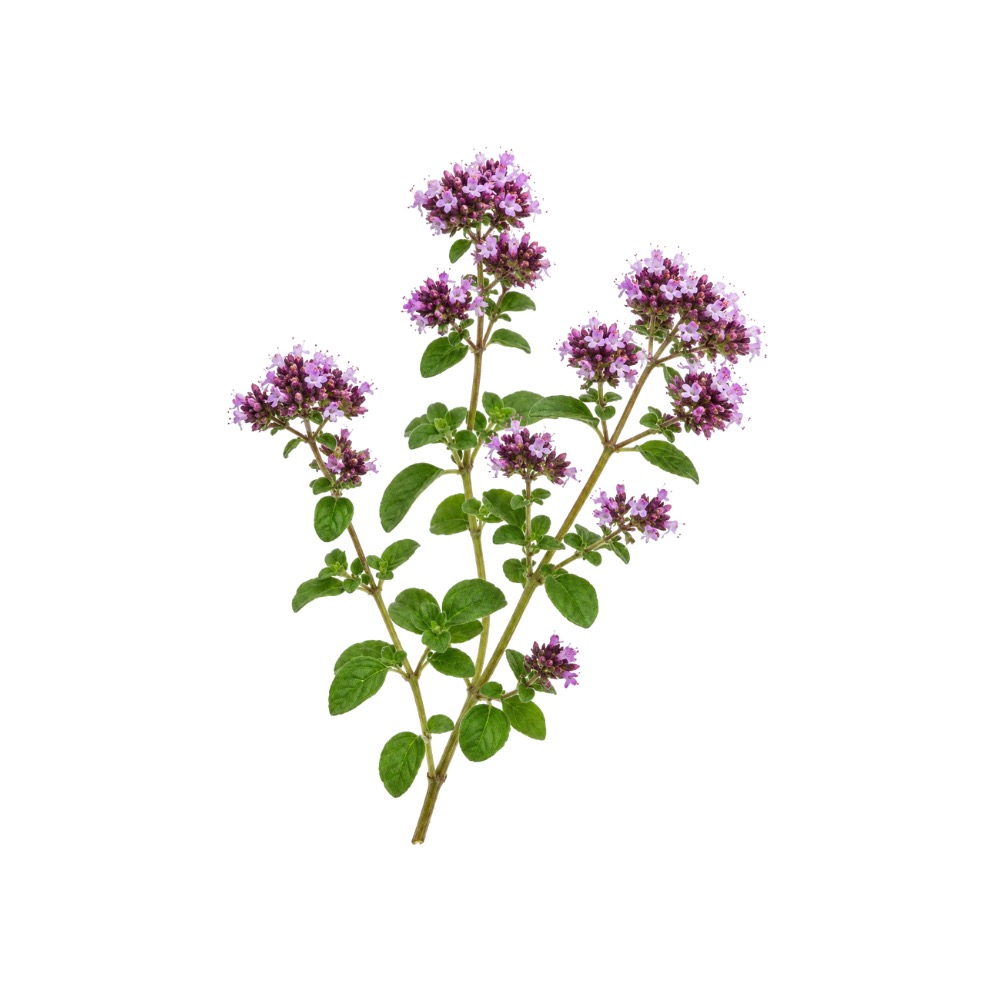 PotentPotentOreganoOriganum vulgareCarvacrol, the dominant phenol of the essential oil, partitions into microbial membranes and collapses their ion and pH gradients; the oil is one of the most potent broad-spectrum antimicrobials measured in the plant kingdom, active against bacteria, Candida and enteric parasites.Mechanismmembrane permeabilisation by carvacrol's free phenolic hydroxyl; dissipation of membrane potential and pH gradient → ion/ATP leakage; fungal virulence-factor (lipase, phospholipase, biofilm) suppressionRead the evidenceShow lessMonograph →
Carvacrol’s free phenolic hydroxyl group and hydrophobicity let it partition into the microbial membrane, raising permeability and collapsing the membrane potential and pH gradient so the cell loses ions and ATP 125Reference 125In vitroThe antibacterial mechanism of carvacrol and thymol against Escherichia coli — in vitroView study →. That single mechanism drives all three arms of the activity.
Against bacteria the oil gives MICs of about 0.05–5 µL/mL against Listeria, Salmonella, E. coli O157:H7 and S. aureus, with Gram-negatives slightly less susceptible 126,
In 14 adults, 600 mg/day of emulsified oil for 6 weeks cleared Entamoeba hartmanni, Endolimax nana and most Blastocystis hominis carriage 130Reference 130Clinical trialInhibition of enteric parasites by emulsified oil of oregano in vivo — clinical trialView study →.
The human data are a topical wound RCT, in which 19% of wounds under a 3% oregano-extract ointment cultured S. aureus against 41% under petrolatum 131Reference 131RCTOregano extract ointment for wound healing: a randomized, double-blind, petrolatum-controlled studyView study →, and the uncontrolled, unblinded and unreplicated parasite study 130Reference 130Clinical trialInhibition of enteric parasites by emulsified oil of oregano in vivo — clinical trialView study →. The rating describes effect strength in the assay rather than clinical proof.
The activity belongs to the oil. Tea, tincture and culinary use deliver nothing like these concentrations, and the active article is the carvacrol-dominant chemotype (about 56–83% of the oil); thymol- and linalool-dominant O. vulgare oils are chemically different products 132,
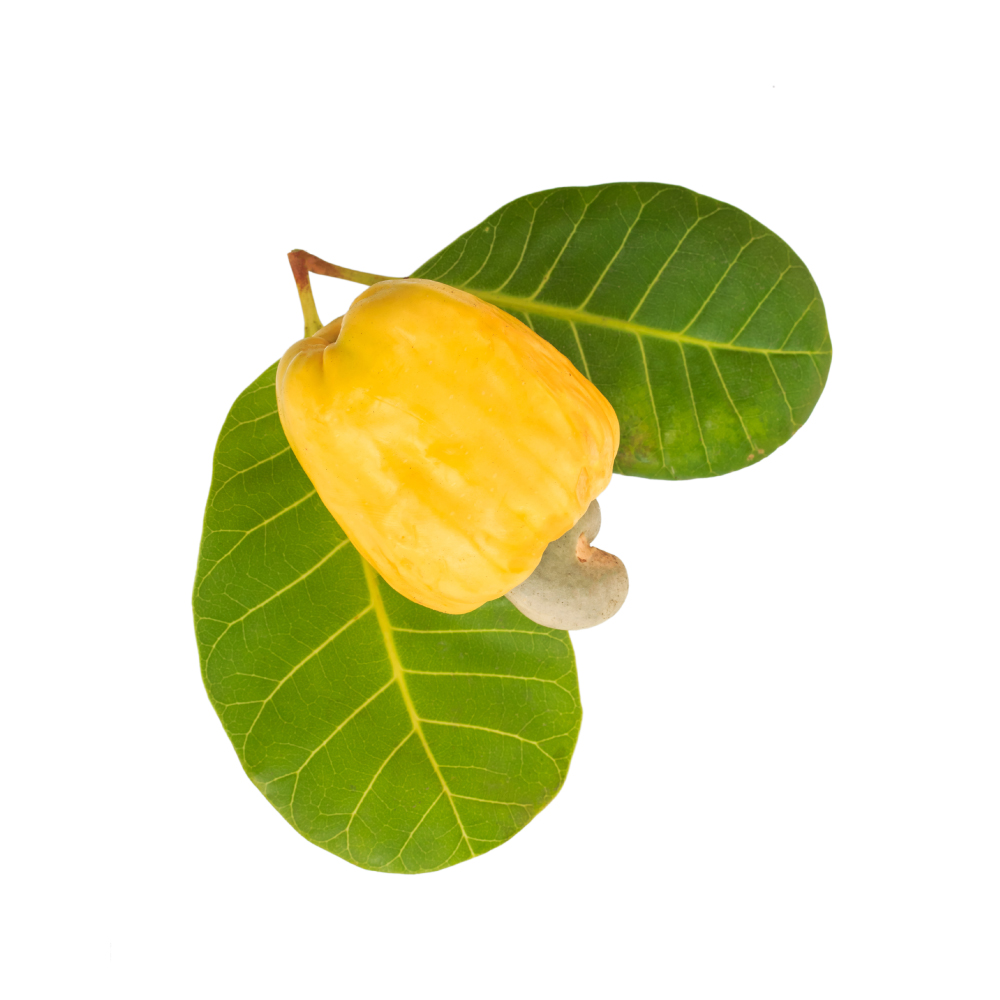 StrongStrongCashewAnacardium occidentaleAn ethanol extract used as an oral rinse matched or beat povidone-iodine against MRSA, E. faecalis, S. mutans and C. albicans in vitro, and a cashew mouthwash controlled plaque and gingivitis in a randomised trial; the activity is attributed to anacardic acids.Mechanismnot established; activity attributed to anacardic acid content, no microbial target identifiedRead the evidenceShow lessMonograph →
An ethanol extract tested as an oral rinse was active against Enterococcus faecalis, Staphylococcus aureus, Streptococcus mutans, Escherichia coli, Candida albicans and MRSA, at a level equal to or greater than the povidone-iodine rinses in current use 41Reference 41In vitroIn vitro antimicrobial and cytotoxic effects of Anacardium occidentale and Mangifera indica in oral care — in vitroView study →. The fruit also inhibits Helicobacter pylori 42Reference 42The Healing Power of Rainforest Herbs: A Guide to Understanding and Using Herbal Medicinals, and leaf extract is antifungal against Candida albicans 43Reference 43In vitroUnmasking the antifungal activity of Anacardium occidentale leaf extract against Candida albicans — in vitroView study →.
A mouthwash containing A. occidentale controlled plaque and gingivitis in a randomised controlled trial 44Reference 44RCTClinical effect of a mouthwash containing Anacardium occidentale on plaque and gingivitis control — randomised controlled trialView study →, the one human antimicrobial result on the herb, and a topical one.
Every other result is in vitro. The pseudo-fruit was used for the H. pylori and cosmetic work, and the plant part behind the oral-rinse extract 41Reference 41In vitroIn vitro antimicrobial and cytotoxic effects of Anacardium occidentale and Mangifera indica in oral care — in vitroView study → is not stated, so it should not be assumed to be the bark or leaf tea.
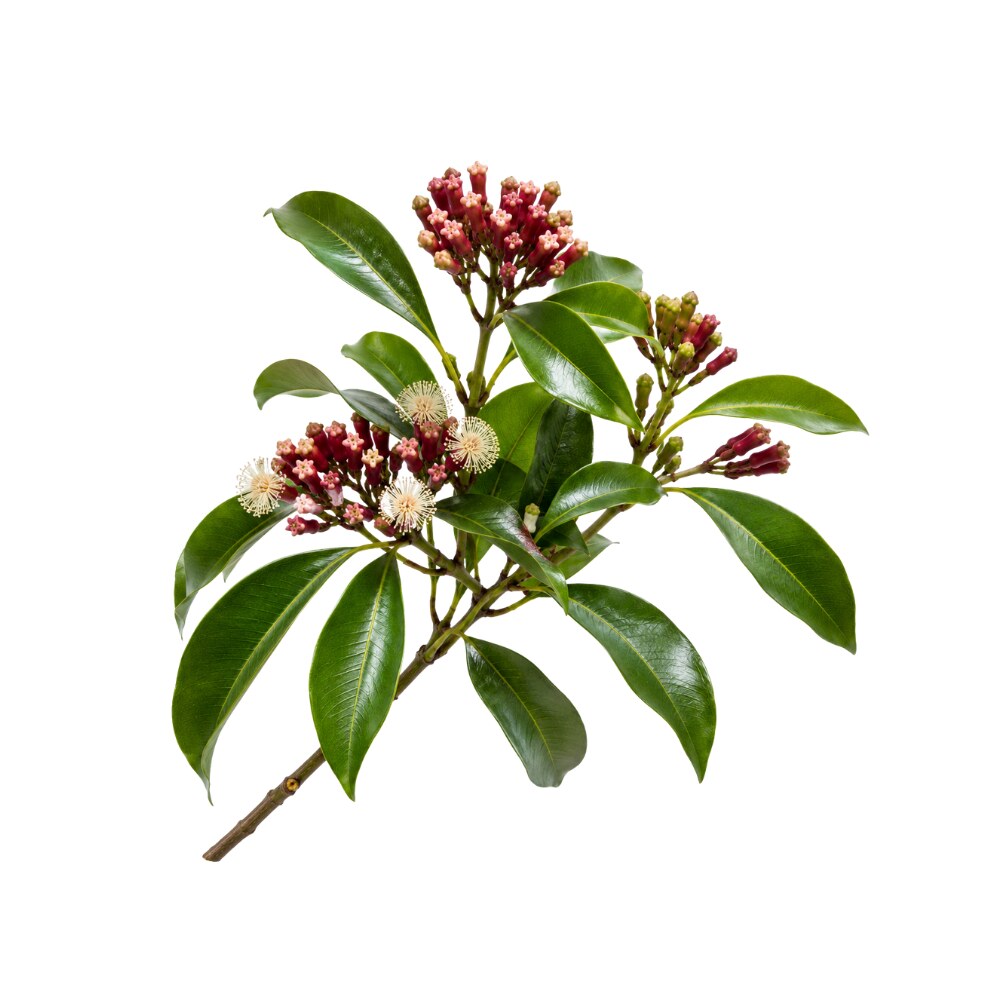 StrongStrongCloveSyzygium aromaticumClove oil and eugenol are consistently potent across many bacterial species in vitro, working by membrane disruption rather than against a specific target.Mechanismmicrobial membrane disruption (eugenol); no single molecular targetRead the evidenceShow lessMonograph →
The oil and eugenol show consistent, well-replicated in-vitro potency across many bacterial species. The route is membrane disruption rather than a specific target, which is why the spectrum is broad.
Clove oil is among the more reliably active essential oils in this assay class.
It is capped below potent by the gap that limits every herbal antimicrobial: there is no human infection trial, and the concentrations that clear organisms on a plate are not what systemic dosing delivers. The oil is irritant at antimicrobial concentrations, which rules out internal antiseptic use.
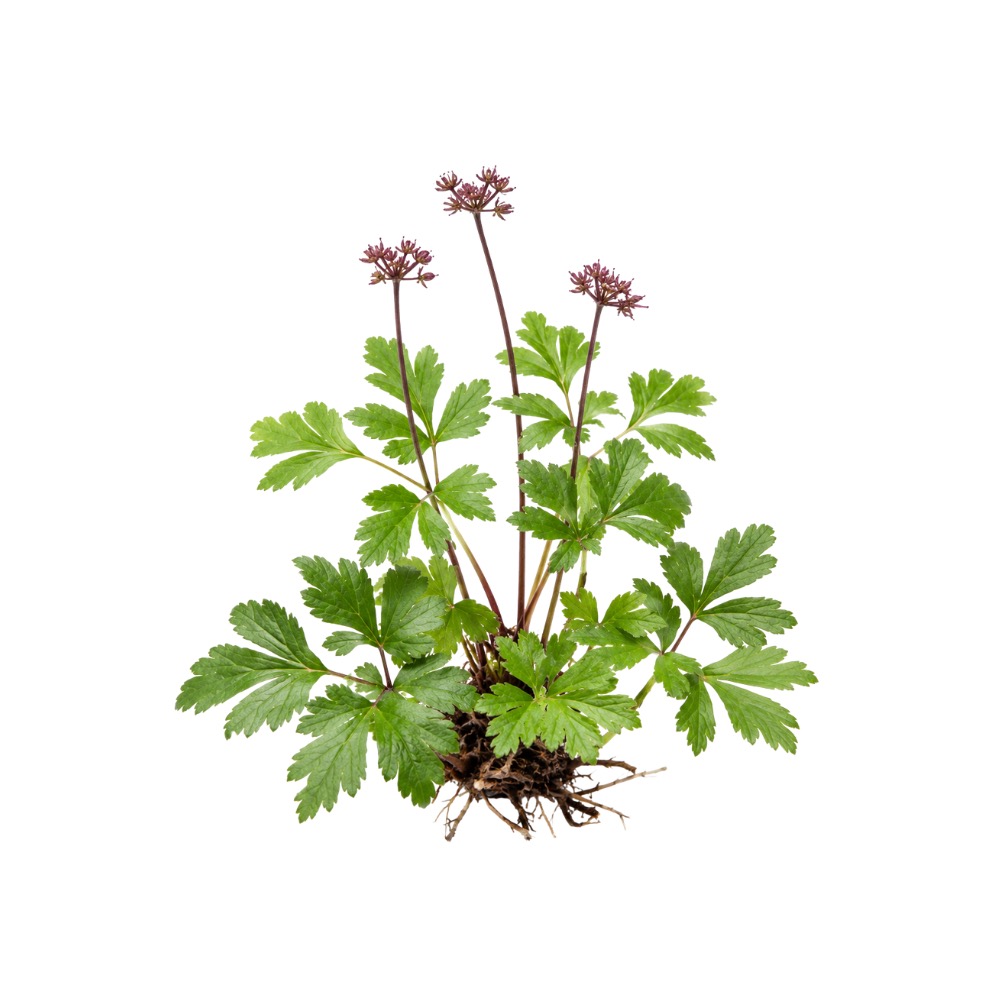 StrongStrongCoptisCoptis chinensisWhole rhizome extract inhibits Helicobacter pylori urease more strongly than purified berberine, and isolated berberine salts shorten bacterial diarrhoea in controlled trials; a contact antimicrobial for the stomach and gut, which is how the herb is used.Mechanismbacterial urease inhibition; bacterial membrane disruption; enterocyte secretion ↓ (antisecretory)Read the evidenceShow lessMonograph →
Whole Rhizoma Coptidis extract inhibited Helicobacter pylori urease more potently than purified berberine, an effect attributed to the total alkaloid fraction rather than berberine alone 50Reference 50In vitroComparison of Helicobacter pylori urease inhibition by Rhizoma Coptidis, Cortex Phellodendri and berberine — in vitroView study →. The minor alkaloids carry independent activity: epiberberine inhibited H. pylori and reduced gastric inflammation in vitro and in mice by suppressing urease expression 51Reference 51In vitroEpiberberine inhibits Helicobacter pylori and reduces host apoptosis and inflammatory damage by down-regulating urease expression — in vitro and mouse modelView study →, and palmatine and coptisine show similar anti-urease action.
The human evidence is for isolated berberine salts. A controlled trial in 165 adults found a single 400 mg dose of berberine sulfate significantly cut stool volume in enterotoxigenic E. coli diarrhoea, with only a slight effect in cholera 52Reference 52RCTRandomised controlled trial of berberine sulfate therapy for diarrhoea due to enterotoxigenic Escherichia coli and Vibrio cholerae — randomised controlled trialView study →, and a randomised double-blind placebo-controlled trial (n=132) found 400 mg/day berberine hydrochloride reduced diarrhoea, abdominal pain and urgency in diarrhoea-predominant IBS 53Reference 53RCTA randomised clinical trial of berberine hydrochloride in patients with diarrhoea-predominant irritable bowel syndrome — randomised, double-blind, placebo-controlled trialView study →.
This matches how the herb is used, orally for dysentery and damp-heat diarrhoea. The whole-rhizome data are in vitro and mouse only, and the in-vitro concentrations are not reached systemically by oral dosing, so the site of action is the gut lumen and gastric mucosa, where the herb meets the organism.
Part of the diarrhoea benefit is antisecretory rather than antibacterial.
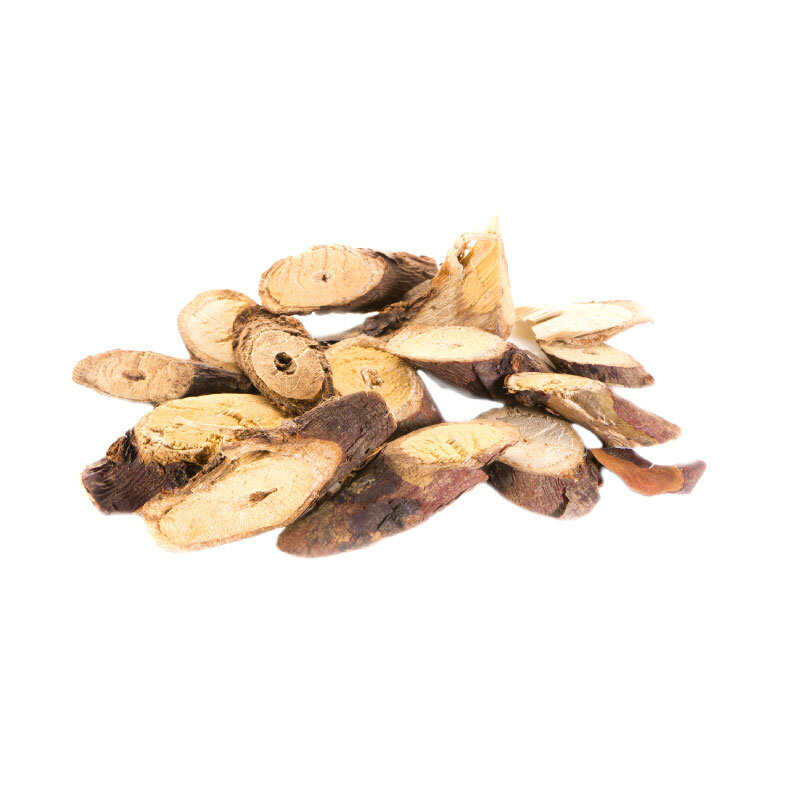 StrongStrongCryptolepisCryptolepis sanguinolentaThe West African antimalarial root, whose alkaloid cryptolepine kills bacteria outright by membrane disruption plus DNA intercalation.Mechanismmembrane disruption/lysis; DNA intercalation and topoisomerase II inhibition (cryptolepine, cryptoheptine)Read the evidenceShow lessMonograph →
This is the action West African practitioners actually reach for. Root fractions inhibit a wide gram-positive and gram-negative panel — the chloroform fraction inhibited every test organism and was the only truly bactericidal one, while the water fraction managed around three-quarters to seven-eighths.
Isolated cryptolepine and neocryptolepine hit enteric and diarrhoeal pathogens including Shigella, Salmonella, Vibrio cholerae and Campylobacter, and cryptolepine kills S. aureus by membrane disruption together with DNA intercalation. Neocryptolepine is more bacteriostatic than bactericidal.
Two spurs sit under the same heading. Cryptolepine hydrochloride is potently antimycobacterial, the aqueous root extract was the most active of seven Ghanaian plants against M. ulcerans, and methanolic root extract hits both pan-sensitive and rifampicin-resistant M. tuberculosis.
Against Borrelia burgdorferi it was among the two most active botanicals tested on both growing and stationary-phase spirochetes.
By strain count the breadth is the widest of any herb tested for this action, and it is almost entirely in vitro.
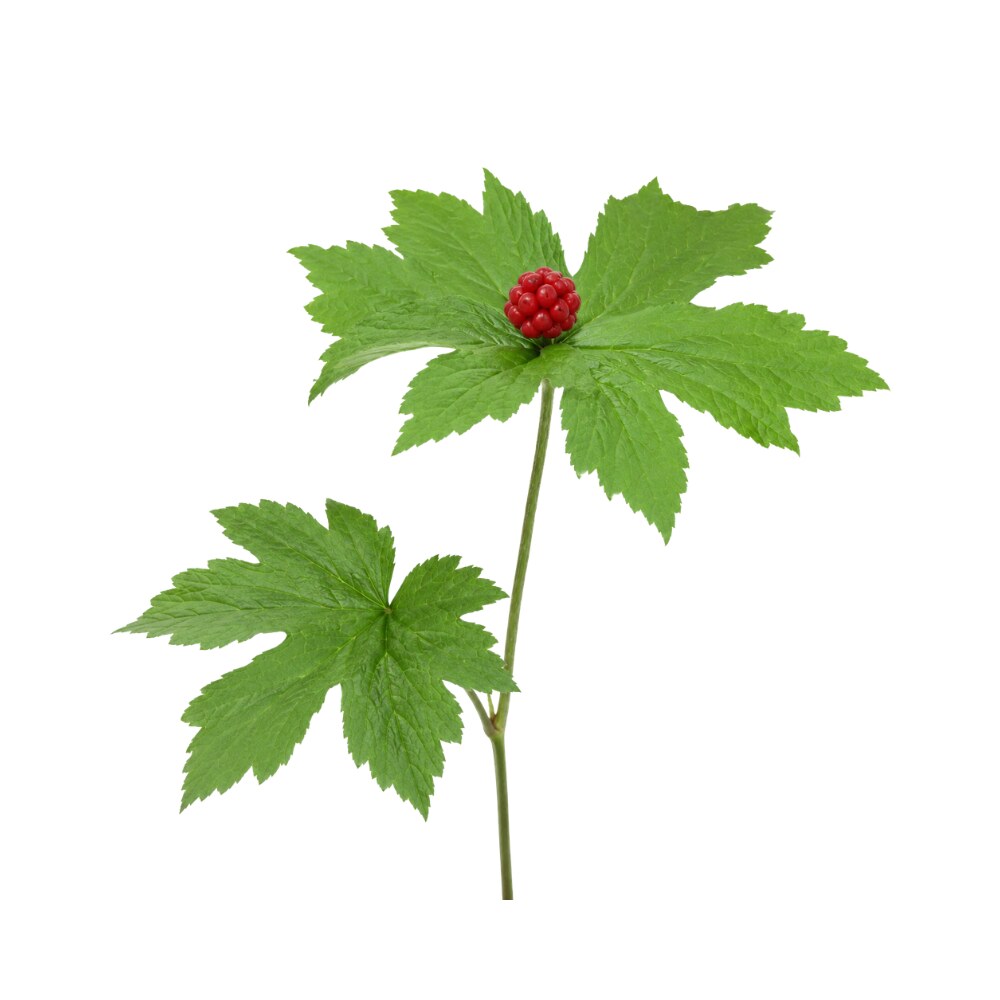 StrongStrongGoldensealHydrastis canadensisBerberine and its companion alkaloids are directly bactericidal in vitro, and the root's C-methyl flavonoids block the efflux pumps that expel berberine, so whole extract beats pure berberine against MRSA; a contact antimicrobial for the gut and mucosal surfaces.Mechanismberberine membrane disruption + DNA/topoisomerase binding; bacterial efflux-pump (NorA) inhibition by C-methyl flavonoids; quorum quenchingRead the evidenceShow lessMonograph →
The isolated alkaloids (berberine, β-hydrastine, canadine, canadaline) are directly bactericidal against Staphylococcus aureus, Streptococcus, E. coli and Pseudomonas 82Reference 82In vitroAntibacterial activity of Hydrastis canadensis extract and its major isolated alkaloids — in vitroView study →, and against H. pylori at MIC50 12.5–50 µg/mL across 15 strains 83Reference 83In vitroIn vitro susceptibility of Helicobacter pylori to isoquinoline alkaloids from Sanguinaria canadensis and Hydrastis canadensis — in vitroView study →; a broader screen confirmed activity against H. pylori and Campylobacter jejuni 84Reference 84In vitroInvestigations into the antibacterial activities of phytotherapeutics against Helicobacter pylori and Campylobacter jejuni — in vitroView study →.
The whole extract shows synergy of its own. The C-methyl flavonoids sideroxylin and 8-desmethyl-sideroxylin have no antibacterial action alone but inhibit the NorA efflux pumps that expel berberine, so whole extract beats pure berberine against MRSA (MIC 75 vs 150 µg/mL), with anti-virulence quorum quenching alongside 85,
Synergy-directed fractionation and biochemometrics identified those synergists specifically 88,
Antifungal and antiviral activity extend the same alkaloid mechanism: anti-Candida synergy including fluconazole-resistant strains 90,
Every study is in vitro and there is no clinical trial for any indication. Berberine’s bioavailability limits the site of action to the gut lumen and mucosal surfaces, and the published “berberine” clinical data use isolated high-dose berberine and do not transfer to goldenseal root 94Reference 94ReviewGoldenseal (Hydrastis canadensis L.) and its active constituents: a critical review of their efficacy and toxicological issues — reviewView study →.
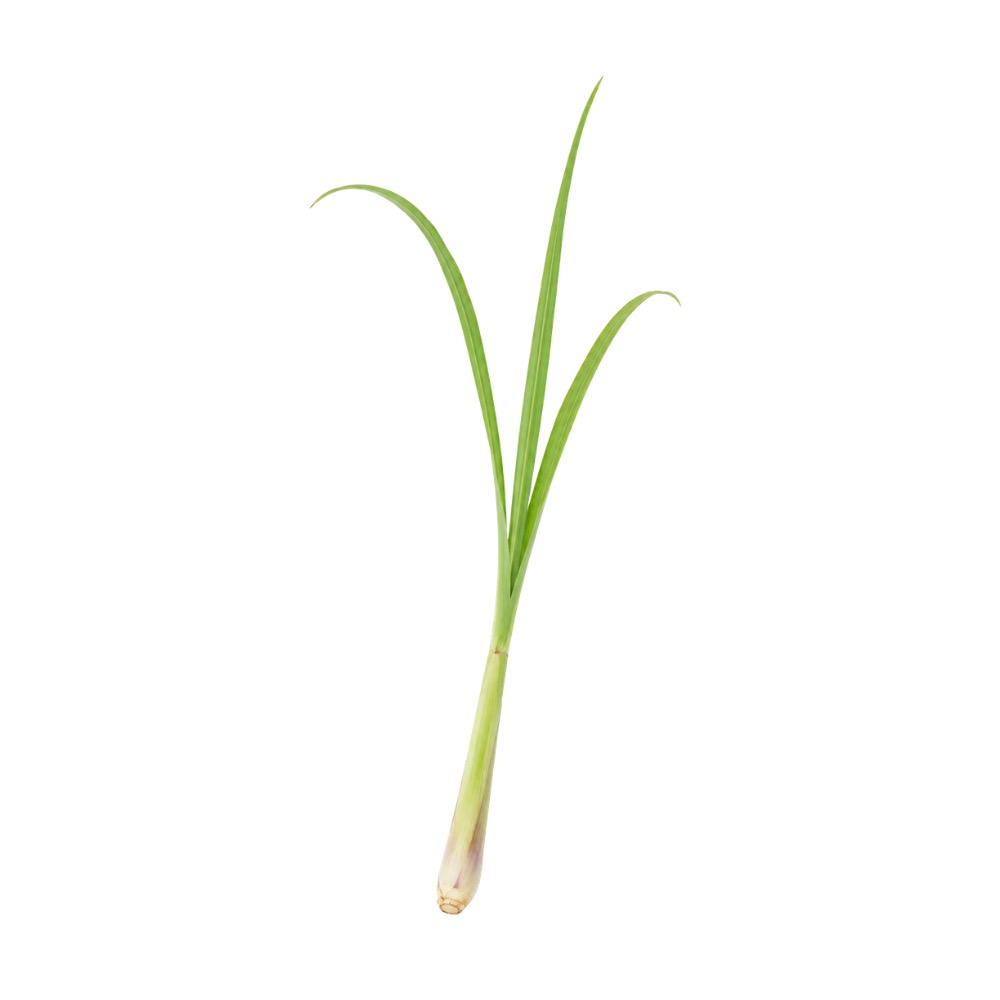 StrongStrongLemongrassCymbopogon citratusCitral, about 65–85% of the essential oil, permeabilises bacterial and fungal membranes, giving broad activity against bacteria, dermatophytes, yeasts and Candida biofilms in vitro; the oil carries it, not the tea.Mechanismcitral-induced membrane permeabilisation; fungal ergosterol/membrane interference; biofilm matrix disruptionRead the evidenceShow lessMonograph →
Steam-distilled oil dominated by citral (the geranial/neral pair) inhibits a wide panel of Gram-positive and Gram-negative bacteria, dermatophytes and yeasts in vitro, with vapour-phase activity against Aspergillus and Candida 106,
The route is physical. The lipophilic aldehyde partitions into and permeabilises the microbial membrane, which is why the spectrum is broad and resistance unlikely.
Every efficacy figure is a broth or agar MIC at concentrations far above what an infusion delivers. Human data exist only for topical and oral-cavity use, in periodontal mouthwashes and gels, never for systemic infection.
The membrane action is not selective: the oil, citral and geraniol are cytotoxic to normal human leukocytes and damage erythrocyte membranes at higher concentrations 110Reference 110In vitroCytotoxicity of Cymbopogon citratus fractions, essential oil, citral and geraniol in human leukocytes and erythrocytes — in vitroView study →.
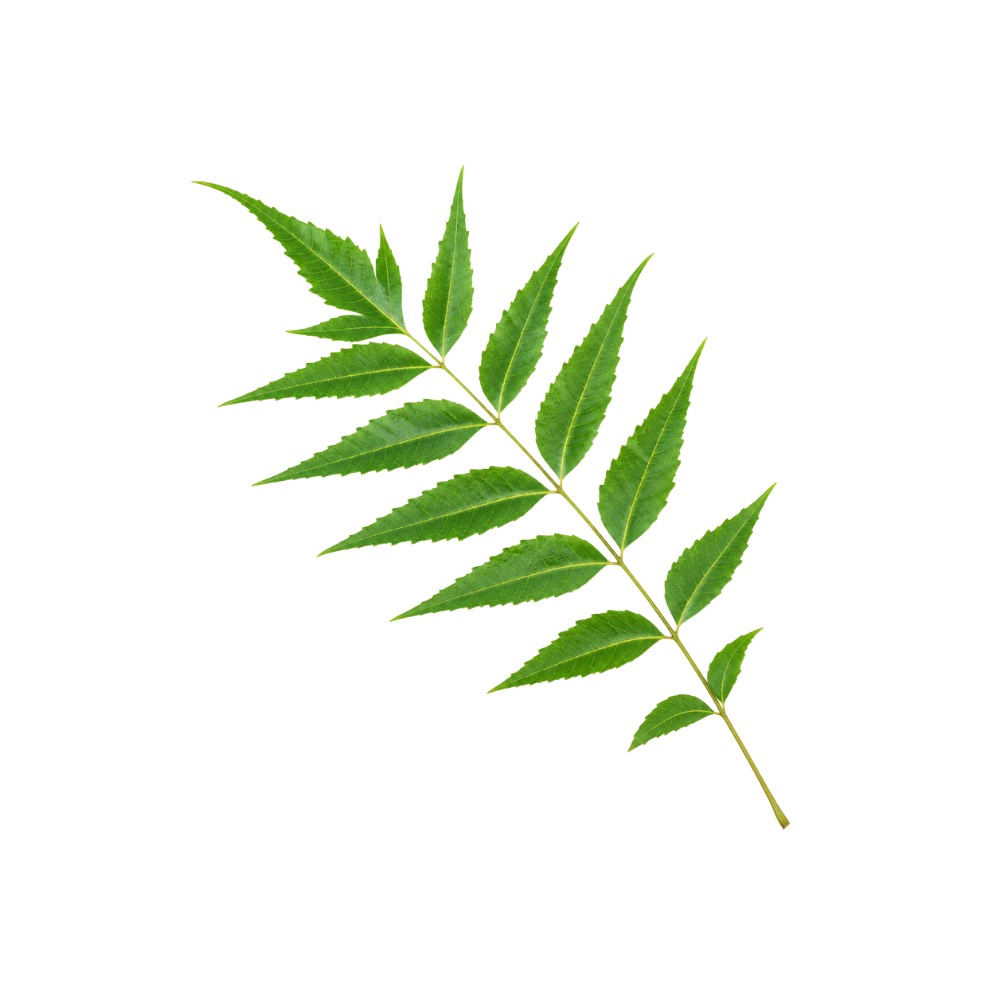 StrongStrongNeemAzadirachta indicaNeem mouthrinse, toothpaste and gel match chlorhexidine on plaque and gingivitis in randomised trials, backed by broad in-vitro inhibition of oral bacteria attributed to nimbidin and the limonoid fraction; the human evidence is for the mouth.Mechanismbacterial membrane disruption (limonoid/sulfurous fraction); oral-biofilm/plaque suppressionRead the evidenceShow lessMonograph →
A systematic review of three RCTs found neem mouthrinse improved plaque and gingival indices about as well as chlorhexidine, though the trials were too heterogeneous to pool 114Reference 114Systematic reviewEffectiveness of Azadirachta indica (neem) mouthrinse in plaque and gingivitis control — systematic reviewView study →. A double-blind trial of neem toothpaste cut plaque and gingival scores against control 115Reference 115RCTEffect of neem-containing toothpaste on plaque and gingivitis — a randomized double-blind clinical trialView study →, a double-blind crossover trial found a 2% aqueous-leaf-extract mouthwash statistically indistinguishable from 0.2% chlorhexidine 116Reference 116RCTComparative evaluation of neem mouthwash on plaque and gingivitis — a double-blind crossover randomized controlled trialView study →, and a neem gel matched chlorhexidine gel on both plaque and microbial counts 117Reference 117RCTMicrobiological and clinical evaluation of neem gel and chlorhexidine gel on dental plaque and gingivitis — randomized clinical trialView study →.
A 2026 systematic review of traditional oral-hygiene practices reached the same cautious conclusion 118Reference 118Systematic reviewTraditional oral hygiene practices and their effectiveness — a systematic reviewView study →.
The mechanism rests on broad in-vitro inhibition of oral and enteric bacteria attributed to nimbidin and the sulfurous and limonoid fraction 119,
Outside the mouth the evidence is disc-diffusion and MIC work on extracts of variable composition, with MICs often far above plausible tissue concentrations from oral dosing 119Reference 119In vitroAntibacterial property of Azadirachta indica against oral pathogens — in vitro studyView study →. There is no human evidence of a systemic antibacterial effect, and the antifungal and antiviral claims are review-level catalogue entries 120Reference 120ReviewA comprehensive review of phytochemical profile and pharmacological attributes of Azadirachta indica — reviewView study →.
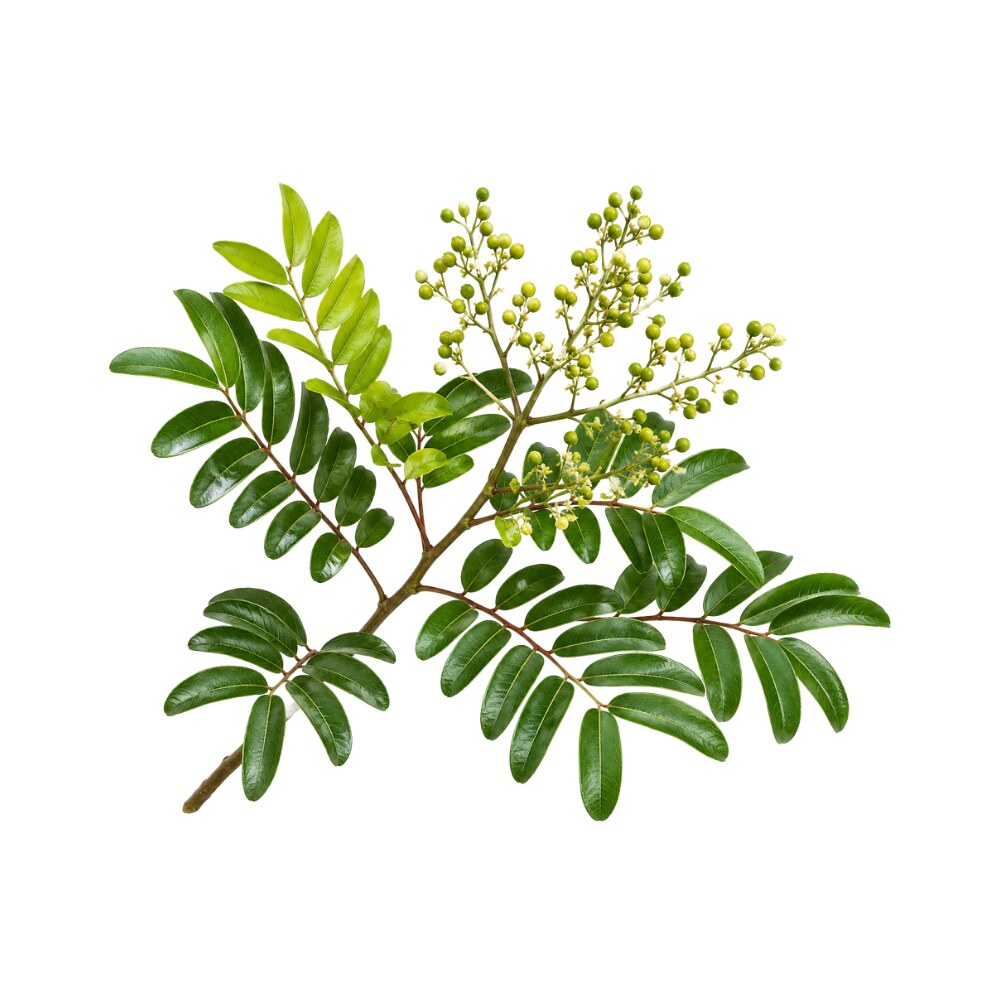 StrongStrongSimaroubaSimarouba amaraThe quassinoids kill Plasmodium and Entamoeba by inhibiting protein synthesis at the ribosome, a route that works against chloroquine-resistant malaria; an antiprotozoal bark with only a thin antibacterial signal.Mechanismribosomal protein-synthesis inhibition by quassinoids; amoebic/plasmodial trophozoite killRead the evidenceShow lessMonograph →
Its quassinoids (ailanthinone, glaucarubinone, 2’-acetylglaucarubinone, holacanthone and simalikalactone D) kill Plasmodium falciparum by rapidly inhibiting parasite protein synthesis at the ribosome, a route shared with anisomycin and unrelated to the quinoline drugs, so activity is undiminished against chloroquine-resistant strains 159,
Purified, the effect is potent, with complete in-vitro inhibition at 0.005 µg/mL for simalikalactone D 161Reference 161In vitroAntimalarial activity of quassinoids against chloroquine-resistant Plasmodium falciparum in vitroView study →, and it replicates: S. amara fruit extract inhibited P. falciparum in vitro and P. berghei in mice 162Reference 162In vitroPlants as sources of antimalarial drugs, Part 6: activities of Simarouba amara fruits — in vitro and mouse in vivoView study →, and stem extract killed Entamoeba histolytica in vitro with the activity concentrated in the quassinoid fractions 163Reference 163In vitroUse of microdilution to assess in vitro antiamoebic activities of Brucea javanica fruits, Simarouba amara stem, and quassinoidsView study →. The class extends to Giardia and Toxoplasma, with less selectivity than against Plasmodium 164Reference 164In vitroQuassinoids exhibit greater selectivity against Plasmodium falciparum than against Entamoeba histolytica, Giardia intestinalis or Toxoplasma gondii in vitroView study →.
Protein-synthesis inhibition is not selective. The same route makes these molecules cytotoxic to host cells, and in mice glaucarubinone only retarded malaria mortality before its own toxicity precluded further use 165Reference 165AnimalTherapeutic trials of experimental murine malaria with the quassinoid glaucarubinone — mouse studyView study →.
The antibacterial evidence is thin. In the Guatemalan enterobacteria screen the active Simarouba was S. glauca, not S. amara 166Reference 166In vitroPlants used in Guatemala for the treatment of gastrointestinal disordersView study →, leaving reduced enterotoxigenic E. coli burden in one mouse model 167Reference 167AnimalMolecular mechanism of Escherichia coli H10407-induced diarrhoea and its control through immunomodulatory action of bioactives from Simarouba amara (Aubl.) — mouse in vivoView study → as the only direct antibacterial signal.
There is no human trial of any kind.
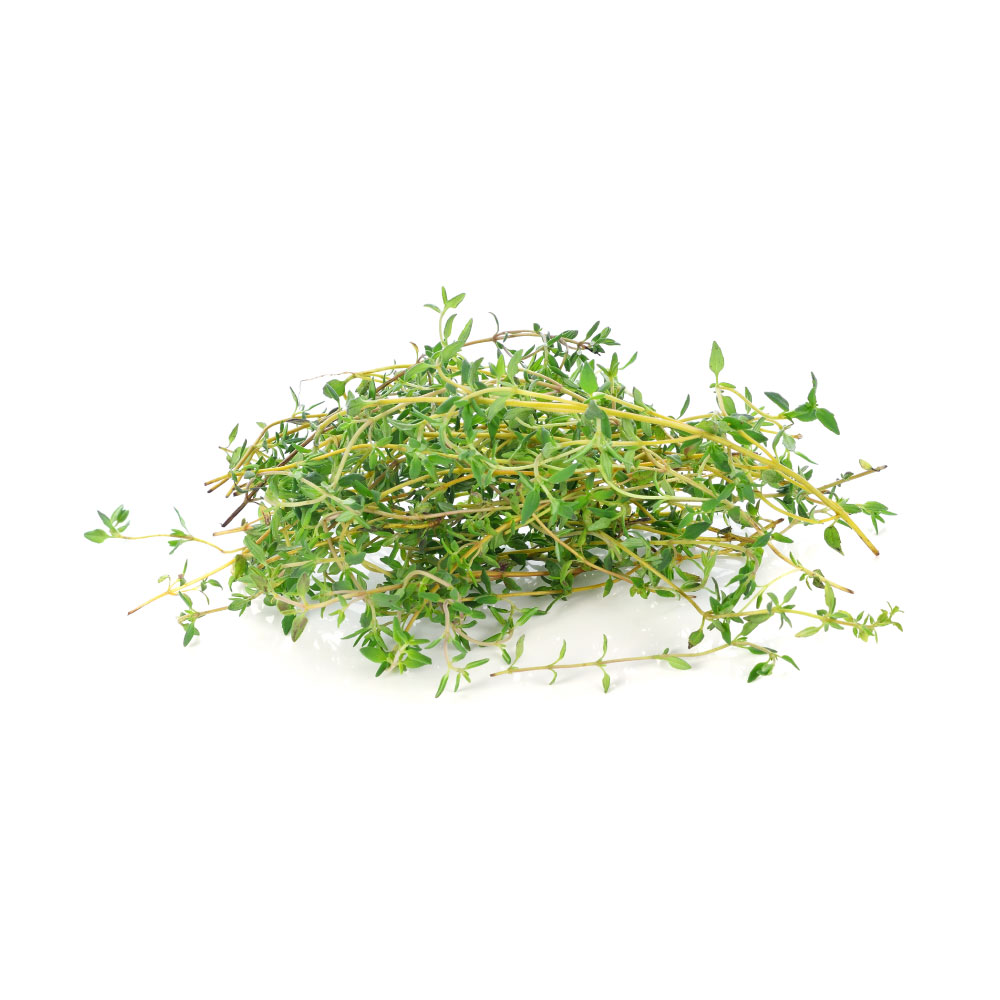 StrongStrongThymeThymus vulgarisThymol and carvacrol disrupt bacterial and fungal membranes with broad activity across the genus, and carvacrol with quercetin cuts Candida biofilm by about 80% at sub-inhibitory concentrations; the red thymol chemotypes carry the effect.Mechanismphenolic membrane disruption / permeability loss (thymol, carvacrol); biofilm-matrix disruption (carvacrol–quercetin synergy); fungal membrane disruption + oxidative stressRead the evidenceShow lessMonograph →
Thymol and carvacrol disrupt bacterial membranes with broad Gram-positive and Gram-negative activity across the genus 174Reference 174ReviewPlants belonging to the genus Thymus as antibacterial agents: from farm to pharmacy — reviewView study →. Carvacrol acts synergistically with quercetin to cut Candida albicans biofilm biomass by roughly 80% at sub-inhibitory concentrations 175Reference 175In vitroQuercetin and carvacrol act synergistically to inhibit Candida albicans biofilms in vitro via membrane disruption and oxidative stressView study →, and thyme enrichment suppressed spoilage organisms in a fermented dairy matrix 176Reference 176In vitroFunctional enhancement of fermented dairy-based tarhana with Thymus vulgaris: phytochemical characterisation and in vitro antioxidant/antidiabetic potentialView study →.
Every one of those results is a culture-dish or food-preservation experiment at essential-oil concentrations, while thyme is used clinically as a tea, tincture or diluted gargle. No controlled trial shows thyme clearing a human infection, bacterial or fungal, by any route.
The one human antiseptic dataset, a 2015 meta-analysis showing reduced gingivitis and plaque 177Reference 177Meta-analysisMeta-analysis of the effect of an essential-oil-containing mouthrinse on gingivitis and plaqueView study →, belongs to a four-ingredient thymol, eucalyptol, menthol and methyl-salicylate mouthrinse rather than to Thymus vulgaris.
Chemotype decides the activity. The thymol- and carvacrol-dominant “red” thyme oils carry it; linalool- and geraniol-dominant oils are markedly gentler 178Reference 178ReviewExploring chemical variability in the essential oils of the Thymus genus — thymol, carvacrol, linalool and geraniol chemotypes — reviewView study →.
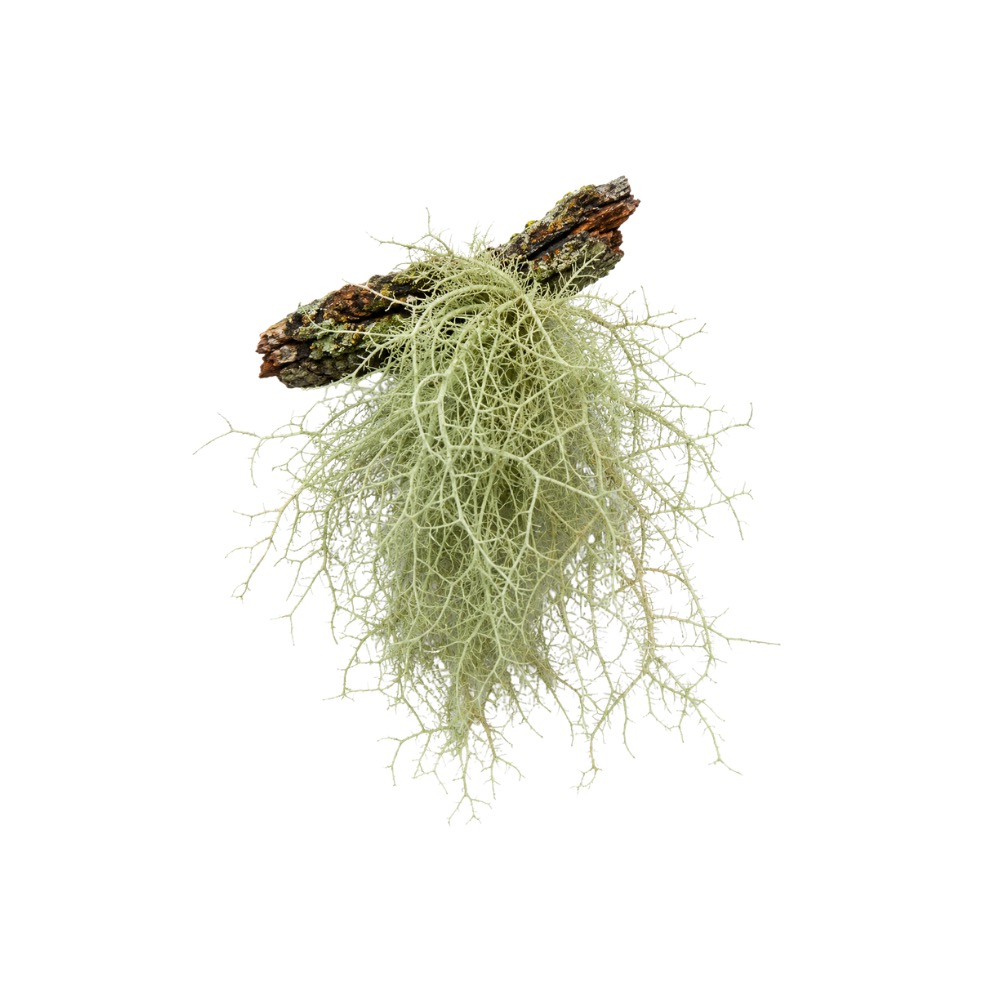 StrongStrongUsneaUsnea spp.Usnic acid uncouples microbial energy metabolism and inhibits susceptible and drug-resistant Mycobacterium tuberculosis in culture, alongside Gram-positive bacteria and yeasts; a strong laboratory antimicrobial with no clinical trial.Mechanismproton-gradient uncoupling / ATP depletion; mycobacterial cell-envelope remodelling; bacterial redox shiftRead the evidenceShow lessMonograph →
Usnic acid inhibits both susceptible and drug-resistant Mycobacterium tuberculosis and non-tuberculous mycobacteria in culture, with no evidence that efflux drives innate resistance 182Reference 182In vitroAntimycobacterial activity of usnic acid against resistant and susceptible strains of Mycobacterium tuberculosis and non-tuberculous mycobacteria — in vitroView study →. Among the lichen depsides, diffractaic acid was the most potent substance tested (MIC about 15.6 µg/mL), ahead of norstictic acid and usnic acid itself 183Reference 183In vitroAntimycobacterial activity of lichen substances — in vitroView study →, and usnic acid measurably remodels the mycobacterial cell envelope and shifts bacterial redox status 184Reference 184In vitroUsnic acid treatment changes the composition of Mycobacterium tuberculosis cell envelope and alters bacterial redox status — in vitro. mSystems. https://pubmed.ncbi.nlm.nih.gov/33947802/View study →.
The breadth covers Gram-positives, yeasts and mycobacteria, from a mechanism with no microbial selectivity. The antimycobacterial concentrations sit near or above those that are hepatotoxic to mammalian cells 182,
There are no human trials of usnea or usnic acid for any infection 185,
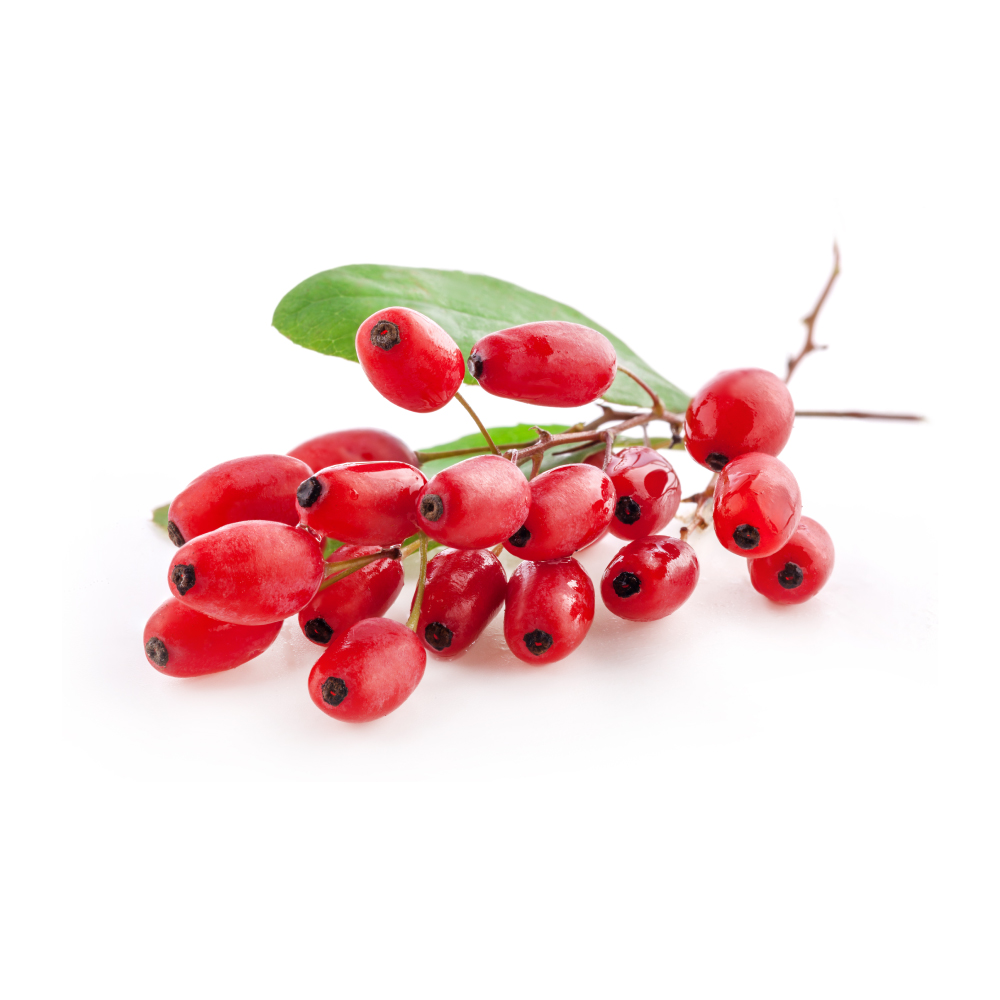 ModerateModerateBarberryBerberis vulgarisBerberine gives reproducible in-vitro activity across gram-positive and gram-negative organisms, and also acts on bacterial adhesion.Mechanismbacterial efflux and adhesion inhibition (berberine); poor oral bioavailability confines the plausible niche to the gut lumenRead the evidenceShow lessMonograph →
Barberry’s headline action is carried by berberine, one of the better-characterised plant antimicrobial alkaloids. Activity is reproducible in vitro across gram-positive and gram-negative organisms, and the alkaloid acts on bacterial adhesion as well as on the organism itself.
The ceiling is pharmacokinetic rather than microbiological. Berberine’s oral bioavailability is poor, so plasma levels sit well below the concentrations that inhibit organisms on a plate.
The plausible clinical niche is the gut lumen rather than systemic infection — which is also where the traditional use sits.
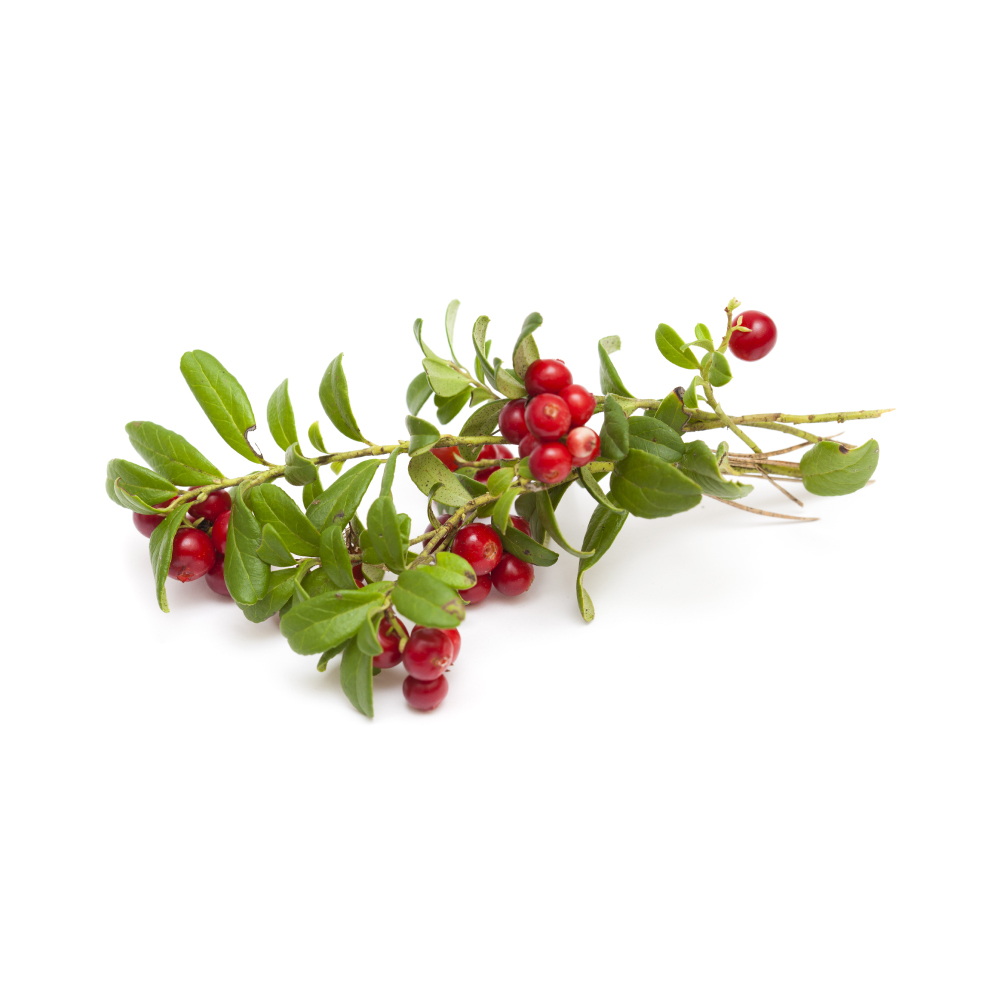 ModerateModerateBearberryArctostaphylos uva-ursiIts arbutin is excreted as free hydroquinone in urine, which is where the antimicrobial effect lands; the leaf also inhibits every tested gonococcal isolate in vitro, and its ellagitannins restore β-lactam activity against MRSA.Mechanismfree hydroquinone bacteriostasis; urease ↓; PBP2a inactivation (β-lactam potentiation)Read the evidenceShow lessMonograph →
Ethanolic leaf extract inhibited all tested Neisseria gonorrhoeae isolates at MIC about 32 µg/mL regardless of antibiotic-resistance profile 32Reference 32In vitroExtracts of Canadian First Nations medicinal plants inhibit Neisseria gonorrhoeae isolates with different antibiotic-resistance profiles — in vitro studyView study →, the leaf is bacteriostatic against Cutibacterium acnes 33Reference 33In vitroIn vitro antibacterial and anti-inflammatory activity of Arctostaphylos uva-ursi leaf extract against Cutibacterium acnes — in vitro studyView study →, and the ellagitannins corilagin and tellimagrandin I markedly potentiate β-lactams against MRSA by inactivating PBP2a 34Reference 34In vitroMechanisms of action of corilagin and tellimagrandin I that potentiate β-lactams against methicillin-resistant Staphylococcus aureus — in vitro studyView study →.
Absorbed hydroquinone is conjugated in the liver and concentrates as free hydroquinone essentially only in urine 35,
The in-vitro results do not describe systemic activity, and the MRSA synergy is a laboratory result with no clinical protocol behind it.
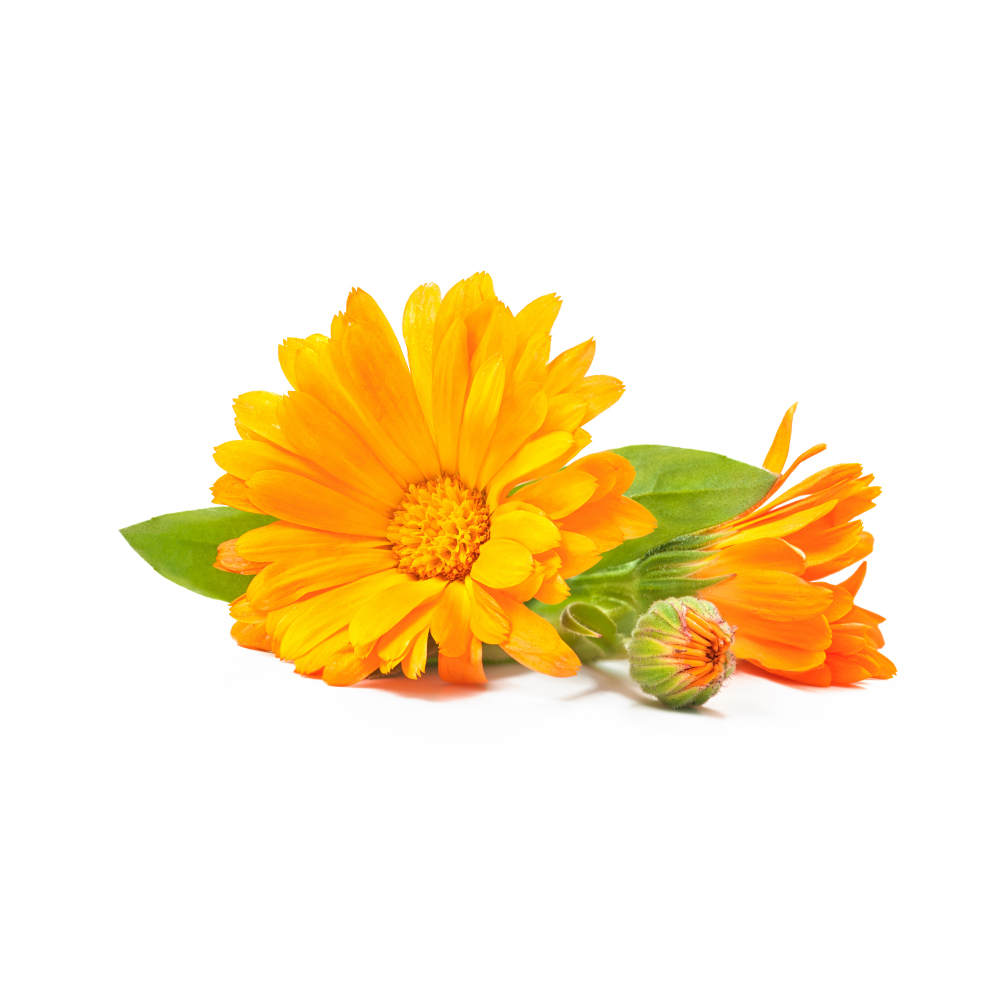 ModerateModerateCalendulaCalendula officinalisA calendula extract cream matched metronidazole for bacterial vaginosis in an 80-woman double-blind trial, while its direct antibacterial potency in vitro is low; the evidence is for one intravaginal preparation.Mechanismbiofilm inhibition (weak, MIC 1.56–50 mg/mL); molecular target not establishedRead the evidenceShow lessMonograph →
In an 80-woman double-blind RCT, a calendula extract cream matched metronidazole for bacterial vaginosis, clearing all symptoms in both arms with no side effects 39Reference 39RCTThe effect of Calendula officinalis versus metronidazole on bacterial vaginosis in women: A double-blind randomized controlled trial — [randomised controlled trial]View study →.
Direct antibacterial potency is low and extract-dependent. A glycolic extract inhibited multidrug-resistant Klebsiella and Pseudomonas biofilms only at 1.56–50 mg/mL, weaker than a chilli-pepper comparator 40Reference 40In vitroEffects of Calendula officinalis and Capsicum annum glycolic extracts on planktonic cells and biofilms of multidrug-resistant strains of Klebsiella pneumoniae and Pseudomonas aeruginosa — [in vitro study]View study →, and several formulation studies rank calendula among the weakest botanicals tested against skin flora.
No molecular antibacterial mechanism has been established.
The positive evidence is one intravaginal cream trial against a standard drug. It does not make calendula a systemic antibacterial or a treatment for an established infection elsewhere.
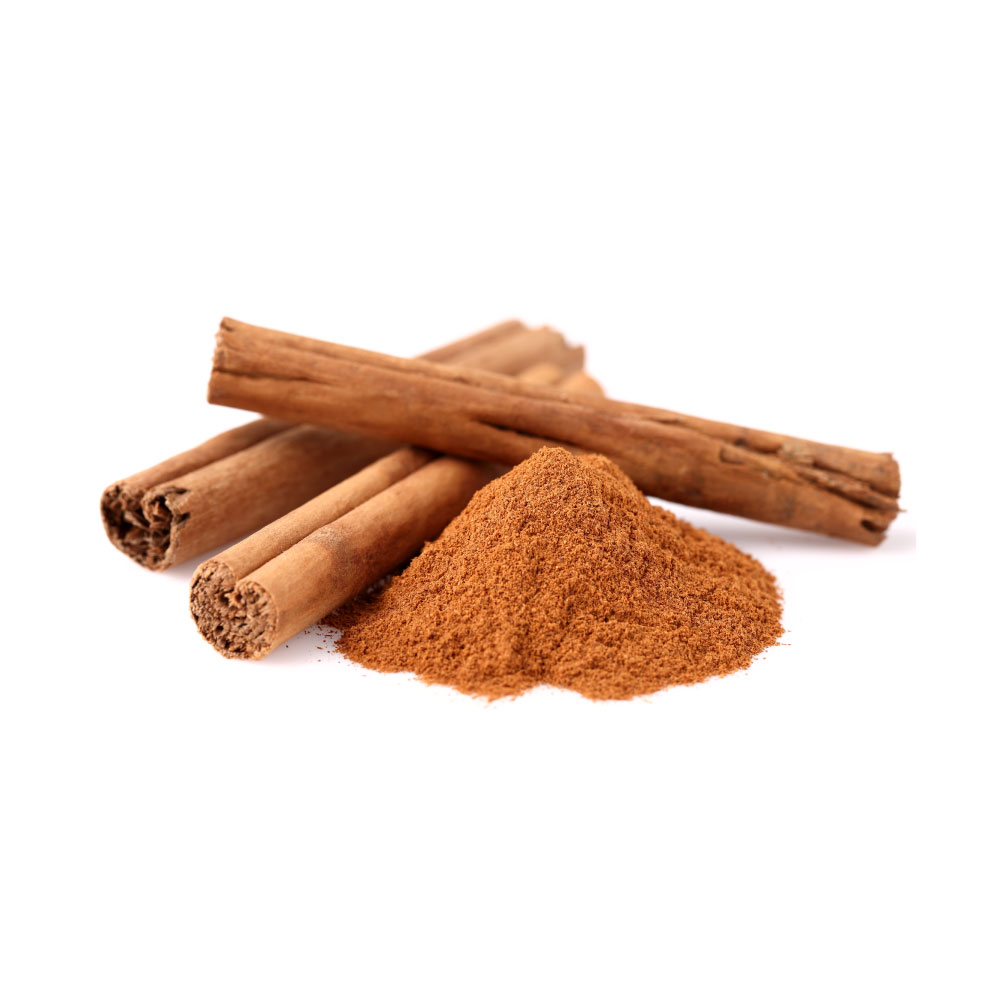 ModerateModerateCassia CinnamonCinnamomum cassiaCinnamaldehyde in the volatile oil disrupts microbial membranes and biofilm, inhibits Helicobacter pylori at 8–16 µg/mL and reduced infection in a mouse gastritis model; the oil carries it, not the bark as swallowed.Mechanismmembrane / biofilm disruption (cinnamaldehyde, eugenol); bacterial energy-metabolism interference; NF-κB ↓ (host IL-8)Read the evidenceShow lessMonograph →
Cinnamon oil and isolated cinnamaldehyde inhibit a broad range of bacteria and fungi in vitro 45Reference 45In vitroAntimicrobial activities of cinnamon oil and cinnamaldehyde from the Chinese medicinal herb Cinnamomum cassia — [in vitro]View study →. Against Helicobacter pylori cinnamaldehyde gives an MIC of 8–16 µg/mL and reduced infection in an acute-gastritis mouse model, apparently by disrupting biofilm and bacterial energy metabolism 46Reference 46In vitroCinnamaldehyde: an effective component of Cinnamomum cassia inhibiting Helicobacter pylori — [in vitro and mouse in vivo]View study →, and in infected gastric cells it blunts the host inflammatory response by suppressing NF-κB-driven IL-8 47Reference 47In vitroAnti-inflammatory effect of cinnamaldehyde in Helicobacter pylori induced gastric inflammation — [in vitro]View study →.
This is the mechanistic basis of cassia’s preservative and digestive traditional use, and as an essential oil it would sit high in the field.
The concentrations used cannot be reached by drinking a bark decoction, concentrated cinnamon oil is a mucous-membrane irritant that should not be taken internally unsupervised, and there are no human eradication trials.
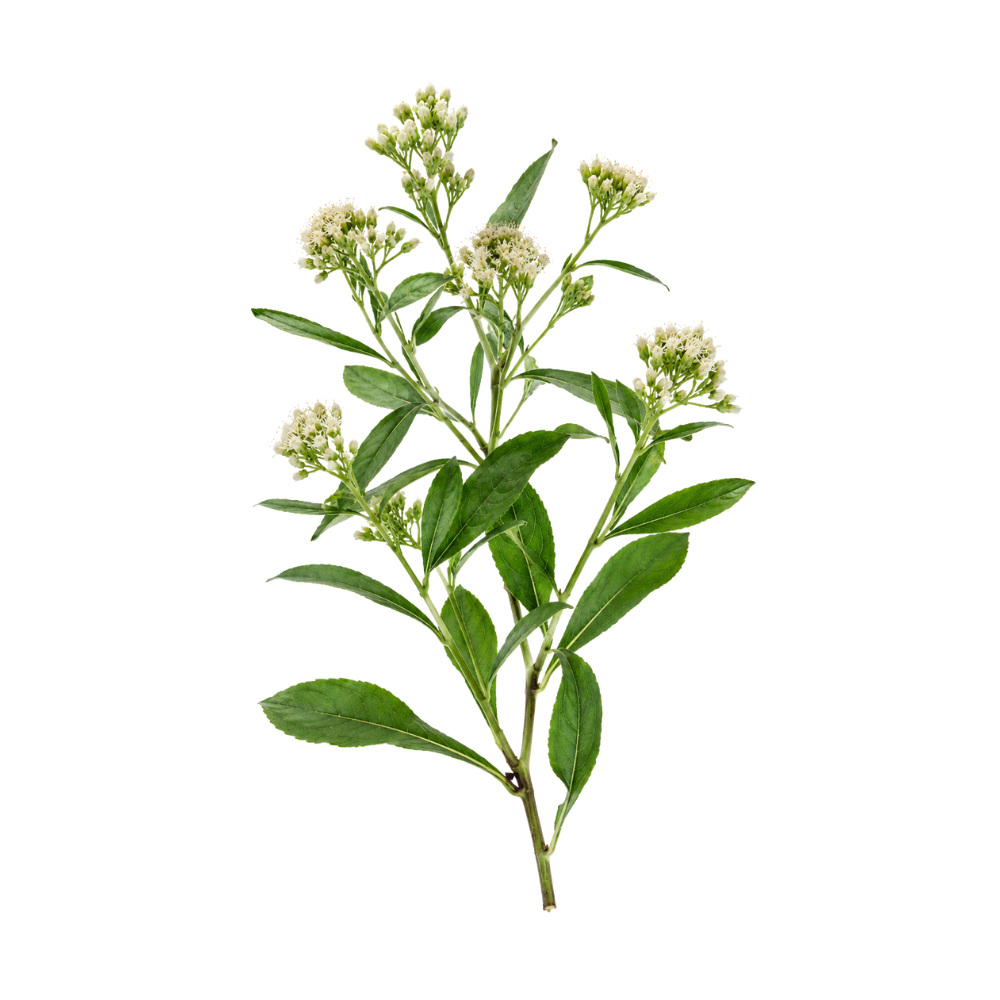 ModerateModerateChilcaBaccharis latifoliaThe limonene-rich leaf oil inhibits the dermatophytes Trichophyton rubrum and T. mentagrophytes at 31–63 µg/mL and Aspergillus fumigatus without cell toxicity; an antifungal oil with weak antibacterial activity.Mechanismmonoterpene membrane activity (limonene-rich essential oil)Read the evidenceShow lessMonograph →
The leaf oil was one of only two of fifteen Asteraceae oils active against Aspergillus fumigatus (MIC about 157 µg/mL) without Vero-cell cytotoxicity, and inhibited the dermatophytes Trichophyton rubrum and T. mentagrophytes at MIC 31–63 µg/mL 48Reference 48Antifungal activity, cytotoxicity and composition of essential oils from the Asteraceae plant familyView study →, a respectable dermatophyte figure for a crude oil.
Antibacterial activity is weak and inconsistent. Against Paenibacillus larvae the oil showed some inhibition but, unlike the comparator oils, did not disrupt the bacterial membrane 49Reference 49Chemical composition, antimicrobial activity and mode of action of essential oils against Paenibacillus larvaeView study →, and other work found it inactive against common Gram-positives and Gram-negatives.
The oil is about 33% limonene with pinenes and sabinene, so the mechanism is generic monoterpene membrane partitioning.
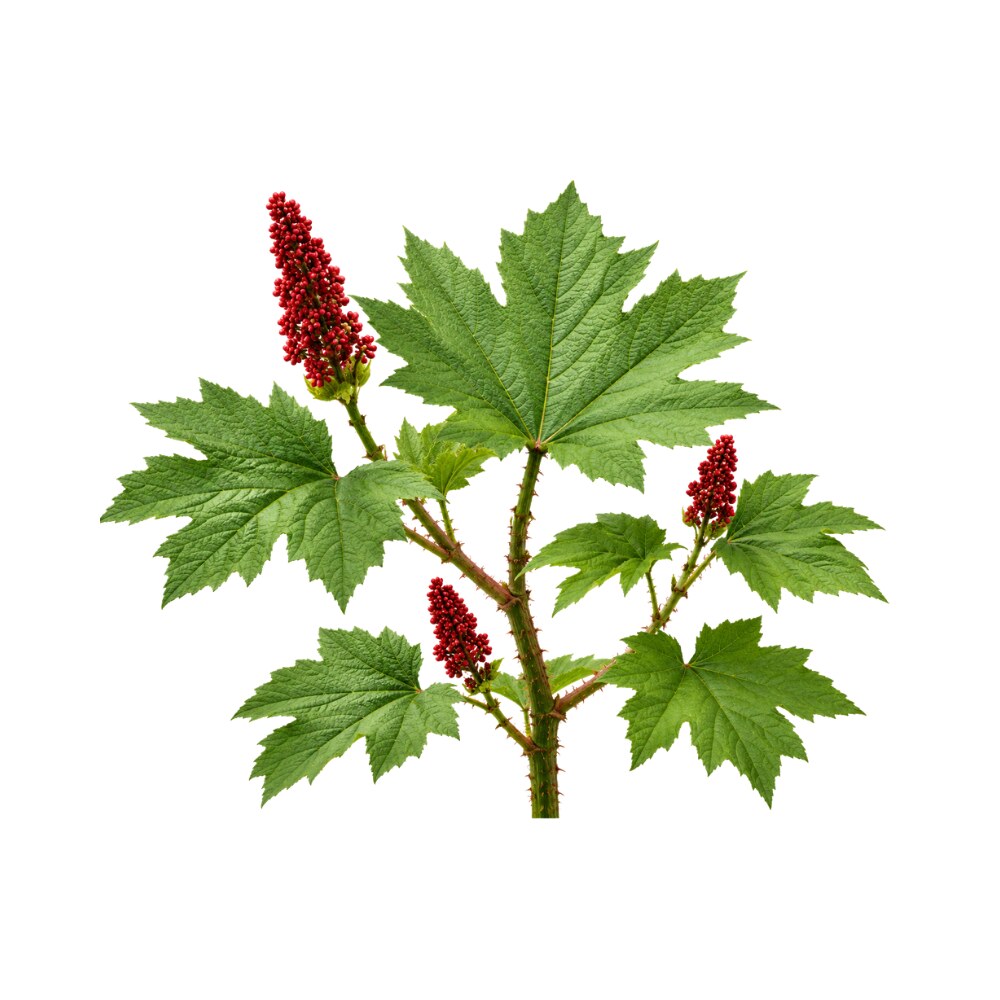 ModerateModerateDevils clubOplopanax horridusFalcarinol-type polyynes from the root bark kill Mycobacterium tuberculosis and isoniazid-resistant M. avium in disk diffusion, with anti-Candida and antibacterial activity alongside; one 1997 in-vitro paper carries the whole finding.Mechanismmicrobial membrane disruption by falcarinol-type diynesRead the evidenceShow lessMonograph →
Five polyynes isolated from the root and stem bark showed significant anti-Candida, antibacterial and antimycobacterial activity, killing Mycobacterium tuberculosis and isoniazid-resistant Mycobacterium avium at 10 µg/disk in disk diffusion 58Reference 58In vitroAntimycobacterial polyynes of Devil’s Club (Oplopanax horridus), a North American native medicinal plant — [in vitro]View study →. The falcarinol-type diynes are the active principle, acting at the level of microbial membranes rather than through an identified enzyme target.
The anti-TB result lines up with the traditional use for internal and external infections.
All of it is one 1997 in-vitro paper, with no whole-extract MIC panel, no in-vivo infection model, no work on the 1:5 tincture people take, and no follow-up in nearly three decades. The effective concentrations are for purified compounds, so no oral dose has been shown to reach an antimicrobial level in the body.
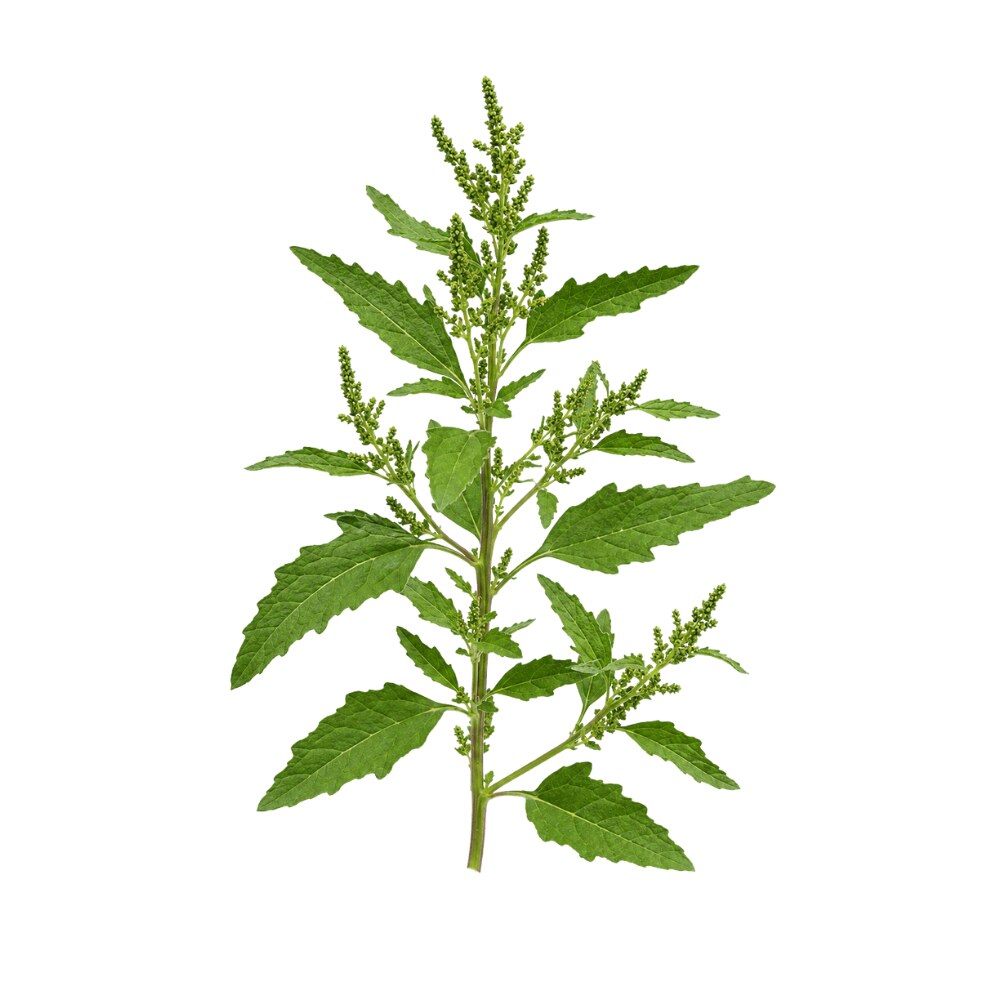 ModerateModerateEpazoteDysphania ambrosioidesAscaridole is an endoperoxide, and its antiparasitic activity depends on the peroxide bridge — the same chemistry that makes artemisinin work.Mechanismartemisinin-like endoperoxide → ROS; parasite mitochondrial membrane-potential collapseRead the evidenceShow lessMonograph →
Ascaridole is an endoperoxide whose antiparasitic activity depends on its peroxide bridge, the same chemistry behind artemisinin.
The essential oil is active against Leishmania promastigotes and amastigotes, collapsing parasite mitochondrial membrane potential; intralesional whole oil prevented lesion development in infected mice and outperformed the reference drug glucantime, while purified components alone were ineffective or lethal. The oil was the most active of three tested against Trypanosoma cruzi, leaf extract suppressed Plasmodium berghei in mice, and the oil is schistosomicidal against adult Schistosoma mansoni.
That the whole oil repeatedly beats its isolated constituents points to synergy rather than to one active molecule.
Two ceilings matter. Everything outside the helminth indication is preclinical, and the doses are concentrated-oil doses far above culinary exposure — the tea and the essential oil are effectively different medicines.
The effective dose sits close to the toxic one, and fatal poisonings from the oil are on record.
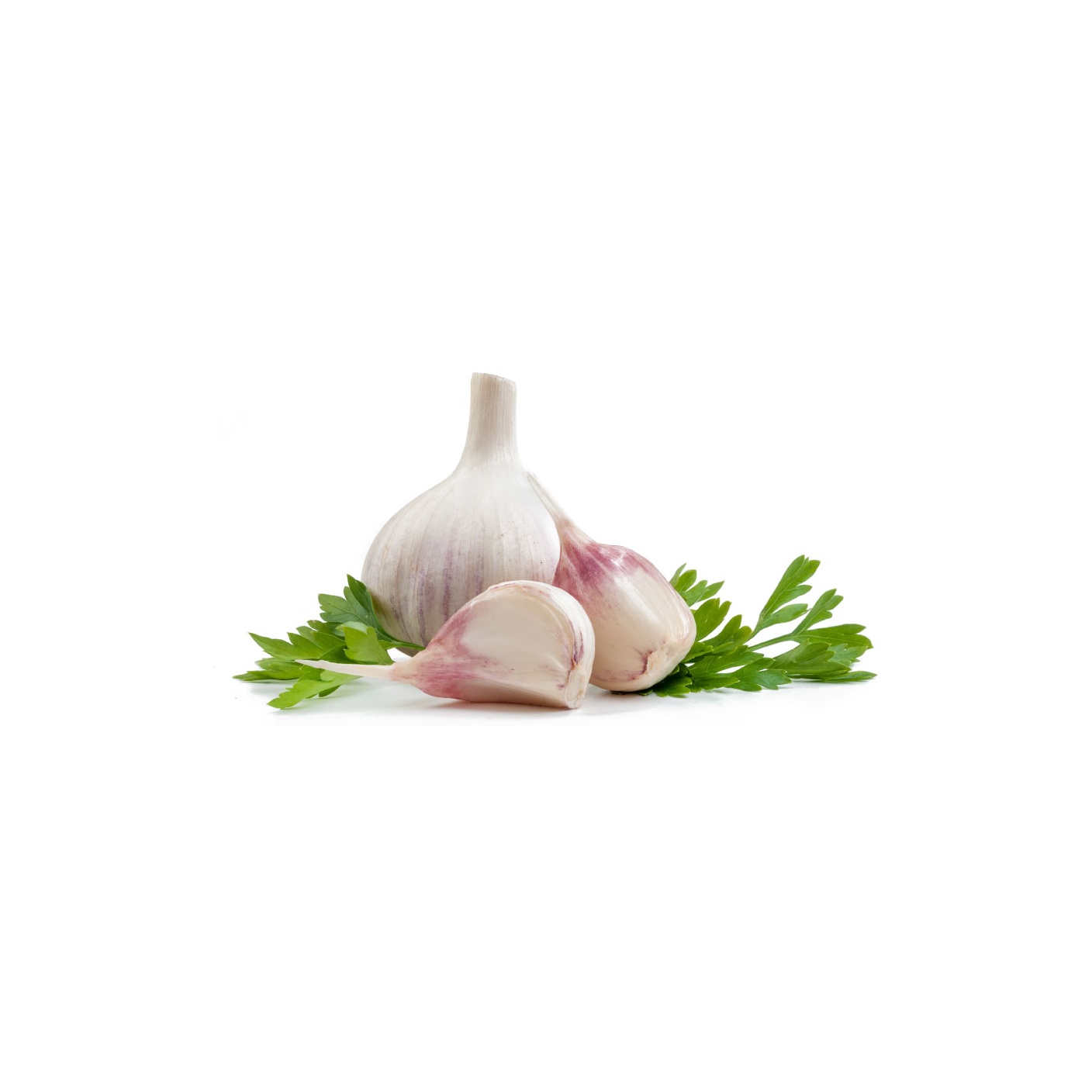 ModerateModerateGarlicAllium sativumAllicin, generated when fresh garlic is crushed, inactivates microbial thiol enzymes and disintegrates membranes across a broad range of organisms; garlic's oldest reputation, best used fresh and locally.Mechanismthiol-enzyme inactivation (allicin); microbial membrane disintegration; virulence-gene downregulationRead the evidenceShow lessMonograph →
Allicin, the thiosulfinate generated only on crushing, inactivates microbial thiol-containing enzymes and proteins and downregulates virulence genes across a broad range of organisms 74Reference 74ReviewAntimicrobial properties of allicin used alone or in combination with other medications — reviewView study →. In-vitro work shows allicin-containing extracts causing membrane disintegration and loss of structural integrity 75Reference 75In vitroIn vitro antibacterial mechanism of action of crude garlic (Allium sativum) clove extract on selected Bifidobacterium species — in vitroView study →.
The activity requires fresh, crushed garlic. Aged extract and cooked garlic contain little to no allicin, and allicin is chemically unstable and poorly bioavailable when swallowed, so oral dosing does not plausibly reach the concentrations that kill organisms in a dish.
There are no human RCTs showing garlic clears a clinical infection 74,
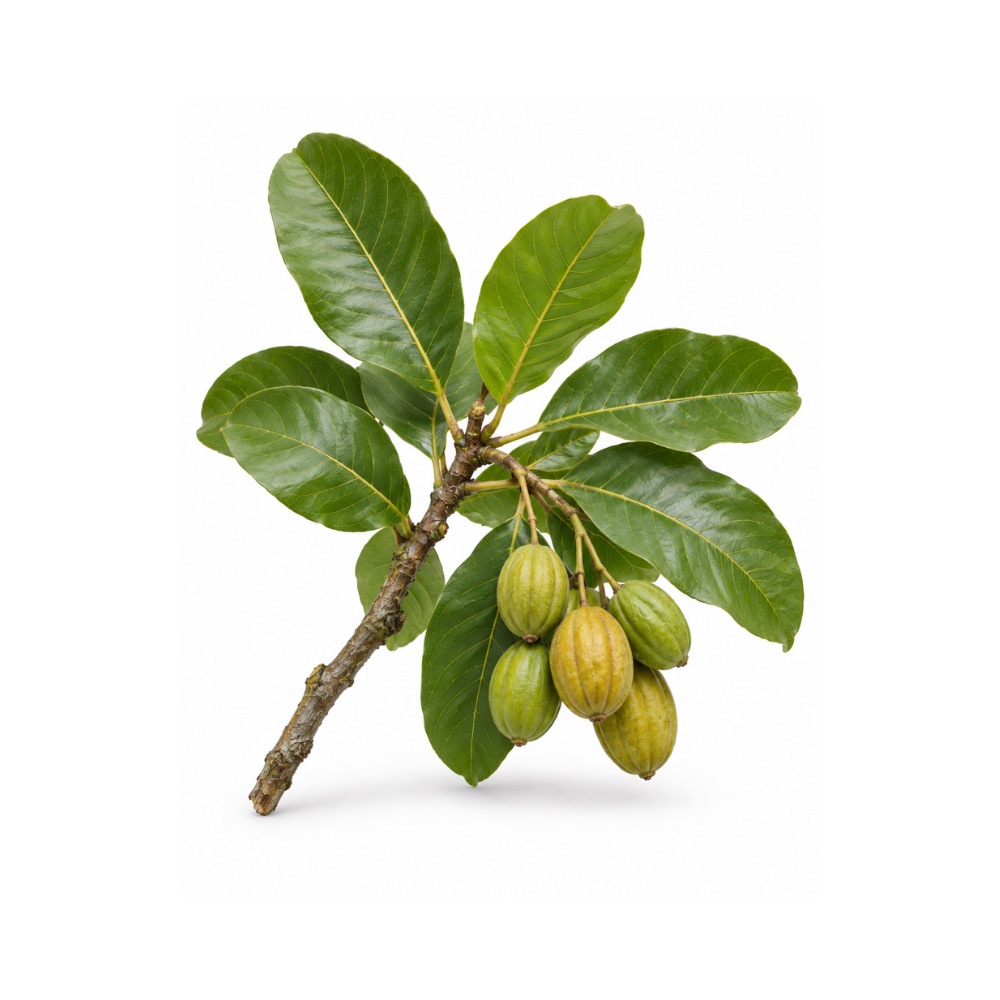 ModerateModerateHaritakiTerminalia chebulaThe tannin and gallate fraction inhibits Shigella and Salmonella at 94–755 µg/mL and adds to conventional antibiotics in vitro; a broad, mid-range antibacterial with a traditional place in dysentery and typhoid.Mechanismtannin/gallate fraction (protein-binding, membrane disruption); antibiotic potentiationRead the evidenceShow lessMonograph →
Antibacterial activity tracks the tannin and gallate fraction 200Reference 200ReviewThe development of Terminalia chebula Retz. (Combretaceae) in clinical research — reviewView study →, and a 2024 study of Terminalia fruit extracts against gastrointestinal pathogens found MICs of about 94–755 µg/mL against Shigella and Salmonella Typhimurium 201Reference 201In vitroPhytochemical analysis and antimicrobial activity of Terminalia bellirica and Terminalia chebula fruit extracts against gastrointestinal pathogens: enhancing antibiotic efficacy — in vitroView study →, mid-range for a crude extract.
The same extracts showed additive interactions with conventional antibiotics when used together 201Reference 201In vitroPhytochemical analysis and antimicrobial activity of Terminalia bellirica and Terminalia chebula fruit extracts against gastrointestinal pathogens: enhancing antibiotic efficacy — in vitroView study →, a more useful finding than the standalone MICs.
All of it is in vitro. Direct low-MIC activity against S. Typhi specifically is hard to pin to a single verifiable study, so haritaki’s place in typhoid is traditional and preclinical.
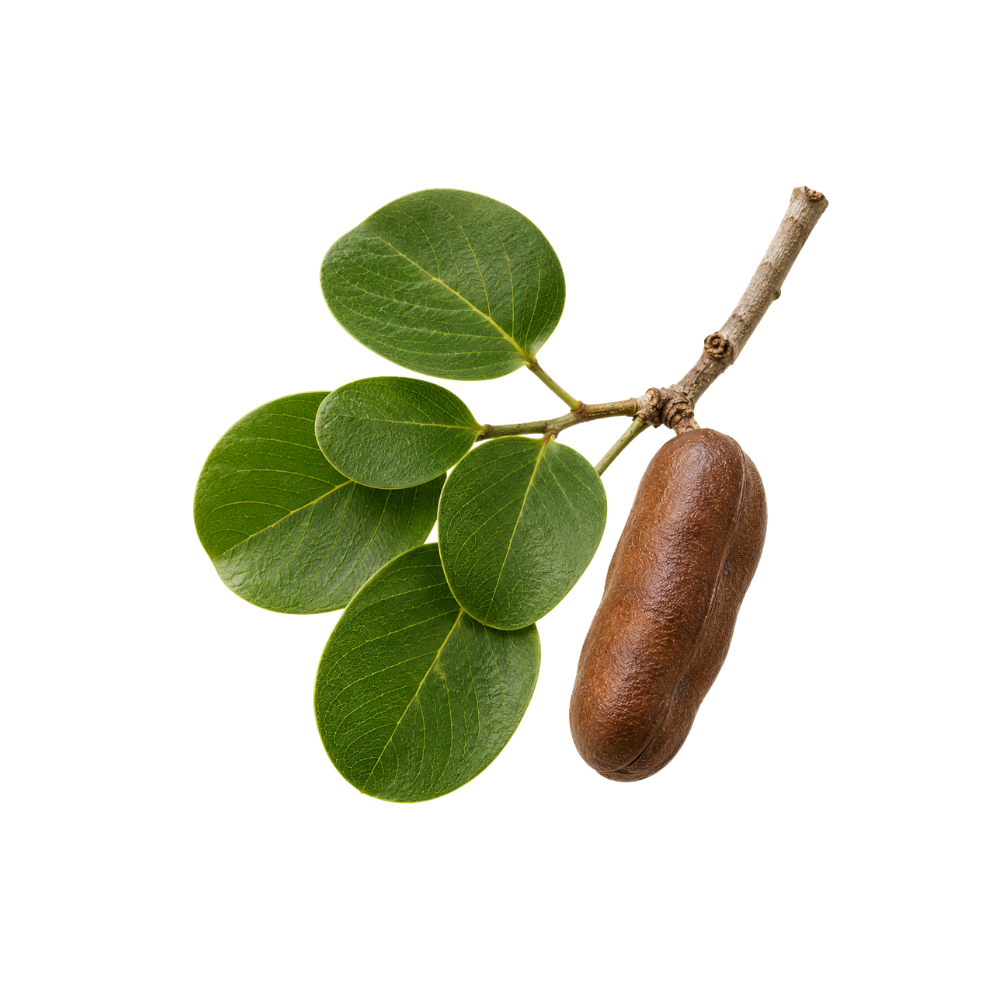 ModerateModerateJatobáHymenaea courbarilCatechin-rich stem-bark extract inhibits methicillin-resistant S. aureus and leaf extract suppresses S. aureus biofilm by about 78%; a tannin and flavonoid contact antiseptic with MICs too high for systemic use.Mechanismbacterial cell-wall/membrane disruption; tannin protein-binding; biofilm formation ↓Read the evidenceShow lessMonograph →
A standardised stem-bark extract rich in catechin and epicatechin inhibited a methicillin-resistant S. aureus clinical isolate 100Reference 100In vitroAssessment of cytotoxic and antimicrobial activity of Hymenaea courbaril L. stem barks extract — in vitro, in silicoView study →; leaf extract suppressed S. aureus biofilm formation by about 78%, comparable to chloramphenicol in that assay 101Reference 101In vitroEvaluation of the antioxidant, antimicrobial, and anti-biofilm effects of the stem bark, leaf, and seed extracts from Hymenaea courbaril — in vitroView study →; and peel-and-seed extracts inhibited P. aeruginosa, Bacillus spp., E. faecalis and Salmonella 102Reference 102In vitroExtracts from jatobá (Hymenaea courbaril L.) peel and seeds: antioxidant and antimicrobial activity — in vitroView study →.
The mechanism, tannin and flavonoid protein-binding with visible ultrastructural cell-wall damage, is best documented in the congener H. stigonocarpa 103Reference 103In vitroPhytochemical and antibacterial investigations of the stem bark of Hymenaea stigonocarpa and its effect on Staphylococcus aureus ultrastructure — in vitroView study →.
The MIC range of about 64–526 µg/mL is too high to imply systemic antibiotic-level potency, and there is no infection model, animal or human. It is jatobá’s most replicated pharmacological action.
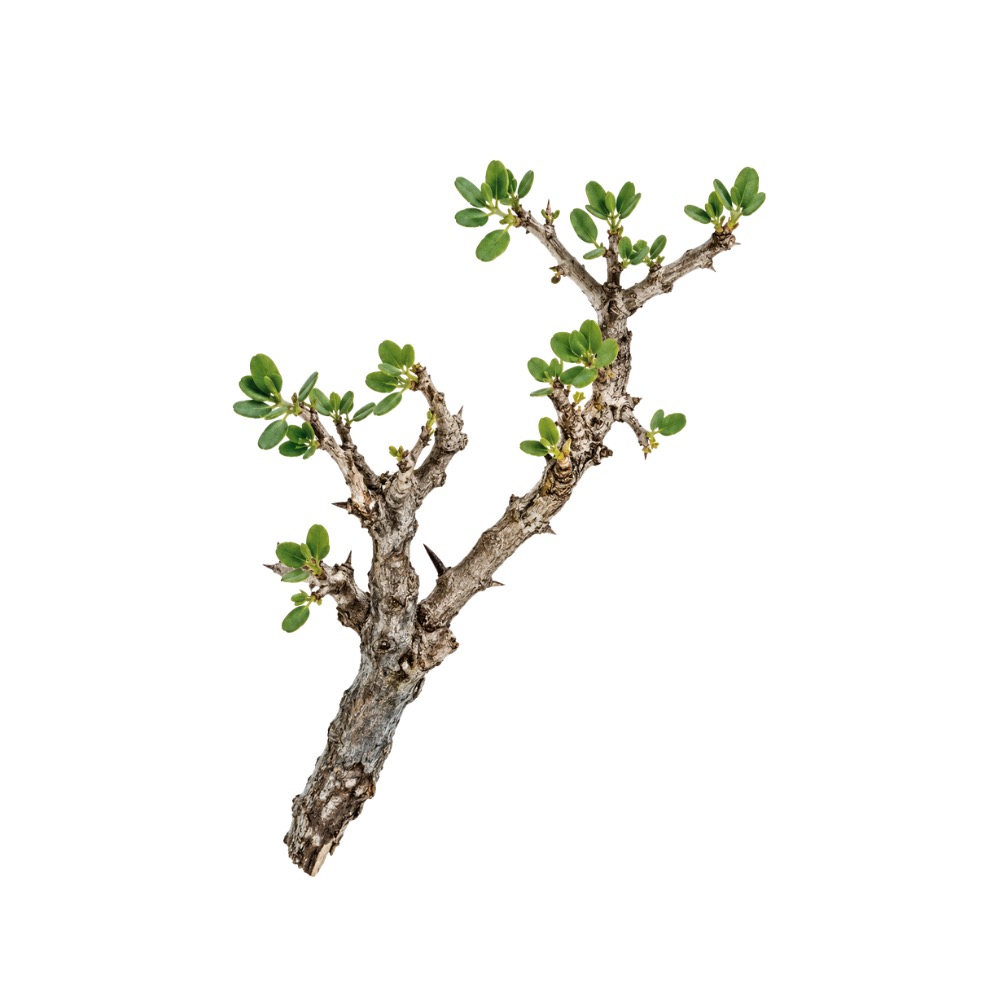 ModerateModerateMyrrhCommiphora myrrhaEthanolic extract inhibits the periodontal pathogens and acts synergistically with amoxicillin, metronidazole, tetracycline and azithromycin in vitro; a topical and oral-cavity antiseptic and an antibiotic adjunct.Mechanismnot established (membrane/terpenoid action inferred); antibiotic synergy with amoxicillin, metronidazole, tetracycline, azithromycinRead the evidenceShow lessMonograph →
Ethanolic C. molmol extract inhibits the periodontal pathogens Porphyromonas gingivalis, Tannerella forsythia, Treponema denticola and Aggregatibacter actinomycetemcomitans, and acts synergistically with four common antibiotics 111Reference 111In vitroSynergistic antibacterial activity of herbal extracts with antibiotics on periodontitis bacteria — in vitroView study →. The synergy reframes myrrh as an adjunct rather than a standalone antiseptic.
GC-MS-profiled essential oils carry antibacterial and larvicidal activity attributed to the furanosesquiterpene and germacrane fractions 112Reference 112In vitroGas chromatography–mass spectrometry chemical profiling of myrrh essential oil and antimicrobial activity — in vitroView study →, and the antimicrobial arm plausibly contributes to the positive periodontal outcomes in the clinical meta-analysis 113Reference 113Meta-analysisMyrrh in the management of periodontal disease and gingival healing — systematic review and meta-analysisView study →.
Activity is essential-oil-dependent, concentration-dependent and often weaker than reference antiseptics, with no human systemic data and no established molecular target.
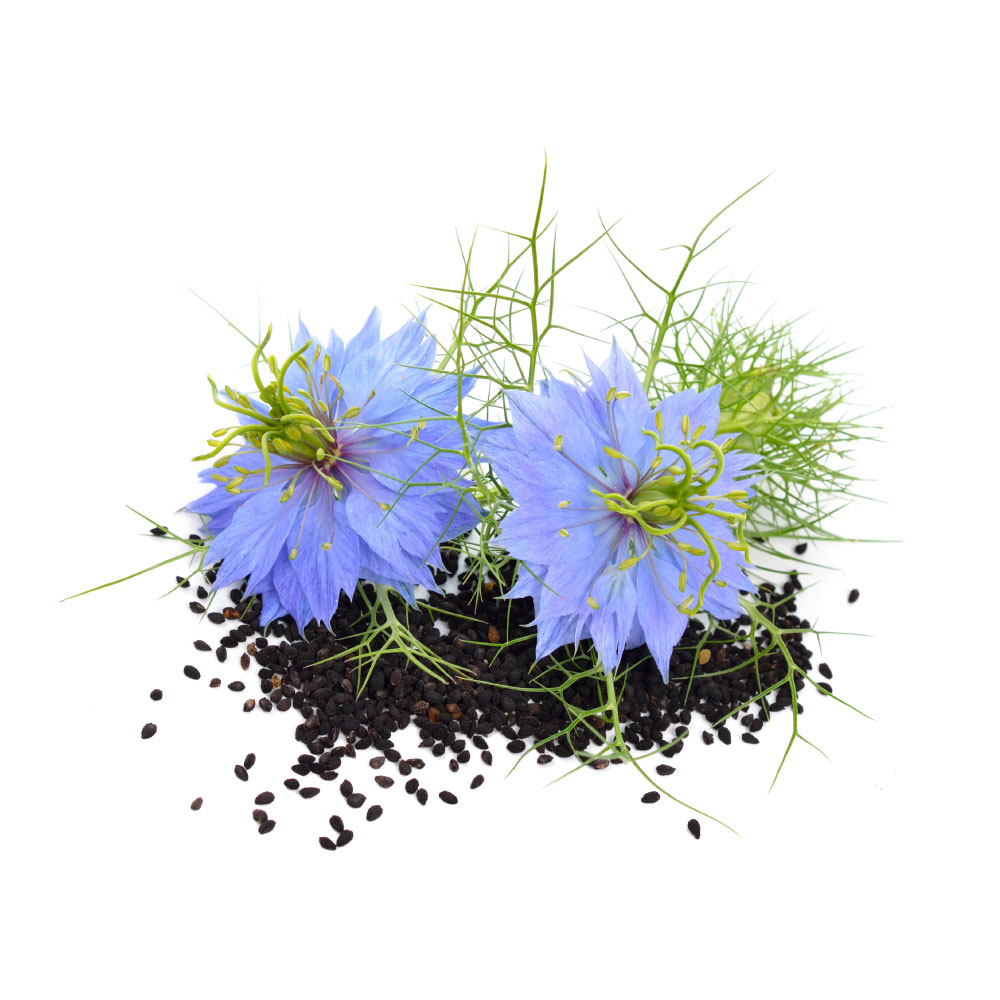 ModerateModerateNigellaNigella sativaGround seed at 2 g/day produced Helicobacter pylori eradication rates comparable to standard triple therapy in a dose-finding RCT; the broader antibacterial and antifungal claims for thymoquinone are in vitro only.Mechanismnot established (direct thymoquinone antibacterial / antifungal activity, in vitro)Read the evidenceShow lessMonograph →
A dose-finding RCT found ground seed at 2 g/day produced H. pylori eradication rates comparable to standard triple therapy, with lower doses clearly less effective 121Reference 121RCTComparative study of Nigella sativa and triple therapy in eradication of Helicobacter pylori in patients with non-ulcer dyspepsia — a randomized controlled trialView study →. The threshold matters: 1 g/day is a common supplement dose and underperformed.
A pilot study and a further RCT reported symptomatic and appetite benefit in infected patients, though eradication was not always the primary endpoint 122,
The much-repeated antibacterial and antifungal claims against Candida and dermatophytes are in vitro only 124Reference 124ReviewPreclinical and clinical effects of Nigella sativa and its constituent, thymoquinone — reviewView study →, with no controlled clinical confirmation and no mechanism established beyond thymoquinone’s direct activity in culture.
One small dose-ranging trial in one organism is the whole of the clinical case.
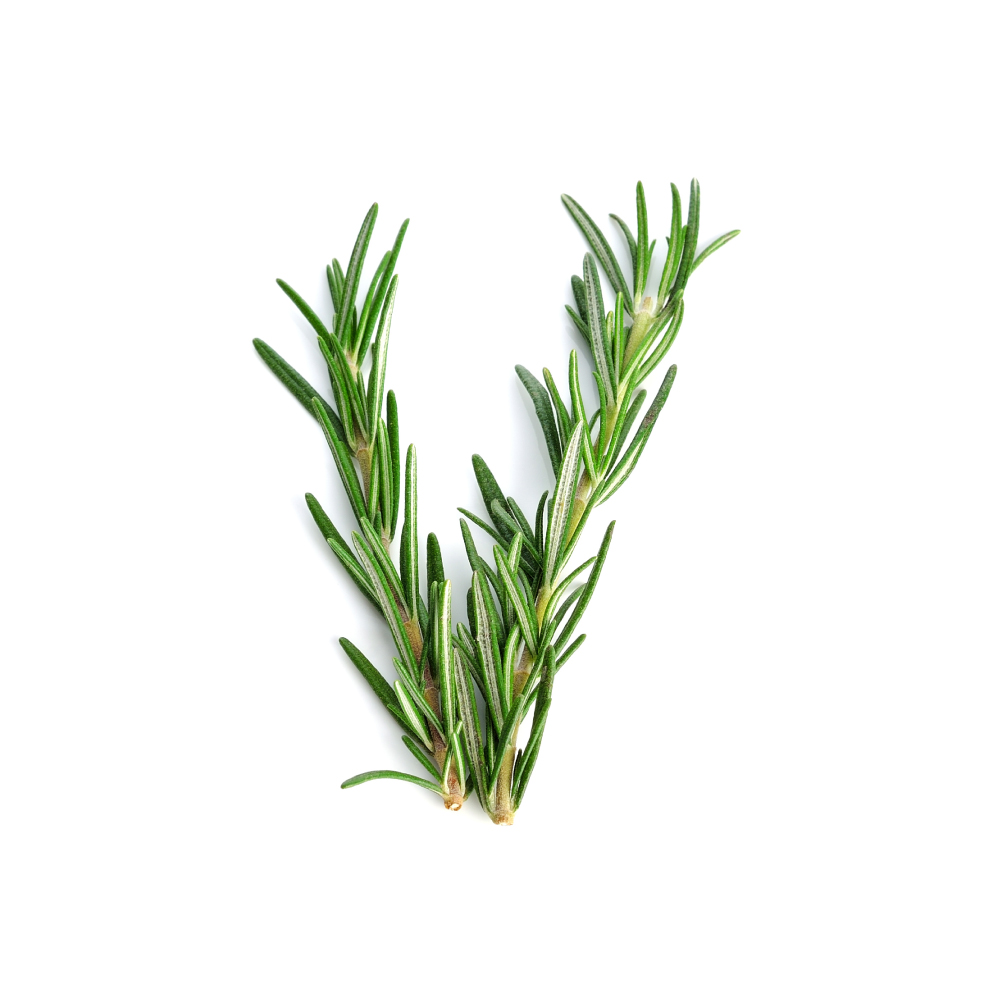 ModerateModerateRosemaryRosmarinus officinalisCarnosic acid and carnosol switch off Staphylococcus aureus quorum sensing at low micromolar concentrations, disarming the organism rather than killing it, and the essential oil is antibacterial, antifungal and antibiofilm in vitro.MechanismS. aureus quorum-sensing (agr operon) inhibition (carnosic acid, carnosol); monoterpene membrane/antibiofilm activityRead the evidenceShow lessMonograph →
Carnosic acid and carnosol inhibit Staphylococcus aureus quorum sensing through the agr operon at low micromolar concentrations, suppressing virulence in strains isolated from atopic-dermatitis patients 5Reference 5Rosmarinus officinalis L. (rosemary) extracts containing carnosic acid and carnosol are potent quorum sensing inhibitors of Staphylococcus aureus virulenceView study →. Anti-virulence rather than bactericidal action is the distinctive part of rosemary’s antimicrobial pharmacology.
The whole essential oil carries documented antibacterial, antifungal and antibiofilm activity that tracks its monoterpene profile 142Reference 142In vitroChemotypic Characterization and Biological Activity of Rosmarinus officinalis — in vitroView study →, and therefore swings with chemotype; a 71-sample Algerian survey found composition and activity varying widely with 1,8-cineole, camphor and verbenone content 143Reference 143In vitroChemical Variability and Anti-Inflammatory Activity of Rosmarinus officinalis LView study →.
All of it is in vitro. There are no human infection trials, and the concentrations that work in a well are not what culinary or aromatic use delivers to tissue.
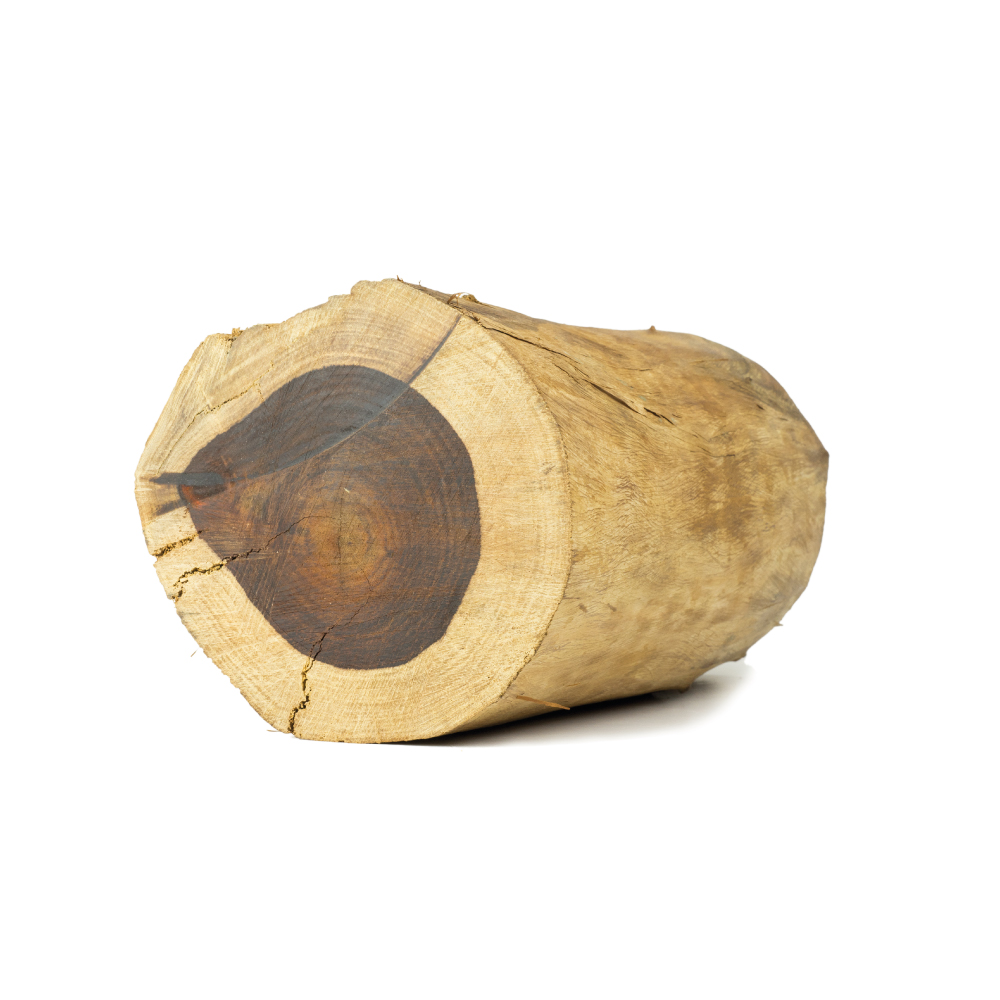 ModerateModerateRosewoodAniba rosaeodoraThe linalool-rich heartwood oil inhibits Gram-positive and Gram-negative bacteria, synergises strongly with gentamicin against Acinetobacter baumannii, and protected mice and chicks against Salmonella infection; a topical oil, not an internal one.Mechanismbacterial/fungal membrane disruption (linalool, α-terpineol); aminoglycoside synergyRead the evidenceShow lessMonograph →
The linalool-dominant heartwood oil inhibits both Gram-positive and Gram-negative bacteria in vitro and combines synergistically with gentamicin, with a very strong interaction against Acinetobacter baumannii (FIC index 0.11) 144Reference 144In vitroIn vitro synergistic antibacterial action of gentamicin and essential oils — in vitroView study →. A 2024 study reported an MIC of 4 mg/mL against Salmonella plus prophylactic protection in mouse and chick infection models 145Reference 145In vitroProtective effects and mechanisms of rosewood essential oil against Salmonella infection — in vitro and animal modelView study →, the one in-vivo result.
Antimicrobial substances have been isolated from Amazonian Aniba 146Reference 146In vitroAntimicrobial substances from Amazonian Aniba — in vitroView study →, and a 2026 multivariate screen placed rosewood among the active antibacterial oils 147Reference 147In vitroMultivariate characterization of essential oils for antibacterial activity — in vitroView study →.
Antifungal action against 17 micromycetes is real but second-tier; cinnamon oil beat it head-to-head in the same panel 148Reference 148In vitroChemical composition of some Lauraceae essential oils and their antifungal activities — in vitroView study →. The antiviral claim is a single in-vitro screen against a veterinary virus (avian metapneumovirus, 90% inhibition at 2.5 µg/mL) with no isolated fraction and no follow-up 149Reference 149In vitroIn vitro antiviral activity of Brazilian plants against bovine herpesvirus type 5 and avian metapneumovirus — in vitroView study →.
A 4 mg/mL MIC is mid-pack for an essential oil, the activity is a linalool-chemotype property that varies with provenance and plant part 150,
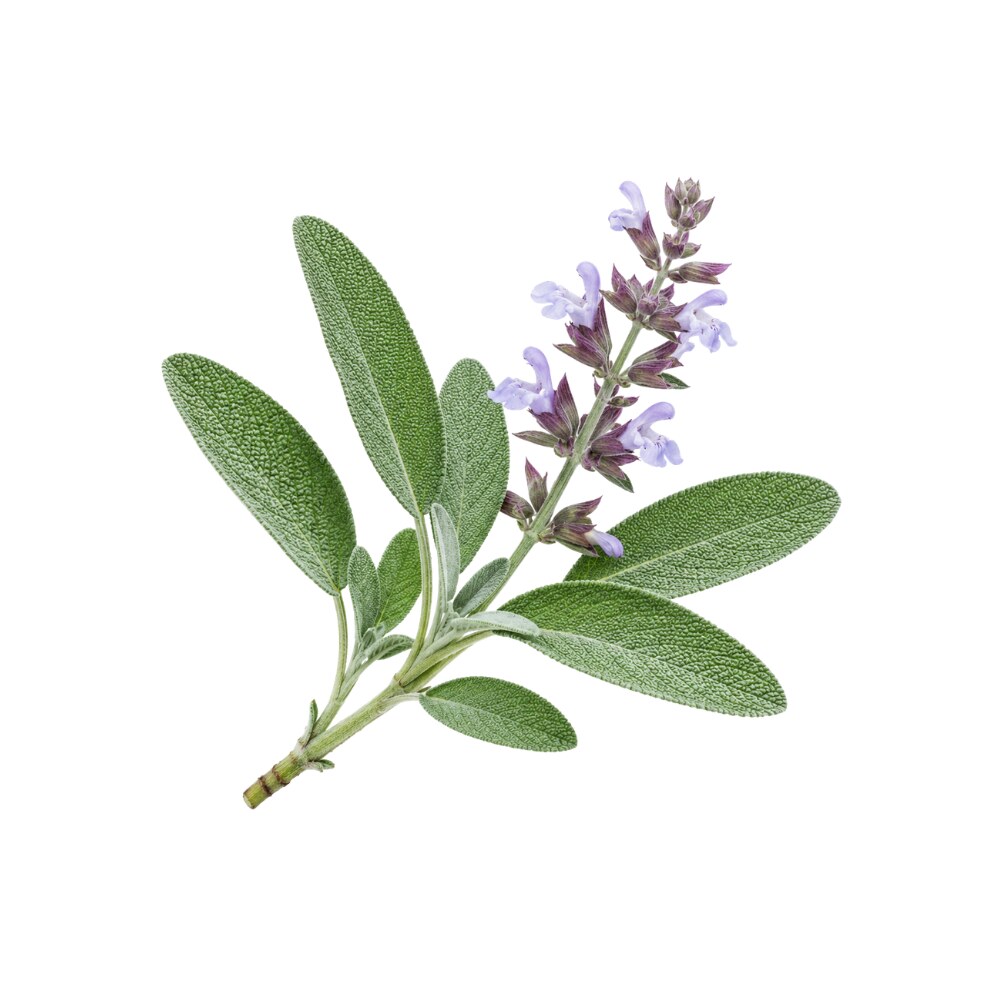 ModerateModerateSageSalvia officinalisSage extracts cut the MICs of amoxicillin and chloramphenicol several-fold, the oil inhibits Pseudomonas biofilm, and the ethanolic extract approaches clarithromycin against Helicobacter pylori in vitro; a laboratory profile with one local human signal.Mechanismbiofilm inhibition; antibiotic-MIC potentiation; carnosic-acid H. pylori target (in silico)Read the evidenceShow lessMonograph →
Sage oil inhibited biofilm formation by clinical Pseudomonas aeruginosa isolates 152Reference 152In vitroPotential of Ocimum basilicum L. and Salvia officinalis L. essential oils against biofilms of P. aeruginosa clinical isolates — in vitroView study →. Sage extracts acted synergistically with amoxicillin and chloramphenicol, cutting antibiotic MICs several-fold against most tested bacteria 153Reference 153In vitroSynergistic antibacterial activity of Salvia officinalis and Cichorium intybus extracts and antibiotics — in vitroView study →, and potentiation needs lower concentrations than direct killing does.
A 2023 study reported anti-Helicobacter pylori activity for the total ethanolic extract approaching clarithromycin in potency, with carnosic acid the best-fitting inhibitor in silico 154Reference 154In vitroAnti-Helicobacter pylori and anti-inflammatory potential of Salvia officinalis metabolites — in vitro and in silicoView study →.
The only human-adjacent result is local: an observational study of echinacea and sage lozenges documented reduced oropharyngeal viral load 155Reference 155Clinical trialReduction of viral load in patients with acute sore throats: results from an observational clinical trial with echinacea/salvia lozengesView study →.
All the antibacterial and antifungal data are in vitro, and the effective concentrations may not be reached in the body from ordinary use.
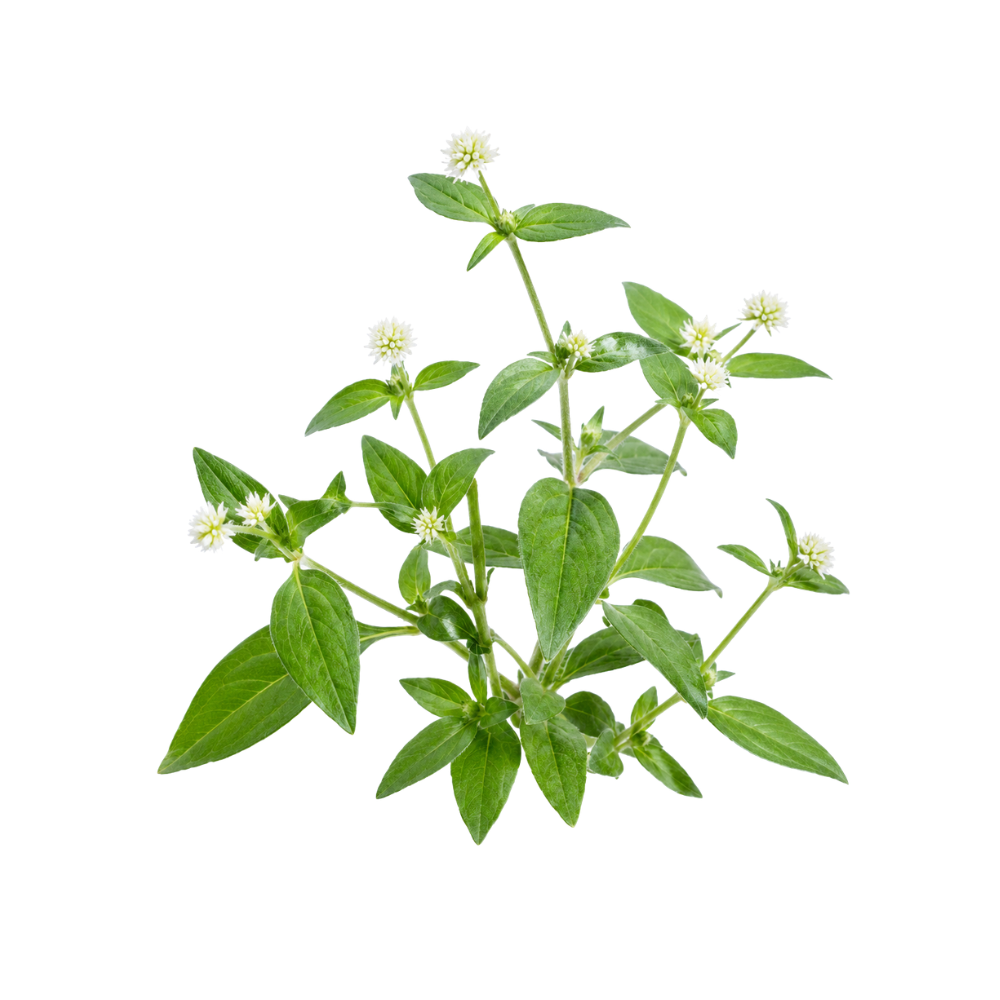 ModerateModerateSumaPfaffia paniculataExtracts disrupt mixed Candida–bacterial biofilms and inhibit Klebsiella, Pseudomonas and Streptococcus mutans at defined MICs while sparing gingival fibroblasts; a consistent in-vitro record from dental laboratories.Mechanismantibiofilm; broad-spectrum growth inhibitionRead the evidenceShow lessMonograph →
P. paniculata extracts disrupt mixed-species biofilms of Candida albicans with S. mutans, S. aureus, E. faecalis or P. aeruginosa 168Reference 168In vitroAntimicrobial action of four herbal plants over mixed-species biofilms of Candida albicans — in vitro studyView study →, cut Klebsiella pneumoniae growth and biofilm 169Reference 169In vitroKlebsiella pneumoniae planktonic and biofilm reduction by different plant extracts — in vitro studyView study →, and inhibit Candida, P. aeruginosa and S. mutans with defined MICs while sparing gingival fibroblasts 170Reference 170In vitroPfaffia paniculata extract, a potential antimicrobial agent against Candida spp., Pseudomonas aeruginosa and Streptococcus mutans biofilms — in vitro studyView study →. Newer reports extend it to periodontal anaerobes 171,
The studies frequently use glycolic or high-concentration dental-irrigant preparations that do not map onto oral dosing, and there is no in-vivo infection model.
Show 33 more herbs with a mild antimicrobial action
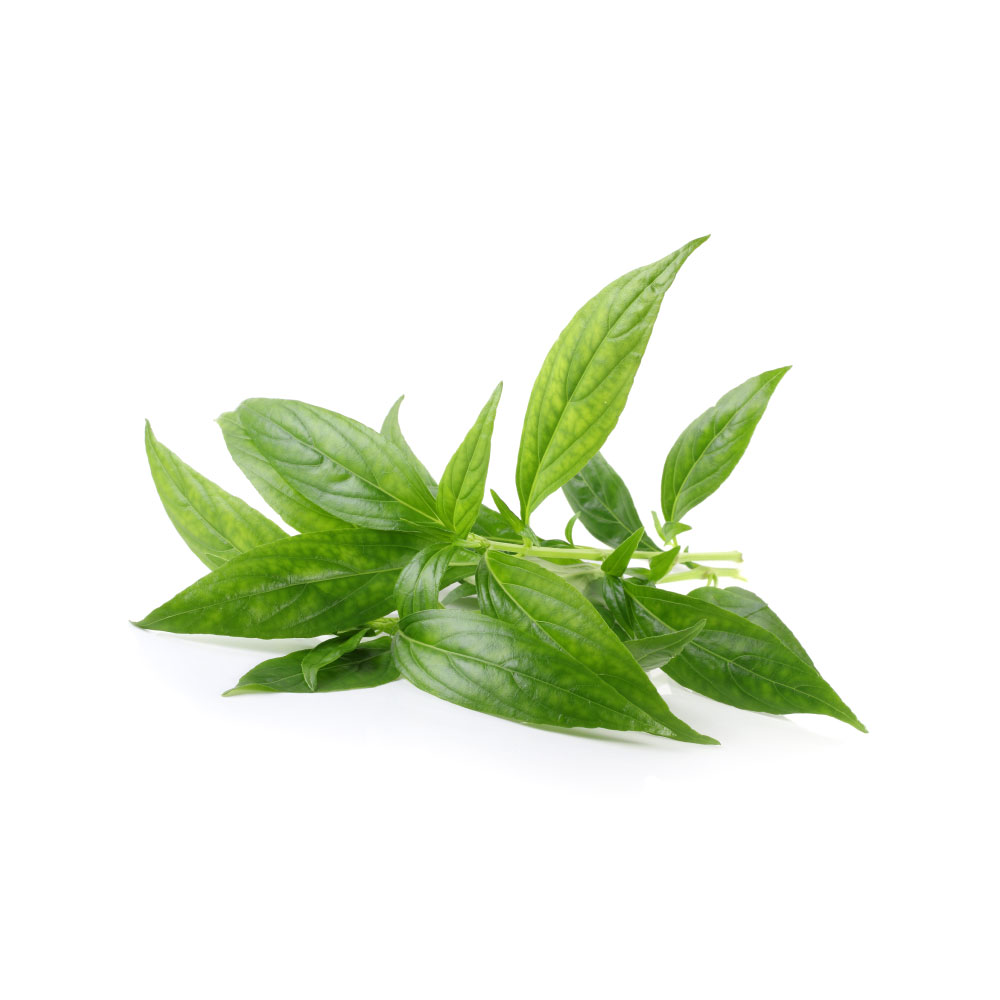 MildMildAndrographisAndrographis paniculataThe standard herb for infective fevers across South and Southeast Asia and the antimicrobial herb of acute respiratory infection in Western practice, with a strong clinical base for symptom relief; the benefit is immune-mediated rather than a direct kill.Read the evidenceShow lessMonograph →
Andrographis is given for infective fevers across South and Southeast Asia, and modern Western herbalism reaches for it during acute respiratory infection. Its clinical base for acute respiratory infection is one of the strongest in the materia medica.
That evidence is symptomatic and largely immune-mediated, and no dedicated antibacterial study of the plant exists. Treating an infection and killing the organism are different actions, and the herb’s andrographolide chemistry is examined among the antiviral herbs.
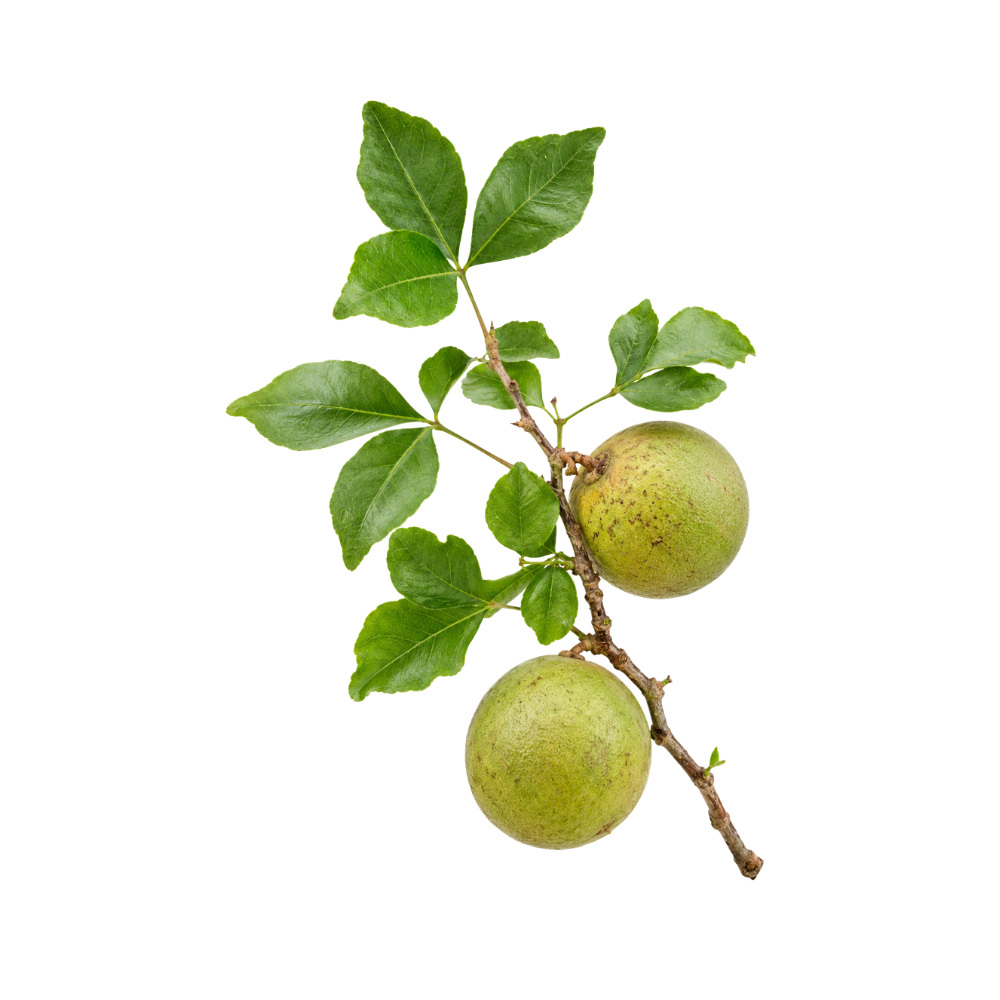 MildMildBaelAegle marmelosThe unripe-fruit decoction disarms enteric pathogens, cutting adherence, invasion and toxin production, rather than killing them, and a methanol extract ranked among the most active of 54 Ayurvedic plants against multidrug-resistant Salmonella Typhi.Mechanismanti-adhesion / anti-invasion (largely non-bactericidal); enterotoxin production ↓Read the evidenceShow lessMonograph →
The aqueous unripe-fruit decoction’s direct antibacterial activity is limited; its usefulness comes from reducing pathogen adherence, invasion and toxin production 27Reference 27In vitroStudies on the antidiarrhoeal activity of Aegle marmelos unripe fruit: validating its traditional usage — [in vitro]View study →. Antiprotozoal (Giardia) and antiviral (rotavirus) activity appear in the same work 27Reference 27In vitroStudies on the antidiarrhoeal activity of Aegle marmelos unripe fruit: validating its traditional usage — [in vitro]View study →.
The one strong killing result is a methanol extract ranked among the most active of 54 Ayurvedic plant extracts against multidrug-resistant Salmonella Typhi 28Reference 28In vitroAntimicrobial evaluation of some medicinal plants for their anti-enteric potential against multi-drug resistant Salmonella typhi — [in vitro]View study →, a different solvent from the traditional decoction, in vitro only, with no human typhoid data.
The value is anti-virulence, enteric and preparation-specific.
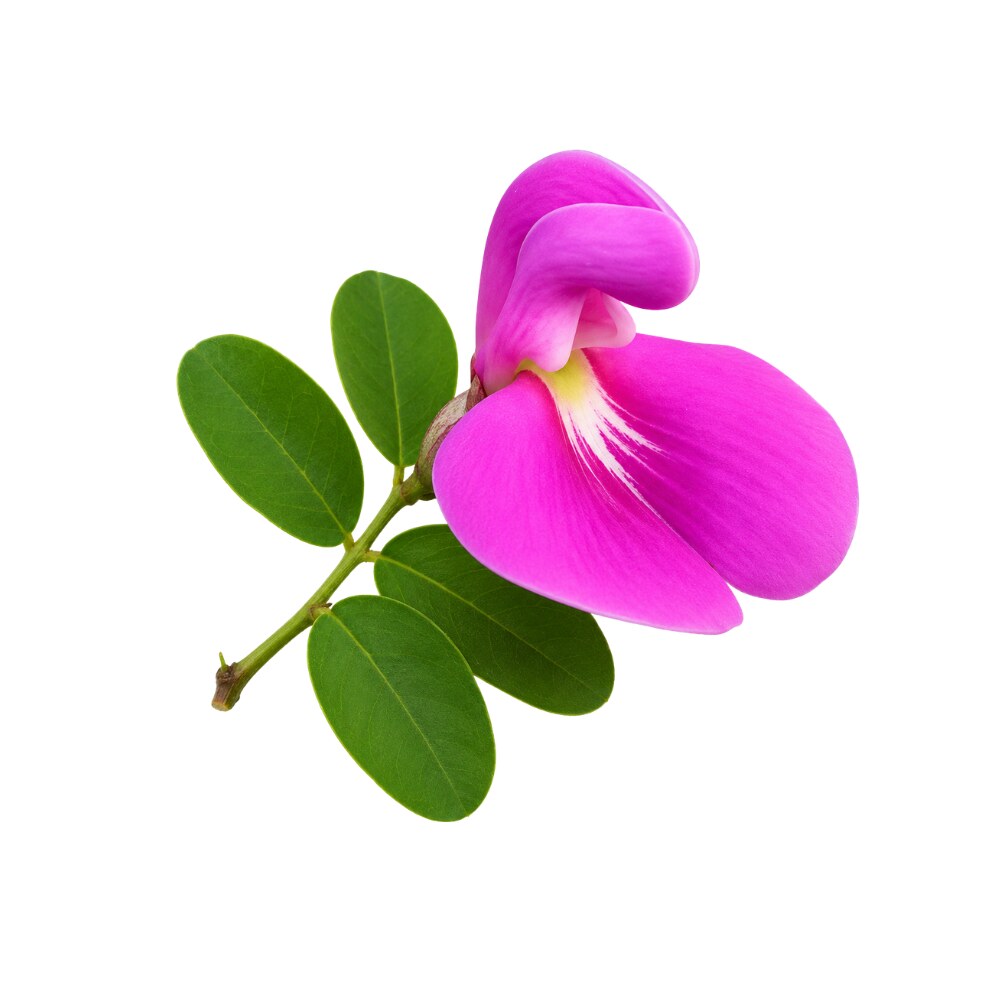 MildMildBay BeanCanavalia roseaA concanavalin-type seed lectin inhibits Candida albicans and C. tropicalis in vitro, and crude leaf extracts screen positive against bacteria; the antifungal activity belongs to an isolated protein rather than to any preparation in use.Mechanismmannose/glucose-binding lectin (ConM) binding fungal cell-surface glycans; unspecified target — pentacyclic triterpene + flavonoid fractionRead the evidenceShow lessMonograph →
A concanavalin-A-type seed lectin (ConM) from C. rosea inhibited planktonic Candida albicans and C. tropicalis in vitro 29Reference 29In vitroLectins ConA and ConM extracted from Canavalia ensiformis and Canavalia rosea inhibit planktonic Candida albicans and Candida tropicalis [in vitro]View study →. Separately, crude leaf extracts screened positive in antibacterial assays, attributed to the pentacyclic triterpenes (ursolic, oleanolic and betulinic acid, α-amyrin) plus common legume flavonoids 30,
The antifungal result is an isolated seed protein, not the decoction, infusion or smoked leaf anyone uses, and a lectin would not survive digestion intact. There are no MICs, no whole-plant work and no human data.
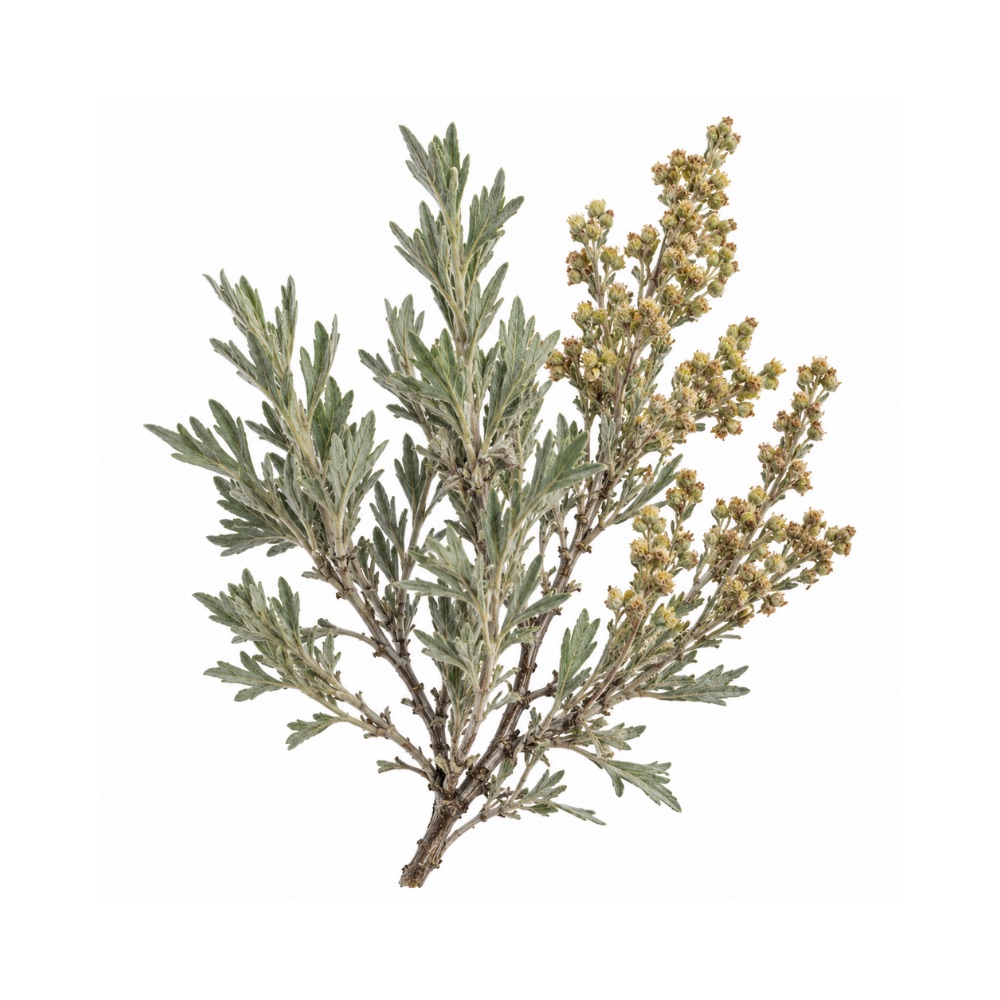 MildMildBig SagebrushArtemisia tridentataThe camphor- and cineole-rich volatile oil inhibited aerobic bacteria and mule-deer rumen flora in 1960s ecological studies, and a 2022 survey of sagebrush oils found no significant antimicrobial activity; an old signal that modern testing has not confirmed.Mechanismessential-oil monoterpene membrane disruptionRead the evidenceShow less
The volatile oil inhibited aerobic bacteria, with Staphylococcus aureus most sensitive and Escherichia coli most resistant 191Reference 191In vitroAntibacterial action of essential oils of Artemisia as an ecological factorView study →, in work done to explain why the shrub deters browsing rather than to test a medicine.
A 2022 characterisation of sagebrush essential oils from the Bighorn Mountains reported no significant antimicrobial activity 192Reference 192In vitroEssential oil yield, composition, and bioactivity of sagebrush species in the Bighorn Mountains — in vitroView study →. The active fraction throughout is the oil, dominated by camphor, 1,8-cineole and α-pinene, not the leaf tea.
The antifungal screening is examined among the antifungal herbs.
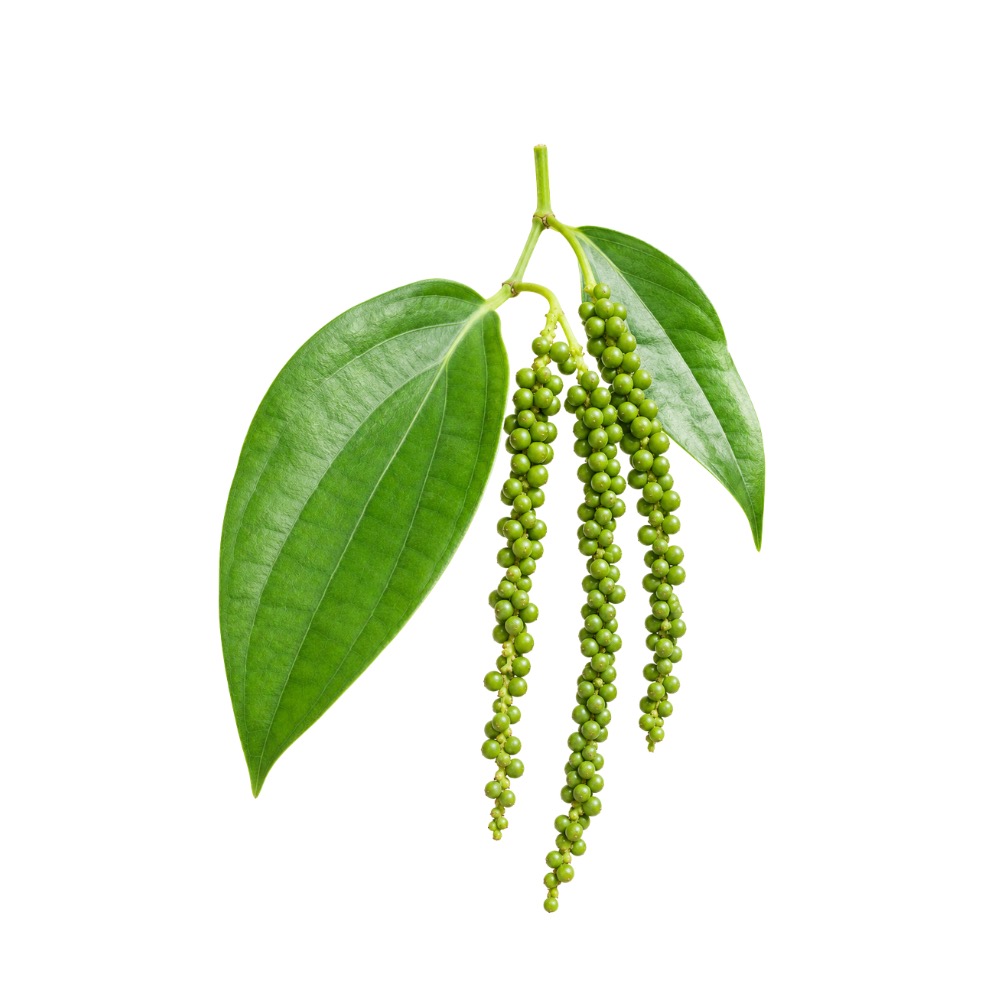 MildMildBlack PepperPiper nigrumPiperine inhibits bacterial efflux pumps and amplifies conventional antibiotics and antitubercular drugs in preclinical work; a potentiator of other agents rather than a standalone antimicrobial.Mechanismbacterial efflux-pump inhibition; direct bacteriostatic action (target not established)Read the evidenceShow lessMonograph →
A systematic review of preclinical work found antibacterial and immune-modulating activity for piperine that frequently amplifies conventional antibiotics 37Reference 37Systematic reviewAntibacterial and immunological properties of piperine evidenced by preclinical studies — systematic reviewView study →, and a separate systematic review reported synergy with antitubercular drugs against Mycobacterium 38Reference 38Systematic reviewPromising antituberculosis activity of piperine combined with antimicrobials — systematic reviewView study →. Both are consistent with efflux-pump inhibition, the antimicrobial counterpart of the P-glycoprotein blockade behind piperine’s role as an absorption enhancer.
All of it is laboratory-based. No clinical infection studies exist, and systemic antimicrobial concentrations are unlikely to be reached from dietary pepper.
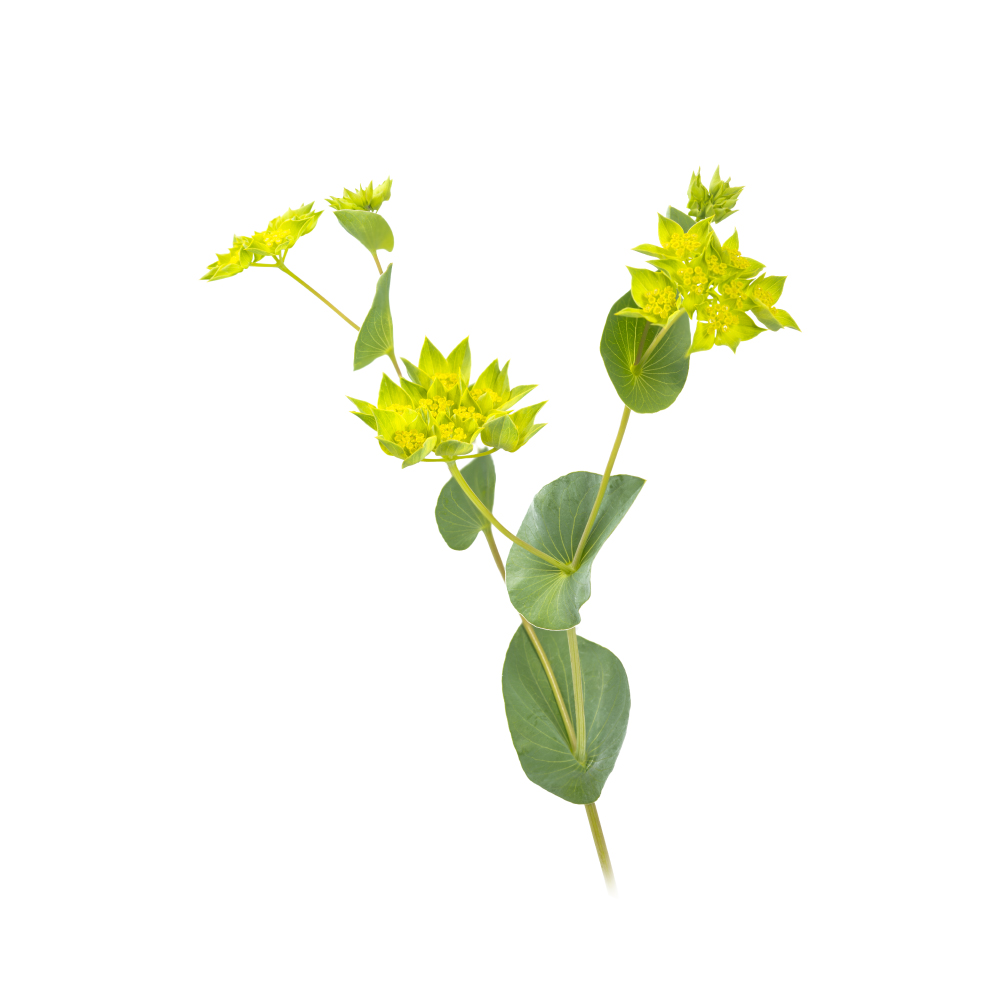 MildMildBupleurumBupleurum falcatumThe broad-spectrum antiviral reputation traces to quercetin and rutin — flavonoids common to many plants — and to decades-old assays.Mechanismthe one reasonably specific signal is against hepatitis B, and the active there is saikosaponin c rather than the abundant a and d formsRead the evidenceShow lessMonograph →
Chai Hu is one of the most important herbs in Chinese medicine, used chiefly for the liver and leading classic formulas such as Sho-saiko-to. Its best-characterised modern evidence is anti-inflammatory and hepatoprotective, driven by its triterpenoid saikosaponins.
Its Western reputation as a broad-spectrum antiviral rests on weaker ground. Those claims trace mostly to quercetin and rutin, flavonoids common to many plants, and to decades-old in-vitro assays.
The one reasonably specific antiviral signal is against hepatitis B, and there the active compound is saikosaponin c, not the abundant a and d forms.
The same saikosaponins are dose-dependently hepatotoxic and cardiotoxic, and Sho-saiko-to is the leading cause of herb-induced interstitial pneumonitis in Japan. Neither rules the herb out, but both make it one for a considered dose under supervision rather than open-ended use.
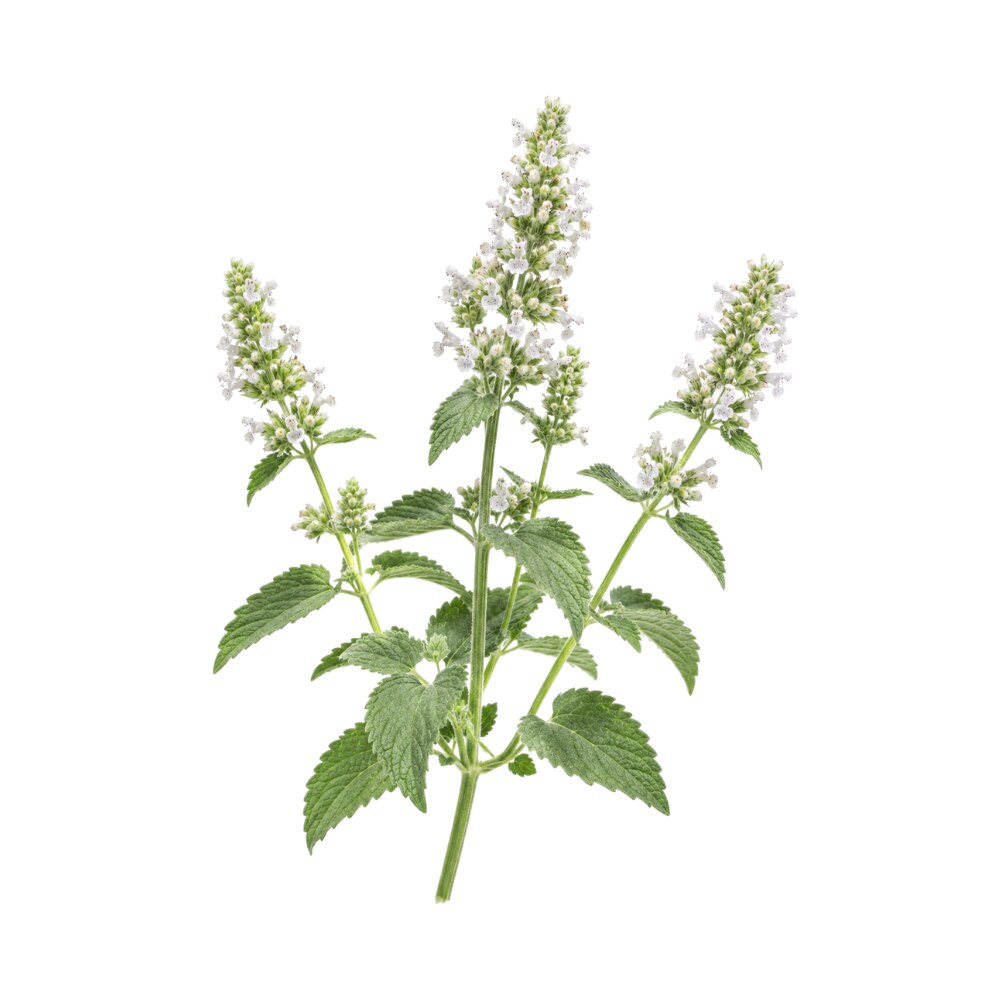 MildMildCatnipNepeta catariaThe nepetalactone-rich essential oil inhibits food-borne bacteria and fungi and a panel of canine skin pathogens in vitro, with membrane disruption shown by electron microscopy; the oil, not the tea.Mechanismessential-oil activityRead the evidenceShow lessMonograph →
Catnip essential oil inhibited common food-borne bacteria and fungi in a composition-and-activity study 193Reference 193In vitroChemical composition and antimicrobial activities of the essential oil from Nepeta cataria L. against common causes of food-borne infections — in vitroView study →, and a 2024 study found activity against canine skin-infection pathogens including Staphylococcus pseudintermedius, Malassezia pachydermatis and several dermatophytes, with membrane-disruption evidence from electron microscopy and leakage assays 194Reference 194In vitroAntimicrobial effects of catnip (Nepeta cataria L.) essential oil against canine skin infection pathogens — in vitroView study →. Nepetalactone drives it.
No in-vivo or clinical demonstration exists, and the tea does not deliver oil concentrations.
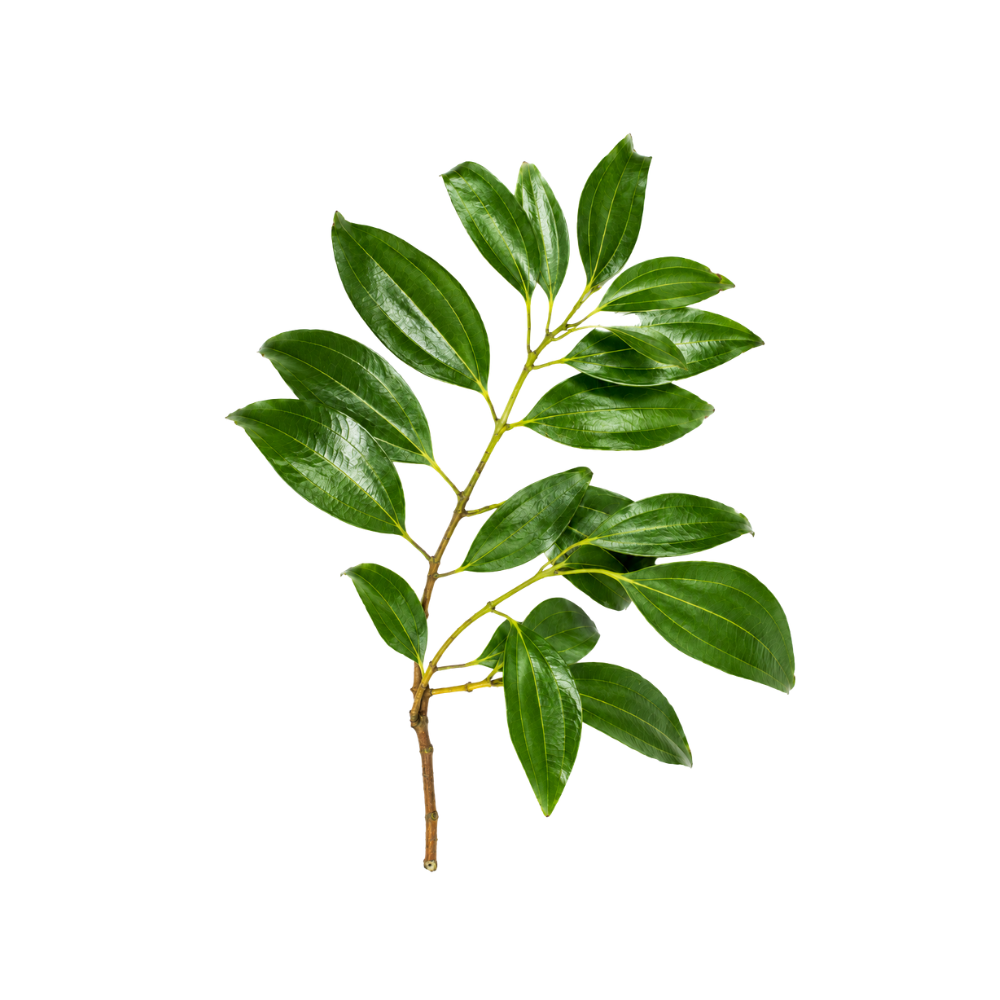 MildMildCeylon CinnamonCinnamomum verumThe bark oil, about 69% cinnamaldehyde, inhibited 21 bacteria and 4 Candida species at low MICs by disrupting microbial membranes; the chemistry is the oil's, at concentrations the swallowed bark never delivers.Read the evidenceShow lessMonograph →
Bark essential oil, about 69% (E)-cinnamaldehyde, showed strong activity against all of 21 bacteria and 4 Candida species tested by disc diffusion and MIC 195Reference 195In vitroComposition, antimicrobial activity and in vitro cytotoxicity of essential oil from Cinnamomum zeylanicum Blume (Lauraceae) — in vitroView study →. Cinnamaldehyde and eugenol drive it by disrupting microbial membranes and enzyme function, the same chemistry as cassia.
The oil was also strongly cytotoxic to fibroblasts in the same study, with IC50 values below 20 µg/mL 195Reference 195In vitroComposition, antimicrobial activity and in vitro cytotoxicity of essential oil from Cinnamomum zeylanicum Blume (Lauraceae) — in vitroView study →. The swallowed bark delivers nothing like these concentrations, and there is no infection trial.
 MildMildCouchgrassElymus repensStops uropathogenic E. coli adhering to the bladder wall — in the urinary tract, an organism that cannot hold on is washed out.Mechanismanti-adhesion against uropathogenic E. coli (rhizome coumaric-acid ester); agropyrene in a 0.01–0.05% volatile-oil fractionRead the evidenceShow lessMonograph →
The mechanistically interesting finding is an in-vitro anti-adhesion effect against uropathogenic E. coli, traced to a specific coumaric-acid ester in the rhizome.
Adhesion is how a urinary infection establishes itself. An organism that cannot bind to the urothelium is carried out with the urine, so in this compartment blocking attachment and killing arrive at the same place — which is why the traditional use is urinary rather than general.
The herb also carries agropyrene in a volatile-oil fraction that is 0.01 to 0.05% of the rhizome. That is a small quantity of a lipophilic compound, and little of it enters an aqueous decoction.
 MildMildDamianaTurnera diffusaThe striking resistance-modifying data, potentiating aminoglycosides against MRSA and multidrug-resistant E. coli, belong to the sister species Turnera ulmifolia; for T. diffusa itself there is modest in-vitro activity against Vibrio and Staphylococcus.Mechanismefflux-pump inhibition (inferred); bacterial membrane disruptionRead the evidenceShow lessMonograph →
Ethanol extracts of Turnera ulmifolia potentiated gentamicin and kanamycin against MRSA and enhanced amikacin, neomycin and tobramycin against multidrug-resistant E. coli, consistent with efflux-pump inhibition 54,
For T. diffusa itself the direct evidence is smaller: antimicrobial activity against Vibrio and Staphylococcus in an immunology assay 56Reference 56In vitroChemical, biological and immunological properties of “Damiana de California” Turnera diffusa extracts in Longfin yellowtail leukocytes — in vitroView study →, with the genus review reporting antibacterial and antimycobacterial activity across Turnera generally 57Reference 57ReviewEthnobotany, phytochemistry, and bioactivity of the genus Turnera with a focus on damiana — reviewView study →.
The efflux-pump mechanism is inferred from synergy patterns rather than demonstrated for damiana, and the eugenol cell-wall rationale is a constituent-level argument 54Reference 54In vitroHerbal therapy associated with antibiotic therapy: potentiation against MRSA by Turnera ulmifolia — in vitroView study →. Everything is in vitro.
MildDouglas FirPseudotsuga menziesiiThe needle oil and wood extracts show weak, strain-dependent antibacterial activity, with MICs in the milligram-per-millilitre range.Mechanismmonoterpene membrane disruption; strain-dependentRead the evidenceShow less
Essential oil from needles and twigs showed mostly low activity against reference strains and clinical respiratory isolates, with MICs of 1.25–20 mg/mL 59Reference 59In vitroPseudotsuga menziesii (Pinaceae): volatile profiles, antimicrobial activity and toxicological evaluation of its essential oil — in vitroView study →. In a screen of Pacific Northwest woods, old-growth Douglas fir oil inhibited Actinomyces bovis while the methanol heartwood extract was inactive, and the tree was weaker than Alaska cedar or western juniper 60Reference 60In vitroAntimicrobial activity of some Pacific Northwest woods against anaerobic bacteria and yeast — in vitroView study →.
Activity is inconsistent across strains and preparations, and the traditional needle tea has not been tested against a respiratory pathogen in a living body.
 MildMildEchinaceaEchinacea purpureaThe Echinaforce preparation inactivates enveloped respiratory viruses, including coronaviruses, on contact in vitro, and the herb modestly inhibits respiratory bacteria; its clinical benefit in respiratory infection runs through immune modulation rather than this direct activity.Mechanismcontact virucidal membrane disruption (enveloped viruses); modest in vitro bacterial growth inhibitionRead the evidenceShow lessMonograph →
The E. purpurea preparation Echinaforce inactivated human coronavirus 229E, MERS-CoV, SARS-CoV-1 and SARS-CoV-2 on contact in vitro 61Reference 61In vitroIn vitro virucidal activity of Echinaforce against coronaviruses, including 229E and SARS-CoV-2 — in vitroView study →, consistent with a mechanistic literature describing membrane-level disruption of enveloped respiratory viruses 62Reference 62ReviewPhytochemistry, mechanisms, and preclinical studies of Echinacea extracts in modulating immune responses to bacterial and viral infections — reviewView study →. On the bacterial side the activity is weaker: modest in-vitro inhibition of respiratory-tract bacteria in screening reviews 63,
The direct activity does not explain the clinical benefit. Reduced antibiotic need in children tracks with immune modulation and prevention of secondary complications 64,
No placebo-controlled trial has shown echinacea shortens or prevents a laboratory-confirmed infection through a demonstrated antimicrobial mechanism, and virucidal concentrations under contact conditions say nothing about achievable tissue exposure.
 MildMildEucalyptusEucalyptus globulusThe oil inhibits MRSA consistently across a systematic review, with activity against S. aureus, E. coli and Candida driven by limonene, α-pinene and p-cymene rather than cineole; a large in-vitro literature and no clinical infection endpoint.Mechanismlipophilic membrane disruption; NF-κB ↓ (host-side)Read the evidenceShow lessMonograph →
A systematic review of E. globulus oil against MRSA found consistent growth inhibition across studies 67Reference 67Systematic reviewAntibacterial properties of Eucalyptus globulus essential oil against MRSA: a systematic review — in vitroView study →, and compositional and activity screens confirm activity against S. aureus, E. coli and Candida 68Reference 68In vitroChemical composition and biological activities of Eucalyptus globulus essential oil — in vitroView study →. The killing is driven less by cineole than by the more lipophilic terpenes, limonene, α-pinene and p-cymene, which disrupt microbial membranes.
The old “fever tree” reputation 66Reference 66ReviewBiological, medicinal and toxicological significance of eucalyptus leaf essential oil: a reviewView study → rests on this chemistry.
MIC values are generally far above achievable tissue concentrations, no clinical infection endpoint has been tested, and results do not transfer between Eucalyptus species, plant parts or chemotypes 67,
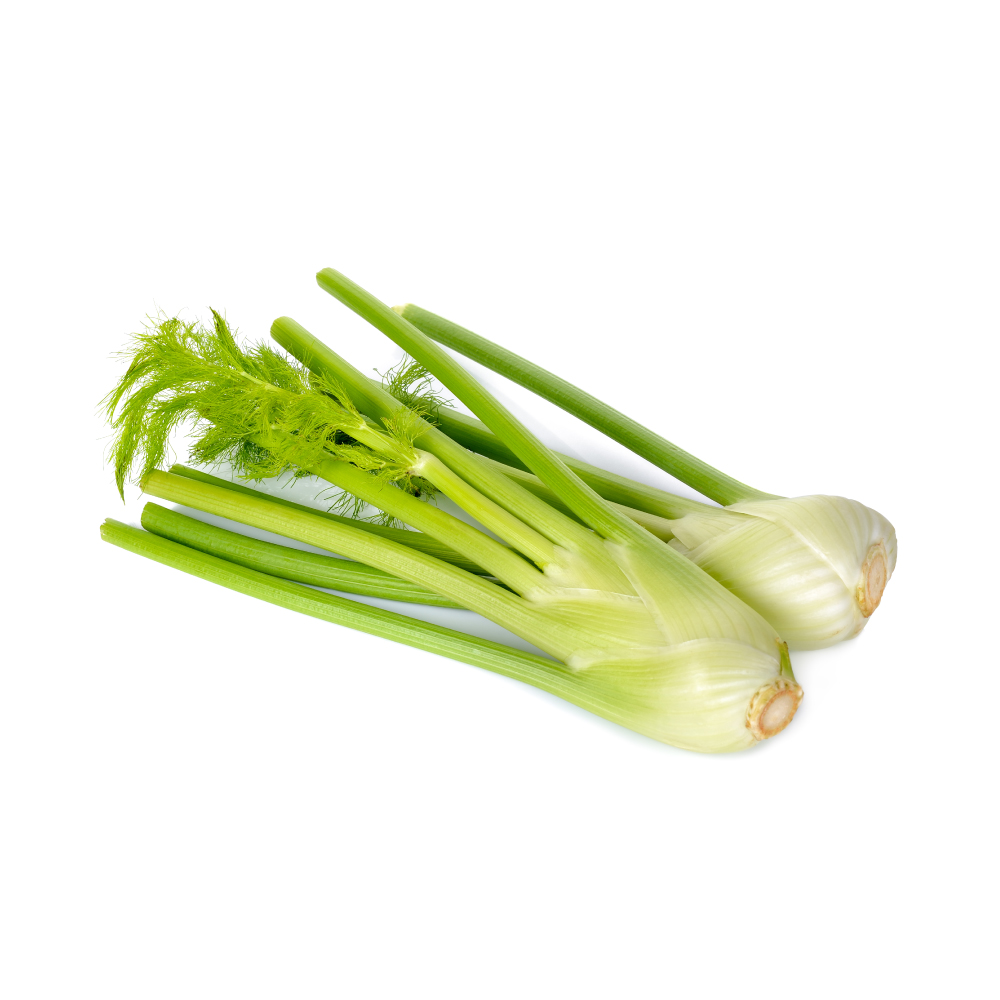 MildMildFennelFoeniculum vulgareThe volatile oil, with trans-anethole and fenchone, is active against a broad range of bacteria, fungi, yeasts and some viruses and parasites in culture, and underpins fennel's traditional place in mouthwashes and toothpastes.Mechanismnot established — activity attributed to the volatile oil (trans-anethole, fenchone)Read the evidenceShow lessMonograph →
Fennel essential oil is active against a broad range of bacteria, fungi, yeasts and some viruses and parasites in culture 70Reference 70In vitroFoeniculum vulgare essential oils: chemical composition, antioxidant and antimicrobial activities — in vitroView study →, with trans-anethole and fenchone as likely contributors 71Reference 71In vitroChemical composition and antimicrobial and cytotoxic activities of Foeniculum vulgare essential oils — in vitroView study →.
The action is local and topical, and it underpins the traditional inclusion of fennel in mouthwashes and toothpastes 72Reference 72Principles and Practice of Phytotherapy (2nd ed.).
No molecular target is characterised, fennel has never been tested or used as a systemic antimicrobial in humans, and disc-diffusion potency is a poor predictor of clinical efficacy.
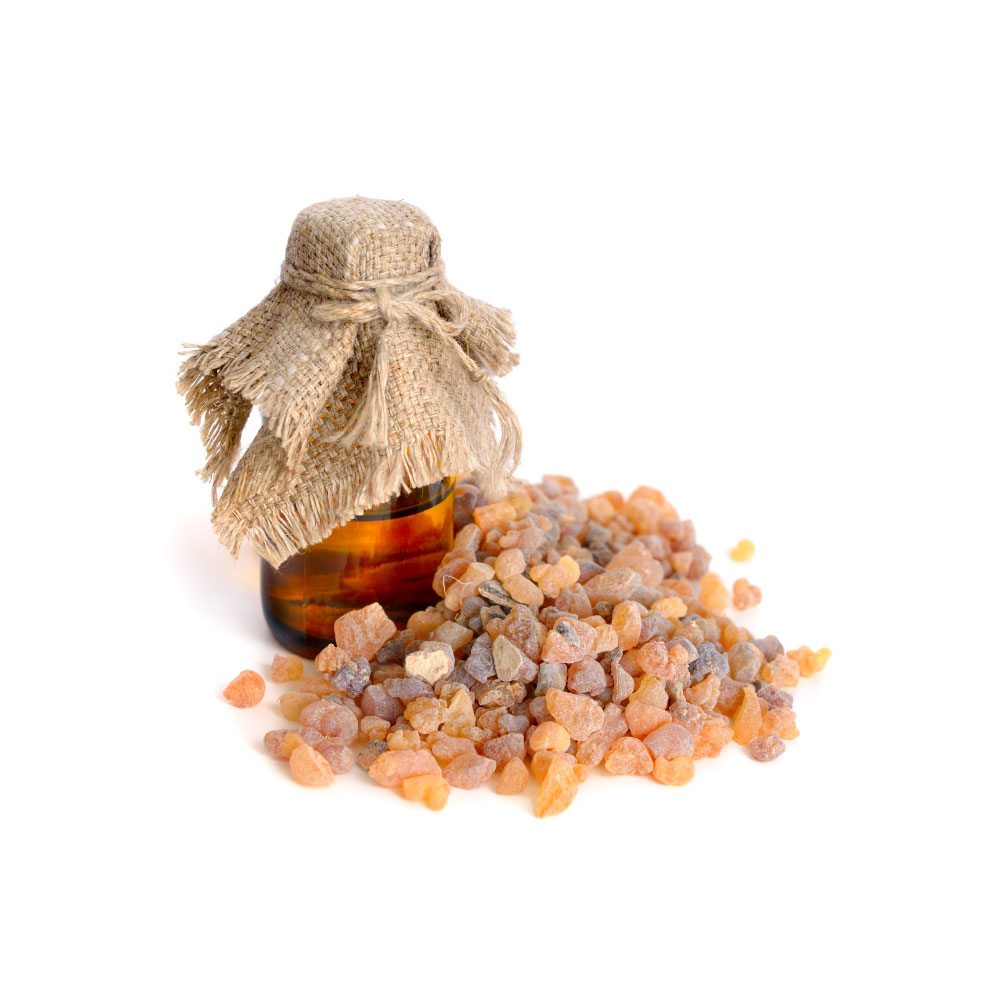 MildMildFrankincenseBoswellia serrataThe steam-distilled resin oil shows modest, variable antibacterial activity attributed to α-pinene and the monoterpene fraction, differing sharply between resin grades; the boswellic acids that carry the rest of the pharmacology play no part.Mechanismmonoterpene (α-pinene) membrane disruption — inferred from composition, not demonstrated by the cited work; otherwise not establishedRead the evidenceShow lessMonograph →
GC-MS work on Boswellia oleogum-resin oils shows modest, variable antibacterial activity attributed to the monoterpene fraction, principally α-pinene, with composition and potency differing sharply between resin grades and geographic origins 73Reference 73In vitroComposition and antibacterial activity of the essential oils of four commercial grades of Omani luban, the oleo-gum resin of Boswellia sacra FLUECK — [in vitro]View study →.
The activity belongs to the essential oil, not to the boswellic acids that carry frankincense’s anti-inflammatory pharmacology. The cited work is B. sacra (Omani luban), while the herb’s clinical evidence is all B. serrata.
The data are in-vitro zone-of-inhibition and MIC work on the oil at concentrations no oral dose reaches, so the plausible route is topical or fumigation, and no controlled study has tested frankincense against a human infection. The membrane-disruptive mechanism usually named for it is an inference from monoterpene chemistry; the cited work reports composition and inhibition zones only.
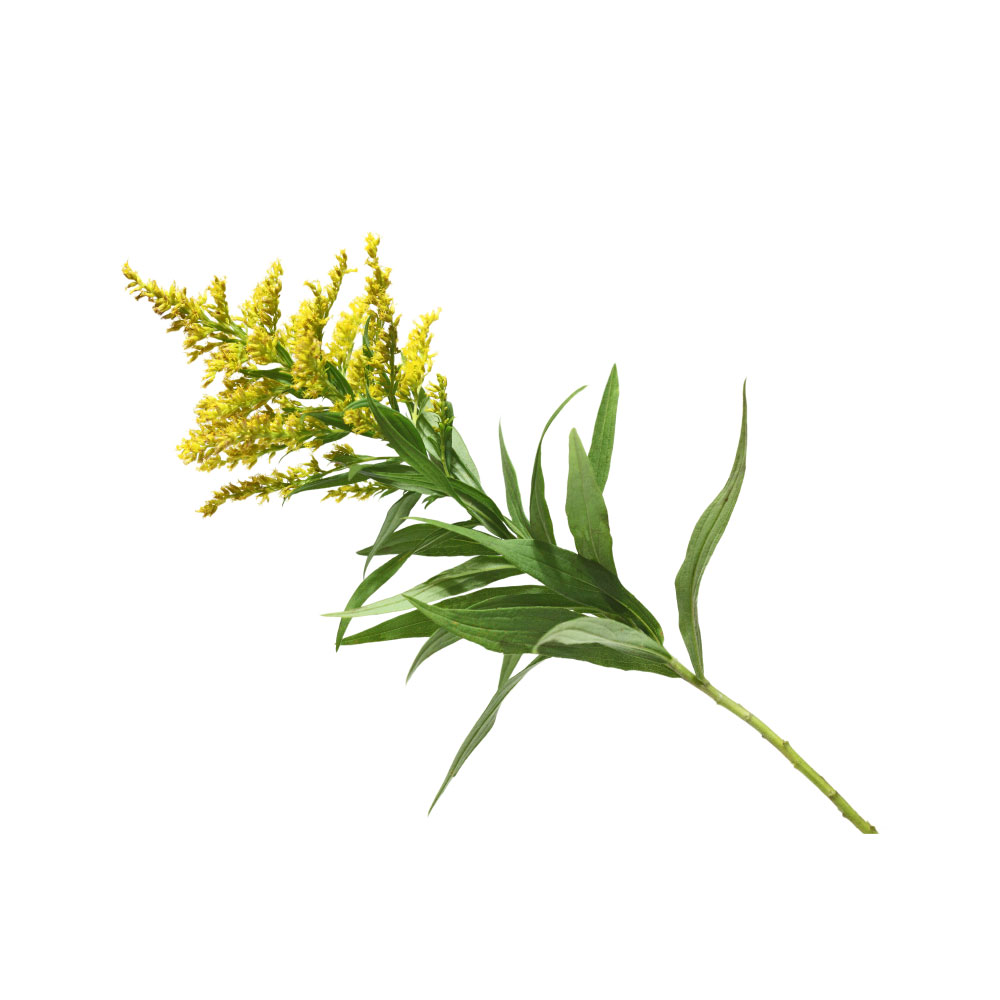 MildMildGoldenrodSolidago virgaureaAqueous extracts do not kill planktonic organisms but block Candida's yeast-to-hypha switch, cut biofilm and prolong the antibiotic effect against uropathogenic E. coli; an anti-adhesion and antibiofilm herb, and a goldenrod toothpaste reduced oral bacterial load in a randomised trial.Mechanismmicrobial adhesion ↓; Candida yeast-to-hypha transition ↓ via ALS3 / HWP1 / ECE1 down-regulation; saponin surfactant disruption of biofilm matrixRead the evidenceShow lessMonograph →
Aqueous goldenrod extracts repeatedly fail to kill planktonic organisms yet reliably disrupt adhesion and biofilm. Against Candida albicans they block the yeast-to-hypha switch and cut biofilm biomass without affecting growth, an effect traced to saponin content 76Reference 76In vitroInhibition of Candida albicans yeast-hyphal transition and biofilm formation by Solidago virgaurea water extracts — in vitroView study → and shown at the gene level to down-regulate the adhesion and hyphal genes ALS3, HWP1 and ECE1 while synergising with miconazole and nystatin 77Reference 77In vitroInhibition of adhesion-specific genes by Solidago virgaurea extract causes loss of Candida albicans biofilm integrity — in vitro (gene expression)View study →.
Bioassay-guided work isolated oleanane-type triterpenoid saponins as the anti-hyphal principles 78Reference 78In vitroTriterpenoid saponins from the aerial parts of Solidago virgaurea alpestris with inhibiting activity of Candida albicans yeast-hyphal conversion — in vitro, bioassay-guided isolationView study →.
The same pattern appears against uropathogenic E. coli, where extract prolonged the post-antibiotic effect of amikacin and ciprofloxacin 79Reference 79In vitroIs it Worth Combining Solidago virgaurea Extract and Antibiotics against Uropathogenic Escherichia coli rods? An In Vitro Model Study — in vitro biofilm and antibiotic-synergy studyView study →, and against ESBL-producing Pseudomonas aeruginosa 80Reference 80In vitroImpact of Solidago virgaurea Extract on Biofilm Formation for ESBL-Pseudomonas aeruginosa: An In Vitro Model Study — in vitroView study →.
A randomised double-blind study (n=66, 4 weeks) of a fluoride toothpaste containing goldenrod extract reduced total oral bacterial load and C. albicans 81Reference 81RCTSolidago virgaurea LView study →, a topical oral-cavity route and the best single-herb human study of goldenrod.
Measured against herbs that kill organisms, goldenrod is mild. As an anti-adhesion and antibiofilm agent it is one of the better-characterised herbs in the group, and that is the more accurate description of it.
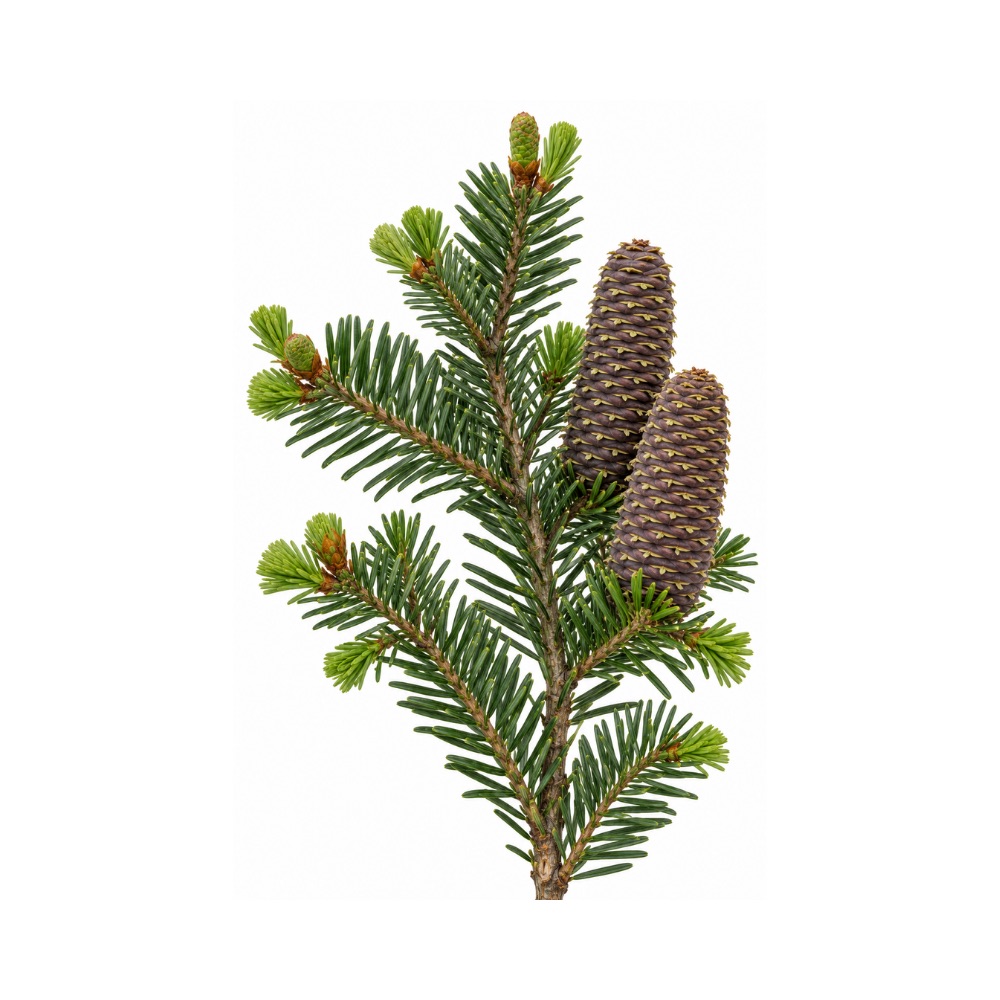 MildMildGrand FirAbies grandisIts needle oil is a bornyl-acetate, α-pinene and camphene chemotype whose monoterpenes are antimicrobial as a class, but no assay of A. grandis extract or oil has been published.Mechanismmonoterpene membrane disruption (class-level)Read the evidenceShow less
A 2025 comparative study placed A. grandis in a bornyl-acetate-rich chemotype, and the antifungal potency in that panel belonged to A. sibirica oil rather than to grand fir 25Reference 25In vitroComparative phytochemical profiling of essential oils from selected Abies species and analysis of their antifungal and antiradical activity — in vitroView study →. Conifer monoterpenes are broadly antimicrobial as a class 25,
No antibacterial or antifungal assay of grand fir extract or oil itself exists.
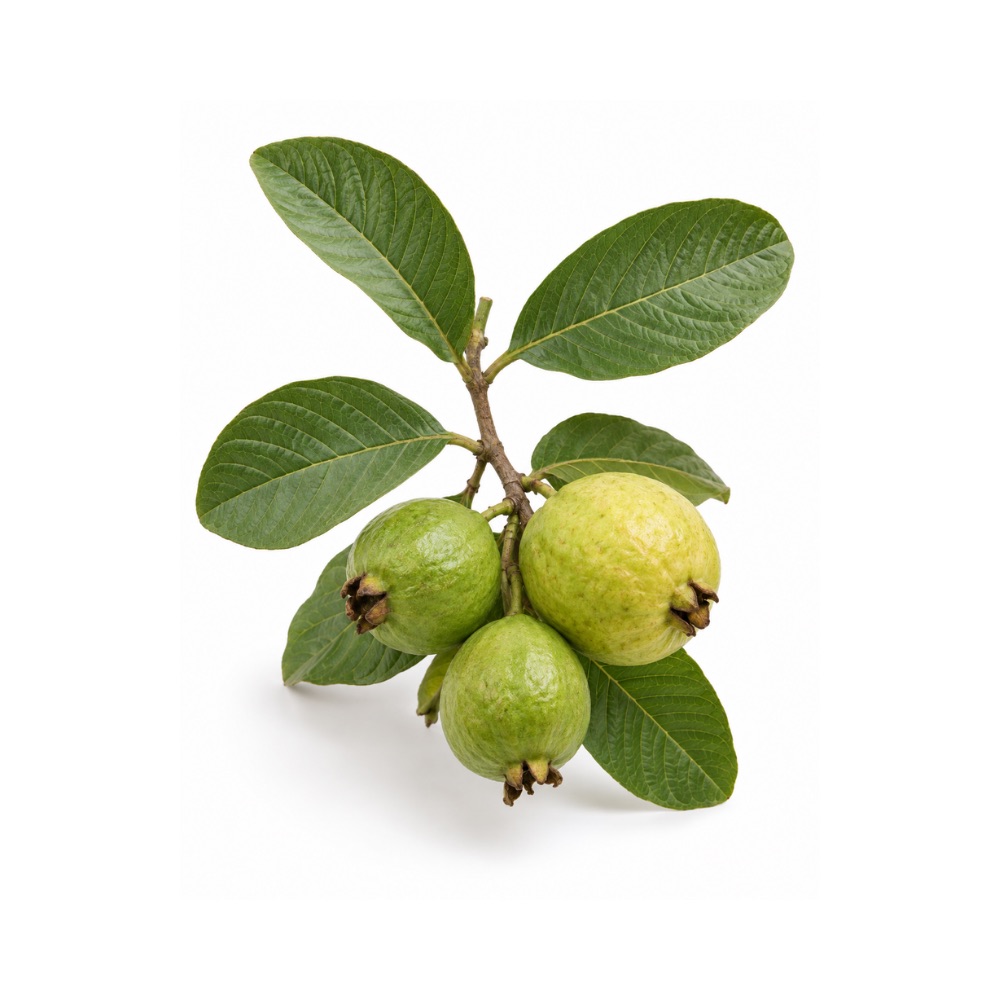 MildMildGuavaPsidium guajavaLeaf extracts inhibit Gram-positive organisms such as S. aureus and B. cereus and enteric viruses, while E. coli and Salmonella were resistant in careful testing; guava's place in enteric infection rests on its antisecretory and antispasmodic actions rather than on killing Gram-negatives.Mechanismtannin/flavonoid membrane disruption (Gram-positive selective)Read the evidenceShow less
Activity is best against Gram-positive organisms (S. aureus, B. cereus) and enteric viruses. Against Gram-negative enteric bacteria the results are inconsistent, and one careful study found E. coli and Salmonella resistant to guava leaf extracts 95Reference 95AnimalAntidiarrheal and protein conservative activities of Psidium guajava in diarrheal rats — animal modelView study →.
Guava’s value in enteric infection rests on its antisecretory, antispasmodic and antiviral actions. All the antimicrobial work is in-vitro disc-diffusion and MIC data, with no clinical anti-infective endpoint.
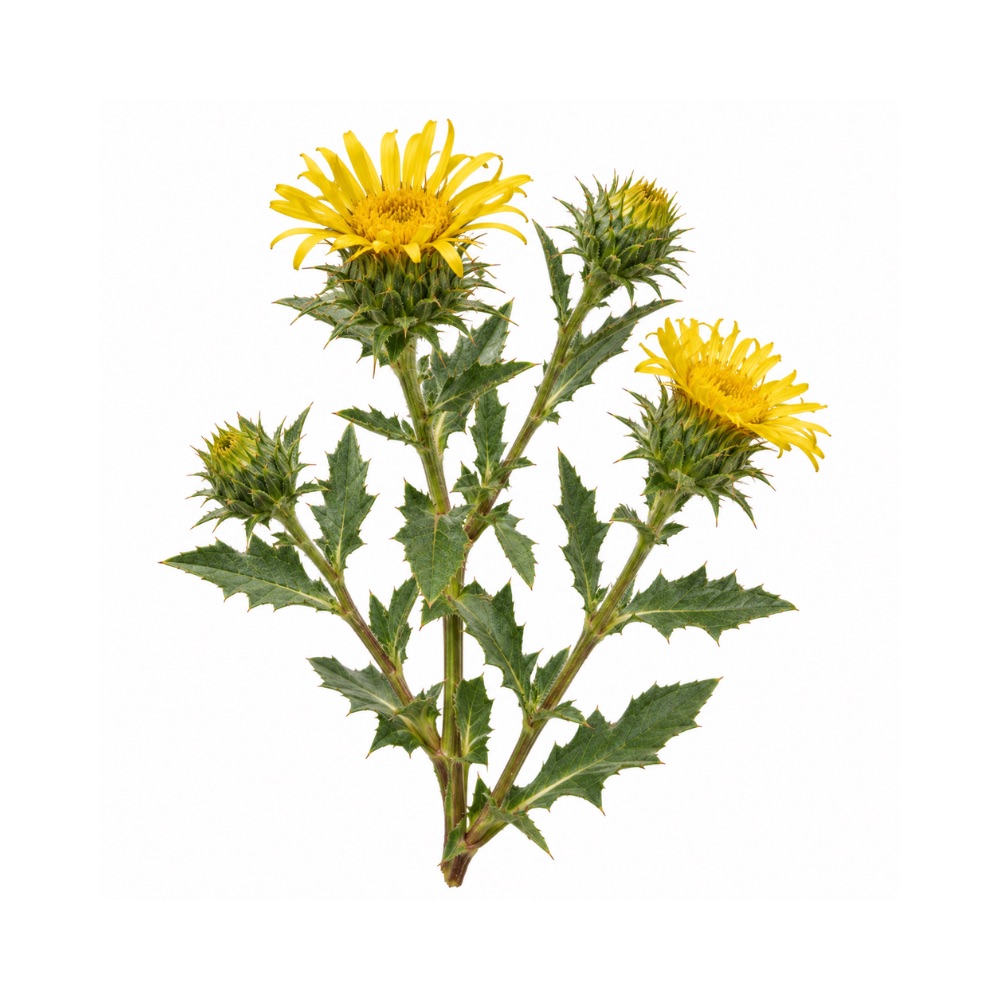 MildMildGumweedGrindelia squarrosaThe essential oil's β-pinene inhibits Streptococcus pneumoniae at 39 µg/mL and its borneol S. aureus at 78 µg/mL, while the whole extract that is drunk showed no antimicrobial effect.Mechanismessential-oil and resin activityRead the evidenceShow less
Screening of the major oil components from Idaho-grown G. squarrosa found (−)-β-pinene strongly active against Streptococcus pneumoniae (MIC 39.1 µg/mL) and (−)-borneol against Staphylococcus aureus (MIC 78.1 µg/mL) 196Reference 196In vitroEssential oil composition of Grindelia squarrosa from southern Idaho — in vitro antimicrobial screeningView study →.
The whole extract and isolated grindelic acid, the forms tested in the respiratory work, showed no antimicrobial effect, so the activity tracks the volatile oil rather than the water or alcohol extract people take.
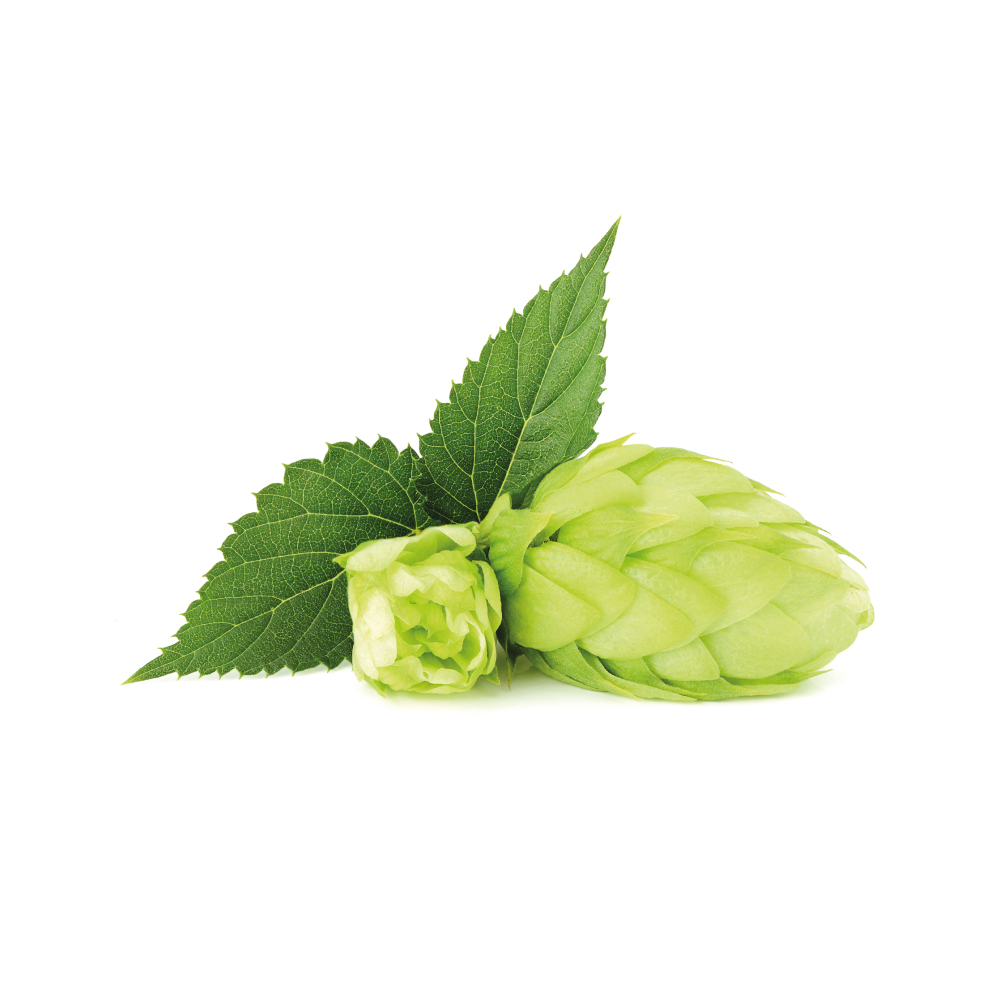 MildMildHopsHumulus lupulusHumulone, lupulone and xanthohumol inhibit gut anaerobes including Clostridium difficile and co-act with polymyxin B, tobramycin and ciprofloxacin in vitro; a Gram-positive antibacterial listed for topical use in the British Herbal Pharmacopoeia.Mechanismα-/β-acid and prenylflavonoid antibacterial action (molecular target not established); antibiotic co-actionRead the evidenceShow lessMonograph →
Purified humulone, lupulone and xanthohumol inhibit gut anaerobes including Clostridium difficile 96Reference 96In vitroStrong antimicrobial activity of xanthohumol and other derivatives from hops (Humulus lupulus L.) on gut anaerobic bacteria — [in vitro]View study →, and lupulone and xanthohumol show positive co-action with polymyxin B, tobramycin and ciprofloxacin against Gram-positive and some Gram-negative organisms 97Reference 97In vitroPositive antibacterial co-action between hop (Humulus lupulus) constituents and selected antibiotics — [in vitro]View study →. Activity is predominantly Gram-positive, the same chemistry that preserves beer.
There are no clinical antimicrobial trials, and systemic exposure from oral hops sits far below inhibitory concentrations, so the plausible route is topical, which is what the British Herbal Pharmacopoeia lists it for 98Reference 98British Herbal Pharmacopoeia — [traditional reference].
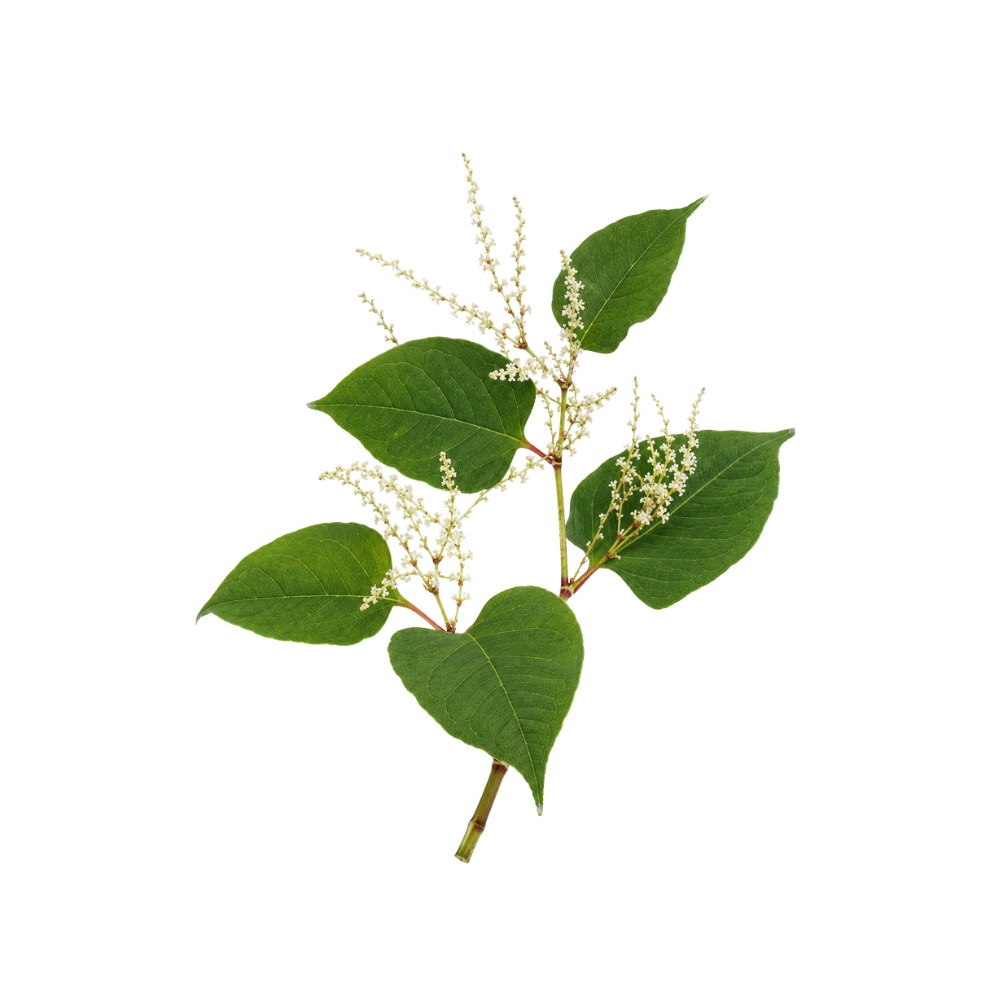 MildMildJapanese KnotweedReynoutria japonicaAmong 12 botanicals tested against Borrelia burgdorferi, knotweed was one of the two most active, inhibiting both growing and stationary-phase forms at 0.25–0.5%; the finding behind its use in herbal Lyme protocols, and a single in-vitro screen.Mechanismnot establishedRead the evidenceShow lessMonograph →
Testing 12 botanicals against Borrelia burgdorferi, Polygonum cuspidatum was among the two most active, inhibiting both growing forms (MIC 0.25–0.5%) and the stationary-phase, antibiotic-tolerant forms that motivate herbal Lyme protocols 99Reference 99In vitroEvaluation of natural and botanical medicines for activity against growing and non-growing forms of Borrelia burgdorferi — in vitroView study →.
No mechanism has been identified. A 0.25–0.5% crude-extract concentration may not be achievable in tissue, and there is no animal or human evidence that oral knotweed treats any infection.
Broader traditional antibacterial and antiviral use exists but has not been tested.
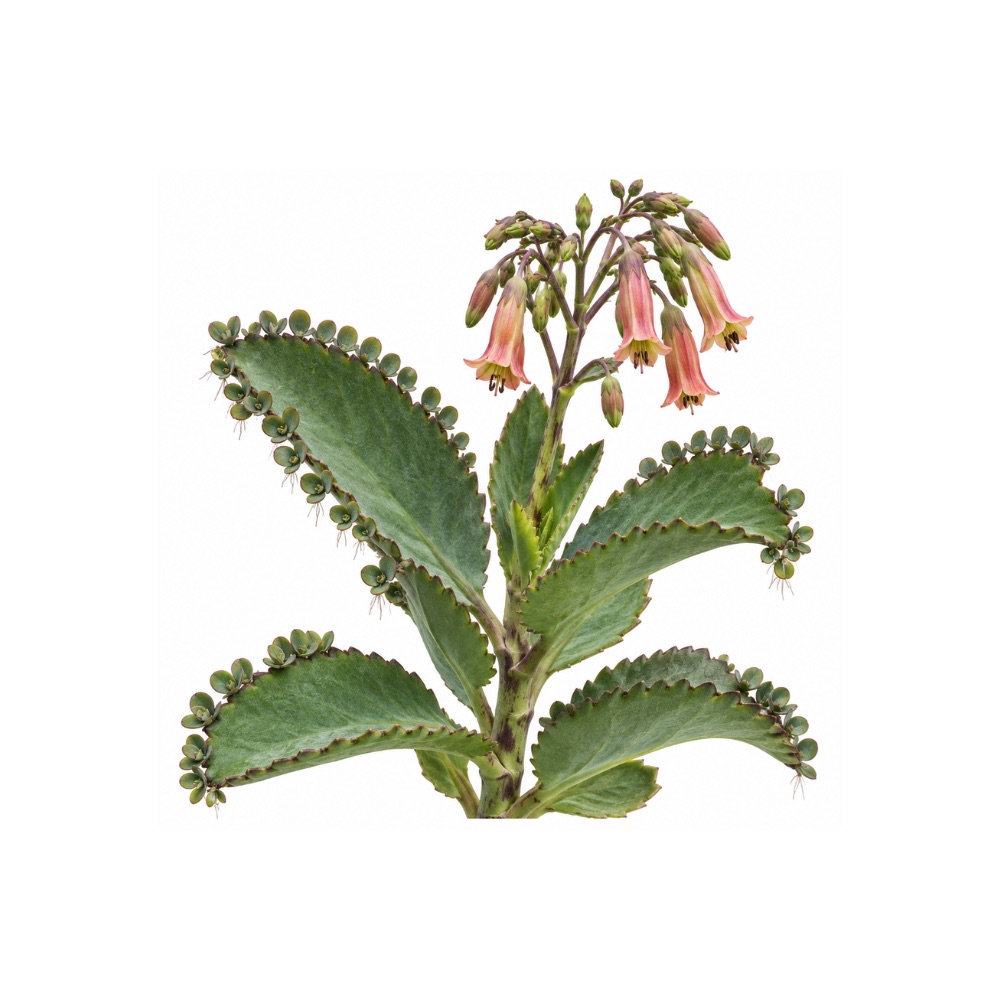 MildMildKalanchoeKalanchoe pinnataLeaf juice and leaf extracts inhibit a broad bacterial panel in vitro, matching a traditional use for respiratory and skin infection across West African, Indian and South American practice; no in-vivo confirmation exists.Read the evidenceShow less
Leaf juice showed in-vitro antibacterial activity in an early report 198Reference 198In vitroPreliminary report on the in vitro antibacterial activity of Bryophyllum pinnatum leaf juice — in vitroView study →, and leaf extracts inhibited a broad panel of bacteria at high concentrations 197Reference 197In vitroAntimicrobial activity of Bryophyllum pinnatum leaves — in vitroView study →. The plant is used for respiratory and skin infection in West African, Indian and South American practice.
There is no in-vivo infection model and no clinical evidence, and the plant’s cardiac bufadienolides make internal use a separate safety question from the topical one.
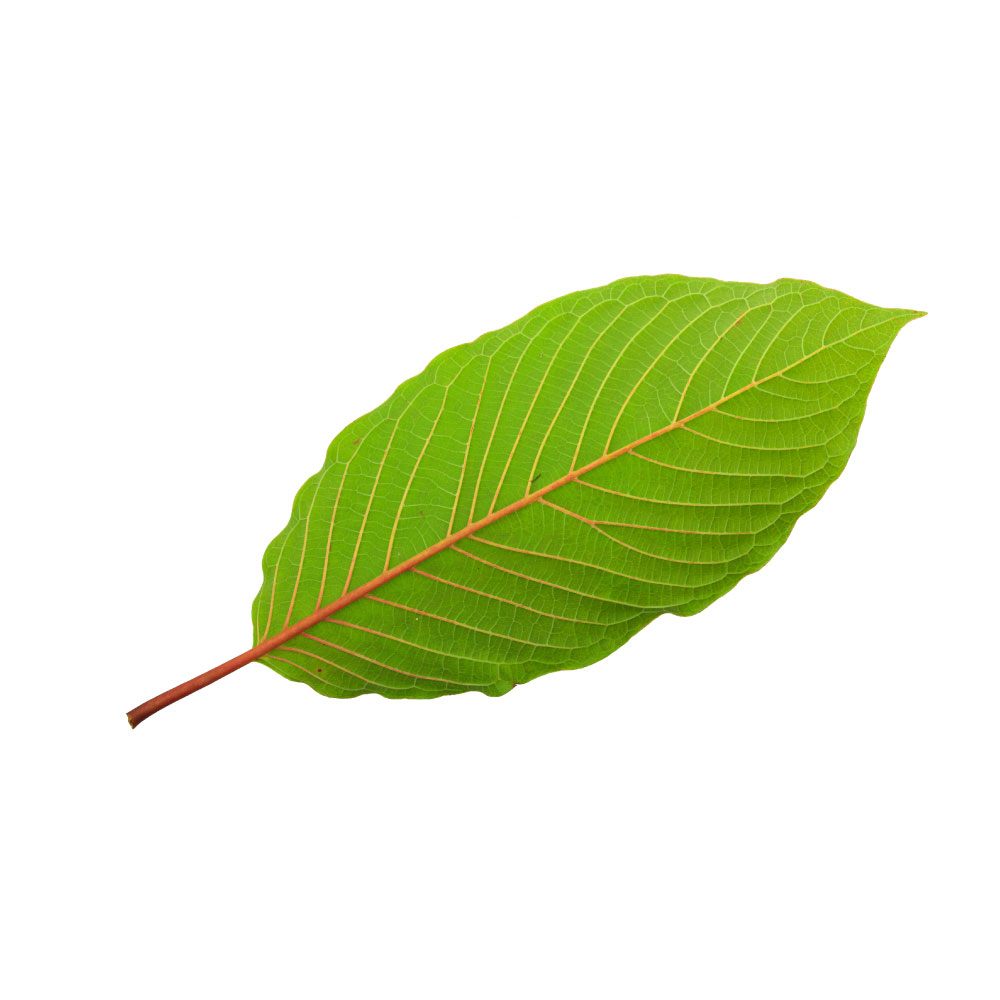 MildMildKratomMitragyna speciosaAqueous, methanolic and alkaloid leaf extracts inhibit Salmonella typhi and Bacillus subtilis at 3–6 mg/mL, and a fermented leaf supernatant is antibacterial and antibiofilm against MRSA and E. coli; measurable and weak.Mechanismnot established (direct in-vitro growth inhibition; antibiofilm activity in fermented leaf preparations)Read the evidenceShow lessMonograph →
Aqueous, methanolic and alkaloid leaf extracts inhibited Salmonella typhi and Bacillus subtilis at minimum inhibitory concentrations of roughly 3–6 mg/mL, with the alkaloid extract most active 104Reference 104In vitroEvaluation of antioxidant and antibacterial activities of aqueous, methanolic and alkaloid extracts from Mitragyna speciosa leaves — in vitroView study →. A fermented leaf supernatant (Lactobacillus rhamnosus) later showed antibacterial and antibiofilm activity against Staphylococcus aureus, MRSA and E. coli 105Reference 105In vitroAntibacterial, Antibiofilm, Antioxidant and Anti-Inflammatory Activities of Kratom Leaf Fermentation Supernatant — in vitroView study →.
Those MICs are very high. No in-vivo work exists, and oral kratom does not approach those exposures.
The traditional use for diarrhoea and intestinal infection is more plausibly the opioid effect on gut motility than antisepsis.
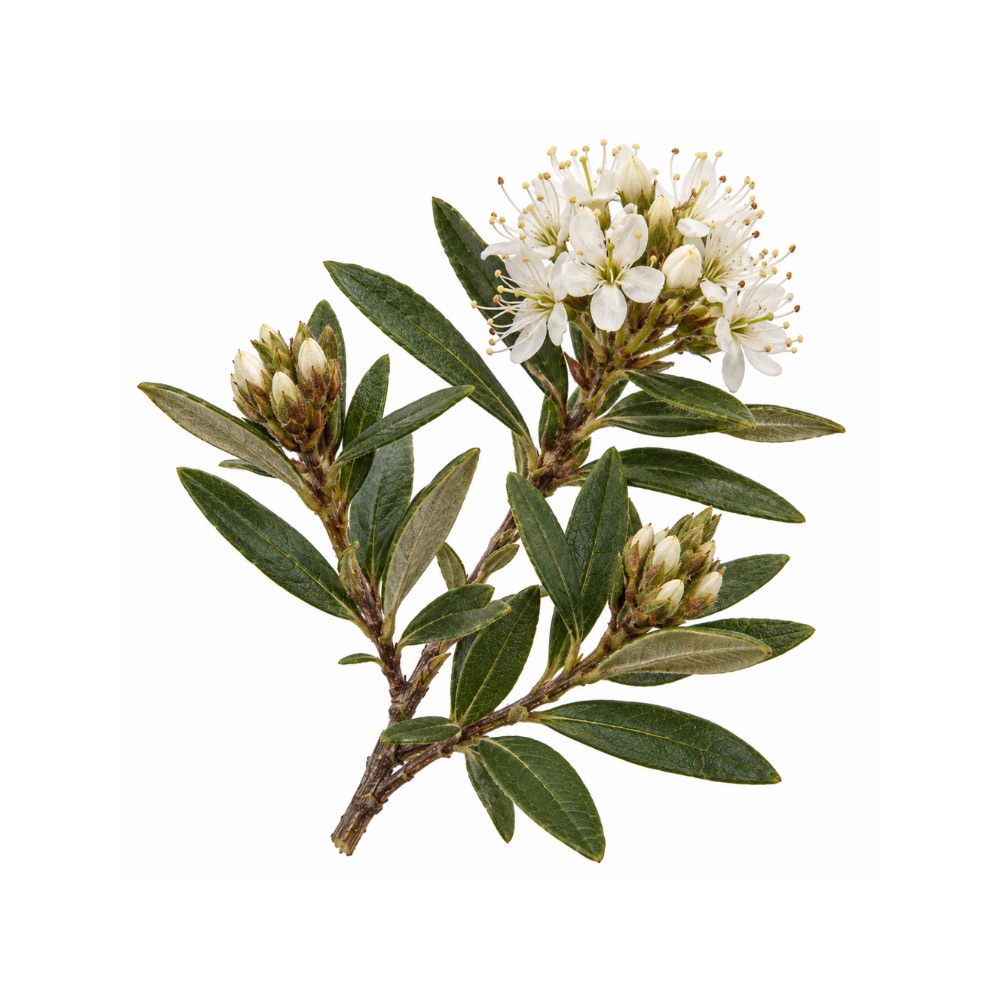 MildMildLabrador TeaRhododendron groenlandicumThe essential oil permeabilises Fusobacterium nucleatum, disrupts its biofilm and cuts its volatile-sulfur output without harming oral keratinocytes, matching the traditional use of the leaf as a wash; a screen against gonococci was negative.Mechanismessential-oil terpene activityRead the evidenceShow less
The essential oil showed antibacterial activity against the oral pathogen Fusobacterium nucleatum, permeabilising the bacterial membrane, disrupting preformed biofilm and dose-dependently cutting volatile-sulfur-compound output, without harming oral keratinocytes at active concentrations 199Reference 199In vitroEffects of Labrador tea, peppermint, and winter savory essential oils on Fusobacterium nucleatum — in vitroView study →.
In a screen of Canadian First Nations plants against Neisseria gonorrhoeae, R. groenlandicum was not among the active species 32Reference 32In vitroExtracts of Canadian First Nations medicinal plants inhibit Neisseria gonorrhoeae isolates with different antibiotic-resistance profiles — in vitro studyView study →.
The positive result is essential oil, a preparation the herb is not consumed as, on one organism. The leaves’ traditional use is as a wash and insect repellent.
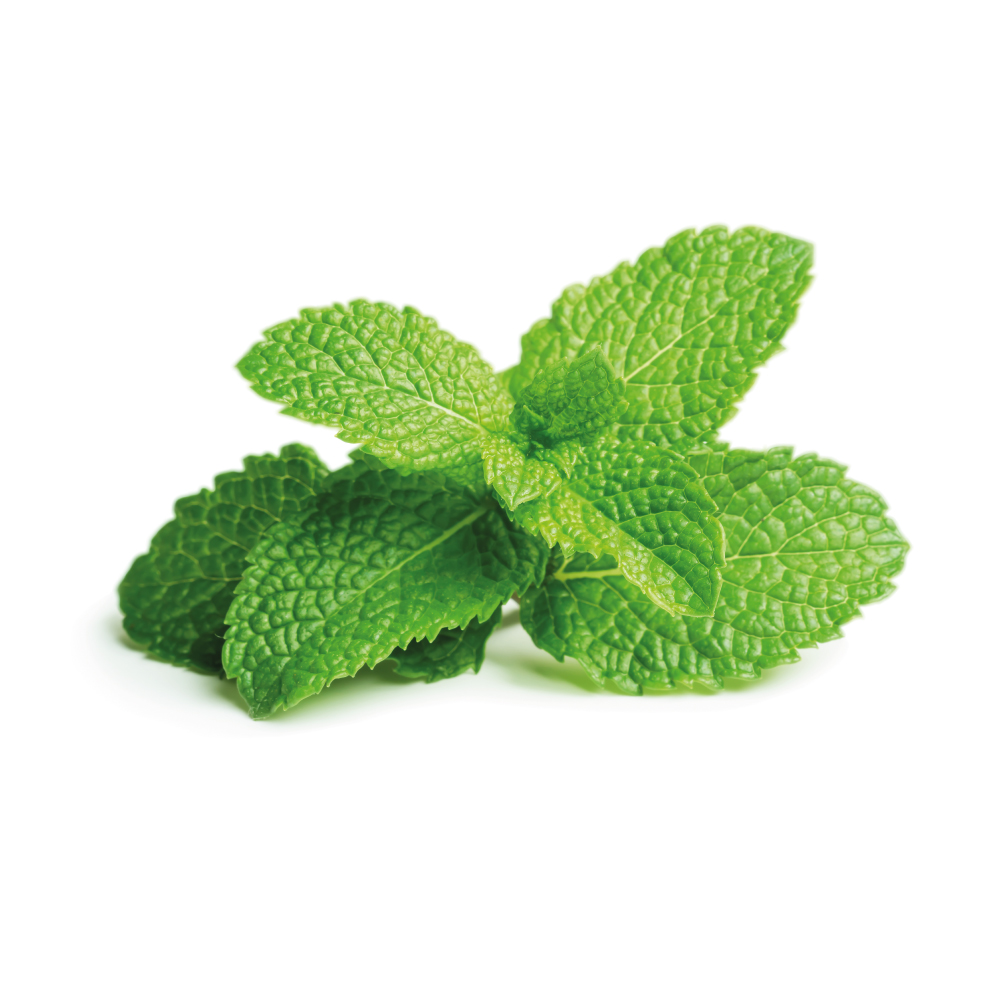 MildMildPeppermintMentha × piperitaThe essential oil and its menthol and menthone inhibit bacteria and fungi, including Candida albicans and Listeria, and disrupt biofilms in vitro; oil-strength activity that no tea, capsule or dilution delivers.Mechanismmonoterpene membrane disruptionRead the evidenceShow lessMonograph →
Peppermint essential oil and its dominant volatiles inhibit a range of bacteria and fungi and disrupt biofilms in vitro, including Candida albicans and Listeria, with activity tracking menthol and menthone content and attributed to monoterpene membrane disruption 134Reference 134In vitroChemical composition, antifungal and antibiofilm activities of the essential oil of Mentha piperita L. — in vitroView study →.
Every datum is in vitro at oil concentrations far above anything an oral capsule, a tea or a topical dilution delivers, and there is no clinical antimicrobial evidence 134Reference 134In vitroChemical composition, antifungal and antibiofilm activities of the essential oil of Mentha piperita L. — in vitroView study →. Several studies in this literature test spearmint (Mentha spicata, carvone-dominant, low menthol) alongside peppermint; the two are not interchangeable.
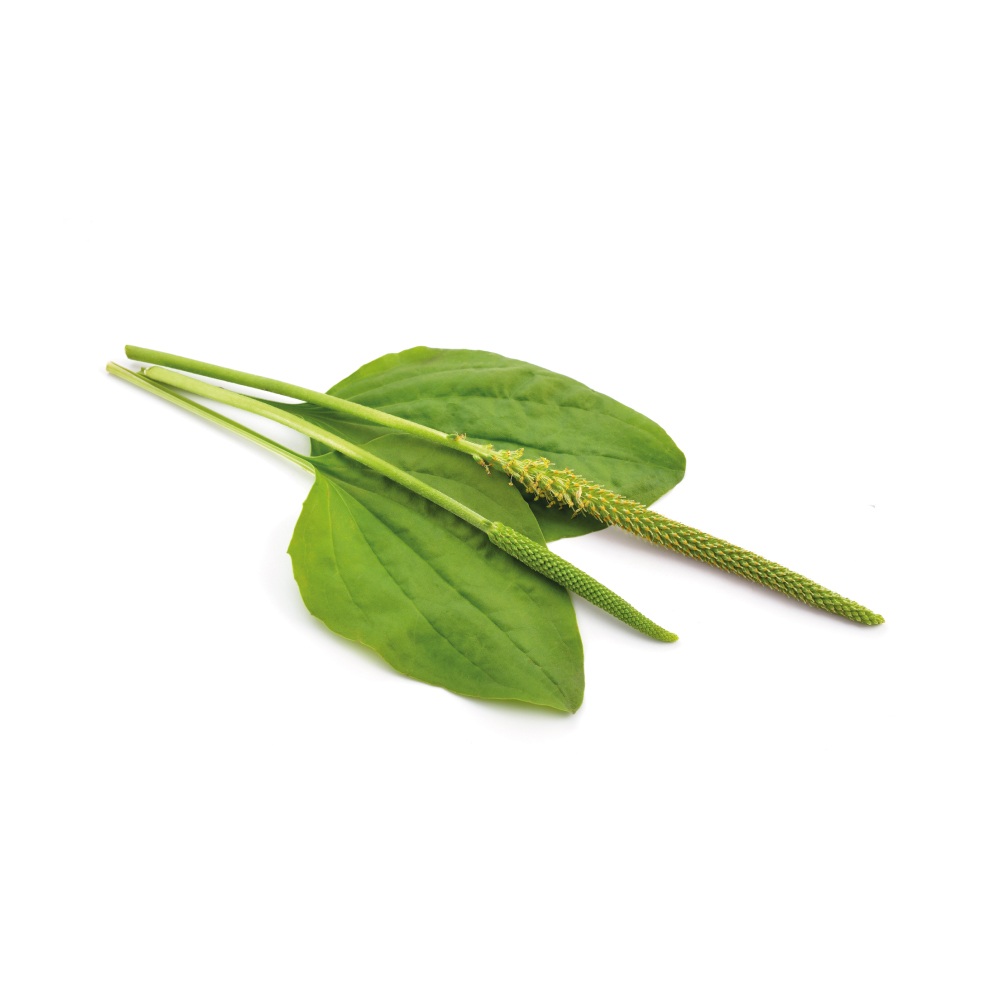 MildMildPlantainPlantago majorEthanolic leaf extract inhibits multidrug-resistant Pseudomonas aeruginosa from burn wounds and suppresses Borrelia burgdorferi in stationary-phase culture; a broad, weak contact antiseptic whose topical benefit owes more to its anti-inflammatory and tissue-repairing actions.Mechanismmembrane / biofilm disruption by iridoid glycosides and acteosideRead the evidenceShow lessMonograph →
Ethanolic leaf extract gave dose-dependent inhibition zones (up to about 22 mm at 100% concentration) against multidrug-resistant Pseudomonas aeruginosa from burn wounds 135Reference 135In vitroAntibacterial activity of ethanolic extracts of Plantago major leaves against Pseudomonas aeruginosa from burn infections — in vitroView study →. Against Streptococcus mutans it managed about 10 mm zones, weaker than chlorhexidine 136Reference 136In vitroAntimicrobial effect of Plantago major extract against Streptococcus mutans in dental caries formation — in vitroView study →.
Extracts suppressed Borrelia burgdorferi viability and biofilm in stationary-phase culture 137Reference 137In vitroPlantago major and Plantago lanceolata exhibit antioxidant and Borrelia burgdorferi-inhibiting activities — in vitroView study →, and a review catalogues antibacterial, antiviral and antifungal activity across preparations 138Reference 138ReviewAntimicrobial and other biomedical properties of extracts from Plantago major — reviewView study →.
Everything is in vitro, crude-extract MICs sit in the mg/mL range, and one of the cited actives is a root extract (Salmonella paratyphi, MIC about 1.5 mg/mL 139Reference 139In vitroSeparation of crude methanol extract of Plantago major root: phytochemicals and biological activities — in vitroView study →) rather than the medicinal leaf. No clinical antimicrobial use is validated, and plantain’s wound value is examined among the vulnerary herbs.
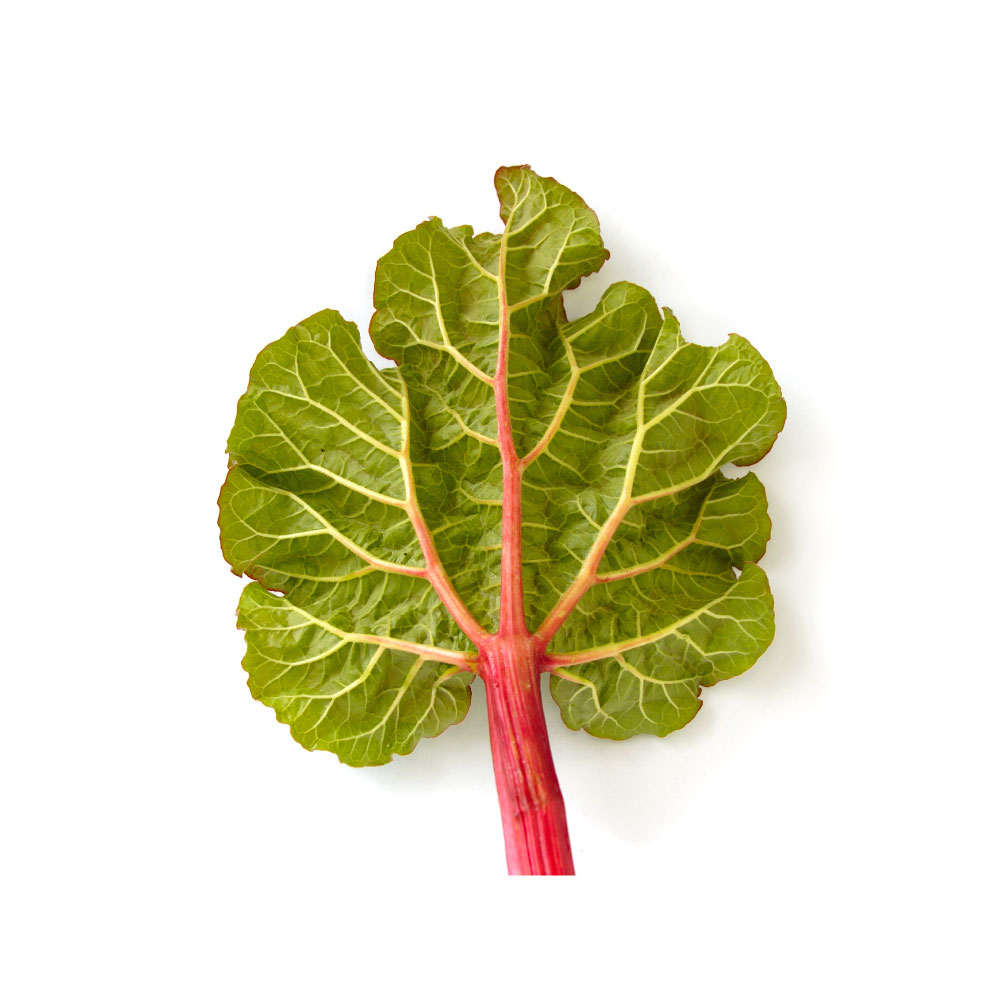 MildMildRhubarbRheum palmatumRoot extracts inhibit bacteria, Entamoeba histolytica and cariogenic oral organisms in vitro, consistent with the traditional use for intestinal infection; the antimicrobial anthraquinones are the purgative ones, so an oral antimicrobial dose is a laxative dose.Mechanismpresumed anthraquinone + tannin actives — molecular target not established; contact route only (luminal / oral-topical)Read the evidenceShow lessMonograph →
Rhubarb shows in-vitro activity against bacteria, against the amoeba Entamoeba histolytica 140Reference 140In vitroAnti-amebic effects of Chinese rhubarb (Rheum palmatum) root against Entamoeba histolytica — in vitroView study → and against cariogenic oral organisms 141Reference 141In vitroIn vitro anti-cariogenic activity of dichloromethane fraction from Rheum undulatum — in vitroView study →, consistent with its long traditional use for intestinal infection and damp-heat. The anthraquinones and tannins are the presumed actives; no molecular target has been established.
The antimicrobial molecules, rhein, emodin and aloe-emodin, are the purgative molecules, so an oral dose large enough to hold antimicrobial concentrations in the gut is a stimulant-laxative dose. That ceiling, rather than the in-vitro numbers, sets the potency.
The two findings are separate claims on separate routes. The anti-amoebic result 140Reference 140In vitroAnti-amebic effects of Chinese rhubarb (Rheum palmatum) root against Entamoeba histolytica — in vitroView study → would require luminal gut exposure, and the anti-cariogenic result 141Reference 141In vitroIn vitro anti-cariogenic activity of dichloromethane fraction from Rheum undulatum — in vitroView study → is a mouth-contact claim from a dichloromethane fraction of Rheum undulatum rather than the medicinal R. palmatum root.
No clinical trials of rhubarb as an antimicrobial exist.
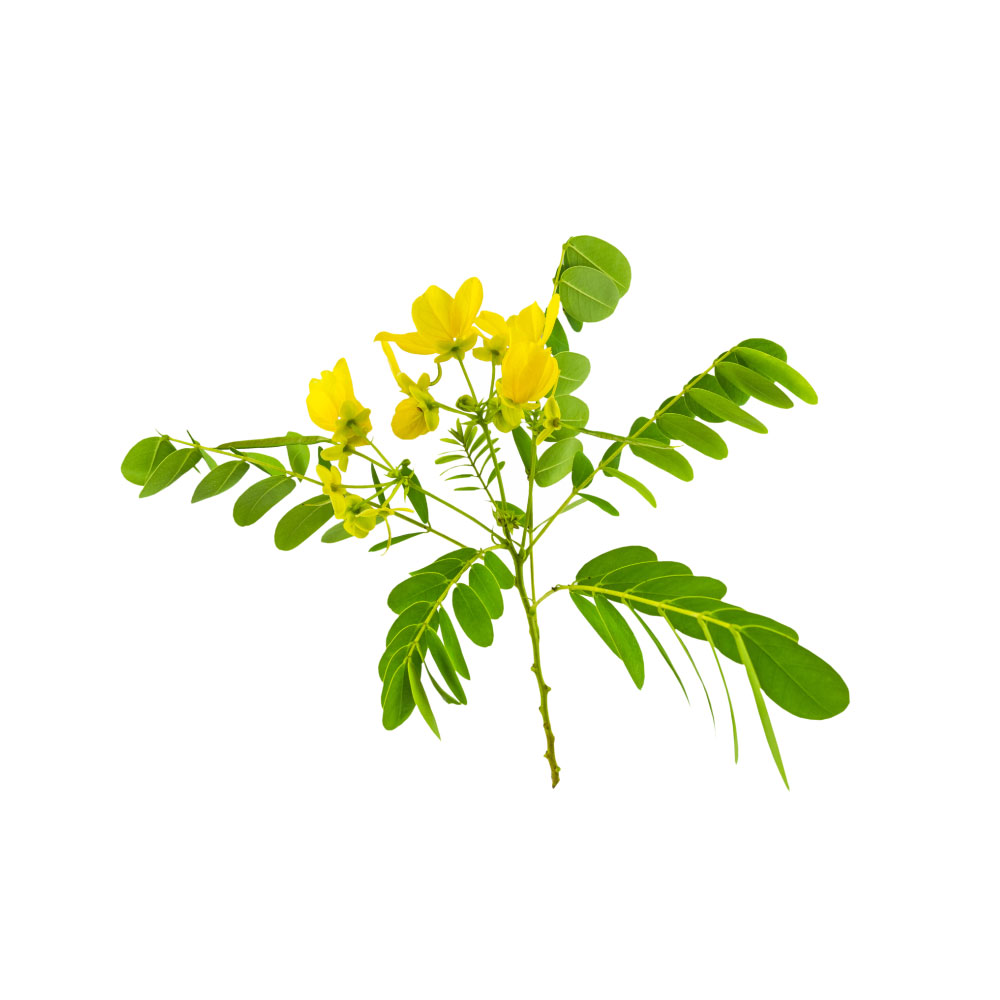 MildMildSennaCassia angustifoliaLeaf extracts inhibit a range of bacteria in disk-diffusion assays and are amoebicidal against Acanthamoeba by membrane disruption; as with rhubarb, an oral dose at antimicrobial strength is a purgative dose, so the realistic route is topical.Mechanismnon-specific membrane disruption of Acanthamoeba trophozoites (in vitro); antibacterial target not establishedRead the evidenceShow lessMonograph →
Aqueous and organic Cassia angustifolia leaf extracts inhibit a range of bacteria in disk-diffusion assays, and a separate study found leaf extract amoebicidal against Acanthamoeba trophozoites in culture, causing membrane disruption 156,
Senna’s dominant pharmacology is its sennoside and anthraquinone fraction, so an oral dose scaled up toward these extract concentrations is a purgative dose. The realistic route is topical or local, where the tradition records use for wounds and skin irritation.
Every datum is C. angustifolia leaf (Tinnevelly senna, a trade name for Senna alexandrina). There are no pod data, and leaf and pod differ in sennoside content (about 2–3% against 3–4% hydroxyanthracene glycosides 158Reference 158ReviewAssessment report on Cassia senna L. and Cassia angustifolia Vahl, folium and fructus — regulatory monographView study →).
There are no in-vivo or clinical data.
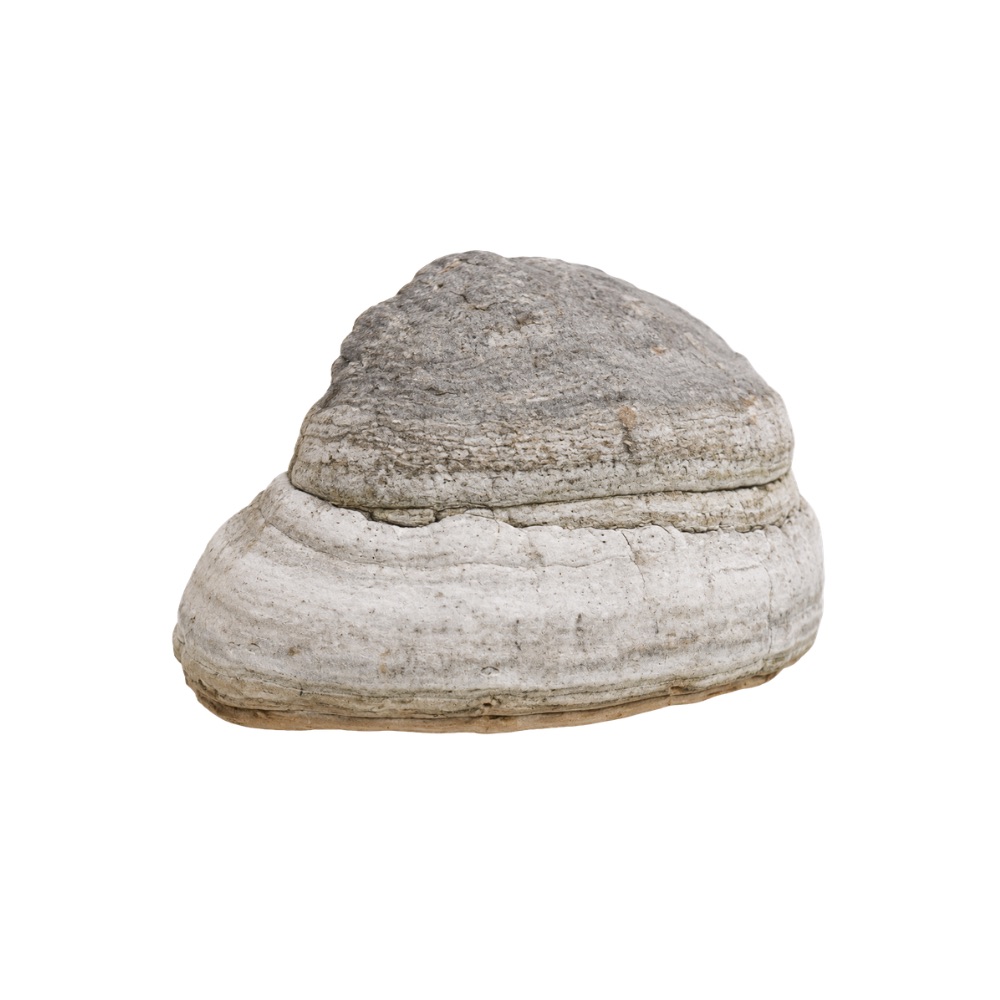 MildMildTinder ConkFomes fomentariusA water-soluble melanin–glucan complex from the fruiting body suppressed Candida albicans and matched erythromycin against Helicobacter pylori in vitro, with low toxicity to blood cells; modest, preparation-dependent and untested in vivo.Mechanismnot established — direct growth inhibition by a melanin–glucan complex and phenolicsRead the evidenceShow lessMonograph →
The active preparation is a water-soluble melanin–glucan complex extracted from the fruiting body. It completely suppressed Candida albicans in vitro and matched erythromycin against Helicobacter pylori, with low toxicity to blood cells 179Reference 179In vitroAnti-infective properties of the melanin-glucan complex obtained from Fomes fomentarius — in vitro / animal modelView study →.
Crude extracts carry antibacterial activity correlating with phenolic content 180Reference 180In vitroWild-growing lignicolous mushroom species as sources of novel agents with antioxidative and antibacterial potentials — in vitroView study →, and three newly isolated phenyl-ethanediols showed weak antibacterial effects 181Reference 181In vitroThree new phenyl-ethanediols from the fruiting bodies of Fomes fomentarius — in vitroView study →.
No molecular target is identified, and there is no in-vivo infection model and no clinical data.
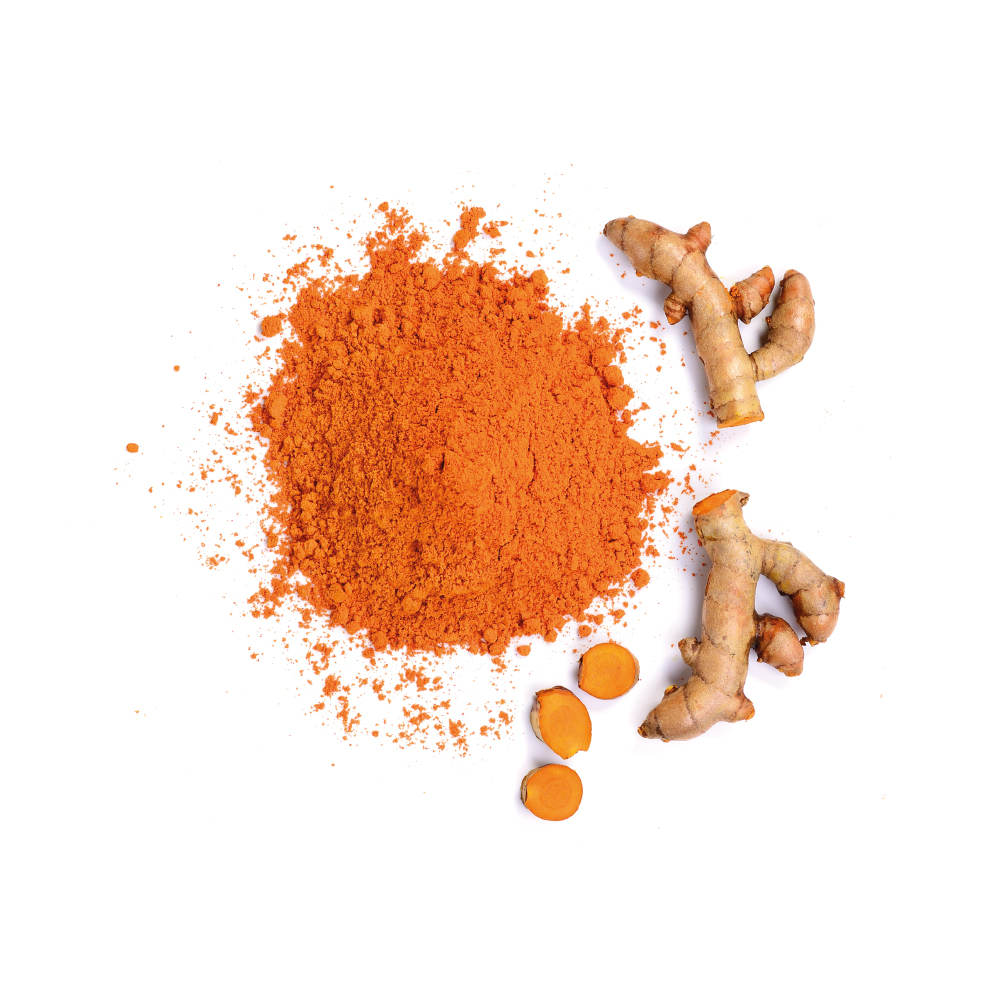 MildMildTurmericCurcuma longaThe Ayurvedic topical for skin infection and wounds, applied to the surface as the whole rhizome rather than taken as an extract.Mechanismnot established — the antimicrobial standing is traditional and topicalRead the evidenceShow lessMonograph →
Turmeric’s antimicrobial standing is traditional and mostly external. Ayurvedic practice applies the rhizome to conjunctivitis, skin infection, sprains, arthritis, haemorrhoids, wounds and eczema — the list a topical anti-inflammatory and antiseptic would be reached for.
Internally it is classed as a stomachic and a tonic, and given to purify the blood, improve digestion, and treat fevers and skin conditions.
Every older tradition uses the whole rhizome as a food. The modern Western preparation is a standardised 95%-curcuminoid extract or a bioavailability-enhanced formulation, which is a different intervention from the one the tradition describes, and the clinical curcuminoid literature is on inflammation rather than infection.
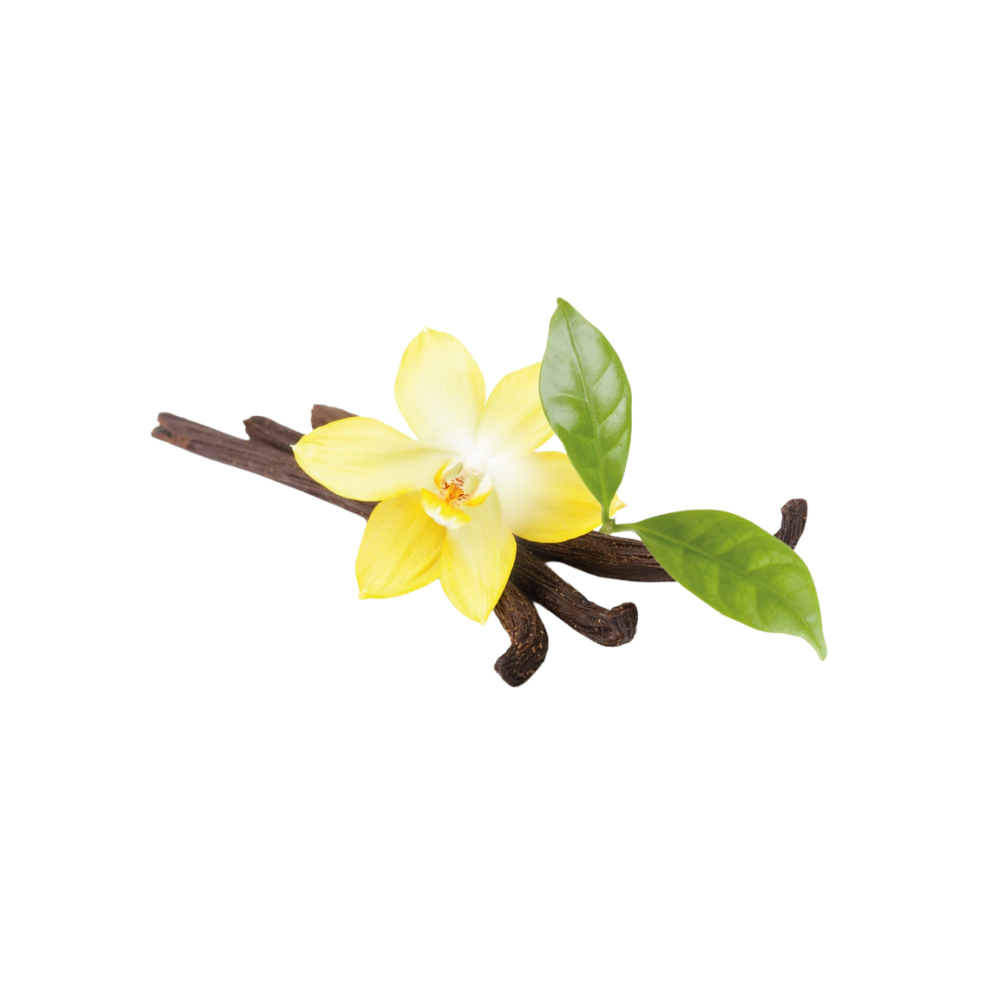 MildMildVanillaVanilla planifoliaIsolated vanillin disrupts membrane integrity and energy metabolism in E. coli O157:H7 and acts, often synergistically with antibiotics, against multidrug-resistant ESKAPE pathogens in vitro; the chemistry behind vanilla's history as a food preservative.Mechanismbacterial membrane disruption; energy-metabolism interferenceRead the evidenceShow lessMonograph →
Vanillin is the active molecule. It disrupts membrane integrity and energy metabolism in Escherichia coli O157:H7 187Reference 187In vitroAntibacterial mechanism of vanillin against Escherichia coli O157:H7 — in vitroView study →, and a review documents activity, often synergistic with antibiotics, against multidrug-resistant ESKAPE pathogens 188Reference 188ReviewAntibacterial effects of vanilla ingredients provide novel treatment options for infections with multidrug-resistant bacteria — reviewView study →.
This is the plausible mechanistic root of vanilla’s historic role as a food preservative.
The work is in vitro only, the effective concentrations are food-preservation concentrations rather than tissue concentrations, and orally ingested vanillin is largely oxidised and degraded in the upper gut 189,
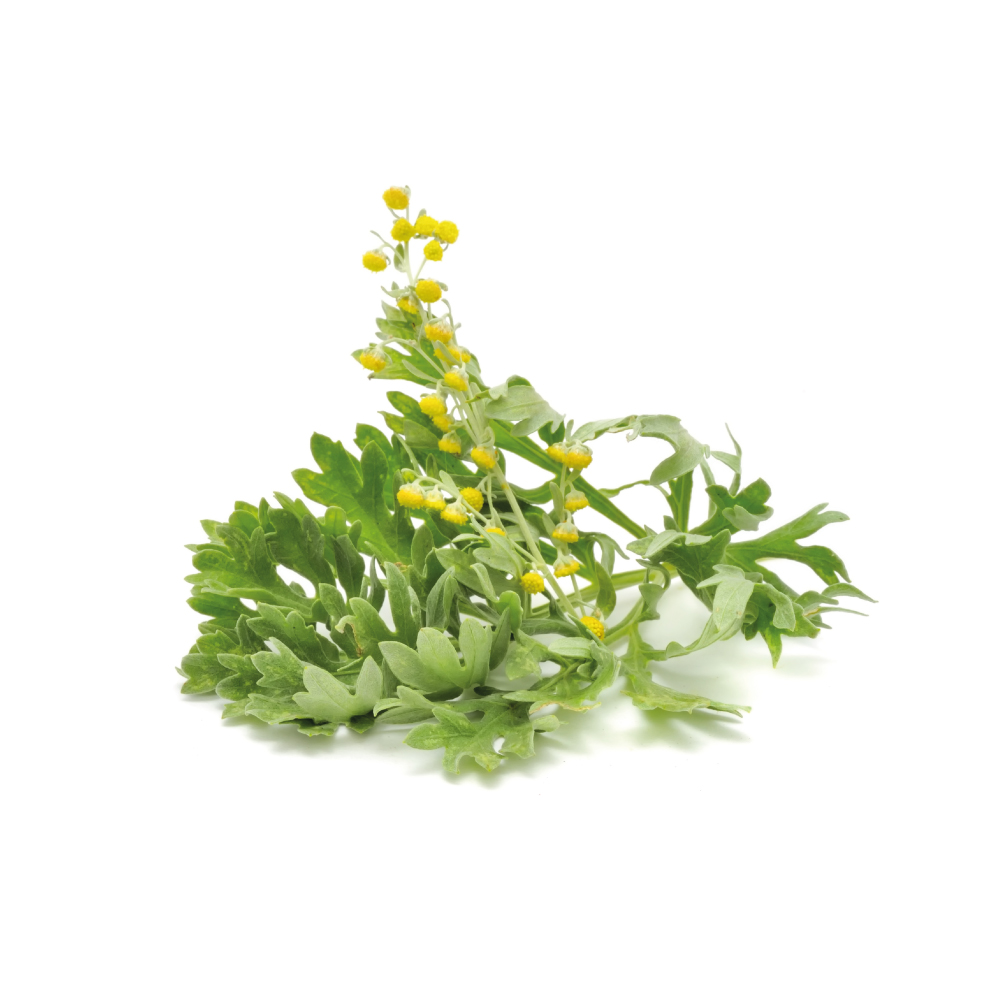 MildMildWormwoodArtemisia absinthiumNamed for the action — worm-wood — with activity spanning nematodes, protozoa and insect larvae that looks non-specific rather than targeted.Mechanismembryogenesis and egg-hatch inhibition (Ascaris suum); broad activity across protozoa, helminths and insect larvaeRead the evidenceShow lessMonograph →
The herb is named for this action, and the modern evidence is broad rather than deep. Extract inhibited embryogenesis and egg hatching of the roundworm Ascaris suum in vitro, a rat study tested it against Trichinella spiralis, extracts are strongly larvicidal against mosquito vectors, and an essential-oil nanocochleate formulation was antileishmanial in vitro and in vivo.
Activity spanning nematodes, protozoa and insect larvae suggests a non-specific mechanism — plausibly the thujone-bearing volatile fraction that makes the plant neurotoxic at dose — rather than a targeted anthelmintic pathway.
Two things cap it. No human trial of helminth clearance exists, and the preparations differ so much between studies — crude extract, essential oil, nanoformulation — that no single dosage form is supported.
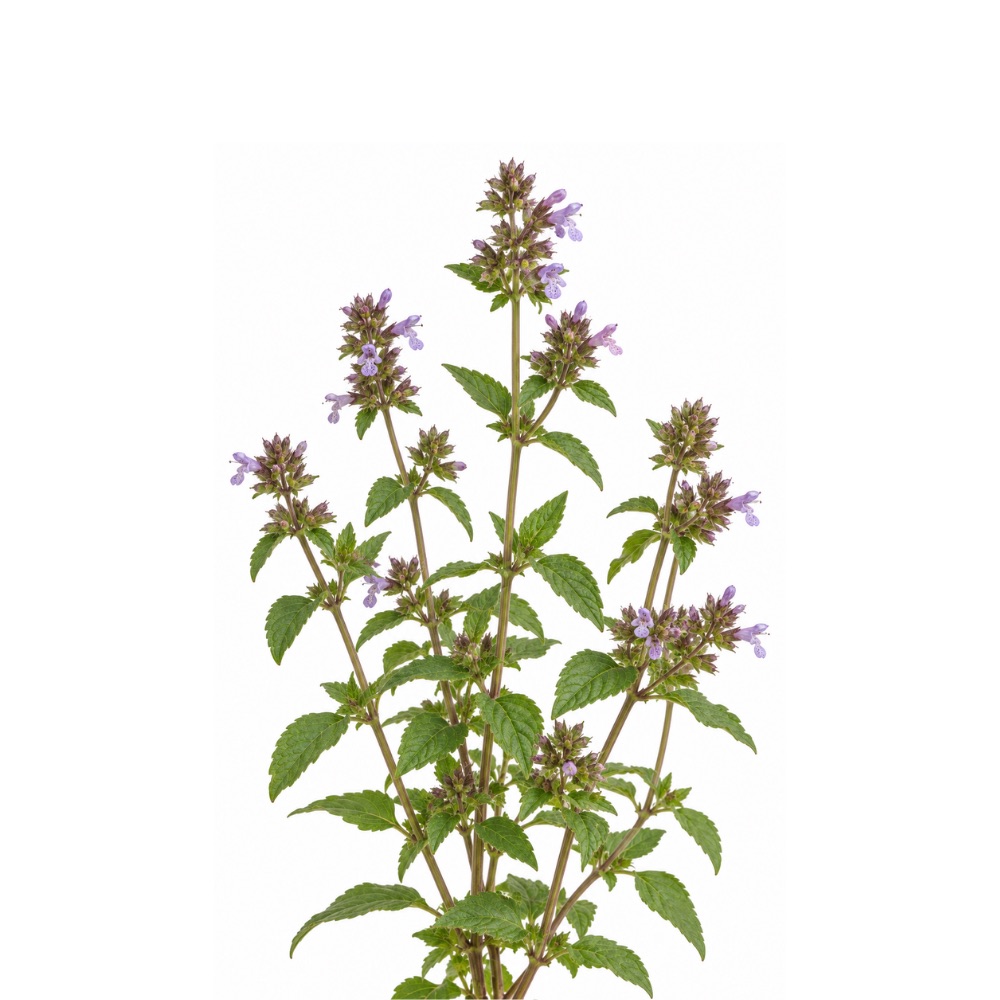 MildMildYerba BuenaClinopodium douglasiiA monoterpene-rich mint oil whose pulegone, carvone and limonene are antibacterial and antifungal in other essential oils, with a minor folk use as a mouth rinse; no assay has been published on C. douglasii itself.Mechanismmonoterpene membrane disruption (class-level inference)Read the evidenceShow less
Pulegone, carvone, limonene and camphor all show antibacterial or antifungal activity in other essential-oil contexts, and the plant has a minor folk use as a mouth rinse.
No antibacterial, antifungal or antiviral assay has been published on C. douglasii extract or oil, and the plant exists as several fixed chemotypes, so oil from one population can differ sharply from another. The dengue-antiviral work sometimes cited under “yerba buena” belongs to Mentha arvensis.
No herbs match these filters.
Also Tagged
6 more herbs carry an antimicrobial action.
Chir Pine
Pinus roxburghii
Korean Red Pine
Pinus densiflora
Lodgepole Pine
Pinus contorta
Masson Pine
Pinus massoniana
Mugo Pine
Pinus mugo
Pine
Pinus sylvestris
Safety
- No antimicrobial herb replaces antibiotic, antiviral or antifungal treatment of an established infection.
- Essential oils are not taken internally for infection; swallowed oil has caused fatal poisoning in children.
- A laboratory MIC is reached on skin, in the mouth, in the gut lumen or in urine, not in blood.
- Berberine-bearing herbs are avoided in pregnancy, breastfeeding and infancy.
- Antibiotic-potentiating herbs are a reason for care alongside prescribed antibiotics, not a way to lower the dose.
- Anthraquinone herbs reach antimicrobial concentrations in the gut only at purgative doses.
- Membrane-disrupting oils irritate and can burn skin and mucosa at antimicrobial strength.
References
- Gadar K, Pigott M, Gately CJ, Obaidi I, Nagar S, Walsh JJ, Sheridan H, McCarthy RR (2026). Bogland plant tormentil inhibits multidrug-resistant pathogen growth and potentiates antibiotics by disrupting iron homeostasis — in vitro. Microbiology (Reading). https://pubmed.ncbi.nlm.nih.gov/41869820/
- Fedotcheva TA, Sheichenko OP, Fedotcheva NI (2021). New properties and mitochondrial targets of polyphenol agrimoniin as a natural anticancer and preventive agent — in vitro. Pharmaceutics. https://pubmed.ncbi.nlm.nih.gov/34959369/
- Michał T, Katarzyna S, Małgorzata P, et al. (2017). Hydrogel containing an extract of Tormentillae rhizoma for the treatment of biofilm-related oral diseases — in vitro. Natural Product Communications. https://pubmed.ncbi.nlm.nih.gov/30549900/
- Gräber T, Kluge H, Granica S, Horn G, Kalbitz J, Brandsch C, Breitenstein A, Brütting C, Stangl GI (2018). Agrimonia procera exerts antimicrobial effects, modulates the expression of defensins and cytokines in colonocytes and increases the immune response in lipopolysaccharide-challenged piglets. BMC Veterinary Research. https://pubmed.ncbi.nlm.nih.gov/30442133/
- Nakagawa S, Hillebrand GG, Nunez G. (2020). Rosmarinus officinalis L. (rosemary) extracts containing carnosic acid and carnosol are potent quorum sensing inhibitors of Staphylococcus aureus virulence. Antibiotics, 9(4), 149. https://pubmed.ncbi.nlm.nih.gov/32244277/
- Puljula E, Walton G, Woodward MJ, Karonen M (2020). Antimicrobial activities of ellagitannins against Clostridium perfringens, Escherichia coli, Lactobacillus plantarum and Staphylococcus aureus — in vitro. Molecules. https://pubmed.ncbi.nlm.nih.gov/32824081/
- Martinelli G, Piazza S, Fumagalli M, et al. (2025). Investigating ellagitannins from strawberry (Fragaria × ananassa Duch.) as a new strategy to counteract H. pylori infection and inflammation — in vitro. Food & Function. https://pubmed.ncbi.nlm.nih.gov/40452546/
- Rodrigues CFB, Ferreira MJP, Belchor MN, et al. (2019). Evaluation of the inhibitory potential of casuarictin, an ellagitannin isolated from white mangrove (Laguncularia racemosa) leaves, on snake venom secretory phospholipase A2 — in vitro and mouse. Marine Drugs. https://pubmed.ncbi.nlm.nih.gov/31288445/
- Souza-Moreira TM, Severi JA, Lee K, Preechasuth K, Santos E, Gow NA, Munro CA, Vilegas W, Pietro RC (2013). Anti-Candida targets and cytotoxicity of casuarinin isolated from Plinia cauliflora leaves in an in vitro study. Molecules, 18(7), 8095-8108. https://pubmed.ncbi.nlm.nih.gov/23839114/
- Glasenapp Y, Lucas C, Wöltje T, Fohrer J, Papenbrock J (2019). Anti-adhesion activity of tannins isolated from the mangrove Laguncularia racemosa. Chemistry & Biodiversity, 16(5), e1800632. https://pubmed.ncbi.nlm.nih.gov/30835942/
- Park JB, Lee CK, Park HJ. (1997). Anti-Helicobacter pylori effect of costunolide isolated from the stem bark of Magnolia sieboldii — in vitro. Archives of Pharmacal Research. https://pubmed.ncbi.nlm.nih.gov/18975164/
- Darias V, Bravo L, Rabanal R, Sánchez-Mateo CC, Martín-Herrera DA. (1990). Cytostatic and antibacterial activity of some compounds isolated from several Lamiaceae species from the Canary Islands — in vitro. Planta Medica, 56(1), 70–72. https://pubmed.ncbi.nlm.nih.gov/17221371/
- Bisio A, De Mieri M, Milella L, Schito AM, Parricchi A, Russo D, et al. (2017). Antibacterial and hypoglycemic diterpenoids from Salvia chamaedryoides — in vitro. Journal of Natural Products, 80(2), 503–514. https://pubmed.ncbi.nlm.nih.gov/28186413/
- Saha P, Rahman FI, Hussain F, Rahman SMA, Rahman MM. (2021). Antimicrobial diterpenes — recent development from natural sources. [Review.] Frontiers in Pharmacology, 12, 820312. https://pubmed.ncbi.nlm.nih.gov/35295739/
- Virtanen V, Puljula E, Walton G, Woodward MJ, Karonen M. (2023). NMR metabolomics and DNA sequencing of Escherichia coli and Staphylococcus aureus cultures treated with hydrolyzable tannins. Metabolites, 13(4), 551. https://pubmed.ncbi.nlm.nih.gov/36984760/
- Kamijo M, Kanazawa T, Funaki M, Nishizawa M, Yamagishi T. (2008). Effects of Rosa rugosa petals on intestinal bacteria. Bioscience, Biotechnology, and Biochemistry, 72(3), 773–777. https://pubmed.ncbi.nlm.nih.gov/18323655/
- Nitta Y, Kikuzaki H, Azuma T, Ye Y, Sakaue M, Higuchi Y, Komori H, Ueno H. (2013). Inhibitory activity of Filipendula ulmaria constituents on recombinant human histidine decarboxylase. Food Chemistry, 138(2–3), 1551–1556. https://pubmed.ncbi.nlm.nih.gov/23411280/
- Aguilera-Correa JJ, et al. (2021). Sanguiin H-6 fractionated from cloudberry (Rubus chamaemorus) seeds can prevent methicillin-resistant Staphylococcus aureus biofilm development during wound infection — mouse model. Antibiotics. https://pubmed.ncbi.nlm.nih.gov/34943693/
- Klewicka E, Sójka M, Klewicki R, Kołodziejczyk K, Lipińska L, Nowak A (2016). Ellagitannins from raspberry (Rubus idaeus L.) fruit as natural inhibitors of Geotrichum candidum — in vitro. Molecules. https://pubmed.ncbi.nlm.nih.gov/27420041/
- González-Barrio R, Borges G, Mullen W, Crozier A (2010). Bioavailability of anthocyanins and ellagitannins following consumption of raspberries by healthy human volunteers and subjects with an ileostomy. Journal of Agricultural and Food Chemistry. https://pubmed.ncbi.nlm.nih.gov/20218618/
- Piazza S, Martinelli G, Fumagalli M, Pozzoli C, Maranta N, Giavarini F, Colombo L, Nicotra G, Vicentini SF, Genova F, De Fabiani E, Sangiovanni E, Dell’Agli M (2023). Ellagitannins from Castanea sativa Mill. leaf extracts impair H. pylori viability and infection-induced inflammation in human gastric epithelial cells — in vitro. Nutrients. https://pubmed.ncbi.nlm.nih.gov/36986236/
- Fidelis M, do Carmo MAV, da Cruz TM, Azevedo L, Myoda T, Miranda Furtado M, et al. (2020). Camu-camu seed (Myrciaria dubia) — from side stream to an antioxidant, antihyperglycemic, antiproliferative, antimicrobial, antihemolytic, anti-inflammatory, and antihypertensive ingredient — in vitro. Food Chemistry. https://pubmed.ncbi.nlm.nih.gov/31816536/
- Willemann JR, Escher GB, Kaneshima T, Furtado MM, Sant’Ana AS, Vieira do Carmo MA, Azevedo L, Granato D (2020). Response surface optimization of phenolic compounds extraction from camu-camu (Myrciaria dubia) seed coat based on chemical properties and bioactivity — in vitro. Journal of Food Science. https://pubmed.ncbi.nlm.nih.gov/32645216/
- Vilhelmova-Ilieva N, Jacquet R, Deffieux D, Pouységu L, Sylla T, Chassaing S, Nikolova I, Quideau S, Galabov AS (2019). Anti-herpes simplex virus type 1 activity of specially selected groups of tannins — in vitro. Drug Research. https://pubmed.ncbi.nlm.nih.gov/30134445/
- Ayupova, R., et al. (2025). Comparative phytochemical profiling of essential oils from selected Abies species and analysis of their antifungal and antiradical activity — in vitro. Pharmaceutics. https://pubmed.ncbi.nlm.nih.gov/41599132/
- Guz, L., et al. (2020). Inhibitory activities of essential oils against Babesia canis — in vitro. Polish Journal of Veterinary Sciences. https://pubmed.ncbi.nlm.nih.gov/32233296/
- Brijesh S et al. (2009). Studies on the antidiarrhoeal activity of Aegle marmelos unripe fruit: validating its traditional usage — [in vitro]. BMC Complementary and Alternative Medicine, 9, 47. https://pubmed.ncbi.nlm.nih.gov/19930633/
- Rani P, & Khullar N (2004). Antimicrobial evaluation of some medicinal plants for their anti-enteric potential against multi-drug resistant Salmonella typhi — [in vitro]. Phytotherapy Research, 18(8), 670-3. https://pubmed.ncbi.nlm.nih.gov/15476301/
- Fonseca, V. J. A., et al. (2022). Lectins ConA and ConM extracted from Canavalia ensiformis and Canavalia rosea inhibit planktonic Candida albicans and Candida tropicalis [in vitro]. Arch Microbiol. https://pubmed.ncbi.nlm.nih.gov/35608680/
- A review on pharmacological aspects of Canavalia rosea (2022) — antibacterial, anti-inflammatory, antiplasmodial and other reported activities; constituent overview.
- Antibacterial activity and preliminary phytochemical analysis of leaf extract of Canavalia rosea (Sw.) DC. (Beach Bean) — triterpenes (α-amyrin, betulinic/oleanolic/ursolic acids) and flavonoids; antibacterial screening.
- Cybulska, P., et al. (2011). Extracts of Canadian First Nations medicinal plants inhibit Neisseria gonorrhoeae isolates with different antibiotic-resistance profiles — in vitro study. Sexually Transmitted Diseases. https://pubmed.ncbi.nlm.nih.gov/21301385/
- Dell’Annunziata, F., et al. (2022). In vitro antibacterial and anti-inflammatory activity of Arctostaphylos uva-ursi leaf extract against Cutibacterium acnes — in vitro study. Pharmaceutics. https://pubmed.ncbi.nlm.nih.gov/36145700/
- Shiota, S., et al. (2004). Mechanisms of action of corilagin and tellimagrandin I that potentiate β-lactams against methicillin-resistant Staphylococcus aureus — in vitro study. Microbiology and Immunology. https://pubmed.ncbi.nlm.nih.gov/14734860/
- Schindler, G., et al. (2002). Urinary excretion and metabolism of arbutin after oral administration of Arctostaphylos uvae ursi extract in healthy humans — a randomised crossover pharmacokinetic study. Journal of Clinical Pharmacology. https://pubmed.ncbi.nlm.nih.gov/12162475/
- Quintus, J., et al. (2005). Urinary excretion of arbutin metabolites after oral administration of bearberry leaf extracts — pharmacokinetic study. Planta Medica. https://pubmed.ncbi.nlm.nih.gov/15729623/
- Murase, L. S., et al. (2023). Antibacterial and immunological properties of piperine evidenced by preclinical studies — systematic review. Future Microbiol. https://pubmed.ncbi.nlm.nih.gov/37882762/
- Hegeto, L. A., et al. (2019). Promising antituberculosis activity of piperine combined with antimicrobials — systematic review. Microb Drug Resist. https://pubmed.ncbi.nlm.nih.gov/30096263/
- Pazhohideh Z, et al. (2018). The effect of Calendula officinalis versus metronidazole on bacterial vaginosis in women: A double-blind randomized controlled trial — [randomised controlled trial]. J Adv Pharm Technol Res. https://pubmed.ncbi.nlm.nih.gov/29441319/
- do Rosário Palma AL, et al. (2023). Effects of Calendula officinalis and Capsicum annum glycolic extracts on planktonic cells and biofilms of multidrug-resistant strains of Klebsiella pneumoniae and Pseudomonas aeruginosa — [in vitro study]. Biofouling. https://pubmed.ncbi.nlm.nih.gov/36971265/
- Anand, G., et al. (2015). In vitro antimicrobial and cytotoxic effects of Anacardium occidentale and Mangifera indica in oral care — in vitro. J Pharm Bioallied Sci. https://pubmed.ncbi.nlm.nih.gov/25709341/
- Taylor, L. (2005). The Healing Power of Rainforest Herbs: A Guide to Understanding and Using Herbal Medicinals. Garden City Park, NY: Square One Publishers.
- Quejada, L. F., et al. (2024). Unmasking the antifungal activity of Anacardium occidentale leaf extract against Candida albicans — in vitro. Journal of Fungi. https://pubmed.ncbi.nlm.nih.gov/39057348/
- Gomes, C. E., et al. (2016). Clinical effect of a mouthwash containing Anacardium occidentale on plaque and gingivitis control — randomised controlled trial. Indian Journal of Dental Research. https://pubmed.ncbi.nlm.nih.gov/27723631/
- Ooi LS, et al. (2006). Antimicrobial activities of cinnamon oil and cinnamaldehyde from the Chinese medicinal herb Cinnamomum cassia — [in vitro]. American Journal of Chinese Medicine. https://pubmed.ncbi.nlm.nih.gov/16710900/
- Li CY, et al. (2024). Cinnamaldehyde: an effective component of Cinnamomum cassia inhibiting Helicobacter pylori — [in vitro and mouse in vivo]. Journal of Ethnopharmacology. https://pubmed.ncbi.nlm.nih.gov/38663778/
- Muhammad JS, et al. (2015). Anti-inflammatory effect of cinnamaldehyde in Helicobacter pylori induced gastric inflammation — [in vitro]. Biological & Pharmaceutical Bulletin. https://pubmed.ncbi.nlm.nih.gov/25744466/
- Zapata B, Durán C, Stashenko E, Betancur-Galvis L, Mesa-Arango AC. Antifungal activity, cytotoxicity and composition of essential oils from the Asteraceae plant family. Rev Iberoam Micol. 2010;27(2):101–103. https://pubmed.ncbi.nlm.nih.gov/20346291/
- Pellegrini MC, Alonso-Salces RM, Umpierrez ML, Rossini C, Fuselli SR. Chemical composition, antimicrobial activity and mode of action of essential oils against Paenibacillus larvae. Chem Biodivers. 2017;14(4):e1600382. https://pubmed.ncbi.nlm.nih.gov/27943550/
- Li, C., Xie, J., Chen, X., et al. (2016). Comparison of Helicobacter pylori urease inhibition by Rhizoma Coptidis, Cortex Phellodendri and berberine — in vitro. Planta Medica. https://pubmed.ncbi.nlm.nih.gov/26669678/
- Wu, H., Xie, X., Tang, Q., et al. (2024). Epiberberine inhibits Helicobacter pylori and reduces host apoptosis and inflammatory damage by down-regulating urease expression — in vitro and mouse model. Journal of Ethnopharmacology. https://pubmed.ncbi.nlm.nih.gov/37586440/
- Rabbani, G. H., Butler, T., Knight, J., et al. (1987). Randomised controlled trial of berberine sulfate therapy for diarrhoea due to enterotoxigenic Escherichia coli and Vibrio cholerae — randomised controlled trial. Journal of Infectious Diseases. https://pubmed.ncbi.nlm.nih.gov/3549923/
- Chen, C., Tao, C., Liu, Z., et al. (2015). A randomised clinical trial of berberine hydrochloride in patients with diarrhoea-predominant irritable bowel syndrome — randomised, double-blind, placebo-controlled trial. Phytotherapy Research. https://pubmed.ncbi.nlm.nih.gov/26400188/
- Coutinho, H. D., et al. (2009). Herbal therapy associated with antibiotic therapy: potentiation against MRSA by Turnera ulmifolia — in vitro. BMC Complement Altern Med. https://pubmed.ncbi.nlm.nih.gov/19426487/
- Coutinho, H. D., et al. (2010). Increasing aminoglycoside activity against multidrug-resistant E. coli by Turnera ulmifolia and chlorpromazine — in vitro. Biol Res Nurs. https://pubmed.ncbi.nlm.nih.gov/19633019/
- Reyes-Becerril, M., et al. (2020). Chemical, biological and immunological properties of “Damiana de California” Turnera diffusa extracts in Longfin yellowtail leukocytes — in vitro. Fish Shellfish Immunol. https://pubmed.ncbi.nlm.nih.gov/32209397/
- Szewczyk, K., & Zidorn, C. (2014). Ethnobotany, phytochemistry, and bioactivity of the genus Turnera with a focus on damiana — review. J Ethnopharmacol. https://pubmed.ncbi.nlm.nih.gov/24468305/
- Kobaisy M, Abramowski Z, Lermer L, Saxena G, et al. (1997). Antimycobacterial polyynes of Devil’s Club (Oplopanax horridus), a North American native medicinal plant — [in vitro]. J Nat Prod. https://pubmed.ncbi.nlm.nih.gov/9392889/
- Mitić, Z. S., Stojanović-Radić, Z. Z., Jovanović, S. Č., et al. (2021). Pseudotsuga menziesii (Pinaceae): volatile profiles, antimicrobial activity and toxicological evaluation of its essential oil — in vitro. Chemistry & Biodiversity. https://pubmed.ncbi.nlm.nih.gov/34216094/
- Johnston, W. H., Karchesy, J. J., Constantine, G. H., Craig, A. M. (2001). Antimicrobial activity of some Pacific Northwest woods against anaerobic bacteria and yeast — in vitro. Phytotherapy Research. https://pubmed.ncbi.nlm.nih.gov/11746838/
- Signer J, Jonsdottir HR, Albrich WC, et al. (2020). In vitro virucidal activity of Echinaforce against coronaviruses, including 229E and SARS-CoV-2 — in vitro. Virology Journal. https://pubmed.ncbi.nlm.nih.gov/32907596/
- Ahmadi F, et al. (2024). Phytochemistry, mechanisms, and preclinical studies of Echinacea extracts in modulating immune responses to bacterial and viral infections — review. Antibiotics. https://pubmed.ncbi.nlm.nih.gov/39452214/
- Sharifi-Rad M, Mnayer D, Morais-Braga MFB, et al. (2018). Echinacea plants as antioxidant and antibacterial agents — review. Phytotherapy Research. https://pubmed.ncbi.nlm.nih.gov/29749084/
- Ogal M, Johnston SL, Klein P, Schoop R. (2021). Echinacea reduces antibiotic usage in children through respiratory tract infection prevention — randomized controlled trial. European Journal of Medical Research. https://pubmed.ncbi.nlm.nih.gov/33832544/
- Pham TP, et al. (2025). Efficacy and safety of Echinacea purpurea in treating upper respiratory infections and otitis media in children — systematic review and meta-analysis. Clinical Nutrition ESPEN. https://pubmed.ncbi.nlm.nih.gov/40311928/
- Dhakad, A. K., Pandey, V. V., Beg, S., et al. (2018). Biological, medicinal and toxicological significance of eucalyptus leaf essential oil: a review. Journal of the Science of Food and Agriculture. https://pubmed.ncbi.nlm.nih.gov/28758221/
- Elangovan, S., & Mudgil, P. (2023). Antibacterial properties of Eucalyptus globulus essential oil against MRSA: a systematic review — in vitro. Antibiotics. https://pubmed.ncbi.nlm.nih.gov/36978341/
- Čmiková, N., Galovičová, L., Schwarzová, M., et al. (2023). Chemical composition and biological activities of Eucalyptus globulus essential oil — in vitro. Plants. https://pubmed.ncbi.nlm.nih.gov/36903935/
- Shiekh, R. A. E., Atwa, A. M., Elgindy, A. M., et al. (2025). Therapeutic applications of eucalyptus essential oils — review. Inflammopharmacology. https://pubmed.ncbi.nlm.nih.gov/39499358/
- Miguel, M. G., et al. (2010). Foeniculum vulgare essential oils: chemical composition, antioxidant and antimicrobial activities — in vitro. Natural Product Communications. https://pubmed.ncbi.nlm.nih.gov/20334152/
- Ghasemian, A., et al. (2020). Chemical composition and antimicrobial and cytotoxic activities of Foeniculum vulgare essential oils — in vitro. Journal of Gastrointestinal Cancer. https://pubmed.ncbi.nlm.nih.gov/31069662/
- Bone, K., & Mills, S. (2013). Principles and Practice of Phytotherapy (2nd ed.). Elsevier Health.
- Al-Saidi S, Rameshkumar KB, Hisham A, Sivakumar N, & Al-Kindy S (2012). Composition and antibacterial activity of the essential oils of four commercial grades of Omani luban, the oleo-gum resin of Boswellia sacra FLUECK — [in vitro]. Chem Biodivers, 9(3), 615-24. https://pubmed.ncbi.nlm.nih.gov/22422529/
- Choo S, et al. (2020). Antimicrobial properties of allicin used alone or in combination with other medications — review. Folia Microbiologica. https://pubmed.ncbi.nlm.nih.gov/32207097/
- Booyens J, et al. (2014). In vitro antibacterial mechanism of action of crude garlic (Allium sativum) clove extract on selected Bifidobacterium species — in vitro. Probiotics and Antimicrobial Proteins. https://pubmed.ncbi.nlm.nih.gov/24676721/
- Chevalier M, et al. (2012). Inhibition of Candida albicans yeast-hyphal transition and biofilm formation by Solidago virgaurea water extracts — in vitro. Journal of Medical Microbiology, 61(Pt 7):1016–1022. https://pubmed.ncbi.nlm.nih.gov/22422572/
- Chevalier M, et al. (2019). Inhibition of adhesion-specific genes by Solidago virgaurea extract causes loss of Candida albicans biofilm integrity — in vitro (gene expression). Journal of Applied Microbiology, 127(1):68–77. https://pubmed.ncbi.nlm.nih.gov/31013388/
- Laurençon L, et al. (2013). Triterpenoid saponins from the aerial parts of Solidago virgaurea alpestris with inhibiting activity of Candida albicans yeast-hyphal conversion — in vitro, bioassay-guided isolation. Phytochemistry, 86:103–11. https://pubmed.ncbi.nlm.nih.gov/23137724/
- Wojnicz D, et al. (2021). Is it Worth Combining Solidago virgaurea Extract and Antibiotics against Uropathogenic Escherichia coli rods? An In Vitro Model Study — in vitro biofilm and antibiotic-synergy study. Pharmaceutics, 13(4). https://pubmed.ncbi.nlm.nih.gov/33920649/
- Abdulkareem AH, et al. (2023). Impact of Solidago virgaurea Extract on Biofilm Formation for ESBL-Pseudomonas aeruginosa: An In Vitro Model Study — in vitro. Pharmaceuticals (Basel), 16(10). https://pubmed.ncbi.nlm.nih.gov/37895854/
- Prêcheur I, et al. (2020). Solidago virgaurea L. Plant Extract Targeted Against Candida albicans to Reduce Oral Microbial Biomass: a Double Blind Randomized Trial on Healthy Adults — randomised, double-blind controlled clinical trial (n=66, 4 weeks). Antibiotics (Basel), 9(4). https://pubmed.ncbi.nlm.nih.gov/32218125/
- Scazzocchio, F., Cometa, M. F., Tomassini, L., & Palmery, M. (2001). Antibacterial activity of Hydrastis canadensis extract and its major isolated alkaloids — in vitro. Planta Medica. https://pubmed.ncbi.nlm.nih.gov/11509983/
- Mahady, G. B., Pendland, S. L., Stoia, A., & Chadwick, L. R. (2003). In vitro susceptibility of Helicobacter pylori to isoquinoline alkaloids from Sanguinaria canadensis and Hydrastis canadensis — in vitro. Phytotherapy Research. https://pubmed.ncbi.nlm.nih.gov/12672149/
- Cwikla, C., Schmidt, K., Matthias, A., et al. (2010). Investigations into the antibacterial activities of phytotherapeutics against Helicobacter pylori and Campylobacter jejuni — in vitro. Phytotherapy Research. https://pubmed.ncbi.nlm.nih.gov/19653313/
- Ettefagh, K. A., Burns, J. T., Junio, H. A., et al. (2011). Goldenseal (Hydrastis canadensis L.) extracts synergistically enhance the antibacterial activity of berberine via efflux pump inhibition — in vitro. Planta Medica. https://pubmed.ncbi.nlm.nih.gov/21157683/
- Cech, N. B., Junio, H. A., Ackermann, L. W., et al. (2012). Quorum quenching and antimicrobial activity of goldenseal (Hydrastis canadensis) against methicillin-resistant Staphylococcus aureus (MRSA) — in vitro. Planta Medica. https://pubmed.ncbi.nlm.nih.gov/22814821/
- Hwang, B. Y., Roberts, S. K., Chadwick, L. R., et al. (2003). Antimicrobial constituents from goldenseal (rhizomes of Hydrastis canadensis) against selected oral pathogens — in vitro. Planta Medica. https://pubmed.ncbi.nlm.nih.gov/12898417/
- Junio, H. A., Sy-Cordero, A. A., Ettefagh, K. A., et al. (2011). Synergy-directed fractionation of botanical medicines: a case study with goldenseal (Hydrastis canadensis) — in vitro. Journal of Natural Products. https://pubmed.ncbi.nlm.nih.gov/21661731/
- Britton, E. R., Kellogg, J. J., Kvalheim, O. M., & Cech, N. B. (2018). Biochemometrics to identify synergists and additives from botanical medicines: a case study with Hydrastis canadensis (goldenseal) — in vitro. Journal of Natural Products. https://pubmed.ncbi.nlm.nih.gov/29091439/
- Cho, E., et al. (2026). Synergistic antifungal effects of botanical extracts against Candida albicans — in vitro. PLoS One. https://pubmed.ncbi.nlm.nih.gov/41525270/
- Ding, J., et al. (2024). Inhibitory effects of berberine on fungal growth, biofilm formation, virulence, and drug resistance — review. World Journal of Microbiology and Biotechnology. https://pubmed.ncbi.nlm.nih.gov/39690297/
- Tims, M. C., & Batista, C. (2007). Effects of root isoquinoline alkaloids from Hydrastis canadensis on Fusarium oxysporum isolated from Hydrastis root tissue — in vitro. Journal of Chemical Ecology. https://pubmed.ncbi.nlm.nih.gov/17549565/
- Cecil, C. E., Davis, J. M., Cech, N. B., & Laster, S. M. (2011). Inhibition of H1N1 influenza A virus growth and induction of inflammatory mediators by the isoquinoline alkaloid berberine and extracts of goldenseal (Hydrastis canadensis) — in vitro. International Immunopharmacology. https://pubmed.ncbi.nlm.nih.gov/21683808/
- Mandal, S. K., Maji, A. K., Mishra, S. K., et al. (2020). Goldenseal (Hydrastis canadensis L.) and its active constituents: a critical review of their efficacy and toxicological issues — review. Pharmacological Research. https://pubmed.ncbi.nlm.nih.gov/32683037/
- Koriem, K. M. M., Arbid, M. S., & Saleh, H. N. (2019). Antidiarrheal and protein conservative activities of Psidium guajava in diarrheal rats — animal model. Journal of Integrative Medicine. https://pubmed.ncbi.nlm.nih.gov/30555015/
- Cermak P, Olsovska J, Mikyska A, Dusek M, Kadleckova Z, Vanicek J, et al. (2017). Strong antimicrobial activity of xanthohumol and other derivatives from hops (Humulus lupulus L.) on gut anaerobic bacteria — [in vitro]. APMIS, 125(11), 1033-1038. https://pubmed.ncbi.nlm.nih.gov/28960474/
- Natarajan P, Katta S, Andrei I, Babu Rao Ambati V, Leonida M, & Haas GJ (2008). Positive antibacterial co-action between hop (Humulus lupulus) constituents and selected antibiotics — [in vitro]. Phytomedicine, 15(3), 194-201. https://pubmed.ncbi.nlm.nih.gov/18162387/
- British Herbal Medicine Association. (1983). British Herbal Pharmacopoeia — [traditional reference]. Bournemouth, UK.
- Feng, J. et al. (2020). Evaluation of natural and botanical medicines for activity against growing and non-growing forms of Borrelia burgdorferi — in vitro. Frontiers in Medicine. https://pubmed.ncbi.nlm.nih.gov/32154254/
- Gomes LM, Carmo NK, Cordeiro MCC, et al. (2025). Assessment of cytotoxic and antimicrobial activity of Hymenaea courbaril L. stem barks extract — in vitro, in silico. Brazilian Journal of Biology. https://pubmed.ncbi.nlm.nih.gov/41417498/
- Cruz JERD, Saldanha HC, Nascimento AMD, et al. (2023). Evaluation of the antioxidant, antimicrobial, and anti-biofilm effects of the stem bark, leaf, and seed extracts from Hymenaea courbaril — in vitro. Antibiotics (Basel). https://pubmed.ncbi.nlm.nih.gov/37998803/
- Scaramussa SAL, Soares LA, Santana LCLA (2024). Extracts from jatobá (Hymenaea courbaril L.) peel and seeds: antioxidant and antimicrobial activity — in vitro. Food Science and Technology International. https://pubmed.ncbi.nlm.nih.gov/36330665/
- Dimech GS, Soares LA, Ferreira MA, et al. (2013). Phytochemical and antibacterial investigations of the stem bark of Hymenaea stigonocarpa and its effect on Staphylococcus aureus ultrastructure — in vitro. The Scientific World Journal. https://pubmed.ncbi.nlm.nih.gov/24396311/
- Parthasarathy, S., et al. (2009). Evaluation of antioxidant and antibacterial activities of aqueous, methanolic and alkaloid extracts from Mitragyna speciosa leaves — in vitro. Molecules. https://pubmed.ncbi.nlm.nih.gov/19924042/
- Sornsenee, P., et al. (2025). Antibacterial, Antibiofilm, Antioxidant and Anti-Inflammatory Activities of Kratom Leaf Fermentation Supernatant — in vitro. Probiotics Antimicrob Proteins. https://pubmed.ncbi.nlm.nih.gov/37713167/
- Mukarram, M., Choudhary, S., Khan, M. A., et al. (2022). Lemongrass essential oil components with antimicrobial and anticancer activities — review. Antioxidants. https://pubmed.ncbi.nlm.nih.gov/35052524/
- Boukhatem, M. N., Ferhat, M. A., Kameli, A., et al. (2014). Lemon grass (Cymbopogon citratus) essential oil as a potent anti-inflammatory and antifungal agent — in vitro and in vivo animal study. Libyan Journal of Medicine. https://pubmed.ncbi.nlm.nih.gov/25242268/
- Sahal, G., et al. (2020). Antifungal and biofilm inhibitory effect of Cymbopogon citratus essential oil on Candida tropicalis — in vitro study. Journal of Ethnopharmacology. https://pubmed.ncbi.nlm.nih.gov/31470085/
- Li, M., et al. (2020). Lemongrass oil: a promising miticidal and ovicidal agent against Sarcoptes scabiei — in vitro study. PLoS Neglected Tropical Diseases. https://pubmed.ncbi.nlm.nih.gov/32251453/
- Mendes Hacke, A. C., et al. (2022). Cytotoxicity of Cymbopogon citratus fractions, essential oil, citral and geraniol in human leukocytes and erythrocytes — in vitro. Journal of Ethnopharmacology. https://pubmed.ncbi.nlm.nih.gov/35227781/
- Abullais Saquib S, Abdullah AlQahtani N, Ahmad I, et al. (2021). Synergistic antibacterial activity of herbal extracts with antibiotics on periodontitis bacteria — in vitro. Journal of Infection in Developing Countries. https://pubmed.ncbi.nlm.nih.gov/34898497/
- Alanazi NAH, Alamri AA, Mashlawi AM, et al. (2024). Gas chromatography–mass spectrometry chemical profiling of myrrh essential oil and antimicrobial activity — in vitro. Molecules. https://pubmed.ncbi.nlm.nih.gov/38675598/
- Alnakhli RA, Alqalaleef SS, Alesawi JM, et al. (2026). Myrrh in the management of periodontal disease and gingival healing — systematic review and meta-analysis. Journal of the International Society of Preventive & Community Dentistry. https://pubmed.ncbi.nlm.nih.gov/42004991/
- Dhingra, K., & Vandana, K. L. (2017). Effectiveness of Azadirachta indica (neem) mouthrinse in plaque and gingivitis control — systematic review. International Journal of Dental Hygiene. https://pubmed.ncbi.nlm.nih.gov/26876277/
- Abhishek, K. N., et al. (2015). Effect of neem-containing toothpaste on plaque and gingivitis — a randomized double-blind clinical trial. Journal of Contemporary Dental Practice. https://pubmed.ncbi.nlm.nih.gov/26718296/
- Jalaluddin, M., et al. (2017). Comparative evaluation of neem mouthwash on plaque and gingivitis — a double-blind crossover randomized controlled trial. Journal of Contemporary Dental Practice. https://pubmed.ncbi.nlm.nih.gov/28713109/
- Nimbulkar, G., et al. (2020). Microbiological and clinical evaluation of neem gel and chlorhexidine gel on dental plaque and gingivitis — randomized clinical trial. Journal of Pharmacy and Bioallied Sciences. https://pubmed.ncbi.nlm.nih.gov/33149484/
- Shahzad, M., et al. (2026). Traditional oral hygiene practices and their effectiveness — a systematic review. Oral Health & Preventive Dentistry. https://pubmed.ncbi.nlm.nih.gov/41670379/
- Kalita, C., et al. (2019). Antibacterial property of Azadirachta indica against oral pathogens — in vitro study. Journal of Conservative Dentistry. https://pubmed.ncbi.nlm.nih.gov/33088074/
- Saleem, S., et al. (2018). A comprehensive review of phytochemical profile and pharmacological attributes of Azadirachta indica — review. Phytotherapy Research. https://pubmed.ncbi.nlm.nih.gov/29671907/
- Salem EM, Yar T, et al. (2010). Comparative study of Nigella sativa and triple therapy in eradication of Helicobacter pylori in patients with non-ulcer dyspepsia — a randomized controlled trial. Saudi J Gastroenterol. https://pubmed.ncbi.nlm.nih.gov/20616418/
- Alizadeh-Naini M, Yousefnejad H, et al. (2020). The beneficial health effects of Nigella sativa on Helicobacter pylori eradication, dyspepsia symptoms, and quality of life in infected patients — a pilot study. Phytother Res. https://pubmed.ncbi.nlm.nih.gov/31916648/
- Yousefnejad H, Mohammadi F, et al. (2023). Nigella sativa powder for Helicobacter pylori infected patients — a randomized, double-blinded, placebo-controlled clinical trial. BMC Complement Med Ther. https://pubmed.ncbi.nlm.nih.gov/37069587/
- Gholamnezhad Z, Havakhah S, et al. (2016). Preclinical and clinical effects of Nigella sativa and its constituent, thymoquinone — review. J Ethnopharmacol. https://pubmed.ncbi.nlm.nih.gov/27364039/
- Xu, J., Zhou, F., Ji, B.-P., et al. (2008). The antibacterial mechanism of carvacrol and thymol against Escherichia coli — in vitro. Letters in Applied Microbiology. https://pubmed.ncbi.nlm.nih.gov/19552781/
- Sakkas, H., & Papadopoulou, C. (2017). Antimicrobial activity of basil, oregano, and thyme essential oils — review. Journal of Microbiology and Biotechnology. https://pubmed.ncbi.nlm.nih.gov/27994215/
- Burt, S. (2004). Essential oils: their antibacterial properties and potential applications in foods — review; in vitro data. International Journal of Food Microbiology. https://pubmed.ncbi.nlm.nih.gov/15246235/
- Mezzomo, L., et al. (2025). Origanum essential oil and antifungal activity: a systematic review. Chemistry & Biodiversity. https://pubmed.ncbi.nlm.nih.gov/39948037/
- Angiolella, L., et al. (2023). Modulatory effect of Origanum vulgare essential oil and carvacrol on Malassezia spp. virulence factors — in vitro. Medical Mycology. https://pubmed.ncbi.nlm.nih.gov/36958865/
- Force, M., Sparks, W. S., & Ronzio, R. A. (2000). Inhibition of enteric parasites by emulsified oil of oregano in vivo — clinical trial. Phytotherapy Research. https://pubmed.ncbi.nlm.nih.gov/10815019/
- Ragi, J., Pappert, A., Rao, B., et al. (2011). Oregano extract ointment for wound healing: a randomized, double-blind, petrolatum-controlled study. Journal of Drugs in Dermatology. https://pubmed.ncbi.nlm.nih.gov/21968667/
- Lombrea, A., Antal, D., Ardelean, F., Avram, S., Pavel, I. Z., Vlaia, L., … Danciu, C. (2020). A Recent Insight Regarding the Phytochemistry and Bioactivity of Origanum vulgare L. Essential Oil. International Journal of Molecular Sciences, 21(24), 9653. doi:10.3390/ijms21249653
- Morshedloo, M. R., Mumivand, H., Craker, L. E., & Maggi, F. (2023). Chemical Composition and Biological Activities of Essential Oils from Origanum vulgare Genotypes Belonging to the Carvacrol and Thymol Chemotypes. Plants, 12(6), 1344. doi:10.3390/plants12061344
- Saharkhiz, M. J., Motamedi, M., Zomorodian, K., et al. (2012). Chemical composition, antifungal and antibiofilm activities of the essential oil of Mentha piperita L. — in vitro. ISRN Pharmaceutics. https://pubmed.ncbi.nlm.nih.gov/23304561/
- Turki Monawer A, Mammani IMA. (2023). Antibacterial activity of ethanolic extracts of Plantago major leaves against Pseudomonas aeruginosa from burn infections — in vitro. Journal of Infection in Developing Countries. https://pubmed.ncbi.nlm.nih.gov/36897894/
- Souza HMM, et al. (2026). Antimicrobial effect of Plantago major extract against Streptococcus mutans in dental caries formation — in vitro. Brazilian Dental Journal. https://pubmed.ncbi.nlm.nih.gov/41538511/
- Laanet PR, et al. (2024). Plantago major and Plantago lanceolata exhibit antioxidant and Borrelia burgdorferi-inhibiting activities — in vitro. International Journal of Molecular Sciences. https://pubmed.ncbi.nlm.nih.gov/39000214/
- Zhakipbekov K, et al. (2023). Antimicrobial and other biomedical properties of extracts from Plantago major — review. Pharmaceuticals. https://pubmed.ncbi.nlm.nih.gov/37631007/
- Rahamouz-Haghighi S, Sharafi A. (2025). Separation of crude methanol extract of Plantago major root: phytochemicals and biological activities — in vitro. Natural Product Research. https://pubmed.ncbi.nlm.nih.gov/38470177/
- Espinosa, A., et al. (2020). Anti-amebic effects of Chinese rhubarb (Rheum palmatum) root against Entamoeba histolytica — in vitro. Heliyon / related. https://pubmed.ncbi.nlm.nih.gov/32258515/
- Song, J. H., et al. (2006). In vitro anti-cariogenic activity of dichloromethane fraction from Rheum undulatum — in vitro. Archives of Pharmacal Research. https://pubmed.ncbi.nlm.nih.gov/16833017/
- Satyal, P., Jones, T. H., Lopez, E. M., McFeeters, R. L., et al. (2017). Chemotypic Characterization and Biological Activity of Rosmarinus officinalis — in vitro. Foods. https://pubmed.ncbi.nlm.nih.gov/28273883/
- Bekhechi, A., et al. (2024). Chemical Variability and Anti-Inflammatory Activity of Rosmarinus officinalis L. Leaf Essential Oil — in vitro. Chemistry & Biodiversity. https://pubmed.ncbi.nlm.nih.gov/38388803/
- Rosato A, et al. (2010). In vitro synergistic antibacterial action of gentamicin and essential oils — in vitro. Current Medicinal Chemistry. https://pubmed.ncbi.nlm.nih.gov/20666717/
- Wang L, et al. (2024). Protective effects and mechanisms of rosewood essential oil against Salmonella infection — in vitro and animal model. Chinese Journal of Natural Medicines. https://pubmed.ncbi.nlm.nih.gov/39326973/
- da Silva YC, et al. (2021). Antimicrobial substances from Amazonian Aniba — in vitro. Natural Product Research. https://pubmed.ncbi.nlm.nih.gov/30990331/
- Kokalj Ladan M, et al. (2026). Multivariate characterization of essential oils for antibacterial activity — in vitro. Molecules. https://pubmed.ncbi.nlm.nih.gov/41599258/
- Simić A, et al. (2004). Chemical composition of some Lauraceae essential oils and their antifungal activities — in vitro. Phytotherapy Research. https://pubmed.ncbi.nlm.nih.gov/15478207/
- Kohn LK, et al. (2012). In vitro antiviral activity of Brazilian plants against bovine herpesvirus type 5 and avian metapneumovirus — in vitro. Pharmaceutical Biology. https://pubmed.ncbi.nlm.nih.gov/22873798/
- Fidelis CHV, et al. (2012). Chemical characterization of rosewood (Aniba rosaeodora Ducke) leaf essential oil by GC×GC-qMS — chemistry. Journal of Essential Oil Research. https://doi.org/10.1080/10412905.2012.676770
- d’Acampora Zellner B, et al. (2006). Leaf-derived extracts as an environmentally sustainable source of rosewood essential oil — chemistry. Analytical Chemistry. https://pubmed.ncbi.nlm.nih.gov/16448064/
- Stojanović-Radić, Z., et al. (2016). Potential of Ocimum basilicum L. and Salvia officinalis L. essential oils against biofilms of P. aeruginosa clinical isolates — in vitro. Cell Mol Biol (Noisy-le-grand), 62(9), 27–33. https://pubmed.ncbi.nlm.nih.gov/27585258/
- Stefanović, O. D., et al. (2012). Synergistic antibacterial activity of Salvia officinalis and Cichorium intybus extracts and antibiotics — in vitro. Acta Pol Pharm, 69(3), 457–463. https://pubmed.ncbi.nlm.nih.gov/22594260/
- Alomar, H. A., et al. (2023). Anti-Helicobacter pylori and anti-inflammatory potential of Salvia officinalis metabolites — in vitro and in silico. Metabolites, 13(1), 136. https://pubmed.ncbi.nlm.nih.gov/36677061/
- Weishaupt, R., et al. (2023). Reduction of viral load in patients with acute sore throats: results from an observational clinical trial with echinacea/salvia lozenges. Complement Med Res, 30(5), 393–402. https://pubmed.ncbi.nlm.nih.gov/36889292/
- Ahmed, S. I., Hayat, M. Q., Tahir, M., et al. (2016). Pharmacologically active flavonoids from the anticancer, antioxidant and antimicrobial extracts of Cassia angustifolia Vahl — in vitro. BMC Complement Altern Med. https://pubmed.ncbi.nlm.nih.gov/27835979/
- Boonhok, R., Sangkanu, S., Norouzi, R., et al. (2021). Amoebicidal activity of Cassia angustifolia extract against Acanthamoeba triangularis — in vitro. Parasitology. https://pubmed.ncbi.nlm.nih.gov/33966667/
- European Medicines Agency, Committee on Herbal Medicinal Products. (2018). Assessment report on Cassia senna L. and Cassia angustifolia Vahl, folium and fructus — regulatory monograph. EMA/HMPC. https://www.ema.europa.eu/en/documents/herbal-summary/final-assessment-report-senna-alexandrina-mill-cassia-senna-l-cassia-angustifolia-vahl-1-folium-and-fructus-revision-1_en.pdf
- Kirby, G. C., O’Neill, M. J., Phillipson, J. D., & Warhurst, D. C. (1989). In vitro studies on the mode of action of quassinoids with activity against chloroquine-resistant Plasmodium falciparum. Biochemical Pharmacology. https://pubmed.ncbi.nlm.nih.gov/2690830/
- Ekong, R. M., Kirby, G. C., Patel, G., Phillipson, J. D., & Warhurst, D. C. (1990). Comparison of the in vitro activities of quassinoids with activity against Plasmodium falciparum, anisomycin and other inhibitors of eukaryotic protein synthesis. Biochemical Pharmacology. https://pubmed.ncbi.nlm.nih.gov/2198027/
- Trager, W., & Polonsky, J. (1981). Antimalarial activity of quassinoids against chloroquine-resistant Plasmodium falciparum in vitro. American Journal of Tropical Medicine and Hygiene. https://pubmed.ncbi.nlm.nih.gov/7020445/
- O’Neill, M. J., Bray, D. H., Boardman, P., Wright, C. W., Phillipson, J. D., Warhurst, D. C., Gupta, M. P., Correya, M., & Solis, P. (1988). Plants as sources of antimalarial drugs, Part 6: activities of Simarouba amara fruits — in vitro and mouse in vivo. Journal of Ethnopharmacology. https://pubmed.ncbi.nlm.nih.gov/3287009/
- Wright, C. W., O’Neill, M. J., Phillipson, J. D., & Warhurst, D. C. (1988). Use of microdilution to assess in vitro antiamoebic activities of Brucea javanica fruits, Simarouba amara stem, and quassinoids. Antimicrobial Agents and Chemotherapy. https://pubmed.ncbi.nlm.nih.gov/2908094/
- Wright, C. W., Anderson, M. M., Allen, D., Phillipson, J. D., Kirby, G. C., Warhurst, D. C., & Chang, H. R. (1993). Quassinoids exhibit greater selectivity against Plasmodium falciparum than against Entamoeba histolytica, Giardia intestinalis or Toxoplasma gondii in vitro. Journal of Eukaryotic Microbiology. https://pubmed.ncbi.nlm.nih.gov/8508162/
- Monjour, L., Rouquier, F., Alfred, C., & Polonsky, J. (1987). Therapeutic trials of experimental murine malaria with the quassinoid glaucarubinone — mouse study. Comptes Rendus de l’Academie des Sciences III. https://pubmed.ncbi.nlm.nih.gov/3103880/
- Caceres, A., Cano, O., Samayoa, B., & Aguilar, L. (1990). Plants used in Guatemala for the treatment of gastrointestinal disorders. 1. Screening of 84 plants against enterobacteria — in vitro. Journal of Ethnopharmacology. https://pubmed.ncbi.nlm.nih.gov/2214824/
- Veena, H., Gowda, S. K., Achur, R. N., & Thippeswamy, N. B. (2021). Molecular mechanism of Escherichia coli H10407-induced diarrhoea and its control through immunomodulatory action of bioactives from Simarouba amara (Aubl.) — mouse in vivo. Journal of Microbiology. https://pubmed.ncbi.nlm.nih.gov/33630248/
- Domingues, N., et al. (2023). Antimicrobial action of four herbal plants over mixed-species biofilms of Candida albicans — in vitro study. Australian Endodontic Journal. https://pubmed.ncbi.nlm.nih.gov/36057926/
- Paula-Ramos, L., et al. (2016). Klebsiella pneumoniae planktonic and biofilm reduction by different plant extracts — in vitro study. ScientificWorldJournal. https://pubmed.ncbi.nlm.nih.gov/28004034/
- Miranda, D. G., et al. (2024). Pfaffia paniculata extract, a potential antimicrobial agent against Candida spp., Pseudomonas aeruginosa and Streptococcus mutans biofilms — in vitro study. Microorganisms. https://pubmed.ncbi.nlm.nih.gov/38930547/
- Miranda, D. G., et al. (2025). Juglans regia and Pfaffia paniculata extracts: implications for periodontal disease treatment and correlation with Alzheimer’s risk — in vitro study. Frontiers in Cellular and Infection Microbiology. https://pubmed.ncbi.nlm.nih.gov/40453709/
- Miranda, D. G., et al. (2025). Antioxidant, antimicrobial and anti-inflammatory effects of Juglans regia and Pfaffia paniculata extracts for colorectal cancer risk associated with oral pathogens — in vitro study. Pharmaceutics. https://pubmed.ncbi.nlm.nih.gov/40574006/
- Rahamouz-Haghighi, S., & Sharafi, A. (2024). Antiproliferative assay of suma (Hebanthe eriantha) methanolic extract on HCT116 and 4T1 cancer cell lines, in vitro toxicity, and antibacterial activity — in vitro study. Natural Product Research. https://pubmed.ncbi.nlm.nih.gov/37337697/
- Nabavi, S.M., et al. (2015). Plants belonging to the genus Thymus as antibacterial agents: from farm to pharmacy — review. Food Chemistry. https://pubmed.ncbi.nlm.nih.gov/25466031/
- Kannan, S., et al. (2026). Quercetin and carvacrol act synergistically to inhibit Candida albicans biofilms in vitro via membrane disruption and oxidative stress. Microbial Pathogenesis. https://pubmed.ncbi.nlm.nih.gov/42385849/
- Altun, S.K., et al. (2026). Functional enhancement of fermented dairy-based tarhana with Thymus vulgaris: phytochemical characterisation and in vitro antioxidant/antidiabetic potential. Journal of the Science of Food and Agriculture. https://pubmed.ncbi.nlm.nih.gov/42332374/
- Araujo, M.W.B., et al. (2015). Meta-analysis of the effect of an essential-oil-containing mouthrinse on gingivitis and plaque. Journal of the American Dental Association. https://pubmed.ncbi.nlm.nih.gov/26227646/
- Etri, K., & Pluhár, Z. (2024). Exploring chemical variability in the essential oils of the Thymus genus — thymol, carvacrol, linalool and geraniol chemotypes — review. Plants. https://pubmed.ncbi.nlm.nih.gov/38794445/
- Seniuk, O. F., et al. (2011). Anti-infective properties of the melanin-glucan complex obtained from Fomes fomentarius — in vitro / animal model. International Journal of Medicinal Mushrooms. https://pubmed.ncbi.nlm.nih.gov/22135899/
- Karaman, M., et al. (2014). Wild-growing lignicolous mushroom species as sources of novel agents with antioxidative and antibacterial potentials — in vitro. International Journal of Food Sciences and Nutrition. https://pubmed.ncbi.nlm.nih.gov/24295284/
- Zhao, J. Y., et al. (2013). Three new phenyl-ethanediols from the fruiting bodies of Fomes fomentarius — in vitro. Journal of Asian Natural Products Research. https://pubmed.ncbi.nlm.nih.gov/23421717/
- Ramos, D. F., et al. (2010). Antimycobacterial activity of usnic acid against resistant and susceptible strains of Mycobacterium tuberculosis and non-tuberculous mycobacteria — in vitro. Pharmaceutical Biology. https://pubmed.ncbi.nlm.nih.gov/20645810/
- Honda, N. K., et al. (2010). Antimycobacterial activity of lichen substances — in vitro. Phytomedicine. https://pubmed.ncbi.nlm.nih.gov/19683421/
- Sieniawska, E., et al. (2021). Usnic acid treatment changes the composition of Mycobacterium tuberculosis cell envelope and alters bacterial redox status — in vitro. mSystems. https://pubmed.ncbi.nlm.nih.gov/33947802/
- Sepahvand, A., et al. (2021). Usnea sp.: antimicrobial potential, bioactive compounds, ethnopharmacological uses and other pharmacological properties — review. Journal of Ethnopharmacology. https://pubmed.ncbi.nlm.nih.gov/33276059/
- Ingólfsdóttir, K. (2002). Usnic acid — review. Phytochemistry. https://pubmed.ncbi.nlm.nih.gov/12453567/
- Chen P, Liu Y, Li C, et al. (2023). Antibacterial mechanism of vanillin against Escherichia coli O157:H7 — in vitro. Heliyon. https://pubmed.ncbi.nlm.nih.gov/37662745/
- Maisch NA, Bereswill S, Heimesaat MM (2022). Antibacterial effects of vanilla ingredients provide novel treatment options for infections with multidrug-resistant bacteria — review. European Journal of Microbiology & Immunology. https://pubmed.ncbi.nlm.nih.gov/36149764/
- Zhang C, Li X, Lian L, et al. (2004). Anti-sickling effect of MX-1520, a prodrug of vanillin: an in vivo study using rodents — animal model. British Journal of Haematology. https://pubmed.ncbi.nlm.nih.gov/15180869/
- Ho K, Yazan LS, Ismail N, et al. (2011). Toxicology study of vanillin on rats via oral and intra-peritoneal administration — animal model. Food and Chemical Toxicology. https://pubmed.ncbi.nlm.nih.gov/20807560/
- Nagy, J. G., & Tengerdy, R. P. (1967). Antibacterial action of essential oils of Artemisia as an ecological factor. I. Antibacterial action of the volatile oils of Artemisia tridentata and Artemisia nova on aerobic bacteria — in vitro. Applied Microbiology. https://pubmed.ncbi.nlm.nih.gov/4963443/
- Zheljazkov, V. D., Cantrell, C. L., Jeliazkova, E. A., et al. (2022). Essential oil yield, composition, and bioactivity of sagebrush species in the Bighorn Mountains — in vitro. Plants (Basel). https://pubmed.ncbi.nlm.nih.gov/35567228/
- Zomorodian, K., Saharkhiz, M. J., Shariati, S., et al. (2012). Chemical composition and antimicrobial activities of the essential oil from Nepeta cataria L. against common causes of food-borne infections — in vitro. ISRN Pharmaceutics. https://pubmed.ncbi.nlm.nih.gov/22779012/
- Borlace, G. N., Singh, R., Seubsasana, S., et al. (2024). Antimicrobial effects of catnip (Nepeta cataria L.) essential oil against canine skin infection pathogens — in vitro. Veterinary World. https://pubmed.ncbi.nlm.nih.gov/38680153/
- Unlu, M., Ergene, E., Unlu, G. V., Zeytinoglu, H. S., & Vural, N. (2010). Composition, antimicrobial activity and in vitro cytotoxicity of essential oil from Cinnamomum zeylanicum Blume (Lauraceae) — in vitro. Food and Chemical Toxicology. https://pubmed.ncbi.nlm.nih.gov/20828600/
- Poudel, A., Dosoky, N. S., Satyal, P., Swor, K., & Setzer, W. N. (2023). Essential oil composition of Grindelia squarrosa from southern Idaho — in vitro antimicrobial screening. Molecules. https://pubmed.ncbi.nlm.nih.gov/37175263/
- Akinpelu, D. A. (2000). Antimicrobial activity of Bryophyllum pinnatum leaves — in vitro. Fitoterapia. https://pubmed.ncbi.nlm.nih.gov/10727819/
- Obaseiki-Ebor, E. E. (1985). Preliminary report on the in vitro antibacterial activity of Bryophyllum pinnatum leaf juice — in vitro. African Journal of Medicine and Medical Sciences. https://pubmed.ncbi.nlm.nih.gov/3004181/
- Ben Lagha, A., Vaillancourt, K., Maquera Huacho, P., & Grenier, D. (2020). Effects of Labrador tea, peppermint, and winter savory essential oils on Fusobacterium nucleatum — in vitro. Antibiotics (Basel). https://pubmed.ncbi.nlm.nih.gov/33182686/
- Bag, A., Bhattacharyya, S. K., & Chattopadhyay, R. R. (2013). The development of Terminalia chebula Retz. (Combretaceae) in clinical research — review. Asian Pacific Journal of Tropical Biomedicine. https://pubmed.ncbi.nlm.nih.gov/23620847/
- Tiwana, G., Cock, I. E., & Cheesman, M. J. (2024). Phytochemical analysis and antimicrobial activity of Terminalia bellirica and Terminalia chebula fruit extracts against gastrointestinal pathogens: enhancing antibiotic efficacy — in vitro. Microorganisms. https://pubmed.ncbi.nlm.nih.gov/39770866/
Keep Exploring