

Overview
Antispasmodic at a Glance
Antispasmodics relax involuntary muscle spasm and cramping.
Much of the action is on smooth muscle — the tissue that contracts without conscious control in the gut, airways, bladder, uterus, and blood vessels.
Some herbs relax that muscle directly.
Peppermint, fennel, German chamomile, yarrow, and cramp bark can interfere with the calcium or potassium signals needed for smooth muscle to contract.
Peppermint oil is one of the clearest examples, which is why enteric-coated preparations are used for intestinal cramping.
Other antispasmodics work through the nervous system instead.
Cannabis, kava, and valerian can reduce the neural drive behind muscle tension or spasm, which gives them considerable overlap with nervines and sedatives.
Where the spasm occurs matters just as much as the mechanism.
A herb that relaxes intestinal smooth muscle may help griping or colic. The same basic action in the uterus becomes a uterine antispasmodic; in the bladder, a urinary antispasmodic; and in the airways, a bronchodilator.
Aromatic herbs have an especially long history here.
Peppermint, fennel, chamomile, catnip, and similar herbs were traditionally used for “wind,” griping, and abdominal cramp, while cramp bark and black haw became particularly associated with uterine spasm.
It is effectual for any cramp, or cold aches, to dissolve cold and wind that afflict the place, and is used for colds, coughs, and shortness of breath.
Nicholas Culpeper, The Complete Herbal, 1653, on catmint
The evidence is uneven.
Peppermint has useful human evidence for intestinal spasm, while many other herbs have only relaxed isolated smooth muscle in laboratory experiments.
Wild yam, angelica, lobelia, skullcap, corydalis, and blue cohosh remain largely traditional antispasmodics without direct spasmolytic testing.
Caution
Adds to sedative drugs — antispasmodic herbs can add to sedatives, anticholinergic drugs and other muscle relaxants.
Some are avoided in pregnancy — the uterine-active antispasmodics are inappropriate in pregnancy.
Sudden cramping needs assessment — severe, new, persistent or one-sided cramping can be obstruction, appendicitis or an ectopic pregnancy rather than spasm.
Mechanisms
How It Works
01
Calcium-Channel Blockade
Smooth muscle needs calcium to contract, and blocking its entry is the most direct way to relax it.
This is the largest measured group. Peppermint’s menthol blocks L-type voltage-gated calcium channels in gut smooth muscle, the same mechanism class as the calcium-channel-blocker drugs.
Yarrow shifts calcium concentration-response curves the way verapamil does, and fennel and lavender oils relax through calcium handling.
Cramp bark’s scopoletin inhibits intracellular calcium mobilisation, passionflower’s harmala alkaloids and erva tostao’s rotenoids block calcium channels, and spearmint’s carvone behaves like a calcium-channel blocker.
Magnolia reaches the same endpoint through the TRPC4 channel. Butterbur’s petasins block L-type channels in vascular and airway muscle.
Preparation decides whether the effect arrives. Enteric-coated peppermint oil delivers menthol past the stomach to the bowel.
Uncoated oil relaxes the oesophageal sphincter instead and can worsen reflux, and peppermint tea never carries a comparable dose.
Herbs: ButterburCramp BarkErva TostaoFennelField MintLavenderMagnoliaMulleinPassionflowerPeppermintSpearmintYarrow
Key compounds: MentholScopoletinHarmalineCarvoneLinalyl Acetate
02
Potassium-Channel Opening
Opening potassium channels hyperpolarises the muscle cell, so it is harder to excite.
Chamomile’s relaxation of gut muscle runs predominantly through potassium-channel activation, with only a weaker calcium component.
Tick trefoil’s dehydrosoyasaponin I opens the large-conductance calcium-activated potassium (BK) channel in airway muscle, one of the cleanest constituent-to-channel links in herbal pharmacology. Gentian root extract relaxes rat ileum partly by the same route.
All of it is isolated tissue. No human trial has measured a potassium-channel antispasmodic directly.
Herbs: GentianGerman ChamomileTick Trefoil
Key compounds: Dehydrosoyasaponin I
03
cAMP Elevation
Raising cyclic AMP activates protein kinase A, which relaxes smooth muscle by a route independent of calcium entry.
Coleus’s forskolin activates adenylate cyclase directly, without a receptor, which is why laboratories use it as a tool compound.
Part of lavender oil’s spasmolysis runs through cAMP as well.
This is the theophylline and β-agonist end of the pharmacology.
Coleus’s human airway data come from inhaled forskolin under monitoring, which the root taken by mouth does not reproduce.
Key compounds: Forskolin
04
Receptor and Nerve-Mediated Relaxation
Some herbs act at a named receptor, or on the nerve supply, rather than on the contractile machinery.
Peony’s paeoniflorin blocks acetylcholine transmission at the neuromuscular junction, and does so synergistically with licorice’s glycyrrhizin, the pharmacological basis of the classical peony-and-licorice formula.
Thyme relaxes airway muscle partly through β2-adrenoceptors. Bael antagonises acetylcholine-, histamine- and serotonin-driven gut contraction at once.
Cannabis relaxes spastic muscle through CB1 receptors in the central nervous system, kava’s kavalactones block voltage-gated sodium channels in neurons, and opium slows the gut through µ-opioid receptors.
These are the herbs closest to the neurotropic drugs, and they carry the neurotropic cautions: sedation, and additive effects with drugs acting on the same receptors.
Herbs: BaelCannabisKavaLicoriceOpium PoppyPeonyThyme
Key compounds: PaeoniflorinKavainTetrahydrocannabinol
05
Volatile-Oil Spasmolysis
The aromatic carminatives relax gut smooth muscle through their essential oils, and this is the pharmacology behind the old aromatic digestive category.
Melissa’s citral, rosemary’s monoterpenes, hyssop’s isopinocamphone and fennel’s anethole all relax isolated gut tissue.
The molecular target is usually unidentified, and the effect is preparation-sensitive: the active fraction is volatile, lost to prolonged boiling, and concentrated in the oil.
Hyssop limits the group. Its relaxant ketone is also a central convulsant, so the oil is contraindicated in epilepsy and the infusion is the traditional form.
Herbs: FennelHyssopMelissaRosemary
Key compounds: CitralIsopinocamphone
06
Relaxation with No Identified Target
A large group has demonstrated relaxation of isolated tissue without anyone identifying how.
Catnip, greater celandine, guava, dong quai, estafiate, boldo, red clover and calea have all relaxed isolated tissue with the target unidentified, and valerian’s dysmenorrhea trials measure pain relief with no spasmolytic assay behind them.
A measured relaxation in isolated tissue is an observation rather than an inference, and it puts these herbs ahead of the traditional group. What is missing is the target, not the effect.
Dong quai’s relaxation is specifically uterine, and boldo’s shows as slowed transit in volunteers.
Herbs: BoldoCalea zacatechichiCatnipDong QuaiEstafiateGreater CelandineGuavaGumweedRed CloverValerian
More Specific Actions
Sub-Actions
Antispasmodic has one narrower action beneath it, for the herbs whose relaxing effect is directed at the uterus.
Uterine Antispasmodic
6 herbsRelaxes the uterine muscle, easing the cramping of period pain and the griping spasm of a congested cycle.
It involves the same smooth-muscle relaxation as the general antispasmodics, directed at one organ, and every herb that carries it is also a general antispasmodic.
The Molecules
Pharmacology
What produces an antispasmodic effect at the molecular level. The herbs carry these molecules in different combinations and amounts, which is most of why their potency differs. Roles describe how central a molecule is to the action across plants generally, not how strong any one herb is.
Chiefly Isoquinoline Alkaloids3Sesquiterpene Lactones1
Carries the action largely on its own — the effect is attributed to the molecule, not just the extract it came from.
Adds to a plant's effect and is often present in quantity, but rarely accounts for it alone.
Real but narrow — one pathway, one tissue, or evidence too thin to lean on.
Chelidonine Isoquinoline Alkaloids Contributor Targets Smooth-muscle myocyte (papaverine-like musculotropic relaxation); non-competitive antagonism of cholinergic and neurogenic contraction
Isolated chelidonine relaxes smooth muscle by a direct musculotropic, papaverine-like action on the myocyte rather than by receptor antagonism.
It relaxes BaCl2-stimulated guinea-pig ileum, where coptisine is inactive, and antagonises carbachol- and electric-field-stimulated contraction as a partial non-competitive antagonist 1Reference 1Antispasmodic and relaxant activity of chelidonine, protopine, coptisine, and Chelidonium majus extracts on isolated guinea-pig ileum — ex vivo/animalView study →.
The receptor-level target is not identified in the primary study.
The data are ex-vivo tissue at concentrations far above plausible plasma levels given chelidonine’s poor oral bioavailability 2Reference 2In vitroCytotoxicity and apoptotic signalling cascade induced by chelidonine-loaded PLGA nanoparticles in HepG2 cells in vitro and bioavailability of nano-chelidonine in mice in vivo — in vitro/animalView study →, and in the whole herb protopine outranks it on field-stimulated contraction, so the action is shared across the alkaloids 1Reference 1Antispasmodic and relaxant activity of chelidonine, protopine, coptisine, and Chelidonium majus extracts on isolated guinea-pig ileum — ex vivo/animalView study →.
It occurs in greater celandine.
Curine Isoquinoline Alkaloids Contributor Targets Cav1.2; intracellular Ca²⁺ stores
Smooth-muscle relaxation is measured in two tissues, vascular (rat mesenteric rings, IC50 ≈ 4.8–6.0 µM, endothelium-independent) 3Reference 3AnimalMechanisms involved in the vasodilator effect of curine in rat resistance arteries — ratsView study → and airway (inhibition of calcium-induced tracheal contraction ex vivo) 4Reference 4AnimalCurine inhibits eosinophil activation and airway hyper-responsiveness in a mouse model of allergic asthma — animal modelView study →, through the same L-type Ca²⁺ block 5Reference 5In vitroCurine, a bisbenzylisoquinoline alkaloid, blocks L-type Ca²⁺ channels and decreases intracellular Ca²⁺ transients in A7r5 cells — in vitroView study →.
No gut or uterine spasmolysis study of curine exists.
It occurs in abuta.
Found in Abuta
Full Curine profile →Cynaropicrin Sesquiterpene Lactones Contributor Targets Non-competitive inhibition of acetylcholine-induced smooth-muscle contraction (target unidentified)
Against acetylcholine-contracted guinea-pig ileum, cynaropicrin inhibited contraction with an IC50 of 0.065 mg/mL, about 14-fold more potent than the dichloromethane fraction it was isolated from and comparable to papaverine.
The block was non-competitive and concentration-dependent, produced no agonist effect on basal tension, and reversed on washing 6Reference 6Antispasmodic activity of fractions and cynaropicrin from Cynara scolymus on guinea-pig ileum — isolated-tissue studyView study →.
It is one isolated-tissue study in one species, with no molecular target identified and no in-vivo confirmation.
A SERCA-inhibition finding in human airway epithelium, raising intracellular Ca2+ and ciliary beat frequency, is the only named smooth-muscle-relevant target reported for the molecule, and it points the opposite way 7Reference 7In vitroCynaropicrin increases intracellular Ca2+ and ciliary beat frequency in human airway epithelial cells by inhibiting SERCA — in vitroView study →.
It occurs in artichoke.
Reticuline Isoquinoline Alkaloids Minor role Targets Reduction of cytosolic Ca²⁺ available for contraction
Reticuline inhibited uterine smooth-muscle contraction in isolated tissue, attributed to a decrease in the cytosolic calcium available for contraction 8Reference 8Uterine inhibitory effect of reticuline — isolated-tissue studyView study →, the same Ca²⁺-handling mechanism as its vascular work 9,
The evidence is one 1988 isolated-tissue paper, with no configuration stated, no in-vivo model and no gut or bronchial data.
The uterine tissue is the preparation the assay used rather than a reproductive-toxicity finding.
It occurs in graviola and California poppy.
What It's For
Indications
- Cramping and colic in the gut
- Period pain and uterine cramping
- Muscle spasm and tension
- Spasmodic, tickly coughs
- Tension headache
Materia Medica
Antispasmodic Herbs by Potency
The antispasmodic herbs, ordered by the relative strength of the effect rather than by how well studied it is. Each herb is described by the mechanism behind its effect and the evidence for it.
None of this is a substitute for professional care.
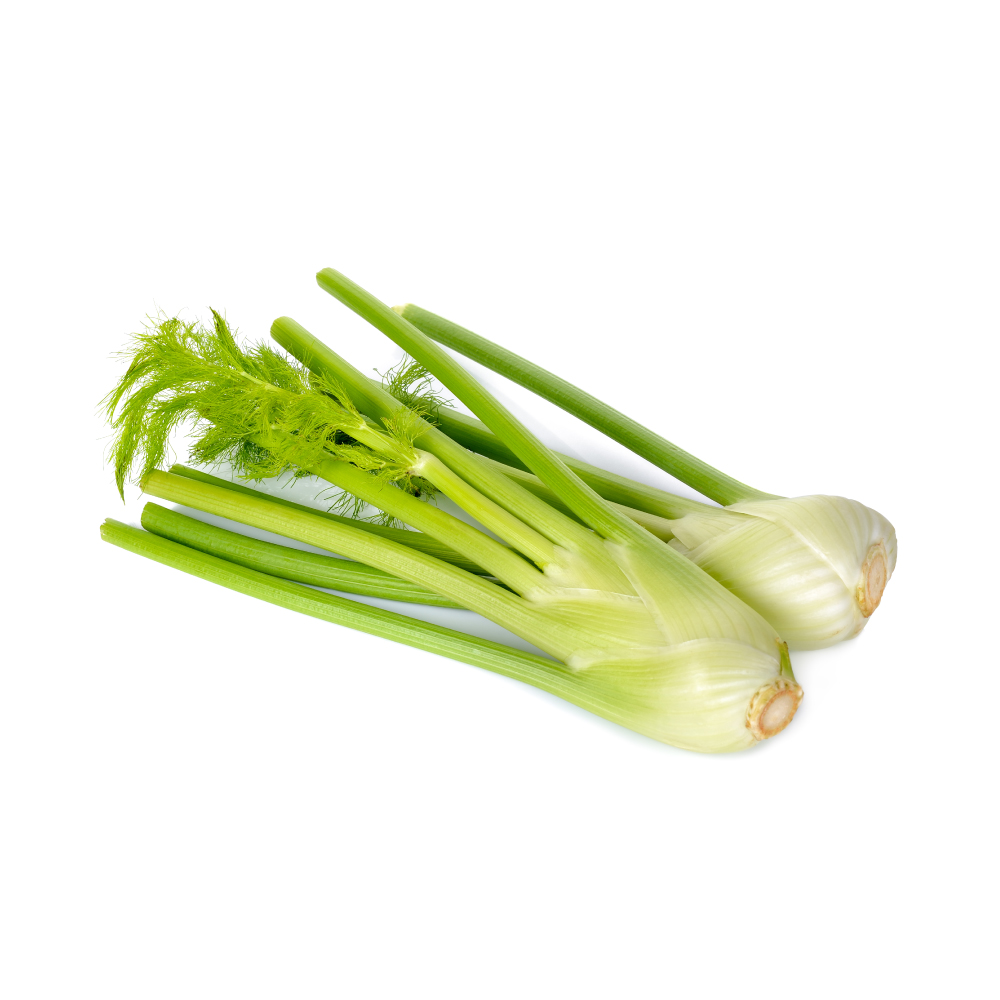 PotentPotentFennelFoeniculum vulgareRelaxes both uterine and intestinal smooth muscle, with human trials in each: meta-analyses in primary dysmenorrhea and a placebo-controlled trial in infant colic.Mechanismsmooth-muscle Ca²⁺ antagonism; prostaglandin E2 synthesis inhibition (trans-anethole)Read the evidenceShow lessMonograph →
Three independent meta-analyses find fennel reduces primary dysmenorrhea pain comparably to NSAIDs: statistically indistinguishable from conventional drug therapy across seven trials (SMD 0.07, 95% CI −0.08 to 0.21) and superior to placebo 34Reference 34Meta-analysisFennel for reducing pain in primary dysmenorrhea — systematic review and meta-analysis of RCTsView study →, no different from mefenamic acid across six 35,
In the gut, a placebo-controlled RCT in 125 infants found a seed-oil emulsion eliminated colic in 65% versus 24%, an NNT of 2 38Reference 38RCTThe effect of fennel seed oil emulsion in infantile colic — randomised placebo-controlled studyView study →, and a systematic review pooled a 72-minute-a-day reduction in crying 39Reference 39Systematic reviewInfant colic — what works: a systematic review of interventions for breast-fed infantsView study →.
Mechanistically this is one action. Fennel oil suppresses prostaglandin-E2 synthesis and blunts oxytocin- and PGE2-induced contraction in isolated rat uterus 40Reference 40In vitroThe effect of fennel essential oil on uterine contraction as a model for dysmenorrhea — in vitro (isolated rat uterus)View study →, the same volatile-oil calcium-handling relaxation seen in stomach tissue 41Reference 41Fennel tea has a region-specific effect on the motility of the stomach — ex vivoView study →.
Cochrane analysed the single methodologically suitable fennel-versus-placebo dysmenorrhea trial, found no significant benefit (MD −0.34), rated the evidence low to very low quality, and warned of publication bias from many small favourable studies 42Reference 42Systematic reviewDietary supplements for dysmenorrhoea — Cochrane systematic reviewView study →. The positive literature is largely small, Iranian and non-standardised.
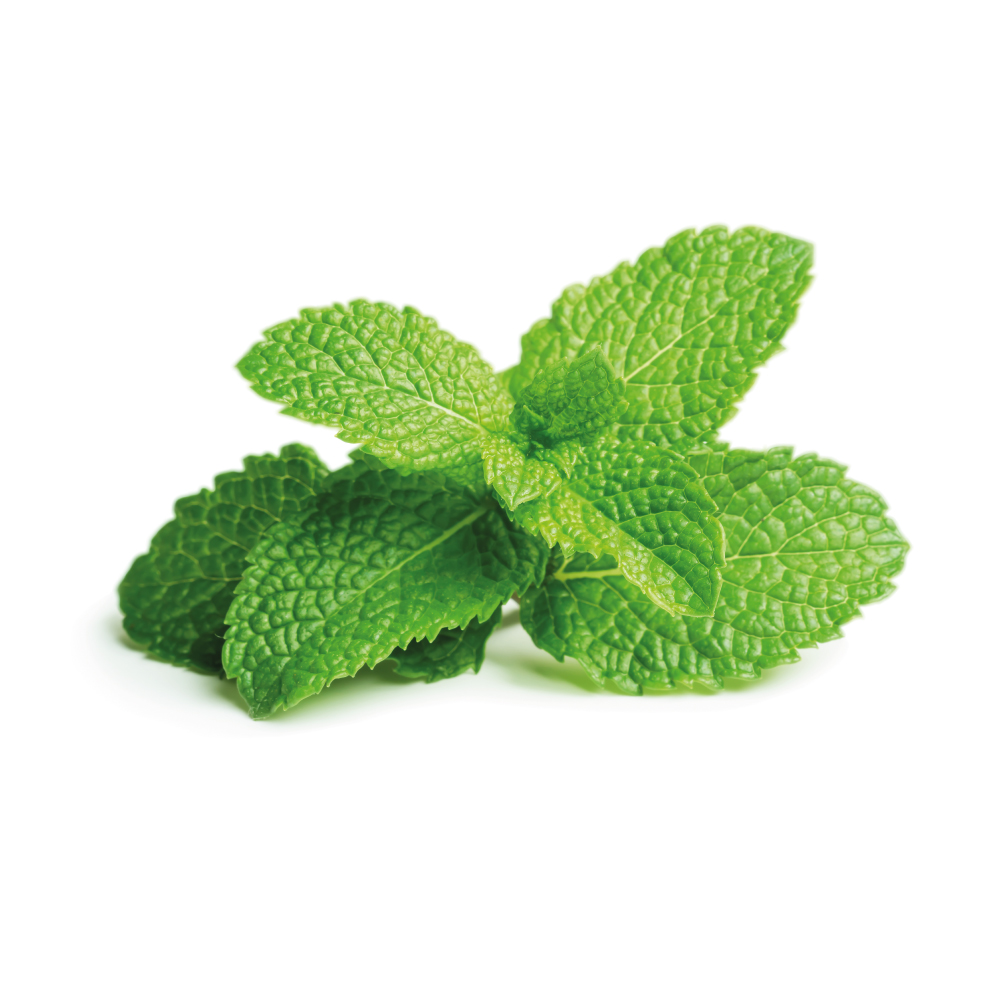 PotentPotentPeppermintMentha × piperitaMenthol blocks L-type calcium channels in gut smooth muscle; enteric-coated peppermint oil for irritable bowel syndrome rests on pooled human RCTs and four meta-analyses.MechanismL-type voltage-gated Ca²⁺ channel blockade in GI smooth muscle; TRPM8 agonismRead the evidenceShow lessMonograph →
Menthol blocks L-type calcium channels in intestinal smooth muscle, established by patch-clamp and isolated-tissue pharmacology 64,
Enteric-coated or sustained-release oil (about 180–225 mg, two to three times a day) reduces global IBS symptoms and abdominal pain across numerous double-blind trials 66,
The effect size is modest and endpoint-sensitive. The largest recent phase III RCT (Weerts 2020, n=190) reduced abdominal pain but missed the strict FDA composite responder endpoint 81Reference 81RCTEfficacy and safety of peppermint oil in a randomized, double-blind trial of patients with irritable bowel syndrome — randomised controlled trialView study →, and trials run 2–12 weeks with long-term efficacy untested 70,
The oil in a stomach-surviving formulation is what works. Uncoated oil relaxes the oesophageal sphincter and can worsen reflux, and peppermint tea never delivers a comparable menthol dose 82Reference 82ReviewReview article: the physiological effects and safety of peppermint oil and its efficacy in irritable bowel syndrome and other functional disorders — reviewView study →.
 StrongStrongCannabisCannabis sativaTHC relaxes spastic muscle through CB1 receptors in the central nervous system; nabiximols, a standardised THC:CBD spray, is licensed for multiple-sclerosis spasticity.MechanismCB1 receptor agonism (CNS)Read the evidenceShow lessMonograph →
Nabiximols, a standardised 1:1 THC:CBD oromucosal spray, is approved in many countries for multiple-sclerosis spasticity resistant to first-line drugs. The pivotal-trial meta-analysis found a modest but reproducible reduction in patient-rated spasticity with a distinct responder subset 14Reference 14Meta-analysisMeta-analysis of the efficacy and safety of Sativex (nabiximols) on spasticity in people with multiple sclerosisView study →, and a 2023 meta-analysis supports it as add-on therapy 15Reference 15Meta-analysisNabiximols is Efficient as Add-On Treatment for Patients with Multiple Sclerosis Spasticity Refractory to Standard Treatment — systematic review and meta-analysisView study →.
THC’s CB1 agonism in central motor pathways is the driver, which makes cannabis a centrally acting muscle relaxant rather than a smooth-muscle one. Before prohibition, cannabis tinctures were standard pharmacy items for spasm and pain.
The 2022 Cochrane review rates the evidence low to moderate certainty with a small average effect 16Reference 16Systematic reviewCannabis and cannabinoids for symptomatic treatment for people with multiple sclerosis — Cochrane systematic reviewView study →. Patient-reported spasticity improves more than examiner-rated measures, roughly half of patients do not respond, and a titrated oromucosal spray does not stand in for smoked or edible cannabis.
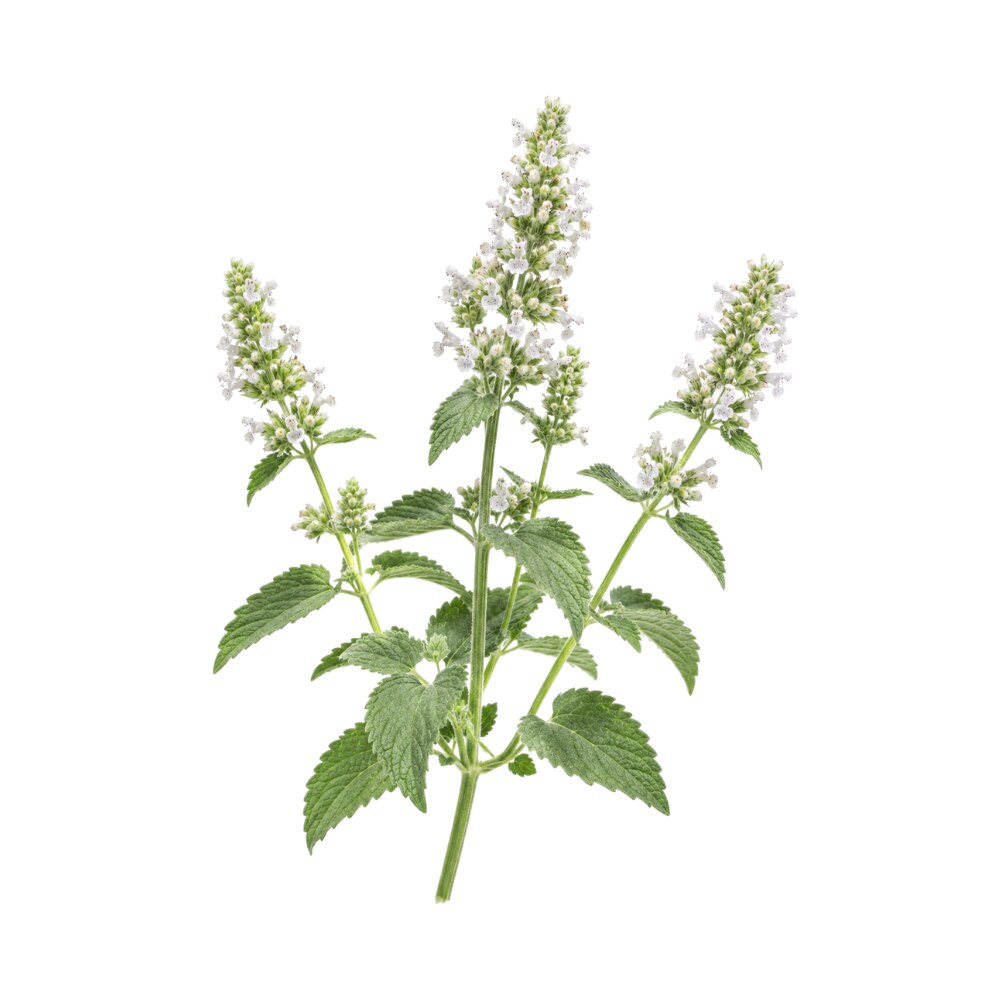 StrongStrongCatnipNepeta catariaRelaxes gut smooth muscle in spasmolytic research, the mechanism behind its traditional use for infant colic, griping and cramping digestion.Mechanismsmooth-muscle relaxationRead the evidenceShow lessMonograph →
Catnip is a standard children’s carminative in Western practice, given as a warm infusion for colic and griping. Culpeper gave it for “any cramp, or cold aches” and for the wind of the stomach and belly.
Dedicated spasmolytic research supports the smooth-muscle relaxation. The target has not been identified, and there is no human trial.
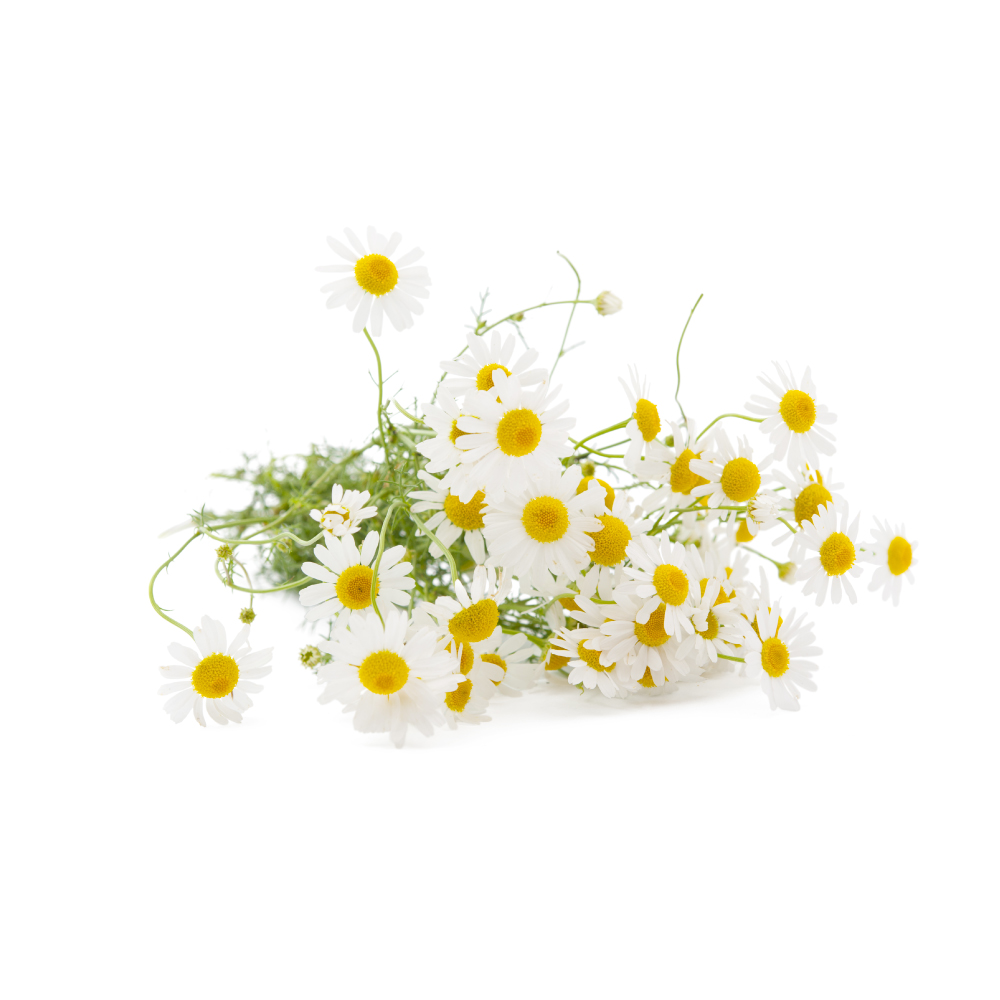 StrongStrongGerman ChamomileMatricaria chamomillaRelaxes gut smooth muscle predominantly through potassium-channel activation, with a weaker calcium-antagonist component; the traditional colic and cramp herb.MechanismK⁺-channel activation; weak voltage-gated Ca²⁺ antagonism (gut smooth muscle)Read the evidenceShow lessMonograph →
A crude aqueous-methanolic extract relaxed isolated rabbit jejunum and produced dose-dependent antispasmodic and antisecretory effects in mice, mediated predominantly through K⁺-channel activation with a weaker Ca²⁺-antagonist component 17Reference 17In vitroAntidiarrhoeal, antisecretory and antispasmodic activities of Matricaria chamomilla are mediated predominantly through K⁺-channels activation — animal / in vitro studyView study →. That is a different route from the calcium-channel block most smooth-muscle relaxant herbs use.
The human evidence never tests chamomile alone. The paediatric GI review’s positive diarrhoea signal came from a multi-herb preparation 18Reference 18Systematic reviewHerbal medicines for gastrointestinal disorders in children and adolescents: a systematic reviewView study →, and the functional-dyspepsia benefit belongs to STW 5 (Iberogast), a nine-herb product 19Reference 19Meta-analysisMeta-analysis: phytotherapy of functional dyspepsia with the herbal drug preparation STW 5 (Iberogast)View study →.
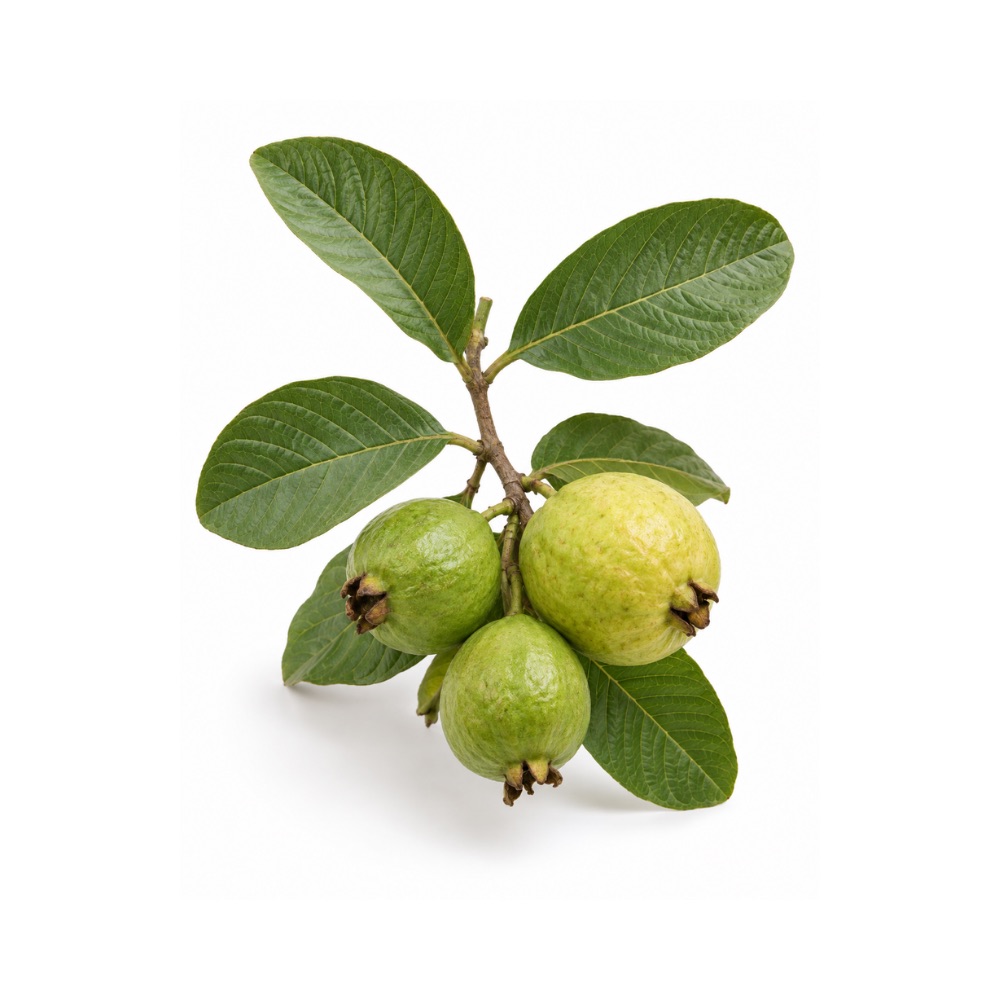 StrongStrongGuavaPsidium guajavaA quercetin-standardised leaf extract shortened diarrhoeal abdominal pain in a double-blind trial, and a flavonoid extract reduced primary dysmenorrhea in a second; two smooth-muscle beds, two placebo-controlled trials.Mechanismquercetin-mediated smooth-muscle relaxation; flavonoid anti-motilityRead the evidenceShow less
The quercetin-standardised QG-5 leaf extract (500 mg every 8 hours) significantly cut the duration of diarrhoeal abdominal pain versus placebo in a double-blind trial, an effect the authors attribute to spasmolysis rather than analgesia 45Reference 45RCTIntestinal anti-spasmodic effect of a phytodrug of Psidium guajava folia in the treatment of acute diarrheic disease — randomised, double-blind clinical trialView study →.
A double-blind RCT in 197 women found a Psidii guajavae folium flavonoid extract at 6 mg/day reduced primary dysmenorrhea versus placebo, read as relaxation of uterine smooth muscle 46Reference 46RCTEffect of a Psidii guajavae folium extract in the treatment of primary dysmenorrhea — randomised controlled trialView study →.
Both results rest on specific standardised flavonoid extracts rather than a leaf decoction, and the uterine result awaits independent replication.
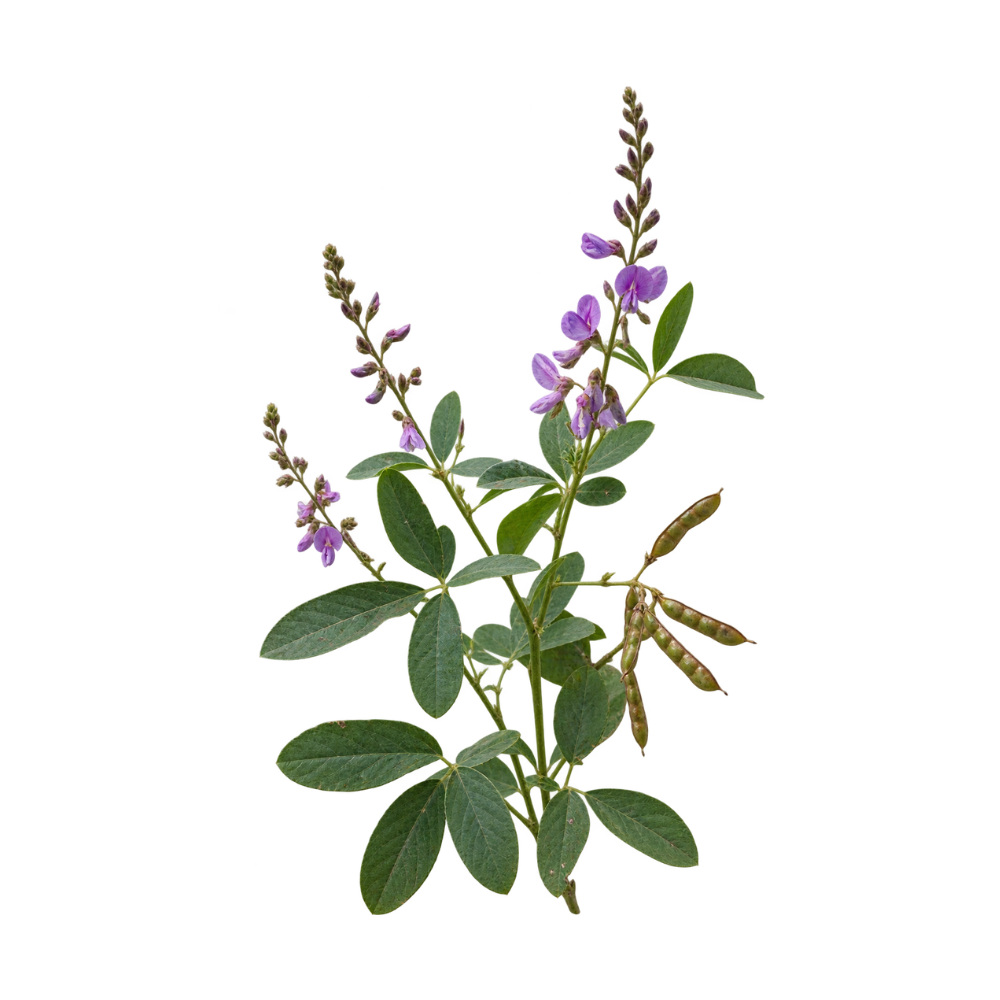 StrongStrongTick TrefoilDesmodium spp.Dehydrosoyasaponin I opens BK potassium channels in airway smooth muscle, relaxing it; a traditional Ghanaian asthma decoction whose activity resolves to a named saponin and a named channel.MechanismBK / maxi-K channel opening by dehydrosoyasaponin I → airway smooth-muscle relaxationRead the evidenceShow lessMonograph →
D. adscendens saponins, chiefly dehydrosoyasaponin I, are potent openers of large-conductance calcium-activated potassium (BK/maxi-K) channels, and opening them hyperpolarises and relaxes airway smooth muscle 89Reference 89In vitroAn activator of calcium-dependent potassium channels isolated from a medicinal herb — in vitro studyView study →. Replicated isolated-airway pharmacology supports the effect 90,
Every measurement is isolated tissue or rodent. There is no human trial, no standardised preparation, and the effect has never been shown to relieve asthma in a person.
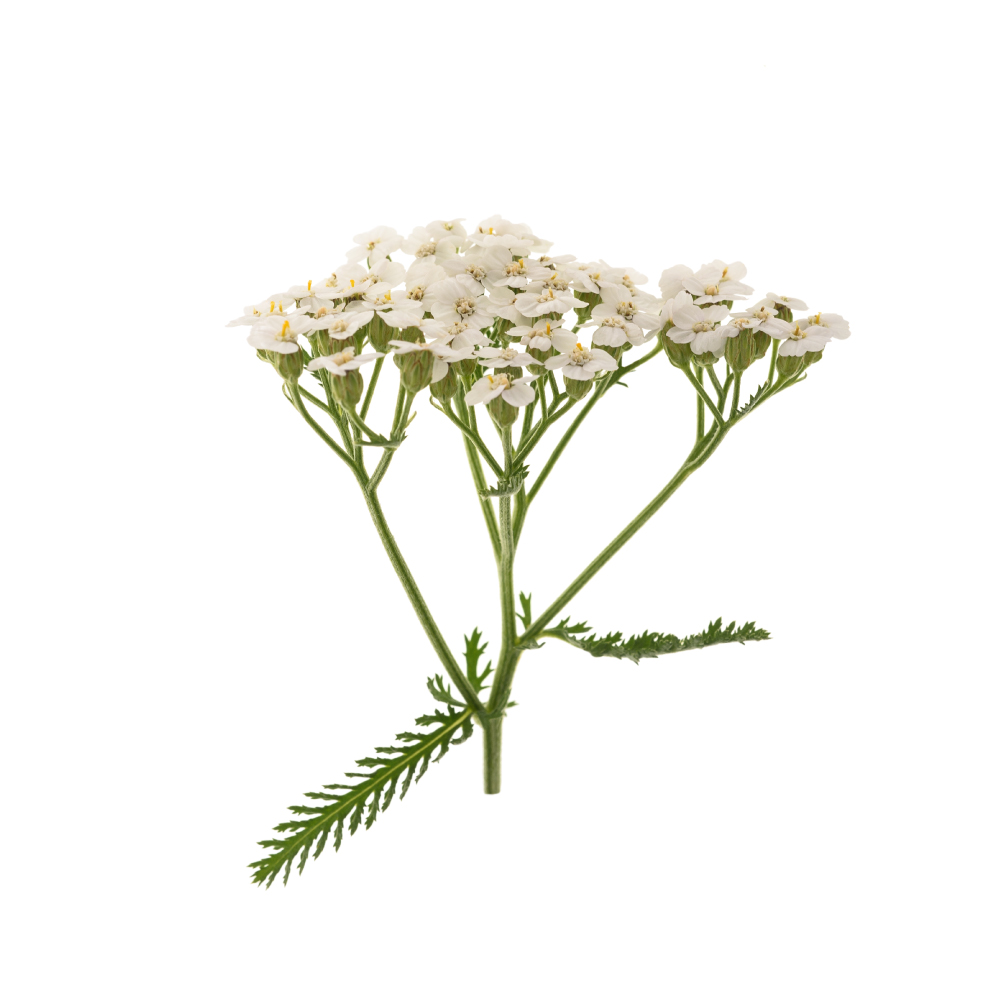 StrongStrongYarrowAchillea millefoliumRelaxes gut smooth muscle by blocking calcium entry, behaving like verapamil in isolated tissue; reproduced across three tissue preparations.Mechanismvoltage-gated Ca²⁺ channel blockade; direct musculotropic relaxationRead the evidenceShow lessMonograph →
A crude aqueous-methanol extract relaxed spontaneous and K⁺-induced contractions in isolated rabbit jejunum and shifted calcium concentration-response curves rightward, behaving like the calcium-channel blocker verapamil 94Reference 94AnimalStudies on hepatoprotective, antispasmodic and calcium antagonist activities of the aqueous-methanol extract of Achillea millefolium — [mouse in vivo]View study →. A hydroalcoholic extract likewise relaxed acetylcholine- and KCl-induced contractions in rat ileum, and the effect was not blocked by propranolol or the NOS inhibitor L-NAME, which places it as a direct musculotropic calcium-antagonist action rather than an adrenergic or nitrergic one 95Reference 95AnimalAntispasmodic effects of yarrow (Achillea millefolium L.) extract in the isolated ileum of rat — [rat in vivo]View study →.
The finding is reproduced across three tissue preparations. All of it is animal and ex-vivo work.
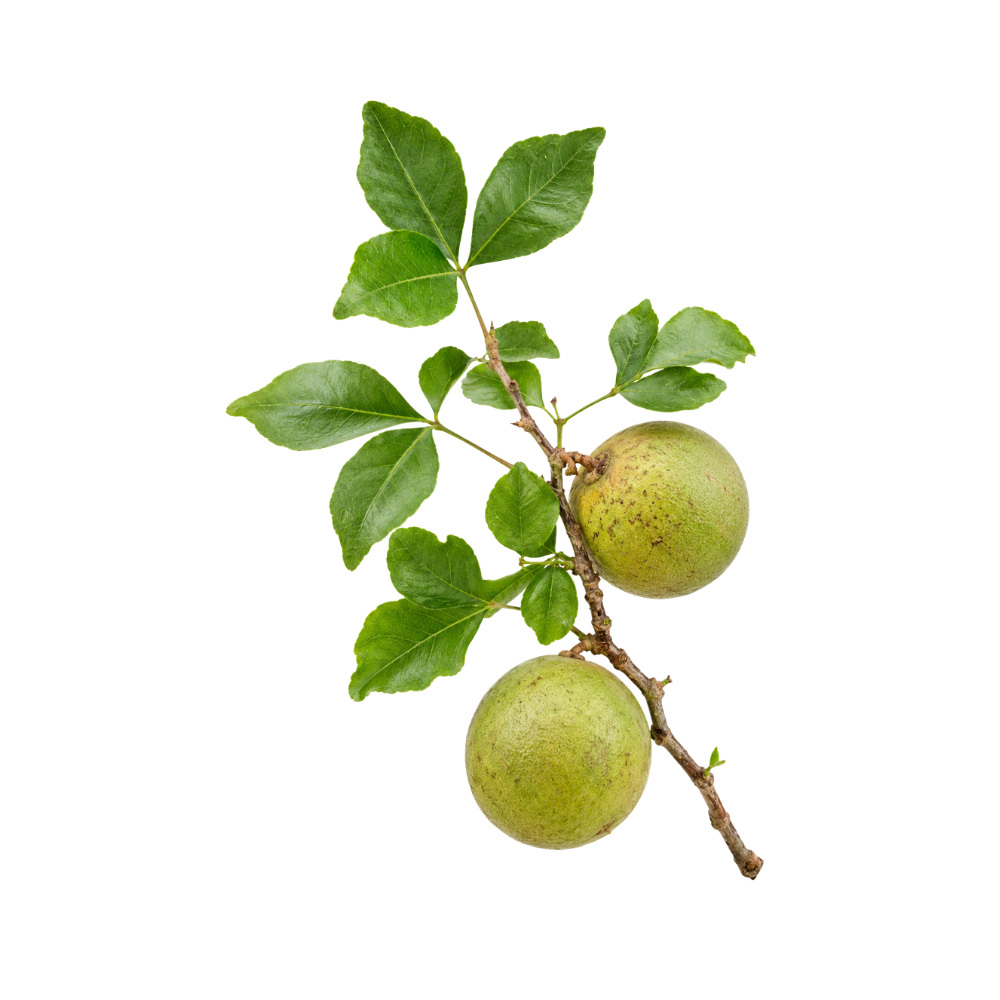 ModerateModerateBaelAegle marmelosUnripe fruit extract antagonises acetylcholine-, histamine- and serotonin-induced gut contraction and slows transit in animals, the mechanism behind its antidiarrhoeal use.Mechanismantagonism of acetylcholine-, histamine- and serotonin-induced gut contraction; gastrointestinal transit slowedRead the evidenceShow lessMonograph →
In animals, unripe-fruit extract antagonised acetylcholine-, histamine- and serotonin-induced gut contraction and slowed gastrointestinal transit, alongside reducing castor-oil-induced intestinal fluid accumulation 11Reference 11Investigation on the gastroprotective and antidiarrhoeal properties of Aegle marmelos unripe fruit extract — [animal]View study →. Antagonising three receptor pathways at once points to a broad smooth-muscle effect rather than a single receptor block, which fits diarrhoeal cramping, where more than one mediator is at work.
The evidence is animal only, and it is specifically enteric: no bronchial, biliary or uterine tissue has been tested.
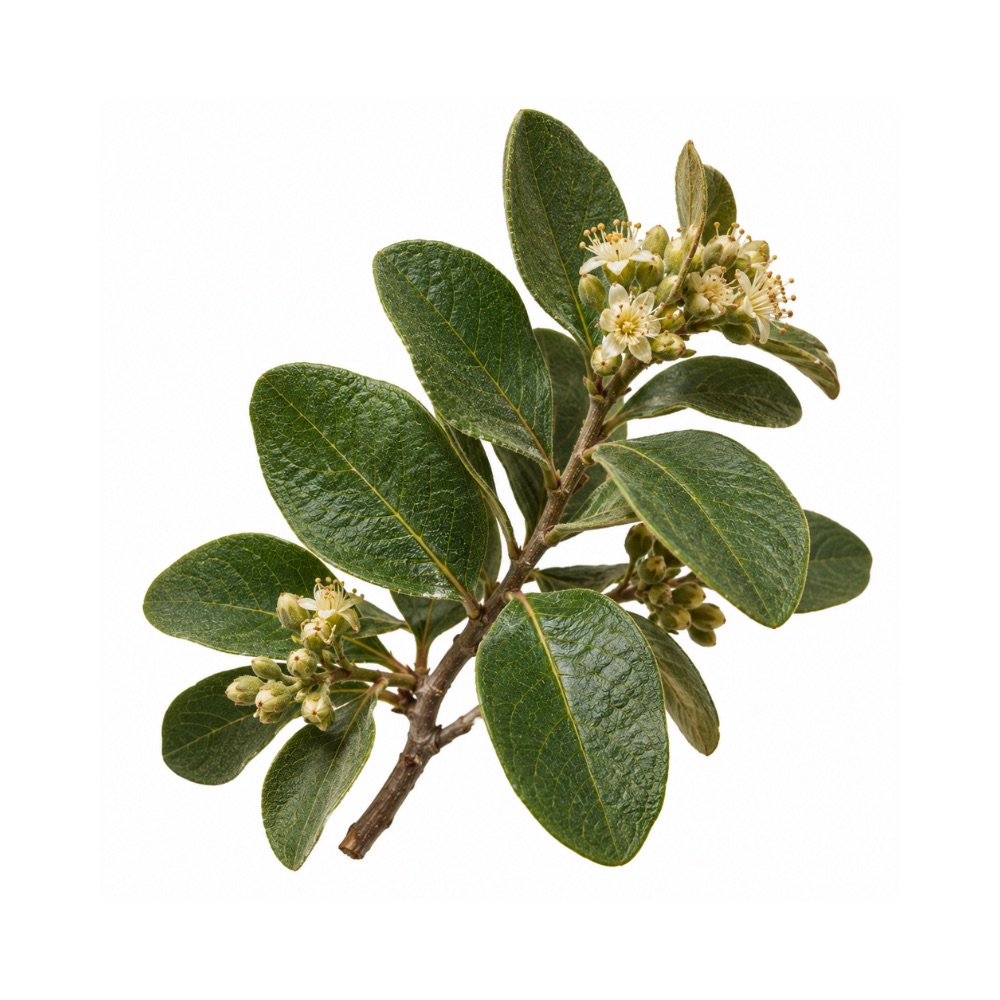 ModerateModerateBoldoPeumus boldusA dry extract prolonged gastrointestinal transit in a placebo-controlled crossover in 12 volunteers, the action behind its licensed digestive indication.MechanismGI smooth-muscle relaxation; prolonged transitRead the evidenceShow less
The one human study, a placebo-controlled crossover in 12 volunteers, showed a dry extract prolongs gastrointestinal transit 12Reference 12RCTEffect of a dry boldo extract on oro-cecal intestinal transit in healthy volunteers — randomised, placebo-controlled crossover trialView study →.
It is a slowing effect on gut motility, consistent with smooth-muscle relaxation rather than with digestive stimulation.
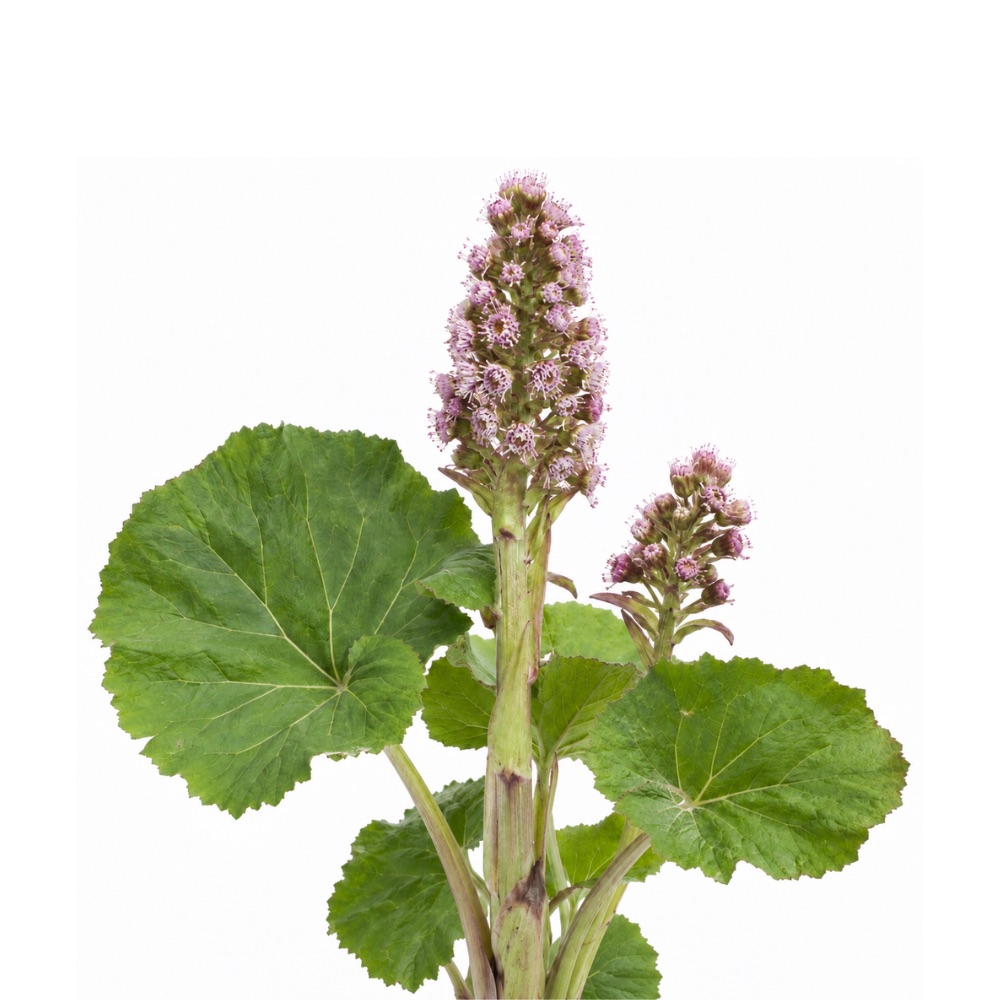 ModerateModerateButterburPetasites hybridusPetasin and iso-S-petasin block L-type calcium channels and relax vascular and airway smooth muscle; the old use for colic, cramping and spasmodic cough.MechanismL-type Ca²⁺-channel blockade (petasins); cytosolic Ca²⁺ loweredRead the evidenceShow less
Butterbur was given for spasmodic complaints, colic, cramping and spasmodic cough, and that strand of the tradition is the one the modern pharmacology supports.
In rat aortic smooth-muscle cells, iso-S-petasin blocked L-type voltage-dependent calcium channels, and petasin produced endothelium-independent vasorelaxation by lowering cytosolic calcium 97,
Every spasmolytic result is from isolated tissue or animal models. No human trial has measured a spasmolytic endpoint directly.
 ModerateModerateColeusColeus forskohliiForskolin relaxes airway smooth muscle by raising cAMP directly, the same final pathway a beta-agonist uses; inhaled forskolin matched fenoterol in asthmatics.Mechanismadenylate-cyclase activation → cAMP ↑ → PKA → airway smooth-muscle relaxation; leukotriene and histamine release ↓Read the evidenceShow lessMonograph →
Forskolin activates adenylate cyclase without touching the β-receptor, so it raises cAMP regardless of receptor sensitivity.
In a randomised, double-masked, placebo-controlled crossover in asthmatics, inhaled dry-powder forskolin (colforsin) significantly increased airway conductance, comparably to fenoterol 21Reference 21RCTPharmacodynamic effects of inhaled dry powder formulations of fenoterol and colforsin in asthma — [randomised, placebo-controlled trial]View study →. In sensitised guinea pigs forskolin prevented antigen-induced bronchospasm while blocking leukotriene and histamine release 22Reference 22AnimalBronchodilator and antiallergy activity of forskolin — [animal model]View study →.
An oral trial also exists. Forskolin at 10 mg/day reduced the proportion of patients having asthma attacks versus inhaled cromoglycate over six months, though the trial was small and single-blinded 23Reference 23RCTForskolin versus sodium cromoglycate for prevention of asthma attacks: a single-blinded clinical trial — [randomised controlled trial]View study →, and a rodent study found a coleus root and leaf extract eased cough and airway remodelling 24Reference 24AnimalExtracts of Coleus forskohlii relieves cough and asthma symptoms via modulating inflammation and the extracellular matrix — [animal model]View study →.
The fenoterol-comparable result is an inhaled isolated molecule, which the root taken by mouth does not reproduce. The action is bronchial: no gut or uterine smooth-muscle data exist for the herb.
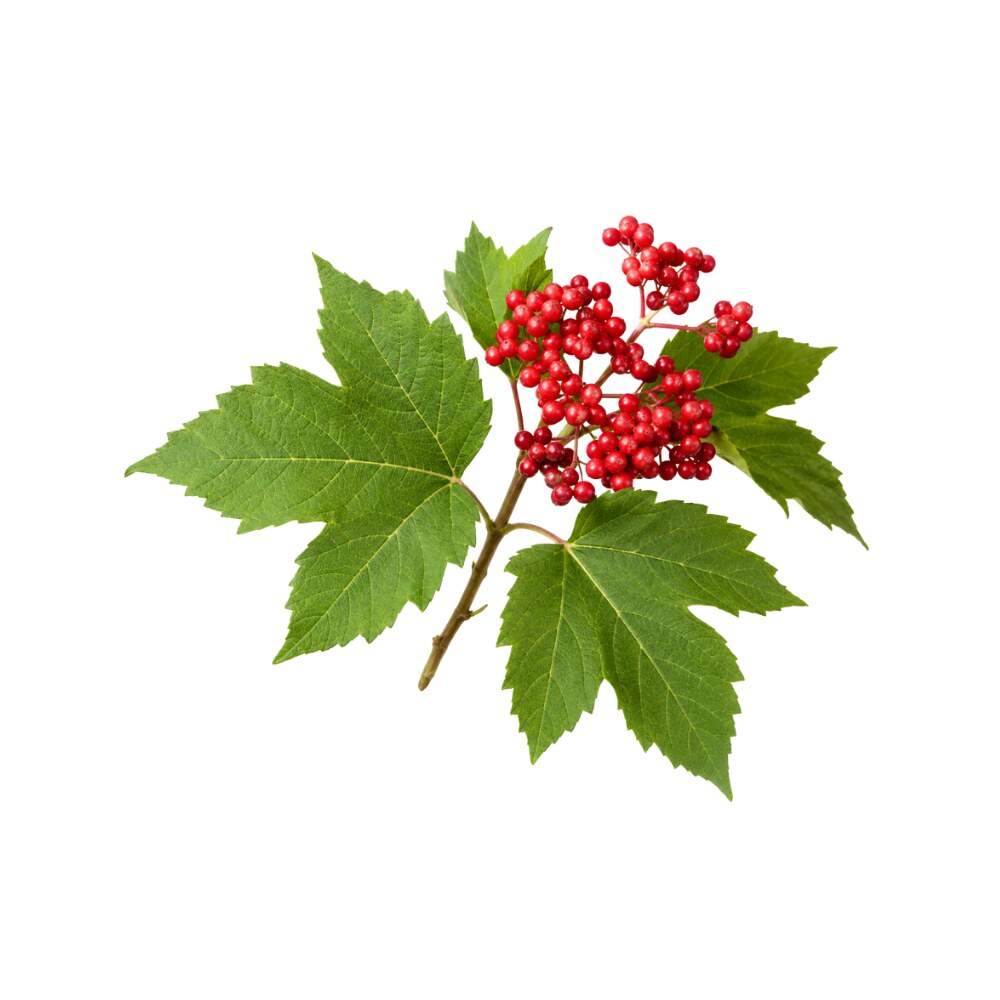 ModerateModerateCramp BarkViburnum opulusViopudial and scopoletin, both isolated from Viburnum, relax smooth muscle by limiting intracellular calcium; the Eclectic remedy for the cramping of the womb and gut.Mechanismintracellular Ca²⁺ mobilization ↓; smooth-muscle Ca²⁺-channel antagonismRead the evidenceShow lessMonograph →
Two spasmolytic constituents were isolated from Viburnum itself: viopudial, described in 1972 as a hypotensive smooth-muscle antispasmodic 25Reference 25Viopudial, a hypotensive and smooth-muscle antispasmodic from Viburnum opulus — animal/isolated tissueView study →, and the coumarin scopoletin, identified in 1967 as an antispasmodic component of V. opulus and V. prunifolium 26Reference 26In vitroScopoletin, an antispasmodic component of Viburnum opulus and prunifolium — in vitroView study →. Scopoletin inhibits intracellular calcium mobilisation non-specifically in isolated rat aorta 27Reference 27In vitroIntracellular calcium mobilisation as a target for the spasmolytic action of scopoletin — in vitro (rat aorta)View study →, with calcium-channel-blocking activity confirmed in airway smooth muscle 28Reference 28In vitroBronchodilatory mechanism and identification of scopoletin as the active calcium-channel-blocking ingredient — in vivo/in vitroView study →.
The effect is a weak, non-selective calcium effect from two constituents present at unquantified levels in the bark, demonstrated in isolated aorta and trachea. No uterine or skeletal-muscle tissue has been studied, and there is no modern controlled trial of any whole cramp-bark preparation for dysmenorrhea or cramp.
The one registered dysmenorrhea trial used a homeopathic 3X dilution (NCT02467543).
Practitioners rate it a reliable but gentle relaxant.
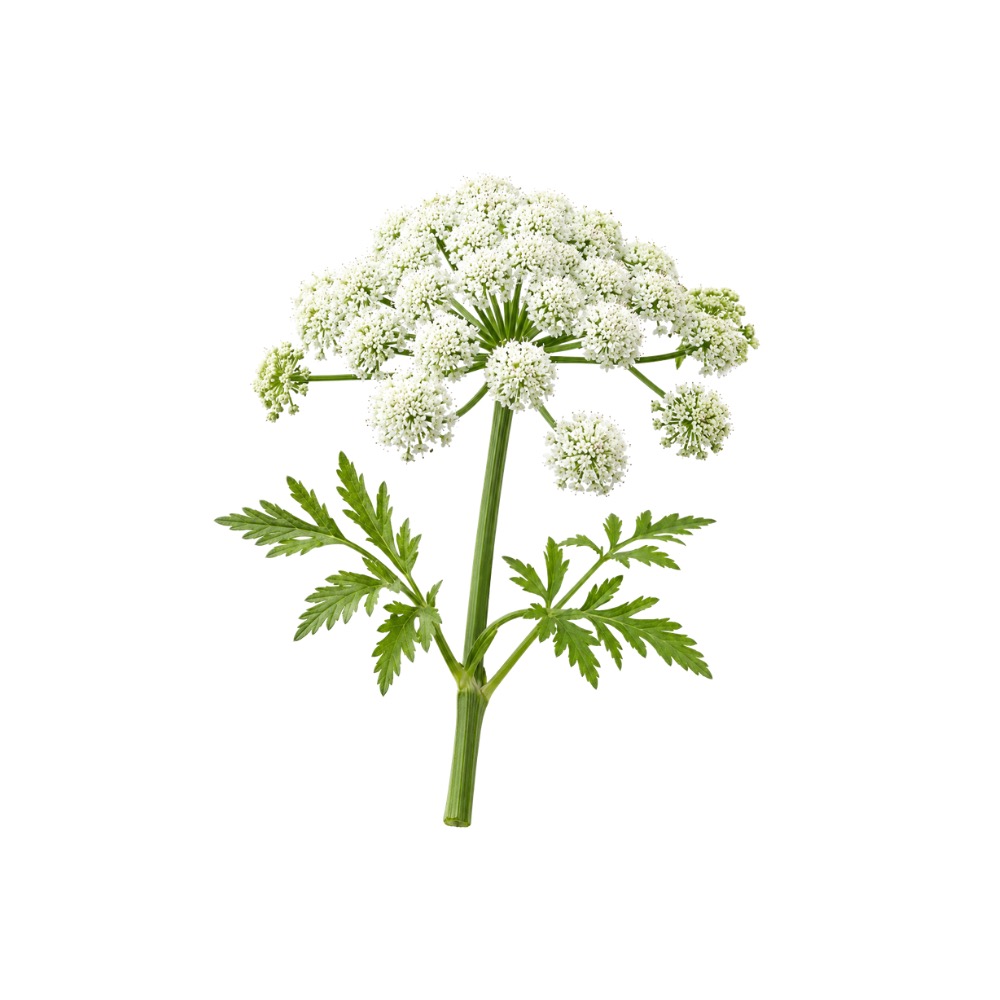 ModerateModerateDong QuaiAngelica sinensisButylidenephthalide inhibits uterine contraction driven by prostaglandin F2α, oxytocin and acetylcholine alike, the pharmacological basis of the traditional dysmenorrhea use.Mechanismuterine smooth-muscle relaxation (PGF2α / oxytocin / ACh contraction ↓); non-specific smooth-muscle relaxationRead the evidenceShow lessMonograph →
Classic isolation work identified butylidenephthalide as an antispasmodic that inhibited uterine contractions induced by prostaglandin F2α, oxytocin and acetylcholine, three unrelated stimulants, so the relaxation is not receptor-specific. It relaxed smooth muscle generally, though less potently than papaverine 29Reference 29A newly isolated antispasmodic — butylidenephthalide (isolated-tissue / comparative study)View study →.
The effect is shared with Z-ligustilide, consistent with the root’s phthalide-rich essential oil 30Reference 30ReviewAngelica sinensis in China — a review of botanical profile, ethnopharmacology, phytochemistry and chemical analysis — reviewView study →.
The data are isolated rat uterus and guinea-pig ileum from 1980, essentially unreplicated, and there is no controlled human dysmenorrhea trial of dong quai as a single herb. The phthalides are poorly bioavailable by mouth, so a decoction or 1:2 tincture is unlikely to reach the bath concentrations used ex vivo.
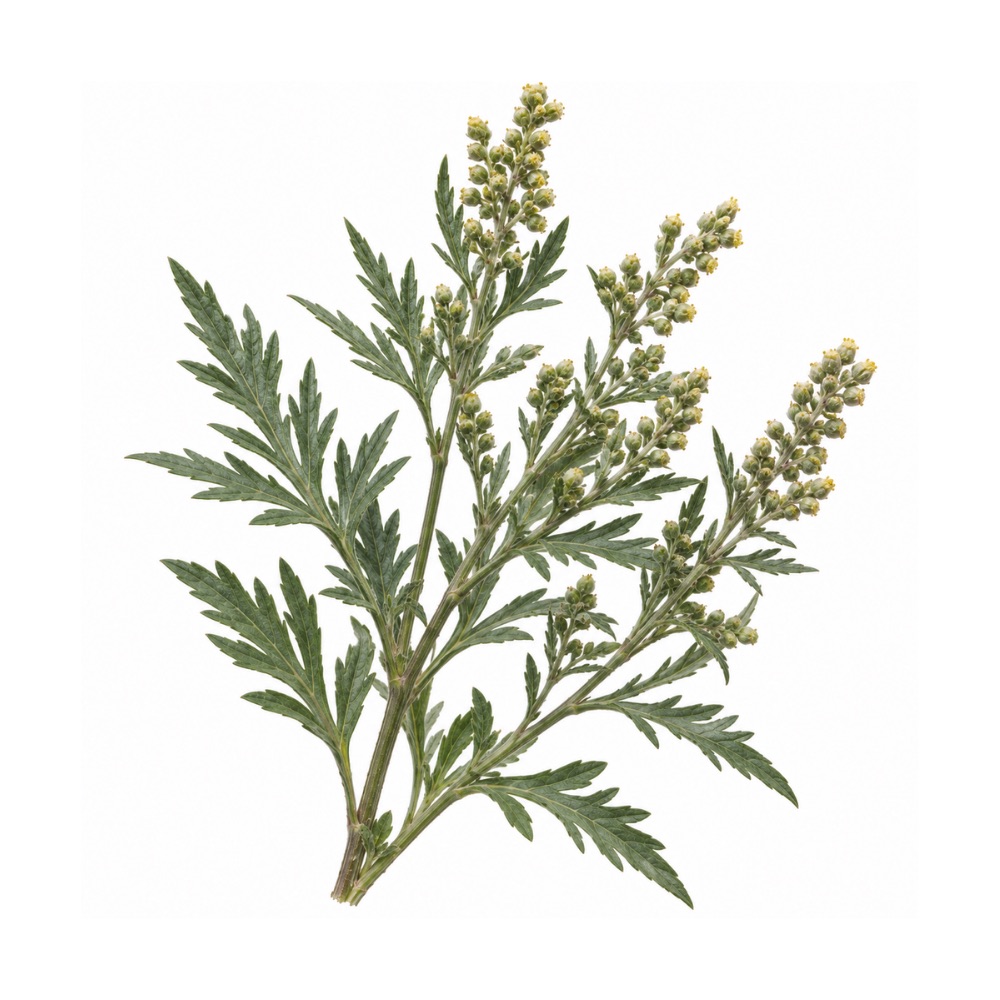 ModerateModerateEstafiateArtemisia ludovicianaRelaxes smooth muscle directly, the basis of its traditional use for colic, diarrhoea and menstrual cramps.Mechanismsmooth-muscle relaxationRead the evidenceShow less
Estafiate shows direct smooth-muscle relaxant activity, which supports both its antidiarrhoeal use and the traditional Mexican application for colic and menstrual cramps.
The target has not been identified, and there is no human trial.
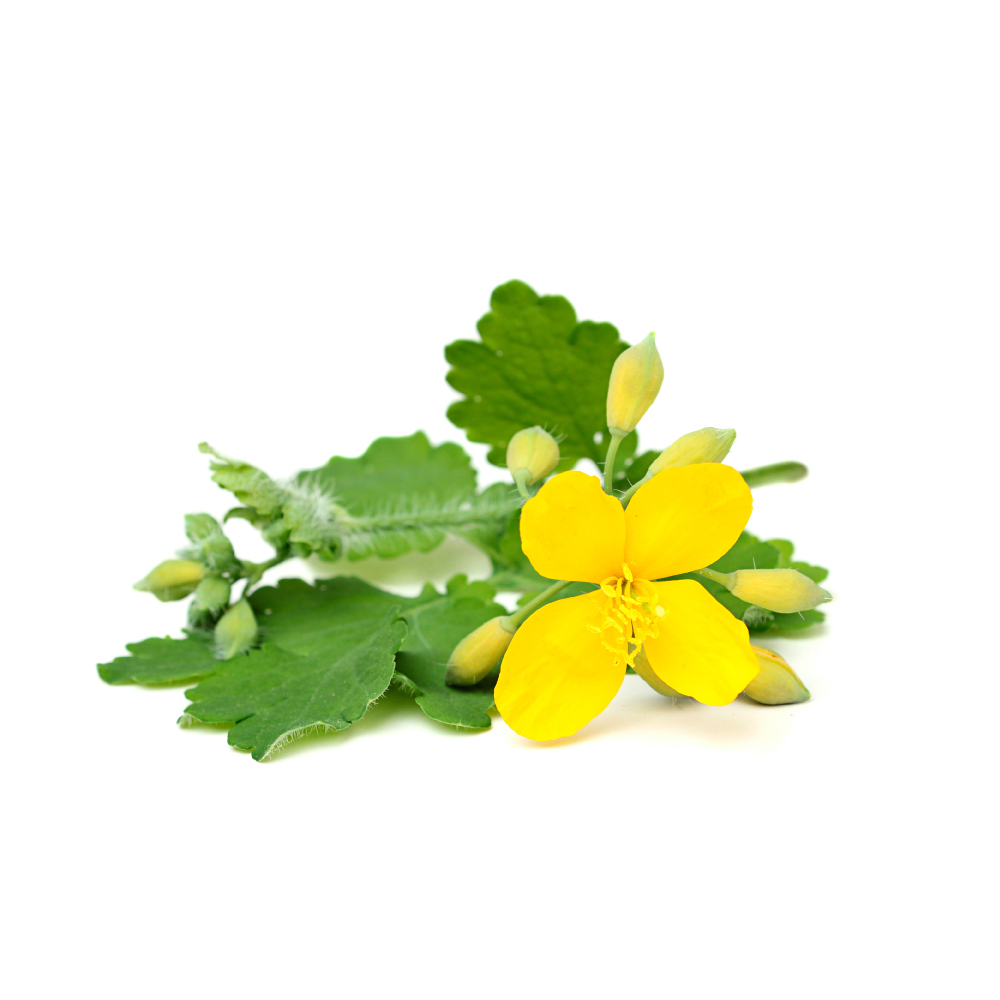 ModerateModerateGreater CelandineChelidonium majusCoptisine, protopine and chelidonine relax biliary and gut smooth muscle; the relief of colicky biliary pain in a controlled trial is the antispasmodic half of its choleretic use.Mechanismsmooth-muscle relaxation (biliary/GI)Read the evidenceShow lessMonograph →
The relief of colicky biliary pain in the controlled trial 20Reference 20RCTThe effect of chelidonium- and turmeric root extract on upper abdominal pain due to functional disorders of the biliary system — a placebo-controlled double-blind randomised studyView study → is the antispasmodic component of greater celandine’s action, attributed to the alkaloids coptisine and protopine. Chelidonine relaxes isolated ileum by a papaverine-like musculotropic action, with protopine the stronger of the two on nerve-stimulated contraction 1Reference 1Antispasmodic and relaxant activity of chelidonine, protopine, coptisine, and Chelidonium majus extracts on isolated guinea-pig ileum — ex vivo/animalView study →.
The clinical result comes from a combination product, and no smooth-muscle endpoint has been measured for the herb alone.
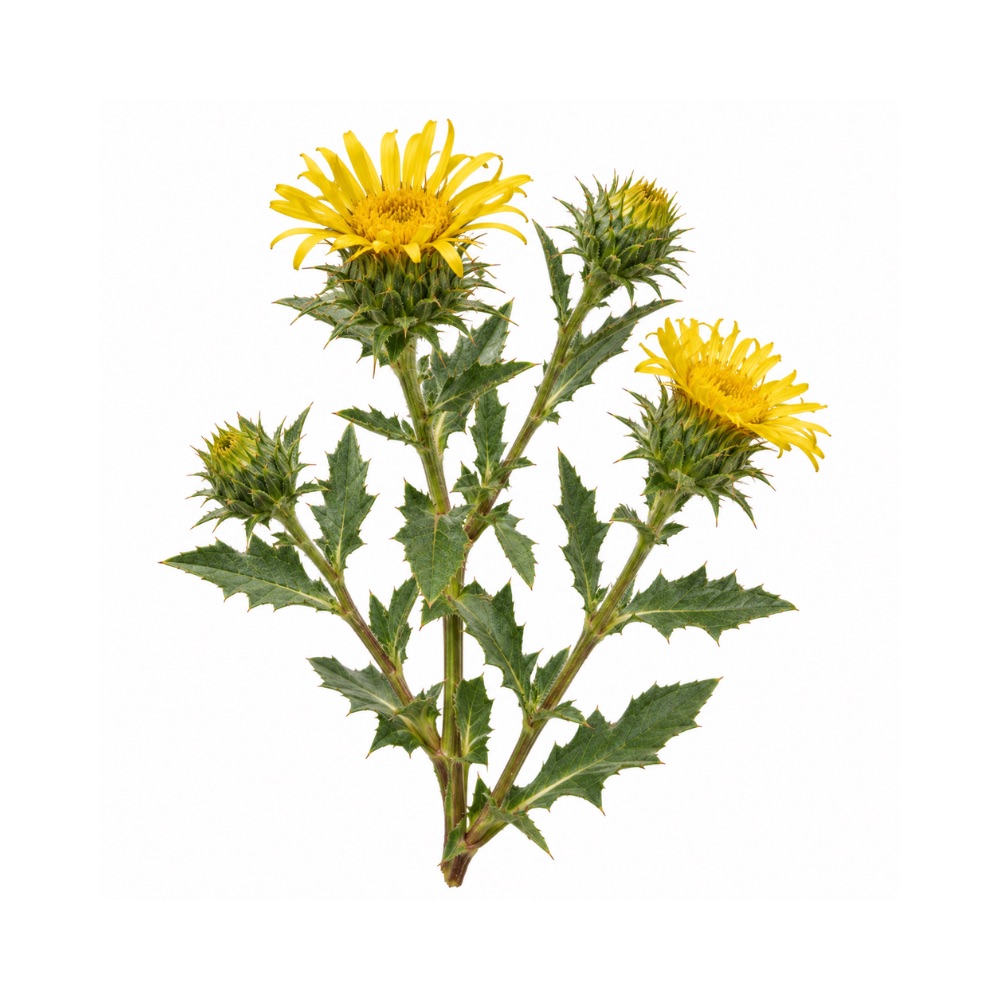 ModerateModerateGumweedGrindelia squarrosaRelaxes airway smooth muscle, the antispasmodic half of its pharmacopoeial indication for asthma and bronchitis.Mechanismairway smooth-muscle relaxationRead the evidenceShow less
Gumweed entered the US Pharmacopoeia in the nineteenth century as an antispasmodic and expectorant for asthma and bronchitis. The airway relaxation pairs with its anti-inflammatory work, the combination an asthma herb needs.
The spasmolysis has not been measured directly, and there is no human trial.
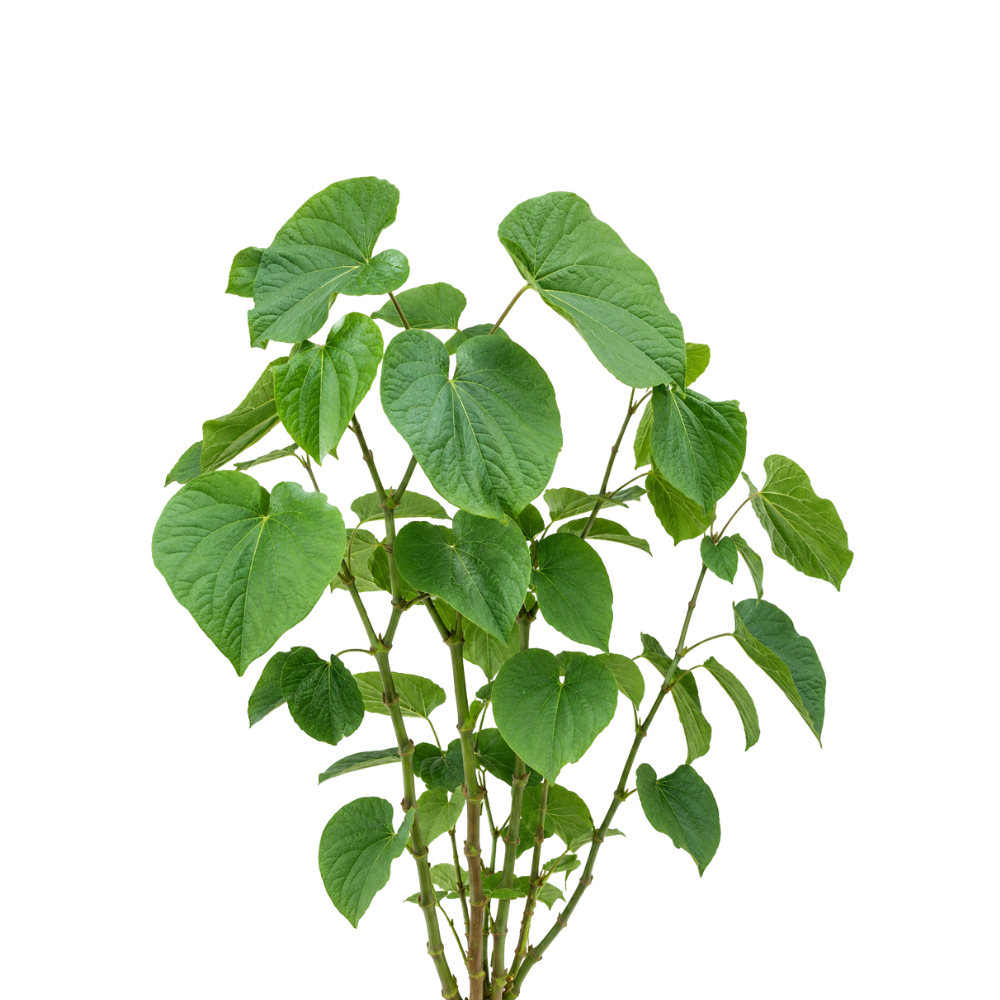 ModerateModerateKavaPiper methysticumKavain and methysticin block voltage-gated sodium channels in neurons and reduce calcium influx, a mapped route to the muscle-relaxant effect seen in animal work.Mechanismvoltage-gated Na⁺/Ca²⁺ channel blockade; depolarisation-evoked glutamate release ↓Read the evidenceShow lessMonograph →
Kavain and methysticin inhibit voltage-operated Na⁺ channels in rat CA1 hippocampal neurons and in synaptosomes 51,
The case is animal and in-vitro, and no human antispasmodic trial exists. The muscle-tension relief people report is plausibly downstream of general relaxation rather than a direct effect on muscle.
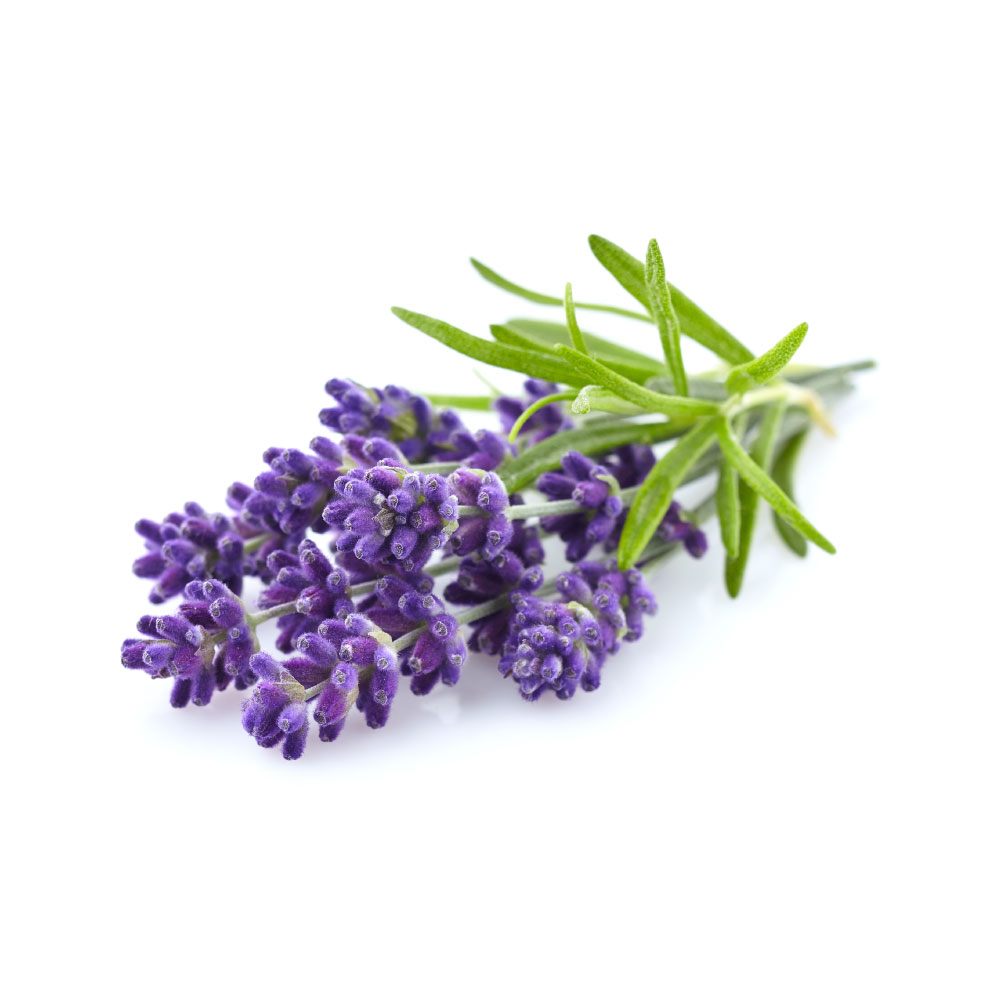 ModerateModerateLavenderLavandula angustifoliaLinalyl acetate relaxes isolated uterine smooth muscle, and lavender oil relaxes gut and airway preparations through a cAMP-mediated, non-specific spasmolysis.MechanismcAMP-mediated smooth-muscle relaxation; voltage-gated Ca²⁺-channel inhibitionRead the evidenceShow lessMonograph →
Linalyl acetate relaxed isolated rat uterine smooth muscle 53Reference 53In vitroLinalyl acetate as a major ingredient of lavender essential oil relaxes the rabbit/rat smooth muscle — in vitro/animal modelView study →, and classic mode-of-action work showed lavender oil relaxes guinea-pig and rat preparations through a non-specific, cyclic-AMP-mediated spasmolytic effect 54Reference 54In vitroStudies on the mode of action of the essential oil of lavender (Lavandula angustifolia) — in vitro smooth-muscle studyView study →. Culpeper gave lavender for “cramps, convulsions, palsies”.
The work is ex-vivo tissue and animal. No clinical trial has tested lavender for menstrual, gut or any other spasm.
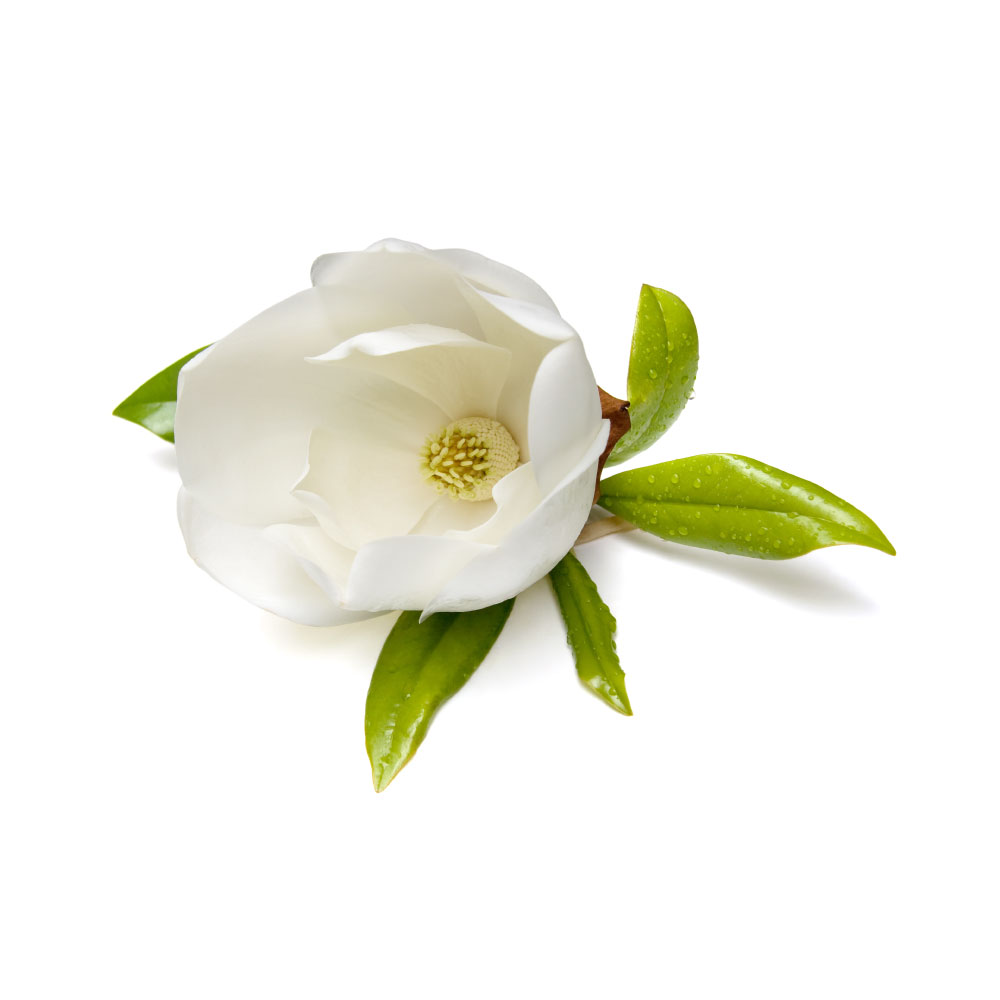 ModerateModerateMagnoliaMagnolia officinalisMagnolol and honokiol relax intestinal smooth muscle by blocking the TRPC4 channel and reducing calcium influx; houpo is a classical Chinese remedy for abdominal distension and bloating.MechanismTRPC4 blockade → ↓ extracellular Ca²⁺ influx (magnolol/honokiol/obovatol)Read the evidenceShow lessMonograph →
Houpo is a canonical Chinese remedy for abdominal distension, bloating and diarrhoea 55Reference 55ReviewA review of the phytochemistry and pharmacological activities of Magnoliae officinalis cortex — reviewView study →. In isolated intestinal tissue, magnolol and honokiol relax smooth muscle by acting on the TRPC4 channel to reduce extracellular calcium influx 56Reference 56In vitroMagnolol and honokiol target TRPC4 to regulate extracellular calcium influx and relax intestinal smooth muscle — in vitro / ex vivoView study →.
A rat model of diarrhoea-predominant IBS reported that magnolol, honokiol and obovatol improved GI motility, intestinal permeability and inflammatory cytokines 57Reference 57AnimalDeciphering the multi-target mechanism of Magnolia officinalis in irritable bowel syndrome with diarrhea — network pharmacology, machine learning and in vivo (rat) validationView study →, though that study leaned on network pharmacology and molecular docking rather than direct measurement.
No controlled human trial exists in functional GI disorders, the herb’s strongest traditional use.
ModeratePasque FlowerPulsatilla patensDried Pulsatilla in small doses for menstrual cramping and spasmodic pain, consistent across North American and European practice, and never studied.Mechanismnot resolved; traditional, small-dose dried preparationRead the evidenceShow less
Small doses of the dried plant for menstrual cramping and spasmodic pain are the plant’s principal historical action, recorded consistently across North American and European practice.
No study of this species addresses spasm, and the mechanism is unresolved.
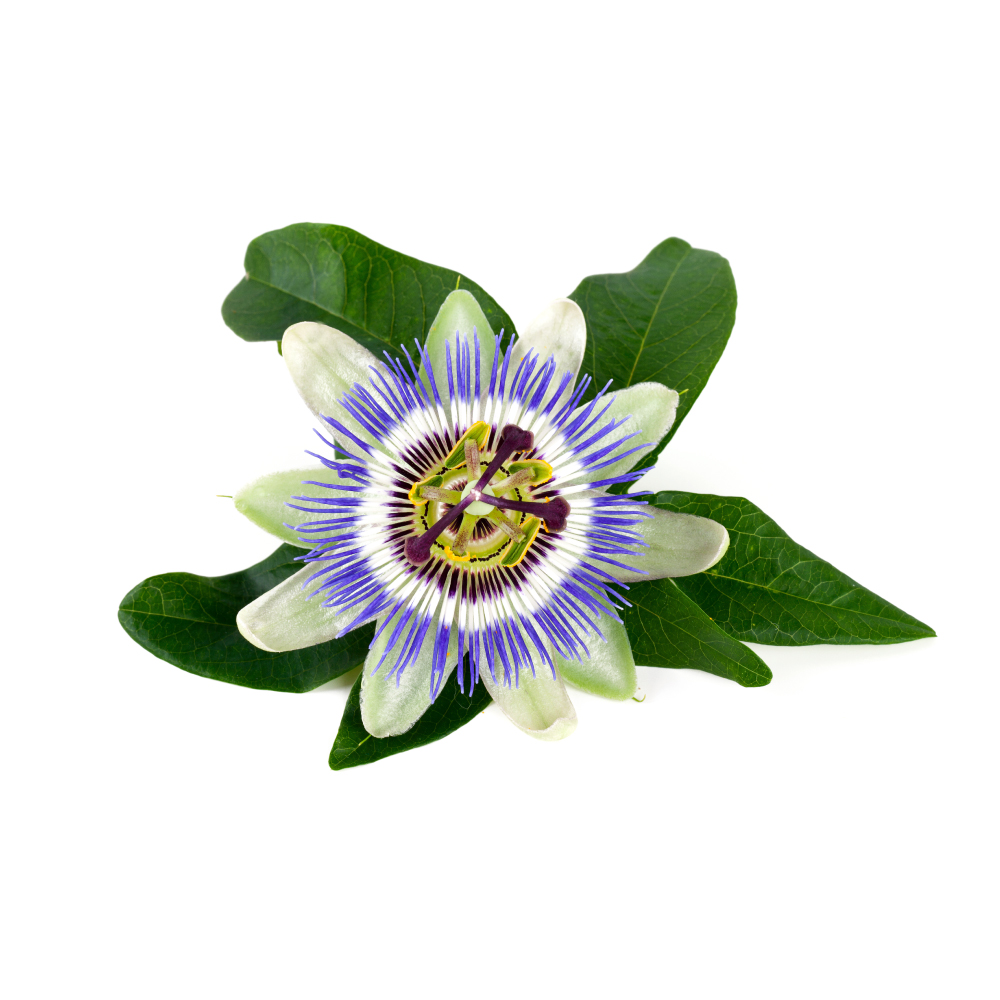 ModerateModeratePassionflowerPassiflora incarnataHarmaline and related harmala alkaloids inhibit voltage-gated calcium channels in vascular and intestinal smooth muscle, preventing contraction.Mechanismvoltage-gated Ca²⁺-channel inhibition (harmala alkaloids)Read the evidenceShow lessMonograph →
The evidence is isolated-tissue work in which harmaline and the related harmala alkaloids blocked voltage-gated calcium channels in vascular and intestinal smooth muscle 59Reference 59In vitroInhibition of calcium channels by harmaline and other harmala alkaloids in vascular and intestinal smooth muscles — in vitroView study →.
Harmane and harmine are present at very low concentrations in P. incarnata, so whether the plant delivers enough to produce this effect at ordinary doses is unresolved. The mechanism is secure and the dose relevance uncertain.
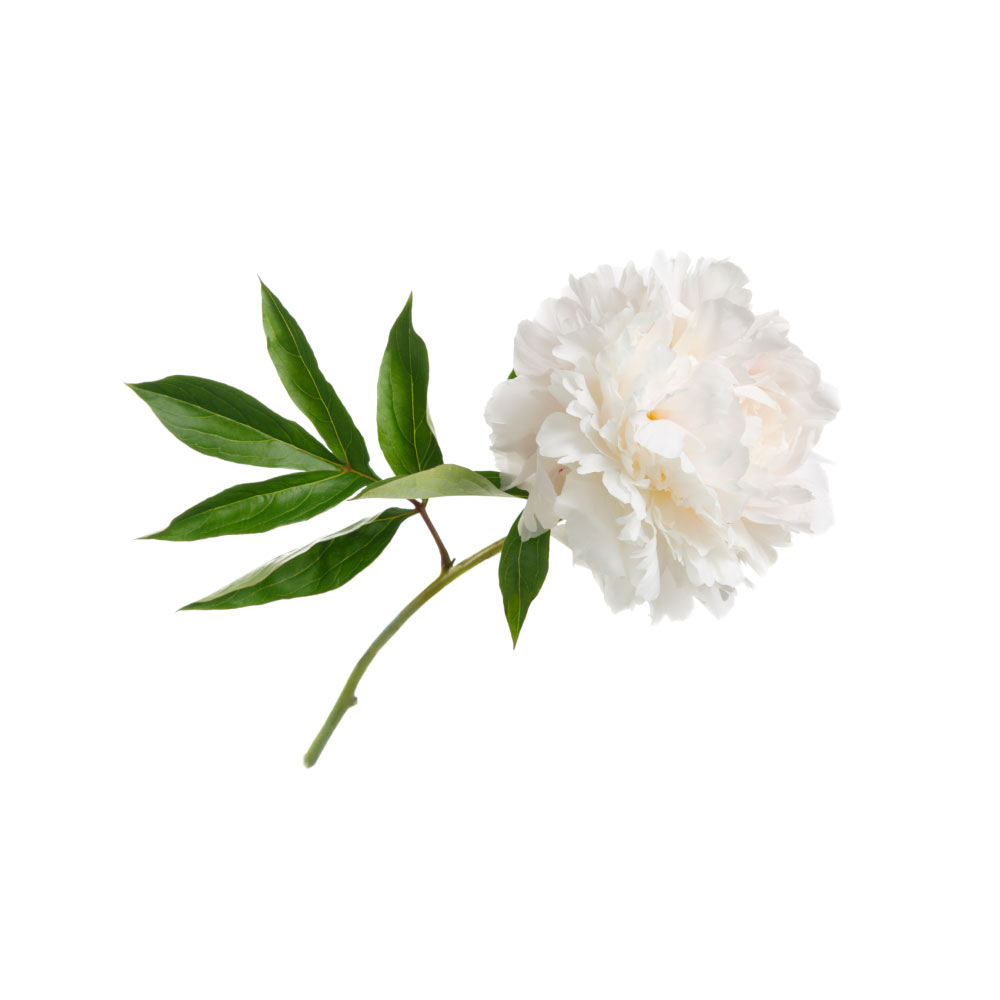 ModerateModeratePeonyPaeonia lactifloraPaeoniflorin blocks acetylcholine transmission at the neuromuscular junction when blended with licorice's glycyrrhizin; the peony-and-licorice formula relieved painful muscle cramps in a randomised trial.Mechanismneuromuscular acetylcholine blockade (paeoniflorin + glycyrrhizin); smooth-muscle relaxationRead the evidenceShow lessMonograph →
Classic work showed paeoniflorin blocks transmission at the neuromuscular junction in frog and mouse preparations when blended with glycyrrhizin from licorice, the pharmacological basis of the peony–licorice synergy 60Reference 60In vitroBlocking effects of blended paeoniflorin or its related compounds with glycyrrhizin on neuromuscular junctions in frog and mouse — in vitro/animalView study →. A randomised trial in painful muscle cramps from lumbar spinal stenosis found Shakuyaku-kanzo-to effective and established a minimum effective dose 61Reference 61RCTShakuyaku-kanzo-to (Shao-Yao-Gan-Cao-Tang) as treatment of painful muscle cramps in patients with lumbar spinal stenosis and its minimum effective dose — randomised controlled trialView study →.
The crude root also carries analgesic activity in animal pain models 62Reference 62ReviewAnti-inflammatory and immunomodulatory effects of Paeonia lactiflora Pall., a traditional Chinese herbal medicine — reviewView study →, and albiflorin accompanies paeoniflorin in the root 63Reference 63ReviewEfficacy, chemical constituents, and pharmacological actions of Radix Paeoniae Rubra and Radix Paeoniae Alba — reviewView study →.
The effect as evidenced is a two-herb effect. The trial dose is 2.5–7.5 g/day of the combined formula, the mechanism paper tests the blend, and peony alone has no controlled human antispasmodic evidence.
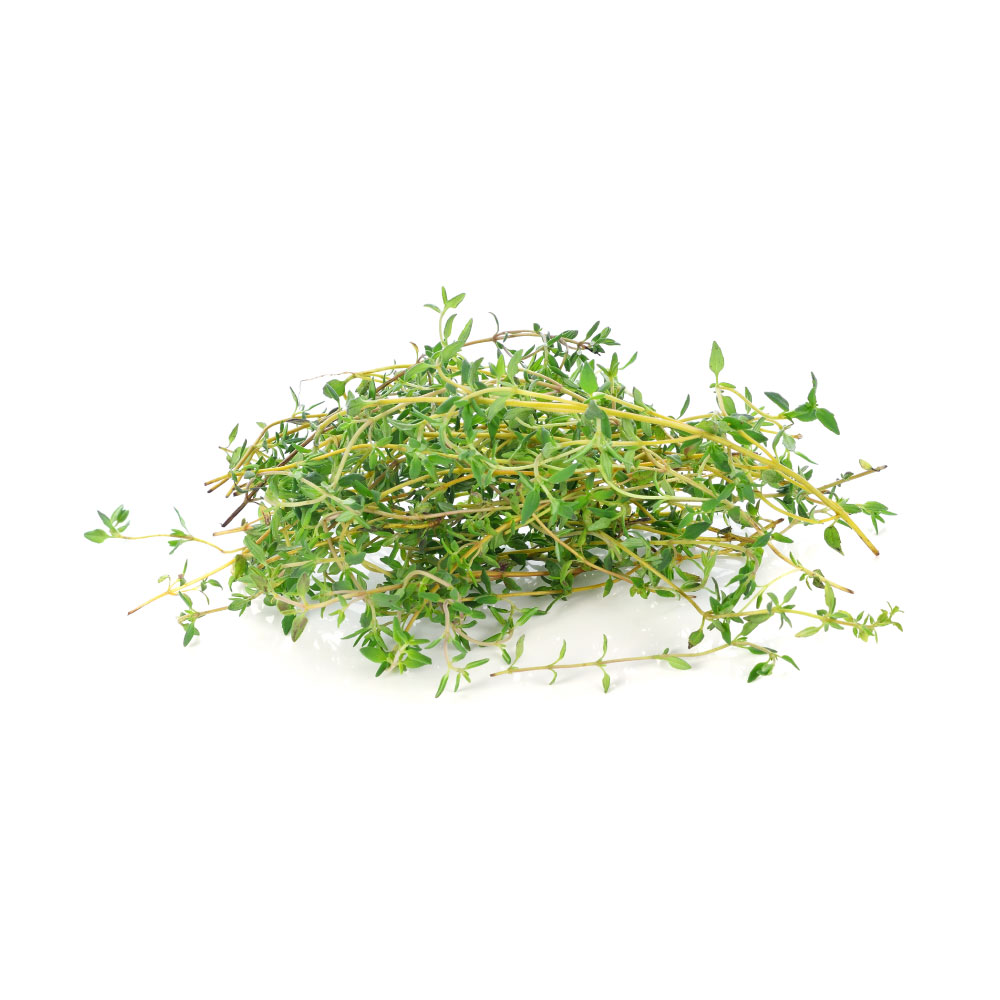 ModerateModerateThymeThymus vulgarisThyme extract relaxes airway smooth muscle and inhibits endothelin-induced tracheal contraction, partly through beta-2 receptors; the mechanism under its cough use.Mechanismβ2-adrenoceptor–linked airway smooth-muscle relaxation; inhibition of endothelin-induced tracheal contractionRead the evidenceShow lessMonograph →
In isolated rat trachea, thyme extract relaxed airway smooth muscle and inhibited endothelin-induced contraction, an effect carried by the whole extract rather than thymol alone 86Reference 86AnimalThyme extract, but not thymol, inhibits endothelin-induced contractions of isolated rat trachea — ex vivoView study →. The companion high- and low-thymol comparison localised part of the relaxation to β2 receptors 87Reference 87Impact of thymol in thyme extracts on antispasmodic action and ciliary clearance — animal ex vivo studyView study →, and the essential oil of an Ethiopian Thymus species produced concentration-dependent tracheal relaxation with a defined mechanism 88Reference 88In vitroTracheal relaxant and antimicrobial effects of the essential oil of an Ethiopian thyme species — in vitro / ex vivoView study →.
There is no human spirometry or bronchodilation trial of thyme. The effect needs whole-extract or standardised-phenol material, and it is respiratory-specific: no gut or uterine tissue has been tested.
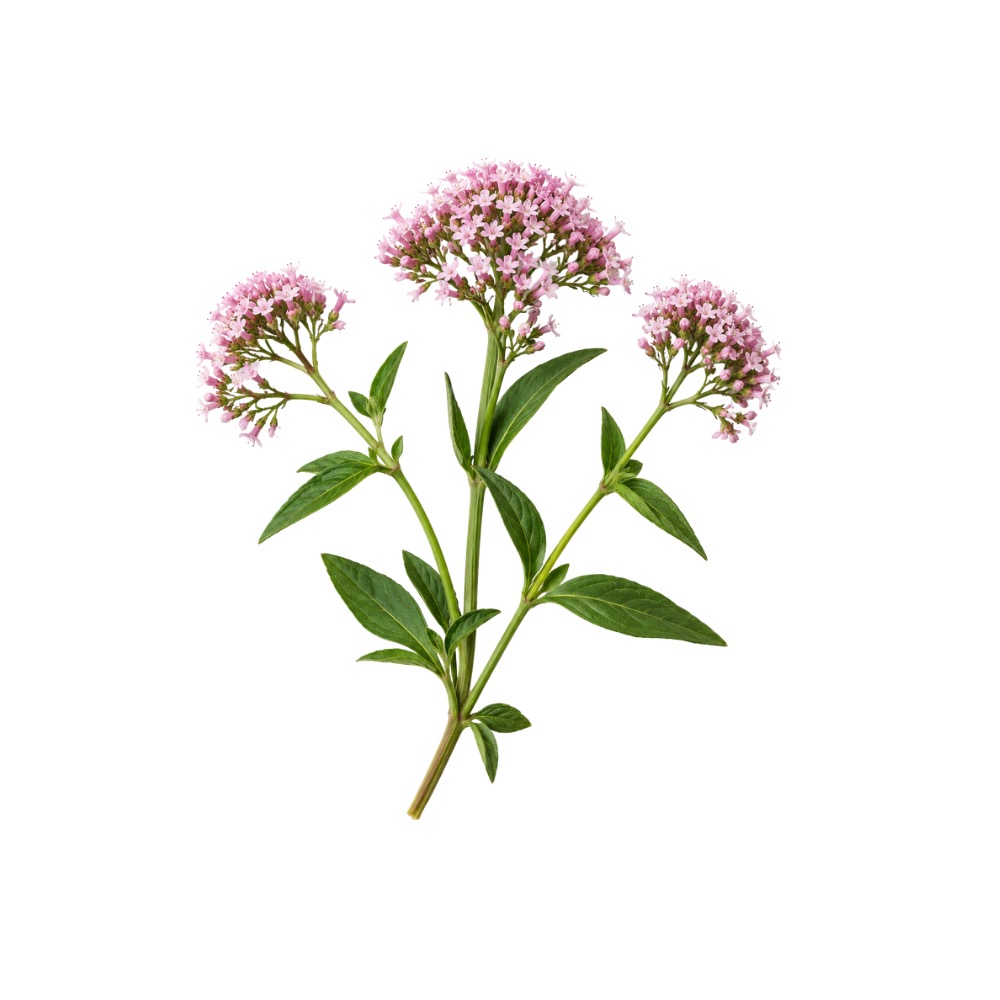 ModerateModerateValerianValeriana officinalisReduced menstrual pain versus placebo in a double-blind RCT, with a 2025 meta-analysis pooling five trials for a large effect; the spasmolysis is attributed to the valepotriates and volatile oil.Mechanismsmooth-muscle spasmolysis (attributed to valepotriates + volatile oil, not assayed in the trials)Read the evidenceShow lessMonograph →
A double-blind RCT (n=100, 255 mg three times daily for the first three days of menstruation over two cycles) found significantly greater pain reduction than placebo, credited to the antispasmodic action 92Reference 92Effects of valerian on the severity and systemic manifestations of dysmenorrheaView study →. A 2025 systematic review pooled five controlled trials (201 intervention / 207 control) for a large effect on menstrual pain (SMD −1.03, 95% CI −1.74 to −0.33) 93Reference 93Meta-analysisEffect of Valeriana officinalis on Primary Dysmenorrhea: A Systematic Review and Meta-AnalysisView study →.
That review reports very high heterogeneity (I²=90%) across few, small, largely single-region trials. No study measures spasmolysis, and neither dysmenorrhea trial assayed the valepotriate or volatile-oil content the effect is attributed to.
The valepotriates are the herb’s least stable constituent class, so a stored or aged product may not carry them.
Show 26 more herbs with a mild antispasmodic action
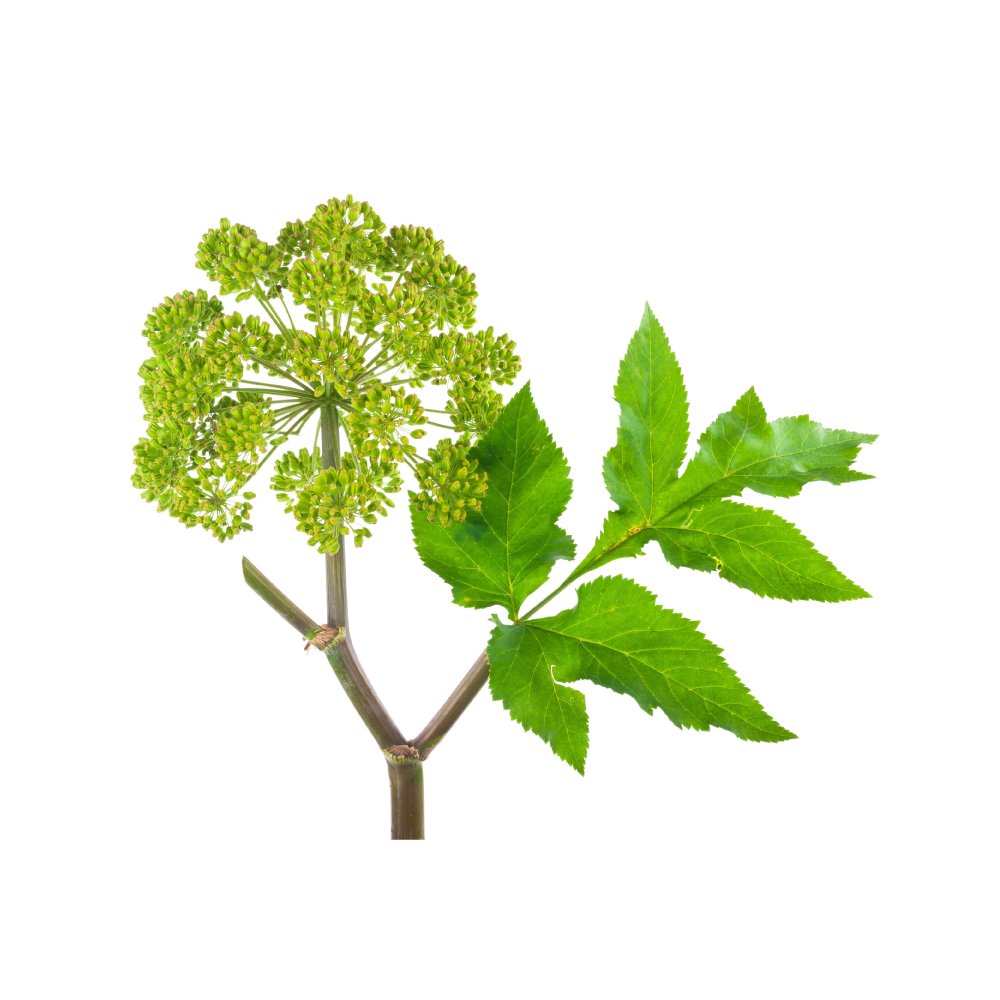 MildMildAngelicaAngelica archangelicaA carminative aromatic bitter, taken as a root tincture for muscle cramping and period pain in Western practice; none of its many preclinical studies measures spasmolysis.Read the evidenceShow lessMonograph →
Angelica root and seed are used in Western herbal medicine for muscle cramping, period pain and griping digestion, usually as a tincture, and antispasmodic is the herb’s headline action.
Across roughly 90 preclinical studies, none measures spasmolysis. The action stands on the carminative tradition and the volatile-oil chemistry it shares with the other aromatic relaxants.
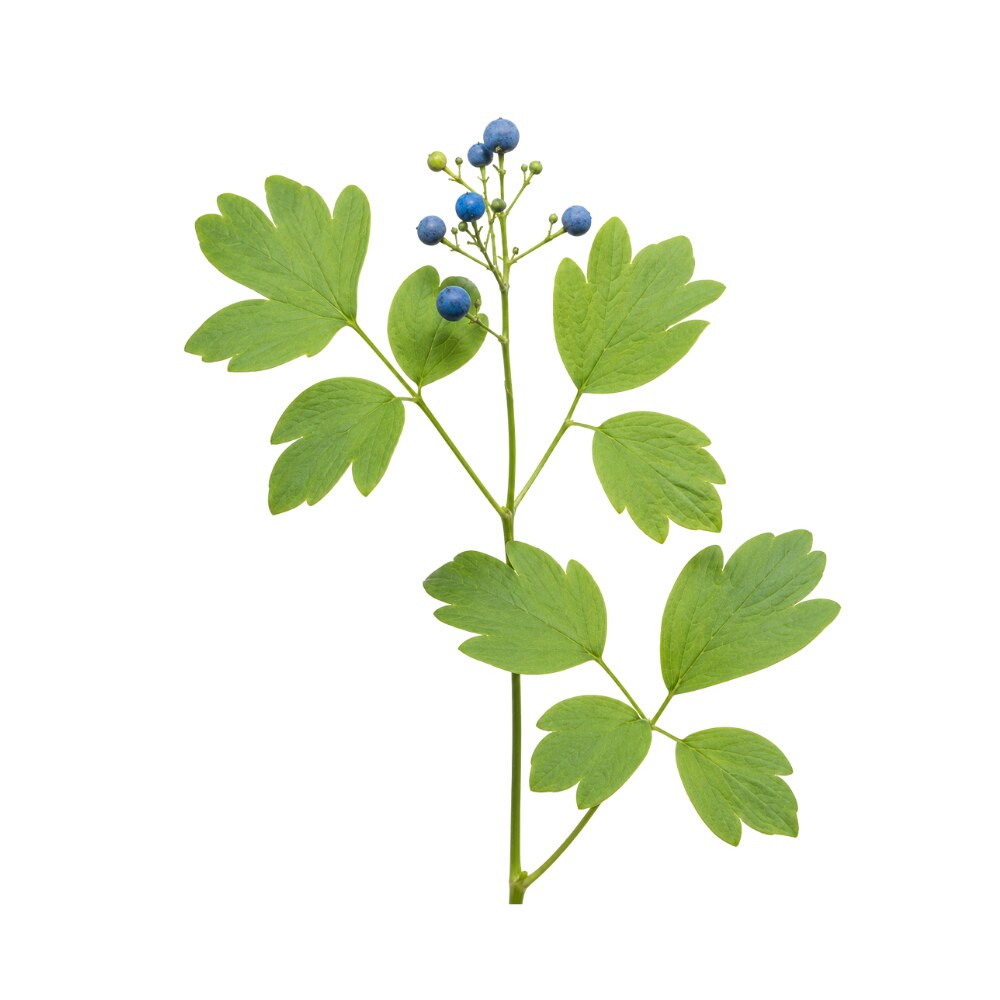 MildMildBlue CohoshCaulophyllum thalictroidesA remedy of Indigenous North American and Eclectic practice for menstrual cramping and pelvic tension, with no antispasmodic demonstration behind it.Read the evidenceShow lessMonograph →
Blue cohosh is long documented for menstrual cramping, pelvic tension and spasmodic smooth-muscle states, first in Indigenous North American practice and then as a standard Eclectic uterine remedy.
No antispasmodic study exists, and the herb’s uterine activity is strong enough that it is used under supervision rather than as a household cramp tea.
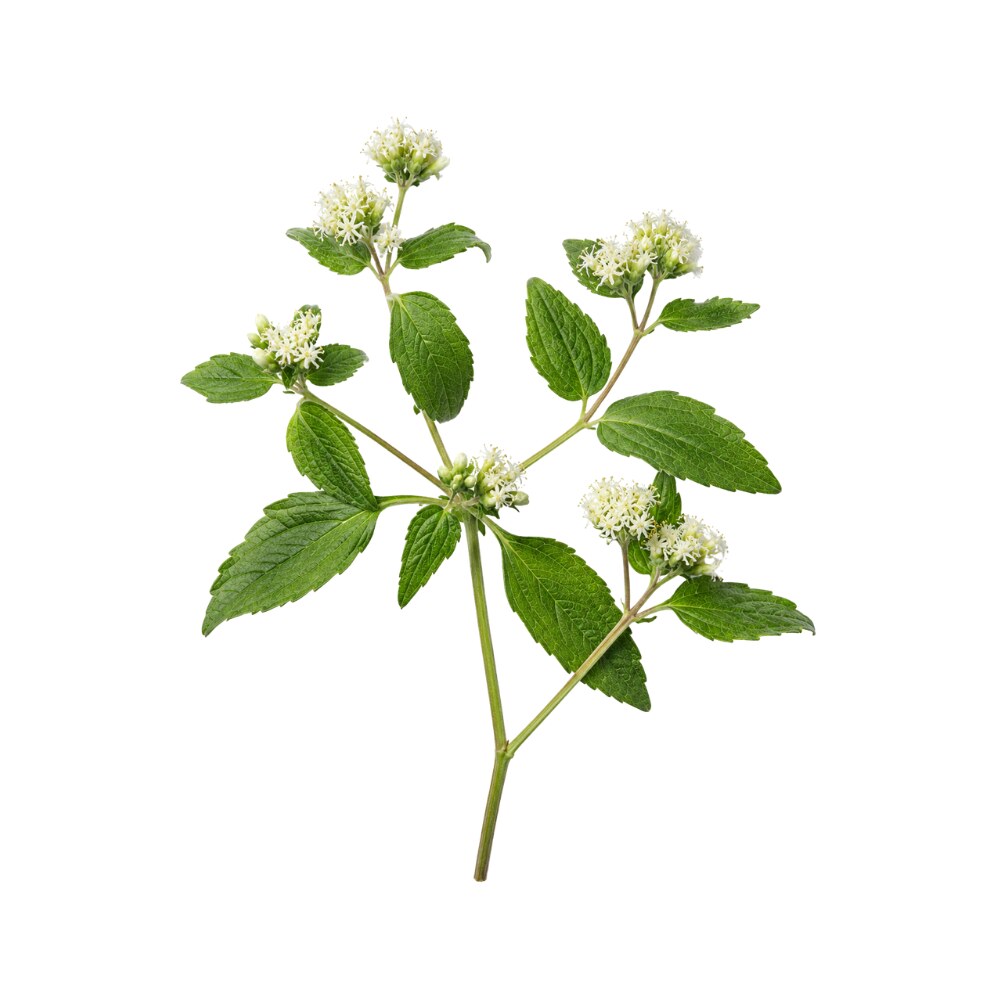 MildMildCalea zacatechichiCalea ternifoliaA Mexican bitter taken for cramping and diarrhoea; its sesquiterpene lactones belong to a class with smooth-muscle-relaxing activity, untested in this plant.Mechanismsesquiterpene lactones — smooth-muscle relaxation inferred at class level; target not establishedRead the evidenceShow lessMonograph →
Calea is taken as a digestive bitter for sluggish digestion, cramping and diarrhoea, and smooth-muscle relaxation is a class property of Asteraceae sesquiterpene lactones 13Reference 13ReviewCalea ternifolia Kunth, the Mexican “dream herb,” a concise reviewView study →.
No spasmolytic assay exists for calea itself. Any everyday contribution is hard to separate from the bitter effect on gut tone.
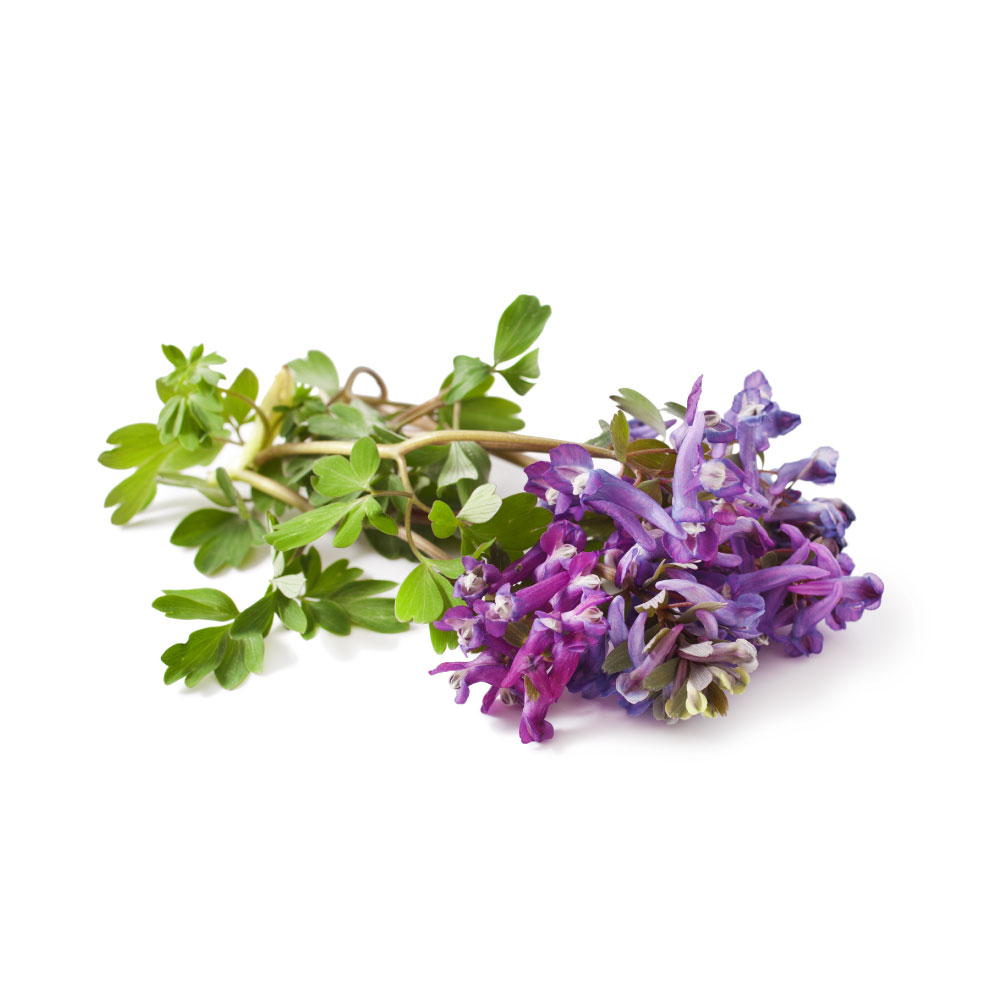 MildMildCorydalisCorydalis yanhusuoMenstrual, abdominal and hernia pain are core indications in Chinese practice, and glaucine and bulbocapnine have smooth-muscle activity in the wider literature.Read the evidenceShow lessMonograph →
Chinese practice gives corydalis for menstrual, abdominal and hernia pain, and the alkaloids glaucine and bulbocapnine have documented smooth-muscle activity in the wider literature.
No spasmolytic assay of corydalis itself has been run. Its measured work is analgesic.
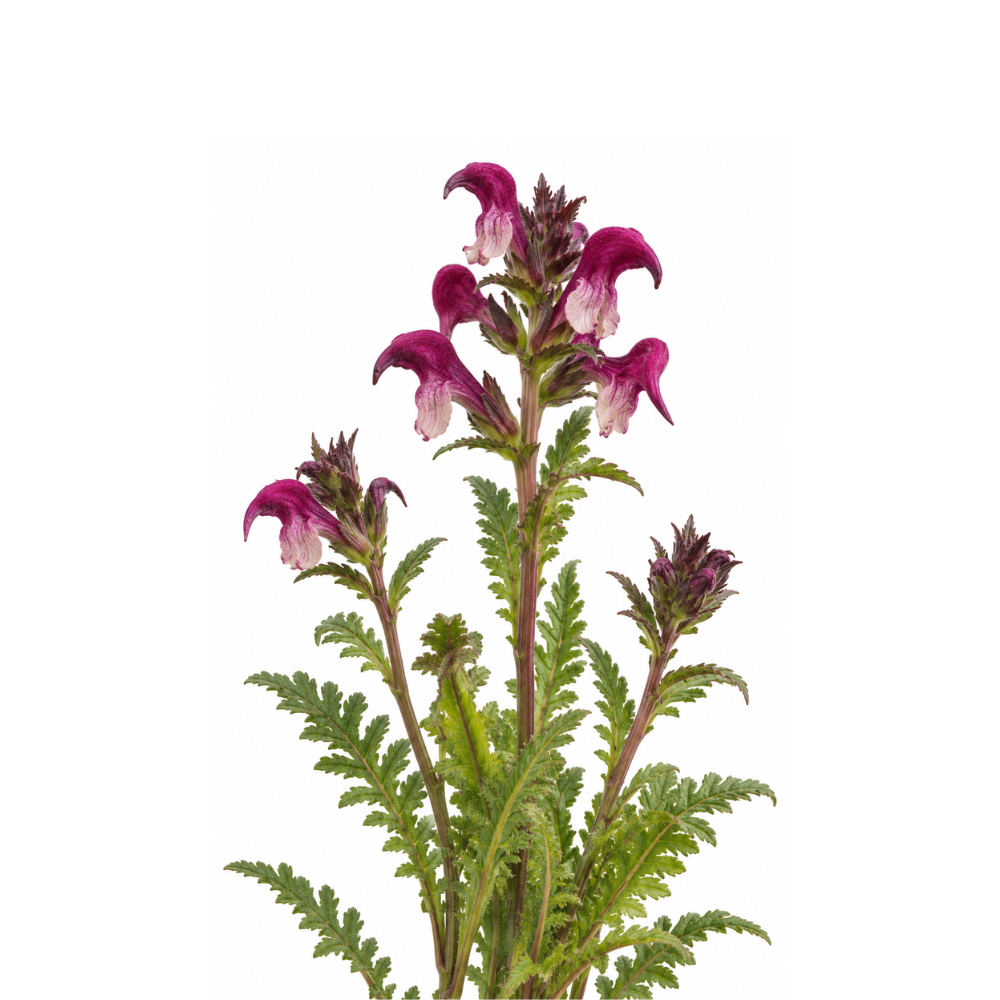 MildMildElephant’s HeadPedicularis groenlandicaA Pedicularis with the same folk reputation as warrior's plume, a gentle skeletal-muscle relaxant taken as tea in western North America; never measured.Read the evidenceShow less
Elephant’s head shares the Pedicularis reputation with warrior’s plume as a gentle skeletal-muscle relaxant, taken as a tea for muscular tension in western North American practice.
No neuromuscular, electrophysiological or clinical study exists.
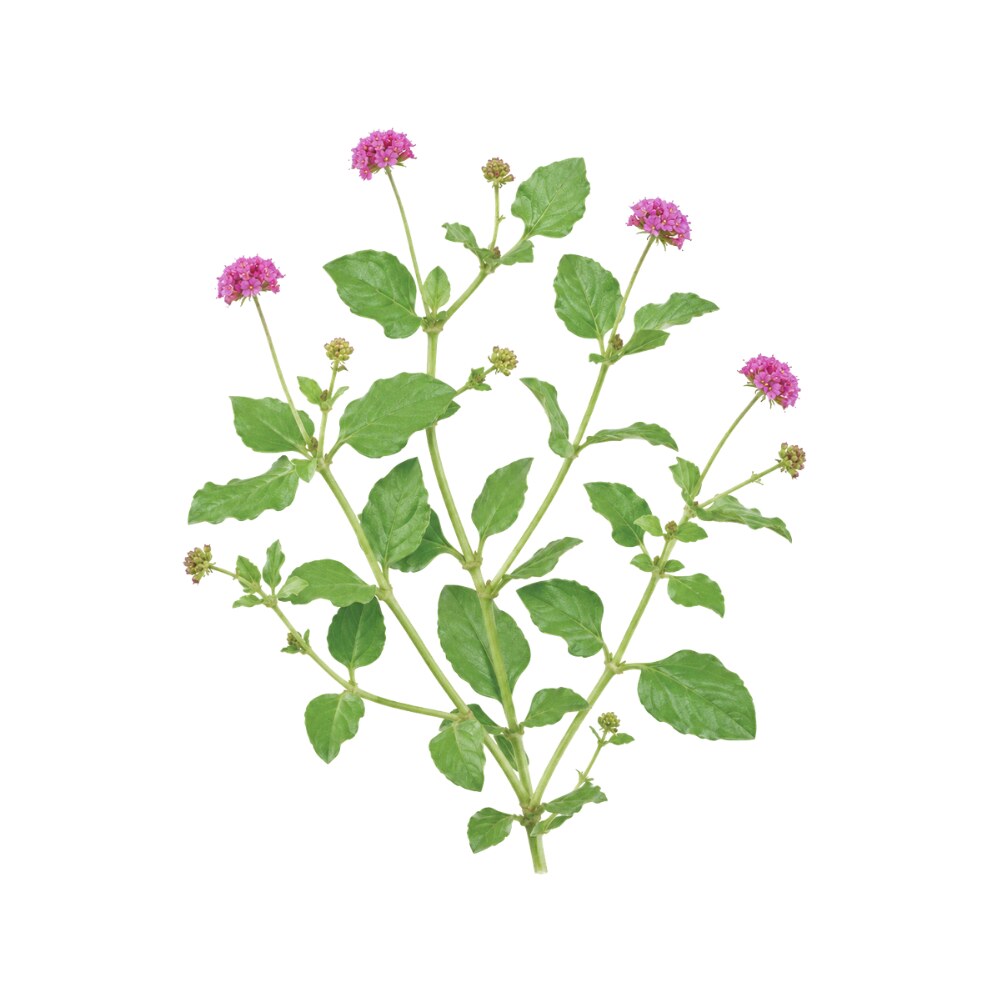 MildMildErva TostaoBoerhavia diffusaRoot rotenoids (boeravinones) relax guinea-pig ileum and reduce intestinal motility by direct action on smooth muscle; the lignans add a calcium-channel-antagonist route.Mechanismdirect intestinal smooth-muscle relaxation (non-prenylated rotenoids); Ca²⁺-channel antagonismRead the evidenceShow lessMonograph →
Fractionation of a methanolic root extract isolated a series of non-prenylated rotenoids (boeravinones D, E, G and relatives) that relax guinea-pig ileum and reduce intestinal motility, apparently by direct action on smooth muscle, with structure–activity work tying the effect to specific B- and D-ring substitutions 31,
Everything is in vitro on isolated gut tissue. The actives are root rotenoids, so leaf or whole-plant preparations may not carry the effect.
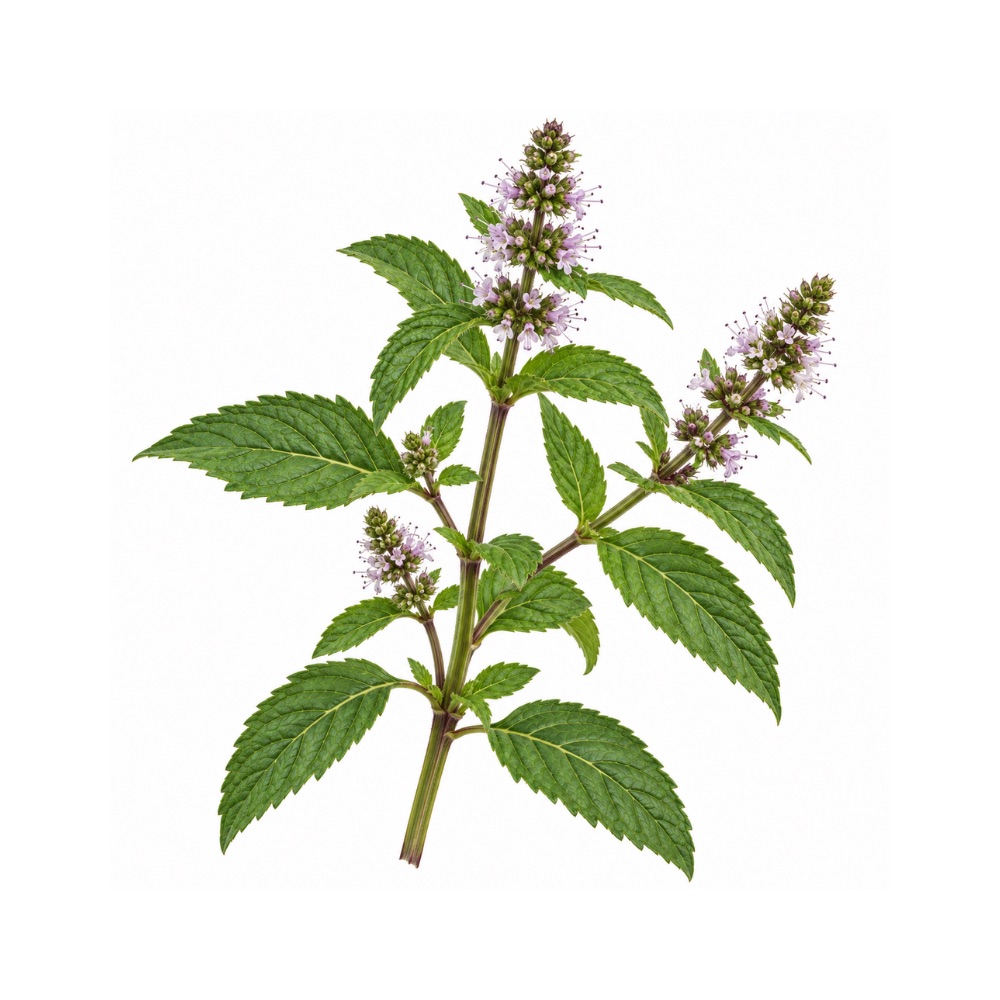 MildMildField MintMentha arvensisThe menthol mint of Asian practice; Western herbalism classifies mint by the gut smooth muscle it relaxes, and menthol's calcium-channel block is the mechanism.Read the evidenceShow less
Field mint is the commercial source of menthol, and Western practice classifies it, like peppermint, by what it relaxes: smooth muscle, and the gut in particular. Menthol’s L-type calcium-channel block in intestinal smooth muscle is the mechanism 64,
Chinese practice uses bo he for what it disperses, wind-heat at the surface and constrained liver qi. No study has tested field mint itself for spasm.
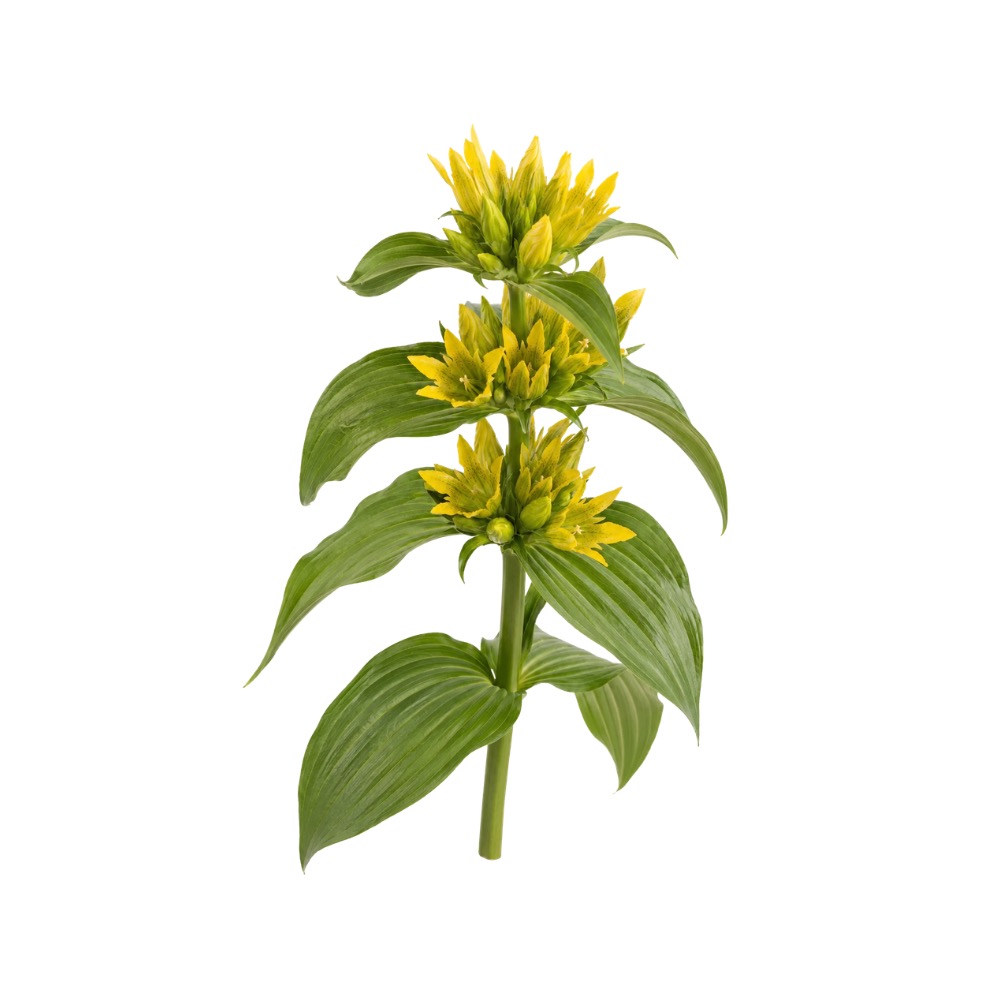 MildMildGentianGentiana luteaRoot extract relaxed isolated rat ileum through potassium-channel opening and calcium-channel modulation, a relaxant effect alongside its defining bitter stimulation of digestion.Mechanismpotassium-channel opening and calcium-channel modulation (not a single receptor); spontaneous and agonist-induced contraction dampenedRead the evidenceShow lessMonograph →
A 2024 study found 50% hydroethanolic G. lutea root extract relaxed isolated rat ileum and dampened both spontaneous and agonist-induced contractions, with the mechanism traced partly to potassium-channel opening and calcium-channel modulation rather than to any single receptor 43Reference 43AnimalSpasmolytic activity of Gentiana lutea L. root extracts on rat ileum — animal/ex vivoView study →. The reference bitter of Western herbalism both primes digestive secretion through the vagal TAS2R reflex and relaxes the muscle it is priming, which fits the traditional indication of colicky, sluggish digestion.
Culpeper found it “very profitable for such as are troubled with cramps”.
It is a single ex-vivo study on rat tissue with no in-vivo or human confirmation, and the relaxant effect has never been reconciled quantitatively with the secretory-stimulant one.
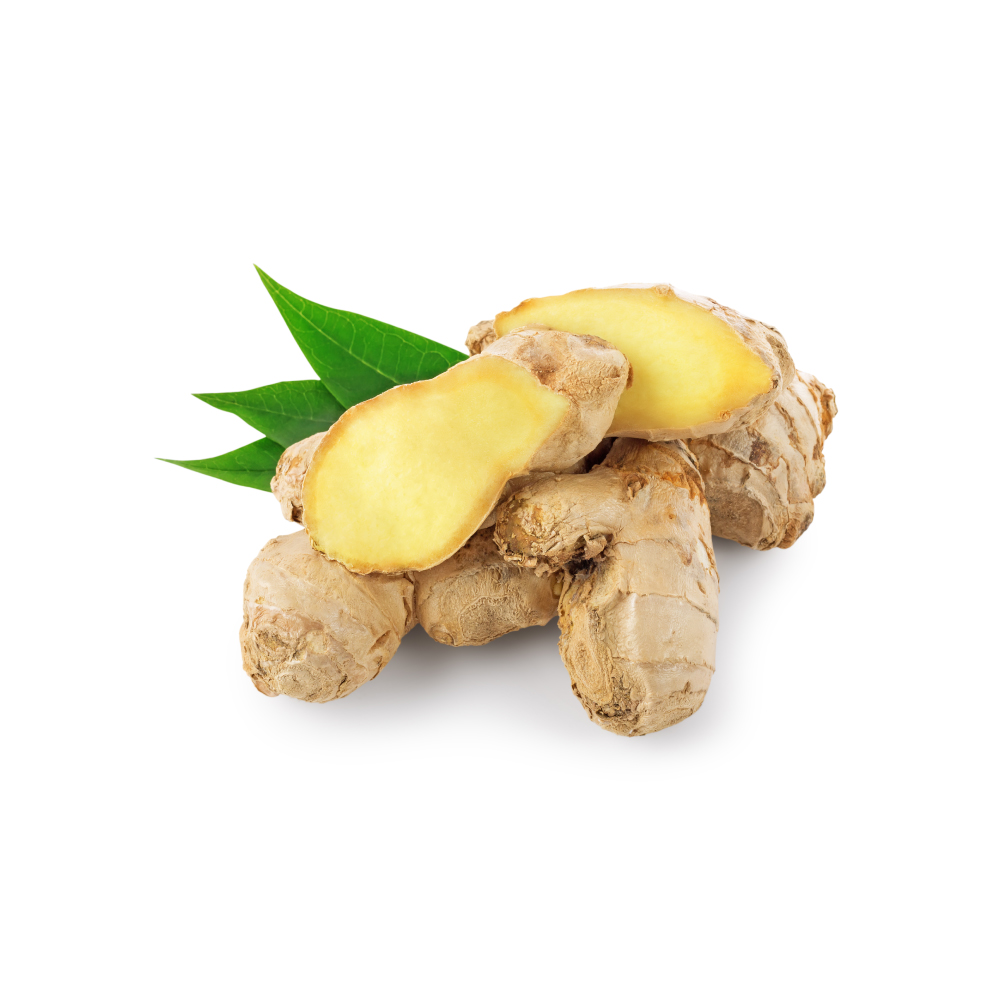 MildMildGingerZingiber officinaleA carminative with a deep, cross-cultural tradition for gut cramping, colic and period pain; its measured work is antiemetic and anti-inflammatory, and no spasmolytic study exists.Read the evidenceShow lessMonograph →
Ginger is taken across Asian and Western practice as a warming carminative for dyspepsia, flatulence, colic and cramping, and for period pain.
Its measured work is antiemetic, anti-inflammatory and glycaemic. No study has measured smooth-muscle relaxation.
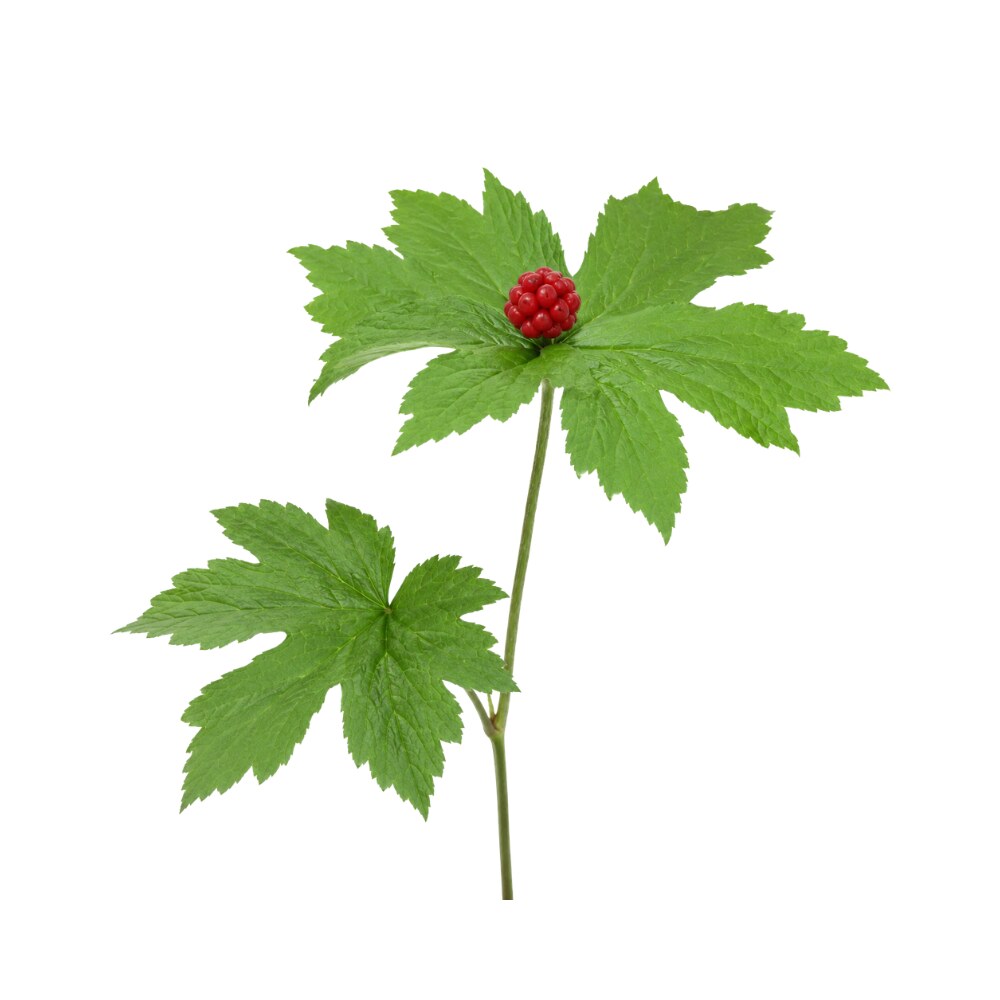 MildMildGoldensealHydrastis canadensisThe alkaloid fraction relaxed carbachol-contracted guinea-pig trachea in one organ-bath study, a plausible mechanism for its traditional use in catarrhal respiratory complaints.Mechanismalkaloid-fraction relaxation of carbachol-precontracted tracheal smooth muscle (berberine, β-hydrastine, canadine, canadaline)Read the evidenceShow lessMonograph →
A single isolated-tissue study found total ethanolic goldenseal extract relaxed carbachol-precontracted guinea-pig trachea, with the effect traced to the alkaloid fraction: berberine, β-hydrastine, canadine and canadaline 44Reference 44Relaxant effects of Hydrastis canadensis L. and its major alkaloids on guinea pig isolated trachea — ex vivo animalView study →. It is airway smooth muscle rather than gut, and the same alkaloid relaxation underlies goldenseal’s mucous-membrane-tonic activity.
It is one ex-vivo animal-tissue study with no whole-organism or human confirmation. Berberine’s oral bioavailability is poor, so an organ-bath concentration says little about what reaches airway muscle after a capsule.
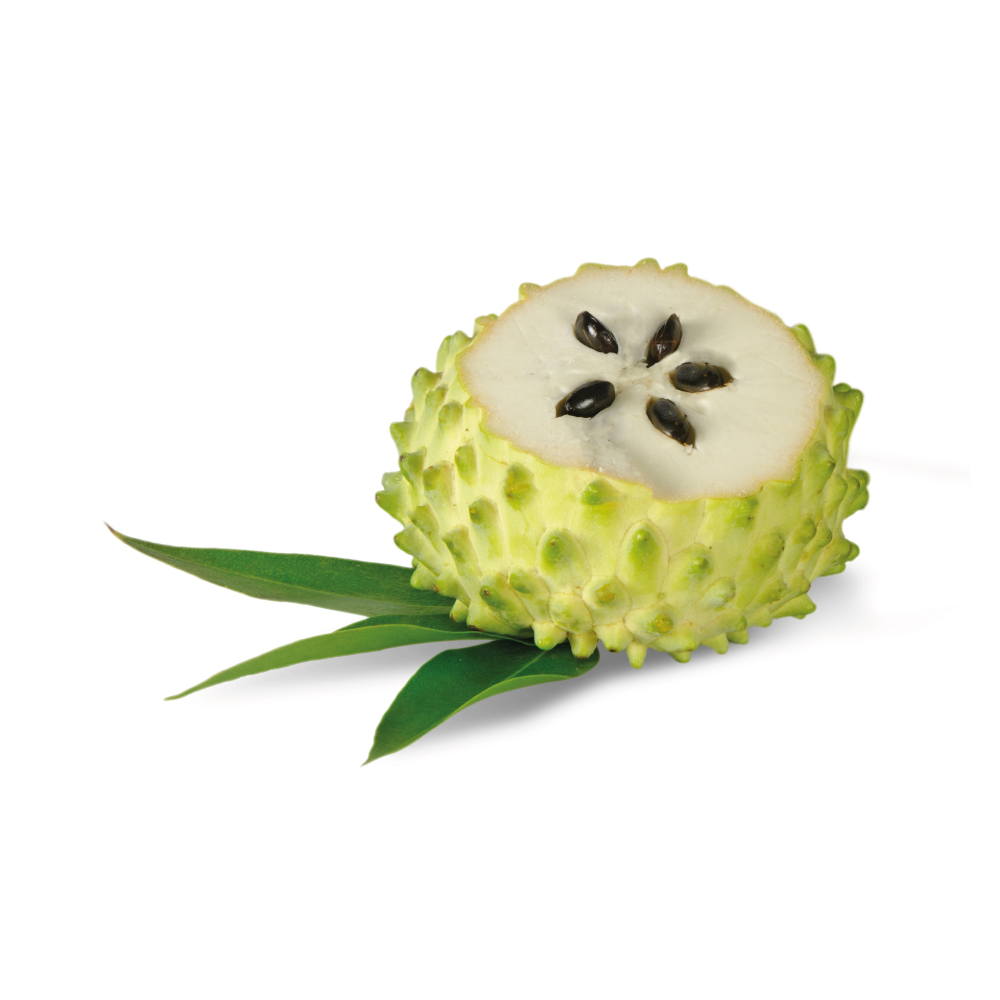 MildMildGraviolaAnnona muricataThe darkest leaves were selected in Caribbean and Amazonian practice as a sedative and antispasmodic, given for colic, muscle aches and dysentery.Read the evidenceShow lessMonograph →
Graviola leaf is a traditional sedative and antispasmodic across its native range, given as an infusion for colic, muscle aches, arthritic pain and dysentery.
No study addresses spasm in the herb. Its reticuline inhibits uterine contraction in isolated tissue, the only smooth-muscle finding for any of its constituents 8Reference 8Uterine inhibitory effect of reticuline — isolated-tissue studyView study →.
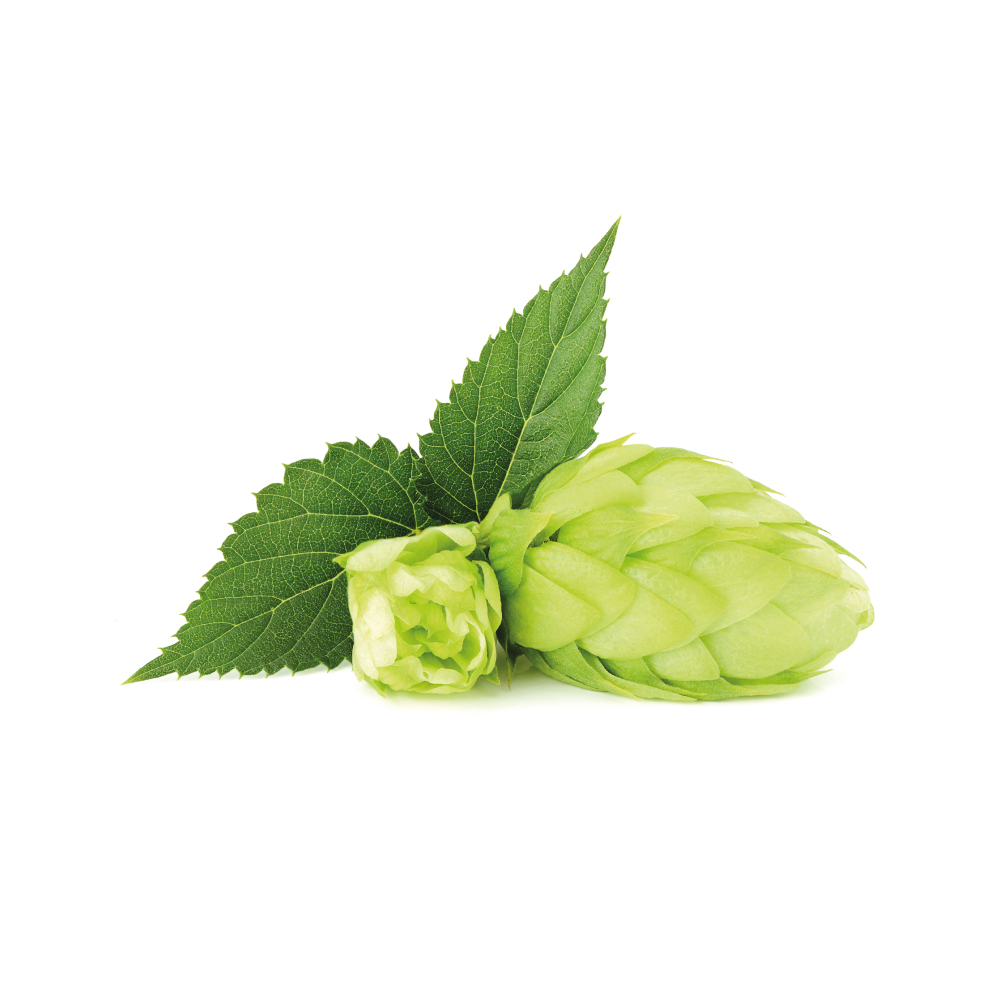 MildMildHopsHumulus lupulusA traditional muscle relaxant given for muscle spasm alongside its sedative use, with no smooth-muscle study behind it.Read the evidenceShow lessMonograph →
Hops are used in Western practice for high sympathetic tone, stress states, muscle spasm and insomnia, and muscle relaxant is one of the herb’s most repeated traditional attributions.
No study, mechanism or reference supports the antispasmodic use directly. Its evidenced work is sedative, nearly always measured in combination with valerian.
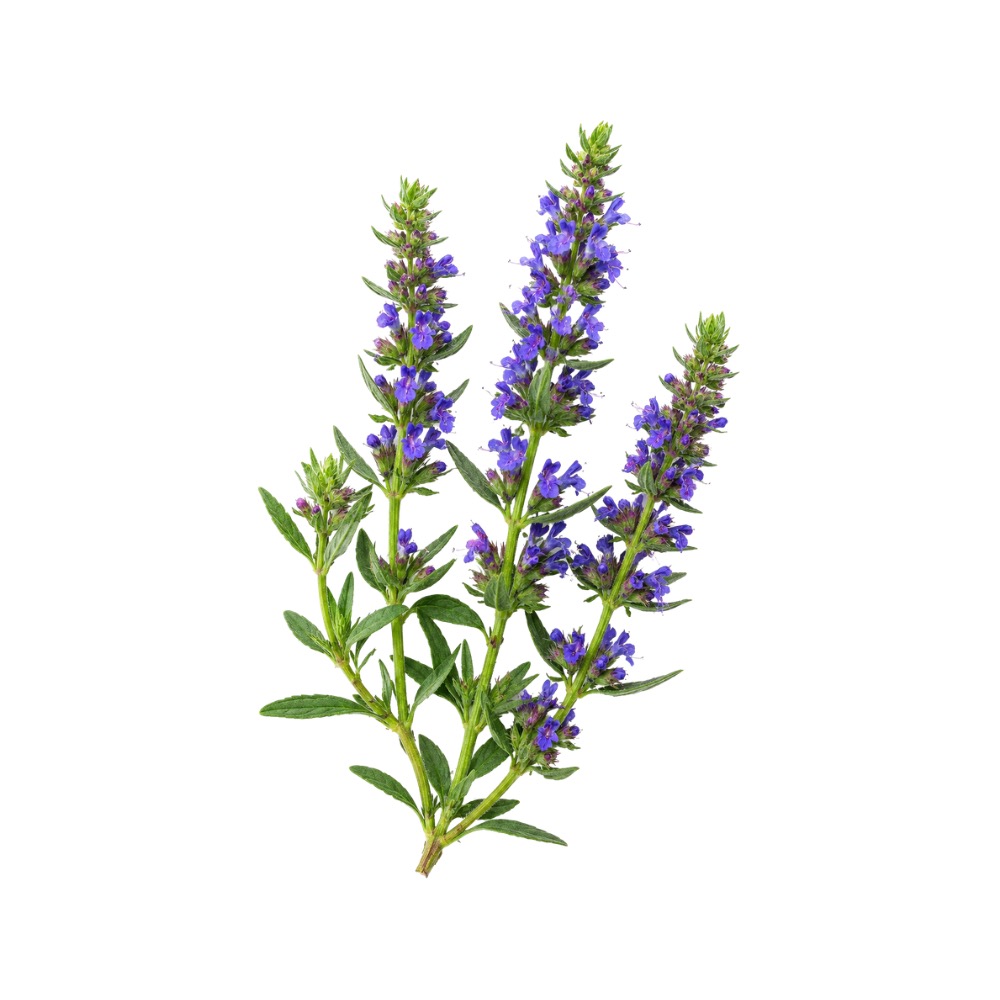 MildMildHyssopHyssopus officinalisThe essential oil and its isopinocamphone relax isolated gut muscle by a calcium-independent route; the same ketone is a convulsant, so the infusion is the traditional form.MechanismCa²⁺-independent intestinal smooth-muscle relaxation; cholinergic (ACh) and BaCl2 contraction inhibition — isopinocamphoneRead the evidenceShow lessMonograph →
In isolated guinea-pig ileum the essential oil and its component isopinocamphone inhibited acetylcholine- and BaCl2-induced contractions concentration-dependently (IC50 about 42 and 62 µg/ml) and blocked CaCl2-induced contraction, implicating calcium-channel-independent smooth-muscle relaxation; limonene and beta-pinene were inactive 47Reference 47Muscle relaxing activity of Hyssopus officinalis essential oil on isolated intestinal preparations — [ex vivo (isolated guinea-pig ileum)]View study →.
The relaxant fraction is the same one that is neurotoxic. Pinocamphone and isopinocamphone are central convulsants, with dose-dependent tonic-clonic seizures documented in human poisonings and controlled animal work, hyssop oil being more convulsant than sage oil (convulsions in rats above about 0.13 g/kg) 48,
The infusion carries a fraction of these ketones, and no study shows it reproduces the relaxation. The oil is contraindicated in epilepsy.
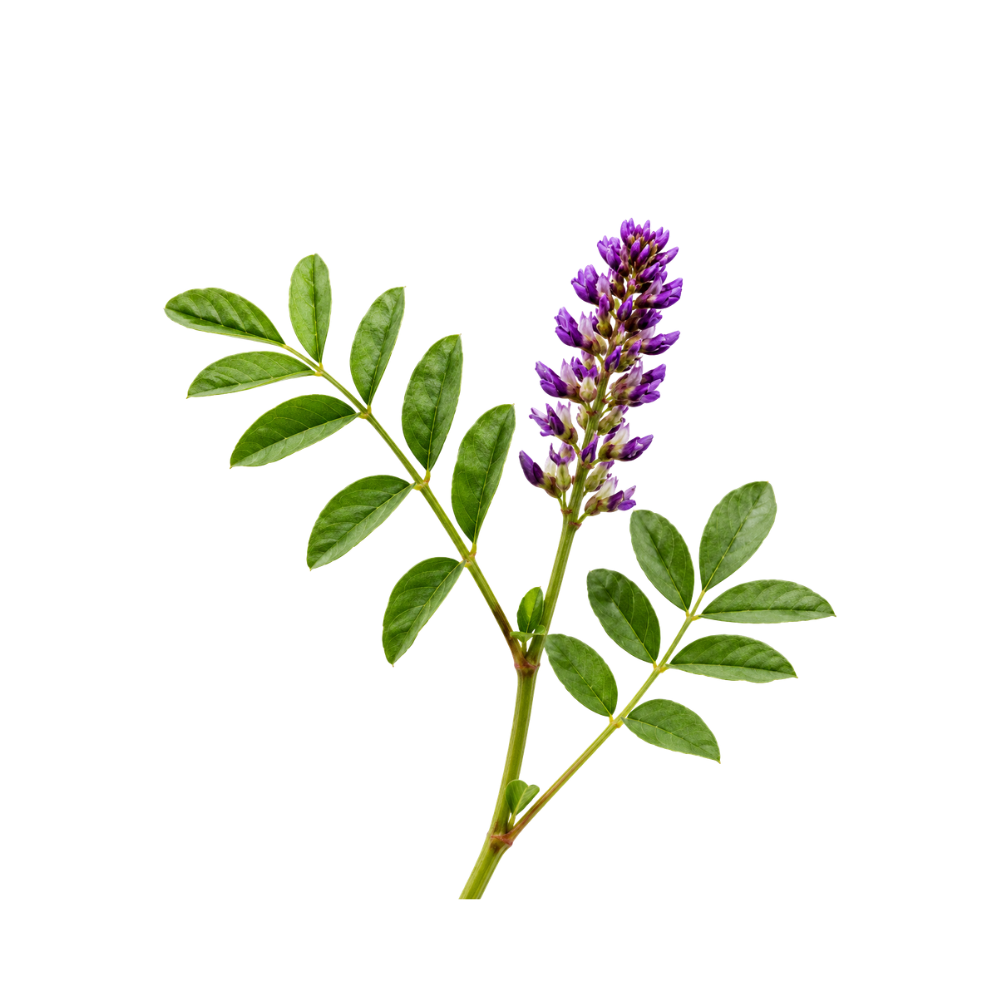 MildMildLicoriceGlycyrrhiza glabraRaw gan cao is characterised in Chinese practice as a muscle relaxant that alleviates pain, and its glycyrrhizin is the partner that lets peony's paeoniflorin block neuromuscular transmission.Read the evidenceShow lessMonograph →
Raw gan cao is characterised in Chinese medicine as a relaxant that “alleviates pain”, and the classical peony-and-licorice formula is its main antispasmodic use.
The neuromuscular evidence is for the pair. Paeoniflorin blocks transmission at the neuromuscular junction when blended with glycyrrhizin 60Reference 60In vitroBlocking effects of blended paeoniflorin or its related compounds with glycyrrhizin on neuromuscular junctions in frog and mouse — in vitro/animalView study →, and the formula relieved painful muscle cramps in a randomised trial 61Reference 61RCTShakuyaku-kanzo-to (Shao-Yao-Gan-Cao-Tang) as treatment of painful muscle cramps in patients with lumbar spinal stenosis and its minimum effective dose — randomised controlled trialView study →.
Licorice alone has no spasmolytic study.
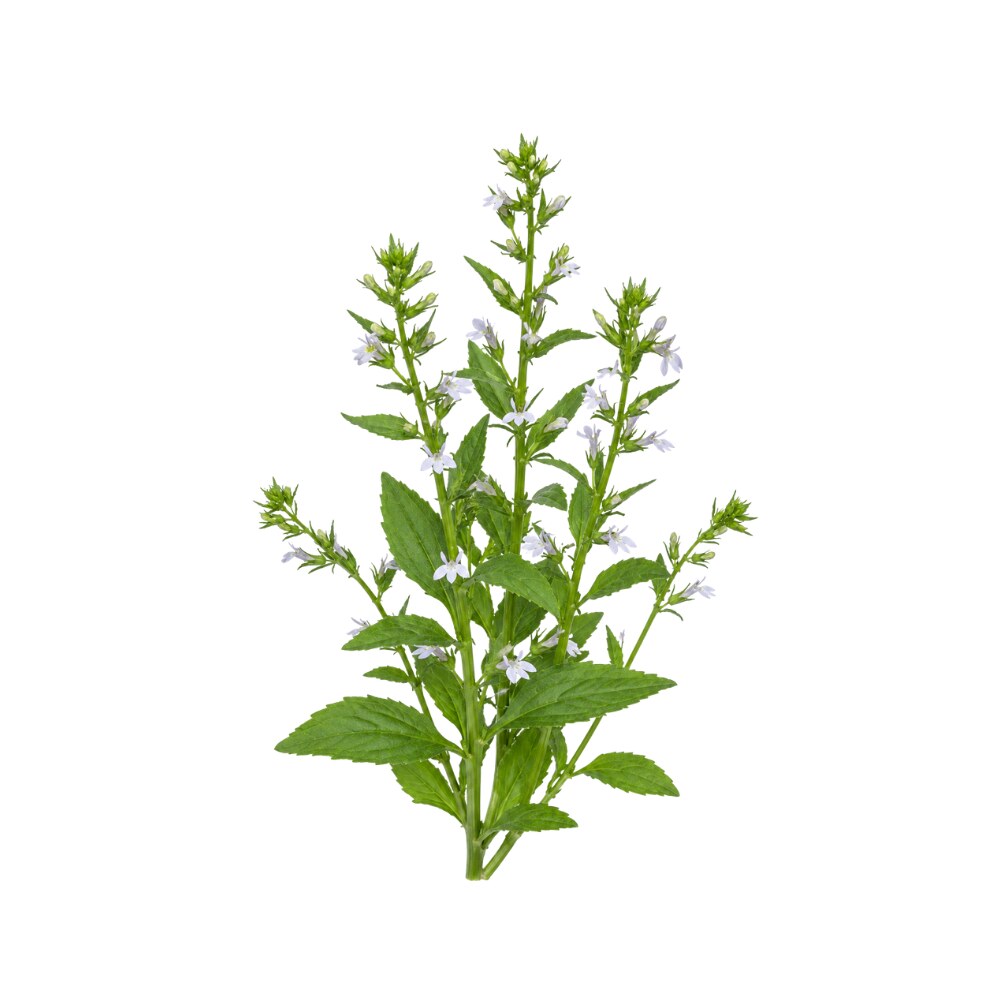 MildMildLobeliaLobelia inflataThe principal antispasmodic of the Eclectic and Thomsonian traditions, given in drop doses for asthma and respiratory spasm; no bronchodilation or smooth-muscle study exists.Read the evidenceShow lessMonograph →
Lobelia was the antispasmodic of nineteenth-century American practice, given in drop doses for asthma, bronchitis and respiratory spasm. The relaxing dose sits close to the emetic one, and the plant’s acrid taste was the traditional guide to it.
No bronchodilation, smooth-muscle or spasmolytic study exists. The emetic action shares the same dose-response curve.
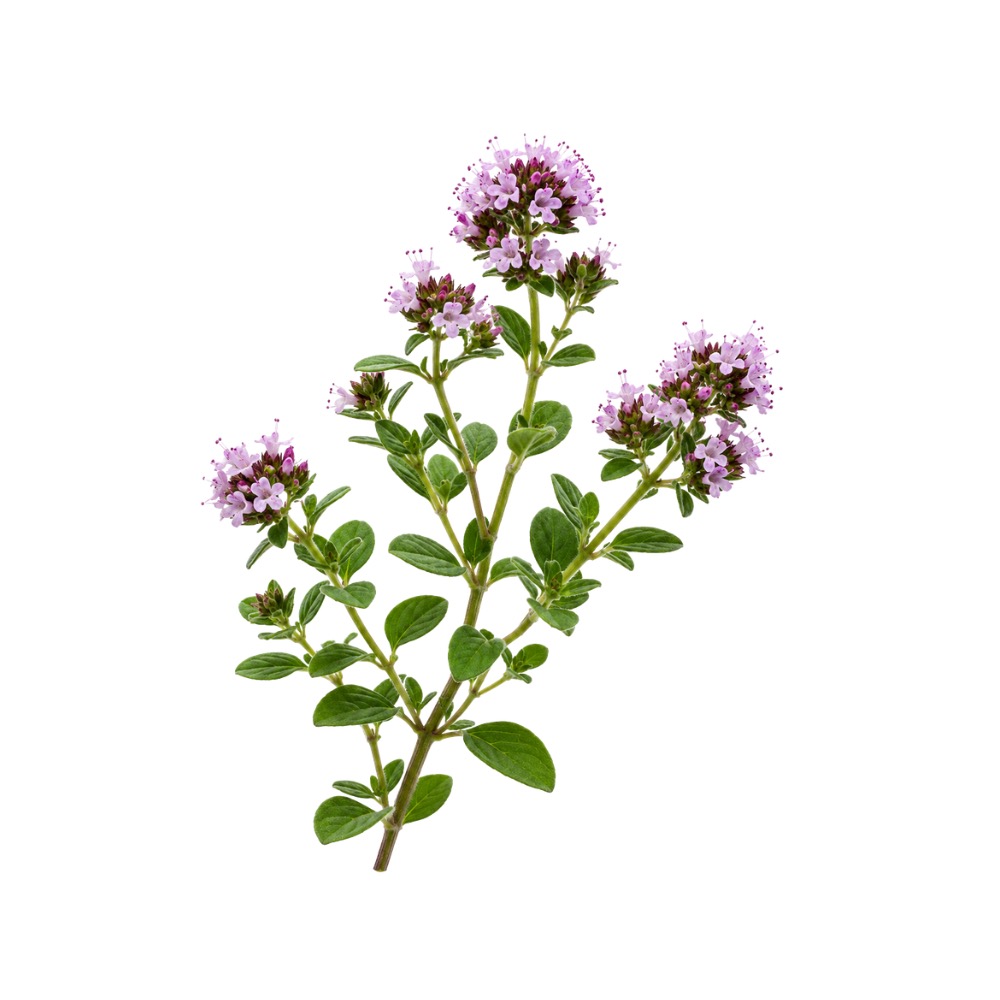 MildMildMarjoramOriganum majoranaA gentle traditional relaxant for menstrual and muscular cramping, sharing oregano's aromatic chemistry; nothing has been measured.Read the evidenceShow lessMonograph →
Marjoram is a gentle traditional antispasmodic for menstrual and muscular cramping and for digestive wind, and its volatile oil shares the monoterpene chemistry of the other aromatic relaxants.
The traditional use is recorded, and nothing has been measured.
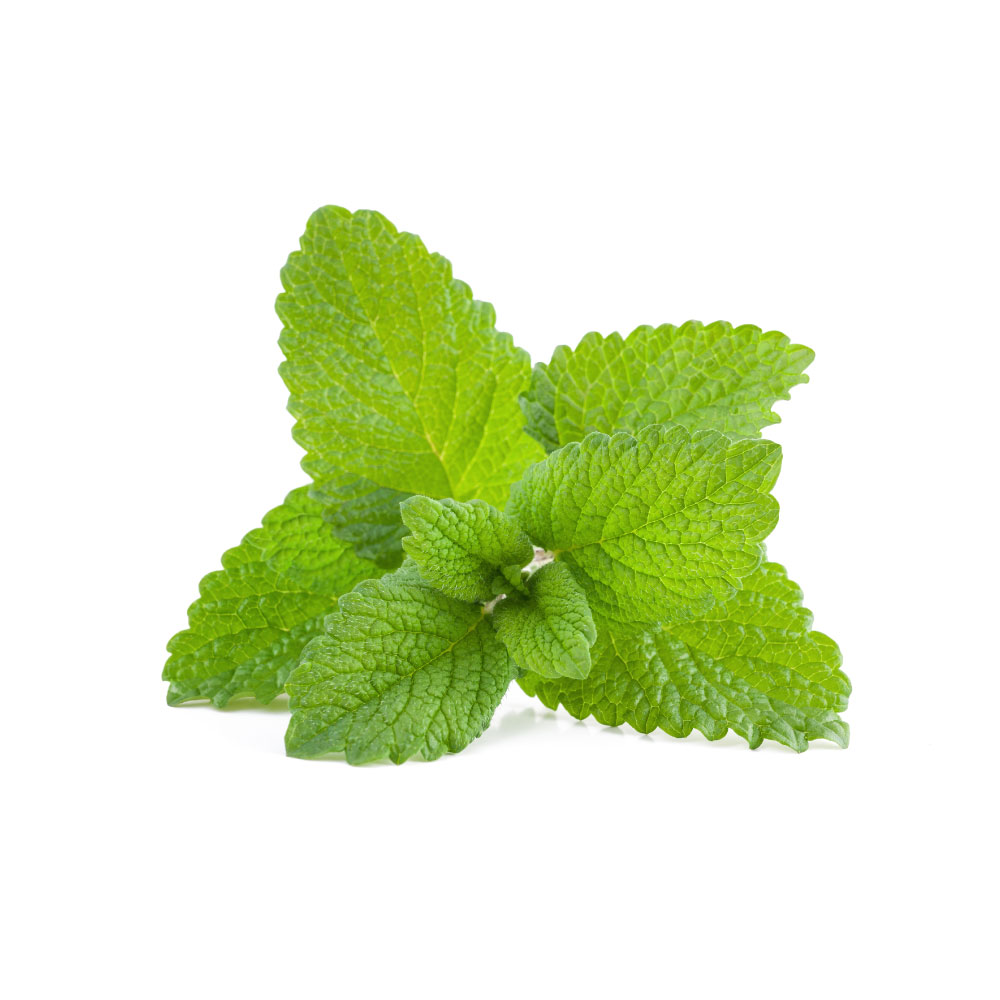 MildMildMelissaMelissa officinalisThe essential oil's citral relaxes gut smooth muscle, the plausible basis of the long tradition for nervous indigestion, cramping and gas.Mechanismvolatile-oil spasmolysis (citral — geranial + neral; citronellal); molecular target not establishedRead the evidenceShow lessMonograph →
The traditional use for nervous indigestion, cramping and gas is long-standing, and the essential oil (citral, comprising geranial and neral, plus citronellal) has spasmolytic activity.
There are essentially no monotherapy human trials. The clinical data come from multi-herb digestive formulas containing lemon balm, where its contribution cannot be separated, the oil is only about 0.05–0.2% of the herb, and no receptor or channel target is identified.
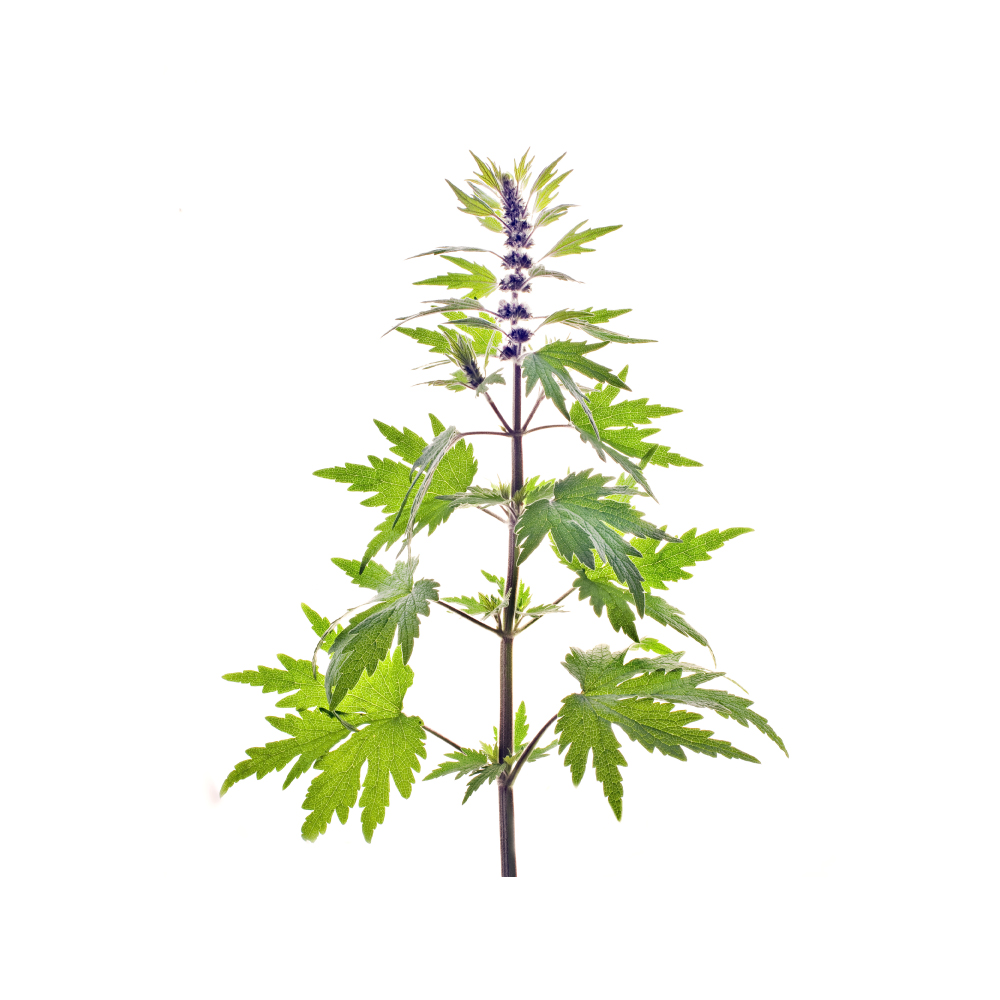 MildMildMotherwortLeonurus cardiacaGiven for menstrual and pelvic cramping in Western practice, often with cramp bark, and listed by Culpeper to help cramps and convulsions; no smooth-muscle study exists.Read the evidenceShow lessMonograph →
Motherwort is given for menstrual and pelvic cramping, usually combined with cramp bark, skullcap or valerian depending on the emphasis, and Culpeper listed it “to help cramps and convulsions”.
The only relaxant data are cardiac, I_Ca,L modulation and negative chronotropy, a different tissue. No smooth-muscle study exists.
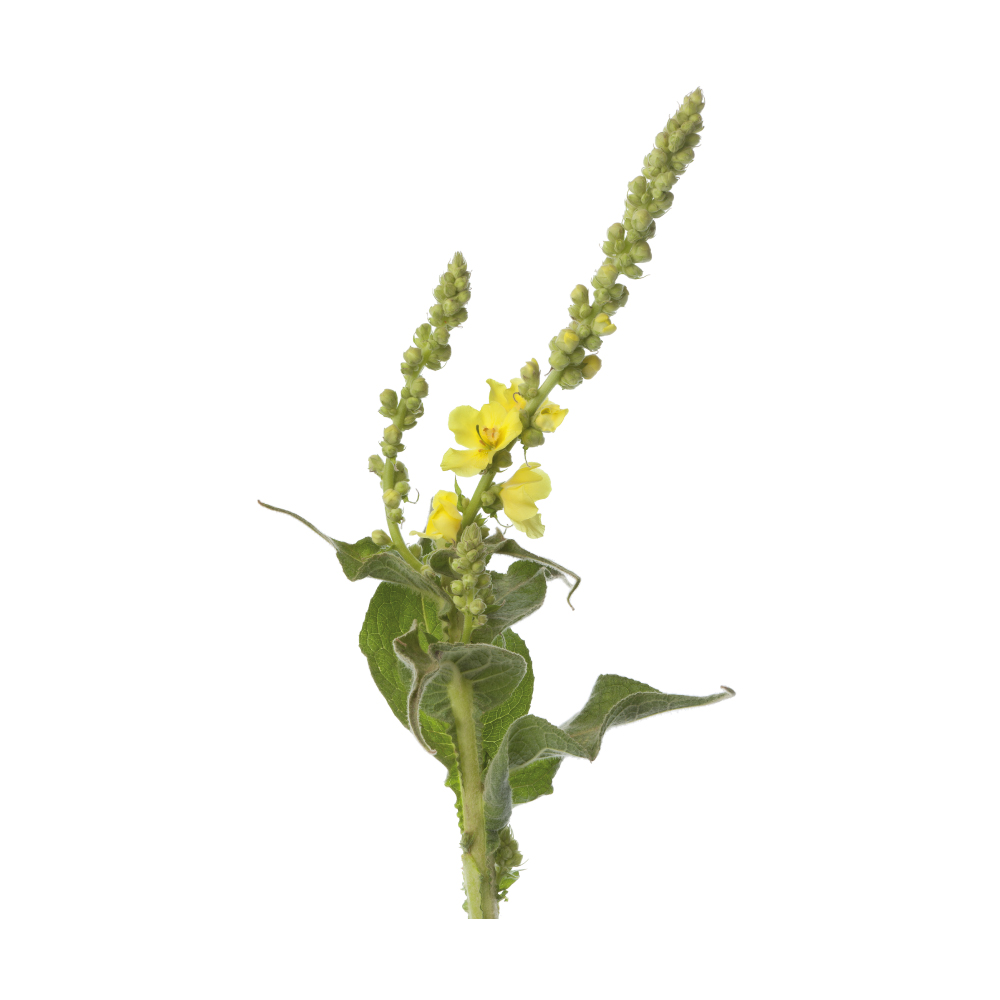 MildMildMulleinVerbascum thapsusA crude extract relaxed KCl-contracted rabbit jejunum, a calcium-influx-dependent relaxation that fits the traditional use in spasmodic coughs.Mechanismsmooth-muscle relaxation of KCl-contracted tissue (Ca²⁺-influx dependent); active constituent undeterminedRead the evidenceShow lessMonograph →
A crude aqueous-methanolic extract relaxed KCl-contracted rabbit jejunum, indicating smooth-muscle relaxant activity 58Reference 58In vitroAnthelmintic and relaxant activities of Verbascum thapsus mullein — in vitro/ex vivoView study →. Culpeper gave mullein for “cramps and convulsions”.
The tissue tested was gut rather than airway, the responsible constituent was never identified, and there is no confirmation in a living animal or human.
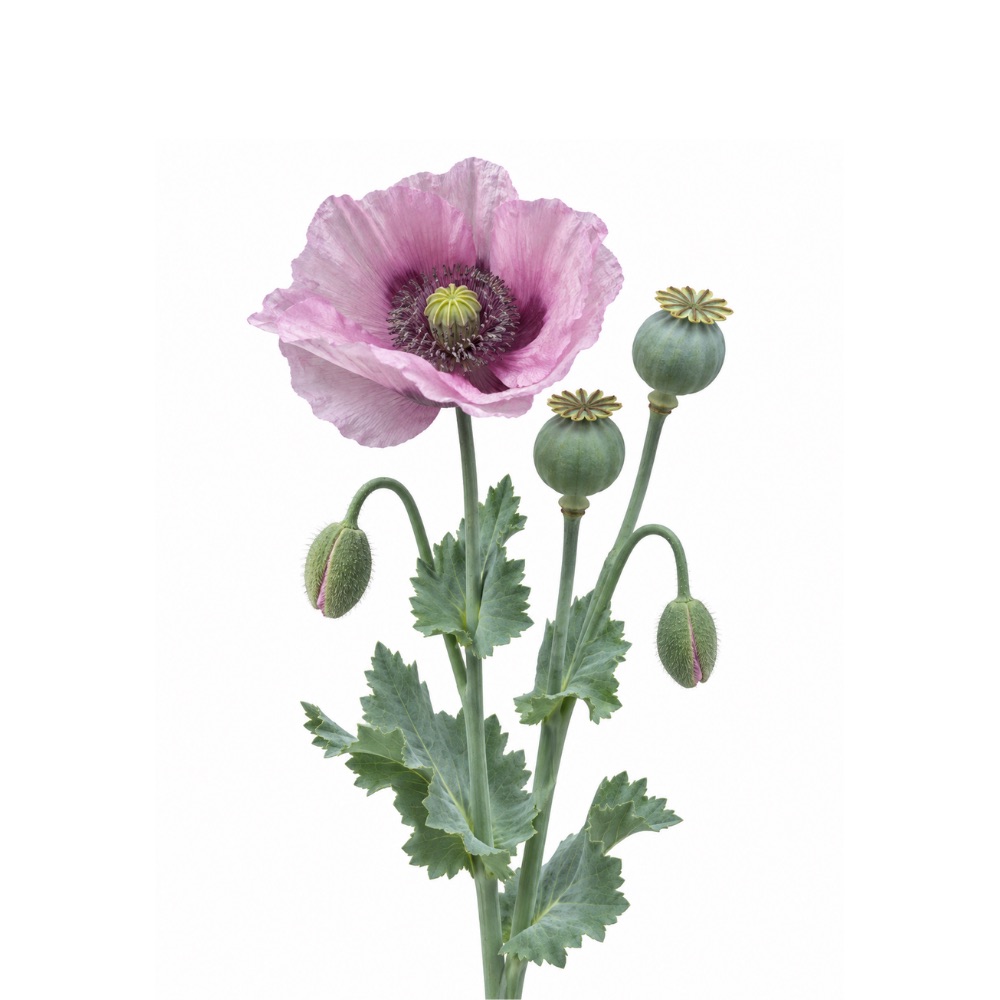 MildMildOpium PoppyPapaver somniferumOpium slows intestinal motility through mu-opioid receptors, one of the most reproducible actions in pharmacology, and opium tincture was the standard antidiarrhoeal for centuries.Read the evidenceShow less
µ-opioid agonism slows intestinal motility, which is why opium tincture was the standard antidiarrhoeal for centuries and why constipation is the signature opioid side effect.
The effect is a slowing of the gut rather than relief of cramp, and it is the pharmacology of the alkaloids rather than of any herbal preparation in use.
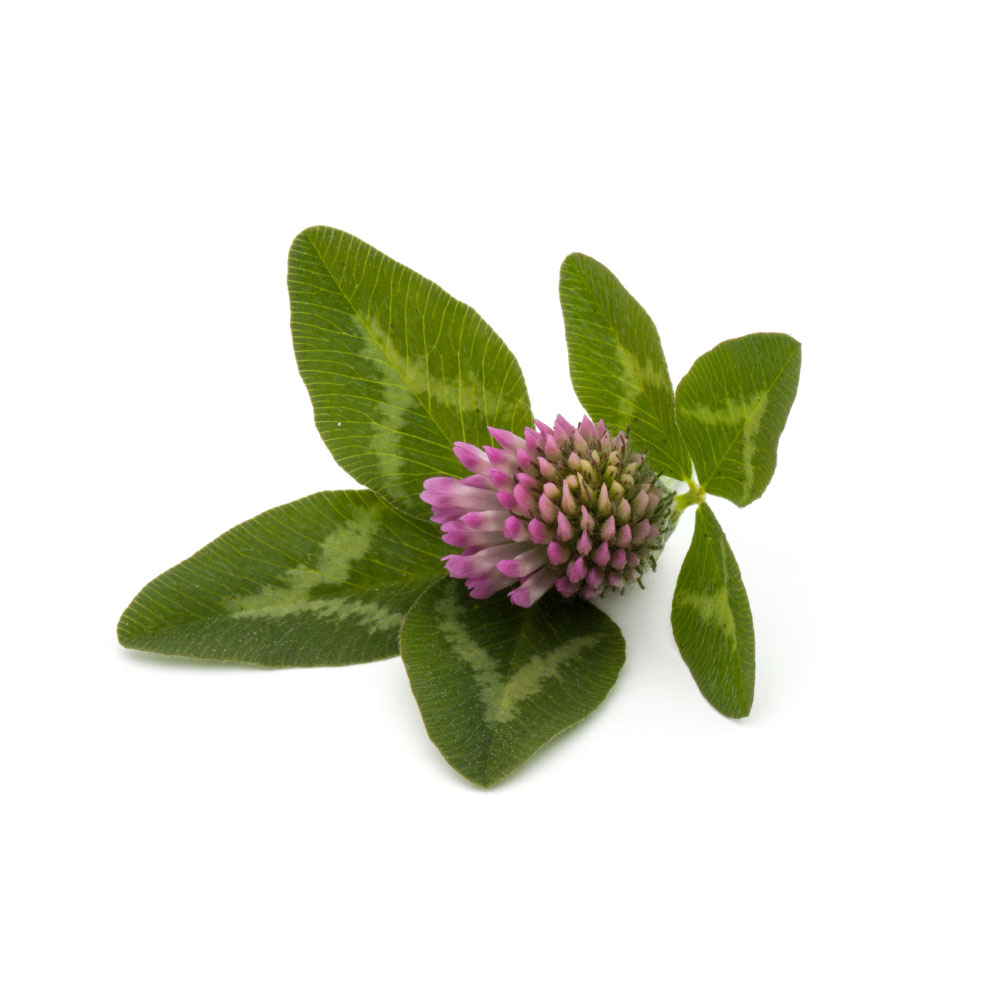 MildMildRed CloverTrifolium pratenseIsolated red clover isoflavones relaxed the smooth muscle of the rat prostate gland in an organ bath; no gut, uterine or airway tissue has been tested.Mechanismsmooth-muscle relaxation (isolated prostatic tissue)Read the evidenceShow lessMonograph →
Isoflavones isolated from red clover (genistein, formononetin, biochanin A) inhibited contraction of the isolated rat prostate gland ex vivo 83Reference 83In vitroIsoflavones isolated from red clover (Trifolium pratense) inhibit smooth-muscle contraction of the isolated rat prostate gland — in vitroView study →, with a companion cell-culture study showing inhibited proliferation and increased apoptosis in human BPH stromal cells 84Reference 84In vitroRed clover isoflavones inhibit the proliferation and promote the apoptosis of benign prostatic hyperplasia stromal cells — in vitroView study →.
The finding is isolated compounds in an animal organ bath, on prostate tissue. No clinical trial in men with BPH exists, and no human antispasmodic endpoint has been tested.
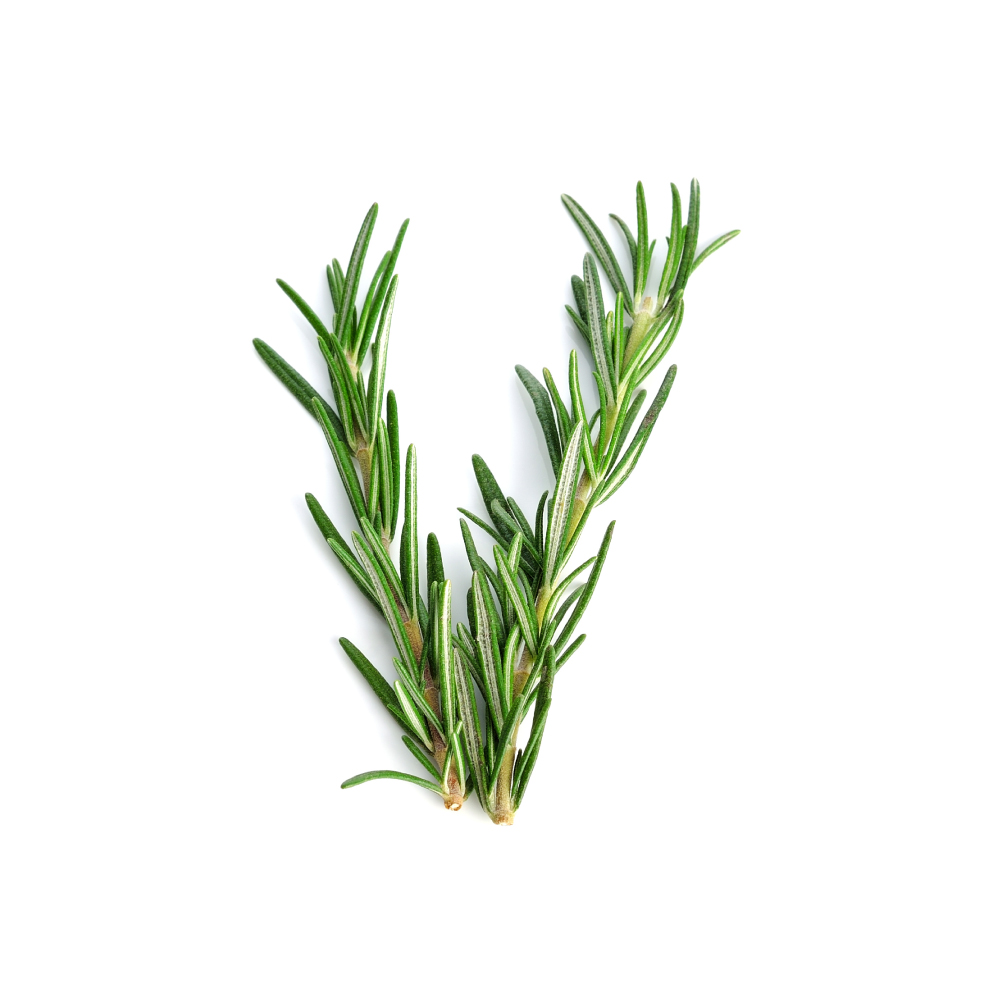 MildMildRosemaryRosmarinus officinalisThe volatile oil's monoterpenes relax gastrointestinal smooth muscle, and the leaf and oil are classed pharmacopoeially as spasmolytic; no receptor or channel is identified for rosemary itself.Mechanismgastrointestinal smooth-muscle relaxation by volatile monoterpenes — molecular target not establishedRead the evidenceShow lessMonograph →
The volatile oil’s relaxant effect on gastrointestinal smooth muscle is the attributed mechanism, consistent with the general antispasmodic pharmacology of the essential oil and its monoterpenes 85Reference 85ReviewTherapeutic effects of rosemary (Rosmarinus officinalis L.) and its active constituents on nervous system disorders — reviewView study →, and the leaf and oil are classed pharmacopoeially as spasmolytic.
No receptor or channel is identified for rosemary specifically, and there are no controlled human trials for spasm or dyspepsia.
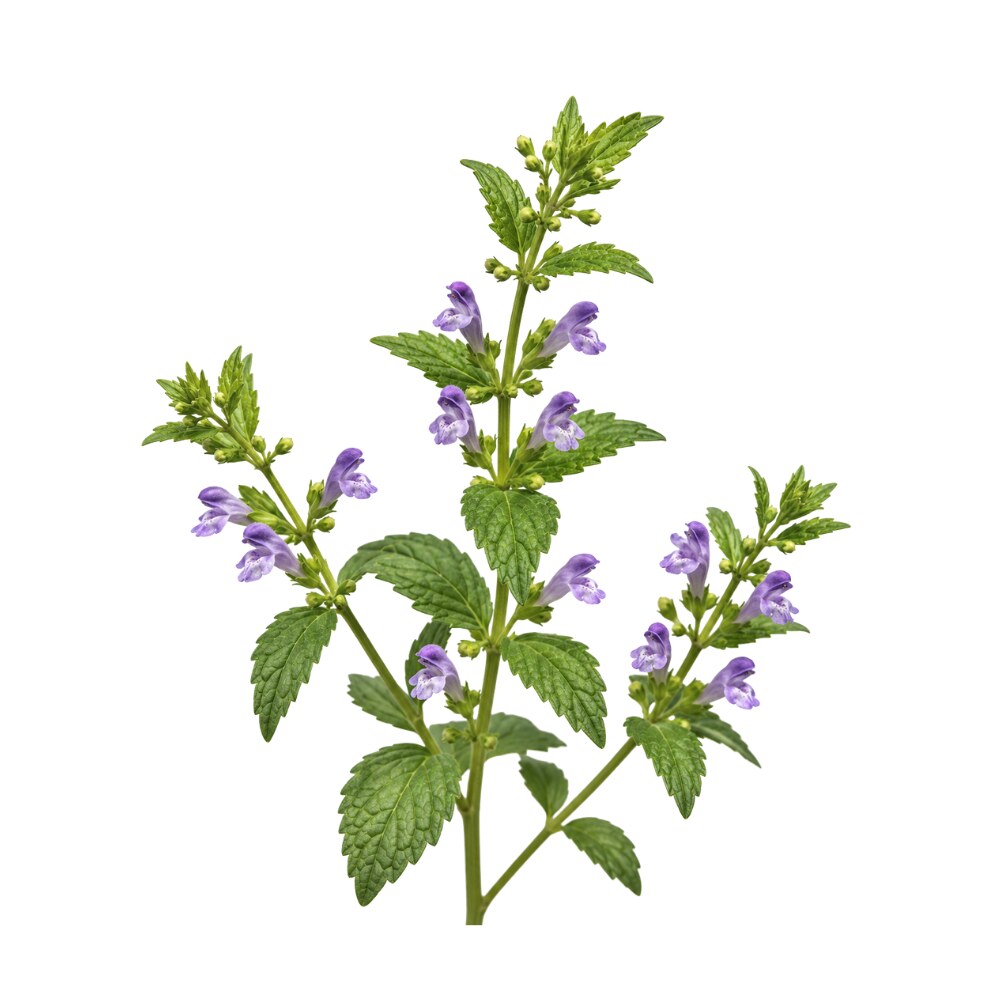 MildMildAmerican SkullcapScutellaria laterifloraThe Western nervine for muscular tension, twitching, spasm and menstrual tension, consistent across sources; no smooth-muscle study exists.Read the evidenceShow lessMonograph →
American skullcap is classified in Western practice as a nervine tonic, mild sedative and antispasmodic, used for nervous agitation, pain and spasm, menstrual tension and stress headache. The indication list is consistent across sources.
No smooth-muscle study exists. This is S. lateriflora; the Chinese species carries no such tradition.
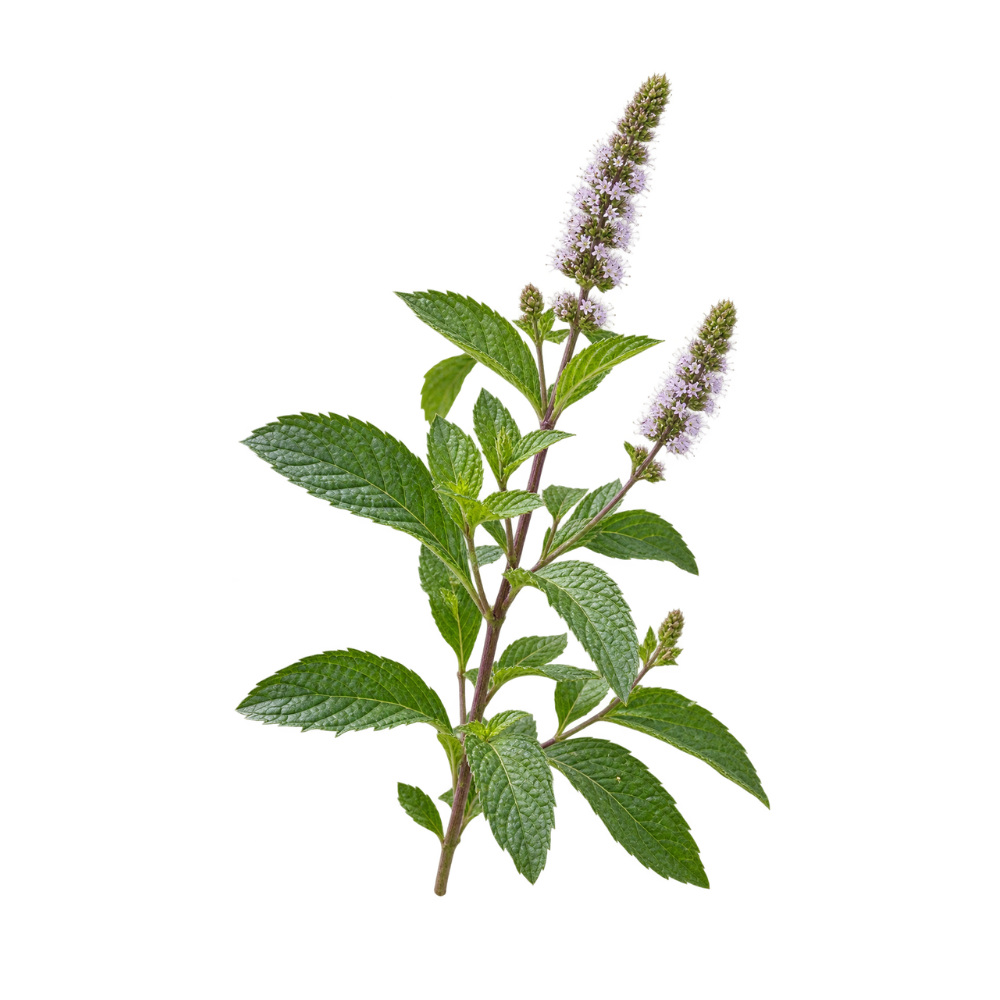 MildMildSpearmintMentha spicata(−)-Carvone, the dominant constituent of spearmint oil, relaxes agonist-induced contraction of isolated ileum like a calcium-channel blocker; the mint preferred for digestive cramping where peppermint is too strong.Mechanismsmooth-muscle relaxation by (−)-carvone, Ca²⁺-channel-blocker-likeRead the evidenceShow lessMonograph →
Spearmint is a carminative and mild antispasmodic in Western practice, taken as a leaf infusion for flatulence, digestive cramping, colic and nausea, and it is the mint preferred where peppermint’s menthol is too much.
In isolated guinea-pig ileum, (−)-carvone produced a spasmolytic effect, relaxing agonist-induced smooth-muscle contraction in a manner comparable to a calcium-channel blocker, and more potently than its (+)-enantiomer 96Reference 96Souza, F. V., et al. (2013). (−)-Carvone: antispasmodic effect and mode of action — ex vivo (guinea-pig ileum). Fitoterapia. https://pubmed.ncbi.nlm.nih.gov/23103297/View study →.
The evidence is ex vivo and constituent-level. No human trial has tested spearmint tea or extract for IBS, dyspepsia or spasm.
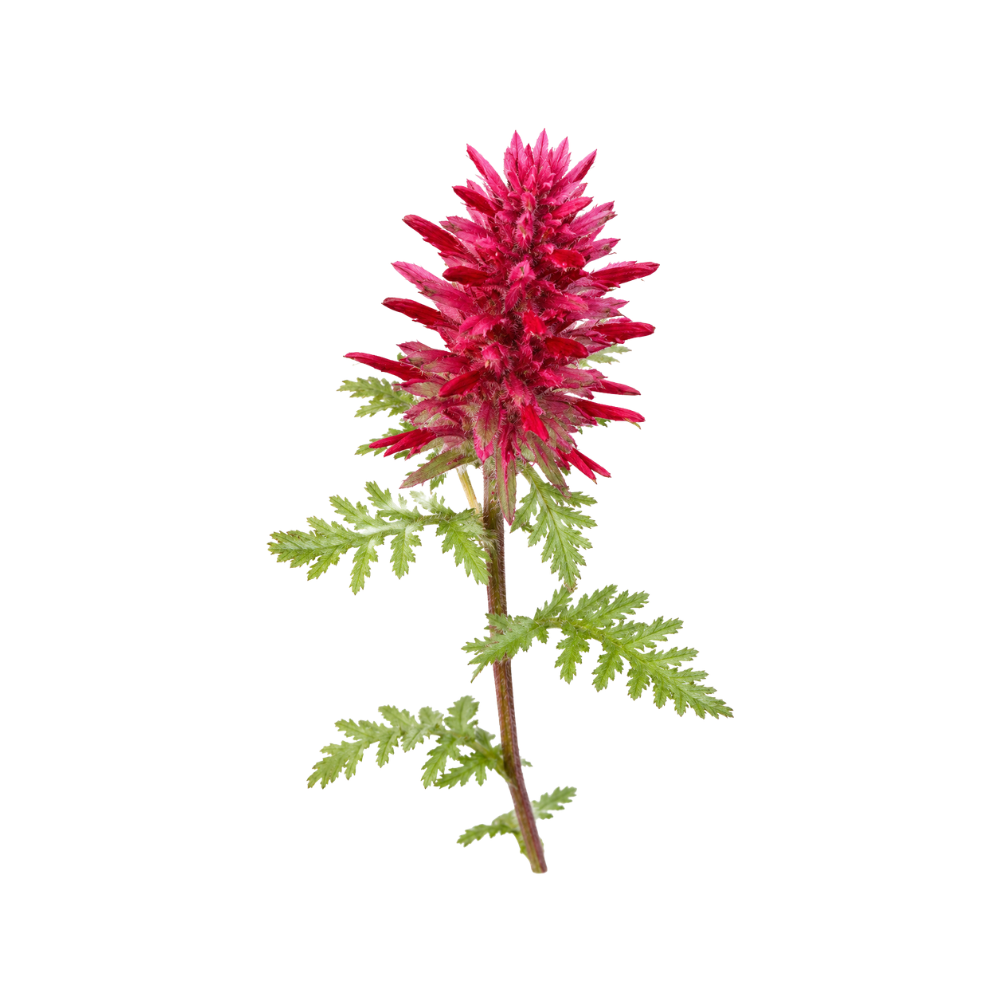 MildMildWarrior’s PlumePedicularis densifloraA gentle skeletal-muscle relaxant of western North American herbalism, taken as tea or in smoking blends for muscular tension; never measured.Read the evidenceShow lessMonograph →
Warrior’s plume is the Pedicularis most used in western North American practice, taken as a tea or in smoking blends as a gentle skeletal-muscle relaxant for muscular tension.
The reputation is for striated rather than smooth muscle, and nothing has been measured.
 MildMildWild YamDioscorea villosaThe classic Western cramp herb for menstrual, intestinal and biliary colic; the herb's defining traditional use, with essentially no experimental pharmacology behind it.Read the evidenceShow lessMonograph →
Wild yam is the classic Western cramp herb, given for menstrual cramping, intestinal colic and biliary colic, and antispasmodic is its defining traditional use.
Essentially no experimental pharmacology confirms a spasmolytic effect. Diosgenin is a laboratory precursor to steroid synthesis, not something the body converts, and the antispasmodic tradition does not depend on that claim.
No herbs match these filters.
Also Tagged
4 more herbs carry an antispasmodic action.
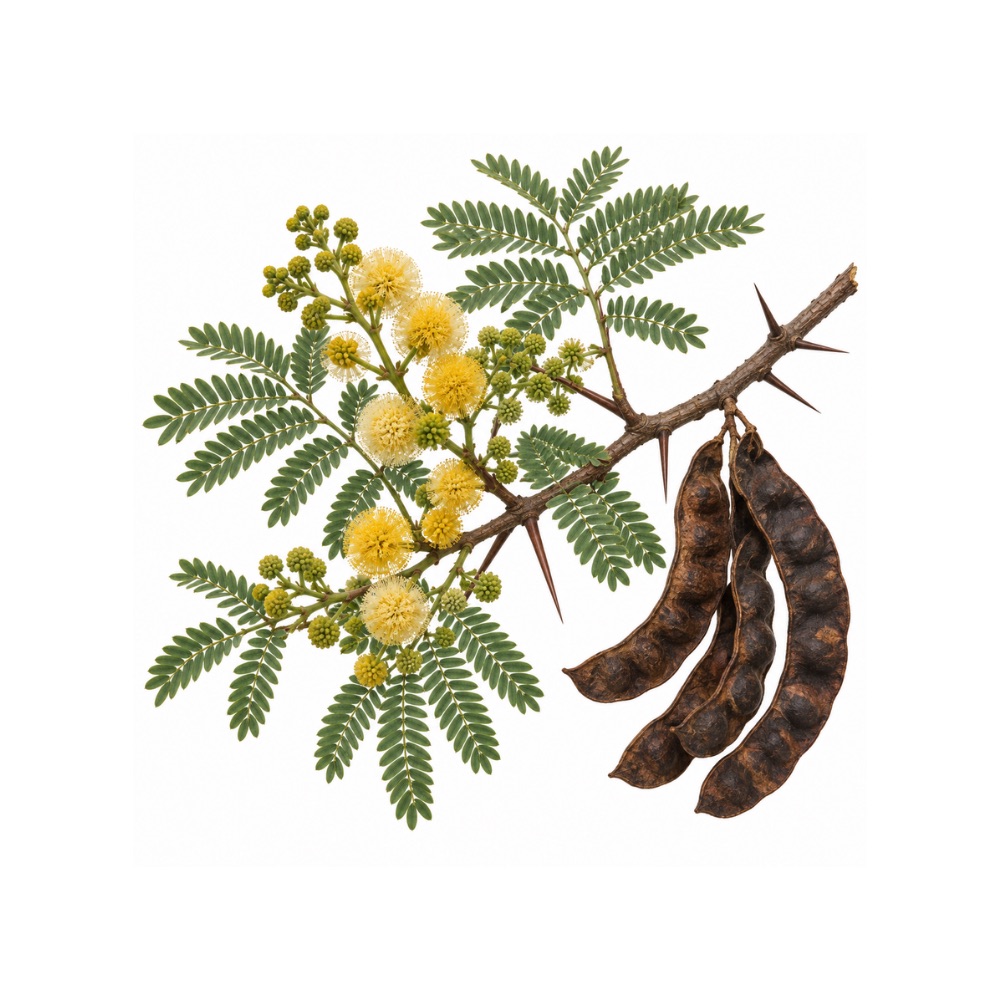
Babul
Vachellia nilotica
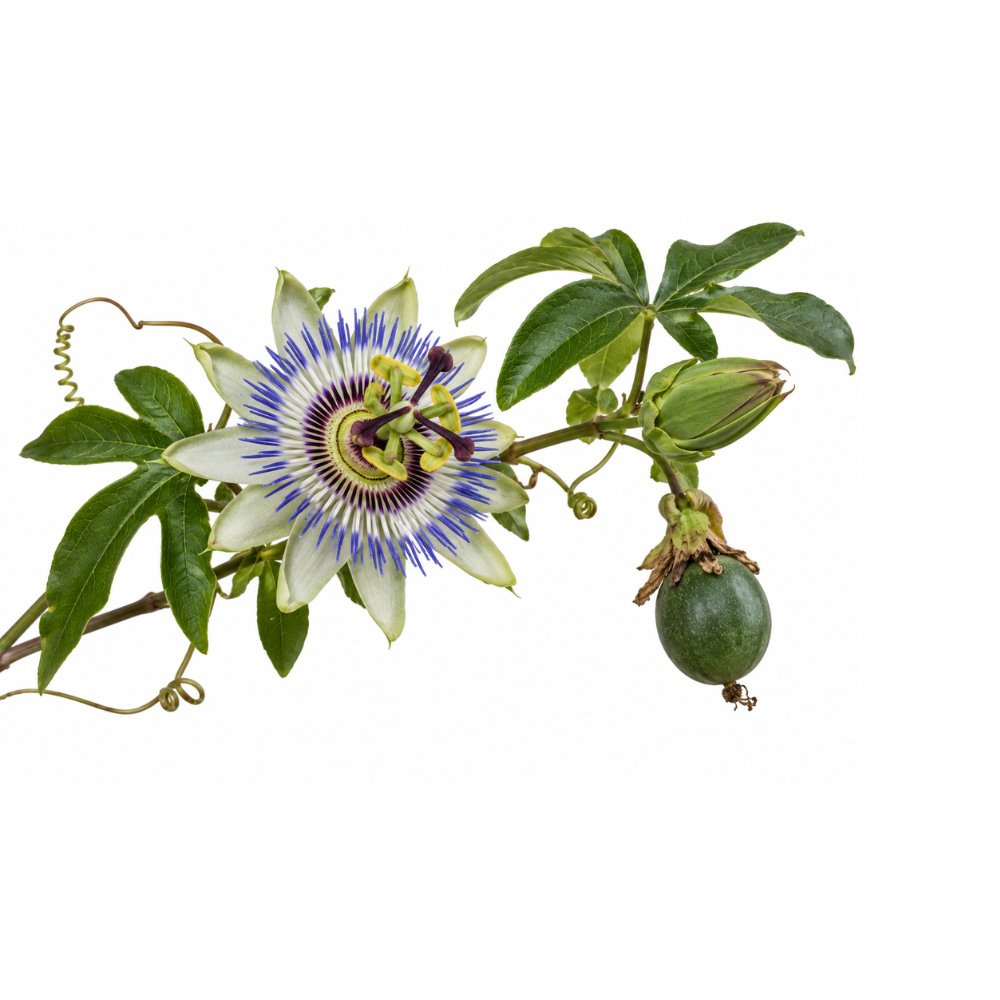
Blue Passionflower
Passiflora caerulea
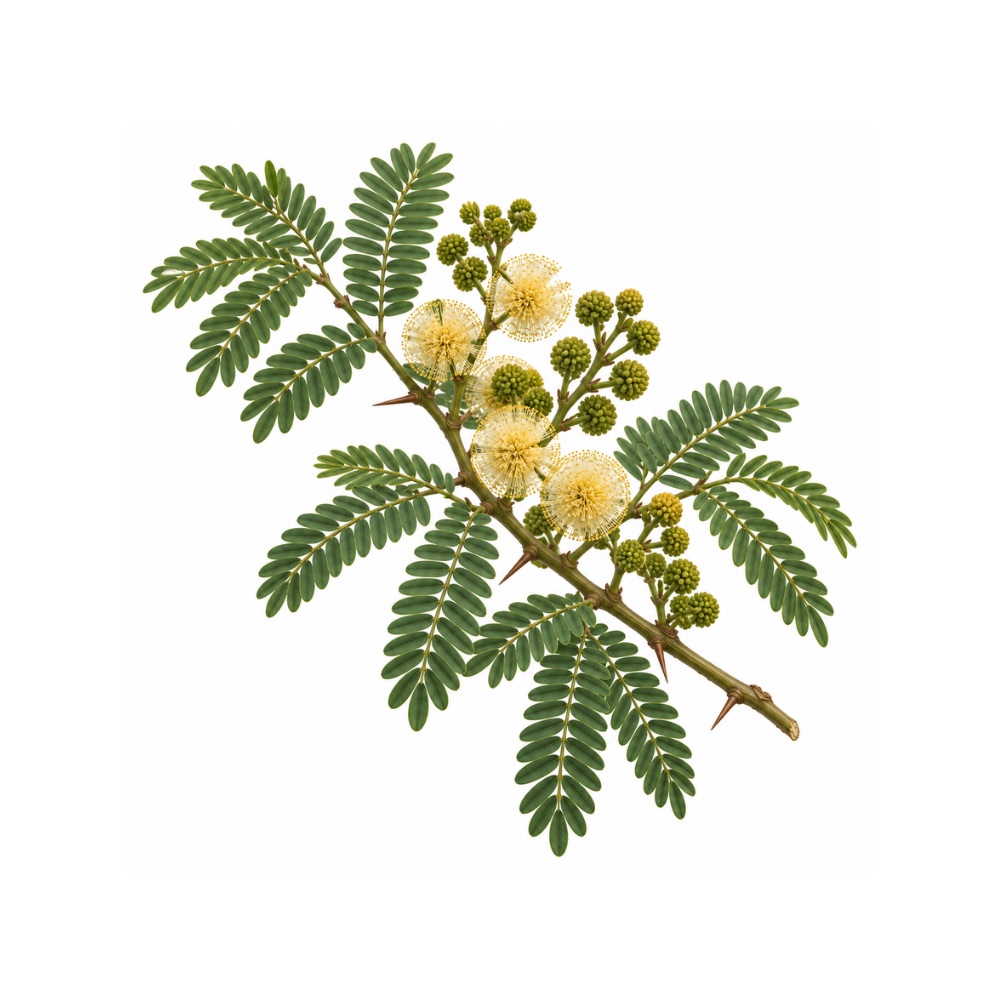
Catechu
Senegalia catechu
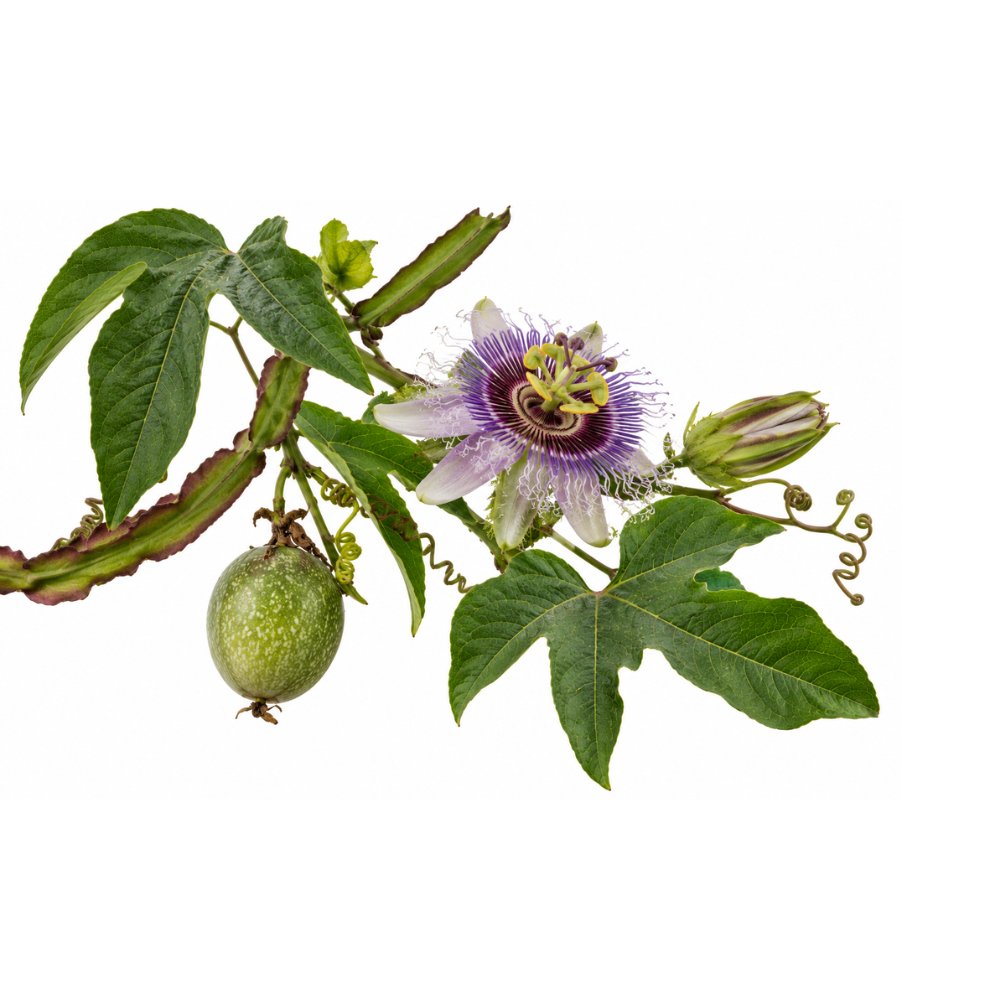
Winged-Stem Passionflower
Passiflora alata
Safety
- Antispasmodic herbs can add to anticholinergic drugs and to other muscle relaxants.
- The sedating antispasmodics stack with alcohol, benzodiazepines and opioids.
- Uterine-active antispasmodics are avoided in pregnancy.
- An essential oil is not a stronger form of the tea; several relaxant oils are convulsant or irritant at systemic doses.
- New, severe or one-sided cramping, or cramping with bleeding, fever or weight loss, needs assessment before it is relaxed away.
- No antispasmodic herb replaces treatment for asthma, inflammatory bowel disease or bowel obstruction.
References
- Hiller KO, Ghorbani M, Schilcher H (1998). Antispasmodic and relaxant activity of chelidonine, protopine, coptisine, and Chelidonium majus extracts on isolated guinea-pig ileum — ex vivo/animal. Planta Medica. https://pubmed.ncbi.nlm.nih.gov/9933996/
- Paul A, Das S, Das J, Samadder A, Khuda-Bukhsh AR (2013). Cytotoxicity and apoptotic signalling cascade induced by chelidonine-loaded PLGA nanoparticles in HepG2 cells in vitro and bioavailability of nano-chelidonine in mice in vivo — in vitro/animal. Toxicology Letters. https://pubmed.ncbi.nlm.nih.gov/23850776/
- Dias CS, et al. (2002). Mechanisms involved in the vasodilator effect of curine in rat resistance arteries — rats. Planta Medica. https://pubmed.ncbi.nlm.nih.gov/12451503/
- Ribeiro-Filho J, et al. (2013). Curine inhibits eosinophil activation and airway hyper-responsiveness in a mouse model of allergic asthma — animal model. Toxicology and Applied Pharmacology. https://pubmed.ncbi.nlm.nih.gov/23994558/
- Medeiros MA, et al. (2011). Curine, a bisbenzylisoquinoline alkaloid, blocks L-type Ca²⁺ channels and decreases intracellular Ca²⁺ transients in A7r5 cells — in vitro. European Journal of Pharmacology. https://pubmed.ncbi.nlm.nih.gov/21872583/
- Emendörfer F, Emendörfer F, Bellato F, Noldin VF, Cechinel-Filho V, Yunes RA, Delle Monache F, Cardozo AM (2005). Antispasmodic activity of fractions and cynaropicrin from Cynara scolymus on guinea-pig ileum — isolated-tissue study. Biological & Pharmaceutical Bulletin. https://pubmed.ncbi.nlm.nih.gov/15863902/
- Todo N, Hosogi S, Nakamura S, Noriyama K, Tamiya N, Toda Y, Shigeta M, Takayama K, Ashihara E (2024). Cynaropicrin increases intracellular Ca2+ and ciliary beat frequency in human airway epithelial cells by inhibiting SERCA — in vitro. Biological & Pharmaceutical Bulletin. https://pubmed.ncbi.nlm.nih.gov/39710380/
- Martin ML, Sagredo JA, Morais JM, Montero MJ, Sanchez MT, San Roman L. (1988). Uterine inhibitory effect of reticuline — isolated-tissue study. Journal of Pharmacy and Pharmacology, 40(11), 801–802. https://pubmed.ncbi.nlm.nih.gov/2907562/
- Dias KL, Da Silva Dias C, Barbosa-Filho JM, Almeida RN, De Azevedo Correia N, Medeiros IA. (2004). Cardiovascular effects induced by reticuline in normotensive rats — animal study. Planta Medica, 70(4), 328–333. https://pubmed.ncbi.nlm.nih.gov/15095148/
- Medeiros MAA, Nunes XP, Barbosa-Filho JM, Lemos VS, Pinho JF, Roman-Campos D, de Medeiros IA, Araújo DAM, Cruz JS. (2009). (S)-reticuline induces vasorelaxation through the blockade of L-type Ca²⁺ channels — patch-clamp and isolated-tissue study. Naunyn-Schmiedeberg’s Archives of Pharmacology, 379(2), 115–125. https://pubmed.ncbi.nlm.nih.gov/18825370/
- Dhuley JN (2003). Investigation on the gastroprotective and antidiarrhoeal properties of Aegle marmelos unripe fruit extract — [animal]. Hindustan Antibiotics Bulletin, 45-46(1-4), 41-6. https://pubmed.ncbi.nlm.nih.gov/16281828/
- Gotteland, M., et al. (1995). Effect of a dry boldo extract on oro-cecal intestinal transit in healthy volunteers — randomised, placebo-controlled crossover trial. Revista Médica de Chile. https://pubmed.ncbi.nlm.nih.gov/8657963/
- Mata, R., Contreras-Rosales, A. J., Gutiérrez-González, J. A., Villaseñor, J. L., & Pérez-Vásquez, A. (2021). Calea ternifolia Kunth, the Mexican “dream herb,” a concise review. Botany, 99(12), 805–818. https://doi.org/10.1139/cjb-2021-0063
- Wade, D. T., Collin, C., Stott, C., & Duncombe, P. (2010). Meta-analysis of the efficacy and safety of Sativex (nabiximols) on spasticity in people with multiple sclerosis. Multiple Sclerosis Journal. https://pubmed.ncbi.nlm.nih.gov/20558502/
- Kleiner D, Horváth IL, Bunduc S, et al. (2023). Nabiximols is Efficient as Add-On Treatment for Patients with Multiple Sclerosis Spasticity Refractory to Standard Treatment — systematic review and meta-analysis. Current Neuropharmacology. https://pubmed.ncbi.nlm.nih.gov/37519000/
- Filippini, G., Minozzi, S., Borrelli, F., et al. (2022). Cannabis and cannabinoids for symptomatic treatment for people with multiple sclerosis — Cochrane systematic review. Cochrane Database of Systematic Reviews. https://pubmed.ncbi.nlm.nih.gov/35510826/
- Mehmood MH, et al. (2015). Antidiarrhoeal, antisecretory and antispasmodic activities of Matricaria chamomilla are mediated predominantly through K⁺-channels activation — animal / in vitro study. BMC Complementary and Alternative Medicine. https://pubmed.ncbi.nlm.nih.gov/25886126/
- Anheyer D, et al. (2017). Herbal medicines for gastrointestinal disorders in children and adolescents: a systematic review. Pediatrics. https://pubmed.ncbi.nlm.nih.gov/28562281/
- Melzer J, et al. (2004). Meta-analysis: phytotherapy of functional dyspepsia with the herbal drug preparation STW 5 (Iberogast). Alimentary Pharmacology & Therapeutics. https://pubmed.ncbi.nlm.nih.gov/15606389/
- Niederau C, Göpfert E. (1999). The effect of chelidonium- and turmeric root extract on upper abdominal pain due to functional disorders of the biliary system — a placebo-controlled double-blind randomised study. Med Klin (Munich). https://pubmed.ncbi.nlm.nih.gov/10495621/
- Bauer K, Dietersdorfer F, Sertl K, et al. (1993). Pharmacodynamic effects of inhaled dry powder formulations of fenoterol and colforsin in asthma — [randomised, placebo-controlled trial]. Clin Pharmacol Ther. https://pubmed.ncbi.nlm.nih.gov/8422745/
- Kreutner W, Chapman RW, Gulbenkian A, et al. (1985). Bronchodilator and antiallergy activity of forskolin — [animal model]. Eur J Pharmacol. https://pubmed.ncbi.nlm.nih.gov/2410281/
- González-Sánchez R, Trujillo X, Trujillo-Hernández B, et al. (2006). Forskolin versus sodium cromoglycate for prevention of asthma attacks: a single-blinded clinical trial — [randomised controlled trial]. J Int Med Res. https://pubmed.ncbi.nlm.nih.gov/16749416/
- Ma C, Zou L, Xia Y, et al. (2019). Extracts of Coleus forskohlii relieves cough and asthma symptoms via modulating inflammation and the extracellular matrix — [animal model]. J Cell Biochem. https://pubmed.ncbi.nlm.nih.gov/30520122/
- Nicholson, J. A., et al. (1972). Viopudial, a hypotensive and smooth-muscle antispasmodic from Viburnum opulus — animal/isolated tissue. Proceedings of the Society for Experimental Biology and Medicine. https://pubmed.ncbi.nlm.nih.gov/5037580/
- Nicholson, J. A., et al. (1967). Scopoletin, an antispasmodic component of Viburnum opulus and prunifolium — in vitro. Journal of Medicinal Chemistry. https://pubmed.ncbi.nlm.nih.gov/22185161/
- Oliveira, E. J., et al. (2001). Intracellular calcium mobilisation as a target for the spasmolytic action of scopoletin — in vitro (rat aorta). Planta Medica. https://pubmed.ncbi.nlm.nih.gov/11582535/
- Patel, M. R., Bhalodia, Y. S., Pathak, N. L., et al. (2013). Bronchodilatory mechanism and identification of scopoletin as the active calcium-channel-blocking ingredient — in vivo/in vitro. Journal of Ethnopharmacology. https://pubmed.ncbi.nlm.nih.gov/24432367/
- Ko, W. C. (1980). A newly isolated antispasmodic — butylidenephthalide (isolated-tissue / comparative study). Japanese Journal of Pharmacology. https://pubmed.ncbi.nlm.nih.gov/7401411/
- Wei, W. L., et al. (2016). Angelica sinensis in China — a review of botanical profile, ethnopharmacology, phytochemistry and chemical analysis — review. Journal of Ethnopharmacology. https://pubmed.ncbi.nlm.nih.gov/27211015/
- Borrelli F, Milic N, Ascione V, et al (2005). Isolation of new rotenoids from Boerhaavia diffusa and evaluation of their effect on intestinal motility — in vitro, Planta medica, 71(10), 928-32. https://pubmed.ncbi.nlm.nih.gov/16254824/
- Borrelli F, Ascione V, Capasso R, Izzo AA, Fattorusso E, & Taglialatela-Scafati O (2006). Spasmolytic effects of nonprenylated rotenoid constituents of Boerhaavia diffusa roots — in vitro, Journal of natural products, 69(6), 903-6. https://pubmed.ncbi.nlm.nih.gov/16792408/
- Lami N, Kadota S, Kikuchi T, & Momose Y (1991). Constituents of the roots of Boerhaavia diffusa L. III. Identification of Ca2+ channel antagonistic compound from the methanol extract — in vitro, Chemical & pharmaceutical bulletin, 39(6), 1551-5. https://pubmed.ncbi.nlm.nih.gov/1934177/
- Lee, H. W., et al. (2020). Fennel for reducing pain in primary dysmenorrhea — systematic review and meta-analysis of RCTs. Nutrients. https://pubmed.ncbi.nlm.nih.gov/33182553/
- Shahrahmani, H., et al. (2021). Effect of fennel on primary dysmenorrhea — systematic review and meta-analysis. Journal of Complementary and Integrative Medicine. https://pubmed.ncbi.nlm.nih.gov/34187122/
- Xu, Y., et al. (2020). Efficacy of herbal medicine (cinnamon/fennel/ginger) for primary dysmenorrhea — systematic review and meta-analysis of RCTs. Journal of International Medical Research. https://pubmed.ncbi.nlm.nih.gov/32603204/
- Modaress Nejad, V., & Asadipour, M. (2006). Comparison of fennel and mefenamic acid on pain intensity in dysmenorrhoea — RCT. Eastern Mediterranean Health Journal. https://pubmed.ncbi.nlm.nih.gov/17037712/
- Alexandrovich, I., et al. (2003). The effect of fennel seed oil emulsion in infantile colic — randomised placebo-controlled study. Alternative Therapies in Health and Medicine. https://pubmed.ncbi.nlm.nih.gov/12868253/
- Harb, T., et al. (2016). Infant colic — what works: a systematic review of interventions for breast-fed infants. Journal of Pediatric Gastroenterology and Nutrition. https://pubmed.ncbi.nlm.nih.gov/26655941/
- Ostad, S. N., et al. (2001). The effect of fennel essential oil on uterine contraction as a model for dysmenorrhea — in vitro (isolated rat uterus). Journal of Ethnopharmacology. https://pubmed.ncbi.nlm.nih.gov/11448553/
- Annahazi, A., et al. (2025). Fennel tea has a region-specific effect on the motility of the stomach — ex vivo. Neurogastroenterology & Motility. https://pubmed.ncbi.nlm.nih.gov/41214408/
- Pattanittum, P., et al. (2016). Dietary supplements for dysmenorrhoea — Cochrane systematic review. Cochrane Database of Systematic Reviews. https://pubmed.ncbi.nlm.nih.gov/27000311/
- Kitić N, et al. (2024). Spasmolytic activity of Gentiana lutea L. root extracts on rat ileum — animal/ex vivo. Plants (Basel). https://pubmed.ncbi.nlm.nih.gov/38337986/
- Abdel-Haq, H., Cometa, M. F., Palmery, M., et al. (2000). Relaxant effects of Hydrastis canadensis L. and its major alkaloids on guinea pig isolated trachea — ex vivo animal. Pharmacology & Toxicology. https://pubmed.ncbi.nlm.nih.gov/11129501/
- Lozoya, X., Reyes-Morales, H., Chávez-Soto, M. A., et al. (2002). Intestinal anti-spasmodic effect of a phytodrug of Psidium guajava folia in the treatment of acute diarrheic disease — randomised, double-blind clinical trial. Journal of Ethnopharmacology. https://pubmed.ncbi.nlm.nih.gov/12413703/
- Doubova, S. V., Morales, H. R., Hernández, S. F., et al. (2007). Effect of a Psidii guajavae folium extract in the treatment of primary dysmenorrhea — randomised controlled trial. Journal of Ethnopharmacology. https://pubmed.ncbi.nlm.nih.gov/17112693/
- Lu M, et al. (2002). Muscle relaxing activity of Hyssopus officinalis essential oil on isolated intestinal preparations — [ex vivo (isolated guinea-pig ileum)]. Planta Med. https://pubmed.ncbi.nlm.nih.gov/11914956/
- Millet Y, et al. (1979). Experimental study of the toxic convulsant properties of commercial preparations of essences of sage and hyssop — [animal model — experimental (rat)]. Rev Electroencephalogr Neurophysiol Clin. https://pubmed.ncbi.nlm.nih.gov/493616/
- Millet Y, et al. (1981). Toxicity of some essential plant oils. Clinical and experimental study — [case reports and animal experimental study]. Clin Toxicol. https://pubmed.ncbi.nlm.nih.gov/7333081/
- Burkhard PR, et al. (1999). Plant-induced seizures: reappearance of an old problem — [case reports]. J Neurol. https://pubmed.ncbi.nlm.nih.gov/10460442/
- Gleitz, J., Beile, A., & Peters, T. (1995). (±)-Kavain inhibits veratridine-activated voltage-dependent Na⁺ channels in synaptosomes [in vitro]. Neuropharmacology. https://pubmed.ncbi.nlm.nih.gov/8532183/
- Magura, E. I., Kopanitsa, M. V., Gleitz, J., et al. (1997). Kava extract ingredients (+)-methysticin and (±)-kavain inhibit voltage-operated Na⁺-channels in rat CA1 hippocampal neurons [animal]. Neuroscience. https://pubmed.ncbi.nlm.nih.gov/9300426/
- Koto, R., et al. (2006). Linalyl acetate as a major ingredient of lavender essential oil relaxes the rabbit/rat smooth muscle — in vitro/animal model. Journal of Cardiovascular Pharmacology. https://pubmed.ncbi.nlm.nih.gov/16891914/
- Lis-Balchin, M., & Hart, S. (1999). Studies on the mode of action of the essential oil of lavender (Lavandula angustifolia) — in vitro smooth-muscle study. Phytotherapy Research. https://pubmed.ncbi.nlm.nih.gov/10479772/
- Luo, H., Wu, H., Yu, X., et al. (2019). A review of the phytochemistry and pharmacological activities of Magnoliae officinalis cortex — review. Journal of Ethnopharmacology, 236, 412–442. https://doi.org/10.1016/j.jep.2019.02.041
- Niu, L., Wang, J., Shen, F., et al. (2022). Magnolol and honokiol target TRPC4 to regulate extracellular calcium influx and relax intestinal smooth muscle — in vitro / ex vivo. Journal of Ethnopharmacology, 290, 115105. https://doi.org/10.1016/j.jep.2022.115105
- Wang, X., et al. (2026). Deciphering the multi-target mechanism of Magnolia officinalis in irritable bowel syndrome with diarrhea — network pharmacology, machine learning and in vivo (rat) validation. Biochemical and Biophysical Research Communications, 825, 153989. https://doi.org/10.1016/j.bbrc.2026.153989
- Ali N, Ali Shah SW, et al. (2012). Anthelmintic and relaxant activities of Verbascum thapsus mullein — in vitro/ex vivo. BMC Complementary and Alternative Medicine. https://pubmed.ncbi.nlm.nih.gov/22463730/
- Karaki, H., Kishimoto, T., Ozaki, H., et al. (1986). Inhibition of calcium channels by harmaline and other harmala alkaloids in vascular and intestinal smooth muscles — in vitro. Br J Pharmacol. https://pubmed.ncbi.nlm.nih.gov/3779216/
- Kimura, M., et al. (1984). Blocking effects of blended paeoniflorin or its related compounds with glycyrrhizin on neuromuscular junctions in frog and mouse — in vitro/animal. Jpn J Pharmacol. https://pubmed.ncbi.nlm.nih.gov/6521072/
- Takao, Y., et al. (2015). Shakuyaku-kanzo-to (Shao-Yao-Gan-Cao-Tang) as treatment of painful muscle cramps in patients with lumbar spinal stenosis and its minimum effective dose — randomised controlled trial. Kobe J Med Sci. https://pubmed.ncbi.nlm.nih.gov/27363396/
- He, D. Y., & Dai, S. M. (2011). Anti-inflammatory and immunomodulatory effects of Paeonia lactiflora Pall., a traditional Chinese herbal medicine — review. Front Pharmacol. https://pubmed.ncbi.nlm.nih.gov/21687505/
- Tan, Y. Q., Chen, H. W., Li, J., & Wu, Q. J. (2020). Efficacy, chemical constituents, and pharmacological actions of Radix Paeoniae Rubra and Radix Paeoniae Alba — review. Front Pharmacol. https://pubmed.ncbi.nlm.nih.gov/32754038/
- Hills, J. M., & Aaronson, P. I. (1991). The mechanism of action of peppermint oil on gastrointestinal smooth muscle. An analysis using patch clamp electrophysiology and isolated tissue pharmacology — in vitro. Gastroenterology. https://pubmed.ncbi.nlm.nih.gov/1646142/
- Hawthorn, M., Ferrante, J., Luchowski, E., et al. (1988). The actions of peppermint oil and menthol on calcium channel dependent processes in intestinal, neuronal and cardiac preparations — in vitro. Alimentary Pharmacology & Therapeutics. https://pubmed.ncbi.nlm.nih.gov/2856502/
- Cappello, G., Spezzaferro, M., Grossi, L., et al. (2007). Peppermint oil (Mintoil) in the treatment of irritable bowel syndrome: a prospective double blind placebo-controlled randomized trial — randomised controlled trial. Digestive and Liver Disease. https://pubmed.ncbi.nlm.nih.gov/17420159/
- Merat, S., Khalili, S., Mostajabi, P., et al. (2010). The effect of enteric-coated, delayed-release peppermint oil on irritable bowel syndrome — randomised controlled trial. Digestive Diseases and Sciences. https://pubmed.ncbi.nlm.nih.gov/19507027/
- Cash, B. D., Epstein, M. S., & Shah, S. M. (2016). A novel delivery system of peppermint oil is an effective therapy for irritable bowel syndrome symptoms — randomised controlled trial. Digestive Diseases and Sciences. https://pubmed.ncbi.nlm.nih.gov/26319955/
- Liu, J. H., Chen, G. H., Yeh, H. Z., et al. (1997). Enteric-coated peppermint-oil capsules in the treatment of irritable bowel syndrome — randomised controlled trial. Journal of Gastroenterology. https://pubmed.ncbi.nlm.nih.gov/9430014/
- Ingrosso, M. R., Ianiro, G., Nee, J., et al. (2022). Systematic review and meta-analysis: efficacy of peppermint oil in irritable bowel syndrome — systematic review, meta-analysis. Alimentary Pharmacology & Therapeutics. https://pubmed.ncbi.nlm.nih.gov/35942669/
- Ford, A. C., Talley, N. J., Spiegel, B. M., et al. (2008). Effect of fibre, antispasmodics, and peppermint oil in the treatment of irritable bowel syndrome — systematic review, meta-analysis. BMJ. https://pubmed.ncbi.nlm.nih.gov/19008265/
- Khanna, R., MacDonald, J. K., & Levesque, B. G. (2014). Peppermint oil for the treatment of irritable bowel syndrome — systematic review, meta-analysis. Journal of Clinical Gastroenterology. https://pubmed.ncbi.nlm.nih.gov/24100754/
- Alammar, N., Wang, L., Saberi, B., et al. (2019). The impact of peppermint oil on the irritable bowel syndrome: a meta-analysis of the pooled clinical data — meta-analysis. BMC Complementary and Alternative Medicine. https://pubmed.ncbi.nlm.nih.gov/30654773/
- Yamamoto, N., Nakai, Y., Sasahira, N., et al. (2006). Efficacy of peppermint oil as an antispasmodic during endoscopic retrograde cholangiopancreatography — clinical trial. Journal of Gastroenterology and Hepatology. https://pubmed.ncbi.nlm.nih.gov/16911682/
- Aziz, M., Sharma, S., Ghazaleh, S., et al. (2020). The anti-spasmodic effect of peppermint oil during colonoscopy: a systematic review and meta-analysis — systematic review, meta-analysis. Minerva Gastroenterologica e Dietologica. https://pubmed.ncbi.nlm.nih.gov/31994371/
- Shavakhi, A., Ardestani, S. K., Taki, M., et al. (2012). Premedication with peppermint oil capsules in colonoscopy: a double blind placebo-controlled randomized trial study — randomised controlled trial. Acta Gastro-Enterologica Belgica. https://pubmed.ncbi.nlm.nih.gov/23082707/
- May, B., Köhler, S., & Schneider, B. (2000). Efficacy and tolerability of a fixed combination of peppermint oil and caraway oil in patients suffering from functional dyspepsia — randomised controlled trial. Alimentary Pharmacology & Therapeutics. https://pubmed.ncbi.nlm.nih.gov/11121917/
- Holtmann, G., Haag, S., Adam, B., et al. (2003). Effects of a fixed combination of peppermint oil and caraway oil on symptoms and quality of life in patients suffering from functional dyspepsia — randomised controlled trial. Phytomedicine. https://pubmed.ncbi.nlm.nih.gov/12807344/
- Rich, G., Shah, A., Koloski, N., et al. (2017). A randomized placebo-controlled trial on the effects of Menthacarin, a proprietary peppermint- and caraway-oil-preparation, on symptoms and quality of life in patients with functional dyspepsia — randomised controlled trial. Neurogastroenterology & Motility. https://pubmed.ncbi.nlm.nih.gov/28695660/
- Li, J., Lv, L., Zhang, J., et al. (2019). A combination of peppermint oil and caraway oil for the treatment of functional dyspepsia: a systematic review and meta-analysis — systematic review, meta-analysis. Evidence-Based Complementary and Alternative Medicine. https://pubmed.ncbi.nlm.nih.gov/31827561/
- Weerts, Z. Z. R. M., Masclee, A. A. M., Witteman, B. J. M., et al. (2020). Efficacy and safety of peppermint oil in a randomized, double-blind trial of patients with irritable bowel syndrome — randomised controlled trial. Gastroenterology. https://pubmed.ncbi.nlm.nih.gov/31470006/
- Chumpitazi, B. P., Kearns, G. L., & Shulman, R. J. (2018). Review article: the physiological effects and safety of peppermint oil and its efficacy in irritable bowel syndrome and other functional disorders — review. Alimentary Pharmacology & Therapeutics. https://pubmed.ncbi.nlm.nih.gov/29372567/
- Brandli, A., Simpson, J. S., Ventura, S., et al. (2010). Isoflavones isolated from red clover (Trifolium pratense) inhibit smooth-muscle contraction of the isolated rat prostate gland — in vitro. Phytomedicine. https://pubmed.ncbi.nlm.nih.gov/20638256/
- Zhang, Y., et al. (2010). Red clover isoflavones inhibit the proliferation and promote the apoptosis of benign prostatic hyperplasia stromal cells — in vitro. Zhonghua Nan Ke Xue. https://pubmed.ncbi.nlm.nih.gov/20180402/
- Ghasemzadeh Rahbardar, M., Hosseinzadeh, H. (2020). Therapeutic effects of rosemary (Rosmarinus officinalis L.) and its active constituents on nervous system disorders — review. Iranian Journal of Basic Medical Sciences. https://pubmed.ncbi.nlm.nih.gov/32963731/
- Engelbertz, J., et al. (2008). Thyme extract, but not thymol, inhibits endothelin-induced contractions of isolated rat trachea — ex vivo. Planta Medica. https://pubmed.ncbi.nlm.nih.gov/18729040/
- Begrow, F., et al. (2010). Impact of thymol in thyme extracts on antispasmodic action and ciliary clearance — animal ex vivo study. Planta Medica. https://pubmed.ncbi.nlm.nih.gov/19809973/
- Rehman, N.U., et al. (2021). Tracheal relaxant and antimicrobial effects of the essential oil of an Ethiopian thyme species — in vitro / ex vivo. Frontiers in Pharmacology. https://pubmed.ncbi.nlm.nih.gov/33883992/
- McManus, O. B., et al. (1993). An activator of calcium-dependent potassium channels isolated from a medicinal herb — in vitro study. Biochemistry. https://pubmed.ncbi.nlm.nih.gov/7685635/
- Addy, M. E., & Burka, J. F. (1990). Effect of Desmodium adscendens fraction 3 on contractions of respiratory smooth muscle — in vitro study. Journal of Ethnopharmacology. https://pubmed.ncbi.nlm.nih.gov/2120518/
- Addy, M. E., & Burka, J. F. (1988). Effect of Desmodium adscendens fractions on antigen- and arachidonic acid-induced contractions of guinea pig airways — in vitro study. Canadian Journal of Physiology and Pharmacology. https://pubmed.ncbi.nlm.nih.gov/3139272/
- Mirabi P, Mojab F. (2011). Effects of valerian on the severity and systemic manifestations of dysmenorrhea. Int J Gynaecol Obstet. https://pubmed.ncbi.nlm.nih.gov/21959068/
- Rabiei F, et al. (2025). Effect of Valeriana officinalis on Primary Dysmenorrhea: A Systematic Review and Meta-Analysis. Rev Recent Clin Trials. https://pubmed.ncbi.nlm.nih.gov/40965071/
- Yaeesh S, et al. (2006). Studies on hepatoprotective, antispasmodic and calcium antagonist activities of the aqueous-methanol extract of Achillea millefolium — [mouse in vivo]. Phytother Res. https://pubmed.ncbi.nlm.nih.gov/16619341/
- Moradi MT, et al. (2013). Antispasmodic effects of yarrow (Achillea millefolium L.) extract in the isolated ileum of rat — [rat in vivo]. Afr J Tradit Complement Altern Med. https://pubmed.ncbi.nlm.nih.gov/24311877/
- Souza, F. V., et al. (2013). (−)-Carvone: antispasmodic effect and mode of action — ex vivo (guinea-pig ileum). Fitoterapia. https://pubmed.ncbi.nlm.nih.gov/23103297/
- Wang, G. J., Wu, X. C., Lin, Y. L., et al. (2002). Ca2+ channel blocking effect of iso-S-petasin in rat aortic smooth muscle cells — in vitro. European Journal of Pharmacology. https://pubmed.ncbi.nlm.nih.gov/12079689/
- Wang, G. J., Lin, Y. L., Chen, C. H., et al. (2010). Cellular calcium regulatory machinery of vasorelaxation elicited by petasin — in vitro / animal. Clinical and Experimental Pharmacology & Physiology. https://pubmed.ncbi.nlm.nih.gov/19719750/
Keep Exploring