

Overview
Male Tonic at a Glance
Male tonics are herbs used to support male sexual and reproductive function, including libido, erectile function, fertility, and prostate health.
The category is broad, and the mechanisms are not all the same.
For erectile function, the clearest herbal route is vascular.
Asian ginseng, pine bark, and tribulus can influence nitric-oxide signalling, helping relax the smooth muscle of the corpus cavernosum and increase blood flow into the penis.
This overlaps with the same NO–cGMP pathway targeted by PDE-5 inhibitors, although the herbs act further upstream.
The hormonal side of the category is much less convincing.
Despite frequent claims that male tonics “boost testosterone,” most have not been shown to meaningfully raise testosterone, LH, or FSH in men.
Tribulus is a good example: it is widely sold as a testosterone booster, but controlled studies have not supported that effect.
Other herbs, such as muira puama, remain primarily traditional male restoratives, with long-standing use for libido and vitality but little mechanistic or clinical evidence behind them.
The category is old and most traditions keep one.
Ayurveda gives it a whole branch, vajikarana, the medicine of virility; Korean practice built the same role around red ginseng; and in Amazonian practice the herb is muira puama, pau-homem, potency wood.
Muira puama’s Amazonian use is long recorded and consistent across sources, and no study has measured it in any species.
Caution
Adds to nitrates and PDE-5 drugs — these herbs raise nitric-oxide signalling, so the combination can drop blood pressure sharply.
Can be early heart disease — erectile dysfunction is frequently the first sign of cardiovascular disease or diabetes, so it is not simply a tonic problem.
Prostate changes need a check — a prostate symptom or a change in urinary flow needs assessment rather than a tonic.
Mechanisms
How It Works
01
Nitric Oxide and Cavernosal Blood Flow
Raising nitric oxide relaxes the smooth muscle of the corpus cavernosum and increases blood inflow.
Asian ginseng reaches it through ginsenoside Rg1, pine through the bark procyanidins with L-arginine as substrate, and tribulus through NO/cGMP relaxation and furostanol-saponin activity.
More nitric oxide raises cGMP, and cGMP is what relaxes the muscle.
PDE-5 inhibitors act on the same pathway one step lower down, by stopping cGMP being broken back down.
These herbs approach it from upstream, which is why they stack with those drugs rather than substituting for them.
The endpoint the word tonic implies — testosterone, LH, FSH — is mostly missing from this evidence. Where it has been measured, it did not move.
Herbs: Asian GinsengPineTribulus
Key compounds: Ginsenoside Rg1
02
Traditional Restoratives
Some herbs in this group carry a long record of use as male restoratives and no identified route.
Muira puama is the case here. Its pau-homem framing is consistent across Amazonian practice and overlaps almost entirely with the herb’s aphrodisiac action, and nothing has measured it.
An unmeasured tradition is a different kind of uncertainty from a measured effect with an unclear cause, and the male tonics include both.
Herbs: Muira Puama
Materia Medica
Male Tonic Herbs by Potency
The male tonic herbs, ordered by the relative strength of the effect rather than by how well studied it is. Each herb is described by the mechanism behind its effect and the evidence for it.
None of this is a substitute for professional care.
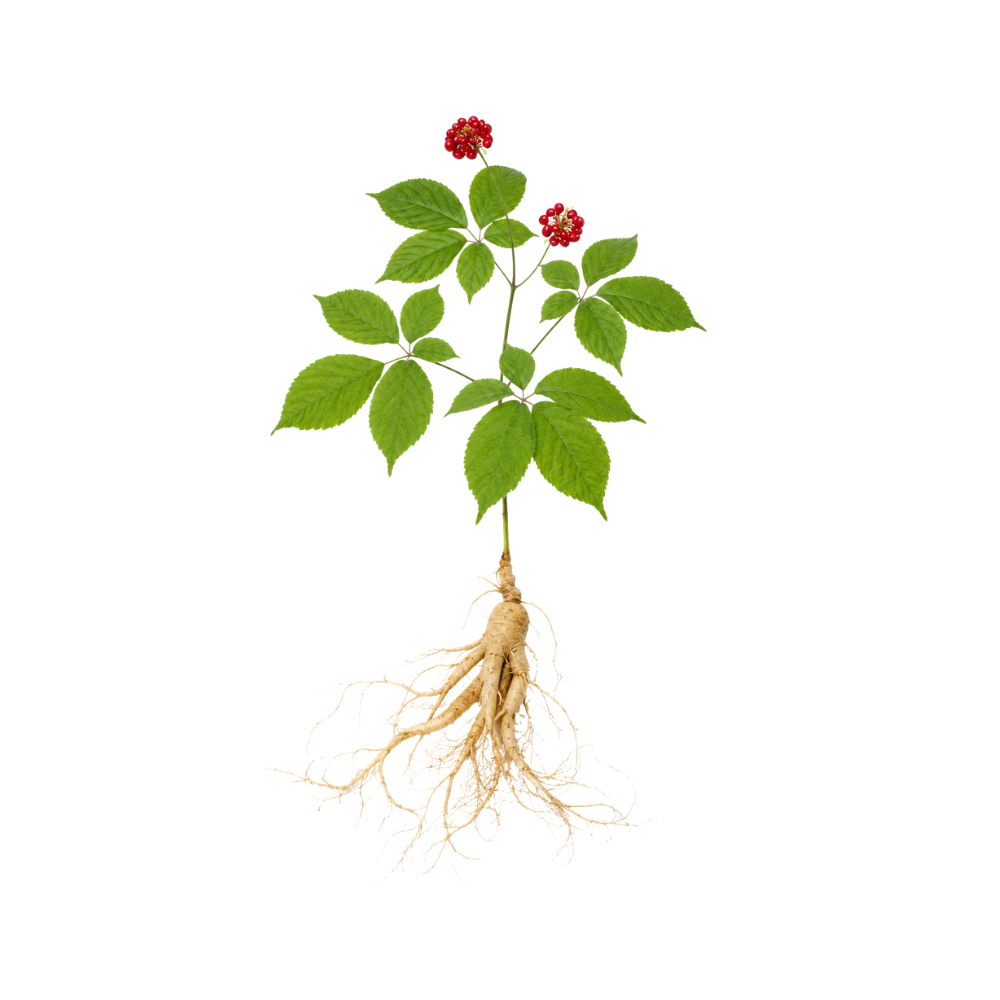 ModerateModerateAsian GinsengPanax ginsengKorean red ginseng raises nitric oxide in cavernosal smooth muscle through ginsenoside Rg1, the sildenafil pathway approached from upstream.Mechanismnitric-oxide–mediated vasodilation of corpus cavernosum (ginsenoside Rg1)Read the evidenceShow lessMonograph →
Ginsenoside Rg1 drives nitric-oxide-mediated relaxation of corpus cavernosum smooth muscle, the same pathway PDE5 inhibitors exploit one step downstream.
The clinical direction is consistent and the magnitude is not. A 2022 Cochrane review of nine placebo-controlled RCTs concluded the effect on erectile function is trivial, an IIEF-15 mean difference of 3.52 at low certainty 1Reference 1Systematic reviewGinseng for erectile dysfunction — a Cochrane systematic reviewView study →.
An earlier meta-analysis of seven Korean Red Ginseng RCTs was far more favourable (RR 2.40) but noted uniformly poor methodological quality 2Reference 2Systematic reviewRed ginseng for treating erectile dysfunction — systematic reviewView study →, and the often-quoted originating trial reported 60% efficacy against 30% for placebo or trazodone, with improvements in rigidity, girth and libido 3Reference 3RCTClinical efficacy of Korean red ginseng for erectile dysfunction — randomised controlled trialView study →.
Essentially all of that evidence is Korean red ginseng — the steamed root, at roughly 1.8–3 g a day — and none of it transfers to white root or to a G115-type extract.
Erectile function is the only evidenced part of the herb’s male-tonic reputation. Fertility and testosterone are not.
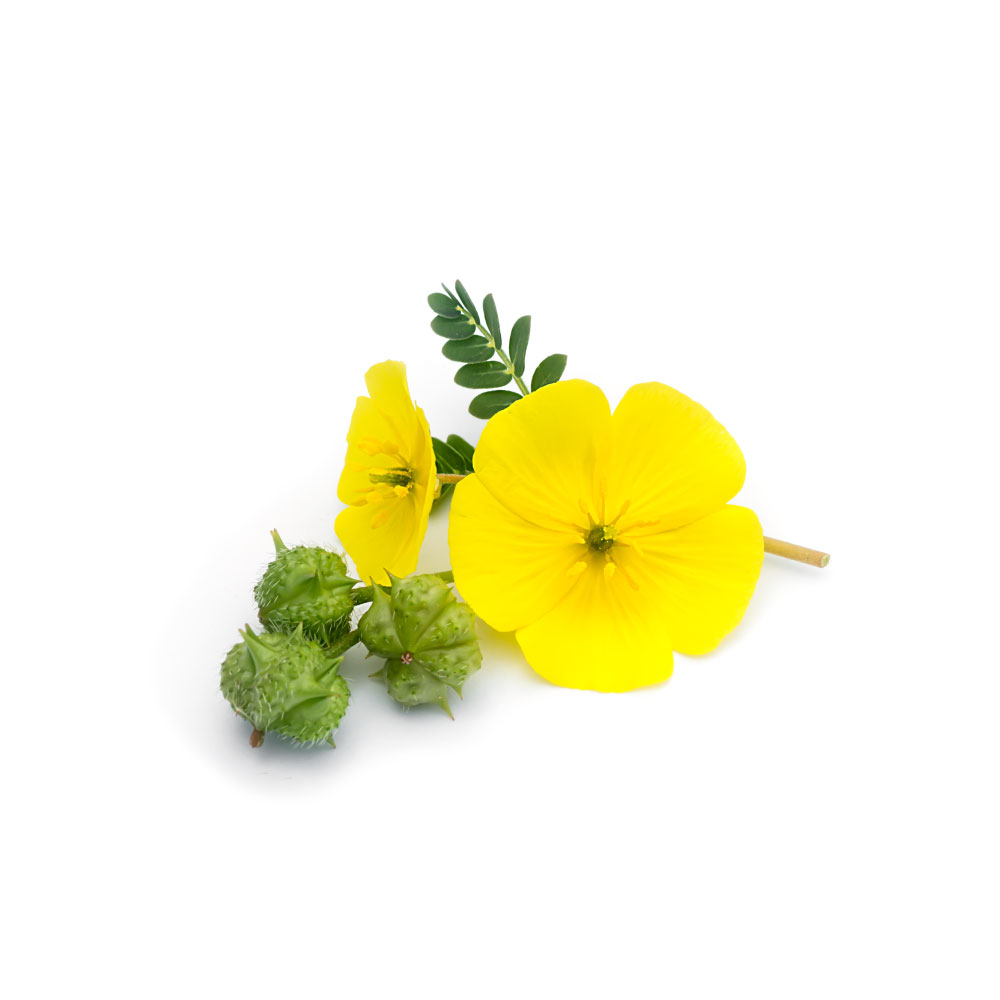 ModerateModerateTribulusTribulus terrestrisErectile and overall sexual function improve against placebo across several trials, while serum testosterone does not move at all.MechanismNO/cGMP cavernosal relaxation; furostanol-saponin activity; HPG-axis / serum-androgen effect NOT establishedRead the evidenceShow lessMonograph →
Erectile and overall male sexual function improve against placebo across multiple RCTs and a meta-analysis 8,
Tribulus does not raise serum total testosterone in men. A systematic review of “testosterone boosters” said so outright 11Reference 11Systematic reviewDo ‘testosterone boosters’ really increase serum total testosterone? A systematic review — [systematic review]View study →, an earlier review found an effect only where tribulus was one ingredient of a multi-ingredient product and never alone 12Reference 12Systematic reviewA systematic review on the herbal extract Tribulus terrestris and its putative aphrodisiac and performance-enhancing effect — [systematic review]View study →, the 2026 erectile-dysfunction meta-analysis found no testosterone difference against placebo 8Reference 8Meta-analysisTribulus terrestris for management of patients with erectile dysfunction — a systematic review and meta-analysis of randomized trials — [systematic review and meta-analysis]View study →, and a 2025 review of ten studies found erectile improvement in some trials while eight of ten reported no significant androgen change 13Reference 13Systematic reviewEffects of Tribulus terrestris supplementation on erectile dysfunction and testosterone levels in men — a systematic review — [systematic review]View study →.
Fertility is unsettled. A systematic review of seven small trials reported improved sperm parameters in idiopathic infertility 14Reference 14Systematic reviewEffect of Tribulus terrestris on sperm parameters in men with idiopathic infertility — a systematic review — [systematic review]View study →, but the better-controlled randomised study — 750 mg a day for three months in unexplained infertility — found no change in testosterone, LH or any semen parameter 15Reference 15RCTProspective analysis of Tribulus terrestris on serum testosterone and semen parameters in males with unexplained infertility — randomised trial — [randomised trial]View study →.
There is no gain in strength or body composition in resistance-trained men 16Reference 16RCTThe effects of Tribulus terrestris on body composition and exercise performance in resistance-trained males — randomised controlled trial — [randomised controlled trial]View study →, elite rugby players 17Reference 17RCTThe effect of five weeks of Tribulus terrestris on muscle strength and body composition in elite rugby league players — randomised controlled trial — [randomised controlled trial]View study → or CrossFit athletes 18Reference 18RCTThe effects of 6 weeks of Tribulus terrestris on body composition, hormonal response and performance in CrossFit athletes — randomised controlled trial — [randomised controlled trial]View study →.
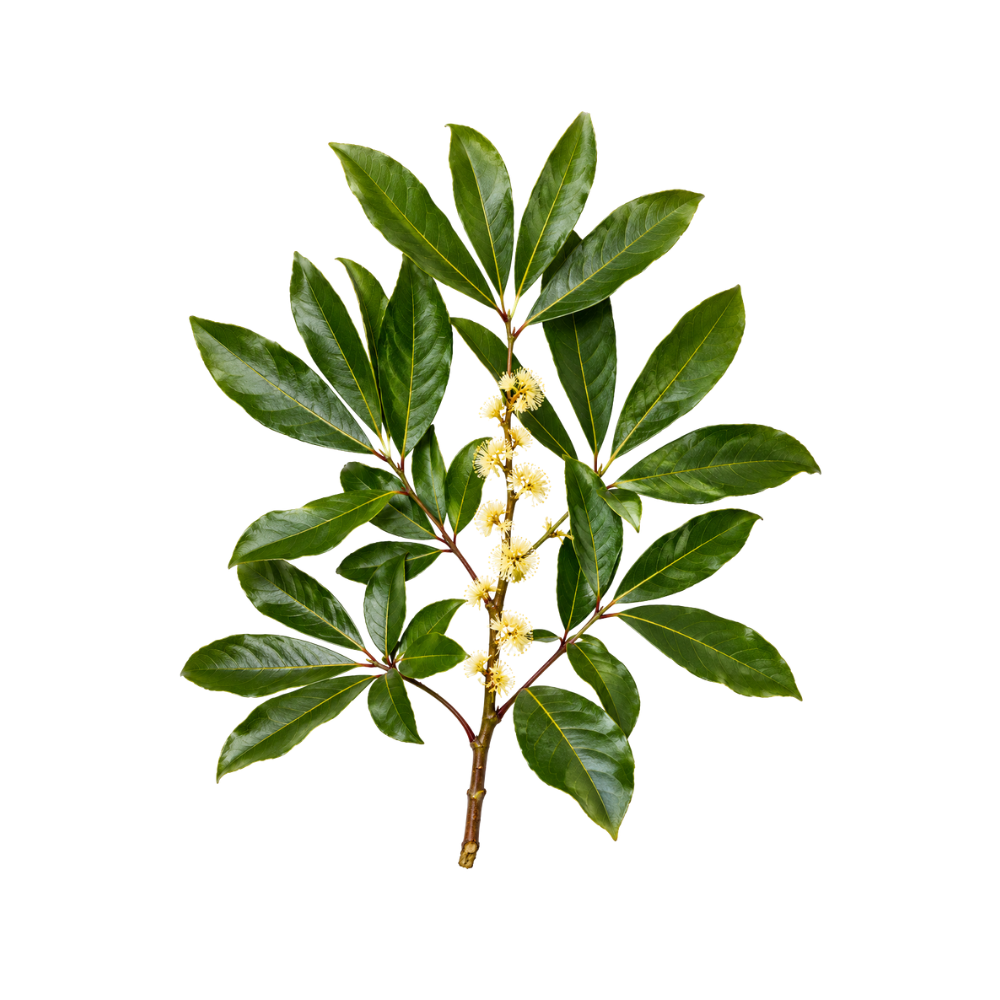 MildMildMuira PuamaPtychopetalum olacoidesPau-homem, potency wood, is the Amazonian male restorative — long recorded, consistently used, and never measured.Read the evidenceShow lessMonograph →
Use as a male restorative runs consistently through Amazonian practice, and it overlaps almost entirely with the herb’s aphrodisiac action.
Nothing has measured it in any species, and no distinct mechanism has been proposed for it.
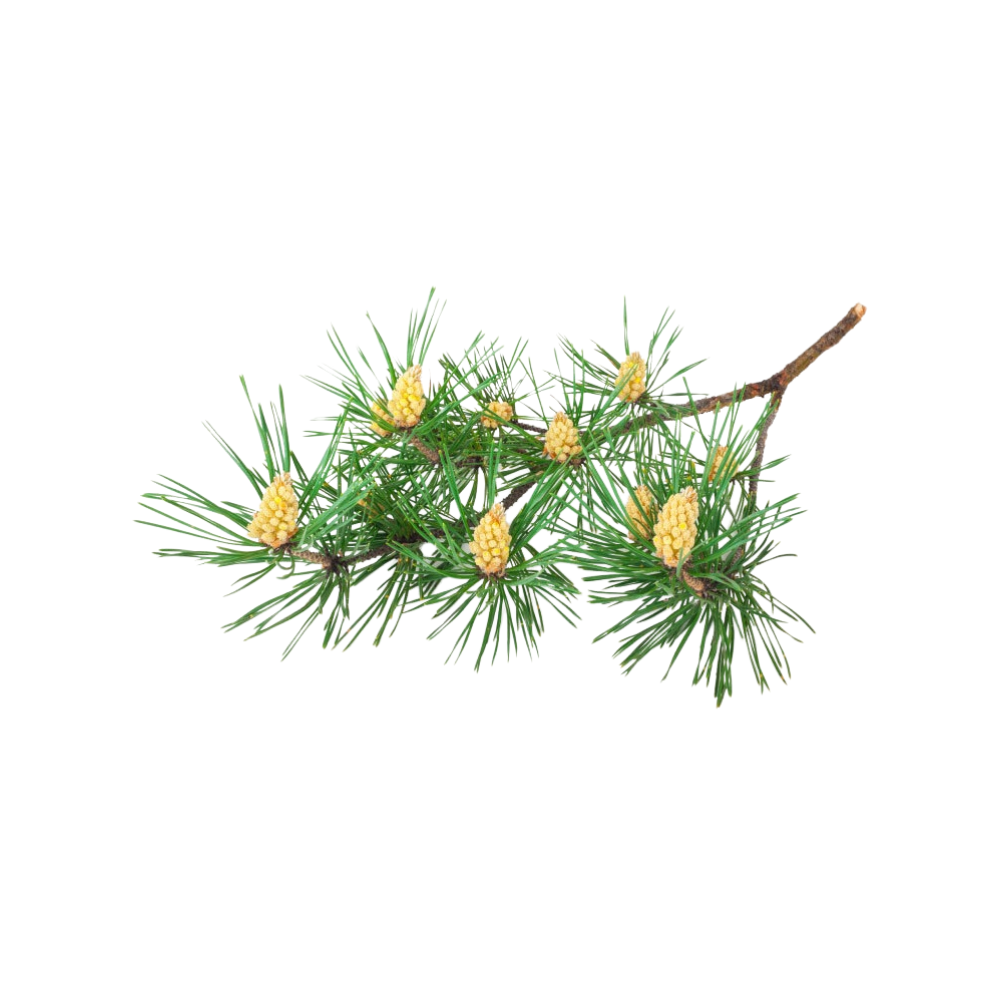 MildMildPinePinus spp.Bark procyanidins raise eNOS and improved erectile function in trials, always given alongside L-arginine.MechanismeNOS ↑ → NO-mediated cavernosal vasodilation (bark procyanidins, with L-arginine as substrate) — androgenic route NOT establishedRead the evidenceShow lessMonograph →
A 2023 meta-analysis of three trials in 184 men found Pycnogenol plus L-arginine improved erectile function, satisfaction and desire 5Reference 5Meta-analysisEfficacy of L-arginine and Pycnogenol® in the treatment of male erectile dysfunction: a systematic review and meta-analysis — meta-analysisView study →, consistent with earlier trials 6,
Arginine on its own raises nitric oxide, so pine’s individual contribution cannot be isolated from those trials, and testosterone was explicitly not improved 5Reference 5Meta-analysisEfficacy of L-arginine and Pycnogenol® in the treatment of male erectile dysfunction: a systematic review and meta-analysis — meta-analysisView study →. The signal is vascular rather than hormonal.
The pollen carries a separate claim. Scots pine pollen does contain testosterone, epitestosterone and androstenedione, shown in 1971 4Reference 4In vitroTestosterone, epitestosterone and androstenedione in the pollen of Scotch pine P. silvestris L — in vitroView study →, but at around 80 ng/g of testosterone a large dose delivers well under a microgram — orders of magnitude below an orally active amount, and no human trial shows the pollen moves serum androgens.
No herbs match these filters.
Safety
- The mechanism here is vascular, so these herbs stack with nitrates and with PDE-5 inhibitors, where the combination can drop blood pressure sharply.
- Treat testosterone-booster claims on these herbs as unevidenced — the androgen endpoints are largely unmeasured, and where they have been measured they did not move.
- Results shown for one standardised preparation say nothing about a different part of the same plant.
- Erectile dysfunction is frequently the first sign of cardiovascular disease or diabetes.
- A prostate symptom or a change in urinary flow needs assessment rather than a tonic.
- Herbs in this group can be additive with antidiabetic and antihypertensive medication, and some interact with warfarin.
References
- Lee, H. W., et al. (2022). Ginseng for erectile dysfunction — a Cochrane systematic review. World J Mens Health. https://pubmed.ncbi.nlm.nih.gov/34169686/
- Jang, D. J., Lee, M. S., Shin, B. C., et al. (2008). Red ginseng for treating erectile dysfunction — systematic review. Br J Clin Pharmacol. https://pubmed.ncbi.nlm.nih.gov/18754850/
- Choi, H. K., Seong, D. H., & Rha, K. H. (1995). Clinical efficacy of Korean red ginseng for erectile dysfunction — randomised controlled trial. Int J Impot Res. https://pubmed.ncbi.nlm.nih.gov/8750052/
- Saden-Krehula M, Tajić M, Kolbah D (1971). Testosterone, epitestosterone and androstenedione in the pollen of Scotch pine P. silvestris L — in vitro. Experientia, 27, 108-9. https://pubmed.ncbi.nlm.nih.gov/5549221/
- Tian Y, Zhou Q, Li W, Liu M, et al. (2023). Efficacy of L-arginine and Pycnogenol® in the treatment of male erectile dysfunction: a systematic review and meta-analysis — meta-analysis. Front Endocrinol (Lausanne), 14, 1211720. https://pubmed.ncbi.nlm.nih.gov/37908749/
- Stanislavov R, Nikolova V (2003). Treatment of erectile dysfunction with pycnogenol and L-arginine — clinical trial. J Sex Marital Ther, 29, 207-13. https://pubmed.ncbi.nlm.nih.gov/12851125/
- Trebaticky B, Muchova J, Ziaran S, Bujdak P, et al. (2019). Natural polyphenols improve erectile function and lipid profile in patients suffering from erectile dysfunction — randomised controlled trial. Bratisl Lek Listy, 120, 941-944. https://pubmed.ncbi.nlm.nih.gov/31855055/
- Suharyani S (2026). Tribulus terrestris for management of patients with erectile dysfunction — a systematic review and meta-analysis of randomized trials — [systematic review and meta-analysis]. Int J Impot Res. https://pubmed.ncbi.nlm.nih.gov/40360723/
- Kamenov Z (2017). Evaluation of the efficacy and safety of Tribulus terrestris in male sexual dysfunction — a prospective, randomised, double-blind, placebo-controlled trial — [randomised placebo-controlled trial]. Maturitas. https://pubmed.ncbi.nlm.nih.gov/28364864/
- GamalEl Din SF (2019). Tribulus terrestris versus placebo in erectile dysfunction and lower urinary tract symptoms in late-onset hypogonadism — [randomised placebo-controlled trial]. Urologia. https://pubmed.ncbi.nlm.nih.gov/30253697/
- Morgado A (2024). Do ‘testosterone boosters’ really increase serum total testosterone? A systematic review — [systematic review]. Int J Impot Res. https://pubmed.ncbi.nlm.nih.gov/37697053/
- Qureshi A (2014). A systematic review on the herbal extract Tribulus terrestris and its putative aphrodisiac and performance-enhancing effect — [systematic review]. J Diet Suppl. https://pubmed.ncbi.nlm.nih.gov/24559105/
- Vilar Neto JO (2025). Effects of Tribulus terrestris supplementation on erectile dysfunction and testosterone levels in men — a systematic review — [systematic review]. Nutrients. https://pubmed.ncbi.nlm.nih.gov/40219032/
- Sanagoo S (2019). Effect of Tribulus terrestris on sperm parameters in men with idiopathic infertility — a systematic review — [systematic review]. Complement Ther Med. https://pubmed.ncbi.nlm.nih.gov/30670288/
- Roaiah MF (2017). Prospective analysis of Tribulus terrestris on serum testosterone and semen parameters in males with unexplained infertility — randomised trial — [randomised trial]. J Diet Suppl. https://pubmed.ncbi.nlm.nih.gov/27337519/
- Antonio J (2000). The effects of Tribulus terrestris on body composition and exercise performance in resistance-trained males — randomised controlled trial — [randomised controlled trial]. Int J Sport Nutr Exerc Metab. https://pubmed.ncbi.nlm.nih.gov/10861339/
- Rogerson S (2007). The effect of five weeks of Tribulus terrestris on muscle strength and body composition in elite rugby league players — randomised controlled trial — [randomised controlled trial]. J Strength Cond Res. https://pubmed.ncbi.nlm.nih.gov/17530942/
- Fernandez-Lazaro D (2021). The effects of 6 weeks of Tribulus terrestris on body composition, hormonal response and performance in CrossFit athletes — randomised controlled trial — [randomised controlled trial]. Nutrients. https://pubmed.ncbi.nlm.nih.gov/34836225/
Keep Exploring