Overview
Aphrodisiac at a Glance
Aphrodisiacs are herbs used to support sexual desire and sexual function.
These are not the same thing physiologically.
Sexual desire is largely a central nervous-system effect, with dopamine playing an important role in motivation and arousal.
Erectile function is mainly vascular.
Nitric oxide raises cGMP in the corpus cavernosum, relaxing smooth muscle and allowing blood to flow into the penis.
Asian ginseng, tribulus, maca, damiana, and muira puama have all been associated with this pathway to varying degrees.
A smaller group may act more on desire itself.
Damiana has dopaminergic activity alongside its vascular effects, while blue lotus contains aporphine alkaloids and velvet bean supplies L-DOPA, both of which connect more directly with dopamine signalling.
This is why a herb that improves erectile function is not necessarily increasing libido, and a herb that increases sexual desire may do little for blood flow.
Aphrodisiac herbs are used mainly for low libido, erectile difficulties, reduced sexual responsiveness, and broader complaints of sexual vitality.
Almost every tradition names an aphrodisiac. Ayurveda gives the action its own branch, vajikarana; Amazonian practice reaches for clavo huasca and muira puama; and in Mesoamerica cacao and vanilla were drunk together as chocolatyl for sexual vigour and stamina.
Those traditions carry the herbs rather than the measurements. Vanilla, cacao and black ant have no sexual-function study of any kind, and velvet bean — the one with the strongest pharmacological prior — has never had an endpoint measured either.
Caution
Products often hide PDE-5 drugs — sexual-enhancement supplements are frequently adulterated with undeclared PDE-5 inhibitors, a hidden nitrate interaction that has killed people.
Not with nitrates — the nitric-oxide herbs stack with nitrates and PDE-5 inhibitors, where the combination can drop blood pressure sharply.
Erectile dysfunction can signal disease — persistent erectile dysfunction can be an early sign of cardiovascular disease or diabetes and warrants assessment.
Mechanisms
How It Works
01
NO/cGMP and Cavernosal Blood Flow
Nitric oxide raises cGMP, cGMP relaxes cavernosal smooth muscle, and blood inflow increases.
This is the dominant and best-evidenced route among the aphrodisiac herbs.
Tribulus, muira puama, maca and damiana all converge here, maca through L-arginine–NO–cGMP signalling, and kanna arrives at a similar place through PDE4 inhibition, which raises cAMP rather than cGMP.
PDE-5 inhibitors act on the same pathway one step lower down. These herbs approach it from upstream, which is why they stack with those drugs and with nitrates rather than substituting for them.
What this route delivers is erectile function rather than desire — a vascular effect on a vascular problem.
It is also non-hormonal: maca does not raise sex-hormone levels, and neither does tribulus.
Herbs: Asian GinsengClavo HuascaDamianaKannaMacaMuira PuamaTribulus
Key compounds: ProtodioscinArbutin
02
Dopaminergic Tone
Dopamine is central to sexual motivation, and raising dopaminergic tone is the route to desire rather than to erection.
The clinical evidence for that comes from an unusual direction. Dopamine agonists used in Parkinson’s disease carry hypersexuality as a documented side effect, and apomorphine was developed as an erectile-dysfunction drug acting centrally rather than vascularly.
Damiana carries dopaminergic and noradrenergic tone alongside its nitric-oxide activity, which makes it the one herb here reaching both halves.
Blue lotus carries aporphine, the parent compound of apomorphine. Velvet bean’s seeds are a natural source of L-DOPA.
This is the half almost nobody measures. None of the three has a sexual-function endpoint attached to the dopaminergic claim.
Herbs: Blue Lotus FlowerDamianaVelvet Bean
03
Measured Effect, Unresolved Route
Some herbs have measured sexual-function effects with no identified target.
Saffron is the strongest of these, with four placebo-controlled human trials behind it, which is rare in this group.
One of those four used a topical gel, and that result does not carry across to an oral capsule.
Asian ginseng’s cross-sex signal is the same shape: libido improved as a secondary outcome in men and Female Sexual Function Index scores improved in postmenopausal women, and the vascular mechanism explains neither.
Clavo huasca’s proposed corpus-cavernosum relaxation remains proposed.
04
Traditional Use Without a Route
A long record of use as an aphrodisiac, with no study and no proposed mechanism.
Vanilla and cacao share the Mesoamerican chocolatyl tradition and between them have not one line of research.
Black ant’s Chinese use is real and its commercial identity is built entirely on it.
Catuaba’s only mechanistic experiment used a four-herb product, so nothing isolates the bark.
A very old story is not a small amount of evidence. It is a different kind of thing, and it is what most of this group has.
The Molecules
Pharmacology
What actually produces an aphrodisiac effect at the molecular level. The herbs below carry these molecules in different combinations and amounts — which is most of why their potency differs. Roles describe how central a molecule is to the action across plants generally, not how strong any one herb is.
Chiefly Saponins1
Carries the action largely on its own — the effect is attributed to the molecule, not just the extract it came from.
Adds to a plant's effect and is often present in quantity, but rarely accounts for it alone.
Real but narrow — one pathway, one tissue, or evidence too thin to lean on.
Protodioscin Saponins Contributor Targets Endothelial/nitrergic relaxation (ACh-, NO-donor- and EFS-mediated); eNOS expression — NOT androgen receptor or steroidogenesis
Protodioscin is the marker compound of every Tribulus aphrodisiac preparation, and its mechanism is indirect.
Applied to isolated rabbit corpus cavernosum the compound on its own had no effect; the enhanced relaxation to acetylcholine (+24%), nitroglycerin and electrical field stimulation (+10%) appeared only in tissue from animals dosed orally with whole extract for eight weeks 1Reference 1AnimalProerectile pharmacological effects of Tribulus terrestris extract on the rabbit corpus cavernosum — [animal model]View study →.
A furostanol-glycoside preparation containing protodioscin raised eNOS mRNA 34.8% and NO metabolites 45.6% in ovariectomised rats 2Reference 2AnimalStudies to elucidate the effects of furostanol glycosides from Dioscorea deltoidea cell culture in a rat model of endothelial dysfunction — [animal model]View study →, which is the closest molecule-level nitric-oxide evidence and is still a two-glycoside preparation.
The mechanism is androgen-independent: the human meta-analysis shows IIEF improving with no change in total testosterone 3Reference 3Meta-analysisTribulus terrestris for management of patients with erectile dysfunction — [systematic review and meta-analysis]View study →, and the leading reviews converge on a nitric-oxide route rather than a hormonal one 4,
It is a 1,049 Da glycoside with no published oral bioavailability 6,
Tribulus and fenugreek carry it.
What It's For
Indications
- Low libido
- Low sexual energy from stress or exhaustion
- Erectile and arousal difficulty
- Hormonal flatness in mid-life
Materia Medica
Aphrodisiac Herbs by Potency
The aphrodisiac herbs, ordered by the relative strength of the effect rather than by how well studied it is. Each herb is described by the mechanism behind its effect and the evidence for it.
None of this is a substitute for professional care.
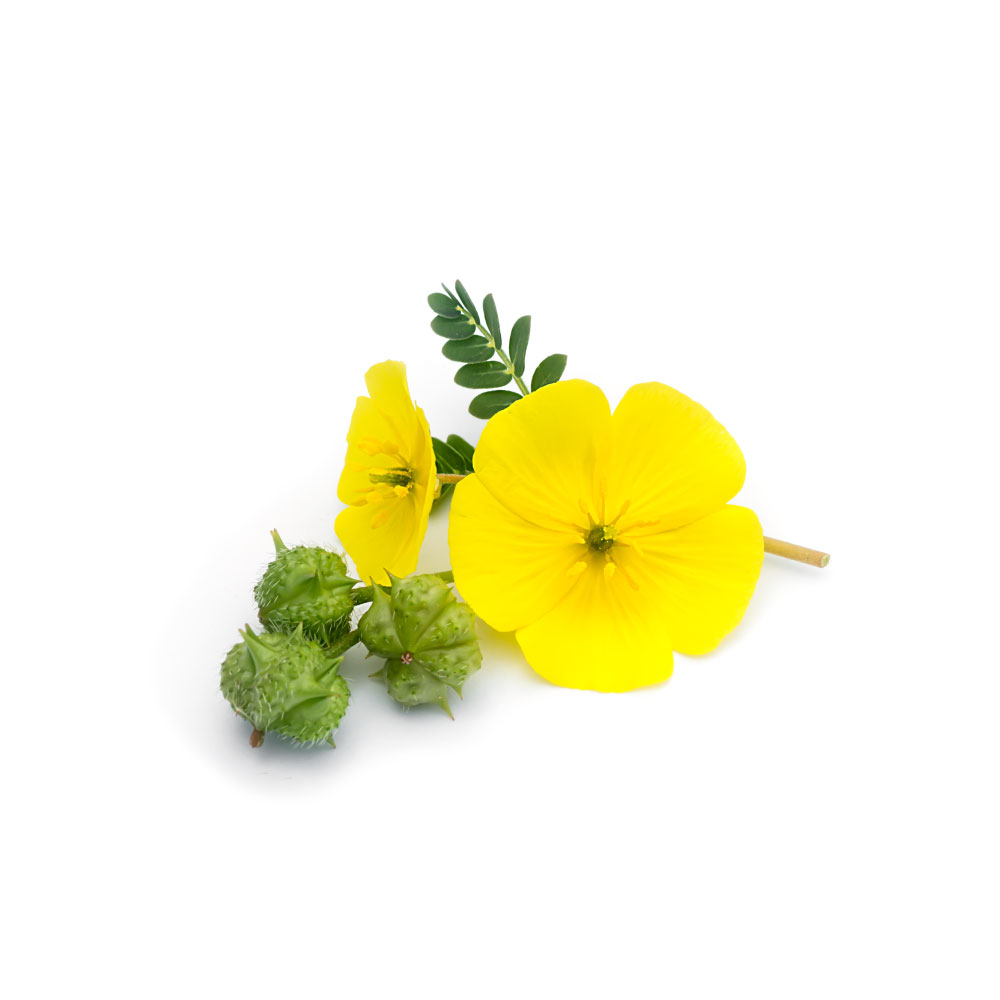 PotentPotentTribulusTribulus terrestrisThe best-evidenced aphrodisiac there is, with human trials in both sexes rather than rat copulatory data, and a route that is vascular rather than hormonal.MechanismNO/cGMP-mediated corpus-cavernosum smooth-muscle relaxation; protodioscin furostanol-saponin activity; central steroidal-saponin modulation of sexual behavior (androgen-independent)Read the evidenceShow lessMonograph →
A 2026 systematic review and meta-analysis of eight randomised trials found tribulus beat placebo on the International Index of Erectile Function by about 3.2 points on the IIEF-5, a difference patients notice. It is anchored by a phase IV RCT (n=180, 12 weeks) of the standardised Bulgarian extract Tribestan, 250 mg tablets titrated to furostanol saponins, in mild-to-moderate erectile dysfunction 3,
The female side is independently supported. Five placebo-controlled RCTs (pooled n≈279) behind a 2020 systematic review show FSFI and QS-F gains in pre- and postmenopausal women over one to three months 41Reference 41Systematic reviewTribulus terrestris for female sexual dysfunction — a systematic review — [systematic review]View study →, with consistent individual trials in hypoactive sexual desire disorder 42,
The mechanism is vascular rather than hormonal. Extracts relax cavernosal smooth muscle and raise intracavernous pressure in animals through nitric-oxide/cGMP signalling driven by protodioscin 47,
Trials are short, four to twelve weeks, and mostly of proprietary standardised extracts. A 30-day RCT at 800 mg a day in older men found nothing 49Reference 49RCTTribulus terrestris versus placebo in the treatment of erectile dysfunction — a prospective, randomised, double-blind study — [randomised placebo-controlled trial]View study →, and the female literature comes largely from one Brazilian group with low-certainty ratings — including a clitoral-Doppler study that found symptom improvement without any measurable change in clitoral artery blood flow 46Reference 46RCTEffect of Tribulus terrestris on female sexual dysfunction and clitoral vascularisation — randomised study of two dosage regimes — [randomised trial]View study →.
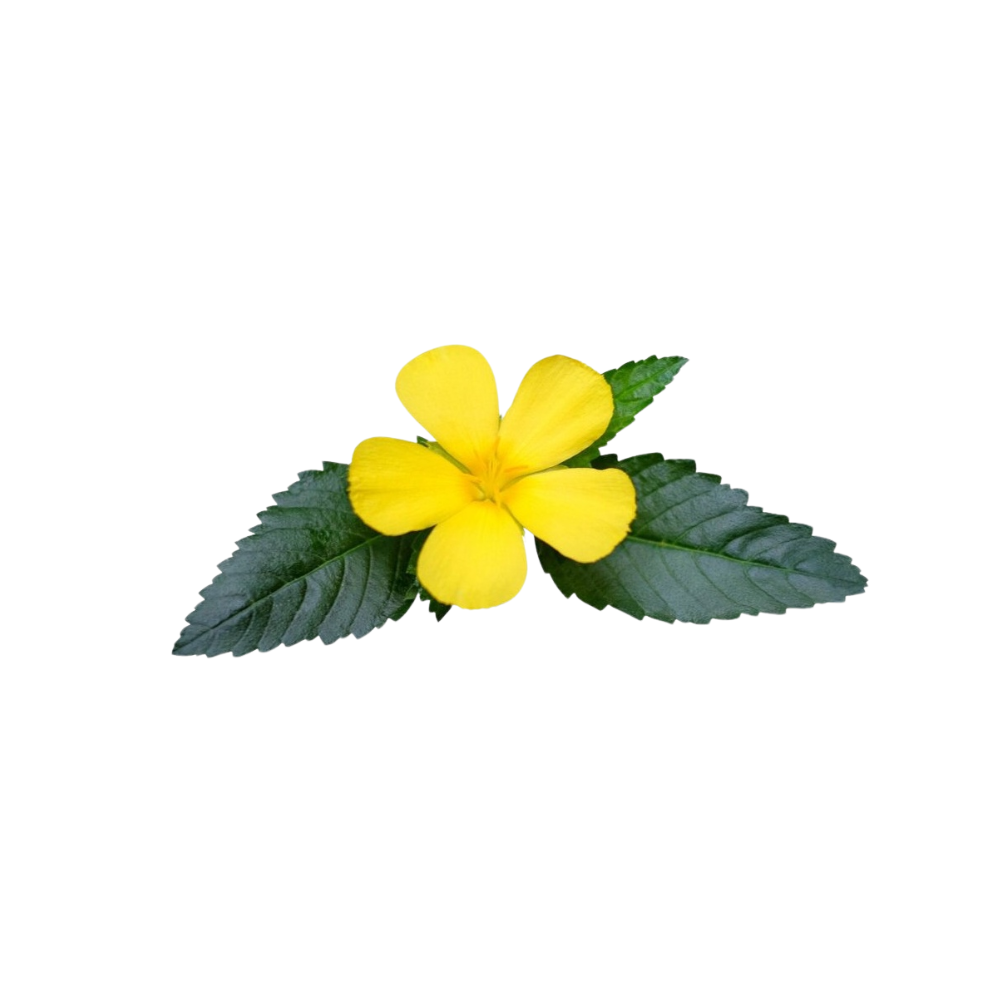 StrongStrongDamianaTurnera diffusaThe Mexican aphrodisiac of long folk record, and the one herb here reaching desire and erection both.MechanismNO/cGMP pathway activation; dopaminergic and noradrenergic tone; corpus cavernosum smooth-muscle relaxationRead the evidenceShow lessMonograph →
A fluid extract improved copulatory performance in sexually sluggish or impotent male rats but not in already-potent ones, and did so without altering locomotion 11Reference 11AnimalStimulating property of Turnera diffusa and Pfaffia paniculata extracts on the sexual behavior of male rats — animal studyView study →.
A chemically characterised aqueous extract at 20–80 mg/kg restored copulation in sexually exhausted rats comparably to yohimbine, with arbutin and flavonoids as the active fraction 12Reference 12Turnera diffusa recovers sexual behavior in sexually exhausted males — animal studyView study →. A follow-up showed the pro-sexual effect was abolished by an NO-synthase inhibitor and mirrored sildenafil, implicating nitric-oxide/cGMP signalling with central noradrenergic, dopaminergic and possibly oxytocinergic contributions 13Reference 13AnimalPro-sexual effects of Turnera diffusa in male rats involves the nitric oxide pathway — animal studyView study →.
There is no controlled human trial of damiana alone for libido or erectile function. The only human sexual-wellbeing data come from observational and withdrawn studies of the multi-herb product Libicare (NCT04124640, NCT04188600).
Marketed damiana sexual-enhancement products are a documented target for undeclared PDE5-inhibitor adulteration 14Reference 14Analytical strategies for identifying PDE5 inhibitors in damiana (Turnera diffusa) productsView study →, so consumer reports of efficacy are not clean evidence for the herb.
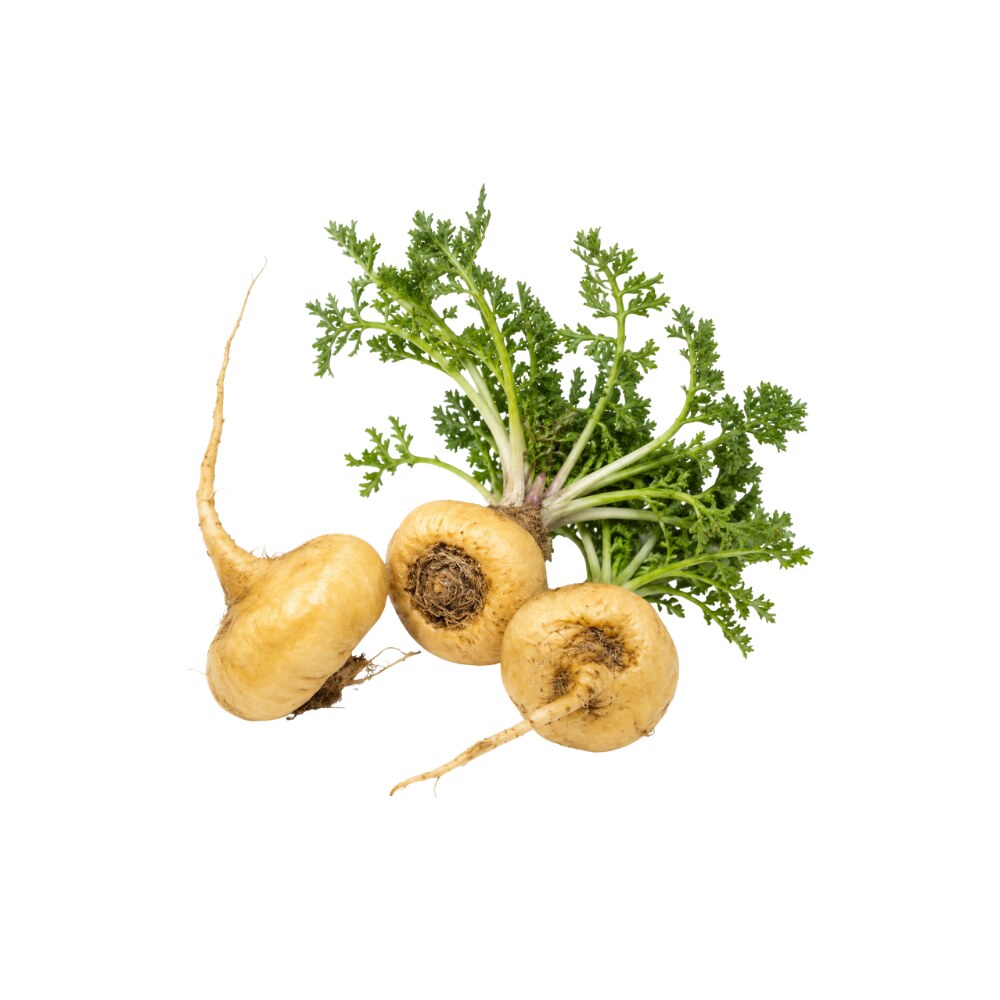 StrongStrongMacaLepidium meyeniiRaises self-reported sexual desire in placebo-controlled trials without moving testosterone, oestradiol, FSH or LH.MechanismL-arginine–NO–cGMP signaling; HPA/HPG-axis modulation (non-hormonal)Read the evidenceShow lessMonograph →
In a 12-week placebo-controlled trial (n=57), gelatinised maca at 1,500–3,000 mg a day raised self-reported sexual desire from week 8, and regression showed the effect was independent of mood and of serum testosterone and estradiol 22Reference 22RCTEffect of Lepidium meyenii (Maca) on sexual desire and its absent relationship with serum testosterone levels in adult healthy men — randomised placebo-controlled trialView study →. A crossover trial in male cyclists reproduced the desire gain against placebo 23Reference 23RCTA pilot investigation into the effect of maca supplementation on physical activity and sexual desire in sportsmen — randomised crossover trialView study →, and the 2010 systematic review pooled four RCTs to “limited but positive” 24Reference 24Systematic reviewMaca (L. meyenii) for improving sexual function: a systematic reviewView study →.
Parallel signals cover mild erectile dysfunction 25,
The effect is attributed to macamide-driven L-arginine–NO–cGMP tone plus HPA/HPG-axis modulation rather than androgen supply. Every trial confirms no change in testosterone, estradiol, FSH or LH 22,
Endpoints are subjective self-report, samples are small, several trials are industry-linked, and network meta-analyses rank maca below sildenafil 29Reference 29RCTA double-blind placebo-controlled trial of maca root as treatment for antidepressant-induced sexual dysfunction in women — randomised controlled trialView study →.
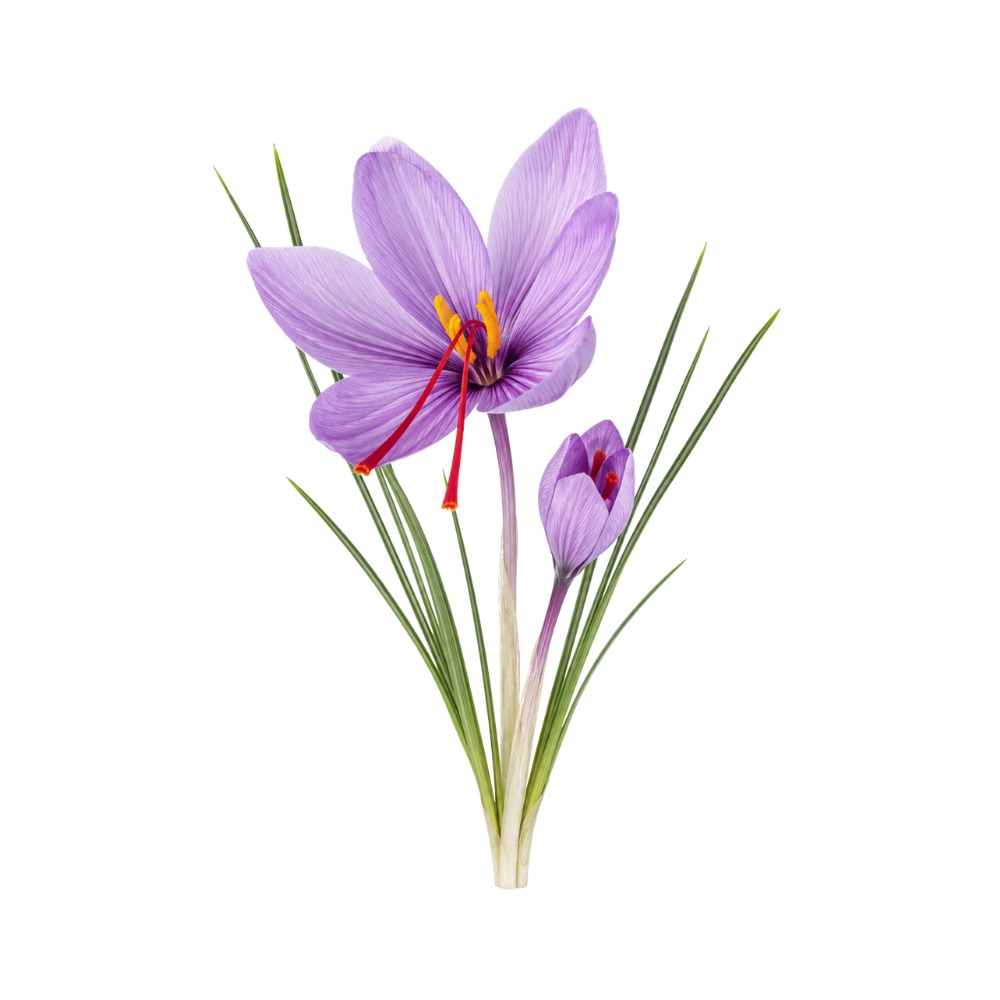 StrongStrongSaffronCrocus sativusReverses antidepressant-induced sexual dysfunction in both men and women across four placebo-controlled trials.Mechanismnot establishedRead the evidenceShow lessMonograph →
In a 4-week placebo-controlled RCT, men stabilised on fluoxetine and given 15 mg twice daily improved significantly in erectile function and intercourse satisfaction 36Reference 36RCTEffect of saffron on fluoxetine-induced sexual impairment in men: randomised double-blind placebo-controlled trialView study →. A parallel trial in women on fluoxetine found 30 mg a day improved total Female Sexual Function Index, arousal, lubrication and pain scores 37Reference 37RCTSaffron for treatment of fluoxetine-induced sexual dysfunction in women: randomised double-blind placebo-controlled studyView study →.
A three-centre RCT reported benefit in female sexual dysfunction more broadly 38Reference 38RCTCrocus sativus (saffron) in the treatment of female sexual dysfunction: a three-center, double-blind, randomised, and placebo-controlled clinical trialView study →, and a topical saffron gel improved erectile function in diabetic men 39Reference 39RCTEffects of a topical saffron (Crocus sativus L.) gel on erectile dysfunction in diabetics: a randomised, parallel-group, double-blind, placebo-controlled trialView study →. The topical result does not carry across to an oral capsule.
What is demonstrated is restoring drug-impaired function rather than raising baseline libido. The trials are four weeks and small, and no mechanism is established.
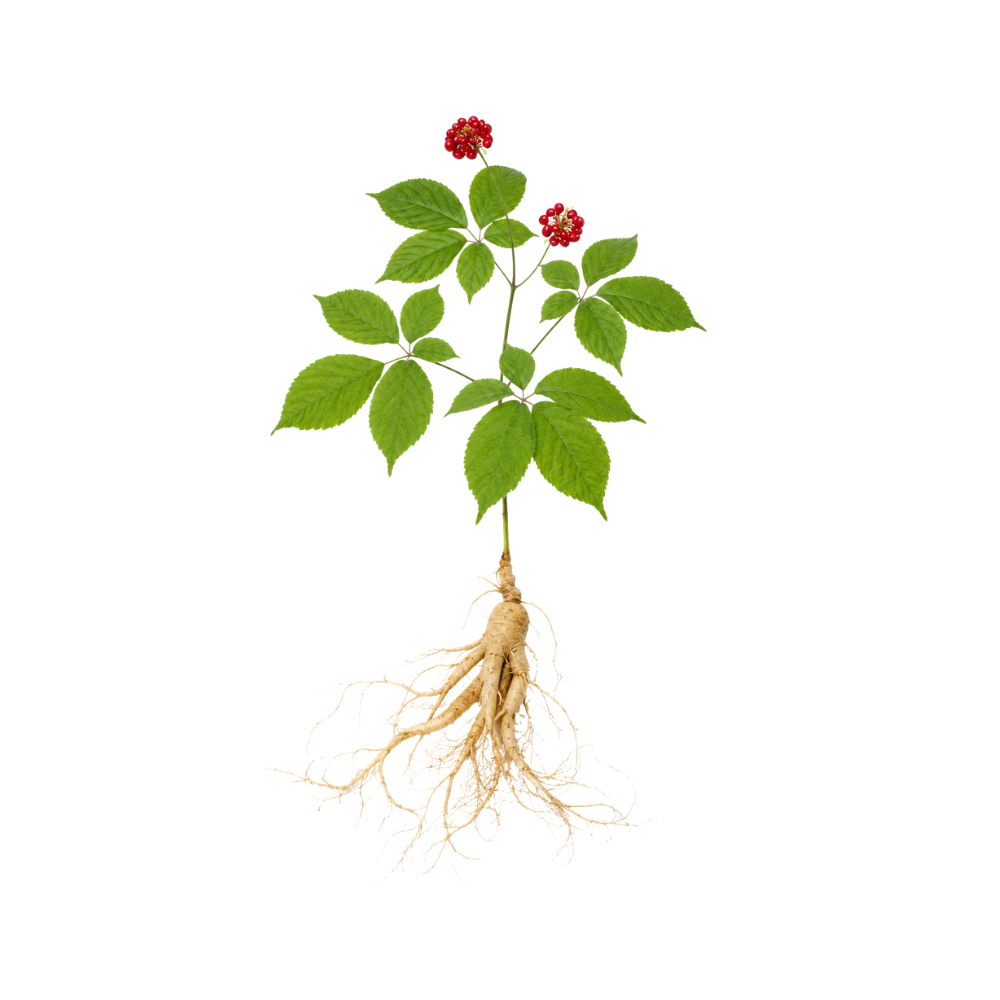 ModerateModerateAsian GinsengPanax ginsengA cross-sex signal: libido as a secondary outcome in the Korean red ginseng erectile trial, and Female Sexual Function Index scores in a postmenopausal RCT.Mechanismnitric-oxide–mediated corpus-cavernosum vasodilation (ginsenoside Rg1); libido effect reported but mechanism not establishedRead the evidenceShow lessMonograph →
Improved libido appeared as a secondary outcome in the Korean Red Ginseng erectile trial 15Reference 15RCTClinical efficacy of Korean red ginseng for erectile dysfunction — randomised controlled trialView study →, and Female Sexual Function Index scores improved in a small postmenopausal RCT 16Reference 16RCTThe effect of ginseng on sexual dysfunction in menopausal women — double-blind randomised controlled trialView study →. That cross-sex signal is what the herb’s vascular work does not capture.
The male erectile evidence underneath it is contested. A 2022 Cochrane review of nine placebo-controlled RCTs found only a trivial effect on IIEF-15 (mean difference 3.52) at low certainty 17Reference 17Systematic reviewGinseng for erectile dysfunction — a Cochrane systematic reviewView study →, an earlier meta-analysis of seven trials reported a significant benefit (RR 2.40) with uniformly low methodological quality 18Reference 18Systematic reviewRed ginseng for treating erectile dysfunction — systematic reviewView study →, and the 1995 trial that seeded the reputation gave 60% efficacy against 30% for placebo or trazodone 15Reference 15RCTClinical efficacy of Korean red ginseng for erectile dysfunction — randomised controlled trialView study →.
The direction is consistent and the magnitude is not.
The rest of the menopause evidence is null — hot flushes unchanged 19Reference 19Systematic reviewGinseng for managing menopausal woman’s health — systematic review of double-blind, randomised, placebo-controlled trialsView study →, objective genitourinary measures unchanged 20Reference 20RCTThe effect of Panax ginseng on genitourinary syndrome in postmenopausal women — randomised, double-blind, placebo-controlled trialView study → — so the FSFI result stands alone and is not evidence of an oestrogenic action.
The best-evidenced mechanism remains vascular, nitric-oxide-mediated cavernosal dilation, and it does not explain the desire signal.
Show 9 more herbs with a mild aphrodisiac action
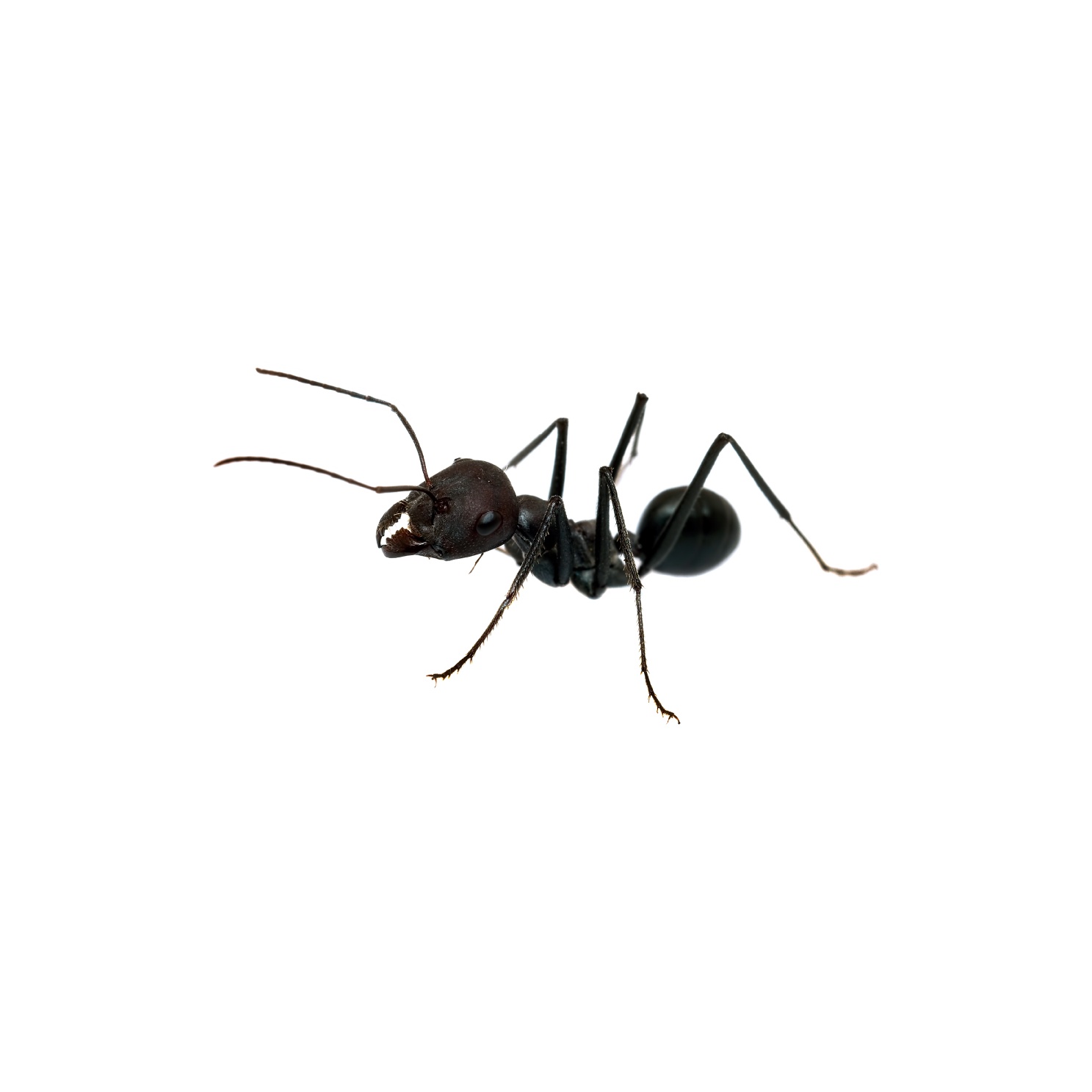 MildMildBlack AntPolyrhachis spp.A Chinese traditional remedy for sexual dysfunction in both men and women, on which no study of any kind exists.Read the evidenceShow lessMonograph →
Chinese practice uses black ant for sexual dysfunction in men and women alike, and its commercial identity is built entirely on that use.
No sexual-function study exists in any population — no libido endpoint, no erectile endpoint, and no hormone measurement.
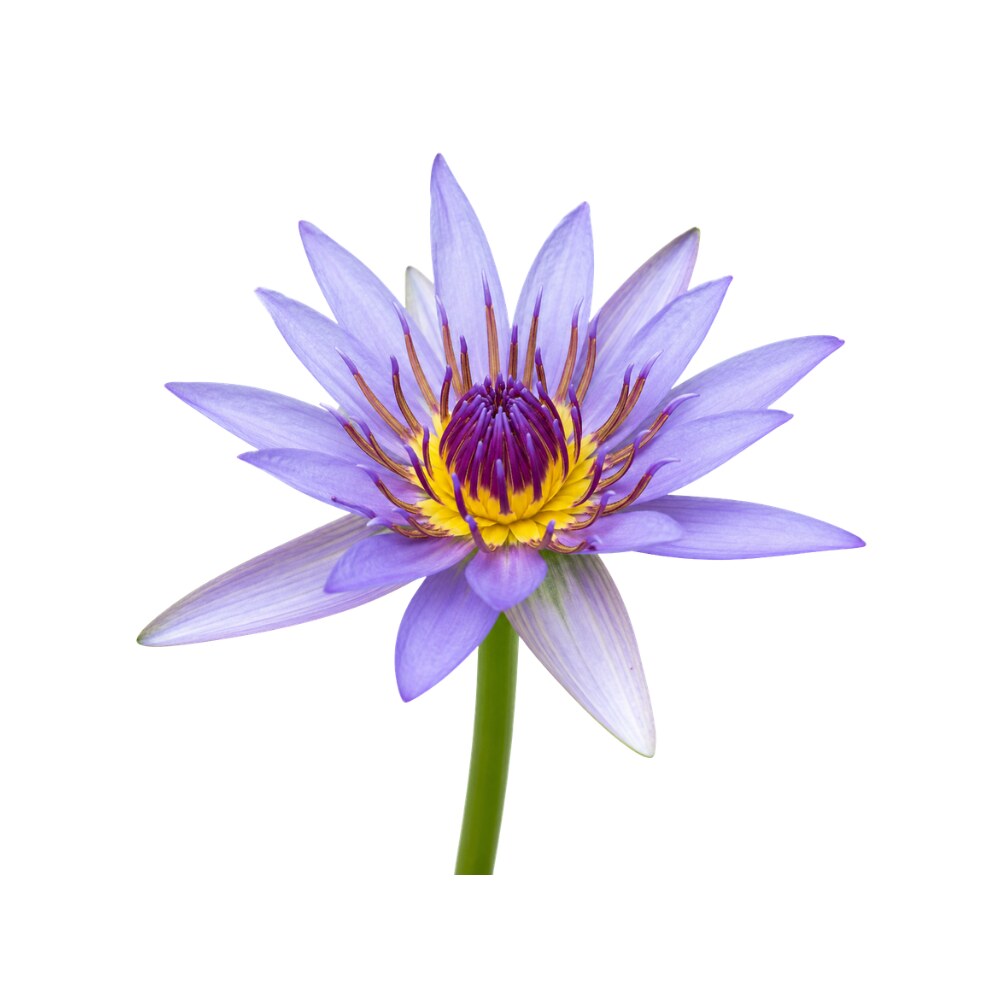 MildMildBlue Lotus FlowerNymphaea caeruleaThe aphrodisiac flower of ancient Egypt, carrying an aporphine alkaloid closely related to apomorphine.Read the evidenceShow lessMonograph →
The flowers were steeped in wine and drunk in social and ceremonial settings across ancient Egypt, valued as a relaxant and an aphrodisiac, and the reputation has been continuous since.
Aporphine is the parent compound of the Nymphaea alkaloids and is closely related to apomorphine, a dopamine-receptor agonist once used for erectile dysfunction, which is the most likely basis for the traditional claim.
The pharmacology usually cited for the plant is about apomorphine the drug rather than the flower, and the PDE5 and arginase screen that gets quoted found activity in other Nymphaea species. Nothing has measured N. caerulea against a sexual endpoint.
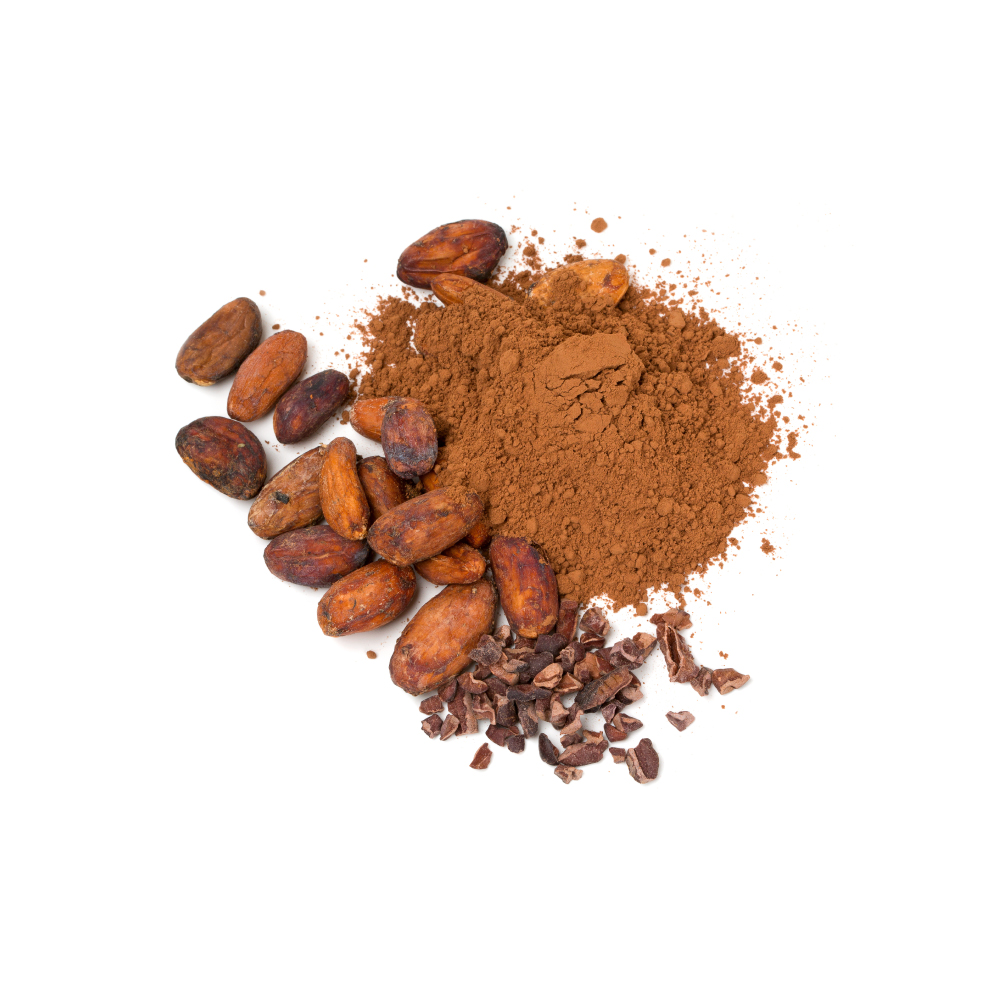 MildMildCacaoTheobroma cacaoHalf of chocolatyl, the Mesoamerican drink taken for sexual vigour, and the tradition is the whole of the claim.Read the evidenceShow lessMonograph →
Cacao was drunk as chocolatyl in Mesoamerica for at least three thousand years, as a stimulant and an aphrodisiac, usually alongside vanilla.
No study has tested it against a sexual endpoint. Its mood data are small and mixed and are not a sexual-function measure.
Cacao’s evidenced work is vascular: flavanol-driven vasodilator activity, which is at least the right general direction.
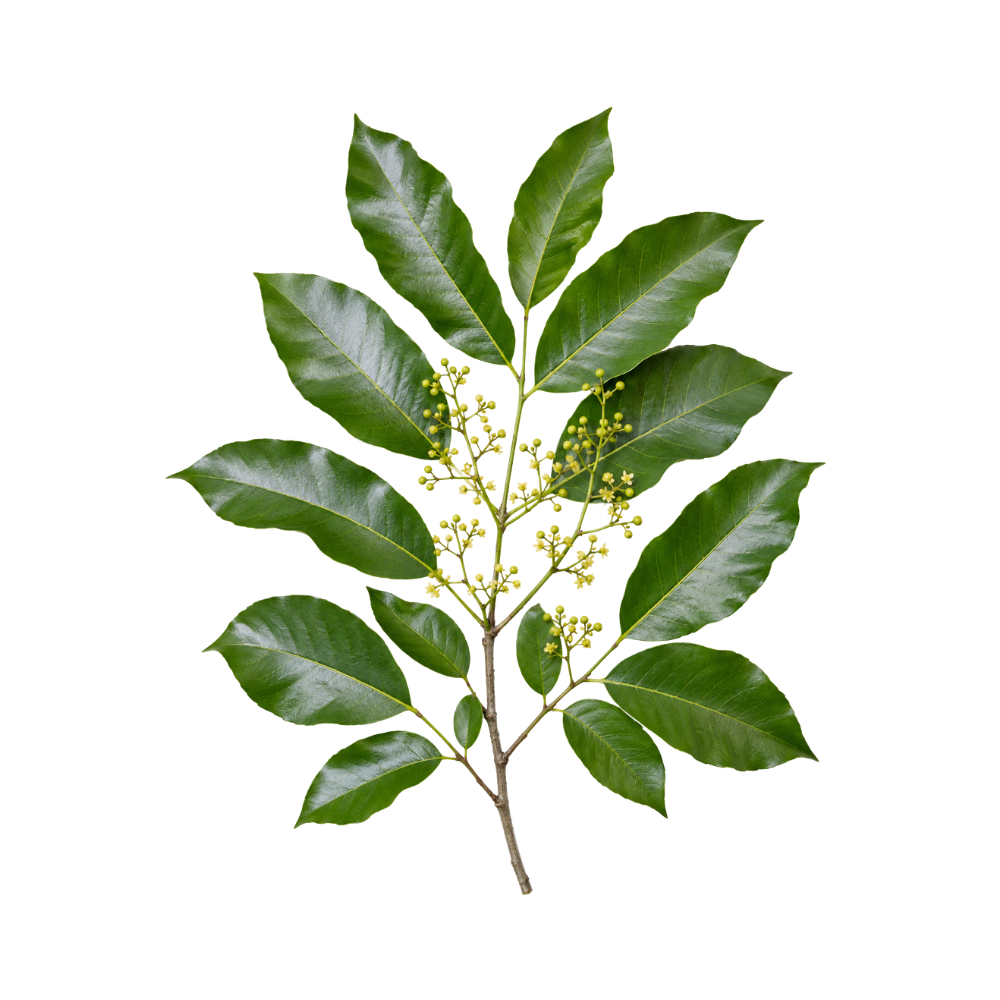 MildMildCatuabaTrichilia catiguaThe most famous aphrodisiac bark of Brazilian practice, and the herb's oldest recorded use.Read the evidenceShow lessMonograph →
The Brazilian use is long-standing and it is the bark’s headline claim.
The single mechanistic experiment used Catuama, a four-herb product combining T. catigua with guaraná and muira puama, so nothing isolates catuaba’s own contribution 31Reference 31In vitroThe relaxation of isolated rabbit corpus cavernosum by the herbal medicine Catuama and its constituents — in vitro studyView study →. That same four-herb study is why it is not counted as a vasodilator.
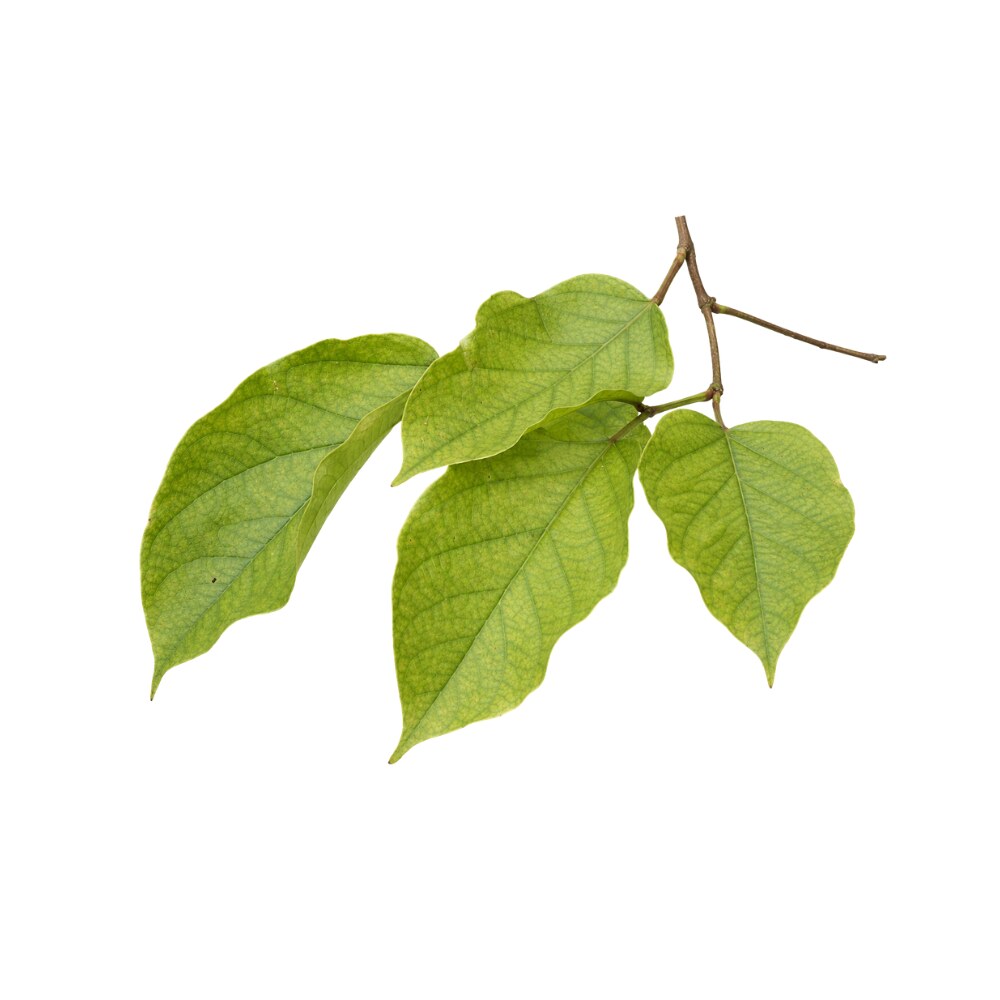 MildMildClavo HuascaTynanthus panurensisA mainstay sexual-potency vine of Amazonian practice, with one mouse study on a different Tynanthus species behind it.Mechanismnot established — proposed corpus-cavernosum smooth-muscle relaxation; eugenol-mediated vasodilation (congener species only)Read the evidenceShow lessMonograph →
The Shipibo-Conibo, Kayapó and Assurini used the vine for erectile dysfunction, impotence and weak erections, and it remains a mainstay sexual-potency herb in modern Peruvian practice for both men and women 8,
The only controlled data is a mouse study on a different species: T. micranthus increased mounting attempts in male mice, dose-dependently, peaking three hours after treatment 10Reference 10AnimalAphrodisiac properties of Tynanthus micranthus Corr. & Mello exView study →.
The proposed mechanism is doubly speculative. The authors suggest eugenol’s vasodilating and smooth-muscle-relaxant activity, and suggest neurotransmitter-mediated relaxation of corpus cavernosum smooth muscle, by analogy to other eugenol-bearing aphrodisiacs such as clove and nutmeg 10Reference 10AnimalAphrodisiac properties of Tynanthus micranthus Corr. & Mello exView study →.
No quantitative eugenol figure has ever been reported for this vine.
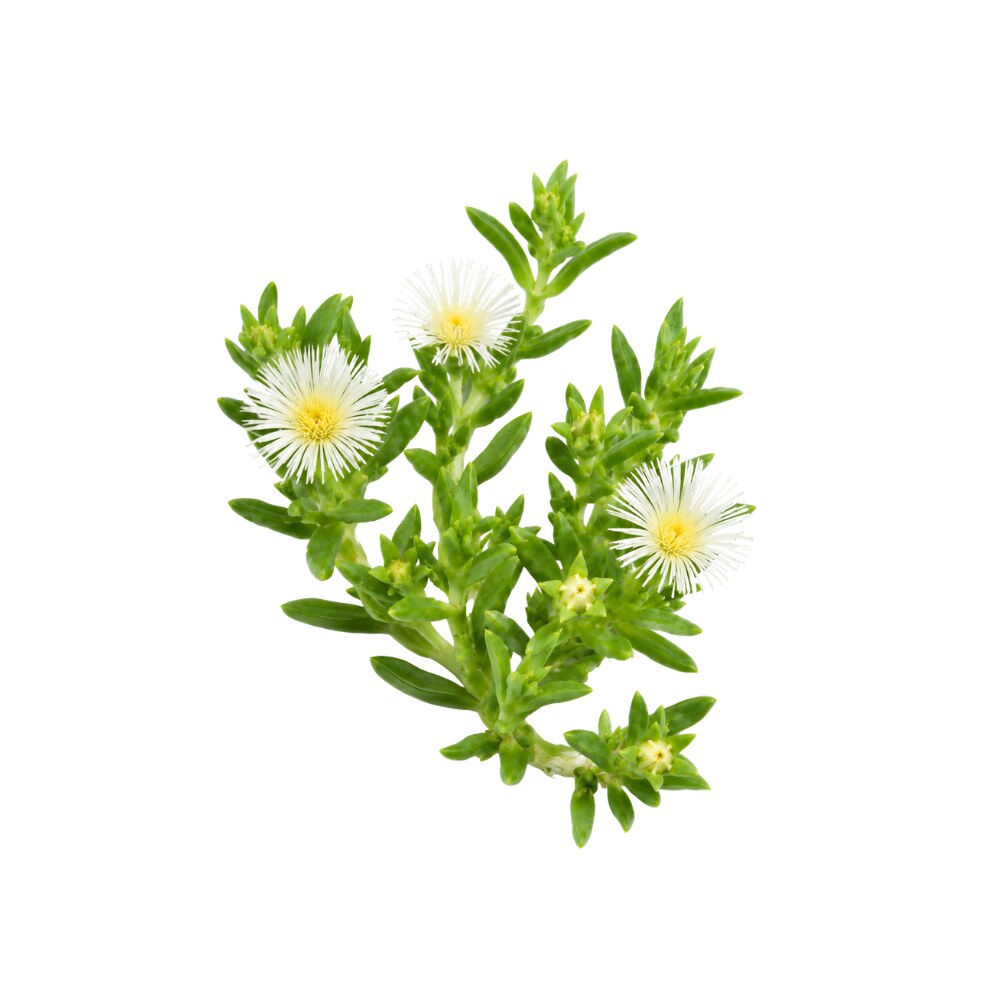 MildMildKannaSceletium tortuosumPDE4 inhibition raises cAMP and widens blood vessels, which is the whole of the case for it here.MechanismPDE4 inhibition → cAMP ↑ → smooth-muscle relaxation / vasodilationRead the evidenceShow lessMonograph →
PDE4 inhibition raises cAMP, relaxing and widening blood vessels, which is offered as the basis for improved blood flow and erectile function 21Reference 21In vitroPharmacological actions of the South African medicinal and functional food plant Sceletium tortuosum and its principal alkaloids — in vitro receptor/enzyme studyView study →. It is framed as the same spirit as sildenafil and tadalafil, which act on the related enzyme PDE5.
PDE5, not PDE4, is the isoform that governs corpus-cavernosum tone, so the analogy is structural rather than equivalent. There is no human erectile or libido endpoint of any kind.
The same vasodilation is the reason kanna is not stacked with erectile-dysfunction drugs, on prolonged-erection risk, or with antihypertensives.
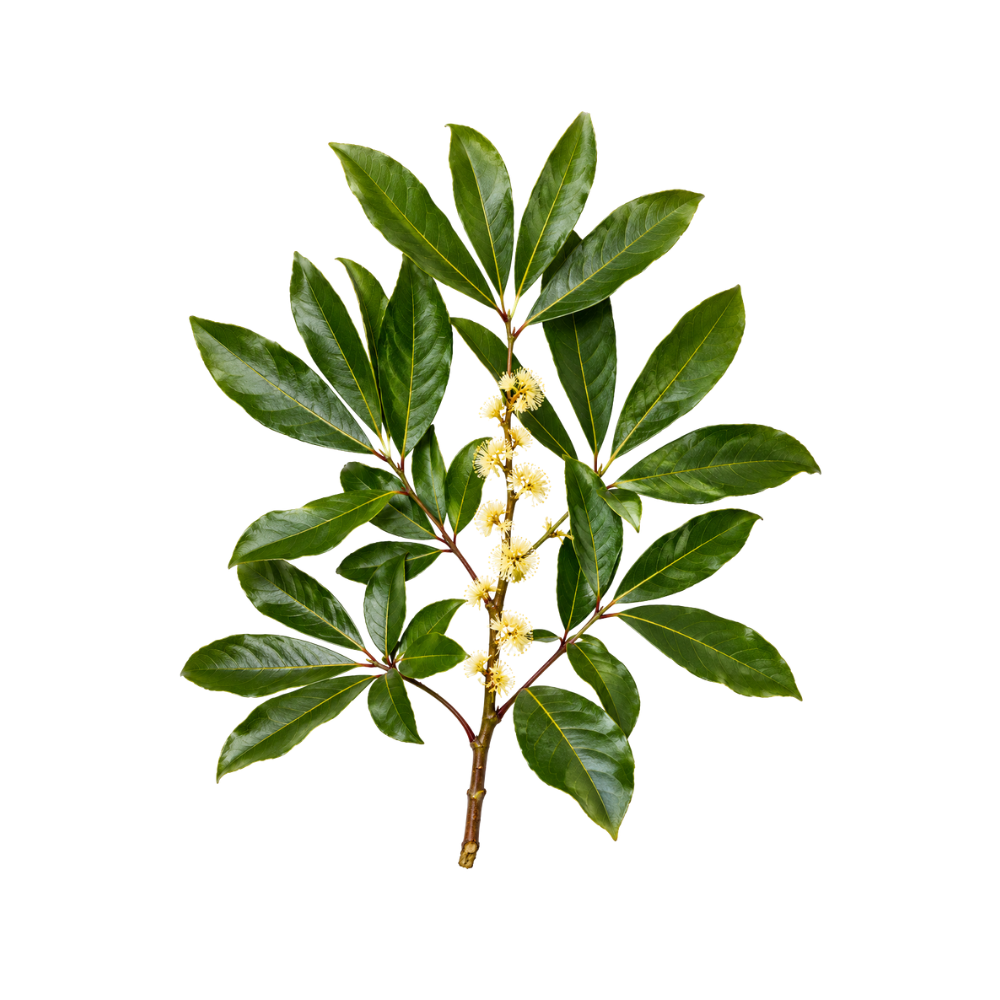 MildMildMuira PuamaPtychopetalum olacoidesPau-homem, potency wood, is the Amazonian sexual tonic; every human dataset behind it is a combination product.Mechanismcorpus cavernosum smooth-muscle relaxation (NO–cGMP)Read the evidenceShow lessMonograph →
The only direct study injected a P. olacoides extract into isolated rabbit corpus cavernosum and saw dose-dependent smooth-muscle relaxation, in vitro and within the multi-herb Catuama formula 31Reference 31In vitroThe relaxation of isolated rabbit corpus cavernosum by the herbal medicine Catuama and its constituents — in vitro studyView study →.
Every human dataset is a combination product. The “Herbal vX” libido study is muira puama plus ginkgo 32Reference 32Clinical trialEffects of Herbal vX on libido and sexual activity in premenopausal and postmenopausal women — open-label clinical study (combination product)View study →, Revactin adds guaraná, ginger and L-citrulline 33Reference 33Clinical trialSafety and efficacy of daily Revactin in men with erectile dysfunction: a 3-month pilot study — uncontrolled clinical trial (combination product)View study →, and the NO–cGMP penile-cell mechanism is documented for the COMP-4 blend rather than for the herb 34,
No study isolates muira puama’s own contribution.
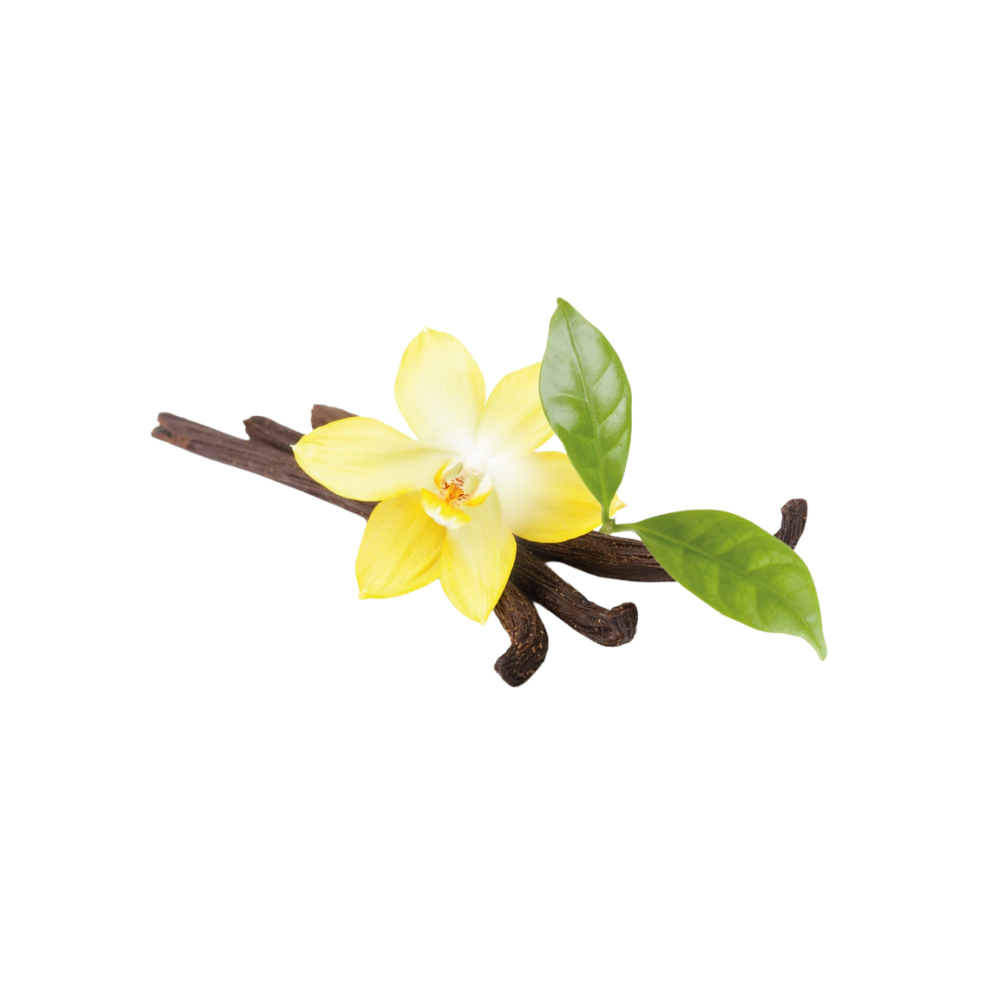 MildMildVanillaVanilla planifoliaThe other half of chocolatyl, the Aztec drink taken for sexual vigour, and the plant's entire traditional identity.Read the evidenceShow lessMonograph →
Vanilla pods were mixed with cacao and other herbs into chocolatyl, drunk in ceremony and in daily life to promote sexual vigour and stamina. Moctezuma was reported to drink as many as fifty cups a day.
The reputation belonged to the drink rather than to any single ingredient in it, and nothing in the historical record separates vanilla’s contribution from its partners’.
No study, no animal model and not even a constituent-level inference has ever tested it.
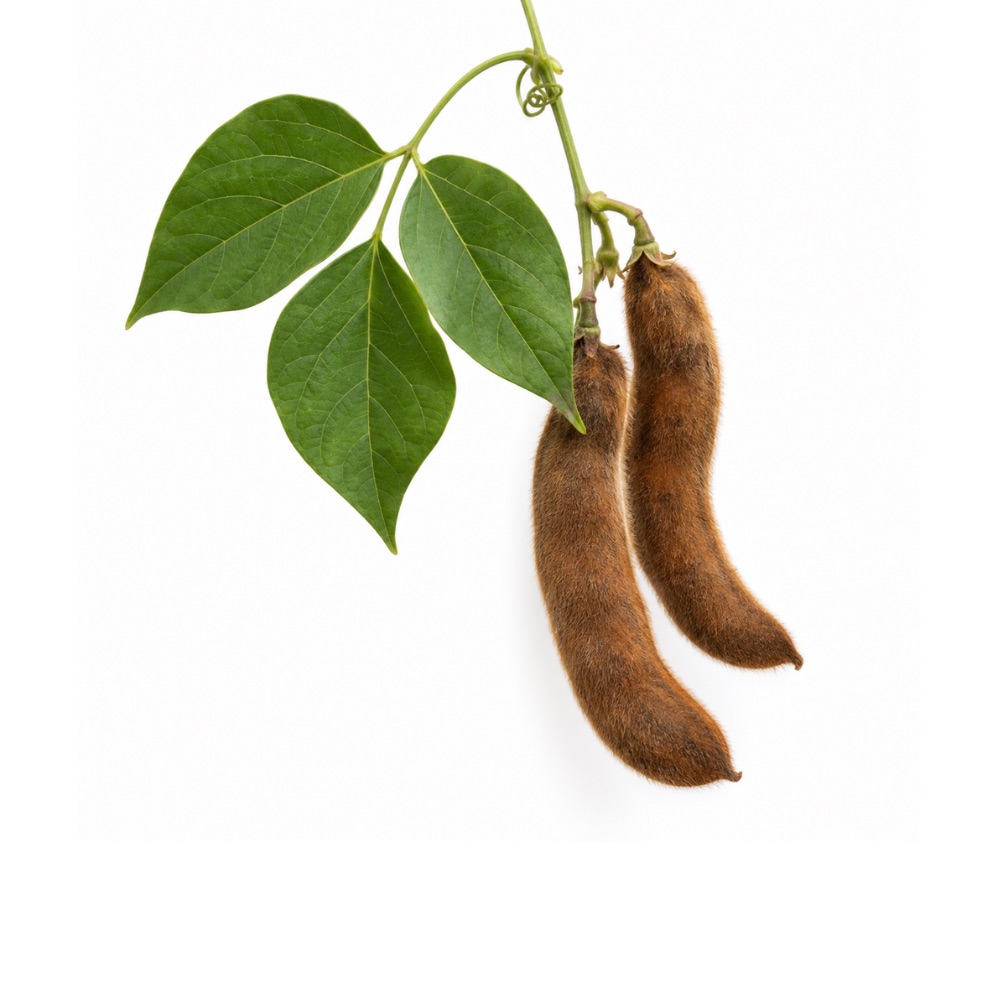 MildMildVelvet BeanMucuna pruriensThe vajikarana bean of Ayurveda, and a natural source of L-DOPA, with no sexual-function endpoint ever measured.Read the evidenceShow less
Mucuna’s seeds are a natural source of L-DOPA, and dopamine is central to sexual motivation — it is why dopamine agonists used in Parkinson’s disease carry hypersexuality as a documented side effect, and why apomorphine was developed for erectile dysfunction.
That gives the Ayurvedic vajikarana use an unusually strong pharmacological prior, and no sexual-function endpoint has ever been measured for the bean.
The L-DOPA content is also the interaction to know: Parkinson’s medication, antidepressants and MAOIs.
No herbs match these filters.
Safety
- Sexual-enhancement supplements are among the most adulterated products on the market, routinely spiked with undeclared PDE-5 inhibitors.
- An undeclared PDE-5 inhibitor is a real nitrate interaction hidden inside something sold as a herb, and that combination has killed people.
- Buy from suppliers who test, and treat any product with a dramatic, drug-like effect as suspect until you know why.
- The nitric-oxide herbs stack with nitrates and with PDE-5 inhibitors generally, where the combination can drop blood pressure sharply.
- Androgen framing does not carry across this group — the best-evidenced herbs here do not raise testosterone, and products claiming otherwise are claiming something the evidence does not support.
- Erectile dysfunction is frequently the first sign of cardiovascular disease or diabetes.
- Lost libido can be thyroid disease, depression or a medication side effect, all of them treatable and all of them reasons to see a doctor first.
References
- Adaikan PG, Gauthaman K, Prasad RN, Ng SC (2000). Proerectile pharmacological effects of Tribulus terrestris extract on the rabbit corpus cavernosum — [animal model]. Annals of the Academy of Medicine, Singapore. https://pubmed.ncbi.nlm.nih.gov/10748960/
- Korokin M, Gudyrev O, Gureev V, et al. (2019). Studies to elucidate the effects of furostanol glycosides from Dioscorea deltoidea cell culture in a rat model of endothelial dysfunction — [animal model]. Molecules. https://pubmed.ncbi.nlm.nih.gov/31906178/
- Suharyani S, Amanda B, Angellee J, William W, Hariyanto TI, I’tishom R (2026). Tribulus terrestris for management of patients with erectile dysfunction — [systematic review and meta-analysis]. International Journal of Impotence Research. https://pubmed.ncbi.nlm.nih.gov/40360723/
- Neychev V, Mitev V (2016). Pro-sexual and androgen enhancing effects of Tribulus terrestris L.: fact or fiction — [review]. Journal of Ethnopharmacology. https://pubmed.ncbi.nlm.nih.gov/26727646/
- Qureshi A, Naughton DP, Petroczi A (2014). A systematic review on the herbal extract Tribulus terrestris and the roots of its putative aphrodisiac and performance enhancing effect — [systematic review]. Journal of Dietary Supplements. https://pubmed.ncbi.nlm.nih.gov/24559105/
- Zhang X, Guo Z, Li J, Ito Y, Sun W (2016). A new quantitation method of protodioscin by HPLC-ESI-MS/MS in rat plasma and its application to the pharmacokinetic study — [animal model]. Steroids. https://pubmed.ncbi.nlm.nih.gov/26703445/
- Wang T, Liu Z, Li J, Zhong M, Li J, Chen X, Bi K (2007). Determination of protodioscin in rat plasma by liquid chromatography-tandem mass spectrometry — [animal model]. Journal of Chromatography B. https://pubmed.ncbi.nlm.nih.gov/17251071/
- Morales, L., Acero, N., Galán, A., Perez-García, C., Alguacil, L. F., & Muñoz-Mingarro, D. (2011). Bioactive properties of Tynanthus panurensis (Bureau) Sanwith bark extract, the Amazonian “clavo huasca” — in vitro and in vivo (rat carrageenan oedema) study. Journal of Medicinal Food, 14(9), 939–943. https://pubmed.ncbi.nlm.nih.gov/21488753/
- Taylor, L. (2005). The healing power of rainforest herbs: A guide to understanding and using herbal medicinals. Garden City Park, NY: Square One Publishers.
- Cansian, F. C., Merino, F. J. Z., Amaral, V. L. L., Salvador, R. A., Campos, P. M., Montrucchio, D. P., Miguel, O. G., & Miguel, M. D. (2014). Aphrodisiac properties of Tynanthus micranthus Corr. & Mello ex. Schum in male mice — animal model (related species). African Journal of Pharmacy and Pharmacology, 8(47), 1200–1204. https://academicjournals.org/journal/AJPP/article-abstract/8D7123B49229
- Arletti, R., Benelli, A., Cavazzuti, E., et al. (1999). Stimulating property of Turnera diffusa and Pfaffia paniculata extracts on the sexual behavior of male rats — animal study. Psychopharmacology (Berl). https://pubmed.ncbi.nlm.nih.gov/10227074/
- Estrada-Reyes, R., et al. (2009). Turnera diffusa recovers sexual behavior in sexually exhausted males — animal study. J Ethnopharmacol. https://pubmed.ncbi.nlm.nih.gov/19501274/
- Estrada-Reyes, R., et al. (2013). Pro-sexual effects of Turnera diffusa in male rats involves the nitric oxide pathway — animal study. J Ethnopharmacol. https://pubmed.ncbi.nlm.nih.gov/23298455/
- Jiménez-Amezcua, I., et al. (2026). Analytical strategies for identifying PDE5 inhibitors in damiana (Turnera diffusa) products. J Chromatogr A. https://pubmed.ncbi.nlm.nih.gov/42361690/
- Choi, H. K., Seong, D. H., & Rha, K. H. (1995). Clinical efficacy of Korean red ginseng for erectile dysfunction — randomised controlled trial. Int J Impot Res. https://pubmed.ncbi.nlm.nih.gov/8750052/
- Ghorbani, Z., et al. (2019). The effect of ginseng on sexual dysfunction in menopausal women — double-blind randomised controlled trial. Complement Ther Med. https://pubmed.ncbi.nlm.nih.gov/31331583/
- Lee, H. W., et al. (2022). Ginseng for erectile dysfunction — a Cochrane systematic review. World J Mens Health. https://pubmed.ncbi.nlm.nih.gov/34169686/
- Jang, D. J., Lee, M. S., Shin, B. C., et al. (2008). Red ginseng for treating erectile dysfunction — systematic review. Br J Clin Pharmacol. https://pubmed.ncbi.nlm.nih.gov/18754850/
- Lee, H. W., Choi, J., Lee, Y., et al. (2016). Ginseng for managing menopausal woman’s health — systematic review of double-blind, randomised, placebo-controlled trials. Medicine (Baltimore). https://pubmed.ncbi.nlm.nih.gov/27661038/
- Ghorbani, Z., Mirghafourvand, M., Farshbaf Khalili, A., et al. (2021). The effect of Panax ginseng on genitourinary syndrome in postmenopausal women — randomised, double-blind, placebo-controlled trial. Complement Med Res. https://pubmed.ncbi.nlm.nih.gov/33730722/
- Harvey, A. L., Young, L. C., Viljoen, A. M., & Gericke, N. P. (2011). Pharmacological actions of the South African medicinal and functional food plant Sceletium tortuosum and its principal alkaloids — in vitro receptor/enzyme study. Journal of Ethnopharmacology. https://pubmed.ncbi.nlm.nih.gov/21798331/
- Gonzales, G. F., et al. (2002). Effect of Lepidium meyenii (Maca) on sexual desire and its absent relationship with serum testosterone levels in adult healthy men — randomised placebo-controlled trial. Andrologia. https://pubmed.ncbi.nlm.nih.gov/12472620/
- Stone, M., et al. (2009). A pilot investigation into the effect of maca supplementation on physical activity and sexual desire in sportsmen — randomised crossover trial. J Ethnopharmacol. https://pubmed.ncbi.nlm.nih.gov/19781622/
- Shin, B. C., et al. (2010). Maca (L. meyenii) for improving sexual function: a systematic review. BMC Complement Altern Med. https://pubmed.ncbi.nlm.nih.gov/20691074/
- Zenico, T., et al. (2009). Subjective effects of Lepidium meyenii (Maca) extract on well-being and sexual performance in patients with mild erectile dysfunction — randomised double-blind clinical trial. Andrologia. https://pubmed.ncbi.nlm.nih.gov/19260845/
- Shin, D., et al. (2023). Efficacy and safety of Maca (Lepidium meyenii) in patients with symptoms of late-onset hypogonadism — randomised placebo-controlled trial. World J Mens Health. https://pubmed.ncbi.nlm.nih.gov/36593713/
- Ho, C. Y., et al. (2025). Herbal dietary supplements for erectile dysfunction: a systematic review and meta-analysis of randomised controlled trials. J Tradit Complement Med. https://pubmed.ncbi.nlm.nih.gov/41696741/
- Dording, C. M., et al. (2008). A double-blind, randomised, pilot dose-finding study of maca root (L. meyenii) for the management of SSRI-induced sexual dysfunction. CNS Neurosci Ther. https://pubmed.ncbi.nlm.nih.gov/18801111/
- Dording, C. M., et al. (2015). A double-blind placebo-controlled trial of maca root as treatment for antidepressant-induced sexual dysfunction in women — randomised controlled trial. Evid Based Complement Alternat Med. https://pubmed.ncbi.nlm.nih.gov/25954318/
- Brooks, N. A., et al. (2008). Beneficial effects of Lepidium meyenii (Maca) on psychological symptoms and measures of sexual dysfunction in postmenopausal women are not related to oestrogen or androgen content — randomised controlled trial. Menopause. https://pubmed.ncbi.nlm.nih.gov/18784609/
- Antunes, E., Gordo, W. M., De Oliveira, J. F., et al. (2001). The relaxation of isolated rabbit corpus cavernosum by the herbal medicine Catuama and its constituents — in vitro study. Phytotherapy Research. https://pubmed.ncbi.nlm.nih.gov/11507734/
- Waynberg, J., & Brewer, S. (2000). Effects of Herbal vX on libido and sexual activity in premenopausal and postmenopausal women — open-label clinical study (combination product). Advances in Therapy. https://pubmed.ncbi.nlm.nih.gov/11186145/
- Nguyen, S., Rajfer, J., & Shaheen, M. (2018). Safety and efficacy of daily Revactin in men with erectile dysfunction: a 3-month pilot study — uncontrolled clinical trial (combination product). Translational Andrology and Urology. https://pubmed.ncbi.nlm.nih.gov/29732286/
- Ferrini, M. G., Garcia, E., Abraham, A., et al. (2018). Effect of ginger, Paullinia cupana, muira puama and L-citrulline on the inducible nitric oxide–NO–cGMP pathway in rat penile smooth muscle cells — in vitro study. Nitric Oxide. https://pubmed.ncbi.nlm.nih.gov/29551532/
- Crisostomo-Wynne, T. C., Hertz, A. M., Ferrini, M. G., et al. (2024). Nutraceutical and low-energy shockwave treatments improved sexual function recovery in a rat pelvic neurovascular injury model — animal study. Sexual Medicine. https://pubmed.ncbi.nlm.nih.gov/39845379/
- Modabbernia, A., et al. (2012). Effect of saffron on fluoxetine-induced sexual impairment in men: randomised double-blind placebo-controlled trial. Psychopharmacology. https://pubmed.ncbi.nlm.nih.gov/22552758/
- Kashani, L., et al. (2013). Saffron for treatment of fluoxetine-induced sexual dysfunction in women: randomised double-blind placebo-controlled study. Human Psychopharmacology. https://pubmed.ncbi.nlm.nih.gov/23280545/
- Kashani L, Aslzadeh S, Shokraee K, et al. (2022). Crocus sativus (saffron) in the treatment of female sexual dysfunction: a three-center, double-blind, randomised, and placebo-controlled clinical trial. Avicenna Journal of Phytomedicine. https://pubmed.ncbi.nlm.nih.gov/36186931/
- Mohammadzadeh-Moghadam, H., et al. (2015). Effects of a topical saffron (Crocus sativus L.) gel on erectile dysfunction in diabetics: a randomised, parallel-group, double-blind, placebo-controlled trial. Journal of Evidence-Based Complementary & Alternative Medicine. https://pubmed.ncbi.nlm.nih.gov/25948674/
- Kamenov Z (2017). Evaluation of the efficacy and safety of Tribulus terrestris in male sexual dysfunction — a prospective, randomised, double-blind, placebo-controlled trial — [randomised placebo-controlled trial]. Maturitas. https://pubmed.ncbi.nlm.nih.gov/28364864/
- Martimbianco ALC (2020). Tribulus terrestris for female sexual dysfunction — a systematic review — [systematic review]. Rev Bras Ginecol Obstet. https://pubmed.ncbi.nlm.nih.gov/32736394/
- Akhtari E (2014). Tribulus terrestris for treatment of sexual dysfunction in women — randomised double-blind placebo-controlled study — [randomised placebo-controlled trial]. Daru. https://pubmed.ncbi.nlm.nih.gov/24773615/
- Vale FBC (2018). Efficacy of Tribulus terrestris for premenopausal women with hypoactive sexual desire disorder — randomised placebo-controlled trial — [randomised placebo-controlled trial]. Gynecol Endocrinol. https://pubmed.ncbi.nlm.nih.gov/29172782/
- de Souza KZ (2016). Efficacy of Tribulus terrestris for hypoactive sexual desire disorder in postmenopausal women — randomised placebo-controlled trial — [randomised placebo-controlled trial]. Menopause. https://pubmed.ncbi.nlm.nih.gov/27760089/
- Postigo S (2016). Assessment of the effects of Tribulus terrestris on sexual function of menopausal women — randomised placebo-controlled trial — [randomised placebo-controlled trial]. Rev Bras Ginecol Obstet. https://pubmed.ncbi.nlm.nih.gov/26902700/
- Vale FBC (2021). Effect of Tribulus terrestris on female sexual dysfunction and clitoral vascularisation — randomised study of two dosage regimes — [randomised trial]. J Sex Marital Ther. https://pubmed.ncbi.nlm.nih.gov/34142638/
- Do J (2013). Effects and mechanism of action of a Tribulus terrestris extract on penile erection — animal model — [animal model]. Korean J Urol. https://pubmed.ncbi.nlm.nih.gov/23526694/
- Gauthaman K (2002). Aphrodisiac properties of Tribulus terrestris extract (protodioscin) in normal and castrated rats — [animal model]. Life Sci. https://pubmed.ncbi.nlm.nih.gov/12127159/
- Santos CA Jr (2014). Tribulus terrestris versus placebo in the treatment of erectile dysfunction — a prospective, randomised, double-blind study — [randomised placebo-controlled trial]. Actas Urol Esp. https://pubmed.ncbi.nlm.nih.gov/24630840/
Keep Exploring