
Compound Monograph
Sabinene
Sabinene is a bicyclic monoterpene hydrocarbon — the peppery, woody-spicy top note of nutmeg, juniper berry and black pepper, and a chemical marker of those oils. Its isolated activity (anti-inflammatory, antifungal) is real but entirely preclinical; the human evidence belongs to the whole spice oils, not the pure molecule.

Sources · 19
Where Does It Come From?
Sabinene is a naturally occurring monoterpene (bicyclic thujane-type hydrocarbon), found in Nutmeg, Juniper, Wormwood and 16 other sources. It is well tolerated orally (low toxicity).
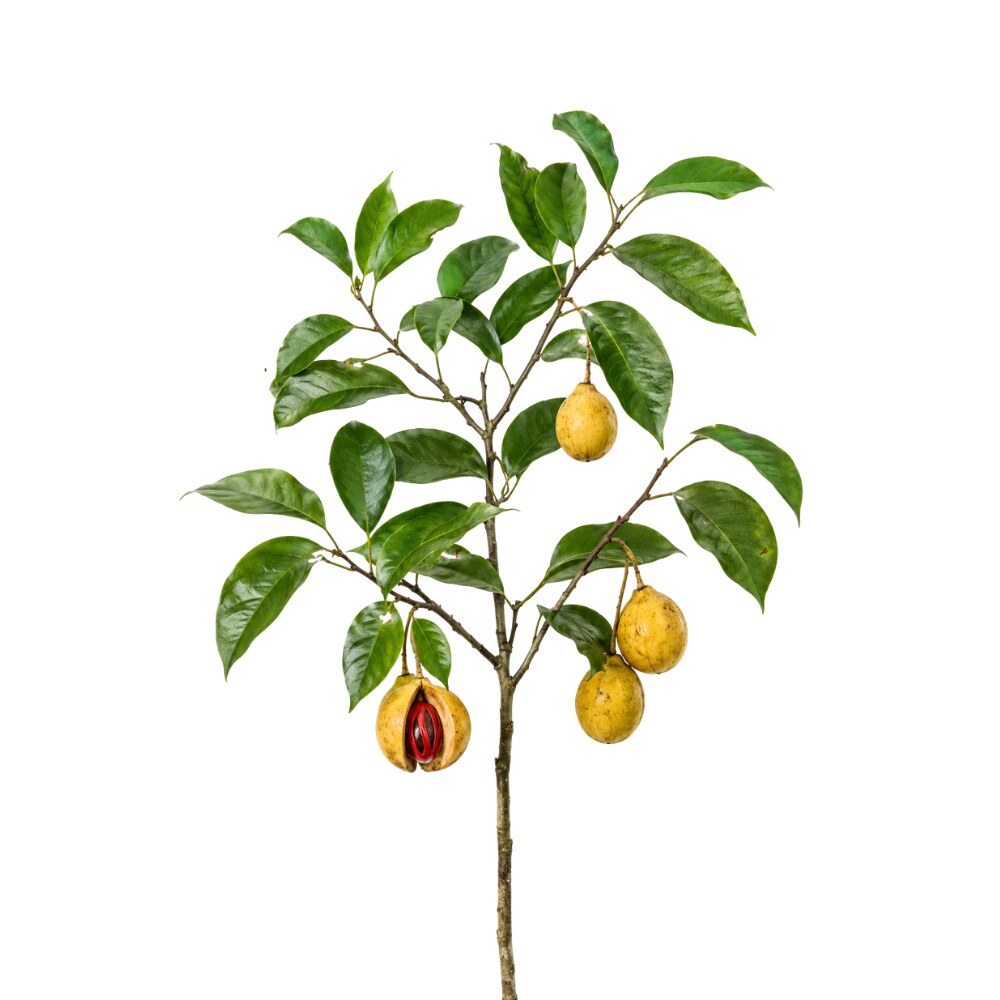 Principal source Nutmeg Myristica fragrans Herb monograph →
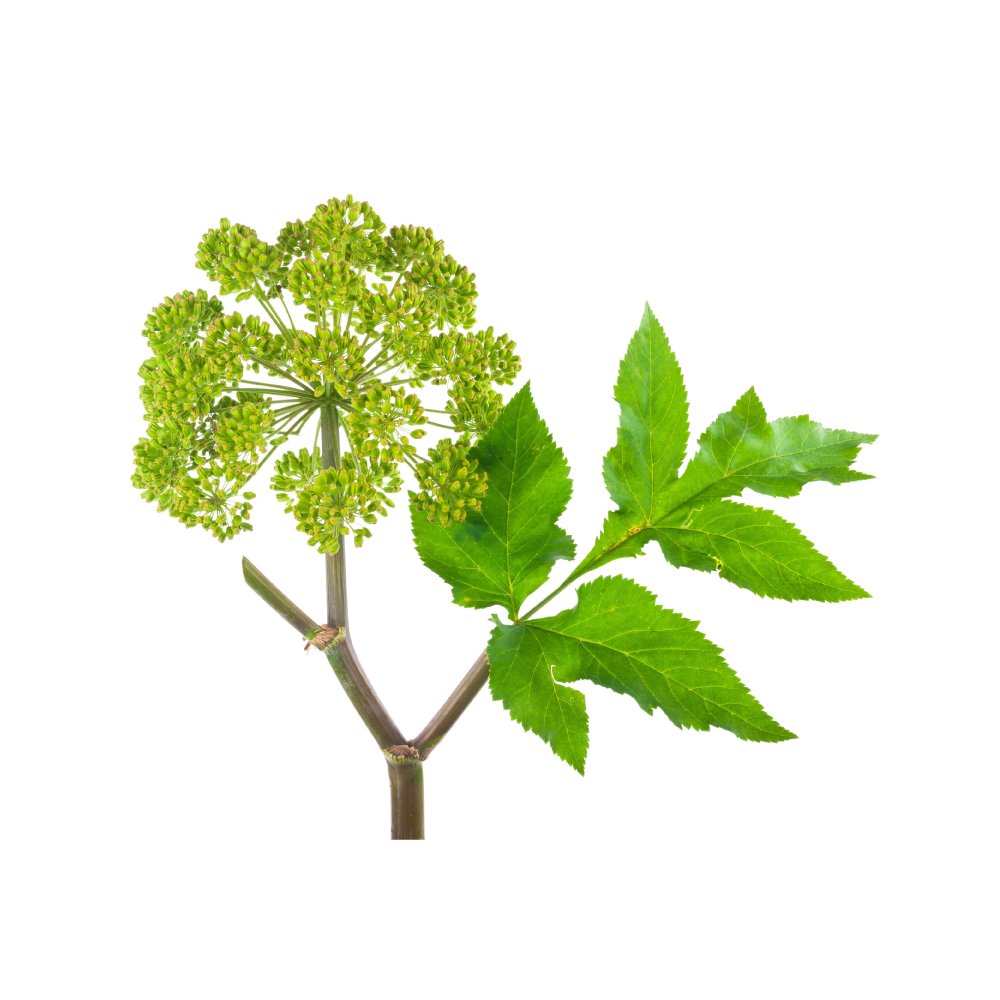 Source Angelica Angelica archangelica Herb monograph →
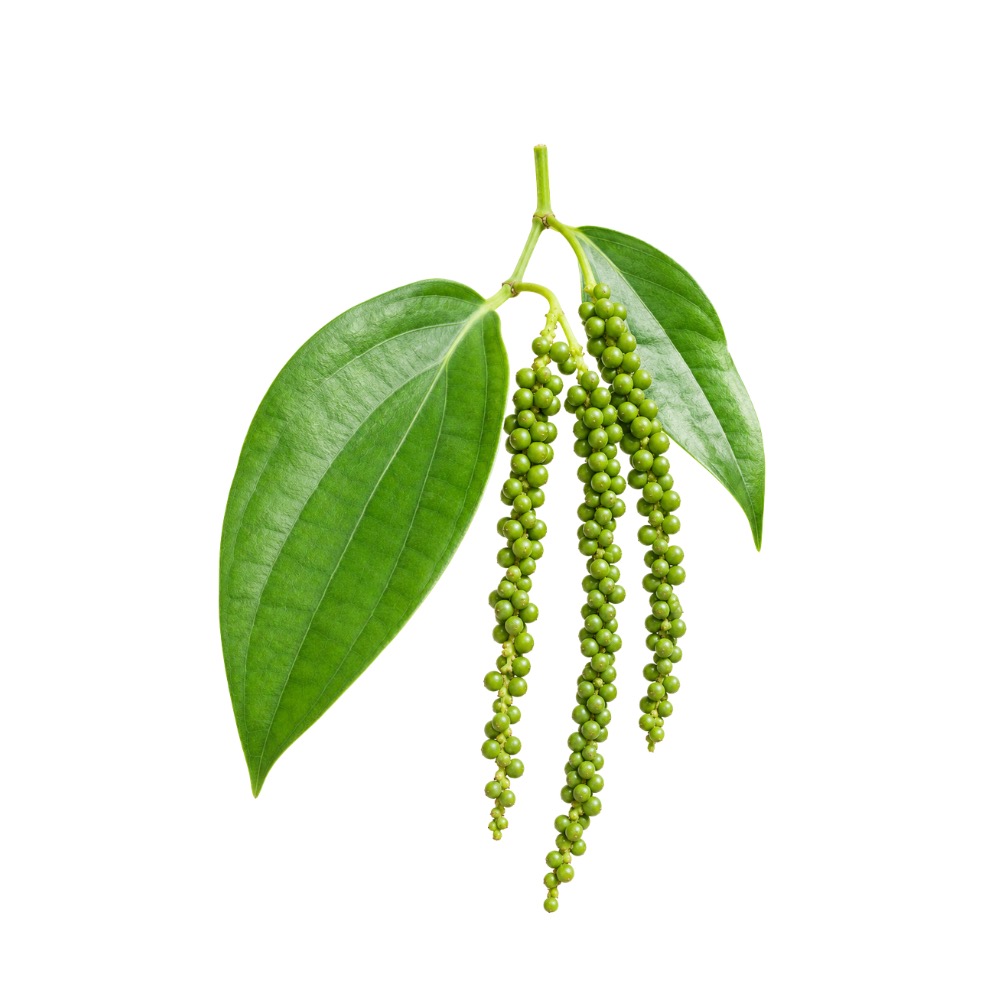 Source Black Pepper Piper nigrum Herb monograph →
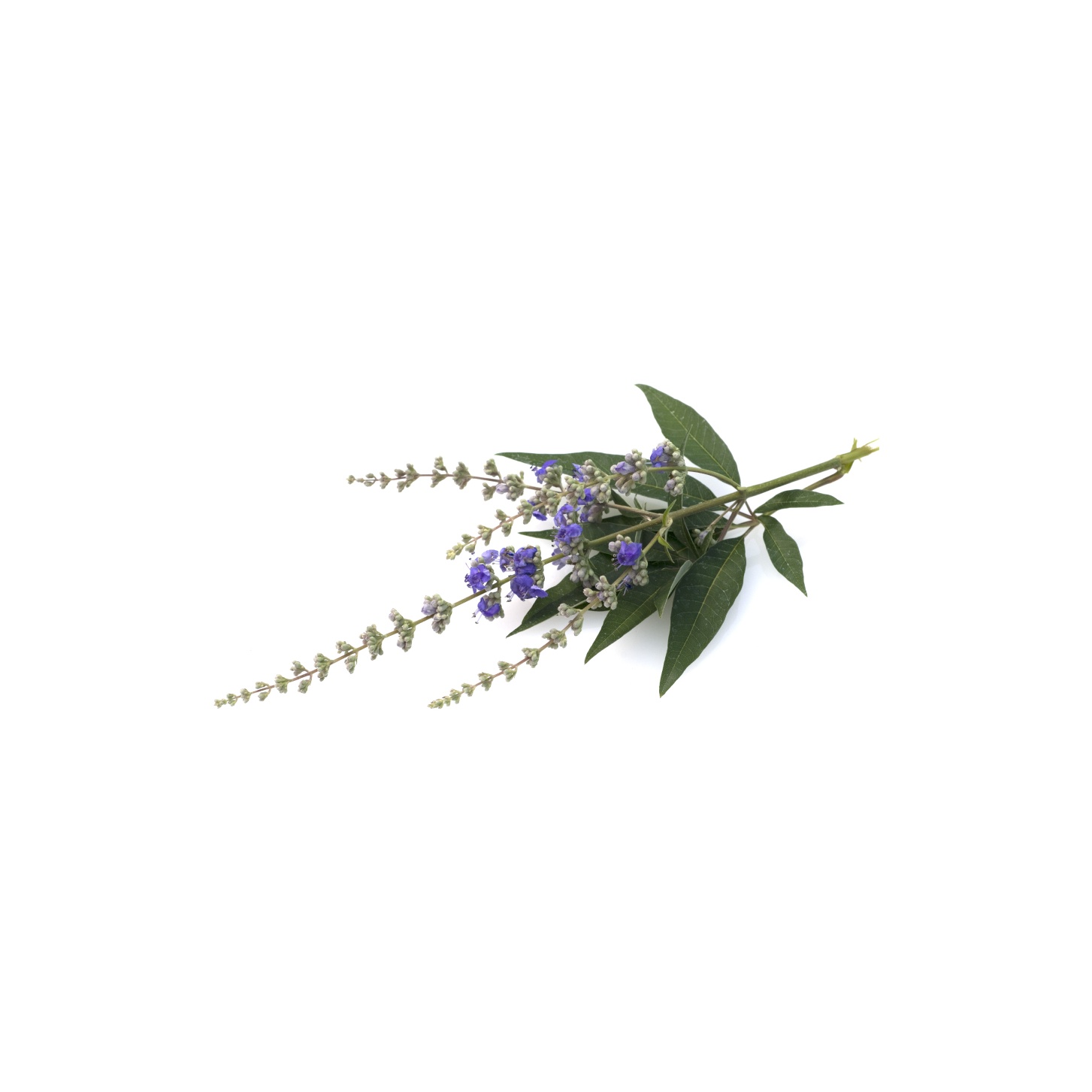 Source Chaste Tree Vitex agnus-castus Herb monograph →
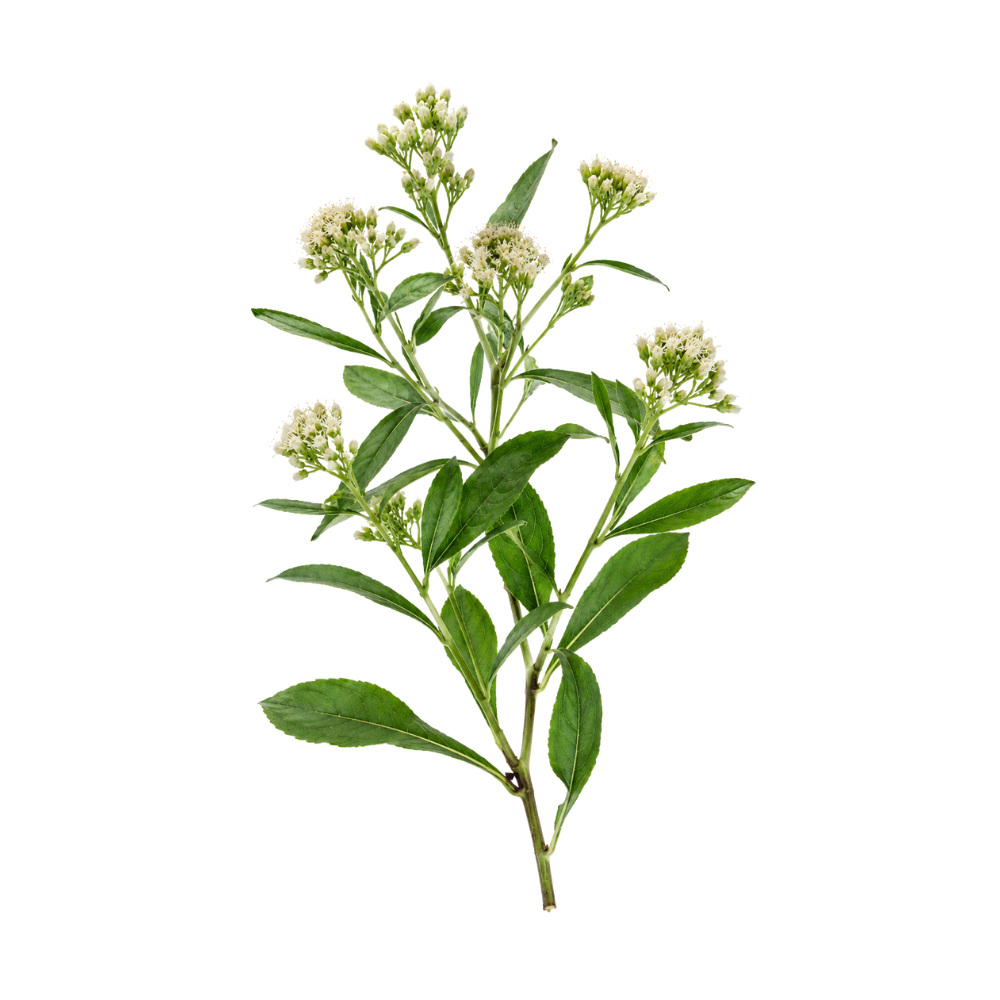 Source Chilca Baccharis latifolia Herb monograph →
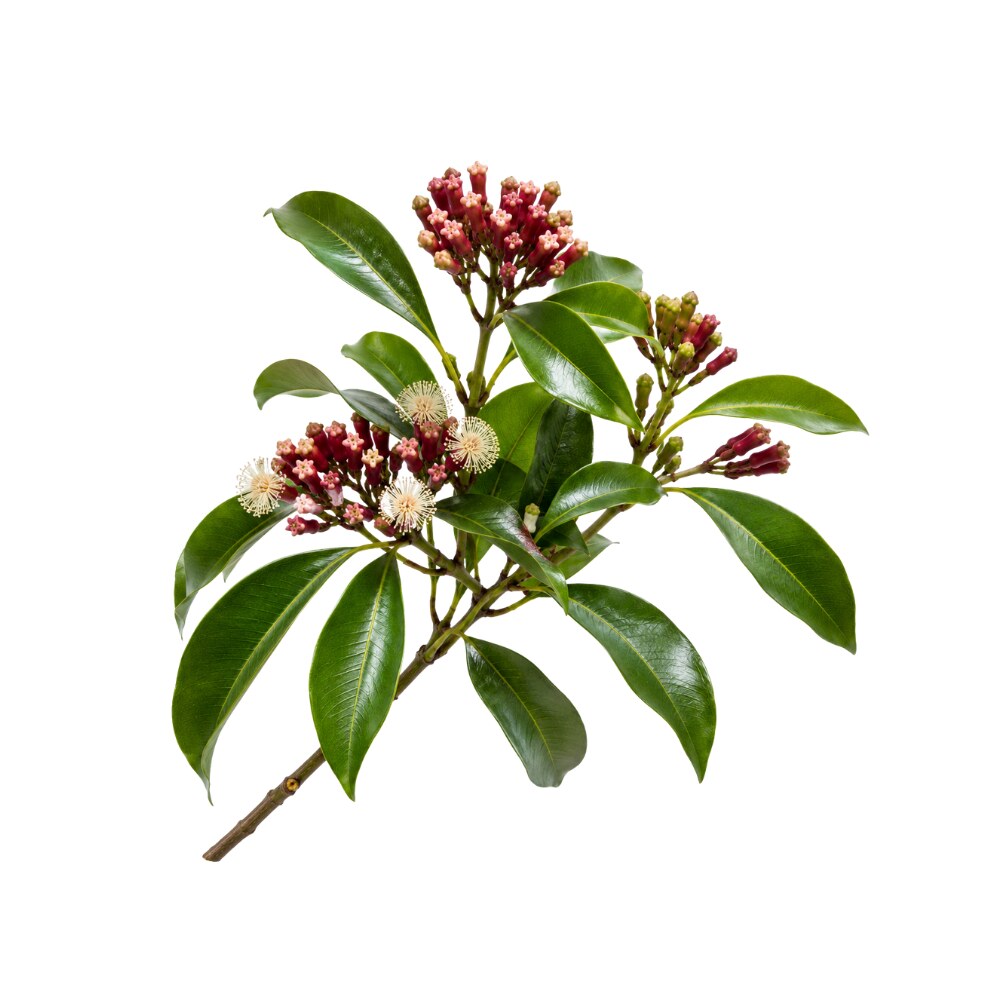 Source Clove Syzygium aromaticum Herb monograph →
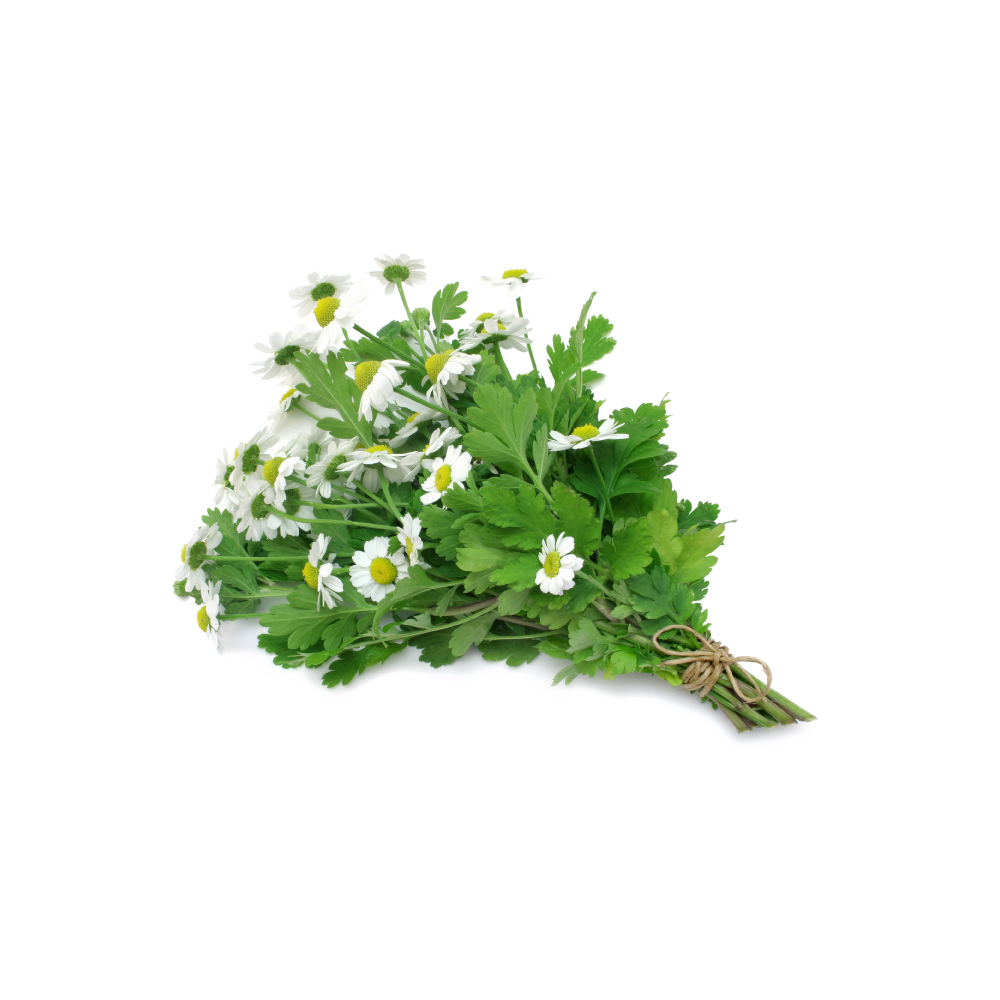 Source Feverfew Tanacetum parthenium Herb monograph →
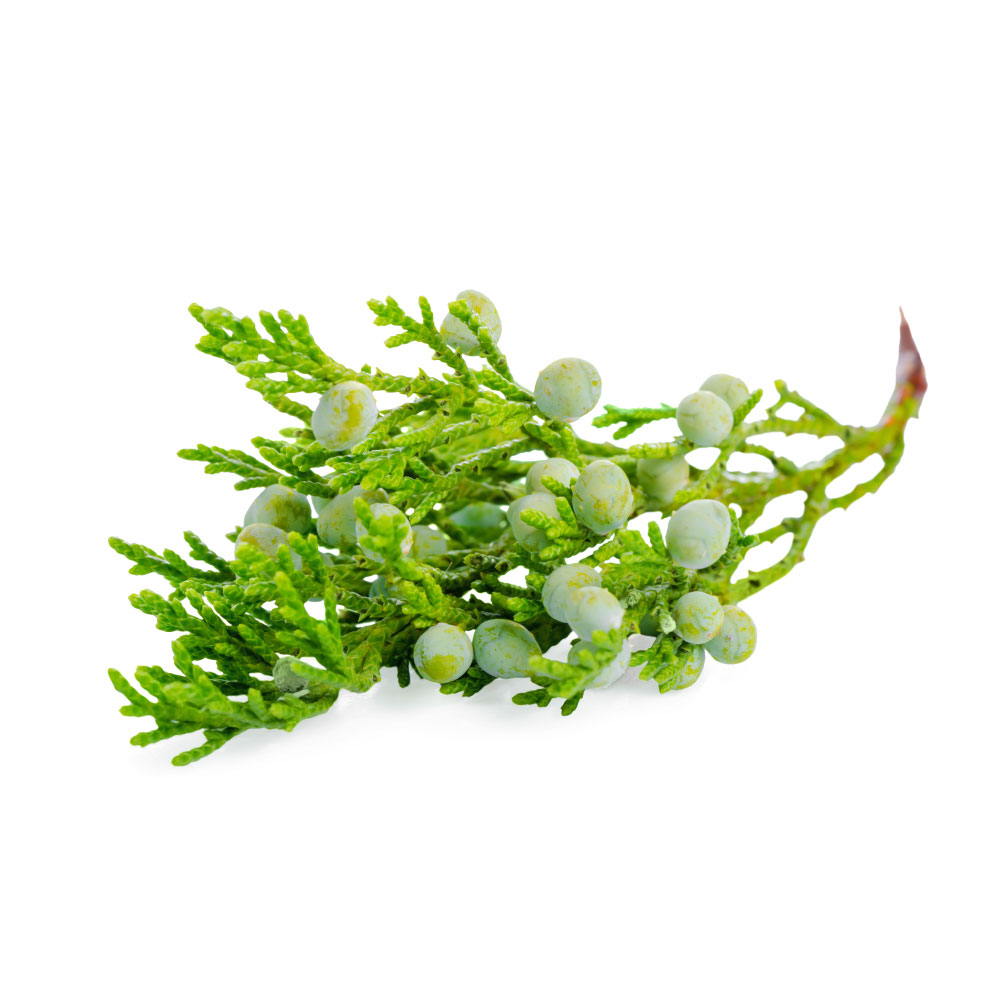 Source Juniper Juniperus communis Herb monograph →
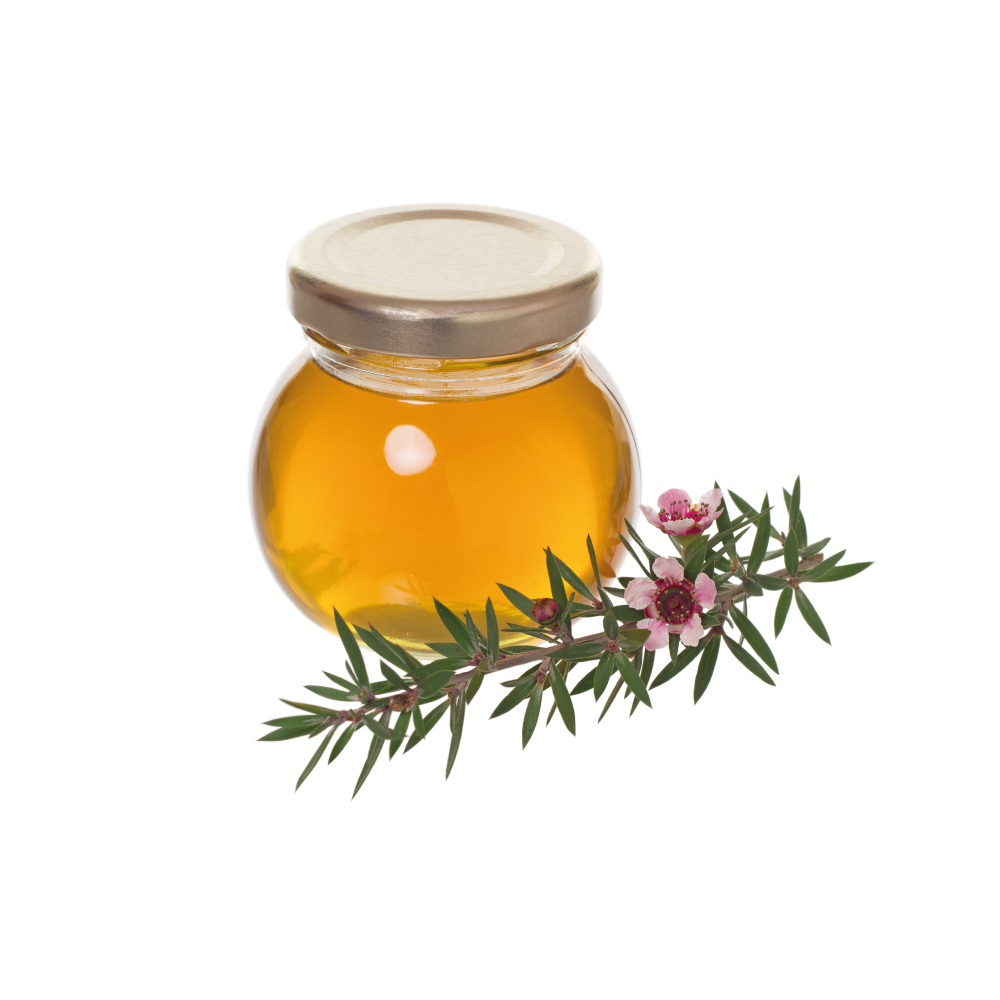 Source Manuka Leptospermum scoparium Herb monograph →
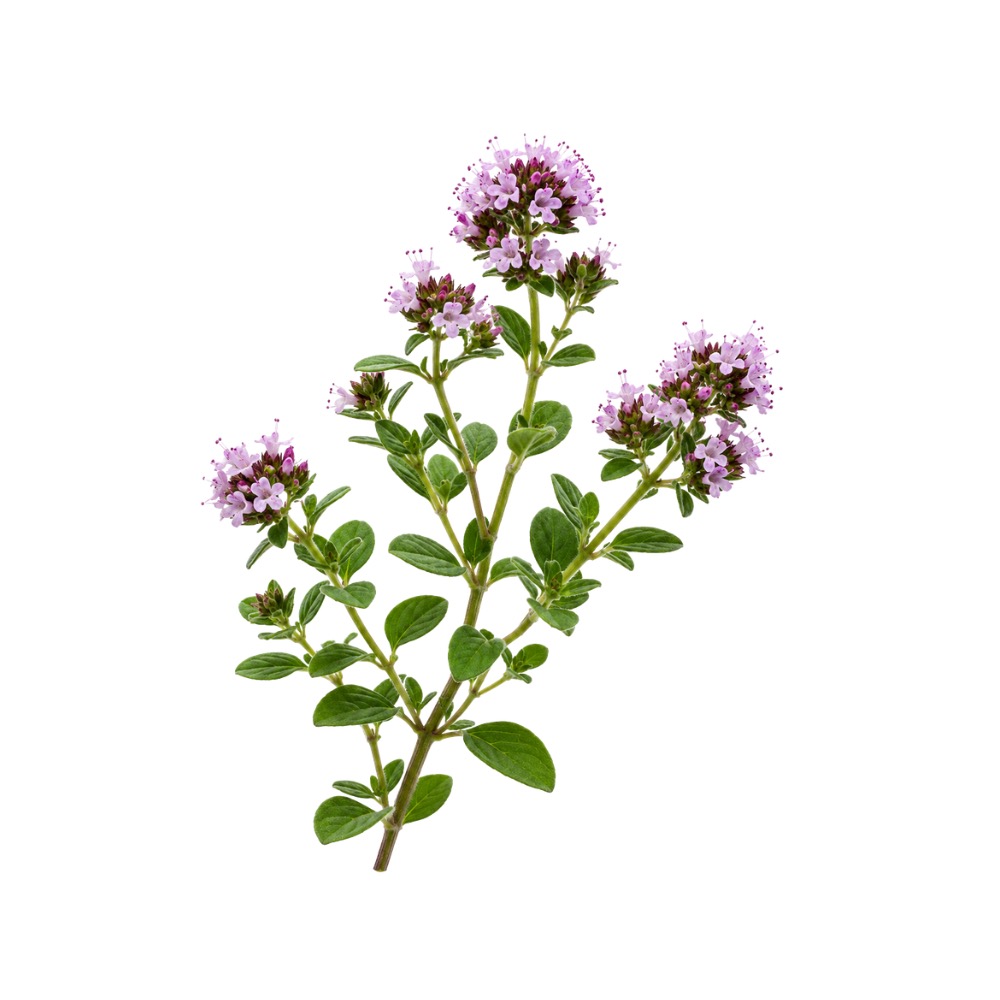 Source Marjoram Origanum majorana Herb monograph →
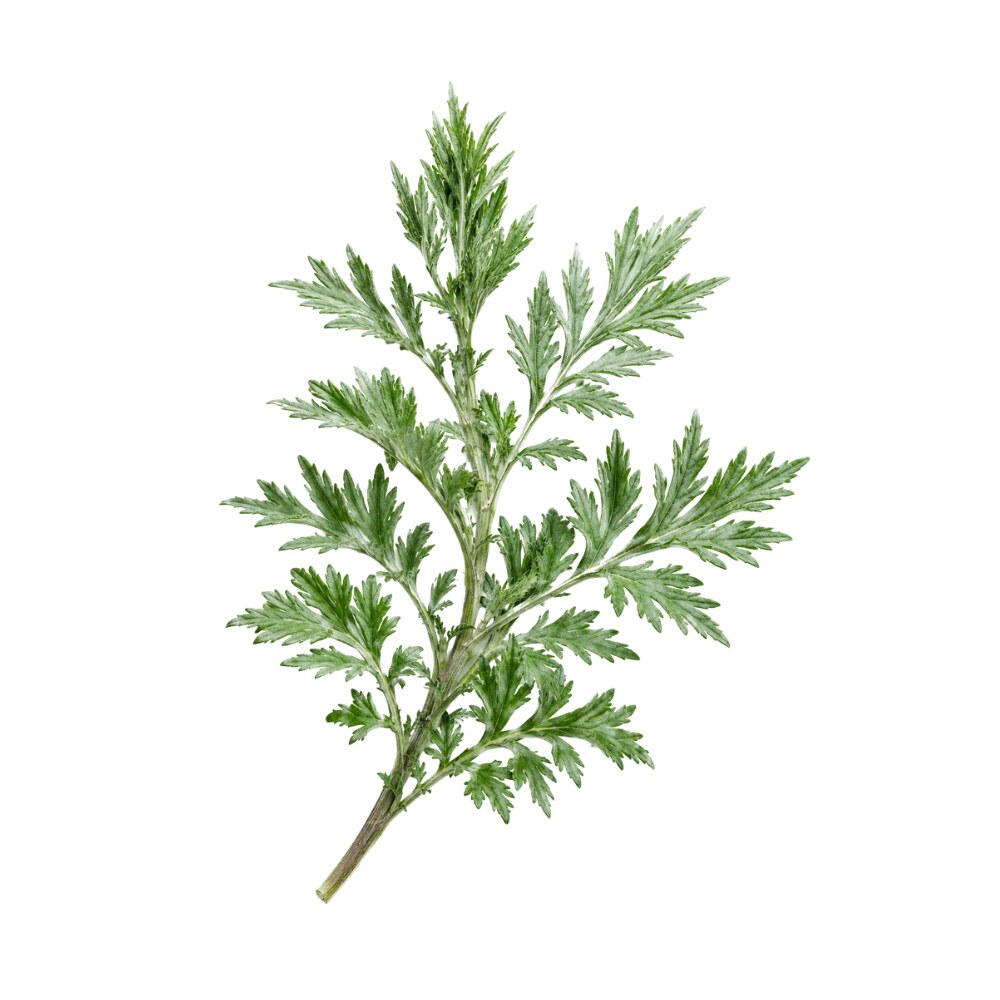 Source Mugwort Artemisia vulgaris Herb monograph →
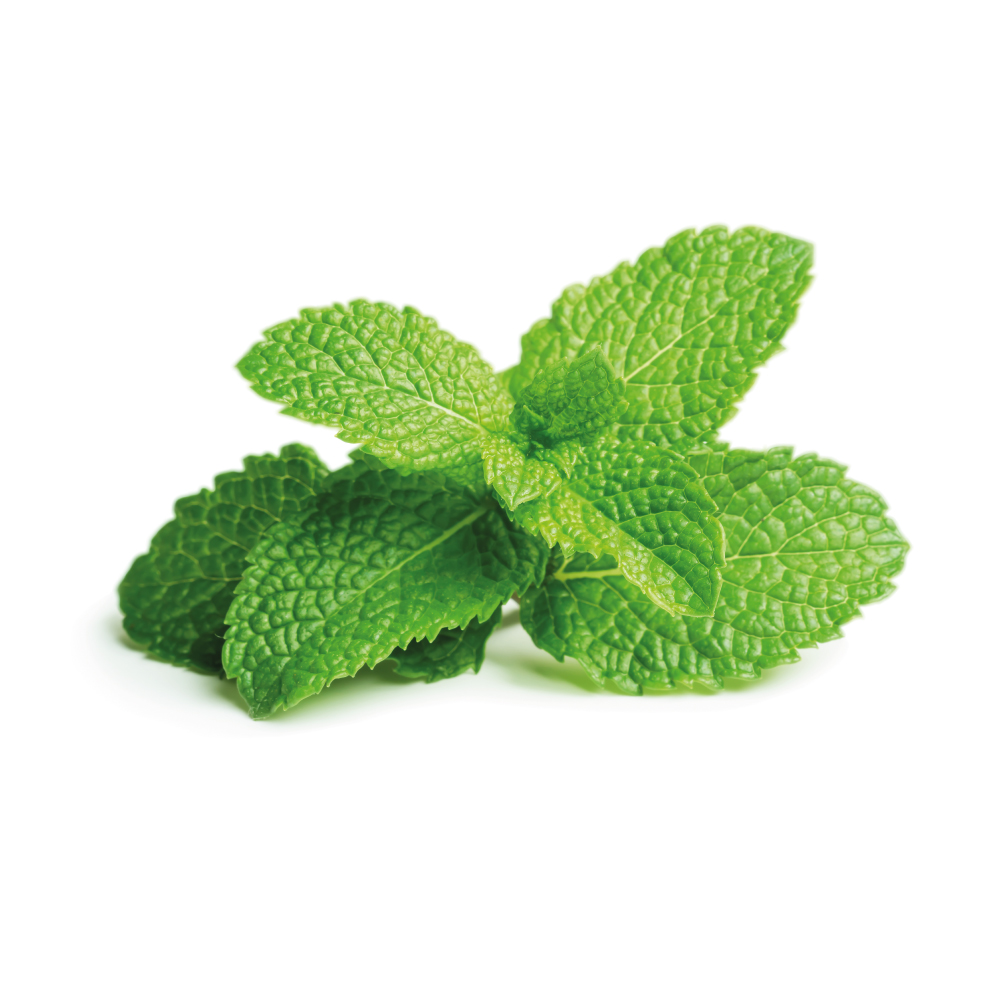 Source Peppermint Mentha × piperita Herb monograph →
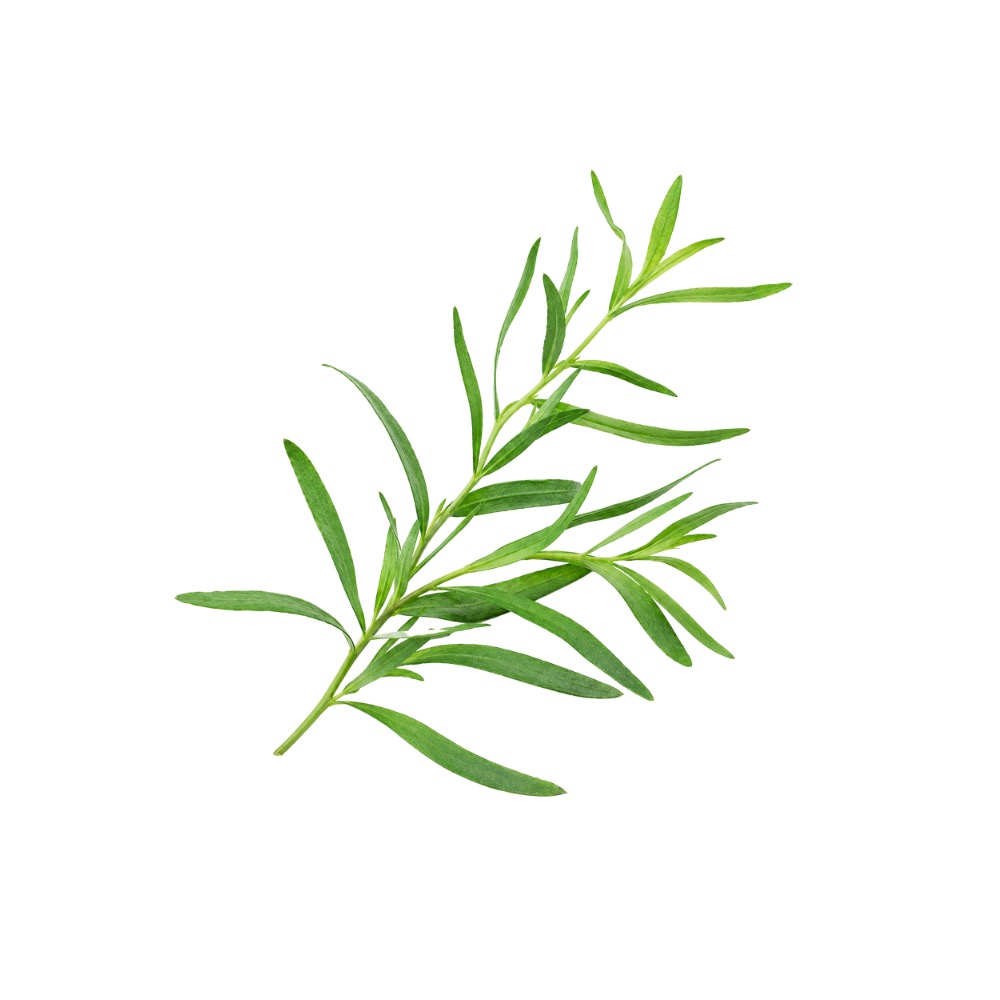 Source Tarragon Artemisia dracunculus Herb monograph →
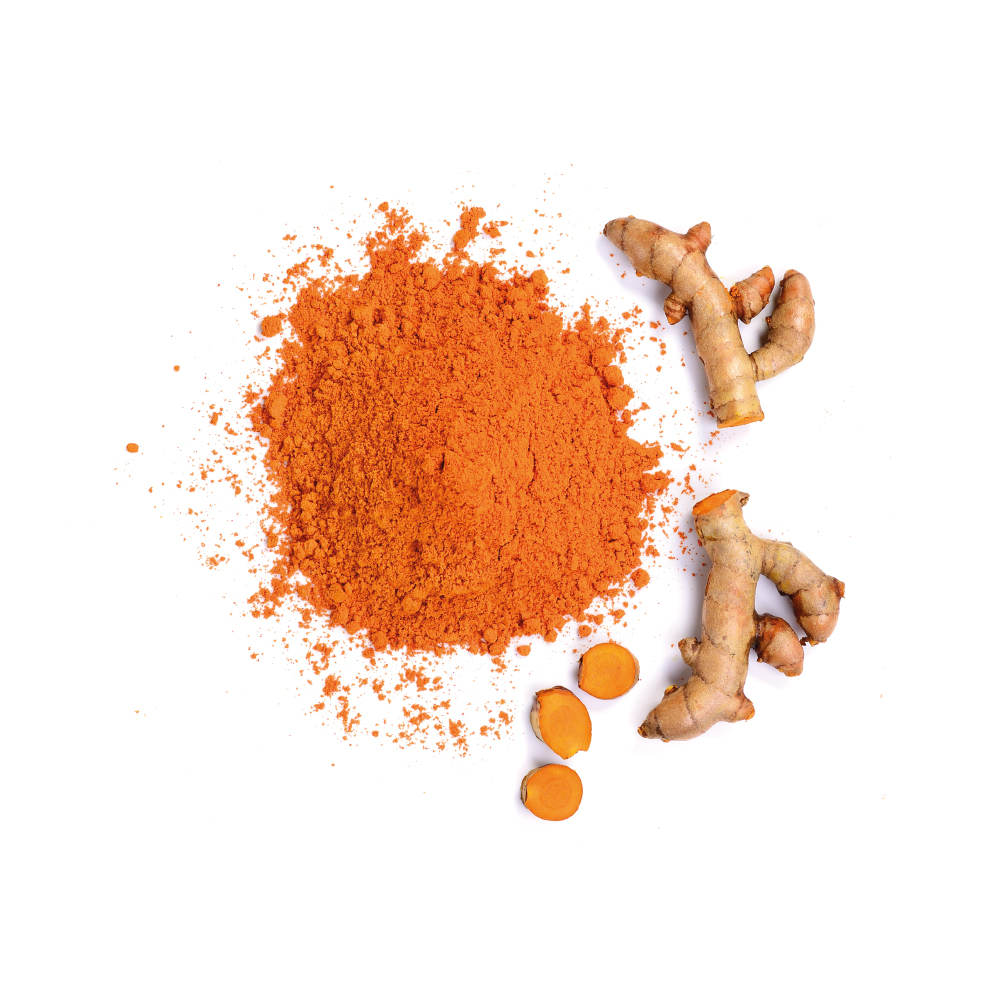 Source Turmeric Curcuma longa Herb monograph →
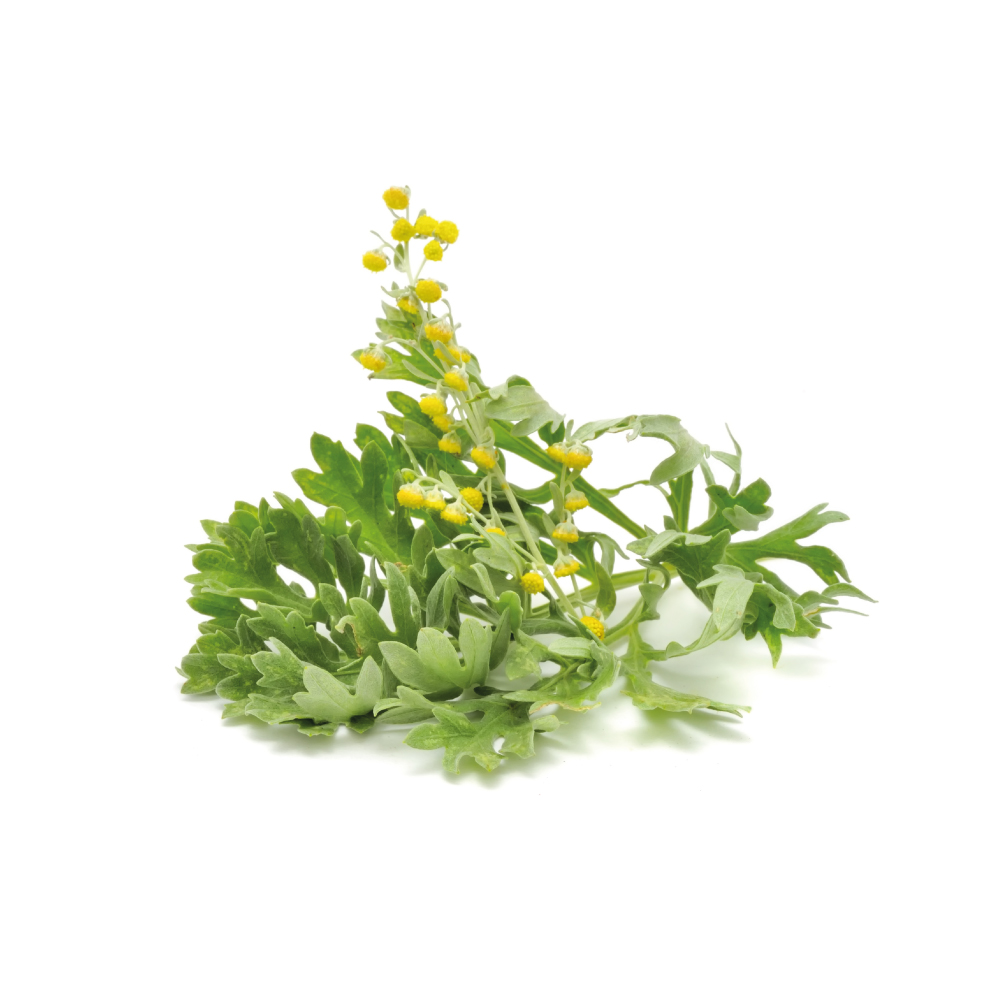 Source Wormwood Artemisia absinthium Herb monograph →
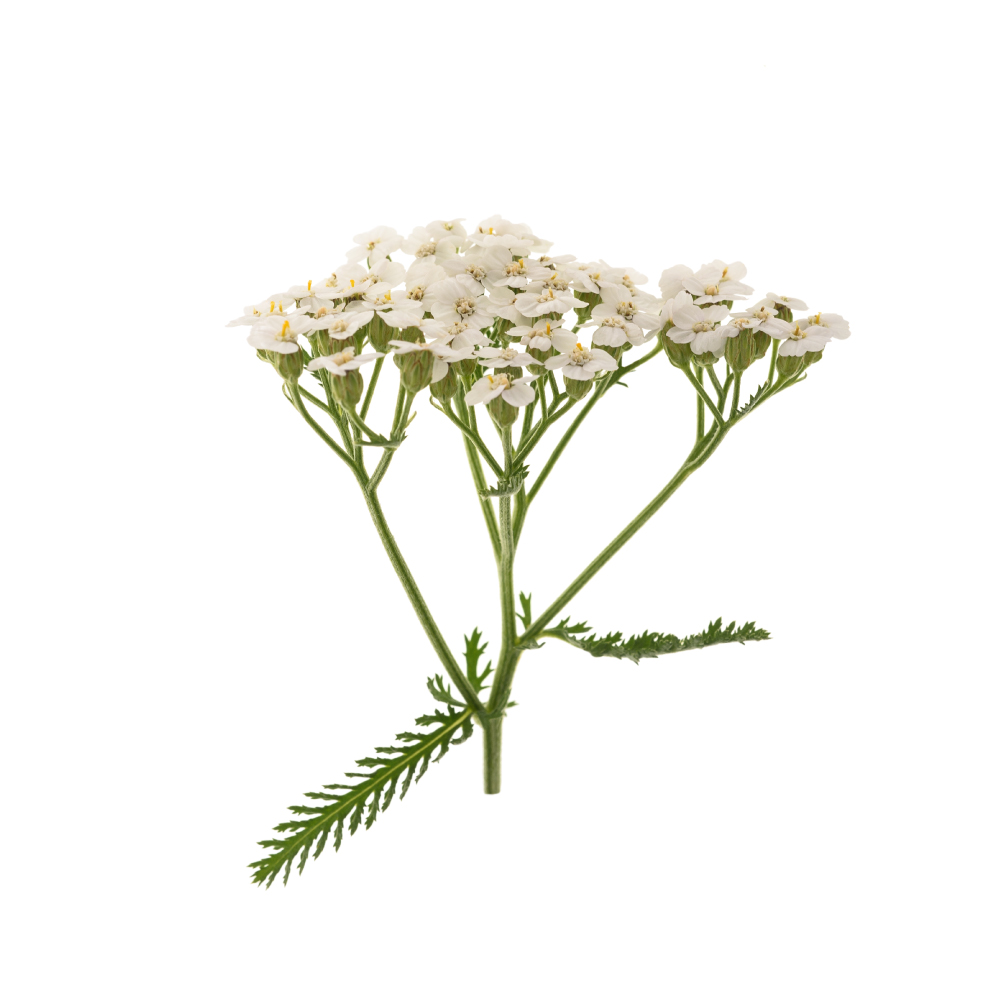 Source Yarrow Achillea millefolium Herb monograph →
Concentration
Content by Source
Reported concentrations across the plants that contain sabinene — the bar marks the typical level, the line shows the reported range.
Literature figures for varying plant parts and preparations. Read them as a comparative guide, not exact assays.
Sabinene at a Glance
Sabinene is a bicyclic monoterpene hydrocarbon — a strained thujane-type ring system — and one of the more recognisable notes in the spice cabinet: the fresh, peppery, woody-spicy top note of nutmeg, juniper berry, black pepper, marjoram and carrot seed. In several of these oils it is not a minor volatile but a defining marker — it makes up roughly a third of nutmeg oil 4Reference 4ReviewNutmeg (Myristica fragrans Houtt.) essential oil: A review on its composition, biological, and pharmacological activitiesView study → and is a signature of juniper-berry oil alongside α-pinene and β-pinene 5,
Its primary role is aromatic and ecological: a volatile the plant emits, made by dedicated sabinene synthase enzymes acting on the universal monoterpene precursor geranyl diphosphate 9Reference 9Monoterpene synthases from common sage (Salvia officinalis): cDNA isolation, characterization, and functional expression of (+)-sabinene synthase, 1,8-cineole synthase, and (+)-bornyl diphosphate synthaseView study →. As an isolated compound it does show genuine activity — most clearly anti-inflammatory (suppressing nitric-oxide and cytokine output in stimulated macrophages) and antifungal — but this work is entirely in-vitro and rodent 1,
The honest headline for a compound page: no controlled human trial has ever tested isolated sabinene. Every human-relevant claim about juniper, nutmeg or pepper is a claim about the whole essential oil, a complex mixture in which sabinene is one player. Sabinene occurs naturally in everyday foods and is a low-toxicity flavour volatile; like all essential-oil hydrocarbons it is volatile and oxidises on air exposure.
Sabinene Across the Spice Oils
The single most useful thing to know about sabinene is that it is a chemotype and quality marker — its abundance is often how an oil is fingerprinted — and that its reputation is inseparable from the oils it marks.
Nutmeg. Sabinene is typically the largest single terpene in nutmeg essential oil, reported at ~38% in mace and kernel oil, ~28% in seed oil and ~17% in leaf oil, ahead of α-pinene, β-pinene and myristicin 4Reference 4ReviewNutmeg (Myristica fragrans Houtt.) essential oil: A review on its composition, biological, and pharmacological activitiesView study →. It is a major carrier of nutmeg’s fresh, terpenic top note. Note the honest caveat: nutmeg oil’s notorious effects (the psychoactivity and toxicity of high-dose nutmeg) trace to myristicin and other phenylpropenes, not to sabinene — the two must not be conflated.
Juniper berry. Sabinene is one of juniper oil’s three signature monoterpenes, reported from ~5.8% up to ~13.6% of the berry oil depending on provenance and chemotype 5,
Black pepper, marjoram, wormwood, carrot. Sabinene is a recognised monoterpene of black-pepper essential oil (part of its aroma fraction, with limonene, β-caryophyllene and the pinenes) and of marjoram and carrot-seed oils. In wormwood (Artemisia absinthium) there is a distinct sabinene / trans-sabinyl-acetate chemotype in which sabinene and its acetate ester define the oil.
The real isolate signal. Where sabinene has been pulled out and tested on its own, two activities recur: anti-inflammatory (nitric-oxide/cytokine suppression) 1,
What It's Used For
Sabinene’s isolated pharmacology is modest, coherent, and entirely preclinical. The evidence clusters around inflammation and antifungal activity, with one distinctive rodent finding in muscle wasting.
Support is an experimental score — weighted by study type (human > animal > in vitro) and volume. A beta, not a validated metric. No isolate human trial exists for any indication, so every score is capped low by design; the scores reflect isolate in-vitro/animal signal plus whole-oil corroboration.
Sabinene’s best-evidenced isolated activity. Purified sabinene from Oenanthe crocata oil inhibited nitric-oxide production in LPS + IFN-γ-triggered macrophages and suppressed the pro-inflammatory cytokines TNF-α, IL-1β and IL-6 required to activate the innate immune response 1Reference 1Antifungal, antioxidant and anti-inflammatory activities of Oenanthe crocata L. essential oilView study →.
An independent 2024 study found that both Chamaecyparis obtusa leaf oil and pure sabinene inhibited iNOS expression and the phosphorylation of JNK and p38 MAPK in LPS-stimulated RAW 264.7 macrophages, lowering IL-1β, IL-6, IL-27, IL-1ra and GM-CSF 2Reference 2Anti-Inflammatory Effect of Chamaecyparis obtusa (Siebold & Zucc.) EndlView study →.
The convergent read-out — NF-κB/MAPK-linked NO and cytokine suppression — is mechanistically consistent across labs.
Gap: both studies are isolate-in-macrophage work; there is no animal inflammation model of pure sabinene and no human data. In the source oils the effect is a whole-oil effect 1,
A recurring activity, usually observed as a whole-oil driver. Sabinene-rich Oenanthe crocata oil was particularly active against dermatophytes and Cryptococcus neoformans (MIC 0.08–0.16 µL/mL), and sabinene was among the isolated compounds tested for that activity 1Reference 1Antifungal, antioxidant and anti-inflammatory activities of Oenanthe crocata L. essential oilView study →.
In Clausena lansium seed oil — where sabinene runs 28–54% of the oil — sabinene was the second most active antifungal component against five Candida species (after terpinen-4-ol), by disk-diffusion inhibition zones of ~14–26 mm 7Reference 7The influence of the chemical composition of essential oils of Clausena lansium seeds on the growth of Candida strainsView study →.
Older glossary/pharmacology sources report isolated sabinene inhibiting Candida, Trichophyton and Aspergillus in vitro.
Gap: activity is in-vitro, frequently as one component of a mixture with likely synergy; the MIC/zone figures are for oils or high isolate concentrations, not achievable systemic exposures 1,
Largely inferred from the oils sabinene marks. Juniper-berry oil — in which sabinene is a signature ~6–14% monoterpene — showed broad antibacterial and antifungal activity, with strong effects on yeasts and dermatophytes 5Reference 5Antimicrobial activity of juniper berry essential oil (Juniperus communis L., Cupressaceae)View study →. As a lipophilic monoterpene hydrocarbon, sabinene plausibly acts by partitioning into and disrupting microbial membranes, the shared mechanism of this compound class.
Gap: the antimicrobial data are whole-oil; sabinene’s individual antibacterial contribution and MICs as an isolate are not well quantified, and the dominant pinenes likely carry much of juniper’s activity 5,
The one distinctive, non-anti-microbial isolate signal. In fasted rats (6.4 mg/kg for two days) and in L6 myotubes (10–300 µM), isolated sabinene from Chrysanthemum boreale oil attenuated skeletal-muscle atrophy by reducing reactive oxygen species and inhibiting p38 MAPK/ERK1/2 phosphorylation and the E3 ubiquitin ligase MuRF-1, the pathway that drives muscle-protein degradation 3Reference 3AnimalSabinene Prevents Skeletal Muscle Atrophy by Inhibiting the MAPK-MuRF-1 Pathway in RatsView study →.
Gap: a single study (one isolate, one lab, rodent + cell), no replication and no human data; interesting mechanism, not an established use 3Reference 3AnimalSabinene Prevents Skeletal Muscle Atrophy by Inhibiting the MAPK-MuRF-1 Pathway in RatsView study →.
A minor, whole-oil-level contribution. Juniper-berry oil showed antioxidant capacity chiefly through electron-transfer mechanisms and raised protective enzyme activity (SOD, catalase, glutathione peroxidase) in yeast cells, though its lipid-peroxidation protection was weaker than synthetic BHT 6Reference 6Chemical Composition and Antioxidant Properties of Juniper Berry (Juniperus communis L.) Essential OilView study →. Sabinene is one of several monoterpenes in that oil and is not the principal antioxidant.
Gap: the antioxidant read-out is for the whole oil; there is no isolate-specific antioxidant characterisation of sabinene, and the dominant contributor is more likely α-pinene 6Reference 6Chemical Composition and Antioxidant Properties of Juniper Berry (Juniperus communis L.) Essential OilView study →.
Mechanisms
| Target / pathway | Effect | Relevant to |
|---|---|---|
| Inducible nitric-oxide synthase (iNOS) / NO | isolate suppresses NO production and iNOS expression in stimulated macrophages | anti-inflammatory |
| JNK & p38 MAPK signalling | isolate inhibits MAPK phosphorylation → lowered pro-inflammatory transcription | anti-inflammatory |
| Pro-inflammatory cytokines (TNF-α, IL-1β, IL-6, IL-27, GM-CSF) | reduced output in LPS/IFN-γ-activated macrophages | anti-inflammatory |
| ROS / p38-ERK1/2 → MuRF-1 (E3 ubiquitin ligase) | isolate lowers ROS and MuRF-1, sparing muscle-protein degradation | muscle-atrophy protection (rodent) |
| Fungal / microbial membranes | lipophilic partitioning and membrane disruption (monoterpene-class mechanism) | antifungal / antibacterial |
| Sabinene synthase on geranyl diphosphate | biosynthetic origin — cyclisation to the strained [3.1.0] bicyclic skeleton | plant biology / prevalence |
The load-bearing point: the anti-inflammatory mechanism (NO/iNOS + JNK/p38 MAPK suppression) is the only one demonstrated for the isolate in more than one study. Everything else is either a single study or a whole-oil observation.
Pharmacokinetics
There is no dedicated human pharmacokinetic dataset for sabinene. As a small, highly lipophilic and volatile monoterpene hydrocarbon, it is expected to be readily absorbed across mucosa and skin, distribute into lipid compartments, undergo rapid hepatic oxidation (cytochrome-P450-mediated, in line with related monoterpenes) and be cleared quickly — but oral bioavailability, Cmax and half-life of the isolate have not been formally determined in any species. Its volatility and rapid clearance are exactly why the in-vitro concentrations that suppress microbes or inflammation are unlikely to be reached and sustained by ordinary dietary or aromatic exposure — a caveat that undercuts any leap from the dish to a systemic human effect.
Clinical Trials
There are no clinical trials of isolated sabinene. The human-relevant evidence is entirely for whole spice/conifer essential oils (juniper, nutmeg) in which sabinene is one constituent, and even those are largely traditional-use and preclinical rather than controlled trials.
| Completed | Planned | Terminated | Preclinical |
|---|---|---|---|
| None(isolate) | — | — | Anti-inflammatory (macrophage) + antifungal + one muscle-atrophy rodent study |
Last checked: July 2026.
Isolate vs. Plant Studies
This is the crux of the sabinene file, and it is unusually one-sided. The isolated molecule has been tested only in vitro and in rodents — the macrophage anti-inflammatory work 1,
All human-relevant evidence is whole essential oil. Juniper-berry oil’s antimicrobial and antioxidant data 5,
Its Role in Plants
Sabinene is a product of the plant terpenoid (MEP) pathway: dedicated sabinene synthase enzymes cyclise the universal C₁₀ precursor geranyl diphosphate into sabinene’s strained [3.1.0] bicyclic ring system. The (+)-sabinene synthase of common sage (Salvia officinalis) was among the first cloned and functionally expressed, producing (+)-sabinene as its major product from geranyl diphosphate 9Reference 9Monoterpene synthases from common sage (Salvia officinalis): cDNA isolation, characterization, and functional expression of (+)-sabinene synthase, 1,8-cineole synthase, and (+)-bornyl diphosphate synthaseView study →; sabinene synthases have since been characterised from western red cedar (Thuja plicata) and carrot, among others.
The enzyme’s control over product outcome is remarkably delicate. Crystal structures of sabinene synthase show that a single amino-acid substitution (G458A) reprograms the enzyme to make α-pinene instead — a vivid illustration of how nearly identical terpene synthases partition a shared carbocation intermediate into different bicyclic skeletons 10Reference 10Structure and Function of Sabinene Synthase, a Monoterpene Cyclase That Generates a Highly Strained [3.1.0] Bicyclic ProductView study →.
Ecologically, sabinene functions as a volatile signal and defence compound — a component of the aromatic bouquet plants use in pollinator attraction and in deterring insect, fungal and bacterial attack, consistent with the antifungal/antimicrobial activity seen in the lab.
Prevalence in Nature
Sabinene is a common essential-oil hydrocarbon across several aromatic plant families — Myristicaceae (nutmeg), Cupressaceae (juniper, cedars), Piperaceae (black pepper), Apiaceae (carrot, and the toxic Oenanthe), Lamiaceae (marjoram, basil, sage) and Asteraceae (wormwood, Chrysanthemum). Its abundance is strongly chemotype-, provenance- and plant-part-dependent, and it is generally a component of the essential oil rather than a bulk constituent of the tissue.
Its richest common source is nutmeg, where it is typically the single largest terpene of the oil (~28–38% in mace/kernel, ~17% in leaf) 4Reference 4ReviewNutmeg (Myristica fragrans Houtt.) essential oil: A review on its composition, biological, and pharmacological activitiesView study →. It is a signature ~6–14% monoterpene of juniper-berry oil 5,
Major Natural Sources
| Source | Plant part | Reported sabinene content |
|---|---|---|
| Nutmeg (Myristica fragrans) | mace / kernel oil | ~28–38% |
| Wampee (Clausena lansium) | seed oil | ~28–54% |
| Juniper (Juniperus communis) | berry oil | ~6–14% |
| Nutmeg (Myristica fragrans) | leaf oil | ~17% |
These figures are the percentage of the essential oil, not of the whole plant, and are comparative ranges that shift with chemotype, provenance and distillation method 4,
Other Reported Sources
Sabinene is also reported from:
- Black pepper (Piper nigrum)
- Marjoram (Origanum majorana)
- Wormwood (Artemisia absinthium, sabinyl-acetate chemotype)
- Carrot seed (Daucus carota)
- Common sage (Salvia officinalis)
- Cardamom
- Clove
- Tea tree
- Sweet basil
Discovery & Synthesis
Sabinene was characterised in the classical era of essential-oil chemistry as a constituent of spice and conifer oils; its name derives from the savin juniper (Juniperus sabina). Because it is a strained bicyclic hydrocarbon, its more consequential modern story is enzymatic and biotechnological rather than a landmark total synthesis. The (+)-sabinene synthase responsible for its formation was first cloned and functionally expressed from common sage in 1998, one of three multiproduct monoterpene synthases isolated from that species 9Reference 9Monoterpene synthases from common sage (Salvia officinalis): cDNA isolation, characterization, and functional expression of (+)-sabinene synthase, 1,8-cineole synthase, and (+)-bornyl diphosphate synthaseView study →, and its structural basis — the [3.1.0] cyclisation and the single-residue switch to α-pinene — was resolved in 2024 10Reference 10Structure and Function of Sabinene Synthase, a Monoterpene Cyclase That Generates a Highly Strained [3.1.0] Bicyclic ProductView study →.
Sabinene has no established large-scale commercial isolation; it is obtained as a fraction of the essential oils that contain it (chiefly nutmeg). Interest in microbial production has grown because sabinene is a candidate next-generation biofuel precursor (a jet-fuel-range hydrocarbon) as well as a flavour/fragrance ingredient: engineered Escherichia coli and Saccharomyces cerevisiae strains expressing sabinene synthase have been developed to ferment it from sugar, though titres and economics remain the limiting factors 8Reference 8Biosynthesis and production of sabinene: current state and perspectivesView study →.
Patents: not yet researched.
Toxicity & Safety
Sabinene carries a low flag. It occurs naturally in everyday foods — it is a normal flavour volatile of nutmeg, black pepper, carrot and other culinary spices — and at those dietary levels it is regarded as low in toxicity, with a long history of food exposure as part of spice essential oils.
The usual essential-oil cautions apply to the concentrated oil, not to the trace amounts in food. As a volatile monoterpene hydrocarbon, sabinene oxidises on exposure to air, light and heat, and oxidised monoterpene oils are more irritating and more sensitising to skin than fresh ones — so aged or poorly stored oils warrant more care than fresh, well-sealed ones. Undiluted essential oils containing sabinene should be handled with the standard care given to any concentrated volatile oil (dilution for topical use, avoidance of ingestion of the neat oil).
A specific point of confusion is worth stating plainly: the toxicity and psychoactivity associated with high-dose nutmeg are attributable to myristicin and related phenylpropenes, not to sabinene. Sabinene is the marker terpene of nutmeg oil, but it is not the source of nutmeg’s hazards.
No dedicated human reproductive or developmental-toxicity dataset exists for isolated sabinene, and no isolate-specific drug-interaction studies (CYP inhibition/induction, transporter effects) have been characterised — so safety here is described from the dietary/whole-oil record, not inferred from silence. Pregnancy and lactation decisions belong to the herb or product page where intake is decided (juniper, wormwood and nutmeg each carry their own cautions), not to this molecule page.
- A low-toxicity dietary flavour volatile. Sabinene is a natural constituent of nutmeg, pepper, carrot and other food spices, with a long history of dietary exposure at those levels 4Reference 4ReviewNutmeg (Myristica fragrans Houtt.) essential oil: A review on its composition, biological, and pharmacological activitiesView study →.
- Concentrated essential oils are a different exposure. Neat oils rich in sabinene should be diluted for skin use and not ingested undiluted, per standard essential-oil handling.
- Oxidises on air/light/heat. Aged or poorly stored monoterpene oils are more irritating and sensitising than fresh — use fresh, well-sealed oil.
- Nutmeg’s hazards are myristicin, not sabinene. Do not read nutmeg’s psychoactivity/toxicity onto its marker terpene.
- Human isolate data are absent. No trials, PK, reproductive or interaction studies of the pure molecule; the human record is whole essential oils.
Dosage
There is no established or recommended human dose for isolated sabinene. The concentrations and doses in the literature are research figures for the isolate — micromolar in cell assays, and ~6.4 mg/kg in the rat muscle-atrophy study 3Reference 3AnimalSabinene Prevents Skeletal Muscle Atrophy by Inhibiting the MAPK-MuRF-1 Pathway in RatsView study → — and are not convertible to human self-dosing.
Real-world human exposure is dietary and aromatic, and always as part of a whole-oil mixture:
- Culinary spices (nutmeg, black pepper, marjoram) as a natural flavour volatile
- Nutmeg, juniper, carrot-seed and pepper essential oils (aroma / flavour use)
- Inhaled or diluted-topical essential oils containing sabinene
These are research figures and ordinary food/aroma exposures, not a personal recommendation.
References
- Valente J, Zuzarte M, Gonçalves MJ, Lopes MC, Cavaleiro C, Salgueiro L, Cruz MT. (2013). Antifungal, antioxidant and anti-inflammatory activities of Oenanthe crocata L. essential oil. Food and Chemical Toxicology. https://pubmed.ncbi.nlm.nih.gov/24012643/
- Kim SH, Jang YA, Kwon YJ. (2024). Anti-Inflammatory Effect of Chamaecyparis obtusa (Siebold & Zucc.) Endl. Leaf Essential Oil. Molecules. https://pubmed.ncbi.nlm.nih.gov/38474629/
- Ryu Y, et al. (2019). Sabinene Prevents Skeletal Muscle Atrophy by Inhibiting the MAPK-MuRF-1 Pathway in Rats. International Journal of Molecular Sciences. https://pubmed.ncbi.nlm.nih.gov/31597276/
- Ashokkumar K, Simal-Gandara J, Murugan M, Dhanya MK, Pandian A. (2022). Nutmeg (Myristica fragrans Houtt.) essential oil: A review on its composition, biological, and pharmacological activities. Phytotherapy Research. https://pubmed.ncbi.nlm.nih.gov/35567294/
- Pepeljnjak S, Kosalec I, Kalodera Z, Blazević N. (2005). Antimicrobial activity of juniper berry essential oil (Juniperus communis L., Cupressaceae). Acta Pharmaceutica. https://pubmed.ncbi.nlm.nih.gov/16375831/
- Höferl M, Stoilova I, Schmidt E, Wanner J, Jirovetz L, Trifonova D, Krastev L, Krastanov A. (2014). Chemical Composition and Antioxidant Properties of Juniper Berry (Juniperus communis L.) Essential Oil. Antioxidants (Basel). https://pubmed.ncbi.nlm.nih.gov/26784665/
- Ma Y, Wang Y, Zhou X, Yang H, Zhang H, Chen W, Zhang H, Zhang Y, He X. (2021). The influence of the chemical composition of essential oils of Clausena lansium seeds on the growth of Candida strains. Scientific Reports. https://pubmed.ncbi.nlm.nih.gov/34608206/
- Cao Y, et al. (2018). Biosynthesis and production of sabinene: current state and perspectives. Applied Microbiology and Biotechnology. https://pubmed.ncbi.nlm.nih.gov/29264773/
- Wise ML, Savage TJ, Katahira E, Croteau R. (1998). Monoterpene synthases from common sage (Salvia officinalis): cDNA isolation, characterization, and functional expression of (+)-sabinene synthase, 1,8-cineole synthase, and (+)-bornyl diphosphate synthase. Journal of Biological Chemistry. https://pubmed.ncbi.nlm.nih.gov/9614092/
- Gaynes MN, Osika KR, Christianson DW. (2024). Structure and Function of Sabinene Synthase, a Monoterpene Cyclase That Generates a Highly Strained [3.1.0] Bicyclic Product. Biochemistry. https://pubmed.ncbi.nlm.nih.gov/39527408/



