
Condition
Obesity
Obesity and weight management — the herbal evidence for adjuncts to diet and exercise, across thermogenic, appetite and fat-absorption routes. The effects are modest.

Obesity is the pathological accumulation of adipose tissue, and no herb treats it in isolation. Herbs for obesity are adjuncts to caloric restriction and physical activity, working through thermogenic, appetite/satiety and fat-absorption mechanisms with generally modest effects — typically 1–3 kg or a few percentage points of body fat, often on specific standardised extracts rather than the whole herb as consumed, and rarely accompanied by long-term weight-maintenance data.
Presentation
Types & Variants
Obesity is defined clinically by body mass index (BMI): overweight is 25–29.9 kg/m², with obesity graded class I (30–34.9), class II (35–39.9) and class III (≥40). BMI is a population screen rather than a measure of adiposity itself, so it is routinely paired with measures of central (visceral) obesity — waist circumference, waist-to-hip ratio and DXA-derived fat mass — which track cardiometabolic risk more closely than general subcutaneous fatness. This distinction matters for botanicals: several herbs move body-fat percentage, visceral fat or waist measures without shifting scale weight, and a few move nothing measurable at all.
Obesity is distinct from metabolic syndrome. An herb that lowers glucose, insulin or lipids does not necessarily move body weight, body composition, appetite or thermogenesis. Where herbs do move those endpoints, the effect is often preparation- and caffeine-dependent.
Overview
General Pathology
Obesity arises when chronic energy intake exceeds expenditure, but it is not simply a storage problem: expanded, hypertrophic adipocytes become dysfunctional, developing a low-grade inflammatory phenotype (macrophage infiltration, NLRP3-inflammasome activation, raised TNF-α and leptin) that drives insulin resistance and dyslipidemia. This links obesity mechanistically to the metabolic-syndrome cluster, but the two are not identical — a person can be centrally obese without meeting metabolic-syndrome criteria, and the therapeutic targets differ.
The mechanistic handles most botanicals engage fall into four groups: thermogenesis and fat oxidation (caffeine/catechin-driven catecholamine sparing, brown-adipose UCP1 induction, AMPK activation), appetite and satiety (serotonergic post-prandial signalling, viscous-fibre gastric-emptying delay, GLP-1 release, sweet-taste suppression), intestinal absorption (pancreatic-lipase and α-amylase inhibition, reduced fatty-acid and cholesterol uptake), and lipogenesis/lipolysis (SREBP/fatty-acid-synthase down-regulation, cAMP-driven hormone-sensitive lipase). Each is biologically plausible, but the translation from cell and rodent models to durable human weight loss is where most of these herbs weaken — thermogenic effects habituate, absorption inhibition is modest, and the strongest preclinical stories (galegine, β-lapachone, piperine) rest on isolated molecules rather than the herb as consumed.
Materia Medica
Materia Medica
None of these herbs is a substitute for professional care.
 NigellaNigella sativaStrong
Multiple independent meta-analyses of RCTs report that Nigella sativa supplementation lowers body weight (about −2.1 kg), BMI and waist circumference, with a 2025 GRADE review adding body-fat percentage and waist-to-hip ratio to the improved measures 32,
The changes are consistent in direction but small, mostly in overweight or metabolically-unwell populations from short trials — and the fixed oil often outperforms ground seed, so a random spoonful of seeds does not equal the trial preparation.
Full monograph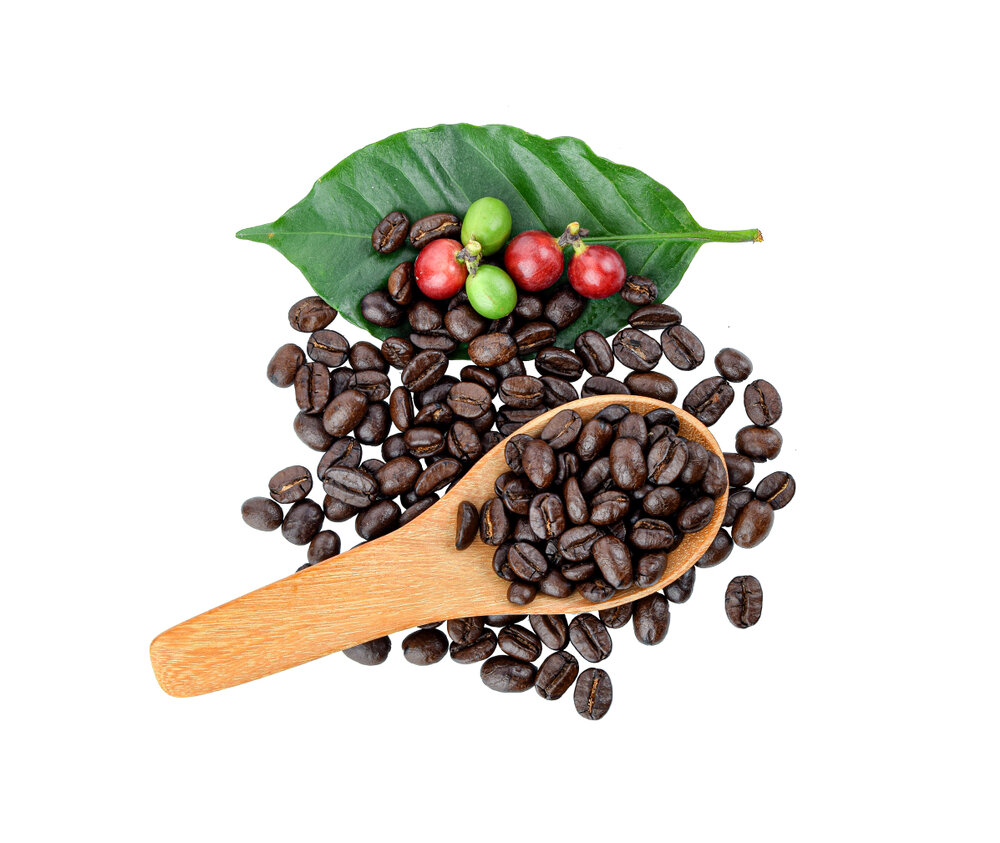 CoffeeCoffea arabicaModerate
Caffeine acutely stimulates thermogenesis and lipolysis and increases satiety, effects amplified by chlorogenic acid, and green-coffee-extract trials show small weight reductions 12,
 ColeusColeus forskohliiModerate
Two 12-week randomized, placebo-controlled trials used the marketed preparation (ForsLean, ~10% forskolin, 250 mg twice daily): in overweight/obese men it significantly reduced body-fat percentage and fat mass by DXA and raised free testosterone 14Reference 14RCTBody composition and hormonal adaptations associated with forskolin consumption in overweight and obese men — [randomised, placebo-controlled trial]View study →, but a parallel trial in women found no significant fat loss, only a blunting of weight gain 15Reference 15RCTEffects of Coleus forskohlii supplementation on body composition and hematological profiles in mildly overweight women — [randomised, placebo-controlled trial]View study →. The cAMP→hormone-sensitive-lipase mechanism is plausible, but the human result is small, sex-divergent and not consistently a fat-loss outcome.
Full monograph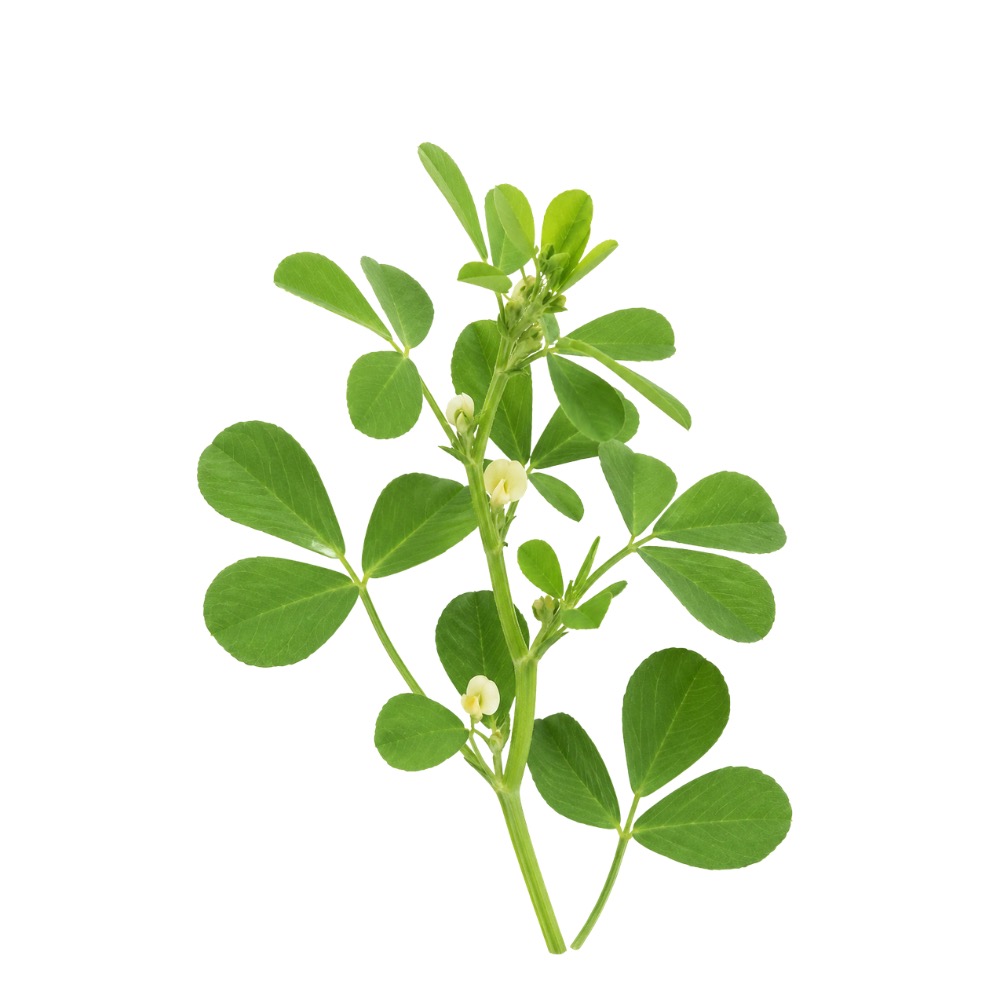 FenugreekTrigonella foenum-graecumModerate
Fenugreek’s viscous soluble fiber (galactomannan) drives an appetite effect: 8 g of isolated fenugreek fiber at a meal significantly increased satiety and fullness and reduced hunger and subsequent food intake in obese subjects, though palatability fell 16Reference 16RCTEffect of fenugreek fiber on satiety, blood glucose and insulin response and energy intake in obese subjects — randomized crossover trialView study →, and lipid/anthropometric meta-analyses report small reductions in body weight or waist circumference in some pooled analyses 17Reference 17Meta-analysisEffect of fenugreek supplementation on blood lipids and body weight: A systematic review and meta-analysis of randomized controlled trialsView study →. The satiety signal comes largely from single-meal isolated-fiber studies and sustained weight-loss evidence is weak and confounded.
Full monograph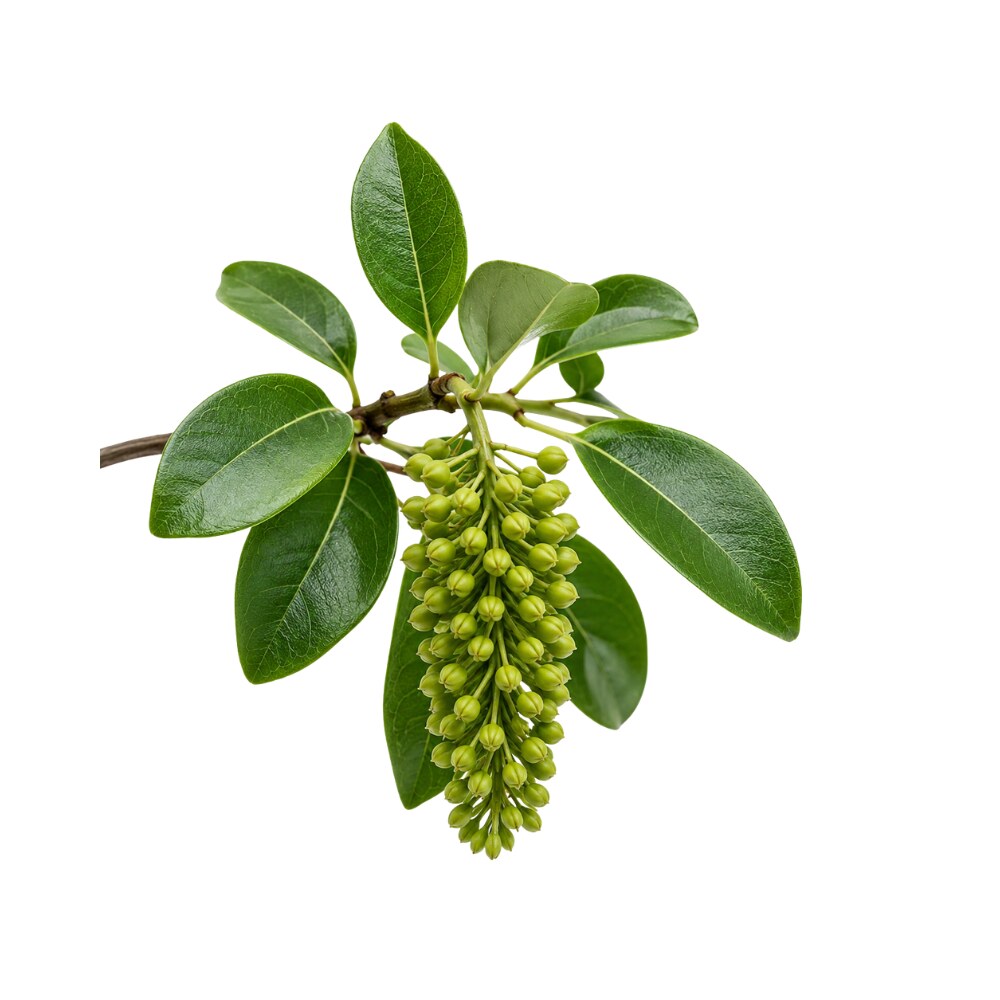 GriffoniaGriffonia simplicifoliaModerate
The satiety signal is Griffonia’s most internally-consistent human data: in a double-blind RCT, obese adults given 5-HTP 900 mg/day lost significant weight, cut carbohydrate intake and reported early satiety with and without a diet 21Reference 21RCTEating behavior and adherence to dietary prescriptions in obese adult subjects treated with 5-hydroxytryptophan — randomised controlled trialView study →, and a separate RCT in overweight women used a sublingual spray naturally containing 5-HTP and reported increased satiety with confirmed bioavailability 22Reference 22RCTSatiety and amino-acid profile in overweight women after a natural plant-extract (5-hydroxytryptophan) sublingual spray — randomised, double-blind, placebo-controlled trialView study →.
Samples are small, long-term data absent, and nearly all evidence is for isolated 5-HTP rather than whole seed. It applies to Griffonia only as far as a given extract delivers a clean 5-HTP dose.
Full monograph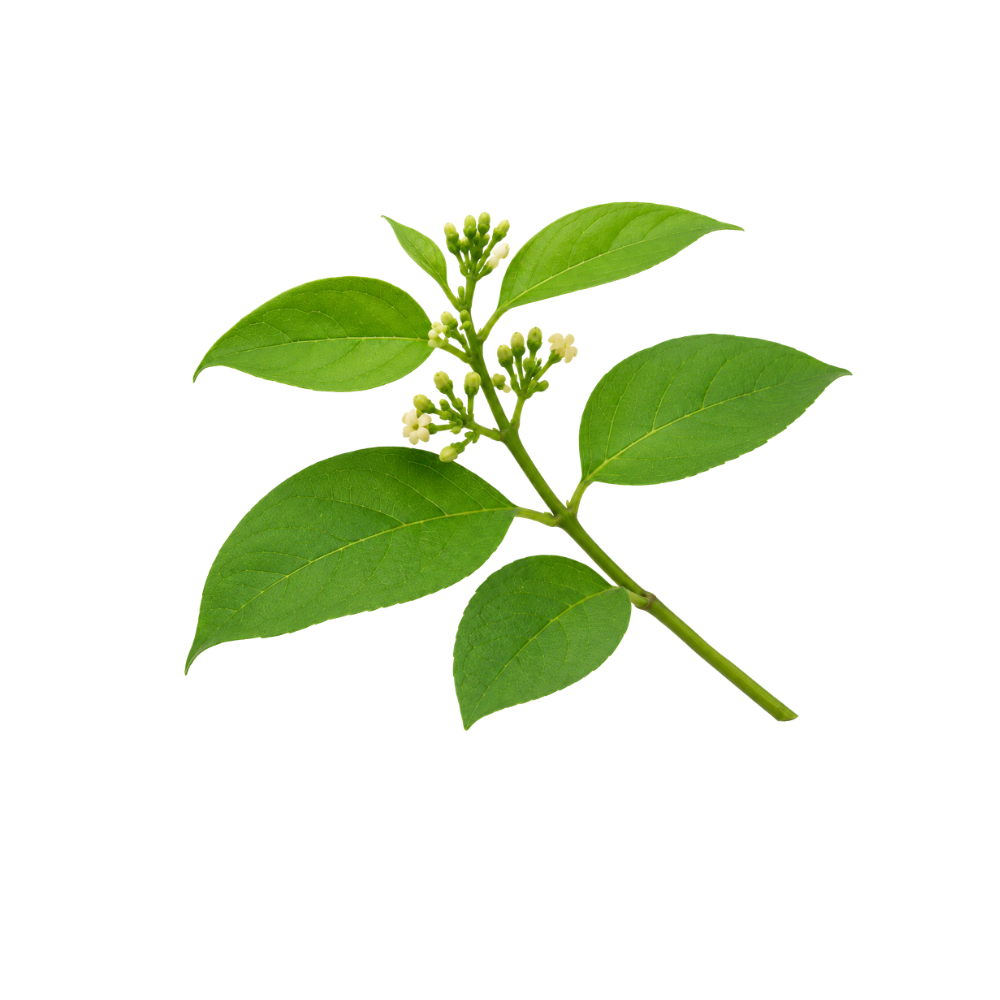 GymnemaGymnema sylvestreModerate
A 12-week RCT in metabolic-syndrome patients (600 mg/day standardized leaf extract) produced significant reductions in body weight and BMI, and a comparative RCT in obese adults found favorable effects on adipokines (though berberine outperformed it on body composition), with reviews citing gymnemic acid’s glucose-absorption and reversible sweet-taste-blocking actions 26,
Effects are real but modest, from small (n≈24–50), short trials with no long-term maintenance data, and it is unproven that sweet-taste suppression translates into sustained lower intake.
Full monograph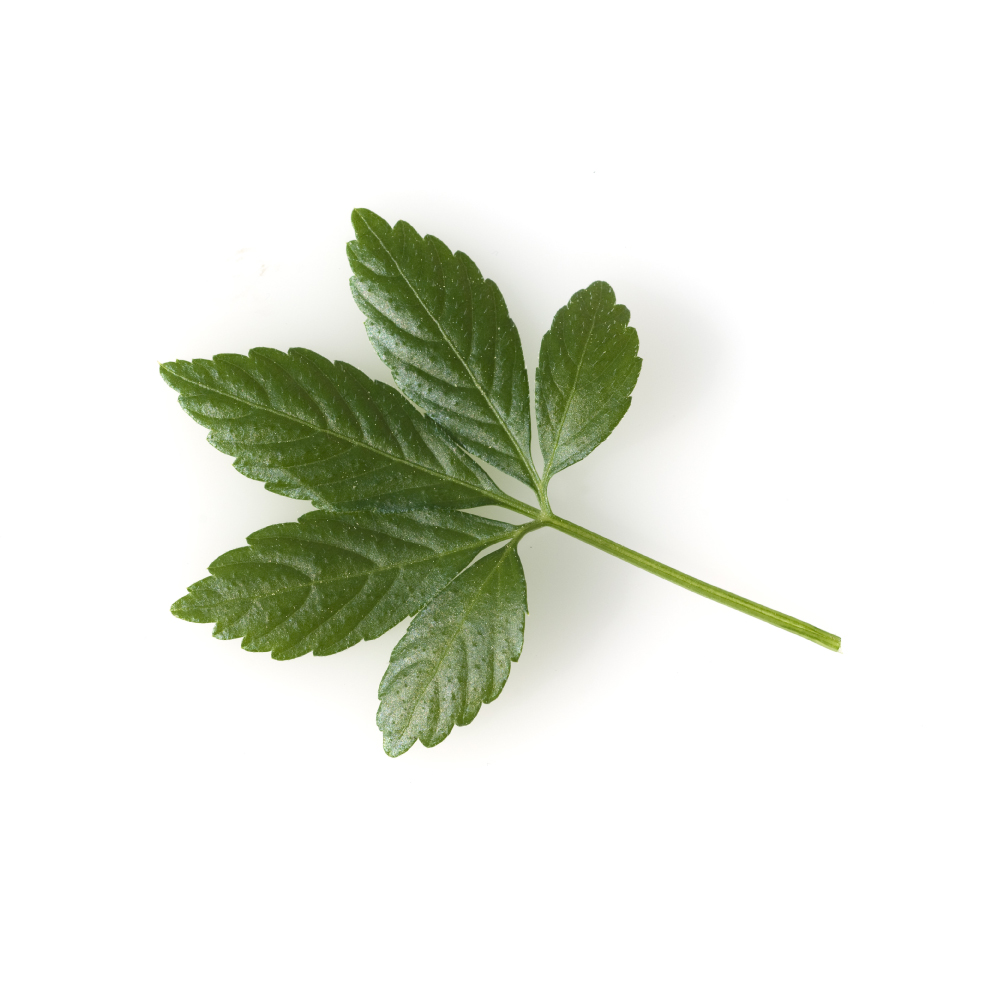 GynostemmaGynostemma pentaphyllumModerate
A 16-week double-blind RCT in 117 overweight adults found a standardized Gynostemma extract (ActivAMP) significantly reduced total body weight, BMI, total fat mass and gynoid fat versus placebo — men losing visceral fat specifically — consistent with high-fat-diet mouse data and an AMPK-activation mechanism confirmed in human muscle 29,
The evidence rests on a single body-composition RCT of one proprietary extract, and ‘gypenoside’ is a shifting 200-plus-saponin family, so a cup of jiaogulan tea is not the tested product.
Full monograph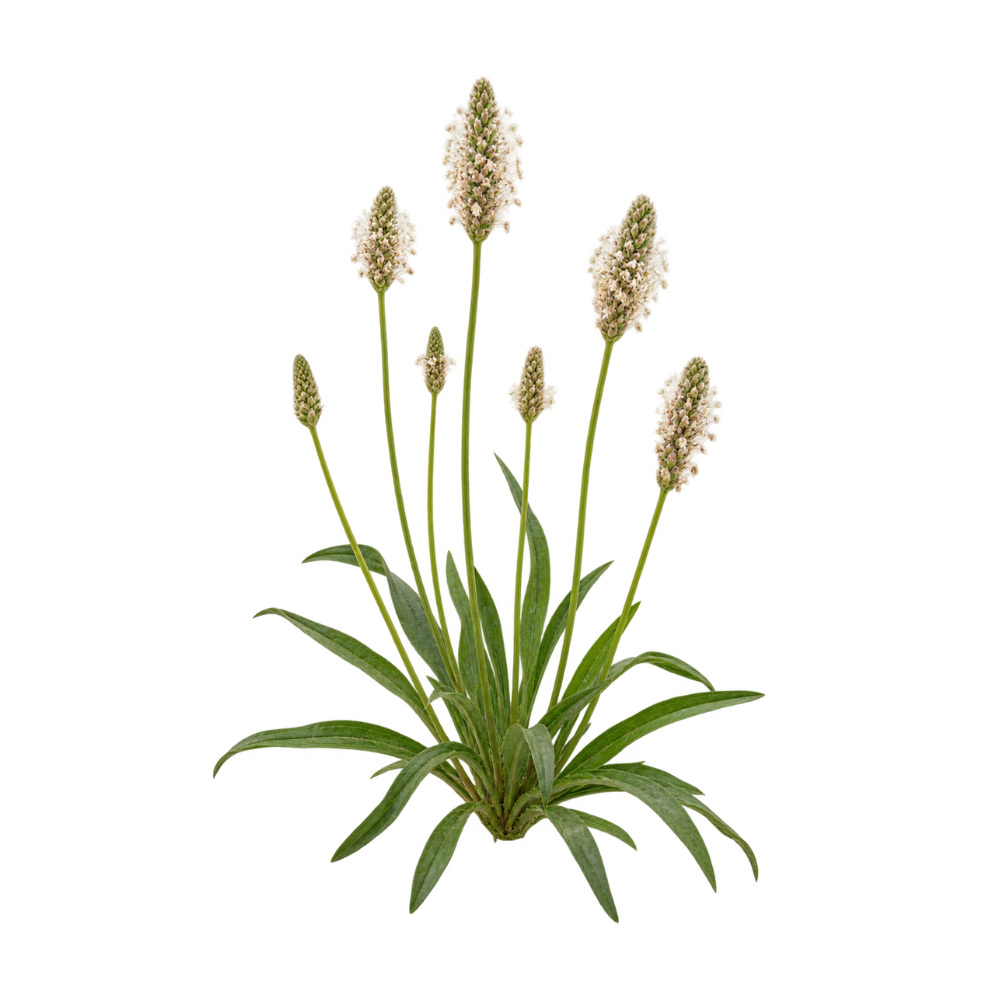 PsylliumPlantago ovataModerate
A meta-analysis of 6 RCTs (354 overweight/obese participants, mean 10.8 g/day over ~4.8 months) found body weight −2.1 kg, BMI −0.8 kg/m² and waist circumference −2.2 cm versus control 37Reference 37Meta-analysisPsyllium is a natural nonfermented gel-forming fiber that is effective for weight loss: a comprehensive review and meta-analysis — meta-analysisView study →, with a crossover satiety RCT confirming that 6.8–10.2 g before meals reduced inter-meal hunger and desire to eat 38Reference 38RCTSatiety effects of psyllium in healthy volunteers — randomised controlled trialView study →. The evidence base is small (6 trials), the effect modest, and pre-meal timing appears essential. Psyllium supports dietary change rather than acting as a weight-loss agent.
Full monograph TeaCamellia sinensisModerate
Green-tea catechins with caffeine modestly increase energy expenditure and fat oxidation; a meta-analysis found roughly 1.3 kg of weight loss and improved maintenance, but the effect was blunted by high habitual caffeine intake 39Reference 39Meta-analysisThe effects of green tea on weight loss and weight maintenance: a meta-analysisView study →, while the more conservative Cochrane review of ≥12-week RCTs concluded green tea produces only small, non-significant weight loss of little clinical importance 40Reference 40Systematic reviewGreen tea for weight loss and weight maintenance in overweight or obese adults — systematic review (Cochrane)View study →.
Caffeine appears necessary for much of the thermogenic effect, so the benefit is marginal and largely absent in caffeine-habituated people.
Full monograph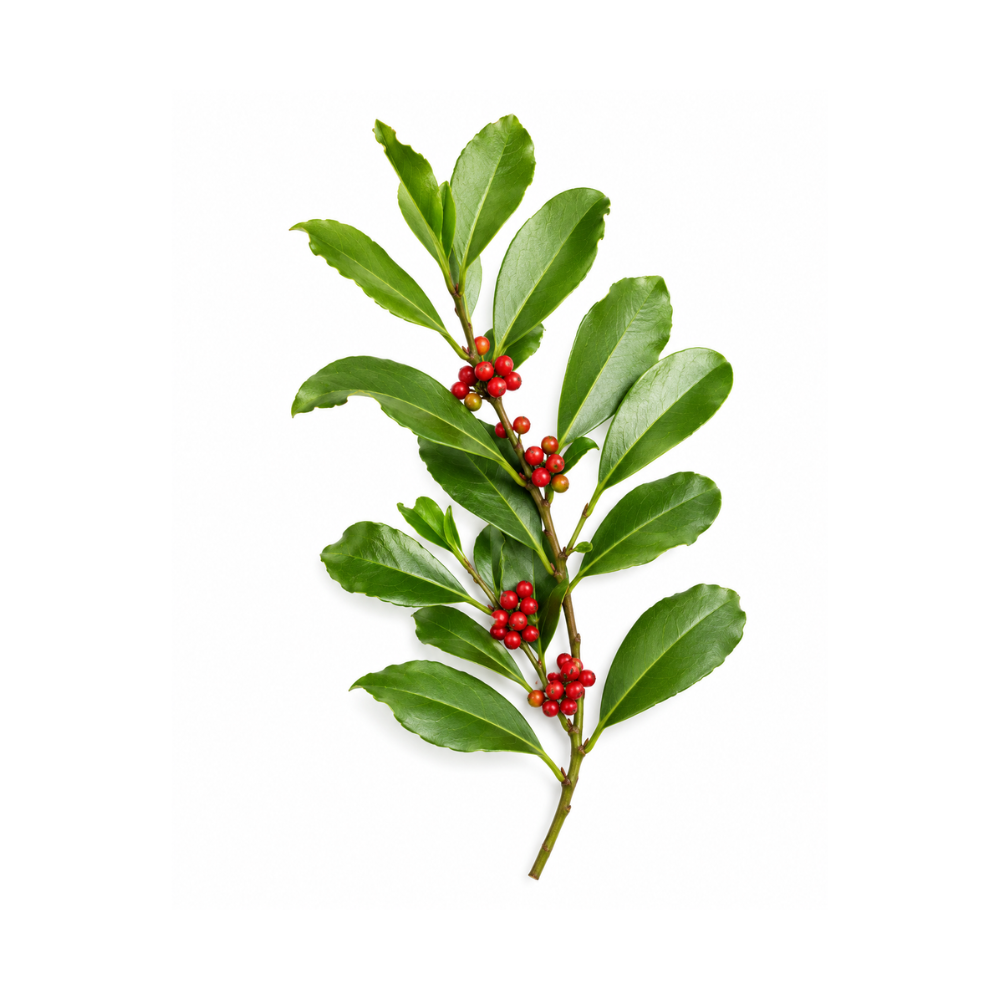 Yerba MatéIlex paraguariensisModerate
A 12-week randomized, placebo-controlled trial in obese Korean adults found maté capsules significantly reduced body-fat mass, percent body fat and waist-hip ratio, and acute crossover RCTs showed 1–2 g raised fat oxidation and energy expenditure during exercise 41,
Against this, a 2025 meta-analysis of 13 RCTs found no significant effect on BMI or waist circumference and a 2026 crossover trial was null for energy expenditure 44Reference 44Meta-analysisYerba Maté and its impact on glycemic control and metabolic health: a systematic review and meta-analysis of RCTsView study →. The one positive body-composition result used a concentrated capsule extract, not tea, and acute fat-oxidation gains do not clearly translate to sustained loss.
Full monograph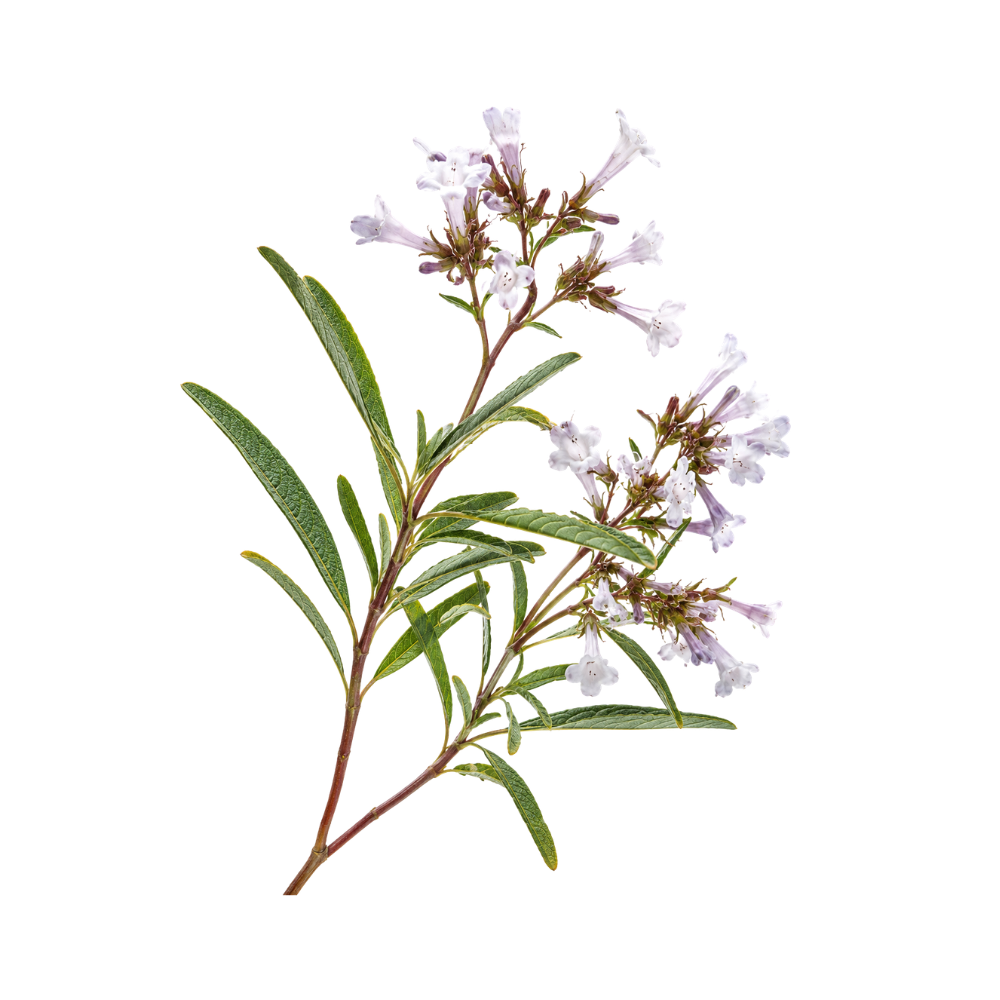 Yerba SantaEriodictyon californicumModerate
Yerba santa has one human trial, and it is for weight. A 12-week randomized, placebo-controlled trial of a proprietary ‘Santa herba’ (E. californicum) extract in 49 overweight and obese women reported significantly reduced body weight and body fat versus placebo, with a trend toward lower leptin, and supporting lab work showed adenosine A2A-receptor binding suggesting an energy-metabolism effect 45Reference 45RCTA Food Supplement with Antioxidative Santa Herba Extract Modulates Energy Metabolism and Contributes to Weight Management — randomised placebo-controlled clinical trialView study →.
The extract is undisclosed and proprietary, and its dose does not convert to any leaf dose.
Full monograph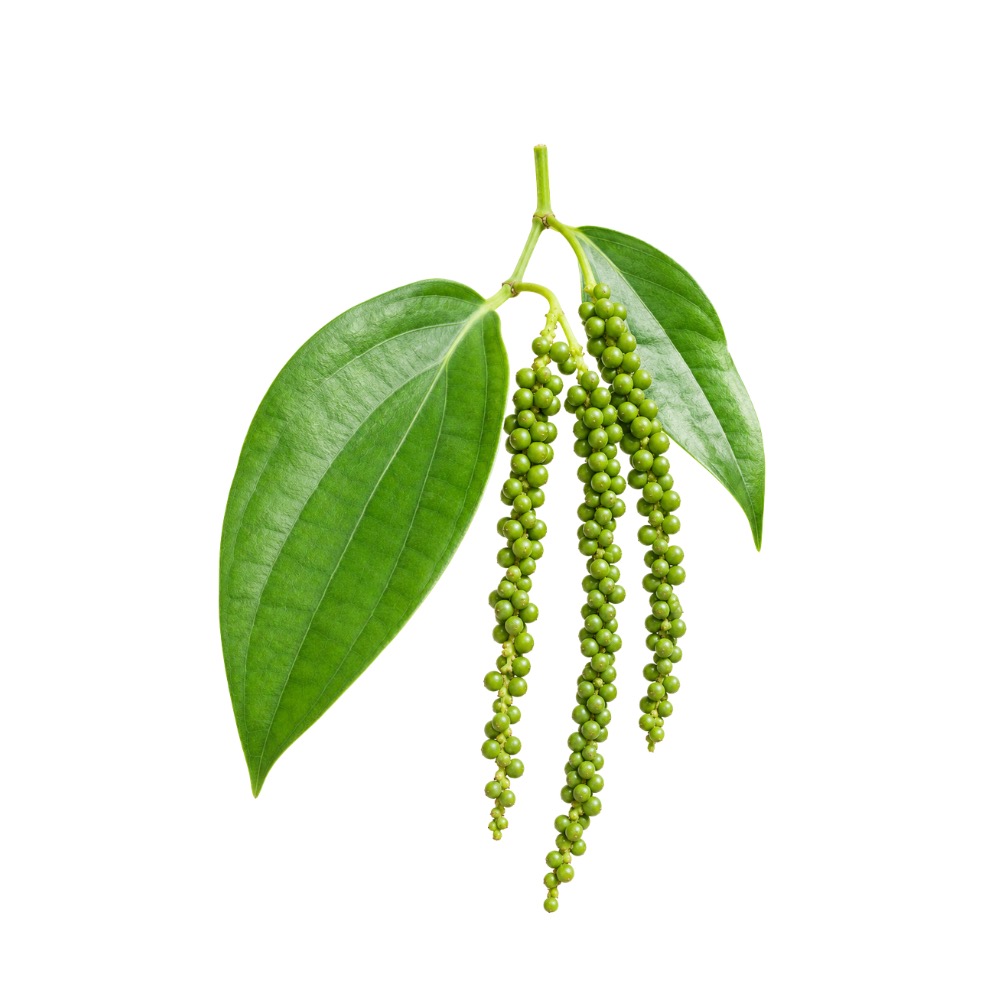 Black PepperPiper nigrumPreclinical
In rodent and cell models the alkaloid piperine reduces diet-induced weight gain by inhibiting intestinal fatty-acid absorption (down-regulating FABP2 and CD36) and by repairing the gut barrier to lower metabolic endotoxemia, with high-fat-diet rats showing less hepatic fat and better insulin sensitivity 1,
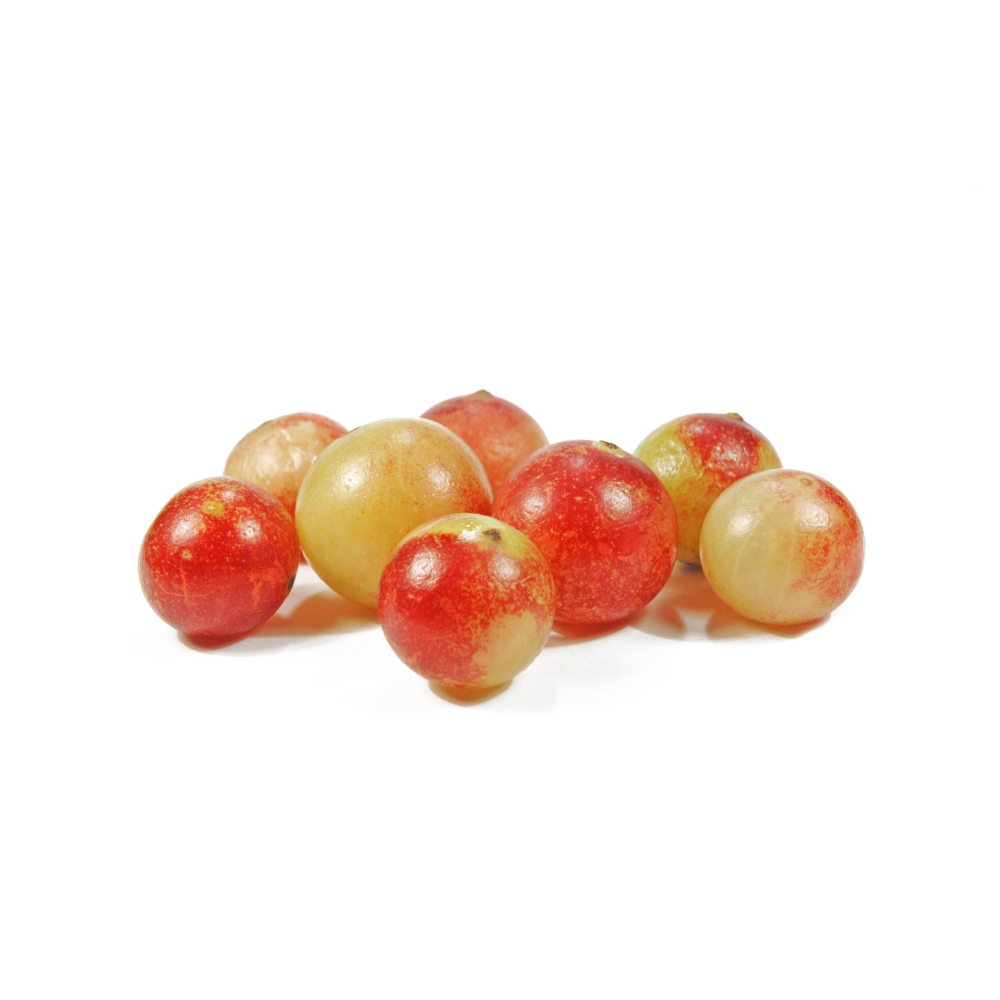 Camu-camuMyrciaria dubiaPreclinical
In high-fat/high-sucrose-fed mice a crude camu-camu extract prevented weight and fat-mass gain, raised energy expenditure via brown-adipose UCP1 (linked to bile-acid TGR5 signaling and an Akkermansia-enriched microbiota), and germ-free mice colonized with microbiota from treated donors gained less weight, establishing causality 3,
There is no dedicated human weight-loss trial (human data concern liver fat), and effective mouse doses do not translate simply to human intake.
Full monograph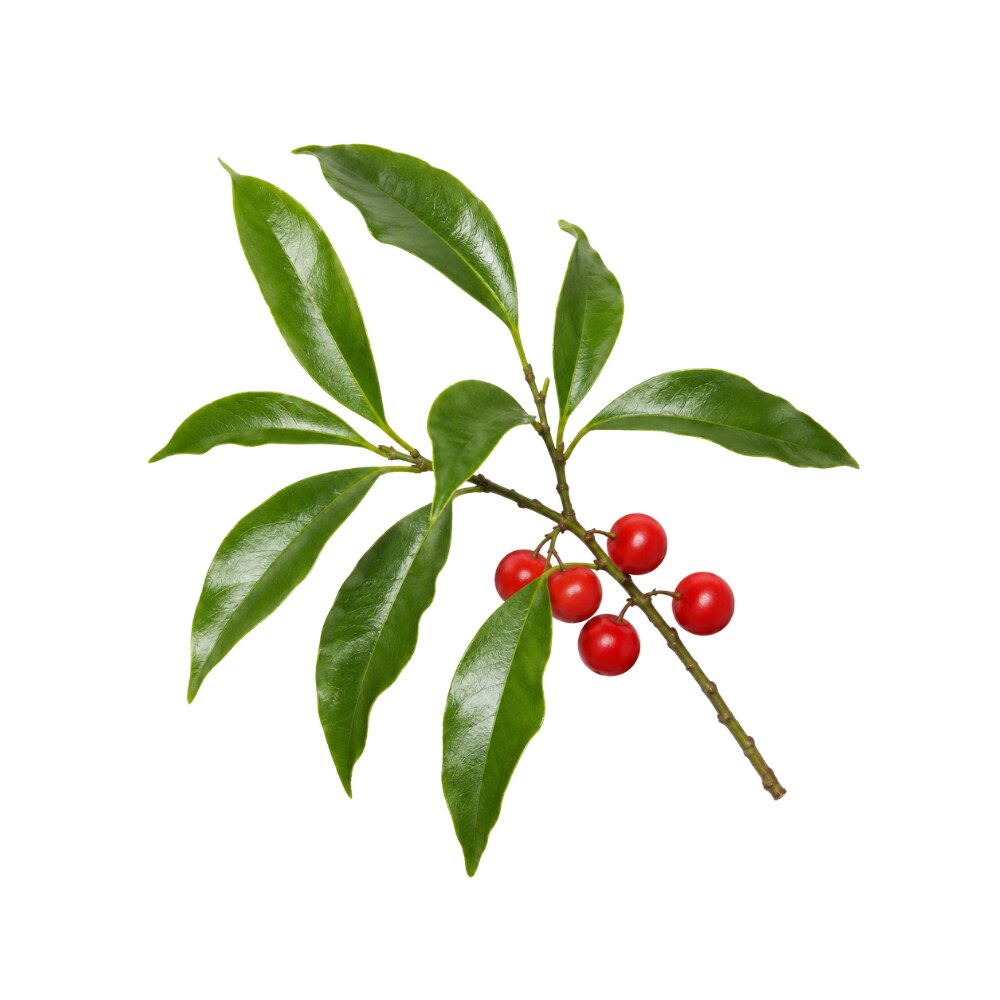 Cha De BugreCordia salicifoliaPreclinical
Cha de bugre is a traditional Brazilian slimming/appetite-suppressant tea, but the pharmacology is thin and mixed: a dry extract prevented weight gain and reduced food intake in diet-induced obese rats and anorectic effects appeared in mice at 300 mg/kg 5,
The anorectic action is attributed to caffeine never actually quantified in the plant, there is no human trial, and commercial material carries a documented heavy-metal contamination concern.
Full monograph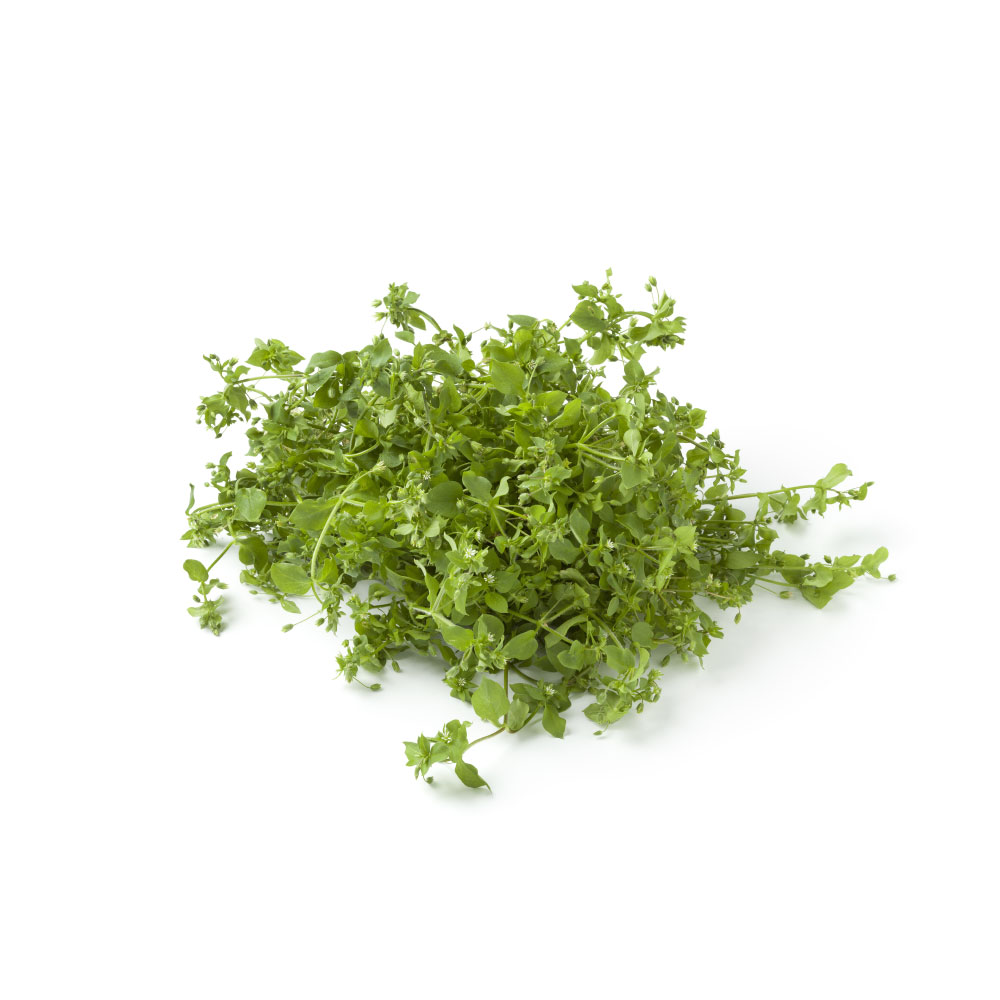 ChickweedStellaria mediaPreclinical
Chickweed’s weight studies use preparations close to traditional ones. A methanolic extract prevented body-weight and adipose gains in a progesterone-obesity mouse model, and lyophilized juice inhibited pancreatic lipase and amylase in vitro and, at 900 mg/kg in high-fat-diet mice, lowered body weight and lipids, with a proposed GLP-1-release satiety route 8,
The signal is not uniform: one study at a lower dose was null 11Reference 11AnimalEffect of Stellaria media tea on lipid profile in rats — animal modelView study →, effects appear only at high doses in specific rodent models, and no human data exist.
Full monograph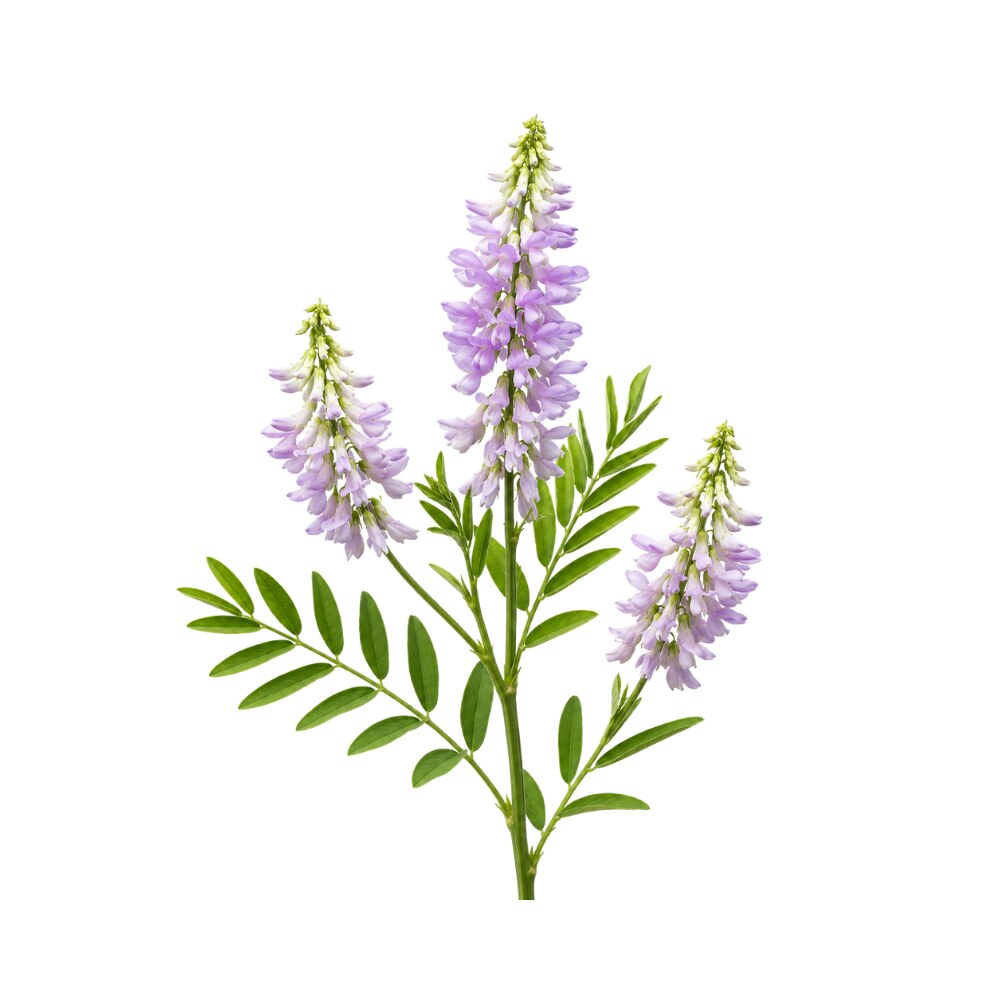 Goat’s RueGalega officinalisPreclinical
Goat’s rue at 10% of the diet produced significant, sustained weight loss in both normal and genetically obese (ob/ob) mice, an effect pinned to the guanidine alkaloid galegine — the molecule that led to metformin — which activates AMPK and down-regulates fatty-acid synthase and SREBP 18,
There is no human weight-loss trial, the effective murine dose is far above realistic human exposure, and galegine is a potent, narrow-margin compound whose content swings several-fold between preparations.
Full monograph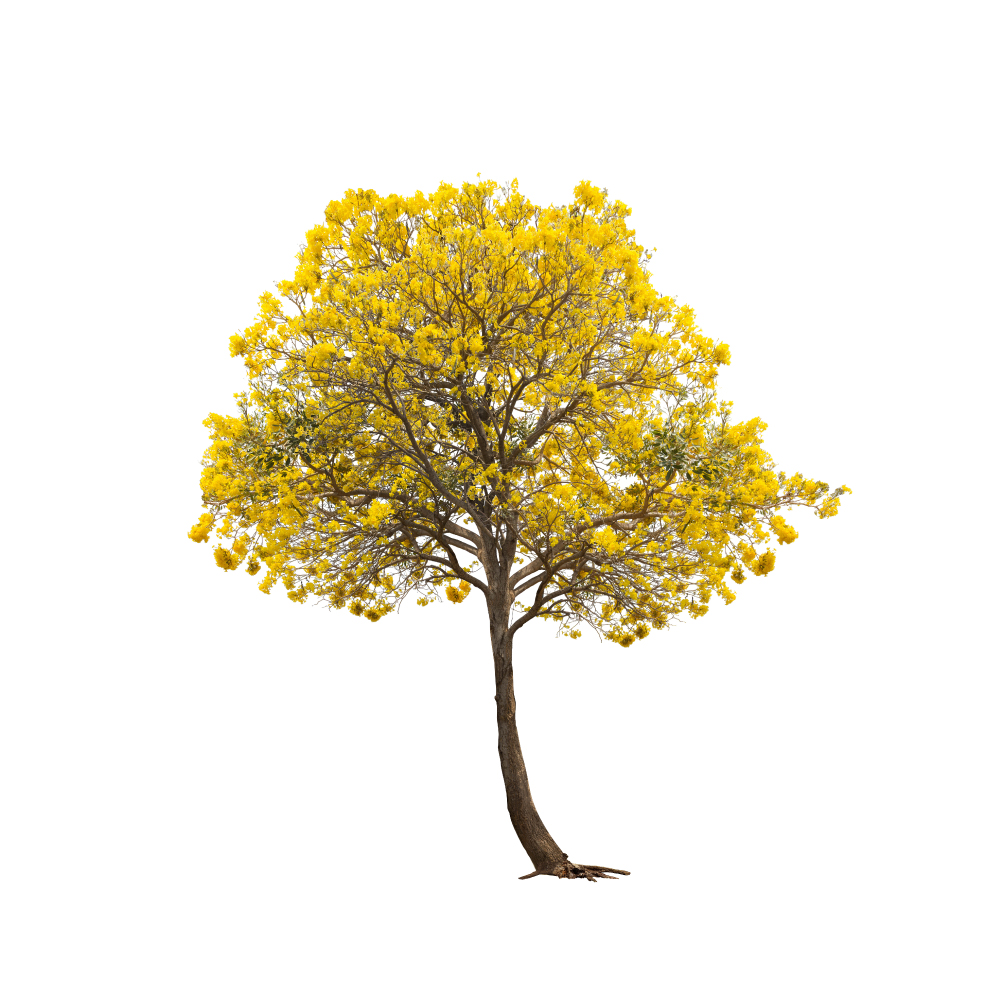 Pau D’ArcoTabebuia impetiginosaPreclinical
The metabolic signal is isolated-compound and animal only: beta-lapachone prevented weight gain in high-fat-diet and genetically obese mice by driving brown-adipose thermogenesis (UCP1) via AMPK, and an n-butanol taheebo fraction reduced body weight and fat mass in ovariectomized mice 35,
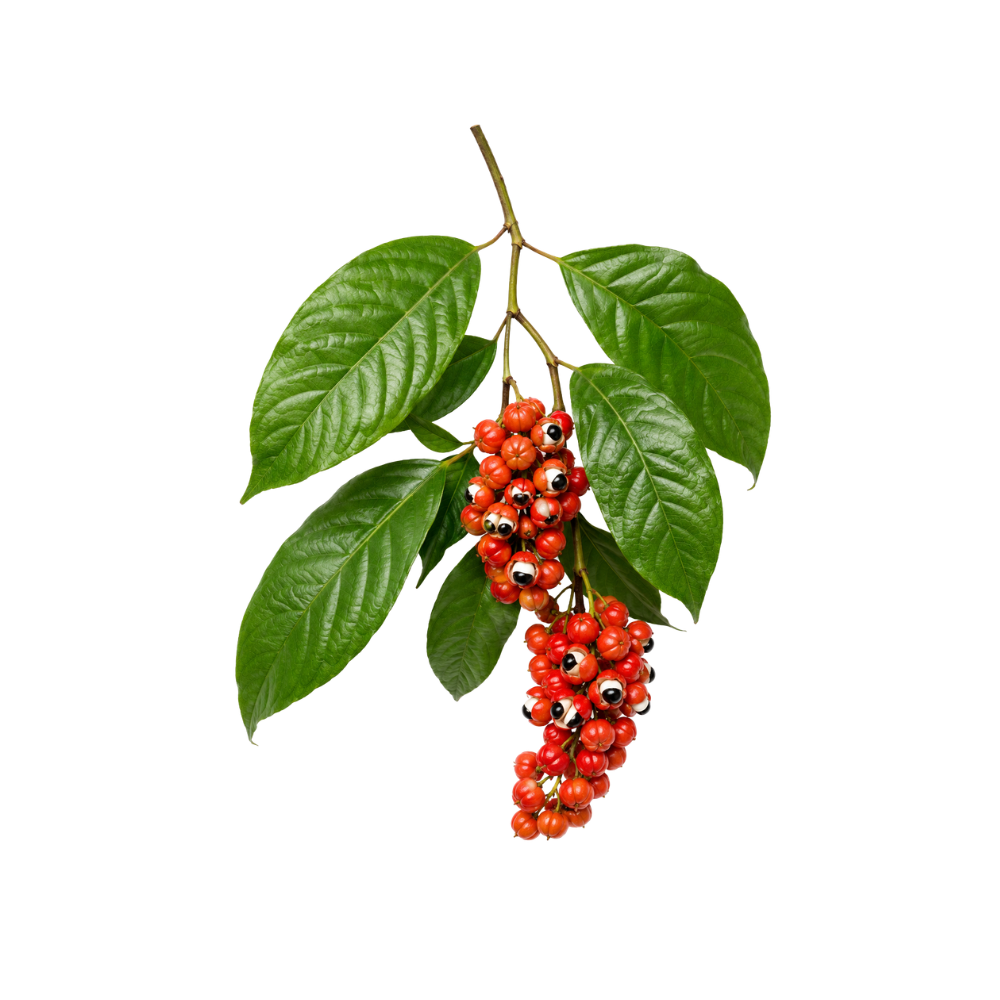 GuaranaPaullinia cupanaNo benefit shown
In obese rats guarana reduced body weight, white fat and hepatic steatosis and seed powder inhibited pancreatic lipase in vitro 23,
No guarana-alone human weight-loss trial exists.
Full monographSupplementation
Supplementation
Supplements, nutrients and compounds used for obesity.
References
- Wang, W., et al. (2021). Piperine improves obesity by inhibiting fatty-acid absorption and repairing intestinal barrier function — animal / cell. Plant Foods Hum Nutr. https://pubmed.ncbi.nlm.nih.gov/34591253/
- Wang, X., et al. (2022). Piperine attenuates hepatic steatosis and insulin resistance in high-fat-diet-induced obesity — rat. Nutr Res. https://pubmed.ncbi.nlm.nih.gov/36375392/
- Anhê FF, et al. Treatment with camu camu (Myrciaria dubia) prevents obesity by altering the gut microbiota and increasing energy expenditure in diet-induced obese mice. Gut. 2019. https://pubmed.ncbi.nlm.nih.gov/30064988/
- Abot A, et al. Camu-Camu reduces obesity and improves diabetic profiles of obese and diabetic mice: a dose-ranging study. Metabolites. 2022. https://pubmed.ncbi.nlm.nih.gov/35448490/
- Nunes, L. F., et al. (2022). Anti-obesity, slimming, biochemical and genotoxic effects of Cordia ecalyculata in diet-induced obese rats — animal in vivo study. Acta Scientiarum Polonorum Technologia Alimentaria. https://doi.org/10.17306/J.AFS.0998
- Araldi, R. P., et al. (2014). Mutagenic potential of Cordia ecalyculata alone and in association with Spirulina maxima for their evaluation as candidate anti-obesity drugs — in vivo mouse and in vitro study. Genetics and Molecular Research. https://doi.org/10.4238/2014.July.7.14
- da Silva, C. J., Bastos, J. K., & Takahashi, C. S. (2010). Evaluation of the genotoxic and cytotoxic effects of crude extracts of Cordia ecalyculata and Echinodorus grandiflorus — animal (mouse) in vivo study. Journal of Ethnopharmacology. https://doi.org/10.1016/j.jep.2009.10.015
- Chidrawar, V. R., Patel, K. N., et al. (2011). Antiobesity effect of Stellaria media against drug-induced obesity in Swiss albino mice — animal model. Ayu. https://pubmed.ncbi.nlm.nih.gov/22661858/
- Rani, N., Vasudeva, N., & Sharma, S. K. (2012). Quality assessment and anti-obesity activity of Stellaria media (Linn.) Vill. — in vitro & animal model. BMC Complementary and Alternative Medicine. https://pubmed.ncbi.nlm.nih.gov/22943464/
- Cho, H., et al. (2019). Effect of six Korean plants on glucagon-like peptide-1 release — in vitro. Food Science and Biotechnology. https://pubmed.ncbi.nlm.nih.gov/31695957/
- Demján, V., Kiss, T., et al. (2020). Effect of Stellaria media tea on lipid profile in rats — animal model. Evidence-Based Complementary and Alternative Medicine. https://pubmed.ncbi.nlm.nih.gov/32047525/
- Grosso, G., Godos, J., Galvano, F., & Giovannucci, E. L. (2017). Coffee, caffeine, and health outcomes: an umbrella review — systematic review. Annu Rev Nutr. https://pubmed.ncbi.nlm.nih.gov/28826374/
- Onakpoya, I., Terry, R., & Ernst, E. (2011). The use of green coffee extract as a weight loss supplement: a systematic review and meta-analysis of randomised clinical trials. Gastroenterol Res Pract. https://pubmed.ncbi.nlm.nih.gov/20871849/
- Godard MP, Johnson BA, Richmond SR (2005). Body composition and hormonal adaptations associated with forskolin consumption in overweight and obese men — [randomised, placebo-controlled trial]. Obes Res. https://pubmed.ncbi.nlm.nih.gov/16129715/
- Henderson S, Magu B, Rasmussen C, et al. (2005). Effects of Coleus forskohlii supplementation on body composition and hematological profiles in mildly overweight women — [randomised, placebo-controlled trial]. J Int Soc Sports Nutr. https://pubmed.ncbi.nlm.nih.gov/18500958/
- Mathern, J. R., et al. (2009). Effect of fenugreek fiber on satiety, blood glucose and insulin response and energy intake in obese subjects — randomized crossover trial. Phytother Res. https://pubmed.ncbi.nlm.nih.gov/19353539/
- Askarpour, M., et al. (2020). Effect of fenugreek supplementation on blood lipids and body weight: A systematic review and meta-analysis of randomized controlled trials. J Ethnopharmacol. https://pubmed.ncbi.nlm.nih.gov/32087319/
- Palit, P., Furman, B. L., & Gray, A. I. (1999). Novel weight-reducing activity of Galega officinalis in mice — animal model. Journal of Pharmacy and Pharmacology. https://pubmed.ncbi.nlm.nih.gov/10632090/
- Mooney, M. H., Fogarty, S., Stevenson, C., et al. (2008). Mechanisms underlying the metabolic actions of galegine that contribute to weight loss in mice — animal model / in vitro. British Journal of Pharmacology. https://pubmed.ncbi.nlm.nih.gov/18297106/
- Coxon, G. D., Furman, B. L., Harvey, A. L., et al. (2009). Benzylguanidines and other galegine analogues inducing weight loss in mice — animal model. Journal of Medicinal Chemistry. https://pubmed.ncbi.nlm.nih.gov/19422230/
- Cangiano C, Ceci F, Cascino A, et al. (1992). Eating behavior and adherence to dietary prescriptions in obese adult subjects treated with 5-hydroxytryptophan — randomised controlled trial. American Journal of Clinical Nutrition. https://pubmed.ncbi.nlm.nih.gov/1384305/
- Rondanelli M, Klersy C, Iadarola P, et al. (2009). Satiety and amino-acid profile in overweight women after a natural plant-extract (5-hydroxytryptophan) sublingual spray — randomised, double-blind, placebo-controlled trial. International Journal of Obesity. https://pubmed.ncbi.nlm.nih.gov/19752879/
- Liang, M. Y., et al. (2023). Effect of guarana on lipid metabolism in obese rats: a lipidomics study — animal model. China Journal of Chinese Materia Medica. https://pubmed.ncbi.nlm.nih.gov/37475078/
- Figueira, M. S., et al. (2022). Effect of guarana seed powder on cholesterol absorption in vitro and in Caco-2 cells — in vitro. Food Research International. https://pubmed.ncbi.nlm.nih.gov/36461218/
- Haller, C. A., Jacob, P., & Benowitz, N. L. (2005). Short-term metabolic and hemodynamic effects of ephedra and guarana combinations — randomised controlled trial. Clinical Pharmacology and Therapeutics. https://pubmed.ncbi.nlm.nih.gov/15961987/
- Zuñiga, L. Y., et al. (2017). Effect of Gymnema sylvestre administration on metabolic syndrome, insulin sensitivity, and insulin secretion — randomised, double-blind, placebo-controlled trial. Journal of Medicinal Food. https://pubmed.ncbi.nlm.nih.gov/28459647/
- Bandala, C., et al. (2024). Comparative effects of Gymnema sylvestre and berberine on adipokines, body composition, and metabolic parameters in obesity — randomised controlled trial. Nutrients. https://pubmed.ncbi.nlm.nih.gov/39064727/
- Pothuraju, R., Sharma, R. K., Chagalamarri, J., Jangra, S., & Kumar Kavadi, P. (2014). A systematic review of Gymnema sylvestre in obesity and diabetes management. Journal of the Science of Food and Agriculture. https://pubmed.ncbi.nlm.nih.gov/24166097/
- Rao, A., Clayton, P., & Briskey, D. (2022). The effect of an orally-dosed Gynostemma pentaphyllum extract (ActivAMP) on body composition — double-blind randomised placebo-controlled trial. Journal of Human Nutrition and Dietetics. https://pubmed.ncbi.nlm.nih.gov/34323337/
- Li, Y., et al. (2023). The role of Gynostemma pentaphyllum in regulating hyperlipidemia — meta-analysis. The American Journal of Chinese Medicine. https://pubmed.ncbi.nlm.nih.gov/37129524/
- Nayyar, D., et al. (2023). Gynostemma pentaphyllum increases exercise performance and alters mitochondrial respiration and AMPK in healthy males — randomised controlled trial. Nutrients. https://pubmed.ncbi.nlm.nih.gov/38004115/
- Namazi N, Larijani B, et al. (2018). The effects of Nigella sativa L. on obesity — systematic review and meta-analysis. J Ethnopharmacol. https://pubmed.ncbi.nlm.nih.gov/29559374/
- Mousavi SM, Sheikhi A, et al. (2018). Effect of Nigella sativa supplementation on obesity indices — systematic review and meta-analysis of randomized controlled trials. Complement Ther Med. https://pubmed.ncbi.nlm.nih.gov/29857879/
- Jafari A, Mardani H, et al. (2025). Does Nigella sativa supplementation improve cardiovascular disease risk factors? A GRADE-assessed systematic review and dose-response meta-analysis of 82 randomized controlled trials. Pharmacol Res. https://pubmed.ncbi.nlm.nih.gov/40714301/
- Kwak, H. J., Jeong, M. Y., Um, J. Y., & Park, J. (2019). β-Lapachone regulates obesity through modulating thermogenesis in brown adipose tissue and adipocytes via AMPK signaling — mouse model and in vitro. American Journal of Chinese Medicine, 47(4), 803-822. https://pubmed.ncbi.nlm.nih.gov/31094212/
- Iwamoto, K., Fukuda, Y., Tokikura, C., et al. (2016). The anti-obesity effect of taheebo (Tabebuia avellanedae) extract in ovariectomized mice — animal model. Biochemical and Biophysical Research Communications, 478(3), 1136-1140. https://pubmed.ncbi.nlm.nih.gov/27539320/
- Gibb, R. D., et al. (2023). Psyllium is a natural nonfermented gel-forming fiber that is effective for weight loss: a comprehensive review and meta-analysis — meta-analysis. Journal of the American Association of Nurse Practitioners, 35(8), 468–476. https://pubmed.ncbi.nlm.nih.gov/37163454/
- Brum, J. M., et al. (2016). Satiety effects of psyllium in healthy volunteers — randomised controlled trial. Appetite, 105, 27–36. https://pubmed.ncbi.nlm.nih.gov/27166077/
- Hursel, R., Viechtbauer, W., & Westerterp-Plantenga, M. S. (2009). The effects of green tea on weight loss and weight maintenance: a meta-analysis. Int J Obes (Lond), 33(9), 956-961. https://pubmed.ncbi.nlm.nih.gov/19597519/
- Jurgens, T. M., Whelan, A. M., Killian, L., et al. (2012). Green tea for weight loss and weight maintenance in overweight or obese adults — systematic review (Cochrane). Cochrane Database Syst Rev, (12), CD008650. https://pubmed.ncbi.nlm.nih.gov/23235664/
- Kim, S. Y., et al. (2015). Anti-obesity effects of Yerba Maté (Ilex paraguariensis): a randomized, double-blind, placebo-controlled clinical trial. BMC Complementary and Alternative Medicine. https://pubmed.ncbi.nlm.nih.gov/26408319/
- Alkhatib, A. (2014). Yerba Maté (Ilex paraguariensis) ingestion augments fat oxidation and energy expenditure during exercise — randomised crossover trial. Nutrition & Metabolism. https://pubmed.ncbi.nlm.nih.gov/25342955/
- Alkhatib, A., & Atcheson, R. (2017). Yerba Maté (Ilex paraguariensis) metabolic, satiety, and mood state effects at rest and during prolonged exercise — randomized trial. Nutrients. https://pubmed.ncbi.nlm.nih.gov/28809814/
- Li, D., et al. (2025). Yerba Maté and its impact on glycemic control and metabolic health: a systematic review and meta-analysis of RCTs. Frontiers in Endocrinology. https://pubmed.ncbi.nlm.nih.gov/41244043/
- Mödinger Y, et al. (2021). A Food Supplement with Antioxidative Santa Herba Extract Modulates Energy Metabolism and Contributes to Weight Management — randomised placebo-controlled clinical trial. Journal of Medicinal Food. https://pubmed.ncbi.nlm.nih.gov/34255555/