
Condition
Metabolic Syndrome
Metabolic syndrome is a cluster of conditions including abdominal obesity, high blood pressure, abnormal lipids, and elevated blood glucose that together raise cardiovascular risk.

Overview
Aetiology
Hypertention, altered glucose metabolism, dyslipidemia, and abdominal obesity are all part of pathological process in metabolic syndrome.
Metabolic syndrome places sufferes at a much higher risk for developing cardiovascular disease.
Lack of excercize, high carbohydrate diets, and poorly managed stress have all been linked to the development of metabolic syndrome.
Presentation
Symptoms
Metabolic syndrome is often silent, with no overt symptoms until complications arise. When present, features may include central weight gain, fatigue, raised blood pressure, and signs of insulin resistance such as acanthosis nigricans. It is most often detected through routine screening of waist circumference, blood pressure, lipids, and blood glucose.
Assessment
Diagnostic Considerations
Diagnosis of metabolic syndrome relies on 3 or more of the following:
- Abdominal obesity: Defined as having a waist circumpherence of over 88 cm in women, or 102 cm in men.
- Triglycerides: Over 1.7 mmol/L
- High density lipoproteins (HDL): Under 1.3 mmol/L in women or 1.0 mmol/L in men.
- Blood pressure: Over 130/85 mm Hg
- Fasting blood glucose: Over 5.6 mmol/L
Assessment
Differential Diagnosis
- Type 2 diabetes mellitus
- Cushing’s syndrome
- Hypothyroidism
- Polycystic ovary syndrome
- Simple obesity
Herbs for Metabolic Syndrome
- giant knotweed
- Pine
- garlic
- psyllium
- grape seed extract
The Herbs
Materia Medica (20)
Herbs traditionally or clinically used for metabolic syndrome.
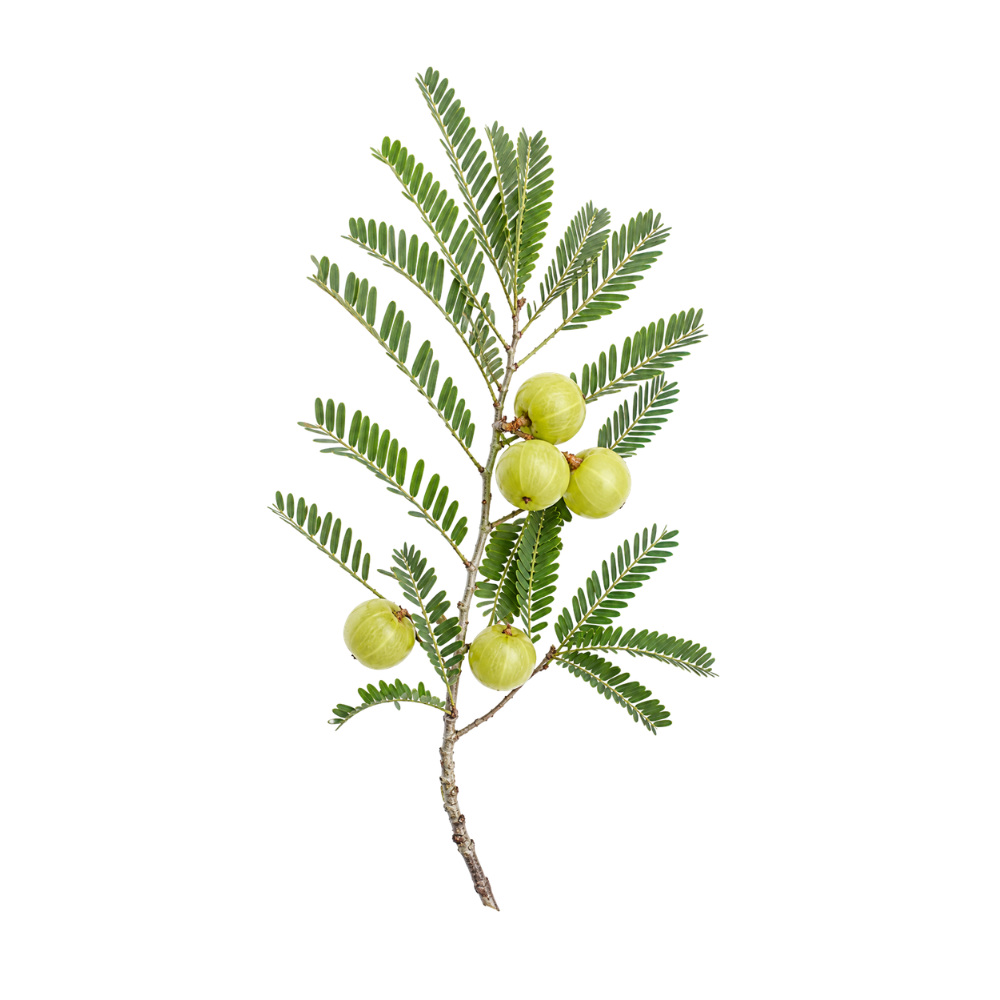

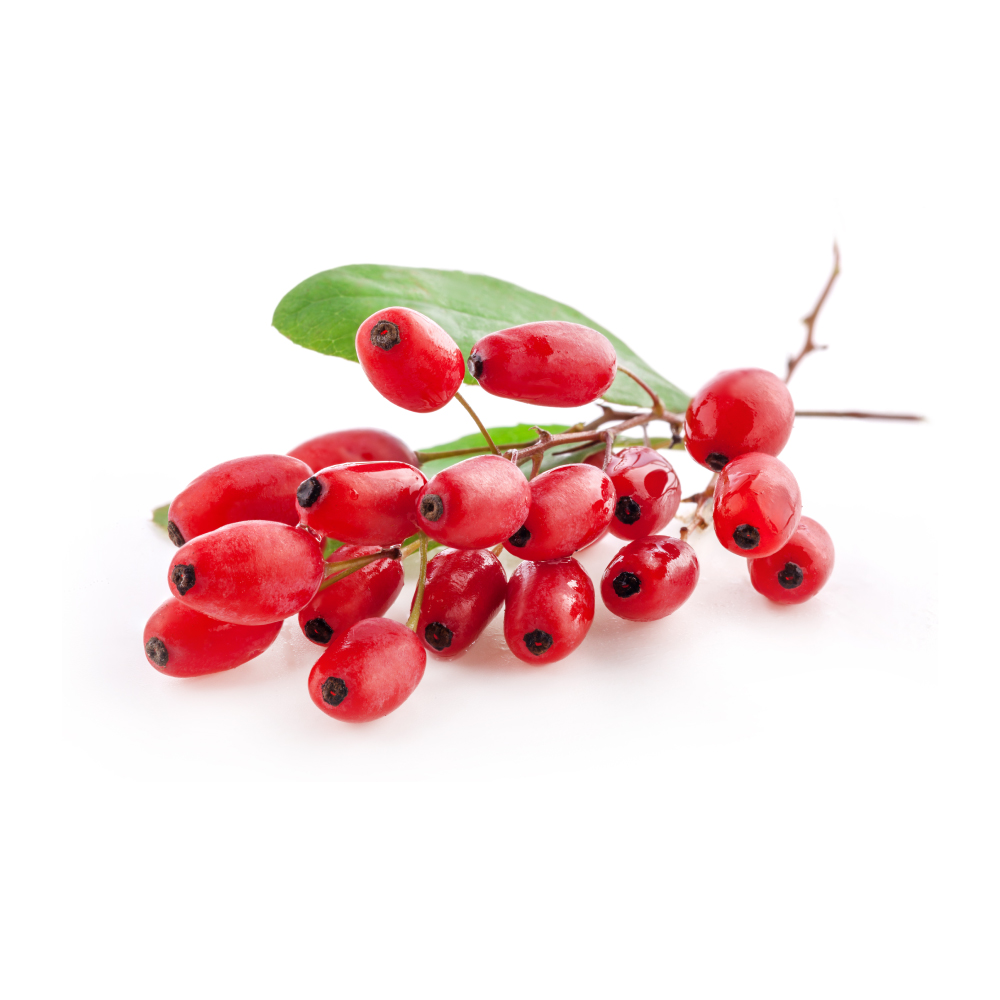
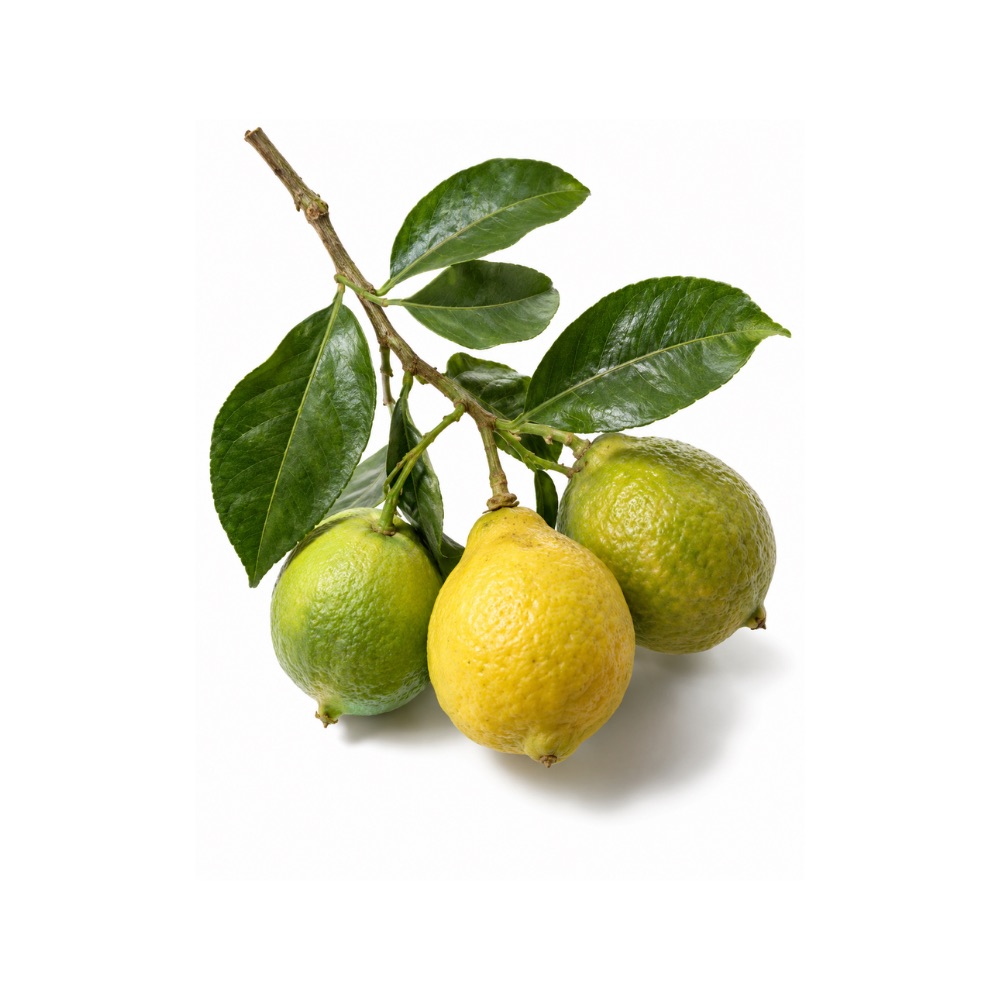
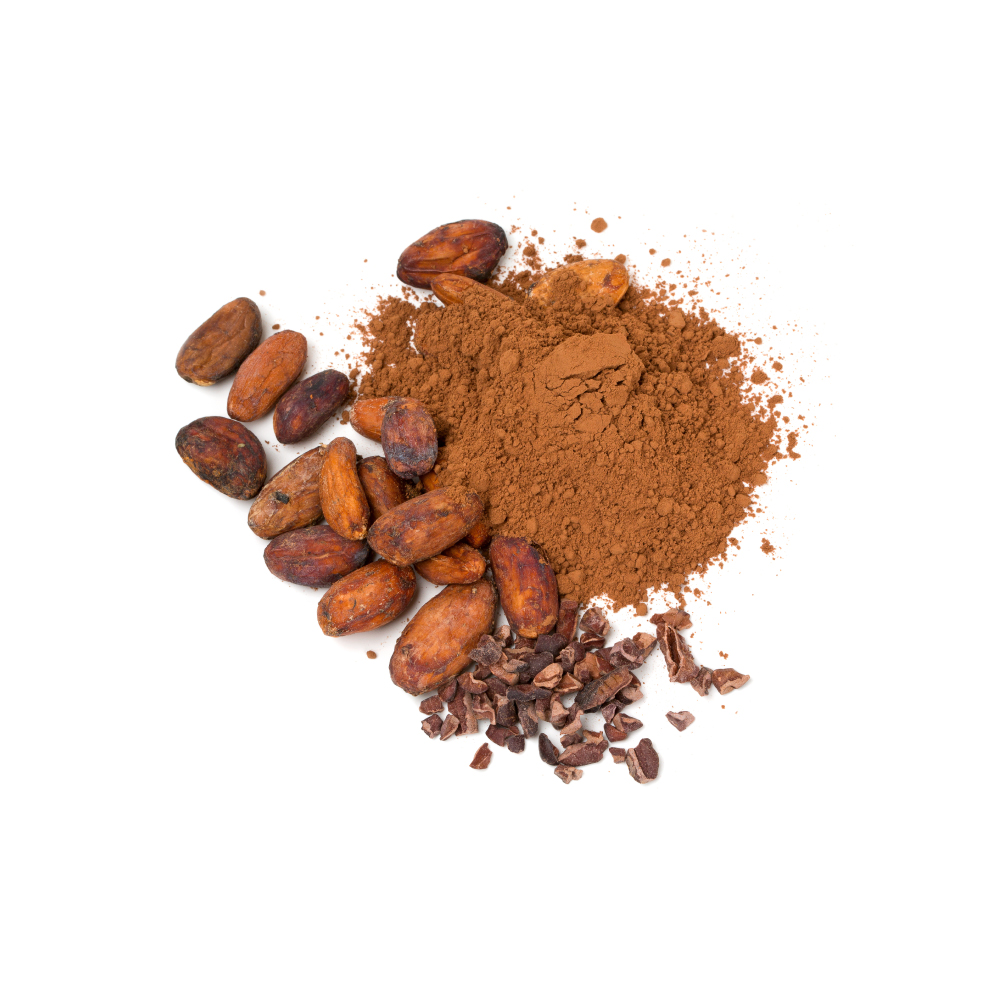
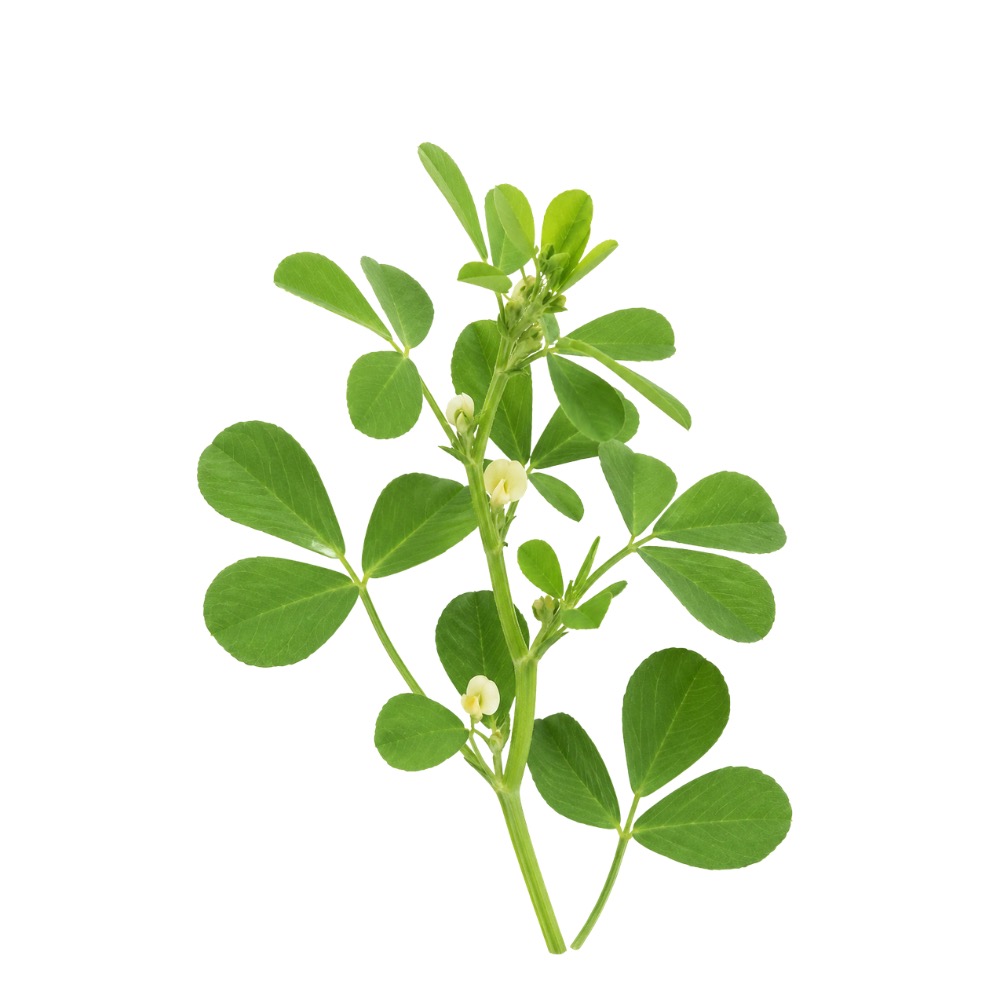

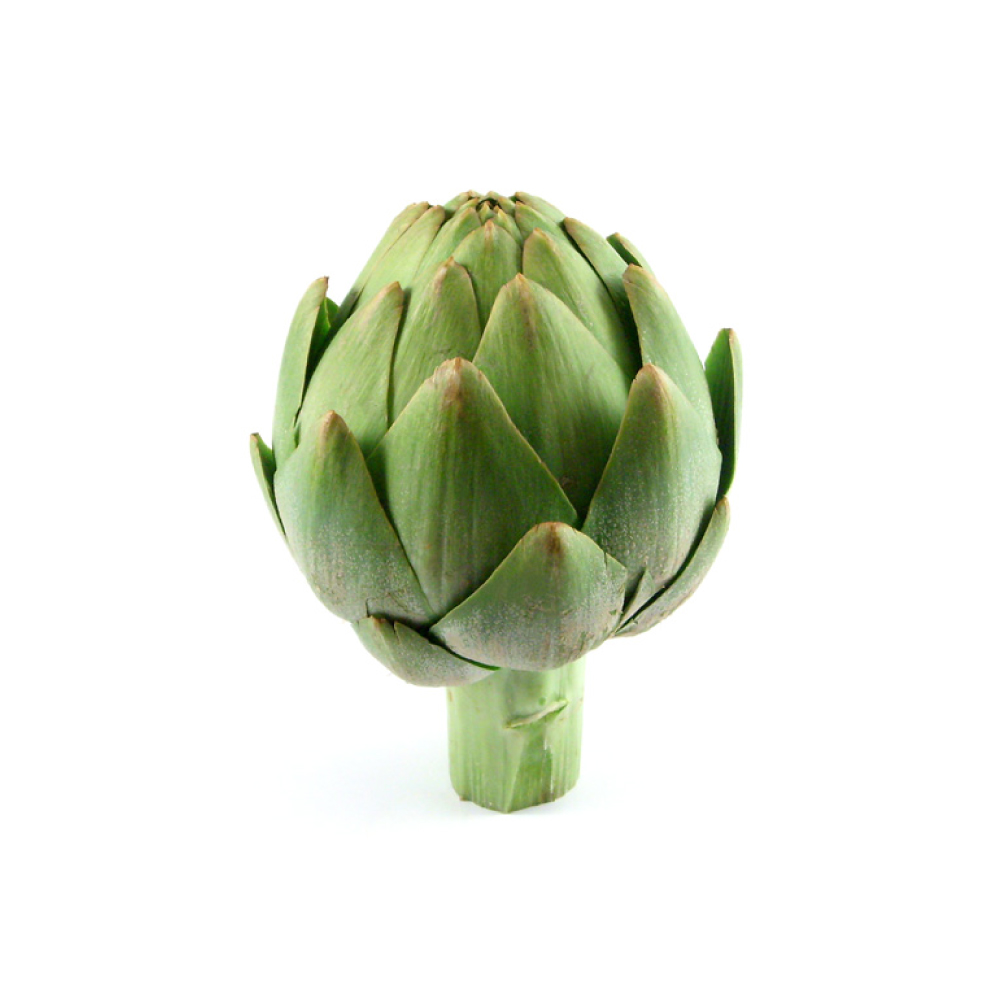

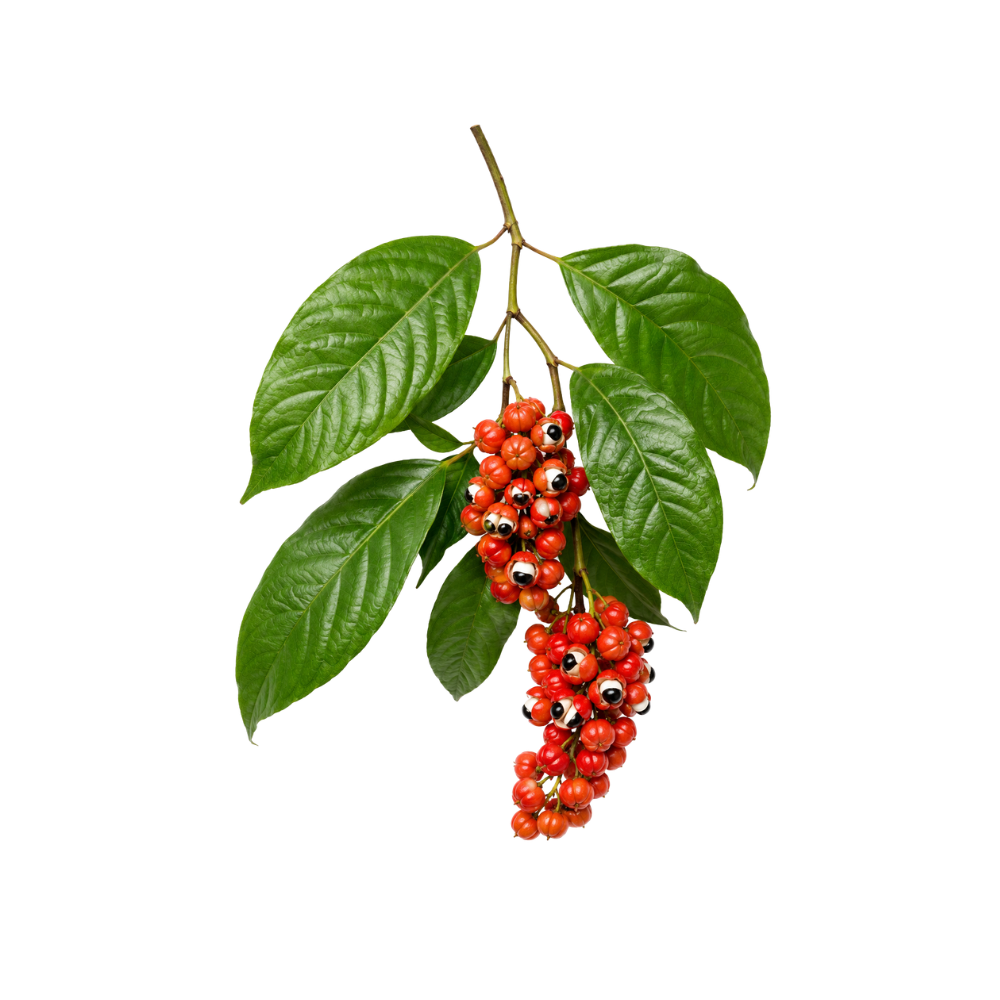
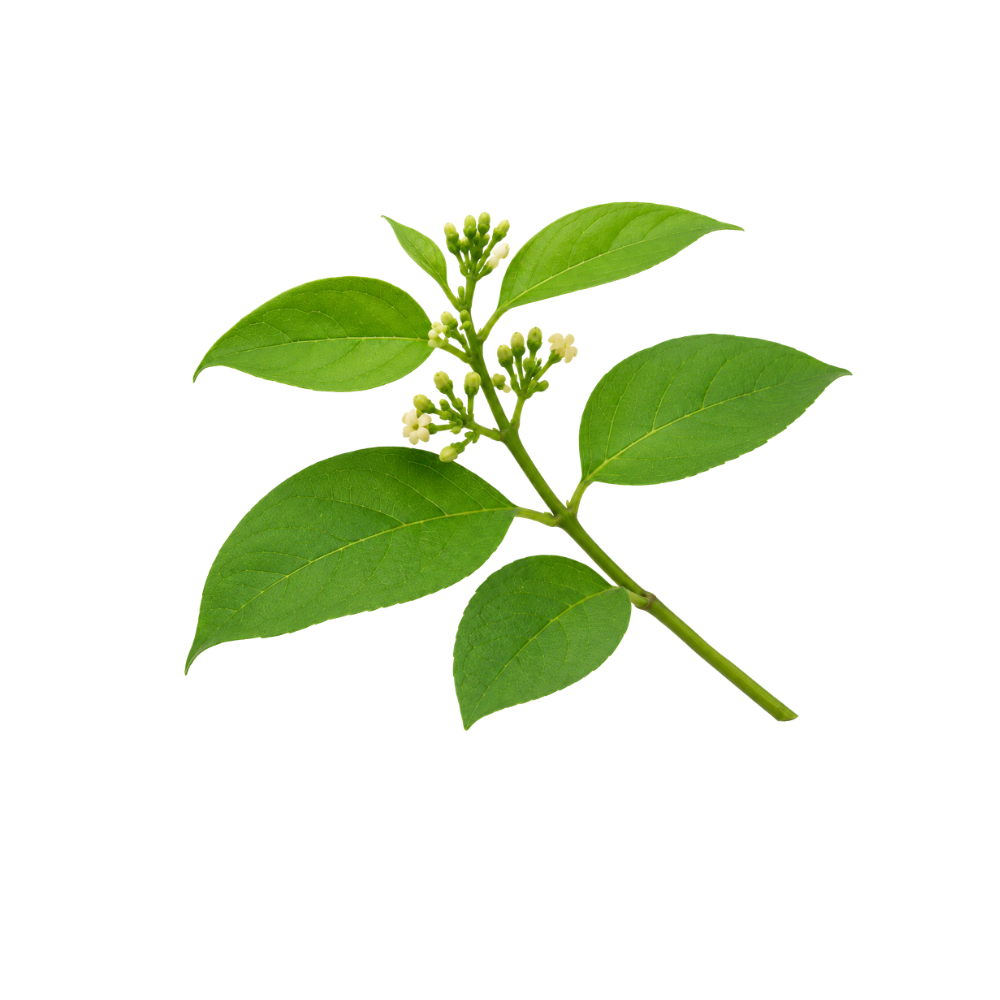
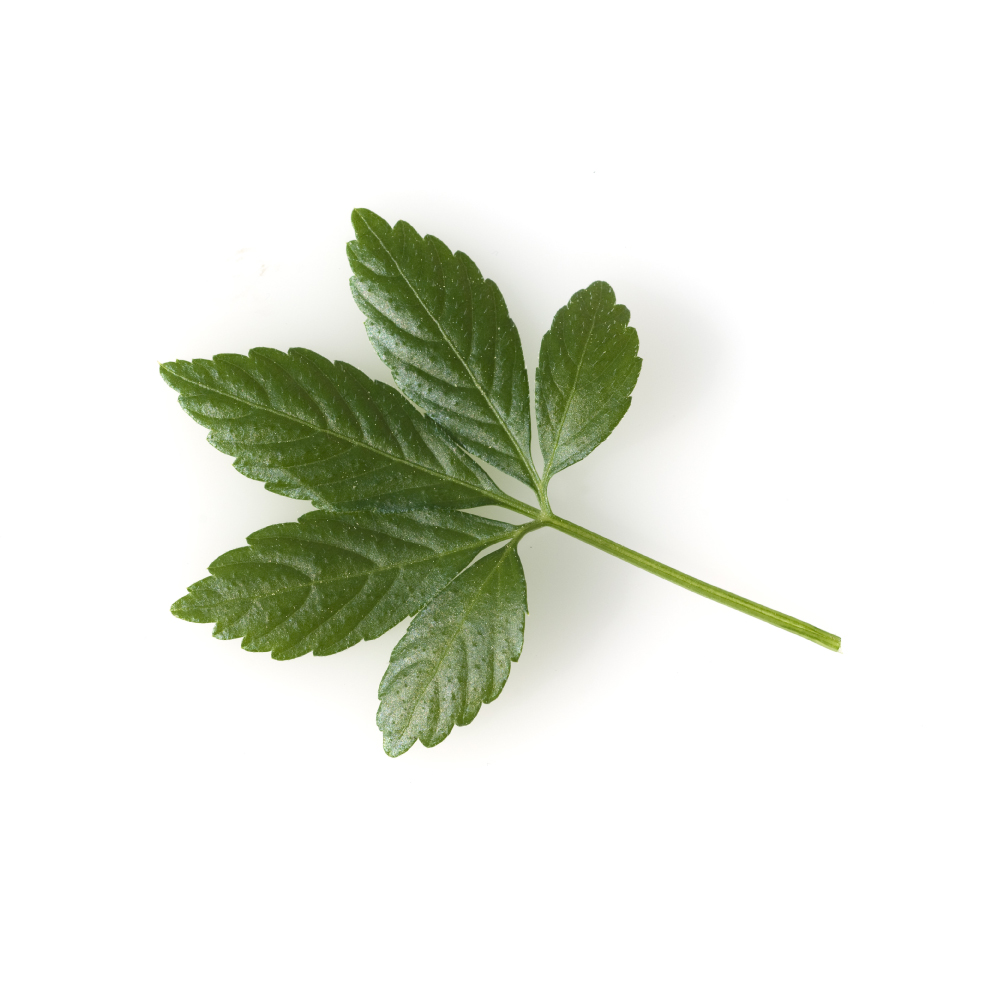


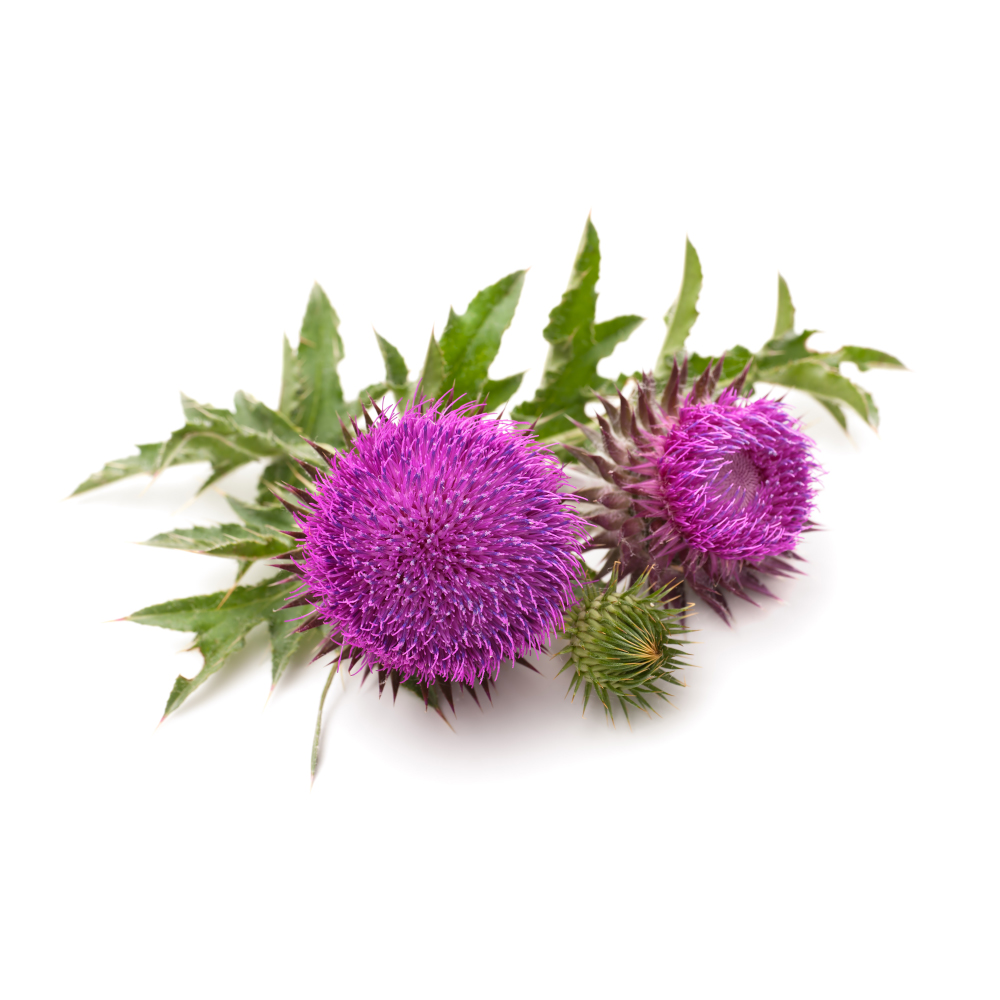

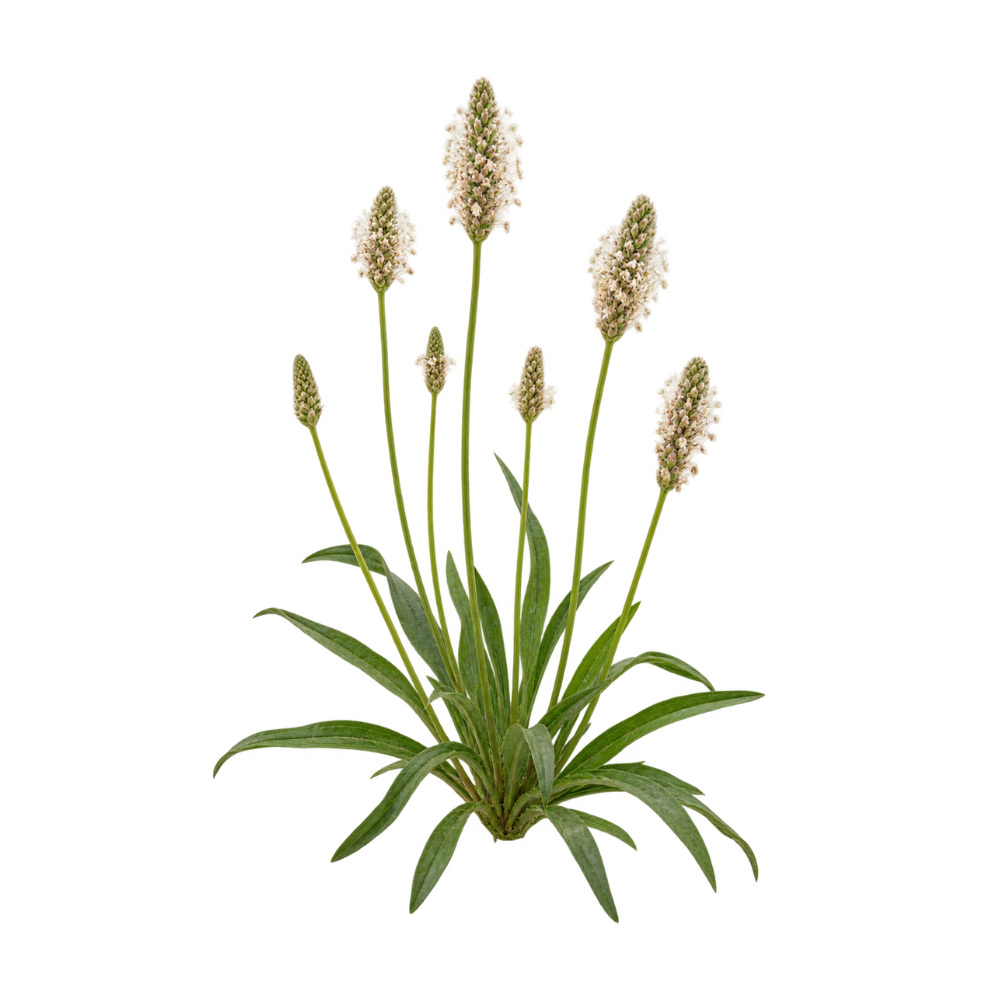

Supplementation
Supplementation (8)
Supplements, nutrients and compounds used for metabolic syndrome.
Berberine
Alkaloid (isoquinoline)
A bright-yellow isoquinoline alkaloid from barberry, goldthread and goldenseal — with an unusually large clinical literature (blood sugar, cholesterol, fatty liver) for a plant compound, and famously poor oral absorption.
Gum Arabic
Soluble fiber (plant exudate gum)
Gum arabic is the dried sap of two African thorn trees — Senegalia senegal and Vachellia seyal — sold as a soluble prebiotic fiber. It is barely fermented in the small intestine, reaches the distal colon largely intact, and feeds butyrate-producing bacteria there; small randomized trials consistently show a drop in C-reactive protein, with weaker signals on body fat, blood pressure and dental plaque.
Humanin
Mitochondrial-derived peptide (cytoprotective)
An endogenous 24-amino-acid mitochondrial-derived peptide studied preclinically for cytoprotection and neuroprotection, with no human treatment trials.
Inositol
Sugar alcohol (pseudovitamin)
A sugar-alcohol "pseudovitamin" and cellular second-messenger precursor used for mood, anxiety, PCOS and insulin sensitivity.
Liraglutide (Victoza / Saxenda)
GLP-1 receptor agonist
A prescription once-daily GLP-1 receptor agonist for type 2 diabetes and chronic weight management — the drug that established the class.
MOTS-c
Mitochondrial-derived peptide (mitokine)
A 16-amino-acid mitochondrial-derived peptide studied for insulin sensitivity and metabolism.
Semaglutide (Ozempic / Wegovy / Rybelsus)
GLP-1 receptor agonist
A prescription GLP-1 receptor agonist approved for type 2 diabetes, chronic weight management, and cardiovascular, renal and liver (MASH) risk reduction.
Tirzepatide (Mounjaro / Zepbound)
Dual GIP / GLP-1 receptor agonist ("twincretin")
A prescription dual GIP/GLP-1 receptor agonist approved for type 2 diabetes, chronic weight management, and obstructive sleep apnea with obesity.