

Overview
Cardioprotective at a Glance
Cardioprotective herbs help protect the heart muscle and its blood supply from damage.
This is different from a cardiotonic, which acts more directly on the force, rate, or rhythm of the heartbeat.
Some cardioprotectives act on the myocardium itself, helping heart muscle tolerate oxidative stress, inflammation, or periods of reduced blood flow.
Dan shen, rhodiola, rooibos, and turmeric all have evidence for this kind of protection, although much of it comes from animal models of ischaemia and reperfusion.
Others work more on the blood vessels feeding the heart.
Red yeast rice lowers LDL through the same enzyme targeted by statins, while garlic, tea, and turmeric can influence lipids, endothelial function, or platelet activity.
These routes are especially relevant to atherosclerosis and coronary disease, where protecting the heart often means preventing the loss of blood flow in the first place.
Cardioprotective herbs have traditionally been used for chest weakness, poor circulation, and support of the heart, with dan shen and arjuna among the better-known examples.
The leaves and roots are to very good purpose used in putrid and pestilential fevers, to defend the heart, and help to resist and expel the poison.
Nicholas Culpeper, The Complete Herbal, 1653, on borage
Caution
Adds to heart medication — these herbs can add to antiplatelet, anticoagulant, blood-pressure and lipid-lowering drugs, and the antiplatelet ones matter around surgery and dental work.
No replacement for secondary prevention — no herb replaces statins, antiplatelets, blood-pressure control and revascularisation after a heart attack.
Chest symptoms need assessment — chest pain, breathlessness on exertion and fainting need investigation, not a herb.
Mechanisms
How It Works
01
Conditioning Against Ischaemia and Reperfusion
Conditioning raises the heart muscle’s own antioxidant and anti-apoptotic defences, so that it survives a period without blood flow and the reperfusion that follows.
Dan shen’s salvianolic acids and danshensu raise Nrf2 and SOD, lower MDA and reduce infarct size across dozens of animal studies.
Rhodiola’s salidroside activates AMPK and blocks ferroptosis in reperfused myocardium. Silverweed root extracts and polyphenols reduce infarct injury and cardiomyocyte apoptosis in rats, and green rooibos extract protected ischaemic prediabetic rat hearts.
Curcuminoids reduced in-hospital myocardial infarction after bypass surgery in one trial, the one human test of conditioning among these herbs.
There is no conditioning drug in routine use. Cardiology reaches the same protection mechanically, by brief cycles of ischaemia before the main insult.
Nearly all of the evidence is pre-treatment in animals, which is not a model of a person taking a herb after a diagnosis.
A conditioning route that works through a controlled burst of oxidative stress has no established dose window.
Herbs: Dan ShenRhodiolaRooibosSilverweedTurmeric
Key compounds: DanshensuSalvianolic Acid BSalidrosideAspalathinCurcumin
02
Lipid Lowering and Plaque
Lowering LDL cholesterol and slowing plaque growth reduces the chance of a coronary event in the first place.
Red yeast rice’s monacolin K inhibits HMG-CoA reductase, the statin mechanism, and a standardised extract cut recurrent coronary events and mortality over 4.5 years after myocardial infarction.
Garlic lowers blood pressure and lipids modestly and slowed plaque progression in two trials. Turmeric’s curcumin lowers lipids and C-reactive protein by small amounts.
This is exactly how statins work, and red yeast rice is a statin in all but regulation.
The monacolin content of retail products is unregulated and highly variable.
Garlic and turmeric have no hard-endpoint trial.
Herbs: GarlicRed Yeast RiceTurmeric
Key compounds: Monacolin KAllicinAjoeneCurcumin
03
Endothelium and Platelets
Keeping the artery lining responsive and platelets quiet maintains the flow of blood to the heart.
Tea’s catechins restored flow-mediated dilation in patients with coronary disease, and EGCG inhibits angiotensin-converting enzyme and improves nitric-oxide-mediated tone.
Guarana’s catechins and their dimers, rather than its caffeine, reduce platelet aggregation and thromboxane synthesis. Garlic’s thiosulfinates suppress thromboxane and reduced platelet aggregation across a review of twelve trials.
Aspirin does the platelet part irreversibly and at a known dose. Herbal antiplatelet effects vary with the preparation and are not measured in the person taking them.
Herbal antiplatelet activity adds to aspirin, clopidogrel and anticoagulants, and matters around surgery.
Tea’s mortality data are observational.
Key compounds: EGCGCatechinsEpicatechinAjoeneAllicin
04
Calcium Handling and Remodelling
Limiting calcium overload damps the hypertrophy signalling that thickens and stiffens a stressed heart.
Abuta’s tetrandrine is an L-type calcium-channel blocker. Root extract limited isoproterenol-induced dysfunction and thyroxine-induced hypertrophy in rats, restoring calcineurin and glutathione-system markers.
Prescription calcium-channel blockers do the same at a known dose.
Calcium-channel blockade reduces contractile force if anything, so this is protection and not tonic action.
Two studies from one laboratory, with no replication and no human data.
Herbs: Abuta
Key compounds: Tetrandrine
The Molecules
Pharmacology
What produces a cardioprotective effect at the molecular level. The herbs carry these molecules in different combinations and amounts, which is most of why their potency differs. Roles describe how central a molecule is to the action across plants generally, not how strong any one herb is.
Chiefly Phenolic Acids4Diterpenes1Indole Alkaloids1Saponins1
Carries the action largely on its own — the effect is attributed to the molecule, not just the extract it came from.
Adds to a plant's effect and is often present in quantity, but rarely accounts for it alone.
Real but narrow — one pathway, one tissue, or evidence too thin to lean on.
Danshensu Phenolic Acids Primary mover Targets Nrf2/HO-1 + PI3K/Akt-ERK1/2 anti-apoptosis; SDF-1α/CXCR4-driven angiogenesis; improved hemorheology
The largest and best-organised preclinical body of work on the molecule.
A systematic review and meta-analysis pooled 32 studies containing 473 animals and 134 cell experiments of myocardial ischaemic injury: danshensu significantly reduced infarct size in vivo and increased cell viability while reducing apoptosis in vitro, both p < 0.01.
The reviewers extracted improved circulation, antioxidant and anti-inflammatory action, anti-apoptosis, promotion of angiogenesis, limitation of excessive autophagy, reduced calcium overload and improved energy metabolism as the mechanisms 1Reference 1Danshensu for myocardial ischemic injury — preclinical evidence and novel methodology of quality assessment toolView study →.
Danshensu accelerated post-infarction angiogenesis in rats and improved endothelial progenitor cell function through the SDF-1α/CXCR4 axis 2Reference 2AnimalDanshensu accelerates angiogenesis after myocardial infarction in rats and promotes the functions of endothelial progenitor cells through the SDF-1α/CXCR4 axisView study →, and protected against doxorubicin cardiotoxicity through Keap1-Nrf2/NQO1, reducing oxidative stress, inflammation and apoptosis and shortening the prolonged QTc 3Reference 3Therapeutic potentials and mechanisms of the Chinese traditional medicine DanshensuView study →.
The line goes back to a 1982 study on isolated swine coronary artery 4Reference 4Effect of danshensu on isolated swine coronary artery perfusion preparation [in Chinese]View study →.
The meta-analysis scored its animal studies 3 to 7 of 10 on CAMARADES and its cell studies 3 to 6 of 10, and concluded that danshensu is a candidate for clinical trials, none of which has yet run.
Salvianolic Acid B Phenolic Acids Primary mover Targets Infarct-size limitation via oxidative-stress/inflammation attenuation, neovascularisation, reduced cardiomyocyte apoptosis
The largest preclinical dataset attached to any single danshen molecule.
A systematic review and meta-analysis pooled 32 studies and 732 animals of myocardial ischaemia-reperfusion injury: Sal B significantly reduced infarct size and the injury markers CK-MB, CK, LDH and cardiac troponin I, and improved LVFS, ±dp/dt max and cardiac output, through attenuated oxidative stress and inflammation, neovascularisation, regulation of vascular function and reduced cardiomyocyte apoptosis.
The authors flagged publication bias across the included studies 11Reference 11Meta-analysisProtective effect of salvianolic acid B against myocardial ischemia/reperfusion injury — preclinical systematic evaluation and meta-analysis of animal studiesView study →.
A 2025 review consolidates the wider set: mitophagy induction, endothelial function, antifibrotic action and improved haemorheology 12Reference 12Salvianolic acid B — a promising cardioprotective agentView study →.
In people, salvianolate injection in acute myocardial infarction across 30 RCTs and 3,931 patients reduced major adverse cardiac events (RR 0.34, 95% CI 0.24–0.49), lowered CK-MB and CRP and raised LVEF without excess adverse events, with the quality of the included trials qualified by the authors 13Reference 13Meta-analysisEfficacy and safety of salvianolate injection in treating acute myocardial infarction — meta-analysis and systematic literature review of 30 RCTsView study →.
That is a preparation-level result.
No human trial has given isolated Sal B for a cardiac endpoint.
Salvianolic Acids Phenolic Acids Primary mover Targets Infarct size ↓, multi-pathway
Sal B significantly reduced myocardial infarct size after ischaemia/reperfusion across a preclinical systematic review pooling 32 studies and 732 animals 11Reference 11Meta-analysisProtective effect of salvianolic acid B against myocardial ischemia/reperfusion injury — preclinical systematic evaluation and meta-analysis of animal studiesView study →.
It is the best-replicated finding in the family, and entirely animal.
Dihydrotanshinone I Diterpenes Contributor Targets PKM2 Cys423/Cys424 glutathionylation → nuclear PKM2 as HIF-1α co-factor; lymphangiogenesis; AKT/MAPK
A mechanistically deep, entirely rodent story, and an unusual one: the protection requires a transient pro-oxidant burst rather than antioxidant activity.
Pretreatment induced modest ROS production that protected cardiomyocytes against oxygen–glucose deprivation, and a ROS scavenger abolished the protection.
PKM2 is oxidised at Cys423/Cys424, glutathionylated, and translocates to the nucleus as a dimer where it acts as a HIF-1α co-factor driving adaptive gene induction.
Cardiac-specific Pkm2 knockdown blocked the effect, wild-type Pkm2 rescued it and the Cys423/424 mutant did not 5Reference 5AnimalDihydrotanshinone I preconditions myocardium against ischemic injury via PKM2 glutathionylation sensitive to ROS — cell and mouse studyView study →.
A separate 2025 mechanism reports improved cardiac function after ischaemia–reperfusion via lymphangiogenesis 6Reference 6Dihydrotanshinone I improves cardiac function by promoting lymphangiogenesis after myocardial ischemia-reperfusion injury — animal studyView study →, and cell work implicates AKT and MAPK signalling in H9c2 cardiomyocytes 7Reference 7In vitroDihydrotanshinone I reduces H9c2 cell damage by regulating AKT and MAPK signaling pathways — in vitro studyView study →.
Dan shen’s human cardiovascular evidence is on compound formulas, dripping pills and injectables, overwhelmingly the salvianolic fraction plus a semi-synthetic tanshinone IIA derivative, and none of it can be credited to this molecule.
Salvianolic Acid A Phenolic Acids Contributor Targets PI3K/Akt, GSK-3β, JNK, ERK1/2 anti-apoptotic
In cardiomyocyte ischaemia-reperfusion models Sal A is anti-apoptotic via PI3K/Akt, GSK-3β, JNK and ERK1/2, with crosstalk between PI3K/Akt and JNK and between Akt/GSK-3β and ERK1/2.
The review names p38 MAPK, caspase, JAK/STAT, NF-κB and LOX-1 as further candidate routes that remain incompletely worked out 8Reference 8Anti-apoptotic effects and mechanisms of salvianolic acid A on cardiomyocytes in ischemia-reperfusion injuryView study →.
A broader vascular-protection review places Sal A alongside Sal B as an endothelial protectant and ROS scavenger with anti-adhesive effects on the vessel wall 9Reference 9The effect of salvianolic acid on vascular protection and possible mechanismsView study →.
The investigational programme describes the molecule as under development for myocardial protection in coronary heart disease 10Reference 10Clinical trialFirst-in-human study to investigate the safety and pharmacokinetics of salvianolic acid A and pharmacokinetic simulation using a physiologically based pharmacokinetic modelView study →.
The evidence is entirely preclinical.
Danshen’s angina and coronary-disease clinical literature tests compound formulas and injectables and belongs to no single molecule.
Tribulosin Saponins Minor role Targets PKCε; ERK1/2; Bcl-2/Bax/caspase-3
Tribulosin’s cardioprotection is an anti-apoptotic mechanism rather than a haemodynamic one.
In Langendorff-perfused rat hearts given 30 min ischaemia and 120 min reperfusion, 1–100 nmol/L in the perfusate cut infarct size from 40.2% to 20.2–30.3%, reduced TUNEL-positive apoptosis concentration-dependently, raised Bcl-2 and lowered Bax and caspase-3, with raised PKCε protein and reversal by the broad-spectrum PKC inhibitor chelerythrine 14Reference 14AnimalTribulosin protects rat hearts from ischemia/reperfusion injury — isolated Langendorff-perfused rat heart, animal modelView study →.
A companion study in neonatal rat ventricular myocytes under hypoxia/reoxygenation places PKCε upstream of ERK1/2 by inhibitor epistasis 15Reference 15In vitroTribulosin suppresses apoptosis via PKC epsilon and ERK1/2 signaling pathway during hypoxia/reoxygenation in neonatal rat ventricular cardiac myocytes — in vitroView study →.
The PKCε evidence is expression by Western blot plus a non-isoform-selective inhibitor, with no translocation assay, no εV1-2 peptide and no genetic model, so PKCε dependence is an inference.
Both studies deliver the intact 1,151 Da pentaglycoside directly to the tissue, bypassing the gut, and no pharmacokinetic study of tribulosin exists, so nobody has shown intact tribulosin reaches a beating heart in a living animal 16Reference 16AnimalPharmacokinetic comparisons of six steroid saponins in rat plasma following oral administration of crude and stir-fried Fructus Tribuli extracts by UHPLC-MS/MS — animal modelView study →.
Both papers share the same three authors and institution and have not been independently replicated in fifteen years.
Found in Tribulus
Full Tribulosin profile →Vincamine Indole Alkaloids Minor role Targets Nrf2/HO-1; Klotho; pERK/NF-κB
A single 2026 rat study reports vincamine protecting against gentamicin cardiotoxicity through crosstalk between Nrf2/HO-1, Klotho and pERK/NF-κB 17Reference 17AnimalMechanistic insights into vincamine’s cardio-protection against gentamicin toxicity: crosstalk between Nrf2/HO-1 and related pathways — animal modelView study →.
Vincamine’s documented human harm is cardiac: parenteral administration has repeatedly caused severe ventricular arrhythmia, QT prolongation and torsades de pointes 18,
A preclinical cardioprotective finding from one nephrotoxin model is not evidence of cardiac safety.
Materia Medica
Cardioprotective Herbs by Potency
The cardioprotective herbs, ordered by the relative strength of the effect rather than by how well studied it is. Each herb is described by the mechanism behind its effect and the evidence for it.
None of this is a substitute for professional care.
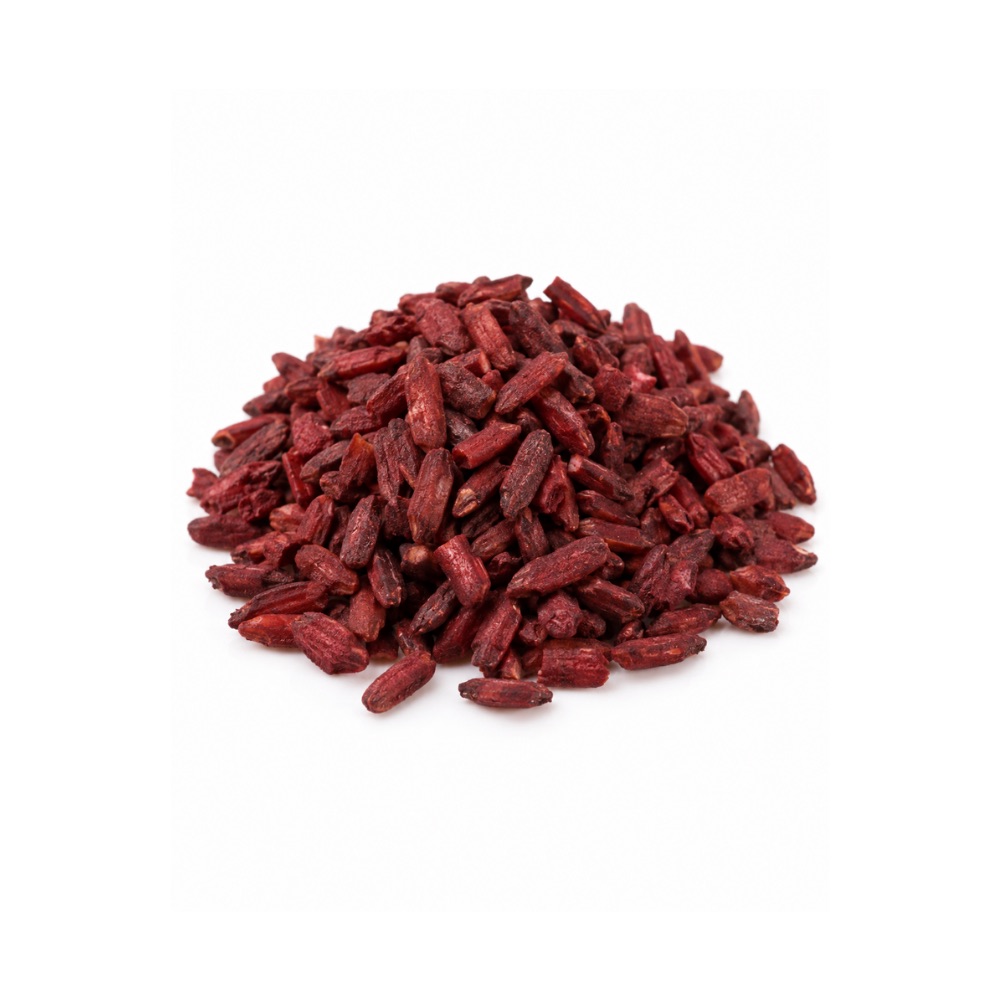 PotentPotentRed Yeast RiceMonascus purpureusMonacolin K lowers LDL the way a statin does, and a standardised extract cut recurrent coronary events by about 45% and lowered mortality over 4.5 years after myocardial infarction.Mechanismsustained LDL lowering via monacolin K (HMG-CoA reductase inhibition) → recurrent coronary events, cardiovascular mortality and all-cause mortality ↓Read the evidenceShow lessMonograph →
The China Coronary Secondary Prevention Study randomised about 4,870 people with a prior myocardial infarction to the standardised extract Xuezhikang or placebo and followed them for 4.5 years. Recurrent major coronary events fell by around 45%, and cardiovascular and all-cause mortality fell with them 37Reference 37RCTEffect of Xuezhikang, an extract from red yeast Chinese rice, on coronary events in a Chinese population with previous myocardial infarction — randomized controlled trialView study →.
Pre-specified subgroups reproduced the pattern in elderly patients 38Reference 38RCTEffect of xuezhikang on cardiovascular events and mortality in elderly patients with a history of myocardial infarction: a subgroup analysis of the China Coronary Secondary Prevention Study — randomized controlled trialView study → and in 1,530 elderly hypertensive patients with a prior infarction 39Reference 39RCTBeneficial impact of Xuezhikang on cardiovascular events and mortality in elderly hypertensive patients with previous myocardial infarction from the CCSPS — randomized controlled trialView study →, and a meta-analysis of red yeast rice preparations likewise found reduced mortality and major adverse cardiovascular events 40Reference 40Meta-analysisRed yeast rice preparations reduce mortality, major cardiovascular adverse events, and risk factors for metabolic syndrome: a systematic review and meta-analysisView study →.
The mechanism is monacolin K, which is chemically lovastatin, so the trial is in effect a statin trial run on a fermented product. It is one trial programme, one population and one partially purified extract, never replicated in a Western cohort.
The monacolin content of over-the-counter red yeast rice powders is unregulated and highly variable, so the result does not transfer to an arbitrary product.
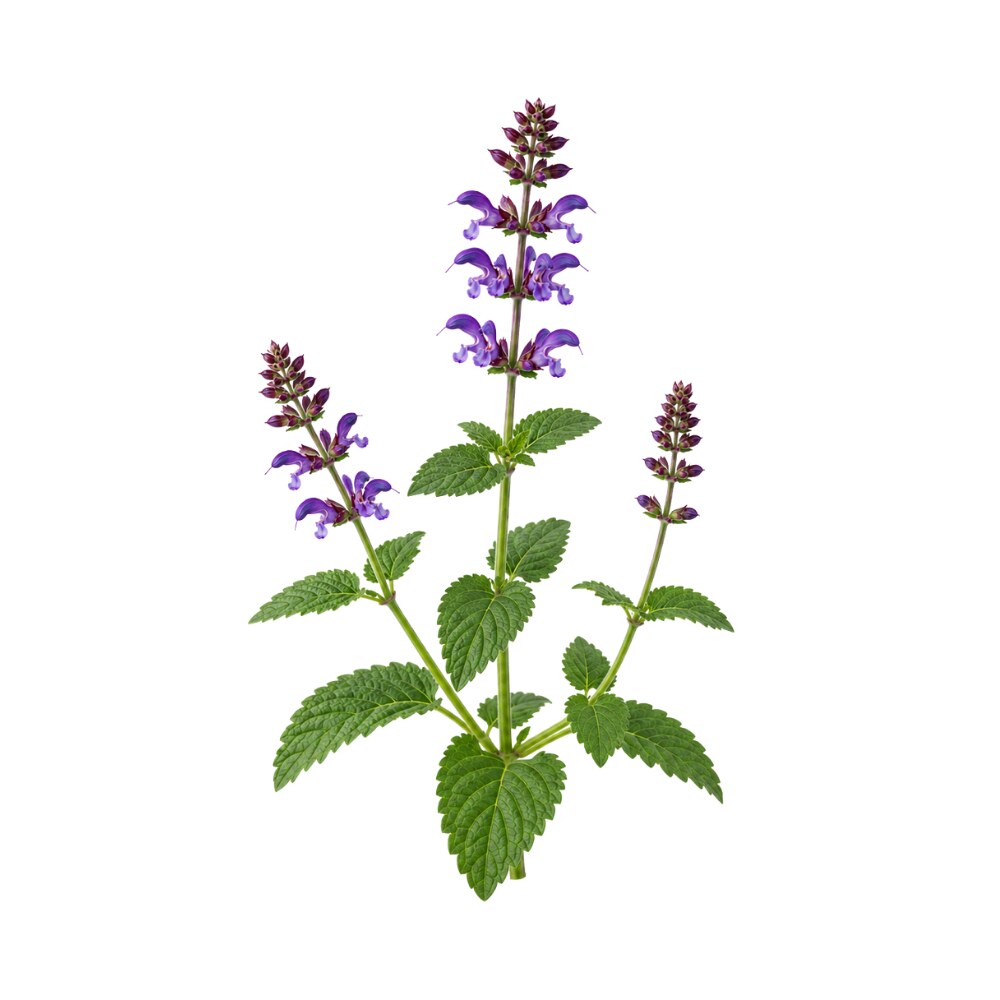 StrongStrongDan ShenSalvia miltiorrhizaSalvianolic acids and danshensu raise the heart muscle's antioxidant defences and reduce infarct size in animals; the dripping pill relieves angina symptoms across a very large, low-quality trial literature.MechanismNrf2 ↑; infarct-size reduction; SOD ↑/MDA ↓Read the evidenceShow lessMonograph →
A GRADE-assessed meta-analysis found more than 230 RCTs of danshen dripping pill against isosorbide dinitrate for angina, reporting symptomatic and ECG improvement, though the authors rated the evidence quality low 24Reference 24Meta-analysisHow efficacious is danshen (Salvia miltiorrhiza) dripping pill in treating angina pectoris? Evidence assessment for meta-analysis of randomized controlled trials — meta-analysis with GRADE assessmentView study →. An overview of 13 systematic reviews covering 34,071 participants reached the same shape: consistent symptomatic benefit and few adverse events, with no demonstrated effect on mortality or infarction 57Reference 57Systematic reviewCompound Danshen (Salvia miltiorrhiza) dripping pill for coronary heart disease: an overview of systematic reviewsView study →.
Preclinically, a systematic review of 32 salvianolic-acid-B studies in 732 animals found significantly reduced myocardial infarct size after ischaemia and reperfusion 11Reference 11Meta-analysisProtective effect of salvianolic acid B against myocardial ischemia/reperfusion injury — preclinical systematic evaluation and meta-analysis of animal studiesView study →, and danshensu raises Nrf2 and SOD while lowering MDA.
The human dataset tests proprietary preparations rather than the dried root, and none of it has reached a hard endpoint.
 StrongStrongTeaCamellia sinensisCatechins restore the artery lining's ability to dilate in people with coronary disease, and habitual drinkers show lower cardiovascular mortality across two million people in cohort studies.Mechanismendothelial function ↑ (flow-mediated dilation, in CAD patients); EGCG ACE inhibition and NO-mediated vascular tone; catechin antiatherosclerotic actionRead the evidenceShow lessMonograph →
In the UK Biobank, around 498,000 adults, drinking two or more cups a day was associated with 10 to 13% lower all-cause mortality 48Reference 48ObservationalTea consumption and all-cause and cause-specific mortality in the UK Biobank — prospective cohort studyView study →, and a 2024 meta-analysis of 38 cohort datasets covering about 1.96 million people put the cardiovascular-mortality hazard ratio around 0.86 for the highest against the lowest intake 49,
Black tea reversed endothelial dysfunction, measured as flow-mediated dilation, in patients with coronary artery disease 51Reference 51RCTShort- and long-term black tea consumption reverses endothelial dysfunction in patients with coronary artery disease — randomised controlled trialView study →, and green-tea catechins improved forearm endothelial function in smokers 52Reference 52RCTGreen tea catechins improve human forearm endothelial dysfunction and have antiatherosclerotic effects in smokers — randomised controlled trialView study →. EGCG inhibits angiotensin-converting enzyme and improves nitric-oxide-mediated vascular tone 53Reference 53ReviewGreen tea (Camellia sinensis) catechins and vascular function — reviewView study →.
The mortality data are observational and confounded by everything else tea drinkers do, and the endothelial trials are short-term surrogate studies. No hard-endpoint cardiovascular RCT of tea exists, and the cohort effect sizes are of the size residual confounding produces.
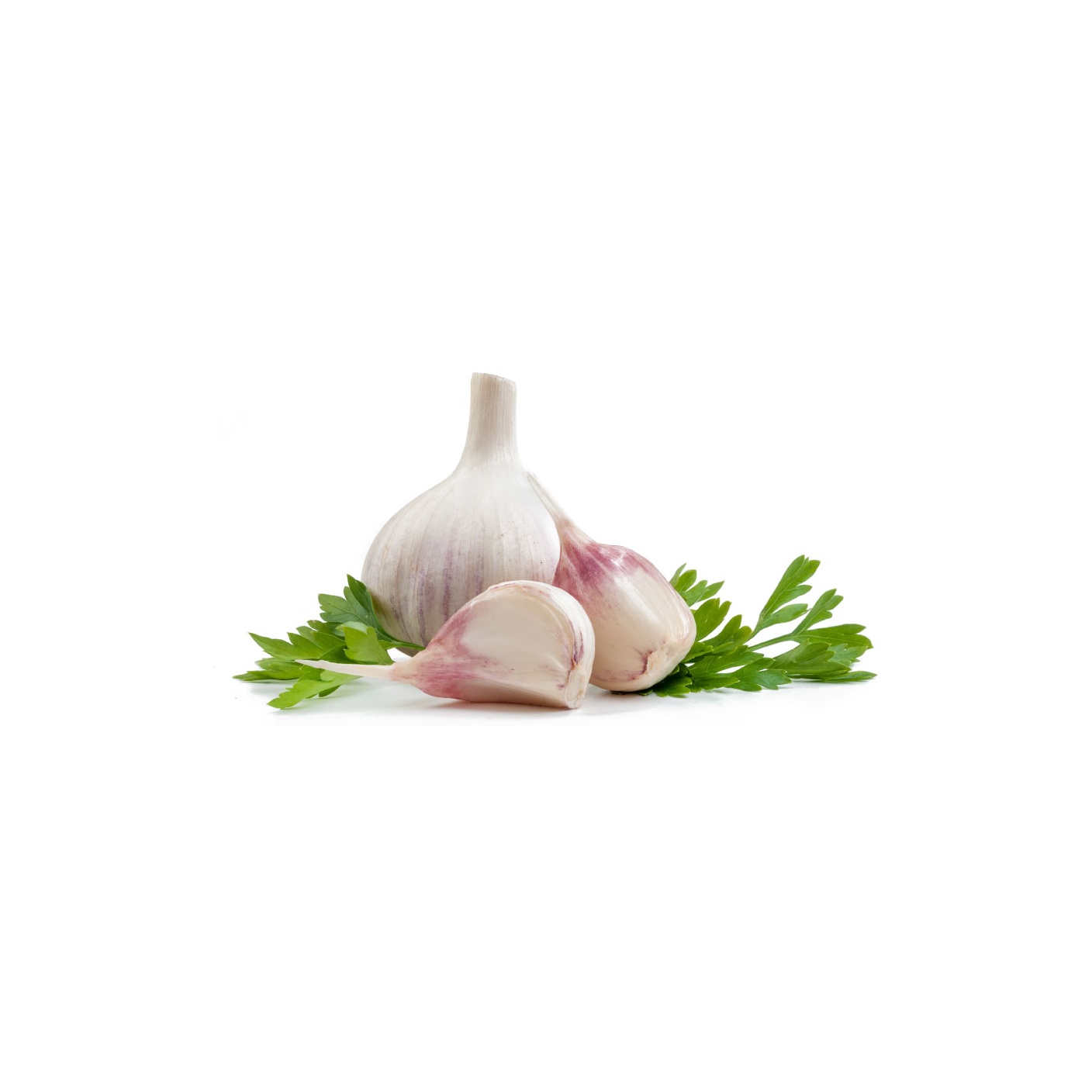 ModerateModerateGarlicAllium sativumLowers blood pressure and lipids modestly, reduces platelet aggregation and slowed plaque progression in two trials, protecting the heart's blood supply through its risk factors rather than the muscle itself.Mechanismcomposite risk-factor modification (BP ↓, platelet aggregation ↓, plaque progression ↓) — no cardiac-specific mechanismRead the evidenceShow lessMonograph →
Systolic blood pressure fell by about 6.7 mmHg and diastolic by 4.8 mmHg across a seven-RCT meta-analysis 25Reference 25Meta-analysisGarlic for hypertension: a systematic review and meta-analysis of randomized controlled trials — systematic reviewView study →, and by about 3.75/3.4 mmHg in a 17-trial analysis, with the effect concentrated in hypertensive subjects 26Reference 26Meta-analysisEffect of garlic on blood pressure: a meta-analysis — randomised trialsView study →. The lipid effect is real but inconsistent 27,
Garlic reduced ex-vivo platelet aggregation across a systematic review of 12 RCTs 29Reference 29Systematic reviewA systematic review of randomized controlled trials related to the effects of garlic supplementation on platelet aggregationView study →. Garlic powder slowed plaque progression in a placebo-controlled trial 30Reference 30RCTThe antiatherosclerotic effect of Allium sativum — randomized, double-blind, placebo-controlled trialView study → and reduced carotid intima-media thickness in patients with coronary disease in a preliminary RCT 31Reference 31RCTEffect of garlic powder tablet on carotid intima-media thickness in patients with coronary artery disease: a preliminary randomized controlled trialView study →.
This is cardiovascular risk-factor modification, the route statins and antihypertensives take. No trial has measured a cardiac endpoint such as infarct size, ejection fraction or post-infarction outcome, and no trial has tested a hard cardiovascular endpoint.
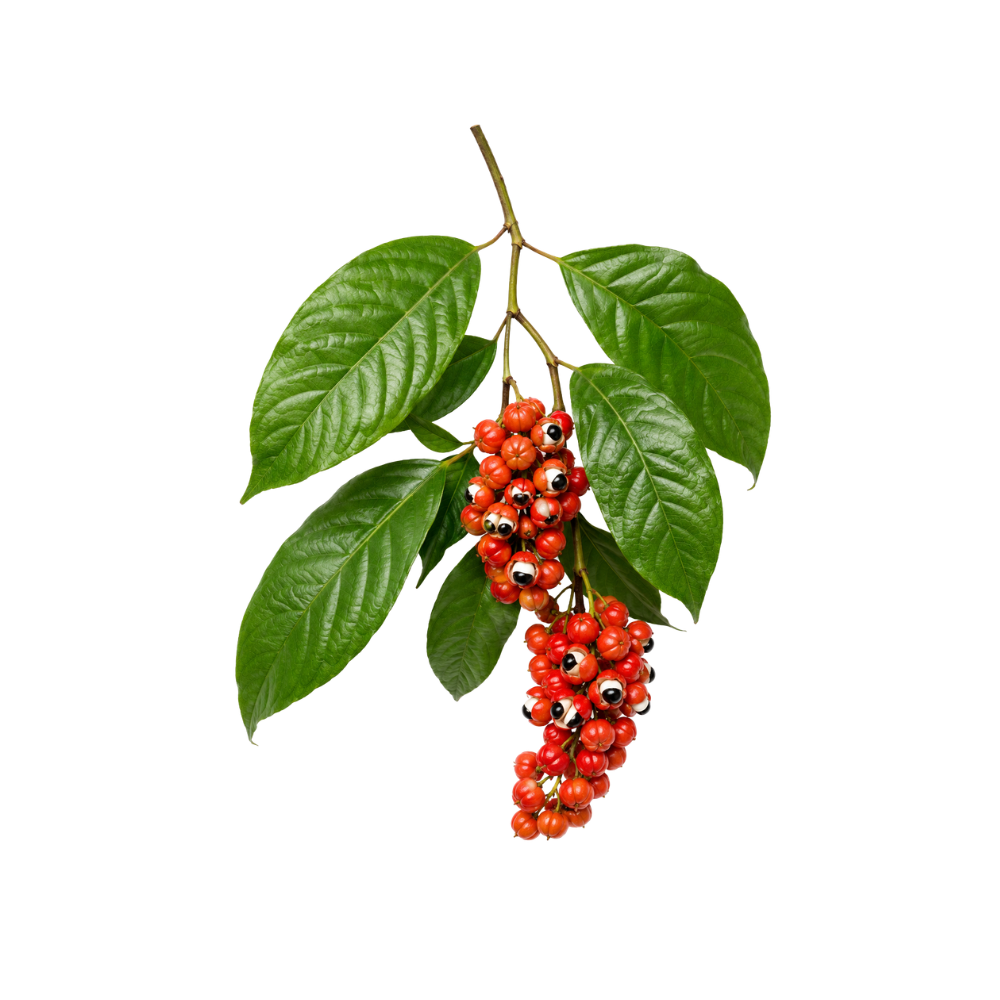 ModerateModerateGuaranaPaullinia cupanaCatechins and their dimers in the seed, rather than its caffeine, reduce platelet aggregation and thromboxane synthesis, protecting the coronary supply against clot.Mechanismplatelet aggregation ↓ (ADP/arachidonate-induced); thromboxane A2 synthesis ↓; LDL oxidation ↓Read the evidenceShow lessMonograph →
Aqueous guarana extracts reduce ADP- and arachidonate-induced aggregation of human and rabbit platelets in vitro and in vivo, with the active material water-soluble, heat-resistant and distinct from the known xanthines 32Reference 32In vitroInhibition of platelet aggregation by aqueous guaraná extract — in vitro and in vivo (rabbit)View study →. The same extracts cut platelet thromboxane synthesis in rabbits 33Reference 33In vitroAn aqueous extract of guaraná decreases platelet thromboxane synthesis — animal/in vitroView study →, and HPLC/MS fractionation identified catechin, epicatechin and their dimers, with only trace caffeine, as the likely antiaggregatory factors 34Reference 34In vitroAnti-platelet aggregatory factors in guarana seeds — in vitroView study →.
An Amazonian observational cohort links habitual intake to lower rates of hypertension, obesity and metabolic syndrome 35Reference 35ObservationalHabitual intake of guaraná and metabolic morbidities — observational epidemiological studyView study →, alongside reduced LDL oxidation in habitual users 36Reference 36In vitroGuaraná effects on LDL oxidation in elderly people — in vitro and in vivo studyView study →.
Every direct cardiovascular datum is in vitro, animal or observational, and no randomised trial has tested a cardiovascular endpoint. The seed’s caffeine acutely raises blood pressure and heart rate, so any net benefit depends on tolerance and does not apply in uncontrolled hypertension or cardiac disease.
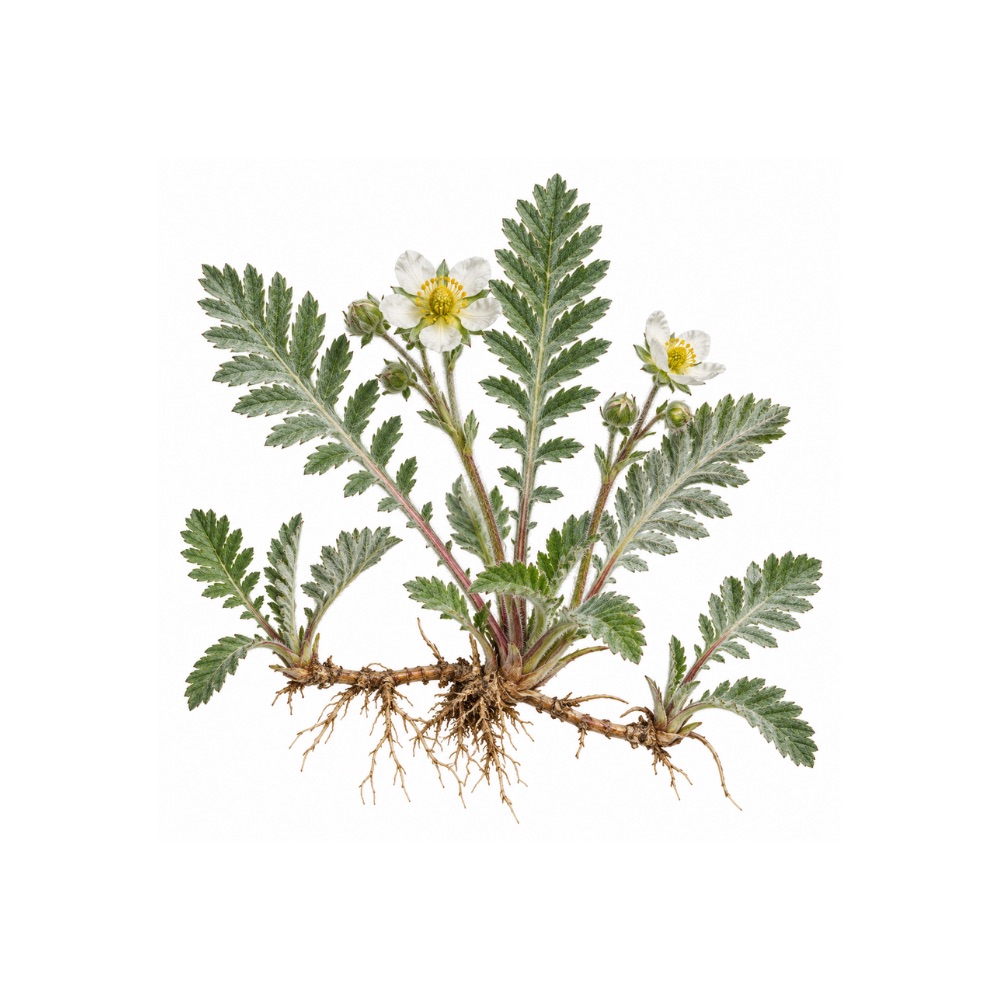 ModerateModerateSilverweedArgentina anserinaRoot extracts and polyphenols protect heart muscle against ischaemia-reperfusion injury in rodents, reproduced by several independent groups through the same triterpene chemistry that protects the liver.Mechanismmyocardial ischemia–reperfusion protectionRead the evidenceShow less
An n-butanol root extract reduced infarct injury and cardiomyocyte apoptosis in rats, lowering malondialdehyde and cleaved caspase-3 while raising glutathione, SOD and catalase 59Reference 59AnimalPossible involvement of alpha B-crystallin in the cardioprotective effect of n-butanol extract of Potentilla anserina L. on myocardial ischemia/reperfusion injury in rat — animal modelView study →. Earlier work showed alcohol extracts cut ischaemia-reperfusion apoptosis and caspase-3 and -9 expression in rats 60Reference 60AnimalProtective effect of alcohol extract of Potentilla anserina against acute myocardial ischemia/reperfusion-induced myocardial apoptosis in rats — animal modelView study →, and a 2025 study attributed root-polyphenol protection to the Wnt/β-catenin pathway 61Reference 61AnimalProtective effect of polyphenols from Potentilla anserina L. against rat myocardial ischemia-reperfusion injury via the Wnt/β-catenin pathway — animal modelView study →.
Tormentic acid and euscaphic acid, the root’s triterpenes, protect endothelial cells against hypoxic apoptosis through PI3K/AKT and ERK1/2 signalling 63Reference 63In vitroEuscaphic acid and tormentic acid protect vascular endothelial cells against hypoxia-induced apoptosis via PI3K/AKT or ERK1/2 signaling — in vitroView study →, the same mechanism behind the plant’s liver and altitude findings.
Every result is a rodent ischaemia-reperfusion model or isolated cardiomyocytes, each with a different extract, and there are no human data.
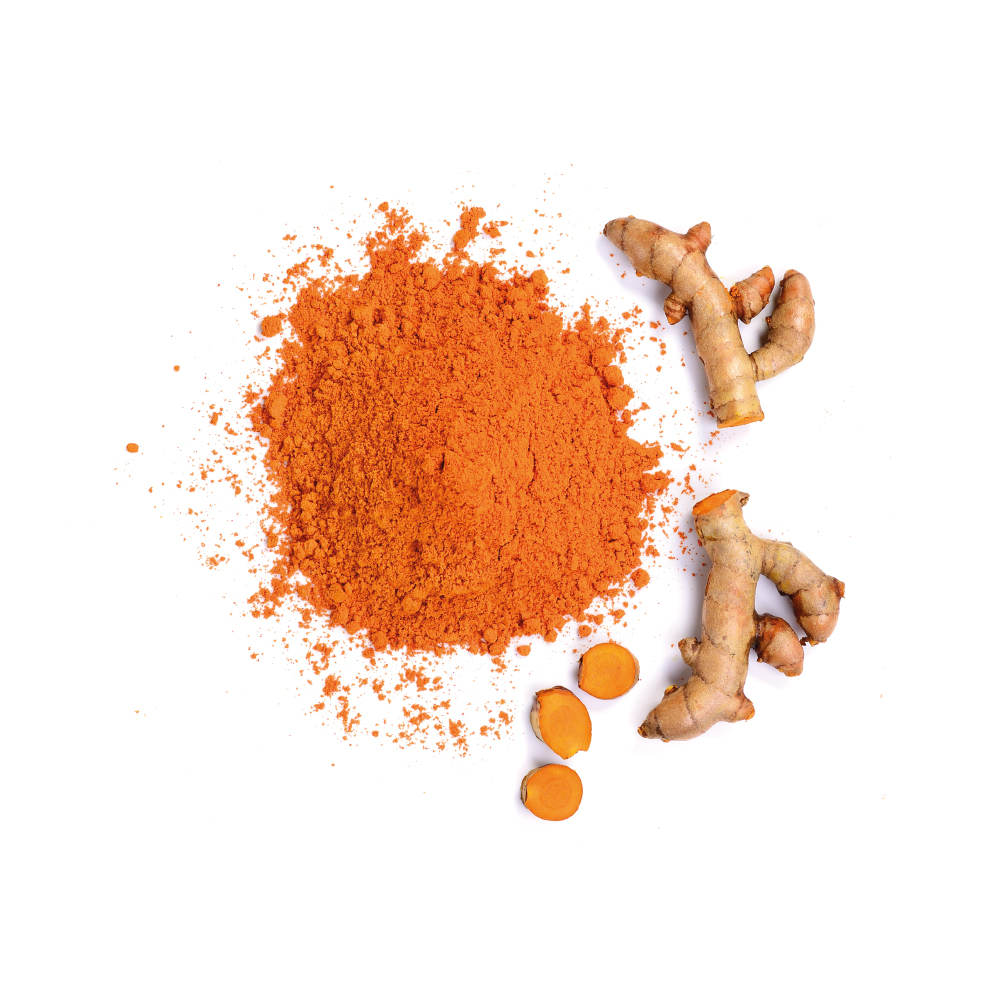 ModerateModerateTurmericCurcuma longaCurcuminoids given around bypass surgery cut in-hospital myocardial infarction from 30% to 13% in one randomised trial, alongside small reductions in lipids and C-reactive protein in the wider literature.MechanismNrf2/ARE activation; lipid & CRP modulationRead the evidenceShow lessMonograph →
In 121 consecutive patients undergoing coronary artery bypass grafting, curcuminoids 4 g/day from three days before surgery to five days after reduced in-hospital myocardial infarction from 30.0% with placebo to 13.1%, with lower post-operative C-reactive protein, malondialdehyde and NT-proBNP 58Reference 58RCTEffects of curcuminoids on frequency of acute myocardial infarction after coronary artery bypass grafting — randomised controlled trialView study →. That is a conditioning result in people, and the one human test of it among these herbs.
Across the wider literature, GRADE-assessed meta-analyses find small reductions in lipids 56Reference 56Meta-analysisEffects of curcumin/turmeric supplementation on lipid profile: a GRADE-assessed systematic review and dose-response meta-analysis of randomized controlled trialsView study → and in C-reactive protein and oxidative-stress markers 54,
The bypass trial is single-centre and has not been replicated, and no trial has tested a cardiovascular outcome outside surgery.
Show 3 more herbs with a mild cardioprotective action
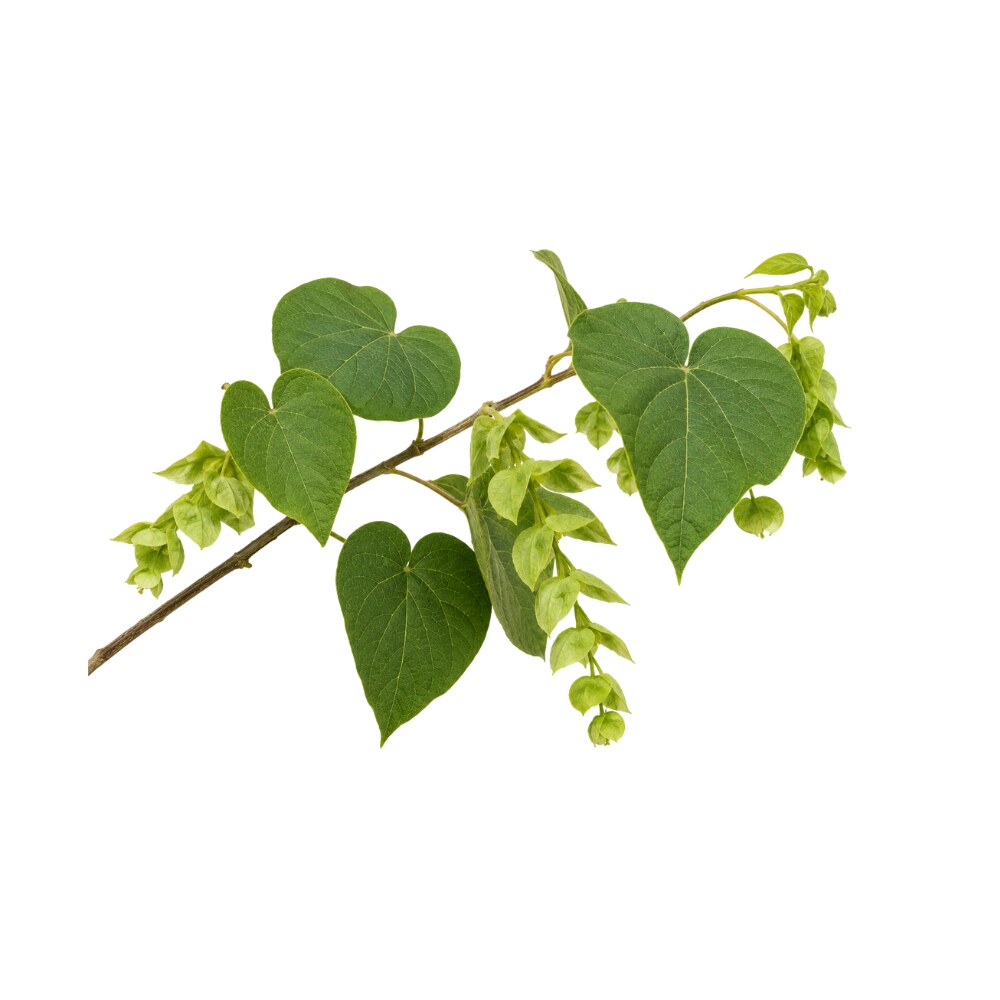 MildMildAbutaCissampelos pareiraTetrandrine, an L-type calcium-channel blocker, damps the hypertrophy signalling of a stressed heart; root extract limited isoproterenol-induced dysfunction and thyroxine-induced hypertrophy in rats.MechanismL-type Ca²⁺-channel blockade (tetrandrine); calcineurin hypertrophy signaling ↓; glutathione-system and LDH marker restorationRead the evidenceShow lessMonograph →
A root extract at 100 to 200 mg/kg attenuated isoproterenol-induced cardiac dysfunction in rats, restoring calcineurin, LDH, nitric-oxide and glutathione-system markers with improved histology 22Reference 22AnimalEffect of Cissampelos pareira root extract on isoproterenol-induced cardiac dysfunction — animal model (rat)View study →, and separately ameliorated thyroxin-induced cardiac hypertrophy 23Reference 23AnimalCissampelos pareira Linn. ameliorates thyroxin-induced cardiac hypertrophy in rats — animal model (rat)View study →. Both are stress-overload and remodelling models, in which the endpoint is muscle surviving the insult structurally intact.
The mechanistic anchor is tetrandrine, a bisbenzylisoquinoline well characterised as a calcium-channel blocker and hypotensive agent. Reduced calcium loading and damped calcineurin signalling limit hypertrophic remodelling.
Calcium-channel blockade reduces contractile force if anything, so this is protection rather than tonic action.
Both models come from one laboratory and neither has been replicated. There is no human endpoint, and the traditional use for irregular heartbeat rests on the isolated alkaloid rather than the whole root.
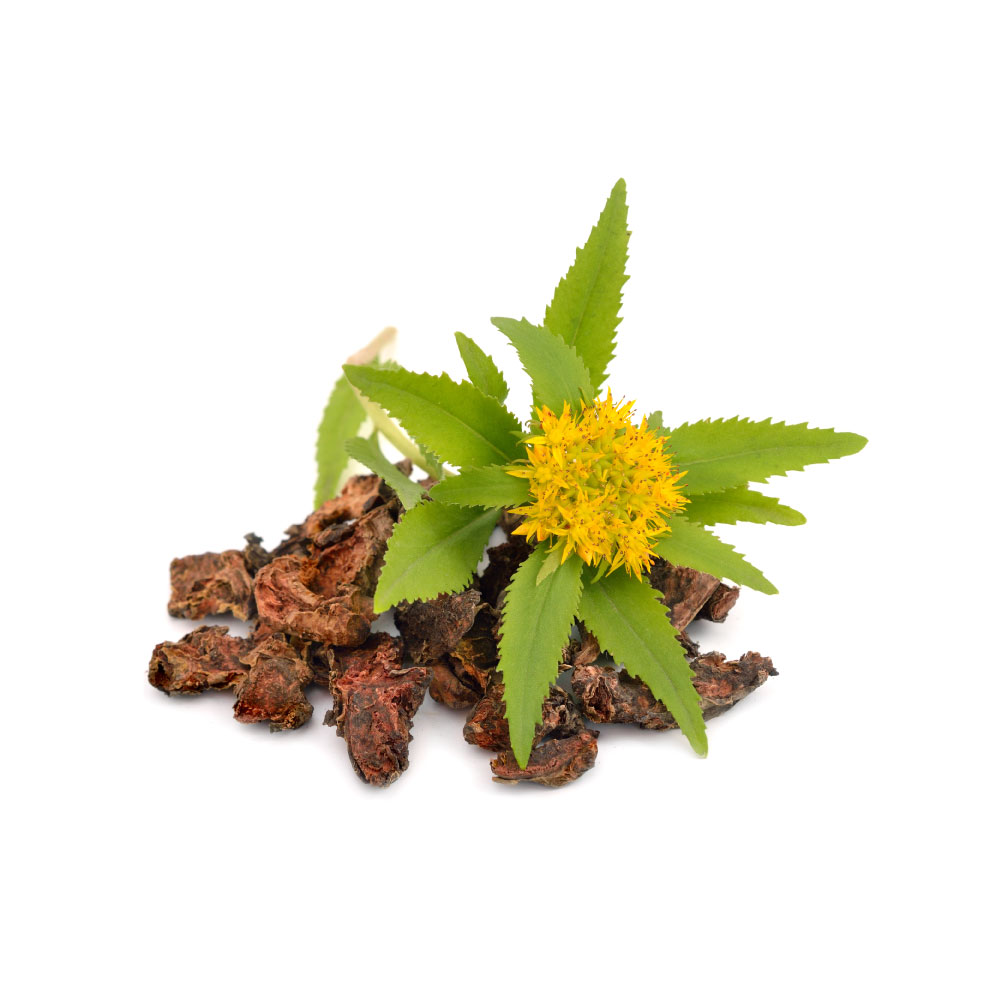 MildMildRhodiolaRhodiola roseaSalidroside activates AMPK and blocks ferroptosis in reperfused heart muscle in animals, and the isolated molecule limited early heart damage from epirubicin in one small trial of breast-cancer patients.MechanismAMPK activation; anti-ferroptosis; Nrf2 antioxidant signalingRead the evidenceShow lessMonograph →
In animal and cell models salidroside reduces myocardial ischaemia-reperfusion injury through mitochondrial-superoxide-dependent AMPKα2 activation and suppression of ferroptosis 41Reference 41AnimalSalidroside pretreatment alleviates ferroptosis induced by myocardial ischemia/reperfusion through mitochondrial superoxide-dependent AMPKα2 activation — animal modelView study →, and protects against doxorubicin cardiomyopathy by the same ferroptosis-dependent route 62Reference 62In vitroSalidroside inhibits doxorubicin-induced cardiomyopathy by modulating a ferroptosis-dependent pathway — animal and in vitro studyView study →.
The single human signal is a small randomised trial in which isolated salidroside reduced early left-ventricular regional systolic dysfunction in breast-cancer patients receiving epirubicin 42Reference 42RCTProtective effects of salidroside on epirubicin-induced early left ventricular regional systolic dysfunction in patients with breast cancer — randomised controlled trialView study →.
Whole-root rhodiola has no cardiovascular outcome data in people. The trial is small, confined to a chemotherapy setting, and used the purified molecule rather than the standardised extract sold as a supplement.
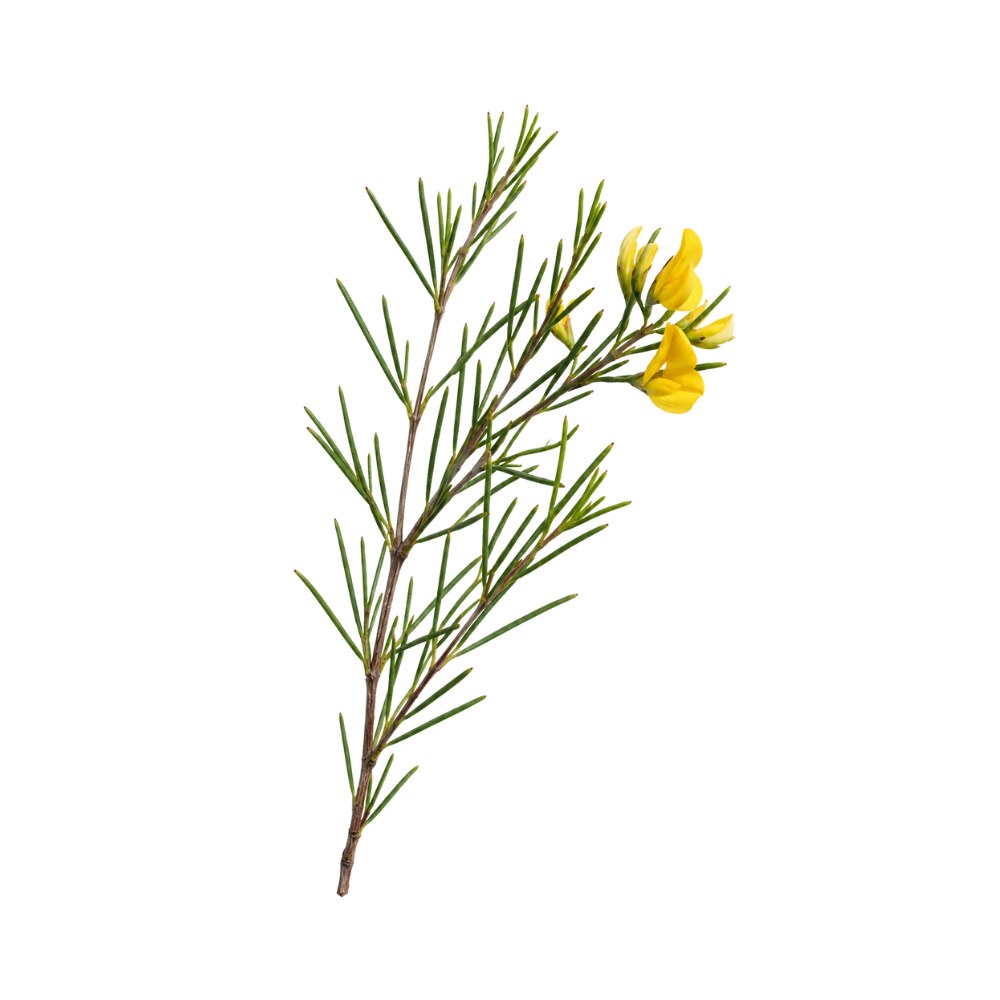 MildMildRooibosAspalathus linearisAspalathin and the flavonoid C-glycosides improve lipids in people and vascular function in animals, and green rooibos extract protected ischaemic prediabetic rat hearts.Mechanismlipid profile ↑ (LDL ↓ / HDL ↑); vascular function (rodent); modest echocardiographic changeRead the evidenceShow lessMonograph →
A controlled trial in adults at cardiovascular risk improved the lipid profile, lowering LDL and raising HDL, alongside antioxidant markers 43Reference 43Clinical trialEffects of rooibos (Aspalathus linearis) on oxidative stress and biochemical parameters in adults at risk for cardiovascular disease — controlled clinical trialView study →. Aspalathin-rich green rooibos extract lowered LDL and oxidative status in diabetic vervet monkeys 44Reference 44AnimalAspalathin-rich green rooibos extract lowers LDL-cholesterol and oxidative status in high-fat diet-induced diabetic vervet monkeys — animal model. https://pubmed.ncbi.nlm.nih.gov/31052590/View study → and improved vascular function in obese rats 45Reference 45AnimalModulating effects of green rooibos extract on vascular function and oxidative status in obese Wistar rats — animal model. https://pubmed.ncbi.nlm.nih.gov/33605975/View study →.
Green rooibos extract protected ex-vivo ischaemic prediabetic rat hearts 46Reference 46AnimalCardioprotective function of green rooibos extract supplementation in ex vivo ischemic prediabetic rat hearts — animal model. https://pubmed.ncbi.nlm.nih.gov/33285593/View study →, and a 2024 randomised trial of chronic rooibos consumption found modest echocardiographic change in adults at cardiovascular risk 47Reference 47RCTImpact of chronic consumption of herbal rooibos on cardiovascular function in adults with cardiovascular risk — randomised controlled trial. https://pubmed.ncbi.nlm.nih.gov/38958559/View study →.
The human component is thin and the endpoints are surrogate. The chemistry is the same polyphenol antioxidant activity behind rooibos’s antioxidant and antihypertensive actions.
No herbs match these filters.
Safety
- No cardioprotective herb is a rescue therapy, and none replaces secondary prevention after a heart attack: statins, antiplatelets, blood-pressure control and revascularisation.
- The antiplatelet herbs add to aspirin, clopidogrel and anticoagulants, and matter around surgery and dental work.
- A cardioprotective label describes what a laboratory model measured, not cardiac safety.
- A conditioning mechanism that works through controlled oxidative stress has no established dose window, so more is not better.
- Chest pain, breathlessness on exertion and fainting need investigation, not a herb.
References
- Bao XY, Zheng Q, Tong Q, et al. (2018). Danshensu for myocardial ischemic injury — preclinical evidence and novel methodology of quality assessment tool. Frontiers in Pharmacology, 9, 1445. https://pubmed.ncbi.nlm.nih.gov/30618743/
- Yin Y, Duan J, Guo C, et al. (2017). Danshensu accelerates angiogenesis after myocardial infarction in rats and promotes the functions of endothelial progenitor cells through the SDF-1α/CXCR4 axis. European Journal of Pharmacology, 814, 274–282. https://pubmed.ncbi.nlm.nih.gov/28864209/
- Zhang J, Zhang Q, Liu G, Zhang N. (2019). Therapeutic potentials and mechanisms of the Chinese traditional medicine Danshensu. European Journal of Pharmacology, 864, 172710. https://pubmed.ncbi.nlm.nih.gov/31586468/
- Dong ZT, Jiang WD. (1982). Effect of danshensu on isolated swine coronary artery perfusion preparation [in Chinese]. Yao Xue Xue Bao (Acta Pharmaceutica Sinica), 17(3), 226–228. https://pubmed.ncbi.nlm.nih.gov/7102340/
- Wu X, Liu L, Zheng Q, et al. (2023). Dihydrotanshinone I preconditions myocardium against ischemic injury via PKM2 glutathionylation sensitive to ROS — cell and mouse study. Acta Pharmaceutica Sinica B. https://pubmed.ncbi.nlm.nih.gov/36815040/
- Wang YC, Zhu Y, Meng WT, et al. (2025). Dihydrotanshinone I improves cardiac function by promoting lymphangiogenesis after myocardial ischemia-reperfusion injury — animal study. European Journal of Pharmacology. https://pubmed.ncbi.nlm.nih.gov/39753160/
- Wang YC, Shao YD, Shao CL, et al. (2024). Dihydrotanshinone I reduces H9c2 cell damage by regulating AKT and MAPK signaling pathways — in vitro study. In Vitro Cellular & Developmental Biology - Animal. https://pubmed.ncbi.nlm.nih.gov/38253954/
- Qian W, Wang Z, Xu T, Li D. (2019). Anti-apoptotic effects and mechanisms of salvianolic acid A on cardiomyocytes in ischemia-reperfusion injury. Histology and Histopathology, 34(3), 223–231. https://pubmed.ncbi.nlm.nih.gov/30255492/
- Wu Y, Xu S, Tian XY. (2020). The effect of salvianolic acid on vascular protection and possible mechanisms. Oxidative Medicine and Cellular Longevity, 2020, 5472096. https://pubmed.ncbi.nlm.nih.gov/33062143/
- Chen J, Ruan Z, Lou H, et al. (2022). First-in-human study to investigate the safety and pharmacokinetics of salvianolic acid A and pharmacokinetic simulation using a physiologically based pharmacokinetic model. Frontiers in Pharmacology, 13, 907208. https://pubmed.ncbi.nlm.nih.gov/36408276/
- Yang Y, Sun H, Sun J, et al. (2024). Protective effect of salvianolic acid B against myocardial ischemia/reperfusion injury — preclinical systematic evaluation and meta-analysis of animal studies. Frontiers in Pharmacology, 15, 1452545. https://pubmed.ncbi.nlm.nih.gov/39323645/
- Shao Y, Zhai L, Jiang S, Sun F, Liu X. (2025). Salvianolic acid B — a promising cardioprotective agent. Frontiers in Immunology, 16, 1681358. https://pubmed.ncbi.nlm.nih.gov/41357244/
- Chen P, Zhang H, Gao Z, Shi D, Zhang J. (2024). Efficacy and safety of salvianolate injection in treating acute myocardial infarction — meta-analysis and systematic literature review of 30 RCTs. Frontiers in Pharmacology, 15, 1478558. https://pubmed.ncbi.nlm.nih.gov/39741628/
- Zhang S, Li H, Yang SJ (2010). Tribulosin protects rat hearts from ischemia/reperfusion injury — isolated Langendorff-perfused rat heart, animal model. Acta Pharmacologica Sinica. https://pubmed.ncbi.nlm.nih.gov/20453871/
- Zhang S, Li H, Yang SJ (2011). Tribulosin suppresses apoptosis via PKC epsilon and ERK1/2 signaling pathway during hypoxia/reoxygenation in neonatal rat ventricular cardiac myocytes — in vitro. Journal of Asian Natural Products Research. https://pubmed.ncbi.nlm.nih.gov/22115037/
- Song X, Yuan Y, Wang S, Sun X, Zhang C, Gao P, Shi L (2021). Pharmacokinetic comparisons of six steroid saponins in rat plasma following oral administration of crude and stir-fried Fructus Tribuli extracts by UHPLC-MS/MS — animal model. Biomedical Chromatography. https://pubmed.ncbi.nlm.nih.gov/33939847/
- Abouelhamd, A., et al. (2026). Mechanistic insights into vincamine’s cardio-protection against gentamicin toxicity: crosstalk between Nrf2/HO-1 and related pathways — animal model. Journal of Applied Toxicology. https://pubmed.ncbi.nlm.nih.gov/41387276/
- Dany, F., et al. (1980). [Severe ventricular arrhythmia following parenteral administration of vincamine: predisposing factors in 6 cases] — case series. Archives des Maladies du Cœur et des Vaisseaux. https://pubmed.ncbi.nlm.nih.gov/6779745/
- Dany, F., et al. (1981). [Cardiac toxicity of vincamine: seven cases of ventricular arrhythmias by parenteral administration] — case reports. Thérapie. https://pubmed.ncbi.nlm.nih.gov/7233373/
- Richichi, I., et al. (1978). [A case of torsade de pointes during vincamine therapy] — case report. Minerva Cardioangiologica. https://pubmed.ncbi.nlm.nih.gov/652156/
- Fauchier, J. P., et al. (1993). [Drug-induced ventricular tachycardia] — review. Archives des Maladies du Cœur et des Vaisseaux. https://pubmed.ncbi.nlm.nih.gov/8267504/
- Singh BK, Pillai KK, Kohli K, et al. (2013). Effect of Cissampelos pareira root extract on isoproterenol-induced cardiac dysfunction — animal model (rat). Journal of Natural Medicines. https://pubmed.ncbi.nlm.nih.gov/22415653/
- Singh BK, Pillai KK, Kohli K, et al. (2016). Cissampelos pareira Linn. ameliorates thyroxin-induced cardiac hypertrophy in rats — animal model (rat). Journal of Ethnopharmacology. https://pubmed.ncbi.nlm.nih.gov/26647106/
- Jia, Y., & Leung, S. W. (2017). How efficacious is danshen (Salvia miltiorrhiza) dripping pill in treating angina pectoris? Evidence assessment for meta-analysis of randomized controlled trials — meta-analysis with GRADE assessment. Journal of Alternative and Complementary Medicine. https://pubmed.ncbi.nlm.nih.gov/28650203/
- Xiong XJ, et al. (2015). Garlic for hypertension: a systematic review and meta-analysis of randomized controlled trials — systematic review. Phytomedicine. https://pubmed.ncbi.nlm.nih.gov/25837272/
- Wang HP, et al. (2015). Effect of garlic on blood pressure: a meta-analysis — randomised trials. Journal of Clinical Hypertension. https://pubmed.ncbi.nlm.nih.gov/25557383/
- Zeng T, et al. (2012). A meta-analysis of randomized, double-blind, placebo-controlled trials for the effects of garlic on serum lipid profiles. Journal of the Science of Food and Agriculture. https://pubmed.ncbi.nlm.nih.gov/22234974/
- Du Y, et al. (2024). Garlic consumption can reduce the risk of dyslipidemia: a meta-analysis of randomized controlled trials. Journal of Health, Population and Nutrition. https://pubmed.ncbi.nlm.nih.gov/39113105/
- Mollahosseini M, et al. (2022). A systematic review of randomized controlled trials related to the effects of garlic supplementation on platelet aggregation. Phytotherapy Research. https://pubmed.ncbi.nlm.nih.gov/36222178/
- Koscielny J, et al. (1999). The antiatherosclerotic effect of Allium sativum — randomized, double-blind, placebo-controlled trial. Atherosclerosis. https://pubmed.ncbi.nlm.nih.gov/10381297/
- Mahdavi-Roshan M, et al. (2013). Effect of garlic powder tablet on carotid intima-media thickness in patients with coronary artery disease: a preliminary randomized controlled trial. Nutrition and Health. https://pubmed.ncbi.nlm.nih.gov/25573347/
- Bydlowski, S. P., et al. (1988). Inhibition of platelet aggregation by aqueous guaraná extract — in vitro and in vivo (rabbit). Brazilian Journal of Medical and Biological Research. https://pubmed.ncbi.nlm.nih.gov/3228635/
- Bydlowski, S. P., et al. (1991). An aqueous extract of guaraná decreases platelet thromboxane synthesis — animal/in vitro. Brazilian Journal of Medical and Biological Research. https://pubmed.ncbi.nlm.nih.gov/1823256/
- Subbiah, M. T., & Yunker, R. (2008). Anti-platelet aggregatory factors in guarana seeds — in vitro. International Journal for Vitamin and Nutrition Research. https://pubmed.ncbi.nlm.nih.gov/18791978/
- Krewer, C. da C., et al. (2011). Habitual intake of guaraná and metabolic morbidities — observational epidemiological study. Phytotherapy Research. https://pubmed.ncbi.nlm.nih.gov/21341338/
- Portella, R. L., et al. (2013). Guaraná effects on LDL oxidation in elderly people — in vitro and in vivo study. Lipids in Health and Disease. https://pubmed.ncbi.nlm.nih.gov/23391102/
- Lu, Z., et al. (2008). Effect of Xuezhikang, an extract from red yeast Chinese rice, on coronary events in a Chinese population with previous myocardial infarction — randomized controlled trial. American Journal of Cardiology, 101(12), 1689–1693. https://pubmed.ncbi.nlm.nih.gov/18549841/
- Ye, P., et al. (2007). Effect of xuezhikang on cardiovascular events and mortality in elderly patients with a history of myocardial infarction: a subgroup analysis of the China Coronary Secondary Prevention Study — randomized controlled trial. Journal of the American Geriatrics Society, 55(7), 1015–1022. https://pubmed.ncbi.nlm.nih.gov/17608873/
- Li, J. J., et al. (2009). Beneficial impact of Xuezhikang on cardiovascular events and mortality in elderly hypertensive patients with previous myocardial infarction from the CCSPS — randomized controlled trial. Journal of Clinical Pharmacology, 49(8), 947–956. https://pubmed.ncbi.nlm.nih.gov/19602720/
- Yuan, R., et al. (2022). Red yeast rice preparations reduce mortality, major cardiovascular adverse events, and risk factors for metabolic syndrome: a systematic review and meta-analysis. Frontiers in Pharmacology, 13. https://pubmed.ncbi.nlm.nih.gov/35264949/
- Yang, B., Xu, Y., Yu, J., et al. (2024). Salidroside pretreatment alleviates ferroptosis induced by myocardial ischemia/reperfusion through mitochondrial superoxide-dependent AMPKα2 activation — animal model. Phytomedicine, 128, 155365. https://pubmed.ncbi.nlm.nih.gov/38552436/
- Zhang, H., et al. (2012). Protective effects of salidroside on epirubicin-induced early left ventricular regional systolic dysfunction in patients with breast cancer — randomised controlled trial. Drugs in R&D. https://pubmed.ncbi.nlm.nih.gov/22770377/
- Marnewick, J. L., et al. (2011). Effects of rooibos (Aspalathus linearis) on oxidative stress and biochemical parameters in adults at risk for cardiovascular disease — controlled clinical trial. Journal of Ethnopharmacology. https://pubmed.ncbi.nlm.nih.gov/20833235/
- Orlando, P., et al. (2019). Aspalathin-rich green rooibos extract lowers LDL-cholesterol and oxidative status in high-fat diet-induced diabetic vervet monkeys — animal model. https://pubmed.ncbi.nlm.nih.gov/31052590/
- Obasa, Z., et al. (2021). Modulating effects of green rooibos extract on vascular function and oxidative status in obese Wistar rats — animal model. https://pubmed.ncbi.nlm.nih.gov/33605975/
- Smit, S. E., et al. (2022). Cardioprotective function of green rooibos extract supplementation in ex vivo ischemic prediabetic rat hearts — animal model. https://pubmed.ncbi.nlm.nih.gov/33285593/
- Hartnick, M. D., et al. (2024). Impact of chronic consumption of herbal rooibos on cardiovascular function in adults with cardiovascular risk — randomised controlled trial. https://pubmed.ncbi.nlm.nih.gov/38958559/
- Inoue-Choi, M., Ramirez, Y., Cornelis, M. C., et al. (2022). Tea consumption and all-cause and cause-specific mortality in the UK Biobank — prospective cohort study. Ann Intern Med, 175(9), 1201-1211. https://pubmed.ncbi.nlm.nih.gov/36037472/
- Kim, Y., Je, Y., et al. (2024). Tea consumption and risk of all-cause, cardiovascular disease, and cancer mortality: a meta-analysis of thirty-eight prospective cohort datasets. Epidemiol Health, 46, e2024051. https://pubmed.ncbi.nlm.nih.gov/38938012/
- Zhao, L. G., Li, H. L., Sun, J. W., et al. (2017). Green tea consumption and cause-specific mortality: results from two prospective cohort studies in China. J Epidemiol, 27(2), 71-78. https://pubmed.ncbi.nlm.nih.gov/28135196/
- Duffy, S. J., Keaney, J. F. Jr, Holbrook, M., et al. (2001). Short- and long-term black tea consumption reverses endothelial dysfunction in patients with coronary artery disease — randomised controlled trial. Circulation, 104(2), 151-156. https://pubmed.ncbi.nlm.nih.gov/11447078/
- Oyama, J., Maeda, T., Kouzuma, K., et al. (2010). Green tea catechins improve human forearm endothelial dysfunction and have antiatherosclerotic effects in smokers — randomised controlled trial. Circ J, 74(3), 578-588. https://pubmed.ncbi.nlm.nih.gov/20134098/
- Moore, R. J., Jackson, K. G., & Minihane, A. M. (2009). Green tea (Camellia sinensis) catechins and vascular function — review. Br J Nutr, 102(12), 1790-1802. https://pubmed.ncbi.nlm.nih.gov/19751534/
- Dehzad MJ, Ghalandari H, Nouri M, Askarpour M. (2023). Antioxidant and anti-inflammatory effects of curcumin/turmeric supplementation in adults: a GRADE-assessed systematic review and dose-response meta-analysis of randomized controlled trials. Cytokine. https://pubmed.ncbi.nlm.nih.gov/36804260/
- Gorabi AM, Abbasifard M, Imani D, et al. (2022). Effect of curcumin on C-reactive protein as a biomarker of systemic inflammation: an updated meta-analysis of randomized controlled trials. Phytother Res. https://pubmed.ncbi.nlm.nih.gov/34586711/
- Dehzad MJ, Ghalandari H, Amini MR, Askarpour M. (2023). Effects of curcumin/turmeric supplementation on lipid profile: a GRADE-assessed systematic review and dose-response meta-analysis of randomized controlled trials. Complement Ther Med. https://pubmed.ncbi.nlm.nih.gov/37230418/
- Luo, J., Song, W., Yang, G., Xu, H., & Chen, K. (2015). Compound Danshen (Salvia miltiorrhiza) dripping pill for coronary heart disease: an overview of systematic reviews. American Journal of Chinese Medicine, 43(1), 25–43. https://pubmed.ncbi.nlm.nih.gov/25582415/
- Wongcharoen, W., Jai-Aue, S., Phrommintikul, A., et al. (2012). Effects of curcuminoids on frequency of acute myocardial infarction after coronary artery bypass grafting — randomised controlled trial. American Journal of Cardiology, 110(1), 40–44. https://pubmed.ncbi.nlm.nih.gov/22481014/
- Zhang, L., Jian, L. L., Li, J. Y., et al. (2019). Possible involvement of alpha B-crystallin in the cardioprotective effect of n-butanol extract of Potentilla anserina L. on myocardial ischemia/reperfusion injury in rat — animal model. Phytomedicine. https://pubmed.ncbi.nlm.nih.gov/30940361/
- Qin, X., Lv, Q., Zhang, X., et al. (2012). Protective effect of alcohol extract of Potentilla anserina against acute myocardial ischemia/reperfusion-induced myocardial apoptosis in rats — animal model. Zhongguo Zhong Yao Za Zhi. https://pubmed.ncbi.nlm.nih.gov/22803376/
- Li, J., Liu, M. Y., Li, J. G., et al. (2025). Protective effect of polyphenols from Potentilla anserina L. against rat myocardial ischemia-reperfusion injury via the Wnt/β-catenin pathway — animal model. Journal of Toxicology and Environmental Health, Part A. https://pubmed.ncbi.nlm.nih.gov/40110986/
- Chen, H., Zhu, J., Le, Y., et al. (2022). Salidroside inhibits doxorubicin-induced cardiomyopathy by modulating a ferroptosis-dependent pathway — animal and in vitro study. Phytomedicine, 99, 153964. https://pubmed.ncbi.nlm.nih.gov/35180677/
- Shi, C., et al. (2020). Euscaphic acid and tormentic acid protect vascular endothelial cells against hypoxia-induced apoptosis via PI3K/AKT or ERK1/2 signaling — in vitro. Life Sciences. https://pubmed.ncbi.nlm.nih.gov/32298737/
Keep Exploring