

Overview
Cardiotonic at a Glance
Cardiotonics act directly on the heart itself, influencing the strength of contraction, heart rate, or rhythm.
In herbal medicine, the term is most useful when kept narrow. A herb that lowers blood pressure, improves cholesterol, reduces inflammation, or supports circulation may benefit cardiovascular health without being cardiotonic. Those effects belong more precisely under actions such as antihypertensive, hypolipidemic, cardioprotective, or vascular tonic.
The clearest cardiotonic actions are inotropy, which changes the force of cardiac contraction, and effects on cardiac rhythm and conduction.
Hawthorn is the main Western example of an inotropic cardiotonic, while herbs such as motherwort and broom act more strongly on cardiac electrical activity.
Other herbs associated with this action work indirectly by protecting the myocardium during ischaemia, improving coronary blood flow, or affecting platelet activity. These are useful cardiovascular effects, but they should not be confused with direct tonic action on the heart muscle.
Caution
Not for self-treatment — heart failure, angina and arrhythmias are not for self-treatment, and no cardiotonic herb replaces cardiac medication.
Adds to cardiac drugs — inotropes and rate-slowing herbs add to digoxin, beta-blockers and antiarrhythmics, and antiplatelet herbs to anticoagulant and antiplatelet drugs.
Can cause arrhythmia too — anything that changes conduction can cause arrhythmia as well as suppress it.
Mechanisms
How It Works
01
Inotropy
Positive inotropy increases the force of cardiac contraction.
Hawthorn appears to support contractility partly through cyclic-AMP phosphodiesterase inhibition, increasing intracellular cAMP and calcium availability to the contractile machinery.
Forskolin from coleus reaches the same signalling pathway more directly by activating adenylate cyclase.
These mechanisms differ from cardiac glycosides such as digitalis, which increase contractility through inhibition of Na⁺/K⁺-ATPase.
Evidence for coleus requires particular caution: some of its supporting cardiac research used intravenous forskolin under clinical monitoring, which does not translate directly to ordinary oral herbal use.
Key compounds: Forskolin
02
Cardiac Ion Channels & Rhythm
Some cardiotonics act on the electrical currents controlling heart rate, conduction, and rhythm rather than on contraction itself.
Broom has class-I-type sodium-channel blocking activity and can slow cardiac rate.
Motherwort has demonstrated activity at several cardiac currents, including I_Na, I_Ca,L, and I_f, the pacemaker current involved in regulating heart rate.
These are pharmacologically significant effects. Anything that alters cardiac conduction can potentially cause arrhythmias as well as suppress them, particularly at excessive doses or when combined with other cardiac drugs.
Herbs: BroomMotherwort
03
Myocardial Protection
Some herbs protect heart muscle from injury rather than directly increasing its strength or changing its rhythm.
Research in this group looks at processes such as ischaemia and reperfusion injury, oxidative stress, apoptosis, ferroptosis, and pathological cardiac remodelling.
This is an important cardioprotective action, but much of the supporting evidence is preclinical.
Human research, where available, is commonly adjunctive to conventional cardiovascular treatment rather than evidence for the herb as a standalone cardiac therapy.
04
Coronary Perfusion & Platelet Activity
These herbs affect the supply of blood to the heart rather than the pumping action of the myocardium.
Actions may include dilation of the coronary vessels or inhibition of platelet aggregation, which can improve blood flow through narrowed vessels.
The main practical concern is interaction. People with ischaemic cardiovascular disease are also likely to use aspirin, clopidogrel, anticoagulants, or related drugs, and herbal antiplatelet effects may be additive.
Herbs: GuaranaMotherwortNotoginseng
05
Vascular & Endothelial Effects
Some herbs associated with cardiac health act primarily on the blood vessels rather than the heart.
They may influence endothelial function, vascular tone, capillary filtration, arterial stiffness, lipid oxidation, or other cardiovascular risk factors.
These are legitimate therapeutic effects, but they are usually better classified under actions such as antihypertensive, hypolipidemic, antiatherosclerotic, or vascular tonic.
This distinction is useful when evaluating claims around “heart herbs”: improving cardiovascular risk markers does not by itself demonstrate a direct cardiotonic effect.
Herbs: Yerba Maté
More Specific Actions
Sub-Actions
Cardiotonic overlaps with several narrower cardiovascular actions. These describe what aspect of cardiac or vascular function the herb is actually affecting and are often more useful than the broader parent category.
Antiarrhythmic
3 herbsActs on the heart’s electrical activity and conduction to help regulate abnormal heart rate or rhythm. Different antiarrhythmics may slow pacemaker activity, alter conduction, or affect the ion channels responsible for cardiac electrical signalling.
Antiatherosclerotic
4 herbsHelps slow the formation or progression of arterial plaque. This may involve effects on blood lipids, LDL oxidation, vascular inflammation, endothelial function, or other processes involved in atherosclerosis.
Cardioprotective
10 herbsProtects heart muscle from injury or degeneration rather than directly altering its pumping strength. This includes protection against ischaemia, oxidative stress, inflammation, cell death, and pathological cardiac remodelling.
Coronary Vasodilator
2 herbs · Hawthorn, Olive LeafRelaxes or widens the coronary arteries that supply the myocardium, increasing blood flow and oxygen delivery to heart tissue. This is primarily a perfusion effect rather than a direct increase in cardiac contractility.
Vascular Tonic
4 herbsSupports the tone, structure, and resilience of blood-vessel walls, particularly veins and capillaries. These herbs are generally used where vascular weakness contributes to pooling, swelling, venous insufficiency, or capillary fragility.
The Molecules
Pharmacology
What actually produces a cardiotonic effect at the molecular level. The herbs below carry these molecules in different combinations and amounts, which is most of why their potency differs. Roles describe how central a molecule is to the action across plants generally, not how strong any one herb is.
Chiefly Sterols & Steroids2
Carries the action largely on its own — the effect is attributed to the molecule, not just the extract it came from.
Adds to a plant's effect and is often present in quantity, but rarely accounts for it alone.
Real but narrow — one pathway, one tissue, or evidence too thin to lean on.
Digitoxin Sterols & Steroids Primary mover Targets Na⁺/K⁺-ATPase; Na⁺/Ca²⁺ exchanger; vagal afferents
Digitoxin inhibits the sodium–potassium ATPase.
Intracellular sodium rises, the Na⁺/Ca²⁺ exchanger stalls, intracellular calcium rises, and cardiac contraction strengthens without a rise in oxygen demand 57Reference 57ReviewFender, J., Klöcker, J., Boivin-Jahns, V., et al. (2024). “Cardiac glycosides” — quo vaditis? Past, present, and future — review. Naunyn-Schmiedeberg’s Archives of Pharmacology. https://pubmed.ncbi.nlm.nih.gov/39007928/View study →.
It also increases vagal tone and slows AV-node conduction, which is the basis of the rate-control use in atrial fibrillation 57,
Digoxin Sterols & Steroids Primary mover Targets Na⁺/K⁺-ATPase; Na⁺/Ca²⁺ exchanger; vagal tone / AV node
Digoxin works the same way: ATPase inhibition, sodium up, the exchanger stalling, calcium up, contraction strengthening without extra oxygen demand 57Reference 57ReviewFender, J., Klöcker, J., Boivin-Jahns, V., et al. (2024). “Cardiac glycosides” — quo vaditis? Past, present, and future — review. Naunyn-Schmiedeberg’s Archives of Pharmacology. https://pubmed.ncbi.nlm.nih.gov/39007928/View study →.
Separately it raises vagal tone and slows AV-node conduction, and does so without lowering blood pressure — the property that keeps it in atrial-fibrillation guidelines for patients whose pressure is already marginal 57,
This is the defining cardiac-glycoside mechanism, shared by foxglove, lily of the valley, oleander and squill.
Digitoxin is the only cardiac glycoside with a modern placebo-controlled trial behind it. DIGIT-HF randomised 1,240 patients and found the composite of death or heart-failure hospitalisation fell from 44.1% to 39.5%, a hazard ratio of 0.82 — with neither component significant on its own 59Reference 59RCTDigitoxin in patients with heart failure and reduced ejection fraction — randomised controlled trialView study →.
The human result is narrow and well defined. In the DIG trial (n=6,800) mortality was unchanged at 34.8% against 35.1%, while heart-failure hospitalisation fell from 34.7% to 26.8% 60Reference 60RCTThe effect of digoxin on mortality and morbidity in patients with heart failure — randomised controlled trialView study →.
Concentration decides which of those a patient gets. Post-hoc analysis locates the benefit at a serum concentration of 0.5–0.8 ng/mL; higher concentrations are associated with increased mortality 61Reference 61RCTAssociation of serum digoxin concentration and outcomes in patients with heart failure — post-hoc analysis of a randomised controlled trialView study →. Digoxin is dosed by serum level for that reason.
The commercial source is Digitalis lanata rather than D. purpurea.
What It's For
Indications
- A weak, tired or labouring heart
- Palpitations and irregular rhythm
- Poor exercise tolerance and breathlessness
- Long-term cardiovascular support
Materia Medica
Cardiotonic Herbs by Potency
The cardiotonic herbs, ordered by the relative strength of the effect rather than by how well studied it is. Each herb is described by the mechanism behind its effect and the evidence for it.
None of this is a substitute for professional care.
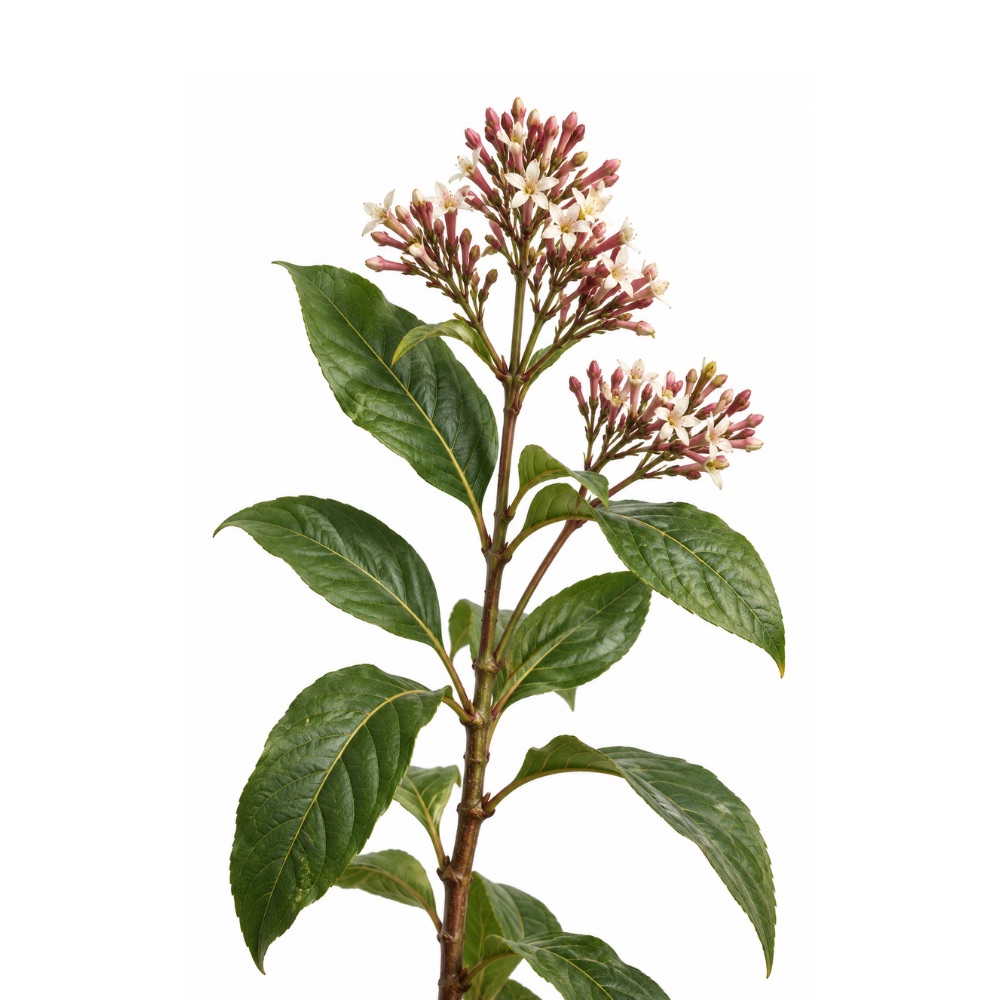 PotentPotentCinchonaCinchona officinalisQuinidine, one of the bark's minor alkaloids, is an established class Ia antiarrhythmic that slows cardiac conduction and prolongs the action potential.Mechanismquinidine → cardiac Na⁺/K⁺ channel blockade (class Ia), action-potential prolongationRead the evidenceShow less
Quinidine blocks cardiac sodium and potassium channels, slowing conduction and prolonging the action potential, and it held a place in the treatment of atrial fibrillation for most of the twentieth century.
It is a minor alkaloid of the bark, and the action belongs to the purified molecule at pharmaceutical doses. No preparation of cinchona bark delivers quinidine at a controlled level, and the bark itself has never been used to treat an arrhythmia.
Quinine and quinidine both prolong the QT interval and can provoke arrhythmia 21Reference 21ObservationalQuinine and quinidine: a comparison of EKG effects during the treatment of malaria — human observationalView study →, so the same chemistry that corrects one rhythm disturbance can cause another.
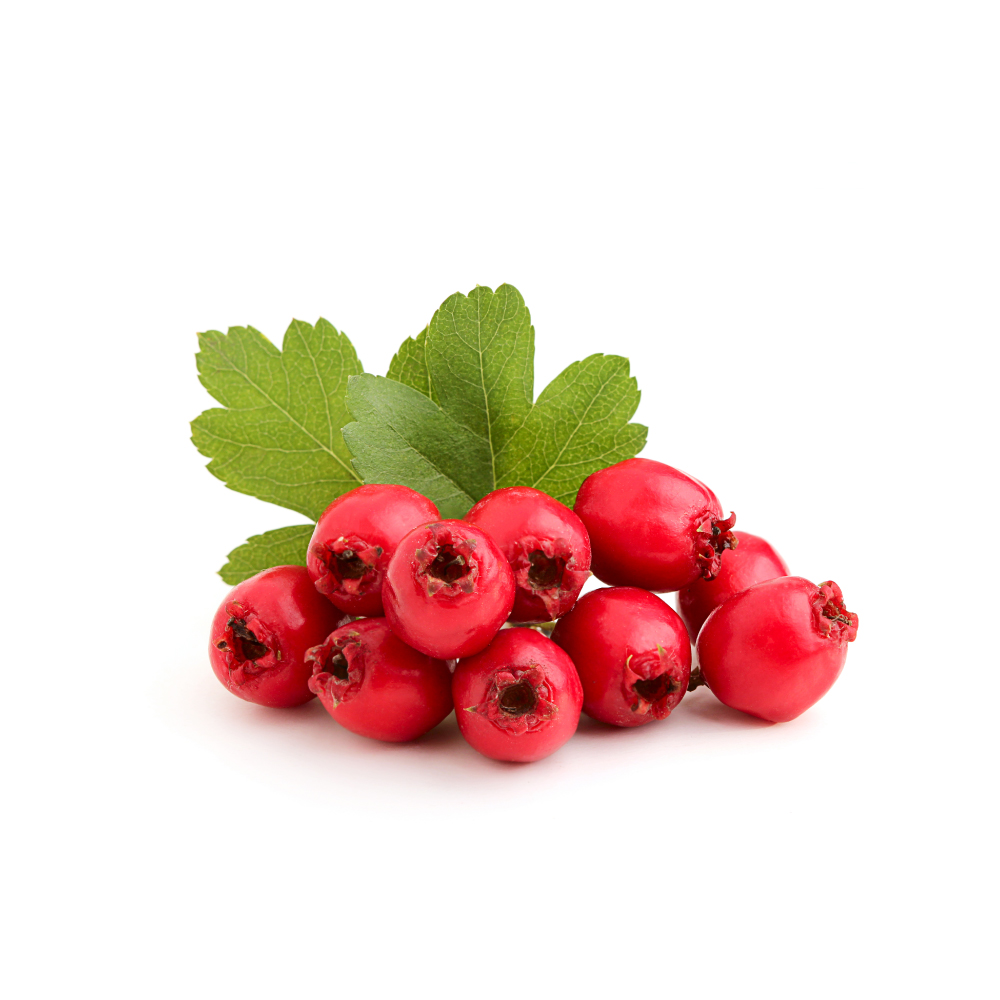 PotentPotentHawthornCrataegus oxyacanthaImproves exercise tolerance, breathlessness and fatigue in mild-to-moderate heart failure, with a positive inotropic mechanism distinct from the cardiac glycosides.Mechanismcyclic-AMP phosphodiesterase inhibition; positive inotropyRead the evidenceShow lessMonograph →
Hawthorn is the primary cardiotonic of Western herbalism, with clinical evidence showing improvements in exercise tolerance, cardiac workload, breathlessness and fatigue, particularly as an adjunct in mild-to-moderate heart failure 25Reference 25Meta-analysisHawthorn extract for treating chronic heart failure — systematic review and meta-analysisView study →. The Cochrane review behind that finding pooled 10 of 14 double-blind RCTs (855 patients, NYHA I–III) of standardised leaf-and-flower extract, and found maximal workload rose by 5.35 W against placebo alongside a lower pressure–heart-rate product.
Its flavonoids appear to support cardiac contractility through cyclic-AMP phosphodiesterase inhibition 26,
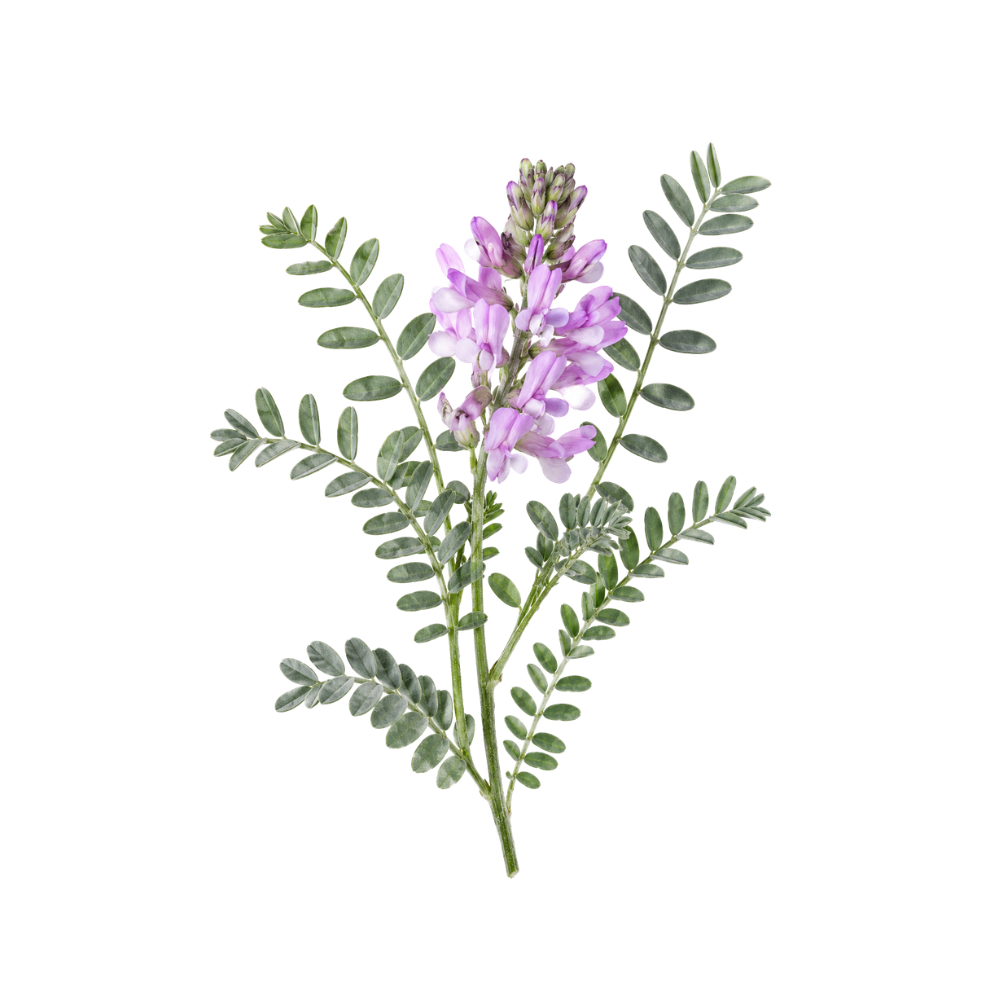 StrongStrongAstragalusAstragalus membranaceusImproves ejection fraction and walking distance dose-dependently as an add-on in chronic heart failure, and speeds myocardial recovery in viral myocarditis.Mechanismcalcium-sensing-receptor-mediated anti-apoptotic signaling; ERK-linked cardioprotection; TNF-α ↓Read the evidenceShow lessMonograph →
In chronic heart failure, a 2011 dose-ranging RCT (n=90) gave astragalus granule at three doses alongside perindopril and found dose-dependent improvement in left-ventricular ejection fraction and 6-minute walk distance 11Reference 11RCTClinical effect of Astragalus granule of different dosages on quality of life in patients with chronic heart failure — a randomized controlled trialView study →. A dose-response relationship is the most credible feature of an otherwise thin human literature.
In viral myocarditis, astragalus injection added to conventional care improved myocardial-enzyme and ECG recovery across a 2014 review of 6 RCTs (639 patients) 12Reference 12Systematic reviewAstragalus membranaceus injection combined with conventional treatment for viral myocarditis — a systematic review of randomized controlled trialsView study →, markedly lowered TNF-α in a 2022 meta-analysis of 19 RCTs (SMD −2.27) 13Reference 13Meta-analysisEffect of Astragalus injection on inflammatory mediators in patients with viral myocarditis — a systematic review and meta-analysisView study →, and reduced cardiac troponin I in a 2020 review of 28 clinical studies (2,522 participants) that rated trial quality at about 3.3 out of 7 14Reference 14Systematic reviewClinical and preclinical systematic review of Astragalus membranaceus for viral myocarditisView study →.
The mechanism is almost entirely astragaloside IV: reduced infarct size and improved post-ischaemic function in animal ischaemia/reperfusion models through calcium-sensing-receptor and ERK-linked anti-apoptotic pathways, pooled in a preclinical meta-analysis 15,
The human trials are small, short, and either injectable or layered on ACE inhibitors, so astragalus’s independent contribution has not been isolated.
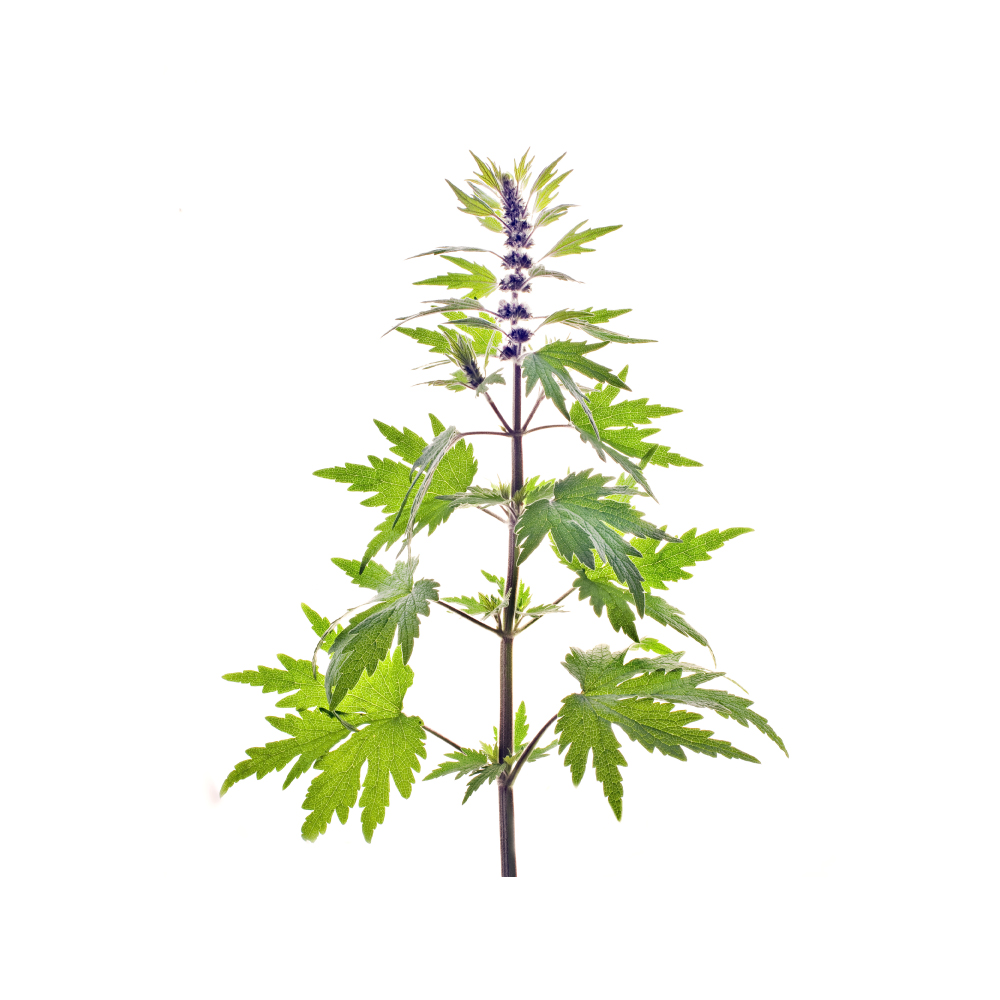 StrongStrongMotherwortLeonurus cardiacaThe traditional heart herb of European practice; slows heart rate and steadies rhythm through direct action on cardiac sodium, calcium and pacemaker currents, with coronary vasodilation alongside.Mechanismcardiac ion-channel modulation (I_Na, I_Ca,L, I_f); coronary vasodilation; mitochondrial ROS ↓ / partial uncouplingRead the evidenceShow lessMonograph →
Motherwort acts on the electrical side of the heart. A bioassay-guided refined extract applied to isolated rabbit hearts and ion-channel cell models prolonged the PQ interval, lengthened the basic cycle length, raised relative coronary flow and modulated sodium (I_Na), L-type calcium (I_Ca,L) and pacemaker (I_f) currents — a rate-slowing electrophysiological profile rather than a cardiac-glycoside effect 28,
In whole animals the phenylpropanoid glycoside lavandulifolioside reproduced the negative chronotropism and PQ/QT prolongation, though its authors were clear it does not account for the whole extract 30Reference 30AnimalPharmacological effects of lavandulifolioside from Leonurus cardiaca — animal in vivoView study →. The abundant betaine stachydrine was enriched in the antiarrhythmic fraction 31Reference 31Stachydrine in Leonurus cardiaca, Leonurus japonicus, Leonotis leonurus: detection and quantification by HPTLC and 1H-qNMR — analyticalView study →, and extract polyphenols partially uncoupled cardiac mitochondria and cut mitochondrial ROS in vitro 32Reference 32In vitroThe effect of Leonurus cardiaca herb extract and some of its flavonoids on mitochondrial oxidative phosphorylation in the heart — in vitroView study →.
Every functional result is ex vivo or animal. No human study has tested motherwort against a documented arrhythmia, and the active material is a refined extract rather than a household tea or tincture.
The effect is coherent across several channels but modest in size.
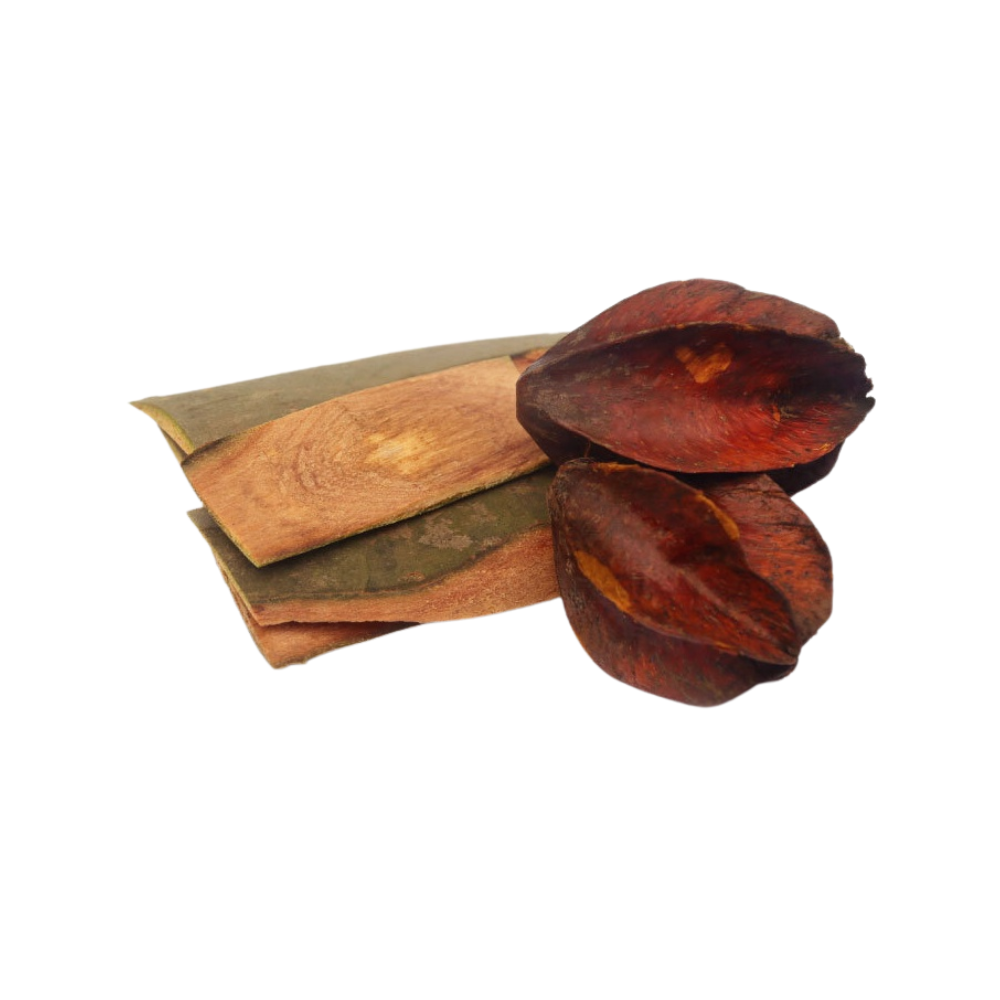 ModerateModerateArjunaTerminalia arjunaThe classical heart tonic of Ayurveda; reduces anginal frequency about as well as a nitrate in small trials, though its best-powered heart-failure trial found no change in ejection fraction.Mechanismanti-ischemic and anti-hypertrophic (arjunolic acid, PPAR-α agonism → cardiac fibrosis ↓); antianginal symptom relief; ejection fraction unchanged in the largest trialRead the evidenceShow lessMonograph →
Arjuna bark has been the heart remedy of Ayurvedic practice for centuries, and its flagship modern indication is stable angina. A double-blind, placebo-controlled crossover in 58 men (NYHA II–III) found bark extract 500 mg every 8 hours reduced anginal frequency and improved treadmill parameters comparably to isosorbide mononitrate 1Reference 1RCTEfficacy of Terminalia arjuna in chronic stable angina: a double-blind, placebo-controlled, crossover study comparing Terminalia arjuna with isosorbide mononitrate — randomised controlled trialView study →, and earlier trials reported roughly 50% fewer anginal episodes and delayed ST-change onset after three months of bark powder 2,
A 2014 systematic review judged the pooled trials methodologically poor and the evidence insufficient either way 5Reference 5Meta-analysisTerminalia arjuna in chronic stable angina: systematic review and meta-analysisView study →. The best-powered study on the herb, a 100-patient add-on RCT in NYHA II heart failure, found no change in ejection fraction (24.3% vs 25.5%, p = 0.4) 6Reference 6RCTClinical efficacy of water extract of stem bark of Terminalia arjuna in patients of chronic heart failure — a double-blind, randomised controlled trialView study →; only secondary measures improved — 6-minute walk distance, antioxidant enzymes and symptom-related quality of life.
The preclinical mechanism is coherent. Hydroalcoholic extract limits isoproterenol-induced myocardial damage dose-dependently 7Reference 7AnimalTerminalia arjuna augments cardioprotection via antioxidant and antiapoptotic cascade in isoproterenol-induced cardiotoxicity in rats — animal modelView study →, aqueous extract normalises molecular markers of cardiac hypertrophy in proteomic and transcriptomic analyses 8,
What the record shows is a symptomatic antianginal with an anti-ischaemic mechanism. No trial has shown arjuna strengthens the contraction of the heart.
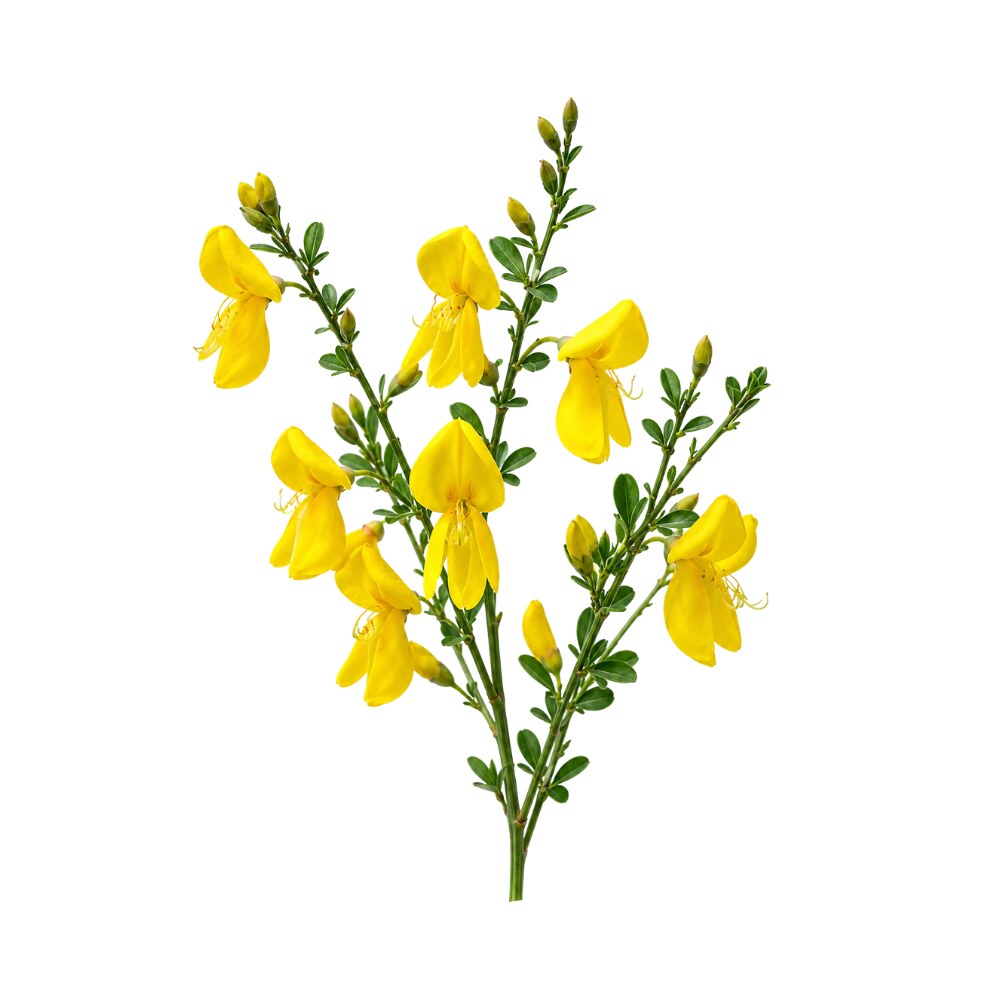 ModerateModerateBroomCytisus scopariusSparteine blocks cardiac sodium channels, slowing the heart and raising the arrhythmia threshold — an antiarrhythmic and negative inotrope rather than a strengthening tonic.Mechanismcardiac voltage-gated Na⁺-channel blockade (class-I-type); negative chronotropy and negative inotropy; oxytocic uterine stimulation (same molecule)Read the evidenceShow lessMonograph →
Broom’s cardiac activity is the quinolizidine alkaloid sparteine, a class-I-type voltage-gated sodium-channel blocker. In anaesthetised rats it slowed heart rate dose-dependently, prolonged PR and QT and raised the arrhythmia threshold 18Reference 18AnimalThe cardiac electrophysiological effects of sparteine and its analogue BRB-I-28 in the rat — animal model, in vivoView study →, and in guinea-pig papillary muscle it acted predominantly as a channel blocker, more potent at blocking sodium current than at depressing contraction 19Reference 19In vitroNegative inotropic effects of tetrodotoxin and seven class-1 antiarrhythmic drugs in relation to sodium-channel blockade — in vitroView study →.
That is an antiarrhythmic and a negative inotrope, the opposite of the positive inotropy the word cardiotonic usually implies.
Sparteine sulfate reached the clinic on this mechanism and was then abandoned. The channel block that produces the effect is the same thing that produces the toxicity, and the therapeutic index is narrow.
The same molecule carries the uterine action: sparteine sulfate was used to induce labour and raises uterine prostaglandin-F output in pregnant rats 20Reference 20AnimalEffect of sparteine sulfate on uterine prostaglandin F in the rat — animal model, in vivoView study →. There is no dose at which the cardiac effect can be had without the oxytocic and toxic effects alongside it.
The herb itself is an unstandardised alkaloid mixture that cannot deliver the effect controllably, and no modern trial exists.
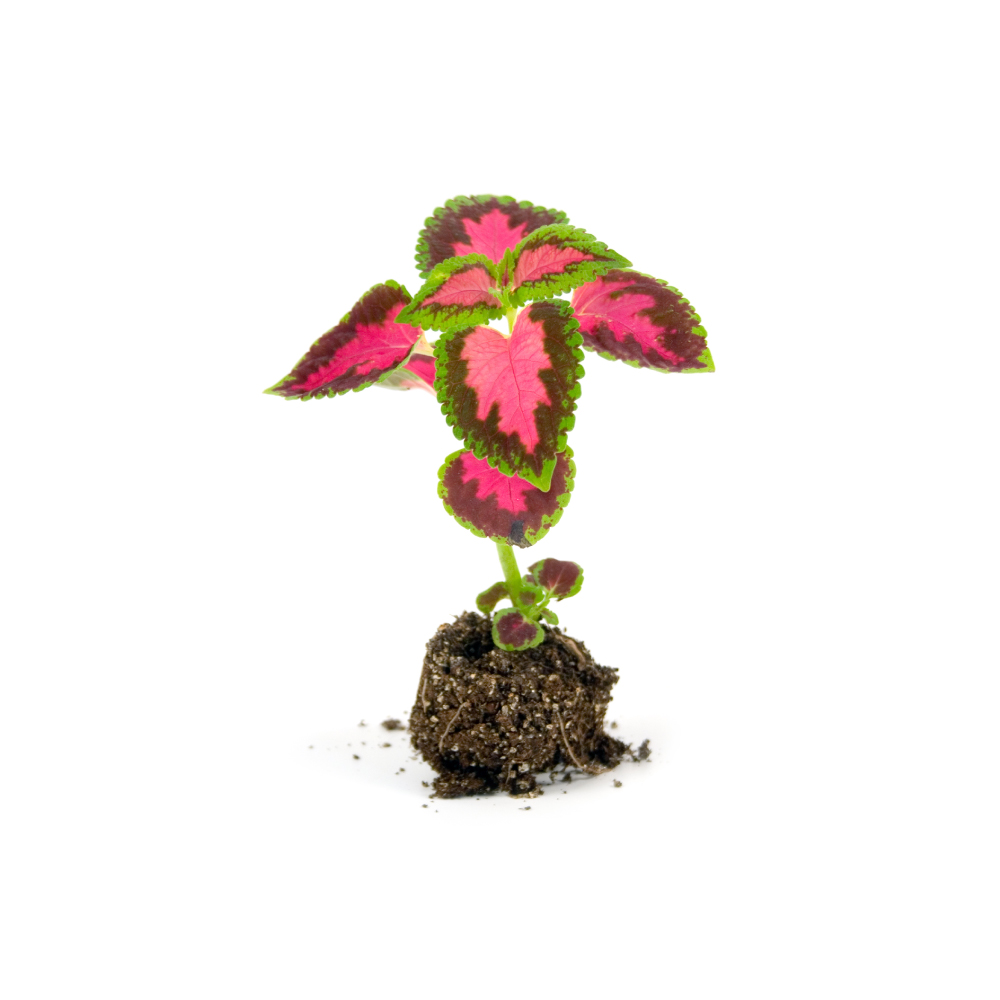 ModerateModerateColeusColeus forskohliiForskolin is a direct adenylate-cyclase activator and a powerful positive inotrope in human heart tissue — by infusion. Oral root does not deliver it.Mechanismdirect receptor-independent activation of cardiac adenylate cyclase → cAMP ↑ → PKA (β-agonist-sparing)Read the evidenceShow lessMonograph →
In failing human myocardial preparations, forskolin was a more powerful activator of adenylate cyclase than isoproterenol, and it retained full activity in tissue from failing hearts where β-agonists lose potency, because it bypasses the downregulated β-receptor entirely 22Reference 22In vitroPharmacology and inotropic potential of forskolin in the human heart — [in vitro]View study →.
Infused intravenously into 12 patients with NYHA III dilated cardiomyopathy it acted as a positive inotrope and vasodilator, lowering systemic vascular resistance and filling pressure, but only at higher doses and with a narrower margin than dobutamine 23,
All of this is ex-vivo tissue or intravenous infusion. Forskolin’s oral bioavailability is poor, and there is no evidence that oral coleus root produces meaningful inotropy.
The pharmacology is textbook; the preparation cannot deliver it.
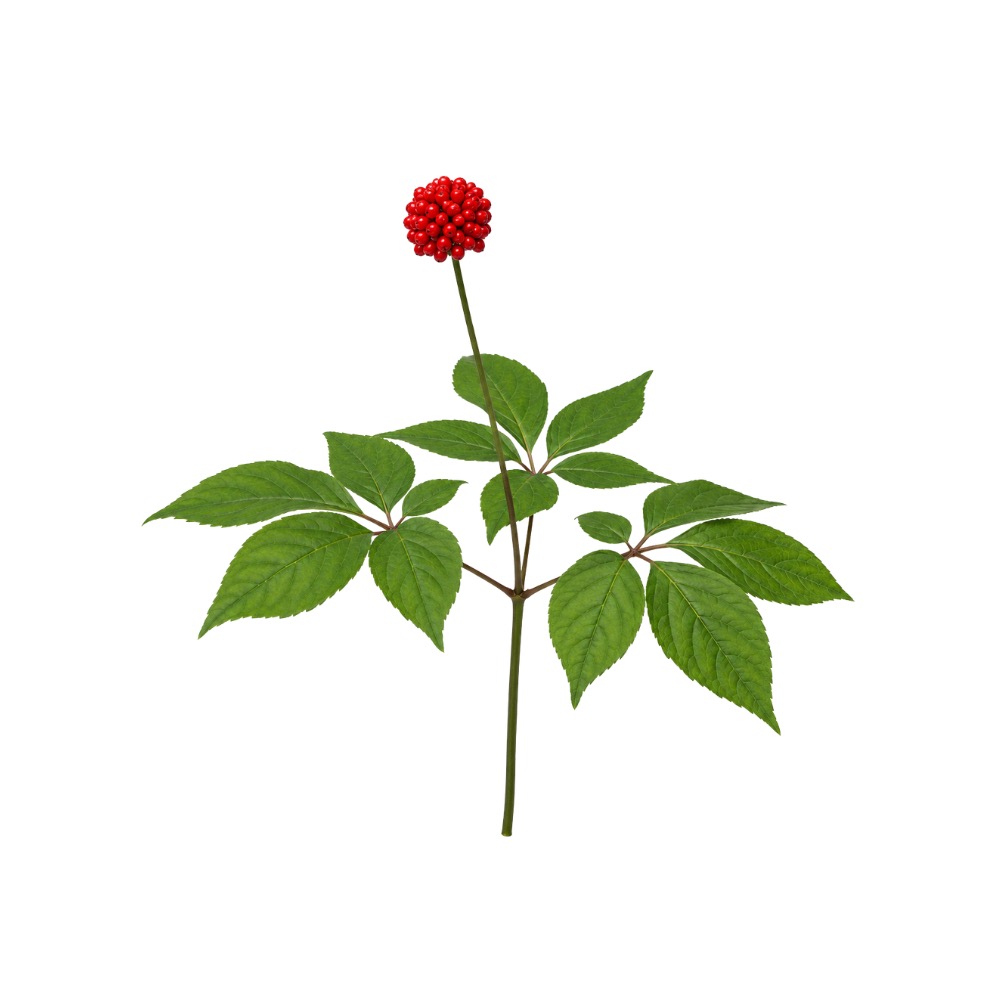 ModerateModerateNotoginsengPanax notoginsengThe heart-and-circulation herb of Chinese practice; relieves angina symptoms and improves ECG readings by reducing platelet aggregation and improving coronary perfusion, with no inotropic effect shown.Mechanismplatelet-aggregation ↓ (coronary perfusion); ATF3/MAP2K3–p38 MAPK ↓; NF-κB ↓ (post-infarction remodelling)Read the evidenceShow lessMonograph →
Notoginseng’s cardiovascular benefit is anti-ischaemic, downstream of its antiplatelet action, rather than inotropic. An 18-RCT meta-analysis (n=1,828) and a 17-RCT systematic review found notoginseng saponins improved angina symptoms and ECG readings and cut nitroglycerin use 33,
A separate 17-RCT review of oral saponins in coronary heart disease found symptom and ECG improvement but no significant reduction in cardiovascular events 35Reference 35Systematic reviewOral Panax notoginseng Preparation for Coronary Heart Disease — a systematic review of randomised controlled trialsView study →.
Meta-analysis of saponin injection in acute myocardial infarction reported added benefit over standard care 36Reference 36Meta-analysisEfficacy and safety of Panax notoginseng saponin injection in acute myocardial infarction — a systematic review and meta-analysis of randomised trialsView study →, and in post-infarction rats the saponins reduced C-reactive protein, TNF-α and ventricular remodelling through ATF3/MAP2K3/p38 MAPK and NF-κB 37Reference 37AnimalPanax notoginseng saponins inhibits ventricular remodelling after myocardial infarction in rats through ATF3/MAP2K3/p38 MAPK and NF-κB pathways — in vivoView study →.
Most trials use injections, reporting quality is generally poor, and the one clear hard-endpoint finding is a null 35Reference 35Systematic reviewOral Panax notoginseng Preparation for Coronary Heart Disease — a systematic review of randomised controlled trialsView study →. The large event-powered unstable-angina RCT (n=1,200) has been published as a protocol only, with no results 38Reference 38RCTEfficacy and safety of high-dose Xueshuantong injection (lyophilised) in reducing major adverse cardiovascular events — a randomised controlled trial protocolView study →.
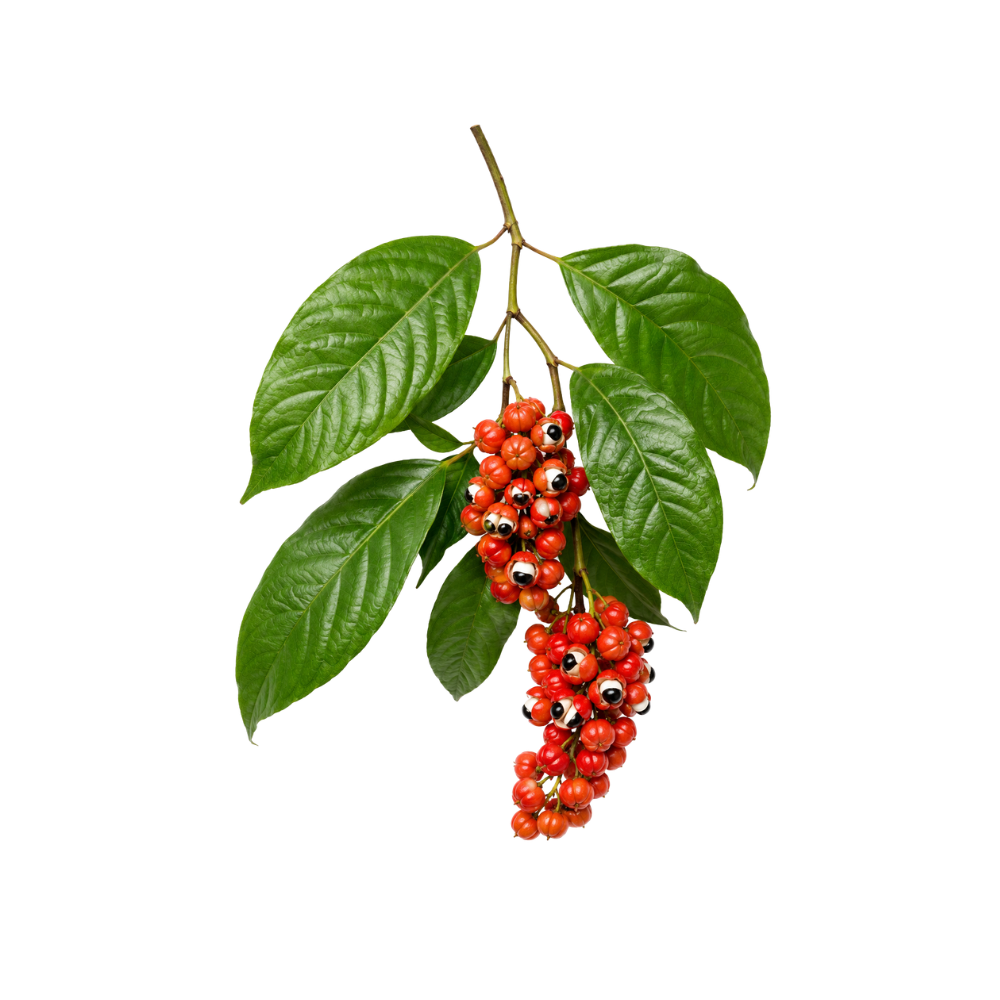 MildMildGuaranaPaullinia cupanaThe richest natural source of caffeine, so its cardiac effect is caffeine's: a mild rise in contractile force, heart rate and blood pressure. Its antiplatelet activity is a separate, caffeine-independent action.Mechanismcaffeine → adenosine A1/A2A antagonism, phosphodiesterase inhibition (contractile force ↑, heart rate ↑); platelet aggregation ↓ (catechins, caffeine-independent)Read the evidenceShow lessMonograph →
Guarana seed contains roughly 2.5–8% caffeine by weight, several times the coffee bean 54Reference 54ReviewGuarana: revisiting a highly caffeinated plant from the Amazon — reviewView study →, and its cardiac effect is caffeine’s. Caffeine antagonises adenosine A1 and A2A receptors and inhibits phosphodiesterase, raising cyclic AMP and the calcium available to the contractile apparatus 53Reference 53ReviewCaffeine and arrhythmias: a critical analysis of cardiovascular responses and arrhythmia susceptibility — reviewView study →; in isolated human atrial tissue it increased contractile force by about 18% 50Reference 50In vitroIn-vitro examination of the positive inotropic effect of caffeine and taurine, the two most frequent active ingredients of energy drinks — human atrial myocardium, in vitroView study →, and in people it raises heart rate and blood pressure acutely 52Reference 52ReviewCaffeine and cardiovascular health — reviewView study →.
At guarana’s concentration a modest dose of seed delivers a full stimulant dose.
The seed’s other cardiovascular activity does not depend on caffeine. Aqueous extract reduced platelet aggregation in human and rabbit platelets and in living rabbits 55Reference 55In vitroA novel property of an aqueous guaraná extract (Paullinia cupana): inhibition of platelet aggregation in vitro and in vivo — in vitro and rabbitView study →, and the active fraction was identified as the catechins and their dimers rather than the xanthines 56Reference 56In vitroStudies on the nature of anti-platelet aggregatory factors in the seeds of the Amazonian herb guarana (Paullinia cupana) — in vitroView study →.
That evidence is preclinical and is examined among the cardioprotective herbs.
No randomised trial has tested guarana against a cardiovascular endpoint. The acute pressor effect of its caffeine is the reason it is avoided in uncontrolled hypertension, arrhythmia and established cardiac disease.
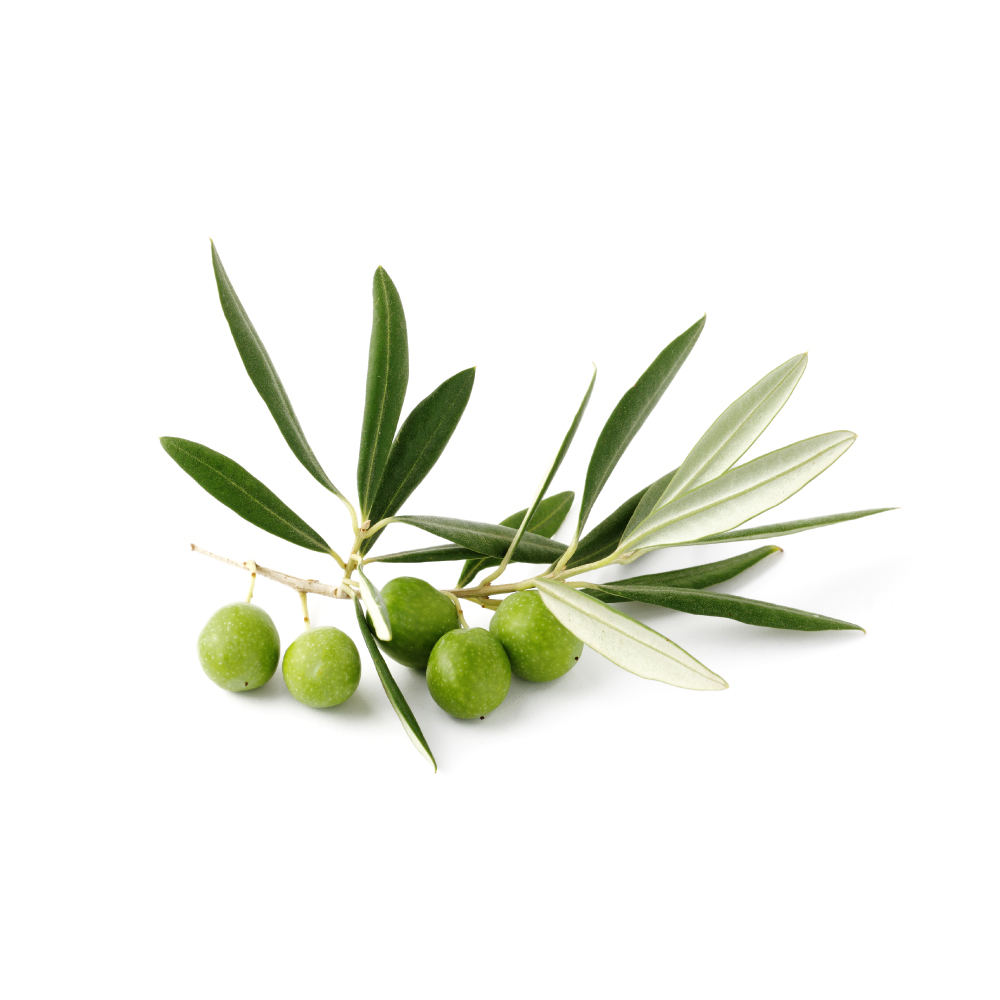 MildMildOlive LeafOlea europaeaA Mediterranean folk remedy for the heart and blood pressure; protects heart muscle from ischaemia–reperfusion injury in animal and cell models through the RISK pathway, with no inotropic or human cardiac-trial evidence.MechanismRISK-pathway activation → anti-apoptotic; myocardial lipid peroxidation ↓; vascular inflammatory response ↓Read the evidenceShow lessMonograph →
Olive leaf’s cardiac pharmacology is protective rather than tonic. In cholesterol-fed rabbits the extract reduced atherosclerotic lesion development alongside a suppressed inflammatory response 39Reference 39AnimalThe anti-atherosclerotic effect of olive leaf extract is related to suppressed inflammatory response in rabbits with experimental atherosclerosis — animal model (rabbit)View study →; in isolated rat hearts oleuropein limited ischaemia–reperfusion oxidative injury, cutting creatine-kinase release and lipid peroxidation 40Reference 40AnimalOleuropein prevents oxidative myocardial injury induced by ischemia and reperfusion — animal model (rat)View study →; and in cardiomyocytes it reduced simulated ischaemia–reperfusion apoptosis through the reperfusion-injury salvage kinase (RISK) pathway 41Reference 41In vitroOleuropein protects cardiomyocyte against apoptosis via activating the reperfusion injury salvage kinase pathway in vitroView study →.
A systematic review of rodent studies found a consistent, dose-related cardioprotective signal 42Reference 42Systematic reviewOral administration of oleuropein and olive leaf extract has cardioprotective effects in rodents: a systematic review — animalView study →.
All of it is animal or cell-based. There is no human trial of a clinical cardiac endpoint — infarct size, arrhythmia, contractility or mortality — and no study anywhere shows an effect on heart rate or the force of contraction.
The leaf’s human evidence is for blood pressure, examined among the antihypertensive herbs.
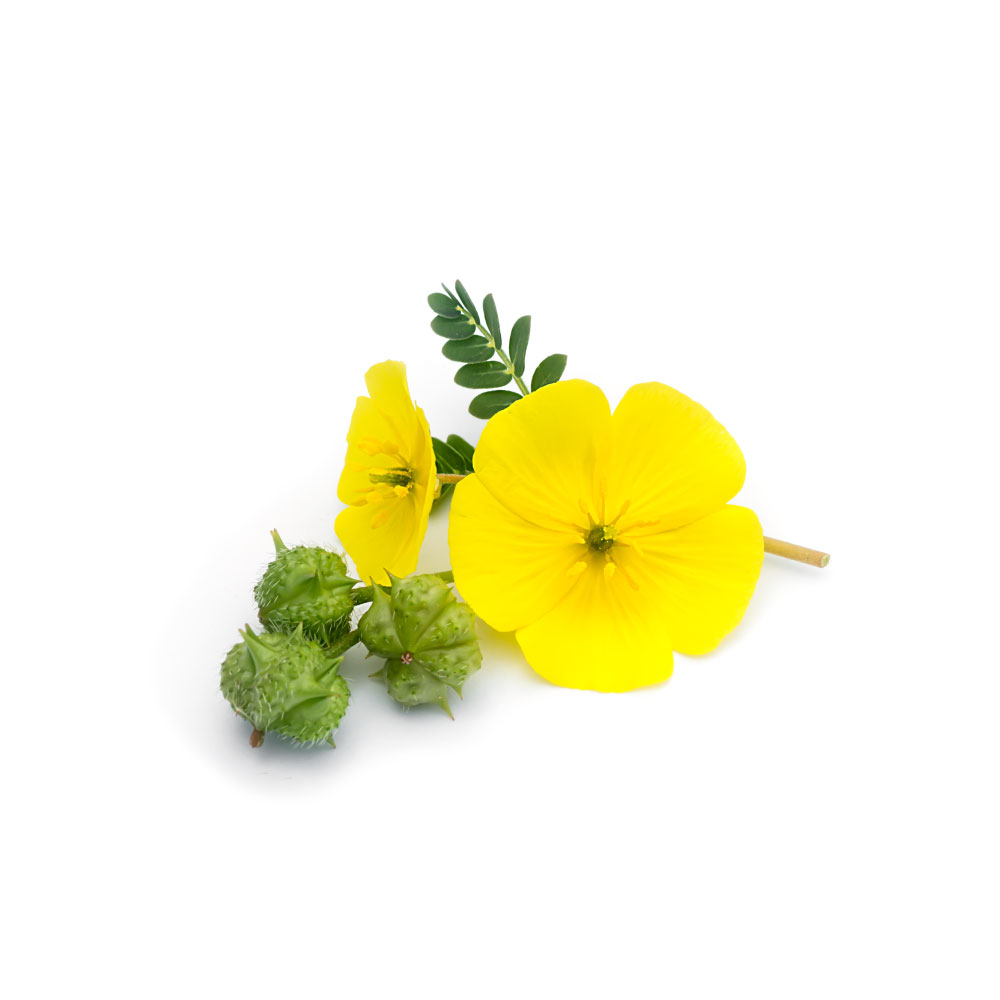 MildMildTribulusTribulus terrestrisA traditional cardiac and microcirculatory tonic in Chinese and Bulgarian practice; protects rat myocardium against ischaemia–reperfusion injury through PKC-ε and MAPK anti-apoptotic signalling, with no human contractility data.MechanismPKC-epsilon activation; MAPK-mediated anti-apoptosis; TNF-α-driven macrophage inflammation ↓Read the evidenceShow lessMonograph →
Tribulus’s cardiac evidence is protective and entirely preclinical. The spirostanol saponin tribulosin protects rat myocardium against ischaemia/reperfusion injury through protein kinase C-epsilon activation 43Reference 43AnimalTribulosin protects rat hearts from ischaemia/reperfusion injury — animal model — [animal model]View study →, and whole-extract pretreatment is anti-ischaemic through a MAPK-mediated anti-apoptotic pathway 44Reference 44AnimalPretreatment with Tribulus terrestris causes anti-ischaemic cardioprotection through a MAPK-mediated anti-apoptotic pathway in rat — [animal model]View study →.
In atherosclerotic rabbits the extract lowered cholesterol, LDL and triglycerides and preserved the vascular endothelium 45Reference 45AnimalInfluence of Tribulus terrestris extract on lipid profile and endothelial structure in atherosclerotic rabbits — [animal model]View study →, and a 2025 study attributed its anti-atherosclerotic action to suppression of TNF-α-driven macrophage inflammation 46Reference 46In vitroTribulus terrestris extract alleviates atherosclerosis by suppressing TNF-alpha-mediated macrophage inflammation — in vitro and animal model — [animal model]View study →.
All cardiovascular efficacy data come from animals; the only human signal is a secondary lipid outcome in a diabetes RCT 47Reference 47RCTEfficacy of hydroalcoholic extract of Tribulus terrestris on serum glucose and lipid profile of women with type 2 diabetes — double-blind randomised placebo-controlled trial — [randomised placebo-controlled trial]View study →. What the evidence describes is protection against ischaemia and atherosclerosis.
There is no contractility data of any kind.
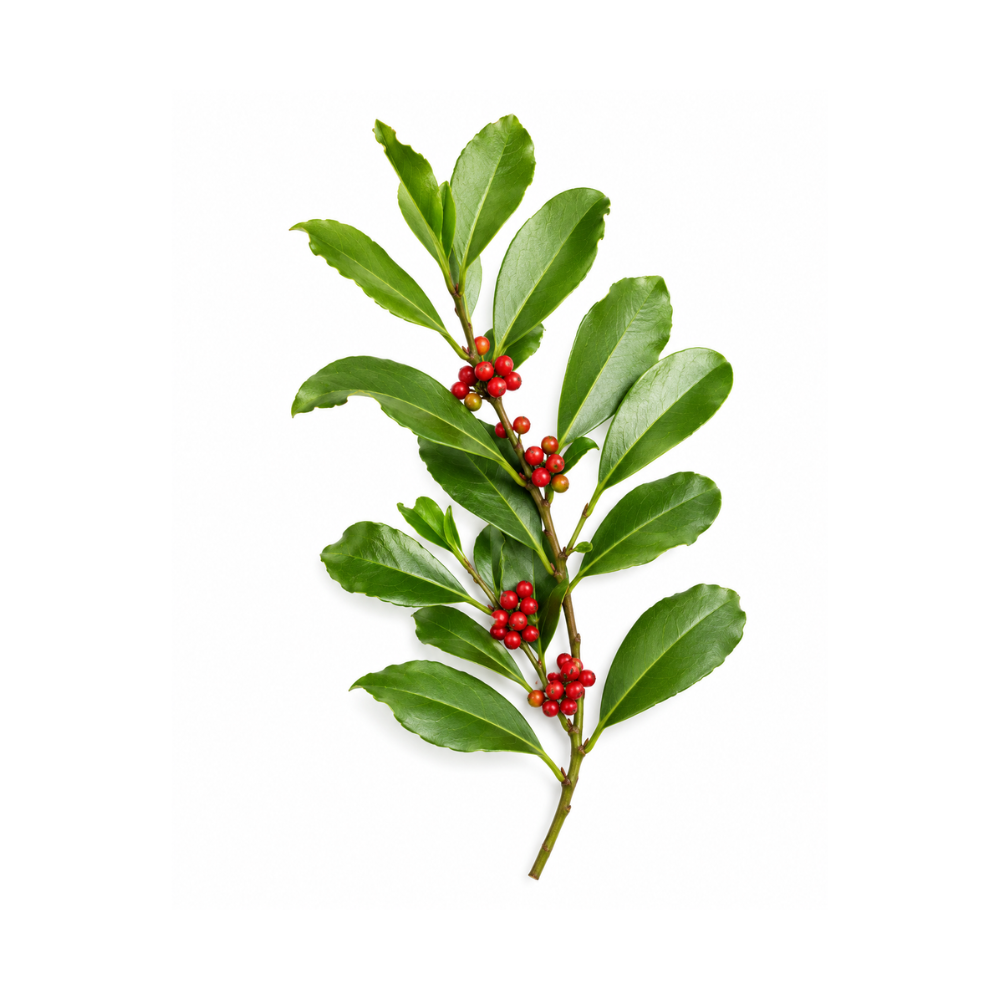 MildMildYerba MatéIlex paraguariensisIts caffeine is a mild cardiac stimulant, raising contractile force and heart rate acutely; over weeks the leaf's polyphenols lower blood pressure and inflammatory markers.Mechanismcaffeine → adenosine A1/A2A antagonism, phosphodiesterase inhibition (contractile force ↑, acute); polyphenols → inflammatory cytokines ↓, flow-mediated dilation ↑, blood pressure ↓Read the evidenceShow lessMonograph →
Yerba maté’s action on the heart is caffeine’s. Caffeine antagonises adenosine A1 and A2A receptors and inhibits phosphodiesterase, raising cyclic AMP and the calcium available to the contractile apparatus 53Reference 53ReviewCaffeine and arrhythmias: a critical analysis of cardiovascular responses and arrhythmia susceptibility — reviewView study →; in isolated human atrial tissue it increased contractile force by about 18% 50Reference 50In vitroIn-vitro examination of the positive inotropic effect of caffeine and taurine, the two most frequent active ingredients of energy drinks — human atrial myocardium, in vitroView study →.
The same pharmacology raises heart rate and blood pressure acutely, and tolerance to both develops with regular use 52Reference 52ReviewCaffeine and cardiovascular health — reviewView study →.
Yerba maté contains between 0.7 and 2% caffeine by dried weight, averaging around 1% — slightly less than the coffee bean and several times more than cacao — and a traditional gourd, refilled many times from the same leaf, delivers a stimulant dose comparable to coffee. The cardiac effect of the tea is therefore ordinary caffeine pharmacology at a meaningful dose rather than a distinct action of the plant.
The leaf’s own research is cardiometabolic rather than cardiac. A 2025 randomised, controlled, blinded crossover trial in non-habitual consumers found eight weeks of three daily servings lowered blood pressure and several inflammatory cytokines, chemokines and colony-stimulating factors, and reduced body-fat percentage in healthy participants 48Reference 48RCTYerba Mate (Ilex paraguariensis) tea may have cardiometabolic beneficial effects — a randomized, controlled, blind, crossover trial in nonhabitual consumersView study →.
An acute crossover trial found a single infusion, hot or cold, improved flow-mediated dilation while leaving blood pressure, haemodynamics and heart-rate variability unchanged 49Reference 49RCTAcute ingestion of yerba mate (Ilex paraguariensis) infusion does not modify endothelial function, hemodynamics, or heart rate variability — a randomized crossover clinical trialView study →. The drivers of those effects are the chlorogenic acids and other polyphenols rather than the caffeine.
The trials are small, short and measure surrogate markers only, and caffeine’s acute pressor effect sits against the polyphenols’ longer-term blood-pressure reduction.
No herbs match these filters.
Safety
- No cardiotonic herb replaces cardiac medication.
- Positive inotropes and rate-slowing herbs are additive with cardiac drugs.
- Anything that changes conduction can cause arrhythmia as well as suppress it.
- Antiplatelet herbs add to anticoagulant and antiplatelet drugs.
- Caffeine-bearing herbs raise blood pressure and heart rate acutely.
References
- Bharani, A., Ganguli, A., Mathur, L. K., et al. (2002). Efficacy of Terminalia arjuna in chronic stable angina: a double-blind, placebo-controlled, crossover study comparing Terminalia arjuna with isosorbide mononitrate — randomised controlled trial. Indian Heart Journal, 54(2), 170–175. https://pubmed.ncbi.nlm.nih.gov/12086380/
- Dwivedi, S., & Agarwal, M. P. (1994). Antianginal and cardioprotective effects of Terminalia arjuna, an indigenous drug, in coronary artery disease — clinical study. Journal of the Association of Physicians of India, 42(4), 287–289. https://pubmed.ncbi.nlm.nih.gov/7741874/
- Dwivedi, S., & Jauhari, R. (1997). Beneficial effects of Terminalia arjuna in coronary artery disease — comparative clinical study. Indian Heart Journal, 49(5), 507–510. https://pubmed.ncbi.nlm.nih.gov/9505018/
- Kumar, P. U., Adhikari, P., Pereira, P., et al. (1999). Safety and efficacy of Hartone in stable angina pectoris — an open comparative trial (Terminalia arjuna–based product). Journal of the Association of Physicians of India, 47(7), 685–689. https://pubmed.ncbi.nlm.nih.gov/10778587/
- Kaur, N., Shafiq, N., Negi, H., et al. (2014). Terminalia arjuna in chronic stable angina: systematic review and meta-analysis. Cardiology Research and Practice, 2014, 281483. https://pubmed.ncbi.nlm.nih.gov/24600529/
- Maulik, S. K., Wilson, V., Seth, S., et al. (2016). Clinical efficacy of water extract of stem bark of Terminalia arjuna in patients of chronic heart failure — a double-blind, randomised controlled trial. Phytomedicine, 23(11), 1211–1219. https://pubmed.ncbi.nlm.nih.gov/26988798/
- Shukla, S. K., Sharma, S. B., & Singh, U. R. (2015). Terminalia arjuna augments cardioprotection via antioxidant and antiapoptotic cascade in isoproterenol-induced cardiotoxicity in rats — animal model. Indian Journal of Experimental Biology, 53(12), 810–818. https://pubmed.ncbi.nlm.nih.gov/26742326/
- Kumar, S., Jahangir Alam, M., Prabhakar, P., et al. (2017). Proteomic analysis of the protective effects of aqueous bark extract of Terminalia arjuna on isoproterenol-induced cardiac hypertrophy in rats — animal model. Journal of Ethnopharmacology, 198, 98–108. https://pubmed.ncbi.nlm.nih.gov/28063919/
- Kumar, G., Saleem, N., Kumar, S., et al. (2019). Transcriptomic validation of the protective effects of aqueous bark extract of Terminalia arjuna against isoproterenol-induced cardiac hypertrophy — animal model. Frontiers in Pharmacology, 10, 1443. https://pubmed.ncbi.nlm.nih.gov/31920643/
- Bansal, T., Chatterjee, E., Singh, J., et al. (2017). Arjunolic acid, a peroxisome proliferator-activated receptor α agonist, regresses cardiac fibrosis by inhibiting non-canonical TGF-β signalling — in vitro/animal mechanistic study. Journal of Biological Chemistry, 292(40), 16440–16462. https://pubmed.ncbi.nlm.nih.gov/28821620/
- Yang, Q.Y., et al. (2011). Clinical effect of Astragalus granule of different dosages on quality of life in patients with chronic heart failure — a randomized controlled trial. Chinese Journal of Integrative Medicine. https://pubmed.ncbi.nlm.nih.gov/21390582/
- Piao, Y.L., et al. (2014). Astragalus membranaceus injection combined with conventional treatment for viral myocarditis — a systematic review of randomized controlled trials. Chinese Journal of Integrative Medicine. https://pubmed.ncbi.nlm.nih.gov/25098261/
- Guo, J., et al. (2022). Effect of Astragalus injection on inflammatory mediators in patients with viral myocarditis — a systematic review and meta-analysis. Phytomedicine. https://pubmed.ncbi.nlm.nih.gov/36115170/
- Zheng, Q., et al. (2020). Clinical and preclinical systematic review of Astragalus membranaceus for viral myocarditis. Oxidative Medicine and Cellular Longevity. https://pubmed.ncbi.nlm.nih.gov/33204391/
- Zheng, Q., et al. (2018). A preclinical systematic review and meta-analysis of astragaloside IV for myocardial ischemia/reperfusion injury (animal models). Frontiers in Physiology. https://pubmed.ncbi.nlm.nih.gov/30018562/
- Zhang, W.D., et al. (2006). Astragaloside IV from Astragalus membranaceus shows cardioprotection during myocardial ischemia in vivo and in vitro. Planta Medica. https://pubmed.ncbi.nlm.nih.gov/16450288/
- Yin, B., et al. (2019). Astragaloside IV attenuates myocardial ischemia/reperfusion injury in rats via inhibition of calcium-sensing-receptor-mediated apoptotic signaling. Acta Pharmacologica Sinica (animal model). https://pubmed.ncbi.nlm.nih.gov/30030530/
- Pugsley, M. K., Saint, D. A., Hayes, E., et al. (1996). The cardiac electrophysiological effects of sparteine and its analogue BRB-I-28 in the rat — animal model, in vivo. Journal of Pharmacy and Pharmacology. https://pubmed.ncbi.nlm.nih.gov/8788447/
- Honerjäger, P., Loibl, E., Steidl, I., et al. (1986). Negative inotropic effects of tetrodotoxin and seven class-1 antiarrhythmic drugs in relation to sodium-channel blockade — in vitro. Naunyn-Schmiedeberg’s Archives of Pharmacology. https://pubmed.ncbi.nlm.nih.gov/2422563/
- Abtahi FS, Auletta FJ, Sadeghi D, et al. (1978). Effect of sparteine sulfate on uterine prostaglandin F in the rat — animal model, in vivo. Prostaglandins. https://pubmed.ncbi.nlm.nih.gov/725080/
- White NJ, Looareesuwan S, Warrell DA. (1983). Quinine and quinidine: a comparison of EKG effects during the treatment of malaria — human observational. Journal of Cardiovascular Pharmacology. https://pubmed.ncbi.nlm.nih.gov/6188885/
- Bristow MR, Ginsburg R, Strosberg A, et al. (1984). Pharmacology and inotropic potential of forskolin in the human heart — [in vitro]. J Clin Invest. https://pubmed.ncbi.nlm.nih.gov/6330174/
- Metzger H, Lindner E (1981). The positive inotropic-acting forskolin, a potent adenylate cyclase activator — [journal article]. Arzneimittelforschung. https://pubmed.ncbi.nlm.nih.gov/7197529/
- Baumann G, Felix S, Sattelberger U, et al. (1990). Cardiovascular effects of forskolin (HL 362) in patients with idiopathic congestive cardiomyopathy — a comparative study with dobutamine and sodium nitroprusside — [clinical trial]. J Cardiovasc Pharmacol. https://pubmed.ncbi.nlm.nih.gov/1696672/
- Pittler, M. H., Guo, R., & Ernst, E. (2008). Hawthorn extract for treating chronic heart failure — systematic review and meta-analysis. Cochrane Database of Systematic Reviews. https://pubmed.ncbi.nlm.nih.gov/18254076/
- Petkov, E., Nikolov, N., & Uzunov, P. (1981). Inhibitory effect of some flavonoids and flavonoid mixtures on cyclic AMP phosphodiesterase activity of rat heart — animal. Planta Medica. https://pubmed.ncbi.nlm.nih.gov/6273955/
- Pöpping, S., Rose, H., Ionescu, I., Fischer, Y., & Kammermeier, H. (1995). Effect of a hawthorn extract on contraction and energy turnover of isolated rat cardiomyocytes — animal. Arzneimittel-Forschung. https://pubmed.ncbi.nlm.nih.gov/8929230/
- Orhan, I. E., Gokbulut, A., & Senol, F. S. (2017). Adonis sp., Convallaria sp., Strophanthus sp., Thevetia sp., and Leonurus sp. — cardiotonic plants with known traditional use — review. Current Pharmaceutical Design, 23(7), 1051–1059. https://pubmed.ncbi.nlm.nih.gov/27748195/
- Ritter, M., Melichar, K., Strahler, S., et al. (2010). Cardiac and electrophysiological effects of primary and refined extracts from Leonurus cardiaca L. (Ph. Eur.) — animal / ex vivo. Planta Medica, 76(6), 572–582. https://pubmed.ncbi.nlm.nih.gov/19918711/
- Miłkowska-Leyck, K., Filipek, B., & Strzelecka, H. (2002). Pharmacological effects of lavandulifolioside from Leonurus cardiaca — animal in vivo. Journal of Ethnopharmacology, 80(1), 85–90. https://pubmed.ncbi.nlm.nih.gov/11891090/
- Kuchta, K., Volk, R. B., & Rauwald, H. W. (2013). Stachydrine in Leonurus cardiaca, Leonurus japonicus, Leonotis leonurus: detection and quantification by HPTLC and 1H-qNMR — analytical. Die Pharmazie, 68(7), 534–540. https://pubmed.ncbi.nlm.nih.gov/23923634/
- Bernatoniene, J., Kopustinskiene, D. M., Jakstas, V., et al. (2014). The effect of Leonurus cardiaca herb extract and some of its flavonoids on mitochondrial oxidative phosphorylation in the heart — in vitro. Planta Medica, 80(7), 525–532. https://pubmed.ncbi.nlm.nih.gov/24841965/
- Song, H., et al. (2017). Panax notoginseng Preparations for Unstable Angina Pectoris — a systematic review and meta-analysis. Phytotherapy Research. https://pubmed.ncbi.nlm.nih.gov/28634988/
- Duan, L., et al. (2018). Efficacy and safety of oral Panax notoginseng saponins for unstable angina patients — a meta-analysis and systematic review. Phytomedicine. https://pubmed.ncbi.nlm.nih.gov/30166105/
- Shang, Q., et al. (2013). Oral Panax notoginseng Preparation for Coronary Heart Disease — a systematic review of randomised controlled trials. Evidence-Based Complementary and Alternative Medicine. https://pubmed.ncbi.nlm.nih.gov/24023585/
- Chen, P., et al. (2024). Efficacy and safety of Panax notoginseng saponin injection in acute myocardial infarction — a systematic review and meta-analysis of randomised trials. Frontiers in Pharmacology. https://pubmed.ncbi.nlm.nih.gov/38576488/
- Ma, R. F., et al. (2020). Panax notoginseng saponins inhibits ventricular remodelling after myocardial infarction in rats through ATF3/MAP2K3/p38 MAPK and NF-κB pathways — in vivo. Chinese Journal of Integrative Medicine. https://pubmed.ncbi.nlm.nih.gov/33259022/
- Long, W., et al. (2020). Efficacy and safety of high-dose Xueshuantong injection (lyophilised) in reducing major adverse cardiovascular events — a randomised controlled trial protocol. BMJ Open. https://pubmed.ncbi.nlm.nih.gov/32847917/
- Wang, L. et al. (2008). The anti-atherosclerotic effect of olive leaf extract is related to suppressed inflammatory response in rabbits with experimental atherosclerosis — animal model (rabbit). Eur J Nutr. https://pubmed.ncbi.nlm.nih.gov/18654736/
- Manna, C. et al. (2004). Oleuropein prevents oxidative myocardial injury induced by ischemia and reperfusion — animal model (rat). J Nutr Biochem. https://pubmed.ncbi.nlm.nih.gov/15302080/
- Zhao, Q. et al. (2017). Oleuropein protects cardiomyocyte against apoptosis via activating the reperfusion injury salvage kinase pathway in vitro. Evid Based Complement Alternat Med. https://pubmed.ncbi.nlm.nih.gov/28491103/
- Menezes, R. et al. (2022). Oral administration of oleuropein and olive leaf extract has cardioprotective effects in rodents: a systematic review — animal. Rev Port Cardiol. https://pubmed.ncbi.nlm.nih.gov/36062705/
- Zhang S (2010). Tribulosin protects rat hearts from ischaemia/reperfusion injury — animal model — [animal model]. Acta Pharmacol Sin. https://pubmed.ncbi.nlm.nih.gov/20453871/
- Reshma PL (2019). Pretreatment with Tribulus terrestris causes anti-ischaemic cardioprotection through a MAPK-mediated anti-apoptotic pathway in rat — [animal model]. Biomed Pharmacother. https://pubmed.ncbi.nlm.nih.gov/30841448/
- Tuncer MA (2009). Influence of Tribulus terrestris extract on lipid profile and endothelial structure in atherosclerotic rabbits — [animal model]. Acta Histochem. https://pubmed.ncbi.nlm.nih.gov/19269683/
- Yu-Qian Z (2025). Tribulus terrestris extract alleviates atherosclerosis by suppressing TNF-alpha-mediated macrophage inflammation — in vitro and animal model — [animal model]. FASEB J. https://pubmed.ncbi.nlm.nih.gov/40772840/
- Samani NB (2016). Efficacy of hydroalcoholic extract of Tribulus terrestris on serum glucose and lipid profile of women with type 2 diabetes — double-blind randomised placebo-controlled trial — [randomised placebo-controlled trial]. J Evid Based Complementary Altern Med. https://pubmed.ncbi.nlm.nih.gov/27255456/
- Bravo, L., et al. (2025). Yerba Mate (Ilex paraguariensis) tea may have cardiometabolic beneficial effects — a randomized, controlled, blind, crossover trial in nonhabitual consumers. Molecular Nutrition & Food Research. https://pubmed.ncbi.nlm.nih.gov/40263915/
- Filipini, R. E., et al. (2024). Acute ingestion of yerba mate (Ilex paraguariensis) infusion does not modify endothelial function, hemodynamics, or heart rate variability — a randomized crossover clinical trial. Plant Foods for Human Nutrition. https://pubmed.ncbi.nlm.nih.gov/39708247/
- Chaban, R., Kornberger, A., Branski, N., et al. (2017). In-vitro examination of the positive inotropic effect of caffeine and taurine, the two most frequent active ingredients of energy drinks — human atrial myocardium, in vitro. BMC Cardiovascular Disorders, 17(1), 220. https://pubmed.ncbi.nlm.nih.gov/28793864/
- Han, S., Qiu, Y., Zhang, G. Q., et al. (2024). A meta-analysis and systematic review of randomized clinical trials on the effect of coffee consumption on heart rate. Nutrition Reviews, 82(8), 1046–1055. https://pubmed.ncbi.nlm.nih.gov/37647856/
- Turnbull, D., Rodricks, J. V., Mariano, G. F., & Chowdhury, F. (2017). Caffeine and cardiovascular health — review. Regulatory Toxicology and Pharmacology, 89, 165–185. https://pubmed.ncbi.nlm.nih.gov/28756014/
- Hamad, A. K. S. (2024). Caffeine and arrhythmias: a critical analysis of cardiovascular responses and arrhythmia susceptibility — review. Journal of the Saudi Heart Association, 36(4), 335–348. https://pubmed.ncbi.nlm.nih.gov/39687718/
- Schimpl, F. C., da Silva, J. F., Gonçalves, J. F., & Mazzafera, P. (2013). Guarana: revisiting a highly caffeinated plant from the Amazon — review. Journal of Ethnopharmacology, 150(1), 14–31. https://pubmed.ncbi.nlm.nih.gov/23981847/
- Bydlowski, S. P., Yunker, R. L., & Subbiah, M. T. (1988). A novel property of an aqueous guaraná extract (Paullinia cupana): inhibition of platelet aggregation in vitro and in vivo — in vitro and rabbit. Brazilian Journal of Medical and Biological Research, 21(3), 535–538. https://pubmed.ncbi.nlm.nih.gov/3228635/
- Subbiah, M. T., & Yunker, R. (2008). Studies on the nature of anti-platelet aggregatory factors in the seeds of the Amazonian herb guarana (Paullinia cupana) — in vitro. International Journal for Vitamin and Nutrition Research, 78(2), 96–101. https://pubmed.ncbi.nlm.nih.gov/18791978/
- Fender, J., Klöcker, J., Boivin-Jahns, V., et al. (2024). “Cardiac glycosides” — quo vaditis? Past, present, and future — review. Naunyn-Schmiedeberg’s Archives of Pharmacology. https://pubmed.ncbi.nlm.nih.gov/39007928/
- Whayne, T. F. Jr. (2018). Clinical use of digitalis: a state of the art review — systematic review. American Journal of Cardiovascular Drugs. https://pubmed.ncbi.nlm.nih.gov/30066080/
- Bavendiek, U., Großhennig, A., Schwab, J., et al. (2025). Digitoxin in patients with heart failure and reduced ejection fraction — randomised controlled trial. New England Journal of Medicine. https://pubmed.ncbi.nlm.nih.gov/40879434/
- Digitalis Investigation Group (1997). The effect of digoxin on mortality and morbidity in patients with heart failure — randomised controlled trial. New England Journal of Medicine. https://pubmed.ncbi.nlm.nih.gov/9036306/
- Rathore, S. S., Curtis, J. P., Wang, Y., et al. (2003). Association of serum digoxin concentration and outcomes in patients with heart failure — post-hoc analysis of a randomised controlled trial. JAMA. https://pubmed.ncbi.nlm.nih.gov/12588271/
Keep Exploring