
Subclass of Carbohydrates
Polysaccharides
Large sugar polymers — many are immune-modulating (beta-glucans) or structural; a key active group in medicinal mushrooms.
Overview
About Polysaccharides
Polysaccharides are long chains of sugar units — hundreds to many thousands — and by sheer mass they are most of what a plant is. Cellulose and starch alone outweigh every other compound class on this site put together.
In herbal medicine the interest is narrower and more surprising: a subset of these molecules is immunologically active. They are far too large to be absorbed, so whatever they do, they do without ever entering the bloodstream intact — which is the central puzzle of the group.
Where the Active Ones Occur
Medicinal mushrooms and a handful of immune herbs account for most of the literature:
Shiitake, maitake, reishi, turkey tail
beta-glucans (lentinan, grifolan, PSK/PSP)
Astragalus
astragalus polysaccharides
Echinacea
arabinogalactans and heteroglycans
Aloe vera gel
acemannan
Larch and many trees
arabinogalactan
Codonopsis, dang shen and many tonic roots
mixed immune-active fractions
How a Molecule Too Large to Absorb Still Acts
The answer is that the gut is an immune organ. Beta-glucans with a 1,3-linked backbone and 1,6 branches are recognized by pattern-recognition receptors — Dectin-1, complement receptor 3, TLR2 — on the immune cells of the gut-associated lymphoid tissue, particularly at the Peyer's patches. The plant molecule looks, to those receptors, like a fungal cell wall.
Binding there triggers a signalling cascade that propagates systemically without the molecule itself going anywhere. Activity depends heavily on linkage pattern, branching frequency and molecular weight — which is why "contains polysaccharides" on a label tells you essentially nothing, and why extraction method matters more here than for almost any other class.
Pharmacological Importance
The strongest clinical evidence is from Japan and China, where the mushroom polysaccharides lentinan and PSK have been used for decades as adjuncts to conventional cancer chemotherapy, with meta-analyses showing modest survival benefits in gastric and colorectal cancer. These are injected or given as standardized preparations, not as culinary mushrooms.
Beyond that: acemannan has a wound-healing and mucosal-protective literature, arabinogalactans act as prebiotics and modestly modulate immune markers, and the immune-herb polysaccharide fractions of echinacea and astragalus carry a good part of those herbs' attributed activity.
Toxicity & Safety
These are foods, and they are about as safe as compounds get. Gastrointestinal effects — bloating, loose stools, gas — are the usual complaints at high intake, since undigested polysaccharide is fermentable fibre by another name.
The one theoretical caution follows from the mechanism: genuinely immunostimulant polysaccharides deserve thought in autoimmune disease and in transplant recipients on immunosuppressants. In practice the evidence for harm is thin, but the caution is standard and worth stating.
Constituents
All Polysaccharides
18 totalA
Acemannan Arabinogalactan Arabinogalactans ArabinoxylanB
Beta-glucansC
Cellulose ChitinD
D-glucanE
Eleutherans EphedransG
Ganoderan B Ganoderan C Glycans Gum arabicP
Pectin PentosanR
RhamnogalacturonansS
Soluble fiberNo polysaccharides match.
Source Plants
Herbs Containing Polysaccharides
30 herbsPlants in the materia medica documented to carry polysaccharides, with the compounds each one is listed for. The bar counts how many DISTINCT polysaccharides are on record for a plant, relative to the best-documented — it measures breadth of record, not potency, so a plant with one well-studied compound can outrank a richer source that has simply been analysed less. No concentration figures are on record for this class yet, so nothing here distinguishes a major source from a trace.
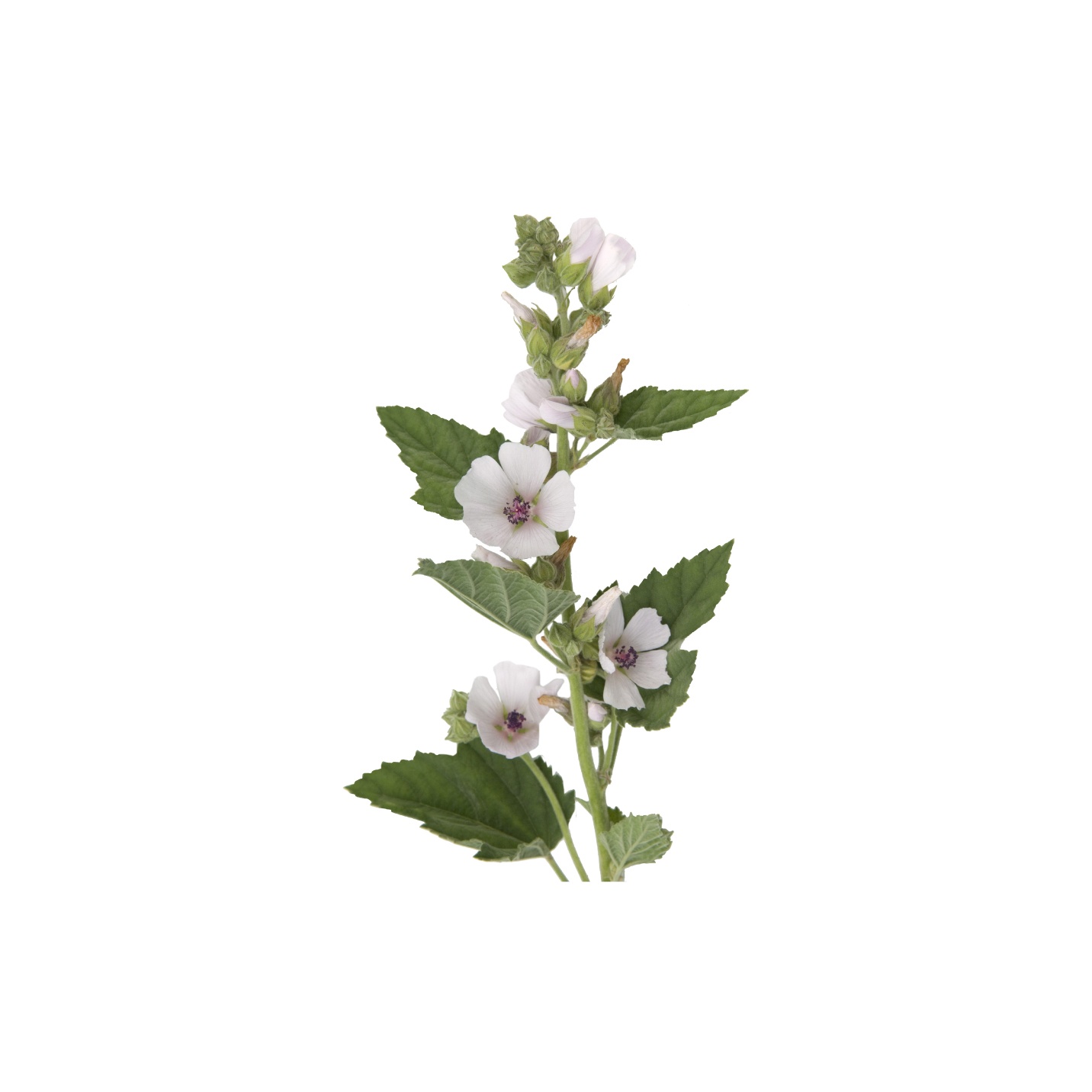 Marshmallow Althaea officinalis Documented for arabinogalactans, cellulose, D-glucan and 1 more.
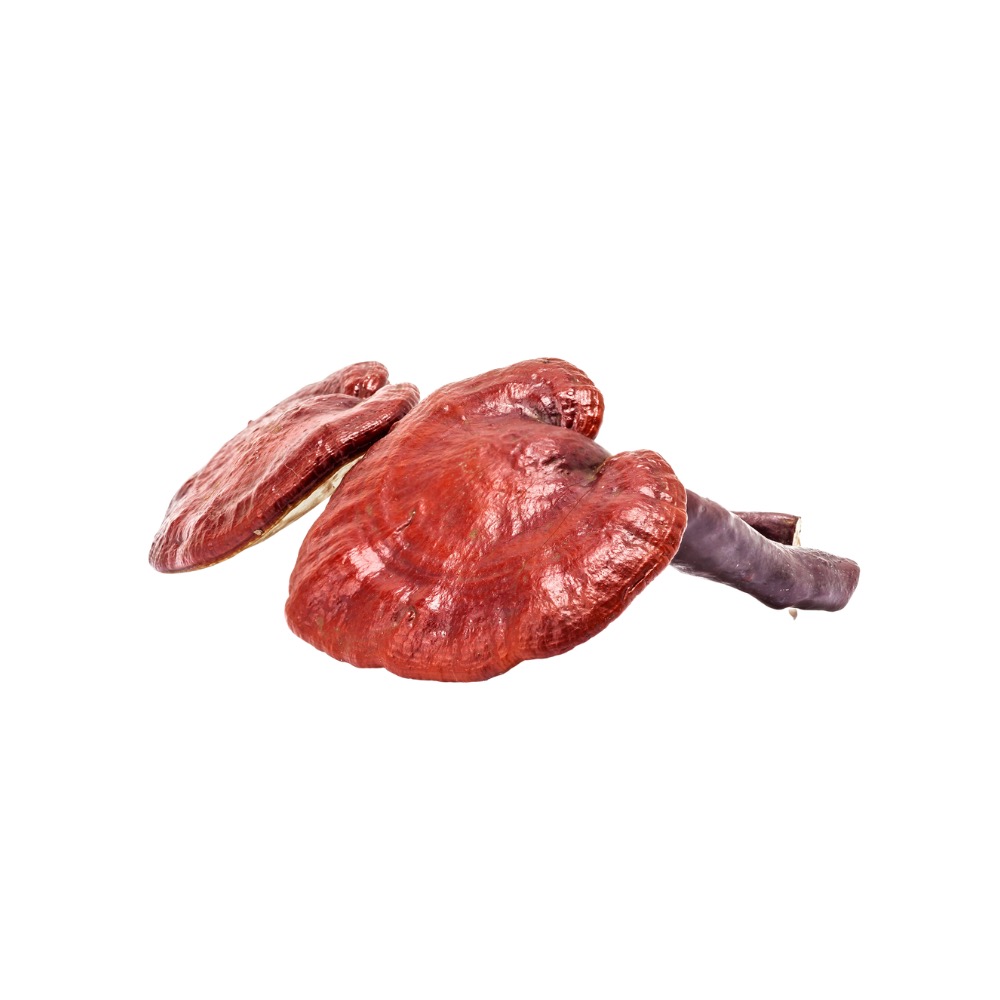 Reishi Ganoderma lucidum Documented for beta-glucans, ganoderan B, ganoderan C and 1 more.
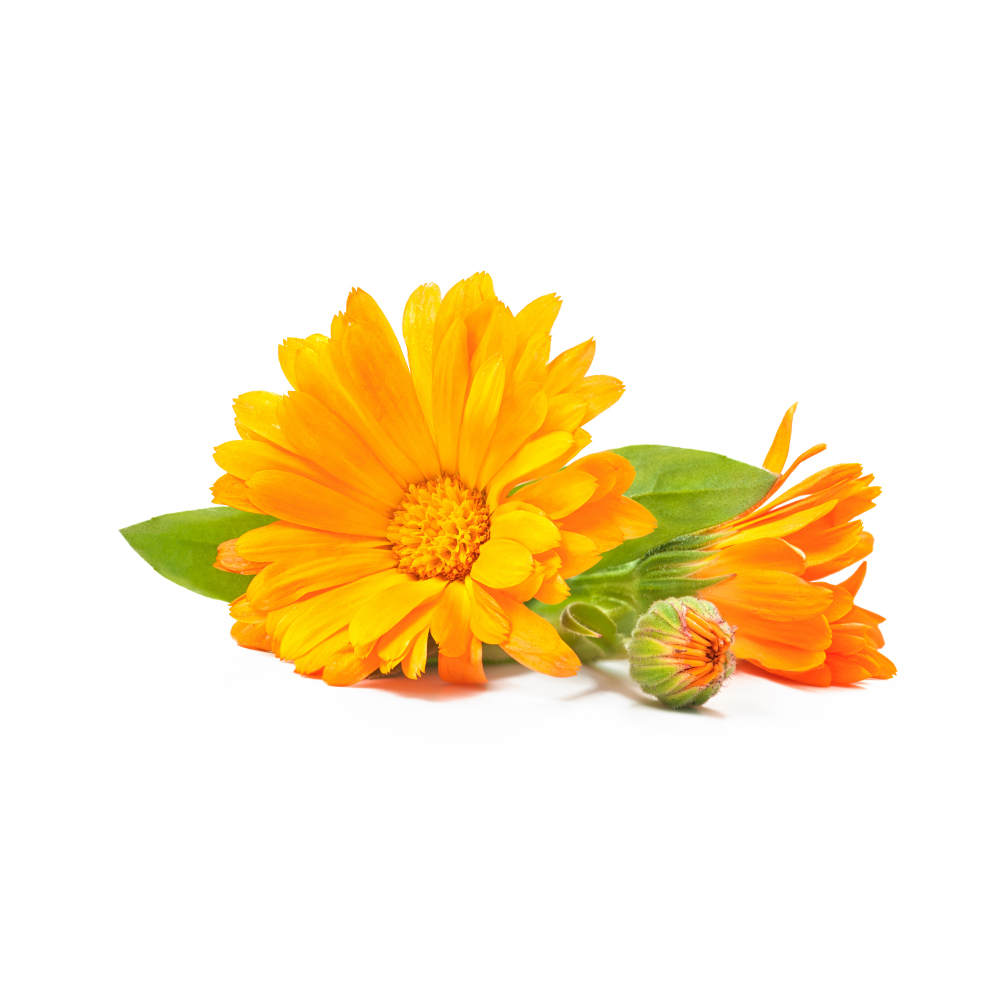 Calendula Calendula officinalis Documented for arabinogalactans, polysaccharides, rhamnogalacturonans.
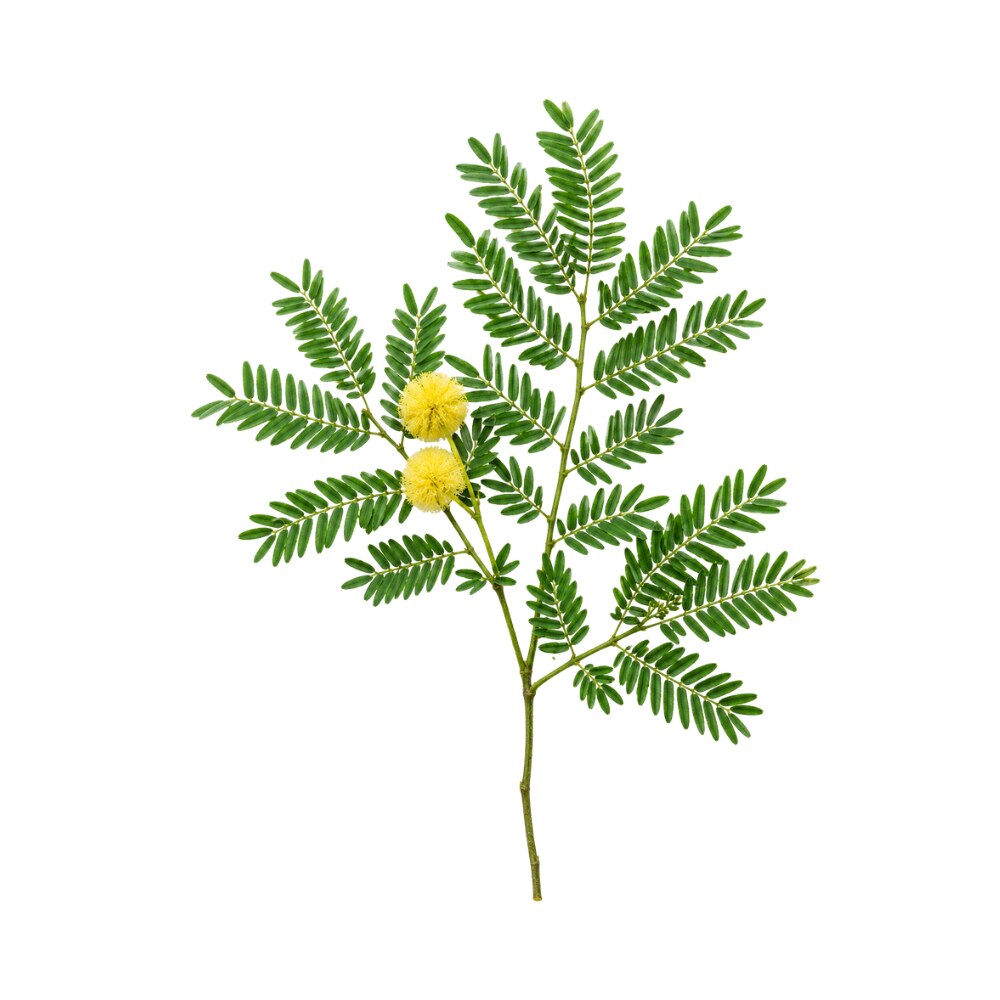 Acacia Acacia, Vachellia & Senegalia spp. Documented for arabinogalactan, gum arabic.
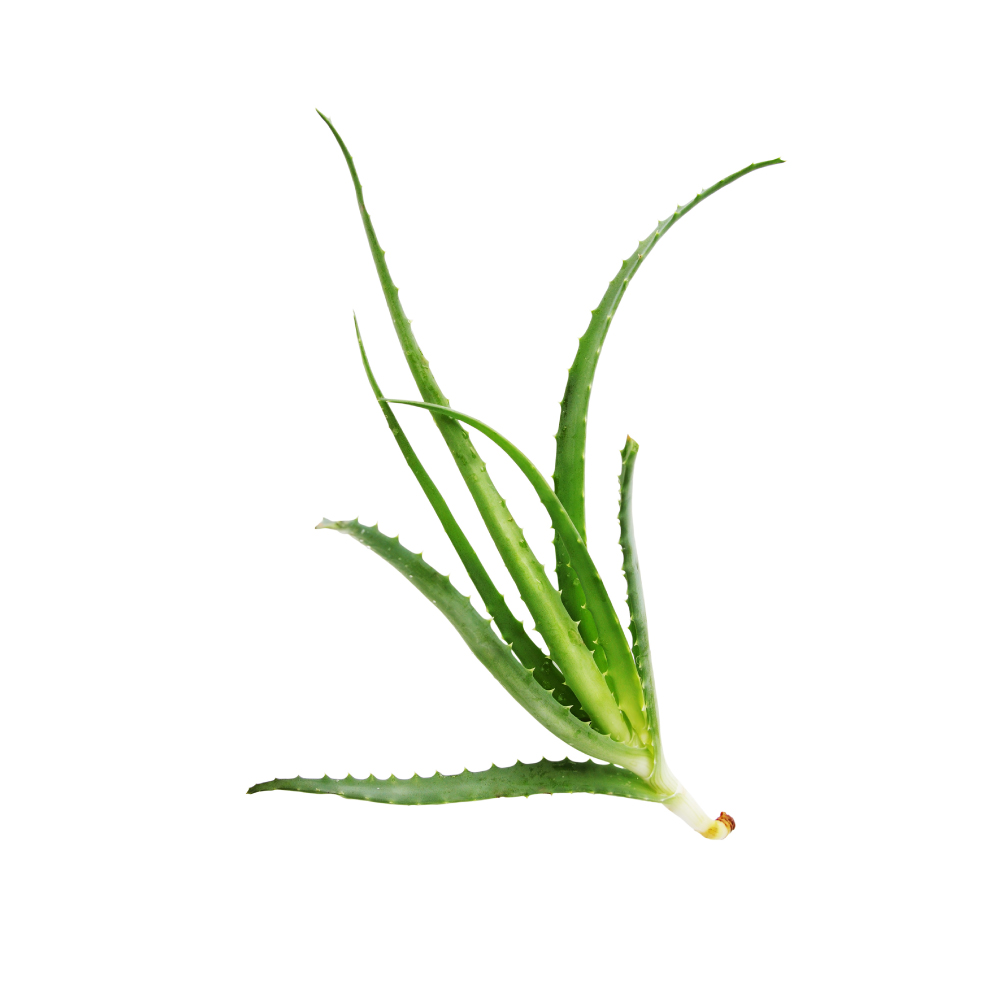 Aloe Aloe vera Documented for acemannan, polysaccharides.
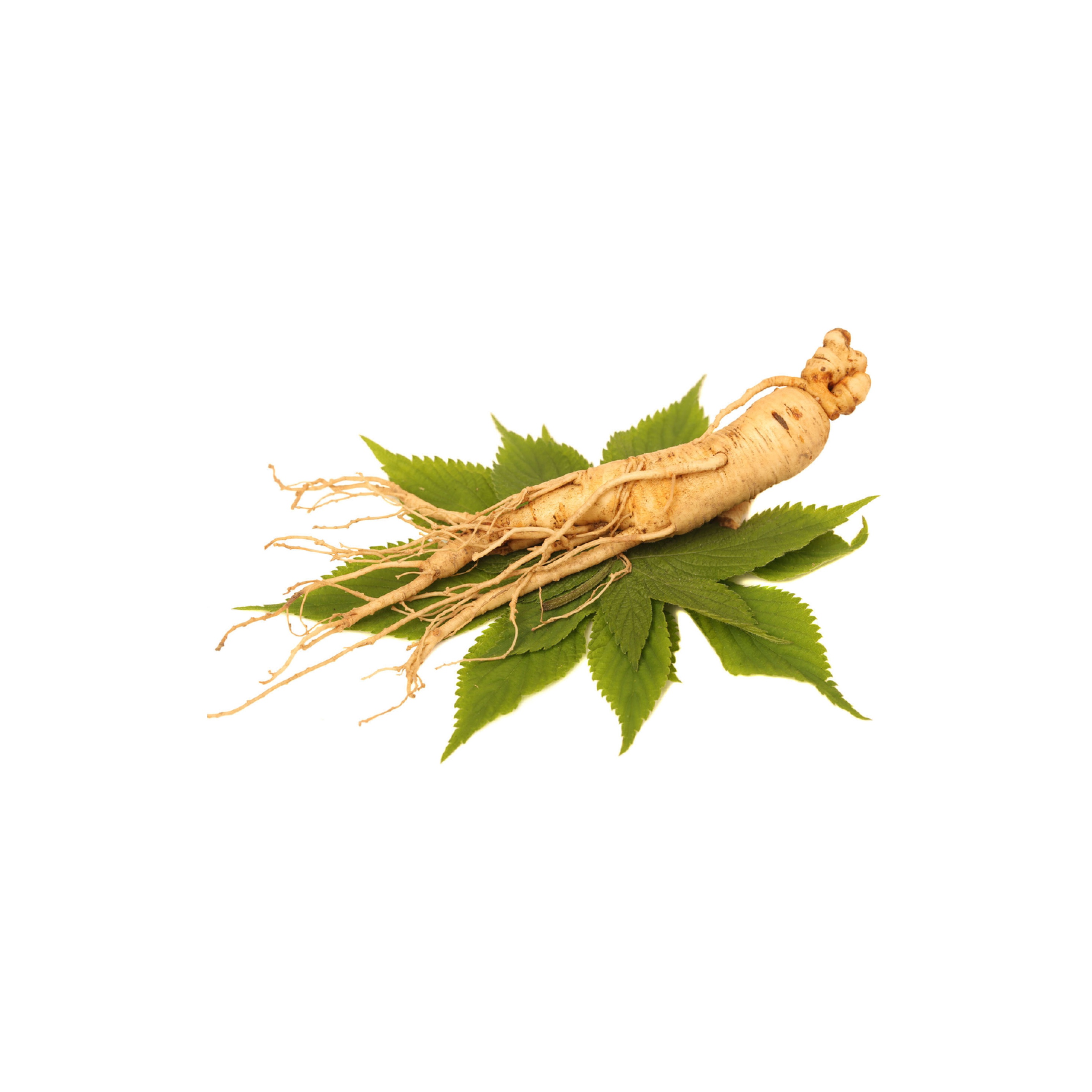 Asian Ginseng Panax ginseng Documented for glycans, polysaccharides. Chaga Inonotus obliquus Documented for beta-glucans, polysaccharides.
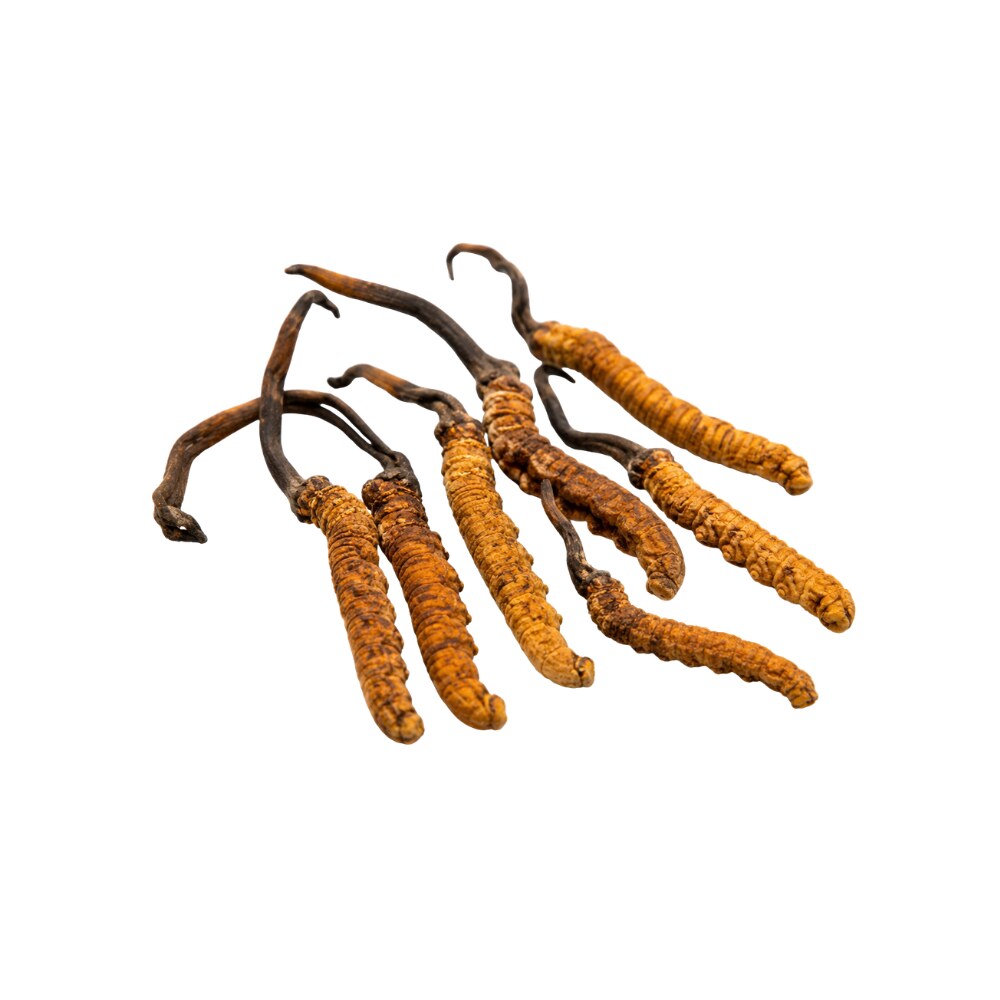 Cordyceps Ophiocordyceps sinensis Documented for beta-glucans, polysaccharides.
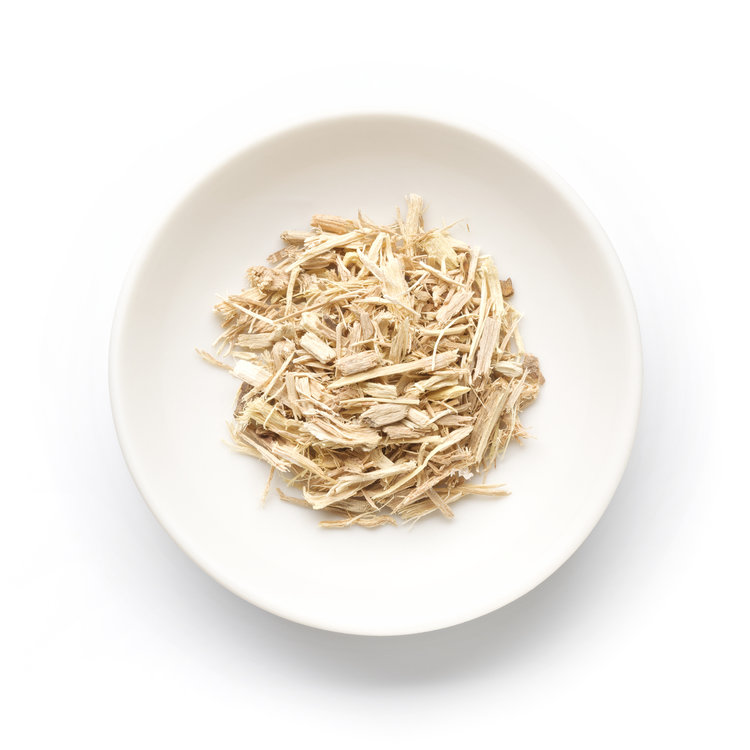 Eleuthero Root Eleutherococcus senticosus Documented for eleutherans, polysaccharides.
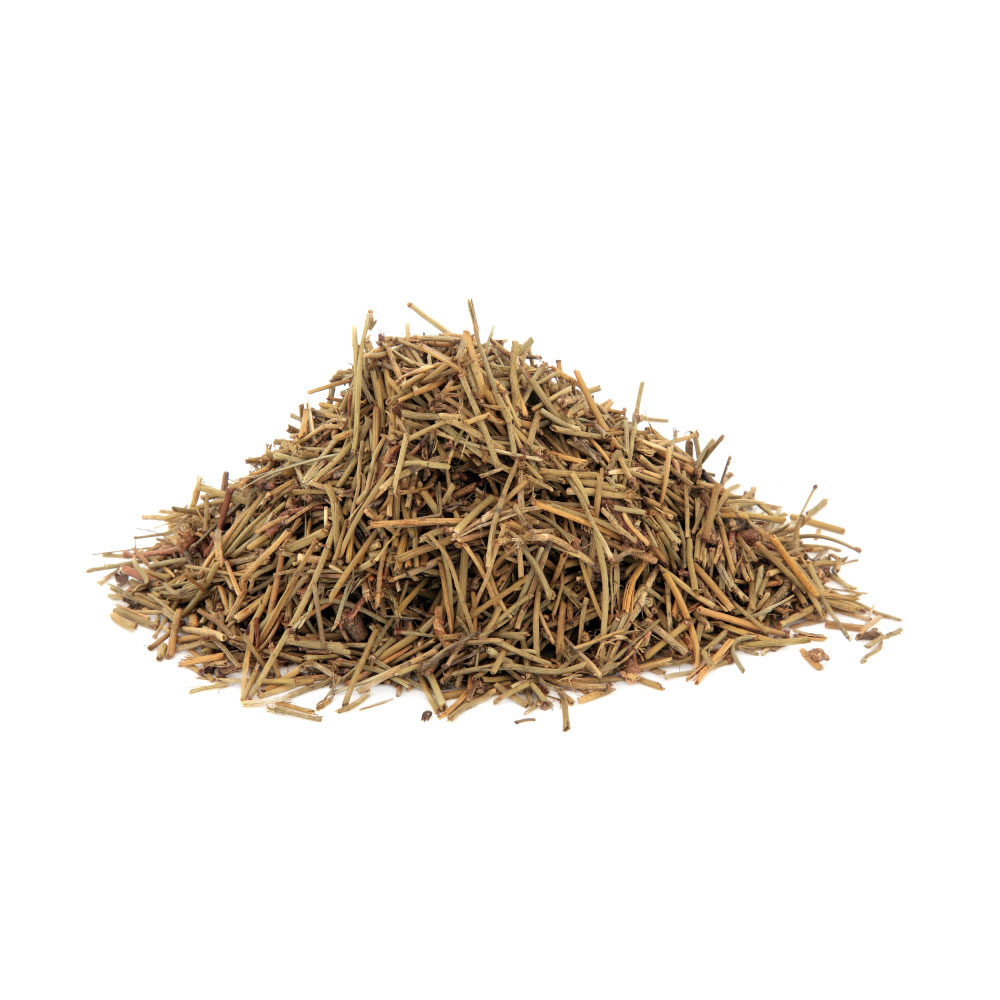 Ephedra Ephedra sinica Toxic Documented for ephedrans, polysaccharides.
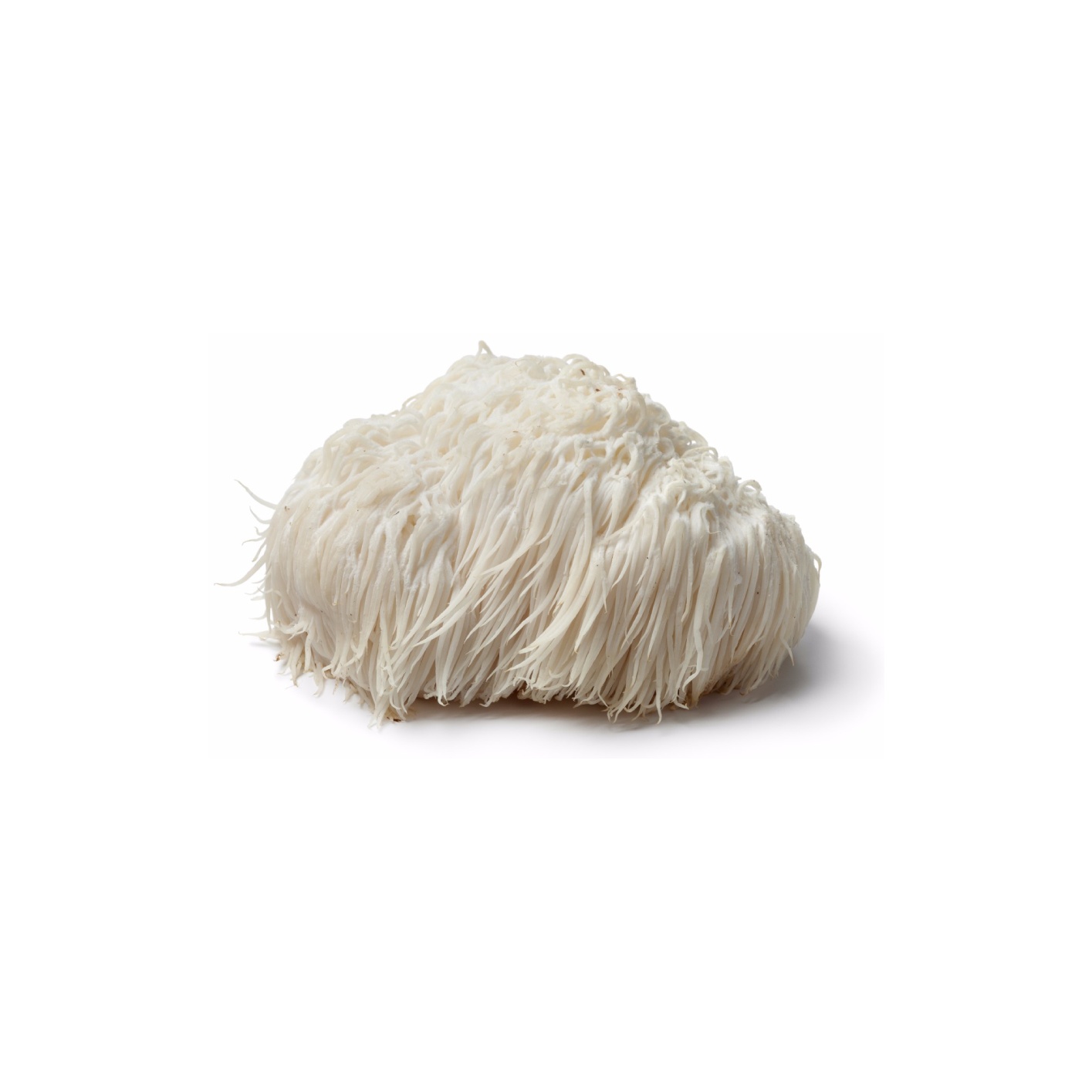 Lion's Mane Hericium erinaceus Documented for beta-glucans, polysaccharides.
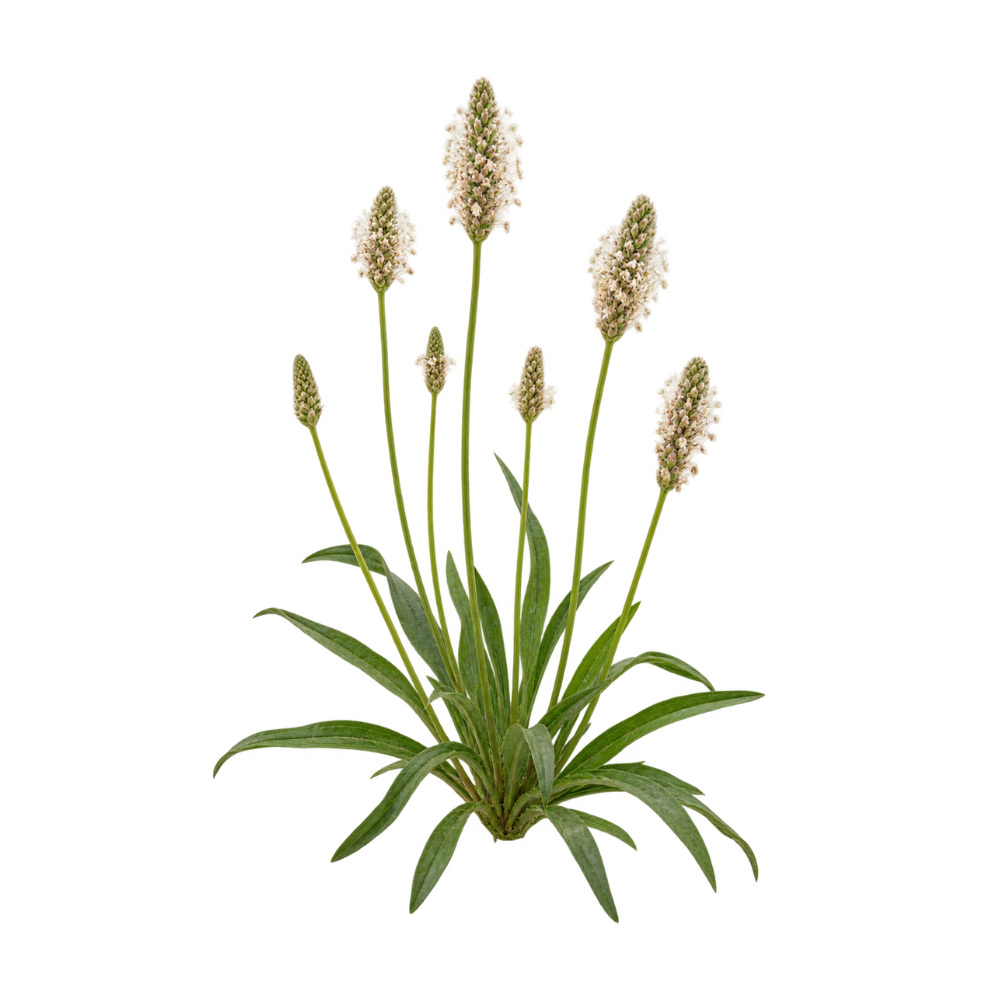 Psyllium Plantago ovata Documented for arabinoxylan, soluble fiber.
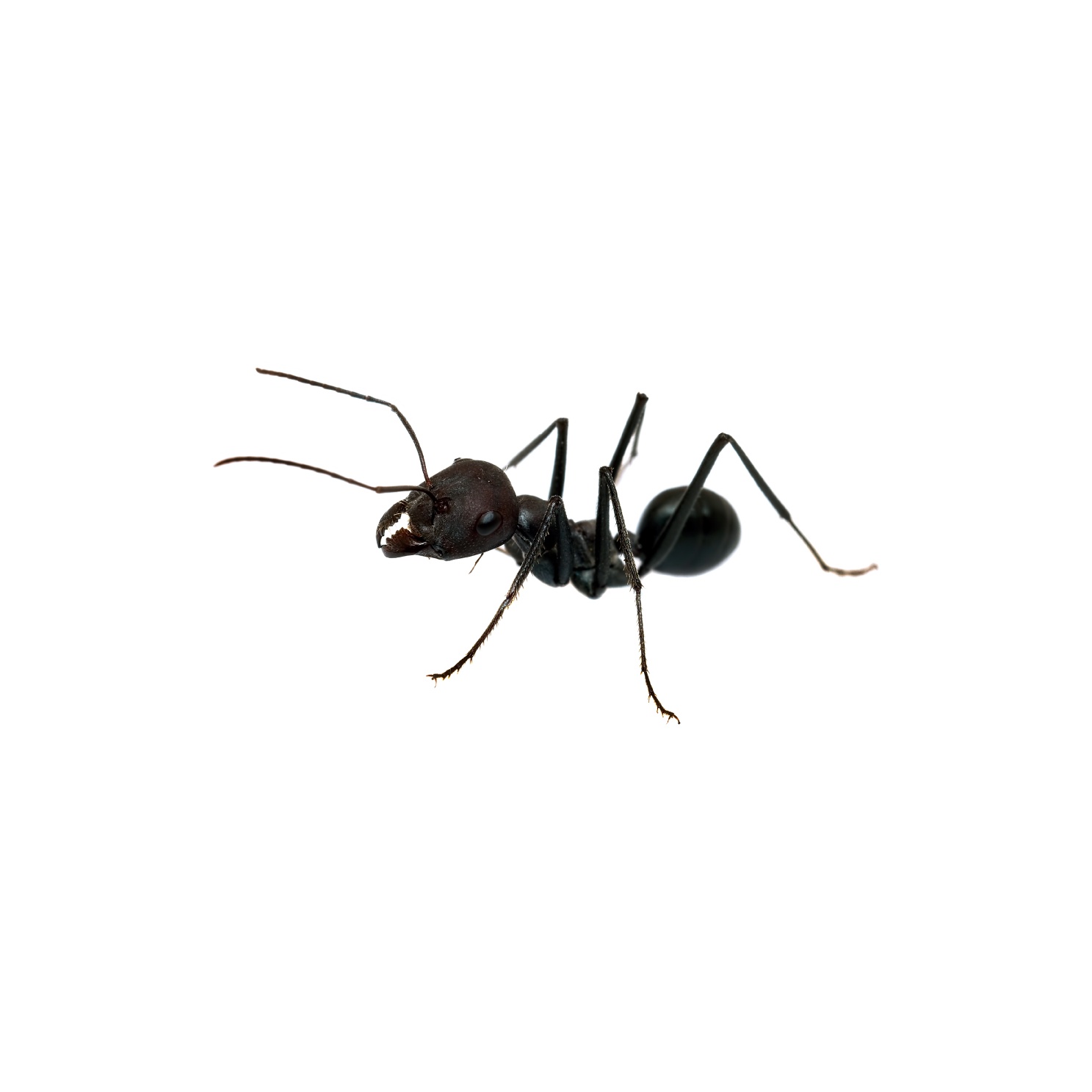 Black Ant Polyrhachis spp. Documented for chitin.
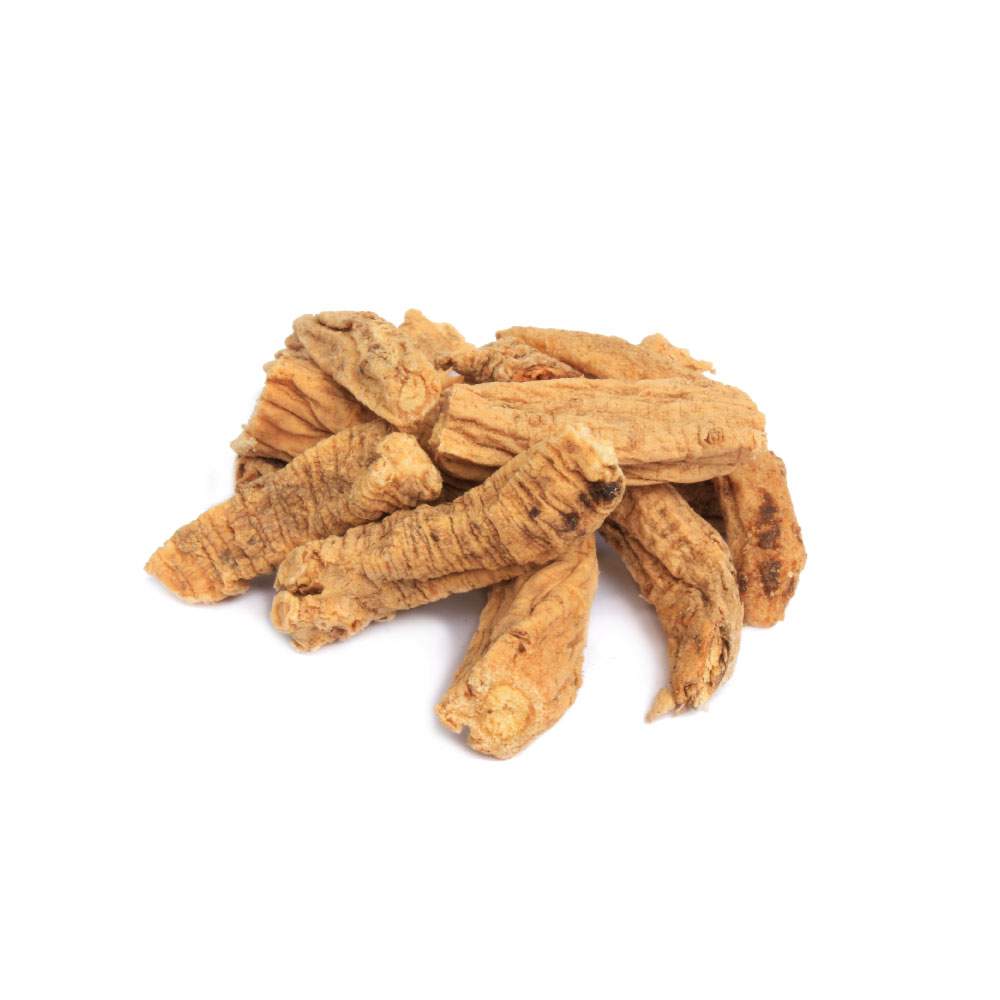 Codonopsis Codonopsis pilosula Documented for polysaccharides.
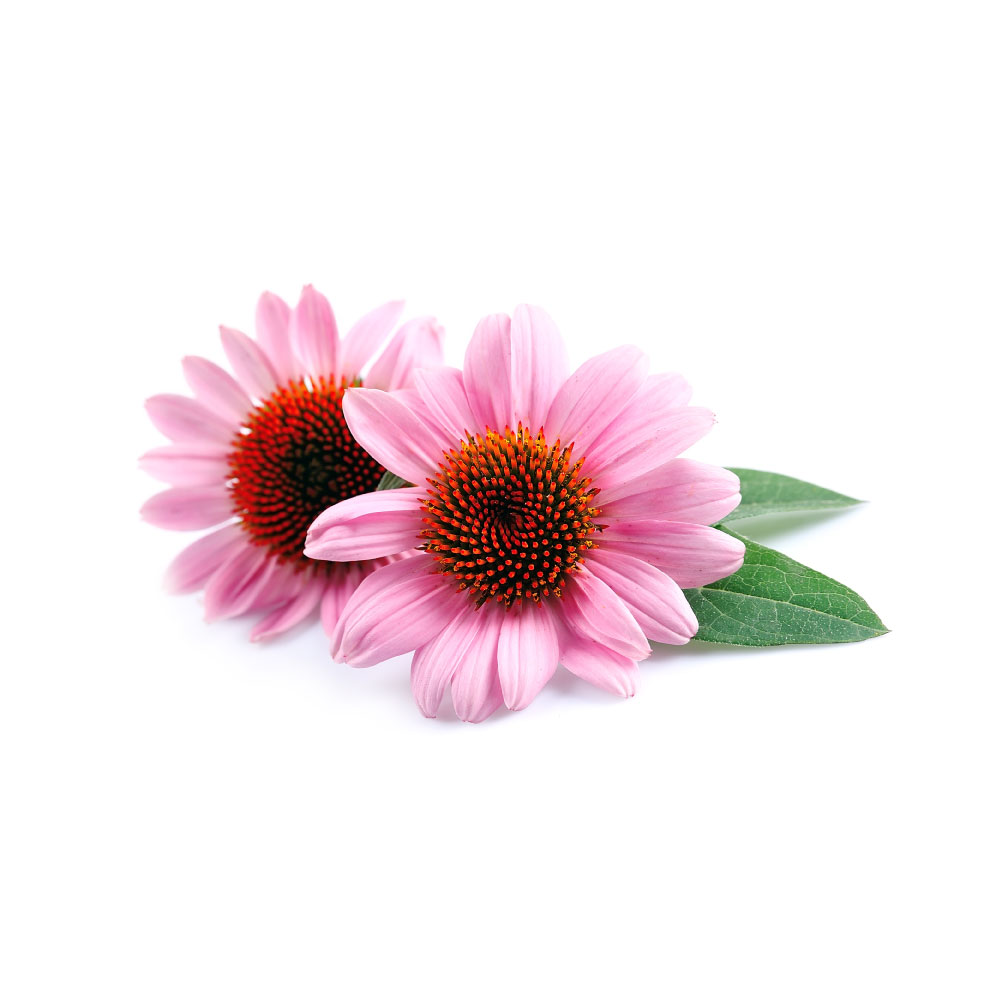 Echinacea Echinacea purpurea Documented for polysaccharides.
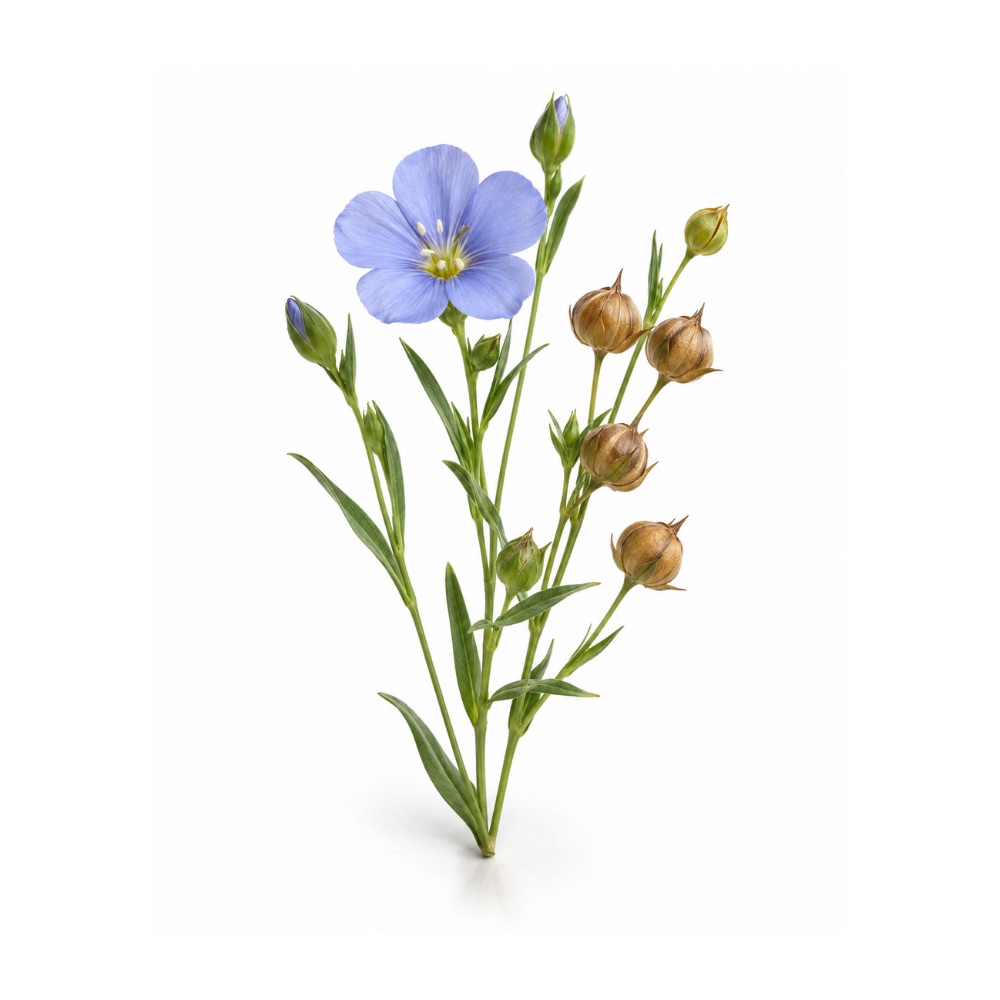 Flaxseed Linum usitatissimum Documented for soluble fiber.
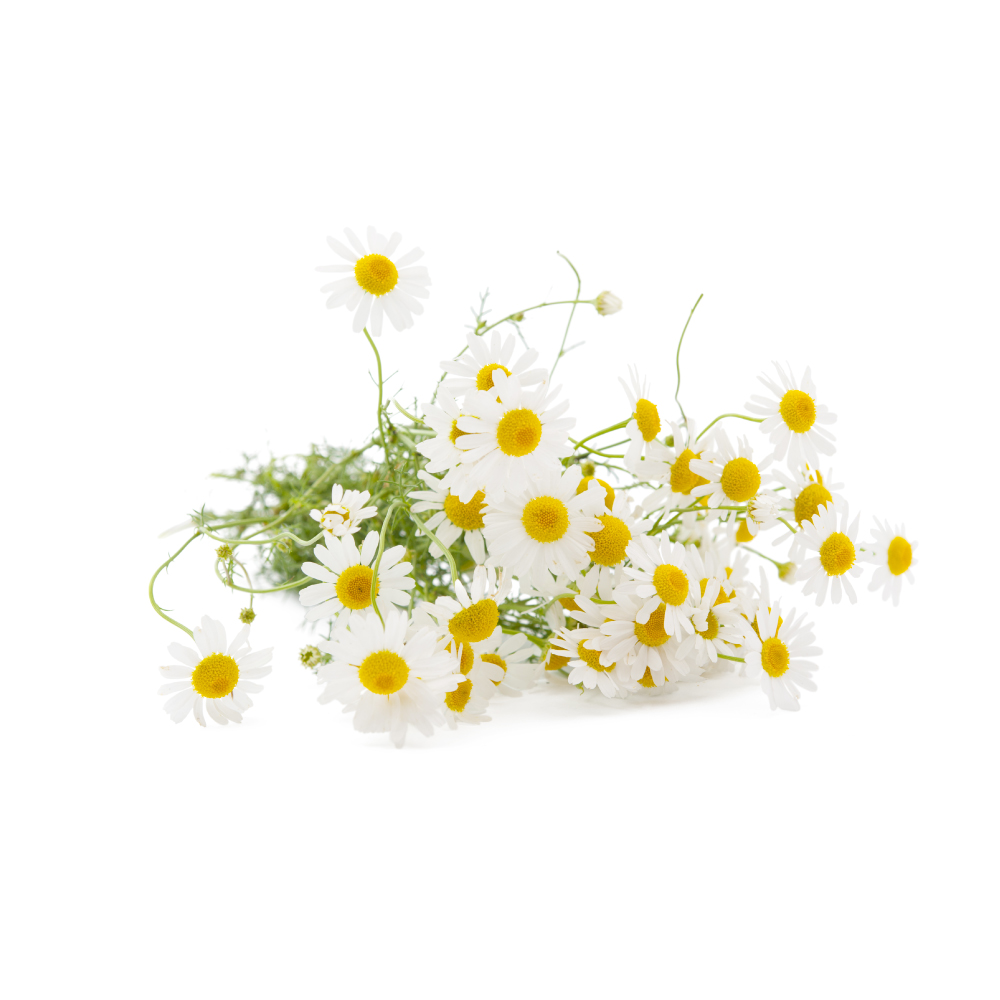 German Chamomile Matricaria chamomilla Documented for polysaccharides.
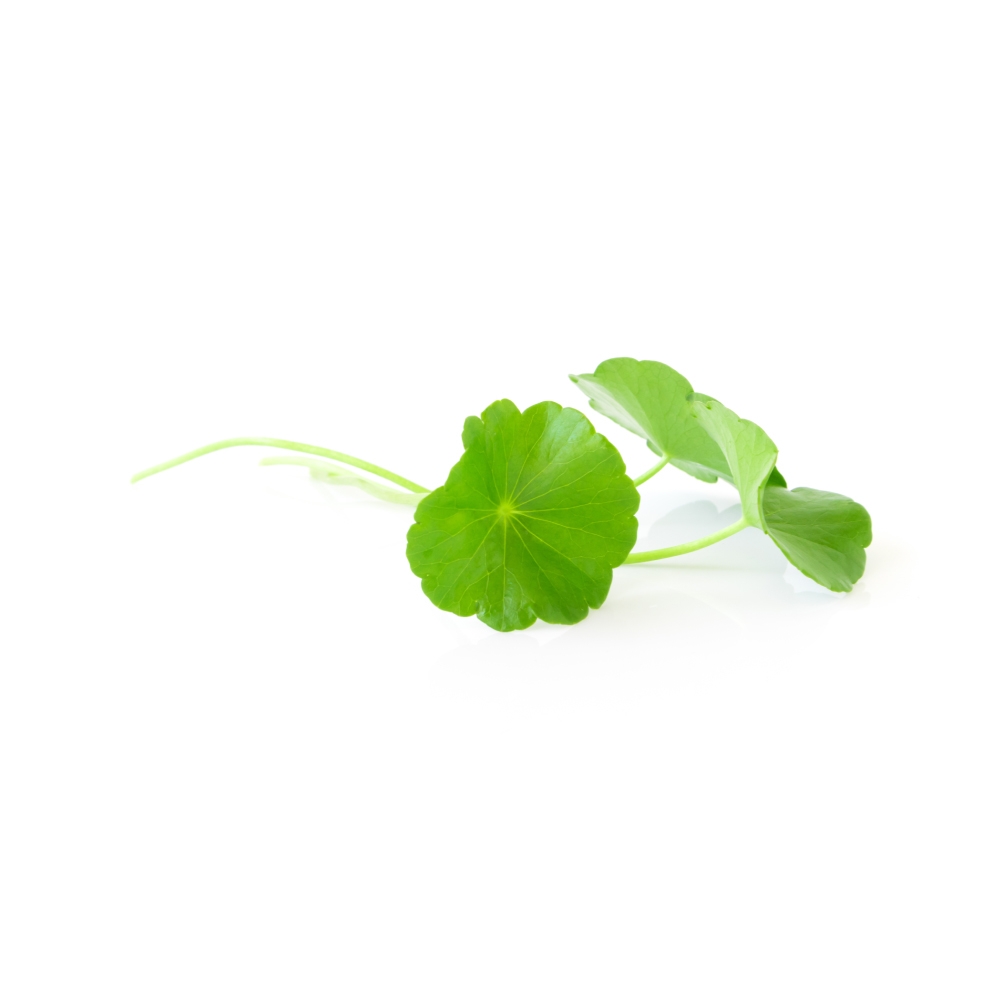 Gotu Kola Centella asiatica Documented for polysaccharides.
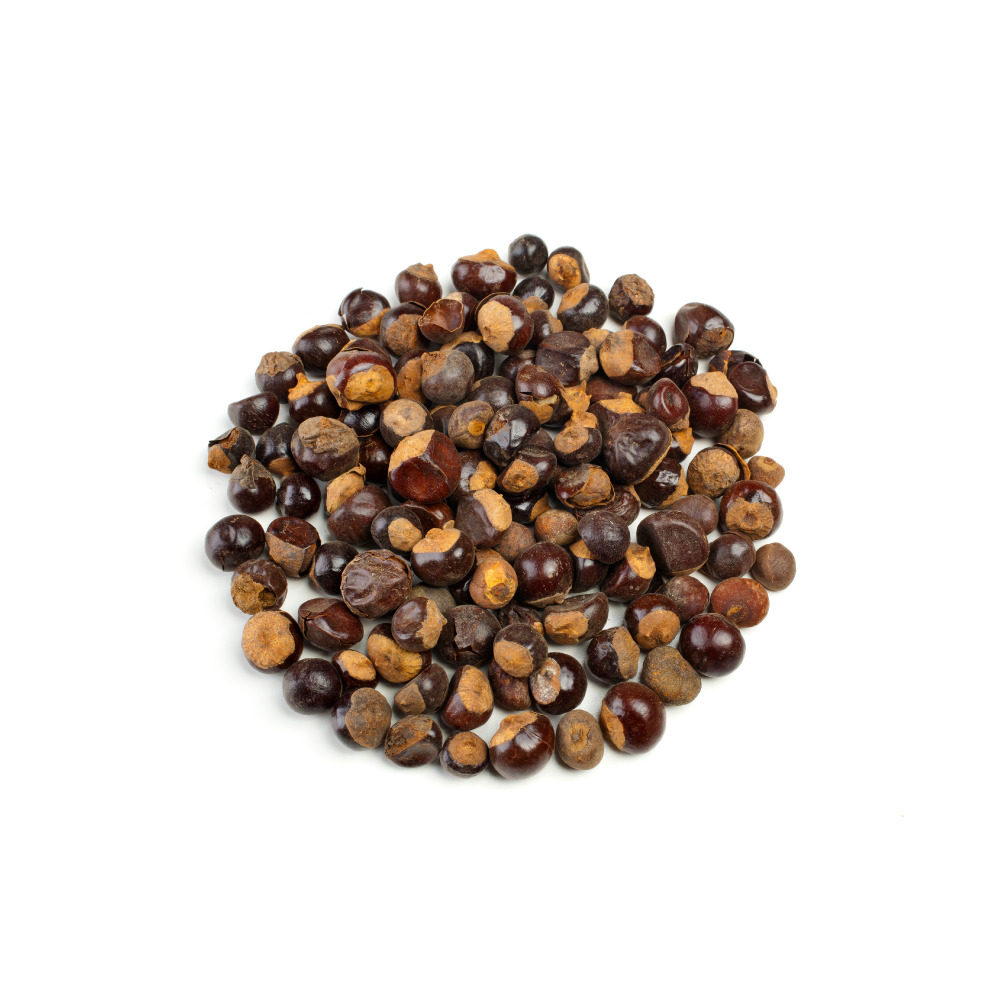 Guarana Paullinia cupana Documented for pentosan.
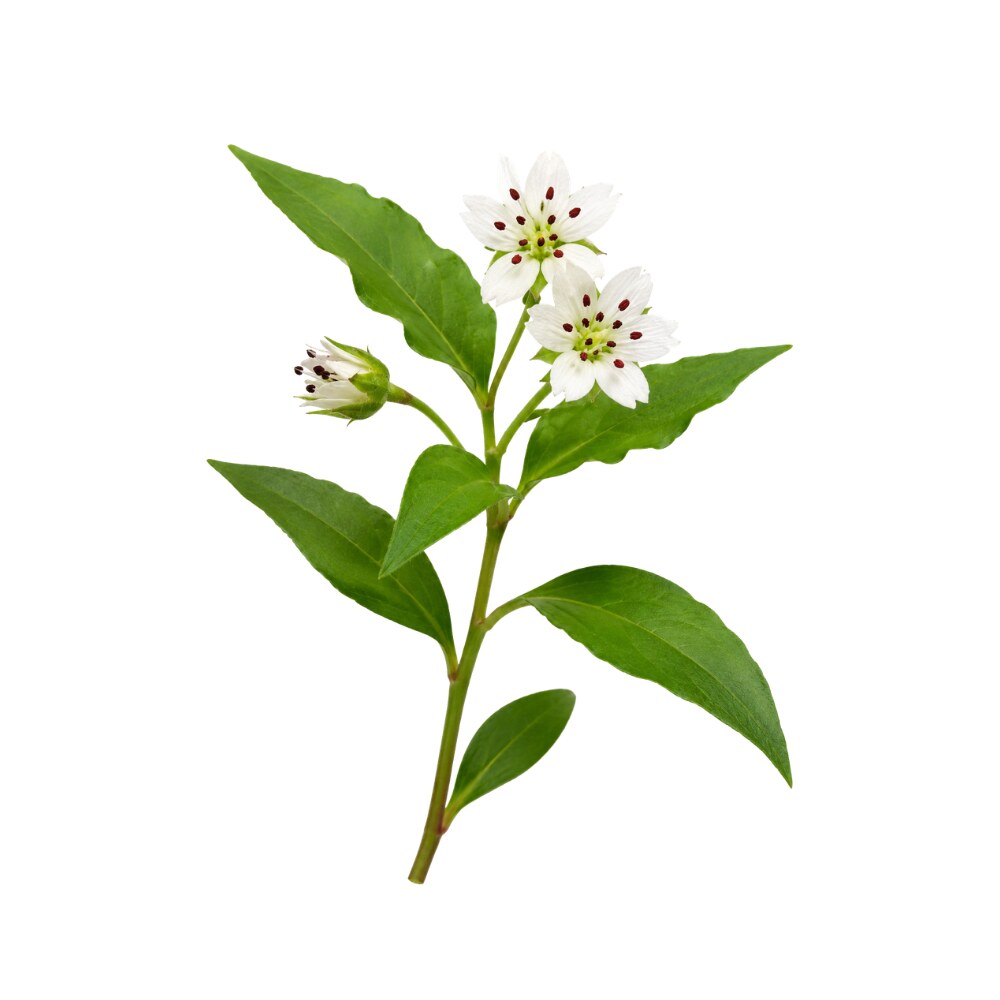 Kid Ginseng Pseudostellaria heterophylla Documented for polysaccharides.
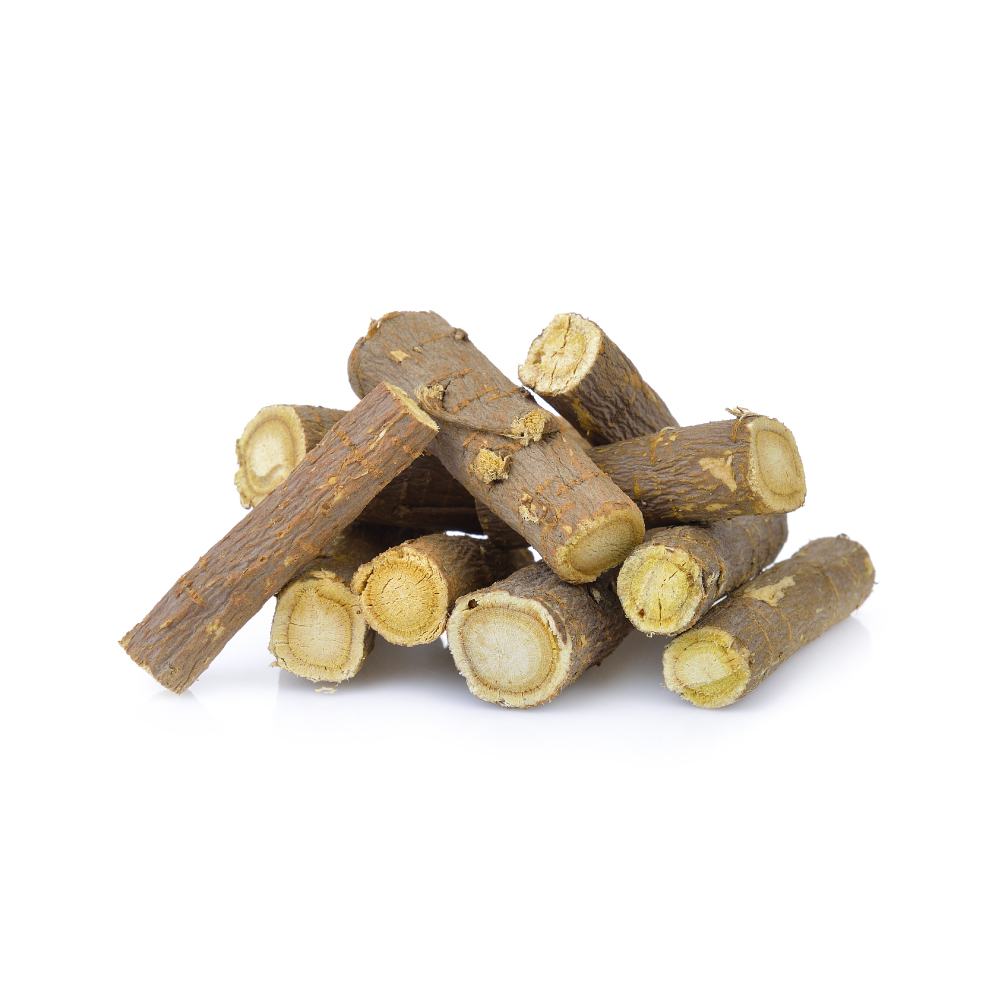 Licorice Glycyrrhiza glabra Documented for arabinogalactans.
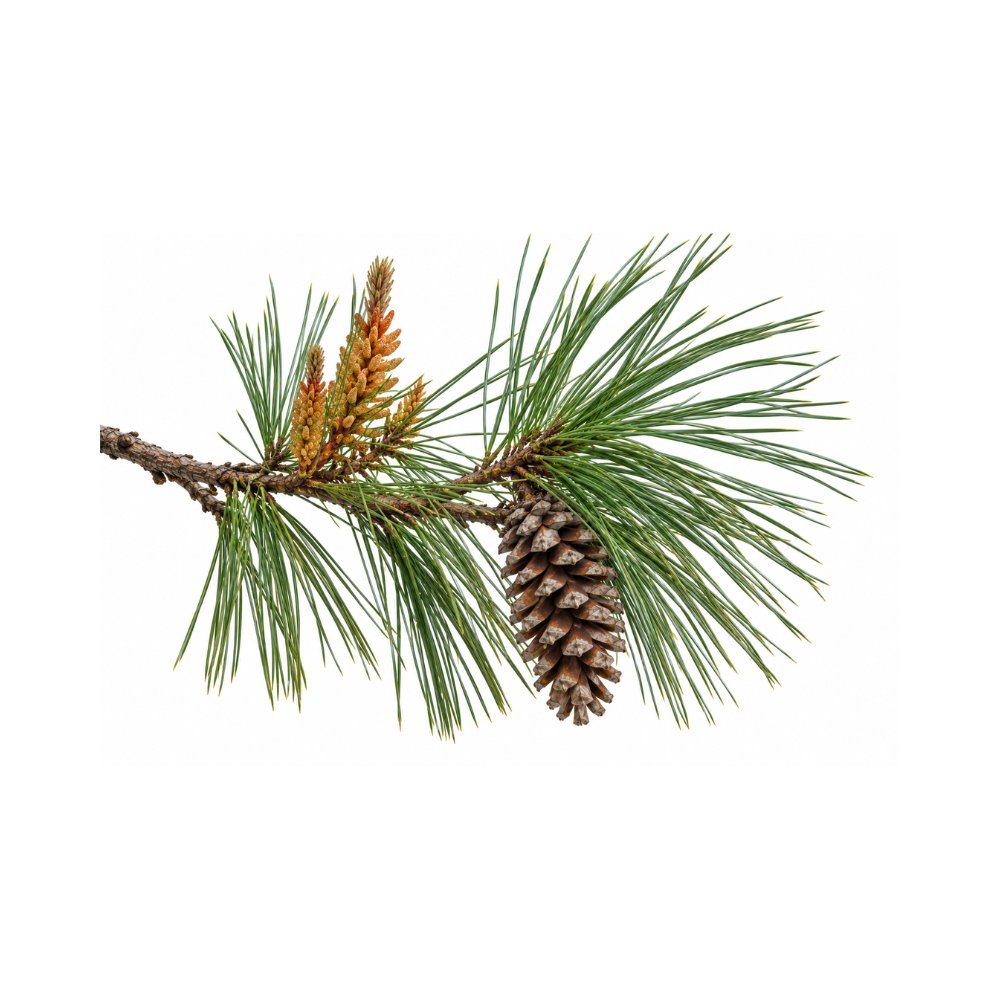 Masson Pine Pinus massoniana Documented for polysaccharides.
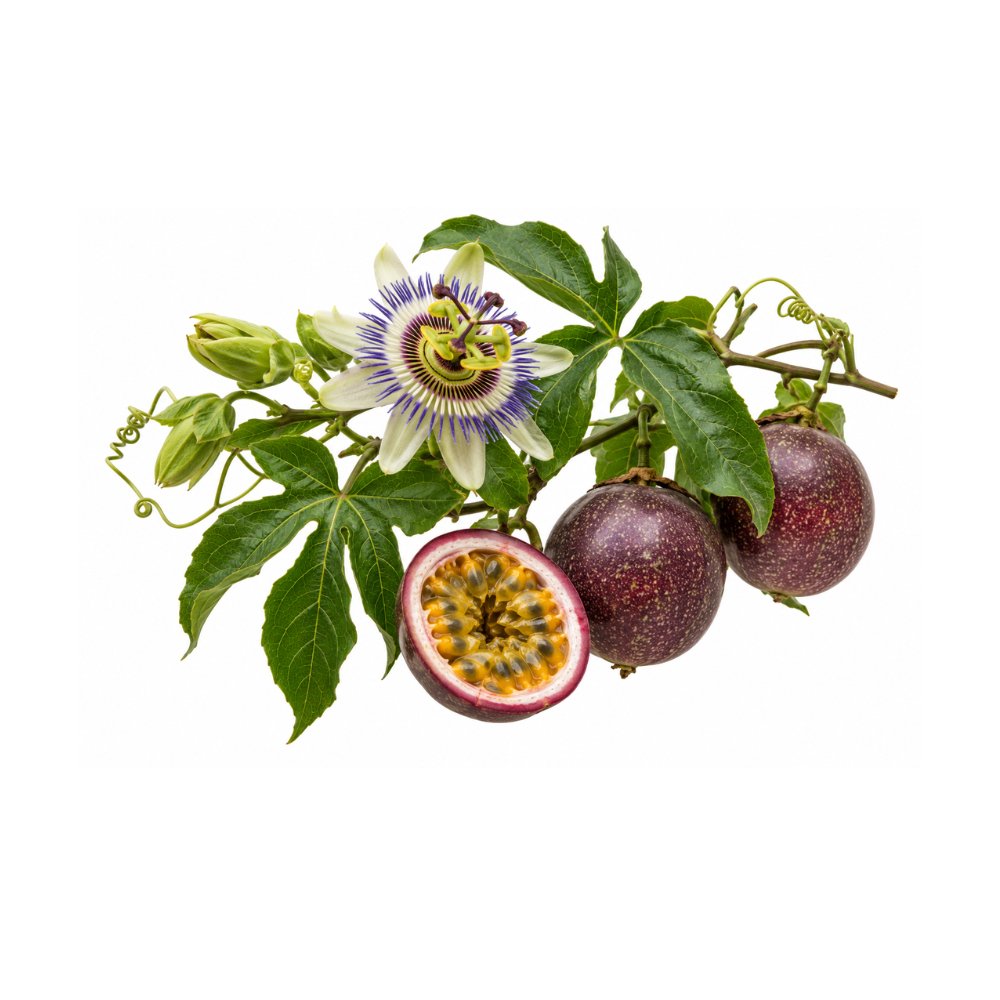 Passion Fruit Passiflora edulis Documented for pectin.
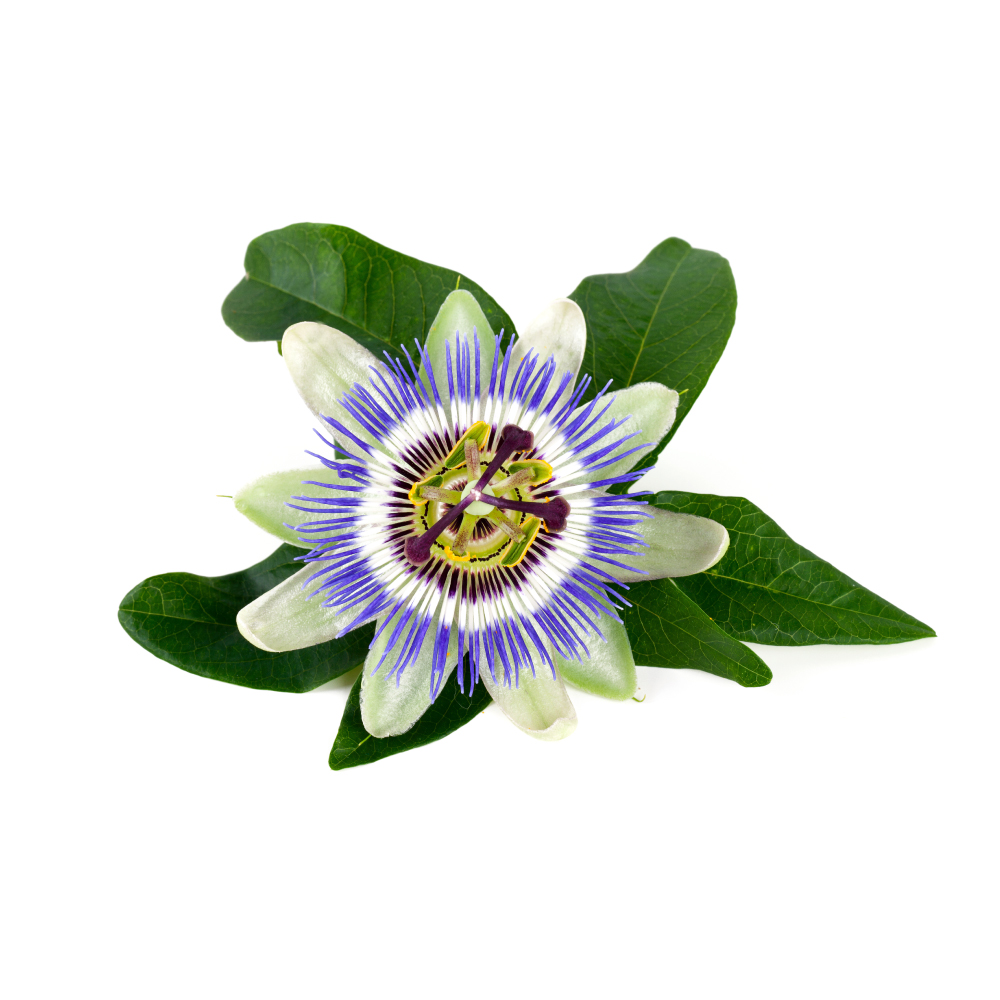 Passionflower Passiflora incarnata Documented for pectin.
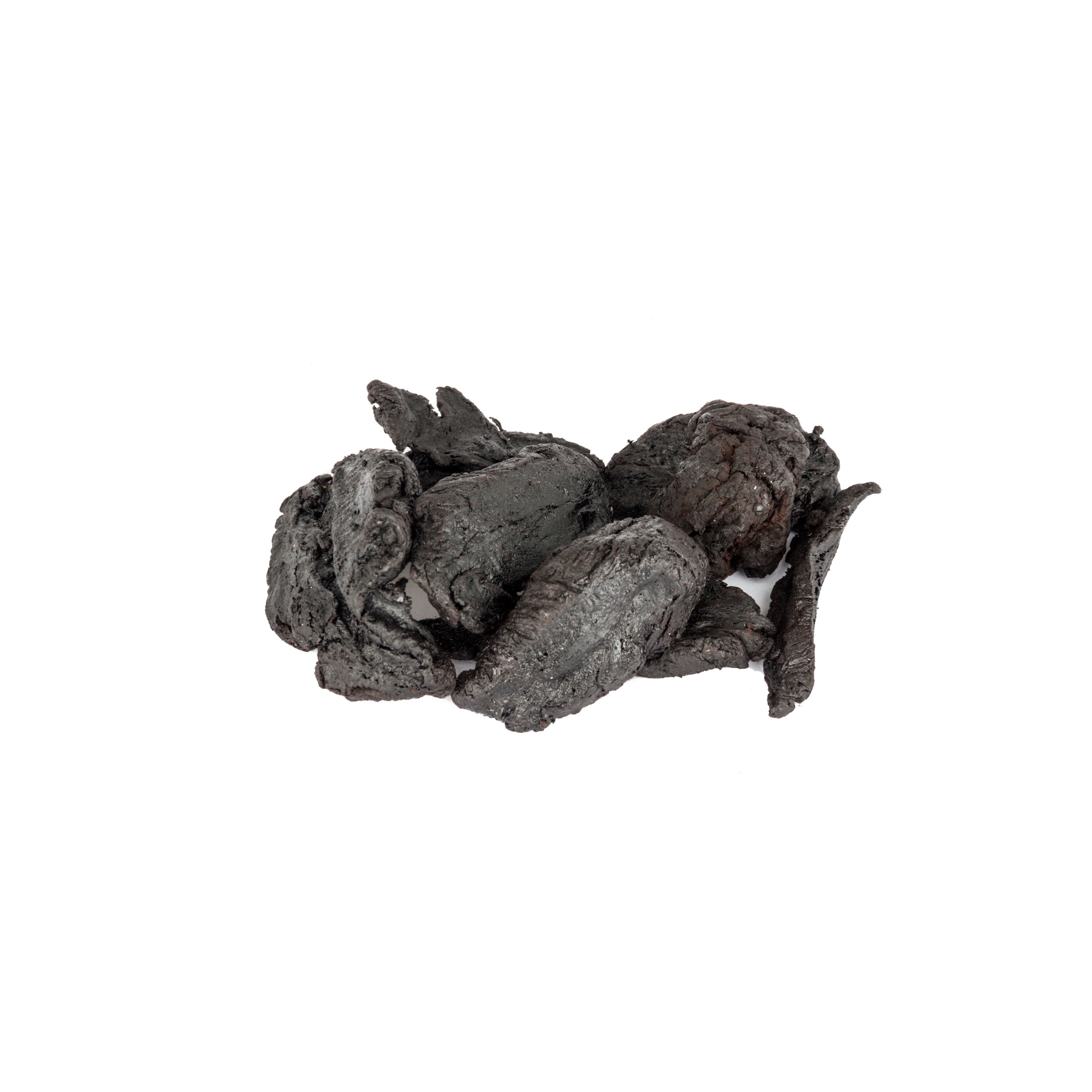 Rehmannia Rehmannia glutinosa Documented for polysaccharides.
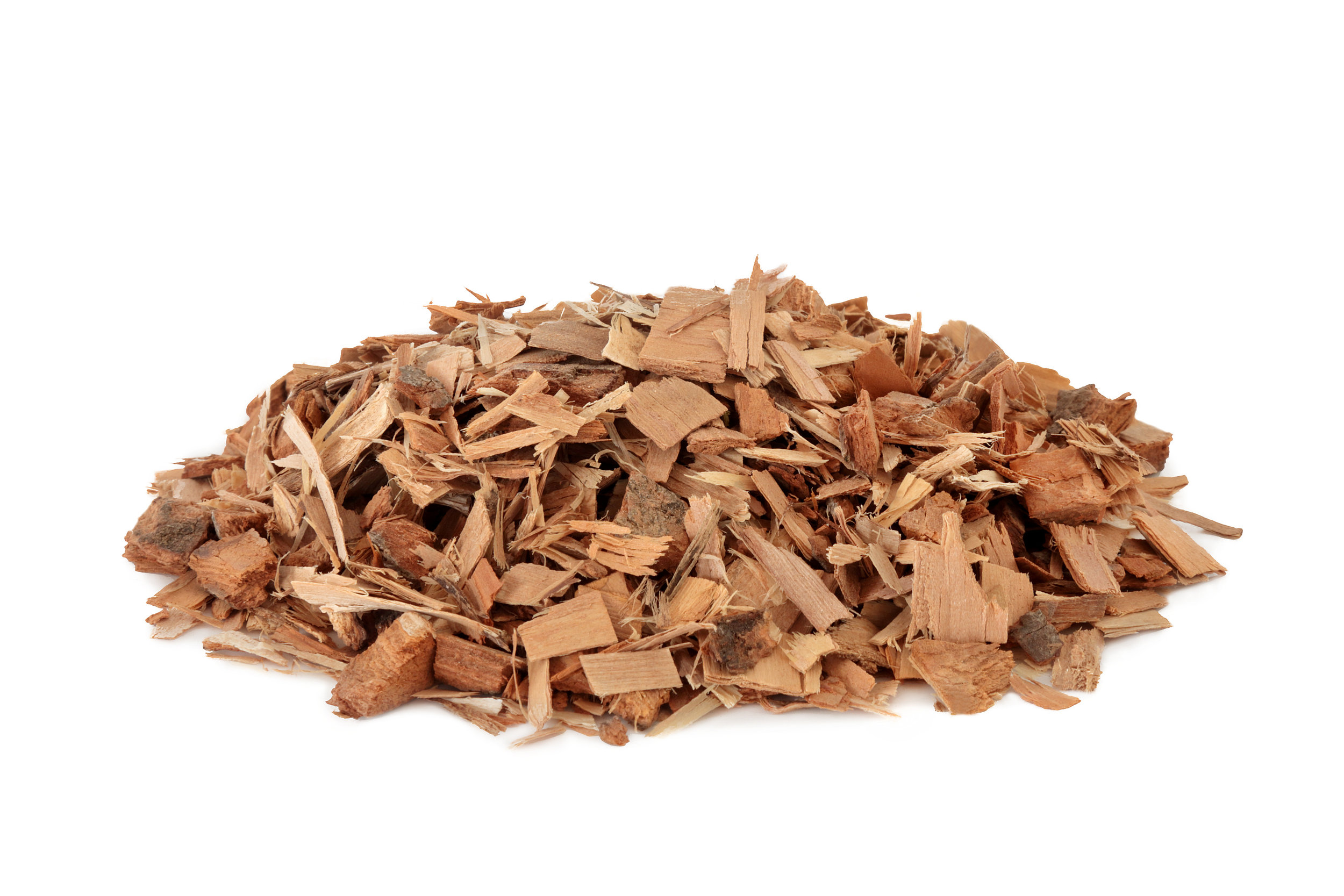 Saw Palmetto Serenoa repens Documented for polysaccharides.
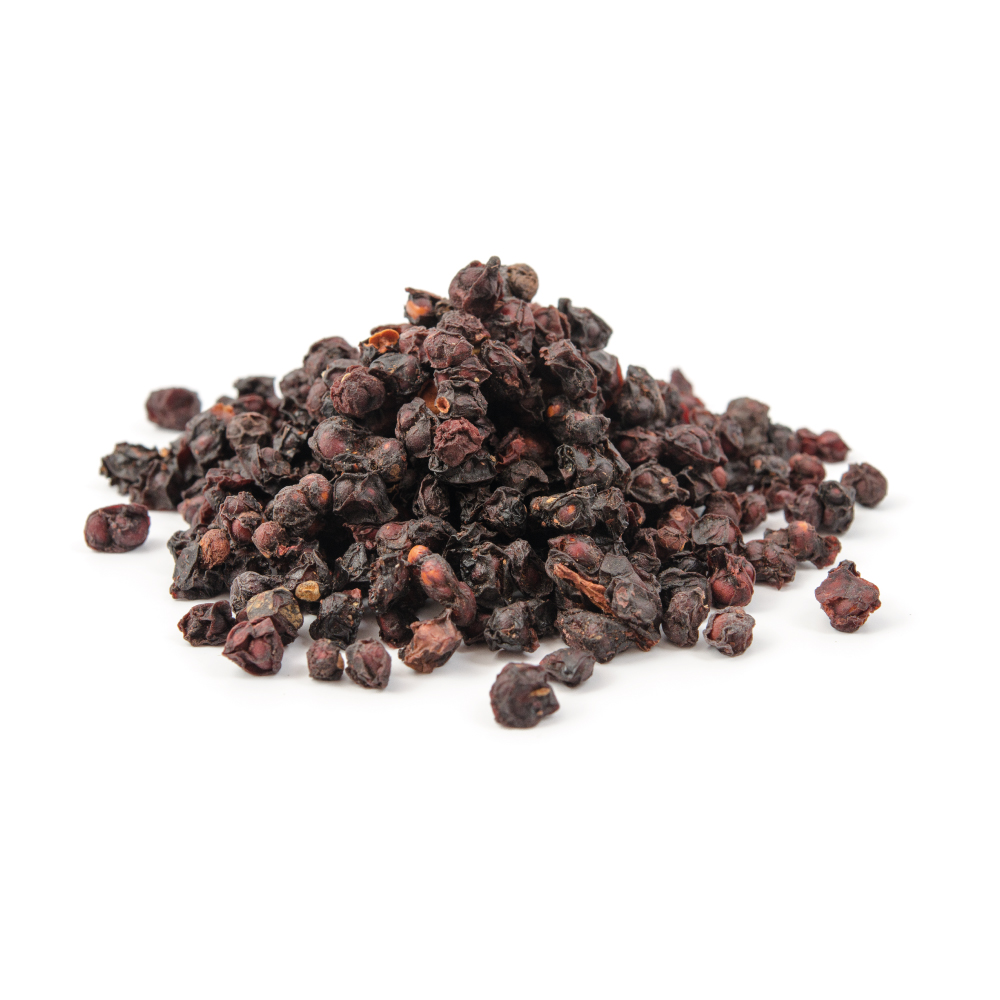 Schisandra Schisandra chinensis Documented for polysaccharides.
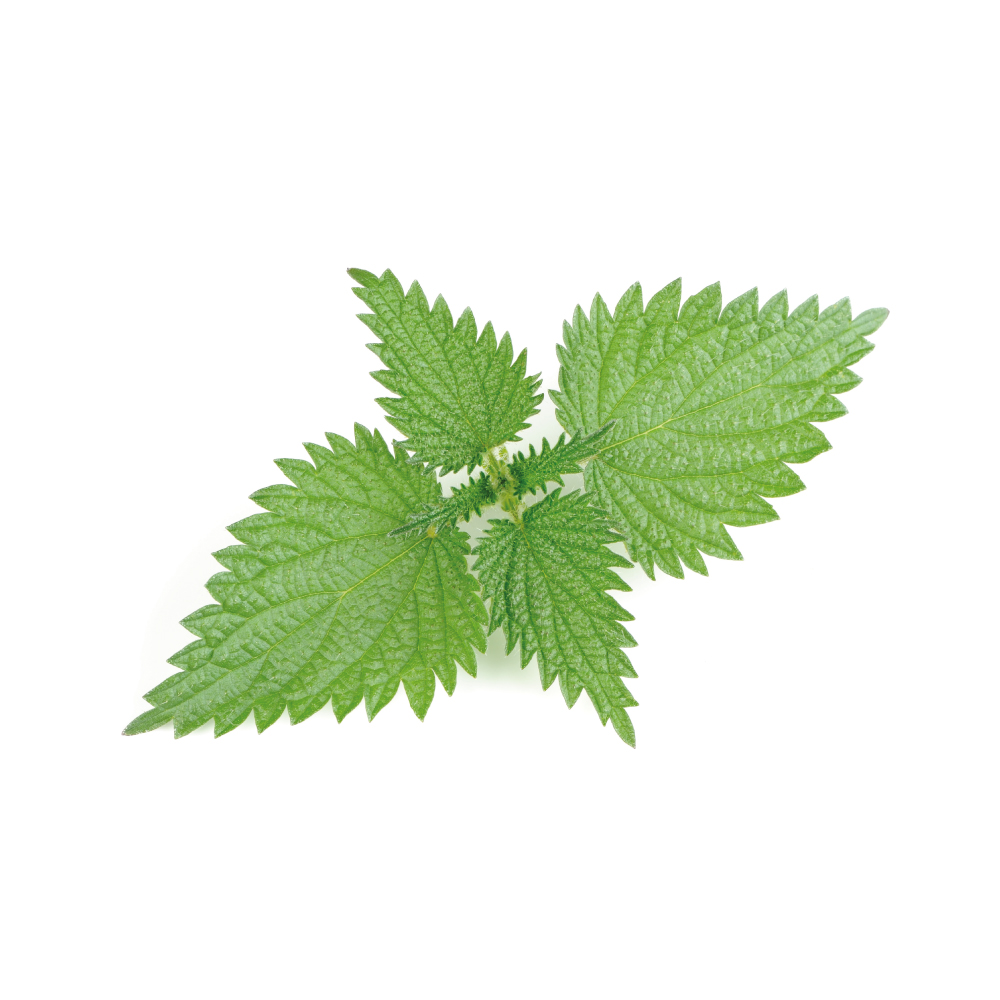 Stinging Nettle Urtica dioica Documented for polysaccharides.
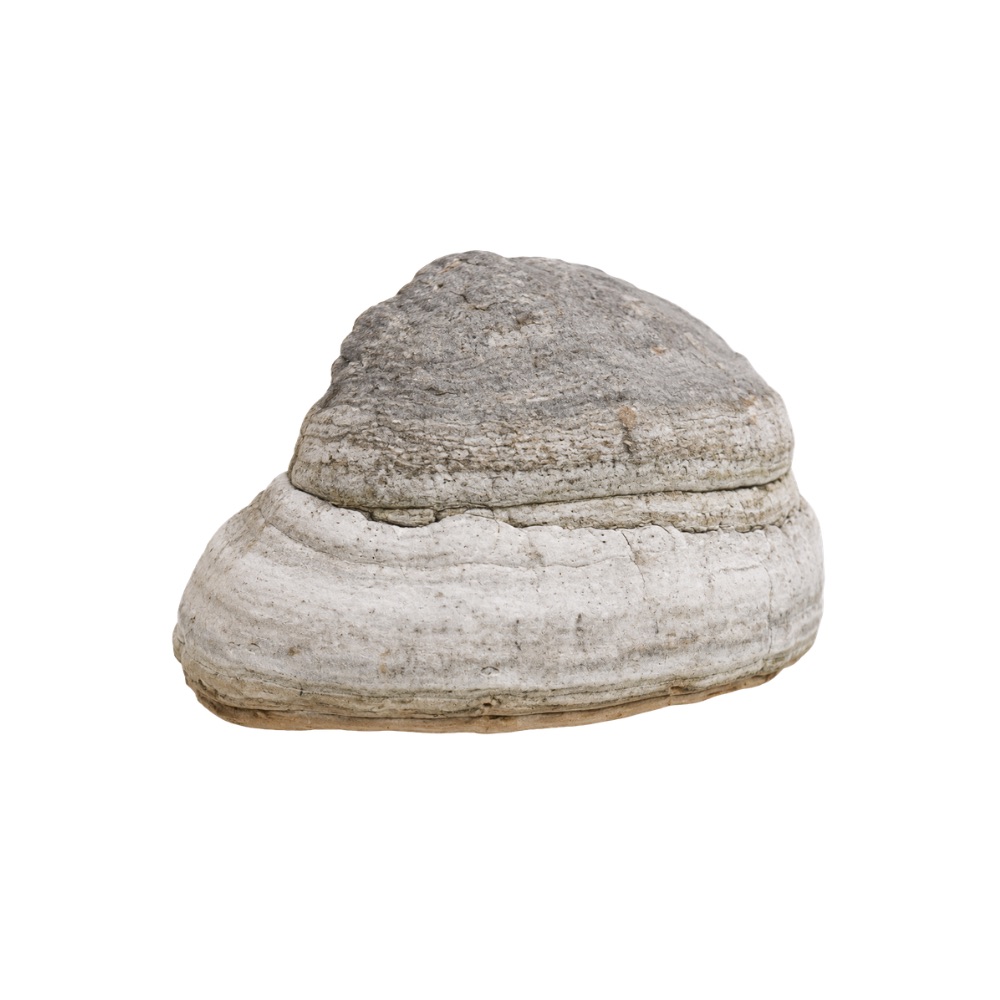 Tinder Conk Fomes fomentarius Documented for beta-glucans.
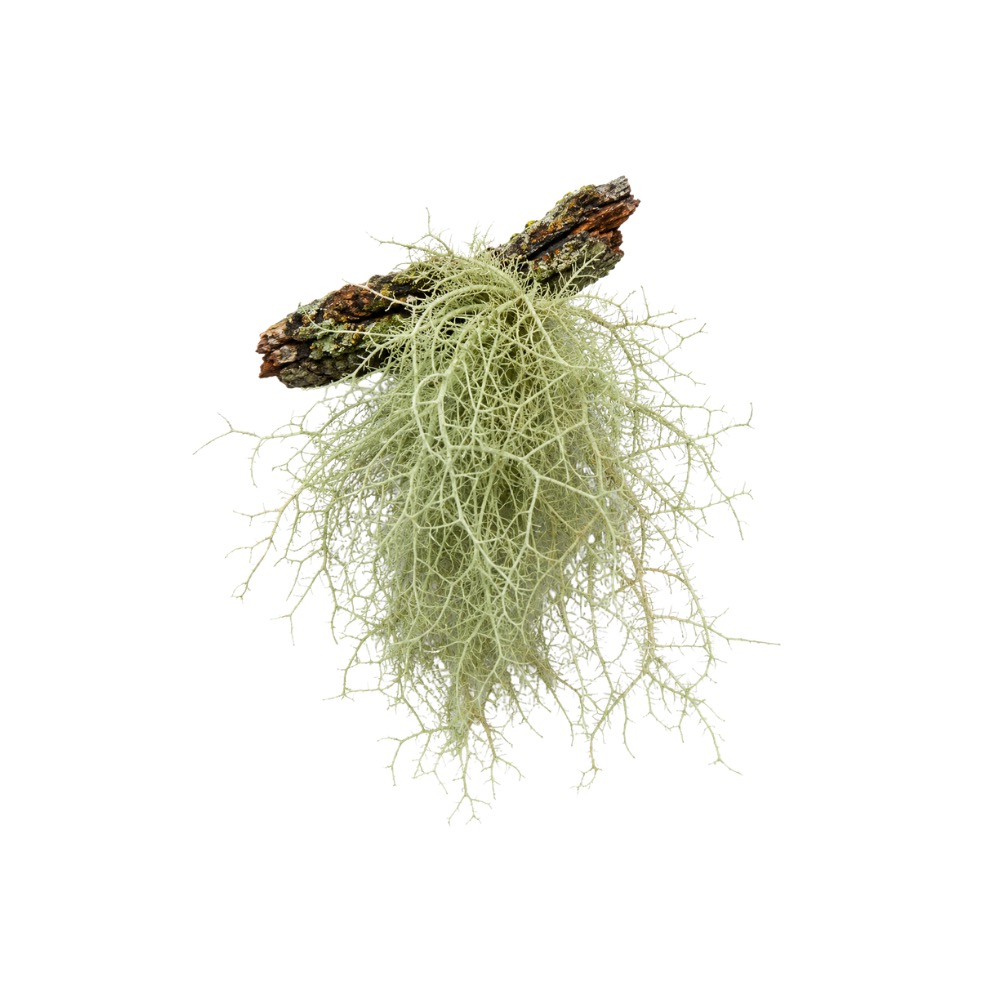 Usnea Usnea spp. Documented for polysaccharides.
Keep Exploring
Other Compound Classes
Keep Reading
 GuidesThe Best Kava: A Buyer's GuideHow to buy good kava: noble vs two-day cultivars, which part of the root, chemotype codes, origin, form, and the batch tests a seller should show you.
Read more
 GuidesThe Amazon's Endangered Medicinal PlantsThe Amazon gives us some of our most important medicines — but which healing plants are actually endangered?
Read more
 NutritionThe Best Yerba Maté Brands [Reviewed]A drinker's guide to buying yerba maté — what actually changes the taste, and ten brands worth your money.
Read more
 GuidesHow to Prepare Yerba Maté — The Five Best MethodsHow to brew yerba maté properly — the traditional gourd method, plus tereré, french press and cold brew.
Read more