

Overview
Expectorant at a Glance
Expectorants help clear mucus from the airways and make a productive cough easier.
Some work by loosening or thinning mucus and helping the cilia move it upward. Thyme, eucalyptus, mullein, coltsfoot, and yerba santa are used mainly in this way.
Others help by reducing excessive mucus production itself.
This is especially relevant where inflamed airways are producing more mucus than they can clear. Thyme and coltsfoot both have evidence for effects on mucus production as well as clearance.
Older expectorants such as senega, ipecacuanha, and lobelia were thought to work through a reflex from the stomach, where mild irritation increased respiratory secretions. At higher doses, the same effect becomes nauseating or emetic.
Expectorants overlap with antitussives, but the intention is different.
An antitussive quiets a cough. An expectorant helps the cough do its job more effectively by clearing mucus.
Some herbs can do both, depending on how they act.
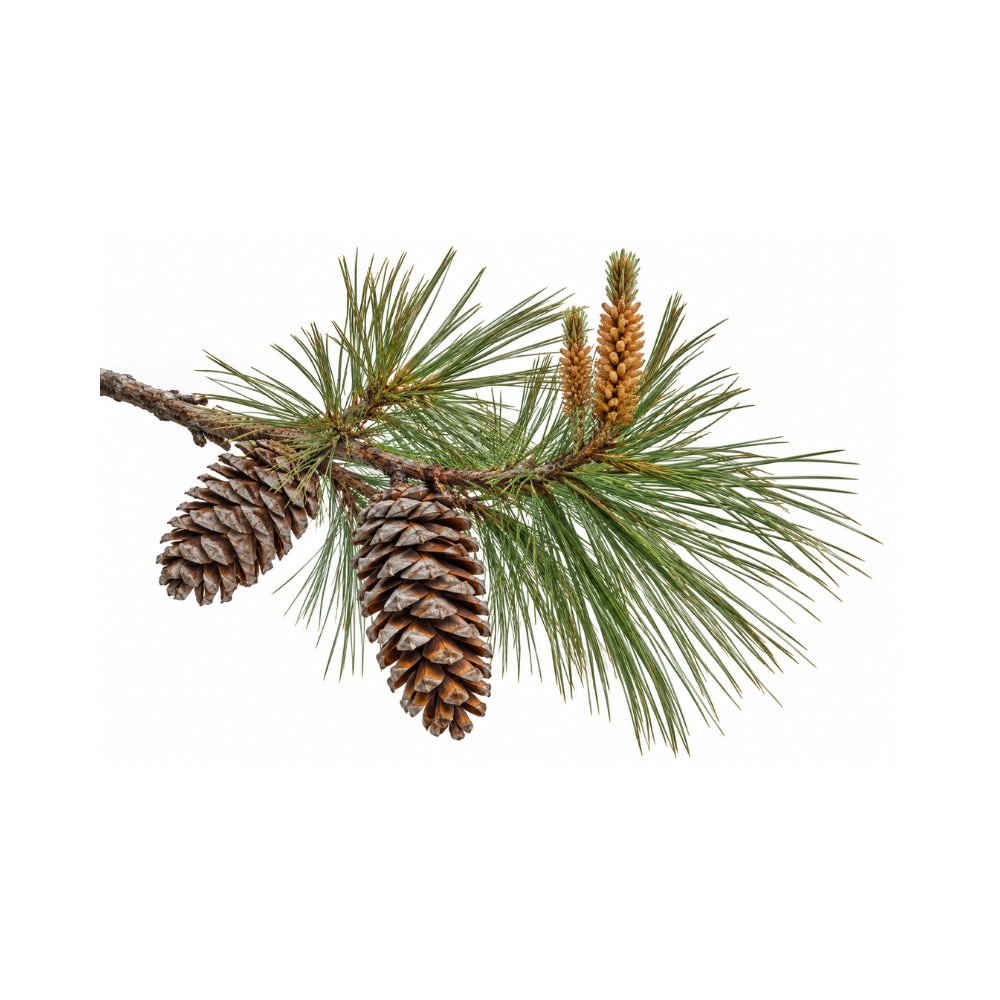
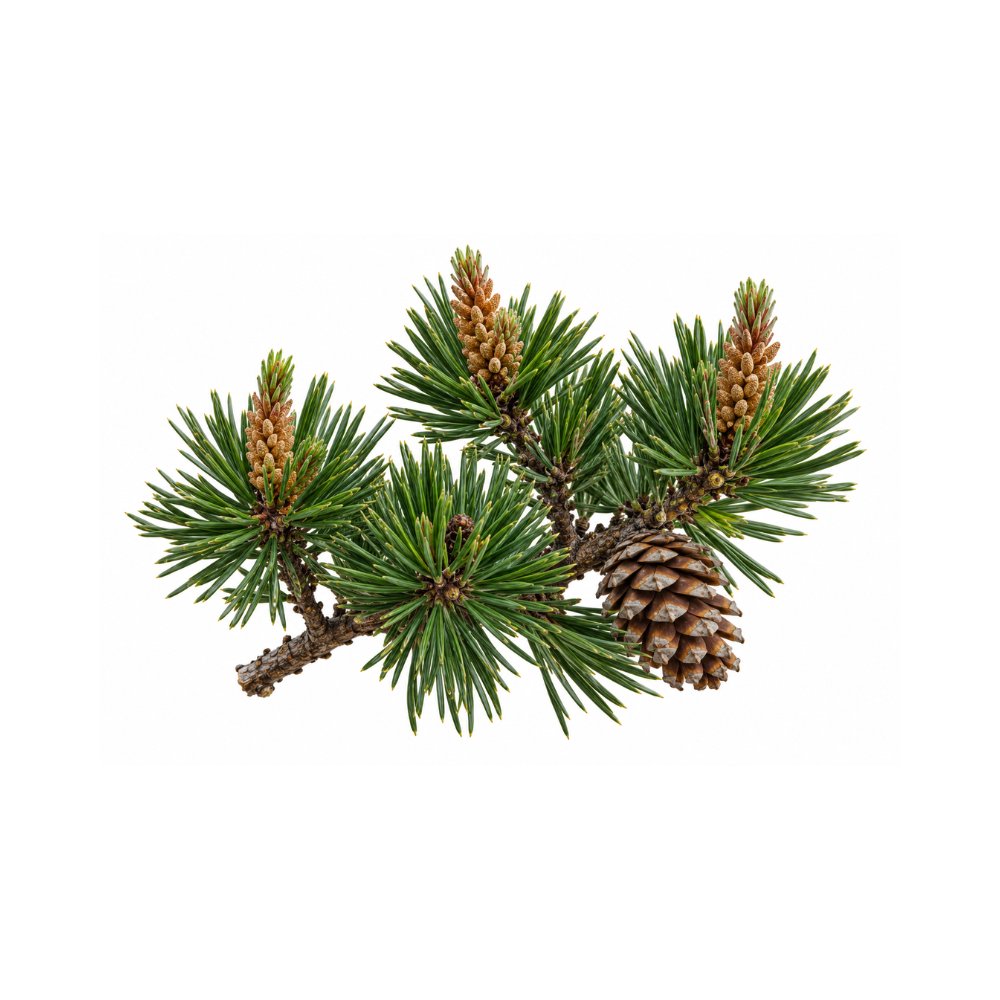
Expectorant herbs have a long history in respiratory medicine, especially for chest congestion, thick phlegm, and productive coughs. Thyme, hyssop, fennel, garlic, mullein, and the resinous conifers are all traditional examples.
It helps to expectorate tough phlegm, and is effectual in all cold griefs or diseases of the chest or lungs, being taken either in syrup or licking medicine.
Nicholas Culpeper, The Complete Herbal, 1653, on hyssop
Caution
Never swallow neat oils — essential-oil-rich expectorants belong in proper preparations, and several aromatic oils are convulsant or cause CNS depression when swallowed, and small amounts are dangerous to children.
Blood or breathlessness needs assessment — a persistent cough, blood in the sputum, fever or significant breathlessness needs proper assessment.
Don't quiet a productive cough — check whether a herb expectorates or suppresses, since suppressing a productive cough in a chest infection is not a neutral choice.
Mechanisms
How It Works
01
Mucociliary Clearance and Secretolysis
Mucus is made easier to move, and the ciliary escalator that moves it is sped up.
Thyme has measured increases in ciliary beat frequency in primary airway cells from COPD patients, the most direct result here.
Eucalyptus raises airway surfactant and mucociliary clearance together, yerba santa is credited with secretomotor stimulation through 1,8-cineole, mullein’s saponins act as surfactants on bronchial secretions, and coltsfoot’s caffeoylquinic acids increased phenol-red expectoration in mice.
This is the only group with a measured mucociliary or secretolytic effect, and it is five herbs out of more than thirty.
The tested preparations are also not the used ones: the eucalyptus evidence comes from a 200 mg enteric-coated capsule rather than a bowl of steaming leaves.
Herbs: ColtsfootEucalyptusMulleinThymeYerba Santa
Key compounds: 1,8-CineoleThymolVerbascoside
02
Mucus Regulation
Rather than mobilising mucus, these turn its production down.
Coltsfoot’s tussilagone suppresses MUC5AC, the principal gel-forming mucin of the airway, at the level of gene expression.
Thyme reduces the goblet-cell hyperplasia that makes a chronically inflamed airway over-produce in the first place.
In a hypersecretory cough this is arguably the more useful action, and it works without any loosening happening at all.
Coltsfoot’s caution is unrelated to the mechanism: the effect requires ingestion, and ingestion is the exposure route for its hepatotoxic pyrrolizidine alkaloids.
Key compounds: Tussilagone
03
Reflex Secretion
Saponins irritating the gastric mucosa were held to provoke bronchial secretion by vagal reflex, thinning and loosening mucus one organ away.
This is the mechanism of the classical nauseating expectorants. Senega carries WHO, ESCOP and German Commission E monographs on it, ipecacuanha at about a fortieth of its emetic dose is the archetype, and lobelia and chickweed are credited with the same route.
Gumweed sits apart from them, its resin acting on the airway directly rather than through the stomach.
The theory has no controlled human data behind it and modern airway physiology does not obviously support it.
Where the reflex is real it is also the dose limit, since the same stimulus at a higher dose causes vomiting.
04
Airway Inflammation
Some herbs act upstream of both the mucus and the calibre of the tube, on the inflammation driving them.
Hyssop reduces the Th2 skew through GATA-3 and STAT-3, and pine’s bark procyanidins act on 5-LOX and leukotriene signalling. In allergic and asthmatic airways that is the more relevant target, and it is measured rather than assumed.
Neither is an expectorant mechanism. Hyssop’s expectorant route is unestablished, and pine’s reputation belongs to the needle tea rather than to the bark procyanidins the research studied.
More Specific Actions
Sub-Actions
Expectorant is a parent action, and several narrower actions sit beneath it. Most herbs here are really doing one of them.
Where a sub-action has its own page, that is where its evidence is examined in depth.
Antiasthmatic
3 herbsEases the wheeze and tightness of asthma, mostly by relaxing the airway muscle. Only frankincense acts on the inflammation underneath, which is the half that decides whether the next attack happens.
Anti-Catarrhal
3 herbsReduces the production of excess mucus and catarrh, especially in the upper respiratory tract. It is the counterpart of expectoration rather than a form of it, suiting a streaming nose and sinuses rather than a loaded chest.
- Eyebright
- Goldenseal
- Mullein
Antitussive
13 herbsQuiets a cough, mostly by coating the throat and damping the reflex where it starts. That is the opposite intention to expectoration, and it suits a dry, tickly cough rather than a productive one.
Bronchodilator
3 herbsOpens the airways by relaxing the muscle wrapped around them. Opening a constricted airway is a different problem from clearing a congested one, and ephedra is the only herb here that does it strongly.
Decongestant
3 herbsClears a blocked nose and sinuses, which is the upper airway rather than the chest. The route divides sharply between shrinking the swollen lining and simply making the nose feel open.
Mucolytic
2 herbs · Eucalyptus, ThymeThins thick, sticky mucus or speeds the ciliary clearance that carries it out, so a productive cough does more with less effort. It is the narrow, measurable core of the expectorant idea.
Respiratory Tonic
1 herb · PineStrengthens and restores tone to the respiratory tract over time rather than acting on a single episode. It is a traditional classification with no modern endpoint attached to it.
Phytochemistry
Key Constituents
The compound classes most often behind an expectorant action.
What It's For
Indications
- Productive, congested coughs
- Chest colds and bronchitis
- Thick, stubborn mucus that is hard to clear
- Sinus and chest congestion
Materia Medica
Expectorant Herbs by Potency
The expectorant herbs, ordered by the relative strength of the effect rather than by how well studied it is. Each herb is described by the mechanism behind its effect and the evidence for it.
None of this is a substitute for professional care.
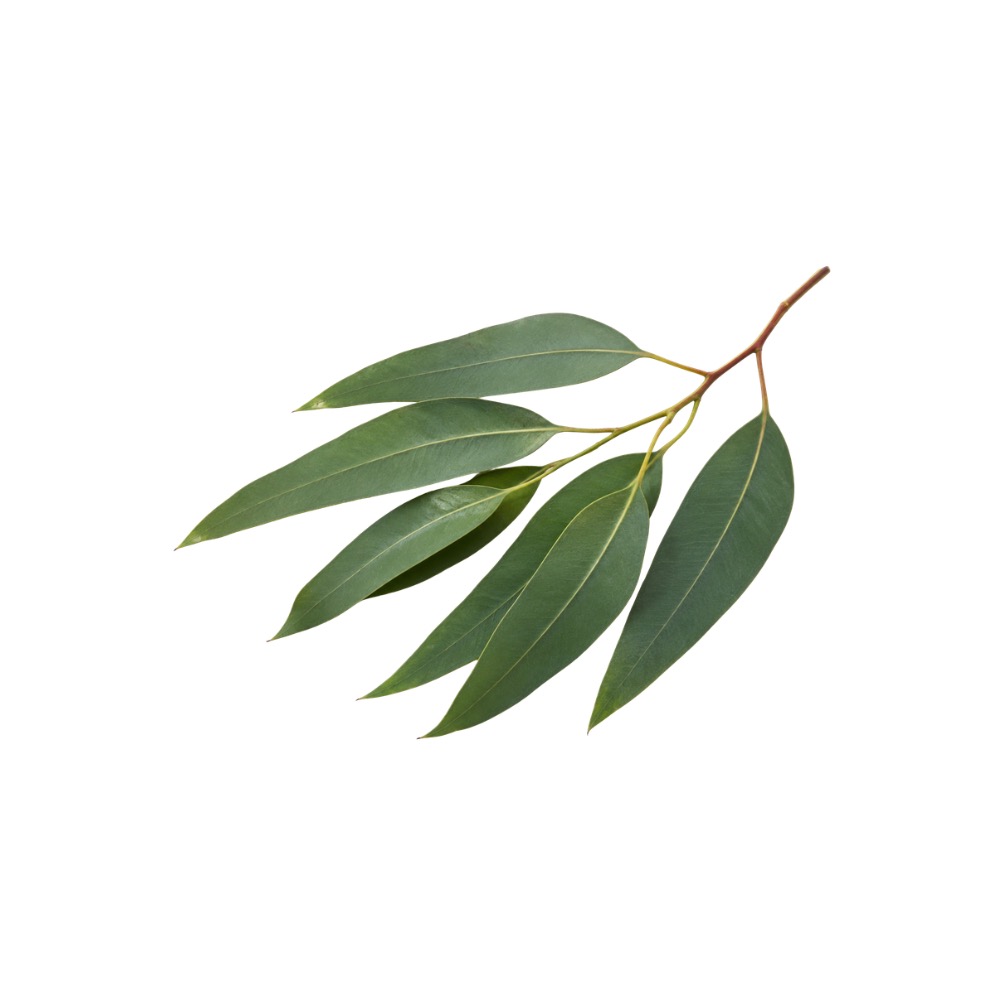 StrongStrongEucalyptusEucalyptus globulus1,8-Cineole raises airway surfactant and mucociliary clearance, and 200 mg three times daily beat placebo on cough frequency in acute bronchitis; the reference respiratory aromatic of Western practice.Mechanismairway surfactant ↑; mucociliary clearance ↑; secretolysisRead the evidenceShow lessMonograph →
In patients with chronic obstructive airway disease, inhaled aromatics including 1,8-cineole increased lung mucociliary clearance in a small controlled study 6Reference 6RCTEffect of aromatics on lung mucociliary clearance in patients with chronic airways obstruction — randomised clinical trialView study →, and cineole is a recognised secretolytic that raises airway surfactant and thins mucus.
The clinical payoff shows up as cough. A placebo-controlled double-blind RCT in acute bronchitis (n=242) found 200 mg cineole three times daily improved symptom scores, cough frequency in particular, significantly more than placebo over ten days, with benefit by day four 7Reference 7RCTEfficacy of cineole in patients suffering from acute bronchitis: a placebo-controlled double-blind trial — RCTView study →.
The mucociliary evidence is small and old. The sensory effect is a separate thing: the subjective clearing people feel from steam or a chest rub largely reflects cineole’s cold-receptor stimulation rather than a measured change in secretion, and only the swallowed capsule delivers the secretolysis.
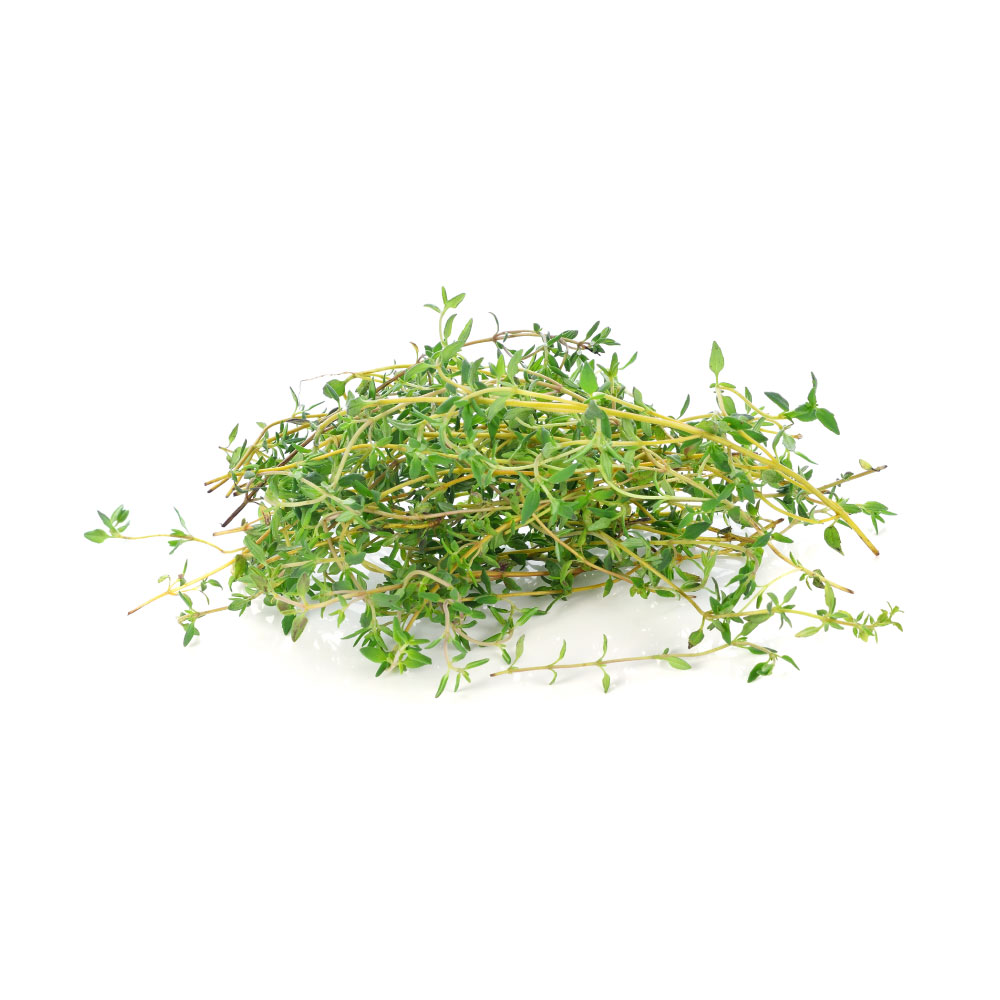 StrongStrongThymeThymus vulgarisThyme extract raised ciliary beat frequency in airway cells from COPD patients and reduced goblet-cell hyperplasia in vivo, the most concrete mechanism any herb here has.Mechanism↑ ciliary beat frequency; goblet-cell hyperplasia ↓ (mucus-regulatory); β2-adrenoceptor–linked secretolysisRead the evidenceShow lessMonograph →
Thyme extract raised mucociliary beat frequency in primary airway cells from COPD patients, linking the relaxant action directly to mucus clearance 24Reference 24In vitroThyme extract increases mucociliary-beating frequency in primary cell lines from COPD patients — in vitroView study →. An ex vivo comparison of high- and very-low-thymol extracts showed thymol modulates but does not solely account for the antispasmodic and ciliary-clearance activity, part of which is β2-mediated 25Reference 25Impact of thymol in thyme extracts on antispasmodic action and ciliary clearance — animal ex vivo studyView study →.
A fixed thyme–primula combination reduced goblet-cell hyperplasia and showed mucus-regulatory effects in vivo and in vitro 26Reference 26In vitroAnti-inflammatory and mucus-regulatory activities of a fixed combination of thyme and primula extracts — in vivo and in vitroView study →, as did a thyme–ivy syrup in rat bronchoalveolitis 27Reference 27AnimalBronchipret syrup containing thyme and ivy extracts suppresses bronchoalveolar inflammation and goblet-cell hyperplasia in experimental bronchoalveolitis — rat in vivo studyView study →.
The human endpoint is always the combination product’s cough score rather than a measured sputum or clearance outcome, so the expectorant step is inferred.
Preparation matters. The ciliary and antispasmodic effects tracked the whole extract, so a thymol-only or low-phenol chemotype preparation should not be assumed equivalent 25,
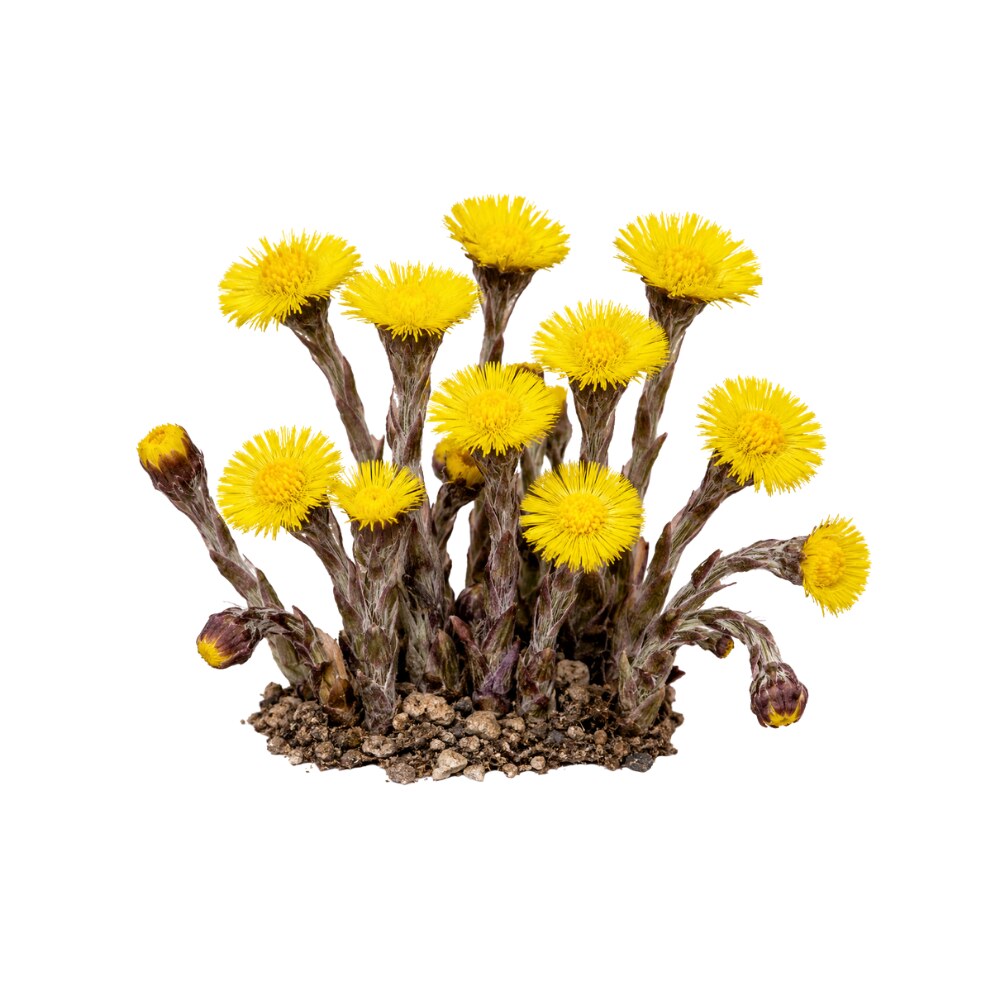 ModerateModerateColtsfootTussilago farfaraOral caffeoylquinic acids increased phenol-red expectoration in mice, and tussilagone suppresses MUC5AC mucin production; the flagship traditional cough and phlegm herb, and it carries pyrrolizidine alkaloids.MechanismMUC5AC mucin gene expression ↓ (tussilagone); caffeoylquinic-acid mucociliary stimulationRead the evidenceShow lessMonograph →
Four caffeoylquinic acids given orally at 10–20 mg/kg increased phenol-red expectoration in mice 1Reference 1AnimalAntitussive, expectorant, and anti-inflammatory activities of four caffeoylquinic acids isolated from Tussilago farfara — mouse in vivoView study →, and bioactivity-guided and metabolomic profiling repeatedly nominates those caffeoylquinic acids and the sesquiterpenes as the constituents carrying the expectorant signal of the flower bud 2,
The named molecular target is airway mucin. Tussilagone suppresses MUC5AC production and gene expression 5Reference 5In vitroTussilagone suppressed the production and gene expression of MUC5AC mucin — in vitro airway modelView study →, which is a secretion-reducing mechanism rather than the loosen-and-clear action the phenol-red assay measures.
Coltsfoot is credited with both, and nothing reconciles them.
It is all rodent and cell work with no controlled human data, and the historic smoked-as-herbal-tobacco route has no efficacy evidence.
Coltsfoot contains hepatotoxic pyrrolizidine alkaloids, and the mucin-regulating effect requires the ingestion that exposes you to them.
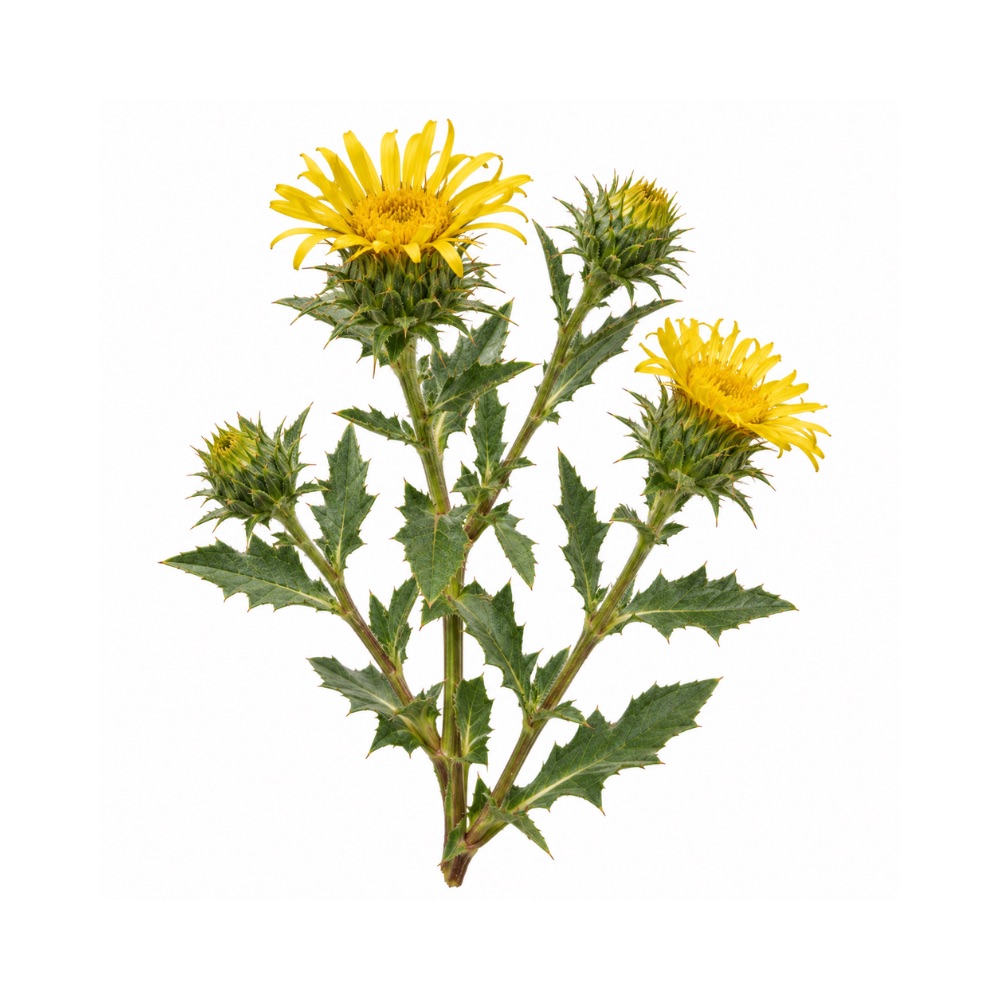 ModerateModerateGumweedGrindelia squarrosaA pharmacopoeial expectorant for productive cough and bronchitis whose resin acts on the airway directly rather than by provoking the stomach, as senega and ipecacuanha do.Mechanismresinous diterpenes; secretolytic and antispasmodic action on airwaysRead the evidenceShow less
Gumweed carried a US Pharmacopoeia listing historically and holds a European Grindeliae herba monograph today, for productive cough and bronchitis 8Reference 8ReviewCommunity herbal monograph and assessment report on Grindelia robusta Nutt., Grindelia squarrosa (Pursh) Dunal, Grindelia humilis Hook. et Arn., Grindelia camporum Greene, herba — pharmacopoeial monographView study →.
Its resin acts on the airway rather than through gastric reflex, which separates it mechanistically from the nauseating expectorants, and it pairs a secretolytic effect with an antispasmodic one.
Nothing has been measured directly. The standing is pharmacopoeial rather than clinical.
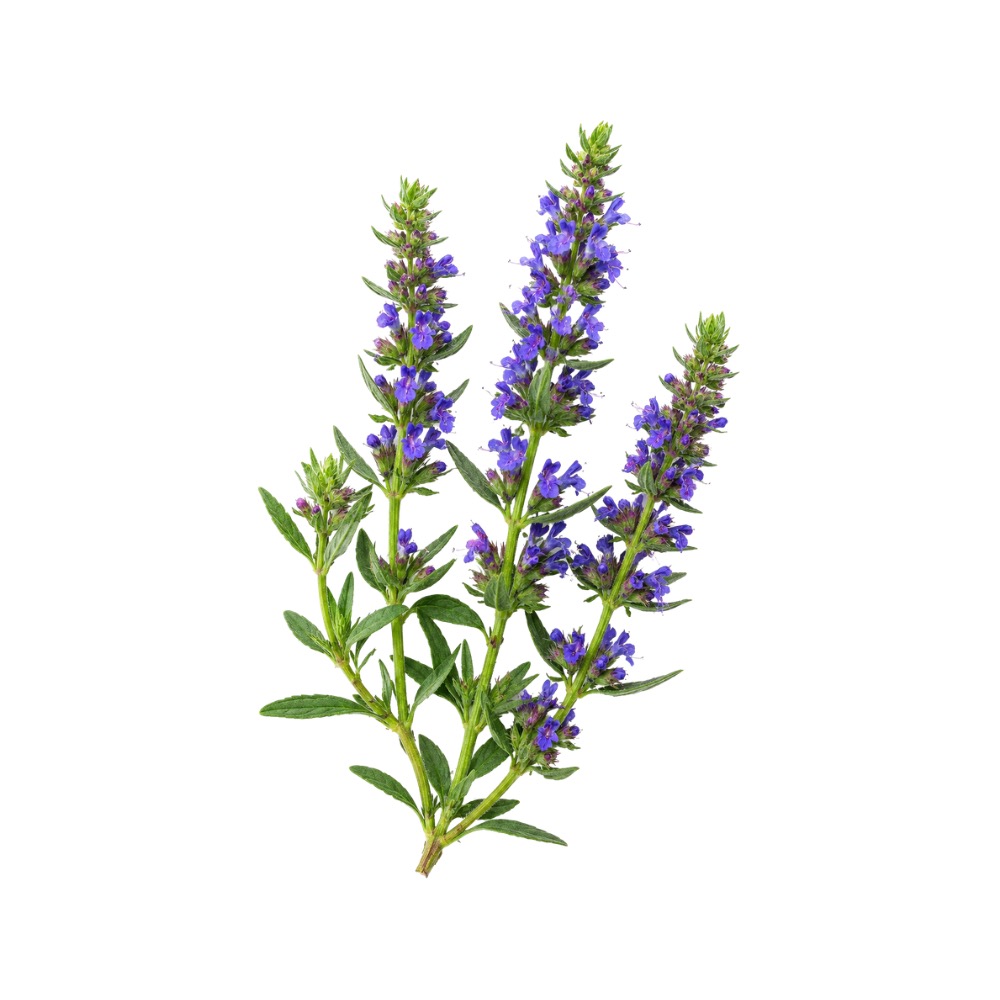 ModerateModerateHyssopHyssopus officinalisHyssop syrup improved lung function and wheezing in a randomised trial, but only in the productive-cough subgroup; the dry-cough patients got worse on the same measures.Mechanismexpectorant mechanism not established; airway Th2 skew ↓ (GATA-3/STAT-3 vs T-bet); MMP-9/TIMP-1 rebalanceRead the evidenceShow lessMonograph →
Culpeper gave hyssop to “expectorate tough phlegm”, and it is the herb the word attaches to most firmly in the European tradition.
No study isolates an expectorant mechanism. The mucoactive attribution rests on 1,8-cineole and marrubiin content by analogy rather than on measurement.
A 2024 randomised, triple-blind placebo-controlled trial (n=60, hyssop syrup 5 ml twice daily) improved FEV1, peak flow, MEF25-75% and wheezing, but only in the productive-cough subgroup; patients with dry cough got worse on the same indices 9Reference 9RCTEffect of Hyssop (Hyssopus officinalis) Syrup on Mild to Moderate Asthma — [randomised double-blind placebo-controlled trial]View study →. Three rodent ovalbumin-asthma models using an aqueous Uygur-herb extract back the anti-inflammatory half, reducing eosinophilic infiltration, normalising IgE and IgG, correcting MMP-9 and TIMP-1 and shifting GATA-3 and STAT-3 against T-bet away from a Th2 skew 10,
The effect direction flips by cough type, and none of the evidence tests the dried herb or an ordinary tea. The human data are a syrup and the animal data a specific aqueous extract.
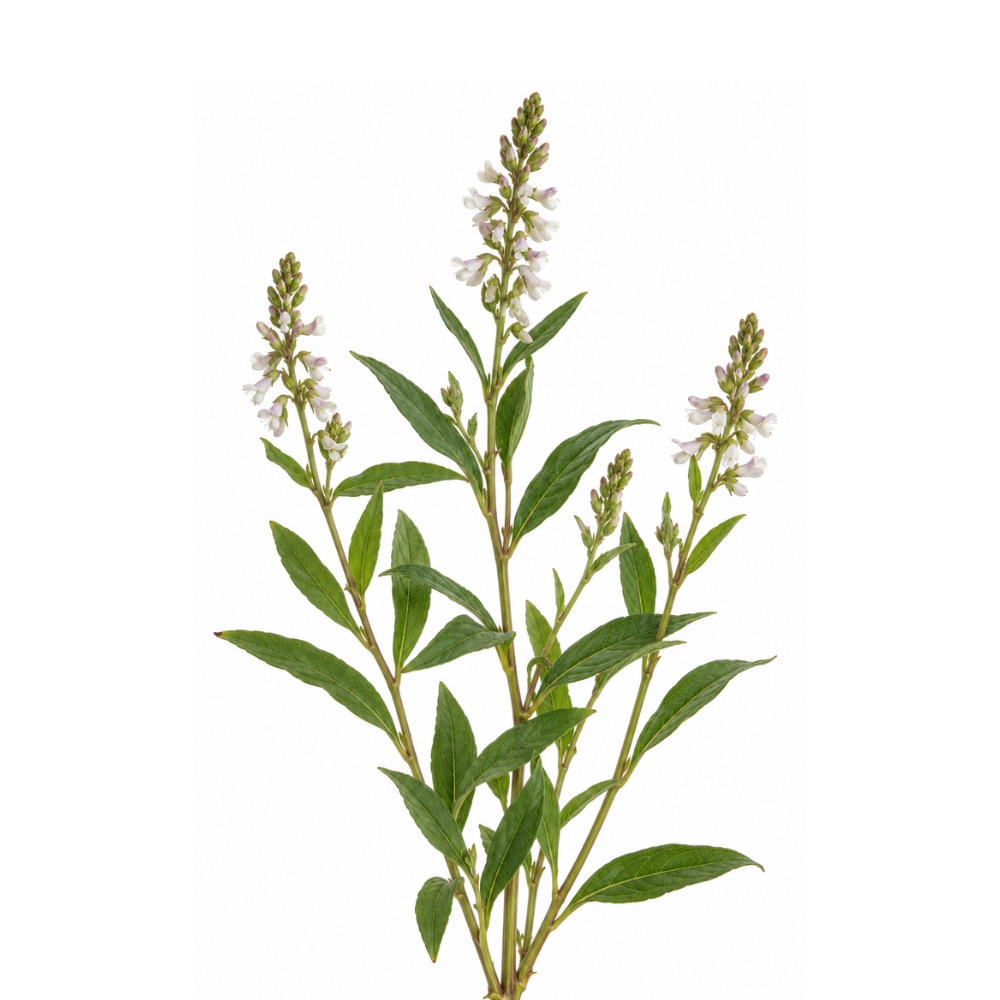 ModerateModerateSenegaPolygala senegaThe pharmacopoeial reflex expectorant, carrying WHO, ESCOP and Commission E monographs for productive cough at 1.5 to 3 g a day; saponin irritation of the stomach is held to provoke bronchial secretion.Mechanismsaponin gastric irritation → reflex bronchial secretion (secretolytic)Read the evidenceShow less
Senega root holds WHO, ESCOP and German Commission E monographs for productive cough and bronchitis at 1.5–3 g/day 19,
The proposed mechanism is clean to state. Surfactant saponins irritate the gastric mucosa and provoke reflex bronchial secretion that thins and loosens mucus, the same principle as ipecacuanha and the classical nauseating-expectorant category.
Monograph authority is not trial evidence, and no modern controlled trial exists.
Show 29 more herbs with a mild expectorant action
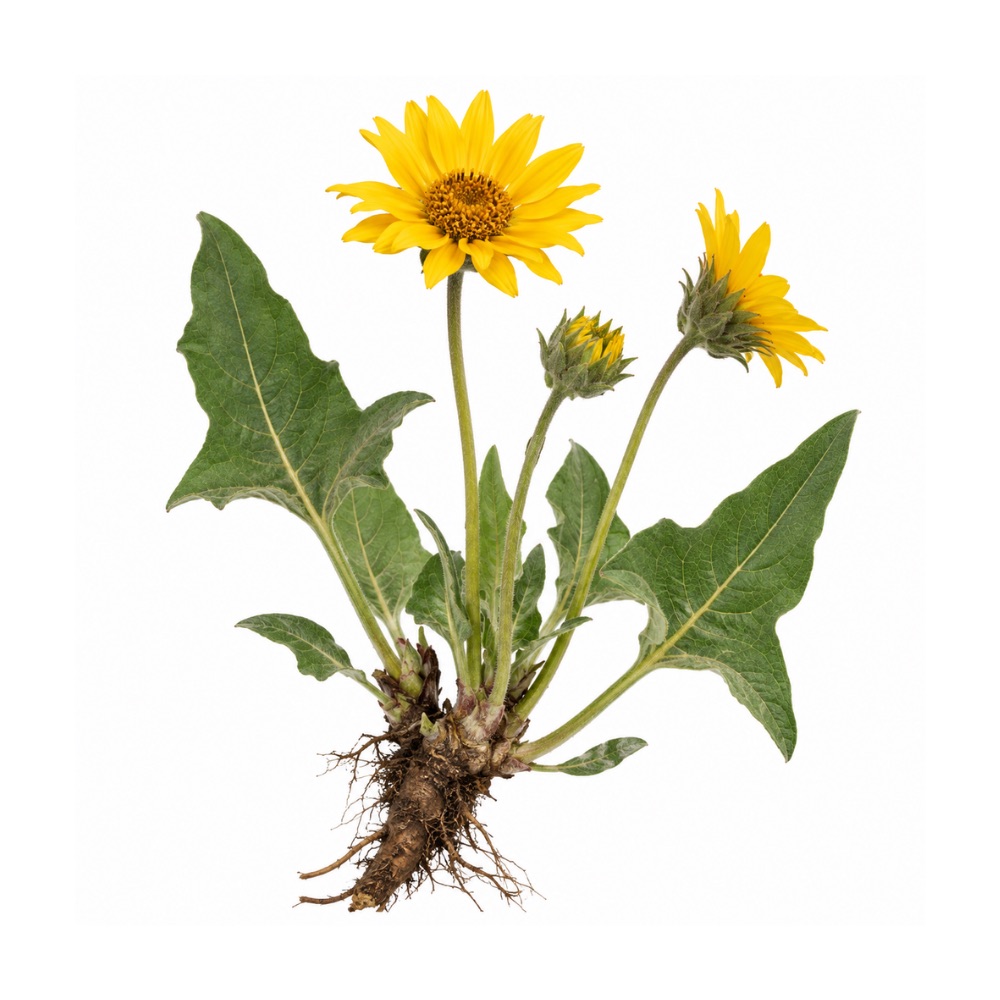 MildMildArrowleaf BalsamrootBalsamorhiza sagittataA resinous root decoction taken for coughs, colds and fevers in Indigenous practice across the North American interior; the ethnobotanical record only.Mechanismresinous root; traditional decoctionRead the evidenceShow less
Arrowleaf balsamroot’s resinous root is decocted for coughs, colds and fevers.
The ethnobotanical record is the whole of it. No respiratory measurement of any kind exists.
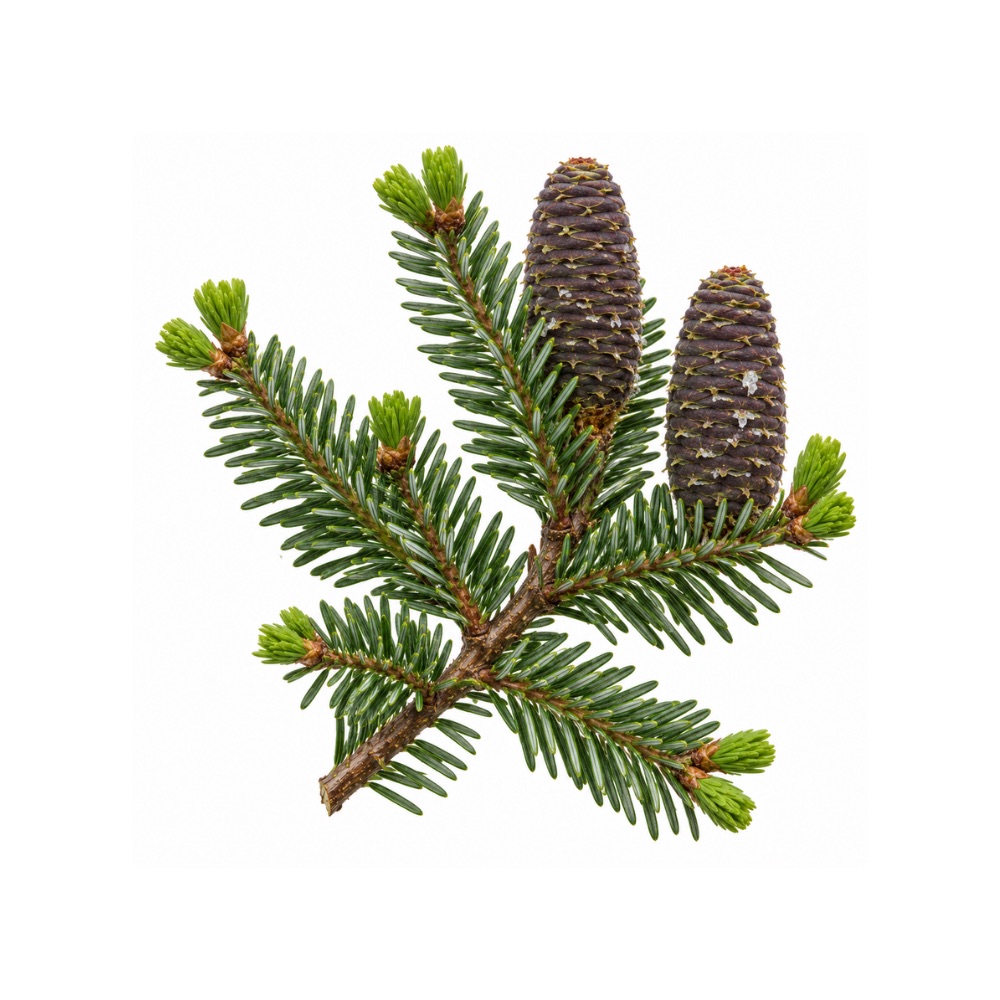 MildMildBalsam FirAbies balsameaNeedle tea and steam inhalation for colds, coughs and chest congestion in eastern North American practice, on the warming aromatic resin of the conifers.Mechanismaromatic monoterpene volatilisation; traditional steam inhalationRead the evidenceShow less
Balsam fir needles are infused as a tea and used in steam inhalation for colds, coughs and chest congestion.
Nothing supports it beyond the general behaviour of aromatic monoterpenes. No mechanistic or clinical work exists for the species.
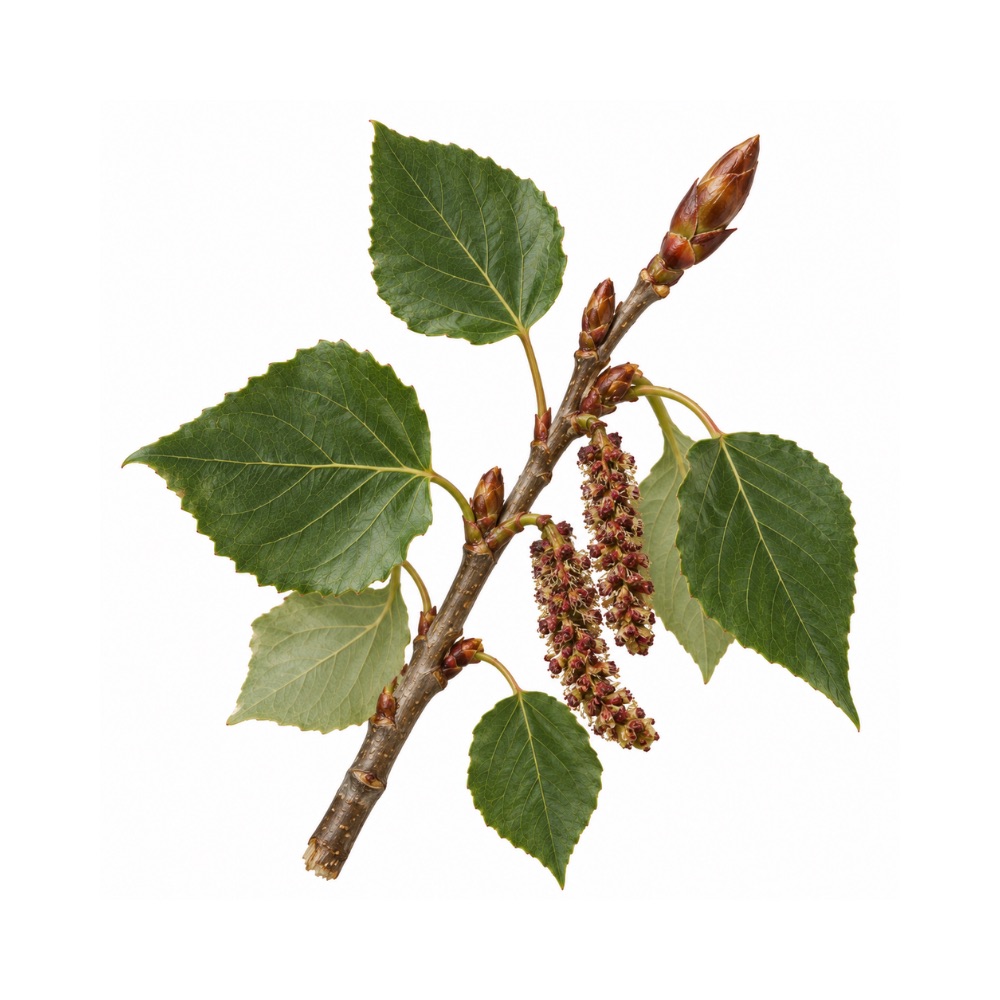 MildMildBalsam PoplarPopulus balsamiferaThe resinous bark, decocted or tinctured, is a traditional northern remedy for coughs and colds; nothing has been measured.Mechanismtraditional bark preparation; aromatic resinRead the evidenceShow less
Balsam poplar bark is prepared as a decoction or tincture for coughs and colds, and the aromatic resin is what the tradition credits.
No respiratory study exists.
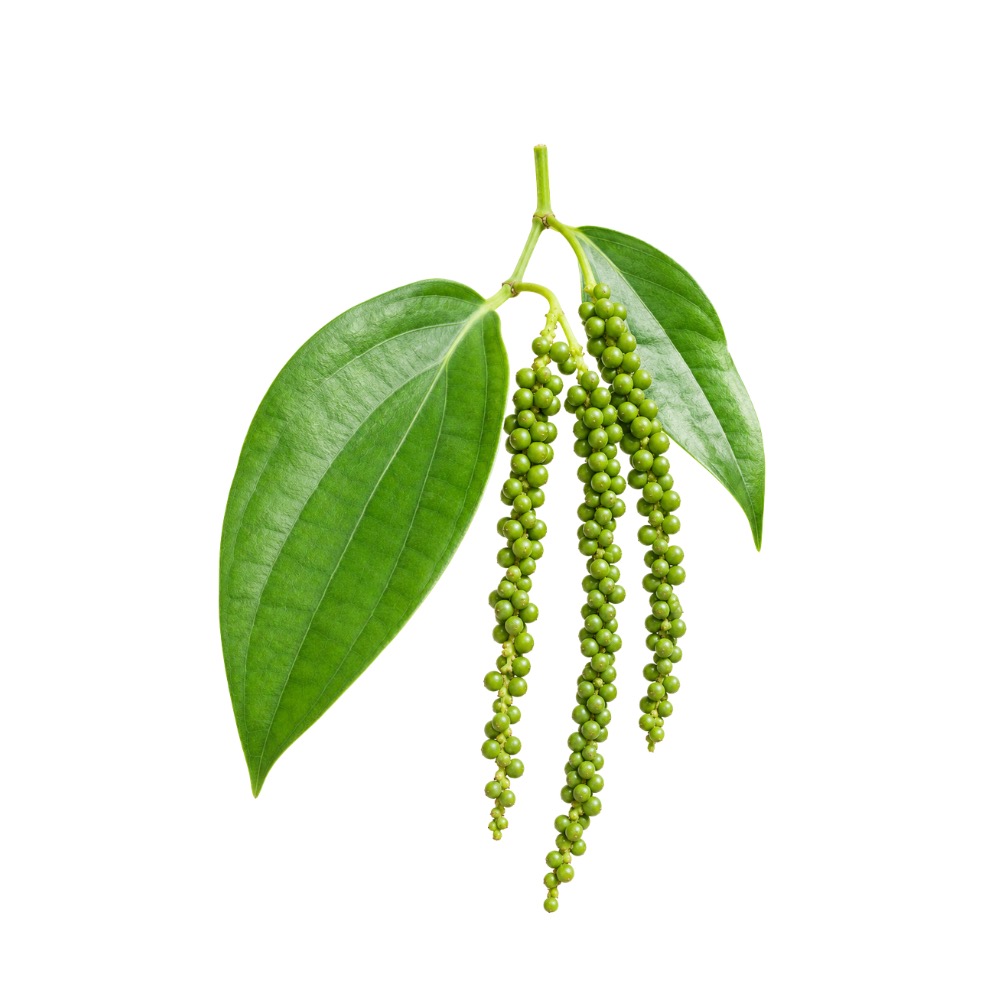 MildMildBlack PepperPiper nigrumA warming pungent taken for damp, cold coughs on its drying character; the one respiratory study is an anti-inflammatory lung-injury model.Read the evidenceShow lessMonograph →
Black pepper is used for damp, cold coughs across the warming-pungent traditions, on the drying character of the spice rather than on any measured effect.
The one respiratory study on black pepper is an anti-inflammatory mouse lung-injury model, which measures inflammation rather than secretion. Piperine’s better-documented role is bioavailability enhancement.
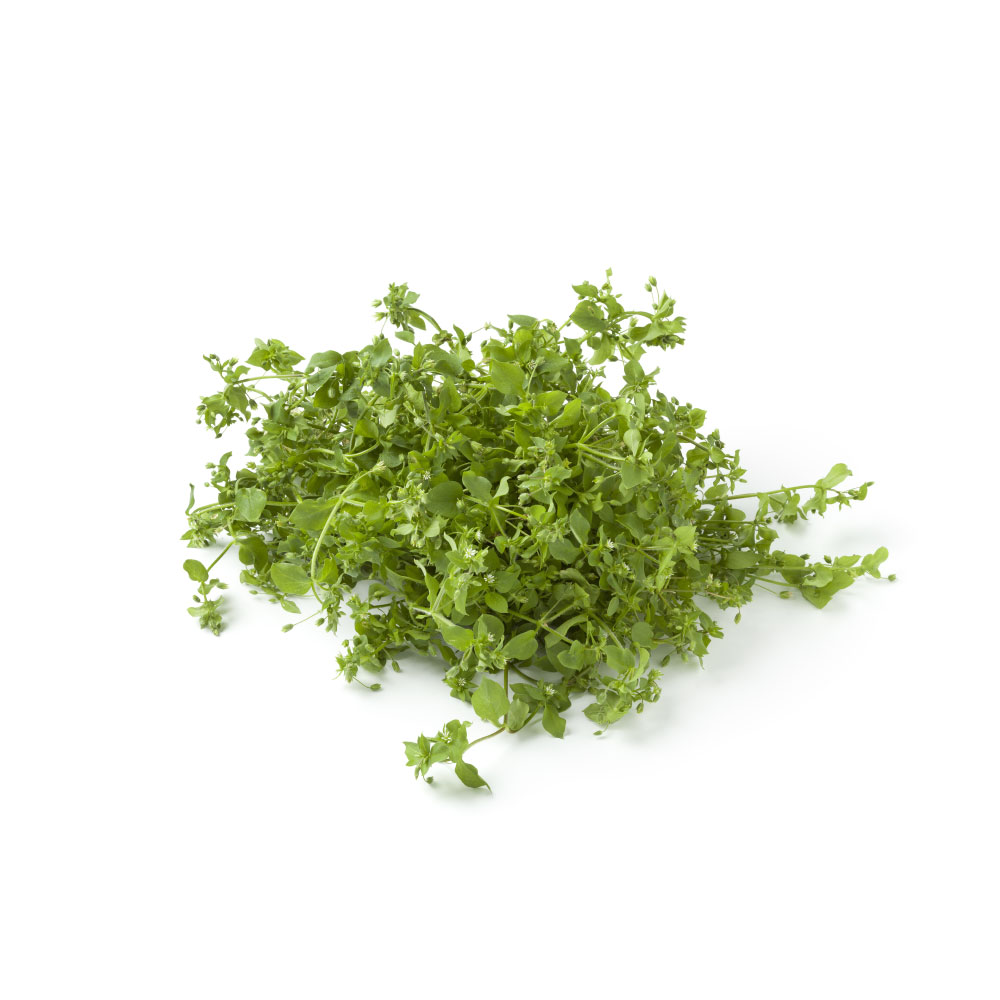 MildMildChickweedStellaria mediaCredited with saponin irritation driving reflex bronchial secretion, the nauseating-expectorant rationale, with no experimental respiratory study behind it.Read the evidenceShow lessMonograph →
Chickweed’s expectorant rationale is saponin irritation of the mucous membrane driving reflex bronchial secretion, the same route senega and ipecacuanha are credited with.
It is mechanistic rather than tested. No experimental respiratory study of chickweed exists, and the herb’s stronger traditional reputation is topical.
MildDouglas FirPseudotsuga menziesiiNeedle tea and steam for colds and chest congestion across western North American practice, undocumented in the trial literature.Mechanismaromatic monoterpene volatilisation; traditional steam and teaRead the evidenceShow less
Douglas fir needles are infused and used in steam for colds and chest congestion, part of the same conifer-resin tradition as the firs and pines.
The ethnobotanical record is the whole of it.
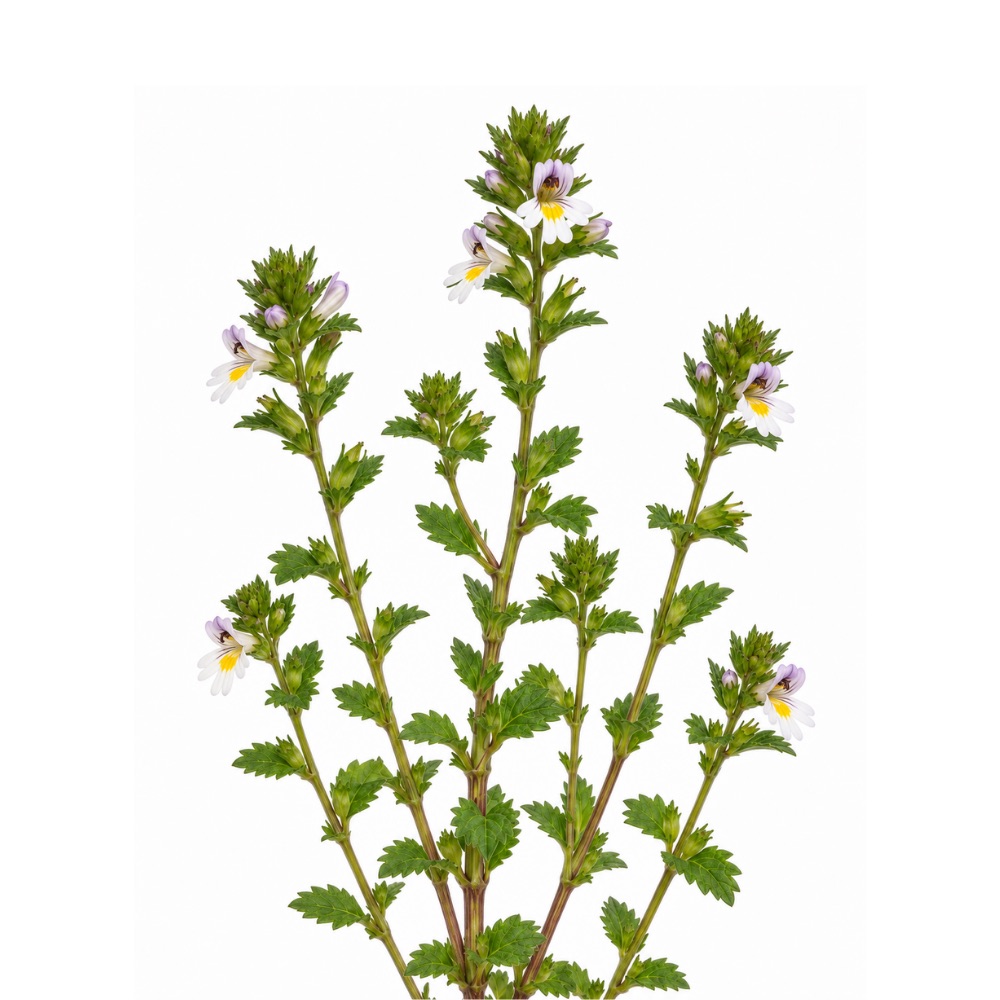 MildMildEyebrightEuphrasia officinalisThe European remedy for catarrhal states — hay fever, sinusitis and colds with a streaming nose and eyes — reducing secretion rather than moving it.Mechanismanticatarrhal; astringent tannins on inflamed mucous membraneRead the evidenceShow less
Eyebright’s traditional use is remarkably consistent across Europe and remarkably narrow: inflamed, watering eyes, conjunctivitis and blepharitis, and internally the catarrhal states that accompany them, including hay fever, sinusitis and colds with a streaming nose. Its classic pairing is with goldenrod or elderflower.
That is an anticatarrhal action rather than an expectorant one, reducing the amount of secretion rather than mobilising it.
The only human data are an open-label uncontrolled cohort of 65 patients given single-dose eye drops for conjunctivitis. No respiratory endpoint has been measured.
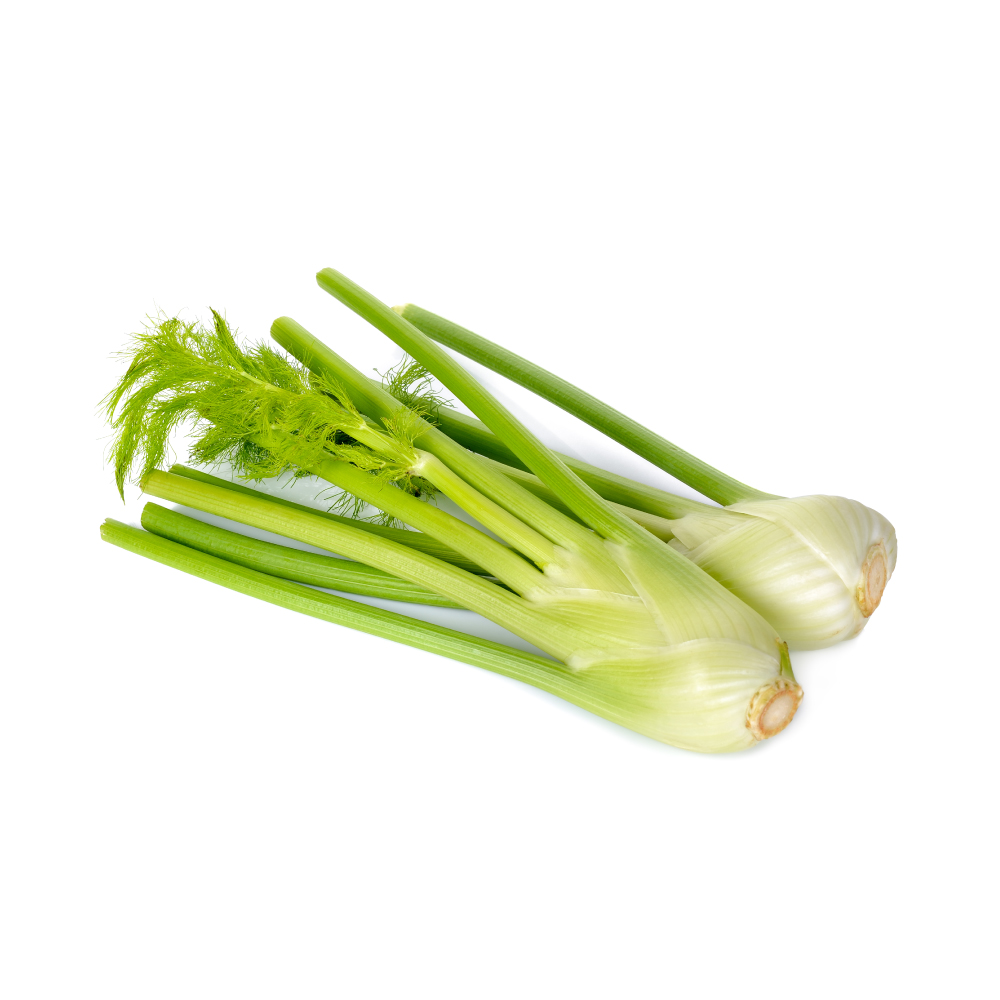 MildMildFennelFoeniculum vulgareClaimed on the traditional indications of upper respiratory catarrh and pharyngitis, on an anethole-rich volatile oil in the same league as anise.Read the evidenceShow lessMonograph →
Fennel’s expectorant listing rests on the traditional indications of upper respiratory catarrh and pharyngitis, and Culpeper recommended it for shortness of breath and wheezing.
It is a reasonable classification inference from an anethole-rich volatile oil in the same league as anise, with a deep and consistent tradition behind it. No study, citation or mechanism supports it directly.
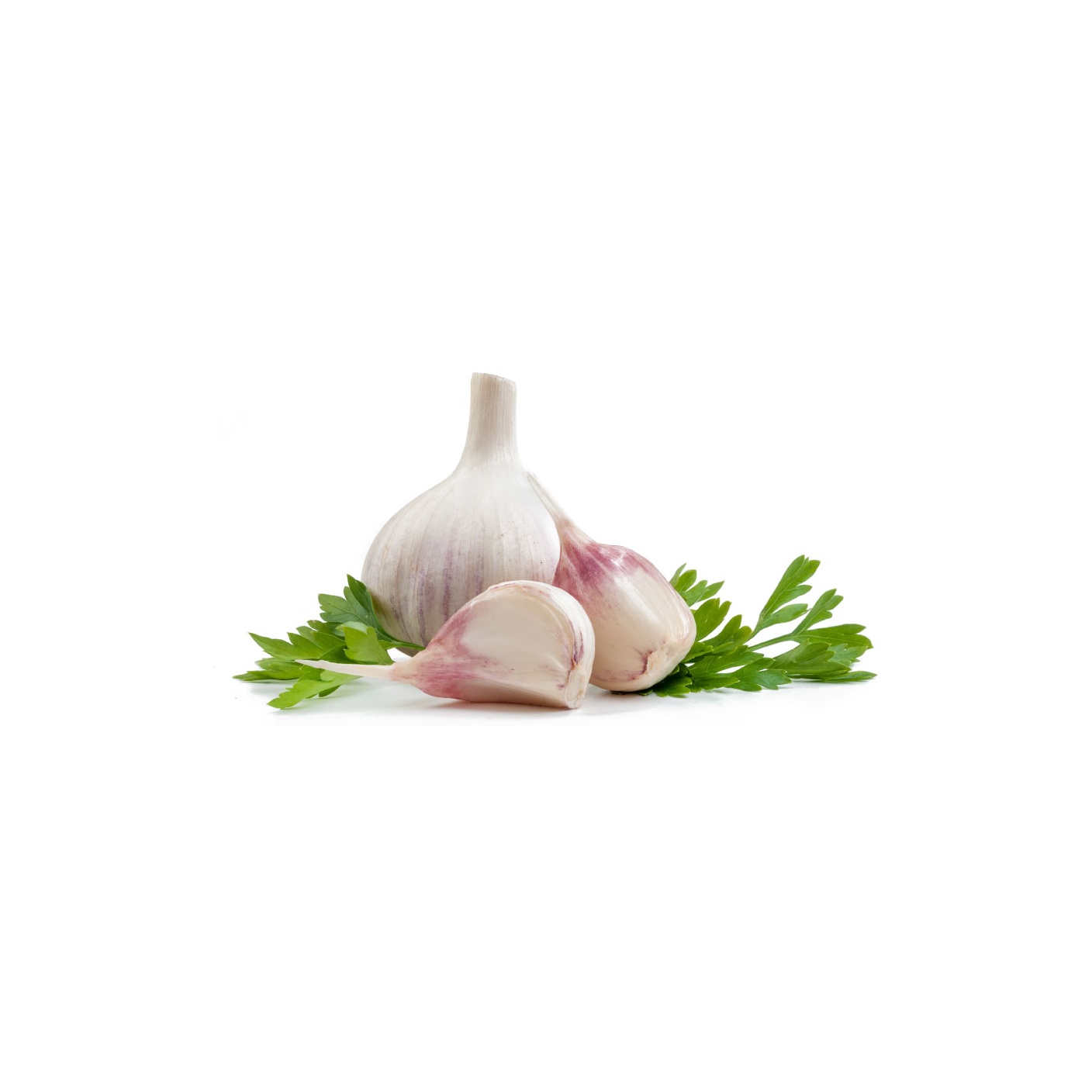 MildMildGarlicAllium sativumUsed for respiratory infection and congestion in Western practice, as a warming dispersing Lung herb in Chinese medicine and for Kapha congestion in Ayurveda; no respiratory measurement exists.Read the evidenceShow lessMonograph →
Three separate traditions place garlic in the chest. Western herbal medicine uses it for respiratory infections, Chinese medicine treats it as warm, pungent and dispersing with a Lung-channel association, and Ayurveda gives it for respiratory congestion and excess Kapha.
Nothing in the research on garlic touches respiratory secretion, and its substantial cardiovascular evidence lends this nothing.
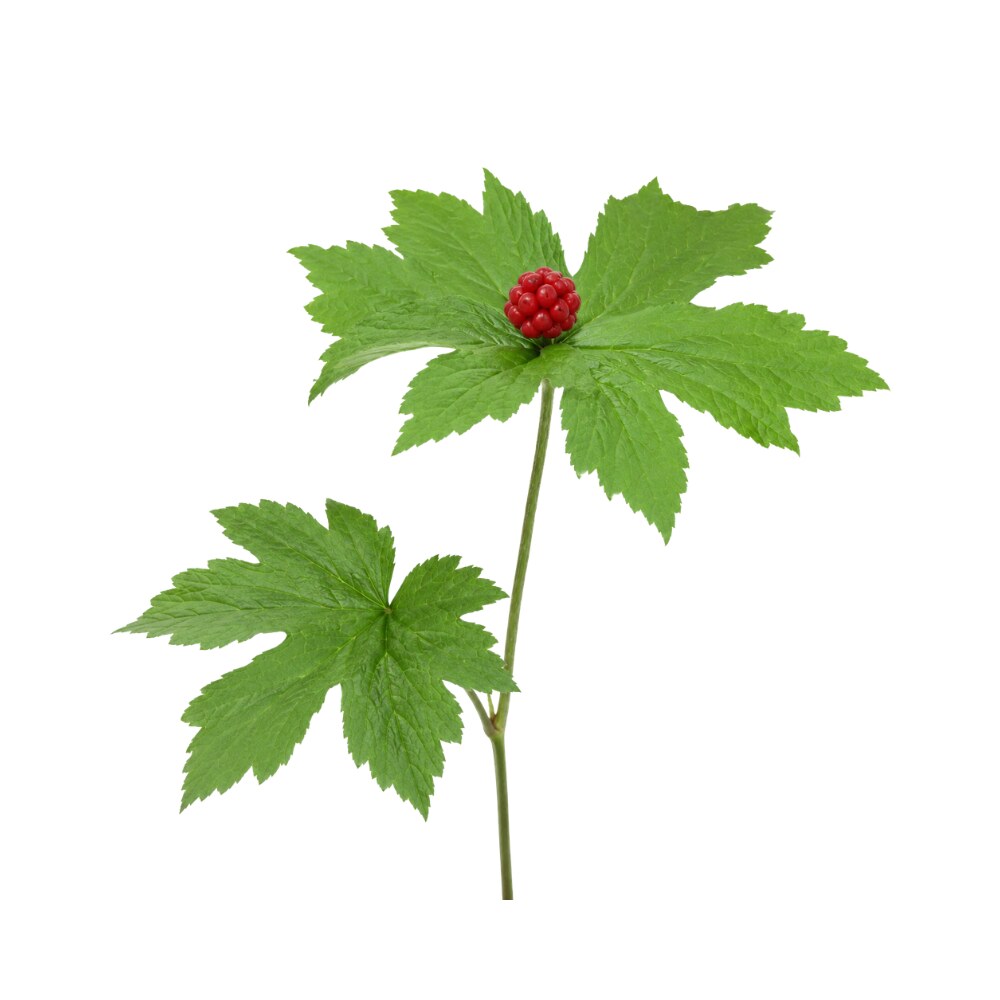 MildMildGoldensealHydrastis canadensisAn anticatarrhal rather than an expectorant: berberine-bearing herbs reduce catarrhal secretion from an inflamed mucous membrane rather than mobilising it.Read the evidenceShow lessMonograph →
Goldenseal’s respiratory standing is as an anticatarrhal, the more accurate account of what berberine-bearing herbs do to an inflamed mucous membrane.
Its one airway measurement is a relaxant effect on isolated guinea-pig trachea, which is smooth muscle rather than secretion. No mucociliary or secretomotor study exists.
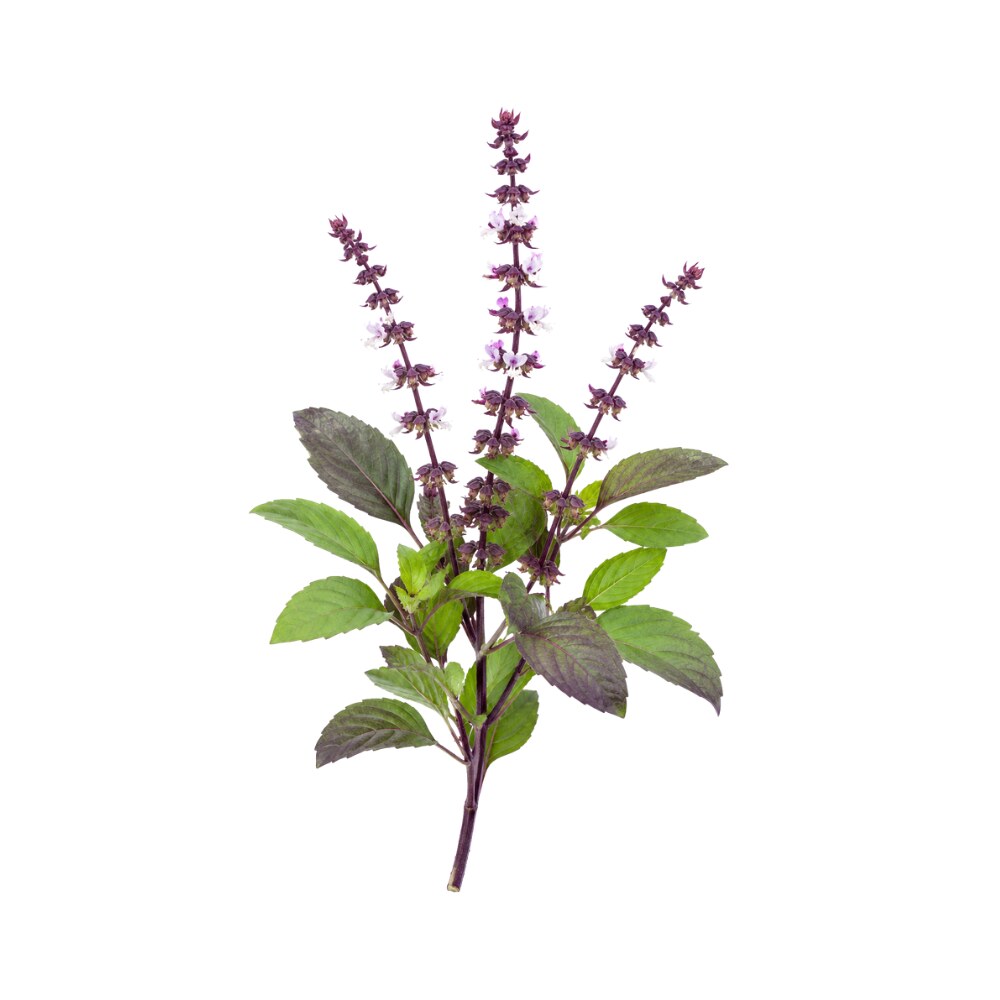 MildMildHoly BasilOcimum tenuiflorumTulsi tea is a household remedy for coughs and colds across India, and the claim rests on that and on the aromaticity of a eugenol-rich oil.Read the evidenceShow lessMonograph →
Tulsi is drunk as a tea for coughs and colds throughout Indian domestic practice, and the expectorant reading follows from a eugenol-rich volatile oil.
There is no respiratory research at all: no mucolytic, secretomotor, bronchodilator or antitussive data in humans or animals. The herb’s evidenced work is adaptogen and antimicrobial.
MildIpecacuanhaCarapichea ipecacuanhaThe archetype of the reflex expectorant: at about a fortieth of the emetic dose, gastric stimulation was held to increase bronchial secretion by vagal reflex.Mechanismreflex — sub-emetic gastric stimulation → vagal bronchial secretionRead the evidenceShow less
At roughly 25 mg, a fortieth of the emetic dose, ipecacuanha was said to increase bronchial secretion by vagal reflex from the stomach. A whole category of nauseating expectorants in older pharmacy rests on that idea.
The theory has no controlled human data behind it 13Reference 13ReviewThe anatomy, physiology, pharmacology and pathology of tracheobronchial mucus secretion and the use of expectorants (1978) — review. Pharmacol Ther B. https://pubmed.ncbi.nlm.nih.gov/32559/View study →, and modern airway physiology does not obviously support it. It stands as the historical archetype rather than as a current recommendation.
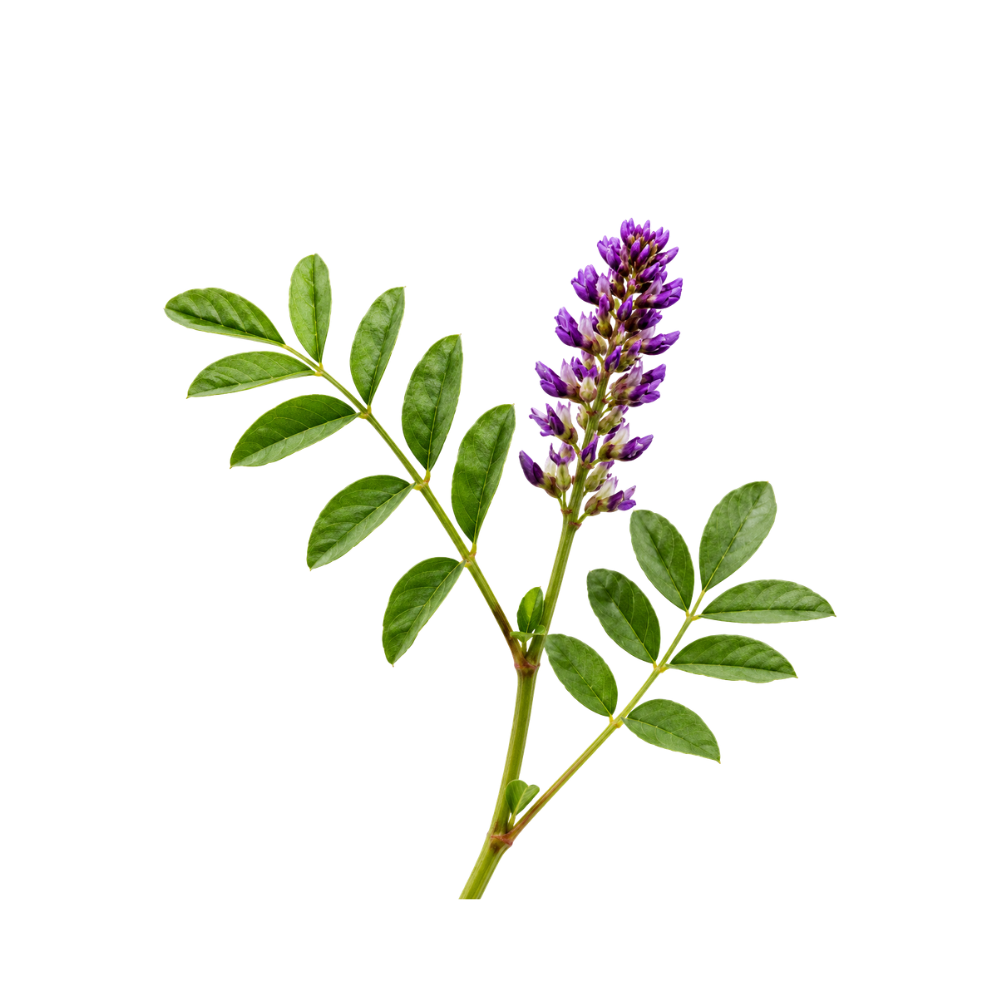 MildMildLicoriceGlycyrrhiza glabraThe pre-operative gargle trials measured soothing and less coughing, which is a demulcent and antitussive result rather than an expectorant one.Read the evidenceShow lessMonograph →
Licorice’s pre-operative gargle trials are usually read as the controlled expression of its traditional demulcent and expectorant use. What they measured is soothing and less coughing.
No mucociliary, secretolytic or saponin-surfactant data appear anywhere for the herb. Culpeper’s dry-cough and hoarseness use is old and coherent, and expectoration is not what it describes.
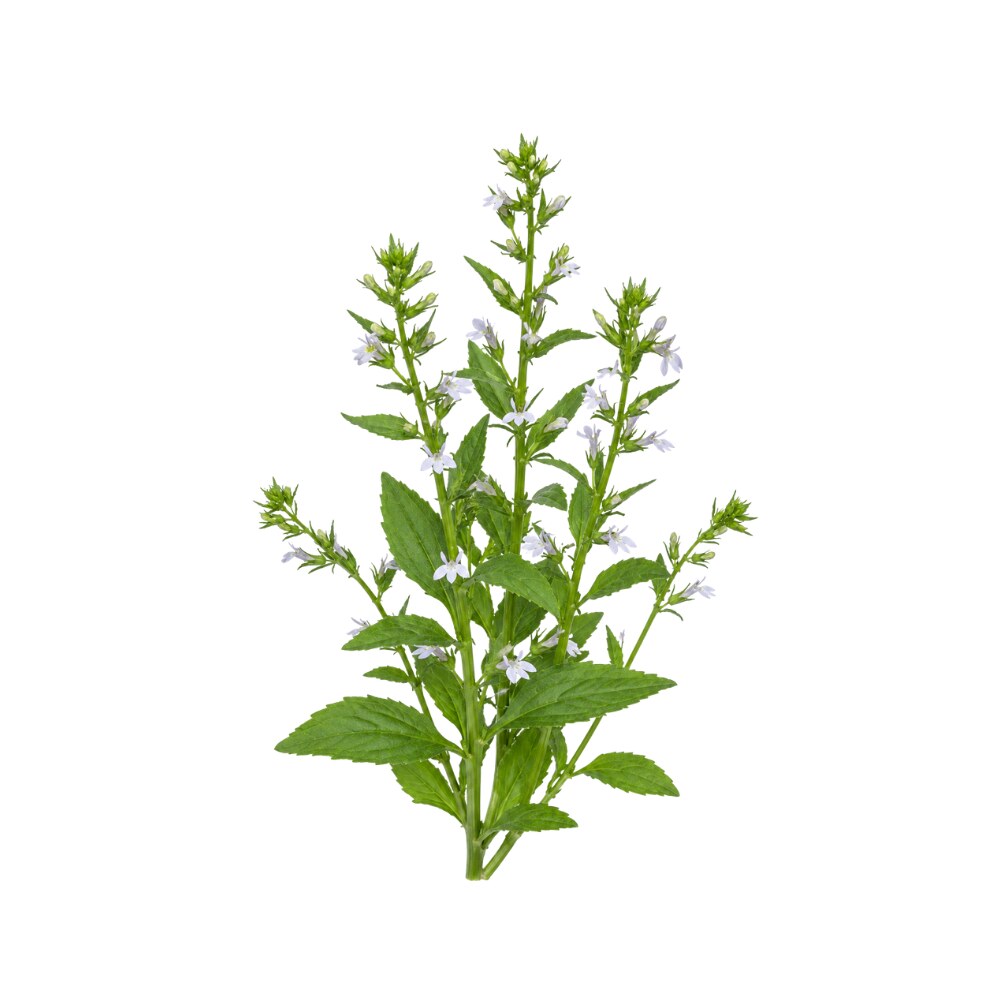 MildMildLobeliaLobelia inflataThe Eclectic nauseant expectorant, dosed just below the emetic threshold so the same reflex that produces vomiting is held to move mucus instead.Read the evidenceShow lessMonograph →
Lobelia was dosed by the Eclectics just below the emetic threshold on the nauseant-expectorant rationale, that sub-emetic dosing moves mucus by the same reflex that produces vomiting.
Nothing measures it and nothing cites it. Expectorant and emetic are one dose-response continuum here rather than two separate actions, which is also the safety constraint.
 MildMildLomatiumLomatium dissectumCarried from the traditional respiratory indication; no research addresses mucus, cilia or airway secretion.Read the evidenceShow less
Lomatium root is a traditional respiratory remedy of the North American interior, and the expectorant listing follows from that indication.
No research addresses mucus, cilia or airway secretion.
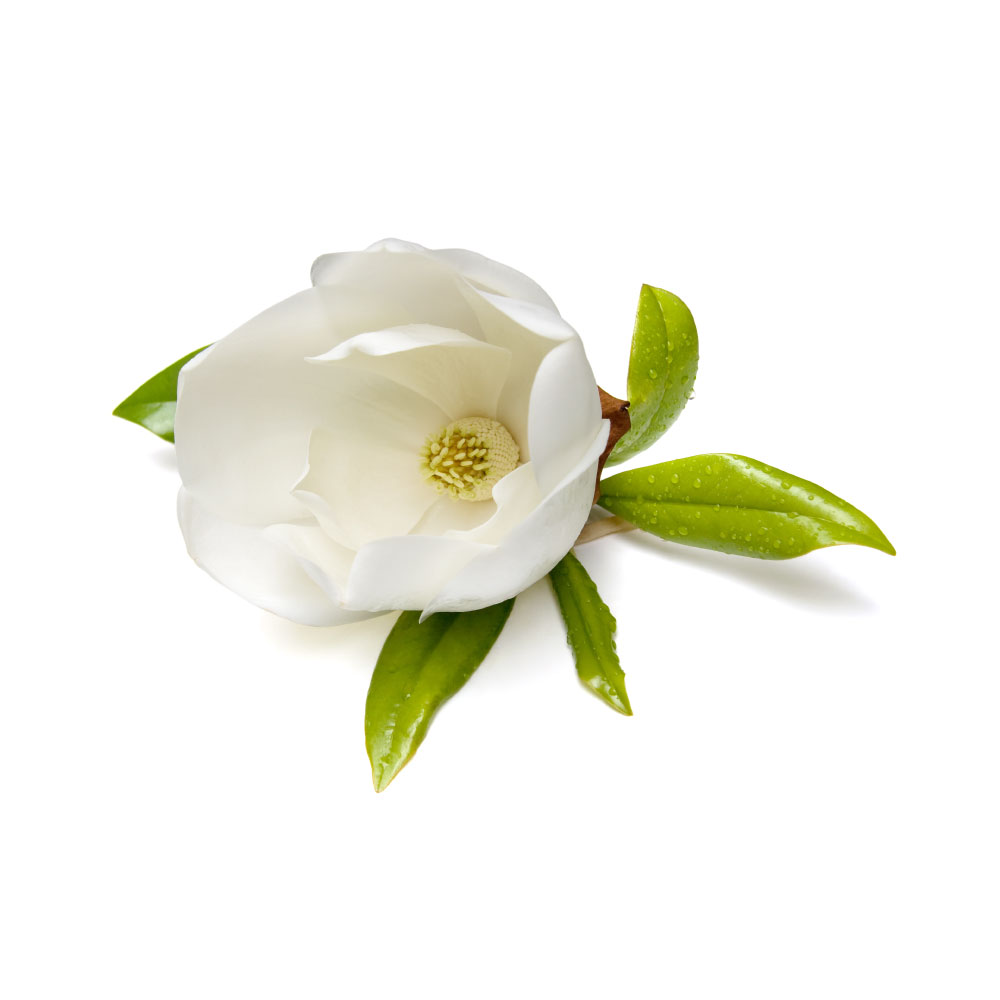 MildMildMagnoliaMagnolia officinalisHoupo transforms damp and treats phlegm-damp in the chest and airways in the classical Chinese record, with no mucociliary or secretolytic data.Read the evidenceShow lessMonograph →
Magnolia bark’s classical Chinese indication includes phlegm-damp in the chest and airways, with cough, catarrh and wheezing, under the broader action of transforming damp.
There is no modern mucociliary or secretolytic data. Magnolia’s measured work is anxiolytic and sedative through honokiol and magnolol, and antispasmodic through TRPC4.
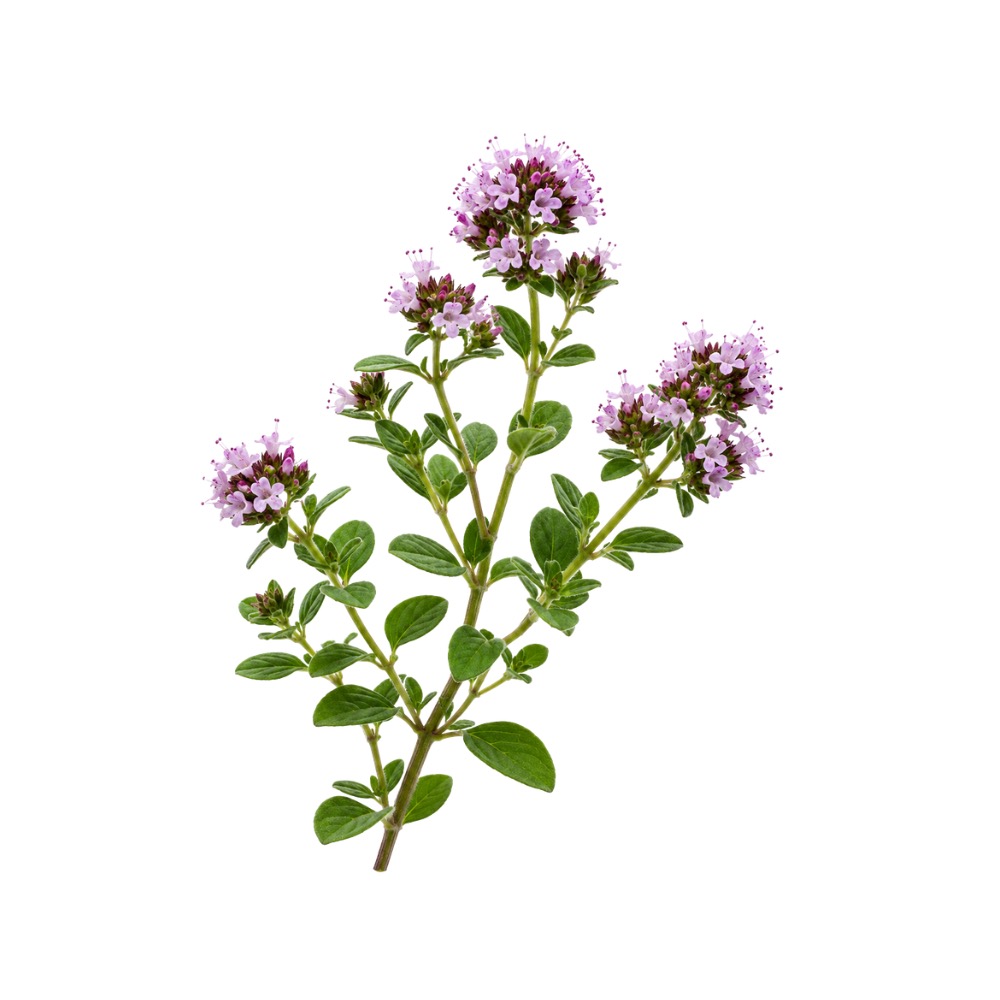 MildMildMarjoramOriganum majoranaA gentle traditional cough-and-cold herb sharing oregano's aromatic chemistry, with the same gap behind it.Read the evidenceShow lessMonograph →
Marjoram is a gentle traditional cough-and-cold herb with the same aromatic chemistry as its relative oregano.
The traditional use is recorded and nothing has been measured. Marjoram’s better-attested work is carminative and nervine.
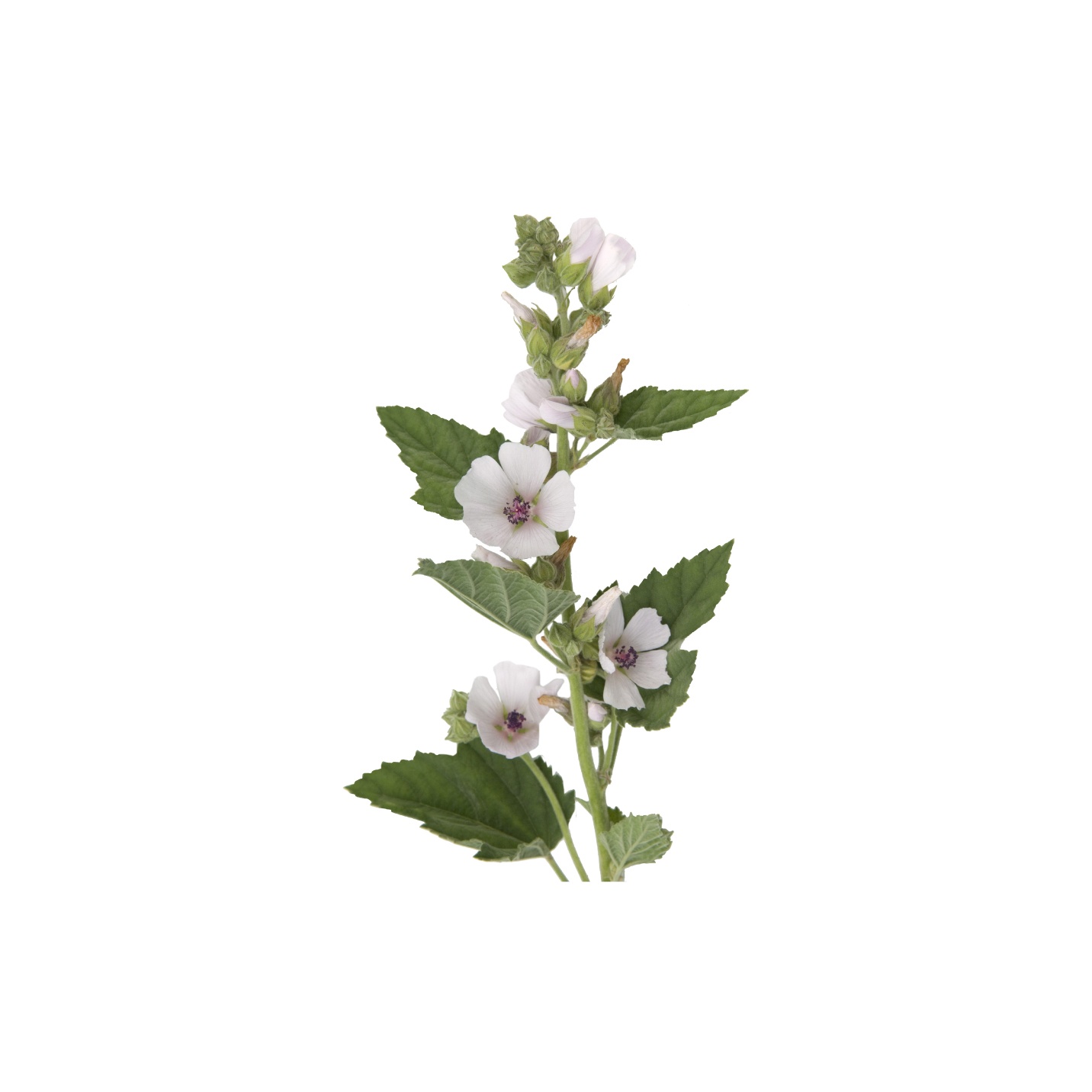 MildMildMarshmallowAlthaea officinalisFiled as a relaxing expectorant for centuries, and the one measurement points the other way: rhamnogalacturonan had negligible impact on expectoration while suppressing cough.Read the evidenceShow lessMonograph →
Marshmallow’s expectorant listing is old and widespread, part of the demulcent-as-relaxing-expectorant classification that ran through Western practice for centuries, and the root has been made into cough syrups for as long.
The modern data do not support expectoration. Rhamnogalacturonan had negligible impact on expectoration, reported as an advantage over codeine, and the herb’s best-characterised respiratory action is codeine-comparable cough suppression, examined on the antitussive page.
The traditional use is real and the mechanism behind it is soothing rather than expectorant.
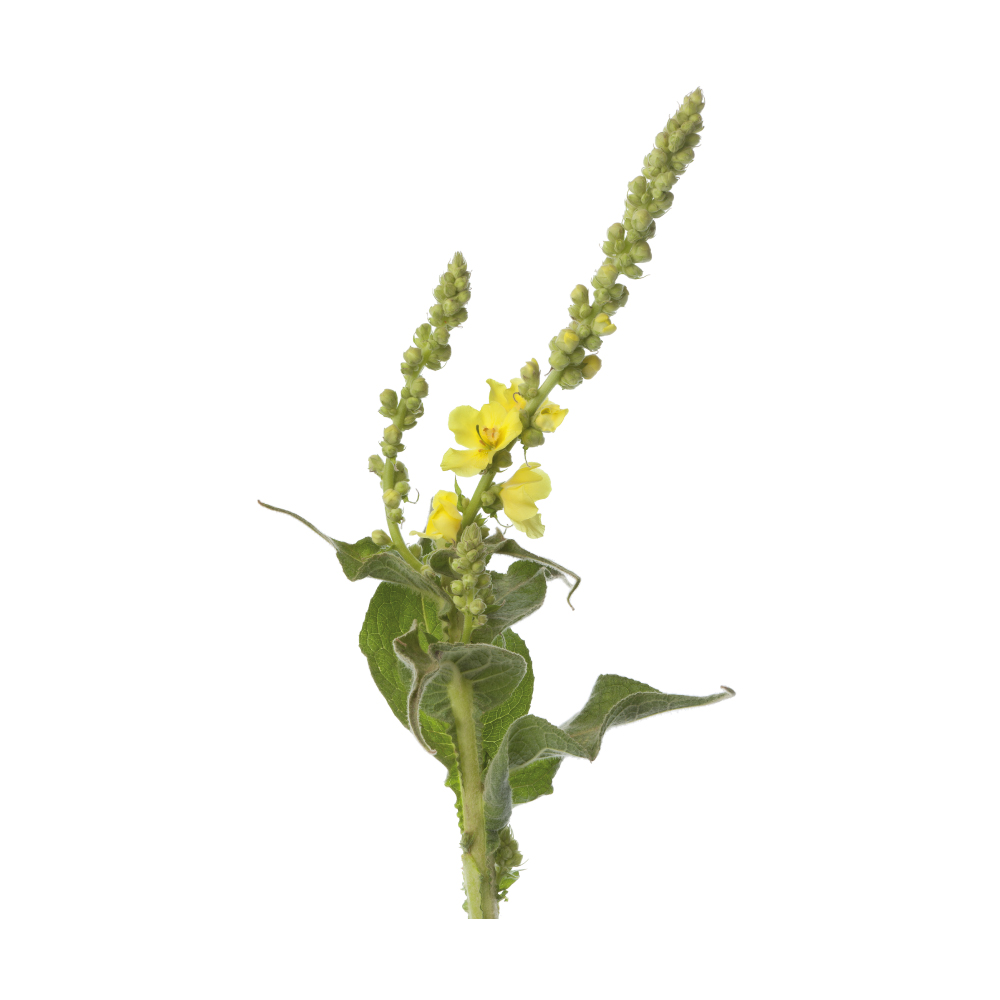 MildMildMulleinVerbascum thapsusTriterpene saponins are credited with thinning and mobilising bronchial secretions while the leaf and flower mucilage soothes; a gentle herb chosen for dry, irritated coughs.Mechanismsaponin surfactant action on bronchial secretions; triterpene-saponin mucociliary stimulation (inferred, not measured)Read the evidenceShow lessMonograph →
Mullein’s expectorant reputation is credited to triterpene saponins, including verbascosaponin, thinning and mobilising bronchial secretions, with the demulcent half credited to leaf and flower mucilage coating irritated mucous membranes 14,
The mechanism is plausible and the use is documented across European and North American traditions, but there is no clinical and no robust preclinical study of mullein for cough, catarrh or bronchial irritation.
It is a gentle herb rather than a forceful secretolytic, which is why it is chosen for dry, irritated coughs. Mucilage extracts into water, so a tea and a tincture are not interchangeable for this action.
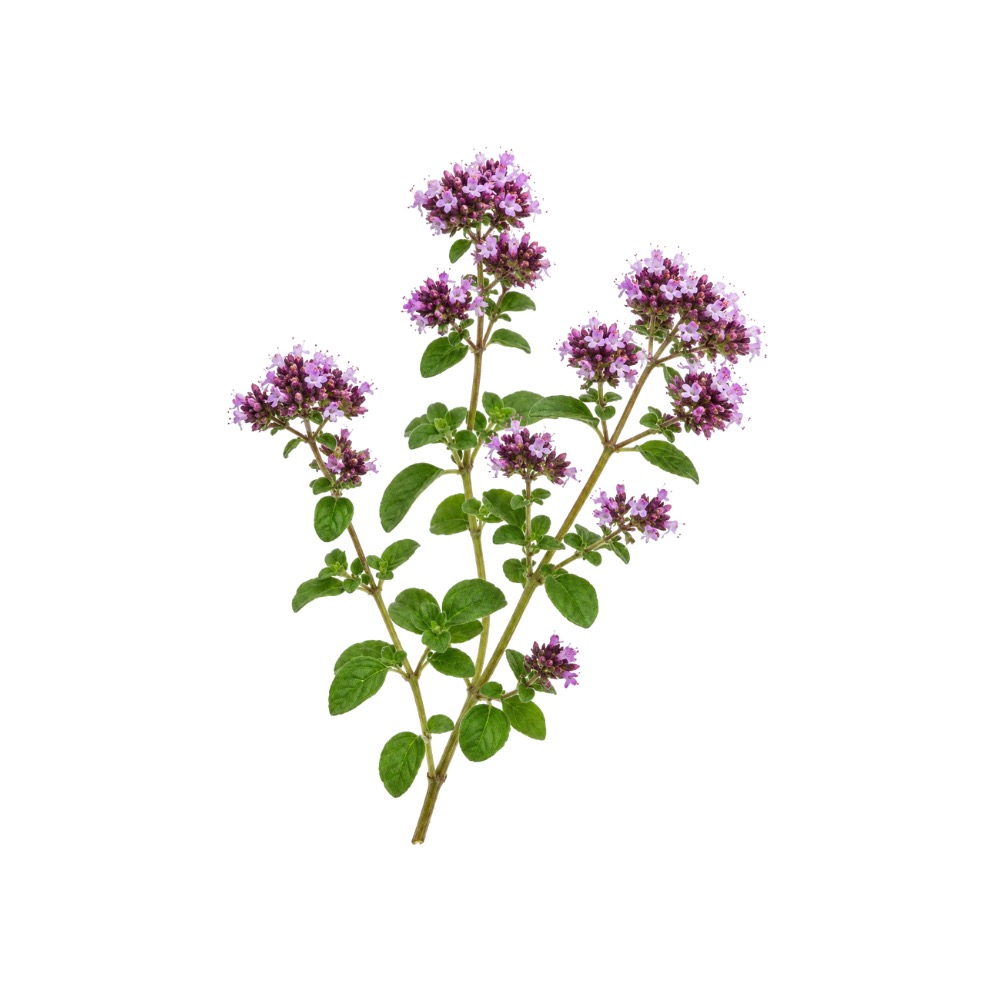 MildMildOreganoOriganum vulgareA warm infusion for sluggish, congested chests in folk practice; the nearest evidence is anti-inflammatory rather than mucolytic.Read the evidenceShow lessMonograph →
Oregano is taken as a warm infusion, gargle or steam for congested chests and sore throats in European folk practice.
The nearest evidence is respiratory but anti-inflammatory rather than mucolytic: a carvacrol respiratory meta-analysis of mostly animal studies, and inclusion among herbal options in a rhinosinusitis network meta-analysis. No mucus-clearance, ciliary or secretomotor mechanism is established.
MildMildPelargoniumPelargonium sidoidesReal controlled trial data in acute bronchitis, none of which establishes an expectorant mechanism; the evidence points at antiviral and immune activity instead.Read the evidenceShow less
P. sidoides has genuine controlled trial data in acute bronchitis.
None of it establishes an expectorant mechanism, and there is no basis anywhere for mucociliary or secretomotor activity. The expectorant description was plausibly inferred from the indication rather than from the evidence, which points at antiviral and immune activity.
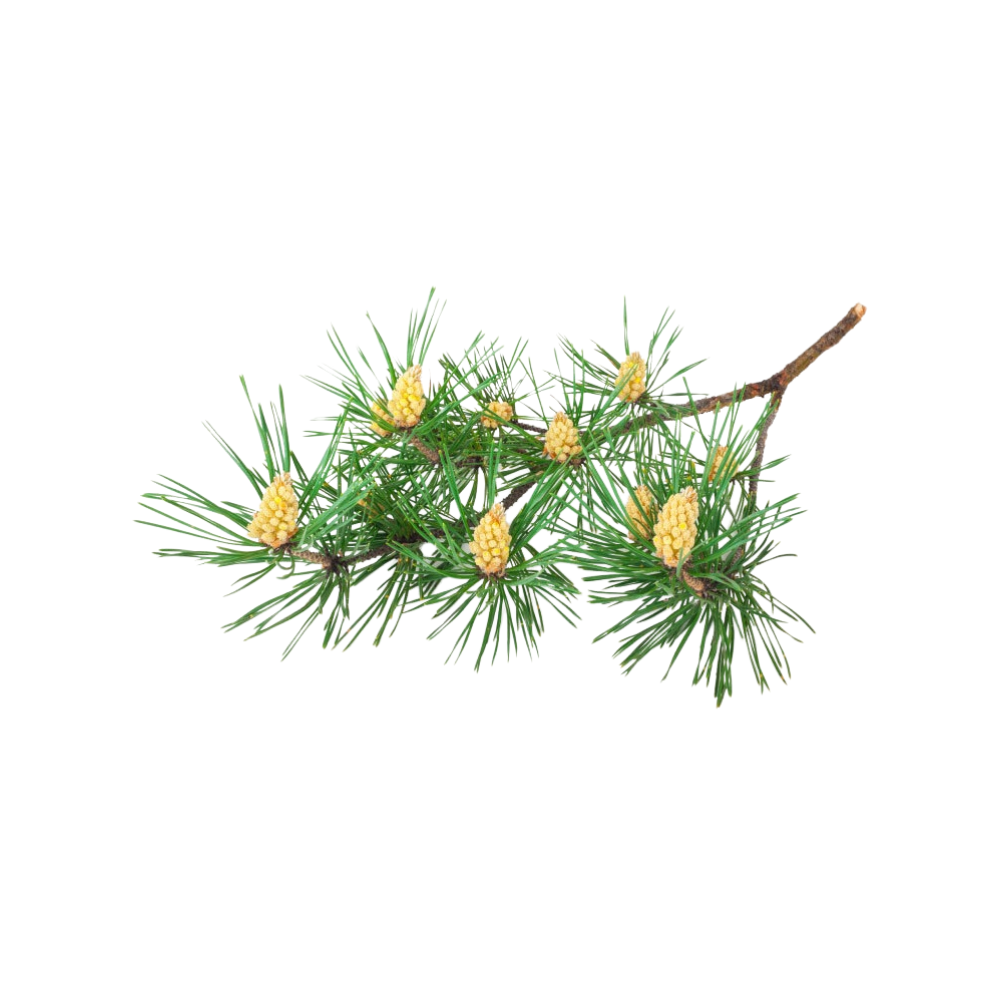 MildMildPinePinus spp.The traditional warming needle infusion for coughs and phlegm has no human data; the only human respiratory evidence is a bark-extract capsule trial in asthma.Mechanism5-LOX/leukotriene ↓; NF-κB ↓ (bark procyanidins) — needle-tea expectorant route not establishedRead the evidenceShow lessMonograph →
The traditional respiratory tonic is a warming needle infusion for coughs, sore throat and phlegm, and that preparation has no human data.
The only human respiratory evidence is a Pycnogenol asthma crossover trial 16Reference 16RCTPycnogenol((R)) in the Management of Asthma — randomised placebo-controlledView study → and its leukotriene-suppression rationale 17Reference 17ReviewPycnogenol® improvements in asthma management — reviewView study →, which used capsules of a P. pinaster bark extract as an anti-asthmatic add-on rather than a tonic tea.
The monoterpenes that would plausibly underwrite the tea, α-pinene, β-pinene and limonene 18Reference 18In vitroChemical composition and antimicrobial activity of the essential oil of endemic Dalmatian black pine (Pinus nigra ssp. dalmatica) — in vitroView study →, have only been studied as antimicrobials. No mucolytic, mucociliary or bronchodilator mechanism has been established.
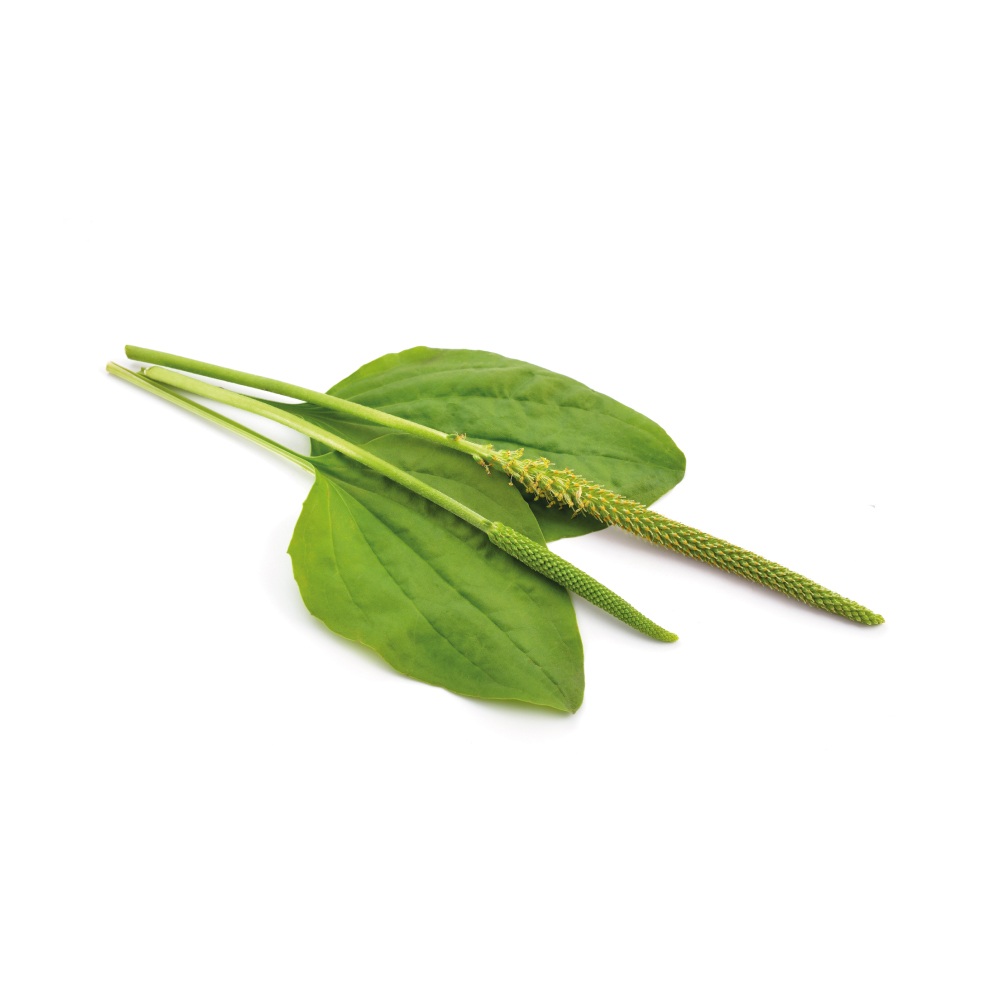 MildMildPlantainPlantago majorA multi-herb syrup containing plantain reduced cough in children, and the effect is attributed to mucilage, which soothes rather than expectorates.Read the evidenceShow lessMonograph →
The controlled human data are for a multi-herb syrup pairing P. major with mallow, elecampane and helichrysum, which reduced cough in children. Plantain’s own contribution cannot be isolated from it.
The effect is attributed to mucilage, a soothing mechanism. No secretomotor or mucociliary mechanism has been proposed for the herb.
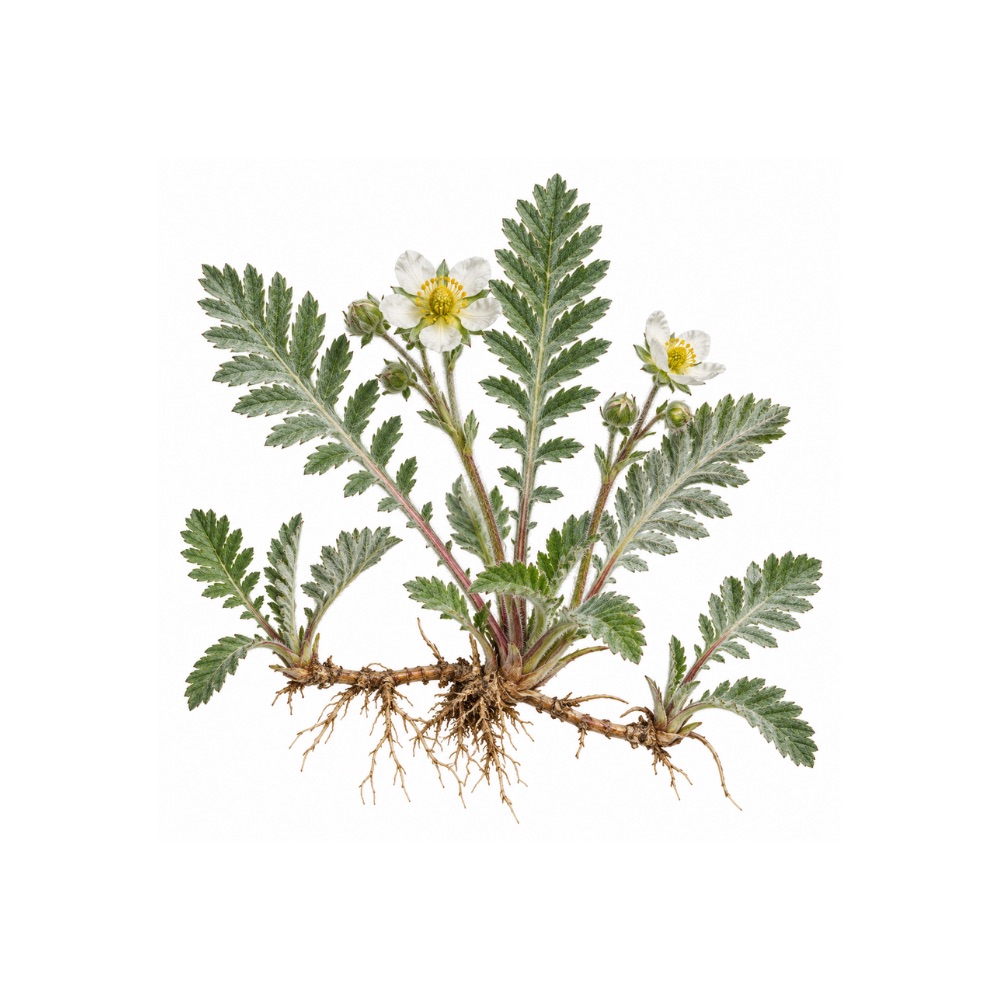 MildMildSilverweedArgentina anserinaPreclinical antitussive and expectorant activity, with nothing beyond it and no mechanism identified.Mechanismnot resolved; traditional and preclinical antitussive dataRead the evidenceShow less
Silverweed has preclinical antitussive and expectorant activity recorded for it.
Nothing beyond that exists. No mechanism has been identified and there is no human data.
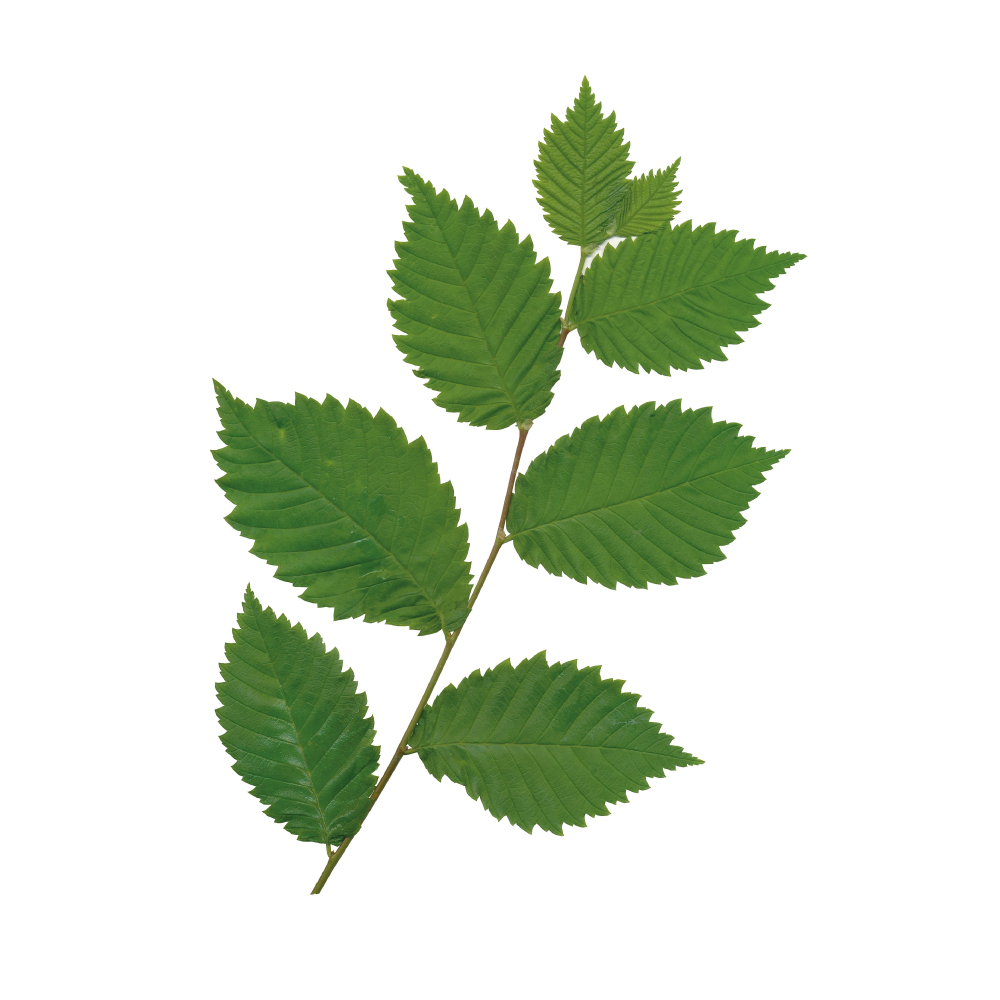 MildMildSlippery ElmUlmus rubraA mucilage that coats the throat rather than thinning or mobilising mucus — a soothing cough remedy rather than a productive one.Mechanisminner bark ~7% mucilage; hydrophilic polysaccharide gel coating mucosal surfacesRead the evidenceShow lessMonograph →
Almost everything slippery elm does rests on one physical property. The inner bark is roughly 7% mucilage, a hydrophilic polysaccharide that swells in water into a viscous gel and coats mucosal surfaces.
Applied to the throat and upper airway, that gel is what the traditional reputation rests on: it calms an irritated, tickly, unproductive cough by covering the surface that is triggering it.
The mechanism is a coating one rather than a mobilising one, so it belongs with the soothing half of cough practice rather than with the herbs that thin or shift mucus. No controlled trial has ever tested slippery elm on its own for any respiratory indication.
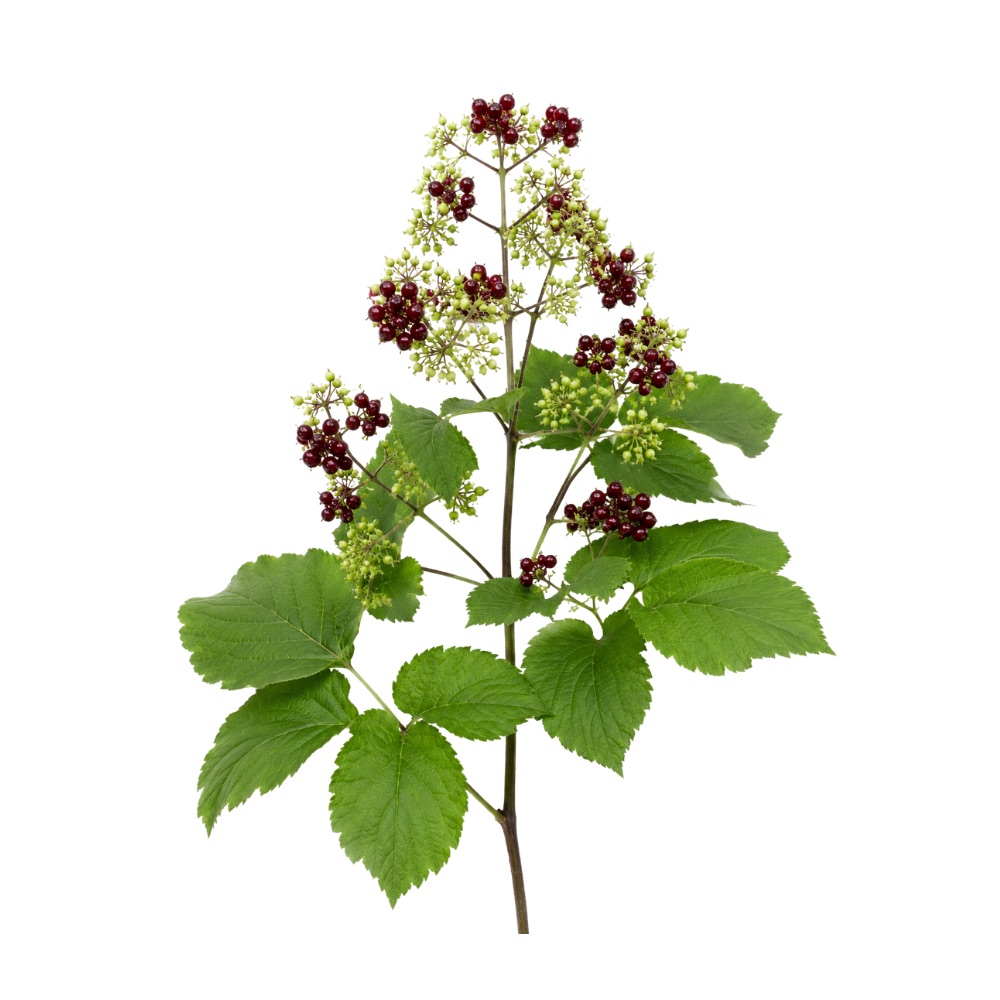 MildMildSpikenardAralia racemosaExpectorant is spikenard's headline action and effectively its whole reputation in North American practice, and no respiratory study of any Aralia exists.Read the evidenceShow lessMonograph →
Spikenard root was made into a syrup for coughs and chest complaints through Eclectic and Appalachian practice, and that use is effectively the herb’s whole reputation.
No respiratory study of any kind exists for Aralia racemosa or any Aralia: no mucociliary, secretomotor, bronchodilator or antitussive work. All that supports the tradition is the balsamic volatile oil, whose composition has never been published.
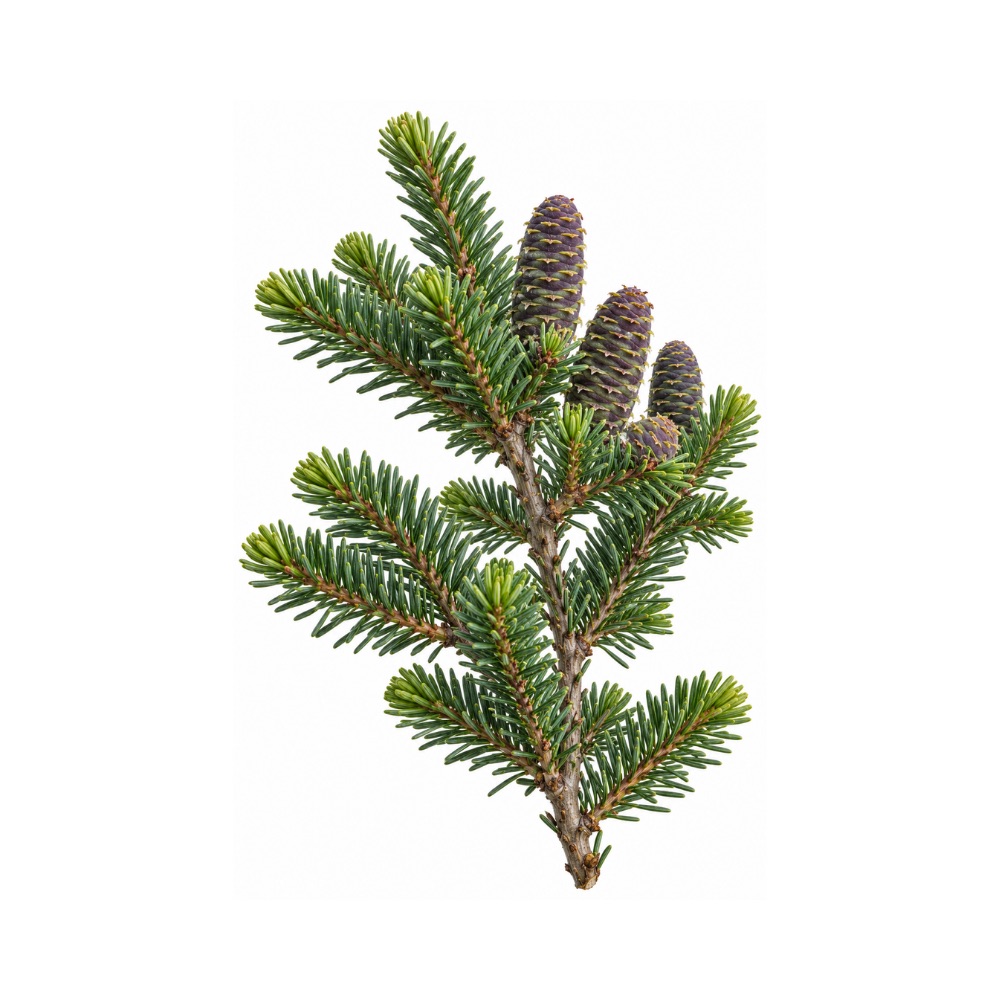 MildMildSubalpine FirAbies lasiocarpaA needle infusion drunk for colds in Shoshoni practice and used for respiratory complaints by the Carrier of central British Columbia; a warming aromatic resin, untested.Mechanismaromatic monoterpene volatilisation; traditional needle infusionRead the evidenceShow less
The Shoshoni took an infusion of the needles for colds, and the Carrier of central British Columbia count subalpine fir among their frequently used medicinal plants, applying the softened pitch topically and using the plant for respiratory complaints.
The classification the uses imply is a warming aromatic resin, taken as a hot infusion for chest and head colds. The same logic is applied to spruce and pine pitch across the region.
Nothing has been measured. The record is ethnobotanical.
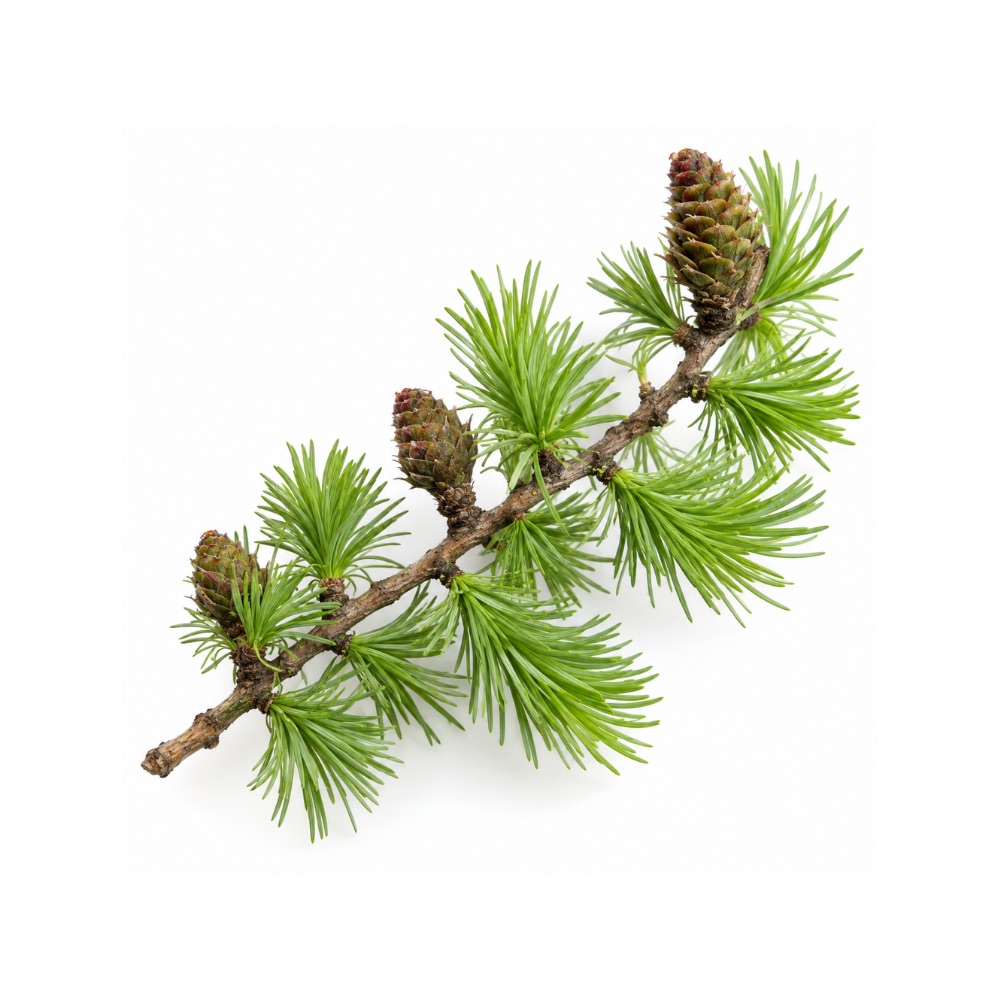 MildMildTamarackLarix laricinaInner-bark decoction and needle tea are taken for coughs and sore throats in eastern North American folk practice, with no pharmacopoeial standing and nothing measured.Mechanismtraditional inner-bark decoction; astringent and aromaticRead the evidenceShow less
Tamarack’s inner bark is decocted, or the needles infused, and taken for coughs and sore throats, alongside the warm bark poultice used on wounds and burns.
The record is a modest folk one in eastern North America. The herb has no independent standing in Western materia medica and no pharmacopoeial monograph, and nothing respiratory has been measured.
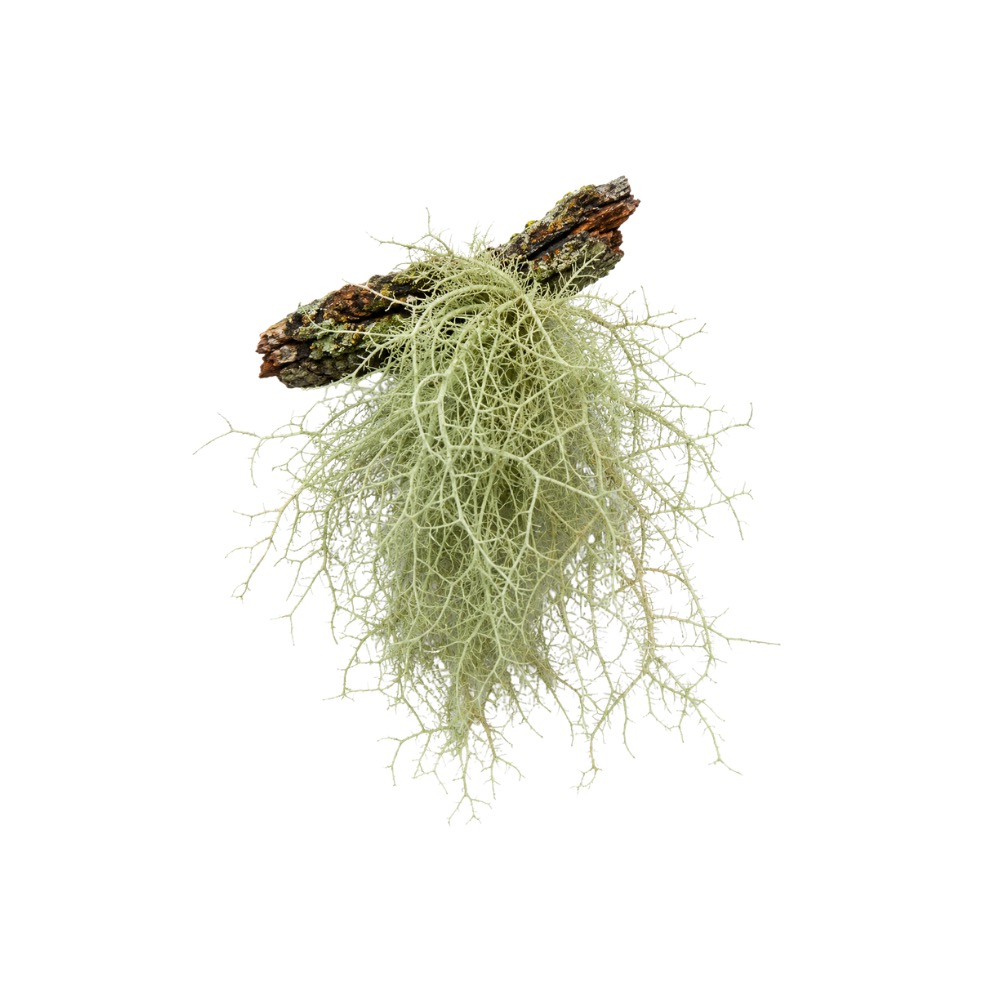 MildMildUsneaUsnea spp.Rests on the traditional use for lung complaints and on an antibacterial reputation applied to bronchitis; no respiratory-secretion research exists.Read the evidenceShow lessMonograph →
Usnea’s respiratory listing rests on the traditional use for lung complaints plus the antibacterial reputation being applied to bronchitis.
The nearest research is an LPS acute-lung-injury mouse model, which is anti-inflammatory rather than expectorant and used an injected isolated compound. No respiratory-secretion research exists.
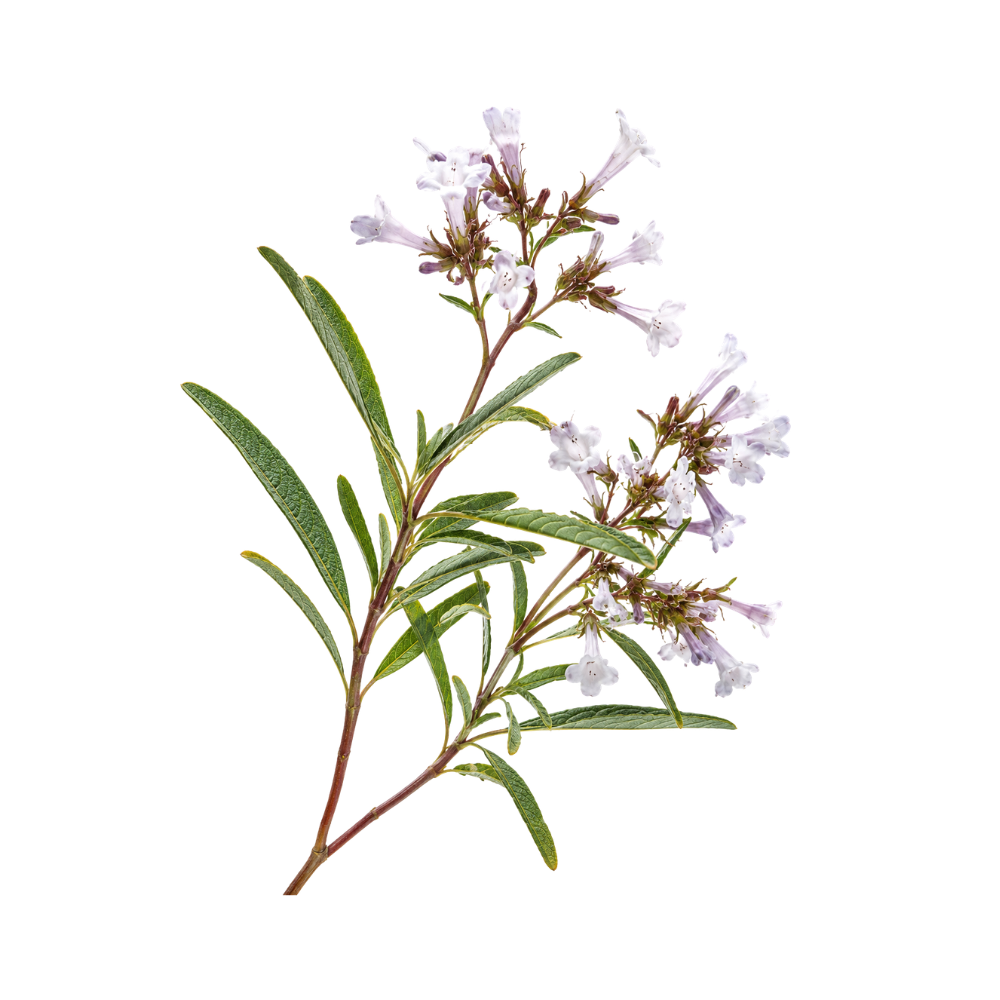 MildMildYerba SantaEriodictyon californicumThe classic Californian respiratory herb of Indigenous and mission-era practice; the 1,8-cineole its resin carries has secretomotor action in other plants, never measured in this one.Mechanismairway secretomotor stimulation; mucociliary clearance ↑ (1,8-cineole) — inferred from the marker compound, not measured in this herbRead the evidenceShow lessMonograph →
Yerba santa is the classic Californian respiratory herb, used in Indigenous and mission-era practice for coughs, colds, bronchial congestion and asthma, as a leaf infusion, chewed leaf, syrup or smoking blend. That tradition rather than pharmacology is what carries it.
The only modern support is constituent inference. The resinous leaf yields an essential oil dominated by 1,8-cineole, a monoterpene whose secretomotor and mucolytic action on airway epithelium is established in other plants and in eucalyptus-oil research, never in Eriodictyon itself 29Reference 29Chemical Composition of Eriodictyon californicum (California Yerba Santa) Cultivated in Ontario, Oregon, USA — analytical/phytochemistryView study →.
No clinical or animal study of yerba santa as an expectorant exists 29Reference 29Chemical Composition of Eriodictyon californicum (California Yerba Santa) Cultivated in Ontario, Oregon, USA — analytical/phytochemistryView study →.
The delivered dose of the marker is tiny and variable. Oil yield runs 0.80–3.40% of leaf with cineole at 0.6–35.5% of that oil 29Reference 29Chemical Composition of Eriodictyon californicum (California Yerba Santa) Cultivated in Ontario, Oregon, USA — analytical/phytochemistryView study →, so a cup of infusion may carry essentially none, and a water infusion extracts a resinous volatile poorly in any case.
No herbs match these filters.
Safety
- Check whether a herb expectorates or suppresses before using it; suppressing a productive cough in a chest infection is not a neutral choice.
- Never swallow a neat essential oil for a chest complaint, and never assume it is a stronger version of the tea.
- Several relaxant and aromatic oils are convulsant or cause CNS depression when ingested, and small amounts are dangerous in children.
- Smoking a herb for a respiratory complaint is not a gentler version of taking it, and the route is undocumented for almost all of them.
- Pyrrolizidine-alkaloid herbs are contraindicated in pregnancy and lactation whatever their expectorant standing.
- The nauseating expectorants have a therapeutic window defined by how close the dose is to vomiting.
- Resin tinctures irritate the gut, so start low, and strain hairy-leaved infusions well.
References
- Wu, Q. Z., et al. (2016). Antitussive, expectorant, and anti-inflammatory activities of four caffeoylquinic acids isolated from Tussilago farfara — mouse in vivo. Pharmaceutical Biology. https://pubmed.ncbi.nlm.nih.gov/26439905/
- Discovering the major antitussive, expectorant, and anti-inflammatory bioactive constituents in Farfarae Flos — animal / in vitro. (2020). https://pubmed.ncbi.nlm.nih.gov/32023945/
- Li, Z. Y., et al. (2012). Metabolomic profiling of the flower bud and rachis of Tussilago farfara with antitussive and expectorant effects — animal model. (2012). https://pubmed.ncbi.nlm.nih.gov/22210102/
- Metabolomic profiling of the antitussive and expectorant plant Tussilago farfara L. by NMR — analytical. (2013). https://pubmed.ncbi.nlm.nih.gov/23261808/
- Choi, B. S., et al. (2018). Tussilagone suppressed the production and gene expression of MUC5AC mucin — in vitro airway model. Korean Journal of Physiology & Pharmacology. https://pubmed.ncbi.nlm.nih.gov/30402027/
- Hasani, A., Pavia, D., Toms, N., et al. (2003). Effect of aromatics on lung mucociliary clearance in patients with chronic airways obstruction — randomised clinical trial. Journal of Alternative and Complementary Medicine. https://pubmed.ncbi.nlm.nih.gov/12804077/
- Fischer, J., & Dethlefsen, U. (2013). Efficacy of cineole in patients suffering from acute bronchitis: a placebo-controlled double-blind trial — RCT. Cough. https://pubmed.ncbi.nlm.nih.gov/24261680/
- Committee on Herbal Medicinal Products (HMPC). (2012). Community herbal monograph and assessment report on Grindelia robusta Nutt., Grindelia squarrosa (Pursh) Dunal, Grindelia humilis Hook. et Arn., Grindelia camporum Greene, herba — pharmacopoeial monograph. European Medicines Agency. https://www.ema.europa.eu/en/documents/herbal-monograph/final-community-herbal-monograph-grindelia-robusta-nutt-grindelia-squarrosa-pursh-dunal-grindelia-humilis-hook-et-arn-grindelia-camporum-greene-herba_en.pdf
- Daneshfard B, et al. (2024). Effect of Hyssop (Hyssopus officinalis) Syrup on Mild to Moderate Asthma — [randomised double-blind placebo-controlled trial]. Tanaffos. https://pubmed.ncbi.nlm.nih.gov/39959798/
- Ma X, et al. (2014). Effect of Hyssopus officinalis L. on inhibiting airway inflammation and immune regulation in a chronic asthmatic mouse model — [mouse model — in vivo]. Exp Ther Med. https://pubmed.ncbi.nlm.nih.gov/25289025/
- Ma X, et al. (2014). The Effects of Uygur Herb Hyssopus officinalis L. on the Process of Airway Remodeling in Asthmatic Mice — [mouse model — in vivo]. Evid Based Complement Alternat Med. https://pubmed.ncbi.nlm.nih.gov/25383084/
- Wang HY, et al. (2011). The effect of Uygur medicine Hyssopus officinalis L. on expression of T-bet, GATA-3 and STAT-3 mRNA in lung tissue of asthma rats — [rat model — in vivo]. Xi Bao Yu Fen Zi Mian Yi Xue Za Zhi. https://pubmed.ncbi.nlm.nih.gov/21806885/
- The anatomy, physiology, pharmacology and pathology of tracheobronchial mucus secretion and the use of expectorants (1978) — review. Pharmacol Ther B. https://pubmed.ncbi.nlm.nih.gov/32559/
- Turker AU, Gurel E. (2005). Common mullein (Verbascum thapsus L.): recent advances in research — review. Phytotherapy Research. https://pubmed.ncbi.nlm.nih.gov/16222647/
- Gupta A, Atkinson AN, et al. (2022). Health-promoting and disease-mitigating potential of Verbascum thapsus L. (common mullein): a review. Phytotherapy Research. https://pubmed.ncbi.nlm.nih.gov/35088467/
- Hosseini S, Pishnamazi S, Sadrzadeh SM, Farid F, et al. (2001). Pycnogenol((R)) in the Management of Asthma — randomised placebo-controlled. J Med Food, 4, 201-209. https://pubmed.ncbi.nlm.nih.gov/12639402/
- Belcaro G, Luzzi R, Cesinaro Di Rocco P, Cesarone MR, et al. (2011). Pycnogenol® improvements in asthma management — review. Panminerva Med, 53, 57-64. https://pubmed.ncbi.nlm.nih.gov/22108478/
- Politeo O, Skocibusic M, Maravic A, Ruscic M, et al. (2011). Chemical composition and antimicrobial activity of the essential oil of endemic Dalmatian black pine (Pinus nigra ssp. dalmatica) — in vitro. Chem Biodivers, 8, 540-7. https://pubmed.ncbi.nlm.nih.gov/21404437/
- World Health Organization. Radix Senegae — pharmacopoeial monograph. In: WHO Monographs on Selected Medicinal Plants, Vol. 2. Geneva: WHO; 2004.
- ESCOP. Senegae Radix (Senega Root) — pharmacopoeial monograph. In: ESCOP Monographs, 2nd ed. Exeter: ESCOP; 2003.
- Blumenthal M, et al. (eds). Senega snakeroot — regulatory monograph. In: The Complete German Commission E Monographs. Austin, TX: American Botanical Council; 1998.
- Misawa M, Yanaura S. (1980). Continuous determination of tracheobronchial secretory activity in dogs — animal study. Jpn J Pharmacol. 30(2):221-9. https://pubmed.ncbi.nlm.nih.gov/7452972/
- Boyd EM, Palmer ME. (1946). The effect of quillaia, senega, squill, grindelia, sanguinaria, chionanthus and dioscorea upon the output of respiratory tract fluid — animal study. Acta Pharmacol Toxicol (Copenh). 2(3):235-46. https://pubmed.ncbi.nlm.nih.gov/20279225/
- Nabissi, M., et al. (2018). Thyme extract increases mucociliary-beating frequency in primary cell lines from COPD patients — in vitro. Biomedicine & Pharmacotherapy. https://pubmed.ncbi.nlm.nih.gov/30021361/
- Begrow, F., et al. (2010). Impact of thymol in thyme extracts on antispasmodic action and ciliary clearance — animal ex vivo study. Planta Medica. https://pubmed.ncbi.nlm.nih.gov/19809973/
- Seibel, J., et al. (2018). Anti-inflammatory and mucus-regulatory activities of a fixed combination of thyme and primula extracts — in vivo and in vitro. Pulmonary Pharmacology & Therapeutics. https://pubmed.ncbi.nlm.nih.gov/29698781/
- Seibel, J., et al. (2015). Bronchipret syrup containing thyme and ivy extracts suppresses bronchoalveolar inflammation and goblet-cell hyperplasia in experimental bronchoalveolitis — rat in vivo study. Phytomedicine. https://pubmed.ncbi.nlm.nih.gov/26598916/
- Etri, K., & Pluhár, Z. (2024). Exploring chemical variability in the essential oils of the Thymus genus — thymol, carvacrol, linalool and geraniol chemotypes — review. Plants. https://pubmed.ncbi.nlm.nih.gov/38794445/
- Satyal P, et al. (2026). Chemical Composition of Eriodictyon californicum (California Yerba Santa) Cultivated in Ontario, Oregon, USA — analytical/phytochemistry. Molecules. https://pubmed.ncbi.nlm.nih.gov/42076034/ (Quantified 15 leaf polyphenols and the essential oil: rosmarinic acid 21.99–52.94 mg/g, eriolic acid C 0.67–151.96 mg/g, homoeriodictyol 25.92–61.47 mg/g, sterubin 0.00–71.80 mg/g; essential oil yield 0.80–3.40% with 1,8-cineole 0.6–35.5%; describes the high-sterubin and high-eriolic-acid-C chemotypes.)
Keep Exploring