

Overview
Antibacterial at a Glance
Antibacterials inhibit or kill bacteria.
Antibacterial is the narrower term within the antimicrobial family, alongside antiviral, antifungal and antiparasitic.
A herb whose measured activity spans several classes of organism is examined among the antimicrobials; the herbs here are those whose activity is against bacteria specifically.
Almost none of it works the way an antibiotic does. A drug such as ciprofloxacin targets a bacterial enzyme that human cells lack, and that selectivity is what allows it to be taken systemically.
The dominant herbal mechanism is physical membrane disruption: lipophilic terpenes and phenols partition into the bacterial membrane and destabilise it. Clove, thyme, lavender, angelica, wild bergamot, manuka’s β-triketones, horopito’s polygodial and garlic’s allicin all work this way.
Resistance is unlikely, because there is no single protein to mutate, and selectivity is poor, because the mechanism has no reason to spare a human membrane.
That is why these herbs are used topically, as a gargle or in the gut lumen, where an effective concentration is reachable, and not in the blood, where it is not.
A few herbs reach a target a pharmacologist would recognise. Cryptolepis’s cryptolepine intercalates DNA and inhibits topoisomerase, pau d’arco’s naphthoquinones redox-cycle inside the cell, and dan shen’s tanshinones generate superoxide.
These are the mechanistically strongest entries and the ones with the most host toxicity to consider.
Another group does not kill bacteria at all but makes them easier to kill. Epazote oil and Chinese skullcap are reported to inhibit the NorA efflux pump that resistant Staphylococcus uses to expel antibiotics, barberry co-produces an efflux inhibitor that potentiates its own berberine, and fish mint reduces biofilm formation.
Resistance modification restores the activity of drugs that have stopped working, so a herb with unimpressive standalone numbers may still be doing something useful.
Many herbs inhibit growth selectively against Gram-positive organisms with no identified target: tea’s catechins, usnea’s usnic acid, fireweed’s oenothein B, stevia against cariogenic Streptococcus.
Gram-negative bacteria have an outer membrane that excludes many lipophilic compounds, so Gram-positive selectivity is the signature of a membrane-active compound.
Where the active fraction is an essential-oil constituent, chemotype decides efficacy.
Chamomile’s activity swings with α-bisabolol content and manuka’s with its β-triketone fraction, so two bottles of the same herb are not the same medicine, and an unstandardised product may contain almost none of the active compound.
Human evidence is rare and local. A cashew mouthwash controlled plaque and gingivitis in a randomised trial, magnolia-bark mints cut salivary bacteria by about 62%, and epazote oil eradicated Helicobacter pylori in half of infected mice.
No trial shows any herb here clearing an established bacterial infection in a person.
Caution
No substitute for antibiotics — sepsis, pneumonia, pyelonephritis, cellulitis and meningitis are emergencies, and no herb replaces antibiotics in a serious infection.
Warning signs need antibiotics — spreading redness, high fever, rigors, confusion, breathlessness or a rapidly worsening course needs antibiotics rather than herbs.
Essential oils irritate undiluted — they are mucous-membrane irritants undiluted and are not taken internally at antibacterial strength.
Mechanisms
How It Works
01
Membrane Disruption
Lipophilic terpenes and phenols partition into the bacterial membrane and destabilise it, leaking ions and collapsing the proton gradient.
This is the majority mechanism. Eugenol in clove, thymol and carvacrol in thyme and wild bergamot, linalool in lavender, the monoterpenes of angelica and balsam fir, manuka’s β-triketones, horopito’s polygodial, the glepidotins of American licorice, mullein’s saponins and garlic’s allicin all work this way, and the tannins of barbatimão, fireweed and purple prairie clover precipitate bacterial surface proteins to similar effect.
A conventional antibiotic hits a bacterial enzyme that human cells lack. Membrane disruption has no such selectivity, and it makes resistance unlikely because there is no single protein to mutate.
The effective concentrations are reached on skin, in a gargle and in the gut lumen, not in blood, which is why these herbs are topical and local in practice.
Chemotype decides the potency of every essential-oil entry.
Herbs: American LicoriceAngelicaBalsam FirBarbatimãoClavo HuascaCloveCryptolepisEpazoteEstafiateFireweedGerman ChamomileHoropitoLavenderManukaMulleinPurple Prairie CloverThymeWild Bergamot
02
Resistance Modification
Some herbs do not kill bacteria but block the efflux pumps and biofilm that let them survive antibiotics.
Epazote oil and its α-terpinene inhibit the S. aureus NorA efflux pump and potentiate norfloxacin, barberry co-produces the efflux inhibitor 5′-methoxyhydnocarpin alongside its berberine, cinchona bark reverses antibiotic resistance in uropathogens, usnic acid blocks biofilm build-up, and fish mint reduces biofilm formation.
Chinese skullcap’s NorA claim comes from a practitioner text rather than a published assay.
None of this treats an infection on its own. It restores the activity of a drug the organism had become resistant to, which is a serious research direction and, in a person taking antibiotics, a reason for care rather than a dosing strategy.
Herbs: BarberryChicken Of The WoodsChinese SkullcapCinchonaEpazoteFish MintOregon GrapeThymeUsnea
03
Enzyme and DNA Targets
A minority of herbs reach a target of the kind a conventional antibiotic hits.
Cryptolepine intercalates DNA and inhibits topoisomerase II, pau d’arco’s naphthoquinones redox-cycle and interrupt the electron-transport chain, dan shen’s tanshinones generate superoxide inside the bacterial cell, and garlic’s allicin inactivates thiol enzymes.
These are the entries most likely to carry a real MIC against a named organism, and the ones with the most toxicity to consider, since a mechanism that damages bacterial DNA or respiration is not automatically indifferent to human cells.
04
Growth Inhibition with No Identified Target
A large group shows extract-level growth inhibition, often selectively against Gram-positive organisms, with no target identified.
Tea’s catechins, stevia against cariogenic Streptococcus, passionflower’s Passicol, horsetail, black horehound, forsythia, honeysuckle and the medicinal mushrooms all belong to this group, alongside the arbutin urinary antiseptics whose hydroquinone metabolite acts in urine.
Gram-positive selectivity is itself informative. Gram-negative bacteria have an outer membrane that excludes many lipophilic compounds, so an agent that works on Gram-positives and not Gram-negatives is behaving as a membrane-active compound should.
A zone of inhibition on a plate is not a treatment. Almost none of this has a clinical endpoint, and in-vitro concentrations are frequently unreachable in a person.
Herbs: AgarikonArrowleaf BalsamrootBalsam PoplarBlack HorehoundCashewCatuabaChickweedCow ParsnipDragon’s BloodForsythiaGraviolaHoneysuckleHorsetailIsatisMagnoliaOyster MushroomPassionflowerPipsissewaRed-Osier DogwoodSennaShiitakeSt. John’s WortSteviaTeaTurkey Tail
The Molecules
Pharmacology
What produces an antibacterial effect at the molecular level. The herbs below carry these molecules in different combinations and amounts, which is most of why their potency differs. Roles describe how central a molecule is to the action across plants generally, not how strong any one herb is.
Chiefly Tannins5Diterpenes2
Carries the action largely on its own — the effect is attributed to the molecule, not just the extract it came from.
Adds to a plant's effect and is often present in quantity, but rarely accounts for it alone.
Real but narrow — one pathway, one tissue, or evidence too thin to lean on.
Cryptotanshinone Diterpenes Primary mover Targets Superoxide generation + membrane targeting (non-selective)
Cryptotanshinone and dihydrotanshinone I are active against a broad range of Gram-positive bacteria, and the 1999 mechanism paper shows how: the compounds generate superoxide radicals in Bacillus subtilis lysates, a recombination-deficient mutant is 2–8× more sensitive than wild type, that hypersensitivity is reduced by the antioxidant DTT, and DNA, RNA and protein synthesis are inhibited non-selectively 3Reference 3In vitroAntibacterial activities of cryptotanshinone and dihydrotanshinone I from a medicinal herb, Salvia miltiorrhiza Bunge — in vitro studyView study →.
Modern work targets MRSA: a bioinformatic/phenotypic mechanism study 4Reference 4In vitroIdentification of the antibacterial mechanism of cryptotanshinone on methicillin-resistant Staphylococcus aureus using bioinformatics analysis — in vitro studyView study →, a 2025 report that it targets the bacterial membrane 5Reference 5In vitroCryptotanshinone targets the bacterial membrane and inhibits methicillin-resistant Staphylococcus aureus — in vitro studyView study →, synergy with conventional antibiotics against methicillin- and vancomycin-resistant S. aureus 6Reference 6In vitroSynergistic effect between cryptotanshinone and antibiotics against clinic methicillin and vancomycin-resistant Staphylococcus aureus — in vitro studyView study →, with aminoglycosides 7Reference 7In vitroSynergistic interactions of cryptotanshinone and aminoglycoside antibiotics against Staphylococcus aureus in vitro — in vitro studyView study → and with fosfomycin 8Reference 8In vitroSynergistic effects from combination of cryptotanshinone and fosfomycin against fosfomycin-susceptible and fosfomycin-resistant Staphylococcus aureus — in vitro studyView study →.
The clinically developed framing is acne, where a rat model showed skin-microbiome reconstruction and altered lipid metabolism 9Reference 9AnimalSkin microbiome reconstruction and lipid metabolism profile alteration reveal the treatment mechanism of cryptotanshinone in the acne rat — rat in vivo studyView study → and a large delivery-system literature exists precisely because the molecule will not dissolve or penetrate alone.
Found in Dan Shen
Full Cryptotanshinone profile →Dihydrotanshinone I Diterpenes Primary mover Targets Intracellular superoxide generation → non-selective DNA/RNA/protein synthesis inhibition
Dihydrotanshinone I is a redox-cycling ortho-quinone that generates superoxide radicals inside the bacterial cell rather than hitting a discrete enzyme target.
In Bacillus subtilis lysates it produced superoxide, a recombination-deficient mutant was 2–8× more sensitive than wild type (i.e. the damage is to DNA), the hypersensitivity was reversed by dithiothreitol, and DNA, RNA and protein synthesis were all inhibited non-selectively — the signature of oxidative rather than target-based killing 3Reference 3In vitroAntibacterial activities of cryptotanshinone and dihydrotanshinone I from a medicinal herb, Salvia miltiorrhiza Bunge — in vitro studyView study →.
Activity spans a broad Gram-positive range 3Reference 3In vitroAntibacterial activities of cryptotanshinone and dihydrotanshinone I from a medicinal herb, Salvia miltiorrhiza Bunge — in vitro studyView study →.
The modern result is in vivo: against standard and clinical Helicobacter pylori, MIC50/90 of 0.25/0.5 µg/mL, time-dependent bactericidal kinetics, no resistance across continuous serial passage (consistent with a non-target mechanism), better clearance of preformed biofilms than metronidazole, and — with omeprazole in mice — killing efficacy exceeding standard triple therapy, at negligible toxicity to normal tissue 10Reference 10In vitroDihydrotanshinone I is effective against drug-resistant Helicobacter pylori in vitro and in vivo — in vitro and mouse studyView study →.
The action does not depend on systemic exposure: gastric H. pylori sits in the lumen, so the 12–41 nM plasma ceiling does not apply.
Hamamelitannin Tannins Primary mover Targets TraP receptor; RNAIII quorum-sensing regulator; peptidoglycan synthesis + eDNA release
Hamamelitannin works by anti-virulence rather than bactericidal action: identified by virtual screening as a non-peptide mimic of RNAIII-inhibiting peptide, it inhibits the staphylococcal quorum-sensing regulator RNAIII via the TraP receptor and has no effect on bacterial growth at all 11,
What it does instead is alter peptidoglycan synthesis and extracellular-DNA release, which makes S. aureus biofilms susceptible to antibiotics they otherwise survive — shown in vitro, in C. elegans, in a rat graft model and in mouse mammary-gland infection 11,
The most potent agents in this line are synthetic analogues rather than the natural product 16Reference 16In vitroHamamelitannin analogues that modulate quorum sensing as potentiators of antibiotics against Staphylococcus aureus — in vitro/animal modelView study →, and a witch hazel bark extract standardised on hamamelitannin showed no antibacterial or antibiofilm activity in a C. acnes model 17Reference 17In vitroAnti-inflammatory and anti-acne effects of Hamamelis virginiana bark in human keratinocytes — in vitroView study →, so the finding does not transfer to a herbal preparation.
Found in Witch Hazel
Full Hamamelitannin profile →Punicalagin Tannins Primary mover Targets MRSA mec operon transcription → ↓PBP2a; sub-inhibitory potentiation of aminoglycosides, β-lactams and fluoroquinolones in Gram-negatives
Bioassay-guided fractionation of pomegranate peel identified punicalagin, in both α and β anomeric forms, as the antibacterial principle, with MICs of 0.3–1.2 µg/mL against 10 of 13 Gram-positive and 2 of 3 Gram-negative strains plus a yeast 18Reference 18Identification of punicalagin as the bioactive compound behind the antimicrobial activity of pomegranate (Punica granatum L.) peelsView study →.
Against that, a 2024 study found punicalagin had no MIC up to 10 mg/mL in broth dilution against MDR Enterobacteriaceae, concluding it acts as a concentration-dependent sensitiser: at sub-inhibitory 30–500 µg doses it synergised with three antibiotic classes against MDR Salmonella Typhi, S. Typhimurium and E. coli, with time-kill confirmation 19Reference 19Punicalagin, a pomegranate polyphenol, sensitizes the activity of antibiotics against three MDR pathogens of the EnterobacteriaceaeView study →.
The two results are four orders of magnitude apart; assay format (a protein-binding tannin behaves very differently in broth than on agar) and strain panel both differ, and the discrepancy is unresolved.
The best-characterised single result is against MRSA: punicalagin suppresses transcription of the mec operon (mecA, mecI, mecR1), lowering PBP2a and restoring oxacillin activity 20Reference 20Punicalagin suppresses methicillin resistance of Staphylococcus aureus to oxacillinView study →, a different route to the same endpoint reached by tellimagrandin I and corilagin, which inactivate PBP2a protein directly.
Found in Haritaki
Full Punicalagin profile →Castalagin Tannins Contributor Targets H. pylori viability; C. acnes-driven NF-κB signaling
Purified castalagin (tested side by side with its parent chestnut-leaf extract) impairs Helicobacter pylori viability and suppresses infection-induced IL-8 release in human gastric epithelial cells at IC50 ≈ 11 µM — against IC50 ≈ 28 µg/mL for the whole extract 1Reference 1Ellagitannins from Castanea sativa Mill. leaf extracts impair H. pylori viability and infection-induced inflammation in human gastric epithelial cellsView study → — and suppresses Cutibacterium acnes-driven cytokine release in HaCaT keratinocytes below 25 µg/mL 2Reference 2Investigation into the anti-acne effects of Castanea sativa Mill leaf and its pure ellagitannin castalagin in HaCaT cells infected with Cutibacterium acnesView study →.
These are concentrations reachable on a mucosal or skin surface and in the gut lumen, but not in plasma, which puts the plausible clinical territory at topical and gastric rather than systemic infection.
Found in Camu-camu
Full Castalagin profile →Tellimagrandin I Tannins Contributor Targets PBP2a/PBP2/PBP3; β-lactamase; membrane phospholipid
Tellimagrandin I is a poor antibiotic and a good antibiotic potentiator.
Its own MIC against Staphylococcus aureus is about 128 µg/mL, but 50 µg/mL in the medium collapses the oxacillin MIC against MRSA, with a fractional inhibitory concentration index of 0.39 (formally synergistic); benzylpenicillin, ampicillin and, in some strains, tetracycline MICs fall too 21Reference 21Restoration of effectiveness of beta-lactams on methicillin-resistant Staphylococcus aureus by tellimagrandin I from rose redView study →.
The mechanism is directed at PBP2′/PBP2a, the low-affinity transpeptidase encoded by mecA that is methicillin resistance: MRSA grown with the tannin produces slightly less PBP2a, and what it does produce almost entirely loses the ability to bind a fluorescent penicillin 22Reference 22Mechanisms of action of corilagin and tellimagrandin I that remarkably potentiate the activity of beta-lactams against methicillin-resistant Staphylococcus aureusView study →.
Two qualifiers apply: PBP2 and PBP3 binding also falls and β-lactamase is partly suppressed 22Reference 22Mechanisms of action of corilagin and tellimagrandin I that remarkably potentiate the activity of beta-lactams against methicillin-resistant Staphylococcus aureusView study →, and galloylated polyphenols associate with anionic membrane phospholipid headgroups in proportion to their galloyl count 23Reference 23Interactions of galloylated polyphenols with a simple Gram-negative bacterial membrane lipid modelView study →, so it is a galloyl-rich tannin that promiscuously disables surface proteins, of which PBP2a is the clinically decisive one.
Directly bactericidal against Helicobacter pylori in a time- and dose-dependent way, without harming MKN-28 gastric epithelial cells 24Reference 24Antibacterial activity of hydrolyzable tannins derived from medicinal plants against Helicobacter pyloriView study →.
The limit is the compartment: at 787 Da this is a gut-lumen and surface concentration, never a plasma one 25,
Found in Bearberry, Meadowsweet, Rose
Full Tellimagrandin I profile →Tellimagrandin II Tannins Contributor Targets mecA / PBP2a; cell-wall integrity
Against MRSA the mechanism is resistance reversal, not simple bactericidal action: purified tellimagrandin II down-regulates mecA expression and hence penicillin-binding protein 2a, the determinant of methicillin resistance, and synergises with low-dose conventional antibiotics; TEM showed cell-wall disruption and cytoplasmic loss, and the standalone MIC was 128 µg/mL 27Reference 27Tellimagrandin II, a type of plant polyphenol extracted from Trapa bispinosa, inhibits antibiotic resistance of drug-resistant Staphylococcus aureusView study →.
That sits alongside its sibling tellimagrandin I, which reaches the same target by direct PBP2a inactivation.
The standalone MIC is high, a luminal or topical concentration rather than a systemic one, and the finding rests on a single in-vitro paper with no serum-binding control.
Found in Bearberry, Clove, Meadowsweet, Peony
Full Tellimagrandin II profile →What It's For
Indications
- Bacterial throat and chest infection
- Digestive and urinary bacterial infection
- Infected wounds and skin
Materia Medica
Antibacterial Herbs by Potency
The antibacterial herbs, ordered by the relative strength of the effect rather than by how well studied it is. Each herb is described by the mechanism behind its effect and the evidence for it.
None of this is a substitute for professional care.
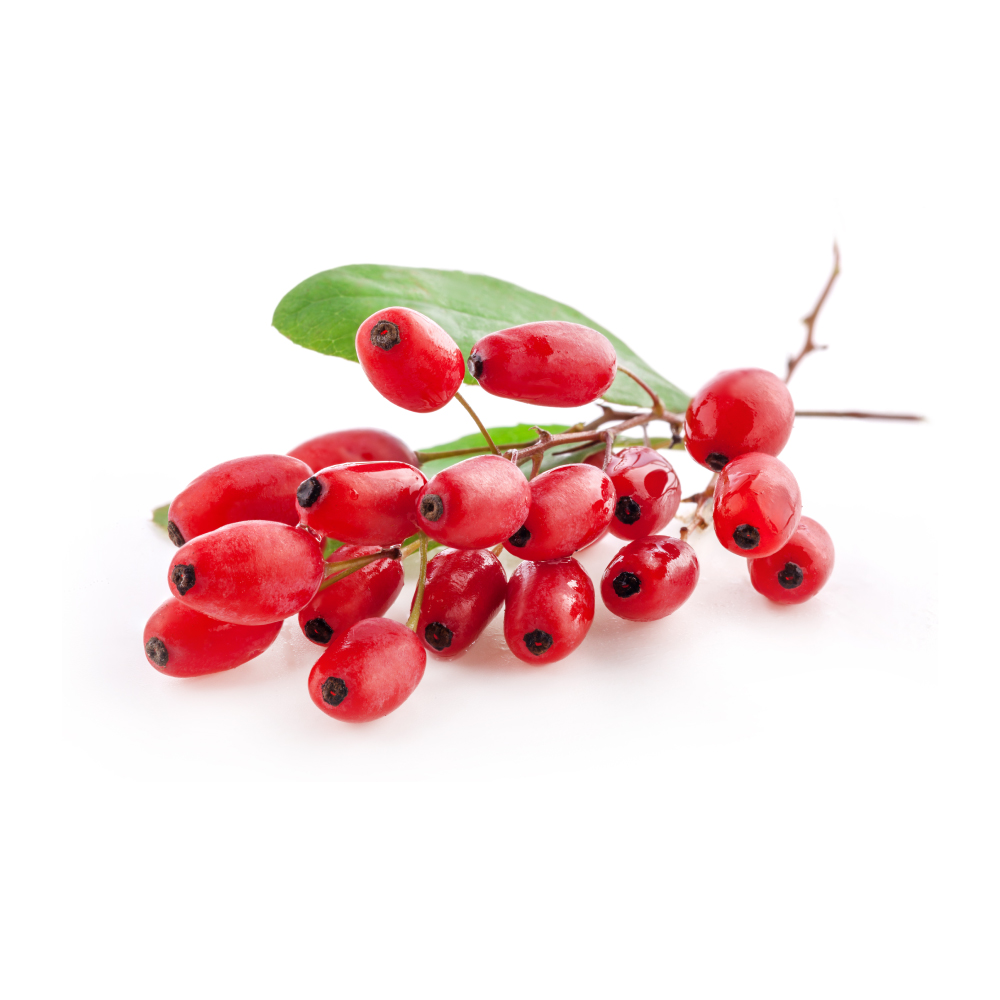 StrongStrongBarberryBerberis spp.Berberine inhibits Gram-positive and Gram-negative organisms including MRSA in vitro, and the plant co-produces an efflux-pump inhibitor that potentiates it; the action is confined to the gut lumen and surfaces by berberine's poor absorption, which is how barberry is used.Mechanismberberine — bacterial efflux/adhesion inhibitionRead the evidenceShow lessMonograph →
In vitro the alkaloid inhibits E. coli, Staphylococcus aureus (including MRSA) and S. epidermidis among a range of Gram-positive and Gram-negative organisms 154Reference 154ReviewPhytochemistry and pharmacology of Berberis species — reviewView study →, and acts on bacterial adhesion as well as growth. Berberine is a substrate of bacterial multidrug-efflux pumps, and Berberis co-produces the efflux inhibitor 5′-methoxyhydnocarpin, which potentiates it 156Reference 156In vitroSynergy in a medicinal plant: antimicrobial action of berberine potentiated by 5′-methoxyhydnocarpin, a multidrug pump inhibitor — in vitroView study →.
The one human result is antisecretory rather than bactericidal: an RCT in 165 adults found a single 400 mg dose of berberine sulfate reduced stool volume and shortened diarrhoea from enterotoxigenic E. coli 155Reference 155RCTRandomized controlled trial of berberine sulfate therapy for diarrhea due to enterotoxigenic Escherichia coli and Vibrio cholerae — randomised controlled trialView study →.
Berberine’s poor oral bioavailability keeps plasma levels well below in-vitro MICs, so the site of action is the gut lumen and topical surfaces such as the sinuses. No trial shows barberry clears an established systemic infection.
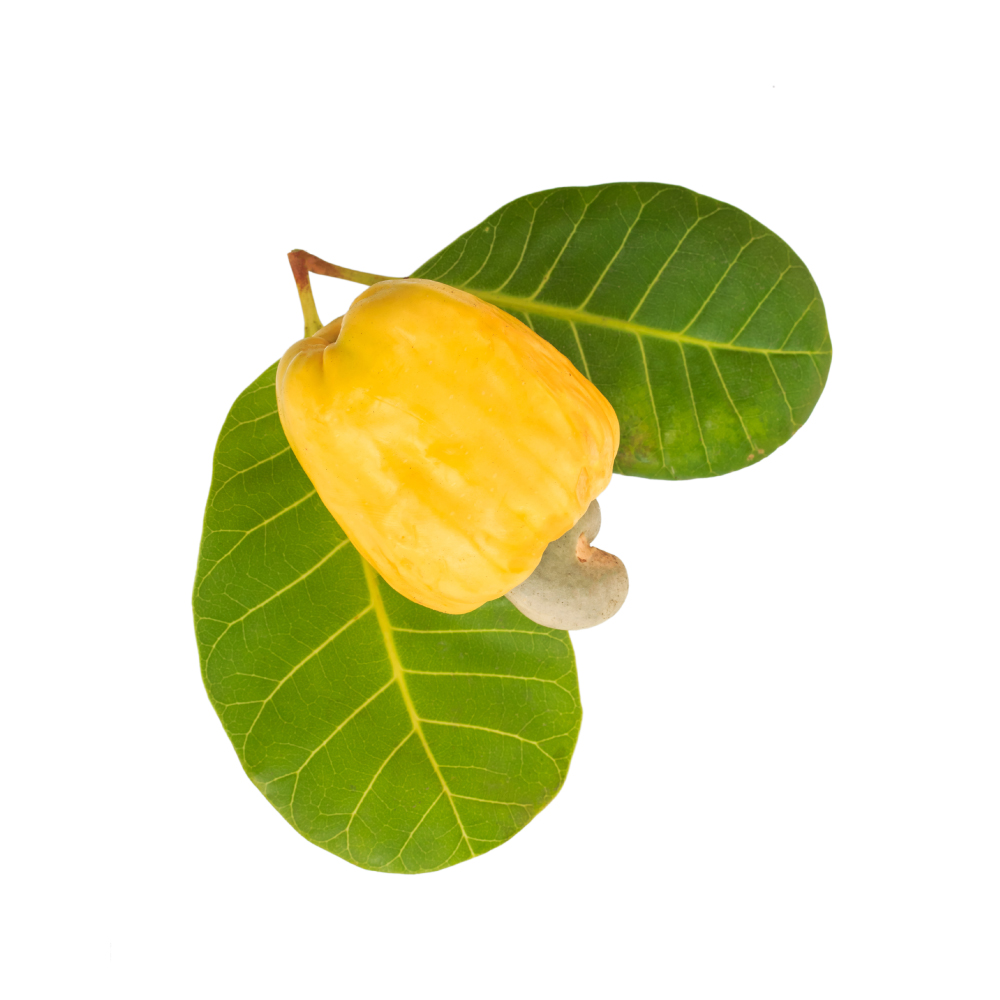 StrongStrongCashewAnacardium occidentaleAn ethanol extract used as an oral rinse was active against E. faecalis, S. aureus, S. mutans, E. coli and MRSA at or above povidone-iodine, and the fruit inhibits Helicobacter pylori; in-vitro results on an extract of unstated plant part.Mechanismnot established — no bacterial target identifiedRead the evidenceShow lessMonograph →
An ethanol extract tested as an oral rinse was active against Enterococcus faecalis, Staphylococcus aureus, Streptococcus mutans and Escherichia coli, and against MRSA, at or above the povidone-iodine rinses in current use 44Reference 44In vitroIn vitro antimicrobial and cytotoxic effects of Anacardium occidentale and Mangifera indica in oral care — in vitroView study →. The fruit inhibits H. pylori 45Reference 45The Healing Power of Rainforest Herbs: A Guide to Understanding and Using Herbal Medicinals.
The plant part behind the oral-rinse extract is not stated, and every result is in vitro. The activity against Candida and the mouthwash trial are examined among the antimicrobial herbs.
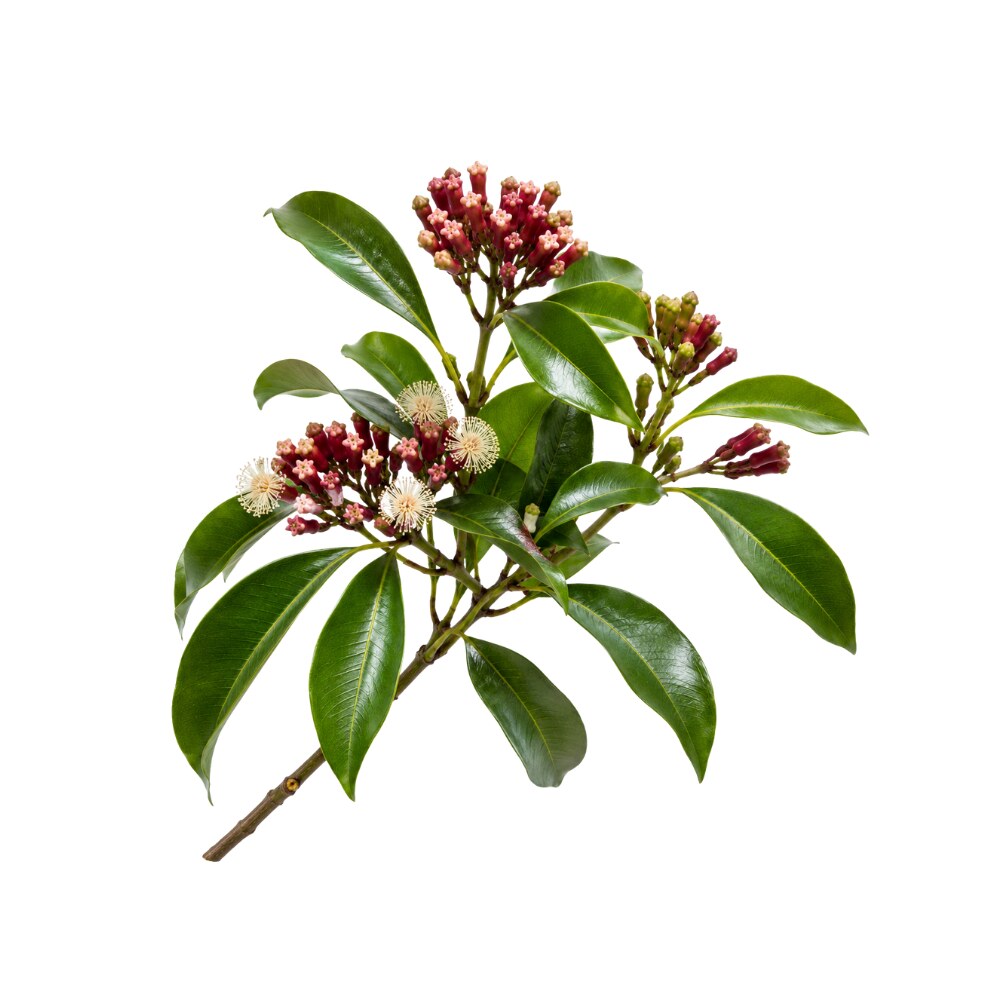 StrongStrongCloveSyzygium aromaticumClove oil and its eugenol disrupt bacterial membranes with consistent, well-replicated potency across many species in vitro; among the more reliably active essential oils, and a dental and topical antiseptic.Mechanismmicrobial membrane disruptionRead the evidenceShow lessMonograph →
Eugenol partitions into the bacterial membrane and destabilises it, and the oil and the isolated molecule show consistent potency across many bacterial species in vitro 57,
There is no human infection trial, and the concentrations that clear organisms on a plate are not what systemic dosing delivers. Clove’s antiseptic use is in dentistry and on the skin.
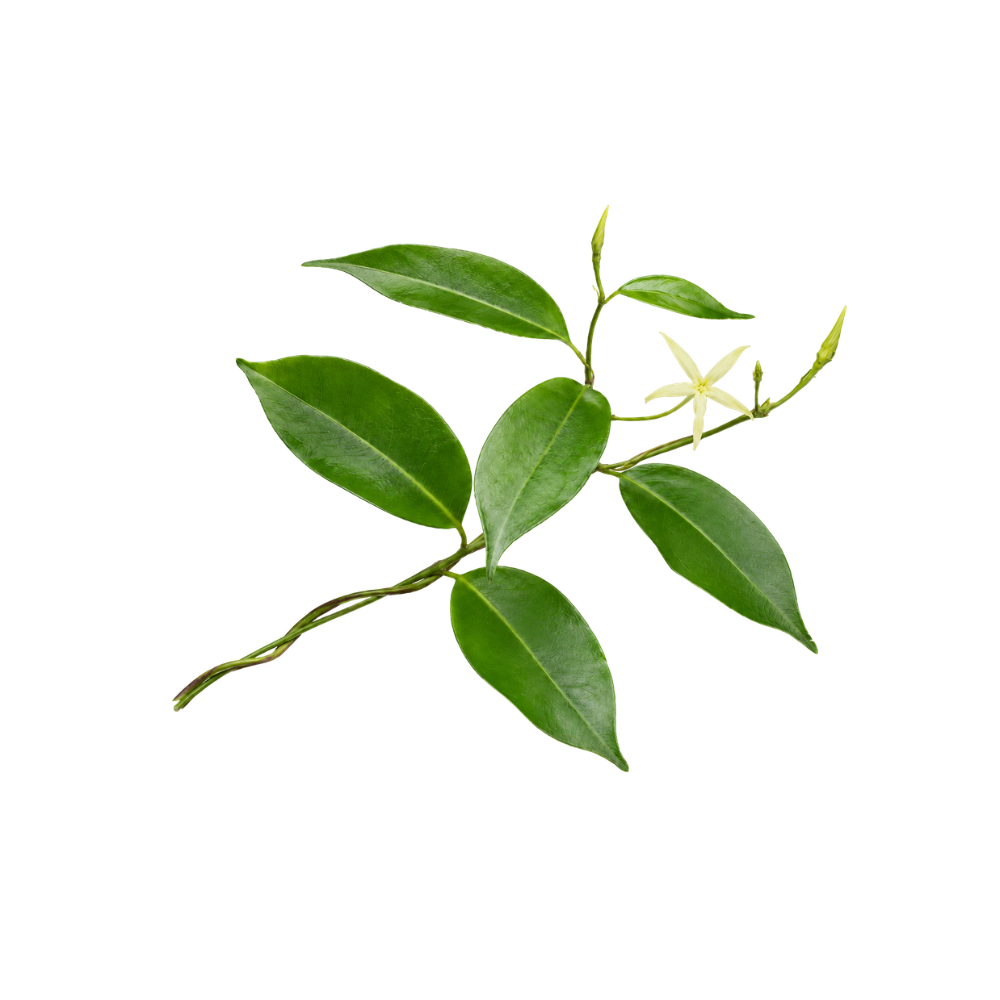 StrongStrongCryptolepisCryptolepis sanguinolentaCryptolepine kills S. aureus outright by membrane disruption and DNA intercalation, root fractions inhibit a wide Gram-positive and Gram-negative panel, and the root is active against mycobacteria and Borrelia; the antibacterial herb of West African practice, entirely in vitro.Mechanismmembrane disruption / lysis; DNA intercalation, topoisomerase II inhibition (cryptolepine, cryptoheptine)Read the evidenceShow lessMonograph →
Root fractions inhibit a wide Gram-positive and Gram-negative panel; the chloroform fraction inhibited 100% of test organisms and was the only truly bactericidal one, while the water fraction managed about 75–88% 67Reference 67In vitroIn vitro antimicrobial activity of ethanolic fractions of Cryptolepis sanguinolenta — in vitroView study →. Isolated cryptolepine and neocryptolepine inhibit enteric and diarrhoeal pathogens (Shigella, Salmonella, Vibrio cholerae, Campylobacter) 68,
The minor alkaloids add activity, with neocryptolepine more bacteriostatic than bactericidal 71Reference 71In vitroAntibacterial and antifungal activities of neocryptolepine, biscryptolepine and cryptoquindoline, alkaloids isolated from Cryptolepis sanguinolenta — in vitroView study →.
Cryptolepine hydrochloride is potently antimycobacterial 72Reference 72In vitroCryptolepine hydrochloride: a potent antimycobacterial alkaloid derived from Cryptolepis sanguinolenta — in vitroView study →, the aqueous root extract was the best of seven Ghanaian plants against M. ulcerans (MIC 64 µg/mL) 73Reference 73In vitroIn vitro anti-Mycobacterium ulcerans and cytotoxic activities of some selected medicinal plants and an indoloquinoline alkaloid — in vitroView study →, and methanolic root extract inhibits pan-sensitive and rifampicin-resistant M. tuberculosis 74Reference 74In vitroIn vitro antimycobacterial activity of medicinal plants Lantana camara, Cryptolepis sanguinolenta, and Zanthoxylum leprieurii — in vitroView study →.
Against Borrelia burgdorferi, cryptolepis was one of the two most active botanicals against both growing (MIC 0.03–0.06%) and stationary-phase spirochetes, and a 1% extract achieved complete subculture eradication where doxycycline and cefuroxime did not 75Reference 75In vitroEvaluation of natural and botanical medicines for activity against growing and non-growing forms of B. burgdorferi — in vitroView study →.
There is no clinical trial for any bacterial infection, the most bactericidal fraction is not the traditional decoction, and the Borrelia work is one laboratory, one ethanol extract, with no animal or human data.
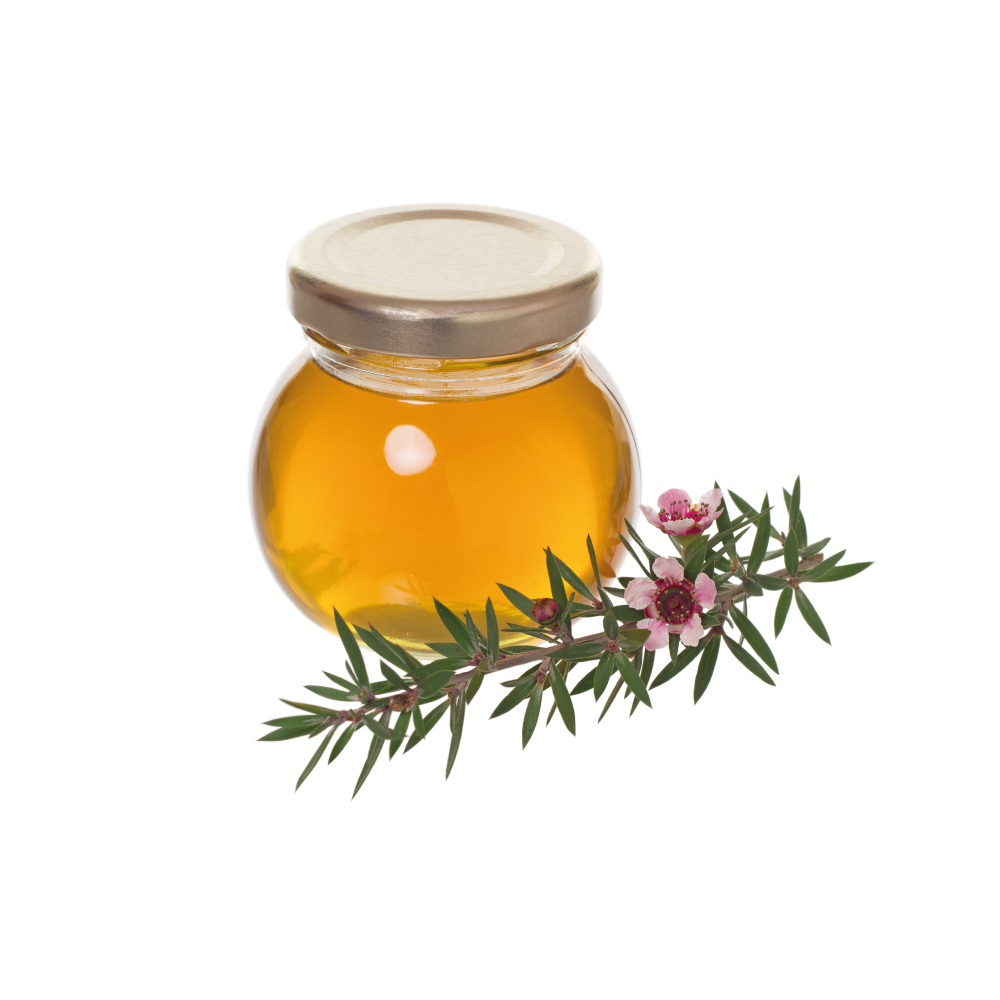 StrongStrongManukaLeptospermum scopariumThe β-triketones of the essential oil, leptospermone, isoleptospermone and flavesone, disrupt bacterial membranes with activity strongest against S. aureus and MRSA; a chemotype-dependent oil with no human trial, and separate from the methylglyoxal chemistry of manuka honey.Mechanismβ-triketone/acylphloroglucinol membrane disruption (leptospermone, flavesone, grandiflorone); Tris-EDTA outer-membrane permeabilisation (Gram-negative); methylglyoxal-mediated bacterial killing (honey only)Read the evidenceShow lessMonograph →
Across GC-characterised New Zealand oils, antibacterial potency tracks the β-triketone fraction, leptospermone with isoleptospermone and flavesone, and is consistently strongest against Gram-positives including S. aureus and MRSA, markedly weaker against Gram-negatives 108,
The Gram-negative gap can be partly closed by pairing the oil with a permeabiliser (Tris-EDTA), shown against canine otitis pathogens 114Reference 114In vitroIn vitro antibacterial activity of the manuka essential oil from Leptospermum scoparium combined with Tris-EDTA against Gram-negative bacterial isolates from dogs with otitis externa [in vitro]View study →.
There is not one human trial of the oil. MICs swing widely with chemotype, so a high-triketone East Cape oil and a South Island sesquiterpene oil are not interchangeable products 109,
Manuka honey’s antibacterial activity is a separate mechanism, methylglyoxal rather than plant chemistry 116,
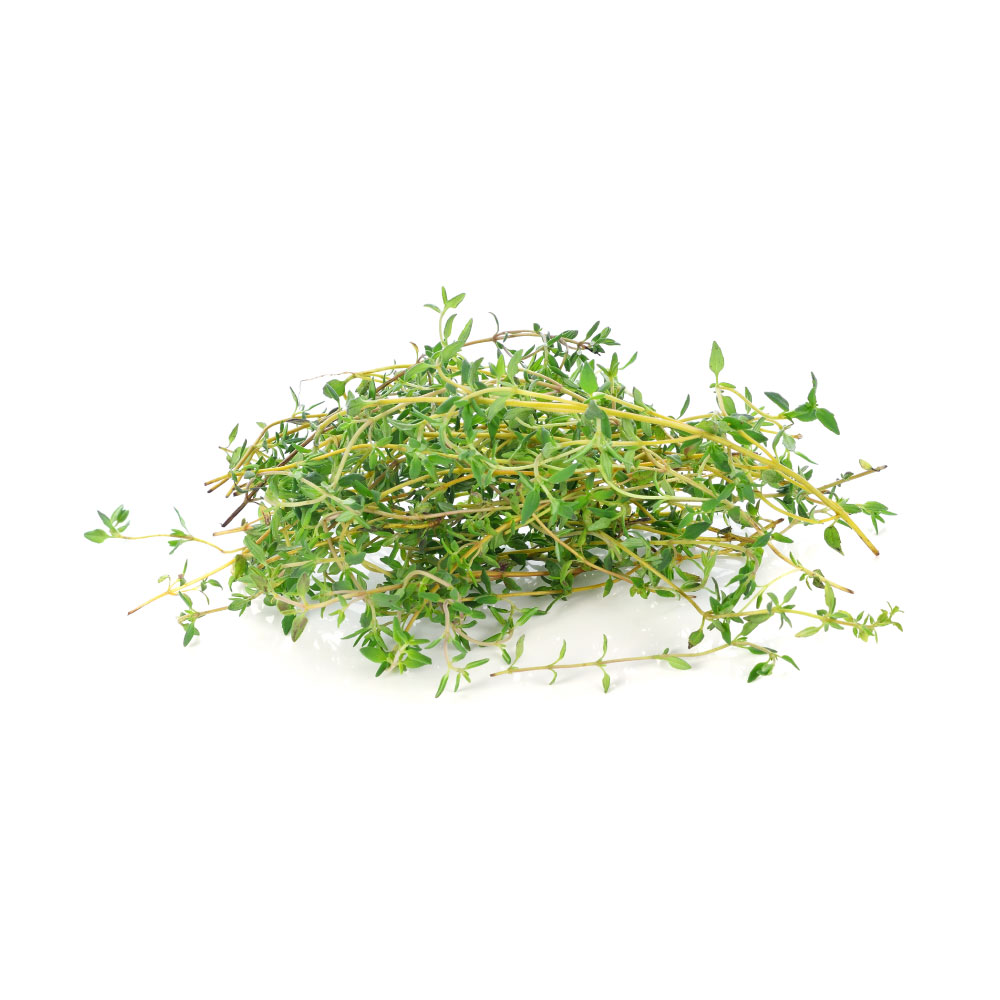 StrongStrongThymeThymus vulgarisThymol and carvacrol disrupt bacterial membranes across Gram-positive and Gram-negative species, thymol is absorbed after oral dosing in humans, and isolated thymol reduced Klebsiella lung injury in mice; a strong topical and local antibacterial without a clinical infection trial.Mechanismphenolic membrane disruption and efflux/permeability loss (thymol, carvacrol)Read the evidenceShow lessMonograph →
A large, consistent in-vitro literature summarised genus-wide in a 2015 review shows thymol and carvacrol membrane disruption across Gram-positive and Gram-negative species 140Reference 140ReviewPlants belonging to the genus Thymus as antibacterial agents: from farm to pharmacy — reviewView study →, extended by anti-biofilm 141Reference 141In vitroQuercetin and carvacrol act synergistically to inhibit Candida albicans biofilms in vitro via membrane disruption and oxidative stressView study → and food-matrix 142Reference 142In vitroFunctional enhancement of fermented dairy-based tarhana with Thymus vulgaris: phytochemical characterisation and in vitro antioxidant/antidiabetic potentialView study → work. In a mouse study, isolated thymol attenuated Klebsiella pneumoniae-induced lung injury 143Reference 143AnimalThymol attenuates Klebsiella pneumoniae-induced lung injury — in vivo mouse and in silico studyView study →.
A human pharmacokinetic study confirms thymol is systemically absorbed after oral dosing 144Reference 144Systemic availability and pharmacokinetics of thymol in humans — clinical pharmacokinetic trialView study →, so the constituent data are relevant to swallowed preparations. Plasma thymol from a cup of tea is still orders of magnitude below the MICs reported in vitro.
No trial shows thyme clearing a human bacterial infection. The fungal and parasitic halves of its activity are examined among the antimicrobial herbs.
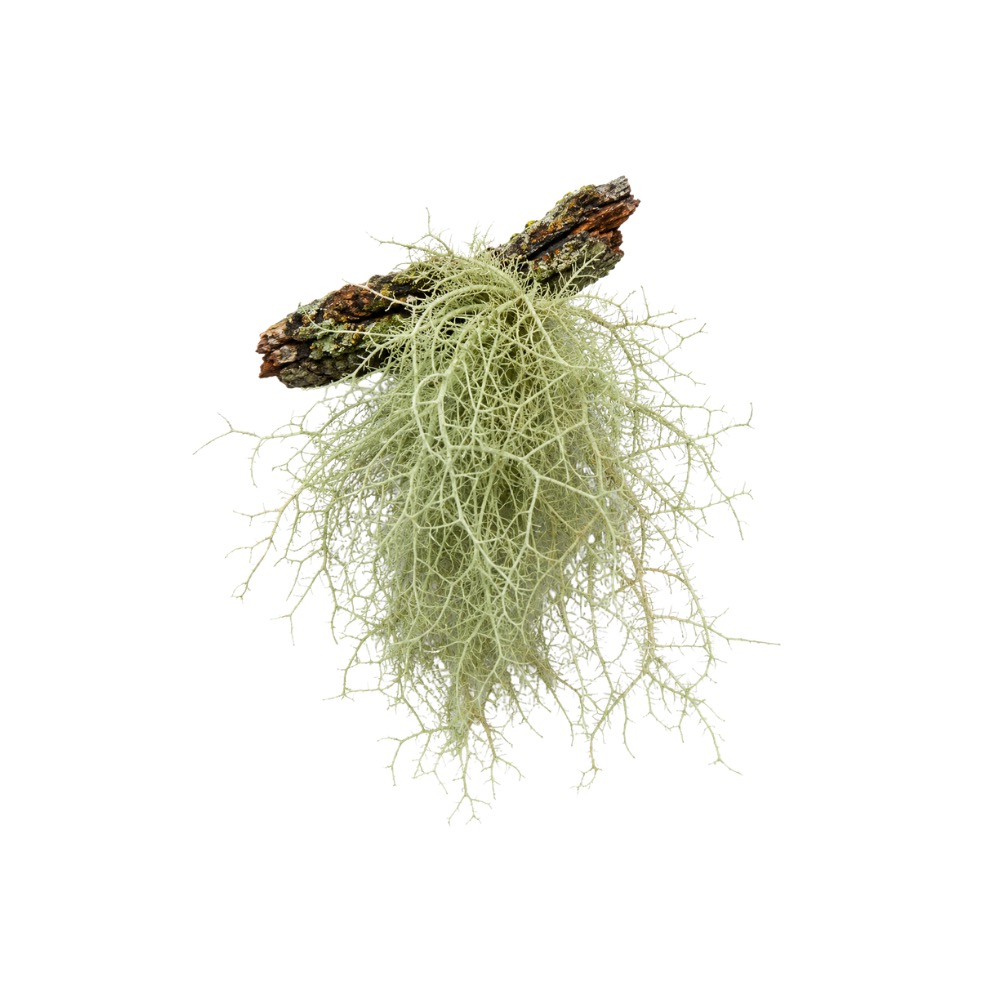 StrongStrongUsneaUsnea spp.Usnic acid inhibits S. aureus, S. epidermidis and the enterococci at low-microgram concentrations, including multidrug-resistant strains, by uncoupling energy metabolism and disrupting peptidoglycan synthesis and biofilm; Gram-positive only, and dose-proportional to a content that varies 30-fold.Mechanismoxidative phosphorylation uncoupling → bacterial ATP depletion; peptidoglycan synthesis disruption; biofilm adhesion & matrix inhibitionRead the evidenceShow lessMonograph →
Usnic acid inhibits Gram-positive organisms, S. aureus, S. epidermidis, E. faecalis and E. faecium, at low-microgram concentrations, with an MIC of 3.12 µg/mL reported against S. epidermidis and activity retained against multidrug-resistant strains 146,
Mechanistic work in MRSA attributes the effect to disrupted peptidoglycan synthesis plus impaired adhesion and biofilm formation, and usnic acid blocks biofilm build-up on polymer surfaces 147,
The spectrum is narrow: E. coli and other Gram-negatives are largely unaffected 150Reference 150In vitroIdentification and quantitation of usnic acid from Usnea species of Anatolia and antimicrobial activity — in vitroView study →.
Every result is in vitro, with no animal infection model or human trial. The effect is dose-proportional to usnic acid content, which varies about 30-fold (0.22–6.49% dry weight) between species and collections 150Reference 150In vitroIdentification and quantitation of usnic acid from Usnea species of Anatolia and antimicrobial activity — in vitroView study →, so a given tincture’s strength is unknown.
Usnic acid is poorly water-soluble, so a water infusion is not the tested preparation.
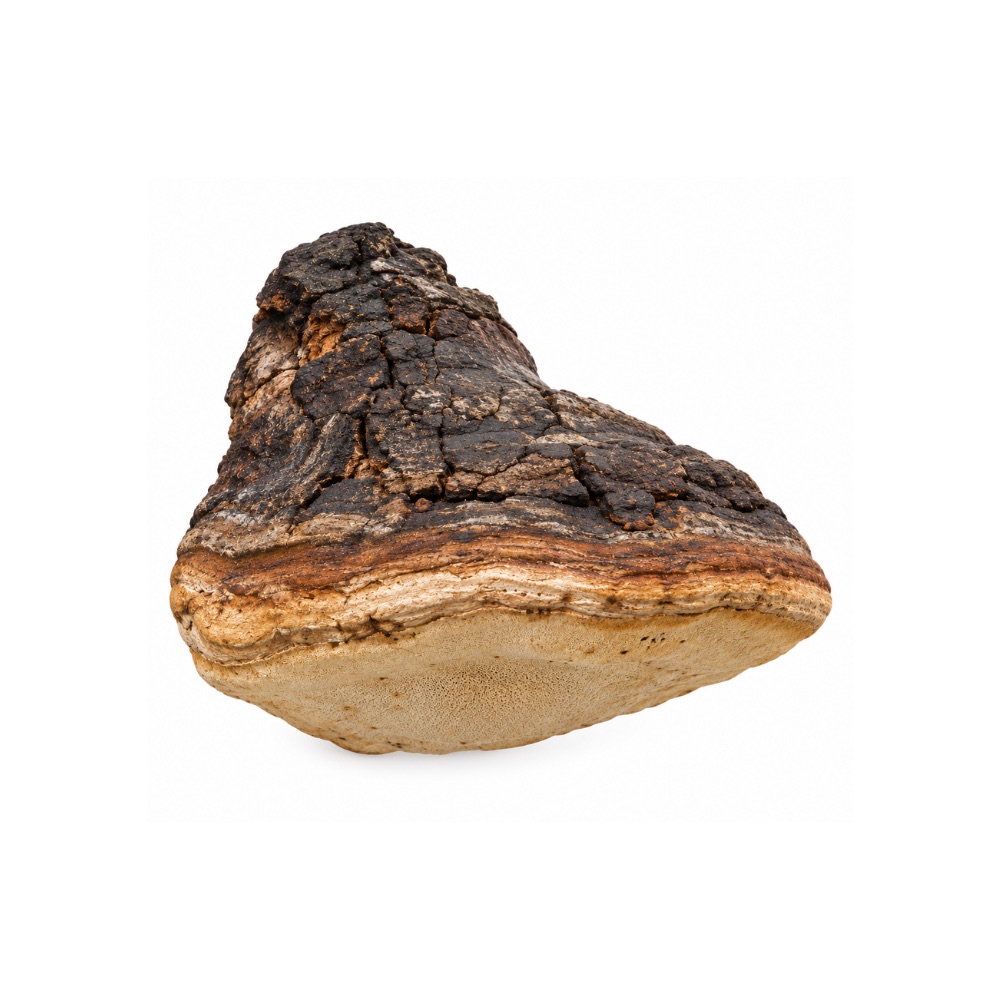 ModerateModerateAgarikonFomitopsis officinalisTwo chlorinated coumarins from cultured mycelium inhibit the Mycobacterium tuberculosis complex at 20–50 µg/mL, close to the concentration that harms host cells; a chemical finding that connects to the fungus's ancient use for consumption.Mechanismchlorinated coumarins → narrow-spectrum growth inhibition of the M. tuberculosis complexRead the evidenceShow less
Two novel chlorinated coumarins from cultured mycelium inhibit the Mycobacterium tuberculosis complex at MIC 20–50 µg/mL 28Reference 28In vitroChlorinated coumarins from the polypore mushroom Fomitopsis officinalis and their activity against Mycobacterium tuberculosis — [in vitro]View study →. The finding connects to Dioscorides’ use of the fungus for consumption and to the 19th-century use of agaric acid for tubercular night sweats.
The selectivity index is about 1: the concentration that inhibits the mycobacterium is close to the concentration that harms host cells, so the MIC and the selectivity index belong together.
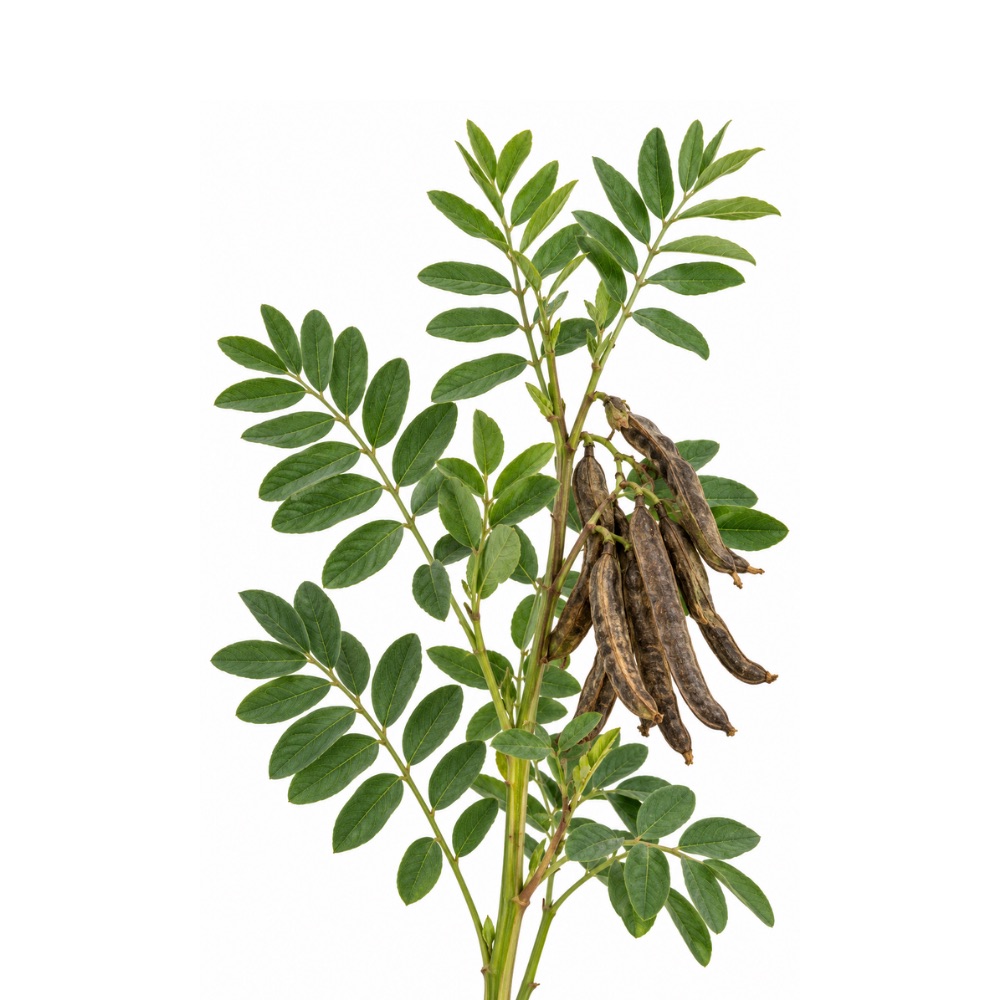 ModerateModerateAmerican LicoriceGlycyrrhiza lepidotaPrenylated flavonoids named for the species, the glepidotins, were identified as the antibacterial actives by bioassay-guided phytochemistry; prenylation makes a flavonoid lipophilic and membrane-active.Mechanismprenylated flavonoids (glepidotins) → membrane activityRead the evidenceShow less
A set of prenylated flavonoids, the glepidotins, named for this species, was identified by bioassay-guided phytochemistry as the antibacterial actives 85,
Prenylation makes a flavonoid markedly more lipophilic and membrane-active, which is why prenylated flavonoids are so often the antimicrobial constituents in the Fabaceae; the same pattern appears in purple prairie clover. The work is in vitro on isolated compounds.
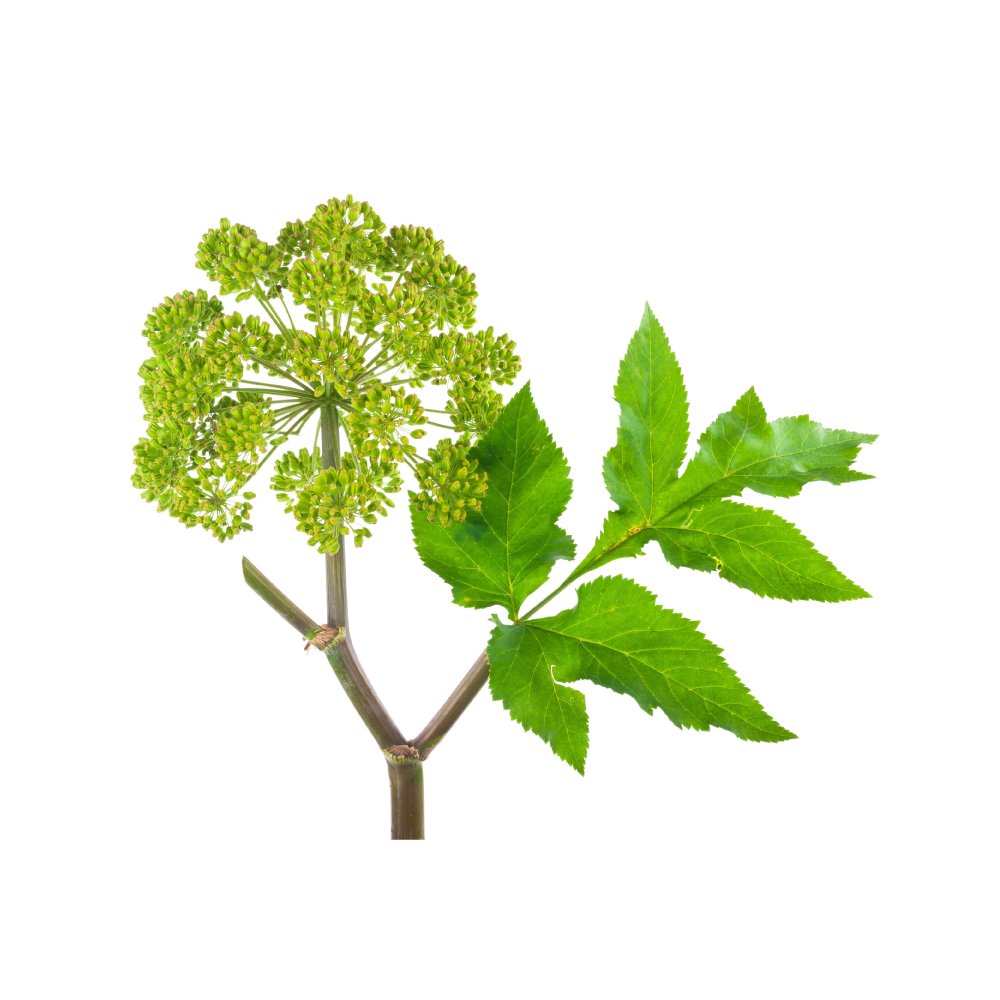 ModerateModerateAngelicaAngelica archangelicaThe root essential oil inhibits bacterial panels in two independent studies, and the herb's amino-acid amides reduce Helicobacter pylori adhesion to gastric cells; the plague herb of European tradition, with in-vitro data that echo it.Mechanismmicrobial membrane disruption (monoterpene EO); antiaflatoxigenic biosynthesis inhibition; coumarin-derived antiviral inhibitionRead the evidenceShow lessMonograph →
Angelica was the plague herb of European tradition, “brought by an angel”. Root essential oil inhibited panels of bacteria in two independent studies 29,
The activity is carried by the root essential oil (about 1% of the root, dominated by α-pinene, β-phellandrene and limonene) plus the coumarin fraction, so alcohol rather than water extracts the medicinal fraction 33Reference 33A Modern Herbal — AngelicaView study →.
The traditional gastrointestinal antibacterial use has indirect support from the finding that N-phenylpropenoyl amino-acid amides in the herb reduce Helicobacter pylori adhesion to gastric cells 34Reference 34In vitroOccurrence of N-phenylpropenoyl-L-amino acid amides in different herbal drugs and their influence on human keratinocytes, on human liver cells and on adhesion of Helicobacter pylori to the human stomach — in vitroView study →.
Every result is in vitro at essential-oil concentrations, and there is no evidence that oral or topical whole-herb use reaches antimicrobial levels in the body.
ModerateBarbatimãoStryphnodendron adstringensThe tannin fraction gives broad in-vitro antibacterial activity, including against S. aureus, foodborne bacteria and periodontal pathogens, by precipitating bacterial surface proteins; the same chemistry as its astringency.Mechanismprecipitation of bacterial surface proteins; tannin fractionRead the evidenceShow less
Three in-vitro studies carry the activity, all tracking the tannin fraction: against Staphylococcus aureus 39Reference 39In vitroAntibacterial activity of barbatimão (Stryphnodendron adstringens) against Staphylococcus aureus: in vitro and in silico studies — in vitroView study →, foodborne bacteria in synergy with potassium sorbate 40Reference 40In vitroSynergistic activity of Stryphnodendron adstringens and potassium sorbate against foodborne bacteria — in vitroView study → and periodontal pathogens 41Reference 41In vitroAntibacterial activity of barbatimão (Stryphnodendron adstringens) against periodontopathogens and cytotoxic effects on fibroblasts — in vitroView study →.
Mechanistically it is the same protein-precipitation event as the astringency, acting on bacterial surface proteins, which makes it non-specific and unlikely to drive resistance.
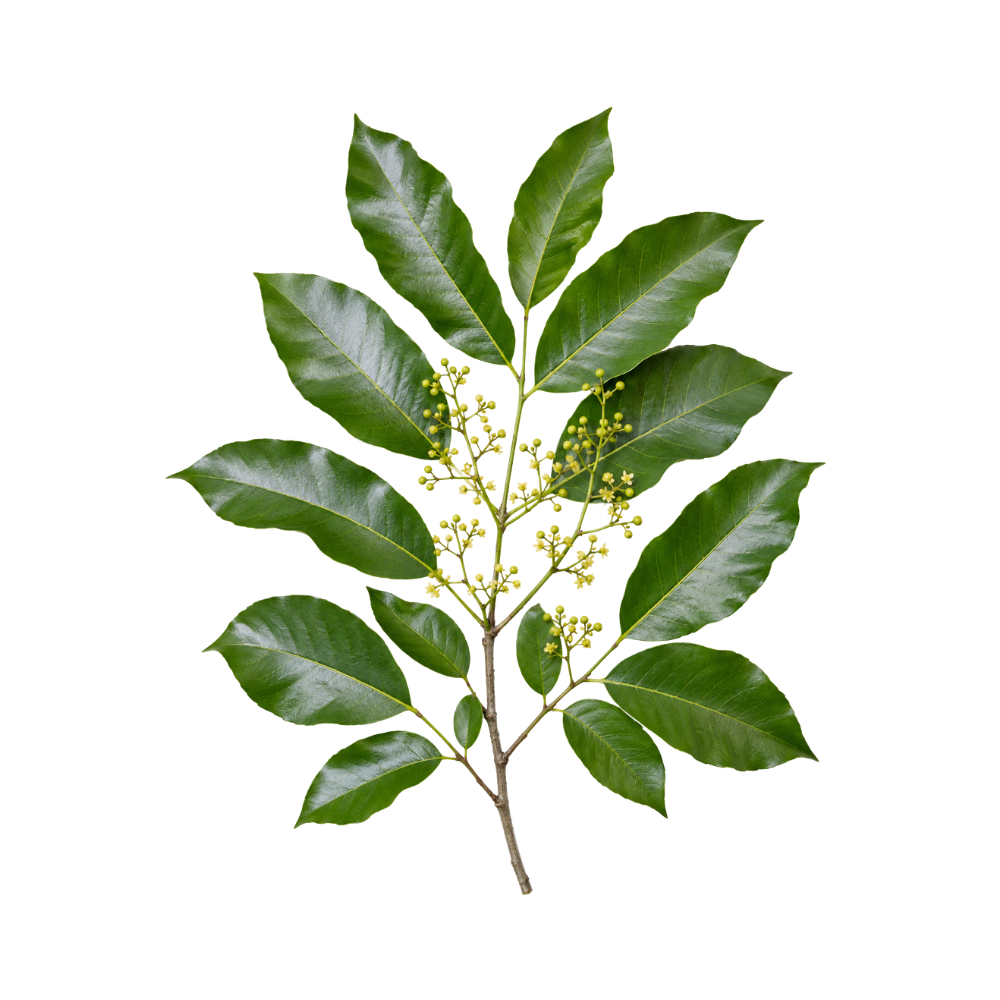 ModerateModerateCatuabaTrichilia catiguaCrude extract, its ethyl-acetate fraction and isolated cinchonain Ib inhibit S. aureus, MRSA and a clinical S. epidermidis isolate, and the fraction inhibits Helicobacter pylori; an in-vitro signal on the correct species.Mechanismbacterial growth inhibition (target not established); urease/H. pylori binding proposed in silicoRead the evidenceShow lessMonograph →
Crude extract, the ethyl-acetate fraction and isolated cinchonain Ib inhibited Staphylococcus aureus, MRSA and a clinical S. epidermidis isolate, cinchonain Ib giving an MIC of 31.25 µg/mL 46Reference 46In vitroImmunomodulatory, antibacterial and antineoplastic potential of Trichilia catigua AView study →, respectable for a plant polyphenol. The ethyl-acetate fraction also inhibited Helicobacter pylori, with molecular docking proposing a binding mechanism 47Reference 47In vitroTrichilia catigua against Helicobacter pylori: an in vitro, molecular and in silico approach — in vitroView study →.
The oldest and most-repeated catuaba antibacterial claim, that it protected mice from lethal E. coli and S. aureus infection, belongs to Erythroxylum catuaba, a different plant 48Reference 48In vitroEffects of Catuaba extracts on microbial and HIV infection — animal model / in vitroView study →. That is the only in-vivo datum, and T. catigua’s antibacterial evidence is entirely cell-based.
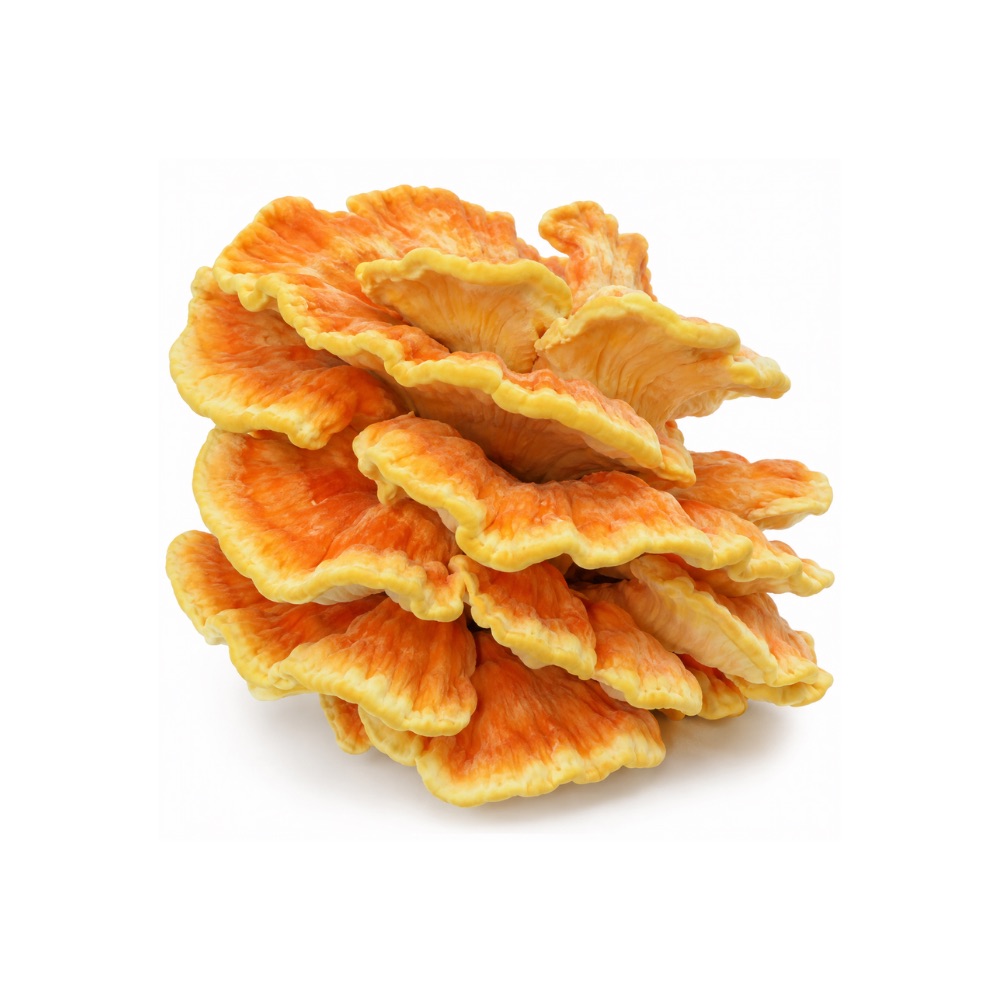 ModerateModerateChicken Of The WoodsLaetiporus sulphureusCrude extracts show repeated in-vitro antibacterial activity across independent studies, including against MRSA, with antibiofilm activity alongside; the antifungal results contradict each other.Mechanismcrude-extract activity incl. MRSA; antibiofilmRead the evidenceShow less
Three independent studies report in-vitro activity against bacteria including MRSA 98,
Antifungal results are contradictory between studies. The work is on crude extracts throughout, so no molecule carries the credit.
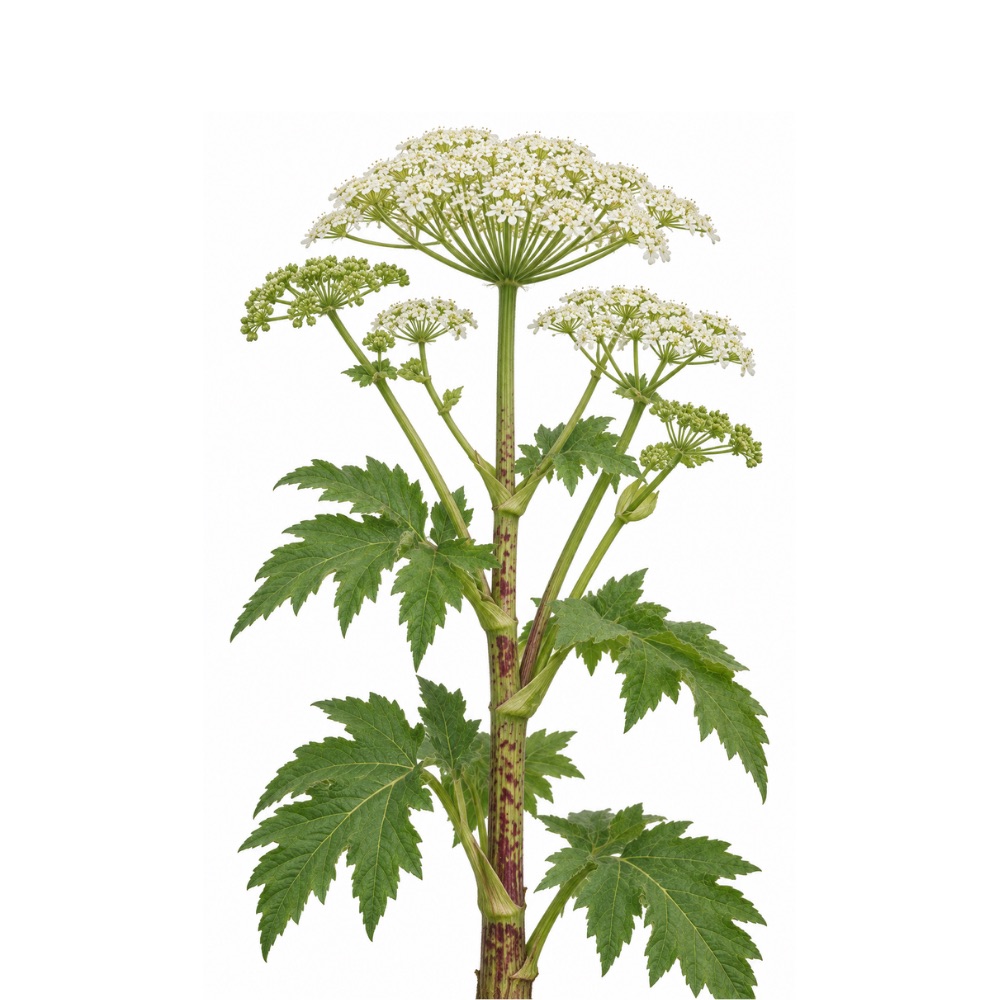 ModerateModerateCow ParsnipHeracleum maximumRoot extracts inhibit Mycobacterium tuberculosis in work from three groups, traced by bioassay-guided fractionation to falcarindiol and furanocoumarins, and the active preparation is the aqueous root infusion used as a TB tea by eastern Canadian First Nations.Mechanismfalcarindiol (C17 polyacetylene) + furanocoumarins → antimycobacterial activityRead the evidenceShow less
Root extracts inhibit M. tuberculosis, reported independently by three groups, with the activity traced by bioassay-guided fractionation to falcarindiol plus a furanocoumarin family 65,
The active preparation is an aqueous root infusion, the form eastern Canadian First Nations used as a TB and respiratory tea. Tradition and assay converging on the same preparation is uncommon.
Testing used the avirulent laboratory strain H37Ra rather than a virulent clinical isolate, and most potency data come from methanolic extracts rather than the aqueous tea.
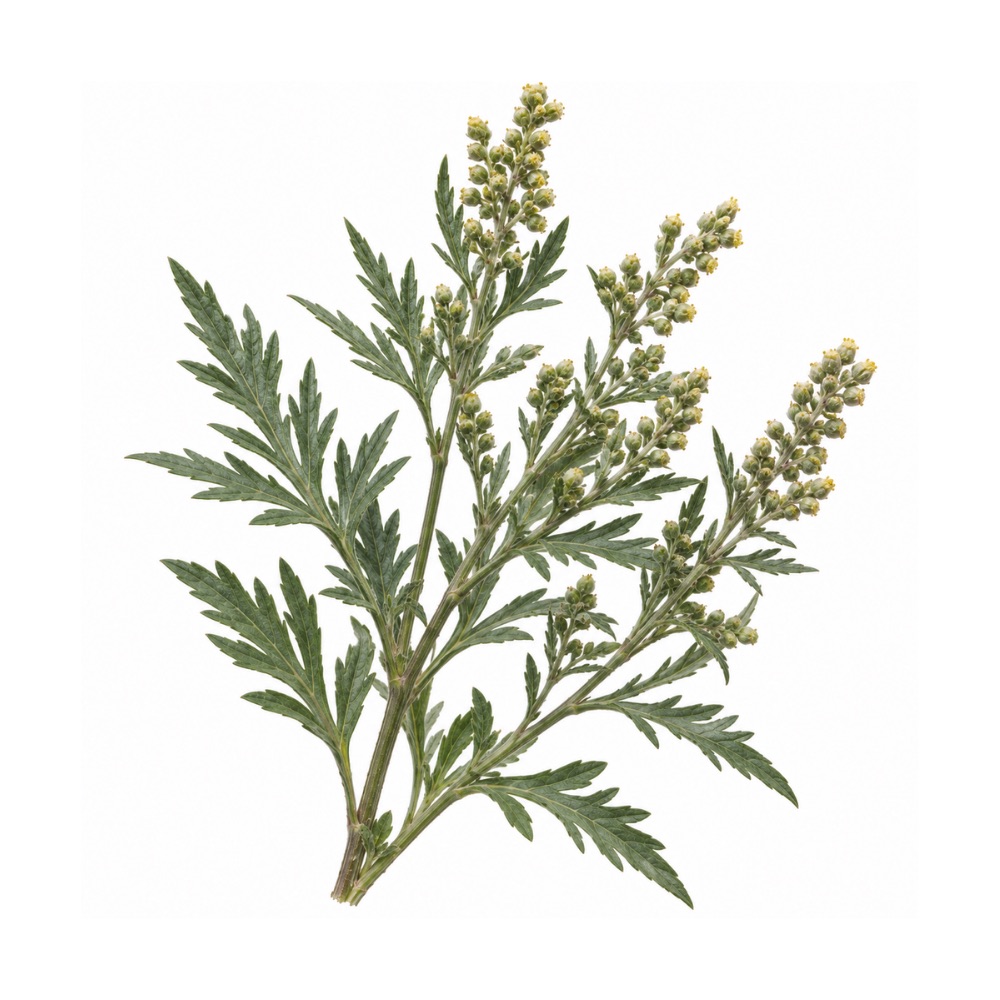 ModerateModerateEstafiateArtemisia ludovicianaAn aqueous extract was among the most active of 53 Mexican traditional plants against Helicobacter pylori, and the camphor- and cineole-rich essential oil is antimicrobial in Artemisia oil screens; in-vitro activity at high concentrations.Mechanismessential-oil monoterpene membrane disruptionRead the evidenceShow less
An aqueous extract of subspecies mexicana was among the most active of 53 traditional plants against Helicobacter pylori (MIC 125 to under 250 µg/mL) 157Reference 157In vitroAnti-Helicobacter pylori activity of plants used in Mexican traditional medicine for gastrointestinal disorders — in vitroView study →, and the camphor- and 1,8-cineole-rich essential oil showed antimicrobial activity in a screen of Artemisia oils 158Reference 158In vitroScreening of chemical composition, antimicrobial and antioxidant activities of Artemisia essential oils — in vitroView study →.
The inhibitory concentrations sit in the mg/mL range for most organisms, and every result is in vitro with no infection model behind it.
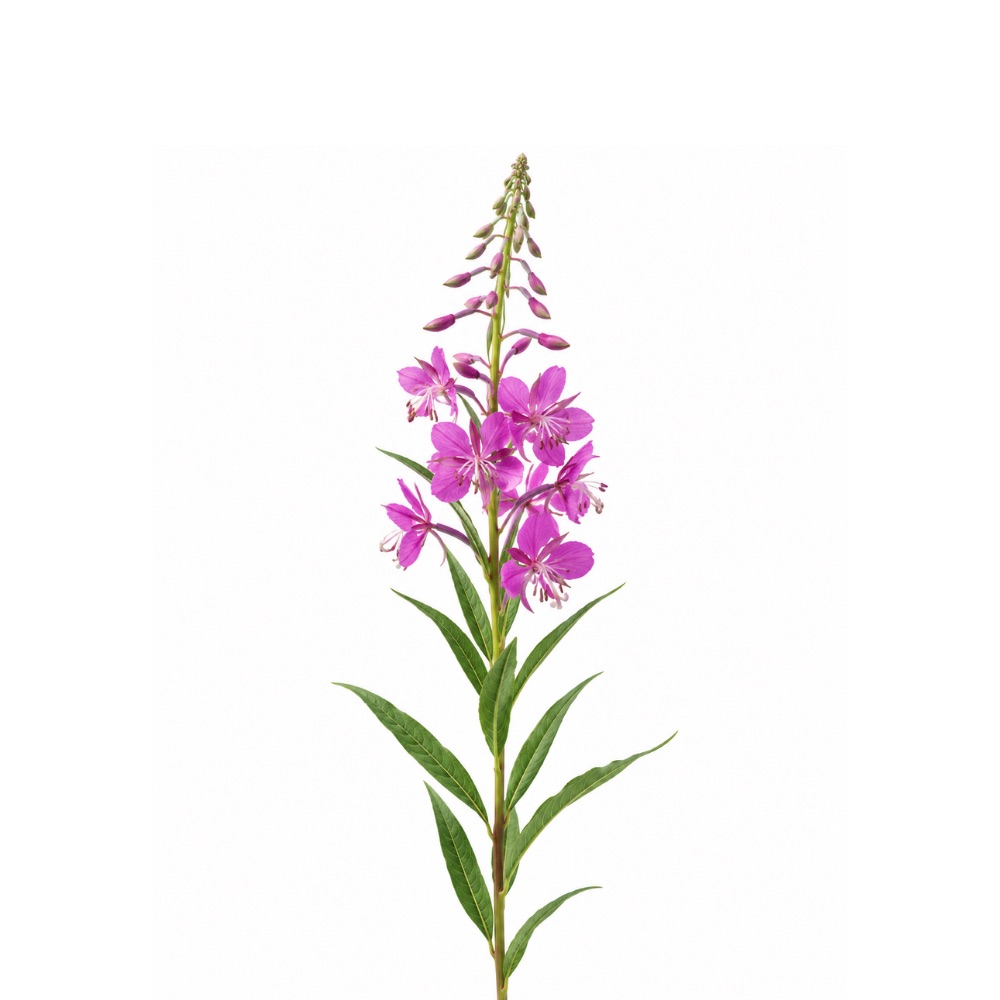 ModerateModerateFireweedChamerion angustifoliumPurified extracts and isolated oenothein B give MICs of 4–16 µg/mL against Gram-positive prostatic pathogens, low for a plant extract, with activity against multidrug-resistant strains across a 23-study review; in vitro only, and dependent on oenothein B content.Mechanismbacterial membrane disruption; ellagitannin-driven, Gram-positive selectiveRead the evidenceShow less
A review of 23 studies found activity against Gram-positive and Gram-negative bacteria including multidrug-resistant S. aureus, K. pneumoniae, P. aeruginosa and A. baumannii, plus antifungal activity against dermatophytes 80Reference 80ReviewAntibacterial and antimycotic activity of Epilobium angustifolium L. extracts: a reviewView study →.
Against prostatic pathogens, purified extracts and isolated oenothein B gave MICs of 4–16 µg/mL for Gram-positive strains, low for a plant extract, and 8–1024 µg/mL for Gram-negative 81Reference 81In vitroEfficacy of willow herb (Epilobium angustifolium L. and E. parviflorum Schreb.) crude and purified extracts and oenothein B against prostatic pathogens — MIC study (in vitro)View study →. Potency tracks oenothein B content, so it varies with preparation.
Entirely in vitro; no topical or clinical test exists.
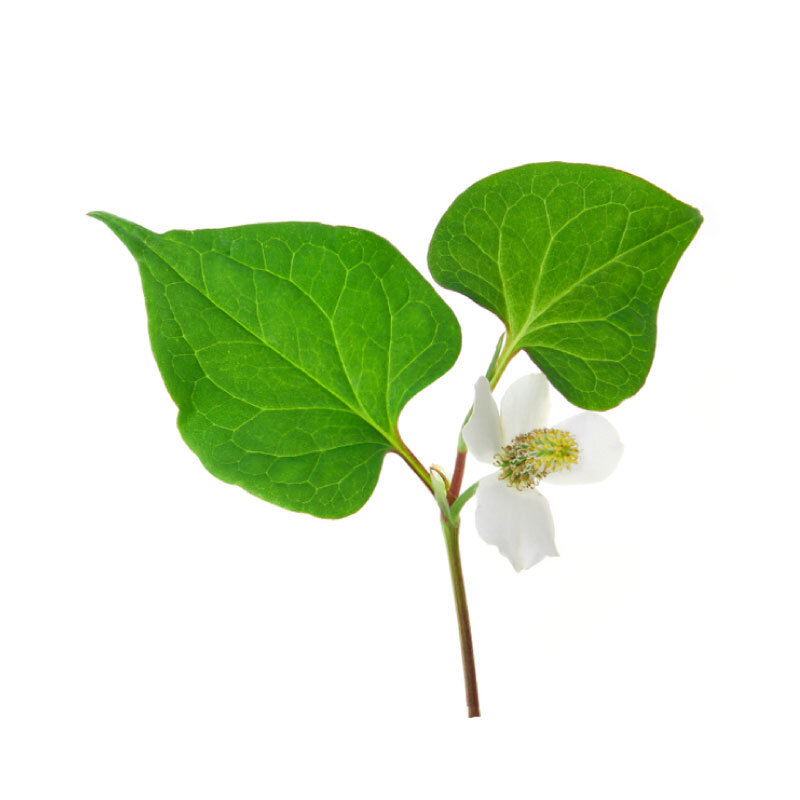 ModerateModerateFish MintHouttuynia cordataAn ethanol extract of the traditional poultice was bactericidal against MRSA and inhibited biofilm, and extracts inhibit S. aureus and P. aeruginosa from diabetic-foot ulcers; the herbal antibiotic of East Asian practice, with modest laboratory support and a preparation-dependent chemistry.Mechanismbiofilm formation ↓; host IL-8 induction; volatile aldehyde/ketone antimicrobial action (target not established)Read the evidenceShow lessMonograph →
An ethanol extract of a houttuynia poultice was bactericidal against MRSA, inhibited biofilm formation and induced IL-8 94Reference 94In vitroAnti-bacterial and anti-inflammatory effects of ethanol extract from Houttuynia cordata poultice — in vitroView study →. The essential oil is antibacterial and antifungal in India-sourced material, with potency tracking the variable oil composition 95Reference 95In vitroChemical composition and allelopathic, antibacterial, antifungal, and antiacetylcholinesterase activity of fish-mint (Houttuynia cordata) from India — in vitroView study →, and extracts inhibited S. aureus and P. aeruginosa clinical isolates from diabetic-foot ulcers in vitro 96Reference 96In vitroIn vitro activity of Houttuynia cordata against bacteria isolated from diabetic foot — in vitroView study →.
Every result is in vitro, minimum inhibitory concentrations are modest against conventional antibiotics, and no controlled human infection outcome exists.
Preparation is the dominant variable. The antimicrobial marker houttuynin (decanoyl acetaldehyde) is an unstable aldehyde that degrades to the stable ketone 2-undecanone, and houttuynin, 2-undecanone and myrcene each swing from single digits to roughly half the oil with chemotype, harvest season and distillation 95,
A fresh-plant poultice and a long-boiled decoction are not the same antibacterial.
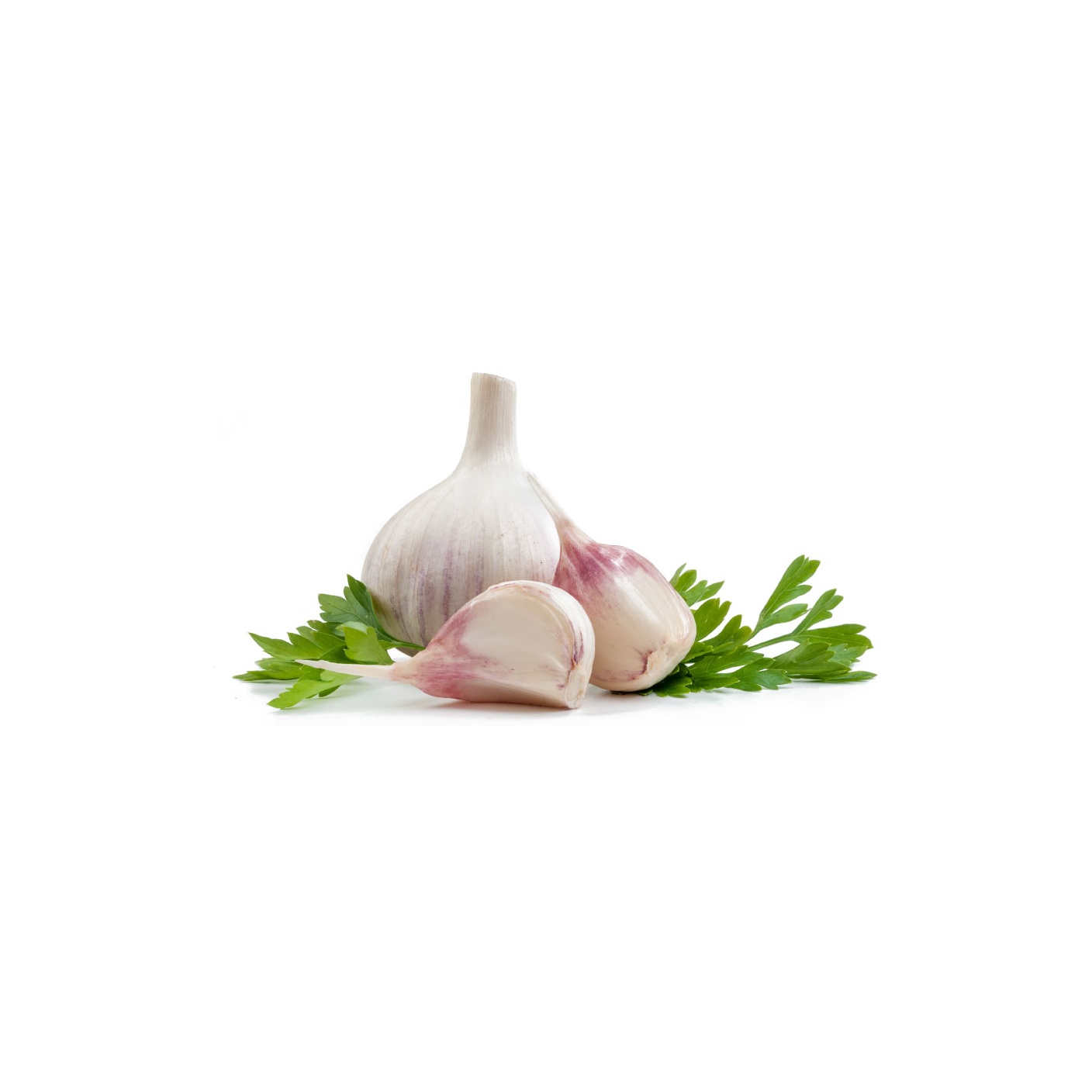 ModerateModerateGarlicAllium sativumAllicin from fresh crushed garlic inactivates bacterial thiol enzymes and disintegrates membranes, with a large and coherent organosulfur literature at the bench; indiscriminate between pathogens and commensals, and untested in human infection.Mechanismthiol-enzyme inactivation (allicin); bacterial membrane disintegrationRead the evidenceShow lessMonograph →
The organosulfur antibacterial literature is large and coherent at the bench 82,
The cited membrane-disruption study was performed on Bifidobacterium species, commensal probiotic gut organisms, so the mechanism datum also shows that crude garlic kills beneficial flora as readily as pathogens.
The activity requires fresh, crushed garlic, every result is in vitro, and there are no human infection trials. The wider profile is examined among the antimicrobial herbs.
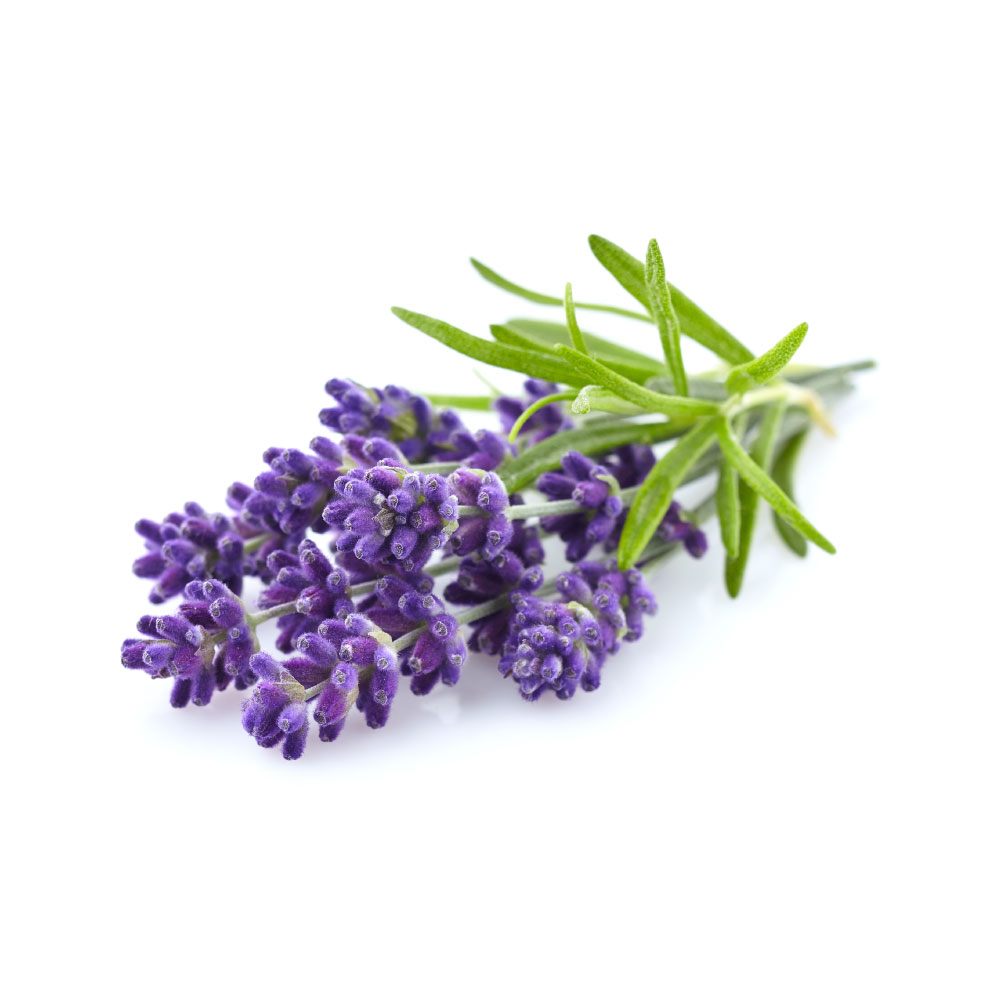 ModerateModerateLavenderLavandula angustifoliaLavender essential oil shows reproducible in-vitro antibacterial activity, driven by linalool and terpinen-4-ol disrupting microbial membranes at the concentrations reached in undiluted or lightly diluted oil; the preparation matches the topical use.Mechanismmicrobial membrane disruptionRead the evidenceShow lessMonograph →
Linalool and terpinen-4-ol disrupt microbial membranes at the concentrations reached in undiluted or lightly diluted oil, and the in-vitro activity is reproducible 101Reference 101ReviewBiological activities of lavender essential oil — review.
Unusually for a herb, the preparation matches the use: topical essential oil is what the petri-dish data model. It is a middling antimicrobial rather than a tea-tree-tier standout, and no controlled human trial shows it clears or prevents a skin infection.
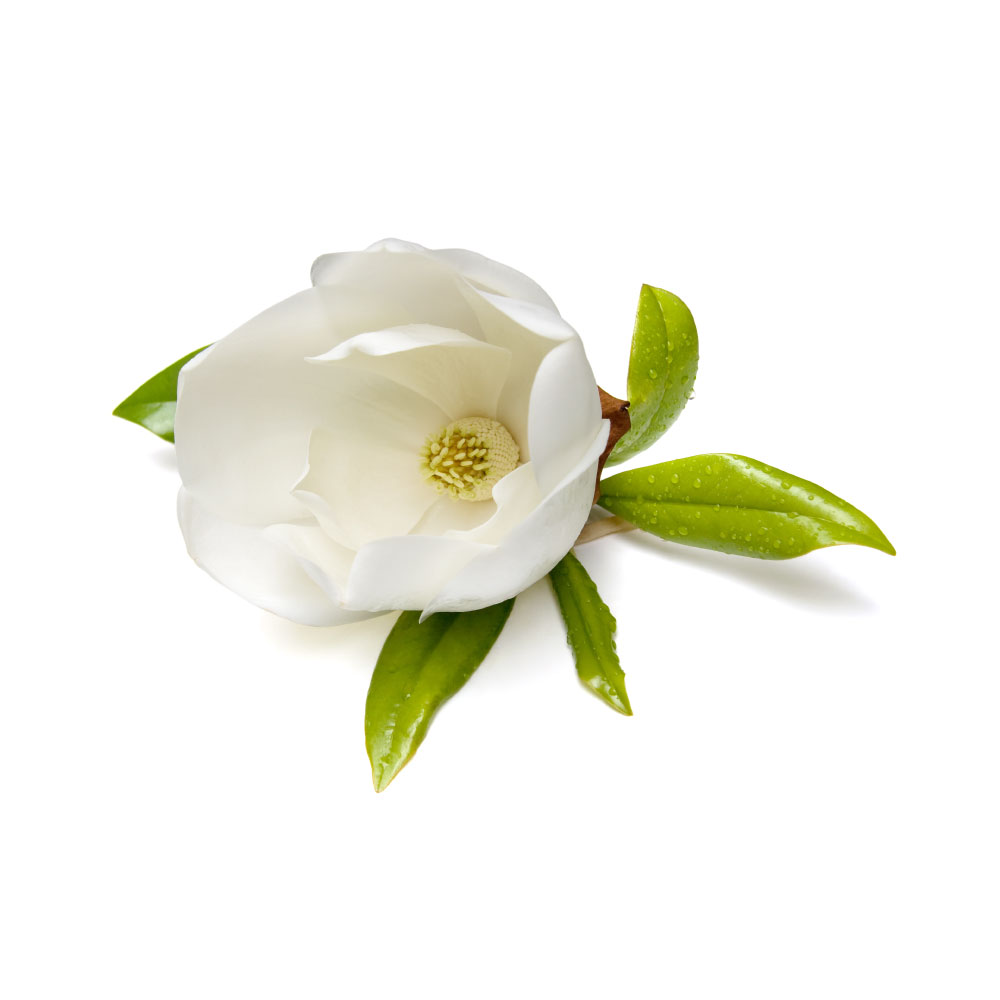 ModerateModerateMagnoliaMagnolia officinalisBark extract and its neolignans magnolol and honokiol give MICs of 8–31 µg/mL against the halitosis and caries organisms, and mints carrying 0.2% extract cut salivary bacteria by about 62% in a small human study; a strong effect confined to the mouth.Mechanismnot established — direct bactericidal action of magnolol/honokiol, no molecular target identifiedRead the evidenceShow lessMonograph →
Magnolia bark extract and its neolignans give MICs of 8–31 µg/mL against the halitosis and caries organisms Porphyromonas gingivalis, Fusobacterium nucleatum and Streptococcus mutans; mints carrying 0.2% extract killed more than 99.9% of those bacteria within five minutes, and a small in-vivo study (n=9) cut total salivary bacteria by about 62% at 30 minutes 102Reference 102Clinical trialCompressed mints and chewing gum containing magnolia bark extract are effective against bacteria responsible for oral malodor — in vitro and human studyView study →.
That is a human antibacterial result, and a topical oral-cavity one. The review literature states the herb is “not commonly used for bacterial or fungal infections alone”, with no evidence for systemic antibacterial use 103Reference 103ReviewHonokiol: a review of its pharmacological potential and therapeutic insights — reviewView study →.
No target or mechanism of kill has been identified.
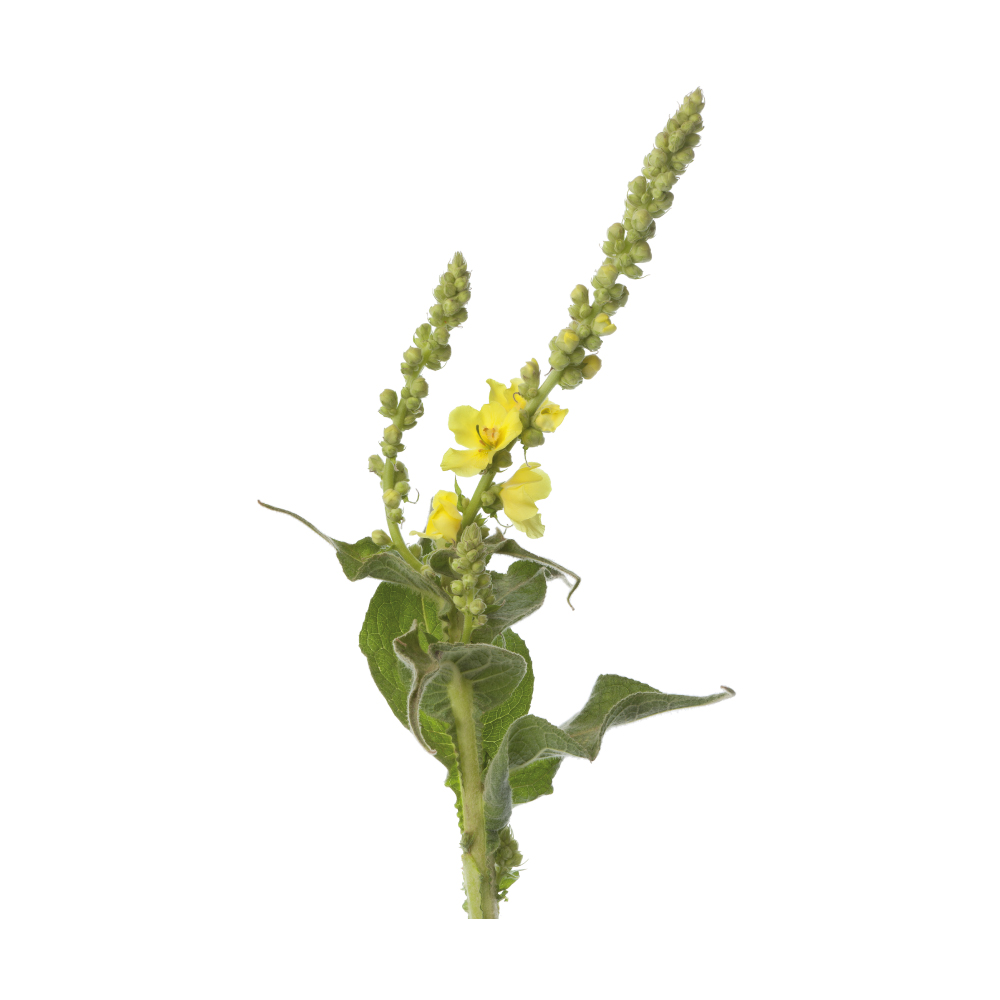 ModerateModerateMulleinVerbascum thapsusWater, ethanol and methanol leaf extracts inhibit Klebsiella, S. aureus, S. epidermidis and E. coli in vitro, with the water extract, the closest analogue to a tea, among the more active; mullein's most repeatedly demonstrated pharmacology.Mechanismsaponin membrane disruption; aucubin/verbascoside microbial inhibitionRead the evidenceShow lessMonograph →
Leaf extracts in three solvents were tested against Klebsiella pneumoniae, Staphylococcus aureus, S. epidermidis and Escherichia coli, and all inhibited them in vitro, the water extract, the closest analogue to a tea, among the more active 122Reference 122In vitroBiological activity of common mullein, a medicinal plant — in vitro (antibacterial, antitumor, toxicity)View study →. Later in-vitro work reproduces Gram-positive and Gram-negative activity, and reviews consolidate it as the herb’s headline laboratory effect 123,
Every result is in vitro, minimum inhibitory concentrations swing widely with solvent and plant part so no real-world dose exists, and mullein sits well behind the front rank of antibacterial herbs on effect magnitude.
The Mycobacterium and tuberculosis interest that its folk names invite remains a hypothesis rather than a demonstrated activity 125Reference 125ReviewWhat’s in a name? Can mullein weed beat TB where modern drugs are failing? — reviewView study →.
ModerateOregon GrapeMahonia aquifoliumCrude extract and its berberine-class alkaloids inhibit bacteria in vitro, including oral bacteria, with the same alkaloids active against Candida and Malassezia; the standard activity of a berberine-bearing bark.Mechanismberberine-class antimicrobial activityRead the evidenceShow less
Crude extract and its major isolated alkaloids are antimicrobial in vitro 104Reference 104In vitroAntimicrobial activity of Mahonia aquifolium crude extract and its major isolated alkaloids — in vitroView study →, including against oral bacteria 105Reference 105In vitroAntimicrobial activity of Mahonia aquifolium and two of its alkaloids against oral bacteria — in vitroView study →. The protoberberine alkaloids are also active against Candida and Malassezia 106,
This is the well-documented activity of the berberine class, and unremarkable as a property of this particular plant.
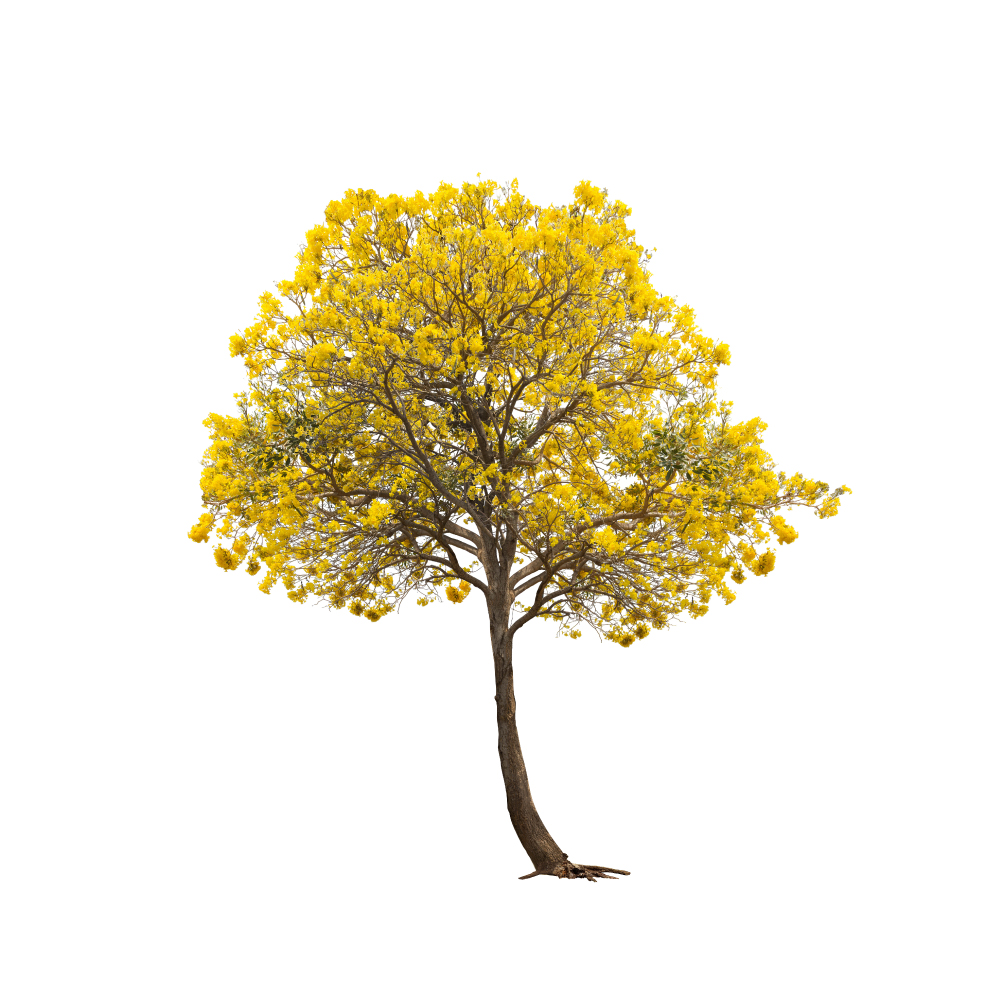 ModerateModeratePau D’ArcoTabebuia impetiginosaThe bark's naphthoquinones and anthraquinones redox-cycle and interrupt the electron-transport chain, inhibiting S. aureus including MRSA, Helicobacter pylori, Brucella and Bacillus in vitro; broad, well replicated, and dependent on a quinone content often absent from commercial bark.Mechanismnaphthoquinone redox cycling; electron-transport-chain inhibition; oxidative-phosphorylation uncouplingRead the evidenceShow lessMonograph →
Genus extracts inhibit Staphylococcus aureus including MRSA, Helicobacter pylori, Brucella and Bacillus subtilis, but not E. coli, a Gram-negative gap that limits the claim 129,
The entire evidence base is plate work: no in-vivo infection model, no human data.
The activity scales with quinone content that is frequently absent from commercial bark 133,
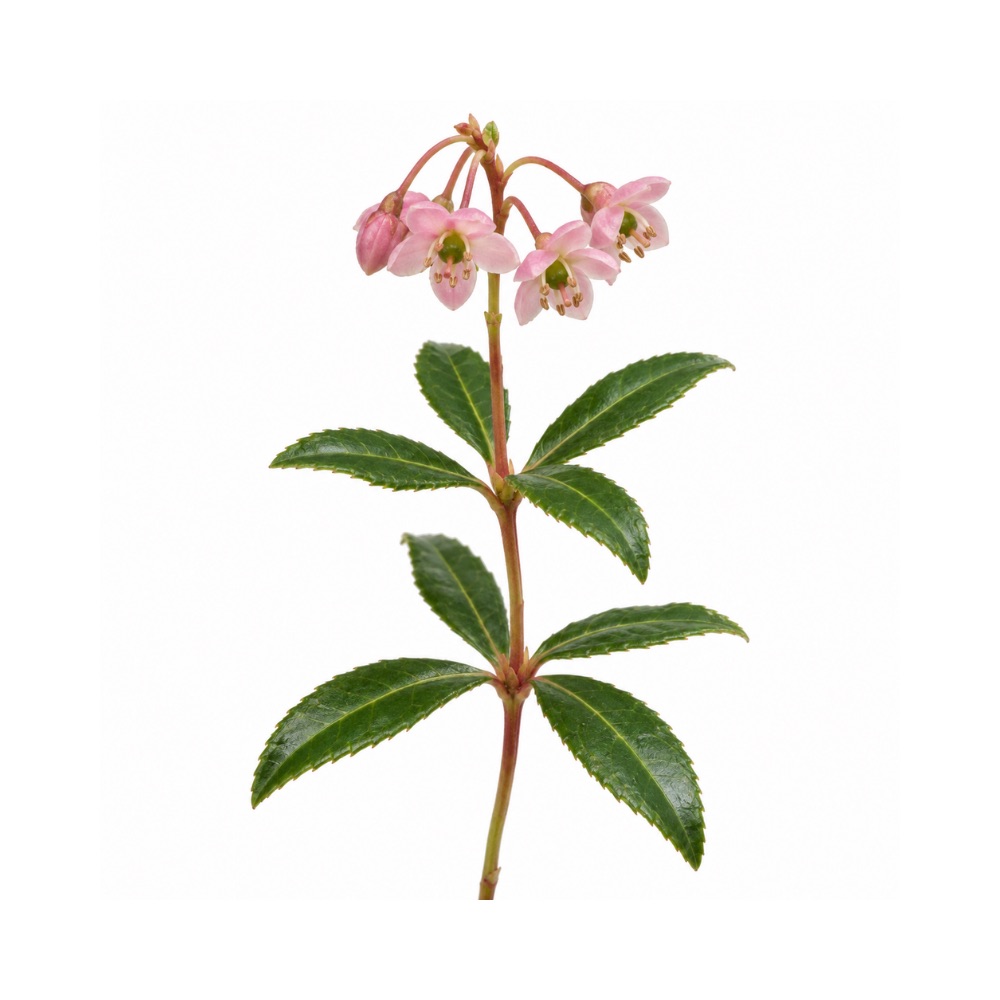 ModerateModeratePipsissewaChimaphila umbellataThe classic arbutin urinary antiseptic of the US Pharmacopoeia, with arbutin excreted as hydroquinone in urine and chimaphilin adding direct in-vitro activity; the arbutin mechanism is characterised in bearberry and applied here by analogy.Mechanismarbutin → renal hydroquinone excretion (urinary antiseptic); chimaphilin activityRead the evidenceShow less
Arbutin is hydrolysed in the body and excreted renally as hydroquinone, which is presumed to act as an antiseptic in the urinary tract, the traditional use that took pipsissewa into the US Pharmacopoeia. Chimaphilin adds direct in-vitro antimicrobial activity.
The arbutin mechanism is characterised for bearberry rather than for pipsissewa, and is applied by analogy. The urinary use is examined among the urinary antiseptic herbs.
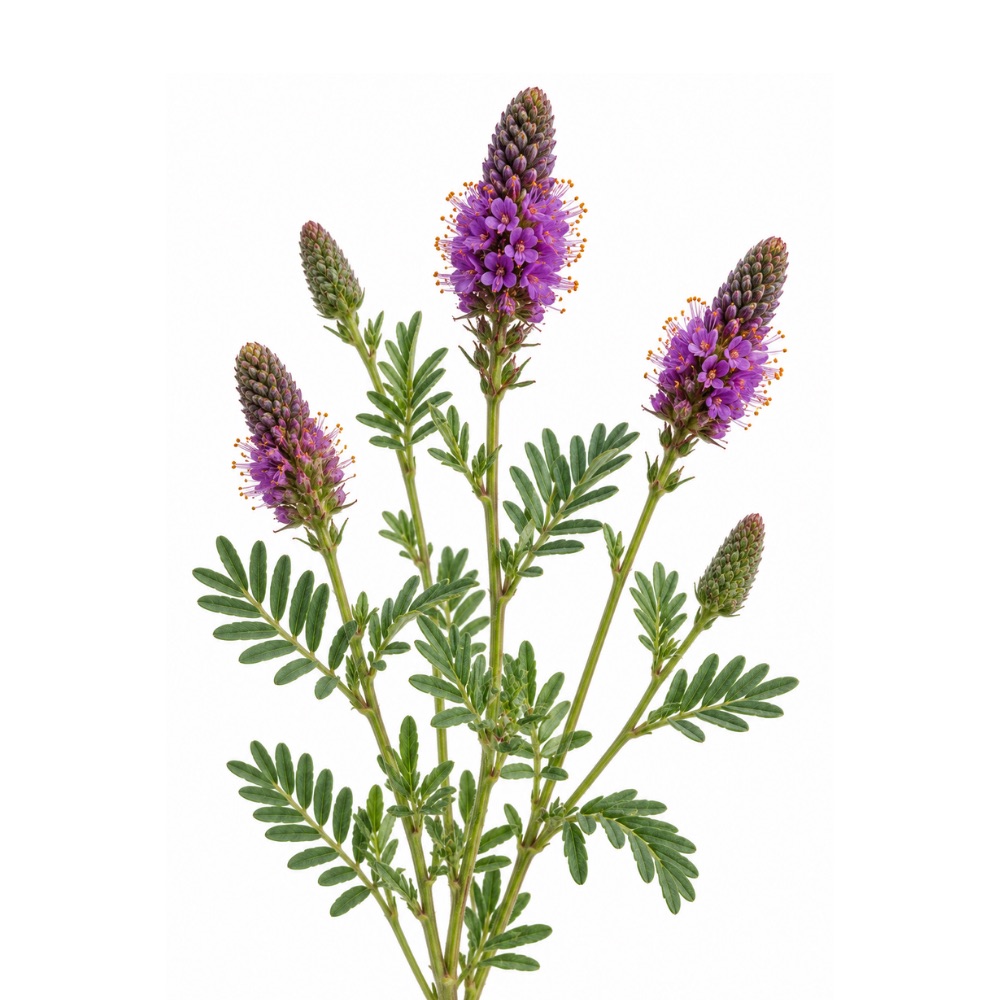 ModerateModeratePurple Prairie CloverDalea purpureaThe plant's condensed tannins show reproducible activity against enteric pathogens, the finding its forage research was chasing, by the standard tannin protein-precipitation mechanism.Mechanismcondensed-tannin protein precipitation; activity against enteric pathogensRead the evidenceShow less
Tannin-mediated control of gut bacteria in ruminants is an agronomic goal in its own right, and that is what the forage research on this plant set out to find. Its condensed tannins proved reproducibly active against enteric pathogens.
Mechanistically it is the standard tannin protein-precipitation action, and the work is in vitro and in livestock rather than in people.
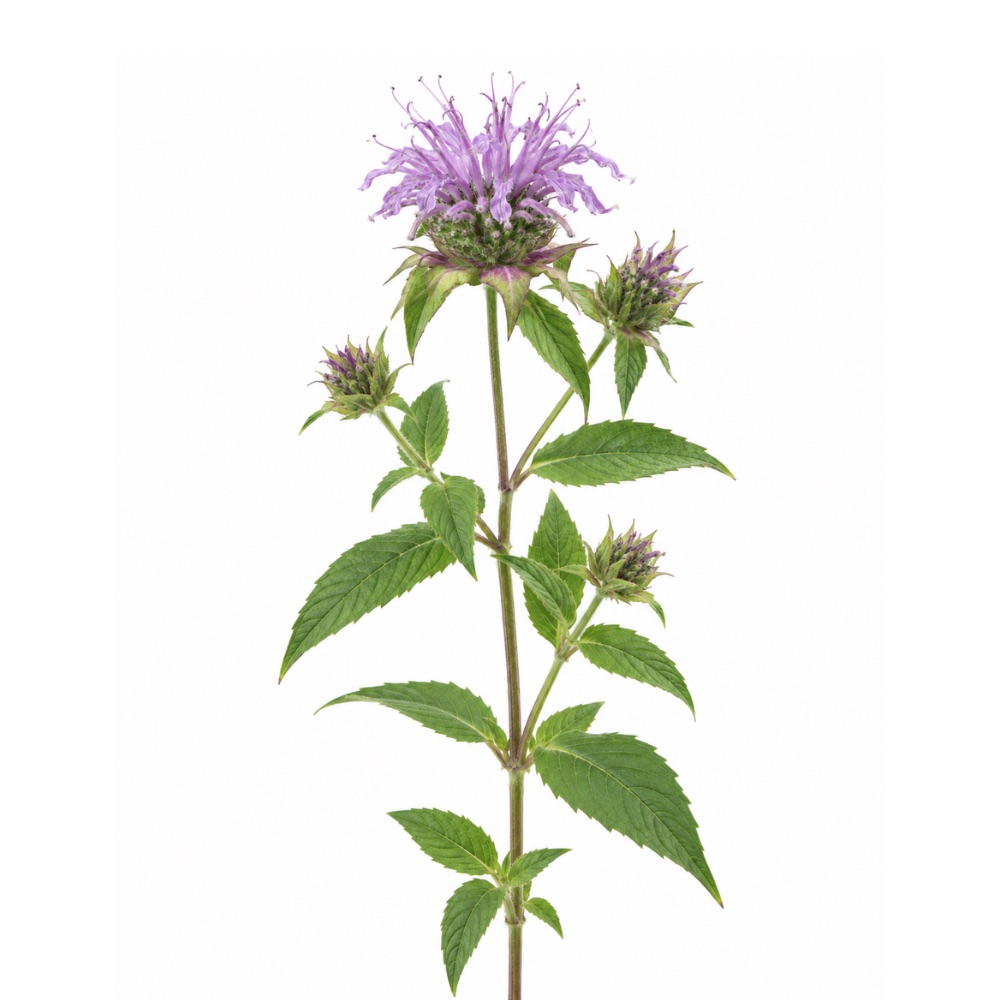 ModerateModerateWild BergamotMonarda fistulosaThe thymol- and carvacrol-rich oil inhibits a broad panel of bacteria across several independent laboratories, matching the traditional topical use for wounds and skin infection; essential-oil concentrations, and irritant undiluted.Mechanismthymol and carvacrol membrane disruption; TRPA1-active phenolsRead the evidenceShow less
Several independent laboratories have tested the oil against bacterial panels, and all found broad inhibition tracking its thymol and carvacrol 118,
The data are essential-oil concentrations in vitro, and the oil is irritant undiluted.
Show 27 more herbs with a mild antibacterial action
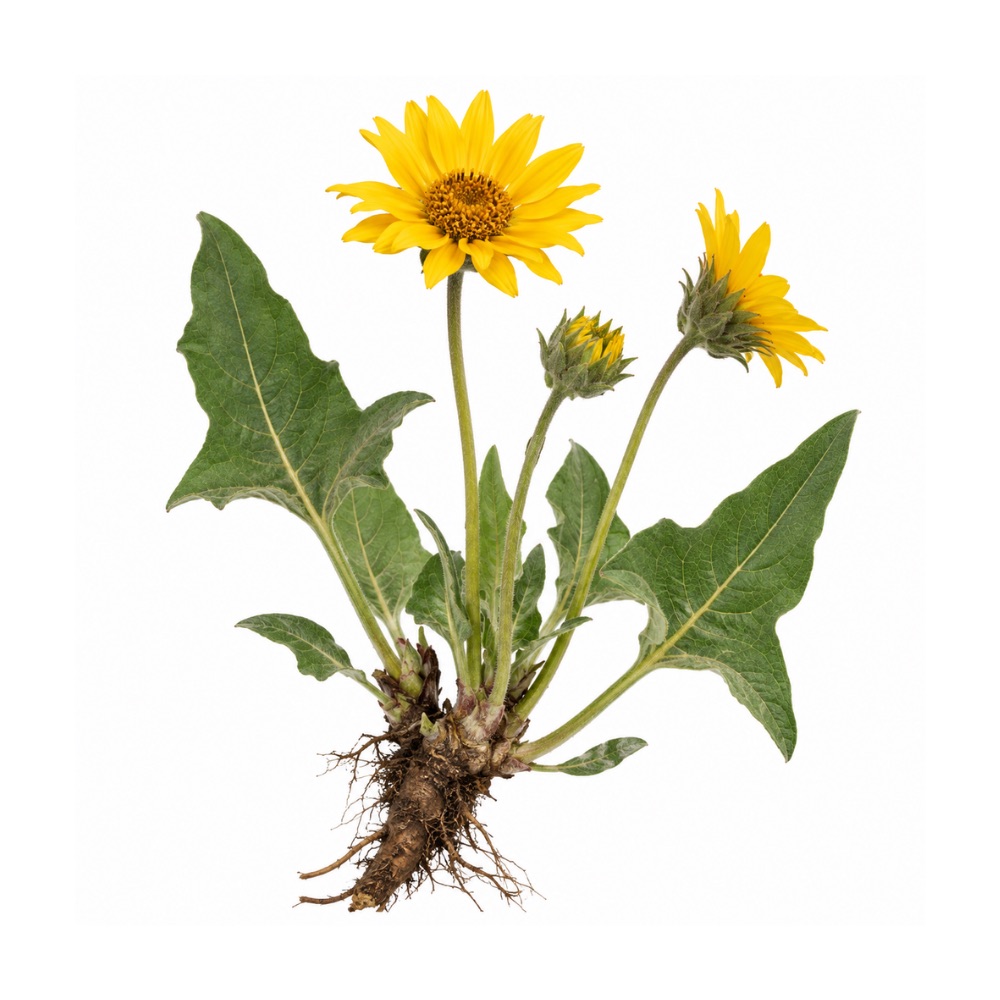 MildMildArrowleaf BalsamrootBalsamorhiza sagittataAn antibacterial thiophene was isolated from the plant and characterised in a 1996 paper; one named compound, one paper, in vitro.Mechanismthe isolated thiophene 7,10-epithio-7,9-tridecadiene-3,5,11-triyne-1,2-diolRead the evidenceShow less
A thiophene, 7,10-epithio-7,9-tridecadiene-3,5,11-triyne-1,2-diol, was isolated from the plant and shown to be antibacterial in vitro 38Reference 38In vitroAn antibacterial thiophene from Balsamorhiza sagittata — in vitro isolation studyView study →.
The activity has a named isolated compound behind it, which is unusual for so small a literature, and nothing beyond that single paper.
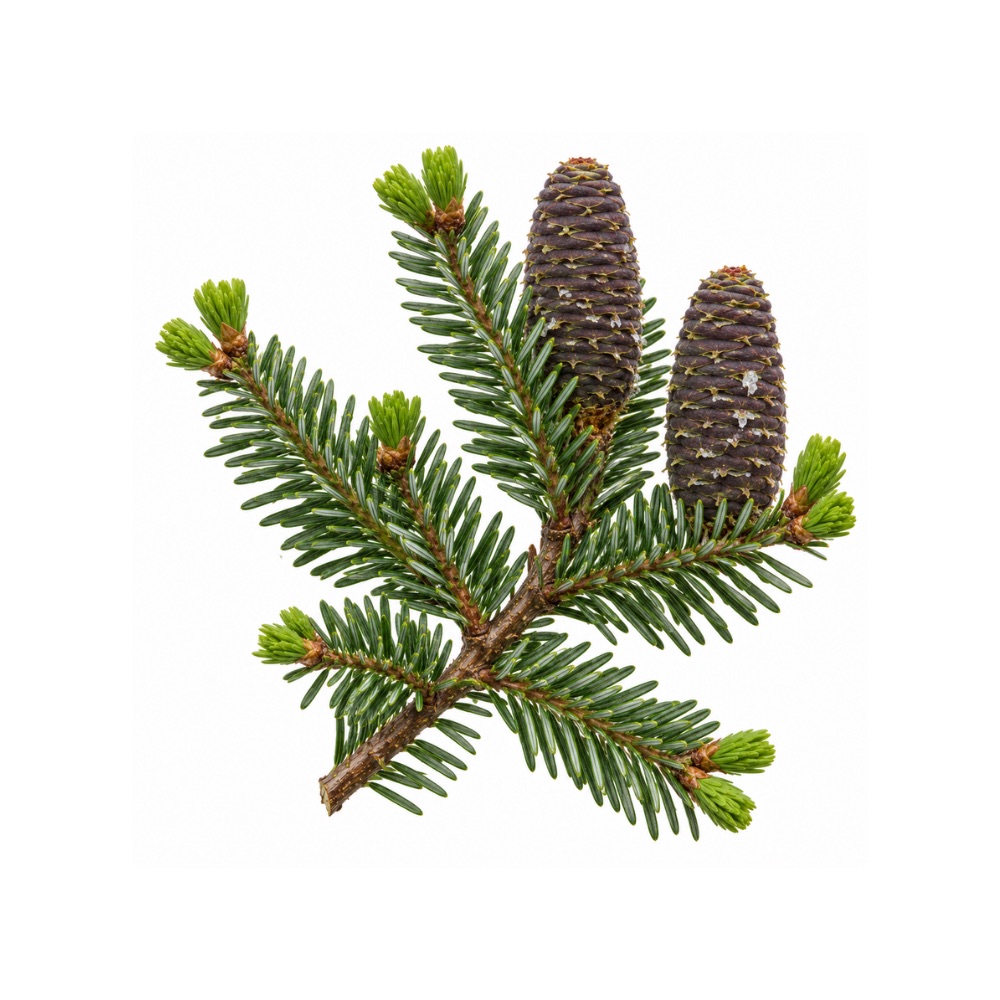 MildMildBalsam FirAbies balsameaThe steam-distilled needle oil is selectively active against Staphylococcus aureus, a narrower result than most essential-oil screens give; chemotype variation limits reproducibility.Mechanismneedle-oil monoterpene membrane disruption; selective against S. aureusRead the evidenceShow less
The steam-distilled needle oil showed selective activity against Staphylococcus aureus 35Reference 35In vitroComposition and antibacterial activity of Abies balsamea essential oil — in vitroView study →. Selectivity is worth noting, since most essential-oil antibacterial screening is broad and unimpressive.
Chemotype variation in the oil 36Reference 36Essential oil analysis of balsam fir Abies balsamea (L.) Mill. — chemotype/composition analysisView study → undercuts reproducibility from one collection to the next.
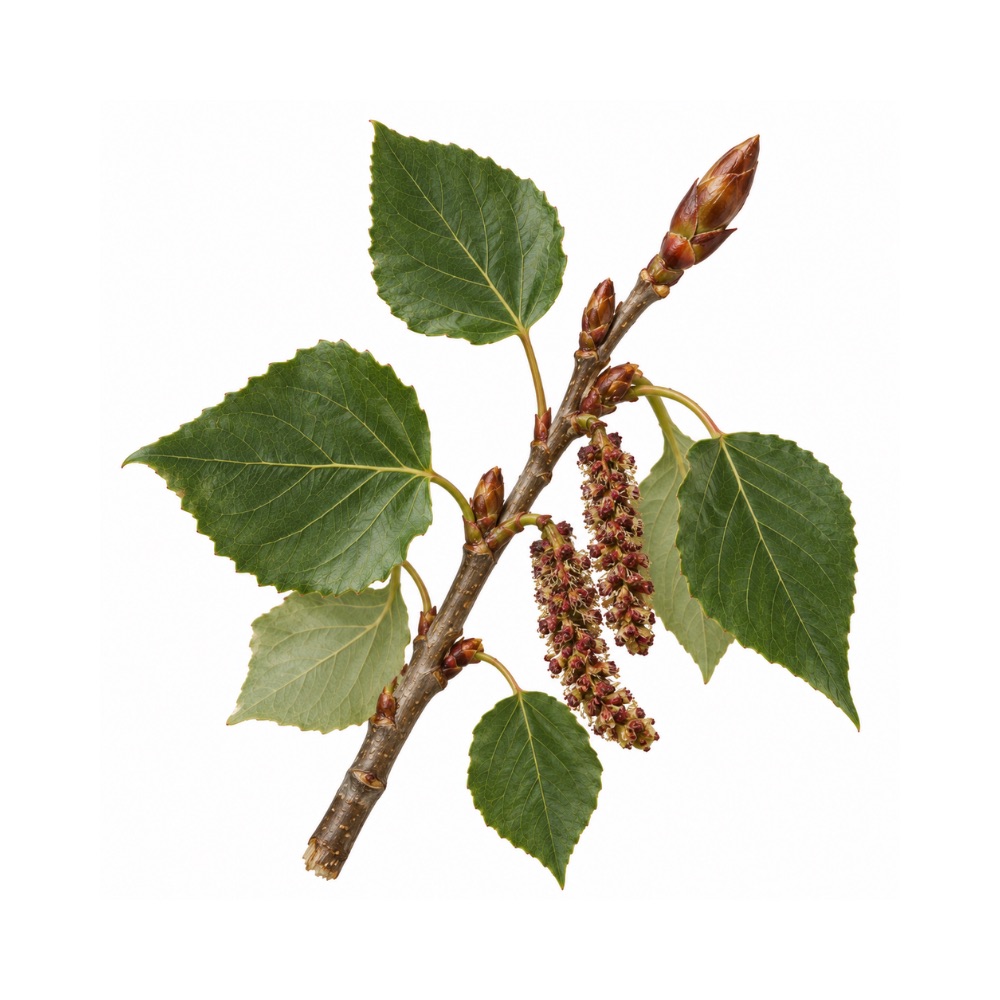 MildMildBalsam PoplarPopulus balsamiferaBud extracts show laboratory antibacterial activity consistent with their propolis-like flavonoid and phenolic-acid chemistry; modest in scale.Mechanismpropolis flavonoid and phenolic-acid activityRead the evidenceShow less
Ethanolic and aqueous bud extracts showed antibacterial activity in vitro 37Reference 37In vitroComparison of ethanolic and aqueous Populus balsamifera L. bud extracts by different extraction methods: chemical composition, antioxidant and antibacterial activities — [in vitro]View study →. The buds are the source of propolis, and the activity is consistent with that flavonoid and phenolic-acid chemistry.
The effect is unremarkable in scale, and there is no in-vivo work.
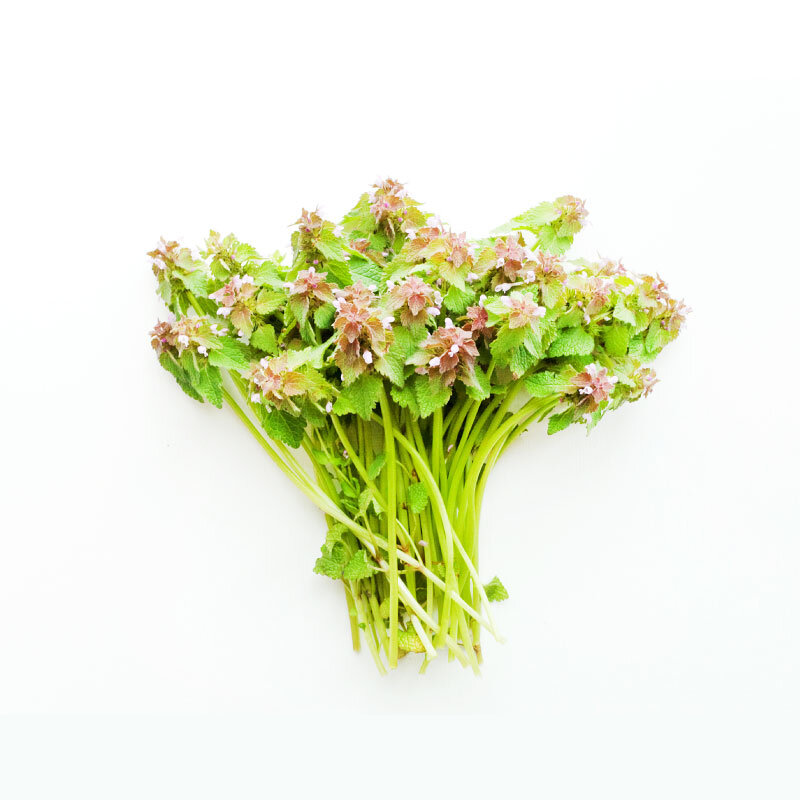 MildMildBlack HorehoundBallota nigraVerbascoside, forsythoside B and arenarioside show moderate in-vitro activity against Proteus, Salmonella and S. aureus, and crude root extract was the most inhibitory plant part across a six-organism panel; no MICs or human data.Mechanismnot established (crude-extract and isolated-glycoside growth inhibition)Read the evidenceShow lessMonograph →
Three of five phenolic compounds tested, verbascoside, forsythoside B and arenarioside, showed moderate activity against Proteus mirabilis, Salmonella typhi and Staphylococcus aureus 42,
The activity is moderate in vitro at best, and there are no MIC, animal or human data.
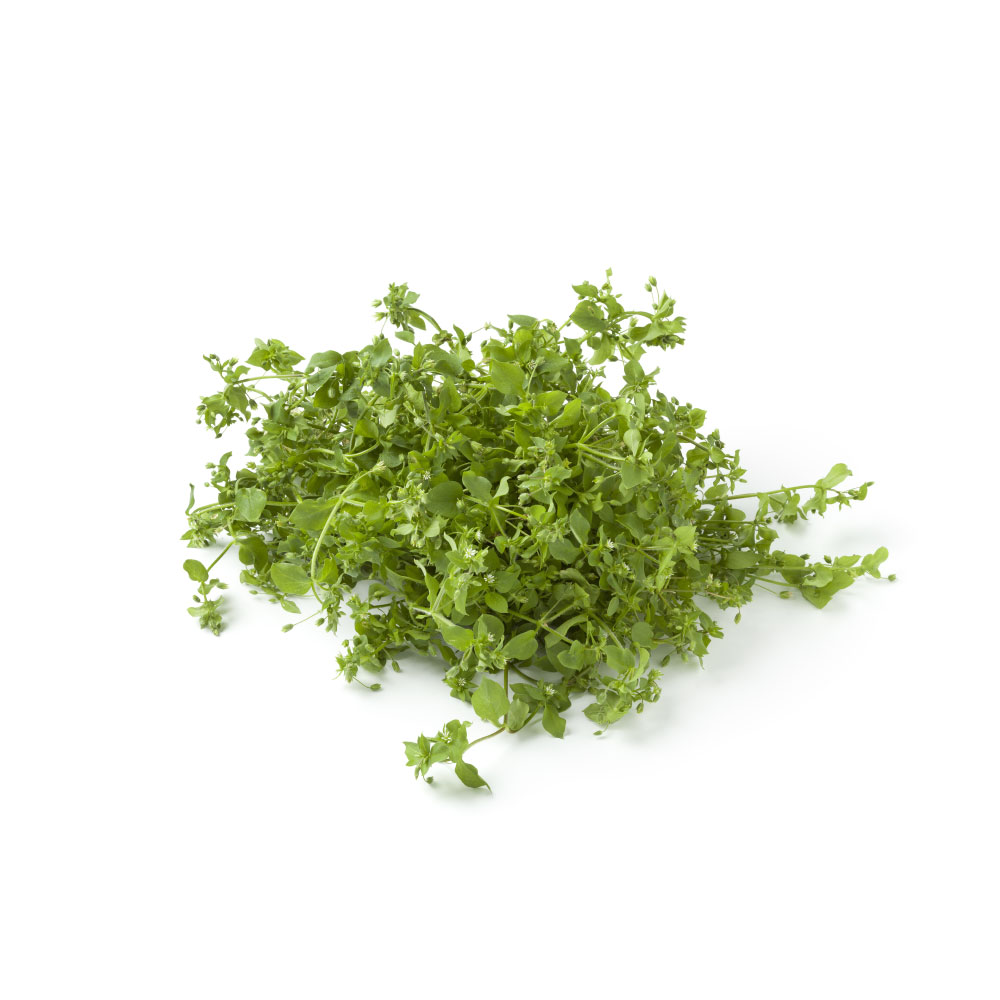 MildMildChickweedStellaria mediaCrude-extract activity against human bacterial pathogens is modest in the one relevant screen; the plant's large antimicrobial literature is its own antifungal defence peptides, active against plant pathogens.Mechanismnot established for the crude extract; chitin-binding / membrane-disrupting defense peptides (SmAMP, Sm-AMP-X, SmD1) — antifungal, phytopathogen targetsRead the evidenceShow lessMonograph →
The one screen that tested crude extract against human bacterial pathogens found the activity modest 50Reference 50In vitroIn vitro antibacterial and antitumor activities of some medicinal plant extracts growing in Turkey — in vitroView study →.
The larger antimicrobial literature concerns the plant’s own defence peptides. The SmAMP hevein-like peptides, the α-hairpinin Sm-AMP-X and the SmD1 defensin are antifungal, potent in the micromolar range against plant pathogens, and were characterised to engineer disease resistance into crops rather than to treat human infection 51,
Those peptides are unlikely to survive as active agents in a tea, tincture or infused oil.
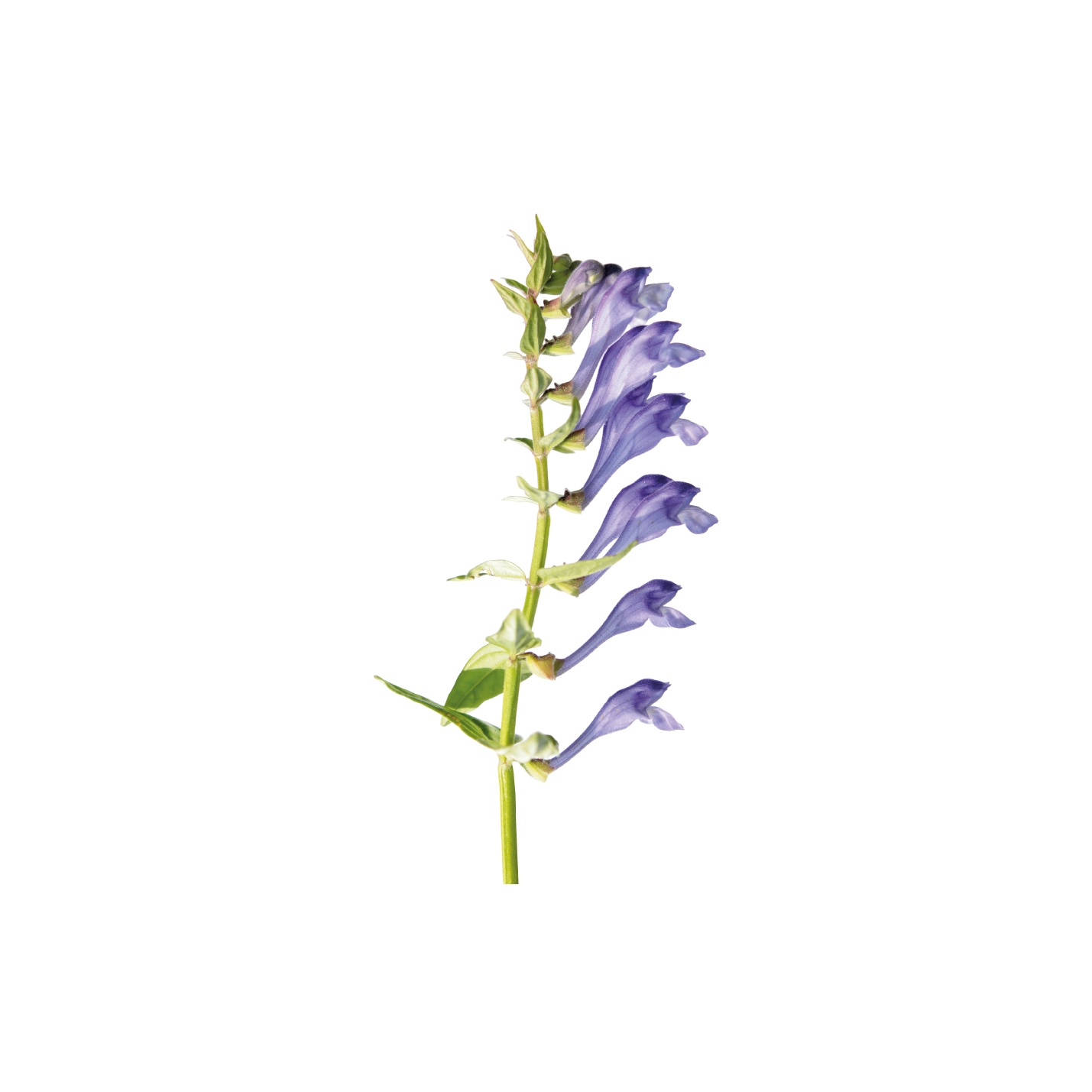 MildMildChinese SkullcapScutellaria baicalensisReported in the practitioner literature to inhibit the NorA efflux pump of resistant Staphylococcus and to synergise with ciprofloxacin and other antimicrobials; a specific mechanistic claim from a practitioner text rather than a published assay.Read the evidenceShow lessMonograph →
The claim is Buhner’s: that Chinese skullcap inhibits the NorA efflux pump of resistant bacteria and synergises with ciprofloxacin, ribavirin, albendazole and amphotericin B. An efflux-pump inhibitor is a mechanistically specific claim, and this one comes from a practitioner text rather than a peer-reviewed assay.
No published study tests it. The claim is falsifiable and untested.
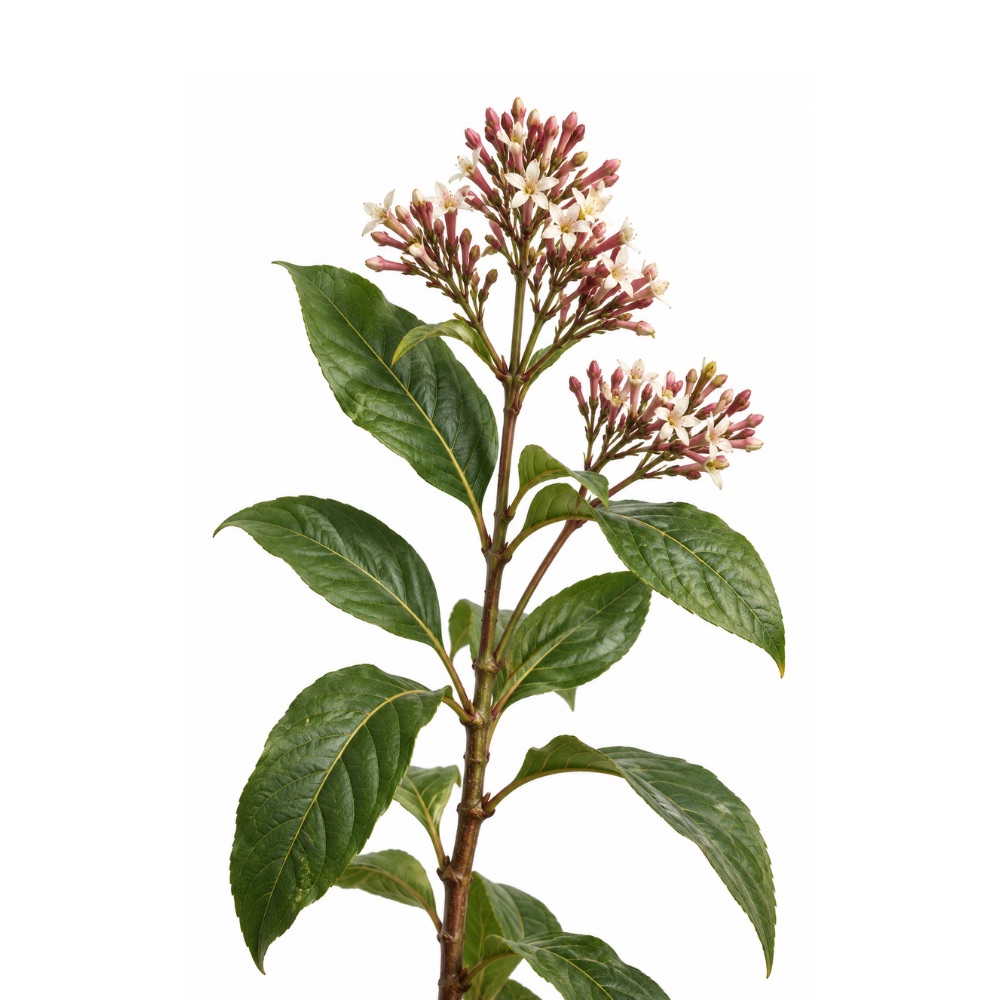 MildMildCinchonaCinchona officinalisBark extract is active in vitro against uropathogens and reverses antibiotic resistance in resistant isolates; a minor action beside the antimalarial one.Mechanismbark extract activity; antibiotic-resistance reversalRead the evidenceShow less
Bark extract inhibited uropathogenic bacteria in vitro and showed antibiotic-resistance-reversal activity against resistant isolates 55Reference 55In vitroAntimicrobial and antibiotic-resistance reversal activity of some medicinal plants from Cameroon against selected resistant and non-resistant uropathogenic bacteria — in vitroView study →. Resistance modification is the more useful half of the finding.
There is no in-vivo or human work.
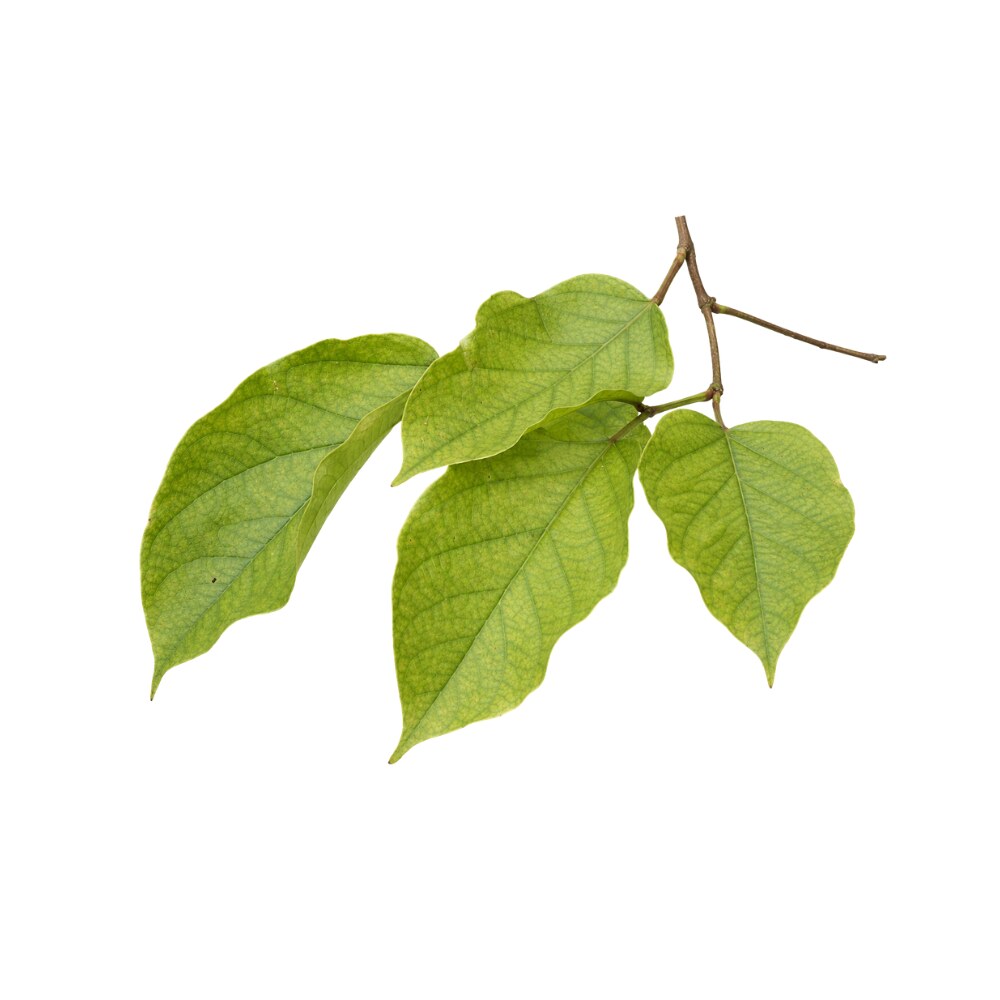 MildMildClavo HuascaTynanthus panurensisEugenol, the vine's dominant volatile, disrupts the bacterial cytoplasmic membrane and potentiates hydrophilic antibiotics across the Gram-negative outer membrane; the molecule is well characterised and the vine itself unmeasured.Mechanismbacterial cytoplasmic-membrane permeabilisation; outer-membrane disruption potentiating hydrophilic antibiotics — eugenol isolateRead the evidenceShow lessMonograph →
Eugenol disrupts the bacterial cytoplasmic membrane and is active against E. coli, Listeria monocytogenes, Campylobacter jejuni, Salmonella enterica, Staphylococcus aureus, Lactobacillus sakei and Helicobacter pylori 56Reference 56In vitroSynergistic interaction of eugenol with antibiotics against Gram-negative bacteria — in vitroView study →. Because hydrophilic antibiotics struggle to cross the Gram-negative outer membrane, eugenol pretreatment sharply raises their kill rate, and eugenol also synergises with carvacrol and cinnamaldehyde 56Reference 56In vitroSynergistic interaction of eugenol with antibiotics against Gram-negative bacteria — in vitroView study →.
None of this was measured on Tynanthus panurensis; 56Reference 56In vitroSynergistic interaction of eugenol with antibiotics against Gram-negative bacteria — in vitroView study → is an isolated-compound paper, and no MIC, extract assay or clinical antibacterial data for the vine exist. The traditional mouth-ulcer and oral-infection uses are the plausible real-world expression, since that is a topical, high-local-concentration route.
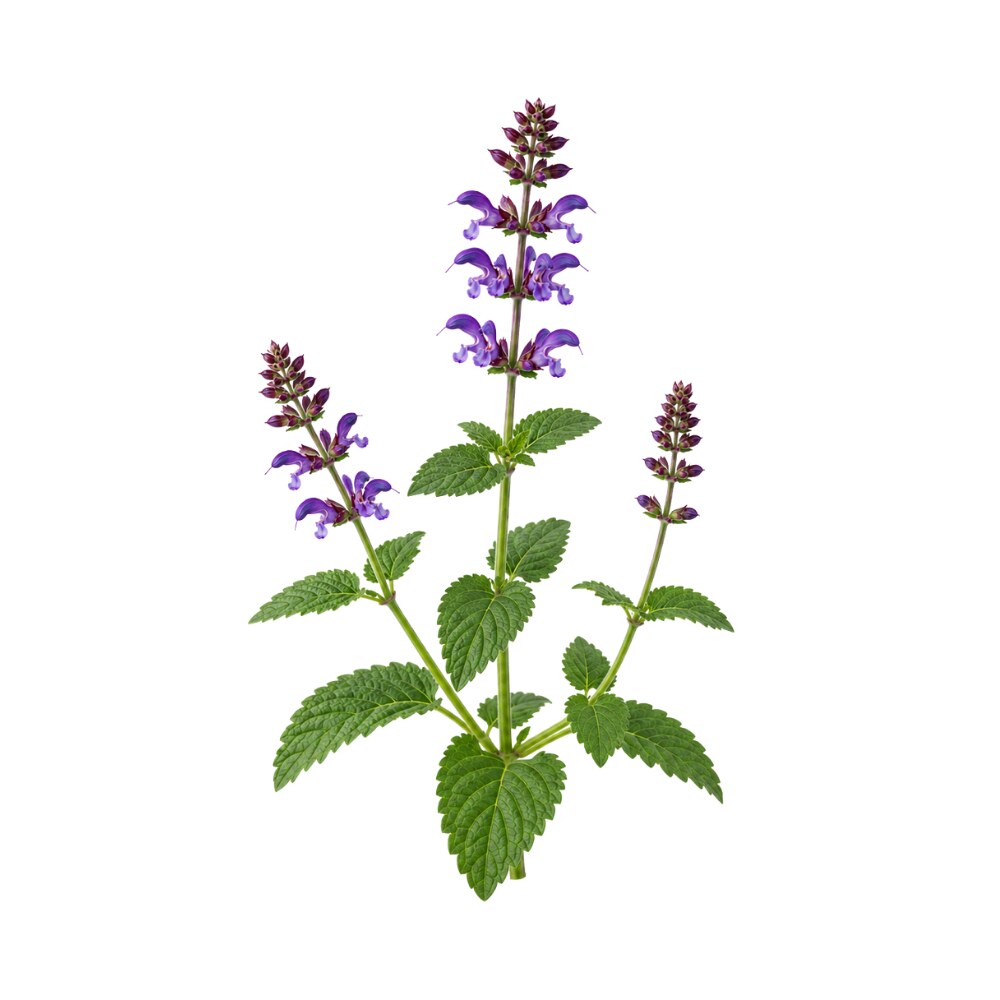 MildMildDan ShenSalvia miltiorrhizaThe lipophilic tanshinones, cryptotanshinone and dihydrotanshinone I above all, inhibit Gram-positive bacteria by generating superoxide inside the cell, and dihydrotanshinone I is bactericidal against drug-resistant Helicobacter pylori in mice; laboratory support for the herb's traditional topical use.MechanismGram-positive inhibition (tanshinones)Read the evidenceShow lessMonograph →
The activity belongs to the lipophilic diterpene fraction. Cryptotanshinone and dihydrotanshinone I generate superoxide inside the bacterial cell and inhibit Gram-positive bacteria in vitro 3Reference 3In vitroAntibacterial activities of cryptotanshinone and dihydrotanshinone I from a medicinal herb, Salvia miltiorrhiza Bunge — in vitro studyView study →, and the same fraction shows anti-inflammatory activity in cell and animal models 76Reference 76In vitroSimultaneous purification of dihydrotanshinone, tanshinone I, cryptotanshinone and tanshinone IIA from Salvia miltiorrhiza and their anti-inflammatory activities — in vitro and animal modelView study →.
Dihydrotanshinone I is bactericidal against standard and clinical H. pylori at MIC50/90 of 0.25/0.5 µg/mL and, with omeprazole in mice, exceeded standard triple therapy 10Reference 10In vitroDihydrotanshinone I is effective against drug-resistant Helicobacter pylori in vitro and in vivo — in vitro and mouse studyView study →.
No in-vivo or clinical demonstration of the whole herb exists.
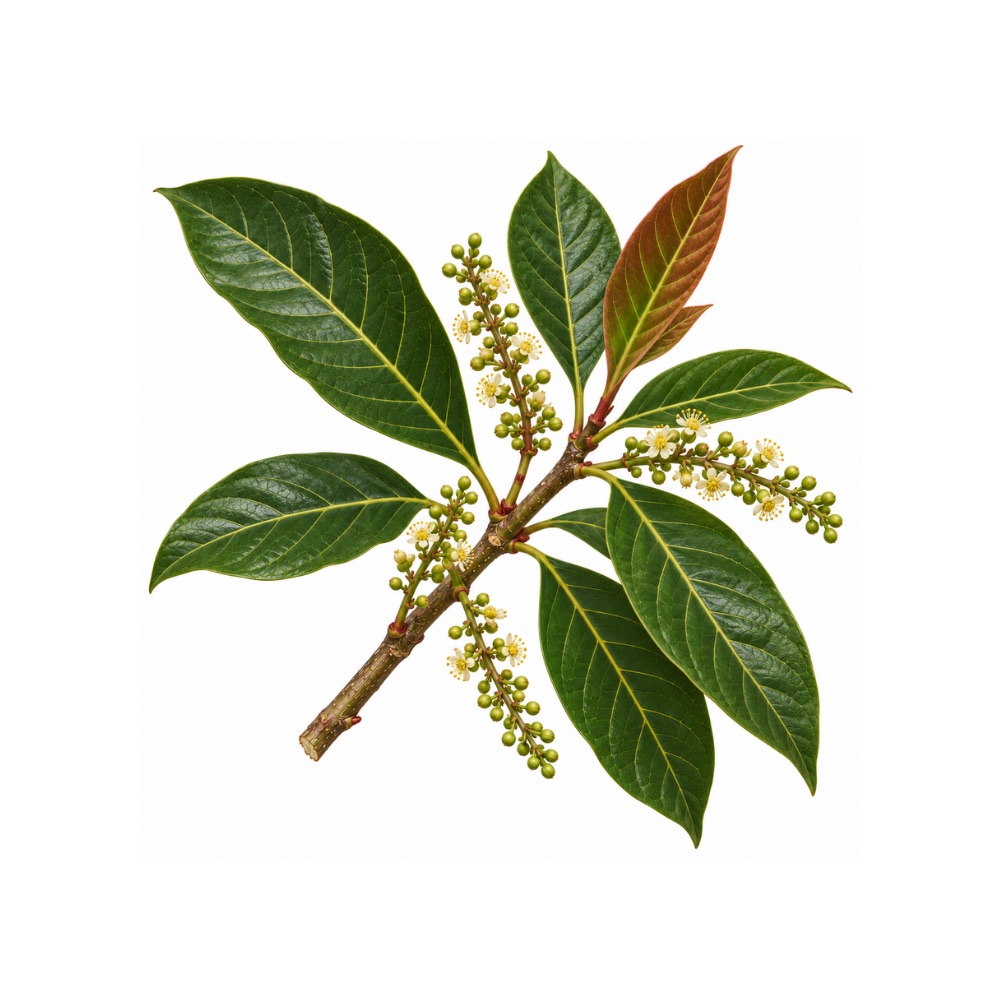 MildMildDragon’s BloodCroton lechleriCrude latex extracts show in-vitro antibacterial activity in standard screening, with no distinguishing mechanism.Mechanismcrude extract activity in vitroRead the evidenceShow less
Standard in-vitro extract screening shows activity against bacteria, with nothing to distinguish the mechanism from generic polyphenol and alkaloid protein binding.
There is no infection model and no isolated antibacterial principle.
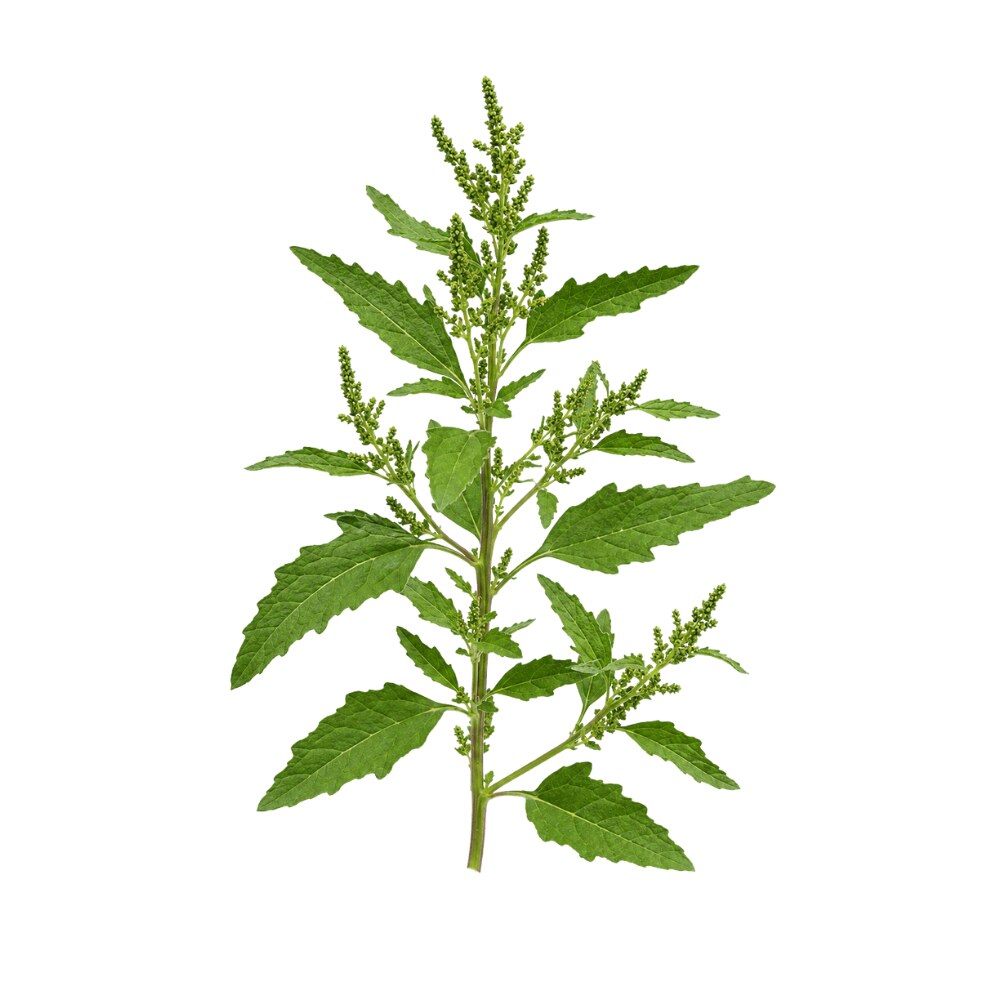 MildMildEpazoteDysphania ambrosioidesThe oil eradicated Helicobacter pylori in 50–60% of infected mice with bactericidal killing at MIC 16 mg/L, and with α-terpinene inhibits the S. aureus NorA efflux pump and potentiates norfloxacin; weak as a direct antibacterial against other organisms.MechanismNorA efflux-pump inhibition (resistance-modifying); membrane disruptionRead the evidenceShow lessMonograph →
Against Helicobacter pylori the herb shows an in-vivo signal: 50–60% eradication in infected mice plus dose-dependent bactericidal killing at MIC 16 mg/L 79Reference 79In vitroAnti-Helicobacter pylori activities of Chenopodium ambrosioides L. in vitro and in vivo. — [in vitro and in vivo]View study →, two orders of magnitude better than its activity against anything else.
The oil, and α-terpinene in it, inhibits the S. aureus NorA efflux pump and potentiates norfloxacin 77Reference 77In vitroInhibition of the essential oil from Chenopodium ambrosioides L. and α-terpinene on the NorA efflux-pump of Staphylococcus aureus. — [in vitro]View study →, a resistance-modifying mechanism rather than a classical antibacterial one.
Against other organisms the direct activity is weak: MIC of 1024 µg/mL or more against Staphylococcus aureus and 1000 µg/mL against cariogenic streptococci 77,
 MildMildForsythiaForsythia suspensaLian qiao is a stock ingredient of the heat-clearing, toxin-resolving formulas, and its phenylethanoid glycosides and essential oil show broad in-vitro antibacterial activity; species-specific potency data are thin.Mechanismnot established — broad in-vitro screen-level activity attributed to phenylethanoid glycosides and essential oil; no species-specific targetRead the evidenceShow less
Forsythia’s traditional standing is as a toxin-resolving herb, and lian qiao is a stock ingredient of the antibacterial clear-heat formulas of Chinese practice. That reputation aligns with broad in-vitro antibacterial activity attributed to its phenylethanoid glycosides and essential oil.
Hard species-specific potency data for the single herb are thin, there are no clinical antibacterial data, and most of what is known about forsythia’s anti-infective use belongs to the combinations it appears in rather than to the herb alone.
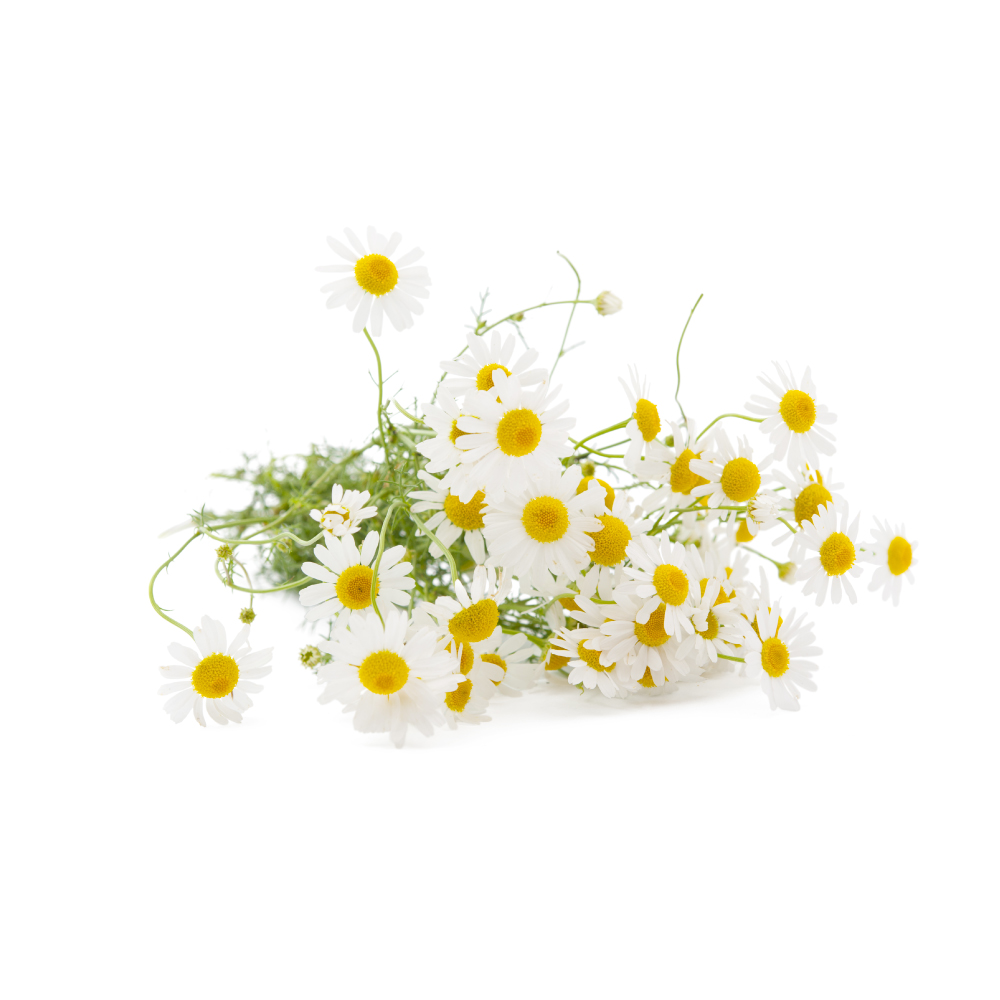 MildMildGerman ChamomileMatricaria chamomillaUsed topically for infected wounds, boils and impetigo, with the essential oil's antibacterial activity depending on α-bisabolol content; the one sample tested was near-inactive at 4% bisabolol, and other chemotypes carry more than 50%.Mechanismessential-oil α-bisabolol membrane disruption (chemotype-dependent)Read the evidenceShow lessMonograph →
Chamomile is used topically for burns, wounds, boils, bacterial skin infection and impetigo, and the oil’s antimicrobial activity is attributed to alpha-bisabolol.
The one in-vitro study cited found the essential oil had very little antimicrobial action and attributed that directly to a low α-bisabolol content, 4.14% of the oil in that sample, in contrast with other samples showing strong antifungal activity at much higher bisabolol levels 49Reference 49In vitroIn vitro antimicrobial activity of essential oil of Thymus schimperi, Matricaria chamomilla, Eucalyptus globulus and Rosmarinus officinalisView study →. Reported α-bisabolol ranges from about 4% to over 50% of the oil between provenances and harvest times, so the activity is a property of a particular oil rather than of the herb.
There are no human infection trials.
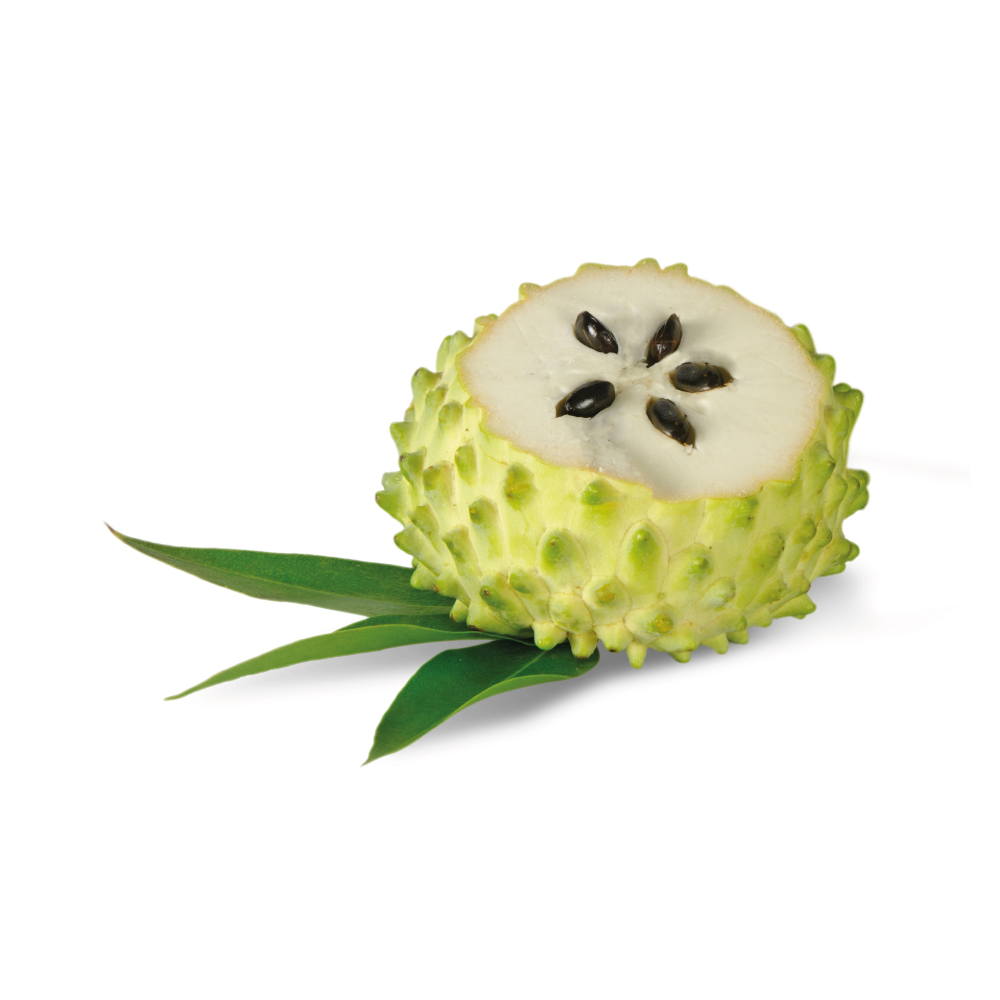 MildMildGraviolaAnnona muricataLeaf, bark and seed extracts inhibit a broad range of bacteria in vitro at dish-level MICs; the bacterial half of a broader antimicrobial screen, with no primary study cited, and governed in practice by the leaf's annonacin.Read the evidenceShow lessMonograph →
Extracts of the leaf, bark and seed have been screened against bacteria and fungi in vitro and inhibit a broad range of both at MIC concentrations achievable in a dish. The bacterial half is broad-spectrum screening only, while the fungal half carries the named actives and a few animal models.
No primary study is cited for it in the herb’s own research, and there is no evidence that antibacterial concentrations are reached in a body. Annonacin neurotoxicity governs any sustained use of the leaf.
MildMildHoneysuckleLonicera japonicaJin yin hua's central traditional action, resolving toxicity in hot sores, carbuncles, sore throat and heat dysentery, with broad in-vitro activity from its phenolic constituents; chlorogenic acid and luteoloside are the presumed actors, and species-specific MICs are limited.Mechanismmembrane/phenolic antibacterial actionRead the evidenceShow lessMonograph →
Resolving toxicity in hot sores, carbuncles, sore throat and heat dysentery is honeysuckle’s load-bearing traditional action, and it is a stock ingredient of the antibacterial clear-heat formulas.
The phenolic constituents show broad in-vitro activity, with chlorogenic acid and luteoloside the presumed actors 87,
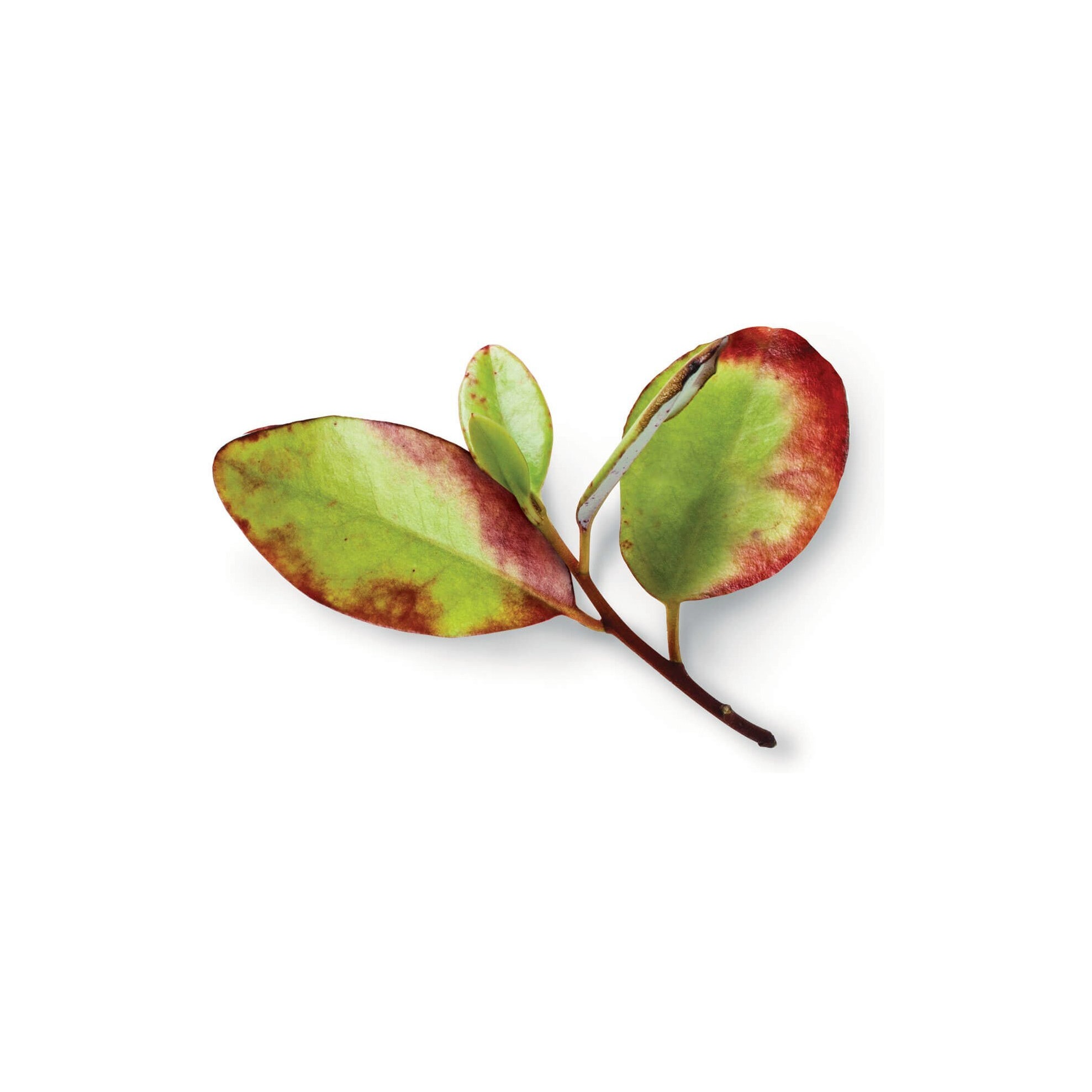 MildMildHoropitoPseudowintera colorataPolygodial kills Gram-positive and Gram-negative bacteria at 50–100 µg/mL and potentiates poorly penetrating antibiotics by permeabilising the membrane; the bacterial half of the herb's antimicrobial profile, weaker than its antifungal half.Mechanismmembrane permeabilisation (non-ionic surfactant); reactive α,β-unsaturated dialdehyde electrophilicityRead the evidenceShow lessMonograph →
Purified polygodial kills Gram-positives (Bacillus subtilis, Staphylococcus aureus) and Gram-negatives (E. coli, Salmonella) at minimum bactericidal concentrations of about 50–100 µg/mL 89Reference 89In vitroAntibacterial activity of polygodial — in vitroView study →, and a 2024 drimane panel from D. winteri found polygodial the most active member of its class at MICs of 16–64 µg/mL against Enterococcus avium and Klebsiella pneumoniae 90Reference 90In vitroAntimicrobial activity of drimanic sesquiterpene compounds from Drimys winteri against multiresistant microorganisms — in vitroView study →.
By permeabilising the membrane, polygodial acts as an antibiotic potentiator, carrying poorly penetrating drugs such as actinomycin D into cells and sharply raising their activity 91Reference 91In vitroPolygodial, an antifungal potentiator — in vitroView study →.
All of it is in vitro, on the isolated molecule from other species. The antifungal activity is the better-supported half and is examined among the antifungal herbs.
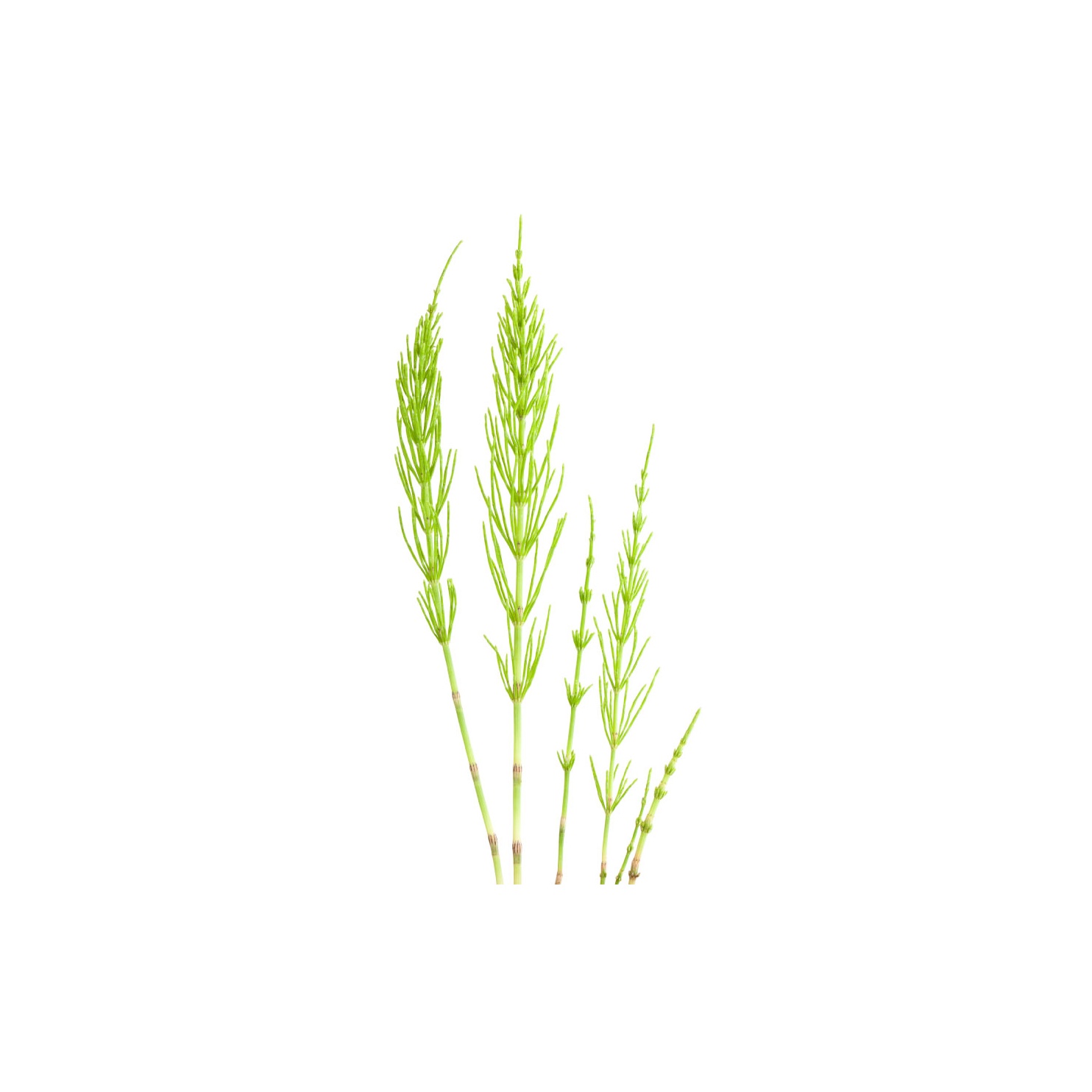 MildMildHorsetailEquisetum arvenseEquisetum extracts show moderate-to-strong in-vitro activity against Gram-positive bacteria, inconsistent across species and solvents; the Gram-negative uropathogens behind the urinary infections it is sold for are poorly covered.Mechanismnot established — extract-level growth inhibition of gram-positive strains (phenolic fraction)Read the evidenceShow lessMonograph →
Various Equisetum species show moderate-to-strong in-vitro activity against Gram-positive bacteria; a 2018 study reported antibacterial activity alongside oxidative-stress and inflammation modulation 92Reference 92In vitroEquisetum arvense L. extract induces antibacterial activity and modulates oxidative stress, inflammation — in vitroView study →, and a five-species Serbian screen found most tested organisms sensitive to some degree 93Reference 93In vitroAntioxidant, antimicrobial and genotoxicity screening of hydro-alcoholic extracts of five Serbian Equisetum species — in vitroView study →.
Activity is inconsistent across species, solvents and strains, no mechanism is characterised beyond extract-level inhibition, and there is no clinical confirmation of any antibacterial use.
Gram-negative uropathogens, the organisms behind the urinary infections horsetail is sold for, are poorly covered, which is why its urinary antiseptic standing rests on tradition rather than on this evidence.
MildMildIsatisIsatis indigoticaBan lan gen is a core herb of the resolve-fire-toxicity category in Chinese practice, given for bacterial and viral heat toxin alike; the bacterial half rests on that tradition and on unspecified broad in-vitro screening.Read the evidenceShow lessMonograph →
Isatis root is one of the most-used heat-clearing herbs in Chinese practice, and the resolve-fire-toxicity category it belongs to lumps bacterial and viral heat toxin together.
The bacterial half of its reputation rests on that tradition plus unspecified broad in-vitro screening, with no species-specific MIC data and no reference in the herb’s own research. The viral half is the better evidenced, and is examined among the antiviral herbs.
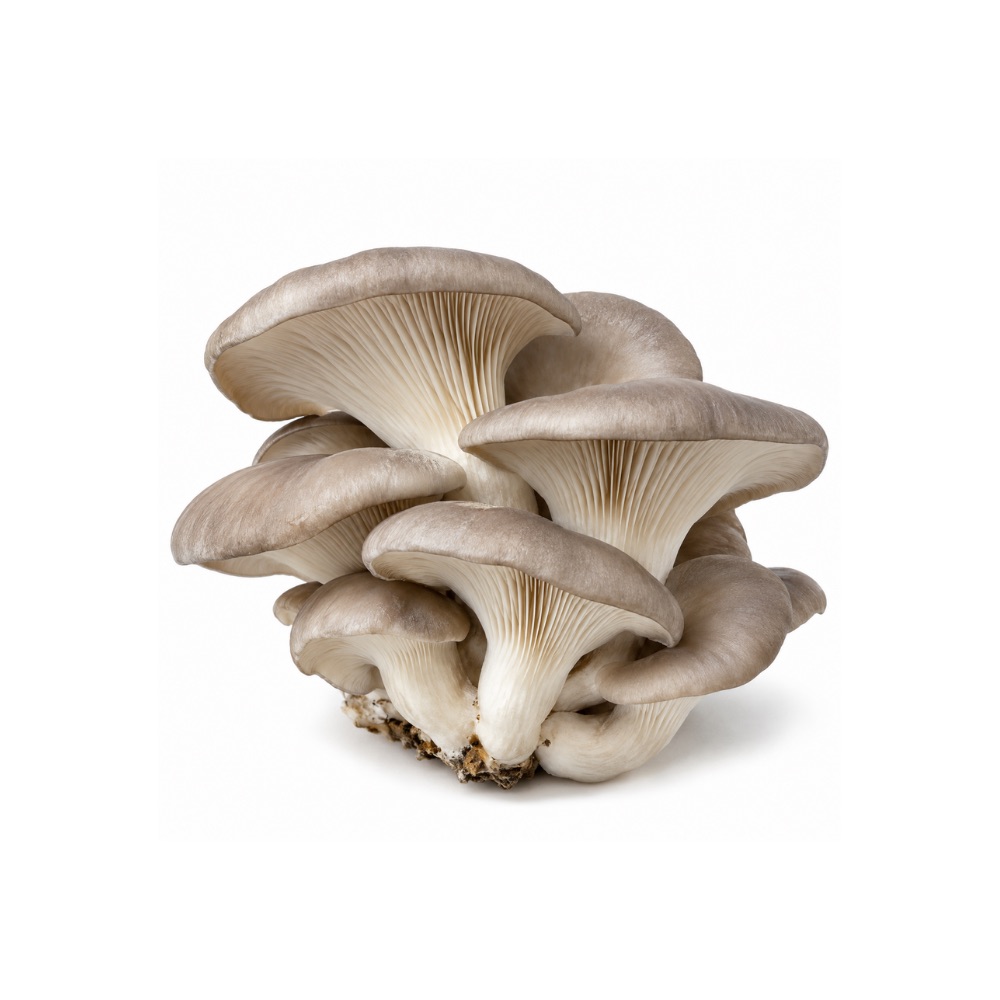 MildMildOyster MushroomPleurotus ostreatusToddaculin and related methoxy-coumarins isolated from the fruiting body inhibit S. aureus at MICs comparable to conventional antibiotics, and crude extracts are active against S. aureus, E. coli and N. gonorrhoeae in screening; isolated-compound potency from a fraction nobody eats.Mechanismisolated methoxy-coumarins; membrane and enzyme effectsRead the evidenceShow less
A new coumarin, toddaculin, and related methoxy-coumarins isolated from the fruiting body inhibited S. aureus and phytopathogenic fungi at MICs comparable to conventional antibiotics 126Reference 126In vitroAntimicrobial coumarins from the oyster mushroom, Pleurotus ostreatus — in vitroView study →; crude extracts show activity against S. aureus, E. coli and N. gonorrhoeae in screening 127Reference 127In vitroScreening of antimicrobial properties and bioactive compounds of Pleurotus ostreatus extracts — in vitroView study →.
Isolated-compound potency at antibiotic-comparable MICs says nothing about the whole mushroom in use, and nothing has been tested in vivo.
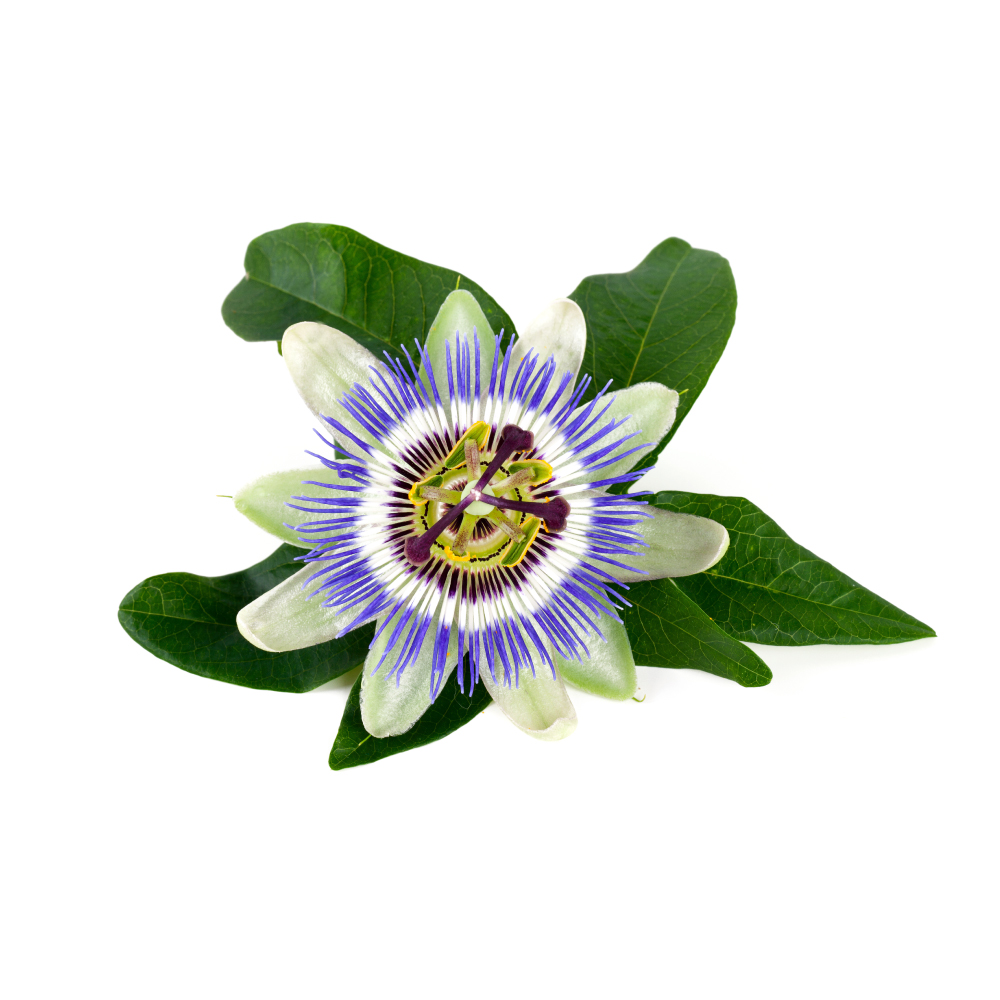 MildMildPassionflowerPassiflora incarnataA named antibacterial and antifungal principle, Passicol, isolated from Passiflora is active against Gram-positive but not Gram-negative bacteria, with activity that rises when the living tissue is wounded before harvest; largely in species other than P. incarnata.MechanismPassicol — Gram-positive activityRead the evidenceShow lessMonograph →
Passicol, isolated from Passiflora, shows activity against Gram-positive but not Gram-negative bacteria in vitro, with antifungal peptides in the seeds and activity that increases when living tissue is wounded before harvest 128Reference 128In vitroPassicol, an antibacterial and antifungal agent produced by Passiflora plant species — in vitroView study →.
The findings are laboratory ones, largely in species other than P. incarnata, with no clinical work.
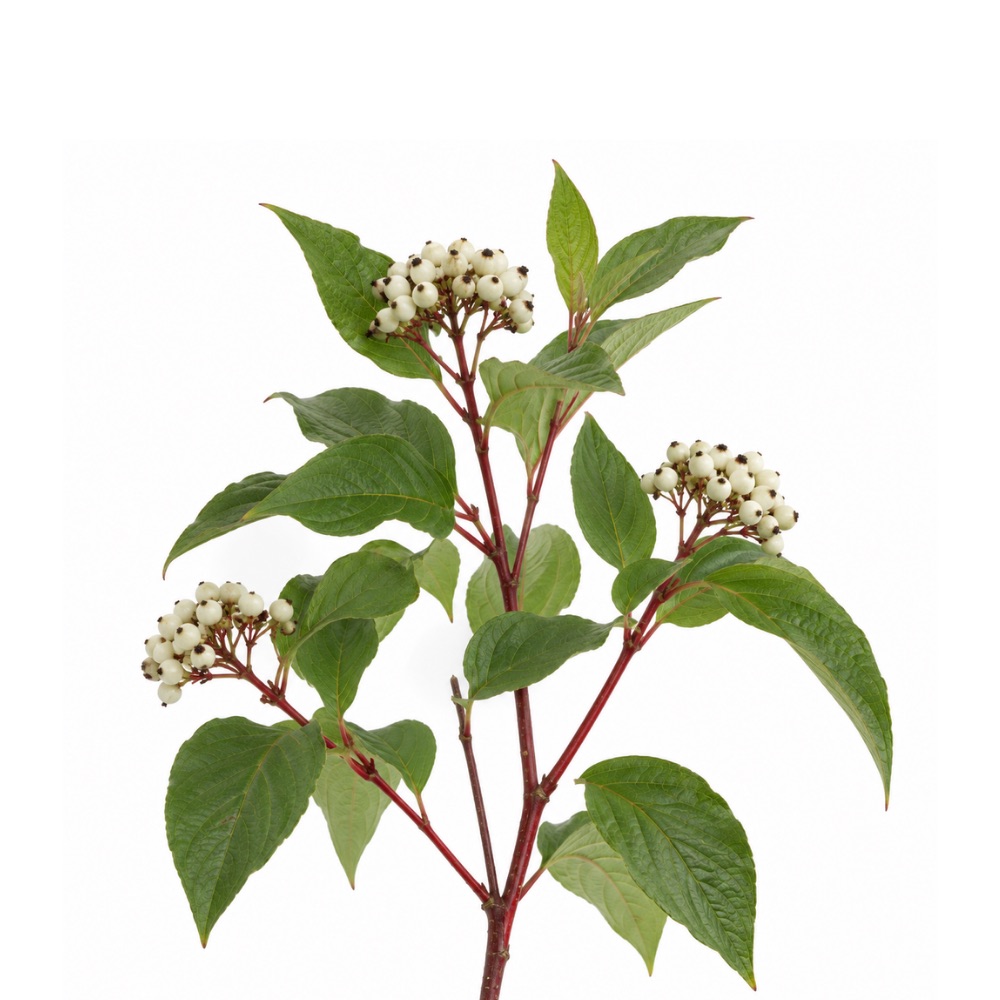 MildMildRed-Osier DogwoodCornus sericeaPolyphenol extract is used in veterinary nutrition as an antibiotic alternative, matching trimethoprim-sulfadiazine on Salmonella excretion and gut morphology in broiler chickens and shifting the pig ileal microbiota toward Lactobacillus; enteric-pathogen effects in feeding trials rather than a characterised antibacterial action.Mechanismtannin and polyphenol activity; enteric-pathogen effects in livestockRead the evidenceShow less
In broiler chickens challenged with Salmonella Enteritidis, dietary extract at 0.3–0.5% altered caecal and ileal microbiota and, in head-to-head trials, produced effects comparable to trimethoprim-sulfadiazine on Salmonella excretion and gut morphology 61,
No isolated antibacterial characterisation exists, and the work is livestock nutrition rather than human infection.
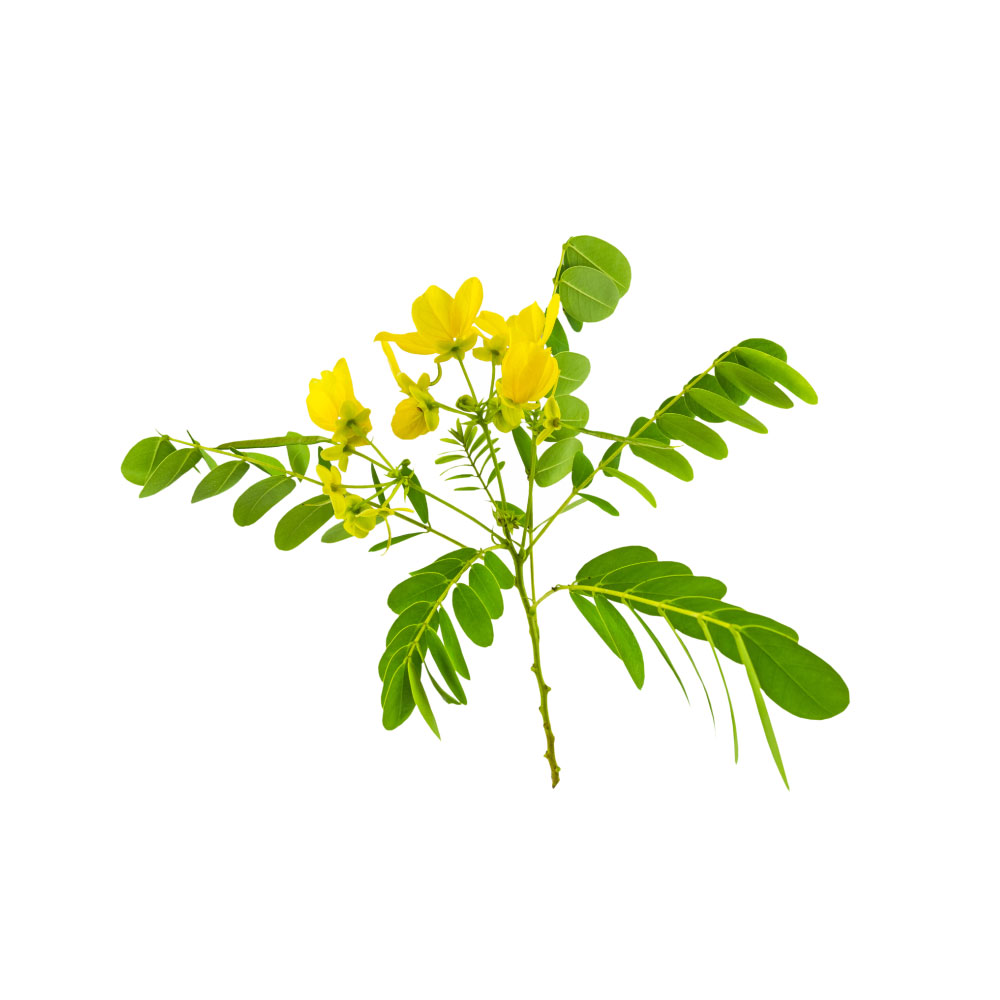 MildMildSennaCassia angustifoliaAqueous and organic leaf extracts inhibit a range of bacteria in disk-diffusion assays; a single in-vitro finding, at concentrations that would be a purgative dose by mouth.Read the evidenceShow lessMonograph →
Aqueous and organic Cassia angustifolia leaf extracts inhibit a range of bacteria in disk-diffusion assays, and much of that work tests green-synthesised silver and zinc nanoparticles using senna leaf as a reducing substrate rather than the herb itself 153Reference 153In vitroPharmacologically active flavonoids from the anticancer, antioxidant and antimicrobial extracts of Cassia angustifolia Vahl — in vitroView study →.
No target or active constituent is identified, there are no in-vivo or clinical data, and an oral dose approaching these concentrations is a stimulant-laxative dose. Senna’s wider antimicrobial profile is examined among the antimicrobial herbs.
MildShiitakeLentinula edodesAn ethyl-acetate extract produced inhibition zones of about 30 mm against E. coli and other Gram-positive and Gram-negative isolates; the activity tracks phenolics and fatty acids rather than the immune-active glucans, at concentrations eating the mushroom cannot reach.Mechanismlow-molecular-weight phenolics and fatty acids (not the polysaccharides)Read the evidenceShow less
An ethyl-acetate extract produced the largest disc-diffusion inhibition zones against E. coli and other Gram-positive and Gram-negative isolates, about 30 mm 135Reference 135In vitroAntibacterial Potential and Chemical Composition of Shiitake Mushroom (Lentinus edodes) Extract Against Pathogenic Bacteria — in vitro. https://pubmed.ncbi.nlm.nih.gov/41523615/View study →.
Activity tracks the phenolic and fatty-acid fraction rather than the immune-active glucans, so the solvent that produces it is not one used in any traditional or commercial preparation, and the concentrations are almost certainly unreachable by eating the mushroom.
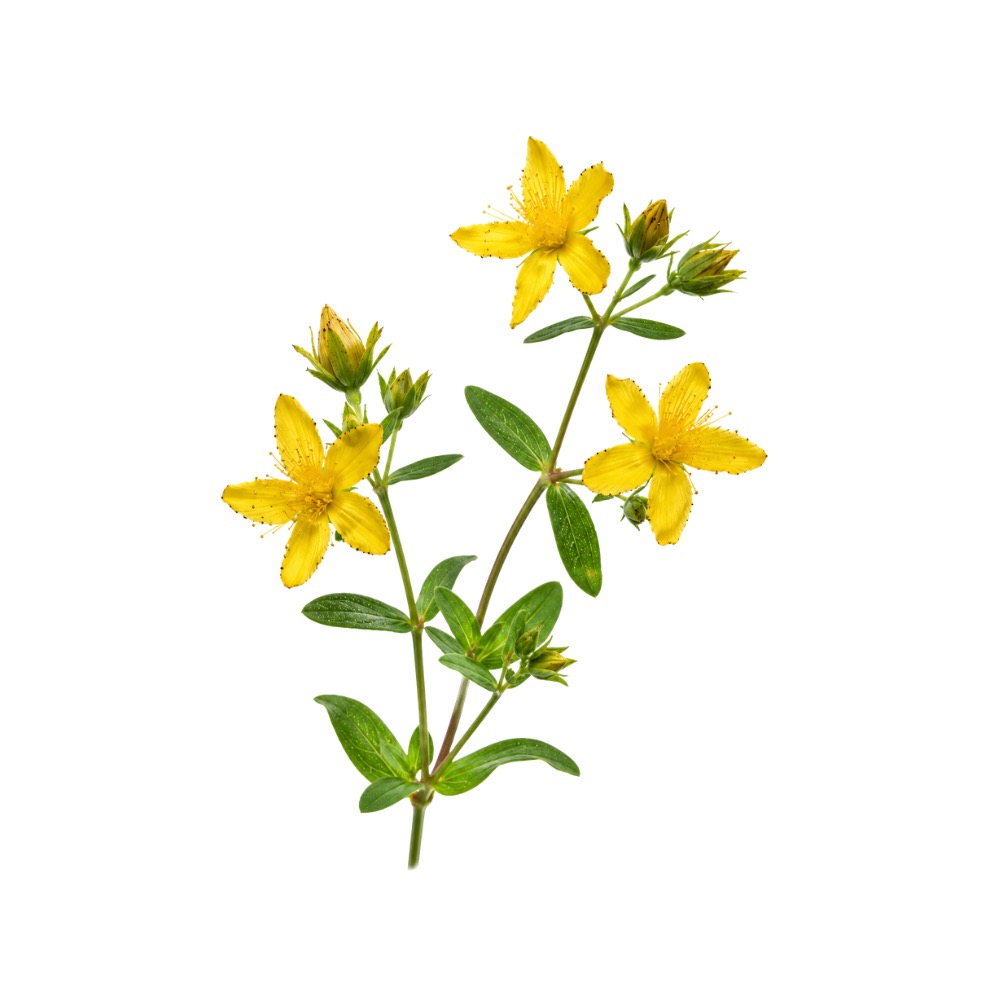 MildMildSt. John’s WortHypericum perforatumHyperforin is active against multiresistant Staphylococcus aureus and other Gram-positive bacteria, and its antibacterial activity is credited as part of the mechanism in the herb's topical wound-healing trials; the constituent is well studied and the herb itself unmeasured.Read the evidenceShow lessMonograph →
Hyperforin inhibits multiresistant Staphylococcus aureus and other Gram-positive bacteria 151Reference 151In vitroAntibacterial activity of hyperforin from St John’s wort, against multiresistant Staphylococcus aureus and gram-positive bacteria — in vitroView study →, and the hyperforin literature against methicillin-resistant strains is substantial in its own right.
In the herb’s own research the antibacterial activity appears as part of the proposed mechanism of the topical wound-healing work, in which a Hypericum ointment accelerated caesarean wound healing in a 144-woman randomised trial 152Reference 152RCTThe effect of Hypericum perforatum on the wound healing and scar of cesarean — randomised, double-blind trialView study →.
No antibacterial study of the herb names an organism or reports an MIC. The gap is in what has been measured on the plant, not in the constituent.
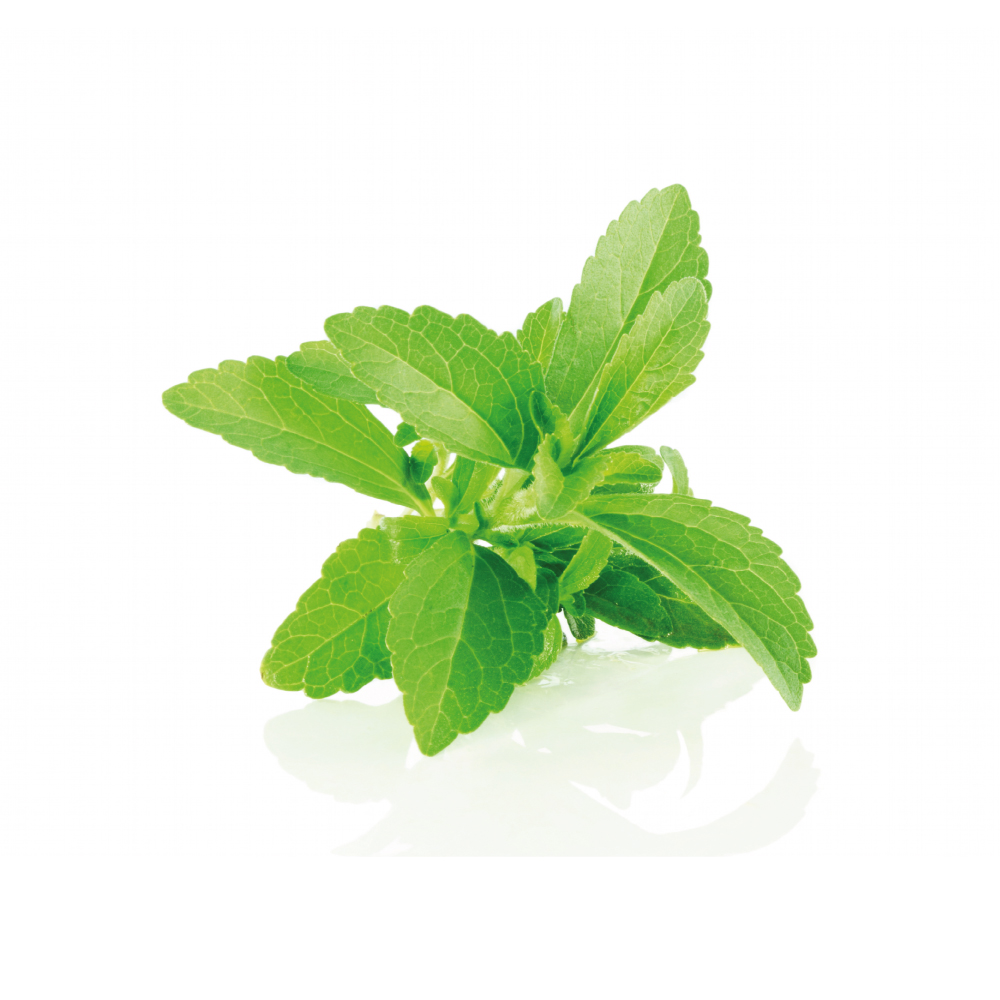 MildMildSteviaStevia rebaudianaLeaf extracts inhibit cariogenic Streptococcus and Lactobacillus in diffusion assays, and steviol glycosides are non-fermentable by oral flora so generate no acid; a narrow, oral-cavity action by a herb that is by definition swallowed.Mechanismgrowth inhibition of cariogenic Streptococcus / Lactobacillus (in vitro); non-fermentable substrate — no acid productionRead the evidenceShow lessMonograph →
Steviol glycosides are non-fermentable by oral flora, so unlike sucrose they generate no acid and are classified non-cariogenic 136Reference 136ReviewIs Stevia rebaudiana Bertoni a non-cariogenic sweetener? A reviewView study →. Stevia rebaudiana leaf extracts inhibited cariogenic Streptococcus and Lactobacillus strains in diffusion assays 137Reference 137In vitroAntimicrobial potential of extracts from Stevia rebaudiana leaves against bacteria of importance in dental caries — in vitroView study →, and a microbial caries model suggested reduced demineralisation 136Reference 136ReviewIs Stevia rebaudiana Bertoni a non-cariogenic sweetener? A reviewView study →.
The inhibitory activity is a leaf-extract property rather than a purified-glycoside one. No clinical caries endpoint has been measured, and there is no evidence of systemic antibacterial activity at any dose.
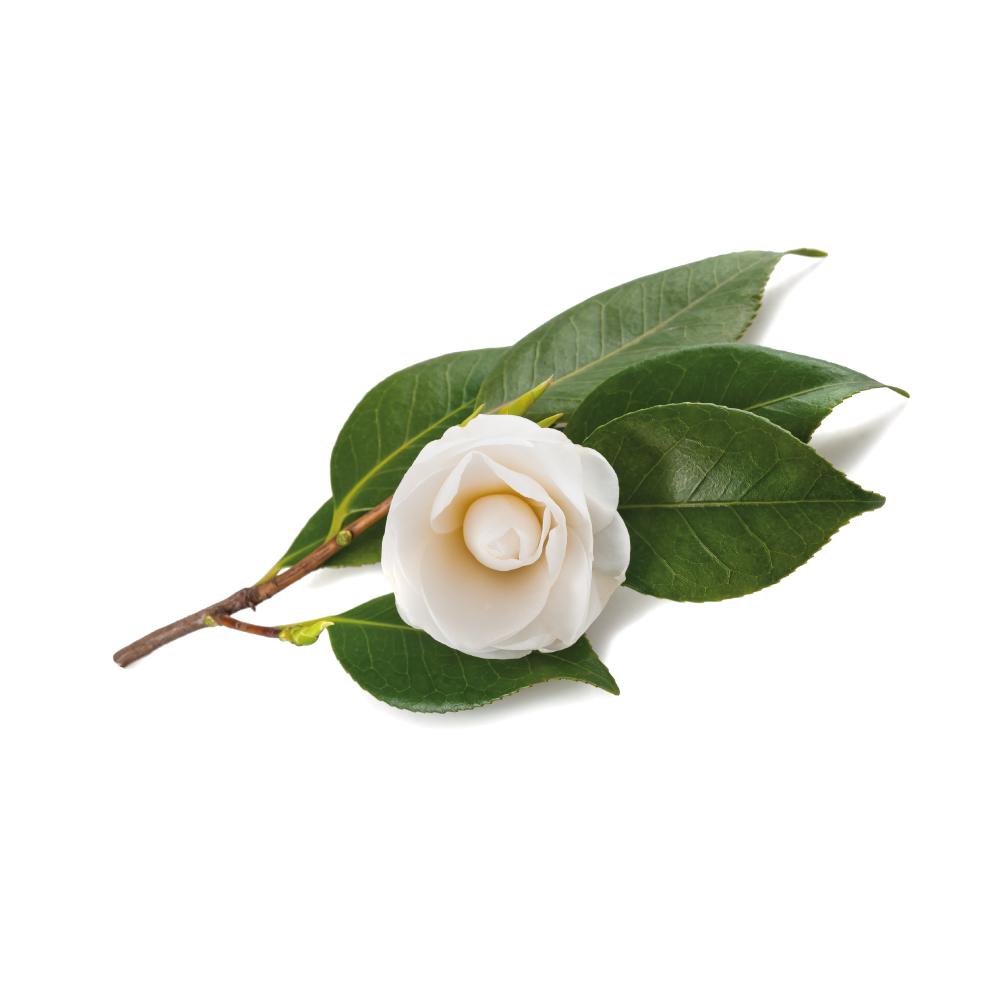 MildMildTeaCamellia sinensisAqueous tea extracts inhibit bacteria in vitro, highest in green and lowest in black tea and directed mainly at Gram-positive organisms, tracking catechin content; one report of synergy with walnut against multidrug-resistant strains.Mechanismcatechin-driven; gram-positive selectiveRead the evidenceShow lessMonograph →
Green, catechin-rich leaf is the more active chemotype. Aqueous extracts inhibit bacteria in vitro, with activity highest in green and lowest in black tea, directed mainly at Gram-positive organisms and attributed to catechin content 138Reference 138In vitroAntioxidant and antibacterial properties of green, black, and herbal teas of Camellia sinensis — in vitroView study →.
One report describes synergy between Camellia sinensis and Juglans regia against multidrug-resistant strains 139Reference 139In vitroSynergistic antimicrobial activity of Camellia sinensis and Juglans regia against multidrug-resistant bacteria — in vitroView study →.
The evidence is entirely in vitro, with no animal-infection or clinical data.
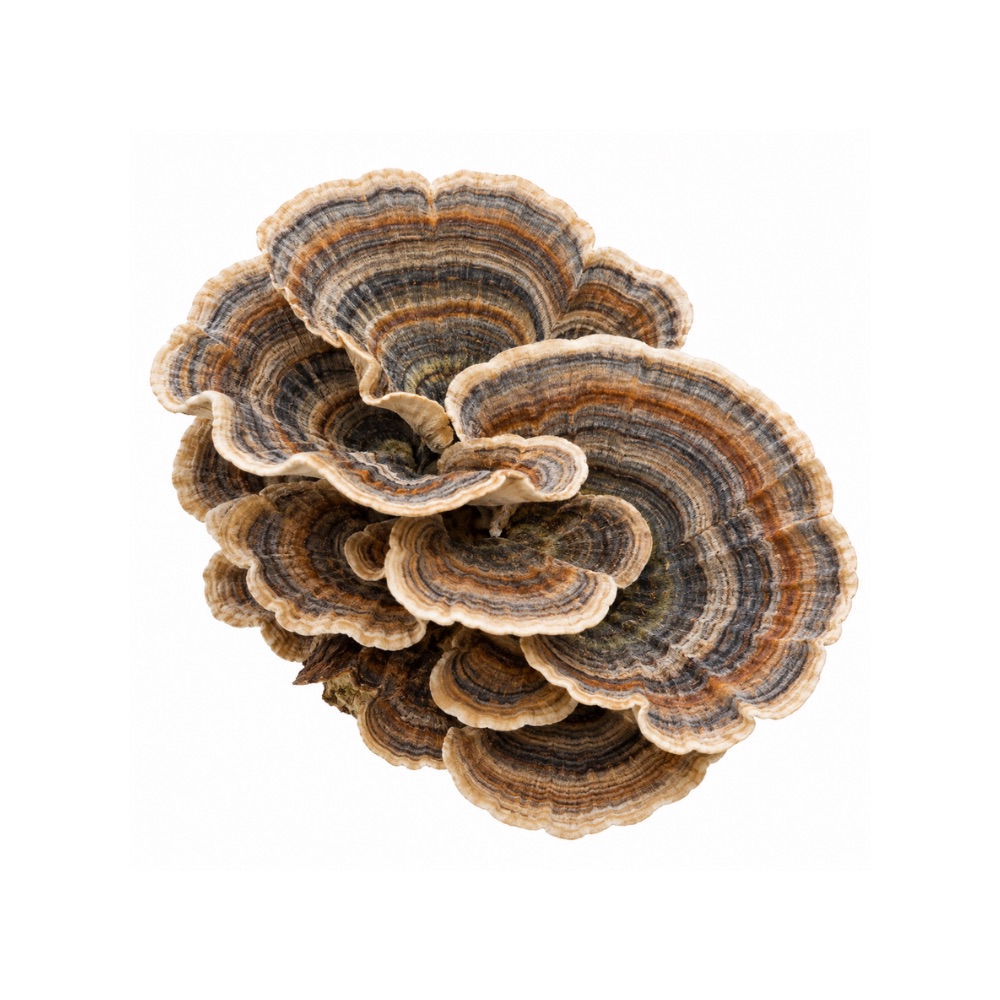 MildMildTurkey TailTrametes versicolorA protein-rich extract and its enzymatic hydrolysate inhibit Aeromonas, Bacillus, Enterococcus, E. coli and Klebsiella in vitro; nothing beyond the bench.Mechanismprotein-rich extract activity against Gram-positive and Gram-negative isolatesRead the evidenceShow less
A protein-rich T. versicolor extract and its enzymatic hydrolysate showed in-vitro activity against Aeromonas, Bacillus, Enterococcus, E. coli and Klebsiella 145Reference 145In vitroAntioxidant and antimicrobial properties of a protein-rich extract obtained from Trametes versicolor — in vitroView study →.
There are no MICs comparable to the better-characterised antibacterial herbs, no in-vivo work and no clinical test.
No herbs match these filters.
Also Tagged
8 more herbs carry an antibacterial action.
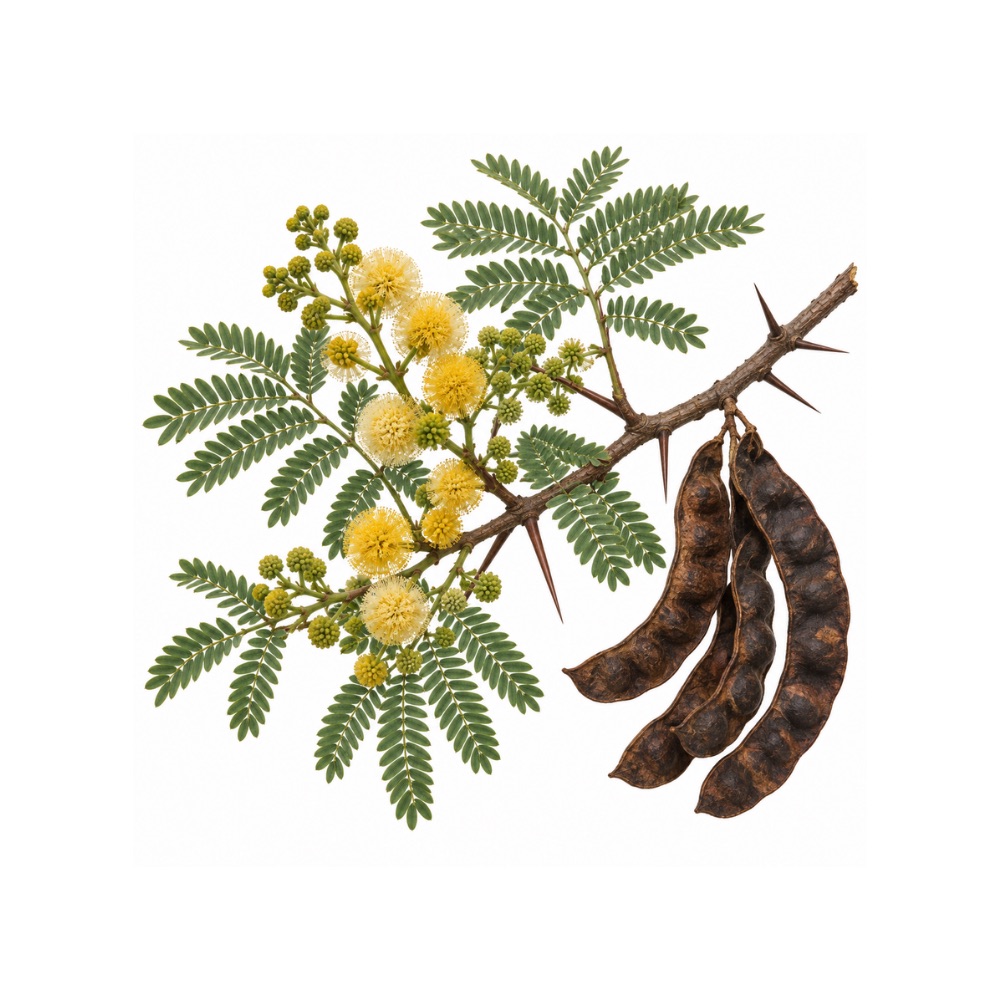
Babul
Vachellia nilotica
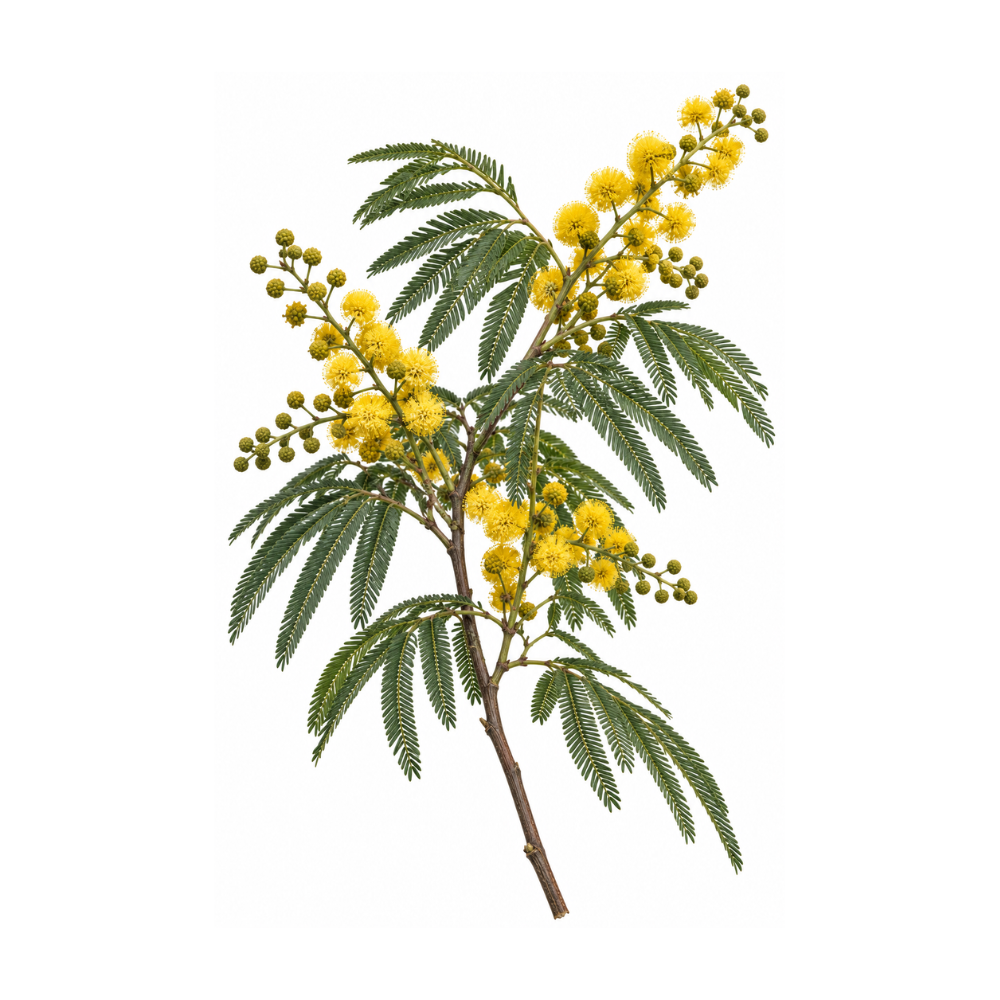
Black Wattle
Acacia mearnsii
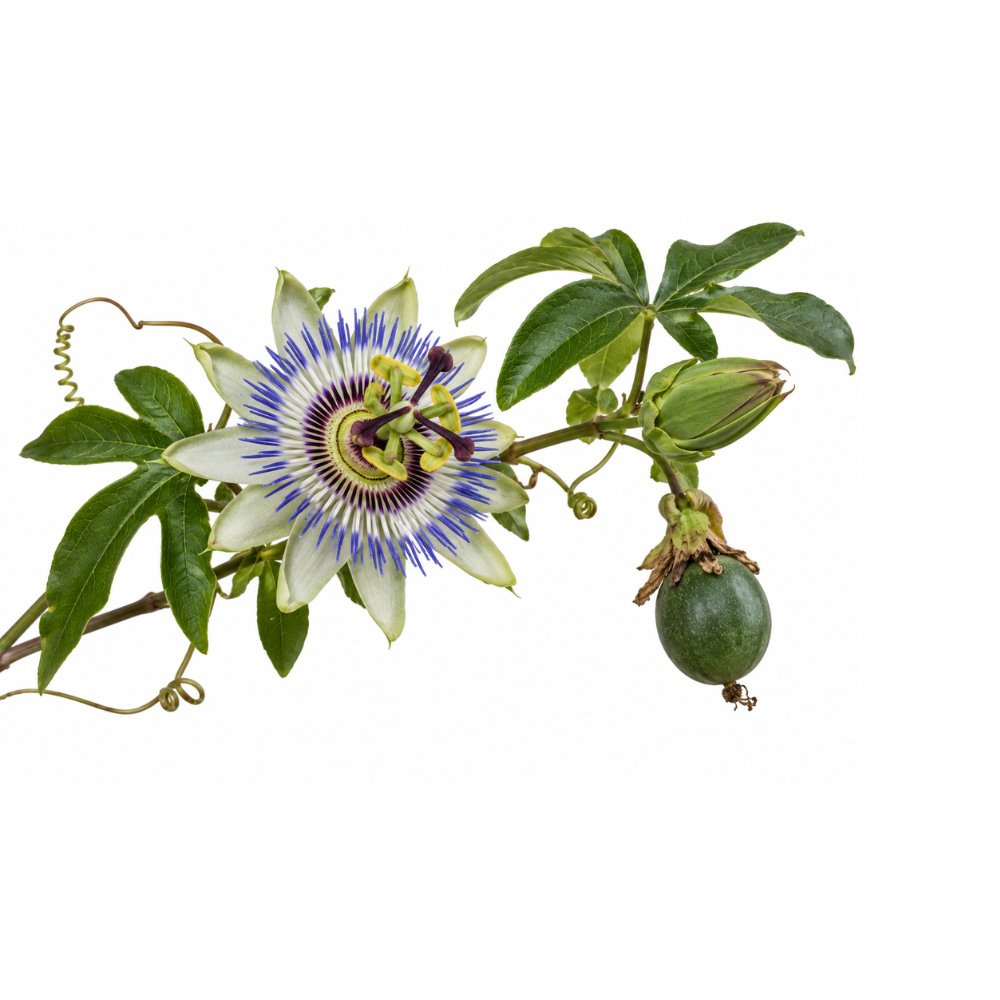
Blue Passionflower
Passiflora caerulea
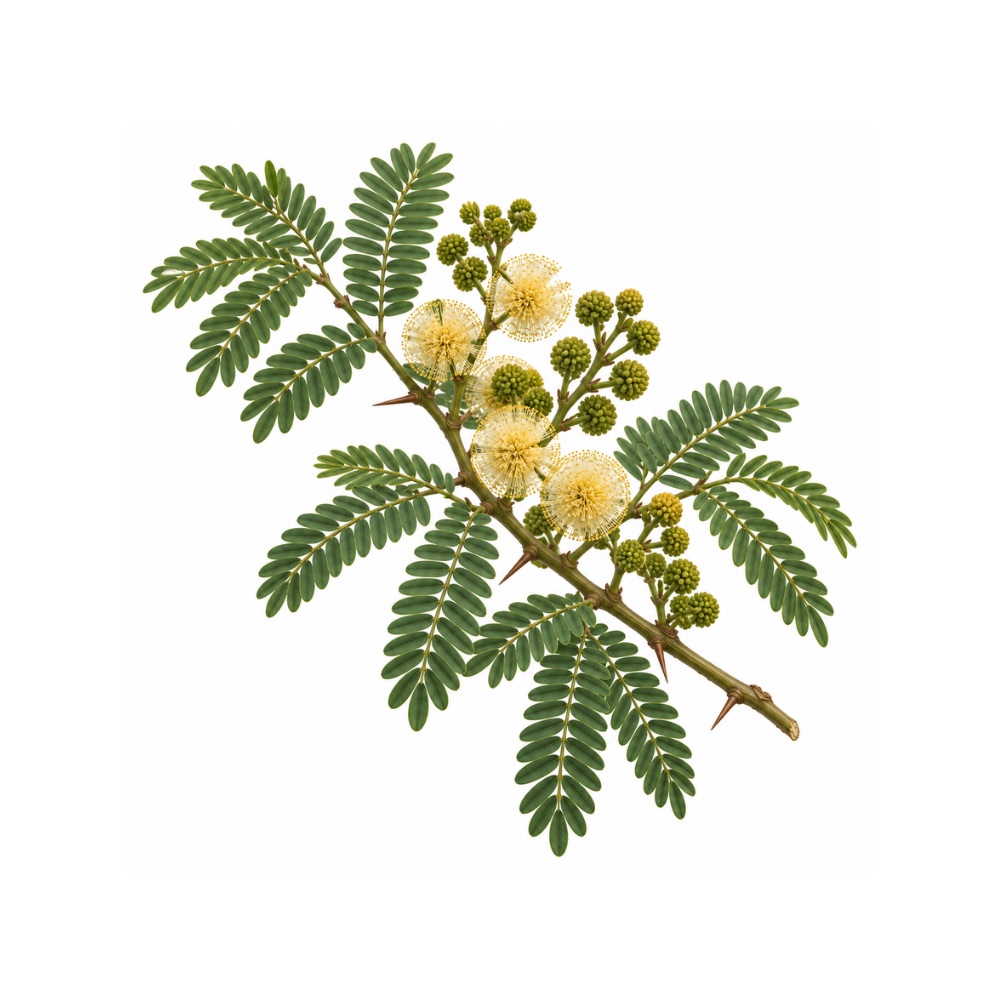
Catechu
Senegalia catechu
Korean Red Pine
Pinus densiflora
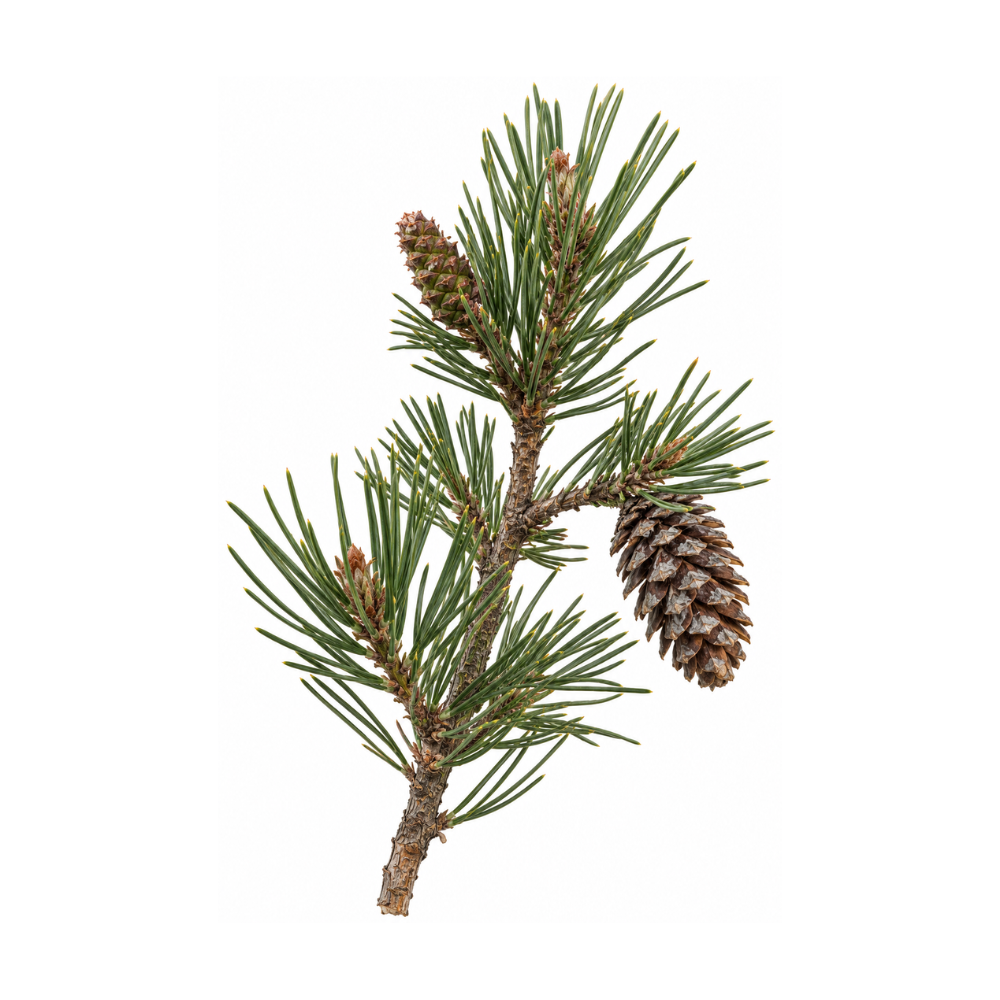
Lodgepole Pine
Pinus contorta
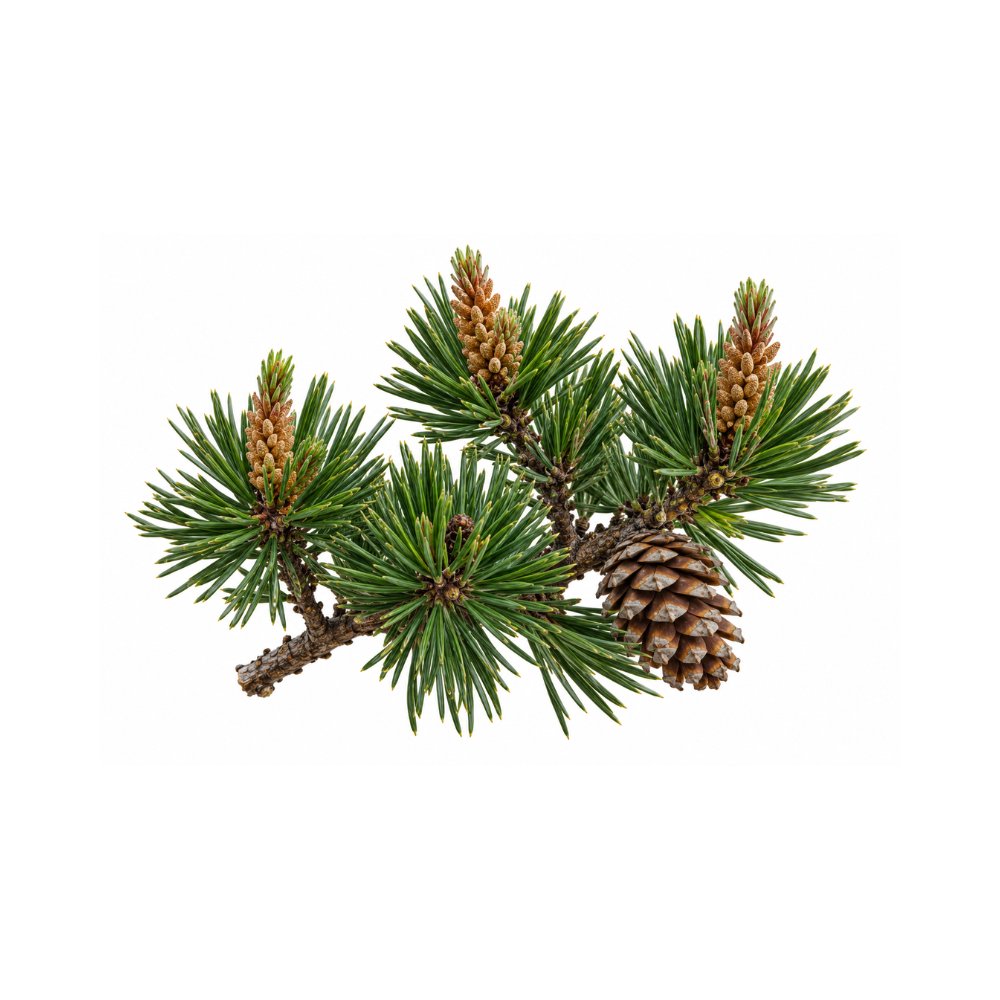
Mugo Pine
Pinus mugo
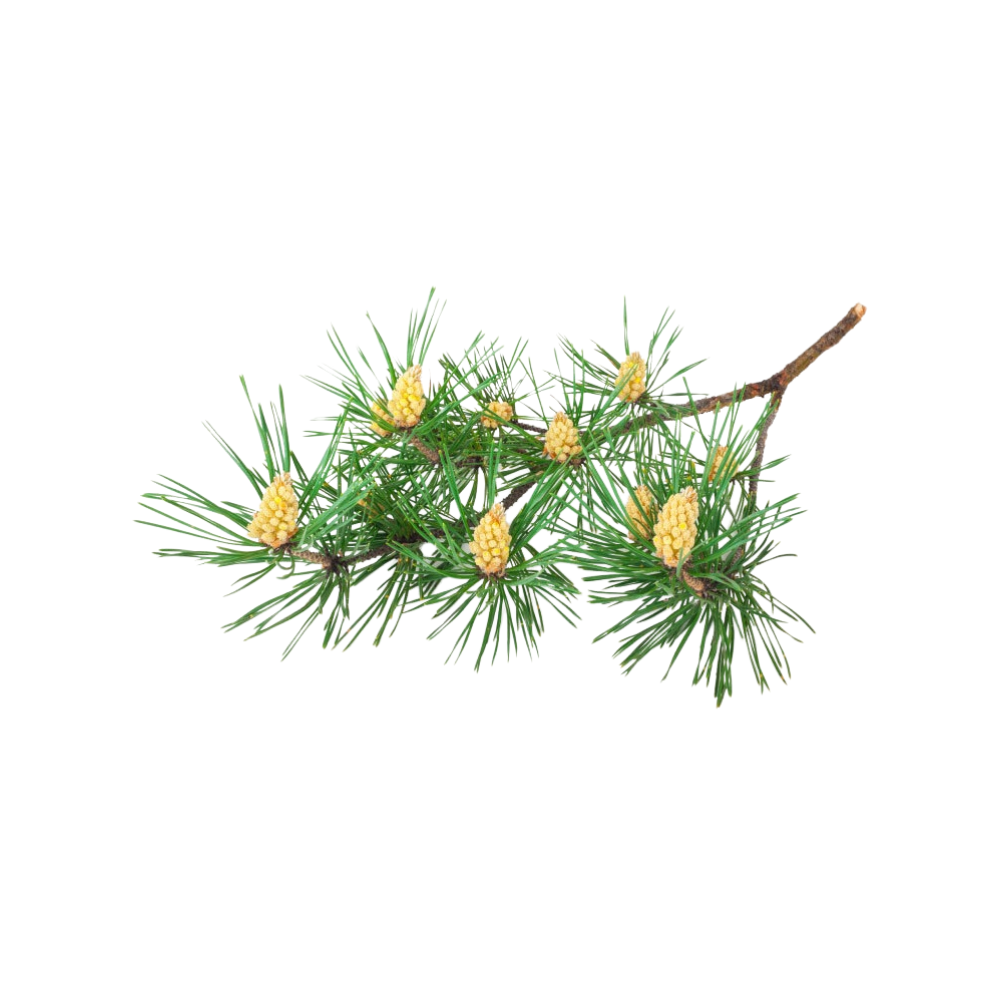
Pine
Pinus sylvestris
Safety
- No antibacterial herb replaces antibiotics in a serious infection; sepsis, pneumonia, pyelonephritis, cellulitis and meningitis are emergencies.
- Spreading redness, high fever, rigors, confusion, breathlessness or a rapidly worsening course needs antibiotics rather than herbs.
- These herbs act on skin, in the mouth and in the gut lumen, where an effective concentration is reachable, and not in blood.
- Essential oils are mucous-membrane irritants undiluted and are not taken internally at antibacterial strength.
- Chemotype decides potency, so two products of the same herb are not the same medicine.
- Resistance-modifying herbs are a reason for care alongside prescribed antibiotics, not a way to lower the dose.
- A zone of inhibition on a plate is not a treatment.
References
- Piazza S, et al. (2023). Ellagitannins from Castanea sativa Mill. leaf extracts impair H. pylori viability and infection-induced inflammation in human gastric epithelial cells. Nutrients. https://pubmed.ncbi.nlm.nih.gov/36986236/
- Piazza S, et al. (2024). Investigation into the anti-acne effects of Castanea sativa Mill leaf and its pure ellagitannin castalagin in HaCaT cells infected with Cutibacterium acnes. International Journal of Molecular Sciences. https://pubmed.ncbi.nlm.nih.gov/38731983/
- Lee DS, Lee SH, Noh JG, Hong SD (1999). Antibacterial activities of cryptotanshinone and dihydrotanshinone I from a medicinal herb, Salvia miltiorrhiza Bunge — in vitro study. Bioscience, Biotechnology, and Biochemistry. https://pubmed.ncbi.nlm.nih.gov/10664860/
- Zhong J, Wang H, et al. (2021). Identification of the antibacterial mechanism of cryptotanshinone on methicillin-resistant Staphylococcus aureus using bioinformatics analysis — in vitro study. Scientific Reports. https://pubmed.ncbi.nlm.nih.gov/34741111/
- Liu Q, Tang Y, et al. (2025). Cryptotanshinone targets the bacterial membrane and inhibits methicillin-resistant Staphylococcus aureus — in vitro study. AMB Express. https://pubmed.ncbi.nlm.nih.gov/41249620/
- Cha JD, Lee JH, et al. (2014). Synergistic effect between cryptotanshinone and antibiotics against clinic methicillin and vancomycin-resistant Staphylococcus aureus — in vitro study. Evidence-Based Complementary and Alternative Medicine. https://pubmed.ncbi.nlm.nih.gov/24782909/
- Teng Z, Li M, et al. (2018). Synergistic interactions of cryptotanshinone and aminoglycoside antibiotics against Staphylococcus aureus in vitro — in vitro study. Journal of Global Antimicrobial Resistance. https://pubmed.ncbi.nlm.nih.gov/29807203/
- Ruan Z, Cui J, et al. (2020). Synergistic effects from combination of cryptotanshinone and fosfomycin against fosfomycin-susceptible and fosfomycin-resistant Staphylococcus aureus — in vitro study. Infection and Drug Resistance. https://pubmed.ncbi.nlm.nih.gov/32884307/
- Zhu Z, Zeng Q, et al. (2022). Skin microbiome reconstruction and lipid metabolism profile alteration reveal the treatment mechanism of cryptotanshinone in the acne rat — rat in vivo study. Phytomedicine. https://pubmed.ncbi.nlm.nih.gov/35472695/
- Luo P, Huang Y, Hang X, et al. (2021). Dihydrotanshinone I is effective against drug-resistant Helicobacter pylori in vitro and in vivo — in vitro and mouse study. Antimicrobial Agents and Chemotherapy. https://pubmed.ncbi.nlm.nih.gov/33318002/
- Kiran MD, Adikesavan NV, Cirioni O, et al. (2008). Discovery of a quorum-sensing inhibitor of drug-resistant staphylococcal infections by structure-based virtual screening — in vitro/animal model. Mol Pharmacol. https://pubmed.ncbi.nlm.nih.gov/18314496/
- Brackman G, Breyne K, De Rycke R, et al. (2016). The quorum sensing inhibitor hamamelitannin increases antibiotic susceptibility of Staphylococcus aureus biofilms by affecting peptidoglycan biosynthesis and eDNA release — in vitro/animal model. Sci Rep. https://pubmed.ncbi.nlm.nih.gov/26828772/
- Cobrado L, Silva-Dias A, Azevedo MM, et al. (2013). In vivo antibiofilm effect of cerium, chitosan and hamamelitannin against usual agents of catheter-related bloodstream infections — animal model. J Antimicrob Chemother. https://pubmed.ncbi.nlm.nih.gov/22991425/
- Cobrado L, Azevedo MM, Silva-Dias A, et al. (2012). Cerium, chitosan and hamamelitannin as novel biofilm inhibitors? — in vitro. J Antimicrob Chemother. https://pubmed.ncbi.nlm.nih.gov/22316569/
- Brackman G, Garcia-Fernandez MJ, Lenoir J, et al. (2016). Dressings loaded with cyclodextrin-hamamelitannin complexes increase Staphylococcus aureus susceptibility toward antibiotics both in single as well as in mixed biofilm communities — in vitro. Macromol Biosci. https://pubmed.ncbi.nlm.nih.gov/26891369/
- Vermote A, Brackman G, Risseeuw MDP, et al. (2016). Hamamelitannin analogues that modulate quorum sensing as potentiators of antibiotics against Staphylococcus aureus — in vitro/animal model. Angew Chem Int Ed Engl. https://pubmed.ncbi.nlm.nih.gov/27095479/
- Piazza S, Martinelli G, Vrhovsek U, et al. (2022). Anti-inflammatory and anti-acne effects of Hamamelis virginiana bark in human keratinocytes — in vitro. Antioxidants (Basel). https://pubmed.ncbi.nlm.nih.gov/35740016/
- Gosset-Erard C, Zhao M, Lordel-Madeleine S, Ennahar S (2021). Identification of punicalagin as the bioactive compound behind the antimicrobial activity of pomegranate (Punica granatum L.) peels. Food Chemistry, 352, 129396. https://pubmed.ncbi.nlm.nih.gov/33652195/
- Kiran S, Tariq A, Iqbal S, et al. (2024). Punicalagin, a pomegranate polyphenol, sensitizes the activity of antibiotics against three MDR pathogens of the Enterobacteriaceae. BMC Complementary Medicine and Therapies, 24(1), 93. https://pubmed.ncbi.nlm.nih.gov/38365729/
- Mun SH, Kang OH, Kong R, et al. (2018). Punicalagin suppresses methicillin resistance of Staphylococcus aureus to oxacillin. Journal of Pharmacological Sciences, 137(4), 317–323. https://pubmed.ncbi.nlm.nih.gov/30150143/
- Shiota S, Shimizu M, Mizusima T, Ito H, Hatano T, Yoshida T, Tsuchiya T (2000). Restoration of effectiveness of beta-lactams on methicillin-resistant Staphylococcus aureus by tellimagrandin I from rose red. FEMS Microbiology Letters. https://pubmed.ncbi.nlm.nih.gov/10754237/
- Shiota S, Shimizu M, Sugiyama J, Morita Y, Mizushima T, Tsuchiya T (2004). Mechanisms of action of corilagin and tellimagrandin I that remarkably potentiate the activity of beta-lactams against methicillin-resistant Staphylococcus aureus. Microbiology and Immunology. https://pubmed.ncbi.nlm.nih.gov/14734860/
- Coones RT, Karonen M, Green RJ, Frazier R (2024). Interactions of galloylated polyphenols with a simple Gram-negative bacterial membrane lipid model. Membranes. https://pubmed.ncbi.nlm.nih.gov/38392674/
- Funatogawa K, Hayashi S, Shimomura H, Yoshida T, Hatano T, Ito H, Hirai Y (2004). Antibacterial activity of hydrolyzable tannins derived from medicinal plants against Helicobacter pylori. Microbiology and Immunology. https://pubmed.ncbi.nlm.nih.gov/15107535/
- Seeram NP, Lee R, Heber D (2004). Bioavailability of ellagic acid in human plasma after consumption of ellagitannins from pomegranate (Punica granatum L.) juice. Clinica Chimica Acta. https://pubmed.ncbi.nlm.nih.gov/15369737/
- Espín JC, Larrosa M, García-Conesa MT, Tomás-Barberán F (2013). Biological significance of urolithins, the gut microbial ellagic-acid-derived metabolites — the evidence so far. Evidence-Based Complementary and Alternative Medicine. https://pubmed.ncbi.nlm.nih.gov/23781257/
- Chang YW, Huang WC, Lin CY, Wang WH, Hung LC, Chen YH (2019). Tellimagrandin II, a type of plant polyphenol extracted from Trapa bispinosa, inhibits antibiotic resistance of drug-resistant Staphylococcus aureus. International Journal of Molecular Sciences. https://pubmed.ncbi.nlm.nih.gov/31752109/
- Hwang, C. H., Jaki, B. U., Klein, L. L., et al. (2013). Chlorinated coumarins from the polypore mushroom Fomitopsis officinalis and their activity against Mycobacterium tuberculosis — [in vitro]. Journal of Natural Products. https://pubmed.ncbi.nlm.nih.gov/24087924/
- Fraternale D, Flamini G, Ricci D (2014). Essential oil composition and antimicrobial activity of Angelica archangelica L. (Apiaceae) roots — in vitro. J Med Food. https://pubmed.ncbi.nlm.nih.gov/24788027/
- Aćimović MG, Pavlović SĐ, Varga AO, Filipović VM, et al. (2017). Chemical Composition and Antibacterial Activity of Angelica archangelica Root Essential Oil — in vitro. Nat Prod Commun. https://pubmed.ncbi.nlm.nih.gov/30428212/
- Prakash B, Singh P, Goni R, Raina AK, et al. (2015). Efficacy of Angelica archangelica essential oil, phenyl ethyl alcohol and α- terpineol against isolated molds from walnut and their antiaflatoxigenic and antioxidant activity — in vitro. J Food Sci Technol. https://pubmed.ncbi.nlm.nih.gov/25829603/
- Rajtar B, Skalicka-Woźniak K, Świątek Ł, Stec A, et al. (2017). Antiviral effect of compounds derived from Angelica archangelica L. on Herpes simplex virus-1 and Coxsackievirus B3 infections — in vitro. Food Chem Toxicol. https://pubmed.ncbi.nlm.nih.gov/28487231/
- Grieve, M. (1931). A Modern Herbal — Angelica. Retrieved from http://www.botanical.com/botanical/mgmh/a/anegl037.html
- Hensel A, Deters AM, Müller G, Stark T, et al. (2007). Occurrence of N-phenylpropenoyl-L-amino acid amides in different herbal drugs and their influence on human keratinocytes, on human liver cells and on adhesion of Helicobacter pylori to the human stomach — in vitro. Planta Med. https://pubmed.ncbi.nlm.nih.gov/17295182/
- Pichette, A., Larouche, P. L., Lebrun, M., & Legault, J. (2006). Composition and antibacterial activity of Abies balsamea essential oil — in vitro. Phytotherapy Research. https://pubmed.ncbi.nlm.nih.gov/16619365/
- Regimbal, J. M., & Collin, G. (1994). Essential oil analysis of balsam fir Abies balsamea (L.) Mill. — chemotype/composition analysis. Journal of Essential Oil Research. https://doi.org/10.1080/10412905.1994.9698369
- Stanciauskaite, M., Marksa, M., Babickaite, L., Majiene, D., & Ramanauskiene, K. (2021). Comparison of ethanolic and aqueous Populus balsamifera L. bud extracts by different extraction methods: chemical composition, antioxidant and antibacterial activities — [in vitro]. Pharmaceuticals (Basel). https://pubmed.ncbi.nlm.nih.gov/34681242/
- Matsuura, H., Saxena, G., Farmer, S. W., Hancock, R. E. W., & Towers, G. H. N. (1996). An antibacterial thiophene from Balsamorhiza sagittata — in vitro isolation study. Planta Medica, 62(1), 65–66. https://pubmed.ncbi.nlm.nih.gov/8720391/
- Trevisan, D. A. C., da Silva, P. V., Farias, A. B. P., et al. (2020). Antibacterial activity of barbatimão (Stryphnodendron adstringens) against Staphylococcus aureus: in vitro and in silico studies — in vitro. Letters in Applied Microbiology. https://pubmed.ncbi.nlm.nih.gov/32412089/
- Trevisan DAC, Batista AFP, Campanerut-Sá PAZ, et al. (2022). Synergistic activity of Stryphnodendron adstringens and potassium sorbate against foodborne bacteria — in vitro. Arch Microbiol. https://pubmed.ncbi.nlm.nih.gov/35503382/
- de Melo RN, de Goes VFF, Canelli AP, et al. (2023). Antibacterial activity of barbatimão (Stryphnodendron adstringens) against periodontopathogens and cytotoxic effects on fibroblasts — in vitro. Letters in Applied Microbiology. https://pubmed.ncbi.nlm.nih.gov/37291703/
- Seidel, V., Bailleul, F., & Tillequin, F. (1998). Diterpene and phenylpropanoid heteroside esters from Ballota nigra L. — phytochemical. Annales Pharmaceutiques Françaises. https://pubmed.ncbi.nlm.nih.gov/9770033/
- Didry, N., Seidel, V., Dubreuil, L., Tillequin, F., & Bailleul, F. (1999). Isolation and antibacterial activity of phenylpropanoid derivatives from Ballota nigra — in vitro. Journal of Ethnopharmacology. https://pubmed.ncbi.nlm.nih.gov/10619384/
- Anand, G., et al. (2015). In vitro antimicrobial and cytotoxic effects of Anacardium occidentale and Mangifera indica in oral care — in vitro. J Pharm Bioallied Sci. https://pubmed.ncbi.nlm.nih.gov/25709341/
- Taylor, L. (2005). The Healing Power of Rainforest Herbs: A Guide to Understanding and Using Herbal Medicinals. Garden City Park, NY: Square One Publishers.
- Cordeiro, M. F., et al. (2026). Immunomodulatory, antibacterial and antineoplastic potential of Trichilia catigua A. Juss. (Meliaceae) bark extracts and isolated compound cinchonain Ib — in vitro. Brazilian Journal of Biology. https://pubmed.ncbi.nlm.nih.gov/41538575/
- Ritter, M. R., et al. (2024). Trichilia catigua against Helicobacter pylori: an in vitro, molecular and in silico approach — in vitro. Fitoterapia. https://pubmed.ncbi.nlm.nih.gov/38945495/
- Manabe, H., et al. (1992). Effects of Catuaba extracts on microbial and HIV infection — animal model / in vitro. In Vivo. https://pubmed.ncbi.nlm.nih.gov/1525337/
- Mekonnen A, et al. (2016). In vitro antimicrobial activity of essential oil of Thymus schimperi, Matricaria chamomilla, Eucalyptus globulus and Rosmarinus officinalis. International Journal of Microbiology. https://pubmed.ncbi.nlm.nih.gov/26880928/
- Yildirim, A. B., et al. (2013). In vitro antibacterial and antitumor activities of some medicinal plant extracts growing in Turkey — in vitro. Asian Pacific Journal of Tropical Medicine. https://pubmed.ncbi.nlm.nih.gov/23790332/
- Rogozhin, E. A., et al. (2015). A novel antifungal peptide (SmAMP3) from leaves of the weed Stellaria media L. — in vitro. Biochimie. https://pubmed.ncbi.nlm.nih.gov/26196691/
- Slavokhotova, A. A., et al. (2014). Novel antifungal α-hairpinin peptide (Sm-AMP-X) from Stellaria media seeds: structure, biosynthesis, gene structure and evolution — in vitro. Plant Molecular Biology. https://pubmed.ncbi.nlm.nih.gov/24081691/
- Slavokhotova, A. A., et al. (2017). Defense peptide repertoire of Stellaria media predicted by high-throughput next-generation sequencing — in vitro/genomic. Biochimie. https://pubmed.ncbi.nlm.nih.gov/28038935/
- Qiu, Y., & Song, Q. (2025). Heterologous expression of the Stellaria media plant defensin SmD1 in Escherichia coli — in vitro. PeerJ. https://pubmed.ncbi.nlm.nih.gov/40585329/
- Arsene MMJ, Viktorovna PI, Davares AKL, et al. (2022). Antimicrobial and antibiotic-resistance reversal activity of some medicinal plants from Cameroon against selected resistant and non-resistant uropathogenic bacteria — in vitro. Frontiers in Bioscience (Elite Ed). https://pubmed.ncbi.nlm.nih.gov/36575849/
- Hemaiswarya, S., & Doble, M. (2009). Synergistic interaction of eugenol with antibiotics against Gram-negative bacteria — in vitro. Phytomedicine, 16(11), 997–1005. https://pubmed.ncbi.nlm.nih.gov/19540744/
- Marchese A, et al. (2017). Antimicrobial activity of eugenol and essential oils containing eugenol: A mechanistic viewpoint — [review]. Critical Reviews in Microbiology. https://pubmed.ncbi.nlm.nih.gov/28346030/
- Ashrafudoulla M, et al. (2020). Antibacterial and antibiofilm mechanism of eugenol against antibiotic resistant Vibrio parahaemolyticus — [in vitro]. Food Microbiology. https://pubmed.ncbi.nlm.nih.gov/32539983/
- Biernasiuk A, Baj T, & Malm A (2022). Clove Essential Oil and Its Main Constituent, Eugenol, as Potential Natural Antifungals against Candida spp. Alone or in Combination with Other Antimycotics Due to Synergistic Interactions — [in vitro]. Molecules. https://pubmed.ncbi.nlm.nih.gov/36615409/
- Zheng, Y., et al. (2021). Dietary supplementation of red-osier dogwood polyphenol extract changes the ileal microbiota structure and increases Lactobacillus in a pig model — in vivo animal model. AMB Express. https://pubmed.ncbi.nlm.nih.gov/34714436/
- Erinle, T. J., MacIsaac, J., et al. (2022). Effect of red osier dogwood extract on growth performance, blood biochemical parameters, and gut functionality of broiler chickens challenged with Salmonella Enteritidis lipopolysaccharide — randomised in vivo animal model. Poultry Science. https://pubmed.ncbi.nlm.nih.gov/35544959/
- Erinle, T. J., Boulianne, M., et al. (2023). Red osier dogwood extract versus trimethoprim-sulfadiazine (Part 1): growth performance, blood parameters, gut histomorphometry and Salmonella excretion in broiler chickens — randomised in vivo animal model. Poultry Science. https://pubmed.ncbi.nlm.nih.gov/37406598/
- Erinle, T. J., Boulianne, M., et al. (2023). Red osier dogwood extract versus trimethoprim-sulfadiazine (Part 2): pharmacodynamic effects on ileal and cecal microbiota of broiler chickens — in vivo animal model. Poultry Science. https://pubmed.ncbi.nlm.nih.gov/36854216/
- Santos Reis Pereira, et al. (2026). Effects of red osier dogwood extract on growth, protein digestibility, immune response and gut health of broiler chickens in a coccidiosis vaccine challenge model — randomised in vivo animal model. Poultry Science. https://pubmed.ncbi.nlm.nih.gov/42105386/
- O’Neill T, Johnson JA, Webster D, Gray CA. (2013). The Canadian medicinal plant Heracleum maximum contains antimycobacterial diynes and furanocoumarins — in vitro study. Journal of Ethnopharmacology 147(1):232–237. https://pubmed.ncbi.nlm.nih.gov/23501157/
- Webster D, et al. (2010). Antimycobacterial screening of traditional medicinal plants using the microplate resazurin assay — in vitro study. Canadian Journal of Microbiology 56(6):487–494. https://doi.org/10.1139/W10-035
- Mills-Robertson, F. C., Tay, S. C., Duker-Eshun, G., Walana, W., & Badu, K. (2012). In vitro antimicrobial activity of ethanolic fractions of Cryptolepis sanguinolenta — in vitro. Annals of Clinical Microbiology and Antimicrobials. https://pubmed.ncbi.nlm.nih.gov/22709723/
- Paulo, A., Duarte, A., & Gomes, E. T. (1994). In vitro antibacterial screening of Cryptolepis sanguinolenta alkaloids — in vitro. Journal of Ethnopharmacology. https://pubmed.ncbi.nlm.nih.gov/7853864/
- Paulo, A., Pimentel, M., Viegas, S., et al. (1994). Cryptolepis sanguinolenta activity against diarrhoeal bacteria — in vitro. Journal of Ethnopharmacology. https://pubmed.ncbi.nlm.nih.gov/7853867/
- Sawer, I. K., Berry, M. I., & Ford, J. L. (2005). The killing effect of cryptolepine on Staphylococcus aureus — in vitro. Letters in Applied Microbiology. https://pubmed.ncbi.nlm.nih.gov/15612998/
- Cimanga, K., De Bruyne, T., Pieters, L., et al. (1998). Antibacterial and antifungal activities of neocryptolepine, biscryptolepine and cryptoquindoline, alkaloids isolated from Cryptolepis sanguinolenta — in vitro. Phytomedicine. https://pubmed.ncbi.nlm.nih.gov/23195843/
- Gibbons, S., Fallah, F., & Wright, C. W. (2003). Cryptolepine hydrochloride: a potent antimycobacterial alkaloid derived from Cryptolepis sanguinolenta — in vitro. Phytotherapy Research. https://pubmed.ncbi.nlm.nih.gov/12722159/
- Amponsah, I. K., et al. (2021). In vitro anti-Mycobacterium ulcerans and cytotoxic activities of some selected medicinal plants and an indoloquinoline alkaloid — in vitro. International Journal of Mycobacteriology. https://pubmed.ncbi.nlm.nih.gov/33707373/
- Tuyiringire, N., Taremwa Mugisha, I., Tusubira, D., et al. (2022). In vitro antimycobacterial activity of medicinal plants Lantana camara, Cryptolepis sanguinolenta, and Zanthoxylum leprieurii — in vitro. Journal of Clinical Tuberculosis and Other Mycobacterial Diseases. https://pubmed.ncbi.nlm.nih.gov/35284659/
- Feng, J., Leone, J., Schweig, S., & Zhang, Y. (2020). Evaluation of natural and botanical medicines for activity against growing and non-growing forms of B. burgdorferi — in vitro. Frontiers in Medicine. https://pubmed.ncbi.nlm.nih.gov/32154254/
- Gao, H., et al. (2018). Simultaneous purification of dihydrotanshinone, tanshinone I, cryptotanshinone and tanshinone IIA from Salvia miltiorrhiza and their anti-inflammatory activities — in vitro and animal model. Scientific Reports. https://pubmed.ncbi.nlm.nih.gov/29855534/
- de Morais Oliveira-Tintino CD, et al. (2018). Inhibition of the essential oil from Chenopodium ambrosioides L. and α-terpinene on the NorA efflux-pump of Staphylococcus aureus. — [in vitro]. Food Chem. https://pubmed.ncbi.nlm.nih.gov/29751924/
- Soares MH, et al. (2017). Chemical Composition, Antibacterial, Schistosomicidal, and Cytotoxic Activities of the Essential Oil of Dysphania ambrosioides (L.) Mosyakin & Clemants (Chenopodiaceae). — [in vitro]. Chem Biodivers. https://pubmed.ncbi.nlm.nih.gov/28504841/
- Ye H, et al. (2015). Anti-Helicobacter pylori activities of Chenopodium ambrosioides L. in vitro and in vivo. — [in vitro and in vivo]. World J Gastroenterol. https://pubmed.ncbi.nlm.nih.gov/25892867/
- Dreger, M., Adamczak, A., & Foksowicz-Flaczyk, J. (2023). Antibacterial and antimycotic activity of Epilobium angustifolium L. extracts: a review. Pharmaceuticals. https://pubmed.ncbi.nlm.nih.gov/37895890/
- Barbarossa, A., Rosato, A., Carocci, A., et al. (2025). Efficacy of willow herb (Epilobium angustifolium L. and E. parviflorum Schreb.) crude and purified extracts and oenothein B against prostatic pathogens — MIC study (in vitro). Antibiotics. https://pubmed.ncbi.nlm.nih.gov/40001361/
- Choo S, et al. (2020). Antimicrobial properties of allicin used alone or in combination with other medications — review. Folia Microbiologica. https://pubmed.ncbi.nlm.nih.gov/32207097/
- Bhatwalkar SB, et al. (2021). Antibacterial properties of organosulfur compounds of garlic (Allium sativum) — review. Frontiers in Microbiology, 12, 613077. https://pubmed.ncbi.nlm.nih.gov/34394014/
- Booyens J, et al. (2014). In vitro antibacterial mechanism of action of crude garlic (Allium sativum) clove extract on selected Bifidobacterium species — in vitro. Probiotics and Antimicrobial Proteins. https://pubmed.ncbi.nlm.nih.gov/24676721/
- Mitscher, L. A., Raghav Rao, G. S., Khanna, I., Veysoglu, T., & Drake, S. (1983). Antimicrobial agents from higher plants: prenylated flavonoids and other phenols from Glycyrrhiza lepidota — [in vitro]. Phytochemistry, 22(2), 573–576. https://doi.org/10.1016/0031-9422(83)83049-0
- Gollapudi, S. R., Telikepalli, H., Keshavarz-Shokri, A., Vander Velde, D., & Mitscher, L. A. (1989). Glepidotin C: a minor antimicrobial bibenzyl from Glycyrrhiza lepidota — [in vitro]. Phytochemistry, 28(12), 3556–3557. https://doi.org/10.1016/0031-9422(89)80394-2
- Cai Z, Wang C, Zou L, et al. (2019). Comparative constituent profiling of Lonicera japonica flower bud vs stem/leaf. https://www.ncbi.nlm.nih.gov/pmc/articles/PMC6572465/
- Zhang X, Yu X, Sun X, et al. (2024). LC-MS identification of 86 components across Lonicera japonica parts (25 flavonoids, 24 phenolic acids, 24 iridoid glycosides, 9 amino acids). https://www.ncbi.nlm.nih.gov/pmc/articles/PMC11225679/
- Kubo, I., Fujita, K., Lee, S. H., & Ha, T. J. (2005). Antibacterial activity of polygodial — in vitro. Phytotherapy Research. https://pubmed.ncbi.nlm.nih.gov/16372365/
- Montenegro, I., Pazmiño, R., Araque, I., et al. (2024). Antimicrobial activity of drimanic sesquiterpene compounds from Drimys winteri against multiresistant microorganisms — in vitro. Molecules. https://pubmed.ncbi.nlm.nih.gov/38930909/
- Kubo, I., & Taniguchi, M. (1988). Polygodial, an antifungal potentiator — in vitro. Journal of Natural Products. https://pubmed.ncbi.nlm.nih.gov/3286823/
- Pallag, A., et al. (2018). Equisetum arvense L. extract induces antibacterial activity and modulates oxidative stress, inflammation — in vitro. Oxidative Medicine and Cellular Longevity. https://pubmed.ncbi.nlm.nih.gov/29636839/
- Milovanović, V., et al. (2007). Antioxidant, antimicrobial and genotoxicity screening of hydro-alcoholic extracts of five Serbian Equisetum species — in vitro. Plant Foods for Human Nutrition. https://pubmed.ncbi.nlm.nih.gov/17676400/
- Sekita, Y., Murakami, K., Yumoto, H., et al. (2016). Anti-bacterial and anti-inflammatory effects of ethanol extract from Houttuynia cordata poultice — in vitro. Bioscience, Biotechnology, and Biochemistry. https://pubmed.ncbi.nlm.nih.gov/27023331/
- Verma, R. S., Joshi, N., Padalia, R. C., et al. (2017). Chemical composition and allelopathic, antibacterial, antifungal, and antiacetylcholinesterase activity of fish-mint (Houttuynia cordata) from India — in vitro. Chemistry & Biodiversity. https://pubmed.ncbi.nlm.nih.gov/28636756/
- Geng, C., et al. (2025). In vitro activity of Houttuynia cordata against bacteria isolated from diabetic foot — in vitro. Hereditas. https://pubmed.ncbi.nlm.nih.gov/40745559/
- Wu, Z., Deng, X., Hu, Q., et al. (2021). Houttuynia cordata Thunb: an ethnopharmacological review — review. Frontiers in Pharmacology. https://pubmed.ncbi.nlm.nih.gov/34539401/
- Petrović J et al. (2014). Different extraction methodologies and their influence on the bioactivity of Laetiporus sulphureus — in vitro study. Food Funct. https://pubmed.ncbi.nlm.nih.gov/25220659/
- Jovanović MM et al. (2023). Anticancer assessment and antibiofilm potential of Laetiporus sulphureus mushroom originated from Serbia — in vitro study. Food Sci Nutr. https://pubmed.ncbi.nlm.nih.gov/37823160/
- Petrović J et al. (2013). Laetiporus sulphureus, edible mushroom from Serbia: volatile compounds, in vitro antimicrobial activity and in situ control of Aspergillus flavus — in vitro study. Food Chem Toxicol. https://pubmed.ncbi.nlm.nih.gov/23811530/
- Cavanagh, H. M. A., & Wilkinson, J. M. (2002). Biological activities of lavender essential oil — review. Phytotherapy Research, 16(4), 301–308.
- Greenberg, M., Urnezis, P., & Tian, M. (2007). Compressed mints and chewing gum containing magnolia bark extract are effective against bacteria responsible for oral malodor — in vitro and human study. Journal of Agricultural and Food Chemistry, 55(23), 9465–9469. https://doi.org/10.1021/jf072122h
- Rauf, A., Olatunde, A., Imran, M., et al. (2021). Honokiol: a review of its pharmacological potential and therapeutic insights — review. Phytomedicine, 90, 153647. https://doi.org/10.1016/j.phymed.2021.153647
- Slobodníková L, et al. (2004). Antimicrobial activity of Mahonia aquifolium crude extract and its major isolated alkaloids — in vitro. Phytother Res. https://pubmed.ncbi.nlm.nih.gov/15476315/
- Rohrer U, et al. (2007). Antimicrobial activity of Mahonia aquifolium and two of its alkaloids against oral bacteria — in vitro. Schweiz Monatsschr Zahnmed. https://pubmed.ncbi.nlm.nih.gov/18072463/
- Volleková A, et al. (2003). Antifungal activity of Mahonia aquifolium extract and its major protoberberine alkaloids — in vitro. Phytother Res. https://pubmed.ncbi.nlm.nih.gov/12916091/
- Volleková A, et al. (2001). Isoquinoline alkaloids from Mahonia aquifolium stem bark are active against Malassezia spp. — in vitro. Folia Microbiol (Praha). https://pubmed.ncbi.nlm.nih.gov/11501395/
- Mathew, C., Tesfaye, W., Rasmussen, P., et al. (2020). Mānuka Oil — A Review of Antimicrobial and Other Medicinal Properties [review]. Pharmaceuticals (Basel). https://pubmed.ncbi.nlm.nih.gov/33114724/
- Porter, N. G., & Wilkins, A. L. (1999). Chemical, physical and antimicrobial properties of essential oils of Leptospermum scoparium and Kunzea ericoides [in vitro]. Phytochemistry. https://pubmed.ncbi.nlm.nih.gov/9933953/
- Christoph, F., Kaulfers, P. M., & Stahl-Biskup, E. (2000). A comparative study of the in vitro antimicrobial activity of tea tree oils with special reference to the activity of β-triketones [in vitro]. Planta Medica. https://pubmed.ncbi.nlm.nih.gov/10985085/
- Killeen, D. P., Larsen, L., Dayan, F. E., et al. (2016). Nortriketones: antimicrobial trimethylated acylphloroglucinols from mānuka (Leptospermum scoparium) [in vitro]. Journal of Natural Products. https://pubmed.ncbi.nlm.nih.gov/26731565/
- Xu, W., Shi, D., Chen, K., et al. (2024). TLC-bioautography-guided isolation and assessment of antibacterial compounds from manuka (Leptospermum scoparium) [in vitro]. Molecules. https://pubmed.ncbi.nlm.nih.gov/38338460/
- Jeong, E. Y., Lee, M. J., & Lee, H. S. (2018). Antimicrobial activities of leptospermone isolated from Leptospermum scoparium [in vitro]. Food Science and Biotechnology. https://pubmed.ncbi.nlm.nih.gov/30319866/
- Song, S. Y., Hyun, J. E., Kang, J. H., et al. (2020). In vitro antibacterial activity of the manuka essential oil from Leptospermum scoparium combined with Tris-EDTA against Gram-negative bacterial isolates from dogs with otitis externa [in vitro]. Veterinary Dermatology. https://pubmed.ncbi.nlm.nih.gov/31729809/
- Douglas, M. H., van Klink, J. W., Smallfield, B. M., et al. (2004). Essential oils from New Zealand manuka: triketone and other chemotypes of Leptospermum scoparium [in vitro]. Phytochemistry. https://pubmed.ncbi.nlm.nih.gov/15184010/
- Nolan, V. C., Harrison, J., Wright, J. E. E., et al. (2020). Clinical significance of manuka and medical-grade honey for antibiotic-resistant infections: a systematic review [systematic review]. Antibiotics (Basel). https://pubmed.ncbi.nlm.nih.gov/33142845/
- Mavric, E., Wittmann, S., Barth, G., & Henle, T. (2008). Identification and quantification of methylglyoxal as the dominant antibacterial constituent of Manuka (Leptospermum scoparium) honeys from New Zealand. Molecular Nutrition & Food Research. https://pubmed.ncbi.nlm.nih.gov/18210383/
- Kozyra, M., et al. (2023). Comparative HPLC-DAD-ESI-QTOF/MS/MS analysis of phenolic compounds in flowering herbs of Monarda species and their free-radical-scavenging and antimicrobial activities — [in vitro]. Pharmaceutics. https://pubmed.ncbi.nlm.nih.gov/36986824/
- Gontar, Ł., et al. (2024). Influence of plant phenology on chemical composition of Monarda fistulosa L. organs and their bioactive properties — [in vitro]. Plant Foods for Human Nutrition. https://pubmed.ncbi.nlm.nih.gov/39325328/
- Di Vito, M., et al. (2021). Is the antimicrobial activity of hydrolates lower than that of essential oils? — [in vitro]. Antibiotics. https://pubmed.ncbi.nlm.nih.gov/33477717/
- Pokajewicz, K., et al. (2026). Biological characterization and essential oil profiles of Eastern European cultivars of Thymus, Satureja and Monarda — [in vitro]. Molecules. https://pubmed.ncbi.nlm.nih.gov/41599385/
- Turker AU, Camper ND. (2002). Biological activity of common mullein, a medicinal plant — in vitro (antibacterial, antitumor, toxicity). Journal of Ethnopharmacology. https://pubmed.ncbi.nlm.nih.gov/12241986/
- Turker AU, Gurel E. (2005). Common mullein (Verbascum thapsus L.): recent advances in research — review. Phytotherapy Research. https://pubmed.ncbi.nlm.nih.gov/16222647/
- Zhang N, Baran A, et al. (2023). Antioxidant, AChE inhibitory, and anticancer effects of Verbascum thapsus extract — in vitro. Cellular and Molecular Biology. https://pubmed.ncbi.nlm.nih.gov/38279434/
- McCarthy E, O’Mahony JM. (2011). What’s in a name? Can mullein weed beat TB where modern drugs are failing? — review. Evidence-Based Complementary and Alternative Medicine. https://pubmed.ncbi.nlm.nih.gov/20953419/
- Baraza, L. D. et al. (2016). Antimicrobial coumarins from the oyster mushroom, Pleurotus ostreatus — in vitro. Int J Med Mushrooms. https://pubmed.ncbi.nlm.nih.gov/27910758/
- Yakobi, S. H. et al. (2023). Screening of antimicrobial properties and bioactive compounds of Pleurotus ostreatus extracts — in vitro. Biochem Res Int. https://pubmed.ncbi.nlm.nih.gov/37101940/
- Nicolls, J. M., Birner, J., Forsell, P. (1973). Passicol, an antibacterial and antifungal agent produced by Passiflora plant species — in vitro. Antimicrob Agents Chemother. https://pubmed.ncbi.nlm.nih.gov/4790567/
- Jiménez-González, F. J., Veloza, L. A., & Sepúlveda-Arias, J. C. (2013). Anti-infectious activity in plants of the genus Tabebuia — review. Universitas Scientiarum, 18(3), 257-267. https://doi.org/10.11144/javeriana.sc18-3.aapg
- Machado, T. B., Pinto, A. V., Pinto, M. C. F. R., et al. (2003). In vitro activity of Brazilian medicinal plants, naturally occurring naphthoquinones and their analogues, against methicillin-resistant Staphylococcus aureus — in vitro. International Journal of Antimicrobial Agents, 21(3), 279-284. https://pubmed.ncbi.nlm.nih.gov/12636992/
- Park, B. S., Lee, H. K., Lee, S. E., et al. (2006). Antibacterial activity of Tabebuia impetiginosa Martius ex DC (Taheebo) against Helicobacter pylori — in vitro. Journal of Ethnopharmacology, 105(1-2), 255-262. https://pubmed.ncbi.nlm.nih.gov/16359837/
- Yamashita, M., Sawano, J., Umeda, R., Tatsumi, A., Kumeda, Y., & Iida, A. (2021). Structure-activity relationship studies of antimicrobial naphthoquinones derived from constituents of Tabebuia avellanedae — in vitro. Chemical and Pharmaceutical Bulletin, 69(7), 661-673. https://pubmed.ncbi.nlm.nih.gov/34193715/
- Jin, Y., Jeong, K. M., Lee, J., et al. (2018). Development and validation of an analytical method for quality control of Tabebuia impetiginosa (taheebo) ethanolic extract — analytical method (veratric acid marker). Journal of AOAC International, 101(3), 695-700. https://pubmed.ncbi.nlm.nih.gov/28927490/
- Taylor, L. (2005). The Healing Power of Rainforest Herbs. Square One Publishers (pau d’arco, pp. 122–125).
- Sutthisa W, Kamlangmak P, Srisawad N (2025). Antibacterial Potential and Chemical Composition of Shiitake Mushroom (Lentinus edodes) Extract Against Pathogenic Bacteria — in vitro. https://pubmed.ncbi.nlm.nih.gov/41523615/
- Ferrazzano, G. F. et al. (2015). Is Stevia rebaudiana Bertoni a non-cariogenic sweetener? A review. Molecules. https://pubmed.ncbi.nlm.nih.gov/26712732/
- Gamboa, F., Chaves, M. (2012). Antimicrobial potential of extracts from Stevia rebaudiana leaves against bacteria of importance in dental caries — in vitro. Acta Odontológica Latinoamericana. https://pubmed.ncbi.nlm.nih.gov/23230637/
- Chan, E. W. C., Soh, E. Y., Tie, P. P., & Law, Y. P. (2011). Antioxidant and antibacterial properties of green, black, and herbal teas of Camellia sinensis — in vitro. Pharmacognosy Res, 3(4), 266-272. https://pubmed.ncbi.nlm.nih.gov/22224051/
- Farooqui, A., Khan, A., Borghetto, I., et al. (2015). Synergistic antimicrobial activity of Camellia sinensis and Juglans regia against multidrug-resistant bacteria — in vitro. PLoS One, 10(2), e0118431. https://pubmed.ncbi.nlm.nih.gov/25719410/
- Nabavi, S.M., et al. (2015). Plants belonging to the genus Thymus as antibacterial agents: from farm to pharmacy — review. Food Chemistry. https://pubmed.ncbi.nlm.nih.gov/25466031/
- Kannan, S., et al. (2026). Quercetin and carvacrol act synergistically to inhibit Candida albicans biofilms in vitro via membrane disruption and oxidative stress. Microbial Pathogenesis. https://pubmed.ncbi.nlm.nih.gov/42385849/
- Altun, S.K., et al. (2026). Functional enhancement of fermented dairy-based tarhana with Thymus vulgaris: phytochemical characterisation and in vitro antioxidant/antidiabetic potential. Journal of the Science of Food and Agriculture. https://pubmed.ncbi.nlm.nih.gov/42332374/
- Amarni, M., et al. (2026). Thymol attenuates Klebsiella pneumoniae-induced lung injury — in vivo mouse and in silico study. Journal of Biochemical and Molecular Toxicology. https://pubmed.ncbi.nlm.nih.gov/42333772/
- Kohlert, C., et al. (2002). Systemic availability and pharmacokinetics of thymol in humans — clinical pharmacokinetic trial. Journal of Clinical Pharmacology. https://pubmed.ncbi.nlm.nih.gov/12092740/
- Michalak K, Winiarczyk S, Adaszek Ł, et al. (2023). Antioxidant and antimicrobial properties of a protein-rich extract obtained from Trametes versicolor — in vitro. Journal of Veterinary Research. https://pubmed.ncbi.nlm.nih.gov/37786431/
- Tozatti, M. G., et al. (2016). Activity of the lichen Usnea steineri and its major metabolites against Gram-positive, multidrug-resistant bacteria — in vitro. Natural Product Communications. https://pubmed.ncbi.nlm.nih.gov/27396202/
- Pompilio, A., et al. (2016). Antibacterial and antibiofilm mechanisms of usnic acid against methicillin-resistant Staphylococcus aureus — in vitro. Future Microbiology. https://pubmed.ncbi.nlm.nih.gov/27633726/
- Maulidiyah, et al. (2020). Antibacterial activity of usnic acid from Usnea longissima Ach. — in vitro. Pakistan Journal of Pharmaceutical Sciences. https://pubmed.ncbi.nlm.nih.gov/33583797/
- Francolini, I., et al. (2004). Usnic acid, a natural antimicrobial agent able to inhibit bacterial biofilm formation on polymer surfaces — in vitro. Antimicrobial Agents and Chemotherapy. https://pubmed.ncbi.nlm.nih.gov/15504865/
- Cansaran, D., et al. (2006). Identification and quantitation of usnic acid from Usnea species of Anatolia and antimicrobial activity — in vitro. Zeitschrift für Naturforschung C. https://pubmed.ncbi.nlm.nih.gov/17294685/
- Schempp, C. M., Pelz, K., Wittmer, A., Schöpf, E., & Simon, J. C. (1999). Antibacterial activity of hyperforin from St John’s wort, against multiresistant Staphylococcus aureus and gram-positive bacteria — in vitro. The Lancet, 353(9170), 2129. https://pubmed.ncbi.nlm.nih.gov/10382704/
- Samadi, S., Khadivzadeh, T., Emami, A., Moosavi, N. S., et al. (2010). The effect of Hypericum perforatum on the wound healing and scar of cesarean — randomised, double-blind trial. Journal of Alternative and Complementary Medicine. https://pubmed.ncbi.nlm.nih.gov/20064022/
- Ahmed, S. I., Hayat, M. Q., Tahir, M., et al. (2016). Pharmacologically active flavonoids from the anticancer, antioxidant and antimicrobial extracts of Cassia angustifolia Vahl — in vitro. BMC Complementary and Alternative Medicine. https://pubmed.ncbi.nlm.nih.gov/27835979/
- Mokhber-Dezfuli, N., Saeidnia, S., Gohari, A. R., & Kurepaz-Mahmoodabadi, M. (2014). Phytochemistry and pharmacology of Berberis species — review. Pharmacognosy Reviews. https://pubmed.ncbi.nlm.nih.gov/24600191/
- Rabbani, G. H., Butler, T., Knight, J., et al. (1987). Randomized controlled trial of berberine sulfate therapy for diarrhea due to enterotoxigenic Escherichia coli and Vibrio cholerae — randomised controlled trial. Journal of Infectious Diseases. https://pubmed.ncbi.nlm.nih.gov/3549923/
- Stermitz, F. R., Lorenz, P., Tawara, J. N., Zenewicz, L. A., & Lewis, K. (2000). Synergy in a medicinal plant: antimicrobial action of berberine potentiated by 5′-methoxyhydnocarpin, a multidrug pump inhibitor — in vitro. Proceedings of the National Academy of Sciences. https://pubmed.ncbi.nlm.nih.gov/10677479/
- Castillo-Juárez, I., González, V., Jaime-Aguilar, H., Martínez, G., et al. (2009). Anti-Helicobacter pylori activity of plants used in Mexican traditional medicine for gastrointestinal disorders — in vitro. Journal of Ethnopharmacology. https://pubmed.ncbi.nlm.nih.gov/19162157/
- Lopes-Lutz, D., Alviano, D. S., Alviano, C. S., & Kolodziejczyk, P. P. (2008). Screening of chemical composition, antimicrobial and antioxidant activities of Artemisia essential oils — in vitro. Phytochemistry. https://pubmed.ncbi.nlm.nih.gov/18417176/
- Ullah, N., Ahmad, I., & Ayaz, S. (2014). In vitro antimicrobial and antiprotozoal activities, phytochemical screening and heavy metals toxicity of different parts of Ballota nigra — in vitro. BioMed Research International. https://pubmed.ncbi.nlm.nih.gov/25054139/
Keep Exploring