

Overview
Antifungal at a Glance
Antifungal herbs act against yeasts and moulds that cause infections such as thrush, athlete’s foot, ringworm, and some nail infections.
Fungi are more similar to human cells than bacteria are, which makes selective antifungal activity harder to achieve.
One useful target is ergosterol, the fungal equivalent of cholesterol.
Interfering with ergosterol or the fungal membrane can weaken the cell and stop it growing.
Many herbal antifungals work more broadly by disrupting membranes.
Lavender, manuka, clove, and horopito all contain compounds capable of damaging fungal membranes or interfering with membrane function.
This can be useful on the skin or mucosa, but the same chemistry can also irritate human tissue.
Other herbs act through different routes.
Pau d’arco can interfere with fungal respiration, while usnea has shown effects on Candida biofilm formation and its shift into the more invasive hyphal form.
Antifungal herbs are used mainly for superficial fungal infections of the skin and mucous membranes, where the preparation can come into direct contact with the organism.
These are old and visible complaints, and the tradition treated them where it found them.
Ringworm and “tetters” run all through Culpeper, dealt with by juices, washes and ointments, and the same instinct put barbatimão bark into Brazilian vaginal washes and horopito leaf onto Māori skin complaints.
The juice often applied to tetters, ring-worms, or other such like spreading cankers, will quickly heal them.
Nicholas Culpeper, The Complete Herbal, 1653, on celandine
Some of the best-known antifungal plants are traditional rather than tested.
Garlic is probably the most widely used antifungal plant in the world and walnut’s green hull has treated athlete’s foot and ringworm for as long as anyone has recorded it, and neither has been formally studied as an antifungal.
Caution
No herb treats systemic infection — systemic fungal infection is a medical emergency that needs medical treatment, and no herb treats it.
Recurrent thrush needs a check — recurrent thrush can point to an underlying problem such as diabetes or immunosuppression.
Strong oils irritate skin — concentrated essential oils and strongly membrane-active preparations can irritate or damage skin and mucosa.
Mechanisms
How It Works
01
Membrane and Ergosterol Targeting
The fungal membrane is built on ergosterol rather than cholesterol, which is the one structural difference a drug can exploit selectively.
Azoles block ergosterol synthesis and amphotericin B binds the sterol directly, and because human membranes carry no ergosterol, neither has an equivalent human target to damage.
Jatobá interferes with fungal membrane and ergosterol handling.
Horopito is the best-characterised herb here: polygodial acts as a non-ionic surfactant that deranges the membrane and inhibits the plasma-membrane H⁺-ATPase, the pump fungi depend on for nutrient transport and pH control.
Manuka’s β-triketones and lavender’s oil disrupt membranes more generally, without an ergosterol-specific step.
Membrane disruption is resistance-proof and poorly selective, which is why these are topical and mucosal agents, and why horopito’s own caution is mucosal irritation. A surfactant does not distinguish an epithelium from a yeast.
02
Fungal Respiration and Biofilm
Two herbs reach targets that are properly fungal rather than generically membrane-active.
Pau d’arco’s naphthoquinones uncouple oxidative phosphorylation and disrupt the fungal respiratory chain, a metabolic rather than structural attack.
Usnic acid inhibits Candida biofilm matrix formation and the yeast-to-hypha switch, the morphological transition that turns commensal Candida into an invasive one.
Biofilm and morphogenesis inhibition is a modern antifungal strategy, and it matters clinically because biofilm is the main reason candidal infection recurs and resists treatment.
A herb that stops the switch rather than killing the organism is doing something the drugs mostly do not.
Neither finding has been taken into an animal infection model, let alone a person.
Herbs: Pau D’ArcoUsnea
03
Growth Inhibition with No Identified Target
Most of the remaining herbs show extract-level growth inhibition against Candida or the dermatophytes with no mechanism identified.
Calendula is the outlier in this group: it has an intravaginal clinical trial behind it, 5 g nightly for seven nights, which is more than most of these can claim even with nothing to explain it.
Catuaba, cryptolepis, sarsaparilla and black horehound rest on single in-vitro screens.
An inhibition zone on a plate is not a treatment, and the concentrations that produce one are often unreachable in tissue.
Herbs: Black HorehoundCalendulaCatuabaCryptolepisSarsaparilla
The Molecules
Pharmacology
What actually produces an antifungal effect at the molecular level. The herbs below carry these molecules in different combinations and amounts — which is most of why their potency differs. Roles describe how central a molecule is to the action across plants generally, not how strong any one herb is.
Chiefly Saponins1Isoquinoline Alkaloids1
Carries the action largely on its own — the effect is attributed to the molecule, not just the extract it came from.
Adds to a plant's effect and is often present in quantity, but rarely accounts for it alone.
Real but narrow — one pathway, one tissue, or evidence too thin to lean on.
Dioscin Saponins Contributor Targets Membrane sterol (ergosterol) binding; biofilm formation; yeast-to-hypha transition; secreted phospholipase
Dioscin inhibited Candida albicans biofilm formation, the morphological transition, adhesion and secreted phospholipase, with the authors reporting low cytotoxicity against mammalian cells at active concentrations 1Reference 1Dioscin inhibits virulence factors of Candida albicansView study →.
The account is mechanistically credible: dioscin’s lytic action is sterol-binding 2Reference 2Hemolytic mechanism of dioscin proposed by molecular dynamics simulationsView study →, and fungal membranes are built on ergosterol rather than cholesterol, which is a genuine selective target.
The finding is one organism in vitro, with no animal infection model and no comparator antifungal.
Reported from wild-yam.
Found in Fenugreek, Tribulus, Wild Yam
Full Dioscin profile →Reticuline Isoquinoline Alkaloids Minor role Targets Not identified
Rests on a single 1992 screen: four benzylisoquinolines from Annona salzmanii bark — reticuline, anonaine, laurelliptine and isoboldine — of which only anonaine was antibacterial while all four, including reticuline, showed some antifungal activity 3Reference 3In vitroAntimicrobial activity of benzylisoquinoline alkaloids from Annona salzmanii D.C. — in vitroView study →.
No MICs in the abstract, no spectrum, no replication, no in-vivo model, and a different Annona species from the one described here.
The broader A. muricata antimicrobial literature is extract-level and attributes activity to the alkaloid, flavonoid and acetogenin fractions collectively 4Reference 4ReviewAnnona muricata (Annonaceae) — a review of its traditional uses, isolated acetogenins and biological activitiesView study →.
This is the claim graviola’s monograph attaches to reticuline, and it stands as a class plausibility rather than a demonstrated property.
Reported from graviola.
What It's For
Indications
- Athlete’s foot, ringworm and fungal skin infection
- Thrush and candida overgrowth
- Fungal nail infection
Materia Medica
Antifungal Herbs by Potency
The antifungal herbs, ordered by the relative strength of the effect rather than by how well studied it is. Each herb is described by the mechanism behind its effect and the evidence for it.
None of this is a substitute for professional care.
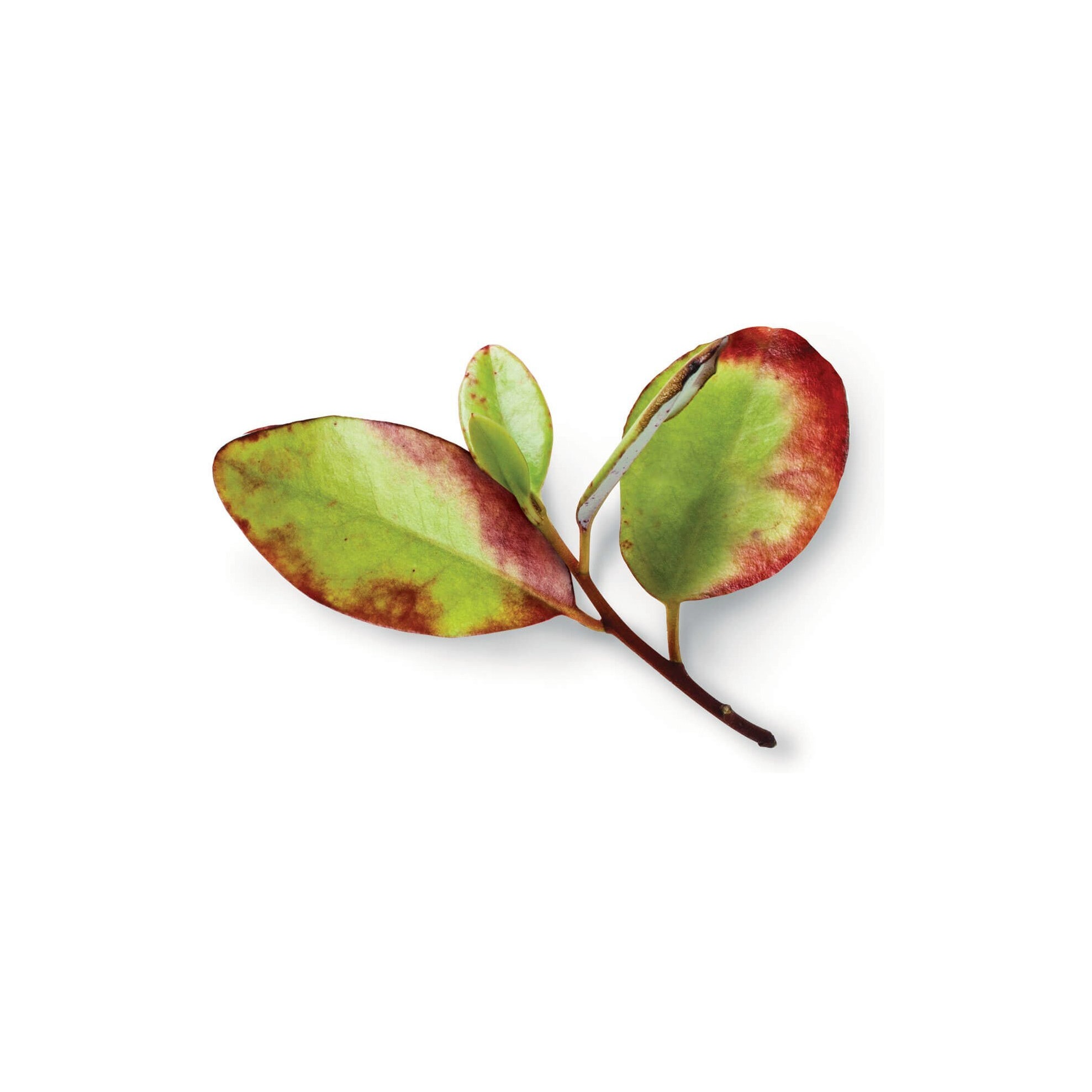 PotentPotentHoropitoPseudowintera colorataIts polygodial is rapidly fungicidal against Candida, Cryptococcus and the dermatophytes at potency comparable to amphotericin B, and it halved relapse against itraconazole in recurrent thrush.Mechanismnon-ionic surfactant membrane disruption; plasma-membrane H⁺-ATPase inhibition; vacuolar alkalinisation & Ca²⁺ dysregulation (polygodial)Read the evidenceShow lessMonograph →
Polygodial was isolated from P. colorata as an anti-Candida agent in 1982 12Reference 12In vitroAntibiotic substances from New Zealand plantsView study →. It is rapidly fungicidal rather than merely fungistatic against C. albicans, C. krusei, Cryptococcus neoformans and the dermatophytes, at potency comparable to amphotericin B, without haemolysis and without losing activity in the presence of ergosterol 13Reference 13In vitroIn vitro antifungal susceptibilities of Candida albicans and other fungal pathogens to polygodial, a sesquiterpene dialdehyde — in vitroView study →.
The route is physical rather than enzymatic. Polygodial behaves as a non-ionic surfactant that deranges the fungal membrane and inhibits the plasma-membrane H⁺-ATPase 14Reference 14In vitroAntifungal mechanism of polygodial — in vitroView study →, with genome-wide screening adding vacuolar alkalinisation and disrupted Ca²⁺ signalling 15Reference 15In vitroInvestigating the antifungal mechanism of action of polygodial by phenotypic screening in Saccharomyces cerevisiae — in vitroView study →.
Activity rises under acidic conditions 13Reference 13In vitroIn vitro antifungal susceptibilities of Candida albicans and other fungal pathogens to polygodial, a sesquiterpene dialdehyde — in vitroView study →, which is a practical modifier for vaginal and gut use.
Two randomised trials from one group compared a standardised oleoresin — K-712, 10 mg of P. colorata oleoresin at 30% polygodial — against itraconazole in recurrent vulvovaginal candidiasis. Six-month mycological cure was comparable at 78% against 83%, but relapse over the following untreated six months was half, 34.2% against 65.7% 16Reference 16RCTProtective effect of an oral natural phytonutrient in recurrent vulvovaginal candidiasis: a 12-month randomised study — randomised controlled trialView study →, reproduced in a 122-woman two-year study that also found less azole-resistant and non-albicans overgrowth 17Reference 17RCTProphylactic strategies in recurrent vulvovaginal candidiasis: a 2-year randomised study testing a phytonutrient vs itraconazole — randomised controlled trialView study →.
The human evidence is one indication, one product and one research group, in a mid-tier journal with no independent replication and no registered trial. It is also a standardised 30% oleoresin rather than the tincture.
Aniseed is commonly sold alongside horopito as a claimed antifungal synergist, and there is no evidence for that combination. The only synergy in the literature is polygodial with α-linolenic acid against nematodes 18Reference 18In vitroBioassay-guided isolation of three anthelmintic compounds from Warburgia ugandensis, and the mechanism of action of polygodial — in vitro (C. elegans model)View study →, and polygodial as an antibiotic potentiator 19Reference 19In vitroPolygodial, an antifungal potentiator — in vitroView study →.
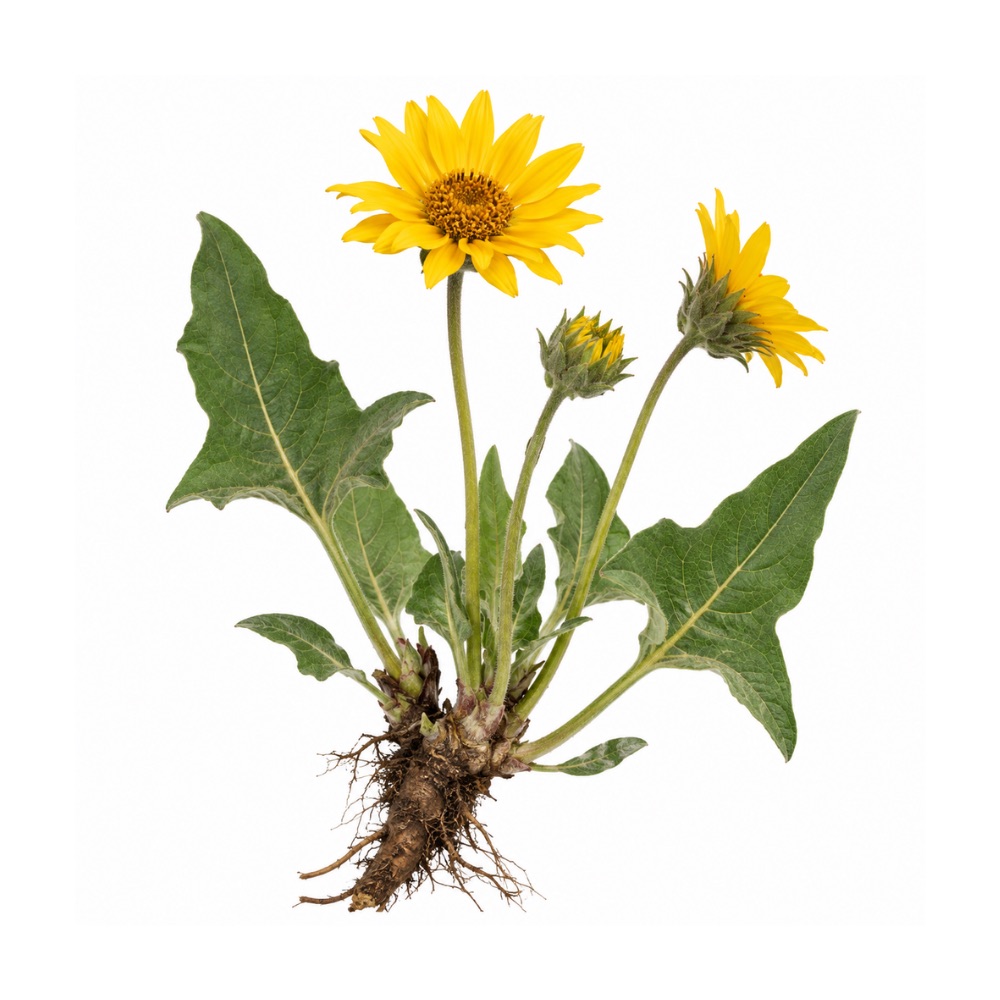 ModerateModerateArrowleaf BalsamrootBalsamorhiza sagittataBroad in-vitro antifungal activity from the root, attributed to photoactivated thiophenes and polyacetylenes.Mechanismroot polyacetylenes and thiophenes; likely photoactivatedRead the evidenceShow less
The root shows a broad in-vitro antifungal effect 5Reference 5In vitroAntifungal screening of medicinal plants of British Columbian native peoples — [in vitro]View study →, corroborating the long-standing Indigenous use of the root as an antimicrobial poultice.
Asteraceae polyacetylenes and thiophenes are typically photoactivated: their antimicrobial potency rises sharply under UV light. That fits a plant whose traditional preparation is applied to skin in sunlight.
No animal or human work exists.
ModerateBarbatimãoStryphnodendron adstringensActive against fluconazole-resistant Candida in an in-vivo vaginal model, matching its traditional use as a wash.Mechanismactivity against fluconazole-resistant Candida; in-vivo vaginal modelRead the evidenceShow less
S. adstringens is active against fluconazole-resistant Candida, supported by an in-vivo vaginal model rather than by plate assays alone 6Reference 6In vitroProanthocyanidin polymeric tannins from Stryphnodendron adstringens are effective against Candida spp. isolates and for vaginal candidiasis treatment — in vitro and in vivo (mouse)View study →.
Resistant Candida is a real clinical problem with few options, and the finding aligns with the bark’s long traditional use as a vaginal wash.
The work is preclinical and the species has no human antifungal trial.
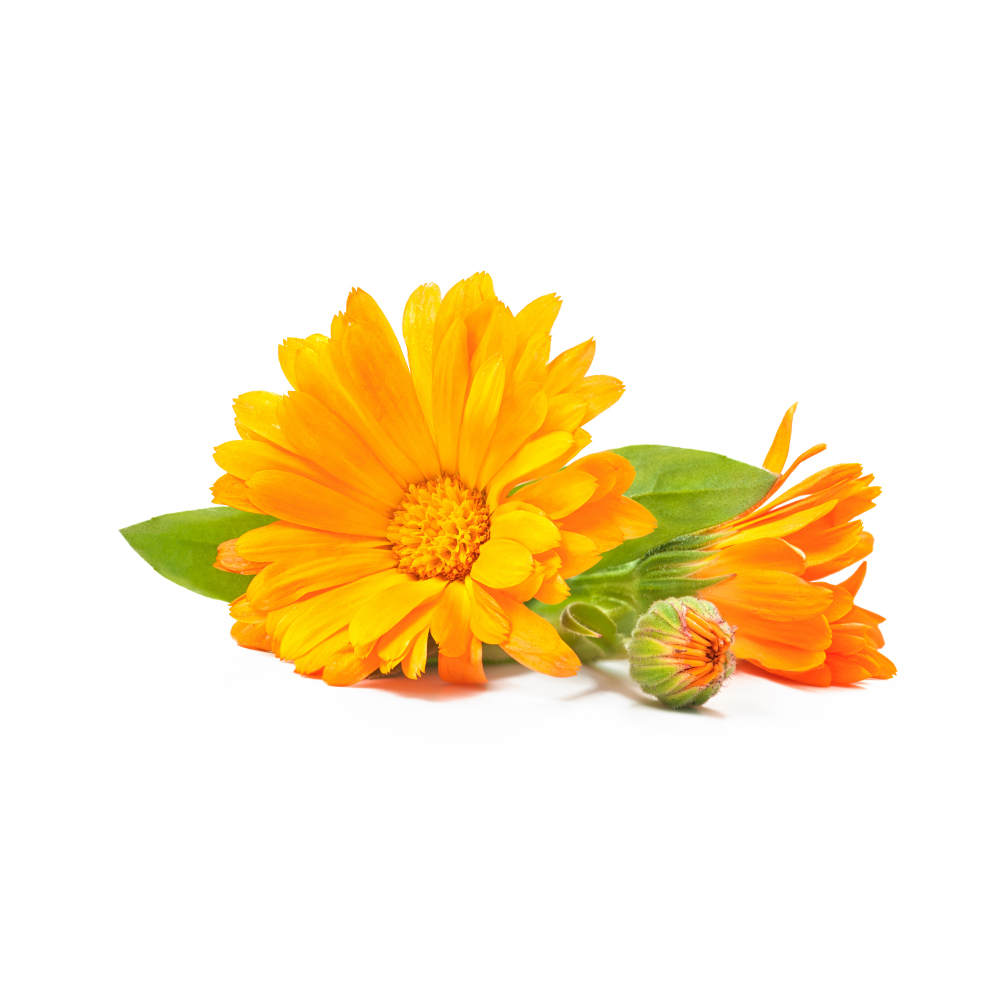 ModerateModerateCalendulaCalendula officinalisA vaginal cream matched clotrimazole for vaginal candidiasis in 150 women, acting more slowly but leaving a greater long-term negative-culture rate.Mechanismnot establishedRead the evidenceShow lessMonograph →
In 150 women, a calendula vaginal cream matched clotrimazole for vaginal candidiasis, acting more slowly but achieving a greater long-term negative-culture rate 8Reference 8RCTComparing the effects of Calendula officinalis and clotrimazole on vaginal Candidiasis: A randomized controlled trial — [randomised controlled trial]View study →. That slower-but-more-durable shape is the notable part of the result.
Beyond that trial there is nothing: no MIC data against Candida or the dermatophytes and no proposed mechanism.
The popular use for tinea and athlete’s foot is traditional rather than tested.
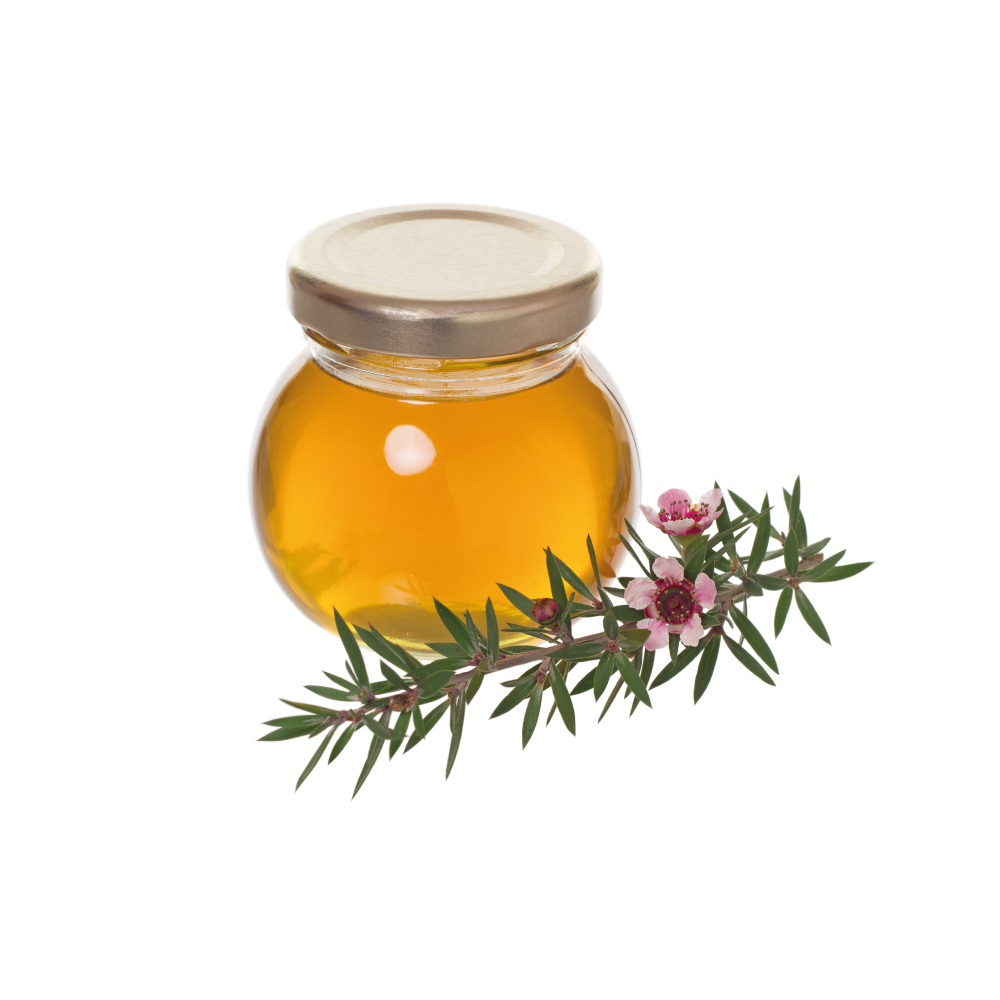 ModerateModerateManukaLeptospermum scopariumIts β-triketone complex gave the best dermatophyte inhibition of the Myrtaceae oils tested, tea tree included — but only in the high-triketone chemotype.Mechanismβ-triketone/acylphloroglucinol membrane disruption; chemotype-gated triketone loadRead the evidenceShow lessMonograph →
In a head-to-head of Myrtaceae “tea-tree” oils, manuka oil and its isolated β-triketone complex gave the best inhibition of dermatophytes in the group, which is notable given that tea tree is the reference topical antifungal herb 34Reference 34In vitroA comparative study of the in vitro antimicrobial activity of tea tree oils with special reference to the activity of β-triketones [in vitro]View study →. Isolated leptospermone inhibits fungal growth directly 35Reference 35In vitroAntimicrobial activities of leptospermone isolated from Leptospermum scoparium [in vitro]View study →, and reviews collate activity against Candida, Trichophyton and other dermatophytes 36Reference 36ReviewMānuka Oil — A Review of Antimicrobial and Other Medicinal Properties [review]View study →.
Potency is inconsistent across oil samples. Only the high-triketone East Cape chemotype carries real antifungal punch, and a low-triketone oil sold under the same name may do very little 36,
There are no human antifungal trials of any kind.
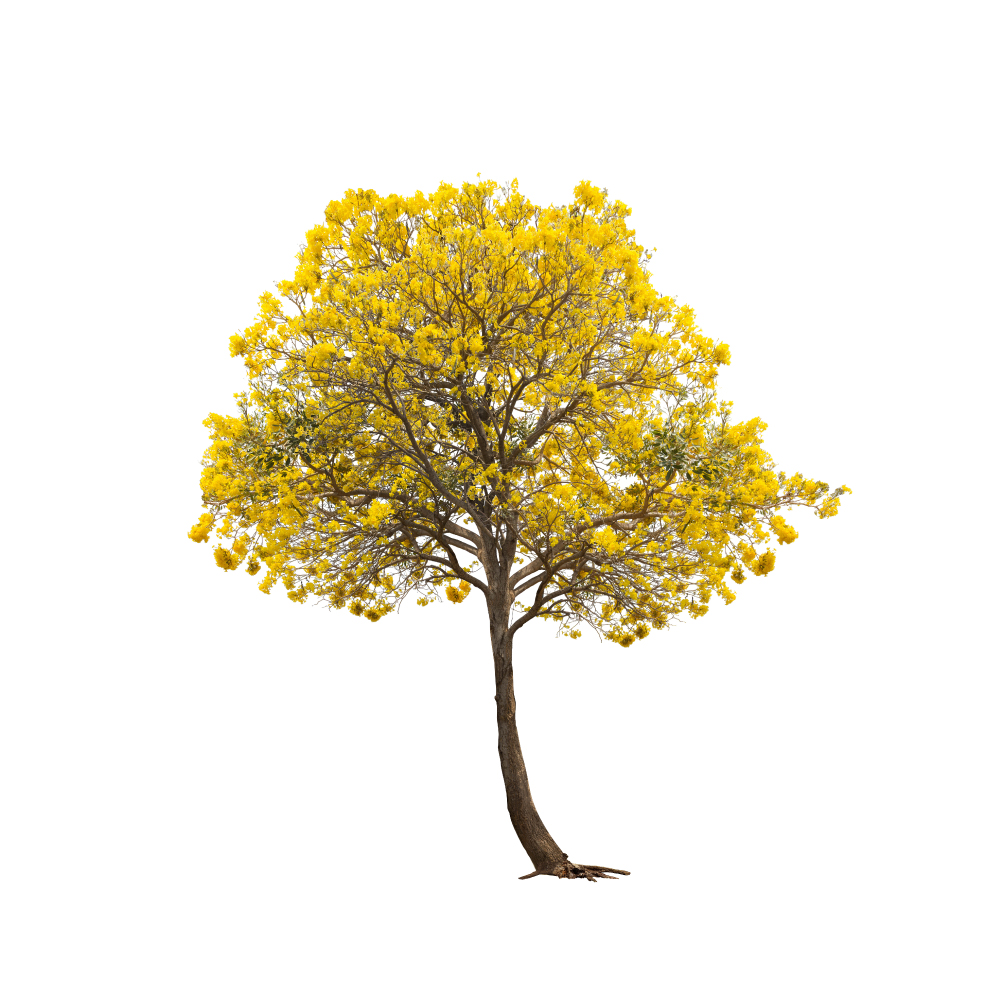 ModerateModeratePau D’ArcoTabebuia impetiginosaIts quinones poison fungal respiration, and the in-vitro record against Candida, Cryptococcus, Aspergillus and the dermatophytes is consistent.Mechanismoxidative-phosphorylation uncoupling; fungal respiratory-chain disruptionRead the evidenceShow lessMonograph →
Tabebuia extracts inhibit Candida albicans and multiple non-albicans Candida species, along with Cryptococcus, Aspergillus and the dermatophytes Trichophyton and Microsporum 42,
Activity tracks with lapachol and beta-lapachone, which are thought to uncouple oxidative phosphorylation and disrupt fungal respiration 45Reference 45ReviewAnti-infectious activity in plants of the genus Tabebuia — reviewView study →. That is a metabolic poison rather than a membrane-ergosterol agent, which explains the lack of selectivity.
Candidiasis is the herb’s most popular modern use and there is not one clinical trial behind it. The traditional preparation — a bark tea taken for three or four weeks — is also the preparation least likely to extract the responsible quinones.
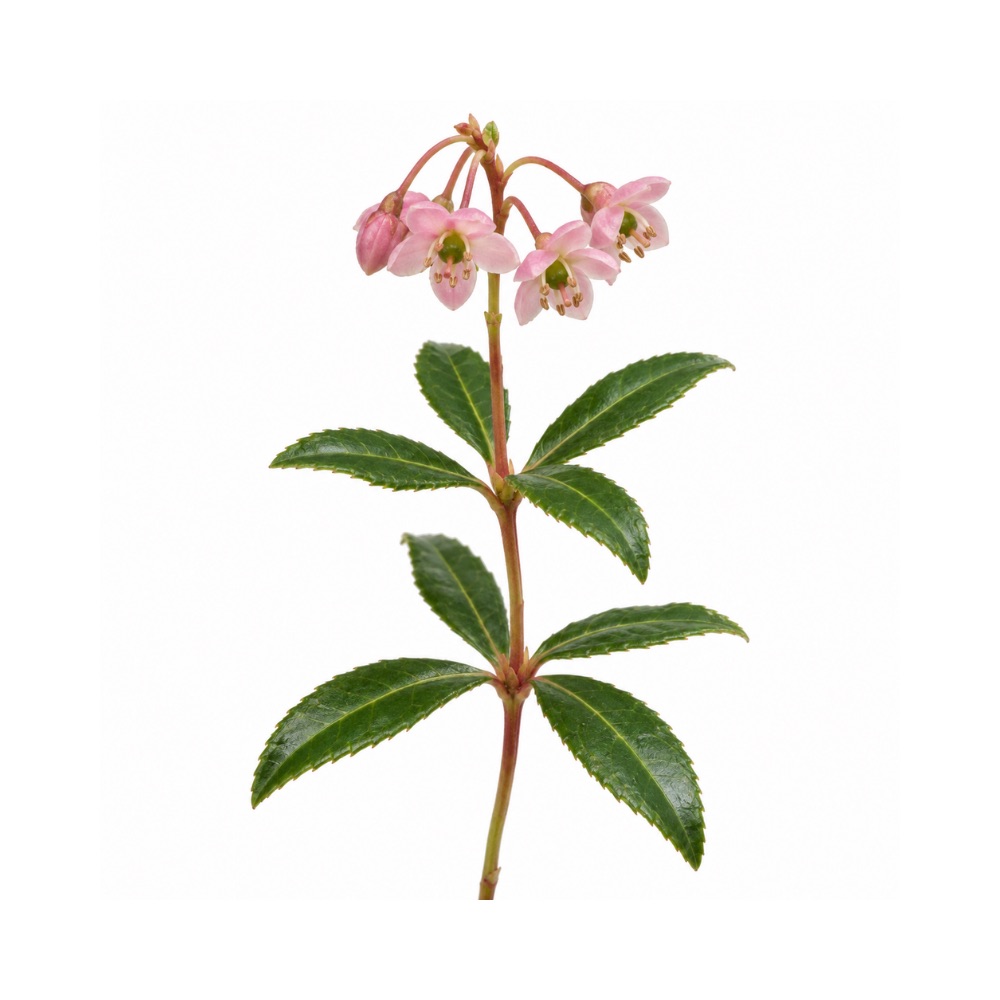 ModerateModeratePipsissewaChimaphila umbellataIts naphthoquinone chimaphilin is consistently antifungal in vitro, in the same chemical class as juglone and plumbagin.Mechanismchimaphilin naphthoquinone activityRead the evidenceShow less
Chimaphilin has consistent in-vitro antifungal activity, which is mechanistically unsurprising: the naphthoquinones are broadly antimicrobial by redox cycling.
The work is on the isolated compound at micromolar concentrations rather than on the tea, and no animal or human study exists.
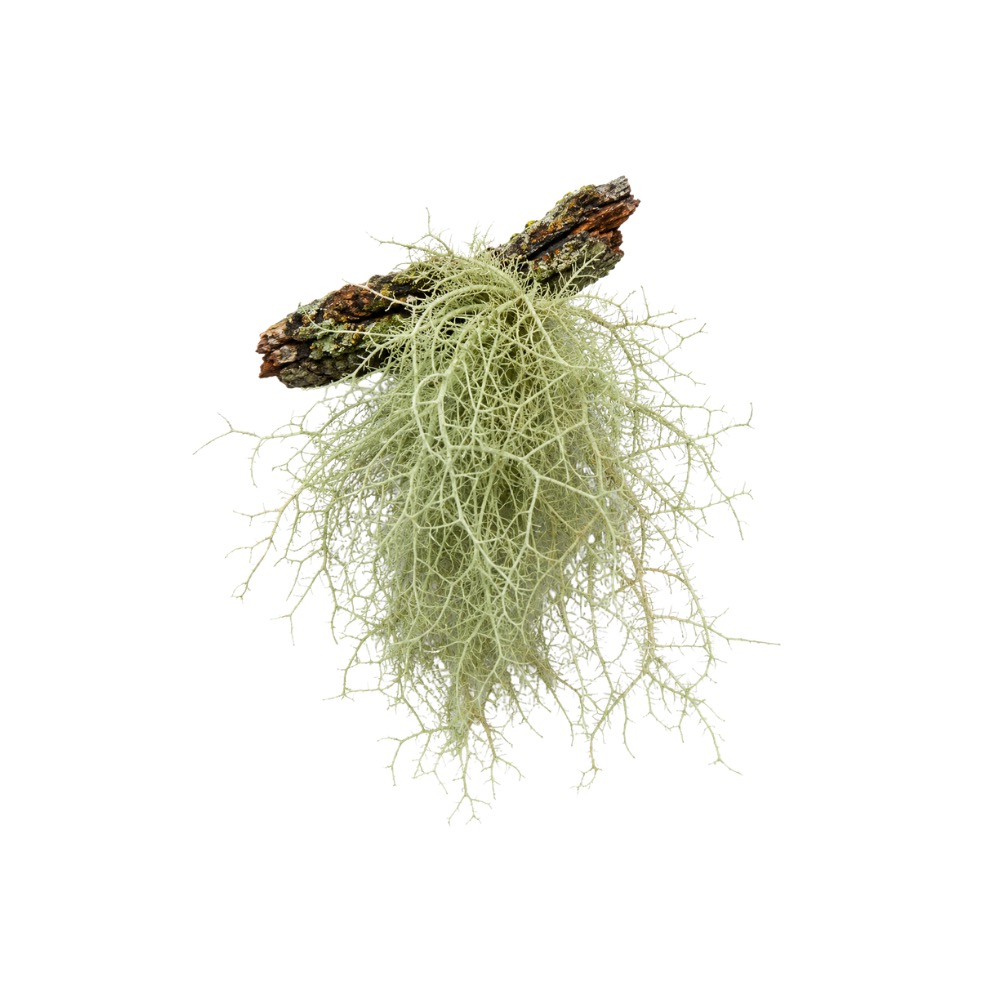 ModerateModerateUsneaUsnea spp.Usnic acid blocks Candida's yeast-to-hypha switch and its biofilm matrix rather than simply killing the yeast — the architecture of the infection rather than the organism.MechanismCandida biofilm matrix (exopolysaccharide) inhibition; yeast-to-hypha switch blockade; intra-biofilm oxidative/nitrosative stress ↑Read the evidenceShow lessMonograph →
Usnic acid inhibited Candida albicans biofilm formation by around 65%, blocked the yeast-to-hypha morphological switch, and thinned mature biofilms while reducing the exopolysaccharide matrix 48Reference 48In vitroUsnic acid inhibits biofilm formation and virulent morphological traits of Candida albicans — in vitroView study →.
Comparable potency is reported against C. parapsilosis and C. orthopsilosis including sessile biofilm cells 49Reference 49In vitroEffect of usnic acid on Candida orthopsilosis and C. parapsilosis — in vitroView study →, and against azole-resistant C. albicans biofilms, where usnic acid raised oxidative and nitrosative stress inside the biofilm 50Reference 50In vitroUsnic acid activity on oxidative and nitrosative stress of azole-resistant Candida albicans biofilm — in vitroView study →. That maps cleanly onto the traditional use for fungal skin overgrowth.
There is no in-vivo antifungal work at all and no human data, and the antibiofilm findings come from a small number of laboratories.
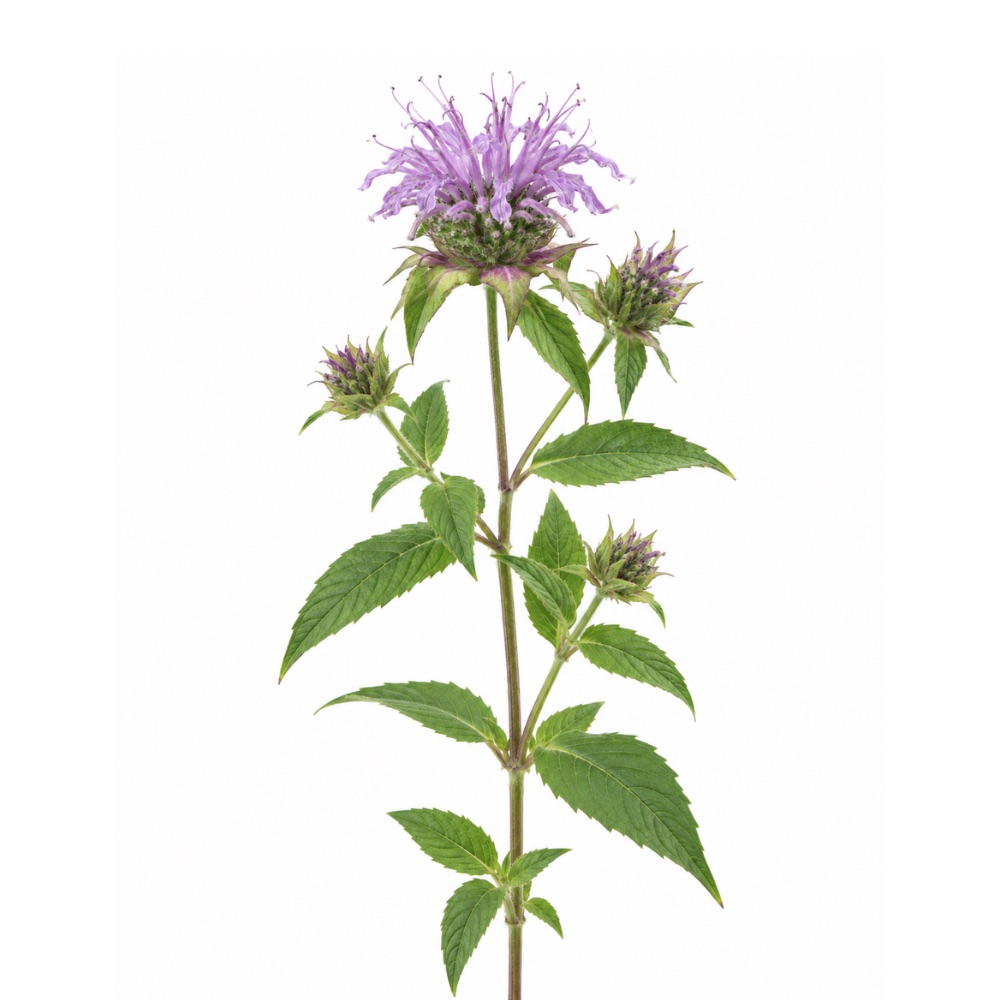 ModerateModerateWild BergamotMonarda fistulosaA thymol-rich oil with broad in-vitro activity across a fungal panel, working by membrane disruption.Mechanismthymol/carvacrol membrane disruptionRead the evidenceShow less
The essential oil is dominated by thymol and carvacrol, phenolic monoterpenes that disrupt microbial membranes, and it inhibits a broad panel of fungi in vitro 38,
The mechanism is non-selective by nature, and no animal or human antifungal work has been done.
Show 18 more herbs with a mild antifungal action
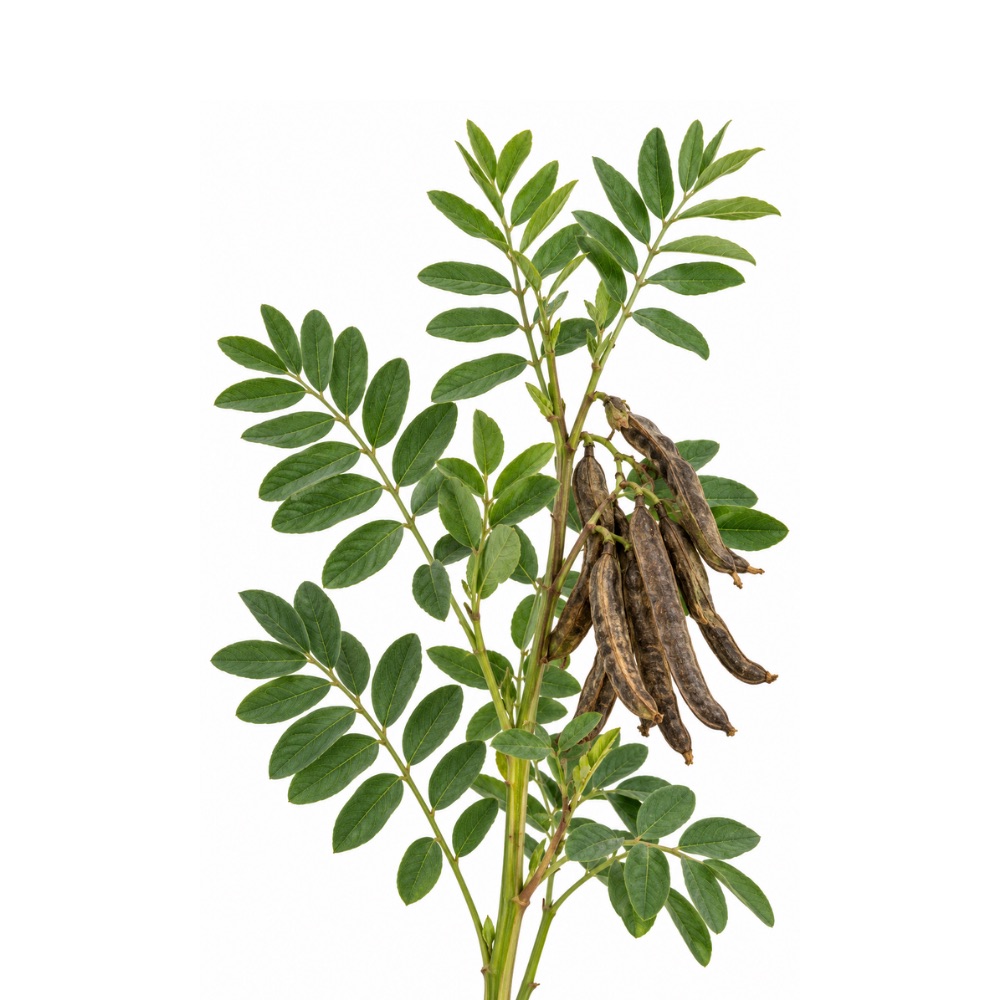 MildMildAmerican LicoriceGlycyrrhiza lepidotaIn-vitro antifungal activity attributed to its prenylated flavonoids.Mechanismprenylated flavonoid membrane activityRead the evidenceShow less
G. lepidota shows in-vitro antifungal activity, attributed to the prenylated flavonoids the genus carries.
No organism-specific potency figures, no animal work and no clinical use are recorded for this species.
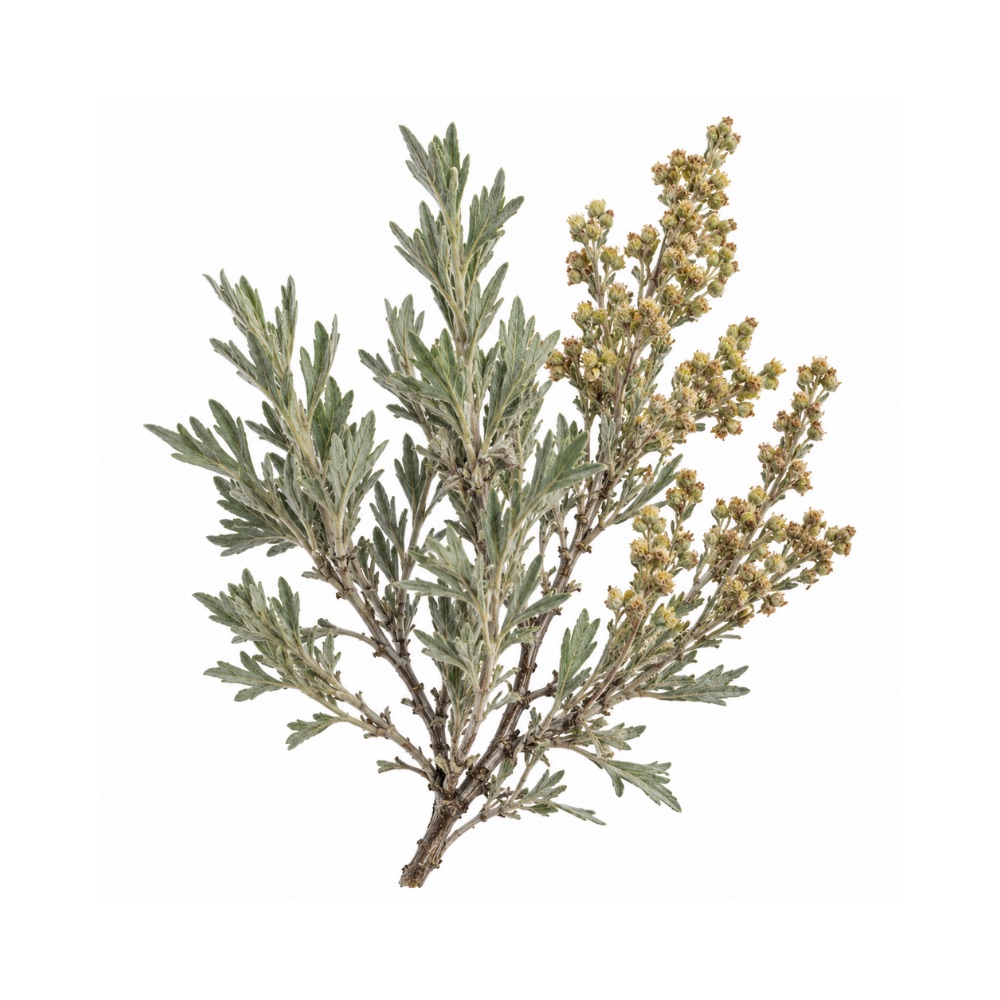 MildMildBig SagebrushArtemisia tridentataIn-vitro antifungal screening of the monoterpene-rich oil and its sesquiterpene lactones.Mechanismmonoterpene and sesquiterpene lactone activityRead the evidenceShow less
Screening finds in-vitro antifungal activity in the volatile oil and the sesquiterpene lactone fraction.
No in-vivo work exists, and no potency figure has been tied to a preparation anyone takes.
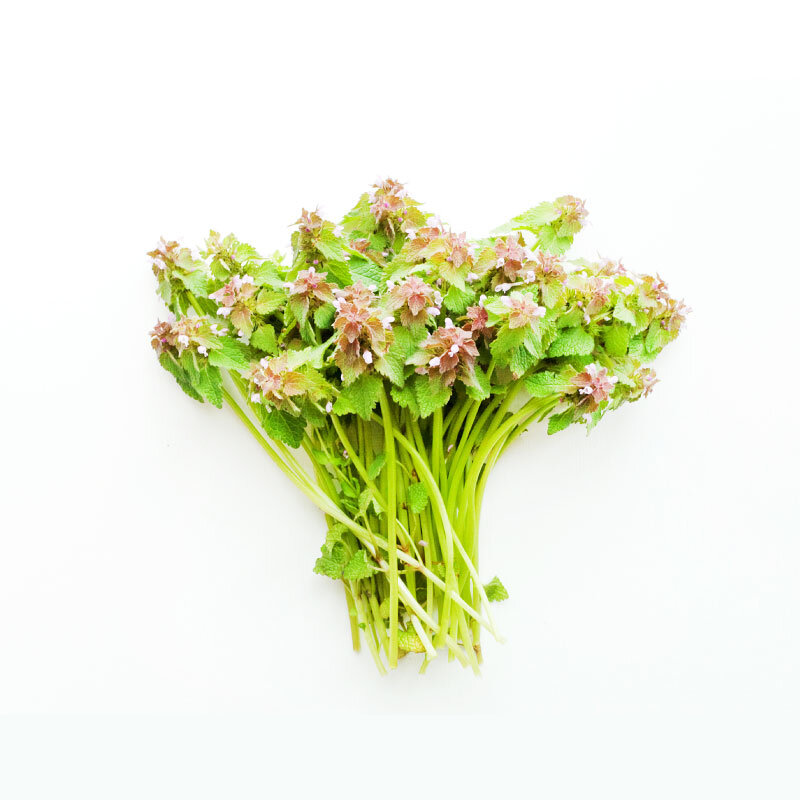 MildMildBlack HorehoundBallota nigraA crude root extract inhibited Aspergillus and Fusarium in a single screen; no potency figures and no comparator.Mechanismnot established (crude-extract growth inhibition)Read the evidenceShow lessMonograph →
The crude root extract inhibited Aspergillus fumigatus, Aspergillus niger and Fusarium solani alongside bacterial strains in one screen, with leaf and stem chloroform extracts giving similar results 7Reference 7In vitroNeurosedative and antioxidant activities of phenylpropanoids from Ballota nigra — in vitro / animal model (rat tissue)View study →.
The finding is unreplicated, with no potency figures and no comparator, and the strongest fraction is the root rather than the flowering tops that are actually dosed.
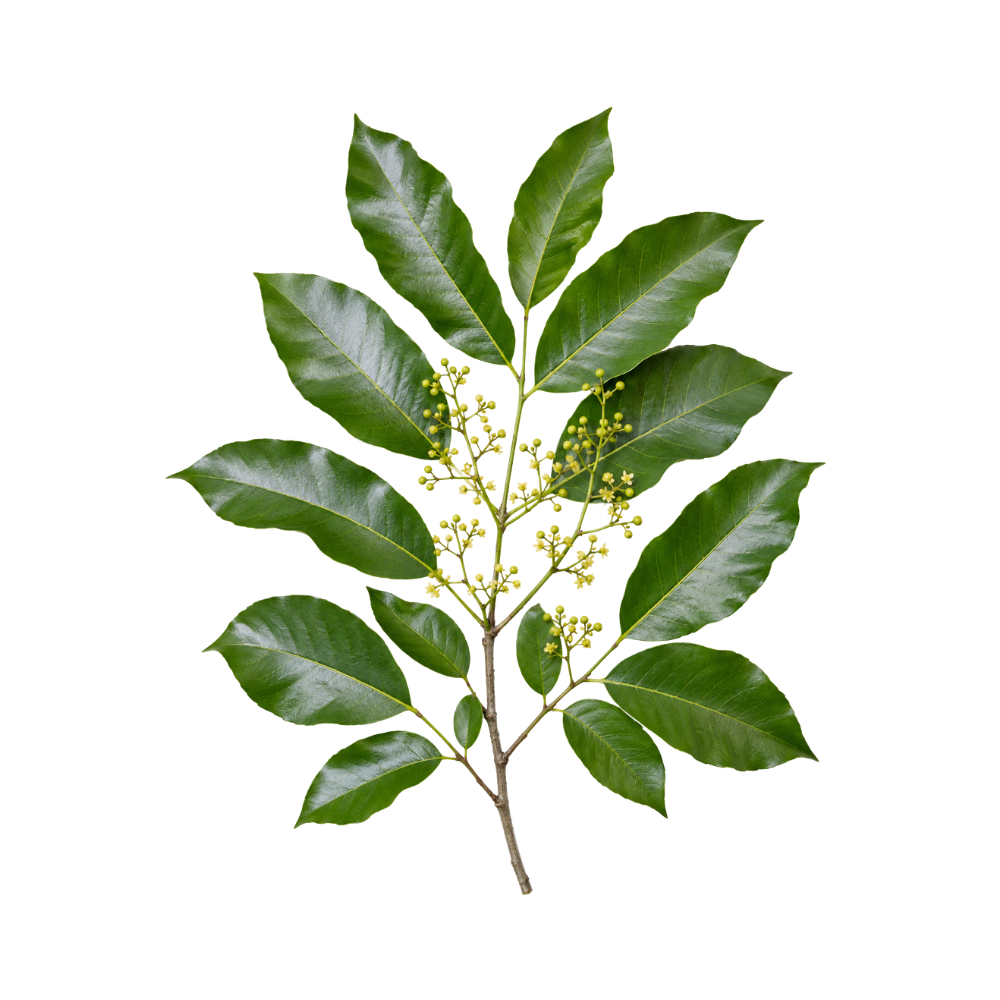 MildMildCatuabaTrichilia catiguaOne in-vitro study reports antifungal activity for the extract and for its cinchonains and procyanidin B2.Mechanismnot established — in vitro growth inhibition onlyRead the evidenceShow lessMonograph →
One study reports antifungal activity for T. catigua extracts and for the isolated cinchonains and procyanidin B2 against fungal pathogens 9Reference 9In vitroActivity of extracts and isolated compounds of Trichilia catigua against fungal pathogens — in vitroView study →.
That is a single in-vitro paper with no established target, no in-vivo confirmation and no clinical relevance tested.
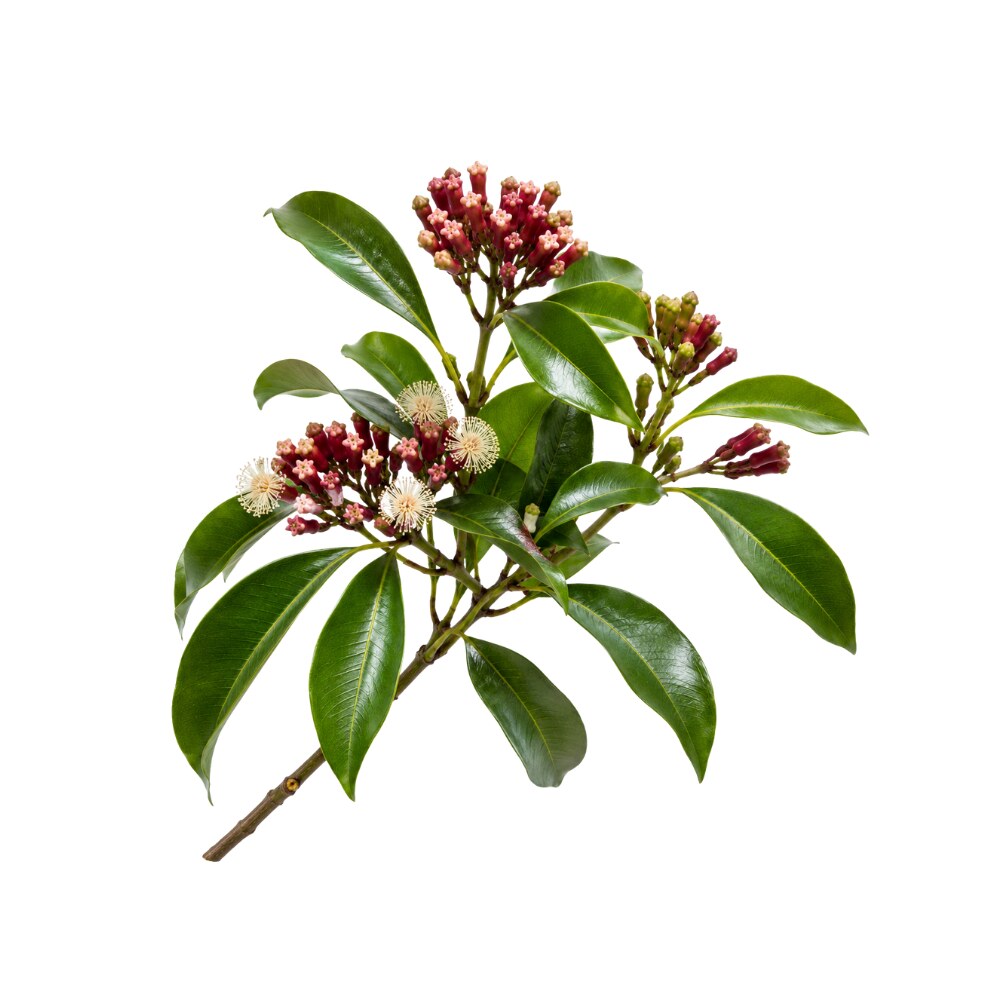 MildMildCloveSyzygium aromaticumEugenol disrupts microbial membranes without distinguishing a yeast's from a bacterium's, which is the whole of the antifungal case.Read the evidenceShow lessMonograph →
Clove’s antimicrobial pharmacology is membrane disruption by eugenol, and a membrane is a membrane whether it belongs to a bacterium or a yeast.
The antifungal reading is an inference from that chemistry rather than a dedicated study. It is likely supportable and has not been written up for this herb.
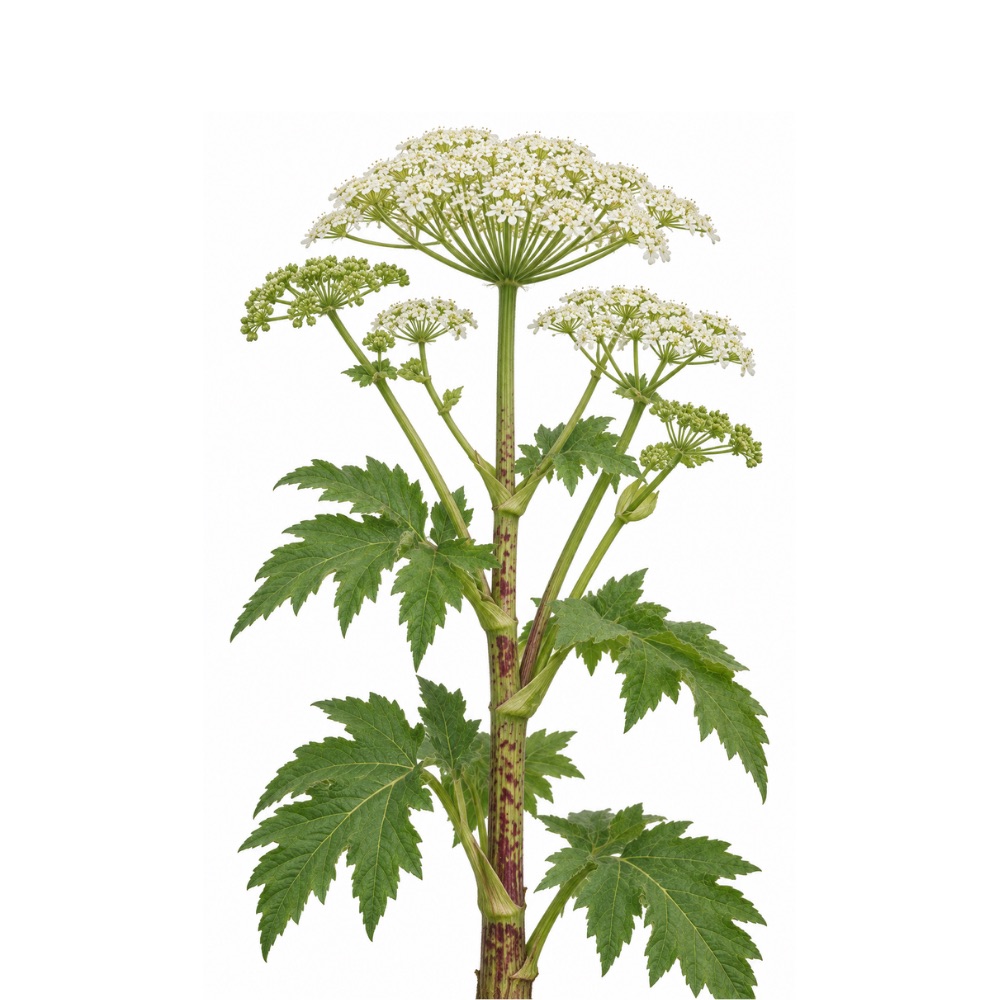 MildMildCow ParsnipHeracleum maximumIn-vitro antifungal activity from falcarindiol, a polyacetylene the plant makes as its own antifungal defence.Mechanismpolyacetylene and furanocoumarin activityRead the evidenceShow less
H. maximum shows in-vitro antifungal activity 10Reference 10In vitroThe Canadian medicinal plant Heracleum maximum contains antimycobacterial diynes and furanocoumarins — in vitro studyView study →. Falcarindiol is a plant antifungal defence compound, so the effect is mechanistically expected rather than surprising.
Nothing beyond the screen has been done.
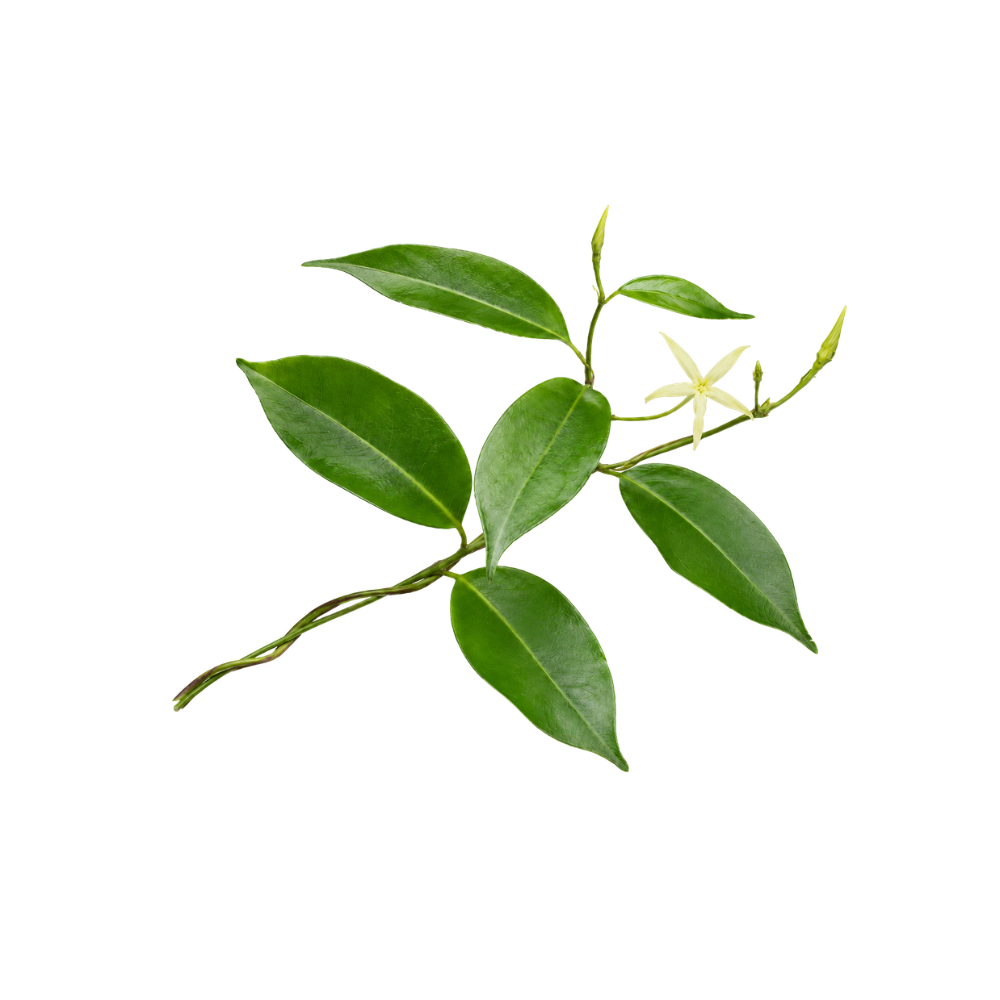 MildMildCryptolepisCryptolepis sanguinolentaIts alkaloids inhibit Candida, the dermatophytes and Aspergillus in vitro, less potently than they inhibit bacteria.Mechanismnot established (alkaloid activity in vitro only)Read the evidenceShow lessMonograph →
Cryptolepine, neocryptolepine, biscryptolepine and cryptoquindoline inhibit Candida albicans, the dermatophytes (Trichophyton, Microsporum, Epidermophyton), Aspergillus niger and Saccharomyces cerevisiae in vitro 11Reference 11In vitroAntibacterial and antifungal activities of neocryptolepine, biscryptolepine and cryptoquindoline, alkaloids isolated from Cryptolepis sanguinolenta — in vitroView study →.
Potency is explicitly weaker than the antibacterial activity, and no antifungal mechanism has been established separately from the general DNA-intercalation and membrane account.
The data are alkaloid-based rather than root-based, and no clinical antifungal use is documented.
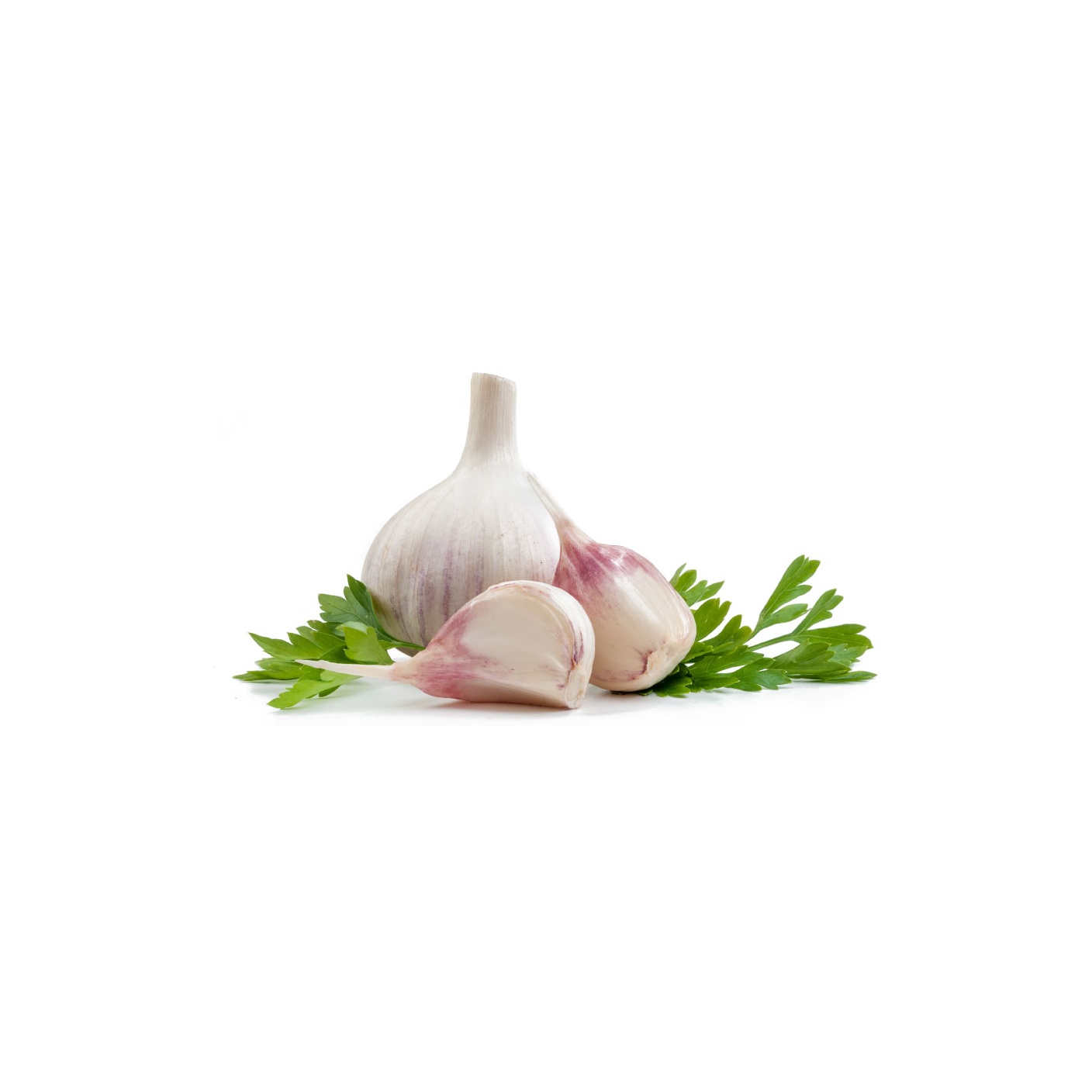 MildMildGarlicAllium sativumThe most widely used antifungal plant in the world, and the one whose fungal pharmacology is least written up here.Read the evidenceShow lessMonograph →
Garlic is used for thrush, athlete’s foot and nail infection across more traditions than any other plant on this list, and its antifungal literature is real and substantial in the wider field.
What has been written up for this herb is one subordinate clause: allicin downregulates virulence genes across “a broad range of bacteria and fungi”, with no fungal organism named and no MIC. There is no ajoene or Candida data collected here.
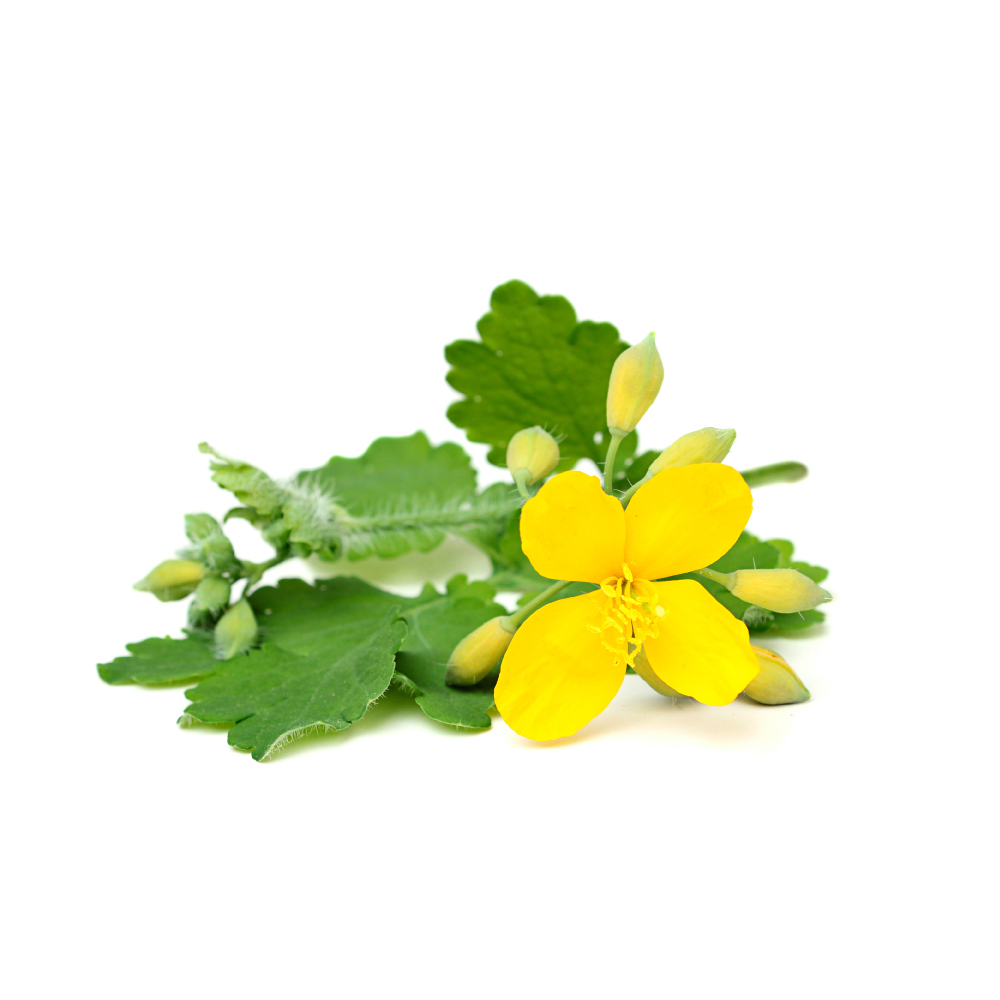 MildMildGreater CelandineChelidonium majusThe orange juice was applied to ringworm and tetters for centuries; the modern evidence is antimicrobial screening rather than antifungal work.Read the evidenceShow lessMonograph →
Celandine’s latex was a standing remedy for ringworm, tetters and spreading skin cankers in European practice, applied fresh to the patch.
The modern support is general antimicrobial screening, with no dedicated antifungal study, no organism-specific potency and no identified target.
Hepatotoxicity governs any internal use, and an antifungal course invites exactly the prolonged dosing that idiosyncratic liver injury punishes.
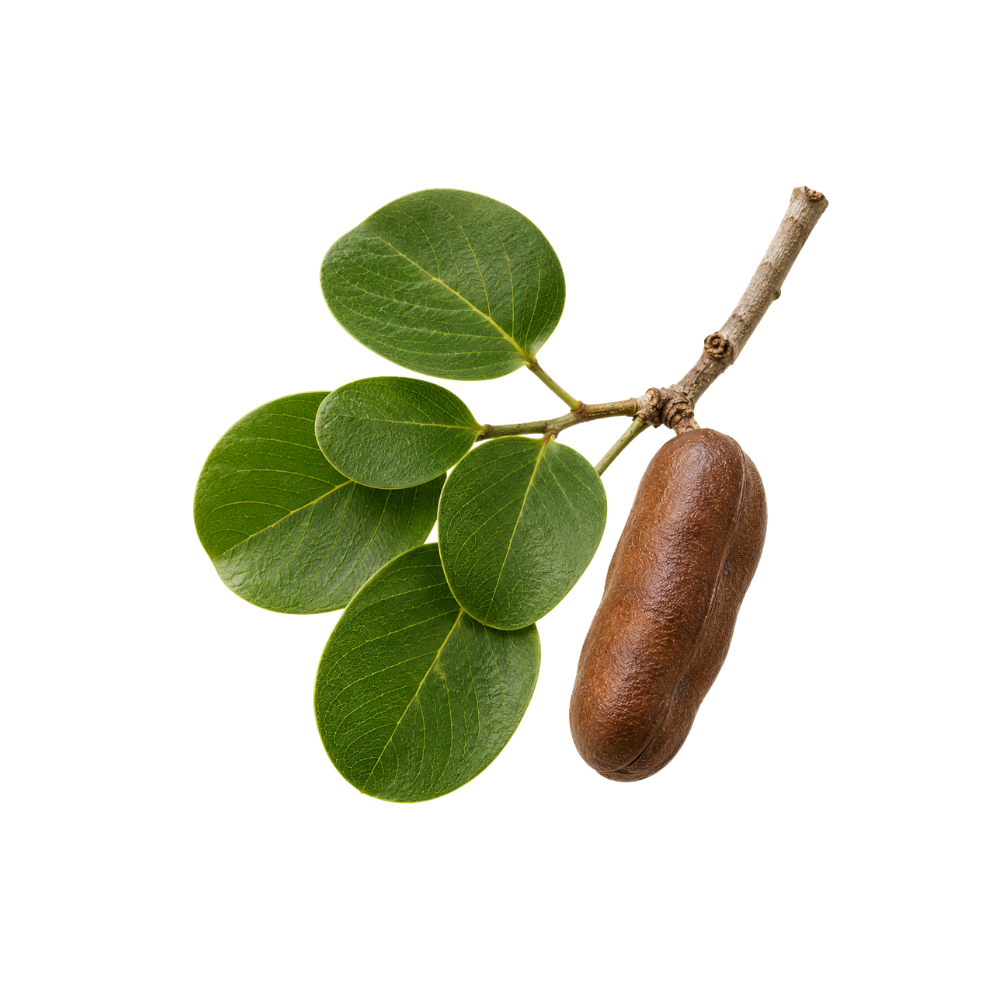 MildMildJatobáHymenaea courbarilIts xylem sap and the flavonol fisetin inhibit Cryptococcus and the dermatophytes; the bark decoction people take has never been tested.Mechanismfungal-membrane / ergosterol interferenceRead the evidenceShow lessMonograph →
Filtered fresh xylem sap and its major constituent fisetin inhibited the Cryptococcus neoformans complex and the dermatophytes at MIC below 256 µg/mL for the sap and below 128 µg/mL for fisetin, with fisetin less toxic to animal cells than the crude sap 20Reference 20In vitroAntifungal and cytotoxicity activities of the fresh xylem sap of Hymenaea courbaril L. and its major constituent fisetin — in vitroView study →.
Separately, the leaf sesquiterpenoid caryophyllene oxide was identified as the antifungal principle defending the foliage against fungus-growing ants 21Reference 21In vitroAn antifungal terpenoid defends a neotropical tree (Hymenaea) against attack by fungus-growing ants — in vitro, ecologicalView study →.
Both actives are concentrated in parts and preparations that are not the tannin-rich bark decoction people take, and neither organism tested is Candida. No study has tested the bark preparation against a fungus.
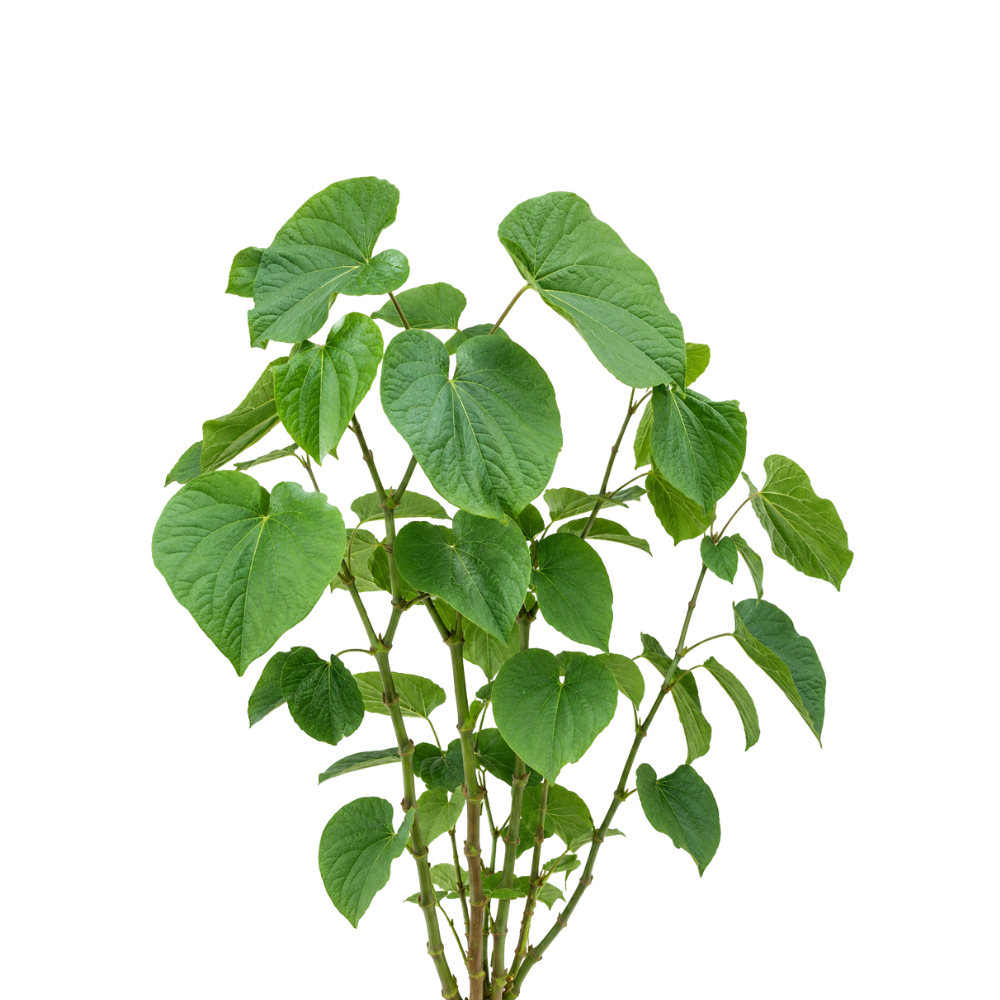 MildMildKavaPiper methysticumKavalactone antifungal activity exists in the wider literature; no traditional antifungal use is recorded in either Western or Pacific practice.Read the evidenceShow lessMonograph →
The antifungal reading is a compound-level inference from kavalactone chemistry, with no study of the root preparation against a fungus.
Kava’s hepatotoxicity signal governs any internal use, and prolonged internal courses are the exposure pattern of concern.
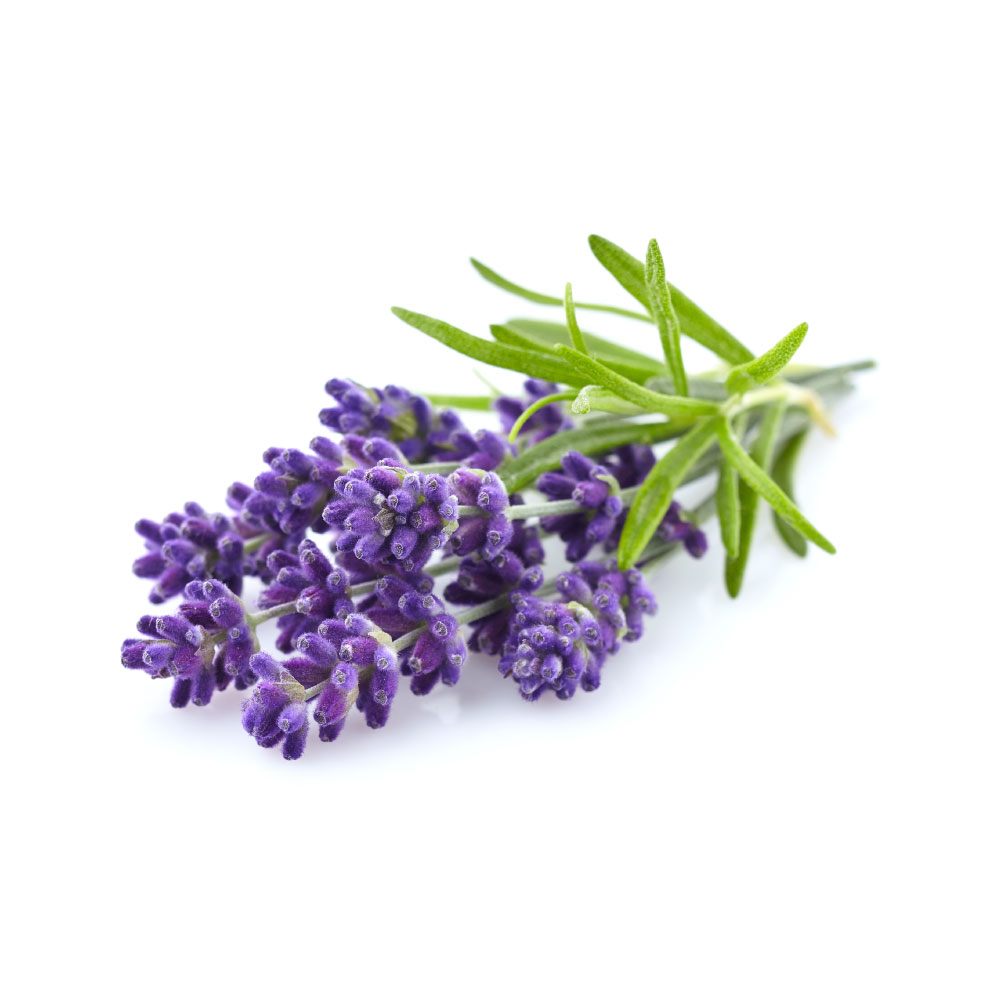 MildMildLavenderLavandula angustifoliaUndiluted or lightly diluted oil inhibits fungi in vitro through linalool and terpinen-4-ol, the same membrane chemistry as its antibacterial action.Mechanismmicrobial membrane disruptionRead the evidenceShow lessMonograph →
Linalool and terpinen-4-ol are the active fraction, working by membrane disruption in undiluted or lightly diluted oil 22Reference 22ReviewBiological activities of lavender essential oil — review.
The antifungal data are weaker and less characterised than the antibacterial data, and there is no controlled human evidence. Clinical efficacy remains inferred from petri-dish MICs.
MildOregon GrapeMahonia aquifoliumThe bark's berberine-group alkaloids inhibit fungi in vitro.Mechanismalkaloid activity in vitroRead the evidenceShow less
The isoquinoline alkaloids of the bark inhibit fungal growth in vitro 23,
No animal or human antifungal work exists for the herb.
MildPasque FlowerPulsatilla patensA single in-vitro study found root-extract activity against Candida glabrata, a fluconazole-tolerant species.Mechanismnot resolved; root extract activity against Candida glabrataRead the evidenceShow less
A 2017 report of root-extract activity against Candida glabrata is one of only two pharmacology studies on the species 46Reference 46In vitroAntifungal activity of the root extracts of Pulsatilla patens against Candida glabrata — in vitroView study →.
C. glabrata is clinically relevant precisely because it tolerates fluconazole, which makes the target more interesting than a generic screen. It is still one study, in vitro, with no identified mechanism.
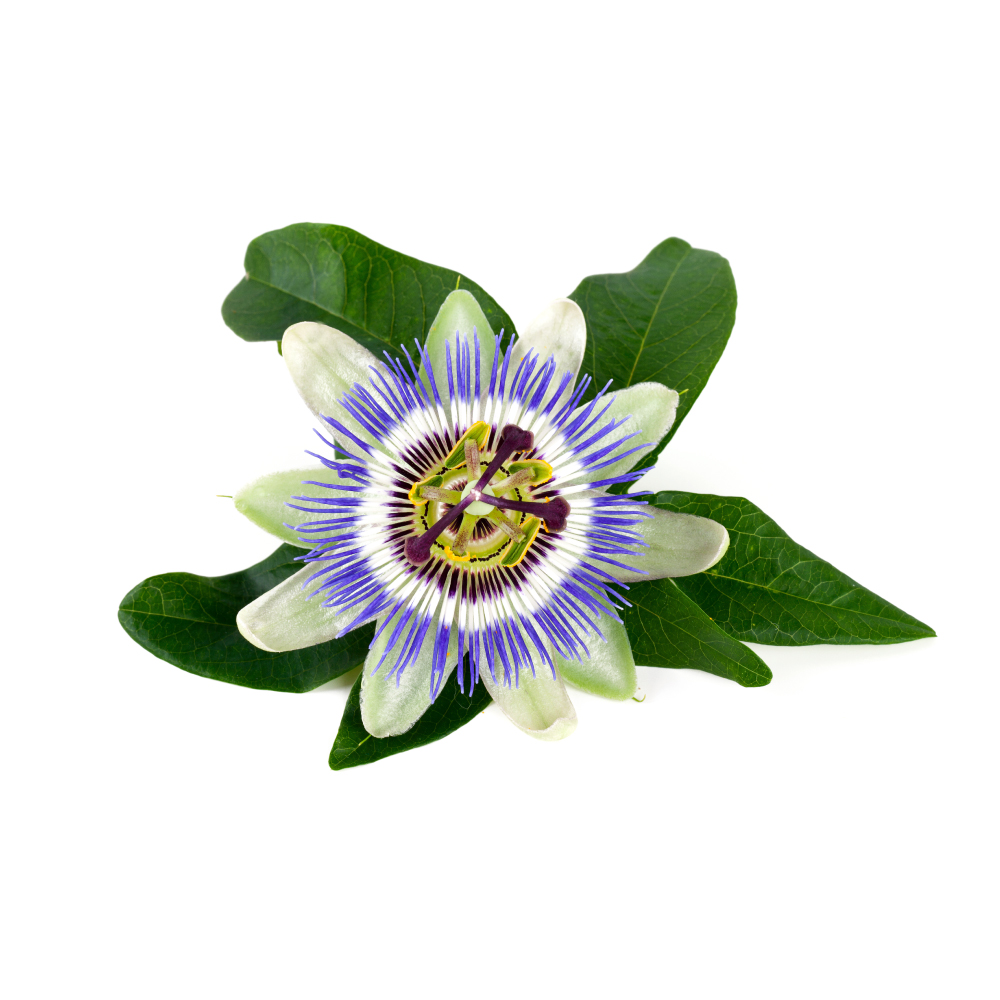 MildMildPassionflowerPassiflora incarnataAntifungal activity comes from the mid-century 'Passicol' work, much of which was done on Passiflora edulis rather than P. incarnata.Read the evidenceShow lessMonograph →
The antifungal reading rests on the “Passicol” antimicrobial literature, which reports activity against yeasts and moulds from Passiflora extracts.
Much of that work used P. edulis rather than P. incarnata, and no organism-specific potency has been established for the species used medicinally.
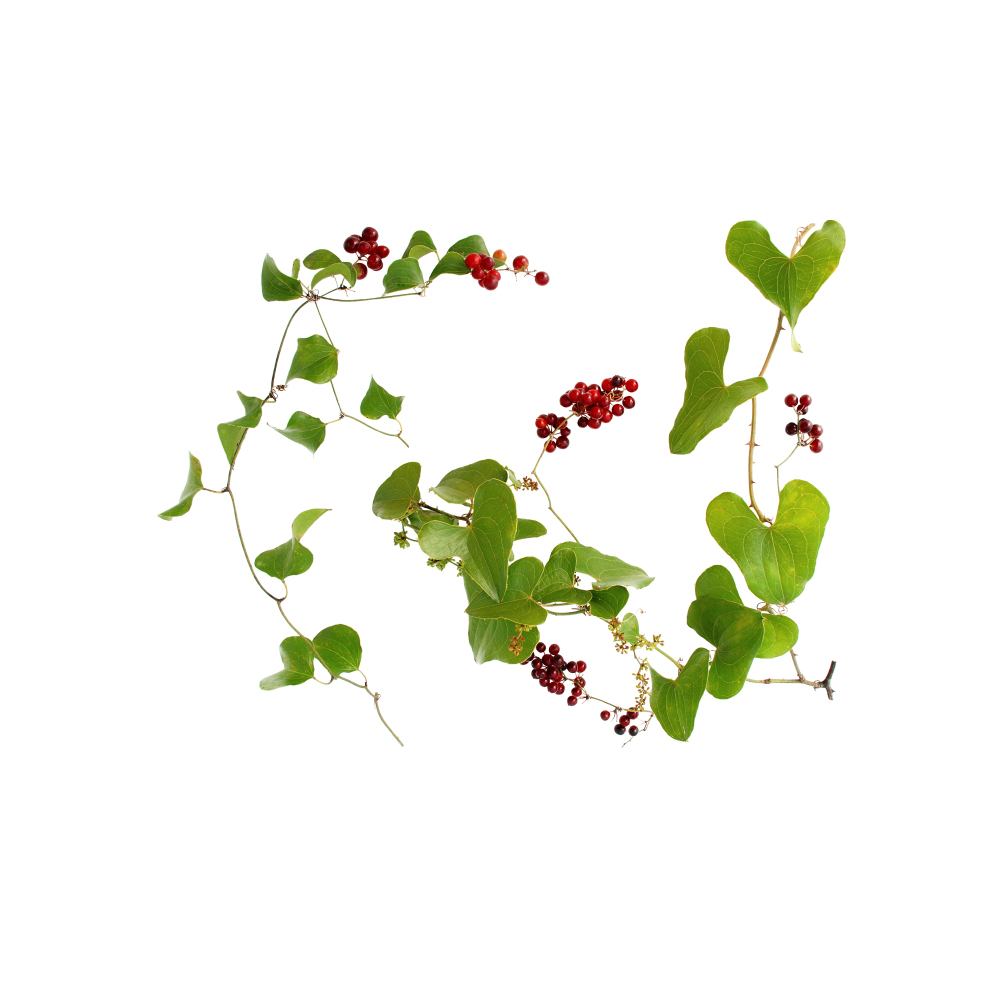 MildMildSarsaparillaSmilax spp.A phenolic survey of Smilax glabra rhizome reported activity against Candida albicans, which is the whole of its candidiasis reputation.Mechanismnot established (compound-specific, in-vitro phenolics)Read the evidenceShow lessMonograph →
A phytochemical survey of S. glabra rhizome isolated 63 phenolic compounds, six of them new, and reported activity against Candida albicans alongside a set of Gram-positive bacteria through compound-specific mechanisms the source does not resolve into a named target 47Reference 47In vitroChemical constituents from the rhizomes of Smilax glabra and their antimicrobial activity — in vitroView study →.
The work is on isolated compounds rather than whole extract, with no animal-infection or clinical confirmation, and the minimum inhibitory concentrations were never tied to achievable tissue levels.
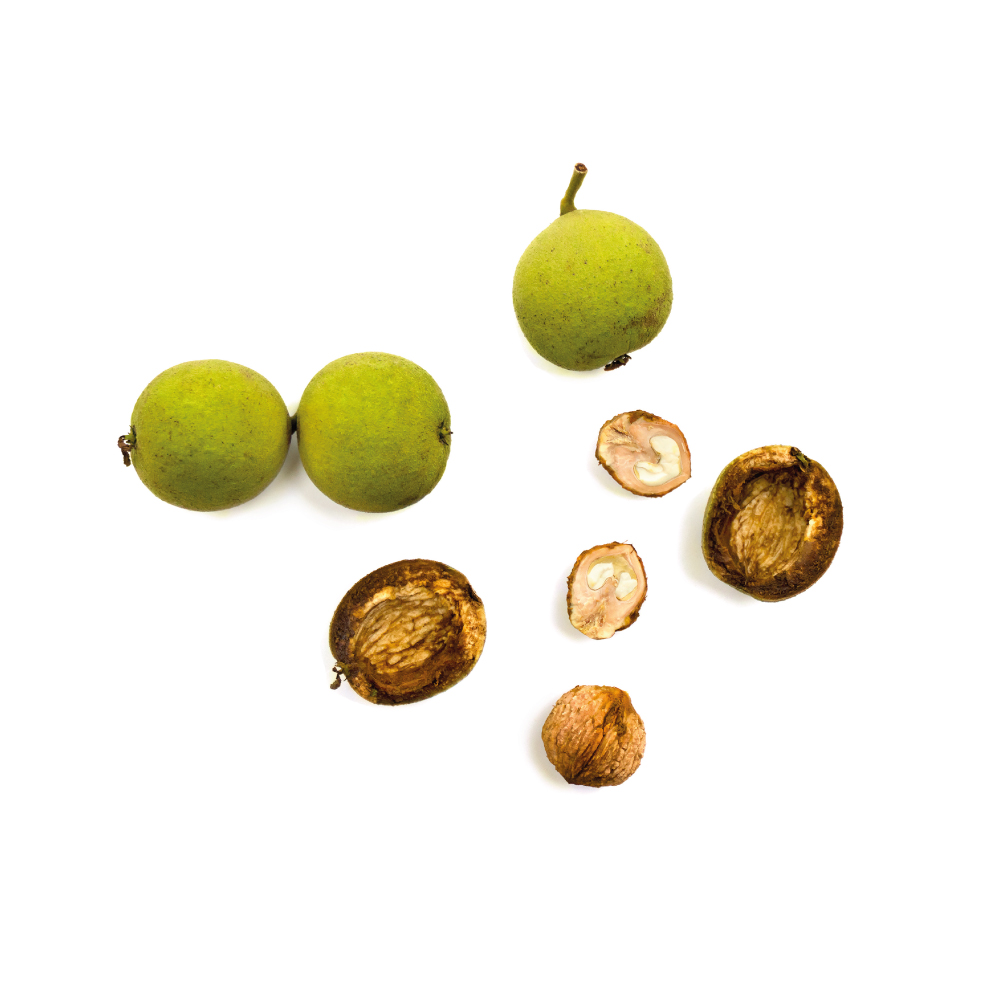 MildMildWalnutJuglans nigraThe green hull is a long-standing topical for athlete's foot and ringworm, with juglone the usual rationale and no antifungal study behind it.Read the evidenceShow lessMonograph →
The green hull is applied as a salve or wash for athlete’s foot, ringworm and other fungal skin conditions, and the traditional use is specific about both the part and the application.
Juglone, the naphthoquinone the hull carries, is the usual rationale, and naphthoquinones are broadly antimicrobial.
No antifungal test of a Juglans nigra preparation exists; the one antimicrobial study on the herb is antibacterial. This covers J. nigra rather than the culinary walnut.
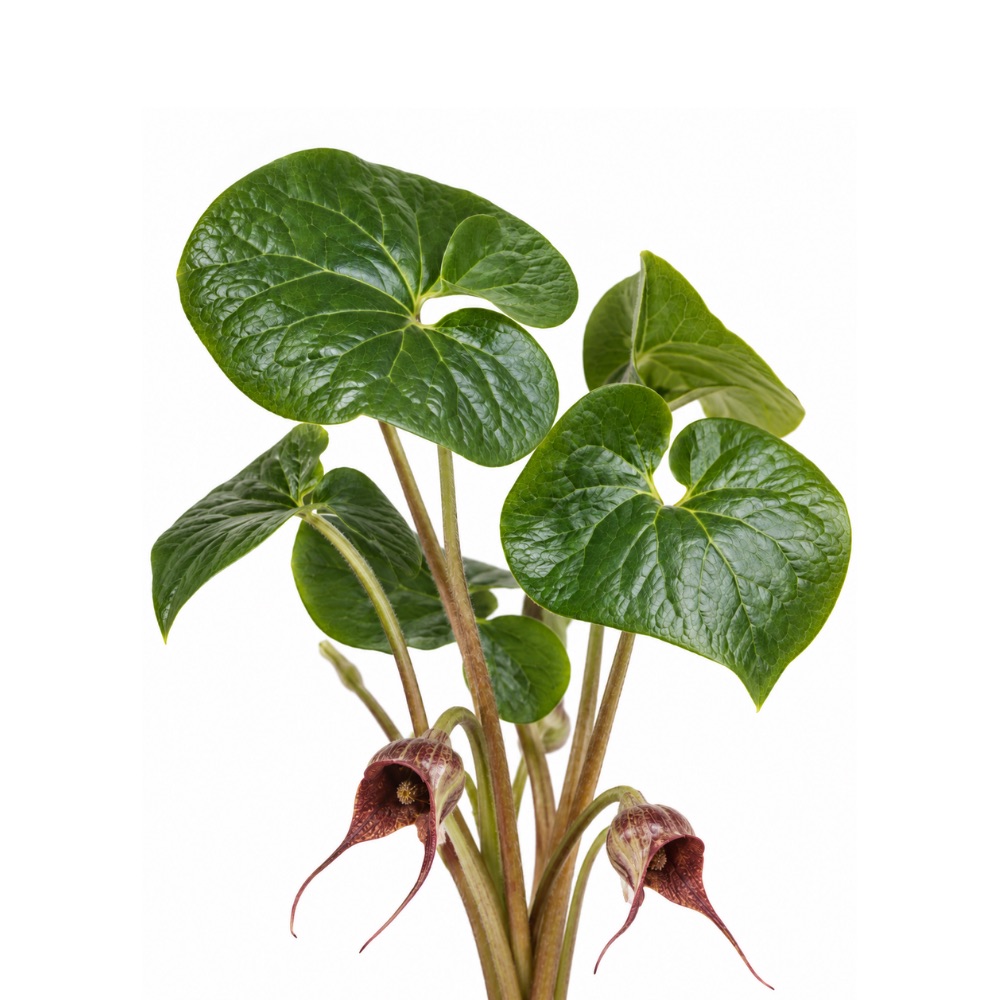 MildMildWild GingerAsarum caudatumA single whole-plant extract screen inhibited nine fungal species — the only therapeutic study ever run on this plant.Mechanismwhole-extract activity, mechanism unresolvedRead the evidenceShow less
One in-vitro screen tested whole-plant extract against nine fungal species and found broad-spectrum activity 5Reference 5In vitroAntifungal screening of medicinal plants of British Columbian native peoples — [in vitro]View study →.
It is the only study of this species for any therapeutic effect, it is unreplicated, and the mechanism is uncharacterised.
No herbs match these filters.
Also Tagged
2 more herbs carry an antifungal action.
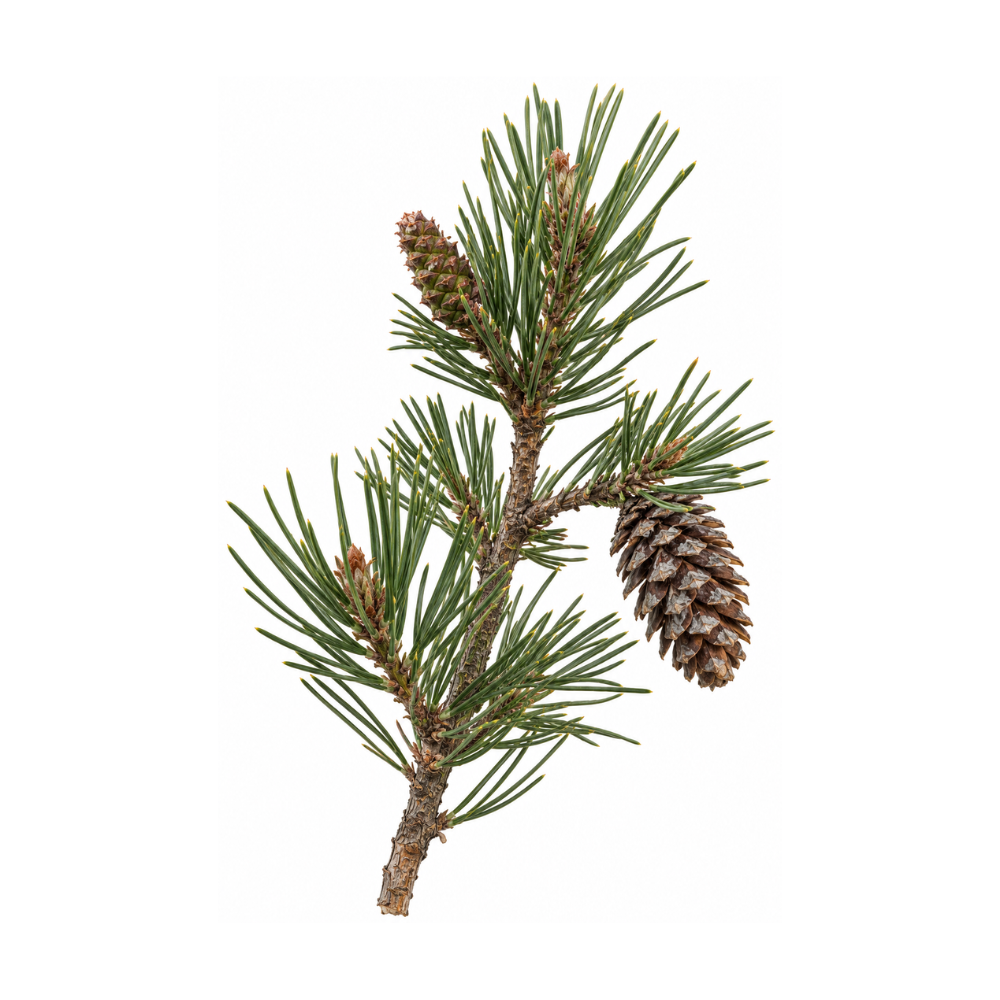
Lodgepole Pine
Pinus contorta
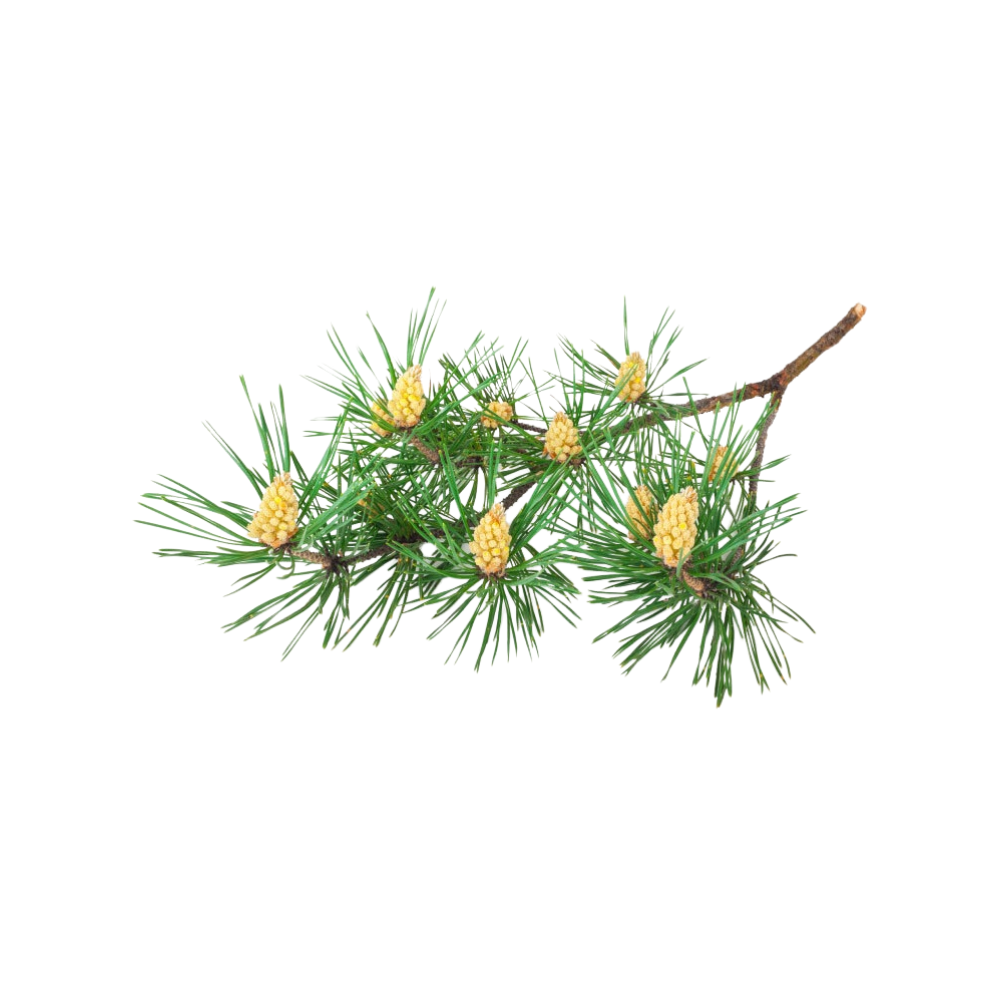
Pine
Pinus sylvestris
Safety
- Systemic fungal infection is a medical emergency with real mortality and real drugs, and no herb treats it.
- Recurrent candidal infection, and oral thrush in an adult with no obvious cause, warrant investigation for diabetes or immunosuppression.
- Antifungal herbs are topical and mucosal agents unless the individual herb is documented otherwise.
- Irritation is the mechanism rather than a side effect: a compound that disrupts a fungal membrane has little reason to spare an epithelium.
- Volatile oils sensitise on repeated skin contact, and oxidised oil sensitises more.
- Chemotype decides both potency and irritancy, and neither is predictable from a label.
- Herbs with a hepatotoxicity signal are the wrong ones to take internally for months.
- Fungal nail and skin infections clear slowly, and “it did not work in two weeks” is not informative.
References
- Yang L, Liu X, Zhong L, Sui Y, Quan G, Huang Y, Wang F, Ma T (2018). Dioscin inhibits virulence factors of Candida albicans. BioMed Research International. https://pubmed.ncbi.nlm.nih.gov/30598996/
- Lin F, Wang R (2010). Hemolytic mechanism of dioscin proposed by molecular dynamics simulations. Journal of Molecular Modeling. https://pubmed.ncbi.nlm.nih.gov/19513766/
- Paulo MQ, Barbosa-Filho JM, Lima EO, Maia RF, Barbosa RC, Kaplan MAC. (1992). Antimicrobial activity of benzylisoquinoline alkaloids from Annona salzmanii D.C. — in vitro. Journal of Ethnopharmacology, 36(1), 39–41. https://pubmed.ncbi.nlm.nih.gov/1501491/
- Moghadamtousi SZ, Fadaeinasab M, Nikzad S, Mohan G, Ali HM, Kadir HA. (2015). Annona muricata (Annonaceae) — a review of its traditional uses, isolated acetogenins and biological activities. International Journal of Molecular Sciences, 16(7), 15625–15658. https://pubmed.ncbi.nlm.nih.gov/26184167/
- McCutcheon, A. R., Ellis, S. M., Hancock, R. E., & Towers, G. H. (1994). Antifungal screening of medicinal plants of British Columbian native peoples — [in vitro]. Journal of Ethnopharmacology. https://pubmed.ncbi.nlm.nih.gov/7898123/
- de Freitas, A. L. D., Kaplum, V., Rossi, D. C. P., et al. (2018). Proanthocyanidin polymeric tannins from Stryphnodendron adstringens are effective against Candida spp. isolates and for vaginal candidiasis treatment — in vitro and in vivo (mouse). Journal of Ethnopharmacology. https://pubmed.ncbi.nlm.nih.gov/29325916/
- Daels-Rakotoarison, D. A., Seidel, V., Gressier, B., et al. (2000). Neurosedative and antioxidant activities of phenylpropanoids from Ballota nigra — in vitro / animal model (rat tissue). Arzneimittel-Forschung. https://pubmed.ncbi.nlm.nih.gov/10683711/
- Saffari E, et al. (2017). Comparing the effects of Calendula officinalis and clotrimazole on vaginal Candidiasis: A randomized controlled trial — [randomised controlled trial]. Women Health. https://pubmed.ncbi.nlm.nih.gov/27880086/
- Ritter, M. R., et al. (2025). Activity of extracts and isolated compounds of Trichilia catigua against fungal pathogens — in vitro. Future Microbiology. https://pubmed.ncbi.nlm.nih.gov/39711139/
- O’Neill T, Johnson JA, Webster D, Gray CA. (2013). The Canadian medicinal plant Heracleum maximum contains antimycobacterial diynes and furanocoumarins — in vitro study. Journal of Ethnopharmacology 147(1):232–237. https://pubmed.ncbi.nlm.nih.gov/23501157/
- Cimanga, K., De Bruyne, T., Pieters, L., et al. (1998). Antibacterial and antifungal activities of neocryptolepine, biscryptolepine and cryptoquindoline, alkaloids isolated from Cryptolepis sanguinolenta — in vitro. Phytomedicine. https://pubmed.ncbi.nlm.nih.gov/23195843/
- McCallion, R. F., Cole, A. L. J., Walker, J. R. L., Blunt, J. W., & Munro, M. H. G. (1982). Antibiotic substances from New Zealand plants. II. Polygodial, an anti-Candida agent from Pseudowintera colorata — in vitro. Planta Medica. https://pubmed.ncbi.nlm.nih.gov/7089094/
- Lee, S. H., Lee, J. R., Lunde, C. S., & Kubo, I. (1999). In vitro antifungal susceptibilities of Candida albicans and other fungal pathogens to polygodial, a sesquiterpene dialdehyde — in vitro. Planta Medica. https://pubmed.ncbi.nlm.nih.gov/10232062/
- Kubo, I., Fujita, K., & Lee, S. H. (2001). Antifungal mechanism of polygodial — in vitro. Journal of Agricultural and Food Chemistry. https://pubmed.ncbi.nlm.nih.gov/11312903/
- Kipanga, P. N., Demuyser, L., Vrijdag, J., et al. (2021). Investigating the antifungal mechanism of action of polygodial by phenotypic screening in Saccharomyces cerevisiae — in vitro. International Journal of Molecular Sciences. https://pubmed.ncbi.nlm.nih.gov/34071169/
- Kumari, A., Bishier, M. P., Naito, Y., et al. (2011). Protective effect of an oral natural phytonutrient in recurrent vulvovaginal candidiasis: a 12-month randomised study — randomised controlled trial. Journal of Biological Regulators and Homeostatic Agents. https://pubmed.ncbi.nlm.nih.gov/22217987/
- Chopra, V., Marotta, F., Kumari, A., et al. (2013). Prophylactic strategies in recurrent vulvovaginal candidiasis: a 2-year randomised study testing a phytonutrient vs itraconazole — randomised controlled trial. Journal of Biological Regulators and Homeostatic Agents. https://pubmed.ncbi.nlm.nih.gov/24152852/
- Liu, M., Kipanga, P., Mai, A. H., et al. (2018). Bioassay-guided isolation of three anthelmintic compounds from Warburgia ugandensis, and the mechanism of action of polygodial — in vitro (C. elegans model). International Journal for Parasitology. https://pubmed.ncbi.nlm.nih.gov/30031002/
- Kubo, I., & Taniguchi, M. (1988). Polygodial, an antifungal potentiator — in vitro. Journal of Natural Products. https://pubmed.ncbi.nlm.nih.gov/3286823/
- da Costa MP, Bozinis MC, Andrade WM, et al. (2014). Antifungal and cytotoxicity activities of the fresh xylem sap of Hymenaea courbaril L. and its major constituent fisetin — in vitro. BMC Complementary and Alternative Medicine. https://pubmed.ncbi.nlm.nih.gov/25027026/
- Hubbell SP, Wiemer DF, Adejare A (1983). An antifungal terpenoid defends a neotropical tree (Hymenaea) against attack by fungus-growing ants — in vitro, ecological. Oecologia. https://pubmed.ncbi.nlm.nih.gov/28310690/
- Cavanagh, H. M. A., & Wilkinson, J. M. (2002). Biological activities of lavender essential oil — review. Phytotherapy Research, 16(4), 301–308.
- Müller K, et al. (1995). The antipsoriatic Mahonia aquifolium and its active constituents; II. Antiproliferative activity against human keratinocytes — in vitro. Planta Med. https://pubmed.ncbi.nlm.nih.gov/7700998/
- Müller K, et al. (1994). The antipsoriatic Mahonia aquifolium and its active constituents; I. Pro- and antioxidant properties and inhibition of 5-lipoxygenase — in vitro. Planta Med. https://pubmed.ncbi.nlm.nih.gov/7997469/
- Bezáková L, et al. (1996). Lipoxygenase inhibition and antioxidant properties of bisbenzylisoquinoline alkaloids isolated from Mahonia aquifolium — in vitro. Pharmazie. https://pubmed.ncbi.nlm.nih.gov/8941945/
- Misík V, et al. (1995). Lipoxygenase inhibition and antioxidant properties of protoberberine and aporphine alkaloids isolated from Mahonia aquifolium — in vitro. Planta Med. https://pubmed.ncbi.nlm.nih.gov/7480190/
- Rackova L, et al. (2007). Free radical scavenging activity and lipoxygenase inhibition of Mahonia aquifolium extract and isoquinoline alkaloids — in vitro. J Inflamm (Lond). https://pubmed.ncbi.nlm.nih.gov/17634120/
- Racková L, et al. (2004). Antiradical and antioxidant activities of alkaloids isolated from Mahonia aquifolium — structural aspects — in vitro. Bioorg Med Chem. https://pubmed.ncbi.nlm.nih.gov/15358297/
- Galle K, et al. (1994). Analytical and pharmacological studies on Mahonia aquifolium — cyclo-oxygenase/5-lipoxygenase inhibition and immunostimulation — in vitro. Phytomedicine. https://pubmed.ncbi.nlm.nih.gov/23195817/
- Slobodníková L, et al. (2004). Antimicrobial activity of Mahonia aquifolium crude extract and its major isolated alkaloids — in vitro. Phytother Res. https://pubmed.ncbi.nlm.nih.gov/15476315/
- Rohrer U, et al. (2007). Antimicrobial activity of Mahonia aquifolium and two of its alkaloids against oral bacteria — in vitro. Schweiz Monatsschr Zahnmed. https://pubmed.ncbi.nlm.nih.gov/18072463/
- Volleková A, et al. (2003). Antifungal activity of Mahonia aquifolium extract and its major protoberberine alkaloids — in vitro. Phytother Res. https://pubmed.ncbi.nlm.nih.gov/12916091/
- Volleková A, et al. (2001). Isoquinoline alkaloids from Mahonia aquifolium stem bark are active against Malassezia spp. — in vitro. Folia Microbiol (Praha). https://pubmed.ncbi.nlm.nih.gov/11501395/
- Christoph, F., Kaulfers, P. M., & Stahl-Biskup, E. (2000). A comparative study of the in vitro antimicrobial activity of tea tree oils with special reference to the activity of β-triketones [in vitro]. Planta Medica. https://pubmed.ncbi.nlm.nih.gov/10985085/
- Jeong, E. Y., Lee, M. J., & Lee, H. S. (2018). Antimicrobial activities of leptospermone isolated from Leptospermum scoparium [in vitro]. Food Science and Biotechnology. https://pubmed.ncbi.nlm.nih.gov/30319866/
- Mathew, C., Tesfaye, W., Rasmussen, P., et al. (2020). Mānuka Oil — A Review of Antimicrobial and Other Medicinal Properties [review]. Pharmaceuticals (Basel). https://pubmed.ncbi.nlm.nih.gov/33114724/
- Douglas, M. H., van Klink, J. W., Smallfield, B. M., et al. (2004). Essential oils from New Zealand manuka: triketone and other chemotypes of Leptospermum scoparium [in vitro]. Phytochemistry. https://pubmed.ncbi.nlm.nih.gov/15184010/
- Kozyra, M., et al. (2023). Comparative HPLC-DAD-ESI-QTOF/MS/MS analysis of phenolic compounds in flowering herbs of Monarda species and their free-radical-scavenging and antimicrobial activities — [in vitro]. Pharmaceutics. https://pubmed.ncbi.nlm.nih.gov/36986824/
- Gontar, Ł., et al. (2024). Influence of plant phenology on chemical composition of Monarda fistulosa L. organs and their bioactive properties — [in vitro]. Plant Foods for Human Nutrition. https://pubmed.ncbi.nlm.nih.gov/39325328/
- Di Vito, M., et al. (2021). Is the antimicrobial activity of hydrolates lower than that of essential oils? — [in vitro]. Antibiotics. https://pubmed.ncbi.nlm.nih.gov/33477717/
- Pokajewicz, K., et al. (2026). Biological characterization and essential oil profiles of Eastern European cultivars of Thymus, Satureja and Monarda — [in vitro]. Molecules. https://pubmed.ncbi.nlm.nih.gov/41599385/
- Portillo, A., Vila, R., Freixa, B., Adzet, T., & Cañigueral, S. (2001). Antifungal activity of Paraguayan plants used in traditional medicine — in vitro. Journal of Ethnopharmacology, 76(1), 93-98. https://pubmed.ncbi.nlm.nih.gov/11378288/
- Silva, E., Melo, F., De Paula, J. E., & Espindola, L. S. (2009). Evaluation of the antifungal potential of Brazilian Cerrado medicinal plants — in vitro. Mycoses, 52(6), 511-517. https://pubmed.ncbi.nlm.nih.gov/19207849/
- Höfling, J. F., Anibal, P. C., Obando-Pereda, G. A., et al. (2010). Antimicrobial potential of some plant extracts against Candida species — in vitro. Brazilian Journal of Biology, 70(4), 1065-1068. https://pubmed.ncbi.nlm.nih.gov/21180915/
- Jiménez-González, F. J., Veloza, L. A., & Sepúlveda-Arias, J. C. (2013). Anti-infectious activity in plants of the genus Tabebuia — review. Universitas Scientiarum, 18(3), 257-267. https://doi.org/10.11144/javeriana.sc18-3.aapg
- Łaska, G., Sienkiewicz, A., Zjawiony, J. K., Jacob, M., & Khan, S. (2017). Antifungal activity of the root extracts of Pulsatilla patens against Candida glabrata — in vitro. Acta Poloniae Pharmaceutica. https://pubmed.ncbi.nlm.nih.gov/29474774/
- Xu S, et al. (2013). Chemical constituents from the rhizomes of Smilax glabra and their antimicrobial activity — in vitro. Molecules. https://pubmed.ncbi.nlm.nih.gov/23698042/
- Nithyanand, P., et al. (2015). Usnic acid inhibits biofilm formation and virulent morphological traits of Candida albicans — in vitro. Microbiological Research. https://pubmed.ncbi.nlm.nih.gov/26411891/
- Pires, R. H., et al. (2012). Effect of usnic acid on Candida orthopsilosis and C. parapsilosis — in vitro. Antimicrobial Agents and Chemotherapy. https://pubmed.ncbi.nlm.nih.gov/22006006/
- Peralta, M. A., et al. (2017). Usnic acid activity on oxidative and nitrosative stress of azole-resistant Candida albicans biofilm — in vitro. Planta Medica. https://pubmed.ncbi.nlm.nih.gov/27648556/
Keep Exploring