

Overview
Immunostimulant at a Glance
Immunostimulant herbs increase immune activity.
That usually means increasing the activity of macrophages, natural killer cells, T cells, or other parts of the innate and adaptive immune response.
This is different from an immunomodulator.
An immunostimulant pushes activity upward regardless of where it started, while an immunomodulator is intended to shift an abnormal immune response back toward normal.
Astragalus and chaga are among the clearest herbal examples.
Their polysaccharides and β-glucans are recognised by pattern-recognition receptors, triggering many of the same signalling pathways the immune system uses to detect microbial cell walls.
The effect depends heavily on preparation. Polysaccharides extract well into hot water, while tinctures may contain relatively little of the fraction responsible for immune stimulation.
Immunostimulants are used mainly for recurrent infection, convalescence, and periods of reduced immune resilience, although evidence for preventing common infections remains limited for many traditional immune herbs.
The idea is older than the receptors.
Traditional Chinese medicine describes wei qi, the defensive qi at the body’s surface, and the classical formula Yu Ping Feng San — the Jade Windscreen — is built on astragalus to shore it up against recurrent infection.
Chaga has a comparable record as a Siberian tea, drunk through the winter for centuries before anyone had a receptor to attach it to.
Boneset is the North American counterpart, one of the most-used febrifuge herbs of nineteenth-century practice and named for the bone-deep aching of “break-bone fever”.
Astragalus has been given for recurrent infection in Chinese practice for centuries.
Modern testing has not caught up with either. Boneset’s whole extract showed no stimulatory activity across three assays, and Cochrane could find no qualifying trial of astragalus for the cold and flu prophylaxis people actually buy it for.
For both herbs the traditional record remains the stronger part of the case.
Caution
Not with autoimmune disease — immune stimulation is the wrong direction in rheumatoid arthritis, lupus, inflammatory bowel disease and other autoimmunity.
Not with immunosuppressants or a transplant — after organ transplantation or on immunosuppressant medication, raising immune activity is what treatment is trying to avoid.
The fraction is not the tea — an immune-active polysaccharide fraction is not an immune-active tea or tincture, and preparation decides which is in the cup.
Mechanisms
How It Works
01
Innate Activation by β-Glucans
Pattern-recognition receptors detect the polysaccharides that make up a pathogen’s cell wall, and a fungal or plant polysaccharide is read the same way.
The downstream result is macrophage, NK-cell and T-cell activation.
Chaga’s β-glucans and astragalus’s polysaccharide fraction both work this way, and it is the best-specified immune mechanism in the herbal literature — molecular rather than inferred.
The same pathway carries astragalus’s immunomodulator evidence. One mechanism read one-directionally is one line of evidence, not two.
Activation is not always the goal. In autoimmunity or on immunosuppressant medication, pushing this system harder is the wrong direction, which is why modulator is usually the more accurate word.
Herbs: AstragalusChagaCow Parsnip
02
Isolated Fraction Versus Whole Extract
An immune-active polysaccharide fraction does not mean the preparation people take is immune-active.
Boneset is the clearest test of that. Methanol, ethanol and dichloromethane extracts of the aerial parts were run through a lymphocyte transformation test, a macrophage phagocytosis assay and a nitric-oxide induction assay, and none showed any stimulatory activity 5Reference 5In vitroAnti-inflammatory activity of Eupatorium perfoliatum L. extracts, eupafolin, and dimeric guaianolide via iNOS inhibitory activity and modulation of inflammation-related cytokines and chemokines — in vitroView study →.
The authors had gone in specifically to examine a plant used mostly as an immune-activating remedy.
Isolated acidic heteroglycans from the same plant did raise granulocyte activity and carbon clearance in mice 6,
Neither result belongs to the tea or the tincture.
Preparation decides which fraction is present. A hot-water decoction pulls the polysaccharides; a tincture pulls the terpenes and phenolics instead.
Herbs: Boneset
Materia Medica
Immunostimulant Herbs by Potency
The immunostimulant herbs, ordered by the relative strength of the effect rather than by how well studied it is. Each herb is described by the mechanism behind its effect and the evidence for it.
None of this is a substitute for professional care.
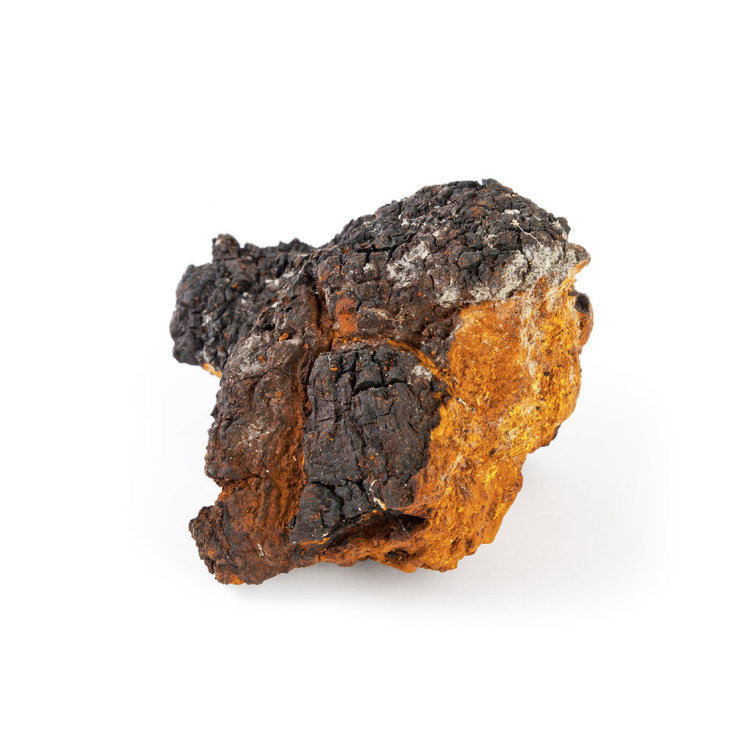 StrongStrongChagaInonotus obliquusInnate and humoral activation by the polysaccharide fraction, shown in cell culture on cultured mycelium rather than the wild conk.Mechanismβ-glucan/endo-polysaccharide innate activation; macrophage iNOS + IL-1/IL-6/TNF-α ↑; B-cell IgM ↑Read the evidenceShow lessMonograph →
A chaga endo-polysaccharide fraction, BELYU1102, drove strong immunostimulant activity in cell culture: increased IgM production by B cells, and increased nitrite, IL-6, IL-1, TNF-α and iNOS in macrophages 3Reference 3In vitroImmuno-stimulating effect of the endo-polysaccharide from submerged culture of Inonotus obliquus — in vitroView study →.
The specificity is the useful part. It did not proliferate T cells or raise Th1 IL-2 or Th2 IL-4 3Reference 3In vitroImmuno-stimulating effect of the endo-polysaccharide from submerged culture of Inonotus obliquus — in vitroView study →, so this is innate and humoral activation through the β-glucan fraction rather than a broad immune wake-up.
The literature draws the corresponding inference about cancer: chaga is unlikely to kill tumour cells directly and more likely acts indirectly through this stimulation 3Reference 3In vitroImmuno-stimulating effect of the endo-polysaccharide from submerged culture of Inonotus obliquus — in vitroView study →.
It is cell-culture data with no human trial behind it, and the extract was grown by submerged culture — mycelium in a fermenter rather than the wild birch-grown conk that is normally sold.
Preparation decides what is in the cup. Hot-water decoction pulls this fraction; a tincture pulls the triterpenes instead.
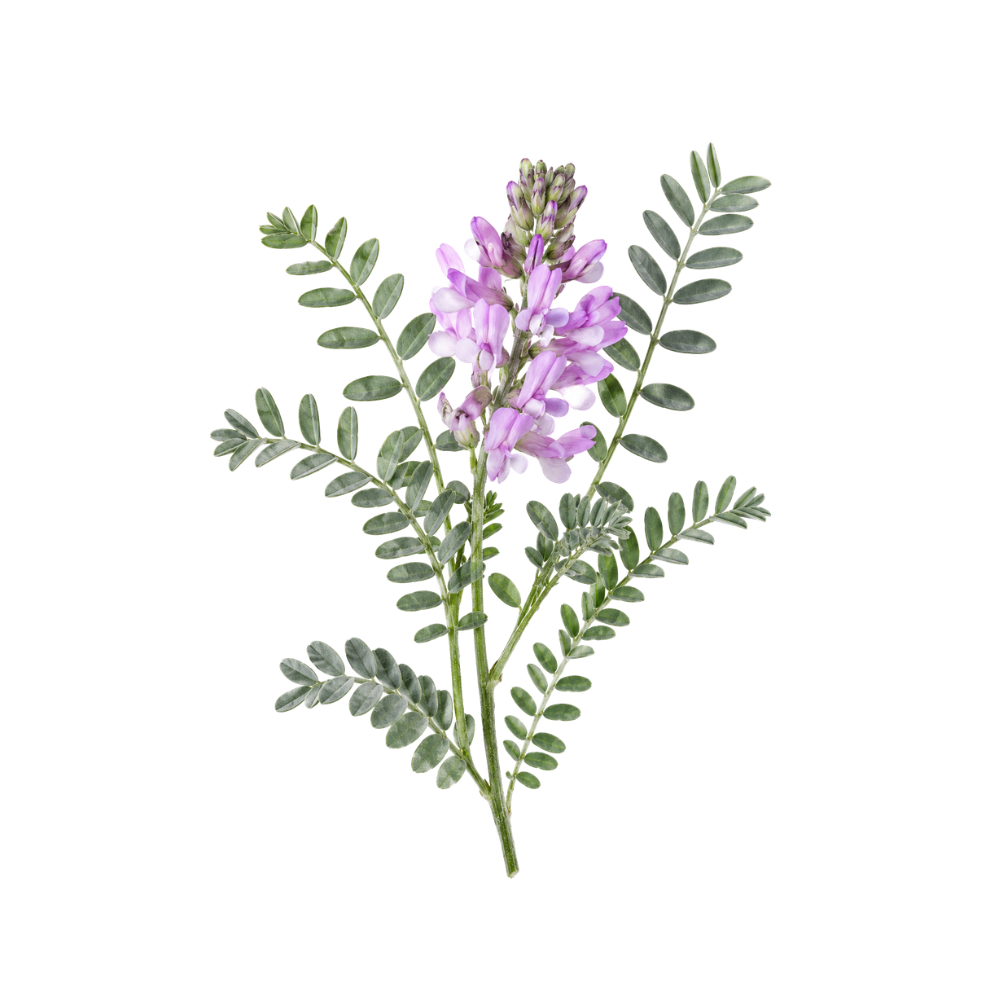 ModerateModerateAstragalusAstragalus membranaceusGenuine macrophage, NK and T-cell activation by the polysaccharide fraction, and the source of the transplant contraindication.Mechanismmacrophage / NK / T-cell activation (same APS pathway as immunomodulator)Read the evidenceShow lessMonograph →
Astragalus polysaccharide activates macrophages, NK cells and T cells 1Reference 1ReviewAstragalus polysaccharide: a review of its immunomodulatory effectView study →. That is the same dataset behind the herb’s immunomodulator standing, read one-directionally rather than as a separate finding.
The herb’s immune effect is not one-directional in practice. It is used for immune excess — autoimmunity and allergy — as well as for deficiency, so a pure stimulant framing simplifies the same pharmacology.
The activation is why astragalus is contraindicated with immunosuppressants and after transplantation 1Reference 1ReviewAstragalus polysaccharide: a review of its immunomodulatory effectView study →.
The use people buy it for is the one without evidence. Cochrane could find no qualifying trial of astragalus for preventing acute respiratory infection 2Reference 2Systematic reviewOral Astragalus (Huang qi) for preventing frequent episodes of acute respiratory tract infection in children — Cochrane systematic reviewView study →.
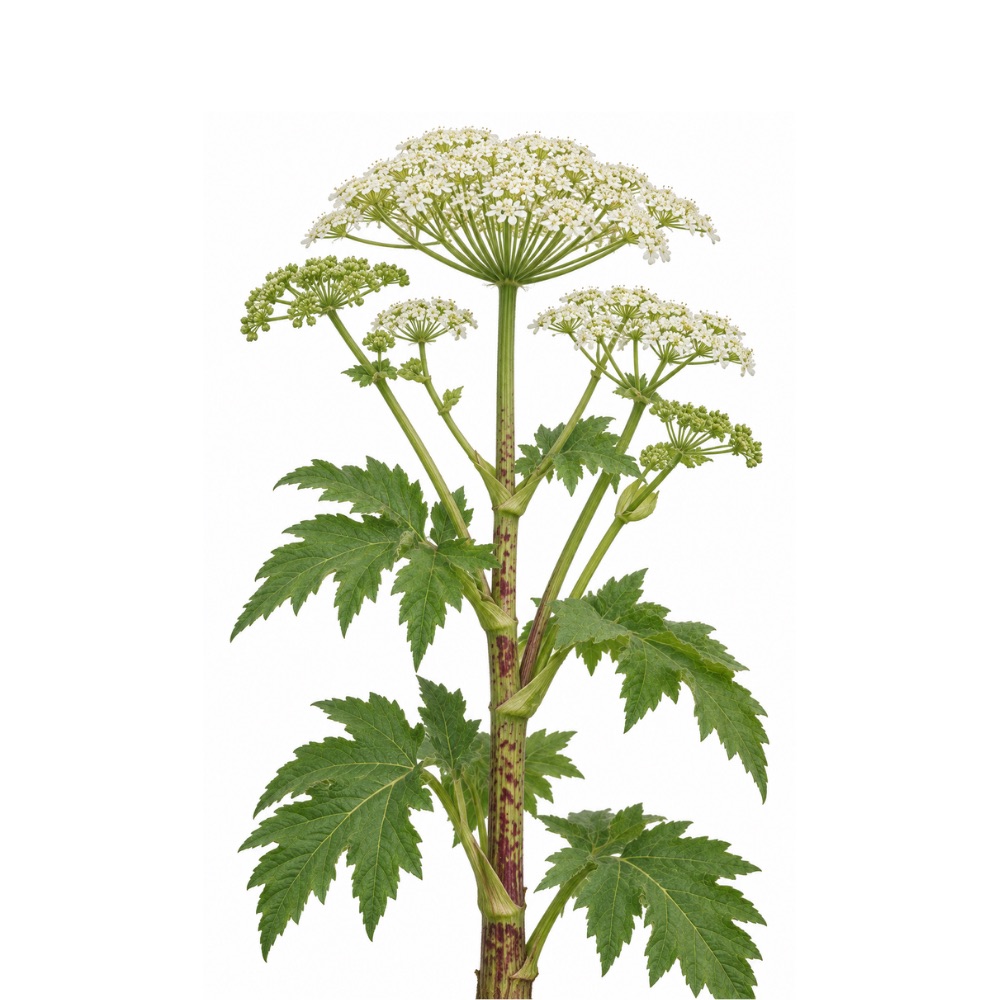 MildMildCow ParsnipHeracleum maximumActivates IL-6 release from macrophages in a single in-vitro study.Mechanismmacrophage IL-6 activationRead the evidenceShow less
The whole case is one cell-level result: in-vitro macrophage IL-6 activation 4Reference 4In vitroImmunostimulant properties of Heracleum maximum Bartr. — in vitro studyView study →.
It is coherent with the plant’s anti-infective use in northeastern North American practice, and it is not independent evidence for it.
No herbs match these filters.
Safety
- Immune activation is the wrong direction in autoimmune disease and on immunosuppressant medication, including after a transplant.
- Rheumatoid arthritis, lupus and inflammatory bowel disease are all conditions where treatment is trying to turn this system down.
- A herb tagged both immunostimulant and immunomodulator is usually one pathway described two ways, not two independent lines of evidence.
- An immune-active polysaccharide fraction is not the same as an immune-active tea or tincture, and preparation decides which one is in the cup.
- Herbs with a demonstrated immune-suppressive molecular action do not belong in this group, whatever their reputation.
References
- Li, C.X., et al. (2022). Astragalus polysaccharide: a review of its immunomodulatory effect. Archives of Pharmacal Research (review). https://pubmed.ncbi.nlm.nih.gov/35713852/
- Su, G., et al. (2016). Oral Astragalus (Huang qi) for preventing frequent episodes of acute respiratory tract infection in children — Cochrane systematic review. Cochrane Database of Systematic Reviews. https://pubmed.ncbi.nlm.nih.gov/27905672/
- Kim, Y. O., Han, S. B., Lee, H. W., et al. (2005). Immuno-stimulating effect of the endo-polysaccharide from submerged culture of Inonotus obliquus — in vitro. Life Sciences. https://pubmed.ncbi.nlm.nih.gov/15970296/
- Webster D, Taschereau P, Lee TDG, Jurgens T. (2006). Immunostimulant properties of Heracleum maximum Bartr. — in vitro study. Journal of Ethnopharmacology 106(3):360–363. https://pubmed.ncbi.nlm.nih.gov/16504434/
- Maas M, Deters AM, Hensel A. (2011). Anti-inflammatory activity of Eupatorium perfoliatum L. extracts, eupafolin, and dimeric guaianolide via iNOS inhibitory activity and modulation of inflammation-related cytokines and chemokines — in vitro. Journal of Ethnopharmacology 137(1):371–381. https://pubmed.ncbi.nlm.nih.gov/21669270/
- Wagner H, Proksch A, Riess-Maurer I, et al. (1984). Immunostimulant action of polysaccharides (heteroglycans) from higher plants — animal model. Arzneimittelforschung 34(6):659–661. https://pubmed.ncbi.nlm.nih.gov/6541484/
- Wagner H, Proksch A, Riess-Maurer I, et al. (1985). Immunostimulating action of polysaccharides (heteroglycans) from higher plants — animal model. Arzneimittelforschung 35(7):1069–1075. https://pubmed.ncbi.nlm.nih.gov/4052142/
- Wagner H, Jurcic K. (1991). Immunologic studies of plant combination preparations: in vitro and in vivo (mouse) stimulation of phagocytosis. Arzneimittelforschung 41(10):1072–1076. https://pubmed.ncbi.nlm.nih.gov/1799388/
Keep Exploring