

Overview
Immunomodulator at a Glance
Immunomodulators change the way the immune system responds.
The word covers herbs that activate immune cells, herbs that damp immune signalling, and a small number that shift a skewed response back toward the middle. These are three different pharmacologies, and in autoimmune disease or alongside immunosuppressant drugs they carry three different risks.
The term is most useful when kept apart from its neighbours. An immunostimulant increases immune activity in one direction, and an immunosuppressant reduces it.
An anti-inflammatory lowers inflammatory signalling such as TNF-α, IL-6 and NF-κB, which is a real effect but not the same thing as modulating immune function; a herb whose whole case is cytokine suppression belongs under that action.
Antiviral and antimicrobial herbs act on the pathogen rather than the host.
What was measured decides the question.
Immune function, meaning natural-killer cell activity, lymphocyte proliferation, antibody titre, vaccine seroconversion or infection outcome, is an immune endpoint. A cytokine level on its own usually is not.
The clearest examples are the β-glucan mushrooms.
Innate immune cells read the cell-wall polysaccharides of reishi, turkey tail, shiitake, maitake and oyster mushroom as a fungal signature through Dectin-1 and the Toll-like receptors, and the effect has been measured in people as raised NK activity, more immune cells and, for oyster mushroom, fewer infections in children.
Echinacea, eleuthero and astragalus activate macrophages, NK cells and lymphocytes, and American ginseng and Asian ginseng have raised the antibody response to influenza vaccination and reduced colds.
Andrographis shortens acute respiratory infection in a large trial base.
A smaller group rebalances rather than stimulates. Peony’s total glucosides shift the Treg/Th17 balance in Sjögren’s syndrome, kid ginseng calms Th2 allergic signalling while raising antibody output, black ant normalised both under- and over-active responses in mice, and self-heal lowered thyroid autoantibodies in Hashimoto’s thyroiditis.
This two-way action is what the word is supposed to mean, and it is the claim least often demonstrated, because it needs testing from both a raised and a lowered baseline.
Several herbs carry the action on tradition with thinner measurement: guduchi, the amrita of Ayurveda; wild indigo, the Eclectic remedy for septic states; nigella across the Islamic and Unani traditions; and ashwagandha as a classical rasayana.
Caution
Not with autoimmune disease — immune stimulation pushes the wrong way in autoimmunity, and echinacea carries a formal Commission E caution in progressive systemic and autoimmune disease.
Works against transplant drugs — on immunosuppressants or after a transplant, astragalus, eleuthero, cat's claw, reishi, chaga and the other stimulant herbs oppose the therapy.
Untested direction is not safe — few immunomodulators have been tested for direction in people, and an untested direction is unknown rather than safe.
Mechanisms
How It Works
01
β-Glucans and Pattern-Recognition Receptors
β-Glucans are fungal cell-wall polysaccharides that innate immune cells read as a fungal signature through Dectin-1 and the Toll-like receptors, the same sensing system that detects a real infection. Engaging it primes macrophages and NK cells without there being anything to fight.
Reishi, turkey tail, shiitake, maitake, oyster mushroom, cordyceps and poria all work this way, and guduchi’s polysaccharide G1-4A reaches the same receptors as a non-microbial TLR4 agonist.
These are large polymers rather than small molecules. They are poorly absorbed intact, and much of the effect is thought to begin in gut-associated lymphoid tissue rather than through systemic exposure.
Extraction decides the product. β-Glucans are water-soluble, so a hot-water extract carries them and an ethanol tincture largely does not, and the two are not interchangeable however similarly they are labelled.
This route is stimulatory. Where a herb in this class also claims normalisation, the claim rests on something other than the β-glucans.
Herbs: AgarikonAsian GinsengCordycepsEchinaceaGuduchiKid GinsengLion’s ManeMaitakeOyster MushroomPoriaReishiSarsaparillaSelf-HealShiitakeSilverweedTinder ConkTurkey Tail
Key compounds: Beta-glucansLentinan
02
Cellular Activation
Measured immune function rather than inferred immune function: natural-killer cell activity, macrophage phagocytosis, lymphocyte proliferation, dendritic-cell maturation and white-cell counts.
Eleuthero raised T-helper, cytotoxic T and NK cell counts in a placebo-controlled trial; holy basil raised interferon-γ, T-helper and NK cells; shiitake raised γδ-T and NK-T activation from the whole food; and cordyceps raised NK activity.
The strongest endpoint in the class is vaccine antibody seroconversion, reached by American ginseng, Asian ginseng and cat’s claw, a functional outcome rather than a laboratory surrogate.
The caution attached to this class is the mirror of its strength. Immune stimulation is the wrong direction in autoimmune disease and directly opposes therapy in transplant recipients, which is why several of these tonic herbs carry a contraindication.
The classical Chinese practice of withholding astragalus and related tonics during acute febrile infection matches the pharmacology of a herb that alters immune signalling mid-response.
Herbs: AbutaAmerican GinsengAsian GinsengAshwagandhaAstragalusCat’s ClawChagaChicken Of The WoodsCordycepsEchinaceaEleuthero RootFireweedGuduchiHoly BasilKid GinsengLion’s ManeOyster MushroomReishiSarsaparillaShiitakeSumaTinder ConkTurkey TailWild Indigo
Key compounds: EchinacosideGinsenosides
03
Cytokine and NF-κB Modulation
Suppressing TNF-α, IL-6 or NF-κB is a real pharmacological effect, but it points downward. It is immune suppression of a mild and diffuse kind, and on its own it is better described as anti-inflammatory.
The herbs in this class do something more specific than lowering inflammatory tone. Sarsaparilla inhibits the IL-17/Th17 axis, cacao inhibits indoleamine-2,3-dioxygenase and so alters tryptophan metabolism, peony’s glycosides act on Treg/Th17 balance, and nigella’s thymoquinone shifts cytokine output.
Where the same cytokine result also appears under a herb’s anti-inflammatory action, it is one finding rather than two.
This is the most populated route in the wider literature and the one most easily over-read.
Herbs: American GinsengAndrographisAsian GinsengAstragalusCacaoCat’s ClawCordycepsEchinaceaEleuthero RootEnokiFireweedHoly BasilKid GinsengNigellaPeonyPoriaSamambaiaSarsaparillaTinder Conk
04
Th1/Th2 Balance
Th1 responses handle intracellular pathogens; Th2 responses drive antibody production and allergic reactions.
A herb that shifts a skewed balance back toward the middle is modulating rather than pushing, and this is the claim that distinguishes the action from immunostimulation.
Kid ginseng lowered IgE and rebalanced Th1/Th2 signalling in an atopic-dermatitis model while raising antibody output in vaccinated chicks; black ant normalised both suppressed and over-active delayed-type hypersensitivity; enoki’s FIP-fve protein drives Th1/interferon-γ polarisation; and turkey tail’s PSK corrects Th1/Th2 imbalance.
Bidirectional normalisation requires showing movement in both directions, from both a raised and a lowered baseline, and almost no botanical study is designed that way.
What usually exists is movement in one direction in one model, with the normalising language added afterwards.
Herbs: AbutaAmerican GinsengBlack AntChagaEnokiFireweedHoly BasilKid GinsengPeonySarsaparillaSelf-HealTinder ConkTurkey Tail
More Specific Actions
Sub-Actions
Immunomodulator is a parent action with two narrower actions beneath it, one for each direction, and most herbs in the class are doing one of them.
Immunostimulant
4 herbsIncreases immune activity in one direction, priming innate and adaptive cells to respond more strongly. This involves activation of macrophages, NK cells and lymphocytes, usually by polysaccharides, and is the direction that needs care in autoimmune disease.
Immunosuppressant
1 herb · AbutaReduces immune activity, damping an over-active response. This involves lowering antibody output, delayed-type hypersensitivity or T-cell activation, and it is the direction wanted in autoimmune and allergic disease.
The Molecules
Pharmacology
What produces an immunomodulator effect at the molecular level. The herbs carry these molecules in different combinations and amounts, which is most of why their potency differs. Roles describe how central a molecule is to the action across plants generally, not how strong any one herb is.
Chiefly Tannins2Saponins1Sesquiterpene Lactones1
Carries the action largely on its own — the effect is attributed to the molecule, not just the extract it came from.
Adds to a plant's effect and is often present in quantity, but rarely accounts for it alone.
Real but narrow — one pathway, one tissue, or evidence too thin to lean on.
Agrimoniin Tannins Primary mover Targets IL-1β induction; NK-cell activation; macrophage ADCC
Between 1987 and 1999 one Kanazawa group established agrimoniin as a host-mediated antitumour tannin: intraperitoneal doses over 10 mg/kg almost completely rejected MM2 ascites tumours in mice and also worked intravenously and orally; it inhibited MH134 and Meth-A solid tumours; and injection raised peripheral white cells and the monocyte fraction, enlarged the spleen, and increased cytotoxic adherent peritoneal exudate cells by day 4 1Reference 1AnimalAntitumor effect of agrimoniin, a tannin of Agrimonia pilosa Ledeb., on transplantable rodent tumors — mouse studyView study →.
The kinetics were then resolved: NK activity peaked 2 days after injection, cytostatic adherent-cell activity followed, and antibody-dependent cell lysis peaked at day 6 2Reference 2AnimalInduction of cytotoxicity of peritoneal exudate cells by agrimoniin, a novel immunomodulatory tannin of Agrimonia pilosa Ledeb. — mouse studyView study →.
Agrimoniin induced interleukin-1β dose- and time-dependently from human peripheral blood mononuclear cells in vitro and from mouse peritoneal cells in vivo after 10 mg/kg 3Reference 3In vitroAgrimoniin, an antitumor tannin of Agrimonia pilosa Ledeb., induces interleukin-1 — in vitro and mouse studyView study →; the programme was summarised as “host-mediated anticancer activities of tannins” 4Reference 4ReviewHost-mediated anticancer activities of tannins — reviewView study →.
It is a named, reproduced immune mechanism rather than a generic polyphenol effect.
Castalagin Tannins Primary mover Targets Gut microbiota (Ruminococcus bromii envelope binding); bile-acid pool; intratumoural CD8⁺/FOXP3⁺CD4⁺ ratio
Castalagin defines a new mechanism class: an orally administered polyphenol that modulates immunity without entering the body.
It binds the cell envelope of Ruminococcus bromii (79% of cells labelled by a fluorescent probe) without internalisation, enriches checkpoint-inhibitor-favourable taxa (Ruminococcaceae, Alistipes), raises taurine-conjugated bile acids, and lifts the intratumoural CD8⁺/FOXP3⁺CD4⁺ T-cell ratio, restoring anti-PD-1 response in mice colonised by faecal transplant from checkpoint-refractory patients 5Reference 5A natural polyphenol exerts antitumor activity and circumvents anti-PD-1 resistance through effects on the gut microbiotaView study →.
The absence of absorption is the mechanism rather than a limitation: the parent molecule was undetectable in serum and faeces at 20× the effective dose, and the entire antitumour effect vanished in germ-free and antibiotic-treated mice 5Reference 5A natural polyphenol exerts antitumor activity and circumvents anti-PD-1 resistance through effects on the gut microbiotaView study →.
The result is on the isolated molecule from oak-derived material; all human evidence to date is whole camu-camu 6Reference 6Case reportTwo cases of durable and deep responses to immune checkpoint inhibition-refractory metastatic melanoma after addition of camu camu prebioticView study →.
Present in camu-camu.
Found in Camu-camu
Full Castalagin profile →Helenalin Sesquiterpene Lactones Contributor Targets NF-κB-driven cytokine/adhesion transcription; mitochondrial apoptosis in CD4+ T cells
Helenalin is immunosuppressive rather than immunostimulant.
At 0.5–2 µM it suppresses essential immune functions of activated CD4+ T cells by multiple mechanisms, including apoptosis via the mitochondrial pathway, and has been proposed as a candidate agent for deregulated T-cell-mediated responses 7Reference 7In vitroHelenalin suppresses essential immune functions of activated CD4+ T cells by multiple mechanisms — in vitroView study →; this follows from its blockade of κB-driven cytokine and adhesion-molecule transcription in T cells, B cells and epithelial cells 8Reference 8In vitroHelenalin, an anti-inflammatory sesquiterpene lactone from Arnica, selectively inhibits transcription factor NF-kappaB — in vitroView study →.
The therapeutic and toxic readings are the same experiment at different scales: the concentrations that suppress T cells overlap those that kill them, and in mice the lymphoid organs, thymus, spleen and mesenteric lymph nodes, are among the tissues most damaged by acute dosing 9Reference 9AnimalAcute toxicity of helenalin in BDF1 mice — animal modelView study →.
Direction also depends on dose: in dendritic cells, arnica sesquiterpene lactones suppress NF-κB at high concentrations but are immunostimulatory at low concentrations 10Reference 10ReviewAssessment report on Arnica montana L., flos (EMA/HMPC/198794/2012) — regulatory monograph. https://www.ema.europa.eu/en/documents/herbal-report/final-assessment-report-arnica-montana-l-flos_en.pdfView study →, one reason the mouse contact-hypersensitivity model behaves paradoxically 11Reference 11AnimalAnti-inflammatory and immune-regulatory mechanisms prevent contact hypersensitivity to Arnica montana L. — animal model (mouse)View study →.
Present in arnica.
Found in Arnica
Full Helenalin profile →Shatavarin IV Saponins Contributor Targets Humoral immune priming (IgG, IgG2b); Th1/Th2 cytokine balance
Saponin adjuvancy is a well-characterised class property, with Quil-A and QS-21 as the reference compounds, and shatavarin IV behaves as a weak member of that class.
Isolated shatavarin IV co-administered at 40 µg with a Staphylococcus aureus bacterin elicited significant IgG and IgG2b responses in mice, though its cell-mediated response was weaker than Quil-A’s and the safety ceiling was a low 0.1 mg 12Reference 12AnimalShatavarin-IV saponin adjuvant elicits IgG and IgG2b responses against Staphylococcus aureus bacterin in a murine modelView study →.
This is the only in-vivo mammalian result on the isolate in the molecule’s literature.
Two caveats bound it: the material tested was isolated from Asparagus adscendens fruit rather than A. racemosus root 12Reference 12AnimalShatavarin-IV saponin adjuvant elicits IgG and IgG2b responses against Staphylococcus aureus bacterin in a murine modelView study →, and the supporting Th1/Th2 work, raised CD3⁺/CD4/CD8 with up-regulated IL-2, IFN-γ and IL-4 13Reference 13AnimalImmunomodulatory activity of Asparagus racemosus on systemic Th1/Th2 immunity: implications for immunoadjuvant potentialView study → and lymphocyte proliferation with IL-12 up and IL-6 down 14Reference 14In vitroImmunomodulatory potential of shatavarins produced from Asparagus racemosus tissue culturesView study →, was done on whole aqueous extract and unresolved shatavarin mixtures.
Present in shatavari.
Found in Shatavari
Full Shatavarin IV profile →What It's For
Indications
- Frequent or recurring infection
- Run-down immunity and slow recovery
- Over-active or misdirected immune responses
- Seasonal preparation and resilience
Materia Medica
Immunomodulating Herbs by Potency
The immunomodulator herbs, ordered by the relative strength of the effect rather than by how well studied it is. Each herb is described by the mechanism behind its effect and the evidence for it.
None of this is a substitute for professional care.
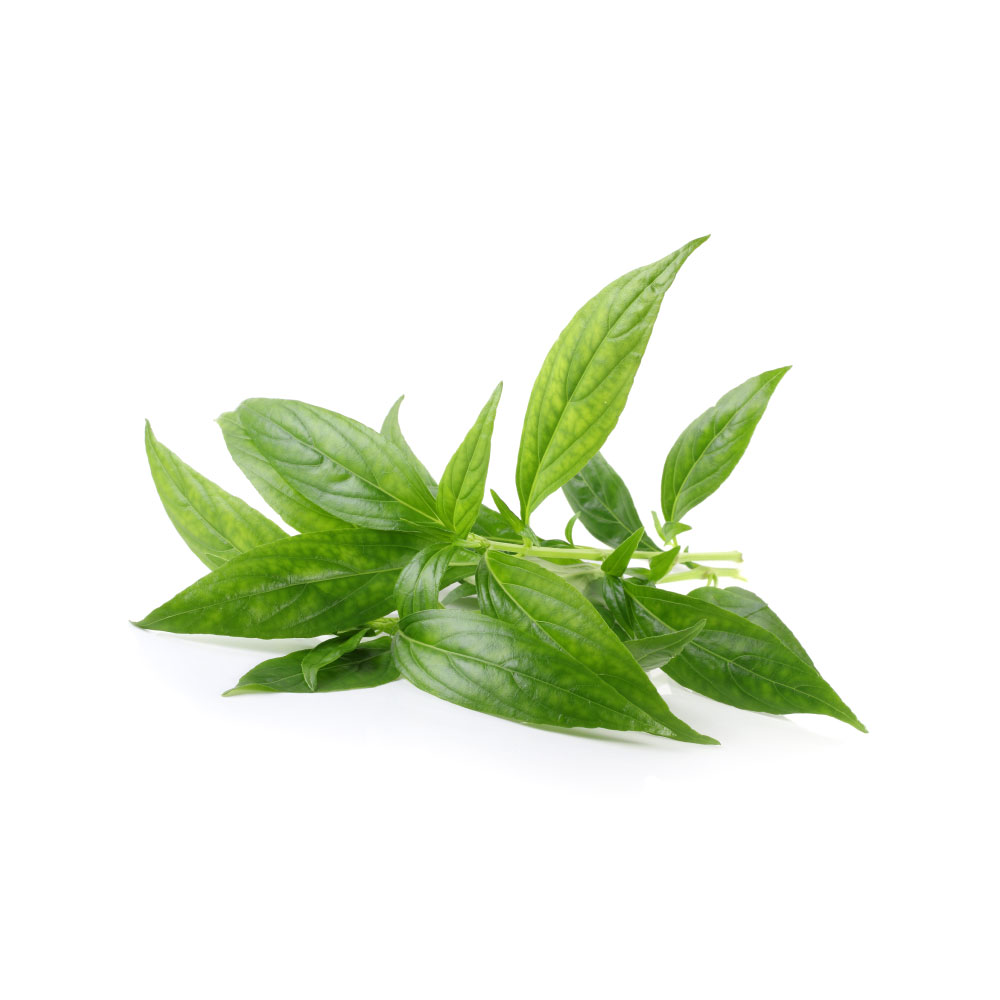 PotentPotentAndrographisAndrographis paniculataShortens the course and relieves the symptoms of the common cold and acute upper-respiratory infection in multiple RCTs and several independent meta-analyses.Mechanismcytokine modulation; symptomatic URTI resolutionRead the evidenceShow lessMonograph →
Multiple RCTs and several independent meta-analyses favour andrographis over placebo for symptomatic relief and a shorter course of the common cold and acute upper-respiratory infection 23,
Andrographolide damps pro-inflammatory cytokine output, and the clinical effect is read as modulation of the host response to infection rather than a direct antiviral action.
Many trials tested fixed combinations, notably the Andrographis–Eleutherococcus product Kan Jang, rather than the herb alone, and methodological quality across the set is mixed.
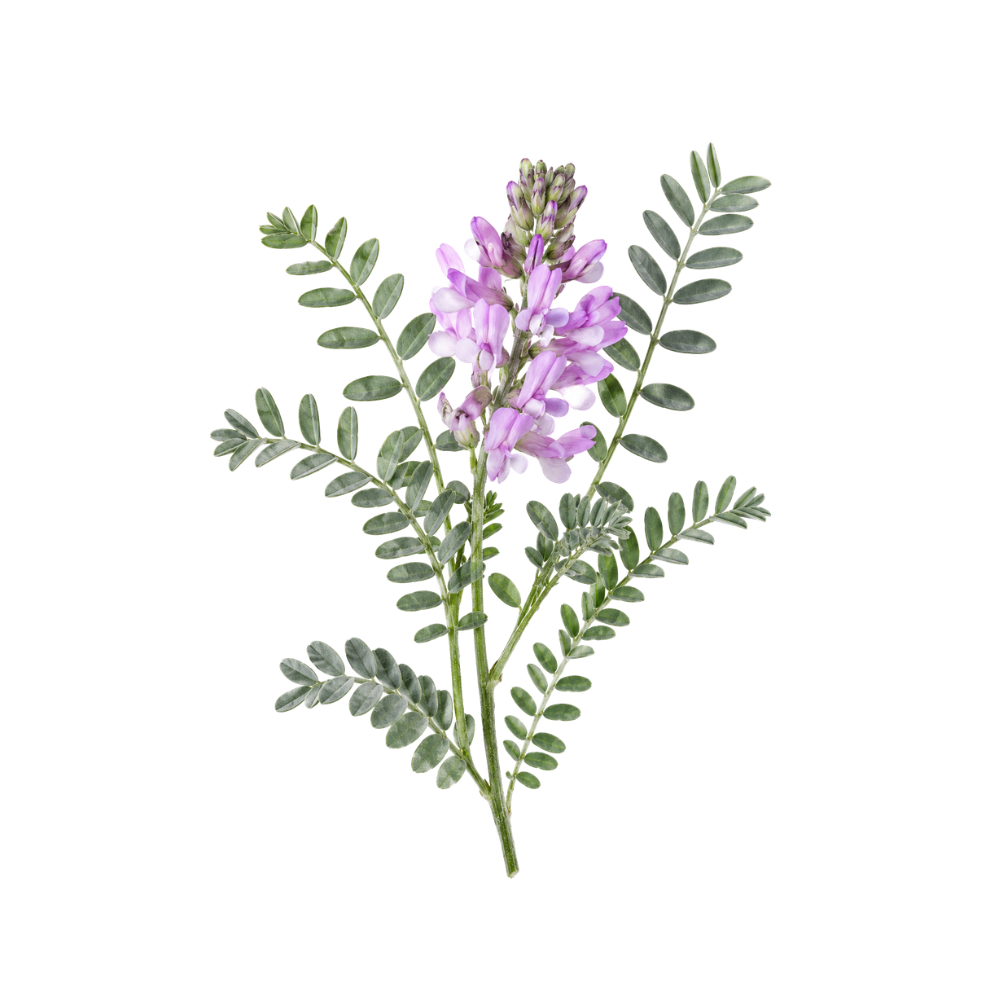 StrongStrongAstragalusAstragalus membranaceusThe Qi tonic of Chinese medicine; astragalus polysaccharide activates macrophages, NK cells, dendritic cells and lymphocytes, and astragalus-based regimens improve survival alongside chemotherapy in lung cancer.Mechanismmacrophage / NK / dendritic / T- and B-cell activation; cytokine induction; ROS–NF-κB modulationRead the evidenceShow lessMonograph →
Huang qi is the root Chinese medicine gives to strengthen the defensive Qi, and its immune pharmacology is the deepest preclinical seam in the class: astragalus polysaccharide (APS) activates macrophages, NK cells, dendritic cells and T and B lymphocytes and induces a broad cytokine response across in-vitro and animal models 25Reference 25ReviewAstragalus polysaccharide: a review of its immunomodulatory effectView study →.
The strongest human signal is oncological. A 2006 JCO meta-analysis of 34 RCTs (2,815 patients) of astragalus-based regimens added to platinum chemotherapy in advanced NSCLC found reduced 12-month mortality (RR 0.67, 95% CI 0.52–0.87) and improved tumour response (RR 1.34) 26Reference 26Meta-analysisAstragalus-based Chinese herbs and platinum-based chemotherapy for advanced non-small-cell lung cancer — meta-analysis of randomized trialsView study →, and astragalus-injection and Kangai meta-analyses reproduce the direction, including improved immune function and lower haematological toxicity 27,
The consumer claim is unproven. A 2016 Cochrane review looking for RCTs of oral astragalus as a sole agent to prevent recurrent respiratory infection in children screened 6,080 records and found no trial met inclusion criteria 29Reference 29Systematic reviewOral Astragalus (Huang qi) for preventing frequent episodes of acute respiratory tract infection in children — Cochrane systematic reviewView study →, and the only placebo-controlled immune trial (seasonal allergic rhinitis, n=48, 6 weeks) tested a herbal–mineral complex in which astragalus is the active, with only rhinorrhoea reaching significance 30Reference 30RCTEfficacy and safety of Astragalus membranaceus in the treatment of patients with seasonal allergic rhinitis — a double-blind, placebo-controlled randomized trialView study →.
Every positive human dataset is injectable or multi-herb rather than the oral root.
Chinese practice withholds astragalus during acute febrile infection, and the same immune stimulation is the reason it is avoided after organ transplantation.
 StrongStrongEchinaceaEchinacea purpureaThe most-trialled immune herb in Western practice; polysaccharide fractions activate macrophages and NK cells while alcoholic extracts damp already-activated cells, and the clinical payoff is a small reduction in colds.Mechanismmacrophage/NK activation (polysaccharides, MAPK); NF-κB ↓ / TNF-α ↓ (cichoric acid); alkylamide CB2 partial agonismRead the evidenceShow lessMonograph →
Polysaccharide- and glycoprotein-enriched fractions upregulate macrophage cytokine output through MAPK signalling and improve Listeria clearance in mice 47Reference 47In vitroEchinacea-induced macrophage activation — in vitro and in vivo (mouse)View study →, while ethanolic extracts and isolated cichoric acid do the opposite in already-activated cells, lowering LPS-stimulated NF-κB, TNF-α and nitric oxide 48Reference 48In vitroModulation of macrophage immune responses by Echinacea — in vitroView study →. A 2024 mechanistic review catalogues enhanced macrophage and NK activity, phagocytosis and cytokine production across all three fractions, alkylamide, caffeic-acid derivative and polysaccharide 49Reference 49ReviewPhytochemistry, mechanisms, and preclinical studies of Echinacea extracts in modulating immune responses to bacterial and viral infections — reviewView study →.
The two directions together are what make echinacea a modulator rather than a booster.
The clinical payoff is preventive and small. A 2019 systematic review found a preventive risk ratio of 0.78 50Reference 50Meta-analysisEchinacea for the prevention and treatment of upper respiratory tract infections — systematic review and meta-analysisView study →, the 2007 Lancet ID meta-analysis a 58% odds reduction 51Reference 51Meta-analysisEvaluation of echinacea for the prevention and treatment of the common cold — meta-analysisView study → and a rhinovirus-inoculation meta-analysis OR 1.55 favouring extract 52Reference 52Meta-analysisEchinacea in the prevention of induced rhinovirus colds — meta-analysisView study →.
Cochrane, across 24 double-blind trials in 4,631 people, found no individual prevention comparison significant, only a pooled 10–20% trend 53Reference 53Systematic reviewEchinacea for preventing and treating the common cold — systematic review (Cochrane)View study →.
Paediatric data are the cleanest: a standardised E. purpurea fresh-plant extract cut recurrent infections and antibiotic use 54Reference 54RCTEchinacea reduces antibiotic usage in children through respiratory tract infection prevention — randomized controlled trialView study →, and a 2025 meta-analysis of 9 RCTs (n=3,169) reported RR 0.81 for URTI incidence and RR 0.18 for antibiotic use 55Reference 55Meta-analysisEfficacy and safety of Echinacea purpurea in treating upper respiratory infections and otitis media in children — systematic review and meta-analysisView study →.
No human trial has linked a measured immune change to a clinical infection outcome, and the effects cluster around pressed-juice and alcoholic extracts of aerial E. purpurea rather than tea or generic dried-powder capsules 53Reference 53Systematic reviewEchinacea for preventing and treating the common cold — systematic review (Cochrane)View study →.
 StrongStrongEleuthero RootEleutherococcus senticosusRaises T-helper, cytotoxic T and NK cell counts in a placebo-controlled trial of healthy volunteers; the immune-active fraction is the polysaccharides, not the eleutherosides the extracts are standardised on.MechanismT-lymphocyte / NK-cell activation; macrophage and lymphocyte proliferation; cytokine induction (eleutherans, glucans A–G)Read the evidenceShow lessMonograph →
In a double-blind, placebo-controlled trial, 36 healthy volunteers took an ethanolic root extract (10 mL three times daily for 4 weeks) and flow cytometry showed a pronounced rise in immunocompetent cells, chiefly T-helper/inducer lymphocytes, with cytotoxic T cells and NK cells also raised, and no side effects over a 6-month observation window 56Reference 56RCTFlow-cytometric studies with Eleutherococcus senticosus extract as an immunomodulatory agent — randomised placebo-controlled trialView study →.
The animal work runs the same direction: root powder raised NK-cell killing rate, lysozyme and secretory IgA dose-dependently in healthy mice 57Reference 57AnimalEffects of Acanthopanax senticosus supplementation on innate immunity and changes of related immune factors in healthy mice — animal studyView study →, and a polysaccharide fraction restored lymphocyte proliferation and antibody titres in immunosuppressed poultry 58Reference 58Immunomodulatory effect of Acanthopanax senticosus polysaccharide on immunosuppressed chickens — animal studyView study →.
The human trial measured cell counts rather than clinical outcomes; no RCT shows eleuthero reduces infection rate, duration or severity. The nearest clinical dataset, the mild-COVID trial, tested a fixed eleuthero–Andrographis combination (Kan Jang), so its benefit cannot be assigned to eleuthero 59Reference 59RCTEfficacy of Kan Jang in patients with mild COVID-19 — randomised, quadruple-blind, placebo-controlled trial of a fixed Andrographis–Eleutherococcus combinationView study →.
The immune-active fraction is the polysaccharide (eleutherans), while pharmacopoeial standardisation is on eleutherosides B and E, so the marker and the mechanism are different molecules.
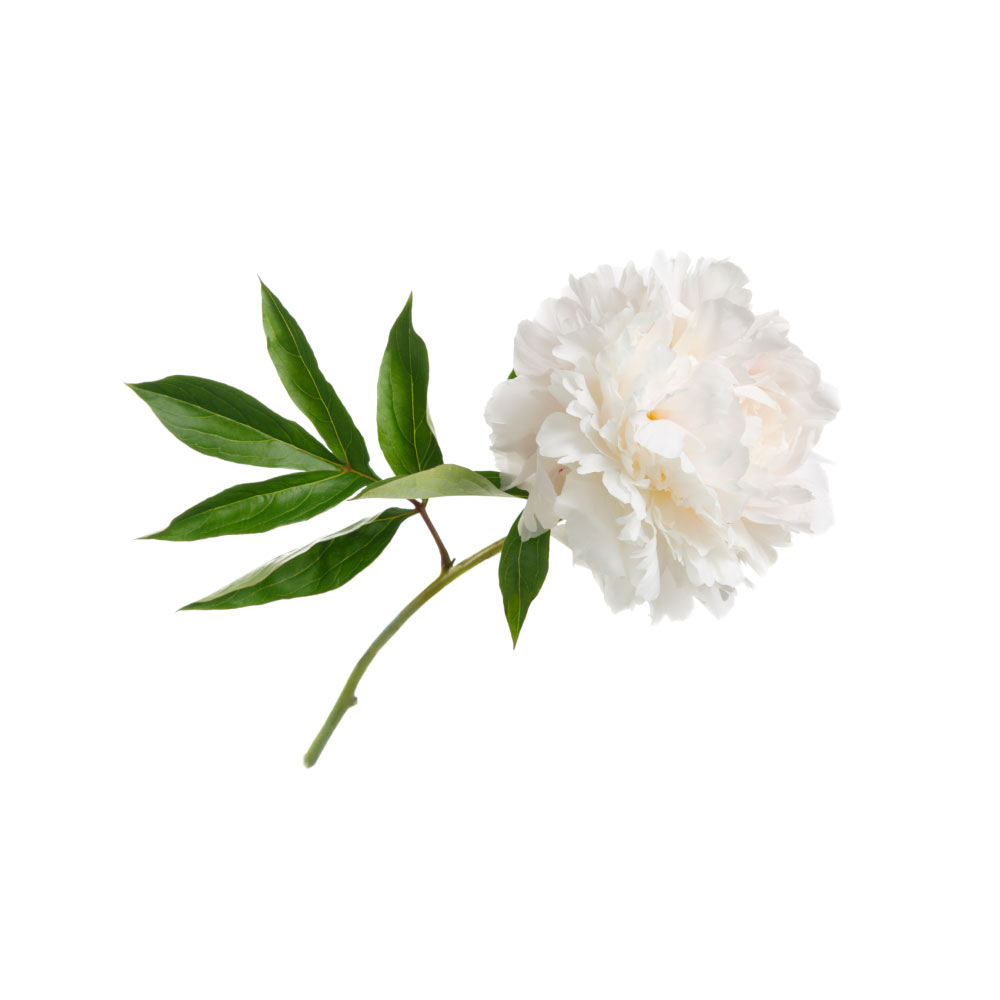 StrongStrongPeonyPaeonia lactifloraTotal glucosides of paeony improved symptoms and immunological measures over 24 weeks in primary Sjögren's syndrome by rebalancing Treg and Th17 cells; the preparation is a standardised extract, not a decoction.Mechanismpaeoniflorin-driven Treg/Th17 rebalancing; NF-κB and COX-2 ↓; TNF-α/IL-1β/IL-6 ↓Read the evidenceShow lessMonograph →
In primary Sjögren’s syndrome, a randomised double-blind placebo-controlled pilot (n=45) found total glucosides of paeony (TGP) improved symptom indices and some immunological measures over 24 weeks 100Reference 100RCTClinical and immunological consequences of total glucosides of paeony treatment in Sjögren’s syndrome: a randomised controlled pilot trial — randomised controlled trialView study →, and a later systematic review and meta-analysis of TGP combined with hydroxychloroquine reported improved sicca symptoms, immunoglobulin levels and inflammatory markers 101Reference 101Meta-analysisCombined use of total glucosides of paeony and hydroxychloroquine in primary Sjögren’s syndrome: a systematic review — meta-analysisView study →. Twenty-four weeks in an autoimmune population is a serious test.
The mechanism matches the indication. Treg/Th17 rebalancing is the axis implicated in autoimmunity, so peony damps an overactive response rather than amplifying a weak one.
Samples are small, the meta-analysis pools TGP with hydroxychloroquine so peony’s independent contribution is hard to isolate, and the preparation is TGP throughout, a standardised glycoside extract rather than a decoction of root.
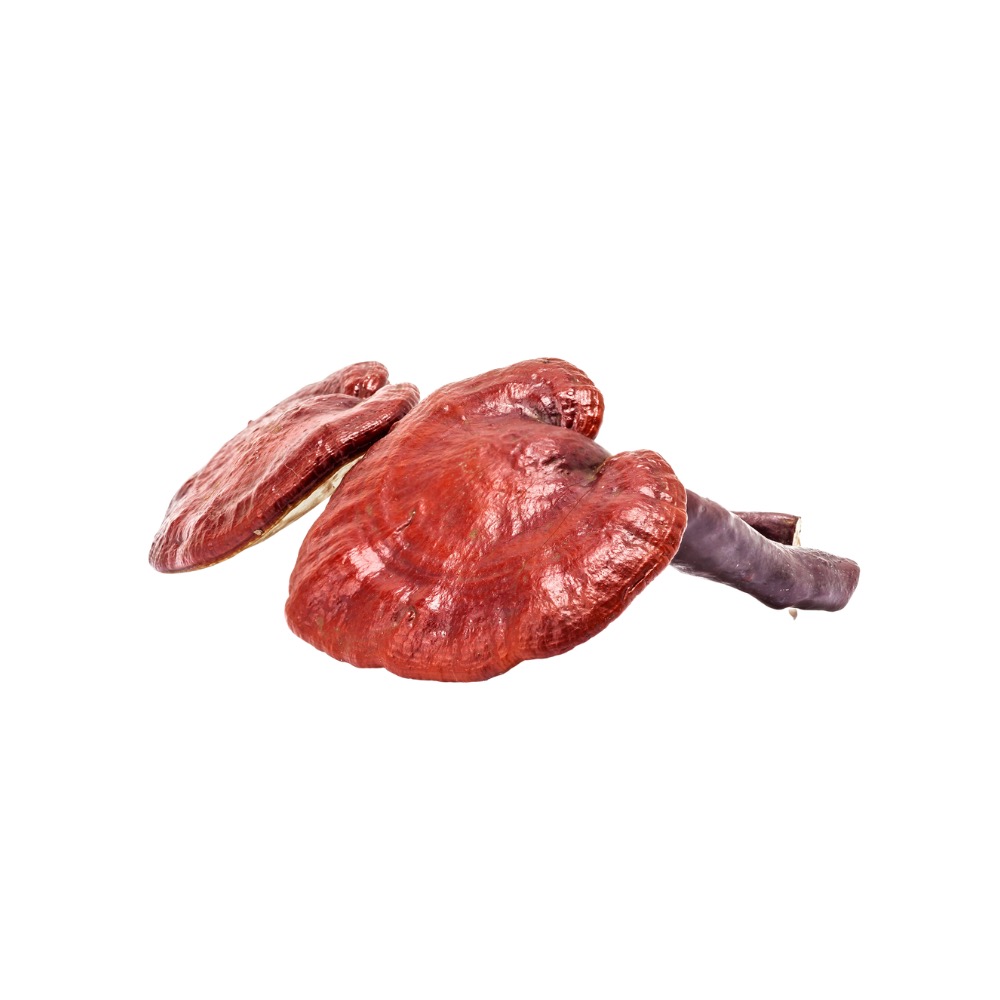 StrongStrongReishiGanoderma lucidumThe 'mushroom of immortality' of Chinese medicine; its β-glucans engage Dectin-1 and Toll-like receptors, raising NK-cell activity in cancer patients, and a Cochrane review found better treatment response and quality of life alongside chemotherapy.Mechanismβ-glucan → Dectin-1/TLR; NK-cell activity ↑Read the evidenceShow lessMonograph →
In advanced-stage cancer patients, 12 weeks of Ganopoly (a water-soluble polysaccharide fraction, 1,800 mg three times daily) raised NK activity and shifted several cytokines 103Reference 103Clinical trialEffects of Ganopoly (a Ganoderma lucidum polysaccharide extract) on the immune functions in advanced-stage cancer patients — clinical trialView study →, and a parallel open-label lung-cancer study found enhanced NK activity with no change in T-cell subsets, a real but narrow immune effect.
The 2016 Cochrane review of five RCTs (373 patients) found patients receiving reishi alongside chemotherapy or radiotherapy were more likely to respond and reported better quality of life, but rated methodological quality poor and concluded reishi should not be used as first-line treatment 122Reference 122Meta-analysisGanoderma lucidum (Reishi mushroom) for cancer treatment — Cochrane systematic review and meta-analysisView study →.
The mechanism is the β-glucan route: reishi polysaccharides engage Dectin-1 and Toll-like receptors on innate cells. Reishi has mild antiplatelet activity, so the immune use overlaps with anticoagulant medication.
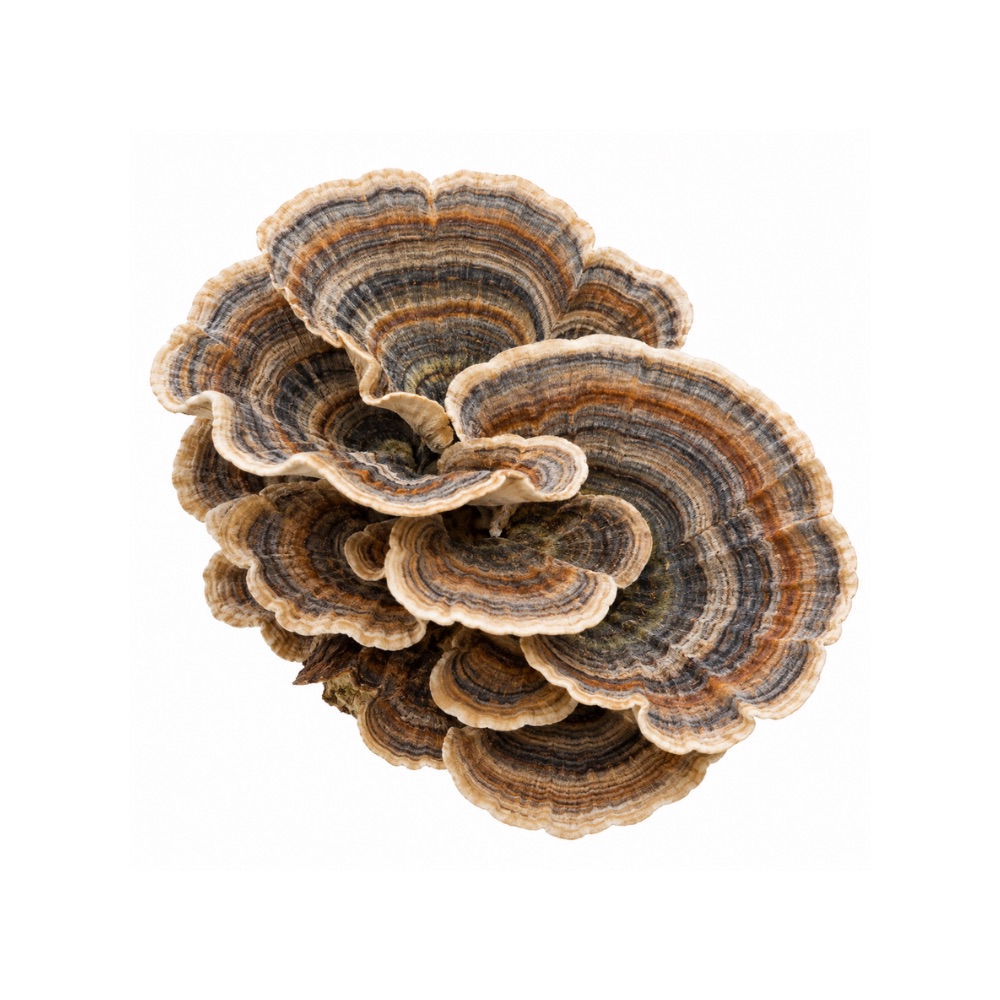 StrongStrongTurkey TailTrametes versicolorIts protein-bound β-glucan PSK matures dendritic cells, corrects Th1/Th2 imbalance and raises NK activity; the only mushroom immunomodulator with a survival benefit behind it, as an approved adjuvant in Japanese oncology.Mechanismprotein-bound β-glucan → Dectin-1/TLR2 engagement; dendritic-cell maturation; Th1/Th2 rebalancing; NK activationRead the evidenceShow less
A two-centre Phase I trial in 9 women after breast-cancer radiotherapy (3, 6 or 9 g/day for 6 weeks) was well tolerated and showed dose-related rises in lymphocyte counts, NK functional activity (at 6 g/day) and CD8⁺/CD19⁺ counts 116Reference 116Clinical trialPhase I clinical trial of Trametes versicolor in women with breast cancer — clinical trialView study →.
Preclinically the mechanism is unusually well mapped: PSK matures dendritic cells, corrects Th1/Th2 imbalance and drives monocyte IL-15 117Reference 117ReviewBiological mechanism and clinical effect of protein-bound polysaccharide K (KRESTIN) — reviewView study →.
PSK (Krestin) is an approved adjuvant in Japanese cancer care, and its downstream clinical benefit on survival is documented in that literature 117Reference 117ReviewBiological mechanism and clinical effect of protein-bound polysaccharide K (KRESTIN) — reviewView study →, a bar almost no other immunomodulator clears.
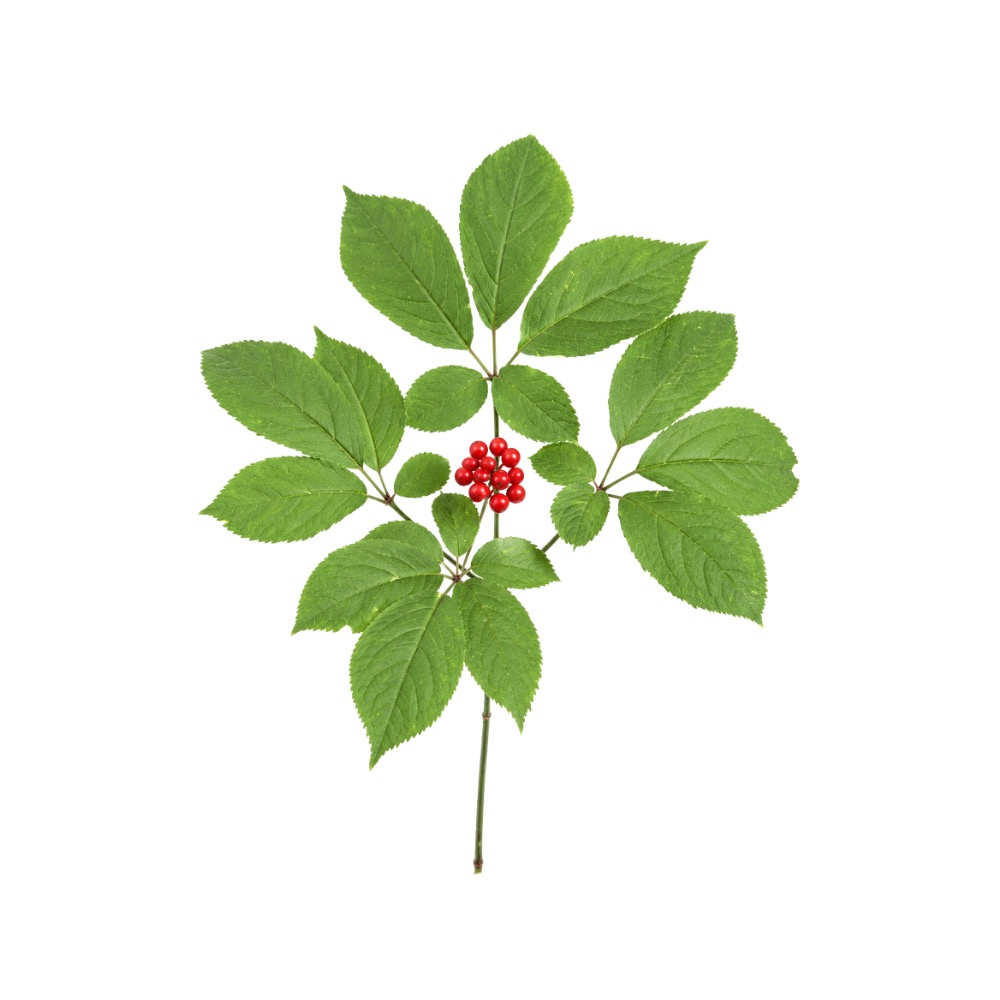 ModerateModerateAmerican GinsengPanax quinquefoliusA proprietary polysaccharide extract, CVT-E002, reduces the number and duration of colds in older adults and raises the antibody response to influenza vaccination; the effect belongs to that fraction rather than the root as usually taken.Mechanisminnate/adaptive immune modulation; vaccine antibody seroconversion ↑; macrophage NO/TNF-α/IL-6/IL-1β ↓ (poly-furanosyl-pyranosyl-saccharides, PPQN)Read the evidenceShow lessMonograph →
The respiratory-infection trials use CVT-E002 (COLD-fX), a proprietary poly-furanosyl-pyranosyl-saccharide fraction, a polysaccharide extract rather than the ginsenosides or a decoction. It reduced the number and duration of acute respiratory illness in community-dwelling seniors 70Reference 70RCTEfficacy of COLD-fX (CVT-E002) in the prevention of respiratory symptoms in community-dwelling adults: a randomized, double-blinded, placebo-controlled trial — randomised controlled trialView study → and reduced severity in influenza-vaccinated adults 71Reference 71RCTEfficacy and Safety of CVT-E002 in the Prevention of Respiratory Infections in Influenza-Vaccinated Community-Dwelling Adults: a multicenter, randomized, double-blind, placebo-controlled trial — randomised controlled trialView study →.
Meta-analysis supports the direction (URI incidence RR 0.69, 95% CI 0.52–0.90, shorter duration in healthy adults) but flags high-to-unclear risk of bias and possible publication bias 72Reference 72Meta-analysisGinseng integrative supplementation for seasonal acute upper respiratory infections: a systematic review and meta-analysis — meta-analysis, systematic reviewView study →, and an earlier P. quinquefolius-restricted review reported about 25% fewer colds and about 6.2 days shorter duration 73Reference 73Systematic reviewNorth American (Panax quinquefolius) and Asian Ginseng preparations for prevention of the common cold in healthy adults: a systematic review — systematic reviewView study →.
The largest rigorous trial, in chronic lymphocytic leukaemia patients, missed its primary endpoint of infection days and showed benefit only on secondary measures 74Reference 74RCTA randomized, controlled trial of Panax quinquefolius extract (CVT-E002) to reduce respiratory infection in patients with chronic lymphocytic leukemia — randomised controlled trialView study →; the paediatric study was a safety and dose-finding trial rather than an efficacy trial 75Reference 75RCTSafety and tolerability of North American ginseng extract in the treatment of pediatric upper respiratory tract infection: a phase II randomized, controlled trial — randomised controlled trialView study →. Mechanistic support is preclinical: a neutral ~3.1 kDa root polysaccharide (PPQN) suppressed NO, TNF-α, IL-6 and IL-1β in LPS-stimulated macrophages 76Reference 76In vitroStructural and anti-inflammatory characterization of a novel neutral polysaccharide from North American ginseng — in vitroView study →.
The findings belong to CVT-E002 and do not generalise to the herb as it is normally taken.
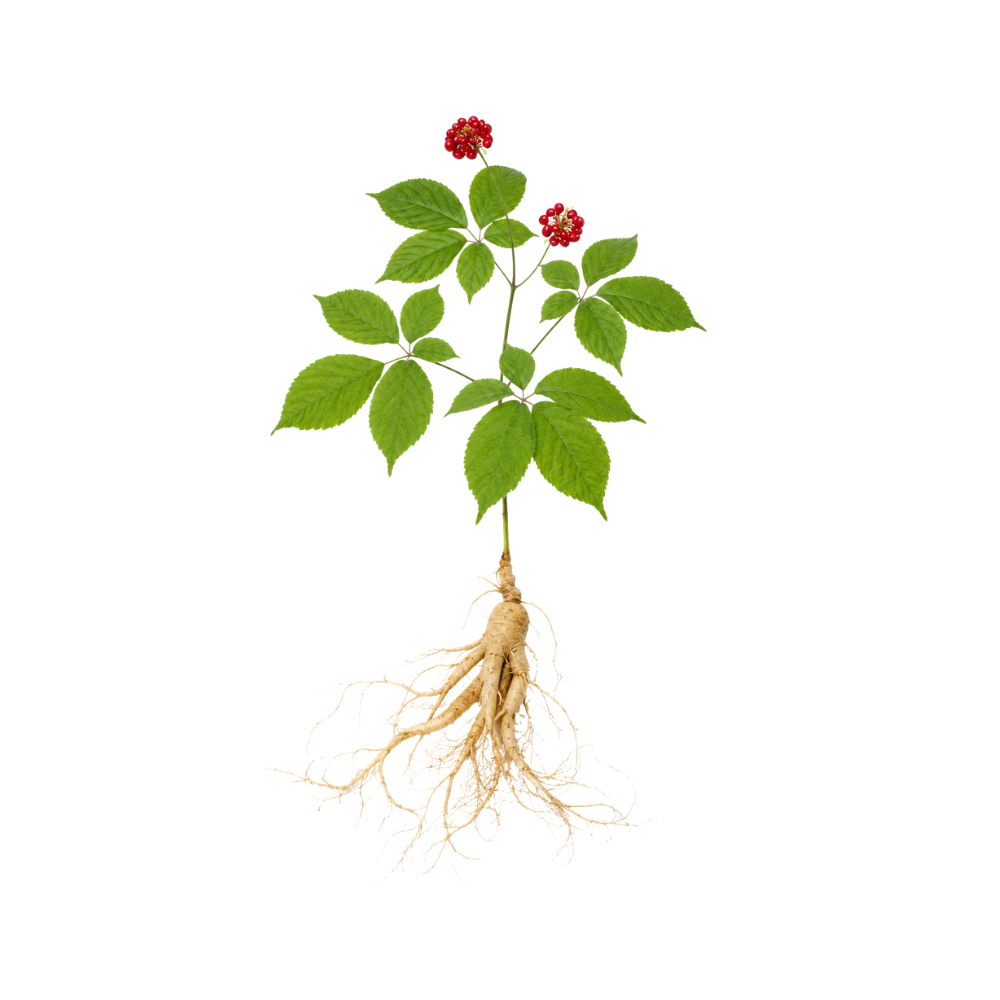 ModerateModerateAsian GinsengPanax ginsengThe standardised extract G115 taken through the influenza season cut colds and influenza and raised antibody titres after vaccination, an adjuvant effect on an immune challenge.MechanismNK-cell / macrophage activation; cytokine modulation (polysaccharides, ginsenoside Rg1)Read the evidenceShow lessMonograph →
In a randomised, placebo-controlled study, the standardised G115 extract (100 mg/day for 12 weeks) used as an influenza-vaccination adjuvant cut influenza and common-cold cases to 15 versus 42 on placebo and raised antibody titres 77Reference 77RCTEfficacy and safety of the standardised ginseng extract G115 for potentiating influenza vaccination — randomised placebo-controlled trialView study →. That is an adjuvant effect: it potentiated an immune challenge rather than acting alone.
Older work characterised immunomodulatory effects of Panax ginseng extracts on immune-cell activity 78Reference 78Immunomodulatory effects of two extracts of Panax ginseng C.AView study →, and the polysaccharide fraction rather than the ginsenosides is the likely driver of NK-cell and macrophage activation.
The popular “ginseng prevents colds” evidence is North American ginseng, from a 4-month RCT of a poly-furanosyl-pyranosyl-saccharide-rich extract 79Reference 79RCTEfficacy of a North American ginseng extract for preventing upper respiratory tract infections — randomised controlled trialView study →, and P. quinquefolius data do not transfer to the Asian species.
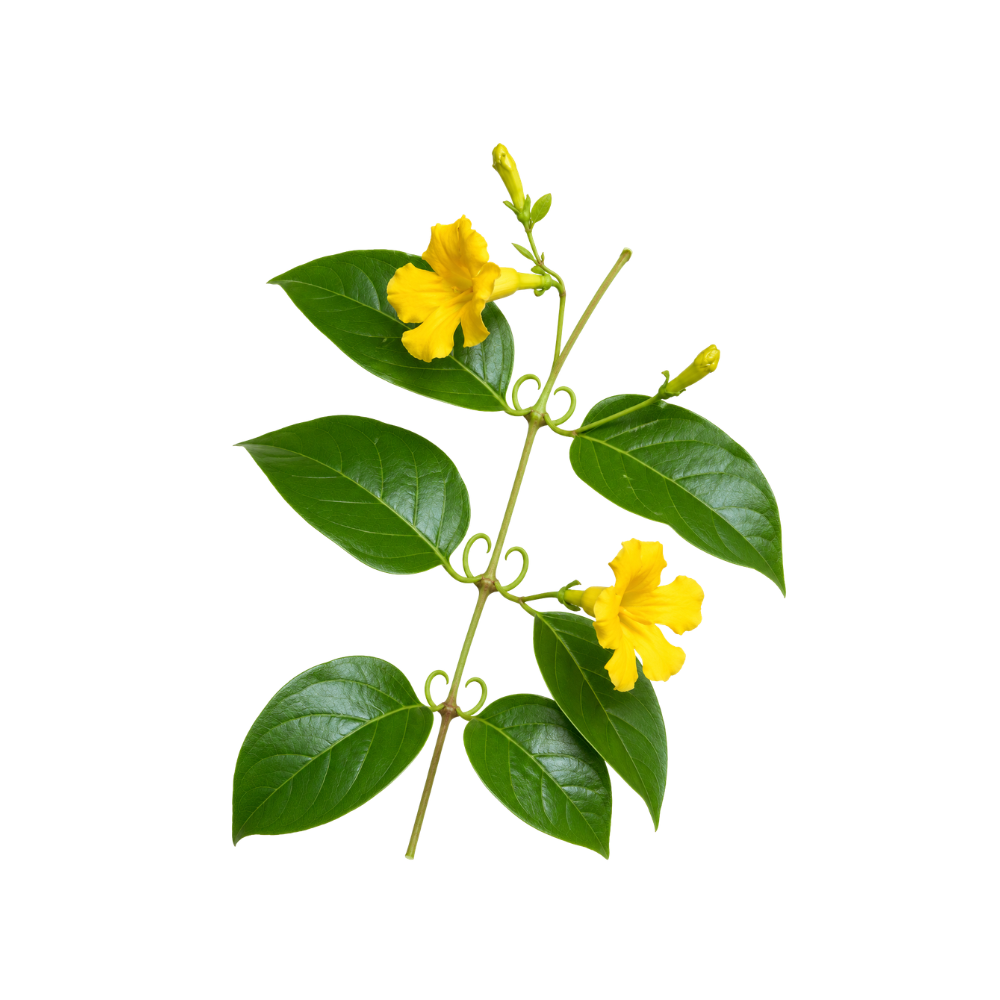 ModerateModerateCat’s ClawUncaria tomentosaA Peruvian bark with an immune reputation; the hot-water extract C-Med-100 raised DNA repair and gave a more durable pneumococcal antibody response in small volunteer studies, with quinic acid rather than the alkaloids as the active.MechanismDNA-repair enhancement (quinic acid); myelopoiesis / white-cell stimulation; NF-κB ↓ without cytotoxicityRead the evidenceShow lessMonograph →
Almost all of the evidence rests on one proprietary hot-water extract, C-Med-100 / Saventaro, in very small volunteer cohorts: 8 weeks raised DNA repair and reduced DNA damage after a hydrogen-peroxide challenge (n=12) 35Reference 35RCTDNA repair enhancement of aqueous extracts of Uncaria tomentosa in a human volunteer study — randomisedView study →, and a controlled study found a more durable pneumococcal antibody response with less titre decay at 5 months 36Reference 36RCTPersistent response to pneumococcal vaccine in individuals supplemented with C-Med-100 — randomised controlled trialView study →.
Animal and ex-vivo work adds myeloid and white-cell stimulation, prolonged lymphocyte survival and enhanced DNA repair in human skin organ culture 37,
The strongest clinical expression is adjuvant: 300 mg/day dry extract alongside FAC chemotherapy in stage-II breast cancer (n≈40) reduced neutropenia and restored DNA-damage markers 43Reference 43Clinical trialUncaria tomentosa — adjuvant treatment for breast cancer — clinical trialView study →.
The human trials are n=12–40, several from one group and all on extracts not sold at retail; none of it transfers to whole-bark powder, tincture or tea, and no clinical infection outcome was tested. Cat’s claw has a theoretical opposition to ciclosporin and tacrolimus.
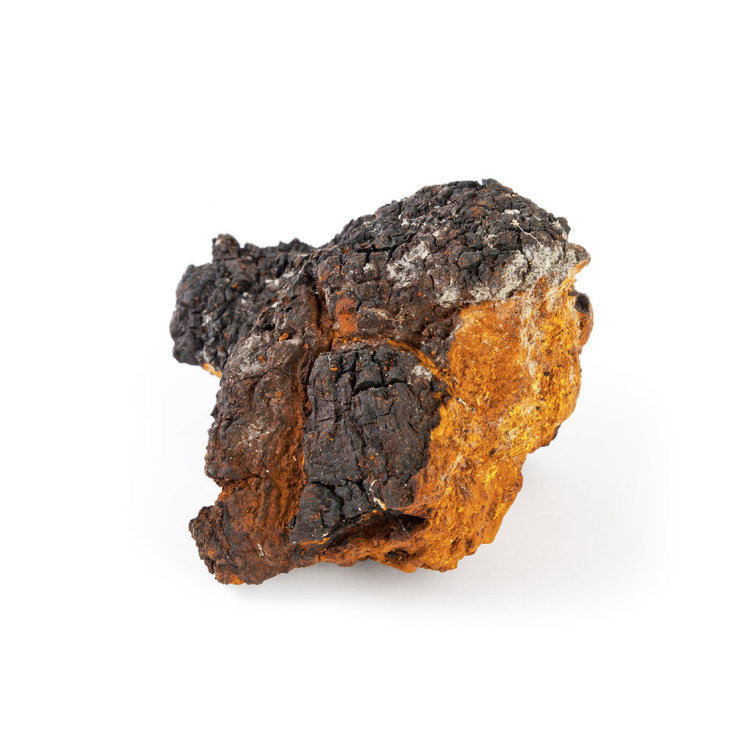 ModerateModerateChagaInonotus obliquusA Siberian folk tonic whose endo-polysaccharide activates innate immunity in one direction, raising IgM, nitrite, IL-6, IL-1 and TNF-α without touching T-cell proliferation.Mechanisminnate immune activation (one-directional); no T-cell/Th1/Th2 shift demonstratedRead the evidenceShow lessMonograph →
The single mechanistic study pushes immune signalling in one direction: IgM, nitrite, IL-6, IL-1, TNF-α and iNOS all rise, with no effect on T-cell proliferation, IL-2 or IL-4 44Reference 44In vitroImmuno-stimulating effect of the endo-polysaccharide from submerged culture of Inonotus obliquus — in vitroView study →.
No study demonstrates damping of an overactive response, so the effect is stimulation rather than two-way modulation. In an autoimmune or transplant context that direction is the wrong one, whatever the marketing says about balance.
There are no human immune data, and sustained high intake carries an oxalate load that has produced kidney injury at case level.
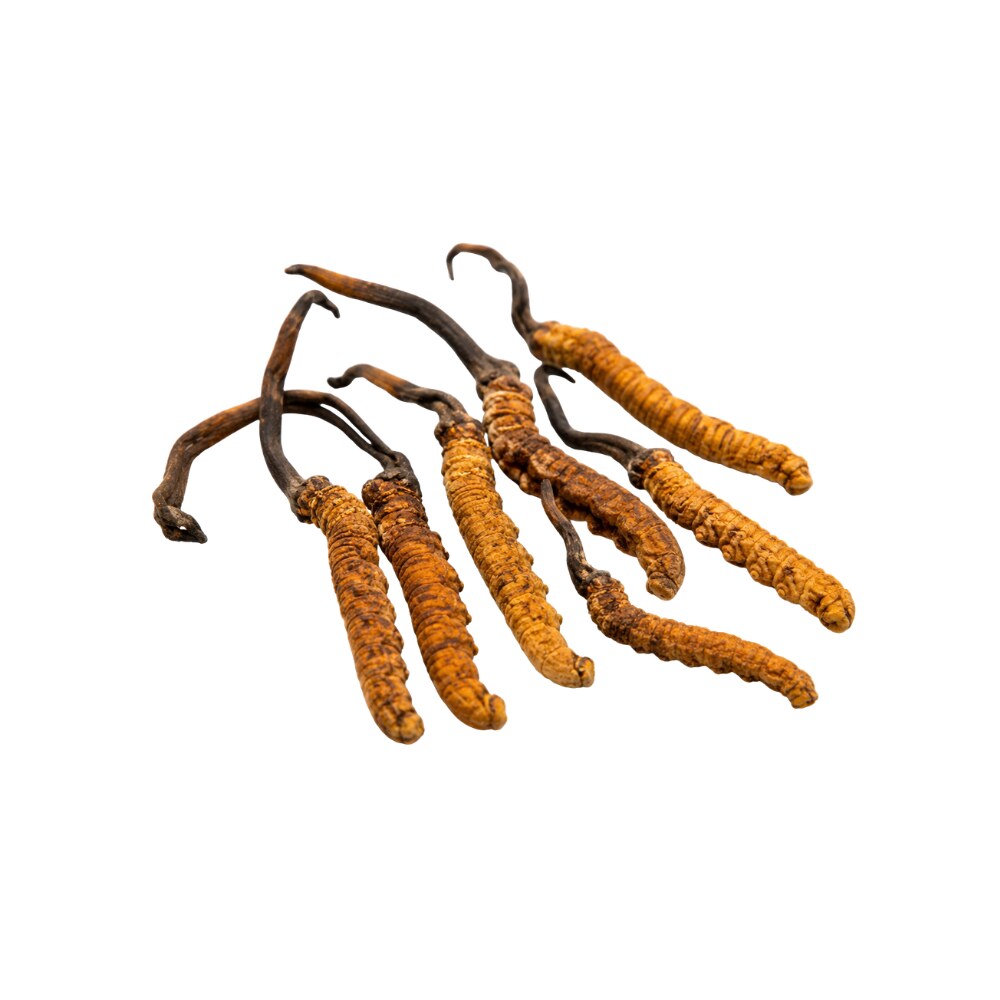 ModerateModerateCordycepsCordyceps sinensisCultivated Cordyceps militaris raised natural-killer-cell activity and cell-mediated immunity markers in a placebo-controlled trial of healthy men, through β-glucan activation of macrophages and NK cells.Mechanismβ-glucan → pattern-recognition-receptor macrophage/NK activation; NK-cell activity ↑; cytokine signaling ↑Read the evidenceShow lessMonograph →
A 2015 randomised placebo-controlled study in healthy Korean men found cultivated C. militaris (1.5 g/day, 4 weeks) raised natural-killer-cell activity and cell-mediated immunity markers versus placebo 45Reference 45RCTCordyceps militaris Enhances Cell-Mediated Immunity in Healthy Korean Men — randomised, placebo-controlled trialView study →.
The preclinical mechanism is coherent: cordyceps β-glucans and other polysaccharides activate macrophages, NK cells and cytokine signalling through pattern-recognition receptors 46Reference 46In vitroStructural elucidation and immunostimulatory activity of a new polysaccharide from Cordyceps militaris — in vitroView study →.
It is one small, short trial measuring laboratory NK activity rather than infections, and the trial species, C. militaris, is not the C. sinensis of the classical material.
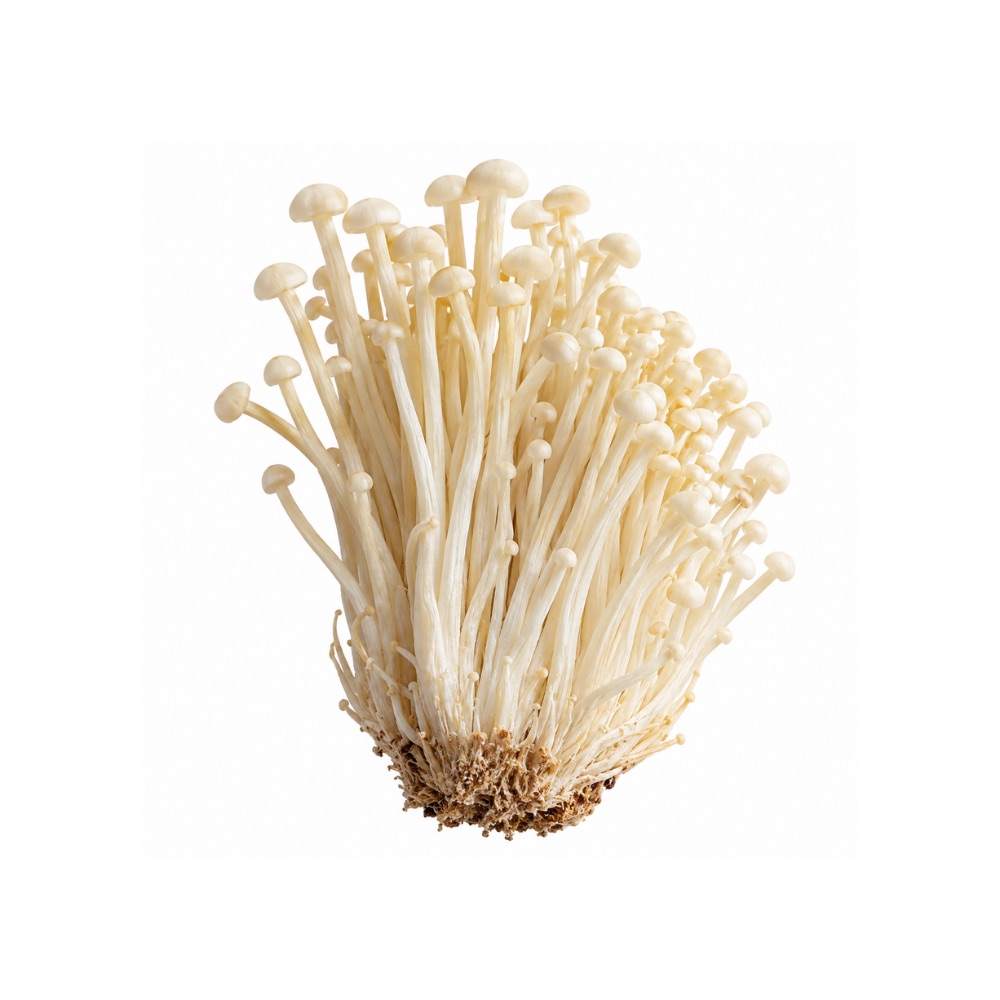 ModerateModerateEnokiFlammulina velutipesWorks through FIP-fve, a fruiting-body immune protein that survives digestion and drives T cells toward a Th1/interferon-γ response, rather than through β-glucans.MechanismFIP-fve → Th1/IFN-γ skewing via p38 MAPK, Ca²⁺ release, PKC-αRead the evidenceShow less
FIP-fve, a ~13 kDa fruiting-body protein, activates T cells and drives Th1/IFN-γ polarisation, reproduced from human peripheral-blood mononuclear cells through to mouse allergy, asthma and RSV models 60,
Oral activity survives simulated gastric and intestinal fluid, which most bioactive proteins do not.
There is no human trial of enoki or FIP-fve.
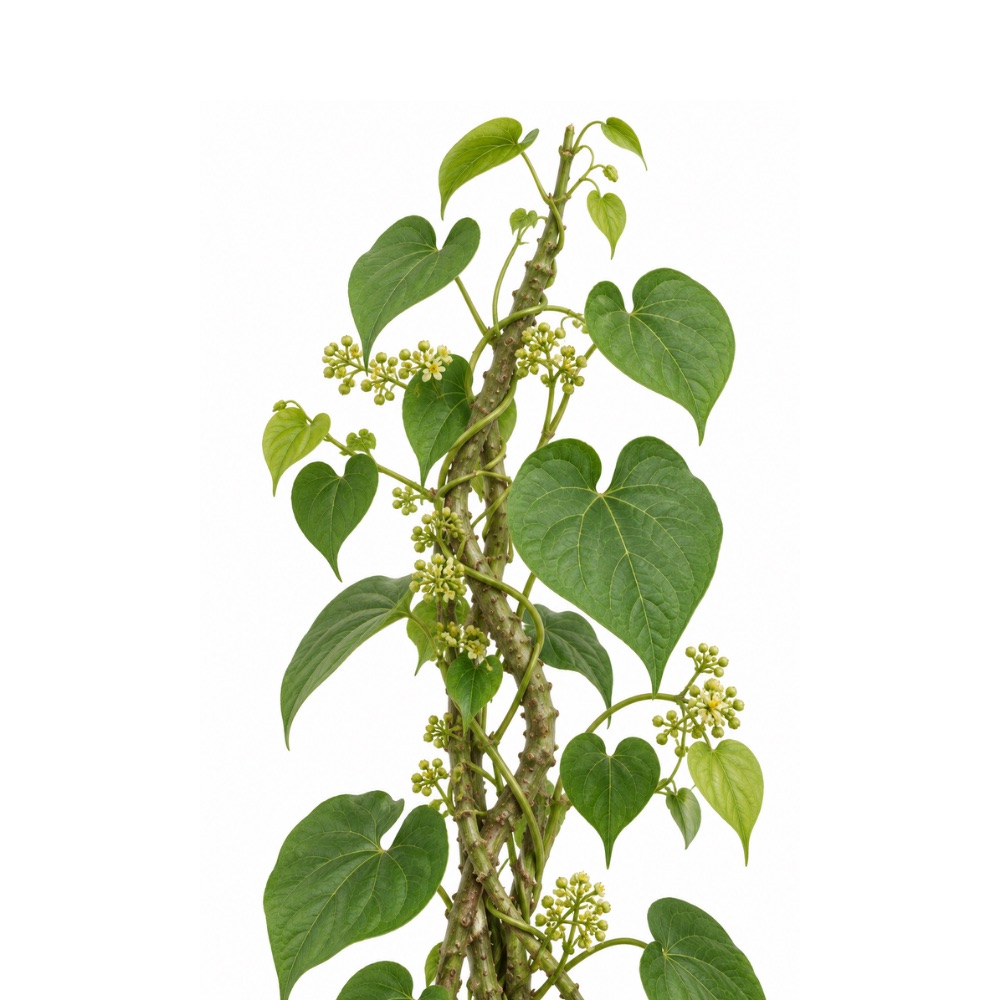 ModerateModerateGuduchiTinospora cordifoliaThe Ayurvedic immune tonic amrita; its polysaccharide G1-4A is a non-microbial TLR4 agonist that activates macrophages and B cells, and the stem improved allergic rhinitis in a double-blind trial.Mechanismpolysaccharide G1-4A → TLR4/NF-κB macrophage and B-cell activation; (1,4)-α-D-glucan macrophage activationRead the evidenceShow less
Tinospora cordifolia, whose Sanskrit name amrita means nectar of immortality, is the stem Ayurveda gives for weak resistance and chronic fever, and it was sold across India as giloy, an immune booster, through the COVID-19 pandemic.
A double-blind placebo-controlled trial in allergic rhinitis showed clinical benefit 124Reference 124RCTEfficacy of Tinospora cordifolia in allergic rhinitis — randomised controlled trialView study →, and a randomised adjuvant trial in diabetic foot ulcers reported faster healing with an immunomodulatory rationale 125Reference 125RCTImmunomodulatory role of Tinospora cordifolia as an adjuvant in surgical treatment of diabetic foot ulcers: a prospective randomized controlled study — randomised controlled trialView study →.
The mechanism is mapped at the receptor. The (1,4)-α-D-glucan activates macrophages 126Reference 126In vitroMechanism of macrophage activation by (1,4)-alpha-D-glucan isolated from Tinospora cordifolia — in vitroView study →, and the polysaccharide G1-4A is a non-microbial TLR4 agonist driving NF-κB signalling and cytokine output in macrophages and B cells 127Reference 127In vitroMolecular events in the activation of B cells and macrophages by a non-microbial TLR4 agonist, G1-4A from Tinospora cordifolia — in vitroView study →.
Since 2021, case series have linked guduchi self-medication to an autoimmune-like hepatitis 128Reference 128Case reportHerbal Immune Booster-Induced Liver Injury in the COVID-19 Pandemic - A Case Series — case seriesView study →, and the immune stimulation credited for its benefits is the suspected mechanism.
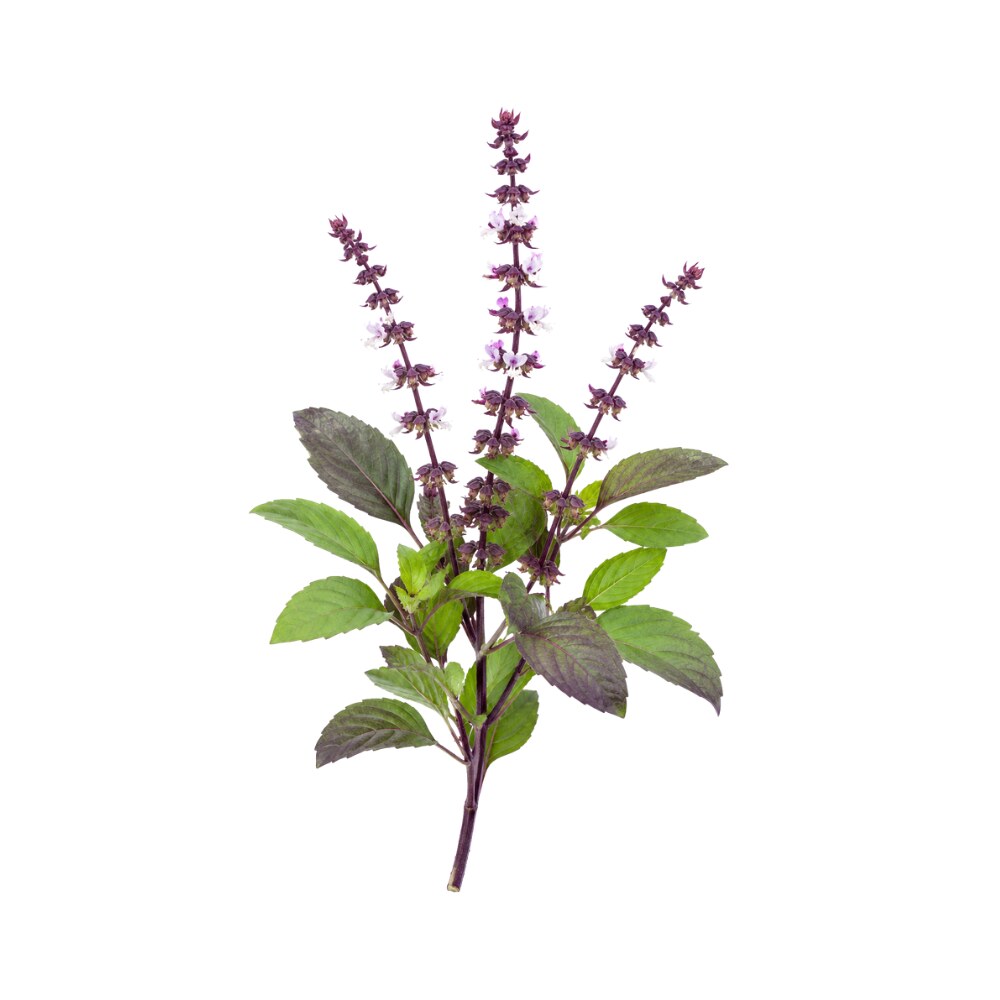 ModerateModerateHoly BasilOcimum tenuiflorumTulsi leaf extract raised interferon-γ, interleukin-4, T-helper and NK cells over four weeks in a placebo-controlled crossover trial of healthy volunteers, a shift toward a Th1 and innate profile.MechanismTh1/IFN-γ cytokine shift; NK-cell expansionRead the evidenceShow lessMonograph →
A double-blind, placebo-controlled crossover RCT in healthy volunteers (300 mg ethanolic leaf extract, n=22 completing) raised interferon-γ, interleukin-4, T-helper cells and natural-killer cells over four weeks 80Reference 80RCTDouble-blinded randomised controlled trial for immunomodulatory effects of tulsi (Ocimum sanctum) leaf extract on healthy volunteers — randomised controlled trialView study →, supported by animal immunostimulant work.
The sample is small and every endpoint is an immune-cell surrogate in healthy people; no trial has shown tulsi reduces infections or clinical illness.
The direction of the shift, Th1 up together with IL-4, is modulation rather than simple stimulation.
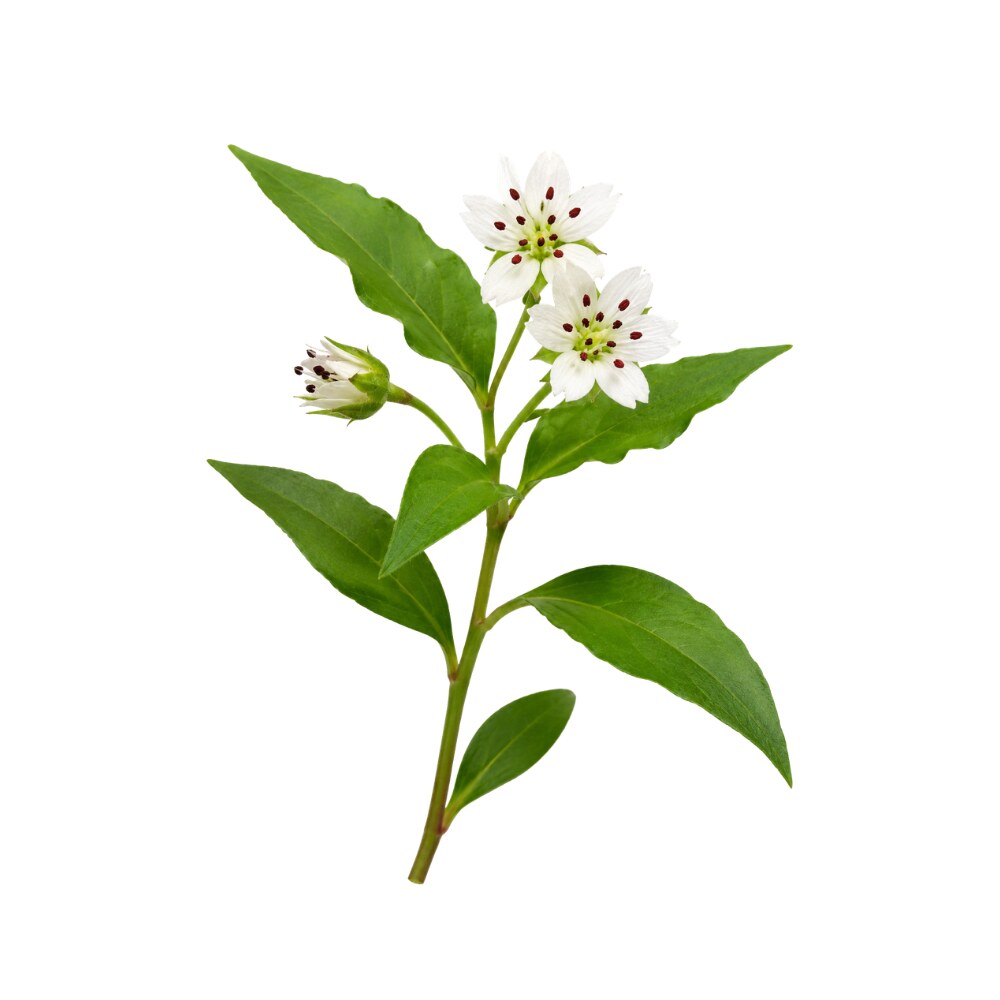 ModerateModerateKid GinsengPseudostellaria heterophyllaThe gentle Qi tonic of Chinese paediatrics; its polysaccharides raise antibody output and its whole extract calms allergic Th2 signalling in animals, though not by the oral decoction as taken.MechanismTh1/Th2 rebalancing with NF-κB ↓ and IgE ↓; polysaccharide-driven antibody titre and IgG/IgA/IgM ↑; saponin-driven macrophage phagocytosis via CCL5/CCR4Read the evidenceShow lessMonograph →
Tai zi shen is the mild Qi tonic given to children and the depleted, and its immune evidence points in both directions from one plant, which is what the word modulator is meant to describe.
Downward: in a dinitrochlorobenzene atopic-dermatitis mouse model, topical whole extract lowered serum IgE, suppressed IL-4/IL-6/IFN-γ and downregulated NF-κB, rebalancing the Th1/Th2 axis 81Reference 81AnimalImmunomodulatory effects of Pseudostellaria heterophylla on Th1/Th2 levels in mice with atopic dermatitis — mouse model, in vivoView study →.
Upward: dietary polysaccharide raised specific antibody titres, IgG/IgA/IgM, CD3 and lysozyme with a quadratic dose-response in vaccinated chicks and shifted splenic transcription toward IgA-production and cytokine-signalling pathways 82,
There are no human immune-function data, and the effective preparations, injected or high-dose dietary polysaccharide and topical extract, are not the oral tonic decoction.
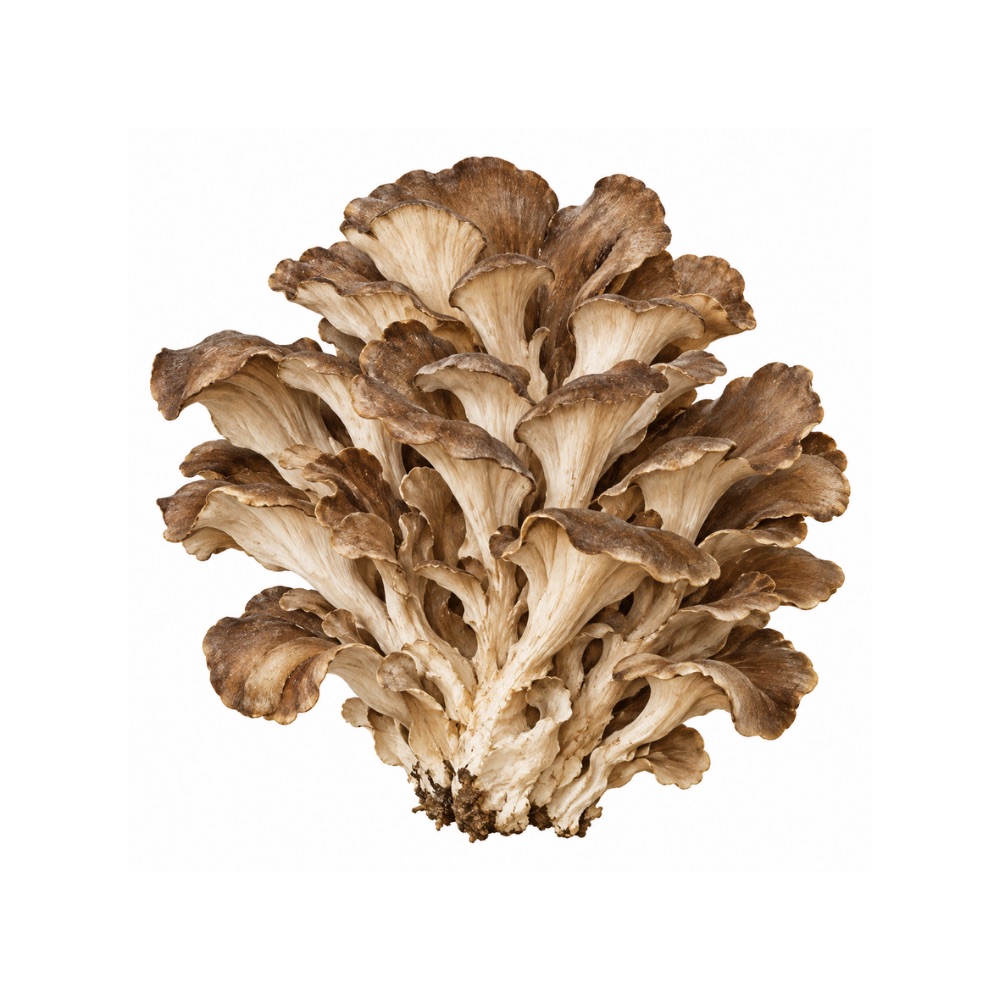 ModerateModerateMaitakeGrifola frondosaIts β-glucans activate macrophages, NK and dendritic cells and, unusually, stimulate granulocyte production; in humans the effect shows in immune markers but the one clinical endpoint tested was null.Mechanismβ-glucan → dectin-1/CR3/TLR2 activation; G-CSF ↑ and CXCR4/SDF-1 modulation → granulopoiesisRead the evidenceShow less
Alongside the usual macrophage, NK and dendritic activation 90Reference 90AnimalOral administration of soluble β-glucans extracted from Grifola frondosa induces systemic antitumor immune response and decreases immunosuppression in tumor-bearing mice — mouse in vivoView study →, maitake β-glucans drive granulopoiesis, raising G-CSF, mobilising granulocytes 91Reference 91AnimalMaitake beta-glucan enhances granulopoiesis and mobilization of granulocytes by increasing G-CSF production and modulating CXCR4/SDF-1 expression — mouse in vivoView study → and reducing cisplatin-induced myelosuppression and nephrotoxicity in mice 92Reference 92AnimalMaitake beta-glucan enhances therapeutic effect and reduces myelosuppression and nephrotoxicity of cisplatin in mice — mouse in vivoView study →.
In humans the effect stops at markers: dose-dependent immune changes in a phase I/II study 93Reference 93RCTA phase I/II trial of a polysaccharide extract from Grifola frondosa (Maitake mushroom) in breast cancer patients: immunological effects — randomized controlled trialView study →, raised NK activity with D-fraction 94Reference 94Clinical trialEffect of Maitake (Grifola frondosa) D-Fraction on the activation of NK cells in cancer patients — clinical studyView study →, and improved neutrophil and monocyte function in myelodysplastic syndrome that did not produce clinical benefit 95Reference 95Clinical trialMaitake mushroom extract in myelodysplastic syndromes (MDS): a phase II study — clinical trial, phase IIView study →.
The null clinical endpoint is as much a part of the record as the biomarkers.
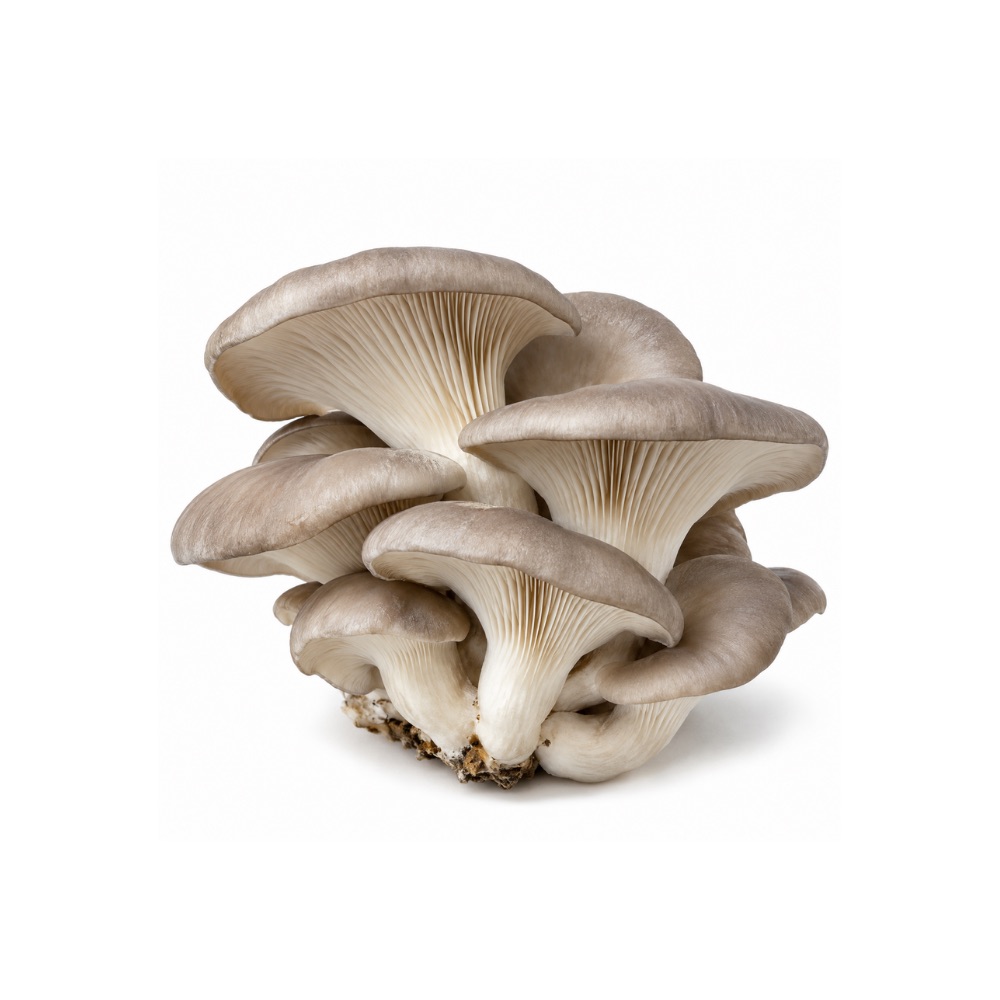 ModerateModerateOyster MushroomPleurotus ostreatusPleuran, its β-glucan, reduced respiratory infections in two placebo-controlled trials in children and raised NK counts in athletes; the one mushroom immunomodulator with clinical endpoints in children.Mechanismβ-glucan → dectin-1/CR3 recognition; phagocytosis and NK activity ↑Read the evidenceShow less
In 175 children with recurrent respiratory infections, 36% on pleuran had no infection over 12 months versus 21% on placebo 96Reference 96RCTImmunomodulatory effect of pleuran (β-glucan from Pleurotus ostreatus) in children with recurrent respiratory tract infections — randomised controlled trialView study →, with a 15% reduction in total infections in a later 249-child trial 97Reference 97RCTNovel chewable pleuran-based supplement decreases respiratory tract infections in children — randomised controlled trialView study → and reduced upper-respiratory symptoms plus raised NK counts in athletes 98,
Effect sizes are modest and the evidence base is narrow, largely one research group and one proprietary product.
The population is what sets it apart from the other fungal immunomodulators: children, prospectively, over a year.
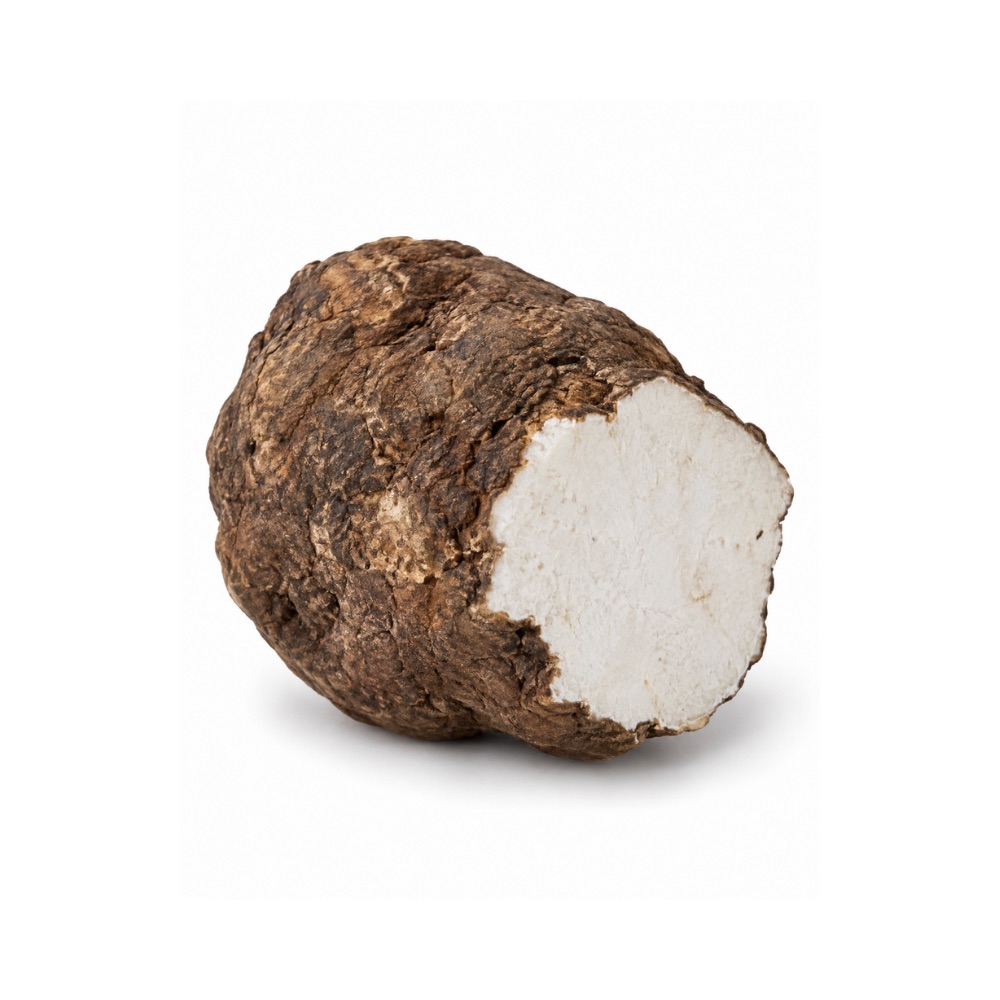 ModerateModeratePoriaWolfiporia extensaIts β-glucan pachyman activates TLR4/NF-κB signalling, and a modified poria polysaccharide is the basis of an approved antitumour adjuvant in China.Mechanismpachyman → TLR4/TRAF6/NF-κB activationRead the evidenceShow less
Poria polysaccharides drive TLR4/TRAF6/NF-κB signalling consistently in vitro and in mice, and a modified poria polysaccharide is the basis of a Chinese-approved antitumour adjuvant oral solution 118,
Regulatory approval in one jurisdiction is not the same as randomised evidence, but it does mean the fraction has been manufactured to a standard and used clinically at scale.
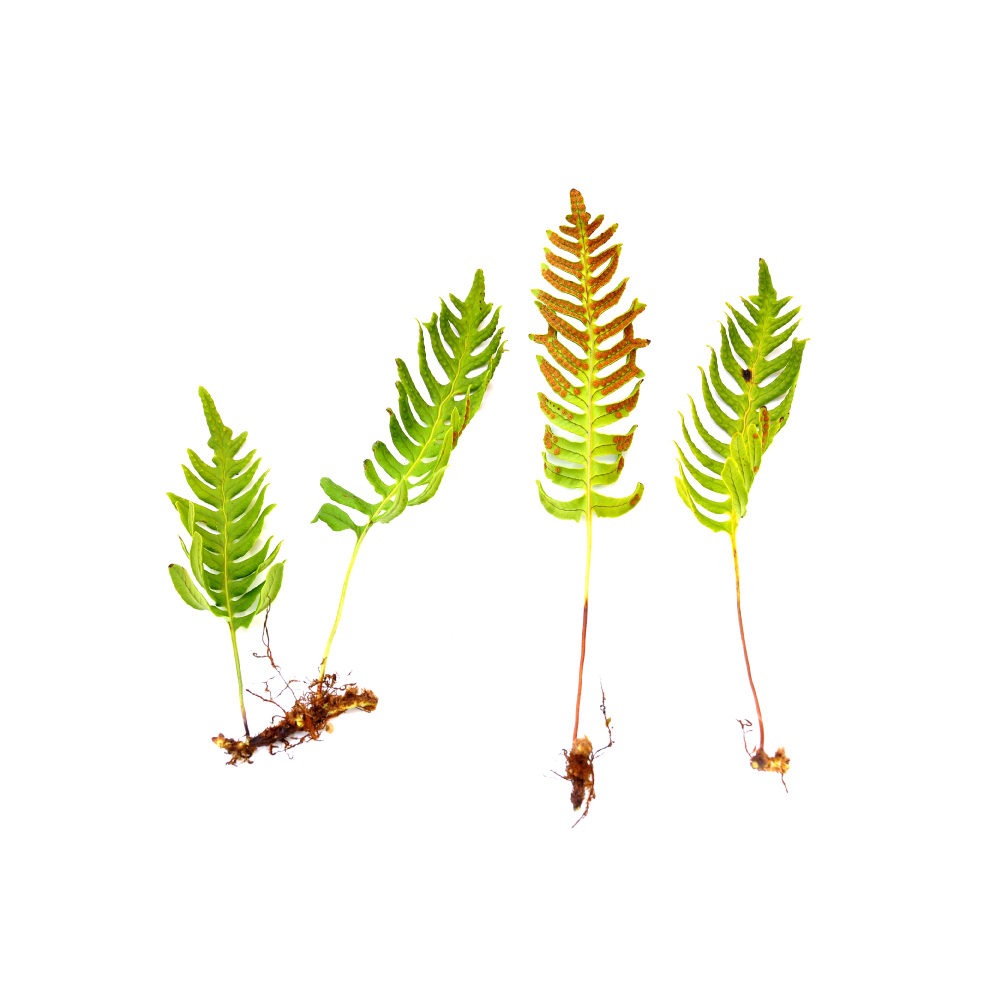 ModerateModerateSamambaiaPolypodium leucotomosOral Polypodium leucotomos blunts UV-driven immunosuppression in the skin, lowering COX-2 and inflammation and enhancing DNA repair; a cutaneous rather than systemic immune effect.MechanismNF-κB inhibition; COX-2 downregulation; anti-photoimmunosuppressionRead the evidenceShow lessMonograph →
In hairless mice oral extract lowered UV-induced COX-2 and inflammation and enhanced DNA repair with p53 activation 104Reference 104AnimalPolypodium leucotomos extract decreases UV-induced Cox-2 expression and inflammation, enhances DNA repair in Xpc+/− mice — animal modelView study →, and in vitro calagualine inhibits NF-κB activated by a range of inflammatory and tumour-promoting agents 105Reference 105In vitroCalagualine inhibits nuclear transcription factor-κB activated by various inflammatory and tumour-promoting agents — in vitroView study →. These pathways, with its documented blunting of UV-driven immunosuppression, underpin the photoprotective and pigmentary effects.
All human read-outs are indirect disease endpoints; no trial has used inflammatory or immune biomarkers as the primary outcome.
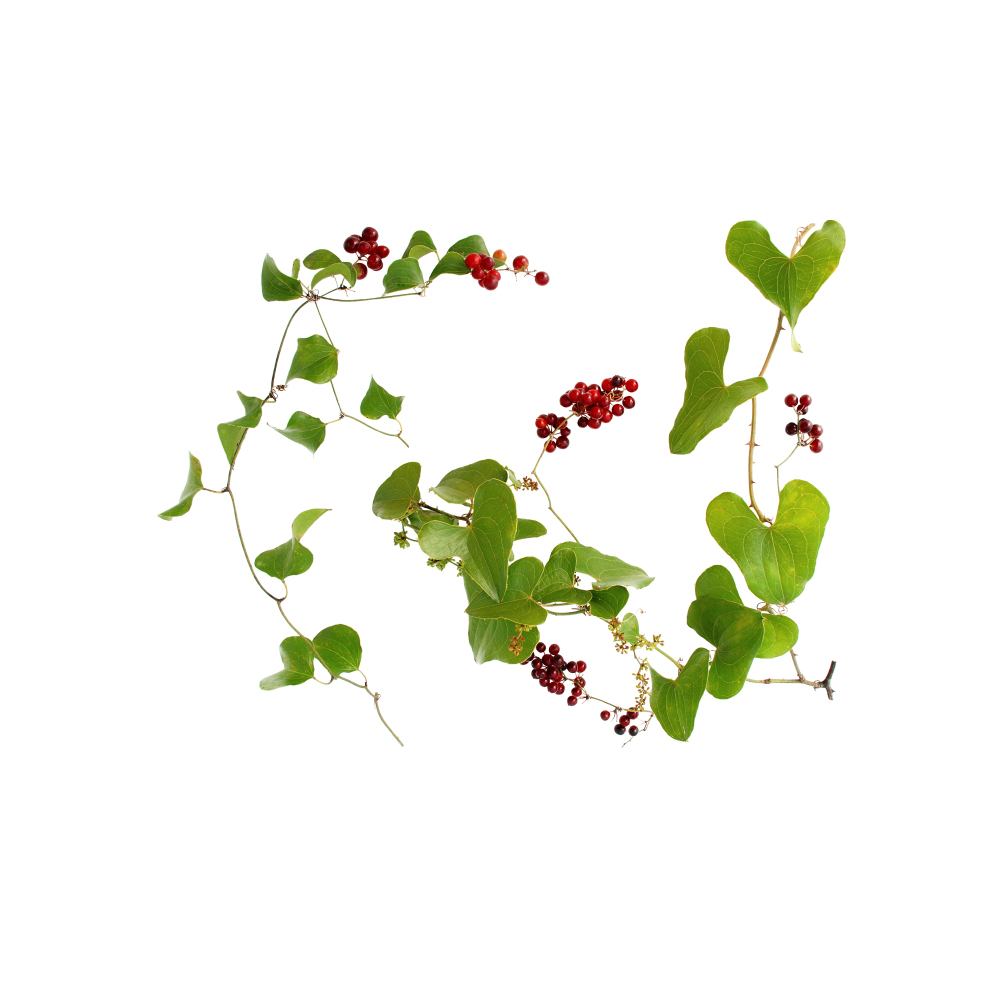 ModerateModerateSarsaparillaSmilax spp.Damps rather than stimulates: Smilax species reduce psoriasis severity in mice by inhibiting IL-17-driven T-cell responses and TLR-4 signalling.MechanismTLR-4 signaling ↓; IL-17/Th17 axis ↓; T-cell differentiation modulationRead the evidenceShow lessMonograph →
Network pharmacology plus an imiquimod mouse model showed S. glabra dampens psoriatic skin inflammation by regulating T-cell differentiation 106Reference 106AnimalIntegrated network pharmacological analysis revealed that Smilax glabra Roxb. alleviates IMQ-induced psoriatic skin inflammation through regulating T cell immune response — animal modelView study →, and an ethyl-acetate fraction of S. china reduced imiquimod psoriasis severity by inhibiting IL-17-driven T-cell responses, benchmarked against methotrexate 107Reference 107AnimalSmilacis Chinae Rhizoma ethyl acetate fraction alleviates IMQ-induced psoriasis by inhibiting IL-17-driven T-cell immune responses — animal modelView study →. The innate-side counterpart is TLR-4 pathway inhibition in LPS-stimulated macrophages 108Reference 108In vitroThe flavonoid-enriched extract from the root of Smilax china L. inhibits inflammatory responses via the TLR-4-mediated signaling pathway — animal model / in vitroView study →.
The direction is suppressive, so framing sarsaparilla as an immune booster inverts its evidence.
The effect is demonstrated only in rodent skin models and cell assays; there are no human immune-marker data.
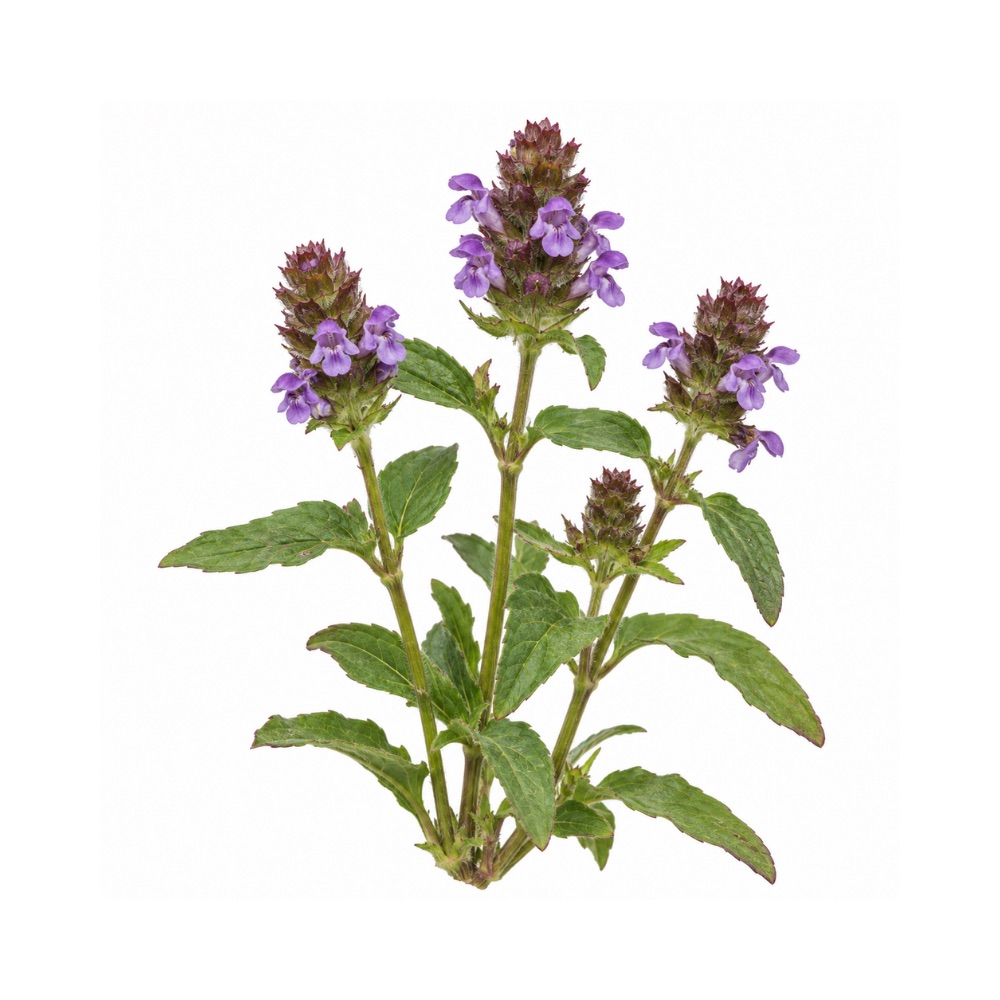 ModerateModerateSelf-HealPrunella vulgarisXia ku cao, the heat-clearing herb of Chinese medicine; its preparations lowered thyroid-peroxidase antibodies across 11 RCTs in Hashimoto's thyroiditis, at low evidence quality.Mechanismpolysaccharide immune modulation; thyroid-autoantibody reductionRead the evidenceShow less
The Hashimoto’s meta-analysis found lower thyroid-peroxidase antibody levels (SMD −0.91) across 11 RCTs of Xiakucao preparations 102Reference 102Meta-analysisSystematic review and trial sequential analysis of preparation of Xiakucao for Hashimoto’s thyroiditis — [systematic review; meta-analysis]View study →. Reducing an autoantibody titre in an autoimmune thyroiditis is a more specific immune claim than most herbs can make.
The trials are adjuvant, the preparations non-standardised, and the evidence is rated low on GRADE.
ModerateShiitakeLentinula edodesFive to ten grams of dried mushroom a day raised γδ-T and NK-T cell activation, salivary IgA and lowered CRP in healthy adults; the best food-dose immune evidence of any medicinal mushroom.Mechanismβ-glucan → dectin-1/TLR engagement; γδ-T and NK-T activation; sIgA ↑Read the evidenceShow less
Eating 5–10 g of dried shiitake daily for four weeks raised γδ-T and NK-T cell proliferation and activation, raised salivary sIgA and lowered CRP in 52 healthy adults 109Reference 109RCTConsuming Lentinula edodes (Shiitake) Mushrooms Daily Improves Human Immunity: A Randomized Dietary Intervention in Healthy Young Adults — randomised controlled trialView study →, a result obtained with the food rather than an extract.
The active fraction is lentinan, a branched β-1,3/1,6-glucan engaging dectin-1 and TLRs on innate cells; the cultured-mycelium extract AHCC reproduces the direction of effect at 3 g/day, raising dendritic cells and vaccine response 110,
Every endpoint is a surrogate; no trial has shown fewer or shorter infections.
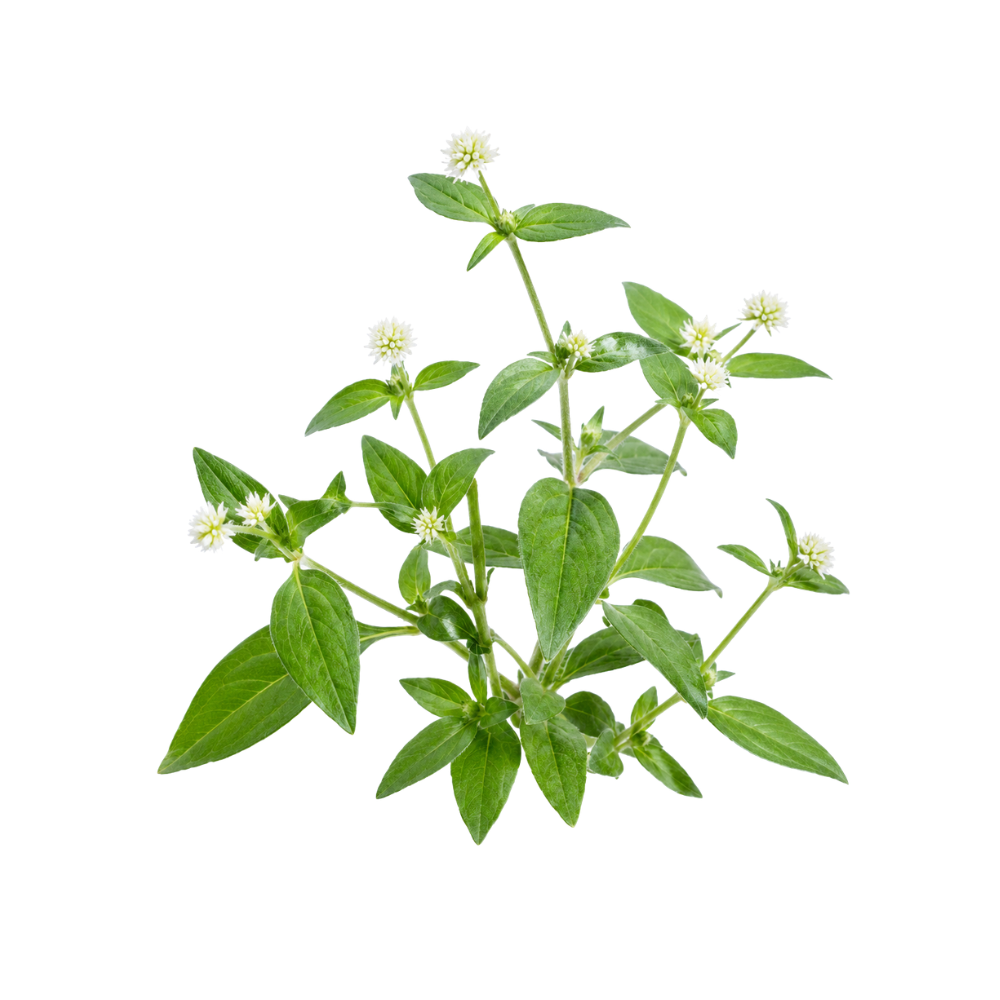 ModerateModerateSumaPfaffia paniculataThe Brazilian 'para tudo' root; its methanolic extract activates macrophages, and oral root suppressed spontaneous lymphoma in mice through non-specific immune enhancement.Mechanismmacrophage activation; non-specific immune enhancementRead the evidenceShow lessMonograph →
The methanolic extract raises macrophage spreading and activity, measured as NO and peroxide output 112Reference 112Effects of Pfaffia paniculata extract on macrophage activity — animal studyView study →, and oral root suppressed spontaneous thymic lymphoma in AKR/J mice by an effect the authors attributed to non-specific immune enhancement rather than direct cytotoxicity 113Reference 113AnimalEffects of oral administration of Pfaffia paniculata on incidence of spontaneous leukemia in AKR/J mice — animal studyView study →. Saponins are the plausible driver, in line with suma’s high pfaffoside content.
The read-out is always immune activation inside oncology models; there is no dedicated immune-function study and no human data.
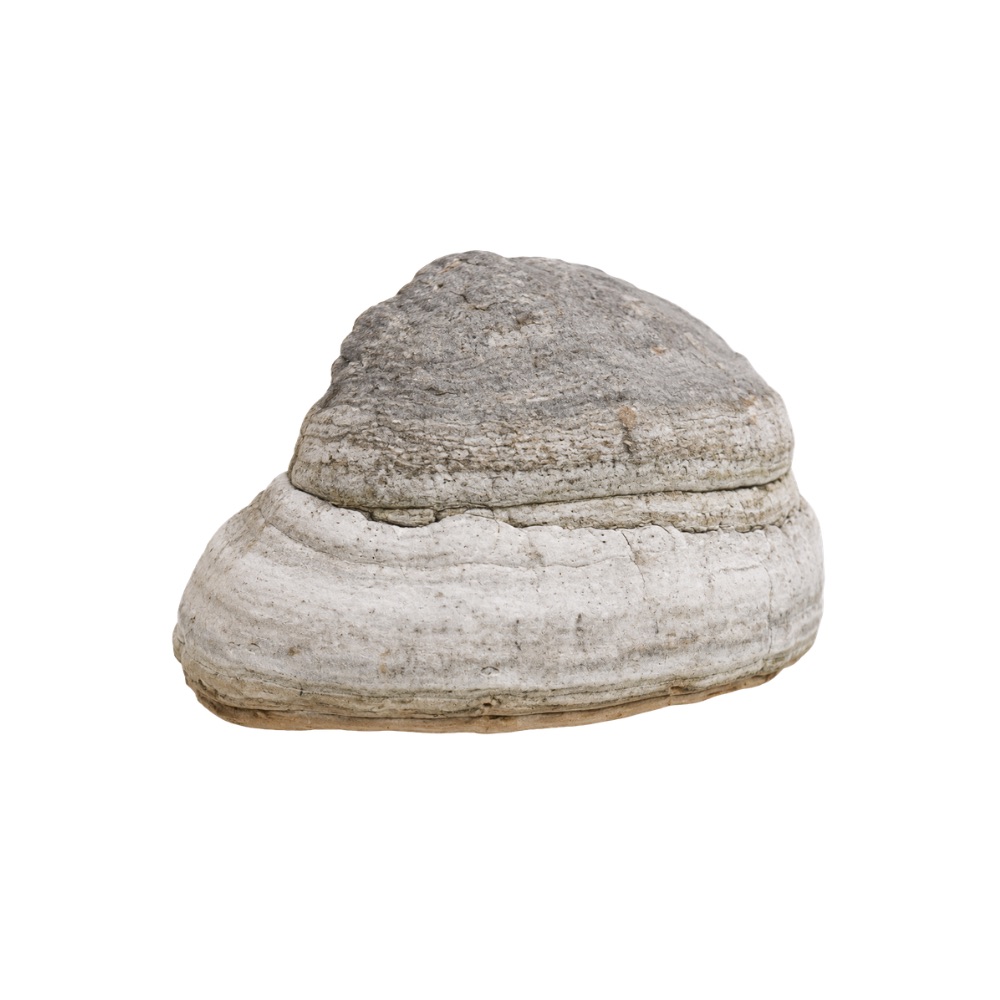 ModerateModerateTinder ConkFomes fomentariusA polysaccharide fraction of the fungus raised antibody levels, macrophage phagocytosis and splenocyte cytokine output in one mouse study; the rest is the general pharmacology of fungal β-glucans.Mechanismβ-glucan pattern-recognition signaling (receptor not identified); macrophage phagocytosis ↑; splenocyte TNF-α/IFN-γ/IL-2 ↑Read the evidenceShow lessMonograph →
One mouse study: a polysaccharide fraction (FFP) at 25–100 mg/kg raised serum antibody levels, enhanced macrophage phagocytosis and increased splenocyte secretion of TNF-α, IFN-γ and IL-2 114Reference 114AnimalImmunomodulatory effects of Fomes fomentarius polysaccharides: an experimental study in mice — animal modelView study →, with review-level support for the water-insoluble cell-wall fibres (25–38% glucans, majority β-glucans) having immune-modulating and gut-related effects in vitro and ex vivo 115Reference 115ReviewMedicinal potential of the insoluble extracted fibers isolated from the Fomes fomentarius fruiting bodies — reviewView study →.
The rest of the claim is class reasoning from the general pharmacology of fungal β-glucans rather than work on tinder conk itself.
β-Glucans are water-extractable, so a hot-water decoction is the right vehicle and an alcohol tincture is not.
Show 13 more herbs with a mild immunomodulator action
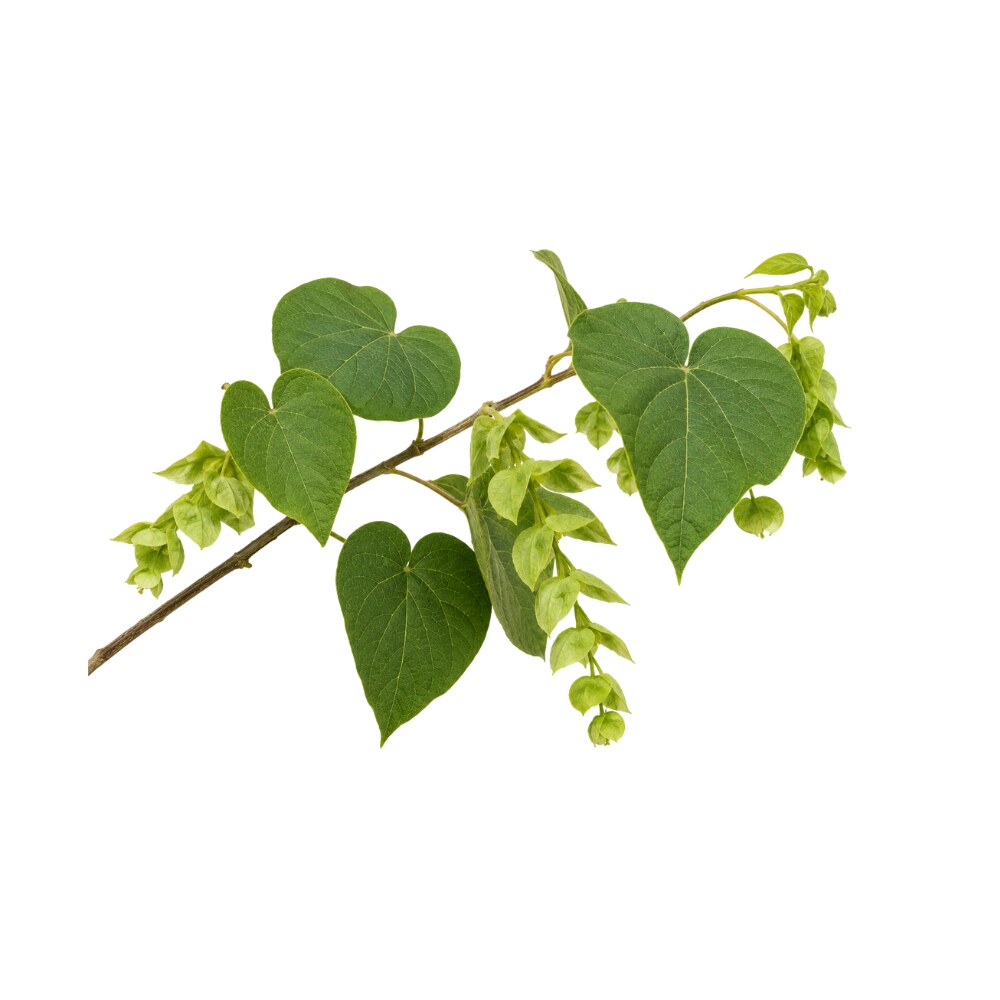 MildMildAbutaCissampelos pareiraAn alkaloid fraction of the root lowered antibody and delayed-hypersensitivity responses in mice at low doses only; the measured direction is suppression.Mechanismhumoral antibody titre ↓ (B-cell arm); delayed-type hypersensitivity ↓ (T-cell arm); molecular target not establishedRead the evidenceShow lessMonograph →
The endpoints are humoral antibody titre and delayed-type hypersensitivity in mice 15Reference 15In vitroAntioxidant and immunomodulatory activity of the alkaloidal fraction of Cissampelos pareira Linn — in vitro and in vivo (mice)View study →, the antibody and cell-mediated arms measured directly, with no cytokine read-out shared with the anti-inflammatory work.
An alkaloidal root fraction was significantly immunosuppressive at 25–50 mg/kg and had no effect at higher doses 15Reference 15In vitroAntioxidant and immunomodulatory activity of the alkaloidal fraction of Cissampelos pareira Linn — in vitro and in vivo (mice)View study →. Both measured arms moved down, so nothing bidirectional was demonstrated, and the dose-response is non-monotonic, with the effect disappearing as dose rises.
It is one fraction in one study, a narrow low-dose window, no disease model and no human immunological endpoint. The species is C. pareira Linn proper rather than var. hirsuta, and the part is the root.
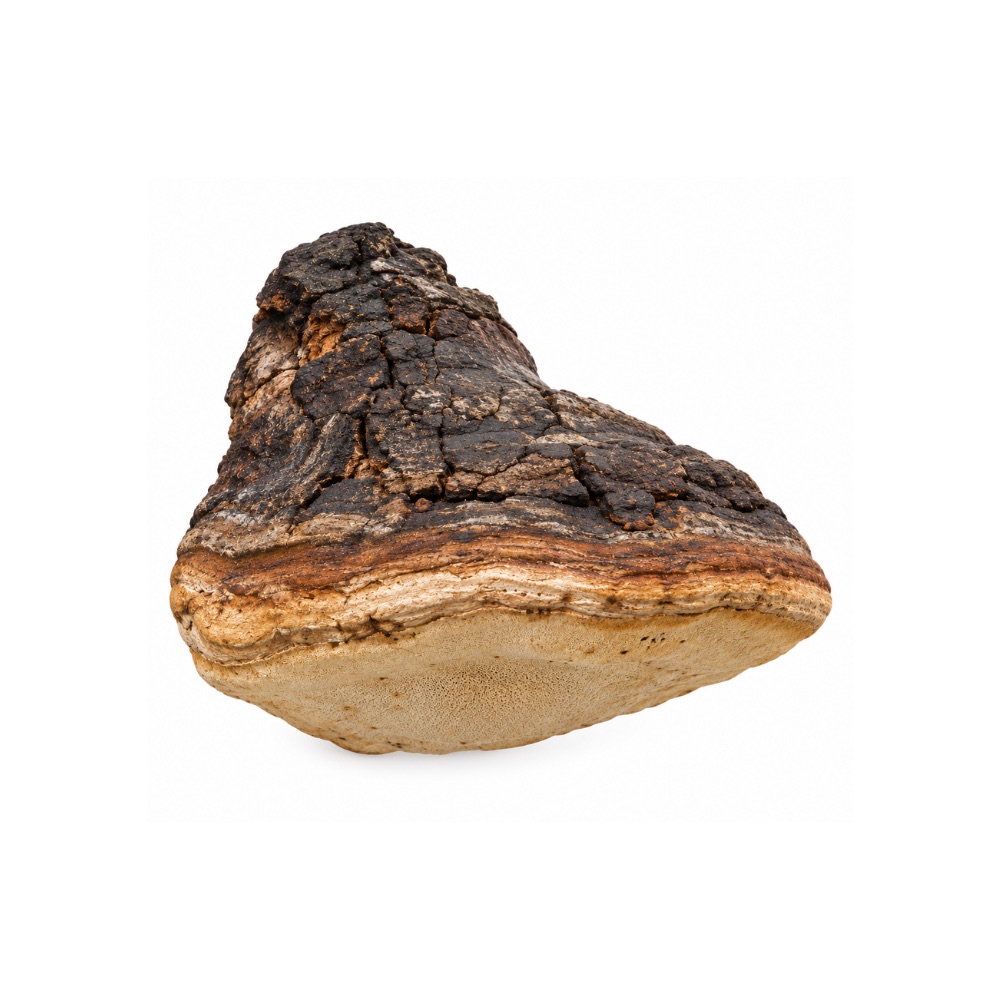 MildMildAgarikonFomitopsis officinalisIts fucogalactan polysaccharides activate TLR-2 and TLR-4 in zebrafish and cell models; the one human trial paired it with turkey tail.Mechanismfucogalactan polysaccharides → TLR-2/4 activationRead the evidenceShow less
Polysaccharide-driven TLR-2/4 activation is shown in zebrafish and cell models 16,
The one human trial tested a combination of agarikon and turkey tail as a COVID-19 vaccine adjunct and reported a preserved post-vaccine antibody response 18Reference 18RCTPolypore mushroom mycelia as an adjunct to COVID-19 vaccination: a randomized clinical trial — [randomised controlled trial]View study →. It cannot attribute anything to agarikon: combination product, surrogate endpoints, four-day exposure.
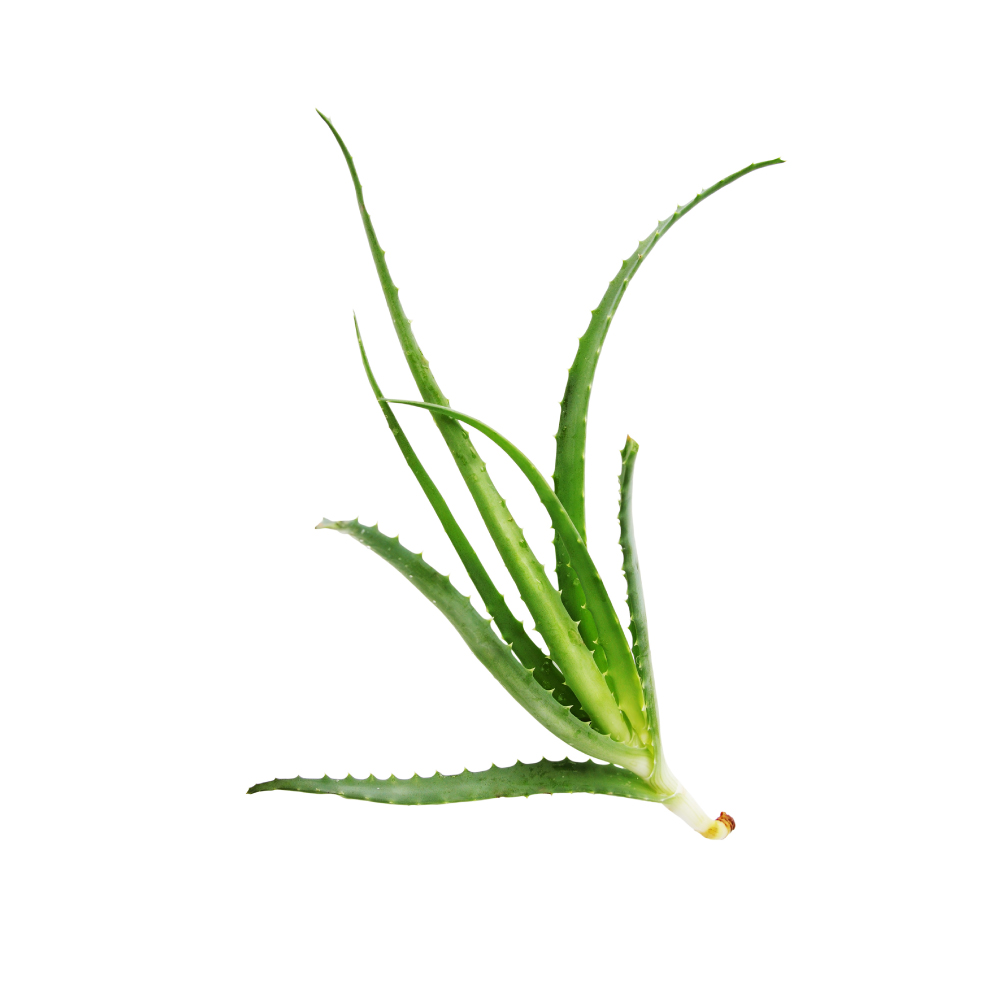 MildMildAloeAloe vera/barbadensisAcemannan, the main polysaccharide of the leaf gel, activates macrophages in vitro; the immune reputation of aloe rests on that molecule rather than on any study of the gel in people.Mechanismmacrophage activation (acemannan, in vitro)Read the evidenceShow lessMonograph →
Acemannan activated a mouse macrophage cell line, inducing nitric oxide, cytokine release and surface-marker expression 121Reference 121In vitroActivation of a mouse macrophage cell line by acemannan: the major carbohydrate fraction from Aloe vera gel — in vitroView study →, and reviews assign it much of the gel’s immune and wound-healing activity 20,
No immune endpoint has been measured for aloe gel in humans, and acemannan content varies widely between products.
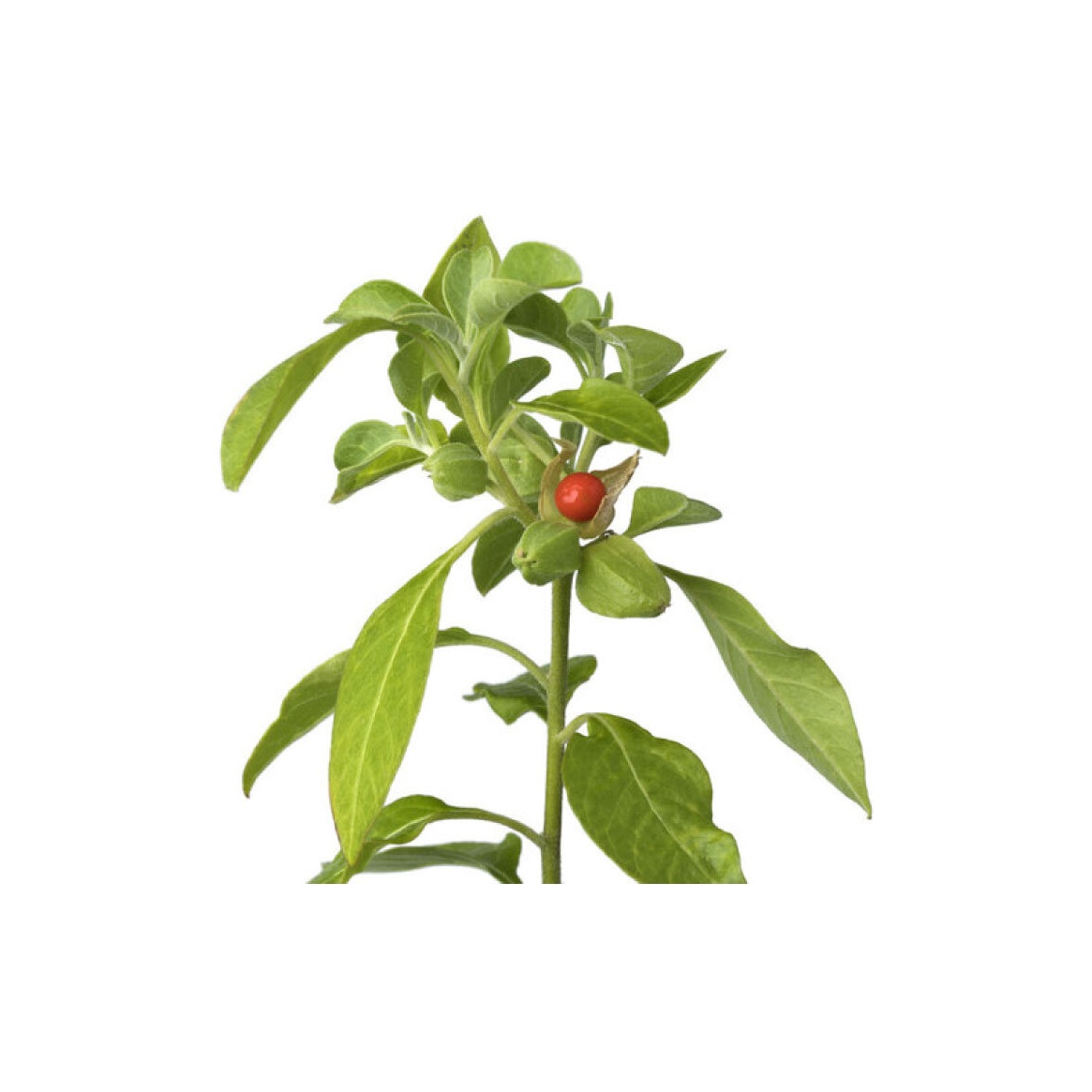 MildMildAshwagandhaWithania somniferaA classical rasayana of Ayurveda; 60 mg/day of a root extract raised immunoglobulins, interferon-γ, IL-4 and T, B and NK cell counts over 30 days in a placebo-controlled trial of healthy adults.Mechanisminnate and adaptive immune-cell counts ↑; immunoglobulin and cytokine output ↑ (one trial)Read the evidenceShow lessMonograph →
Ashwagandha is a classical rasayana, the Ayurvedic class of rejuvenating tonics taken for resilience and resistance to disease.
In a randomised, double-blind, placebo-controlled trial, 60 mg/day of extract for 30 days raised IgA, IgM and IgG subclasses, interferon-γ and IL-4, and CD4⁺, CD8⁺, CD19⁺ and NK cell counts in healthy adults, while the placebo group’s cell counts fell; the placebo group crossed over in an open-label extension and showed the same rises 120Reference 120RCTImmunomodulatory Effect of Withania somnifera (Ashwagandha) Extract-A Randomized, Double-Blind, Placebo Controlled Trial with an Open Label Extension on Healthy Participants — randomised controlled trialView study →.
It is one small trial of surrogate markers in healthy people with no infection outcome. Withaferin A’s suppression of IL-1β belongs to the anti-inflammatory action rather than to modulation.
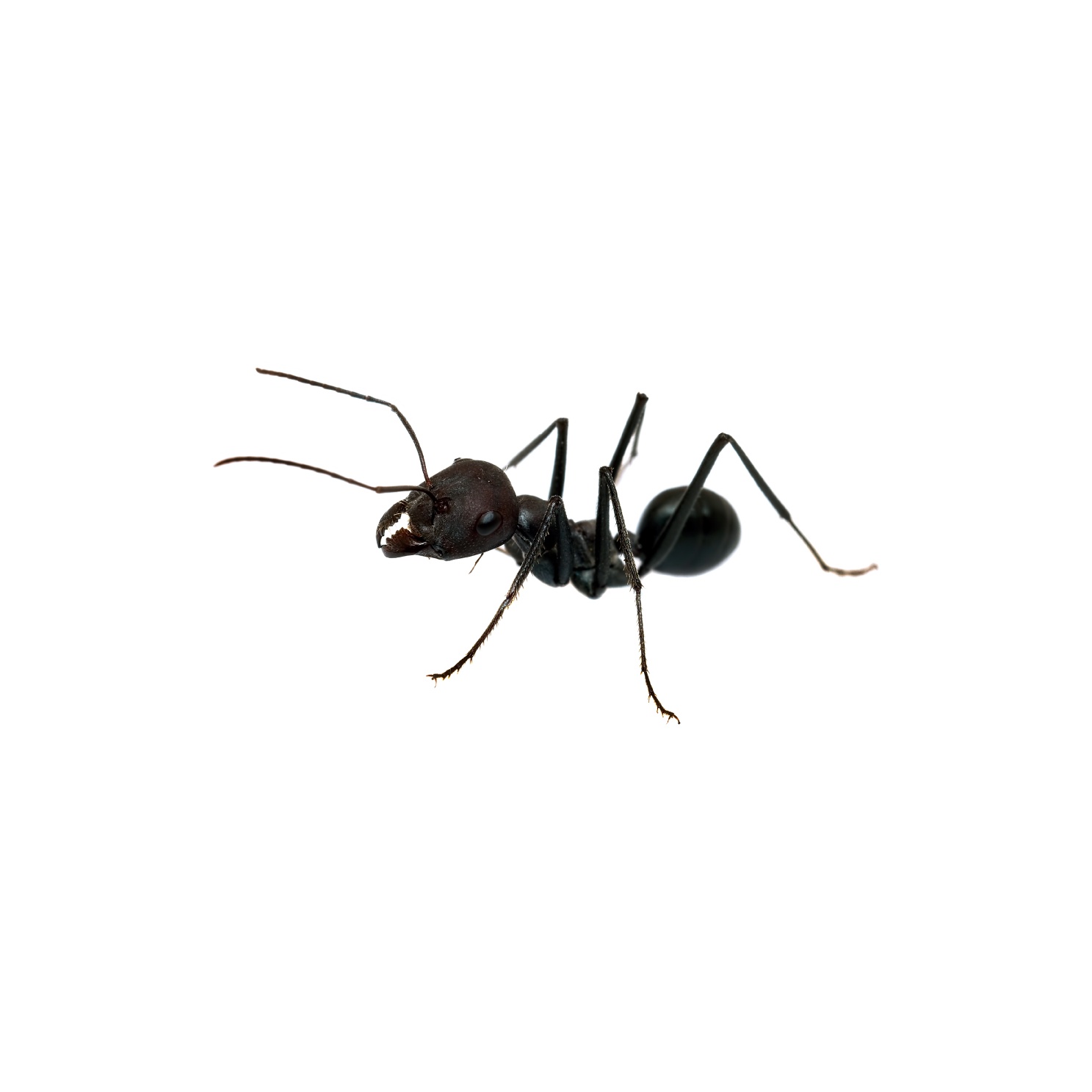 MildMildBlack AntPolyrhachis spp.A Chinese immune tonic; in mice, Polyrhachis vicina restored immune function in hydrocortisone-suppressed animals and normalised both under- and over-active delayed-type hypersensitivity, with no effect in healthy animals.Mechanismnot established — bidirectional normalization of humoral and delayed-type hypersensitivity responsesRead the evidenceShow lessMonograph →
In mice, P. vicina had no effect on immune organ weight or delayed-type hypersensitivity in healthy animals, but restored non-specific and humoral immune function in hydrocortisone-immunosuppressed mice and normalised both suppressed and over-activated DTH responses 31Reference 31AnimalThe effects of Polyrhachis vicina on immunoregulation in mice — animal in vivoView study →. That normalising shape is the single datum under the immune-tonic tradition.
No pathway has been identified; no cytokine, receptor or transcription-factor target was traced, and the study is an older one with limited mechanistic detail. The NF-κB suppression that recurs across the AFPR inflammation and cancer work 32,
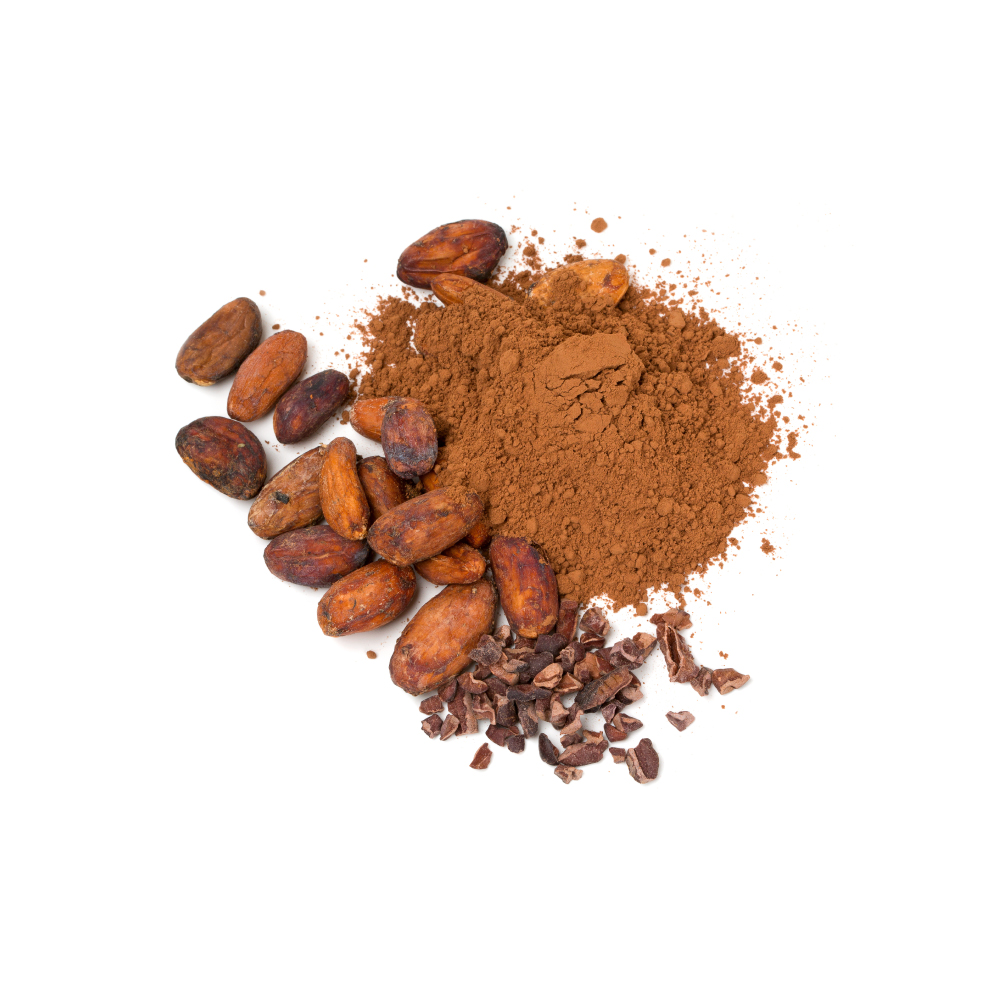 MildMildCacaoTheobroma cacaoCacao polyphenols inhibit indoleamine-2,3-dioxygenase and slow tryptophan breakdown in vitro, an enzyme-level immune effect with no human immunological data.Mechanismindoleamine-2,3-dioxygenase (IDO) inhibition; tryptophan degradation ↓Read the evidenceShow lessMonograph →
Becker and colleagues showed in vitro that cacao extracts inhibit IDO and slow tryptophan breakdown, which in turn influences serotonin biosynthesis and cytokine activity 34Reference 34In vitroImmunomodulatory properties of cacao extracts — potential consequences for medical applications — in vitro studyView study →. That is a named enzyme target.
It is cell-culture work on a cacao polyphenol extract with no human immunological endpoints of any kind.
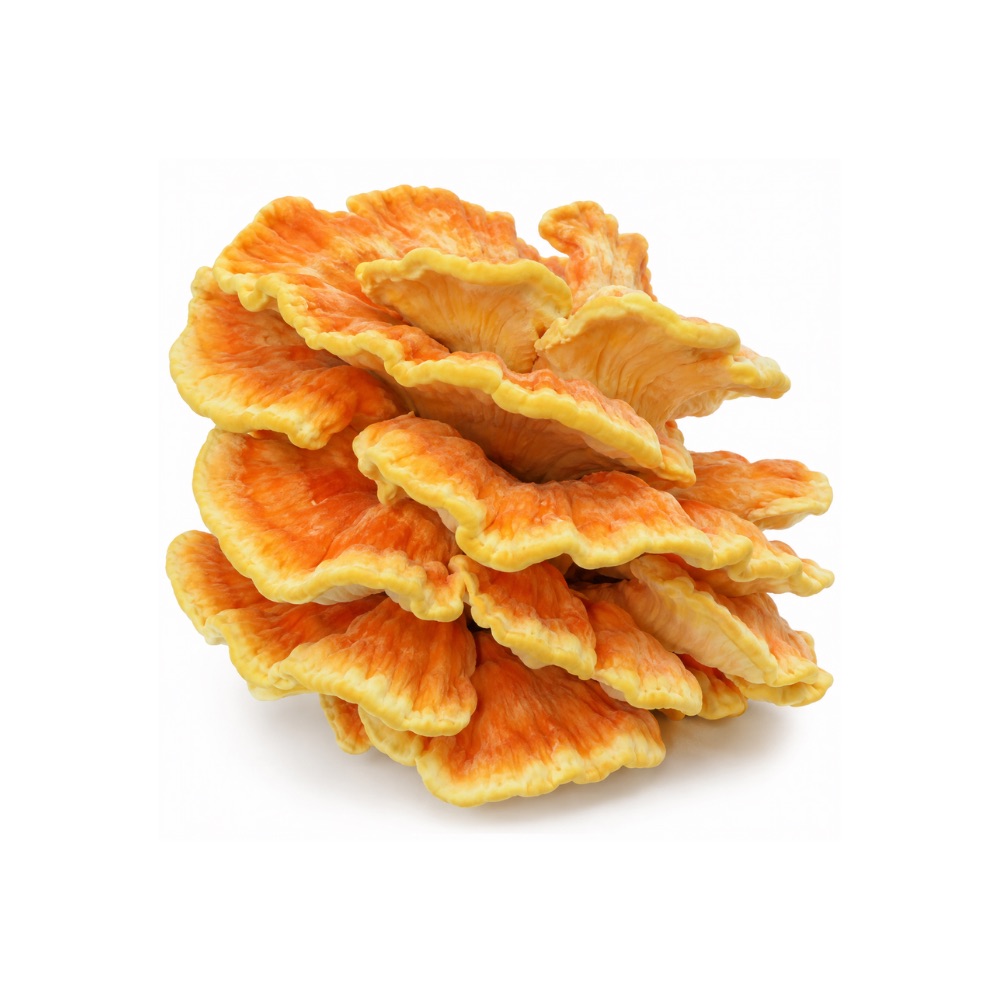 MildMildChicken Of The WoodsLaetiporus sulphureusIts α-glucooligosaccharides raise NK-cell killing in vitro and its polysaccharides eased colitis in mice through the gut microbiota; the thinnest immune record among the medicinal polypores.MechanismNK-cell activation; gut-microbiota modulationRead the evidenceShow less
(1→3)-α-D-glucooligosaccharides from the fungus increased the killing capacity of NK cells against colon-cancer cells in vitro 86Reference 86In vitroLemieszek MK et al. (2023). (1→3)-α-D-glucooligosaccharides increase the killing capacity of NK cells against human colon cancer cells — in vitro study. Molecules. https://pubmed.ncbi.nlm.nih.gov/37241952/View study →, and a polysaccharide fraction mitigated colitis in mice by reshaping the gut microbiota and regulating immune responses 87Reference 87AnimalLaetiporus sulphureus polysaccharides mitigate colitis by reshaping the gut microbiota and regulating immune responses — in vivo mouse studyView study →. Both results are fraction-specific.
The record is far thinner than turkey tail’s or shiitake’s, and a medicinal polypore does not carry comparable immune evidence by class membership.
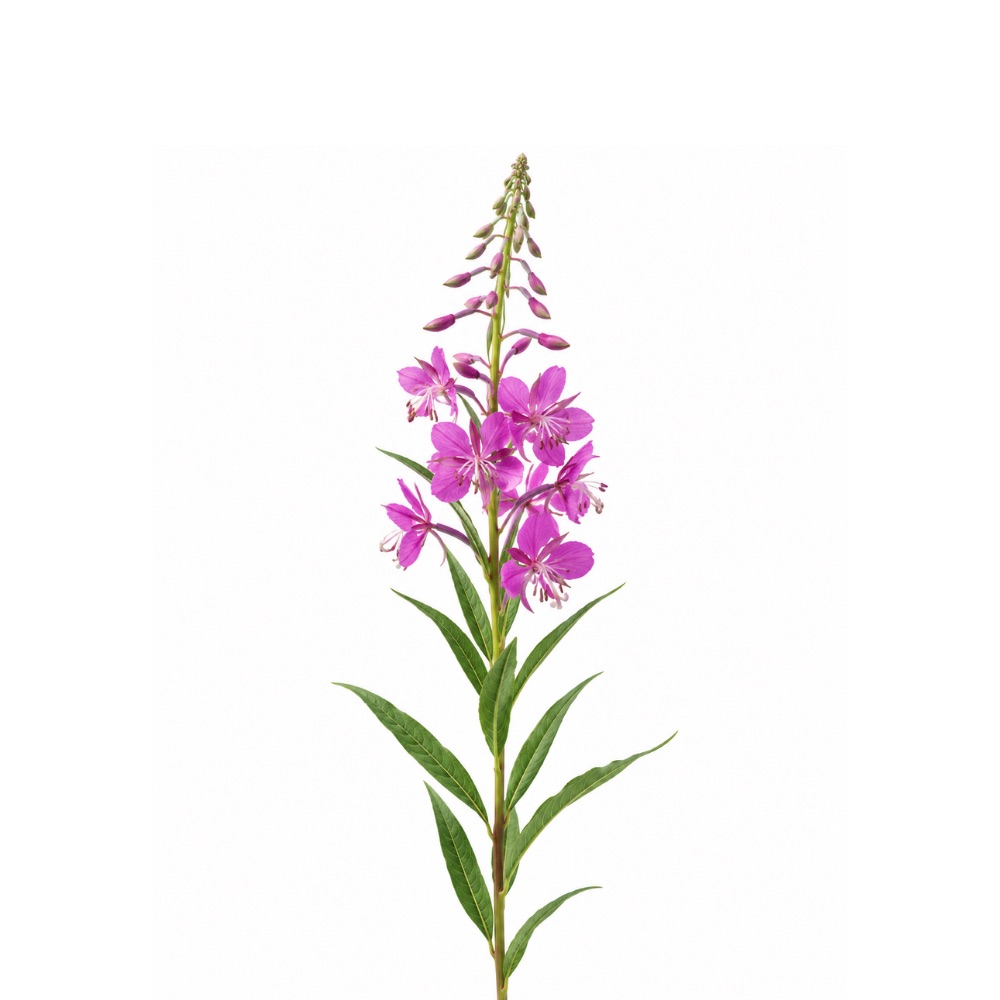 MildMildFireweedChamerion angustifoliumOenothein B activates neutrophils and macrophages and induces interferon-γ from NK and γδ T cells, a mechanism not shared by other common polyphenols; no human data.Mechanismphagocyte activation (Ca²⁺ flux, ROS, chemotaxis, NF-κB); NK/γδ-T IFN-γ inductionRead the evidenceShow less
Isolated oenothein B activates neutrophils and macrophages in vitro and recruits neutrophils in mice 68Reference 68In vitroImmunomodulatory activity of oenothein B isolated from Epilobium angustifolium — phagocyte activation in vitro and in vivo (mouse)View study →, and enhances IFN-γ production by human and bovine NK and γδ T cells, a response not produced by other common polyphenols 69Reference 69In vitroOenothein B, a cyclic dimeric ellagitannin from Epilobium angustifolium, enhances IFN-γ production by lymphocytes (in vitro)View study →. That IFN-γ induction plausibly unifies the antibacterial, antiviral and antitumour claims.
Immune activation is not automatically therapeutic. There is no human study, and no dose is defined.
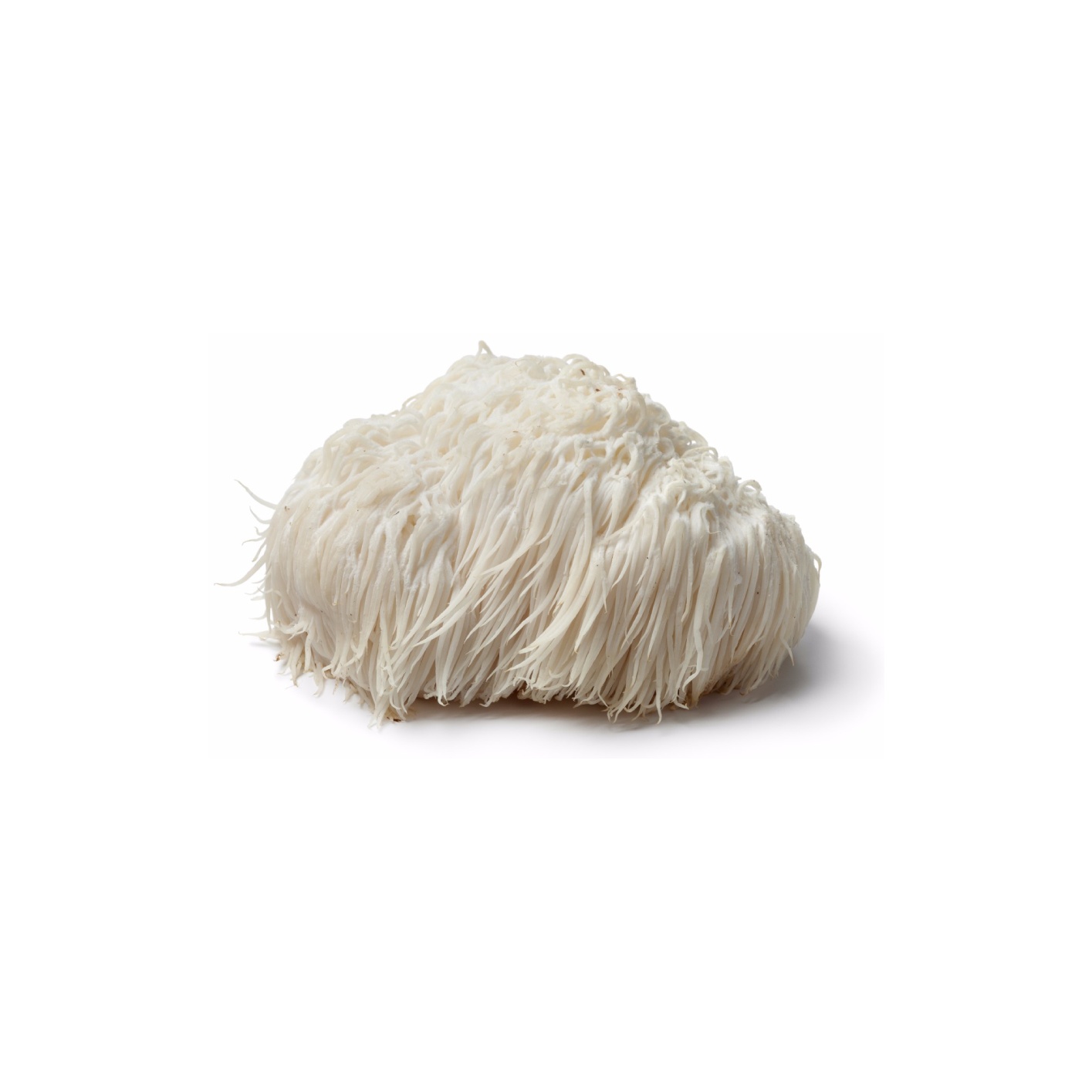 MildMildLion’s ManeHericium erinaceusIsolated and chemically modified polysaccharide fractions promote dendritic-cell maturation through MAPK and NF-κB signalling in vitro; standard medicinal-mushroom polysaccharide activity a step removed from the whole mushroom.Mechanismdendritic-cell maturation; β-glucan activationRead the evidenceShow lessMonograph →
Polysaccharide fractions from the fruiting body, one of them selenised, induced dendritic-cell maturation and activation through MAPK and NF-κB signalling in vitro 88,
The work is at cell-assay level with isolated and sometimes selenised fractions, a step further from the whole mushroom than usual, and there are no human NK or infection data.
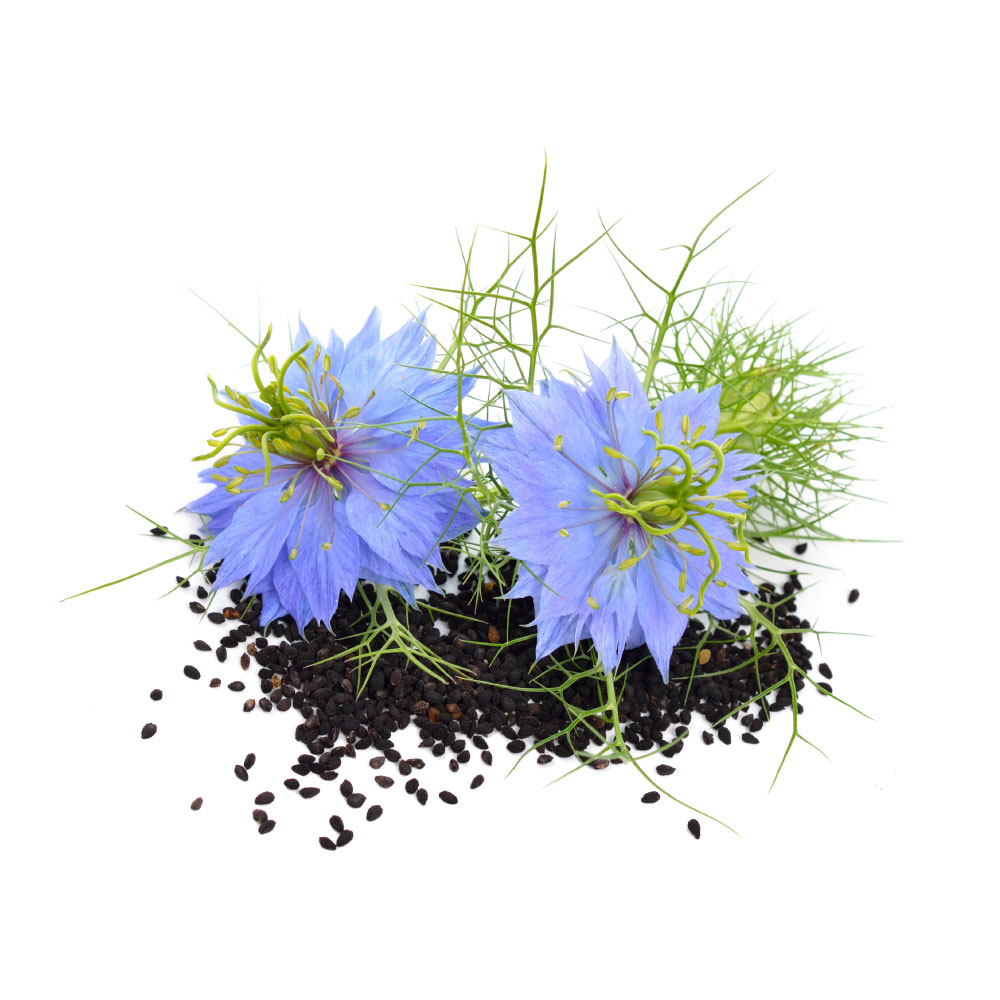 MildMildNigellaNigella sativaBlack seed, taken for immune resilience across the Islamic and Unani traditions; the seed, its oil and thymoquinone shift cytokine output and T-cell and NK responses in animal and cell studies, with immune function in people untested.Mechanismcytokine modulation and T-cell / NK response shifts (seed oil, thymoquinone); human immune endpoints untestedRead the evidenceShow lessMonograph →
Black seed holds a broad place in Islamic, Unani and Middle Eastern practice as a digestive, respiratory and general tonic taken for resilience against infection.
A 2005 review collects animal and in-vitro work in which the seed, its oil and thymoquinone alter cytokine production and T-cell and natural-killer responses 123Reference 123ReviewImmunomodulatory and therapeutic properties of the Nigella sativa L. seed — reviewView study →.
The human trials of nigella are for allergy, asthma and metabolic endpoints; no trial has measured immune function in people, and the direction of the effect has not been tested from a raised baseline.
 MildMildPelargoniumPelargonium sidoidesEPs 7630, the standardised root extract, acts on the host rather than the pathogen: interferon induction, faster ciliary beat and blocked bacterial adhesion in cell models, an immunomodulatory profile.Mechanisminterferon induction; ciliary beat frequency ↑; bacterial adhesion ↓ (EPs 7630, cell models)Read the evidenceShow less
The root extract EPs 7630 is only weakly antimicrobial in direct assays. Its better-supported routes are host-directed: induction of interferon and other cytokines, increased ciliary beat frequency in respiratory epithelium, and blockade of bacterial adhesion to host cells 132Reference 132ReviewAntimicrobial, Antiviral and Immunomodulatory Activity Studies of Pelargonium sidoides (EPs 7630) in the Context of Health Promotion — reviewView study →.
The clinical trials are for acute bronchitis and sinusitis, and none has measured immune function in people.
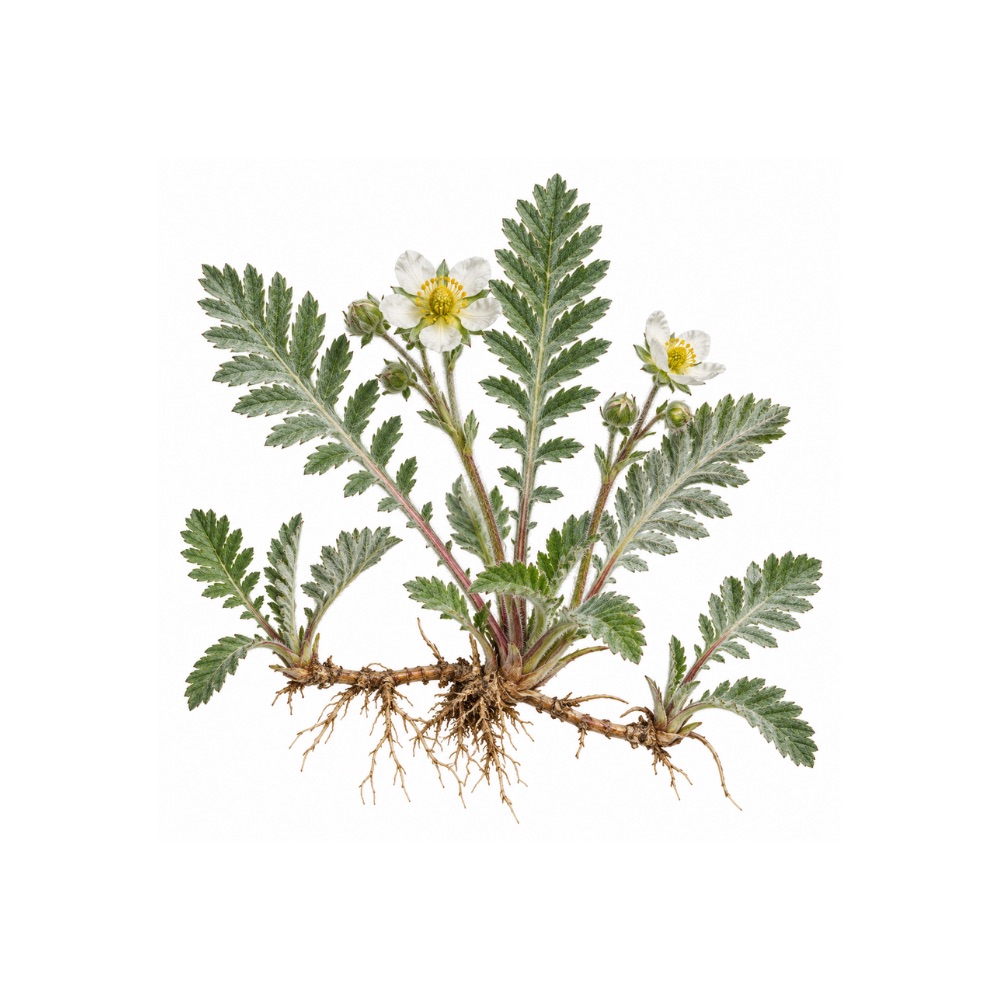 MildMildSilverweedArgentina anserinaThe root polysaccharide restored macrophage phagocytosis, thymus and spleen indices and IL-10 and IFN-γ in cyclophosphamide-immunosuppressed mice; root polysaccharide only, with no human data.Mechanismroot polysaccharide (PAP) → macrophage activation; thymus and spleen index ↑ in immunosuppressed miceRead the evidenceShow less
In cyclophosphamide-immunosuppressed mice the root polysaccharide stimulated macrophage phagocytosis, raised thymus and spleen indices, and increased serum IL-10 and IFN-γ 131Reference 131In vitroImmunomodulatory activity in vitro and in vivo of polysaccharide from Potentilla anserina — animal modelView study →.
The evidence is restricted to the root polysaccharide in mouse and cell models, with some inconsistent endpoints between studies, and there are no human immune data.
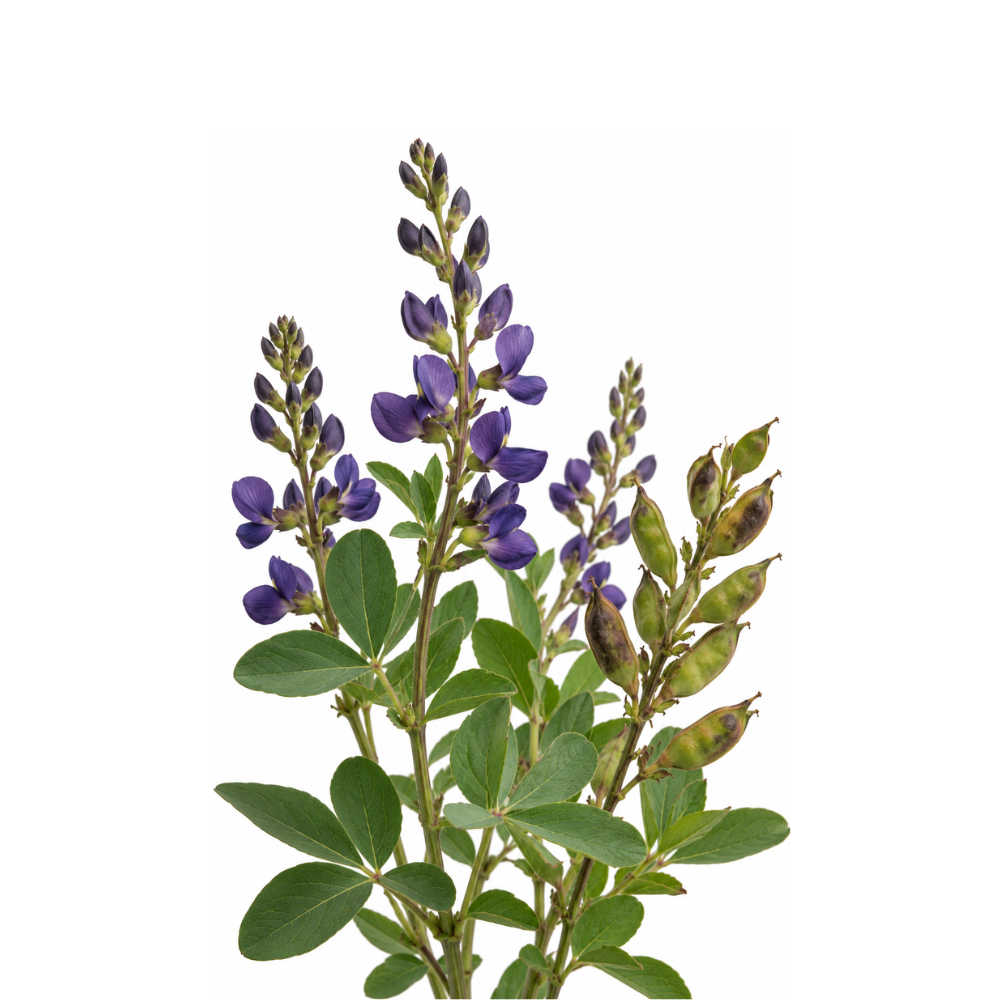 MildMildWild IndigoBaptisia tinctoriaThe Eclectic remedy for septic states and low fevers; arabinogalactan-proteins and polysaccharides from the root drive lymphocyte proliferation, IgM output and macrophage activation in cell and mouse models.Mechanismarabinogalactan-protein / polysaccharide → lymphocyte proliferation, IgM ↑, macrophage NO and IL-6 ↑Read the evidenceShow less
The Eclectic physicians gave wild indigo root wherever infection had taken hold, for septic conditions, foul discharges and low fevers, and that use matches a general immune-priming action rather than an effect on any particular organism.
A purified root fraction drove lymphocyte proliferation and DNA synthesis, and polysaccharide fractions enhanced antibody production against sheep red blood cells 130Reference 130In vitroStimulation der Immunantwort durch Inhaltsstoffe aus Baptisia tinctoria — in vitro and animal modelView study →. In a direct comparison of purified arabinogalactan-proteins, the B. tinctoria root protein was among the most active tested, increasing proliferation and IgM output of mouse lymphocytes and nitrite and IL-6 release from mouse macrophages 129Reference 129In vitroImmunomodulatory effects of arabinogalactan-proteins from Baptisia and Echinacea — in vitro (mouse lymphocytes and macrophages)View study →.
Every positive result is in vitro or in animals. The human evidence is confined to a fixed combination with echinacea and thuja, and how much of an orally dosed polysaccharide fraction survives digestion to act beyond gut-associated lymphoid tissue is unknown.
No herbs match these filters.
Also Tagged
5 more herbs carry an immunomodulating action.
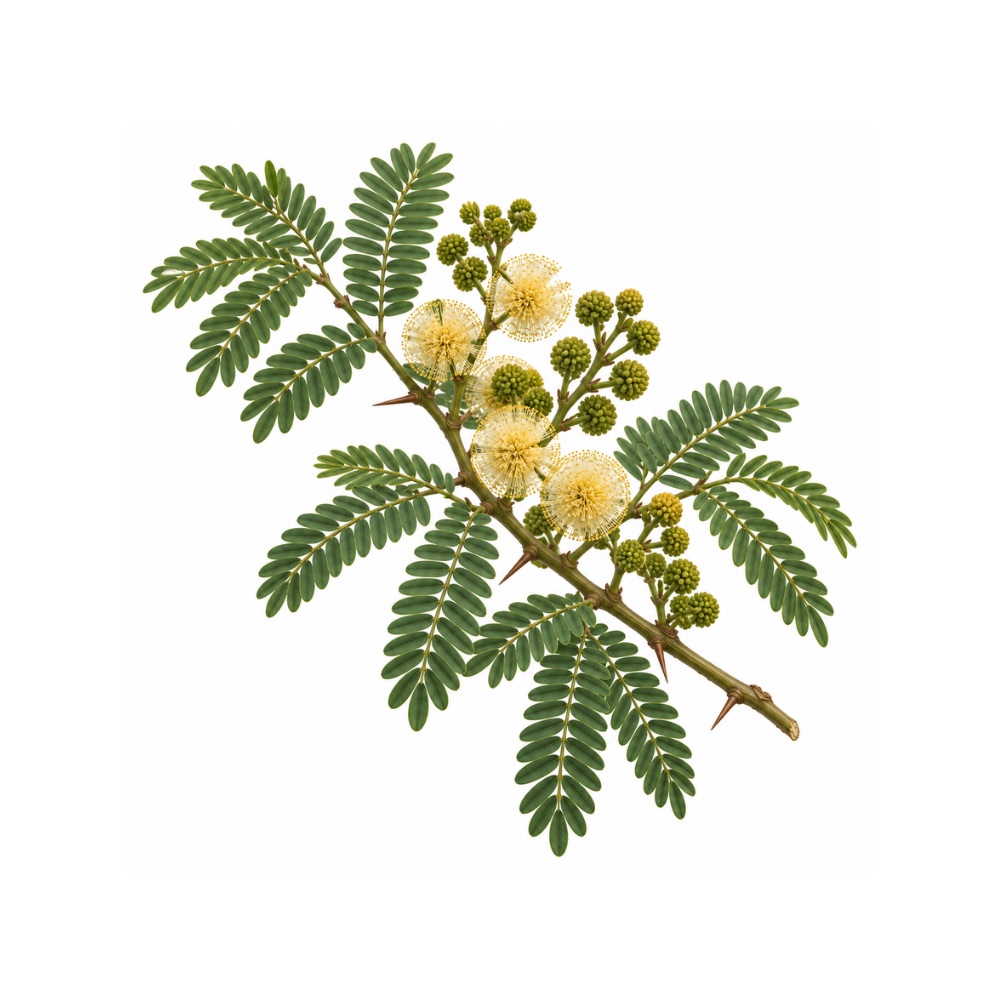
Catechu
Senegalia catechu
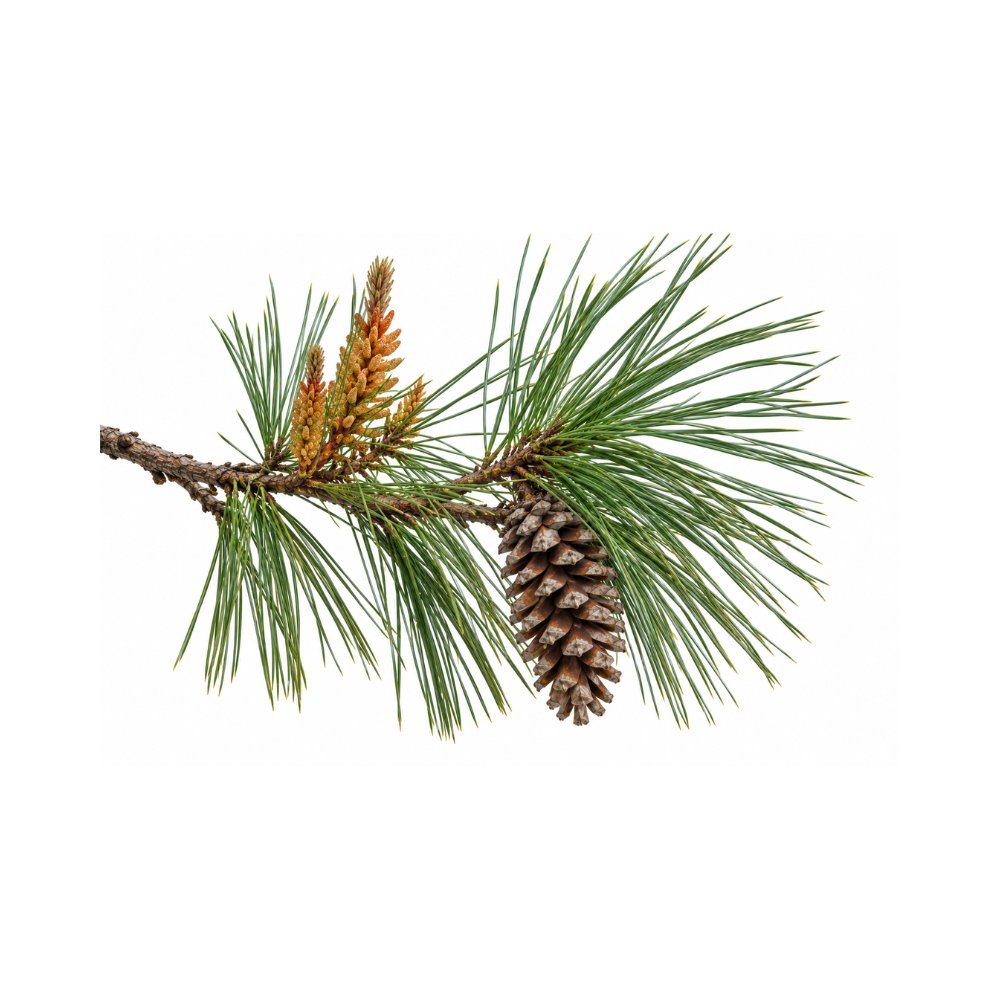
Korean Red Pine
Pinus densiflora
Masson Pine
Pinus massoniana
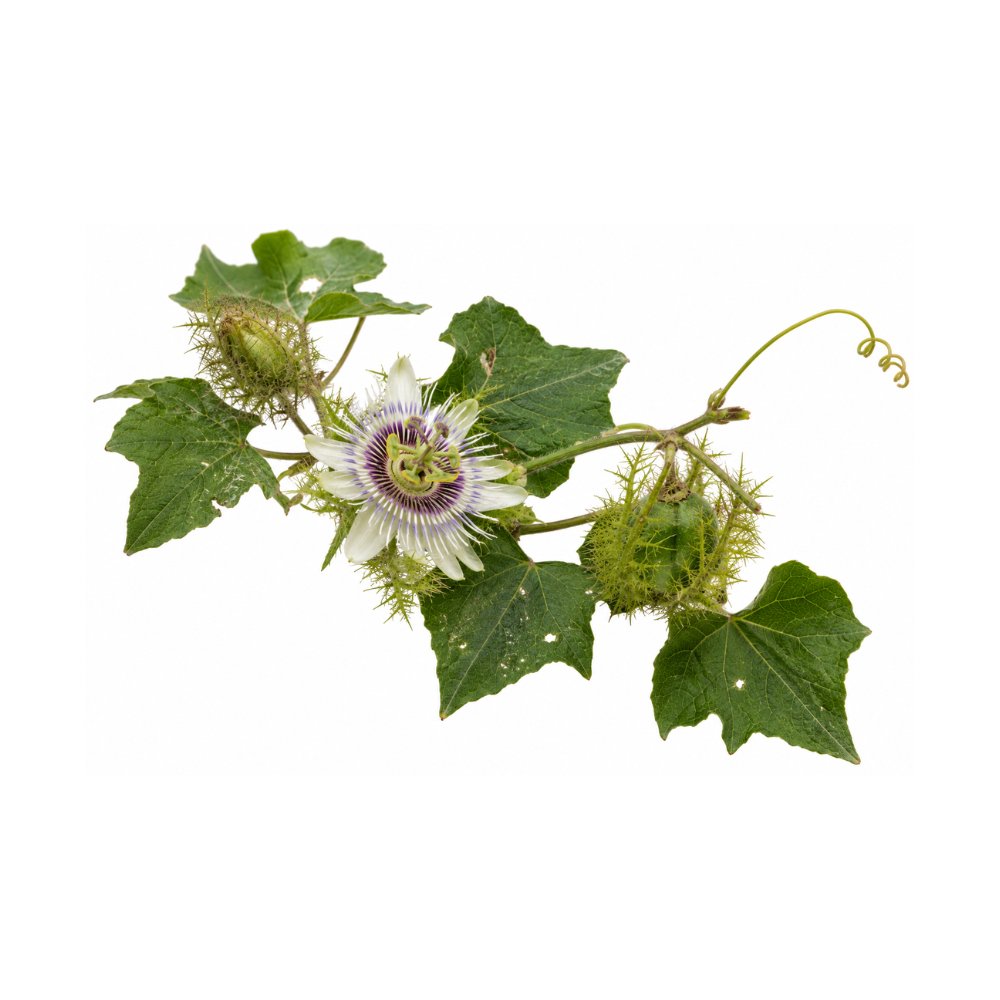
Stinking Passionflower
Passiflora foetida
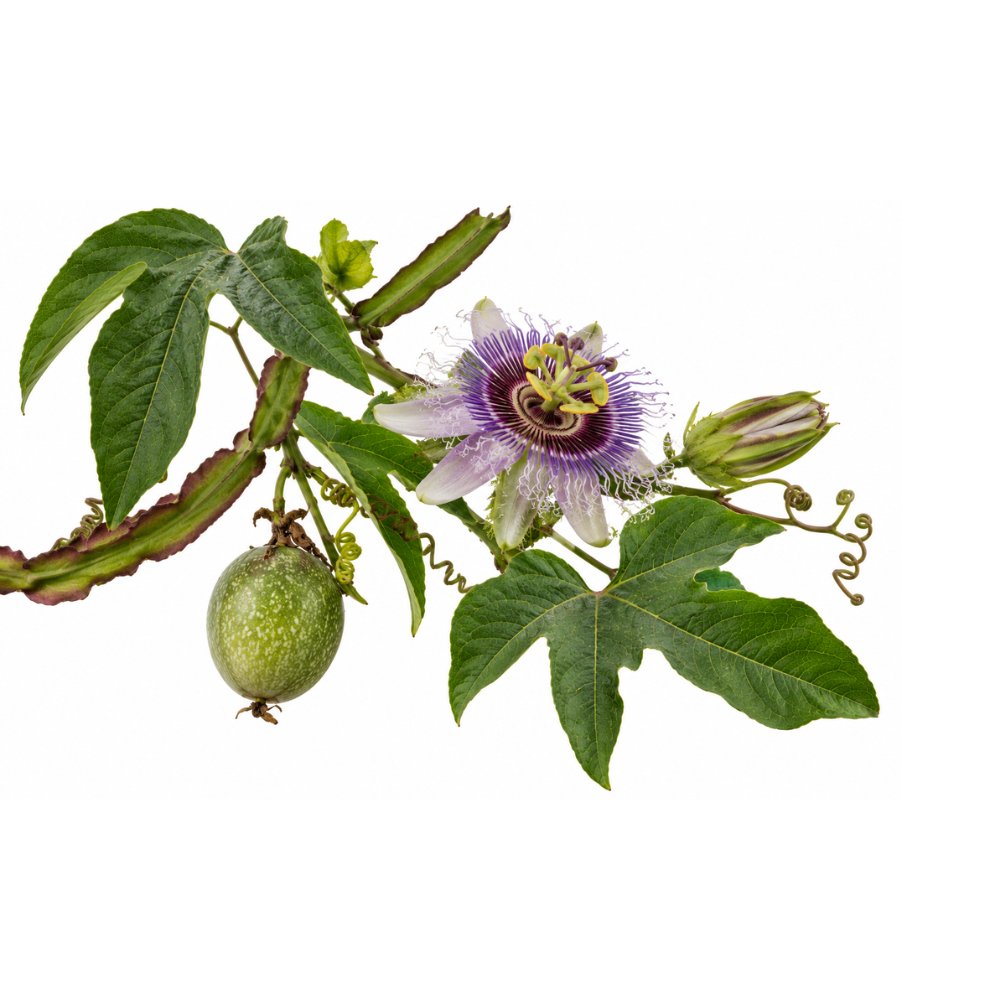
Winged-Stem Passionflower
Passiflora alata
Safety
- Immune-stimulating herbs need care in autoimmune disease, where activation pushes the wrong way.
- Anyone on immunosuppressants or after a transplant should avoid the stimulant half, which opposes the therapy.
- Chinese practice withholds the tonic immunomodulators during acute febrile infection.
- Direction is not uniform: some herbs in this class damp rather than stimulate, and an untested direction is unknown rather than safe.
- The daisy-family immunomodulators cross-react with ragweed and related allergies.
- No immunomodulator herb replaces vaccination or prescribed immune therapy.
References
- Miyamoto K, Kishi N, Koshiura R (1987). Antitumor effect of agrimoniin, a tannin of Agrimonia pilosa Ledeb., on transplantable rodent tumors — mouse study. Japanese Journal of Pharmacology. https://pubmed.ncbi.nlm.nih.gov/3573425/
- Miyamoto K, Kishi N, Murayama T, Furukawa T, Koshiura R (1988). Induction of cytotoxicity of peritoneal exudate cells by agrimoniin, a novel immunomodulatory tannin of Agrimonia pilosa Ledeb. — mouse study. Cancer Immunology, Immunotherapy. https://pubmed.ncbi.nlm.nih.gov/3396026/
- Murayama T, Kishi N, Koshiura R, Takagi K, Furukawa T, Miyamoto K (1992). Agrimoniin, an antitumor tannin of Agrimonia pilosa Ledeb., induces interleukin-1 — in vitro and mouse study. Anticancer Research. https://pubmed.ncbi.nlm.nih.gov/1444208/
- Miyamoto K, Murayama T, Hatano T, Yoshida T, Okuda T (1999). Host-mediated anticancer activities of tannins — review. Basic Life Sciences. https://pubmed.ncbi.nlm.nih.gov/10800468/
- Messaoudene M, Pidgeon R, Richard C, et al. (2022). A natural polyphenol exerts antitumor activity and circumvents anti-PD-1 resistance through effects on the gut microbiota. Cancer Discovery. https://pubmed.ncbi.nlm.nih.gov/35031549/
- Pang SA, et al. (2023). Two cases of durable and deep responses to immune checkpoint inhibition-refractory metastatic melanoma after addition of camu camu prebiotic. Current Oncology (case report). https://pubmed.ncbi.nlm.nih.gov/37754485/
- Berges C, Fuchs D, Opelz G, Daniel V, Naujokat C. (2009). Helenalin suppresses essential immune functions of activated CD4+ T cells by multiple mechanisms — in vitro. Molecular Immunology. https://pubmed.ncbi.nlm.nih.gov/19656571/
- Lyss G, Schmidt TJ, Merfort I, Pahl HL. (1997). Helenalin, an anti-inflammatory sesquiterpene lactone from Arnica, selectively inhibits transcription factor NF-kappaB — in vitro. Biological Chemistry. https://pubmed.ncbi.nlm.nih.gov/9348104/
- Chapman DE, Roberts GB, Reynolds DJ, et al. (1988). Acute toxicity of helenalin in BDF1 mice — animal model. Fundamental and Applied Toxicology. https://pubmed.ncbi.nlm.nih.gov/3356317/
- Committee on Herbal Medicinal Products (HMPC), European Medicines Agency. (2014). Assessment report on Arnica montana L., flos (EMA/HMPC/198794/2012) — regulatory monograph. https://www.ema.europa.eu/en/documents/herbal-report/final-assessment-report-arnica-montana-l-flos_en.pdf
- Lass C, Vocanson M, Wagner S, et al. (2008). Anti-inflammatory and immune-regulatory mechanisms prevent contact hypersensitivity to Arnica montana L. — animal model (mouse). Experimental Dermatology. https://pubmed.ncbi.nlm.nih.gov/18341569/
- Palanisamy A, Sharma R, Singh PP, Sharma U, Patil RD, Mal G, Singh B (2023). Shatavarin-IV saponin adjuvant elicits IgG and IgG2b responses against Staphylococcus aureus bacterin in a murine model. Heliyon (animal model). https://pubmed.ncbi.nlm.nih.gov/37123899/
- Gautam M, Saha S, Bani S, et al. (2009). Immunomodulatory activity of Asparagus racemosus on systemic Th1/Th2 immunity: implications for immunoadjuvant potential. Journal of Ethnopharmacology (animal model). https://pubmed.ncbi.nlm.nih.gov/19038322/
- Pise MV, Rudra JA, Upadhyay A (2015). Immunomodulatory potential of shatavarins produced from Asparagus racemosus tissue cultures. Journal of Natural Science, Biology and Medicine (in vitro). https://pubmed.ncbi.nlm.nih.gov/26283842/
- Bafna, A., & Mishra, S. (2010). Antioxidant and immunomodulatory activity of the alkaloidal fraction of Cissampelos pareira Linn — in vitro and in vivo (mice). Scientia Pharmaceutica. https://pubmed.ncbi.nlm.nih.gov/21179368/
- Shen, Y., Hou, J., Liu, W., et al. (2024). An antitumor fungal polysaccharide from Fomitopsis officinalis by activating immunity and inhibiting angiogenesis — [in vivo, zebrafish]. International Journal of Biological Macromolecules. https://pubmed.ncbi.nlm.nih.gov/38569989/
- Liu, W., Shen, Y., Hou, J., et al. (2024). A fungal polysaccharide from Fomitopsis officinalis as a multi-target molecule to combat cancer — [in vivo, zebrafish]. International Journal of Biological Macromolecules. https://pubmed.ncbi.nlm.nih.gov/38788870/
- Saxe, G., Smith, C. N., Golshan, S., et al. (2026). Polypore mushroom mycelia as an adjunct to COVID-19 vaccination: a randomized clinical trial — [randomised controlled trial]. BMC Immunology. https://pubmed.ncbi.nlm.nih.gov/41620671/
- Bone, K. (2003). A Clinical Guide to Blending Liquid Herbs: Herbal Formulations for the Individual Patient. Edinburgh: Churchill Livingstone. (Pg. 39–41.)
- Hamman, J. H. (2008). Composition and applications of Aloe vera leaf gel — review. Molecules, 13(8), 1599–1616. doi:10.3390/molecules13081599
- Liu, C., Cui, Y., Pi, F., Cheng, Y., Guo, Y., & Qian, H. (2019). Extraction, purification, structural characteristics, biological activities and pharmacological applications of acemannan, a polysaccharide from Aloe vera — a review. Molecules. https://pubmed.ncbi.nlm.nih.gov/31010204/
- Reynolds, T., & Dweck, A. C. (1999). Aloe vera leaf gel — a review update. J Ethnopharmacol. https://pubmed.ncbi.nlm.nih.gov/10624859/
- Coon, J. T., & Ernst, E. (2004). Andrographis paniculata in the treatment of upper respiratory tract infections: a systematic review of safety and efficacy — systematic review. Planta Medica. https://pubmed.ncbi.nlm.nih.gov/15095142/
- Poolsup, N., et al. (2004). Andrographis paniculata in the symptomatic treatment of uncomplicated upper respiratory tract infection: systematic review of randomized controlled trials — meta-analysis. Journal of Clinical Pharmacy and Therapeutics. https://pubmed.ncbi.nlm.nih.gov/14748896/
- Li, C.X., et al. (2022). Astragalus polysaccharide: a review of its immunomodulatory effect. Archives of Pharmacal Research (review). https://pubmed.ncbi.nlm.nih.gov/35713852/
- McCulloch, M., et al. (2006). Astragalus-based Chinese herbs and platinum-based chemotherapy for advanced non-small-cell lung cancer — meta-analysis of randomized trials. Journal of Clinical Oncology. https://pubmed.ncbi.nlm.nih.gov/16421421/
- Cao, A., et al. (2019). Evidence of Astragalus injection combined with platinum-based chemotherapy in advanced non-small cell lung cancer — a systematic review and meta-analysis. Medicine. https://pubmed.ncbi.nlm.nih.gov/30882655/
- Zhu, D., et al. (2022). Effect of Kangai injection combined with platinum-based chemotherapy on immune function in advanced NSCLC — a meta-analysis. Phytomedicine. https://pubmed.ncbi.nlm.nih.gov/35397286/
- Su, G., et al. (2016). Oral Astragalus (Huang qi) for preventing frequent episodes of acute respiratory tract infection in children — Cochrane systematic review. Cochrane Database of Systematic Reviews. https://pubmed.ncbi.nlm.nih.gov/27905672/
- Matkovic, Z., et al. (2010). Efficacy and safety of Astragalus membranaceus in the treatment of patients with seasonal allergic rhinitis — a double-blind, placebo-controlled randomized trial. Phytotherapy Research. https://pubmed.ncbi.nlm.nih.gov/19504468/
- Cai, Y. et al. (2001). The effects of Polyrhachis vicina on immunoregulation in mice — animal in vivo. Zhong Yao Cai. https://pubmed.ncbi.nlm.nih.gov/11668743/
- He, J. et al. (2023). Active fraction of Polyrhachis vicina Roger ameliorates depression-induced inflammation via the FTO/miR-221-3p/SOCS1 axis — rat and cell model. Journal of Inflammation Research. https://pubmed.ncbi.nlm.nih.gov/38152570/
- Li, D. et al. (2020). Active fraction of Polyrhachis vicina Rogers suppressed breast cancer growth and progression via the EGR1/lncRNA-NKILA/NF-κB axis — xenograft and in vitro. Biomedicine & Pharmacotherapy. https://pubmed.ncbi.nlm.nih.gov/31881485/
- Becker K, Geisler S, et al. (2013). Immunomodulatory properties of cacao extracts — potential consequences for medical applications — in vitro study. Front Pharmacol. https://pubmed.ncbi.nlm.nih.gov/24376420/
- Sheng, Y., Li, L., Holmgren, K., & Pero, R. W. (2001). DNA repair enhancement of aqueous extracts of Uncaria tomentosa in a human volunteer study — randomised. Phytomedicine. https://pubmed.ncbi.nlm.nih.gov/11515717/
- Lamm, S., Sheng, Y., & Pero, R. W. (2001). Persistent response to pneumococcal vaccine in individuals supplemented with C-Med-100 — randomised controlled trial. Phytomedicine. https://pubmed.ncbi.nlm.nih.gov/11515716/
- Sheng, Y., Bryngelsson, C., & Pero, R. W. (2000). Enhanced DNA repair, immune function and reduced toxicity of C-MED-100 — animal and human. Journal of Ethnopharmacology. https://pubmed.ncbi.nlm.nih.gov/10687868/
- Sheng, Y., Pero, R. W., & Wagner, H. (2000). Treatment of chemotherapy-induced leukopenia in a rat model with aqueous extract from Uncaria tomentosa — animal model. Phytomedicine. https://pubmed.ncbi.nlm.nih.gov/10839217/
- Farias, I., do Carmo Araújo, M., Zimmermann, E. S., et al. (2011). Uncaria tomentosa stimulates the proliferation of myeloid progenitor cells — in vitro. Journal of Ethnopharmacology. https://pubmed.ncbi.nlm.nih.gov/21771655/
- Åkesson, C., Lindgren, H., Pero, R. W., et al. (2003). An extract of Uncaria tomentosa inhibiting cell division and NF-κB activity without inducing cell death — in vitro. International Immunopharmacology. https://pubmed.ncbi.nlm.nih.gov/14636838/
- Mammone, T., Åkesson, C., Gan, D., et al. (2006). A water-soluble extract from Uncaria tomentosa is a potent enhancer of DNA repair in primary organ cultures of human skin — in vitro. Phytotherapy Research. https://pubmed.ncbi.nlm.nih.gov/16521105/
- Åkesson, C., Pero, R. W., & Ivars, F. (2005). Quinic acid is a biologically active component of the Uncaria tomentosa extract C-Med-100 — in vitro. International Immunopharmacology. https://pubmed.ncbi.nlm.nih.gov/15589483/
- Santos Araújo, M. C., Farias, I. L., Gutierres, J., et al. (2012). Uncaria tomentosa — adjuvant treatment for breast cancer — clinical trial. Evidence-Based Complementary and Alternative Medicine. https://pubmed.ncbi.nlm.nih.gov/22811748/
- Kim, Y. O., Han, S. B., Lee, H. W., et al. (2005). Immuno-stimulating effect of the endo-polysaccharide from submerged culture of Inonotus obliquus — in vitro. Life Sciences. https://pubmed.ncbi.nlm.nih.gov/15970296/
- Kang HJ, Baik HW, Kim SJ, et al. (2015). Cordyceps militaris Enhances Cell-Mediated Immunity in Healthy Korean Men — randomised, placebo-controlled trial. J Med Food 18(10):1164-72. https://pubmed.ncbi.nlm.nih.gov/26284906/
- Bi S, Jing Y, Zhou Q, et al. (2018). Structural elucidation and immunostimulatory activity of a new polysaccharide from Cordyceps militaris — in vitro. Food Funct 9(1):279-293. https://pubmed.ncbi.nlm.nih.gov/29168868/
- Sullivan AM, Laba JG, Moore JA, Lee TDG. (2008). Echinacea-induced macrophage activation — in vitro and in vivo (mouse). Immunopharmacology and Immunotoxicology. https://pubmed.ncbi.nlm.nih.gov/18618312/
- Stevenson LM, Matthias A, Banbury L, et al. (2005). Modulation of macrophage immune responses by Echinacea — in vitro. Molecules. https://pubmed.ncbi.nlm.nih.gov/18007520/
- Ahmadi F, et al. (2024). Phytochemistry, mechanisms, and preclinical studies of Echinacea extracts in modulating immune responses to bacterial and viral infections — review. Antibiotics. https://pubmed.ncbi.nlm.nih.gov/39452214/
- David S, Cunningham R. (2019). Echinacea for the prevention and treatment of upper respiratory tract infections — systematic review and meta-analysis. Complementary Therapies in Medicine. https://pubmed.ncbi.nlm.nih.gov/31126553/
- Shah SA, Sander S, White CM, Rinaldi M, Coleman CI. (2007). Evaluation of echinacea for the prevention and treatment of the common cold — meta-analysis. The Lancet Infectious Diseases. https://pubmed.ncbi.nlm.nih.gov/17597571/
- Schoop R, Klein P, Suter A, Johnston SL. (2006). Echinacea in the prevention of induced rhinovirus colds — meta-analysis. Clinical Therapeutics. https://pubmed.ncbi.nlm.nih.gov/16678640/
- Karsch-Völk M, Barrett B, Kiefer D, Bauer R, Ardjomand-Woelkart K, Linde K. (2014). Echinacea for preventing and treating the common cold — systematic review (Cochrane). Cochrane Database of Systematic Reviews. https://pubmed.ncbi.nlm.nih.gov/24554461/
- Ogal M, Johnston SL, Klein P, Schoop R. (2021). Echinacea reduces antibiotic usage in children through respiratory tract infection prevention — randomized controlled trial. European Journal of Medical Research. https://pubmed.ncbi.nlm.nih.gov/33832544/
- Pham TP, et al. (2025). Efficacy and safety of Echinacea purpurea in treating upper respiratory infections and otitis media in children — systematic review and meta-analysis. Clinical Nutrition ESPEN. https://pubmed.ncbi.nlm.nih.gov/40311928/
- Bohn B, Nebe CT, Birr C. (1987). Flow-cytometric studies with Eleutherococcus senticosus extract as an immunomodulatory agent — randomised placebo-controlled trial. Arzneimittelforschung. https://pubmed.ncbi.nlm.nih.gov/2963645/
- Zhang Y, Zhang Y, Liu Z. (2021). Effects of Acanthopanax senticosus supplementation on innate immunity and changes of related immune factors in healthy mice — animal study. Innate Immunity. https://pubmed.ncbi.nlm.nih.gov/32938286/
- Yang S, Shan C, Ma X, et al. (2021). Immunomodulatory effect of Acanthopanax senticosus polysaccharide on immunosuppressed chickens — animal study. Poultry Science. https://pubmed.ncbi.nlm.nih.gov/33518115/
- Ratiani L, Pachkoria E, Mamageishvili N, et al. (2023). Efficacy of Kan Jang in patients with mild COVID-19 — randomised, quadruple-blind, placebo-controlled trial of a fixed Andrographis–Eleutherococcus combination. Pharmaceuticals (Basel). https://pubmed.ncbi.nlm.nih.gov/37765004/
- Wang PH, Hsu CI, Tang SC, et al. (2004). Fungal immunomodulatory protein from Flammulina velutipes induces interferon-gamma production through p38 MAPK signaling — in vitro. J Agric Food Chem. https://pubmed.ncbi.nlm.nih.gov/15113182/
- Ou CC, Hsiao YM, Wu WJ, et al. (2009). FIP-fve stimulates interferon-gamma production via modulation of calcium release and PKC-alpha activation in human PBMCs — in vitro. J Agric Food Chem. https://pubmed.ncbi.nlm.nih.gov/19919129/
- Hsieh KY, Hsu CI, Lin JY, et al. (2003). Oral administration of an edible-mushroom-derived protein inhibits the development of food-allergic reactions — mouse. Clin Exp Allergy. https://pubmed.ncbi.nlm.nih.gov/14616874/
- Chang YC, Hsiao YM, Hung SC, et al. (2015). Alleviation of Dermatophagoides microceras-induced allergy by the immunomodulatory protein FIP-fve — mouse. Biosci Biotechnol Biochem. https://pubmed.ncbi.nlm.nih.gov/25209380/
- Lee YT, Lee SS, Sun HL, et al. (2013). Effect of the fungal immunomodulatory protein FIP-fve on airway inflammation and cytokine production in a mouse asthma model. Cytokine. https://pubmed.ncbi.nlm.nih.gov/23107824/
- Chu PY, Sun HL, Ko JL, et al. (2017). Oral fungal immunomodulatory protein FIP-fve influences pulmonary inflammation: potential treatment for allergic airway disease — mouse. J Microbiol Immunol Infect. https://pubmed.ncbi.nlm.nih.gov/26427878/
- Chang YC, Chow YH, Sun HL, et al. (2014). Alleviation of respiratory syncytial virus replication and inflammation by FIP-fve — mouse and in vitro. Antiviral Res. https://pubmed.ncbi.nlm.nih.gov/25131377/
- Hsiao CH, Ko JL, Wu TS, et al. (2025). Fungal immunomodulatory protein FIP-fve mitigates airway inflammation and metabolic dysfunction in an obese allergic asthma model — mouse. Sci Rep. https://pubmed.ncbi.nlm.nih.gov/40998975/
- Schepetkin, I. A., Kirpotina, L. N., Jakiw, L., et al. (2009). Immunomodulatory activity of oenothein B isolated from Epilobium angustifolium — phagocyte activation in vitro and in vivo (mouse). Journal of Immunology. https://pubmed.ncbi.nlm.nih.gov/19846877/
- Ramstead, A. G., Schepetkin, I. A., Quinn, M. T., & Jutila, M. A. (2012). Oenothein B, a cyclic dimeric ellagitannin from Epilobium angustifolium, enhances IFN-γ production by lymphocytes (in vitro). PLoS ONE. https://pubmed.ncbi.nlm.nih.gov/23226309/
- McElhaney, J. E., et al. (2006). Efficacy of COLD-fX (CVT-E002) in the prevention of respiratory symptoms in community-dwelling adults: a randomized, double-blinded, placebo-controlled trial — randomised controlled trial. Journal of Alternative and Complementary Medicine. https://pubmed.ncbi.nlm.nih.gov/16566675/
- McElhaney, J. E., et al. (2011). Efficacy and Safety of CVT-E002 in the Prevention of Respiratory Infections in Influenza-Vaccinated Community-Dwelling Adults: a multicenter, randomized, double-blind, placebo-controlled trial — randomised controlled trial. Influenza Research and Treatment. https://pubmed.ncbi.nlm.nih.gov/23074661/
- Antonelli, M., et al. (2020). Ginseng integrative supplementation for seasonal acute upper respiratory infections: a systematic review and meta-analysis — meta-analysis, systematic review. Complementary Therapies in Medicine. https://pubmed.ncbi.nlm.nih.gov/32951718/
- Seida, J. K., et al. (2011). North American (Panax quinquefolius) and Asian Ginseng preparations for prevention of the common cold in healthy adults: a systematic review — systematic review. Evidence-Based Complementary and Alternative Medicine. https://pubmed.ncbi.nlm.nih.gov/19592479/
- High, K. P., et al. (2012). A randomized, controlled trial of Panax quinquefolius extract (CVT-E002) to reduce respiratory infection in patients with chronic lymphocytic leukemia — randomised controlled trial. The Journal of Supportive Oncology. https://pubmed.ncbi.nlm.nih.gov/22266154/
- Vohra, S., et al. (2008). Safety and tolerability of North American ginseng extract in the treatment of pediatric upper respiratory tract infection: a phase II randomized, controlled trial — randomised controlled trial. Pediatrics. https://pubmed.ncbi.nlm.nih.gov/18676527/
- Wang, L., et al. (2015). Structural and anti-inflammatory characterization of a novel neutral polysaccharide from North American ginseng — in vitro. International Journal of Biological Macromolecules. https://pubmed.ncbi.nlm.nih.gov/25434805/
- Scaglione, F., Cattaneo, G., Alessandria, M., & Cogo, R. (1996). Efficacy and safety of the standardised ginseng extract G115 for potentiating influenza vaccination — randomised placebo-controlled trial. Drugs Exp Clin Res. https://pubmed.ncbi.nlm.nih.gov/8879982/
- Scaglione, F., et al. (1990). Immunomodulatory effects of two extracts of Panax ginseng C.A. Meyer. Drugs Exp Clin Res. https://pubmed.ncbi.nlm.nih.gov/2100737/
- Predy, G. N., et al. (2005). Efficacy of a North American ginseng extract for preventing upper respiratory tract infections — randomised controlled trial. CMAJ. https://pubmed.ncbi.nlm.nih.gov/16247099/
- Mondal, S., et al. (2011). Double-blinded randomised controlled trial for immunomodulatory effects of tulsi (Ocimum sanctum) leaf extract on healthy volunteers — randomised controlled trial. J Ethnopharmacol, 136(3), 452–456. https://pubmed.ncbi.nlm.nih.gov/21619917/
- Choi, Y. Y., et al. (2017). Immunomodulatory effects of Pseudostellaria heterophylla on Th1/Th2 levels in mice with atopic dermatitis — mouse model, in vivo. Molecular Medicine Reports. https://pubmed.ncbi.nlm.nih.gov/28035398/
- Zhu, Z., et al. (2024). Dietary supplementation with Pseudostellaria heterophylla polysaccharide enhanced immunity and changed spleen mRNA expression in chicks — animal model, in vivo. Developmental & Comparative Immunology. https://pubmed.ncbi.nlm.nih.gov/37951325/
- Wang, B., et al. (2025). Effects of Pseudostellaria heterophylla polysaccharide on humoral immunity and splenic lymphocyte gene expression in chicks — animal model, in vivo. Developmental & Comparative Immunology. https://pubmed.ncbi.nlm.nih.gov/40902815/
- Chen, J., et al. (2026). Radix Pseudostellariae saponins promote immunocyte migration and chemotaxis via the CCL5/CCR4 axis — animal model, in vitro. Animals (Basel). https://pubmed.ncbi.nlm.nih.gov/42353538/
- Gong, Z., et al. (2001). The effect of Radix Pseudostellariae from 8 habitats on spleen-deficiency and immunologic function — mice, in vivo. Zhong Yao Cai. https://pubmed.ncbi.nlm.nih.gov/12587162/
- Lemieszek MK et al. (2023). (1→3)-α-D-glucooligosaccharides increase the killing capacity of NK cells against human colon cancer cells — in vitro study. Molecules. https://pubmed.ncbi.nlm.nih.gov/37241952/
- Ali S et al. (2026). Laetiporus sulphureus polysaccharides mitigate colitis by reshaping the gut microbiota and regulating immune responses — in vivo mouse study. Front Pharmacol. https://pubmed.ncbi.nlm.nih.gov/42064799/
- Qin, T., et al. (2017). Selenizing Hericium erinaceus polysaccharides induce dendritic-cell maturation through MAPK and NF-κB signaling — in vitro study. Int J Biol Macromol. https://pubmed.ncbi.nlm.nih.gov/28089932/
- Yang, Y., et al. (2022). Polysaccharides from Hericium erinaceus fruiting bodies: structural characterization and immunomodulatory activity — in vitro study. Nutrients. https://pubmed.ncbi.nlm.nih.gov/36145096/
- Masuda, Y., et al. (2013). Oral administration of soluble β-glucans extracted from Grifola frondosa induces systemic antitumor immune response and decreases immunosuppression in tumor-bearing mice — mouse in vivo. International Journal of Cancer. https://pubmed.ncbi.nlm.nih.gov/23280601/
- Masuda, Y., et al. (2009). Maitake beta-glucan enhances granulopoiesis and mobilization of granulocytes by increasing G-CSF production and modulating CXCR4/SDF-1 expression — mouse in vivo. International Immunopharmacology. https://pubmed.ncbi.nlm.nih.gov/19573626/
- Masuda, Y., et al. (2009). Maitake beta-glucan enhances therapeutic effect and reduces myelosuppression and nephrotoxicity of cisplatin in mice — mouse in vivo. International Immunopharmacology. https://pubmed.ncbi.nlm.nih.gov/19249389/
- Deng, G., et al. (2009). A phase I/II trial of a polysaccharide extract from Grifola frondosa (Maitake mushroom) in breast cancer patients: immunological effects — randomized controlled trial. Journal of Cancer Research and Clinical Oncology. https://pubmed.ncbi.nlm.nih.gov/19253021/
- Kodama, N., Komuta, K., & Nanba, H. (2003). Effect of Maitake (Grifola frondosa) D-Fraction on the activation of NK cells in cancer patients — clinical study. Journal of Medicinal Food. https://pubmed.ncbi.nlm.nih.gov/14977447/
- Wesa, K. M., et al. (2015). Maitake mushroom extract in myelodysplastic syndromes (MDS): a phase II study — clinical trial, phase II. Cancer Immunology, Immunotherapy. https://pubmed.ncbi.nlm.nih.gov/25351719/
- Jesenak, M. et al. (2013). Immunomodulatory effect of pleuran (β-glucan from Pleurotus ostreatus) in children with recurrent respiratory tract infections — randomised controlled trial. Int Immunopharmacol. https://pubmed.ncbi.nlm.nih.gov/23261366/
- Jesenak, M. et al. (2025). Novel chewable pleuran-based supplement decreases respiratory tract infections in children — randomised controlled trial. Adv Ther. https://pubmed.ncbi.nlm.nih.gov/41085920/
- Bergendiova, K. et al. (2011). Pleuran (β-glucan from Pleurotus ostreatus) supplementation, cellular immune response and respiratory tract infections in athletes — randomised controlled trial. Eur J Appl Physiol. https://pubmed.ncbi.nlm.nih.gov/21249381/
- Bobovčák, M. et al. (2010). Effect of Pleuran (β-glucan from Pleurotus ostreatus) supplementation on cellular immune response after intensive exercise in elite athletes — randomised controlled pilot. Appl Physiol Nutr Metab. https://pubmed.ncbi.nlm.nih.gov/21164546/
- Zhou, Y., et al. (2016). Clinical and immunological consequences of total glucosides of paeony treatment in Sjögren’s syndrome: a randomised controlled pilot trial — randomised controlled trial. Int Immunopharmacol. https://pubmed.ncbi.nlm.nih.gov/27517517/
- Zhang, A., et al. (2023). Combined use of total glucosides of paeony and hydroxychloroquine in primary Sjögren’s syndrome: a systematic review — meta-analysis. Immun Inflamm Dis. https://pubmed.ncbi.nlm.nih.gov/37904705/
- Zhang YL, Hu RX, Zhao H, et al. (2020). Systematic review and trial sequential analysis of preparation of Xiakucao for Hashimoto’s thyroiditis — [systematic review; meta-analysis]. Zhongguo Zhong Yao Za Zhi. https://pubmed.ncbi.nlm.nih.gov/33496119/
- Gao Y, Zhou S, Jiang W, et al. (2003). Effects of Ganopoly (a Ganoderma lucidum polysaccharide extract) on the immune functions in advanced-stage cancer patients — clinical trial. Immunol Invest. https://pubmed.ncbi.nlm.nih.gov/12916709/
- Zattra, E., et al. (2009). Polypodium leucotomos extract decreases UV-induced Cox-2 expression and inflammation, enhances DNA repair in Xpc+/− mice — animal model. Am J Pathol. https://doi.org/10.2353/ajpath.2009.090351
- Manna, S. K., et al. (2003). Calagualine inhibits nuclear transcription factor-κB activated by various inflammatory and tumour-promoting agents — in vitro. Cancer Lett. https://pubmed.ncbi.nlm.nih.gov/12565172/
- Guo Y, et al. (2024). Integrated network pharmacological analysis revealed that Smilax glabra Roxb. alleviates IMQ-induced psoriatic skin inflammation through regulating T cell immune response — animal model. J Ethnopharmacol. https://pubmed.ncbi.nlm.nih.gov/38301985/
- Wang Y, et al. (2026). Smilacis Chinae Rhizoma ethyl acetate fraction alleviates IMQ-induced psoriasis by inhibiting IL-17-driven T-cell immune responses — animal model. J Ethnopharmacol. https://pubmed.ncbi.nlm.nih.gov/42219068/
- Feng H, et al. (2020). The flavonoid-enriched extract from the root of Smilax china L. inhibits inflammatory responses via the TLR-4-mediated signaling pathway — animal model / in vitro. J Ethnopharmacol. https://pubmed.ncbi.nlm.nih.gov/32222576/
- Dai X, Stanilka JM, Rowe CA, et al. (2015). Consuming Lentinula edodes (Shiitake) Mushrooms Daily Improves Human Immunity: A Randomized Dietary Intervention in Healthy Young Adults — randomised controlled trial. J Am Coll Nutr. https://pubmed.ncbi.nlm.nih.gov/25866155/
- Terakawa N, Matsui Y, Satoi S, et al. (2008). Immunological effect of active hexose correlated compound (AHCC) in healthy volunteers: a double-blind, placebo-controlled trial — randomised controlled trial. Nutr Cancer. https://pubmed.ncbi.nlm.nih.gov/18791928/
- Roman BE, Beli E, Duriancik DM, Gardner EM (2013). Short-term supplementation with active hexose correlated compound improves the antibody response to influenza B vaccine — randomised controlled trial. Nutr Res. https://pubmed.ncbi.nlm.nih.gov/23351405/
- Pinello, K. C., et al. (2006). Effects of Pfaffia paniculata extract on macrophage activity — animal study. Life Sciences. https://pubmed.ncbi.nlm.nih.gov/16214177/
- Watanabe, T., et al. (2000). Effects of oral administration of Pfaffia paniculata on incidence of spontaneous leukemia in AKR/J mice — animal study. Cancer Detection and Prevention. https://pubmed.ncbi.nlm.nih.gov/10917139/
- Gao, H. L., et al. (2009). Immunomodulatory effects of Fomes fomentarius polysaccharides: an experimental study in mice — animal model. Journal of Southern Medical University. https://pubmed.ncbi.nlm.nih.gov/19304524/
- Kalitukha, L., et al. (2023). Medicinal potential of the insoluble extracted fibers isolated from the Fomes fomentarius fruiting bodies — review. International Journal of Medicinal Mushrooms. https://pubmed.ncbi.nlm.nih.gov/37017659/
- Torkelson CJ, Sweet E, Martzen MR, et al. (2012). Phase I clinical trial of Trametes versicolor in women with breast cancer — clinical trial. ISRN Oncology. https://pubmed.ncbi.nlm.nih.gov/22701186/
- Maehara Y, Tsujitani S, Saeki H, et al. (2012). Biological mechanism and clinical effect of protein-bound polysaccharide K (KRESTIN) — review. Surgery Today. https://pubmed.ncbi.nlm.nih.gov/22139128/
- Tian, H., et al. (2019). Immunomodulatory effects exerted by Poria cocos polysaccharides via TLR4/TRAF6/NF-κB signaling in vitro and in vivo — animal model. Biomedicine & Pharmacotherapy. https://pubmed.ncbi.nlm.nih.gov/30970514/
- Li, X., et al. (2019). Molecular basis for Poria cocos mushroom polysaccharide used as an antitumor drug in China — review. Progress in Molecular Biology and Translational Science. https://pubmed.ncbi.nlm.nih.gov/31030751/
- Tharakan A, Shukla H, Benny IR, et al. (2021). Immunomodulatory Effect of Withania somnifera (Ashwagandha) Extract-A Randomized, Double-Blind, Placebo Controlled Trial with an Open Label Extension on Healthy Participants — randomised controlled trial. J Clin Med. https://pubmed.ncbi.nlm.nih.gov/34441940/
- Zhang L, Tizard IR (1996). Activation of a mouse macrophage cell line by acemannan: the major carbohydrate fraction from Aloe vera gel — in vitro. Immunopharmacology. https://pubmed.ncbi.nlm.nih.gov/8956975/
- Jin X, Ruiz Beguerie J, Sze DM, et al. (2016). Ganoderma lucidum (Reishi mushroom) for cancer treatment — Cochrane systematic review and meta-analysis. Cochrane Database Syst Rev. https://pubmed.ncbi.nlm.nih.gov/27045603/
- Salem ML (2005). Immunomodulatory and therapeutic properties of the Nigella sativa L. seed — review. Int Immunopharmacol. https://pubmed.ncbi.nlm.nih.gov/16275613/
- Badar VA, Thawani VR, Wakode PT, et al. (2005). Efficacy of Tinospora cordifolia in allergic rhinitis — randomised controlled trial. J Ethnopharmacol. https://pubmed.ncbi.nlm.nih.gov/15619563/
- Purandare H, Supe A (2007). Immunomodulatory role of Tinospora cordifolia as an adjuvant in surgical treatment of diabetic foot ulcers: a prospective randomized controlled study — randomised controlled trial. Indian J Med Sci. https://pubmed.ncbi.nlm.nih.gov/17558098/
- Nair PK, Melnick SJ, Ramachandran R, et al. (2006). Mechanism of macrophage activation by (1,4)-alpha-D-glucan isolated from Tinospora cordifolia — in vitro. Int Immunopharmacol. https://pubmed.ncbi.nlm.nih.gov/17052672/
- Raghu R, Sharma D, Ramakrishnan R, et al. (2009). Molecular events in the activation of B cells and macrophages by a non-microbial TLR4 agonist, G1-4A from Tinospora cordifolia — in vitro. Immunol Lett. https://pubmed.ncbi.nlm.nih.gov/19428553/
- Nagral A, Adhyaru K, Rudra OS, et al. (2021). Herbal Immune Booster-Induced Liver Injury in the COVID-19 Pandemic - A Case Series — case series. J Clin Exp Hepatol. https://pubmed.ncbi.nlm.nih.gov/34230786/
- Classen B, Thude S, Blaschek W, et al. (2006). Immunomodulatory effects of arabinogalactan-proteins from Baptisia and Echinacea — in vitro (mouse lymphocytes and macrophages). Phytomedicine. https://pubmed.ncbi.nlm.nih.gov/17085292/
- Beuscher N, Kopanski L (1985). Stimulation der Immunantwort durch Inhaltsstoffe aus Baptisia tinctoria — in vitro and animal model. Planta Med. https://pubmed.ncbi.nlm.nih.gov/17342588/
- Chen JR, Yang ZQ, Hu TJ, et al. (2010). Immunomodulatory activity in vitro and in vivo of polysaccharide from Potentilla anserina — animal model. Fitoterapia. https://pubmed.ncbi.nlm.nih.gov/20624446/
- Kolodziej H (2011). Antimicrobial, Antiviral and Immunomodulatory Activity Studies of Pelargonium sidoides (EPs 7630) in the Context of Health Promotion — review. Pharmaceuticals (Basel). https://pubmed.ncbi.nlm.nih.gov/27721327/
Keep Exploring