

Overview
Neurotrophic at a Glance
Neurotrophic herbs support the growth, repair, and maintenance of nerve cells.
They do this mainly by influencing growth factors such as NGF and BDNF, or by encouraging processes like neurite growth, dendritic branching, and axonal regeneration.
That makes this action different from neuroprotection.
A neuroprotective herb helps keep neurons from being damaged. A neurotrophic herb goes a step further by supporting the processes involved in growth, branching, and repair.
There is also some overlap with nootropics. Better synaptic growth and plasticity may eventually improve learning or memory, but neurotrophic activity itself refers to the structural changes happening in nervous tissue.
The best-known example is lion’s mane.
Its hericenones and erinacines stimulate NGF-related activity, and animal studies suggest they can support nerve regeneration.
Muira puama has compounds that potentiate NGF and promote neurite growth in cell models, while gotu kola has been linked with increased dendritic branching.
Chinese clubmoss may also influence NGF signalling through huperzine A.
The main limitation is that most of this evidence is still cell and animal research.
Seeing more neurite growth in a dish or more dendritic branching in a rodent is interesting, but it does not yet show that these herbs can regenerate damaged nerves or improve cognition in people.
Caution
Not proven nerve regeneration — nothing in this group has been shown to regenerate a damaged nerve in a person; the evidence is structural change in cells and rodents.
Adds to cholinesterase drugs — the cholinesterase-inhibiting herbs in the group add to donepezil, rivastigmine and galantamine.
Nerve injury needs assessment — nerve injury, neuropathy, progressive neurological symptoms and cognitive decline need proper assessment rather than self-treatment.
Mechanisms
How It Works
01
NGF Synthesis and Potentiation
Nerve growth factor drives the survival and sprouting of cholinergic and sensory neurons, and it barely crosses the blood-brain barrier, so small molecules that raise it within the brain reach a target the protein cannot.
Lion’s mane’s fruiting-body hericenones and mycelial erinacines stimulate NGF synthesis, and erinacine A crosses into the brain.
Muira puama’s clerodane diterpenoids potentiate NGF and promote neurite outgrowth in PC12 cells, and huperzine A up-regulates NGF in review-level reports.
Pharmaceutical NGF has been tried by infusion and gene therapy with limited success, largely a delivery problem.
The herbal inducers are small molecules, and the human evidence is one small pilot trial of erinacine-enriched mycelium.
Herbs: Chinese ClubmossLion’s ManeMuira Puama
Key compounds: Erinacine AHericenones
02
Dendritic Branching and Neurite Outgrowth
Neurons connect through dendrites and axons, and a neurotrophic agent increases the branching of the dendritic tree or the extension of neurites.
Gotu kola is credited with increased dendritic arborisation, a structural claim rather than a growth-factor one, and lion’s mane accelerates axonal regeneration and reinnervation after peroneal-nerve crush in rats through Akt/MAPK and c-Jun/c-Fos signalling.
Neurite outgrowth in a PC12 dish is a permissive assay, and a review attribution is not a primary study.
No human measurement of dendritic or axonal change exists for any herb.
Materia Medica
Neurotrophic Herbs by Potency
The neurotrophic herbs, ordered by the relative strength of the effect rather than by how well studied it is. Each herb is described by the mechanism behind its effect and the evidence for it.
None of this is a substitute for professional care.
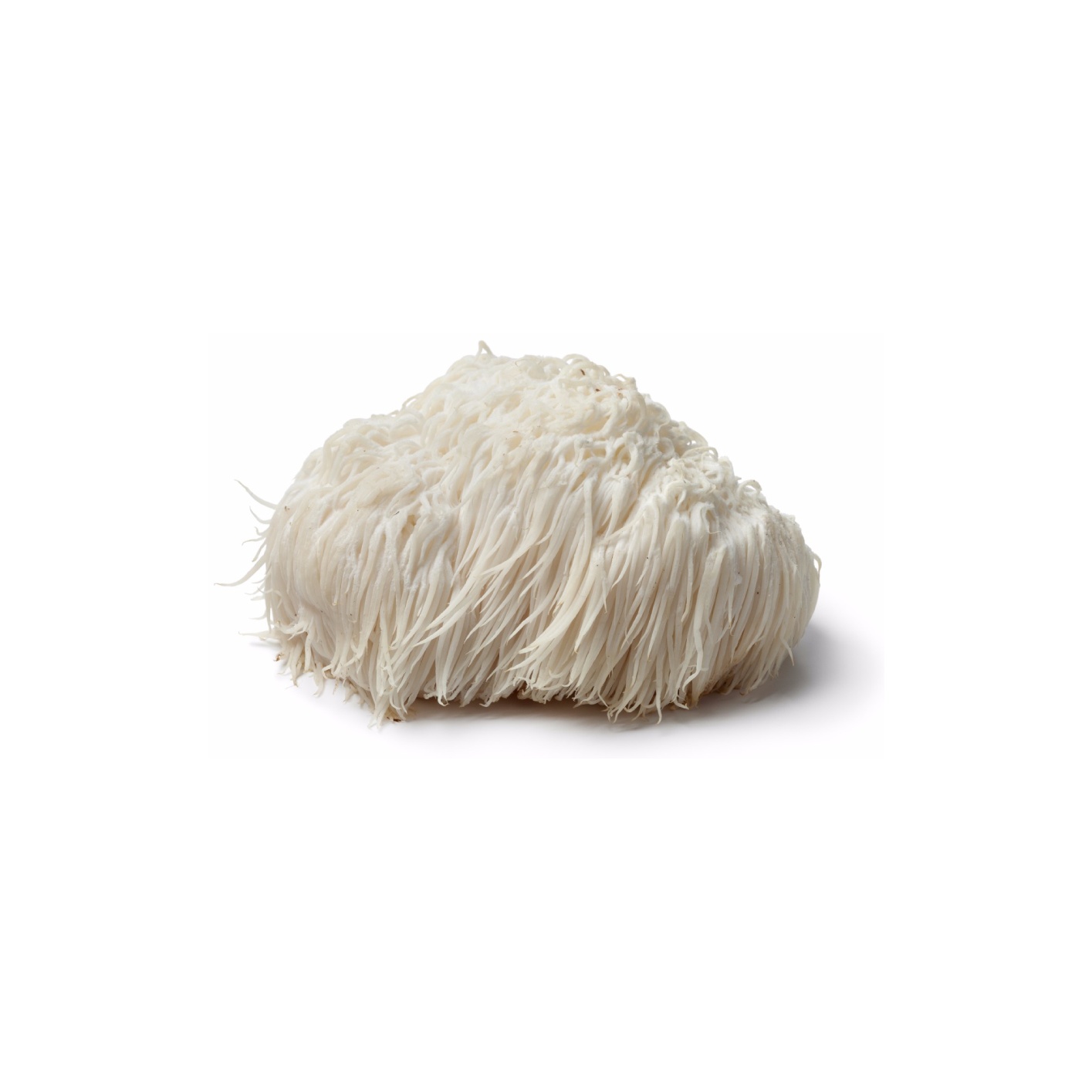 StrongStrongLion’s ManeHericium erinaceusIts hericenones and erinacines stimulate nerve growth factor synthesis and cross into the brain, rodent nerve-crush models regenerate faster, and an erinacine-enriched mycelium slowed decline in a mild-Alzheimer's pilot trial.MechanismNGF synthesis ↑ (hericenones, erinacines); erinacine A crosses the blood-brain barrier; axonal regeneration via Akt/MAPK and c-Jun/c-FosRead the evidenceShow lessMonograph →
The fruiting-body hericenones and mycelial erinacines are low-molecular-weight aromatic compounds that stimulate synthesis of nerve growth factor 8,
In rats, the mushroom accelerated axonal regeneration and reinnervation after peroneal-nerve crush through Akt/MAPK and c-Jun/c-Fos signalling 11Reference 11AnimalHericium erinaceus activates peripheral nerve regeneration after peroneal-nerve crush — rat in vivo studyView study →. In a randomised, double-blind, placebo-controlled pilot trial, an erinacine-A-enriched mycelium slowed decline in early Alzheimer’s disease over 49 weeks 12Reference 12RCTPrevention of early Alzheimer’s disease by erinacine A-enriched Hericium erinaceus mycelia — randomised, double-blind, placebo-controlled pilot trialView study →.
The NGF mechanism is cell and rodent work, the human trial is a single small pilot of one mycelial preparation, and fruiting body and mycelium carry different compounds.
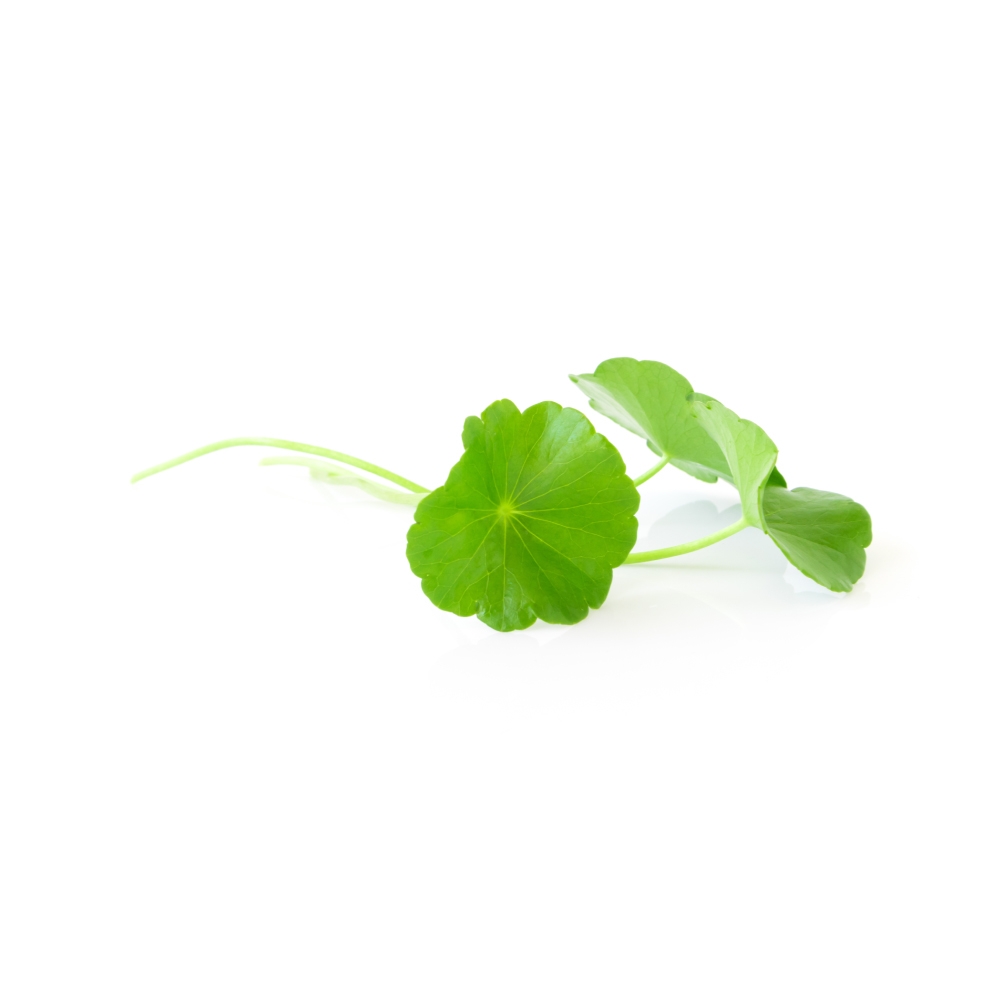 ModerateModerateGotu KolaCentella asiaticaThe medhya rasayana of Ayurveda, its brain tonic; credited with increased dendritic branching in the modern review literature, a structural change not yet matched by a human cognitive result.Mechanismdendritic arborization ↑Read the evidenceShow lessMonograph →
The 2012 review names increased dendritic arborisation among the herb’s brain mechanisms 3Reference 3ReviewCentella asiatica (L.) Urban: From traditional medicine to modern medicine with neuroprotective potential — reviewView study →, more branching of the dendritic tree, which is a structural neurotrophic change rather than growth-factor upregulation. It fits the plant’s better-known action elsewhere: gotu kola builds connective tissue in wounds through collagen synthesis and angiogenesis, and dendritic branching is a recognisably similar kind of claim.
The attribution comes from a review rather than a primary study, and it is entirely preclinical.
The human cognition meta-analysis is null in every domain 4Reference 4Meta-analysisEffects of Centella asiatica on cognitive function and mood — systematic review and meta-analysisView study →, so more dendrites in a rat have not produced a better memory in a person.
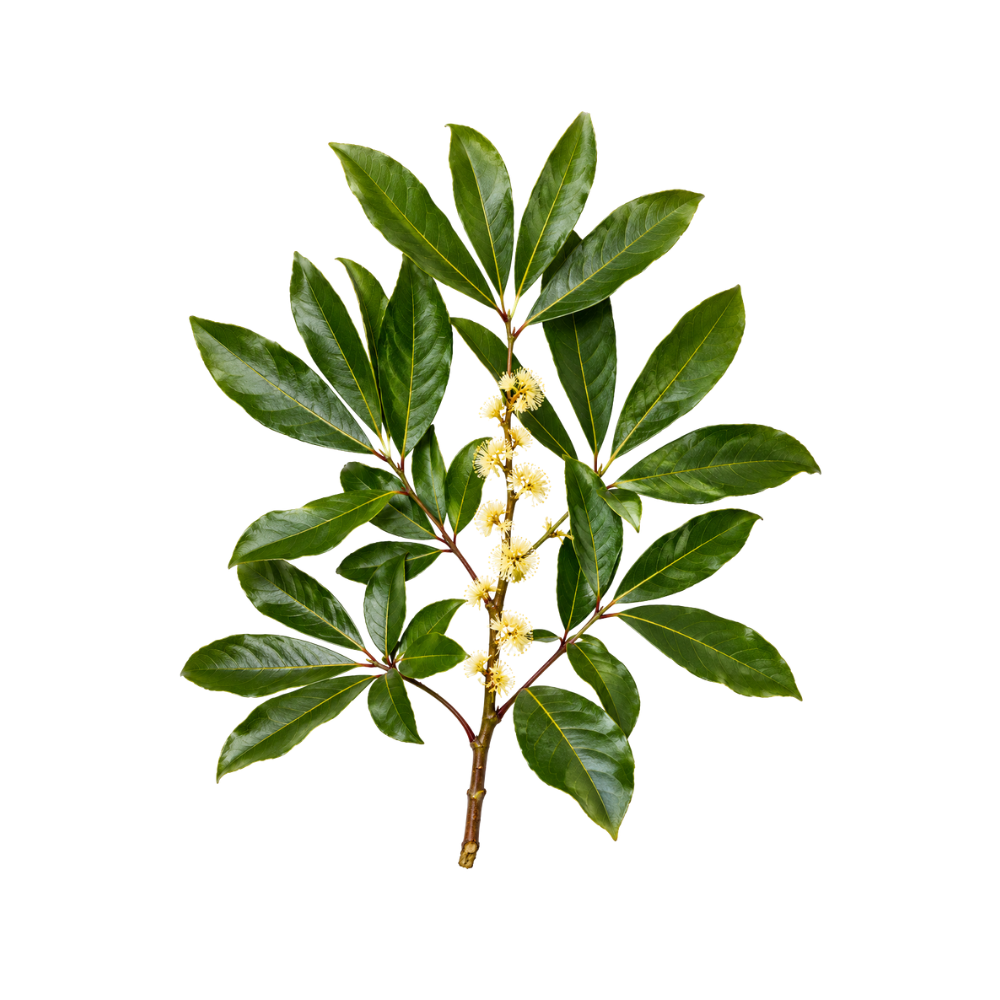 ModerateModerateMuira PuamaPtychopetalum olacoidesNamed clerodane diterpenoids from the bark potentiate nerve growth factor and make PC12 cells sprout neurites; whether they survive an oral dose is untested.Mechanismclerodane-type diterpenoids potentiate nerve growth factor and promote neurite outgrowth (PC12 cells)Read the evidenceShow lessMonograph →
Japanese groups isolated clerodane-type diterpenoids from the bark that potentiate nerve growth factor and promote neurite outgrowth in PC12 cells 5,
There is no in-vivo confirmation that these diterpenoids act after oral dosing. The acetylcholinesterase fraction is known to be orally bioavailable 7Reference 7AnimalAcetylcholinesterase inhibition in cognition-relevant brain areas of mice treated with a nootropic Amazonian herbal (Marapuama) — animal studyView study →, and the NGF-potentiating fraction is not known to be.
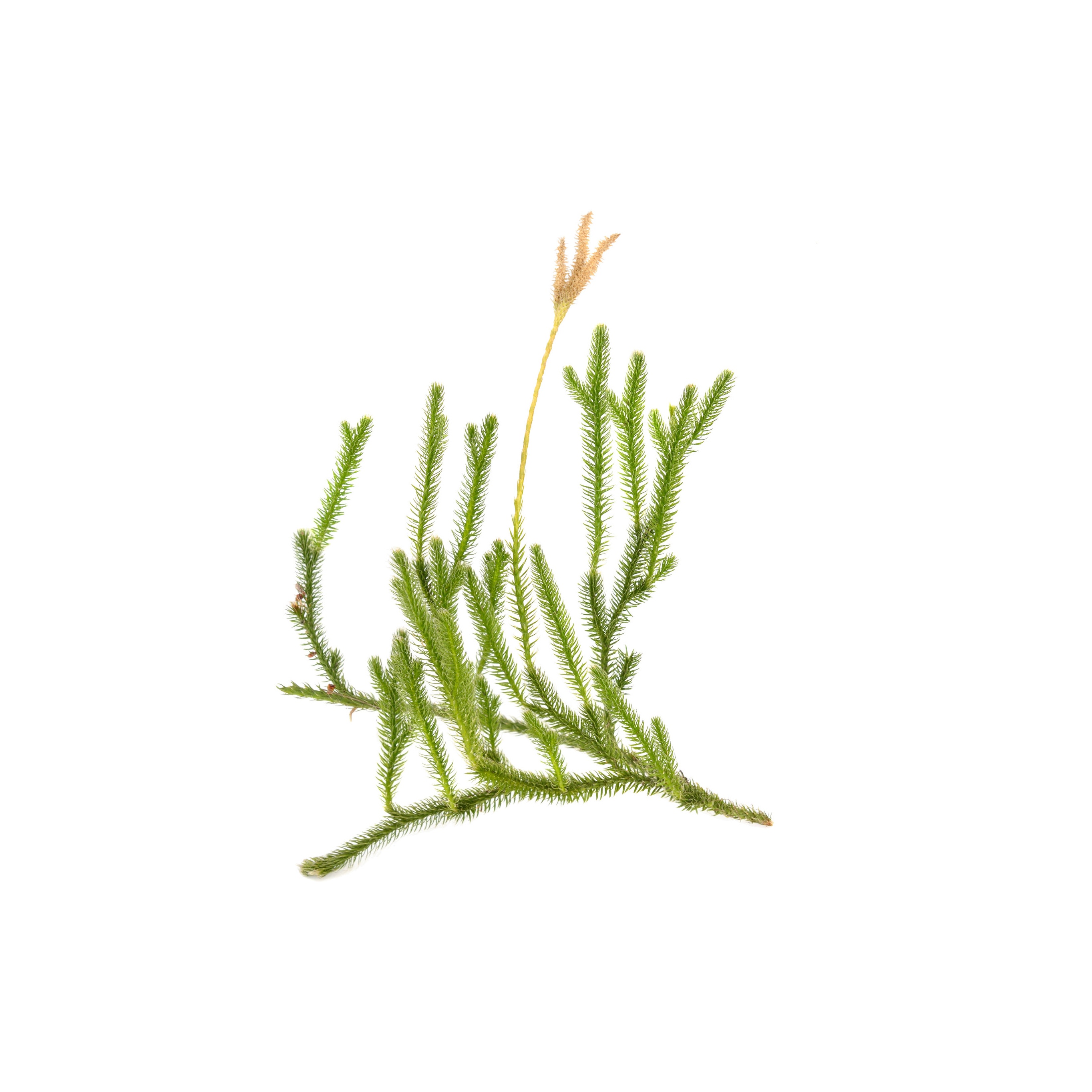 MildMildChinese ClubmossHuperzia serrataHuperzine A up-regulates nerve growth factor in review-level reports, with no dedicated study, dose-response or measure of neurite outgrowth behind the claim.Mechanismnerve-growth-factor upregulationRead the evidenceShow lessMonograph →
Huperzine A up-regulates nerve growth factor 1,
The evidence is a clause within a broader neuroprotection review, with no dedicated study, no dose-response, no measure of neurite outgrowth, synaptogenesis or BDNF, and nothing in humans. The same molecule’s acetylcholinesterase action is quantified in humans and benchmarked against a drug.
No herbs match these filters.
Safety
- Nothing in this group has been shown to regenerate a damaged nerve in a person; the evidence is structural change in cells and rodents.
- Cholinesterase-inhibiting herbs in the group add to donepezil, rivastigmine and galantamine.
- Nerve injury, neuropathy and cognitive decline need assessment rather than self-treatment.
- The effects belong to defined extracts and isolated compounds, and fruiting body and mycelium are not interchangeable.
References
- Qian ZM, Ke Y. (2014). Huperzine A: is it an effective disease-modifying drug for Alzheimer’s disease? — review. Front Aging Neurosci. https://pubmed.ncbi.nlm.nih.gov/25191267/
- Wongjaikam S, et al. (2024). Huperzine A regulates the physiological homeostasis of amyloid precursor protein proteolysis and tau protein conformation — in vitro / in silico. Biology (Basel). https://pubmed.ncbi.nlm.nih.gov/39056711/
- Orhan, I. E. (2012). Centella asiatica (L.) Urban: From traditional medicine to modern medicine with neuroprotective potential — review. Evidence-Based Complementary and Alternative Medicine. https://pubmed.ncbi.nlm.nih.gov/22666298/
- Puttarak, P., et al. (2017). Effects of Centella asiatica on cognitive function and mood — systematic review and meta-analysis. Scientific Reports. https://pubmed.ncbi.nlm.nih.gov/28878245/
- Tang, W., Kubo, M., Harada, K., et al. (2009). Novel NGF-potentiating diterpenoids from a Brazilian medicinal plant, Ptychopetalum olacoides — in vitro study. Bioorganic & Medicinal Chemistry Letters. https://pubmed.ncbi.nlm.nih.gov/19095451/
- Tang, W., Hioki, H., Harada, K., et al. (2008). Clerodane diterpenoids with NGF-potentiating activity from Ptychopetalum olacoides — in vitro study. Journal of Natural Products. https://pubmed.ncbi.nlm.nih.gov/18821798/
- Figueiró, M., Ilha, J., Pochmann, D., et al. (2010). Acetylcholinesterase inhibition in cognition-relevant brain areas of mice treated with a nootropic Amazonian herbal (Marapuama) — animal study. Phytomedicine. https://pubmed.ncbi.nlm.nih.gov/20833520/
- Spangenberg, E. T., et al. (2025). Unveiling the role of erinacines in the neuroprotective effects of Hericium erinaceus — systematic review. Front Pharmacol. https://pubmed.ncbi.nlm.nih.gov/40626304/
- Friedman, M. (2015). Chemistry, nutrition, and health-promoting properties of Hericium erinaceus mushroom — review. J Agric Food Chem. https://pubmed.ncbi.nlm.nih.gov/26244378/
- Bailly, C. (2020). Erinacine A and related cyathane diterpenoids: mechanisms underlying their neuroprotection and anticancer activities — review. Pharmacol Res. https://pubmed.ncbi.nlm.nih.gov/32485283/
- Wong, K. H., et al. (2016). Hericium erinaceus activates peripheral nerve regeneration after peroneal-nerve crush — rat in vivo study. Chin J Integr Med. https://pubmed.ncbi.nlm.nih.gov/25159861/
- Li, I. C., et al. (2020). Prevention of early Alzheimer’s disease by erinacine A-enriched Hericium erinaceus mycelia — randomised, double-blind, placebo-controlled pilot trial. Front Aging Neurosci. https://pubmed.ncbi.nlm.nih.gov/32581767/
Keep Exploring