

Overview
Acetylcholinesterase Inhibitor at a Glance
Acetylcholinesterase inhibitors increase acetylcholine signalling by slowing the enzyme that breaks it down.
Acetylcholine is heavily involved in attention, learning, and memory, which is why this mechanism is used in drugs such as donepezil, galantamine, and rivastigmine for Alzheimer’s disease.
It is one route to a nootropic effect, but it is a fairly specific one.
A herb can improve memory through circulation, stress reduction, neuroprotection, or other pathways without inhibiting acetylcholinesterase at all.
The strongest herbal example is Chinese clubmoss.
Its huperzine A is a potent, reversible acetylcholinesterase inhibitor that crosses the blood-brain barrier and has been used as an Alzheimer’s drug in China.
Muira puama has also produced measurable enzyme inhibition in brain tissue after oral dosing, while black maca has reduced acetylcholinesterase activity in animal studies.
Gotu kola is much less certain. The mechanism appears in review literature, but has not been well quantified.
Preparation matters a lot here.
The strongest evidence for Chinese clubmoss comes from isolated huperzine A, used at microgram doses.
Crude herb does not necessarily deliver anything close to the same pharmacological effect.
Caution
Adds to dementia drugs — these herbs add to donepezil, rivastigmine and galantamine and to organophosphate exposure, so they are not combined without supervision.
Excess brings nausea, slow pulse — nausea, sweating, slowed heart rate, hypersalivation and gut upset are the cholinergic dose limit.
Ask first with asthma or ulcer — bradycardia, seizure disorders, asthma, peptic ulcer and urinary obstruction call for medical advice before a cholinergic herb.
Mechanisms
How It Works
01
Reversible Enzyme Inhibition
The inhibitor occupies the enzyme’s active site or the peripheral site at the mouth of the gorge, and acetylcholine persists longer in the synapse.
Huperzine A binds reversibly, forms a long-lived complex and crosses the blood-brain barrier.
Dihydrotanshinone I from danshen binds the peripheral site only, a mode distinct from the dual-site drugs, and lactucopicrin from chicory and wild lettuce is a weak peripheral-site binder.
Muira puama’s extract inhibits the enzyme in rat cortex, hippocampus and striatum, and black maca lowers brain acetylcholinesterase in mice.
Donepezil, galantamine and rivastigmine work the same way.
The herbal inhibitors differ in potency by many orders of magnitude, from huperzine A’s nanomolar range to lactucopicrin’s 150 µM.
Cholinergic excess is the dose limit, and the effects add to any prescribed cholinesterase inhibitor.
Herbs: Chinese ClubmossGotu KolaMacaMuira Puama
Key compounds: Huperzine ADihydrotanshinone ILactucopicrin
02
Central Delivery
An inhibitor has to reach brain tissue at an active concentration, and most herbal cholinesterase claims stop at the cuvette.
Huperzine A’s central inhibition has been confirmed in people, and muira puama’s oral dosing produced measurable inhibition in mouse hippocampus and striatum.
Dihydrotanshinone I’s active concentration is 25 to 80 times its measured rat plasma level, and lactucopicrin is metabolised by gut bacteria before absorption.
Herbs: Chinese ClubmossMuira Puama
The Molecules
Pharmacology
What produces an acetylcholinesterase inhibitor effect at the molecular level. The herbs carry these molecules in different combinations and amounts, which is most of why their potency differs. Roles describe how central a molecule is to the action across plants generally, not how strong any one herb is.
Chiefly Diterpenes1Sesquiterpene Lactones1
Carries the action largely on its own — the effect is attributed to the molecule, not just the extract it came from.
Adds to a plant's effect and is often present in quantity, but rarely accounts for it alone.
Real but narrow — one pathway, one tissue, or evidence too thin to lean on.
Dihydrotanshinone I Diterpenes Primary mover Targets Acetylcholinesterase peripheral (P-)site, uncharged non-covalent binding
Bioassay-guided fractionation of danshen root identified dihydrotanshinone I as the principal acetylcholinesterase inhibitor present, with an IC50 of 1.0 µM against 7.0 µM for cryptotanshinone and tanshinone I and tanshinone IIA far weaker, reported as the first example of diterpenoids inhibiting the enzyme 1Reference 1In vitroNovel diterpenoid acetylcholinesterase inhibitors from Salvia miltiorhiza — in vitro study with HPLC quantification of root contentView study →.
Docking and kinetics extended this to human acetylcholinesterase and butyrylcholinesterase 2Reference 2In vitroInteraction study of two diterpenes, cryptotanshinone and dihydrotanshinone, to human acetylcholinesterase and butyrylcholinesterase by molecular docking and kinetic analysis — in vitro studyView study →, and X-ray crystallography of the complex with recombinant human AChE showed binding confined to the peripheral site at the mouth of the active-site gorge, not extending into the acylation site 3Reference 3Acetylcholinesterase complexes with the natural product inhibitors dihydrotanshinone I and territrem B: binding site assignment and validation through crystal structure determination — structural studyView study →, a mode distinct from the donepezil-type dual-site inhibitors and of independent interest for organophosphate protection.
Its calculated logP of 2.4 makes it the most blood-brain-barrier-plausible of the four tanshinones 1Reference 1In vitroNovel diterpenoid acetylcholinesterase inhibitors from Salvia miltiorhiza — in vitro study with HPLC quantification of root contentView study →.
Exposure is the limit: 1.0 µM is 25 to 80 times the measured rat plasma Cmax 4Reference 4ReviewTanshinones: sources, pharmacokinetics and anti-cancer activities — reviewView study →, and no brain concentration has been demonstrated.
Dihydrotanshinone and cryptotanshinone in mixture are less active than as isolates 1Reference 1In vitroNovel diterpenoid acetylcholinesterase inhibitors from Salvia miltiorhiza — in vitro study with HPLC quantification of root contentView study →, so the isolate data do not support a whole-extract cholinergic claim.
Dan shen carries it.
Lactucopicrin Sesquiterpene Lactones Primary mover Targets Acetylcholinesterase (peripheral/aromatic gorge)
Activity-guided fractionation of chicory-root dichloromethane extract, which itself inhibited acetylcholinesterase by 70% at 1 mg/mL, yielded lactucopicrin at an IC50 of 150.3 µM (95% CI 100.8–188.1) and 8-deoxylactucin at 308.1 µM, both pre-identified by a pharmacophore and docking screen 5Reference 5In vitroApplication of the in combo screening approach for the discovery of non-alkaloid acetylcholinesterase inhibitors from Cichorium intybus — in vitroView study →.
Isothermal titration calorimetry independently confirmed strong enzyme-ligand binding and ranked lactucopicrin above lactucin for inhibiting acetylcholine hydrolysis 6Reference 6In vitroEvaluation of activity of sesquiterpene lactones and chicory extracts as acetylcholinesterase inhibitors assayed in calorimetric and docking simulation studies — in vitroView study →.
The interaction looks specific rather than electrophilic: all three lactones carry the identical α-methylene-γ-lactone, so pure thiol alkylation predicts equipotency, and the potency ordering instead tracks the C-8 aryl-acetate ester, an aromatic group matched to the enzyme’s aromatic gorge; an unrelated structural study placed the same hydroxyphenyl moiety on His72 of ZDHHC4 7Reference 7AnimalLactucopicrin promotes the autophagic degradation of MAP2K4/MKK4 by mediating CCDC50 palmitoylation to alleviate osteoarthritis progression — animal in vivo (mouse destabilised-medial-meniscus model)View study →.
At 150 µM it is roughly a thousandfold weaker than the clinical anticholinesterases, no animal cognition model exists, no brain or plasma concentration has been measured, and human gut microbiota hydrogenate and dehydroxylate the parent before absorption 8Reference 8Clinical trialHuman gut microbiota metabolism of dietary sesquiterpene lactones: untargeted metabolomics study of lactucopicrin and lactucin conversion in vitro and in human volunteersView study →.
The data are isolate only, from chicory root.
Wild lettuce carries it.
Found in Wild Lettuce
Full Lactucopicrin profile →Materia Medica
Acetylcholinesterase-Inhibiting Herbs by Potency
The acetylcholinesterase inhibitor herbs, ordered by the relative strength of the effect rather than by how well studied it is. Each herb is described by the mechanism behind its effect and the evidence for it.
None of this is a substitute for professional care.
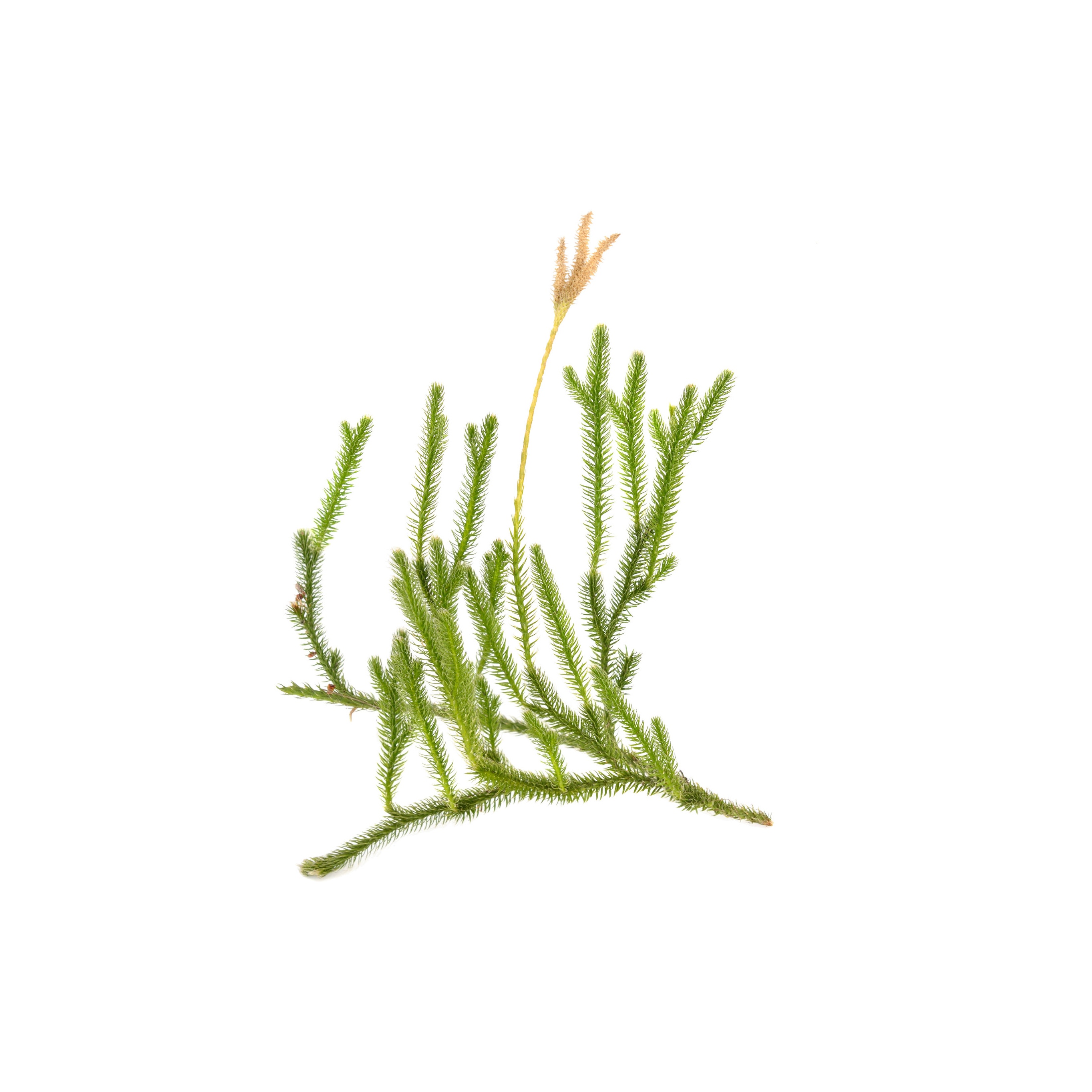 PotentPotentChinese ClubmossHuperzia serrataHuperzine A is a reversible, brain-penetrant acetylcholinesterase inhibitor licensed as an Alzheimer's drug in China, about 88 times more potent than galantamine in primates, with enzyme inhibition measured in people.Mechanismreversible, blood-brain-barrier-penetrant AChE inhibition; long-lived enzyme complexRead the evidenceShow lessMonograph →
Huperzine A is a reversible, blood-brain-barrier-penetrant acetylcholinesterase inhibitor working on the same cholinergic principle as donepezil and galantamine, and it is a licensed anti-Alzheimer’s drug in China 9,
The inhibition has been quantified in humans. In a phase Ib study, oral huperzine A gave dose-dependent protection of red-blood-cell acetylcholinesterase against ex-vivo soman, with 30 to 40% enzyme inhibition at 100 µg rising above 50% at 400 µg 11Reference 11Clinical trialProtection of red blood cell acetylcholinesterase by oral huperzine A against ex vivo soman exposure — clinical trial / ex vivoView study →, and controlled human work confirms measurable central cholinesterase inhibition 12Reference 12RCTPhysiological and neurobehavioral effects of cholinesterase inhibition in healthy adults — placebo-controlled human studyView study →.
In cynomolgus macaques it was about 88 times more potent than galantamine as a centrally active reversible inhibitor 13Reference 13AnimalTime course, behavioral safety, and protective efficacy of centrally active reversible acetylcholinesterase inhibitors in cynomolgus macaques — animal in vivoView study →. Huperzine A also binds the NMDA-receptor channel 14Reference 14In vitroThe NMDA receptor ion channel: a site for binding of huperzine A — in vitroView study →, an action separate from cholinesterase inhibition.
The plant carries only about 75 to 93 µg/g of the alkaloid 15Reference 15A survey of potential huperzine A natural resources in China: the HuperziaceaeView study →, so every figure belongs to a microgram-dosed isolate, and no realistic quantity of crude clubmoss delivers it.
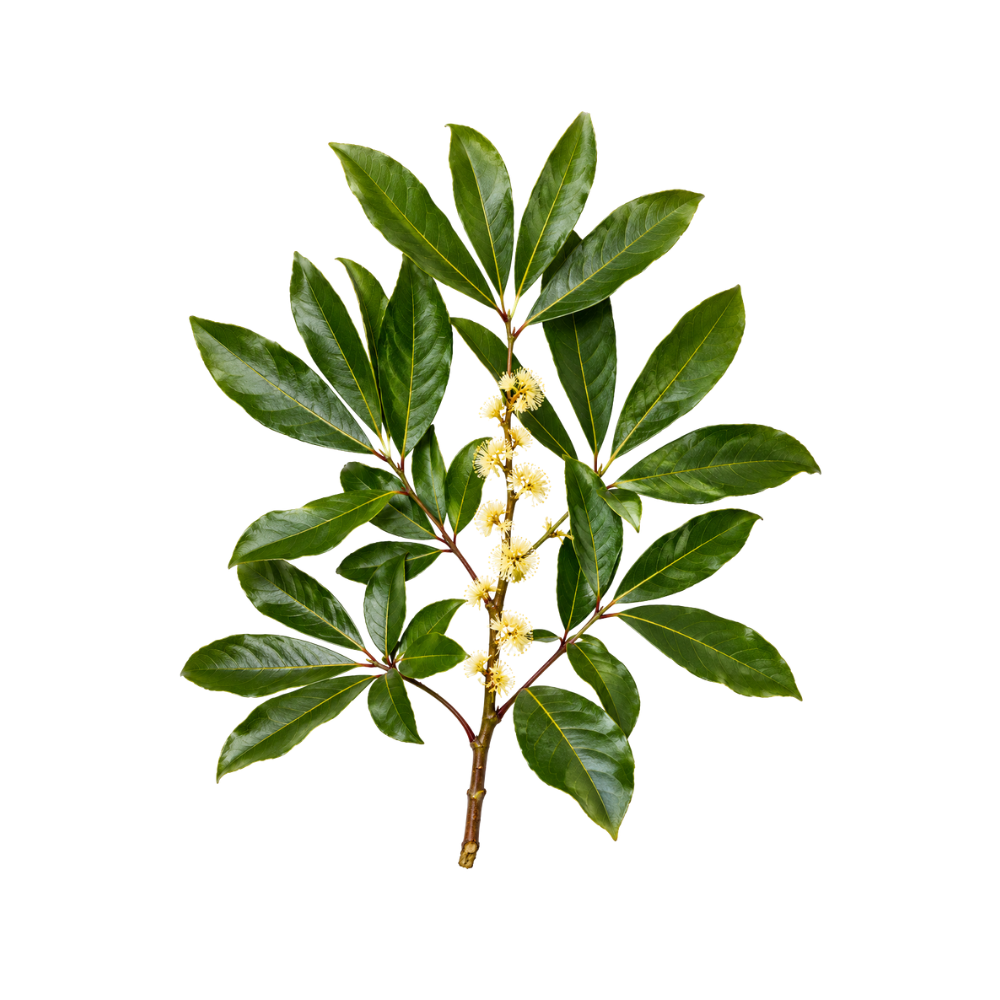 ModerateModerateMuira PuamaPtychopetalum olacoidesThe Amazonian nerve tonic; its standardised extract inhibits acetylcholinesterase in mouse hippocampus and striatum after an oral dose and improves memory retrieval, with the active molecule still unidentified.MechanismAChE inhibition in frontal cortex, hippocampus and striatum — confirmed in vivo after oral dosing (hippocampal CA1 ~33%)Read the evidenceShow lessMonograph →
Standardised ethanol extract (POEE) inhibits acetylcholinesterase in rat frontal cortex, hippocampus and striatum in vitro 21Reference 21In vitroPtychopetalum olacoides, a traditional Amazonian “nerve tonic”, possesses anticholinesterase activity — in vitro / animal studyView study →, and oral dosing produced meaningful inhibition in the hippocampus (CA1 about 33%) and striatum of live mice 22Reference 22AnimalAcetylcholinesterase inhibition in cognition-relevant brain areas of mice treated with a nootropic Amazonian herbal (Marapuama) — animal studyView study →, so the active compounds are orally bioavailable and reach cognition-relevant tissue.
The functional readout matches the mechanism. The extract improved memory retrieval in step-down inhibitory-avoidance and object-recognition tasks in young and aged mice without altering acquisition or consolidation 23,
Everything is rodent, with no human study, and the acetylcholinesterase-active molecule has never been isolated, so the effect belongs to a whole extract that cannot be standardised to it.
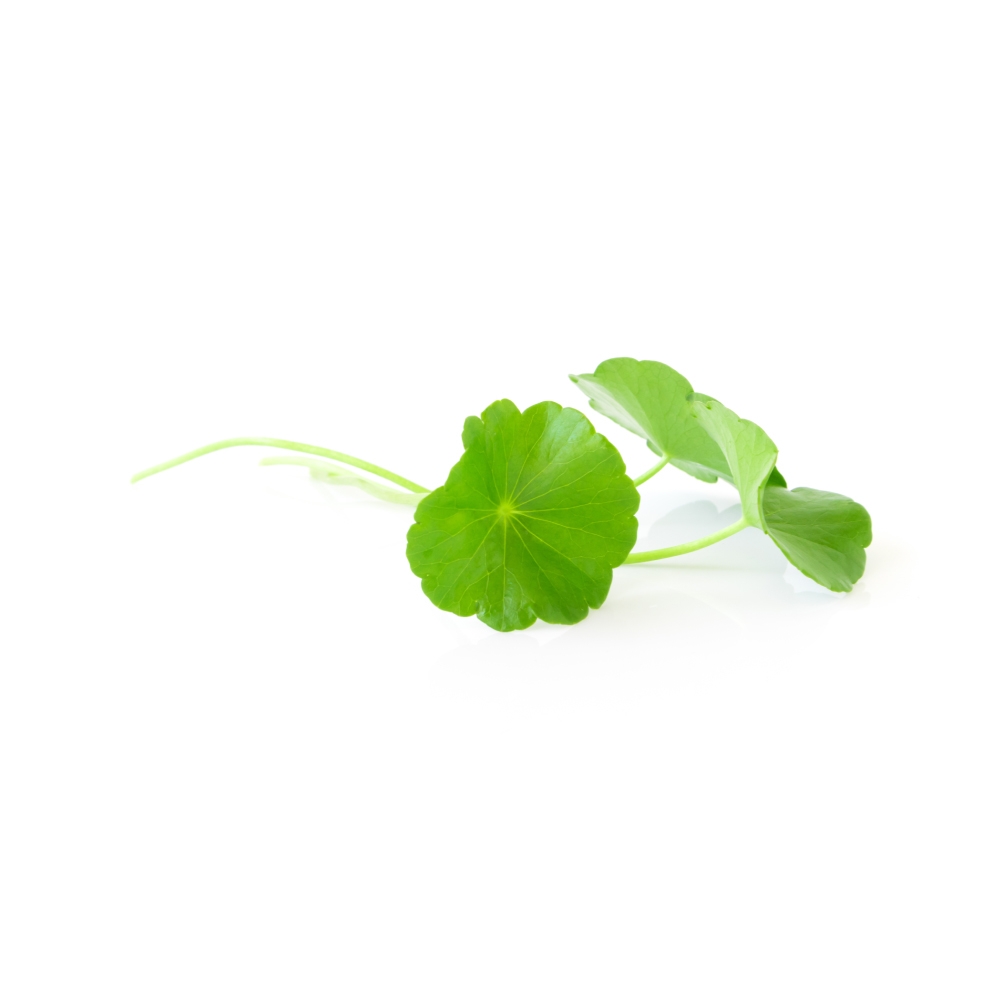 MildMildGotu KolaCentella asiaticaThe Brahmi of Ayurvedic practice; acetylcholinesterase inhibition is listed among its brain mechanisms in a 2012 review, unquantified, and its human cognitive meta-analysis is null.Mechanismacetylcholinesterase inhibition (reported in review, not quantified)Read the evidenceShow lessMonograph →
The 2012 review lists acetylcholinesterase and tyrosinase inhibition among the mechanisms behind the herb’s brain effects, alongside reduced lipid peroxidation, dendritic arborisation and raised Na⁺/K⁺-ATPase 16Reference 16ReviewCentella asiatica (L.) Urban: From traditional medicine to modern medicine with neuroprotective potential — reviewView study →.
There is no IC₅₀, no dose-response, no comparison to a reference inhibitor and no human enzyme measurement.
The 2017 systematic review and meta-analysis of five RCTs of C. asiatica alone plus six combination products found no significant difference from placebo in any cognitive domain 17Reference 17Meta-analysisEffects of Centella asiatica on cognitive function and mood — systematic review and meta-analysisView study →.
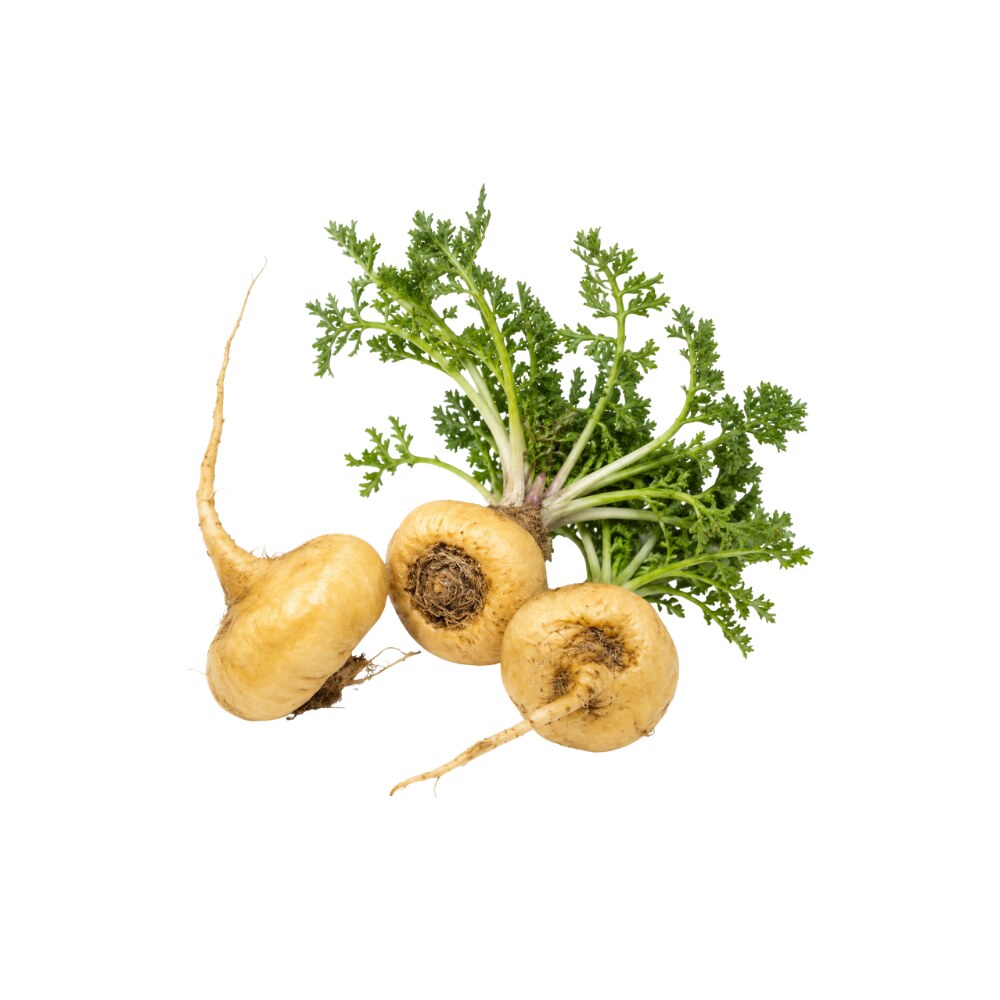 MildMildMacaLepidium meyeniiBlack maca extracts lower brain acetylcholinesterase activity in mice and reverse ovariectomy- and scopolamine-induced memory deficits; the yellow maca on the shelf was not tested.Mechanismbrain AChE activity ↓ (rodent, induced-deficit models); paired with lipid-peroxidation reductionRead the evidenceShow lessMonograph →
Aqueous black-maca extract improved learning and memory in ovariectomised mice while lowering brain malondialdehyde and acetylcholinesterase activity 18Reference 18AnimalAqueous extract of black maca (Lepidium meyenii) on memory impairment induced by ovariectomy in mice — animal modelView study →, and both aqueous and hydroalcoholic black-maca extracts corrected scopolamine-induced memory deficits in male mice, again through acetylcholinesterase inhibition 19Reference 19AnimalAqueous and hydroalcoholic extracts of black maca (Lepidium meyenii) improve scopolamine-induced memory impairment in mice — animal modelView study →. Scopolamine is a cholinergic blockade model, so reversing it is a mechanistically apt test.
Reviews attribute the effect to combined antioxidant and AChE-inhibitory activity and note that black maca outperforms the other colours 20Reference 20ReviewEthnobiology and ethnopharmacology of Lepidium meyenii (Maca), a plant from the Peruvian highlands — reviewView study →; the yellow powder that dominates the market is not what was tested.
The inhibition is a brain-tissue measurement in induced-deficit rodents only, with no IC₅₀, no confirmation after oral dosing of the kind muira puama has, and no human cognition trial.
No herbs match these filters.
Safety
- Cholinesterase-inhibiting herbs add to donepezil, rivastigmine and galantamine and to organophosphate exposure, and are not combined with them without supervision.
- Nausea, sweating, bradycardia, hypersalivation and gut upset are the cholinergic dose limit and arrive before any cognitive ceiling.
- Dose is set by the isolate, and the meaningful figures belong to standardised extracts rather than the crude plant.
- Bradycardia, seizure disorders, asthma, peptic ulcer and urinary obstruction call for medical advice before a cholinergic herb.
References
- Ren Y, Houghton PJ, Hider RC, Howes MJ (2004). Novel diterpenoid acetylcholinesterase inhibitors from Salvia miltiorhiza — in vitro study with HPLC quantification of root content. Planta Medica. https://pubmed.ncbi.nlm.nih.gov/15114495/
- Wong KK, Ngo JC, Liu S, et al. (2010). Interaction study of two diterpenes, cryptotanshinone and dihydrotanshinone, to human acetylcholinesterase and butyrylcholinesterase by molecular docking and kinetic analysis — in vitro study. Chemico-Biological Interactions. https://pubmed.ncbi.nlm.nih.gov/20350537/
- Cheung J, Beri V, Shiomi K, Rosenberry TL (2014). Acetylcholinesterase complexes with the natural product inhibitors dihydrotanshinone I and territrem B: binding site assignment and validation through crystal structure determination — structural study. Journal of Molecular Neuroscience. https://pubmed.ncbi.nlm.nih.gov/24573600/
- Zhang Y, Jiang P, Ye M, Kim SH, Jiang C, Lü J (2012). Tanshinones: sources, pharmacokinetics and anti-cancer activities — review. International Journal of Molecular Sciences. https://pubmed.ncbi.nlm.nih.gov/23202971/
- Rollinger JM, Mocka P, Zidorn C, Ellmerer EP, Langer T, Stuppner H (2005). Application of the in combo screening approach for the discovery of non-alkaloid acetylcholinesterase inhibitors from Cichorium intybus — in vitro. Current Drug Discovery Technologies. https://pubmed.ncbi.nlm.nih.gov/16472227/
- Jaśkiewicz A, et al. (2022). Evaluation of activity of sesquiterpene lactones and chicory extracts as acetylcholinesterase inhibitors assayed in calorimetric and docking simulation studies — in vitro. Nutrients. https://pubmed.ncbi.nlm.nih.gov/36079888/
- Li W, et al. (2026). Lactucopicrin promotes the autophagic degradation of MAP2K4/MKK4 by mediating CCDC50 palmitoylation to alleviate osteoarthritis progression — animal in vivo (mouse destabilised-medial-meniscus model). Autophagy. https://pubmed.ncbi.nlm.nih.gov/41566717/
- García CJ, Beltrán D, Tomás-Barberán FA (2020). Human gut microbiota metabolism of dietary sesquiterpene lactones: untargeted metabolomics study of lactucopicrin and lactucin conversion in vitro and in human volunteers. Molecular Nutrition & Food Research. https://pubmed.ncbi.nlm.nih.gov/32970341/
- Ma X, Tan C, Zhu D, Gang DR, Xiao P. (2007). Huperzine A from Huperzia species — an ethnopharmacological review — review. J Ethnopharmacol. https://pubmed.ncbi.nlm.nih.gov/17644292/
- Qian ZM, Ke Y. (2014). Huperzine A: is it an effective disease-modifying drug for Alzheimer’s disease? — review. Front Aging Neurosci. https://pubmed.ncbi.nlm.nih.gov/25191267/
- Haigh JR, Johnston SR, Peppernay A, et al. (2008). Protection of red blood cell acetylcholinesterase by oral huperzine A against ex vivo soman exposure — clinical trial / ex vivo. Chem Biol Interact. https://pubmed.ncbi.nlm.nih.gov/18572153/
- Morasch KC, Aaron CL, Moon JE, Gordon RK. (2015). Physiological and neurobehavioral effects of cholinesterase inhibition in healthy adults — placebo-controlled human study. Physiol Behav. https://pubmed.ncbi.nlm.nih.gov/25455867/
- Hamilton LR, Schachter SC, Myers TM (2017). Time course, behavioral safety, and protective efficacy of centrally active reversible acetylcholinesterase inhibitors in cynomolgus macaques — animal in vivo. Neurochem Res. https://pubmed.ncbi.nlm.nih.gov/27900576/
- Gordon RK, Nigam SV, Weitz JA, et al. (2001). The NMDA receptor ion channel: a site for binding of huperzine A — in vitro. J Appl Toxicol. https://pubmed.ncbi.nlm.nih.gov/11920920/
- Ma X, Tan C, Zhu D, Gang DR. (2006). A survey of potential huperzine A natural resources in China: the Huperziaceae. J Ethnopharmacol. https://pubmed.ncbi.nlm.nih.gov/16203116/
- Orhan, I. E. (2012). Centella asiatica (L.) Urban: From traditional medicine to modern medicine with neuroprotective potential — review. Evidence-Based Complementary and Alternative Medicine. https://pubmed.ncbi.nlm.nih.gov/22666298/
- Puttarak, P., et al. (2017). Effects of Centella asiatica on cognitive function and mood — systematic review and meta-analysis. Scientific Reports. https://pubmed.ncbi.nlm.nih.gov/28878245/
- Rubio, J., et al. (2011). Aqueous extract of black maca (Lepidium meyenii) on memory impairment induced by ovariectomy in mice — animal model. Evid Based Complement Alternat Med. https://pubmed.ncbi.nlm.nih.gov/18955369/
- Rubio, J., et al. (2007). Aqueous and hydroalcoholic extracts of black maca (Lepidium meyenii) improve scopolamine-induced memory impairment in mice — animal model. Food Chem Toxicol. https://pubmed.ncbi.nlm.nih.gov/17543435/
- Gonzales, G. F. (2012). Ethnobiology and ethnopharmacology of Lepidium meyenii (Maca), a plant from the Peruvian highlands — review. Evid Based Complement Alternat Med. https://pubmed.ncbi.nlm.nih.gov/21977053/
- Siqueira, I. R., Fochesatto, C., da Silva, A. L., et al. (2003). Ptychopetalum olacoides, a traditional Amazonian “nerve tonic”, possesses anticholinesterase activity — in vitro / animal study. Pharmacology, Biochemistry, and Behavior. https://pubmed.ncbi.nlm.nih.gov/12895682/
- Figueiró, M., Ilha, J., Pochmann, D., et al. (2010). Acetylcholinesterase inhibition in cognition-relevant brain areas of mice treated with a nootropic Amazonian herbal (Marapuama) — animal study. Phytomedicine. https://pubmed.ncbi.nlm.nih.gov/20833520/
- da Silva, A. L., Piato, A. L., Ferreira, J. G., et al. (2007). Promnesic effects of Ptychopetalum olacoides in aversive and non-aversive learning paradigms — animal study. Journal of Ethnopharmacology. https://pubmed.ncbi.nlm.nih.gov/17023132/
- da Silva, A. L., Piato, A. L., Bardini, S., et al. (2004). Memory retrieval improvement by Ptychopetalum olacoides in young and aging mice — animal study. Journal of Ethnopharmacology. https://pubmed.ncbi.nlm.nih.gov/15507336/
Keep Exploring