
Condition
Migraine
Migraine is a neurological disorder, not a bad headache — how it's diagnosed, why the old vascular theory is wrong, and which nutrients have real guideline support.

Migraine is not a bad headache. It is a common, disabling neurological disorder in which attacks of severe head pain arrive with nausea, vomiting and extreme sensitivity to light and sound, often preceded or accompanied by neurological aura, and separated by periods of relative normality. It affects roughly one in seven people, three times more women than men, and ranks among the leading causes of years lived with disability worldwide.
Migraine is the one headache disorder where the botanical evidence is thin but the nutritional evidence is unusually strong: riboflavin and magnesium have guideline-level support that most supplements never approach.
Presentation
Types & Variants
- Migraine without aura — the most common form: recurrent attacks of moderate-to-severe, often one-sided, pulsating head pain lasting 4–72 hours, worsened by routine activity and accompanied by nausea and/or light and sound sensitivity.
- Migraine with aura — around a third of people, in whom attacks are preceded by reversible neurological symptoms developing over 5–20 minutes and lasting under an hour: most often visual (zigzag lines, scotoma), sometimes sensory, speech or motor. Aura is cortical, not vascular.
- Chronic migraine — headache on 15 or more days a month for over three months, with migraine features on at least eight. It usually evolves out of episodic migraine, and medication overuse is the single most common driver of that transformation.
- Menstrual migraine — attacks reliably clustered around the perimenstrual oestrogen withdrawal; typically longer, more severe and less responsive to acute treatment.
- Vestibular migraine — recurrent vertigo as the dominant symptom, with or without head pain; a leading cause of episodic dizziness and frequently misattributed to the inner ear.
- Migraine with brainstem aura and hemiplegic migraine — rarer forms with brainstem symptoms or motor weakness, both of which change the safety calculus, since vasoconstrictor acute treatments are contraindicated.
Overview
General Pathology
The old “vascular theory” is wrong, and it still shapes a lot of herbal writing about migraine. For most of the twentieth century migraine was explained as vasoconstriction causing aura followed by rebound vasodilation causing pain — which is why so much traditional advice reaches for vasodilators and “circulatory” herbs. Modern evidence describes something else: migraine is a disorder of a hyperexcitable brain and of the trigeminovascular system, and the vascular changes are a downstream consequence rather than the cause.
Aura corresponds to cortical spreading depression — a slow wave of neuronal and glial depolarization moving across the cortex at 2–5 mm per minute, followed by suppression, which matches the march of visual aura almost exactly. Pain arises when trigeminal sensory fibres innervating the meninges are activated and sensitized, releasing calcitonin gene-related peptide (CGRP) and other neuropeptides. CGRP is the pivotal molecule: infusing it triggers migraine in susceptible people, and blocking it aborts and prevents attacks — which is the basis of the gepants and the CGRP monoclonal antibodies that have reshaped treatment since 2018.
Central sensitization explains why an established attack becomes harder to treat and why the scalp becomes tender (allodynia), and it is the pharmacological reason acute treatment works far better taken early. Between attacks the migraine brain shows altered habituation to sensory input — it does not damp down repeated stimuli the way most brains do, which is the plausible substrate for trigger sensitivity.
Migraine carries a strong genetic component and clusters with depression, anxiety, epilepsy, irritable bowel syndrome, fibromyalgia and insomnia. Migraine with aura is associated with a modestly increased risk of ischaemic stroke, an association that becomes clinically important alongside smoking and combined hormonal contraception.
Assessment
Diagnosis
Migraine is diagnosed clinically, on pattern, using the ICHD-3 criteria: at least five attacks lasting 4–72 hours, with at least two of (one-sided, pulsating, moderate-to-severe, aggravated by routine activity), and at least one of (nausea/vomiting, or light and sound sensitivity). No scan or blood test confirms it, and imaging in someone with a typical history and normal examination is generally unhelpful.
Imaging and prompt assessment are warranted for red-flag features — a sudden “worst ever” thunderclap headache, headache with fever or neck stiffness, new headache after age 50, progressive daily worsening, headache with abnormal neurological signs, or a headache pattern that changes distinctly in an established migraine sufferer.
Two diagnostic traps send people toward self-treatment. “Sinus headache” is very often migraine — facial pain, congestion and tearing are trigeminal-autonomic features of migraine itself, not evidence of sinus infection. And medication-overuse headache develops when acute treatment is taken too often (roughly 10+ days a month for triptans, opioids and combination analgesics, 15+ for simple analgesics), producing a daily headache that only worsens as more treatment is taken. It is common, frequently missed, and it resolves on withdrawal.
Treatment
Conventional Treatment
Acute treatment. NSAIDs and aspirin work well for many attacks. Triptans are the migraine-specific standard and are most effective taken early, though they are contraindicated in uncontrolled hypertension, ischaemic heart disease and hemiplegic or brainstem-aura migraine. Gepants (CGRP receptor antagonists) and ditans are newer options without vasoconstrictor effects, useful precisely where triptans cannot be used. Anti-emetics are therapeutic in migraine, not just symptomatic, since gastric stasis during an attack impairs absorption of everything taken by mouth.
Preventive treatment is considered when attacks are frequent, disabling or poorly responsive. Established options include beta-blockers (propranolol, metoprolol), topiramate, sodium valproate, amitriptyline and candesartan. Since 2018 the CGRP monoclonal antibodies — erenumab, fremanezumab, galcanezumab, eptinezumab — have offered the first preventives designed for migraine rather than borrowed from other conditions, and onabotulinumtoxinA is established for chronic migraine.
Any preventive needs an adequate trial — typically 8–12 weeks at target dose — before being judged, and the realistic goal is fewer and less severe attacks, not their abolition.
Treatment
What Actually Helps
Migraine is unusual in that several nutritional agents carry formal guideline recognition, which is a much higher bar than “some trials exist.”
Riboflavin (vitamin B2) at 400 mg/day has the cleanest result. In a randomized controlled trial, riboflavin was superior to placebo in reducing attack frequency, with 59% of riboflavin patients responding against 15% on placebo and a number-needed-to-treat of 2.3 12Reference 12RCTEffectiveness of high-dose riboflavin in migraine prophylaxis — randomised controlled trial (400 mg/day; 59% vs 15% responders, NNT 2.3)View study →. A 2025 review concludes it can be recommended for migraine prevention in adults, with minimal side effects, while noting effectiveness in children remains unproven 13Reference 13ReviewNutraceuticals and headache 2024: riboflavin, coenzyme Q10, feverfew, magnesium, melatonin, and butterbur — reviewView study →. The dose matters: 400 mg is far above nutritional intake, and ordinary B-complex products do not deliver it.
Magnesium is recommended for migraine prevention by the same review, and intravenously for acute attacks 13Reference 13ReviewNutraceuticals and headache 2024: riboflavin, coenzyme Q10, feverfew, magnesium, melatonin, and butterbur — reviewView study →. The AAN/AHS guideline rates it probably effective, though individual trials conflict 11Reference 11Evidence-based guideline update: NSAIDs and other complementary treatments for episodic migraine prevention in adults — AAN/AHS Quality Standards Subcommittee reportView study →. Doses used are typically 400–600 mg/day of elemental magnesium; loose stools are the usual limiting factor, and the citrate and glycinate forms are better tolerated than oxide.
Coenzyme Q10 carries Level C evidence with few adverse effects 13Reference 13ReviewNutraceuticals and headache 2024: riboflavin, coenzyme Q10, feverfew, magnesium, melatonin, and butterbur — reviewView study →.
Butterbur (Petasites hybridus) has the strongest efficacy evidence of any botanical in migraine prevention, and a real concern for hepatotoxicity 13Reference 13ReviewNutraceuticals and headache 2024: riboflavin, coenzyme Q10, feverfew, magnesium, melatonin, and butterbur — reviewView study →. Unlicensed products were withdrawn in several countries after cases of liver injury, and raw butterbur additionally contains hepatotoxic and carcinogenic pyrrolizidine alkaloids that must be removed by processing. Anyone considering it should check current national safety guidance first, not a supplement label.
Melatonin shows weak evidence and is weakly recommended only where sleep disturbance is part of the picture — with the added caveat that the purity of melatonin sold in the US is poor 13Reference 13ReviewNutraceuticals and headache 2024: riboflavin, coenzyme Q10, feverfew, magnesium, melatonin, and butterbur — reviewView study →.
Feverfew is the traditional migraine herb. The Cochrane review found six trials in 561 patients, low-quality evidence, with one larger rigorous trial showing a reduction of 0.6 attacks per month and two other rigorous trials finding no significant difference 4Reference 4Systematic reviewFeverfew for preventing migraine — systematic reviewView study →. It appears safe, and it may help; the evidence does not yet support a confident claim, and extract stability varies widely between products.
Ginger is best understood as acting on the nausea rather than the headache — which, given how much of migraine’s disability is gastrointestinal, is not a small thing. 5-HTP’s migraine literature is dated and heterogeneous, and no recent placebo-controlled trial supports it as a first-line preventive.
Everyday measures matter most: regular sleep, regular meals, hydration, exercise, and identifying genuine personal triggers rather than eliminating foods wholesale. Keeping a headache diary is the single most useful self-directed intervention, because it distinguishes real triggers from coincidence and reveals medication-overuse patterns that neither the patient nor the prescriber may have noticed.
Materia Medica
Materia Medica
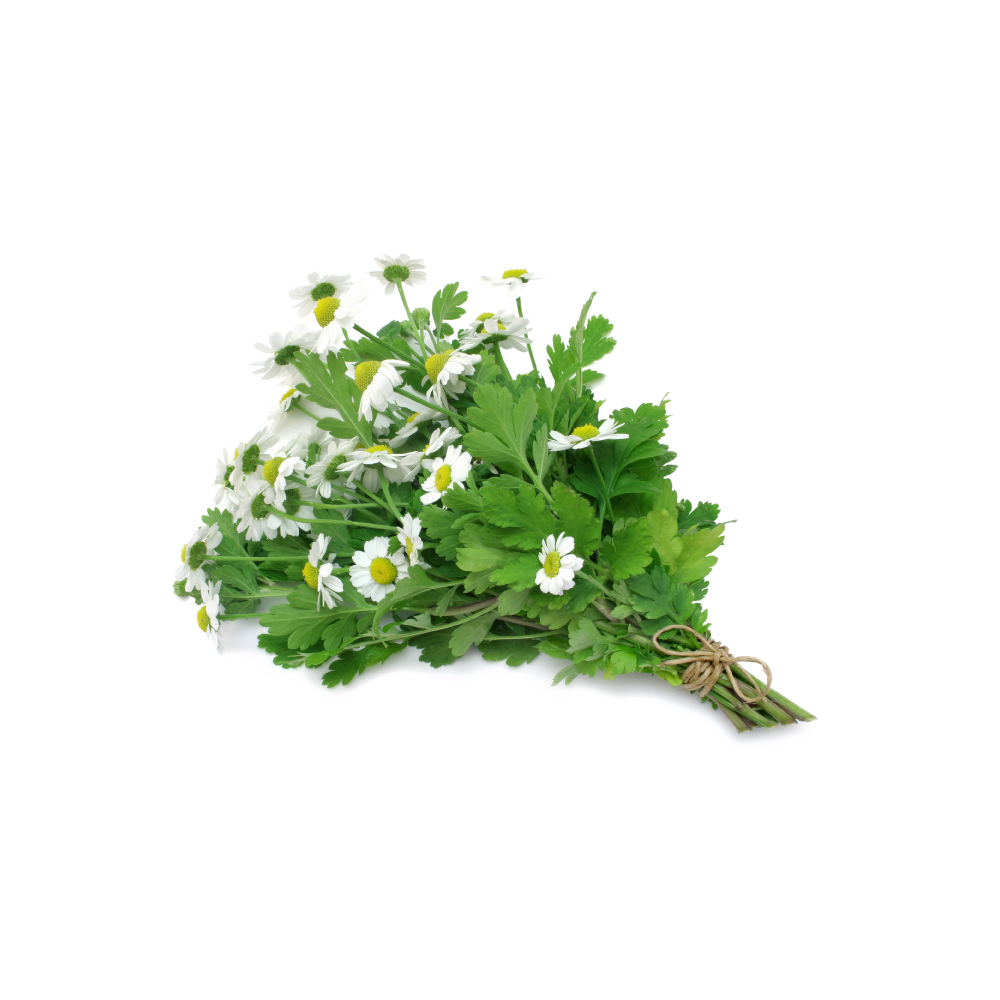 FeverfewTanacetum partheniumModerate
Feverfew is the flagship herbal preventive: six double-blind placebo-controlled RCTs (561 patients) have tested monopreparations for migraine prophylaxis, and the largest rigorous trial — a 16-week study of a stable supercritical-CO₂ extract (MIG-99, parthenolide-standardized, 6.25 mg three times daily, n=170) — cut attack frequency by about 0.6 attacks/month versus placebo, with no effect on intensity or duration 2,
Results across trials are inconsistent (two rigorous trials in feverfew-naive patients were null; two early positives were confounded by withdrawal in habitual users), and a 2015 Cochrane review plus a 2025 meta-analysis both rate the overall evidence as low quality 4,
This is prophylaxis (gradual, long-term use), not acute relief, and parthenolide content varies enormously by chemotype — a standardized extract (≥0.2% parthenolide) is essential, so results do not transfer to a tea or generic tincture.
Full monograph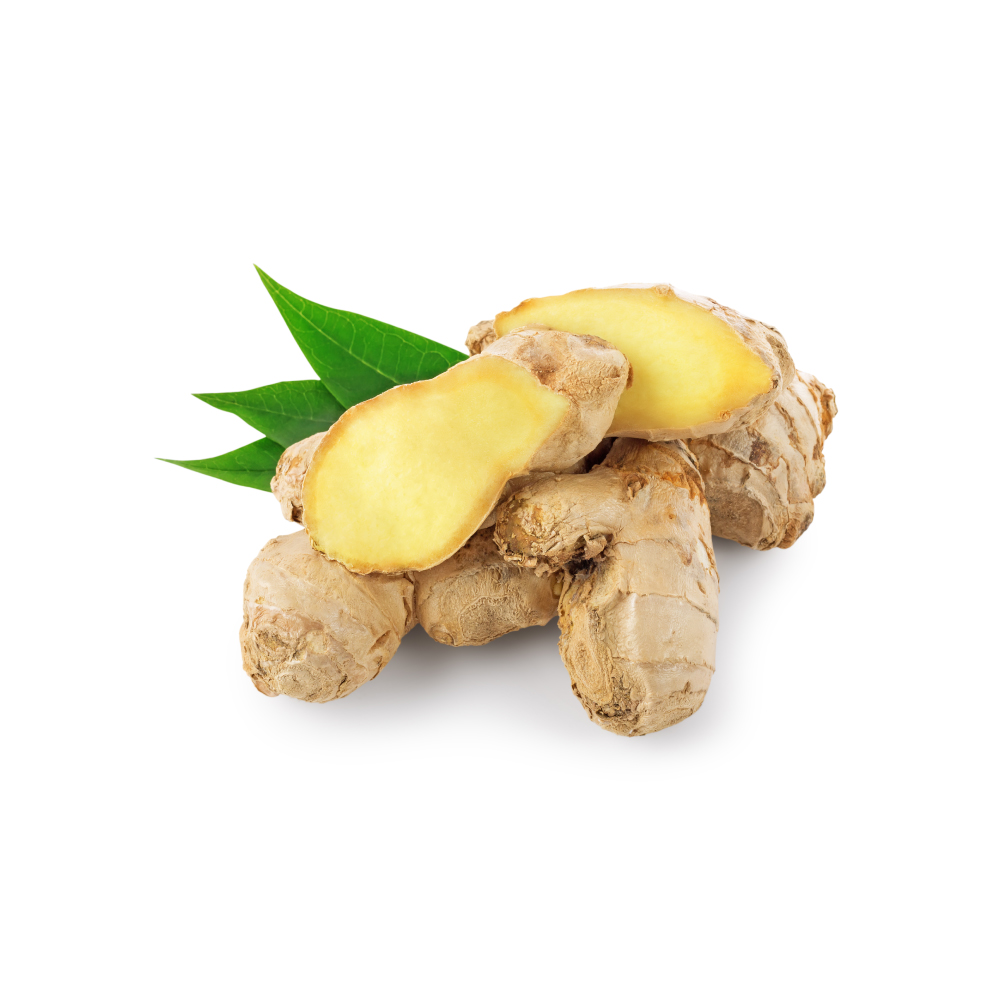 GingerZingiber officinaleModerate
Ginger’s evidence points to acute attack relief rather than prevention. A double-blind trial of 100 patients found 250 mg ginger powder comparable to sumatriptan for aborting a common migraine attack, with fewer side effects 6Reference 6RCTComparison between the efficacy of ginger and sumatriptan in the ablative treatment of the common migraine — randomized controlled trialView study →, and a second RCT found ginger added to standard emergency-room treatment improved clinical response at 1–2 hours versus placebo 7Reference 7RCTDouble-blind placebo-controlled randomized clinical trial of ginger (Zingiber officinale Rosc.) addition in migraine acute treatment — randomized controlled trialView study →.
A prophylaxis RCT from the same group, however, found no difference from placebo in the proportion achieving a 50% reduction in attack frequency 8Reference 8RCTDouble-blind placebo-controlled randomized clinical trial of ginger (Zingiber officinale Rosc.) in the prophylactic treatment of migraine — randomized controlled trialView study →. The acute-treatment trials are small and single-centre and the one prophylaxis trial was null, so ginger’s role appears limited to symptomatic relief, not prevention.
Full monograph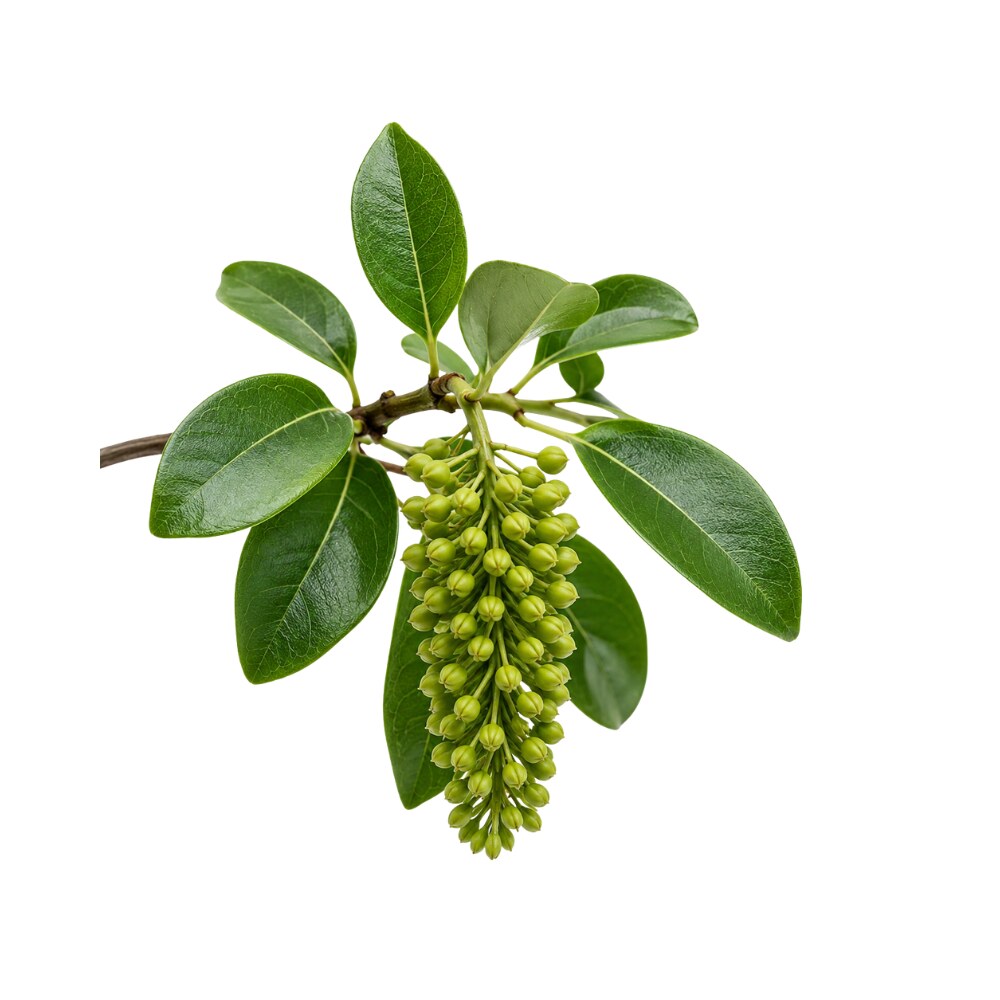 GriffoniaGriffonia simplicifoliaModerate
Griffonia seed delivers 5-HTP, which crosses the blood–brain barrier and raises central serotonin synthesis — a rationale for migraine prophylaxis. An adult RCT of 124 migraineurs found 5-HTP improved attacks in ~71% of patients, comparable to methysergide (~75%) and better tolerated, and a separate trial reported it comparable to propranolol 9Reference 9RCTTitus F, Dávalos A, Alom J, Codina A. (1986). 5-Hydroxytryptophan versus methysergide in the prophylaxis of migraine — randomised clinical trial. European Neurology. https://pubmed.ncbi.nlm.nih.gov/3536521/View study →.
These trials used active comparators with no placebo arm, and the one rigorous placebo comparison — a double-blind crossover in children at 5 mg/kg/day — found 5-HTP and placebo both reduced the migraine index with no significant difference 10Reference 10RCTL-5-hydroxytryptophan versus placebo in childhood migraine prophylaxis — double-blind crossover studyView study →. No adult placebo-controlled trial exists, and the pediatric null is consistent with migraine’s large placebo response, so the positive results against active drugs carry less weight than they appear to.
Full monograph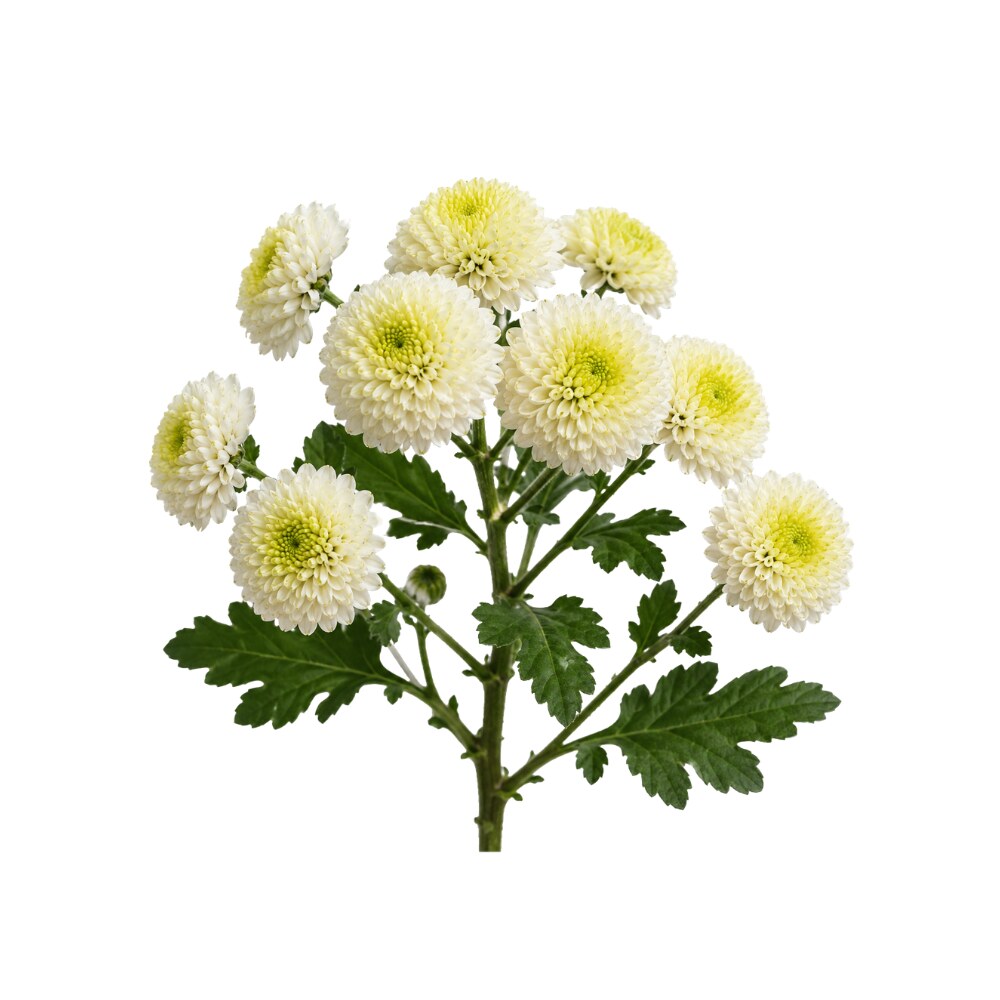 ChrysanthemumChrysanthemum morifoliumPreclinical
Chrysanthemum morifolium essential oil eased nitroglycerin-induced migraine in a mouse model by regulating CGRP and substance P — the two neuropeptides central to migraine’s neurovascular model 1Reference 1AnimalEssential oil of Chrysanthemi Flos alleviates nitroglycerin-induced migraine via CGRP and substance P (mouse model)View study →. The data are from animals only, with no human trial, and results shift with cultivar and preparation (essential oil ≠ water extract ≠ whole flower).
Full monographSupplementation
Supplementation
Supplements, nutrients and compounds used for migraine.
References
- Meng et al. (2025). Essential oil of Chrysanthemi Flos alleviates nitroglycerin-induced migraine via CGRP and substance P (mouse model). Journal of Ethnopharmacology. https://pubmed.ncbi.nlm.nih.gov/41207345/
- Diener, H. C., Pfaffenrath, V., Schnitker, J., Friede, M., & Henneicke-von Zepelin, H. H. (2005). Efficacy and safety of 6.25 mg t.i.d. feverfew CO2-extract (MIG-99) in migraine prevention — randomized, double-blind, placebo-controlled study. Cephalalgia. https://pubmed.ncbi.nlm.nih.gov/16232154/
- Pfaffenrath, V., Diener, H. C., Fischer, M., Friede, M., & Henneicke-von Zepelin, H. H. (2002). The efficacy and safety of Tanacetum parthenium (feverfew) in migraine prophylaxis — a double-blind, multicentre, randomized placebo-controlled dose-response study. Cephalalgia. https://pubmed.ncbi.nlm.nih.gov/12230594/
- Wider, B., Pittler, M. H., & Ernst, E. (2015). Feverfew for preventing migraine — systematic review. Cochrane Database of Systematic Reviews. https://pubmed.ncbi.nlm.nih.gov/25892430/
- Systematic review and meta-analysis of Tanacetum parthenium: evaluating its efficacy in migraine relief. (2025) — meta-analysis. Natural Product Research. https://pubmed.ncbi.nlm.nih.gov/41422534/
- Maghbooli M et al. (2014). Comparison between the efficacy of ginger and sumatriptan in the ablative treatment of the common migraine — randomized controlled trial. Phytotherapy Research. https://pubmed.ncbi.nlm.nih.gov/23657930/
- Martins LB et al. (2019). Double-blind placebo-controlled randomized clinical trial of ginger (Zingiber officinale Rosc.) addition in migraine acute treatment — randomized controlled trial. Cephalalgia. https://pubmed.ncbi.nlm.nih.gov/29768938/
- Martins LB et al. (2020). Double-blind placebo-controlled randomized clinical trial of ginger (Zingiber officinale Rosc.) in the prophylactic treatment of migraine — randomized controlled trial. Cephalalgia. https://pubmed.ncbi.nlm.nih.gov/31398997/
- Titus F, Dávalos A, Alom J, Codina A. (1986). 5-Hydroxytryptophan versus methysergide in the prophylaxis of migraine — randomised clinical trial. European Neurology. https://pubmed.ncbi.nlm.nih.gov/3536521/
- Santucci M, Cortelli P, Rossi PG, et al. (1986). L-5-hydroxytryptophan versus placebo in childhood migraine prophylaxis — double-blind crossover study. Cephalalgia. https://pubmed.ncbi.nlm.nih.gov/3533271/
- Holland, S., Silberstein, S. D., Freitag, F., Dodick, D. W., Argoff, C., & Ashman, E. (2012). Evidence-based guideline update: NSAIDs and other complementary treatments for episodic migraine prevention in adults — AAN/AHS Quality Standards Subcommittee report. Neurology, 78(17), 1346–1353. https://pubmed.ncbi.nlm.nih.gov/22529203/
- Schoenen, J., Jacquy, J., & Lenaerts, M. (1998). Effectiveness of high-dose riboflavin in migraine prophylaxis — randomised controlled trial (400 mg/day; 59% vs 15% responders, NNT 2.3). Neurology, 50(2), 466–470. https://pubmed.ncbi.nlm.nih.gov/9484373/
- Tepper, S. J., et al. (2025). Nutraceuticals and headache 2024: riboflavin, coenzyme Q10, feverfew, magnesium, melatonin, and butterbur — review. Current Pain and Headache Reports, 29(1), 33. https://pubmed.ncbi.nlm.nih.gov/39853578/