
Condition
Insomnia
Insomnia is persistent difficulty falling asleep or staying asleep that leaves a person feeling unrested and impairs daytime functioning.

Insomnia is persistent difficulty falling asleep or staying asleep, leaving a person unrested and impairing how they function during the day. It can be a problem in its own right or a symptom of something else — pain, stress, medication, or another condition. Herbal support draws on sedative and nervine herbs, matched to the pattern of sleep disturbance and to any underlying tension or anxiety, to ease sleep onset, support sleep maintenance, and restore more refreshing sleep.
Presentation
Types & Variants
Insomnia is usefully classified by which part of sleep is disrupted:
- Sleep-onset insomnia — difficulty initiating sleep at the start of the night.
- Sleep-maintenance insomnia — frequent waking during the night with difficulty returning to sleep.
- Non-restorative sleep — waking unrefreshed despite an apparently adequate amount of sleep.
It is also divided by duration: short-term (acute) insomnia, often triggered by an identifiable stressor, versus chronic insomnia lasting three months or more.
Overview
General Pathology
Insomnia has many possible drivers, and they frequently overlap. Common contributors include anxiety, depression, pain or physical discomfort, stress, stimulants such as caffeine, alcohol, restless legs, sleep apnea, and an environment not conducive to sleep. Because the causes are so varied, matching the approach to the specific pattern — and to any underlying condition — matters more than treating “insomnia” as one thing.
Whatever the trigger, insomnia presents with difficulty falling asleep, frequent or prolonged night-time waking, or early-morning waking, together with daytime consequences: fatigue, low mood, irritability, impaired concentration and memory, and reduced performance. It also sits in a two-way relationship with several conditions — fibromyalgia, depression, generalized anxiety and diabetes among them — where poor sleep both results from and worsens the underlying problem.
Materia Medica
Materia Medica
The human evidence for sleep herbs rests mostly on small, short trials with subjective endpoints. Objective sleep measures move less often than reported sleep quality does.
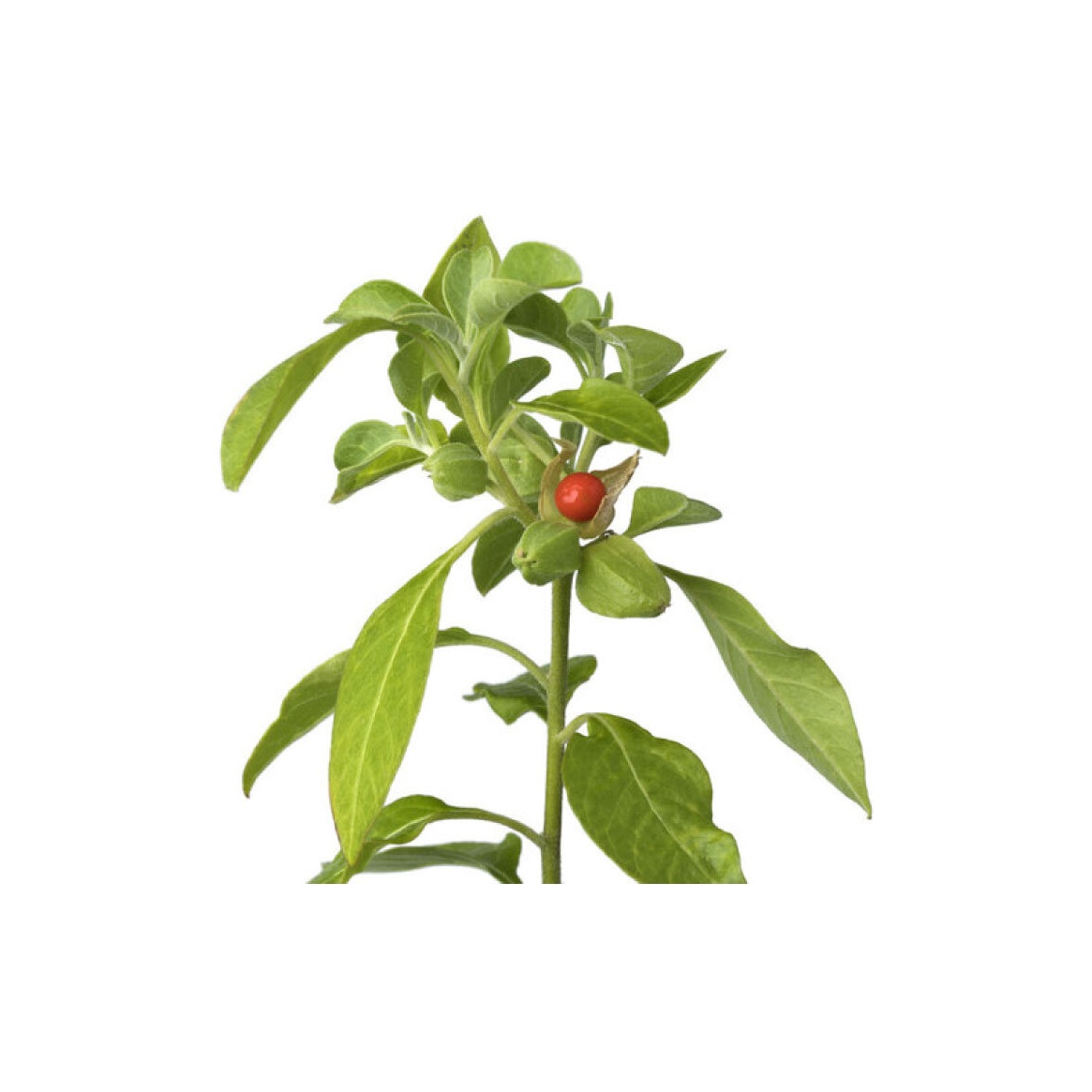 AshwagandhaWithania somniferaStrong
A meta-analysis of five RCTs (n=400) found a small but significant improvement in sleep, clearest in diagnosed insomnia at ≥600 mg/day for ≥8 weeks 1Reference 1Meta-analysisEffect of ashwagandha (Withania somnifera) extract on sleep — a systematic review and meta-analysisView study →, supported by actigraphy and PSQI trials 2,
The effect is modest and tied to standardised full-spectrum root extract. Subjective measures dominate, and there are no dependence or withdrawal data.
Full monograph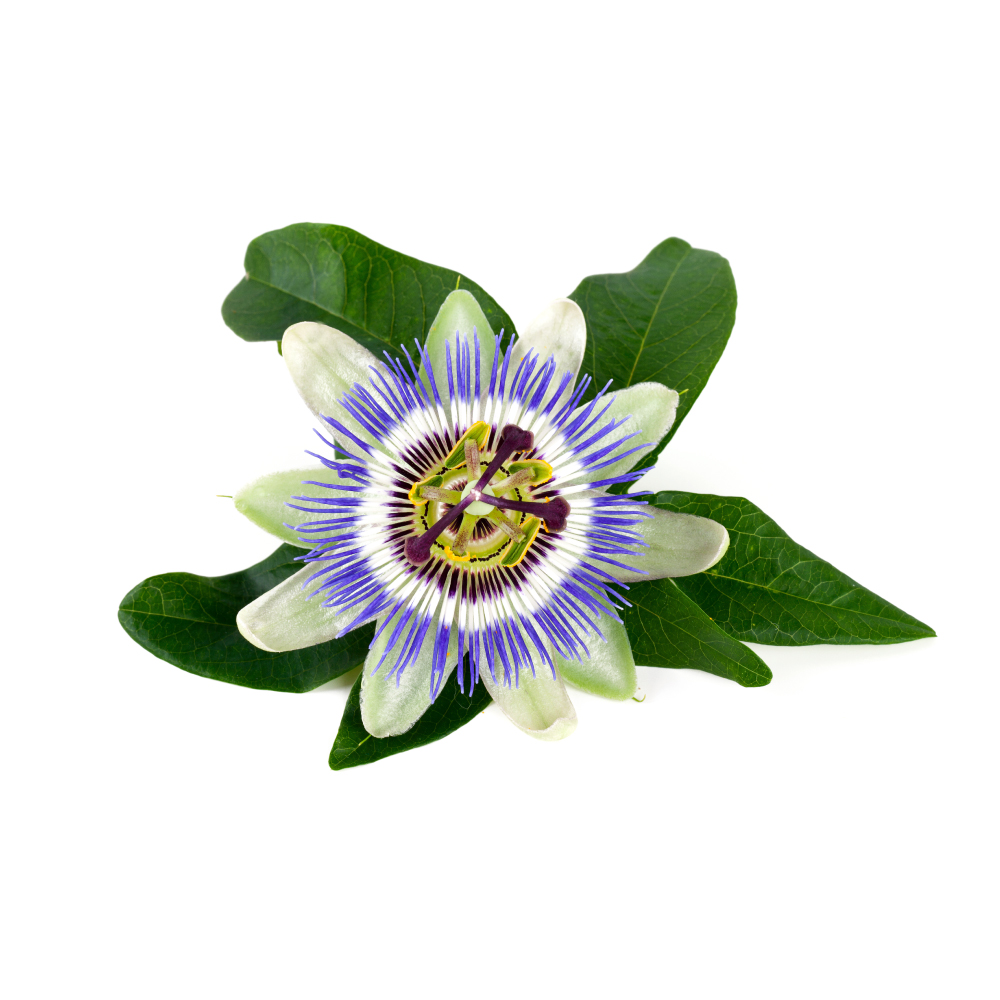 PassionflowerPassiflora incarnataStrong
Three small placebo-controlled RCTs show short-term sleep benefit: a low-dose tea improved subjective sleep quality in healthy adults (n=41) 45Reference 45RCTA double-blind, placebo-controlled investigation of the effects of Passiflora incarnata (passionflower) herbal tea on subjective sleep quality — randomised, placebo-controlledView study →, a trial in diagnosed insomnia (n=110) significantly raised total sleep time on polysomnography (though sleep efficiency and WASO did not separate) 46Reference 46RCTEffects of Passiflora incarnata Linnaeus on polysomnographic sleep parameters in subjects with insomnia disorder — randomised, placebo-controlledView study →, and a 2024 standardised-extract trial (n=65) reduced perceived stress and increased total sleep time 47Reference 47RCTRandomized, double-blind, placebo-controlled clinical study of Passiflora incarnata in participants with stress and sleep problems — randomised, placebo-controlledView study →.
Effects are modest and short-term; objective gains are limited to total sleep time in one study, with no long-term or dose-standardised data.
Full monograph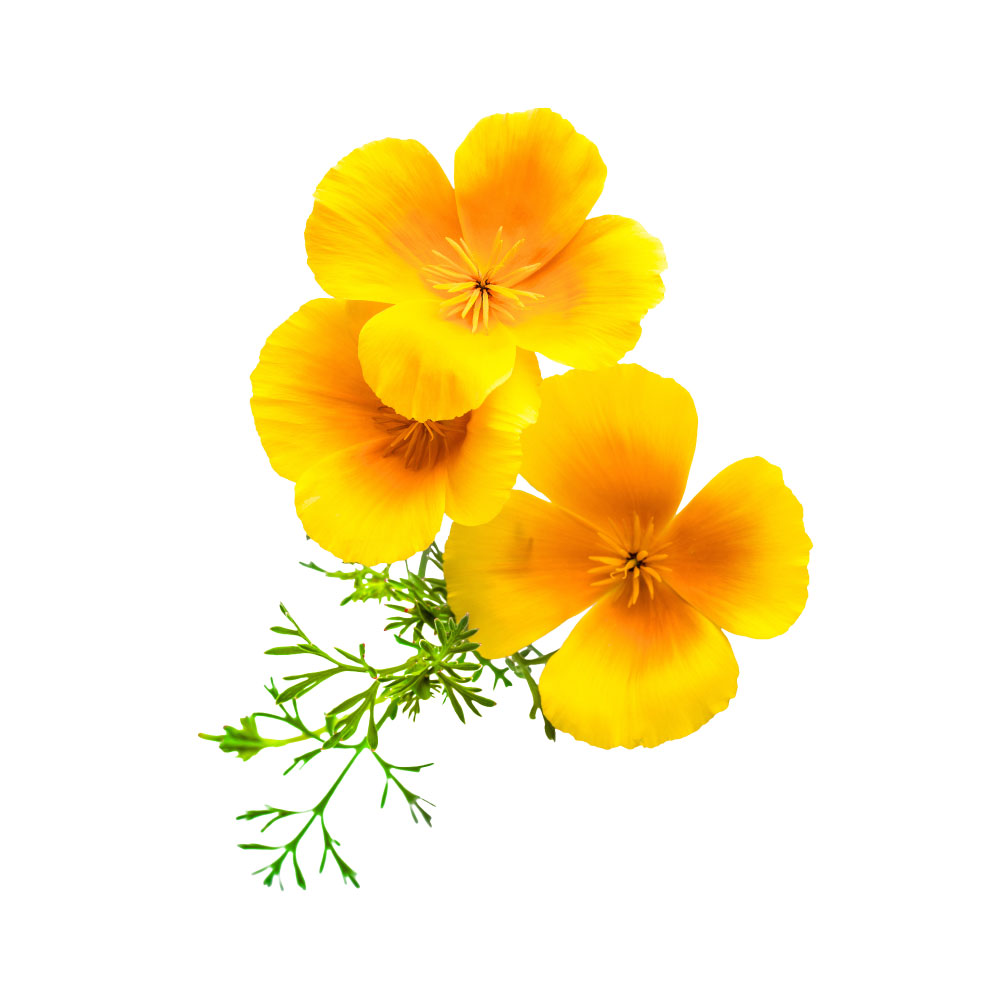 California PoppyEschscholzia californicaModerate
California poppy is a traditional sleep aid with mostly preclinical backing. In mice the aqueous extract induced sleep and cut locomotion above 100 mg/kg 11Reference 11Behavioural effects of the American traditional plant Eschscholzia californica: sedative and anxiolytic propertiesView study →, and a placebo-controlled qEEG screen detected an acute sedative signal plus increased self-rated tiredness in humans, though weaker and qualitatively different from the diazepam reference 12Reference 12The quantitative EEG as a screening instrument to identify sedative effects of single doses of plant extracts in comparison with diazepamView study →.
The only human sleep-outcome data come from a 4-week open-label pilot (n=40) of a multi-ingredient product (melatonin + B6 + California poppy + passionflower + lemon balm), which cannot be attributed to the poppy 13Reference 13A combination of melatonin, vitamin B6 and medicinal plants in the treatment of mild-to-moderate insomnia: a prospective pilot studyView study →. A single-herb Phase 3 placebo-controlled sleep trial has completed (NCT06795776, n=104) but has no posted results. No hypnotic dose is defined.
Full monograph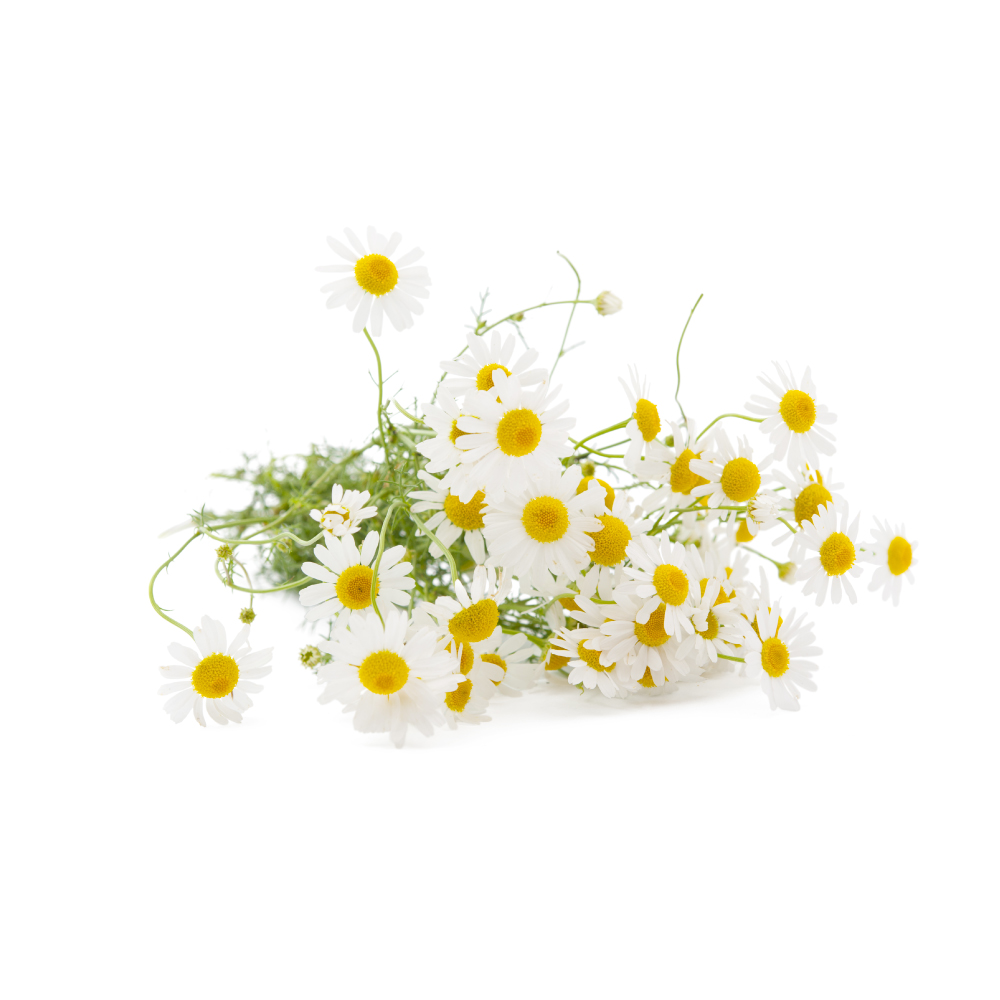 German ChamomileMatricaria chamomillaModerate
Two small randomised trials support a mild, transient sleep benefit in different preparations: two weeks of chamomile tea improved sleep inefficiency in 80 postpartum women (advantage gone by four weeks) 17Reference 17RCTEffects of an intervention with drinking chamomile tea on sleep quality and depression in sleep disturbed postnatal women: a randomized controlled trialView study →, and 15 days of bedtime chamomile essential-oil inhalation lowered PSQI and Insomnia Severity Index scores in 80 young adults 18Reference 18RCTEffects of chamomile oil inhalation on sleep quality in young adults with insomnia: a randomized controlled trialView study →. Both are small, short, unblinded, and preparation-specific (tea vs inhaled oil), with no durable effect shown.
Full monograph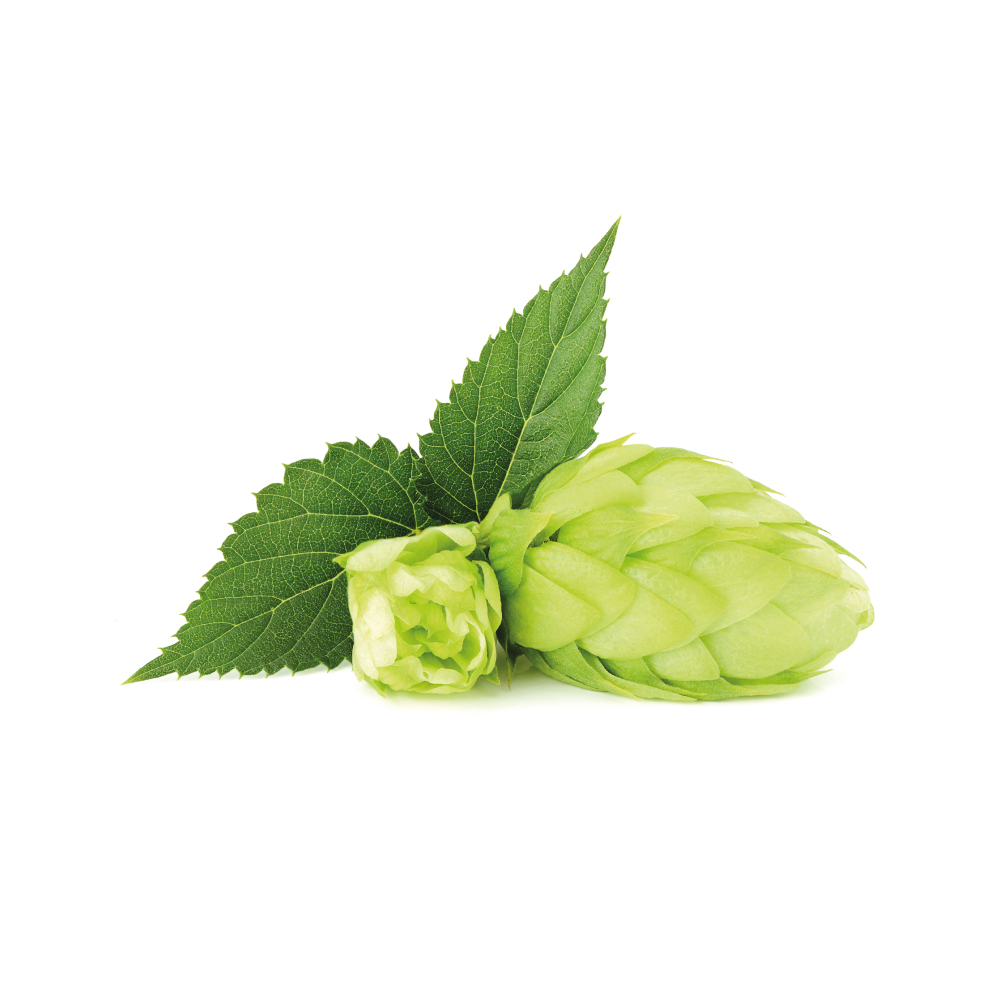 HopsHumulus lupulusModerate
Hops is a traditional sedative with real but confounded human evidence: in essentially every trial it is paired with valerian, so its independent hypnotic effect can’t be isolated — a valerian–hops combination gave modest benefit vs diphenhydramine/placebo 23Reference 23RCTValerian-hops combination and diphenhydramine for treating insomnia: a randomized placebo-controlled clinical trial — [randomized]View study →, Ze 91019 increased objectively tracked sleep duration 24Reference 24RCTEffects of a Valerian-Hops Extract Combination (Ze 91019) on Sleep Duration and Daytime Cognitive and Psychological Parameters in Occasional Insomnia: A Randomized Controlled Feasibility Trial — [randomized]View study →, and a valerian–passionflower–hops formula matched zolpidem 25Reference 25RCTEfficacy and safety of a polyherbal sedative-hypnotic formulation NSF-3 in primary insomnia in comparison to zolpidem: a randomized controlled trial — [randomized]View study →.
The mechanism is attributed to a degradation product of the bitter humulone α-acids (2-methyl-3-buten-2-ol) enhancing GABAergic inhibition, shown in an animal model 26Reference 26The sedative effects of hops (Humulus lupulus), a component of beer, on the activity/rest rhythm — [animal]View study →; no trial isolates hops from valerian, and the active metabolite forms on storage, so fresh-herb potency is uncertain.
Full monograph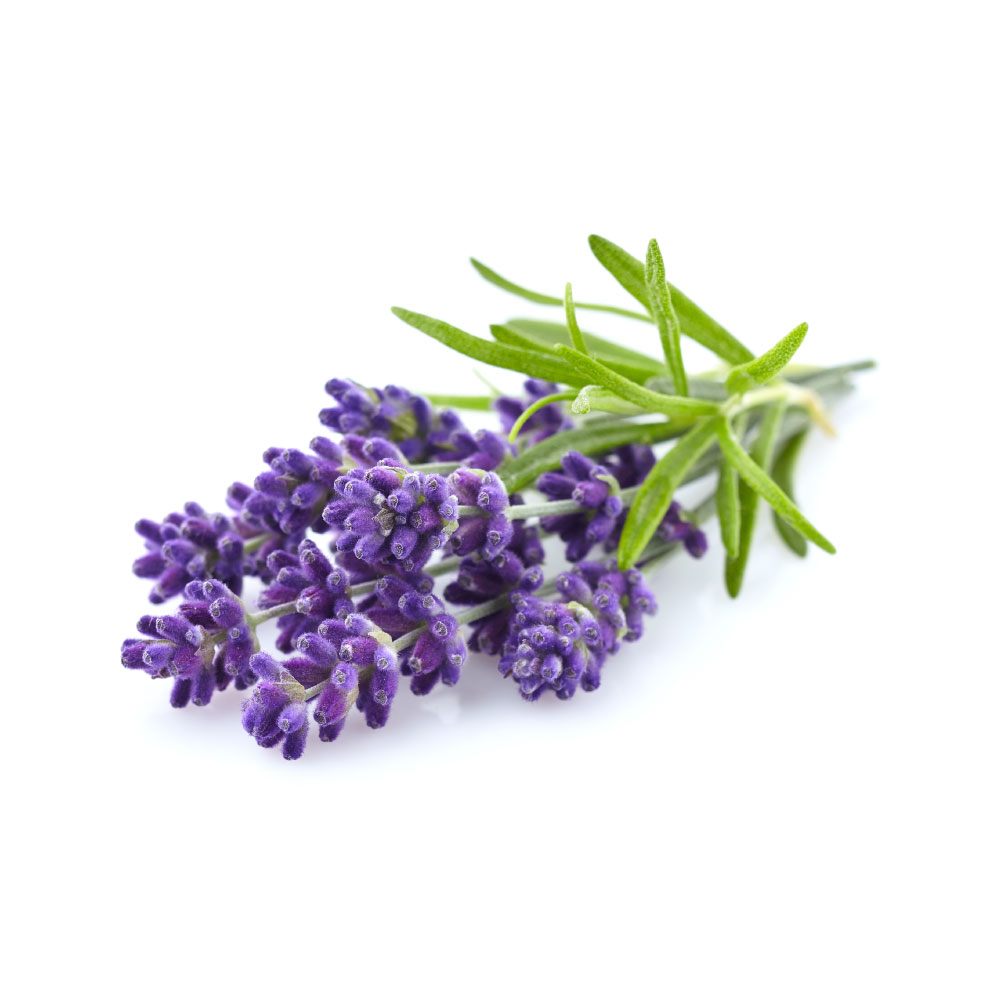 LavenderLavandula angustifoliaModerate
Sleep improvement is real but largely downstream of anxiolysis: in the Silexan trials sleep disturbance improved as a secondary outcome, and a narrative review concluded the drug helps sleep chiefly by relieving the anxiety that disrupts it rather than acting as a direct sedative 31Reference 31ReviewEffect of the anxiolytic drug silexan on sleep — a narrative reviewView study →. Inhaled-lavender aromatherapy is pooled in meta-analyses reporting better subjective sleep in adults and older adults 32,
 MelissaMelissa officinalisModerate
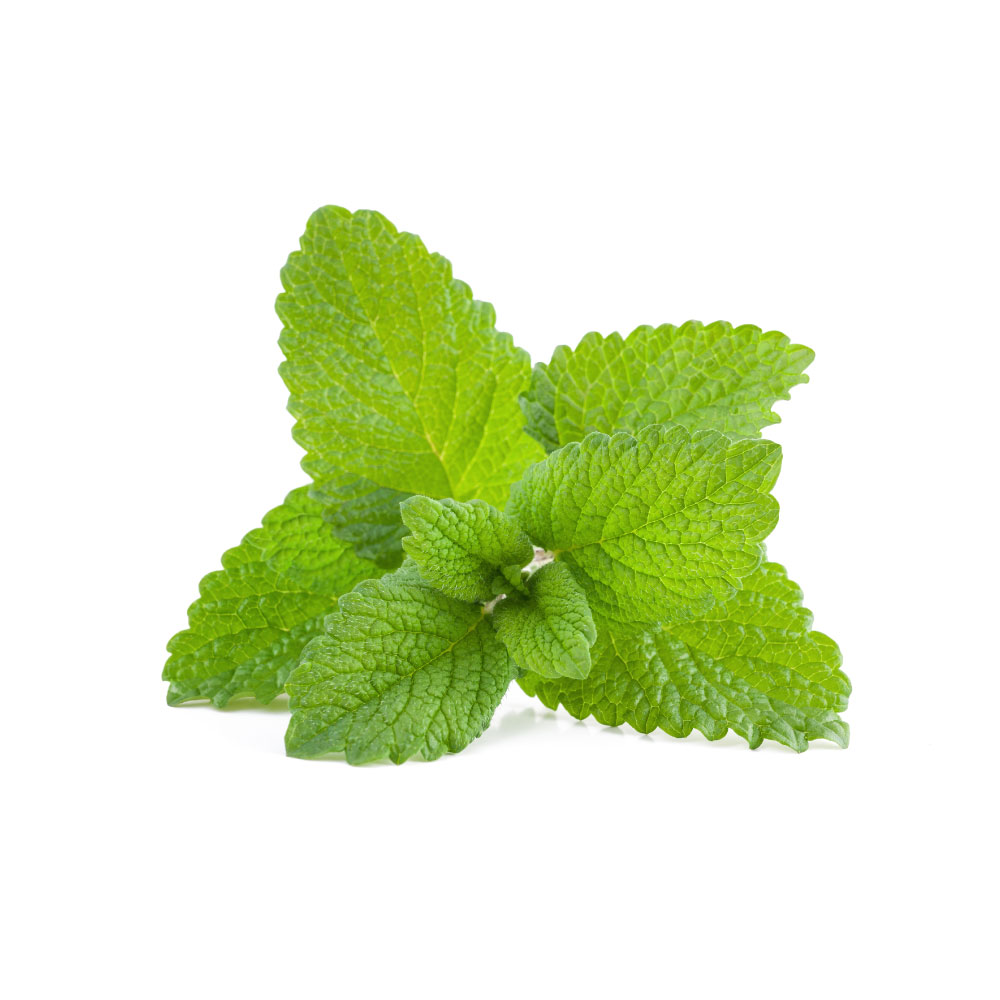
Sleep benefit is plausible but rests mostly on combination products and uncontrolled data: an open-label Cyracos pilot reported a 42% reduction in insomnia over 15 days 38Reference 38Clinical trialPilot trial of Melissa officinalis L. leaf extract in mild-to-moderate anxiety disorders and sleep disturbances — open-label clinical trialView study →, a placebo-controlled RCT of lemon balm plus Nepeta menthoides improved insomnia severity 39Reference 39RCTEffects of herbal combination (Melissa officinalis L. and Nepeta menthoides) on insomnia severity, anxiety and depression in insomniacs — randomised placebo-controlled trialView study →, and the angina trial improved a sleep-quality subscore 40Reference 40RCTThe effects of Melissa officinalis supplementation on depression, anxiety, stress and sleep disorder in patients with chronic stable angina — randomised placebo-controlled trialView study →. Placebo-controlled monotherapy sleep data for lemon balm alone remain sparse; the strongest signals come from open-label or multi-herb designs.
Full monograph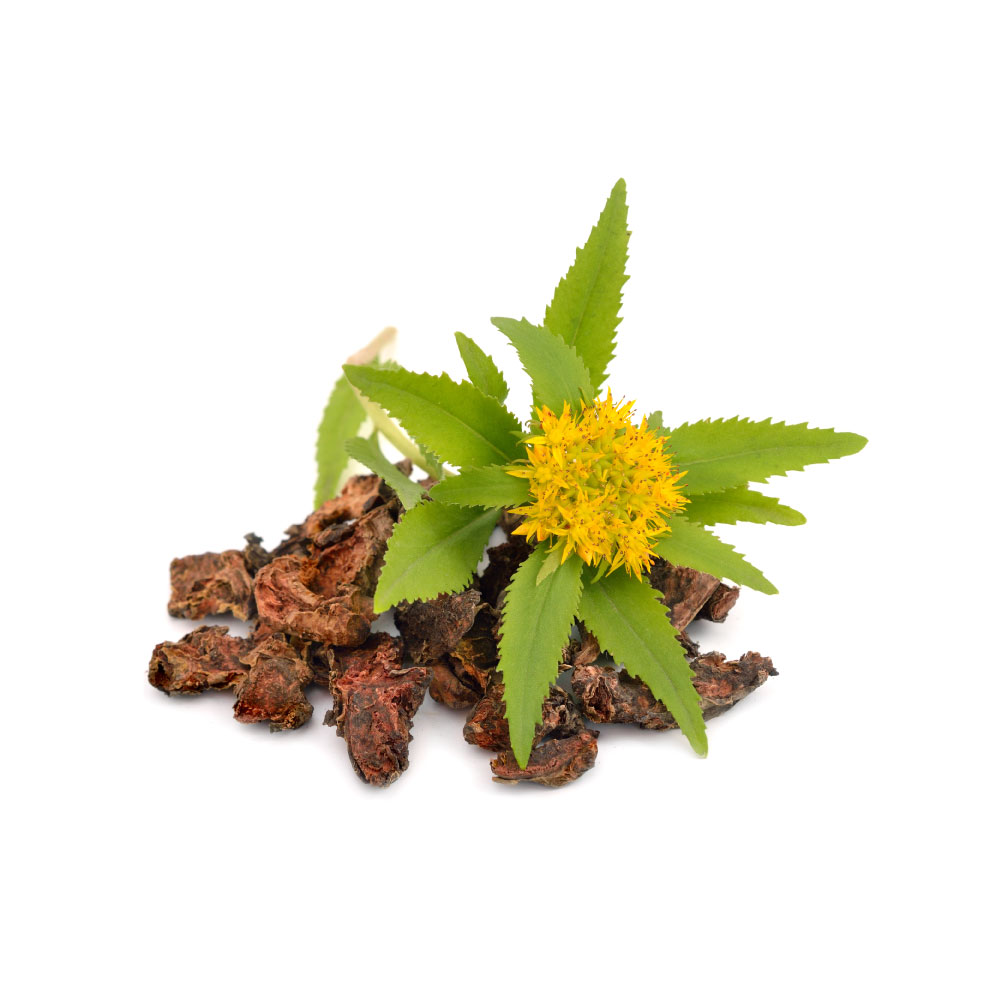 RhodiolaRhodiola roseaModerate
Rhodiola has no dedicated insomnia trial. A mild-to-moderate depression RCT on standardised SHR-5 reported improved insomnia alongside mood 51Reference 51RCTClinical trial of Rhodiola rosea L. extract SHR-5 in the treatment of mild to moderate depression — randomised controlled trialView study →, as a secondary endpoint rather than a primary-insomnia outcome.
The effect cuts both ways: Rhodiola is a stimulant-like activator usually dosed earlier in the day, and sleep disturbance is a listed adverse effect 52,
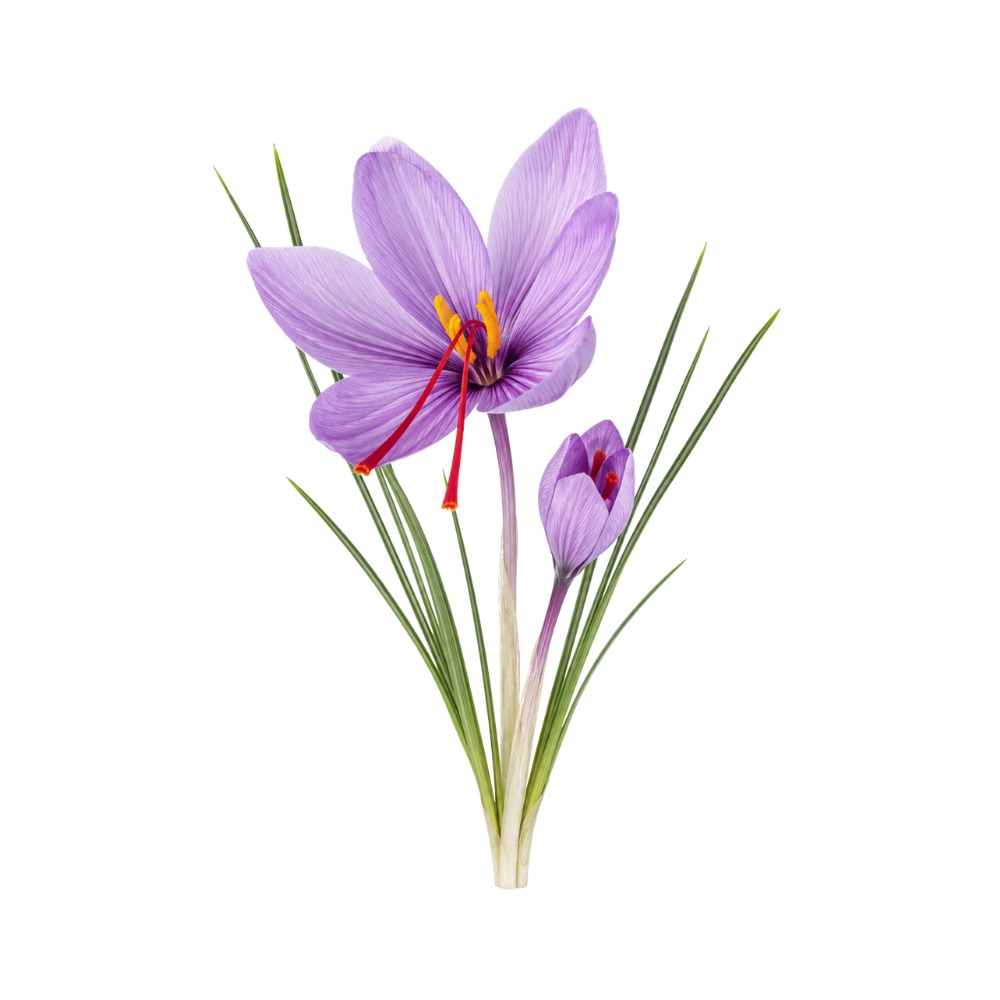 SaffronCrocus sativusModerate
A 2022 meta-analysis found saffron improved PSQI, Insomnia Severity Index and Restorative Sleep scores vs placebo (100 mg/day most stable) 53Reference 53Meta-analysisEffects of saffron supplementation on improving sleep quality: a meta-analysis of randomised controlled trialsView study →; supported by an actigraphy trial 54Reference 54RCTEffects of saffron extract on sleep quality: a randomised double-blind controlled clinical trialView study → and an evening affron® trial that raised melatonin without affecting cortisol 55Reference 55RCTAn investigation into an evening intake of a saffron extract (affron®) on sleep quality, cortisol, and melatonin concentrations in adults with poor sleep: a randomised, double-blind, placebo-controlled, multi-dose studyView study →. The constituent crocetin (7.5 mg/day) raised EEG delta power 56Reference 56RCTEffect of crocetin on quality of sleep: a randomised, double-blind, placebo-controlled, crossover studyView study →. The endpoints are mostly subjective, and the objective-measure samples are small.
Full monograph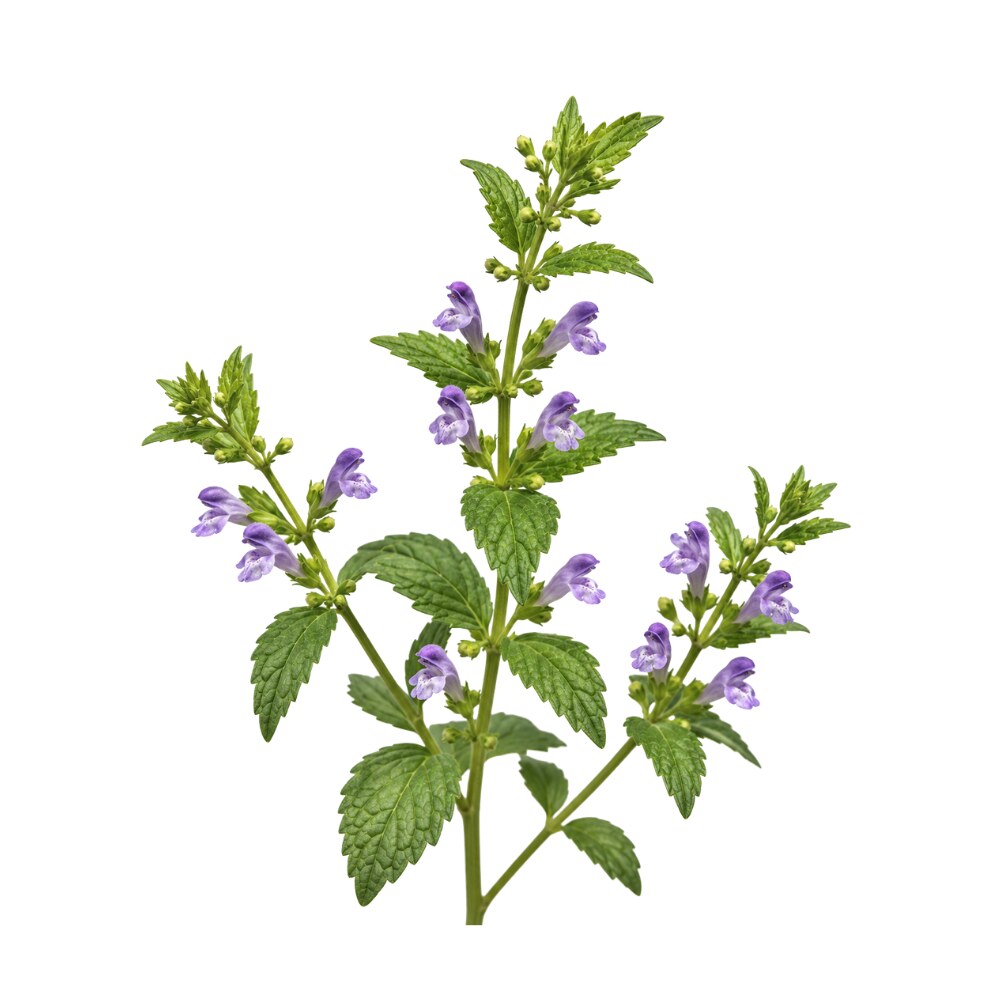 Skullcap (American)Scutellaria laterifloraModerate
A randomised, double-blind, placebo-controlled crossover RCT (n=66, 400 mg/day of a chemically characterised extract, 56 days) in mild-to-moderate primary insomnia improved the Pittsburgh Sleep Quality Index, sleep-onset latency, sleep efficiency and total sleep time, with no adverse effects 57Reference 57RCTEfficacy and tolerability of a chemically characterized Scutellaria lateriflora L. extract-based food supplement for sleep management: a single-center, controlled, randomised, crossover, double-blind clinical trialView study →. The mechanism overlaps the anxiolytic GABA-A pathway 58Reference 58AnimalPhytochemical and biological analysis of skullcap (Scutellaria lateriflora L.): a medicinal plant with anxiolytic properties — animal modelView study →. This is a single trial of one proprietary extract; the effect is mild and does not generalise to teas or arbitrary tinctures.
Full monograph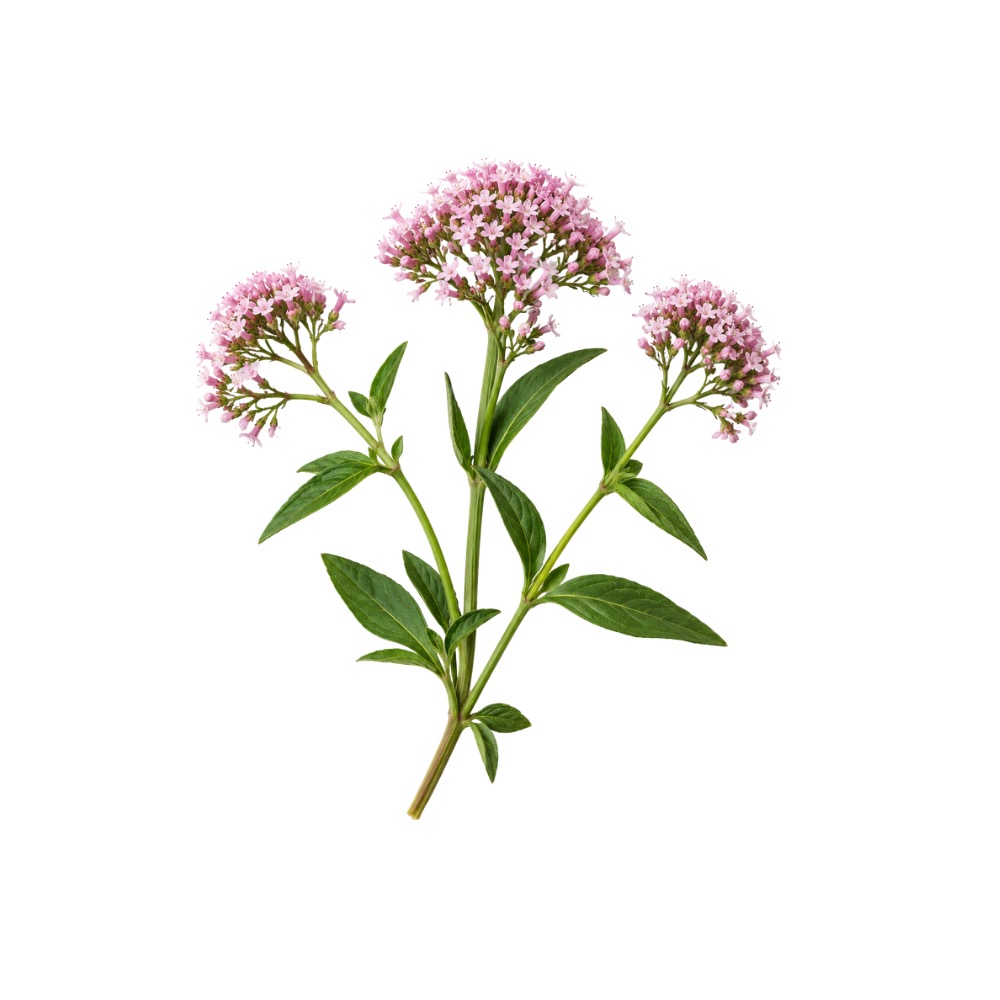 ValerianValeriana officinalisModerate
Insomnia is valerian’s flagship, most trial-rich indication, and the benefit is subjective. Meta-analyses of 16–60 studies find improved subjective sleep quality (Bent RR 1.8 59Reference 59Meta-analysisValerian for sleep: a systematic review and meta-analysisView study →; Fernández-San-Martín RR 1.37 60Reference 60Meta-analysisEffectiveness of Valerian on insomnia: a meta-analysis of randomized placebo-controlled trialsView study →; Shinjyo favours whole root 61Reference 61Meta-analysisValerian Root in Treating Sleep Problems and Associated Disorders — A Systematic Review and Meta-AnalysisView study →) while objectively timed sleep latency is unchanged 60Reference 60Meta-analysisEffectiveness of Valerian on insomnia: a meta-analysis of randomized placebo-controlled trialsView study →.
The most rigorous reviews are null (“safe but not effective” 62Reference 62Systematic reviewA systematic review of valerian as a sleep aid: safe but not effectiveView study →; a 2024 umbrella review found no empirical support 63Reference 63ReviewDoes valerian work for insomnia? An umbrella review of the evidenceView study →; a PSG/actigraphy RCT in older women showed no improvement and increased wake-after-sleep-onset 64Reference 64RCTA randomized clinical trial of valerian fails to improve self-reported, polysomnographic, and actigraphic sleep in older women with insomniaView study →; a phase III cancer RCT missed its PSQI endpoint 65Reference 65RCTThe use of Valeriana officinalis in improving sleep in patients undergoing cancer treatment: a phase III RCT (NCCTG N01C5)View study →). Extract-type and dose heterogeneity prevents an effective-dose recommendation. Valerian gives a modest subjective benefit and leaves objective sleep architecture essentially unchanged.
Full monograph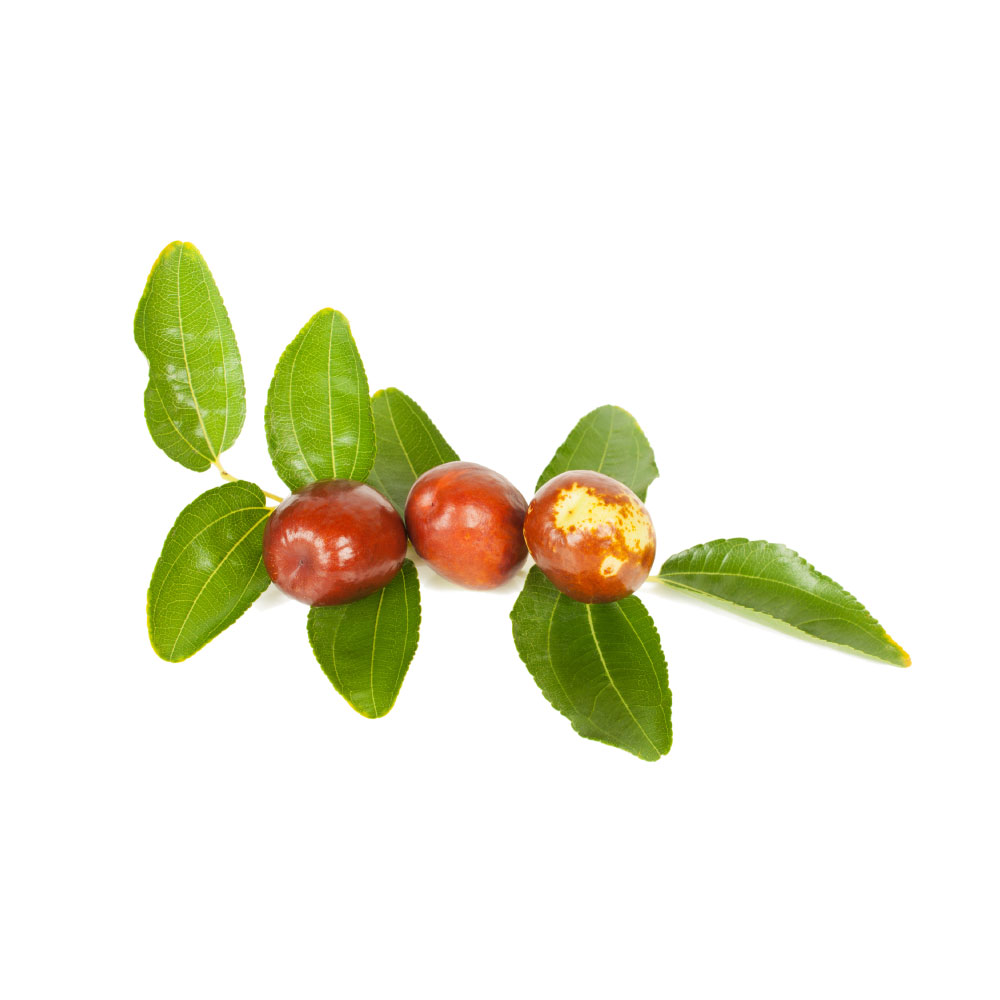 ZizyphusZiziphus spinosaModerate
Insomnia is zizyphus’s core, best-evidenced indication. The only single-herb human trial — a randomised, double-blind, placebo-controlled crossover feasibility RCT (n=12, 2 g/day encapsulated granules, 4 weeks) — found a significant improvement in Pittsburgh Sleep Quality Index score versus placebo (p = 0.046), with parallel gains in total sleep time, sleep efficiency and onset latency; the authors frame it as feasibility, not proof 72Reference 72RCTMedicinal seeds Ziziphus spinosa for insomnia: A randomized, placebo-controlled, cross-over, feasibility clinical trial — [randomised, double-blind, placebo-controlled crossover RCT]View study →.
Larger positive human data all test zizyphus inside multi-herb formulas (chiefly Suanzaoren decoction): a nine-trial meta-analysis showed subjective sleep-quality improvement (SMD −0.58) 73Reference 73Meta-analysisThe Herbal Medicine Suanzaoren (Ziziphi Spinosae Semen) for Sleep Quality Improvements: A Systematic Review and Meta-analysis — [systematic review and meta-analysis]View study → and multiple systematic reviews report benefit comparable to benzodiazepines with fewer adverse events, while uniformly flagging low study quality and high risk of bias 74,
The mechanism is well mapped — spinosin (5-HT1A) 76,
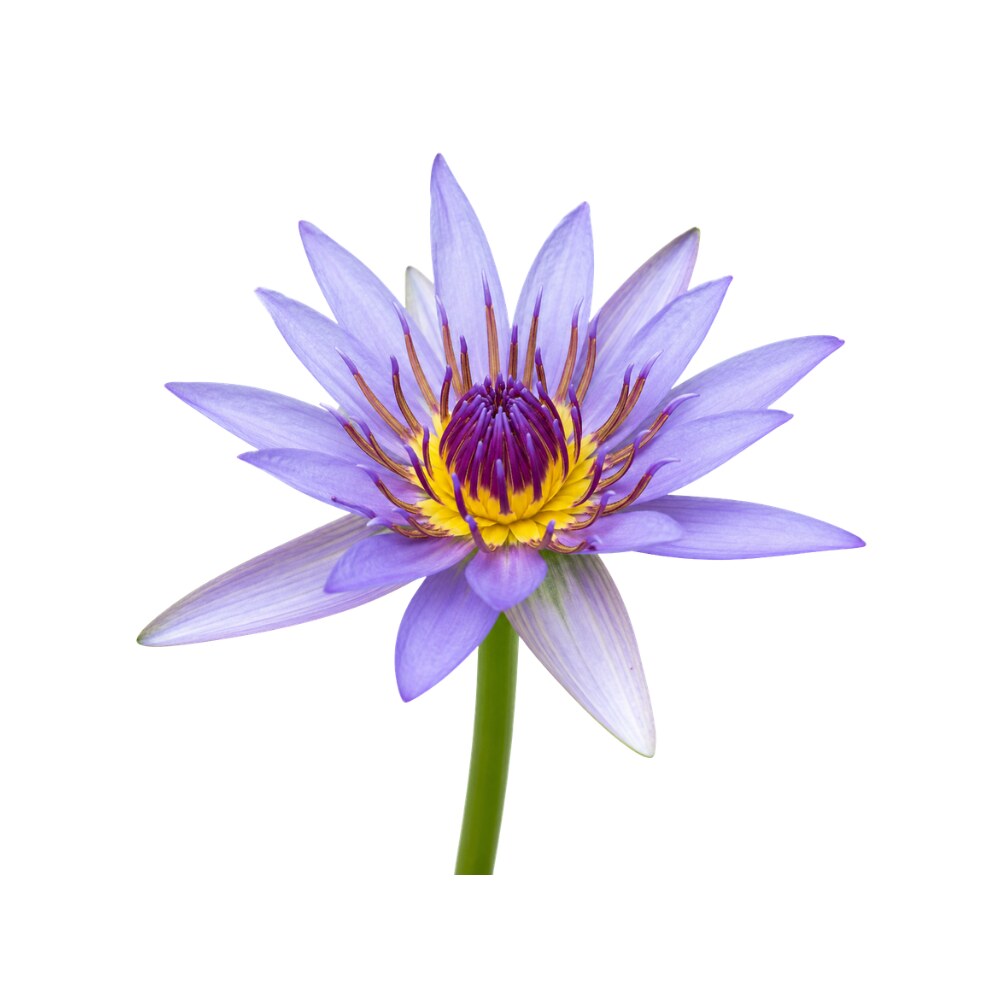 Blue Lotus FlowerNymphaea caeruleaPreclinical
Blue lotus’s modern reputation is as a sleep aid and dream enhancer, read mechanistically as a downstream consequence of the sedative, mood-lifting alkaloid pharmacology 4Reference 4In vitroIn vitro and in vivo characterization of the alkaloid nuciferine — in vitro and mouseView study → easing the transition into sleep, and aligning with its long dream/ritual association 5,
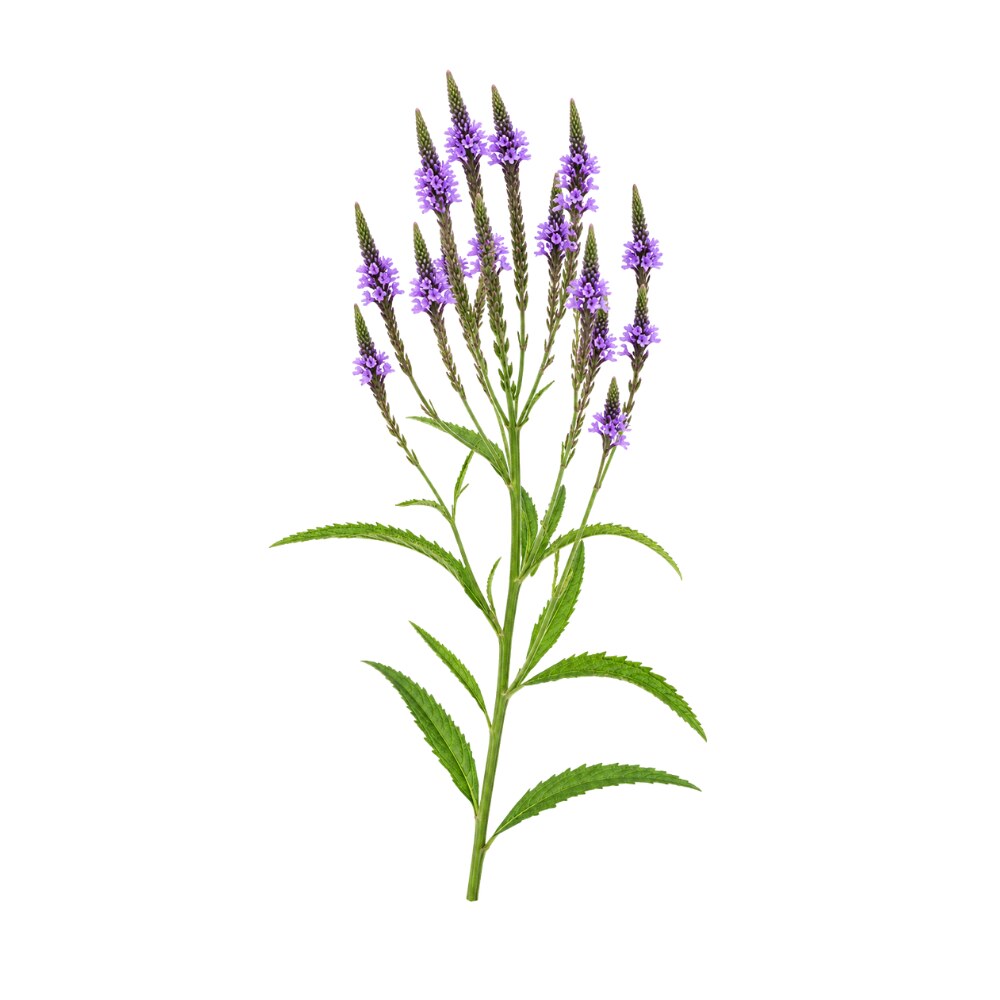 Blue VervainVerbena hastataPreclinical
Both blue-vervain marker iridoids — hastatoside and verbenalin — extended non-REM sleep in rats as sleep-promoting components of V. officinalis 7Reference 7AnimalHastatoside and verbenalin are sleep-promoting components in Verbena officinalis — animal modelView study →; both are confirmed present in V. hastata 8Reference 8In vitroChemical Constituents of the Whole Plant of Verbena hastata and Their Inhibitory Activity Against the Production of AGEs — in vitroView study → and were first isolated from it 9Reference 9Hastatoside, a New Iridoid from Verbena hastata L. and Verbena officinalis LView study →, so for sleep the active molecules are documented in the actual plant. Crude V. officinalis extract also potentiated thiopental-induced sleep in mice 10Reference 10AnimalAnticonvulsant, Anxiolytic, and Sedative Activities of Verbena officinalis — mouseView study →. The sleep-active doses were isolated iridoids, not whole-herb tea, and there is no human sleep trial.
Full monograph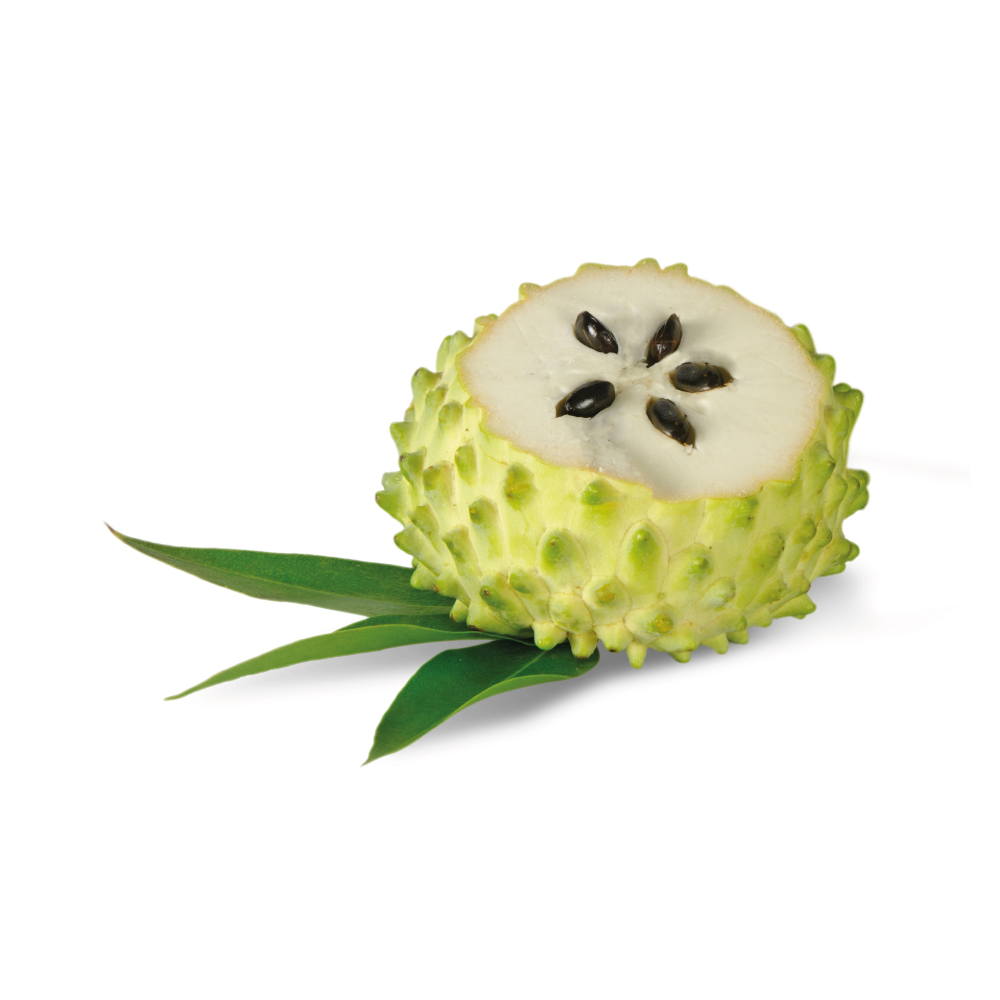 GraviolaAnnona muricataPreclinical
The traditional use of dark graviola leaves for insomnia has thin, dated modern support: a 2018 mouse study found sedative and anticonvulsant effects of a hydroalcoholic leaf extract 19Reference 19AnimalPhytochemical analysis and central (sedative/anticonvulsant) effects of Annona muricata Linnaeus in mice — animal modelView study →, echoing a 1979 preliminary sedation report 20Reference 20A preliminary study of the sedative effects of Annona muricata (soursop) — animal studyView study →, with older Annona alkaloid 5-HT1A binding data offering a candidate mechanism.
Full monograph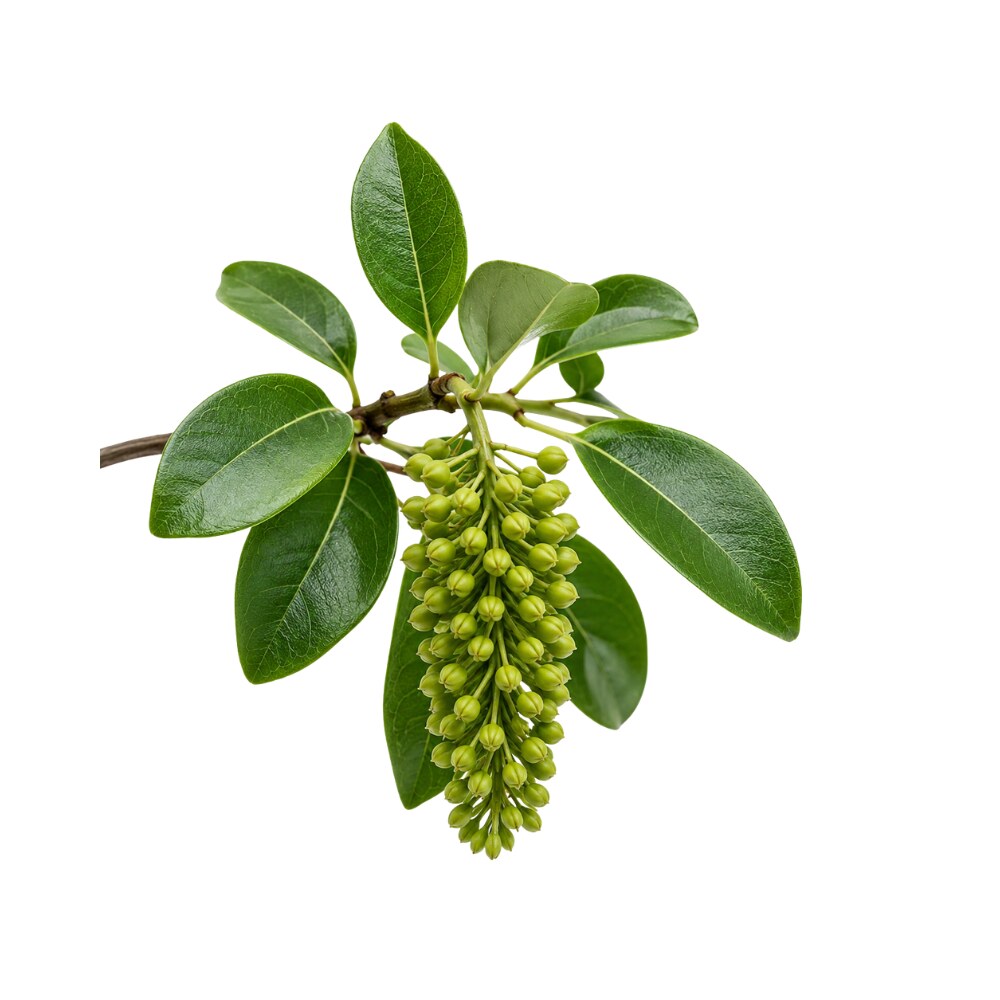 GriffoniaGriffonia simplicifoliaPreclinical
The sleep rationale is mechanistic: serotonin is the biosynthetic precursor to melatonin, so raising serotonin synthesis is argued to support sleep onset, backed only by old sleep-architecture data showing 5-HTP alters REM in normal subjects 21,
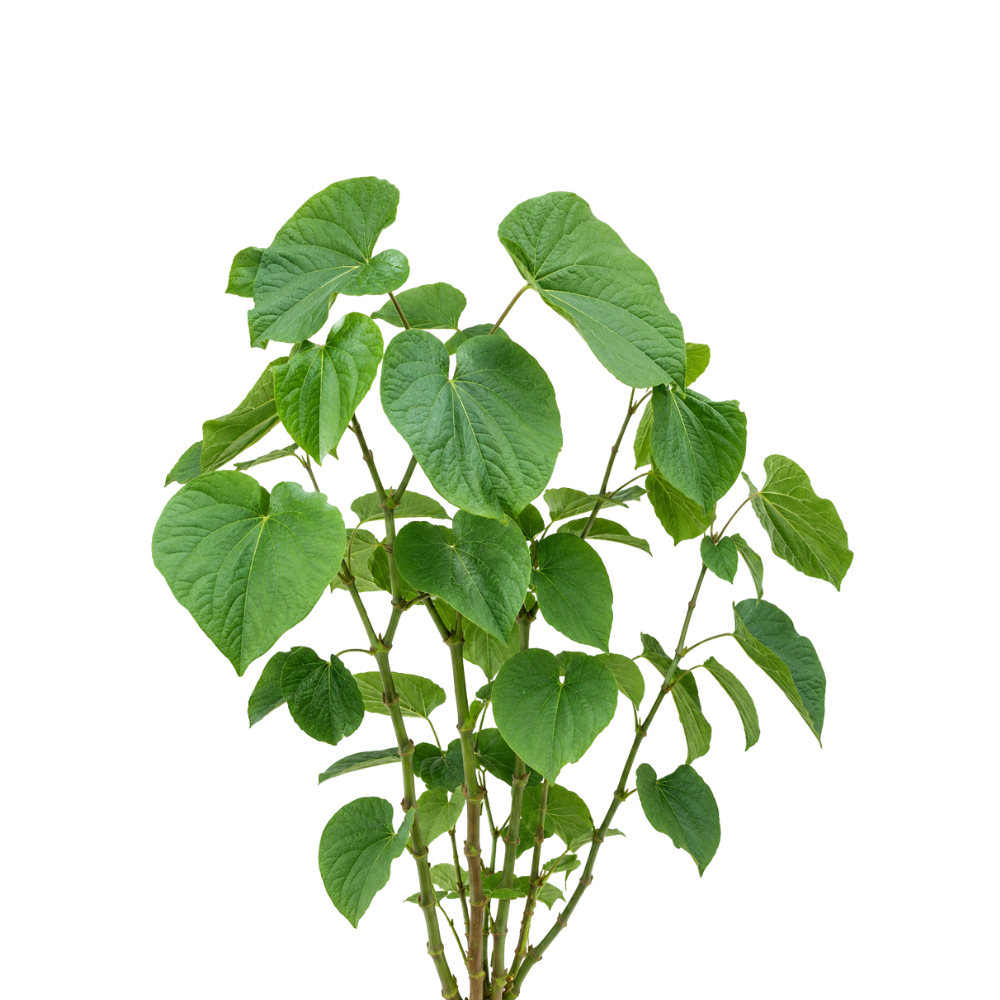 KavaPiper methysticumPreclinical
Kava’s use for sleep rests on its traditional sedative reputation, rodent data (a kava extract shortened sleep latency and increased non-REM sleep in sleep-disturbed rats, compared to flunitrazepam but without the REM suppression 27Reference 27AnimalEffects of kava-kava extract on the sleep-wake cycle in sleep-disturbed rats [animal]View study →), and the same GABA-A / sodium-channel actions that drive the anxiolytic effect 28,
In the clinic, improved sleep appears only as a secondary outcome of anxiety trials, so a direct hypnotic action can’t be separated from downstream anxiety relief 30Reference 30ReviewKava — a comprehensive review of efficacy, safety, and psychopharmacology [review]View study →. Kava’s hepatotoxicity record also weighs against routine use as a sleep aid.
Full monograph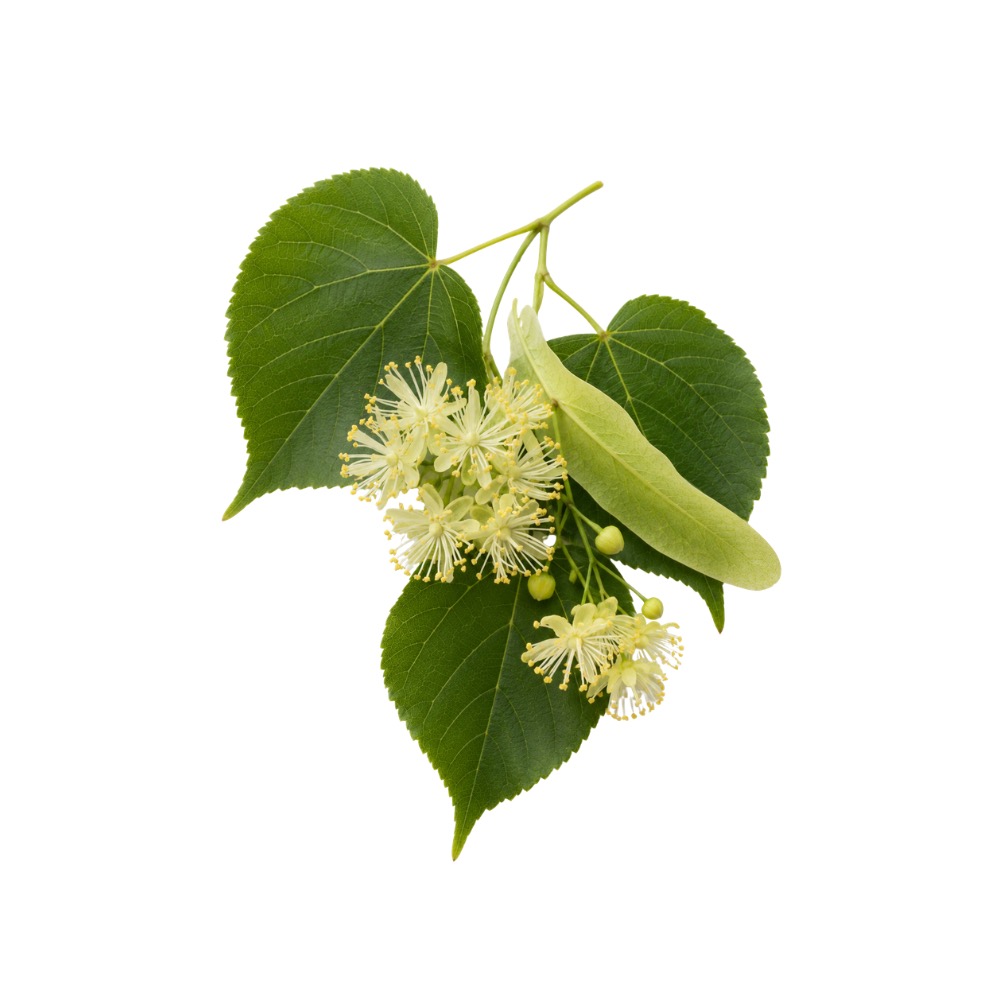 Linden FlowerTilia spp.Preclinical
Tilia extracts potentiate pentobarbital sleep in mice and show a broad CNS-depressant (incl. anticonvulsant) profile 34,
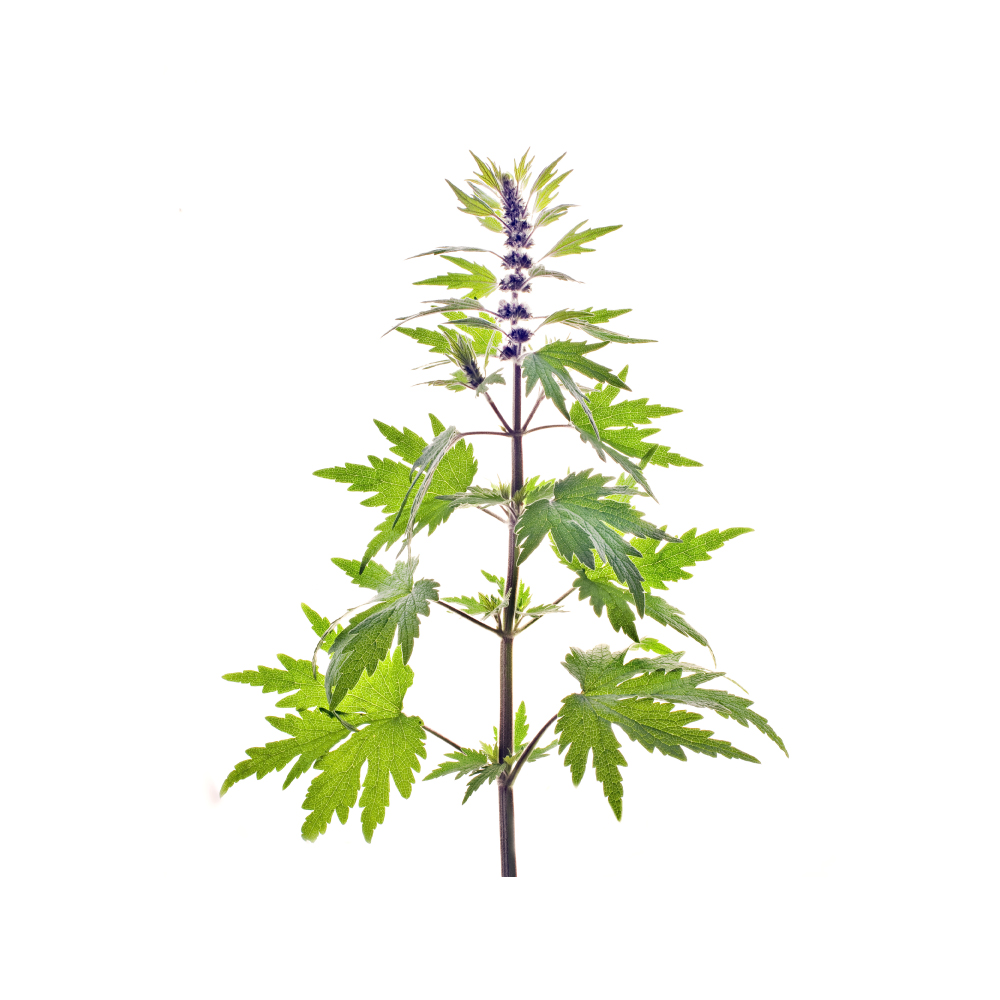 MotherwortLeonurus cardiacaPreclinical
Motherwort has no sleep-specific trial. Its use for sleep rests on the same GABA-A binding mechanism as its use for anxiety 41Reference 41In vitroGABA-A receptor binding assays of standardized Leonurus cardiaca and Leonurus japonicus extracts and their isolated constituents — in vitroView study → plus the sleep-disturbance improvement reported (alongside blood pressure and anxiety) in the open-label hypertension cohort 42Reference 42Clinical trialEffect of Leonurus cardiaca oil extract in patients with arterial hypertension accompanied by anxiety and sleep disorders — clinical trial (open-label)View study → — i.e. a sedative rationale, not a measured sleep endpoint.
Full monograph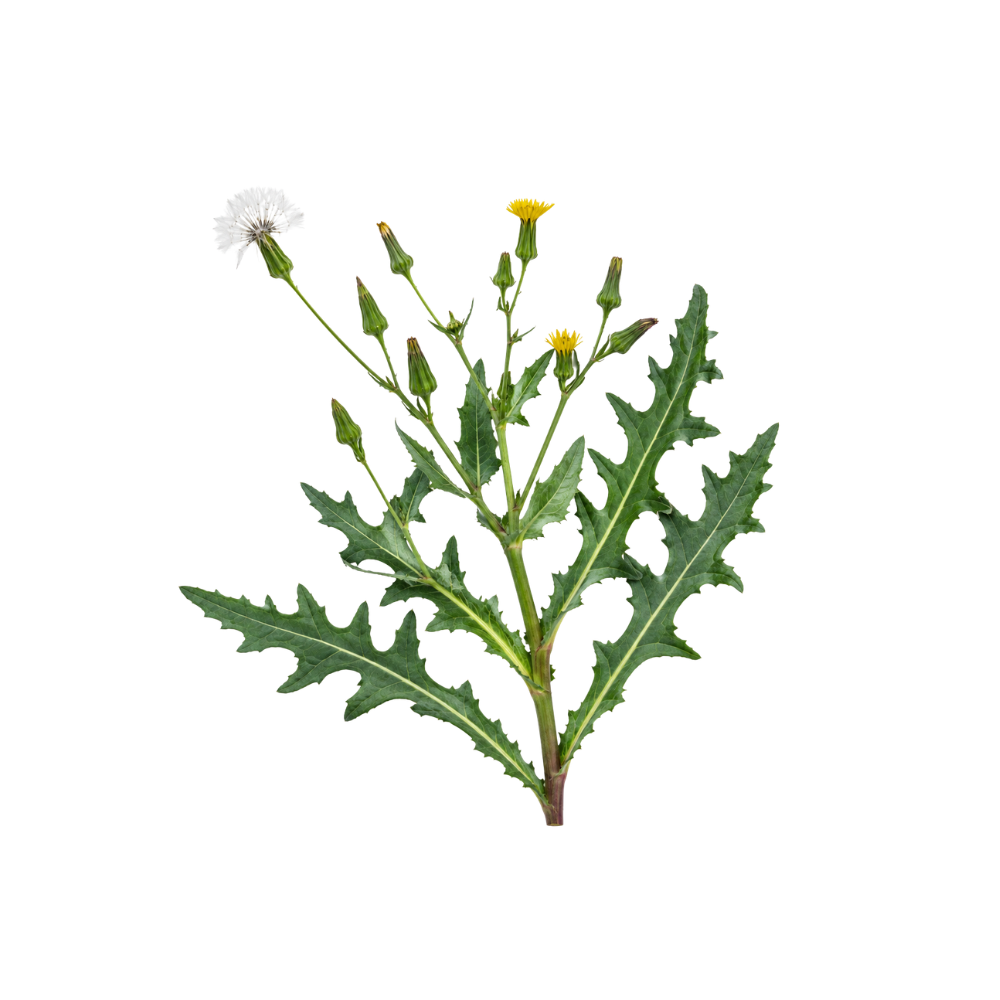 Wild LettuceLactuca virosaPreclinical
Rodent studies of lettuce extracts standardised for lactucin and lactucopicrin consistently increase sleep duration and non-REM sleep and reverse caffeine-induced arousal, with effects blocked by flumazenil and confirmed by EEG — pointing to a GABA-A/benzodiazepine mechanism plus adenosine A1 up-regulation 66,
No trial has ever tested Lactuca virosa itself — the only human sleep data come from L. sativa (garden lettuce) seed oil, a different species and preparation 70,
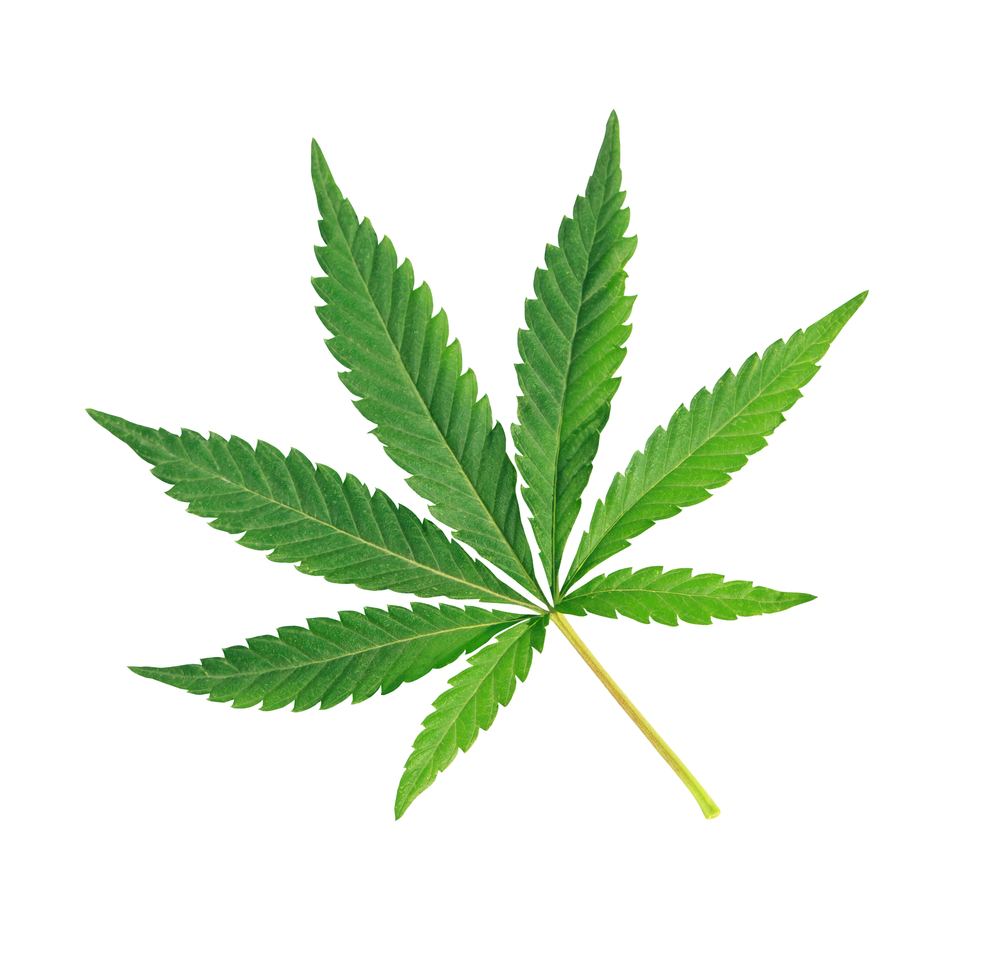 CannabisCannabis sativaTraditional only
Cannabis is widely used to aid sleep, but the effect is strongly preparation- and dose-dependent and two-edged: tolerance builds, REM is suppressed, and stopping can trigger rebound insomnia.
Full monograph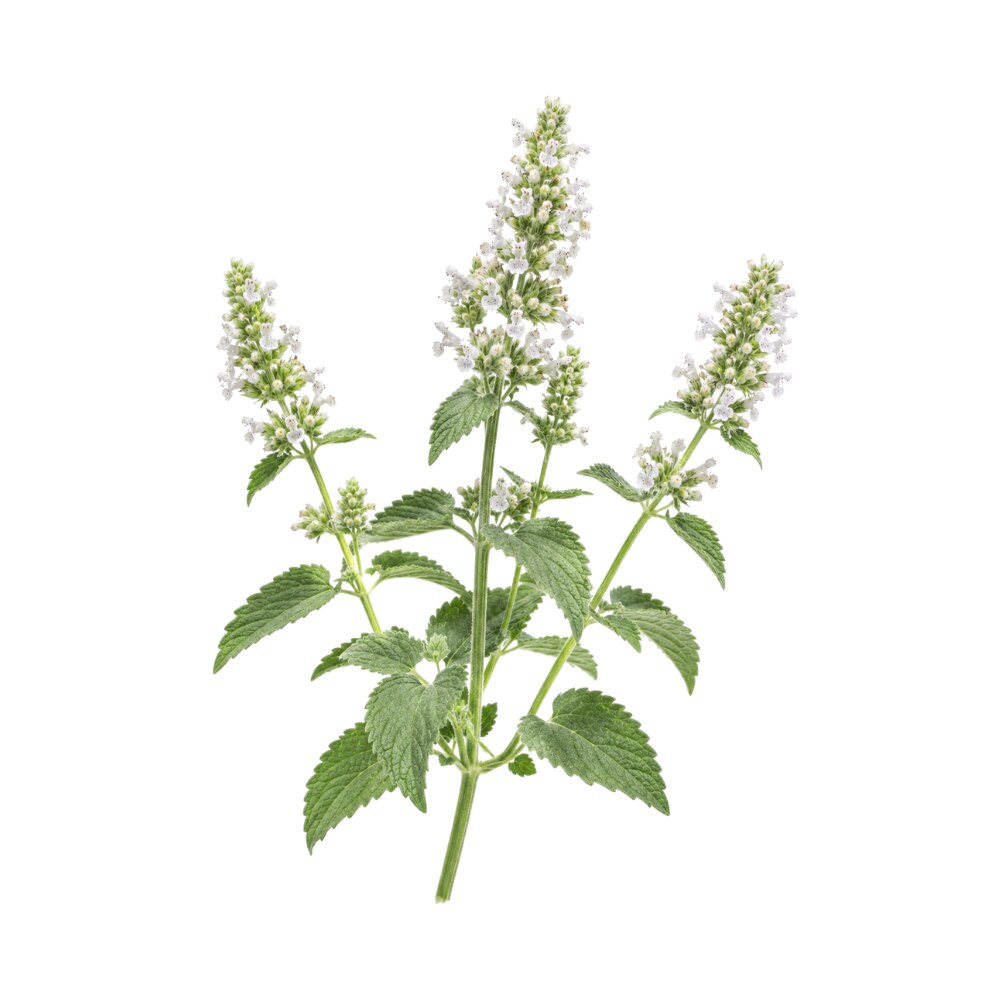 CatnipNepeta catariaTraditional only
Catnip’s most famous human use and its weakest evidence. Animal data are self-contradictory: one study found catnip oil and nepetalic acid prolonged hexobarbital sleeping time (sedation) 14Reference 14AnimalBehavioral and toxicological studies of cyclopentanoid monoterpenes from Nepeta cataria — [animal in vivo]View study →, while a later study feeding whole catnip to mice found increased locomotion and decreased pentobarbital sleeping time — an amphetamine-like stimulant profile 15Reference 15AnimalBehavioral effects of acute and long-term administration of catnip (Nepeta cataria) in mice — [animal in vivo]View study →. The insomnia RCTs frequently cited for catnip were actually run on Nepeta menthoides, a different Persian species, and cannot be transferred 16Reference 16RCTEfficacy of a combination of Melissa officinalis L. and Nepeta menthoides Boiss. & Buhse on insomnia: a triple-blind, randomized placebo-controlled clinical trial — [human RCT (different species)]View study →.
Full monograph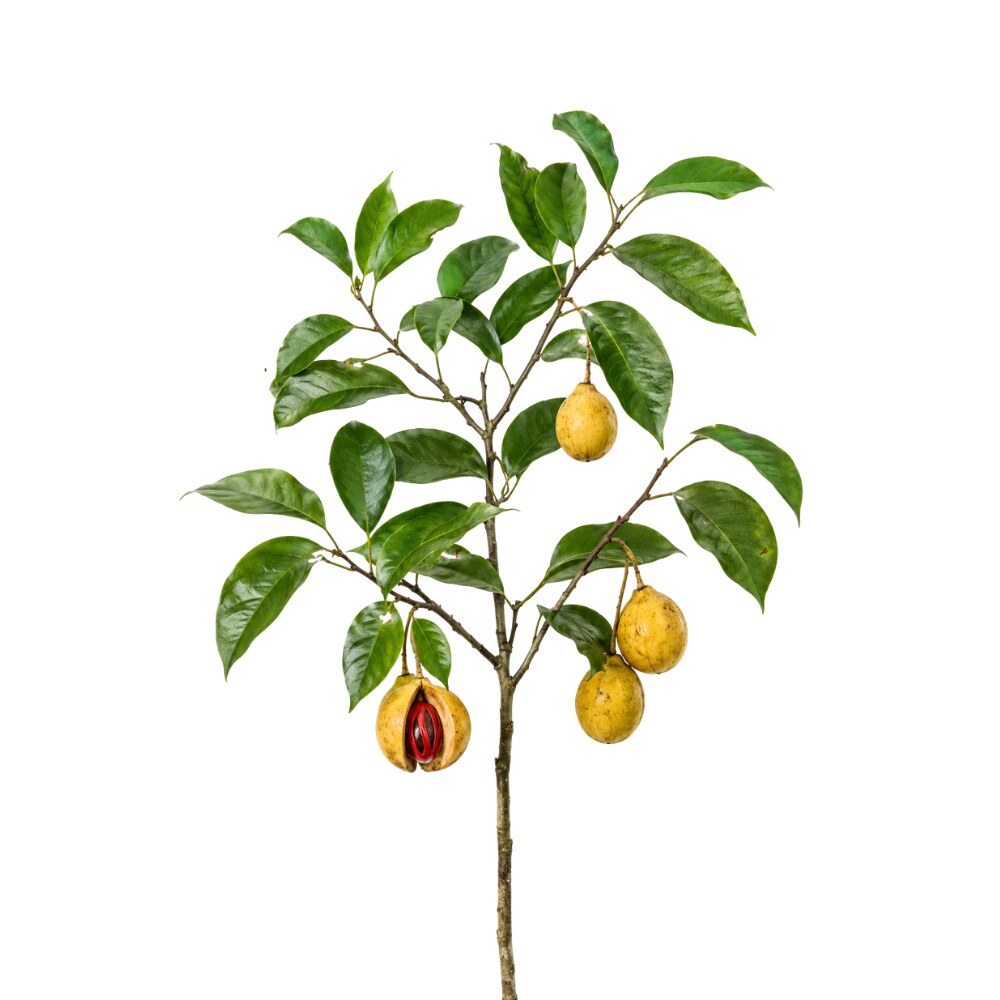 NutmegMyristica fragransTraditional only
Nutmeg’s sleep evidence splits in two directions. Supported: a petroleum-ether seed fraction potentiated phenobarbitone- and pentobarbitone-induced sleeping time in rodents 43Reference 43Pharmacological studies on Myristica fragrans — antidiarrhoeal, hypnotic, analgesic and haemodynamic parametersView study → — a genuine hypnotic (sleep-potentiating) signal, though the crude suspension did much less.
Contradicted: a controlled rat study found myristicin did not reduce anxiety on the elevated-plus-maze, showed no GABA-A receptor modulation, trended anxiogenic, and blunted the anxiolytic effect of midazolam 44Reference 44AnimalEvaluation of the anxiolytic properties of myristicin, a component of nutmeg, in the male Sprague-Dawley rat. https://pubmed.ncbi.nlm.nih.gov/21560973/View study →. The sedative and the calming claims are not the same thing, and only the first survives. The evidence does not support nutmeg as an anxiolytic, and its sedation signal comes from barbiturate potentiation, which is an interaction finding as much as an efficacy one.
Full monograph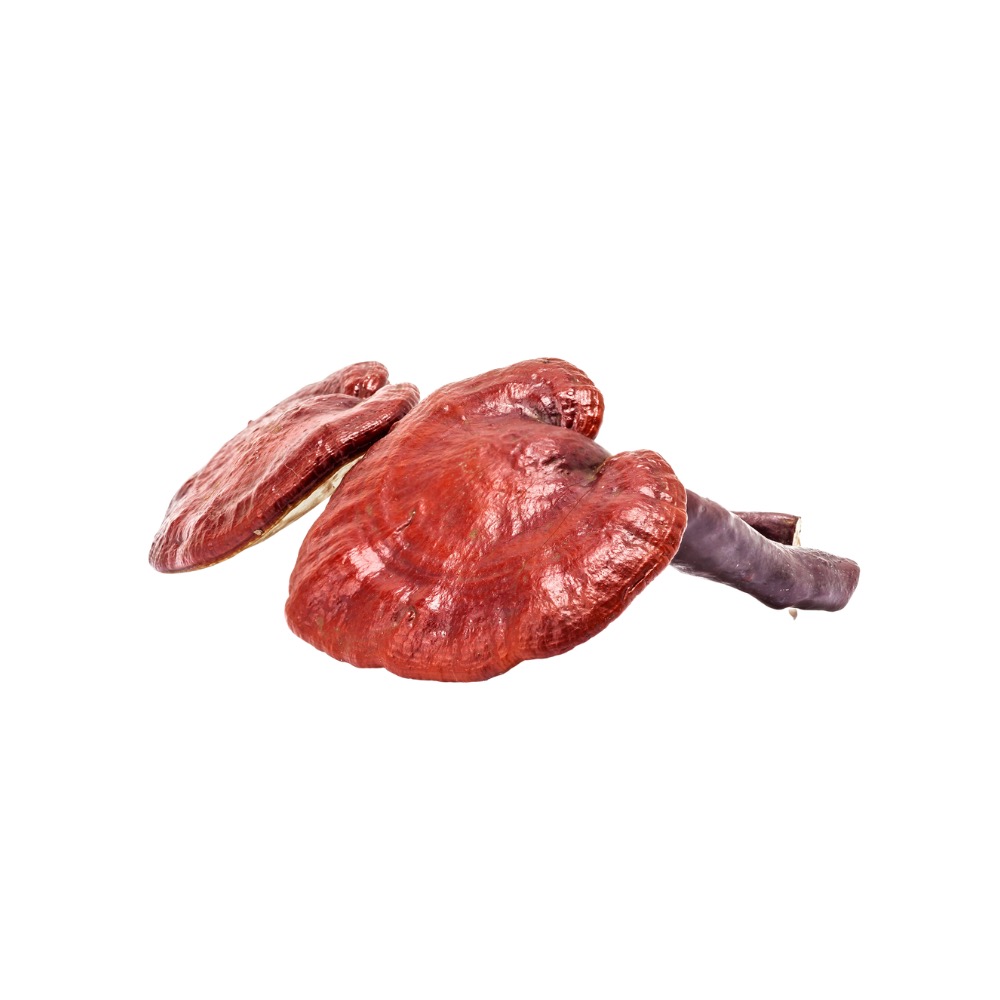 ReishiGanoderma lucidumTraditional only
Reishi has no sleep trial. Its use for sleep rests on the shen-tonic tradition — reishi “calms and anchors the Shen” and promotes healthy sleep — and long historical use for insomnia 48,
Supplementation
Supplementation
Supplements, nutrients and compounds used for insomnia.
References
- Cheah KL, et al. (2021). Effect of ashwagandha (Withania somnifera) extract on sleep — a systematic review and meta-analysis. PLoS One. https://pubmed.ncbi.nlm.nih.gov/34559859/
- Langade D, et al. (2021). Clinical evaluation of ashwagandha root extract on sleep in healthy volunteers and insomnia patients — a double-blind, randomised, placebo-controlled study. Journal of Ethnopharmacology. https://pubmed.ncbi.nlm.nih.gov/32818573/
- Langade D, et al. (2019). Efficacy and safety of ashwagandha root extract in insomnia and anxiety — a double-blind, randomised, placebo-controlled study. Cureus. https://pubmed.ncbi.nlm.nih.gov/31728244/
- Farrell, M. S., McCorvy, J. D., Huang, X. P., et al. (2016). In vitro and in vivo characterization of the alkaloid nuciferine — in vitro and mouse. PLoS One. https://pubmed.ncbi.nlm.nih.gov/26963248/
- Emboden, W. A. (1981). Transcultural use of narcotic water lilies in ancient Egyptian and Maya drug ritual — review. Journal of Ethnopharmacology. https://pubmed.ncbi.nlm.nih.gov/7007741/
- Bertol, E., Fineschi, V., Karch, S. B., Mari, F., & Riezzo, I. (2004). Nymphaea cults in ancient Egypt and the New World: a lesson in empirical pharmacology — review. Journal of the Royal Society of Medicine. https://pubmed.ncbi.nlm.nih.gov/14749409/
- Makino, Y., et al. (2009). Hastatoside and verbenalin are sleep-promoting components in Verbena officinalis — animal model. Sleep and Biological Rhythms. https://doi.org/10.1111/j.1479-8425.2009.00405.x
- Yokosuka, A., et al. (2021). Chemical Constituents of the Whole Plant of Verbena hastata and Their Inhibitory Activity Against the Production of AGEs — in vitro. Natural Product Communications. https://doi.org/10.1177/1934578X211009727
- Rimpler, H., & Schäfer, B. (1979). Hastatoside, a New Iridoid from Verbena hastata L. and Verbena officinalis L. Zeitschrift für Naturforschung C. https://doi.org/10.1515/znc-1979-5-601
- Khan, A. W., et al. (2016). Anticonvulsant, Anxiolytic, and Sedative Activities of Verbena officinalis — mouse. Frontiers in Pharmacology. https://pubmed.ncbi.nlm.nih.gov/28066246/
- Rolland A, Fleurentin J, Lanhers MC, et al. Behavioural effects of the American traditional plant Eschscholzia californica: sedative and anxiolytic properties. Planta Medica. 1991;57(3):212–216. https://pubmed.ncbi.nlm.nih.gov/1680240/
- Schulz H, Jobert M, Hübner WD. The quantitative EEG as a screening instrument to identify sedative effects of single doses of plant extracts in comparison with diazepam. Phytomedicine. 1998;5(6):449–458. https://pubmed.ncbi.nlm.nih.gov/23196028/
- Lemoine P, Bablon JC, Da Silva C. A combination of melatonin, vitamin B6 and medicinal plants in the treatment of mild-to-moderate insomnia: a prospective pilot study. Complementary Therapies in Medicine. 2019;45:104–108. https://pubmed.ncbi.nlm.nih.gov/31331545/
- Harney JW, et al. (1978). Behavioral and toxicological studies of cyclopentanoid monoterpenes from Nepeta cataria — [animal in vivo]. Lloydia. https://pubmed.ncbi.nlm.nih.gov/672466/
- Massoco CO, et al. (1995). Behavioral effects of acute and long-term administration of catnip (Nepeta cataria) in mice — [animal in vivo]. Veterinary and Human Toxicology. https://pubmed.ncbi.nlm.nih.gov/8588288/
- Ranjbar M, et al. (2018). Efficacy of a combination of Melissa officinalis L. and Nepeta menthoides Boiss. & Buhse on insomnia: a triple-blind, randomized placebo-controlled clinical trial — [human RCT (different species)]. Journal of Alternative and Complementary Medicine. https://pubmed.ncbi.nlm.nih.gov/29741926/
- Chang SM, Chen CH. (2016). Effects of an intervention with drinking chamomile tea on sleep quality and depression in sleep disturbed postnatal women: a randomized controlled trial. Journal of Advanced Nursing. https://pubmed.ncbi.nlm.nih.gov/26483209/
- Deepa Y, et al. (2025). Effects of chamomile oil inhalation on sleep quality in young adults with insomnia: a randomized controlled trial. International Journal of Psychiatry in Medicine. https://pubmed.ncbi.nlm.nih.gov/39545336/
- Souza, D. O., et al. (2018). Phytochemical analysis and central (sedative/anticonvulsant) effects of Annona muricata Linnaeus in mice — animal model. Iranian Journal of Pharmaceutical Research, 17. https://pubmed.ncbi.nlm.nih.gov/30568689/
- Bourne, R. K., et al. (1979). A preliminary study of the sedative effects of Annona muricata (soursop) — animal study. West Indian Medical Journal, 28. https://pubmed.ncbi.nlm.nih.gov/473760/
- Wyatt RJ, Zarcone V, Engelman K, et al. (1971). Effects of 5-hydroxytryptophan on the sleep of normal human subjects — clinical trial. Electroencephalography and Clinical Neurophysiology. https://pubmed.ncbi.nlm.nih.gov/4105646/
- Birdsall TC. (1998). 5-Hydroxytryptophan: a clinically-effective serotonin precursor — review. Alternative Medicine Review. https://pubmed.ncbi.nlm.nih.gov/9727088/
- Morin CM, Koetter U, Bastien C, Ware JC, & Wooten V (2005). Valerian-hops combination and diphenhydramine for treating insomnia: a randomized placebo-controlled clinical trial — [randomized]. Sleep, 28(11), 1465-71. https://pubmed.ncbi.nlm.nih.gov/16335333/
- Schicktanz N, Gerhards C, Schlitt T, Aerni A, Müggler E, de Quervain D, et al. (2025). Effects of a Valerian-Hops Extract Combination (Ze 91019) on Sleep Duration and Daytime Cognitive and Psychological Parameters in Occasional Insomnia: A Randomized Controlled Feasibility Trial — [randomized]. Brain Behav, 15(6), e70600. https://pubmed.ncbi.nlm.nih.gov/40462685/
- Maroo N, Hazra A, & Das T (2013). Efficacy and safety of a polyherbal sedative-hypnotic formulation NSF-3 in primary insomnia in comparison to zolpidem: a randomized controlled trial — [randomized]. Indian J Pharmacol, 45(1), 34-9. https://pubmed.ncbi.nlm.nih.gov/23543804/
- Franco L, Sánchez C, Bravo R, Rodriguez A, Barriga C, & Juánez JC (2012). The sedative effects of hops (Humulus lupulus), a component of beer, on the activity/rest rhythm — [animal]. Acta Physiol Hung, 99(2), 133-9. https://pubmed.ncbi.nlm.nih.gov/22849837/
- Shinomiya, K., Inoue, T., Utsu, Y., et al. (2005). Effects of kava-kava extract on the sleep-wake cycle in sleep-disturbed rats [animal]. Psychopharmacology (Berl). https://pubmed.ncbi.nlm.nih.gov/15700178/
- Chua, H. C., Christensen, E. T., Hoestgaard-Jensen, K., et al. (2016). Kavain, the major constituent of the anxiolytic kava extract, potentiates GABA-A receptors — functional characteristics and molecular mechanism [in vitro]. PLoS One. https://pubmed.ncbi.nlm.nih.gov/27332705/
- Gleitz, J., Beile, A., & Peters, T. (1995). (±)-Kavain inhibits veratridine-activated voltage-dependent Na⁺ channels in synaptosomes [in vitro]. Neuropharmacology. https://pubmed.ncbi.nlm.nih.gov/8532183/
- Sarris, J., LaPorte, E., & Schweitzer, I. (2011). Kava — a comprehensive review of efficacy, safety, and psychopharmacology [review]. Aust N Z J Psychiatry. https://pubmed.ncbi.nlm.nih.gov/21073405/
- Seifritz, E., et al. (2022). Effect of the anxiolytic drug silexan on sleep — a narrative review. The World Journal of Biological Psychiatry. https://pubmed.ncbi.nlm.nih.gov/36259937/
- Shen, H., et al. (2026). The sleep-enhancing effect of lavender essential oil in adults — a systematic review and meta-analysis. Holistic Nursing Practice. https://pubmed.ncbi.nlm.nih.gov/40600743/
- Xu, K., et al. (2024). Effects of aromatherapy on sleep quality in older adults — a meta-analysis. Medicine. https://pubmed.ncbi.nlm.nih.gov/39654196/
- Aguirre-Hernández, E., et al. (2007). Pharmacological evaluation of the anxiolytic and sedative effects of Tilia americana L. var. mexicana in mice — animal in vivo study. J Ethnopharmacol. https://pubmed.ncbi.nlm.nih.gov/16930893/
- Pérez-Ortega, G., et al. (2008). Sedative and anxiolytic efficacy of Tilia americana var. mexicana inflorescences used traditionally by communities of the State of Michoacán, Mexico — animal in vivo study. J Ethnopharmacol. https://pubmed.ncbi.nlm.nih.gov/18242902/
- Cárdenas-Rodríguez, N., et al. (2014). Anticonvulsant and antioxidant effects of Tilia americana var. mexicana and flavonoid constituents in pentylenetetrazole-induced seizures — animal in vivo study. Oxid Med Cell Longev. https://pubmed.ncbi.nlm.nih.gov/25197430/
- Prescrire International. (2005). Management of insomnia: a place for traditional herbal remedies — review. Prescrire Int. https://pubmed.ncbi.nlm.nih.gov/15984105/
- Cases J, Ibarra A, Feuillère N, Roller M, Sukkar SG. (2011). Pilot trial of Melissa officinalis L. leaf extract in mild-to-moderate anxiety disorders and sleep disturbances — open-label clinical trial. Mediterranean Journal of Nutrition and Metabolism. https://pubmed.ncbi.nlm.nih.gov/22207903/
- Ranjbar M, Firoozabadi A, Salehi A, et al. (2018). Effects of herbal combination (Melissa officinalis L. and Nepeta menthoides) on insomnia severity, anxiety and depression in insomniacs — randomised placebo-controlled trial. Integrative Medicine Research. https://pubmed.ncbi.nlm.nih.gov/30591886/
- Haybar H, Javid AZ, Haghighizadeh MH, et al. (2018). The effects of Melissa officinalis supplementation on depression, anxiety, stress and sleep disorder in patients with chronic stable angina — randomised placebo-controlled trial. Clinical Nutrition ESPEN. https://pubmed.ncbi.nlm.nih.gov/29908682/
- Rauwald, H. W., Savtschenko, A., Merten, A., et al. (2015). GABA-A receptor binding assays of standardized Leonurus cardiaca and Leonurus japonicus extracts and their isolated constituents — in vitro. Planta Medica, 81(12–13), 1103–1110. https://pubmed.ncbi.nlm.nih.gov/26218338/
- Shikov, A. N., Pozharitskaya, O. N., Makarov, V. G., et al. (2011). Effect of Leonurus cardiaca oil extract in patients with arterial hypertension accompanied by anxiety and sleep disorders — clinical trial (open-label). Phytotherapy Research, 25(4), 540–543. https://pubmed.ncbi.nlm.nih.gov/20839214/
- Grover, J.K., Khandkar, S., Vats, V., et al. (2002). Pharmacological studies on Myristica fragrans — antidiarrhoeal, hypnotic, analgesic and haemodynamic parameters. Methods and Findings in Experimental and Clinical Pharmacology. https://doi.org/10.1358/mf.2002.24.10.802317
- Leiter E, Hitchcock G, Godwin S, et al. (2011). Evaluation of the anxiolytic properties of myristicin, a component of nutmeg, in the male Sprague-Dawley rat. https://pubmed.ncbi.nlm.nih.gov/21560973/
- Ngan, A., Conduit, R. (2011). A double-blind, placebo-controlled investigation of the effects of Passiflora incarnata (passionflower) herbal tea on subjective sleep quality — randomised, placebo-controlled. Phytother Res. https://pubmed.ncbi.nlm.nih.gov/21294203/
- Lee, J., Jung, H. Y., Lee, S. I., et al. (2020). Effects of Passiflora incarnata Linnaeus on polysomnographic sleep parameters in subjects with insomnia disorder — randomised, placebo-controlled. Int Clin Psychopharmacol. https://pubmed.ncbi.nlm.nih.gov/31714321/
- Harit, M. K., Mundhe, N., Tamoli S Sr, et al. (2024). Randomized, double-blind, placebo-controlled clinical study of Passiflora incarnata in participants with stress and sleep problems — randomised, placebo-controlled. Cureus. https://pubmed.ncbi.nlm.nih.gov/38646244/
- Rogers, R. D. (2011). The fungal pharmacy: The complete guide to medicinal mushrooms and lichens of North America [Adobe Digital Editions version].
- Hempen, C. H., & Fischer, T. (2009). A Materia Medica for Chinese Medicine: Plants, Minerals, and Animal Products. (Pg. 436-437).
- Feng X, Wang Y (2019). Anti-inflammatory, anti-nociceptive and sedative-hypnotic activities of lucidone D extracted from Ganoderma lucidum — in vitro and mouse study. Cell Mol Biol. https://pubmed.ncbi.nlm.nih.gov/31078150/
- Darbinyan, V., Aslanyan, G., Amroyan, E., Gabrielyan, E., Malmström, C., & Panossian, A. (2007). Clinical trial of Rhodiola rosea L. extract SHR-5 in the treatment of mild to moderate depression — randomised controlled trial. Nordic Journal of Psychiatry. https://pubmed.ncbi.nlm.nih.gov/17990195/
- Olsson, E. M., von Schéele, B., & Panossian, A. G. (2009). A randomised, double-blind, placebo-controlled, parallel-group study of the standardised extract SHR-5 of Rhodiola rosea in stress-related fatigue — randomised controlled trial. Planta Medica. https://pubmed.ncbi.nlm.nih.gov/19016404/
- Lian J, Zhong Y, Li H, et al. (2022). Effects of saffron supplementation on improving sleep quality: a meta-analysis of randomised controlled trials. Sleep Medicine. https://pubmed.ncbi.nlm.nih.gov/35325766/
- Pachikian BD, Copine S, Suchareau M, et al. (2021). Effects of saffron extract on sleep quality: a randomised double-blind controlled clinical trial. Nutrients. https://pubmed.ncbi.nlm.nih.gov/33925432/
- Lopresti, A. L., et al. (2021). An investigation into an evening intake of a saffron extract (affron®) on sleep quality, cortisol, and melatonin concentrations in adults with poor sleep: a randomised, double-blind, placebo-controlled, multi-dose study. Sleep Medicine. https://pubmed.ncbi.nlm.nih.gov/34438361/
- Umigai N, Takeda R, Mori A (2018). Effect of crocetin on quality of sleep: a randomised, double-blind, placebo-controlled, crossover study. Complementary Therapies in Medicine. https://pubmed.ncbi.nlm.nih.gov/30477864/
- Di Minno, A., Morone, M. V., Buccato, D. G., et al. (2025). Efficacy and tolerability of a chemically characterized Scutellaria lateriflora L. extract-based food supplement for sleep management: a single-center, controlled, randomised, crossover, double-blind clinical trial. Nutrients. https://pubmed.ncbi.nlm.nih.gov/40362800/
- Awad, R., Arnason, J. T., Trudeau, V., et al. (2003). Phytochemical and biological analysis of skullcap (Scutellaria lateriflora L.): a medicinal plant with anxiolytic properties — animal model. Phytomedicine. https://pubmed.ncbi.nlm.nih.gov/14692724/
- Bent S, Padula A, Moore D, et al. (2006). Valerian for sleep: a systematic review and meta-analysis. Am J Med. https://pubmed.ncbi.nlm.nih.gov/17145239/
- Fernández-San-Martín MI, Masa-Font R, Palacios-Soler L, et al. (2010). Effectiveness of Valerian on insomnia: a meta-analysis of randomized placebo-controlled trials. Sleep Med. https://pubmed.ncbi.nlm.nih.gov/20347389/
- Shinjyo N, Waddell G, Green J. (2020). Valerian Root in Treating Sleep Problems and Associated Disorders — A Systematic Review and Meta-Analysis. J Evid Based Integr Med. https://pubmed.ncbi.nlm.nih.gov/33086877/
- Taibi DM, Landis CA, Petry H, Vitiello MV. (2007). A systematic review of valerian as a sleep aid: safe but not effective. Sleep Med Rev. https://pubmed.ncbi.nlm.nih.gov/17517355/
- Valente V, Machado D, Jorge S, et al. (2024). Does valerian work for insomnia? An umbrella review of the evidence. Eur Neuropsychopharmacol. https://pubmed.ncbi.nlm.nih.gov/38359657/
- Taibi DM, Vitiello MV, Barsness S, et al. (2009). A randomized clinical trial of valerian fails to improve self-reported, polysomnographic, and actigraphic sleep in older women with insomnia. Sleep Med. https://pubmed.ncbi.nlm.nih.gov/18482867/
- Barton DL, Atherton PJ, Bauer BA, et al. (2011). The use of Valeriana officinalis in improving sleep in patients undergoing cancer treatment: a phase III RCT (NCCTG N01C5). J Support Oncol. https://pubmed.ncbi.nlm.nih.gov/21399726/
- Kim HW, et al. (2019). Effectiveness of the sleep enhancement by green romaine lettuce (Lactuca sativa) in a rodent model — animal in vivo. Biological & Pharmaceutical Bulletin. https://pubmed.ncbi.nlm.nih.gov/31582660/
- Ahn Y, et al. (2023). Heukharang lettuce (Lactuca sativa) leaf extract displays sleep-promoting effects through GABA-A receptor — animal in vivo. Journal of Ethnopharmacology. https://pubmed.ncbi.nlm.nih.gov/37149068/
- Lee M, et al. (2024). Lactuca sativa extract enhances sleep duration through upregulation of adenosine A1 receptor and GABA-A receptor subunits in pentobarbital-injected mice — animal in vivo. Journal of Medicinal Food. https://pubmed.ncbi.nlm.nih.gov/38603571/
- Kim HD, et al. (2017). Sleep-inducing effect of lettuce (Lactuca sativa) varieties on pentobarbital-induced sleep — animal in vivo. Food Science and Biotechnology. https://pubmed.ncbi.nlm.nih.gov/30263607/
- Yakoot M, et al. (2011). Pilot study of the efficacy and safety of lettuce seed oil in patients with sleep disorders — randomised placebo-controlled trial. International Journal of General Medicine. https://pubmed.ncbi.nlm.nih.gov/21731897/
- Taherzadeh Z, et al. (2020). Evaluation of sedative effects of an intranasal dosage form containing saffron, lettuce seeds and sweet violet in primary chronic insomnia — randomised, double-blind, placebo-controlled trial. Journal of Ethnopharmacology. https://pubmed.ncbi.nlm.nih.gov/32736046/
- Shergis, J. L., et al. (2021). Medicinal seeds Ziziphus spinosa for insomnia: A randomized, placebo-controlled, cross-over, feasibility clinical trial — [randomised, double-blind, placebo-controlled crossover RCT]. Complementary therapies in medicine. https://pubmed.ncbi.nlm.nih.gov/33385511/
- Yang, M., et al. (2023). The Herbal Medicine Suanzaoren (Ziziphi Spinosae Semen) for Sleep Quality Improvements: A Systematic Review and Meta-analysis — [systematic review and meta-analysis]. Integrative cancer therapies. https://pubmed.ncbi.nlm.nih.gov/37014010/
- Birling, Y., et al. (2021). Zao Ren An Shen for insomnia: a systematic review with meta-analysis — [systematic review with meta-analysis]. Sleep medicine. https://pubmed.ncbi.nlm.nih.gov/32045853/
- Liu, X. X., et al. (2022). Suanzaoren Decoction for the treatment of chronic insomnia: a systematic review and meta-analysis — [systematic review and meta-analysis]. European review for medical and pharmacological sciences. https://pubmed.ncbi.nlm.nih.gov/36459033/
- Wang, L. E., et al. (2008). Spinosin, a C-glycoside flavonoid from semen Zizhiphi Spinozae, potentiated pentobarbital-induced sleep via the serotonergic system — [mouse in vivo study]. Pharmacology, biochemistry, and behavior. https://pubmed.ncbi.nlm.nih.gov/18466960/
- Wang, L. E., et al. (2010). Potentiating effect of spinosin, a C-glycoside flavonoid of Semen Ziziphi spinosae, on pentobarbital-induced sleep may be related to postsynaptic 5-HT(1A) receptors — [rat in vivo study]. Phytomedicine : international journal of phytotherapy and phytopharmacology. https://pubmed.ncbi.nlm.nih.gov/20171860/
- Wang, M., et al. (2025). Jujuboside A in ameliorating insomnia in mice via GABAergic modulation of the PVT — [mouse in vivo study]. Journal of ethnopharmacology. https://pubmed.ncbi.nlm.nih.gov/40354840/
- Zhang, Z., et al. (2025). Jujuboside A improves insomnia by maintaining mitochondrial homeostasis in prefrontal neurons — [mouse in vivo study]. Brain research bulletin. https://pubmed.ncbi.nlm.nih.gov/40334994/
- Ma, Y., et al. (2007). Sanjoinine A isolated from Zizyphi Spinosi Semen augments pentobarbital-induced sleeping behaviors through the modification of GABA-ergic systems — [mouse in vivo study]. Biological & pharmaceutical bulletin. https://pubmed.ncbi.nlm.nih.gov/17827733/