
Condition
Tuberculosis
Tuberculosis — the world's deadliest infectious disease, and one that is curable with drugs. It hides inside granulomas, partial treatment breeds resistance, and plants play only a narrow supporting role beside the drugs.


Tuberculosis is curable.
TB is a bacterial infection, usually of the lungs, caused by Mycobacterium tuberculosis. It is the deadliest infectious disease in the world — it kills well over a million people a year — and it is also, in its ordinary drug-susceptible form, reliably cured by a course of antibiotics 1Reference 1Tuberculosis — seminarView study →. Those two facts sit together uncomfortably. Almost everyone who dies of TB dies of a disease that had a cure.
There is no herbal treatment for tuberculosis, and attempting one is not a neutral choice — it is actively dangerous, both to the person and to everyone they breathe near.
What plants do contribute to tuberculosis is real and narrow. It comes to three things: one molecule that made it into an approved TB drug as a booster, one that protects the liver so patients can finish the drugs that cure them, and a screening literature that is legitimate drug discovery but not medicine yet.
Presentation
Types & Variants
TB is split along three axes, and the splits determine everything about management.
Latent versus active. After exposure, most immune systems wall the bacterium off inside granulomas rather than clearing it. The result is latent TB infection — the person is well, not infectious, and has no symptoms, but viable bacteria persist 2Reference 2ReviewLatent tuberculosis infection — reviewView study →. Around a quarter of the world’s population is in this state. Roughly 5–10% will progress to active disease at some point, and that risk rises sharply with HIV, diabetes, malnutrition, smoking, immunosuppressive drugs and age. Latent infection is treated — with a shorter drug course — precisely to prevent that progression.
Pulmonary versus extrapulmonary. Most active TB is pulmonary: chronic cough, often productive and sometimes bloody, with fever, night sweats and weight loss. (The old name consumption described exactly that wasting.) But TB also seeds elsewhere — lymph nodes, pleura, spine (Pott’s disease), meninges, kidneys, pericardium, joints. TB meningitis and disseminated (miliary) TB are medical emergencies. Extrapulmonary TB is generally not infectious to others; pulmonary TB is.
Drug-susceptible versus drug-resistant. Ordinary TB responds to the standard regimen. MDR-TB is resistant to at least isoniazid and rifampicin, the two most important drugs; pre-XDR and XDR-TB add resistance to fluoroquinolones and other key agents 3Reference 3Multidrug-resistant tuberculosis — primerView study →. Resistant TB is still treatable — newer all-oral regimens have transformed outcomes 4Reference 4RCTBedaquiline-pretomanid-linezolid regimens for drug-resistant tuberculosis (ZeNix) — randomised controlled trialView study → — but treatment is longer, more toxic, far more expensive, and less certain. Resistance is largely manufactured by incomplete treatment.
Overview
General Pathology
M. tuberculosis travels in droplet nuclei small enough to stay airborne for hours and to reach the alveoli directly. Inhaled bacilli are engulfed by alveolar macrophages — and then do something unusual: rather than being destroyed, they survive and replicate inside the very cell meant to kill them, arresting the maturation of the phagosome that should have digested them.
The immune response that follows builds the granuloma — a walled structure of macrophages, lymphocytes and fibrous tissue that contains the infection without eliminating it. This standoff is the disease’s defining feature. It explains latency, it explains why TB can reactivate decades later when immunity wanes, and it explains why treatment takes months rather than days: the bacteria are slow-growing, metabolically dormant in places, and physically shielded behind tissue that antibiotics penetrate poorly.
When containment fails, granulomas break down and cavitate, spilling bacilli into the airways. That is the point at which a person becomes infectious and the lung starts being permanently destroyed.
Seek medical assessment, not self-treatment, for: a cough lasting more than two to three weeks, coughing blood, unexplained fever or drenching night sweats, unexplained weight loss, or any of these after known TB contact or in someone with HIV. TB is diagnosed with sputum tests, molecular assays and imaging, and in most countries it is a notifiable disease — the diagnosis triggers contact tracing, and treatment is very often provided free of charge precisely because public health depends on people completing it.
Why There Is No Herbal Alternative — and Why Trying Causes Harm
Many conditions leave room for a considered “conventional treatment plus supportive herbs” position. Tuberculosis does not, and the reason is mechanical rather than ideological.
TB requires multiple drugs, taken together, for months, because the bacterial population is not uniform. Any large population of M. tuberculosis already contains rare spontaneous mutants resistant to any single drug. Give one drug and you kill the susceptible majority and hand the survivors an empty field — this is why monotherapy for TB is malpractice, and it is the historical reason combination therapy was invented at all.
Now apply that to a partly-effective herbal preparation. Something with weak antimycobacterial activity, taken alone, does exactly what a single drug does: it applies just enough selective pressure to favour resistant organisms while failing to sterilise the infection. And every month spent on it is a month of ongoing lung destruction and ongoing airborne transmission to family and household contacts.
The same logic makes interrupted or incomplete drug treatment the main engine of drug resistance. Adherence support is not administrative fussiness — a meta-analysis of self-administered versus directly observed therapy found measurable differences in microbiological failure, relapse and acquired drug resistance 5Reference 5Meta-analysisA meta-analysis of self-administered vs directly observed therapy effect on microbiologic failure, relapse, and acquired drug resistance in tuberculosis patients — meta-analysisView study →.
The most useful thing an adjunct can do in tuberculosis is help someone finish the drugs. That is a real, achievable goal, and the best-evidenced plant adjuncts serve it.
The Drug Regimen, and Its Genuine Weak Point
Standard drug-susceptible TB is treated with two months of isoniazid, rifampicin, pyrazinamide and ethambutol, then four months of isoniazid and rifampicin — and a validated four-month rifapentine-based regimen is now an alternative 6Reference 6RCTFour-month rifapentine regimens with or without moxifloxacin for tuberculosis — randomised controlled trialView study →. Rifampicin-resistant and MDR-TB are increasingly treated with all-oral regimens built on bedaquiline, pretomanid and linezolid, which have dramatically shortened and improved what used to be a brutal two-year ordeal 4Reference 4RCTBedaquiline-pretomanid-linezolid regimens for drug-resistant tuberculosis (ZeNix) — randomised controlled trialView study →.
The regimen’s real vulnerability is drug-induced liver injury. Isoniazid, rifampicin and pyrazinamide are all hepatotoxic, and their combination causes clinically significant liver injury in a meaningful minority of patients — enough that systematic reviews have been devoted to quantifying its incidence and risk factors 7Reference 7Meta-analysisIncidence and risk factors of antituberculosis drug-induced liver injury in India — systematic review and meta-analysisView study →. When it happens, drugs get stopped or swapped. Treatment interruption is the pathway to acquired resistance, so hepatotoxicity is not merely a side effect; it is a route to treatment failure.
That gap is where a plant-derived adjunct, silymarin from milk thistle, has been tested in humans.
Materia Medica
Materia Medica
None of these herbs treats tuberculosis. They fall into three groups:
- Adjuncts with human evidence — milk thistle (protecting the liver through drug therapy) and black pepper (piperine, as a bioavailability booster inside an approved formulation). These support the drugs; they do not substitute for them.
- Antimycobacterial screening hits — usnea, cryptolepis, cow parsnip, agarikon, devil’s club, spikenard, estafiate. Real laboratory activity, occasionally against drug-resistant strains, and a legitimate source of drug leads. All in vitro. No animal efficacy, no human data, and in several cases active only at concentrations that are toxic to human cells.
- Historical remedies — arrowleaf balsamroot and the old “consumption” remedies, from the era before there was a cure.
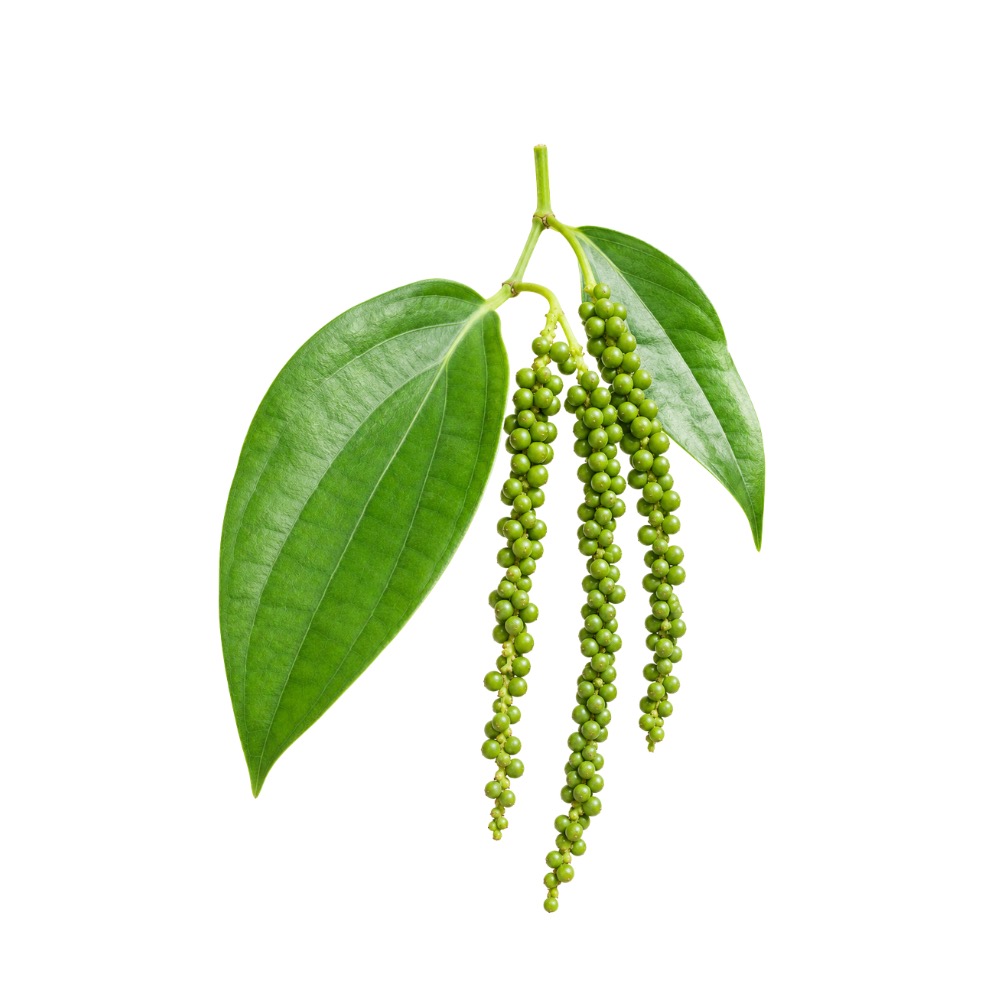 Black PepperPiper nigrumStrong
Piperine is the one plant molecule that made it into a marketed TB drug, and it is a booster, not an antibiotic. Rifampicin’s bioavailability falls with chronic use, so an Indian fixed-dose combination, Risorine, pairs a reduced 200 mg rifampicin dose with isoniazid and 10 mg of piperine as a bio-enhancer. A randomised Phase III trial in 216 treatment-naïve, sputum-positive pulmonary TB patients found faster sputum conversion at 4 weeks (93% vs 84%), a higher cure rate at 24 weeks (92% vs 82%), and fewer liver-enzyme elevations (3 vs 9 patients) than conventional rifampicin 8Reference 8RCTA randomized, controlled, phase III clinical trial to evaluate the efficacy and tolerability of Risorine with conventional rifampicin in the treatment of newly diagnosed pulmonary tuberculosis patients — randomised controlled trialView study →.
Supporting work: piperine showed protective efficacy against M. tuberculosis in vivo 9Reference 9AnimalProtective efficacy of piperine against Mycobacterium tuberculosis — animal modelView study →, and it potentiates anti-TB drugs in vitro 10,
The trial is evidence for a pharmaceutical formulation containing a measured dose of an isolated alkaloid alongside real antibiotics — not for black pepper, and emphatically not for pepper instead of drugs. Limits: a single trial, one country, ~25% dropout, and no independent replication.
Full monograph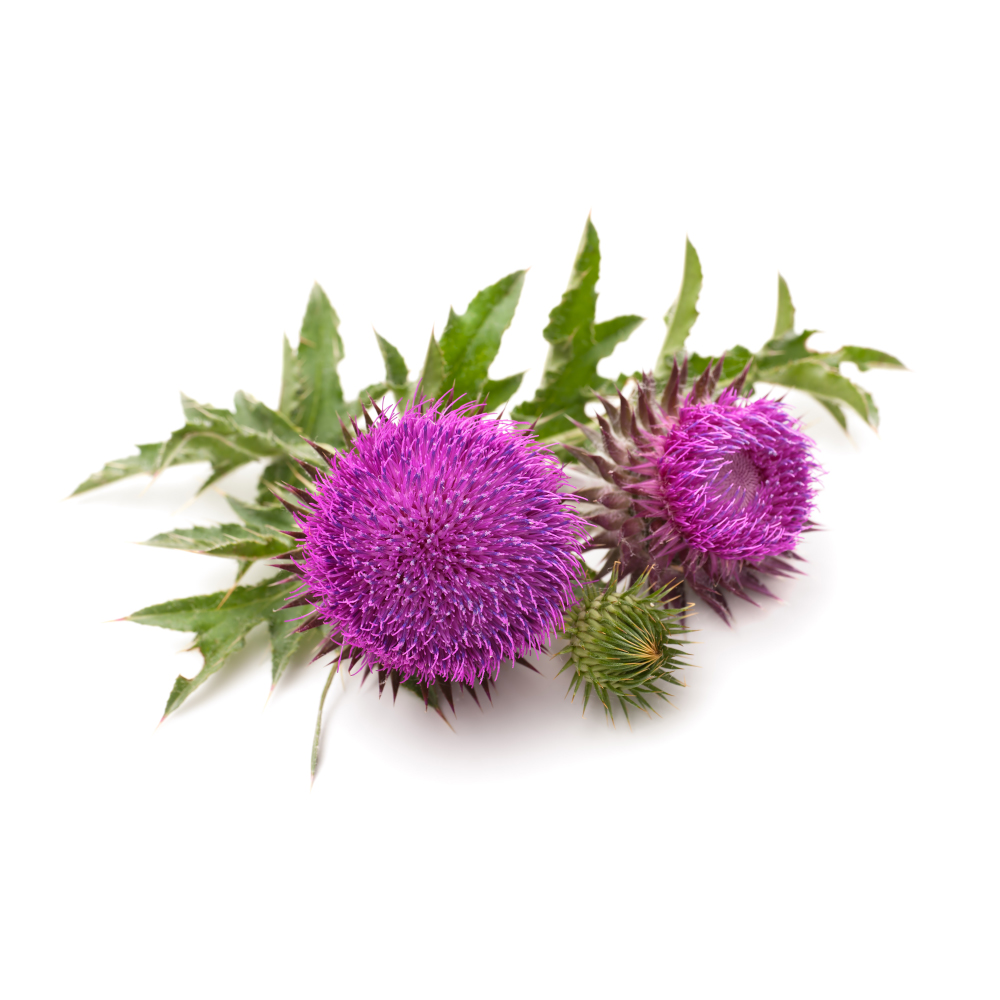 Milk ThistleSilybum marianumModerate
Milk thistle targets the regimen’s actual weak point. A double-blind, placebo-controlled randomised trial found silymarin reduced the incidence of anti-tuberculosis drug-induced liver injury in patients starting standard therapy 12Reference 12RCTA double-blinded randomized controlled trial of silymarin for the prevention of antituberculosis drug-induced liver injury — randomised placebo-controlled trialView study →. The value is indirect but substantial: hepatotoxicity is what forces treatment interruption, and interruption is what breeds resistance — so a liver protectant is, in effect, an adherence intervention.
Milk thistle is well tolerated, which matters when it is taken alongside four hepatotoxic drugs. The evidence is a single modest trial, not a replicated body of work, and guidelines do not yet recommend routine use. It prevents a drug side effect — it does nothing to the bacterium. Anyone on TB therapy should raise it with the clinician monitoring their liver enzymes rather than adding it unannounced.
Full monograph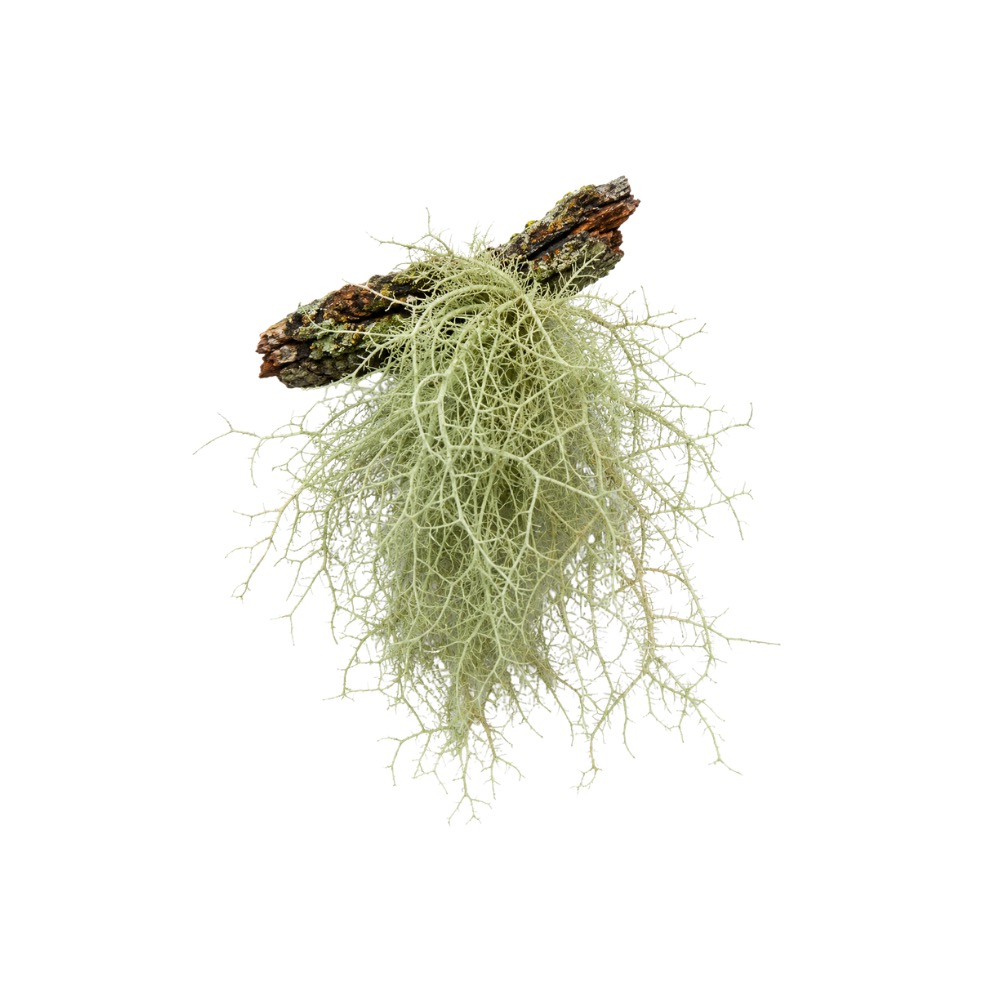 UsneaUsnea spp.Preclinical
Usnic acid inhibits M. tuberculosis in culture including drug-resistant strains, with no evidence that efflux drives innate resistance 13Reference 13In vitroAntimycobacterial activity of usnic acid against resistant and susceptible strains of Mycobacterium tuberculosis and non-tuberculous mycobacteria — in vitroView study →; among the lichen depsides, diffractaic acid was the most potent 14Reference 14In vitroAntimycobacterial activity of lichen substances — in vitroView study →; and mechanistic work shows usnic acid alters the composition of the mycobacterial cell envelope and the organism’s redox status 15Reference 15In vitroUsnic acid treatment changes the composition of Mycobacterium tuberculosis cell envelope and alters bacterial redox status — in vitro. mSystems. https://pubmed.ncbi.nlm.nih.gov/33947802/View study → — a real mechanism against the waxy wall that makes TB so hard to kill.
A gap separates the concentrations that inhibit the organism from those tolerable to mammalian cells, and there is no animal efficacy work or clinical data to close it. Usnic acid is a drug lead rather than a treatment. The human liver injuries associated with it involved isolated compound concentrated into weight-loss products, not the whole lichen.
Full monograph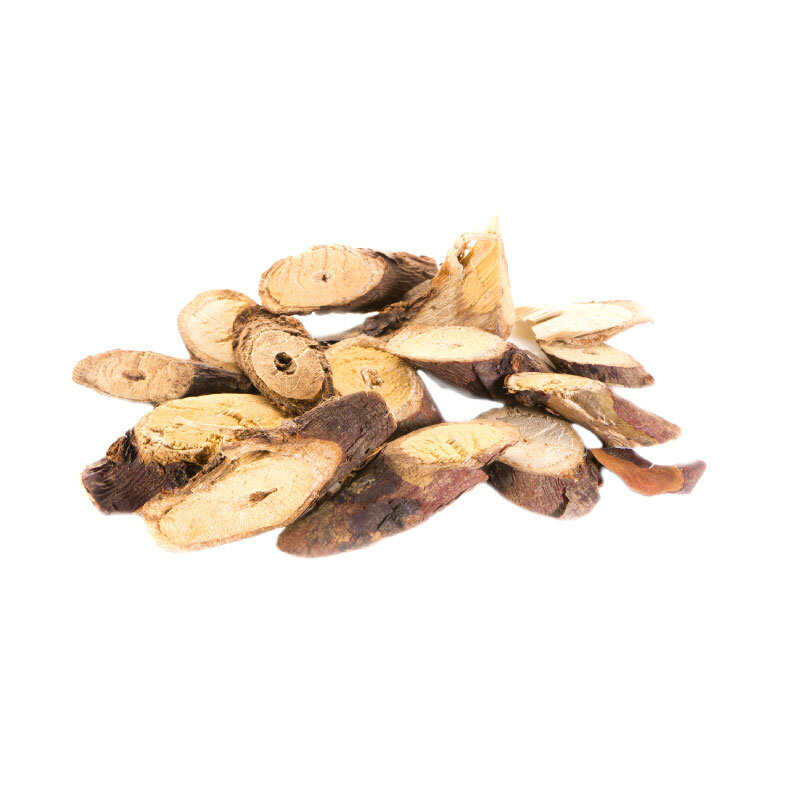 CryptolepisCryptolepis sanguinolentaPreclinical
Cryptolepis is a West African antimalarial whose broad antimicrobial reach extends to mycobacteria. Cryptolepine hydrochloride is a potent antimycobacterial alkaloid active against several Mycobacterium species in vitro 16Reference 16In vitroCryptolepine hydrochloride: a potent antimycobacterial alkaloid derived from Cryptolepis sanguinolenta — in vitroView study →, and the root’s aqueous extract was the most antimycobacterial of a panel of Ghanaian medicinal plants.
The evidence is in vitro only — no animal infection model and no human data for this indication. Cryptolepine is a DNA-intercalating alkaloid, which is part of why it is active against so many organisms and also why potency in a dish does not imply safety or efficacy in a person.
Full monograph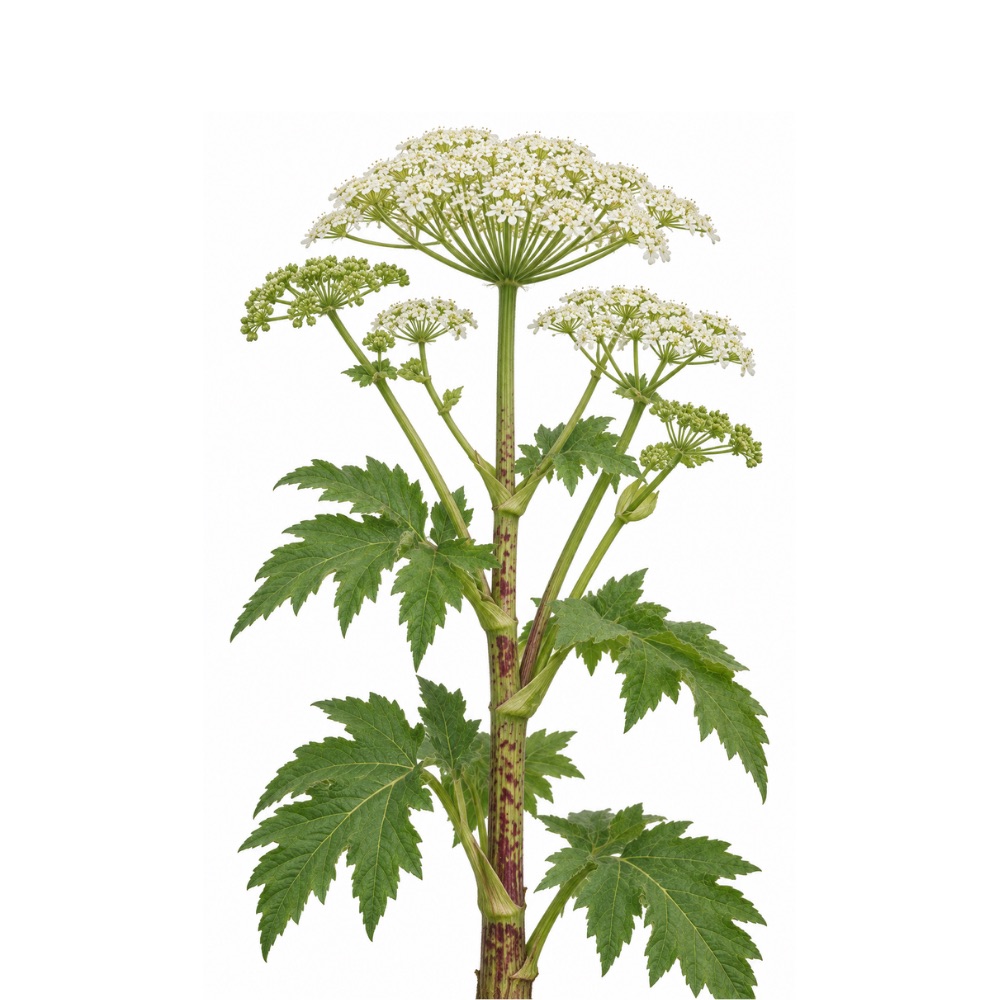 Cow ParsnipHeracleum maximumPreclinical
The root decoction was an Indigenous North American tuberculosis medicine, and the antimycobacterial activity has been reported independently by three groups and tracked by bioassay-guided fractionation to a specific molecule — the polyacetylene falcarindiol, alongside furanocoumarins 17,
The testing used the avirulent laboratory strain H37Ra rather than a virulent clinical isolate, and most potency data come from methanolic extracts even though the aqueous infusion is the traditional — and the bioassay-validated — preparation. It is in vitro throughout, without animal or human data.
The plant carries a serious separate hazard: its furanocoumarins cause phytophotodermatitis — handling the sap and then going into sunlight produces genuine chemical burns.
 AgarikonFomitopsis officinalisPreclinical
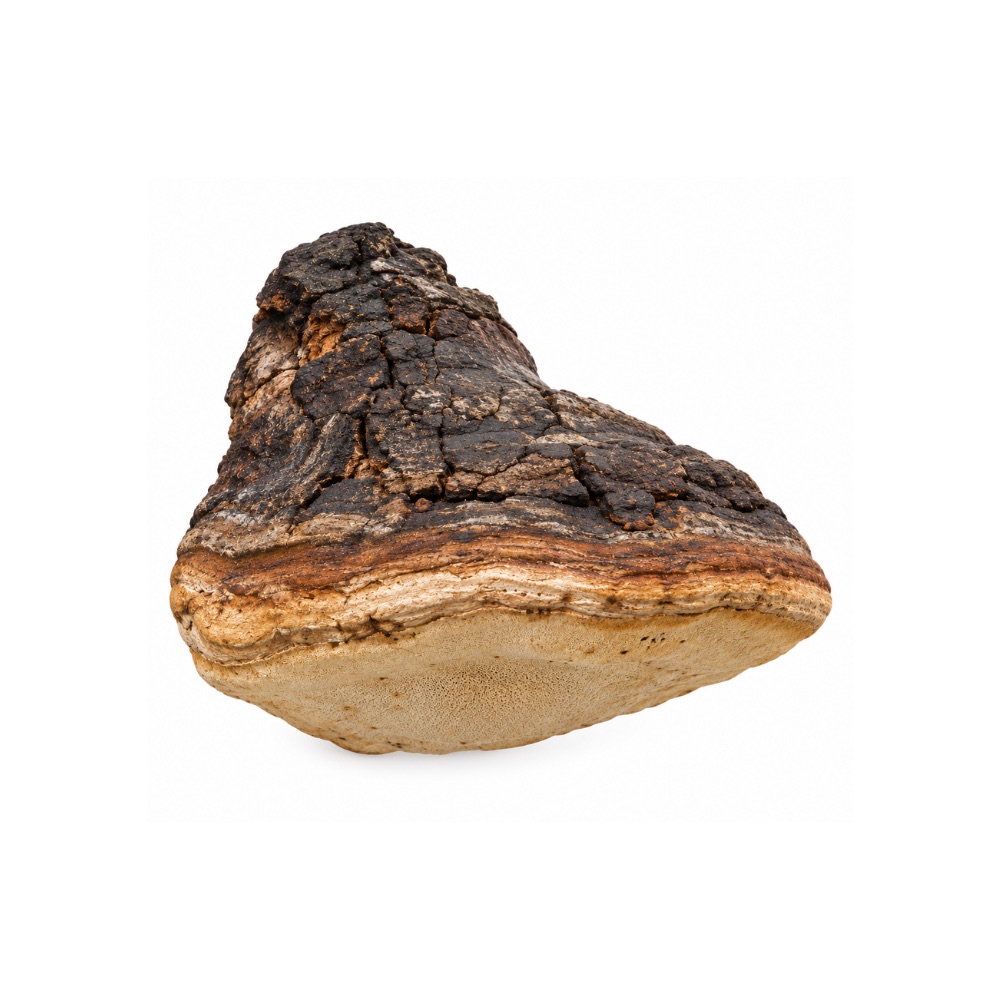
Dioscorides described agarikon in the first century, and the dried conk stayed in European practice for centuries for consumption, fevers and night sweats. The modern finding is specific: chlorinated coumarins isolated from F. officinalis are active against M. tuberculosis in vitro 19Reference 19In vitroChlorinated coumarins from the polypore mushroom Fomitopsis officinalis and their activity against Mycobacterium tuberculosis — in vitroView study →.
The chemistry does not sit where tradition looked — the anti-TB coumarins concentrate in cultured mycelium, not in the conk that historical practice used. Agaric acid makes the fungus a drastic purgative. No monopreparation has ever been tested in a person.
 Devil’s ClubOplopanax horridusPreclinical
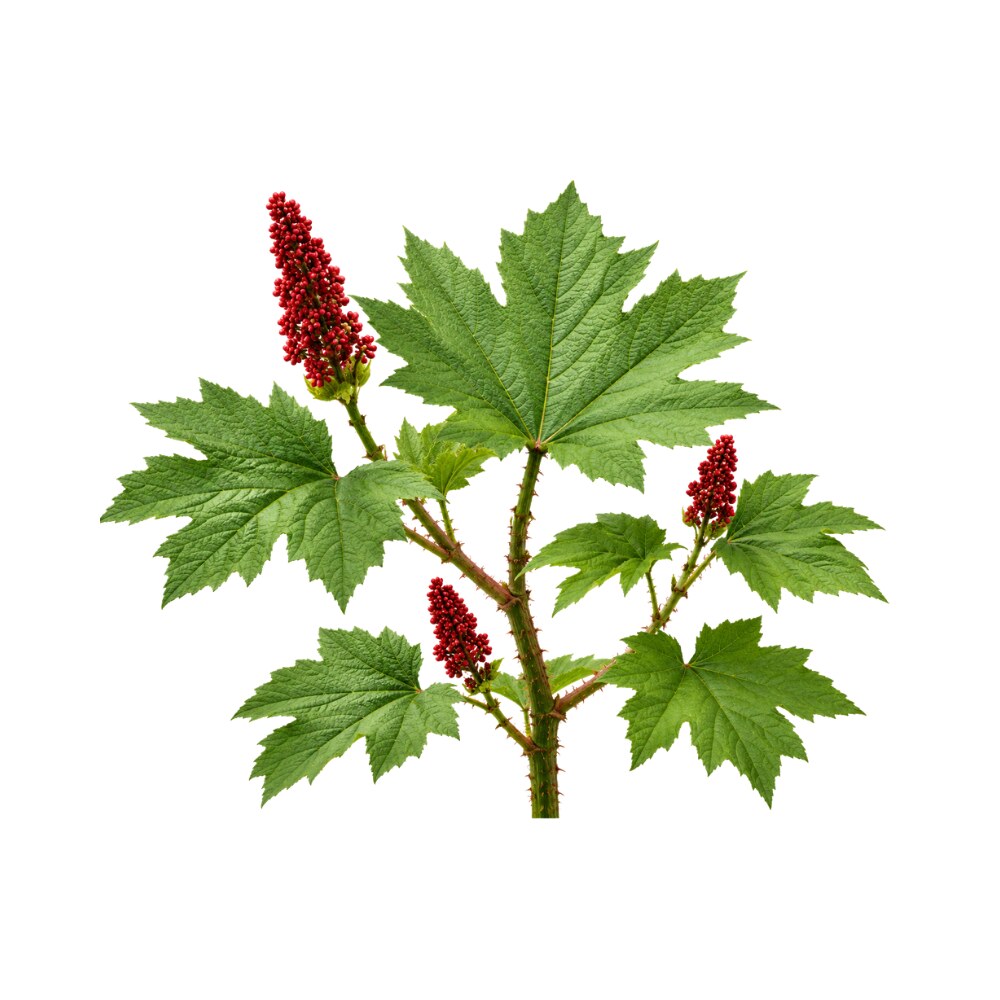
A single but well-characterised study identified the antimycobacterial polyynes of devil’s club root and stem bark — falcarinol-type molecules including falcarindiol and oplopandiol — consistent with its long traditional use for infections 20Reference 20In vitroAntimycobacterial polyynes of devil’s club (Oplopanax horridus), a North American native medicinal plant — in vitroView study →. This is the same polyyne class that carries cow parsnip’s activity, from an unrelated plant family, which makes the class more interesting than either plant alone. One in-vitro paper, no in vivo work. Devil’s club’s better-supported research direction is antiproliferative, not antimycobacterial.
Full monograph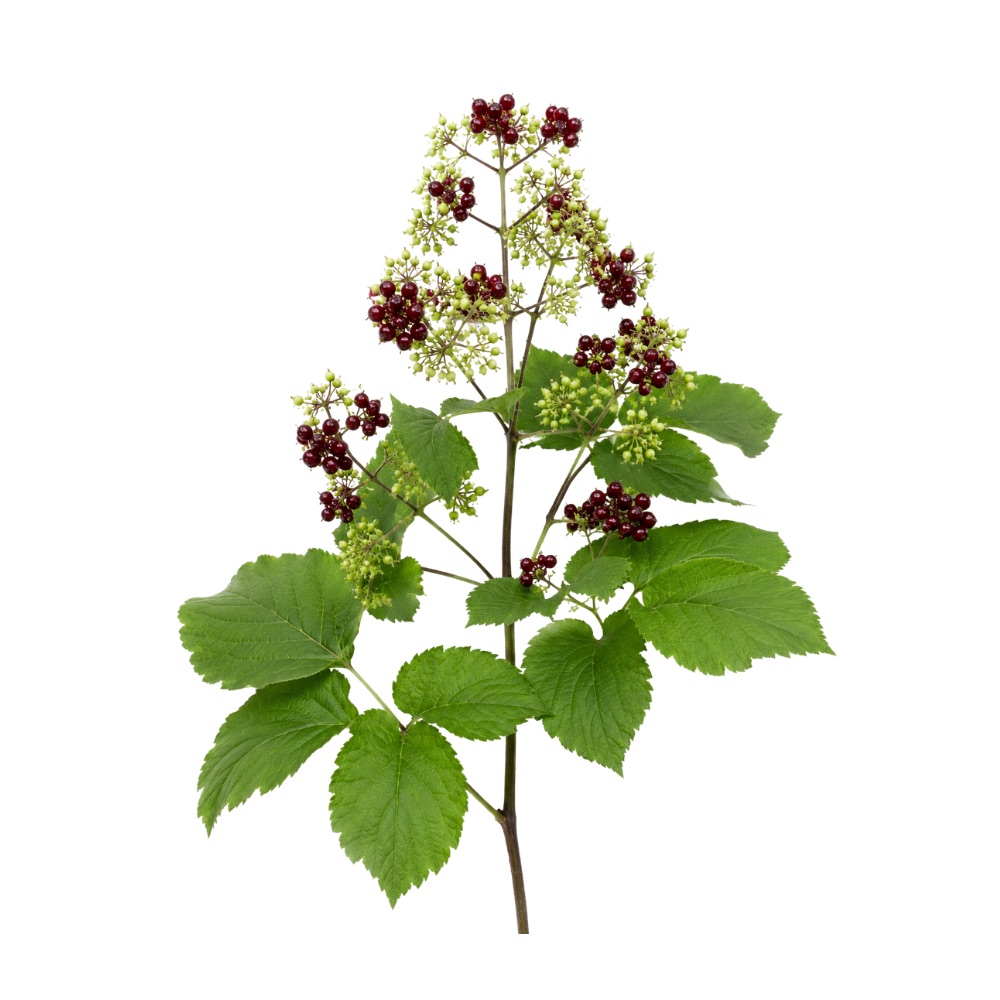 SpikenardAralia racemosaPreclinical
A respiratory herb whose antimycobacterial evidence belongs, strictly speaking, to a relative. Aralia nudicaulis — wild sarsaparilla, used by Iroquois and Algonquin peoples as a cough and tuberculosis remedy — yielded two C17 polyacetylene diynes, falcarinol and panaxydol, on antimycobacterial screening 18,
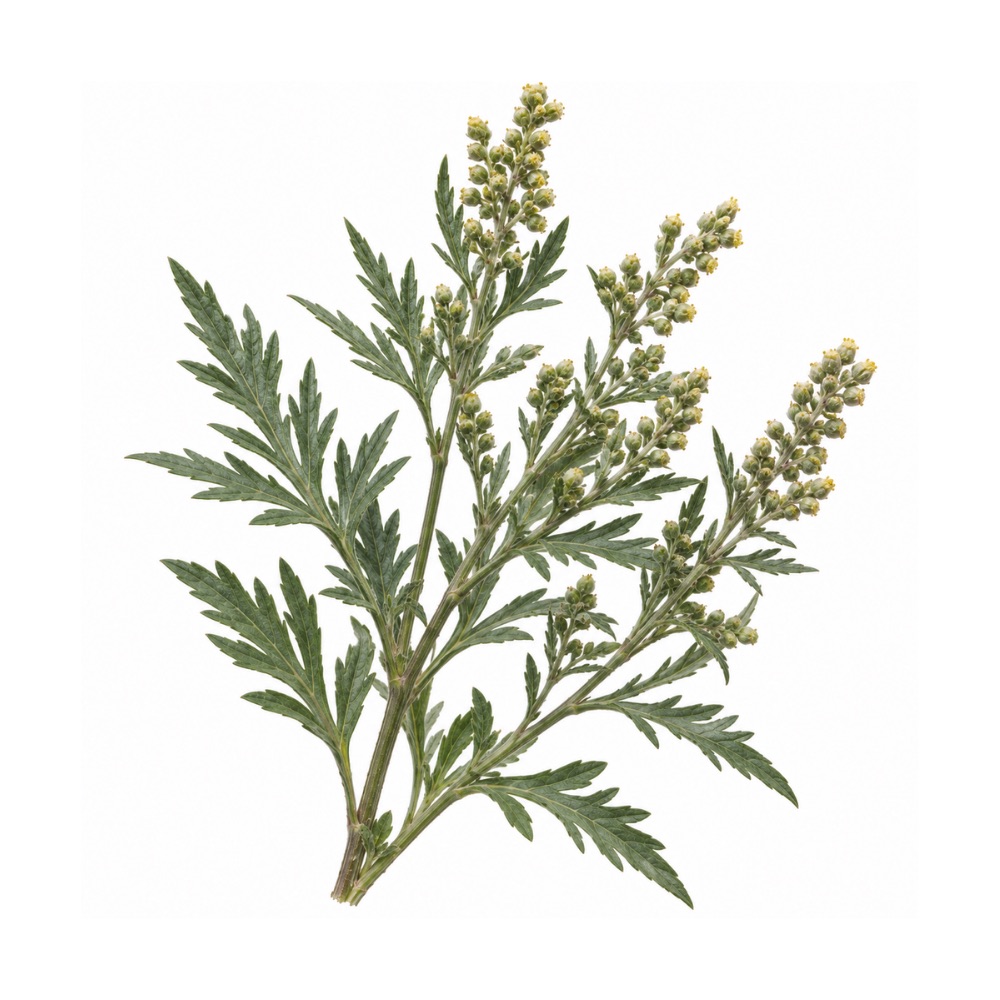 EstafiateArtemisia ludovicianaPreclinical
Mexico’s most widely used medicinal plant, with antimycobacterial activity documented alongside its cytotoxic and anti-inflammatory profile 22Reference 22In vitroAntimycobacterial, cytotoxic, and anti-inflammatory activities of Artemisia ludoviciana — in vitro / animal modelView study →. The finding comes from a broad antibacterial screen; estafiate is not a dedicated TB remedy, and its better-supported directions are gastrointestinal and antiparasitic. In vitro, with MICs in the mg/mL range: high concentrations, no in-vivo cure, no standardised preparation.
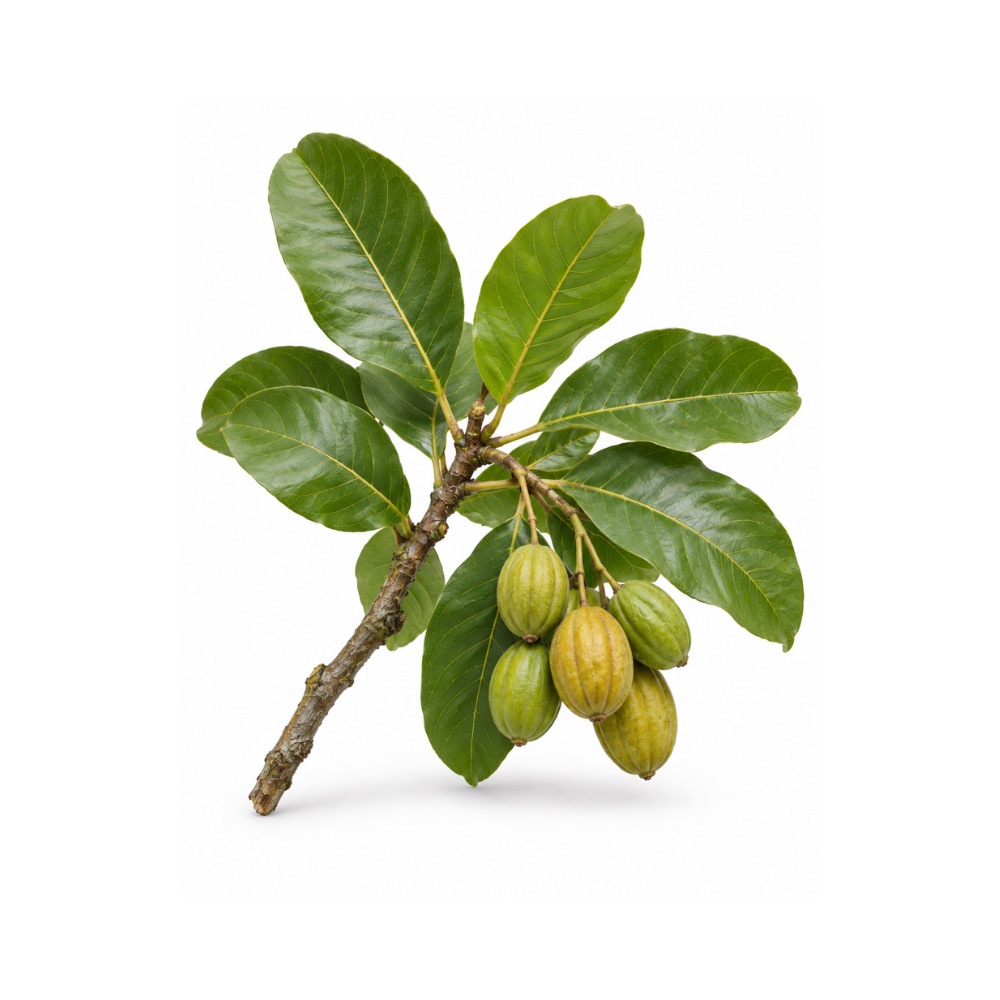 HaritakiTerminalia chebulaPreclinical
Haritaki shares milk thistle’s hepatoprotective rationale, with weaker evidence. A T. chebula fruit extract prevented liver toxicity from sub-chronic administration of rifampicin, isoniazid and pyrazinamide in combination — the exact triple regimen that causes anti-TB drug-induced liver injury — in an animal model 23Reference 23AnimalTerminalia chebula (fruit) prevents liver toxicity caused by sub-chronic administration of rifampicin, isoniazid and pyrazinamide in combination — animal modelView study →. Directly on target, and consistent with the herb’s broader replicated liver-protective record across several distinct insults.
The evidence is animal only; there is no human trial of haritaki for this purpose, which is precisely the gap silymarin has filled. Haritaki is also a laxative at higher doses, which is an unhelpful property in someone already losing weight.
Full monograph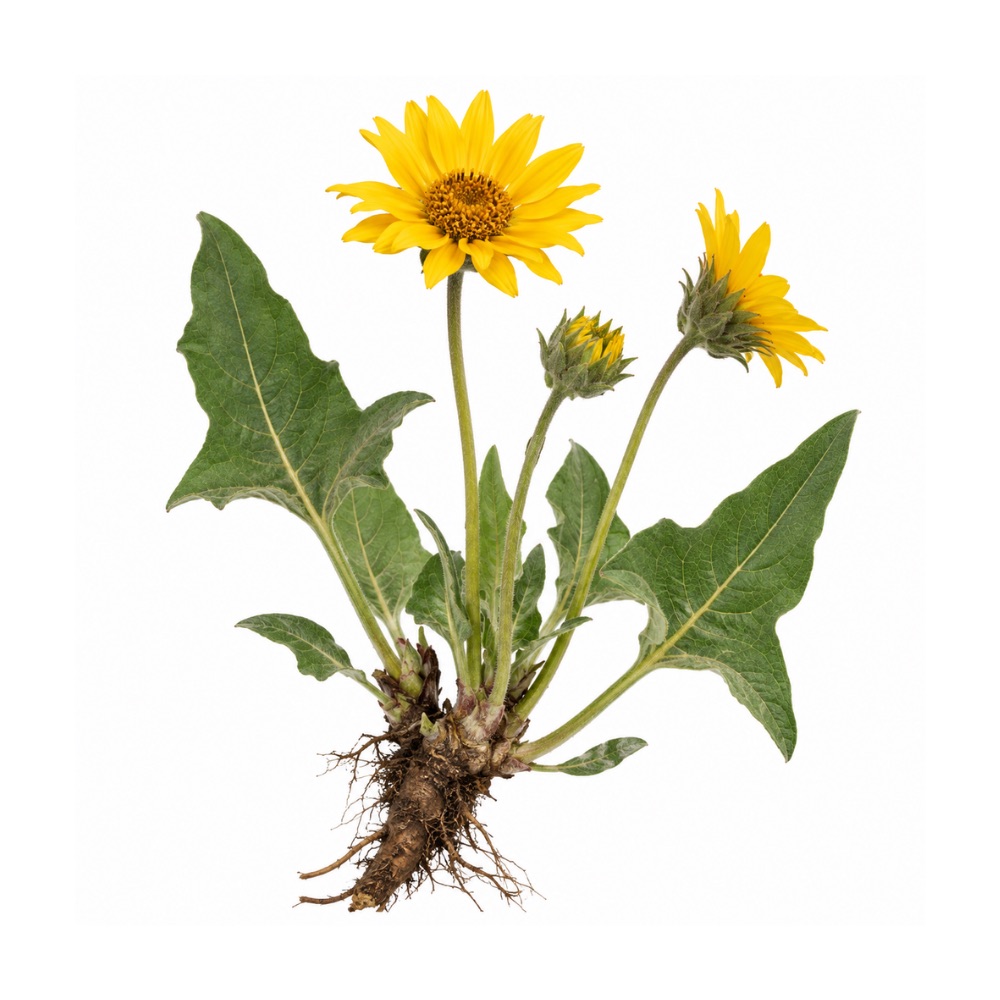 Arrowleaf BalsamrootBalsamorhiza sagittataTraditional only
The resinous root was decocted for coughs, colds, fevers and tuberculosis across the Interior Plateau and Great Basin, chewed for sore throat, and used as an antimicrobial poultice — the poultice being the best-attested application. No antimycobacterial testing exists for this plant at all. It is what people used before there was a cure, in an era when TB killed roughly half of those it sickened regardless of what they took.
Supplementation
Supplementation
Nutritional support matters in tuberculosis — undernutrition is both a major risk factor for progression and a common consequence of active disease, and nutritional care is part of standard management. These are adjuncts to drug therapy, never replacements.
Vitamin D evidence is often misread. An individual-participant-data meta-analysis pooling 1,850 participants across eight randomised trials found that adjunctive vitamin D did not speed sputum culture conversion overall (adjusted HR 1.06, 95% CI 0.91–1.23) — a clean null. But in the subgroup with multidrug-resistant pulmonary TB, it markedly accelerated conversion (adjusted HR 13.44, 95% CI 2.96–60.90; p for interaction = 0.02) 24Reference 24Meta-analysisAdjunctive vitamin D in tuberculosis treatment: meta-analysis of individual participant data — IPD meta-analysisView study →. That is a striking subgroup result with wide confidence intervals, and subgroup findings are hypothesis-generating rather than practice-changing. Routine vitamin D does not help ordinary TB, and the MDR signal deserves a dedicated trial rather than adoption.
References
- Trajman, A., Campbell, J. R., Kunor, T., et al. (2025). Tuberculosis — seminar. The Lancet. https://pubmed.ncbi.nlm.nih.gov/40057344/
- Shah, M., & Dorman, S. E. (2021). Latent tuberculosis infection — review. New England Journal of Medicine. https://pubmed.ncbi.nlm.nih.gov/34879450/
- Dheda, K., Mirzayev, F., Cirillo, D. M., et al. (2024). Multidrug-resistant tuberculosis — primer. Nature Reviews Disease Primers. https://pubmed.ncbi.nlm.nih.gov/38523140/
- Conradie, F., Bagdasaryan, T. R., Borisov, S., et al. (2022). Bedaquiline-pretomanid-linezolid regimens for drug-resistant tuberculosis (ZeNix) — randomised controlled trial. New England Journal of Medicine. https://pubmed.ncbi.nlm.nih.gov/36053506/
- Pasipanodya, J. G., & Gumbo, T. (2013). A meta-analysis of self-administered vs directly observed therapy effect on microbiologic failure, relapse, and acquired drug resistance in tuberculosis patients — meta-analysis. Clinical Infectious Diseases. https://pubmed.ncbi.nlm.nih.gov/23487389/
- Dorman, S. E., Nahid, P., Kurbatova, E. V., et al. (2021). Four-month rifapentine regimens with or without moxifloxacin for tuberculosis — randomised controlled trial. New England Journal of Medicine. https://pubmed.ncbi.nlm.nih.gov/33951360/
- Kumar, R., Kumar, A., Patel, R., et al. (2025). Incidence and risk factors of antituberculosis drug-induced liver injury in India — systematic review and meta-analysis. Indian Journal of Gastroenterology. https://pubmed.ncbi.nlm.nih.gov/39225936/
- Patel, N., Jagannath, K., Vora, A., Patel, M., & Patel, A. (2017). A randomized, controlled, phase III clinical trial to evaluate the efficacy and tolerability of Risorine with conventional rifampicin in the treatment of newly diagnosed pulmonary tuberculosis patients — randomised controlled trial. Journal of the Association of Physicians of India. https://pubmed.ncbi.nlm.nih.gov/29313577/
- Sharma, S., Kalia, N. P., Suden, P., et al. (2014). Protective efficacy of piperine against Mycobacterium tuberculosis — animal model. Tuberculosis (Edinburgh). https://pubmed.ncbi.nlm.nih.gov/24880706/
- Hegeto, L. A., Caleffi-Ferracioli, K. R., Perez de Souza, J., et al. (2019). Promising antituberculosis activity of piperine combined with antimicrobials — systematic review of preclinical studies. Microbial Drug Resistance. https://pubmed.ncbi.nlm.nih.gov/30096263/
- Hegeto, L. A., Caleffi-Ferracioli, K. R., Nakamura-Vasconcelos, S. S., et al. (2018). In vitro combinatory activity of piperine and anti-tuberculosis drugs in Mycobacterium tuberculosis — in vitro. Tuberculosis (Edinburgh). https://pubmed.ncbi.nlm.nih.gov/30029912/
- Luangchosiri, C., Thakkinstian, A., Chitphuk, S., et al. (2015). A double-blinded randomized controlled trial of silymarin for the prevention of antituberculosis drug-induced liver injury — randomised placebo-controlled trial. BMC Complementary and Alternative Medicine. https://pubmed.ncbi.nlm.nih.gov/26400476/
- Ramos, D. F., et al. (2010). Antimycobacterial activity of usnic acid against resistant and susceptible strains of Mycobacterium tuberculosis and non-tuberculous mycobacteria — in vitro. Pharmaceutical Biology. https://pubmed.ncbi.nlm.nih.gov/20645810/
- Honda, N. K., et al. (2010). Antimycobacterial activity of lichen substances — in vitro. Phytomedicine. https://pubmed.ncbi.nlm.nih.gov/19683421/
- Sieniawska, E., et al. (2021). Usnic acid treatment changes the composition of Mycobacterium tuberculosis cell envelope and alters bacterial redox status — in vitro. mSystems. https://pubmed.ncbi.nlm.nih.gov/33947802/
- Gibbons, S., Fallah, F., & Wright, C. W. (2003). Cryptolepine hydrochloride: a potent antimycobacterial alkaloid derived from Cryptolepis sanguinolenta — in vitro. Phytotherapy Research. https://pubmed.ncbi.nlm.nih.gov/12722159/
- O’Neill, T., Johnson, J. A., Webster, D., & Gray, C. A. (2013). The Canadian medicinal plant Heracleum maximum contains antimycobacterial diynes and furanocoumarins — in vitro. Journal of Ethnopharmacology. https://pubmed.ncbi.nlm.nih.gov/23501157/
- Webster, D., et al. (2010). Antimycobacterial screening of traditional medicinal plants using the microplate resazurin assay — in vitro. Canadian Journal of Microbiology. https://pubmed.ncbi.nlm.nih.gov/20657619/
- Hwang, C. H., Jaki, B. U., Klein, L. L., et al. (2013). Chlorinated coumarins from the polypore mushroom Fomitopsis officinalis and their activity against Mycobacterium tuberculosis — in vitro. Journal of Natural Products. https://pubmed.ncbi.nlm.nih.gov/24087924/
- Kobaisy, M., Abramowski, Z., Lermer, L., et al. (1997). Antimycobacterial polyynes of devil’s club (Oplopanax horridus), a North American native medicinal plant — in vitro. Journal of Natural Products. https://pubmed.ncbi.nlm.nih.gov/9392889/
- Li, H., et al. (2012). Anti-mycobacterial diynes from the Canadian medicinal plant Aralia nudicaulis — in vitro. Journal of Ethnopharmacology. https://pubmed.ncbi.nlm.nih.gov/22234257/
- Gálvez Romero, J. L., et al. (2022). Antimycobacterial, cytotoxic, and anti-inflammatory activities of Artemisia ludoviciana — in vitro / animal model. Journal of Ethnopharmacology. https://pubmed.ncbi.nlm.nih.gov/35395382/
- Tasduq, S. A., Singh, K., Satti, N. K., et al. (2006). Terminalia chebula (fruit) prevents liver toxicity caused by sub-chronic administration of rifampicin, isoniazid and pyrazinamide in combination — animal model. Human & Experimental Toxicology. https://pubmed.ncbi.nlm.nih.gov/16634329/
- Jolliffe, D. A., Ganmaa, D., Wejse, C., et al. (2019). Adjunctive vitamin D in tuberculosis treatment: meta-analysis of individual participant data — IPD meta-analysis. European Respiratory Journal. https://pubmed.ncbi.nlm.nih.gov/30728208/