

Overview
Appetite Stimulant at a Glance
Appetite stimulants restore the desire to eat.
The most useful distinction is whether a herb works through taste or through the brain.
Bitters work through taste. A bitter on the tongue sets off the reflexes that prepare the gut for food, releasing saliva, gastric juice and bile, and appetite follows.
Central stimulants act on hunger itself. Cannabis acts on cannabinoid receptors in the brain.
Most herbal appetite stimulants are bitters, led by gentian and wormwood, with dandelion, burdock, yarrow and artichoke close behind.
The exceptions include warming aromatics like ginger and angelica, and the Chinese tonics codonopsis and Asian ginseng, given to strengthen a weak digestion.
Bitters taken before meals are the classic European approach, and gentian root is still the standard bitter tonic.
European regulators recognise gentian, wormwood, yarrow, burdock and dandelion for temporary loss of appetite.
it strengthens the stomach exceedingly, helps digestion … and restores an appetite for their meat to such as have lost it
Nicholas Culpeper, The Complete Herbal, 1653, on gentian
Most of the others have never been tested on appetite. Calamus, mugwort, blue vervain and barberry are traditional bitters whose effect has not been measured.
Caution
Not with an ulcer or gallstones — bitters raise stomach acid and bile, so they are avoided with an active ulcer, reflux or gallstones.
Small doses, short courses — bitters are taken in small amounts before meals, and the strongest are not for long use.
Lasting appetite loss needs assessment — appetite loss that persists or comes with weight loss needs medical assessment before a bitter.
Materia Medica
Appetite Stimulant Herbs by Potency
The appetite stimulant herbs, ordered by the relative strength of the effect rather than by how well studied it is. Each herb is described by the mechanism behind its effect and the evidence for it.
None of this is a substitute for professional care.
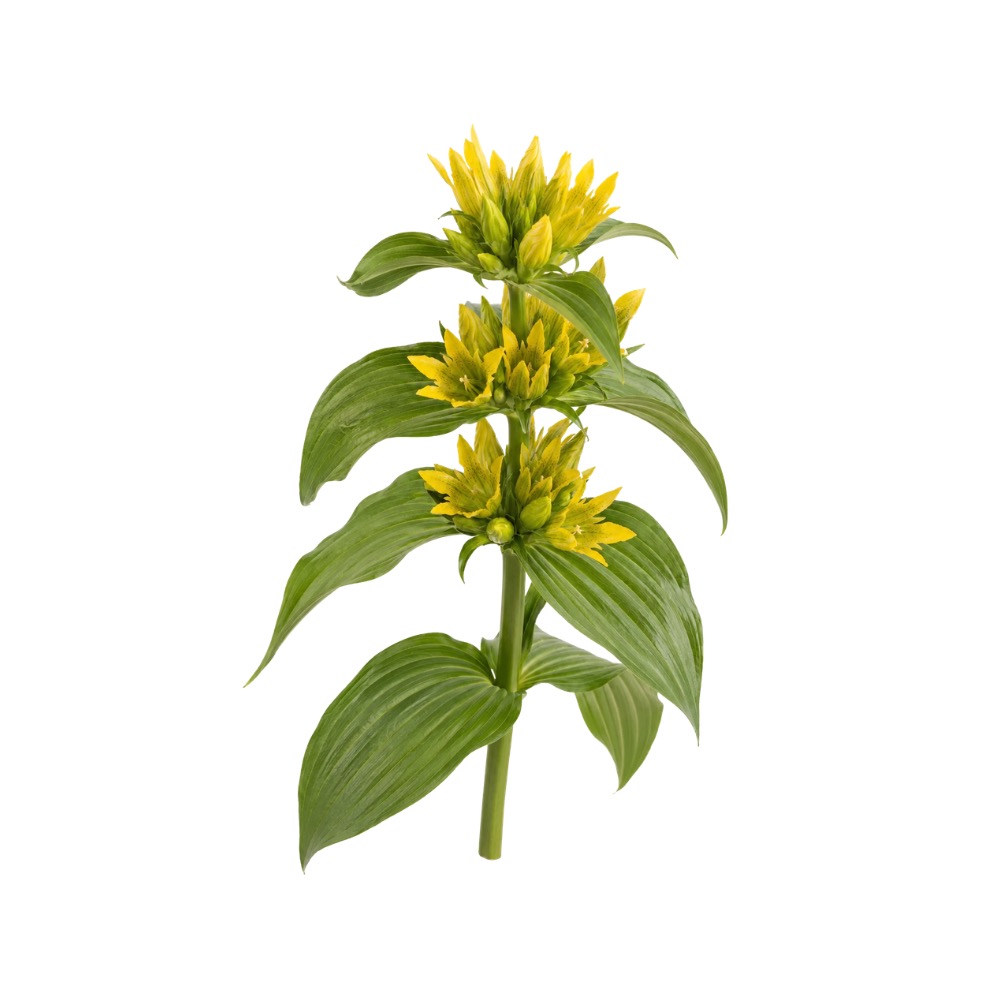 PotentPotentGentianGentiana luteaThe classic bitter for lost appetite, recognized by the EU, though its human evidence is one open study.Mechanismbitter-taste reflex (cephalic-phase gastric juice and bile); direct local gastric effectRead the evidenceShow lessMonograph →
The European Medicines Agency recognizes gentian root as a traditional medicine for temporary loss of appetite and mild indigestion 42,
Its amarogentin is the most bitter substance known (bitterness value 58 million), with the more abundant gentiopicroside behind it.
Bitter taste on the tongue reflexly raises gastric juice and bile, and the EMA assessment also found a direct effect in the stomach, so capsules work as well as the tea 43Reference 43ReviewAssessment report on Gentiana lutea L., radix, Revision 1 (EMA/HMPC/607863/2017) — regulatory review. https://www.ema.europa.eu/en/documents/herbal-report/assessment-report-gentiana-lutea-l-radix-revision-1_en.pdfView study →.
In an open study, 205 patients taking about 576 mg of dry extract a day for 15 days improved by an average of 68%, but there is no randomized trial of gentian alone 43Reference 43ReviewAssessment report on Gentiana lutea L., radix, Revision 1 (EMA/HMPC/607863/2017) — regulatory review. https://www.ema.europa.eu/en/documents/herbal-report/assessment-report-gentiana-lutea-l-radix-revision-1_en.pdfView study →.
 StrongStrongCannabisCannabis sativaTHC drives the 'munchies' through CB1 receptors, one of the most reliable acute effects of any herb.MechanismCB1 receptor agonism (hypothalamic)Read the evidenceShow lessMonograph →
The effect runs through THC acting on CB1 receptors in the hypothalamus. Older dronabinol trials supported it in HIV-associated wasting.
In cancer cachexia the controlled trials are largely null. Cannabinoids did not outperform placebo or megestrol for appetite or weight 19,
The effect is strong in healthy users and in wasting syndromes, but unreliable in cancer, where it is most needed.
Chemotype matters. THCV acts on appetite in the opposite direction.
THC also brings sedation, a fast heart rate and impaired judgment.
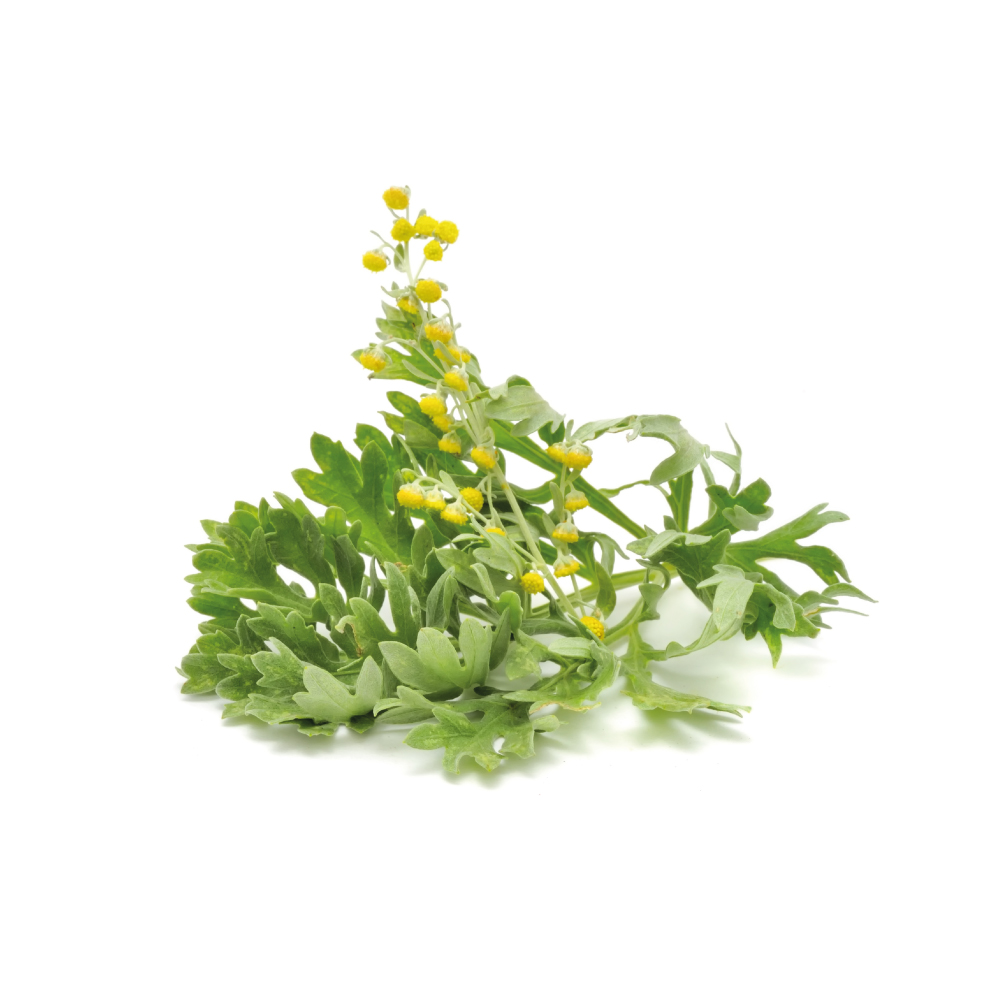 StrongStrongWormwoodArtemisia absinthiumAn intensely bitter aperitif herb approved in Europe for lost appetite, with a mapped bitter-receptor mechanism.MechanismTAS2R bitter-receptor activation (absinthin); reflex salivary, gastric and biliary secretionRead the evidenceShow lessMonograph →
Commission E and the EMA/HMPC monograph both list the herb for temporary loss of appetite 62,
Its sesquiterpene lactone absinthin activates bitter taste receptors, which reflexly stimulate saliva, gastric juice and bile. That is also why wormwood is the classic bittering agent of aperitifs taken before a meal 64Reference 64In vitroVolatile composition and antimicrobial activity of the essential oil of Artemisia absinthium growing in the Western Ghats region of North West Karnataka, India — in vitroView study →.
The only controlled human study used a multi-herb bitter, so wormwood’s own share of the effect is not known 65Reference 65RCTPhytotherapy in functional upper abdominal complaints: results of a clinical study with a preparation of several plants (inclView study →.
Its thujone is a convulsant at high doses, so courses are kept short.
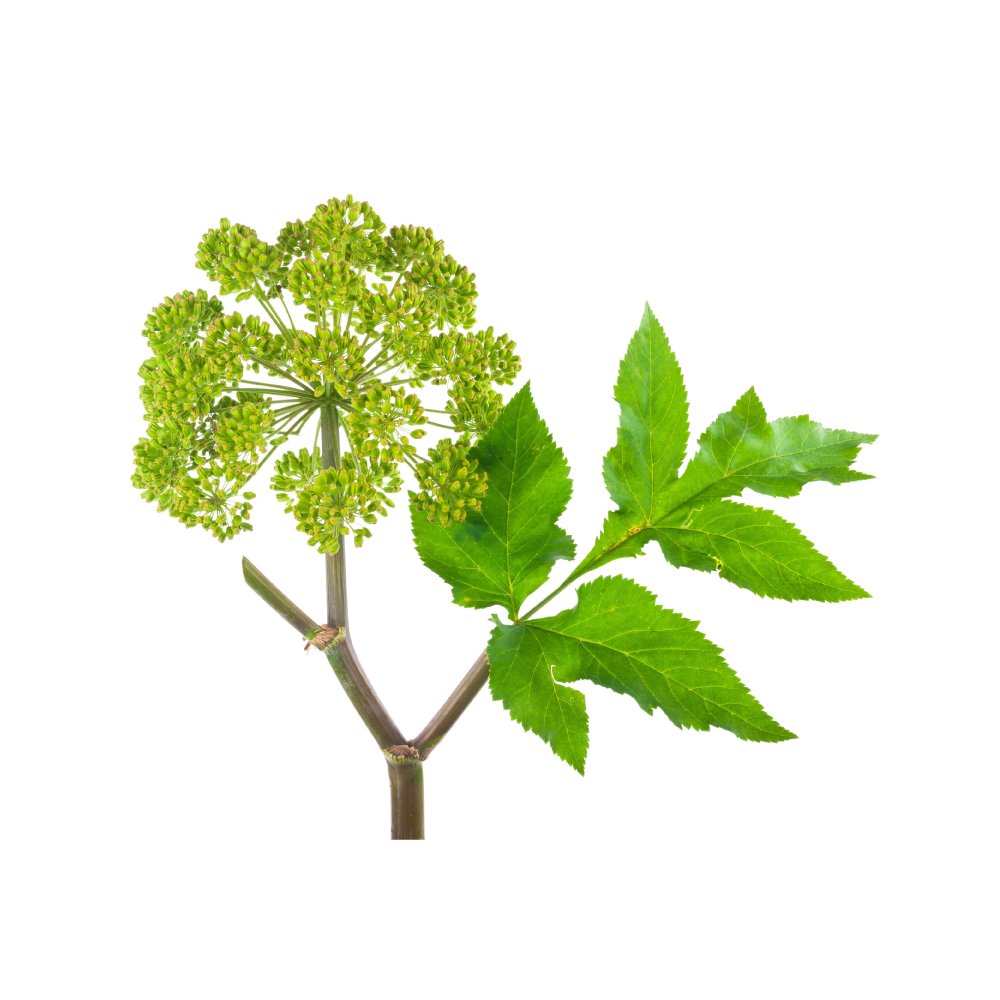 ModerateModerateAngelicaAngelica archangelicaA warming aromatic bitter said to awaken the appetite, best suited to a cold, sluggish stomach.Mechanismwarming aromatic bitter / stomachic (traditional); mechanism not studiedRead the evidenceShow lessMonograph →
In Western herbal medicine the root is a warming digestive bitter for wind, cramps and poor appetite 1Reference 1A Modern Herbal — AngelicaView study →.
Holmes describes it as a warming herb that awakens the appetite and strengthens digestion 2Reference 2The energetics of western herbs Vol 1.
No study has measured its effect on appetite.
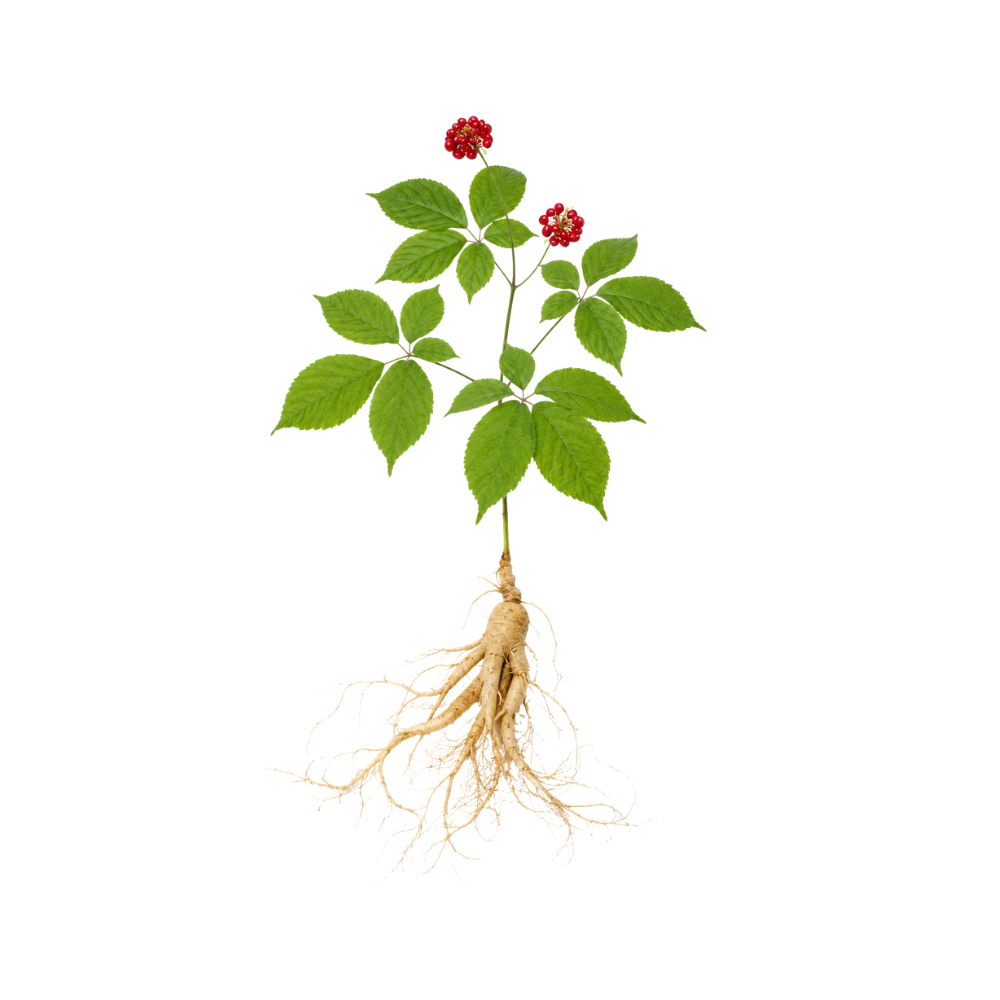 ModerateModerateAsian GinsengPanax ginsengA strengthening tonic for the convalescent whose appetite has failed along with their strength.Mechanismqi tonic, strengthens Spleen and Stomach (traditional); mechanism not studiedRead the evidenceShow lessMonograph →
Western practice used ginseng as a mild stomachic for loss of appetite, digestive complaints and exhaustion 48Reference 48Principles and Practice of Phytotherapy, and the British Herbal Pharmacopoeia lists it as a stomachic 49Reference 49British Herbal Pharmacopoeia.
In Chinese medicine ren shen tonifies qi and strengthens the spleen and stomach 48,
No study has measured an appetite endpoint.
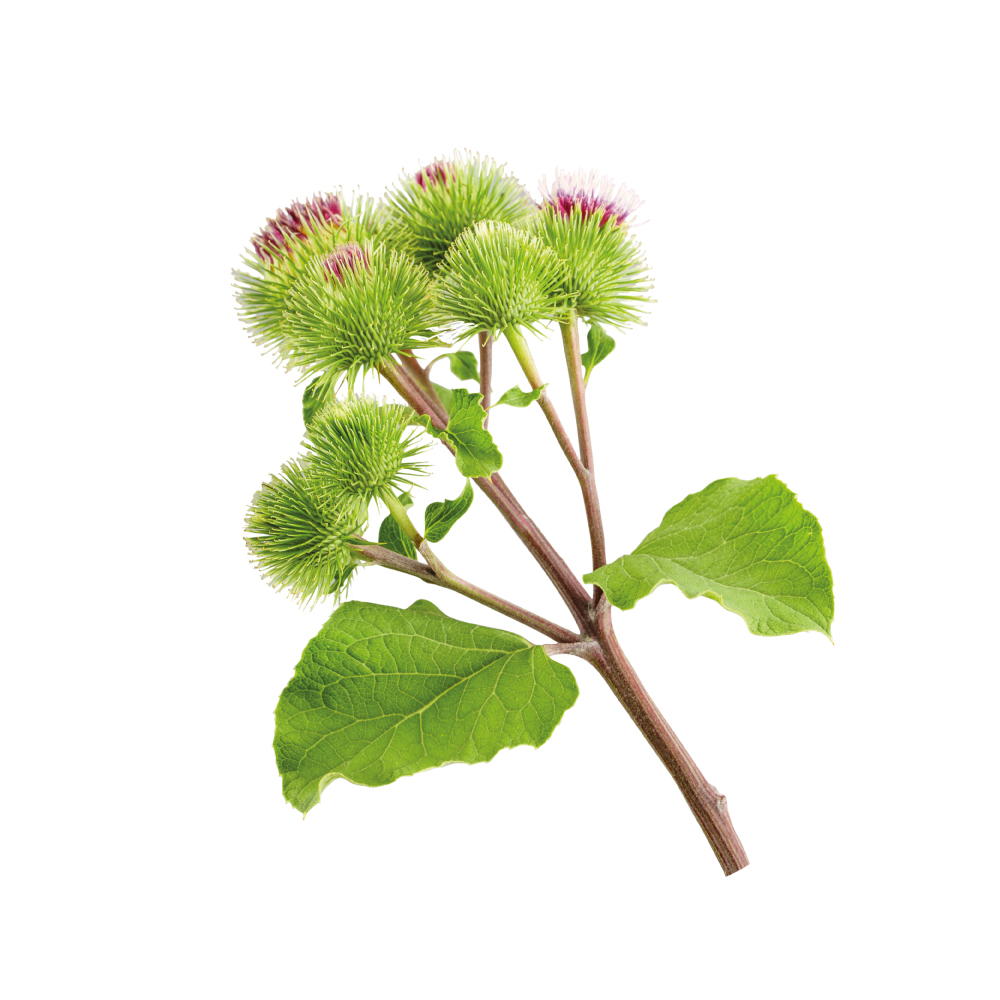 ModerateModerateBurdockArctium lappaEU traditional use for temporary loss of appetite; a gentle root rather than a strong bitter.Mechanismtraditional bitter / digestive use; mechanism not studiedRead the evidenceShow lessMonograph →
The EU recognizes traditional use of burdock root for temporary loss of appetite 11Reference 11ReviewCommunity herbal monograph on Arctium lappa L., radix — regulatory monographView study →. Older practice also gave it for loss of appetite and digestive complaints alongside its skin uses 12Reference 12Assessment report on Arctium lappa L., radix — regulatory assessmentView study →.
The EU monograph advises seeing a practitioner if appetite loss lasts beyond two weeks 11Reference 11ReviewCommunity herbal monograph on Arctium lappa L., radix — regulatory monographView study →.
No study has tested its effect on appetite or digestion.
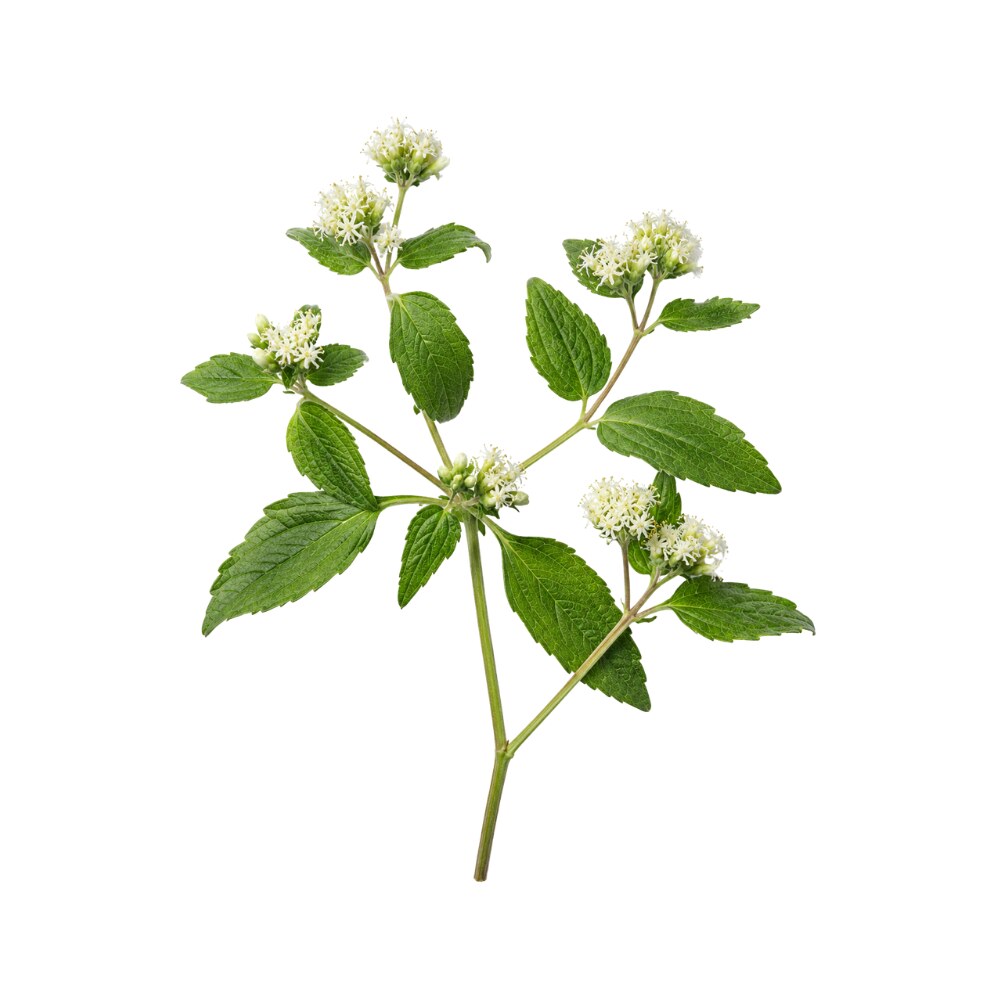 ModerateModerateCalea zacatechichiCalea ternifoliaA Mexican pharmacopoeia bitter for anorexia since the 1890s, with appetite use going back to the 16th century.Mechanismbitter sesquiterpene lactones (traditional bitter tonic); mechanism not studiedRead the evidenceShow lessMonograph →
The appetite use of calea is older than its use for dreaming. A 16th-century account describes the plant being used to increase appetite.
An 1893 Mexican formulary lists a tincture for anorexia, and the Mexican Pharmacopoeia included it as an appetite and digestive agent 18Reference 18ReviewCalea ternifolia Kunth, the Mexican “dream herb,” a concise reviewView study →. Tests at Mexico’s Instituto Médico Nacional from 1886 to 1895 reported it effective for appetite 18Reference 18ReviewCalea ternifolia Kunth, the Mexican “dream herb,” a concise reviewView study →.
The leaf holds more than 35 bitter sesquiterpene lactones 18Reference 18ReviewCalea ternifolia Kunth, the Mexican “dream herb,” a concise reviewView study →. No modern study has measured appetite.
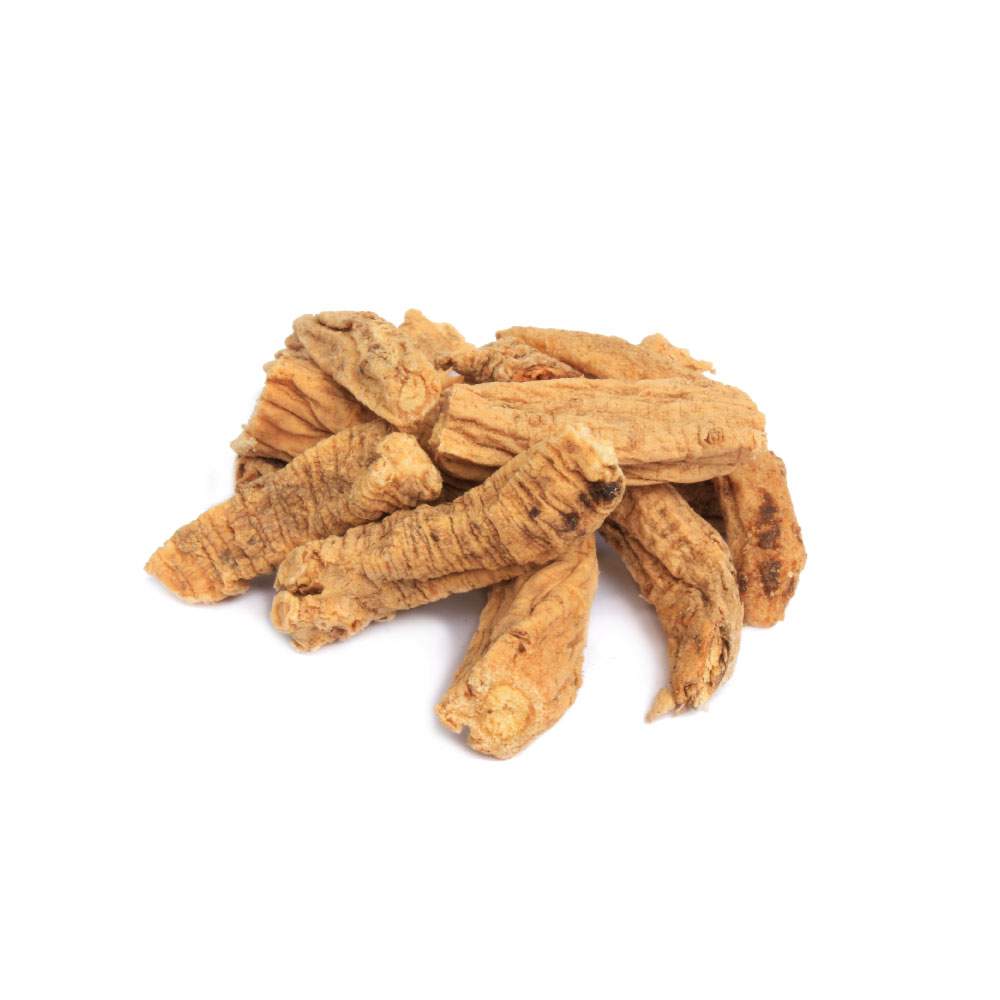 ModerateModerateCodonopsisCodonopsis pilosulaA gentle Chinese qi tonic for poor appetite with fatigue and loose stools; the 'poor man's ginseng'.Mechanismqi tonic, strengthens Spleen and Stomach (traditional); mechanism not studiedRead the evidenceShow lessMonograph →
In Chinese medicine dang shen tonifies qi and strengthens the spleen and stomach 30Reference 30A Materia Medica for Chinese Medicine: Plants, Minerals, and Animal Products. It is given for poor appetite, dyspepsia, loose stools and fatigue 31Reference 31A Clinical Guide to Blending Liquid Herbs: Herbal Formulations for the Individual Patient.
Like ginseng, it rebuilds appetite as part of restoring strength, and it does so gently.
Its research centers on gut protection and immunity in animals rather than appetite.
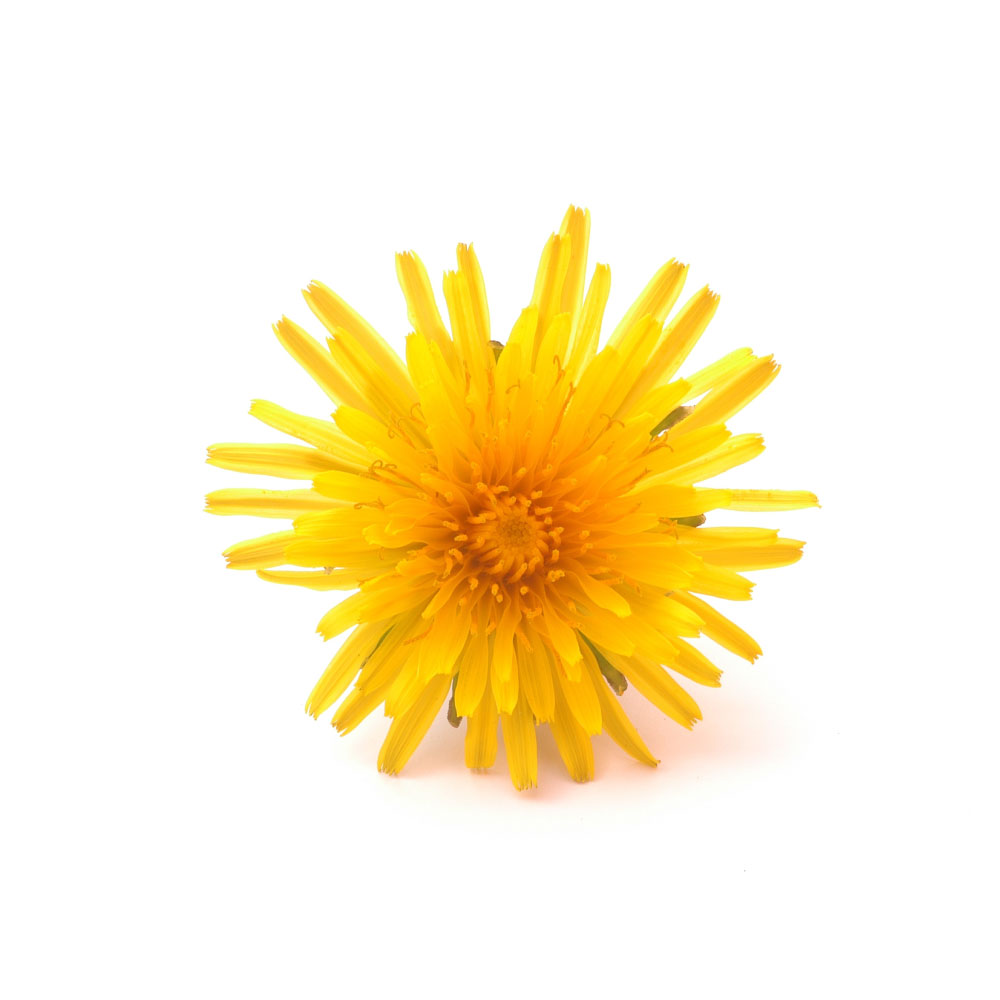 ModerateModerateDandelionTaraxacum officinaleAn EU-registered traditional bitter for poor appetite, gentler than gentian; the use is untested in trials.Mechanismbitter / cholagogue (traditional); mechanism not studiedRead the evidenceShow lessMonograph →
The root, or root with herb, is a traditional bitter for sluggish digestion, fullness and poor appetite. The EU registers it as a traditional herbal medicine for these uses 33Reference 33ReviewCommunity herbal monograph on Taraxacum officinale Weber ex Wigg., radix cum herba (EMA/HMPC/212895/2008 Corr 1) — pharmacopoeial monographView study →.
European tradition has long used it for loss of appetite 34Reference 34ReviewTaraxacum—a review on its phytochemical and pharmacological profile — [review]View study →, and a review treats dyspepsia and appetite loss as a consistent gastrointestinal theme 35Reference 35ReviewThe potential of dandelion in the fight against gastrointestinal diseases: A review — [review]View study →.
No study has measured appetite itself.
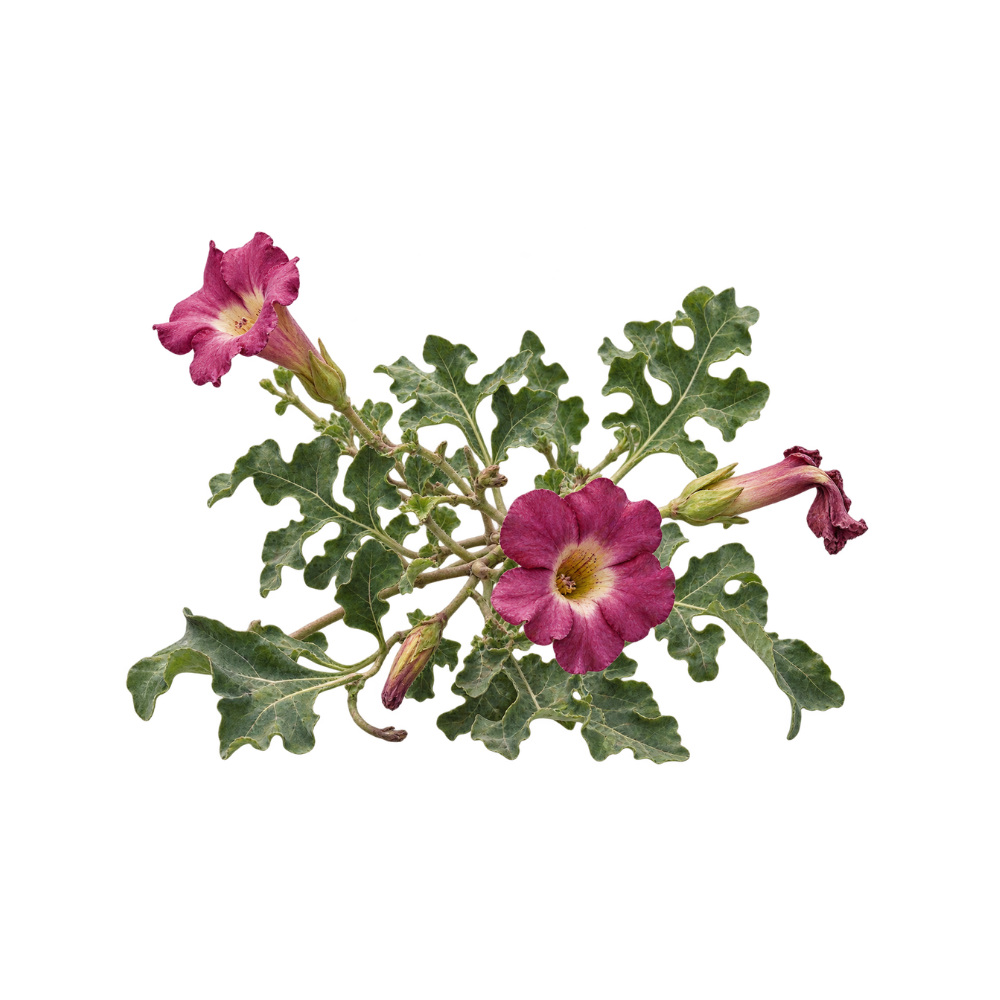 ModerateModerateDevil’s ClawHarpagophytum procumbensA strong bitter taken in small doses before meals; the appetite dose is smaller than the joint dose.Mechanismbitter secretagogue (traditional); mechanism not studiedRead the evidenceShow lessMonograph →
Small doses taken shortly before meals are the traditional bitter dose for poor appetite and indigestion 36Reference 36Harpagophytum procumbens — habit, range, habitat, harvest and uses — species databaseView study →.
The large doses used for joints are a different regimen, spread through the day.
No study has tested its effect on appetite or digestion.
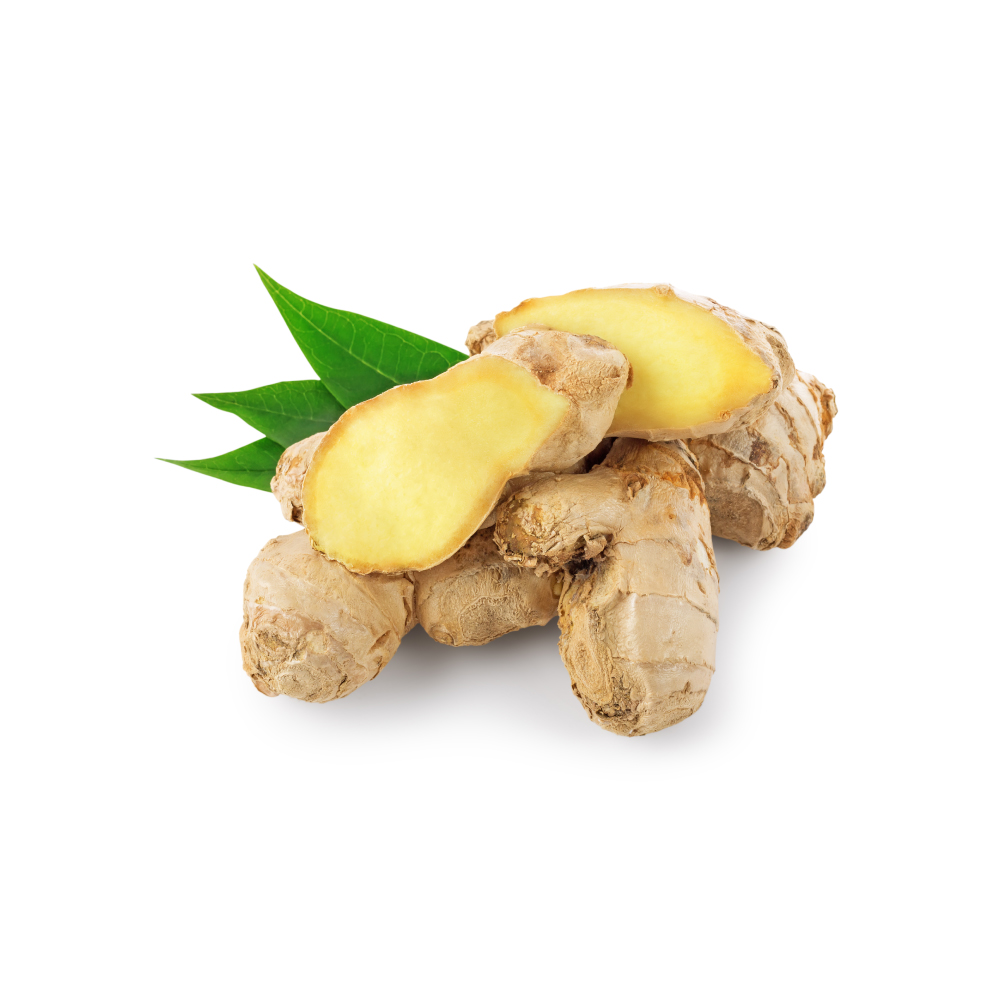 ModerateModerateGingerZingiber officinaleA warming pungent stomachic, EU-accepted for temporary loss of appetite; works through heat, not bitterness.Mechanismpungent warming stomachic (gingerols, shogaols); mechanism not studied for appetiteRead the evidenceShow lessMonograph →
The EU accepts the rhizome as a traditional medicine for temporary loss of appetite 44Reference 44ReviewEuropean Union herbal monograph on Zingiber officinale Roscoe, rhizoma, final — revision 1 — regulatory monographView study →.
The Ayurvedic Pharmacopoeia of India lists the dried powder for weak digestion (agnimandya) at 1–2 g 45Reference 45ReviewThe Ayurvedic Pharmacopoeia of India, Part I, Vol. Western herbalism classes it as a carminative and digestive stimulant 46Reference 46ReviewDyspeptic pain and phytotherapy: a review of traditional and modern herbal drugs — reviewView study →.
No trial has measured appetite, and 500 mg had no effect on gastric emptying in one study 47Reference 47RCTEffects of ginger on motion sickness susceptibility and gastric function — randomized controlled trialView study →.
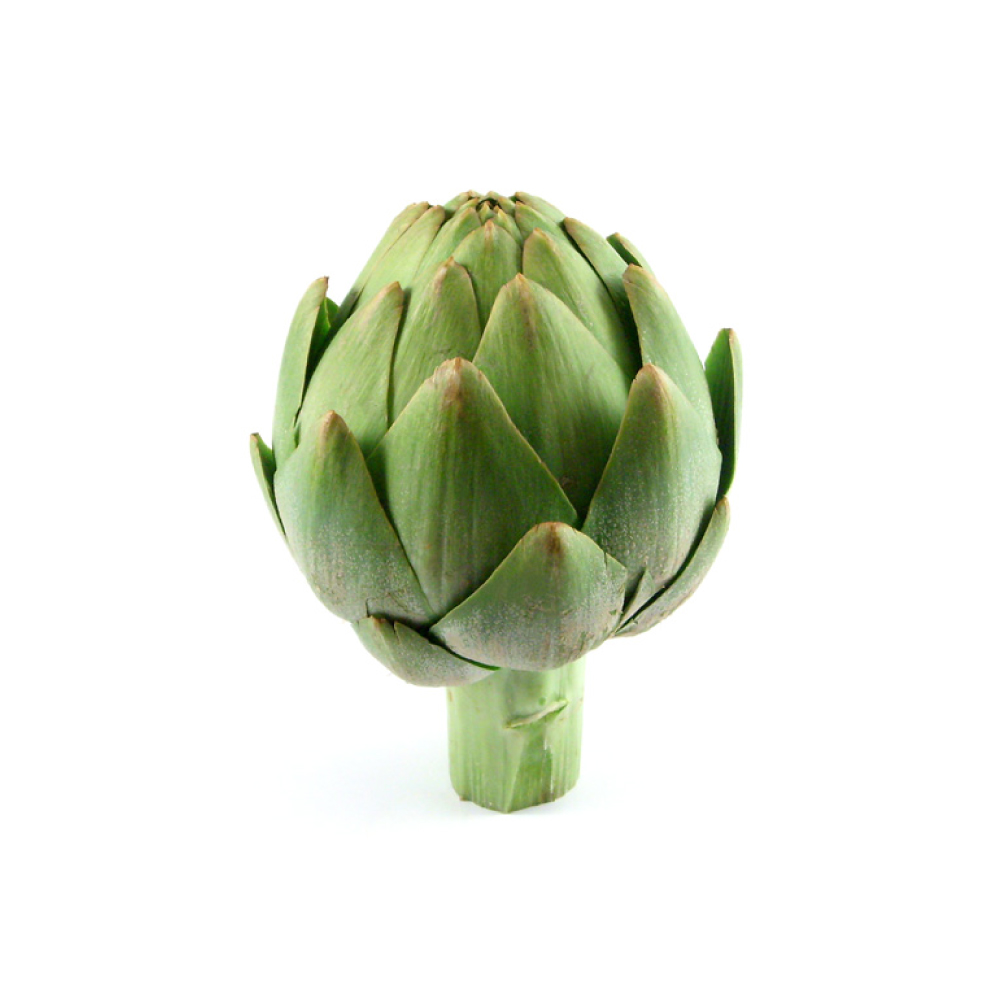 ModerateModerateGlobe ArtichokeCynara scolymusA milder bitter than gentian, which is why German pediatric practice uses it for children's poor appetite.Mechanismbitter principle (cynaropicrin); cholereticRead the evidenceShow lessMonograph →
German practice prescribes artichoke leaf to stimulate the appetite. Pediatric practice prefers it for children with poor appetite because its bitterness is relatively mild 3Reference 3Assessment report on Cynara cardunculus L. (synView study →.
The bitterness comes from the sesquiterpene lactone cynaropicrin, found in the leaf and absent from the edible bud 3Reference 3Assessment report on Cynara cardunculus L. (synView study →. The leaf extract measurably increased bile flow in people 4Reference 4RCTIncrease in choleresis by means of artichoke extract — randomised placebo-controlled double-blind crossover studyView study →.
No study has measured appetite itself, so the appetite use rests on German practice.
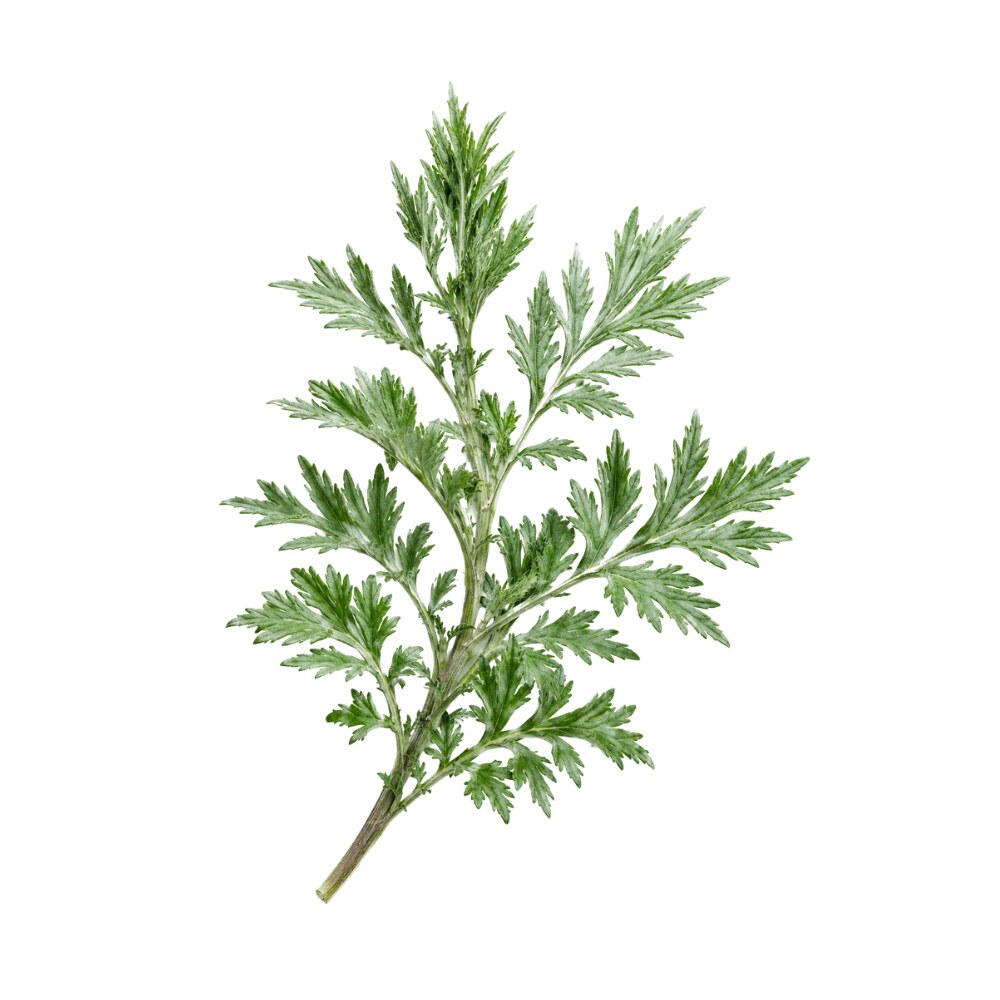 ModerateModerateMugwortArtemisia vulgarisThe 'mother of herbs' is above all a bitter for appetite and digestion; its effect has not been studied.Mechanismbitter, stimulating gastric juice and bile (traditional); mechanism not studiedRead the evidenceShow lessMonograph →
The aerial parts are taken as a tea or tincture to stimulate gastric juices and bile, for poor appetite, flatulence and colic 55Reference 55ReviewSignificance of Artemisia vulgaris L. (Common Mugwort) in the History of Medicine and Its Possible Contemporary Applications — reviewView study →.
No bitter-receptor, secretion or appetite study has been done on the plant.
Mugwort is avoided in pregnancy.
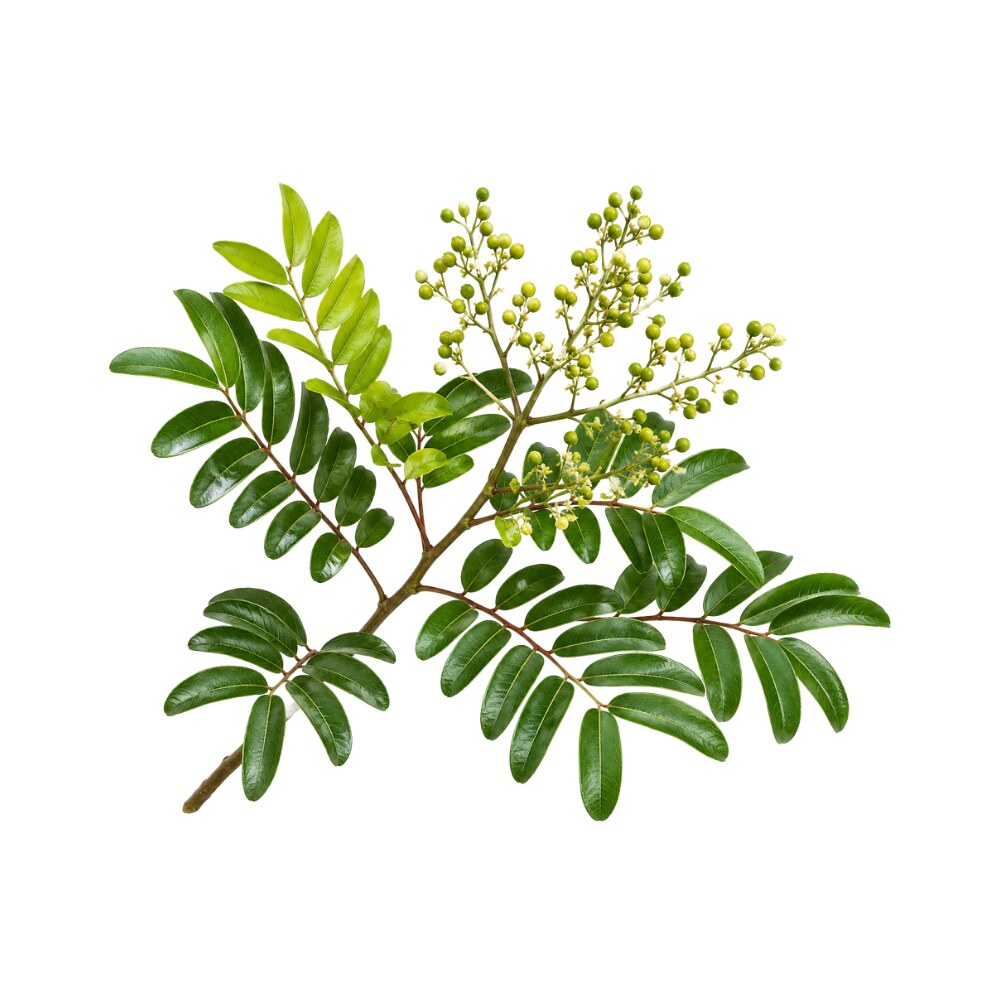 ModerateModerateSimaroubaSimarouba amaraAn intensely bitter quassia-family bark, used by the Eclectics for appetite after fevers.Mechanismquassinoid bitter tonic (traditional); mechanism not studiedRead the evidenceShow lessMonograph →
The Eclectic physicians used simarouba bark as a simple bitter tonic for dyspepsia, loss of appetite and recovery from intermittent fevers, and as a substitute for quassia 57Reference 57Quassia (UView study →.
Its intense bitterness comes from quassinoids. Folk medicine across its range also takes the bark as a bitter tonic and digestive 58Reference 58Fern, K. (n.d.). Simarouba amara — species database entry. Useful Tropical Plants Database. https://tropical.theferns.info/viewtropical.php?id=Simarouba+amaraView study →.
Its research covers antimalarial and anti-amoebic activity, not appetite.
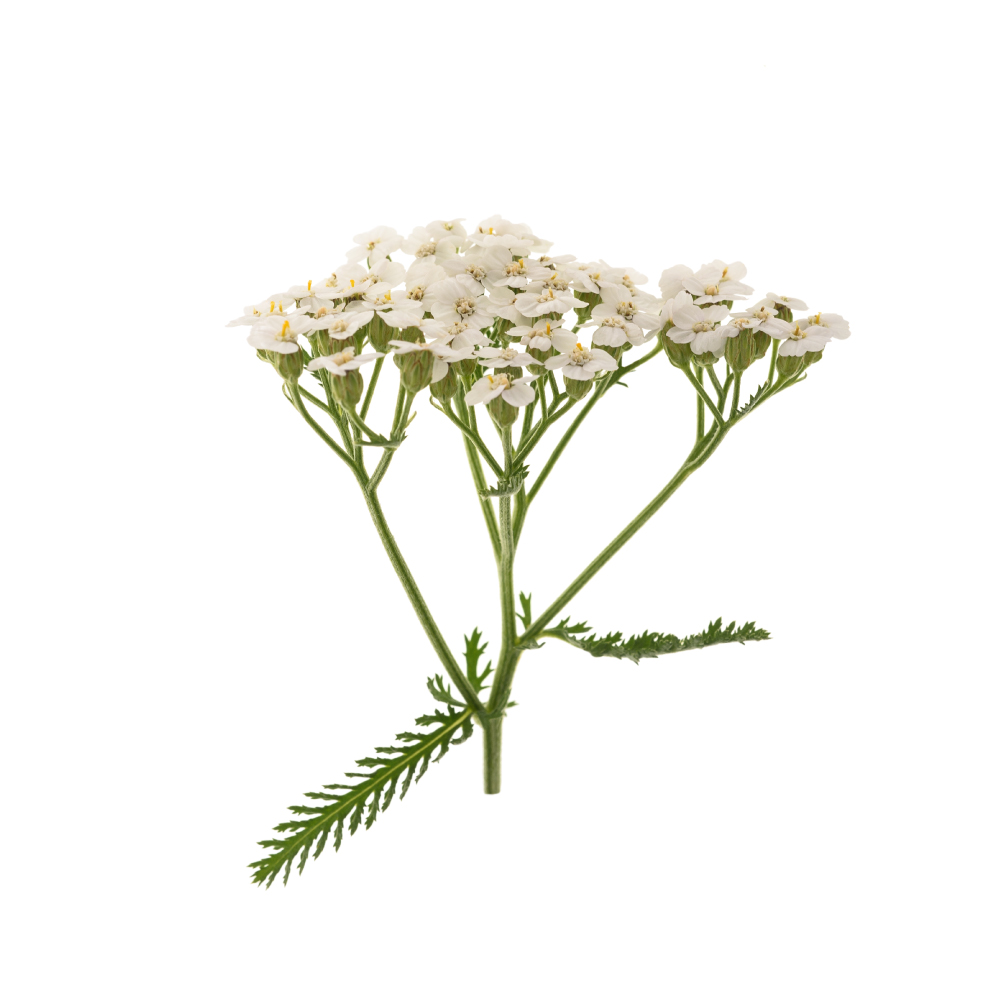 ModerateModerateYarrowAchillea millefoliumApproved in Germany for loss of appetite, as a bitter-aromatic tea; no study has measured the effect.Mechanismaromatic bitter (traditional); mechanism not studiedRead the evidenceShow lessMonograph →
Commission E approves yarrow’s flowering tops for internal use in loss of appetite and dyspeptic complaints, including cramping discomfort 66Reference 66ReviewBiological activities of yarrow species (Achillea spp.) — [review]View study →. Western herbalism treats the herb as a bitter, aromatic tonic 67Reference 67YarrowView study →.
No study has measured appetite, secretion or bile flow. The use rests on the German approval and long tradition.
Show 23 more herbs with a mild appetite stimulant action
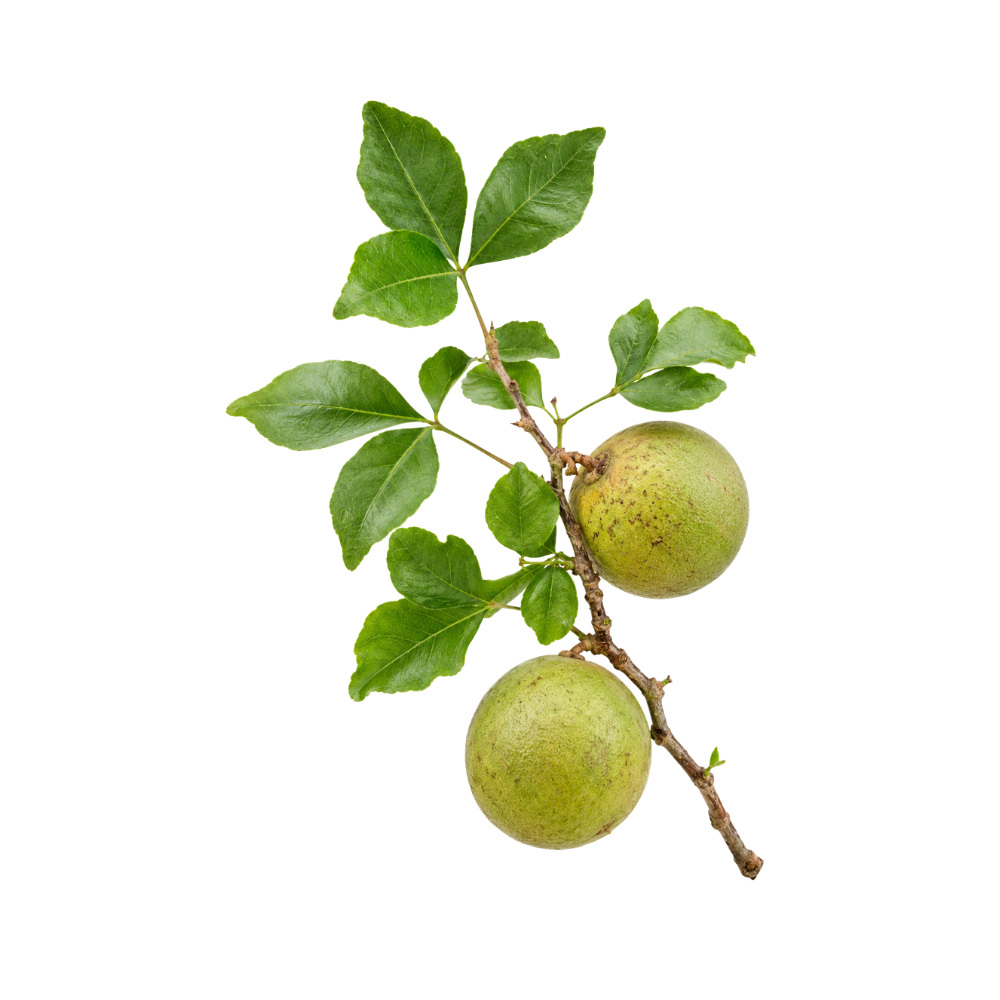 MildMildBaelAegle marmelosAyurveda classes the unripe fruit as deepana, a kindler of digestion, beside its main binding use.Mechanism*deepana* (kindles the digestive fire, traditional); mechanism not studiedRead the evidenceShow lessMonograph →
In Ayurveda bilva is deepana, which kindles the digestive fire, and pachana, which aids digestion. The unripe fruit is listed for indigestion and poor appetite.
Its main traditional action is binding the stool rather than stimulating appetite. No study measures appetite.
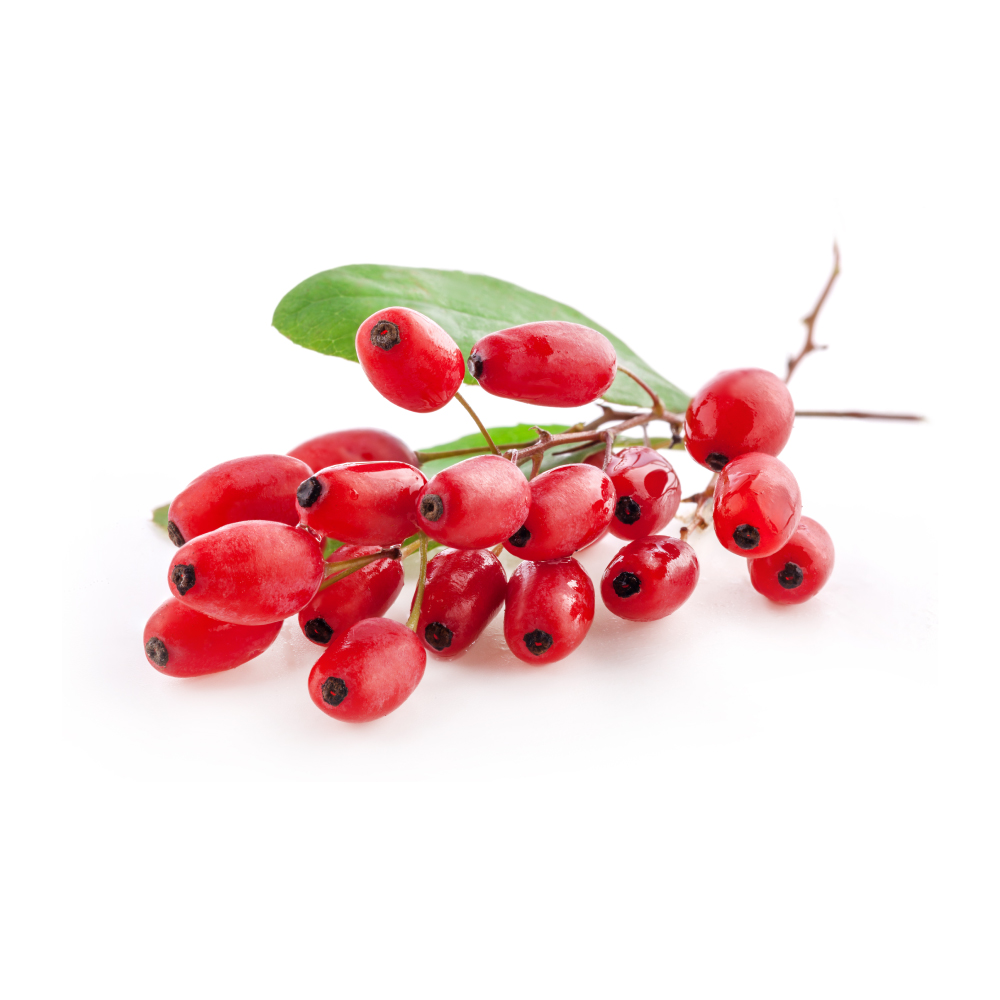 MildMildBarberryBerberis spp.A berberine bitter used in Persian folk medicine for poor appetite; appetite is a minor use.Mechanismberberine bitter (traditional); mechanism not studiedRead the evidenceShow lessMonograph →
In Persian folk medicine barberry is used for poor appetite and an upset stomach 5Reference 5ReviewPhytochemistry and pharmacology of Berberis species — reviewView study →. The Eclectics gave it in small doses as a tonic for intestinal indigestion 6Reference 6Berberis.—Barberry — materia medica entryView study →.
The bitterness is berberine. Its research concerns lipids, glucose and infection, not appetite.
Barberry is avoided in pregnancy, and its berberine interacts with cyclosporine and CYP3A4 drugs.
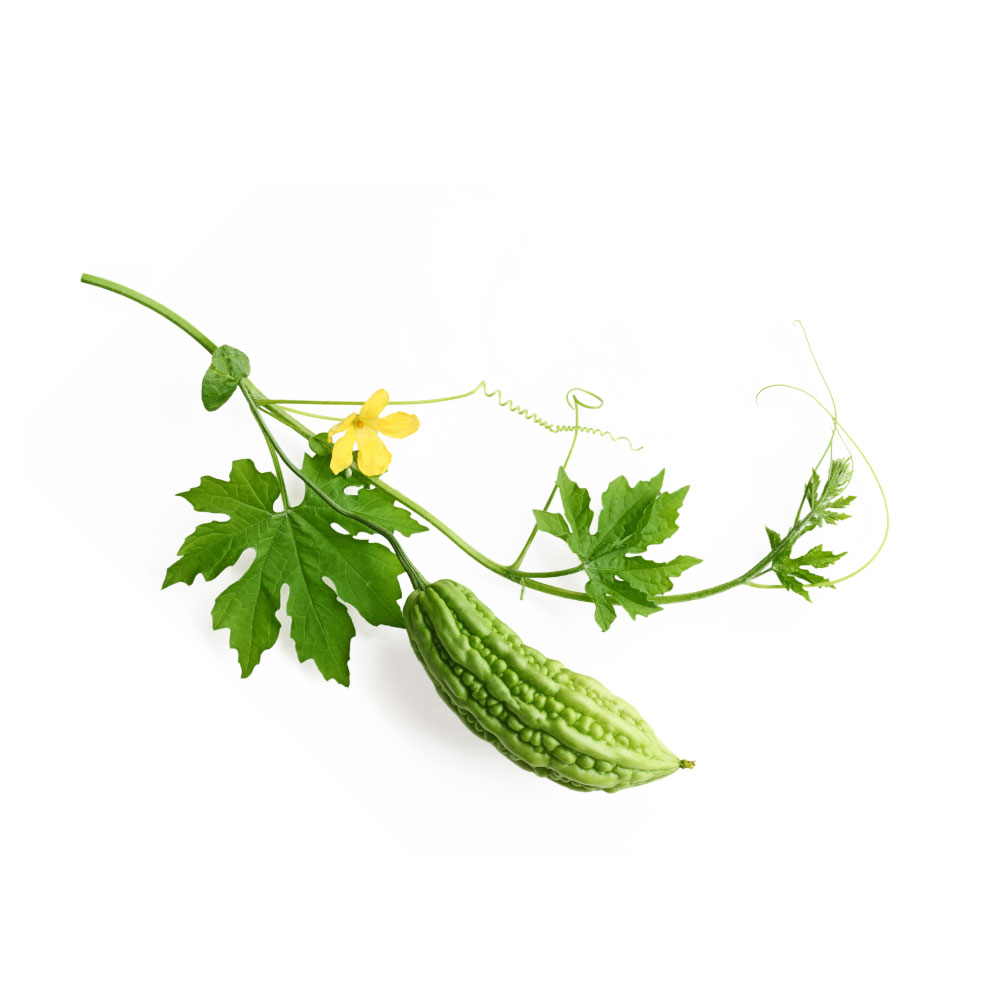 MildMildBitter MelonMomordica charantiaA folk digestive bitter; the only human study that measured appetite found no change.Mechanismtraditional digestive bitter; mechanism not studiedRead the evidenceShow lessMonograph →
South and Southeast Asian folk medicine uses the fruit as a digestive bitter to sharpen appetite and settle sluggish digestion.
The one human study that measured appetite found no effect from a single dose of freeze-dried fruit in five overweight men 7Reference 7RCTNo effect of acute, single-dose oral Momordica charantia on glycemia, energy expenditure and appetite — randomised pilot study in non-diabetic overweight menView study →.
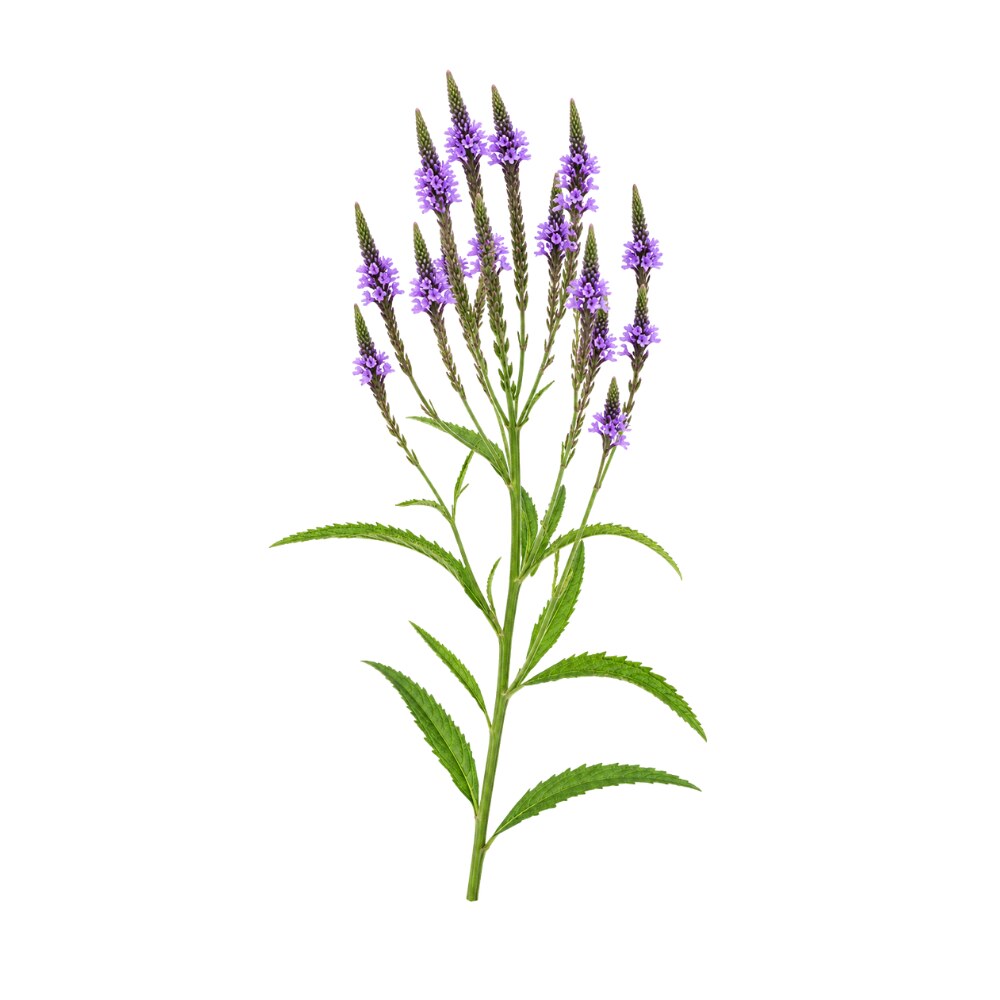 MildMildBlue VervainVerbena hastataA bitter nervine, suited to appetite lost to nervous tension; traditional use only.Mechanismbitter nervine (traditional); mechanism not studiedRead the evidenceShow lessMonograph →
Western herbalists class blue vervain as a bitter nervine. Its bitterness is why they give it for poor appetite and sluggish digestion, and its relaxing action suits appetite lost to tension.
It has also been used in convalescence 8Reference 8Verbena hastata (blue vervain) — description, distribution, ethnobotany — species databaseView study →. No study has tested the bitter action.
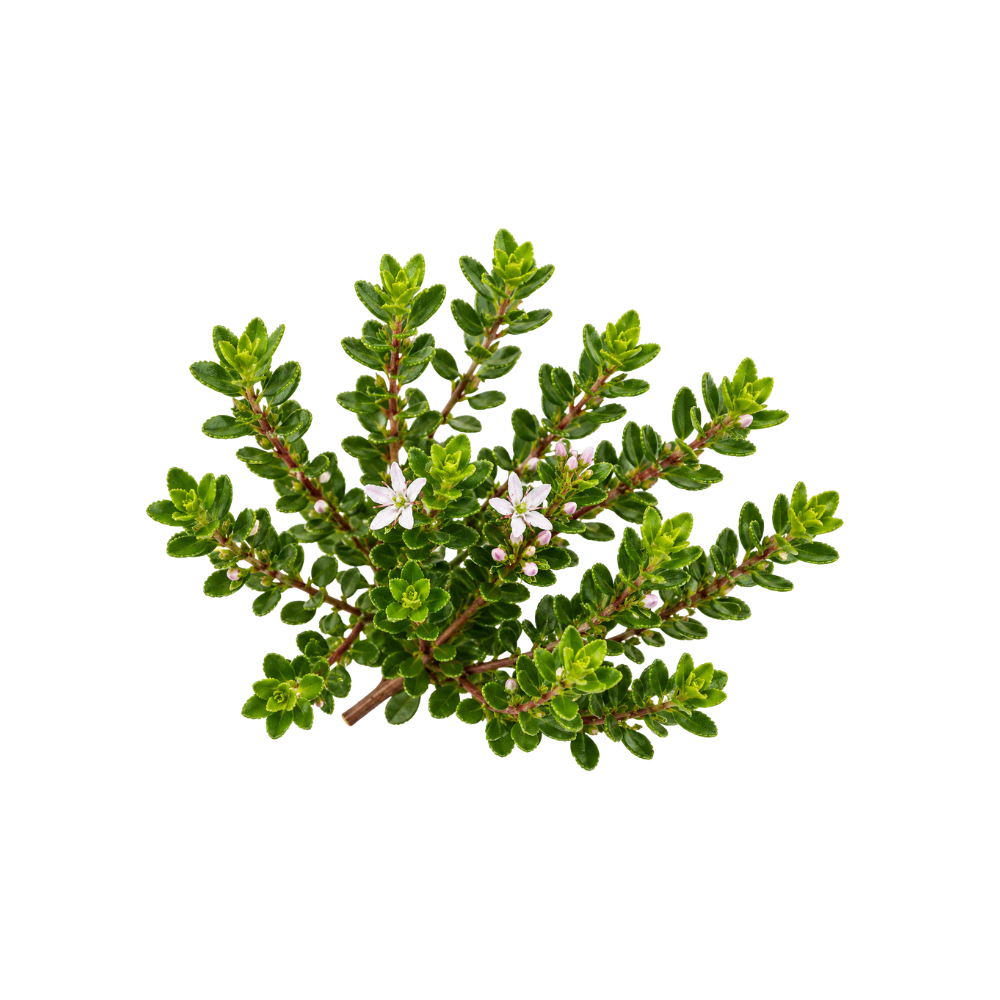 MildMildBuchuAgathosma betulinaAn Eclectic aromatic stimulant for poor appetite; a minor use beside its urinary role.Mechanismaromatic stimulant (traditional); mechanism not studiedRead the evidenceShow lessMonograph →
Nineteenth-century writers added poor appetite to buchu’s uses 9Reference 9ReviewBuchu (Agathosma betulina and A. crenulata): Rightfully Forgotten or Underutilized? — reviewView study →. The Eclectic physicians used it as an aromatic stimulant for poor appetite, flatulence and nausea 10Reference 10ReviewMoolla A, Viljoen AM. (2008). ‘Buchu’ — Agathosma betulina and Agathosma crenulata (Rutaceae): a review. J Ethnopharmacol. https://pubmed.ncbi.nlm.nih.gov/18725278/View study →.
No study has tested the appetite use.
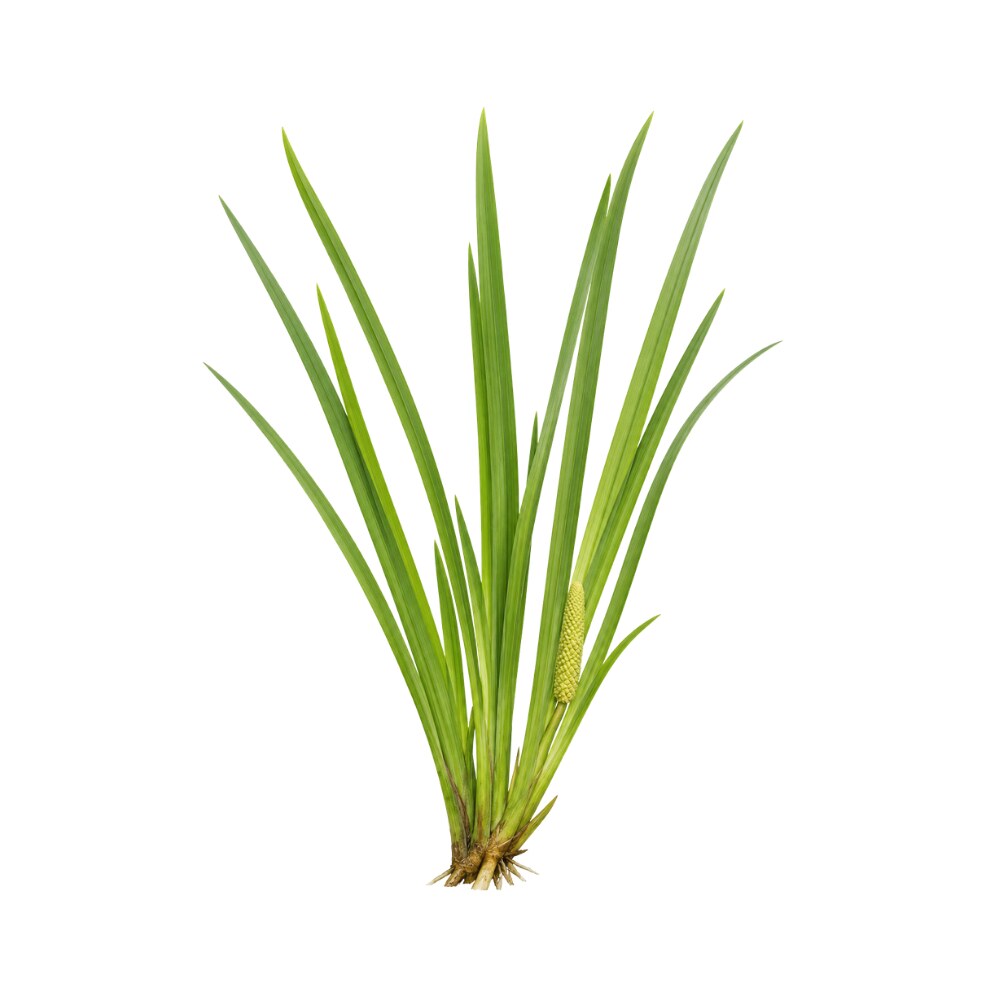 MildMildCalamusAcorus calamusA warming aromatic bitter of Ayurveda and Western practice; the right plant type matters more than the dose.Mechanismwarming aromatic bitter (traditional); mechanism not studiedRead the evidenceShow lessMonograph →
In Ayurveda, vacha is pungent, bitter and heating, used as a carminative and bitter for sluggish digestion, gas and colic 13,
The only gut research uses isolated organ strips to test antispasmodic action 16,
Only low-asarone material is used, and only short-term.
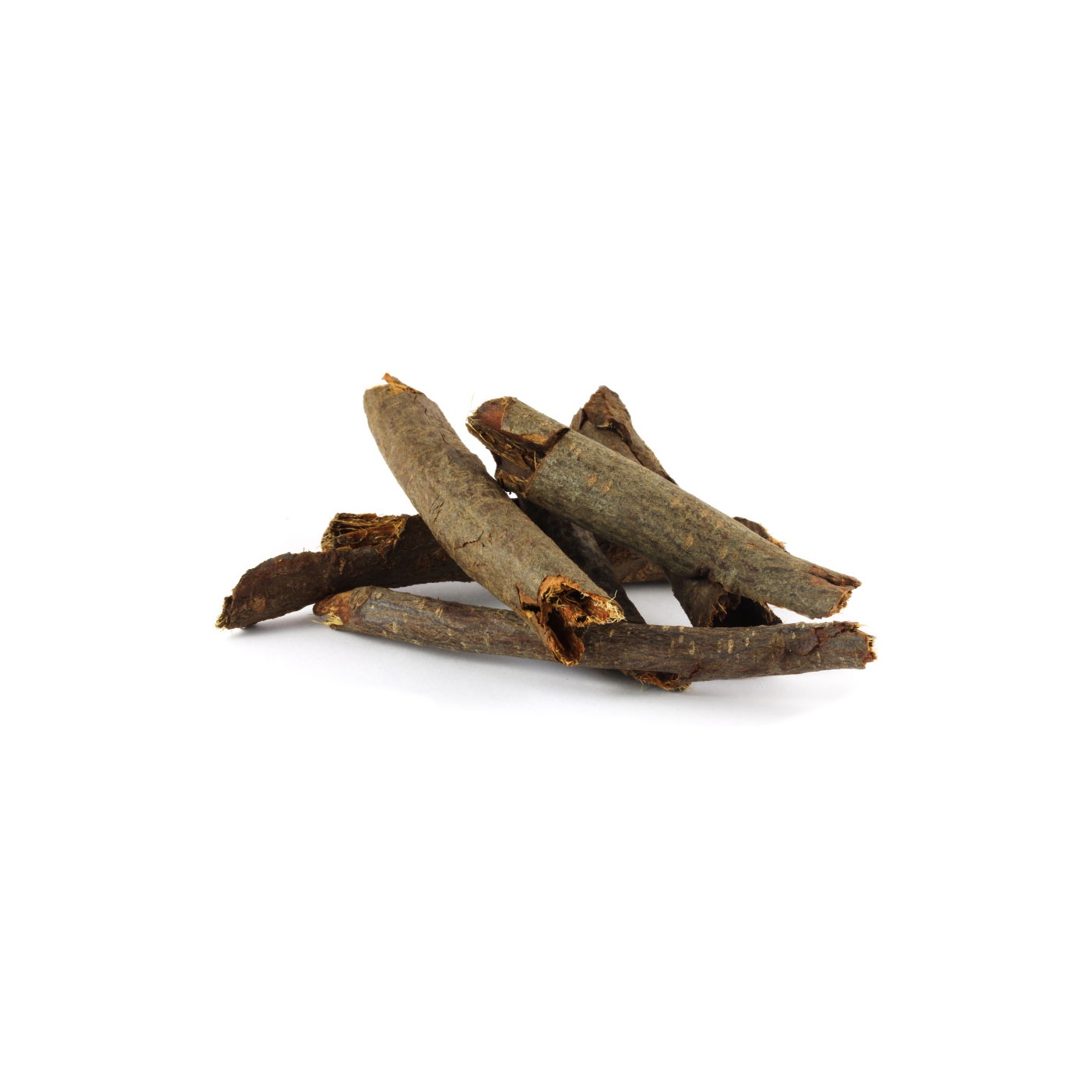 MildMildCascara SagradaFrangula purshianaOnly in small pre-meal doses, as a bitter stomachic; at ordinary doses it is a laxative.Mechanismbitter stomachic in small doses (traditional); mechanism not studiedRead the evidenceShow lessMonograph →
In small doses before meals the bark was used as a bitter stomachic to promote appetite and digestion 21,
At ordinary doses it is a stimulant laxative. No study has tested appetite or digestive tone.
It is not for pregnancy, breastfeeding or children under twelve.
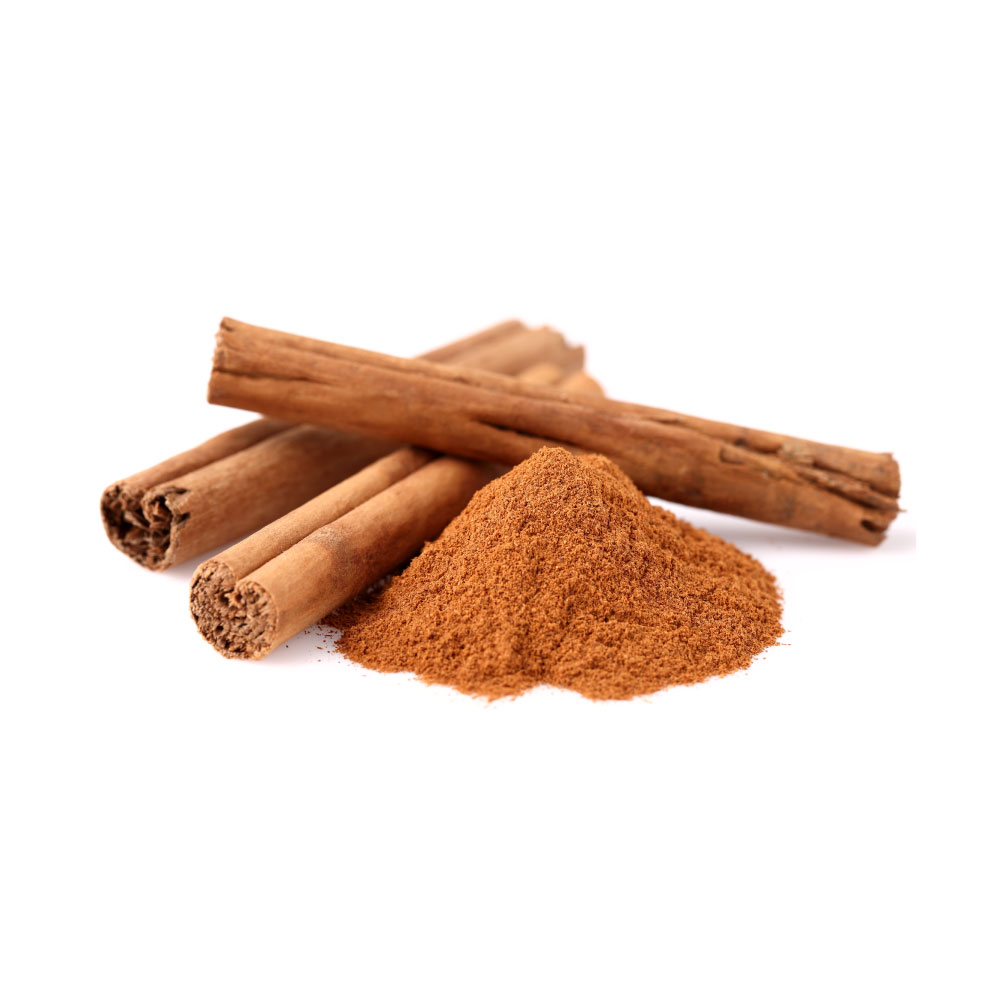 MildMildCassia CinnamonCinnamomum cassiaA warming aromatic for cold, sluggish digestion; the appetite use is traditional and lightly documented.Mechanismwarming aromatic digestive (traditional); mechanism not studiedRead the evidenceShow lessMonograph →
Western herbalists use cassia as a warming aromatic digestive for cold, sluggish digestion, nausea and loss of appetite.
Its research is metabolic, and no study has measured appetite.
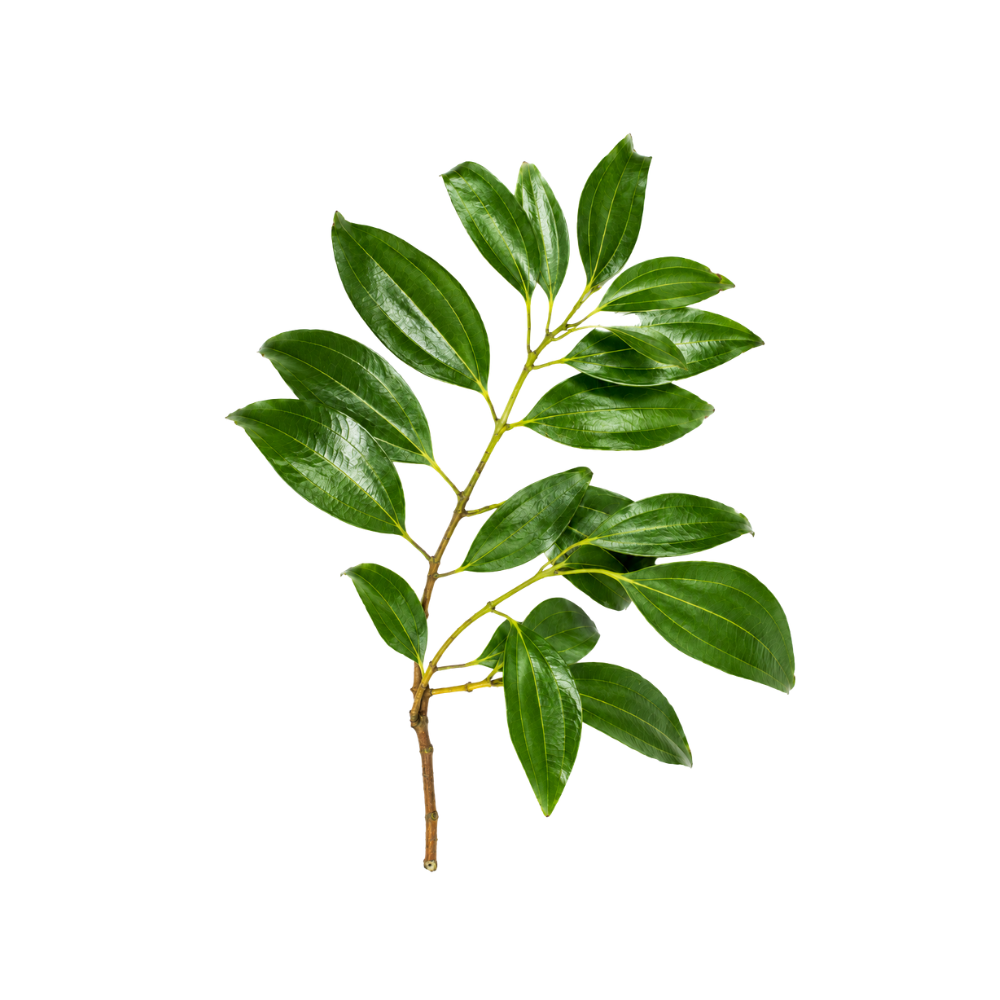 MildMildCeylon CinnamonCinnamomum verumA warming carminative that also makes bitter appetite formulas easier to take.Mechanismwarming aromatic carminative (traditional); mechanism not studiedRead the evidenceShow lessMonograph →
Western practice treats cinnamon as a carminative and digestive stimulant for sluggish, cold digestion, poor appetite and wind.
It is rarely used alone. Its usual job is to warm a formula and make bitter remedies easier to take.
No study has measured the appetite use.
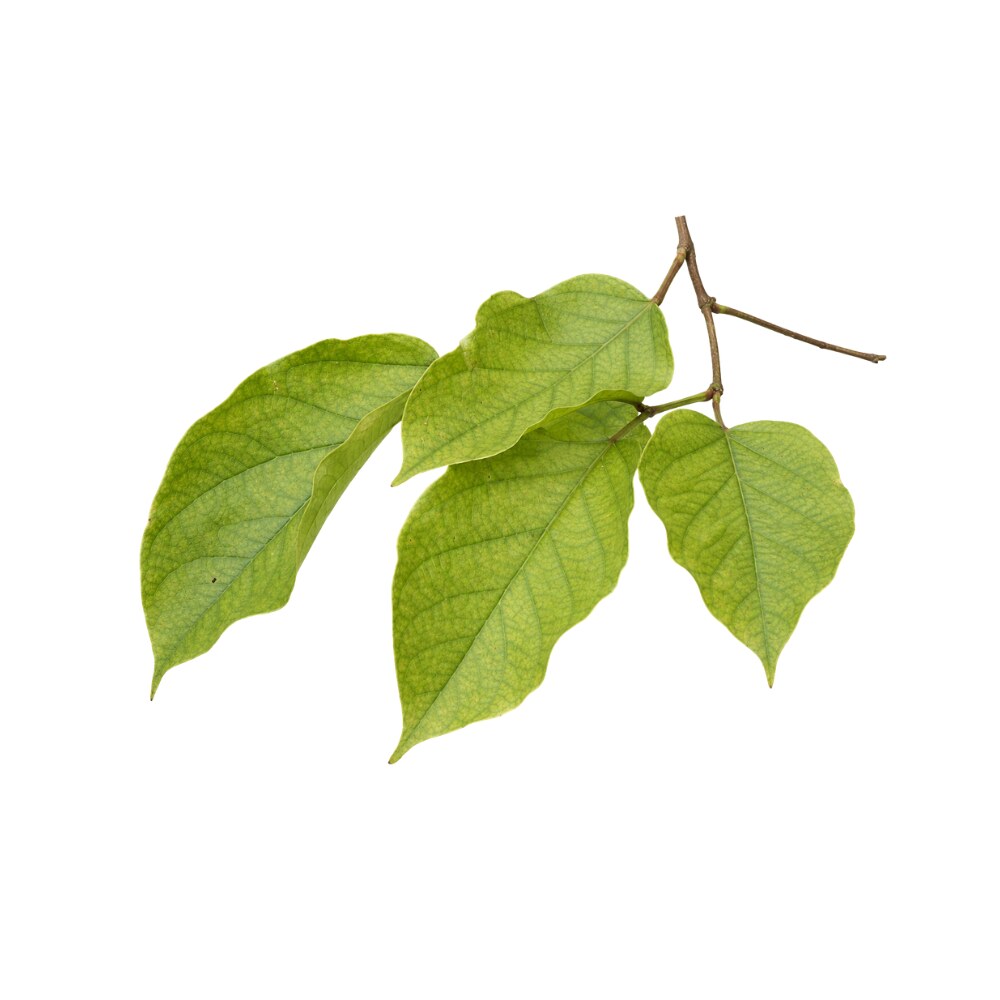 MildMildClavo HuascaTynanthus panurensisAn Amazonian vine infusion taken as a digestive and appetite tonic; traditional use only.Mechanismtraditional Amazonian digestive tonic; mechanism not studiedRead the evidenceShow lessMonograph →
A cup of infusion made from the vine wood or leaf is taken as a digestive aid and appetite stimulant in Amazonian and Brazilian use 26Reference 26The healing power of rainforest herbs: A guide to understanding and using herbal medicinals. It is also listed for poor appetite among its folk uses 27Reference 27Tynanthus panurensis — range, habitat and uses — species databaseView study →.
No study has tested it.
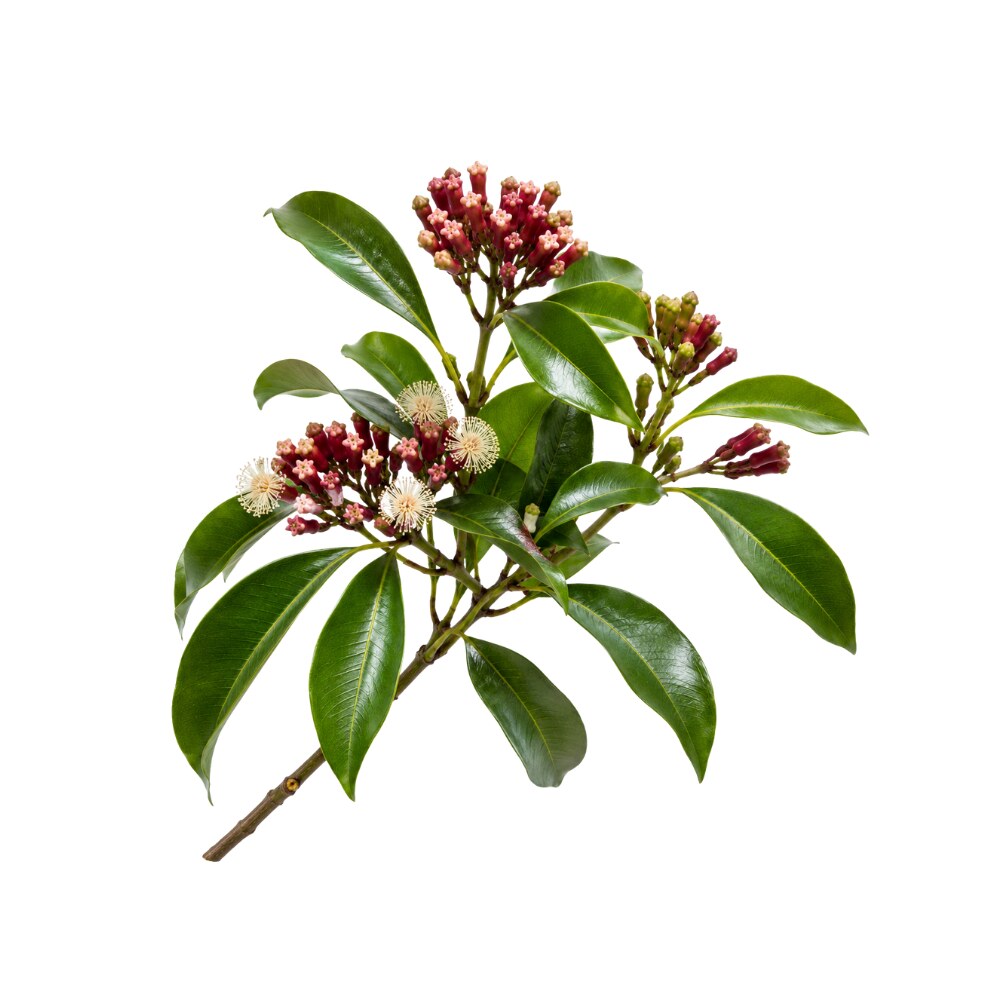 MildMildCloveSyzygium aromaticumA warming spice used in Chinese medicine for poor appetite from a cold stomach.Mechanismwarming aromatic stomachic (traditional); mechanism not studiedRead the evidenceShow lessMonograph →
In Chinese medicine ding xiang warms the middle burner. It is used for poor appetite and cold abdominal pain alongside vomiting and hiccup.
Western practice treats it as a warming carminative for sluggish digestion 28,
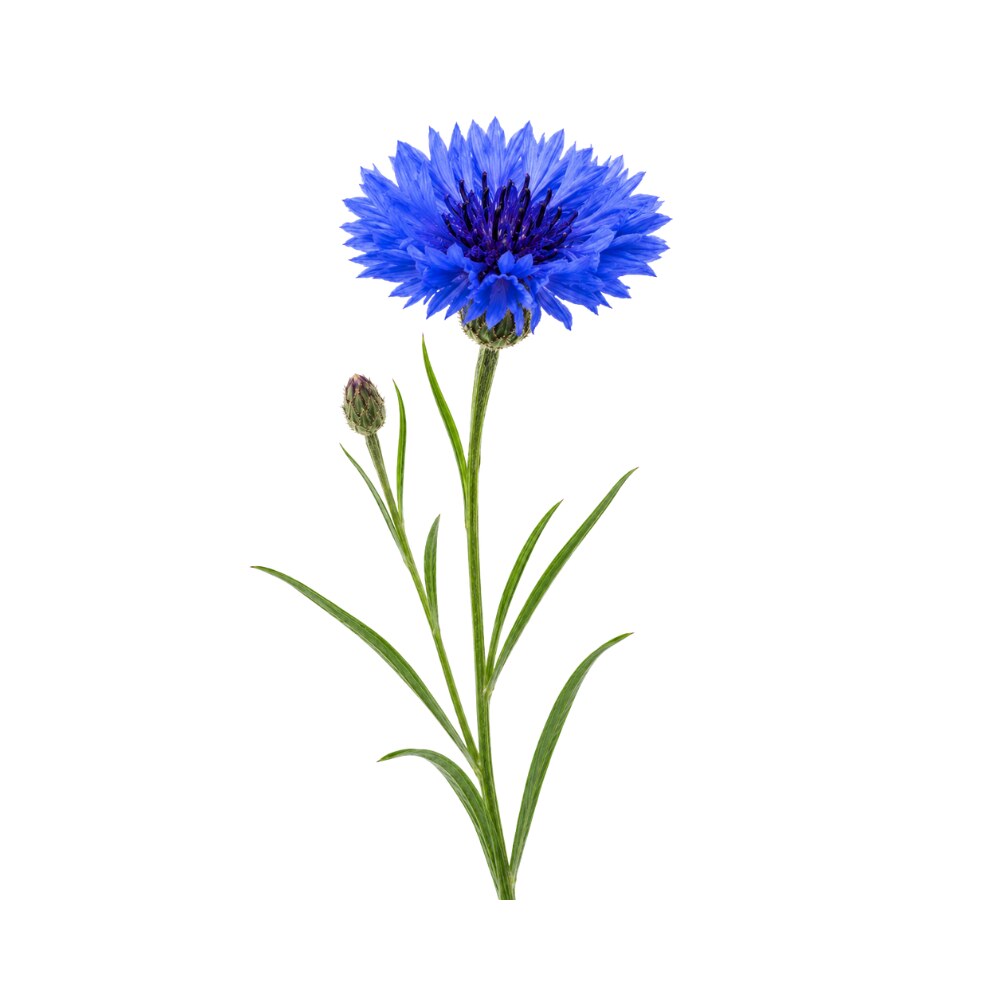 MildMildCornflowerCentaurea cyanusA gentle folk bitter for weak appetite, far less used than for the eyes.Mechanismtraditional bitter tonic; mechanism not studiedRead the evidenceShow lessMonograph →
European folk medicine used the flowers as a bitter tonic for weak digestion and appetite.
Its documented folk use is mainly for the eyes 32Reference 32ReviewIconic arable weeds: the significance of corn poppy (Papaver rhoeas), cornflower (Centaurea cyanus), and field larkspur (Delphinium consolida) in Hungarian ethnobotanical and cultural heritage — ethnobotanical reviewView study →. No study has examined its effect on digestion or appetite.
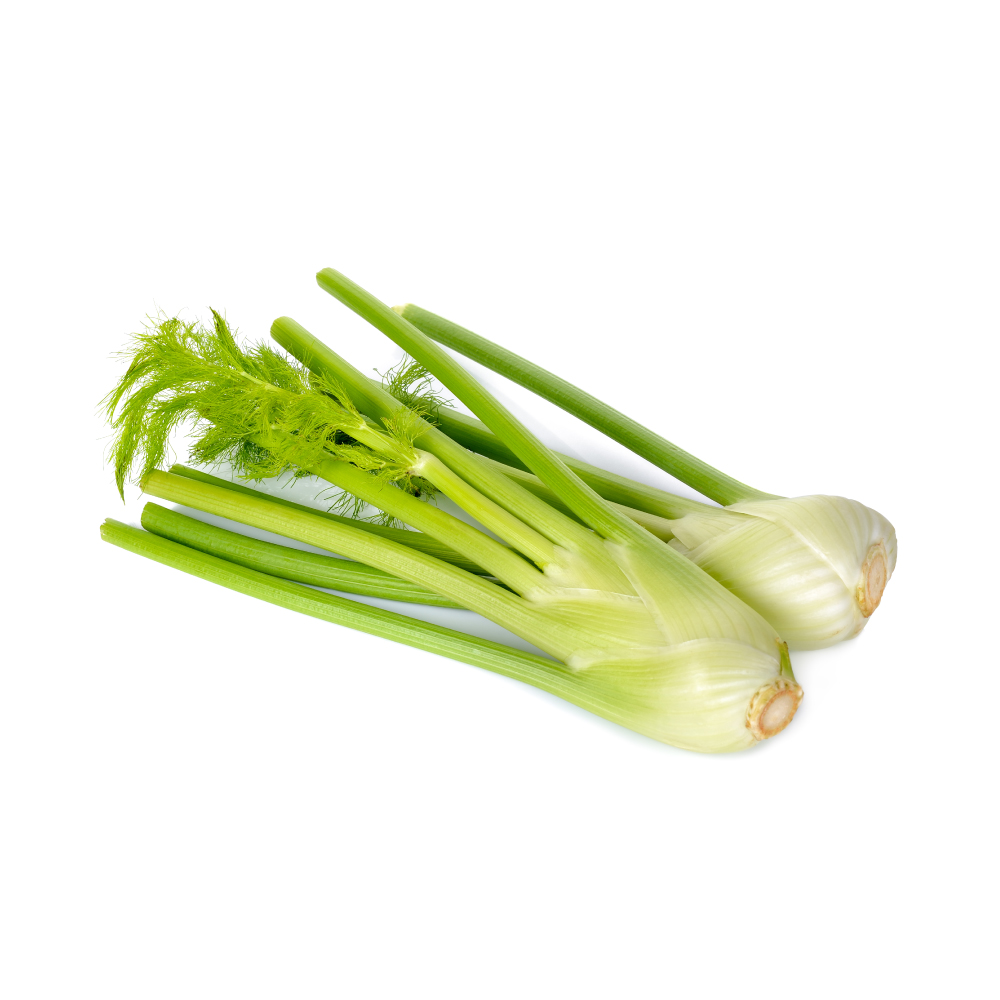 MildMildFennelFoeniculum vulgareA warming carminative seed, used for weak appetite from a cold stomach in Western and Chinese practice.Mechanismnot established (traditional warming carminative / stomachic use)Read the evidenceShow lessMonograph →
In Western herbal medicine the seed is listed for poor appetite. In Chinese medicine xiao hui xiang is warm, enters the Stomach channel, and is given for cold-stomach patterns with “indigestion, weak appetite and vomiting” 37,
Classical sources give it “to improve appetite in the underweight and to reduce it in the overweight” 37Reference 37Principles and Practice of Phytotherapy (2nd ed.).
No human or animal study has tested appetite stimulation. The only appetite data, one small crossover and one PCOS diet trial, concern suppression and were weak or null 39,
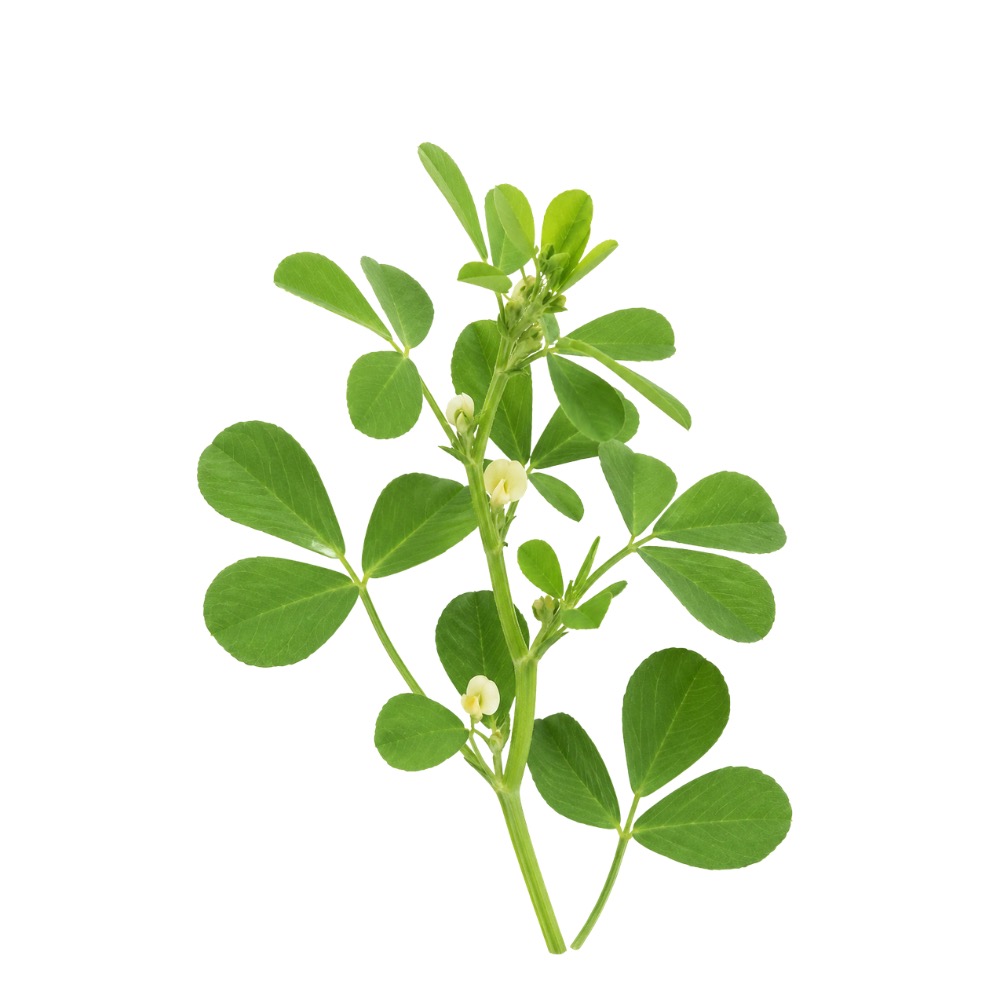 MildMildFenugreekTrigonella foenum-graecumA nourishing seed for convalescence; the fiber studied in trials increases fullness instead.Mechanismnutritive tonic (traditional); research points to satiety (galactomannan fiber)Read the evidenceShow lessMonograph →
Western herbalists used fenugreek seed as a nutritive tonic for convalescence and poor appetite.
The research runs the other way. In 18 obese adults, 8 g of isolated fenugreek fiber increased fullness and reduced hunger 41Reference 41RCTEffect of fenugreek fiber on satiety, blood glucose and insulin response and energy intake in obese subjects — randomized crossover trialView study →, though lunch intake did not fall.
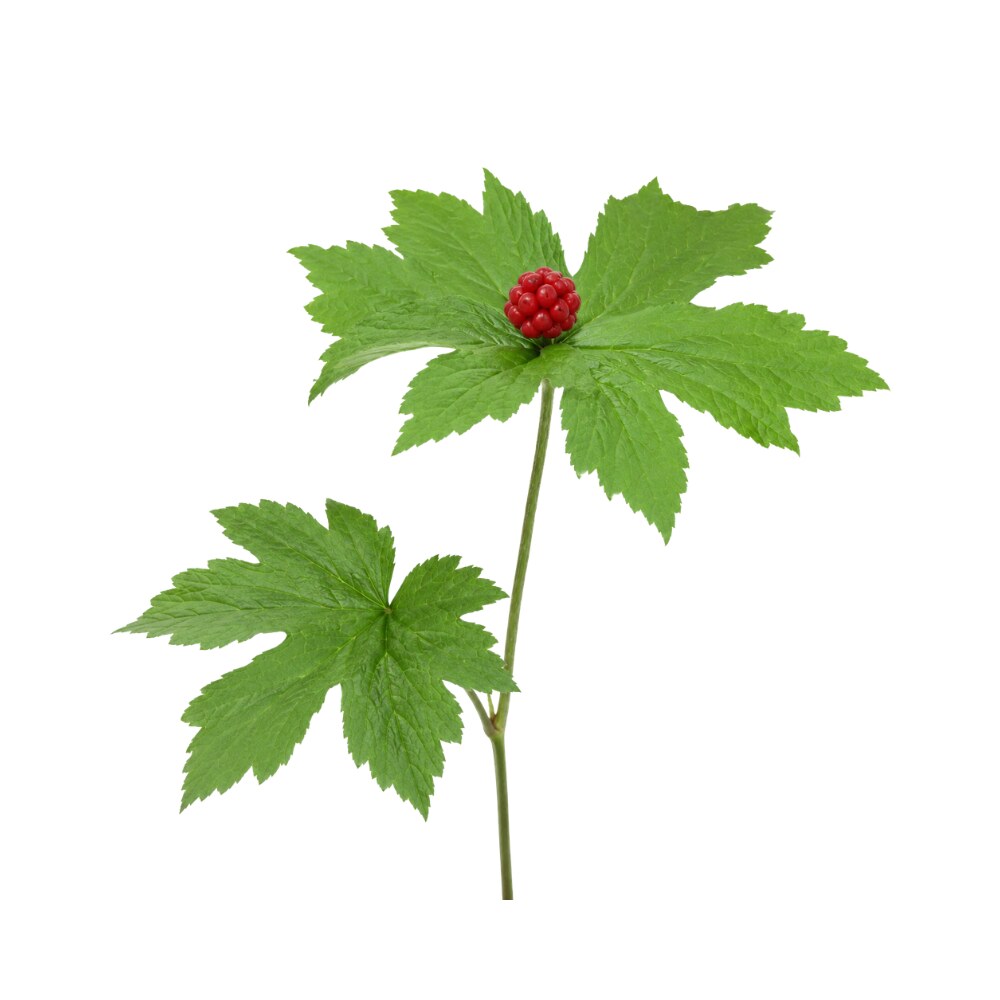 MildMildGoldensealHydrastis canadensisA traditional Native American bitter tonic for appetite; secondary to its other uses.Mechanismberberine bitter (traditional); mechanism not studiedRead the evidenceShow lessMonograph →
Native American peoples of eastern North America used the rhizome to improve the appetite and as a tonic, alongside its uses for dyspepsia and liver trouble 51Reference 51Hydrastis canadensis — flora treatment (Ranunculaceae, family treatment by AView study →.
It is given as a bitter for dyspepsia and poor appetite. No study has measured appetite.
Goldenseal is for short-term use only.
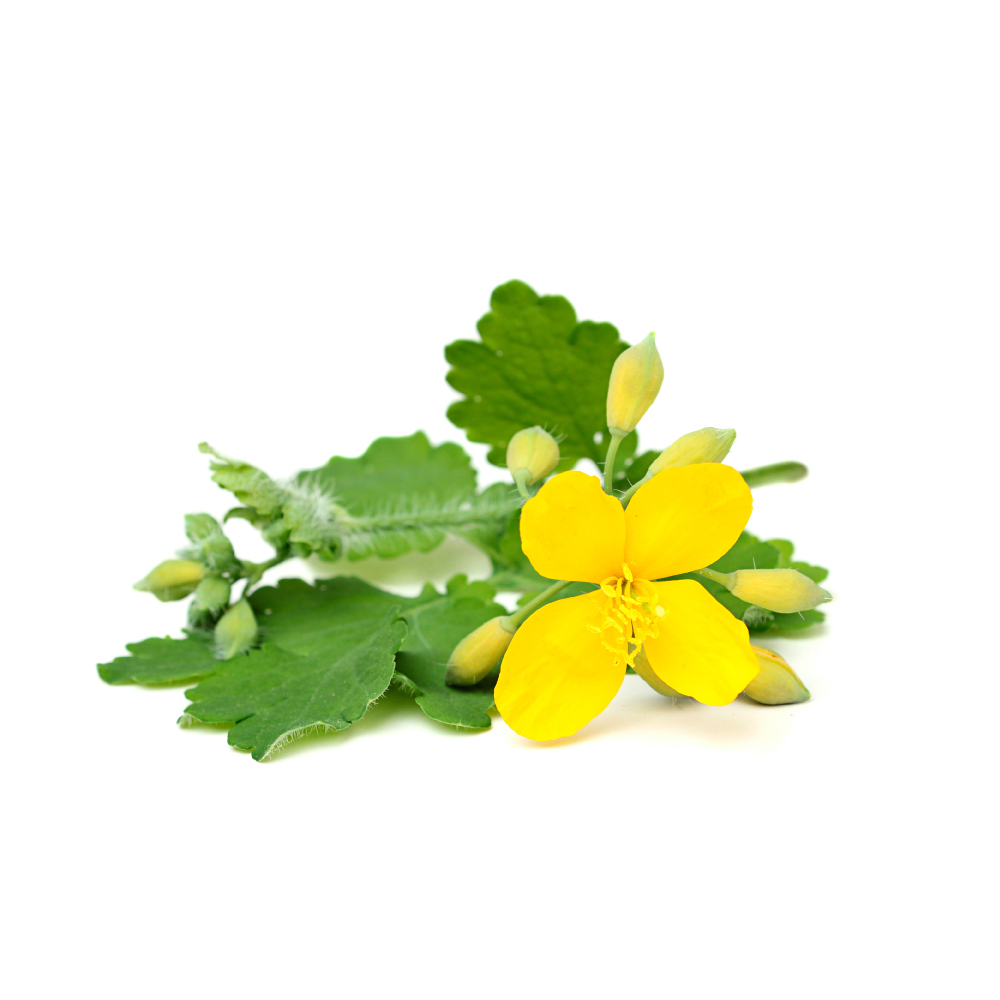 MildMildGreater CelandineChelidonium majusA bitter for the liver and gallbladder, listed for poor appetite; liver risk rules out long use.Mechanismtraditional liver and digestive bitter; mechanism not studiedRead the evidenceShow lessMonograph →
Greater celandine is taken as a liver and digestive bitter 23Reference 23Principles and Practice of Phytotherapy. Western herbalism lists it for indigestion and poor appetite.
Its studied digestive action is on bile flow 24,
It can injure the liver, usually within weeks, and is best avoided internally.
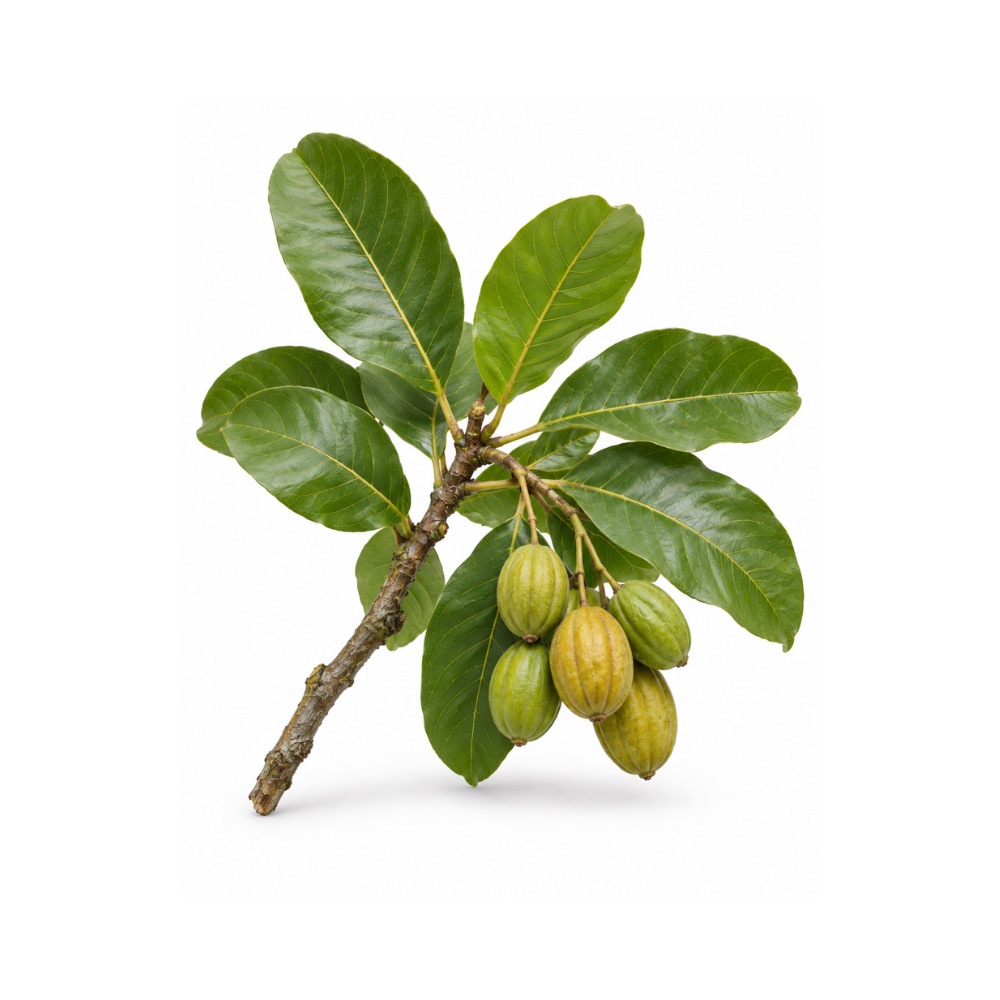 MildMildHaritakiTerminalia chebulaAn Ayurvedic digestive that speeded stomach emptying in rats; its appetite use is traditional.MechanismAyurvedic digestive; prokinetic in rats (gastric emptying ↑)Read the evidenceShow lessMonograph →
Ayurveda ranks haritaki as a principal digestive, given for slow digestion, bloating and ama. Poor appetite is among its Ayurvedic indications.
In rats, oral fruit extract increased gastric emptying more than a single injected dose of metoclopramide 61Reference 61AnimalEffect of oral administration of Terminalia chebula on gastric emptying: an experimental study — ratView study →. That is a motility effect in animals, not a measure of appetite.
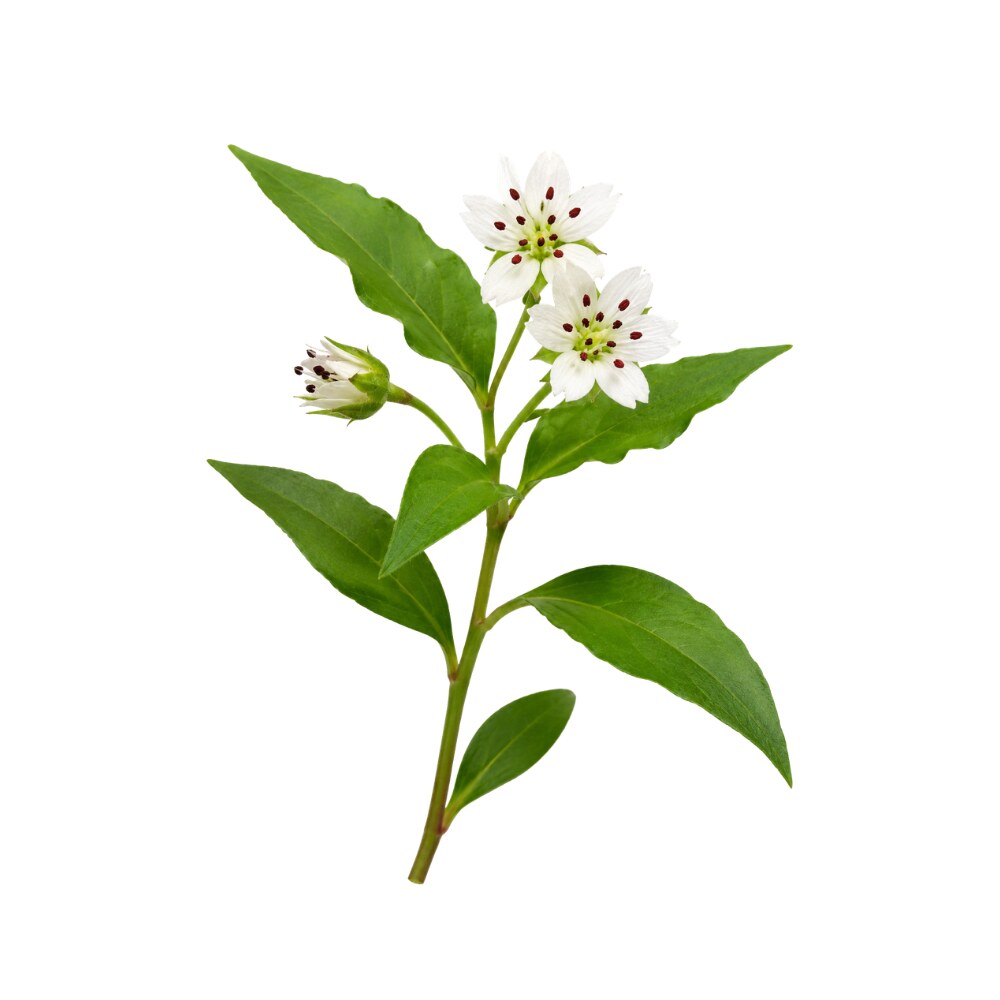 MildMildKid GinsengPseudostellaria heterophyllaA mild Chinese tonic for poor appetite and weakness after illness, gentler than ginseng.Mechanismmild qi tonic, strengthens the Spleen (traditional); mechanism not studiedRead the evidenceShow lessMonograph →
In Chinese medicine tai zi shen replenishes qi and strengthens the Spleen 52,
It is used where a gentle restorative is wanted. No study measures appetite.
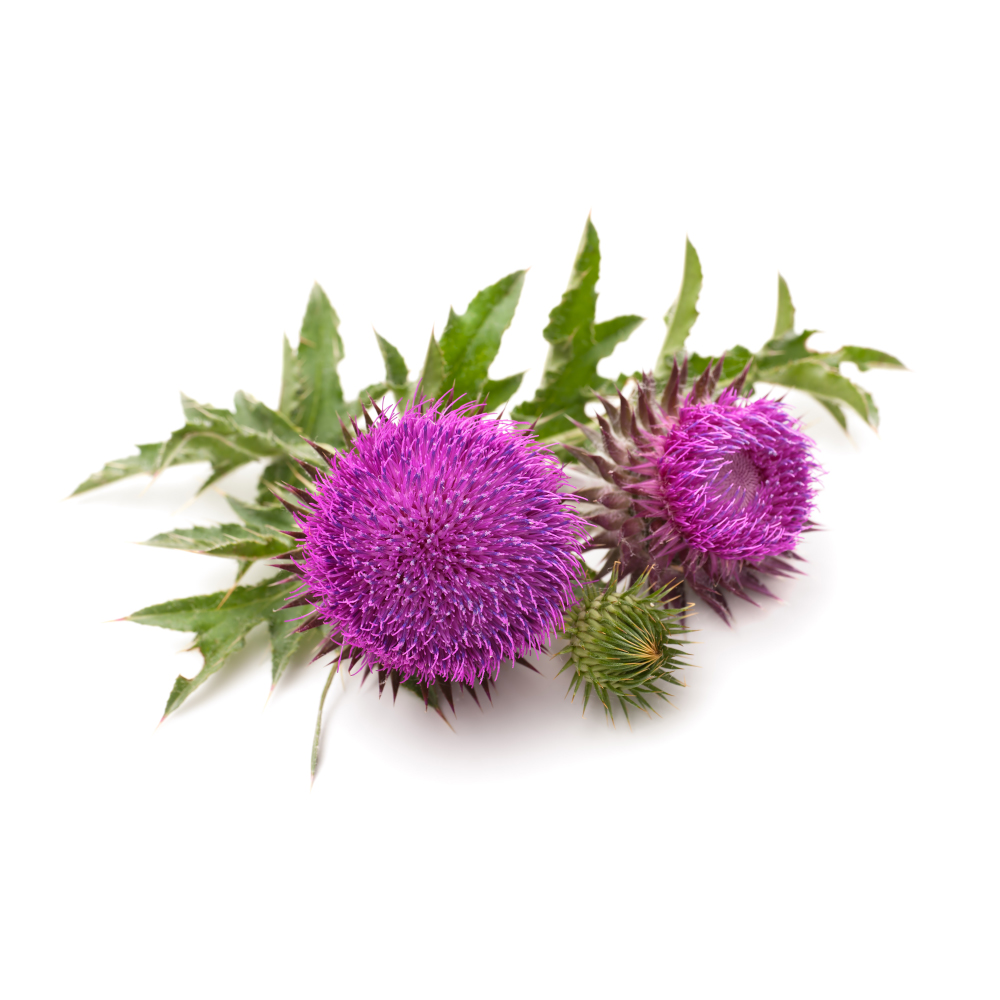 MildMildMilk ThistleSilybum marianumA liver and bile herb, listed in Western practice for indigestion, weak digestion and poor appetite.Mechanismnot establishedRead the evidenceShow lessMonograph →
Its older traditional record describes a liver and bile herb and does not mention appetite.
No study has addressed its effect on appetite.
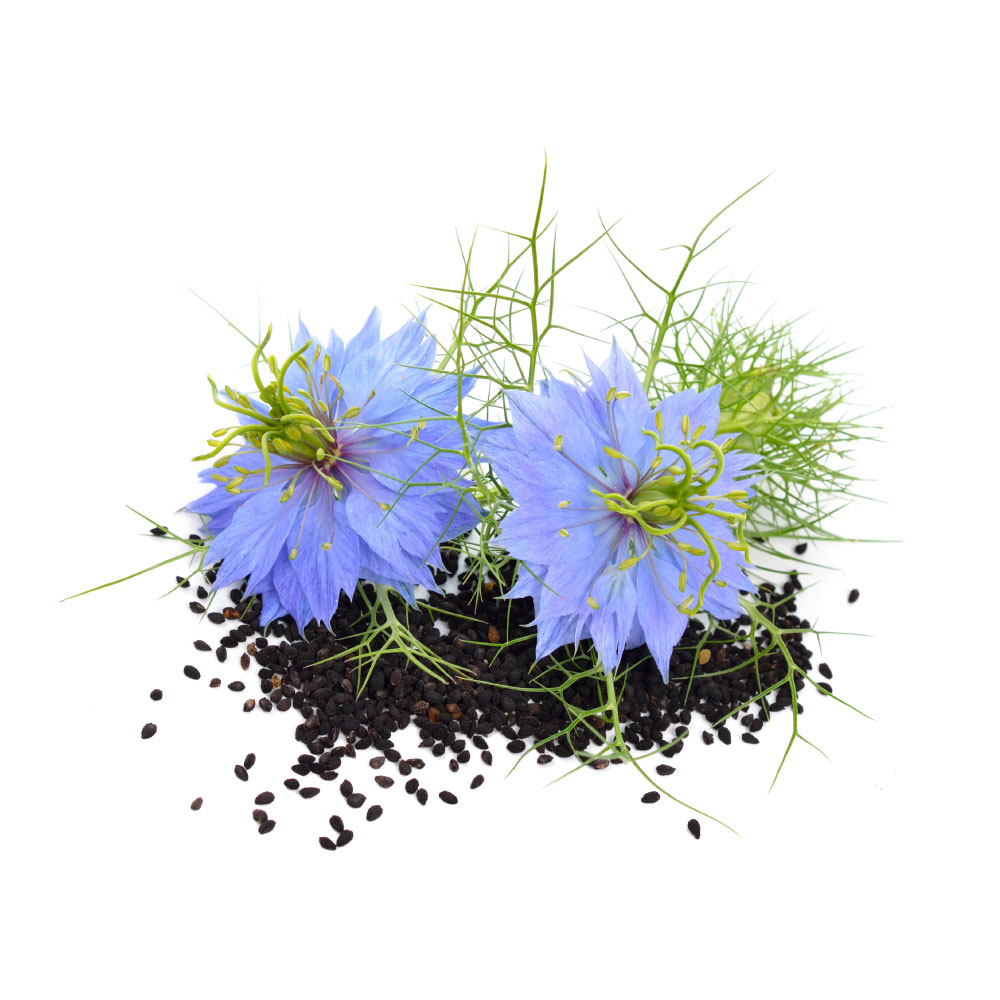 MildMildNigellaNigella sativaOne trial in H. pylori patients found better appetite with the seed powder.Mechanismnot established (one RCT in H. pylori infection)Read the evidenceShow lessMonograph →
A randomized trial of seed powder improved appetite in patients infected with Helicobacter pylori 56Reference 56RCTNigella sativa powder for Helicobacter pylori infected patients — a randomized, double-blinded, placebo-controlled clinical trialView study →.
The effect may follow from easing the infection rather than from a direct action on appetite, and it has not been replicated.
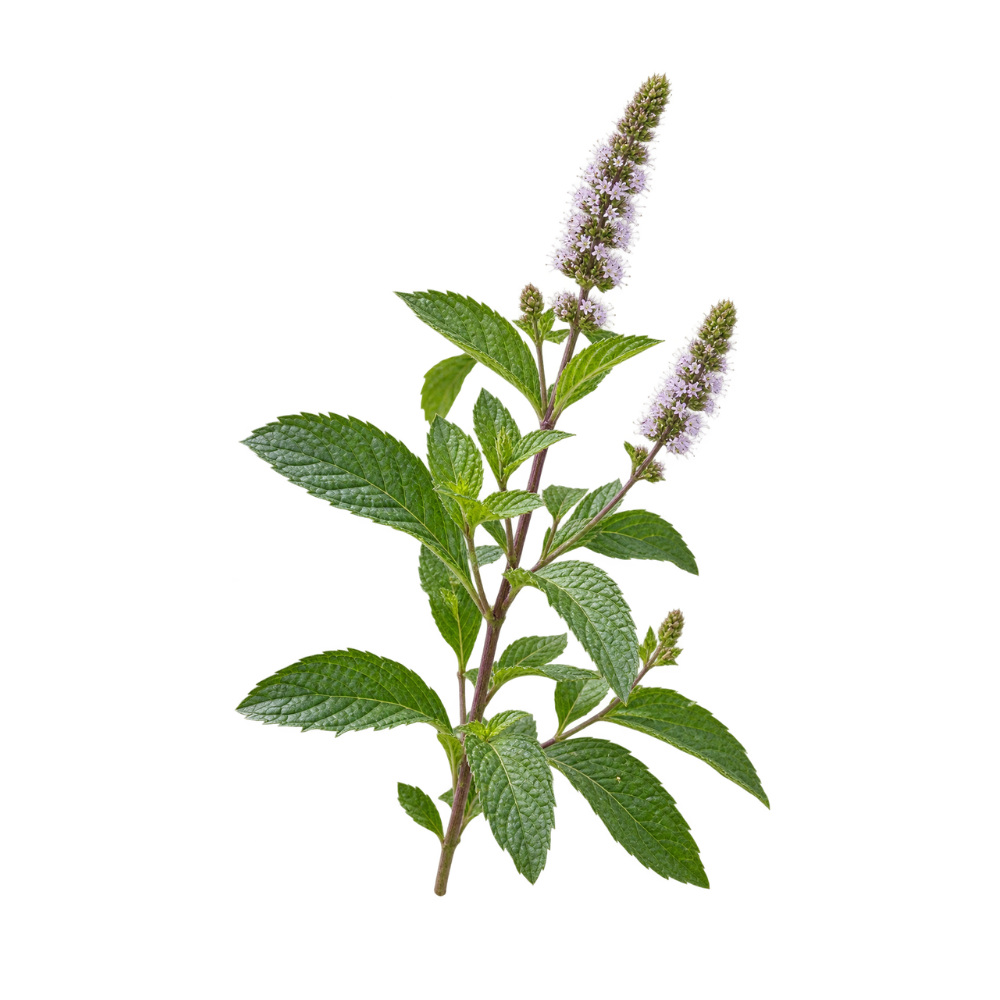 MildMildSpearmintMentha spicataA cooling aromatic, eaten with food since Pliny, who said its smell stirred the appetite.Mechanismaromatic stimulation of appetite (traditional); mechanism not studiedRead the evidenceShow lessMonograph →
Pliny wrote that spearmint’s smell stirred the appetite, and it was eaten with food to aid digestion 59Reference 59A Modern Herbal — “Mints: Spearmint.” (historical/traditional reference). https://www.botanical.com/botanical/mgmh/m/mints-39.htmlView study →.
In Ayurveda pudina is a cooling aromatic digestive for nausea and poor appetite. No study measures appetite.
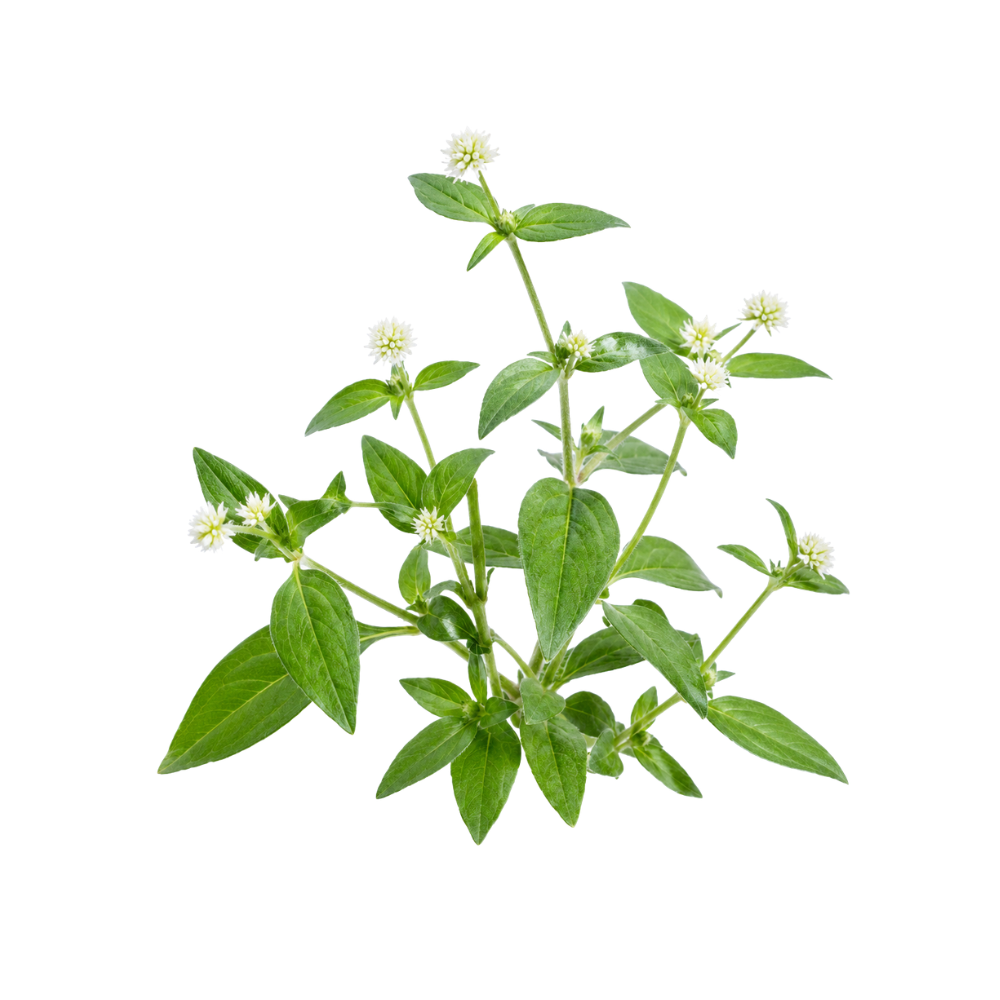 MildMildSumaPfaffia paniculataListed as an appetite stimulant in Brazilian folk practice, as part of its general tonic use.Mechanismtraditional tonic use; mechanism not studiedRead the evidenceShow lessMonograph →
Brazilian practice lists the root as an appetite stimulant, among a long list of tonic uses 26Reference 26The healing power of rainforest herbs: A guide to understanding and using herbal medicinals. It is also taken for low vitality and convalescence 26Reference 26The healing power of rainforest herbs: A guide to understanding and using herbal medicinals.
No study has tested the appetite use.
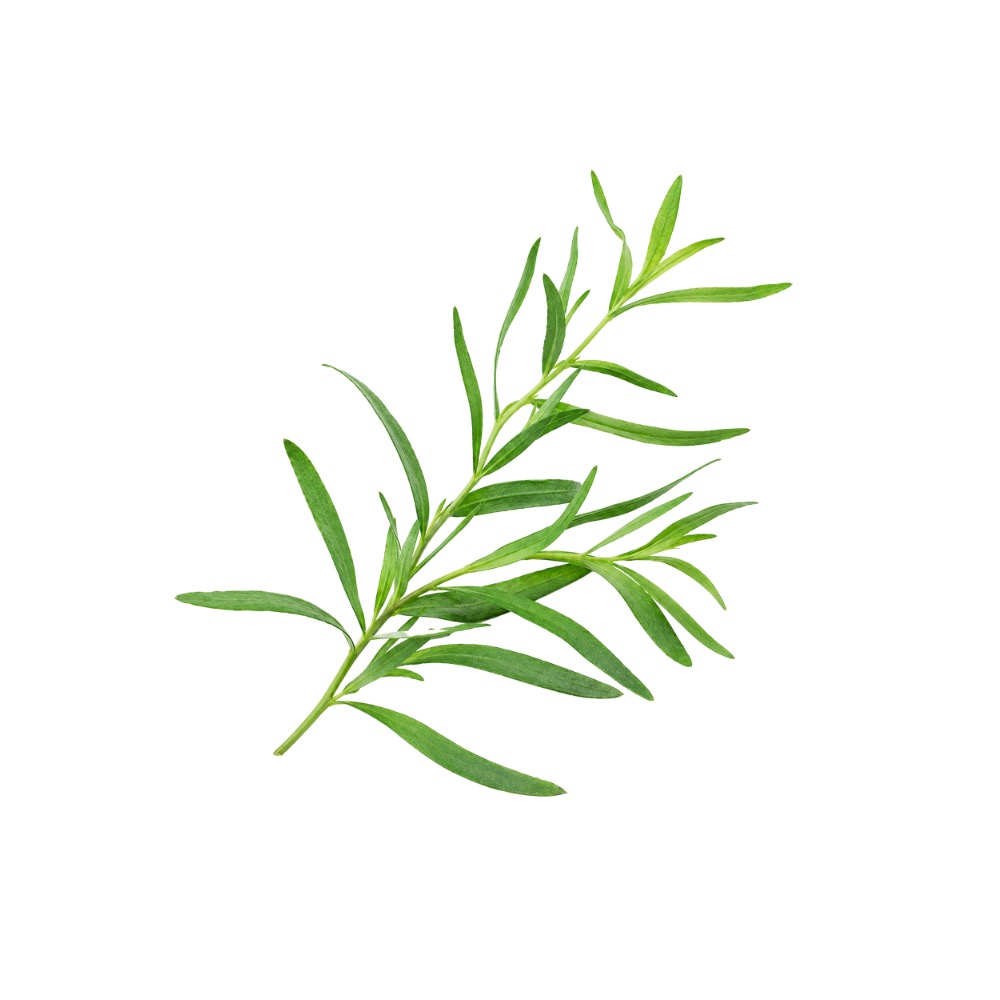 MildMildTarragonArtemisia dracunculusA culinary herb recorded as an appetite stimulant since the Renaissance; untested.Mechanismaromatic culinary stomachic (traditional); mechanism not studiedRead the evidenceShow lessMonograph →
Matthiolus recorded tarragon as an appetite stimulant in the 16th century. In Central Asia, including Russia, it is used to aid digestion and improve appetite 60Reference 60ReviewArtemisia dracunculus (tarragon): a review of its traditional uses, phytochemistry and pharmacology — reviewView study →.
No study has examined its effect on appetite or digestion.
No herbs match these filters.
Safety
- Not with an active ulcer or reflux. Bitters raise stomach acid and bile.
- Not with gallstones or a blocked bile duct. Most bitters increase bile flow.
- Small doses, short courses. Bitters are taken in small amounts before meals, and the strongest are not for long use.
- Several appetite bitters are avoided in pregnancy, among them barberry and mugwort.
- Central stimulants bring their drug effects with them. Their appetite effect comes with sedation, a fast heart rate and impaired judgment.
- Appetite loss that persists, or comes with weight loss, needs medical assessment before a bitter.
References
- Grieve, M. (1931). A Modern Herbal — Angelica. Retrieved from http://www.botanical.com/botanical/mgmh/a/anegl037.html
- Holmes P. (1989). The energetics of western herbs Vol 1. Artemis press, USA.
- European Medicines Agency, Committee on Herbal Medicinal Products (HMPC). (2018). Assessment report on Cynara cardunculus L. (syn. Cynara scolymus L.), folium. EMA/HMPC/194013/2017. https://www.ema.europa.eu/en/documents/herbal-report/final-assessment-report-cynara-cardunculus-l-syn-cynara-scolymus-l-folium_en.pdf
- Kirchhoff R, Beckers C, Kirchhoff GM, et al. (1994). Increase in choleresis by means of artichoke extract — randomised placebo-controlled double-blind crossover study. Phytomedicine. https://pubmed.ncbi.nlm.nih.gov/23195882/
- Mokhber-Dezfuli, N. et al. (2014). Phytochemistry and pharmacology of Berberis species — review. Pharmacognosy Reviews. https://pubmed.ncbi.nlm.nih.gov/24600191/
- Felter, H. W., & Lloyd, J. U. (1898). Berberis.—Barberry — materia medica entry. King’s American Dispensatory. https://www.henriettes-herb.com/eclectic/kings/berberis-vulg.html
- Kasbia, G. S., Arnason, J. T., & Imbeault, P. (2009). No effect of acute, single-dose oral Momordica charantia on glycemia, energy expenditure and appetite — randomised pilot study in non-diabetic overweight men. Journal of Ethnopharmacology. https://pubmed.ncbi.nlm.nih.gov/19665538/
- North Carolina Extension Gardener Plant Toolbox. Verbena hastata (blue vervain) — description, distribution, ethnobotany — species database. https://plants.ces.ncsu.edu/plants/verbena-hastata/
- Brendler T, Abdel-Tawab M. (2022). Buchu (Agathosma betulina and A. crenulata): Rightfully Forgotten or Underutilized? — review. Front Pharmacol. https://pubmed.ncbi.nlm.nih.gov/35197854/
- Moolla A, Viljoen AM. (2008). ‘Buchu’ — Agathosma betulina and Agathosma crenulata (Rutaceae): a review. J Ethnopharmacol. https://pubmed.ncbi.nlm.nih.gov/18725278/
- European Medicines Agency, Committee on Herbal Medicinal Products (HMPC). (2010). Community herbal monograph on Arctium lappa L., radix — regulatory monograph. EMA/HMPC/246763/2009 Corr. https://www.ema.europa.eu/en/documents/herbal-monograph/final-community-herbal-monograph-arctium-lappa-l-radix_en.pdf
- European Medicines Agency, Committee on Herbal Medicinal Products (HMPC). (2010). Assessment report on Arctium lappa L., radix — regulatory assessment. EMA/HMPC/246764/2009. https://www.ema.europa.eu/en/documents/herbal-report/final-assessment-report-arctium-lappa-l-radix_en.pdf
- Rajput SB et al. (2014). An overview on traditional uses and pharmacological profile of Acorus calamus Linn. (Sweet flag) and other Acorus species — review. Phytomedicine. https://pubmed.ncbi.nlm.nih.gov/24200497/
- Khwairakpam AD et al. (2018). Acorus calamus: a bio-reserve of medicinal values — review. J Basic Clin Physiol Pharmacol. https://pubmed.ncbi.nlm.nih.gov/29389665/
- Bhat SD et al. (2012). Anticonvulsant activity of raw and classically processed Vacha (Acorus calamus Linn.) rhizomes — animal in vivo. Ayu. https://pubmed.ncbi.nlm.nih.gov/23049196/
- Gilani AU et al. (2006). Antispasmodic effect of Acorus calamus Linn. is mediated through calcium channel blockade — in vitro. Phytother Res. https://pubmed.ncbi.nlm.nih.gov/17009206/
- Keller K et al. (1985). Spasmolytische wirkung des isoasaronfreien kalmus1 — in vitro. Planta Med. https://pubmed.ncbi.nlm.nih.gov/17340388/
- Mata, R., Contreras-Rosales, A. J., Gutiérrez-González, J. A., Villaseñor, J. L., & Pérez-Vásquez, A. (2021). Calea ternifolia Kunth, the Mexican “dream herb,” a concise review. Botany, 99(12), 805–818. https://doi.org/10.1139/cjb-2021-0063
- Mücke, M., Weier, M., Carter, C., et al. (2018). Systematic review and meta-analysis of cannabinoids in palliative medicine. Journal of Cachexia, Sarcopenia and Muscle. https://pubmed.ncbi.nlm.nih.gov/29400010/
- Razmovski-Naumovski V, Luckett T, Amgarth-Duff I, et al. (2022). Efficacy of medicinal cannabis for appetite-related symptoms in people with cancer — systematic review and meta-analysis. Palliative Medicine. https://pubmed.ncbi.nlm.nih.gov/35360989/
- A Modern Herbal (1931). Buckthorn (Californian). https://www.botanical.com/botanical/mgmh/b/buckth80.html
- European Medicines Agency, Committee on Herbal Medicinal Products. (2020). Assessment report on Rhamnus purshiana DC., cortex, final, revision 1 — regulatory assessment. EMA/HMPC/909434/2019. https://www.ema.europa.eu/en/documents/herbal-report/final-assessment-report-rhamnus-purshiana-dc-cortex-revision-1_en.pdf
- Bone K, Mills S. (2013). Principles and Practice of Phytotherapy. Elsevier Health. (Pg. 503–507). — traditional Western use, aerial-parts preference.
- Niederau C, Göpfert E. (1999). The effect of chelidonium- and turmeric root extract on upper abdominal pain due to functional disorders of the biliary system — a placebo-controlled double-blind randomised study. Med Klin (Munich). https://pubmed.ncbi.nlm.nih.gov/10495621/
- Vahlensieck U, Hahn R, Winterhoff H, et al. (1995). The effect of Chelidonium majus herb extract on choleresis in the isolated perfused rat liver — animal. Planta Med. https://pubmed.ncbi.nlm.nih.gov/7617771/
- Taylor, L. (2005). The healing power of rainforest herbs: A guide to understanding and using herbal medicinals. Garden City Park, NY: Square One Publishers.
- Fern, K. (2024). Tynanthus panurensis — range, habitat and uses — species database. Useful Tropical Plants Database. https://tropical.theferns.info/viewtropical.php?id=Tynanthus+panurensis
- Batiha GE, et al. (2020). Syzygium aromaticum L. (Myrtaceae): Traditional Uses, Bioactive Chemical Constituents, Pharmacological and Toxicological Activities — [review]. Biomolecules. https://pubmed.ncbi.nlm.nih.gov/32019140/
- Orwa C, Mutua A, Kindt R, Jamnadass R, & Anthony S (2009). Syzygium aromaticum — [species database]. Agroforestree Database: a tree reference and selection guide, version 4.0. World Agroforestry Centre. https://apps.worldagroforestry.org/treedb/AFTPDFS/Syzygium_aromaticum.PDF
- Hempen CH, Fischer T. A Materia Medica for Chinese Medicine: Plants, Minerals, and Animal Products. 2009:710–711. (Secondary source — TCM properties.)
- Bone K. A Clinical Guide to Blending Liquid Herbs: Herbal Formulations for the Individual Patient. Edinburgh: Churchill Livingstone; 2003. (Secondary source.)
- Pinke, G., Kapcsándi, V., & Czúcz, B. (2022). Iconic arable weeds: the significance of corn poppy (Papaver rhoeas), cornflower (Centaurea cyanus), and field larkspur (Delphinium consolida) in Hungarian ethnobotanical and cultural heritage — ethnobotanical review. Plants, 12(1), 84. https://pubmed.ncbi.nlm.nih.gov/36616213/
- Committee on Herbal Medicinal Products (2009). Community herbal monograph on Taraxacum officinale Weber ex Wigg., radix cum herba (EMA/HMPC/212895/2008 Corr 1) — pharmacopoeial monograph. European Medicines Agency. https://www.ema.europa.eu/en/documents/herbal-monograph/final-community-herbal-monograph-taraxacum-officinale-weber-ex-wigg-radix-cum-herba_en.pdf
- Schütz K, Carle R, Schieber A (2006). Taraxacum—a review on its phytochemical and pharmacological profile — [review]. J Ethnopharmacol. https://pubmed.ncbi.nlm.nih.gov/16950583/
- Li Y, Chen Y, Sun-Waterhouse D (2022). The potential of dandelion in the fight against gastrointestinal diseases: A review — [review]. J Ethnopharmacol. https://pubmed.ncbi.nlm.nih.gov/35405251/
- Fern, K. (2026). Harpagophytum procumbens — habit, range, habitat, harvest and uses — species database. Useful Tropical Plants Database. https://tropical.theferns.info/viewtropical.php?id=Harpagophytum+procumbens
- Bone, K., & Mills, S. (2013). Principles and Practice of Phytotherapy (2nd ed.). Elsevier Health.
- Bone, K. (2003). A Clinical Guide to Blending Liquid Herbs. Churchill Livingstone.
- Bae, J., et al. (2015). Fennel and fenugreek tea drinking suppresses subjective short-term appetite in overweight women — randomised crossover trial. Clinical Nutrition Research. https://pubmed.ncbi.nlm.nih.gov/26251835/
- Nadjarzadeh, A., et al. (2021). Hypocaloric high-protein diet supplemented with fennel on androgenic/anthropometric indices in overweight women with PCOS — RCT. Complementary Therapies in Medicine. https://pubmed.ncbi.nlm.nih.gov/33271298/
- Mathern, J. R., et al. (2009). Effect of fenugreek fiber on satiety, blood glucose and insulin response and energy intake in obese subjects — randomized crossover trial. Phytother Res. https://pubmed.ncbi.nlm.nih.gov/19353539/
- European Medicines Agency, Committee on Herbal Medicinal Products (2018). European Union herbal monograph on Gentiana lutea L., radix, Revision 1 (EMA/HMPC/607861/2017) — regulatory monograph. https://www.ema.europa.eu/en/documents/herbal-monograph/european-herbal-monograph-gentiana-lutea-l-radix-revision-1_en.pdf
- European Medicines Agency, Committee on Herbal Medicinal Products (2018). Assessment report on Gentiana lutea L., radix, Revision 1 (EMA/HMPC/607863/2017) — regulatory review. https://www.ema.europa.eu/en/documents/herbal-report/assessment-report-gentiana-lutea-l-radix-revision-1_en.pdf
- Committee on Herbal Medicinal Products (2025). European Union herbal monograph on Zingiber officinale Roscoe, rhizoma, final — revision 1 — regulatory monograph. European Medicines Agency, EMA/HMPC/885789/2022. https://www.ema.europa.eu/en/medicines/herbal/zingiberis-rhizoma
- Government of India, Ministry of Health and Family Welfare, Department of AYUSH. The Ayurvedic Pharmacopoeia of India, Part I, Vol. I — Monograph 65: Śuṇṭhī (Zingiber officinale Roxb., rhizome), pp. 103–104. Properties and Action: Rasa Kaṭu; Guṇa Laghu, Snigdha; Vīrya Uṣṇa; Vipāka Madhura; Karma Vātakaphāpaha, Dīpana, Pācana, Hṛdya, Anulomana, Āmadoṣahara.
- Saller R, Iten F, Reichling J. (2001). Dyspeptic pain and phytotherapy: a review of traditional and modern herbal drugs — review. Forschende Komplementärmedizin. https://pubmed.ncbi.nlm.nih.gov/11694755/
- Stewart JJ et al. (1991). Effects of ginger on motion sickness susceptibility and gastric function — randomized controlled trial. Pharmacology. https://pubmed.ncbi.nlm.nih.gov/2062873/
- Bone K, Mills S. (2013). Principles and Practice of Phytotherapy. Elsevier health. China. (Pg. 628-648).
- British Herbal Medicine Association. (1983). British Herbal Pharmacopoeia. Bournemouth, UK: Author.
- Hempen, C. H., & Fischer, T. (2009). A Materia Medica for Chinese Medicine: Plants, Minerals, and Animal Products. (Pg. 723-724).
- Ford, B. A. (1997). Hydrastis canadensis — flora treatment (Ranunculaceae, family treatment by A. T. Whittemore & B. D. Parfitt). Flora of North America North of Mexico, Vol. 3. http://www.efloras.org/florataxon.aspx?flora_id=1&taxon_id=220006616
- Hu DJ, Shakerian F, Zhao J, Li SP (2019). Chemistry, pharmacology and analysis of Pseudostellaria heterophylla: a mini-review — [review]. Chin Med. https://pubmed.ncbi.nlm.nih.gov/31139247/
- Yang Y, Wen L, Jiang ZZ, Chan BC, Leung PC, Wong CK, Tan NH (2025). Chemical Properties, Preparation, and Pharmaceutical Effects of Cyclic Peptides from Pseudostellaria heterophylla — [review]. Molecules. https://pubmed.ncbi.nlm.nih.gov/40572486/
- Li H, Wang S, Yang Z, Ma P (2025). Advances in Pseudostellaria heterophylla Research: Current Status and Future Directions — [review]. Molecules. https://pubmed.ncbi.nlm.nih.gov/40942180/
- Ekiert, H., Pajor, J., Klin, P., Rzepiela, A., Ślesak, H., & Szopa, A. (2020). Significance of Artemisia vulgaris L. (Common Mugwort) in the History of Medicine and Its Possible Contemporary Applications — review. Molecules. https://pubmed.ncbi.nlm.nih.gov/32992959/
- Yousefnejad H, Mohammadi F, et al. (2023). Nigella sativa powder for Helicobacter pylori infected patients — a randomized, double-blinded, placebo-controlled clinical trial. BMC Complement Med Ther. https://pubmed.ncbi.nlm.nih.gov/37069587/
- Felter, H. W., & Lloyd, J. U. (1898). Quassia (U. S. P.) — Quassia; related entry Simaruba officinalis. King’s American Dispensatory. https://www.henriettes-herb.com/eclectic/kings/picraena.html
- Fern, K. (n.d.). Simarouba amara — species database entry. Useful Tropical Plants Database. https://tropical.theferns.info/viewtropical.php?id=Simarouba+amara
- Grieve, M. (1931). A Modern Herbal — “Mints: Spearmint.” (historical/traditional reference). https://www.botanical.com/botanical/mgmh/m/mints-39.html
- Ekiert H, Świątkowska J, Knut E, et al. (2021). Artemisia dracunculus (tarragon): a review of its traditional uses, phytochemistry and pharmacology — review. Frontiers in Pharmacology. https://pubmed.ncbi.nlm.nih.gov/33927629/
- Tamhane, M. D., Thorat, S. P., Rege, N. N., & Dahanukar, S. A. (1997). Effect of oral administration of Terminalia chebula on gastric emptying: an experimental study — rat. Journal of Postgraduate Medicine. https://pubmed.ncbi.nlm.nih.gov/10740705/
- Blumenthal, M., et al. (Eds.). (1998). The Complete German Commission E Monographs — Wormwood (Absinthii herba): appetite loss, dyspeptic and biliary complaints — pharmacopoeial monograph. American Botanical Council.
- European Medicines Agency, Committee on Herbal Medicinal Products (HMPC). (2020). European Union herbal monograph on Artemisia absinthium L., herba (Rev. 1) — regulatory monograph. EMA/HMPC/751490/2016 Corr. 1. https://www.ema.europa.eu/en/documents/herbal-monograph/final-european-union-herbal-monograph-artemisia-absinthium-l-herba_en.pdf
- Joshi, R. K. (2013). Volatile composition and antimicrobial activity of the essential oil of Artemisia absinthium growing in the Western Ghats region of North West Karnataka, India — in vitro. Pharmaceutical Biology. https://pubmed.ncbi.nlm.nih.gov/23570523/
- Westphal, J., Hörning, M., & Leonhardt, K. (1996). Phytotherapy in functional upper abdominal complaints: results of a clinical study with a preparation of several plants (incl. Artemisia absinthium) — randomised controlled study. Phytomedicine. https://pubmed.ncbi.nlm.nih.gov/23194763/
- Németh E, Bernáth J (2008). Biological activities of yarrow species (Achillea spp.) — [review]. Curr Pharm Des. https://pubmed.ncbi.nlm.nih.gov/19075697/
- A Modern Herbal (Grieve M). (1931). Yarrow. Retrieved from http://www.botanical.com/botanical/mgmh/y/yarrow02.html
Keep Exploring