

Overview
Antirheumatic at a Glance
Antirheumatic herbs are used for rheumatic pain, stiffness, and joint disease.
The term itself is old.
Historically, “rheumatism” covered a wide range of painful conditions involving the joints, muscles, and connective tissues. Today those complaints are separated into very different diseases — including rheumatoid arthritis, osteoarthritis, gout, and various forms of soft-tissue pain.
That makes the action unusually broad.
The important question is whether a herb is simply relieving pain and inflammation, or actually changing the disease process damaging the joint.
Most herbal antirheumatics fall into the first group.
They may reduce pain, swelling, or stiffness through analgesic or anti-inflammatory effects, but that does not mean they slow cartilage loss, bone erosion, or autoimmune joint damage.
Horse chestnut and juniper are good examples of traditional antirheumatics whose reputation rests largely on rheumatic use rather than direct evidence from joints.
Devil’s claw is more interesting.
Harpagoside has reduced inflammatory bone and cartilage damage in animal models by interfering with osteoclast activity, giving it a possible disease-modifying mechanism. That effect has not yet been demonstrated in people.
This distinction matters most in rheumatoid arthritis.
Someone can feel substantially better while joint destruction continues underneath, which is why symptom relief is not a substitute for disease-modifying treatment.
Traditional herbal texts rarely made these distinctions. Culpeper used juniper for gout, sciatica, and aching joints under the same general rheumatic umbrella.
They are excellently good in all sorts of agues; help the gout and sciatica, and strengthen the limbs of the body.
Nicholas Culpeper, The Complete Herbal, 1653, on juniper berries
Modern evidence for the category remains thin.
No herbal antirheumatic has been shown to slow rheumatic disease progression in humans.
Caution
Swollen joints need assessment — persistent joint swelling, morning stiffness lasting over an hour, or joint symptoms with fever, rash or weight loss should be assessed promptly.
Early joint damage is permanent — delaying treatment in inflammatory arthritis lets irreversible joint damage accumulate, and nothing here substitutes for disease-modifying treatment.
Not for long daily dosing — a rheumatic indication invites long daily dosing, which is the wrong pattern for juniper and any herb with a duration limit.
Mechanisms
How It Works
01
Osteoclast Inhibition and Bone Protection
Rheumatoid joint destruction runs through osteoclasts recruited by inflammatory signalling, so blocking their differentiation protects the joint rather than quieting it.
Harpagoside, from devil’s claw, inhibits RANKL-induced osteoclast differentiation through the Syk-Btk-PLCγ2-Ca²⁺ pathway and suppresses inflammation-driven bone loss in mice.
In collagen-induced arthritis it lowers arthritis scores while protecting bone and cartilage.
The discriminating result is a negative one. The same treatment did not prevent ovariectomy-induced bone loss, which marks the effect as specifically inflammation-driven rather than a broad anti-resorptive action.
This is what a disease-modifying mechanism looks like, and it is entirely preclinical. Mouse arthritis models have a long history of promising what human trials do not deliver.
Herbs: Devil’s Claw
Key compounds: Harpagoside
02
Inflammatory Signalling Without a Joint Endpoint
The other herbs here reach rheumatic disease through general anti-inflammatory chemistry rather than through anything measured in a joint.
Horse chestnut’s aescin acts through the glucocorticoid receptor and NF-κB, which makes a rheumatic effect loosely plausible.
Juniper’s nearest mechanistic proxy is rat paw-oedema and NF-κB suppression, and its rheumatic standing comes from a pharmacopoeial listing rather than a study.
Neither herb has a joint, cartilage or synovial measurement of any kind. A mechanism that damps inflammation somewhere is not evidence of an effect on a joint, which is why these sit on the symptomatic side of the distinction above.
Herbs: Horse ChestnutJuniper
The Molecules
Pharmacology
What actually produces an antirheumatic effect at the molecular level. The herbs below carry these molecules in different combinations and amounts, which is most of why their potency differs. Roles describe how central a molecule is to the action across plants generally, not how strong any one herb is.
Chiefly Other Alkaloids1
Carries the action largely on its own — the effect is attributed to the molecule, not just the extract it came from.
Adds to a plant's effect and is often present in quantity, but rarely accounts for it alone.
Real but narrow — one pathway, one tissue, or evidence too thin to lean on.
Colchicine Other Alkaloids Primary mover Targets NLRP3/IL-1β; neutrophil recruitment to synovium and serosa
In acute gout, colchicine suppresses the crystal-triggered NLRP3 → IL-1β cascade and the neutrophil influx it drives.
At 24 hours it gave at least 50% pain reduction in 37.8% of patients against 15.5% on placebo 6,
The dose is capped at 1.8 mg in total, and that cap is the finding rather than a detail: above it there is no added efficacy and a great deal of diarrhoea 6Reference 6RCTHigh versus low dosing of oral colchicine for early acute gout flare — randomised controlled trialView study →.
The same mechanism underwrites its use in the serositis of familial Mediterranean fever 8,
Colchicine comes from meadow saffron, which is a poison rather than a medicinal herb — the drug is the isolated alkaloid at a measured dose, not a preparation of the plant.
Materia Medica
Antirheumatic Herbs by Potency
The antirheumatic herbs, ordered by the relative strength of the effect rather than by how well studied it is. Each herb is described by the mechanism behind its effect and the evidence for it.
None of this is a substitute for professional care.
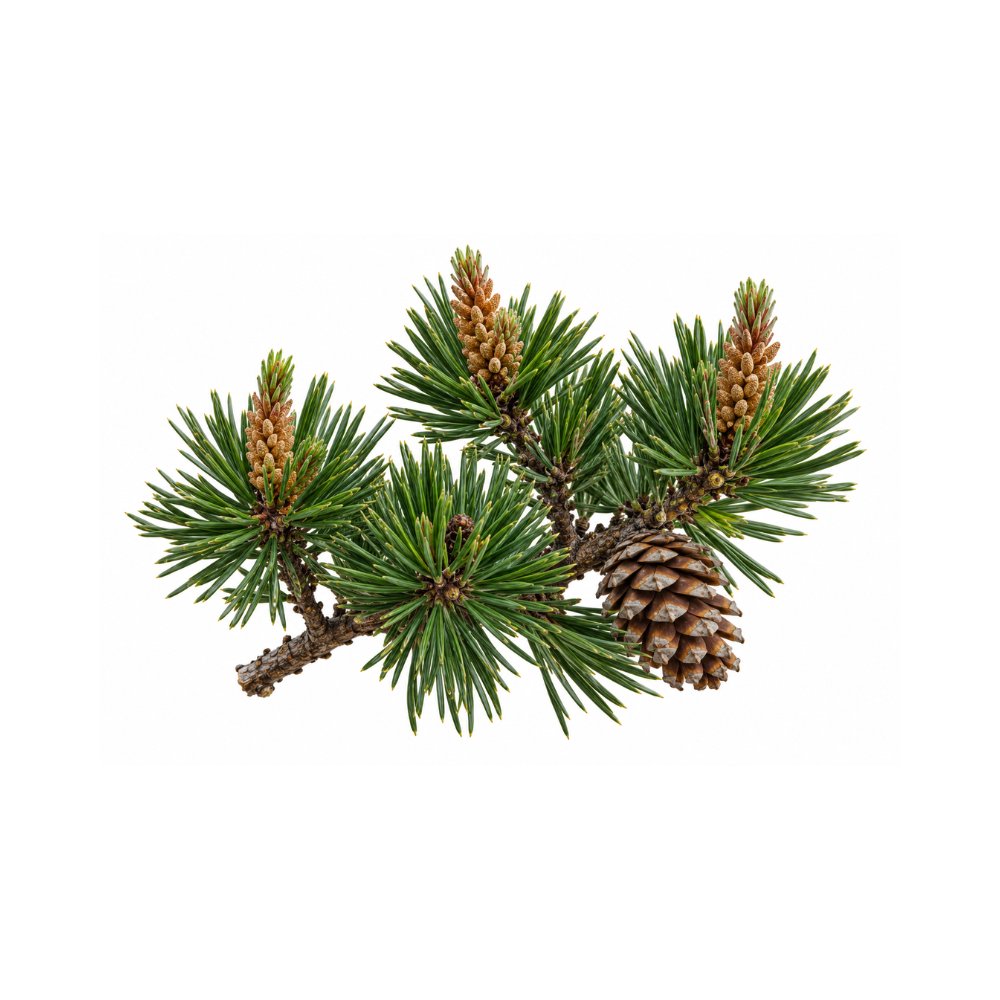
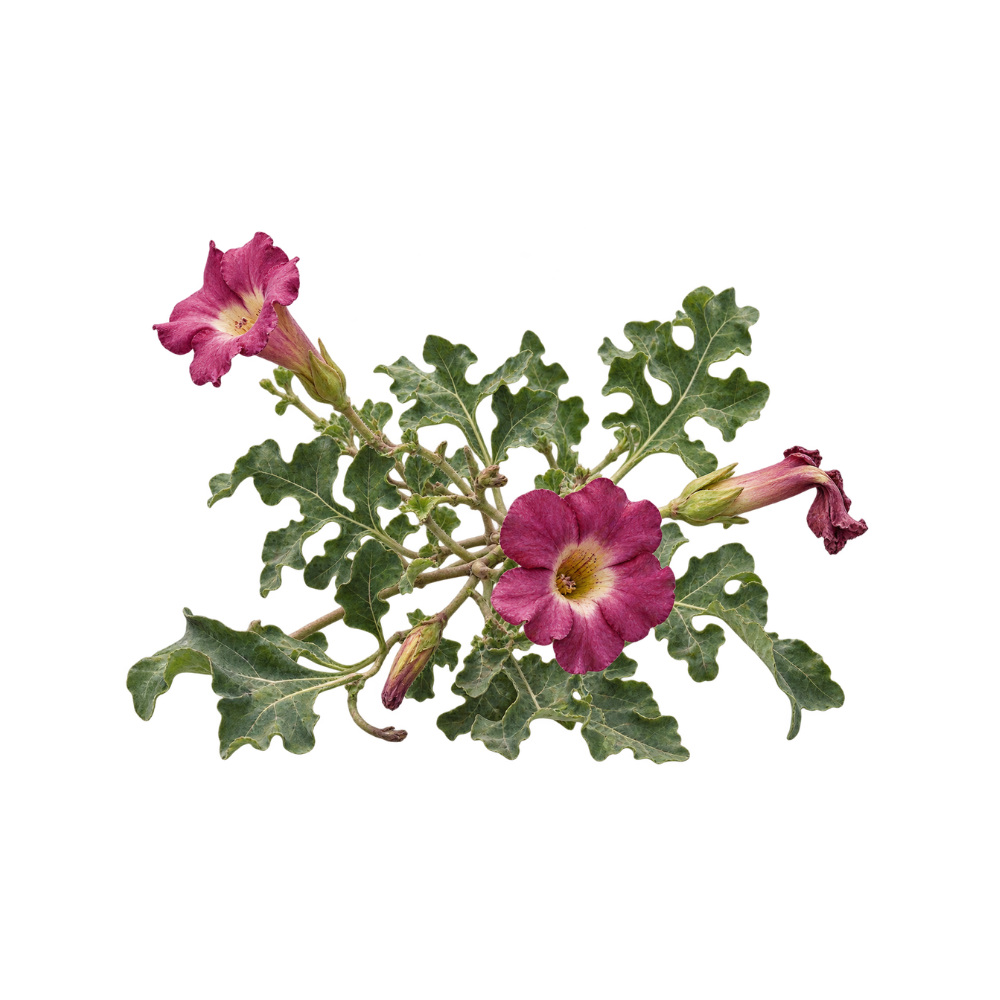 ModerateModerateDevil’s ClawHarpagophytum procumbensHarpagoside blocks RANKL-induced osteoclast differentiation and protects bone and cartilage in arthritic mice, a disease-modifying signal rather than a painkilling one.MechanismRANKL-osteoclastogenesis ↓ (Syk-Btk-PLCγ2); cartilage protectionRead the evidenceShow lessMonograph →
Harpagoside inhibited RANKL-induced osteoclast differentiation and suppressed inflammation-driven bone loss in mice 1Reference 1AnimalHarpagoside inhibits RANKL-induced osteoclastogenesis via the Syk-Btk-PLCγ2-Ca²⁺ pathway and prevents inflammation-mediated bone loss — mouse modelView study →, and in collagen-induced arthritis it reduced arthritis scores while protecting bone and cartilage 2Reference 2AnimalHarpagoside attenuates local bone erosion and systemic osteoporosis in collagen-induced arthritis in miceView study →.
The finding is specific rather than generic. The same treatment did not prevent ovariectomy-induced hormonal bone loss 1Reference 1AnimalHarpagoside inhibits RANKL-induced osteoclastogenesis via the Syk-Btk-PLCγ2-Ca²⁺ pathway and prevents inflammation-mediated bone loss — mouse modelView study →, which marks the effect as inflammation-driven and not a broad anti-resorptive action.
All of it is preclinical. No human trial has measured a joint, cartilage or radiographic endpoint for devil’s claw, and its symptomatic pain evidence sits with the analgesic herbs.
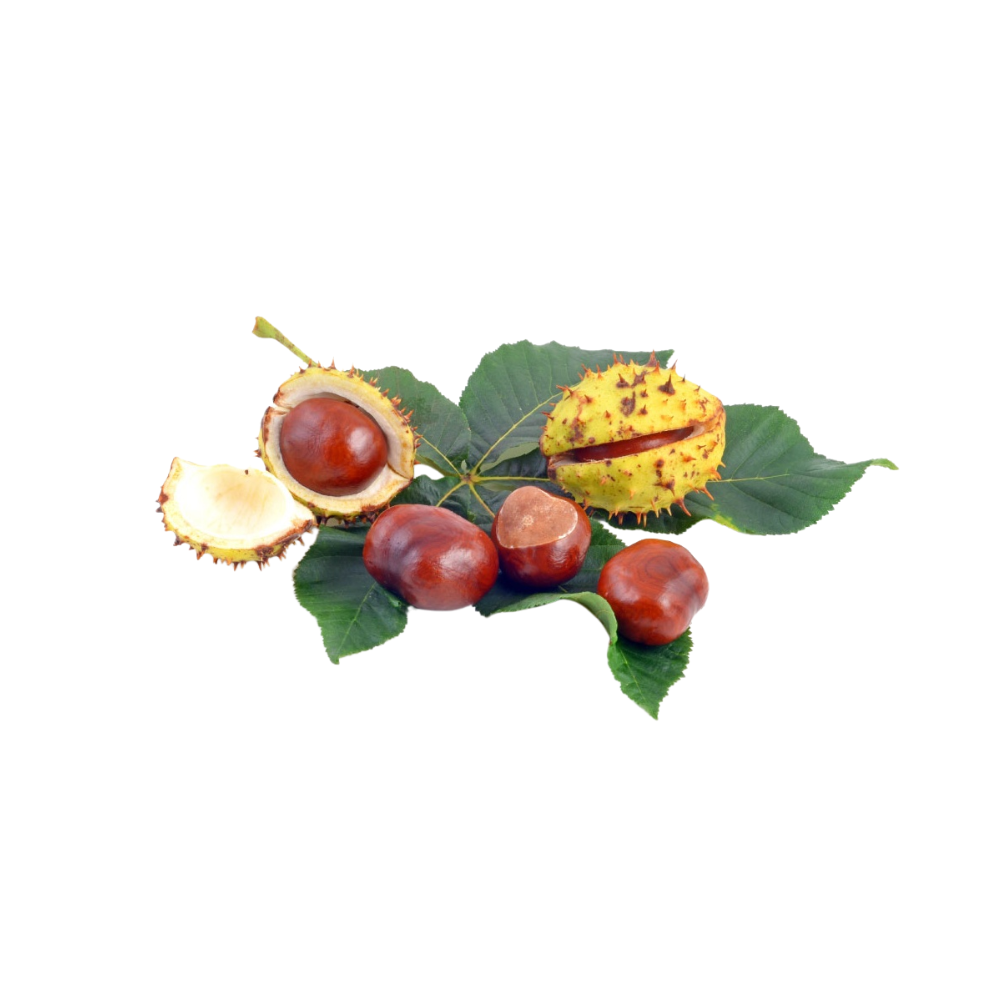 MildMildHorse ChestnutAesculus hippocastanumTraditional use for rheumatism and neuralgia, with aescin's glucocorticoid-receptor and NF-κB mechanism making it loosely plausible; no joint endpoint exists.Read the evidenceShow lessMonograph →
Western practice used horse chestnut for rheumatism and neuralgia alongside its venous indications, and aescin’s anti-inflammatory activity runs through the glucocorticoid receptor and NF-κB rather than the COX pathway 3,
There is no joint, cartilage or rheumatic endpoint behind it.
The herb’s well-evidenced work is aescin in chronic venous insufficiency, examined among the vascular tonic and antiedematous herbs.
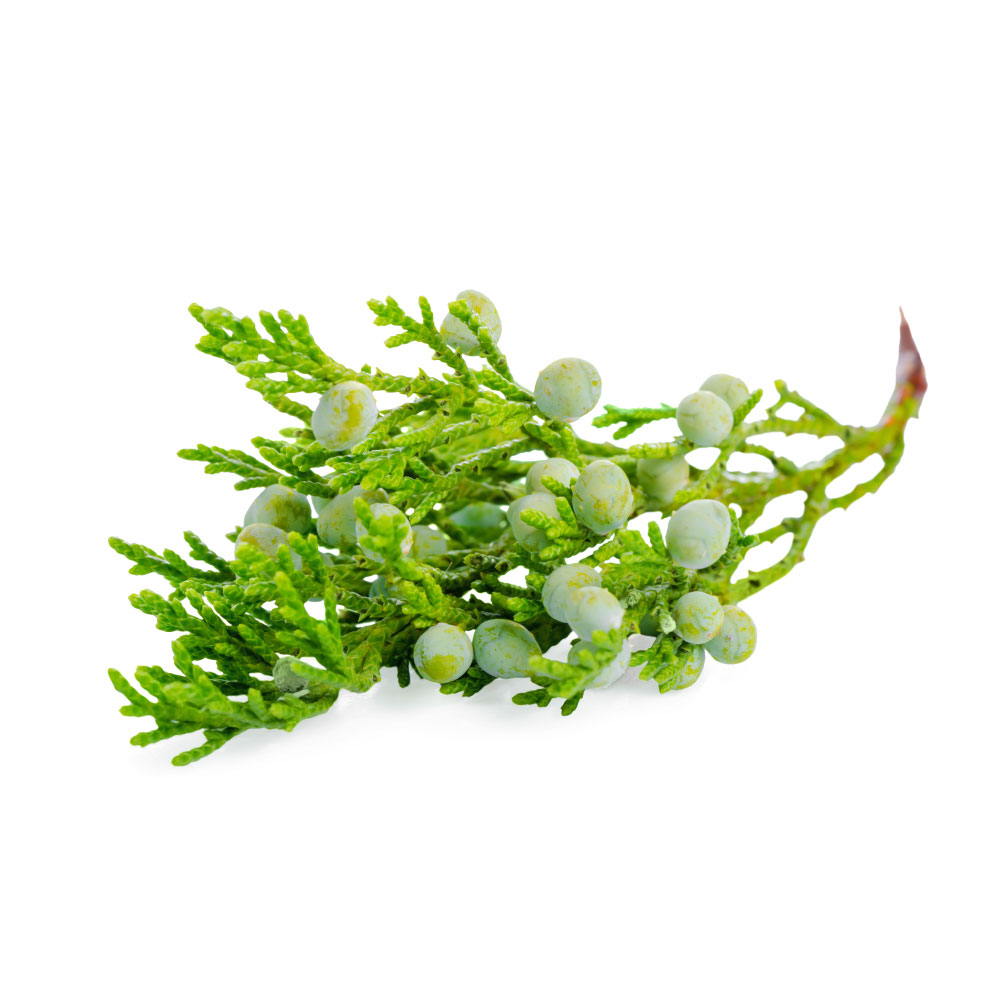 MildMildJuniperJuniperus communisListed in the British Herbal Pharmacopoeia as anti-rheumatic and as a topical application for rheumatic joint and muscle pain; a sourced record rather than a study.Read the evidenceShow lessMonograph →
The British Herbal Pharmacopoeia lists juniper as anti-rheumatic and as a topical application for rheumatic joint and muscle pain 5Reference 5British Herbal Pharmacopoeia, a sourced pharmacopoeial record rather than a vague tradition.
The anti-inflammatory data, rat paw-oedema and NF-κB suppression, are the nearest mechanistic proxy.
No study addresses rheumatic or arthritic disease. Juniper is also not for prolonged use, which sits badly with an indication that invites long daily dosing.
No herbs match these filters.
Safety
- Rheumatoid arthritis causes irreversible joint destruction, and the damage prevented in the first months cannot be recovered later.
- Persistent joint swelling, morning stiffness lasting over an hour, symmetrical small-joint pain, or joint symptoms with fever, rash or weight loss need prompt assessment.
- Rheumatoid arthritis, osteoarthritis, gout and connective-tissue disease look similar early and are managed completely differently.
- Nothing on this list modifies rheumatic disease in people, and none of it substitutes for disease-modifying treatment.
- Feeling better says nothing about what is happening to the joint, which is measured by examination, bloods and imaging.
- A rheumatic indication invites long daily dosing, which is the wrong pattern for the herbs here that carry duration limits.
References
- Kim, J. Y., Park, S. H., Baek, J. M., et al. (2015). Harpagoside inhibits RANKL-induced osteoclastogenesis via the Syk-Btk-PLCγ2-Ca²⁺ pathway and prevents inflammation-mediated bone loss — mouse model. Journal of Natural Products. https://pubmed.ncbi.nlm.nih.gov/26308264/
- Kim, J. Y., Lee, J. Y., & Kim, D. (2022). Harpagoside attenuates local bone erosion and systemic osteoporosis in collagen-induced arthritis in mice. BMC Complementary Medicine and Therapies. https://pubmed.ncbi.nlm.nih.gov/35948905/
- Xin, W., Zhang, L., Sun, F., et al. (2011). Escin exerts synergistic anti-inflammatory effects with low doses of glucocorticoids in vivo and in vitro. Phytomedicine. https://pubmed.ncbi.nlm.nih.gov/20850956/
- Wang, H., Zhang, L., Jiang, N., et al. (2013). Anti-inflammatory effects of escin are correlated with the glucocorticoid receptor/NF-κB signaling pathway, but not the COX/PGF2α signaling pathway — in vivo. Experimental and Therapeutic Medicine. https://pubmed.ncbi.nlm.nih.gov/24137201/
- British Herbal Medicine Association. (1983). British Herbal Pharmacopoeia. Bournemouth, UK: Author.
- Terkeltaub, R. A., Furst, D. E., Bennett, K., et al. (2010). High versus low dosing of oral colchicine for early acute gout flare — randomised controlled trial. Arthritis & Rheumatism. https://pubmed.ncbi.nlm.nih.gov/20131255/
- McKenzie, B. J., Wechalekar, M. D., Johnston, R. V., et al. (2021). Colchicine for acute gout — systematic review. Cochrane Database of Systematic Reviews. https://pubmed.ncbi.nlm.nih.gov/34438469/
- Zemer, D., Revach, M., Pras, M., et al. (1974). A controlled trial of colchicine in preventing attacks of familial Mediterranean fever — randomised controlled trial. New England Journal of Medicine. https://pubmed.ncbi.nlm.nih.gov/4606109/
- Wu, B., Xu, T., Li, Y., et al. (2015). Interventions for reducing inflammation in familial Mediterranean fever — meta-analysis. Cochrane Database of Systematic Reviews. https://pubmed.ncbi.nlm.nih.gov/25791871/
Keep Exploring