

Overview
Lymphatic at a Glance
Lymphatic herbs are used to move lymph and settle swollen glands.
The lymphatic system has no pump.
Lymph moves by muscle compression, by breathing, and by the slow contraction of the vessels themselves, returning fluid, protein and immune cells to the blood.
The distinction that sorts these herbs is whether the plant is a lymphatic in its own right or arrives through the alterative formula.
The lymphatics proper were named for the indication: cervical nodes still enlarged after a sore throat, recurrent tonsillar swelling, glands that stay boggy long after the infection has gone.
The alteratives are the blood-cleansing herbs of the same formulas, and the lymphatic label often travelled with the recipe rather than with an observation of its own.
Those herbs are examined under alterative.
Cleavers is the type specimen of the first group, and iris is its American counterpart — blue flag was a principal Eclectic remedy for lymphadenopathy and glandular states.
The others carry the label as a secondary reputation. Red clover travels in the burdock-and-cleavers formulas, and calendula picked it up alongside work that is far better attested elsewhere.
The Western concept is specific enough to be worth recording precisely, and it is old.
Culpeper gives cleavers boiled in hog’s grease for hard swellings in the throat, and the fresh-plant succus of later British practice is taken cool and unheated, on the grounds that heat destroys the active principle.
Being boiled in hog’s grease, it helps all sorts of hard swellings or kernels in the throat, being anointed therewith.
Nicholas Culpeper, The Complete Herbal, 1653, on cleavers
Not one herb in this group has been measured. There is no lymph-flow study, no lymphocyte-trafficking data, no lymphadenopathy endpoint and no oedema measure behind any of them.
Caution
Hard or fixed nodes need a diagnosis — a gland that stays swollen, or one that is hard, fixed or painless, needs examining rather than a herb.
No herb here replaces an investigation — nothing in this group has been measured, so none of it belongs in place of an investigation.
Bitter glandular herbs are dosed small — several are irritant and hepatotoxic above small doses.
Mechanisms
How It Works
01
Lymph Movement and Glandular Clearance
Lymph is driven by skeletal-muscle compression, by the pressure changes of breathing, and by the intrinsic contraction of the lymphangions, and it carries fluid, protein and immune cells out of the tissues.
What a lymphatic herb is proposed to do is speed that clearance, so a boggy node clears and settles.
The tradition attaches the effect to cool, moist, salty-bitter preparations of fresh material, and it is specific about the making: cleavers is given as an unheated succus because heat is held to destroy the principle.
The claim is unusually falsifiable for a traditional action. Lymph flow, node size and lymphocyte traffic are all measurable, and the preparation rule is testable in the same experiment.
None of that has been done. No herb in this group has a lymph-flow measurement, lymphocyte-trafficking data, a lymphadenopathy endpoint or an oedema measure.
Phytochemistry
Key Constituents
The compound classes most often behind a lymphatic action.
- Triterpenoid saponins
- Alkylamides
- Iridoids
What It's For
Indications
- Swollen glands and lymph nodes
- Sluggish lymphatic drainage and puffiness
- Recurring infection with poor immune clearance
- Chronic skin conditions with congestion
Materia Medica
Lymphatic Herbs by Potency
The lymphatic herbs, ordered by the relative strength of the effect rather than by how well studied it is. Each herb is described by the mechanism behind its effect and the evidence for it.
None of this is a substitute for professional care.
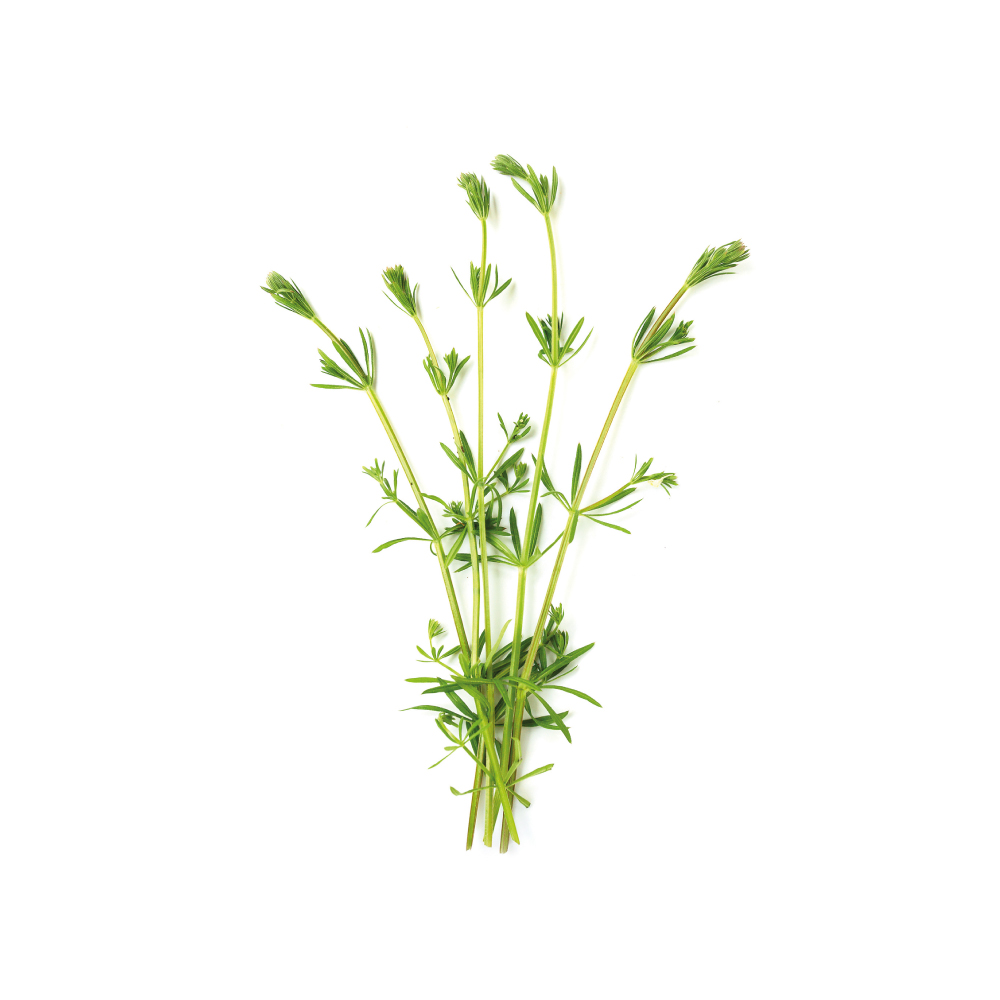 MildMildCleaversGalium aparineThe Western lymphatic herb, given as a cool fresh-plant succus for swollen glands and lymphatic congestion, on a preparation rule nobody has tested.Read the evidenceShow lessMonograph →
Cleavers is the lymphatic of British and European practice, taken steadily over time for swollen glands, lymphatic congestion and skin eruptions understood as sluggish clearance. Culpeper gives it topically for hard swellings in the throat, and the British Herbal Pharmacopoeia lists it as a diuretic and mild astringent.
The tradition is specific about the preparation. The medicine is the fresh aerial part, given as a juice or a cool aqueous infusion rather than a hot one, because heat is held to destroy the active principle.
No mechanism has been established anywhere in the literature. Nothing measures lymph flow, lymphocyte trafficking or node size, and cleavers’ reputation outruns its evidence further than almost any herb in common use.
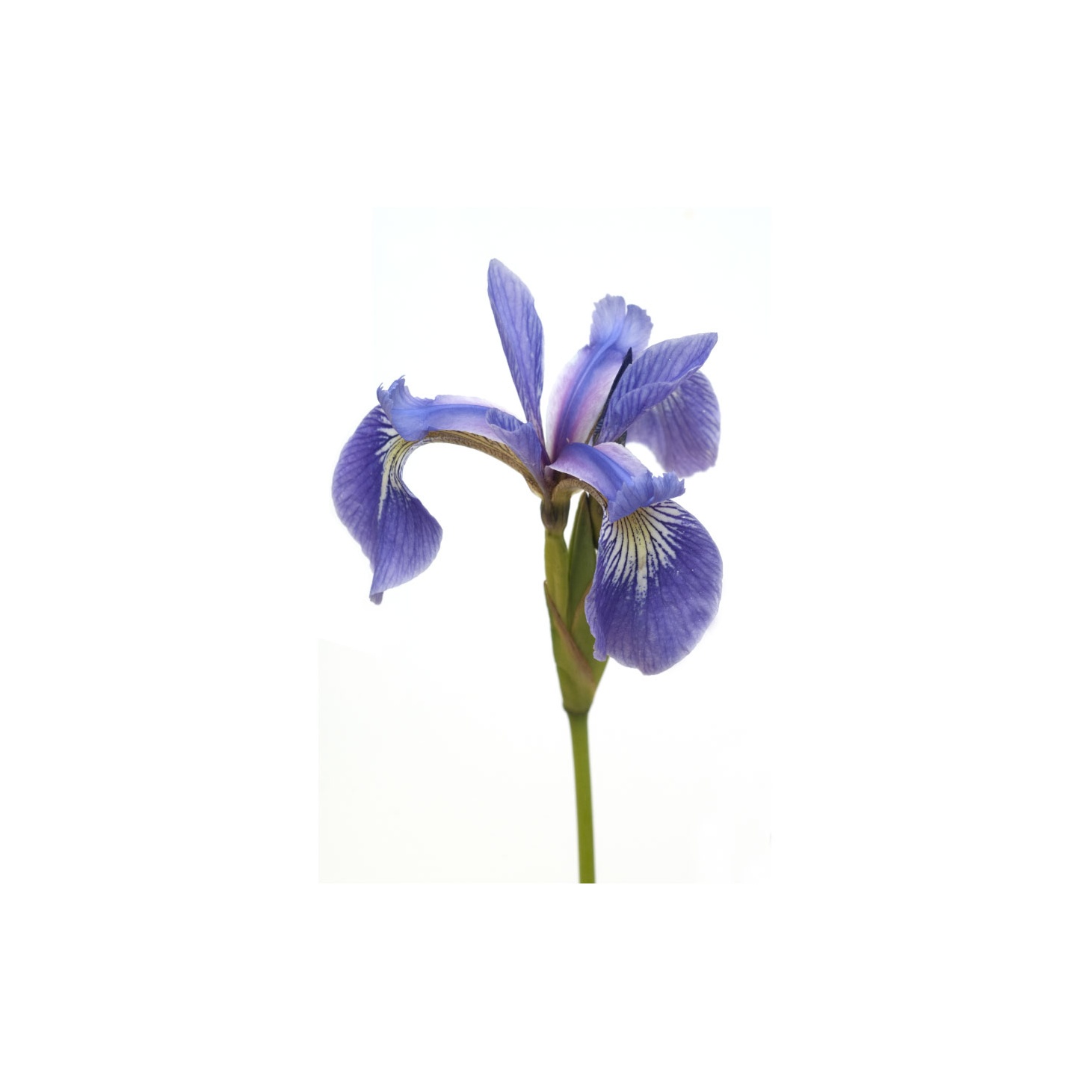 MildMildIrisIris versicolorBlue flag was a principal Eclectic remedy for lymphadenopathy and glandular swelling, given as part of one connected picture of torpid liver and chronic skin eruption.Read the evidenceShow lessMonograph →
The Eclectic and physiomedicalist physicians who made blue flag a standard herb classed it as a bitter hepatic, a cholagogue and a lymphatic and skin alterative, and used it for sluggish digestion and chronic skin eruption understood as one problem in two places. Glandular swelling and lymphadenopathy sat inside that picture.
The historical specificity is the value of it, and it is also the whole of the evidence. A literature search returns barely a dozen records for the species, most of them ecological or taxonomic rather than pharmacological.
Iris is hepatotoxic and markedly irritant fresh, and emetic and purgative above small doses, which is why the Eclectic dose was a small one.
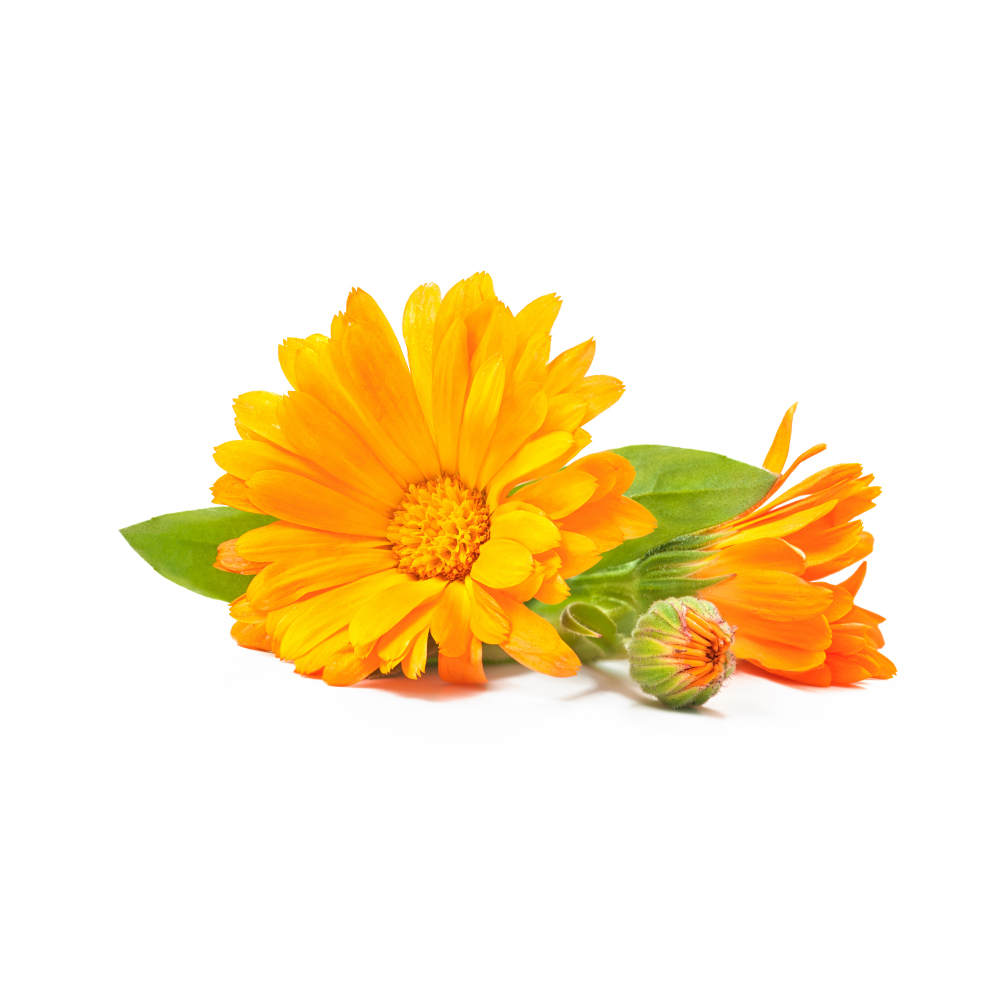 MildMildCalendulaCalendula officinalisA secondary internal reputation — the infusion or tincture for swollen glands and slow-clearing infection — alongside a topical action that is genuinely well evidenced.Read the evidenceShow lessMonograph →
Taken internally as an infusion or tincture, calendula is given for inflammation of the digestive tract and carries a secondary reputation as a lymphatic, for swollen glands and infection that clears slowly.
That is a Western classification rather than a finding. Nothing in the research touches lymphatic tissue or lymph flow.
Calendula is unusual in this group in having good evidence elsewhere: its vulnerary action is real and measured.
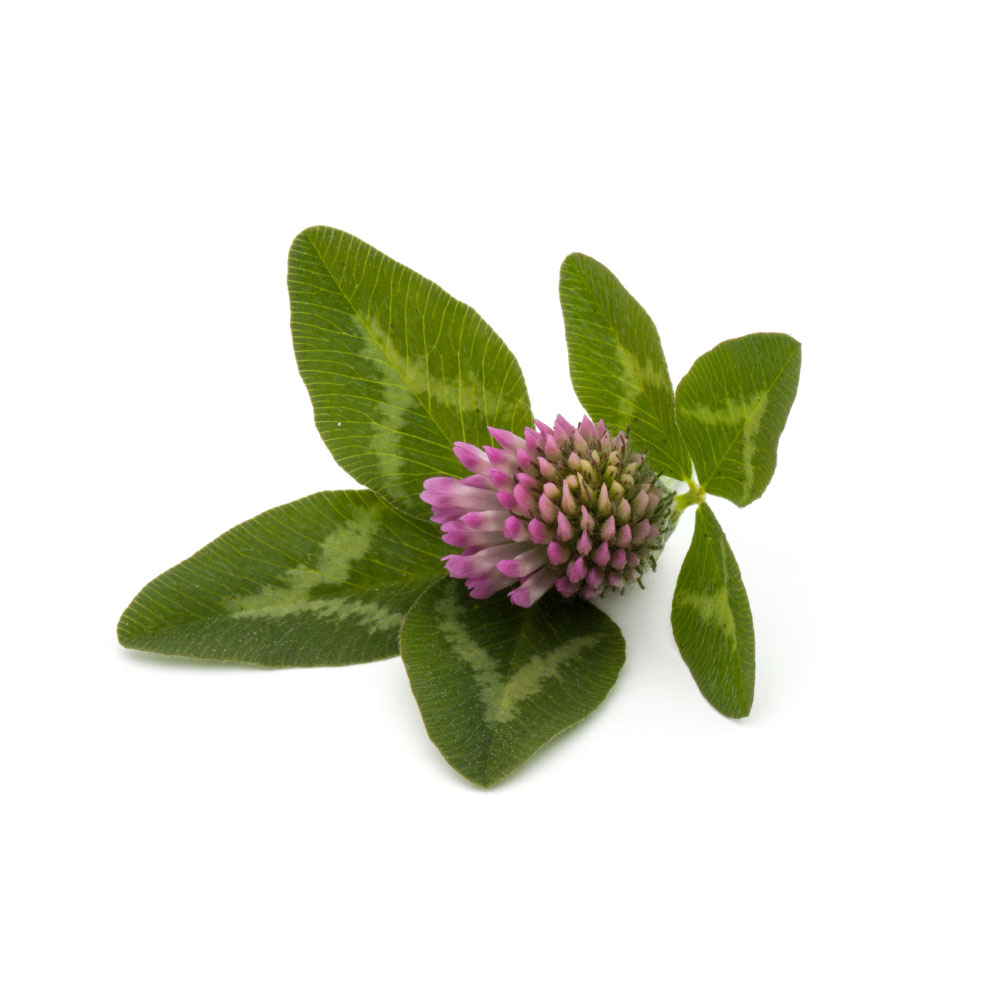 MildMildRed CloverTrifolium pratenseA formula herb — it appears in the burdock, yellow dock and cleavers combinations, and the lymphatic label travels with the recipe.Read the evidenceShow lessMonograph →
Red clover’s flowering tops are a standing part of the Western alterative and lymphatic formulas, combined with burdock, yellow dock, cleavers, nettle or dandelion, and it is classed as an alterative and lymphatic in the same breath.
No study, mechanism or cited source supports the lymphatic half of that. Its position in the recipe is the whole basis.
Red clover’s own research is isoflavone and phytoestrogen work on menopausal symptoms, which is unconnected to lymph, and the standard caution in hormone-sensitive conditions comes from it.
No herbs match these filters.
Safety
- A gland that does not settle, or one that is hard, fixed or painless, needs a diagnosis rather than a longer course.
- No herb in this group has an action-specific safety signal, because none has an action-specific measurement.
- Lymphatic herbs are taken steadily over weeks, which is the exposure pattern any herb-level caution applies to.
- Phytoestrogenic herbs in this group carry the standard caution in hormone-sensitive conditions.
- Bitter glandular herbs of the Eclectic tradition were dosed small because several are irritant and hepatotoxic at more.
Keep Exploring