

Overview
Alterative at a Glance
Alterative herbs are taken steadily, over months, to correct a chronic condition, most often a chronic skin eruption.
The word is the old one for a blood purifier, and the distinction that sorts these herbs is which route of elimination each was thought to work through.
The bile route is the commonest. Bitter roots that increase bile flow and bowel clearance were classed as alteratives on the reasoning that the skin clears when the liver and gut do — the mechanism the hepatic page describes.
The kidney and bowel routes are the other two. Sarsaparilla measurably increases renal urate excretion, and yellow dock’s anthraquinones make it a stimulant laxative.
Most herbal alteratives have no mechanism of any kind. Burdock is the archetype the whole category is built around, and what it carries is a human biomarker trial rather than a defined pathway.
The exceptions include things like sarsaparilla, which suppresses the same IL-17-driven T-cell response the modern psoriasis biologics target, and the inulin-rich roots, whose fructans feed the gut microbiota.
The word comes from the Eclectic and physiomedicalist traditions of nineteenth-century America, where it named herbs given over months for skin eruptions, sluggish elimination and what the texts called bad blood.
The idea is older than that. Culpeper has cleavers eaten in gruel in the spring, to cleanse the blood and strengthen the liver.
It is a good remedy in the Spring, eaten (being first chopped small, and boiled well) in water-gruel, to cleanse the blood, and strengthen the liver.
Nicholas Culpeper, The Complete Herbal, 1653, on cleavers
Most of these herbs were classified rather than observed. Stinging nettle, red clover, walnut and spikenard have no dermatological or clearance study of any kind behind them.
Caution
No liver-toxic herbs for months — herbs with an idiosyncratic hepatotoxicity signal are the wrong ones for a months-long course, because that injury is not dose-predictable.
Stimulant laxatives are short-term — the stimulant-laxative herbs in this group are not for sustained use, whatever the tradition did with them.
Diagnose chronic skin disease first — psoriasis, eczema, acne and chronic urticaria have effective treatments.
Mechanisms
How It Works
01
IL-17 and Keratinocyte Hyperproliferation
Psoriasis is driven by an IL-17-producing T-cell response that in turn drives keratinocytes to proliferate, which is what makes the plaque.
Sarsaparilla is the one alterative with measured immunology behind it. It suppresses the IL-17-driven T-cell response and reduces keratinocyte hyperproliferation, with improved epidermal thickness and orthokeratosis in the mouse-tail psoriasis model and two further rodent models confirming the mechanism.
IL-17 is the target of the modern psoriasis biologics, secukinumab and ixekizumab.
A herb classified for chronic scaling skin disease by a tradition with no immunology at all turns out to act on the pathway twenty-first-century dermatology identified as central to it.
Two limits keep it honest. The effect belongs to the flavonoid fraction rather than the whole tincture, with quercetin carrying the keratinocyte half, so the traditional decoction is not obviously the right preparation.
And it is rodent work: no human psoriasis trial exists.
Herbs: Sarsaparilla
02
Inulin and the Gut Microbiome
Inulin-type fructans are carbohydrates people cannot digest and gut bacteria ferment, producing short-chain fatty acids and remodelling the microbiome.
Burdock, dandelion and yellow dock are all inulin-rich roots, and about half of burdock root’s dry weight is inulin.
This is the closest thing to a modern account of what alterative was describing: a herb that improves nutrition and elimination over time without any identifiable direct action.
It is a real mechanism for a claim that used to be pure inference, and it is developed further on the nutritive page.
Nobody has connected it to a skin endpoint. The microbiome work and the dermatological claim have never been run in the same experiment.
Herbs: BurdockDandelionYellow Dock
03
Bile Flow and Bowel Clearance
The oldest account of the action is mechanical: bitter roots increase bile flow, bile moves the bowel, and the skin is held to clear as elimination improves.
Barberry and greater celandine are berberine- and alkaloid-bearing bitters classed as alteratives on exactly that reasoning, and yellow dock’s anthraquinones act on the bowel directly rather than through bile.
Iris was given the same way in Eclectic practice, as a bitter hepatic whose skin effect followed from the liver one.
The bile half of this is a real, measured action, described on the hepatic and cholagogue pages.
What has never been shown is the second step, from improved bile flow to cleared skin.
Phytochemistry
Key Constituents
The compound classes most often behind an alterative action.
- Sesquiterpene lactones
- Triterpenoid saponins
- Anthraquinones
- Sulphur compounds
What It's For
Indications
- Chronic skin conditions — eczema, acne, psoriasis
- Sluggish elimination and a congested system
- Long-standing inflammatory and rheumatic conditions
- Slow, deep constitutional restoration
Materia Medica
Alterative Herbs by Potency
The alterative herbs, ordered by the relative strength of the effect rather than by how well studied it is. Each herb is described by the mechanism behind its effect and the evidence for it.
None of this is a substitute for professional care.
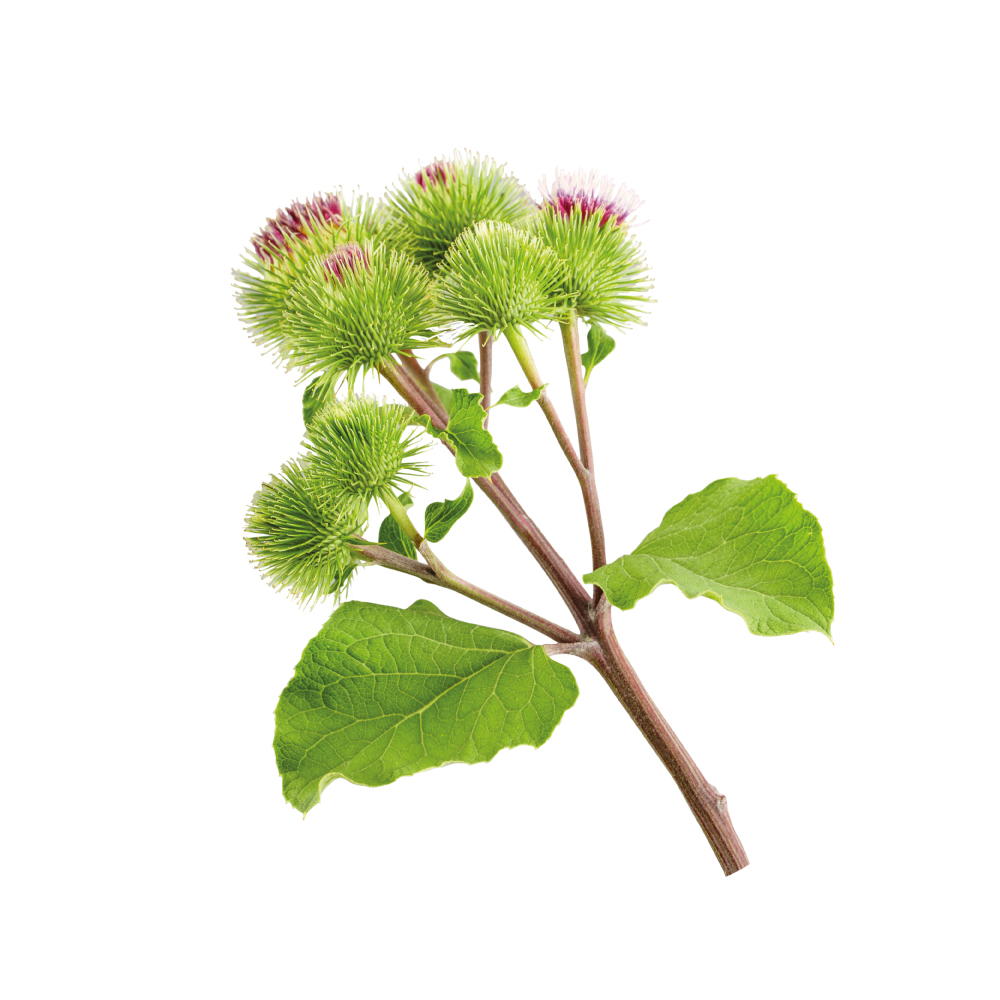 StrongStrongBurdockArctium lappaThe archetypal Western alterative, and the only one with human biomarker data: root tea lowered IL-6, hs-CRP and malondialdehyde over six weeks.Mechanismnot established (traditional category) — nearest measured proxies: iNOS ↓, COX-2 ↓, NF-κB ↓; SOD ↑Read the evidenceShow lessMonograph →
Burdock root is the herb the whole blood-purifier tradition is built around, given as a long course for psoriasis, eczema and acne.
A 42-day randomised trial in 36 knee-osteoarthritis patients drinking three cups of root tea daily — 2 g per 150 mL, about 6 g of root a day — found significant falls in IL-6, hs-CRP and malondialdehyde, and significant rises in total antioxidant capacity and superoxide dismutase 1Reference 1RCTEffects of Arctium lappa L. (Burdock) root tea on inflammatory status and oxidative stress in patients with knee osteoarthritis — randomised controlled trialView study →. That is a whole-root, food-dose, orally administered signal in exactly the preparation the tradition uses.
The supporting mechanism is arctigenin suppressing iNOS and COX-2 in stimulated macrophages 2Reference 2In vitroIn vitro anti-inflammatory effects of arctigenin through inhibition of iNOS and COX-2 — in vitroView study → and attenuating experimental colitis and peritonitis in mice 3,
There is no controlled human trial of the root for any skin condition, despite psoriasis, eczema and acne being burdock’s signature indications.
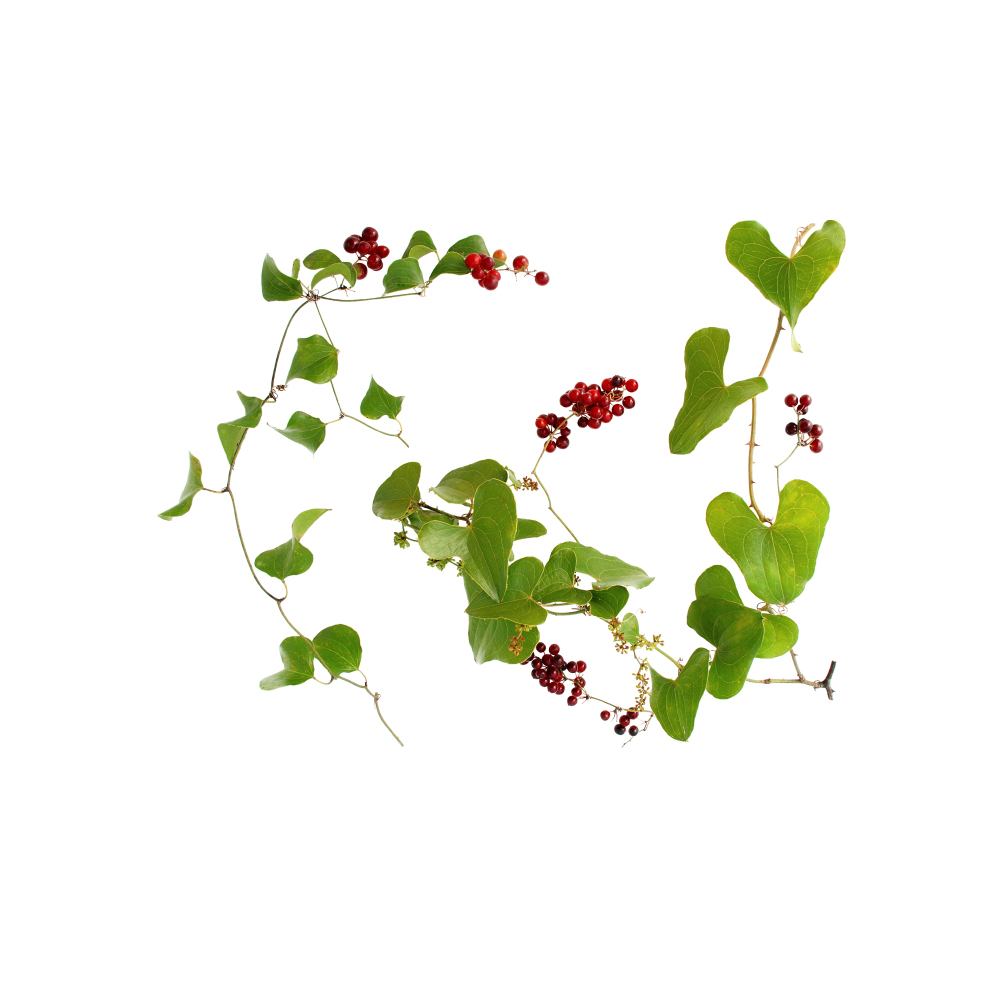 ModerateModerateSarsaparillaSmilax spp.Its quercetin suppresses the IL-17-driven T-cell response behind psoriasis — the pathway modern biologics target — and Smilax extracts raise renal urate excretion.MechanismIL-17-driven T-cell response ↓; keratinocyte hyperproliferation ↓ (quercetin); renal urate excretion ↑Read the evidenceShow lessMonograph →
Sarsaparilla’s sixteenth-century reputation as an antisyphilitic and blood purifier is historical only 6Reference 6The Healing Power of Rainforest Herbs: A Guide to Understanding and Using Herbal Medicinals; there is no modern anti-treponemal or depurative pharmacology behind it.
What survives is skin. Quercetin from S. china rhizome improved epidermal thickness and orthokeratosis in the mouse-tail psoriasis model 7Reference 7AnimalScreening of flavonoid “quercetin” from the rhizome of Smilax china Linn. for anti-psoriatic activity — animal modelView study →, and two further rodent models confirmed an IL-17 and T-cell mechanism 8,
The second thread is elimination. Smilax extracts measurably increase renal urate excretion 10,
The flavonoid fraction rather than the whole tincture carries the psoriasis effect, and centuries of traditional skin use still have no controlled human trial behind them.
Show 12 more herbs with a mild alterative action
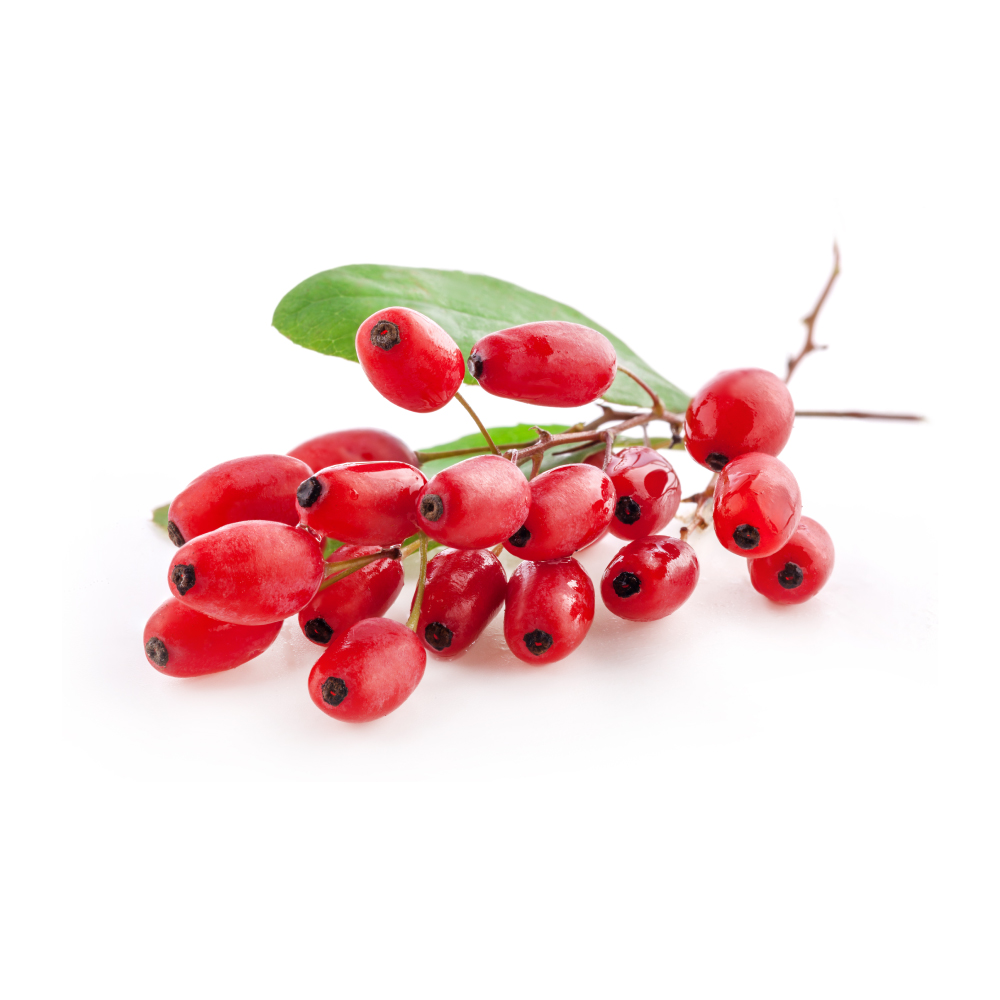 MildMildBarberryBerberis spp.A berberine-bearing bitter, filed as an alterative on the reasoning that bile flow and elimination drive skin clearance.Read the evidenceShow lessMonograph →
Berberine-bearing bitters were routinely classed as alteratives, on the reasoning that improved bile flow and bowel clearance would clear the skin.
The bile half of that is real and measured, and it is described on the hepatic page. The step from bile flow to skin has never been shown.
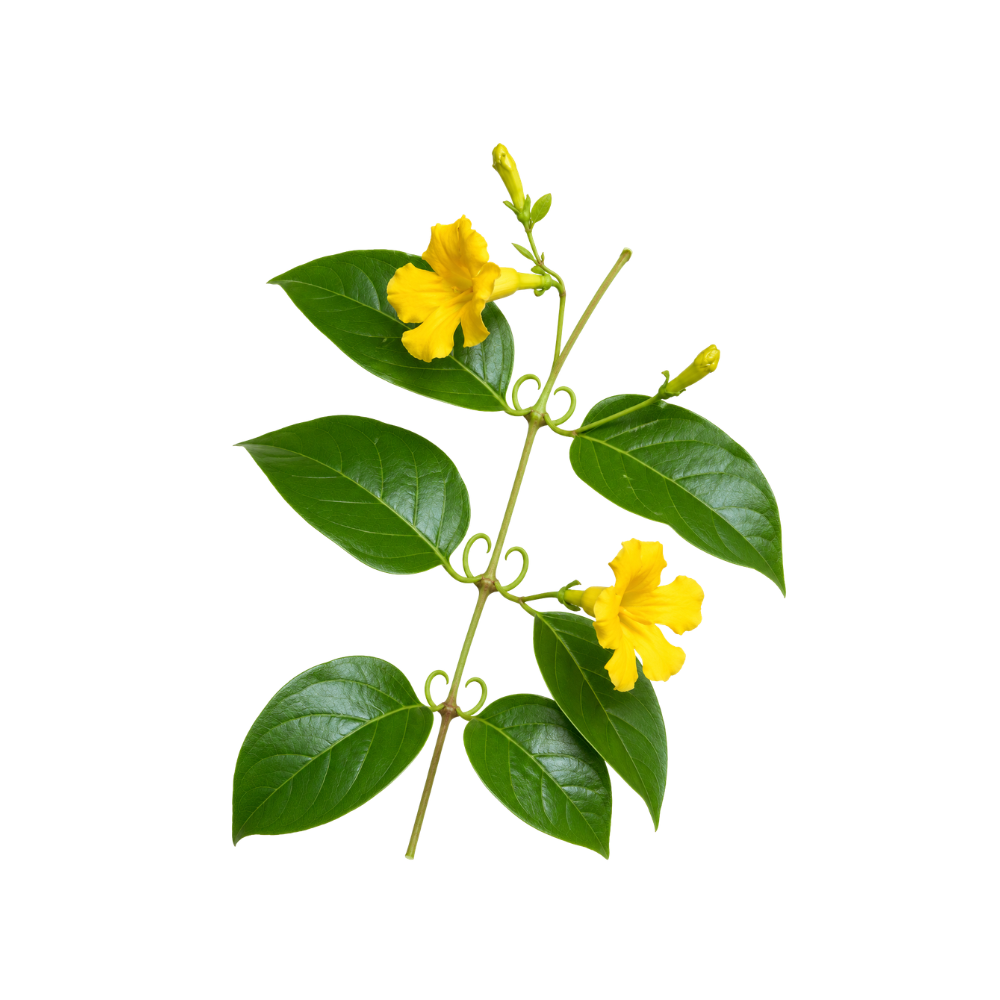 MildMildCat’s ClawUncaria tomentosaA bitter Amazonian bark used as a blood and kidney cleanser in traditional practice, and given the Western alterative label on that basis.Read the evidenceShow lessMonograph →
Cat’s claw bark is taken in Amazonian practice as a blood and kidney cleanser, which is what earned it the European classification.
No mechanism, study or measurable endpoint supports the depurative reading. The category itself is an import here, and cat’s claw’s own traditions describe the bark differently.
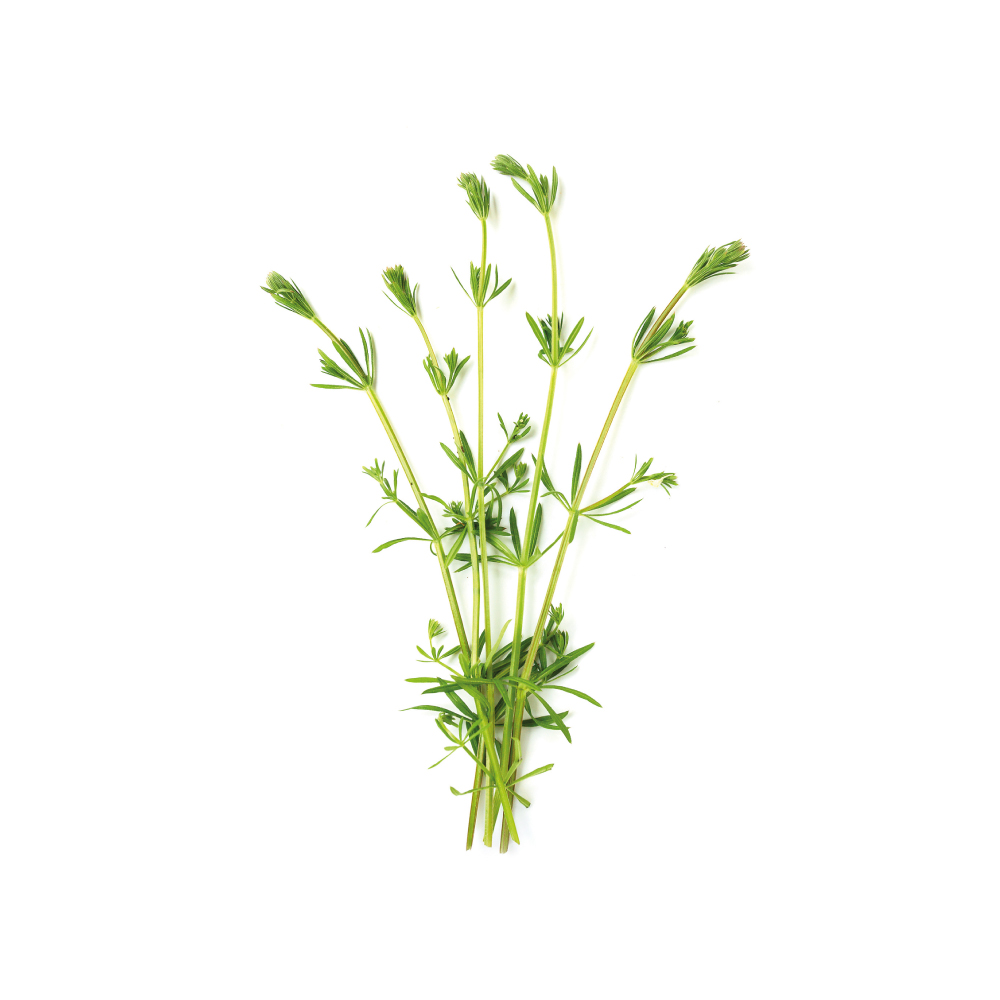 MildMildCleaversGalium aparineThe cooling spring alterative of British practice, eaten or drunk over weeks to correct sluggish clearance.Read the evidenceShow lessMonograph →
Cleavers is the cooling alterative of British and European practice, taken steadily over time for skin eruptions understood as sluggish clearance. Culpeper gives it eaten in water-gruel in the spring, to cleanse the blood and strengthen the liver.
There is no modern correlate and no research. The claim overlaps almost entirely with cleavers’ lymphatic tag, which is the more specific of the two.
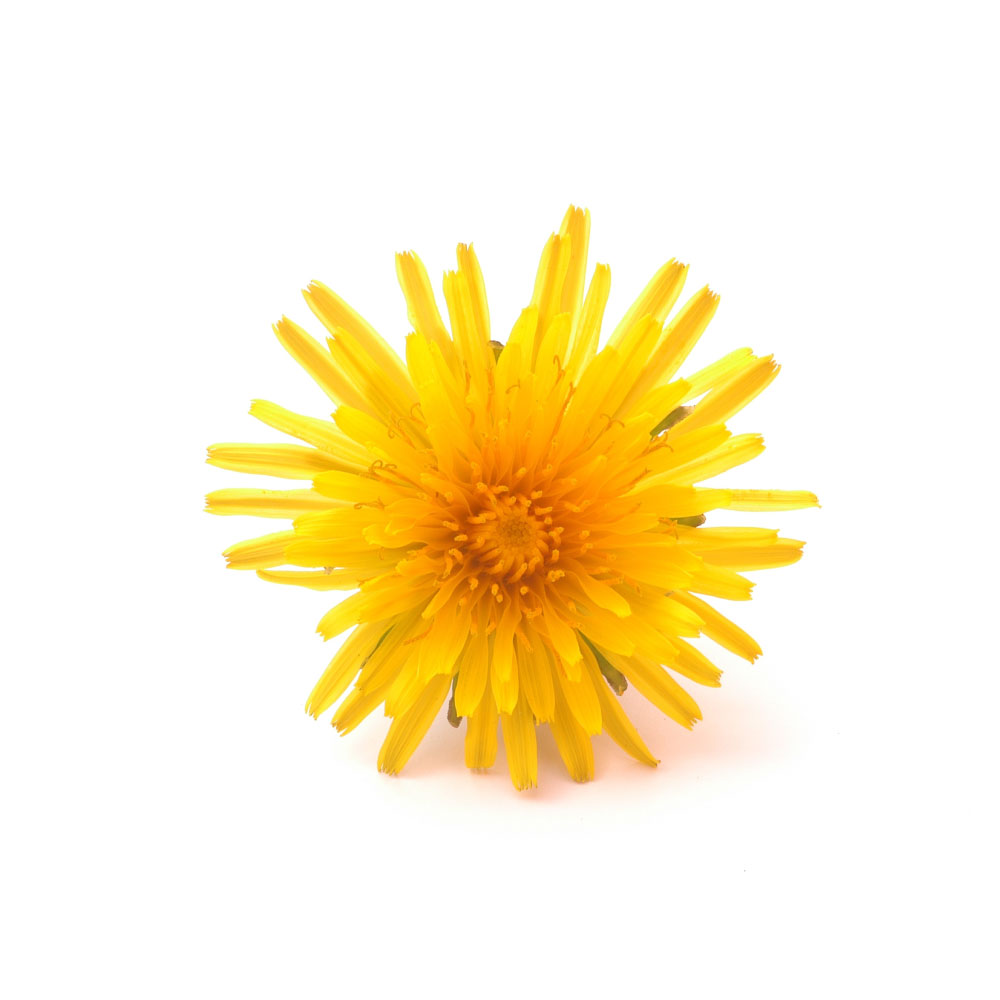 MildMildDandelionTaraxacum officinaleThe Western blood-cleanser and spring tonic, and an inulin-rich root — which is the one modern mechanism the alterative idea has.Read the evidenceShow lessMonograph →
Dandelion root is the standing spring tonic of Western practice, taken over weeks as a bitter and a blood cleanser.
The references given for the depurative claim are the hepatoprotective ones re-used. There is no study, no mechanism and no clearance endpoint behind the alterative half.
Dandelion’s better case is on the nutritive page: its inulin content gives the alterative idea its one modern mechanism, by feeding the gut microbiota rather than by cleaning anything.
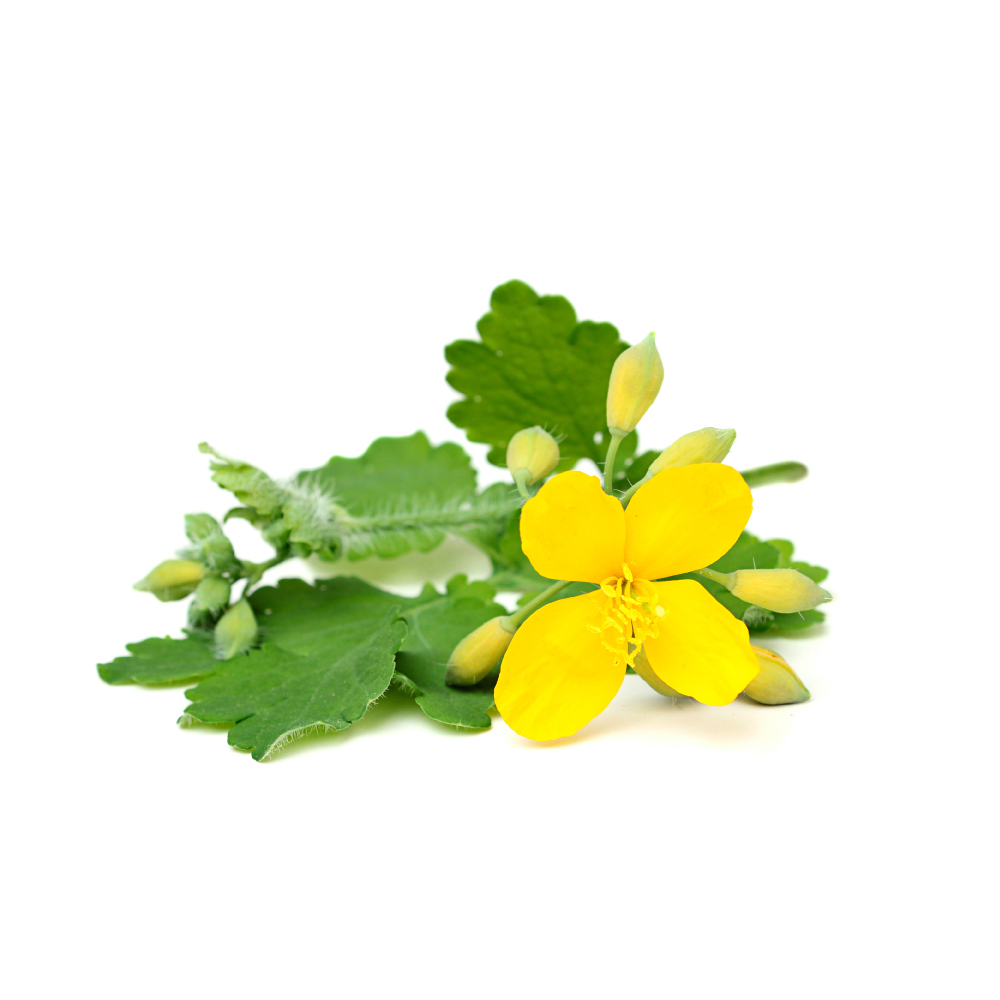 MildMildGreater CelandineChelidonium majusAn alkaloid-bearing bitter given for chronic skin eruption through the liver, and the herb whose toxicity most conflicts with a months-long course.Read the evidenceShow lessMonograph →
Celandine was classed with the bitter hepatics whose skin effect was held to follow from bile flow, and it was given in the long courses the category implies.
Hepatotoxicity is the governing fact. Greater celandine carries idiosyncratic liver injury, including cases requiring transplantation, and idiosyncratic means not dose-predictable — so sustained daily dosing is the wrong shape of use for it.
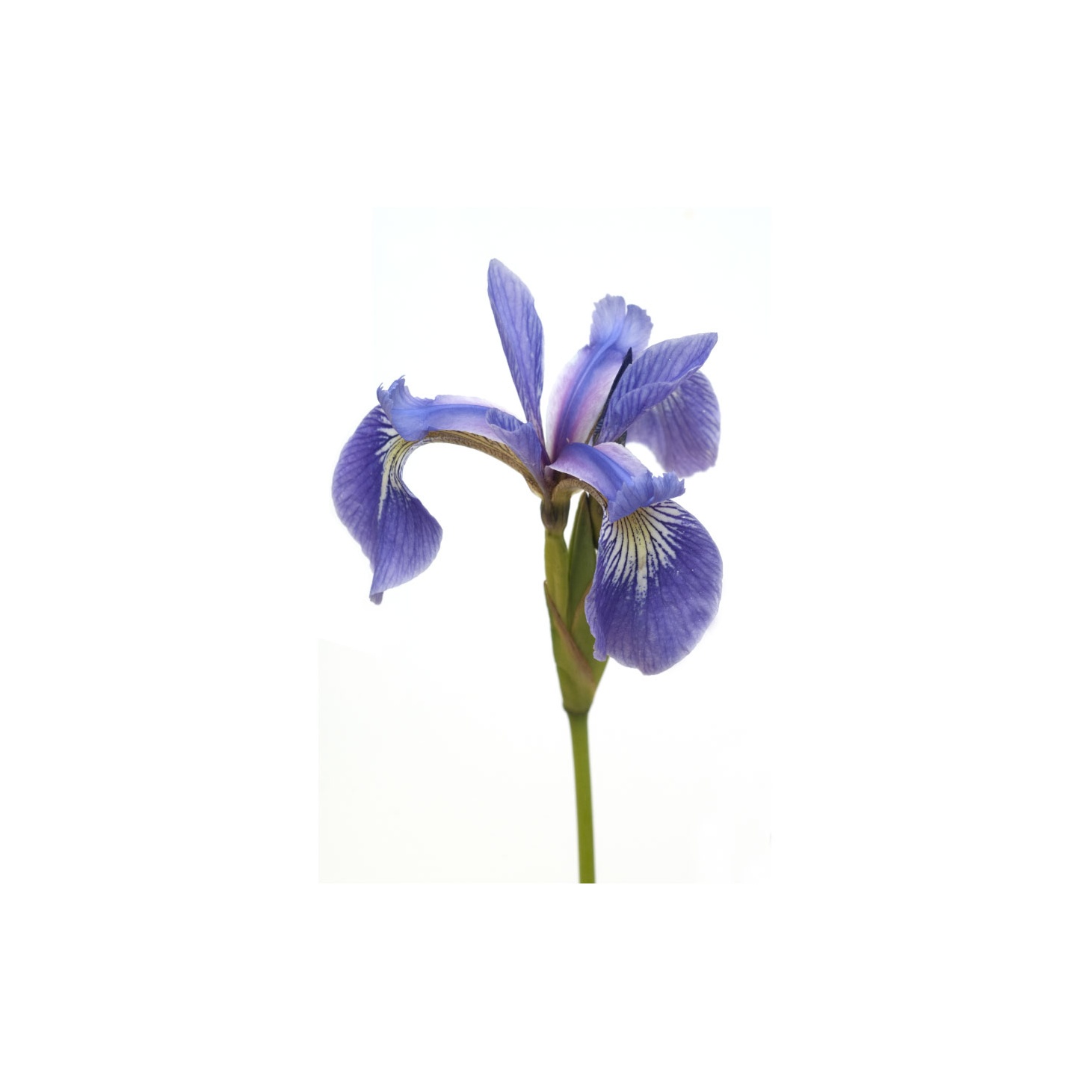 MildMildIrisIris versicolorBlue flag was the Eclectics' skin-through-liver herb, given for chronic eruption and torpid digestion as one connected problem.Read the evidenceShow lessMonograph →
The Eclectic and physiomedicalist physicians who made blue flag a standard herb classed it as a bitter hepatic, a cholagogue and a skin alterative, and gave it for acne, psoriasis, eczema and stubborn rashes on that reading.
Its own literature names the alterative role as one with no experimental backing at all, resting on the acrid, mucous-membrane-irritant nature of the resin.
Iris is emetic and purgative above small doses, which matters for a herb historically given over long periods.
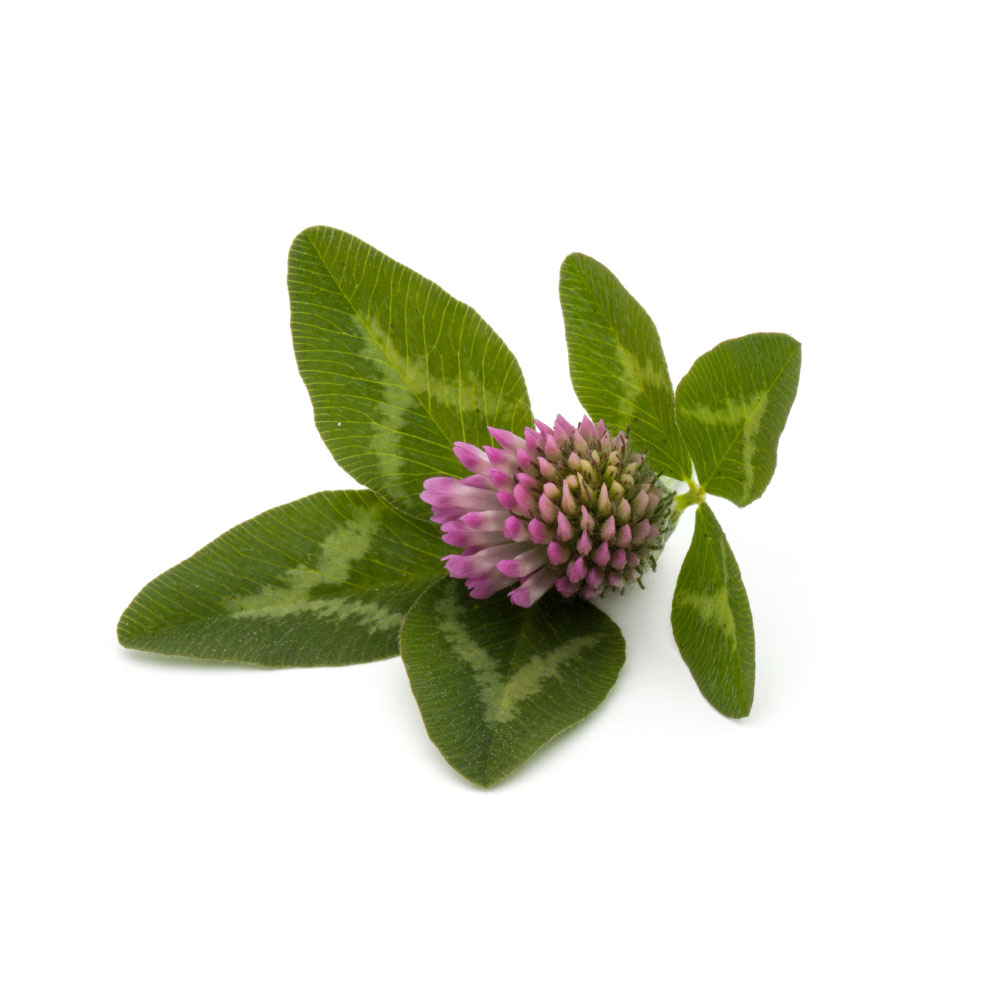 MildMildRed CloverTrifolium pratenseA standing part of the Western blood-cleansing formulas, with no study on eczema, psoriasis, acne or clearance of any kind.Read the evidenceShow lessMonograph →
Red clover’s flowering tops are a fixed part of the alterative formulas, combined with burdock, yellow dock, cleavers, nettle or dandelion, and the classification is its traditional identity.
The nearest adjacent evidence is anti-inflammatory — NF-κB, COX-2 and iNOS — which is a plausible bridge to a skin claim rather than one.
Red clover is also described as a lymphatic, which records the same traditional idea a second time.
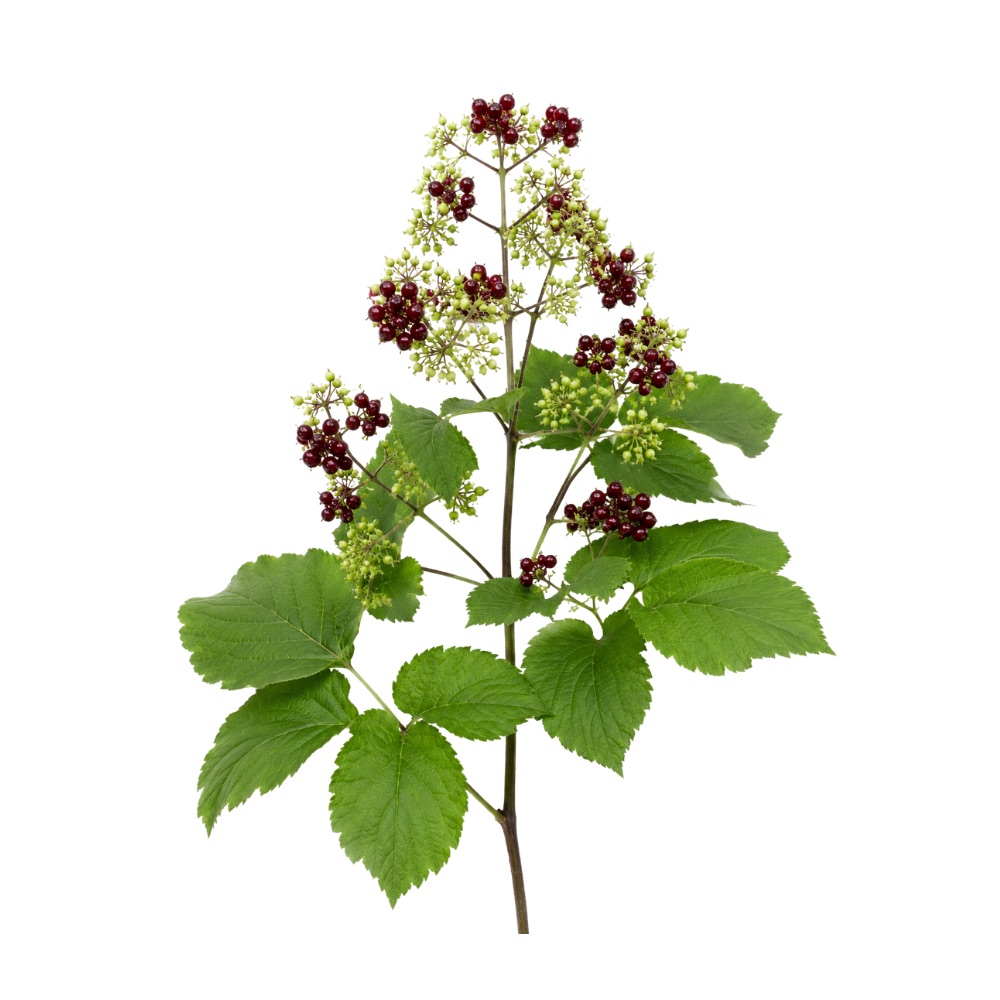 MildMildSpikenardAralia racemosaAn American alterative of the Eclectic materia medica, carried entirely by classification.Read the evidenceShow lessMonograph →
Spikenard root was classed with the alteratives in nineteenth-century American practice and used in the same long courses.
Aralia racemosa has essentially no modern pharmacology, on this action or any other.
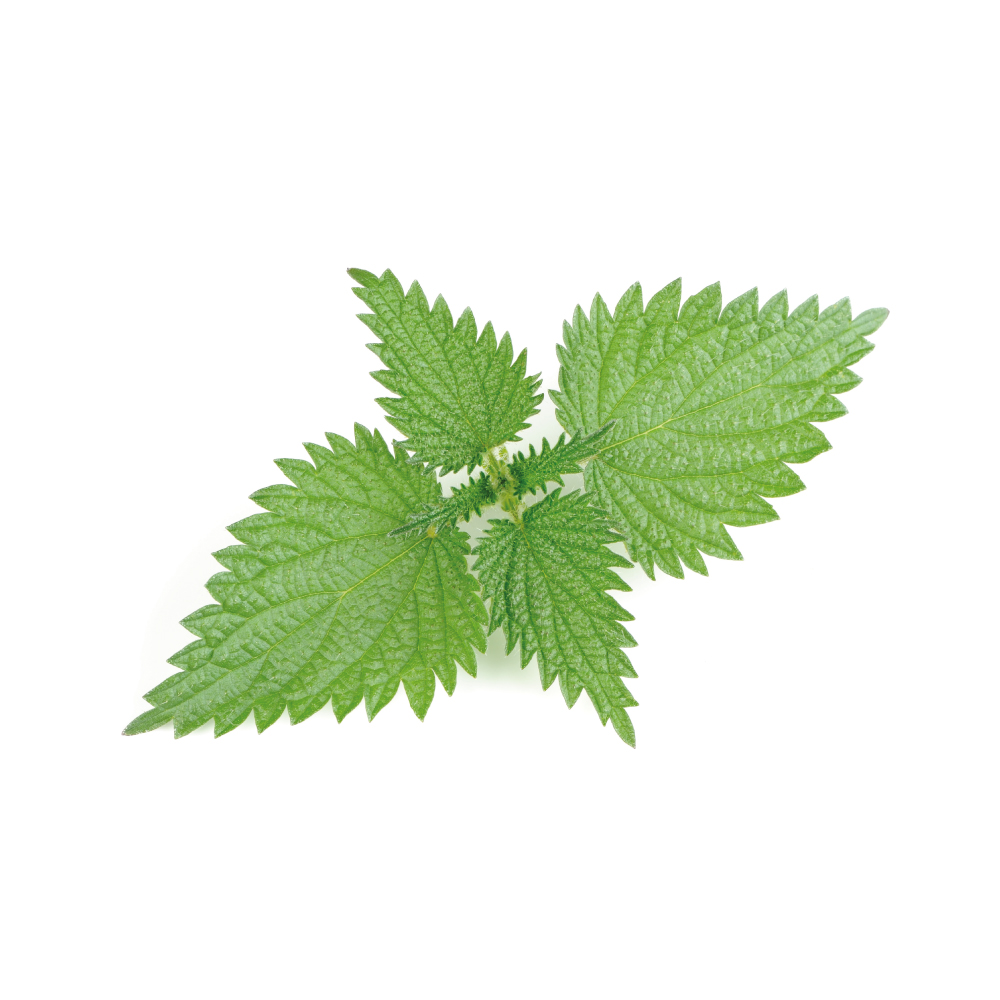 MildMildStinging NettleUrtica dioicaThe builds-the-blood herb of European practice, carrying roughly 30% protein and 20% minerals by dry mass — a nutritive claim rather than a depurative one.Read the evidenceShow lessMonograph →
Nettle’s place in this category rests on the builds-the-blood framing, taken as a spring tonic and a long course for chronic skin complaints.
It is the one herb here where that cashes out into something measurable: roughly 30% protein and 20% minerals by dry mass.
That is a nutritive property rather than a depurative one, and it is probably the most accurate reading of what the tradition was seeing. No study, mechanism or skin endpoint supports the alterative half.
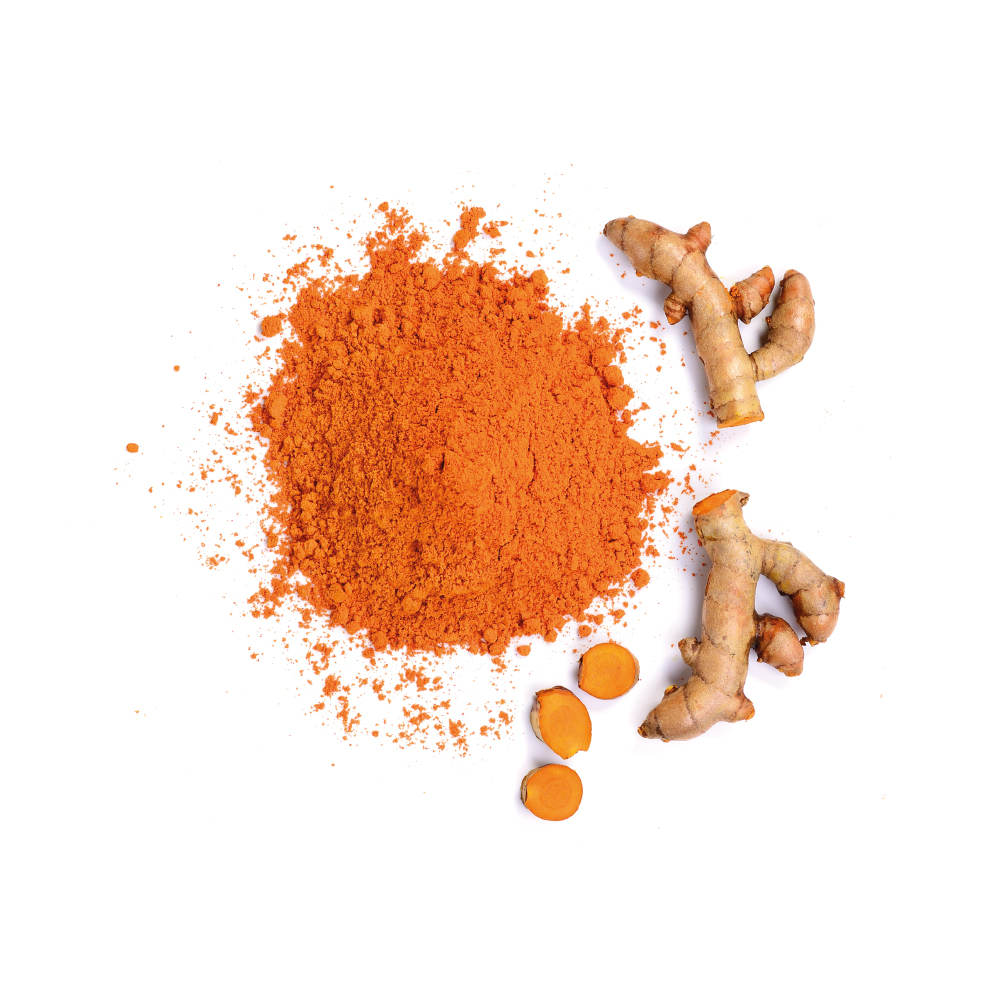 MildMildTurmericCurcuma longaAn Ayurvedic 'purify the blood' descriptor, applied to a rhizome whose measured work is inflammation and the liver.Read the evidenceShow lessMonograph →
Turmeric carries the descriptor from Ayurvedic classification, where blood purification is a named category of action.
No mechanistic content or citation sits behind it. Turmeric’s substantiated work is anti-inflammatory and hepatic.
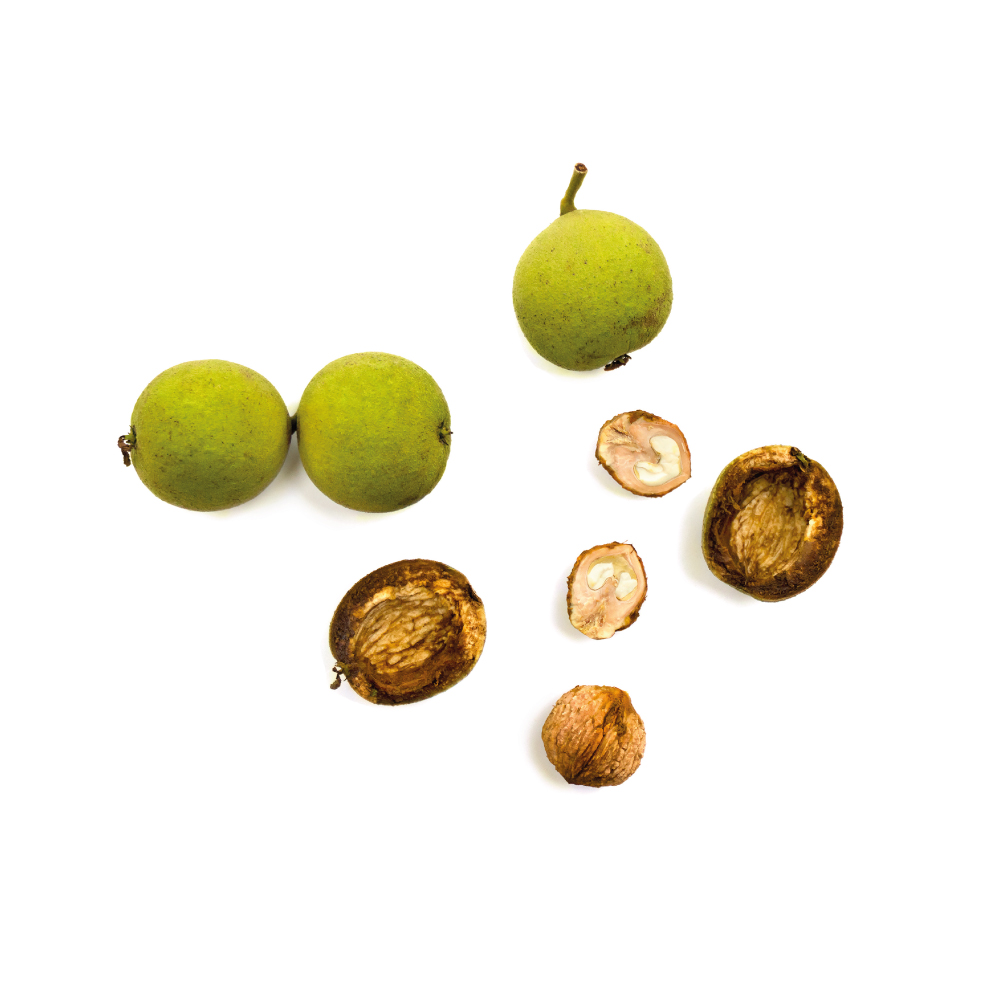 MildMildWalnutJuglans nigraThe blood-cleanser half of the classic walnut-and-dandelion-root pairing for chronic skin eruption.Read the evidenceShow lessMonograph →
Black walnut hull and leaf were paired with dandelion root as the standard American formula for chronic skin eruptions, and the alterative label belongs to that pairing.
No research on the depurative claim exists anywhere. This covers Juglans nigra rather than the culinary walnut.
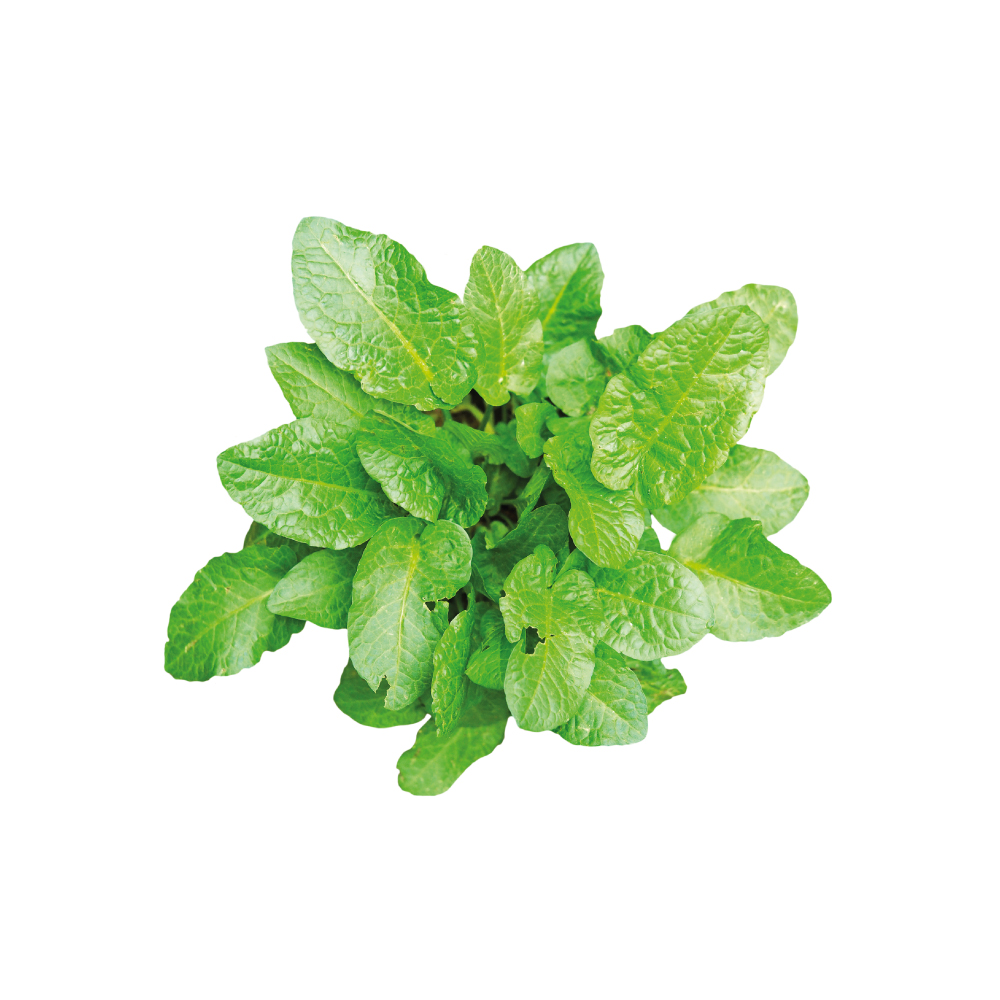 MildMildYellow DockRumex crispusThe Eclectic blood purifier for chronic skin eruption, and an anthraquinone root — so part of what the tradition observed was a bowel effect.Read the evidenceShow lessMonograph →
Yellow dock root is the headline Eclectic blood purifier, given for chronic skin eruptions and sluggish elimination in courses of weeks to months.
There is no dermatological or systemic-clearance study behind it.
Yellow dock is also an anthraquinone-bearing root, which makes it a laxative, and part of what the tradition observed is likely to have been the bowel effect. Stimulant laxatives are not for sustained use.
No herbs match these filters.
Safety
- An alterative is taken steadily for months, and that exposure pattern is what turns a tolerable herb into a problem.
- Herbs with an idiosyncratic hepatotoxicity signal are the wrong ones for a months-long course, because idiosyncratic injury is not dose-predictable.
- Stimulant-laxative herbs in this group are not for sustained use, whatever the tradition did with them.
- Bitter irritant roots of the Eclectic tradition were dosed small because several are emetic and purgative at more.
- Asteraceae cross-reactivity covers several herbs here, and ragweed-sensitive people react to them.
- Chronic skin disease deserves a diagnosis; psoriasis, eczema, acne and chronic urticaria have effective treatments.
- Psoriasis carries an established systemic disease association, so months of self-treatment is not a neutral choice.
References
- Maghsoumi-Norouzabad, L., et al. (2016). Effects of Arctium lappa L. (Burdock) root tea on inflammatory status and oxidative stress in patients with knee osteoarthritis — randomised controlled trial. International Journal of Rheumatic Diseases. https://pubmed.ncbi.nlm.nih.gov/25350500/
- Zhao, F., et al. (2009). In vitro anti-inflammatory effects of arctigenin through inhibition of iNOS and COX-2 — in vitro. Journal of Ethnopharmacology. https://pubmed.ncbi.nlm.nih.gov/19429312/
- Wu, X., et al. (2014). Arctigenin but not arctiin is the major effective constituent of Arctium lappa fruit for attenuating colitis — animal model. International Immunopharmacology. https://pubmed.ncbi.nlm.nih.gov/25284342/
- Wang, Z., et al. (2020). Arctigenin protects mice from thioglycollate-induced acute peritonitis — mouse in vivo. Pharmacology Research & Perspectives. https://pubmed.ncbi.nlm.nih.gov/32960513/
- Miazga-Karska, M., Michalak, K., Ginalska, G., et al. (2020). Anti-acne action of peptides isolated from burdock root — in vitro and pilot testing. Molecules. https://pubmed.ncbi.nlm.nih.gov/32349230/
- Taylor, L. (2005). The Healing Power of Rainforest Herbs: A Guide to Understanding and Using Herbal Medicinals. Square One Publishers (sarsaparilla / Smilax).
- Vijayalakshmi A, Ravichandiran V, Malarkodi V, Nirmala S, Jayakumari S (2012). Screening of flavonoid “quercetin” from the rhizome of Smilax china Linn. for anti-psoriatic activity — animal model. Asian Pac J Trop Biomed. https://pubmed.ncbi.nlm.nih.gov/23569912/
- Guo Y, et al. (2024). Integrated network pharmacological analysis revealed that Smilax glabra Roxb. alleviates IMQ-induced psoriatic skin inflammation through regulating T cell immune response — animal model. J Ethnopharmacol. https://pubmed.ncbi.nlm.nih.gov/38301985/
- Wang Y, et al. (2026). Smilacis Chinae Rhizoma ethyl acetate fraction alleviates IMQ-induced psoriasis by inhibiting IL-17-driven T-cell immune responses — animal model. J Ethnopharmacol. https://pubmed.ncbi.nlm.nih.gov/42219068/
- Chen L, Yin H, Lan Z, Ma S, Zhang C, Yang Z, Li P, Lin B. (2011). Anti-hyperuricemic and nephroprotective effects of Smilax china L. — animal model. J Ethnopharmacol. https://pubmed.ncbi.nlm.nih.gov/21420478/
- Huang L, et al. (2019). The anti-hyperuricemic effect of four astilbin stereoisomers in Smilax glabra on hyperuricemic mice — animal model. J Ethnopharmacol. https://pubmed.ncbi.nlm.nih.gov/30851369/
Keep Exploring